Construcción del Aeropuerto Maragogi

AW | 2021 02 04 08:42 | AIRPORTS

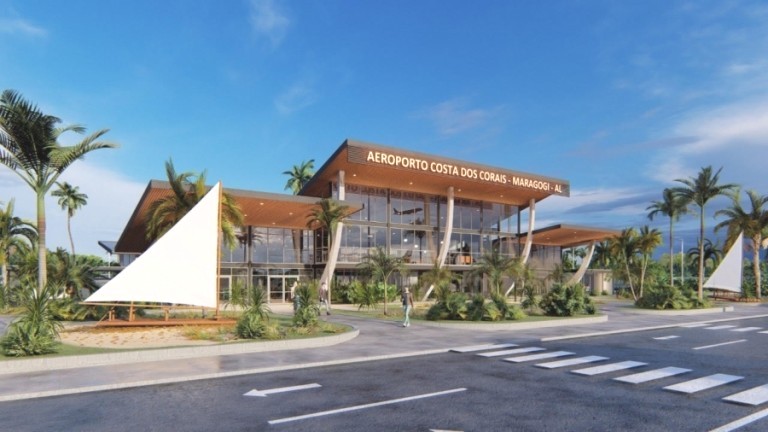
Inician obras para nuevo aeropuerto en Maragogi, Alagoas

El Gobernador de Alagoas, Renan Filho, y el Secretario de Transporte y Desarrollo Urbano del Estado, Mosart Amaral, firman, el Jueves 4 de Febrero de 2021, para el inicio de las obras de construcción del nuevo Aeropuerto Maragogi/Costa dos Corais. El aeropuerto tendrá una terminal de embarque y desembarque de pasajeros, una pista de 2.200 metros y una plataforma para albergar dos aviones simultáneamente. El nuevo aeropuerto tendrá un área de 340.888 hectárreas según estudio topográfico. La obra estará encabezada por el Departamento de Transporte y Desarrollo Urbano (Setrand). La construcción tiene un costo presupuestario de R$ 120 millones de Reales y se financiará al 100% con fondos del Gobierno de Alagoas, con un plazo para su finalización de dos años después del inicio de los trabajos. El Secretario de Transportes y Desarrollo Urbano, Mosart Amaral, señala que la construcción del Aeropuerto Costa dos Corais es un trabajo de estructuración que garantizará el fortalecimiento de la actividad turística en Alagoas, además de generar puestos de trabajo y nuevas oportunidades para la población.

Fortalecimiento región

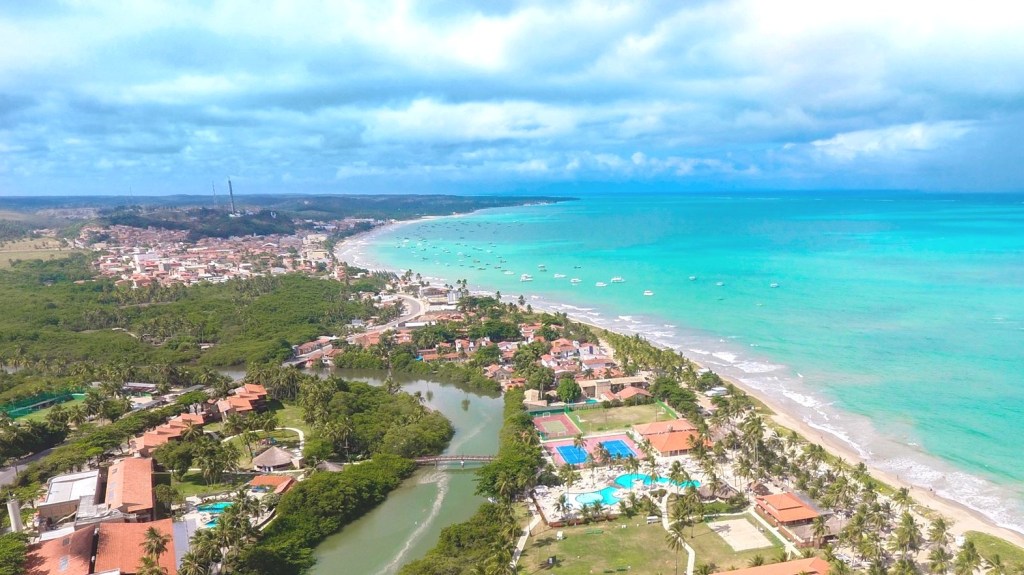
Según datos de la Secretaría de Estado de Desarrollo Económico y Turismo (Sedetur) y de la entidad Costa dos Corais Convention & Visitors Bureau (CCC&VB), la Costa Norte es el segundo centro turístico más grande de Alagoas, siendo el Municipio de Maragogi el destino más buscado para los visitantes de la región y el segundo destino más visitado en el Estado de Alagoas. Según datos del Municipio de Maragogi, un promedio de 300.000 personas visitaron las piscinas naturales, uno de los principales atractivos turísticos de la ciudad, durante el año 2019. Maragogi también aparece en el ranking de las agencias online más buscadas como Hotel Urbano y Decolar. En ausencia de un aeropuerto regional, según datos del CCC&VB, el 90% de los turistas llegan a Maragogi desde Recife, Pernambuco.

La construcción del Aeropuerto de Maragogi tiene una iniciativa hace diecisiete años atrás, desde 2004. El resultado de esto es invariablemente más progreso y desarrollo económico para Alagoas.

Construction of the Maragogi Airport

Works begin for new airport in Maragogi, Alagoas

The Governor of Alagoas, Renan Filho, and the Secretary of Transportation and Urban Development of the State, Mosart Amaral, sign, on Thursday, February 4, 2021, for the start of the construction works of the new Maragogi/Costa dos Corais Airport. The airport will have a passenger boarding and disembarking terminal, a 2,200-meter runway, and a platform to house two planes simultaneously. The new airport will have an area of ​​340,888 hectares according to a topographic study. The work will be headed by the Department of Transportation and Urban Development (Setrand). The construction has a budgetary cost of R$ 120 million Reais and will be financed 100% with funds from the Government of Alagoas, with a deadline for completion of two years after the start of the works. The Secretary of Transportation and Urban Development, Mosart Amaral, points out that the construction of the Costa dos Corais Airport is a structuring work that will guarantee the strengthening of tourist activity in Alagoas, in addition to generating jobs and new opportunities for the population.

Region strengthening

According to data from the Secretary of State for Economic Development and Tourism (Sedetur) and the Costa dos Corais Convention & Visitors Bureau (CCC & VB), the North Coast is the second largest tourist center in Alagoas, with the Municipality of Maragogi being the destination most sought after for visitors to the region and the second most visited destination in the State of Alagoas. According to data from the Municipality of Maragogi, an average of 300,000 people visited the natural pools, one of the main tourist attractions of the city, during 2019. Maragogi also appears in the ranking of the most searched online agencies such as Hotel Urbano and Decolar. In the absence of a regional airport, according to data from the CCC & VB, 90% of tourists arrive in Maragogi from Recife, Pernambuco.

The construction of the Maragogi Airport has an initiative seventeen years ago, since 2004. The result of this is invariably more progress and economic development for Alagoas.

Construção do Aeroporto de Maragogi

Começam as obras do novo aeroporto de Maragogi, Alagoas

O governador de Alagoas, Renan Filho, e o secretário de Transportes e Desenvolvimento Urbano do Estado, Mosart Amaral, assinam, nesta quinta-feira, 4 de fevereiro de 2021, o início das obras do novo Aeroporto Maragogi/Costa dos Corais. O aeroporto terá um terminal de embarque e desembarque de passageiros, uma pista de 2.200 metros e uma plataforma para abrigar dois aviões simultaneamente. O novo aeroporto terá uma área de 340.888 hectares de acordo com estudo topográfico. A obra será chefiada pela Secretaria de Transportes e Desenvolvimento Urbano (Setrand). A construção tem custo orçamentário de R$ 120 milhões de reais e será financiada 100% com recursos do Governo de Alagoas, com prazo de conclusão de dois anos após o início das obras. O secretário de Transportes e Desenvolvimento Urbano, Mosart Amaral, destaca que a construção do Aeroporto Costa dos Corais é uma obra estruturante que vai garantir o fortalecimento da atividade turística em Alagoas, além de gerar empregos e novas oportunidades para a população.

Fortalecimento da região

Segundo dados da Secretaria de Estado de Desenvolvimento Econômico e Turismo (Sedetur) e do Costa dos Corais Convention & Visitors Bureau (CCC&VB), o Litoral Norte é o segundo maior pólo turístico de Alagoas, tendo como destino o Município de Maragogi mais procurada pelos visitantes da região e segundo destino mais visitado do Estado de Alagoas. Segundo dados da Prefeitura Municipal de Maragogi, durante 2019, uma média de 300 mil pessoas visitaram as piscinas naturais, um dos principais pontos turísticos da cidade. Maragogi também aparece no ranking das agências online mais procuradas, como Hotel Urbano e Decolar. Na ausência de aeroporto regional, segundo dados do CCC&VB, 90% dos turistas chegam a Maragogi vindos de Recife, Pernambuco.

A construção do Aeroporto de Maragogi é uma iniciativa há dezessete anos, desde 2004. O resultado disso é invariavelmente mais progresso e desenvolvimento econômico para Alagoas.


PUBLISHER: Airgways.com
DBk: Agenciaalagoas.al.gov.br / Airgways.com
AW-POST: 202102040842AR

A\W   A I R G W A Y S ®

Interjet acusa expulsión del AICM

AW | 2021 01 28 10:38 | AIRLINES / AIRPORTS / GOVERNMENT

Huelguistas de Interjet acusan al AICM buscar expulsarlos

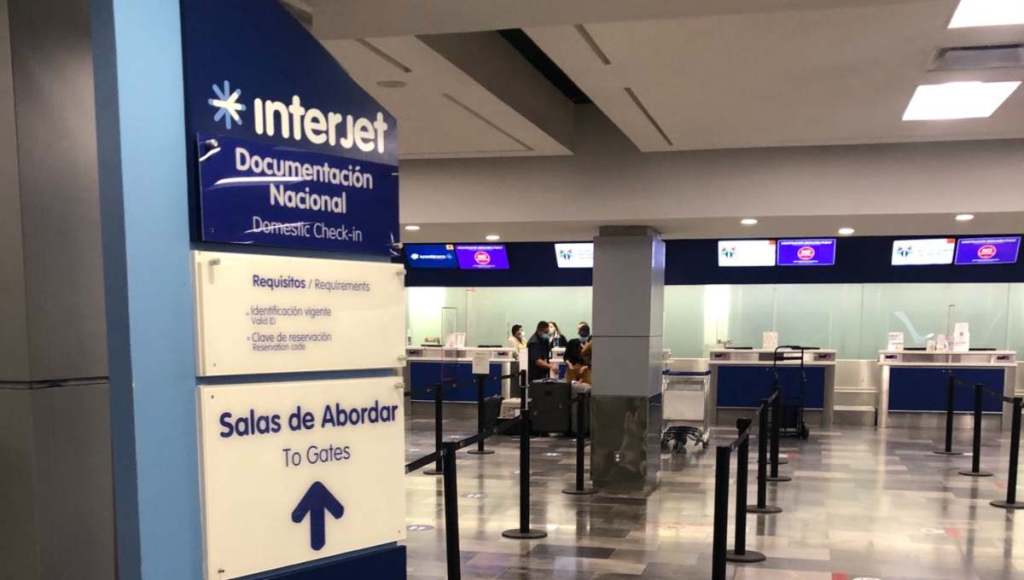
Autoridades del Aeropuerto Internacional Ciudad de México (AICM) de expulsar a Interjet de la aeroestación instalando placas metálicas alrededor de los 25 mostradores de la aerolínea de presupuesto mexicana. El Aeropuerto de la Ciudad de México ha realizado un encapsulamiento de los mostradores de Interjet, en donde trabajadores de la aerolínea se encuentran desde el 8 de Enero de 2021, fecha en la que estalló la huelga de la compañía aérea. Miembros del Sindicato de la Sección 15 de la CTM, que representa a más de 4.800 trabajadores, denunciaron que las autoridades del aeropuerto capitalino han instalado placas metálicas alrededor de los veinticinco mostradores de Interjet, los cuales se encuentran a la altura de la Puerta 4 del aeropuerto capitalino.

Una fuente ligada al sindicato que pidió el anonimato, ha expresado que detentan expulsar a los trabajadores que mantienen el resguardo de los aparadores en donde Interjet recibía a los pasajeros. El AICM es administrado y operado por el propio Gobierno Federal, por lo que las acciones, calificadas por los huelguistas como acoso, corresponden al propio aeropuerto que dirige Jesús Rosano. “No pueden sacarnos, el derecho a huelga es un derecho de los trabajadores. Cuando la autoridad resuelva y termine el proceso, entonces se liberarán esos espacios, porque son del aeropuerto capitalino”, dijo la fuente sindical Sección 15 CTM.

La huelga de trabajadores estalló debido a que la empresa aérea, fundada por la familia Alemán, dejó de pagar 8 quincenas consecutivas a sus trabajadores, sin prestaciones y tras el alto de operaciones desde la segunda semana de diciembre. Interjet buscó derribar el movimiento huelguista, al argumentar que la mayoría de los empleados no estaba de acuerdo con el paro de labores; sin embargo, las autoridades laborales están a la espera de la realización de una segunda votación para validar o echar atrás la huelga.

Interjet accuses expulsion from AICM

Interjet strikers accuse the AICM of seeking to expel them

Authorities of the Mexico City International Airport (AICM) to expel Interjet from the air station by installing metal plates around the 25 counters of the Mexican budget airline. The Mexico City Airport has encapsulated the Interjet counters, where airline workers have been since January 8, 2021, the date on which the airline strike broke out. Members of the Union of Section 15 of the CTM, which represents more than 4,800 workers, denounced that the authorities of the capital airport have installed metal plates around the twenty-five Interjet counters, which are located at Gate 4 of the capital airport.

A source linked to the union who requested anonymity, has expressed that they are trying to expel the workers who maintain the protection of the sideboards where Interjet received passengers. The AICM is administered and operated by the Federal Government itself, so the actions, described by the strikers as harassment, correspond to the airport itself, run by Jesús Rosano. “They can’t get us out, the right to strike is a workers’ right. When the authority resolves and ends the process, then those spaces will be released, because they are from the capital airport”, said the union source Section 15 CTM.

The workers’ strike broke out because the airline company, founded by the Alemán family, stopped paying 8 consecutive fortnights to its workers, without benefits and after the stoppage of operations since the second week of December. Interjet sought to overthrow the strike movement, arguing that the majority of employees did not agree with the work stoppage; however, the labor authorities are waiting for a second vote to validate or reverse the strike.


PUBLISHER: Airgways.com
DBk: Seccion15.org.mx / Airgways.com
AW-POST: 202101281038AR

A\W   A I R G W A Y S ®

Licitación por Aeropuerto Lima

AW | 2021 01 28 10:18 | AIRPORTS

Cinco constructoras pugnan por nueva terminal Aeropuerto de Lima

Lima Airport Partners_Isologotype

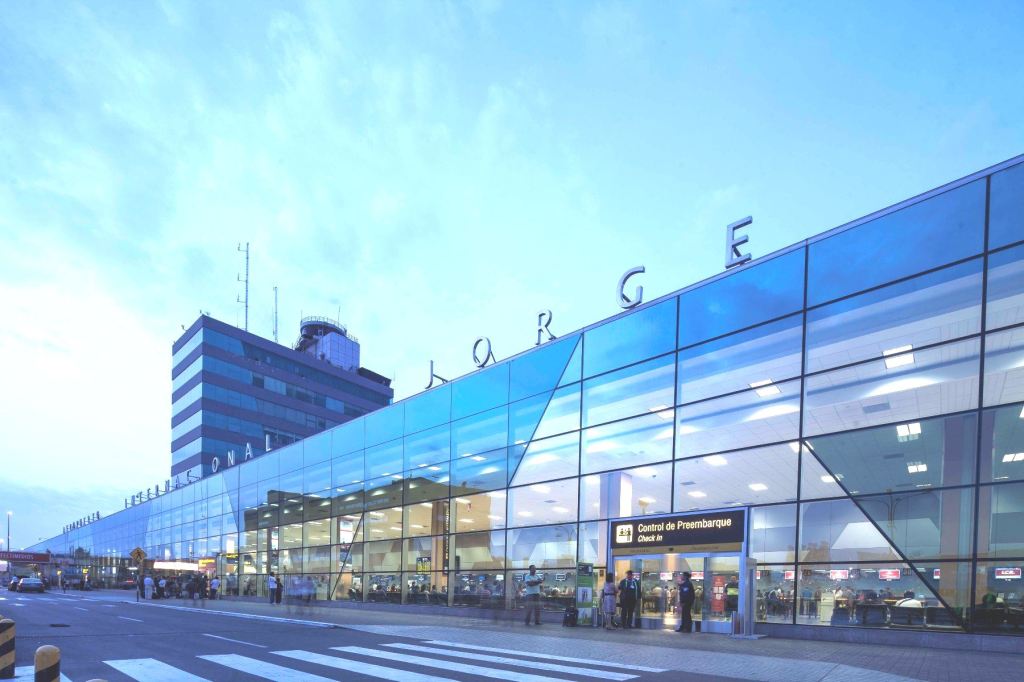
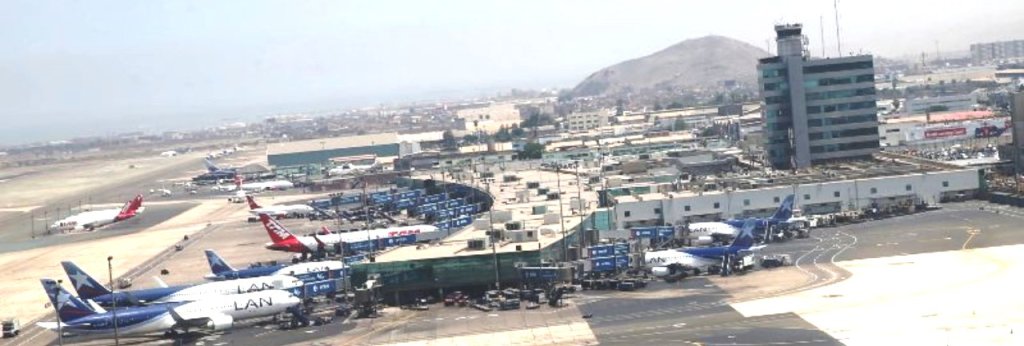
El Aeropuerto Internacional Lima/Jorge Chavez ha arribado al proceso de licitación con cinco consorcios aeroportuarios en los que se encuentran cinco empresas españolas y una italiana constituyen los finalistas para la licitación para la construcción de la nueva terminal del Aeropuerto de Lima, la principal puerta de ingreso al Perú, anunciaron este Miércoles 27/01.

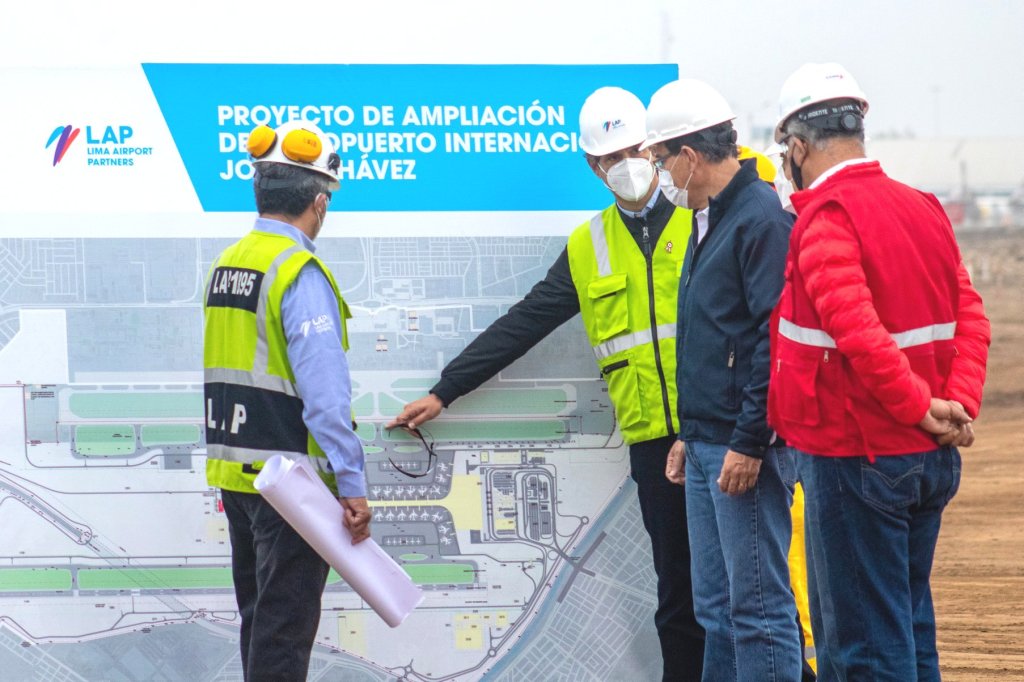
Lima Airport Partners (LAP), la empresa concesionaria del aeropuerto ubicado en Callao, ciudad portuaria aledaña a la capital peruana, ha seleccionado a cuatro postores finales. A la fase final de la licitación llegaron los consorcios Inti Punku, conformado por la española Sacyr y la peruana Aenza; y Wayra, compuesto por las empresas españolas Ferrovial y Acciona y la peruana JJC, así como otro consorcio integrado por las compañías españolas Dragados y Cobra. El cuarto finalista es la empresa italiana Webuild, anteriormente conocida como Salini Impregilo, que se postula para la adjudicación de manera independiente frente a los otros tres consorcios. Todos los finalistas cumplieron con los requisitos solicitados por LAP, entre ellos capacidad económica y financiera, experiencia y especialidad en el sector aeroportuario, capacidad técnica y constructiva, experiencia en el desarrollo de grandes proyectos en Perú y estándares internacionales de cumplimiento y ética. Estos cuatro postores fueron elegidos entre 26 empresas internacionales que se interesaron por el proyecto desde que el 26 de abril de 2020 se abrió el proceso de selección preliminar.

El Consorcio Wayra que forman las españolas Ferrovial y Acciona y la peruana JJC se ha adjudicado en Mayo de 2020 la construcción de la nueva Torre de Control y otros edificios secundarios de soporte cuyas obras ya están en marcha. Además de la nueva Terminal y una nueva Torre de Control, el proyecto de ampliación del Aeropuerto Internacional Jorge Chávez también comprende una segunda Pista de Aterrizaje, lo que en conjunto supone una inversión de US$ 1.500 millones de Dólares.

Perspectivas

La previsión es que las obras concluyan en 2024 con el objetivo de doblar la capacidad actual del aeropuerto, que antes de la pandemia de la Covid-19 funcionaba al límite de su capacidad con un volumen de unos 23 millones de pasajeros al año. Antes de las restricciones para frenar la expansión del Coronavirus, el Aeropuerto de Lima operaba unos 730 vuelos a la semana, por lo que con la ampliación confía en convertirse en uno de los principales centros de conexión aérea de Sudamérica, dada su posición geográfica en la región y la importancia como centro turístico de nivel internacional.

Lima Airport bidding

Five construction companies fight for a new Lima Airport terminal

Lima/Jorge Chavez International Airport has entered the bidding process with five airport consortiums in which five Spanish companies and one Italian are the finalists for the tender for the construction of the new terminal at Lima Airport, the main gateway to entry to Peru, announced this Wednesday 01/27.

Lima Airport Partners (LAP), the concessionaire of the airport located in Callao, a port city near the Peruvian capital, has selected four final bidders. The Inti Punku consortiums, made up of the Spanish Sacyr and the Peruvian Aenza, arrived at the final phase of the tender; and Wayra, made up of the Spanish companies Ferrovial and Acciona and the Peruvian company JJC, as well as another consortium made up of the Spanish companies Dragados and Cobra. The fourth finalist is the Italian company Webuild, formerly known as Salini Impregilo, which is running for the award independently from the other three consortia. All finalists met the requirements requested by LAP, including economic and financial capacity, experience and specialty in the airport sector, technical and constructive capacity, experience in the development of large projects in Peru, and international compliance and ethical standards. These four bidders were chosen from 26 international companies that have been interested in the project since the preliminary selection process was opened on April 26, 2020.

The Wayra Consortium formed by the Spanish Ferrovial and Acciona and the Peruvian JJC has been awarded in May 2020 the construction of the new Control Tower and other secondary support buildings whose works are already underway. In addition to the new Terminal and a new Control Tower, the Jorge Chávez International Airport expansion project also includes a second Landing Strip, which together represents an investment of US$ 1,500 million.

Perspectives

The forecast is for the works to conclude in 2024 with the aim of doubling the current capacity of the airport, which before the Covid-19 pandemic was operating at the limit of its capacity with a volume of about 23 million passengers per year. Before the restrictions to stop the expansion of the Coronavirus, the Lima eAropport operated about 730 flights a week, so with the expansion it hopes to become one of the main air connection centers in South America, given its geographical position in the region and its importance as an international tourist center.


PUBLISHER: Airgways.com
DBk: Lima-airport.com / Airgways.com
AW-POST: 202101281018AR

A\W   A I R G W A Y S ®

Aproximación Aeropuerto Tianfu

AW | 2021 01 26 13:06 | AIRPORTS / GOVERNMENT

Aeropuerto chino de Tianfu hacia su lanzamiento

El Aeropuerto Internacional Chengdu/Tianfu TFU/ZUTF está un paso más cerca del lanzamiento después de realizar su primer vuelo de prueba. El nuevo aeropuerto es una aeroestación que se está construyendo para servir a Chengdu, la capital de la Provincia de Sichuan y un importante centro aéreo. El sitio del aeropuerto ha sido elegido en la Ciudad de Lujia, Jianyang, Chengdu, a 51 kilómetros (32 millas) al sureste del centro de Chengdu. Lleva el nombre de la Nueva Zona de Tianfu, una zona de desarrollo para Chengdu en la que se encuentra el aeropuerto. La construcción comenzó en Mayo de 2016 y el aeropuerto está programado para abrir en 2021. Operará como un segundo aeropuerto para Chengdu con el aeropuerto internacional de Chengdu Shuangliu existente continuando operando. Chengdu, la capital de la Provincia de Sichuan y situada en el suroeste del país, posee el Aeropuerto Shuangliu, el segundo aeropuerto más ocupado de China el año pasado detrás del Aeropuerto Guangzhou/Baiyun.

El Gobierno de Sichuan dijo que se espera que el nuevo aeropuerto se lance antes del 30 de Junio de 2021. La segunda prueba del aeropuerto se llevará a cabo en Marzo 2021. El Gobierno de la República Popular de China ha pasado cuatro años completando la primera fase de la construcción. Unas seis aerolíneas chinas han traído sus aviones para participar en pruebas aeroportuarias. El Boeing 747-8 de China Southern Airlines, el Airbus A380 de China Southern Airlines, el Boeing 777-300ER de China Eastern Airlines, el Boeing 737 de Lucky Air, el Airbus A330 de Sichuan Airlines y el Comac ARJ21 de Chengdu Airlines han aterrizado en el aeropuerto respectivamente.

Chengdu se convertirá en la tercera ciudad de China en poseer dos aeropuertos internacionales después de Beijing y Shanghai. El aeropuerto de Tianfu se encuentra a 50 kilómetros al sureste de Chengdu. Cuenta con seis pistas y cuatro terminales con capacidad de diseño para aceptar 90 millones de pasajeros cada año. La primera fase de la construcción del aeropuerto incluyó tres pistas y dos terminales que cubrieron 600.000 metros cuadrados. Se espera que el aeropuerto atienda a 40 millones de pasajeros para 2025.

Las aerolíneas se están preparando para el servicio en Tianfu. Air China ha invertido US$ 941 millones para una base en el aeropuerto. Espera doble capacidad en el aeropuerto en cinco años mediante la adición de 150 aviones. China Eastern Airlines va a cambiar su servicio a Tianfu. Lucky Air, una aerolínea con sede en Kunming, seleccionará el aeropuerto de Tianfu como su centro de operaciones.

Se espera que el Aeropuerto de Tianfu proporcione servicios internacionales fuera de Chengdu y ampliará su mapa de rutas a Europa, Oriente Medio y Asia Central y Sureste. Los servicios a Hong Kong, Taiwán, Macao y rutas nacionales se mantendrán en el aeropuerto de Shuangliu. Se espera que las aerolíneas cambien sus rutas al nuevo aeropuerto en dos años. Mientras tanto, la industria de la aviación está viendo una creciente preocupación por la competencia de los aeropuertos de la región. Chongqing, la metrópolis cercana a Chengdu, posee el Aeropuerto Internacional de Jiangbei, con capacidad para más de 40 millones, está esperando una competencia con el nuevo aeropuerto. Además, Chongqing y las ciudades cercanas han solicitado proyectos de expansión aeroportuaria y nuevas aplicaciones aeroportuarias para satisfacer la demanda futura.

Como resultado de la enorme demanda interna, la industria de la aviación china ha estado creciendo rápidamente en décadas. La Commercial Aircraft Corporation of China (COMAC) ha desarrollado con éxito sus propios aviones a medida que el país sigue ampliando sus instalaciones de infraestructura, proyectos como el Aeropuerto Daxing de Beijing se han puesto en marcha en 2019. Según Fred Lam, CEO del Aeropuerto Internacional de Hong Kong, China tiene más de 130 nuevos aeropuertos en construcción.

Tianfu Airport approach

Chinese Tianfu Airport towards launch

Chengdu/Tianfu International Airport TFU/ZUTF is one step closer to launch after conducting its first test flight. The new airport is an airstation that is being built to serve Chengdu, the capital of Sichuan Province and a major air hub. The site of the airport has been chosen in Lujia City, Jianyang, Chengdu, 51 kilometers (32 miles) southeast of downtown Chengdu. It is named after the Tianfu New Zone, a development zone for Chengdu in which the airport is located. Construction began in May 2016 and the airport is scheduled to open in 2021. It will operate as a second airport for Chengdu with the existing Chengdu Shuangliu International Airport continuing to operate. Chengdu, the capital of Sichuan Province and located in the southwest of the country, has Shuangliu Airport, the second busiest airport in China last year behind Guangzhou/Baiyun Airport.

The Sichuan Government said the new airport is expected to launch before June 30, 2021. The second test of the airport will take place in March 2021. The Government of the People’s Republic of China has spent four years completing the first. construction phase. Some six Chinese airlines have brought their planes to participate in airport tests. China Southern Airlines Boeing 747-8, China Southern Airlines Airbus A380, China Eastern Airlines Boeing 777-300ER, Lucky Air’s Boeing 737, Sichuan Airlines Airbus A330 and Chengdu Airlines COMAC ARJ21 have landed at the airport respectively.

Chengdu will become the third city in China to have two international airports after Beijing and Shanghai. Tianfu Airport is located 50 kilometers southeast of Chengdu. It has six runways and four terminals with the design capacity to accept 90 million passengers each year. The first phase of the airport’s construction included three runways and two terminals covering 600,000 square meters. The airport is expected to serve 40 million passengers by 2025.

Airlines are preparing for service in Tianfu. Air China has invested US$ 941 million for a base at the airport. It expects double capacity at the airport in five years by adding 150 aircraft. China Eastern Airlines is changing its service to Tianfu. Lucky Air, an airline based in Kunming, will select Tianfu Airport as its hub.

Tianfu Airport is expected to provide international services outside of Chengdu and will expand its route map to Europe, the Middle East, and Central and Southeast Asia. Services to Hong Kong, Taiwan, Macao and domestic routes will be maintained at Shuangliu Airport. The airlines are expected to change their routes to the new airport in two years. Meanwhile, the aviation industry is seeing growing concern about competition from the region’s airports. Chongqing, the metropolis near Chengdu, owns the Jiangbei International Airport, with a capacity of more than 40 million, it is waiting for a competition with the new airport. In addition, Chongqing and nearby cities have requested airport expansion projects and new airport applications to meet future demand.

As a result of huge domestic demand, the Chinese aviation industry has been growing rapidly for decades. The Commercial Aircraft Corporation of China (COMAC) has successfully developed its own aircraft as the country continues to expand its infrastructure facilities, projects such as Beijing’s Daxing Airport have been launched in 2019. According to Fred Lam, Airport CEO Hong Kong International, China has more than 130 new airports under construction.

天府機場進場

中國天府機場即將啟動

成都/天府國際機場 TFU/ZUTF 進行首次試飛後,離發射場只有一步之遙。新機場是一個正在建設的航空站,將服務四川省省會成都和主要的航空樞紐。該機場的選址是在成都市區東南51公里(32英里)的成都簡陽市陸家鎮。它以天府新區命名,天府新區是機場所在的成都開發區。建設於2016年5月開始,機場計劃於2021年開放。它將作為成都的第二個機場運營,而現有的成都雙流國際機場將繼續運營。成都市位於四川省的西南部,是四川省的省會。雙流機場是去年中國第二繁忙的機場,僅次於廣州/白雲機場。

四川省政府表示,新機場有望在2021年6月30日之前啟動。機場的第二次測試將於2021年3月進行。中華人民共和國政府已經花費了四年時間完成了第一階段的建設。大約有六家中國航空公司帶來了他們的飛機參加機場測試。南航波音747-8,南航空客A380,東航波音777-300ER,幸運航空的波音737,四川航空空客A330和成都航空Comac ARJ21均已降落在機場。

成都將成為繼北京和上海之後擁有兩個國際機場的中國第三座城市。天府機場位於成都東南50公里處。它有六個跑道和四個航站樓,設計能力每年可接待9000萬乘客。機場建設的第一階段包括三條跑道和兩個航站樓,面積達600,000平方米。到2025年,該機場預計將為4000萬乘客提供服務。

航空公司正準備在天府提供服務。國航已在機場基地投資了9.41億美元。預計五年內將增加150架飛機,使機場的運力翻一番。中國東方航空正在將其服務轉換為天府。昆明的航空公司Lucky Air將選擇天府機場作為其樞紐。

天府機場有望在成都以外地區提供國際服務,並將其航線圖擴展到歐洲,中東以及中亞和東南亞。到香港,台灣,澳門和國內航線的服務將在雙流機場進行。預計航空公司將在兩年內改變前往新機場的航線。同時,航空業越來越關注該地區機場的競爭。成都附近的大都市重慶擁有江北國際機場,容量超過4000萬,它正在等待與新機場的競爭。此外,重慶及附近城市已請求機場擴建項目和新機場應用程序以滿足未來需求。

由於巨大的內需,中國航空業幾十年來一直在迅速發展。隨著中國繼續擴大基礎設施,中國商用飛機公司(COMAC)已成功開發了自己的飛機,北京大興機場等項目已於2019年啟動。超過130個新機場正在建設中。


PUBLISHER: Airgways.com
DBk: Airgways.com / Gov.cn
AW-POST: 202101261306AR

A\W   A I R G W A Y S ®

Habilitación Aeropuerto Correia Pinto

AW | 2021 01 26 10:37 | AIRPORTS / AVIATION ORGANISMS

ANAC Brasil emite certificación operativa Aeropuerto Correia Pinto

ANAC Brasil_Isologotype

La Agencia Nacional de Aviación Civil (ANAC) de la República de Brasil ha publicado el Martes 19/01, la Ordenanza del Certificado Operativo para vuelos comerciales regulares al Aeropuerto Regional Correia Pinto de Planalto Serrano, en el Estado de Santa Catarina (SC). La autorización de la agencia se establece después de una espera de casi dos décadas, permitiendo las operaciones de aeronaves con una capacidad de más de 200 asientos, ubicándola en operaciones con aeronaves tipo Boeing 737/A320.

El Aeropuerto Regional de Planalto Serrano es un aeródromo público ubicado en el municipio de Correia Pinto, en Santa Catarina y administrado por Infracea Ltda. Está situado en una superficie de aproximadamente 193 hectáreas a orillas de la carretera BR-116, a unos 6 kilómetros al sur de la sede del municipio de Correia Pinto y a 24 kilómetros del centro de Lages, la principal ciudad de la región con una población estimada de 160.000 habitantes. La terminal atenderá a las regiones de la meseta de Santa Catarina serrano,el Medio Oeste y el Valle Superior de Itajaí.

La entrada de servicio de un nuevo aeropuerto en la región permitirá al Aeropuerto Regional Correia Pinto buscar clientes entre las líneas aéreas para establecer rutas entre la región y diferentes centros de distribución. El Gerente Márcio Reis, del Aeropuerto Regional Correia Pinto, a través de la empresa Infracea, que tiene la responsabilidad operativa de la unidad, explica que toda la certificación operativa es provisional y tiene una duración de seis meses. «Tenemos que movernos ahora para consolidar el proceso con una certificación definitiva. El siguiente paso será el vuelo comercial y eso dependerá de nuestra capacidad para negociar con las aerolíneas», explicó.

El certificado aeroportuario se expide al Secretario de Estado de Infraestructura y Movilidad. En el caso que estaba previsto para este jueves con el gobernador Carlos Moisés da Silva, se anunciaría la certificación, además de las obras de mejora. El Director del Aeropuerto se reunió con el Alcalde de Correia Pinto, Edilson Germiniano dos Santos y el Secretario de Movilidad Urbana, Turismo y Empleo Generación de Correia Pinto, José Carlos Vargas Mariano, donde presentó la ordenanza de certificación. «Es un hito para la región en este momento. Esto significa que en el lado técnico operativo, el aeropuerto ya existe en la red aérea nacional y su funcionamiento ahora depende del esfuerzo de la región junto con el estado. Este aeropuerto es el resultado de muchos años de demandas», comentó la Alcalde de Correia Pinto, Edilson Germiniano dos Santos.

El Presidente de la Conserra Eliseu Farias, señala que la población en un radio de al menos 150 kilómetros, se beneficiará de futuros vuelos comerciales. «Hay estudios que demuestran que este aeropuerto será capaz de operar con una demanda anual de 200.000 pasajeros. Beneficiará a la población desde el Valle del Alto Itajaí hasta el Medio Oeste», dijo Eliseo Farias. A partir de esta certificación operativa, el Aeropuerto Regional Correia Pinto puede recibir inversiones para operar con la terminal de carga, y recibir vuelos de aviones como el Boeing 737 y Airbus A320.

Paho authorization Correia Pinto Airport

ANAC Brazil issues operational certification Correia Pinto Airport

The National Civil Aviation Agency (ANAC) of the Republic of Brazil has published on Tuesday 01/19, the Ordinance of the Operational Certificate for regular commercial flights to the Correia Pinto Regional Airport of Planalto Serrano, in the State of Santa Catarina (SC). The agency’s authorization is established after a wait of almost two decades, allowing the operations of aircraft with a capacity of more than 200 seats, placing it in operations with Boeing 737/A320 type aircraft.

The Planalto Serrano Regional Airport is a public aerodrome located in the municipality of Correia Pinto, in Santa Catarina and managed by Infracea Ltda. It is located on an area of approximately 193 hectares on the banks of the BR-116 highway, about 6 kilometers from the south of the headquarters of the municipality of Correia Pinto and 24 kilometers from the center of Lages, the main city in the region with an estimated population of 160,000 inhabitants. The terminal will serve the regions of the Santa Catarina Serrano plateau, the Midwest and the Upper Valley of Itajaí.

The service entry of a new airport in the region will allow Correia Pinto Regional Airport to search for customers among airlines to establish routes between the region and different distribution centers. The Manager Márcio Reis, from the Correia Pinto Regional Airport, through the company Infracea, which has operational responsibility for the unit, explains that the entire operational certification is provisional and lasts for six months. «We have to move now to consolidate the process with a definitive certification. The next step will be the commercial flight and that will depend on our ability to negotiate with the airlines», he explained.

The airport certificate is issued to the Secretary of State for Infrastructure and Mobility. In the case that was scheduled for this Thursday with Governor Carlos Moisés da Silva, the certification would be announced, in addition to the improvement works. The Airport Director met with the Mayor of Correia Pinto, Edilson Germiniano dos Santos and the Secretary of Urban Mobility, Tourism and Generation Employment of Correia Pinto, José Carlos Vargas Mariano, where he presented the certification ordinance. «It is a milestone for the region at the moment. This means that on the operational technical side, the airport already exists in the national air network and its operation now depends on the efforts of the region together with the state. This airport is the result of many years of demands», commented the Mayor of Correia Pinto, Edilson Germiniano dos Santos.

The President of the Conserra Eliseu Farias, points out that the population in a radius of at least 150 kilometers, will benefit from future commercial flights. «There are studies that show that this airport will be able to operate with an annual demand of 200,000 passengers. It will benefit the population from the Alto Itajaí Valley to the Midwest», said Eliseo Farias. Based on this operational certification, the Correia Pinto Regional Airport can receive investments to operate with the cargo terminal, and receive flights from aircraft such as the Boeing 737 and Airbus A320.

Autorização ops Aeroporto Correia Pinto

ANAC Brasil emite certificação operacional Aeroporto Correia Pinto

A Agência Nacional de Aviação Civil (ANAC) da República do Brasil publicou nesta terça-feira 19/01, a Portaria do Certificado de Operação para voos comerciais regulares para o Aeroporto Regional Correia Pinto do Planalto Serrano, no Estado de Santa Catarina (SC) . A autorização da agência é estabelecida após uma espera de quase duas décadas, permitindo a operação de aeronaves com capacidade superior a 200 assentos, colocando-a em operação com aeronaves do tipo Boeing 737/A320.

Infracea_Isologotype

O Aeroporto Regional do Planalto Serrano é um aeródromo público localizado no município de Correia Pinto, em Santa Catarina e administrado pela Infracea Ltda. Está localizado em uma área de aproximadamente 193 hectares às margens da BR-116, cerca de 6 quilómetros a sul da sede do concelho de Correia Pinto e a 24 quilómetros do centro de Lages, principal cidade da região com uma população estimada em 160 mil habitantes. O terminal atenderá as regiões do Planalto Serrano de Santa Catarina, Centro-Oeste e Alto Vale do Itajaí.

A entrada ao serviço de um novo aeroporto na região permitirá ao Aeroporto Regional Correia Pinto procurar clientes entre companhias aéreas para estabelecer ligações entre a região e os diferentes centros de distribuição. O gerente Márcio Reis, do Aeroporto Regional Correia Pinto, por meio da empresa Infracea, que tem a responsabilidade operacional da unidade, explica que toda a certificação operacional é provisória e tem duração de seis meses. “Temos que avançar agora para consolidar o processo com uma certificação definitiva. O próximo passo será o vôo comercial e isso dependerá da nossa capacidade de negociação com as companhias aéreas”, explicou.

O certificado do aeroporto é emitido para o Secretário de Estado das Infraestruturas e Mobilidade. No caso que estava agendado para esta quinta-feira com o governador Carlos Moisés da Silva, seria anunciada a certificação, além das obras de beneficiação. O Director do Aeroporto reuniu-se com o Presidente da Câmara Municipal de Correia Pinto, Edilson Germiniano dos Santos e com o Secretário de Mobilidade Urbana, Turismo e Geração de Emprego de Correia Pinto, José Carlos Vargas Mariano, onde apresentou a portaria de certificação. “É um marco para a região no momento. Isso significa que do lado técnico operacional, o aeroporto já existe na malha aérea nacional e sua operação agora depende do esforço da região em conjunto com o estado. Esse aeroporto é o resultado de muitos anos de reivindicações”, comentou o prefeito de Correia Pinto, Edilson Germiniano dos Santos.

O presidente da Conserra, Eliseu Farias, lembra que a população num raio de pelo menos 150 quilômetros, será beneficiada com futuros vôos comerciais. “Há estudos que mostram que esse aeroporto terá capacidade para operar com uma demanda anual de 200 mil passageiros. Vai beneficiar a população do Vale do Alto Itajaí ao Centro-Oeste”, disse Eliseo Farias. A partir dessa certificação operacional, o Aeroporto Regional Correia Pinto pode receber investimentos para operar com o terminal de cargas, além de receber voos de aeronaves como Boeing 737 e Airbus A320.


PUBLISHER: Airgways.com
DBk: Infracea.com.br / Anac.gov.br / Airgways.com
AW-POST: 202101261037AR

A\W   A I R G W A Y S ®

Argentina aumenta tasa aeroportuaria

AW | 2021 01 25 10:47 | GOVERNMENT / AIRPORTS / AVIATION ORGANISMS

Organismo ORSNA aumenta tasa de aeroestación

Las autoridades del Organismo Regulador del Sistema Nacional de Aeropuertos (ORSNA) de la República Argentina ha confirmado un incremento del 11,8%, aumento de la Tasa de Uso de Aerostación (TUA) para los vuelos en el país. Esta medida actualmente está en vigencia desde hace días, por lo que va a afectar los pasajes aéreos nacionales e internacionales.

La reacción de los organismos internacionales frente a la incomprensión del Gobierno de Argentina de aumentar las tasas aeroportuarias ante una difícil situación que atraviesa la aviación comercial mundial, no hace otra cosa que ser repudiable. La Asociación Internacional de Internacional de Transporte Aéreo (IATA), la Asociación Latinoamericana y del Caribe de Transporte Aéreo (ALTA) y la Junta de Representantes de Compañías Aéreas (JURCA), enviarán una nota al ORSNA reclamando anular el aumento de la tasa de aeroestación.

La Cámara de Líneas Aéreas en la República Argentina, JURCA es una entidad formada en el año 1981 que agrupa a más del 90% de las aerolíneas nacionales y extranjeras de transporte de pasajeros y carga que operan desde y hacia la Republica Argentina. El Presidente de JURCA, Diego García, ha destacado en medios locales que, «si bien el aumento no parece un monto extraordinario sobre el valor total del pasaje, se suma a una carga pesada de impuestos y percepciones, que ya encarecen mucho el costo de volar a otros países. La mayoría de los gobiernos tomó medidas como la reducción de tasas de uso de aeroestación, aterrizaje y despegue, para tratar de aliviar el costo para que eso impacte positivamente en una reducción de precios para el pasajero». En el escrito del reclamo de estas agrupaciones se informa de que las operaciones aéreas en la Argentina es más costoso que en la mayoría de los aeropuertos de América Latina, demostrando, además, que el aumento sería de US$ 6,00 Dólares por pasajero a US$ 57 Dólares, lo cual profundizará más la crisis del sector y alejaría futuras inversiones.

Posición del Gobierno

AW-Flybondi_JetSmart

El Gobierno de Argentina había congelado la Tasa de Uso de Aeroestación doméstica hasta fines de 2021, con el objetivo de colaborar con el resurgimiento del sector aerocomercial local, que en este momento se encuentra limitado a la operación de Aerolíneas Argentinas, JetSmart Airlines Argentina y Flybondi Líneas Aéreas. Según la resolución del ORSNA, la medida adoptada tiene como objetivo “no afectar la competitividad y productividad del sector; mientras se genera el resurgimiento del mismo, buscando alcanzar niveles crecientes de conectividad aérea para el beneficio de los usuarios y la potenciación de los impactos directos e indirectos del transporte aerocomercial”.

El ORSNA también indicó que Argentina mantiene tasas para vuelos domésticos muy por debajo del promedio de la región, que es de US$ 16 Dólares detallando que “las tasas aeronáuticas, correspondientes a operaciones domésticas que se efectúan en la Argentina, se encuentran no sólo entre las menos costosas de la región, sino del mundo, optándose, criteriosamente, por la decisión de no incrementarlas para lograr ganancias de productividad y competitividad de los distintos actores del sector del transporte aerocomercial”.

La carta conjunta de IATA-ALTA-JURCA ha establecido una reunión con el titular del ORSNA para “considerar un aumento en la TUA del 11.8%, representada en US$ 6 Dólares por pasajero, implicaría un incremento artificial de los precios que a su vez conllevaría a una contracción mayor en la demanda, que actualmente ya se encuentra contraída, profundizando la crisis en el sector y evitando la recuperación del mercado aéreo internacional argentino. Cabe mencionar que operar en Argentina es más costoso que operar en la mayoría de los aeropuertos de Latinoamérica; en varios casos es más de 100% más caro”.

Argentina increases airport tax

ORSNA organism increases airstation rate

The authorities of the Regulatory Body of the National Airport System (ORSNA) of the Argentine Republic have confirmed an increase of 11.8%, an increase in the Air Station Use Rate (TUA) for flights in the country. This measure is currently in effect for days, so it will affect national and international air tickets.

The reaction of international organizations to the incomprehension of the Argentine Government to increase airport charges in the face of a difficult situation that world commercial aviation is going through, does nothing but be reprehensible. The International Association of International Air Transport (IATA), the Latin American and Caribbean Air Transport Association (ALTA) and the Board of Representatives of Air Companies (JURCA), will send a note to the ORSNA claiming to cancel the increase in the air station rate .

The Chamber of Air Lines in the Argentine Republic, JURCA is an entity formed in 1981 that brings together more than 90% of the national and foreign airlines for passenger and cargo transport that operate to and from the Argentine Republic. The President of JURCA, Diego García, has highlighted in local media that, «although the increase does not seem like an extraordinary amount over the total value of the ticket, it adds to a heavy burden of taxes and fees, which already make the cost of fly to other countries. Most of the governments took measures such as the reduction of rates of use of air station, landing and takeoff, to try to alleviate the cost so that this has a positive impact on a reduction in prices for the passenger». In the brief of the claim of these groups it is reported that air operations in Argentina are more expensive than in most airports in Latin America, showing, in addition, that the increase would be US$ 6.00 per passenger to US$ 57 Dollars, which will further deepen the crisis in the sector and would deter future investments.

Government position

The Government of Argentina had frozen the Domestic Air Station Use Rate until the end of 2021, with the aim of collaborating with the resurgence of the local commercial aviation sector, which at this time is limited to the operation of Aerolíneas Argentinas, JetSmart Airlines Argentina and Flybondi Líneas Aéreas. According to the ORSNA resolution, the measure adopted is aimed at “not affecting the competitiveness and productivity of the sector; while the resurgence of the same is generated, seeking to reach increasing levels of air connectivity for the benefit of users and the enhancement of the direct and indirect impacts of commercial air transport”.

The ORSNA also indicated that Argentina maintains rates for domestic flights well below the average for the region, which is US$ 16, detailing that «aeronautical rates, corresponding to domestic operations carried out in Argentina, are not only between the least expensive in the region, but in the world, choosing, judiciously, by the decision not to increase them in order to achieve gains in productivity and competitiveness of the different actors in the commercial air transport sector”.

The joint letter of IATA-ALTA-JURCA has established a meeting with the head of the ORSNA to “consider an increase in the TUA of 11.8%, represented in US$ 6 Dollars per passenger, would imply an artificial increase in prices that in turn It would lead to a greater contraction in demand, which is currently contracted, deepening the crisis in the sector and preventing the recovery of the Argentine international air market. It is worth mentioning that operating in Argentina is more expensive than operating in most of the airports in Latin America; in several cases it is more than 100% more expensive”.


PUBLISHER: Airgways.com
DBk: Boletinoficial.gob.ar / Jurca.org.ar / Iata.org / Alta.aero / Argentina.gob.ar/orsna / Airgways.com
AW-POST: 202101251047AR

A\W   A I R G W A Y S ®
Atentado a Aeropuerto Baghdad

AW | 2021 01 24 11:30 | AIRPORTS / AVIATION SAFETY

Incursión de cohetes impactan inmediaciones Aeropuerto Baghdad

El Aeropuerto Internacional de Bagdad BGW/ORBI ha sufrido tres impactos de cohetes en las inmediaciones del área del principal aeropuerto de la República de Irak, según ha comunicado el Ministerio de Defensa iraquí el Sábado 23/01. Una declaración del Ministerio dijo que dos cohetes impactaron fuera del aeropuerto, mientras que el tercero golpeó una casa en el Barrio Al-Jihad, al oeste de Bagdad.

No se reportaron víctimas en los ataques. No hubo ninguna reclamación de responsabilidad por los ataques con cohetes. El Aeropuerto de Baghdad, que también alberga una base militar estadounidense, ha sido blanco de varios ataques con cohetes en el pasado. Washington acusa a las milicias vinculadas a Irán de estar detrás de los ataques que apuntan a los intereses estadounidenses en Irak. Anteriormente, las milicias chiítas, incluidas las Brigadas iraquíes de Hezbolá, habían amenazado con atacar a las fuerzas estadounidenses si se negaban a retirarse de Irak en cumplimiento de la decisión del parlamento iraquí de poner fin a la presencia militar estadounidense en el país. El Jueves 21/01, al menos 32 personas murieron en dos atentados suicidas reclamados por Daesh en Bagdad. Las autoridades continúan alertas por este tipo de hechos, mientras que el Aeropuerto Internacional Baghdad continúa abierto al tráfico aéreo.

Baghdad Airport Attack

Rocket incursion hit nearby Baghdad Airport

Baghdad International Airport BGW/ORBI has suffered three rocket hits in the vicinity of the area of ​​the main airport of the Republic of Iraq, according to the Iraqi Defense Ministry on Saturday 01/23. A statement from the Ministry said that two rockets hit outside the airport, while the third hit a house in the Al-Jihad neighborhood, west of Baghdad.

No casualties were reported in the attacks. There was no claim of responsibility for the rocket attacks. Baghdad Airport, which is also home to a US military base, has been the target of several rocket attacks in the past. Washington accuses Iranian-linked militias of being behind the attacks targeting US interests in Iraq. Previously, Shiite militias, including the Iraqi Hezbollah Brigades, had threatened to attack US forces if they refused to withdraw from Iraq in compliance with the Iraqi parliament’s decision to end the US military presence in the country. On Thursday 01/21, at least 32 people died in two suicide attacks claimed by Daesh in Baghdad. The authorities continue to be alert for these types of events, while Baghdad International Airport continues to be open to air traffic.

هجوم مطار بغداد

غارة صاروخية على مطار بغداد القريب

تعرض مطار بغداد الدولي BGW/ORBI لثلاث قذائف صاروخية في محيط منطقة المطار الرئيسي لجمهورية العراق ، بحسب ما أعلنت وزارة الدفاع العراقية يوم السبت 23/1. وقال بيان للوزارة إن صاروخين أصابهما خارج المطار فيما أصاب الثالث منزلا في حي الجهاد غربي بغداد.

ولم ترد انباء عن وقوع اصابات. ولم تعلن أي جهة مسؤوليتها عن إطلاق الصواريخ. وكان مطار بغداد ، الذي يضم أيضا قاعدة عسكرية أمريكية ، هدفا لعدة هجمات صاروخية في الماضي. وتتهم واشنطن فصائل مرتبطة بإيران بالوقوف وراء الهجمات التي تستهدف المصالح الأمريكية في العراق. وكانت الميليشيات الشيعية ، بما في ذلك كتائب حزب الله العراقية ، قد هددت في السابق بمهاجمة القوات الأمريكية إذا رفضت الانسحاب من العراق امتثالاً لقرار البرلمان العراقي بإنهاء الوجود العسكري الأمريكي في البلاد. في يوم الخميس 21/1 ، قُتل 32 شخصًا على الأقل في هجومين انتحاريين تبناه تنظيم داعش في بغداد. لا تزال السلطات في حالة تأهب لهذه الأنواع من الأحداث ، في حين أن مطار بغداد الدولي لا يزال مفتوحًا أمام الحركة الجوية.


PUBLISHER: Airgways.com
DBk: Gds.gov.iq / Airgways.com
AW-POST: 202101241130AR

A\W   A I R G W A Y S ®

Aeroparque reinaugura el 15 Marzo 2021

AW | 2021 01 22 13:34 | AIRPORTS / GOVERNMENT

Aeropuerto Jorge Newbery reinicia operaciones el 15 Marzo 2021

Aerop_arg_2000_logo.svg

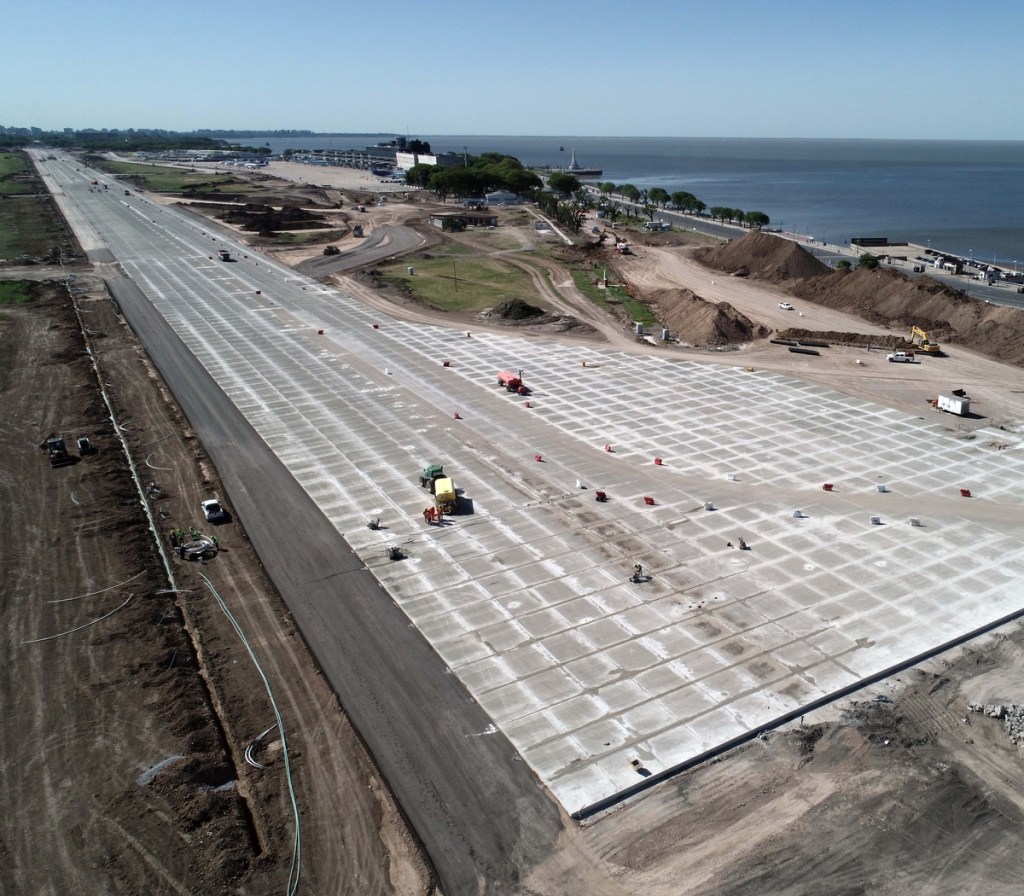
Los avances de las obras para la ampliación de la pista y dependencias del Aeropuerto Jorge Newbery AEP/SABE estarán inauguradas hacia el 15 de Marzo de 2021. Según el NOTAM, el Aeroparque abrirá a las operaciones para el 15/03 en lugar del 24/02. La obra de ampliación y modernización del Aeropuerto Jorge Newbery, continúa con los trabajos dentro de un cronograma establecido para la puesta en valor de la aeroestación de la Ciudad de Buenos Aires. Esta semana ha finalizado el aérea de carpeta de hormigón de la Cabecera de la Pista 31, que ha sido ampliada su longitud de 2.100 metros de longitud extendida a 2.715 metros. Anteriormente la misma poseía 2.100 metros de longitud, sumará 275 metros hacia el sur y 340 metros hacia el norte, sumando así (615 metros). Con ambas extensiones la pista alcanzara los 2.715 metros de largo. Se utilizaron 100.000 metros cúbicos de hormigón.

La concesionaria del sistema aeroportuario argentino AA2000 ha aprovechado la inactividad de los viajes aéreos afectados por la pandemia, para potenciar y modernizar la infraestructura para revalorizar el principal aeropuerto por tráfico de pasajeros de Argentina. La pista con una antigüedad de diez años de uso continuo debía ser realizada a nuevo para extender la vida útil de la misma, teniendo presente la magnitud de los vuelos que se realizan en Aeroparque. Paralelamente se ha estado remodelando la pista principal del Aeropuerto Sao Paulo/Congonhas producto del alto índice de tráfico que demanda también esta aeroestación brasileña.

Renovación Aeroparque

La instalación de un nuevo Sistema de Balizamiento en los despegues y aterrizajes de alta intensidad cumpliendo con la configuración de Categoría Operacional III (CAT III), permitiendo realizar operaciones en condiciones más favorables. Un nuevo sistema instrumental para el aterrizaje ILS CAT. III permitirá mejorar significativamente la seguridad de las operaciones que podrán ser realizadas en condiciones meteorológicas de baja visibilidad. El nuevo sistema de luces de iluminación de eje de la Pista 13/31, bordes, umbral y fin de pista, y nuevos sistemas lumínico de aproximación en ambas cabeceras, completan las obras de reacondicionamiento.

La imagen tiene un atributo ALT vacío; su nombre de archivo es aw-aeropuerto-aep-sabe_obras.jpg

El nuevo Aeropuerto Jorge Newbery reacondicionado permitirá ampliar las prestaciones para más frecuencias aéreas, más aerolíneas, mejores condiciones de operatividad, mayores destinos aumentando los servicios a vuelos regionales. «La pista propiamente dicha está terminada. Ahora se está trabajando en los rodajes, que son las calles por las que los aviones acceden a ella, y en los márgenes. También en las franjas, que son esos paños de pasto a los costados, porque hay que nivelarlas», ha expresado el Arquitecto Jorge Leggieri, Gerente de Obras de Infraestructura Aeroportuaria del Organismo Regulador del Sistema Nacional de Aeropuertos (ORSNA).

La obra también incluye un nuevo hall de arribos y partidas para vuelos internacionales, con mayor infraestructura y confort para los pasajeros. La necesidad de ampliar la terminal internacional surge porque la idea es que todos los vuelos a países de la región vuelvan a operar desde este Aeropuerto Jorge Newbery, permitiendo aprovechar más espacio para las salas de embarque, los controles de seguridad y migratorios, las zonas de despacho y retiro de valijas y el área del check in.

Alcance de la obra

«La obra del edificio tiene un 45% de avance. Puede parecer poco, pero hay que tener en cuenta que el avance de una obra se mide en función del porcentaje de la inversión gastado hasta el momento. Y generalmente los equipamientos y todo lo que se coloca en las etapas finales de la arquitectura, que incluye desde los equipos de aire acondicionado hasta los artefactos de iluminación, tiene un peso grande en esa inversión», precisó Jorge Leggieri.

Aeroparque es el aeropuerto con mayor flujo de pasajeros del país, aún por encima del Aeropuerto Internacional Ezeiza EZE/SAEZ. Según los últimos números oficiales elaborados y publicados, en 2017 por el Jorge Newbery pasaron 13.261.437 pasajeros, contra los 9.679.689 del aeropuerto Ministro Pistarini. El movimiento de aeronaves también refleja esa demanda: desde el Aeropuerto Jorge Newbery operaron 123.077, mientras que en el Aeropuerto Internacional Ezeiza operaron 80.890.

Aeroparque restarts on March 15, 2021

Jorge Newbery Airport restarts operations on March 15, 2021

The progress of the works for the extension of the runway and dependencies of the Jorge Newbery Airport AEP/SABE will be inaugurated by March 15, 2021. According to the NOTAM, the Airport will open for operations on 03/15 instead of 02/24. The expansion and modernization work of the Jorge Newbery Airport continues with the works within a schedule established for the enhancement of the air station of the City of Buenos Aires. This week the concrete folder area of ​​the Head of Runway 31 has been completed, which has been extended its length from 2,100 meters in length extended to 2,715 meters. Previously it had 2,100 meters in length, will add 275 meters to the south and 340 meters to the north, thus adding (615 meters). With both extensions the track will reach 2,715 meters long. 100,000 cubic meters of concrete were used.

The concessionaire of the Argentine airport system, AA2000 has taken advantage of the inactivity of air travel affected by the pandemic, to strengthen and modernize the infrastructure to revalue the main airport for passenger traffic in Argentina. The ten-year-old runway of continuous use had to be rebuilt to extend its useful life, bearing in mind the magnitude of the flights carried out at Aeroparque. At the same time, the main runway at the Sao Paulo/Congonhas Airport has been remodeled as a result of the high traffic rate also demanded by this Brazilian air station.

Aeroparque Renovation

The installation of a new Beacon System in high intensity takeoffs and landings complying with the Operational Category III (CAT III) configuration, allowing operations to be carried out in more favorable conditions. A new instrument system for the ILS CAT landing. III will significantly improve the safety of operations that may be carried out in low visibility meteorological conditions. The new lighting system for the center line of Runway 13/31, edges, threshold and end of the runway, and new approach lighting systems at both headlands, complete the refurbishment works.

The new refurbished Jorge Newbery Airport will allow to expand services for more air frequencies, more airlines, better operating conditions, greater destinations, increasing services to regional flights. «The runway itself is finished. Now work is being done on the filming, which are the streets through which the planes access it, and on the margins. Also on the strips, which are those grass patches on the sides, because they have to be leveled», said the Architect Jorge Leggieri, Manager of Airport Infrastructure Works of the Regulatory Body of the National Airport System (ORSNA).

The work also includes a new arrivals and departures hall for international flights, with greater infrastructure and comfort for passengers. The need to expand the international terminal arises because the idea is that all flights to countries in the region will operate again from this Jorge Newbery Airport, allowing more space to be used for the departure lounges, security and immigration controls, dispatch and removal of suitcases and the check-in area.

Scope of the work

«The building work is 45% complete. It may seem little, but it must be taken into account that the progress of a work is measured based on the percentage of the investment spent so far. And generally the equipment and everything that it is placed in the final stages of architecture, which includes everything from air conditioning equipment to lighting fixtures, it has a great weight in that investment», specified Jorge Leggieri.

Aeroparque is the airport with the highest passenger flow in the country, even above the Ezeiza EZE/SAEZ International Airport. According to the latest official numbers prepared and published, in 2017 13,261,437 passengers passed through Jorge Newbery, compared to 9,679,689 at the Ministro Pistarini airport. The movement of aircraft also reflects this demand: 123,077 operated from Jorge Newbery Airport, while 80,890 operated from Ezeiza International Airport.


PUBLISHER: Airgways.com
DBk: Argentina.gob.ar/orsna / Aa2000.com.ar / Airgways.com
AW-POST: 202101221334AR

A\W   A I R G W A Y S ®

Mejoras Aeropuerto Bangkok

AW | 2021 01 21 14:24 | AIRPORTS / GOVERNMENT

Tailandia aprueba plan de mejora del Aeropuerto de Bangkok

Suvarnabhumi Airport_Isologotype

El Gobierno de Tailandia ha aprobado un plan de mejora Bt 60 mil millones (US$ 1.99 billones) para el Aeropuerto de Bangkok/Suvarnabhumi, la principal puerta de entrada internacional a Tailandia. Los aeropuertos consultarán con la Asociación Internacional de Transporte Aéreo (IATA) y la Organización de Aviación Civil Internacional (OACI) antes de presentar la propuesta al Gabinete del Gobierno para su examen en Marzo 2021. Según el Ministerio de Transporte, a cargo de Saksayam Chidchob, el proyecto incluye tres obras de expansión: expansiones este, oeste y norte. Saksayam Chidchob es vicepresidente del comité creado en diciembre para decidir si la expansión del norte requiere la construcción de una segunda terminal.

Las expansiones este y oeste, respectivamente, cubren un área de 6,6 hectáreas y cada una costará aproximadamente ₣ 7.83.000 millones de Francos Suizos (US$ 261 millones de Dólares). La expansión norte abarca 34,8 hectáreas con un costo de Bt41,26 miln (US$ 1,38bn). Una vez completadas, se espera que las tres expansiones aumenten su capacidad de 60 millones de pasajeros cada año.

John Yeap de Pinsent Masons, la firma detrás de Out-Law, dijo: «Con el sector de la aviación significativamente afectado por Covid-19, es alentador ver a Tailandia planeando el regreso de los viajes aéreos. Antes de la pandemia, el aeropuerto estaba operando sobre su capacidad prevista, y los planes para expandirse han estado en marcha desde mucho antes de la pandemia. Junto con la finalización de la terminal satelital que vence a finales de este año, y con la tercera ampliación de la pista que se propone, estos planes de expansión tienen como objetivo asegurar Bangkok como puerta de entrada internacional a Asia y más allá».

En Agosto 2021, TN Joint Venture, compuesta por Nawarat Patanakarn y Thanomwongse, firmó el contrato con Airports of Thailand Public Company Limited (AOT) para la construcción de la tercera pista y la extensión de la pista de rodaje D y la pista de rodaje perimetral en el aeropuerto de Suvarnabhumi. El valor total del contrato es Bt 9.71billones (US$ 324 millones), según un informe. Se espera que la construcción se complete en un plazo de tres años.

Bangkok Airport improvements

Thailand approves Bangkok Airport improvement plan

The Government of Thailand has approved a Bt 60 billion (US$ 1.99 trillion) upgrade plan for Bangkok/ Suvarnabhumi Airport, the main international gateway to Thailand. Airports will consult with the International Air Transport Association (IATA) and the International Civil Aviation Organization (ICAO) before presenting the proposal to the Government Cabinet for examination in March 2021. According to the Ministry of Transport, led by Saksayam Chidchob, the project includes three expansion works: east, west expansions and north. Saksayam Chidchob is vice chairman of the committee created in December to decide whether the northern expansion requires the construction of a second terminal.

The east and west expansions, respectively, cover an area of ​​6.6 hectares and each will cost approximately ₣ 7.83 billion Swiss francs (US$ 261 million). The northern expansion covers 34.8 hectares at a cost of Bt41.26 million ($ 1.38bn). Once completed, the three expansions are expected to increase their capacity of 60 million passengers each year.

John Yeap of Pinsent Masons, the firm behind Out-Law, said: «With the aviation sector significantly affected by Covid-19, it is encouraging to see Thailand planning a return to air travel. Before the pandemic, the airport was operating above its intended capacity, and plans to expand have been in place long before the pandemic. Along with the completion of the satellite terminal due later this year, and with the proposed third runway expansion, these expansion plans are aimed at securing Bangkok as an international gateway to Asia and beyond».

In August 2021, TN Joint Venture, made up of Nawarat Patanakarn and Thanomwongse, signed the contract with Airports of Thailand Public Company Limited (AOT) for the construction of the third runway and the extension of the D taxiway and the perimeter taxiway. at Suvarnabhumi Airport. The total value of the contract is Bt 9.71 billion (US$ 324 million), according to a report. Construction is expected to be completed within three years.

การปรับปรุงสนามบินกรุงเทพ

ไทยอนุมัติแผนปรับปรุงสนามบินกรุงเทพฯ

รัฐบาลแห่งประเทศไทย ได้อนุมัติแผนอัพเกรด 6 หมื่นล้านบาท (1.99 ล้านล้านดอลลาร์สหรัฐ) สำหรับ กรุงเทพฯ/สนามบินสุวรรณภูมิสุวรรณภูมิซึ่งเป็นประตูระหว่างประเทศหลักของไทยโดยสนามบินจะปรึกษากับสมาคมขนส่งทางอากาศระหว่างประเทศ (IATA) และองค์กรของ การบินพลเรือนระหว่างประเทศ (ICAO) ก่อนที่จะส่งข้อเสนอให้คณะรัฐมนตรีรัฐบาลตรวจสอบในเดือนมีนาคม 2564 ตามที่กระทรวงคมนาคมนำโดยศักดิ์แย้มชิดชอบโครงการดังกล่าวมีการขยายงานสามส่วน ได้แก่ การขยายภาคตะวันออกตะวันตกและเหนือ ศักดิ์แย้มชิดชอบเป็นรองประธานคณะกรรมการที่สร้างขึ้นในเดือนธันวาคมเพื่อตัดสินใจว่าการขยายภาคเหนือจำเป็นต้องสร้างอาคารผู้โดยสารแห่งที่สองหรือไม่

การขยายไปทางตะวันออกและตะวันตกตามลำดับครอบคลุมพื้นที่ 6.6 เฮกตาร์และแต่ละแห่งจะมีราคาประมาณ ₣ 7.83 พันล้านฟรังก์สวิส (261 ล้านดอลลาร์) การขยายภาคเหนือครอบคลุมพื้นที่ 34.8 เฮกตาร์มูลค่า 41.26 ล้านบาท (1.38 พันล้านดอลลาร์) เมื่อเสร็จสิ้นการขยายทั้ง 3 แห่งคาดว่าจะสามารถรองรับผู้โดยสารได้ 60 ล้านคนในแต่ละปี

John Yeap แห่ง Pinsent Masons บริษัท ที่อยู่เบื้องหลัง Out-Law กล่าวว่า“ด้วยภาคการบินที่ได้รับผลกระทบอย่างมีนัยสำคัญจาก Covid-19 จึงเป็นกำลังใจที่เห็นประเทศไทยวางแผนการเดินทางกลับไปยังการเดินทางทางอากาศก่อนที่จะเกิดโรคระบาดสนามบิน กำลังดำเนินการเกินขีดความสามารถที่ตั้งใจไว้และมีแผนจะขยายมานานก่อนที่จะเกิดการระบาดพร้อมกับการเสร็จสิ้นของเทอร์มินัลดาวเทียมซึ่งจะมีกำหนดในปลายปีนี้ แผนการขยายงานเหล่านี้มีเป้าหมายเพื่อให้กรุงเทพฯเป็นประตูสู่สากลสู่เอเชียและอื่น ๆ ”

ในเดือนสิงหาคม 2564 กิจการร่วมค้าที. เอ็น. ซึ่งประกอบด้วยเนาวรัตน์พัฒนาการและถนอมวงศ์ได้ลงนามในสัญญากับ บริษัท ท่าอากาศยานไทย จำกัด (มหาชน) (ทอท.) เพื่อก่อสร้างทางวิ่งแห่งที่ 3 และส่วนต่อขยายของ D แท็กซี่เวย์และแท็กซี่เวย์รอบนอก ที่สนามบินสุวรรณภูมิ. มูลค่ารวมของสัญญาคือ 9.71 พันล้านบาท (324 ล้านดอลลาร์สหรัฐ) ตามรายงาน การก่อสร้างคาดว่าจะแล้วเสร็จภายในสามปี


PUBLISHER: Airgways.com
DBk: Mot.go.th / Suvarnabhumi.airportthai.co.th / Thailand-construction.com / Airgways.com
AW-POST: 202101211424AR

A\W   A I R G W A Y S ®

Reanudan obras aeropuertos México

AW | 2021 01 21 13:07 | AIRPORTS

Aeroportuarios mexicanos reanudan proyectos de construcción

Algunos operadores aeroportuarios privados están reanudando los planes de inversión anteriores a la pandemia ahora que el tráfico de pasajeros mexicanos ha vuelto a aumentar. Aunque los números en el tráfico de pasajeros se había desplomado en más de 90% durante el período más crítico de los confinamientos el año pasado, las perspectivas de dos de los tres mayores operadores privados del país entre ellos Grupo Aeroportuario del Centro Norte (OMA), Grupo Aeroportuario del Pacífico (GAP) y Grupo Aeroportuario del Sureste (ASUR) han anunciado que continuarán o comenzarán las obras definidas en sus planes maestros.

México ha experimentado una recuperación de los vuelos más rápida que otros países de América Latina. Esta tendencia podría atribuirse a la decisión gubernamental de abstenerse de imponer demasiadas restricciones al tráfico aéreo y mantener abiertas las fronteras. Los expertos esperan que el tráfico aéreo de pasajeros retorne a los niveles de 2019 recién en 2023, aunque en algunos de los peores escenarios la recuperación podría tardar hasta 2025.

Grupo Aeroportuario del Centro Norte (OMA) anunció que está preparando un plan de inversión de MX$ 12.000 millones de Pesos (US$ 611 millones) para los próximos cinco años. La mitad de esa cifra se destinará a la construcción de un ala en el Aeropuerto de Monterrey, que da servicio a la capital del Estado de Nuevo León. El resto se asignará a completar obras de modernización en el Aeropuerto de Torreón en el Estado de Coahuila y Ciudad Juárez, y en el Aeropuerto de Chihuahua. El Aeropuerto de Monterrey es la terminal más activa de OMA. El grupo opera 13 aeropuertos en el país. El grupo está evaluando agregar a sus planes de inversión tecnologías como reconocimiento facial, boletos electrónicos y sistemas de sanitización. Entre Enero-Septiembre 2020, los ingresos de OMA disminuyeron un 40%.

Grupo Aeroportuario del Pacífico (GAP) había anunciado en Abril 2020 un retraso en su plan quinquenal de inversiones estimado en MX$ 24.000 millones de Pesos, GAP declaró en Diciembre 2020 que reanudaría sus planes para mejorar los doce aeropuertos que opera en el país, dijo su Presidente Ejecutivo, Raúl Revuelta. La compañía actualizó el monto de inversión original a MX$ 28.000 millones de Pesos. Además, señaló que el grupo y el Gobierno, a través de la Secretaría de Comunicaciones y Transportes, acordaron no rebajar el plan de inversión a cambio de prolongar el plazo de construcción, lo que significa que las obras bajo el plan maestro tomarán más tiempo que los cinco años originalmente previstos. Los trabajos, que se centran principalmente en una nueva terminal y una nueva pista para el aeropuerto de Guadalajara y otra terminal para el aeropuerto de Puerto Vallarta en el estado de Jalisco, tomarán un año y ocho meses adicionales. El aeropuerto de Guadalajara debiera recibir 12.000 millones de Pesos de inversión total y la construcción de la segunda pista comenzó en Octubre 2020.

Grupo Aeroportuario del Sureste (ASUR) un operador con nueve aeropuertos en la región sureste de México, no ha dado a conocer sus planes, pero informes financieros sugieren que fue el que sufrió el mayor impacto de la pandemia. Se estima que la región donde opera el grupo experimentará un auge turístico en los próximos años gracias al Tren Maya, que comenzaría a operar en 2023. Sin embargo, algunos expertos advierten que la decisión del presidente de adjudicar el contrato por un nuevo Aeropuerto en Tulum, en el Estado de Quintana Roo, podría perjudicar la demanda en las tres terminales que controla ASUR en la península de Yucatán. La junta de turismo Fonatur también está persuadiendo al operador para que traslade el aeropuerto de Mérida, en el estado de Yucatán, más cerca de la estación del Tren Maya que se construirá en la ciudad, pero los planes no se han confirmado.

Mexico airport works resume

Mexican airport operators resume construction projects

Some private airport operators are resuming pre-pandemic investment plans now that Mexican passenger traffic has increased again. Although the numbers in passenger traffic had plummeted by more than 90% during the most critical period of the lockdowns last year, the prospects of two of the three largest private operators in the country including Grupo Aeroportuario del Centro Norte (OMA), Grupo Aeroportuario del Pacífico (GAP) and Grupo Aeroportuario del Sureste (ASUR) have announced that they will continue or begin the works defined in their master plans.

Mexico has experienced a faster recovery of flights than other Latin American countries. This trend could be attributed to the government’s decision to refrain from imposing too many restrictions on air traffic and to keep the borders open. Experts expect air passenger traffic to return to 2019 levels only in 2023, although in some worst-case scenarios the recovery could take until 2025.

Grupo Aeroportuario del Centro Norte (OMA) announced that it is preparing an investment plan of MX$ 12,000 million Pesos (US$ 611 million) for the next five years. Half of that figure will go to the construction of a wing at the Monterrey Airport, which serves the state capital of Nuevo León. The remainder will be assigned to completing modernization works at the Torreón Airport in the state of Coahuila and Ciudad Juárez, and at the Chihuahua Airport. Monterrey Airport is OMA’s busiest terminal. The group operates 13 airports in the country. The group is evaluating adding technologies such as facial recognition, electronic tickets and sanitation systems to its investment plans. Between January-September 2020, OMA’s revenues decreased by 40%.

Grupo Aeroportuario del Pacífico (GAP) had announced in April 2020 a delay in its five-year investment plan estimated at 24bn pesos, GAP declared in December 2020 that it would resume its plans to improve the twelve airports it operates in the country, said its President Executive, Raúl Revuelta. The company updated the original investment amount to MX$ 28,000 million Pesos. In addition, he pointed out that the group and the Government, through the Ministry of Communications and Transportation, agreed not to lower the investment plan in exchange for extending the construction period, which means that the works under the master plan will take longer than the originally planned five years. The works, which are mainly focused on a new terminal and a new runway for the Guadalajara airport and another terminal for the Puerto Vallarta airport in Jalisco state, will take an additional year and eight months. The Guadalajara airport is expected to receive MX$ 12 million Pesos of total investment and the construction of the second runway began in October 2020.

Grupo Aeroportuario del Sureste (ASUR), an operator with nine airports in Mexico’s southeastern region, has not disclosed its plans, but financial reports suggest it was the one that suffered the greatest impact from the pandemic. It is estimated that the region where the group operates will experience a tourist boom in the coming years thanks to the Mayan Train, which would begin operating in 2023. However, some experts warn that the president’s decision to award the contract for a new airport in Tulum, in the state of Quintana Roo, could harm demand at the three terminals controlled by ASUR in the Yucatan peninsula. Tourism board Fonatur is also persuading the operator to move the Mérida airport in Yucatán state closer to the Mayan train station to be built in the city, but plans have not been confirmed.


PUBLISHER: Airgways.com
DBk: Gob.mx.sct / Airgways.com
AW-POST: 202101211307AR

A\W   A I R G W A Y S ®