La Administración Federal de Aviación (FAA) de Estados Unidos ha comunicado que no encontró problemas de seguridad significativos en United Airlines luego de una auditoría de supervisión y aprobación mejorada, que se lanzó en Marzo 2024 luego de una serie de percances de seguridad a principios de año. «La revisión no identificó ningún problema de seguridad significativo», dijo la FAA en un comunicado.
En Marzo 2024, la FAA dijo que el aumento de la supervisión era para garantizar que United Airlines cumpliera con las normas de seguridad, identificara los peligros, mitigara los riesgos y gestionara eficazmente la seguridad. Además, si bien permitía a la aerolínea recibir nuevos aviones, requería la presencia de personal de la FAA cuando la aerolínea realizaba inspecciones finales de los nuevos aviones.
La Oficina del Inspector General del Departamento de Transporte (DOT) de los Estados Unidos inició posteriormente una auditoría de la supervisión de la FAA para evaluar las acciones del regulador.
United sufrió varios incidentes a principios de 2024, incluida una excursión en la pista de un avión Boeing 777-200ER en el Aeropuerto Houston Intercontinental que perdió un neumático mientras salía de San Francisco, y un panel externo que desapareció de un avión después de que aterrizó. Ninguno de estos incidentes resultó en víctimas o heridos.
United approves FAA Audit
United Airlines acquitted after FAA audit
The United States Federal Aviation Administration (FAA) has reported that it did not find significant security problems in United Airlines after an improved supervision and approval audit, which was launched in March 2024 after a series of safety mishaps at the beginning of early anus. «The review did not identify any significant security problem», FAA said in a statement.
In March 2024, FAA said that the increase in supervision was to ensure that United Airlines complied with safety standards, identifying the dangers, mitigating the risks, and effectively managing security. In addition, although it allowed the airline to receive new aircraft, it required the presence of FAA personnel when the airline carried out final inspections of the new aircraft.
The Office of the Inspector General of the Department of Transportation (DOT) of the United States later began an audit of the FAA supervision to evaluate the regulator’s actions.
United suffered several incidents in early 2024, including an excursion on the track of a Boeing 777-200er plane at the Houston Intercontinental airport that lost a tire while leaving San Francisco, and an external panel that disappeared from an plane after. None of these incidents resulted in victims or injured.
PUBLISHER: Airgways.com DBk: Faa.gov / United.com / Airgways.com AW-POST: 202410071643AR OWNERSHIP: Airgways Inc. A\W A I R G W A Y S ®
AW | 2024 10 01 20:17 | AVIATION ORGANISMS / AVIATION SAFETY / INDUSTRY
Critica respuesta a problemas derivados del Timón del 737
El Presidente de la National Transport Safety Board (NTSB) critica a la Federal Aviation administration (FAA) por la respuesta al problema del timón del Boeing 737. La Directora de la NTSB, Jennifer Homendy, criticó a los reguladores de la aviación estadounidense por restr importancia a la urgencia de abordar un posible mal funcionamiento del timón en algunos aviones Boeing 737 en una reprimenda inusualmente pública.
Las piezas defectuosas que podrían hacer que el Sistema de Control del Timón del 737 se atasque pueden estar en uso en al menos cuarenta aviones no estadounidenses. El Lunes 30/09, la NTSB escribió en una carta al máximo funcionario de la Administración Federal de Aviación que Boeing había proporcionado en Agosto 2024 indicando que 271 componentes sospechosos podrían estar en uso en aeronaves operadas por aerolíneas extranjeras, mientras que ideciséis podrían seguir en uso en los Estados Unidos, dijo Jennifer Homendy.
En la carta dirigida al Administrador de la FAA, Michael Whitaker, dijo que le preocupa que la FAA «no haya tomado este asunto más en serio hasta que emitimos nuestro informe de recomendación de seguridad urgente», expresó Jennifer Homendy.
La inusual crítica pública llega después de que la NTSB advirtiera la semana pasada que las piezas defectuosas suministradas por Collins Aerospace, una unidad de RTX Corp., para algunos aviones 737 MAX y 737 NG podrían provocar un bloqueo del sistema del timón. La NTSB emitió recomendaciones urgentes a la FAA y Boeing sobre el tema.
La supervisión de Boeing por parte de la FAA ha sido criticada desde que un panel del tamaño de una puerta se desprendió de un 737 MAX durante un vuelo en Enero 2024. La agencia también se ha enfrentado al escrutinio a raíz de dos accidentes del 737 MAX en 2018 y 2019 que mataron a 346 personas.
La FAA dijo el Lunes 30/09 que se está tomando el asunto en serio y que se está poniendo en contacto rápidamente con las autoridades de aviación de otros países para «asegurarse de que tienen la información que necesitan de la FAA, incluidas las acciones recomendadas». El regulador también está planeando pruebas adicionales en simuladores en Octubre 2024, dijo en un comunicado.
Las recomendaciones de la NTSB se derivan de una investigación sobre un incidente del 6 de Febrero 2024 en el que los pedales del Timón de Dirección de un 737-8 MAX operado por United Airlines se atascaron durante el aterrizaje en el Aeropuerto Internacional Newark Liberty en Nueva Jersey.
La Junta de Seguridad de la NTSB dijo que alrededor de 350 piezas se vieron afectadas por el problema. La semana pasada, la FAA dijo que United es la única aerolínea estadounidense que tenía las piezas afectadas y que el entendimiento del regulador es que las piezas actualmente no están en servicio.
United Airlines dijo el Lunes 30/09 que «eliminamos este componente de nuestros nueve aviones afectados a principios de este año». La NTSB no aclaró qué otras aerolíneas estadounidenses podrían estar usando las piezas.
NTSB calls for FAA oversight
Criticizes response to 737 Rudder problems
The chairman of the National Transport Safety Board (NTSB) is criticizing the Federal Aviation Administration (FAA) for its response to the Boeing 737 rudder problem. NTSB Chairman Jennifer Homendy criticized U.S. aviation regulators for downplaying the urgency of addressing a potential rudder malfunction on some Boeing 737 aircraft in an unusually public rebuke.
Defective parts that could cause the 737’s Rudder Control System to jam may be in use on at least forty non-U.S. aircraft. On Monday, September 30, the NTSB wrote in a letter to the Federal Aviation Administration’s top official that Boeing had provided in August 2024 indicating that 271 suspect components could be in use on aircraft operated by foreign airlines, while 16 could remain in use in the United States, Jennifer Homendy said.
In the letter to FAA Administrator Michael Whitaker, he said he is concerned that the FAA «has not taken this matter more seriously until we issued our urgent safety recommendation report», Jennifer Homendy said.
The rare public criticism comes after the NTSB warned last week that defective parts supplied by Collins Aerospace, a unit of RTX Corp., for some 737 MAX and 737 NG aircraft could cause a rudder system jam. The NTSB issued urgent recommendations to the FAA and Boeing on the issue.
The FAA’s oversight of Boeing has come under fire since a door-sized panel broke off a 737 MAX during a flight in January 2024. The agency has also faced scrutiny in the wake of two 737 MAX crashes in 2018 and 2019 that killed 346 people.
The FAA said Monday that it is taking the matter seriously and is quickly reaching out to aviation authorities in other countries to «ensure they have the information they need from the FAA, including recommended actions». The regulator is also planning additional testing in simulators in October 2024, it said in a statement.
The NTSB recommendations stem from an investigation into a Feb. 6, 2024, incident in which the rudder pedals on a 737-8 MAX operated by United Airlines jammed during landing at Newark Liberty International Airport in New Jersey.
The NTSB Safety Board said about 350 parts were affected by the problem. Last week, the FAA said United is the only U.S. airline that had the affected parts and that the regulator’s understanding is that the parts are currently not in service.
United Airlines said Monday 9/30 that «we removed this component from all nine of our affected airplanes earlier this year». The NTSB did not clarify which other U.S. airlines might be using the parts.
PUBLISHER: Airgways.com DBk: Ntsb.gov / Faa.gov / Boeing.com / Airgways.com AW-POST: 202410012017’AR OWNERSHIP: Airgways Inc. A\W A I R G W A Y S ®
AW | 2024 09 25 09:47 | AIRLINES / GOVERNMENT / AVIATION ORGANISMS
Sindicatos marchan al Congreso contra proyecto privatización
Los sindicatos aeronáuticos marchan al Congreso contra el proyecto de privatización de Aerolíneas Argentinas que apoya el Gobierno de Milei. Los cinco sindicatos que nuclean a los trabajadores del sector aeronáutico convocaron el Miércoles 25/09 a una movilización frente al Congreso de la Nación Argentina para reclamar contra la iniciativa del Gobierno de privatizar Aerolíneas Argentinas, en la previa del comienzo del debate convocado por el oficialismo en el plenario de comisiones de Transporte y Presupuesto que acordaron el oficialismo y sus aliados.
La Asociación Argentina de Aeronavegantes, que nuclea al personal de Tripulación de Cabina, convocó a las distintas organizaciones del sector como la Asociación de Personal Aeronáutico (APA), la Asociación de Pilotos de Líneas Aéreas (APLA), la Unión del Personal Superior y Profesional de Empresas Aerocomerciales (UPSA), y ATE ANAC, para una concentración y manifestación frente al Congreso de la Nación que comenzará a las 10:00 horas, una hora antes del inicio del debate del proyecto oficialista para privatizar Aerolíneas Argentinas que acordaron el Gobierno y sus aliados. El lema de la convocatoria es «Todos al Congreso. Aerolíneas Argentinas no se vende, se defiende».
«No solo las fuentes de trabajo son las que están en peligro, sino también la interconectividad de los pueblos y sus economías regionales. Las experiencias de venta de la línea área de bandera fueron absolutamente perjudiciales, no solo para la aeronáutica, sino para el desarrollo de la industria en general», sostuvo el Secretario de Prensa de los Aeronavegantes, Alejandro Kogan, en un comunicado.
La discusión en el Congreso comenzará a las las 11:00 horas en el plenario de comisiones de Transporte y Presupuesto, que presiden la Radical mendocina Pamela Verasay y el oficialista José Luis Espert. Están citados el Vicejefe de Gabinete, José Rolandi; el Secretario de Transporte, Franco Mogetta; y el Presidente de Aerolíneas Argentinas, Fabián Lombardo.
Interesados por Aerolíneas Argentinas La discusión de la privatización de Aerolíneas Argentinas no es un tema histórico, mientras en los períodos de gobiernos kirchneristas la aerolínea era una bandera que defendían a ultranza, actualmente con el cambio de Gobierno, ahora avanza el proyecto privatizador a pesar de haberse dado de baja el tema en la Ley Bases.
El panorama actual de fuertes críticas de los sindicatos aeronáuticos y los reclamos salariales ha profundizado el debate privatizador que ha beneficiado al Estado en pro de des-estatizar la compañía aérea que ha acarreado años de déficit y burocracia.
Ante el nuevo escenario privatizador impulsado por el Gobierno de Argentina, varias aerolíneas han mostrado interés por comprar la línea aérea emblema del país. En el pool de interesados en principio, estaban Avianca Airlines, LATAM Airlines Group, el empresario Germán Efromovich y Azul Linhas Aéreas, mientras que posteriormente el grupo LATAM negó hacer parte del interés de compra.
En contraste, un nuevo oferente ha emergido. El inteerés de GOL Linhas Aéreas Inteligentes SA, la línea aérea brasilera que en este momento se encuentra en proceso de reorganización en el Capítulo 11 en Estados Unidos. GOL, al igual que Avianca, son las aerolíneas que actualmente conforman el Grupo Abra, una unión que consolida un equipo de 28.000 profesionales de aviación y una flota de 300 aviones que sirve a quince países y 150 destinos.
Estas empresas tienen actualmente una relación con Aerolíneas Argentinas, celebrando en Octubre de 2023 con el Grupo Abra un Memorando de Entendimiento (MoU) con la aerolínea de Argentina para fortalecer la colaboración y explorar oportunidades entre las dos compañías aéreas.
Opinión IATA La discusión alrededor a la privatización de Aerolíneas Argentinas es un tema que sigue estando en la agenda del Gobierno de Argentina y en el que cada vez intervienen indirectamente más actores interesados. El Vicepresidente regional para las Américas de la IATA, Peter Cerdá, ha expresado sobre la perspectiva de la agremiación y los principales puntos que hay que tener en cuenta para avanzar con ese propósito. El ejecutivo de la asociación ha expresado que es importante la coyuntura de Aerolíneas Argentinas, las pollíticas implementadas por el Gobierno en materia de regulaciones aeronáuticas que realmente están ayudando al crecimiento futuro del país a nivel aeronáutico. “Han implementado la eliminación de los monopolios, han abierto el mercado a nuevas líneas aéreas para operar internacionalmente y en el país y han implementado ocho acuerdos de cielos abiertos. Son decisiones que han tomado muy rápido, con mucha firmeza y creemos que van a ayudar la industria para que más argentinos viajen”, dijo Peter Cerdá.
Respecto a la posición que defiende la IATA, «Aerolíneas Argentinas tiene un futuro muy prometedor, pero que es necesario asegurarse de que los gremios y el Gobierno lleguen a un acuerdo para avanzar la línea aérea. Si por privatización o no, eso es otra discusión. Lo que tenemos que asegurarnos es de tener menos huelgas y que el sector pueda brindar el servicio que el consumidor está esperando”.
Los datos proporcionados por la Administración Nacional de Aviación Civil de la Argentina (ANAC) en 2023 Aerolíneas Argentinas ha transportado más once millones de pasajeros, lo que representó el 63,6 % del total del mercado.
El Vicepresidente para las Américas de la IATA dejó en claro que no tiene conocimiento sobre el estado de negociaciones. «Hay mucho por hacer en Aerolíneas Argentinas antes de hablar con otras compañías sobre el tema. Creo que lo primero es que el Gobierno, la gerencia de la empresa y el sindicato tienen que llegar a un acuerdo y avanzar hacia un futuro más beneficioso para todos y que esté saneada económicamente”, expresó Peter Cerdá acerca del futuro de la aerolínea.
Protests against Aerolíneas privatization
Aeronautical unions march to Congress against privatization project
The aeronautical unions march to Congress against the privatization project of Aerolíneas Argentinas supported by the Milei Government. The five unions that represent the workers of the aeronautical sector called on Wednesday 25/09 to a mobilization in front of the Congress of the Argentine Nation to protest against the Government’s initiative to privatize Aerolíneas Argentinas, prior to the beginning of the debate called by the ruling party in the plenary session of the Transportation and Budget commissions that the ruling party and its allies agreed upon.
The Argentine Association of Flight Attendants, which represents Cabin Crew personnel, called on the various organizations of the sector such as the Association of Aeronautical Personnel (APA), the Association of Airline Pilots (APLA), the Union of Senior and Professional Personnel of Commercial Aeronautical Companies (UPSA), and ATE ANAC, for a rally and demonstration in front of the National Congress that will begin at 10:00 a.m., one hour before the start of the debate on the official project to privatize Aerolíneas Argentinas that the Government and its allies agreed upon. The slogan of the call is «Everyone to Congress. Aerolíneas Argentinas is not for sale, it is to be defended».
«Not only are jobs in danger, but also the interconnectivity of the peoples and their regional economies. The experiences of selling the flag airline were absolutely detrimental, not only for aeronautics, but for the development of the industry in general», said the Press Secretary of the Aeronavegantes, Alejandro Kogan, in a statement.
The discussion in Congress will begin at 11:00 a.m. in the plenary session of the Transportation and Budget commissions, chaired by the Mendoza Radical Pamela Verasay and the official José Luis Espert. The Deputy Chief of Cabinet, José Rolandi; the Secretary of Transportation, Franco Mogetta; and the President of Aerolíneas Argentinas, Fabián Lombardo, are cited.
Interested in Aerolíneas Argentinas The discussion of the privatization of Aerolíneas Argentinas is not a historical issue. While during the Kirchnerist governments the airline was a flag that was staunchly defended, currently with the change of Government, the privatization project is now advancing despite the fact that the issue has been dropped from the Bases Law.
The current panorama of strong criticism from the aeronautical unions and wage claims has deepened the privatization debate that has benefited the State in favor of de-nationalizing the airline that has brought years of deficit and bureaucracy.
Given the new privatization scenario promoted by the Argentine Government, several airlines have shown interest in buying the country’s flagship airline. In the pool of interested parties at first, there were Avianca Airlines, LATAM Airlines Group, the businessman Germán Efromovich, and Azul Linhas Aéreas, while later the LATAM group denied being part of the purchase interest.
In contrast, a new bidder has emerged. The interest of GOL Linhas Aéreas Inteligentes SA, the Brazilian airline that is currently in the process of reorganization in Chapter 11 in the United States. GOL, like Avianca, are the airlines that currently make up the Abra Group, a union that consolidates a team of 28,000 aviation professionals and a fleet of 300 aircraft that serves fifteen countries and 150 destinations.
These companies currently have a relationship with Aerolíneas Argentinas, celebrating in October 2023 with the Abra Group a Memorandum of Understanding (MoU) with the Argentine airline to strengthen collaboration and explore opportunities between the two airlines.
IATA opinion The discussion around the privatization of Aerolíneas Argentinas is an issue that continues to be on the agenda of the Argentine Government and in which more and more interested parties are indirectly intervening. The IATA Regional Vice President for the Americas, Peter Cerdá, has expressed his views on the association’s perspective and the main points that must be taken into account in order to move forward with this goal. The association’s executive has expressed that the situation of Aerolíneas Argentinas is important, as are the policies implemented by the Government in terms of aeronautical regulations that are really helping the future growth of the country at an aeronautical level. «They have implemented the elimination of monopolies, they have opened the market to new airlines to operate internationally and in the country and they have implemented eight open skies agreements. These are decisions that have been taken very quickly, very firmly and we believe that they will help the industry so that more Argentines travel», said Peter Cerdá.
Regarding the position defended by IATA, «Aerolíneas Argentinas has a very promising future, but it is necessary to ensure that the unions and the Government reach an agreement to advance the airline. Whether through privatization or not, that is another discussion. What we have to ensure is that we have fewer strikes and that the sector can provide the service that the consumer is expecting».
The data provided by the National Civil Aviation Administration of Argentina (ANAC) in 2023 Aerolíneas Argentinas has transported more than eleven million passengers, which represented 63.6% of the total market.
The Vice President for the Americas of IATA made it clear that he has no knowledge of the status of negotiations. «There is a lot to do at Aerolíneas Argentinas before talking to other companies about the issue. «I think the first thing is that the Government, the company’s management, and the union have to reach an agreement and move towards a more beneficial future for everyone and one that is financially healthy», said Peter Cerdá regarding the future of the airline.
PUBLISHER: Airgways.com DBk: Argentina.gob.ar / Congreso.gob.ar / Aeronavegantes.org.ar / Apla.org.ar / Aeronauticosapa.org.ar / Upsa-ospea.com.ar / Ate.org.ar / Iata.org / Aerolineas.com / Clarin.com / Airgways.com AW-POST: 202409250947AR OWNERSHIP: Airgways Inc. A\W A I R G W A Y S ®
AW | 2024 09 24 23:33 | INDUSTRY / AVIATION ORGANISMS / AVIATION SAFETY
Reformas en seguridad podrían llevar años implementarse
El Jefe de la Federal Aviation Administration (FAA) de Estados Unidos, Mike Whitaker, dijo que las reformas de la cultura de seguridad de The Boeing Company podrían llevar años establecerse eficazmente.
La agencia de aviación FAA dijo el Martes 24/09 a un Subcomité de la Cámara de Representantes de Estados Unidos que las mejoras en la cultura de seguridad de Boeing puede tardar de tres a cinco años en completarse. «No es un programa de seis meses, es un programa de tres a cinco años. En cuanto a la cultura, es un proyecto a largo plazo. Hay progresos, pero no están donde tienen que estar«, dijo el Administrador de la FAA, Mike Whitaker, en una audiencia de dos horas, y agregó que ha hablado con el Presidente Ejecutivo de Boeing, Kelly Ortberg, y la Junta Directiva de la compañía sobre la necesidad de reformas en la cultura de seguridad. Dijo que Boeing ha logrado una mejora significativa en el corto plazo.
El Congreso de Estados Unidos está llevando a cabo dos días de audiencias sobre Boeing y los esfuerzos de cambio de seguridad de la compañía, y un panel del Senado abordará el tema el Miércoles 25/09.
En Junio 2024, Mike Whitaker dijo que la agencia estaba demasiado alejada de la supervisión de Boeing antes de la emergencia aérea de Enero 2024 del vuelos AS1282 de Alaska Airlines de un Boeing 737-9 MAX y falló en sus auditorías anteriores. Boeing enfrenta investigaciones del Departamento de Justicia y la FAA sobre el incidente de Alaska.
En Julio 2024, Boeing acordó declararse culpable de un cargo de conspiración de fraude criminal y pagar al menos US$ 243,6 millones de Dólares después de incumplir un acuerdo del Departamento de Justicia (DOJ) de 2021. El fabricante de aviones también acordó gastar al menos US$ 455 millones de Dólares para impulsar los programas de seguridad y cumplimiento, supervisados por un monitor independiente durante tres años.
Boeing no tiene más remedio que hacer mejoras. Tiene que haber un cambio de cultura o no podrán volver a producir aviones al nivel que quieren. El fabricante de aviones planea realizar un nuevo programa de capacitación en seguridad, dijo Mike Whitaker. La agencia ha impulsado permanentemente el uso de inspectores presenciales en Boeing, prohibió en Enero 2024 al fabricante de aviones aumentar la producción de su 737 MAX más vendido hasta que realice mejoras de calidad y seguridad. «Ese límite realmente nos da la ventaja que necesitamos para asegurarnos de que estos cambios sucedan», sostuvo Mike Whitaker.
Los legisladores estadounidenses expresaron su frustración con Boeing después de que cientos de personas murieran en accidentes fatales en aviones 737 MAX en 2018 y 2019. «No queremos a Airbus para obtener todos los aviones (ventas), pero Boeing sigue metiendo la pata. Por los intereses de Estados Unidos, Boeing necesita ponerse las pilas», dijo el Representante Steve Cohen.
Boeing & safety culture
Safety reforms could take years to implement
The head of the Federal Aviation Administration (FAA) of the United States, Mike Whitaker, said that reforms to the safety culture of The Boeing Company could take years to be effectively established.
The aviation agency FAA told a Subcommittee of the House of Representatives on Tuesday that improvements in Boeing’s safety culture could take three to five years to complete. «It’s not a six-month program, it’s a three- to five-year program. As far as culture, it’s a long-term project. There is progress, but it’s not where it needs to be«, said FAA Administrator Mike Whitaker in a two-hour hearing, adding that he has spoken with Boeing Chief Executive Kelly Ortberg and the company’s Board of Directors about the need for reforms in safety culture. He said that Boeing has made significant improvement in the short term.
The U.S. Congress is holding two days of hearings on Boeing and the company’s safety turnaround efforts, and a Senate panel will take up the issue on Wednesday, September 25.
In June 2024, Mike Whitaker said the agency was too far removed from Boeing’s oversight before the January 2024 air emergency of Alaska Airlines flight AS1282 of a Boeing 737-9 MAX and failed its previous audits. Boeing faces investigations by the Department of Justice and the FAA into the Alaska incident.
In July 2024, Boeing agreed to plead guilty to one count of criminal fraud conspiracy and pay at least US$ 243.6 million after breaching a 2021 Department of Justice (DOJ) settlement. The planemaker also agreed to spend at least US$ 455 million to boost safety and compliance programs, overseen by an independent monitor for three years.
Boeing has no choice but to make improvements. There needs to be a culture change or they won’t be able to produce planes at the level they want again. The planemaker plans to run a new safety training program, Mike Whitaker said. The agency has permanently pushed the use of on-site inspectors at Boeing, barring the planemaker in January 2024 from increasing production of its best-selling 737 MAX until it makes quality and safety improvements. «That limit really gives us the edge we need to make sure these changes happen», Mike Whitaker said.
US lawmakers expressed frustration with Boeing after hundreds of people died in fatal crashes on 737 MAX planes in 2018 and 2019. «We don’t want Airbus to get all the planes (sales), but Boeing keeps screwing up. For America’s interest, Boeing needs to get its act together», said Representative Steve Cohen.
PUBLISHER: Airgways.com DBk: Faa.gov / House.gov/about/subcommittees / Boeing.com / Airgways.com AW-POST: 202409242333AR OWNERSHIP: Airgways Inc. A\W A I R G W A Y S ®
AW | 2024 09 24 22:53 | INDUSTRY / AVIATION ORGANISMS
Boeing espera interrupciones hasta tres semanas final de huelga
The Boeing Company abre en una nueva ventana de negociaciones sindicales para alcanzar un acuerdo laboral con los empleados del área de Sound Puget. Los despidos en Boeing comenzaron el Viernes 20/09 para miles de empleados en los estados de Washington (WA) y Oregon (OR), después de que más de 32.000 trabajadores se declararon en huelga la semana anterior, deteniendo la producción del 737 MAX más vendido del fabricante de aviones estadounidense y otras unidades de aviones comerciales.
La Asociación Internacional de Maquinistas y Trabajadores Aeroespaciales (IAM), el sindicato más grande de Boeing, se negó a someter la oferta a votación, diciendo que la propuesta no fue negociada con el sindicato y no cumplía con las demandas de los miembros. El fabricante de aviones estadounidense ofreció restablecer un bono de rendimiento, mejorar los beneficios de jubilación y duplicar un bono de ratificación a US$ 6.000 Dólares si los trabajadores aceptaban la oferta antes del Viernes 27/09.
Sin embargo, en una publicación en Facebook, el sindicato dijo que la oferta fue lanzada hacia nosotros sin ninguna discusión. Agregó que mientras el equipo negociador aún estaba revisando los detalles, Boeing envió la oferta directamente a todos los miembros y a los medios de comunicación. «Seamos absolutamente claros: esta es una oferta no negociada de Boeing. Estas tácticas de trato directo son un gran error, dañan el proceso de negociación e intentan eludir y eludir a su comité de negociación sindical. No va lo suficientemente lejos. Están tratando de abrir una brecha entre nuestros miembros y debilitar nuestra solidaridad con esta estrategia divisiva. Esta táctica es una muestra flagrante de falta de respeto hacia ustedes, nuestros miembros, y hacia el proceso de negociación», escribió la IAM. Dijo que había pedido a Boeing que participara en conversaciones directas o en una discusión mediada, pero la compañía se había negado a reunirse para una mayor discusión, por lo que la IAM no votaría el Viernes 27/09.
Jon Holden, Presidente del Distrito 751 de IAM y principal negociador del sindicato con Boeing, dijo: «Logísticamente, no tenemos la capacidad de organizar una votación para 33.000 personas en unos pocos días como ese. Además, falló en muchas de las cosas que nuestros miembros dijeron que eran importantes para ellos».
Boeing dijo que su última oferta, hecha después de una mediación federal infructuosa la semana pasada, hizo mejoras significativas y abordó las demandas del sindicato y los empleados. «Primero presentamos la oferta al sindicato y luego compartimos los detalles de manera transparente con los empleados», dijo la compañía.
Clientes de Boeing Boeing ha comunicado que la huelga retrasará las entregas de aviones por la duración de la huelga más dos o tres semanas, proyectando la huelga a cuatro semanas. Algunas compañías aéreas se han visto molestas por un posible retraso en las entregas de aeronaves. Ryanair un cliente fiel a Boeing podría retrasar sus proyecciones debido a la afectación prolongada de huelga en la compañía americana. Boeing ha expresado que el calendario de la entrega de treinta aviones 737 MAX previsto para el próximo Junio 2025 no se vería afectado si la huelga terminaba dentro de tres o cuatro semanas. «Sin embargo, no estamos seguros de que necesariamente creamos eso, pero no tenemos más remedio que trabajar con Boeing una vez que termine la huelga para ayudarlos a aumentar la producción y ponerse al día con las tres, cuatro, cinco, seis semanas de retrasos», expresó Michael O’Leary, CEO de Ryanair.
A principios de Septiembre 2024, Michael O’Leary dijo que una combinación de los retrasos existentes y una huelga prolongada de Boeing podría reducir el número de aviones que recibe para el próximo verano a aproximadamente unas veinte unidades.
Boeing final labor offer
Boeing expects disruptions up to three weeks after strike
The Boeing Company opens a new window of union negotiations to reach a labor agreement with Sound Puget area employees. Layoffs at Boeing began on Friday 20/09 for thousands of employees in the states of Washington (WA) and Oregon (OR), after more than 32,000 workers went on strike the previous week, halting production of the American aircraft manufacturer’s best-selling 737 MAX and other commercial aircraft units.The International Association of Machinists and Aerospace Workers (IAM), Boeing’s largest union, refused to put the offer to a vote, saying the proposal was not negotiated with the union and did not meet members’ demands. The US aircraft manufacturer offered to reinstate a performance bonus, enhance retirement benefits and double a ratification bonus to US$ 6,000 if workers accepted the offer by Friday 27/09.
However, in a Facebook post, the union said the offer was thrown at us without any discussion. It added that while the negotiating team was still reviewing the details, Boeing sent the offer directly to all members and the media. «Let’s be absolutely clear: this is a non-negotiated offer from Boeing. These direct dealing tactics are a huge mistake, damaging the bargaining process and attempting to bypass and circumvent your union bargaining committee. It does not go far enough. They are trying to drive a wedge between our members and weaken our solidarity with this divisive strategy. This tactic is a blatant display of disrespect for you, our members, and for the bargaining process», the IAM wrote. He said he had asked Boeing to engage in direct talks or a mediated discussion, but the company had refused to meet for further discussion, so the IAM would not vote on Friday 9/27.
Jon Holden, IAM District 751 President and the union’s lead negotiator with Boeing, said, «Logistically, we don’t have the capacity to organize a vote for 33,000 people in a few days like that. Plus, it failed on many of the things our members said were important to them».
Boeing said its latest offer, made after an unsuccessful federal mediation last week, made significant improvements and addressed the demands of the union and employees. «We first presented the offer to the union and then shared the details transparently with employees», the company said.
Boeing Customers Boeing has communicated that the strike will delay aircraft deliveries for the duration of the strike plus two to three weeks, projecting the strike to four weeks. Some airlines have been upset by a potential delay in aircraft deliveries. Ryanair, a loyal Boeing customer, could delay its projections due to the prolonged impact of the strike at the American company. Boeing has said that the delivery schedule of thirty 737 MAX aircraft scheduled for next June 2025 would not be affected if the strike ended in three or four weeks. «However, we are not sure that we necessarily believe that, but we have no choice but to work with Boeing once the strike ends to help them increase production and catch up with the three, four, five, six weeks of delays», said Michael O’Leary, CEO of Ryanair.
In early September 2024, Michael O’Leary said that a combination of the existing delays and a prolonged Boeing strike could reduce the number of aircraft it receives for next summer to approximately twenty units.
PUBLISHER: Airgways.com DBk: Boeing.com / Goiam.org / Airgways.com AW-POST: 202409242253AR OWNERSHIP: Airgways Inc. A\W A I R G W A Y S ®
AW | 2024 09 20 20:58 | INDUSTRY / AVIATION ORGANISMS
Primera semana de paro en Boeing Renuncia CEO Defensa, Espacio y Seguridad
Una huelga laboral en The Boeing Company no mostraba señales de terminar el Viernes 20/09, cuando la huelga de 33.000 maquinistas sindicalizados entró en su octavo día y la compañía comenzó a suspender a los empleados no sindicalizados para conservar efectivo. Los mediadores federales se unieron a las conversaciones entre Boeing y la Asociación Internacional de Maquinistas (IAM) y trabajadores aeroespaciales esta semana, pero los funcionarios de la compañía y del sindicato informaron que se lograron pocos avances durante las dos primeras sesiones. El sindicato dijo que no se han programado más conversaciones.
«Si bien estamos decepcionados de que las discusiones no condujeran a más progresos, seguimos muy comprometidos a llegar a un acuerdo lo antes posible que reconozca el arduo trabajo de nuestros empleados y ponga fin al paro laboral en el noroeste del Pacífico», dijo el Director Ejecutiva de Boeing, Kelly Ortberg, en una nota a los empleados.
La huelga comenzó el Viernes 13 de Septiembre de 2024, cuando los miembros de un distrito regional del sindicato IAM votaron en un 96% a favor de una huelga después de que rechazaron un contrato propuesto que habría aumentado su salario en un 25% durante cuatro años. Los trabajadores dicen que quieren aumentos del 40% y una restauración de los beneficios de pensiones tradicionales que se eliminaron hace aproximadamente una década. Los líderes sindicales, que recomendaron la aprobación de la oferta de contrato, pivotaron rápidamente y encuestaron a las bases para saber qué querían en un nuevo contrato.
El Servicio Federal de Mediación y Conciliación se reunió con ambas partes el Martes 17/09 y el Miércoles 18/09, pero la mediación terminó sin una resolución.
«Si bien seguimos abiertos a más discusiones, ya sea directamente o a través de la mediación, actualmente no hay fechas adicionales programadas», dijeron los funcionarios del Distrito 751 de IAM.
La huelga involucra principalmente a los trabajadores de las fábricas en el área de Puget Sound, en el Estado de Washington, y afectará rápidamente el balance de Boeing. La compañía obtiene gran parte de su dinero cuando entrega nuevos aviones. La huelga ha detenido la producción de los aviones de línea 737, 777 y 767 que Boeing estaba entregando a un ritmo de casi uno por día.
Ajustes en Boeing Kelly Ortberg, quien se convirtió en el Director Ejecutivo del gigante aeroespacial a principios del 08/2024, anunció esta semana que las medidas de ahorro de dinero de la compañía incluirían el despido de gerentes y otros empleados no sindicalizados. Las medidas de ahorro de costos de Boeing, que también incluyen una congelación de contrataciones, restricciones a los viajes y un recorte salarial del 25% para los altos ejecutivos, afectarán a los negocios de aviones, defensa y espacio, y servicios globales de la compañía.
Decenas de miles de trabajadores no sindicalizados se verán obligados a tomar una semana libre sin goce de sueldo cada cuatro semanas bajo el plan de licencia. Ortberg dijo que las actividades relacionadas con la seguridad, la calidad y la atención al cliente continuarán, al igual que la producción del 787 Dreamliner, un avión grande que es construido por trabajadores no sindicalizados en Carolina del Sur.
La Sociedad de Empleados Profesionales de Ingeniería en el sector aeroespacial dijo que su Junta rechazó una solicitud de la compañía para incluir a los 19.000 empleados de Boeing que representa en las licencias. El Presidente John Dimas dijo que el sindicato, el segundo más grande de Boeing después del IAM, no veía ninguna razón convincente para alterar su contrato, que prohíbe los despidos. «Para reparar su balance, Boeing necesita hacer una oferta a los maquinistas en huelga que ponga fin a la disputa actual y los vuelva a poner a trabajar», dijo John Dimas.
La preocupación por una crisis de efectivo está llevando a las agencias calificadoras a considerar rebajar la calificación crediticia de Boeing a la categoría de no inversión o basura, una medida que avergonzaría a Boeing y aumentaría sus costos de endeudamiento.
Boeing tenía una deuda de US$ 58.000 millones de Dólares y US$ 11.000 millones de Dólares en efectivo el 30 de Junio de 2024, según una presentación regulatoria. El Director Financiero, Brian West, dijo que la compañía quemó US$ 4.300 millones de Dólares en el segundo trimestre (3Q2024). La compañía entregó 83 aviones comerciales en Julio y Agosto 2024, casi tantos como en todo el segundo trimestre, pero ese ritmo más rápido se detendrá si la huelga dura mucho tiempo.
Renuncia en Boeing Defensa
El Presidente de Boeing Defensa, Espacio y Seguridad (BDS), Ted Colbert deja la compañía en medio de una crisis sindical. Steve Parker dirigirá temporalmente la división, informó Boeing el Viernes 20/09.
El CEO de Boeing, Kelly Ortberg, dijo a los empleados en una carta que la prioridad de la compañía «es restaurar la confianza de nuestros clientes y cumplir con los altos estándares que esperan de nosotros para permitir sus misiones críticas en todo el mundo. Quiero agradecer a Ted por sus quince años de servicio en The Boeing Company, apoyando a nuestros clientes, nuestra gente y nuestras comunidades», dijo en la carta.
El reemplazo interino de Steve Parker permitirá supervisar la unidad de Defensa y Espacio hasta que se encuentre un reemplazo permanente, explicó la compañía en su comunicado oficial.
Desgaste en Boeing La compañía ha soportado tremendas presiones financieras y un escrutinio adicional luego de una serie de fallas relacionadas con sus aviones y suministros continúo erosionando y desgastando a la alta gerencia.
El 5 de Enero de 2024, un enchufe de la Puerta trasera de un Boeing 737-9 MAX explotó a unos 15.000 pies de altitud durante un vuelo de Alaska Airlines, lo que provocó una investigación federal. El Boeing Starliner, una nave espacial que estaba siendo desarrollada para el Programa de Tripulación Comercial de la NASA, se vio afectada por varios retrasos y costos crecientes antes de su primer lanzamiento tripulado a la Estación Espacial Internacional en Junio 2024. Sin embargo, la nave espacial se vio obligada a regresar sin sus astronautas Barry Wilmore y Sunita Williams a principios de este mes de Septiembre 2024 después de que las pruebas mostraran que había demasiado riesgo con respecto a los propulsores del vehículo para el reingreso. Está previsto que los astronautas regresen el próximo año a bordo de otra nave, extendiendo su estancia en la ISS por varios meses. El Director Ejecutivo de Boeing, Dave Calhoun, y el Presidente de la Junta Directiva, Larry Kellner, anunciaron sus renuncias a la luz de las investigaciones.
Boeing strike continues
First Week of Boeing Walkout CEO Resigns Defense, Space and Security
A labor strike at The Boeing Company showed no signs of ending Friday, September 20, as the strike by 33,000 unionized machinists entered its eighth day and the company began furloughing nonunion employees to conserve cash. Federal mediators joined talks between Boeing and the International Association of Machinists (IAM) and aerospace workers this week, but company and union officials reported little progress was made during the first two sessions. The union said no further talks have been scheduled.
«While we are disappointed that discussions did not lead to further progress, we remain highly committed to reaching an agreement as soon as possible that recognizes the hard work of our employees and ends the work stoppage in the Pacific Northwest», Boeing CEO Kelly Ortberg said in a note to employees.
The strike began on Friday, September 13, 2024, when members of a regional district of the IAM union voted 96% in favor of a strike after they rejected a proposed contract that would have raised their pay by 25% over four years. Workers say they want 40% raises and a restoration of traditional pension benefits that were eliminated about a decade ago. Union leaders, who recommended approval of the contract offer, quickly pivoted and surveyed the rank and file to learn what they wanted in a new contract.
The Federal Mediation and Conciliation Service met with both sides on Tuesday, September 17, and Wednesday, September 18, but the mediation ended without a resolution.
«While we remain open to further discussions, either directly or through mediation, there are currently no additional dates scheduled», IAM District 751 officials said.
The strike primarily involves factory workers in the Puget Sound area of Washington State and will quickly impact Boeing’s balance sheet. The company makes much of its money when it delivers new planes. The strike has halted production of the 737, 777 and 767 jetliners that Boeing was delivering at a rate of nearly one a day.
Adjustments at Boeing Kelly Ortberg, who became the aerospace giant’s chief executive in early 2024, announced this week that the company’s money-saving measures would include laying off managers and other nonunion employees. Boeing’s cost-saving measures, which also include a hiring freeze, travel restrictions, and a 25% pay cut for top executives, will affect the company’s airplanes, defense and space, and global services businesses.
Tens of thousands of nonunion workers will be forced to take one week off without pay every four weeks under the furlough plan. Ortberg said activities related to safety, quality, and customer service will continue, as will production of the 787 Dreamliner, a large jet that is built by nonunion workers in South Carolina.
The Society of Professional Engineering Employees in Aerospace said its board rejected a request by the company to include the 19,000 Boeing employees it represents in the furloughs. President John Dimas said the union, Boeing’s second-largest after the IAM, saw no compelling reason to alter its contract, which prohibits layoffs. «To repair its balance sheet, Boeing needs to make an offer to striking machinists that ends the current dispute and puts them back to work», John Dimas said.
Concerns about a cash crunch are leading rating agencies to consider downgrading Boeing’s credit rating to non-investment grade or junk status, a move that would embarrass Boeing and increase its borrowing costs.
Boeing had US$ 58 billion in debt and US$ 11 billion in cash as of June 30, 2024, according to a regulatory filing. Chief Financial Officer Brian West said the company burned US$ 4.3 billion in the second quarter (3Q2024). The company delivered 83 commercial airplanes in July and August 2024, nearly as many as in the entire second quarter, but that faster pace will stop if the strike lasts long.
Boeing Defense resigns
Boeing Defense, Space, and Security (BDS) President Ted Colbert is leaving the company amid a union crisis. Steve Parker will temporarily lead the division, Boeing said Friday.
Boeing CEO Kelly Ortberg told employees in a letter that the company’s priority «is to restore the trust of our customers and meet the high standards they expect from us to enable their critical missions around the world. I want to thank Ted for his fifteen years of service to The Boeing Company, supporting our customers, our people, and our communities», she said in the letter.
Steve Parker’s interim replacement will allow him to oversee the Defense and Space unit until a permanent replacement is found, the company explained in its official statement.
Attrition at Boeing The company has endured tremendous financial pressures and additional scrutiny after a series of failures related to its airplanes and supplies continued to erode and wear down senior management.
On January 5, 2024, a plug on the rear door of a Boeing 737-9 MAX exploded at about 15,000 feet altitude during an Alaska Airlines flight, prompting a federal investigation. The Boeing Starliner, a spacecraft being developed for NASA’s Commercial Crew Program, was plagued by several delays and escalating costs ahead of its first crewed launch to the International Space Station in June 2024. However, the spacecraft was forced to return without its astronauts Barry Wilmore and Sunita Williams earlier this month in September 2024 after testing showed there was too much risk regarding the vehicle’s thrusters for reentry. The astronauts are scheduled to return next year aboard another spacecraft, extending their stay on the ISS by several months. Boeing CEO Dave Calhoun and Chairman of the Board Larry Kellner announced their resignations in light of the investigations.
PUBLISHER: Airgways.com DBk: Boeing.com / Goiam.org / Airgways.com AW-POST: 202409202058AR OWNERSHIP: Airgways Inc. A\W A I R G W A Y S ®
La adquisición de Hawaiian Airlines por parte de Alaska Airlines recibió la aprobación del Departamento de Transporte (DOT) el Martes 17/09 después de que las aerolíneas acordaran una serie de términos diseñados para proteger a los viajeros.
Alaska Air Group, Inc. anunció que ha completado la adquisición de Hawaiian Holdings, Inc., una combinación que amplía el acceso de los huéspedes a destinos nacionales e internacionales, incluso a través de la Alianza OneWorld y una vasta red de socios globales, y ofrece una experiencia notable para los huéspedes a través de dos marcas sólidas con profundos legados al servicio de las comunidades locales.
ADQUISICIÓN HAWAIIAN AIRLINES · La adquisición de Hawaiian Airlines por parte de Alaska Airlines recibió la aprobación del Departamento de Transporte (DOT) el martes después de que las aerolíneas acordaran una serie de términos diseñados para proteger a los viajeros. · El DOT y las dos aerolíneas acordaron que sus respectivos programas de recompensa de millas estarían protegidos en la fusión, y que mantendrían una serie de rutas que sirven a las islas de Hawái y a las zonas rurales de Alaska. · Las aerolíneas dijeron que se enfocarán en cerrar el acuerdo y obtener un certificado de operación de la FAA para operar las aerolíneas bajo una sola compañía.
Las condiciones incluyen garantizar que el valor de los respectivos programas de recompensas por millas de las aerolíneas se mantendrá a través del acuerdo, y mantener una serie de rutas que conectan las islas de Hawái entre sí, Honolulu con los Estados Unidos continentales y que sirven a las áreas rurales de Alaska. Las aerolíneas también acordaron adoptar políticas como asientos familiares gratuitos y descuentos para familias de militares dada su presencia en Hawái y Alaska, dijo el DOT el Martes 18/09.
Alaska Airlines completa la adquisición de Hawaiian Airlines, ampliando los beneficios y las opciones para los viajeros. Hawaiian Airlines se ha unido oficialmente a Alaska Airlines, marcando el comienzo de una asociación que remodelará la industria de viajes en los próximos años. Por primera vez en una aerolínea estadounidense, mantendremos ambas marcas muy queridas. Si bien su experiencia con cada aerolínea sigue siendo la misma por ahora, hay mucho que esperar en los próximos dieciocho meses.
La sinergia de compañías permitirá ampliar las conexiones y beneficios adquirentes. Permite a los huéspedes llegar directamente a 141 destinos, incluidos 29 mercados internacionales, y más de 1.200 destinos a nivel mundial a través de la Alianza OneWorld y socios globales. Mantiene las marcas distintivas de Alaska Airlines y Hawaiian Airlines. Establece a Honolulu como su segundo centro más grande. Ofrecerá a los miembros de HawaiianMiles y a los miembros del plan de millas la posibilidad de transferir millas entre cuentas de forma gratuita. Permitirá a los huéspedes comprar vuelos de Hawaiian Airlines en alaskaair.com y vuelos de Alaska Airlines en hawaiianairlines.com.
«Este es un día histórico para Alaska Airlines, ya que nos unimos oficialmente a Hawaiian Airlines. Alaska y Hawaiian comparten un tremendo orgullo de conectar a las comunidades con un servicio galardonado, y esperamos invitar a más huéspedes a bordo para experimentar lo que hace que ambas marcas sean únicas. Entre Alaska, Hawaiian y Horizon Air, tenemos más de 230 años de historia volando huéspedes y sirviendo a las comunidades. Sé que construiremos sobre ese legado y nos volveremos más fuertes juntos, proporcionando la excelente operación que los huéspedes esperan, ampliando las opciones para viajar sin problemas a casi cualquier parte del mundo y asegurando la estabilidad financiera y el valor que inspira la inversión.
Alaska Airlines y Hawaiian Airlines ahora comienzan el trabajo para asegurar un certificado de operación único con la Administración Federal de Aviación (FAA), que permitirá a las dos aerolíneas operar como una sola aerolínea con un sistema integrado de servicio al pasajero. Mientras tanto, las aerolíneas continuarán operando como aerolíneas separadas sin cambios inmediatos en las operaciones y mantendrán sitios web, sistemas de reserva y programas de lealtad separados hasta más adelante en el proceso de integración. Los huéspedes pueden reservar y viajar con confianza sabiendo que sus viajes se realizarán según lo planeado con la aerolínea correspondiente», Ben Minicucci, Director Ejecutivo de Alaska Air Group.
Alaska Air Group Vuela cerca de 1.500 vuelos diarios a 141 destinos, incluidos 29 mercados internacionales en América, Asia, Australia y el Pacífico Sur. Esta red ampliada alimenta a los más de 1.200 destinos disponibles a través de la Alianza OneWorld. Mantiene centros en Seattle, Honolulu, Los Ángeles, San Francisco, Portland, San Diego y Anchorage, con Honolulu convirtiéndose en el segundo más grande después de Seattle. Opera una flota de 350 aviones, que incluye 2 Boeing 787, 24 Airbus A330, 18 Airbus A321neo, 235 Boeing 737, 19 Boeing 717, 44 Embraer E175 y 8 cargueros dedicados (3 Boeing 737-700, 2 Boeing 737-800 y 3 Airbus A330). Emplea a más de 33.000 personas en América del Norte, Asia y el Pacífico.
Beneficios ampliados para los huéspedes Si bien nada significativo cambia la experiencia del huésped de inmediato, los huéspedes pueden comenzar a experimentar beneficios significativos de esta combinación muy pronto. Nuestras redes complementarias nacionales, internacionales y de carga ampliarán las opciones para los huéspedes y las empresas en la costa oeste y en todas las islas hawaianas. Esto significará más destinos, conectividad sin interrupciones en todo el mundo a travésde socios mundiales y los beneficios que vienen con el acceso al programa de lealtad más generoso de la industria.
A medida que trabajamos en los procesos de integración, los huéspedes pueden esperar que estos beneficios se desarrollen en etapas. La aerolínea Alaska Airlines ha anunciado los benefcios de la integración con Hawaiian Airlines:
· Su plan de millas y HawaiianMiles conservan su valor total: Las millas que tanto le costó ganar en ambos programas de fidelización están seguras y son más valiosas que nunca. · Los miembros de Alaska Lounge obtienen más acceso: Los socios e invitados de Alaska Lounge pueden disfrutar de las ubicaciones de Alaska Lounge cuando vuelen en Hawaiian. · Estamos celebrando Hawaiian Million Milers: Cientos de pasajeros han acumulado más de un millón de millas o más volando Hawaiian Airlines. Reconocemos nuestro agradecimiento por su negocio con nuevos beneficios.
Puede encontrar más información sobre estos beneficios en alaskaair.com.
En las próximas semanas la compañía Alaska Airlines convalidará los siguientes ítems: · Pronto podrá transferir millas entre cuentas de lealtad de Alaska y Hawái para canjear viajes de premio: A finales de este mes, podrá transferir millas sin problemas entre Mileage Plan y HawaiianMiles en una proporción de 1:1, sin cargo. Por ejemplo, si tiene millas en una cuenta HawaiianMiles y desea canjearlas por un vuelo en Alaska o en un socio global de Alaska, simplemente transfiera las millas a su cuenta del plan de millas sin cargo y reserve su viaje de premio en alaskaair.com. · Compra pasajes para vuelos de ambas aerolíneas en ambos sitios web: A partir de este mes, podrás comprar billetes para la mayoría de los vuelos de Hawái en alaskaair.com y para los vuelos de Alaska en hawaiianairlines.com. Pronto ofreceremos la opción de comprar vuelos internacionales de Hawái a destinos como Japón, Corea del Sur y Australia en alaskaair.com. · Presentamos un nuevo programa de viajes solo para aquellos que viven en Hawáii: Llamado Huaka’i por Hawaiian, que significa viaje, incluirá descuentos y beneficios únicos exclusivos para los residentes de Hawái. Los miembros de Huaka’i disfrutarán de beneficios exclusivos cuando viajen entre islas, incluido un 10% de descuento en una reserva por trimestre y una maleta facturada gratis. Los socios de Huaka’i que sean titulares de la tarjeta Mastercard World Elite de Hawaiian Airlines recibirán aún más, con un 20% de descuento en una reserva interinsular por trimestre y el beneficio de su tarjeta de crédito existente de dos maletas facturadas gratis. Además, los miembros recibirán acceso a ofertas exclusivas para toda la red cada mes. En las próximas semanas, los residentes de Hawái recibirán un correo electrónico con un enlace para registrarse y obtener una membresía gratuita.
Alaska acquires Hawaiian
DOT Approves Acquisition of Hawaiian Airlines
Alaska Airlines‘ acquisition of Hawaiian Airlines received approval from the Department of Transportation (DOT) on Tuesday, September 17, after the airlines agreed to a number of terms designed to protect travelers.
Alaska Air Group, Inc. announced that it has completed the acquisition of Hawaiian Holdings, Inc., a combination that expands guest access to domestic and international destinations, including through the OneWorld Alliance and a vast network of global partners, and delivers a remarkable guest experience through two strong brands with deep legacies serving local communities.
HAWAIIAN AIRLINES ACQUISITION · Alaska Airlines’ acquisition of Hawaiian Airlines received approval from the Department of Transportation (DOT) on Tuesday after the airlines agreed to a series of terms designed to protect travelers. · The DOT and the two airlines agreed that their respective mileage reward programs would be protected in the merger, and that they would maintain a number of routes serving the Hawaiian Islands and rural Alaska. · The airlines said they will focus on closing the deal and obtaining an operating certificate from the FAA to operate the airlines under a single company.
Conditions include ensuring that the value of the airlines’ respective mileage rewards programs will be maintained through the deal, and maintaining a number of routes connecting the Hawaiian Islands to each other, Honolulu to the continental United States, and serving rural areas of Alaska. The airlines also agreed to adopt policies such as free family seating and discounts for military families given their presence in Hawaii and Alaska, the DOT said Tuesday, Sept. 18.
Alaska Airlines Completes Acquisition of Hawaiian Airlines, Expanding Benefits and Options for Travelers. Hawaiian Airlines has officially joined Alaska Airlines, marking the beginning of a partnership that will reshape the travel industry for years to come. For the first time with a U.S. airline, we will maintain both beloved brands. While your experience with each airline remains the same for now, there is much to look forward to in the next eighteen months.
The synergy of carriers will allow for expanded acquiring connections and benefits. Allows guests to directly reach 141 destinations, including 29 international markets, and more than 1,200 destinations globally through the OneWorld Alliance and global partners. Maintains the distinctive brands of Alaska Airlines and Hawaiian Airlines. Establishes Honolulu as its second-largest hub. It will offer HawaiianMiles members and mileage plan members the ability to transfer miles between accounts for free. It will allow guests to purchase Hawaiian Airlines flights on alaskaair.com and Alaska Airlines flights on hawaiianairlines.com.
“This is a historic day for Alaska Airlines as we officially join Hawaiian Airlines. Alaska and Hawaiian share tremendous pride in connecting communities with award-winning service, and we look forward to inviting more guests on board to experience what makes both brands unique. Between Alaska, Hawaiian, and Horizon Air, we have more than 230 years of history flying guests and serving communities. I know we will build on that legacy and become stronger together, providing the excellent operation guests expect, expanding options for seamless travel to almost anywhere in the world, and ensuring the financial stability and value that inspires investment.
Alaska Airlines and Hawaiian Airlines are now beginning the work to secure a single operating certificate with the Federal Aviation Administration (FAA), which will allow the two airlines to operate as a single airline with an integrated passenger service system. In the meantime, the airlines will continue to operate as separate airlines with no immediate changes to operations and will maintain separate websites, reservation systems, and loyalty programs until later in the integration process. Guests can book and travel with confidence knowing their trips will go as planned with the right airline», Ben Minicucci, Alaska Air Group CEO.
Alaska Air Group Flies nearly 1,500 daily flights to 141 destinations, including 29 international markets in the Americas, Asia, Australia, and the South Pacific. This expanded network feeds the more than 1,200 destinations available through the OneWorld Alliance. It maintains hubs in Seattle, Honolulu, Los Angeles, San Francisco, Portland, San Diego, and Anchorage, with Honolulu becoming the second largest after Seattle. It operates a fleet of 350 aircraft, including 2 Boeing 787s, 24 Airbus A330s, 18 Airbus A321neos, 235 Boeing 737s, 19 Boeing 717s, 44 Embraer E175s, and 8 dedicated freighters (3 Boeing 737-700s, 2 Boeing 737-700s). 737-800 and 3 Airbus A330). Employs more than 33,000 people in North America, Asia, and the Pacific.
Expanded Guest Benefits While nothing significant changes the guest experience right away, guests can begin to experience significant benefits from this combination very soon. Our complementary domestic, international, and cargo networks will expand options for guests and businesses on the West Coast and throughout the Hawaiian Islands. This will mean more destinations, seamless connectivity around the world through global partners, and the benefits that come with access to the industry’s most generous loyalty program.
As we work through the integration processes, guests can expect these benefits to roll out in stages. Alaska Airlines has announced the benefits of the integration with Hawaiian Airlines:
· Your mileage plan and HawaiianMiles retain their full value: Your hard-earned miles in both loyalty programs are safe and more valuable than ever. · Alaska Lounge members get more access: Alaska Lounge members and guests can enjoy Alaska Lounge locations when flying on Hawaiian. · We’re celebrating Hawaiian Million Milers: Hundreds of passengers have earned more than a million miles or more flying Hawaiian Airlines. We’re recognizing our appreciation for their business with new benefits.
You can find more information about these benefits at alaskaair.com.
In the coming weeks, Alaska Airlines will be validating the following items: · You’ll soon be able to transfer miles between Alaska and Hawaii loyalty accounts to redeem award travel: Later this month, you’ll be able to seamlessly transfer miles between Mileage Plan and HawaiianMiles at a 1:1 ratio, free of charge. For example, if you have miles in a HawaiianMiles account and want to redeem them for a flight on Alaska or an Alaska global partner, simply transfer the miles to your Mileage Plan account at no charge and book your award travel at alaskaair.com. · Buy tickets for flights from both airlines on both websites: Starting this month, you’ll be able to purchase tickets for most Hawaii flights on alaskaair.com and for Alaska flights on hawaiianairlines.com. We’ll soon offer the option to purchase international flights from Hawaii to destinations like Japan, South Korea and Australia on alaskaair.com. · Introducing a new travel program just for those who live in Hawaii: Called Huaka’i for Hawaiian, meaning journey, it will include unique discounts and benefits exclusive to Hawaii residents. Huaka’i members will enjoy exclusive benefits when traveling between islands, including 10% off one booking per quarter and one free checked bag. Huaka’i members who are Hawaiian Airlines World Elite Mastercard cardholders will receive even more, with 20% off one interisland booking per quarter and their existing credit card benefit of two free checked bags. Additionally, members will receive access to exclusive network-wide offers each month. In the coming weeks, Hawaii residents will receive an email with a link to sign up for a free membership.
PUBLISHER: Airgways.com DBk: Alaskaair.com / Hawaiianairlines.com / Transportation.gov / Airgways.com AW-POST: 202409181135AR OWNERSHIP: Airgways Inc. A\W A I R G W A Y S ®
AW | 2024 09 17 10:40 | INDUSTRY / AVIATION ORGANISMS
Boeing y sindicales reanudarán negociaciones laborales Amenaza recuperación y paralización producción 737 MAX
Los negociadores de The Boeing Company y los sindicatos aeronáuticos abren en una nueva pestaña para reanudar las conversaciones sobre un contrato laboral el Martes 17/09, mientras el fabricante de aviones busca poner fin rápidamente a una huelga que le está costando a la endeudada compañía unos US$ 100 millones de Dólares por día. Más de 30.000 trabajadores de la fábrica de Boeing en el área de Seattle (WA) se declararon en huelga el Viernes 13/09 después de rechazar abrumadoramente su primera oferta de contrato completo en dieciseis años, que incluía un aumento salarial del 25% repartido en cuatro años, pero eliminó un bono anual por desempeño.
Los principales negociadores de The Boeing Company y la Asociación Internacional de Maquinistas y Trabajadores Aeroespaciales (IAM) del Distrito 751, se reunirán con mediadores federales en Seattle, Estado de Washington, el Martes 17 de Septiembre de 2024 para conversaciones preliminares, dijo una persona familiarizada con el proceso. No se espera que Boeing y los negociadores sindicales discutan los detalles de una nueva oferta en la reunión, que se trata más bien de establecer las reglas de las conversaciones futuras, dijo otra fuente con conocimiento de la mediación. Las fuentes se negaron a ser identificadas porque no estaban autorizadas a hablar con los medios. Boeing e IAM declinaron hacer comentarios.
Jon Holden, el principal negociador del sindicato, dijo el Sábado 14/09 que los trabajadores querían que Boeing aumentara su oferta salarial y restableciera una pensión de beneficios definidos que fue retirada hace una década a cambio de mantener la producción de aviones en el Estado de Washington.
Boeing dijo el Lunes 16/09 que estaba congelando las contrataciones y sopesando las licencias mientras busca reducir costos para limitar el impacto de la huelga y controlar su deuda, que asciende a alrededor de US$ 60.000 millones de Dólares. Un ataque prolongado podría costarle a Boeing varios miles de millones de Dólares, desgastando las tensas finanzas del fabricante de aviones y amenazando con una rebaja de su calificación crediticia, dicen analistas.
Los miembros del sindicato que manejaban las líneas de piquetes fuera de las fábricas de Boeing en Seattle expresaron poca simpatía por la difícil situación financiera de la compañía, y muchos dijeron que anticipaban un período de negociación prolongado y una huelga de semanas. «Me hace un poco feliz ver que están mostrando los primeros signos de dificultades porque no creo que se preocupen por sus trabajadores en absoluto. Boeing se va a desesperar un día de estos y va a ceder», dijo Martin Klyavkov, de 20 años, quien trabaja en la construcción de alas para el 737 MAX más vendido de Boeing. Martin Klyavkov y varios otros jóvenes trabajadores de Boeing dijeron que estaban consiguiendo trabajos a tiempo parcial como repartidores de comida para complementar los US$ 250 Dólares semanales que el sindicato les pagará durante una huelga, a partir de la tercera semana.
Boeing y los líderes sindicales calcularon mal durante sus negociaciones iniciales, anunciando un acuerdo sobre un contrato tentativo que más del 94% de los trabajadores de IAM rechazaron más tarde. En un principio, el sindicato había pedido un aumento del 40%. Los analistas prevén que tomará tiempo reconstruir la confianza y lograr otro acuerdo para los trabajadores que están desahogando la frustración acumulada durante una década de salarios estancados y costos de vida en aumento.
La firma de investigación de renta variable Melius Research descubrió que la remuneración media de los empleados de las empresas aeroespaciales y de defensa que supervisa creció un 12% entre 2018 y 2023, mientras que en Boeing cayó un 6%. «Creo que pasará un tiempo antes de que lleguen a un acuerdo. «La compensación puede aumentar hasta el punto en que no sea competitiva para Boeing, pero eso podría ser el menor de un par de males en términos de un ataque largo», dijo Bill George, ex CEO de Medtronic y miembro ejecutivo de la Escuela de Negocios de Harvard.
Amenaza recuperación y paralización Boeing anunció que está congelando la contratación de personal y sopesando la posibilidad de realizar despidos temporales en las próximas semanas para gestionar los costos, mientras una huelga de más de 30.000 trabajadores que construyen aviones en las fábricas de Renton y Everett, Washington, en la costa Oeste de Estados Unidos cumple su quinto día el Martes 17/09.
«Sé que estas acciones crearán cierta incertidumbre y preocupación. Esta huelga pone en peligro nuestra recuperación de manera significativa y debemos tomar las medidas necesarias para preservar el efectivo y salvaguardar nuestro futuro compartido», escribió el Director Financiero de Boeing, Brian West, en una carta a los empleados compartida el Lunes 16/09.
¿Cómo puede afectar a la industria los paros en la planta de Boeing? Incluso antes de la convocatoria de la presente huelga Boeing empezaba a acusar retrasos en las entregas, que por una parte, se debían a los problemas en la cadena de suministro, queademás afectan a su principal competidor Airbus Group, así como las demoras en la producción por un mayor control de calidad por los fallos detectados en varios aviones.
Las aerolíneas no se encuentran al margen de la situción de la industria de la aviación comercial. Algunos analistas apuntan que los retrasos relacionados con la huelga podría poner en peligro la capacidad de las compañías aéreas para la campaña de verano de 2025. Por ejemplo, la aerolínea irlandesa Ryanair supone que peligra los objetivos de este año 2024 si se prolonga la acción industrial. El Presidente del grupo Ryanair, Michael O´Leary, quien en reiteradas ocasiones se ha mostrado crítico con el devenir de Boeing, ha apuntado a que si el cese de actividad se prolonga, puede comprometer los planes de crecimiento de la principal aerolínea del grupo, fuertemente dependiente de Boeing, con las líneas 737 NG/MAX.Michael O’Leary ha señalado que la aerolínea tenía que ralentizar su crecimiento para este año, mientras que tiene previsto inicialmente transportar 205 millones de pasajeros en 2024, ahora prevé transportar 200 millones. Ryanair compra ahora más aviones a Boeing que cualquier otra aerolínea del mundo, completando una orden en 2023 por 300 nuevos aviones Boeing 737-10 MAX.
Boeing strike continues
Boeing and unions to resume labor negotiations 737 MAX production halt and recovery threatens
Negotiators for The Boeing Company and aviation unions open in a new tab to resume talks on a labor contract on Tuesday, September 17, as the aircraft manufacturer seeks to quickly end a strike that is costing the debt-ridden company an estimated US$ 100 million a day. More than 30,000 workers at Boeing’s Seattle-area factory went on strike Friday, September 13, after overwhelmingly rejecting its first full contract offer in sixteen years, which included a 25% pay raise spread over four years but eliminated an annual performance bonus.
Lead negotiators for The Boeing Company and the International Association of Machinists and Aerospace Workers (IAM) District 751 will meet with federal mediators in Seattle, Washington, on Tuesday, Sept. 17, 2024, for preliminary talks, a person familiar with the process said. Boeing and union negotiators are not expected to discuss details of a new offer at the meeting, which is more about setting the rules for future talks, another source with knowledge of the mediation said. The sources declined to be identified because they were not authorized to speak to the media. Boeing and IAM declined to comment.
Jon Holden, the union’s chief negotiator, said Saturday that workers wanted Boeing to increase its wage offer and restore a defined benefit pension that was withdrawn a decade ago in exchange for keeping aircraft production in Washington State.
Boeing said Monday that it was freezing hiring and weighing furloughs as it seeks to cut costs to limit the impact of the strike and control its debt, which amounts to about US$ 60 billion. A prolonged strike could cost Boeing several billion Dollars, wearing down the planemaker’s strained finances and threatening a credit rating downgrade, analysts say.
Union members manning picket lines outside Boeing factories in Seattle expressed little sympathy for the company’s financial plight, with many saying they anticipated a drawn-out bargaining period and a weeks-long strike. “It makes me kind of happy to see that they’re showing the first signs of struggle because I don’t think they care about their workers at all. Boeing is going to get desperate one of these days and cave in”, said Martin Klyavkov, 20, who works building wings for Boeing’s best-selling 737 MAX. Martin Klyavkov and several other young Boeing workers said they were picking up part-time jobs as food deliverymen to supplement the US$ 250 a week the union will pay them during a strike, starting in the third week.
Boeing and union leaders miscalculated during their initial negotiations, announcing a deal on a tentative contract that more than 94% of IAM workers later rejected. The union had initially asked for a 40% raise. Analysts expect it will take time to rebuild trust and strike another deal for workers who are venting frustration built up over a decade of stagnant wages and rising living costs.
Equity research firm Melius Research found that median employee compensation at the aerospace and defense companies it monitors grew 12% from 2018 to 2023, while at Boeing it fell 6%. “I think it will be a while before they come to an agreement. Compensation may rise to the point where it is not competitive for Boeing, but that could be the lesser of a couple of evils in terms of a long-haul», said Bill George, former CEO of Medtronic and an executive fellow at Harvard Business School.
Recovery and shutdown threaten Boeing announced it is freezing hiring and considering temporary layoffs in the coming weeks to manage costs as a strike by more than 30,000 aircraft workers at factories in Renton and Everett, Washington, on the West Coast of the United States enters its fifth day on Tuesday 17/09.
«I know these actions will create some uncertainty and concern. This strike significantly jeopardizes our recovery and we must take the necessary steps to preserve cash and safeguard our shared future», Boeing Chief Financial Officer Brian West wrote in a letter to employees shared Monday 16/09.
How can the Boeing plant stoppages affect the industry? Even before the strike was called, Boeing was already experiencing delays in deliveries, which were due in part to problems in the supply chain, which also affect its main competitor Airbus Group, as well as production delays due to increased quality control due to faults detected in several aircraft.
Airlines are not immune to the situation in the commercial aviation industry. Some analysts point out that the delays related to the strike could jeopardise the capacity of airlines for the 2025 summer campaign. For example, the Irish airline Ryanair assumes that its 2024 targets are in jeopardy if the industrial action continues. Ryanair Group Chairman Michael O’Leary, who has repeatedly been critical of Boeing’s fate, has pointed out that if the grounding is prolonged, it could jeopardise the growth plans of the group’s main airline, which is heavily dependent on Boeing, with the 737 NG/MAX lines. Michael O’Leary has pointed out that the airline had to slow its growth for this year, while initially planning to carry 205 million passengers in 2024, it now expects to carry 200 million. Ryanair now buys more aircraft from Boeing than any other airline in the world, completing an order in 2023 for 300 new Boeing 737-10 MAX aircraft.
PUBLISHER: Airgways.com DBk: Boeing.com / Goiam.org / Airgways.com AW-POST: 202409171040AR OWNERSHIP: Airgways Inc. A\W A I R G W A Y S ®
AW | 2024 09 13 17:31 | INDUSTRY / AVIATION ORGANISMS
Trabajadores fábrica de Boeing realizan huelga
Los trabajadores de la fábrica de The Boeing Company abandonaron el trabajo después de la medianoche del Jueves 12/09, deteniendo la producción de los aviones más vendidos de la compañía después de que el personal rechazara abrumadoramente un nuevo contrato laboral. Los trabajadores en el área de Seattle (WA) y en Oregón (OR) votaron en un 94,6% en contra de un acuerdo tentativo que Boeing y la Asociación Internacional de Maquinistas y Trabajadores Aeroespaciales (IAM) dieron a conocer el Domingo 08/09. Los trabajadores votaron en un 96% a favor de una huelga, mucho más que los dos tercios de los votos necesarios para un paro laboral.
Alrededor de 33.000 miembros del sindicato de Boeing comenzaron a abandonar el trabajo el viernes después de que rechazaron abrumadoramente un contrato propuesto de cuatro años con el fabricante de aviones en problemas. La huelga comenzó el Jueves a las 11:59 p.m., que afectará las operaciones del día Viernes 13/09 inclusive.
La huelga, la primera en la compañía en 16 años, prácticamente detendrá la producción de aviones comerciales en uno de los gigantes manufactureros más grandes de Estados Unidos y su mayor exportador, asestando un golpe potencial a la economía estadounidense. Dependiendo de la duración de la huelga, podría causar problemas para casi 10.000 proveedores de Boeing, que se pueden encontrar en los 50 estados de Estados Unidos. La compañía cuenta con un total de 150.000 empleados en Estados Unidos y estima su propia contribución anual a la economía de Estados Unidos en US$ 79.000 millones de Dólares, lo que supone 1,6 millones de puestos de trabajo directos e indirectos.
«Hacemos huelga a la medianoche», dijo el Presidente del Distrito 751 de IAM, Jon Holden, en una conferencia de prensa en la que anunció los resultados de la votación. Lo caracterizó como una huelga por prácticas laborales injustas, alegando que los trabajadores de la fábrica habían experimentado conducta discriminatoria, interrogatorios coercitivos, vigilancia ilegal y teníamos promesas ilegales de beneficios.
«El mensaje fue claro de que el acuerdo tentativo que alcanzamos con el liderazgo de IAM no era aceptable para los miembros. Seguimos comprometidos a restablecer nuestra relación con nuestros empleados y el sindicato, y estamos listos para volver a la mesa para llegar a un nuevo acuerdo», expresó el sindicato IAM.
Stephanie Pope, Directora Ejecutiva de Aviones Comerciales de Boeing, dijo a los maquinistas a principios de esta semana que el acuerdo tentativo era el mejor contrato que se ha presentado. «En negociaciones pasadas, la idea era que debíamos retener algo para poder ratificar el contrato en una segunda votación. Hablamos de esa estrategia esta vez, pero elegimos deliberadamente un nuevo camino», dijo Stephanie Pope el Martes 10/09. La propuesta tentativa incluía aumentos salariales del 25% en cuatro años y otras mejoras en la atención médica y los beneficios de jubilación, aunque el sindicato había buscado aumentos de alrededor del 40%. Los trabajadores se habían quejado del acuerdo, diciendo que no cubría el aumento del costo de vida.
La votación es un golpe para el Directora Ejecutivo d eThe Boeing Company, Kelly Ortberg, quien ha estado en el puesto principal durante cinco semanas. Un día antes de la votación, había instado a los trabajadores a aceptar el contrato y no a ir a la huelga, diciendo que pondría en peligro la recuperación de la empresa. Es un desarrollo costoso para el fabricante, que ha luchado por aumentar la producción y restaurar su reputación después de las crisis de seguridad.
Trade union action at Boeing
Boeing factory Workers Strike
The Boeing Company factory workers walk off the job after midnight on Thursday, September 12, halting production of the company’s best-selling aircraft after the workforce overwhelmingly rejected a new labor contract. Workers in the Seattle (WA) area and Oregon (OR) area voted 94.6 percent against a tentative agreement that Boeing and the International Association of Machinists and Aerospace Workers (IAM) unveiled Sunday, September 8. Workers voted 96 percent in favor of a strike, far more than the two-thirds vote needed for a work stoppage.
About 33,000 Boeing union members began walking off the job Friday after they overwhelmingly rejected a proposed four-year contract with the troubled aircraft maker. The strike began Thursday at 11:59 p.m., which will affect operations through Friday, September 13.
The strike, the company’s first in 16 years, will virtually halt commercial aircraft production at one of America’s largest manufacturing giants and its biggest exporter, dealing a potential blow to the U.S. economy. Depending on the length of the strike, it could cause problems for nearly 10,000 Boeing suppliers, which can be found in all 50 U.S. states. The company has a total of 150,000 employees in the United States and estimates its own annual contribution to the U.S. economy at US$ 79 billion, representing 1.6 million direct and indirect jobs.
«We strike at midnight», IAM District 751 President Jon Holden said at a press conference announcing the results of the vote. It characterized it as an unfair labor practices strike, alleging that factory workers had experienced discriminatory conduct, coercive interrogations, illegal surveillance, and were given illegal promises of benefits.
«The message was clear that the tentative agreement we reached with IAM leadership was not acceptable to the membership. We remain committed to resetting our relationship with our employees and the union, and we are ready to go back to the table to reach a new agreement», the IAM union said.
Stephanie Pope, Boeing’s executive director of commercial airplanes, told machinists earlier this week that the tentative agreement was the best contract ever presented. «In past negotiations, the idea was that we needed to hold something back so we could ratify the contract on a second vote. We talked about that strategy this time, but we deliberately chose a new path», Stephanie Pope said Tuesday 10/09. The tentative proposal included 25% wage increases over four years and other improvements in health care and retirement benefits, though the union had sought increases of around 40%. Workers had complained about the deal, saying it did not cover rising costs of living.
The vote is a blow to Boeing Company Chief Executive Kelly Ortberg, who has been in the top job for five weeks. A day before the vote, she had urged workers to accept the contract and not strike, saying it would jeopardize the company’s recovery. It is a costly development for the manufacturer, which has struggled to ramp up production and restore its reputation after safety crises.
PUBLISHER: Airgways.com DBk: Goiam.org / Boeing.com / Airgways.com AW-POST: 202409131731AR OWNERSHIP: Airgways Inc. A\W A I R G W A Y S ®
AW | 2024 09 09 09:11 | INDUSTRY / AVIQATION ORGANISMS
Boeing oferta contrato histórico con sindicato IAM
The Boeing Company alcanzó el Domingo 8 de Septiembre de 2024 un acuerdo tentativo sobre una oferta de contrato histórica con los Distritos 751 y W24 de la International Association of Machinists and Aerospace Workers (IAM), que representan a más de 33.000 empleados de Boeing.
La Presidenta y Directora Ejecutiva de Boeing Commercial Airplanes, Stephanie Pope, compartió lo siguiente en un mensaje de video a los empleados: «Hemos escuchado lo que es importante para ti para el nuevo contrato. Y hemos llegado a un acuerdo tentativo con el sindicato sobre una oferta histórica que cuida de usted y de su familia. La oferta de contrato proporciona el mayor aumento salarial general de la historia, una menor participación en los costos médicos para que la atención médica sea más asequible, mayores contribuciones de la empresa para su jubilación y mejoras para un mejor equilibrio entre el trabajo y la vida personal.
Igual de importante, este contrato profundiza nuestro compromiso con el noroeste del Pacífico. Las raíces de Boeing están aquí, en Washington. Es donde generaciones de trabajadores han construido increíbles aviones que conectan el mundo. Y es por eso que estamos entusiasmados de que, como parte del contrato, nuestro equipo en la región de Puget Sound construya el próximo avión nuevo de Boeing. Esto iría de la mano con nuestros otros modelos insignia, lo que significaría seguridad laboral para las generaciones venideras. Es un gran compromiso contigo y con nuestra comunidad».
Sindicato IAM 751 / W24 Más de 33.000 empleados están representados por IAM 751 principalmente en Washington y W24 en Portland, Oregón. También hay un pequeño grupo de empleados en California. Si bien apoya principalmente la producción de aviones comerciales y de defensa, espacio y seguridad que incluyen 737 MAX, 767, 777/777X, P-8, KC-46A Tanker, E-7 Wedgetail, la unidad de negociación también incluye empleados en Servicios Globales y funciones corporativas. Esta es la primera negociación completa entre Boeing e IAM 751 y W24 en 16 años. Después de la ratificación de un nuevo contrato en 2008, los empleados aprobaron dos extensiones de contrato en 2011 y 2014. La extensión actual de ocho años comenzó en 2016.
Como empresa aeroespacial líder a nivel mundial, Boeing desarrolla, fabrica y da servicio a aviones comerciales, productos de defensa y sistemas espaciales para clientes en más de 150 países. Como uno de los principales exportadores de Estados Unidos, la compañía aprovecha los talentos de una base de proveedores globales para promover las oportunidades económicas, la sostenibilidad y el impacto en la comunidad. El diverso equipo de Boeing está comprometido a innovar para el futuro, liderar con sostenibilidad y cultivar una cultura basada en los valores fundamentales de la compañía de seguridad, calidad e integridad.
Boeing-IAM union deal
BOEING 787-10
Boeing offers historic contract with IAM union
The Boeing Company reached a tentative agreement on Sunday, September 8, 2024, on a historic contract offer with Districts 751 and W24 of the International Association of Machinists and Aerospace Workers (IAM), representing more than 33,000 Boeing employees.
Boeing Commercial Airplanes President and CEO Stephanie Pope shared the following in a video message to employees: “We’ve listened to what’s important to you for the new contract. And we’ve reached a tentative agreement with the union on a historic offer that takes care of you and your family. The contract offer provides the largest overall wage increase in history, lower medical cost sharing to make health care more affordable, increased company contributions for your retirement, and improvements for a better work-life balance.
Just as importantly, this contract deepens our commitment to the Pacific Northwest. Boeing’s roots are here in Washington. It’s where generations of workers have built incredible airplanes that connect the world. And that’s why we’re excited that, as part of the contract, our team in the Puget Sound region will build Boeing’s next new airplane. This would go hand-in-hand with our other flagship models, meaning job security for generations to come. It’s a huge commitment to you and our community».
IAM 751/W24 Union More than 33,000 employees are represented by IAM 751 primarily in Washington and W24 in Portland, Oregon. There is also a small group of employees in California. While it primarily supports the production of commercial and defense, space and security aircraft including the 737 MAX, 767, 777/777X, P-8, KC-46A Tanker, E-7 Wedgetail, the bargaining unit also includes employees in Global Services and corporate functions. This is the first full negotiation between Boeing and IAM 751 and W24 in 16 years. After ratification of a new contract in 2008, employees approved two contract extensions in 2011 and 2014. The current eight-year extension began in 2016.
As a leading global aerospace company, Boeing develops, manufactures, and delivers Boeing serves commercial airplanes, defense products, and space systems for customers in more than 150 countries. As a leading U.S. exporter, the company leverages the talents of a global supplier base to advance economic opportunity, sustainability, and community impact. Boeing’s diverse team is committed to innovating for the future, leading with sustainability, and cultivating a culture based on the company’s core values of safety, quality, and integrity.
PUBLISHER: Airgways.com DBk: Boeing.com / Goiam.org / Reuters.com/Randall Hill / Airgways.com AW-POST: 202409090911AR OWNERSHIP: Airgways Inc. A\W A I R G W A Y S ®
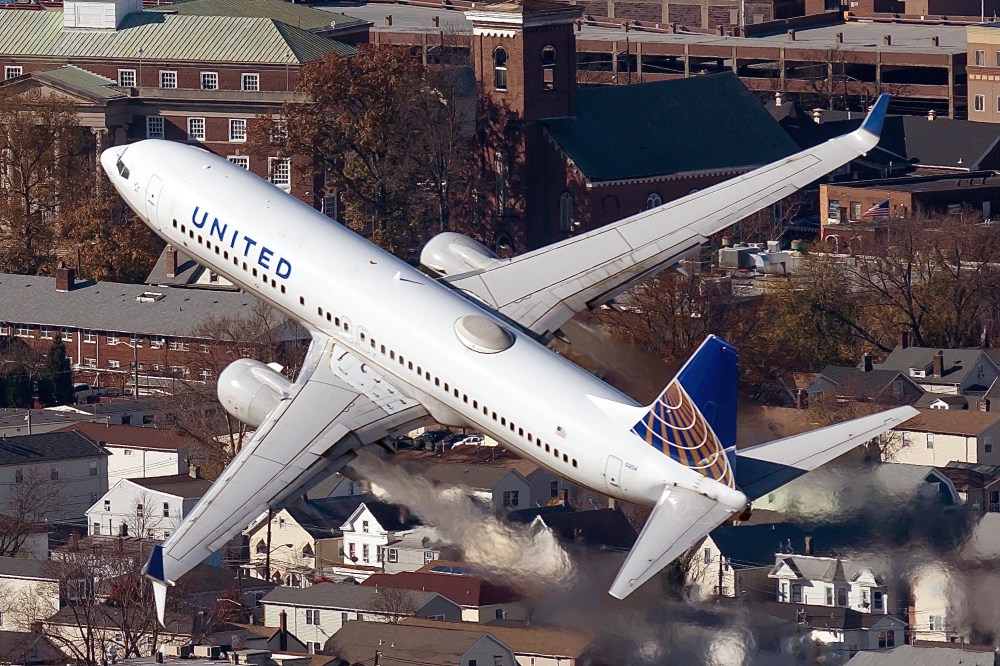



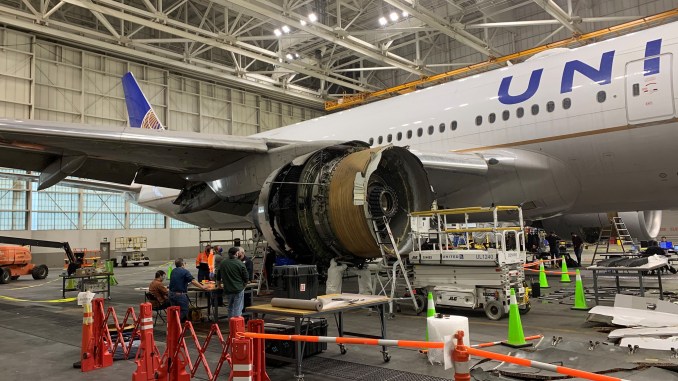





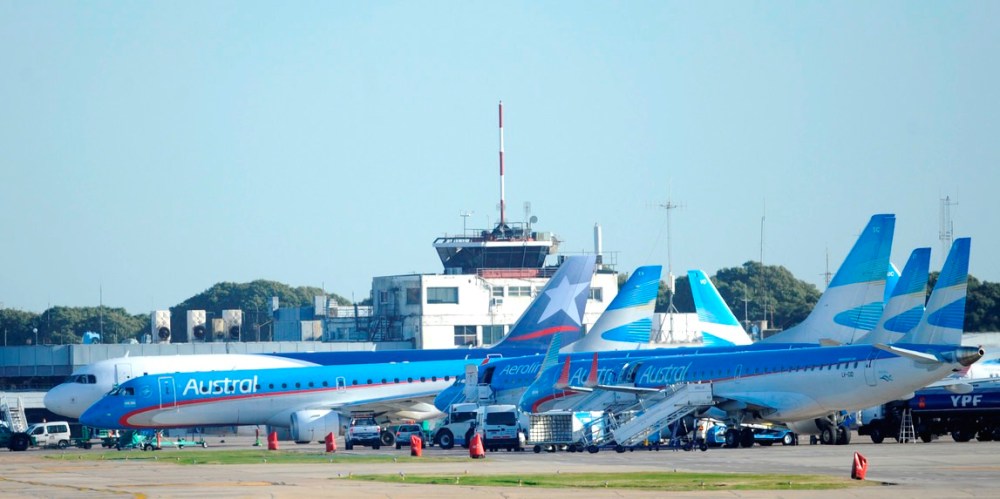




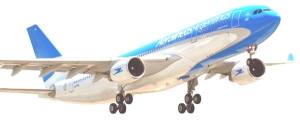



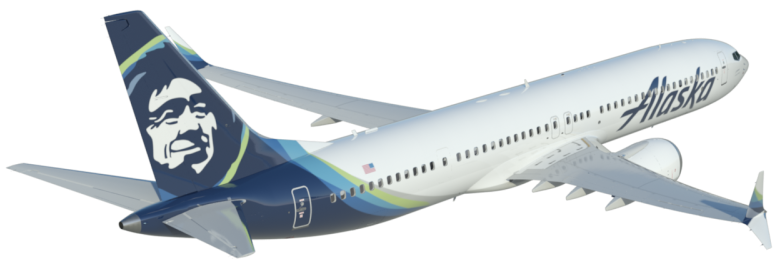
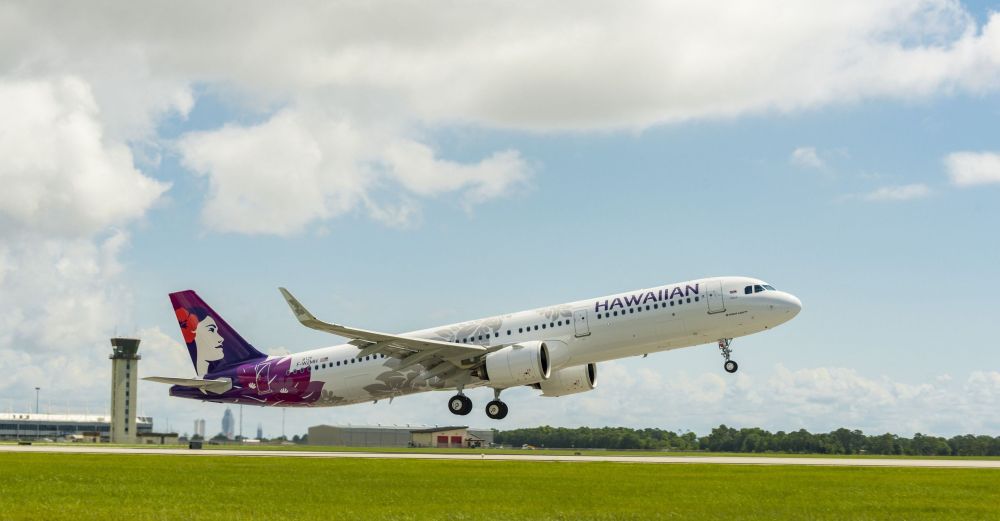


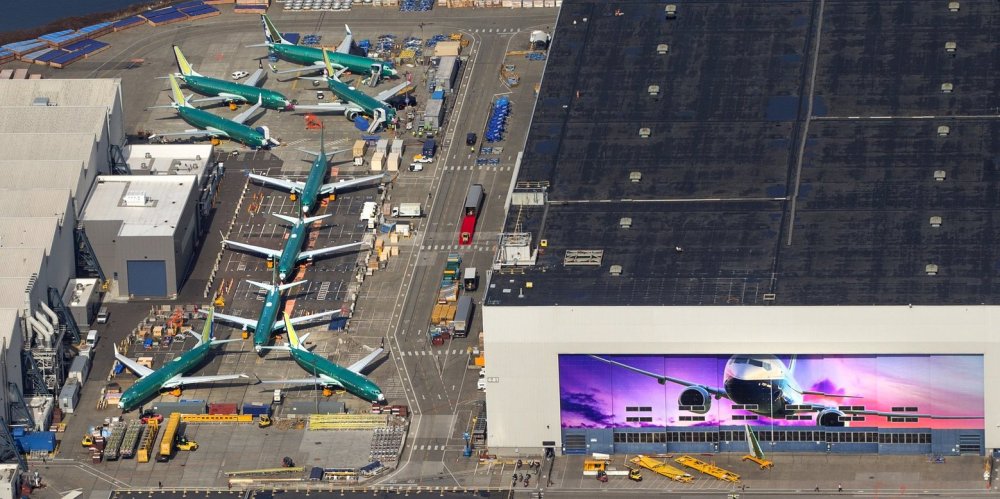




 airgways.com