Nuevo organismo de seguridad aviación reemplaza a PREVAC
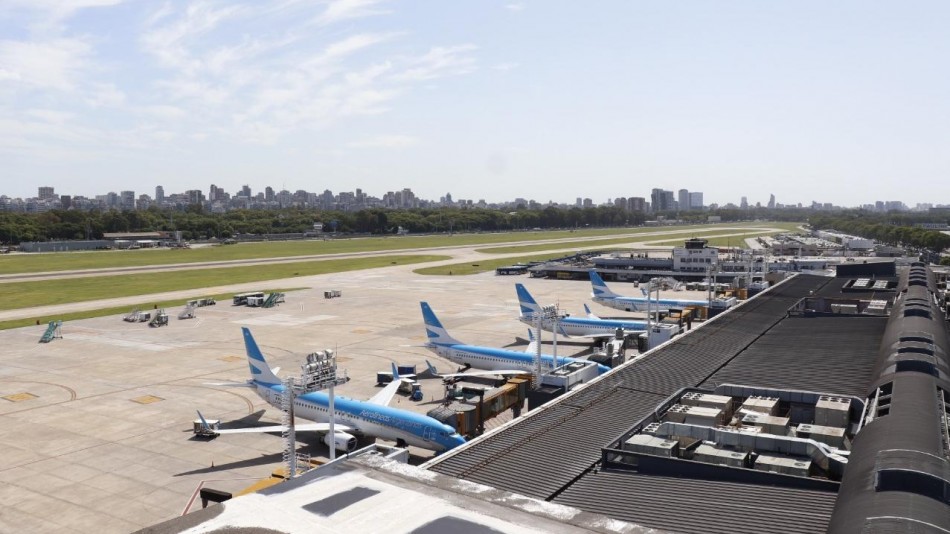
El Gobierno de Argentina ha publicado en el Boletín Oficial la Resolución Nº247/2024, que disuelve el Comité de Prevención de Accidentes de la Aviación Civil (PREVAC) y establece la creación de la Comisión para la Prevención de Accidentes e Investigación (CoPrAI). En el marco del trabajo impulsado por la intervención de la Administración Nacional de Aviación Civil (ANAC), y tras la auditoría de la Federal Aviation Administration (FAA) de Estados Unidos, el Gobierno crea un nuevo organismo de control de cumplimiento de las Recomendaciones de Seguridad Operacional para la República Argentina.
La nueva resolución emitida es como consecuencia directa del resultado no satisfactorio de la auditoría realizada por la IASA (International Aviation Safety Assessment), organismo dependiente de la FAA estadounidense en Abril 2024. Las auditorás en la PREVAC determinaron una “ausencia de investigación reglamentaria oportuna después de cada accidente e incidente y un procedimiento para la realización de las mismas”, según expresa el informe.
La PREVAC había sido creado para el estudio de la seguridad operacional, permitiendo establecer medidas o normas de seguridad para la aviación para el análisis integral de las Recomendaciones de Seguridad Operacional (RSO) preliminares o definitivas y establecer la aplicación, control, seguimiento de cumplimiento, evaluación de respuesta y realizar informes de seguimiento y estadísticos de las RSO.
El nuevo organismo dela COPRAI tendrá como funciones:
Realizar el análisis de riesgo preliminar ante la notificación de un suceso y determinar la apertura de una investigación independientemente de la tarea de la Junta de Seguridad en el Transporte (JST), en caso de corresponder.
Validar los inspectores y/o expertos nominados para conformar el “Equipo de Prevención e Investigación”.
Convocar a los miembros del Equipo de Prevención e Investigación que conformaran el equipo de investigación del suceso de acuerdo a la naturaleza del mismo en el caso de la apertura de una investigación y designar el investigador a cargo.
Analizar los informes de seguridad operacional proporcionados por el Equipo de Investigación y validar las medidas de mitigación sugeridas en los mismos.
Validar el análisis integral de la información captada por el Programa de Notificación de Eventos y Deficiencias de Seguridad Operacional (PNSO) junto con las estadísticas de la Junta de Seguridad en el Transporte (JST) y sus Recomendaciones de Seguridad Operacional (RSO) que requieran de una observación transversal y en su caso, presentar propuestas de mejora.
Gestionar la capacitación de los inspectores en prevención e investigación de accidentes e incidentes.
Participar del Grupo A-Cast (Argentina Commercial Aviation Safety Team) y sus grupos de trabajo.
El ámbito de trabajo de la COPRAI estará circunscripto para el análisis de eventos específicos y transversales, análisis y seguimiento a las Recomendaciones de Seguridad Operacional (RSO) emitidas por la JST (Junto de Seguridad de Transporte), prestar colaboración con la JST en la investigación de los sucesos, y dar seguimiento a la capacitación en materia de prevención en la investigación de accidentes e incidentes graves para los inspectores de la ANAC.
Argentina creates COPRAI
New aviation safety body replaces PREVAC
The Government of Argentina has published in the Official Gazette Resolution No. 247/2024, which dissolves the Civil Aviation Accident Prevention Committee (PREVAC) and establishes the creation of the Commission for Accident Prevention and Investigation (CoPrAI). Within the framework of the work promoted by the intervention of the National Civil Aviation Administration (ANAC), and after the audit of the Federal Aviation Administration (FAA) of the United States, the Government creates a new body to control compliance with the Recommendations of Operational Security for the Argentine Republic.
The new resolution issued is as a direct consequence of the unsatisfactory result of the audit carried out by the IASA (International Aviation Safety Assessment), an organization dependent on the US FAA in April 2024. The audits at the PREVAC determined an “absence of timely regulatory investigation after of each accident and incident and a procedure for carrying them out,” according to the report.
The PREVAC had been created for the study of operational safety, allowing the establishment of aviation safety measures or standards for the comprehensive analysis of preliminary or definitive Operational Safety Recommendations (RSO) and establishing the application, control, compliance monitoring, response evaluation and carry out monitoring and statistical reports on RSOs.
The new COPRAI body will have the following functions:
Carry out the preliminary risk analysis upon notification of an event and determine the opening of an investigation independently of the task of the Transportation Safety Board (JST), if applicable.
Validate the inspectors and/or experts nominated to form the “Prevention and Investigation Team”.
Call the members of the Prevention and Investigation Team who will make up the event investigation team according to the nature of the event in the case of opening an investigation and designate the investigator in charge.
Analyze the operational safety reports provided by the Investigation Team and validate the mitigation measures suggested therein.
Validate the comprehensive analysis of the information captured by the Operational Safety Events and Deficiencies Notification Program (PNSO) together with the statistics of the Transportation Safety Board (JST) and its Operational Safety Recommendations (RSO) that require cross-sectional observation and, where appropriate, present proposals for improvement.
Manage the training of inspectors in prevention and investigation of accidents and incidents.
Participate in the A-Cast Group (Argentina Commercial Aviation Safety Team) and its work groups.
The scope of work of the COPRAI will be limited to the analysis of specific and transversal events, analysis and monitoring of the Operational Safety Recommendations (RSO) issued by the JST (Transport Safety Board), providing collaboration with the JST in the investigation of events, and follow up on prevention training in the investigation of accidents and serious incidents for ANAC inspectors.
PUBLISHER: Airgways.com DBk: Argentina.gob.ar/anac / Airgways.com AW-POST: 202408191100AR OWNERSHIP: Airgways Inc. A\W A I R G W A Y S ®
AW | 2024 08 07 23:59 | AVIATION ORGANISMS / AVIATION SAFETY / INDUSTRY
Segundo día de audiencia sobre seguridad industrial
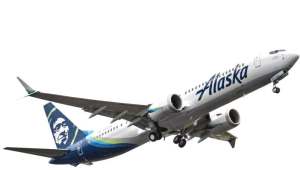
El segundo día de Audiencia llevada a cabo el Miércoles 07/08 por parte de la Junta Nacional de Seguridad en el Transporte (NTSB) sobre el accidente de la puerta del Boeing 737-9 MAX de Alaska Airlines, en Washington (WA), ha permitido continuar el análisis de las fallas industriales por parte del constructor americano The Boeing Company y la subsidiaria Spirit AeroSystems.
El jefe de la Junta Nacional de Seguridad en el Transporte (NTSB, por sus siglas en inglés) dijo el Miércoles 07/08 que Boeing debería haber abordado el trabajo de producción no autorizado hace mucho tiempo. «Este accidente nunca debería haber sucedido. Esto debería haberse detectado años antes. Ha habido numerosas, numerosas auditorías de Boeing, auditorías de la FAA, revisiones de cumplimiento, planes de acción de cumplimiento, señalando un historial de un trabajo no autorizado, remociones no autorizadas», dijo la Presidenta de la NTSB, Jennifer Homendy, a los periodistas en el segundo día de una audiencia sobre el incidente del 5 de Enero de 2024 en el que una Puerta trasera salió eyectada del vuelo AS1282 de Alaska Airlines después de despegar de Portland, Oregon (OR). Agregó que no había garantía de que el problema del panel de la puerta no volviera a ocurrir.
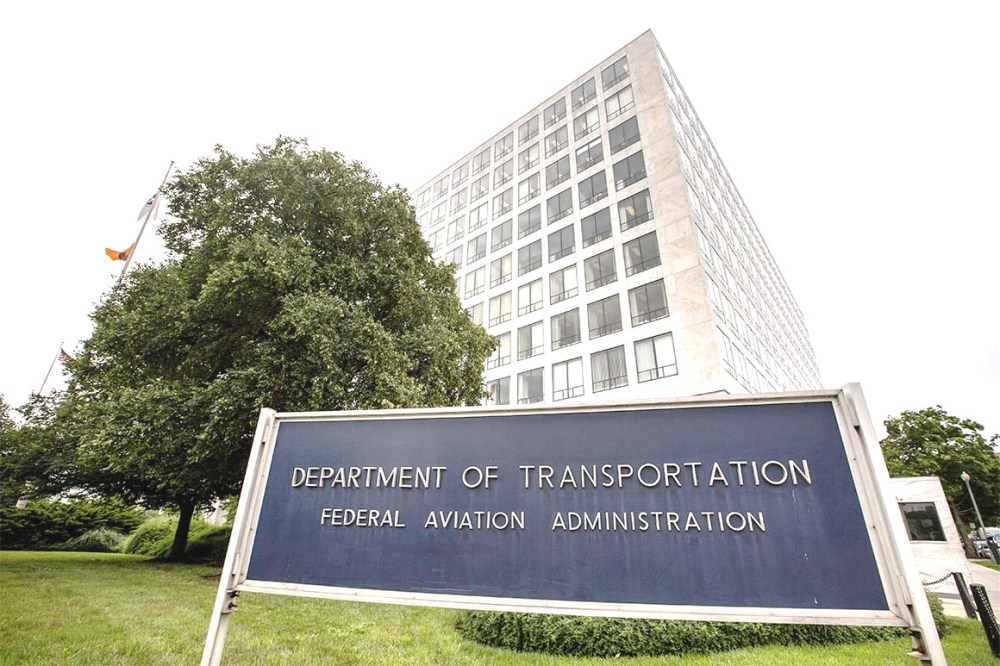
El funcionario de la Administración Federal de Aviación (FAA), Brian Knaup, dijo en la audiencia que la agencia ha encontrado problemas adicionales con las remociones no autorizadas por parte de Boeing. «Tenemos una acción de cumplimiento abierta en torno a las expulsiones. La FAA ha aumentado las investigaciones de las líneas directas y los informes de denunciantes», expresó Brian Knaup.
Defendió la supervisión de la FAA a Boeing antes del accidente. «Creemos que llevamos a cabo una supervisión efectiva. La cultura de seguridad no es una cuestión de cumplimiento», dijo Brian Knaup, admitiendo que fue mejor después el accidente del vuelo AS1282. La FAA ha aumentado las auditorías sin previo aviso y ha adquirido espacio dedicado para el personal en la fábrica del 737 de Boeing y en el proveedor Spirit AeroSystems. Actualmente, Boeing está en proceso de adquisición de este fabricante de autopartes con sede en Wichita, Kansas (KS).
Procesos incompletos Boeing no había creado ningún documento para la extracción del tapón de la Puerta Trasera del 737-9 MAX. La línea de producción había fallado en sus procesos de construcción cuando empleados obstruyeron el área con tapones donde tendría que haberse colocado los pernos. Al enchufe le faltaban cuatro pernos de llave cuando fue entregado a Alaska Airlines, dijo la agencia de la NTSB.
Si Boeing hubiera aprendido de trabajos no autorizados anteriores, «entonces esto se habría detectado y se habría evitado. Tenemos muchas preguntas, se conocía información», dijo Jennifer Homendy sobre la supervisión de la FAA a Boeing, citando defectos, documentos faltantes e incorrectos, así como políticas incorrectas que han sido problemas durante años.
Fiscalización FAA Después del incidente del vuelo AS1282, la FAA prohibió a Boeing expandir la producción más allá de 38 aviones por mes y anunció una revisión de 90 días del fabricante de aviones. Ha requerido importantes mejoras de calidad y fabricación antes de que permita al fabricante de aviones aumentar la producción.
El Administrador de la FAA, Michael Whitaker, dijo en Junio 2024 que la agencia estaba demasiado alejada de la supervisión de Boeing. El enfoque de la FAA antes del accidente en el aire era demasiado centrado en las auditorías de papeleo y no lo suficiente en las inspecciones. La FAA también ha aumentado el número de inspectores en las fábricas de Boeing y Spirit. «Continuaremos nuestra supervisión agresiva de la compañía y nos aseguraremos de que solucione sus problemas sistémicos de calidad de producción», dijo la FAA. La FAA reveló el Miércoles 07/08 que tiene dieciséis acciones de cumplimiento abiertas que involucran a Boeing, con ocho de ellas lanzadas desde el incidente del vuelo AS1282 de Alaska Airlines.
La semana pasada, la Presidenta del Comité Senatorial de Comercio, Maria Cantwell, y la Senadora Tammy Duckworth presentaron un proyecto de ley para revisar y fortalecer los sistemas de gestión de seguridad en la FAA. Jennifer Homendy dijo que la NTSB planea llevar a cabo una encuesta sobre la cultura de seguridad de los empleados de la fábrica de Boeing en Renton, Washington, que fabrica el 737 MAX.
NTSB-Boeing-Spirit hearing
Second day of hearing on industrial safety
The second day of the hearing held on Wednesday 07/08 by the National Transportation Safety Board (NTSB) on the crash of the door of the Boeing 737-9 MAX of Alaska Airlines, in Washington (WA), has allowed the analysis of the industrial failures by the American manufacturer The Boeing Company and the subsidiary Spirit AeroSystems to continue.
The head of the National Transportation Safety Board (NTSB) said on Wednesday 07/08 that Boeing should have addressed the unauthorized production work a long time ago. “This accident should never have happened. This should have been caught years earlier. There have been numerous, numerous Boeing audits, FAA audits, compliance reviews, compliance action plans, pointing to a history of unauthorized work, unauthorized removals”, NTSB Chair Jennifer Homendy told reporters on the second day of a hearing into the Jan. 5, 2024, incident in which a rear door was ejected from Alaska Airlines flight AS1282 after takeoff from Portland, Oregon (OR). She added that there was no guarantee that the door panel issue would not happen again.
Federal Aviation Administration (FAA) official Brian Knaup said at the hearing that the agency has found additional issues with unauthorized removals by Boeing. “We have an open enforcement action around the removals. The FAA has increased hotline investigations and whistleblower reports”, Brian Knaup said.
He defended the FAA’s oversight of Boeing before the crash. «We believe we conducted effective oversight. Safety culture is not a compliance issue», said Brian Knaup, admitting that it was better after the crash of Flight AS1282. The FAA has increased unannounced audits and acquired dedicated staff space at Boeing’s 737 factory and at supplier Spirit AeroSystems. Boeing is currently in the process of acquiring this Wichita, Kansas (KS)-based auto parts manufacturer.
Incomplete processes Boeing had not created any documents for the removal of the 737-9 MAX Rear Door Plug. The production line had failed in its build processes when employees clogged the area with plugs where the bolts should have been placed. The plug was missing four key pins when it was delivered to Alaska Airlines, the NTSB agency said.
If Boeing had learned from previous unauthorized work, “then this would have been caught and prevented. We have a lot of questions, information was known”, Jennifer Homendy said of the FAA’s oversight of Boeing, citing defects, missing and incorrect documents, as well as incorrect policies that have been problems for years.
FAA oversight After the AS1282 incident, the FAA banned Boeing from expanding production beyond 38 planes per month and announced a 90-day review of the planemaker. It has required significant quality and manufacturing improvements before it allows the planemaker to increase production.
FAA Administrator Michael Whitaker said in June 2024 that the agency was too far removed from Boeing’s oversight. The FAA’s focus before the mid-air accident was too focused on paperwork audits and not enough on inspections. The FAA has also increased the number of inspectors at Boeing and Spirit factories. «We will continue our aggressive oversight of the company and ensure it fixes its systemic production quality issues». The FAA revealed Wednesday 07/08 that it has sixteen open enforcement actions involving Boeing, with eight of them launched since the Alaska Airlines Flight AS1282 incident.
Last week, Senate Commerce Committee Chair Maria Cantwell and Senator Tammy Duckworth introduced a bill to review and strengthen safety management systems at the FAA. Jennifer Homendy said the NTSB plans to conduct a survey of the safety culture of employees at Boeing’s Renton, Washington, factory that makes the 737 MAX.
PUBLISHER: Airgways.com DBk: Transportation.gov / Faa.gov / Boeing.com / Airgways.com AW-POST: 202408072359AR OWNERSHIP: Airgways Inc. A\W A I R G W A Y S ®
AW | 2024 08 06 22:16 | AVIATION ORGANISMS / AVIATION SAFETY / INDUSTRY
Primer día de audiencia federal de escrutinio a Boeing y Spirit
La audiencia de la Junta Nacional de Seguridad en el Transporte (NTSB) sobre los incidentes del vuelo AS1282 de un Boeing 737-9 MAX de Alaska Airlines en Enero 2014 ha concluido este Martes 06/08 su primer día de dos jornadas, en la que los investigadores interrogaron al personal de The Boeing Company sobre los problemas de seguridad en el fabricante de aviones y el impacto para los usuarios del transporte aéreo en adelante.
La agencia federal de la NTSB dijo anteriormente que el tapón de la puerta se rompió en pleno vuelo porque el avión salió de una fábrica de Boeing sin los cuatro pernos necesarios para mantener el tapón de la puerta en su lugar. Los trabajadores de la línea de ensamblaje del Boeing 737 MAX que perdió un enchufe en una puerta dijeron a los investigadores federales de seguridad que se sentían presionados a hacer su trabajo demasiado rápido para evitar errores, según un testimonio publicado el Martes 06/08 al comienzo de la audiencia de investigación de dos días.
Escrutino a Boeing Muchos de los documentos presesntados eran transcripciones de entrevistas realizadas por investigadores de la NTSB durante los siete meses transcurridos desde el accidente. Uno de los entrevistados, identificado solo como «Ensamblador Instalador de Puertas B», le dijo al investigador que la carga de trabajo en la fábrica de Boeing era demasiado grande para evitar que se cometieran errores: «En cuanto a la carga de trabajo, siento que definitivamente estábamos tratando de producir demasiado producto, ¿verdad? Así es como se cometen los errores. La gente trata de trabajar demasiado rápido. Quiero decir, no puedo hablar por nadie más, pero estábamos ocupados. Estuvimos trabajando mucho», dijo el trabajador no identificado de Boeing.
Una transcripción mostró que un empleado de Boeing, identificado como Door Master Lead, dijo a los investigadores que los aviones requerían gran parte del trabajo durante el proceso de ensamblaje para ser rehechos debido a problemas que se descubren, como sucedió con el tapón de la puerta que se retiró para arreglar algunos remaches. El trabajador dijo que no había una capacitación especial para abrir, cerrar o quitar un tapón de puerta en comparación con una puerta normal. Ese trabajador le dijo a la NTSB que su equipo fue «puesto en aguas desconocidas donde […] estábamos reemplazando puertas como si estuviéramos reemplazando nuestra ropa interior».
Un Jefe de equipo de Boeing en la fábrica de lalínea 737 MAX informó a los investigadores sobre los problemas de baja moral de los empleados y alta rotación de personal. «Tenemos mucha rotación específicamente porque, ya sabes, este puede ser un trabajo estresante. Lo que la empresa quiere y lo que tenemos las habilidades y capacidades para realizar en ese momento a veces eso no coincide, por lo que algunas personas se descontentan; sienten que están siendo sobrecargados de trabajo; Sienten que, ya sabes, se están aprovechando de nosotros», dijo el Jefe del equipo Boeing en una de las transcripciones.
Un inspector de la FAA en la fábrica de Boeing dijo a los investigadores de la NTSB que los inspectores de la FAA «han oído hablar de presión, [pero] no han podido corroborar esas afirmaciones».
Escrutinio a Spirit AeroSystems El fuselaje del avión fue fabricado por el proveedor de Boeing, Spirit AeroSystems, y llegó a la fábrica de Boeing con los cuatro pernos en su lugar, según el testimonio en la audiencia. Pero había problemas con los remaches del tapón de la puerta que necesitaban ser reparados, por lo que se retiró el tapón de la puerta para que se pudiera realizar el trabajo. Había empleados de Spirit en la planta de Boeing, pero la comunicación entre los trabajadores de Boeing y Spirit en el piso de la fábrica de Boeing no era buena, según otra transcripción de la entrevista publicada el Martes 06/08.
“Básicamente, somos las cucarachas de la fábrica”, dijo un empleado no identificado de Spirit AeroSystems a los investigadores de la NTSB.
Exposición NTSB En el vuelo AS1282 del 5 de Enero de 2024 de Alaska Airlines se le reventó el tapón de la puerta del costado de una Puerta de Emeergencia trasera de un Boeing 737 MAX cuando se acercaba a los 16.000 pies. El incidente dejó un enorme agujero en el costado del avión, haciendo que las máscaras de oxígeno cayeran del techo, arrancando la ropa y arrancando los teléfonos de las manos de los pasajeros. Afortunadamente, la tripulación pudo aterrizar el avión averiado sin lesiones físicas graves. Siete pasajeros y una azafata fueron atendidos por lesiones al aterrizar. Fue una combinación de la habilidad de la tripulación de vuelo y la buena suerte que nadie muriera. Pero el trauma de estar en el vuelo probablemente afectó a muchos de los que estaban a bordo del avión, dijo Jennifer Homendy, Presidenta de la NTSB, en los comentarios iniciales de la audiencia.
«Las lesiones que no podemos ver, de las que a menudo no hablamos, pueden tener impactos profundos y duraderos en las vidas y los medios de subsistencia», dijo la Presidenta de la NTSB. Ofreció una disculpa en nombre de la agencia a las personas en el vuelo.
El accidente causó un grave daño a la confianza del público en el fabricante de aviones Boeing, lo que provocó una serie de investigaciones federales sobre sus prácticas y la seguridad y calidad de sus aviones.
Los ejecutivos de Boeing a cargo del control de calidad se enfrentan a la Junta de Seguridad para hacer preguntas, incluida la Vicepresidenta Senior de Calidad de Boeing Commercial Airplanes, Elizabeth Lund. Junto a la ejecutiva durante la mitad de la audiencia del Martes 06/08 está Doug Ackerman, Vicepresidente de Calidad de Proveedores de Boeing Commercial Airplanes.
Pero Jennifer Homendy estaba claramente frustrada y lista para rechazar a Boeing en su primer testimonio, diciéndole a Elizabeth Lund que «esto no es una campaña de relaciones públicas para Boeing». Dijo que la audiencia se está llevando a cabo para averiguar qué se hizo antes del accidente, no el entrenamiento más duro y las mejoras de calidad realizadas desde entonces. «Se puede hablar de dónde estamos hoy, pero esta es una investigación sobre lo que sucedió el 5 de Enero», dijo Jennifer Homendy.
Informe Preliminar La NTSB ha publicado los hallazgos preliminares del incidente, revelando que el avión utilizado en el vuelo salió de la fábrica de Boeing en Renton, Washington, diez semanas antes y sin los cuatro pernos necesarios para mantener el tapón de la puerta en su lugar.
Desde ese informe, Boeing ha dicho que las razones de ese descuido se redujeron a algo tan simple como la falta de documentación. Cuando el fuselaje del avión llegó a la fábrica de Boeing desde el proveedor Spirit AeroSystems, el tapón de la puerta estaba en su lugar, al igual que los cuatro pernos destinados a mantenerlo firmemente unido al costado del avión. Pero hubo problemas con cinco remaches cerca de donde estaba instalado el tapón de la puerta, y los trabajadores de Boeing quitaron el tapón de la puerta para arreglar esos remaches.
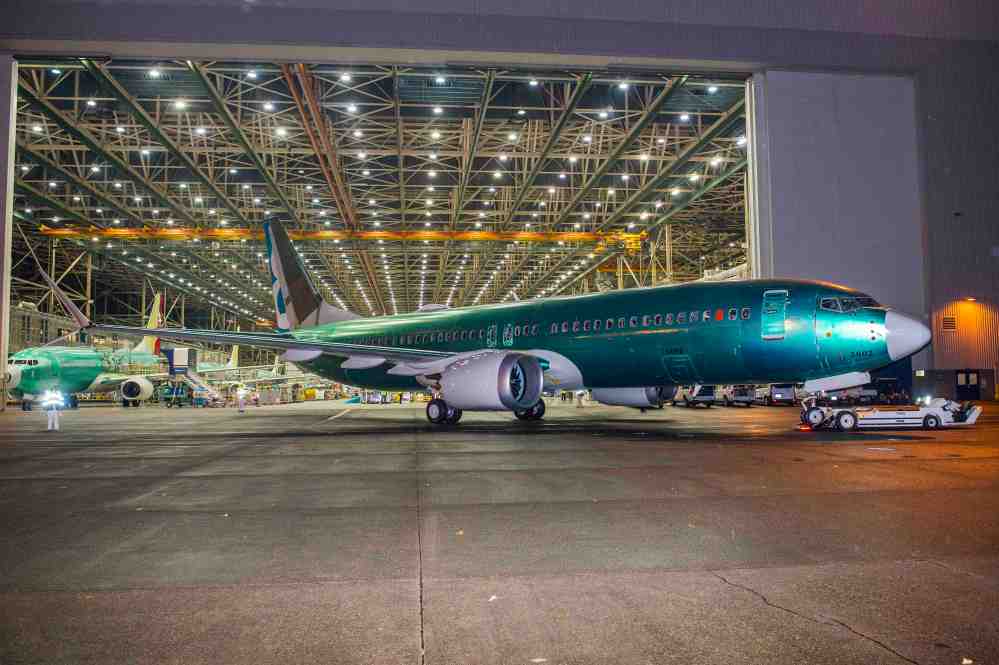
BOEING 737-9 MAX DE ALASKA AIRLINES
Según Boeing, los trabajadores que arreglaron los remaches no generaron la documentación que indicaba que habían quitado el tapón de la puerta y los cuatro pernos para hacer ese trabajo.
Cuando otro grupo de empleados volvió a colocar el enchufe, Boeing dice que los empleados no pensaron que el avión realmente volaría en esas condiciones. En su lugar, simplemente estaban bloqueando el agujero con el tapón para proteger el interior del fuselaje de las inclemencias del tiempo mientras el avión se movía hacia una zona diferente del complejo de la fábrica. Ese grupo de empleados a menudo hace ese tipo de arreglos temporales. Esos empleados probablemente asumieron que existía documentación que mostraba que el tapón y los pernos habían sido retirados, y que el papeleo impulsaría a otra persona a lo largo de la línea a instalar los pernos. Pero sin el papeleo, nadie en la línea de montaje sabía que el tapón de la puerta se había retirado alguna vez, o que faltaban sus pernos y necesitaban ser reemplazados.
Deficiencias línea 737 MAX Boeing se enfrentó anteriormente a la posibilidad de enfrentar cargos penales debido a problemas con el 737 MAX que se mantuvieron ocultos a la Administración Federal de Aviación (FAA) durante el proceso de certificación original. Esos problemas llevaron a una falla de diseño en el avión al que se culpa de dos accidentes fatales de los vuelos JT-610 de Lion Air en Octubre 2018 y ET-302 de Ethiopian Airlines en Marzo 2019 que mataron en conjunto a 346 personas.
En Enero 2021, Boeing y el Departamento de Justicia llegaron a un acuerdo que aplazaba el enjuiciamiento penal de Boeing durante tres años por sus empleados que defraudaron a la FAA durante el proceso de certificación. Pero ese período de prueba de tres años debía terminar pocos días después del vuelo del 05/012024. En cambio, el Departamento de Justicia (DOJ) reabrió la investigación tras el incidente de Alaska Airlines, y el mes pasado Boeing acordó declararse culpable de cargos penales y ser puesta bajo la supervisión de un monitor designado por el tribunal.
Pero la investigación es solo uno de los problemas que enfrenta Boeing debido al incidente. Podría haber cargos penales relacionados con las fallas que llevaron al incidente, pues el FBI ha notificado a los pasajeros y miembros de la tripulación que podrían ser considerados víctimas de delitos.
La FAA también ha aumentado el escrutinio del proceso de fabricación de Boeing y está limitando la cantidad de aviones que puede construir, lo que se ha sumado a las pérdidas financieras de la compañía que ahora han alcanzado los US$ 33.000 millones de Dólares desde el segundo accidente fatal en 2019.
Las ventas de Boeing se han desplomado un 70% en los primeros seis meses de este año. En Junio 2024 vendió solo tres aviones de pasajeros, y uno de ellos fue a Alaska Airlines para reemplazar el avión utilizado en el vuelo del 5 de Enero de 2024, que Boeing ha recomprado a la aerolínea.
Cambios de diseño previstos La Vicepresidenta Senior de Calidad de Boeing, Elizabeth Lund, dijo en la audiencia que la compañía espera tener una solución en el plazo de un año para evitar que un reventón así vuelva a ocurrir. «Están trabajando en algunos cambios de diseño que permitirán que el tapón de la puerta no se cierre si hay algún problema hasta que esté firmemente asegurado», dijo Elizabeth Lund en respuesta a preguntas sobre por qué Boeing no tenía un sistema de advertencia para los tapones de las puertas similar al que se implementa para las puertas normales.
La inusual audiencia de investigación de dos días es clave para cerrar el caso sobre el incidente del 05/08, que llevó a una inmovilización de diecinueve días del 737-9 MAX en los Estados Unidos. La NTSB dice que «utilizará la información recopilada para completar la investigación, determinar la causa probable y hacer recomendaciones para mejorar la seguridad del transporte». Todavía faltan meses para que se emita un informe final.
NTSB-Boeing-Spirit Hearing
First day of federal hearing scrutinizing Boeing and Spirit
The National Transportation Safety Board (NTSB) hearing on the incidents involving Alaska Airlines Boeing 737-9 MAX flight AS1282 in January 2014 concluded its first day of two days on Tuesday, August 6, with investigators questioning The Boeing Company personnel about safety issues at the aircraft manufacturer and the impact on air traffic users going forward.
The federal agency NTSB previously said the door stopper broke in flight because the plane left a Boeing factory without the four bolts needed to hold the door stopper in place. Workers on the Boeing 737 MAX assembly line that lost a plug on a door told federal safety investigators they felt pressured to do their jobs too quickly to avoid mistakes, according to testimony released Tuesday 06/08 at the start of the two-day investigative hearing.
Boeing scrutiny Many of the documents submitted were transcripts of interviews conducted by NTSB investigators over the seven months since the crash. One of the interviewees, identified only as «Door Installer Assembler B», told the investigator that the workload at the Boeing factory was too great to prevent mistakes from being made: «As far as workload, I feel like we were definitely trying to produce too much product, right? That’s how mistakes are made. People try to work too fast. I mean, I can’t speak for anybody else, but we were busy. We were working a lot», the unidentified Boeing worker said.
A transcript showed that a Boeing employee, identified as the Door Master Lead, told investigators that the planes required much of the work during the assembly process to be remade because of problems that were discovered, such as with the door stopper being removed to fix some rivets. The worker said there was no special training for opening, closing or removing a door stopper compared to a regular door. That worker told the NTSB that his crew was “put into uncharted waters where […] we were replacing doors like we were replacing our underwear”.
A Boeing crew chief at the 737 MAX factory told investigators about problems with low employee morale and high staff turnover. «We have a lot of turnover specifically because, you know, this can be a stressful job. What the company wants and what we have the skills and capabilities to perform at the time sometimes that doesn’t match up, so some people get disgruntled; they feel like they’re being overworked; they feel like, you know, they’re taking advantage of us», the Boeing crew chief said in one of the transcripts.
INGRID BARRENTINE/ALASKA AIRLINES
An FAA inspector at the Boeing factory told NTSB investigators that FAA inspectors «have heard about pressure, [but] they haven’t been able to substantiate those claims».
Scrutiny of Spirit AeroSystems The plane’s fuselage was manufactured by Boeing supplier Spirit AeroSystems and arrived at the Boeing factory with all four bolts in place, according to testimony at the hearing. But, there were problems with the door plug rivets that needed to be fixed, so the door plug was removed so the work could be done. There were Spirit employees at the Boeing plant, but communication between Boeing and Spirit workers on the Boeing factory floor was poor, according to another transcript of the interview released Tuesday, August 6.
“Basically, we’re the cockroaches of the factory”, an unidentified Spirit AeroSystems employee told NTSB investigators.
NTSB Exposition On Jan. 5, 2024, Alaska Airlines flight AS1282, the door stopper on the side of a rear emergency door on a Boeing 737 MAX blew out as it approached 16,000 feet. The incident left a gaping hole in the side of the plane, causing oxygen masks to fall from the ceiling, ripping clothing, and knocking phones out of passengers’ hands. Fortunately, the crew was able to land the disabled plane without serious physical injuries. Seven passengers and one flight attendant were treated for injuries upon landing. It was a combination of the flight crew’s skill and good luck that no one died. But the trauma of being on the flight likely affected many of those on board the plane, NTSB Chair Jennifer Homendy said in opening remarks at the hearing.
«Injuries we can’t see, that we often don’t talk about, can have profound and lasting impacts on lives and livelihoods», said NTSB Chairwoman Jennifer Homendy. She offered an apology on behalf of the agency to those on the flight.
The crash caused serious damage to public confidence in aircraft manufacturer Boeing, prompting a series of federal investigations into its practices and the safety and quality of its planes.
Boeing executives in charge of quality control face the Safety Board for questions, including Boeing Commercial Airplanes Senior Vice President of Quality Elizabeth Lund. Joining the executive for half of the Tuesday 06/08 hearing is Doug Ackerman, Vice President of Supplier Quality for Boeing Commercial Airplanes.
But Jennifer Homendy was clearly frustrated and ready to push back against Boeing in her first testimony, telling Elizabeth Lund that «this is not a PR campaign for Boeing». She said the hearing is being held to find out what was done before the crash, not the tougher training and quality improvements made since. “You can talk about where we are today, but this is an investigation into what happened on January 5”, Jennifer Homendy said.
Preliminary Report The NTSB has released preliminary findings of the incident, revealing that the plane used in the flight left Boeing’s Renton, Washington, factory ten weeks early and without the four bolts needed to hold the door plug in place.
Since that report, Boeing has said the reasons for that oversight came down to something as simple as a lack of documentation. When the plane’s fuselage arrived at Boeing’s factory from supplier Spirit AeroSystems, the door plug was in place, as were the four bolts meant to hold it firmly attached to the side of the plane. But, there were problems with five rivets near where the door plug was installed, and Boeing workers removed the door plug to fix those rivets.
According to Boeing, the workers who fixed the rivets did not generate paperwork indicating they had removed the door plug and four bolts to do that job.
When another group of employees put the plug back in, Boeing says the employees didn’t think the plane would actually fly in those conditions. Instead, they were simply blocking the hole with the plug to protect the inside of the fuselage from inclement weather while the plane moved to a different area of the factory complex. That group of employees often makes those kinds of temporary fixes. Those employees likely assumed there was paperwork showing the plug and bolts had been removed, and that the paperwork would prompt someone else down the line to install the bolts. But without the paperwork, no one on the assembly line knew the door plug had ever been removed, or that its bolts were missing and needed to be replaced.
737 MAX Deficiencies Boeing previously faced the possibility of facing criminal charges due to problems with the 737 MAX that were kept hidden from the Federal Aviation Administration (FAA) during the original certification process. Those problems led to a design flaw in the plane that is blamed for two fatal crashes of Lion Air flights JT-610 in October 2018 and Ethiopian Airlines ET-302 in March 2019 that together killed 346 people.
In January 2021, Boeing and the Justice Department reached an agreement that deferred criminal prosecution of Boeing for three years for its employees who defrauded the FAA during the certification process. But that three-year probation period was set to end just days after the 05/01/2024 flight. Instead, the Department of Justice (DOJ) reopened the investigation following the Alaska Airlines incident, and last month Boeing agreed to plead guilty to criminal charges and be placed under the supervision of a court-appointed monitor.
But the investigation is just one of the problems Boeing faces because of the incident. There could be criminal charges related to the failures that led to the incident, as the FBI has notified passengers and crew members that they could be considered victims of crimes.
The FAA has also increased scrutiny of Boeing’s manufacturing process and is limiting the number of planes it can build, adding to the company’s financial losses that have now reached US$ 33 billion since the second fatal crash in 2019.
Boeing’s sales have plummeted 70% in the first six months of this year. It sold just three passenger jets in June 2024, and one of those went to Alaska Airlines to replace the plane used on the January 5, 2024, flight, which Boeing has bought back from the airline.
Design changes planned Boeing Senior Vice President of Quality Elizabeth Lund told the hearing that the company hopes to have a solution within a year to prevent such a blowout from happening again. «They are working on some design changes that will allow the door stopper to not close if there is a problem until it is firmly secured», Elizabeth Lund said in response to questions about why Boeing did not have a warning system for door stoppers similar to the one implemented for regular doors.
The unusual two-day investigative hearing is key to closing the case on the 05/08 incident, which led to a 19-day grounding of the 737-9 MAX in the United States. The NTSB says it will «use the information gathered to complete the investigation, determine probable cause, and make recommendations to improve transportation safety». A final report is still months away.
PUBLISHER: Airgways.com DBk: Transportation.gov / Boeing.com / Spirit.aero / Airgways.com AW-POST: 202408062216AR OWNERSHIP: Airgways Inc. A\W A I R G W A Y S ®
AW | 2024 08 06 16:49 | INDUSTRY / AVIATION ORGANISMS
A321XLR alcanza certificación tipo con motores LEAP-1A
La Agencia de la Unión Europea para la Seguridad Aérea (EASA) ha certificado el nuevo Airbus A321XLR con motores CFM International LEAP-1A y su entrada en servicio está prevista para finales de verano septentrional. Los modelos de motor de las aeronaves Airbus A321XLR comparten la misma clasificación de empuje de despegue con el LEAP-1A30, LEAP-1A32, LEAP-1A33, LEAP-1A33B2 y LEAP-1A35A, que se han utilizado para impulsar el A321neo y el A321LR.
Sin embargo, cuando CFM International, una empresa conjunta entre GE Aerospace y Safran Aircraft Engines, anunció la noticia sobre el A321XLR y la certificación de los respectivos modelos de motores CFM International LEAP-1A, la compañía dijo que EASA y la Administración Federal de Aviación (FAA) certificaron los cuatro modelos el 10 de Julio de 2024. En ese momento, Gaël Méheust, Presidente y Director Ejecutivo (CEO) de CFM International, comentó que el motor siempre se diseñó con una clasificación de empuje de 35.000 libras de fuerza (15.568 daN), lo que permitió que el motor se utilizara para aviones de mayor alcance y Mayor Peso Máximo de Despegue (MTOW).
«Como resultado, no se requirieron modificaciones en el motor, lo que brinda a los operadores el beneficio adicional de un 100 por ciento de comunalidad con sus flotas existentes de la familia A320neo», ha expresado en el comunicado Airbus Group.
Airbus declaró que certificaría el A321XLR con los motores Pratt & Whitney PW1100G, también conocidos como Geared Turbofan (GTF), en algún momento posterior de 2024.
EASA cert. A321XLR LEAP-1A
A321XLR achieves type certification with LEAP-1A engines
The European Union Aviation Safety Agency (EASA) has certified the new Airbus A321XLR with CFM International LEAP-1A engines and its entry into service is planned for late northern summer. The engine models of the Airbus A321XLR aircraft share the same takeoff thrust classification with the LEAP-1A30, LEAP-1A32, LEAP-1A33, LEAP-1A33B2, and LEAP-1A35A, which have been used to power the A321neo and the A321LR.
However, when CFM International, a joint venture between GE Aerospace and Safran Aircraft Engines, announced the news about the A321XLR and the certification of the respective CFM International LEAP-1A engine models, the company said that EASA and the Federal Aviation Administration (FAA) certified all four models on July 10, 2024. At the time, Gaël Méheust, President and Chief Executive Officer (CEO) of CFM International, commented that the engine was always designed with a thrust rating of 35,000 pounds-force (15,568 daN), which allowed the engine to be used for longer-range and higher Maximum Takeoff Weight (MTOW) aircraft.
«As a result, no engine modifications were required, giving operators the added benefit of 100 percent commonality with their existing A320neo Family fleets», Airbus Group said in a statement.
Airbus said it would certify the A321XLR with Pratt & Whitney PW1100G engines, also known as Geared Turbofan (GTF), sometime later in 2024.
PUBLISHER: Airgways.com DBk: Airbus.com / Airgways.com AW-POST: 202408061649AR OWNERSHIP: Airgways Inc. A\W A I R G W A Y S ®
Transport Canada emite Directiva Aeronavegabilidad para A220
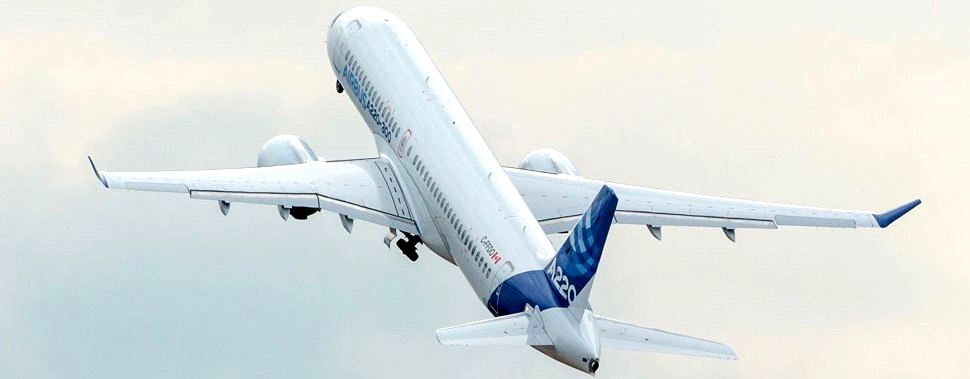
El Ministerio de Transporte de Canadá (TC) ha publicado una Directiva de Aeronavegabilidad (AD) de emergencia que exige inspecciones visuales exhaustivas del Tren de Aterrizaje Principal (MLG) de los aviones Airbus A220-100 y A220-300 debido a la posible ausencia de un fusible.
La directiva de aviación se emitió después de que los controles de mantenimiento revelaran que faltaba un pasador de Fusible de Pivote en el tren de aterrizaje principal izquierdo de un avión A220. La normativa tiene un alcance para las aeronaves Airbus A220-100 modelo BD-500-1A10 con números de serie que van del SN50001 al SN50065 y del SN50067 al SN50076, así como a la versión A220 -300 modelo BD-500-1A11 con números de serie del SN55001 al SN55284, SN55286 y SN55289.
Según Transport Canada, si faltaba o estaba dañado un pasador de fusible de pivote, podría causar una redistribución significativa de las cargas en el ensamblaje MLG y reducir la capacidad del ensamblaje MLG para soportar esas cargas, lo que podría resultar en el colapso del MLG durante el despegue.
El AD de emergencia estipula que dentro de los 24 ciclos de vuelo posteriores a la fecha de entrada en vigencia del 3 de Agosto de 2024, el personal de mantenimiento debe realizar una inspección visual detallada del conjunto de la carcasa del pivote para confirmar la presencia y la instalación adecuada de los pasadores del fusible del pivote. Si se descubre que falta un fusible de pivote o que está instalado incorrectamente, se debe contactar a Airbus Canadá para obtener una resolución aprobada.
El Airbus A220 se fabrica en dos ubicaciones: Mirabel, Quèbec (Canadá) y Mobile, Alabama (Estados Unidos), con Mirabel como línea de ensamblaje final principal. En 2022, Airbus producía un total de cinco A220 al mes, pero ha estado trabajando para aumentar la producción a catorce aviones al mes, diez unidades en Mirabel y cuatro en Mobile. A finales de Julio 2024, el OEM confirmó que espera alcanzar este objetivo para 2026.
Transport Canada issues AD for A220
Transport Canada issues Airworthiness Directive for A220
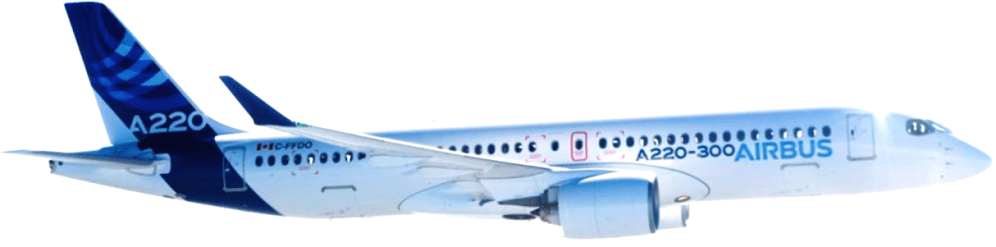
Transport Canada (TC) has issued an emergency Airworthiness Directive (AD) requiring thorough visual inspections of the Main Landing Gear (MLG) of Airbus A220-100 and A220-300 aircraft due to the possible absence of a fuse.
The aviation directive was issued after maintenance checks revealed a missing Pivot Fuse pin on the left main landing gear of an A220 aircraft. The regulation covers Airbus A220-100 aircraft model BD-500-1A10 with serial numbers ranging from SN50001 to SN50065 and SN50067 to SN50076, as well as the A220-300 version model BD-500-1A11 with serial numbers from SN55001 to SN55284, SN55286 and SN55289.
According to Transport Canada, if a pivot fuse pin was missing or damaged, it could cause a significant redistribution of loads on the MLG assembly and reduce the ability of the MLG assembly to withstand those loads, which could result in the collapse of the MLG during takeoff.
The emergency AD stipulates that within 24 flight cycles after the effective date of August 3, 2024, maintenance personnel must perform a detailed visual inspection of the pivot housing assembly to confirm the presence and proper installation of the pivot fuse pins. If a pivot fuse is found to be missing or improperly installed, Airbus Canada must be contacted for an approved resolution.
The Airbus A220 is manufactured at two locations: Mirabel, Quèbec (Canada) and Mobile, Alabama (United States), with Mirabel as the primary final assembly line. In 2022, Airbus was producing a total of five A220s per month, but has been working to increase production to fourteen aircraft per month, ten units in Mirabel and four in Mobile. In late July 2024, the OEM confirmed that it expects to achieve this target by 2026.
PUBLISHER: Airgways.com DBk: Tc.canada.ca / Airgways.com AW-POST: 202408061636AR OWNERSHIP: Airgways Inc. A\W A I R G W A Y S ®
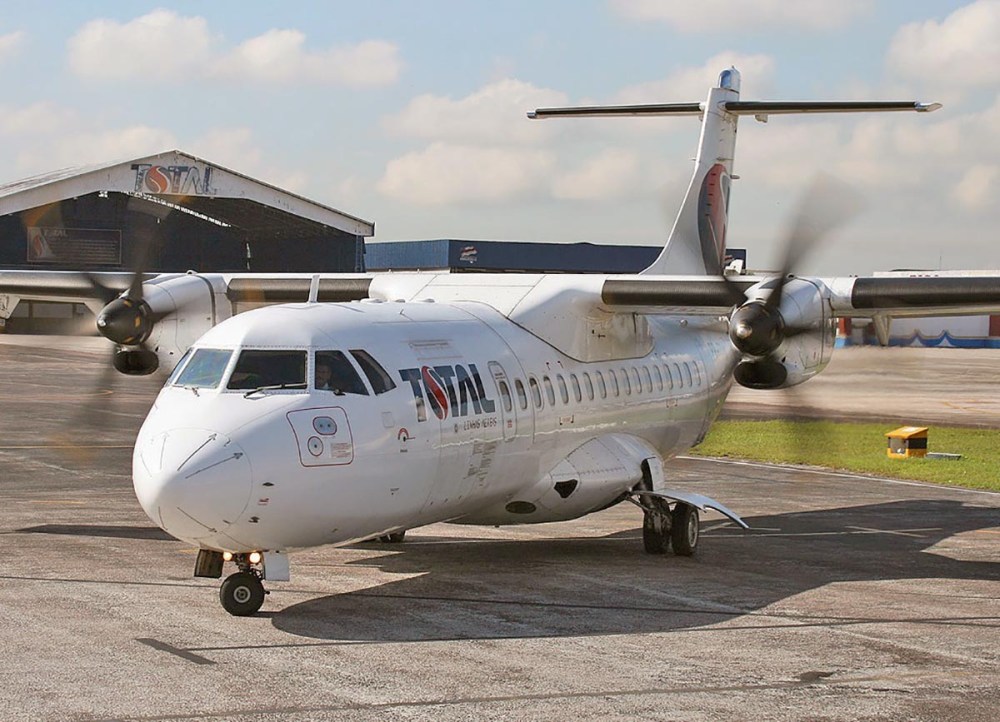
Total Linhas Aéreas, una aerolínea regional de Brasil, se unió a la Asociación Latinoamericana y del Caribe de Transporte Aéreo (ALTA) como nueva aerolínea miembro. La compañía fue fundada en 1988 con sede en Curitiba, Estado de Paraná. Realiza operaciones charters y de carga aérea.
“Brasil es un mercado muy dinámico, por lo que el intercambio de experiencias con las aerolíneas locales es de gran beneficio para todos los miembros de ALTA. Total opera tanto vuelos nacionales como internacionales, atendiendo principalmente a empresas y organizaciones que requieren soluciones logísticas y de transporte personalizadas. Por lo tanto, tiene mucho que contribuir a los comités de trabajo y a las iniciativas locales y regionales que implementamos en pro de la industria y sus usuarios”, expresó José Ricardo Botelho, Director Ejecutivo y CEO de ALTA.
El Presidente de Total Linhas Aéreas, Ademir Knop, indicó que cuando decidieron convertirse en miembros de ALTA, fue debido al compromiso de mantener los más altos estándares de seguridad.: “Ser parte de ALTA aumentará la visibilidad y la confianza de la empresa dentro de la industria de la aviación. Total está comprometida en identificar oportunidades de colaboración que agreguen valor tanto para sí misma como para sus potenciales socios y clientes, fortaleciendo así su posición competitiva”, dijo el CEO de Total.
La Agencia Nacional de Aviación Civil de Brasil (ANAC), ha publicado las cifras de transporte de pasajeros entre Enero y Diciembre de 2023 que la aerolínea ha desarrollado con 1.347 pasajeros en vuelos chárter. Alcanzó a transportar 21.100 toneladas de carga y obtuvo una participación de cuota de mercado nacional del 6,4% en términos de ingresos por tonelada-kilómetro (RTK), convirtiéndose en la cuarta mayor aerolínea de carga de Brasil. En Mayo de 2024, Brasil registró un movimiento de 7.2 millones de pasajeros y 61.600 vuelos en el mercado doméstico. El país también experimentó un aumento significativo del 18% en el tráfico de pasajeros internacionales, transportando a 1.9 millones de personas durante el mes de Mayo 2024 y añadiendo 563 frecuencias.
Total Linhas Aéreas ha introducido su nueva identidad corporativa, reflejando su compromiso continuo con la innovación y la excelencia en el servicio para fortalecer su servicio y alcanzar mejores prácticas en la industria de la aviación.
“Desde finales de 2023, con un nuevo grupo económico y una nueva directiva al frente, Total Linhas Aéreas planea integrar regiones retomando los vuelos de pasajeros, atendiendo a la demanda e impulsando el desarrollo socioeconómico. Este compromiso no solo busca facilitar el transporte de personas, sino también promover el intercambio comercial y social entre diferentes localidades, contribuyendo así al crecimiento y progreso”, dijo Ademir Knop.
Total new ALTA member
Total Linhas Aéreas as a new ALTA member
Total Linhas Aéreas, a regional airline from Brazil, joined the Latin American and Caribbean Air Transport Association (ALTA) as a new member airline. The company was founded in 1988 and is based in Curitiba, State of Paraná. It carries out charter and air cargo operations.
“Brazil is a very dynamic market, so the exchange of experiences with local airlines is of great benefit to all ALTA members. Total operates both domestic and international flights, serving mainly companies and organizations that require customized logistics and transportation solutions. Therefore, it has much to contribute to the work committees and local and regional initiatives that we implement for the benefit of the industry and its users”, said José Ricardo Botelho, Executive Director and CEO of ALTA.
Total Linhas Aéreas President Ademir Knop indicated that when they decided to become a member of ALTA, it was due to the commitment to maintain the highest safety standards.: “Being part of ALTA will increase the company’s visibility and confidence within the aviation industry. Total is committed to identifying collaboration opportunities that add value both for itself and for its potential partners and customers, thus strengthening its competitive position”, said the CEO of Total.
The Brazilian National Civil Aviation Agency (ANAC), has published passenger transport figures between January and December 2023 that the airline has developed with 1,347 passengers on charter flights. It managed to transport 21,100 tons of cargo and obtained a national market share of 6.4% in terms of revenue ton-kilometer (RTK), becoming the fourth largest cargo airline in Brazil. In May 2024, Brazil recorded a movement of 7.2 million passengers and 61,600 flights in the domestic market. The country also experienced a significant increase of 18% in international passenger traffic, transporting 1.9 million people during the month of May 2024 and adding 563 frequencies.
Total Linhas Aéreas has introduced its new corporate identity, reflecting its ongoing commitment to innovation and service excellence to strengthen its service and achieve best practices in the aviation industry.
“From the end of 2023, with a new economic group and a new board of directors at the helm, Total Linhas Aéreas plans to integrate regions by resuming passenger flights, meeting demand, and boosting socioeconomic development. This commitment not only seeks to facilitate the transport of people, but also to promote commercial and social exchange between different localities, thus contributing to growth and progress”, said Ademir Knop.
PUBLISHER: Airgways.com DBk: Total.com.br / Alta.aero / Airgways.com AW-POST: 202408061025AR OWNERSHIP: Airgways Inc. A\W A I R G W A Y S ®
El Gobierno de la Administración Biden ha propuesto una normativa para prohibir las tarifas adicionales por sentar a los miembros de la familia juntos en los aviones. El Departamento de Transporte de Estados Unidos (DOT) está proponiendo prohibir las tarifas basura de las aerolíneas para sentar a familias juntas, en un esfuerzo por reducir el costo de volar con niños pequeños.
El Secretario de Transporte, Pete Buttigieg, y la Directora del Consejo Económico Nacional, Lael Brainard, dijeron a los periodistas en una llamada el miércoles que la nueva regla podría ahorrar a las familias cientos de dólares por vuelo de ida y vuelta.
«La idea de que los padres deben estar sentados junto a sus propios hijos en un vuelo es de sentido común y también parece algo que debería ser una práctica estándar. Como alguien que ha experimentado personalmente volar con niños pequeños, ya que mi esposo y yo hemos llevado a nuestros gemelos de 2 años de viaje muchas veces, las familias no necesitan ningún estrés o costo adicional para volar, además de lo exigente que puede ser ser ser padre volando con sus hijos», dijo Pete Buttigieg.
DOT Rules Families Together Fees
DOT Proposes Banning Airlines Families Together Fees
The Biden Administration has proposed a rule to ban extra fees for seating family members together on airplanes. The U.S. Department of Transportation (DOT) is proposing to ban junk airline fees for seating families together in an effort to reduce the cost of flying with small children.
Transportation Secretary Pete Buttigieg and National Economic Council Director Lael Brainard told reporters on a call Wednesday that the new rule could save families hundreds of dollars per round-trip flight.
«The idea that parents should be seated next to their own children on a flight is common sense and also seems like something that should be standard practice. As someone who has personally experienced flying with young children, as my husband and I have taken our 2-year-old twins on trips many times, families do not need any additional stress or cost to fly on top of how demanding it can be to be a parent flying with your children», said Pete Buttigieg.
PUBLISHER: Airgways.com DBk: Transportation.gov / Airgways.com AW-POST: 202408011206AR OWNERSHIP: Airgways Inc. A\W A I R G W A Y S ®
AW | 2024 07 30 12:05 | GOVERNMENT / AVIATION ORGANISMS / AIRLINES
Tribunal Apelaciones bloquea norma divulgación tarifas de aerolíneas
Un tribunal de apelaciones de Estados Unidos ha bloqueado la regla del Departamento de Transporte (DOT) que requiere que las aerolíneas revelen las tarifas a los clientes durante el proceso de reserva. El fallo del Lunes 29/07 bloqueará la norma, que entró en vigor el 1 de Julio de 2024 y obligaría a las aerolíneas a cumplirla plenamente para el 30 de Abril de 2025.
El 31 de Mayo de 2024, varias aerolíneas y asociaciones de aerolíneas pidieron al DOT que retrasara la implementación de la regla mientras se buscaba una revisión. El DOT se negó, y las aerolíneas impugnaron las reglas en el Tribunal de Apelaciones del Quinto Circuito de EE.UU., solicitando al tribunal que impusiera una suspensión pendiente de revisión.
Las aerolíneas argumentan que la regla excede la autoridad del DOT, es arbitraria y caprichosa y pasó por alto erróneamente la notificación y los comentarios. El tribunal estuvo de acuerdo en gran medida con esos argumentos y concedió la suspensión el lunes.
Los jueces dijeron que las aerolíneas demostraron que el DOT se había excedido en su autoridad. El tribunal estuvo de acuerdo con las aerolíneas que dijeron: «La Regla no solo prohíbe, sino que prescribe», en lugar de seguir el proceso que se ha establecido, que incluye un aviso y una audiencia, y que el DOT determine que las prácticas de ventas en línea de la aerolínea son injustas o engañosas. Solo después de que se hayan completado todos estos pasos, el DOT puede ordenar a las aerolíneas que lo detengan.
La Ley Federal autoriza al Secretario de Transporte a investigar y decidir si una compañía aérea ha incurrido o está incurriendo en una práctica desleal o engañosa o en un método de competencia desleal en la venta de transporte aéreo.
El Tribunal dijo que la norma esencialmente promulga un código de prácticas de divulgación en línea, que no está autorizado por la ley federal.
Los jueces continuaron diciendo que la defensa de la regla por parte del DOT no aborda el texto del estatuto y, en cambio, señala una disposición general que autoriza al Secretario de Transporte a tomar medidas considera necesario para llevar a cabo sus funciones, incluida la realización de investigaciones, la prescripción de reglamentos, normas y procedimientos, y la emisión de órdenes. Esto no ayuda al argumento del DOT, dijo el tribunal, dictaminando que han sostenido antes que la autoridad de la agencia no puede extenderse más allá del alcance de lo que tiene la tarea de llevar a cabo.
El Tribunal dictaminó que las aerolíneas han mostrado pruebas suficientes de que probablemente sufrirán un daño significativo e irreparable por la norma y que en general no hay interés público en la perpetuación de la acción ilegal de la agencia.
US Court Blocks ‘Fare Disclosure’
Appeals Court Blocks Airline Fare Disclosure Rule
A US appeals court has blocked the Department of Transportation’s (DOT) rule requiring airlines to disclose fares to customers during the booking process. The ruling on Monday 7/29 will block the rule, which took effect on July 1, 2024, and would require airlines to be in full compliance by April 30, 2025.
On May 31, 2024, several airlines and airline associations asked the DOT to delay implementation of the rule while a review was sought. The DOT refused, and the airlines challenged the rules in the U.S. Court of Appeals for the Fifth Circuit, asking the court to impose a stay pending review.
The airlines argue that the rule exceeds the DOT’s authority, is arbitrary and capricious, and wrongly ignored notice and comment. The court largely agreed with those arguments and granted the stay on Monday.
The justices said the airlines showed that the DOT had overstepped its authority. The court agreed with the airlines who said, “The Rule not only prohibits, but prescribes”, rather than following the process that has been laid out, which includes a notice and a hearing, and the DOT determining that the airline’s online sales practices are unfair or deceptive. Only after all of these steps have been completed can the DOT order the airlines to stop.
Federal law authorizes the Secretary of Transportation to investigate and decide whether an airline has engaged or is engaging in an unfair or deceptive practice or an unfair method of competition in the sale of air transportation.
The Court said the rule essentially promulgates a code of online disclosure practices, which is not authorized by federal law.
The justices went on to say that DOT’s defense of the rule does not address the text of the statute and instead points to a general provision authorizing the Secretary of Transportation to take actions it deems necessary to carry out its functions, including conducting investigations, prescribing regulations, standards, and procedures, and issuing orders. This does not help DOT’s argument, the court said, ruling that they have held before that the agency’s authority cannot extend beyond the scope of what it is tasked to carry out.
The Court ruled that the airlines have shown sufficient evidence that they will likely suffer significant and irreparable harm from the rule and that there is generally no public interest in perpetuating the agency’s unlawful action.
PUBLISHER: Airgways.com DBk: Ca5.uscourts.gov / Transportation.gov / Airgways.com AW-POST: 202407301205AR OWNERSHIP: Airgways Inc. A\W A I R G W A Y S ®
AW | 2024 07 19 21:23 | AVIATION ORGANISMS / INDUSTRY
FAA emitirá Directiva Aeronavegabilidad familia Boeing 737NG/MAX
La Administración Federal de Aviación (FAA) ha informado que publicará una Directiva de Aeronavegabilidad (AD) para la línea de aeronaves que incluyen a las versiones Boeing 737-700, 737-800 y 737-900ER Next Generation, y a los Boeing 737-8 MAX, 737-8 MAX 200 y 737-9 MAX, por preocupaciones sobre las máscaras de oxígeno y sus conjuntos dentro de los seis tipos de aviones.
El comunicado de la agencia americana ha establecido nuevas normativas debido que ha recibido múltiples informes de generadores de oxígeno de Unidades de Suministro de Pasajeros (PSU) que se salieron de su posición dentro de sus conjuntos debido a una falla de retención. Tras una investigación, Boeing descubrió que la falla estaba asociada con el material Adhesivo Sensible a la Presión (PSA) en ciertas almohadillas térmicas de la correa del generador.
La agencia federal de la FAA señaló que la condición insegura requería la adopción inmediata del AD. La directiva fue presentada el 8 de Julio de 2024, pero su publicación estaba programada para el 10 de Julio de 2024. Sin embargo, el regulador destacó que la fecha de vigencia del AD era quince días después de su publicación en el registro público. “Esta condición, si no se aborda, podría provocar que los generadores de oxígeno de la PSU se desplacen y dejen de funcionar, lo que podría resultar en la incapacidad de proporcionar oxígeno suplementario a los pasajeros durante un evento de despresurización”, dijo la FAA.
El núcleo de aviones alcanzados por la nueva normativa, según el regulador, son de 2.612 unidades Boeing 737 que podrían verse afectados por la directiva solo en Estados Unidos.
FAA AD for Boeing 737 family
FAA will issue Airworthiness Directive for Boeing 737NG/MAX family
The Federal Aviation Administration (FAA) has reported that it will publish an Airworthiness Directive (AD) for the line of aircraft that include the Boeing 737-700, 737-800, and 737-900ER Next Generation versions, and the Boeing 737-8 MAX, 737-8 MAX 200 and 737-9 MAX, due to concerns about oxygen masks and their assemblies within the six aircraft types.
The statement from the American agency has established new regulations because it has received multiple reports of oxygen generators from Passenger Supply Units (PSU) that fell out of their position within their sets due to a retention failure. Upon investigation, Boeing discovered that the failure was associated with the Pressure Sensitive Adhesive (PSA) material in certain generator belt heat pads.
The federal FAA agency noted that the unsafe condition required the immediate adoption of the AD. The directive was presented on July 8, 2024, but its publication was scheduled for July 10, 2024. However, the regulator highlighted that the effective date of the AD was fifteen days after its publication in the public registry. “This condition, if not addressed, could cause the PSU oxygen generators to dislodge and stop functioning, which could result in the inability to provide supplemental oxygen to passengers during a depressurization event”, the FAA said.
The core of aircraft covered by the new regulations, according to the regulator, are 2,612 Boeing 737 units that could be affected by the directive in the United States alone.
PUBLISHER: Airgways.com DBk: Faa.gov / Boeing.com / Airgways.com AW-POST: 202407192123AR OWNERSHIP: Airgways Inc. A\W A I R G W A Y S ®
El Gobierno de la República Argentina continúa con la reducción de Aerolíneas Argentinas y dará de baja a diez aeronaves. El gremio de la Asociación de Pilotos de Líneas Aéreas (APLA). El nuevo Presidente de Argentina, Javier Milei, continua estableciendo un Gobierno en procura avanzar con el saneamiento de Aerolíneas Argentinas. La aerolínea estuvo incluida entre aquellas compañías sujetas a privatización dentro de la Ley Bases.
La Asociación Pilotos de Líneas Aéreas (APLA) emitió hoy un comunicado en el que cuestiona la aplicación del plan de Retiros Voluntarios por parte de Aerolíneas Argentinas. Sin embargo, la empresa estatal defiende su decisión, afirmando que busca mejorar la eficiencia y productividad de su personal sin afectar su capacidad operacional. Nicolás Capella, Secretario de Interior de APLA, describió lo que significa este nuevo avance: “Diez aviones menos, representa menos conectividad para el país y menos ingresos para las provincias […]». Fabio Basteiro, ex-Secretario de la Central de Trabajadores de la Argentina (CTA) dijo: “Lo que vemos es que el levantamiento de escalas, la reducción de las conexiones de los vuelos federales y la estructura de retiros que están planificando junto con la desafectación de la flota de Aerolíneas Argentinas no es más ni menos que un eslabón más de la cadena planificada para que Aerolíneas se reduzca a la mínima expresión”, señaló el ex-legislador porteño y ex-titular de APLA.
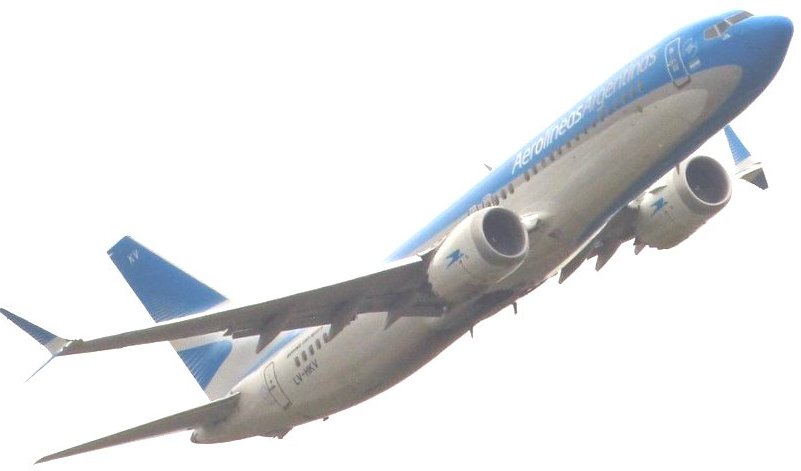
AEROLÍNEAS ARGENTINAS EMBRAER E190-100AR
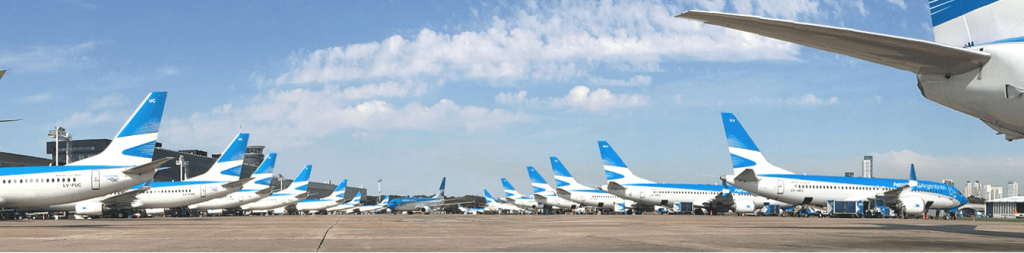
La aerolínea ha comunicado que comenzarán la desprogramación de dos aeronaves E-190-100AR (2), dos Airbus A330-200 (2) y seis Boeing 737-700 (6) en el mediano plazo. Pero desde la empresa aseguran que no hay un plan de reducción de flota y que estos cambios se deben al vencimiento de los leasings, lo que no significa que no se renueven en el futuro.
Retiros voluntarios Aerolíneas y los gremios aeronáuticos mantienen posturas contrapuestas sobre el impacto del plan de Retiros Voluntarios en Aerolíneas Argentinas y la situación general de la línea aérea.
Los gremios aeronáuticos remarcan que el achicamiento se da en el contexto de una nueva embestida oficial que busca imponer más retiros voluntarios y que tiene congelada la discusión paritaria por los salarios del personal. “La semana pasada impidieron medidas de Pilotos y Aeronavegantes por medio de una conciliación obligatoria dictada por la Secretaría de Trabajo”, recuerda el comunicado de la Asociación APLA.
“Todo esto está acompañada de la desregulación del mercado aerocomercial, el cambio de código aeronáutico y la entrega de los cielos a mega traders internacionales”, refuerza Fabio Basteiro para graficar el cuadro de situación que atraviesa a la aerolínea.
The Government of the Argentine Republic continues with the reduction of Aerolíneas Argentinas and will decommission ten aircraft. The union of the Air Line Pilots Association (APLA). The new President of Argentina, Javier Milei, continues to establish a Government seeking to advance the restructuring of Aerolíneas Argentinas. The airline was included among those companies subject to privatization within the Bases Law.
The Pilots Association of Airlines (APLA) today issued a statement in which it questions the application of the Voluntary Retirement plan by Aerolíneas Argentinas. However, the state company defends its decision, stating that it seeks to improve the efficiency and productivity of its personnel without affecting its operational capacity. Nicolás Capella, Secretary of the Interior of APLA, described what this new advance means: “Ten fewer planes represents less connectivity for the country and less income for the provinces […]». Fabio Basteiro, former Secretary of the Central of Workers of Argentina (CTA) said: “What we see is that the lifting of stopovers, the reduction of federal flight connections, and the retirement structure that they are planning along with the disaffection of the Aerolíneas Argentinas fleet is not more nor less than one more link in the chain planned for Aerolíneas to be reduced to a minimum”, said the former Buenos Aires legislator and former head of APLA.
The airline has announced that they will begin the deprogramming of two E-190-100AR aircraft (2), two Airbus A330-200 (2), and six Boeing 737-700 (6) in the medium term. However, the company assures that there is no fleet reduction plan and that these changes are due to the expiration of the leases, which does not mean that they will not be renewed in the future.
Voluntary withdrawals Airlines and aeronautical unions maintain opposing positions on the impact of the Voluntary Retirement plan on Aerolíneas Argentinas and the general situation of the airline.
The aeronautical unions emphasize that the reduction occurs in the context of a new official attack that seeks to impose more voluntary retirements and that has frozen the joint discussion on staff salaries. “Last week they prevented measures for Pilots and Aircraft Workers through a mandatory conciliation dictated by the Ministry of Labor”, recalls the APLA Association statement.
“All this is accompanied by the deregulation of the commercial airline market, the change of aeronautical code and the delivery of the skies to international mega traders”, reinforces Fabio Basteiro to graph the situation that the airline is going through.
PUBLISHER: Airgways.com DBk: Aerolineas.com / Apla.org.ar / Airgways.com AW-POST: 202407181225AR OWNERSHIP: Airgways Inc. A\W A I R G W A Y S ®















 airgways.com