Aerolíneas estadounidenses fortalecen conexión con Argentina
Delta Air Lines presentó una solicitud oficial al Departamento de Transporte de los Estados Unidos (DOT), para operar un vuelo diario y directo entre Nueva York y Buenos Aires. Esta solicitud confirma el interés de la aerolínea para reforzar sus operaciones con Argentina ampliando las conexiones con nuevas rutas a la existente que conecta Atlanta/ATL—Buenos Aires/EZE.
La aerolínea con sede en Atlanta, Georgia (GA), Estados Unidos, ha expresado: “Como siempre, buscamos construir nuestros horarios de vuelo y nuestra red en torno a los lugares donde nuestros clientes quieren volar. Esperamos recibir la aprobación de esta solicitud para permitir el servicio sin escalas de Delta en esta importante ruta”.
Esta estrategia de Delta continua la línea de American Airlines que en Diciembre 2022 aumentó sus frecuencias entre Miami/MIA y Buenos Aires/EZE a tres frecuencias diarias (3Frq/D), contando así con veintiún vuelos semanales (21Frq/S). Este incremento se suma a las frecuencias que tiene la compañía entre Nueva York/JFK y Dallas/DFW con Buenos Aires/EZE.
Este interés que muestran las compañías estadounidenses en Argentina llega en un momento de crecimiento de la conectividad internacional del país sudamericano. En este contexto, las principales compañías aéreas de Estados Unidos continúan recuperando su operación pre-pandemia hacia Argentina y centrando su atención en las oportunidades de este mercado en Sudamérica.
Delta requests Argentine routes
American airlines strengthen connection to Argentina
Delta Air Lines submitted an official application to the United States Department of Transportation (DOT), to operate a daily and direct flight between New York and Buenos Aires. This request confirms the interest of the airline to reinforce its operations with Argentina by expanding the connections with new routes to the existing one that connects Atlanta/ATL—Buenos Aires/EZE.
The Atlanta-based airline, Georgia (GA), United States, has expressed: “As always, we seek to build our flight schedules and our network around the places where our customers want to fly. We hope to receive the approval of this request to allow Delta’s non -scales on this important route”.
This Delta strategy continues the American Airlines line that in December 2022 increased its frequencies between Miami/Mia and Buenos Aires/EZE to three daily frequencies (3Frq/D), thus counting with twenty-one weekly flights (21Frq/S). This increase adds to the frequencies that the company has between New York/JFK and Dallas/DFW with Buenos Aires/EZE.
This interest shown by US companies in Argentina comes at a time of growth in the international connectivity of the South American country. In this context, the main airlines in the United States continue to recover their pre-pandemic operation towards Argentina and focus their attention on the opportunities of this market in South America.
PUBLISHER: Airgways.com DBk: Delta.com / Transportation.gov / Airgways.com AW-POST: 202301181510AR OWNERSHIP: Airgways Inc. A\W A I R G W A Y S ®
Las asociaciones de sindicatos de las low cost argentinas criticaron los acuerdos con el Ministerio de Trabajo. La escena sindical en el ámbito aéreo atraviesa uno de sus momentos más calientes. Tras los acuerdos rubricados entre los sindicatos de Aeronavegantes (AAA) y el de los Pilotos de APLA con el Ministerio de Trabajo, los gremios creados en las low cost JetSMART Airlines Argentina y Flybondi Líneas Aéreas salieron a condenar los pactos alegando falta de derechos reconocidos y con críticas a las asociaciones sindicales consolidadas, a las que acusaron de «parasitar la línea de bandera estatal y esquilmar al estado con inmorales subsidios». La respuesta no se hizo esperar: desde la Federación Internacional de Trabajadores del Transporte (ITF), con Pablo Moyano como Vicepresidente, definieron a los gremios low cost como «creados a medida por las empresas e instrumentos de las patronales».
La reacción de las organizaciones ligadas a las aerolíneas de bajo costo resultó consecuencia del acuerdo firmado el 22 de Diciembre de 2022 por Kelly Olmos, titular de la cartera de Trabajo, y Juan Pablo Brey, Secretario General de Aeronavegantes, que estableció pautas laborales comunes para todos los Tripulantes de Cabina de Pasajeros en la Argentina. «A partir de la rúbrica de este documento, que se firma en el ámbito de la Cámara de Líneas Aéreas de la República Argentina (CLARA), nuestra actividad ve fijado un piso de condiciones laborales que deberá ser respetado por todas las empresas que operen aerocomercialmente dentro del territorio nacional», publicó Pablo Brey, en Dicimbre 2022 en su espacio en la red Twitter.
Tras este acuerdo, tanto la Asociación Trabajadores Aeronáuticos de Flybondi (ATAF) como la Asociación Sindical Trabajadores de JetSmart (ASTJ) salieron a criticar el pacto a través de un comunicado. Sin rodeos, acusaron a Trabajo de «cercenar sus derechos sindicales y dejarlos sin trabajo atendiendo al expreso pedido de los gremios aeronáuticos tradicionales. […] Las asociaciones de Pilotos y Aeronavegantes, que parasitan la línea de bandera estatal y esquilman al Estado con inmorales subsidios, pretenden poner de rodillas a las low cost, imponiendo condiciones laborales disparatadas en complicidad con el Gobierno Nacional», expresaron en el texto elaborado por los gremios de low cost.
Sindicatos amarillos
La réplica de los gremios que cerraron el acuerdo y las entidades internacionales que integran dichas organizaciones llegó en las últimas horas y a través de una condena contundente a la posición de ATAF y ASTJ. Los gremios recordaron el vínculo de JetSMART Airlines Argentina y Flybondi con el Macrismo. En concreto, la ITF se refirió a las asociaciones de las low cost como sindicatos amarillos por ser creados a medida de las empresas y en clara referencia a los colores del macrismo. Vale recordar que tanto JetSMART como Flybondi comenzaron a operar durante la gestión de Mauricio Macri y a través del Aeropuerto El Palomar.
Edgar Díaz, Secretario Regional de ITF, fue uno de los primeros que apuntó a las compañías de presupuesto locales. «Este acuerdo que se firmó es ejemplo para la región y otros lugares del mundo para contener a los trabajadores de las low cost. Un modelo de acción que estamos apoyando en la región y muy lejos está de estar contra los trabajadores, pero que claramente activa acciones de lobby como es el caso de JetSMART y Flybondi, usándolos como punta de lanza. […] En todos los países donde hay empresas low cost se repite sistemáticamente que los sindicatos que ellos mismos arman dejan a la luz que claramente responden a sus intereses y no a los trabajadores», expuso, en un comunicado que divulgó la federación.
Pablo Moyano fue con los tapones de punta desde su rol de Vicepresidente Global de la ITF: lanzó duro mensaje a las asociaciones sindicalistas low cost. El dirigente dijo que dichos gremios, «han sido creados en el macrismo, son la clara expresión de la derecha. Ningún trabajador puede criticar un acuerdo que mejora sus condiciones laborales. Acá hay sindicatos de actividad y son los que discuten todo el marco laboral. Estos sindicatos patronales que no dan ningún debate público con alguna persona física, se esconden en declaraciones anónimas que las empresas imponen en los grandes gremios», afirmó.
Low Cost vs classic unions
Low Cost from Argentina vs classic unions
Argentine Low Cost unions associations criticized the agreements with the death ministry. The union scene in the aerial field crosses one of its hottest moments. After the agreements signed between the Airrnavigators unions (AAA) and that of the appa. with the Ministry of Labor, the guilds created in the low cost JetSMART Airlines Argentina and Flybondi Líneas Aéreas went out to condemn the pacts claiming lack of recognized rights and with criticism of the Consolidated union associations, which they accused of «parasitizing the state flag line and shearing the State with immoral subsidies». The answer was not long in waiting: from the International Federation of Transport Workers (ITF), with Pablo Moyano as vice president, they defined the low cost guilds as «custom created by the companies and instruments of the employers».
The reaction of organizations linked to low-cost airlines was a consequence of the agreement signed on December 22, 2022 by Kelly Olmos, head of the work portfolio, and Juan Pablo Brey, general secretary of aircrafts, which established common labor guidelines for All Cabin Crew of Epasajeros in Argentina. «From the rubric of this document, which is signed within the scope of the Chamber of Airlines of the Argentine Republic (CLARA), our activity is fixed a floor of working conditions that must be respected by all the companies that operate aerocomercially Within the national territory», Pablo Brey published, in Dicimbre 2022 in his space on the Twitter Network.
After this agreement, both the Flybondi Aeronautical Workers Association (ATAF) and the Trade Union Association of Jetsmart (ASTJ) went out to criticize the pact through a statement. Without rodeos, they accused work of «curtailing their union rights and leaving them without work according to the express request of the traditional aeronautical guild Immoral subsidies, they intend to put the low cost on their knees, imposing crazy working conditions in complicity with the national government», they said in the text prepared by low cost’s guilds.
Yellow unions
The replica of the unions that closed the agreement and the international entities that make up these organizations arrived in the last hours and through a forceful conviction to the position of ATAF and ASTJ. The guilds remembered the link of JetSMART Airlines Argentina and Flybondi with Macrismo. Specifically, ITF referred to Low Cost associations as yellow unions for being created as companies and in clear reference to the colors of Macrismo. It is worth remembering that both JetSMART and Flybondi began operating during the management of Mauricio Macri and through the El Palomar Airport.
Edgar Díaz, Regional Secretary of ITF, was one of the first who pointed to local budget companies. «This agreement that was signed is an example for the region and other places in the world to contain Low Cost workers. An action model that we are supporting in the region and far from being against workers, but clearly active Lobby shares as is the case of Jetsmart and Flybondi, using them as a spearhead. […] In all countries where there are low cost companies, it is systematically repeated that the unions that they assemble leave the light that clearly respond to His interests and not to workers», he said, in a statement disclosed by the Federation.
Pablo Moyano went with the cut -off caps since his role as Global Vice President of the ITF: he released a hard message to the low cost union associations. The leader said that these guilds, «have been created in macrismo, are the clear expression of the right. No worker can criticize an agreement that improves their working conditions. Here there are activity unions and are the ones that discuss the entire work framework. These employer unions that do not give any public debate with some natural person, hide in anonymous statements that companies impose on the great unions», he said.
PUBLISHER: Airgways.com DBk: Twitter.com/tflybondi / Twitter.com/sjetsmart / Aeronavegantes.org.ar / Itfglobal.org / Airgwways.com AW-POST: 202301171125AR OWNERSHIP: Airgways Inc. A\W A I R G W A Y S ®
AW | 2023 01 17 10:19 | AIR TRAFFIC / GOVENRMENT / AVIATION ORGANISMS
¿Qué hubo detrás del colapso de la FAA de la semana pasada?
El Secretario de Transporte, Pete Buttigieg, hablaba después de dirigirse a la Junta de Investigación de Transporte en Washington, el 11 de Enero de 2023. Las elecciones de personal de Pete Buttigieg fueron ciertamente un factor.
Tras los problemas con el sistema de Aviso NOTAM de la Administración Federal de Aviación (FAA) la semana pasada, que provocó retrasos en los vuelos en todo Estados Unidos, el Secretario de Transporte Pete Buttigieg se encuentra asediado y bajo escrutinio por la avería. Sin embargo, aunque muchos críticos se han apresurado a culpar al Secretario, hay un contexto importante que de otra manera no se ha informado.
Proyecto Puertas Giratorias
Hasta la primavera pasada, la FAA era supervisada por un designado por la Administración Trump llamado Steve Dickson, un ex ejecutivo de Delta Air Lines que, como Jefe de la FAA, dirigía la agencia que regulaba a Delta y sus competidores. Desafortunadamente, ese tipo de disposición de puerta giratoria no es en absoluto infrecuente para la FAA, que tiene un historial de captura regulatoria. La relación amigo-amigo entre la FAA y la industria que supervisa fue tan extrema que la Cámara de Representantes, no conocida por su fuerte escrutinio del cabildeo de la industria, votó unánimemente para crear una oficina de denunciantes dentro de la FAA aislada del Administrador. Esa protección del denunciante fue particularmente importante con Steve Dickson al timón, dadas sus represalias contra un denunciante que planteó preocupaciones de seguridad en Delta mientras era ejecutivo de la aerolínea. Después de que una piloto de Delta presentó un informe que documentaba las preocupaciones de seguridad y lo que consideraba posibles violaciones de la regulación de la FAA, Steve Dickson la obligó a ver a un psiquiatra que le diagnosticó trastorno bipolar. Ese diagnóstico fue rechazado por un panel de médicos de la Clínica Mayo. Después de la terrible experiencia, la FAA corroboró una de las afirmaciones hechas por el piloto.
Pete Buttigieg podría haberle dado a Steve Dickson la bota desde el salto, pero no lo hizo. Si bien el Administrador de la FAA es nombrado por un período de cinco años, el Presidente aún puede despedirlo, al igual que el Ejecutivo Nacional puede despedir a los jefes de otras agencias del poder ejecutivo. Los presidentes Clinton y Trump despidieron a directores de la Oficina Federal de Investigaciones. Biden hizo lo mismo con el Director de la Oficina Republicana de Protección Financiera del Consumidor, el Asesor General de la Junta Nacional de Relaciones Laborales, entre otros. Pero parece poco probable que Joe Biden haga esa llamada en la FAA por su cuenta, particularmente en un asunto tan técnico como la regulación de la aviación. Lo más probable es que se remitiera al juicio de Pete Buttigieg.
Existía un reinicio completo en el Departamento de Transporte (DOT) en particular. Elaine Chao, la predecesora de Pete Buttigieg, era celosamente anti-regulación y dedicada a permitir o instigar a las corporaciones mientras explotaban a los consumidores estadounidenses. Su filosofía de conducción parecía ser que su papel como secretaria era servir a las corporaciones de élite y transporte, una de las cuales, la compañía naviera Foremost, es propiedad de su familia. Elaine Chao pasó su tiempo tanto en el Departamento de Transporte como, bajo George W. Bush, en el Departamento de Trabajo buscando debilitar a los trabajadores mientras canalizaba más ganancias a los bolsillos de las élites económicas.
Es difícil para la FAA trabajar por el interés público mientras está continuamente dirigida por personas que tienen profundos vínculos con los ejecutivos de las aerolíneas.
Steve Dickson fue nombrado para dirigir la FAA a raíz de los accidentes del Boeing 737 MAX para estabilizar el barco y restaurar la fe en la asediada agencia reguladora de aviación. Resolvió con éxito el problema de Boeing y renovó las inspecciones de seguridad. Incluso insistió en no volver a certificar el 737 MAX hasta que hubiera volado personalmente uno y lo hubiera juzgado desde la perspectiva de un piloto. Pero esto no obvia la tendencia compensatoria de Steve Dickson a socavar las preocupaciones de seguridad de los pilotos enviándolos a un examen de salud mental a una piloto de Delta Air Lines por plantear tales problemas. Es difícil para la FAA trabajar por el interés público mientras está continuamente dirigida por personas que tienen profundos vínculos con los ejecutivos de las aerolíneas. Esto es especialmente cierto cuando el liderazgo de la FAA tiene un historial de tomar medidas enérgicas contra los empleados cuando plantean preocupaciones de seguridad, en lugar de tomar medidas enérgicas contra las preocupaciones de seguridad en sí mismas.
La solución fácil para Pete Buttigieg habría sido deshacerse de Steve Dickson y nombrar a un nuevo agente de la FAA. En cambio, Buttigieg y Biden optaron por dejar que Steve Dickson continuara su mandato. Sin embargo, a principios de 2022, Steve Dickson renunció a su puesto por su propia voluntad, diciendo, como es costumbre, que quería pasar más tiempo con su familia. El candidato de la Administración Biden para asumir el cargo ha languidecido en el Senado durante meses. Phil Washington, el nominado, ha enfrentado críticas por lo que algunos expertos en aviación creen que es una experiencia insuficiente específica de la aviación. Por su parte, Buttigieg y la Casa Blanca han citado su amplia experiencia gerencial en transporte e infraestructura.
Mientras tanto, la FAA se ha quedado con una vacante en la parte superior durante la mayor parte del año. Por ley, se supone que el Administrador adjunto debe llevar a cabo los deberes del administración cuando la oficina está vacía. No es así como el DOT ha manejado la vacante. La agencia pasó por alto al Administrador Adjunto Bradley Mims y en su lugar nombró a Billy Nolen, Administrador asociado para la seguridad de la aviación, como Administrador interino. Al anunciar la promoción de Billy Nolen, la misma declaración indicó que Bradley Mims también asumiría una responsabilidad adicional.
No hay una explicación real de por qué Billy Nolen fue elegido sobre Bradley Mims. Ambos tienen décadas de experiencia. La diferencia más notable entre ellos es que Nolen es un ex ejecutivo de una aerolínea que también trabajó en Airlines for America (A4A), un poderoso grupo comercial (que incluye a Southwest entre sus miembros más destacados). Bradley Mims, por otro lado, trabajó principalmente en consultoría de transporte, así como en una variedad de roles de asesoría del sector público. Buttigieg fue con alguien que solía presionar para las aerolíneas y luego pasó a ayudar a administrar una aerolínea. Dado el problemático legado de la FAA de acercarse a las aerolíneas, esa elección no fue tranquilizadora.
Matt Stoller, del Proyecto Estadounidense de Libertades Económicas, ha opinado que el mal funcionamiento de NOTAM probablemente no fue culpa de Pete Buttigieg, pues las aerolíneas se habían negado a pagar por la actualización del sistema. Sin embargo, lo que es culpa de Buttigieg es permitir que la FAA y el DOT continúen usando guantes de seda cuando actúen como reguladores. Ha permitido que todas menos una aerolínea nacional se salgan con la suya con una advertencia por retener ilegalmente los reembolsos de los clientes. Y después de la debacle de los viajes aéreos del verano pasado, en lugar de tomar medidas enérgicas contra las aerolíneas, Buttigieg acaba de enviar una carta severa.
El sistema NOTAM está sufriendo de negligencia, que resultó la semana pasada en la primera conexión a tierra masiva desde el 9/11. Buttigieg no es directamente culpable de esa falla específica, pero es responsable de las decisiones de personal sobre quién estaba supervisando la situación. También es responsable de establecer el tono de las interacciones entre el DOT y una industria de la aviación que aparentemente distribuye dividendos de una manera más oportuna de lo que transporta a los estadounidenses.
Presión a FAA
La presión está aumentando sobre la Administración Federal de Aviación (FAA) después de que varios incidentes de alto perfil crearon dolores de cabeza para los viajeros y el candidato del presidente Biden, Phil Washington, enfrenta un polémico proceso de confirmación para el puesto principal de la agencia que está listo para comenzar.
Millones de viajeros aéreos quedaron varados en los aeropuertos de todo el país durante la temporada de vacaciones cuando el sistema de programación de la tripulación de Southwest Airlines colapsó, lo que provocó una investigación del Departamento de Transporte (DOT), que es la agencia matriz de la FAA.
Los vuelos en todo el país fueron suspendidos temporalmente la semana pasada después de una interrupción en el sistema de Aviso a Misiones Aéreas (NOTAM) de la FAA, que alerta a los pilotos y otro personal sobre problemas aéreos y retrasos en el aeropuerto, lo que resultó en la cancelación de más de 1.000 vuelos cancelados y miles más retrasados. El Secretario de Transporte, Pete Buttigieg, y funcionarios de la FAA están investigando la falla informática que ha sido causada por personal que no ha seguido los procedimientos.
Además de los problemas de la agencia, se evitó un casi desastre en el Aeropuerto John F. Kennedy de Nueva York el Viernes 13/01 cuando los controladores de tráfico aéreo vieron un Boeing 777 de American Airlines rodando a través de la pista mientras que un Boeing 737 de Delta estaba usando para despegar. La FAA le dijo que el vuelo de Delta logró detener su rodaje de despegue «aproximadamente 1.000 pies» antes de llegar al vuelo estadounidense. La agencia está investigando el incidente en conjunto con la Junta Nacional de Seguridad del Transporte (NTSB).
Esos incidentes han provocado un mayor escrutinio de las operaciones de la FAA y han llamado la atención sobre el hecho de que la agencia ha estado sin un administrador confirmado por el Senado desde Marzo de 2022, cuando el administrador de la era Trump, Stephen Dickson, renunció y fue reemplazado por el administrador interino Billy Nolen.
Post-Colapso Traffic USA
What was behind the collapse of the FAA last week?
The Secretary of Transportation, Pete Buttigieg, spoke after heading to the Transportation Research Board in Washington, on January 11, 2023. Pete Buttigieg personnel elections were certainly a factor.
After the problems with the Notam notice system of the Federal Aviation Administration (FAA) last week, which caused flight delays throughout the United States, the Secretary of Transportation Pete Buttigieg is besieged and under scrutiny due to the breakdown. However, although many critics have rushed to blame the secretary, there is an important context that has not been informed otherwise.
Rotatory doors project
Until the past spring, the FAA was supervised by a designated by the Trump administration called Steve Dickson, a former Delta Air Lines executive who, as head of the FAA, directed the agency that regulated Delta and its competitors. Unfortunately, this type of rotating door disposition is not unusual for FAA, which has a regulatory capture history. The friend-friendly relationship between the FAA and the industry that Supervisa was so extreme that the House of Representatives, not known for its strong scrutiny of the lobbying of the industry, unanimously voted to create a complainant office within the isolated FAA of the administrator. That protection of the complainant was particularly important with Steve Dickson to the helm, given his reprisals against a complainant who raised security concerns in Delta while he was an executive of the airline. After a Delta pilot presented a report that documented security concerns and what it considered possible violations of FAA regulation, Steve Dickson forced her to see a psychiatrist who diagnosed him bipolar disorder. This diagnosis was rejected by a panel of doctors from the Mayo Clinic. After the terrible experience, FAA corroborated one of the claims made by the pilot.
Pete Buttigieg could have given Steve Dickson the boot from the jump, but he did not. While the FAA administrator is appointed for a period of five years, the president can still fire him, just like the National Executive can fire the heads of other agencies of the Executive Power. The presidents Clinton and Trump fired directors of the Federal Office of Investigations. Biden did the same with the director of the Republican Office of Financial Protection of the Consumer, the General Advisor of the National Board of Labor Relations, among others. But it seems unlikely that Joe Biden will make that call in the FAA on his own, particularly in a matter as technical as the regulation of aviation. Most likely to be referred to Pete Buttigieg’s trial.
There was a complete restart in the Department of Transportation (DOT) in particular. Elaine Chao, the predecessor of Pete Buttigieg, was jealously anti-regulation and dedicated to allowing or instigating corporations while exploding US consumers. His driving philosophy seemed to be that his role as a secretary was to serve elite and transport corporations, one of which, the Naviera Fornost company is owned by his family. Elaine Chao spent her time both in the Department of Transportation and, under George W. Bush, in the Labor Department seeking to weaken workers while channeling more profits to the pockets of economic elites.
It is difficult for FAA to work for the public interest while they are continuously directed by people who have deep links with the executives of the airlines.
Steve Dickson was appointed to direct the FAA following the accidents of Boeing 737 Max to stabilize the ship and restore faith in the besieged Aviation Regulatory Agency. He successfully solved the Boeing problem and renewed security inspections. He even insisted not to certify the 737 Max until he had personally flown and had judged him from the perspective of a pilot. But this does not obviate the compensatory tendency of Steve Dickson to undermine the security concerns of the pilots by sending them to a mental health exam to a Delta Air Lines pilot for posing such problems. It is difficult for FAA to work for the public interest while they are continuously directed by people who have deep links with the executives of the airlines. This is especially true when FAA leadership has a history of taking energetic measures against employees when they pose security concerns, instead of taking energetic measures against self-confidence.
The easy solution for Pete Buttigieg would have been to get rid of Steve Dickson and appoint a new FAA agent. Instead, Buttigieg and Biden chose to let Steve Dickson continue his mandate. However, at the beginning of 2022, Steve Dickson resigned his position for his own will, saying, as usual, that he wanted to spend more time with his family. The Biden administration candidate to assume the position has languished in the Senate for months. Phil Washington, the nominee, has faced criticism so some aviation experts believe it is a specific insufficient experience of aviation. For their part, Buttigieg and the White House have cited their extensive management and infrastructure managerial experience.
Meanwhile, FAA has stayed with a vacancy at the top during most of the year. By law, the attached administrator is supposed to carry out the duties of the administration when the office is empty. This is not how the DOT has handled the vacancy. The agency overlooked the attached administrator Bradley Mims and instead appointed Billy Nolen, an associate administrator for aviation security, as an interim administrator. When announcing the promotion of Billy Noen, the same statement indicated that Bradley Mims would also assume additional responsibility.
There is no real explanation of why Billy Nolen was chosen about Bradley Mims. Both have decades of experience. The most notable difference between them is that Noen is a former executive of an airline who also worked on Airlines For America (A4A), a powerful commercial group (which includes Southwest among its most prominent members). Bradley Mims, on the other hand, worked mainly on transport consulting, as well as a variety of public sector advice roles. Buttigieg went with someone who used to press for airlines and then went on to help administer an airline. Given the problematic legacy of the FAA to approach the airlines, that choice was not reassuring.
Matt Stoller, of the American project for economic freedoms, has opined that Notam’s malfunction was probably not Pete Buttigieg’s fault, since the airlines had refused to pay for the system update. However, what is Buttigieg’s fault is to allow FAA and DOT to continue using silk gloves when they act as regulators. It has allowed all but a national airline to get yours with a warning for illegally retaining customer refunds. And after the debacle of the air trips last summer, instead of taking energetic measures against airlines, Buttigieg has just sent a severe letter.
The Notam system is suffering from negligence, which resulted last week in the first mass ground connection since 9/11. Buttigieg is not directly guilty of that specific failure, but is responsible for personnel decisions about who was supervising the situation. He is also responsible for establishing the tone of the interactions between the DOT and an aviation industry that apparently distributes dividends in a more timely way of what he transports to Americans.
FAA pressure
The pressure is increasing on the Federal Aviation Administration (FAA) after several high -profile incidents created headaches for travelers and President Biden’s candidate, Phil Washington, faces a controversial confirmation process for the main position of the agency that is ready to start.
Millions of air travelers were stranded in the airports throughout the country during the vacation season when the Southwest Airlines Collapsed crew system, which caused an investigation by the Department of Transportation (DOT), which is the parent agency of FAA.
Flights throughout the country were temporarily suspended last week after an interruption in the Air Missions (Notam) of the FAA, which alerts the pilots and other personnel about air problems and delays in the airport, which which It resulted in the cancellation of more than 1,000 canceled flights and thousands more delayed. The Secretary of Transportation, Pete Buttigieg, and FAA officials are investigating the computer failure that has been caused by personnel who have not followed the procedures.
In addition to the agency’s problems, an almost disaster was avoided at the John F. Kennedy airport in New York on Friday 13/01 when air traffic controllers saw a Boeing 777 American Airlines rolling through the track while a Boeing 737 Delta was using to take off. The FAA told him that Delta’s flight managed to stop her «approximately 1,000 feet» take off before reaching the American flight. The agency is investigating the incident in conjunction with the National Transport Security Board (NTSB).
These incidents have caused greater scrutiny of FAA’s operations and have drawn attention to the fact that the agency has been without an administrator confirmed by the Senate since March 2022, when the Trump era administrator Stephen Dickson, He resigned and was replaced by interim administrator Billy Nolen.
PUBLISHER: Airgways.com DBk: Transportation.gov / Faa.gov / Airgways.com AW-POST: 202301171019AR OWNERSHIP: Airgways Inc. A\W A I R G W A Y S ®
AW | 2023 01 09 14:57 | AIRLINES / AVIATION ORGANISMS / GOVERNMENT
Gobierno México compra activos de Mexicana de Aviación
El Gobierno de México ha anunciado por medio de la Secretaría de la Defensa Nacional de México acordar la compra de los activos de la aerolínea Mexicana de Aviación, luego de llegar a un acuerdo con los sindicatos de ex empleados. Entre los activos adquiridos se encuentran la marca Mexicana de Aviación, un centro de entrenamiento, dos edificios, un taller y un simulador de vuelo. El monto total alcanzaría los MX$ 817 millones de Pesos Mexicanos/US$ 42.5 millones. El plan actual del Gobierno Federal mexicano es relanzar Mexicana de Aviación bajo control estatal y para eso se ha estado estudiando el arrendamiento de aviones de la compañía americana Boeing. El Presidente de México, Andrés López Obrador, no ha tenido un buen concepto de aerolíneas privadas de México, incluida la mayor aerolínea Aeroméxico debido a la falta de competitividad y servicios y lo relacionado con la migración de los vuelos al nuevo Aeropuerto Felipe Angeles/NLU. El Gobierno estima que la participación de mercado de la nueva Mexicana alcanzaría el 11% del mercado doméstico.
El acuerdo para la venta de activos de Mexicana ha tenido un incremento de 11,21% respecto al precio original previsto por el Gobierno a los ex-trabajadores de Mexicana de Aviación, el Viernes 06/01 al arribar al compromiso para vender la marca y algunos activos de la aerolínea, que permitirá activar a la aerolínea por la empresa Olmeca-Maya-Mexica de la Secretaría de la Defensa Nacional. Eduardo Barrera, Presidente de la Asociación Sindical de Pilotos Aviadores de México (ASPA) explicó que este aumento porcentual se dio por que se incluyeron los dos simuladores de la aerolínea. El Martes 10 de Enero de 2023 la Junta Federal de Conciliación y Arbitraje de la Secretaría del Trabajo y Previsión Social rectificarán el convenio por el cual los representantes de los sindicatos de Mexicana de Aviación aceptarán la propuesta del Gobierno Federal para vender los activos de la empresa que se hallaban en la Masa Concursal de la empresa en el Tribunal de Justicia y que actualmente forman parte de la Sindicatura de la Quiebra de las dos aerolíneas concursadas Compañía Mexicana de Aviación y Mexicana Click. El alcance del acuerdo establecerá que los sindicatos aeronáuticos y los ex-empleados de las líneas aéreas aceptarán los laudos emitidos por la Jueza Edith Alarcón que declaró la quiebra en Abril de 2014.
Bienes cotizados
La Secretaría de Infraestructura, Comunicaciones y Transportes (SICT) pagará, por la marca de Mexicana de Aviación MX$ 407.4 millones de Pesos, por el Centro de Adiestramiento MX$ 210.7 millones, por el edificio en Guadalajara, MX$ 86.1 millones. Las oficinas del edificio de Balderas ha sido tasado en un valor de MX$ 28.9 millones y por dos simuladores Thomson y Singer valorados en MX$ 83.3 millones de Pesos. En conjunto, el Gobierno federal desembolsará un total de MX$ 816 millones de Pesos Mexicanos. El Instituto de Administración y Avalúos de Bienes Nacionales (INDAABIN) ha logrado poner un precio a los dos simuladores de vuelo, el Thompson para Airbus 320 y el Singer para Boeing 727. Además, existen otros bienes a cotizar, según el Presidente de la delegación de la ASPA dijo que entre el patrimonio se encuentra unas refacciones edilicias, así como el fideicomiso del taller de mantenimiento, el Mexicana MRO, el cual se le ofreció al Gobierno pero no fue aceptado ante la falta de presupuesto. El área de Mantenimiento ha sido la única sobreviviente de la quiebra de Mexicana de Aviación. El taller aeronáutico de Mantenimiento Mexicana MRO está trabajando bien, y aunque los trabajadores son los beneficiarios del usufructo de la venta, aunque no de las ganancias.
Por su parte, Alfonso Ascencio Trujeque, síndico de la quiebra de Mexicana de Aviación, comentó que por la situación en la que se encuentra la empresa, difícilmente alguien más pudiera dar una oferta, ni siquiera cercana a lo que se está ofreciendo. Sostiene, que por parte del Gobierno ha realizado una oferta considerable para reflotar una de las aerolíneas más antiguas del mundo, sosteniendo que está por encima de las últimas valuaciones. Las organizaciones sindicales estaban muy escépticas al precio que pudiera dar el INDAABIN.
Antigua Mexicana
Un año antes de terminar sus operaciones, Mexicana contaba con una flota de 110 aviones y había transportado 11 millones de pasajeros, 40% de ellos en rutas internacionales. Entre los aviones operados se encontraban aviones de la familia Airbus A318/A319/A320 y A330-200, Boeing 757 y Boeing 767 y DC-10. La aerolínea fue miembro de Star Alliance hasta 2009, cuando cambió a Oneworld. Varios intentos de revivir Mexicana se hicieron en los años siguientes, pero sin éxito. Presentaba la quiebra en 2010, será relanzada bajo el control de la Secretaría de Defensa Nacional del país. Se espera que Mexicana de Aviación, una aerolínea fundada en 1921 y que suspendió sus operaciones el 28 de Agosto de 2010. Se espera que reanude sus vuelos a finales de 2023, según los planes de la Presidencia de Mexico.
Perspectivas Mexicana
Después de KLM Airlines, Avianca y Qantas Airways, Mexicana de Aviación fue una de las aerolíneas más antiguas del mundo inaugurada el 12 de Julio de 1921. Antes de su cese de operaciones el 28 de Agosto de 2010, era la aerolínea más grande de México. Ahora, la Secretaría de Infraestructura, Comunicaciones y Transportes de México (SICT) será la compradora de la marca y los activos de la antigua aerolínea, poniendo en toda la nación el anuncio del retorno de la emblemática aerolínea Mexicana de Aviación e los cielos de México y el mundo.
Rebirth of Mexicana Aviation
Government of Mexico buys assets of Mexicana de Aviación
The Government of Mexico has announced through the Secretariat of National Defense of Mexico to agree to the purchase of the assets of the airline Mexicana de Aviación, after reaching an agreement with the unions of former employees. Among the assets acquired are the Mexicana de Aviación brand, a training center, two buildings, a workshop and a flight simulator. The total amount would reach MX$ 817 million Mexican Pesos/US$ 42.5 million. The current plan of the Mexican Federal Government is to relaunch Mexicana de Aviación under state control and for this purpose the leasing of aircraft from the American company Boeing has been studied. The President of Mexico, Andrés López Obrador, has not had a good opinion of private airlines in Mexico, including the largest airline Aeroméxico due to the lack of competitiveness and services and related to the migration of flights to the new Felipe Angeles Airport/NLU. The Government estimates that the market share of the new Mexicana would reach 11% of the domestic market.
The agreement for the sale of Mexicana assets has had an increase of 11.21% compared to the original price provided by the Government to the former employees of Mexicana de Aviación, on Friday 01/06 upon reaching the commitment to sell the brand and some assets of the airline, which will allow the airline to be activated by the company Olmeca-Maya-Mexica of the Ministry of National Defense. Eduardo Barrera, President of the Aviation Pilots Union Association of Mexico (ASPA) explained that this percentage increase occurred because the two airline simulators were included. On Tuesday, January 10, 2023, the Federal Conciliation and Arbitration Board of the Ministry of Labor and Social Welfare will rectify the agreement by which the representatives of the Mexicana de Aviación unions will accept the Federal Government’s proposal to sell the company’s assets who were in the Bankruptcy Estate of the company in the Court of Justice and who are currently part of the Bankruptcy Receivership of the two bankrupt airlines Compañía Mexicana de Aviación and Mexicana Click. The scope of the agreement will establish that the aeronautical unions and the former employees of the airlines will accept the awards issued by Judge Edith Alarcón who declared bankruptcy in April 2014.
Listed assets
The Secretariat of Infrastructure, Communications and Transportation (SICT) will pay MX$ 407.4 million Pesos for the Mexicana de Aviación brand, MX$ 210.7 million for the Training Center, and MX$ 86.1 million for the building in Guadalajara. The offices of the Balderas building have been appraised at a value of MX$ 28.9 million and for two Thomson and Singer simulators valued at MX$ 83.3 million Pesos. Together, the federal government will disburse a total of MX$ 816 million Mexican Pesos. The Institute of Administration and Appraisals of National Assets (INDAABIN) has managed to put a price on the two flight simulators, the Thompson for Airbus 320 and the Singer for Boeing 727. In addition, there are other assets to be quoted, according to the President of the delegation from ASPA said that among the assets are some building spare parts, as well as the trust for the maintenance workshop, the Mexicana MRO, which was offered to the Government but was not accepted due to the lack of budget. The Maintenance area has been the only survivor of the bankruptcy of Mexicana de Aviación. The aeronautical workshop of Maintenance Mexicana MRO is working well, and although the workers are the beneficiaries of the usufruct of the sale, although not of the profits.
For his part, Alfonso Ascencio Trujeque, trustee of the bankruptcy of Mexicana de Aviación, commented that due to the situation in which the company finds itself, it would be difficult for someone else to make an offer, not even close to what is being offered. He maintains that the government has made a considerable offer to revive one of the oldest airlines in the world, arguing that it is above the latest valuations. The union organizations were very skeptical of the price that INDAABIN could give.
Old Mexicana
A year before ending its operations, Mexicana had a fleet of 110 aircraft and had transported 11 million passengers, 40% of them on international routes. Among the aircraft operated were Airbus A318/A319/A320 and A330-200 family aircraft, Boeing 757 and Boeing 767 and DC-10. The airline was a member of Star Alliance until 2009, when it changed to Oneworld. Various attempts to revive Mexicana were made in the following years, but without success. Filed for bankruptcy in 2010, it will be relaunched under the control of the country’s Secretary of National Defense. Mexicana de Aviación, an airline founded in 1921 and which suspended its operations on August 28, 2010, is expected to resume its flights at the end of 2023, according to the plans of the Presidency of Mexico.
Mexicana perspectives
After KLM Airlines, Avianca and Qantas Airways, Mexicana de Aviación was one of the oldest airlines in the world, inaugurated on July 12, 1921. Before it ceased operations on August 28, 2010, it was the largest airline in Mexico. . Now, the Secretariat of Infrastructure, Communications and Transportation of Mexico (SICT) will be the buyer of the brand and assets of the former airline, announcing the return of the emblematic airline Mexicana de Aviación to the skies of Mexico throughout the nation. and the world. The Secretariat of Infrastructure, Communications and Transportation of Mexico (SICT) will be the buyer of the brand and the assets of the former airline, announcing the return of the emblematic airline Mexicana de Aviación throughout the nation.
PUBLISHER: Airgways.com DBk: Gob.mx/sct / Gob.mx/indaabin / Gob.mx/sedena / Aspa.org.mx / Airgways.com AW-POST: 202301091457AR OWNERSHIP: Airgways Inc. A\W A I R G W A Y S ®
Aerolínea revisión exhaustiva sistema operativo Impacto en ingresos económicos por US$ 400 millones
Southwest Airlines prometió el Jueves 05/01 una revisión exhaustiva de un colapso operativo que dejó varados a miles de pasajeros a fines de año después de que un líder sindical dijera que la aerolínea no había identificado cómo evitar que se repita. Tom Nekouei, Vicepresidente del sindicato de la Asociación de Pilotos de Southwest Airlines (SWAPA), dijo que estaba entre los líderes sindicales en una conferencia telefónica con el Presidente Ejecutivo Bob Jordan el Lunes 02/01 para discutir la interrupción después de que una tormenta invernal obligó a cancelar casi 16.000 vuelos programados. En la llamada, cuyos detalles no se han informado antes, Tom Nekouei dijo que Bob Jordan les dijo que la compañía aún no había identificado un plan de acción correctivo para evitar una repetición de una cascada de cancelaciones de vuelos.
«No saben qué es lo que van a hacer en términos de acciones correctivas porque no se han sentado y han realizado la autopsia al respecto», dijo el Vicepresidente de SWAPA. Más tarde el Jueves 05/01, Bob Jordan publicó un video en el sitio web de la compañía invitando al sindicato a participar en una revisión exhaustiva de la interrupción que, según dijo, se completaría rápidamente.
El sindicato de pilotos, que representa a casi 10.000 pilotos de Southwest, estima que las cancelaciones de vuelos podrían costar hasta alrededor de US$ 1.000 millones de Dólares en ingresos perdidos, dijo Tom Nekouei. La correduría Raymond James estimó que el colapso podría reducir el crecimiento proyectado de los ingresos de Southwest en más de la mitad en el cuarto trimestre, equivalente a un golpe de alrededor de US$ 515 millones en ingresos perdidos.
Southwest también enfrenta un escrutinio regulatorio y una demanda. La Casa Blanca ha dicho que Southwest «falló a sus clientes». Citando el colapso de la aerolínea, los legisladores han estado presionando a la Administración Biden para que responsabilice a las aerolíneas por las cancelaciones masivas de vuelos.
El sindicato de pilotos SWAPA que se encuentra en acaloradas negociaciones contractuales con Southwest, publicó el 31 de Diciembre de 2022 una carta firmada por Tom Nekouei, denunciando el liderazgo de la compañía como un culto que ha pasado los últimos quince años destruyendo el legado de la aerolínea. Antes de la reciente crisis, Southwest había cultivado una reputación aceptable de servicio al cliente confiable, tripulaciones de vuelo alegre y vuelos de bajas tarifas.
El CEO de Southwest dijo que la aerolínea había hecho grandes progresos en el procesamiento de decenas de miles de reembolsos y reembolsos. También había entregado la gran mayoría de los equipajes demorados.
AERONAVES SOUTHWEST ESTACIONADOS EN AEROPUERTO SANTA BÁRBARA DURANTE EVENTO CANCELACIÓN MASIVA
El Sindicato aeronáutico SWAPA han culpado a la tecnología y los procesos obsoletos de la compañía por el mayor colapso operativo en sus cinco décadas de historia. Tom Nekouei dijo que el fracaso de la compañía para renovar su sistema de programación anticuado que envía tripulaciones a todo el país como pasajeros para sus asignaciones de vuelo la dejó vulnerable a fusiones más frecuentes y más severas. El sindicato de pilotos ha calificado esa práctica llamada «deadheading» como fatigosa e ineficiente. Tom Nekouei dijo que los mismos problemas llevaron a una gran crisis en Southwest después de una tormenta eléctrica en Florida en Octubre de 2021 que le costó US$ 75 millones.
Southwest Airlines ha estado actualizando su tecnología en fases. En 2017, reemplazó todo su sistema de reservas, y cuatro años más tarde mejoró la tecnología en su departamento de mantenimiento. Recientemente, ha realizado inversiones en escáneres digitales para hacer que su sistema de manejo de equipaje sea más eficiente. Bob Jordan dijo que la compañía gasta alrededor de US$ 1.000 millones al año en tecnología y continuará actualizando las herramientas y procesos que utilizan sus empleados para ofrecer viajes aéreos confiables y de bajo costo. Los funcionarios sindicales, sin embargo, han dicho que el ritmo de inversión es demasiado lento. «Cada crisis que hemos tenido, se ha vuelto más severa. Se ha vuelto más frecuente ahora y lleva cada vez más tiempo recuperarse de ellos», sostuvo el Vicepresidente Tom Nekouei del sindicato de Pilotos SWAPA.
Impacto en ingresos
Southwest Airlines ha informado que podría tener un impacto económico en los ingresos de un valor de US$ 400 millones de Dólares por cancelaciones masivas de vuelos. La aerolínea anunció el Viernes 06/01 que espera reportar una pérdida neta en el cuarto trimestre de 2022 (4Q2022). La compañía canceló más de 16.700 vuelos en diez días del 21 al 31 de Diciembre de 2022.
Como resultado, la aerolínea texana ahora ve una pérdida neta para el cuarto trimestre de 2022 impulsada por un impacto negativo preliminar estimado antes de impuestos en el rango de US$ 725 millones a US$ 825 millones, dijo la compañía en una presentación. Southwest dijo que sufrió una pérdida de ingresos de alrededor de US$ 400 millones a US$ 425 millones.
El análisis preliminar del cuarto trimestre muestra que la capacidad probablemente disminuyó un 6% en relación con el mismo trimestre de 2019 y representa una disminución del 4% en comparación con la guía anterior. La compañía también espera mayores gastos operativos de los reembolsos estimados para los pasajeros.
Southwest vows to review collapse
Airline comprehensive operating system review Impact on economic income of US$ 400 million
Southwest Airlines promised Thursday 01/05 a comprehensive review of an operational collapse that stranded thousands of passengers at the end of the year after a union leader said the airline had not identified how to prevent a repeat. Tom Nekouei, Vice President of the Southwest Airlines Pilots Association (SWAPA) union, said he was among union leaders on a conference call with CEO Bob Jordan on Monday 02/01 to discuss the shutdown after a winter storm forced the cancellation of almost 16,000 scheduled flights. On the call, details of which have not been previously released, Tom Nekouei said Bob Jordan told them the company had not yet identified a corrective action plan to prevent a repeat of a cascade of flight cancellations.
“They don’t know what they’re going to do in terms of corrective actions because they haven’t sat down and post-mortemed on it”, the SWAPA Vice President said. Later on Thursday 01/05, Bob Jordan posted a video on the company website inviting the union to participate in a comprehensive review of the outage which he said would be completed quickly.
The pilots’ union, which represents nearly 10,000 Southwest pilots, estimates that flight cancellations could cost as much as US$ 1 billion in lost revenue, Tom Nekouei said. Brokerage Raymond James estimated that the collapse could cut Southwest’s projected revenue growth by more than half in the fourth quarter, equivalent to a hit of about US$ 515 million in lost revenue.
Southwest also faces regulatory scrutiny and a lawsuit. The White House has said that Southwest «failed its customers». Citing the airline’s collapse, lawmakers have been pushing the Biden Administration to hold airlines accountable for mass flight cancellations.
The SWAPA pilots union, which is in heated contract negotiations with Southwest, released a letter signed by Tom Nekouei on December 31, 2022, denouncing the company’s leadership as a cult that has spent the last fifteen years destroying the legacy of the airline. Prior to the recent crisis, Southwest had cultivated a decent reputation for reliable customer service, cheerful flight crews, and low-fare flights.
Southwest’s CEO said the airline had made great progress processing tens of thousands of refunds and refunds. It had also delivered the vast majority of the delayed luggage.
The SWAPA aviation union has blamed the company’s outdated technology and processes for the biggest operational collapse in its five-decade history. Tom Nekouei said the company’s failure to revamp its antiquated scheduling system that sends crews across the country as passengers for its flight assignments left it vulnerable to more frequent and severe meltdowns. The pilots union has described this practice called «deadheading» as tiring and inefficient. Tom Nekouei said the same problems led to a major crisis at Southwest after a Florida thunderstorm in October 2021 cost him US$ 75 million.
Southwest Airlines has been upgrading its technology in phases. In 2017, it replaced its entire reservation system, and four years later it upgraded the technology in its maintenance department. Recently, it has made investments in digital scanners to make its baggage handling system more efficient. Bob Jordan said the company spends about US$ 1 billion a year on technology and will continue to update the tools and processes its employees use to offer reliable, low-cost air travel. Union officials, however, have said the pace of investment is too slow. «Every crisis we’ve had, it’s gotten more severe. It’s become more frequent now and it takes longer and longer to recover from them», said Vice President Tom Nekouei of the SWAPA Pilots union.
Impact on revenue
Southwest Airlines has reported that it could have an economic impact on revenues of US$ 400 million dollars from massive flight cancellations. The airline announced on Friday 01/06 that it expects to report a net loss in the fourth quarter of 2022 (4Q2022). The company canceled more than 16,700 flights in ten days from December 21 to 31, 2022.
As a result, the Texan airline now sees a net loss for the fourth quarter of 2022 driven by a preliminary estimated negative impact before tax in the range of US$ 725 million to US$ 825 million, the company said in a filing. Southwest said it suffered a revenue loss of about US$ 400 million to US$ 425 million.
Preliminary Q4 analysis shows capacity likely down 6% relative to the same quarter in 2019 and represents a 4% decline compared to prior guidance. The company also expects higher operating expenses from the estimated refunds for passengers.
PUBLISHER: Airgways.com DBk: Southwest.com / Wsj.com / Airgways.com AW-POST: 202301061416AR OWNERSHIP: Airgways Inc. A\W A I R G W A Y S ®
La autoridad de la Agencia de Aviación Nacional Argentina (ANAC) ha desarrollado las estadísticas anuales para 2022 correspondientes al mercado doméstico en Argentina. La cuota de mercado de vuelos de cabotaje, lidera ampliamente Aerolíneas Argentinas con un 63%, mientras que Flybondi posee un 21% y JetSMART Airlines Argentina un 16% de participación en cabotaje.
En movimiento del mercado respecto a la pre-pandemia indica que ha habido un avance de Aerolíneas Argentinas en un 2% después de la adquisición de Austral Líneas Aéreas. Flybondi paso de tener el 9% del mercado a ocupar el 21%. JetSMART Argentina de un 7% a un 16%. En referencia a los índices de factor de ocupación, Flybondi lidera con un 90%, segunda JetSMART con 83% y tercera la Aerolíneas Argentinas con un 79%, lo que representa un promedio a Diciembre 2022 de un 80% retrocediendo un 17% por debajo con un 97% interanual 12/2021. Con respecto a puntualidad, la ANAC no ha estado realizando informes trimestrales.
Argentina air market 2022
ANAC provides traffic indices 2022
The authority of the Argentine National Aviation Agency (ANAC) has developed the annual statistics for 2022 corresponding to the domestic market in Argentina. The market share of domestic flights is widely led by Aerolíneas Argentinas with 63%, while Flybondi has 21% and JetSMART Airlines Argentina has a 16% share in domestic flights.
Market movement compared to the pre-pandemic indicates that there has been an advance of Aerolíneas Argentinas by 2% after the acquisition of Austral Líneas Aéreas. Flybondi went from having 9% of the market to occupying 21%. JetSMART Argentina from 7% to 16%. In reference to the load factor indices, Flybondi leads with 90%, JetSMART second with 83% and Aerolíneas Argentinas third with 79%, which represents an average of 80% as of December 2022, falling back 17% below. with 97% year-on-year 12/2021. Regarding punctuality, ANAC has not been making quarterly reports.
PUBLISHER: Airgways.com DBk: Anac.gov.ar / Airgways.com AW-POST: 202301051157AR OWNERSHIP: Airgways Inc. A\W A I R G W A Y S ®
Eswatini Air ha recibido su Certificado de Operador Aéreo (AOC) y planea anunciar una fecha de lanzamiento tan pronto como haya obtenido los permisos de Operador Extranjero Necesarios (FOP) de Sudáfrica y Zimbabwe. Esto ha sido anunciado por la matriz estatal Royal Eswatini National Airways (RENAC). «El siguiente paso es obtener los permisos de operación relacionados de las autoridades aeronáuticas de los países extranjeros a los que planeamos operar, y poco después, se anunciará una fecha para el comienzo de nuestras operaciones», dijo el Director Ejecutivo de RENAC, Qiniso Dhlamini. Tras un prolongado proceso de certificación con la Autoridad de Aviación Civil de Eswatini (ESWACAA) había retrasado el debut planificado de Eswatini Air en Junio de 2022.
Los destinos iniciales que se servirán desde el Aeropuerto Rey Manzini Mswati III del reino de Sudáfrica, utilizando dos Embraer E145EP, ex-HOP! (Francia). Los EMB-145EP de 50 plazas comprados a Air France incluyen Durban King Shaka, Johannesburg O.R. Tambo y Ciudad del Cabo en Sudáfrica, y Harare, en Zimbabwe. El avión se sometió a mantenimiento en Johannesburgo, incluidas actualizaciones de aviónica y cambio de marca.
«Se llevarán a cabo análisis continuos del potencial de mercado para evaluar destinos adicionales que se agregarán a la red de rutas de la aerolínea. La fecha para el lanzamiento de las operaciones se anunciará a su debido tiempo, seguida de la apertura de nuestros sistemas [para] reservas y compras de boletos», dijo RENAC en un comunicado.
El retraso en la certificación dejó al reino sin litoral ubicado entre Sudáfrica y Mozambique sin servicios programados propios desde que terminó una empresa conjunta llamada Eswatini Airlink (Manzini Matsapha) el 1 de Junio de 2022, en previsión del lanzamiento de Eswatini Air. Eswatini Airlink había sido una asociación de veintitres años con Airlink (Sudáfrica), que intervino para operar Eswatini Airlink (anteriormente Swaziland Airlink) después de la desaparición de la antigua aerolínea estatal Royal Swazi National Airways (Manzini Matsapha) en 1999. El Gobierno de Eswatini tenía una participación mayoritaria en Eswatini Airlink, que tenía el monopolio de la ruta Johannesburgo-Manzini. Airlink continúa operando la ruta por derecho propio.
Eswatini Air prepares launch
Eswatini Air gets AOC next launch
Eswatini Air has received its air operator certificate (AOC) and plans to announce a launch date as soon as you have obtained the necessary foreign operator permits (FOP) from South Africa and Zimbabwe. This has been announced by the state matrix Royal Eswatini National Airways (RENAC). «The next step is to obtain the related operation permits from the aeronautical authorities of the foreign countries to which we plan to operate, and shortly after, a date for the beginning of our operations will be announced», said RENAC Executive Director Qiniso Dhlamini. After a prolonged certification process with the Civil Aviation Authority of Eswatini (ESWACAA) had delayed the planned debut of Eswatini Air in June 2022.
The initial destinations that will be served from Rey Manzini Mswatti III Airport of the Kingdom of South Africa, using two Erger E145EP, Ex-Hop! (France). The EMB-145EP of 50 places bought from Air France include Durban King Shaka, Johannesburg O.R. Tambo and Cabo Cape in South Africa, and Harare, in Zimbabwe. The plane underwent maintenance in Johannesburg, including plane and brand change updates.
«Continuous market potential analysis will be carried out to evaluate additional destinations that will be added to the airline route network. The date for the launch of the operations will be announced in due time, followed by the opening of our systems [ For] tickets for tickets», Renac said in a statement.
The delay in the certification left the kingdom without a coast located between South Africa and Mozambique without its own scheduled services since a joint business called Eswatini Airlink (Manzini Matsapha) on June 1, 2022, in anticipation of the launch of Eswatini Air. Eswatini Airlink had been a twenty-year-old association with Airlink (South Africa), which intervened to operate Eswatini Airlink (previously Swaziland Airlink) after the disappearance of the old state airline Royal Swazi National Airways (Manzini Matsapha) in 1999. The Government of Eswatini He had a majority participation in Eswatini Airlink, which had the monopoly of the Johannesburg-Manzini route. Airlink continues to operate the route in its own right.
PUBLISHER: Airgways.com DBk: Eswacaa.co.sz / Renac.co.sz / Flyeswatiniairlink.com / Airgways.com AW-POST: 202301042211AR OWNERSHIP: Airgways Inc. A\W A I R G W A Y S ®
AW | 2022 12 30 11:19 | AIRLINES / AVIATION ORGANISMS / GOVERNMENT
Sindicatos aerolíneas low cost rechazaron un nuevo convenio laboral Fuertes críticas contra organismos oficiales/APLA/AAA
Los sindicatos aeronáuticos de low cost acusan al Ministerio de Trabajo de cercenar sus derechos laborales. Las comisiones directivas apuntaron contra Kelly Olmos, a quien acusan de buscar dejarlos sin trabajo atendiendo al expreso pedido de los gremios aeronáuticos tradicionales. Flybondi Líneas Aéreas y JetSMART Airlines Argentina son las dos aerolíneas low cost con sindicatos propios.
Los sindicatos de las low cost argentinas, la Asociación Trabajadores Aeronáuticos de Flybondi (ATAF) de Flybondi Líneas Aéreas y la Asociación Sindical Trabajadores de JetSMART Airlines Argentina (ASTJ) rechazan el acuerdo aprobado por el Ministerio de Trabajo. El Gobierno, Aerolíneas Argentinas, la cámara aeronáutica CLARA y el gremio Asociación Argentina de Aeronavegantes (AAA) firmaron un Convenio Colectivo de Trabajo que procura regular la actividad de todos los tripulantes de cabina que trabajan en la Argentina, estén o no afiliados a ese gremio. La iniciativa entra en conflicto con los sindicatos de las aerolíneas low cost, que salieron a rechazar el acuerdo. El convenio, firmado el Jueves 29/12 en el Ministerio de Trabajo, establece que incluye “a todo el personal que reviste como Tripulante de Cabina de Pasajeros de Empresas de Transporte Aéreo Regulares” que operan en el país. También señala que para la actividad laboral de los tripulantes de cabina “se reconoce a la Asociación Argentina de Aeronavegantes (AAA), a la luz de su Personería Gremial 236, como la única entidad sindical representativa de las/los Tripulantes de Cabina de Pasajeros”.
Este convenio es el segundo de este tipo que el Gobierno impulsa con los gremios aeronáuticos convencionales, en claro detrimento de los gremios por empresa que el Gobierno Nacional anterior de Cambiemos autorizó entre 2018 y 2019 para agrupar a los empleados de las aerolíneas low cost.
Ahora, las comisiones directivas de las empresas Flybondi y JetSMART Argentina, las únicas del tipo low cost que operan en la Argentina, rechazaron el acuerdo en un comunicado donde acusan al Gobierno de buscar «cercenar los derechos sindicales y dejarlos sin trabajo atendiendo al expreso pedido de los gremios aeronáuticos tradicionales».
Los gremios de las low cost sostuvieron que Kelly Olmos desafía a los trabajadores de las aerolíneas de bajo costo. “La Ministro se niega a recibir a los representantes sindicales de los trabajadores de las aerolíneas low cost, quienes fueron elegidos democráticamente en elecciones libres, ignorando nuestro pedido de audiencia y el de homologación de los convenios colectivos de empresa. Con una celeridad inusitada, convoca a negociaciones paritarias a gremios que carecen de toda representatividad en el ámbito low cost. Así, la Ministro ignora la realidad, violenta el marco legal de libertad sindical, y asigna a los trabajadores low cost un encuadre convencional y una representación sindical que ellos mismos rechazan. Nuestros derechos están siendo vulnerados por quienes deberían protegerlos y defenderlos… esa es la paradoja de la Argentina…. ¡¡¡Lamentable!!!”, subrayaron en el comunicado.
En el comunicado, los representantes de los trabajadores de las low cost también tuvieron palabras para la Administración Nacional de Aviación Civil (ANAC) y el Organismo Regulador del Sistema Nacional de Aeropuertos (ORSNA). En ese sentido, tildaron a los organismos oficiales de “cajas políticas de La Cámpora” que en el pasado “dispusieron el cierre del Aeropuerto de El Palomar” para intentar destruir las fuentes laborales; mientras que actualmente, el Aeropuerto Jorge Newbery solo sirve a Aerolíneas Argentinas, cunado la realidad debería tener más inclusión de las aerolíneas regulares de Argentina, una promesa política que no se ha cumplido.
En otro pasaje con fuertes críticas a los sindicatos tradicionales, subrayaron que “las asociaciones de pilotos y aeronavegantes, que parasitan la línea de bandera estatal y esquilman al estado con inmorales subsidios, pretenden poner de rodillas a las low cost, imponiendo condiciones laborales disparatadas en complicidad con el Gobierno Nacional. Lejos de luchar por el sostenimiento y crecimiento de las fuentes laborales tanto Ministerio como sindicatos tradicionales se han ocupado de cerrar aerolíneas, una tras otra: LATAM, Andes, Avianca (Argentina), Norwegian Air Argentina, LAPA, SOL, DINAR, Southern Winds, y podemos seguir contando….”, expusieron, al tiempo que plantearon que los trabajadores de Flybondi y JetSmart no seguiremos ese camino y resistiremos.
Por último, los gremios de las low-cost advirtieron que se convocan en estado de asamblea y movilización “en repudio a los CCT de APLA y AAA, exigiendo el reconocimiento de nuestra personería gremial y la homologación de nuestros propios convenios colectivos de trabajo”.
Perspectivas aéreas
En vista de las acciones implementadas unilateralmente por los organismos oficiales de la ANAC, el Gobierno Nacional, Aerolíneas Argentinas, la cámara aeronáutica CLARA y el gremio de la Asociación Argentina de Aeronavegantes (AAA), han establecido pautas para el lineamiento contra los sindicatos y las aerolíneas low cost, donde no deja lugar a dudas que continúan con una política de agresión hacia la libre competencia y mostrando un claro favoritismo hacia Aerolíneas Argentinas.
Las low cost Flybondi y JetSMART Argentina continuarán en pie de guerra provocado por la estructura de un Gobierno que intenta fastidiar al mercado aeronáutico atentando al libre mercado, mientras que las aerolíneas de presupuesto continuarán más fuertes que nunca para presentar todos los recursos judiciales necesarios a fin de garantizar la libertad de volar. Pero por sobre todo hay que recordar que la política de turno termina, con la posibilidad de pensar en un cambio más plural para la aviación comercial.
Claims unions lowcost argentina
Low cost airlines unions rejected a new labor agreement Strong criticism against official organizations/APLA/AAA
The low cost aeronautical unions accuse the Ministry of Labor of curtailing their labor rights. The board of directors targeted Kelly Olmos, whom they accuse of seeking to put them out of work at the express request of the traditional aeronautical unions. Flybondi Líneas Aéreas and JetSMART Airlines Argentina are the two low-cost airlines with their own unions.
The Argentine low-cost unions, the Flybondi Aeronautical Workers Association (ATAF) of Flybondi Líneas Aéreas and the JetSMART Airlines Workers Union Association of Argentina (ASTJ) reject the agreement approved by the Ministry of Labor. The Government, Aerolíneas Argentinas, the CLARA aeronautical chamber and the Argentine Aircraft Association (AAA) union signed a Collective Bargaining Agreement that seeks to regulate the activity of all cabin crew who work in Argentina, whether or not they are affiliated with that union . The initiative comes into conflict with the unions of the low cost airlines, which came out to reject the agreement. The agreement, signed on Thursday 12/29 at the Ministry of Labor, establishes that it includes «all the personnel who are Cabin Crew Members of Regular Air Transport Companies» that operate in the country. It also points out that for the work activity of cabin crew «the Argentine Aircraft Association (AAA) is recognized, in light of its Trade Union Personería 236, as the only representative union entity of the Passenger Cabin Crew» .
This agreement is the second of this type that the Government promotes with the conventional aeronautical unions, to the clear detriment of the unions by company that the previous National Government of Cambiemos authorized between 2018 and 2019 to group the employees of low cost airlines.
Now, the board of directors of the Flybondi and JetSMART Argentina companies, the only low-cost companies that operate in Argentina, rejected the agreement in a statement accusing the government of seeking to «curtail union rights and leave them without work in response to the express request of the traditional aeronautical guilds”.
The unions of the low cost maintained that Kelly Olmos challenges the workers of the low cost airlines. “The Minister refuses to receive the union representatives of the low-cost airline workers, who were democratically elected in free elections, ignoring our request for a hearing and the approval of the company’s collective agreements. With unusual speed, she summons unions that lack any representation in the low-cost sphere to parity negotiations. Thus, the Minister ignores reality, violates the legal framework of freedom of association, and assigns low cost workers a conventional framework and union representation that they themselves reject. Our rights are being violated by those who should protect and defend them… that is the paradox of Argentina… Regretable!!!”, they stressed in the statement.
In the statement, the representatives of the low cost workers also had words for the National Civil Aviation Administration (ANAC) and the Regulatory Body of the National Airport System (ORSNA). In this sense, they branded the official organizations as «political funds of La Cámpora» that in the past «ordered the closure of the El Palomar Airport» to try to destroy the sources of employment; while currently, Jorge Newbery Airport only serves Aerolíneas Argentinas, when reality should have more inclusion of regular Argentine airlines, a political promise that has not been fulfilled.
In another passage with strong criticism of the traditional unions, they underlined that «the pilots and airships associations, which parasitize the state flag line and deplete the state with immoral subsidies, intend to bring the low cost companies to their knees, imposing disparate working conditions in complicity with the National Government. Far from fighting for the maintenance and growth of labor sources, both the Ministry and traditional unions have taken care of closing airlines, one after another: LATAM, Andes, Avianca (Argentina), Norwegian Air Argentina, LAPA, SOL, DINAR, Southern Winds, and we can keep counting…”, they stated, while stating that the Flybondi and JetSmart workers will not follow that path and will resist.
Finally, the low-cost unions warned that they are convening in a state of assembly and mobilization «in repudiation of the CCTs of APLA and AAA, demanding the recognition of our union status and the approval of our own collective labor agreements».
Aerial perspectives
In view of the actions implemented unilaterally by the official bodies of ANAC, the National Government, Aerolíneas Argentinas, the CLARA aeronautical chamber and the union of the Argentine Association of Aeronavigators (AAA), have established guidelines for guidelines against unions and low cost airlines, where there is no doubt that they continue with a policy of aggression towards free competition and showing clear favoritism towards Aerolíneas Argentinas.
The low cost Flybondi and JetSMART Argentina will continue on a war footing caused by the structure of a Government that tries to annoy the aeronautical market by attacking the free market, while the budget airlines will continue stronger than ever to present all the necessary judicial resources in order to guarantee the freedom to fly. But above all it must be remembered that the politics of the day ends, with the possibility of thinking of a more plural change for commercial aviation.
PUBLISHER: Airgways.com DBk: Twitter.com/sjetsmart / Twitter.com/tflybond / Jetsmart.com / Flybondi.com / Airgways.com AW-POST: 202212301119AR OWNERSHIP: Airgways Inc. A\W A I R G W A Y S ®
Postergan reapertura vuelos Estelar hacia Colombia
Tras el restablecimiento de las relaciones venezolano-colombianas y la reapertura de los vuelos solo han restablecido las rutas aéreas Satena Airlines (Colombia) y Turpial Airlines (Venezuela). El Ministerio de Transporte de Colombia y la Aeronáutica Civil anunciaron que la compañía venezolana Aerolíneas Estelar no entraría en operación comercial en Colombia a partir del Miércoles 28/12 como estaba planificado con el vuelo Caracas/CCS—Bogotá/BOG. La decisión se da debido a que la solicitud radicada para el permiso de operación en el país sigue siendo analizada para su correspondiente autorización. «Es preciso señalar que para el vuelo anunciado no será autorizado, teniendo en cuenta lo anteriormente mencionado. Además de la limitación en la capacidad del Aeropuerto El Dorado», precisa lo comunicado por ambas entidades.
Desde la reapertura de la frontera aérea entre ambos países, la cual se dio el 7 de Noviembre de 2022, son varias las noticias que se han venido dando, de más aerolíneas que se suman a operar vuelos entre ambos países y de anuncios gubernamentales. Por ejemplo, el pasado 17/12, el Ministerio de Transporte de Venezuela, a cargo de Ramón Velásquez, informó que la nación caribeña y Colombia incrementarán los vuelos comerciales entre Caracas y Bogotá, un acuerdo alcanzado tras un encuentro celebrado entre funcionarios y empresarios de ambos países. «Teníamos siete años con la frontera cerrada, por eso la apertura de más vuelos, de más conectividad, lleva su proceso de certificación. Nuestras líneas aéreas tienen que venir a Colombia a establecer todos sus contratos, sus oficinas comerciales y sus representaciones en cada uno de los países», expresó el Ministro Ramón Velásquez.
Las primeras en inaugurar los cielos entre ambos países fueron las aerolíneas estatales Satena Airlines de Colombia y Turpial Airlines de Venezuela, actualmente las únicas que operan en ambas naciones. Por lo que, con el anuncio de inicio de operaciones, Estelar sería la segunda línea aérea venezolana en lograr volar entre ambos. No obstante, hay una lista de aerolíneas privadas con intención de restablecer los vuelos, pero que aún no han logrado obtener los permisos necesarios, entre ellas se encuentran Wingo Air, Avianca Airlines, LATAM Airlines, Avior Airlines y Laser Airlines.
Stellar without authorization to Colombia
Reopening of Estelar flights to Colombia postponed
After the reestablishment of Venezuelan-Colombian relations and the reopening of flights, only Satena Airlines (Colombia) and Turpial Airlines (Venezuela) have reestablished the air routes. The Colombian Ministry of Transportation and Civil Aeronautics announced that the Venezuelan company Aerolíneas Estelar would not start commercial operations in Colombia as of Wednesday 12/28 as planned with the Caracas/CCS—Bogotá/BOG flight. The decision is given because the application filed for the operating permit in the country is still being analyzed for its corresponding authorization. «It should be noted that the announced flight will not be authorized, taking into account the aforementioned. In addition to the limitation in the capacity of the El Dorado Airport», the statement by both entities specifies.
Since the reopening of the air border between the two countries, which took place on November 7, 2022, there have been several news reports of more airlines joining the operation of flights between the two countries and government announcements. For example, on 12/17, the Venezuelan Ministry of Transportation, headed by Ramón Velásquez, reported that the Caribbean nation and Colombia will increase commercial flights between Caracas and Bogotá, an agreement reached after a meeting between officials and businessmen from both countries. «We had seven years with the border closed, that is why the opening of more flights, of more connectivity, takes its certification process. Our airlines have to come to Colombia to establish all their contracts, their commercial offices and their representations in each one of the countries», said Minister Ramón Velásquez.
The first to open the skies between the two countries were the state airlines Satena Airlines of Colombia and Turpial Airlines of Venezuela, currently the only ones that operate in both nations. Therefore, with the announcement of the start of operations, Estelar would be the second Venezuelan airline to fly between the two. However, there is a list of private airlines with the intention of re-establishing flights, but which have not yet managed to obtain the necessary permits, among them are Wingo Air, Avianca Airlines, LATAM Airlines, Avior Airlines and Laser Airlines.
PUBLISHER: Airgways.com DBk: Aerocivil.gov.co / Mintransporte.gov.co / Flyestelar.com / Airgways.com AW-POST: 202212281043AR OWNERSHIP: Airgways Inc. A\W A I R G W A Y S ®
Personal FAA serias preocupaciones seguridad en Southwest
Una encuesta de trabajadores de la Administración Federal de Aviación (FAA) de estados Unidos ha arrojado algunas noticias preocupantes acerca de la seguridad de la compañía texana Southwest Airlines. Los empleados de southwest Airlines parecen relajar la seguridad en diferentes áreas que involucran seguridad. Un nuevo informe muestra que los empleados de la Administración Federal de Aviación (FAA) están preocupados por cómo se están manejando los esfuerzos de supervisión de Southwest Airlines. Las preocupaciones de seguridad salieron a la luz después de que el diario Wall Street Journal obtuvo acceso a documentos internos de la FAA. Alrededor de tres cuartas partes de los encuestados dijeron que la cultura en la oficina de la FAA en el área de Dallas que supervisa Southwest no ha mejorado en los últimos años, después de que se plantearon preocupaciones con respecto a su supervisión de la aerolínea, según un informe interno de la encuesta de Noviembre 2022. «Algunos encuestados cuestionaron el compromiso de la oficina con la seguridad, mostraron los documentos», informó el periódico.
Múltiples agencias federales, incluido el Inspector General Eric J. Soskin del Departamento de Transporte (DOT), el Comité de Comercio del Senado y un Auditor de la Agencia de la FAA, han documentado preocupaciones sobre el manejo de Southwest por parte de la FAA en los últimos años.
La aerolínea respondió a las preocupaciones en una declaración hecha al diario Wall Street Journal: «Southwest mantiene una cultura de cumplimiento, reconociendo la seguridad de nuestra operación como lo más importante que hacemos, y cualquier implicación de que toleraríamos una relajación de los estándares es infundada», dijo una portavoz de Southwest.
Southwest fue duramente golpeado en 2021 cuando la FAA dejó en tierra el Boeing 737 MAX después de que dos aviones se sufrieran accidentes aéreos en Indonesia y Etiopía, donde fallecieron en conjunto un total de 346 personas. La causa de los accidentes se remonta a un sistema de software defectuoso que dejó a los pilotos incapaces de controlar los aviones. Southwest comenzó a traer sus aviones 737 MAX en Marzo de 2021, convirtiéndose en la última aerolínea importante en hacerlo. La FAA había aprobado que el avión fuera autorizado para volar nuevamente en Noviembre de 2021 después de extensas pruebas. Southwest es la aerolínea con mayor número de unidades de los aviones 737 de cuarta generación en el mundo.
FAA Agents Southwest concerns
FAA staff would be concerns security at Southwest
A survey of Federal Aviation Administration (FAA) of the United States has thrown some worrying news about the security of the Texan company Southwest Airlines. Southwest Airlines employees seem to relax security in different areas involving security. A new report shows that the employees of the Federal Aviation Administration (FAA) are concerned about how Southwest Airlines’ supervision efforts are being handled. Security concerns came to light after the newspaper Wall Street Journal obtained access to internal FAA documents. Around three quarters of the respondents said that the culture in the FAA office in the Dallas area that supervises Southwest has not improved in recent years, after concerns were raised regarding their supervision of the airline, according to An internal report of the November 2022 survey. «Some respondents questioned the commitment of the office with security, the documents showed», the newspaper said.
Multiple federal agencies, including Inspector General Eric J. Soskin of the Department of Transportation (DOT), the Senate Committee and an Auditor of the FAA Agency, have documented concerns about the management of Southwest by the FAA in the last years.
The airline responded to concerns in a statement made to the newspaper Wall Street Journal: «Southwest maintains a culture of compliance, recognizing the security of our operation as the most important thing we do, and any involvement that we would tolerate a relaxation of the standards is unfounded», Southwest said a spokeswoman.
Southwest was hard in 2021 when the FAA left the Boeing 737 MAX on the ground after two aircraft suffered air accidents in Indonesia and Ethiopia, where a total of 346 people died together. The cause of accidents dates back to a defective software system that left the pilots unable to control the airplanes. Southwest began to bring his 737 MAX aircraft in March 2021, becoming the last important airline to do so. FAA had approved that the plane was authorized to fly again in November 2021 after extensive tests. Southwest is the airline with the highest number of units of the 737 fourth generation aircraft in the world.
PUBLISHER: Airgways.com DBk: Faa.gov / Transportation.gov / Oit.dot.gov / Wsj.com / Airgways.com AW-POST: 202212261420AR OWNERSHIP: Airgways Inc. A\W A I R G W A Y S ®
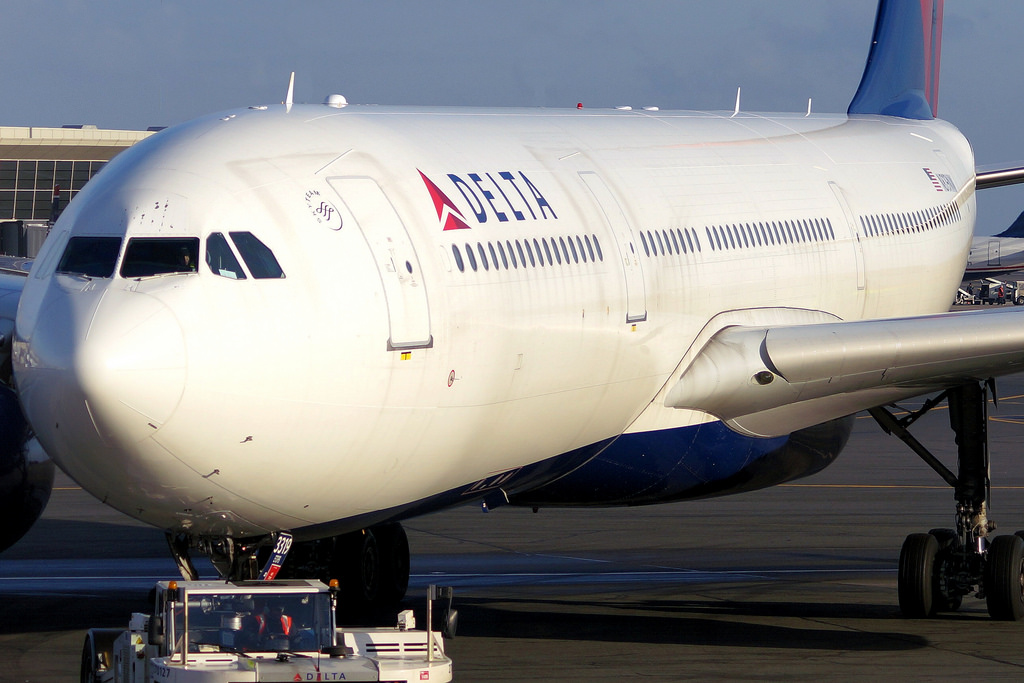


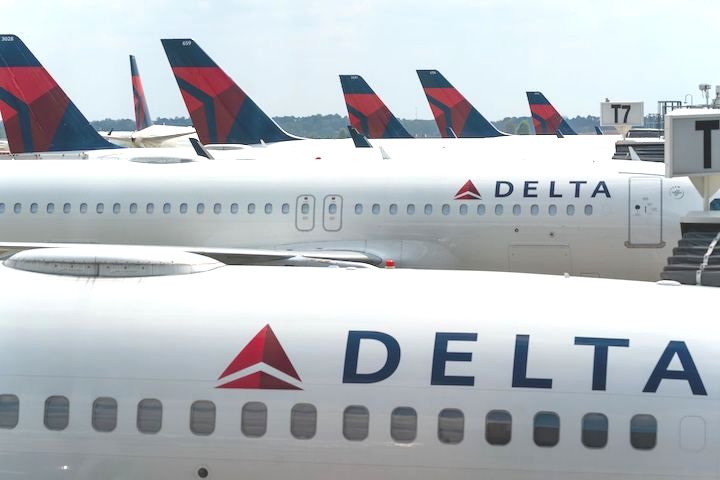


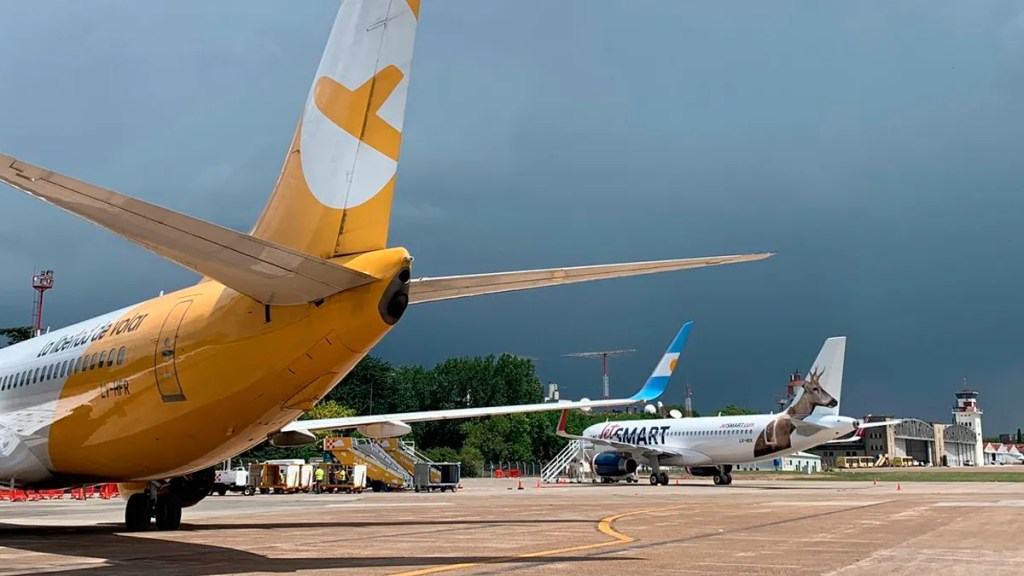
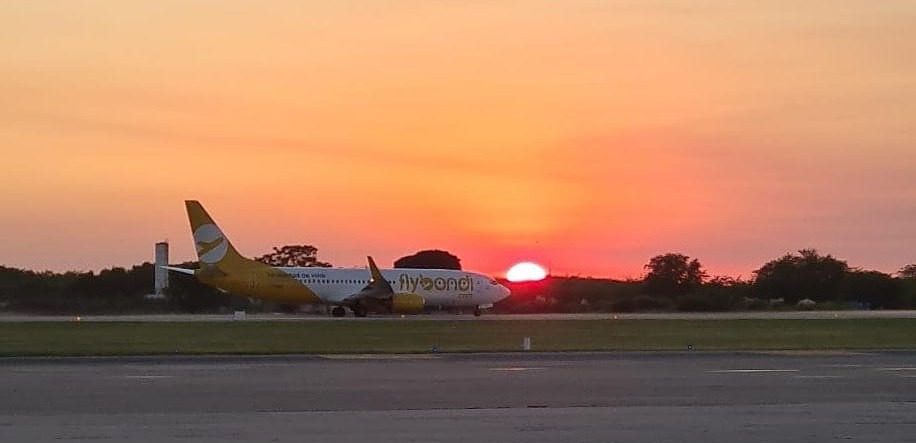
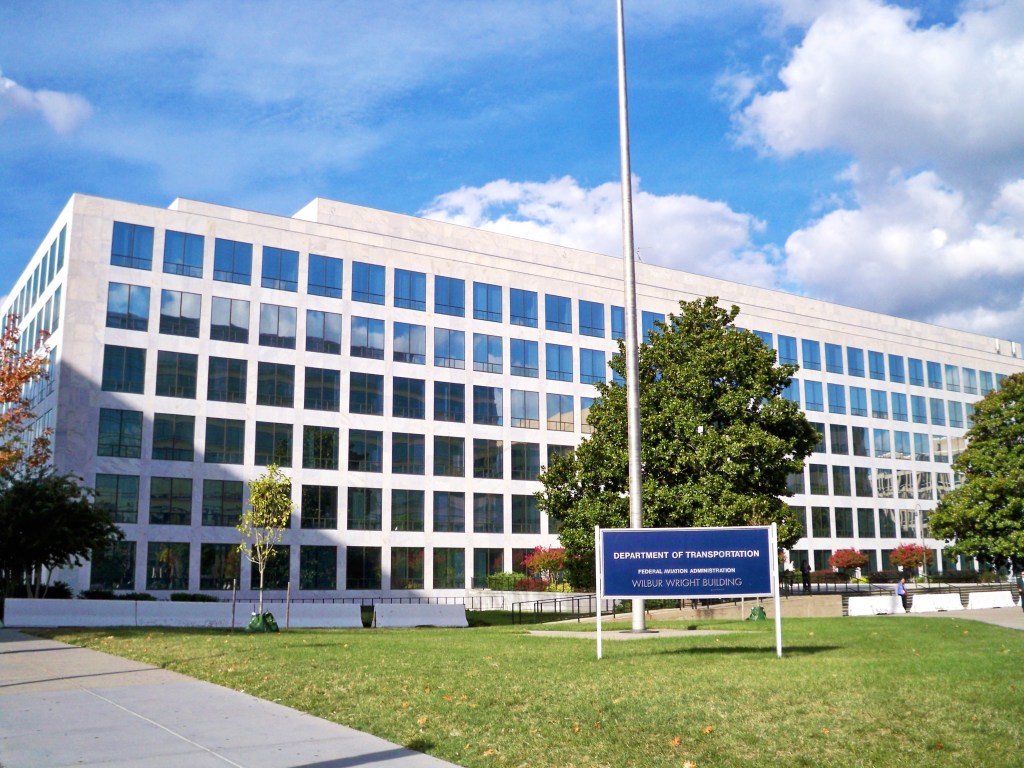
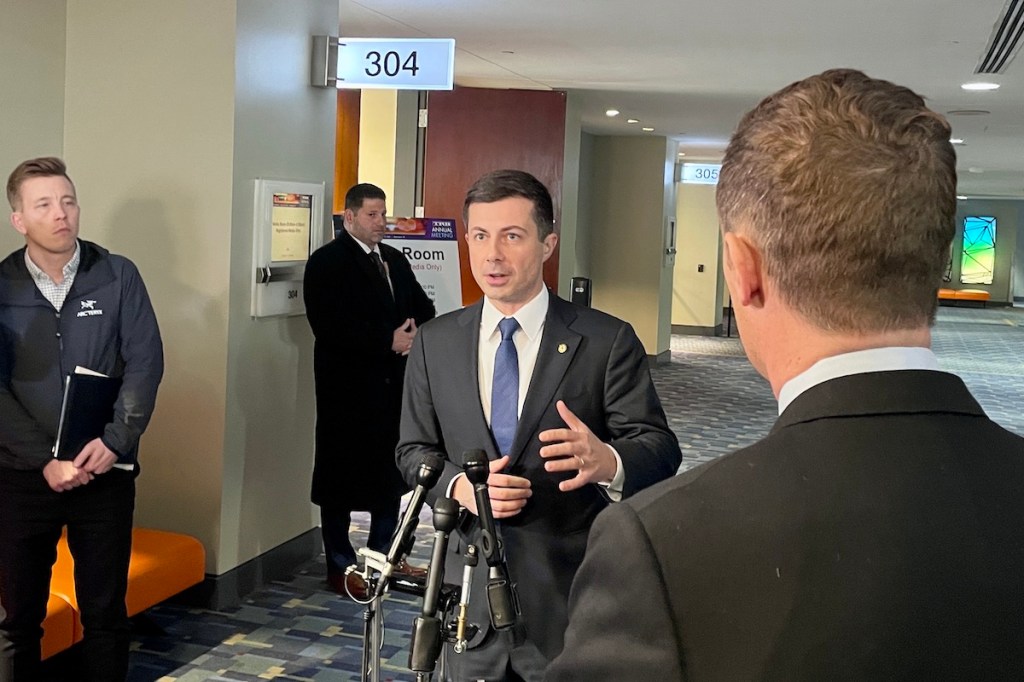
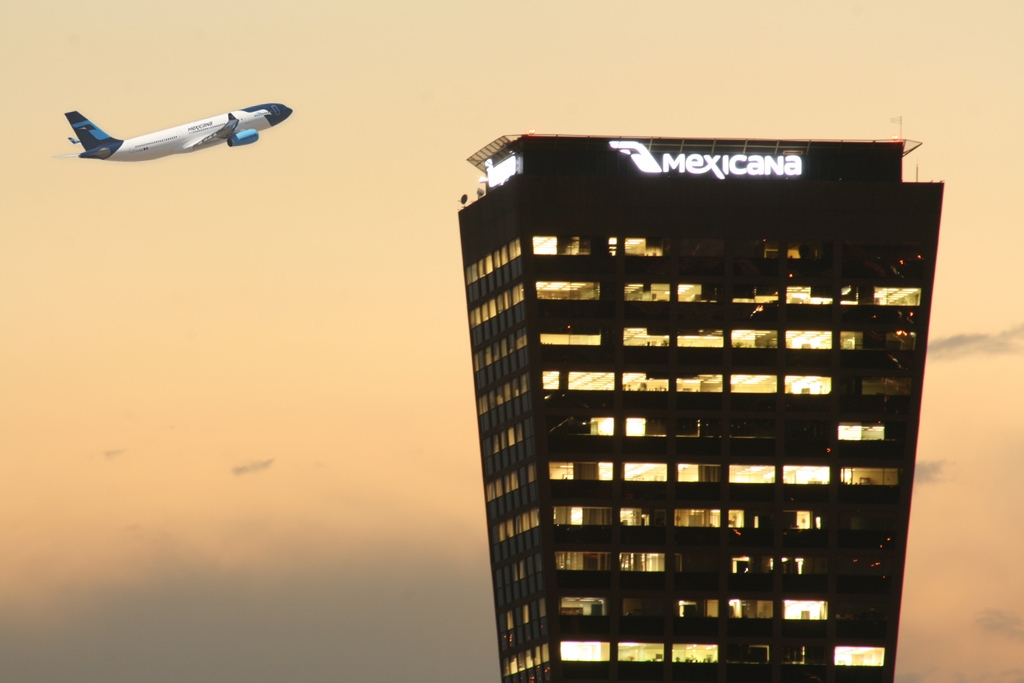
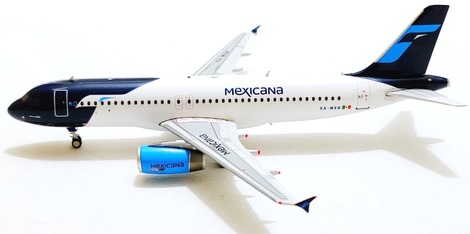

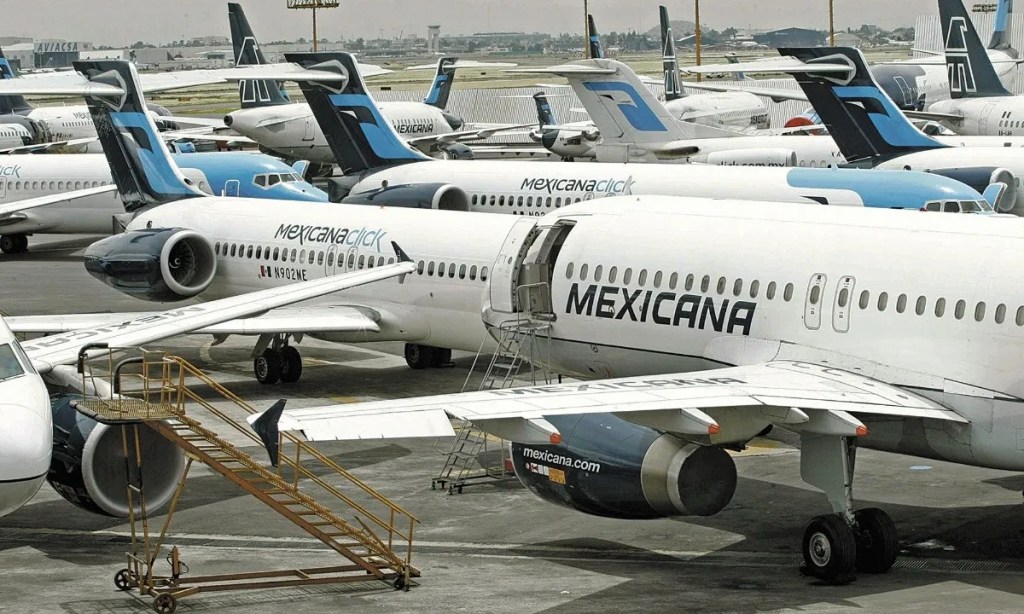

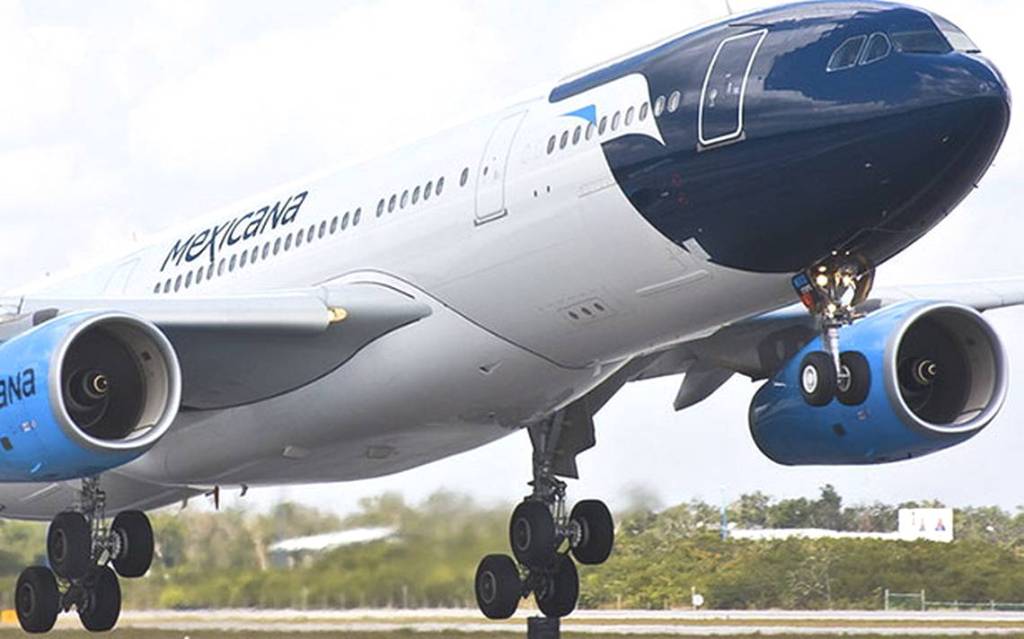

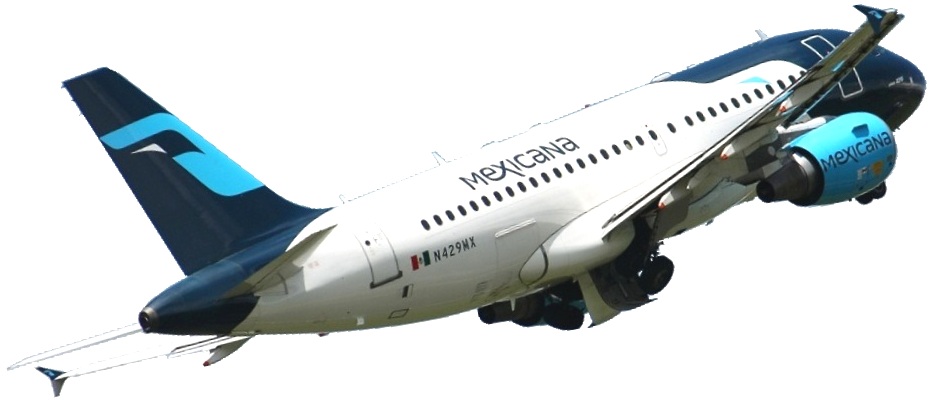


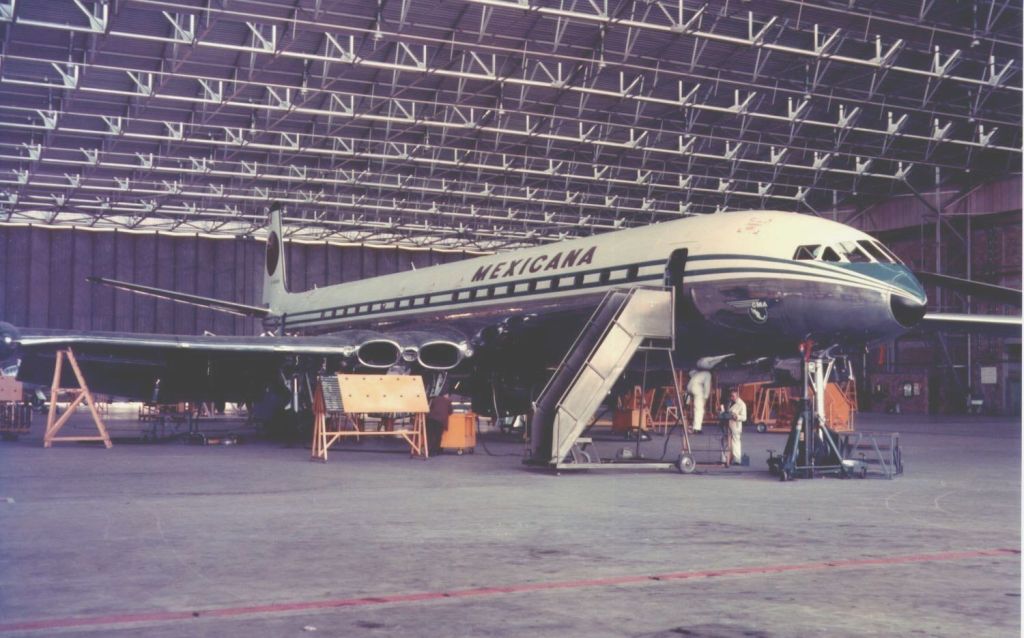


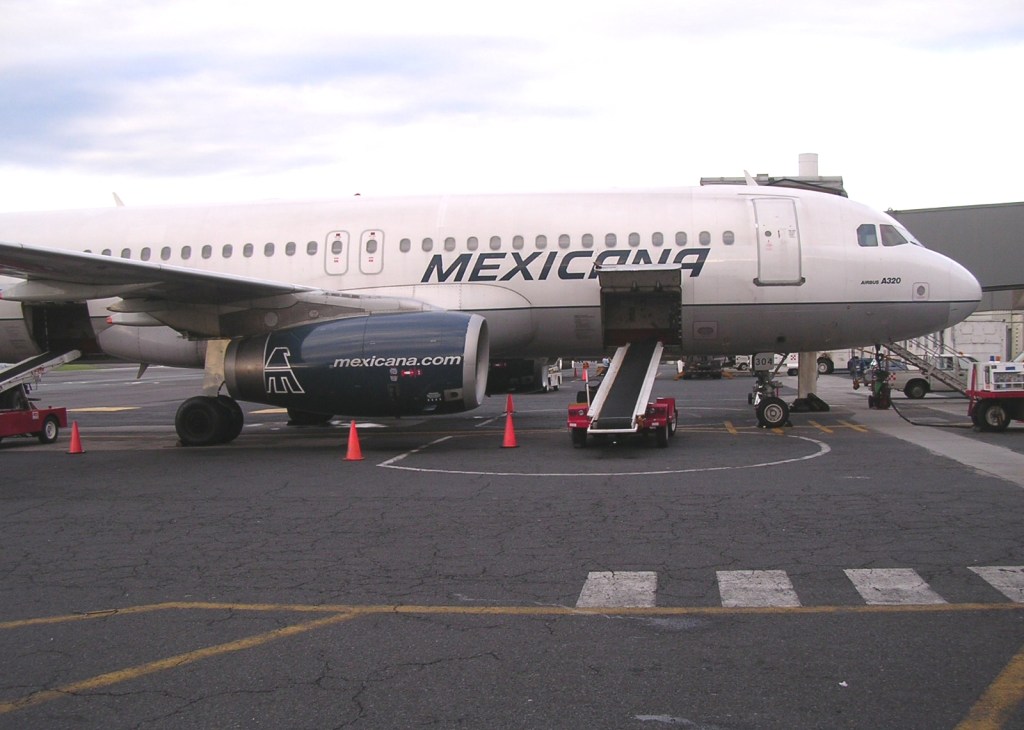

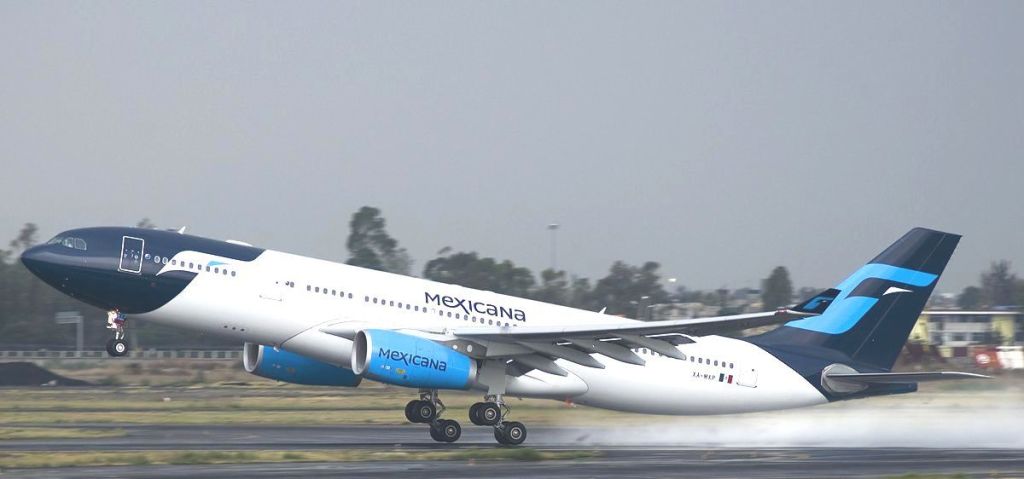





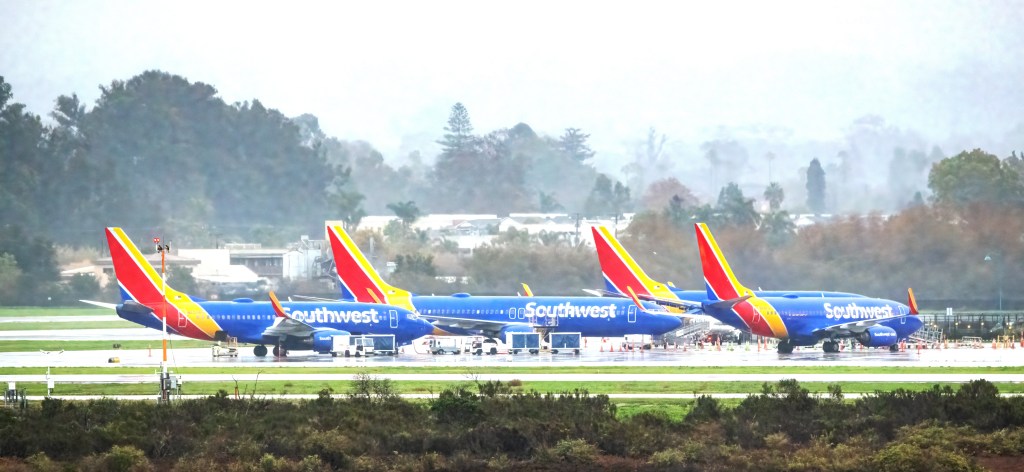
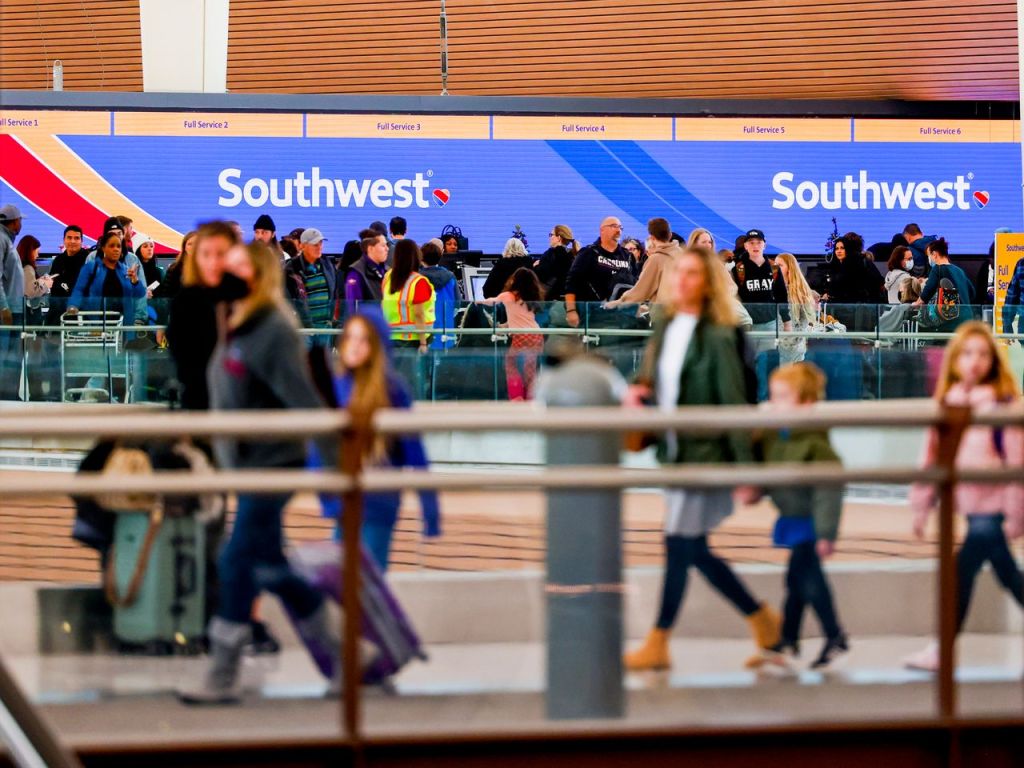

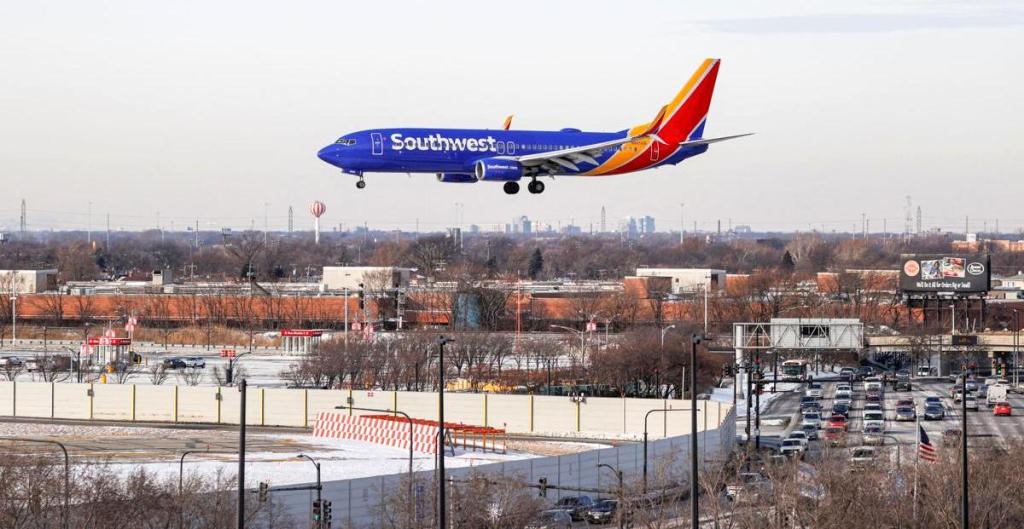

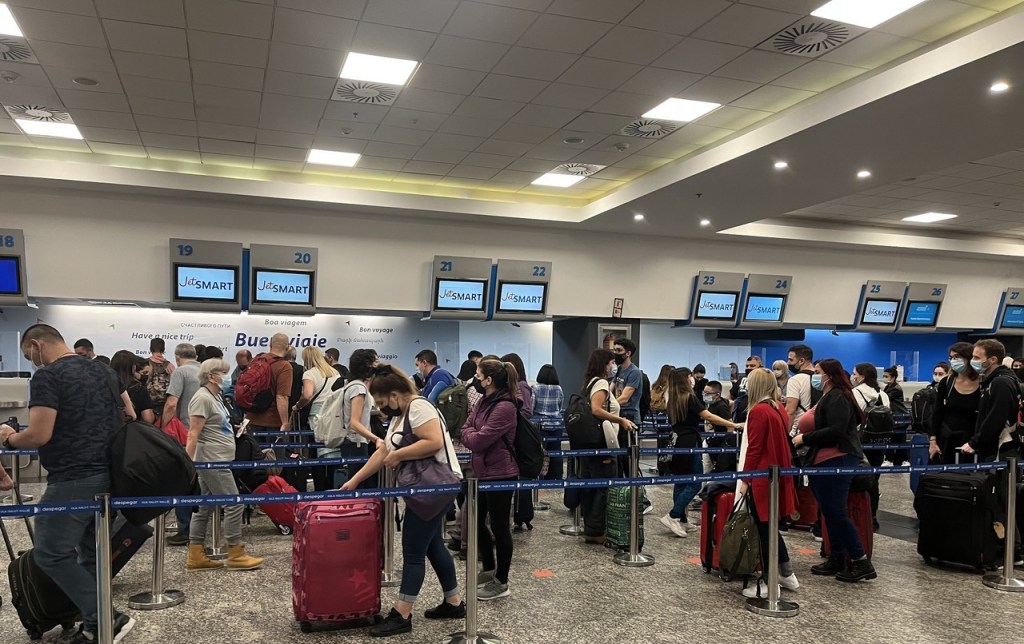

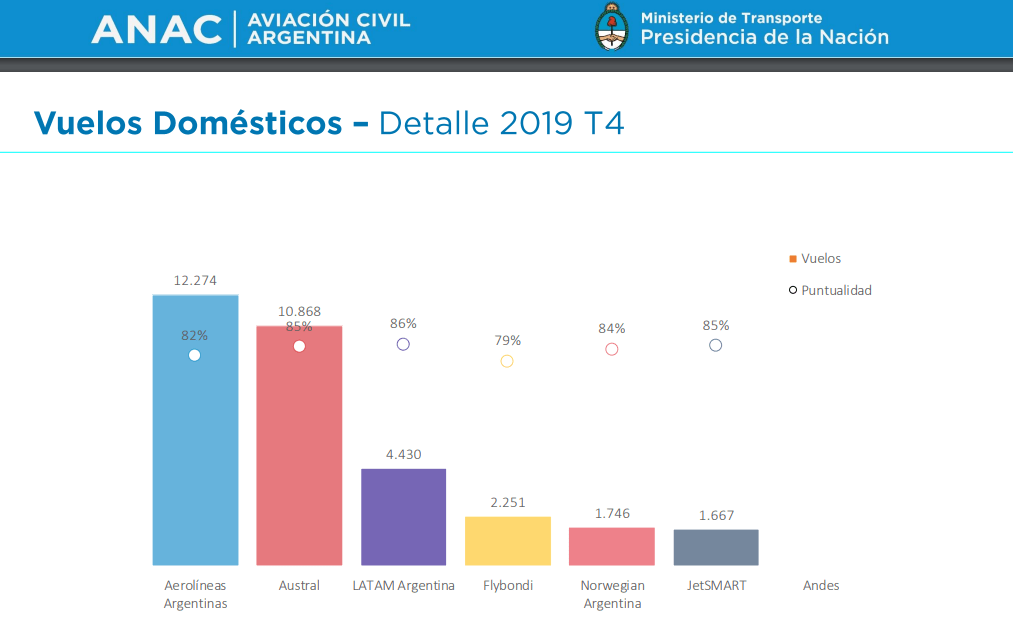
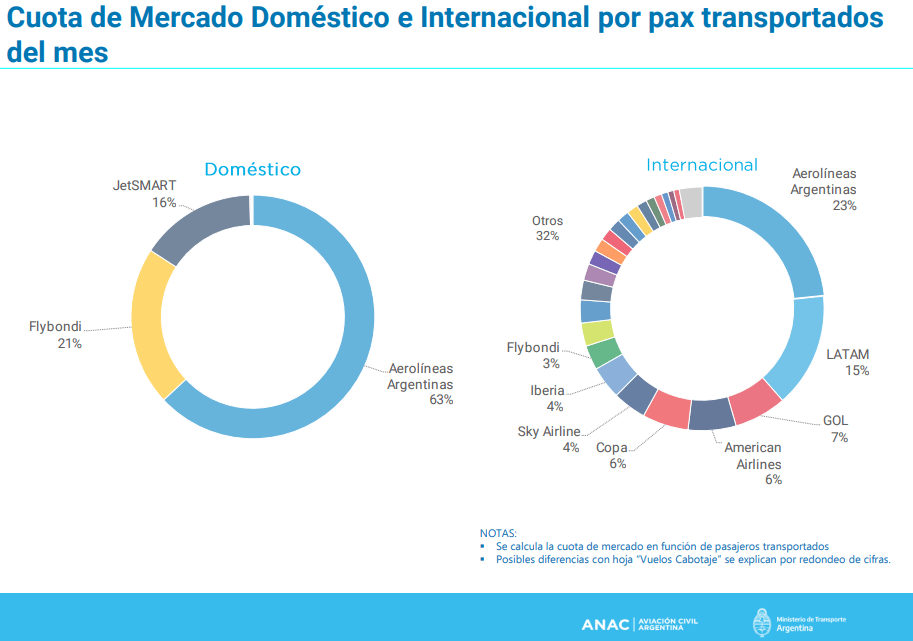
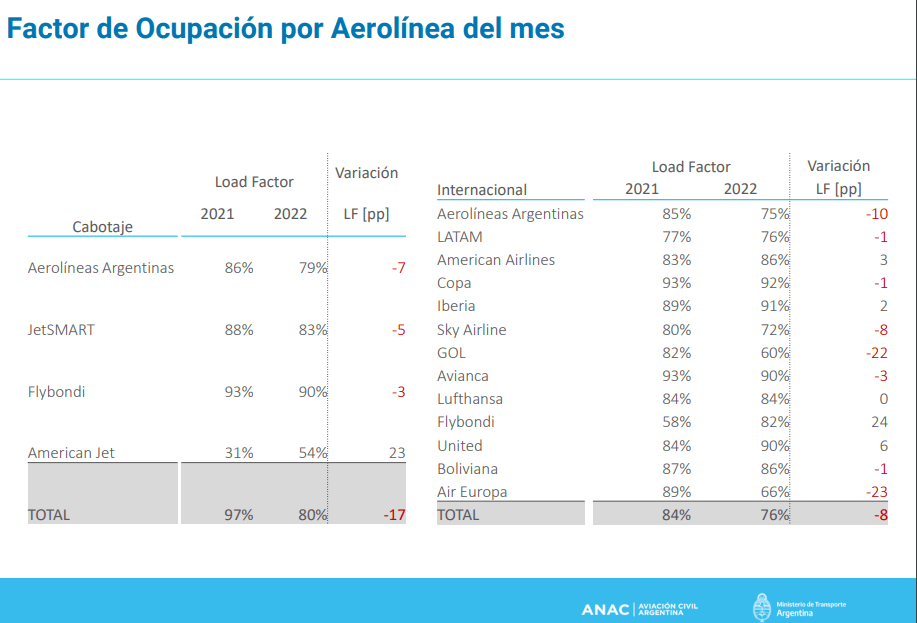
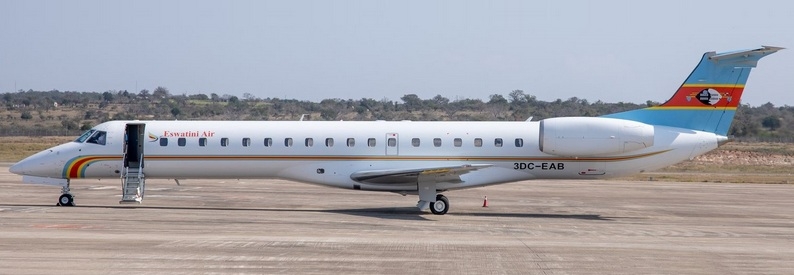
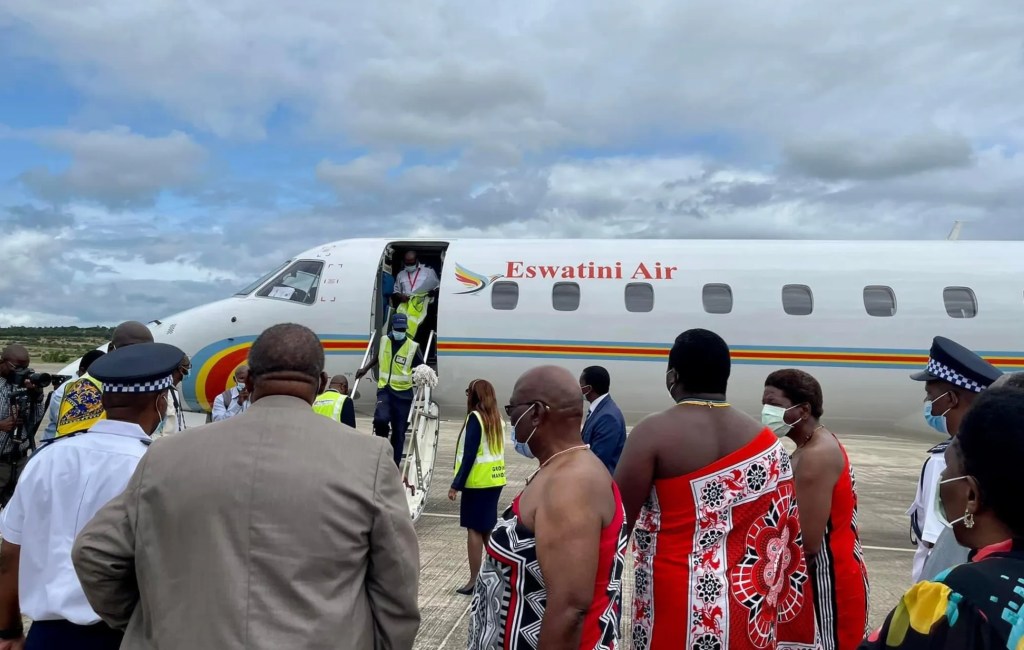


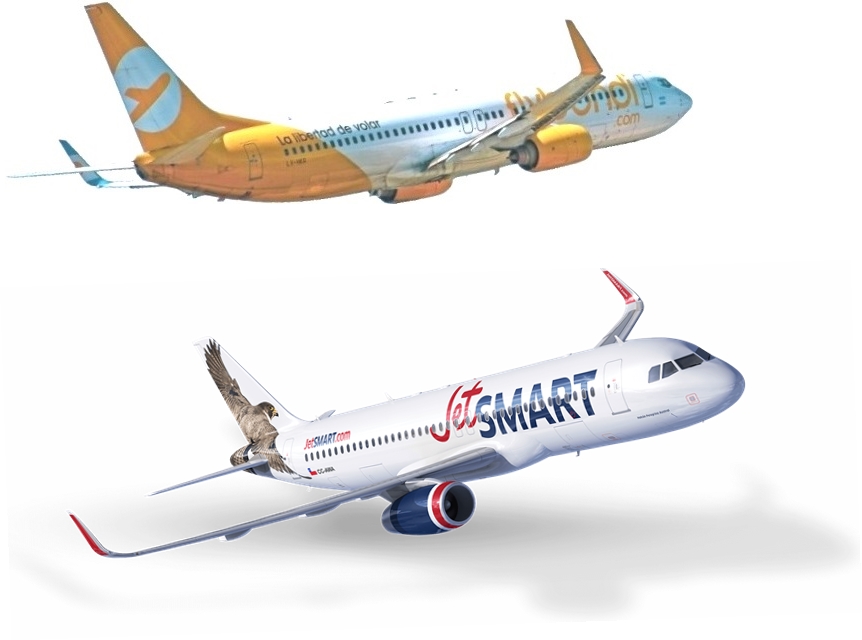


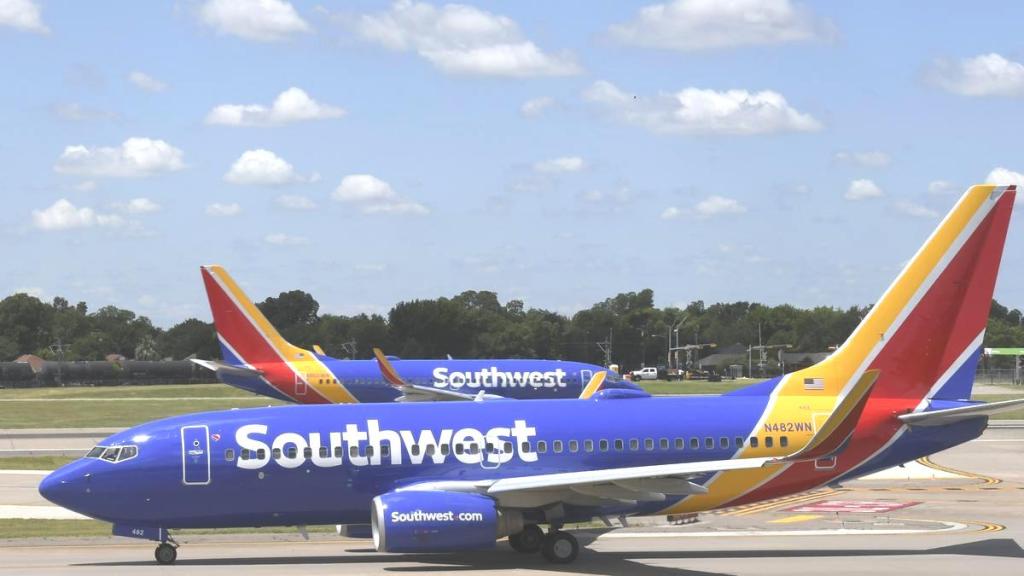


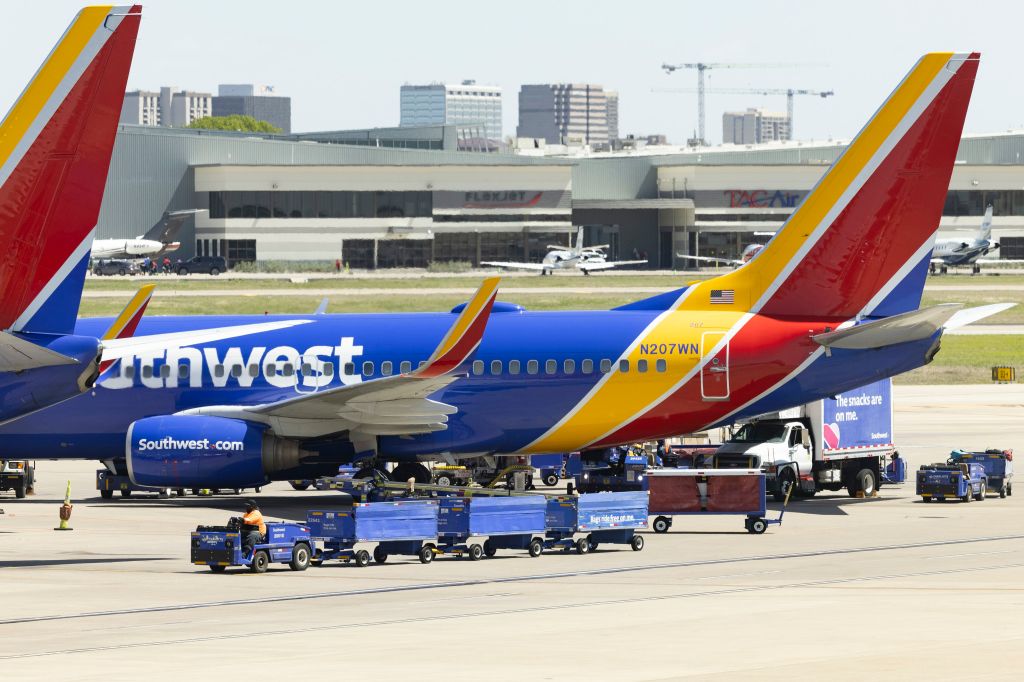



 airgways.com