Arabia aumentaría precio petróleo

OPEC Is in its Death Throes – Foreign Policy

AW | 2020 06 01 18:38 | AVIATION

Arabia Saudita podría aumentar los precios del petróleo 3Q2020

Los pronósticos de variación del precio del barril del crudo para el mes de Mayo 2020 tuvieron un aumento en la variación correspondiente entre US$ 2 a US$ 5 por barril, ya que los márgenes de las refinerías se debilitaron en Mayo; mientras que un precio más fuerte del crudo ha aumentado el costo de la materia prima de las refinerías.

Se espera que Arabia Saudita, el principal exportador de petróleo, aumente su Precio de Venta Oficial (OSP) para todos los grados que vende en el mercado de Asia en Julio, para seguir un salto en los puntos de referencia de Medio Oriente, aunque los márgenes de refinación débiles en general podrían limitar las ganancias de precios, dijeron fuentes de la industria.

Los márgenes de refinación en realidad empeoraron en cerca de US$ 1 por barril en 05/2020. El precio de referencia del crudo DME Oman para Asia fue en promedio alrededor de US$ 3 por barril más caro que los precios en efectivo de Dubai y Oman establecidos por S&P Global Platts el mes pasado, según cálculos de Reuters, lo que elevó los costos para los compradores asiáticos de petróleo saudí y kuwaití.

La producción de la Organización de Países Exportadores de Petróleo (OPEP), dirigida por Arabia Saudita, cayó a su nivel más bajo en dos décadas en Mayo y ha fortalecido los precios del crudo en Oriente Medio. La OPEP y sus aliados, incluida Rusia, están considerando adelantar una reunión esta semana para discutir una extensión de los recortes de producción más allá de Junio 2020.

La escasa oferta de crudo de Oriente Medio ha reducido el precio del contango de Dubai en US$ 6,60 por barril en Mayo arrastrado desde Abril. Los precios al contado son más bajos que los de los próximos meses en un mercado de contango. Además, se espera que el crudo liviano, como Arab Extra Light, aumente más que los grados más pesados ​​a medida que las grietas de nafta y gasolina hayan mejorado, dijeron dos de ellos.

Los OSP de crudo saudí generalmente se lanzan alrededor del quinto de cada mes, y marcan la tendencia de los precios iraníes, kuwaitíes e iraquíes, que afectan a más de 12 millones de barriles por día (bpd) de crudo con destino a Asia. El gigante petrolero estatal Saudi Aramco establece sus precios del crudo en base a las recomendaciones de los clientes y luego de calcular el cambio en el valor de su petróleo durante el mes pasado, en función de los rendimientos y los precios de los productos.

Arabia to increase oil price 3Q2020

Saudi Arabia could increase oil prices 3Q2020

Forecasts for changes in the price of a barrel of crude oil for the month of May 2020 had an increase in the corresponding variation between US$ 2 to US$ 5 per barrel, as the margins of the refineries weakened in May; while a stronger price of crude oil has increased the cost of raw materials from refineries.

Saudi Arabia, the leading oil exporter, is expected to increase its Official Selling Price (OSP) for all grades it sells in the Asia market in July, to follow a jump in the Middle East benchmarks, although the Overall weak refining margins could limit price gains, industry sources said.

Can Saudi Arabia Really Break Its Dependence On Oil? | OilPrice.com

Refining margins actually worsened by about US$ 1 a barrel on 05/2020. The reference price of DME Oman crude for Asia was on average around US$ 3 per barrel more expensive than the Dubai and Oman cash prices set by S&P Global Platts last month, according to Reuters calculations, which increased costs for Asian buyers of Saudi and Kuwaiti oil.

Output from the Organization of the Petroleum Exporting Countries (OPEC), led by Saudi Arabia, fell to its lowest level in two decades in May and has strengthened oil prices in the Middle East. OPEC and its allies, including Russia, are considering bringing up a meeting this week to discuss an extension of production cuts beyond June 2020.

The scarce supply of crude from the Middle East has reduced the price of Dubai contango by US$ 6.60 per barrel in May dragged down from April. Spot prices are lower than in the coming months in a contango market. Additionally, light crude, such as Arab Extra Light, is expected to increase more than the heavier grades as gasoline and gasoline cracks have improved, two of them said.

Saudi crude oil OSPs generally launch around the fifth of each month, setting the trend for Iranian, Kuwaiti and Iraqi prices, affecting more than 12 million barrels per day (bpd) of crude destined for Asia. State oil giant Saudi Aramco sets its crude prices based on customer recommendations and after calculating the change in the value of its oil over the past month, based on yields and product prices.

العربية السعودية ترفع سعر النفط 3Q2020

يمكن للسعودية زيادة أسعار النفط في الربع الثالث من عام 2020

زادت التوقعات بشأن التغييرات في سعر برميل النفط الخام لشهر مايو 2020 في التباين المقابل بين دولارين أمريكيين و 5 دولارات أمريكية للبرميل ، حيث ضعف هوامش المصافي في مايو. بينما أدى ارتفاع سعر النفط الخام إلى زيادة تكلفة المواد الخام من المصافي.

من المتوقع أن تزيد المملكة العربية السعودية ، أكبر مصدر للنفط ، سعر البيع الرسمي (OSP) لجميع الدرجات التي تبيعها في سوق آسيا في يوليو ، وذلك لمتابعة قفزة في معايير الشرق الأوسط ، على الرغم من وقالت مصادر في الصناعة إن هوامش التكرير الضعيفة بشكل عام قد تحد من مكاسب الأسعار.

تفاقمت هوامش التكرير في الواقع بنحو دولار واحد للبرميل في 05/2020. ووفقًا لحسابات رويترز ، فإن السعر القياسي لخام DME العماني لآسيا كان في المتوسط ​​أعلى بنحو 3 دولارات للبرميل من أسعار النقد في دبي وعمان التي حددتها شركة S&P Global Platts الشهر الماضي ، مما أدى إلى زيادة التكاليف للمشترين الآسيويين للنفط السعودي والكويتي.

انخفض إنتاج منظمة البلدان المصدرة للبترول (أوبك) ، بقيادة المملكة العربية السعودية ، إلى أدنى مستوى له منذ عقدين في مايو وعزز أسعار النفط في الشرق الأوسط. تدرس أوبك وحلفاؤها ، بما في ذلك روسيا ، عقد اجتماع هذا الأسبوع لمناقشة تمديد تخفيضات الإنتاج إلى ما بعد يونيو 2020.

وقد قلل العرض النادر من النفط الخام من الشرق الأوسط سعر دبي كونتانجو بمقدار 6.60 دولار للبرميل في مايو ، انخفض من أبريل. الأسعار الفورية أقل مما كانت عليه في الأشهر المقبلة في سوق contango. بالإضافة إلى ذلك ، من المتوقع أن يزيد الخام الخفيف ، مثل Arab Extra Light ، أكثر من الدرجات الأثقل مع تحسن شقوق البنزين والبنزين ، كما قال اثنان منهم.

تطلق OSPs للنفط الخام السعودي بشكل عام حوالي الخامس من كل شهر ، مما يحدد اتجاه الأسعار الإيرانية والكويتية والعراقية ، مما يؤثر على أكثر من 12 مليون برميل يوميًا من الخام المتجه إلى آسيا. تحدد شركة أرامكو السعودية العملاقة للنفط أسعار النفط الخام بناءً على توصيات العملاء وبعد احتساب التغير في قيمة نفطها خلال الشهر الماضي ، بناءً على الغلة وأسعار المنتجات.

D I C T I O N A R Y
CONTANGO: Aplazamiento de pago. La situación normal en la que el precio al contado de un producto es más bajo que el precio a plazo. Es una situación en la que el precio de futuros de una mercancía es más alto que el precio spot.
CONTANGO: Deferment of payment. The normal situation in which the spot price of a product is lower than the forward price. It is a situation in which the futures price of a commodity is higher than the spot price.

Ξ A I R G W A Y S Ξ
PUBLISHER: Airgways.com
DBk: Opec.org / Airgways.com / Cnbc.com / Oilprice.com
AW-POST: 202006011838AR

A\W   A I R G W A Y S ®

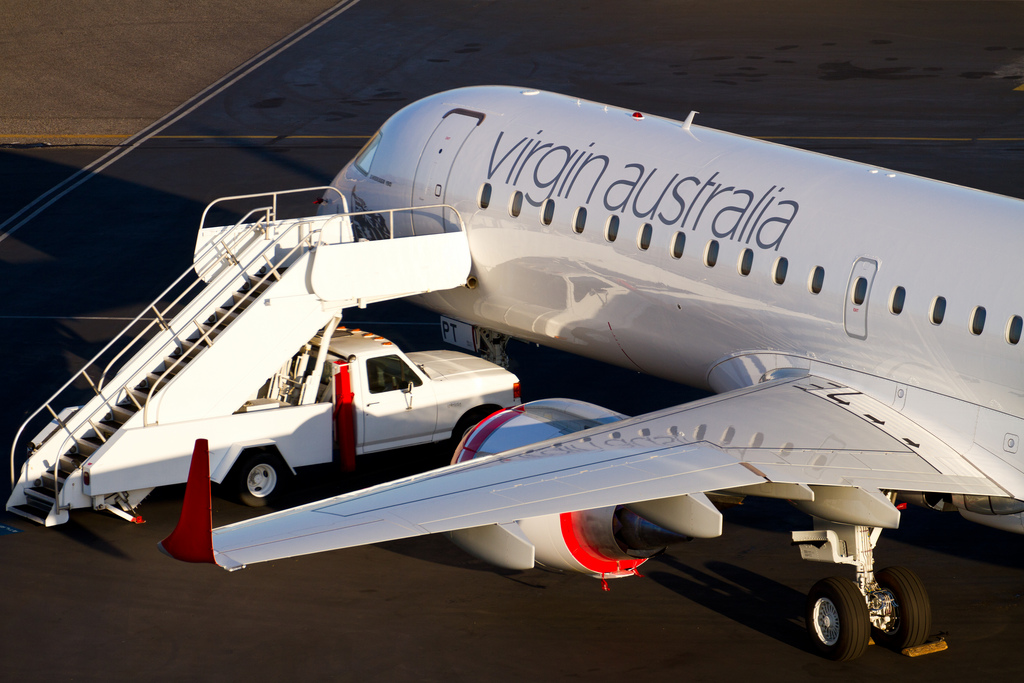
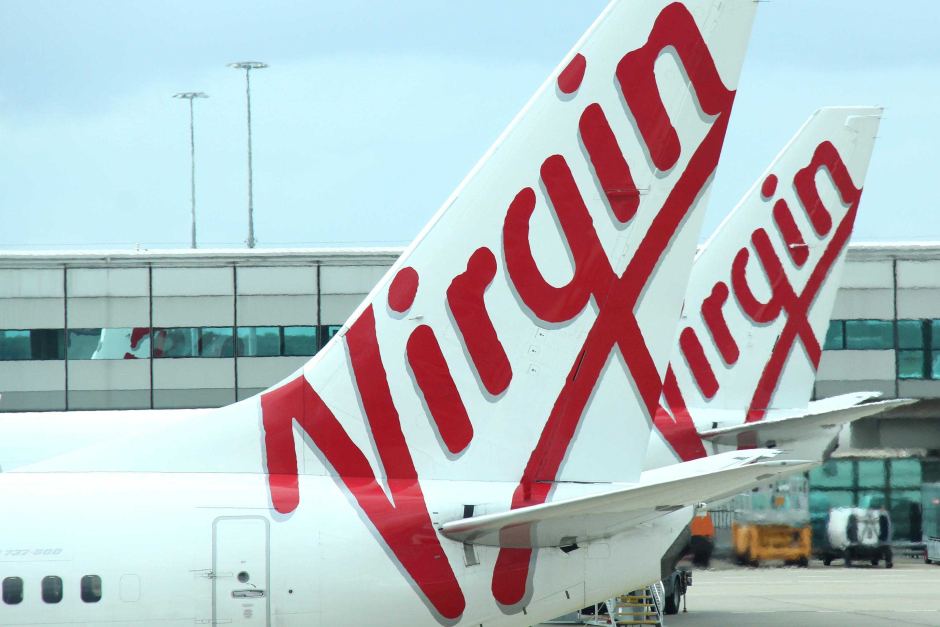
Brookfield interés por Virgin Australia

AW | 2020 05 29 10:20 | AIRLINES / AVIATION

Fondo inversiones Brookfield busca interés por Virgin Australia

El administrador de activos canadiense Brookfield Asset Management Inc. hizo un lanzamiento para volver a entrar en la carrera para comprar Virgin Australia Airlines antes de que los administradores Deloitte elijan una lista final de postores durante el fin de semana.

Brookfield Asset Management Inc. es una compañía alternativa de administración de activos que se enfoca en bienes raíces, energía renovable, infraestructura y capital privado. La sede de la compañía se encuentra en Toronto, y también tiene oficinas corporativas en la ciudad de Nueva York, Londres, Río de Janeiro y Sídney.

Los postores han presentado las ofertas entre ellas la firma de capital privado Bain Capital, el equipo de Melbourne BGH Capital, el especialista estadounidense en aerolíneas de ultra bajo costo Indigo Partners Inc., Cyrus Capital, bajo la órbita de Richard Branson y Brookfield Asset Management Inc.

Brookfield, que gestiona activos por US$ 515 mil millones en todo el mundo, abandonó el proceso de venta el Lunes pasado por la preocupación de que Virgin podría quedarse sin efectivo antes de que se instalara un nuevo propietario. Sin embargo, se ha mantenido en contacto con Deloitte durante las últimas dos semanas y reafirmó su interés en relanzar Virgin Australia el Viernes 29/05.

Apertura de oferentes

El administrador Deloitte ahora tendrá que decidir si acepta la oferta de Brookfield como una oferta separada para presentar a los acreedores, o si puede reabrir el proceso formal de venta en el que hay otros cuatro postores. Fuentes cercanas a Brookfield dijeron que el fondo confía en que Deloitte tomará en serio su propuesta. Una fuente cercana a uno de los otros cuatro postores dijo que cualquier movimiento de Deloitte para permitir que Brookfield regrese al proceso formal de venta se vería casi seguro con una acción legal por parte de los postores preseleccionados, que están gastando millones de dólares trabajando en sus ofertas.

El gigante canadiense estaba preocupado por el saldo de efectivo de Virgin Australia Airlines y si el complejo proceso de venta podría completarse a tiempo con más de dos partes permitidas hasta la segunda ronda de la venta. Estas preocupaciones aún deben abordarse para que pueda volver a participar completamente en la venta, dijeron las fuentes.

Postura sindical

Los sindicatos que representan a los trabajadores de Virgin han visto a Brookfield como un pretendiente favorable, especialmente en comparación con los grupos de capital privado a quienes temen que puedan ser inversionistas fugitivos. «Brookfield es un postor serio y tiene un historial en todo el mundo de permanecer con activos de infraestructura durante un largo período de tiempo. Creemos que es positivo tener a este serio postor en la mezcla», dijo el Secretario Nacional del Sindicato de Trabajadores del Transporte, Michael Kaine.

Perspectivas en Virgin Australia

Se espera que Deloitte reduzca los cuatro postores formales a una lista de dos durante el fin de semana. Virgin Australia Airlines ha entrado en administración voluntaria en Abril 2020 con deudas de US$ 6.8 mil millones. Se ha especulado que las ofertas para la aerolínea rondan los US$ 3.5 mil millones a US$ 4 mil millones.

Han surgido visiones muy diferentes para el futuro de Virgin entre los principales postores. Cyrus Capital, que tiene un historial de inversiones en aerolíneas junto con el cofundador de Virgin, Richard Branson, tiene la intención de mantener a Virgin Australia como una aerolínea internacional de servicio completo que compite con Qantas Airways. Bain Capital ha señalado llevar a Virgin más abajo en el mercado más cercano a las raíces de su aerolínea económica, mientras que se espera que Indigo Partners Inc. realice una operación de costo ultra bajo en línea con sus otras aerolíneas en todo el mundo.

Brookfield Fund interest in Virgin Australia

Brookfield Investment Fund Seeks Interest in Virgin Australia

Canadian asset manager Brookfield Asset Management Inc. launched to re-enter the race to buy Virgin Australia Airlines before Deloitte managers pick a final list of bidders over the weekend.

Brookfield Asset Management Inc. is an alternative asset management company that focuses on real estate, renewable energy, infrastructure, and private equity. The company’s headquarters are in Toronto, and it also has corporate offices in New York City, London, Rio de Janeiro and Sydney.

Bidders have submitted bids including private equity firm Bain Capital, Melbourne team BGH Capital, US ultra-low-cost airline specialist Indigo Partners Inc., Cyrus Capital, under the orbit of Richard Branson and Brookfield Asset Management. Inc.

Brookfield, which manages US$ 515 billion in assets worldwide, abandoned the sale process last Monday over concerns that Virgin could run out of cash before a new owner is installed. However, he has been in contact with Deloitte for the past two weeks and reaffirmed his interest in relaunching Virgin Australia on Friday 29/05.

Bidders opening

Administrator Deloitte will now have to decide whether to accept Brookfield’s offer as a separate offer to present to creditors, or whether to reopen the formal sale process in which there are four other bidders. Sources close to Brookfield said the fund is confident Deloitte will take its proposal seriously. A source close to one of the other four bidders said any move by Deloitte to allow Brookfield to return to the formal sale process would almost certainly be seen with legal action by the shortlisted bidders, who are spending millions of dollars working on their offers.

The Canadian giant was concerned about Virgin Australia Airlines’ cash balance and whether the complex sale process could be completed in time with more than two parts allowed until the second round of the sale. These concerns have yet to be addressed so that he can fully participate in the sale again, the sources said.

Union position

Unions representing Virgin workers have seen Brookfield as a favorable suitor, especially compared to private equity groups who fear they may be runaway investors. «Brookfield is a serious bidder and has a worldwide history of remaining with infrastructure assets for a long period of time. We believe it is positive to have this serious bidder in the mix», said the National Secretary of the Union of Workers of the Transportation, Michael Kaine.

Perspectives at Virgin Australia

Deloitte is expected to reduce the four formal bidders to a list of two over the weekend. Virgin Australia Airlines has entered into voluntary administration in April 2020 with debts of US$ 6.8 billion. Offers for the airline have been speculated to be around US$ 3.5 billion to US$ 4 billion.

Very different visions for Virgin’s future have emerged among top bidders. Cyrus Capital, who has a history of investing in airlines alongside Virgin co-founder Richard Branson, intends to keep Virgin Australia as a full-service international airline that competes with Qantas Airways. Bain Capital has signaled taking Virgin further down the market closest to the roots of its budget airline, while Indigo Partners Inc. is expected to conduct an ultra-low-cost operation online with its other airlines around the world.

Ξ A I R G W A Y S Ξ
PUBLISHER: Airgways.com
DBk: Brookfield.com / Virginaustralia.com / Airgways.com
AW-POST: 202005291020AR

A\W   A I R G W A Y S ®

Procedimientos aviación Indonesia

Indonesia among 'world's largest aviation markets': Boeing ...AW | 2020 05 21 12:03 | AVIATION

ABNR - Jakarta - Indonesia - Leading Law Firm Profile - Asia ...Recuperación de aeronaves en Indonesia en medio de las consecuencias económicas de la pandemia

La industria de la aviación ha sido una de las más afectadas durante la crisis de COVID-19, e Indonesia no es la excepción. Las aerolíneas indonesias informan una fuerte disminución en el número de viajeros, y algunas están considerando la reestructuración, como a través de la emisión de bonos de reestructuración. Los propietarios de aeronaves, arrendadores y administradores de seguridad ahora están sopesando los riesgos. Los tiempos desesperados requieren medidas desesperadas, que incluyen posiblemente la recuperación de aeronaves registradas en Indonesia, como lo demuestra un pico reciente en las consultas sobre este asunto de los propietarios de aviones, arrendadores y fideicomisarios de seguridad.

Esta actualización legal reitera los procedimientos para la recuperación de aeronaves registradas y operadas por arrendatarios en Indonesia y analiza algunas experiencias pasadas en asuntos de recuperación, en los que ABNR estuvo involucrado en los últimos años, y ofrece algunas conclusiones prácticas que pueden ser útiles para asuntos futuros.

Resumen de remedios disponibles

Indonesia es parte en la Convención de Ciudad del Cabo (CTC) y el Protocolo de la Convención sobre intereses internacionales en equipos móviles en asuntos específicos de equipos de aeronaves ( Protocolo), que ofrecen a los propietarios de aeronaves, arrendadores y fideicomisarios de seguridad los tres principales tipos de remedios disponibles bajo el CTC:

Remedios de autoayuda (no judiciales); alivio pendiente de determinación final; y anulación del registro y exportación de una aeronave mediante el uso de una Autorización de solicitud de anulación y exportación irrevocable (IDERA) o una Carta de designación certificada (CDL). De conformidad con el Artículo 54 (2) de la CTC, Indonesia ha declarado que todos y cada uno de los recursos disponibles para el acreedor en virtud de la CTC (que no se expresan bajo la disposición correspondiente de los mismos para exigir su aplicación al tribunal) pueden ejercerse sin acción judicial y sin licencia de la corte. Sin embargo, en la práctica, los remedios de autoayuda como tomar posesión física de una aeronave no están disponibles en Indonesia debido a la ausencia de una regulación de aviación que permita que una parte lo haga.

El alivio pendiente de la determinación final es una opción, pero puede no ser la ruta preferida en la práctica. De conformidad con el Artículo 79 de la Ley N° 1 de 2009 sobre Aviación (Ley de Aviación), un acreedor puede solicitar una acción temporal de un tribunal de distrito de Indonesia. Las partes se someterán a la jurisdicción de cierto tribunal de distrito según lo acordado en el acuerdo de arrendamiento de aeronaves pertinente, o un tribunal de distrito con competencia relativa en caso de que el acuerdo de arrendamiento de aeronaves no contenga ninguna disposición sobre la elección del foro. Sin embargo, los procedimientos judiciales suelen ser lentos y formalistas en Indonesia, probablemente explicando por qué este remedio es poco utilizado.

El propietario de una aeronave, el arrendador o el administrador de seguridad no deben estar obligados a presentar su reclamo a través de procedimientos judiciales siempre que:

El contrato de arrendamiento ha sido registrado en el Registro Internacional; el contrato de arrendamiento otorga al propietario o arrendador el derecho de rescindir unilateralmente el contrato de arrendamiento luego del incumplimiento del arrendatario; y el propietario, arrendador o administrador de seguridad posee una IDERA, que ha sido registrada y reconocida por la Dirección General de Aviación Civil (DGCA), o el administrador de seguridad posee una CDL. Todavía es común en las transacciones que involucran el arrendamiento de aeronaves registradas en Indonesia para que las partes preparen, además de IDERA y/o CDL, un poder notarial de baja, generalmente legalizado por un notario indonesio. Creemos que tiene poco valor preparar este documento, ya que IDERA y/o CDL ya incorporan un elemento de autorización (como se contempla en el poder notarial), y contrario al poder notarial en IDERA y/o CDL, un El poder notarial normal termina con la quiebra o la insolvencia aparente del otorgante o del abogado. Además, el otorgante de un poder normal siempre tiene el derecho de ejercer los poderes otorgados al abogado bajo el poder. Finalmente, aunque estos poderes normalmente indican lo contrario,

Indonesia ha hecho algunas reservas en virtud de la CTC, incluidos los artículos 39 y 40. Esto significa que los siguientes derechos o intereses no consensuales tienen prioridad bajo sus leyes sobre un interés en un objeto de aeronave equivalente al del titular de un interés internacional registrado y tendrá prioridad sobre un interés internacional registrado (ya sea dentro o fuera de los procedimientos de insolvencia):

Gravámenes a favor de los empleados de la aerolínea por salarios no pagados que surjan del momento de un incumplimiento declarado bajo un contrato para financiar o arrendar un objeto de la aeronave; gravámenes u otros derechos de una autoridad de Indonesia relacionados con impuestos u otros cargos impagos que surjan o estén relacionados con el uso de ese objeto de la aeronave, y que surjan desde el momento de un incumplimiento declarado bajo un contrato para financiar o arrendar ese objeto de la aeronave; y gravámenes u otros derechos a favor de los reparadores de un objeto de la aeronave en su posesión en la medida del servicio o servicios realizados y valor agregado a ese objeto de la aeronave.

Finalmente, nada en el CTC afectará el derecho de Indonesia o el de cualquier entidad del mismo, o cualquier organización intergubernamental de la que Indonesia sea miembro, u otro proveedor privado de servicios públicos en Indonesia, para arrestar o detener un objeto de aeronave bajo su ley para el pago de una cantidad adeudada al gobierno de Indonesia, cualquier entidad, organización o proveedor que esté directamente relacionado con los servicios o servicios prestados por él con respecto a ese u otro objeto de la aeronave.

El Código Civil de Indonesia también reconoce el «derecho de retención». Este derecho es un remedio legal disponible para ciertos tipos de acreedores que pueden negarse a renunciar a la posesión de bienes siempre que la deuda garantizada permanezca impaga. El derecho a retener la propiedad es una defensa para el acreedor; tiene derecho a retener la propiedad hasta que haya recibido el pago completo. Solo con el pago está obligado a renunciar a la posesión de los bienes.

Tenga en cuenta que no hay una disposición general en la ley sobre el derecho a retener bienes, pero hay algunos artículos específicos en el Código Civil de Indonesia sobre este derecho. Estos incluyen un artículo que establece que los empleados, que tienen acceso a una propiedad, para realizar el trabajo en la misma, tendrán derecho a retener dicha propiedad, hasta que se hayan pagado los costos totales y los salarios de los empleados, a menos que el cliente haya brindado suficiente seguridad para dichos costos. y salarios de los empleados. Por ejemplo, un deudor lleva su avión al hangar para su mantenimiento. Según la ley indonesia, la parte que realiza el mantenimiento tiene derecho a aferrarse a la aeronave hasta que el deudor le pague por el trabajo realizado.

Cabe señalar que el CTC no se ha implementado completamente en la legislación nacional. Además, aunque la Ley de Aviación reconoce el interés internacional que puede establecerse en una aeronave, Indonesia actualmente no cuenta con un mecanismo de implementación. Por lo tanto, es cuestionable si un interés internacional podría ser efectivo y exigible dentro del sistema legal indonesio. Sin embargo, aparte de las limitaciones prácticas a los remedios de autoayuda, así como el derecho de retención reconocido por el Código Civil de Indonesia, el hecho de que Indonesia no implemente completamente el CTC en la legislación nacional no debería significar que la recuperación no pueda llevarse a cabo en Indonesia.

En la medida en que la recuperación se realice en el marco de los procedimientos de insolvencia, es importante señalar que Indonesia ha formulado una declaración en virtud del Artículo XXX (3) del Protocolo. Como resultado, los liquidadores pueden negarse a dar su consentimiento para liberar la aeronave durante un período máximo de espera de 60 días.

Para evitar dudas, Indonesia no es parte en la Convención de Ginebra de 1948 sobre el reconocimiento internacional de los derechos de las aeronaves, ni en la Convención de Roma de 1933 sobre la unificación de ciertas normas relativas al arresto preventivo de aeronaves.

Dado que la cancelación del registro y la exportación de una aeronave a través de IDERA es el tipo de remedio más común y factible, este será el enfoque del resto de esta actualización legal.

Cancelación del registro y exportación de una aeronave a través de IDERA

La cancelación del registro y la exportación de una aeronave a través de IDERA consta de los siguientes pasos:

Aviso de incumplimiento y puesta a tierra con respecto a la aeronave
El primer paso en la recuperación de una aeronave es que el propietario de la aeronave, el arrendador o el administrador de seguridad presenten un aviso de incumplimiento, de acuerdo con los términos contractuales, especificando el incumplimiento relevante, exigiendo que dicho incumplimiento se resuelva en un tiempo específico o, si eso no es posible, que el/los) acuerdo(s) subyacente(s) está(n) terminado(s) y el arrendatario debe volar la aeronave y aterrizarla en un aeropuerto específico.

Aunque la mayoría de los contratos de arrendamiento que involucran aeronaves matriculadas en Indonesia se rigen por la ley extranjera (normalmente la ley del Reino Unido o de los Estados Unidos), sería prudente seguir la práctica indonesia de entregar un total de 3 avisos de incumplimiento, preferiblemente enviados por correo / correo certificado, permitiendo el arrendatario tiene un tiempo razonable para remediar el incumplimiento, antes de dar el siguiente paso para arrestar la aeronave. Además, cualquier otra comunicación formal o informal, como conferencias telefónicas o de video, correo electrónico y otros medios de comunicación ayudaría a funcionar como evidencia de que se consideraría que el propietario, el arrendador o el administrador de seguridad hicieron el máximo esfuerzo para permitir que el arrendatario para remediar el incumplimiento. La ley indonesia también requiere que se ponga a disposición una versión en idioma indonesio de cualquier acuerdo en el que un individuo o entidad indonesia sea parte, incluso si el acuerdo se rige por la ley extranjera. Si no se prepara una versión indonesia de los acuerdos de transacción, pueden surgir complicaciones adicionales durante el proceso de recuperación, especialmente cuando se trata con los tribunales indonesios.

Si el arrendatario no soluciona el incumplimiento dentro de un tiempo razonable después de enviar los avisos de incumplimiento, el propietario de la aeronave, el arrendador o el administrador de seguridad puede emitir un aviso de puesta a tierra al arrendatario, de conformidad con las disposiciones contractuales. El aviso de puesta a tierra indicará la ubicación donde el arrendatario debe mantener la aeronave. Si el arrendatario cumple con esto voluntariamente, el propietario, arrendador o fideicomisario de seguridad puede proceder con la cancelación del registro y la exportación de la aeronave. Sin embargo, si el arrendatario se niega a cumplir con el aviso de conexión a tierra, será necesario confiscar o arrestar la aeronave con la ayuda de los tribunales.

Arresto o incautación de la aeronave
En principio, será posible que un propietario, arrendador o administrador de seguridad busque ayuda provisional para el arresto o la incautación de la aeronave. Sin embargo, como se mencionó anteriormente, los procedimientos judiciales suelen ser lentos y formalistas en Indonesia, y las decisiones que siguen también son difíciles de hacer cumplir. Por lo tanto, siempre que sea posible, sería aconsejable evitar los procedimientos judiciales y, en su lugar, tratar de llegar a un acuerdo amistoso con un arrendatario antes de intentar arrestar o confiscar un avión con la ayuda de los tribunales.

El arresto o la incautación de una aeronave requerirá en la práctica la asistencia de las autoridades del aeropuerto. La mayoría de los aeropuertos de Indonesia son propiedad y están administrados por empresas estatales. Como resultado, el arresto o la incautación pueden ser más difíciles si el arrendatario también es una empresa estatal.

Baja de la aeronave
El procedimiento para la cancelación del registro y la exportación de aeronaves se realiza bajo la política de las autoridades y, en la práctica, se inicia mediante una solicitud de la Parte Autorizada (o el arrendatario) de una IDERA registrada y una Carta de Designado Certificado, para la cancelación del registro y la exportación de aeronave.

La DGCA requerirá que la Parte autorizada presente el formulario 47-26 (Solicitud de baja de la aeronave utilizando IDERA o CDL) al adjuntar también la IDERA o CDL registrada original en relación con la aeronave correspondiente. En este caso. La DGCA permitirá que el abogado de la Parte Autorizada ayude con la presentación.

En el caso de que no haya una IDERA o CDL registrada disponible para la aeronave correspondiente, para dar de baja la aeronave, la DGCA requerirá que el arrendatario o propietario correspondiente presente el formulario 47-17 (Solicitud de baja de la aeronave). En este caso, la DGCA solo permitirá que el arrendatario o propietario correspondiente haga la presentación directamente.

De acuerdo con la Ley de Aviación, todo este proceso debe completarse dentro de los cinco días hábiles posteriores a la fecha en que la DGCA considere que se han presentado todos los documentos requeridos, incluido el certificado de aeronavegabilidad de exportación que se analiza a continuación. Tras la emisión del certificado de baja, la aeronave ya no estará bajo el registro de Indonesia.

Exportación de la aeronave
Para exportar la aeronave, la Parte autorizada debe solicitar un certificado de exportación de aeronavegabilidad (Export COA).

En el caso de que la aeronave se encuentre dentro de Indonesia cuando se expida el certificado de baja, la solicitud para la Exportación C de A debe presentarse antes o simultáneamente con la solicitud del certificado de baja. La Exportación C de A indicará que la aeronave está en condiciones de volar fuera de Indonesia, y está sujeta a que la aeronave cumpla con las leyes y reglamentos, así como con los requisitos de la autoridad de aviación en el país de destino. El COA de exportación se emitirá antes de la emisión del certificado de baja. La Ley de Aviación no prescribe una fecha límite para la emisión del COA de exportación, pero en nuestra experiencia tomará alrededor de tres a cinco días hábiles para completar el proceso.

Dado que el avión volará si Indonesia con un registro no indonesio, además de lo anterior, será necesario obtener: (a) autorización diplomática del Ministerio de Relaciones Exteriores; (b) autorización de seguridad del Ministerio de Defensa; y (c) aprobaciones de vuelos internacionales de la DGCA, para llevar a cabo el vuelo en ferry y volar la aeronave fuera del territorio indonesio.

Finalmente, será necesario solicitar un permiso de exportación y un aviso de exportación de la Dirección General de Aduanas e Impuestos Especiales (DGCE ). Estos documentos de exportación pueden solicitarse simultáneamente con el proceso de cancelación de registro con la DGCA. El propietario de la aeronave, el arrendador o el administrador de seguridad tendrá que contratar a un agente de aduanas con licencia de Indonesia para obtener los documentos de exportación necesarios de la DGCE sin la asistencia del arrendatario.

En nuestra experiencia, la aeronave también puede volar fuera de Indonesia (es decir, una instalación de mantenimiento en Singapur) utilizando su registro indonesio existente, y luego se puede solicitar la emisión del certificado de baja correspondiente. Se necesitará menos documentación si la aeronave sale volando utilizando su registro indonesio existente, pero todavía se requiere el COA de exportación antes del vuelo en ferry.

Tenga en cuenta que si la aeronave se debe dar de baja cuando todavía está en Indonesia o ya fuera, dependerá completamente de las circunstancias del caso, así como de la preferencia de la parte autorizada, el propietario y/o el administrador de seguridad.

Experiencias prácticas y comida para llevar

En la práctica, las acciones de recuperación anteriores en las que ABNR estuvo involucrado fueron exitosas. Sin embargo, las reservas de Indonesia en virtud de los artículos 39 y 40 de la CTC sobre la base del Reglamento presidencial núm. 8 de 2007, aún no han sido reguladas y aplicadas por la legislación nacional. En consecuencia, también dado el derecho de retención en virtud del Código Civil de Indonesia, y la reserva de Indonesia en virtud del Artículo XXX (3) del Protocolo, la existencia de cargos pendientes, tasas, etc. relacionados con la aeronave generalmente puede retrasar (y en teoría podría incluso prevenir) la recuperación de una aeronave.

También es útil contar con personal en el terreno que represente al propietario, arrendador o administrador de seguridad (además de asesores legales y agentes), si es posible, que hablen el idioma indonesio y entiendan la cultura local, para comprometerse directamente con las autoridades pertinentes y partes interesadas como aeropuerto(s). Las discusiones por teléfono, correo electrónico y otros medios electrónicos con las autoridades de Indonesia son a menudo un desafío. Tenga en cuenta que debido a la crisis de COVID-19, se han impuesto restricciones sociales a gran escala y las autoridades, incluidas la DGCA y la DGCE, han implementado una política de trabajo desde el hogar, que seguirá siendo aplicable al menos hasta finales de mayo, haciendo interacciones con las autoridades pertinentes aún más difícil.

Como no existe un cronograma específico, el tiempo requerido para la recuperación de una aeronave en diferentes circunstancias puede variar de unas pocas semanas a unos pocos meses, dependiendo de la situación (ya sea por defecto o insolvencia, o si existe o no cooperación, ya sea las autoridades y / o arrendatario, etc.). Otro factor importante es si necesitaría una decisión judicial y procedimientos (que generalmente no se requieren, pero no podríamos predecir esto si las circunstancias fueran diferentes), si el arrendatario no está cooperando).

Conclusión

En resumen, la recuperación de aeronaves en Indonesia normalmente requerirá la cancelación del registro y la exportación de una aeronave mediante el uso de un IDERA. Si toda la documentación relevante está disponible, la recuperación de la aeronave a través de esta ruta debería ser factible en la práctica. Sin embargo, por varias razones legales y de otro tipo, el proceso en la práctica llevará mucho tiempo. En cualquier caso, requiere una planificación cuidadosa, basada en el asesoramiento adecuado y con el apoyo necesario sobre el terreno.

La operación y recuperación de aeronaves en Indonesia no es menos compleja que volar los aviones en sí mismos, lo que requiere atención a los detalles y el trabajo de pies hábil para garantizar el resultado deseado. La disponibilidad de asistencia técnica respaldada por el conocimiento local puede garantizar que el proceso llegue a una conclusión satisfactoria con un retraso mínimo. AW-Icon Paragraph-01

ABNR - Jakarta - Indonesia - Leading Law Firm Profile - Asia ...Indonesia aviation procedures

Recovery of aircraft in Indonesia amid the economic consequences of the pandemic

The aviation industry has been one of the hardest hit during the COVID-19 crisis, and Indonesia is no exception. Indonesian airlines report a sharp decline in the number of travelers, and some are considering restructuring, such as through the issuance of restructuring bonds. Aircraft owners, lessors, and security managers are now weighing the risks. Desperate times call for desperate measures, possibly including the recovery of Indonesian-registered aircraft, as evidenced by a recent spike in inquiries on this matter from aircraft owners, lessors and security trustees.

This legal update reiterates the procedures for the recovery of renter-operated and registered aircraft in Indonesia and analyzes some past experiences in recovery matters, in which ABNR has been involved in recent years, and offers some practical conclusions that may be useful in matters futures.

Summary of available remedies

Indonesia is a party to the Cape Town Convention (CTC) and the Protocol to the Convention on International Interests in Mobile Equipment in Specific Aircraft Equipment Matters (Protocol), which offer aircraft owners, lessors and security trustees the Three main types of remedies available under the CTC:

Self-help remedies (non-judicial); relief pending final determination; and cancellation of registration and export of an aircraft by using an Irrevocable Cancellation and Export Request Authorization (IDERA) or a Certified Designation Letter (CDL). Pursuant to Article 54 (2) of the CTC, Indonesia has stated that each and every remedy available to the creditor under the CTC (which is not expressed under the corresponding provision thereof to require its application to the court) can be exercised without court action and without court license. However, in practice, self-help remedies such as taking physical possession of an aircraft are not available in Indonesia due to the absence of aviation regulation allowing a party to do so.

Relief pending final determination is an option, but may not be the preferred route in practice. Pursuant to Section 79 of Aviation Act No. 1 of 2009 (Aviation Act), a creditor may request temporary action from an Indonesian district court. The parties will submit to the jurisdiction of a certain district court as agreed in the relevant aircraft leasing agreement, or a district court with relative jurisdiction in the event that the aircraft leasing agreement does not contain any provision on the choice of the forum. However, court proceedings are often slow and formalist in Indonesia, probably explaining why this remedy is underused.

An aircraft owner, lessor, or security administrator should not be required to file your claim through court proceedings as long as:

The lease agreement has been registered in the International Registry; the lease gives the owner or lessor the right to unilaterally terminate the lease after the lessee’s default; and the owner, lessor or security administrator has an IDERA, which has been registered and recognized by the General Directorate of Civil Aviation (DGCA), or the security administrator has a CDL. It is still common in transactions involving the leasing of Indonesian registered aircraft for parties to prepare, in addition to IDERA and / or CDL, a power of attorney for withdrawal, generally legalized by an Indonesian notary. We believe that there is little value in preparing this document, since IDERA and / or CDL already incorporate an authorization element (as contemplated in the power of attorney), and contrary to the power of attorney in IDERA and / or CDL, a normal power of attorney ends with the bankruptcy or apparent insolvency of the grantor or the lawyer. Furthermore, the normal power grantor always has the right to exercise the powers granted to the attorney under power. Finally, although these powers normally indicate otherwise, Indonesia has made some reservations under the CTC, including Articles 39 and 40. This means that the following non-consensual rights or interests take precedence under its laws over an interest in an aircraft object equivalent to that of the holder of a registered international interest and it will have priority over a registered international interest (either inside or outside of insolvency proceedings):

Levies in favor of airline employees for unpaid wages arising from the time of a declared default under a contract to finance or lease an object of the aircraft; liens or other rights of an Indonesian authority related to taxes or other unpaid charges arising out of or related to the use of that object of the aircraft, and arising from the time of a declared default under a contract to finance or lease that object of the aircraft; and liens or other rights in favor of the repairers of an object of the aircraft in their possession to the extent of the service or services performed and value added to that object of the aircraft.

Finally, nothing in the CTC will affect the right of Indonesia or any entity thereof, or any intergovernmental organization of which Indonesia is a member, or other private provider of public services in Indonesia, to arrest or detain an aircraft object under its control. law for the payment of an amount due to the Indonesian government, any entity, organization or provider that is directly related to the services or services provided by it with respect to that or any other object of the aircraft.

The Indonesian Civil Code also recognizes the «right of retention». This right is a legal remedy available to certain types of creditors who may refuse to relinquish possession of property as long as the secured debt remains unpaid. The right to retain property is a defense for the creditor; You have the right to retain the property until you have received full payment. Only with payment are you obliged to renounce possession of the goods.

Please note that there is no general provision in the law on the right to retain property, but there are some specific articles in the Indonesian Civil Code on this right. These include an article stating that employees, who have access to a property, to carry out work on it, shall be entitled to retain said property, until the full costs and wages of the employees have been paid, unless the client has provided sufficient security for said costs. and employee wages. For example, a debtor takes his plane to the hangar for maintenance. Under Indonesian law, the maintenance party has the right to hold onto the aircraft until the debtor pays for the work performed.

It should be noted that the CTC has not been fully implemented in national legislation. Furthermore, although the Aviation Law recognizes the international interest that can be established in an aircraft, Indonesia currently does not have an implementation mechanism. Therefore, it is questionable whether an international interest could be effective and enforceable within the Indonesian legal system. However, apart from the practical limitations to self-help remedies as well as the lien recognized by the Indonesian Civil Code, the fact that Indonesia does not fully implement the CTC in national law should not mean that recovery cannot take place in Indonesia.

To the extent that recovery is carried out under insolvency proceedings, it is important to note that Indonesia has made a declaration under Article XXX (3) of the Protocol. As a result, liquidators may refuse to consent to release the aircraft during a maximum waiting period of 60 days.

For the avoidance of doubt, Indonesia is not a party to the 1948 Geneva Convention on the International Recognition of Aircraft Rights, nor to the 1933 Rome Convention on the Unification of Certain Rules Relating to Preventive Arrest of Aircraft.

Since canceling the registration and exporting an aircraft through IDERA is the most common and feasible type of remedy, this will be the focus of the rest of this legal update.

Cancellation of registration and export of an aircraft through IDERA

Canceling the registration and export of an aircraft through IDERA consists of the following steps:

Notice of breach and grounding with respect to the aircraft
The first step in recovering an aircraft is for the aircraft owner, lessor, or security administrator to submit a notice of noncompliance, in accordance with the contractual terms, specifying the relevant noncompliance, requiring that such noncompliance be resolved in a specific time or, if that is not possible, that the underlying agreement (s) is / are terminated and the lessee must fly the aircraft and land it at a specific airport.

Although most lease contracts involving aircraft registered in Indonesia are governed by foreign law (usually the law of the United Kingdom or the United States), it would be prudent to follow the Indonesian practice of delivering a total of 3 notices of non-compliance, preferably sent by post / certified mail, allowing the lessee to have a reasonable time to remedy the breach, before taking the next step to arrest the aircraft. In addition, any other formal or informal communication such as video or phone conferences, email, and other means of communication would help to function as evidence that the owner, landlord, or security manager would be deemed to have made every effort to allow the lessee to remedy the default. Indonesian law also requires that an Indonesian language version of any agreement to which an Indonesian individual or entity is a party be made available, even if the agreement is governed by foreign law. If an Indonesian version of the settlement is not prepared, additional complications may arise during the recovery process, especially when dealing with Indonesian courts.

If the lessee does not remedy the breach within a reasonable time after sending the breach notices, the aircraft owner, lessor, or safety manager may issue a grounding notice to the lessee, in accordance with contractual provisions . The grounding notice will indicate the location where the lessee must maintain the aircraft. If the lessee complies with this voluntarily, the owner, lessor or security trustee may proceed with the cancellation of the registration and export of the aircraft. However, if the lessee refuses to comply with the grounding notice, it will be necessary to confiscate or arrest the aircraft with the help of the courts.

Arrest or seizure of the aircraft
In principle, it will be possible for an owner, lessor, or security administrator to seek provisional help for the arrest or seizure of the aircraft. However, as mentioned above, court proceedings are often slow and formalist in Indonesia, and the decisions that follow are also difficult to enforce. Therefore, whenever possible, it would be advisable to avoid court proceedings and instead try to reach an amicable settlement with a lessee before attempting to arrest or confiscate a plane with the help of the courts.

The arrest or seizure of an aircraft will in practice require the assistance of the airport authorities. Most of Indonesia’s airports are owned and operated by state-owned companies. As a result, arrest or seizure can be more difficult if the tenant is also a state company.

Unloading from the aircraft
The procedure for cancellation of registration and export of aircraft is carried out under the policy of the authorities and, in practice, is initiated by a request from the Authorized Party (or the lessee) of a registered IDERA and a Letter of Certified Designee , for cancellation of registration and export of aircraft.

The DGCA will require the authorized Party to submit form 47-26 (Request to cancel the aircraft using IDERA or CDL) by also attaching the original registered IDERA or CDL in relation to the corresponding aircraft. In this case. The DGCA will allow the Authorized Party’s attorney to assist with the filing.

In the event that a registered IDERA or CDL is not available for the corresponding aircraft, in order to deregister the aircraft, the DGCA will require the corresponding lessee or owner to submit form 47-17 (Request to cancel the aircraft). In this case, the DGCA will only allow the lessee or corresponding owner to make the presentation directly.

In accordance with the Aviation Law, this entire process must be completed within five business days after the date the DGCA considers that all the required documents have been submitted, including the export airworthiness certificate that is analyzed below. After the certificate of withdrawal is issued, the aircraft will no longer be under Indonesian registration.

Export of the aircraft
To export the aircraft, the Authorized Party must request an Export Airworthiness Certificate (Export COA).

In the event that the aircraft is within Indonesia when the withdrawal certificate is issued, the application for Export C of A must be submitted before or simultaneously with the withdrawal certificate application. Export C of A will indicate that the aircraft is in a position to fly out of Indonesia, and is subject to the aircraft complying with laws and regulations as well as the requirements of the aviation authority in the destination country. The export COA will be issued before the certificate of withdrawal is issued. The Aviation Law does not prescribe a deadline for the issuance of the export COA, but in our experience it will take around three to five business days to complete the process.

Since the plane will fly if Indonesia with a non-Indonesian registration, in addition to the above, it will be necessary to obtain: (a) diplomatic authorization from the Ministry of Foreign Affairs; (b) security authorization from the Ministry of Defense; and (c) DGCA international flight approvals, to carry out the ferry flight and fly the aircraft out of Indonesian territory.

Finally, it will be necessary to request an export permit and an export notice from the General Directorate of Customs and Special Taxes (DGCE). These export documents can be requested simultaneously with the registration cancellation process with the DGCA. The aircraft owner, lessor, or security manager will have to hire a licensed Indonesian customs broker to obtain the necessary export documents from the DGCE without the lessee’s assistance.

In our experience, the aircraft can also fly out of Indonesia (i.e. a maintenance facility in Singapore) using its existing Indonesian registration, and then the issuance of the corresponding deregistration certificate can then be requested. Less documentation will be required if the aircraft flies using your existing Indonesian registration, but the export COA is still required prior to the ferry flight.

Please note that whether the aircraft should be decommissioned while it is still in Indonesia or out, will depend entirely on the circumstances of the case, as well as the preference of the authorized party, the owner and / or the security administrator.

Hands-on experiences and takeaways

In practice, the previous recovery actions in which ABNR was involved were successful. However, Indonesia’s reservations under Articles 39 and 40 of the CTC based on Presidential Regulation No. 8 of 2007, have not yet been regulated and applied by national legislation. Accordingly, also given the right of retention under the Indonesian Civil Code, and the Indonesian reservation under Article XXX (3) of the Protocol, the existence of pending charges, fees, etc. Related to the aircraft can generally delay (and in theory could even prevent) the recovery of an aircraft.

It is also helpful to have on-site staff representing the landlord, landlord, or security manager (in addition to legal advisers and agents), if possible, who speak the Indonesian language and understand the local culture, to engage directly with relevant authorities and stakeholders such as airport (s). Discussions by phone, email and other electronic means with the Indonesian authorities are often challenging. Please note that due to the COVID-19 crisis, large-scale social restrictions have been imposed and authorities, including the DGCA and DGCE, have implemented a work from home policy, which will continue to apply at least until the end May, making interactions with relevant authorities even more difficult.

Since there is no specific schedule, the time required for the recovery of an aircraft in different circumstances can vary from a few weeks to a few months, depending on the situation (either default or insolvency, or whether or not there is cooperation, whether be the authorities and / or lessee, etc.). Another important factor is whether you would need a court decision and procedures (which are generally not required, but we could not predict this if the circumstances were different), if the tenant is not cooperating).

Conclusion

In summary, aircraft recovery in Indonesia will normally require cancellation of registration and export of an aircraft through the use of an IDERA. If all relevant documentation is available, retrieval of the aircraft via this route should be feasible in practice. However, for various legal and other reasons, the process in practice will take a long time. In any case, it requires careful planning, based on the right advice and with the necessary support on the ground.

Aircraft operation and recovery in Indonesia is no less complex than flying the planes themselves, requiring attention to detail and skillful footwork to ensure the desired result. The availability of technical assistance backed by local knowledge can ensure that the process reaches a satisfactory conclusion with minimal delay. AW-Icon Paragraph-02


Ξ A I R G W A Y S Ξ
SOURCE: Airgways.com
DBk: Lexology.com / Abnrlaw.com / Airgways.com / Thejakartapost.com
AW-POST: 202005211203AR

A\W   A I R G W A Y S ®

Nueva Legislación EEUU para reembolso

Covid-19: airport slot rules are changing to ease pressure on ...AW | 2020 05 13 14:35 | AVIATION / GOVERNMENT
Estados Unidos reglamenta nueva legislación de Reembolso en aviación

Una nueva legislación del Senado de Estados Unidos requeriría que las aerolíneas reembolsen los pasajes aéreas cuando los pasajeros elijan no volar. Los Senadores Edward Markey (D-MA), Elizabeth Warren (D-MA), Richard Blumenthal (D-CT), Chris Murphy (D-CT) y Kamala Harris (D-CA) presentaron la “Ley de Reembolsos en efectivo por Cancelaciones de Coronavirus” de 2020.

Lo que proponen es exigir a las aerolíneas y agencias de viajes que ofrezcan reembolsos en efectivo durante la pandemia de Coronavirus por todos los boletos cancelados, ya sea cancelados por la aerolínea o voluntariamente por el pasajero.

El Departamento de Transporte ha comunicado la requisitoria legal para proporcionar reembolsos cuando la aerolínea cancela un viaje, aunque esta ley tiene existencia, la agencia la remarca sobre la crítica válida de los usuarios de que las aerolíneas han sido reacias a emitir reembolsos válidos. Los usuarios de líneas aéreas deberían cancelar tickets aéreos cuando la situación lo requiera como lo es en una crisis sanitaria global, pero la ley ha arribado un tanto algo tardía.

La nueva reglamentación de la Ley de Reembolsos por Cancelaciones por Coronavirus es retroactiva al 1 Marzo 2020, permitiendo a los clientes intercambiar el ticket aéreo que aceptaron para un reembolso. El plazo estimado para reembolsos es hasta 180 días después del final de las declaraciones de emergencia COVID-19 a nivel nacional, requeriendo además que los cupones aceptados voluntariamente por los consumidores en lugar de un reembolso no tengan fecha de vencimiento.

Desde el ámbito político argumentan que decidir no volar es la opción correcta para la salud pública. El Senador Markey expresa que «los estadounidenses necesitan dinero en efectivo en sus bolsillos para pagar los alimentos, la vivienda y las recetas, no los créditos temporales para viajes futuros».

Aerolíneas

Las aerolíneas recibieron rescates, por lo que tienen la responsabilidad de emitir reembolsos como medidad para garantizar los reclamos de los usuarios y proveer ayuda económica a las compañías aéreas. Un modelo que ofrece mayor flexibilidad es el que Southwest Airlines ofrece a sus pasajeros. En el caso de American Airlines, el cEO de la aerolínea, Doug Parker, explicó que las tarifas de cambio son fundamentales para su modelo de cobrar diferentes precios a diferentes clientes, y que si el gobierno decidiera limitar las tarifas de cambio, entonces no ofrecerían reembolsos en absoluto, haciendo que todos, excepto los boletos de tarifa completa, se parezcan más a la economía básica. Sin embargo, en este caso, la legislación propuesta requeriría reembolsos, no limitaría las tarifas de cambio. AW-Icon Paragraph-01

AW-Metroairportnews.com_7660New US Legislation for reimbursement

The United States Regulates New Aviation Refund Legislation

New legislation in the United States Senate would require airlines to refund airfare when passengers choose not to fly. Senators Edward Markey (D-MA), Elizabeth Warren (D-MA), Richard Blumenthal (D-CT), Chris Murphy (D-CT) and Kamala Harris (D-CA) introduced the Cash Refunds for 2020 Coronavirus Cancellations.

What they propose is to require airlines and travel agencies to offer cash refunds during the Coronavirus pandemic for all canceled tickets, either canceled by the airline or voluntarily by the passenger.

The Department of Transportation has communicated the legal requirement to provide refunds when the airline cancels a trip, although this law exists, the agency highlights it on the valid criticism of the users that the airlines have been reluctant to issue valid refunds. Airline users should cancel airline tickets when the situation requires it as it is in a global health crisis, but the law has come somewhat late.

The new regulation of the Coronavirus Cancellation Refunds Law is retroactive to March 1, 2020, allowing customers to exchange the air ticket they accepted for a refund. The estimated time for refunds is up to 180 days after the end of national COVID-19 emergency declarations, further requiring that coupons voluntarily accepted by consumers instead of a refund have no expiration date.

From the political sphere, they argue that deciding not to fly is the correct option for public health. Senator Markey says Americans «need cash in their pockets to pay for food, housing, and prescriptions, not temporary credits for future travel».

Airlines

The airlines received bailouts, so they are responsible for issuing refunds as a measure to guarantee user claims and provide financial assistance to airlines. A model that offers greater flexibility is the one that Southwest Airlines offers to its passengers. In the case of American Airlines, the airline’s CEO, Doug Parker, explained that exchange rates are fundamental to his model of charging different prices to different customers and that if the government decided to limit exchange rates, then they would not offer refunds at all (making everyone except full-fare tickets more like the basic economy). However, in this case, the proposed legislation would require refunds, not limit exchange rates. AW-Icon Paragraph-02


Ξ A I R G W A Y S Ξ
SOURCE: Airgways.com
DBk: Transportation.gov/ Airgways.com / Airport-technology.com / Metroairportnews.com
AW-POST: 202005131435AR

A\W   A I R G W A Y S ®

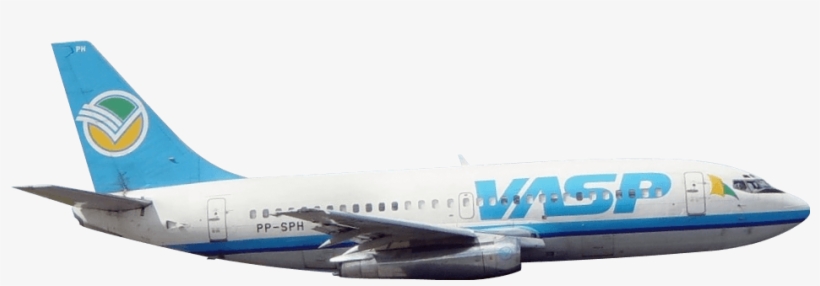
Hurst Capital cobro fondo de VASP

57488_1128325404[1]AW | 2020 05 11 21:00 | AVIATION / AIRLINES

AW-Husrt Capital_IsologotypeFondo Hurst Capital espera beneficiarse de las deudas de la VASPimages (24)
A través de la operación, Hurst Capital tiene la intención de recibir alrededor del 550% del CDI en hasta tres años y medio. Sin ganancias durante unos veinte años y en bancarrota desde 2008, un grupo de inversores espera ganar dinero con las deudas laborales de Viação Aérea São Paulo (VASP), que alguna vez fue una de las aerolíneas más grandes de Brasil. La mayor parte del mercado podría encontrar extremadamente riesgoso embarcarse en dicho activo, pero Hurst Capital espera recibir el dinero en hasta tres años y medio, con un rendimiento neto del 20,42% por año, equivalente a aproximadamente el 550% del CDI un año

Especializado en activos judiciales estresados, como órdenes judiciales, el fondo compró por 16 millones de reales los honorarios de abogados de 570 demandas laborales presentadas contra VASP Airlines. Según el abogado y presidente de Hurst, Arthur Farache, el riesgo de que no se pague la factura es mínimo porque el Tribunal Superior del Trabajo ya ha determinado que la deuda se ha convertido en responsabilidad del estado de São Paulo y tiene preferencia de pago.

Sin embargo, la demora en el pago de la factura puede jugar a favor de este tipo de activos, ya que, además de la corrección en el IPCA, también se incluyen los intereses de demora, que es 1% por mes no acumulable, es decir, calculado por simple interés. En este caso, sin embargo, el retorno se acordó previamente. “Como alcanzamos una rentabilidad del 20,42% con el vendedor, el reajuste del 1% por mes más IPCA es irrelevante para nosotros. Ganaremos 20.42% independientemente de eso”, dijo Arthur Farache. Aunque el pago se da por sentado, no hay una fecha establecida para cuándo se realizará. “Hurst no puede hacer nada para acelerar el pago del activo. Pero creemos que comienza a recibir parte de estos montos en dos años y debería terminar en tres o tres años y medio”, comentó.

Para investigar qué activos judiciales tienen más probabilidades de ser pagados, Hurst investiga el caso y las condiciones de pago del deudor. Para agilizar el proceso, el fondo utiliza robots para rastrear sitios web de tribunales y diarios oficiales. El activo judicial actúa como un crédito que debe pagarse a alguien que ha ganado una demanda. Este crédito puede venderse a otra persona que quisiera correr el riesgo y esperar. «El precatorio es un activo judicial maduro, por lo que comenzamos a analizar el proceso incluso antes de que se convierta en un precatorio», dijo Arthur Farache.

A diferencia de la mayoría de los fondos tradicionales, como los fondos de acciones o multimercados, los fondos de activos estresados ​​pueden ser más similares a las acciones privadas, ya que no están disponibles en las plataformas de corretaje. Pero, para que este tipo de inversión esté disponible para pequeños inversores, Hurst tiene una plataforma donde es posible tener una participación en las ganancias a través del crowd-funding. Para esta operación, el fondo recaudó R$ 1,4 millones de reales, un poco menos del 10% del monto total pagado por la cartera de comisiones. El plazo para tener una participación en el activo finalizó el viernes. Pero, con una inversión mínima de R$ 10 mil reales, aún es posible invertir en los conservatorios del estado de Río de Janeiro. Hurst Capital espera recaudar R$ 879.032 reales. Por lo tanto, además de diversificar el riesgo, Hurst también gana sobre las tarifas, como el rendimiento y la gestión, como un fondo tradicional.

La larga historia de la quiebra de VASP Airlines continúa dando noticias después de su partida el 27 Enero 2005 cuando definitivamente había dejado de volar. Después de quince años sin la aerolínea emblemática de Brasil, quien sabe si algún día con un golpe de mercado no vuelve a resurgir como el ave Fénix. AW-Icon Paragraph-01

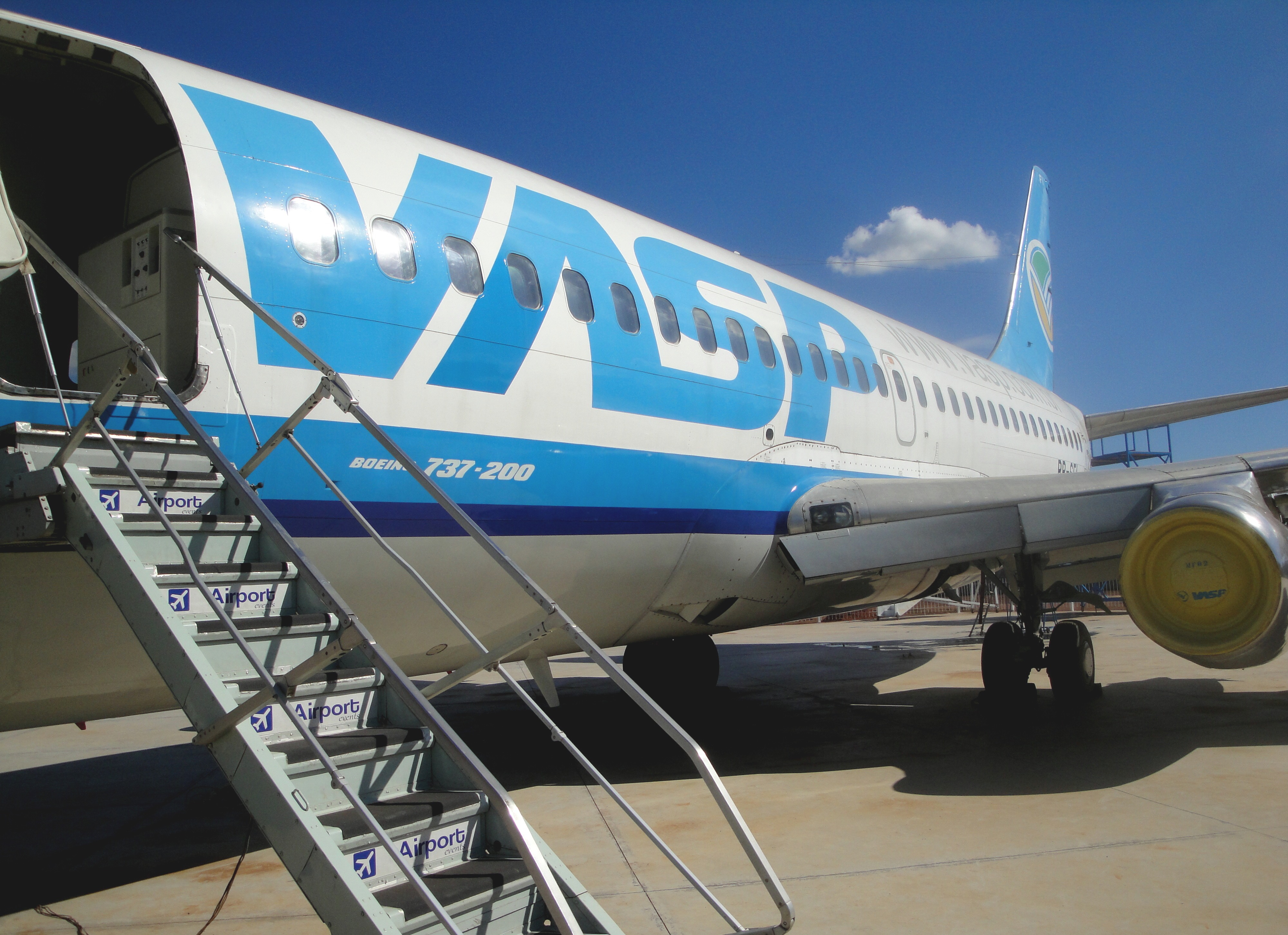
344-3442808_boeing-737-200-boeing-737-vasp-pngHurst Capital collected VASP fund

Hurst Capital Fund expects to benefit from VASP debts

photoThrough the operation, Hurst Capital intends to receive around 550% of the CDI in up to three and a half years. Profit-free for some twenty years and bankrupt since 2008, a group of investors hopes to make money from the labor debts of Viação Aérea São Paulo (VASP), which was once one of the largest airlines in Brazil. Most of the market could find it extremely risky to embark on such an asset, but Hurst Capital expects to receive the money in up to three and a half years, with a net return of 20.42% per year, equivalent to approximately 550% of CDI one year.
Specializing in stressed court assets, such as court orders, the fund purchased the attorney’s fees for 570 labor lawsuits filed against VASP Airlines for R$ 16 million. According to Hurst’s lawyer and president, Arthur Farache, the risk that the bill will not be paid is minimal because the Superior Labor Court has already determined that the debt has become the responsibility of the state of São Paulo and has payment preference.

However, the delay in the payment of the invoice may play in favor of this type of asset, since, in addition to the correction in the IPCA, the default interest is also included, which is 1% per month not accumulative, it is that is, calculated out of simple interest. In this case, however, the return was previously agreed. “As we achieved profitability of 20.42% with the seller, the readjustment of 1% per month plus IPCA is irrelevant to us. We will earn 20.42% regardless of that”, said Arthur Farache. Although payment is taken for granted, there is no set date for when it will be made. “Hurst can do nothing to speed up the payment of the asset. But we believe that it begins to receive part of these amounts in two years and should end in three or three and a half years», he said.

To investigate which court assets are most likely to be paid, Hurst investigates the debtor’s case and payment terms. To streamline the process, the fund uses robots to track court websites and official newspapers. The judicial asset acts as a credit to be paid to someone who has won a lawsuit. This credit can be sold to someone else who would like to take the risk and wait. «The injunction is a mature judicial asset, so we started looking at the process even before it becomes a injunction», said Arthur Farache.

Unlike most traditional funds, such as equity or multi-market funds, stressed asset funds can be more similar to private stocks, as they are not available on brokerage platforms. But, to make this type of investment available to small investors, Hurst has a platform where it is possible to have a share of the profits through crowd-funding. For this operation, the fund raised R$ 1.4 million reais, just under 10% of the total amount paid by the commission portfolio. The term to have a stake in the asset ended on Friday. But, with a minimum investment of R$ 10,000 reais, it is still possible to invest in the conservatories of the state of Rio de Janeiro. Hurst Capital expects to raise R$ 879,032 reais. Therefore, in addition to diversifying risk, Hurst also wins over fees, such as performance and management, like a traditional fund.

The long history of the bankruptcy of VASP Airlines continues to give news after its departure on January 27, 2005, when it had definitely stopped flying. After fifteen years without the emblematic airline of Brazil, who knows if one day with a market crash it will not re-emerge as the Phoenix bird. AW-Icon Paragraph-02

AW-Wk-7000087Hurst Capital arrecadou fundo VASP

O Hurst Capital Fund espera se beneficiar das dívidas do VASP

photoCom a operação, a Hurst Capital pretende receber cerca de 550% do CDI em até três anos e meio. Sem lucro por cerca de vinte anos e falido desde 2008, um grupo de investidores espera ganhar dinheiro com as dívidas trabalhistas da Viação Aérea São Paulo (VASP), que já foi uma das maiores companhias aéreas do Brasil. A maior parte do mercado pode achar extremamente arriscado embarcar nesse ativo, mas a Hurst Capital espera receber o dinheiro em até três anos e meio, com um retorno líquido de 20,42% ao ano, equivalente a aproximadamente 550% do CDI em um ano.

Especializado em ativos judiciais estressados, como ordens judiciais, o fundo adquiriu os honorários advocatícios de 570 ações trabalhistas movidas contra a VASP Airlines por R$ 16 milhões. Segundo o advogado e presidente de Hurst, Arthur Farache, o risco de que a conta não seja paga é mínimo, porque o Tribunal Superior do Trabalho já determinou que a dívida se tornou responsabilidade do estado de São Paulo e tem preferência por pagamento.

Entretanto, o atraso no pagamento da fatura pode ser favorável a esse tipo de ativo, uma vez que, além da correção no IPCA, também estão incluídos os juros de mora, que é de 1% ao mês, não acumulativo, é isto é, calculado com um simples interesse. Nesse caso, no entanto, o retorno foi previamente acordado. “Como alcançamos uma rentabilidade de 20,42% com o vendedor, o reajuste de 1% ao mês mais o IPCA é irrelevante para nós. Ganharemos 20,42%, independentemente disso”, afirmou Arthur Farache. Embora o pagamento seja dado como garantido, não há data definida para quando será efetuado. “A Hurst não pode fazer nada para acelerar o pagamento do ativo. Mas acreditamos que começa a receber parte desses valores em dois anos e deve terminar em três ou três anos e meio», afirmou.

Para investigar quais ativos judiciais têm maior probabilidade de serem pagos, Hurst investiga o caso e as condições de pagamento do devedor. Para agilizar o processo, o fundo usa robôs para rastrear sites de tribunais e jornais oficiais. O ativo judicial atua como um crédito a ser pago a alguém que ganhou uma ação judicial. Esse crédito pode ser vendido para outra pessoa que gostaria de correr o risco e esperar. «A liminar é um ativo judicial maduro, então começamos a analisar o processo antes mesmo de se tornar uma liminar», disse Arthur Farache.

Diferentemente da maioria dos fundos tradicionais, como fundos de ações ou multimercados, os fundos de ativos estressados ​​podem ser mais semelhantes às ações privadas, pois não estão disponíveis nas plataformas de corretagem. Mas, para disponibilizar esse tipo de investimento para pequenos investidores, a Hurst possui uma plataforma na qual é possível ter uma parcela dos lucros por meio do financiamento coletivo. Para esta operação, o fundo captou R$ 1,4 milhão de reais, pouco menos de 10% do valor total pago pela carteira de comissões. O prazo para participação no ativo terminou na sexta-feira. Mas, com um investimento mínimo de R$ 10.000, ainda é possível investir nos conservatórios do estado do Rio de Janeiro. A Hurst Capital espera captar R$ 879.032 reais. Portanto, além de diversificar o risco, a Hurst também ganha com taxas, como desempenho e gerenciamento, como um fundo tradicional.

A longa história de falência da VASP Airlines continua a ser notícia após sua partida em 27 de janeiro de 2005, quando definitivamente parou de voar. Depois de quinze anos sem a companhia aérea emblemática do Brasil, quem sabe se um dia com um colapso no mercado, ele não ressurgirá como o pássaro Phoenix. AW-Icon Paragraph-02


Ξ A I R G W A Y S Ξ
SOURCE: Airgways.com
DBk: Hurst.capital / Exame.com.br / Airgways.com
AW-POST: 202005112100AR

A\W   A I R G W A Y S ®

Boeing oferta bonos para liquidez

Boeieng-HeadquartersAW | 2020 05 01 10:12 | INDUSTRY / AVIATION

Boeing_IsologotypeDeclaración de Boeing sobre la oferta de bonos

The Boeing Company ha dado respuesta a la oferta de bonos del día 30 Abril 2020, que es uno de los varios pasos que la empresa está tomando para mantener la liquidez fluyendo a través del negocio aeroespacial y las 17.000 compañías en la cadena de suministro de nuestra industria.

La sólida demanda de la oferta refleja un fuerte apoyo a la fortaleza a largo plazo de Boeing y la industria de la aviación. También es en parte el resultado de la confianza en el mercado creada por la Ley CARES y los programas de apoyo federales que se han implementado, un testimonio de la Administración, el Congreso y la Reserva Federal. Como resultado de la respuesta, y en espera del cierre de esta transacción que se espera para el Lunes 4 Mayo 2020, Boeing no planea buscar financiamiento adicional a través de los mercados de capitales o las opciones del Gobierno de los Estados Unidos. La oferta de bonos incluye instrumentos de deuda con un monto de capital agregado de US$ 25 mil millones en siete tramos con vencimientos que oscilan entre tres y 40 años. Continuaremos evaluando nuestra posición de liquidez a medida que evolucione la crisis de salud y nuestro entorno empresarial dinámico. AW-Icon Paragraph-01

Boeing offers liquidity bonds

Boeing Statement on the Bond Offering

The Boeing Company has responded to the bond offer on April 30, 2020, which is one of several steps that the company is taking to maintain liquidity by flowing through the aerospace business and the 17,000 companies in our supply chain. industry.

Strong supply-demand reflects strong support for the long-term strength of Boeing and the aviation industry. It is also in part the result of the market trust created by the CARES Act and the federal support programs that have been implemented, a testament to the Administration, Congress, and the Federal Reserve. As a result of the response, and pending the closing of this transaction that is expected on Monday, May 4, 2020, Boeing does not plan to seek additional financing through the capital markets or the options of the United States Government. The bond offering includes debt instruments with an aggregate principal amount of US$ 25 billion in seven tranches with maturities ranging from three to 40 years. We will continue to assess our liquidity position as the health crisis evolves and our dynamic business environment. AW-Icon Paragraph-02


Ξ A I R G W A Y S Ξ
SOURCE: Airgways.com
DBk: Boeing.com / Airgways.com
AW-POST: 202005011012AR

A\W   A I R G W A Y S ®

Boeing transporta máscaras faciales

Boeing Dreamlifter transports 1.5 million face masks for COVID-19 ...AW | 2020 04 27 12:11 | AVIATION

Boeing_Isologo.svgBoeing transporta máscaras médicas en asociación con Prisma Health, Atlas Air y el fundador de Discommon Neil Ferrier
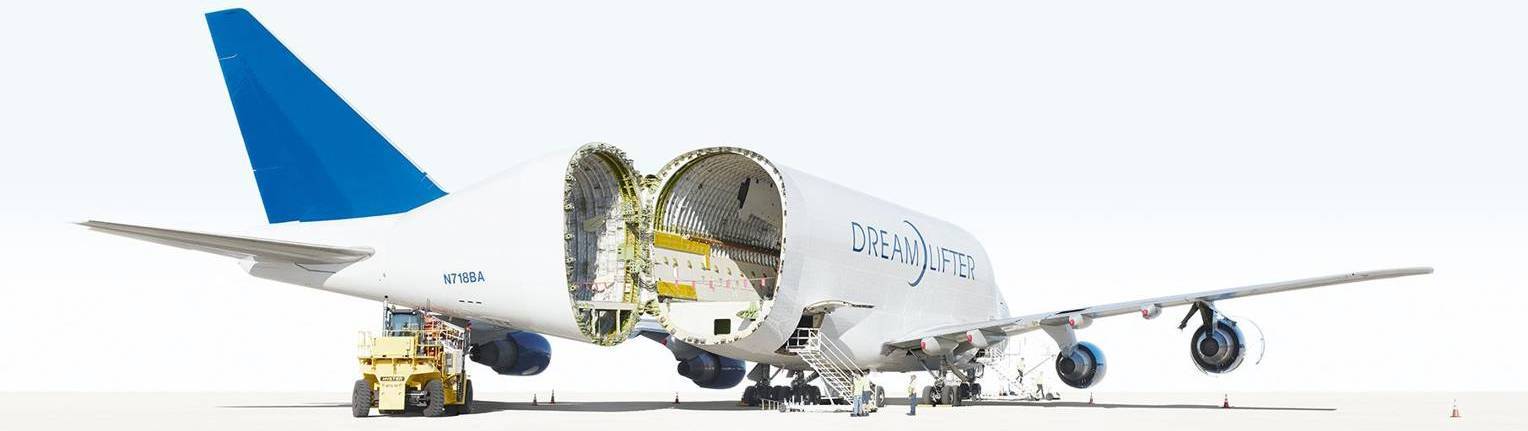
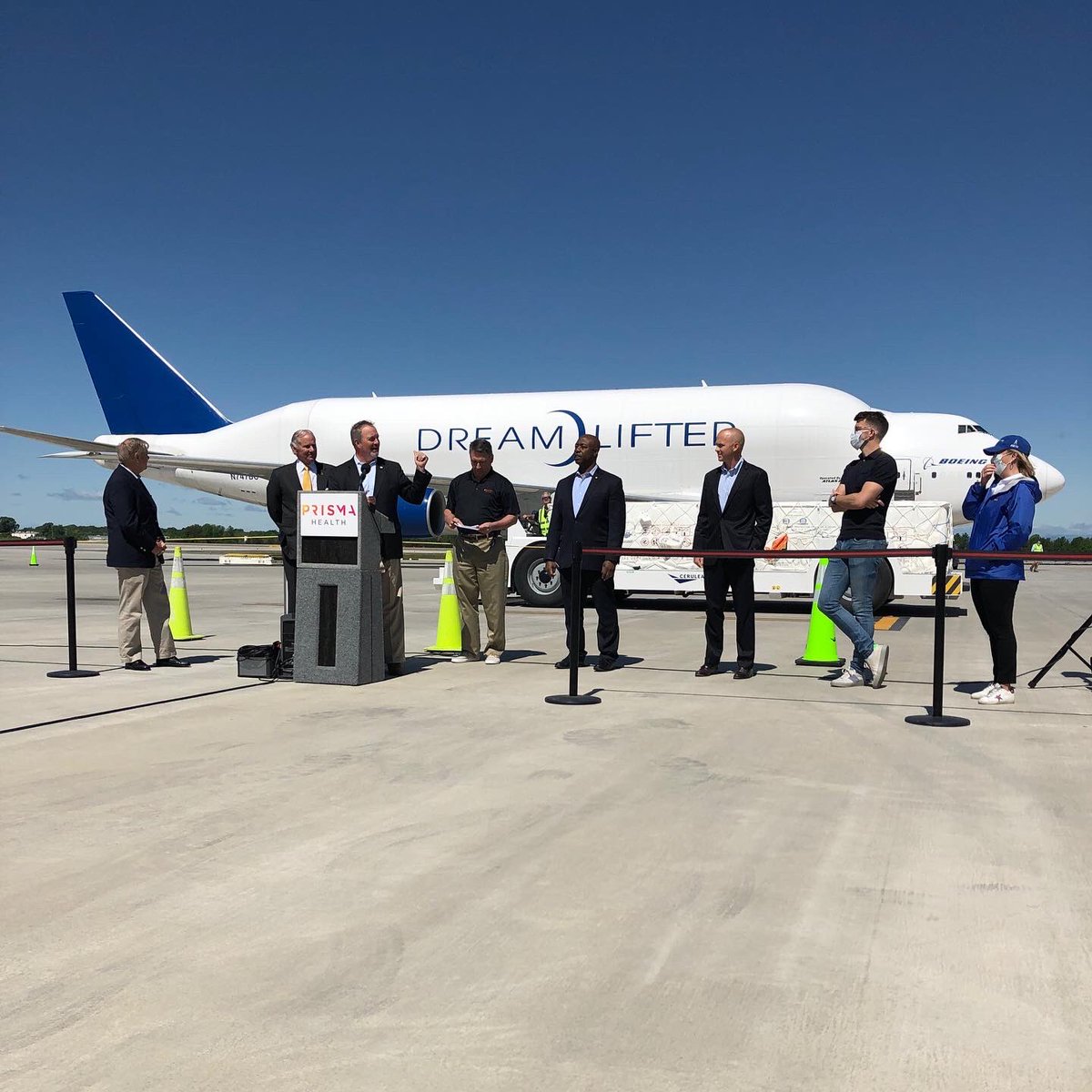
The Boeing Company completó el 26/04 otra misión de transporte sanitario utilizando un Boeing Dreamlifter para llevar equipos de protección personal (EPP) desde Hong Kong a los Estados Unidos. Trabajando en asociación con Prisma Health, Atlas Air Worldwide y el fundador de Discommon Neil Ferrier, la compañía transportó 1,5 millones de máscaras faciales de grado médico destinadas a profesionales de la salud en Prisma Health en Carolina del Sur.

Discommon, el importador registrado para la entrega, aseguró la producción del EPP de fabricantes confiables en China y recurrió a Boeing para facilitar su transporte a Prisma Health, el sistema de salud más grande de Carolina del Sur. Boeing donó el costo del transporte de la misión, con Atlas Air operando los vuelos en nombre de Boeing.

El Dreamlifter, un Boeing 747-400 Large Cargo Freighter convertido, voló desde Hong Kong a Greenville, Carolina del Sur, con las máscaras faciales en su lóbulo inferior. Después de la entrega, Dreamlifter regresará a su base de operaciones en North Charleston, Carolina del Sur, y entregará 787 piezas de Dreamliner en apoyo de la cadena de suministro aeroespacial mundial.

Boeing continúa apoyando a las comunidades locales y a los heroicos profesionales de la salud que trabajan incansablemente para detener la propagación de COVID-19. En el futuro se planean misiones de transporte aéreo adicionales con Boeing Dreamlifter y ecoDemonstrator. Boeing está coordinando estrechamente con los funcionarios del gobierno de EE.UU. sobre la mejor manera de ayudar a las áreas con mayor necesidad.

Boeing DreamlifterApoyo de liderazgo

«Hace diez años, Boeing llegó a Carolina del Sur, invirtiendo una cantidad significativa de recursos en nuestra economía y creando empleos para nuestra gente. Hoy, Boeing está haciendo otra inversión significativa en nuestro estado al asociarse con otras empresas de Carolina del Sur para ayudar a combatir esta letal muerte virus. Los carolinianos del sur son únicos en su compasión y cuidado mutuo. Los negocios que han colaborado para hacer posible esta entrega son una encarnación de esas cualidades, y tenemos una deuda de gratitud con cada uno de ellos», expresó el Gobernador de Carolina del Sur Henry McMaster.

«Le debemos a nuestros hombres y mujeres en la línea del frente de nuestro sistema de salud tener los recursos necesarios para combatir el virus COVID-19. Quiero agradecer a Prisma Health, Discommon, Atlas Air y Boeing por su apoyo para facilitar esta importante tarea. envío de máscaras médicas a Carolina del Sur», ha comentado el Senador Lindsey Graham.

«Combatir COVID-19 ha requerido una respuesta sin precedentes de todos los niveles de gobierno, el sector privado y las familias estadounidenses. Uno de los desafíos más importantes que enfrentan las comunidades en todo el país es garantizar que nuestros trabajadores de atención médica de primera línea tengan suficiente equipo de protección personal para que puedan puede tratar a los pacientes y mantenerse saludables. Esta asociación público-privada entre la Casa Blanca, Boeing, Discommon y Atlas Air ha superado los problemas de suministro y la burocracia para llevar 1,5 millones de máscaras de grado médico a Carolina del Sur y será muy útil. hacia la seguridad de nuestros profesionales médicos. Ofrezco mi más sincero agradecimiento a todos los involucrados», expresó el Senador Tim Scott.

«La entrega de máscaras médicas para Prisma Health hoy es una noticia tremenda! Todo el Estado de Palmetto agradece a Boeing, Atlas Air y Discommon Concepts por hacer realidad este envío para equipar a nuestro personal médico durante estos tiempos sin precedentes. Son asociaciones como estas liderado por compañías en Carolina del Sur que asegurarán que estamos completamente preparados para derrotar a COVID-19», expresó el representante Republicano Jeff Duncan.

«Hoy, orgullosamente damos la bienvenida a Boeing y Atlas Air a Greenville. Cuando Discommon me contactó por primera vez en Greenville, sabía que estas máscaras marcarían una gran diferencia para nuestros trabajadores de la salud en Prisma Health, quienes están en la línea del frente luchando contra COVID- 19 pandemia. Inmediatamente nos pusimos a trabajar para que esto suceda. La entrega de hoy muestra el bien que se puede hacer cuando las empresas, las organizaciones sin fines de lucro y el gobierno se unen. Este PPE será de gran ayuda para la gente aquí en el norte del estado y en todo el país. la región central», Rep. William Timmons.

«Es un beneficio mutuo para los proveedores de atención médica de Carolina del Sur y un ejemplo perfecto de compañías privadas que trabajan con funcionarios electos para ayudar a los trabajadores de la salud y las personas a las que sirven. Apreciamos mucho el apoyo de Boeing durante estos tiempos difíciles de asegurar los suministros necesarios, todos nos fortalecemos. En reconocimiento de la entrega de nuestros suministros por parte de Boeing, estamos donando 100,000 de estas máscaras a nuestros colegas de la Universidad Médica de Carolina del Sur, que se encuentra cerca de la planta de fabricación de Boeing», comenta Mark O’Halla, Presidente y CEO, Prisma Health.

«Estoy increíblemente agradecido de ser parte de este proyecto: el camino salvaje para llegar aquí es digno de una película. Si bien cada paso de este proceso logístico ha sido increíblemente desalentador, Boeing y Atlas Air han sido asombrosos, con ambas compañías 100% comprometidas para hacer posible la misión de transporte de hoy. Es increíble que Carolina del Sur cuente con el respaldo de compañías que pueden prestar su vital apoyo logístico de transporte para este desafío tan complejo. Aunque este proyecto no se encuentra en nuestra típica caseta del diseño y fabricación industrial, el objetivo final de diseño es resolver problemas maravillosamente, y todos nos hemos unido para hacer precisamente eso», dijo Neil Ferrier, Fundador, Discommon.

«Atlas Air se enorgullece de ser parte de esta misión vital. Agradecemos a los respondedores de primera línea que continúan satisfaciendo las necesidades abrumadoras de los habitantes de Carolina del Sur. Los profesionales de la salud en el Sistema de Salud Prisma han sido implacables y resistentes, y transportaron el equipo crítico. lo que necesitan es una pequeña forma de agradecerles», ha dicho John W. Dietrich, Presidente y CEO, Atlas Air Worldwide.

«Boeing se enorgullece de ser parte de este histórico vuelo para brindar EPP vital a los trabajadores de la salud en todo Carolina del Sur. Quiero agradecer personalmente al equipo de Boeing y a nuestros socios de Atlas Air por lo que han hecho para apoyar esta misión esencial y garantizar que nuestros trabajadores de atención médica de primera línea tengan el equipo que necesitan de manera crítica», expresa su complacencia Dave Calhoun, presidente y CEO de The Boeing Company. AW-Icon Paragraph-01

Rep. Jeff Duncan on Twitter: "Great to be at @GSPAirport to ...Boeing carries 1.5M face masks

Boeing carries medical masks in association with Prisma Health, Atlas Air and Discommon founder Neil Ferrier

Dreamlifter_IsologotypeThe Boeing Company completed another medical transport mission on 04/26 using a Boeing Dreamlifter to bring personal protective equipment (PPE) from Hong Kong to the United States. Working in partnership with Prisma Health, Atlas Air Worldwide, and Discommon founder Neil Ferrier, the company transported 1.5 million medical-grade face masks for healthcare professionals at Prisma Health in South Carolina.
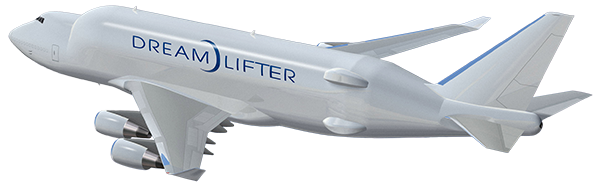
Discommon, the importer of record for delivery, secured the production of EPP from trusted manufacturers in China and turned to Boeing to facilitate its transportation to Prisma Health, South Carolina’s largest health system. Boeing donated the cost of transporting the mission, with Atlas Air operating the flights on Boeing’s behalf.

The Dreamlifter, a converted Boeing 747-400 Large Cargo Freighter, flew from Hong Kong to Greenville, South Carolina, with the face masks on its lower lobe. After delivery, Dreamlifter will return to its base of operations in North Charleston, South Carolina, and will deliver 787 pieces of Dreamliner in support of the global aerospace supply chain.

Boeing continues to support local communities and heroic healthcare professionals who work tirelessly to stop the spread of COVID-19. Additional air transport missions are planned in the future with Boeing Dreamlifter and ecoDemonstrator. Boeing is closely coordinating with US government officials. on the best way to help areas in greatest need.

Leadership support

AW-Boeing 747-dreamlift«Ten years ago, Boeing came to South Carolina, investing a significant amount of resources in our economy and creating jobs for our people. Today, Boeing is making another significant investment in our state by partnering with other South Carolina companies to help to combat this lethal death virus. Southern Carolinians are unique in their compassion and care for each other. The businesses that have collaborated to make this delivery possible are an embodiment of those qualities, and we owe gratitude to each of them», said South Carolina Governor Henry McMaster.

«We owe it to our men and women on the front lines of our healthcare system to have the resources necessary to combat the COVID-19 virus. I want to thank Prisma Health, Discommon, Atlas Air, and Boeing for their support in facilitating this important task. shipping medical masks to South Carolina», said Senator Lindsey Graham.

Boeing Dreamlifter delivers 1.5 million masks to healthcare ...BOEING DREAMLIFTER

«Combating COVID-19 has required an unprecedented response from all levels of government, the private sector, and American families. One of the most important challenges facing communities across the country is ensuring that our premier healthcare workers line has enough personal protective equipment so they can treat patients and stay healthy. This public-private partnership between the White House, Boeing, Discommon, and Atlas Air has overcome supply problems and red tape to carry 1.5 million from medical grade masks to South Carolina and will be very helpful towards the safety of our medical professionals. I offer my sincere thanks to everyone involved», said Senator Tim Scott.

«The delivery of medical masks for Prisma Health today is tremendous news! The entire State of Palmetto thanks Boeing, Atlas Air, and Discommon Concepts for making this shipment a reality to equip our medical staff during these unprecedented times. They are partnerships like You are led by companies in South Carolina that will ensure that we are fully prepared to defeat COVID-19», said Republican Rep. Jeff Duncan.

«Today, we proudly welcome Boeing and Atlas Air to Greenville. When Discommon first contacted me in Greenville, I knew that these masks would make a big difference to our healthcare workers at Prisma Health, who are on the front line. fighting COVID-19 pandemic. We immediately set to work to make this happen. Today’s installment shows the good that can be done when companies, non-profit organizations, and the government come together. This PPE will be a great help for people here in the north of the state and throughout the country. the central region», Rep. William Timmons.

«It is a mutual benefit to South Carolina healthcare providers and a perfect example of private companies working with elected officials to help healthcare workers and the people they serve. We greatly appreciate Boeing’s support during these difficult times of securing needed supplies, we all grow stronger. In recognition of Boeing’s delivery of our supplies, we are donating 100,000 of these masks to our colleagues at the Medical University of South Carolina, which is located near the Boeing manufacturing plant», says Mark O’Halla, President and CEO, Prisma Health.

«I am incredibly grateful to be a part of this project: The wild road to getting here is worth a movie. While every step of this logistics process has been incredibly daunting, Boeing and Atlas Air have been amazing, with both companies 100% committed. to make today’s transportation mission possible. It is incredible that South Carolina is supported by companies that can provide vital logistical transportation support for this complex challenge. Although this project is not in our typical design booth and industrial manufacturing, the ultimate goal of design is to solve problems beautifully, and we’ve all come together to do just that», said Neil Ferrier, Founder, Discommon.

«Atlas Air prides itself on being part of this vital mission. We are grateful to the front-line responders who continue to meet the overwhelming needs of the people of South Carolina. Health professionals at Prisma Health System have been relentless and resilient, and they transported the critical equipment, that they need is a small way to thank them», said John W. Dietrich, President, and CEO, Atlas Air Worldwide.

«Boeing is proud to be part of this historic flight to provide vital PPE to healthcare workers throughout South Carolina. I want to personally thank the Boeing team and our partners at Atlas Air for what they have done to support this essential mission. and ensuring that our front-line healthcare workers have the equipment they need critically», says Dave Calhoun, President, and CEO of The Boeing Company. AW-Icon Paragraph-02


Ξ A I R G W A Y S Ξ
SOURCE: Airgways.com
DBk: Boeing.com / Airgways.com
AW-POST: 202004271211AR

A\W   A I R G W A Y S ®

Boeing recibe demanda de ALAFCO

ALAFCO announces commitment for 20 Boeing 737 MAX 8 aircraft ...AW | 2020 04 22 23:07 | AVIATION / GOVERNMENT / INDUSTRY

Boeing es demandada por empresa de leasing kuwaití ALAFCO por incumplimiento de contrato

KPMG Talkbook Template Title style in Arial Bold Sentence case 30ptThe Boeing Company es demandada por la empresa de leasing de aeronaves ALAFCO de Kuwait. La compañía aeroespacial americana recibe demanda judicial por un valor de US$ 336 millones de dólares el Miércoles 22/04 por una empresa de arrendamiento financiero kuwaití que ha presentado una acusación de negarse erróneamente a devolver los anticipos de una orden ahora cancelada por 40 de sus problemáticos aviones Boeing 737 MAX.

Court_Northern District Illinois - copia

En una queja presentada en el tribunal federal de Chicago, ALAFCO Aviation Lease and Finance acusó a Boeing de incumplimiento de contrato por mantener los pagos a pesar de no poder entregar los aviones o proporcionar un cronograma de entrega revisado. ALAFCO dijo que canceló su pedido el 6 Marzo 2020 después de que Boeing no pudo entregar nueve aviones a tiempo. Boeing se resistió a su afirmación de que los problemas equivalían a un “retraso no excusable” que justificaría el reembolso.

Contratiempos

La compañía con sede en Chicago suspendió las entregas de 737 MAX en Marzo 2019, cuando la Administración Federal de Aviación (FAA) puso a tierra el avión tras la muerte de 346 personas en accidentes de dos aviones 737-8 MAX operados por Lion Air y Ethiopian Airlines. Boeing ahora también está luchando con la pandemia de coronavirus, que lo obligó a reducir la producción debido a la caída de la demanda, las luchas de efectivo de los propios clientes de las aerolíneas y los obstáculos logísticos de la entrega de aviones.

ALAFCO compra grandes aviones comerciales y los alquila a las aerolíneas. Sus propietarios más importantes son Kuwait Finance House, Gulf Investment Corp y Kuwait Airways Corp, según su sitio web. AW-Icon Paragraph-01

Boeing, ALAFCO Finalize Order for 20 737 MAX 8sBoeing receives a demand from ALAFCO

Welcome to ALAFCO website - Kuwait | HomeBoeing sued by Kuwaiti leasing company ALAFCO for breach of contractAW-700337800
The Boeing Company issued by the Kuwait aircraft leasing company ALAFCO. The American aerospace company receives a lawsuit in the amount of US$ 336 million on Wednesday 04/22 by a Kuwaiti financial leasing company that has filed an accusation of erroneously refusing to return the advances of an order now canceled by 40 of its troublesome Boeing 737 MAX aircraft.

In a complaint filed in Chicago federal court, ALAFCO Aviation Lease and Finance accused Boeing of breach of contract for keeping payments despite failing to deliver the planes or providing a revised delivery schedule. ALAFCO said it canceled its order on March 6, 2020, after Boeing failed to deliver nine aircraft on time. Boeing resisted its claim that the problems amounted to a «non-excusable delay» that would justify the refund.

Setbacks

The Chicago-based company suspended deliveries of 737 MAX in March 2019, when the Federal Aviation Administration (FAA) grounded the plane after the deaths of 346 people in accidents involving two 737-8 MAX aircraft operated by Lion Air and Ethiopian Airlines. Boeing is now also struggling with the coronavirus pandemic, which forced it to cut production due to falling demand, cash struggles by airline customers themselves, and logistical obstacles to aircraft delivery.

ALAFCO buys large commercial aircraft and leases them to airlines. Its largest owners are Kuwait Finance House, Gulf Investment Corp and Kuwait Airways Corp, according to their website. AW-Icon Paragraph-02

AW-Boeing_73770066بوينج تتلقى طلبًا من شركة ألافكو

دعوى قضائية ضد شركة بوينج من قبل شركة الافكو للتأجير الكويتية لخرقها العقدAlafco_Isologotype

تمت مقاضاة شركة بوينج من قبل شركة ألافكو لتأجير الطائرات. تلقت شركة الطيران الأمريكية دعوى قضائية بمبلغ 336 مليون دولار أمريكي يوم الأربعاء 22/04 من قبل شركة كويتية للتأجير التمويلي قدمت اتهامات برفضها خطأ إرجاع سُلَف أمر ألغيه الآن 40 من طائرة بوينج 737 ماكس مزعجة.

في شكوى رفعت في محكمة شيكاغو الفيدرالية ، اتهمت ALAFCO Aviation Lease and Finance شركة بوينج بخرق العقد للحفاظ على المدفوعات على الرغم من الفشل في تسليم الطائرات أو تقديم جدول تسليم منقح. قالت شركة ألافكو إنها ألغت طلبها في 6 مارس 2020 بعد فشل بوينج في تسليم تسع طائرات في الوقت المحدد. وقاومت بوينغ ادعائها بأن المشاكل وصلت إلى «تأخير غير معذر» يبرر إعادة المبلغ.

النكسات

علقت الشركة التي مقرها شيكاغو عمليات تسليم 737 ماكس في مارس 2019 ، عندما أوقفت إدارة الطيران الفيدرالية (FAA) الطائرة بعد وفاة 346 شخصًا في حوادث تتعلق بطائرتين 737-8 MAX تشغّلهما شركة Lion Air و الخطوط الجوية الإثيوبية. تكافح بوينغ الآن أيضًا مع وباء فيروس التاجي ، مما أجبرها على خفض الإنتاج بسبب انخفاض الطلب ، والصعوبات النقدية من قبل عملاء شركات الطيران أنفسهم ، والعقبات اللوجستية أمام تسليم الطائرات.

تشتري ألافكو طائرات تجارية كبيرة وتأجيرها لشركات الطيران. وبحسب موقعها على الإنترنت ، فإن أكبر مالكيها هم بيت التمويل الكويتي وشركة الخليج للاستثمار وشركة الخطوط الجوية الكويتية.AW-Icon Paragraph-02


Ξ A I R G W A Y S Ξ
SOURCE: Airgways.com
DBk: Ilnd.uscourts.gov / Alafco.kw / Boeing.com / Airgways.com
AW-POST: 202004222307AR

A\W   A I R G W A Y S ®

Línea del tiempo de aviones aparcados

(Photo by Ryan Patterson)AW | 2020 04 21 12:44 | AVIATION / AIRLINES
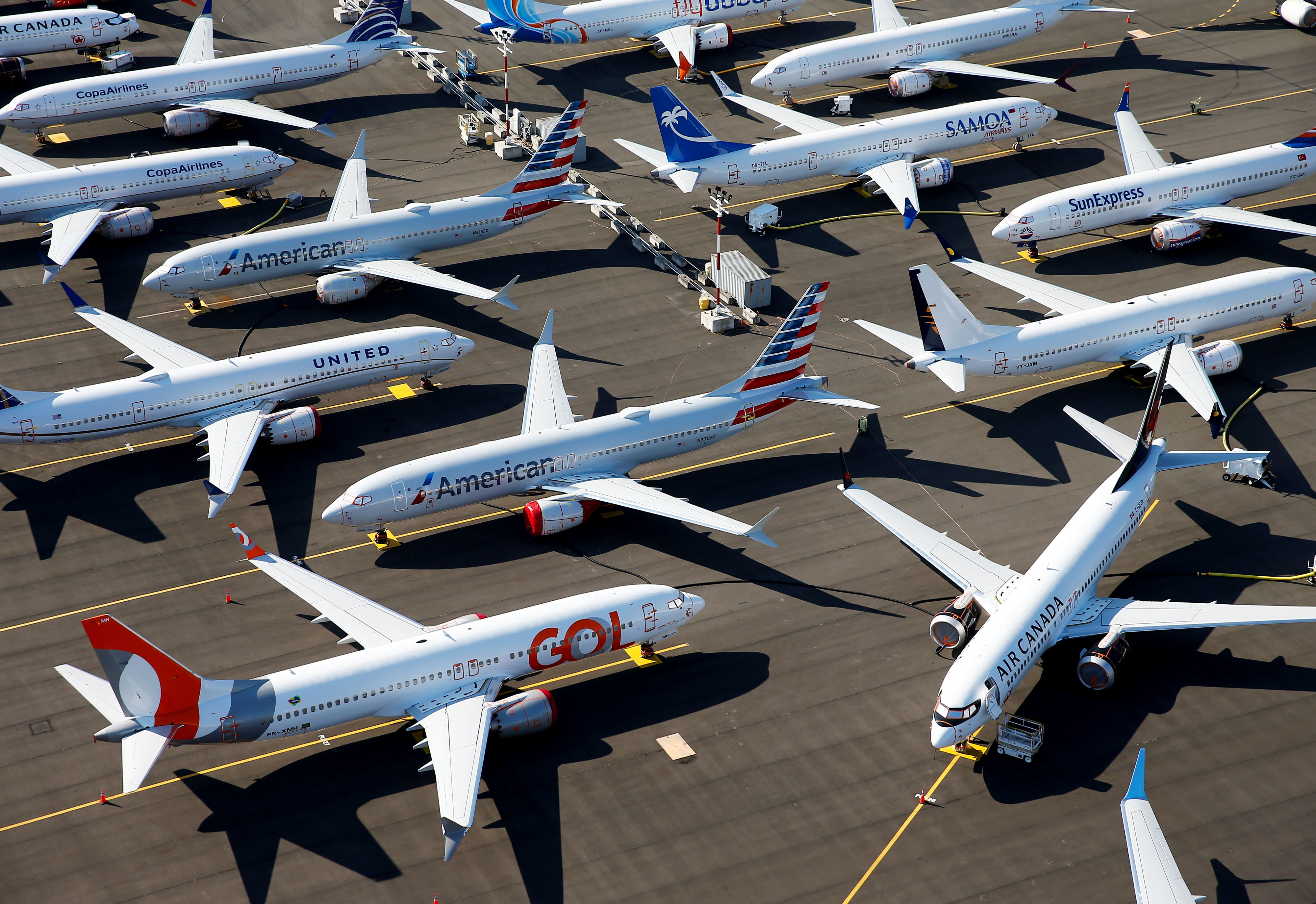
Aeronaves comerciales esperando relevo o muerte anunciada

Cuando la crisis sanitaria había golpeado al mundo convirtiéndose en pandemia, las aerolíneas mundiales fueron obligadas a poner en tierra a la mayoría de sus aeronaves comerciales, con la salvedad de aquellas donde eran necesaria las ayudas humanitarias, transporte de carga y vuelos de repatriación. Con la salvedad de estas acciones, la mayoría de los aviones en el mundo fueron estacionados forzando a contraer en más de un 90% en promedio el tráfico mundial de vuelos comerciales.

El nuevo escenario se vuelve a repetir después del impacto de los atentados del 11-S en Septiembre 2001, poniendo las aeronaves en tierra a disposición de los aeropuertos. Los aviones comenzaron con una lucha por un lugar de espacio de almacenamiento, donde miles de aeronaves comenzaron a arribar a cada rincón de aquellos aeropuertos menos pensados poder observarlos, tanto aquellos aviones nuevos como usados aterrizaron para descansar esperando algunos volver a los cielos, otros tal vez sean vendidos a aerolíneas de otros países, mientras que a otros les espera su final en los cementerios de aeronaves.

Un ejemplo de miles de aeronaves son el caso de un carguero Boeing 747 despegó a principios de Abril 2020 del Aeropuerto de Lleida-Alguaire en España, con destino a Chicago y cargado de suministros médicos urgentes. Había llegado a este pequeño aeropuerto apartado, a unas 150 millas al oeste de Barcelona, ​​un par de meses antes. Su operador, Atlas Air de Nueva York, lo había estacionado allí debido a la falta de demanda en el sector de carga, hasta que llegó la pandemia de coronavirus y dio la vuelta al mundo. Lleida-Alguaire, y otros aeropuertos industriales como este, es donde los aviones que han sido puestos fuera de servicio esperan la devolución. Para algunos, como ese 747, vendrá un aplazamiento, para otros, es el corredor de la muerte.

Caso 737 MAX

El Boeing 737 MAX lleva más de un año en tierra, pero el avión todavía salía de la línea de ensamblaje hasta Diciembre 2019, cuando la compañía Boeing había suspendido la línea de producción en Enero 2020. Con cientos de aviones no entregados amontonándose y el espacio en sus instalaciones comenzando a agotarse, el fabricante estadounidense convirtió uno de los aparcamientos de los empleados en sus instalaciones de Paine Field, cerca de Seattle, en un depósito temporal de aviones.

Pero muchas aerolíneas habían adquirido sus Boeing 737 MAX antes de la crisis sanitaria mundial y necesitaban lugares de almacenamiento alternativos para ellos con urgencia. Los principales aeropuertos no son, en términos generales, un gran lugar para almacenar aviones. El espacio es muy costoso, es el equivalente aeronáutico de dejar su automóvil en un estacionamiento cerca del metro en el centro de la ciudad. Los principales centros europeos pueden cobrar cerca de US$ 300 por hora.

AW-Cnbc_70054AERONAVES BOEING 737 MAX APARCADAS EN BOEING FIELD, WASHINGTON
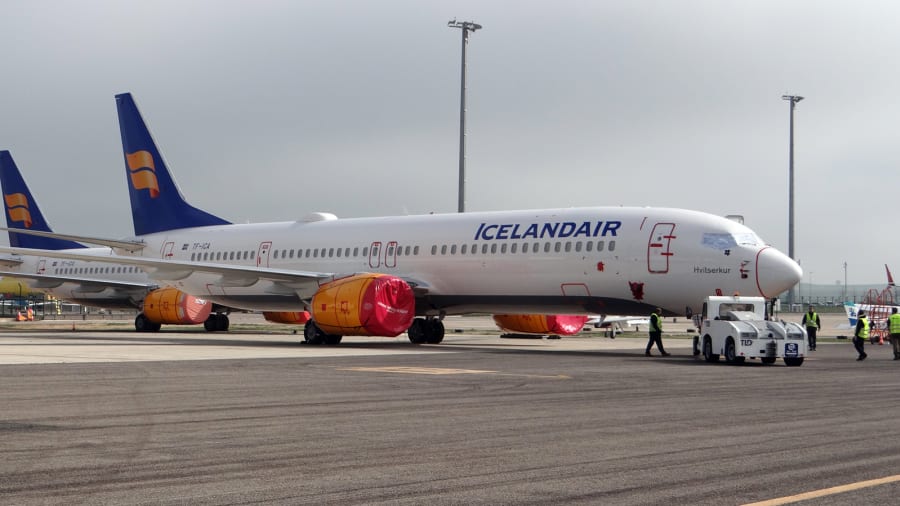
AW-Cnn.com_Lleida-Alguaire-Airport_003DONDE EUROPA GUARDA SUS AVIONES 737 MAX, AEROPUERTO DE LLEIDA-ALGUAIRE, ESPAÑA
Cementerio de Aeronaves

Es en este punto que los aeropuertos industriales remotos vienen al rescate. En Europa, Lleida-Alguaire es el aeropuerto español que actualmente almacena el mayor número de aviones Boeing 737 MAX. Considerado un elefante blanco desde su inauguración en 2010, la falta de tráfico comercial regular le ha ofrecido a este pequeño aeropuerto la oportunidad de especializarse en segmento conocido, pero esencial, de la industria aeroespacial. Dos aerolíneas nórdicas, Norwegian e Icelandair, han enviado sus flotas de 737 MAX para ser almacenadas en Lleida-Alguaire, un total de 10 aviones nuevos y brillantes, algunos de ellos habían salido literalmente de la fábrica para ingresar directamente al cementerio de aviones.

Pero la analogía de las aeronaves se cierne en el destino de cada modelo y cada compañía. Las aeronaves que están temporalmente almacenadas pero que se espera que reanuden el servicio siguen un intenso programa diario que tiene como objetivo protegerlas y preservarlas para el día en que vuelvan a volar; otras podrán tener una segunda oportunidad en otra aerolínea; mientras que muchos languidecerán una muerte anunciada para nunca más volver a volar.

En el caso de las aeronaves nuevas, son las que tienen la mayor provabilidad de volver a la escena mundial. Para ello se necesitan procesos cuidadosos para evitar la corrosión y asegurar que todos los sistemas permanezcan en perfecto estado de funcionamiento. Los motores, siempre un equipo especialmente sensible, son objeto de una atención particular y se controlan constantemente. La humedad es un enemigo, con sensores en diferentes puntos que toman medidas y las transmiten a los ingenieros en tiempo real. «Nuestro objetivo es mantener la humedad por debajo del 40%. Utilizamos bolsas de deshumidificación y dispositivos especializados que absorben la humedad del aire», explica Miguel Martín, Director Técnico de Servitec Aircraft Maintenance, la empresa que se ocupa de los Boeing 737 MAX estacionados en Lleida-Alguaire.


AW-GettyImages_700440Línea del tiempo

Muchos aeropuertos del mundo mantienen las aeronaves aparcadas a la espera de ser devueltas a las aerolíneas, pero muchas de ellas también serán vendidas a otros usuarios o morirán en el intento al ser desguazadas para venta de piezas para otras aeronaves conmejor destino. Pero muchos de estos aviones todavía están en condiciones de aeronavegabilidad. Lo que sucede es que han alcanzado el punto en sus vidas operativas cuando ya no es económico invertir en su mantenimiento. De hecho, las partes y repuestos que contienen valen más que el avión en su conjunto. Es una triste visión ver a la poderosa Reina de los Cielos o Jumbo, el Boeing 747, descompuesto y convertido en chatarra, como muchos otros aviones comerciales que han sido la gloria de sus flotas, pero eso es exactamente lo que está sucediendo ahora.

Muchos cementerios de aeronaves se encuentran localizados en lugares donde el clima preserva o conserva la vida útil de los mismos como por ejemplo Mojave Airport, Victorville Airport, Pinal Airpark, Phoenix Goodyear Airport, Davis-Monthan AFB Airport, Abilene Regional Airport, Kingman Airport, Laurinburg-Maxton Airport, Oscoda-Wurtsmith Airport, Roswell International Air Center (Estados Unidos), Alice Springs Airport (Australia), Aeropuerto Lleida-Alguaire, Aeropuerto Teruel (España); Manas International Airport (Kirguizistán); John G. Diefenbaker International Airport, Saskatoon (Canadá), Tarbes Airport (Francia), entre muchos otros centros de aparcamientos de aeronaves.

AW-Picpanzee_700337Desguazar, proceso especializado

Una vez que se toma la decisión de retirar un avión y darle de baja comercial, se compila un inventario de todas sus partes y repuestos, muchos de ellos eventualmente encontrarán su camino a otros aviones. El proceso de desguace comienza primero en el desarme de los elementos móviles como extintores de incendios o rampas, también se eliminan fluidos, aceites y otros productos químicos. Se debe seguir un protocolo muy específico para evitar cualquier riesgo ambiental o de seguridad. Los motores suelen ser el elemento más valioso. Después de que se quitan las góndolas, el motor en sí se desmonta por completo, dejando intactos los mecanismos internos. El turno continúa con los paneles del avión, que protegen las áreas clave dentro de la aeronave. La estructura se deja al descubierto para que los técnicos puedan acceder a los sistemas más internos de los planos y recuperar aquellas partes que son de interés. «Cuando desconectamos la alimentación, es la muerte oficial del avión, no hay vuelta atrás», explica Miguel Martín de Servitec, antes de agregar que de un Airbus A330 actualmente desmantelado, lograron extraer más de 4.600 piezas diferentes. Cada artículo que se saca de la aeronave se cataloga, limpia y procesa para que los propietarios de la aeronave puedan llevarlo a donde sea necesario. Los visitantes del aeropuerto pueden ver cómo se apilan las diferentes partes alrededor del avión mientras se somete a este proceso de clasificación.

Si el avión es propiedad de una aerolínea con una flota más grande del mismo tipo, podría usar esos repuestos en la empresa, pero muy a menudo ese no es el caso. Hay compañías que se especializan en la compra de aviones que se acercan al final de su vida operativa con el fin de desmantelarlos y vender sus piezas y repuestos en lo que se llama el mercado de accesorios, donde se comercializan piezas de repuesto y equipos. En la mayoría de los casos, estas partes no pueden ir directamente a otro avión, porque en el momento en que despegan del avión se vuelven técnicamente inservibles (incluso si están en perfecto estado). Deben transferirse a un taller de reparación aprobado para someterse a una recertificación. Incluso si se producen en serie, los componentes de un tipo específico no siempre son idénticos. Algunos de ellos han visto cierto grado de personalización a pedido de los operadores y los fabricantes a menudo también introducen pequeñas modificaciones. Es por eso que cada parte debe ser identificable individualmente. Cada parte que ingresa a un avión debe ser rastreable, explican Alex Duran y Jasin Kolar, cofundadores de Nexspares, una firma de consultoría con sede en Zurich, Suiza, que ayuda a las aerolíneas a planificar su estrategia de adquisición de repuestos. Siempre tiene que haber un rastro de papel, un seguimiento minucioso de cada componente.

Una vez que la célula ha sido despojada de cada artículo valioso, literalmente, se desguaza completamente y se convierte en chatarra. A menos que se pueda encontrar una nueva oportunidad para utilizarlo en un uso más exótico, podría tener una segunda vida para un uso doméstico o comercial, pero ya para volver a volar la imaginación. AW-Icon Paragraph-01

AW-Cnn_70065Parked aircraft timeline

Commercial aircraft awaiting relief or death announced

AW-B737-8MAXWhen the health crisis had hit the world into a pandemic, global airlines were forced to land most of their commercial aircraft, with the exception of those where humanitarian aid, cargo transportation, and repatriation flights were necessary. With the exception of these actions, most of the planes in the world were parked, forcing global commercial flight traffic to contract by more than 90% on average.

The new scenario is repeated again after the impact of the attacks of 9/11 in September 2001, making the aircraft on the ground available to airports. The planes began with a fight for a place of storage space, where thousands of aircraft began to arrive at every corner of those airports less thought to be able to observe them, both those new and used planes landed to rest, expecting some to return to the skies, others such Once they are sold to airlines in other countries, while others await their end in aircraft cemeteries.

An example of thousands of aircraft is the case of a Boeing 747 freighter taking off in early April 2020 from the Lleida-Alguaire Airport in Spain, bound for Chicago and loaded with urgent medical supplies. He had arrived at this small secluded airport, some 150 miles west of Barcelona, ​​a couple of months earlier. Its operator, Atlas Air of New York, had parked it there due to lack of demand in the cargo sector until the coronavirus pandemic came around the world. Lleida-Alguaire, and other industrial airports like this one, is where planes that have been taken out of service await the return. For some, like that 747, a delay will come, for others, it is death row.

Case 737 MAX

The Boeing 737 MAX has been on the ground for more than a year, but the plane was still leaving the assembly line until December 2019, when the Boeing company had suspended the production line in January 2020. With hundreds of undelivered aircraft piling up and space At its facilities starting to run out, the American manufacturer converted one of the employee parking lots at its Paine Field facility near Seattle into a temporary aircraft depot.

But many airlines had purchased their Boeing 737 MAXs before the global health crisis and urgently needed alternative storage locations for them. Major airports are generally not a great place to store planes. Space is very expensive, it is the aeronautical equivalent of leaving your car in a parking lot near the metro in the city center. The main European centers can charge about US$ 300 per hour.

El pase de diapositivas requiere JavaScript.

Aircraft graveyard

It is at this point that remote industrial airports come to the rescue. In Europe, Lleida-Alguaire is the Spanish airport that currently stores the largest number of Boeing 737 MAX aircraft. Considered a white elephant since it opened in 2010, the lack of regular commercial traffic has offered this small airport the opportunity to specialize in the well-known, but essential, a segment of the aerospace industry. Two Nordic airlines, Norwegian and Icelandair, have sent their fleets of 737 MAX to be stored in Lleida-Alguaire, a total of 10 shiny new planes, some of them had literally left the factory to enter directly into the plane graveyard.

But the analogy of aircraft hangs in the destiny of each model and each company. Aircraft that are temporarily in storage but are expected to resume service follow an intense daily schedule that aims to protect and preserve them for the day they fly again; others may have a second chance at another airline; while many will languish an announced death never to fly again.

In the case of new aircraft, they are the ones with the highest probability of returning to the world scene. This requires careful processes to prevent corrosion and ensure that all systems remain in perfect working order. Engines, always particularly sensitive equipment, are the subject of particular attention and are constantly monitored. Humidity is an enemy, with sensors at different points taking measurements and transmitting them to engineers in real-time. «Our goal is to keep the humidity below 40%. We use dehumidification bags and specialized devices that absorb moisture from the air», explains Miguel Martín, Technical Director of Servitec Aircraft Maintenance, the company that handles parked Boeing 737 MAXs. in Lleida-Alguaire.

Timeline

Many airports in the world keep parked aircraft waiting to be returned to airlines, but many of them will also be sold to other users or will die trying to be scrapped to sell parts for other aircraft with a better destination. But many of these planes are still airworthy. What happens is that they have reached the point in their operational lives when it is no longer economical to invest in their maintenance. In fact, the parts and spare parts they contain are worth more than the plane as a whole. It is a sad sight to see the mighty Queen of Heaven or Jumbo Jet, the Boeing 747, broken down and scrapped like many other commercial jets that have been the glory of its fleets, but that is exactly what is happening now.

Many aircraft cemeteries are located in places where the weather preserves or conserves their useful life, such as Mojave Airport, Victorville Airport, Pinal Airpark, Phoenix Goodyear Airport, Davis-Monthan AFB Airport, Abilene Regional Airport, Kingman Airport, Laurinburg-Maxton Airport, Oscoda-Wurtsmith Airport, Roswell International Air Center (United States), Alice Springs Airport (Australia), Lleida-Alguaire Airport, Teruel Airport (Spain); Manas International Airport (Kyrgyzstan); John G. Diefenbaker International Airport, Saskatoon (Canada), Tarbes Airport (France), among many other aircraft parking centers.

Airbus A380 production halt to fuel transatlantic trade spatScrapping, specialized process

Once the decision is made to retire an aircraft and decommission it, an inventory of all its parts and spares is compiled, many of which will eventually find their way to other aircraft.

The scrapping process begins first with the disassembly of moving elements such as fire extinguishers or ramps, fluids, oils, and other chemicals are also removed. A very specific protocol must be followed to avoid any environmental or safety risks. Engines are usually the most valuable item. After the gondolas are removed, the engine itself is completely disassembled, leaving the internal mechanisms intact. The shift continues with the aircraft’s panels, which protect key areas inside the aircraft. The structure is left exposed so that technicians can access the innermost systems of the plans and retrieve those parts that are of interest. «When we disconnect the power, it is the official death of the plane, there is no going back», explains Miguel Martín de Servitec, before adding that from an Airbus A330 currently dismantled, they managed to extract more than 4,600 different pieces. Every item that is taken out of the aircraft is cataloged, cleaned and processed so that the owners of the aircraft can take it wherever it is needed. Airport visitors can see how the different parts around the plane are stacked while undergoing this sorting process.

If the plane is owned by an airline with a larger fleet of the same type, you could use those parts in-house, but very often that is not the case. There are companies that specialize in buying aircraft that are nearing the end of their operational life in order to dismantle them and sell their parts and spares in what is called the aftermarket, where spare parts and equipment are marketed. In most cases, these parts cannot go directly to another plane, because the moment they take off from the plane they become technically unusable (even if they are in perfect condition). They must be transferred to an approved repair shop for recertification. Even if mass-produced, components of a specific type are not always identical. Some of them have seen some degree of customization at the request of operators, and manufacturers often introduce minor modifications as well. That is why each part must be individually identifiable. Every part that enters a plane must be traceable, explain Alex Duran and Jasin Kolar, co-founders of Nexspares, a Zurich, Switzerland-based consulting firm that helps airlines plan their parts acquisition strategy. There always has to be a paper trail, careful monitoring of every component.

Once the cell has been stripped of every valuable item, it is literally scrapped completely and turned into scrap metal. Unless a new opportunity can be found to use it in a more exotic use, it could have a second life for domestic or commercial use, but all ready to fly the imagination again. AW-Icon Paragraph-02


Ξ A I R G W A Y S Ξ
SOURCE: Airgways.com
DBk: Airgways.com / Cnn.com / Cnbc.com / R. Patterson / Gettyimages.com / Picpanzee.com
AW-POST: 202004211244AR

A\W   A I R G W A Y S ®

CE aprueba garantías aviación Suecia

AW-SAS_7002AW | 2020 04 12 12:54 | AVIATION / GOVERNMENT
Comisión Europea aprueba sistema garantías para rescatar aerolíneas de Suecia

La Comisión Europea (CE) aprueba un sistema de garantía sueco de € 455 millones de euros para apoyar a las compañías aéreas afectadas por el brote de Coronavirus. El régimen fue aprobado en virtud del marco temporal de ayuda estatal adoptado por la Comisión el 19 Marzo 2020, modificado el 3 Abril 2020.

La Vicepresidenta Ejecutiva, Margrethe Vestager, a cargo de la política de competencia, dijo: “El brote de coronavirus está teniendo un impacto sin precedentes en el sector de la aviación en Europa y en todo el mundo. Este esquema de garantía de préstamo sueco de 5.000 millones de SEK, o aproximadamente 455 millones de euros, apoyará a las aerolíneas afectadas por el brote de coronavirus. Su objetivo es proporcionar liquidez a las aerolíneas que operan en Suecia en estos tiempos difíciles. Seguimos trabajando con los Estados miembros para garantizar que las medidas de apoyo nacional se puedan implementar de manera coordinada y efectiva, de acuerdo con las normas de la UE».

La medida sueca

Suecia notificó a la Comisión un plan de garantía de préstamo de 5.000 millones de coronas suecas (aproximadamente € 455 millones de Euros) para apoyar a las aerolíneas afectadas por el brote de coronavirus en el marco temporal. El apoyo, que tomará la forma de garantías estatales sobre préstamos, será accesible para todas las aerolíneas que tengan una licencia de aviación comercial sueca al menos a partir del 1 de enero de 2020, excepto aquellas que operan servicios de transporte aéreo de pasajeros no programados como su actividad principal.

Las autoridades suecas estiman que aproximadamente 20 aerolíneas serán elegibles para garantías de préstamos bajo el esquema. Esto incluye transportistas que operan servicios regulares de transporte aéreo de pasajeros, así como también aerolíneas más pequeñas que operan vuelos de ambulancia y compañías de helicópteros que realizan servicios de inspección.

El esquema apunta a limitar los riesgos asociados con la emisión de préstamos a aquellas aerolíneas que se ven más gravemente afectadas por el impacto económico del brote de coronavirus. Esto asegurará que esas aerolíneas tengan suficiente liquidez, asegurando así la continuación de sus actividades durante y después de la crisis actual.

La Comisión consideró que la medida sueca se ajusta a las condiciones establecidas en el Marco temporal. En particular: (i) el monto del préstamo subyacente por aerolínea está vinculado a sus necesidades de liquidez en el futuro previsible, (ii) las garantías solo se pueden proporcionar hasta el final de este año, (iii) las garantías se limitan a una duración máxima de seis años, (iv) la cobertura de garantía para cada préstamo y las primas de garantía no exceden los niveles previstos por el Marco Temporal.

La Comisión concluyó que la medida es necesaria, adecuada y proporcionada para remediar una perturbación grave en la economía del Estado miembro, de conformidad con el artículo 107, apartado 3, letra b), del TFUE y las condiciones establecidas en el Marco temporal. Sobre esta base, la Comisión aprobó la medida en virtud de las normas sobre ayudas estatales de la UE.

Antecedentes

La Comisión ha adoptado un marco temporal para permitir a los Estados miembros utilizar toda la flexibilidad prevista en las normas sobre ayudas estatales para apoyar la economía en el contexto del brote de coronavirus. El Marco temporal, modificado el 3 de abril de 2020 , prevé los siguientes tipos de ayuda, que pueden ser concedidos por los Estados miembros:

(i) Subvenciones directas, aportes de capital, ventajas fiscales selectivas y pagos anticipados de hasta € 100,000 a una empresa activa en el sector agrícola primario, € 120,000 a una empresa activa en el sector de la pesca y la acuicultura y € 800,000 a una empresa activa en todos los demás sectores para atender sus necesidades urgentes de liquidez. Los Estados miembros también pueden otorgar, hasta el valor nominal de 800.000 euros por empresa, préstamos o garantías de interés cero sobre préstamos que cubran el 100% del riesgo, excepto en el sector de la agricultura primaria y en el sector de la pesca y la acuicultura, donde los límites de € 100,000 y € 120,000 por compañía respectivamente, aplican.

(ii) Garantías estatales para préstamos tomados por compañías para asegurar que los bancos sigan otorgando préstamos a los clientes que los necesitan. Estas garantías estatales pueden cubrir hasta el 90% del riesgo de los préstamos para ayudar a las empresas a cubrir el capital de trabajo inmediato y las necesidades de inversión.

(iii) Préstamos públicos subsidiados a empresas con tasas de interés favorables para las empresas. Estos préstamos pueden ayudar a las empresas a cubrir el capital de trabajo inmediato y las necesidades de inversión.

(iv) Salvaguardas para los bancos que canalizan la ayuda estatal a la economía real que dicha ayuda se considera como ayuda directa a los clientes de los bancos, no a los bancos mismos, y brinda orientación sobre cómo garantizar una distorsión mínima de la competencia entre los bancos.

(v) Seguro público de crédito a la exportación a corto plazo para todos los países, sin la necesidad de que el Estado miembro en cuestión demuestre que el país respectivo es temporalmente «no comercializable».

(vi) Apoyo a la investigación y el desarrollo (I + D) relacionados con el coronavirus para abordar la actual crisis de salud en forma de subvenciones directas, anticipos reembolsables o ventajas fiscales. Se puede conceder una bonificación por proyectos de cooperación transfronteriza entre Estados miembros.

(vii) Apoyo para la construcción y ampliación de instalaciones de prueba para desarrollar y probar productos (incluidas vacunas, ventiladores y ropa protectora) útiles para abordar el brote de coronavirus, hasta el primer despliegue industrial. Esto puede tomar la forma de subvenciones directas, ventajas fiscales, anticipos reembolsables y garantías sin pérdidas. Las empresas pueden beneficiarse de una bonificación cuando su inversión está respaldada por más de un Estado miembro y cuando la inversión se concluye dentro de los dos meses posteriores a la concesión de la ayuda.

(viii) Apoyo a la producción de productos relevantes para abordar el brote de coronavirus en forma de subvenciones directas, ventajas fiscales, anticipos reembolsables y garantías sin pérdidas. Las empresas pueden beneficiarse de una bonificación cuando su inversión está respaldada por más de un Estado miembro y cuando la inversión se concluye dentro de los dos meses posteriores a la concesión de la ayuda.

(ix) Apoyo dirigido en forma de aplazamiento de pagos de impuestos y/o suspensiones de contribuciones a la seguridad social para aquellos sectores, regiones o para tipos de empresas que son las más afectadas por el brote.

(x) Apoyo dirigido en forma de subsidios salariales para los empleados de aquellas empresas en los sectores o regiones que más han sufrido el brote de coronavirus, y de lo contrario habrían tenido que despedir personal.

El Marco temporal permite a los Estados miembros combinar todas las medidas de ayuda entre sí, excepto los préstamos y garantías para el mismo préstamo y superar los umbrales previstos por el Marco temporal. También permite a los Estados miembros combinar todas las medidas de ayuda otorgadas en virtud del Marco temporal con las posibilidades existentes de otorgar de minimis a una empresa de hasta 25.000 euros durante tres años fiscales para empresas activas en el sector agrícola primario, 30 000 euros durante tres años fiscales para empresas activas en el sector de la pesca y la acuicultura y 200.000 euros durante tres años fiscales para empresas activas en todos los demás sectores. Al mismo tiempo, los Estados miembros deben comprometerse a evitar la acumulación indebida de medidas de apoyo para que las mismas empresas limiten el apoyo a sus necesidades reales.

Además, el Marco temporal complementa las muchas otras posibilidades ya disponibles para los Estados miembros para mitigar el impacto socioeconómico del brote de coronavirus, de conformidad con las normas de la UE sobre ayudas estatales. El 13 de marzo de 2020, la Comisión adoptó una Comunicación sobre una respuesta económica coordinada al brote de COVID-19 que establece estas posibilidades. Por ejemplo, los Estados miembros pueden hacer cambios generalmente aplicables a favor de las empresas (por ejemplo, diferiendo impuestos o subsidiando el trabajo a corto plazo en todos los sectores), que quedan fuera de las normas sobre ayudas estatales. También pueden otorgar una compensación a las empresas por el daño sufrido y causado directamente por el brote de coronavirus.

El marco temporal estará en vigor hasta finales de diciembre de 2020. Con el fin de garantizar la seguridad jurídica, la Comisión evaluará antes de esa fecha si es necesario ampliarlo.

La versión no confidencial de la decisión estará disponible con el número de caso SA.56812 en el registro de ayudas estatales en el sitio web de la competencia de la Comisión una vez que se hayan resuelto los problemas de confidencialidad. Las nuevas publicaciones de decisiones sobre ayudas estatales en Internet y en el Diario Oficial figuran en el boletín electrónico semanal sobre ayudas estatales. AW-Icon Paragraph-01

Sweden introduces eco-friendly aviation taxEC approves aviation guarantees Sweden

European Commission approves guarantees system to rescue Swedish airlines

The European Commission (EC) approves a Swedish € 455 million guarantee system to support airlines affected by the Coronavirus outbreak. The scheme was approved under the temporary framework of state aid adopted by the Commission on March 19, 2020, modified on April 3, 2020.

Executive Vice President Margrethe Vestager, in charge of competition policy, said: “The coronavirus outbreak is having an unprecedented impact on the aviation sector in Europe and worldwide. This Swedish loan guarantee scheme of SEK 5 billion, or approximately € 455 million, will support airlines affected by the coronavirus outbreak. Its aim is to provide liquidity to airlines operating in Sweden in these difficult times. We continue to work with Member States to ensure that national support measures can be implemented in a coordinated and effective manner, in accordance with EU rules».

Swedish measure

Sweden notified the Commission of a loan guarantee scheme of SEK 5 billion (approximately € 455 million) to support airlines affected by the coronavirus outbreak in the temporary framework. The support, which will take the form of state loan guarantees, will be accessible to all airlines holding a Swedish commercial aviation license at least as of January 1, 2020, except for those operating unscheduled passenger air transport services. as its main activity.

Swedish authorities estimate that approximately 20 airlines will be eligible for loan guarantees under the scheme. This includes carriers that operate regular passenger air transportation services, as well as smaller airlines that operate ambulance flights and helicopter companies that perform inspection services.

The scheme aims to limit the risks associated with issuing loans to those airlines that are most severely affected by the economic impact of the coronavirus outbreak. This will ensure that these airlines have sufficient liquidity, thus ensuring the continuation of their activities during and after the current crisis.

The Commission considered that the Swedish measure meets the conditions set out in the Temporary Framework. In particular: (i) the amount of the underlying loan per airline is linked to its liquidity needs for the foreseeable future, (ii) guarantees can only be provided until the end of this year, (iii) guarantees are limited to one maximum duration of six years, (iv) the guarantee coverage for each loan and the guarantee premiums do not exceed the levels established by the Temporary Framework.

The Commission concluded that the measure is necessary, appropriate and proportionate to remedy a serious disturbance in the economy of the Member State, in accordance with Article 107 (3) (b) of the TFEU and the conditions set out in the Temporary Framework. On this basis, the Commission approved the measure under the EU state aid rules.

Background

The Commission has adopted a temporary framework to allow Member States to use all the flexibility provided for in state aid rules to support the economy in the context of the coronavirus outbreak. The Temporary Framework, amended on April 3, 2020, foresees the following types of aid, which can be granted by the Member States:

(i) Direct grants, capital contributions, selective tax advantages and advance payments of up to € 100,000 to a company active in the primary agricultural sector, € 120,000 to a company active in the fisheries and aquaculture sector and € 800,000 to a Company active in all other sectors to meet its urgent liquidity needs. Member States may also grant, up to the nominal value of 800,000 euros per company, loans or guarantees of zero interest on loans that cover 100% of the risk, except in the sector of primary agriculture and in the sector of fishing and aquaculture, where the limits of € 100,000 and € 120,000 per company respectively apply.

(ii) State guarantees for loans taken by companies to ensure that banks continue to grant loans to customers who need them. These state guarantees can cover up to 90% of loan risk to help companies meet immediate working capital and investment needs.

(iii) Subsidized public loans to companies with interest rates favorable to companies. These loans can help companies meet immediate working capital and investment needs.

(iv) Safeguards for banks channeling state aid to the real economy that such aid is considered as direct aid to the bank’s customers, not to the banks themselves, and provides guidance on how to ensure minimal distortion of competition between the banks.

(v) Public short-term export credit insurance for all countries, without the need for the Member State concerned to demonstrate that the respective country is temporarily «non-marketable».

(vi) Support for coronavirus-related research and development (R&D) to address the current health crisis in the form of direct subsidies, repayable advances or tax breaks. A bonus can be awarded for cross-border cooperation projects between Member States.

(vii) Support for the construction and expansion of test facilities to develop and test products (including vaccines, ventilators, and protective clothing) useful to address the coronavirus outbreak, up to the first industrial deployment. This can take the form of direct grants, tax breaks, repayable advances, and no-loss guarantees. Companies can benefit from a bonus when their investment is backed by more than one Member State and when the investment is completed within two months after the aid is granted.

(viii) Support for the production of relevant products to address the coronavirus outbreak in the form of direct subsidies, tax advantages, repayable advances and guarantees without losses. Companies can benefit from a bonus when their investment is backed by more than one Member State and when the investment is completed within two months after the aid is granted.

(ix) Targeted support in the form of deferral of tax payments and/or suspensions of social security contributions for those sectors, regions or for types of companies that are most affected by the outbreak.

(x) Targeted support in the form of wage subsidies for the employees of those companies in the sectors or regions that have suffered the most from the coronavirus outbreak, and would otherwise have had to lay off staff.

The Temporary Framework allows Member States to combine all aid measures with each other except loans and guarantees for the same loan and to exceed the thresholds provided for in the Temporary Framework. It also allows Member States to combine all aid measures granted under the Temporary Framework with the existing possibilities of granting a de minimis to a company of up to € 25,000 for three fiscal years for companies active in the primary agricultural sector, € 30,000 during three fiscal years for companies active in the fishing and aquaculture sector and 200,000 euros for three fiscal years for companies active in all other sectors. At the same time, Member States must commit to avoiding the undue accumulation of support measures so that companies themselves limit support to their real needs.

Furthermore, the Temporary Framework complements the many other possibilities already available to Member States to mitigate the socio-economic impact of the coronavirus outbreak, in line with EU rules on state aid. On March 13, 2020, the Commission adopted a Communication on a coordinated economic response to the COVID-19 outbreak establishing these possibilities. For example, Member States may make generally applicable changes in favor of companies (for example, deferring taxes or subsidizing short-term work in all sectors), which are outside the state aid rules. They can also provide compensation to companies for damage suffered and caused directly by the coronavirus outbreak.

The time frame will be in force until the end of December 2020. In order to ensure legal certainty, the Commission will assess before then whether it needs to be extended.

The non-confidential version of the decision will be available under case number SA.56812 in the state aid register on the website of the Commission’s jurisdiction once confidentiality issues have been resolved. New publications of state aid decisions on the Internet and in the Official Journal appear in the weekly electronic newsletter on state aid. AW-Icon Paragraph-02


Ξ A I R G W A Y S Ξ
SOURCE: Airgways.com
DBk: Ec.europa.eu / Airgways.com / Phys.org / Dirk Gothe
AW-POST: 202004121254AR

A\W   A I R G W A Y S ®