Esencialidad servicio aéreo Argentina

AW | 2024 09 17 10:03 | AIRLINES / GOVERNMENT

Entra vigencia Servicio Esencialidad transporte aereocomercial

Entra en vigencia el Servico de Esencialidad en el transporte aéreo en Argentina, lo que establece nuevas condiciones para huelgas en la aviación comercial. Ante el recrudecimiento de la crisis en el transporte aéreo en Argentina, el Ministerio de Desregulación, a cargo de Federico Sturzenegger, recordó que, a partir del Decreto 831/24 del Presidente Javier Milei, el transporte aerocomercial se convierte en un servicio básico y esencial, lo que se traduce en un derecho a huelga irrestricta, permitiendo desarrollar de manera obligatoria un servicio básico de transporte aéreo.

Federico Sturzenegger ha realizado las declaraciones a través de su cuenta X.com después de la medida laboral de la semana pasada que afectó a más de 37.000 pasajeros en todo el país, cuando los Pilotos y Tripulantes de Aerolíneas Argentinas exigieron actualizaciones salariales.

En sintonía fina a los reclamos laborales, también, los trabajadores de la aerolínea de bandera se mostraron reacios a renunciar a sus privilegios, como los boletos gratuitos en clase ejecutiva para ellos y sus familiares, empleados jubilados o por celebración matrimonial.

A partir de ahora, los trabajadores que deseen ir a la huelga deben avisar con cinco días de antelación la medida de acción sindical, se conforma una comisión que en un plazo de veinticuatro horas para definir los vuelos a mantener durante la huelga, que no pueden ser inferiores al 50% de los vuelos afectados durante la huelga y que garantice la conectividad en rutas con un solo servicio. Si la comisión no llega a un acuerdo, la Secretaría del Trabajo definirá qué servicios se deben mantener.

«Lamentablemente, el Congreso negó la posibilidad de privatizar una empresa que, si bien opera en un contexto de total libertad comercial, reitera su vocación de gozar de sus propios privilegios a costa del contribuyente. Afortunadamente, a partir del Decreto 831/24 ya no podrán afectar los derechos de todos los argentinos», subrayó Federico Sturzenegger.

La huelga de la Asociación de Pilotos de Líneas Aéreas (APLA) y la Asociación de Pilotos de Líneas Aéreas Argentinas (AAA) para exigir un aumento salarial afectó a más de 37.000 pasajeros de 319 vuelos de Aerolíneas Argentinas.

La cartera del Ministerio de Desregulación argumentó que los números de Aerolíneas Argentinas continuaban con pérdidas, mientras existen líneas aéreas que compiten con Aerolíneas y no producen pérdidas económicas y son administradas con capital privado de sus accionistas. Las compañías deben ser gestionadas de manera eficiente y no generar aumentos salariales a costa del contribuyente. «El aumento que el Gobierno puede otorgar a Aerolíneas es de cero por ciento. Hasta que la empresa no tenga una ganancia, que la puede tener porque puede manejar su empresa con total libertad en cuanto a precios, me parece que no puede llegar al contribuyente a pedir más recursos», sentenció Federico Sturzenegger.

Essentiality of air service in Argentina

Essentiality Service for commercial air transport comes into effect

The Essentiality Service for air transport in Argentina comes into effect, which establishes new conditions for strikes in commercial aviation. Given the worsening of the crisis in air transport in Argentina, the Ministry of Deregulation, headed by Federico Sturzenegger, recalled that, as of Decree 831/24 of President Javier Milei, commercial air transport becomes a basic and essential service, which translates into an unrestricted right to strike, allowing the mandatory development of a basic air transport service.

Federico Sturzenegger made the statements through his X.com account after the labor measure last week that affected more than 37,000 passengers throughout the country, when the Pilots and Crew of Aerolíneas Argentinas demanded salary updates.

In line with labor demands, the workers of the flagship airline also showed reluctance to give up their privileges, such as free business class tickets for themselves and their families, retired employees or for weddings.

From now on, workers who wish to go on strike must give five days’ notice of the union action, and a commission will be formed within twenty-four hours to define the flights to be maintained during the strike, which cannot be less than 50% of the flights affected during the strike and which guarantees connectivity on routes with a single service. If the commission does not reach an agreement, the Labor Secretariat will define which services should be maintained.

«Unfortunately, Congress denied the possibility of privatizing a company that, while operating in a context of total commercial freedom, reiterates its vocation to enjoy its own privileges at the expense of the taxpayer. Fortunately, as of Decree 831/24, they will no longer be able to affect the rights of all Argentines», stressed Federico Sturzenegger.

The strike by the Association of Airline Pilots (APLA) and the Association of Pilots of Argentine Airlines (AAA) to demand a salary increase affected more than 37,000 passengers on 319 Aerolíneas Argentinas flights.

The portfolio of the Ministry of Deregulation argued that Aerolíneas Argentinas’ numbers continued to show losses, while there are airlines that compete with Aerolíneas and do not produce economic losses and are managed with private capital from their shareholders. Companies must be managed efficiently and not generate salary increases at the expense of the taxpayer. «The government can grant Aerolíneas a zero percent increase. Until the company makes a profit, which it can because it can manage its business with total freedom in terms of prices, it seems to me that it cannot ask the taxpayer for more resources», said Federico Sturzenegger.

PUBLISHER: Airgways.com
DBk: Argentina.gob.ar / Aerolineas.com / Airgways.com
AW-POST: 202409171003AR
OWNERSHIP: Airgways Inc.
A\W A I R G W A Y S ®

Profundiza conflicto Aerolíneas

AW | 2024 09 16 11:47 | AIRLINES / GOVERNMENT

Gremio APLA busca extender conflicto aeronáutico

La situación de Aerolíneas Argentinas podría agravarse en medio de las disputas entre los sindicatos aéreos y el Gobierno de Argentina. El líder de la Asociación de Pilotos de Líneas Aéreas (APLA) dijo que el gobierno libertario realiza campaña para obtener el apoyo público, al costo de mantener a los pasajeros como rehenes en un conflicto que podría evitarse. El titular de los Pilotos advirtió que la disputa salarial con el Gobierno de Javier Milei ha alcanzado un punto crítico y que podría empeorar. El sindicalista sostuvo: “El conflicto está grave y se va a poner mucho peor”.

El sindicalista acusó a la administración libertaria de actuar con tiranía y de tener oscuras intenciones detrás de sus acciones, afirmando que se defenderán con amparos y medidas cautelares para proteger sus derechos. Reafirmó que la protesta es estrictamente salarial y no tiene motivaciones políticas ni de privilegios. «El derecho a la huelga es fundamental para salvaguardar los intereses económicos, sociales y profesionales de los trabajadores», dijo Pablo Biró.

La última huelga aeronáutica que tuvo lugar desde el mediodía del Viernes 13/09 hasta las 12:00 horas del Sábado 14/09, afectó 319 vuelos y a más de 37.000 pasajeros. El Gobierno de Milei respondió a la medida de fuerza asegurando que el aumento salarial ofrecido a los trabajadores será de 0%, como lo dijo el Ministro de Desregulación, Federico Sturzenegger. En medio de las disputas el Gobierno ha decidido expulsar al titular de APLA del Directorio de Aerolíneas Argentinas.

Aerolíneas conflict deepens

APLA union seeks to extend aeronautical conflict

The situation of Aerolíneas Argentinas could worsen amid disputes between the airline unions and the Argentine Government. The leader of the Association of Airline Pilots (APLA) said that the libertarian government is campaigning to obtain public support, at the cost of holding passengers hostage in a conflict that could be avoided. The head of the Pilots warned that the salary dispute with the Government of Javier Milei has reached a critical point and could get worse. The union leader said: «The conflict is serious and will get much worse».

The union leader accused the libertarian administration of acting with tyranny and of having dark intentions behind its actions, stating that they will defend themselves with injunctions and precautionary measures to protect their rights. He reaffirmed that the protest is strictly about salaries and has no political or privilege motivations. «The right to strike is fundamental to safeguard the economic, social, and professional interests of workers», said Pablo Biró.

The last aviation strike, which took place from midday on Friday 13/09 until 12:00 on Saturday 14/09, affected 319 flights and more than 37,000 passengers. Milei’s government responded to the strike by assuring that the salary increase offered to workers will be 0%, as stated by the Minister of Deregulation, Federico Sturzenegger. In the midst of the disputes, the government has decided to expel the head of APLA from the Board of Directors of Aerolíneas Argentinas.

PUBLISHER: Airgways.com
DBk: Aerolineas.com / Airgways.com
AW-POST: 202409161147AR
OWNERSHIP: Airgways Inc.
A\W A I R G W A Y S ®

Argentina decreta servicio esencialidad

AW | 2024 09 13 16:20 | GOVERNMENT / AVIATION / AIRLINES MARKET

Gobierno reglamenta esencialidad servicio aeronáutico

El Gobierno de Argentina ha firmado el Decreto de Necesidad y Urgencia DNU 70/23. El medio del conflicto aeronáutico, el Presidente Javier Milei reglamentó el Jueves 12/09 la reglamentación del Artículo Nº182 del DNU Nº70/23, con los lineamientos aplicables a la prestación del servicio esencial de aeronáutica civil comercial. Así lo confirmó el Ministro de Desregulación y Transformación del Estado, Federico Sturzenegger. De esta manera, el Gobierno declaró la esencialidad en el sector de la aviación comercial y busca limitar el accionar de los sindicatos.

Reglamentación Artículo Nº182
La reglamentación establece que la Secretaría de Trabajo será la autoridad de aplicación para garantizar el cumplimiento de la actividad civil aerocomercial como servicio esencial, quien actuará la Comisión de Garantías existente, como un organismo tripartito para fijar las condiciones de los servicios mínimos que deberán cumplir las partes frente a un conflicto.

«En esta reglamentación se garantizan los derechos laborales de los trabajadores, pero se persigue evitar la extorsión de los gremialistas. Por ejemplo, se asimilan a un paro las medidas de fuerza que interrumpen los servicios disfrazados de asambleas. La realización de asambleas de cualquier tipo en ningún caso podrá ser invocada para interrumpir, directa o indirectamente, la prestación normal y regular de la actividad aeronáutica civil aerocomercial, pública o privada, ni, en su caso, el desarrollo normal y regular de los servicios mínimos. La norma prevé medidas para garantizar un nivel mínimo de actividad ante conflictos laborales que puedan interrumpir total o parcialmente las actividades”, había precisado el Secretario de Trabajo, Julio Cordero.

Esto sucede en medio del conflicto aeronáutico que afectará a miles de pasajeros. La demandas de los trabajadores están centradas en obtener una recomposición paritaria acorde con la inflación que, según los gremialistas, generó un atraso del 72% en los sueldos desde Noviembre 2023, pero al mismo tiempo la acción sindical estaría disfrazada de reclamos frente a la posible privatización de Aerolíneas Argentinas.

La séptima medida de fuerza en menos de un mes fue anunciado por la Asociación Argentina de Aeronavegantes (AAA) en conjunto con la Asociación de Pilotos de Líneas Aéreas (APLA) y según los cálculos de Aerolíneas Argentinas impacta en alrededor de 300 vuelos y podría afectar entre 27.000 y 30.000 usuarios del transporte aéreo.

Argentina regulates essential service

Government decrees essentiality of aeronautical service

The Government of Argentina has signed the Decree of Necessity and Urgency DNU 70/23. In the midst of the aeronautical conflict, President Javier Milei regulated on Thursday 12/09 the regulation of Article No. 182 of DNU No. 70/23, with the guidelines applicable to the provision of the essential service of commercial civil aeronautics. This was confirmed by the Minister of Deregulation and Transformation of the State, Federico Sturzenegger. In this way, the Government declared essentiality in the commercial aviation sector and seeks to limit the actions of unions.

Regulation Article No. 182
The regulation establishes that the Ministry of Labor will be the enforcement authority to guarantee compliance with civil commercial aviation activity as an essential service, and that the existing Guarantees Commission will act as a tripartite body to establish the conditions of the minimum services that the parties must comply with in the event of a conflict.

«This regulation guarantees the labor rights of workers, but seeks to avoid extortion by union members. For example, force measures that interrupt services disguised as assemblies are considered to be a strike. The holding of assemblies of any kind may in no case be invoked to interrupt, directly or indirectly, the normal and regular provision of civil aeronautical activity, whether public or private, or, where appropriate, the normal and regular development of minimum services. The rule provides measures to guarantee a minimum level of activity in the face of labor conflicts that may totally or partially interrupt activities», said the Secretary of Labor, Julio Cordero.

This happens in the midst of the aeronautical conflict that will affect thousands of passengers. The workers’ demands are focused on obtaining a parity recomposition in line with inflation, which, according to union members, generated a 72% delay in salaries since November 2023, but at the same time the union action would be disguised as claims. against the possible privatization of Aerolíneas Argentinas.

The seventh strike in less than a month was announced by the Argentine Association of Flight Attendants (AAA) in conjunction with the Association of Airline Pilots (APLA) and according to calculations by Aerolíneas Argentinas it will impact around 300 flights and could affect between 27,000 and 30,000 air transport users.

PUBLISHER: Airgways.com
DBk: Argentina.gob.ar / Airgways.com
AW-POST: 202409131620AR
OWNERSHIP: Airgways Inc.
A\W A I R G W A Y S ®

Conflicto aéreo en Argentina

AW | 2024 09 13 13:23 | AIRLINES / AIR TRAFFIC / GOVERNMENT

Transporte podría cesantear más personal

En medio de una nueva jornada con corte de actividades de parte de los pilotos y trabajadores aeronáuticos nucleados en la Asociación Pilotos de Líneas Aéreas (APLA) y la Asociación Argentina de Aeronavegantes (AAA), el Secretario de Transporte de la Nación, Franco Mogetta, no descartó avanzar con nuevos despidos, después de que el Jueves 12/09 quederan cesanteados a tres trabajadores de la firma. El Secretario de Transporte, no descartó despedir a más pilotos, después de cesantear a tres trabajadores debido a incumplimiento de deberes. El Gobierno delantó que les reclamarán a los gremios los fondos perdidos por el salvaje paro en la compañía aérea Aerolíneas Argentinas.

Además, adelantó que ahora el Gobierno de Javier Milei les reclamará a los sindicatos el equivalente a los fondos perdidos por las medidas de fuerza. “Quienes no se adecúen y no cumplan con la reglamentación van a ser sancionados. Eso va desde el descuento de los haberes hasta el despido. Vamos a avanzar en las acciones de daños también y a reclamar la recomposición de todas las sumas de dinero que se perdieron”, indicó Franco Mogetta este Viernes 13/09.

Avanzarán con la expulsión del Directorio de la compañía estatal de Pablo Biró, titular de los Pilotos de APLA y principal organizador de las medidas gremiales junto a Juan Pablo Brey.

“Desde la compañía se ha sancionado a tres pilotos, se los ha despedido por incumplimiento de sus deberes. Y el incumplimiento a la normativa lleva a sanciones individuales y a multas, pérdida de personería del sindicato y el despido de quienes no cumplan. Quedarán trabajando quienes cumplan con las normas”, dijo Franco Monetta luego de que el Gobierno publicara en el Boletín Oficial la reglamentación de la esencialidad del servicio aeronáutico, aprobado en la Ley Bases, que no regirá para el paro de este Viernes 13/09, pero tendrá vigencia a partir del próximo recalmo sindical. Esto implicará que los gremios deberán informar con cinco días antes de realizar una medida de fuerza que afecte la actividad en los aeropuertos. También deberán proponer esquemas de servicios mínimos. En caso de que eso no pase, la Secretaría de Trabajo fijará la pauta y el personal afectado.

“A Biró lo estamos excluyendo del directorio de Aerolíneas y se están iniciando de manera simultánea acciones civiles de daños y perjuicios para recuperar las pérdidas de la compañía. Se va a despedir a quienes no cumplan con sus tareas, teniendo en cuenta el nuevo marco normativo. Vamos a corregir estas salvajadas de estos muchachos, para que la gente pueda viajar mejor. La Casa Rosada están dispuestos a ir 100% a fondo para sacar las prácticas de los sindicalistas y que la compañía funcione de manera normal”, expresó el Secretario de Transporte.

Las declaraciones de la Secretaría se dan en medio de una jornada de paro que se extenderá en Aeroparque y Ezeiza desde este Viernes 13/09 desde las 12:00 horas hasta el Sábado 14/09 hasta las 12:00 horas, convirtiéndose en la huelga más larga desde el inicio del conflicto entre los sindicalistas aeronáuticos y el Gobierno de Milei. Esto ocurre porque desde los gremios reclaman un aumento salarial de al menos 25%, mientras que la gestión libertaria ofrece 11%; y como trasfondo está la intención del Ejecutivo de privatizar la firma, a pesar de que todavía no está autorizado porque el Congreso lo denegó cuando se enviaron la formulación de la Ley Bases.

La medida de este viernes afectará a más de 37.000 pasajeros, cancelando todos los vuelos de Aerolíneas Argentinas. Además, en las últimas horas se sumó al cese de actividades personal de servicios de rampa de Intercargo por lo que el caos también perjudicará aquellos vuelen por las líneas aéreas low cost como Flybondi y JetSMART, mientras que Flybondi ha retificado el traslado de las operaciones de Aeroparque hacia Ezeiza, permitiendo que los usuarios de esa aerolínea puedan trasladarse hasta la aeroestación internacional para abordar los vuelos domésticos.

Air conflict in Argentina

Transportation could lay off more personnel

In the midst of a new day with work cuts by pilots and aeronautical workers grouped in the Association of Airline Pilots (APLA) and the Argentine Association of Flight Attendants (AAA), the Secretary of Transportation of the Nation, Franco Mogetta, did not rule out moving forward with new layoffs, after three workers of the firm were laid off on Thursday 12/09. The Secretary of Transportation, did not rule out firing more pilots, after firing three workers due to non-compliance with duties. The Government announced that they will claim from the unions the funds lost due to the savage strike at the airline Aerolíneas Argentinas.

In addition, he announced that now the Government of Javier Milei will claim from the unions the equivalent of the funds lost due to the strike. “Those who do not comply with the regulations will be sanctioned. This ranges from the reduction of wages to dismissal. We are going to move forward with the damages actions as well and to claim the recomposition of all the sums of money that were lost”, said Franco Mogetta this Friday 13/09.

They will move forward with the expulsion from the Board of Directors of the state company of Pablo Biró, head of the APLA Pilots and main organizer of the union measures together with Juan Pablo Brey.

“Three pilots have been sanctioned by the company, they have been dismissed for failure to comply with their duties. And failure to comply with the regulations leads to individual sanctions and fines, loss of the union’s legal status and the dismissal of those who do not comply. «Those who comply with the rules will remain working», said Franco Monetta after the Government published in the Official Gazette the regulation of the essentiality of the aeronautical service, approved in the Ley Bases, which will not apply to the strike on Friday 13/09, but will be in force as of the next union strike. This will imply that the unions must inform five days before carrying out a force measure that affects the activity in the airports. They must also propose minimum service schemes. In case that does not happen, the Secretary of Labor will set the guidelines and the affected personnel.

«We are excluding Biró from the board of Aerolíneas and simultaneously civil actions for damages are being initiated to recover the company’s losses. Those who do not comply with their tasks will be fired, taking into account the new regulatory framework. We are going to correct these atrocities of these boys, so that people can travel better. The Casa Rosada is willing to go 100% to the bottom to remove the practices of the unionists and for the company to function normally», said the Secretary of Transportation.

The declarations of the Secretary are given in the middle of a day of strike that will extend in Aeroparque and Ezeiza from this Friday 13/09 from 12:00 hours until Saturday 14/09 until 12:00 hours, becoming the longest strike since the beginning of the conflict between the aeronautical unionists and the Milei Government. This happens because the unions demand a salary increase of at least 25%, while the libertarian management offers 11%; and as a background is the intention of the Executive to privatize the firm, despite the fact that it is not yet authorized because Congress denied it when the formulation of the Bases Law was sent.

The measure of this Friday will affect more than 37,000 passengers, canceling all Aerolíneas Argentinas flights. In addition, in the last few hours, Intercargo ramp service personnel have been suspended, so the chaos will also affect those flying with low-cost airlines such as Flybondi and JetSMART, while Flybondi has confirmed the transfer of operations from Aeroparque to Ezeiza, allowing users of that airline to travel to the international airport to board domestic flights.

PUBLISHER: Airgways.com
DBk: Argentina.gob.ar / Aerolineas.com / Airgways.com
AW-POST: 202409131323AR
OWNERSHIP: Airgways Inc.
A\W A I R G W A Y S ®

TAP envuelta escándalo

AW | 2024 09 12 12:09 | AIRLINES / GOVERNMENT

Auditoría revela TAP financió compra con fondos de Airbus

Una auditoría de la Inspección General de Finanzas de Portugal ha comunicado que la compra de TAP Air Portugal al Estado en 2015 se hizo mediante un proceso en el que la propia aerolínea avaló el préstamo de Airbus que permitió la operación.

António Leitão Amaro, Ministro de Presidencia, al término del Consejo de Ministros del Jueves 05/09, indicó que los hechos representan los mismos que fueron analizados por la Comisión Parlamentaria de Investigación sobre TAP en 2023. Ambos documentos tienen casi un año de diferencia en el tiempo, el informe de la Comisión de Investigación destapó los fondos de Airbus y la auditoría de la Inspección General de Finanzas detalla ahora toda la operación de venta, completada por Miguel Pinto Luz, actual Ministro de Infraestructuras y que vuelve a tener en sus manos la privatización de la aerolínea.

Fondos Airbus
El Informe Preliminar de la Comisión de Investigación sobre TAP Portugal reveló los llamados “Fondos Airbus” asociados a la capitalización de TAP por Atlantic Gateway, propiedad de David Neeleman y Humberto Pedrosa. El intercambio de información confidencial de Parpública con el fabricante de aviones destapó la participación de la propia empresa en la privatización de TAP. La auditoría de la Inspección General de Finanzas, publicada esta semana, ha despejado cualquier duda: la compra de TAP al Estado en 2015 se hizo mediante un proceso en el que la propia aerolínea avaló el préstamo que permitió la operación, dice el informe.

Parpública, oficialmente Participações Públicas (SGPS) S.A., es una sociedad holding estatal que puede caracterizarse como un Fondo Nacional de Riqueza de la República Portuguesa. La empresa tiene su sede en Lisboa, Portugal. Entre sus principales activos se encuentran TAP Portugal, Aeroportos de Portugal (ANA), Águas de Portugal, Imprensa Nacional Casa da Moeda, Companhia das Lezírias y el Circuito de Estoril. Ha sido descrita como la unidad de asociación público-privada de Portugal.

Ingeniería financiera
El 15 de Mayo de 2015, el consorcio Atlantic Gateway presentó una propuesta vinculante a Parpública para comprar una posición mayoritaria en la privatización de TAP Air Portugal, resultando Atlantic Gateway ganador del concurso por la compra de la aerolínea portuguesa.

Atlantic Gateway es la empresa creada por David Neeleman, fundador de JetBlue Airways, Breeze Airways y Azul Linhas Aéreas mediante su empresa DGN, y del empresario Humberto Pedrosa, propietario del grupo portugués Barraqueiro, cuyo accionariado estaba en un 51% bajo control del portugués Pedrosa y un 49% del brasileño David Neeleman.

El 12 de Junio de 2024, se firmaron el Acuerdo de Venta Directa y el Acuerdo de Compromisos Estratégicos entre Atlantic Gateway y el Estado portugués, sellando el camino para la venta del 61% de TAP, que arrastraba una deuda de US$ 647 millones, a Atlantic Gateway. El Gobierno portugués anunció que Atlantic Gateway, que aportó US$ 10 millones iniciales, inyectaría US$ 338 millones en los siguientes siete meses.

Mientras tanto, el 16 de Junio de 2015, DGN había firmado un Memorando de Entendimiento (MoU) con Airbus Group, que incluía un pedido de 53 nuevos aviones de las familias A320 y A330. En paralelo, Airbus concedió a DGN un préstamo de US$ 226 millones. Al día siguiente, DGN transfirió a Atlantic Gateway y TAP los contratos de compraventa de las aeronaves, así como los fondos de Airbus.

El constructor europeo Airbus no tuvo conocimiento de este acuerdo hasta Septiembre 2015, a raíz de una carta enviada por Atlantic Gateway a Parpública el 19 de Agosto de 2015, en la que el holding pedía compartir con Airbus el Direct Sales Agreement, un documento confidencial. Parpública respondió el 6 de Septiembre de 2015, pidiendo a Atlantic Gateway que aclarara las razones de la solicitud: “Le agradeceríamos enormemente que detallara las razones concretas por las que Airbus necesita acceder al Acuerdo de Venta Directa”.

El 15 de Septiembre de 2015, Airbus explicó la disponibilidad de los fondos, que “se presentan como crédito en efectivo por adelantado”, señala el informe, sin hacer referencia alguna a la capitalización de TAP.

Auditoría IGF
La auditoría de la Inspección General de Finanzas (IGF) de Portugal sobre las cuentas de TAP Air Portugal apunta a indicios de delito en el proceso de privatización, que se financió con un préstamo de US$ 226 millones de Dólares avalado por la propia aerolínea. La auditoría concluye que la compra del 61% de la aerolínea al Estado en 2015 por parte del consorcio Atlantic Gateway, liderado por David Neeleman, se financió con un préstamo de US$ 226 millones de Dólares concedido por Airbus, en una operación vinculada a la compra de 53 aviones a Airbus por parte de TAP. Si la aerolínea no finalizaba la adquisición, tendría que devolver los US$ 226 millones prestados, lo que significa que la empresa fue comprada con una garantía dada por la propia TAP.

La Inspección General de Finanzas señala: “Atlantic Gateway adquirió el 61% del capital de TAP, comprometiéndose a capitalizarlo mediante aportaciones complementarias de capital, de las que US$ 226,75 millones de Dólares se realizaron a través del socio DGN con fondos obtenidos de Airbus, basándose en el denominado Acuerdo Marco firmado entre Atlantic Gateway, DGN y Airbus en junio de 2015, constatando una relación de causalidad entre la adquisición de acciones y la capitalización de TAP por Atlantic Gateway, y los contratos firmados entre TAP y Airbus.

Teniendo en cuenta la actividad de Airbus y su aspecto eminentemente comercial, la provisión de esta cantidad parece sugerir que fue la contraprestación por la celebración del acuerdo de renovación de la flota, mediante la sustitución de un pedido previo de TAP por 12 aviones Airbus A350 por la compra de 53 nuevos aviones A320neo y A330neo, cuyas penalizaciones por incumplimiento por parte de TAP constituyen exactamente el importe de las cuotas de capital suplementarias asumidas por Atlantic Gateway, pero que fueron financiadas indirectamente con fondos de Airbus. Esta operación habría burlado el Código de Sociedades Mercantiles, que impide a una empresa conceder préstamos o facilitar fondos a un tercero para que éste adquiera participaciones en su propio capital, lo que se sanciona con la nulidad de los contratos o actos unilaterales subyacentes”, expresa el documento de la IGF portuguesa.

Posición Neeleman y Pedrosa
Preguntado por el informe de Hacienda sobre las cuentas de TAP, David Neeleman garantiza que los llamados “Fondos Airbus” se utilizaron en su totalidad para capitalizar TAP y permitieron la supervivencia de la compañía. “Las necesidades de capitalización eran tan urgentes e indiscutibles que en 2015 y 2016 estos fondos fueron utilizados y consumidos por TAP para pagar salarios y para sus necesidades inmediatas de tesorería. Estos fondos, junto con las otras cuotas accesorias y el préstamo de Azul, salvaron a TAP de la insolvencia inmediata”, ha afirmado el ejecutivo.

Por su parte, Humberto Pedrosa afirmó en un comunicado que “Atlantic Gateway adquirió su participación en TAP por € 10 millones de Euros con fondos propios de los accionistas y que el dinero de Airbus sólo sirvió para capitalizar la empresa. Cuando él entró en el accionariado de Atlantic Gateway, el acuerdo con Airbus ya había sido negociado por David Neeleman”.

Ahora corresponde a la Fiscalía seguir analizando el caso de esta operación que financió la capitalización de TAP y todo el proceso de venta de TAP Portugal en 2015 por parte del segundo Gobierno de Pedro Passos Coelho.

TAP embroiled in scandal

Audit reveals TAP financed purchase with Airbus funds

An audit by the General Inspection of Finance of Portugal has reported that the purchase of TAP Air Portugal from the State in 2015 was done through a process in which the airline itself guaranteed the Airbus loan that allowed the operation.

António Leitão Amaro, Minister of the Presidency, at the end of the Council of Ministers on Thursday 05/09, indicated that the facts represent the same ones that were analyzed by the Parliamentary Commission of Inquiry on TAP in 2023. Both documents are almost a year apart in time, the report of the Commission of Inquiry uncovered the Airbus funds and the audit of the General Inspection of Finance now details the entire sale operation, completed by Miguel Pinto Luz, current Minister of Infrastructure and who once again has the privatization of the airline in his hands.

Airbus Funds
The Preliminary Report of the Commission of Inquiry into TAP Portugal revealed the so-called “Airbus Funds” associated with the capitalisation of TAP by Atlantic Gateway, owned by David Neeleman and Humberto Pedrosa. Parpública’s exchange of confidential information with the aircraft manufacturer uncovered the company’s own involvement in the privatisation of TAP. The audit by the General Inspection of Finance, published this week, has cleared up any doubts: the purchase of TAP from the State in 2015 was done through a process in which the airline itself guaranteed the loan that allowed the operation, says the report.

Parpública, officially Participações Públicas (SGPS) S.A., is a state holding company that can be characterised as a National Wealth Fund of the Portuguese Republic. The company is based in Lisbon, Portugal. Among its main assets are TAP Portugal, Aeroportos de Portugal (ANA), Águas de Portugal, Imprensa Nacional Casa da Moeda, Companhia das Lezírias, and the Estoril Circuit. It has been described as Portugal’s public-private partnership unit.

Financial engineering
On May 15, 2015, the Atlantic Gateway consortium submitted a binding proposal to Parpública to buy a majority position in the privatization of TAP Air Portugal, resulting in Atlantic Gateway winning the tender for the purchase of the Portuguese airline.

Atlantic Gateway is the company created by David Neeleman, founder of JetBlue Airways, Breeze Airways, and Azul Linhas Aéreas through his company DGN, and the businessman Humberto Pedrosa, owner of the Portuguese group Barraqueiro, whose shareholding was 51% controlled by the Portuguese Pedrosa and 49% by the Brazilian David Neeleman.

On June 12, 2024, the Direct Sale Agreement and the Strategic Commitments Agreement were signed between Atlantic Gateway and the Portuguese State, paving the way for the sale of 61% of TAP, which was carrying a debt of US$ 647 million, to Atlantic Gateway. The Portuguese Government announced that Atlantic Gateway, which contributed an initial US$ 10 million, would inject US$ 338 million in the following seven months.

Meanwhile, on June 16, 2015, DGN had signed a Memorandum of Understanding (MoU) with Airbus Group, which included an order for 53 new aircraft of the A320 and A330 families. In parallel, Airbus granted DGN a loan of US$ 226 million. The following day, DGN transferred to Atlantic Gateway and TAP the purchase and sale contracts for the aircraft, as well as the Airbus funds.

The European manufacturer Airbus was not aware of this agreement until September 2015, following a letter sent by Atlantic Gateway to Parpública on August 19, 2015, in which the holding company asked to share with Airbus the Direct Sales Agreement, a confidential document. Parpública responded on September 6, 2015, asking Atlantic Gateway to clarify the reasons for the request: “We would greatly appreciate it if you could detail the specific reasons why Airbus needs to access the Direct Sales Agreement”.

On September 15, 2015, Airbus explained the availability of the funds, which “are presented as a cash credit in advance”, the report states, without making any reference to the capitalization of TAP.

IGF Audit
The audit by the Portuguese General Inspectorate of Finance (IGF) on the accounts of TAP Air Portugal points to signs of wrongdoing in the privatization process, which was financed with a US$ 226 million loan guaranteed by the airline itself. The audit concludes that the purchase of 61% of the airline from the State in 2015 by the Atlantic Gateway consortium, led by David Neeleman, was financed with a US$ 226 million loan granted by Airbus, in an operation linked to the purchase of 53 aircraft from Airbus by TAP. If the airline did not complete the acquisition, it would have to return the US$ 226 million borrowed, which means that the company was bought with a guarantee given by TAP itself.

The General Inspection of Finance states: “Atlantic Gateway acquired 61% of the capital of TAP, committing to capitalize it through additional capital contributions, of which US$ 226.75 million were made through the partner DGN with funds obtained from Airbus, based on the so-called Framework Agreement signed between Atlantic Gateway, DGN and Airbus in June 2015, confirming a causal relationship between the acquisition of shares and the capitalization of TAP by Atlantic Gateway, and the contracts signed between TAP and Airbus.

Given Airbus’ activity and its eminently commercial aspect, the provision of this amount seems to suggest that it was the consideration for the conclusion of the fleet renewal agreement, by replacing a previous order from TAP for 12 Airbus A350 aircraft with the purchase of 53 new A320neo and A330neo aircraft, the penalties for non-compliance by TAP being exactly the amount of the additional capital quotas assumed by Atlantic Gateway, but which were indirectly financed with Airbus funds. This operation would have circumvented the Commercial Companies Code, which prevents a company from granting loans or providing funds to a third party for the latter to acquire shares in its own capital, which is sanctioned by the nullity of the underlying contracts or unilateral acts”, states the document of the Portuguese IGF.

Neeleman and Pedrosa’s position
Asked about the Treasury report on TAP’s accounts, David Neeleman guarantees that the so-called «Airbus Funds» were used in their entirety to capitalize TAP and allowed the company to survive. «The capitalization needs were so urgent and indisputable that in 2015 and 2016 these funds were used and consumed by TAP to pay salaries and for its immediate treasury needs. These funds, together with the other ancillary fees and the Azul loan, saved TAP from immediate insolvency», said the executive.

For his part, Humberto Pedrosa said in a statement that «Atlantic Gateway acquired its stake in TAP for € 10 million Euros with the shareholders’ own funds and that the Airbus money only served to capitalize the company. When he became a shareholder in Atlantic Gateway, the agreement with Airbus had already been negotiated by David Neeleman».

It is now up to the Public Prosecutor’s Office to continue analysing the case of this operation that financed the capitalisation of TAP and the entire process of selling TAP Portugal in 2015 by the second Government of Pedro Passos Coelho.

PUBLISHER: Airgways.com
DBk: Igf.gov.pt / Parpublica.pt / Tap-portugal.com / Airgways.com
AW-POST: 202409121209AR
OWNERSHIP: Airgways Inc.
A\W A I R G W A Y S ®
Aerolíneas denuncia a gremios

AW | 2024 09 10 10:30 | AIRLINES / GOVERNMENT

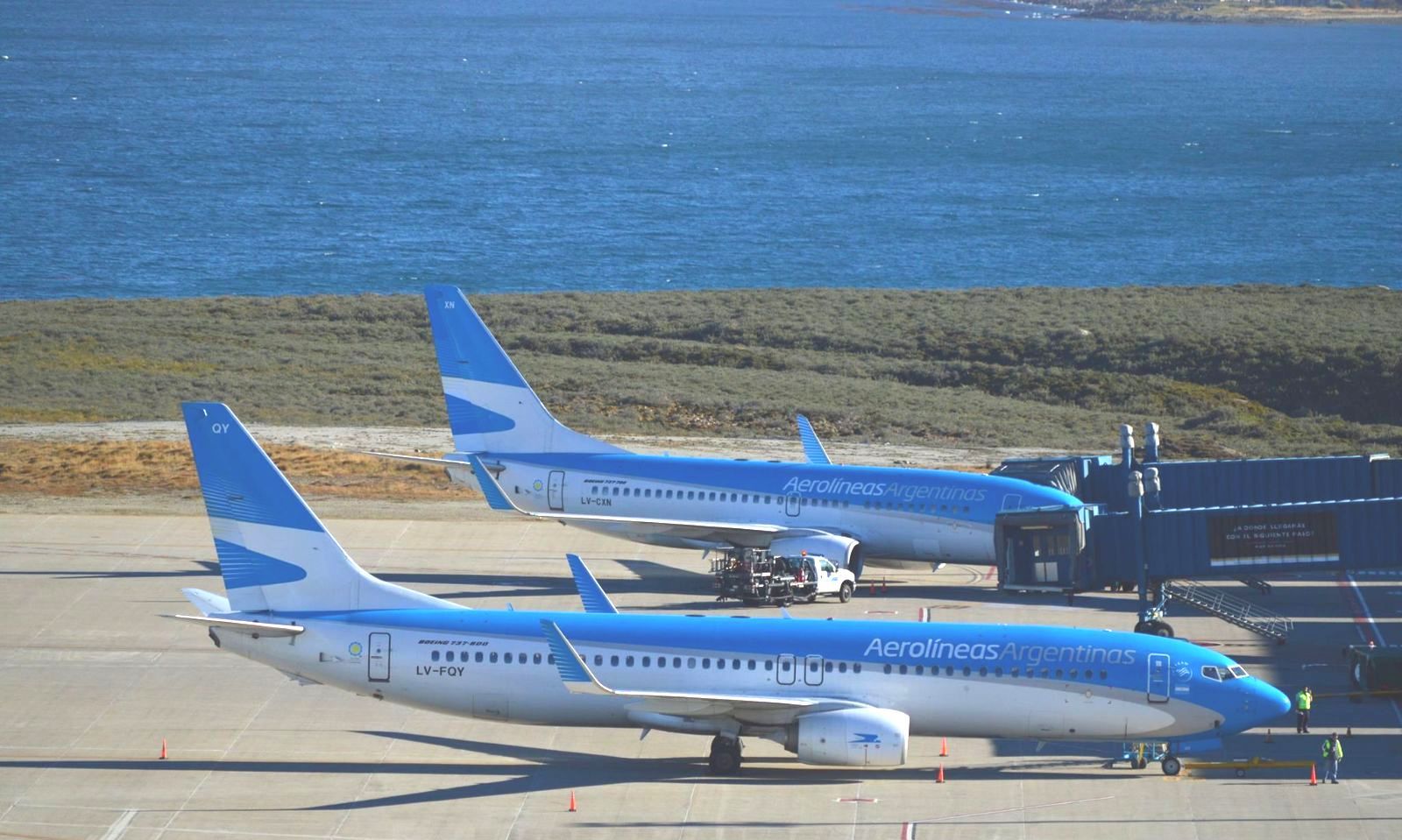
Aerolíneas Argentinas pedirá expulsión de Pablo Biró del directorio

La Secretaría de Transporte de Argentina, accionista principal de Aerolíneas Argentinas ha informado que accionará contra el dirigente Pablo Biró, actual titular de la Asociación de Pilotos de Líneas Aéreas (APLA), según la compañía, las medidas de fuerza le provocaron a la línea aérea de bandera pérdidas por más de US$ 2 millones de Dólares. Tras las medidas de fuerza realizadas por los gremios aeronáuticos en las últimas semanas motivadas por un reclamo salarial, que afectaron a miles de pasajeros por la cantidad de vuelos cancelados, Aerolíneas Argentinas comunicó que denunciará a los sindicatos y a sus autoridades a causa de los perjuicios ocasionados, principalmente por el lucro cesante de la operación y por los reclamos de los pasajeros perjudicados. Asimismo indicó que iniciará acciones legales para expulsar a Pablo Biró del Directorio de la línea aérea.

“Por sus manifestaciones públicas y su accionar directo en contra de los intereses de la empresa, [Pablo] Biró actuó en forma desleal en contra de la propia empresa y es responsable, ilimitada y solidariamente, por los daños y perjuicios que resultaren de su acción u omisión, de acuerdo al artículo 59 de la Ley General de Sociedades. Por esta razón, por pedido de la Secretaría de Transporte, accionista principal de la compañía, se tomarán las acciones necesarias para comenzar el proceso de expulsión de dicho órgano”, expresaron en el comunicado oficial del Gobierno.

Actualmente, el titular de APLA integra el directorio de Aerolíneas Argentinas, como único representante de los trabajadores en la empresa estatal, desde comienzos de 2019. El pedido de su destitución del cargo deberá ser tratado por el Comité Ejecutivo y el mismo directorio.

Para las autoridades de la empresa estatal, los paros recientes liderados por APLA y por la Asociación Argentina de Aeronavegantes (AAA), que originalmente habían sido denominadas por los sindicalistas como asambleas informativas, provocaron a la empresa aérea de bandera pérdidas por más de US$ 2 millones de Dólares. Debido a ello, Aerolíneas Argentinas demandará a los gremios involucrados y a sus titulares, Pablo Biró por APLA y Juan Pablo Brey por Aeronavegantes (AAA).

“El caso de Biró implica, además, una responsabilidad mayor por formar parte del directorio de Aerolíneas Argentinas. Continuaremos denunciando todo tipo de medida gremial que esté deliberadamente diseñada para perjudicar a los pasajeros”, resaltó el comunicado. Por otra parte, y debido a estas medidas de fuerza, se realizaron más de 400 descuentos a pilotos, copilotos y tripulantes por incumplir con sus tareas y afectar la programación de vuelos de la compañía. Estas rebajas son de un promedio de AR$ 150.000 Pesos por día para pilotos, y de AR$ 50.000 Pesos por día para Tripulantes.

Después de varias semanas de asambleas donde durante alrededor de tres horas había retención de tareas de parte de los sindicalistas, el Viernes 06/09 hubo un paro aeronáutico que afectó a más de 160 vuelos y cerca de 16.000 pasajeros. El eje de la pulseada es la recomposición salarial: los gremios denuncian una caída de 72% en el poder adquisitivo de sus salarios desde Noviembre 2023 a la actualidad.

Sindicalistas denunciados por Aerolíneas
Asociación de Pilotos de Líneas Aéreas (APLA)
Pablo Biró es el titular de los Pilotos desde hace doce años. Integra la CGT y fue un acérrimo opositor a la política de Cielos Abiertos que impulsó Mauricio Macri durante su gestión. Tuvo también un enfrentamiento con Alberto Fernández y ahora es uno de los impulsores del reclamo contra la gestión de Javier Milei. Se opone al desembarco de las líneas low-cost.

Asociación Argentina de Aeronavegantes (AAA)
Pablo Brey es el Titular de la Asociación Argentina de Aeronavegantes y pieza de liderazgo de Hugo Moyano. El sindicato tiene 3.000 afiliados y su mandato finaliza en 2027. Es Secretario de Deportes de la CGT y lideró la Juventud Sindical. No se opone al desembarco de las low-cost, pero presiona para que se aplique el Convenio Colectivo de Trabajo como sucede en Aerolíneas Argentinas.

En este marco, los gremios aeronáuticos convocaron a una asamblea que se realizará el Miércoles 11/09 en la sede de Aeronavegantes para definir los próximos pasos en el plan de lucha. “La magnitud del conflicto desatado alrededor de la negociación salarial escaló a un nivel que dejó al descubierto las verdaderas intenciones que tiene el Gobierno respecto al futuro de Aerolíneas Argentinas, Intercargo y la política aerocomercial de nuestro país”, resaltaron desde el gremio aeronáutico.

Mientras las negociaciones salariales siguen sin avances, Aerolíneas Argentinas ha reiterado su compromiso de evitar más interrupciones en su servicio y advirtió que continuará denunciando cualquier medida gremial que afecte sus operaciones.

Aerolíneas denounces unions

Aerolíneas will request expulsion Pablo Biró from the board of directors

The Argentine Ministry of Transport, the main shareholder of Aerolíneas Argentinas, has announced that it will take action against the leader Pablo Biró, current head of the Association of Airline Pilots (APLA). According to the company, the force measures caused the flag carrier losses of more than US$ 2 million. Following the force measures carried out by the aeronautical unions in recent weeks motivated by a salary claim, which affected thousands of passengers due to the number of cancelled flights, Aerolíneas Argentinas announced that it will denounce the unions and their authorities due to the damages caused, mainly due to the loss of profits from the operation and the claims of the affected passengers. It also indicated that it will initiate legal actions to expel Pablo Biró from the Board of Directors of the airline.

“Due to his public statements and his direct actions against the interests of the company, [Pablo] Biró acted unfairly against the company itself and is jointly and severally liable for any damages resulting from his action or omission, in accordance with Article 59 of the General Law of Companies. For this reason, at the request of the Ministry of Transport, the main shareholder of the company, the necessary actions will be taken to begin the process of expulsion from said body”, they said in the official statement from the Government.

Currently, the head of APLA is a member of the board of directors of Aerolíneas Argentinas, as the only representative of the workers in the state company, since the beginning of 2019. The request for his dismissal from office must be dealt with by the Executive Committee and the board itself.

According to the authorities of the state-owned company, the recent strikes led by APLA and the Argentine Association of Flight Attendants (AAA), which had originally been called by the unionists as informational meetings, caused the national airline losses of more than US$ 2 million. Because of this, Aerolíneas Argentinas will sue the unions involved and their heads, Pablo Biró for APLA and Juan Pablo Brey for Aeronavegantes (AAA).

“Biró’s case also implies a greater responsibility for being part of the board of directors of Aerolíneas Argentinas. We will continue to denounce all types of union measures that are deliberately designed to harm passengers”, the statement said. On the other hand, and due to these strikes, more than 400 discounts were made to pilots, co-pilots, and crew members for failing to perform their duties and affecting the company’s flight schedule. These reductions are an average of AR$ 150,000 pesos per day for pilots, and AR$ 50,000 pesos per day for crew members.

After several weeks of meetings where for around three hours there was a work stoppage by union members, on Friday 06/09 there was an aeronautical strike that affected more than 160 flights and nearly 16,000 passengers. The crux of the dispute is the salary recomposition: the unions denounce a 72% drop in the purchasing power of their salaries from November 2023 to the present.

Union members denounced by Aerolíneas
Airline Pilots Association (APLA)
Pablo Biró has been the head of the Pilots for twelve years. He is a member of the CGT and was a staunch opponent of the Open Skies policy promoted by Mauricio Macri during his administration. He also had a confrontation with Alberto Fernández and is now one of the promoters of the claim against Javier Milei’s management. He opposes the arrival of low-cost airlines.

Argentine Association of Aeronavegantes (AAA)
Pablo Brey is the Head of the Argentine Association of Aeronavegantes and a leader of Hugo Moyano. The union has 3,000 members and its mandate ends in 2027. He is Secretary of Sports of the CGT and led the Trade Union Youth. He does not oppose the arrival of low-cost airlines, but he is pushing for the Collective Labor Agreement to be applied as happens in Aerolíneas Argentinas.

In this framework, the aeronautical unions called for an assembly to be held on Wednesday 11/09 at the headquarters of Aeronavegantes to define the next steps in the struggle plan. «The magnitude of the conflict surrounding the salary negotiations has escalated to a level that has revealed the true intentions of the Government regarding the future of Aerolíneas Argentinas, Intercargo, and the aerocommercial policy of our country», the aeronautical union stressed.

While wage negotiations remain without progress, Aerolíneas Argentinas has reiterated its commitment to avoid further interruptions in its service and warned that it will continue to denounce any union action that affects its operations.

PUBLISHER: Airgways.com
DBk: Argentina.gob.ar / Aerolineas.com / Airgways.com
AW-POST: 202409101030AR
OWNERSHIP: Airgways Inc.
A\W A I R G W A Y S ®

Air Belgium aproxima quiebra

AW | 2024 09 09 10:35 | AIRLINES / GOVERNMENT

Aerolínea belga busca una salida de Acreedores

La aerolínea de Bélgica Air Belgium busca una salida económica antes del vencimiento del plazo del acogimiento de la Convocatoria de Acreedores un año atrás. La compañía aérea había suspendido sus operaciones de vuelos en 2023, mientras se enfrenta a una semana crítica tras no haber conseguido inversionistas como respaldo financiero.

Los representantes de Air Belgium comparecieron ante el Tribunal Comercial de Nivelles el 3 de Septiembre de 2024, donde se le concedieron a la aerolínea dos semanas más para encontrar una solución. El diario L’Echo ha comunicado que Air Belgium ha estado protegida de sus acreedores durante un año como parte de una Reorganización Judicial, un procedimiento que permite a una empresa con problemas financieros reestructurarse. Air Belgium necesita alrededor de € 18 millones de Euros/US$ 19.6 millones de Dólares a corto plazo, pero sin esa inversión, la quiebra es probablemente inevitable.

La aerolínea china Sichuan Airlines había sido considerada como un posible inversionista en Air Belgium, pero desestimó su interés. El Tribunal belga dio más tiempo a la aerolínea después de que apareciera un nuevo inversor después de la fecha límite.

En Septiembre de 2023, Air Belgium anunció que suspendía sus operaciones de vuelos de pasajeros para centrarse en el transporte de mercancías y los servicios de aeronaves, tripulación, mantenimiento y seguros (ACMI).

Air Belgium fundada en 2016 es una aerolínea chárter y de carga con sede en Mont-Saint-Guibert y sede en el Aeropuerto de Bruselas.​Inicialmente, conectaba Bélgica con Asia. Sin embargo, desde 2022, la aerolínea reorientó su red hacia África, con destinos que incluyen Sudáfrica y Mauricio.

Air Belgium nears bankruptcy

Belgian airline seeks exit from creditors

Belgian airline Air Belgium is seeking an economic exit before the deadline for filing for creditors expires a year ago. The airline had suspended its flight operations in 2023, while facing a critical week after failing to secure investors as financial backing.

Representatives of Air Belgium appeared before the Nivelles Commercial Court on September 3, 2024, where the airline was granted two more weeks to find a solution. The daily L’Echo has reported that Air Belgium has been protected from its creditors for a year as part of a Judicial Reorganisation, a procedure that allows a financially troubled company to restructure itself. Air Belgium needs around € 18 million Euros/US$ 19.6 million Dollars in the short term, but without that investment, bankruptcy is likely inevitable.

Chinese airline Sichuan Airlines had been considered as a potential investor in Air Belgium, but dismissed its interest. The Belgian court gave the airline more time after a new investor emerged after the deadline.

In September 2023, Air Belgium announced that it was suspending its passenger flight operations to focus on freight transport and aircraft, crew, maintenance, and insurance (ACMI) services.

Air Belgium founded in 2016 is a charter and cargo airline based in Mont-Saint-Guibert and based at Brussels Airport.​Initially, it connected Belgium with Asia. However, since 2022, the airline reoriented its network towards Africa, with destinations including South Africa and Mauritius.

PUBLISHER: Airgways.com
DBk: Airbelgium.com / Airgways.com
AW-POST: 202409091035AR
OWNERSHIP: Airgways Inc.
A\W A I R G W A Y S ®

PRO proyecto privatización Aerolíneas

AW | 2024 09 09 09:31 | AIRLINES / GOVERNMENT

PRO presenta proyecto para privatizar Aerolíneas Argentinas

El bloque de Diputados del PRO presentó un proyecto para privatizar Aerolíneas Argentinas, en el medio de un programa de medidas de fuerza de los pilotos para reclamar aumentos salariales, que afectó a alrededor de 15.000 pasajeros.

El proyecto había sido incluido por el Gobierno en la Ley Bases. Sin embargo, tuvieron que dar marcha atrás durante las negociaciones para su aprobación en el Congreso.

El Diputado PRO por la Provincia de Buenos Aires, Hernán Lombardi, fue el encargado de presentar el texto, junto a otros veinte legisladores del partido. Según argumentaron, viajar en la aerolínea se convirtió en los últimos años en «un privilegio para unos pocos, financiado por aquellos que apenas pueden cubrir sus necesidades básicas. Para muchos que intentan acceder a este servicio, el alto costo de los pasajes, sumado a la escasa oferta de rutas aéreas, representó un obstáculo significativo», aseguraron.

Privatización de Aerolíneas Argentinas
Para el PRO, la privatización de la línea aérea es la manera para que funcione «bajo criterios de eficiencia comercial, mejorando la calidad del servicio y generando un ambiente más competitivo a todos los ciudadanos». Otro de los argumentos del PRO que conduce Mauricio Macri fue el de adjudicar la ineficiencia a los años de corrupción dentro de la aerolínea y el «uso de la empresa como un nicho para acomodar militancia partidaria y la extorsión por parte de algunos sindicatos, algo que le costó millones de Dólares a todos los argentinos».

Aerolíneas Argentinas finalizó el 2023 con el récord máximo de pasajeros transportados desde su fundación en 1950. La compañía transportó 12,9 millones de 2019, superando en el transcurso del 2024 unos 13,8 millones de pasajeros.

PRO project privatization of Aerolíneas

PRO presents project to privatize Aerolíneas Argentinas

The PRO block of Deputies presented a project to privatize Aerolíneas Argentinas, in the middle of a program of force measures by pilots to demand salary increases, which affected around 15,000 passengers.

The project had been included by the Government in the Ley Bases. However, they had to back down during the negotiations for its approval in Congress.

The PRO Deputy for the Province of Buenos Aires, Hernán Lombardi, was in charge of presenting the text, along with twenty other legislators from the party. According to their arguments, traveling on the airline became in recent years «a privilege for a few, financed by those who can barely cover their basic needs. For many who try to access this service, the high cost of tickets, added to the scarce offer of air routes, represented a significant obstacle», they said.

Privatization of Aerolíneas Argentinas
For the PRO, the privatization of the airline is the way for it to operate «under criteria of commercial efficiency, improving the quality of service and generating a more competitive environment for all citizens». Another of the arguments of the PRO led by Mauricio Macri was to attribute the inefficiency to the years of corruption within the airline and the «use of the company as a niche to accommodate party militancy and extortion by some unions, something that cost millions of dollars to all Argentines».

Aerolíneas Argentinas ended 2023 with the highest record of passengers transported since its foundation in 1950. The company transported 12.9 million in 2019, surpassing some 13.8 million passengers in 2024.

PUBLISHER: Airgways.com
DBk: Pro.com.ar / Diputados.gov.ar / Airgways.com
AW-POST: 202409090931AR
OWNERSHIP: Airgways Inc.
A\W A I R G W A Y S ®

Argentina cancela El Palomar

AW | 2024 09 05 17:03 | AIRPORTS / AVIATION ORGANISMS / AIRLINES MARKET / GOVERNMENT

Gobierno confirma cierre aerocomercial Aeropuerto El Palomar

El Gobierno de Argentina ha comunicado oficialmente el cierre del Aeropuero El Palomar (EPA) para opecaciones aerocomerciales debido al escaso interés generado para líneas aéreas low cost. El Secretario de Transporte Franco Monetta ha expresado: «No existe ninguna línea aérea interesada», explicaron desde desde la cartera ante un reclamo del Partido PRO.

El Aeropuerto El Palomar fue fundado el 20 de Julio de 1910 com Base Aérea Militar. El Gobierno de Mauricio Macri permitió introducir cambios en el transporte aéreo permitiendo reinaugurar y reutilizar la aeroestación para operaciones aerocomerciales el 9 de Febrero de 2018, que llegaron hasta Febrero 2020, cancelando las operaciones de líneas aéreas.

En las preguntas dirigidas al Jefe de Gabinete de Ministros de la Nación Argentina, Guillermo Francos, para su informe de gestión, Diputados del PRO reclamaron al Gobierno Nacional explicaciones sobre los planes para la terminal aérea que fue una bandera del Gobierno PRO de Mauricio Macri. La Secretaría de Transporte, que conduce Franco Mogetta, respondió que «el Aeropuerto de Palomar nunca ha estado cerrado ni inhabilitado comercialmente por esta gestión. Simplemente hasta la fecha no existe ninguna línea aérea interesada de todas aquellas a las que se les ha ofrecido por ejemplo, Flybondi o JetSmart», dice en la respuesta enviada al Congreso.

La reapertura de la terminal de la zona Oeste del Conurbano Bonaerense era una bandera insignia de la gestión del PRO en el Gobierno de Mauricio Macri, mientras que el Gobierno de Alberto Fernández cerró en Febrero de 2020 las operaciones aerocomerciales, trasladando en parte las operaciones hacia Aeroparque y Ezeiza.

El traslado de las operaciones de las líneas aéreas low cost de El Palomar hacia Aeroparque ha traido mejoras para los usuarios del transporte de bajas tarifas, al tiempo que ha disminuido el interés por restablecer los vuelos en la aeroestación del conurbano Bonaerense. Flybondi y JetSMART han desestimado restablecer las rutas aéreas desde El Palomar en favor de Aeroparque y Ezeiza que les ha resultado muy beneficioso en términos operativos. La falta de interés de las aerolíneas en la terminal, sumado a las deficiencias operativas, harían necesarias inversiones para reabrirlo.

La posible reapertura de El Palomar era inscripta como parte del plan de desregulación del mercado aerocomercial del presente Gobierno de Javier Milei para volver a los cielos abiertos, mientras que ninguna línea aérea ha anunciado el interés de volar desde El Palomar. Después de una larga batalla por el icónico primer aeropuerto low cost de Sudamérica, el mercado aéreo de estos tiempos ha decidido centralizar las operaciones en el Aeropuerto Buenos Aires/Jorge Newbery.

Argentina cancels El Palomar

Government confirms closure of El Palomar Airport

The Government of Argentina has officially announced the closure of El Palomar Airport (EPA) for commercial air operations due to the low interest generated by low-cost airlines. The Secretary of Transportation Franco Monetta has stated: «There is no airline interested,» the ministry explained in response to a claim from the PRO Party.

El Palomar Airport was founded on July 20, 1910, as a Military Air Base. The Government of Mauricio Macri allowed changes to be made to air transport, allowing the airport to be reopened and reused for commercial air operations on February 9, 2018, which lasted until February 2020, cancelling airline operations.

In the questions addressed to the Chief of Cabinet of Ministers of the Argentine Nation, Guillermo Francos, for his management report, PRO Deputies demanded from the National Government explanations about the plans for the air terminal that was a flagship of the PRO Government of Mauricio Macri. The Secretary of Transportation, led by Franco Mogetta, responded that «the Palomar Airport has never been closed or commercially disabled by this administration. Simply, to date there is no interested airline of all those to which it has been offered, for example, Flybondi or JetSmart», it says in the response sent to Congress.

The reopening of the terminal in the western area of ​​the Greater Buenos Aires was a flagship of the PRO administration in the Government of Mauricio Macri, while the Government of Alberto Fernández closed commercial air operations in February 2020, partially moving operations to Aeroparque and Ezeiza.

The transfer of low-cost airline operations from El Palomar to Aeroparque has brought improvements for low-fare transport users, while at the same time interest in re-establishing flights at the Buenos Aires metropolitan airport has diminished. Flybondi and JetSMART have rejected re-establishing air routes from El Palomar in favor of Aeroparque and Ezeiza, which has been very beneficial to them in operational terms. The lack of interest from airlines in the terminal, added to operational deficiencies, would make investments necessary to reopen it.

The possible reopening of El Palomar was included as part of the deregulation plan of the current Javier Milei Government’s air market to return to open skies, while no airline has announced interest in flying from El Palomar. After a long battle for the iconic first low-cost airport in South America, the air market of these times has decided to centralize operations at the Buenos Aires/Jorge Newbery Airport.

PUBLISHER: Airgways.com
DBk: Argentina.gob.ar / Airgways.com
AW-POST: 202409051703AR
OWNERSHIP: Airgways Inc.
A\W A I R G W A Y S ®
Plan inversión Schiphol

AW | 2024 09 05 11:47 | AIRPORTS / GOVERNMENT / AIRLINES

Amsterdam/Schiphol esboza plan inversión próximos cinco años

El Aeropuerto de Amsterdam/Schiphol (AMS) ha anunciado el mayor plan de inversión en la historia del aeropuerto neerlandés. El Royal Schiphol Group dijo que se invertirán un total de € 6.000 millones de Euros entre el período 2024—2029, con obras que incluyen la renovación/mantenimiento de instalaciones como el Muelle C, sistemas de climatización, escaleras mecánicas, paradas de aviones y calles de rodaje.

Se encuentra previsto que en 2026 comiencen las obras de un nuevo sótano de equipajes: el proyecto se anunció en enero del año pasado y se ubicará bajo el emplazamiento donde se podría construir una terminal totalmente nueva. El retrasado Muelle A del aeropuerto está programado para abrir en Abril de 2027, ofreciendo un total de ocho puertas de fuselaje estrecho y ancho, así como filtros de seguridad, instalaciones de control fronterizo y puntos de venta minoristas y de alimentos y bebidas en tres pisos.

La plan de mejoras arriba cuando Schiphol informó de cifras de tráfico de pasajeros de 31,8 millones para el primer semestre de 2024, un 11% más que en el mismo período de 2023, pero aún por debajo de los 34,5 millones de pasajeros recibidos en el primer semestre de 2019. El aeropuerto informado que las cifras de tráfico mensual de 2024 se acercan cada vez más a los niveles anteriores a Covid-19, mientras que en los días pico durante el período de Mayo y verano europeo ha desarrollado más tráfico de pasajeros que en 2019.

El CEO de Amsterdam/Schiphol, Pieter van Oord, quien se unió a Royal Schiphol Group a principios de 2024, dijo: «En mis primeros tres meses, estoy impresionado por la resiliencia y la pasión de nuestros colegas. Estamos orgullosos de cumplir una vez más nuestro papel crucial en la conexión de los Países Bajos con el resto del mundo. Todos los días, nuestros colegas hacen todo lo posible por los pasajeros. Ellos marcan la diferencia, con un exitoso mayo y unas vacaciones de verano como buenos ejemplos.

Desafortunadamente, no les ayuda el estado de nuestra infraestructura. Nuestra infraestructura es la base de nuestro servicio, pero actualmente está lejos de lo que queremos ofrecer a nuestros pasajeros como aeropuerto de calidad en los Países Bajos. Tenemos un importante plan de inversión de 6.000 millones de dólares porque es crucial devolver la satisfacción de los pasajeros y el mejor servicio a nuestras aerolíneas.

Al mismo tiempo, necesitamos restablecer el equilibrio entre los beneficios y las cargas de Schiphol. Estamos y seguiremos comprometidos a reducir nuestro impacto acústico en nuestro entorno y a mejorar las condiciones de trabajo de todos los empleados en nuestro aeropuerto».

AEROPUERTO AMSTERDAM/SCHIPHOL (AMS)

Royal Schiphol Group es una empresa aeroportuaria con una importante tarea socioeconómica. Royal Schiphol Group es el propietario y operador del aeropuerto de Amsterdam-Schiphol, el aeropuerto de Róterdam-La Haya y el Aeropuerto de Lelystad, y posee una participación mayoritaria en el Aeropuerto de Eindhoven. Los aeropuertos del Grupo crean valor para la sociedad y la economía, siendo la seguridad un factor clave. Junto con nuestras actividades internacionales, los aeropuertos holandeses de Schiphol Group forman parte de nuestro «Connecting your world».

Reducciones vuelos AMS
El Gobierno de los Países Bajos ha anunciado una reducción sencible de los vuelos en el Aeropuerto Amsterdam/Schiphol. Los movimientos de vuelos del Aeropuerto de Schiphol se reducirán de 500.000 a 475.000-485.000 anuales para Noviembre de 2025. Las reducciones tienen como objetivo cumplir los objetivos climáticos y disminuir la contaminación acústica mediante la reducción del 3-5% de los vuelos. La principal aerolínea holandesa KLM Airlines ha elogiado la decisión del Gobierno holandés como un enfoque equilibrado, al tiempo que expresa su preocupación por las posibles consecuencias.

La aerolínea de bandera holandesa, KLM, ha acogido con satisfacción el modesto plan del Gobierno holandés para reducir los movimientos anuales de vuelos en el principal aeropuerto del país. La reducción es menos drástica de lo que se esperaba y hará que los movimientos caigan del máximo actual de alrededor de 500.000 anuales a entre 475.000 y 485.000. Ha habido temores de que el impulso de la calidad del Aeropuerto Amsterdam/Schiphol pueda aumentar las tarifas aéreas.

El nuevo límite del tráfico aéreo entrará en vigor a partir de Noviembre de 2025, al inicio de la temporada de vuelos de invierno europeo. Los recortes se describen como modestos y solo recortarán entre el 3% y el 5% de los movimientos de vuelos del aeropuerto. También reducirá los vuelos nocturnos del límite actual de 32.000 vuelos a 27.000 vuelos. El Ministerio holandés declaró: «Este paquete reducirá la contaminación acústica alrededor de Schiphol en un 17 por ciento». Esto es significativamente menos de lo que había querido el Gabinete anterior. Ese gabinete quería un límite de 460.000 a 470.000 movimientos, incluida la disminución del número de vuelos nocturnos de 32.000 a 27.000. KLM ha presentado previamente un plan de reducción de ruido para el aeropuerto.

KLM emitió un comunicado en el que calificó las medidas del gabinete como un «enfoque equilibrado». KLM declaró: «Es importante que el proceso de enfoque equilibrado se complete cuidadosamente. Es positivo que se hayan adoptado una serie de medidas del plan sectorial ‘más limpio, más silencioso y más eficiente’, que cuenta con un amplio apoyo».

La aerolínea KLM Airlines señaló que las operaciones de los aviones son importantes para la economía holandesa, al tiempo que planteó sus preocupaciones. «A KLM le preocupa que la posible pérdida de franjas horarias históricas pueda dar lugar a medidas de represalia por parte de otros países, lo que resultaría en la pérdida de conexiones importantes para los Países Bajos como país de comercio internacional», expresó la aerolínea en su comunicado. Mientras tanto, remarca que es muy importante la responsabilidad de limitar la contaminación acústica.

Las reducciones se deben en parte al deseo del Gobierno neerlandés de cumplir con los objetivos de cambio climático, así como de reducir la contaminación acústica para los residentes de la zona. El gobierno holandés señaló que KLM y Transavia se han comprometido a utilizar aviones más silenciosos por la noche. El aeropuerto de Schiphol ha declarado anteriormente que aumentará significativamente las tarifas para los aviones más ruidosos.

Amsterdam/Schiphol es el segundo aeropuerto más grande de la Unión Europea, y un gran porcentaje de sus vuelos son internacionales. El Estado neerlandés posee casi el 70% de la empresa matriz del aeropuerto, Royal Schiphol Group, junto con el 9,1 % del grupo Air France-KLM, la empresa matriz de KLM Airlines.

Schiphol investment plan

Amsterdam/Schiphol outlines five-year investment plan

Amsterdam Airport/Schiphol (AMS) has announced the largest investment plan in the history of the Dutch airport. The Royal Schiphol Group said a total of €6 billion will be invested between 2024—2029, with works including the renovation/maintenance of facilities such as Pier C, HVAC systems, escalators, aircraft stops and taxiways.

Work on a new baggage depot is scheduled to begin in 2026 the project was announced in January last year and will be located beneath the site where a completely new terminal could be built. The airport’s long-delayed Pier A is scheduled to open in April 2027, offering a total of eight narrow- and wide-body gates, as well as security screening, border control facilities and retail and food and beverage outlets on three floors.

The improvement plan came as Schiphol reported passenger traffic figures of 31.8 million for the first half of 2024, up 11% on the same period in 2023 but still below the 34.5 million passengers received in the first half of 2019. The airport reported that monthly traffic figures for 2024 are increasingly approaching pre-Covid-19 levels, while on peak days during the May and European summer period it has developed more passenger traffic than in 2019.

Amsterdam/Schiphol CEO Pieter van Oord, who joined Royal Schiphol Group at the beginning of 2024, said: «In my first three months, I am impressed by the resilience and passion of our colleagues. We are proud to once again fulfil our crucial role in connecting the Netherlands to the rest of the world. Every day, our colleagues go above and beyond for passengers. They make the difference, with a successful May and a summer holiday are good examples.

Unfortunately, they are not helped by the state of our infrastructure. Our infrastructure is the foundation of our service, but it is currently far from what we want to offer our passengers as a quality airport in the Netherlands. We have a major investment plan of 6 billion dollars because it is crucial to bring passenger satisfaction and the best service back to our airlines.

At the same time, we need to restore the balance between the benefits and burdens of Schiphol. We are and will remain committed to reducing our noise impact on our environment and improving the working conditions of all employees at our airport».

Royal Schiphol Group is an airport company with an important socio-economic task. Royal Schiphol Group is the owner and operator of Amsterdam Airport Schiphol, Rotterdam The Hague Airport, and Lelystad Airport, and holds a majority stake in Eindhoven Airport. The Group’s airports create value for society and the economy, with safety being a key factor. Alongside our international activities, the Schiphol Group’s Dutch airports are part of our «Connecting your world».

AMS Flight Reductions
The Dutch Government has announced a significant reduction in flights at Amsterdam/Schiphol Airport. Flight movements at Schiphol Airport will be reduced from 500,000 to 475,000-485,000 annually by November 2025. The reductions are aimed at meeting climate targets and reducing noise pollution by reducing flights by 3-5%. Dutch major carrier KLM Airlines has praised the Dutch Government’s decision as a balanced approach, while expressing concern about the potential consequences.

The Dutch flag carrier KLM has welcomed the Dutch Government’s modest plan to reduce annual flight movements at the country’s main airport. The reduction is less drastic than expected and will see movements fall from the current peak of around 500,000 annually to between 475,000 and 485,000. There have been fears that the boost to quality at Amsterdam/Schiphol Airport could increase airfares.

The new air traffic cap will come into effect from November 2025, at the start of the European winter flight season. The cuts are described as modest and will only cut between 3% and 5% of the airport’s flight movements. It will also reduce night flights from the current cap of 32,000 flights to 27,000 flights. The Dutch ministry stated: «This package will reduce noise pollution around Schiphol by 17 percent». This is significantly less than the previous Cabinet had wanted. That Cabinet wanted a cap of 460,000 to 470,000 movements, including decreasing the number of night flights from 32,000 to 27,000. KLM has previously submitted a noise reduction plan for the airport.

KLM issued a statement calling the cabinet’s measures a «balanced approach». KLM said: «It is important that the balanced approach process is carefully completed. It is positive that a number of measures from the ‘cleaner, quieter and more efficient’ sector plan, which has broad support, have been adopted».

KLM Airlines noted that aircraft operations are important to the Dutch economy, while raising concerns. «KLM is concerned that the potential loss of historic slots could lead to retaliatory measures by other countries, resulting in the loss of important connections for the Netherlands as an international trading country», the airline said in its statement. Meanwhile, it stresses that the responsibility to limit noise pollution is very important.

The reductions are partly due to the Dutch government’s desire to meet climate change goals, as well as to reduce noise pollution for residents in the area. The Dutch government noted that KLM and Transavia have committed to using quieter aircraft at night. Schiphol Airport has previously stated that it will significantly increase fees for noisier aircraft.

Amsterdam/Schiphol is the second largest airport in the European Union, and a large percentage of its flights are international. The Dutch state owns almost 70% of the airport’s parent company, Royal Schiphol Group, along with 9.1% of the Air France-KLM group, the parent company of KLM Airlines.

PUBLISHER: Airgways.com
DBk: Schiphol.nl / Klm.com / Evert Elzinga / Airgways.com
AW-POST: 202409051147AR
OWNERSHIP: Airgways Inc.
A\W A I R G W A Y S ®