Programa integral aviación rusa

AW | 2022 12 06 02:50 | INDUSTRY / GOVERNMENT

Industria aeronáutica rusa busca renacer

El programa integral para el desarrollo de la industria del transporte aéreo de la Federación de Rusia hasta 2030 asume que los aviones nacionales ocuparán más del 80% de la flota de las aerolíneas rusas. El Presidente del Gobierno de la Federación de Rusia, Mikhail Mishustin, en una reunión celebrada el 27 de Junio de 2022 con los viceprimeros ministros, anunció la adopción de la Orden del Gobierno de la Federación de Rusia No. 1693-r del 25 de Junio de 2022, que aprobó el Programa Integral para el Desarrollo de la Industria del Transporte Aéreo de la Federación de Rusia hasta 2030. La necesidad de crear dicho documento se declaró durante una reunión sobre el desarrollo del transporte aéreo y la construcción de aviones, presidida por el presidente ruso Vladimir Putin el 31 de Marzo de 2022. Una de las instrucciones posteriores a la reunión sugirió que el Gobierno debería aprobar un programa integral antes del 1 de Junio de 2022 y garantizar su implementación. Según informaron los medios de comunicación, a finales de abril, el Ministerio de Transporte preparó la primera versión del documento, que, sin embargo, fue enviado para su revisión. La segunda versión del programa, enviada al Gobierno a finales de mayo, incluía una previsión que preveía un aumento de los indicadores de volumen.

El Programa Integrado es un documento de 30 páginas que contiene seis anexos. Los autores del programa evaluaron la situación actual en la aviación civil y la industria de la aviación de Rusia, incluida la previsión del volumen de transporte aéreo, realizaron un análisis de la flota de aviones, evaluaron las perspectivas de mantener su aeronavegabilidad, identificaron tipos prioritarios de aviones nacionales, debido a lo cual se actualizará la flota.

Los indicadores volumétricos para el transporte en rutas nacionales e internacionales, según las previsiones, deberían aumentar constantemente. Para 2022, los indicadores se establecen por directiva. Las aerolíneas tendrán que atender a 90 millones de pasajeros en aerolíneas nacionales y 10 millones de pasajeros en aerolíneas internacionales (MVL). Al final del programa, el transporte en VVL debería alcanzar los 104,5 millones de pasajeros, y en MVL 11,6 millones. Por lo tanto, según el documento, la industria restaurará el volumen de tráfico alcanzado en 2021 en 111 millones de pasajeros, para aumentarlo hacia 2029. Las cifras récord de 2019 (128 millones de pasajeros fueron transportados) en el horizonte del programa seguirán siendo insuperables.

La recuperación de los indicadores de volumen en VVL se producirá a un ritmo moderado: del 1,2% en 2023 al 3% en 2030. Para el mercado nacional de transporte aéreo, tales tasas no son típicas: desde principios de siglo, la industria ha mostrado un crecimiento mucho más intensivo o, en tiempos de crisis, una disminución a gran escala. Pero incluso teniendo en cuenta tal repunte, la tasa promedio de aumento en el tráfico de pasajeros fue mayor.

Los autores del documento señalan que la naturaleza del transporte en líneas nacionales no cambiará radicalmente: la configuración de la red de rutas, que se ha desarrollado para 2021-2022, les parece óptima. En total, se sirvieron 4.340 rutas en el VVL en 2021, pero alrededor de 480 de ellas proporcionaron el 95% del tráfico total de pasajeros nacionales. Sin embargo, la pregunta sobre la configuración de la red de rutas sigue abierta: a principios de 2022, la participación del centro de aviación de Moscú era muy grande, por lo que algunos de los pasajeros que viajaban desde los puntos de partida en los Urales o Siberia llegaron a Moscú para continuar el viaje en vuelos internacionales, o en dirección sur. Actualmente, Moscú se está convirtiendo en un destino sin salida: los vuelos a los países de la Unión Europea (UE) se han detenido y es más rentable volar hacia el sur a través de centros regionales.

Estadísticas transporte segundo trimestre

En 2022 los aeropuertos de la capital están perdiendo pasajeros, pero las aero-estaciones siberianas, por el contrario, están aumentando su tráfico de pasajeros. Esta tendencia, si persisten los factores externos actuales, será a largo plazo. Una parte significativa del documento está dedicada a evaluar el estado actual de la flota de aerolíneas rusas y el impacto de las sanciones antirrusas impuestas por varios estados hostiles. En Abril de 2022, la flota de aerolíneas comerciales rusas contaba con 1.287 aviones. La mayor parte de la flota eran buques de pasajeros, había 1.101 de ellos. Otros 84 vehículos son camiones, 42 son aviones de negocios y 60 aviones figuran en la flota en tres instituciones presupuestarias estatales federales, así como en la aerolínea Cosmos y en realidad no participan en el transporte comercial.

Dos tercios de la flota consiste en aviones de fabricación extranjera. Al mismo tiempo, representan alrededor del 95% de la facturación total de pasajeros. Esta distribución es bastante lógica: los aviones extranjeros tienen superioridad en la capacidad total de asientos y se operan en líneas más largas. En abril de 2022, las aerolíneas rusas operaban 120 aviones de larga distancia y 472 de media distancia de producción extranjera, y ni un solo transatlántico nacional de esta dimensión. Pero en los segmentos de corta distancia, máquinas regionales y aviones de líneas aéreas locales, la superioridad estaba del lado de los aviones rusos y soviéticos: 170 aviones nacionales de corta distancia contra 23 automóviles extranjeros, 105 máquinas regionales: 84 extranjeras y 88 aviones de líneas aéreas locales, contra 39.

Un gran número de aviones de las aerolíneas rusas, alrededor de 700 aviones, pertenecen a compañías de arrendamiento extranjeras. La forma más común de transferencia de aeronaves al arrendamiento operativo, en el que al final del contrato de arrendamiento las aeronaves se devuelven al arrendador. Las sanciones impuestas en el primer trimestre de 2022 contra la Federación de Rusia implicaban una prohibición de la venta de aviones y helicópteros, que se aplicaba, entre otras cosas, a los contratos de arrendamiento existentes. Los arrendadores recibieron instrucciones de rescindir los contratos y confiscar las aeronaves en el plazo de un mes hasta finales de Marzo 2022. Además, las sanciones afectaban a dos ámbitos muy sensibles del transporte aéreo: la prohibición del seguro y reaseguro de activos y la prohibición de la prestación de servicios de mantenimiento y reparación de aeronaves, componentes y sistemas. Poco después de la introducción de estas restricciones, los fabricantes de aviones occidentales notificaron a los operadores rusos el cese del apoyo a sus productos y el cese del suministro de piezas de repuesto. En esta situación, aquellas empresas de arrendamiento que no estaban obligadas a romper los acuerdos unilateralmente, violando los acuerdos existentes, exigieron devolver sus activos antes de lo previsto, temiendo una fuerte caída en su valor de mercado.

El transporte aéreo de Rusia se encontró en una situación en la que seguir el ejemplo de Occidente y detener la operación de la mayor parte de la flota de aviones significaba detener las actividades de la industria, poniendo en peligro la conectividad territorial del país y reduciendo drásticamente la movilidad de la población. Obviamente, este enfoque era inaceptable para la aviación civil rusa. Una solución alternativa es negarse a devolver el avión, continuar el cumplimiento de las obligaciones derivadas de los contratos de arrendamiento, aunque en el formato de transferencia de los pagos de arrendamiento en rublos al tipo de cambio actual a cuentas especiales. Fue este enfoque el que aseguró la preservación de la gran mayoría de los aviones en la flota de las transportadoras rusas para Abril de 2022. A su vez, después de que las autoridades de aviación de varios países hostiles decidieran cancelar los certificados de aeronavegabilidad de las aerolíneas rusas, se realizó una transferencia masiva de la flota al registro de aeronaves civiles de la Federación de Rusia, después de lo cual la Agencia Federal de Transporte Aéreo emitió documentos que confirmaban la aeronavegabilidad.

La adopción de medidas de emergencia permitió mantener una capacidad de carga suficiente para que las aerolíneas rusas pudieran continuar operando vuelos en líneas aéreas nacionales, e incluso tenía alguna reserva que puede usarse en el formato de canibalización de la flota. Esto se debe al hecho de que la lista de destinos internacionales disponibles ha disminuido notablemente debido al cierre del espacio aéreo sobre países hostiles. Pero no todos los aviones pueden volar a estados que no apoyan las sanciones: los aviones arrendados pueden ser arrestados en aeropuertos extranjeros.

A pesar de las sanciones, las aerolíneas rusas continúan operando activamente aviones de fabricación extranjera. El Programa Integral presta atención a este problema: en particular, se indica que 241 organizaciones de mantenimiento de aeronaves operan en Rusia, incluidas 34 que recibieron documentos de aprobación en 2022. En cuanto a las reparaciones, se observa que para algunos tipos de aeronaves, el trabajo se realiza exclusivamente en el extranjero. Para los aviones DHC-6 y DHC-8, las soluciones de reparación en Rusia aún están completamente ausentes, y para el Airbus A350 debería aparecer antes de finales de 2022. Las dificultades con la implementación de reparaciones, la obtención de una serie de consumibles, piezas de repuesto, bloques y ensamblajes pueden llevar a la pérdida de aeronavegabilidad de aeronaves individuales. Sin embargo, los autores del documento evalúan este riesgo como moderado: para 2025, al menos el 70% de la composición actual de la flota extranjera debería permanecer en el ala.

Cosecha propia

El principal desarrollo de la industria del transporte aéreo está asociado con el uso de aviones de producción nacional. El programa integral para el período de 2022 a 2030 prevé la recepción de 1.036 aviones y 764 helicópteros a las aerolíneas rusas. Esto incluyen la siguiente lista de futuros aviones: SSJ-NEW (142), MC-21-310 (270), Ilyusin Il-114-300 (70), Tupolev Tu-214 (70), Ilyusin Il-96-300 (12), Ladoga TVRS-44 (140), LET L-410 (178) y Baikal LMS-901 (154). En el área militar/logística: helicópteros Ansat (201) y helicópteros MIL Mi-8AMT/Mi-8MTV-1 (276), MIL Mi-171A2 (66), MIL Mi-171A3 (49), MIL Mi-38 (39), Kamov Ka-62 (90), Kamov Ka-32A11M (37), MIL Mi-26T (5) y Kamov Ka-226 (1). La implementación de tales planes a gran escala para el suministro de aviones nacionales debería permitir aumentar rápidamente la proporción de equipos de fabricación rusa en la flota de las aerolíneas rusas del 35,5% en 2022 al 81,3% en 2030.

El documento contiene indicadores de pronóstico de entregas de aeronaves por año. Con respecto a los aviones, lo primero que llama la atención es el retraso en el arranque. Se planea que los dos primeros SSJ-NEW se transfieran a los operadores en 2023, después de lo cual el ritmo de entregas debería alcanzar los 20 aviones por año. El documento enfatiza que ahora hay un alto grado de impricidad.la orto-dependencia de la industria aeronáutica nacional, sin embargo, se está trabajando activamente en SSJ-NEW destinado a la máxima sustitución de unidades y sistemas de importación, incluida la sustitución del motor principal por el PD-8 nacional. La certificación SSJ-NEW está programada para completarse en 2023. El ritmo declarado de producción de este avión es notablemente más bajo que el ritmo de ensamblaje alcanzado anteriormente del SSJ-100, por lo que es seguro decir que las capacidades de los fabricantes de aviones, incluida la producción de unidades y el ensamblaje final, no limitarán la producción de este revestimiento. En cuanto al motor PD-8, la situación también parece bastante optimista: la empresa Rybinsk «UEC-Saturn» ensambló una mayor cantidad de motores SaM146 con la misma dimensión. En cooperación con otras empresas de United Engine Corporation, se producirán 44 motores PD-8 anualmente.

La situación es diferente con el lanzamiento del avión MC-21-310, cuyas entregas están programadas para 2024 en la cantidad de seis aviones, seguido de un aumento en el número de aviones producidos a 12, 22, 36, 50 y 72 automóviles anualmente. La planta de aviación de Irkutsk, que forma parte de la Corporación Irkut, necesitará comprar máquinas, equipos y dispositivos adicionales para aumentar la producción, y lo más probable es que tenga que centrarse en los suministros de los fabricantes nacionales. La situación es similar para otras empresas que forman parte de cadenas de cooperación. En algunas áreas, no se esperan problemas: por ejemplo, en Rusia, se ha dominado la creación de líneas de producción para el ensamblaje de aviones. Pero en el equipo para la producción de unidades de gran tamaño a partir de materiales compuestos, todavía hay «puntos blancos». Los fabricantes de motores Perm necesitan aumentar la tasa de producción de motores PD-14 de 14 piezas en 2024 a 152 en 2030, mientras que se planea un aumento impresionante en la producción bajo el programa PS-90A, que hoy forma la base de la línea de producción UEC-Perm Motors, sin embargo, no en el marco del Programa Integral. El MC-21 es un avión ubicado en el nicho de mercado más popular, por lo que la tarea de dominar su producción a gran escala es una prioridad indudable para la industria aeronáutica nacional.

Los aviones Tupolev Tu-214, cuyas entregas deberían comenzar en 2023, se consideran una solución de nicho. Por un lado, el Tu-214 es una versión del avión básico Tu-204 con un mayor peso máximo de despegue. Gracias al suministro adicional de combustible, el avión puede realizar vuelos directos sin escalas desde Moscú a Khabarovsk. Incluso la modernización de complejidad moderada de la aeronave, que incluiría el uso de equipos de cabina más modernos, el reemplazo de redes de cable y una serie de otras mejoras, reduciría el peso de la estructura, lo que permitiría que la aeronave se utilizara para vuelos directos a otras ciudades del Lejano Oriente, incluidas Yuzhno-Sakhalinsk, Petropavlovsk-Kamchatsky, Anadyr y otras. Hasta que Irkut construya el MC-21-400 con mayor capacidad de asientos y alcance, el Tu-214 será el único avión ruso de pasillo único capaz de servir a estas rutas. Otro factor que influyó en la resurrección del Tu-214 es su independencia de importación. Es posible implementar la producción en serie de «Tushka» con bastante rapidez.

La decisión de restablecer la producción de aviones IL-96-300 plantea preguntas en la cantidad de dos aviones por año, a partir de 2025. Primero, a diferencia de la versión IL-96-400, activa Obra en la que se lanzó a mediados de la década pasada, el Serie 300 tiene una menor capacidad de asientos y peores indicadores en términos del costo de pasajeros-kilómetro. Completar el ROC, probar y certificar el IL-96-400 para 2025 es una tarea factible. Otra cuestión importante es que es poco probable que los doce aviones que se planea producir para 2030 cambien algo en la aviación civil nacional, pero el desarrollo de su operación será bastante costoso y problemático para las aerolíneas comerciales. Si no consideramos el escenario en el que todos los Il-96-300 se construirán en interés del Destacamento de Vuelo Especial «Rusia» y otros operadores «especiales», entonces la decisión de construir estos transatlánticos parece controvertida.

El estudio del programa de producción de componentes nacionales por año (el documento proporciona información sólo sobre los motores de las aeronaves) lleva a suponer que este conjunto de datos no está plenamente vinculado a los planes para la producción de aeronaves. Por lo tanto, la producción de motores PS-90 está planificada al nivel de veinte piezas por año. Sin embargo, veinte motores es un programa de producción para garantizar el ensamblaje de diez aviones Tu-214, sin proporcionar la reposición del grupo de motores de reemplazo. No se tienen en cuenta las necesidades del programa IL-96-300, que es de ocho motores por año.

Otra omisión de este tipo se ve en el programa para la producción de motores TV7-117ST. El documento indica solo la versión TV7-117ST-01 para el avión IL-114-300, mientras que se planea producir 26 motores para 12 aviones (se ensamblarán tantos Ilovs a partir de 2026). Pero no hay motores TV7-117ST-02 para el avión regional turbohélice Ladoga en la tabla, aunque 25 tableros por año requerirán al menos 54 motores al año.

El programa de producción de la empresa UEC-Klimov y su cooperación es otro desafío para el Programa Integral. Recuerde que de los 764 helicópteros que se planea producir para 2030, solo cinco helicópteros Mi-26T2/TS, un pequeño número de Ansats y el único Ka-226 tendrán motores no ensamblados en el UEC-Klimov. En cuanto al Ansat y Ka-226, esto está indicado por los planes para producir helicópteros en los años en que la producción del VK-650V para versiones remotorizadas aún no ha comenzado.

Más de 700 helicópteros bimotores, 210 aviones bimotores turbohélice, y esto es solo para operadores civiles. Los fabricantes de motores no tienen tiempo para oscilar, es urgente aumentar las capacidades de producción tanto de UEC-Klimov como de las empresas involucradas en suministros cooperativos. De los actuales aproximadamente 300 motores de helicóptero en 2023 será necesario hacer un gran avance a más de 460 productos, en 2024 para agregar casi un centenar de motores más.

Perspectivas aviación rusa

Una de las secciones del documento está relacionada con la evaluación de riesgos. Describe cuatro riesgos sistémicos: la eliminación de la flota existente de aeronaves debido a dificultades con el mantenimiento y el suministro de piezas de repuesto, el incumplimiento del cronograma para el suministro de aeronaves nacionales, la escasez de personal para la producción, operación y mantenimiento de aeronaves y los llamados riesgos externos. Un pesimista dirá que ejecutar el Programa Integral con tales riesgos es como declarar uno minúsculo con cuatro ases en sus manos. Un optimista dirá que cuanto más difícil sea la tarea, mayores serán las posibilidades de movilizar todos los recursos, porque no hay dónde retirarse.

Evaluación realista del futuro para hablar de un aspecto completamente diferente. Se necesita un programa amplio para asegurar que los organismos ajusten sus programas específicos sobre la base de ellos. El Ministerio de Transporte de Rusia y el Ministerio de Industria y Comercio de Rusia tienen tres meses para este trabajo. Es probable que durante este período se corrijan las inconsistencias en el número de motores y otros problemas. Los programas sectoriales incluirán actividades que apoyen la modernización acelerada de la producción y el desarrollo de los recursos humanos. Se señaló a la atención el problema del desarrollo de la industria del transporte aéreo al Consejo de Estado, dependiente del Comité de Transportes, del que se formó un grupo de trabajo sobre aviación civil. Es probable que el Consejo de Estado prepare sus recomendaciones sobre las cuestiones planteadas en el programa integral. Finalmente, hoy continúa la formación de un programa de órdenes civiles consolidadas para equipos de aviación, los parámetros de este documento aún no se han anunciado, pero deben considerarse como obligaciones de la industria de la aviación para producir aeronaves civiles. En consecuencia, actualmente la industria rusa podría repuntar en confianza que el Gobierno ruso en el desarrollo del transporte aéreo ha confiado en los aviones nacionales.

Integral Russian aviation program

Russian aeronautical industry seeks to be reborn

The Comprehensive Program for the Development of the Air Transport Industry of the Russian Federation until 2030 assumes that national airplanes will occupy more than 80% of the fleet of Russian airlines. The President of the Government of the Russian Federation, Mikhail Mishustin, at a meeting held on June 27, 2022 with the Deputy Prime Ministers, announced the adoption of the order of the Government of the Federation of Russia No. 1693-R of June 25 of 2022, which approved the Comprehensive Program for the Development of the Air Transport Industry of the Russian Federation until 2030. The need to create this document was declared during a meeting on the development of air transport and the construction of airplanes, chaired by Russian President Vladimir Putin on March 31, 2022. One of the instructions after the meeting suggested that the Government should approve a comprehensive program before June 1, 2022 and guarantee its implementation. According to the media, at the end of April, the Ministry of Transportation prepared the first version of the document, which, however, was sent for review. The second version of the program, sent to the government at the end of May, included a forecast that foresaw an increase in volume indicators.

The integrated program is a 30 -page document containing six annexes. The authors of the program evaluated the current situation in civil aviation and the aviation industry of Russia, including the forecast of the air transport volume, carried out an analysis of the airplane fleet, evaluated the prospects of maintaining their aircraft, identified priority types of national airplanes, due to which the fleet will be updated.

Volumetric indicators for transport on national and international routes, according to forecasts, should constantly increase. By 2022, the indicators are established by directive. Airlines will have to serve 90 million passengers in national airlines and 10 million passengers in international airlines (MVL). At the end of the program, VVL transport should reach 104.5 million passengers, and in MVL 11.6 million. Therefore, according to the document, the industry will restore the volume of traffic reached in 2021 in 111 million passengers, to increase it by 2029. The 2019 record figures (128 million passengers were transported) on the horizon of the program will remain unsurpassed.

The recovery of VVL volume indicators will occur at a moderate pace: 1.2% in 2023 to 3% in 2030. For the National Air Transport Market, such rates are not typical: since the beginning of the century, the industry It has shown much more intensive growth or, in times of crisis, a large -scale decrease. But even taking into account such rebound, the average rate of increase in passenger traffic was greater.

The authors of the document indicate that the nature of transport in national lines will not change radically: the configuration of the route network, which has been developed by 2021-2022, seems optimal. In total, 4,340 routes were served in the VVL in 2021, but around 480 of them provided 95% of the total national passenger traffic. However, the question about the configuration of the route network is still open: at the beginning of 2022, the participation of the Moscow Aviation Center was very large, so some of the passengers traveling from the starting points in the Urals or Siberia arrived in Moscow to continue the trip on international flights, or southern direction. Currently, Moscow is becoming a destination without exit: flights to the countries of the European Union (EU) have stopped and it is more profitable to fly south through regional centers.

Transport statistics second quarter

In 2022 the airports of the capital are losing passengers, but the Siberian aerostations, on the contrary, are increasing their passenger traffic. This trend, if current external factors persist, will be long term. A significant part of the document is dedicated to evaluating the current status of the Russian airline fleet and the impact of anti -Russian sanctions imposed by several hostile states. In April 2022, the Russian commercial airline fleet had 1,287 aircraft. Most of the fleet were passenger ships, there were 1,101 of them. Another 84 vehicles are trucks, 42 are business airplanes and 60 aircraft appear in the fleet in three federal state budget institutions, as well as in the Cosmos airline and do not really participate in commercial transport.

Two thirds of the fleet consists of foreign manufacturing aircraft. At the same time, they represent about 95% of the total passenger billing. This distribution is quite logical: foreign airplanes have superiority in the total capacity of seats and are operated in longer lines. In April 2022, Russian airlines operated 120 long -distance and 472 medium distance from foreign production, and not a single national transatlantic of this dimension. But in the short distance segments, regional machines and local airline aircraft, the superiority was on the side of the Russian and Soviet aircraft: 170 national short -distance aircraft against 23 foreign cars, 105 regional machines: 84 foreigners and 88 airplanes of local airlines, against 39.

A large number of airlines airlines, around 700 aircraft, belong to foreign lease companies. The most common form of aircraft transfer to the operational lease, in which at the end of the lease contract the aircraft are returned to the landlord. The sanctions imposed in the first quarter of 2022 against the Russia Federation implied a prohibition of the sale of airplanes and helicopters, which applied, among other things, to existing lease contracts. The landlords received instructions to terminate the contracts and confiscate the aircraft within one month until the end of March 2022. In addition, the sanctions affected two very sensitive areas of air transport: the prohibition of insurance and assessment of assets and the prohibition of The provision of maintenance and repair services of aircraft, components and systems. Shortly after the introduction of these restrictions, Western airplanes manufacturers notified Russian operators the cessation of support for their products and the cessation of the supply of spare parts. In this situation, those lease companies that were not obliged to break the agreements unilaterally, violating the existing agreements, demanded to return their assets earlier than expected, fearing a strong fall in their market value.

Russia’s air transport was found in a situation in which to follow the Western example and stop the operation of most of the aircraft fleet meant stopping industry activities, endangering the country’s territorial connectivity and drastically reducing the mobility of the population. Obviously, this approach was unacceptable for Russian civil aviation. An alternative solution is to refuse to return the plane, continue compliance with the obligations derived from the lease contracts, although in the transfer format of the lease payments in rubles at the current exchange rate to special accounts. It was this approach that assured the preservation of the vast majority of the airplanes in the fleet of the Russian transporters by April 2022. In turn, after the aviation authorities of several hostile countries decided to cancel the certificates of aircraft aircraft of the Russian airlines, a mass transfer of the fleet was made to the Civil Aircraft Registry of the Russian Federation, after which the Federal Air Transport Agency issued documents that confirmed the aircraft.

The adoption of emergency measures allowed to maintain a sufficient load capacity so that Russian airlines could continue to operate flights in national airlines, and even had some reserve that can be used in the fleet cannibalization format. This is due to the fact that the list of available international destinations has decreased markedly due to the closure of the airspace on hostile countries. But not all airplanes can fly to states that do not support sanctions: leased planes can be arrested in foreign airports.

Despite the sanctions, Russian airlines continue to actively operate foreign manufacturing planes. The Comprehensive Program pays attention to this problem: in particular, it is indicated that 241 aircraft maintenance organizations operate in Russia, including 34 that received approval documents in 2022. Regarding repairs, it is observed that for some types of aircraft, aircraft, The work is done exclusively abroad. For DHC-6 and DHC-8 aircraft, repair solutions in Russia are still complete, spare parts, blocks and assemblies can lead to the loss of aircraft of individual aircraft. However, the authors of the document evaluate this risk as moderate: by 2025, at least 70% of the current composition of the foreign fleet should remain in the wing.

Own harvest

The main development of the air transport industry is associated with the use of national production aircraft. The Comprehensive Program for the period from 2022 to 2030 provides for the reception of 1,036 aircraft and 764 helicopters to Russian airlines. This includes the following list of future airplanes: SSJ-New (142), MC-21-310 (270), Ilyusin IL-114-300 (70), Tupolev Tu-214 (70), Ilyusin Il-96-300 ( 12), Apartaga TVRS-44 (140), Let L-410 (178) and Baikal LMS-901 (154). In the military/logistics area: Ansat helicopters (201) and helicopters a thousand Mi-8amt/Mi-8MTV-1 (276), one thousand Mi-171a2 (66), one thousand Mi-171a3 (49), one thousand Mi-38 (39 ), Kamov KA-62 (90), Kamov Ka-32a11m (37), one thousand Mi-26t (5) and Kamov Ka-226 (1). The implementation of such large -scale plans for the supply of national airplanes should allow rapidly increasing the proportion of Russian manufacturing equipment in the fleet of Russian airlines of 35.5% in 2022 to 81.3% in 2030.

The document contains forecast indicators of aircraft per year. With respect to airplanes, the first thing that attracts attention is the delay in starting. It is planned that the first two SSJ-NEW are transferred to the operators in 2023, after which the delivery rate should reach 20 aircraft per year. The document emphasizes that there is now a high degree of impricity. The orthodependence of the national aeronautical industry, however, is actively working on SSJ-NEW intended for the maximum replacement of import units and systems, including the replacement of the main engine by The national PD-8. The SSJ-NEW certification is scheduled to be completed in 2023. The declared rhythm of production of this plane is remarkably lower than the assembly pace previously reached from the SSJ-100, so it is sure to say that the capabilities of aircraft manufacturers , including the production of units and the final assembly, they will not limit the production of this coating. As for the PD-8 engine, the situation also seems quite optimistic: the Rybinsk «UEC-SATURN» company assembled a greater amount of SAM146 engines with the same dimension. In cooperation with other United Engine Corporation companies, 44 PD-8 engines will be produced annually.

The situation is different with the launch of the MC-21-310 plane, whose deliveries are scheduled for 2024 in the amount of six planes, followed by an increase in the number of aircraft produced to 12, 22, 36, 50 and 72 cars annually . The Irkutsk aviation plant, which is part of the Irkut Corporation, will need to buy additional machines, equipment and devices to increase production, and most likely have to focus on the supplies of national manufacturers. The situation is similar for other companies that are part of cooperation chains. In some areas, no problems are expected: for example, in Russia, the creation of production lines for air assembly has been dominated. But in the equipment for the production of large units from composite materials, there are still «white points.» Motor manufacturers allow to increase the production rate of PD-14 engines 14 pieces in 2024 to 152 in 2030, while an impressive increase in production is planned under the PS-90A program, which today forms the base of the UEC-PERM Motors production line, however, not within the framework of the Comprehensive Program. The MC-21 is a plane located in the most popular market niche, so the task of dominating its large-scale production is an undoubted priority for the national aeronautical industry.

Tupolev Tu-214 aircraft, whose deliveries should begin in 2023, are considered a niche solution. On the one hand, the TU-214 is a version of the basic TU-204 plane with a higher weight of takeoff. Thanks to the additional fuel supply, the plane can make direct non -scales flights from Moscow to Khabarovsk. Even the modernization of moderate complexity of the aircraft, which would include the use of more modern cabin equipment, the replacement of cable networks and a series of other improvements, would reduce the weight of the structure, which would allow the aircraft to be used for Direct flights to other cities of the Far East, including Yuzhno-Sakhalinsk, Petropavlovsk-Kamchatsky, Anadyr and others. Until Irkut builds the MC-21-400 with the highest capacity of seats and scope, the TU-214 will be the only unique corridor plane capable of serving these routes. Another factor that influenced the resurrection of TU-214 is its import independence. It is possible to implement the «Tushka» serial production quite quickly.

The decision to restore the production of IL-96-300 aircraft raises questions in the amount of two planes per year, from 2025. First, unlike the IL-96-400 version, an active work in which it was launched to the mid-last decade, the 300 series has a lower capacity of seats and worst indicators in terms of the cost of passengers-kilometer. Completeing ROC, trying and certifying the IL-96-400 by 2025 is a feasible task. Another important issue is that it is unlikely that the twelve aircraft that is planned to produce by 2030 changes something in national civil aviation, but the development of its operation will be quite expensive and problematic for commercial airlines. If we do not consider the scenario in which all IL-96-300 will be built in the interest of the special «Russia» and other «special» operators, then the decision to build these transatlantics seems controversial.

The study of the national component production program per year (the document provides information only on aircraft engines) leads to assume that this data set is not fully linked to the plans for aircraft production. Therefore, the production of PS-90 engines is planned at the level of twenty pieces per year. However, twenty engines is a production program to guarantee the assembly of ten TU-214 aircraft, without providing the replacement of the group of replacement engines. The needs of the IL-96-300 program are not taken into account, which is eight engines per year.

Another omission of this type is seen in the TV7-117ST engines production. The document indicates only the version TV7-117ST-01 for the IL-114-300 aircraft, while it is planned to produce 26 engines for 12 aircraft (so many ILOVs will be assembled from 2026). But there are no TV7-117ST-02 engines for the TurboHélice Apartaga regional plane in the table, although 25 boards per year will require at least 54 engines a year.

The EUC-KLIMOV company production program and its cooperation is another challenge for the Comprehensive Program. Remember that of the 764 helicopters that are planned to produce by 2030, only five MI-26T2/TS helicopters, a small number of ANSATS and the only KA-226 will have not assembled engines in the EUC-KLIMOV. As for the ANSAT and KA-226, this is indicated by the plans to produce helicopters in the years in which the production of the VK-650V for tranotorized versions has not yet begun.

More than 700 bimotor helicopters, 210 Bimotores Turbohélice, and this is only for civil operators. Motor manufacturers do not have time to oscillate, it is urgent to increase the production capabilities of both EC-KLIMOV and the companies involved in cooperative supplies. Of the current approximately 300 helicopter engines in 2023 it will be necessary to make a great advance to more than 460 products, in 2024 to add almost a hundred more engines.

Russian aviation perspectives

One of the document sections is related to risk assessment. Describe four systemic risks: the elimination of the existing fleet of aircraft due to difficulties with the maintenance and supply of spare parts, breach of the schedule for the supply of national aircraft, the shortage of personnel for the production, operation and maintenance of aircraft and the so -called external risks. A pessimistic will say that executing the comprehensive program with such risks is like declaring a tiny with four aces in your hands. An optimistic will say that the more difficult the task is, the greater the possibilities of mobilizing all the resources, because there is nowhere to retire.

Realistic evaluation of the future to talk about a completely different aspect. A broad program is needed to ensure that organisms adjust their specific programs on their basis. The Ministry of Transportation of Russia and the Ministry of Industry and Commerce of Russia have three months for this work. It is likely that during this period the inconsistencies in the number of engines and other problems will be corrected. Sector programs will include activities that support the accelerated modernization of the production and development of human resources. The problem of the development of the air transport industry to the State Council, under the Transport Committee, which formed a working group on civil aviation was pointed out. The State Council is likely to prepare its recommendations on the issues raised in the Comprehensive Program. Finally, today the formation of a consolidated civil orders program for aviation equipment continues, the parameters of this document have not yet been announced, but should be considered as obligations of the aviation industry to produce civil aircraft. Consequently, currently the Russian industry could be confirmed in confidence that the Russian government in the development of air transport has trusted national airplanes.

Интегральная российская авиационная программа

Русская аэронавтика стремится возродиться

Комплексная программа развития воздушной транспортной промышленности Российской федерации до 2030 года предполагает, что национальные самолеты будут занимать более 80% парка российских авиакомпаний. Президент правительства Российской федерации Михаил Мишустин, на собрании, состоявшемся 27 июня 2022 года с заместителем премьер-министров, объявил о принятии приказа правительства Федерации России № 1693-R 25 июня 25 июня. 2022 года, которая одобрила комплексную программу для развития воздушной транспортной промышленности Российской федерации до 2030 года. Необходимость создания этого документа была объявлена ​​во время заседания по развитию воздушного транспорта и строительства самолетов под председательством президента России. Владимир Путин 31 марта 2022 года. Одна из инструкций после встречи предположила, что правительство должно одобрить комплексную программу до 1 июня 2022 года и гарантировать ее реализацию. Согласно средствам массовой информации, в конце апреля Министерство транспорта подготовило первую версию документа, которая, однако, была отправлена ​​для рассмотрения. Вторая версия программы, отправленная правительству в конце мая, включала прогноз, который предвидел увеличение объема.

Интегрированная программа представляет собой 30 -страничный документ, содержащий шесть приложений. Авторы программы оценили текущую ситуацию в гражданской авиации и авиационной индустрии России, включая прогноз объема воздушного транспорта, провели анализ флота самолета, оценили перспективы обслуживания своих самолетов, определили приоритетные типы национальных Самолеты, из -за которых флот будет обновлен.

Согласно прогнозам, объемные показатели транспорта на национальных и международных маршрутах должны постоянно увеличиваться. К 2022 году показатели устанавливаются директивой. Авиакомпаниям придется отбывать 90 миллионов пассажиров в национальных авиакомпании и 10 миллионов пассажиров в международных авиакомпании (MVL). В конце программы VVL Transport должен достигать 104,5 млн. Пассажиров и в 11,6 млн. MVL. Поэтому, согласно документу, отрасль восстановит объем трафика, достигнутый в 2021 году в 111 миллионах пассажиров, чтобы увеличить его к 2029 году. Рекордные данные 2019 года (128 миллионов пассажиров были доставлены) на горизонте программы останутся непревзойденными.

Восстановление показателей объема VVL будет происходить в умеренных темпах: 1,2% в 2023-3% в 2030 году. Для национального рынка воздушного транспорта такие ставки не являются типичными: с начала века отрасль, в которой она показала гораздо больше Интенсивный рост или, во времена кризиса, значительное снижение. Но даже с учетом такого отскока, средняя скорость увеличения пассажирского трафика была выше.

Авторы документа указывают, что характер транспорта в национальных линиях не будет радикально изменяться: конфигурация сети маршрутов, которая была разработана к 2021-2022 годам, кажется оптимальной. В общей сложности 4340 маршрутов были поданы в VVL в 2021 году, но около 480 из них предоставили 95% от общего национального пассажирского движения. Тем не менее, вопрос о конфигурации сети маршрутов по -прежнему открыт: в начале 2022 года участие Московского авиационного центра было очень большим, поэтому некоторые пассажиры, путешествующие с отправных точек в Урале или Сибирии, прибыли в Москву. Чтобы продолжить поездку на международных рейсах или на юге. В настоящее время Москва становится пунктом назначения без выхода: рейсы в страны Европейского Союза (ЕС) остановились, и более выгодно летать на юг через региональные центры.

Транспортная статистика во втором квартале

В 2022 году аэропорты столицы теряют пассажиров, но сибирские аэроскации, напротив, увеличивают их пассажирское движение. Эта тенденция, если текущие внешние факторы сохранятся, будет долгосрочной. Значительная часть документа посвящена оценке текущего статуса российского флота авиакомпаний и воздействия анти -русских санкций, наложенных несколькими враждебными государствами. В апреле 2022 года российский флот коммерческой авиакомпании имел 1287 самолетов. Большинство флотов были пассажирскими кораблями, их было 1101. Еще 84 автомобиля – это грузовики, 42 – это бизнес -самолеты, а 60 самолетов появляются в парке в трех федеральных государственных бюджетных учреждениях, а также в авиакомпании Cosmos и на самом деле не участвуют в коммерческом транспорте.

Две трети флота состоит из иностранных производственных самолетов. В то же время они составляют около 95% от общего количества пассажиров. Это распределение довольно логично: иностранные самолеты имеют превосходство в общей мощности мест и работают в более длинных линиях. В апреле 2022 года российские авиакомпании эксплуатировали 120 длинных и 472 среднего расстояния от иностранного производства, а не ни одной национальной трансатлантики этого измерения. Но в коротких расстояниях, региональных машинах и местных самолетах авиакомпании, превосходство было на стороне российского и советского самолета: 170 национальных самолетов с коротким расстоянием против 23 иностранных автомобилей, 105 региональных машин: 84 иностранца и 88 самолетов местных авиакомпаний , против 39.

Большое количество авиакомпаний авиакомпаний, около 700 самолетов, принадлежат иностранным арендованным компаниям. Наиболее распространенная форма передачи самолета в оперативный аренду, в которой в конце договора аренды самолеты возвращаются домовладельцу. Санкции, введенные в первом квартале 2022 года против Федерации России, подразумевали запрет продажи самолетов и вертолетов, которые, помимо прочего, применялись к существующим договорам аренды. Арендодатели получили инструкции по прекращению контрактов и конфисковать самолет в течение одного месяца до конца марта 2022 года. Кроме того, санкции затронули две очень чувствительные области воздушного транспорта: запрет страхования и оценки активов и запрет на положения услуг по техническому обслуживанию и ремонту самолетов, компонентов и систем. Вскоре после введения этих ограничений производители западных самолетов уведомили российских операторов о прекращении поддержки их продукции и прекращении поставки запасных частей. В этой ситуации те арендные компании, которые не были обязаны нарушать соглашения в одностороннем порядке, нарушая существующие соглашения, потребовали возвращения своих активов раньше, чем ожидалось, опасаясь сильного падения их рыночной стоимости.

Российский воздушный транспорт был обнаружен в ситуации, в которой можно следовать за западным примером, и остановить работу большей части самолетного парка означало прекращение деятельности отрасли, угрожая территориальной связи страны и резко снижение мобильности населения. Очевидно, этот подход был неприемлемым для Российской гражданской авиации. Альтернативное решение состоит в том, чтобы отказаться от возврата самолета, продолжить соблюдение обязательств, полученных из договоров аренды, хотя в формате передачи арендных платежей в рублях по текущему обменному курсу на специальные счета. Именно этот подход заверил сохранение подавляющего большинства самолетов в парке российских транспортеров к апреле 2022 года. В свою очередь, после того, как авиационные власти нескольких враждебных стран решили отменить сертификаты самолетов авиакомпании российских авиакомпаний, Массовый перевод флота был сделан в реестр гражданских самолетов Российской федерации, после чего Федеральное агентство воздушного транспорта выпустило документы, подтверждающие самолет.

Принятие чрезвычайных мер, позволивших поддерживать достаточную нагрузку, так что российские авиакомпании могли продолжать управлять рейсами в национальных авиакомпаниях и даже имели некоторый резерв, который можно использовать в формате каннибализации флота. Это связано с тем, что список доступных международных направлений заметно уменьшилось из -за закрытия воздушного пространства в враждебных странах. Но не все самолеты могут лететь в штаты, которые не поддерживают санкции: арендованные самолеты могут быть арестованы в иностранных аэропортах.

Несмотря на санкции, российские авиакомпании продолжают активно управлять иностранными производственными самолетами. Комплексная программа обращает внимание на эту проблему: в частности, указано, что 241 организация по техническому обслуживанию самолетов работает в России, в том числе 34, которые получили одобрения документов в 2022 году. Что касается ремонта, отмечается, что для некоторых видов самолетов, самолетов, работы выполняется исключительно за границей. Для самолетов DHC-6 и DHC-8 ремонтные решения в России все еще завершены, запасные части, блоки и сборки могут привести к потере самолетов отдельных самолетов. Тем не менее, авторы документа оценивают этот риск как умеренный: к 2025 году не менее 70% текущего состава иностранного флота должен оставаться в крыле.

Собственный урожай

Основное развитие отрасли воздушного транспорта связано с использованием национальных производственных самолетов. Комплексная программа за период с 2022 по 2030 год предусматривает прием 1036 самолетов и 764 вертолета для российских авиакомпаний. Это включает в себя следующий список будущих самолетов: SSJ-NEW (142), MC-21-310 (270), Ильусин IL-114-300 (70), Tupolev TU-214 (70), Ильусин IL-96-300 ( 12), Apartaga TVRS-44 (140), Let L-410 (178) и Baikal LMS-901 (154). В области военной/логистики: вертолеты ANSAT (201) и вертолеты тысяча Mi-8AMT/Mi-8MTV-1 (276), тысяча миомеров-171A2 (66), одна тысяча мио. -38 (39), Kamov KA-62 (90), Kamov KA-32A11M (37), одна тысяча MI-26T (5) и Камов Ка-226 (1). Внедрение таких крупных планов по поставке национальных самолетов должно позволить быстро увеличить долю российского производственного оборудования в парке российских авиакомпаний в 35,5% в 2022 году до 81,3% в 2030 году.

Документ содержит прогнозируемые показатели самолета в год. Что касается самолетов, первое, что привлекает внимание, – это задержка в запуске. Планируется, что первые два SSJ-новых передаются операторам в 2023 году, после чего скорость доставки должна достигать 20 самолетов в год. В документе подчеркивается, что в настоящее время существует высокая степень погружения. Однако правозащитность национальной аэронавтической промышленности активно работает над SSJ-новым, предназначенным для максимальной замены импортных единиц и систем, включая замену основного двигателя Национальный PD-8. Сертификация SSJ-NEW планируется завершить в 2023 году. Объявленный ритм производства этой плоскости удивительно ниже, чем темп сборки, ранее достигнутый из SSJ-100, поэтому обязательно скажут, что возможности производителей самолетов, в том числе Производство подразделений и окончательной сборки, они не будут ограничивать производство этого покрытия. Что касается двигателя PD-8, ситуация также кажется довольно оптимистичной: компания Rybinsk «UEC-Saturn» собрала большее количество двигателей SAM146 с тем же измерением. В сотрудничестве с другими компаниями United Engine Corporation будет производиться 44 двигателя PD-8.

Ситуация отличается с запуском самолета MC-21-310, поставки которых запланированы на 2024 год на сумму шести самолетов, а затем увеличение числа самолетов, производимого до 12, 22, 36, 50 и 72 автомобилей. ежегодно. Авиационный завод Irkutsk, который является частью корпорации Irkut, должен будет купить дополнительные машины, оборудование и устройства для увеличения производства, и, скорее всего, придется сосредоточиться на поставках национальных производителей. Ситуация аналогична для других компаний, которые являются частью цепочек сотрудничества. В некоторых областях не ожидается никаких проблем: например, в России было доминирует создание производственных линий для авиационной сборки. Но в оборудовании для производства крупных единиц из композитных материалов все еще есть «белые точки». Производители двигателей позволяют увеличить скорость производства двигателей PD-14 14 штук в 2024 году по 152 в 2030 году, в то время как в рамках программы PS-90A планируется впечатляющее увеличение производства, которая сегодня формирует основу производственной линии Motors UEC-Perm, однако, не в рамках комплексной программы. MC-21-это самолет, расположенный в самой популярной нише рынка, поэтому задача доминирования его крупномасштабного производства является несомненным приоритетом для национальной авиационной промышленности.

Самолет Tupolev TU-214, поставки которых должны начаться в 2023 году, считаются нишевым решением. С одной стороны, TU-214 является версией базовой плоскости TU-204 с большим весом взлета. Благодаря дополнительной подаче топлива самолет может совершать прямые нефалс -рейсы из Москвы в Хабаровск. Даже модернизация умеренной сложности самолета, которая будет включать в себя использование более современного салонного оборудования, замену кабельных сетей и ряд других улучшений, уменьшит вес структуры, что позволит использовать самолет для использования для Прямые рейсы в другие города Дальнего Востока, в том числе Южно-Сахалинск, Петропавловский-Камчатский, Анадир и другие. До тех пор, пока Иркут не создаст MC-21-400 с самой высокой пропускной способностью сидений и масштаба, TU-214 станет единственной уникальной плоскостью коридора, способной подавать эти маршруты. Другим фактором, который повлиял на воскресение TU-214, является его независимость импорта. Можно довольно быстро внедрить серийное производство «TUSCKA».

Решение восстановить производство самолетов IL-96-300 поднимает вопросы в количестве двух самолетов в год, с 2025 года. Во-первых, в отличие от версии IL-96-400, активной работой, в которой она была запущена в середине, В прошлом десятилетии серия 300 имеет более низкую мощность мест и худшие показатели с точки зрения стоимости пассажиров-километра. Завершение ROC, попытка и подтверждение IL-96-400 к 2025 году является возможной задачей. Другая важная проблема заключается в том, что маловероятно, что двенадцать самолетов, планируемый производить к 2030 году, меняет что -то в национальной гражданской авиации, но разработка его работы будет довольно дорогим и проблематичным для коммерческих авиакомпаний. Если мы не рассмотрим сценарий, в котором все IL-96-300 будут построены в интересах специальных «России» и других «специальных» операторов, то решение построить эту трансатлантику кажется спорным.

Изучение Программы производства национальной компонентов в год (документ предоставляет информацию только на авиационных двигателях) приводит к предположению, что этот набор данных не полностью связан с планами производства самолетов. Таким образом, производство двигателей PS-90 запланировано на уровне двадцати штук в год. Тем не менее, двадцать двигателей-это производственная программа, гарантирующая сборку десяти самолетов TU-214, не предоставляя замену группы запасных двигателей. Потребности программы IL-96-300 не учитываются, что составляет восемь двигателей в год.

Другое упущение этого типа можно увидеть в производстве двигателей TV7-117. В документе указывается только версия TV7-117ST-01 для самолета IL-114-300, в то время как он планируется производить 26 двигателей для 12 самолетов (так много ILOV будут собраны с 2026 года). Но нет никаких двигателей TV7-117ST-02 для регионального самолета TurboHélice Apartaga в столе, хотя для 25 досок в год потребуется не менее 54 двигателей в год.

Программа производства компании EUC-Klimov Company и ее сотрудничество являются еще одной проблемой для комплексной программы. Помните, что из 764 вертолетов, которые планируются производить к 2030 году, только пять вертолетов Mi-26T2/TS, небольшое количество ANSAT и единственное KA-226 не будут собирать двигатели в EUC-Klimov. Что касается ANSAT и KA-226, это указывает планы по производству вертолетов в годы, когда производство VK-650V для траноторизованных версий еще не началось.

Более 700 бимоторных вертолетов, 210 бимоторов Turbohélice, и это только для гражданских операторов. Производители двигателей не имеют времени на колебания, срочно увеличить производственные возможности как EC-Klimov, так и компаний, участвующих в кооперативных принадлежностях. Из нынешних приблизительно 300 двигателей вертолета в 2023 году необходимо будет значительно продвинуть более 460 продуктов, в 2024 году, чтобы добавить почти сто больше двигателей.

Российские авиационные перспективы

Один из разделов документа связан с оценкой риска. Опишите четыре системные риски: устранение существующего парка самолетов из -за трудностей с техническим обслуживанием и поставкой запасных частей, нарушением графика для поставки национальных самолетов, нехватка персонала для производства, эксплуатации и обслуживания самолетов и SO -названные внешние риски. Пессимистичный скажет, что выполнение комплексной программы с такими рисками – все равно, что объявление крошечной с четырьмя тузами в руках. В оптимистике скажет, что чем сложнее задача, тем больше возможностей мобилизации всех ресурсов, потому что негде уйти на пенсию.

Реалистичная оценка будущего, чтобы поговорить об совершенно ином аспекте. Требуется широкая программа, чтобы гарантировать, что организмы корректируют свои конкретные программы на своей основе. Министерство транспорта России и Министерства промышленности и торговли России имеет три месяца для этой работы. Вполне вероятно, что в течение этого периода несоответствия в количестве двигателей и других проблем будут исправлены. Секторные программы будут включать деятельность, которая поддерживает ускоренную модернизацию производства и развития человеческих ресурсов. Была указана проблема развития отрасли воздушного транспорта в Государственный совет, в рамках транспортного комитета, который сформировал рабочую группу по гражданской авиации. Государственный совет, вероятно, подготовит свои рекомендации по вопросам, поднятым в комплексной программе. Наконец, сегодня формирование консолидированной программы гражданских орденов для авиационного оборудования продолжается, параметры этого документа еще не объявлены, но должны рассматриваться как обязательства авиационной промышленности по производству гражданских самолетов. Следовательно, в настоящее время российская промышленность может быть уверена в уверенности в том, что российское правительство в развитии воздушного транспорта доверяло национальным самолетам.

PUBLISHER: Airgways.com
DBk: Aviaport.ru / Airgways.com
AW-POST: 202212060250AR
OWNERSHIP: Airgways Inc.
A\W A I R G W A Y S ®

Interjet desalojo Aeropuerto AICM

AW | 2022 12 05 16:38 | AIRLINES / AIRPORTS / GOVERNMENT

Desaloja AICM mostradores e instalaciones de Interjet

Interjet_Isologotype.svg

La administración del Aeropuerto Internacional de la Ciudad de México (AICM) desalojó el Viernes 02/12 la huelga que empleados de Interjet mantenían desde el 8 de Enero del 2021 en los mostradores de dicha terminal aérea. La Marina Mexicana desalojaron a los trabajadores de Interjet que se encontraban realizando guardia en las instalaciones del aeropuerto; los cuales denunciaron una flagrante violación al Artículo 449 de la Ley Federal de Trabajo. Por su parte, autoridades del AICM informaron que la liberalización de los mostradores de Interjet se hizo en pleno ejercicio de las atribuciones legales con que cuenta la administración de la terminal y por tratarse de un inmueble de propiedad federal inembargable. “En diligencia llevada a cabo ante notario público, se tomó posesión de dichos inmuebles los cuales quedaron bajo el resguardo de personal de la Secretaría de Marina Armada de México, sin causar ninguna molestia, ni perturbación a los usuarios”, describió el AICM.

Además de los mostradores, el Gobierno Federal aseguró el edificio corporativo que la aerolínea tenía en concesión, el cual también se encontraba resguardado por trabajadores de la empresa debido a la huelga. “El inmueble de propiedad federal es inembargable, por lo que, en diligencia llevada a cabo ante notario público, se tomó posesión de dichos inmuebles los cuales quedaron bajo el resguardo de la Secretaría de Marina Armada de México”, explicó la administración del AICM.

El AICM notificó que durante el requerimiento para la entrega de los espacios “ilegalmente ocupados” (sic), solamente en el área de mostradores frente a la puerta 4 de la Terminal 1 permanecía una persona, la cual carecía de la Tarjeta de Identificación Aeroportuaria (TIA) ya que sólo mostró una identificación expedida por la empresa, según se hizo constar.

Por su parte, autoridades de Interjet informaron que se presentaron en las instalaciones del edificio corporativo en presencia del Corredor Público Número 31 de la CDMX para dar fe de hechos de la vulnerabilidad y riesgo de las instalaciones, “donde no encontró personal del sindicato en resguardo de las instalaciones”. De esta manera Interjet denunció el estado vulnerable y de riesgo de la instalaciones, equipo, bienes inmuebles, información y documentación propiedad de Interjet, mismas que son necesarias para dar continuidad al procedimiento concursal. Añadió que solicitará a las autoridades del AICM que se otorgue la facilidad para resguardar los bienes integrantes de la masa concursal, que incluye información, bienes e instalaciones de Interjet.

Interjet eviction AICM Airport

AICM vacates Interjet counters and facilities

The administration of the Mexico City International Airport (AICM) evicted on Friday 12/02 the strike sit-in that Interjet employees had maintained since January 8, 2021 at the counters of said air terminal. The Marine Mexican evicted the Interjet workers who were on duty at the airport facilities; who denounced a flagrant violation of Article 449 of the Federal Labor Law. For their part, AICM authorities reported that the liberalization of the Interjet counters was carried out in full exercise of the legal powers of the terminal administration and because it is a federal property that cannot be seized. «In proceedings carried out before a notary public, possession of said properties was taken, which remained under the protection of personnel of the Secretariat of the Navy of Mexico, without causing any inconvenience or disturbance to users», described the AICM.

In addition to the counters, the Federal Government secured the corporate building that the airline had under concession, which was also guarded by company workers due to the strike. «The federally owned property cannot be seized, therefore, in a procedure carried out before a notary public, possession of said properties was taken, which remained under the protection of the Secretary of the Navy of Mexico», explained the administration of the AICM.

The AICM notified that during the request for the delivery of the «illegally occupied» (sic) spaces, only one person remained in the counter area in front of gate 4 of Terminal 1, who lacked the Airport Identification Card (TIA) since he only showed an identification issued by the company, according to what was recorded.

For their part, Interjet authorities reported that they appeared at the facilities of the corporate building in the presence of Public Broker Number 31 of the CDMX to attest to the facts of the vulnerability and risk of the facilities, «where they did not find union personnel in custody of the facilities”. In this way, Interjet denounced the vulnerable and risky state of the facilities, equipment, real estate, information and documentation owned by Interjet, which are necessary to continue the bankruptcy procedure. He added that he will request the AICM authorities to grant the facility to safeguard the assets that are part of the bankruptcy estate, which includes information, assets and Interjet facilities.

PUBLISHER: Airgways.com
DBk: Gob.mx / Aicm.com.mx / Interjet.com / Airgways.com
AW-POST: 202212051638AR
OWNERSHIP: Airgways Inc.
A\W A I R G W A Y S ®
Aerolíneas reduce Partidas

AW | 2022 12 05 12:22 | AIRLINES / GOVERNMENT

Aerolíneas Argentinas demandó US$ 500 millones

Aerolíneas Argentinas_Isologotype 2010_Tx

Aerolíneas Argentinas ha informado que a reducido el gasto de los aportes del Estado Argentino. La disminución de sus gastos ha demandado hasta la fecha casi US$ 500 millones, lejos del récord de 2013 cuando se destinaron US$ 900 millones. La aerolínea llega acumulado más de US$ 5.833 millones en la última década. Los subsidios por parte del Estado a Aerolíneas Argentinas han acumulado un gasto de US$ 5.833 millones en el período 2012—2022, siguiendo el presupuesto de cada año y tomando el Dólar promedio, según en un estudio exhaustivo indica el Diario Clarín.

La compañía aérea estatal argentina conducida por el CEO Pablo Ceriani, ha demandado gastos actuales en 2022 por valor de US$ 486,6 millones. El cálculo surge a partir de transferencias realizadas por AR$ 63.248 millones a un Dólar promedio de AR$ 130, según los registros del Banco Central con fecha del 2 de Diciembre de 2022.

En 2012 el gasto había sido US$ 904 millones. En 2013 se giraron US$ 704 millones en concepto de asistencia financiera. En 2014, los aportes dle Estado fueron US$ 619 millones. En la gestión de Mauricio Macri se destinaron a Aerolíneas US$ 304 millones; en 2017 se llegó a un piso de US$ 181 millones; en 2018, US$ 284 millones y en 2019, en plena crisis de ese Gobierno, se alcanzaron los US$ 490 millones. En 2020 casi sin actividad aerocomercial por la pandemia de Covid-19, el Gobierno de Alberto Fernández destinó US$ 638 millones. En 2021 el Gobierno destinó US$ 669 millones a Aerolíneas. Las previsiones para 2022 se establecen a cifras de gasto similares a 2015 por valores de US$ 553 millones, una reducción del 25% entre 2021 y 2022.

En el desarrollo del 2022, en promedio, el gasto de Aerolíneas es inferior al período anual 2021, pero continúan siendo superiores a los años de gestión del Gobierno de Cambiemos. La suma de todos los gastos de los once ejercicios, de 2012 a 2022, se llega a la cifra de US$ 5.833 millones, con el pico de 2013 de US$ 904 millones y la baja hasta US$ 181 millones anuales de 2017. Desde la compañía han argumentado que el déficit de Aerolíneas en 2021 fue de US$ 438 millones, una reducción de US$ 229 millones.

El gasto diario que el Estado debía hacer para solventarla era de unos US$ 2 millones de Dólares diarios. Ahora la cifra se ha reducido sensiblemente en unos US$ 1,4 millones por día. Pero desde la Gerencia entienden que ese nivel de aportes del Estado actualmente tiene un piso, y no es posible bajar.

Perspectivas Aerolíneas

Las proyecciones para 2023 el Estado tiene presupuestado aportes por unos US$ 90.000 millones, un 25%, de incremento, mientras que se prevería que se reasignen partidas presupuestarias adicionales frente a la inflación monetaria que los privados proyectan en torno al 100%.

Aerolíneas reduce Budget Items

Aerolíneas Argentinas sued for US$ 500 million

Aerolíneas Argentinas has informed that it has reduced the expenditure of contributions from the Argentine State. The decrease in its expenses has demanded almost US$ 500 million to date, far from the 2013 record when US$ 900 million was allocated. The airline has accumulated more than US$ 5,833 million in the last decade. Subsidies by the State to Aerolíneas Argentinas have accumulated an expense of US$ 5,833 million in the period 2012-2022, following each year’s budget and taking the average dollar, according to an exhaustive study indicated by Diario Clarín.

The Argentine state airline led by CEO Pablo Ceriani, has demanded current expenses in 2022 worth US$ 486.6 million. The calculation arises from transfers made for AR$ 63,248 million to an average Dollar of AR$ 130, according to the records of the Central Bank dated December 2, 2022.

In 2012 the expense had been US$ 904 million. In 2013, US$ 704 million were issued as financial assistance. In 2014, State contributions were US$ 619 million. During the management of Mauricio Macri, US$ 304 million were allocated to Airlines; in 2017, a floor of US$ 181 million was reached; in 2018, US$ 284 million and in 2019, in the midst of that government’s crisis, US$ 490 million were reached. In 2020 with almost no aviation activity due to the Covid-19 pandemic, the Government of Alberto Fernández allocated US$ 638 million. In 2021, the Government allocated US$ 669 million to Aerolíneas. The forecasts for 2022 are established at spending figures similar to 2015 for values ​​of US$ 553 million, a 25% reduction between 2021 and 2022.

In the development of 2022, on average, the expense of Aerolíneas is lower than the annual period 2021, but they continue to be higher than the years of management of the Government of Cambiemos. The sum of all the expenses of the eleven years, from 2012 to 2022, reaches the figure of US$ 5,833 million, with the peak of US$ 904 million in 2013 and the drop to US$ 181 million per year in 2017. the company have argued that the deficit for Airlines in 2021 was US$ 438 million, a reduction of US$ 229 million.

The daily expense that the State had to make to solve it was about US$ 2 million dollars per day. Now the figure has been significantly reduced by about US$ 1.4 million per day. But from the Management they understand that this level of contributions from the State currently has a floor, and it is not possible to go down.

Aerolíneas perspectives

The projections for 2023 the State has budgeted contributions for some US$ 90,000 million, a 25% increase, while it is expected that additional budget items will be reallocated in the face of monetary inflation that the private sector projects around 100%.

PUBLISHER: Airgways.com
DBk: Argentina.gob.ar / Aerolíneas.com / Airgways.com
AW-POST: 202212051222AR
OWNERSHIP: Airgways Inc.
A\W A I R G W A Y S ®

XXVII Reunión Turismo Mercosur

AW | 2022 12 03 14:30 | TOURISM / CONGRESS / GOVERNMENT

Sede de la Asociación Latinoamericana de Integración (ALADI)

AW-ALADI

El Miércoles 30 de Noviembre de 2022 se celebró en Montevideo, Uruguay, la Reunión XXVII de Ministros de Turismo del Mercosur. Los temas abordados en el encuentro fueron la promoción turística conjunta a partir de la creación de la marca Visit South America, con acciones previstas para el año próximo; la presentación de las siete rutas naturales territoriales representativas e identitarias, que profundizan la cooperación regional mediante la priorización de corredores que potencien la llegada de turistas de manera integrada; y los avances en la promoción y comercialización del Camino de los Jesuitas como producto multidestino para la consolidación regional. Además, durante la reunión, se trataron tópicos vinculados a facilitación turística y conectividad entre los países del Mercosur.

Estuvieron presentes en la Reunión de Ministros de Turismo del Mercosur el Ministro de Turismo del país anfitrión, Tabaré Viera; la Ministra de Turismo de Paraguay, Sofía Montiel; el Subsecretario de Relaciones Institucionales del Ministerio de Turismo y Deportes, Leandro Balasini; y el Embajador de Chile en Uruguay, Rodrigo Hume. En tanto, participaron virtualmente el Ministro de Turismo de Brasil, Carlos Brito, y la Viceministra de Turismo de Bolivia, Eliana Ampuero.

Durante el primer semestre de 2023, Argentina ejercerá la presidencia pro tempore del Mercosur y convocará la Reunión Especializada de Turismo y la Reunión de Ministros de Turismo antes de la Cumbre de Presidentes.

XXVII Meeting Ministers of Tourism of Mercosur

Headquarters of the Latin American Integration Association (ALADI)

On Wednesday, November 30, 2022, the XXVII Meeting of Mercosur Tourism Ministers was held in Montevideo, Uruguay. The topics discussed at the meeting were joint tourism promotion based on the creation of the Visit South America brand, with actions planned for next year; the presentation of the seven representative and identity territorial natural routes, which deepen regional cooperation by prioritizing corridors that promote the arrival of tourists in an integrated manner; and progress in the promotion and marketing of the Camino de los Jesuitas as a multi-destination product for regional consolidation. In addition, during the meeting, topics related to tourism facilitation and connectivity between the Mercosur countries were discussed.

Present at the Meeting of Mercosur Tourism Ministers were the Minister of Tourism of the host country, Tabaré Viera; the Minister of Tourism of Paraguay, Sofía Montiel; the Undersecretary for Institutional Relations of the Ministry of Tourism and Sports, Leandro Balasini; and the Chilean Ambassador to Uruguay, Rodrigo Hume. Meanwhile, the Minister of Tourism of Brazil, Carlos Brito, and the Vice Minister of Tourism of Bolivia, Eliana Ampuero, participated virtually.

During the first semester of 2023, Argentina will hold the pro tempore presidency of Mercosur and will convene the Specialized Meeting on Tourism and the Meeting of Ministers of Tourism before the Summit of Presidents.

PUBLISHER: Airgways.com
DBk: Argentina.gob.ar / Aladi.org / Airgways.com
AW-POST: 202212031430AR
OWNERSHIP: Airgways Inc.
A\W A I R G W A Y S ®
Veredictos definitivos MH-017

AW | 2022 12 02 15:00 | AIR INVESTIGATION / GOVERNMENT

Fiscales holandeses no apelarán caso MH17

AW-De Rechtspraak

Los fiscales holandeses dijeron el Jueves 1 de Diciembre de 2022 que no presentarán una apelación sobre el resultado del juicio por el derribo del vuelo MH17 en 2014 en el este de Ucrania, lo que hace que los veredictos sean definitivos, aunque los sospechosos siguen en libertad. Un tribunal holandés condenó el mes pasado a tres hombres y los sentenció a cadena perpetua por el derribo del avión de Malaysia Airlines mientras volaba sobre el este de Ucrania en su vuelo de Amsterdam a Kuala Lumpur el 17 de Julio de 2014. Las 298 personas a bordo murieron. Las víctimas procedían de diez países diferentes, 196 de ellos de los Países Bajos.

Los tres condenados fueron los ex agentes de inteligencia rusos Igor Girkin y Sergey Dubinskiy, y Leonid Kharchenko, un líder separatista ucraniano. Se descubrió que los tres ayudaron a organizar el transporte a Ucrania del sistema de misiles militares rusos BUK que se utilizó para derribar el avión, aunque no fueron los que consumaron el hecho. Los tres son fugitivos y se cree que están en Rusia. Un cuarto ex sospechoso, el ruso Oleg Pulatov, fue absuelto de todos los cargos. Los fiscales dijeron el jueves que estaban satisfechos con la claridad que el caso había traído a los familiares de las víctimas sobre lo que había sucedido con el vuelo MH-017.

Final Verdicts MH-017

Dutch prosecutors won’t appeal MH17 case

AW-Rechtspraak__Isologotype

Dutch prosecutors said on Thursday December 1, 2022 that they will not file an appeal on the outcome of the trial for the 2014 downing of flight MH17 in eastern Ukraine, making the verdicts final, although the suspects remain at large. A Dutch court last month convicted three men and sentenced them to life in prison for shooting down a Malaysia Airlines plane as it flew over eastern Ukraine on its flight from Amsterdam to Kuala Lumpur on July 17, 2014. The 298 people a board died. The victims came from ten different countries, 196 of them from the Netherlands.

The three convicted were former Russian intelligence agents Igor Girkin and Sergey Dubinskiy, and Leonid Kharchenko, a Ukrainian separatist leader. The three were found to have helped arrange the transport to Ukraine of the Russian military BUK missile system that was used to shoot down the plane, although they were not the ones to actually do the deed. All three are fugitives and believed to be in Russia. A fourth former suspect, Russian Oleg Pulatov, was cleared of all charges. Prosecutors said Thursday they were pleased with the clarity the case had brought to the victims’ relatives about what had happened to flight MH-017.

PUBLISHER: Airgways.com
DBk: Rechtspraak.nl / Airgways.com
AW-POST: 202212021500AR
OWNERSHIP: Airgways Inc.
A\W A I R G W A Y S ®
Inyección capital en Croatia Airlines

AW | 2022 12 01 15:05 | AIRLINES / GOVERNMENT

Aporte capital estatal por US$ 40 millones de Dólares

Croatia_Airlines_Isologotype.svg

Croatia Airlines ha anunciado una ampliación de aporte de capital estatal. Los accionistas de Croatia Airlines votarán sobre una propuesta para emitir 29,6 millones de acciones adicionales, cada una valorada en 10 HRK 10/US$ 1,38, equivalente a una inyección de capital de HRK 296 millones de Kunas/US$ 40.76 millones)de Dólares. El nuevo aporte aumentaría significativamente el capital de Croatia Airlines alcanzando alrededor de HRK 923,9 millones de Kunas/US$ 127,17 millones de Dólares. La Junta de Accionista votaría el aporte el 22/12 como parte de un nuevo oxigenamiento para la aerolínea croata en dificultades. De esta manera el Estado croata alcanzaría el 98,76% de las acciones de Croatia Airlines.

El Gobierno de Croacia ha continuado aportando dinero a su deficitaria aerolínea nacional durante años mediante con préstamos otorgados en condiciones financieras favorables, inyecciones de capital y acuerdos de PSO. Al mismo tiempo, los proveedores y socios de Croatia Airlines son en gran parte de propiedad estatal, por lo que la aerolínea también recibe un trato favorable.

La aerolínea ha registrado económicamente su primer mes de rentabilidad en Junio de 2022, luego de tres años de arrastre de números negativos. Alcanzó ganancias en el tercer trimestre de 2022. Tras un despeje de números deficitarios, a principios de esta semana, Croatia Airlines y Airbus Group anunciaron un acuerdo para que la aerolínea comprara seis Airbus A220-300 (6) y arrendara otros nueve (9) adicionales, permitiendo reemplazar a los Airbus A319CEO/A320CEO y De Havilland Dash 8Q-400

Perspectivas Croatia

La aerolínea croata no ha informado cómo utilizará la inyección de capital, si se destinará a financiar sus operaciones, nuevas adquisiciones de flota, entre otros detalles. Croatia Airlines espera que una estrategia de flota única cambie su timón de dirección después de dos décadas de estancamiento. La compañía ha observado que los aviones de la familia Airbus A320 son demasiado grandes para el mercado que atiende actualmente Croatia Airlines para ser rentables en un mercado estacional, donde la estructura descentralizada de los flujos de pasajeros en Croacia hace necesario no solamente atender la base Zagreb, sino múltiples aeropuertos con una alta demanda de turistas en la costa han causado que tenga dificultades de tráfico.

Capital injection in Croatia Airlines

State capital contribution of US$ 40 million Dollars

Croatia Airlines has announced an increase in the contribution of state capital. Croatia Airlines shareholders will vote on a proposal to issue an additional 29.6 million shares, each valued at HRK 10/US$1.38, equivalent to a capital injection of HRK 296 million Kunas/US$40.76 million )of dollars. The new contribution would significantly increase the capital of Croatia Airlines reaching around HRK 923.9 million Kunas/US$ 127.17 million Dollars. The Shareholders’ Meeting would vote on the contribution on 12/22 as part of a new oxygenation for the Croatian airline in difficulties. In this way, the Croatian State would reach 98.76% of the shares of Croatia Airlines.

The Croatian government has continued to pump money into its loss-making national airline for years through soft loans, capital injections and PSO agreements. At the same time, Croatia Airlines’ suppliers and partners are largely state-owned, so the airline is also favorably treated.

The airline has economically registered its first month of profitability in June 2022, after three years of dragging negative numbers. It reached profits in the third quarter of 2022. Following a clearing of deficit numbers, earlier this week Croatia Airlines and Airbus Group announced an agreement for the airline to purchase six Airbus A220-300s (6) and lease another nine (9). additional, allowing to replace the Airbus A319CEO/A320CEO and De Havilland Dash 8Q-400

Croatia perspectives

The Croatian airline has not reported how it will use the capital injection, whether it will be used to finance its operations, new fleet acquisitions, among other details. Croatia Airlines expects a single fleet strategy to shift its rudder after two decades of stagnation. The company has observed that the Airbus A320 family aircraft are too large for the market currently served by Croatia Airlines to be profitable in a seasonal market, where the decentralized structure of passenger flows in Croatia make it necessary not only to serve the Zagreb base, but multiple airports with a high demand for tourism on the coast have caused it to have traffic difficulties.

Dokapitalizacija Croatia Airlines

Državni kapitalni doprinos od US$ 40 milijuna

AW-Croatia Airlines__A319-1008

Croatia Airlines najavila je povećanje državnog kapitala. Dioničari Croatia Airlines glasat će o prijedlogu za izdavanje dodatnih 29,6 milijuna dionica, svaka u vrijednosti od 10 HRK/US$ 1,38, što je ekvivalent Dokapitalizaciji od 296 milijuna HRK/US$ 40,76 milijuna. Novim ulogom značajno bi se povećao kapital Croatia Airlines na oko 923,9 milijuna Kuna/US$ 127,17 milijuna američkih Dolara. Skupština dioničara glasovat će o doprinosu 22. prosinca u sklopu nove oksigenacije hrvatskog zrakoplovnog prijevoznika u poteškoćama. Time bi hrvatska država došla do 98,76 posto dionica Croatia Airlines.

Hrvatska vlada godinama je nastavila upumpavati novac u svoju gubitašku nacionalnu aviokompaniju putem povoljnih zajmova, kapitalnih injekcija i PSO sporazuma. Istodobno, dobavljači i partneri Croatia Airlinesa većinom su u državnom vlasništvu, pa je i zrakoplovni prijevoznik povoljno tretiran.

Zračni prijevoznik je ekonomski zabilježio prvi mjesec profitabilnosti u lipnju 2022., nakon tri godine vukući negativne brojke. Postigao je dobit u trećem tromjesečju 2022. Nakon čišćenja brojeva o deficitu, ranije ovog tjedna Croatia Airlines i Airbus Grupa objavili su sporazum za kupnju šest zrakoplova Airbus A220-300 (6) i lizinga još devet (9), što omogućuje zamjenu Airbus A319CEO/A320CEO i De Havilland Dash 8Q-400

Perspektive Hrvatska

Hrvatski avioprijevoznik nije izvijestio kako će dokapitalizirati, hoće li njime financirati svoje poslovanje, kupnju nove flote i ostalo. Croatia Airlines očekuje da će strategija jedinstvene flote promijeniti kormilo nakon dva desetljeća stagnacije. Tvrtka je primijetila da su zrakoplovi obitelji Airbus A320 preveliki za tržište koje trenutno opslužuje Croatia Airlines da bi bili profitabilni na sezonskom tržištu, gdje decentralizirana struktura putničkih tokova u Hrvatskoj zahtijeva ne samo opsluživanje zagrebačke baze, već više zračnih luka s velikom potražnjom za turizmom na obali uzrokovale su poteškoće u prometu.

PUBLISHER: Airgways.com
DBk: Croatiaairlines.com / Vlada.gov.hr / Airgways.com
AW-POST: 202212011505AR
OWNERSHIP: Airgways Inc.
A\W A I R G W A Y S ®
Acuerdo litigios Airbus-CJIP

AW | 2022 12 01 09:23 | INDUSTRY / GOVERNMENT

Airbus finaliza acuerdo CJIP con autoridades francesas

El Presidente del Tribunal Judicial de París ha aprobado el Convention Judiciaire d’Intérêt Public (CJIP) firmado el 17 de Noviembre de 2022 entre Airbus Group SE y el francés Parquet National Financier (PNF). Este CJIP cubre asuntos anteriores relacionados con el uso de intermediarios en campañas de ventas anteriores a 2012, en particular en relación con Libia y Kazajstán. Estos no pudieron ser tratados simultáneamente con el CJIP 2020 por razones de procedimiento.

Según el CJIP aprobado el 30 de Noviembre de 2022, Airbus deberá pagar una multa de € 15.856.044 Euros. No hay obligación de supervisión asociada con este nuevo CJIP. Este CJIP no tendrá un impacto adverso en los acuerdos de 2020 alcanzados con las autoridades francesas, británicas y estadounidenses en el contexto de sus investigaciones de cumplimiento de Airbus. La Compañía ha dado pasos significativos desde 2016 para reformarse mediante la implementación de un sistema de cumplimiento de referencia respaldado por un compromiso inquebrantable con la integridad y la mejora continua.

Airbus-CJIP litigation agreement

Airbus finalizes CJIP agreement with French authorities

The President of the Judicial Court of Paris has approved the Convention Judiciaire d’Intérêt Public (CJIP) signed on November 17, 2022 between Airbus Group SE and the French Parquet National Financier (PNF). This CJIP covers earlier issues related to the use of intermediaries in sales campaigns prior to 2012, in particular in relation to Libya and Kazakhstan. These could not be dealt with simultaneously with the 2020 CJIP for procedural reasons.

According to the CJIP approved on November 30, 2022, Airbus must pay a fine of €15,856,044 Euros. There is no oversight obligation associated with this new CJIP. This CJIP will not have an adverse impact on the 2020 settlements reached with French, UK and US authorities in the context of their Airbus compliance investigations. The Company has taken significant steps since 2016 to reform itself by implementing a benchmark compliance system backed by an unwavering commitment to integrity and continuous improvement.

PUBLISHER: Airgways.com
DBk: Tribunal-de-paris.justice.fr / Agence-francaise-anticorruption.gouv.fr / Airbus.com / Airgways.com
AW-POST: 2022120923AR
OWNERSHIP: Airgways Inc.
A\W A I R G W A Y S ®

FAA despejaría enmienda 737 MAX

AW | 2022 12 01 01:57 | GOVERNMENT / AVIATION ORGANISMS / AVIATION SAFETY / INDUSTRY

Senado cancelaría fecha límite certificación diferencial 737 MAX

El Senado de Estados Unidos podría cancelar la fecha límite para la homologación homogénea de la línea Boeing 737 MAX que obligaría al constructor The Boeing Company a certificar con dos tipos de certificaciones. El constructor americano podría recibir ser una buena noticia cuando la Senadora estadounidense Maria Cantwell distribuyó el Martes 29/11 un Proyecto de Ley que despejaría el camino para que los dos últimos modelos Boeing 737-7 MAX y Boeing 737-10 MAX entren en servicio sin cambios en el avión ensamblado en Renton (WA).

La Enmienda Legislativa eliminaría la fecha límite en una ley formulada en 2020 que amenaza con obligar a Boeing a realizar cambios sustanciales en los Sistemas de Alerta de la Tripulación en los modelos MAX 7 y MAX 10 para obtener la certificación para transportar pasajeros. La Senadora Maria Cantwell dijo que su enmienda, si bien permite que el MAX 7 y el MAX 10 avancen, también incluye condiciones que requerirían que todas las aerolíneas actualicen dos mejoras de seguridad significativas en los modelos MAX 8 y MAX 9 actualmente en servicio. La enmienda no pone fecha límite para la certificación de los MAX 7 y MAX 10, y requerirá la modernización probablemente dentro de dos o tres años. El objetivo es evitar los intentos de los Republicanos de insertar Enmiendas alternativas en la Ley de Autorización de Defensa Nacional (NDAA).

El hecho de que los políticos estén luchando para obtener alguna enmienda en la prisa Legislativa de fin de año para relajar la ley señala un alivio inminente para Boeing. El MAX 7, la variante más pequeña, es crucial para los planes del mayor cliente del Boeing 737, Southwest Airlines. El MAX 10, la variante más grande, ha ganado múltiples órdenes de Alaska Airlines, Delta Air Lines, United Airlines y otros, por lo que representa un caudal importante para la cartera de pedidos de Boeing.

El Republicano de mayor rango en su Comité de Comercio del Senado, el Senador Roger Wicker por el Estado de Mississippi (MS), presentó una enmienda a la NDAA en Septiembre 2022 que habría extendido el plazo para Boeing hasta Septiembre de 2024, sin condiciones. Esa enmienda continúa activa. El Representante Peter DeFazio, Demócrata de Oregón (OR), quien actualmente preside el Comité de Transporte e Infraestructura de la Cámara de Representantes de Estados Unidos, sigue oponiéndose a cualquier cambio en la fecha límite actual, dijo el martes su portavoz Peter True. El representante Sam Graves, republicano de Missouri, quien se hará cargo de ese comité en enero, dijo en una conferencia el mes pasado que haría todo lo posible para autorizar la certificación de MAX 7 y 10.

Ansley Lacitis, Subjefe de Personal de Maria Cantwell, dijo: «Seguimos viendo que esta extensión limpia todavía estaba allí y no queríamos que nos rodaran». La medida de Maria Cantwell fue inmediatamente denunciada por los familiares de las víctimas de los dos accidentes fatales del 737 MAX que mataron a 346 personas. Queriendo obligar a Boeing a actualizar sus sistemas de manera más sustancial, han presionado fuertemente contra cualquier enmienda que cambie la ley actual. Michael Stumo, cuya hija Samya Rose Stumo murió en el accidente del vuelo 302 de Ethiopian Airlines, dijo que «las familias de accidentes de todo el mundo están molestas por esto». Dijo que los Legisladores estadounidenses aprobaron la ley en 2020 como resultado de los accidentes del MAX, pero que «su memoria se está desvaneciendo nuevamente de la sangre de las víctimas».

La Ley de Certificación, Seguridad y Responsabilidad de Aeronaves, aprobada en 2020 después de los dos accidentes del MAX, establece que todos los aviones certificados después de finales de este año 2022 deben tener Sistemas de Alerta de la Tripulación diseñados según las últimas regulaciones de seguridad, un estándar que el MAX no cumple.

La certificación del MAX 7, interrumpida por los accidentes y la prolongada puesta a tierra del MAX en todo el mundo, sea probable para el primer trimestre del próximo año (1Q2023), después de la fecha límite de Diciembre 2022. Boeing dice que el MAX 10 no será certificado hasta finales de 2023 como muy pronto, dos años y medio después de su primer vuelo de prueba.

Una enmienda del Congreso es el único alivio disponible para Boeing que le permitiría certificar el MAX 7 y MAX 10 para que puedan unirse a los MAX 8 y MAX 9 en servicio con el diseño actual de Alerta de la Tripulación sin cambios para obtener una igual homologación en toda la flota de la línea 737 MAX.

Sindicatos aeronáuticos

Los sindicatos de pilotos estadounidenses están divididos sobre la relajación de la ley para el Boeing 737 MAX. La Asociación de Pilotos Aliados (APA), que representa a los 15.000 pilotos de American Airlines y uno de los sindicatos de pilotos más grandes de los Estados Unidos, se opone a la autorización de los MAX 7 y MAX 10 y quiere que el Sistema de Alerta de la Tripulación se actualice para hacerlo más seguro. Alineándose con Boeing, la Asociación de Pilotos de Líneas Aéreas (ALPA), que representa a más de 66.000 pilotos en América del Norte, emitió un comunicado diciendo que «confiamos en la seguridad del Boeing 737 MAX«.

La Asociación de Pilotos de Southwest Airlines (SWAPA), que representa a los 10.000 pilotos de la aerolínea low cost estadounidense, el mayor cliente del MAX, con 234 de la variante MAX 7 en orden, pidió explícitamente al Congreso que otorgara a Boeing la extensión de la norma de certificación.

Próximos requisitos

Las condiciones en la disposición de Maria Cantwell requerirían que la Administración Federal de Aviación (FAA) ordene una actualización en todos los modelos MAX de dos mejoras de seguridad que Boeing desarrolló y actualmente está probando en el MAX 10, la última variante de la línea narrowbody. La primera actualización es una tercera medida del Ángulo de Ataque (AOA) de la aeronave, un punto de datos clave que alimenta a la computadora de vuelo el AOA entre el plano alar y la corriente de aire que se aproxima. El MAX tiene dos sensores físicos de Ángulo de Ataque. Esto sería una verificación cruzada virtual de esa medida calculada por la computadora de vuelo a partir de una variedad de otros sensores y entradas. El segundo requisito de actualización es un interruptor que permita al piloto silenciar un «agitador de palo» erróneo, una advertencia de pérdida que vibra vigorosamente la columna de control y es una gran distracción si se trata de una falsa alarma.

La Senadora Maria Cantwell dijo que su enmienda le dice a las aerolíneas que «tienen que hacer estas modernizaciones y Boeing tiene que pagar por ellas». Una entrada falsa de Ángulo de Ataque (AOA) y un Agitador de Palos que distraen fueron elementos contribuyentes en los dos accidentes fatales del MAX.

Como resultado, estas mejoras específicas en el MAX 10 fueron requeridas por dos reguladores extranjeros, la Agencia de Seguridad Aérea de la Unión Europea (EASA) y Transport Canada (TA), como condición para permitir que el MAX volviera al servicio en Europa y Canadá. Además, EASA dijo que esperaba que Boeing ofreciera estas mejoras como una adaptación a todos los modelos MAX anteriores. «Estas modificaciones se incorporarán en el 737-10 desde el inicio de la producción y se adaptarán en los aviones MAX en servicio», declaró la Agencia EASA en Enero de 2021 cuando permitió que el MAX volviera al servicio. Una fuente familiarizada con la posición de Boeing, que habló bajo condición de anonimato debido a la sensibilidad de las negociaciones en curso en el Congreso, dijo que la compañía acordó ofrecer estas mejoras de modernización como una opción viable en las negociaciones.

«Lo pondremos a disposición de nuestros clientes de aerolíneas. Si quieren que se adapten al resto de su flota, absolutamente», expresó Boeing como parte de un acuerdo para que el Boeing 737 MAX no pierda clientes al tener diferentes homologaciones para una misma línea de aeronaves. La enmienda de Maria Cantwell lo haría obligatorio. Requeriría que la FAA tome medidas de cumplimiento contra cualquier aerolínea estadounidense que no incorpore las modernizaciones.

Congreso & Boeing

La decisión del Congreso de Estados Unidos es enorme para Boeing. El CEO David Calhoun insinuó en Julio 2022 la cancelación del Programa MAX 10 en lugar de incurrir en el gasto de una actualización del sistema y tener que revisar el entrenamiento de pilotos para el modelo. En una conferencia en Octubre 2022, Casey Murray, Presidente del Sindicato de pilotos de Southwest, sugirió que si Boeing se ve obligado a actualizar el sistema de alerta de la tripulación en el MAX 7, Southwest no optaría por la variante MAX 7, presumiblemente debido al costo de la capacitación adicional que representaría para los pilotos. Además de Southwest, solo un par de aerolíneas se han comprometido con la variante más pequeña, con unos cincuenta aviones entre ellos. Si Southwest retrocediera, el Programa MAX 7 estaría muerto.

Boeing certificó en 2014 la primera versión del Boeing 737 MAX, convenció a la FAA de que actualizar el Sistema de Alerta de Tripulación de la década de 1960 del avión sería demasiado costoso para muy poco beneficio. Las presentaciones internas de Boeing hechas públicas durante las investigaciones del Congreso sobre los accidentes del MAX explicaron los motivos de la compañía. Revelan la preocupación de Boeing de que actualizar el sistema sería costoso, ralentizaría el cronograma de desarrollo del MAX y aumentaría los costos de capacitación de pilotos para los clientes de las aerolíneas. Aún así, cuando el Congreso aprobó la ley de 2020, se pretendía que se aplicara a todos los diseños de aviones futuros, no solamente al MAX. Los dos primeros modelos MAX, el MAX 8 y MAX 9, se encontraban certificados antes de los accidentes. Después de la puesta a tierra que duró 21 meses mientras Boeing desarrollaba arreglos extensos, la FAA volvió a certificar esos aviones para volver al servicio. El Congreso otorgó dos años de gracia antes de que la ley de 2020 entrara en vigencia en el supuesto de que el MAX 7 y el MAX 10 también estarían certificados como seguros para volar para entonces. Eso resultó falso. Esto se debe en parte a que la pandemia de COVID-19 ralentizó los planes de certificación de Boeing. Más allá de eso, la legislación de 2020 también hizo que el proceso de la FAA para certificar un avión fuera mucho más estricto y lento. Ahora se requiere que Boeing pruebe más a fondo cómo una Tripulación de Vuelo podría responder a cada mal funcionamiento de los sistemas del avión. Eso, junto con la supervisión más rigurosa de la FAA, alargó considerablemente el proceso de certificación.

Actualmente, los modelos MAX 8 y MAX 9 están volando en servicio de pasajeros en Estados Unidos y el mundo. Desde que se levantó la puesta a tierra, han volado con seguridad más de 1 millón de vuelos. La fuente familiarizada con la posición de Boeing dijo que en cada uno de los cinco accidentes fatales de aviones 737 donde el fabricante de aviones ha reconocido que alguna falla del Sistema de Alerta de la Tripulación fue un factor, ha introducido actualizaciones del sistema para abordar las fallas específicas.

Boeing ha expresado la benevolencia del producto 737: «El avión ya ha demostrado a través de las décadas ser un producto seguro en un variado grupo demográfico de pilotos. El gran volumen de vuelos donde no hubo accidentes y no hubo problemas significa algo». Las estadísticas de Boeing muestran que históricamente el avión 737 Next Generation ha sufrido menos de un accidente fatal por cada 10 millones de vuelos. The Boeing Company se negó a comentar sobre el cambio legislativo propuesto por Maria Cantwell, como así tambien del organismo fiscal de la Agencia de la FAA.

FAA would clear amendment 737 MAX

Senate would cancel differential certification deadline for 737 MAX

The United States Senate could cancel the deadline for the homogeneous approval of the Boeing 737 MAX line, which would force the builder The Boeing Company to certify with two types of certifications. The American manufacturer could receive good news when US Senator Maria Cantwell distributed a Bill on Tuesday 11/29 that would clear the way for the last two Boeing 737-7 MAX and Boeing 737-10 MAX models to enter service without changes to the aircraft assembled in Renton (WA).

The Legislative Amendment would remove the deadline on a law enacted in 2020 that threatens to force Boeing to make substantial changes to the Crew Alert Systems on the MAX 7 and MAX 10 models to become certified to carry passengers. Senator Maria Cantwell said her amendment, while allowing the MAX 7 and MAX 10 to move forward, also includes conditions that would require all airlines to update two significant safety enhancements to the MAX 8 and MAX 9 models currently in service. The amendment does not set a deadline for certification of the MAX 7 and MAX 10, and will require modernization likely within two to three years. The goal is to prevent attempts by Republicans to insert Alternative Amendments into the National Defense Authorization Act (NDAA).

The fact that politicians are fighting to get any amendments in the year-end Legislative rush to relax the law signals imminent relief for Boeing. The MAX 7, the smallest variant, is crucial to the plans of Boeing’s biggest 737 customer, Southwest Airlines. The MAX 10, the largest variant, has won multiple orders from Alaska Airlines, Delta Air Lines, United Airlines and others, representing a significant asset to Boeing’s order book.

The ranking Republican on his Senate Commerce Committee, Mississippi (MS) Senator Roger Wicker, introduced an amendment to the NDAA in September 2022 that would have extended Boeing’s deadline to September 2024, with no strings attached. That amendment is still active. Rep. Peter DeFazio, D-Oregon (OR), who currently chairs the US House Committee on Transportation and Infrastructure, continues to oppose any changes to the current deadline, his spokesman Peter True said Tuesday. Rep. Sam Graves, a Missouri Republican, who will take over that committee in January, told a conference last month that he would do everything possible to authorize certification of MAX 7 and 10.

Ansley Lacitis, Maria Cantwell’s Deputy Chief of Staff, said: «We kept seeing that this clean extension was still there and we didn’t want to get shot». Maria Cantwell’s move was immediately denounced by relatives of the victims of the two fatal 737 MAX crashes that killed 346 people. Wanting to force Boeing to upgrade its systems more substantially, they have lobbied heavily against any amendments that would change the current law. Michael Stumo, whose daughter Samya Rose Stumo died in the crash of Ethiopian Airlines Flight 302, said «accident families around the world are upset by this». He said US lawmakers passed the law in 2020 as a result of the MAX accidents, but «its memory is fading again in the blood of the victims».

The Aircraft Certification, Safety and Liability Act, passed in 2020 after the two MAX accidents, states that all aircraft certified after the end of this year 2022 must have Crew Alert Systems designed to the latest safety regulations, a standard that the MAX does not meet.

The certification of the MAX 7, interrupted by the accidents and the prolonged grounding of the MAX around the world, is likely by the first quarter of next year (1Q2023), after the deadline of December 2022. Boeing says that the MAX 10 will not be certified until late 2023 at the earliest, two and a half years after its first test flight.

A congressional amendment is the only relief available to Boeing that would allow it to certify the MAX 7 and MAX 10 so they can join the MAX 8 and MAX 9 in service with the current Crew Alert design unchanged for equal certification. across the entire fleet of the 737 MAX line.

Aviation unions

American pilot unions are divided on relaxing the law for the Boeing 737 MAX. The Allied Pilots Association (APA), which represents American Airlines’ 15,000 pilots and one of the largest pilot unions in the United States, opposes authorization of the MAX 7 and MAX 10 and wants the Aircraft System to Crew Alert is updated to make it safer. Aligning with Boeing, the Air Line Pilots Association (ALPA), which represents more than 66,000 pilots in North America, issued a statement saying that «we are confident in the safety of the Boeing 737 MAX».

The Southwest Airlines Pilots Association (SWAPA), which represents the 10,000 pilots of the US low-cost airline, the largest MAX customer, with 234 of the MAX 7 variant on order, explicitly asked Congress to grant Boeing the extension. of the certification standard.

Upcoming requirements

The conditions in the Maria Cantwell disposition would require the Federal Aviation Administration (FAA) to order an update on all MAX models of two safety enhancements that Boeing developed and is currently testing on the MAX 10, the latest variant of the narrowbody line. The first update is a third measurement of the aircraft’s Angle of Attack (AOA), a key data point that feeds the flight computer the AOA between the wingplane and the oncoming airstream. The MAX has two physical Angle of Attack sensors. This would be a virtual cross check of that measurement calculated by the flight computer from a variety of other sensors and inputs. The second upgrade requirement is a switch that allows the pilot to silence an erroneous «Stick Shaker», a stall warning that vibrates the control column vigorously and is a major distraction if it’s a false alarm.

Senator Maria Cantwell said her amendment tells airlines that they «have to do these upgrades and Boeing has to pay for them». A false Angle of Attack (AOA) input and a distracting Stick Shaker were contributing elements in the two fatal MAX crashes.

As a result, these specific improvements to the MAX 10 were required by two foreign regulators, the European Union Aviation Safety Agency (EASA) and Transport Canada (TA), as a condition of allowing the MAX to return to service in Europe and Canada. Additionally, EASA said that it expected Boeing to offer these enhancements as a retrofit to all previous MAX models. «These modifications will be incorporated into the 737-10 from the start of production and will be adapted to MAX aircraft in service», the EASA Agency stated in January 2021 when it allowed the MAX to return to service. A source familiar with Boeing’s position, who spoke on condition of anonymity due to the sensitivity of the ongoing negotiations in Congress, said the company has agreed to offer these modernization upgrades as a viable option in negotiations.

«We will make it available to our airline customers. If they want them to adapt to the rest of their fleet, absolutely», Boeing said as part of an agreement so that the Boeing 737 MAX does not lose customers by having different approvals for the same aircraft line. Maria Cantwell’s amendment would make it mandatory. It would require the FAA to take enforcement action against any US airline that fails to incorporate the upgrades.

Congress & Boeing

The decision by the US Congress is huge for Boeing. CEO David Calhoun hinted at the cancellation of the MAX 10 Program in July 2022 rather than incur the expense of a system upgrade and having to revise pilot training for the model. At a conference in October 2022, Casey Murray, President of the Southwest Pilots Union, suggested that if Boeing is forced to upgrade the crew alert system on the MAX 7, Southwest would not go with the MAX 7 variant, presumably because at the cost of the additional training it would represent for the pilots. Other than Southwest, only a couple of airlines have committed to the smaller variant, with about fifty aircraft between them. If Southwest were to back down, the MAX 7 Program would be dead.

Boeing certified the first version of the Boeing 737 MAX in 2014, convinced the FAA that upgrading the plane’s 1960s-era Crew Alert System would be too expensive for too little benefit. Internal Boeing filings made public during congressional investigations into the MAX accidents explained the company’s motives. They reveal Boeing’s concern that upgrading the system would be costly, slow down the MAX’s development timeline and increase pilot training costs for airline customers. Still, when Congress passed the 2020 law, it was intended to apply to all future aircraft designs, not just the MAX. The first two MAX models, the MAX 8 and MAX 9, were certified before the accidents. After the 21-month grounding while Boeing developed extensive fixes, the FAA re-certified those planes for return to service. Congress granted a two-year grace before the 2020 law took effect on the assumption that the MAX 7 and MAX 10 would also be certified safe to fly by then. That turned out to be false. This is partly because the COVID-19 pandemic slowed down Boeing’s certification plans. Beyond that, the 2020 legislation also made the FAA’s process for certifying an aircraft much stricter and slower. Boeing is now required to further test how a Flight Crew might respond to each malfunction of the plane’s systems. That, along with more rigorous oversight by the FAA, significantly lengthened the certification process.

Currently, the MAX 8 and MAX 9 models are flying in passenger service in the United States and around the world. Since the grounding was lifted, more than 1 million flights have been flown safely. The source familiar with Boeing’s position said that in each of the five fatal 737 crashes where the planemaker has acknowledged that some Crew Alert System failure was a factor, it has introduced system updates to address the concerns. specific faults.

Boeing has expressed the benevolence of the 737 product: «The airplane has already proven over the decades to be a safe product in a diverse demographic of pilots. The high volume of flights where there were no accidents and no problems means something». Boeing statistics show that historically the 737 Next Generation aircraft has suffered less than one fatal accident per 10 million flights. The Boeing Company declined to comment on the legislative change proposed by Maria Cantwell, as well as the agency’s fiscal body, the FAA.

PUBLISHER: Airgways.com
DBk: Senate.gov / Faa.gov / Easa.europa.eu / Alpa.org / Swapa.org / Alliedpilots.org / Airgways.com
AW-POST: 202212010157AR
OWNERSHIP: Airgways Inc.
A\W A I R G W A Y S ®
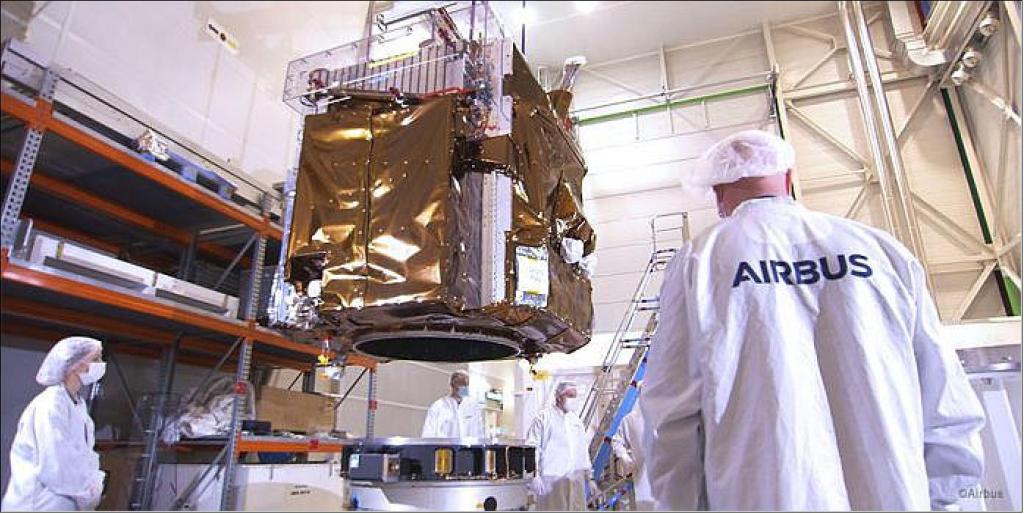
WizzAir pago indemnizaciones

AW | 2022 11 30 21:31 | AIRLINES / GOVERNMENT

Low cost obligada pagar indemnizaciones a pasajeros

Wizz_Air_logo.svg

La aerolínea low cost Wizz Air UK ha comenzado a pagar las indemnizaciones, después de incontables sentencias en su contra. Los argumentos de la aerolínea se sostienen en el relato de que no tiene presencia en Reino Unido, pese a que cuenta con sede en London/Luton/LTN. Los usuarios de la aerolínea han emprendido procesos judiciales a los que muchos renuncian por el largo período que lleva y el monto a reclamar en un proceso judicial.

Tony Hetherington es un periodista británico que, a partir de un caso, ha descubierto que Wizz Air UK, una de las dos filiales de la aerolínea húngara, y que vuela a España desde Gran Bretaña, no paga las indemnizaciones resultado de sentencias judiciales. No paga y obliga a los viajeros a tener que emprender inacabables procesos judiciales a los que muchos renuncian, para provecho de la compañía. Semanas atrás se ha hecho público que la low cost posee muchas sentencias en contra de la aerolínea. Wizz Air se puso en contacto al menos con una de sus víctimas y le dijo “nos ponemos en contacto con usted para pedirle disculpas por el retraso en la respuesta a sus mensajes. Inmediatamente daremos cumplimiento a la orden judicial de 1.757 Libras”, lo que repressentan unos € 2.000 Euros.

El periodista escribe ahora que se ha visto inundado de cartas de lectores que están pasando por el mismo calvario. La aerolínea, por su parte respondió: “Lamentamos que cierto número de reclamaciones contra Wizz Air están pendientes y estamos trabajando para resolver estos casos tan pronto como sea posible. El número de casos pendientes es muy inferior a lo que se ha publicado”.

El periodista tiene documentadas 400 reclamaciones, muchas de las cuales, dice la aerolínea, no les han llegado. El periodista rechaza esta versión y se pregunta por qué los clientes han tenido que ir a la justicia y esto no se resolvió como indica la ley.

Un viajero dice que “no existe en Wizz Air un departamento que trate las reclamaciones. Son una pared”. En este caso, su vuelo desde Chipre fue cancelado y quedó tirado. Cuando el juzgado envía los alguaciles para cobrar las sanciones, la compañía dice que no tiene bienes en el país, porque en realidad no es británica.

WizzAir paid compensation

Low cost forced to pay compensation to passengers

The low cost airline Wizz Air UK has begun to pay compensation, after countless judgments against it. The airline’s arguments are based on the story that it does not have a presence in the United Kingdom, despite having its headquarters in London/Luton/LTN. The users of the airline have undertaken judicial processes to which many renounce due to the long period that it takes and the amount to be claimed in a judicial process.

Tony Hetherington is a British journalist who, based on a case, has discovered that Wizz Air UK, one of the two subsidiaries of the Hungarian airline, which flies to Spain from Great Britain, does not pay compensation resulting from court rulings. He does not pay and forces travelers to have to undertake endless judicial processes that many renounce, for the benefit of the company. Weeks ago it has been made public that the low cost has many sentences against the airline. Wizz Air contacted at least one of its victims and told him “we are contacting you to apologize for the delay in responding to your messages. We will immediately comply with the judicial order of 1,757 Pounds”, which represents about €2,000 Euros.

The journalist writes now that he has been inundated with letters from readers who are going through the same ordeal. The airline, for its part, responded: “We regret that a number of claims against Wizz Air are pending and we are working to resolve these cases as soon as possible. The number of pending cases is much lower than what has been published”.

The journalist has documented 400 claims, many of which, the airline says, have not reached them. The journalist rejects this version and wonders why the clients have had to go to court and this was not resolved as indicated by law.

A traveler says that “there is no department at Wizz Air that deals with claims. They are a wall». In this case, his flight from Cyprus was canceled and he was stranded. When the court sends bailiffs to collect the fines, the company says it has no assets in the country, because it’s not really British.

PUBLISHER: Airgways.com
DBk: Wizzair.com / Dailymail.co.uk / Airgways.com
AW-POST: 202211302131AR
OWNERSHIP: Airgways Inc.
A\W A I R G W A Y S ®

Startup Ghana Airlines

AW | 2022 11 30 10:35 | AIRLINES / GOVERNMENT

Gobierno-privados conformarán estructura nueva aerolínea

AW-Ghana International Airlines__Isologotype

La nueva aerolínea nacional de la República de Ghana se llamará Ghana Airlines y se lanzará en 2023, según el Ministro de Finanzas, Ken Ofori-Atta. Al presentar el Presupuesto 2023 ante el Parlamento de la República de Ghana el 24 de Noviembre de 2022, han establecido la conformación para la creación de una nueva línea aérea de bandera en el país. Se firmaron acuerdos de accionistas y asociaciones con el socio estratégico seleccionado para la aerolínea con sede en el país, que se conocerá como Ghana Airlines. Se espera que la aerolínea entre en funcionamiento en 2023.

Antes de la selección, nombres como Akwaaba Airlines, Black Star Airlines y Kente Airlines fueron propuestos como alternativas. El Ministro de Finanzas no ha proporcionado más detalles sobre los socios y accionistas, pero se ha informado que Ashanti Airlines (Accra) ha sido seleccionada como el socio estratégico preferido.

Ashanti Airlines, propiedad de los empresarios Osei Kwame Despite y Ernest Ofori-Sarpong, está finalizando los arreglos financieros para un lanzamiento en 2023. Según los registros de la Autoridad de Aviación Civil de Ghana (GCAA), Ashanti Airlines posee actualmente una licencia de compañía aérea (ACL), lo que le permite operar vuelos regulares y fletados de pasajeros y carga a nivel internacional, regional y nacional. El transportista se encuentra actualmente en la Fase Cuatro (fase de demostración e inspección) del proceso de cinco etapas hacia un Certificado de Operador Aéreo (AOC), confirmó la GCAA.

La República de Ghana no ha tenido una aerolínea nacional con vuelos internacionales desde el colapso de Ghana Airways en 2004 y el posterior colapso de Ghana International Airlines en 2010. Los Memorandos de Entendimiento (MoU) con Ethiopian Airlines y EgyptAir para una compañía aérea nacional conjuntas no habían avanzado, lo que dio lugar al establecimiento de un nuevo comité para examinar todas las propuestas bajo el antiguo Ministerio de Aviación, ahora dirigido por el Ministerio de Transporte, de lo que surgió una propuesta nacional de alas propias.

Ghana Airlines Startup

Government-private will form new airline structure

The new national airline of the Republic of Ghana will be called Ghana Airlines and will launch in 2023, according to Finance Minister Ken Ofori-Atta. By submitting the 2023 Budget to the Parliament of the Republic of Ghana on November 24, 2022, they have set the stage for the creation of a new flag carrier airline in the country. Shareholder and partnership agreements have been signed with the selected strategic partner for the country-based airline, to be known as Ghana Airlines. The airline is expected to become operational in 2023.

Before the selection, names like Akwaaba Airlines, Black Star Airlines and Kente Airlines were proposed as alternatives. The Finance Minister has not provided further details on the partners and shareholders, but it has been reported that Ashanti Airlines (Accra) has been selected as the preferred strategic partner.

Ashanti Airlines, owned by businessmen Osei Kwame Despite and Ernest Ofori-Sarpong, is finalizing financial arrangements for a 2023 launch. According to Ghana Civil Aviation Authority (GCAA) records, Ashanti Airlines currently holds a company license. (ACL), which allows it to operate scheduled and chartered passenger and cargo flights internationally, regionally, and nationally. The carrier is currently in Phase Four (demonstration and inspection phase) of the five-stage process towards an Air Operator Certificate (AOC), the GCAA confirmed.

The Republic of Ghana has not had a national airline with international flights since the collapse of Ghana Airways in 2004 and the subsequent collapse of Ghana International Airlines in 2010. Memoranda of Understanding (MoU) with Ethiopian Airlines and EgyptAir for a joint national airline they had made no progress, which led to the establishment of a new committee to examine all proposals under the former Ministry of Aviation, now run by the Ministry of Transport, from which a national proposal for wings of its own emerged.

PUBLISHER: Airgways.com
DBk: Ghana.gov.gh / Airgways.com
AW-POST: 202211301035AR
OWNERSHIP: Airgways Inc.
A\W A I R G W A Y S ®