Aeroflot Russian Airlines ha comunicado la incorporación masiva de aeronaves de cosecha nacional. Sergei Alexandrovsky, el Director General de Aeroflot Russian Airlines ha anunciado que la compañía aérea estatal rusa, acaba de comparecer con el Presidente ruso, Vladimir Putin, la compra de 323 aviones de fabricación nacional. Con la compra de unidades nacionales, el propósito es restablecer las operaciones de la red de servicios en el mediano plazo.
Antes de la intervención bélica por parte de la Federación Rusia, Aeroflot poseía en su gran mayoría una flota de aeronaves occidentales. Pero la guerra de Ucrania y el boicot occidental dieron un giro a las estrategias del mercado ruso. Actualmente, Aeroflot opera una parte de los aviones occidentales sólo dentro de Rusia enlazando con algunos países satélites, permitiendo garantizar las operaciones ante la posibilidad de enajenaciones de aviones por parte de los lessors. La flota occidental ante la falta de repuesto, mantenimiento y desguace de otras aeronaves para obtener material para mantener operativos los aviones, no podrá sobrevivir en el término del mediano plazo. Por eso, el Gobierno ha anunciado el relanzamiento de su industria nacional de aviones que eran bastante impopulares por su servicio posventa deficiente y la falta de confianza en materia de seguridad.
Aeroflot Airlines ha firmado acuerdos para comprar 323 aviones en total, entre ellos Sukhoi Superjet SSJ-100 (73), Irkut MC-21 (210) y Tupolev Tu-214 (30). El anuncio de esta flota actualiza establece su estrategia hasta el 2030. El Directivo de Aeroflot explicó que la compañía está ahora recibiendo ayuda pública y que ha reorganizado sus rutas para desviar viajeros a destinos nacionales. «Volamos ahora a 111 destinos, lo que supone 18 más que el año pasado. Hemos aumentado mucho nuestra oferta en varias rutas. Entre Moscú y San Petersburgo, por ejemplo, hemos pasado de 31 a 45 rutas; a Sochi volamos 25 veces diarias, a Minvody hemos pasado de dos a ocho diarias». El Estado ruso ha permitido a la aerolínea mantener los precios bajos. «Aeroflot, pese a esto, está bajando su facturación un diez por ciento respecto al año pasado y un 21 respecto a 2019 antes de la pandemia. Tengo que decir que pese a todo este año Aeroflot está teniendo un gran verano, con niveles de ocupación entre el 91 y el 95 por ciento», expresó Sergei Alexandrovsky. Pobeda Airlines, la low cost del grupo Aeroflot, está ahora operando al 95 por ciento de su capacidad habitual.
Aeroflot will buy ‘made in Russia’
Aeroflot establishes massive purchase of national aircraft
Aeroflot Russian Airlines has communicated the massive incorporation of domestically grown aircraft. Sergei Alexandrovsky, the General Director of Aeroflot Russian Airlines has announced that the Russian state airline has just appeared with Russian President Vladimir Putin on the purchase of 323 domestically manufactured aircraft. With the purchase of national units, the purpose is to restore the operations of the service network in the medium term.
Before the military intervention by the Russian Federation, Aeroflot had a vast majority of Western aircraft fleet. But the war in Ukraine and the Western boycott turned Russian market strategies upside down. Currently, Aeroflot operates a part of the Western aircraft only within Russia, linking with some satellite countries, allowing it to guarantee operations in the event of aircraft disposals by lessors. The Western fleet, due to the lack of spare parts, maintenance and scrapping of other aircraft to obtain material to keep the planes operational, will not be able to survive in the medium term. For this reason, the Government has announced the relaunch of its national aircraft industry, which was quite unpopular due to its poor after-sales service and lack of confidence in security.
Aeroflot Airlines has signed agreements to buy 323 aircraft in total, including Sukhoi Superjet SSJ-100 (73), Irkut MC-21 (210) and Tupolev Tu-214 (30). The announcement of this updated fleet establishes its strategy until 2030. The Aeroflot director explained that the company is now receiving public aid and that it has reorganized its routes to divert travelers to national destinations. «We now fly to 111 destinations, which is 18 more than last year. We have greatly increased our offer on several routes. Between Moscow and St. Petersburg, for example, we have gone from 31 to 45 routes; to Sochi we fly 25 times a day, to Minvody we have gone from two to eight a day». The Russian state has allowed the airline to keep prices low. «Aeroflot, despite this, is lowering its turnover by ten percent compared to last year and 21 percent compared to 2019 before the pandemic. I have to say that despite everything this year, Aeroflot is having a great summer, with occupancy levels between 91 and 95 percent», said Sergei Alexandrovsky. Pobeda Airlines, the low cost of the Aeroflot group, is now operating at 95 percent of its usual capacity.
Аэрофлот российские авиалинии сообщил о массовом приобретении самолетов отечественного производства. Генеральный директор ОАО Аэрофлот российские авиалинии Сергей Александровский сообщил, что российская государственная авиакомпания только что договорилась с президентом России Владимиром Путиным о закупке 323 самолетов отечественного производства. Целью покупки национальных единиц является восстановление работы сервисной сети в среднесрочной перспективе.
До военного вмешательства Российской Федерации Аэрофлот располагал подавляющим большинством парка западных самолетов. Но война на Украине и бойкот Запада перевернули российские рыночные стратегии с ног на голову. В настоящее время Аэрофлот эксплуатирует часть западных самолетов только в пределах России, связывая их с некоторыми странами-сателлитами, что позволяет гарантировать выполнение операций в случае продажи самолетов лизингодателями. Западный флот из-за отсутствия запасных частей, технического обслуживания и утилизации других самолетов для получения материалов для поддержания самолетов в рабочем состоянии не сможет выжить в среднесрочной перспективе. По этой причине правительство объявило о перезапуске своей национальной авиационной промышленности, которая была весьма непопулярна из-за плохого послепродажного обслуживания и неуверенности в безопасности.
Авиакомпания Аэрофлот подписала соглашения на покупку 323 самолетов, в том числе Sukhoi Superjet SSJ-100 (73), Иркут МС-21 (210) и Туполев Ту-214 (30). Объявление об этом обновленном флоте определяет его стратегию до 2030 года. Директор Аэрофлота пояснил, что в настоящее время компания получает государственную помощь и что она реорганизовала свои маршруты, чтобы направить путешественников в национальные пункты назначения. «Сейчас мы летаем по 111 направлениям, что на 18 больше, чем в прошлом году. Мы значительно увеличили наше предложение по нескольким направлениям. Например, между Москвой и Санкт-Петербургом мы увеличили количество маршрутов с 31 до 45, в Сочи мы летаем по 25 направлениям. раз в день, в Минводы ходили от двух до восьми в день». Российское государство разрешило авиакомпании держать цены на низком уровне. «Аэрофлот, несмотря на это, снижает грузооборот на десять процентов по сравнению с прошлым годом и на 21 процент по сравнению с 2019 годом до пандемии. Должен сказать, что, несмотря ни на что, в этом году у Аэрофлот отличное лето, уровень заполняемости составляет от 91 до 95 процентов», сказал Сергей Александровский. Авиакомпания Победа, лоукост группы Аэрофлот, сейчас работает на 95 процентов от своей обычной загрузки.
PUBLISHER: Airgways.com DBk: Aeroflot.ru / Evgeny Barabash / Airgways.com AW-POST: 202208291520AR OWNERSHIP: Airgways Inc. A\W A I R G W A Y S ®
AW | 2022 08 29 14:22 | AVIATION ORGANISMS / GOVERNMENT
Proyecto busca modificar Ley 7.565/1986 del Código Aeronáutico
El Senado de la República de Brasil se encuentra estudiando una modificación de la Ley 7.565/1986 del Código Aeronáutico brasileño donde podría establecerse que el comprador de un pasaje aéreo de avión sea transferido a la propiedad de otra persona con hasta una anticipación de 72 horas antes de la fecha de la partida del vuelo. La propuesta contempla además la modificación de la información personal registrada en el sistema de la empresa al momento de la compra del boleto para incluir los datos personales del pasajero. La modificación ha sido presentada por el Senador Mecias de Jesus (Republicanos-RR), bajo el expediente PL2.175/2022.
El Senador Mecias de Jesus ha expresado: «La necesidad de crear una legislación que contemple las políticas de cancelación específicas de cada aerolínea, ya que, a pesar de la promesa de reembolso total o parcial del boleto, la mayoría de los casos resultan en un perjuicio para el pasajero, quien pierde la dinero gastado en la compra del billete». Las políticas de compra de pasajes aéreos se encuentran aplicadas en la Resolución Nº138/2010 de la Agencia Nacional de Aviación Civil (ANAC) que prohíbe la transferencia de un tickets aéreo, establecido por norma como personal e intransferible. El Senador señala que la resolución establecida es una norma infra-jurídica, que no puede prevalecer sobre el Código de Protección al Consumidor (Ley 8.078, 1990).
La ANAC Brasil y las líneas aéreas han señalado que la transferencia de dominio de pasajes aéreos pudiera generar problemas de seguridad a la aviación comercial. El Senador, explica que las razones alegadas por la ANAC y las líneas aéreas para prohibir a los pasajeros cambiar de titularidad pueden resolverse durante el check-in y embarque en los aeropuertos. La propuesta de regla de cambio de boleto podría ser realizada por las aerolíneas sin afectar los estándares de seguridad de los vuelos. Así también, se puede establecer nuevas modalidades para desarrollar un equilibrio entre la aerolínea y el usuario respecto a la relación con el consumidor para evitar abusos respecto a la trazabilidad de un pasaje aéreo. Pero advierten, que puede generar problemas respecto a la reventa de pasajes aéreos.
Brazil studies air ticket portability
Project seeks to modify Law 7,565/1986 of the Aeronautical Code
The Senate of the Republic of Brazil is studying a modification of Law 7,565/1986 of the Brazilian Aeronautical Code where it could be established that the purchaser of an air ticket is transferred to the property of another person up to 72 hours in advance. from the date of departure of the flight. The proposal also contemplates the modification of the personal information registered in the company’s system at the time of ticket purchase to include the personal data of the passenger. The modification has been presented by Senator Mecias de Jesus (Republicans-RR), under file PL2.175/2022.
Senator Mecias de Jesus has expressed: «The need to create legislation that contemplates the specific cancellation policies of each airline, since, despite the promise of a total or partial refund of the ticket, the majority of cases result in a detriment to the passenger, who loses the money spent on the purchase of the ticket». Air ticket purchase policies are applied in Resolution No. 138/2010 of the National Civil Aviation Agency (ANAC) that prohibits the transfer of an air ticket, established by rule as personal and non-transferable. The Senator points out that the established resolution is an infra-legal norm, which cannot prevail over the Consumer Protection Code (Law 8,078, 1990).
ANAC Brazil and the airlines have pointed out that the transfer of ownership of air tickets could generate security problems for commercial aviation. The Senator explains that the reasons alleged by the ANAC and the airlines to prohibit passengers from changing ownership can be resolved during check-in and boarding at the airports. The ticket change rule proposal could be carried out by airlines without affecting flight safety standards. Likewise, new modalities can be established to develop a balance between the airline and the user regarding the relationship with the consumer to avoid abuses regarding the traceability of an air ticket. But they warn that it can cause problems regarding the resale of air tickets.
Brasil estuda portabilidade passagens aéreas
Projeto busca modificar a Lei 7.565/1986 do Código Aeronáutico
O Senado da República do Brasil está estudando uma modificação da Lei 7.565/1986 do Código Aeronáutico Brasileiro onde poderá ser estabelecido que o comprador de passagem aérea seja transferido para propriedade de outra pessoa com até 72 horas de antecedência. data de partida do vôo. A proposta também contempla a modificação das informações pessoais cadastradas no sistema da empresa no momento da compra da passagem para incluir os dados pessoais do passageiro. A modificação foi apresentada pelo senador Mecías de Jesus (Republicanos-RR), sob o expediente PL2.175/2022.
O senador Mecias de Jesus manifestou-se: «A necessidade de se criar legislação que contemple as políticas de cancelamento específicas de cada companhia aérea, pois, apesar da promessa de reembolso total ou parcial da passagem, a maioria dos casos resulta em prejuízo para o passageiro, quem perde o dinheiro gasto na compra da passagem». As políticas de compra de passagens aéreas são aplicadas na Resolução Nº 138/2010 da Agência Nacional de Aviação Civil (ANAC) que proíbe a transferência de passagem aérea, estabelecida por norma como pessoal e intransferível. O senador ressalta que a resolução estabelecida é norma infralegal, que não pode prevalecer sobre o Código de Defesa do Consumidor (Lei 8.078, de 1990).
A ANAC Brasil e as companhias aéreas apontaram que a transferência da propriedade das passagens aéreas pode gerar problemas de segurança para a aviação comercial. O senador explica que os motivos alegados pela ANAC e pelas companhias aéreas para proibir os passageiros de trocar de titularidade podem ser resolvidos durante o check-in e o embarque nos aeroportos. A proposta de regra de alteração de passagens poderia ser realizada pelas companhias aéreas sem afetar os padrões de segurança de vôo. Da mesma forma, novas modalidades podem ser estabelecidas para desenvolver um equilíbrio entre a companhia aérea e o usuário na relação com o consumidor para evitar abusos na rastreabilidade de uma passagem aérea. Mas alertam que isso pode causar problemas na revenda de passagens aéreas.
PUBLISHER: Airgways.com DBk: Anac.gov.br / Planalto.gov.br / Marco Ambrosio / Shutterstock.com / Exame.com / Airgways.com AW-POST: 202208291422AR OWNERSHIP: Airgways Inc. A\W A I R G W A Y S ®
Aerolíneas Argentinas recibe AR$ 5.500 millones aportes 07/2022
La compañía aérea estatal, Aerolíneas Argentinas, ha recibido desde el Estado Argentino en el mes de Julio 2022 la suma de AR$ 5.589.600.000 de Pesos, con unos aportes acumulados hasta la fecha de AR$ 39.924.700.000 Pesos, lo que representa el 54,76% del presupuesto ampliado. El nuevo presupuesto dispuesto para las empresas del Estado incluyendo a Aerolíneas, han sido ampliados en un 10%.
Aerolíneas Argentinas mantiene una situación deficitaria desde hace décadas, mientras posee atrasos de pagos importantes con YPF, Banco Nación, Gate Gourmet, EANA y Aeropuertos Argentina 2000.
Aerolíneas state contributions AR$ 5,500M
Aerolíneas receives AR$ 5,500 million contributions 07/2022
The state airline company, Aerolíneas Argentinas, has received from the Argentine State in the month of July 2022 the sum of AR$ 5,589,600,000 Pesos, with accumulated contributions to date of AR$ 39,924,700,000 Pesos, which represents 54.76% of the expanded budget. The new budget for State companies, including Aerolíneas, has been increased by 10%.
Aerolíneas Argentinas has maintained a deficit situation for decades, while it has significant payment arrears with YPF, Banco Nación, Gate Gourmet, EANA and Aeropuertos Argentina 2000.
PUBLISHER: Airgways.com DBk: Argentina.gob.ar / Aerolineas.com / Airgways.com AW-POST: 202208230933AR OWNERSHIP: Airgways Inc. A\W A I R G W A Y S ®

Avanza modernización nueve aeropuertos en Argentina Licitación obras ampliación Plataforma Norte Jorge Newbery
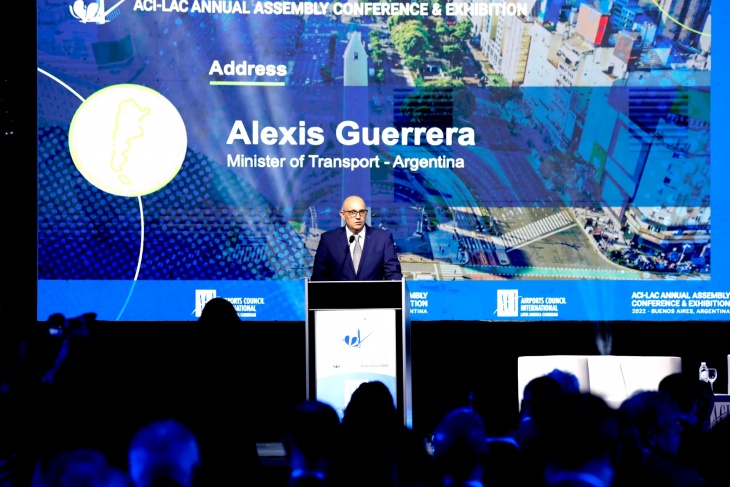
El Ministerio de Transporte de la República Argentina continúa modernizando los aeropuertos del sistema nacional: Bariloche, Esquel, La Rioja, Ezeiza, San Juan, San Salvador de Jujuy, Santa Rosa, Posadas y Ushuaia. A partir de la ejecución de obras e implementación de mejoras al sistema de vigilancia de tránsito aéreo, avanza el Plan de Modernización del Transporte Aéreo en todo el país. Avanzan las obras en distintos aeropuertos del sistema nacional, en el marco del Plan de Modernización del Transporte Aéreo del Ministerio de Transporte, a cargo de Alexis Guerrera.
De esta manera, el Organismo Regulador del Sistema Nacional de Aeropuertos (ORSNA), bajo la presidencia de Carlos Lugones Aignasse, conjuntamente con Aeropuertos Argentina 2000 (AA2000), se encargan de los proyectos que se encuentran en ejecución de los aeropuertos de Bariloche, Esquel, La Rioja, Ezeiza, San Salvador de Jujuy y San Juan. Además, la Empresa Argentina de Navegación Aérea (EANA), a cargo de Gabriela Logatto, ejecuta acciones para la modernización del Sistema de Vigilancia de Tránsito Aéreo, destacándose actualmente también nuevas implementaciones en la modernización de la infraestructura tecnológica en los aeropuertos de Santa Rosa, Posadas y Ushuaia. El Ministro de Transporte, Alexis Guerrera, aseguró: “Estamos reactivando obras para potenciar el sistema aerocomercial con una mirada federal, mejorando la infraestructura de nuestros aeropuertos y dotándolos de tecnología de última generación para conectar mejor a las provincias por aire y mejorar la seguridad operacional. La obra pública es una gran dinamizadora de la economía y con estas obras, además de mejorar la conectividad aérea, estamos llevando inversiones, desarrollo y empleo a las provincias argentinas”.
Obras por aeropuertos
En el Aeropuerto Internacional de Ezeiza/EZE, con una inversión de más de mil millones de pesos, avanzan las obras del nuevo rodaje a la Cabecera 35. Permitirán incrementar la capacidad operativa de la pista 17-35 un 105%, superando en un 16,6% la capacidad actual de la pista principal, y evitando además el cierre de las operaciones por obras de mantenimiento rutinarias u otra contingencia operacional. También se avanza en la construcción de la nueva torre de control aérea, cuyo proyecto había sido abandonado en agosto de 2019 por la gestión anterior. La obra, ejecutada por la Subsecretaría de Gestión Administrativa del Ministerio de Transporte, consta de un edificio de centro de control área, y además la renovación de los accesos y el sector de estacionamiento. Con esta obra, que se encuentra en más del 65% de avance, se incrementará la seguridad operativa al poder visualizar tanto desde el acceso de autopista Ricchieri como desde la totalidad de la terminal aérea.
En el Aeropuerto de Bariloche/BRC, con una ejecución del 90%, continúan las obras de la última etapa de la ampliación y modernización de la terminal de pasajeros. El proyecto incluye la ampliación y modernización de la infraestructura edilicia, la renovación del hall público de partidas y ampliación del área de embarque con dos nuevas posiciones, 24 nuevos puestos de check-in, un nuevo sistema de equipajes, un nuevo hall de control de seguridad, la renovación de oficinas operativas y núcleos sanitarios, la construcción de dos nuevos puentes de embarques y la puesta en funcionamiento de dos nuevas mangas telescópicas, elevando a tres el total de las mismas. Además, se renueva la oferta de locales comerciales, gastronómicos y Sala VIP. Próximamente estará saliendo el llamado a licitación para la obra de la plataforma operativa.
En el Aeropuerto La Rioja/IRJ también se reanudaron las obras en el aeropuerto cuyano. Está en construcción una nueva terminal de pasajeros y un nuevo estacionamiento vehicular. Se trata de 2.400 metros cuadrados en un solo nivel, que contempla un área central del hall, 6 puestos de check-in, salas de pre-embarque con sus respectivos controles, una sala de retiro de equipajes y un nuevo parking para 200 vehículos cuyas obras se encuentran promediando la ejecución.
El Aeropuerto Esquel/EQS, se iniciaron las obras de construcción de una nueva terminal de pasajeros de 4.200 m² y una nueva torre de control con una inversión superior a los AR$ 1.800 millones de Pesos, generando más de 150 puestos de trabajo. El proyecto contempla también un nuevo puesto de ingreso vehicular y edificios complementarios de salas técnicas y oficinas.
Se realizó un nuevo llamado a licitación para la continuación de la obra de la terminal de pasajeros del Aeropuerto San Juan/UAQ. Se trata de una nueva superficie cubierta total de 5.000 m², distribuidos en dos niveles, con la incorporación de dos nuevos puentes fijos con sus correspondientes mangas, lo que resultará en un salto cualitativo significativo teniendo en cuenta que durante la temporada de verano las temperaturas en la plataforma alcanzan valores extremos con impacto directo en la operación, mejorando la accesibilidad. La obra generará 180 puestos de empleo directos y 450 indirectos e incorporará a la terminal la mejor tecnología y los servicios necesarios para brindar la mayor eficiencia a usuarios y pasajeros.
El Aeropuerto San Salvador de Jujuy/JUJ las obras se encuentran en un 90% de ejecución. Las mismas constan de una nueva torre de control que tiene como objetivo principal la mejora de las condiciones de operación, visibilidad, seguridad y confort, a la vez que constituye un nuevo icono de atractivo visual en el conjunto de la terminal, ya que se emplazará como un edificio independiente de la nueva terminal, ubicada sobre el borde de la plataforma, a diferencia de la torre ya existente. Todas las obras mencionadas son financiadas con fondos del Estado Nacional, a través del Fideicomiso para el Fortalecimiento del Sistema Nacional de Aeropuertos.
Modernización SNA
En el Plan de Modernización del Transporte aéreo, la EANA S.E. a cargo de Gabriela Logatto, ha instalado y próximo a ponerse en servicio un nuevo Sistema de Aterrizaje por Instrumentos (ILS) en el Aeropuerto de Santa Rosa/RSA, Provincia de La Pampa. Este recambio tecnológico incrementa la previsibilidad de las operaciones gracias a la mayor disponibilidad y continuidad de servicio que brinda el nuevo equipamiento. Sumado al nuevo equipamiento en la terminal aérea de Santa Rosa, la empresa dependiente del Ministerio de Transporte abarcó durante este año la renovación integral de los sistemas ILS en el Aeroparque Jorge Newbery y los aeropuertos de Córdoba, Posadas, Resistencia y Corrientes.
En los próximos meses se seguirá con el reemplazo de estas radioayudas en los aeropuertos de Ushuaia/USH, Bariloche/BRC y Esquel/EQS, lo que significa un avance tecnológico con el cual se logra previsibilidad en la operación, asegurando índices de disponibilidad y confiabilidad mayores a los actuales, además de garantizar la continuidad del servicio.
Además, se ha realizado el llamado a licitación pública para las obras de refacción integral de la Torre de Control (TWR) y el nuevo edificio operativo del Aeropuerto Posadas/PSS. Se trata de la refacción integral de la Torre de Control y el nuevo edificio operativo de EANA S.E., que tiene como objetivo brindar un mejor servicio de seguridad aérea a todos los pasajeros y pasajeras.
Licitación obras Aeroparque
Se ha llamado a licitación pública para las obras en el área de Plataforma Norte, que incluyen balizamiento de la plataforma nueva, ampliación de la Terminal Internacional, que implicaría la demolición parcial de la Terminal de Carga actual, ampliar el relleno costero del Río de la Plata y el reposicionamiento de la Avenida Costanera. La licitación tiene un costo de AR$ 1.696.897.894,90 Pesos/US$ 12.475.355,76 Dólares.
El proyecto de mejoras y ampliación busca como objetivo la construcción de una nueva plataforma con capacidad para dos aeronaves Clase E (widebody) o cuatro de Clase C (narrowbody), más dos posiciones adicionales que reemplazarían las actuales posiciones 1 y 2 de Aeroparque. La Plataforma Norte se realizará con pavimento rígido, conformado en tres sectores: Plataforma de Rodaje, conexión Rosaje Fortrot y área de posicionamiento de aeronaves del tren de proa y sector vehicular. Estos sectores se encuentran divididos para establecer diferentes pesos para la resistencia de las aeronaves y vehículos.
La asignación de una segunda etapa para la nueva Terminal Internacional contará con pasarela telescópica (mangas) para el arribo de vuelos provenientes del exterior (regionales). Para las obras se requerirá la intervención del área de pastizales para la cobertura con hormigón, la demolición del cerco perimetral, demolición de la vieja Terminal C, Torre de Control antigua, parte de la Terminal de Cargas. Estas obras se complementarán con la readecuación de la Plataforma Sur, que permitirá mayor comodidad y seguridad entre la Calle de Rodaje y las posiciones de aeronaves.
Las obras se iniciarán en Enero de 2023 en dos etapas con fecha de finalización para Agosto 2023 con la culminación de las obras de la nueva Plataforma Norte, mientras la nueva terminal se realizará en un plazo futuro. La Etapa 1A, actualmente en desarrollo comprende la demolición de la Terminal C y la vieja Torre de Control/TWR, mientras que se modificará el sector de buses, la calle de servicio aeroportuario, el estacionamiento norte. La Etapa 1B constituirá la pavimentación de las posiciones actuales de aeronaves 1, 2 y 3. Se modificará la franja del rodaje ALFA. El rodaje MIKE no se verá afectado en las obras de ampliación. Tras la finalización de la Etapa 1B, la plataforma se habilitará para su operación con una nueva plataforma con dos nuevas posiciones para aeronaves de fuselaje angosto o una de fuselaje ancho que corresponderán a las posiciones 31A y 31B, la reubicación de las posiciones 1, 2 y temporalmente la posición 3 para aeronave de fuselaje ancho. La Etapa 2 y la Etapa Final, corresponde a la demolición parcial de la Terminal B para reubicar las posiciones 1 y 2. También se finalizarán las obras de la nueva Plataforma Norte con las nuevas posiciones 32A y 32B.
Argentina airport modernization
Modernization of nine airports in Argentina advances Tender works for the expansion of North Platform Jorge Newbery
The Ministry of Transport of the Argentine Republic continues to modernize the airports of the national system: Bariloche, Esquel, La Rioja, Ezeiza, San Juan, San Salvador de Jujuy, Santa Rosa, Posadas and Ushuaia. Based on the execution of works and implementation of improvements to the air traffic surveillance system, the Air Transport Modernization Plan advances throughout the country. The works in different airports of the national system are advancing, within the framework of the Air Transport Modernization Plan of the Ministry of Transport, in charge of Alexis Guerrera.
In this way, the Regulatory Body of the National Airport System (ORSNA), under the presidency of Carlos Lugones Aignasse, together with Aeropuertos Argentina 2000 (AA2000), are in charge of the projects that are being executed at the airports of Bariloche, Esquel , La Rioja, Ezeiza, San Salvador de Jujuy and San Juan. In addition, the Argentine Air Navigation Company (EANA), in charge of Gabriela Logatto, executes actions for the modernization of the Air Traffic Surveillance System, currently also highlighting new implementations in the modernization of the technological infrastructure in the airports of Santa Rosa, Inns and Ushuaia. The Minister of Transport, Alexis Guerrera, assured: “We are reactivating works to strengthen the commercial air system with a federal perspective, improving the infrastructure of our airports and equipping them with the latest technology to better connect the provinces by air and improve operational safety. Public works are a great driver of the economy and with these works, in addition to improving air connectivity, we are bringing investment, development and employment to the Argentine provinces”.
Works for airports
At the Ezeiza International Airport/EZE, with an investment of more than one billion pesos, the works of the new taxiway to Header 35 are advancing. They will allow the operational capacity of runway 17-35 to be increased by 105%, exceeding by 16 .6% the current capacity of the main runway, and also avoiding the closure of operations due to routine maintenance works or other operational contingencies. Progress is also being made in the construction of the new air control tower, whose project had been abandoned in August 2019 by the previous administration. The work, carried out by the Undersecretary of Administrative Management of the Ministry of Transportation, consists of an area control center building, and also the renovation of the accesses and the parking sector. With this work, which is more than 65% complete, operational safety will be increased by being able to view both from the Ricchieri motorway access and from the entire air terminal.
At the Bariloche/BRC Airport, with an execution of 90%, the works of the last stage of the expansion and modernization of the passenger terminal continue. The project includes the expansion and modernization of the building infrastructure, the renovation of the public departure hall and expansion of the boarding area with two new positions, 24 new check-in stations, a new baggage system, a new check-in hall security, the renovation of operational offices and health centers, the construction of two new boarding bridges and the commissioning of two new telescopic sleeves, bringing the total to 3. In addition, the offer of commercial, gastronomic and VIP lounges is renewed. The call for tenders for the work of the operating platform will be coming out soon.
At the La Rioja/IRJ Airport, works were also resumed at the Cuyo airport. A new passenger terminal and a new vehicle parking lot are under construction. It is 2,400 square meters on a single level, which includes a central area of the hall, 6 check-in stations, pre-boarding rooms with their respective controls, a baggage reclaim room and a new parking lot for 200 vehicles whose works will be found by averaging the run.
At the Esquel/EQS Airport, construction work began on a new 4,200 m² passenger terminal and a new control tower with an investment of more than AR$ 1,800 million pesos, generating more than 150 jobs. The project also contemplates a new vehicle entry point and complementary buildings for technical rooms and offices.
A new call for bids was made for the continuation of the work on the passenger terminal at the San Juan/UAQ Airport. It is a new total covered area of 5,000 m², distributed on two levels, with the addition of two new fixed bridges with their corresponding sleeves, which will result in a significant qualitative leap considering that during the summer season temperatures in the platform reach extreme values with a direct impact on the operation, improving accessibility. The work will generate 180 direct jobs and 450 indirect jobs and will incorporate the best technology and the services necessary to provide the highest efficiency to users and passengers.
The San Salvador de Jujuy/JUJ Airport works are 90% complete. They consist of a new control tower whose main objective is to improve operating conditions, visibility, safety and comfort, while at the same time constituting a new icon of visual appeal in the terminal as a whole, since it will be located as a separate building from the new terminal, located on the edge of the platform, unlike the existing tower. All the aforementioned works are financed with funds from the National State, through the Trust for the Strengthening of the National Airport System.
SNA Modernization
In the Air Transport Modernization Plan, the EANA S.E. led by Gabriela Logatto, has installed and is about to put into service a new Instrument Landing System (ILS) at the Santa Rosa/RSA Airport, Province of La Pampa. This technological replacement increases the predictability of operations thanks to the greater availability and continuity of service provided by the new equipment. In addition to the new equipment in the Santa Rosa air terminal, the company dependent on the Ministry of Transportation included during this year the complete renovation of the ILS systems in the Jorge Newbery Airport and the airports of Córdoba, Posadas, Resistencia and Corrientes.
In the coming months, the replacement of these navaids will continue at the Ushuaia/USH, Bariloche/BRC and Esquel/EQS airports, which means a technological advance with which predictability in the operation is achieved, ensuring availability and reliability rates. higher than the current ones, in addition to guaranteeing the continuity of the service.
In addition, the call for public tenders has been made for the comprehensive renovation works of the Control Tower (TWR) and the new operational building of the Posadas/PSS Airport. This is the comprehensive renovation of the Control Tower and the new EANA S.E. operating building, which aims to provide a better aviation security service to all passengers.
Aeroparque works tender
A public tender has been called for the works in the North Platform area, which include beaconing of the new platform, expansion of the International Terminal, which would imply the partial demolition of the current Cargo Terminal, expansion of the coastal landfill of the Río de la Plata and the repositioning of Avenida Costanera. The tender has a cost of AR$ 1,696,897,894.90 Pesos/US$ 12,475,355.76 Dollars.
The objective of the improvement and expansion project is to build a new platform with capacity for two Class E (widebody) or four Class C (narrowbody) aircraft, plus two additional positions that would replace the current positions 1 and 2 of Aeroparque. The North Platform will be made with rigid pavement, made up of three sectors: Taxiway, Rosaje Fortrot connection and aircraft positioning area of the nose gear and vehicle sector. These sectors are divided to establish different weights for the resistance of aircraft and vehicles.
The allocation of a second stage for the new International Terminal will have a telescopic gangway (sleeves) for the arrival of flights from abroad (regional). The works will require the intervention of the pasture area for concrete coverage, the demolition of the perimeter fence, demolition of the old Terminal C, old Control Tower, part of the Cargo Terminal. These works will be complemented by the readjustment of the South Platform, which will allow greater comfort and safety between the Taxiway and the aircraft positions.
The works will begin in January 2023 in two stages with a completion date for August 2023 with the completion of the works on the new North Platform, while the new terminal will be built in the future. Stage 1A, currently under development, includes the demolition of Terminal C and the old Control Tower/TWR, while the bus sector, the airport service road, and the north parking lot will be modified. Stage 1B will constitute the paving of the current positions of aircraft 1, 2 and 3. The ALFA taxi strip will be modified. The MIKE shoot will not be affected by the expansion works. After the completion of Stage 1B, the platform will be enabled for operation with a new platform with two new positions for narrow-body aircraft or one for wide-body aircraft that will correspond to positions 31A and 31B, the relocation of positions 1, 2 and temporarily position 3 for wide-body aircraft. Stage 2 and the Final Stage correspond to the partial demolition of Terminal B to relocate positions 1 and 2. The works of the new North Platform will also be completed with the new positions 32A and 32B.
PUBLISHER: Airgways.com DBk: Aa2000.com.ar / Argentina.gob.ar / Airgways.com AW-POST: 202208221213AR OWNERSHIP: Airgways Inc. A\W A I R G W A Y S ®
AW | 2022 08 10 13:40 | AIRLINES ROUTES / GOVERNMENT
China y Reino Unido acuerdan reanudar vuelos directos
La Republica Popular de China y el Reino Unido acordaron reanudar los vuelos directos de pasajeros entre ambos países, informó el Miércoles 10/08 la embajada británica en China.
Los vuelos directos serían proporcionados inicialmente por las aerolíneas chinas y la reanudación de los vuelos por parte de British Airways aún está en proceso, dijo la embajada en un comunicado en su cuenta oficial en las redes sociales.
China suspendió indefinidamente los vuelos hacia y desde Reino Unido a finales de 2020 por el temor a una nueva cepa del Coronavirus. Después de más de dos años sin conexiones, los vuelos permitirán unir ambas naciones. Mientras tanto, British Airways se encuentra en planes para determinar los vuelos y frecuencias hacia China.
China-United Kingdom flight agreement
China and UK agree to resume direct flights
The People’s Republic of China and the United Kingdom agreed to resume direct passenger flights between the two countries, the British Embassy in China reported on Wednesday 08/10.
Direct flights would initially be provided by Chinese airlines and resumption of flights by British Airways is still in the works, the embassy said in a statement on its official social media account.
China indefinitely suspended flights to and from the UK at the end of 2020 over fears of a new strain of the Coronavirus. After more than two years without connections, the flights will link both nations. Meanwhile, British Airways is in the process of determining the flights and frequencies to China.
PUBLISHER: Airgways.com DBk: Gov.uk / Airgways.com AW-POST: 202208101340AR OWNERSHIP: Airgways Inc. A\W A I R G W A Y S ®
Líneas Aéreas restringen venta de pasajes en el exterior
Las medidas restrictivas apuntan a evitar que muchos usuarios que no residen en el país comenzaron a comprar, a través de familiares, amigos o algunas agencias de viajes, los pasajes emitidos en Argentina con tarjetas de crédito en Pesos para pagar una tarifa inferior, aprovechando el Dólar turista. De esta manera, se estaba disminuyendo la emisión de tickets en el exterior, lo que es la principal fuente de divisas para las compañías. Como contrapartida, se pretende incentivar al pasajero que comienza su itinerario en el exterior, a realizar como se hace habitualmente, la compra de su ticket en su lugar de origen.
La primera compañía aérea en tomar la decisión de limitar la emisión de pasajes de viajes que no inicien en el país fue Aerolíneas Argentinas, con el objetivo de evitar que se pierdan divisas en la compra de esos tickets. Otras líneas aéreas han seguido el paso como Copa Airlines y Air Europa que han suspendido la emisión en Argentina de pasajes aéreos que no despeguen en el país. En el caso de Air France, suspendió las ventas de pasajes que partan desde Brasil, Paraguay y Uruguay. Iberia lo hizo para los vuelos que despeguen desde Uruguay, además de haber restringido las ventas de esta clase a las categorías más caras.
Argentina: Foreign Ticket Issuance Restricted
Airlines restrict the sale of tickets abroad
The restrictive measures aim to prevent many users who do not reside in the country from buying, through family, friends or some travel agencies, the tickets issued in Argentina with credit cards in pesos to pay a lower rate, taking advantage of the tourist dollar. In this way, the issuance of tickets abroad, which is the main source of foreign exchange for companies, was being reduced. In return, it is intended to encourage the passenger who begins his itinerary abroad, to carry out, as is usually done, the purchase of his ticket in his place of origin.
The first airline to make the decision to limit the issuance of travel tickets that do not start in the country was Aerolíneas Argentinas, with the aim of preventing foreign exchange from being lost in the purchase of those tickets. Other airlines have followed suit, such as Copa Airlines and Air Europa, which have suspended the issuance in Argentina of air tickets that do not take off in the country. In the case of Air France, it suspended ticket sales departing from Brazil, Paraguay and Uruguay. Iberia did it for flights that take off from Uruguay, in addition to having restricted sales of this class to the most expensive categories.
PUBLISHER: Airgways.com DBk: Aerolineas.com / Aireuropa.com / Iberia.com / Copaair.com / Airgways.com AW-POST: 202208080944AR OWNERSHIP: Airgways Inc. A\W A I R G W A Y S ®
AW | 2022 07 04 14:49 | AVIATION ORGANISMS / GOVERNMENT / AIRLINES MARKET
DOT propuestas para reglas más definidas en reembolsos
El Departamento de Transporte (DOT) de Estados Unidos ha propuesto reglas más estrictas para los reembolsos de las aerolíneas después de que aumenten las quejas. El DOT propuso el Miércoles 03/08 reglas más estrictas sobre cuándo las aerolíneas tendrían que compensar a los pasajeros por vuelos cancelados o retrasados, una medida que sigue a un aumento en el quejas de los viajeros después de la pandemia global. Los viajeros aéreos actualmente tienen derecho a un reembolso si sus vuelos se cancelan o cambian o retrasan significativamente y deciden no viajar. Pero la agencia no había definido lo que constituye un cambio significativo.
El Departamento de Transporte ahora propone definir eso como una hora de salida o llegada que se apaga al menos tres horas para vuelos nacionales, o al menos seis horas para vuelos internacionales. Los viajeros también tendrían derecho a un reembolso si la ruta cambia o si se agrega una conexión, así como si un cambio en la aeronave causa una degradación significativa en las comodidades u otras características.
El Secretario de Transporte, Pete Buttigieg, ha amonestado públicamente a las aerolíneas en las últimas semanas por un aumento en las cancelaciones y retrasos de vuelos, mientras que los ejecutivos de la industria y la Administración Federal de Aviación (FAA) han señalado con el dedo a quién tiene la culpa. Algunos legisladores Demócratas han pedido mejores protecciones al consumidor para los viajeros aéreos. Las quejas sobre reembolsos de aerolíneas representaron el 87% de las 102.560 quejas que el DOT registró en 2020 y alrededor del 60% de las 49.958 quejas en 2021.
El DOT también propuso exigir a las aerolíneas que otorguen créditos de vuelo o cupones sin fechas de vencimiento si los pasajeros no pueden volar debido a Covid-19, incluidos bloqueos, restricciones de viaje o razones de salud personal. «Cuando los estadounidenses compran un boleto de avión, deben llegar a su destino de manera segura, confiable y asequible», dijo Pete Buttigieg en un comunicado de prensa.
Airlines for America (A4A), que representa a grandes aerolíneas como American Airlines, United Airlines, Delta Air Lines, Southwest Airlines, JetBlue Airways, forman parte del conglomerado de líneas aéreas. La pandemia y el desplome de la demanda de viajes aéreos llevaron a algunas aerolíneas a flexibilizar sus billetes. Por ejemplo, American, United y Delta, se deshicieron de las tarifas de cambio de boletos para boletos económicos estándar en 2020. La semana pasada, Southwest, que tampoco cobraba tarifas de cambio de boletos antes de la pandemia, dijo que los cupones que emite nunca expirarán. Las reglas propuestas por el DOT están abiertas a comentarios públicos durante un período de noventa (90) días.
US DOT rules refunds
DOT proposed for more defined rules on refunds
The US Department of Transportation (DOT) has proposed tougher rules for airline refunds after complaints mount. The DOT proposed on Wednesday 08/03 stricter rules on when airlines would have to compensate passengers for canceled or delayed flights, a measure that follows an increase in complaints from travelers after the global pandemic. Air travelers are currently entitled to a refund if their flights are canceled or significantly changed or delayed and they decide not to travel. But the agency had not defined what constitutes a significant change.
The Department for Transport is now proposing to define that as a departure or arrival time that is off by at least three hours for domestic flights, or at least six hours for international flights. Travelers would also be entitled to a refund if the route changes or a connection is added, as well as if an aircraft change causes significant degradation in amenities or other features.
Transportation Secretary Pete Buttigieg has publicly admonished airlines in recent weeks over a spike in flight cancellations and delays, while industry executives and the Federal Aviation Administration (FAA) have pointed fingers. who is to blame. Some Democratic lawmakers have called for better consumer protections for air travelers. Complaints about airline refunds accounted for 87% of the 102,560 complaints DOT recorded in 2020 and about 60% of the 49,958 complaints in 2021.
The DOT also proposed requiring airlines to provide flight credits or coupons with no expiration dates if passengers are unable to fly due to Covid-19, including lockdowns, travel restrictions or personal health reasons. «When Americans buy a plane ticket, they need to get to their destination safely, reliably and affordably», Pete Buttigieg said in a press release.
Airlines for America (A4A), which represents major airlines such as American Airlines, United Airlines, Delta Air Lines, Southwest Airlines, JetBlue Airways, are part of the airline conglomerate. The pandemic and the collapse in demand for air travel led some airlines to make their tickets more flexible. For example, American, United, and Delta all got rid of ticket change fees for standard economy tickets in 2020. Last week, Southwest, which also didn’t charge ticket change fees before the pandemic, said the coupons it issues they will never expire. DOT’s proposed rules are open to public comment for a period of ninety (90) days.
PUBLISHER: Airgways.com DBk: Transportation.gov / Reuters.com/Mike Blake / Airgways.com AW-POST: 202207041449AR OWNERSHIP: Airgways Inc. A\W A I R G W A Y S ®
AW | 2022 07 03 16:11 | AIR TRAFFIC / GOVERNMENT / AVIATION SAFETY
China anuncia zona exclusión aérea Anuncio ejercicios militares chinos en zona Aeropuerto Taoyuan minimiza especulaciones
La República Popular de China ha advertido a las aerolíneas que eviten el espacio aéreo cerca de Taiwán mientras Beijing intensifica los ejercicios militares en el marco de la visita de la Presidenta de la Cámara de Representantes de los Estados Unidos. China impone zona de exclusión aérea no declarada sobre Taiwán. Seis áreas en la región han sido designadas como zonas de peligro, la más cercana está a solo nueve millas náuticas de Taiwán.
Beijing destacó seis zonas de peligro para las aerolíneas. La advertencia se produce en medio de la controvertida visita de la presidenta de la Cámara de Representantes de Estados Unidos, Nancy Pelosi, a Taiwán. Después de que aterrizó, China anunció que realizaría ejercicios militares, incluidos ejercicios en vivo, alrededor de Taiwán del Jueves 04/08 al Domingo 07/08, escribió la agencia estatal de noticias Xinhua en un anuncio autorizado por el Ministerio de Defensa chino.
Aerolíneas & aeropuertos
Diferentes comunicados de las líneas aéreas de la región han expresado sus inquietudes respecto a las tensiones entre China-Taiwán y la visita de un representante de Estados Unidos a la región. Cathay Pacific Airlines dijo que está monitoreando los desarrollos en la región muy de cerca. «Nuestros vuelos actualmente evitan pasar por las zonas designadas del espacio aéreo alrededor de la región de Taiwán. Esto puede conducir potencialmente a más tiempo de vuelo para algunos vuelos y apreciamos la comprensión de nuestros clientes», expresó la aerolínea con sede en Hong Kong. Korean Air ha comunicado que planea redirigir algunos vuelos al sur de Asia para evitar el espacio aéreo taiwanés en los próximos días. China Xiamen Airlines anunció ajustes en varios vuelos, citando el Control de Flujo en Fujian, justo al otro lado del estrecho de Taiwán desde la isla. ANA Airlines recibió el aviso y está cambiando sus rutas de vuelo a Taiwán, dijo un representante de la aerolínea japonesa. ANA Airlines y Japan Airlines ambas compañías dijeron que los vuelos hacia y desde Taiwán continuarán operando.
Taiwán está hablando con Japón y Filipinas sobre rutas alternativas de tráfico aéreo, citando a Wang Kwo-tsai, Ministro de Transporte y Comunicaciones. La Oficina portuaria marítima de Taiwán también advirtió a los barcos que eviten el área donde se llevarán a cabo los simulacros.
En el Aeropuerto Internacional de Xiamen Gaoqi/XMN, China, uno de los aeropuertos continentales más cercanos a Taiwán, se cancelaron 123 vuelos, mientras que el 79% de los vuelos operaban como de costumbre, según el proveedor de datos Variflight. En el Aeropuerto Internacional Fuzhou Changle en Fujian/FOC, China, 93 vuelos fueron desechados y el 74% de los vuelos operaban con normalidad.
El anuncio de ejercicios militares de China y el aumento de las tensiones a través del estrecho llevaron a una intensa especulación en Taiwán sobre si las interrupciones de los vuelos en los aeropuertos de Taiwán esta semana se deben a los simulacros. Solo el Miércoles 03/08 se registraron más de treinta cancelaciones de vuelos desde el Aeropuerto Internacional Taoyuan/TPE de Taiwán. Otros cuarenta vuelos programados para el Jueves 04/08 también han sido cancelados. El aeropuerto minimizó la especulación, diciendo al medio de comunicación que las cancelaciones no tienen nada que ver con los ejercicios militares de China y que las operaciones se están ejecutando normalmente. Las fronteras de Taiwán siguen estando en gran parte cerradas debido a la pandemia de COVID-19.
China non-fly areas
China announces no-fly zone Announcement of Chinese military exercises in the area Taoyuan Airport plays down speculation
The People’s Republic of China has warned airlines to avoid airspace near Taiwan as Beijing steps up military exercises on the sidelines of a visit by the US House Representative, China imposes undeclared no-fly zone over Taiwan. Six areas in the region have been designated as danger zones, the closest being just nine nautical miles from Taiwan.
Beijing highlighted six danger zones for airlines. The warning comes amid US House Representative Nancy Pelosi’s controversial visit to Taiwan. After she landed, China announced that it would hold military exercises, including live exercises, around Taiwan from Thursday 08/04 to Sunday 08/07, the state-run Xinhua News Agency wrote in an announcement authorized by the Chinese Defense Ministry.
Airlines & airports
Different statements from the airlines in the region have expressed their concerns regarding the tensions between China-Taiwan and the visit of a representative of the United States to the region. Cathay Pacific Airlines said it is monitoring developments in the region very closely. «Our flights currently avoid passing through designated airspace zones around the Taiwan region. This can potentially lead to longer flight times for some flights and we appreciate our customers’ understanding», the Hong Kong-based airline said. Korean Air has said it plans to redirect some flights to South Asia to avoid Taiwanese airspace in the coming days. China Xiamen Airlines announced adjustments to several flights, citing Flow Control in Fujian, just across the Taiwan Strait from the island. ANA Airlines received the notice and is changing its flight routes to Taiwan, a representative of the Japanese airline said. ANA Airlines and Japan Airlines both companies said that flights to and from Taiwan will continue to operate.
Taiwan is talking with Japan and the Philippines about alternative air traffic routes, citing Wang Kwo-tsai, Minister of Transportation and Communications. The Taiwan Maritime Port Office also warned ships to avoid the area where the drills will take place.
At Xiamen Gaoqi/XMN International Airport, China, one of the closest mainland airports to Taiwan, 123 flights were canceled while 79% of flights were operating as usual, according to data provider Variflight. At Fuzhou Changle International Airport in Fujian/FOC, China, 93 flights were scrapped and 74% of the flights were operating normally.
China’s announcement of military exercises and heightened tensions across the strait led to intense speculation in Taiwan over whether flight disruptions at Taiwanese airports this week are due to the drills. On Wednesday 08/03 alone, more than thirty flight cancellations were recorded from Taiwan’s Taoyuan International Airport/TPE. Forty other flights scheduled for Thursday 04/08 have also been cancelled. The airport played down the speculation, telling the news outlet that the cancellations have nothing to do with China’s military exercises and operations are running normally. Taiwan’s borders remain largely closed due to the COVID-19 pandemic.
PUBLISHER: Airgways.com DBk: Motc.gov.tw / Xinhuanet.com / Cathaypacific.com / Xiamenair.com / Ana.co.jp / Japan.co.jp / Koreanair.com / Variflight.com / Airgways.com AW-POST: 202207031611AR OWNERSHIP: Airgways Inc. A\W A I R G W A Y S ®
Aerolíneas Argentinas decidió limitar desde el Martes 02/08 la venta de pasajes que salen desde ciudades del exterior hacia la Argentina y solo ofrecerá los asientos más caros para esos pasajeros. Según indicaron desde la compañía, la medida se tomó porque detectaron un aumento de la emisión de tickets desde el país y una baja de la que tiene lugar en el exterior en moneda Dólar o Euro. Fuentes del mercado, en tanto, dijeron que la práctica del rulo es vieja y que el Banco Central le había hecho un pedido de informes reciente a la industria. “Empezamos a percibir un aumento de la emisión de tickets con inicio de itinerario en el exterior, pero cuya compra se realizaba en Argentina, con tarjetas de créditos argentinas a los valores establecidos por la normativa local (dólar turista). De esta manera, estaba disminuyendo la emisión de tickets en exterior, la principal fuente de divisas para la compañía”, explicaron desde Aerolíneas.
De acuerdo con esto, limitaron este tipo de emisiones sólo a las tarifas más altas, de modo desalentar al pasajero que comienza su itinerario en el exterior a realizar la compra de su ticket en su lugar de origen desde donde sí puede acceder a todo el inventario tarifario de disponibilidad por la aerolínea. “Esta medida tiene como único objetivo garantizar el ingreso de divisas a la empresa a partir de su operación en el exterior”, agregaron desde la línea aérea. La compañía busca evitar cierta especulación que se estaba empezando a generar. Supuestamente, había agencias de turismo o argentinos con amigos o familiares en el exterior que se ofrecían a sacar los tickets con tarjeta de crédito en moneda Pesos Argentinos a cambio de luego recibir los Dólares que cambiaban al valor Dólar Blue para quedarse con la diferencia. Si bien no dijeron cuánto había aumentado la emisión en Argentina y cuánto había descendido en el exterior, se entiende que la maniobra habría aumentado a partir de la mayor brecha cambiaria. “No restringimos la venta, pero si compras para iniciar el viaje desde el exterior te va a mostrar las tarifas más altas para que pagues en dólares o euros. Es una decisión comercial de la compañía que adecua su política tarifaria a comportamientos de mercado”, expresaron desde Aerolíneas Argentinas.
Fuentes del mercado dijeron que la medida de Aerolíneas coincide con un pedido de informes reciente del Banco Central a la industria. El organismo buscaba saber si las compañías aéreas estaban accediendo al mercado de cambios con Pesos de ventas locales o, como en el caso de Aerolíneas, con ventas del exterior pagadas localmente que aprovechaban la brecha, pero a la vez impactaban en las reservas.
“Las líneas aéreas pueden acceder al mercado de cambios y remesar libremente porque la mayoría de sus costos aquí y en el exterior son en moneda dura: seguros, combustible, las tasas aeroportuarias, los servicios de navegación aérea y el catering se facturan en Dólares. Por eso, al transporte aéreo le resulta esencial el acceso al mercado de cambios y la libre repatriación y así lo establecen los tratados internacionales. Pero una cosa es la venta normal de servicios en el exterior (como un vuelo en conexión) y otra que se use a la Argentina de centro de emisión para aprovechar la brecha y además lo seques de reservas al Central con ventas que no son normalmente nativas”, advirtieron.
Mientras algunas pocas aerolíneas y agencias estaban emitiendo para el exterior para aumentar su recaudación, la gran mayoría había ajustado el canal para prevenir el crecimiento de este tipo de ventas en el total luego de la experiencia de 2013.
Aerolíneas limits foreign tickets
Limit sale of tickets from abroad
Aerolíneas Argentinas decided to limit from Tuesday 08/02 the sale of tickets leaving from foreign cities to Argentina and will only offer the most expensive seats for those passengers. As indicated by the company, the measure was taken because they detected an increase in the issuance of tickets from the country and a decrease in that which takes place abroad in Dollar or Euro currency. Market sources, meanwhile, said that the practice of the roll is old and that the Central Bank had made a recent request for information from the industry. “We began to perceive an increase in the issuance of tickets with the start of the itinerary abroad, but whose purchase was made in Argentina, with Argentine credit cards at the values established by local regulations (tourist dollar). In this way, the issuance of tickets abroad, the main source of foreign exchange for the company, was decreasing», they explained from Aerolíneas.
In accordance with this, they limited this type of emissions only to the highest fares, in order to discourage the passenger who begins his itinerary abroad from purchasing his ticket at his place of origin from where he can access the entire inventory. fare available by the airline. «This measure has the sole objective of guaranteeing the entry of foreign currency to the company from its operation abroad», they added from the airline. The company seeks to avoid certain speculation that was beginning to generate. Supposedly, there were tourist agencies or Argentines with friends or relatives abroad who offered to get the tickets with a credit card in Argentine Pesos in exchange for later receiving the Dollars that they changed to the Blue Dollar value to keep the difference. Although they did not say how much the issuance had increased in Argentina and how much it had decreased abroad, it is understood that the maneuver would have increased from the greater exchange rate gap. “We do not restrict the sale, but if you buy to start the trip from abroad, it will show you the highest rates for you to pay in Dollars or Euros. It is a commercial decision of the company that adapts its fare policy to market behavior”, they expressed from Aerolíneas Argentinas.
Market sources said that the measure of Aerolíneas coincides with a recent request for information from the Central Bank to the industry. The agency sought to know if the airlines were accessing the foreign exchange market with Pesos from local sales or, as in the case of Aerolíneas, with foreign sales paid locally that took advantage of the gap, but at the same time had an impact on reserves.
“Aerolíneas can access the foreign exchange market and remit freely because most of their costs here and abroad are in hard currency: insurance, fuel, airport taxes, air navigation services and catering are billed in Dollars. For this reason, access to the foreign exchange market and free repatriation are essential for air transport, as established by international treaties. But one thing is the normal sale of services abroad (such as a connecting flight) and another is to use Argentina as the emission center to take advantage of the gap and also dry it up with reservations to the Central with sales that are not normally native”, they warned.
While a few airlines and agencies were issuing abroad to increase their collection, the vast majority had adjusted the channel to prevent the growth of this type of sales in the total after the experience of 2013.
PUBLISHER: Airgways.com DBk: Aerolineas.com / Telam.com.ar / Airgways.com AW-POST: 202207031133AR OWNERSHIP: Airgways Inc. A\W A I R G W A Y S ®
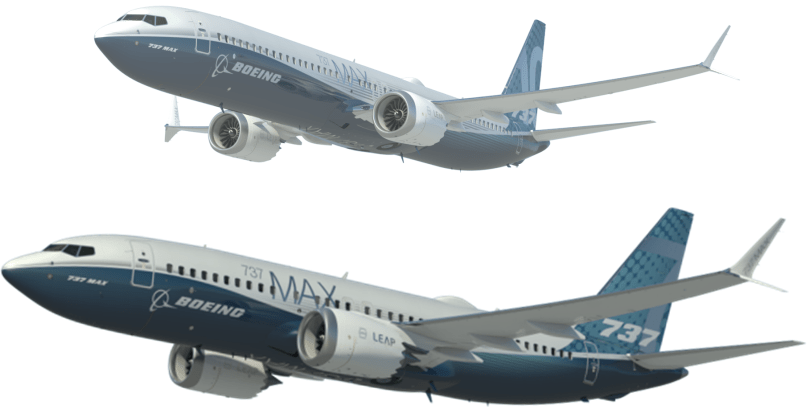
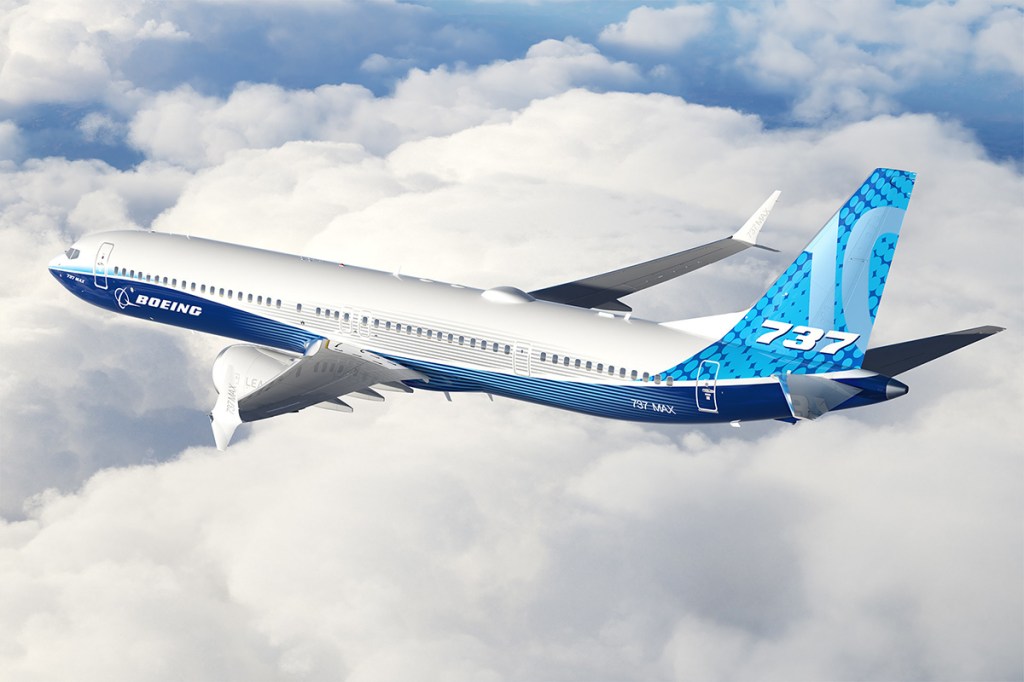
Un panel dividido del Séptimo Circuito de la Corte Judicial e Little Rock, Estado de Arkansas (AR), Estados Unidos, dijo el Viernes 29/07 que The Boeing Company no puede usar sus estatutos para evitar que los accionistas presenten reclamos federales derivados alegando que sus directores y funcionarios de la Junta emitieron declaraciones falsas y engañosas sobre los aviones Boeing 737 MAX en los años previos a dos accidentes fatales.
El panel de apelaciones 2-1 revivió una demanda derivada de accionistas que el Seafarers Pension Plan había presentado en la Corte Federal de Illinois (IL) alegando que los miembros actuales y anteriores de la Junta y los ejecutivos de The Boeing Company emitieron materiales de representación falsos y engañosos sobre el desarrollo y la operación del 737 MAX en el período de 2017 a 2019.
La mayoría del Séptimo Circuito revocó la decisión de Junio de 2020 de un Tribunal de Distrito del Norte de Illinois que desestimó la demanda basada en una cláusula de selección de foro en los estatutos de Boeing que establece que el Tribunal de Cancillería de Delaware es el único y exclusivo foro para cualquier acción o procedimiento derivado presentado en nombre de la corporación. La sede de Boeing se encontraba en Chicago (IL), pero está incorporada bajo la ley de Delaware. Actualmente la sede corporativa se ha trasladado a Arlington, Estado de Virginia (VA).
La mayoría del panel concluyó el Viernes 29/07 que el reglamento de selección del foro de Boeing es inaplicable en este caso porque entra en conflicto con la Ley Corporativa de Delaware y la Ley Federal de Valores. Seafarers alega que las declaraciones falsas y engañosas de Boeing perjudican a la compañía al «permitir la reelección inadecuada de directores que durante años habían tolerado una mala supervisión de la seguridad de los pasajeros, el cumplimiento normativo y la gestión de riesgos durante el desarrollo del avión de pasajeros 737 MAX». Seafarers también alega que las declaraciones falsas y engañosas se utilizaron para obtener votos de los accionistas para reelegir y afianzar a los mismos miembros de la Junta cuyas fallas de supervisión condujeron a los desastres del 737 MAX, así como para aprobar paquetes de compensación ejecutiva y rechazar propuestas de accionistas que buscaban separar las funciones del CEO y el Presidente de la Junta, según documentos judiciales.
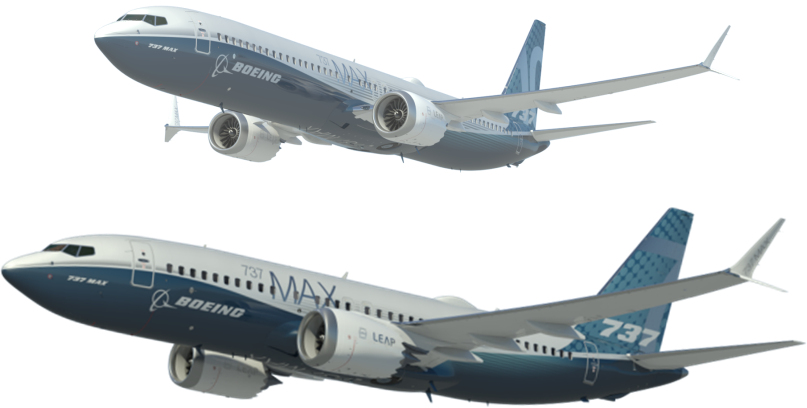
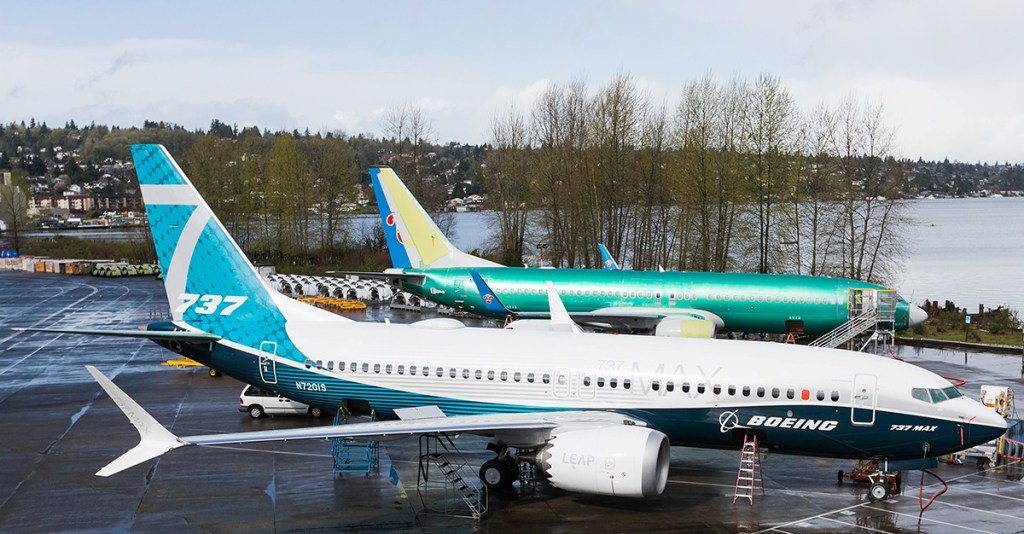
El Boeing 737 MAX estuvo involucrado en dos accidentes fatales en el extranjero en cinco meses: el accidente del 29 Octubre de 2018 del vuelo JT-610 de Lion Air en Indonesia, en el Mar de Java, donde fallecieron las 189 personas a bordo, y el accidente del 10 de Marzo de 2019 del vuelo ET-302 de Ethiopian Airlines, cerca de la Ciudad de Bishoftu, falleciendo los 157 ocupantes. Lo que siguió fue una puesta a tierra global sin precedentes de veinte meses de los aviones, múltiples investigaciones dirigidas a los errores de Boeing en el desarrollo del avión y los fallos de supervisión de la Administración Federal de Aviación (FAA), y decenas de demandas de las familias de las víctimas del accidente, accionistas, clientes de aerolíneas y otros acusando a Boeing de acortar la seguridad en su búsqueda de ganancias. La FAA en Noviembre de 2020 autorizó al 737 MAX a regresar al servicio.
La Seafarers lanzó esta demanda en Diciembre de 2019, y Boeing invocó su estatuto del foro para que se desestimara la acción. El Séptimo Circuito escuchó argumentos orales en Noviembre de 2020. La mayoría del panel dijo el Viernes 29/07 que el Estatuto elimina por completo el derecho de los accionistas a hacer valer reclamos derivados bajo la Ley de Bolsa de Valores, en violación del mandato del Congreso de que los Tribunales Federales conserven la jurisdicción exclusiva sobre esos reclamos.
Division 7th Cir. 737 MAX derivations
Court acts on the Boeing Bylaws
A divided panel of the Seventh Circuit of the Judicial Court of Little Rock, State of Arkansas (AR), United States, said on Friday 07/29 that The Boeing Company cannot use its bylaws to prevent shareholders from filing derivative federal claims alleging that its directors and board officers issued false and misleading statements about Boeing 737 MAX aircraft in the years leading up to two fatal accidents.
The 2-1 appeals panel revived a shareholder derivative lawsuit that the Seafarers Pension Plan had filed in Illinois (IL) Federal Court alleging that current and former Board members and executives of The Boeing Company issued proxy materials false and misleading information about the development and operation of the 737 MAX in the period from 2017 to 2019.
The majority of the Seventh Circuit reversed the June 2020 decision of a Northern District Court of Illinois that dismissed the lawsuit based on a forum selection clause in Boeing’s statutes that provides that the Delaware Court of Chancery is the sole and exclusive forum for any derivative action or proceeding brought on behalf of the corporation. Boeing’s headquarters were located in Chicago (IL), but it is incorporated under Delaware law. Currently the corporate headquarters has moved to Arlington, Virginia (VA).
The majority of the panel concluded on Friday 07/29 that Boeing’s forum selection rules are inapplicable in this case because they conflict with the Delaware Corporate Law and the Federal Securities Act. Seafarers alleges that Boeing’s false and misleading statements harm the company by «enabling the improper reappointment of directors who for years had tolerated poor oversight of passenger safety, regulatory compliance, and risk management during the aircraft’s development of passengers 737 MAX». Seafarers also alleges that the false and misleading statements were used to obtain shareholder votes to re-elect and secure the very Board members whose oversight failures led to the 737 MAX disasters, as well as to approve executive compensation packages and reject Shareholder proposals that sought to separate the roles of CEO and Chairman of the Board, according to court documents.
The Boeing 737 MAX was involved in two fatal accidents abroad in five months: the October 29, 2018 crash of Lion Air flight JT-610 in Indonesia, in the Java Sea, which killed all 189 people on board, and the March 10, 2019 accident of Ethiopian Airlines flight ET-302, near the City of Bishoftu, killing all 157 occupants. What followed was an unprecedented twenty-month global grounding of the planes, multiple investigations targeting Boeing’s mistakes in the plane’s development and Federal Aviation Administration (FAA) oversight failures, and dozens of lawsuits. from the families of the crash victims, stockholders, airline customers and others accusing Boeing of short-cutting safety in its pursuit of profit. The FAA in November 2020 cleared the 737 MAX to return to service.
Seafarers launched this lawsuit in December 2019, and Boeing invoked its forum statute to have the action dismissed. The Seventh Circuit heard oral arguments in November 2020. The majority of the panel said on Friday 07/29 that the Statute completely eliminates the right of shareholders to assert derivative claims under the Securities Exchange Act, in violation of the mandate of the Congress that the Federal Courts retain exclusive jurisdiction over those claims.
PUBLISHER: Airgways.com DBk: 7thcircuitcourt.com / Boeing.com / Airgways.com AW-POST: 202207031111AR OWNERSHIP: Airgways Inc. A\W A I R G W A Y S ®