Airbus inaugura su primer centro de entrenamiento en Brasil

AW | 2017 06 13 16:18 | INDUSTRY

Airbus Group ha inaugurado oficialmente el Centro de Entrenamiento Airbus Brasil (ABTC)

El nuevo centro de Airbus está ubicado en el Centro de Entrenamiento de Azul Airlines, Brasil  en UniAzul (Universidad de Azul) cerca del Aeropuerto Internacional de Viracopos en Campinas, São Paulo. La ceremonia presidida por Ricardo Bezerra, Director de ANAC; Fabrice Hamel, Vicepresidente de Servicios de Capacitación, Atención al Cliente, Airbus; Arturo Barreira, Vicepresidente de Ventas para América Latina y el Caribe; Y Antonoaldo Neves, Presidente de Azul Airlines, también marcaron un año desde que Azul eligió «Entrenamiento de Airbus» para proporcionar entrenamiento y cursos de simulador de vuelo de la familia A320. Diseñado para ofrecer entrenamiento de tripulación de vuelo a los operadores de Airbus en la región, el ABTC es el segundo Centro de Entrenamiento de Airbus en América Latina después del recién inaugurado Centro de Entrenamiento de Airbus en la Ciudad de México.

CENTRO ENTRENAMIENTO DE AIRBUS EN BRASIL

Azul Linhas Aéreas ha firmado un acuerdo por 12 años de «Entrenamiento Airbus», que incluye más de 70.000 horas de entrenamiento de vuelo y la instalación de un simulador A320 de vuelo completo en UniAzul. La ABTC alberga un equipo completo de entrenamiento de pilotos A320 y Airbus Pilot Trainer. Los pilotos de Azul han estado entrenando en ABTC desde noviembre de 2016.

Rafael Alonso, Presidente de Airbus para Latinoamérica y el Caribe, aseguró que «con la demanda de capacitación en América Latina se prevé un aumento de casi un cinco por ciento anual en los próximos 20 años. Ofrecer servicios de entrenamiento de vuelo de firma de Airbus a nuestros clientes en Brasil y más allá nos permite apoyar la productividad y el crecimiento de clientes como Azul, que actualmente están expandiendo y modernizando sus flotas. Estamos orgullosos de continuar apoyando a la creciente familia A320 de Azul y celebrar este gran acontecimiento con ellos». Fabrice Hamel, Vicepresidente de Servicios de Capacitación y Atención al Cliente de Airbus afirmó que «estamos complacidos de que el Centro de Capacitación de Airbus Brasil establezca el estándar para trabajar con las autoridades de aviación y las principales aerolíneas de todo Brasil para que sirva como un Centro de Excelencia para América del Sur».

Airbus ha logrado penetrar en Latinoamérica proporcionando capacitación a la región principalmente desde su centro de capacitación en Miami, y la adición de los centros de Brasil y México ayudarán a alcanzar el crecimiento a largo plazo en los mercados en expansión en la región. El pronóstico del mercado global de Airbus señala la necesidad de más de 80.000 nuevos pilotos y técnicos para 2035. El «Entrenamiento Airbus» garantiza un ingreso fluido en servicio de los aviones y proporciona apoyo y servicios a los clientes durante toda la vida operativa de su flota de Airbus. También ofrece cursos a nivel local a sus clientes gracias a las soluciones móviles y las funciones de e-Training.

Airbus ha vendido más de 1.000 aviones vendidos y actualmente casi 650 aviones Airbus están en operación en toda América Latina y el Caribe. Desde 1990, Airbus ha conseguido más del 60 por ciento de los pedidos netos en la región y en los últimos 10 años triplicando su flota en servicio.  AIRGWAYS ® Icon-AW

Airbus inaugurates its first training center in Brazil

Airbus Group has officially opened the Airbus Brazil Training Center (ABTC)

The new Airbus center is located at the Azul Brasil Airlines Training Center in UniAzul (University of Azul) near the Viracopos International Airport in Campinas, São Paulo. The ceremony presided over by Ricardo Bezerra, Director of ANAC; Fabrice Hamel, Vice President, Training Services, Customer Service, Airbus; Arturo Barreira, Vice President of Sales for Latin America and the Caribbean; And Antonoaldo Neves, Azul Airlines President, also marked a year since Azul chose «Airbus Training» to provide training and flight simulator courses for the A320 family. Designed to provide flight crew training to Airbus operators in the region, ABTC is the second Airbus Training Center in Latin America after the recently inaugurated Airbus Training Center in Mexico City.

Azul Linhas Aéreas has signed a 12-year agreement on «Airbus Training», which includes more than 70,000 hours of flight training and the installation of an A320 full-flight simulator at UniAzul. The ABTC houses a complete A320 and Airbus Pilot Trainer training team. Blue pilots have been training at ABTC since November 2016.

Rafael Alonso, President of Airbus for Latin America and the Caribbean, said that «with the demand for training in Latin America, it is expected to increase by almost five percent per year in the next 20 years. Our customers in Brazil and beyond allows us to support the productivity and growth of customers like Azul, who are currently expanding and modernizing their fleets.We are proud to continue to support Azul’s growing A320 family and celebrate this great event with them » . Fabrice Hamel, Vice President of Airbus Customer Service and Training Services, said: «We are pleased that the Airbus Brazil Training Center sets the standard for working with aviation authorities and major airlines throughout Brazil to serve as a Center of Excellence for South America «.

Airbus has been able to penetrate Latin America by providing training to the region primarily from its training center in Miami and the addition of Brazil and Mexico centers will help to achieve long-term growth in the region’s expanding markets. The Airbus global market forecast points to the need for more than 80,000 new pilots and technicians by 2035. The «Airbus Training» ensures a smooth service in the aircraft and provides support and services to customers throughout the operational lifetime of their aircraft. Fleet of Airbus. It also offers local courses to its customers thanks to the mobile solutions and e-Training functions.

Airbus has sold more than 1,000 aircraft sold and currently almost 650 Airbus aircraft are in operation throughout Latin America and the Caribbean. Since 1990, Airbus has achieved more than 60 percent of net orders in the region and in the last 10 years has tripled its fleet in service. A \ W


Ξ A I R G W A Y S Ξ
SOURCE:  Airgways.com
DBk:  Airbus.com / Topsector.com.br
AW-POST: 201706131618AR

A\W   A I R G W A Y S ®

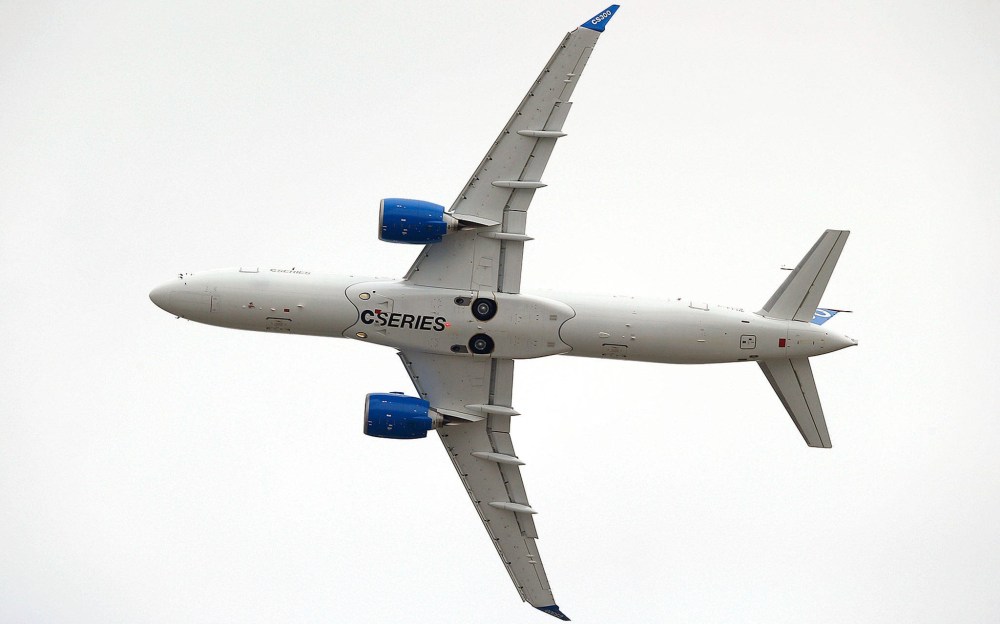
Bombardier CSeries primer año servicio

CS300

AW | 2017 06 12 19:23 | INDUSTRY

Montreal, Quebec, Canadá · Bombardier Commercial Aircraft celebrará el primer año excepcional de servicio del avión CSeries al mostrar el nuevo avión CS300 de airBaltic en el Airshow Internacional de París 2017, en el aeropuerto Le Bourget del 19 al 25 de junio. Además del CS300, Bombardier también presentará un Q400 en los colores de WestJet Encore.

«Estamos muy orgullosos de traer un CS300 en la librea de un cliente por primera vez en un show aéreo.La CSeries es verdaderamente un avión que cambia el juego y estamos muy contentos de poder ofrecer la oportunidad a más personas a ver por sí mismos en París», dijo Fred Cromer, Presidente de Bombardier Commercial Aircraft. «Este ha sido un año excepcional para el programa de aviones de la CSeries. La industria de las aerolíneas ha estado observando como la CSeries ha dado consistentemente todas las cosas que dijimos que sería, y ha superado incluso nuestras propias expectativas», dijo Cromer.

Hace casi un año, el 15 de julio de 2016, Swiss International Airlines (SWISS) inauguró el servicio de recaudación de aviones CS100, volando entre Zurich y París / Charles de Gaulle. En el momento de la Exposición Aérea de París, la flota de aviones de la serie C en servicio habrá realizado más de 8.000 vuelos transportando cerca de un millón de pasajeros.

El nuevo Q400 de WestJet Encore presentado en pantalla estática pronto se integrará a la flota de la aerolínea. Esta aerolínea canadiense ha reservado órdenes para 45 aviones Q400 que ya están ofreciendo un rendimiento incomparable y una gran flexibilidad operativa.

Bombardier también contará con una experiencia de realidad virtual mostrando el innovador nuevo interior CRJ. Los asistentes al Paris Air Show podrán ver el nuevo interior de CRJ que ofrece una experiencia de pasajeros mejorada y más valor para las aerolíneas. El avión AirBaltic CS300 y el turbopropulsor WestJet Encore Q400 se ubicarán en la pantalla estática del avión cerca del chalet Bombardier situado en # 282. La Compañía Limitada de Aeronaves de la CSeries, una filial del segmento Bombardier de Aeronaves Comerciales de Bombardier Inc. fabrica el Avión de la CSeries.  AIRGWAYS ® Icon-AW

Bombardier to celebrate CSeries’ first year in service

Montreal, Quebec, Canadá · Bombardier Commercial Aircraft will celebrate the CSeries aircraft’s exceptional first year in service by showcasing airBaltic’s brand new CS300 aircraft at the 2017 Paris International Airshow, at Le Bourget airport from June 19 to 25. In addition to the CS300, Bombardier will also be showcasing a Q400 in WestJet Encore colors.

«We are very proud to bring a CS300 in a customer’s livery for the first time at an airshow. The CSeries truly is a game changing aircraft and we are excited to be able to provide the opportunity for more people to see it for themselves at Paris,» said Fred Cromer, President, Bombardier Commercial Aircraft. «This has been an exceptional year for the CSeries aircraft program. The airline industry has been watching as the CSeries has consistently delivered on all the things we said it would, and has surpassed even our own expectations,» said Mr. Cromer.

Almost a year ago, on July 15, 2016, Swiss International Airlines (SWISS) inaugurated CS100 aircraft revenue service, flying between Zurich and Paris/Charles de Gaulle. By the time of the Paris Air Show the overall C Series aircraft fleet in service will have conducted more than 8,000 flights carrying close to one million passengers.

WestJet Encore’s brand new Q400 showcased on static display will soon be integrated to the airline’s fleet. This Canadian airline has booked orders for 45 Q400 aircraft that are already offering unmatched performance and great operational flexibility.

Bombardier will also feature a virtual reality experience showcasing the innovative new CRJ interior. Paris Air Show attendees will be able to preview the new CRJ interior that delivers an enhanced passenger experience and more value for airlines. The airBaltic CS300 airliner and the WestJet Encore Q400 turboprop will both be located in the aircraft static display near the Bombardier chalet located at #282. The C Series Aircraft Limited Partnership, an affiliate of the Bombardier Commercial Aircraft segment of Bombardier Inc. manufactures the C Series Aircraft. A \ W


Ξ A I R G W A Y S Ξ
SOURCE:  Stockhouse.com
DBk:  Bombardier.com
AW-POST: 201706121923AR

A\W   A I R G W A Y S ®

Airbus gana sobre derecho comercial a EE UU en la OMC

AW | 2017 06 12 19:09 | INDUSTRY

Toulouse, Francia · El CEO de Airbus, Tom Enders, ha felicitado a la UE “por lo que es una gran victoria para el comercio justo en la aviación comercial. La OMC declaró que el sistema de subvenciones de los EE UU otorga en gran medida subvenciones ilegales, mientras que el sistema europeo de reembolso de las inversiones de lanzamiento basado en préstamos cumple principalmente con el derecho comercial internacional”.

“Ahora, el panel de la OMC ha demostrado cómo Boeing sigue buscando los beneficios de este extenso apoyo ilegal, en detrimento de la igualdad de oportunidades en la industria aeronáutica mundial«, añadió. «La cantidad de dinero involucrada distorsiona completamente el comercio. No hay lugar para estas prácticas desleales y anticompetitivas en el mercado global moderno y dinámico de hoy, y la OMC debe dejar claro que ningún gobierno ni empresa puede escapar de sus responsabilidades internacionales», concluyó Enders.

Por su parte, Fabrice Bregier, director de Operaciones de Airbus, comentó: «A lo largo de esta aparentemente interminable disputa con Boeing, está muy claro que Boeing está usando estos casos para propósitos de PR y Lobbying en lugar de permitir un debate serio sobre igualdad de oportunidades en el sector de las aeronaves comerciales. Eso no sólo es lamentable, sino que pronto será visto como un tiro en su propio pie a la luz del ambiente competitivo actual y futuro en nuestra industria».

En un comunicado, Airbus señala que “los EE UU no han cumplido las resoluciones de la OMC en la batalla transatlántica que dura más de una década sobre los subsidios a los aviones comerciales. Esto ha concluido el Panel de Cumplimiento de la OMC en la disputa DS353 (EU vs US), que se refiere a miles de millones de dólares en subsidios otorgados a The Boeing Company”.

“En marzo de 2012, el Órgano de Solución de Diferencias de la OMC dictaminó que una serie de subsidios proporcionados por los EE UU a Boeing eran ilegales y que debían retirarse en un plazo de seis meses o, alternativamente, que sus efectos adversos debían eliminarse. En septiembre de 2012, los Estados Unidos alegaron que habían tomado todas las medidas necesarias para lograr el cumplimiento. Hoy en día, la UE obtuvo una victoria en la demostración de la existencia de una serie de subsidios ilegales, incluyendo el apoyo de I + D proporcionado por la Nasa y el Departamento de Defensa (DoD), y los recortes tributarios de miles de millones de dólares del Estado de Washington. La UE también ha vencido en la demostración de los continuos efectos negativos causados ??por algunas de esas subvenciones”.

“Durante cinco años sin cumplir con las resoluciones de la OMC, los Estados Unidos han continuado proporcionando enormes beneficios a Boeing en forma de subvenciones injustas y anticompetitivas, lo que se traduce en una pérdida adicional de ventas de al menos 300 aeronaves, con un valor estimado de entre 15.000 y 20.000 millones de dólares”.

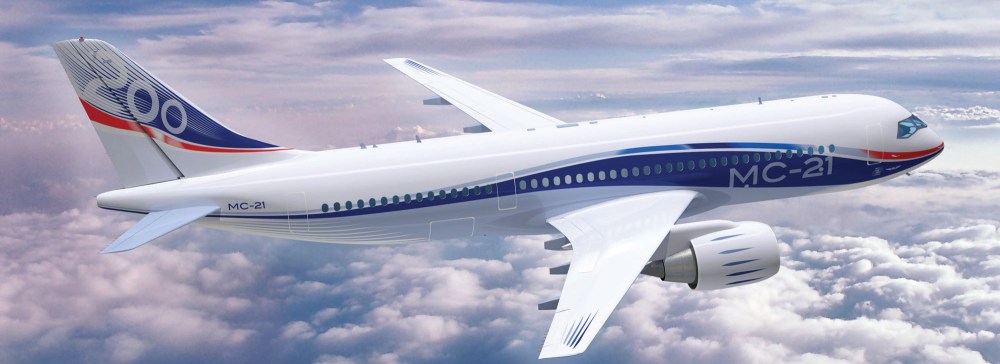
En conjunto, combinando esto con la decisión de la OMC a finales de 2016 en la disputa DS487, tratando los subsidios ilegales para el 777X, así como las resoluciones anteriores en el DS353, el impacto total de las subvenciones se estima en 100 millones de dólares en ventas perdidas para Airbus”. “Después de que fuera publicada en 2012 la decisión original, los EEUU aumentaron más sus subsidios a Boeing, con medidas tales como la disposición de los incentivos para la producción del 787 en Carolina del Sur, , Y el otorgamiento de más fondos y apoyo de la Nasa y el DOD para I + D. Hoy en día, el Grupo Especial está de acuerdo con la UE en que es correcto que estas medidas adicionales se incluyan en el ámbito del procedimiento”. “El Grupo Especial constató que las subvenciones no retiradas siguen causando efectos adversos en forma de importantes ventas perdidas para Airbus. En particular, el Grupo Especial constató que las reducciones del impuesto B & O del Estado de Washington habían hecho que Airbus perdiera al menos 16.000 millones de dólares en ventas. Este hallazgo podría conducir en última instancia a la imposición de miles de millones de dólares de sanciones comerciales contra los EE.UU”. “Se espera que la decisión de ahora sea apelada. Sin embargo, no hay indicios de que los argumentos de los EE UU sean diferentes de los anteriores, a pesar de la clara posición de la OMC. Con el tiempo adicional que los EE UU van a ganar con tal apelación, el daño a Airbus causado por subsidios sólo continuará aumentando”. “El primer semestre de 2017 ha visto moverse el mercado de grandes aviones comerciales en un territorio inexplorado. Mientras que vimos los primeros vuelos de los nuevos aviones nuevos C919 y MC-21 irrumpiendo en el mercado, Boeing presentó una demanda local sobre ayudas comerciales en la Comisión de Comercio Internacional de Estados Unidos contra Bombardier, con la intención de excluir los aviones CS del mercado estadounidense. Parece claro que Boeing está haciendo todo lo que puede para mantener el ‘status quo’ del que se ha aprovechado ilegalmente durante todos estos años”, concluye el comunicado de Airbus.  AIRGWAYS ® Icon-AW

Airbus wins US trade law at WTO

Toulouse, France · Airbus CEO Tom Enders congratulated the EU «for what is a great victory for fair trade in commercial aviation. The WTO stated that the US subsidy system largely grants illegal subsidies, while the European system of reimbursement of loan-based launch investments mainly complies with international trade law».

«The WTO panel has now shown how Boeing continues to seek the benefits of this widespread illegal support, to the detriment of equal opportunity in the global aviation industry.» The amount of money involved distorts trade completely. There is no room for these unfair and anti-competitive practices in today’s modern and dynamic global marketplace, and the WTO must make clear that no government or company can escape its international responsibilities», Enders concluded.

«Throughout this seemingly endless dispute with Boeing, it is very clear that Boeing is using these cases for PR and Lobbying purposes rather than allowing for a serious debate about it,» said Fabrice Bregier, Chief Operating Officer of Airbus. «Equal opportunity in the commercial aircraft sector. That is not only unfortunate, it will soon be seen as a shot on its own foot in light of the current and future competitive environment in our industry. «

In a statement, Airbus notes that «the United States has failed to comply with WTO rulings in the decade-long transatlantic battle over subsidies to commercial aircraft. This has been completed by the WTO Compliance Panel in the DS353 (US vs. US) dispute, which refers to billions of dollars in subsidies given to The Boeing Company. «

«In March 2012, the WTO Dispute Settlement Body ruled that a number of subsidies provided by the US to Boeing were illegal and should be withdrawn within six months, or alternatively that their adverse effects should be eliminated . In September 2012, the United States claimed that it had taken all necessary steps to achieve compliance. Today, the EU won a victory in demonstrating the existence of a number of illegal subsidies, including support from R & D provided by NASA and the Department of Defense (DoD), and tax cuts of billions Of Washington State dollars. The EU has also won in demonstrating the continuing negative effects of some of these subsidies. «

«For five years without complying with WTO rulings, the United States has continued to provide huge benefits to Boeing in the form of unfair and anti-competitive subsidies, resulting in an additional loss of sales of at least 300 aircraft, with a value Estimated between 15,000 and 20,000 million dollars. «

«Overall, combining this with the WTO decision in late 2016 in dispute DS487, dealing with illegal subsidies for the 777X, as well as previous resolutions in DS353, the total impact of subsidies is estimated at 100 million Dollars in lost sales for Airbus. » «After the original decision was issued in 2012, the US further increased its subsidies to Boeing, with measures such as the provision of incentives for production of 787 in South Carolina, and the granting of more funds and support NASA and DOD for R & D. Today, the Panel agrees with the EU that it is right for these additional measures to be included in the scope of the proceeding. » «The Panel found that non-withdrawn subsidies continue to have adverse effects in the form of significant lost sales to Airbus. In particular, the Panel found that the reductions in the Washington State B & O tax had caused Airbus to lose at least $ 16 billion in sales. This finding could ultimately lead to the imposition of billions of dollars of trade sanctions against the US. » «The decision is now expected to be appealed. However, there is no indication that the US arguments are different from the previous ones, despite the clear position of the WTO. With the additional time that the US will win with such an appeal, the damage to Airbus caused by subsidies will only continue to increase. » «The first half of 2017 has seen the market for large commercial aircraft in uncharted territory. While we saw the first flights of the new new aircraft C919 and MC-21 bursting in the market, Boeing presented a local branch on commercial aid in the United States International Trade Commission against Bombardier, with the intention to exclude the CS aircraft from the American market. It seems clear that Boeing is doing everything it can to maintain the ‘status quo’ that has been illegally exploited for all these years, «concludes the Airbus statement. A \ W


Ξ A I R G W A Y S Ξ
SOURCE:  Actualidadaeroespacial.com
DBk:  Ilvelino.it
AW-POST: 20170612190090AR

A\W   A I R G W A Y S ®

Bombardier Q400 para cliente anónimo

AW | 2017 06 10 15:53 | INDUSTRY

Un cliente no divulgado compra cinco Bombardier Q400

Bombardier Commercial Aircraft dijo que ha concluido una orden firme para cinco aviones Q400 con un cliente no revelado. Sobre la base de los precios de lista, la orden está valorada en 162 millones de dólares, según un comunicado de Bombardier.

El fabricante canadiense dijo que la familia de aviones Q400 incluye más de 60 propietarios y operadores en casi 40 países. «La flota mundial ha registrado más de 6,9 millones de horas de vuelo y ha transportado más de 429 millones de pasajeros», dijo Bombardier. AIRGWAYS ® Icon-AW

Bombardier Q400 for anonymous client


Undisclosed customer buys five Bombardier Q400s

Bombardier Commercial Aircraft said it has concluded a firm order for five Q400 aircraft with an undisclosed customer. Based on the list prices, the order is valued at $162 million, according to a Bombardier statement.

The Canadian manufacturer said the Q400 aircraft family includes over 60 owners and operators in almost 40 countries. “The worldwide fleet has logged more than 6.9 million flight hours and has transported more than 429 million passengers,” Bombardier said.A \ W


Ξ A I R G W A Y S Ξ
SOURCE:  Atwonline.com
DBk:  Bombardier.com
AW-POST: 201706101553AR

A\W   A I R G W A Y S ®

CAA sudafricana certifica Embraer E190

AW | 2017 06 09 20:50 | INDUSTRY

El Embraer E190 ha ganado la certificación de tipo de la Autoridad de Aviación Civil de Sudáfrica (CAA)

La aerolínea regional sudafricana Airlink recibió recientemente su primer Embraer E190, que pronto entrará en servicio. Airlink ha decidido añadir otros 11 ERJ 140 a su flota y pronto operará 30 Embraer Regional Jets de los tres tipos-ERJ 135, ERJ 140 y ERJ 145-, los cuales deberían ser entregados a mediados de 2018. Embraer dijo que ve la demanda del mercado de alrededor de 50 jets E en Sudáfrica. AIRGWAYS ® Icon-AW


South African CAA certifies Embraer E190

The Embraer E190 has won type certification from South Africa’s Civil Aviation Authority (CAA)

South African regional airline Airlink recently took delivery of its first Embraer E190, which will soon go into service. Airlink has decided to add a further 11 ERJ 140s to its fleet and will soon operate 30 Embraer Regional Jets of all three types—ERJ 135, ERJ 140 and the ERJ 145—which should all be delivered by mid-2018. Embraer said it sees market demand for around 50 E-jets in South Africa. A \ W


Ξ A I R G W A Y S Ξ
SOURCE:  Atwonline.com
DBk:  Embraer.com
AW-POST: 201706092050AR

A\W   A I R G W A Y S ®

Boeing prepara terreno para el B797

AW | 2017 06 08 23:17 | INDUSTRY

Boeing-Company-LogoBoeing revisa hasta los robots del  777X en la fábrica de Everett, señales de que un 797 espera

Antes del Salón del Aire de París de este mes, los ejecutivos de Boeing mostraron que la compleja remodelación de su planta de fabricación Everett para el próximo 777X ha hecho un rápido progreso y ha ofrecido fuertes indicios de que un avión 797 de mediano alcance está esperando en las alas.

En un negocio que se desarrolla a lo largo de décadas, la atención del liderazgo de Boeing está inquebrantablemente fijada en dos futuros programas de jet clave que serán críticos para esta región.

En las sesiones de información antes del Salón del Aire de París de este mes, los ejecutivos de Boeing mostraron que la compleja remodelación de su planta de fabricación de Everett para el próximo 777X ha avanzado rápidamente desde diciembre. Todo necesita unirse perfectamente para que el nuevo avión grande entre en servicio con éxito en 2020.

Y un alto ejecutivo ofreció fuertes indicios de que Boeing ha hecho planes detallados para el futuro lanzamiento de un nuevo 797 jet, construido de una manera radicalmente diferente que será «transformacional» para la compañía y podría tener ramificaciones cruciales para el estado de Washington.

Los nuevos métodos de producción automatizados para ambos programas de jet son centrales para el pensamiento de Boeing. En su primera comparecencia ante los periodistas, el nuevo presidente ejecutivo de los aviones comerciales, Kevin McAllister, dijo que Boeing buscará la tecnología -tanto en sus aviones como en sus fábricas- para diferenciarse del rival europeo Airbus, así como de los contendientes canadienses, chinos y rusos que han Entró en el negocio de grandes aviones comerciales. «Tenemos un competidor muy formidable y tenemos competidores emergentes», dijo McAllister. «Nunca podemos estar quietos.»

Inversión pesada 777X
Un exceso de largo plazo de aviones de fuselaje ancho ha deprimido las órdenes de los aviones más grandes y ha forzado a Boeing a reducir la producción de aviones 777 en Everett, ya recortar más de 8.400 empleos locales en el último año.

Sin embargo, a pesar de ese dolor a corto plazo, Boeing sigue confiando en la tendencia a largo plazo del crecimiento del tráfico aéreo y se prepara ahora para un futuro mejor. Por lo tanto, ha invertido mucho en el nuevo y automatizado equipo de fabricación 777X en Everett.

Se han producido las primeras piezas de prueba de preproducción, se está ajustando el sistema y los ingenieros se están preparando para comenzar a construir piezas para el primer avión, que será montado el próximo año y probado hasta el punto de rotura en el suelo.

Dentro del vasto Centro de Alas Compuestas, las máquinas robóticas de «colocación automatizada de fibras» – diseñadas y construidas por la firma de ingeniería Electroimpact, de Mukilteo – están a pocos días de colocar la fibra de carbono para comenzar a fabricar los largueros compuestos de una sola pieza para el primer avión.

Otras máquinas de laminación de fibra de carbono construyen las capas de ala compuestas y las varillas de rigidez largas llamadas largueros.

Durante una gira dirigida por Eric Lindblad, vicepresidente de 777X, el masivo horno de alta presión llamado autoclave estaba horneando un juego de largueros, mientras que otra máquina automatizada estaba recortando y perforando una piel de ala inferior.

En un edificio adyacente, dos líneas de producción de equipos se preparan y listos en los próximos meses para tomar los aleros recién horneados 777X y agregar los accesorios principales que soportarán las superficies móviles del ala, así como el tren de aterrizaje.

Otro robot, este suministrado por la firma española de ingeniería MTorres, perforará y fijará los postes de costilla y los refuerzos a los largueros, cada uno de ellos de 105 pies de largo, 6 pies de ancho en el extremo interior y un pie de ancho en el extremo externo. En tres estaciones subsiguientes, los mecánicos añaden manualmente los accesorios complejos más grandes.

Dentro del edificio principal de la asamblea de Everett, Boeing ha fijado las estaciones donde las alas serán ensambladas. Este equipo es otro diseño de Electroimpact, prácticamente idéntico al que construyó para la fábrica de asientos de Airbus A350 en Broughton, Gales – «pero la próxima generación, con más capacidad», dijo Jason Clark, vicepresidente de operaciones de 777 / 777X.

Los largueros delanteros y traseros de cada ala se cargan longitudinalmente en la estación junto con las costillas de ala metálicas entrecruzadas hechas en Frederickson, condado de Pierce, para formar una estructura ladderlike. Luego se coloca una piel de ala en la parte superior o inferior y los robots perforan y sujetan todos juntos.

Lindblad dijo que Boeing cargará en los próximos meses una práctica de ala derecha, una con la estructura geométrica completa pero sin los sistemas internos instalados, que utilizará para asegurarse de que todo el equipo automatizado funciona como debería.

Cambiar todo
Todo este equipo específico para 777X es la parte relativamente sencilla del proyecto. Mucho más difícil es que Boeing está cambiando simultáneamente cómo hace el actual 777, de modo que el mismo equipo de ensamblaje final maneje bien un 777-300ER actual con un ala de metal o un 777X mucho más grande con un ala de fibra de carbono.

Su objetivo es pasar de un modelo a otro sin interrupciones, tanto en la versión actual como en la próxima generación durante la transición. Pero eso implica cambiar completamente todo.

Los sistemas eléctricos, hidráulicos y de combustible del ala ahora están instalados con las alas colocadas en el piso de fábrica, cada ala apoyada en los gatos, en lugar de la antigua forma de trabajar en ella, ya que colgaba verticalmente dentro de una plantilla fija de cuatro pisos.

Y esos gatos controlados por ordenador se mueven al unísono para transportar las alas a lo largo del piso al fuselaje central, donde las alas se unen al cuerpo.

Si se trata de un ala 777 o un ala 777X, que tiene un barrido diferente y se encuentra con el fuselaje en un ángulo diferente – sólo cambiar las instrucciones de software.

Desde diciembre, Boeing ha realizado con éxito 10 777s utilizando este sistema de unión corporal, que continúa refinando.

La construcción de las secciones de fuselaje en forma de barril también se cambia completamente. Los grandes paneles de aluminio que llegan de Japón ahora están cosidos entre sí por robots en lugar de ser manualmente sujetados por la mecánica ya que los paneles se mantienen en plantillas fijas.

El año pasado, este nuevo conjunto robótico de fuselaje estaba causando problemas de calidad, con muchos barriles de fuselaje llegando al montaje final lleno de sujetadores temporales o con agujeros mal perforados.

Ahora los fuselajes construidos por robots están notablemente libres de sujetadores temporales. Y el andamio que todavía los rodeaba en diciembre como mecánicos luchó para solucionar los problemas se ha ido.

Brad Zaback, vicepresidente adjunto y gerente general del 777, dijo que los robots del fuselaje ahora están produciendo cada fuselaje delantero, cada fuselaje del centro y cada otro fuselaje en popa para los 777 actuales que se están construyendo. Dijo que el trabajo de fuselaje en popa cambiará completamente a los robots a finales de este año.

Ya, dijo, la instalación de fuselaje robótico está produciendo un trabajo de alta calidad, «tan bueno como hemos tenido» bajo el sistema de ensamblaje de jig-jig anterior.

Un 777 mecánico de la asamblea final estuvo de acuerdo en que la calidad general del trabajo robótico había aumentado inmensamente desde el año pasado. Sin embargo, nada en un entorno de fábrica es siempre perfecto.

Cuando el cañón de fuselaje en popa destinado a ser parte de un 777 para Saudi Arabian Airlines llegó a la bahía de montaje final el fin de semana pasado, sus juntas circunferenciales fueron clavadas en sujetadores temporales – un signo de trabajo inconcluso significativo que fue el resultado de un problema en el ajuste el piso.

Esa fue una de las secciones traseras construidas de la vieja manera en las plantillas fijas, no por los robots, dijo la portavoz de Boeing, Karen Crabtree.

El 797 está llegando

La transformación del 777X requiere una importante construcción y remodelación en 5 millones de pies cuadrados del espacio de fábrica de Everett, incluso mientras continúa la producción de los aviones actuales.

Claramente, se necesitan nervios de acero para emprender un proyecto de este tipo. Como si eso no fuese lo suficientemente difícil, los ingenieros de Boeing se están preparando para un nuevo y completo proyecto. AIRGWAYS ® Icon-AW


The Boeing 777 wings are attached to the wing box using three hydraulic jacks allowing more flexibility in attaching and working on the wings. (The 777X wings will also be attached using these jacks.)  (Mike Siegel/The Seattle Times)

Boeing prepares ground for B797

Boeing revs up robots for 777X in Everett factory, signals that a 797 awaits

Before this month’s Paris Air Show 2017, Boeing executives showed the complex refashioning of its Everett manufacturing facility for the forthcoming 777X has made rapid progress and offered strong hints that a medium-range Boeing 797 plane is waiting in the wings.

In a business that plays out over decades, the attention of Boeing’s leadership is unshakably fixed on two key future jet programs that will be critical to this region.

In briefings before this month’s Paris Air Show, Boeing executives showed that the complex refashioning of its Everett manufacturing facility for the forthcoming 777X has made rapid progress since December. It all needs to come together perfectly for the large new jet to successfully enter service in 2020.

And a top executive offered strong hints that Boeing has made detailed plans for the future launch of an all-new 797 jet — built in a radically different way that will be “transformational” for the company and could have crucial ramifications for Washington state.

New automated production methods for both jet programs are central to Boeing’s thinking. In his first appearance before journalists, new Commercial Airplanes Chief Executive Kevin McAllister said Boeing will look to technology — both on its airplanes and in its factories — to differentiate itself from European rival Airbus as well as the Canadian, Chinese and Russian contenders that have newly entered the large commercial jet business. “We have a very formidable competitor and we have emergent competitors,” said McAllister. “We can never stand still.”

Heavy 777X investment
A near-term glut of widebody aircraft has depressed orders for the biggest jets and forced Boeing to slash 777 jet production in Everett — and to cut more than 8,400 local jobs in the past year.

Yet despite that near-term pain, Boeing remains confident in the long-term trend of air-traffic growth and is prepping now for a brighter future. So it has invested heavily in new, automated 777X manufacturing equipment in Everett.

The first preproduction test parts have been produced, the system is being fine-tuned and engineers are gearing up to start building parts for the first airplane, which will be assembled next year and tested to breaking point on the ground.

Inside the vast Composite Wing Center, robotic “automated fiber placement” machines — designed and built by Mukilteo-based engineering firm Electroimpact — are days away from laying down the carbon fiber to begin making the long single-piece composite spars for the first airplane.

Other carbon-fiber lamination machines build the composite wing skins and the long stiffening rods called stringers.

During a tour led by Eric Lindblad, vice president of 777X, the massive high-pressure oven called an autoclave was baking a set of stringers while nearby another automated machine was trimming and drilling a lower wing skin.

In an adjacent building, two production lines of equipment are primed and ready in the next few months to take the freshly baked 777X spars and add the major fittings that will support the movable surfaces of the wing as well as the landing gear.

Another robot — this one supplied by Spanish engineering firm MTorres — will drill and fasten the rib posts and stiffeners to the spars — each of them 105 feet long, 6 feet wide at the inboard end and a foot wide at the outboard end. In three subsequent stations, mechanics manually add the bigger complex fittings.

Inside the main Everett assembly building, Boeing has set up the stations where the wings will be assembled. This equipment is another Electroimpact design, virtually identical to one it built for the Airbus A350 wing-assembly factory in Broughton, Wales — “but the next generation, with more capability,” said Jason Clark, vice president of 777/777X operations.

The front and rear spars of each wing are loaded lengthwise into the station along with crisscrossing metal wing ribs made in Frederickson, Pierce County, to form a ladderlike structure. Then a wing skin is placed on top or underneath and robots drill and fasten it all together.

Lindblad said Boeing in the coming months will load a practice right-hand wing, one with the full geometric structure but without the internal systems installed, which it will use to make sure all the automated equipment works as it should.

Changing everything
All of this 777X-specific equipment is the relatively straightforward part of the project. Much trickier is that Boeing is simultaneously changing how it makes the current 777, so that the same final assembly equipment will handle either a current 777-300ER with a metal wing or a much bigger 777X with a carbon-fiber wing.

It aims to seamlessly switch from one model to the next, with both current and next-generation versions going down the same line during the transition. But that entails completely changing everything.

The wing’s electrical, hydraulic and fuel systems are now installed with the wings laid flat on the factory floor, each wing sitting on jacks, instead of the former way of working on it as it hung vertically inside a four-story fixed jig.

And those computer-controlled jacks move in unison to transport the wings along the floor to the center fuselage, where the wings are joined to the body.

Whether it’s a 777 wing or a 777X wing, which has a different sweep and meets the fuselage at a different angle — only the software instructions change.

Since December, Boeing has successfully made 10 777s using this body-join system, which it continues to refine.

The construction of the barrel-shaped fuselage sections is also completely changed. The large aluminum panels that arrive from Japan are now stitched together by robots instead of being manually fastened by mechanics as the panels are held in fixed jigs.

Last year, this new robotic fuselage assembly was causing quality problems, with many fuselage barrels arriving at final assembly full of temporary fasteners or with mis-drilled holes.

Now the fuselages built by robots are noticeably free of temporary fasteners. And the scaffolding that still surrounded them in December as mechanics struggled to fix the problems is gone.

Brad Zaback, 777 deputy vice president and general manager, said fuselage robots are now producing every forward fuselage, every center fuselage and every other aft fuselage for the current 777s being built. He said the aft fuselage work will switch entirely to the robots later this year.

Already, he said, the robotic-fuselage facility is producing high quality work, “as good as we’ve ever had” under the former fixed-jig assembly system.

One 777 final-assembly mechanic agreed that the general quality of the robotic work had increased immensely since last year. Yet nothing in a factory setting is always perfect.

When the aft fuselage barrel destined to be part of a 777 for Saudi Arabian Airlines arrived in the final-assembly bay last weekend, its circumferential joins were studded in temporary fasteners — a sign of significant unfinished work that was the result of a problem in fitting the floor.

That was one of the aft sections built the old way in the fixed jigs, not by the robots, said Boeing spokeswoman Karen Crabtree.

The 797 is coming

The 777X transformation requires major construction and remodeling in 5 million square feet of Everett’s factory space, even as production of the current planes continues.

Clearly, it takes nerves of steel to undertake such a project. As if that were not difficult enough, Boeing’s backroom engineers are getting ready for a further-out, all-new project.

A \ W


Ξ A I R G W A Y S Ξ
SOURCE:  Seattletimes.com
DBk:  Seattletimes.com
AW-POST: 201706082317AR

A\W   A I R G W A Y S ®

Boeing lanzará el Boeing 737-10X MAX

AW | 2017 06 08 00:30 | INDUSTRY

FK,4923,36,737-max-round-pin

Boeing-Company-LogoAirbus daría la bienvenida a Boeing formalmente lanzando su propuesto 737-10X MAX, pero todavía espera que el A321 domine la llamada «mercado del medio»

Cuando se le preguntó durante una sesión informativa al margen de la AGA de IATA en Cacun lo que pensó sobre el Boeing 737-10X, director de operaciones, los clientes John Leahy comentaron: «Espero que lo hagan, creo que es un avión muy marginal».

Boeing hizo un «lanzamiento suave» de la propuesta de doble tramo al 737 en marzo, y ha señalado que, si se lanzó, podría entrar en servicio en 2020. Hay algunas especulaciones de que podría ser lanzado en el próximo espectáculo aéreo de París, Pero pocas compañías han mostrado interés en la variante, y los arrendadores también le han dado una mala recepción.

Leahy enlazó la variante 737 propuesta con el 767-400 y el 757-300, que eran tramos de nicho de aviones existentes que «daban alcance y rendimiento y el mercado nunca aceptó ninguno de esos aviones».

Más allá, Leahy describió a Boeing como una «crisis en el mercado del medio» debido al éxito de la A321 en el mercado contra el 737 más grande – en la actualidad el -900ER, y más tarde el MAX 9.

«Ellos dominaron ese medio del mercado durante años, y ahora lo han perdido, ya no tienen el 757, no pueden pensar en un reemplazo, el 767 se ha desvanecido. En el medio del mercado, y dominamos la mitad del mercado, por lo que están revolviendo acerca de tener idea tras idea «. AIRGWAYS ® Icon-AW

Boeing to launch Boeing 737-10X MAX

Airbus would welcome Boeing formally launching its proposed 737-10X MAX, but still expects the A321 to dominate the so-called «middle of the market»

Asked during a briefing on the sidelines of the IATA AGM in Cacun what he thought about the Boeing 737-10X, chief operating officer – customers John Leahy remarked: «I hope they do it; I think it’s a very marginal aircraft.»

Boeing did a «soft launch» of the proposed double-stretch to the 737 in March, and has signaled that, if launched, it could enter service in 2020. There is some speculation that it could be launched at the upcoming Paris air show, but few carriers have shown interest in the variant, and lessors have also given it a poor reception.

Leahy linked the proposed 737 variant to the 767-400 and 757-300, which were niche stretches of existing aircraft that «gave up range and performance and the market never accepted any one of those airplanes».

Going further, Leahy described Boeing as having a «crisis in the middle of the market» due to the success of the A321 in the market against the largest 737 – presently the -900ER, and later the MAX 9.

«They dominated that middle of the market for years, and now they’ve lost that. They don’t have the 757 anymore, they can’t think of a replacement for it, the 767 has faded away. So we have now moved into the middle of the market, and we dominate the middle of the market, so they are flailing about having idea after idea.» A \ W


Ξ A I R G W A Y S Ξ
SOURCE:  Flightglobal.com
DBk:  Boeing.com
AW-POST: 201706080030AR

A\W   A I R G W A Y S ®

Sukhoi SSJ-100 prueba con éxito winglets

AW | 2017 06 08 00:07 | INDUSTRY

Resultado de imagen para Sukhoi logoSukhoi Superjet 100 prueba alas para la instalación de winglets realizada con éxito

Las pruebas estáticas del panel de ala Sukhoi Superjet 100 para la instalación futura de winglets han sido completadas con éxito

Se han realizado ensayos para verificar la resistencia de los elementos estructurales por medio de la aplicación de carga de diseño a la maqueta de ala y ala con el uso de equipo especial. Después de la descarga del objeto de prueba, no se han revelado deformaciones o daños que demuestren la finalización exitosa de la prueba. Los resultados de las pruebas se tomarán en consideración durante la finalización del informe sobre la resistencia del ala del avión SSJ100 con ala de sable instalada.

Los nuevos winglets del sable en la estructura del ala han dado lugar al cambio de las cargas que afectan al ala durante el vuelo. En consecuencia, se ha conseguido el refuerzo de áreas particulares del ala existente con respecto a la distribución de nuevas cargas.

El uso de winglets mejorará el rendimiento de despegue y aterrizaje, aumentará la eficiencia de combustible de Sukhoi Superjet 100, así como el rango de vuelo no menos del 3%, más que el aumento de las características de escalada ampliará los límites para las operaciones calientes y altas.

Las pruebas se han realizado en AVIATEST (Riga, Letonia) centro de investigación y pruebas como parte de SSJ100 mejora el rendimiento. AVIATEST ha ganado una licitación para tal finalización de pruebas y SCAC ha estado trabajando con éxito con él desde 2005. Los especialistas del Centro han desarrollado y producido la plataforma de prueba incluyendo la maqueta de ala central para la fijación del panel de ala de una manera similar a su Conexión a la aeronave. SCAC, el fabricante de Sukhoi Superjet 100, ha suministrado el modelo de ala y el modelo de resistencia de las alas.

Las pruebas estáticas de ala realizadas con éxito constituyen una parte importante de las actividades de desarrollo para la instalación de winglets en aviones SSJ100. La preparación de la estructura de las alas para pruebas estáticas y de resistencia está en progreso. Winglet pruebas de banco para demostrar su resistencia a la huelga de relámpago se completará hasta el final del año. También se realizarán pruebas de tierra y vuelo de los aviones con winglets instalados. La certificación de aeronaves SSJ100 con winglets de sable y la posibilidad de su instalación opcional en nuevas aeronaves de este tipo surgirán de estos resultados de prueba.

Sukhoi Superjet 100 (SSJ100) es un jet comercial ruso de nueva generación desarrollado y producido por Sukhoi Civil Aircraft Company. SSJ100 fue diseñado con las últimas tecnologías, asegurando la eficiencia operativa y un alto nivel de confort para los pasajeros. El SSJ100 se puede operar en rutas de corta y media distancia. La distancia del SSJ100 es de 3 048 kilómetros para el modelo básico mientras que su versión de largo alcance puede recorrer más de 4 578 kilómetros. Sukhoi Civil Aircraft Company fabrica los aviones comerciales SSJ100, una versión del Sukhoi Business Jet y aviones especiales. La operación comercial SSJ100 comenzó en 2011.

Sukhoi Civil Aircraft Company (SCAC) fue fundada en 2000 con el fin de crear y desarrollar nuevos modelos de aviones comerciales. Actualmente, el principal proyecto de la compañía es el diseño y desarrollo de Sukhoi Superjet 100. Las principales direcciones de la actividad de la compañía son desarrollo, producción, ventas y mantenimiento de los aviones Sukhoi Superjet 100. La compañía está ubicada en Moscú y los aviones están reunidos en la sucursal de la compañía en la ciudad de Komsomolsk-on-Amur. AIRGWAYS ® Icon-AW

Los italianos interesados ​​en el montaje del avión ruso Sukhoi SSJ-100

El Ministro de Industria y Comercio de Rusia, Denis Manturov, y el Ministro de Desarrollo Económico de Italia, Carlo Calenda, han discutido el desarrollo de los proyectos Sukhoi Superjet y MC-21 en Venecia.

Las conversaciones se llevaron a cabo en el marco del Foro Económico Internacional de San Petersburgo (2017 SPIEF) que tiene lugar en Rusia, como se desprende de un informe de la oficina de prensa del Ministerio ruso de Industria y Comercio. «Carlo Calenda dijo que las empresas italianas y el gobierno estaban interesados ​​en el montaje de la aeronave», dice el mensaje.

Cabe señalar que Denis Manturov ha invitado a la contraparte italiana ya las empresas italianas a participar en la exposición industrial rusa INNOPROM en la ciudad de Ekaterimburgo. Como referencia, el Sukhoi Superjet 100 es un moderno avión bimotor de tipo fly-by-wire diseñado por Sukhoi, una división de la compañía aeroespacial civil rusa. A \ W

Sukhoi SSJ-100 successfully tests winglets

Sukhoi Superjet 100 wing tests for winglets installation successfully performed

Static tests of Sukhoi Superjet 100 wing panel for future installation of winglets have been successfully completed

Tests have been performed to verify the strength of the structural elements by means of application of design load to the wing and winglet mock-up with the use of special equipment. After the test object unloading no deformations or damages have been revealed demonstrating successful test completion. Test results will be taken into consideration during finalization of the report on strength of SSJ100 aircraft wing with installed saber winglet.

New saber winglets in the wing structure have resulted in change of loads affecting the wing during the flight. Consequently reinforcement of particular areas of existing wing has been achieved with regard to new loads distribution.

Use of winglets will enhance takeoff and landing performance, increase Sukhoi Superjet 100 fuel efficiency as well as flight range for not less than 3%, more than that increased climbing characteristics will expand limits for hot and high operations.

The tests have been performed in AVIATEST (Riga, Latvia) research and testing centre as a part of SSJ100 performance enhancement. AVIATEST has won a tender for such test completion and SCAC has been successfully working with it since 2005. The specialists of the Centre have developed and produced the test rig including center wing mock-up for attachment of the wing panel in a way similar to its connection to the aircraft. The wing panel and winglet strength mock-up have been provided by SCAC, the manufacturer of Sukhoi Superjet 100.

Successfully performed wing static tests constitute an important part of the development activities for installation of winglets on SSJ100 aircraft. Preparation of winglet structure for static and endurance tests is in progress. Winglet bench tests to prove its lightning strike resistance will be completed till the end of the year. Ground and flight tests of the aircraft with installed winglets will also follow. Certification of SSJ100 aircraft with saber winglets and possibility of its optional installation on new aircraft of this type will arise from these test results.

Sukhoi Superjet 100 (SSJ100) is a new-generation Russian commercial jet developed and produced by Sukhoi Civil Aircraft Company. SSJ100 was designed with the latest technologies, ensuring operational efficiency and a high level of passenger comfort. The SSJ100 can be operated on both short and medium distance routes. The SSJ100’s distance range is 3 048 kilometers for basic model aircraft while its long-range version can travel more than 4 578 kilometers. Sukhoi Civil Aircraft Company manufactures the commercial airliners SSJ100, a version of the Sukhoi Business Jet and special-purpose aircraft. The SSJ100 commercial operation started in 2011.

Sukhoi Civil Aircraft Company (SCAC) was founded in 2000 in order to create and develop new models of commercial aircraft. Today, the company’s main project is design and development of Sukhoi Superjet 100. Principal directions of the company’s activity are development, production, sales and maintenance support of Sukhoi Superjet 100 aircraft. The company is head-quartered in Moscow and the aircraft are assembled in the company’s branch in the city of Komsomolsk-on-Amur. A \ W

Italians interested in assembly of Russian Sukhoi Superjet

The Minister of Industry and Trade of Russia, Denis Manturov, and the Minister of Economic Development of Italy, Carlo Calenda, have discussed the development of Sukhoi Superjet and MC-21 projects in Venice.

The talks were held within the framework of St. Petersburg International Economic Forum (2017 SPIEF) taking place in Russia, as it follows from a report of the press office of the Russian Ministry of Industry and Trade. “Carlo Calenda said that the Italian companies and the government were interested in assembling of the aircraft”, the message reads.

It is noted that Denis Manturov has invited the Italian counterpart and Italian companies to take part in Russian industrial exhibition INNOPROM in the city of Yekaterinburg. As a reference, the Sukhoi Superjet 100 is a modern fly-by-wire twin-engine regional jet designed by Sukhoi, a division of the Russian civil aerospace company. A \ W


Ξ A I R G W A Y S Ξ
SOURCE:  Ajot.com / Russianconstruction.com
DBk:  Wikimedia.org / Sputniknews.com / Sukhoi.com / Revistaaerea.com
AW-POST: 201706080007AR

A\W   A I R G W A Y S ®

Boeing estudia avión mercado medio

AW | 2017 06 07 23:45 | INDUSTRY

Boeing-Company-LogoBoeing ha estudiado las opciones «de suave a salvaje» para el diseño de un jet de mediano mercado propuesto, según un alto ejecutivo, haciendo alusión a un avance que las fuentes de la industria dicen que creará bloques de construcción para futuros modelos

El vicepresidente de marketing Randy Tinseth dijo que Boeing saltaría los planes de Airbus de actualizar su A321NEO, ya que Boeing contempla una brecha entre los aviones de cuerpo estrecho y los aviones de largo alcance para un nuevo avión de mediano alcance potencial.

«Hemos mirado lo suave y hemos observado lo salvaje y puedo decirte que sabemos que si vas a abordar ese mercado, necesitas un nuevo avión», dijo Tinseth a Reuters luego de una reunión de dos días de líderes de aerolíneas en Mexico. Fuentes de la industria han dicho que el desarrollo del mercado medio es fundamental para Boeing ya que generará los rompecabezas, sistemas y cockpits industriales que probablemente serán utilizados para el próximo avión después de eso, un reemplazo de tres aeronaves de la vaca de efectivo 737 de Boeing.

Conseguir el «sistema de producción» en este momento permitiría parcialmente a Boeing desarrollar el siguiente avión, que se espera que gire alrededor de un modelo con 180 pasajeros, como un spin-off industrial del mercado medio, aunque con grandes diferencias. Esto daría lugar a importantes ahorros de costes y evitaría repetir un mosaico de diferentes arquitecturas de producción. Otros dos derivados podrían extender esa familia de reactores post-737 a 160-210 asientos, basado en las previsiones actuales del mercado. Boeing aún no ha hablado de sus planes más allá del plano de mediados de mercado, que se espera que entre en servicio en 2025. Los funcionarios de Boeing se negaron a comentar las opciones a largo plazo o los detalles específicos del proyecto de mercado medio, que una empresa de leasing ha denominado «797«.

Para el mercado mediano, las fuentes de la industria han dicho que Boeing se está instalando en una familia de dos aviones de fuselaje ancho. Estos combinarían de manera efectiva una cabina de dos pasillos situada encima del reducido espacio del vientre de un chorro de un solo pasillo. El objetivo es reducir la resistencia al viento o el arrastre y, por lo tanto, los costes operativos. Sin embargo, implica una apuesta arriesgada de que las aerolíneas no tendrán que cargar mucha carga pagada en las rutas para las cuales está diseñado el avión, dijeron delegados en la reunión de las aerolíneas en Cancún. Los dos modelos de mercado medio, diseñados para transportar alrededor de 220-260 pasajeros de más de 3.500 a 5.000 millas náuticas (6.400-9.260 km), también tendrá un ala que se asemeja al distintivo diseño de estilete del 787 Dreamliner, pero con importantes diferencias internas.

Visto desde el frente, el contorno de fuselajes de avión de metal tradicional suele estar más cerca de un verdadero círculo. Eso permite que el aire presurizado dentro de la cabina empuje hacia fuera uniformemente en todas las direcciones, facilitando cargas y eliminando la necesidad de materiales pesados ​​de la consolidación. Ese concepto bien probado es tan antiguo como el motor de vapor. Los compuestos de carbono permiten a los fabricantes fabricar piezas complejas en una forma y se adaptan bien al diseño más elíptico que Boeing tiene en mente para el nuevo fuselaje de mercado medio. Sin embargo, los compuestos son más costosos de producir. Airbus esta semana jugó un proyecto llamado A321NEO-Plus-Plus en respuesta al jet de Boeing mediados de mercado, y dijo que siempre estaba revisando las opciones. AIRGWAYS ® Icon-AW

Resultado de imagen para Boeing 797

Boeing studies mid-market aircraft

Boeing has looked at options «from mild to wild» for the design of a proposed mid-market jet, a senior executive says, hinting at a breakthrough that industry sources say will create building blocks for future models

Marketing vice president Randy Tinseth said Boeing would leapfrog reported plans by Airbus to update its hot-selling A321NEO, as Boeing eyes a gap between narrow-body jets and long-haul aircraft for a potential new mid-market aircraft.

«We have looked at the mild and we have looked at the wild and I can tell you we know that if you are going to address that market, you need a new aeroplane,» Tinseth told Reuters after a two-day meeting of airline leaders in Mexico. Industry sources have said the mid-market development is pivotal for Boeing since it will spawn the industrial jigsaw, systems and cockpits likely to be used for the next plane after that, a three-aircraft replacement of Boeing’s 737 cash cow.

Getting the «production system» right now would partially allow Boeing to develop the next jet, which is expected to revolve around a model carrying 180 passengers, as an industrial spin-off of the mid-market one, albeit with major differences. This would result in significant cost savings and avoid repeating a patchwork of different production architectures. Two further derivatives could extend that post-737 jet family to 160-210 seats, based on current market forecasts. Boeing has not yet talked about its plans beyond the mid-market plane, which is expected to enter service by 2025. Boeing officials declined comment on the long-term options or specific details of the mid-market project, which one leasing company has dubbed «797«.

For the mid-market jet, industry sources have said Boeing is settling on a family of two wide-body aircraft. These would effectively combine a twin-aisle cabin sitting on top of the reduced belly space of a single-aisle jet. The aim is to reduce wind resistance or drag and therefore operating costs. However, it involves a risky gamble that airlines will not need to carry much paid cargo on the routes for which the plane is designed, delegates at the airlines meeting in Cancun said. The two mid-market models, designed to carry about 220-260 passengers over 3,500 to 5,000 nautical miles (6,400-9,260 km), will also have a wing resembling the distinctive stiletto design of the 787 Dreamliner but with significant internal differences.

Seen from the front, the outline of traditional metal aeroplane fuselages is usually closer to a true circle. That allows pressurised air inside the cabin to push out uniformly in all directions, easing loads and removing the need for heavy strengthening materials. That well-tested concept is as old as the steam engine. Carbon composites allow manufacturers to make complex pieces in one shape and are well suited to the more elliptical design that Boeing has in mind for the new mid-market fuselage. However, composites are more expensive to produce. Airbus this week played down a project called A321NEO-Plus-Plus in response to the Boeing mid-market jet, and said it was always reviewing options. A \ W


Ξ A I R G W A Y S Ξ
SOURCE:  News.com.au
DBk:  Airgways.com / Fly-news.es
AW-POST: 201706072345AR

A\W   A I R G W A Y S ®

Embraer rediseña autonomía E190-E2

https://i0.wp.com/aviationweek.com/site-files/aviationweek.com/files/gallery_images/E2-Pic1.jpg

AW | 2017 06 05 22:52 | INDUSTRY

 Embraer-logo[1]CANCÚN, México · En el marco de la 73º Congreso de IATA celebrado en la ciudad de Cancún, la empresa aeronáutica de Brasil, Embraer, adelantó que la gama y el desempeño caliente y alto del avión E190-E2 será mejor de lo esperado, basado en los resultados de la test de pruebas de vuelo de la aeronave realizado hasta el momento.

Embraer ahora dice que el avión podrá incrementar su vuelo hasta 2.600 nm bajo condiciones típicas, aumentando aproximadamente 150 nm más que el aeroconstructor sudamericano ha especificado anteriormente, y alrededor de 500 nm más que cuando lanzó el programa. El aumento se produce cuando se agregan otros 800 kg (1.800 libras) al máximo de la aeronave.

Luego de las aprobaciones de las autoridades mundiales de los motores GE y Pratt & Whitney, para el programa «E2», augura éxitos por delante. Los Embraers E190/195 E2 son aviones de nueva generación de los conocidos E170/E175/E190/E195.  AIRGWAYS ® Icon-AW

https://i0.wp.com/airway.uol.com.br/wp-content/uploads/2017/05/ProfitHunter_01.jpg

EMBRAER HAS APPOINTED THE E190-E2 «THE PROFIT HUNTER» / EMBRAER HA NOMBRADO EL E190-E2 «EL CAZADOR DE BENEFICIOS»

Embraer redesigns autonomy E190E2


CANCÚN, Mexico · Embraer, the Brazilian aeronautical company, Embraer, announced that the range and high and hot performance of the E190-E2 aircraft will be better than expected based on the 73rd IATA Congress held in Cancun. In the results of the flight test test of the aircraft carried out so far.

Embraer now says that the aircraft will be able to increase its flight to 2,600 nm under typical conditions, increasing by approximately 150 nm more than the South American aeroconstructor has specified previously, and about 500 nm more than when it launched the program. The increase occurs when an additional 800 kg (1,800 pounds) is added to the maximum of the aircraft.

Following the approvals of the world authorities of the engines GE and Pratt & Whitney, for the «E2» program, it augurs successes ahead. The Embraers E190 / 195 E2 are new generation aircraft of the well-known E170 / E175 / E190 / E195. A \ W


Ξ A I R G W A Y S Ξ
SOURCE: Airgways.com
DBk: Embraer.com / Aviationweek.com
AW-POST: 201706052252AR

A \ W   A I R G W A Y S ®