Primer aeronave recibirá servicio de mantenimiento en China
Airbus China ha recibido en el Centro de Servicios del Ciclo de Vida (ALCSC) en Chengdu, China, el Jueves 28/08 el primer avión para su mantenimiento, reparación y reciclaje completos. El avión A330-200, propiedad de Hengqin Winglet Aircraft Technology Company Ltd., será desmontado mediante una colaboración entre ALSC, el Centro de I+D e Innovación de Airbus China (ACRI) y Hengri Corporation (HRC).
La cooperación entre ALSC y ACRI explorarán nuevas posibilidades de reciclaje y reutilización de materiales, y HRC, como desarrollador y fabricante de fibra de carbono y otros productos compuestos, reciclará los compuestos de fibra de carbono del avión. Gracias a esta asociación, por primera vez en China se desmantelará y reciclará un avión en el mismo lugar.
«El desmantelamiento y reciclaje de aviones está en el corazón de nuestro negocio. Esta iniciativa no solo representa un paso adelante en la estrategia de sostenibilidad de Airbus, sino que también se alinea con el llamado nacional en favor del desarrollo sostenible y la economía circular en China. Aprovechando técnicas de desmantelamiento de vanguardia, una cadena industrial integrada y la red global de la cadena de suministro de Airbus, pretendemos establecer nuevos estándares en el desmantelamiento y reciclaje de material de alta calidad con una tasa elevada líder en la industria», expresa el comunicado de Airbus China.
A su llegada al ALSC, la aeronave se someterá a la retirada de componentes, seguida de la deconstrucción y el reciclado del fuselaje restante. De acuerdo con la normativa industrial, los componentes retirados pueden volver al sector de la aviación para seguir prestando servicio, reduciendo así los costes operativos. El fuselaje, deconstruido mediante procesos especializados, se reciclará y desviará del vertedero en la mayor medida posible para minimizar el impacto medioambiental del proceso de desmantelamiento.
El Centro de Servicios del Ciclo de Vida de Airbus reúne bajo un mismo techo una empresa conjunta de Airbus, Tarmac Aerosave y la ciudad de Chengdu, junto con la compañía de Airbus Satair Chengdu. Comenzó sus operaciones el 24 de Enero de 2024.
Este centro es el primero de su clase que cubre, como ventanilla única, toda la gama de actividades, desde el estacionamiento y almacenamiento de aeronaves hasta los servicios de mantenimiento, mejoras, conversiones, desmantelamiento y reciclaje de diversos tipos de aeronaves, así como la distribución controlada de piezas usadas procedentes del desmantelamiento. El Centro de Servicios de Ciclo de Vida de Airbus tiene una superficie de 717.000 metros cuadrados y una capacidad de almacenamiento de 125 aviones. El sitio aumentará progresivamente las operaciones de aquí a 2025, empleando directamente hasta 150 empleados.
En poco más de seis meses desde su puesta en servicio, ALSC obtuvo la certificación de mantenimiento de la CAAC, la EASA y las autoridades de Bermudas, Guernesey y las Islas Caimán. Fue certificado para ofrecer servicios de estacionamiento, almacenamiento, mantenimiento y desmantelamiento de aviones A320 y A330. Además, Satair Chengdu ha recibido la certificación ASA100 para realizar negocios de distribución de material de servicio usado.
Airbus receives 1st aircraft for ALCSC
First aircraft to be serviced in China
Airbus China has received the first aircraft for full maintenance, repair and recycling at the Airbus Life Cycle Services Centre (ALCSC) in Chengdu, China, on Thursday 28/08. The A330-200 aircraft, owned by Hengqin Winglet Aircraft Technology Company Ltd., will be dismantled through a collaboration between ALSC, Airbus China R&D and Innovation Centre (ACRI) and Hengri Corporation (HRC).
The cooperation between ALSC and ACRI will explore new possibilities for recycling and reusing materials, and HRC, as a developer and manufacturer of carbon fibre and other composite products, will recycle the carbon fibre composites of the aircraft. Thanks to this partnership, for the first time in China an aircraft will be dismantled and recycled on-site.
«Aircraft dismantling and recycling is at the heart of our business. This initiative not only represents a step forward in Airbus’ sustainability strategy, but also aligns with the national call for sustainable development and circular economy in China. By leveraging cutting-edge dismantling techniques, an integrated industrial chain and the Airbus global supply chain network, we aim to set new standards in high-quality material dismantling and recycling at an industry-leading high rate», says the Airbus China statement.
Upon arrival at ALSC, the aircraft will undergo component removal, followed by deconstruction and recycling of the remaining fuselage. In accordance with industry regulations, removed components can return to the aviation industry for continued service, thereby reducing operating costs. The fuselage, deconstructed using specialised processes, will be recycled and diverted from landfill to the greatest extent possible to minimise the environmental impact of the dismantling process.
The Airbus Lifecycle Service Centre brings together under one roof a joint venture between Airbus, Tarmac Aerosave and the City of Chengdu, together with Airbus company Satair Chengdu. It began operations on 24 January 2024.
This centre is the first of its kind to cover, as a one-stop shop, the entire range of activities from aircraft parking and storage to maintenance services, upgrades, conversions, dismantling and recycling of various types of aircraft, as well as the controlled distribution of used parts from dismantling. The Airbus Lifecycle Service Centre covers an area of 717,000 square metres and has a storage capacity of 125 aircraft. The site will progressively increase operations by 2025, directly employing up to 150 employees.
In just over six months since its commissioning, ALSC has obtained maintenance certification from CAAC, EASA and the authorities of Bermuda, Guernsey and the Cayman Islands. It has been certified to provide parking, storage, maintenance and dismantling services for A320 and A330 aircraft. In addition, Satair Chengdu has received ASA100 certification to conduct used service equipment distribution business.
PUBLISHER: Airgways.com DBk: Airbus.com / Airgways.com AW-POST: 202408301720AR OWNERSHIP: Airgways Inc. A\W A I R G W A Y S ®
Aerolíneas chinas reciben el primer avión COMAC C919
Las aerolíneas chinas Air China y China Southern Airlines han tomado entrega de sus primeros COMAC C919 narrowbodies, marcando una nueva etapa en el crecimiento industrial aeronáutico chino. La preparación para la ceremonia de entrega del primer avión C919 a Air China y China Southern Airlines ha sido muy entusiasta y emblemática, representando un apoyo importando para el sector de la industria nacional del constructor COMAC Corporation.
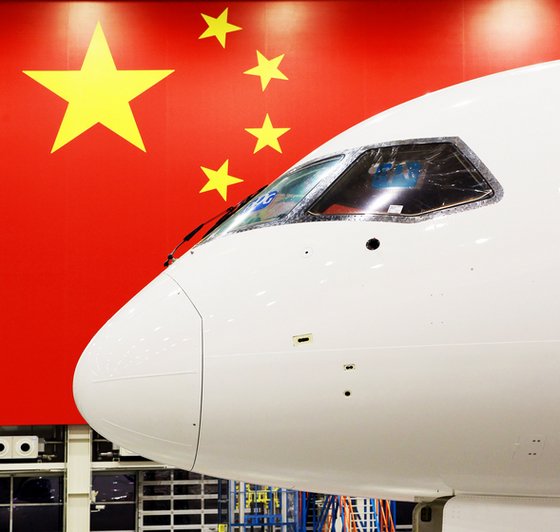
El hangar de la Corporación de Aviones Comerciales de China (COMAC), el fabricante del C919, en Shanghai se llenó de personas de todo el país que asistieron al evento. A medida que la puerta del hangar se abría, aparecieron en el mismo escenario los primeros aviones C919 de Air China pintados con la bandera nacional de China, y los primeros aviones C919 de China Southern Airlines.
Air China, la aerolínea principal del país, y China Southern Airlines, recibieron este Miércoles 28/08 en Shanghai el primer avión grande de pasajeros construido en China. Con la incorporación de la nave en ambas flotas se establece la fase de operación multiusuario para el avión C919. Las entregas se producen después de más de un año en operación del C919 en China Eastern Airlines, primer cliente global de la aeronave china.
“El C919 operará más rutas y cubrirá más áreas, y aportará más vitalidad a la aviación civil de China, e incluso a la aviación civil mundial”, resaltó He Dongfeng, Presidente y Jefe del Partido Comunista de China de COMAC.
Los expertos aseguran que las entregas del Miércoles 28/08 representan un hito para la operación de mercado a gran escala del C919. También ayudará a la aeronave a ganar más participación de mercado en el sector de la aviación china.
COMAC Corp. ha entregado a los clientes un total de nueve aviones C919. China Eastern Airlines, el primer usuario, ha estado operando sin problemas la nueva aeronave durante quince meses consecutivos desde su primer vuelo comercial. Recibió su séptimo avión C919 en Julio 2024. Actualmente, la flota de C919 de China Eastern ha volado cinco rutas regulares, realizado más de 3.600 vuelos comerciales y 10.000 horas de vuelo, facilitando más de 400.000 viajes de pasajeros, según datos de la aerolínea. China Eastern Airlines tomó la iniciativa en la firma de un acuerdo con COMAC para ordenar 100 aviones C919 adicionales, además de los cinco iniciales. Air China anunció en Abril 2024 que había encargado 100 C919, que se entregarán entre 2024 y 2031. Además, China Southern Airlines ha encargado 100 naves C919.
“Si el año pasado, los vuelos del C919 de China Eastern se consideró una operación de prueba inicial, las últimas entregas indicaron que el C919 ahora está listo para operaciones comerciales a gran escala y pronto se integrará completamente en el mercado nacional de aviación civil”, aseguró Lin Zhijie, Analista del Mercado.
“Es solo cuestión de tiempo antes de que gigantes como Air China y China Southern Airlines elijan el avión C919, y personalmente, creo que el momento va a llegar muy rápido”, aseguró Wang Ya’nan, editor Jefe de la revista Aerospace Knowledge. Las recientes operaciones de China Eastern han demostrado el potencial de mercado para estas importantes aerolíneas, y que las entregas adicionales ayudarán al C919 a asegurar una mayor cuota de mercado.
Tras las entregas del C919, Darren Hulst, Vicepresidente de Marketing Comercial de Boeing, aseguró que es bueno tener competencia en el mercado, y agregó que hay espacio para múltiples actores.
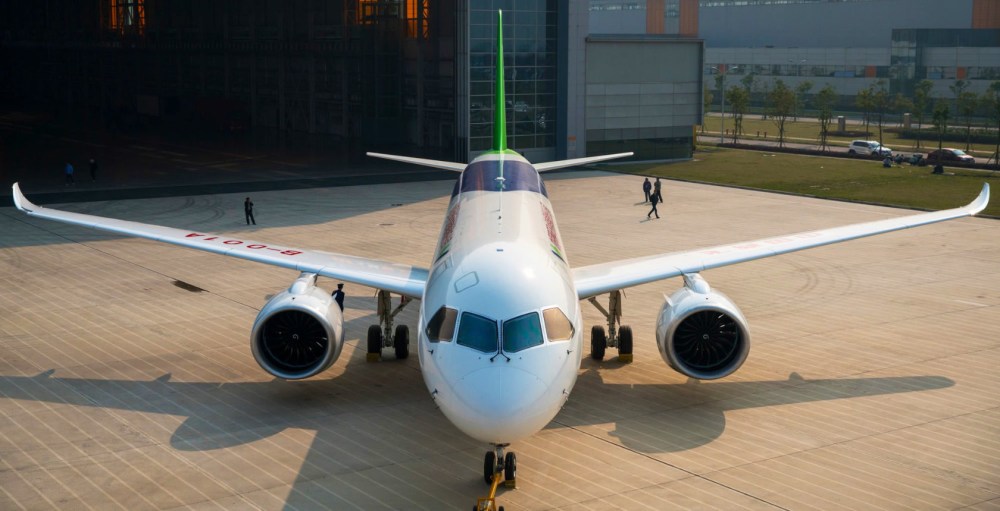
El C919 es un avión comercial de fuselaje estrecho desarrollado de acuerdo con las regulaciones internacionales de la aviación civil y con derechos de propiedad intelectual independientes. Se considera un modelo para hacerse con una parte del mercado mundial de la aviación civil dominado por Boeing y Airbus. Durante el 2023, el avión comenzó a volar rutas como la que une Shanghái y Pekín, operando durante la fiebre de viajes del Año Nuevo Lunar chino, y también debutó en el Salón Aeronáutico de Singapur 2024.
Los esfuerzos continúan por parte de COMAC Corporation por introducir el C919 en el mercado europeo. El South China Morning Post informó que las autoridades de aviación civil de China se han vuelto más optimistas acerca de obtener la certificación de la Unión Europea en 2025, luego de una inspección sobre el terreno del C919 por parte de los reguladores de la UE en Julio 2024 en Shanghai.
Con respecto a la expansión en los mercados extranjeros, Li Yuan, un observador independiente, enfatizó que se necesitan más esfuerzos para promover el C919 a nivel internacional, recalcando que el fabricante de aviones no solo vende un producto, sino que ofrece una garantía de ciclo de vida completo, lo que significa que los servicios posteriores deben ser sólidos y receptivos.
Air China/China Southern first COMAC C919
Airlines take delivery first COMAC C919 aircraft
Chinese airlines Air China and China Southern Airlines have taken delivery of their first COMAC C919 narrowbodies, marking a new stage in China’s aviation industry growth. The preparation for the delivery ceremony of the first C919 aircraft to Air China and China Southern Airlines has been very enthusiastic and emblematic, representing important support for the domestic industry sector of the manufacturer COMAC Corporation.
The hangar of the Commercial Aircraft Corporation of China (COMAC), the manufacturer of the C919, in Shanghai was filled with people from all over the country attending the event. As the hangar door opened, Air China’s first C919 aircraft painted with the national flag of China, and China Southern Airlines’ first C919 aircraft appeared on the same stage.
Air China, the country’s flagship airline, and China Southern Airlines took delivery of the first large passenger aircraft built in China on Wednesday, August 28, in Shanghai. The addition of the aircraft to both fleets marks the multi-user operation phase for the C919 aircraft. The deliveries come after more than a year of C919 operation at China Eastern Airlines, the first global customer of the Chinese aircraft.
«The C919 will operate more routes and cover more areas, and bring more vitality to China’s civil aviation, and even to global civil aviation», said He Dongfeng, Chairman and Party Chief of COMAC.
Experts say the deliveries on Wednesday, August 28, represent a milestone for the large-scale market operation of the C919. It will also help the aircraft gain more market share in the Chinese aviation sector.
COMAC Corp. has delivered a total of nine C919 aircraft to customers. China Eastern Airlines, the first user, has been smoothly operating the new aircraft for fifteen consecutive months since its first commercial flight. It received its seventh C919 aircraft in July 2024. Currently, China Eastern’s C919 fleet has flown five scheduled routes, completed more than 3,600 commercial flights and 10,000 flight hours, facilitating more than 400,000 passenger trips, according to the airline’s data. China Eastern Airlines took the lead in signing an agreement with COMAC to order 100 additional C919 aircraft, in addition to the initial five. Air China announced in April 2024 that it had ordered 100 C919s, to be delivered between 2024 and 2031. In addition, China Southern Airlines has ordered 100 C919 aircraft.
“If last year, China Eastern’s C919 flights were considered an initial test operation, the latest deliveries indicated that the C919 is now ready for full-scale commercial operations and will soon be fully integrated into the domestic civil aviation market”, said Market Analyst Lin Zhijie.
“It is only a matter of time before giants like Air China and China Southern Airlines choose the C919 aircraft, and I personally believe that time is going to come very quickly”, said Wang Ya’nan, Editor-in-Chief of Aerospace Knowledge magazine. China Eastern’s recent operations have demonstrated the market potential for these major airlines, and that additional deliveries will help the C919 secure a larger market share.
Following the C919 deliveries, Darren Hulst, Boeing’s Vice President of Commercial Marketing, said that it is good to have competition in the market, adding that there is room for multiple players.
The C919 is a narrow-body commercial aircraft developed in accordance with international civil aviation regulations and with independent intellectual property rights. It is seen as a model for grabbing a share of the global civil aviation market dominated by Boeing and Airbus. During 2023, the aircraft began flying routes such as the one between Shanghai and Beijing, operating during the Chinese Lunar New Year travel rush, and also debuted at the 2024 Singapore Airshow.
Efforts continue by COMAC Corporation to introduce the C919 to the European market. The South China Morning Post reported that China’s civil aviation authorities have become more optimistic about obtaining European Union certification in 2025, following an on-site inspection of the C919 by EU regulators in July 2024 in Shanghai.
Regarding expansion into overseas markets, Li Yuan, an independent observer, stressed that more efforts are needed to promote the C919 internationally, stressing that the aircraft manufacturer does not just sell a product but offers a full life-cycle warranty, meaning that after-services must be robust and responsive.
PUBLISHER: Airgways.com DBk: Comac.cc / Airchina.com / Csair.com / Airgways.com AW-POST: 202408291212AR OWNERSHIP: Airgways Inc. A\W A I R G W A Y S ®
AW | 2024 08 28 19:55 | INDUSTRY / AVIATION ORGANISMS
Sindicatos aviación pronunciarían huelga en semanas
The Boeing Company y su sindicato más grande la Asociación Internacional de Maquinistas y Trabajadores Aeroespaciales (IAM) siguen en desacuerdo sobre temas importantes en las negociaciones contractuales, pues se avecina una posible huelga que podría paralizar la producción el próximo mes de Septiembre 2024. Las dos partes se encuentran muy alejadas en cuanto a acuerdos en materia de salarios, seguridad laboral y otros asuntos, dijo Jon Holden, Presidente del distrito de la asociación gremial IAM que representa a unos 33.000 trabajadores de las fábricas de Boeing. «Es un trabajo duro. Somos muy agresivos en nuestras propuestas sobre salarios, jubilación, atención médica, seguridad laboral, tiempo libre remunerado. No estamos cerca de los grandes temas», expresó Jon Holden.
Los negociadores del fabricante de aviones y el Distrito 751 de IAM están atrincherados en un hotel de Seattle (WA) para negociar su primer contrato integral en dieciseis años antes de que el acuerdo actual expire a la medianoche hora local del 12 de Septiembre de 2024. Sin un nuevo acuerdo, Boeing se enfrenta a una huelga que podría cerrar sus fábricas de Puget Sound, poniendo en peligro los esfuerzos para aumentar la producción de aviones de pasajeros tras una catástrofe que expuso controles de calidad laxos y déficits de fabricación.
El gremio de la IAM quiere que Boeing se comprometa a construir su próximo avión en el área de Seattle y ha exigido un aumento salarial del 40% durante tres años. El sindicato también está presionando para tener más voz en materia de seguridad y calidad. Se ha visto envalentonado por el resurgimiento del movimiento obrero estadounidense, la escasez de mecánicos aeroespaciales cualificados y la presión sobre Boeing para que estabilice el trabajo en sus fábricas. La compañía ha desarrollado ligeras mejoras en las ofertas de la compañía sobre los salarios durante la semana pasada, pero se necesita más, dijo Jon Holden. Por su parte Boeing expresó en un comunicado por correo electrónico: «Continuamos negociando de buena fe mientras nos enfocamos en los temas que son importantes para nuestros empleados y sus familias. Estamos seguros de que podemos llegar a un acuerdo que equilibre las necesidades de nuestros empleados y las realidades comerciales que enfrentamos como empresa».
En Julio 2024, el sindicato de los Machinists votó abrumadoramente a favor de autorizar una huelga junto con una manifestación que atrajo a 25.000 trabajadores y sus familias al T-Mobile Park de Seattle. Desde entonces, el trabajo en las fábricas de toda la región se ha visto interrumpido por estridentes marchas diarias, interrumpidas por cánticos y bocinas en una muestra de solidaridad sindical.
Los miembros del sindicato están programados para votar el 12 de Septiembre de 2024 sobre la mejor y última oferta de la compañía. Si se rechaza el acuerdo con dos tercios que apoyen la huelga, los trabajadores votarán si se declaran en huelga, se iniciará el reclamo apartir del mediodía del 13/09.
Perspectivas Boeing El fabricante americano necesita recuperar la estabilidad intitucional y el ritmo de producción constante clave para revertir la volatilidad de efectivo en Boeing, que ha consumido más de US$ 8.000 millones de Dólares acumulados hasta 08/2024. El nuevo Director Ejecutivo de Boeing, Kelly Ortberg, ha tratado de lograr un tono conciliador con los maquinistas desde que se unió a la compañía el 8 de Agosto de 2024. Anunció planes para trabajar desde Seattle, y durante una breve reunión con Jon Holden enfatizó su deseo de mejorar las relaciones con el sindicato, que representa a los trabajadores en Seattle y Portland, Oregon.
«Ambos son buenos líderes. Uno esperaría que, dado el requisito aquí, dos buenos líderes pudieran encontrar el terreno común necesario para evitar la huelga», dijo Richard Aboulafia, Director Gerente de la Consultora AeroDynamic Advisory.
El equipo negociador de Boeing, a cargo de Kim Pastega, dijo el 23/08 que la compañía está cien por ciento comprometida a llegar a un acuerdo que sea bueno tanto para los empleados como para el futuro de la compañía. «Realmente estamos progresando, teniendo conversaciones productivas y colaborativas con el sindicato», dijo Kim Pastega, Vicepresidente de Fabricación y Seguridad de la división de Aviones Comerciales de Boeing. Jon Holden dijo que no ha notado ningún cambio en el tono de la mesa de negociaciones desde que el nuevo CEO asumió el cargo de Dave Calhoun, quien anunció que renunciaba en Marzo 2024 en medio de una amplia reorganización. «Creo que ahora tienen liderazgo. No sé qué tan involucrado está. Pero sé que está vigilando, al menos eso es lo que me han dicho», dijo Jon Holden sobre Ortberg.
Los maquinistas tienen una historia de activismo que se remonta a décadas atrás, incluida una huelga de 2008 que paralizó la producción de aviones de Boeing durante dos meses. Los líderes todavía están molestos por un acuerdo de 2014 que sacrificó las pensiones, bloqueó aumentos mínimos y ató las manos de los activistas durante una década a cambio de la promesa de Boeing de construir el avión 777X en la región. «A pesar de que estamos lejos, no me he rendido. Tengo en juego a más de 33.000 familias y sus medios de vida. Quiero llegar a un acuerdo. Pero estamos dispuestos a atacar», expresó Jon Holden.
Boeing may face strike
Aviation unions could declare strike in weeks
The Boeing Company and its largest union, the International Association of Machinists and Aerospace Workers (IAM), remain at odds over major issues in contract negotiations, as a possible strike looms that could paralyze production as early as September 2024. The two sides are far apart on agreements on wages, job security, and other issues, said Jon Holden, district president of the IAM union that represents about 33,000 Boeing factory workers. «It’s hard work. We’re very aggressive in our proposals on wages, retirement, health care, job security, paid time off. We’re not close on the big issues», said Jon Holden.
Negotiators for the planemaker and IAM District 751 are holed up in a Seattle (WA) hotel to negotiate their first comprehensive contract in sixteen years before the current agreement expires at midnight local time on September 12, 2024. Without a new deal, Boeing faces a strike that could shut down its Puget Sound factories, jeopardizing efforts to ramp up passenger jet production following a catastrophe that exposed lax quality controls and manufacturing shortfalls.
The IAM union wants Boeing to commit to building its next plane in the Seattle area and has demanded a 40% wage increase over three years. The union is also pushing for more say in safety and quality. It has been emboldened by a resurgent US labor movement, a shortage of skilled aerospace mechanics, and pressure on Boeing to stabilize work at its factories. The company has made slight improvements to the company’s wage offers over the past week, but more is needed, Jon Holden said. Boeing said in an emailed statement: «We continue to negotiate in good faith while focusing on the issues that are important to our employees and their families. We are confident we can reach an agreement that balances the needs of our employees and the business realities we face as a company».
In July 2024, the Machinists’ union voted overwhelmingly to authorize a strike along with a rally that drew 25,000 workers and their families to Seattle’s T-Mobile Park. Since then, work at factories across the region has been disrupted by raucous daily marches, punctuated by chants and horns in a show of union solidarity.
Union members are scheduled to vote on Sept. 12, 2024, on the company’s best and final offer. If the agreement is rejected with two-thirds supporting the strike, workers will vote on whether to go on strike, with the strike starting at noon on 13/09.
Boeing outlook The American manufacturer needs to regain institutional stability and a steady pace of production key to reversing cash volatility at Boeing, which has consumed more than US$ 8 billion accumulated through 08/2024. Boeing’s new CEO, Kelly Ortberg, has tried to strike a conciliatory tone with machinists since joining the company on August 8, 2024. He announced plans to work from Seattle, and during a brief meeting with Jon Holden emphasized his desire to improve relations with the union, which represents workers in Seattle and Portland, Oregon.
«They’re both good leaders. You would hope that given the requirement here, two good leaders would be able to find the common ground necessary to avoid a strike», said Richard Aboulafia, managing director of consulting firm AeroDynamic Advisory.
Boeing’s negotiating team, led by Kim Pastega, said on 8/23 that the company is 100 percent committed to reaching an agreement that is good for both employees and the company’s future. «We’re really making progress, having productive and collaborative conversations with the union», said Kim Pastega, vice president of manufacturing and safety for Boeing’s Commercial Airplanes division. Jon Holden said he hasn’t noticed any change in the tone at the bargaining table since the new CEO took over from Dave Calhoun, who announced he was stepping down in March 2024 amid a broad reorganization. «I think they have leadership now. I don’t know how involved he is. But I know he’s keeping an eye on it, at least that’s what I’ve been told», Jon Holden said of Ortberg.
The machinists have a history of activism that goes back decades, including a 2008 strike that halted Boeing jet production for two months. Leaders are still smarting from a 2014 deal that sacrificed pensions, blocked minimal raises, and tied activists’ hands for a decade in exchange for Boeing’s promise to build the 777X jet in the region. «Even though we’re far away, I haven’t given up. I’ve got more than 33,000 families and their livelihoods at stake. I want to get a deal done. But we’re willing to strike», said Jon Holden.
PUBLISHER: Airgways.com DBk: Goiam.org / Boeing.com / Stephen Brashear / Airgways.com AW-POST: 202408282955AR OWNERSHIP: Airgways Inc. A\W A I R G W A Y S ®
KLM Royal Dutch Airlines ha dado la bienvenida el Martes 27/08 a su primer Airbus A321neo tras aterrizar en el Aeropuerto de Amsterdam-Schiphol en losPaíses Bajos. La llegada de este nuevo avión es un paso importante en el riguroso programa de renovación iniciado por KLM para apoyar operaciones de vuelo más limpias, silenciosas y eficientes. A partir de mediados de septiembre, el A321neo comenzará a servir a varios destinos europeos.
“He estado esperando esto con gran anticipación. La llegada del primer A321neo marca el inicio de la sustitución de nuestra flota de Boeing 737. El A321neo produce menos ruido yCO2 y, por lo tanto, contribuye significativamente a un futuro más limpio y silencioso. También ofrece más comodidad. Estoy ansioso por ver cómo nuestros pasajeros experimentarán el nuevo avión», expresó Marjan Rintel, Presidenta y Directora Ejecutiva de KLM Airlines.
Los aviones A321neo están equipados con nuevos motores que emiten menos CO2 que sus predecesores. Medido por tonelada de pasajero-kilómetro, el A321neo es aproximadamente un 21% más eficiente en el consumo de combustible que el avión Boeing 737 al que sustituye. Además, la aeronave reduce el impacto del ruido, reduciendo esencialmente a la mitad su huella acústica, causando muchas menos molestias a los residentes.
Los pasajeros del A321neo experimentan más confort gracias a asientos más anchos, mesas más grandes y compartimentos de equipaje más espaciosos. Cada asiento está equipado con un puerto USB-C y un soporte para un móvil o tableta. El avión también ofrece más comodidad para la tripulación, incluyendo un pasillo más ancho y compartimentos de equipaje fáciles de abrir. El interior ha sido diseñado para mejorar la experiencia de KLM, con detalles más reconocibles y una iluminación ambiental que se adapta a cada etapa del viaje.
El A321neo comenzará a operar servicios a Copenhague, Berlín y Estocolmo a partir de mediados de septiembre, seguidos de París, Praga y Viena. KLM incorporará otros tres nuevos aviones A321neo a su flota este año. Con esta nueva serie de aviones, KLM continúa su tradición de dar a los aviones nombres únicos. En los últimos 104 años se han presentado diferentes temas, desde nombres de miembros de la familia real hasta puentes, pioneros de la aviación y parques nacionales.
Marjan Rintel dijo: «Esta vez, los empleados de KLM pudieron elegir el tema. ‘ Las mariposas se han convertido en el tema ganador, lo que encaja muy bien con la transformación en la que nos estamos embarcando con la nueva flota. Los nombres de los cuatro primeros aviones A321neo serán Cola de Golondrina».
KLM invertirá € 7.000 millones de Euros en su programa de renovación de flota durante los próximos años, lo que representa una parte sustancial de su cartera total de inversiones. En las rutas europeas, KLM reemplazará sus Boeing 737 más antiguos por aviones Airbus A320neo y A321neo. En KLM Cityhopper, los nuevos modelos E2 se unirán a los aviones Embraer 175 y 190. Para los vuelos intercontinentales, KLM añadirá cinco nuevos Boeing 787-10, seguidos por el Airbus A350 que sustituirá a los antiguos 777 y A330. Por último, KLM ha encargado cuatro A350F para su división de carga en sustitución de los 747 cargueros.
KLM takes delivery of Airbus A321neo
Dutch airline takes delivery of first A321neo
KLM Royal Dutch Airlines has welcomed its first Airbus A321neo on Tuesday 27/08 after landing at Amsterdam-Schiphol Airport in the Netherlands. The arrival of this new aircraft is an important step in the rigorous refurbishment program initiated by KLM to support cleaner, quieter, and more efficient flight operations. Starting in mid-September, the A321neo will begin serving several European destinations.
“I have been waiting for this with great anticipation. The arrival of the first A321neo marks the start of the replacement of our Boeing 737 fleet. The A321neo produces less noise and CO2 and thus contributes significantly to a cleaner and quieter future. It also offers more comfort. I am looking forward to seeing how our passengers will experience the new aircraft”, said Marjan Rintel, President and CEO of KLM Airlines.
The A321neo aircraft are equipped with new engines that emit less CO2 than their predecessors. Measured per tonne passenger kilometre, the A321neo is approximately 21% more fuel efficient than the Boeing 737 aircraft it replaces. In addition, the aircraft reduces noise impact, essentially halving its acoustic footprint, causing far less disruption to residents.
Passengers on the A321neo experience more comfort thanks to wider seats, larger tables, and more spacious luggage compartments. Each seat is equipped with a USB-C port and a holder for a mobile phone or tablet. The aircraft also offers more comfort for the crew, including a wider aisle and easy-to-open luggage compartments. The interior has been designed to enhance the KLM experience, with more recognisable details and ambient lighting that adapts to each stage of the journey.
The A321neo will begin operating services to Copenhagen, Berlin, and Stockholm from mid-September, followed by Paris, Prague, and Vienna. KLM will add another three new A321neo aircraft to its fleet this year. With this new aircraft series, KLM continues its tradition of giving aircraft unique names. Over the past 104 years, different themes have been put forward, from names of members of the royal family to bridges, aviation pioneers, and national parks.
Marjan Rintel said: «This time, KLM employees were able to choose the theme. ‘Butterflies’ have emerged as the winning theme, which fits very well with the transformation we are embarking on with the new fleet. The names of the first four A321neo aircraft will be Swallowtail».
KLM will invest €7 billion in its fleet renewal programme over the next few years, representing a substantial part of its total investment portfolio. On European routes, KLM will replace its older Boeing 737s with Airbus A320neo and A321neo aircraft. At KLM Cityhopper, the new E2 models will join the Embraer 175 and 190 aircraft. For intercontinental flights, KLM will add five new Boeing 787-10s, followed by the Airbus A350 to replace the older 777 and A330. Finally, KLM has ordered four A350Fs for its cargo division to replace the 747 freighters.
PUBLISHER: Airgways.com DBk: Klm.com / Airbus.com / Airgways.com AW-POST: 202408281200AR OWNERSHIP: Airgways Inc. A\W A I R G W A Y S ®
La industria brasileña buscaría un período de ventaja con el fabricante líder Embraer SA. La coyuntura de la industria aeronáutica se encuentra en una etapa de inflexión debido a los problemas y dificultades en Airbus Group y The Boeing Company. El fabricante de aviones estadounidense se ha enfrentado a nuevas acusaciones de denunciantes, a una renovada presión regulatoria tras otro incidente de vuelo y a un mayor retraso de entregas de aeronaves, mientras que el constructor europeo Airbus Group tiene un gran retraso de entregas de aviones comerciales.
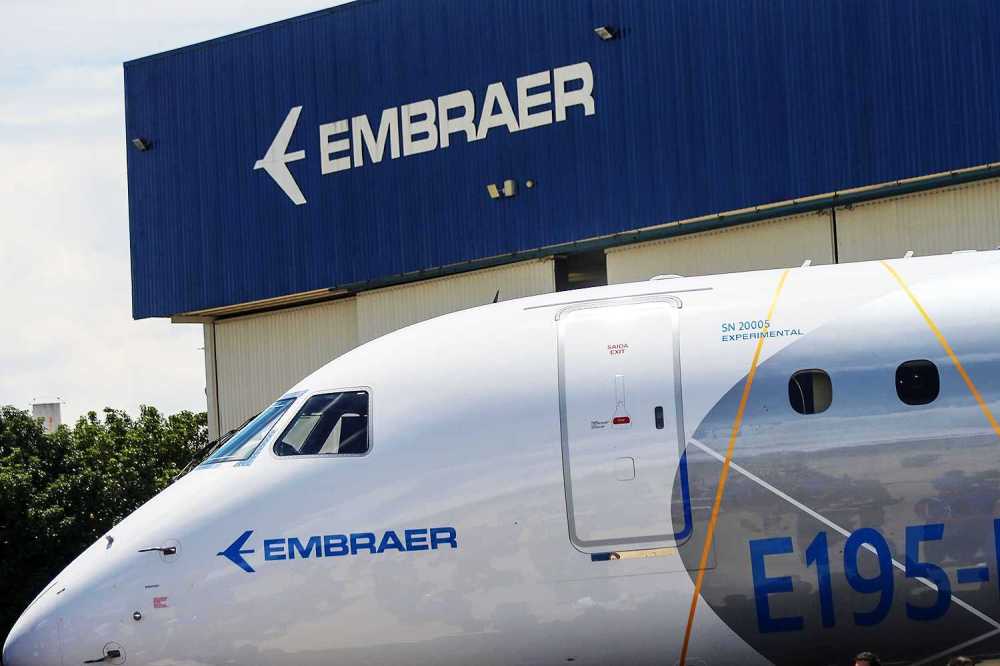
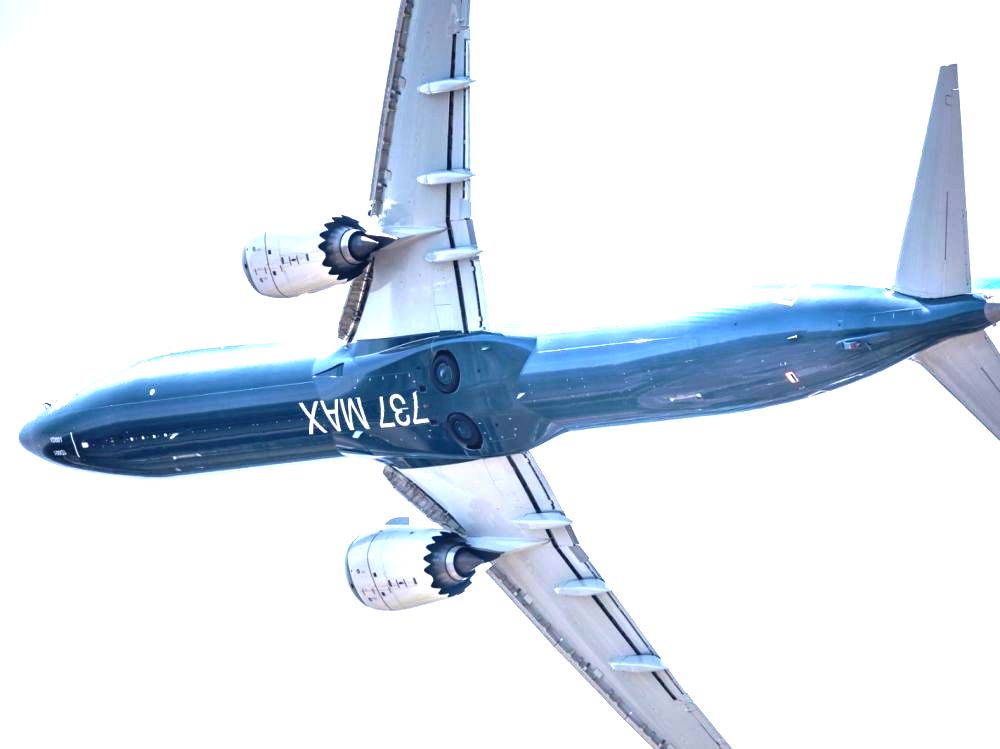
La compañía aeroespacial Embraer conserva un nuevo proyecto de hoja limpia conocido como Embraer E200-E2 con una configuración de aproximadamente 142 asientos colocándolo en el sector de los narrowbodies compitiendo directamente con los Boeing 737 MAX y la familia Airbus A320neo.
Los analistas han comenzado a especular si finalmente podría romperse el doupolio Airbus-Boeing, mientras espera entre bastidores el impulso de Embraer hacia nuevas propuesta de mercado en respuesta a la crisis mundial de aeronaves. «Creo que muchos ojos se están volviendo hacia Embraer porque son muy competentes. Solo necesitan encontrar una manera de escalar», dijo el Analista Aeroespacial Richard Aboulafia.
Embraer SA, con sede en São José dos Campos, Brasil, es actualmente el tercer fabricante de aviones más grande del mundo. Sin embargo, sólo tiene una cuota de mercado del 7% de los mercados de pasajeros y cargueros en servicio, en comparación con el 39,5% de Boeing, según la consultora IBA. Sin embargo, las acciones del constructor brasileño se han disparado casi un 50% desde que comenzó la crisis en Boeing, impulsadas por una cartera de pedidos por valor de US$ 18.700 millones de Dólares, que ha alcanzado su nivel más alto en seis años.
Desafíos futuros El constructor brasileño se encara ante un desafío enorme y una oportunidad única de poder efectuar un salto cuantitativo para incursionar en el mercado de los narrowbodies.
«Dadas todas las tendencias actuales, la mala gestión de Boeing y las necesidades del mercado, Embraer puede llegar allí con la estrategia correcta y el liderazgo adecuado. El primer paso es impugnar parte o la totalidad del 737», dijo Richard Aboulafia en Marzo 2024.
Boeing posee el mejor producto su línea 737 qye a través de la historia ha cosechado innumerables clientes. Pero la generación más reciente del 737 MAX ha sido objeto de un feroz escrutinio tras una serie de errores de procesos de industrialización. También ha estado sujeta a los mismos problemas de producción que afectan al resto de la línea de montaje de la compañía.
Otros analistas no auguran que Embraer alcance sus objetivos concretos de competencia. «Incluso en la dinámica actual en la que Boeing se enfrenta a múltiples desafíos de fabricación en toda su gama de aviones comerciales, creo que sería muy difícil para Embraer desafiar a Boeing con un nuevo avión de pasillo único», dijo Rob Morris, Jefe Global de la consultora Cirium. El último competidor del duopolio, Bombardier Aerospace, acabó por cancelar el Programa CSeries y como parte de la reestructuración fue adquirido por Airbus Group y rebautizado como A220. «Hay un par de razones clave por las que Bombardier fracasó, y creo que Embraer enfrentaría los mismos desafíos», sostuvo Rob Morris.
Mientras Embraer continúa analizando nuevos programa como el E3 Turboprop, el análisis del programa de aviones narrowbodies para competir con Airbus y Boeing no lo deja dormir. Varios constructores como Sukhoi Company con el Programa SSJ-100, COMAC Corporation con los ARJ21 y C919, y el Mitsubishi SpaceJet MA90 permiten colocarlos en el segmento de los aviones de fuselaje estrecho de entre 100 a 200 pasajeros, han enfrentado muchos desafíos, alcanzando en unos un moderado logro, mientras que en otros los programas han sido cancelados.
El caso de Embraer, es un tanto diferente, pues cuenta con una basta experiencia y una sólida cartera de clientes a través del tiempo. Tal vez, el mercado de aviación comercial le brinde una oportunidad inmejorable de poder lanzarse al desafío de producir una nueva categoría de aviones narrowbodies capaces de competir de manera inteligente con el duopolio Airbus-Boeing.
Embraer industry outlook
Embraer may push to break Boeing-Airbus duopoly
The Brazilian industry is looking for a period of advantage with leading manufacturer Embraer SA. The aerospace industry is at a turning point due to problems and difficulties at Airbus Group and The Boeing Company. The American aircraft manufacturer has faced new whistleblower accusations, renewed regulatory pressure after another flight incident, and a further delay in aircraft deliveries, while European manufacturer Airbus Group has a large backlog of commercial aircraft deliveries.
Aerospace company Embraer is retaining a new clean-sheet project known as the Embraer E200-E2 with a configuration of approximately 142 seats placing it in the narrowbody sector competing directly with the Boeing 737 MAX and the Airbus A320neo family.
Analysts have begun to speculate whether the Airbus-Boeing duopoly could finally be broken, while Embraer’s push towards new market proposition in response to the global aircraft crisis waits in the wings. «I think a lot of eyes are turning to Embraer because they are very competent. They just need to find a way to scale», said Aerospace Analyst Richard Aboulafia.
Embraer SA, based in São José dos Campos, Brazil, is currently the world’s third-largest aircraft manufacturer. However, it has only a 7% market share of the in-service passenger and freighter markets, compared with Boeing’s 39.5%, according to consultancy IBA. However, the Brazilian manufacturer’s shares have soared nearly 50% since the crisis at Boeing began, driven by an order book worth US$ 18.7 billion that has reached its highest level in six years.
Future challenges The Brazilian manufacturer faces an enormous challenge and a unique opportunity to make a quantum leap to enter the narrowbody market.
«Given all the current trends, Boeing’s mismanagement, and the needs of the market, Embraer can get there with the right strategy and the right leadership. The first step is to challenge part or all of the 737», Richard Aboulafia said in March 2024.
Boeing has the best product in its 737 line that has garnered countless customers throughout history. But, the most recent generation of the 737 MAX has come under fierce scrutiny following a series of industrialization process errors. It has also been subject to the same production problems that plague the rest of the company’s assembly line.
Other analysts do not predict that Embraer will achieve its specific competitive goals. «Even in the current dynamics where Boeing is facing multiple manufacturing challenges across its commercial aircraft range, I think it would be very difficult for Embraer to challenge Boeing with a new single-aisle aircraft», said Rob Morris, Global Head of consultancy Cirium. The duopoly’s last competitor, Bombardier Aerospace, ended up cancelling the CSeries Program and as part of the restructuring was acquired by Airbus Group and renamed the A220. «There are a couple of key reasons why Bombardier failed, and I think Embraer would face the same challenges». said Rob Morris.
While Embraer continues to analyze new programs such as the E3 Turboprop, the analysis of the narrowbody aircraft program to compete with Airbus and Boeing does not let it sleep. Several constructors such as Sukhoi Company with the SSJ-100 Program, COMAC Corporation with the ARJ21 and C919, and the Mitsubishi SpaceJet MA90 allow them to place themselves in the narrowbody aircraft segment of between 100 and 200 passengers, have faced many challenges, achieving moderate success in some, while in others the programs have been canceled.
The case of Embraer is somewhat different, since it has extensive experience and a solid client portfolio over time. Perhaps the commercial aviation market offers an unbeatable opportunity to take on the challenge of producing a new category of narrowbody aircraft capable of competing intelligently with the Airbus-Boeing duopoly.
PUBLISHER: Airgways.com DBk: Embraer.com / Airgways.com AW-POST: 202408232347AR OWNERSHIP: Airgways Inc. A\W A I R G W A Y S ®
Negociaciones Gobierno indio y conglomerados sobre creación FAL
La industria de aviación en la India continúa en pleno auge. Los tres grandes fabricantes aeronáuticos han estado mrando a la India como un gran trampolín para generar ventas y ganancias. Los niveles de pedidos de aviones comerciales de la India justifican una gran inversión de construcción de fábricas. La experiencia con la compañía Pratt & Whitney en la India sugiere que los fabricantes de motores también podrían considerar inversiones similares. El crecimiento de la aviación india representa un gran mercado y una gran reserva de talentos respaldada por el rápido crecimiento de los viajes aéreos.
Los tres grandes de la aviación comercial detentan mercado en la India, mientras que analizan inversiones industriales para respaldar la alta demanda del mercado indio. Airbus tiene una amplia participación en la India, Boeing está igualmente involucrada y Embraer tiene un punto de apoyo. En el caso del constructor brasileño Embraer, actualmente habla públicamente de profundizar una alianza, sea en el campo de logística como el avión multipropósito C-390, o la necesidad de incurrir en el mercado de aviones regionales E2-JETs ante la escacéz de aviones narrowbodies. A medida que los viajes aéreos maduren en la India, el interés de los constructores aumenta por acaparar más cuota de mercado.
Las métricas clave en la India son el crecimiento del tráfico y el factor de carga. El líder del mercado IndiGo Airlines se está moviendo hacia el A321neo. Air India también se ha pasado a este modelo. Akasa Air tiene pedidos de Boeing 737-8 200 MAX y el Boeing 737-10 MAX. El interés por parte de Embraer de desembarcar en la India parede conveniente aprovechar la oportunidad para captar más mercado de una manera más inteligente compitiendo con el duopolio Airbus-Boeing.
Embraer eyes FAL in India
Indian government and conglomerates in talks over FAL creation
The aviation industry in India continues to boom. The Big Three aircraft manufacturers have been looking at India as a great springboard to generate sales and profits. Order levels for commercial aircraft in India justify a large investment in building factories. The experience with Pratt & Whitney in India suggests that engine manufacturers could also consider similar investments. The growth of Indian aviation represents a large market and a large talent pool supported by the rapid growth of air travel.
The Big Three of commercial aviation hold market share in India, while they are looking at industrial investments to support the high demand of the Indian market. Airbus has a large stake in India, Boeing is equally involved and Embraer has a foothold. In the case of Brazilian manufacturer Embraer, it is currently publicly talking about deepening an alliance, whether in the field of logistics such as the C-390 multipurpose aircraft, or the need to enter the E2-JET regional aircraft market in the face of a shortage of narrowbody aircraft. As air travel matures in India, the interest of manufacturers increases in capturing more market share.
The key metrics in India are traffic growth and load factor. Market leader IndiGo Airlines is moving towards the A321neo. Air India has also switched to this model. Akasa Air has orders for Boeing 737-8 200 MAX and the Boeing 737-10 MAX. Embraer’s interest in landing in India seems to be worth taking advantage of the opportunity to capture more market in a smarter way by competing with the Airbus-Boeing duopoly.
PUBLISHER: Airgways.com DBk: Embraer.com / Airgways.com AW-POST: 202408211422AR OWNERSHIP: Airgways Inc. A\W A I R G W A Y S ®
AW | 2024 08 20 14:38 | GOVERNMENT / AVIATION SAFETY / INDUSTRY
DOJ defiende Acuerdo Culpabilidad de Boeing
El Departamento de Justicia (DOJ) de Estados Unidos defiende el Acuerdo de Culpabilidad de The Boeing Company contra las críticas de las familias de las víctimas de los accidentes aéreos del 737 MAX y mataron a 346 personas.
Boeing acordó en Julio 2024 declararse culpable de un solo cargo de delito grave de conspiración para cometer fraude por engañar a los reguladores que aprobaron el 737 MAX. Según el Acuerdo de Culpabilidad, Boeing pagaría una multa de al menos US$ 243,6 millones de Dólares, invertiría US$ 455 millones de Dólares en programas de cumplimiento y seguridad, y sería puesto en libertad condicional durante tres años.
El Departamento de Justicia presentó la demanda judicial el Miércoles 14/08 en respuesta a los familiares de algunas de las personas que murieron en los accidentes, quienes pidieron a un Juez Federal en Texas que rechazara el acuerdo. Los fiscales dijeron que si se rechaza el acuerdo de culpabilidad y el caso va a juicio, no ofrecerán testimonio ni pruebas sobre las causas de dos accidentes en 2018 en Indonesia y 2019 en Etiopía, ni acusarán a ningún individuo de Boeing.Los familiares argumentan que la sentencia aprobada por la Fiscalía es un castigo leve considerando la pérdida de vidas.
The Boeing Company con sede en Arlington, Virginia (VA), presuntamente ha ocultado detalles sobre el nuevo software de control de vuelo de la Administración Federal de Aviación. En ambos accidentes, el software hizo que la nariz se inclinara hacia abajo repetidamente y con fuerza en función de lecturas defectuosas de un solo sensor, y los pilotos no pudieron recuperar el control. Boeing culpó a dos empleados de rango relativamente bajo por el engaño en virtud de un acuerdo de 2021 que habría permitido a la compañía escapar del enjuiciamiento penal. Sin embargo, el Departamento de Justicia revivió la posibilidad de enjuiciamiento en Mayo 2024, cuando le dijo al juez que Boeing violó los términos de ese acuerdo.
El Juez Reed O’Connor dictaminó anteriormente que carecía de poder para anular el acuerdo de 2021, llamado Acuerdo de Enjuiciamiento Diferido, y no está claro si echaría por tierra un Acuerdo de Culpabilidad. El Juez ha acusado a Boeing de conducta criminal atroz. También dictaminó que el Departamento de Justicia violó una ley que otorga derechos a las víctimas de delitos al no informar a las familias de los pasajeros sobre las negociaciones secretas con Boeing antes del acuerdo de 2021.
Esta vez, los fiscales «han consultado repetida y ampliamente con las familias, incluida la discusión de los términos de un acuerdo de culpabilidad. Sus voces han sido escuchadas, consideradas e incorporadas en la toma de decisiones del gobierno», dijo el Subjefe Sección de Fraude del Departamento de Justicia, Sean Tonolli.
El Juez Federal de distrito Reed O’Connor en Fort Worth, Texas, puede aceptar el acuerdo de culpabilidad y la sentencia propuesta, o podría rechazar el acuerdo, lo que probablemente llevaría a nuevas negociaciones entre Boeing y el Departamento de Justicia. Los fiscales dijeron que si el caso va a juicio, aún juzgarían a Boeing por el mismo cargo de conspiración, y no por dos cargos más graves: homicidio involuntario o muerte como resultado de fraude relacionado con partes de aviones. «El acuerdo es una resolución sólida y significativa que responsabiliza a Boeing y sirve al interés público. Responsabiliza a Boeing por la ofensa más grave y fácilmente demostrable», dijeron los funcionarios del departamento al Juez.
Boeing aún podría ser acusado en relación el incidente del vuelo AS1282 de Alaska Airlines de un Boeing 737-9 MAX en Enero 2024. cuando se desprendió una Puerta Trasera por falta de un Tapón de Anclaje.
DOJ defends Boeing Plea Agaisnt
DOJ defends Boeing Plea Against
The U.S. Department of Justice (DOJ) is defending The Boeing Company‘s Plea Against criticism from families of victims of the 737 MAX plane crashes that killed 346 people.
Boeing agreed in July 2024 to plead guilty to a single felony count of conspiracy to commit fraud for misleading regulators who approved the 737 MAX. Under the Plea Agaisnt, Boeing would pay a fine of at least US$ 243.6 million, invest US$ 455 million in compliance and safety programs, and be placed on probation for three years.
The Justice Department filed the lawsuit Wednesday, August 14, in response to family members of some of those killed in the crashes asking a federal judge in Texas to reject the deal. Prosecutors said that if the plea deal is rejected and the case goes to trial, they will not offer testimony or evidence about the causes of two crashes in 2018 in Indonesia and 2019 in Ethiopia, nor will they charge any Boeing individuals. Relatives argue that the sentence approved by the prosecution is a light punishment considering the loss of life.
The Arlington, Virginia (VA)-based Boeing Company has allegedly withheld details about new flight control software from the Federal Aviation Administration. In both crashes, the software caused the nose to pitch down repeatedly and forcefully based on faulty readings from a single sensor, and the pilots were unable to regain control. Boeing blamed two relatively low-ranking employees for the deception under a 2021 agreement that would have allowed the company to escape criminal prosecution. However, the Justice Department revived the possibility of prosecution in May, when it told the judge that Boeing violated the terms of that agreement.
Judge Reed O’Connor previously ruled that he lacked the power to void the 2021 deal, called a Deferred Prosecution Agreement, and it’s unclear whether he would scupper a plea agreement. The judge has accused Boeing of egregious criminal conduct. He also ruled that the Justice Department violated a law granting rights to crime victims by failing to inform the families of passengers about secret negotiations with Boeing before the 2021 deal.
This time, prosecutors «have consulted repeatedly and extensively with the families, including discussing the terms of a plea agreement. Their voices have been heard, considered and incorporated into the government’s decision-making», said Justice Department Deputy Fraud Section Chief Sean Tonolli.
U.S. District Judge Reed O’Connor in Fort Worth, Texas, can accept the plea agreement and proposed sentence, or he could reject the deal, which would likely lead to new negotiations between Boeing and the Justice Department. Prosecutors said that if the case goes to trial, they would still try Boeing on the same conspiracy charge, and not on two more serious charges: involuntary manslaughter or death resulting from fraud involving airplane parts. “The agreement is a strong and significant resolution that holds Boeing accountable and serves the public interest. It holds Boeing accountable for the most serious and easily provable offense”, department officials told the judge.
Boeing could still be charged in connection with the incident involving Alaska Airlines flight AS1282 of a Boeing 737-9 MAX in January 2024, when a Rear Door broke off due to a missing Anchor Plug.
PUBLISHER: Airgways.com DBk: Justice.gov / Boeing.com / Airgways.com AW-POST: 202408201438AR OWNERSHIP: Airgways Inc. A\W A I R G W A Y S ®
AW | 2024 08 20 13:50 | AVIATION SAFETY / AVIATION ORGANISMS / INDUSTRY
Derectan problemas estructurales en encajes motor-alas
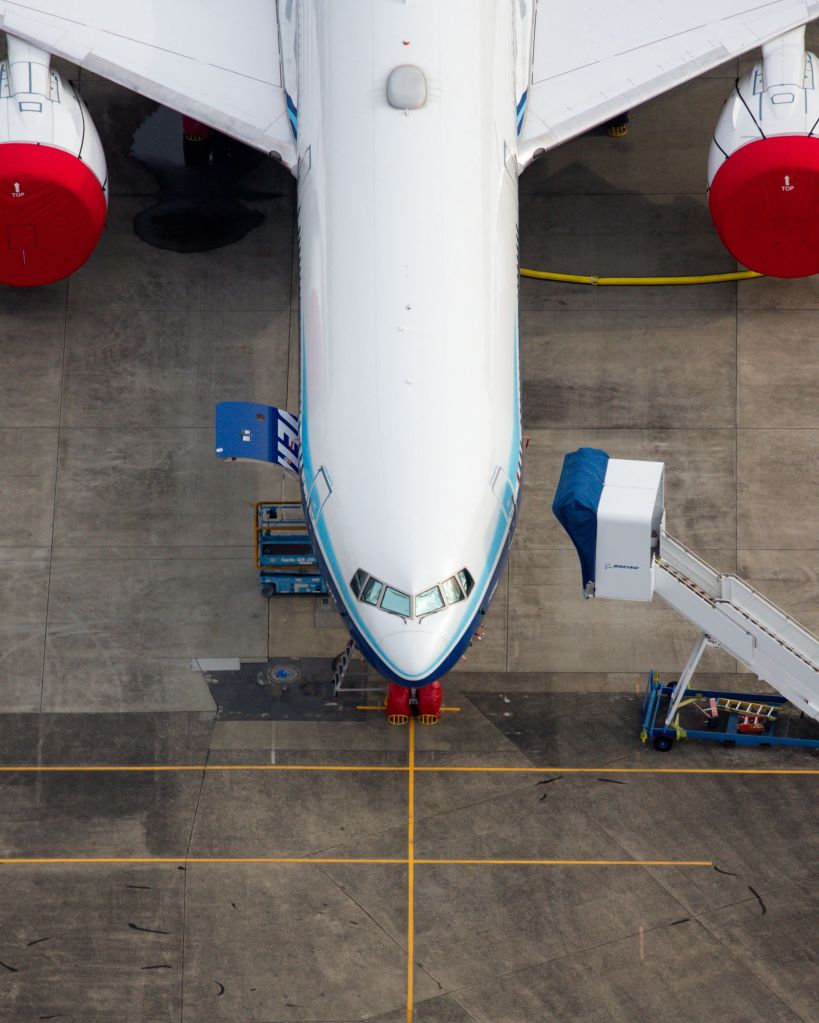
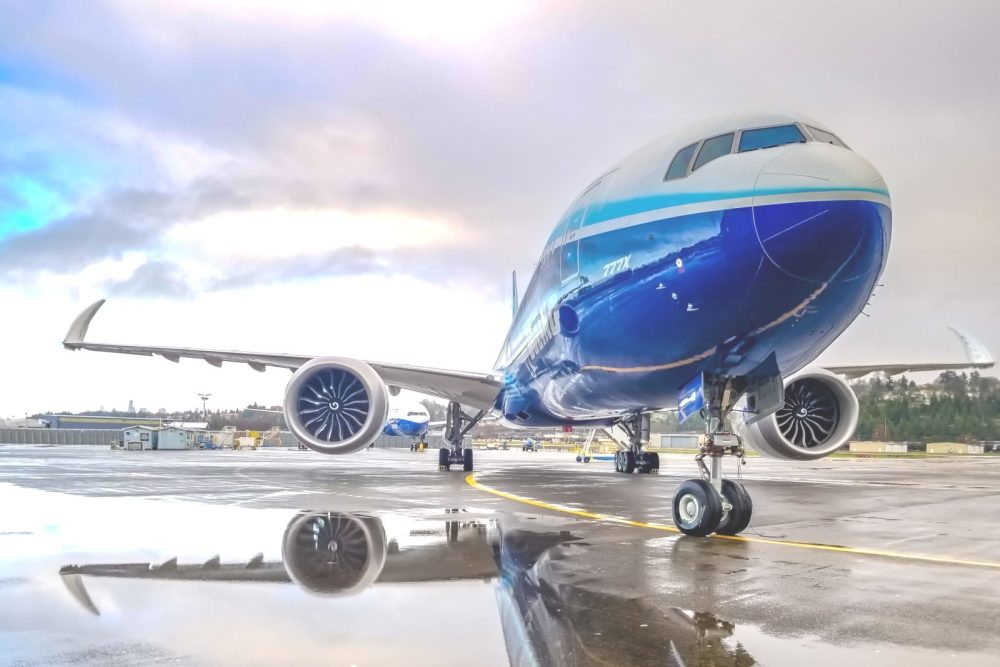
El lanzamiento del avión Boeing 777X, largamente retrasado, se ha encontrado con otro problema, obligando a la compañía a pausar las pruebas y asestando otro golpe a la reputación de calidad de Boeing.
Boeing descubrió problemas en un componente estructural entre el motor y las alas del avión en un vuelo de prueba. Boeing dijo en un comunicado que «identificó un componente que no funcionó como se diseñó» y que está reemplazando la pieza para registrar cualquier aprendizaje del componente.
El Programa 777 ha sido un gran éxito para Boeing desde que entró en servicio en 1995, y sigue siendo el avión de fuselaje ancho más vendido. El derivado 777X que comprende a los 777-8, 777-9 proporcionarían a las aerolíneas una actualización de versión del avión widebody.
El Programa 777X, anunciado por Boeing como el avión bimotor más grande y eficiente del mundo, estimaba entrar en servicio en 2020. Esperaba haber entregado varios centenares de aviones para ese tiempo. Pero ha estado plagado de retrasos y sobrecostos. Otros retrasos enlas pruebas de vuelo han demorado enla línea de tiempo al Boeing 777-9, primer prototipo de la familia 777X. La fecha revisada tentativa asoma hacia el 2025.
Los problemas del 777X fueron solo los últimos de una serie de preocupaciones de seguridad y calidad relacionadas con las líneas de montaje de Boeing. Esos problemas se han convertido en el foco de múltiples investigaciones federales y revelaciones de denunciantes, y la causa de retrasos en las entregas de aviones que están causando dolores de cabeza a las aerolíneas y pasajeros de todo el mundo.
La semana pasada, Boeing registró un incremento de órdenes de nuevos clientes sobre Airbus en Julio 2024. Sin embargo, todavía está muy por detrás de su rival en pedidos respecto al año 2024, pues las preocupaciones de seguridad continúan haciendo mella en la reputación de la compañía. Boeing ha perdido US$ 33.000 millones de Dólares desde 2019, una cifra asombrosa que subraya lo lejos que ha caído la empresa desde los días en que su nombre era sinónimo de calidad estadounidense.
New 777X Program faults
Structural problems found in engine-wing fittings
The launch of Boeing’s long-delayed Boeing 777X aircraft has hit another snag, forcing the company to pause testing and dealing another blow to Boeing’s reputation for quality.
Boeing discovered problems in a structural component between the engine and the wings of the plane on a test flight. Boeing said in a statement that it «identified a component that did not perform as designed» and is replacing the part to record any learnings from the component.
The 777 Program has been a huge success for Boeing since it entered service in 1995, and it remains the best-selling widebody aircraft. The 777X derivative comprising the 777-8, 777-9 would provide airlines with an upgrade version of the widebody aircraft.
The 777X program, billed by Boeing as the world’s largest and most efficient twin-engine airplane, was expected to enter service in 2020. It hoped to have delivered several hundred planes by that time. But it has been plagued by delays and cost overruns. Other flight-test delays have pushed the Boeing 777-9, the first prototype in the 777X family, off the schedule. The tentative revised date looms as late as 2025.
The 777X problems were just the latest in a series of safety and quality concerns related to Boeing’s assembly lines. Those problems have become the focus of multiple federal investigations and whistleblower revelations, and the cause of aircraft delivery delays that are causing headaches for airlines and passengers around the world.
Last week, Boeing reported an increase in new customer orders for Airbus for July 2024. However, it still lags far behind its rival in 2024 orders as safety concerns continue to take a toll on the company’s reputation. Boeing has lost US$ 33 billion since 2019, a staggering figure that underscores how far the company has fallen from the days when its name was synonymous with American quality.
PUBLISHER: Airgways.com DBk: Boeing.com / Airgways.com AW-POST: 202408201350AR OWNERSHIP: Airgways Inc. A\W A I R G W A Y S ®
AW | 2024 08 20 13:33 | AVIATION SAFETY / AVIATON ORGANOISMS / INDUSTRY
Administración exige inspecciones inmediatas en Boeing Dreamliner
La Federal Aviation Administration (FAA) de Estados Unidos emitió una Directiva de Aeronavegabilidad (AD) para ciertos modelos Boeing 787-8, 787-9 y 787-10 Dreamliner. La orden requiere inspecciones de los asientos afectados del capitán y el primer oficial para detectar tapas de interruptores basculantes faltantes o agrietadas, y para conjuntos de cubiertas de interruptores agrietados o que no funcionen. La orden también requiere una prueba de tracción de la tapa del interruptor basculante, el marcado de los asientos y las acciones de condición aplicables, según documentos de la agencia.
Los documentos indican que el primer informe de movimiento horizontal no controlado de los asientos se produjo en Marzo 2024. Ese informe indicó que el movimiento del asiento hizo que el piloto automático se desconectara, lo que provocó un rápido descenso hasta que el primer oficial tomó el control del vuelo. Varios pasajeros resultaron heridos en ese incidente y algunas de las lesiones fueron graves, según los documentos. La FAA recibió cuatro informes adicionales desde entonces, y el más reciente ocurrió en Junio 2024.
La orden afecta a 158 aviones registrados en Estados Unidos y 737 aviones en todo el mundo, dijo la FAA en un comunicado. Los modelos Dreamliner 787-8, 787-9 y 787-10 se fabrican, ensamblan y entregan en las instalaciones de Boeing South Carolina en North Charleston.
FAA orders 787 inspections
Administration requires immediate inspections on Boeing Dreamliner
The U.S. Federal Aviation Administration (FAA) has issued an Airworthiness Directive (AD) for certain Boeing 787-8, 787-9 and 787-10 Dreamliner models. The order requires inspections of the affected captain and first officer seats for missing or cracked rocker switch covers, and for cracked or non-functioning switch cover assemblies. The order also requires a pull test of the rocker switch cover, marking of the seats and applicable condition actions, according to agency documents.
The documents indicate that the first report of uncontrolled horizontal movement of the seats occurred in March 2024. That report indicated that the seat movement caused the autopilot to disengage, leading to a rapid descent until the first officer took control of the flight. Several passengers were injured in that incident, and some of the injuries were serious, according to the documents. The FAA has received four additional reports since then, with the most recent occurring in June 2024.
The order affects 158 U.S.-registered aircraft and 737 aircraft worldwide, the FAA said in a statement. The 787-8, 787-9, and 787-10 Dreamliner models are manufactured, assembled, and delivered at Boeing South Carolina’s North Charleston facility.
AW | 2024 08 19 15:13 | INDUSTRY / AVIATON HISTORY
Embraer celebra 55 años de crecimiento y confianza hacia el futuro
Embraer SA celebrara su 55º aniversario el 19 de Agosto de 2024, inspirada en una historia marcada por la excelencia en el desarrollo de personas y productos, así como en importantes contribuciones a la industria aeronáutica. La compañía aeroespacial con sede en São José dos Campos, Brasil, marca un hito en la historia de la industria, posicionándose como el tercer constructor muncial de aeronaves.
La compañía aeroespacial ha ddesarrollado nueve mil aviones producidos y entregados a más de cien países y una moderna cartera de productos, la compañía ha registrado actualmente más de ochocientas patentes. Estas, junto con otras iniciativas, impulsan el círculo virtuoso de la innovación continua capaz de transformar el conocimiento en actividad industrial de alto valor añadido.
«La industria aeronáutica brasileña es una referencia mundial, y estamos orgullosos de celebrar a Embraer y su historia de logros. Llevamos 55 años produciendo aviones, desarrollando tecnología de punta, formando personas altamente calificadas y contribuyendo al desarrollo de la sociedad. Miramos hacia el futuro con confianza en la capacidad de nuestra gente para continuar con este legado con eficiencia, calidad, innovación, responsabilidad social y un compromiso con una aviación más sostenible», dijo Francisco Gomes Neto, Presidente y CEO de Embraer.
En plena integración y con un intenso intercambio de conocimientos entre todas sus unidades de negocio de Aviación Comercial, Aviación Ejecutiva, Defensa y Seguridad, y Servicios y Soporte, la compañía ha construido una exitosa trayectoria guiada por la formación y cualificación de personas, el desarrollo tecnológico, la innovación, la identificación de oportunidades de mercado, la planificación estratégica, la determinación y la creatividad.
En 2024, Embraer ha estado ejecutando su plan para satisfacer el aumento de la producción de aviones y el crecimiento futuro esperado con inversiones, que incluye actividades de investigación y desarrollo de nuevas tecnologías.
Historia de Embraer El desarrollo de una industria aeronáutica competitiva en Brasil comenzó en la década de 1930 con iniciativas del Gobierno de Brasil y del sector privado. Sin embargo, la concepción del proyecto de creación del Centro Técnico Aeronáutico (CTA) y del Instituto Tecnológico Aeronáutico (ITA) por parte del Ministerio de Aeronáutica y dirigido por el Mariscal del Aire Casimiro Montenegro Filho en la década de 1940 estableció la orientación estratégica para la solidez del sector, con foco en la formación de ingenieros y el desarrollo tecnológico.
El propósito de crear una empresa capaz de transformar la ciencia y la tecnología en ingeniería y capacidad industrial se concretó el 19 de agosto de 1969, mediante el Decreto Ley Nº770, que creó Embraer, una empresa de capital mixto con control estatal. La primera misión fue llevar a cabo la mejora, certificación y producción serializada del proyecto IPD 6504 que dio origen a la aeronave EMB-110 Bandeirante, bajo el liderazgo del ingeniero Ozires Silva en CTA.
En enero de 1970, Embraer comenzó sus operaciones industriales en la Ciudad de São José dos Campos (SP), con pedidos adicionales del gobierno brasileño para producir el avión militar italiano Xavante y el nuevo fumigador EMB-200 Ipanema. En su primera década de existencia, la compañía impulsó aportes clave a la integración nacional a través de la aeronave Bandeirante, que fortaleció el sector de la aviación regional, desarrolló el avión turbohélice ejecutivo EMB-121 Xingu e inició sus primeras exportaciones.
En la década de 1980, con una creciente presencia internacional y consolidándose como una empresa estratégica para Brasil, Embraer logró saltos tecnológicos e innovó en el desarrollo de nuevos productos como el turbohélice de entrenamiento militar EMB-312 Tucano, el avión comercial de 30 plazas EMB-120 Brasilia y el jet subsónico de combate AMX en una cooperación entre Brasil e Italia.
Un intenso período de turbulencias financieras marcó el comienzo del decenio de 1990 y dio lugar a la privatización de la empresa en diciembre de 1994. La combinación de una cultura de excelencia técnica con una cultura de agilidad empresarial dio a la nueva organización un impulso para recuperarse rápidamente y recuperar su posición de liderazgo en la aviación regional, con el inicio de las entregas de la familia de aviones ERJ-145, con una capacidad de 37 a 50 asientos, en 1996.
A principios de la década de 2000, Embraer era una de las mayores empresas exportadoras brasileñas y aceleró el desarrollo de una nueva familia de aviones comerciales, los E-Jets, que consolidarían a la empresa como líder en el segmento de hasta 150 asientos. La empresa, que cotiza en las bolsas de valores de São Paulo y Nueva York, con líneas de producción en Brasil y China, siguió una estrategia de diversificación que estableció la división de aviación ejecutiva con el lanzamiento de los aviones de negocios Legacy 600/650, Phenom 100, Phenom 300, Lineage 1000 y Legacy 450/500. En el área de Defensa, el nuevo EMB-314 Super Tucano de ataque ligero y entrenador comenzó a operar con los colores de la Fuerza Aérea Brasileña (FAB) y comenzó los estudios para un avión multimisión, el C-390. En la misma década, la compañía también desarrolló el EMB-202A Ipanema, propulsado por etanol, el primer avión del mundo certificado y producido en masa para volar con biocombustible y certificado en 2004. También fundó el Instituto Embraer para conducir las acciones sociales de la empresa de forma estructurada, centrándose principalmente en la educación.
Desde 2010, Embraer ha experimentado un fuerte proceso de internacionalización, con actividades industriales consolidadas en Brasil, Estados Unidos, Portugal y México. Asimismo, la compañía impulsó la expansión de la red de servicios y soporte bajo una unidad de negocio dedicada y consolidó el área de defensa y seguridad para desarrollar proyectos en tierra, mar, espacio y ciberseguridad a través de adquisiciones y formación de empresas tecnológicas estratégicas. En la segunda mitad de la década, llegaron al mercado nuevos productos, como los E-Jets de segunda generación, el E2, los jets ejecutivos de tamaño mediano Praetor 500 y Praetor 600 y el C-390, desarrollados bajo sofisticados requisitos del FAB.
En 2020, la innovación, la sostenibilidad y la eficiencia empresarial lideraron la recuperación de la compañía ante el impacto sin precedentes de la pandemia en la industria del transporte aéreo mundial. De una manera más inclusiva y diversa, manteniendo altos estándares de gobierno corporativo, la exitosa ejecución del plan estratégico permitió el inicio de un nuevo ciclo de crecimiento y rentabilidad, con la reanudación de la actividad comercial en todas las unidades de negocio, creando valor para la sociedad en su conjunto. Los proyectos y alianzas disruptivas también permitieron el inicio de nuevos negocios y la creación de EVE, diseñado para acelerar el desarrollo del ecosistema de la Movilidad Aérea Urbana.
Actualmente, con una cartera de pedidos valorada en US$ 21.100 millones de Dólares, más de 19.000 empleados y una presencia verdaderamente global, Embraer está fortaleciendo su posición como una empresa competitiva centrada en la construcción de la aviación sostenible del futuro.
Participación FAdeA La fábrica argentina de FAdeA es partícipe subsidiaria de Embraer. Actualmente, desarrolla componentes del avión táctico-logístico Embraer C390 Millenium. Desde el año 2011 FAdeA participa del Programa KC-390 de la Fuerza Aérea Brasileña en asociación con Embraer para la fabricación puertas del tren de aterrizaje delantero, puerta delantera derecha, rampa de acceso trasero, y cono de cola.
Mientras Embraer registra nuevos pedidos y avanza con la entrega de aeronaves, desde la Fabrica Argentina de Aviones/Brigadier San Martin (FAdeA) confirmaron el envio de nuevos componentes a Brasil para la fabricación de aeronaves C-390 Millenium.
En Agosto 2024 concretó otro envío de componentes a Brasil para la fabricación de nuevos aviones C390. En lo que respecta a este nuevo envió, desde FAdeA indicaron que: “Concretamos una nueva entrega en el programa C-390 Millenium de Embraer, en este caso fue una Puerta de Carga para equipar el avión de serie 017”.
De cara a los próximos meses, con la confirmación de nuevos ordenes de compra por parte de Austria y los Países Bajos, desde Embraer se aseguran de que la producción continuará a buen ritmo, mientras se registra la producción de nuevos ejemplares para la Fuerza Aérea de Brasil, como las entregas de ejemplares para las Fuerzas Aérea de Portugal y Hungría. Esto asegura que FAdeA continuará participando del programa de aeronaves con un creciente pedido de componentes para la fabricación de nuevos aviones de transporte táctico.
Embraer celebrates 55 anniversaries
Embraer celebrates 55 years of growth and confidence towards the future
Embraer SA will celebrate its 55th anniversary on August 19, 2024, inspired by a history marked by excellence in the development of people and products, as well as important contributions to the aeronautical industry. The aerospace company based in São José dos Campos, Brazil, marks a milestone in the history of the industry, positioning itself as the third-largest aircraft manufacturer in the world.
The aerospace company has developed nine thousand aircraft produced and delivered to more than one hundred countries and a modern product portfolio, the company has currently registered more than eight hundred patents. These, along with other initiatives, promote the virtuous circle of continuous innovation capable of transforming knowledge into industrial activity with high added value.
«The Brazilian aeronautical industry is a global reference, and we are proud to celebrate Embraer and its history of achievements. We have been producing aircraft for 55 years, developing cutting-edge technology, training highly qualified people, and contributing to the development of society. We look to the future with confidence in the ability of our people to continue this legacy with efficiency, quality, innovation, social responsibility, and a commitment to more sustainable aviation«, said Francisco Gomes Neto, President and CEO of Embraer.
In full integration and with an intense exchange of knowledge between all its business units of Commercial Aviation, Executive Aviation, Defense and Security, and Services and Support, the company has built a successful trajectory guided by the training and qualification of people, the development technological, innovation, identification of market opportunities, strategic planning, determination, and creativity.
In 2024, Embraer has been executing its plan to meet increased aircraft production and expected future growth with investments, including research and development activities for new technologies.
History of Embraer The development of a competitive aircraft industry in Brazil began in the 1930s with initiatives from the Brazilian Government and the private sector. However, the conception of the project to create the Aeronautical Technical Center (CTA) and the Aeronautical Technological Institute (ITA) by the Ministry of Aeronautics and directed by Air Marshal Casimiro Montenegro Filho in the 1940s established the strategic orientation for the solidity of the sector, with a focus on the training of engineers and technological development.
The purpose of creating a company capable of transforming science and technology into engineering and industrial capacity was realized on August 19, 1969, through Decree Law No. 770, which created Embraer, a mixed capital company with state control. The first mission was to carry out the improvement, certification and serial production of the IPD 6504 project that gave rise to the EMB-110 Bandeirante aircraft, under the leadership of engineer Ozires Silva at CTA.
In January 1970, Embraer began its industrial operations in the City of São José dos Campos (SP), with additional orders from the Brazilian government to produce the Italian Xavante military aircraft and the new EMB-200 Ipanema crop duster. In its first decade of existence, the company promoted key contributions to national integration through the Bandeirante aircraft, which strengthened the regional aviation sector, developed the EMB-121 Xingu executive turboprop aircraft and began its first exports.
In the 1980s, with a growing international presence and consolidating itself as a strategic company for Brazil, Embraer achieved technological leaps and innovated in the development of new products such as the EMB-312 Tucano military training turboprop, the EMB 30-seat commercial aircraft EMB-120 Brasilia and the AMX subsonic combat jet in a cooperation between Brazil and Italy.
EMBRAER E145 JET
An intense period of financial turbulence marked the beginning of the 1990s and led to the privatization of the company in December 1994. The combination of a culture of technical excellence with a culture of business agility gave the new organization the impetus to recover. quickly and regain its leading position in regional aviation, with the start of deliveries of the ERJ-145 family of aircraft, with a capacity of 37 to 50 seats, in 1996.
In the early 2000s, Embraer was one of the largest Brazilian export companies and accelerated the development of a new family of commercial aircraft, the E-Jets, which would consolidate the company as a leader in the segment with up to 150 seats. The company, listed on the São Paulo and New York stock exchanges, with production lines in Brazil and China, followed a diversification strategy that established the executive aviation division with the launch of the Legacy 600/650 business jets. , Phenom 100, Phenom 300, Lineage 1000 and Legacy 450/500. In the Defense area, the new EMB-314 Super Tucano light attack and trainer began operating under the colors of the Brazilian Air Force (FAB) and began studies for a multi-mission aircraft, the C-390. In the same decade, the company also developed the ethanol-powered EMB-202A Ipanema, the world’s first certified and mass-produced aircraft to fly on biofuel and certified in 2004. It also founded the Embraer Institute to conduct the social actions of the company in a structured way, focusing mainly on education.
Since 2010, Embraer has experienced a strong internationalization process, with consolidated industrial activities in Brazil, the United States, Portugal, and Mexico. Likewise, the company promoted the expansion of the services and support network under a dedicated business unit and consolidated the defense and security area to develop projects on land, sea, space, and cybersecurity through acquisitions and formation of strategic technology companies. In the second half of the decade, new products came to market, such as the second-generation E-Jets, the E2, the medium-sized business jets Praetor 500 and Praetor 600, and the C-390, developed under sophisticated FAB requirements.
In 2020, innovation, sustainability and business efficiency led the company’s recovery from the unprecedented impact of the pandemic on the global air transport industry. In a more inclusive and diverse way, maintaining high standards of corporate governance, the successful execution of the strategic plan allowed the beginning of a new cycle of growth and profitability, with the resumption of commercial activity in all business units, creating value for society as a whole. Disruptive projects and alliances also allowed the start of new businesses and the creation of EVE, designed to accelerate the development of the Urban Air Mobility ecosystem.
Today, with an order book valued at US$ 21.1 billion, more than 19,000 employees and a truly global presence, Embraer is strengthening its position as a competitive company focused on building the sustainable aviation of the future.
FAdeA participation The Argentine FAdeA factory is a subsidiary of Embraer. Currently, it develops components for the Embraer C390 Millenium tactical-logistics aircraft. Since 2011, FAdeA has participated in the KC-390 Program of the Brazilian Air Force in association with Embraer for the manufacture of front landing gear doors, right front door, rear access ramp, and tail cone.
While Embraer registers new orders and advances with the delivery of aircraft, the Argentine Aircraft Factory/Brigadier San Martin (FAdeA) confirmed the shipment of new components to Brazil for the manufacture of C-390 Millenium aircraft.
In August 2024, another shipment of components was made to Brazil for the manufacture of new C390 aircraft. Regarding this new shipment, FAdeA indicated that: «We made a new delivery in Embraer’s C-390 Millennium program, in this case it was a Cargo Door to equip the 017 series aircraft».
Looking ahead to the coming months, with the confirmation of new purchase orders from Austria and the Netherlands, Embraer ensures that production will continue at a good pace, while the production of new examples for the Air Force of Brazil, such as the deliveries of copies to the Portuguese and Hungarian Air Forces. This ensures that FAdeA will continue to participate in the aircraft program with a growing order of components for the manufacture of new tactical transport aircraft.
PUBLISHER: Airgways.com DBk: Embraer.com / Airgways.com AW-POST: 202408191513AR OWNERSHIP: Airgways Inc. A\W A I R G W A Y S ®




















 airgways.com