Plazos certificación Boeing 737-7/10 MAX continúa progresando
The Boeing Company ha expresado que los test hacia la certificación de las variantes Boeing 737-7 MAX y Boeing 737-10 MAX continúan progresando satisfactoriamente. La aprobación para la certificación de la Federal Aviation Administration (FAA) de Estados Unidos de las dos últimas variantes de Boeing 737 MAX se encuentra en pleno desarrollo dijo un alto funcionario de Boeing, pero los desafíos continuos relacionados con el enfoque más estricto de la agencia para la certificación continúan alargando los plazos. «Esperamos la certificación y entrega este año del 737-7 MAX», dijo Brian West, Director Financiero de The Boeing Company y Vicepresidente Ejecutivo de Finanzas.
El programa Boeing 737 MAX es la cuarta generación del Boeing 737, un avión de fuselaje estrecho fabricado por Boeing Commercial Airplanes, una división de la compañía estadounidense Boeing. Sucede al Boeing 737 Next Generation y compite con la familia Airbus A320neo. La nueva serie fue anunciada el 30 de Agosto de 2011, se han homologado actualmente dos variantes, el MAX 8 y el MAX 9. Once años después, Boeing intentará certificar las dos últimas series MAX 7, la aeronaves más pequeña y el MAX 10 el modelo más grande y más estirado de la línea 737.
Muchas aerolíneas se encuentran detrás de ambos modelos para alcanzar órdenes importantes. para el modelo menor el Boeing 737-7 MAX existen un importante pedido de Southwest Airlines con una orden de 234 unidades, siendo el cliente más grande del mundo para esta versión, detrás se encuentran pedidos de Allegiant airlines (30) y WestJet Airlines (22). Un total aproximado de 286 unidades se han pedido para el modelo más pequeño. El Boeing 737-10 MAX alcanza órdenes acumuladas de 920 unidades con órdenes de United Airlines (250), VietJet (106), Delta Air Lines (100), Alaska Airlines (60), WestJet (54), Lion air (50), flydubai (50), entre otros importantes transportadores alrededor del mundo. Boeing tiene 737-7 MAX (236) y 737-10 MAX (720) en cartera firme al 31 de Diciembre de 2022.
Boeing continues cert. 737-7/10 MAX
BOEING 737-7/10 MAX certifications continues to progress
The Boeing Company has expressed that the tests towards the certification of the Boeing 737-7 MAX and Boeing 737-10 MAX continue to progress satisfactorily. The approval for the Federal Aviation Administration (FAA) certification of the United States of the last two variants of Boeing 737 MAX is in full development said a senior Boeing official, but the continuous challenges related to the most strict approach of the agency For certification they continue to extend the deadlines. «We expect the certification and delivery this year of 737-7 MAX», said Brian West, financial director of The Boeing Company and Executive Vice President of Finance.
The Boeing 737 MAX program is the fourth generation of Boeing 737, a narrow fuselage plane manufactured by Boeing Commercial Airplanes, a division of the American Boeing company. It happens to Boeing 737 Next Generation and competes with the Airbus A320neo family. The new series was announced on August 30, 2011, two variants have been current Larger and more stretched model 737 line.
Many airlines are behind both models to reach important orders. For the minor model, Boeing 737-7 MAX there is an important request from Southwest Airlines with an order of 234 units, being the largest customer in the world for this version, behind Allegiant Airlines (30) and Westjet Airlines (22 ). An approximate total of 286 units have been requested for the smallest model. The Boeing 737-10 Max reaches accumulated orders of 920 units with orders from United Airlines (250), VietJet (106), Delta Air Lines (100), Alaska Airlines (60), Westjet (54), Lion Air (50), Flydubai (50), among other important transporters around the world. Boeing has 737-7 MAX (236) and 737-10 MAX (720) in firm portfolio as of December 31, 2022.
PUBLISHER: Airgways.com DBk: Boeing.com / Airgways.com AW-POST: 202303222207AR OWNERSHIP: Airgways Inc. A\W A I R G W A Y S ®
Boeing recibirá pedido Japan Airlines por 21 737 MAX
The Boeing Company ha anunciado el Miércoles 22 de Marzo de 2023 que la aerolínea Japan Airlines se encuentra próxima a ordenar un pedido por veintiún Boeing 737 MAX (21). El valor de la orden es de alrededor de un valor aproximado en US$ 2.5 mil millones de Dólares a precios de lista. El acuerdo de venta se anunciará el Jueves 23/03.
Japan Airlines había anunciado el 08/03 que «todavía estamos en la etapa de negociación, por lo que no podemos proporcionar detalles», dijo un portavoz. El posible acuerdo se produce un par de semanas después de un informe de que Boeing estaba cerca de recibir un pedido de al menos veinte aeronaves 737 MAX de cuarta generación de fuselaje estrecho. El constructor americano estaría ganado un contrato para vender colocar veintiún 737 MAX a la aerolínea nipona. Ambas partes están en conversaciones avanzadas sobre la venta de aviones 737 MAX que permitiría a la mayor compañía japonesa actualizar su flota de aeronaves y mejorar su tecnología y el cuidado del medio ambiente.
Japan will order 21 737 MAX
Boeing will receive request Japan Airlines for 21 737 MAX
The Boeing Company has announced on Wednesday, March 22, 2023 that the Japan Airlines airline is close to ordering an order for twenty one Boeing 737 MAX (21). The value of the order is around an approximate value at US$ 2.5 billion at list prices. The sales agreement will be announced on Thursday 03/23.
Japan Airlines had announced the 08/03 that «we are still in the negotiation stage, so we cannot provide details», said a spokesman. The possible agreement occurs a couple of weeks after a report that Boeing was close to receiving a request from at least twenty 737 MAX of Fourth Generation of narrow fuselage. The American builder would be earned a contract to sell twenty one 737 MAX to the Japanese airline. Both parties are in advanced conversations about the sale of 737 MAX aircraft that would allow the largest Japanese company to update its fleet of aircraft and improve its technology and care of the environment.
PUBLISHER: Airgways.com DBk: Japan.co.jp / Boeing.com / Airgways.com AW-POST: 202303222110AR OWNERSHIP: Airgways Inc. A\W A I R G W A Y S ®
AW | 2023 03 21 12:40 | AVIATION / INDUSTRY / GOVERNMENT
Encrucijada China en medio definición política
El futuro aeroespacial de China depende exclusivamente de las empresas occidentales. Las sanciones comerciales de Estados Unidos y la Unión Europea podrían detener su sector de aviación autóctono. Detrás de escena, si China continúa respaldando militarmente a la Federación Rusia, Estados Unidos podría bloquear el futuro de su industria aeronáutica.
Mientras el Presidente chino, Xi Jinping, se reúne en Moscú con el Presidente ruso Vladimir Putin esta semana, la guerra en Ucrania será una prioridad en la agenda. Si bien el líder chino podría presionar a Rusia para que busque un acuerdo de paz, también hay preocupaciones en las capitales occidentales de que los aliados puedan acordar trabajar juntos más estrechamente. Una decisión china de proporcionar armas a Rusia cambiaría el mundo. Solo China tiene las reservas y la capacidad industrial para reemplazar las ruinosas pérdidas de equipos de Rusia en su guerra contra Ucrania. Peor aún, ayudaría a cimentar una alianza entre Rusia y China, una enfrentada a los intereses occidentales. El Presidente de Estados Unidos, Joe Biden, y otros líderes occidentales han advertido a los líderes de China que proporcionar tecnologías letales a Rusia, además de la ayuda no letal ya proporcionada, tendría graves consecuencias para la industria de China.
Estados Unidos tiene cierta influencia sobre las tecnologías de los países. Una opción sería detener la industria de aviones comerciales de China, asestando así un golpe a las aspiraciones económicas, tecnológicas y de transporte de Beijing. También sería un gran golpe para el prestigio de Xi Jinping, pues ha hecho de la autosuficiencia tecnológica una prioridad clave para el país.
La industria de la aviación no es solo una cuestión de orgullo para China, sino que es fundamental para la infraestructura y medios de transportes de China. Según el Banco Mundial, el tráfico aéreo de pasajeros en China creció más de diez veces entre 2000 y el pico de 2019, de 62 millones de pasajeros a 660 millones de pasajeros. El crecimiento exponencial en el número de pasajeros ha convertido a China en un cliente importante para los aviones fabricados en Occidente: según los números informados por el fabricante, en 2000, China tomó el 2 por ciento de la producción mundial de aviones, alcanzando en 2018 un año pico para las importaciones representó el 23 por ciento de la producción mundial de aviones.
Estados Unidos y sus aliados han decidido desacoplarse de China cuando se trata de semiconductores y sistemas de telecomunicaciones. La fabricación de aviones sería el siguiente paso lógico. Así, la industria de la aviación en China se vería seriamente afectada. Los modelos de aeronaves de cosecha propia como el turbohélice regional Xian Aircraft Industrial Corporation MA700, el jet regional ARJ21, el avión de pasajeros de fuselaje estrecho C919 y el propuesto CR929 de fuselaje ancho dependen en gran medida de las tecnologías y sistemas occidentales importados.
XIAN AIRCRAFT CORPORATION MA700
Si bien China quiere desarrollar sustitutos locales para estos componentes importados, creando en última instancia aviones puramente chinos, este será un camino muy largo. Además, los productores de aviones modernos dependen de la compra de las mejores tecnologías de su clase de una industria globalizada. La autarquía es una muy mala manera de dirigir una industria de aviones. Incluso la industria de aviones de pasajeros de Estados Unidos ha estado casada durante mucho tiempo con socios industriales en Canadá, Francia, Japón, el Reino Unido y muchos otros países.
Los motores son el eslabón más débil en los planes de aviación civil de China. Los fuselajes y los sistemas y tecnologías de aeronaves pueden ser difíciles de desarrollar, pero los motores a reacción están en un nivel completamente diferente en términos de barreras de entrada. De hecho, solo tres compañías: General Electric (GE) y Raytheon/Pratt & Whitney ambas en los Estados Unidos y Rolls-Royce en el Reino Unido, construyen motores a reacción comerciales. La francesa Safran desempeña un papel como socio de GE en la empresa conjunta CFM, pero por lo demás no hay otras opciones de abastecimiento.
La Federación Rusia no podía convertirse en una opción de proveedor de motores a reacción para China. La Unión Soviética tenía una industria de motores comerciales de segunda categoría para aplicaciones principalmente domésticas, pero los esfuerzos de Rusia para revivirla han sido inciertos y muy lentos. Hoy en día, Rusia sigue siendo completamente dependiente de los aviones y motores occidentales. Solo ha podido mantener sus aviones existentes volando evadiendo ilegalmente las sanciones.
Sólo un pequeño número de modelos rusos obsoletos se han fabricado en las últimas décadas. Hay planes para nuevos motores, pero las sanciones internacionales, la corrupción masiva y la fuga de cerebros del año pasado probablemente han condenado cualquier oportunidad que alguna vez tuvo la industria de motores de aviación comercial de Rusia, mientras que la prioridad ahora son los sistemas militares.
Como consecuencia del número limitado de proveedores de motores a reacción, la Corporación de Aviones Comerciales de China (COMAC) que fabrica los jet regional ARJ21 y C919 están propulsados por motores GE o GE/Safran, importados de los Estados Unidos. Para el ARJ21, no hay un plan de respaldo para el motor GE CF34 lo que podría paralizar las líneas de producción. Para el C919, China está desarrollando su motor CJ-1000A como una alternativa al GE/Safran LEAP-1C, pero no entrará en servicio hasta el final de la década por lo que el futuro del narrowbody se ve seriamente amenazado. El CJ-1000A también depende en gran medida de las tecnologías occidentales importadas clave. Al igual que los aviones de China, el primer intento de China de un motor comercial podría cerrarse fácilmente con embargos tecnológicos.
Matar el actual proyecto CJ-1000 llevaría a China de vuelta a la mesa de dibujo del motor a reacción. Como era de esperar, el gobierno chino ha estado tratando de desarrollar su propia industria de motores independiente de los componentes importados, un proceso que implica el robo de propiedad intelectual y otras medidas desesperadas. Pero, una vez más, el historial de desarrollo de motores a reacción comerciales fuera de los Estados Unidos y el Reino Unido no es alentador. Al igual que con los aviones, los tres grandes proveedores de motores nunca pensarían en construir motores dependiendo de proveedores fuera de sus países de origen.
Con o sin sanciones occidentales, el mejor escenario para las aspiraciones aeroespaciales de China es un motor local de segunda categoría disponible a mediados de la década de 2030. Esto impulsaría a los aviones chinos que, en relación con los modelos occidentales, ofrecerían una menor confiabilidad, un mayor consumo de combustible y costos operativos, y un soporte de productos incierto, como ha sido el caso del Sukhoi SSJ-100 que ha acarreado infinidades de problemas técnicos y de logística.
La estructura legal para el desacoplamiento de aviones de pasajeros se encuentra en marcha. Las principales empresas matrices de COMAC están en la Lista de Usuarios Finales Militares (MEU) de los Estados Unidos, que esencialmente prohíbe las exportaciones de tecnología a entidades que representan un riesgo inaceptable de uso o desviación a un uso final militar en China y otros países. La aplicación de la Lista MEU a las exportaciones aeroespaciales a China es algo opaca, tal vez deliberadamente. Todos los miles de aviones occidentales de China utilizan tecnología estadounidense. Si bien sus empresas matrices están en la lista MEU, COMAC en sí no lo está. Pero aclarar la situación, al poner a COMAC directamente en la Lista MEU, sería un movimiento muy simple y económicamente devastador.
El avión MA700 de China proporciona un ejemplo útil de cómo se desarrollaría el desacoplamiento de los aviones. En Septiembre de 2021, Canadá, junto con los Estados Unidos, repentinamente negó las licencias de exportación para el motor Pratt & Whitney Canada PW150 utilizado en este avión de 70 asientos. Esto significó que el transporte regional nacional de turbohélice de 70 asientos de China, en desarrollo desde 2007, estaba muerto en seco. Desde entonces, el MA700 ha sido efectivamente eliminado de los planes de aviación de China, como un miembro del Politburó caído en desgracia borrado de los documentos soviéticos. Un prototipo podría haber volado en algún momento del año pasado, posiblemente con algunos motores que ya habían sido importados, pero en este momento este avión no tiene futuro sin acceso a nuevos motores de producción.
Una decisión occidental de privar a COMAC de los componentes necesarios para sus aviones más grandes sería profundamente embarazosa para China. Los esfuerzos de China para construir una industria de aviación comercial han tenido poco éxito desde que comenzaron en la década de 1970 con el fallido programa Y-10.
Pero desde que comenzó el programa COMAC ARJ21 en 2002, el Gobierno ha dedicado recursos prodigiosos al desarrollo de la industria. Sash Tusa, Analista Aeroespacial y de Defensa de Agency Partners, estimó que China había gastado al menos US$ 67.000 millones en sus programas de aviones en los últimos veinte años. Decenas de miles de trabajadores están empleados en una industria que figurativa y literalmente no ha logrado despegar. Eliminar estos programas representaría más que solo miles de millones en costos hundidos con el consiguiente desempleo en la aviación. También significaría que China no tendría más remedio que seguir importando aviones occidentales de Airbus y Boeing.
La industria rusa de aviones de pasajeros, inactiva durante mucho tiempo pero que busca un renacimiento, se ha visto obstaculizada por las sanciones y la corrupción, y no parece capaz de construir aviones para uso interno, y mucho menos para exportar.
La industria china desempeña un papel insignificante en las cadenas de suministro de los fabricantes de aviones occidentales, aunque desempeña un papel más importante en el mantenimiento, la reparación y el trabajo de revisión (MRO) y en la financiación global de arrendamientos y ventas de aviones. El desacoplamiento de los aviones, en su mayor parte, solo perjudicaría a la industria de la aviación de China, no a la de Occidente.
Por lo tanto, los funcionarios chinos enfrentarían un día de ajuste de cuentas. Las políticas autárquicas de Made in China 2025 propugnadas por Xi Jinping serían expuestas como extremadamente limitadas, o incluso una fantasía completa. China tendría una opción simple: reconsiderar la venta de armas a Rusia o admitir que los planes para una industria de aviación nacional autosuficiente son insostenibles, al menos en el corto plazo.
Por supuesto, si China luego duplica el armamento de Rusia, también existiría la opción de sancionar la flota de aviones existente de China, que es casi completamente de fabricación occidental y, por lo tanto, depende de un flujo constante de piezas de repuesto. El rápido crecimiento de la aviación china sería reemplazado por una disminución constante de la capacidad. La pérdida de este mercado clave de crecimiento sería una muy mala noticia para toda la industria de la aviación mundial, pero también dañaría gravemente la economía de China. Un sistema de transporte aéreo poco confiable, afectado por las sanciones, significaría que China, como Rusia, terminaría como Irán, dependiente de una flota envejecida de aviones existentes, con niveles altamente inciertos de sostenibilidad y seguridad.
El desacoplamiento de la aviación entre Occidente y China no es inevitable ni deseable. Sin embargo, la perspectiva de que la Federación Rusia se rearme con armas chinas, y los dos países se alien juntos contra las sociedades abiertas, es un panorama fatídico que China no está dispuesta a cargar con los errores de Rusia. La amenaza de paralizar la industria de aviones comerciales de China sería un arma poderosa para evitar ese resultado.
Chinese aviation future
Chinese crossroads in half a politic definition
China’s future aerospace depends exclusively on Western companies. The commercial sanctions of the United States and the European Union could stop their native aviation sector. Behind the scenes, if China continues to border militarily to the Russia Federation, the United States could block the future of its aeronautical industry.
While the Chinese president, Xi Jinping, meets in Moscow with Russian President Vladimir Putin this week, the war in Ukraine will be a priority on the agenda. While the Chinese leader could press Russia to look for a peace agreement, there are also concerns in western capitals that allies can agree to work together more closely. A Chinese decision to provide weapons to Russia would change the world. Only China has the reserves and industrial capacity to replace the ruinous losses of Russia teams in its war against Ukraine. Worse, it would help to cement an alliance between Russia and China, a facing Western interests. The president of the United States, Joe Biden, and other Western leaders have warned China’s leaders to provide lethal technologies to Russia, in addition to not lethal aid already provided, it would have serious consequences for the China industry.
The United States has some influence on countries technologies. An option would be to stop China’s commercial airplanes industry, thus advising a coup to the economic, technological and transport aspirations of Beijing. It would also be a great blow to the prestige of Xi Jinping, as it has made technological self-sufficiency a key priority for the country.
The aviation industry is not only a matter of pride for China, but is essential for infrastructure and transport media. According to the World Bank, passenger air traffic in China grew more than ten times between 2000 and the 2019 peak, from 62 million passengers to 660 million passengers. The exponential growth in the number of passengers has made China an important customer for the aircraft manufactured in the Western: according to the numbers informed by the manufacturer, in 2000, China took 2 percent of the world production of airplanes, reaching in 2018 A peak year for importation represented 23 percent of the world production of airplanes.
The United States and its allies have decided to disengage into China when it comes to semiconductors and telecommunications systems. The manufacture of airplanes would be the next logical step. Thus, the aviation industry in China would be seriously affected. The own harvest aircraft models such as regional turboprop XIAN Aircraft Industrial Corporation MA700, the ARJ21 regional jet, the C919 narrow fuselage passenger plane and the proposed CR929 of width fuselage depend largely on imported western technologies and systems.
While China wants to develop local substitutes for these imported components, ultimately creating purely Chinese airplanes, this will be a very long path. In addition, modern airplanes producers depend on the purchase of the best technologies in their class of a globalized industry. Autarchy is a very bad way to direct a aircraft industry. Even the United States passenger aircraft industry has been married for a long time with industrial partners in Canada, France, Japan, the United Kingdom and many other countries.
Motors are the weakest link in China’s civil aviation plans. Fuselages and aircraft systems and technologies can be difficult to develop, but reaction engines are at a completely different level in terms of input barriers. In fact, only three companies: General Electric (GE) and Raytheon/Pratt & Whitney both in the United States and Rolls-Royce in the United Kingdom, build commercial reaction engines. The French Safran plays a role as a GE partner in the joint CFM company, but otherwise there are no other supply options.
The Russia Federation could not become a reaction motor supplier option for China. The Soviet Union had a second -category commercial engines industry for mainly domestic applications, but Russia’s efforts to relive it have been uncertain and very slow. Today, Russia is still completely dependent on Western aircraft and engines. He has only been able to maintain his existing planes flying illegally evading the sanctions.
Only a small number of obsolete Russian models have been manufactured in recent decades there are plans for new engines, but international sanctions, mass corruption and brain leakage last year they have probably condemned any opportunity that the commercial aviation engines of Russia once had, while the priority is now the military systems.
As a consequence of the limited number of reaction engines suppliers, the Corporation of Commercial Aircraft of China (COMAC) that manufactures the regional jets ARJ21 and C919 are propelled by GE or GE/Safran engines, imported from the United States. For the ARJ21, there is no support plan for the GE CF34 engine which could paralyze the production lines. For the C919, China is developing its CJ-1000A engine as an alternative to the GE/Safran LEAP-1C, but will not enter service until the end of the decade so the future of narrowbody looks seriously threatened. The CJ-1000A also depends largely on western imported key technologies. Like China’s airplanes, China’s first attempt of a commercial engine could be easily closed with technological embargoes.
Killing the current CJ-1000 project would take China back to the engine drawing table. As expected, the Chinese government has been trying to develop its own independent motor industry of the imported components, a process that implies the theft of intellectual property and other desperate measures. But, once again, the commercial development history of commercial reaction outside the United States and the United Kingdom is not encouraging. As with airplanes, the three large motor suppliers would never think about building engines depending on suppliers outside their countries of origin.
With or without western sanctions, the best scenario for China’s aerospace aspirations is a second category local engine available in the mid -2030s. This would boost Chinese airplanes that, in relation to western models, would offer less reliability , greater fuel consumption and operating costs, and an uncertain products, as has been the case of the SSJ-100 Sukhoi that has caused infinities of technical and logistics problems.
The legal structure for the decoupling passenger aircraft is underway. The main COMAC matrix companies they are on the list of Military end Users (MEU) of the United States, which essentially prohibits technology exports to entities that represent an unacceptable risk of use or deviation to a final military use in China and other countries. The application of the MEU list to aerospace exports to China is somewhat opaque, perhaps deliberately. All thousands of Western aircraft in China use American technology. While their matrices companies are on the MEU list, Cabe itself is not. But clarifying the situation, putting COMAC directly on the MEU list, would be a very simple and economically devastating movement.
China’s MA700 plane provides a useful example of how aircraft decoupling would develop. In September 2021, Canada, together with the United States, suddenly denied export licenses for the Pratt & Whitney Canada PW150 engine used in this 70 -seat plane. This meant that the National Regional Transport of Turbohélice of 70 seats of China, in development since 2007, was dead dry. Since then, the MA700 has been effectively eliminated from China’s aviation plans, as a member of the fallen politburo in disgrace erased from Soviet documents. A prototype could have flown at some point last year, possibly with some engines that had already been imported, but at this time this plane has no future without access to new production engines.
A western decision to deprive COMAC of the necessary components for its biggest aircraft would be deeply pregnant to China. China’s efforts to build a commercial aviation industry have been little successful since they began in the 1970s with the failed Y-10 program.
But since the COMAC ARJ21 program began in 2002, the Government has dedicated prodigious resources to the development of the industry. Sash Tusa, Aerospace and Defense Analyst of Agency Partners, estimated that China had spent at least US$ 67,000 million in its aircraft programs in the last twenty years. Tens of thousands of workers are employed in an industry that figuratively has not managed to take off. Eliminating these programs would represent more than only billions in sunk costs with the consequent unemployment in aviation. It would also mean that China would have no choice but to continue importing Western Airbus and Boeing airplanes.
The Russian passenger aircraft industry, inactive for a long time but seeks a rebirth, has been hindered by sanctions and corruption, and does not seem capable of building airplanes for internal use, much less to export.
The Chinese industry plays an insignificant role in the supply chains of Western airplanes, although it plays a more important role in maintenance, repair and review work (MRO) and in the global financing of leases and sales of airplanes . The decoupling of the airplanes, for the most part, would only harm the aviation industry of China, not that of the West.
Therefore, Chinese officials would face an account adjustment day. The autarchical policies of Made in China 2025 advocated by Xi Jinping would be exposed as extremely limited, or even a complete fantasy. China would have a simple option: reconsider the sale of weapons to Russia or admit that plans for a self-sufficient national aviation industry are unsustainable, at least in the short term.
Of course, if China then doubles the Russian weapons, there would also be the option of sanctioning the existing aircraft fleet of China, which is almost completely of western manufacture and, therefore, depends on a constant flow of spare parts. The rapid growth of Chinese aviation would be replaced by a constant decrease in capacity. The loss of this key growth market would be very bad news for the entire world aviation industry, but it would also seriously damage China’s economy. An unreliable air transport system, affected by the sanctions, would mean that China, such as Russia, would end as Iran, depending on an aging fleet of existing airplanes, with highly uncertain levels of sustainability and safety.
The decoupling of aviation between the West and China is not inevitable or desirable. However, the perspective that the Russia federation will rise with Chinese weapons, and the two countries are alienated together against open societies, is a fateful panorama that China is not willing to load with Russia’s mistakes. The threat of paralyzing China’s commercial aircraft industry would be a powerful weapon to avoid that result.
PUBLISHER: Airgways.com DBk: Richardaboulafia.com / Shutterstock.com / Airgways.com AW-POST: 202303211240AR OWNERSHIP: Airgways Inc. A\W A I R G W A Y S ®
Madagascar Airlines espera recibir primer E190-E2 Jet
Madagascar Airlines ha anunciado la incorporación de Embraer E190-E2 jet como parte de su actualización de flota para fines de Junio de 2023. En Diciembre de 2022, la aerolínea africana firmó un acuerdo para arrendar tres aviones E190-E2 de lessor estadounidense Azorra Aviation, con entregas a partir de este año y hasta 2024. Se espera que el avión sirva rutas nacionales y archipiélagos cercanos como Mauricio. La llegada del avión en esa fecha fue anunciada recientemente por representantes del Ministerio de Transporte de Madagascar.
Tras una gira por países africanos, Embraer tomó el E190-E2 para una presentación en Antananarivo, la capital de Madagascar, en Marzo 2022, permitiendo acceder un acuerdo para adquirir este tipo de aeronaves regionales para actualizar la flota de la aerolínea malgache.
En 2022, la compañía retiró su único Boeing 737-800 de la flota y desde entonces solo ha estado trabajando con dos ATR 72-500 (2) entregados en 2005 y un ATR 72-600 (1) en 2015 como parte de sus capacidades reducidas post-pandemia.
Madagascar will incorporate E190-E2
Madagascar Airlines expects to receive first E190-E2 Jet
Madagascar Airlines has announced the incorporation of Embraer E190-E2 Jet as part of its fleet update by the end of June 2023. In December 2022, the African airline signed an agreement to lease three E190-E2 aircraft of US Lessor Azorra Aviation, with deliveries from this year and until 2024. The plane is expected to serve national routes and nearby archipelagos such as Mauricio. The arrival of the plane on that date was recently announced by representatives of the Ministry of Transportation of Madagascar.
After a tour of African countries, Embraer took the E190-E2 for a presentation in Antananarivo, the capital of Madagascar, in March 2022, allowing access to an agreement to acquire this type of regional aircraft to update the fleet of the Malgache airline.
In 2022, the company withdrew its only Boeing 737-800 from the fleet and since then it has only been working with two ATR 72-500 (2) delivered in 2005 and an ATR 72-600 (1) in 2015 as part of its capabilities reduced post-pandemic.
PUBLISHER: Airgways.com DBk: Madagascarairlines.com / Embraer.com / Airgways.com AW-POST: 202303011743AR OWNERSHIP: Airgways Inc. A\W A I R G W A Y S ®
Boeing pronostica resiliencia Mayor crecimiento financiación aeronaves
The Boeing Company ha publico el 15/03 el 2023 Commercial Aircraft Finance Market Outlook (CAFMO) que muestra otro año de recuperación y una mayor demanda de los financieros e inversores de aeronaves. La financiación de aeronaves comerciales en 2023 alcanzará niveles cercanos a los anteriores a la pandemia, mientras que se ha alcanzado el 100% de las entregas comerciales financiadas por terceros durante los últimos tres años.
«Con los aumentos de producción y entrega y la reapertura de ciertos mercados regionales, pronosticamos que las necesidades de financiamiento de aeronaves alcanzarán niveles cercanos a los anteriores a la pandemia en 2023. Esta tendencia positiva reafirma que los fundamentos de nuestra industria son sólidos y que los financieros e inversores de aviones están bien posicionados a medida que los viajes continúan recuperándose», dijo Rich Hammond, Vicepresidente de Finanzas de Clientes de Boeing.
El CAFMO 2023 es la revisión anual de Boeing de las tendencias de financiamiento de aeronaves y evalúa la dinámica del mercado a corto plazo y las fuentes de financiamiento para nuevas entregas de aviones comerciales.
Un video introductorio, una presentación y datos de financiamiento regional están disponibles en http://www.boeing.com/CAFMO. Algunos aspectos destacados incluyen: En 2022, la mayoría de los aviones Boeing se financiaron con efectivo debido al sólido rendimiento operativo y los esfuerzos de desapalancamiento de los clientes. Si bien la financiación en efectivo seguirá desempeñando un papel importante en la financiación de la ejecución, se espera que aumente el uso de los mercados de capital, la deuda bancaria y el crédito a la exportación. La actividad de los mercados de capitales en 2022 fue menor en comparación con su mayor actividad registrada en 2021. Las agencias de crédito a la exportación respaldaron casi el 5% de las entregas de Boeing en 2022. Las entregas respaldadas por el arrendador se mantendrán estables, pero pueden enfrentar la competencia de otras fuentes de financiamiento. El Boeing 2022 Commercial Market Outlook, un pronóstico anual separado de veinte años que aborda el mercado de aviones y servicios comerciales, refleja que el mercado global se está recuperando como Boeing proyectó en 2020. La demanda de viajes aéreos nacionales se ha recuperado fuertemente en varias regiones, con el tráfico internacional ganando impulso a medida que se alivian las restricciones, volviendo a los niveles anteriores a la pandemia para 2023 a 2024.
Boeing CAFMO 2023
Boeing forecast resilience and greater growth aircraft financing
The Boeing Company has published on 03/15 on the 2023 Commercial Aircraft Finance Market Outlook (CAFMO) showing another year of recovery and a greater demand for financial financial and investors of aircraft. The financing of commercial aircraft in 2023 will reach levels close to those prior to the pandemic, while 100% of commercial deliveries financed by third parties have been reached during the last three years.
«With the increases in production and delivery and the reopening of certain regional markets, we predict that the aircraft financing needs will reach levels close to those prior to the pandemic in 2023. This positive trend reaffirms that the foundations of our industry are solid and that Financials and aircraft investors are well positioned as trips continue to recover», said Rich Hammond, Vice President of Finance of Boeing customers.
CAFMO 2023 is the annual Boeing review of aircraft financing trends and evaluates short term market dynamics and financing sources for new deliveries of commercial airplanes.
An introductory video, a regional financing data and data are available at http://www.boeing.com/cafmo. Some outstanding aspects include: In 2022, most Boeing aircraft were financed with cash due to the solid operational performance and customer disappointment efforts. Although cash financing will continue to play an important role in financing execution, the use of capital markets, bank debt and export credit are expected to increase. The activity of capital markets in 2022 was lower compared to its greater activity recorded in 2021. Export credit agencies supported almost 5% of Boeing deliveries in 2022. The deliveries backed by the lessor will remain stable, but they can face the competition of other sources of financing. The Boeing 2022 Commercial Market Outlook, a separate annual prognosis of 20 years that addresses the commercial aircraft and services market, reflects that the global market is recovering as Boeing projected in 2020. The demand for national air trips has been strongly recovered in several Regions, with international traffic winning impulse as restrictions are relieved, returning to the levels prior to the pandemic by 2023 to 2024.
Mitsui Bussan Aerospace (MBA), distribuidor autorizado de los modelos de helicópteros Leonardo AW139, AW169 y AW189 anunció el 16/03 que recientemente se firmaron pedidos de Leonardo por un total de seis LeonardoAW139 (6), para satisfacer las necesidades de diversas oportunidades futuras en el país. Estos últimos pedidos confirman el éxito continuado del AW139 en Japón, con cerca de 70 unidades actualmente en operación.
Mitsui Bussan Aerospace adquiere seis helicópteros AW139, lo que refuerza aún más el liderazgo de este tipo de helicópteros en Japón. La flota AW139 en el país está creciendo rápidamente con nuevas entregas luego de pedidos anteriores y planificados para usuarios finales en el país, que incluyen dos para la Guardia Costera de Japón (que comprende 21 AW139 pedidos por este operador) y dos para la Agencia de Policía Nacional de Japón este año. Además, tres AW139 se entregarán en 2024 a la Prefectura de Ishikawa, Bomberos y Ayuda en Casos de Desastre, Ministerio de Tierras, Infraestructura y Transporte de Hokuriku, Prefectura de Saitama, Bomberos y Ayuda en Casos de Desastre, respectivamente.
El AW139 ha demostrado tener un gran éxito en Japón: hoy en día, los AW139 en servicio en Japón han registrado más de 110.000 horas de vuelo, realizando varias operaciones de servicios públicos, además de brindar apoyo a varias prefecturas y autoridades de la ciudad. Más de 150 helicópteros de varios tipos, incluido el AW139, están en servicio en Japón y se utilizan para una amplia gama de misiones, incluidas las de cumplimiento de la ley, servicio médico de emergencia, búsqueda y rescate, extinción de incendios, socorro en casos de desastre, transporte VIP/corporativo, noticias electrónicas. recolección, y utilidad marítima.
Mitsui Bussan Aerospace Co., Ltd. es una empresa comercial especializada en sistemas aeroespaciales, de defensa y seguridad. La empresa importa y vende helicópteros, aeronaves y equipos relacionados con el espacio, la defensa y la seguridad, además de prestar servicios relacionados. Entre sus productos se incluyen helicópteros, máquinas de defensa, motores de aviación y negocios espaciales de Leonardo, entre otros. La empresa se fundó en 1982 y tiene su sede en Tokio (Japón).
El programa de helicópteros más importante del mundo desde su certificación en 2004 y el tipo más vendido de su categoría, el AW139 ha registrado hasta la fecha pedidos de casi 1.300 unidades de más de 290 operadores en más de 80 países para todas las misiones. La flota mundial del AW139 ha superado los 3,6 millones de horas de vuelo registradas hasta la fecha. Este tipo de avión cuenta con una aviónica de última generación con sistemas avanzados de navegación y evitación de colisiones para mejorar el conocimiento de la situación y reducir la carga de trabajo de los pilotos, velocidad inigualable, márgenes de potencia y rendimiento general, la cabina más amplia de su categoría con alta modularidad para una rápida reconfiguración, una exclusiva caja de engranajes principal con capacidad de funcionamiento en seco de más de 60 minutos para mejorar la confiabilidad y la seguridad y hasta 1.000 kits certificados.
Hasta la fecha, casi 70 AW139 se encuentran en servicio en Japón , con más de 110.000 horas de vuelo registradas, realizando una amplia gama de misiones. En la actualidad, en Japón vuelan más de 150 helicópteros de distintos modelos para hacer cumplir la ley, prestar servicio médico de emergencia, búsqueda y rescate, extinción de incendios, socorro en casos de desastre, transporte VIP/corporativo, recopilación de noticias electrónicas y servicios marítimos. El AW139 es el modelo más vendido de su categoría, con casi 1.300 unidades vendidas y más de 290 clientes en más de 80 países de todo el mundo.
Mitsui Helicopter sale AW139
Japan authorized distributor sells six AW139
Mitsui Bussan Aerospace (MBA), authorized distributor of the Models of helicopter helicopters AW139, AW169 and AW189 announced the 16/03 that recently signed Leonardo orders for a total of six Leonardo AW139 (6), to meet the needs of various future opportunities in the country. These last orders confirm the continued success of the AW139 in Japan, with about 70 units currently in operation.
Mitsui Bussan Aerospace acquires six AW139 helicopters, which further reinforces the leadership of this type of helicopter in Japan. The AW139 fleet in the country is growing rapidly with new deliveries after previous and planned orders for end users in the country, which include two for the Japan Coast Guard (comprising 21 AW139 orders for this operator) and two for the agency of Japan National Police this year. In addition, three AW139 will be delivered in 2024 to the Prefecture of Ishikawa, Firefighters and Help in Disaster, Ministry of Land, Infrastructure and Transportation of Hokuriku, Prefecture of Saitama, Firefighters and Help in disaster cases, respectively.
The AW139 has proven to have great success in Japan: today, the AW139 in service in Japan have registered more than 110,000 flight hours, carrying out several public service operations, in addition to providing support to several prefectures and city authorities. More than 150 helicopters of various types, including the AW139, are in service in Japan and are used for a wide range of missions, including compliance with the law, emergency medical service, search and rescue, fire extinction, relief in Disaster cases, VIP/corporate transport, electronic news. Collection, and maritime utility.
Mitsui Bussan Aerospace Co., Ltd. is a commercial company specialized in aerospace, defense and security systems. The company imports and sells helicopters, aircraft and equipment related to space, defense and security, in addition to providing related services. Its products include helicopters, defense machines, aviation motors and space businesses of Leonardo, among others. The company was founded in 1982 and is based in Tokyo (Japan).
The most important helicopter program in the world since its certification in 2004 and the best selling type of its category, the AW139 has registered to date orders of almost 1,300 units of more than 290 operators in more than 80 countries for all missions. The AW139 world fleet has exceeded 3.6 million flight hours recorded to date. This type of plane has a state of the art plane with advanced navigation systems and collision avoidance to improve the knowledge of the situation and reduce the workload of the pilots, unique speed, power margins and general performance, the cabin plus the cabin Wide of its category with high modularity for rapid reconfiguration, an exclusive main gearbox with dry operation of more than 60 minutes to improve reliability and safety and up to 1,000 certified kits.
To date, almost 70 AW139 are in service in Japan, with more than 110,000 registered flight hours, making a wide range of missions. At present, in Japan more than 150 helicopters of different models fly to enforce the law, provide emergency, search and rescue, fire extinction, relief in disaster, vip/corporate transport, collection of electronic news and Maritime services. The AW139 is the best selling model of its category, with almost 1,300 units sold and more than 290 clients in more than 80 countries around the world.
PUBLISHER: Airgways.com DBk: Leonardo.com / Mba-space.com / Airgways.com AW-POST: 202303170955AR OWNERSHIP: Airgways Inc. A\W A I R G W A Y S ®
Abogados alegan cumplimiento con familiares accidentes
The Boeing Company ha expresado la negativa a pagar más dinero a las familias de 157 víctimas del accidente aéreo del vuelo ET302 de Etiophian Airlines que involucró un Boeing 737 MAX después de insistir en que la caída de seis minutos al suelo que sufrieron no constituye dolor y sufrimiento. El argumento fue transmitido por los abogados del fabricante en la Corte Federal de Chicago el 27 de Febrero de 2023, días antes del cuarto aniversario del accidente en Etiopía. La presentación sirve como el último desarrollo en una saga legal de años que involucra al avión y ese accidente de 2019, así como uno anterior en Indonesia en 2018. Los dos accidentes mataron a un total de 346 personas y dejaron a todos los aviones Max en tierra durante dos años, ya que Boeing enfrentó investigaciones federales y reclamos civiles de familias. El fabricante de aviones Boeing ha argumentado que no debería tener que pagar más dinero a las familias de las personas que murieron en un accidente de 2019 que involucró a su avión 737 MAX, después de insistir en que las víctimas murieron instantáneamente y, por lo tanto, no sufrieron antes de perecer.
Boeing ha resuelto alrededor de tres cuartas partes de esos reclamos, pero se enfrenta a una nueva lectura de cargos federal, después de que los fiscales rechazaron un acuerdo que le otorgaba inmunidad legal cuando el fabricante admitió haber engañado a los Federales sobre la seguridad de los aviones después de los accidentes.
Ahora, la compañía dice que no debería tener que repartir más fondos para reclamos relacionados con el segundo accidente, señalando las leyes estatales que impiden que las familias presenten reclamos relacionados con el dolor y la pérdida, no con el sufrimiento de las víctimas. Anteriormente con sede en Virginia, donde tales reclamos son posibles, Boeing trasladó su sede a Chicago en Mayo 2022. «Boeing reconoce la tremenda tragedia sufrida por las familias», escribieron los abogados de la compañía en la presentación del 27 de Febrero de 2023. Pero, escribieron los abogados, las leyes estatales «establecen que la evidencia del dolor y el sufrimiento previos al impacto de los pasajeros no puede admitirse para respaldar una indemnización por daños en este caso».
Anteriormente con sede en Virginia, donde tales reclamos son posibles, Boeing trasladó su sede a Chicago en Mayo 2022. Se produce poco después de que los abogados de Boeing insistieran en una reciente presentación judicial de que las víctimas del 737 MAX murieron sin dolor, citando a un experto que dijo que el avión se estrelló contra el suelo tan rápido que sus cerebros no tuvieron tiempo de procesar ningún dolor. La presentación de Febrero 2023 ahora insiste en que cualquier dolor y sufrimiento que se sintiera antes del impacto no es legalmente relevante para calcular los daños, después de que los abogados de las familias dijeron que deberían ser compensados por el terror que sintieron sus seres queridos durante la aterradora caída de seis minutos. Por lo tanto, sostienen que la compañía debe ser considerada responsable de los pagos propuestos, incluso si la ley de Illinois (IL) indica lo contrario. La base de las afirmaciones de las familias es que el terror que sintieron sus seres queridos cuando cayeron al suelo constituye sufrimiento. Como mencionaron los abogados de Boeing en la presentación de Febrero 2023, la ley de Illinois solo permite daños relacionados con el dolor y la pérdida de los demandantes.
En un comunicado el Miércoles 15/03, Boeing dijo que lamentaba profundamente a quienes perdieron familiares en los accidentes, diciendo que compensaría justamente a los familiares restantes. La compañía ha expresado que espera resolver los casos restantes. «Hemos reconocido el terrible impacto de estos trágicos accidentes y nos hemos comprometido por adelantado a compensar de manera completa y justa a todas las familias que sufrieron una pérdida», dijo un representante de la compañía aeroespacial.
Sin incluir los acuerdos no revelados entregados a las familias de las víctimas, los desastres le han costado a Boeing más de US$ 20 mil millones, sin mencionar una puesta a tierra de veinte meses para el avión más vendido. Al reubicarse en Mayo 2022, la compañía ha tratado de superar las consecuencias de los dos accidentes, con las inconsistencias de muerte injusta que ahora sirven como su último obstáculo. Tales disputas sobre daños y los momentos finales del fallecido son inusuales, dijeron expertos legales, en estados como Illinois, donde existen leyes que solo permiten daños repartidos por el dolor y la pérdida de un demandante, y no por el sufrimiento. Señalando la falta de evidencia suficiente de que las víctimas experimentaron dolor y sufrimiento entre sus lesiones y muertes, los abogados de Boeing dicen que la compañía no debería ser responsable de esos pagos propuestos.
Esa batalla sobre si el fabricante de aviones debería tener que pagar por el sufrimiento de las víctimas se produce más de dos años después de que Boeing admitiera la responsabilidad del segundo accidente como parte de un acuerdo para obtener inmunidad legal del Gobierno Federal. La compañía, en ese momento, admitió al Juez de Distrito Norte de Texas Reed O’Connor que la compañía había conspirado para defraudar a los Estados Unidos cuando mintió sobre las características de seguridad de los aviones en audiencias y documentos después de los accidentes, que dejaron a todos los aviones 737 MAX en tierra en todo el mundo durante casi dos años.
El acuerdo vio a los abogados de los demandantes acordar eliminar los posibles daños punitivos de la mesa en las demandas, de las cuales hubo aproximadamente ochenta. Los daños punitivos se refieren a las cantidades de dinero que los acusados deben pagar como parte de su castigo. Bajo el controvertido acuerdo, el Departamento de Justicia (DOJ) acordó no procesar a la compañía por conspiración para defraudar al Gobierno, otorgándole efectivamente inmunidad legal. Sin embargo, las familias de las víctimas rápidamente se pronunciaron en contra de la decisión, exigiendo justicia para las víctimas. Tanto Boeing como el Departamento de Justicia se opusieron a la reapertura del acuerdo.
En una presentación judicial en Noviembre 2022, el Departamento de Justicia dijo que no se oponía a deshacer el acuerdo y procesar adecuadamente a Boeing, pero dijo que deshacer el acuerdo «impondría serias dificultades a las partes y a las muchas víctimas que han recibido compensación».
A medida que persistía la reacción violenta de las familias, el Departamento de Justicia anunció en Enero 2023 que eliminaría el acuerdo de 2021, que vio a la compañía pagar US$ 2.5 mil millones al Departamento de Justicia como parte de un acuerdo, y seguir adelante con la lectura de cargos del fabricante. En ese momento, el Director de Seguridad de Boeing, Mike Delaney, se declaró inocente en nombre del fabricante de aviones. Durante la lectura de cargos, los familiares de los muertos criticaron a la compañía, diciendo que «cometió el crimen corporativo más mortífero en la historia de Estados Unidos».
Los aviones, sin embargo, fueron autorizados a volar nuevamente en 2021, después de que Boeing revisara un sistema automatizado de Control de Vuelo que se activó erróneamente en ambos accidentes, después de prometer investigar los problemas de seguridad del avión. Los funcionarios, sin embargo, solo optarían por dejar en tierra los 737 MAX después de un segundo accidente, esta vez en Etiopía, solo cinco meses después.
Tras una investigación en 2020, Boeing atribuyó ambos accidentes a una falla en el sistema de Control de Vuelo de los aviones, lo que provocó que el avión girara bruscamente hacia abajo mientras estaba en el aire. Los aviones 737 MAX fueron autorizados una vez más para volar en noviembre de 2021, después de dos años de estar en tierra, y Boeing en ese momento calificó los aviones como seguros para los pasajeros.
Boeing había acordado previamente una multa de US$ 200 millones de la Comisión de Bolsa y Valores (SEC) para resolver los cargos de que violó negligentemente las disposiciones antifraude de la ley de valores de Estados Unidos.
La agencia argumentó que solo un mes después del primer accidente, la compañía destacó selectivamente ciertos hechos, lo que implica que el error del piloto y el mantenimiento deficiente de la aeronave fue lo que llevó a los accidentes, en lugar de un problema técnico. Ese comunicado no reveló que la compañía conocía un sistema clave de manejo de vuelo, el Sistema de Aumento de Características de Maniobra (MCAS) planteaba problemas de seguridad y nunca fue rediseñado, argumentó la SEC. Luego, después del segundo accidente, dijo la agencia, Boeing y el CEO Dennis Muilenburg aseguraron al público que no había sorpresa o brecha en la certificación federal del 737 MAX a pesar de estar al tanto de la información contraria. «En tiempos de crisis y tragedia, es especialmente importante que las empresas públicas y los ejecutivos proporcionen divulgaciones completas, justas y veraces a los mercados. The Boeing Company y su ex CEO, Dennis Muilenburg, fallaron en esta obligación más básica. Engañaron a los inversores al proporcionar garantías sobre la seguridad del 737 MAX, a pesar de conocer serias preocupaciones de seguridad», dijo el Presidente de la SEC, Gary Gensler, en un comunicado de prensa.
La SEC dijo que tanto Boeing como Dennis Muilenburg, al acordar pagar las multas, no admitieron ni negaron los hallazgos de la agencia. Boeing dijo que el acuerdo resuelve completamente la investigación de la SEC y es parte del «esfuerzo más amplio de la compañía para resolver de manera responsable los asuntos legales pendientes relacionados con los accidentes del 737 MAX de una manera que sirva a los mejores intereses de nuestros accionistas, empleados y otras partes interesadas. Nunca olvidaremos los perdidos en el vuelo 610 de Lion Air y el vuelo 302 de Ethiopian Airlines, y hemos realizado cambios amplios y profundos en toda nuestra compañía en respuesta a esos accidentes», dijo un portavoz de la compañía.
Mientras tanto, los familiares en las demandas civiles restantes han reclutado a sus propios testigos expertos para ayudar en su caso y abordar preguntas sobre los momentos finales de su familiar. Uno de esos expertos, el fisiólogo aeroespacial Troy Faaborg, escribió en una presentación judicial que las víctimas muy probablemente experimentaron problemas como pánico, náuseas y vómitos, problemas cardíacos durante los seis minutos de caída, dando crédito al argumento de sus familiares. Vickie Norton, una piloto de una aerolínea comercial contratada como testigo por los demandantes, también escribió: «No pasó mucho tiempo antes de que la pérdida progresiva de control y la caída final al suelo no solo hubieran sido angustiantes sino que provocaran terror para todos los pasajeros a bordo».
Boeing, mientras tanto, ha reclutado a sus propios expertos para luchar contra esas evaluaciones, calificándolas de especulativas mientras argumenta que los daños no están disponibles para el «miedo y el terror previos al impacto». El resultado de las disputas podría ver millones más pagados a cada demandante individual. Los procedimientos continúan a puerta cerrada en Chicago.
Boeing denies more payments
Lawyers allege compliance with family accidents
The Boeing Company has expressed the refusal to pay more money to the families of 157 victims of the air accident of the Etiophian Airlines flight that involved a Boeing 737 MAX after insisting that the fall of six minutes to the ground they suffered does not constitute pain and suffering. The argument was transmitted by the manufacturer’s lawyers in the Federal Court of Chicago on February 27, 2023, days before the fourth anniversary of the accident in Ethiopia. The presentation serves as the last development in a legal saga of years that involves the plane and That 2019 accident, as well as an earlier in Indonesia in 2018. The two accidents killed a total of 346 people and left all MAX aircraft on land for two years, since Boeing faced federal investigations and civil claims of families. The Boeing aircraft manufacturer has argued that it should not have to pay more money to the families of the people who died in a 2019 accident that involved its 737 MAX plane, after insisting that the victims died instantly and, therefore, therefore They did not suffer before perishing.
Boeing has resolved about three quarters of these claims, but faces a new reading of federal positions, after prosecutors rejected an agreement that granted him legal immunity when the manufacturer admitted having cheated the federals about the safety of the safety of the aircraft after accidents.
Now, the company says that it should not have to distribute more funds for claims related to the second accident, pointing out the state laws that prevent families from presenting claims related to pain and loss, not with the suffering of the victims. Previously based in Virginia, where such claims are possible, Boeing moved its headquarters to Chicago in May 2022. «Boeing recognizes the tremendous tragedy suffered by families», the company’s lawyers wrote in the presentation of February 27, 2023. But, lawyers wrote, state laws «establish that evidence of pain and suffering prior to the impact of passengers cannot be admitted to support compensation for damage in this case».
Previously based in Virginia, where such claims are possible, Boeing moved its headquarters to Chicago in May 2022. It occurs shortly after Boeing’s lawyers insisted on a recent judicial presentation that the victims of 737 MAX died without pain, citing To an expert who said that the plane crashed into the ground so fast that his brains did not have time to process any pain. The presentation of February 2023 now insists that any pain and suffering that felt before the impact is not legally relevant to calculate the damage, after families said that they should be compensated by terror that their loved ones felt The terrifying six minute fall. Therefore, they argue that the company must be considered responsible for the proposed payments, even if Illinois’s law (IL) indicates otherwise. The basis of families’ statements is that the terror that their loved ones felt when they fell to the ground constitutes suffering. As mentioned by Boeing’s lawyers in the February 2023 presentation, Illinois’s law only allows damage related to the pain and loss of the plaintiffs.
In a statement on Wednesday 03/15, Boeing said he deeply regretted those who lost relatives in accidents, saying that he would compensate for the remaining relatives. The company has expressed that it hopes to resolve the remaining cases. «We have recognized the terrible impact of these tragic accidents and we have committed ourselves in advance to completely and just compensate all the families that suffered a loss», said a representative of the aerospace company.
Not including unleashed agreements delivered to the families of the victims, disasters have cost Boeing more than US$ 20 billion, not to mention a twenty month grounding for the best selling plane. By relocating in May 2022, the company has tried to overcome the consequences of the two accidents, with the inconsistencies of unfair death that now serve as its last obstacle. Such disputes about damage and the final moments of the deceased are unusual, said legal experts, in states such as Illinois, where there are laws that only allow damage distributed by the pain and the loss of a plaintiff, and not by suffering. Pointing out the lack of sufficient evidence that the victims experienced pain and suffering among their injuries and deaths, Boeing’s lawyers say the company should not be responsible for those proposed payments.
That battle on whether the aircraft manufacturer should have to pay for the suffering of the victims occurs more than two years after Boeing admitted the responsibility of the second accident as part of an agreement to obtain legal immunity from the federal government. The company, at that time, admitted to the Judge of the Northern District of Texas Reed O’Connor that the company had conspired to defraud the United States when it lied about the safety characteristics of airplanes in audiences and documents after accidents, which, which They left all 737 MAX airplanes on land worldwide for almost two years.
The agreement saw the lawyers of the plaintiffs agree to eliminate the possible punitive damage of the table in the demands, of which there were approximately eighty. Punitive damage refer to the amounts of money that the defendants must pay as part of their punishment. Under the controversial agreement, the Department of Justice (DOJ) agreed not to process the company for conspiracy to disappoint the government, effectively granting him legal immunity. However, the victims’ families quickly spoke against the decision, demanding justice for the victims. Both Boeing and the Department of Justice opposed the reopening of the agreement.
In a judicial presentation in November 2022, the Department of Justice said that the agreement was not opposed and properly processing Boeing, but said that undoing the agreement «would impose serious difficulties to the parties and the many victims who have received compensation».
As the violent reaction of families persisted, the Department of Justice announced in January 2023 that it would eliminate the 2021 agreement, which saw the company pay US$ 2.5 billion to the Department of Justice as part of an agreement, and move on With the reading of manufacturer’s charges. At that time, Boeing Security Director Mike Delaney declared himself innocent on behalf of the aircraft manufacturer. During the reading of charges, the relatives of the dead criticized the company, saying that «he committed the deadliest corporate crime in the history of the United States».
The airplanes, however, were authorized to fly again in 2021, after Boeing reviewed an automated flight control system that was erroneously activated in both accidents, after promising to investigate the safety problems of the plane. The officials, however, would only choose to leave the 737 MAX on the ground after a second accident, this time in Ethiopia, only five months later.
After an investigation in 2020, Boeing attributed both accidents to a failure in the air control system of the aircraft, which caused the plane to rotate sharply while it was in the air. 737 MAX airplanes were authorized once again to fly in November 2021, after two years of being on land, and Boeing at that time described the planes as insurance for passengers.
Boeing had previously agreed to a fine of US$ 200 million from the Bag and Securities Commission (SEC) to resolve the charges that negligently violated the anti-fraud provisions of the United States Securities Law.
The agency argued that only one month after the first accident, the company selectively highlighted certain facts, which implies that the pilot’s error and poor maintenance of the aircraft was what led to accidents, instead of a technical problem. That statement did not reveal that the company knew a key flight management system, the system of increased maneuver features (MCAS) raised security problems and was never redesigned, the SEC. Then, after the second accident, the agency said, said the agency , Boeing and the CEO Dennis Muilenburg assured the public that there was no surprise or gap in the federal certification of 737 MAX despite being aware of the opposite information. «In times of crisis and tragedy, it is especially important that public companies and Executives provide complete, fair and truthful disseminations to markets. The Boeing Company and his former CEO, Dennis Muilenburg, failed in this most basic obligation. They cheated investors by providing guarantees on the security of 737 MAX, despite knowing serious security concerns», said the president of the SEC, Gary Gensler, in a press release.
The SEC said that both Boeing and Dennis Muilenburg agreed to pay the fines, did not admit or denied the agency’s findings. Boeing said that the agreement completely resolves the research of the SEC and is part of the «broader effort of the company to responsible for responsible legal issues related to the 737 MAX accidents in a way that serves the best interests of our Shareholders, employees and other stakeholders. We will never forget the losses on flight 610 of Lion Air and Ethiopian Airlines flight 302, and we have made broad and deep changes in our entire company in response to those accidents», said a spokesman for the company.
Meanwhile, relatives in the remaining civil demands have recruited their own expert witnesses to help in their case and address questions about the final moments of their relative. One of those experts, the Aerospace physiologist Troy Faaborg, wrote in a judicial presentation that the victims most likely experienced problems such as panic, nausea and vomiting, heart problems during the six minutes of fall, giving credit to the argument of their relatives. Vickie Norton, a pilot from a commercial airline hired as a witness by the plaintiffs, also wrote: «It did not spend much time before the progressive loss of control and the final fall to the ground would not only have been distressing but also caused terror for all the passengers on board».
Boeing, meanwhile, has recruited his own experts to fight these evaluations, qualifying them as speculative while arguing that the damage is not available for «fear and terror prior to the impact».. The result of the disputes could see millions more paid to each individual plaintiff. The procedures continue behind closed doors in Chicago.
PUBLISHER: Airgways.com DBk: Txnd.uscourts.gov / Justice.gov / Sec.gov / Boeing.com / Airgways.com AW-POST: 202303161803AR OWNERSHIP: Airgways Inc. A\W A I R G W A Y S ®
Tercer Airbus A321XLR realiza test cabina pasajeros
El tercer avión de prueba de vuelo Airbus A321XLR, MSN11080 FT3, que se dedica a la validación en vuelo de sus aspectos relacionados con la cabina, se encuentra actualmente en medio de su apretada agenda de pruebas de vuelo, luego de su primer vuelo el 20 de Septiembre de 2022. La cabina Airspace del A321XLR cuenta con nuevos paneles de techo y paredes laterales y nuevos compartimentos superiores, además de varias mejoras en la comodidad de los pasajeros y la tripulación. Esta prueba se centra en algo más que los elementos de marca del espacio aéreo altamente visibles, como los nuevos compartimentos de almacenamiento superior (OHSC), los paneles del techo, etc., pero también las numerosas adaptaciones del nuevo sistema detrás de escena y las características relacionadas con el confort térmico, la ventilación, el agua y los residuos, el aislamiento acústico, etc. Juntos, todos estos aspectos, entre otros, contribuirán a lograr la mejor experiencia posible de pasajeros y tripulaciones de vuelo, así como el rendimiento y la flexibilidad de las aerolíneas y aeropuertos, dadas las rutas Xtra Long Range en las que este avión volará rutinariamente.
«Mientras que el primer avión A321XLR, MSN11000 (FT1), había realizado anteriormente algunas pruebas previas de funcionalidad básica del sistema de aguas residuales, así como algunas pruebas acústicas, nuestro enfoque se centra principalmente en FT3, donde la cabina estándar del espacio aéreo entra por primera vez», dijo Tuan Wei Chung, Líder de Cabina y Carga (C&C) para las funciones cruzadas del A321XLR.
Dentro de este avión de prueba de vuelo de cabina dedicado, los equipos podrán probar todo tipo de cosas que los pasajeros no ven ni escuchan, pero que, sin embargo, aprecian, como las opciones de agua, residuos y calefacción disponibles, en particular el tanque opcional de aguas residuales de 300 litros, los paneles de suelo radiante, el almacenamiento y suministro de agua potable y las medidas de protección contra la congelación asociadas, que incluyen calentadores de cinta para las líneas de agua. «Con FT3 también evaluamos los aspectos más evidentes del confort de la cabina, en particular el térmico (control de temperatura de la cabina, que se probó en noviembre de 2022 utilizando maniquíes de calefacción de pasajeros), así como las propiedades acústicas generales, es decir, el silencio de la cabina», señala Tuan Wei Chung.
Los resultados de esta campaña fueron validados recientemente por el comité directivo interno del programa como el cumplimiento de los requisitos de diseño. Posteriormente, FT3 ha sido equipado con instalaciones de Instrumentación de Prueba de Vuelo (FTI) para las campañas de temperatura fría que se planea llevar a cabo en Iqaluit en el norte de Canadá. Se probará la protección contra la congelación y el aislamiento de las líneas de agua, así como el tanque de residuos completo y las áreas de baño, por lo que esta es una gran campaña para el equipo.
A finales de este año también habrá una campaña de pruebas de vuelo más orientada a medir las percepciones de los pasajeros. «Esto incluirá un vuelo dedicado de hasta siete horas con empleados de Airbus, actuando como pasajeros, a bordo. Se pedirán varios aspectos de comodidad, no solo a los pasajeros, sino también a la tripulación. Realizaremos encuestas para evaluar el nivel de comodidad de los pasajeros en el avión durante los vuelos largos con respecto a la temperatura y el ruido», explica Tuan Wei Chung.
El equipo aprovechará la oportunidad para realizar algunas mediciones directas puntuales, tanto acústicas como de temperatura, utilizando un dispositivo de detección portátil. Se registrará la exposición al ruido de la tripulación, especialmente alrededor de las áreas de entrada de la puerta principal.
Los nuevos elementos de la cabina del espacio aéreo también se probarán. Por ejemplo, las nuevas piezas serán revisadas para detectar cualquier vibración o resonancia durante las fases de vuelo. También se evaluarán aspectos ergonómicos, como lo fácil o difícil que es cargar y descargar los nuevos compartimentos superiores. Airbus también recibirá comentarios sobre los aspectos visuales de la cabina.
Otros cambios de diseño que ahora se están ajustando para la mejor experiencia de vuelo posible dentro del A321XLR incluyen elementos como las bombas de combustible adicionales para el nuevo Tanque Central Trasero (RCT) debajo del piso. Hay bombas adicionales para suministrar combustible desde este tanque, y cualquier energía acústica que emitan se monitorea de cerca.
Requisitos más altos para la cabina de largo alcance del A321XLR Para las misiones de largo alcance del XLR ahora hay mayores requisitos térmicos y acústicos para la cabina. «Hemos agregado aislamiento en la sección delantera del fuselaje y hemos desarrollado un nuevo revestimiento como estándar dentro de las estructuras de puertas y bordes de puertas», dice Mehmet Altay, Líder del proyecto de Ingeniería de Cabina y Carga. También hemos desarrollado una cubierta de puerta textil térmica/acústica opcional para las Puertas 1 y 4 que la tripulación puede fijar a través de imanes a cada puerta durante el vuelo. «Además, en las áreas de entrada de Puertas 1 y Puertas4 tenemos nuevos paneles de suelo radiante con calefacción, así como una salida de ventilación de aire fresco más silenciosa», expresa Mehmet Altay.
Cómoda altitud de cabina de 6,000 pies durante el crucero Una característica notable relacionada con el bienestar de los pasajeros/tripulación del A321XLR durante un crucero largo a altos niveles de vuelo es el último estándar de Control de Presión de Cabina (introducido en toda la Familia A320). El sistema programa activamente altitudes proporcionales de cabina dependiendo del nivel de vuelo. Para el A321XLR, esto significa que se alcanza una altitud de cabina de menos de 6.000 pies cuando el avión navega a 33.000 pies. Las bajas altitudes de la cabina crean un entorno de vuelo más cómodo y menos fatigante para los pasajeros y la tripulación.
Paneles laterales y de techo mejorados Los equipos también han desarrollado una nueva pared lateral y paneles de techo ligeros visualmente mejorados para el A321XLR. Por supuesto, los paneles ya están calificados y han pasado todas las pruebas, y ahora los equipos se están asegurando de que todo sea realmente robusto en vuelo, lo más cerca posible de las operaciones de las aerolíneas.
Nueva zona flexible en la cabina delantera Otra característica clave se refiere a la cabina de pasajeros delantera. «El diseño de la cabina en sí se está volviendo más complejo de lo que solíamos saber en el negocio de pasillo único. Si bien las galeras y otros monumentos realmente no han cambiado, tenemos muchas más combinaciones de monumentos en la cabina delantera», dijo Mehmet Altay.
En particular, el XLR se beneficia de la llamada Zona full-flex que se introdujo por primera vez en el estándar A321neo ACF (Airbus Cabin Flex). Esta es la zona en la mitad delantera del fuselaje entre las Puertas 1 y las Puertas 2 donde las aerolíneas pueden colocar monumentos, como cocinas y baños, lo que les permite segmentar convenientemente la cabina en diferentes clases de asientos. La tendencia para el XLR se está moviendo hacia cabinas más enriquecidas con al menos diseños de dos clases y pasar a tres clases.
Cliente de corazón En general, todos los productos desarrollados y las decisiones tomadas por los equipos se centraron en el cliente. «Involucramos a nuestros clientes invitándolos a nuestros talleres de ‘Experiencia del cliente’ en Hamburgo. Tener esta interacción en la fase de desarrollo demostró ser esencial para obtener comentarios útiles para mejorar nuestro diseño», dijo Tuan Wei Chung.
Por ejemplo, basándose en los valiosos comentarios en servicio de las aerolíneas de sus A321neos con la configuración ACF más reciente, los equipos de C&C pudieron definir e implementar mejoras adicionales propuestas para el A321XLR, incluido el confort térmico y acústico mejorado en las áreas de entrada delantera y trasera (por ejemplo, adyacentes a las puertas 1 y 4) mediante la introducción de medios de aislamiento, Cierres de huecos y cubiertas de puertas textiles opcionales. Esto aportaría beneficios en particular para el entorno de trabajo de las tripulaciones de cabina, especialmente durante los vuelos de largo alcance.
Siguiente paso: MG13 «El siguiente paso es la ‘Maturity Gate’ de Milestone MG13. Eso significa que todo lo que hemos desarrollado está ahora en la fase para obtener la certificación de tipo EASA, y luego entregarla a la organización de producción en serie para la entrada en servicio. Este es el principal hito al que nos dirigimos ahora. Estén atentos», expresó Mehmet Altay.
A321XLR Airspace cabin test
Third Airbus A321XLR test cabin passengers
The third Airbus A321XLR flight test plane, MSN11080 FT3, which is dedicated to the validation in flight of its cabin related aspects, is currently in the middle of its busy flight test schedule, after its first flight on 20 September 2022. The AE321XLR Airspace cabin has new ceiling panels and side walls and new upper compartments, in addition to several improvements in the comfort of passengers and crew. This test focuses on more than the highly visible airs -space brand elements, such as new upper storage compartments (OHSC), ceiling panels, etc., but also the numerous adaptations of the new system behind the scene and Characteristics related to thermal comfort, ventilation, water and waste, acoustic insulation, etc. Together, all these aspects, among others, will contribute to achieving the best possible experience of passengers and flight crews, as well as the performance and flexibility of airlines and airports, given the Xtra Long Range routes in which this plane will fly routinely.
«While the first A321XLR plane, MSN11000 (FT1), had previously performed some previous basic functionality tests of the wastewater system, as well as some acoustic tests, our approach focuses mainly on FT3, where the standard cabin of the airspace enters For the first time», said Tuan Wei Chung, cabin and cargo leader (C&C) for the cross functions of A321XLR.
Within this dedicated cabin flight test plane, the equipment can try all kinds of things that passengers do not see or listen, but, however, they appreciate, as the water, waste and heating options available, in particular the optional 300 liter wastewater tank, radiant soil panels, drinking water storage and supply and associated freezing protection measures, which include tape heater for water lines. «With FT3 we also evaluate the most obvious aspects of the comfort of the cabin, particular Say, the silence of the cabin», says Tuan Wei Chung.
The results of this campaign were recently validated by the Internal Management Committee of the program such as compliance with the design requirements. Subsequently, FT3 has been equipped with flight test instrumentation facilities (FTI) for cold temperature campaigns that are planned to be carried out in IQaluit in northern Canada. Protection against freezing and isolation of water lines will be tested, as well as the complete waste tank and bathing areas, so this is a great campaign for the equipment.
At the end of this year there will also be a more oriented flight test campaign to measure passenger perceptions. «This will include a dedicated flight of up to seven hours with Airbus employees, acting as passengers, on board. Several aspects of comfort will be requested, not only to passengers, but also the crew. We will carry out surveys to evaluate the level of comfort of comfort Passengers on the plane during long flights with respect to temperature and noise», explains Tuan Wei Chung.
The team will take the opportunity to make some specific measurements, both acoustic and temperature, using a portable detection device. Exposure to crew noise will be recorded, especially around the entrance areas of the main door.
The new elements of the airspace cabin will also be tested. For example, the new pieces will be reviewed to detect any vibration or resonance during the flight phases. Ergonomic aspects will also be evaluated, such as the easy or difficult thing that is to load and download the new upper compartments. Airbus will also receive comments on the visual aspects of the cabin.
Other design changes that are now adjusting for the best possible flight experience within the A321xLR include elements such as additional fuel pumps for the new Rear Central Tank (RCT) under the floor. There are additional pumps to supply fuel from this tank, and any acoustic energy emitted is closely monitored.
Higher requirements for the long range cabin of the A321XLR For the long range missions of the XLR there are now greater thermal and acoustic requirements for the cabin. «We have added isolation in the front section of the fuselage and we have developed a new coating as standard within the structures of doors and edges of doors«, says Mehmet Altay, leader of the cabin and load engineering project. We have also developed an optional thermal/acoustic textile door cover for doors 1 and 4 that the crew can fix through magnets at each door during the flight. «In addition, in the areas of door entrance 1 and doors4 we have new radiant soil panels with heating, as well as a quieter fresh air ventilation outlet», says Mehmet Altay.
Comfortable 6,000 foot cabin altitude during the cruise A remarkable feature related to the well being of the passengers/crew of the A321XLR during a long cruise at high flight levels is the last standard of cabin pressure control (introduced throughout the A320 family). The system actively program proportional cabin altitudes depending on the flight level. For the A321XLR, this means that an altitude of the cabin of less than 6,000 feet is reached when the plane is navigated to 33,000 feet. The low cabin altitudes create a more comfortable and less fatigued flight environment for passengers and crew.
Improved side and roof panels The teams have also developed a new side wall and visually improved light ceiling panels for the A321XLR of course, the panels are already qualified and all the tests have passed, and now the equipment is ensuring that everything is really robust in flight, as close as possible to the operations of the airlines.
New flexible area in the front cabin Another key feature refers to the front passenger cabin. «The design of the cabin itself is becoming more complex than we used to know in the unique hall business. While the galleys and other monuments have not really changed, we have many more combinations of monuments in the front cabin», he said Mehmet Altay.
In particular, the XLR benefits from the so-called Full-Flex zone that was first introduced into the ACF A321neo (Airbus Cabin Flex) standard. This is the area in the front of the fuselage between doors 1 and doors 2 where airlines can place monuments, such as kitchens and bathrooms, which allows them to conveniently segment the cabin in different classes of seats. The tendency for XLR is moving towards more enriched cabins with at least two classes designs and moving on to three classes.
Heart client In general, all developed products and decisions made by the equipment focused on the customer. «We involve our customers by inviting them to our ‘Client Experience’ workshops in Hamburg. Having this interaction in the development phase proved to be essential to obtain useful comments to improve our design», said Tuan Wei Chung.
For example, based on the valuable comments on the service of the airlines of their A321neos with the most recent ACF configuration, the C&C equipment could define and implement additional improvements proposed for the A321XLR, including the thermal and acoustic comfort improved in the entrance areas Front and rear (for example, adjacent to doors 1 and 4) by introducing insulation means, holes and covers of optional textile doors. This would provide particular benefits for the work environment of cabin crews, especially during long range flights.
Next step: mg13 «The next step is the ‘Matury Gate’ of Milestone MG13. That means that everything we have developed is now in the phase to obtain the EASA certification, and then deliver it to the serial production organization for the entry into service This is the main milestone we are going now. They are attentive», said Mehmet Altay.
PUBLISHER: Airgways.com DBk: Airbus.com / Airgways.com AW-POST: 202303161748AR OWNERSHIP: Airgways Inc. A\W A I R G W A Y S ®
La aerolínea JetSMART Airlines Chile ha recibido su cuarto Airbus A321NEO que incorpora a su flota. El avión es la unidad número 24 de la flota, y el cuarto A321NEO. La nueva aeronave, un A321-271NX con matrícula CC-AWW ha arribado a la compañía como parte de la expansión de sus servicios regionales y modernización de flota. Se encuentra configurado con una capacidad para 240 pasajeros y cuenta con casi siete metros extra de fuselaje en comparación con su hermano menor, el A320NEO. Además, reduce también en un 25% las emisiones de CO², en comparación con modelos de la generación anterior, gracias a sus nuevos motores GTF Pratt and Whitney. Todo esto equivale a dejar de emitir más de 12 mil toneladas de CO² por avión al año, lo que absorben 200 mil árboles en un período de diez años. No solo se trata de una de las más modernas aeronaves, sino que además cuenta con un rango operativo que le permitirá a la compañía acometer la operación de rutas de mediano radio.
Como es habitual en el estilo de librea de la aerolínea, tiene la deriva un delfín mular, un cetáceo que vive habitualmente en aguas cálidas, en grupo de 10 a 12 individuos y cuya silueta y figura es arquetípica en todo el mundo. Los delfines tienen nombre: los científicos han descubierto que estos mamíferos desarrollan sus silbidos para la identificación de sí mismos y miembros de su manada, de manera que cada uno pueda tener su propio sonido de identificación. Es por esto que JetSMART también busca que su delfín pueda tener un nombre, por lo que bautizará al avión con un nombre elegido por los pasajeros, que podrá ser votado a través de las redes sociales de la aerolínea.
“Estamos muy contentos de recibir este nuevo A321NEO que se suma a nuestra flota de 24 aeronaves, ya que nos permite continuar ofreciendo nuestros precios ultra bajos con menor huella de carbono, y reforzar nuestro compromiso con el medio ambiente, gracias a que este modelo es el más sostenible y eficiente de la región debido a los motores que tiene. La llegada de este ejemplar nos permite avanzar en nuestra meta de 100 aviones y 100 millones de pasajeros transportados para el 2028”, señaló el CEO de JetSMART, Estuardo Ortíz.
Sobre los planes de la compañía para este año 2023, Estuardo Ortíz agregó: “El año pasado tuvimos récord de ocupación y de pasajeros. Alcanzamos en el cuarto trimestre 1,27 millones de pasajeros, que es un 70% más que en 2021, y cuando lo comparamos frente a la pre pandemia estamos un 60% sobre los niveles del 2019. Con este impulso definitivamente estamos preparados para retomar el crecimiento en Sudamérica donde ya operamos mercados domésticos en Chile, Argentina y Perú y hemos recibido autorización para iniciar nuestro proceso de certificación en Colombia. Hemos abierto nuevas rutas internacionales hacia Brasil, Paraguay y Uruguay y el crecimiento de nuestra flota es fundamental para continuar la expansión”.
Actualmente, la compañía cuenta con 76 rutas en Sudamérica. En Chile, cuenta con 25 rutas domésticas, de las cuales 15 son rutas SMART, lo que significa que no tienen la necesidad de pasar por la capital para llegar al destino final, ahorrando tiempos de vuelo y economizando. Y cuenta también con 16 rutas internacionales, las cuales han hecho posible la conectividad de siete países de Sudamérica: Chile, Argentina, Perú, Colombia, Brasil, Uruguay y Paraguay.
JetSMART Chile incorporates 4th A321NEO
JetSMART Chile received his fourth Airbus A321neo
The JetSMART Airlines Chile airline has received its fourth Airbus A321neo that incorporates into its fleet. The plane is unit number 24 of the fleet, and the fourth A321neo. The new aircraft, an A321-271NX with CC-AWW registration has arrived at the company as part of the expansion of its regional services and fleet modernization. It is configured with a capacity for 240 passengers and has almost seven extra fuselage meters compared to its younger brother, the A320neo. In addition, CO² emissions also reduce by 25%, compared to models of the previous generation, thanks to its new GTF Pratt and Whitney engines. All this is equivalent to stop issuing more than 12 thousand tons of CO² per plane per year, which absorb 200 thousand trees in a period of ten years. Not only is it one of the most modern aircraft, but it also has an operational range that will allow the company to undertake the operation of medium radio routes.
As usual in the library style of the airline, it is drifting a mular dolphin, a cetacean that usually lives in warm waters, in a group of 10 to 12 individuals and whose silhouette and figure is archetypal worldwide. Dolphins have a name: scientists have discovered that these mammals develop their whistles for the identification of themselves and members of their pack, so that each one can have their own identification sound. This is why JetSMART also seeks that his dolphin can have a name, so he will baptize the plane with a name chosen by passengers, which can be voted through the social networks of the airline.
“We are very happy to receive this new A321neo that adds to our fleet of 24 aircraft, since it allows us The most sustainable and efficient in the region due to the engines it has. The arrival of this copy allows us to advance our goal of 100 aircraft and 100 million passengers transported by 2028”, said CEO of JetSMART, Ortíz Estuardo.
On the company’s plans for this year 2023, Estuardo Ortíz added: “Last year we had a record of occupation and passengers. We reach 1.27 million passengers in the fourth quarter, which is 70% more than in 2021, and when we compare it against pre-pandemic we are 60% on the levels of 2019. With this impulse we are definitely prepared to resume the Growth in South America where we have already operated domestic markets in Chile, Argentina and Peru and we have received authorization to initiate our certification process in Colombia. We have opened new international routes to Brazil, Paraguay and Uruguay and the growth of our fleet is essential to continue expansion”.
Currently, the company has 76 routes in South America. In Chile, it has 25 domestic routes, of which 15 are SMART routes, which means that they do not need to go through the capital to reach the final destination, saving flight times and economizing. And it also has 16 international routes, which have made possible the connectivity of seven countries in South America: Chile, Argentina, Peru, Colombia, Brazil, Uruguay and Paraguay.
PUBLISHER: Airgways.com DBk: Jetsmart.com / Airbus.com / Michael Anciaux / Airgways.com AW-POST: 2023030161031AR OWNERSHIP: Airgways Inc. A\W A I R G W A Y S ®
Aumentará flota larga distancia con 49 Boeing 787 Dreamliners
The Boeing Company y Saudi Arabian Airlines anunciaron el Martes 14 de Marzo de 2023 que la aerolínea de bandera nacional aumentará su flota de larga distancia con la selección de hasta cuarenta y nueve Boeing 787 Dreamliner (49). Saudia está lista para comprar Boeing 787 (39), con otras diez (10) opciones, utilizando la excelente eficiencia, alcance y flexibilidad del Dreamliner para hacer crecer de manera sostenible su operación global. El acuerdo incluirá los modelos Boeing 787-9 y 787-10
Este acuerdo es parte del plan estratégico más amplio de Arabia Saudita para transformar el país en un centro de aviación global. En total, las aerolíneas de Arabia Saudita Saudi Arabian Airlines y Riyadh Air anunciaron su intención de comprar hasta 121 787 Dreamliners en conjunto en lo que será el quinto pedido comercial más grande por valor en la historia de Boeing. Esto apoyará el objetivo del país de servir a 330 millones de pasajeros y atraer a 100 millones de visitantes anualmente para 2030.
«Saudia continúa sus esfuerzos de expansión en todos los aspectos de la aerolínea; ya sea introduciendo nuevos destinos o aumentando la flota de aviones. El acuerdo con Boeing cumple con este compromiso y el avión recién agregado permitirá a Saudia cumplir su objetivo estratégico de llevar el mundo al Reino», expresó el Ing. Ibrahim Al-Omar, Director General del Saudia Airlines Group.
Saudia opera actualmente más de cincuenta aviones Boeing en su red de larga distancia, incluidos el 777-300ER, 787-9 y 787-10 Dreamliner. Los 787 adicionales complementarán la flota existente de la aerolínea saudita, lo que le permite aprovechar eficazmente el valor de las familias 777 y 787.
«La adición a su flota de 787 Dreamliner permitirá a Saudia expandir su servicio de larga distancia con un alcance, capacidad y eficiencia excepcionales. Después de más de 75 años de asociación, nos sentimos honrados por la confianza de Saudia en los productos Boeing y continuaremos apoyando el objetivo de Arabia Saudita de expandir los viajes aéreos sostenibles», dijo Stan Deal, Presidente y CEO de Boeing Commercial Airplanes.
Desde que comenzó el servicio de ingresos en 2011, la familia 787 ha lanzado más de 350 nuevas rutas sin escalas en todo el mundo, incluidas unas 50 nuevas rutas desde 2020. El Dreamliner reduce el uso de combustible y las emisiones en un 25% en comparación con los aviones que reemplaza. Este pedido se publicará en el sitio web de pedidos y entregas de Boeing cuando finalice.
Saudia orders 49 Dreamliner
It will increase long distance fleet with 49 Boeing 787 Dreamliners
The Boeing Company and Saudi Arabian Airlines announced on Tuesday, March 14, 2023 that the national flag airline will increase its long distance fleet with the selection of up to forty nine Boeing 787 Dreamliner (49). Saudia is ready to buy Boeing 787 (39), with another ten (10) options, using the excellent efficiency, scope and flexibility of Dreamliner to grow its global operation sustainably. The agreement will include Boeing 787-9 and 787-10 models.
This agreement is part of the broader strategic plan of Saudi Arabia to transform the country into a global aviation center. In total, the Saudi Saudi Arabian Arabian Airlines and Riyadh Air airlines announced their intention to buy up to 121 787 Dreamliners together in what will be the fifth largest commercial order by value in the history of Boeing. This will support the country’s goal to serve 330 million passengers and attract 100 million visitors annually by 2030.
«Saudia continues its expansion efforts in all aspects of the airline; either by introducing new destinations or increasing the fleet of airplanes. The agreement with Boeing meets this commitment and the newly added plane will allow Saudia to fulfill its strategic objective of carrying the World to the Kingdom», said Ibrahim Al-Mar, General Director of the Saudia Airlines Group.
Saudia currently operates more than fifty Boeing aircraft in its long distance network, including 777-300ER, 787-9 and 787-10 Dreamliner. The additional 787 will complement the existing fleet of the Saudi airline, which allows it to effectively take advantage of the value of families 777 and 787.
«The addition to its fleet of 787 Dreamliner will allow Saudia to expand its long distance service with exceptional scope, capacity and efficiency. After more than 75 years of association, we feel honored by Saudia’s confidence in Boeing products and we will continue supporting the objective of Saudi Arabia to expand sustainable air trips», said Stan Deal, president and CEO of Boeing Commercial Airplanes.
Since the income service began in 2011, the 787 family has launched more than 350 new non -scales routes worldwide, including about 50 new routes since 2020. The Dreamliner reduces the use of fuel and emissions by 25% in 25% Comparison with the planes you replace. This order will be published on the website of orders and deliveries of Boeing when it ends.
PUBLISHER: Airgways.com DBk: Saudia.com / Boeing.com / Airgways.com AW-POST: 202303151142AR OWNERSHIP: Airgways Inc. A\W A I R G W A Y S ®










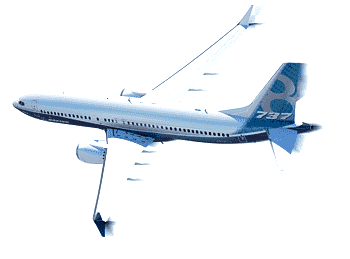

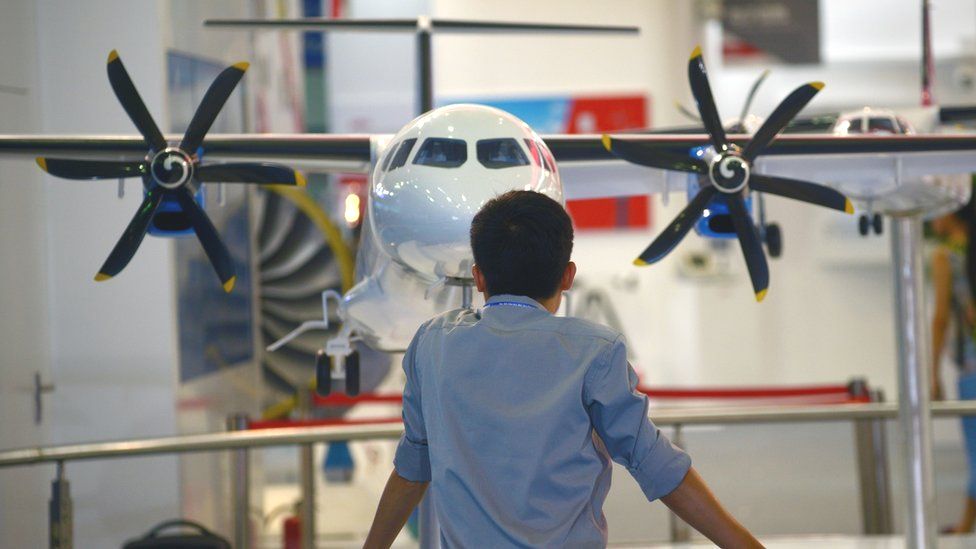
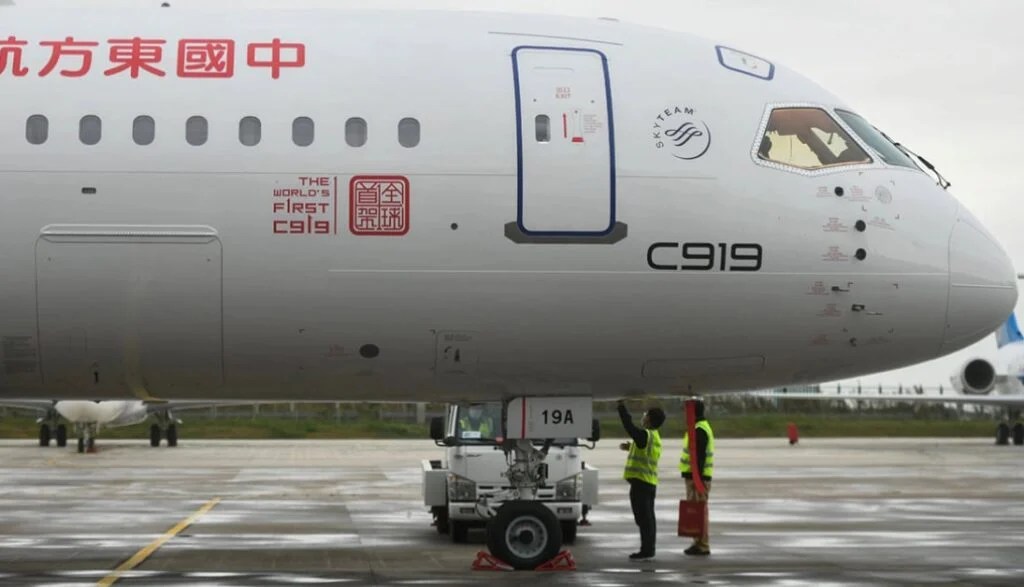
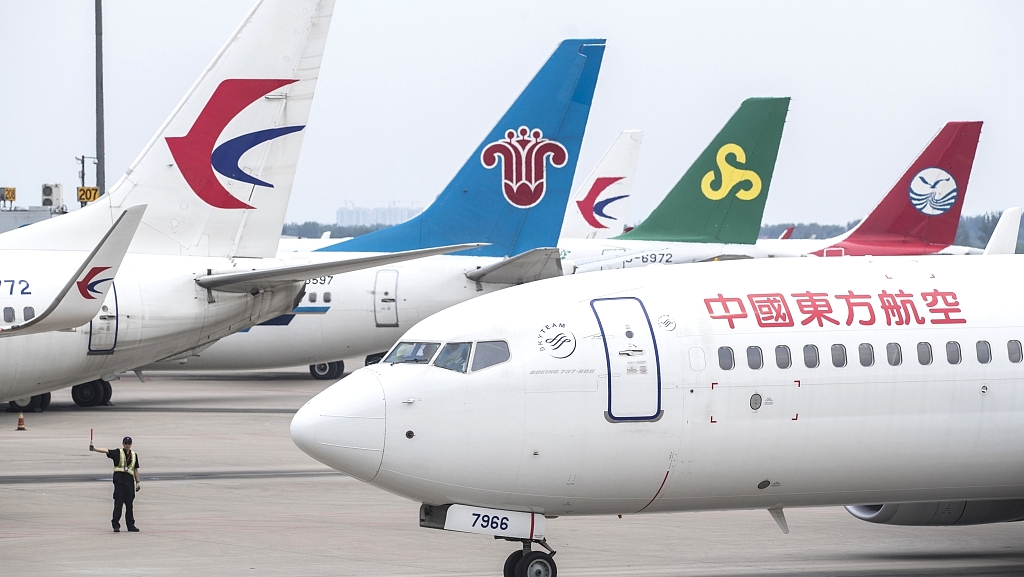

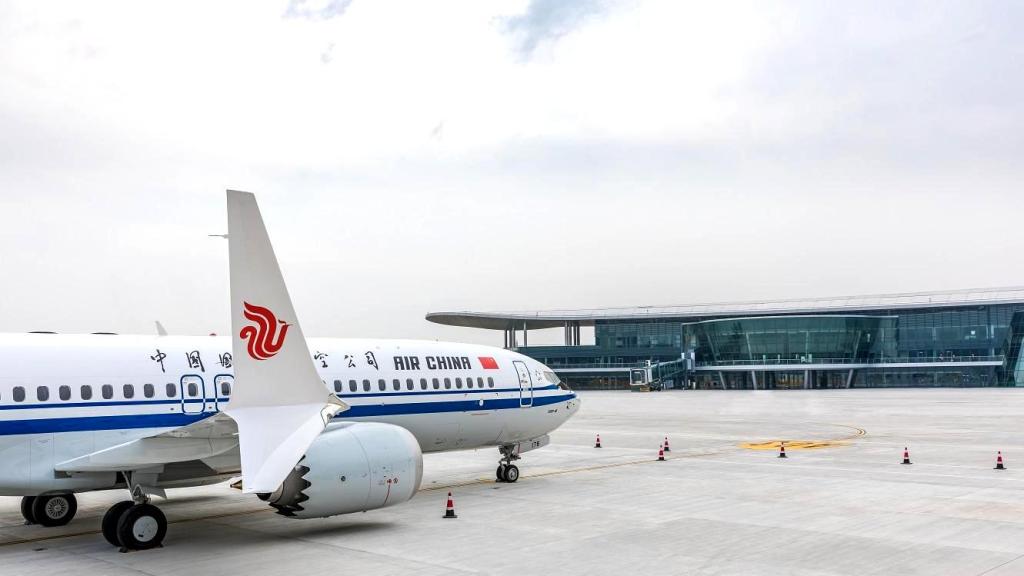



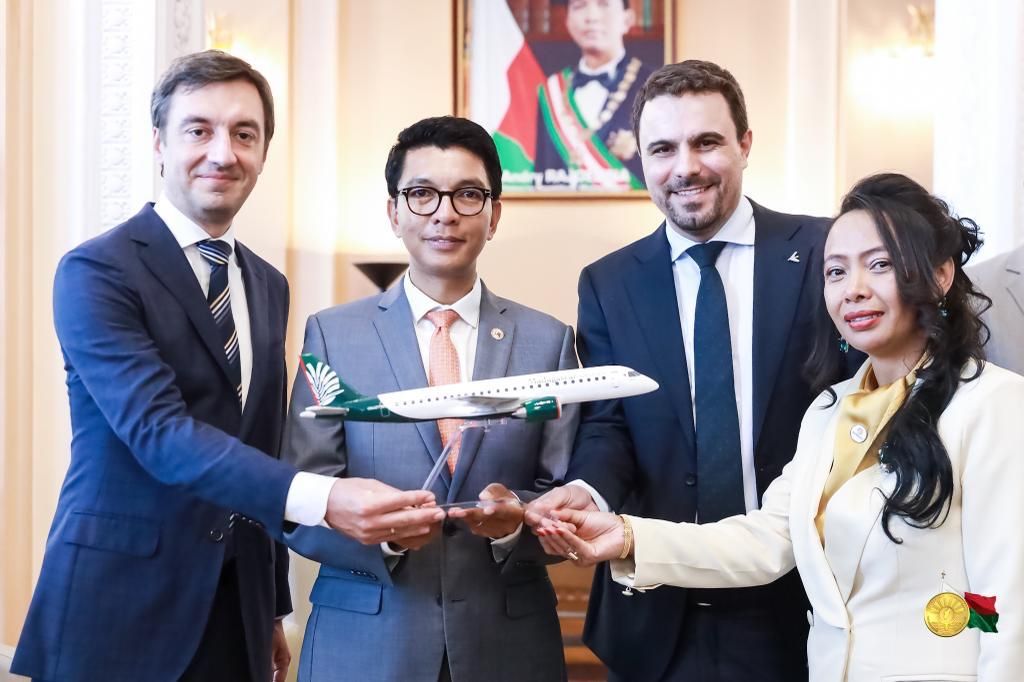
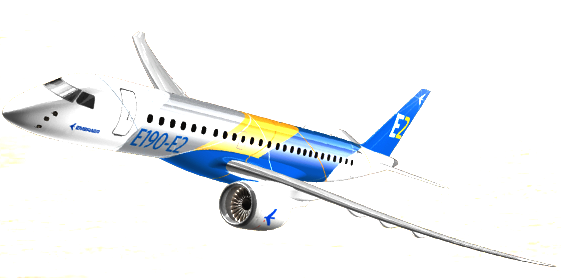

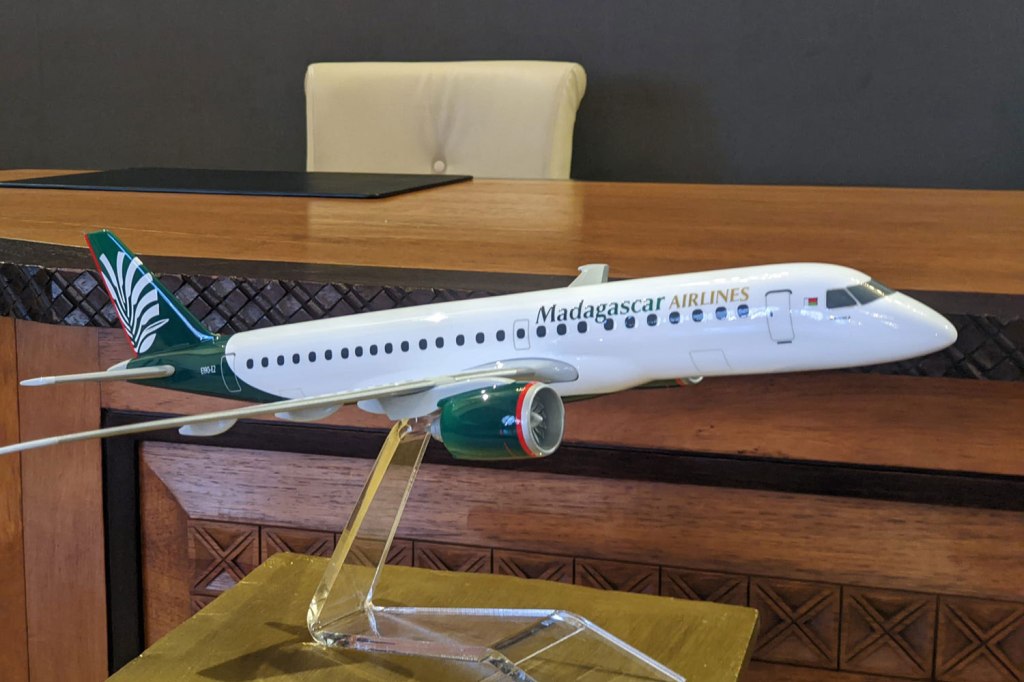

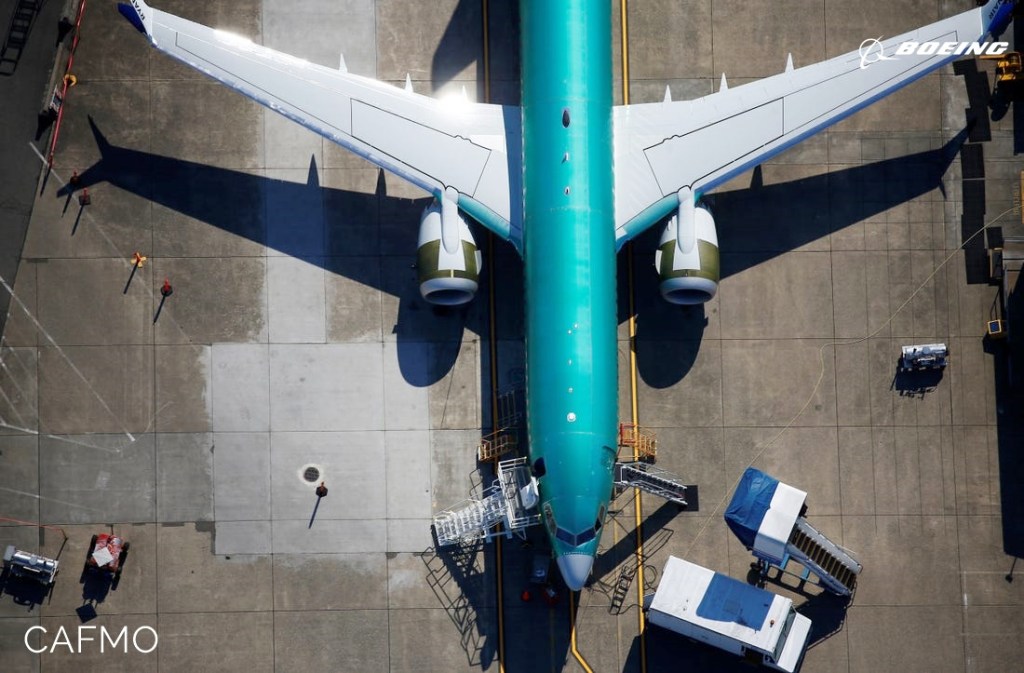


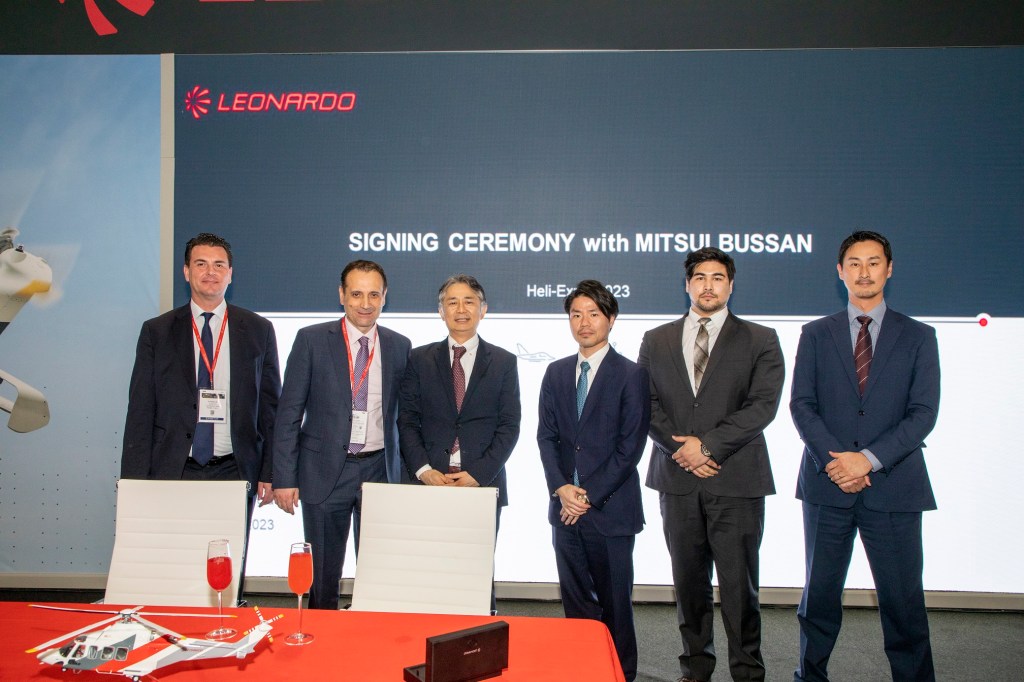

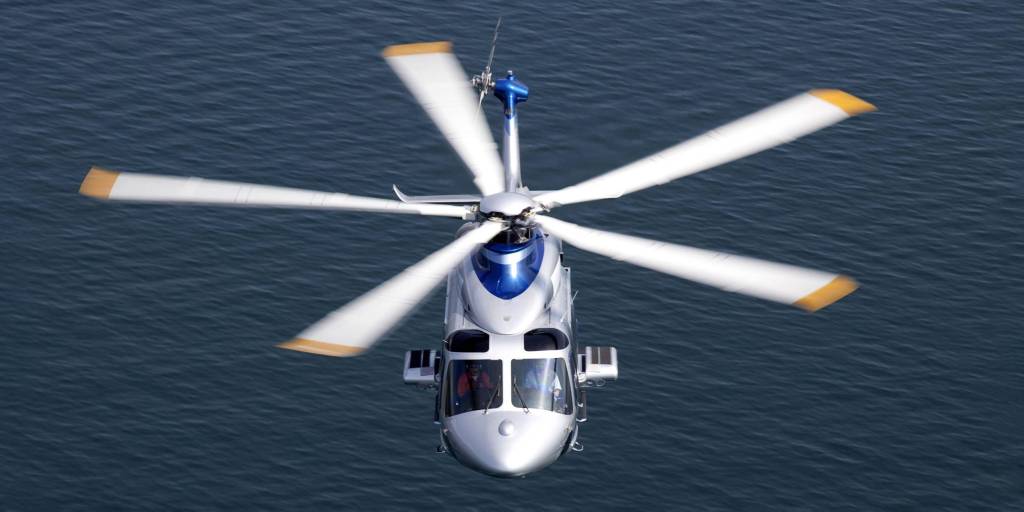



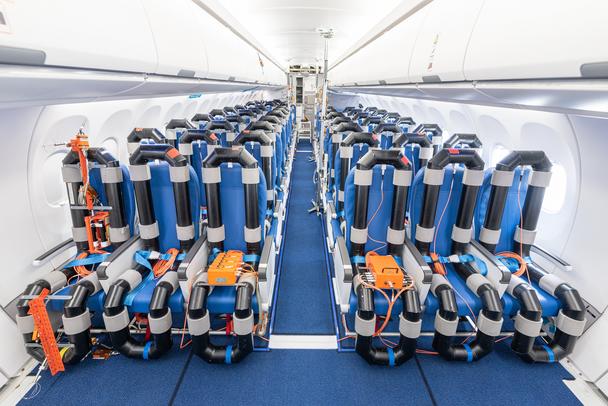
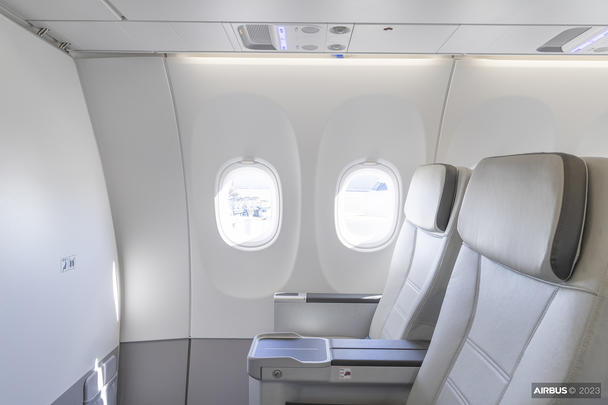


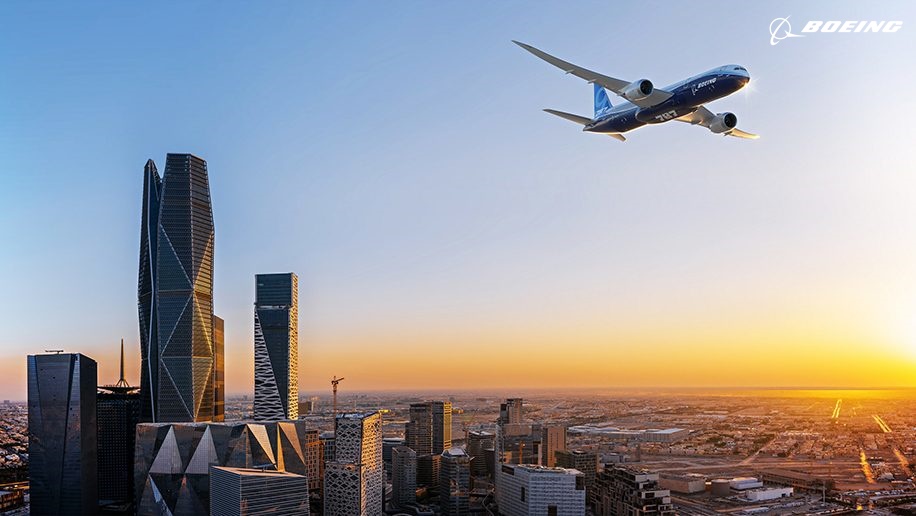

 airgways.com