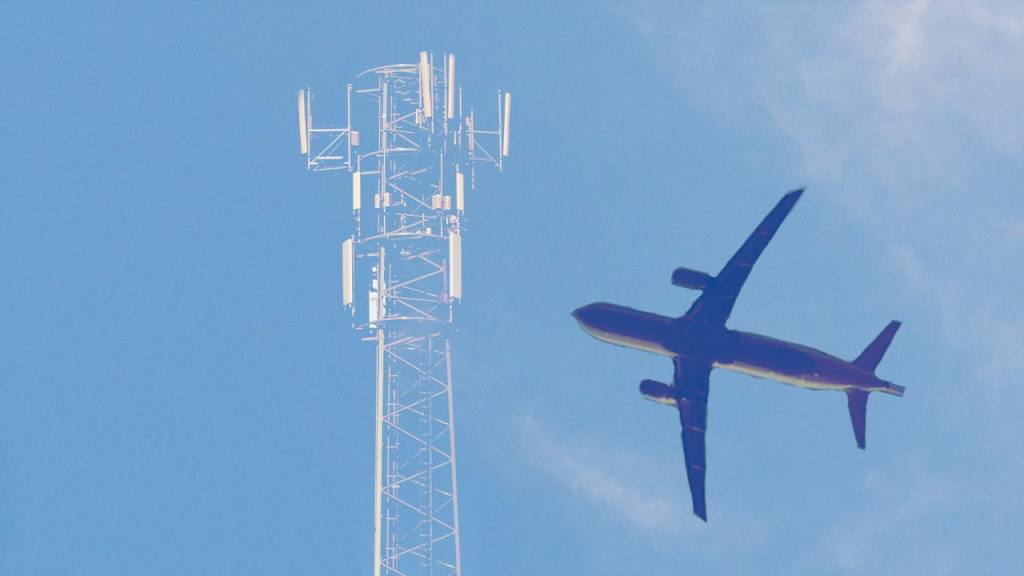
Las principales compañías aéreas de Estados Unidos advirtieron el Miércoles 15/12 que los planes de AT&T y Verizon Communications para usar espectro para servicios inalámbricos 5G podrían ser altamente perjudiciales para los viajes aéreos y costar a los pasajeros aéreos US$ 1.600 millones de Dólares anuales en retrasos de vuelos programados.
El grupo comercial Airlines for America (A4A) dijo que si una nueva directiva de la Administración Federal de Aviación (FAA) para abordar la posible interferencia de las transmisiones inalámbricas hubiera estado en vigor en 2019 «aproximadamente 345.000 vuelos de pasajeros, 32 millones de pasajeros y 54.00 vuelos de carga se habrían visto afectados en forma de vuelos retrasados, desvíos o cancelaciones», expresó la asociación A4A.
En una audiencia el Miércoles 15/12, el Senado de Estados Unidos ha instado a las aerolíneas a trabajar para encontrar una resolución. El CEO de United Airlines, Scott Kirby, dijo que el problema inalámbrico 5G «es el problema potencial más grande y dañino que enfrentamos. No queremos nada más que trabajar para encontrar una solución». El Presidente Ejecutivo de Southwest Airlines, Gary Kelly, dijo que la directiva de la FAA «afectaría significativamente nuestras operaciones una vez que se implemente el 5 de Enero [de 2022]».
Los operadores inalámbricos están listos para comenzar a usar el espectro en solo tres semanas. La semana pasada, la FAA emitió nuevas Directivas de Aeronavegabilidad (AD) advirtiendo que la interferencia del espectro inalámbrico 5G podría resultar en desviaciones de vuelo. La industria de la aviación y la FAA han planteado preocupaciones significativas sobre la posible interferencia de 5G con la electrónica sensible de las aeronaves, como los altímetros de radio.
En Noviembre 2021, AT&T y Verizon acordaron retrasar el lanzamiento comercial del servicio inalámbrico de Banda C hasta el 5 de Enero de 2022 después de que la FAA planteara preocupaciones. También adoptaron medidas cautelares durante seis meses para limitar las interferencias. Los grupos de la industria de la aviación dijeron que eran insuficientes para abordar las preocupaciones de seguridad aérea.
Cellular Telecommunications and Internet Association (CTIA), un grupo de comercio inalámbrico, dijo que «el alarmismo de la industria de la aviación se basa en información completamente desacreditada y distorsiones deliberadas de los hechos». Agregó que 5G opera de manera segura y sin causar interferencias dañinas a las operaciones de aviación en casi 40 países de todo el mundo.
A4A dijo que la directiva de la FAA interrumpiría materialmente las operaciones de las aerolíneas, que los operadores de carga estiman que la directiva les habría costado US$ 400 millones de Dólares anuales. El grupo dijo que el costo de impacto anual para los pasajeros es de aproximadamente US$ 1.59 mil millones de retrasos en los viajes.
Los operadores inalámbricos no han mostrado interés en nuevos retrasos del espectro y la industria pagó más de US$ 80 mil millones para adquirirlo.
La presidenta de la Comisión Federal de Comunicaciones (FCC), Jessica Rosenworcel, quien no comentó de inmediato sobre el análisis de las aerolíneas, ha dicho que cree que los problemas se pueden resolver y usar el espectro de manera segura.
«Los clientes de las aerolíneas confían en las aerolíneas para transportar productos perecederos sensibles al tiempo, como productos farmacéuticos, vacunas, órganos, piezas críticas de la cadena de suministro y muchos otros artículos de alto valor. La falta de mitigaciones serias por parte de las compañías de telecomunicaciones 5G para abordar los problemas de interferencia interrumpirá y dañará significativamente la economía», dijo la asociación A4A.
Las directivas de la FAA ordenan revisar los manuales de vuelo de aviones y helicópteros para prohibir algunas operaciones que requieren datos de radio altímetro cuando se encuentran en presencia de señales de banda ancha inalámbrica C 5G. La FAA sigue en conversaciones con la FCC, la Casa Blanca y funcionarios de la industria sobre los contornos precisos de cualquier limitación.
Airlines vs 5G technology
Dangerous 5G wireless technology warned
Major U.S. airlines warned on 12/15 Wednesday that AT&T and Verizon Communications’ plans to use spectrum for 5G wireless services could be highly detrimental to air travel and cost air passengers US$ 1.6 billion annually in scheduled flight delays.
The Airlines for America (A4A) trade group said that if a new Federal Aviation Administration (FAA) directive to address potential interference from wireless transmissions had been in effect in 2019, «approximately 345,000 passenger flights, 32 million passengers and 54.00 cargo flights would have been affected in the form of delayed flights, diversions or cancellations», said the A4A association.
In a hearing on Wednesday 12/15, the US Senate has urged airlines to work to find a resolution. United Airlines CEO Scott Kirby said the 5G wireless problem «is the biggest and most damaging potential problem we face. We want nothing more than to work to find a solution». Southwest Airlines Chief Executive Gary Kelly said the FAA directive «would significantly affect our operations once it is implemented on January 5 [2022]».
Wireless operators are ready to start using spectrum in just three weeks. Last week, the FAA issued new Airworthiness Directives (AD) warning that interference from the 5G wireless spectrum could result in flight deviations. The aviation industry and the FAA have raised significant concerns about possible 5G interference with sensitive aircraft electronics, such as radio altimeters.
In November 2021, AT&T and Verizon agreed to delay the commercial launch of C-Band wireless service until January 5, 2022 after the FAA raised concerns. They also took precautionary measures for six months to limit interference. Aviation industry groups said they were insufficient to address aviation safety concerns.
Cellular Telecommunications and Internet Association (CTIA), a wireless trade group, said that «the aviation industry scaremongering is based on completely discredited information and deliberate distortions of the facts». It added that 5G operates safely and without causing harmful interference to aviation operations in nearly 40 countries around the world.
A4A said the FAA directive would materially disrupt the airlines’ operations, which freight operators estimate the directive would have cost them US$ 400 million annually. The group said the annual impact cost to passengers is about US$ 1.59 billion of travel delays.
Wireless operators have shown no interest in further spectrum delays and the industry paid more than US$ 80 billion to acquire it.
Federal Communications Commission (FCC) chair Jessica Rosenworcel, who did not immediately comment on the airlines’ analysis, has said that she believes the issues can be safely resolved and spectrum used.
«Airline customers rely on airlines to transport time-sensitive perishables such as pharmaceuticals, vaccines, organs, critical parts of the supply chain, and many other high-value items. The lack of serious mitigations by airlines 5G telecommunications companies to address interference problems will disrupt and significantly damage the economy», said the A4A association.
FAA directives mandate revision of aircraft and helicopter flight manuals to prohibit some operations that require radio altimeter data when in the presence of C 5G wireless broadband signals. The FAA remains in discussions with the FCC, the White House and industry officials on the precise outlines of any limitations.
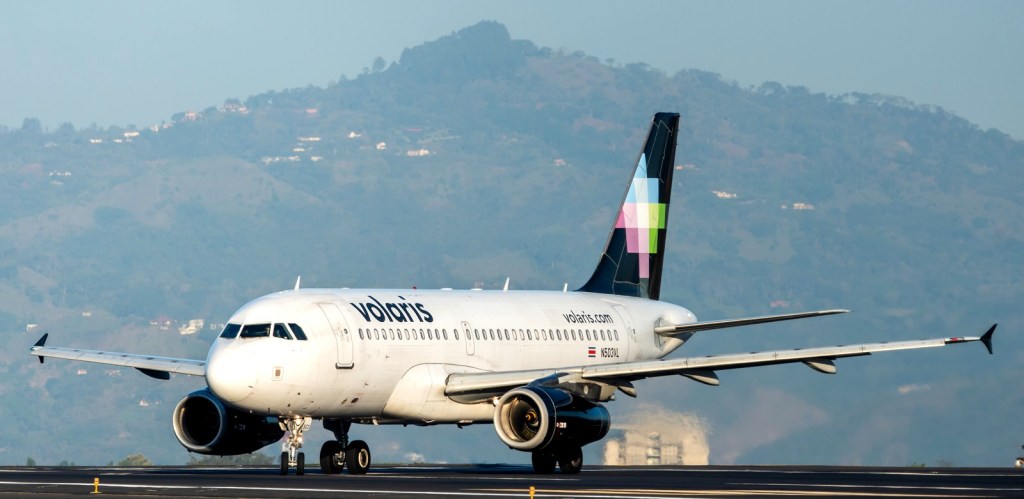
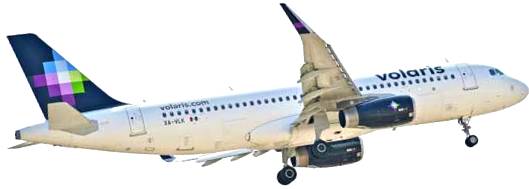
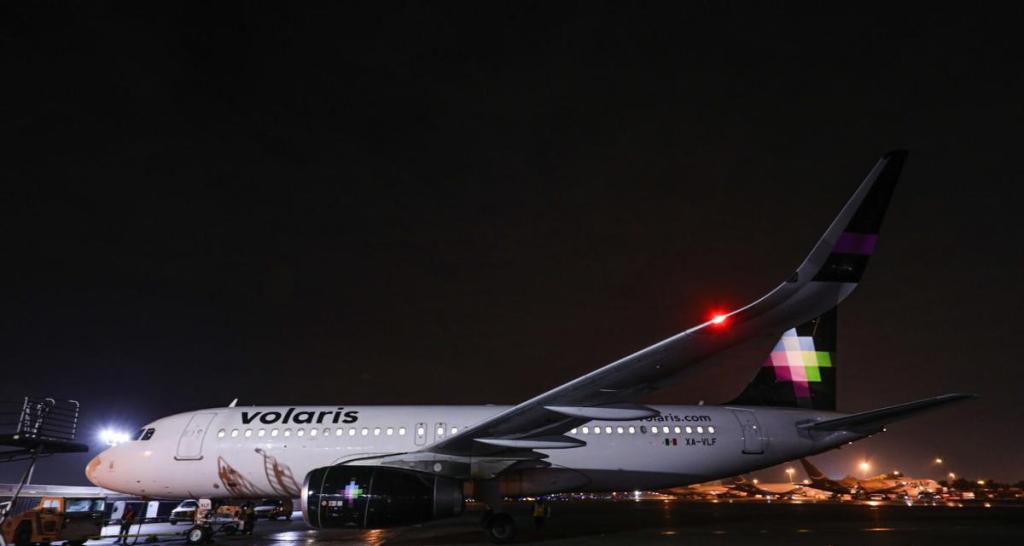
Volaris Costa Rica obtiene primera certificación seguridad IATA
La aerolínea de bajo costo costarricense Volaris Costa Rica a anunciado la certificación IOSA (IATA Operational Safety Audit) hasta 2023, para Volaris México y la primera para Volaris Costa Rica que empezó a operar en 2016. Esta auditoría que evalúa el cumplimiento del estándar IOSA contempla más de 900 requisitos sobre los sistemas de gestión de seguridad operacional y calidad de las aerolíneas en rubros como la organización, administración y control a nivel corporativo, operación de las aeronaves, despacho y control de vuelos, ingeniería de operaciones y de mantenimiento, seguridad de la aviación civil, operaciones de sobrecargos, operaciones terrestres y de carga.
De acuerdo a su Director General, Enrique Beltranena, las normas y prácticas recomendadas IOSA son desarrolladas por especialistas de IATA, de organizaciones internacionales y de aerolíneas, y son continuamente actualizadas. Destaca que IOSA adopta los requisitos de seguridad operacional descritos en los anexos de la OACI. Asimismo, señala que luego de concluir satisfactoriamente las auditorías, IATA emitió a favor de Volaris México la renovación de su registro IOSA con fecha de vigencia al 31 de Agosto del 2023, mientras que, para Volaris Costa Rica, se renovó el registro con fecha de vigencia al 4 de Junio del 2023.
Volaris México
El Vicepresidente Senior y COO de Volaris, José Luis Suárez Durán, señaló que el logro de este objetivo para la compañía no hubiera sido posible sin el compromiso y dedicación de todos los embajadores involucrados en cada una de las fases del proyecto, lo cual les ha permitido mantenerse como una de las aerolíneas más seguras del mundo y como un referente de transporte aéreo en la región de las Américas. El registro IOSA fortalece la estrategia y visión de negocio de Volaris, pues la coloca dentro de un selecto grupo de aerolíneas que cumplen con los más altos estándares internacionales en términos de calidad y seguridad operacional. La aerolínea recibió su avión número 100, un Airbus A320NEO, matrícula XA-VSH, que conectará Tijuana con El Bajío y Cancún, con el que estará incrementando entre un 22 y un 33 por ciento sus frecuencias respectivamente.
Volaris Costa Rica obtains IOSA
Volaris Costa Rica obtains the first IATA security certification
The Costa Rican low-cost airline Volaris Costa Rica has announced the IOSA (IATA Operational Safety Audit) certification until 2023, for Volaris Mexico and the first for Volaris Costa Rica that began operating in 2016. This audit that assesses compliance with the IOSA standard includes more than 900 requirements on the safety and quality management systems of airlines in areas such as organization, administration and control at the corporate level, aircraft operation, dispatch and flight control, operations and maintenance engineering, safety of civil aviation, flight attendants, land and cargo operations.
According to its Director General, Enrique Beltranena, the IOSA standards and recommended practices are developed by specialists from IATA, international organizations and airlines, and are continuously updated. He highlights that IOSA adopts the safety requirements described in the ICAO annexes. It also points out that after satisfactorily completing the audits, IATA issued in favor of Volaris México the renewal of its IOSA registration with an effective date of August 31, 2023, while, for Volaris Costa Rica, the registration was renewed with the date of valid as of June 4, 2023.
Volaris Mexico
The Senior Vice President and COO of Volaris, José Luis Suárez Durán, pointed out that the achievement of this objective for the company would not have been possible without the commitment and dedication of all the ambassadors involved in each of the phases of the project, which has allowed to remain one of the safest airlines in the world and as a benchmark for air transport in the Americas region. The IOSA registry strengthens Volaris’ business strategy and vision, as it places it within a select group of airlines that meet the highest international standards in terms of quality and operational safety. The airline received its 100th aircraft, an Airbus A320NEO, registration XA-VSH, which will connect Tijuana with El Bajío and Cancun, with which it will be increasing its frequencies between 22 and 33 percent respectively.
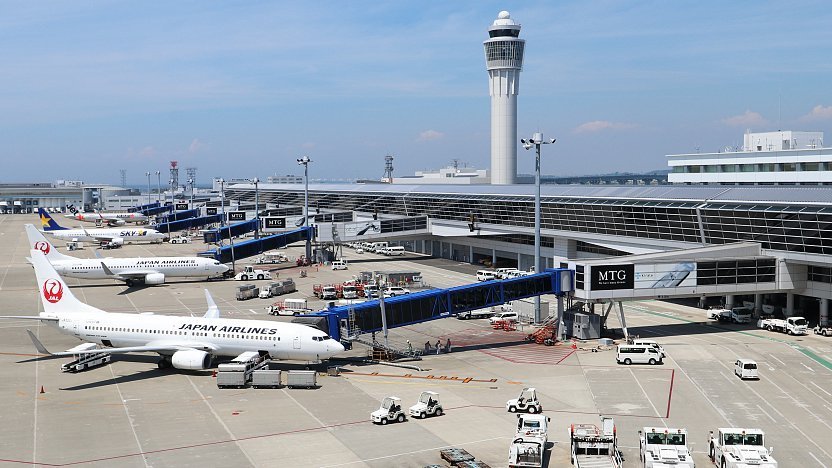
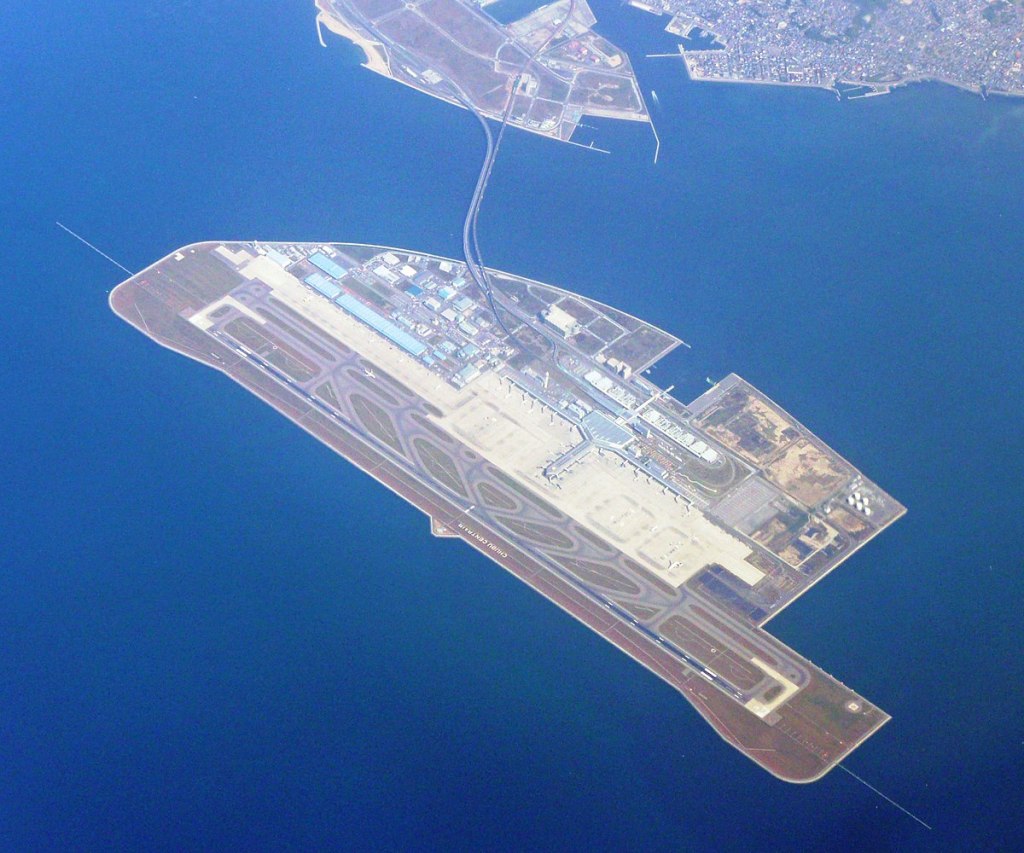
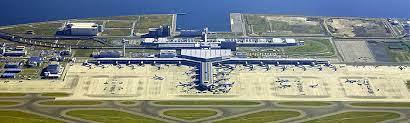
El Aeropuerto Internacional Chubu/NGO construirá una segunda pista para ampliar las operaciones aéreas de Japón. El aeropuerto japonés se encuentra localizado en la Ciudad de Tokoname en la Prefectura de Aichi, Japón, está planeando la construcción de una segunda pista y la revisión de la pista existente.
El Gobernador de la Prefectura de Aichi, Hideaki Omura, dijo que la nueva pista de 3.290 metros se construirá dentro de un período de cinco años mediante la mejora de una calle de rodaje existente, que se encuentra a 210 metros al este de la pista actual. Se estima que esta nueva pista requerirá una inversión de casi US$ 123.3 millones de Dólares/¥14 mil millones Yenes y se dedicará a las salidas de vuelos.
Las instalaciones remotas de torres digitales en todo el mundo ya han demostrado la disminución de los costos y el aumento de los beneficios de seguridad en comparación con las torres de ladrillos y mortero. La digitalización y virtualización de los sistemas de control del tráfico aéreo (ATC) permite a los controladores de tránsito aéreo (ATCO) trabajar desde cualquier ubicación, pero también servir a cualquier espacio aéreo, incluso más allá de las fronteras nacionales o regionales. En regiones donde los aeródromos más pequeños y de bajo volumen de tráfico corren el riesgo de cierre, el concepto de torre remota permite que las operaciones de ATC se ubico en un sitio de fácil acceso, lo que reduce los problemas de personal. Además de eso, la idea de que varios aeropuertos de bajo tráfico puedan ser atendidos y consolidados en un centro de torre remoto ofrece beneficios de costos adicionales. Esta solución ofrece un enorme potencial en términos de optimización de procesos, utilización de recursos y sinergias funcionales en múltiples ubicaciones aeroportuarias.
Multiplicar las eficiencias
El concepto de un controlador de tránsito aéreo que gestiona más de un aeropuerto se ha probado tanto en simulación como en situaciones de la vida real como parte del programa de investigación SESAR 2020, desde 2017. Hay muchos lugares en todo el mundo con aeropuertos pequeños y remotos que requieren vigilancia, pero tienen un número muy pequeño de movimientos de aeronaves. El desafío es a menudo doble; la torre podría estar en un lugar remoto, lejos de la civilización, lo que dificulta el reclutamiento; la segunda es que el controlador pasa una gran parte de su día sin nada que hacer. Esto no solo es contraproducente, sino que tampoco es la mejor situación para un trabajo que requiere un enfoque y una preparación extremos.
La pista existente construida en 2005, que abarca 3.500 m, se utilizará para las llegadas una vez que se complete la nueva pista. La capacidad de llegada y salida del aeropuerto crecerá en un 20% después de que las dos pistas entren en funcionamiento. El proyecto será respaldado financieramente por los gobiernos central y prefectural indirectamente. Inicialmente, la segunda pista se planeó en un terreno recuperado cerca del aeropuerto, pero el plan se cambió ya que se descubrió que el trabajo de recuperación requería casi quince años de tiempo. El plan del aeropuerto de construir una tercera pista, para reemplazar el carril existente de 3.500 m, después de la finalización del proyecto del vertedero.
Mientras tanto, en otro desarrollo en el sector de la aviación de Japón en Octubre 2021, Kansai Airports se asoció con la firma de seguridad Secom para desplegar un robot de vigilancia. A principios de este año, el Aeropuerto Internacional de Narita (NRT) comenzó a probar el equipo de detección de zapatos, que puede detectar artículos prohibidos automáticamente sin requerir que los viajeros se despejen los zapatos.
New runway Chubu Airport
Japanese Chubu airport to build new runway
Chubu International Airport/NGO will build a second runway to expand Japan’s air operations. The Japanese airport is located in Tokoname City in Aichi Prefecture, Japan, it is planning the construction of a second runway and the overhaul of the existing runway.
Aichi Prefectural Governor Hideaki Omura said the new 3,290-meter runway will be built within five years by upgrading an existing taxiway, which is 210 meters east of the current runway. . It is estimated that this new runway will require an investment of almost US$ 123.3 million/¥ 14 billion yen and will be dedicated to flight departures.
Remote digital tower installations around the world have already demonstrated decreased costs and increased security benefits compared to brick and mortar towers. The digitization and virtualization of air traffic control (ATC) systems allows air traffic controllers (ATCO) to work from any location, but also to serve any airspace, even beyond national or regional borders. In regions where smaller and low-volume airfields are at risk of closure, the remote tower concept allows ATC operations to be located in an easily accessible site, reducing personnel problems. On top of that, the idea that multiple low-traffic airports can be serviced and consolidated into a remote tower hub offers additional cost benefits. This solution offers enormous potential in terms of process optimization, resource utilization, and functional synergies across multiple airport locations.
Multiply efficiencies
The concept of an air traffic controller managing more than one airport has been tested in both simulation and real life situations as part of the SESAR 2020 research program, since 2017. There are many places around the world with small airports and remotes that require surveillance, but have a very small number of aircraft movements. The challenge is often twofold; the tower could be in a remote location, far from civilization, making recruitment difficult; the second is that the controller spends a large part of his day with nothing to do. Not only is this counterproductive, it is also not the best situation for a job that requires extreme focus and preparation.
The existing runway built in 2005, covering 3,500m, will be used for arrivals once the new runway is completed. The airport’s arrival and departure capacity will grow by 20% after the two runways become operational. The project will be financially supported by the central and prefectural governments indirectly. Initially, the second runway was planned on reclaimed land near the airport, but the plan was changed as the reclamation work was found to require nearly fifteen years of time. The airport’s plan to build a third runway, to replace the existing 3,500 m lane, after the completion of the landfill project.
Meanwhile, in another development in Japan’s aviation sector in October, Kansai Airports partnered with security firm Secom to deploy a surveillance robot. Earlier this year, Narita International Airport (NRT) began testing shoe detection equipment, which can automatically detect prohibited items without requiring travelers to remove their shoes.
El cibercrimen de la aviación está en aumento a medida que los nuevos sistemas de aerolíneas y el trabajo remoto aumentan el área de ataque de superficie digital. Combinado con las inminentes regulaciones cibernéticas en varias jurisdicciones, hace que las medidas apropiadas de ciberseguridad de la aviación sean más importantes que nunca. Actualmente, existen tres áreas que las aerolíneas deben considerar: servicios de pasajeros, operaciones y control de aeronaves. Los servicios de pasajeros cubren todo, desde la reserva inicial hasta la gestión de la identidad y una experiencia de viaje a medida. El fraude, en particular la venta de boletos, es la principal preocupación y, en un año normal, le cuesta a las aerolíneas alrededor de US$ 1 mil millones. Pero los reclamos de reembolso falsos y la explotación de los Programas de Viajero Frecuente (FFP) de las aerolíneas se han vuelto tan frecuentes como los delitos con tarjetas de crédito. Además de lidiar con el fraude, las aerolíneas deben trabajar arduamente para proteger los datos de los pasajeros. Todo lo que la industria está tratando de hacer para agilizar y simplificar la experiencia de viaje aéreo implica el uso de datos. Todo lo recopilado debe equilibrarse con la ética de los datos y las buenas prácticas requieren la minimización de los datos, solo utilizando los datos que se necesitan. Sin embargo, muchos de los avances en los procesos aeroportuarios, como la facilitación biométrica, requieren que los pasajeros proporcionen datos personales importantes. Las leyes de privacidad, como el Reglamento General de Protección de Datos (GDPR) de la Unión Europea, establecen altos estándares para proteger estos datos y la mayoría de los pasajeros parecen felices de compartir información cuando sea necesario.
La última Encuesta Global de Pasajeros de la IATA encontró que: El 73% de los pasajeros están dispuestos a compartir sus datos biométricos para mejorar los procesos aeroportuarios (frente al 46% en 2019). El 88% compartirá información de inmigración antes de la salida para un procesamiento acelerado. Poco más de un tercio de los pasajeros (36%) han experimentado el uso de datos biométricos al viajar. De estos, el 86% quedó satisfecho con la experiencia. Sin embargo, la protección de datos sigue siendo un tema clave con un 56% que indica preocupación por las violaciones de datos. Y los pasajeros quieren claridad sobre con quién se comparten sus datos (52%) y cómo se usan / procesan (51%).
«Las preocupaciones de privacidad no son exclusivas de la aviación, pero eso no hace ninguna diferencia.La aviación todavía tiene que abordarlos y poner en marcha medidas de ciberseguridad», dice Manon Gaudet, Subdirectora de Ciberseguridad de la Aviación. Sin embargo, insiste en que no se trata solo de lograr el cumplimiento de la normativa: «No queremos seguridad en la lista de verificación. Las aerolíneas deben implementar sistemas basados en el riesgo».
Problemas de confianza
La confianza en el intercambio de datos también está en el corazón de los problemas cibernéticos operativos. Los datos tienen que fluir a través de la cadena de valor de la aviación y eso significa que los sistemas se hablen entre sí y que todas las partes tengan confianza en que los datos están protegidos. Pero la confianza es un concepto que no puede ser ordenado por los gobiernos. Por lo tanto, alcanzarlo es un desafío para la industria, especialmente porque están involucradas empresas de todos los tamaños, sin mencionar los diferentes niveles de ciberseguridad. Manon Gaudet dice que es fundamental que las organizaciones compartan vulnerabilidades o temores para que el ecosistema cibernético en general pueda ser protegido. Compartir conocimientos ayuda a prevenir futuros ataques y crea resiliencia cibernética. Significa que el punto más débil en la experiencia de los pasajeros de extremo a extremo se puede llevar a un nivel requerido y mantiene a todas las empresas por delante de las tendencias y desarrollos de ataque. «Recuerde, los atacantes no tienen problemas de confianza. No solo están trabajando con inteligencia artificial y nuevas técnicas, sino que también se ofrecen servicios entre sí para aprovechar diferentes capacidades de ataque».
En cuanto a los sistemas de aeronaves, este es potencialmente el aspecto más serio de los esfuerzos de ciberseguridad. Las aeronaves están cada vez más conectadas al suelo y eso abre la posibilidad de que los atacantes busquen interferir con los sistemas a bordo de las aeronaves, incluidos los sistemas críticos de vuelo. Todas las estrategias de ciberseguridad deben comenzar con la seguridad de estos.
Estrategia de ciberseguridad
Para las aerolíneas que buscan mejorar su ciberseguridad, el consejo de Manon Gaudet es «entrar en un experto. No trates de resolverlo tú mismo. Hay muchos ataques diferentes y muchas formas diferentes en que un ataque podría afectar a una aerolínea. Tienes que trabajar a través de todos los diferentes escenarios, especialmente aquellos que podrían tener un impacto en la seguridad».
En el Simposio Digital, de Datos y Retailing de la IATA, Martin Ninnemann, Director de Desarrollo de Negocios de Unisys, identificó seis elementos clave en la implementación de una estrategia de ciberseguridad: Protocolos criptográficos para garantizar la protección de extremo a extremo de los flujos de datos. Comunidades Virtuales de Interés para limitar la accesibilidad a los datos. Encubrimiento, para que los usuarios solo puedan ver la infraestructura que necesitan ver. Aislamiento dinámico, lo que significa identificar y apagar un punto de entrada, como un PC o servidor en particular, idealmente en cuestión de segundos, no minutos u horas. Integración con sistemas de gestión de identidad para facilitar operaciones fluidas. Transparencia con las aplicaciones para que los sistemas propietarios existentes puedan continuar con normalidad. Todo lo anterior, sugirió, se puede hacer sin cambiar la arquitectura existente. No hay ningún requisito para arrancar y reemplazar.
Manon Gaudet agrega una cultura de ciberseguridad a la lista. Afortunadamente, las aerolíneas no tienen que crear esto desde cero. «Una cultura de seguridad ya está omnipresente en toda la aviación y la ciberseguridad es solo una extensión de esto. No se trata de crear una cultura aislada. Está conectado con la idea de la mejora continua de la seguridad y las aerolíneas lo entienden completamente. Esto dará a las aerolíneas un cortafuegos humano. Puedes tener toda la tecnología del mundo, pero debes empoderar al personal. Los humanos son una de las mayores defensas de las aerolíneas contra los ciberataques, pero también puede ser su debilidad, por lo que la concienciación y la formación son clave».
Iniciativas de la industria
Para ayudar a las aerolíneas, hay una serie de iniciativas de la industria en marcha. Un enfoque común de la ciberseguridad es esencial. La cooperación no solo fortalecerá la red de información general, sino que también permitirá a las organizaciones hablar el mismo lenguaje cibernético. Términos como autenticación deben significar lo mismo para todas las empresas.
IATA estableció el Grupo de Trabajo de Gestión Cibernética (CMWG) para evaluar las necesidades de la industria y proporcionar la orientación adecuada. También existe el Grupo Directivo de Seguridad Cibernética de Sistemas Interconectados de Aeronaves (AISCS-SG), un foro informal que se ocupa particularmente de los sistemas interconectados relacionados con la seguridad de vuelo. IATA también está trabajando con el Consejo Internacional de Coordinación de Asociaciones de Industrias Aeroespaciales (ICCAIA) en el Aircraft Cyber Security eXchange Restricted FORUM (rFORUM) para ayudar a las aerolíneas a comprender mejor los riesgos asociados con la introducción de nuevas tecnologías y compartir esas preocupaciones con los fabricantes de equipos originales (OEM y titulares de aprobación de diseño (DAH).
A nivel de la OACI, existe el Grupo de Estudio de la Secretaría sobre Ciberseguridad (SSGC) y sus diferentes subgrupos, que están ocupados revisando el Plan de Acción de Ciberseguridad de la OACI (CyAP) y el Marco de Confianza, incluidos los nuevos requisitos de superposición segura de la aviación civil. La Agencia Europea de Seguridad Aérea (EASA) y EUROCAE también están consultando con la IATA sobre nuevas regulaciones. «No hay escasez de esfuerzo. Pero necesitamos más aportes de las aerolíneas para desarrollar la orientación correcta para que podamos satisfacer las necesidades de la industria en esta área crítica. Todas las organizaciones de aviación deben llegar a un nivel mínimo viable de ciberseguridad porque un solo ataque a un elemento crítico podría afectar a toda la industria. Sin embargo, eso no significa que todos tengan que implementar los últimos sistemas. Siempre se trata de adaptarse porque ninguna aerolínea puede hacer un reemplazo mayorista de sistemas cada año. El hecho es que nunca podremos lograr el 100% de ciberseguridad. Pero podemos reducir el riesgo y es esencial que lo hagamos. Los sistemas digitales críticos que forman parte de la infraestructura de aviación civil deben protegerse lo mejor que podamos», concluye Manon Gaudet.
IATA pursues cybersecurity
Taking cybersecurity to the next level
Aviation cybercrime is on the rise as new airline systems and remote work increase the digital surface area of attack. Combined with looming cyber regulations in various jurisdictions, it makes proper aviation cybersecurity measures more important than ever. Currently, there are three areas that airlines must consider: passenger services, aircraft operations and control. Passenger services cover everything from initial booking to identity management and a tailor-made travel experience. Fraud, particularly ticket sales, is the main concern and, in a normal year, costs airlines around US$ 1 billion. But false refund claims and exploitation of airlines’ Frequent Flyer Programs (FFPs) have become as prevalent as credit card crimes. In addition to dealing with fraud, airlines must work hard to protect passenger data. Everything the industry is trying to do to streamline and simplify the air travel experience involves the use of data. Everything collected must be balanced with data ethics and good practices require data minimization, only using the data that is needed. However, many of the advances in airport processes, such as biometric facilitation, require passengers to provide important personal data. Privacy laws, such as the General Data Protection Regulation (GDPR) of the European Union, set high standards to protect this data and most passengers seem happy to share information when necessary.
The latest IATA Global Passenger Survey found that: 73% of passengers are willing to share their biometric data to improve airport processes (up from 46% in 2019). 88% will share immigration information prior to departure for expedited processing. Just over a third of passengers (36%) have experienced the use of biometric data when traveling. Of these, 86% were satisfied with the experience. However, data protection remains a key issue with 56% indicating concern about data breaches. And passengers want clarity on who their data is shared with (52%) and how it is used / processed (51%).
«Privacy concerns are not unique to aviation, but that makes no difference. Aviation has yet to address them and put cybersecurity measures in place», says Manon Gaudet, Deputy Director of Aviation Cybersecurity. However, she insists that it is not just about achieving regulatory compliance: «We do not want safety on the checklist. Airlines must implement risk-based systems».
Trust issues
Confidence in data sharing is also at the heart of operational cyber problems. Data has to flow through the aviation value chain and that means systems are talking to each other and all parties have confidence that the data is protected. But trust is a concept that cannot be mandated by governments. Therefore, reaching it is a challenge for the industry, especially since companies of all sizes are involved, not to mention the different levels of cybersecurity. Manon Gaudet says that it is essential that organizations share vulnerabilities or fears so that the cyber ecosystem in general can be protected. Sharing knowledge helps prevent future attacks and builds cyber resilience. It means that the weakest point in the end-to-end passenger experience can be brought to a required level and keeps all businesses ahead of attack trends and developments. «Remember, attackers have no trust issues. Not only are they working with artificial intelligence and new techniques, they are also offering services to each other to take advantage of different attack capabilities».
When it comes to aircraft systems, this is potentially the most serious aspect of cybersecurity efforts. Aircraft are increasingly connected to the ground and that opens up the possibility for attackers to seek to interfere with systems on board aircraft, including critical flight systems. All cybersecurity strategies must start with their security.
Cybersecurity strategy
For airlines looking to improve their cybersecurity, Manon Gaudet’s advice is to «get into an expert. Don’t try to figure it out yourself. There are many different attacks and many different ways that an attack could affect an airline. You have to work at across all the different scenarios, especially those that could have an impact on security».
At the IATA Digital, Data and Retailing Symposium, Martin Ninnemann, Director of Business Development at Unisys, identified six key elements in implementing a cybersecurity strategy: Cryptographic protocols to ensure end-to-end protection of flows of data. Virtual Communities of Interest to limit accessibility to data. Cloaking, so that users can only see the infrastructure they need to see. Dynamic isolation, which means identifying and shutting down an entry point, such as a particular PC or server, ideally in a matter of seconds, not minutes or hours. Integration with identity management systems to facilitate smooth operations. Transparency with applications so that existing proprietary systems can continue as normal. All of the above, he suggested, can be done without changing the existing architecture. There is no requirement to start and replace.
Manon Gaudet adds a culture of cybersecurity to the list. Fortunately, airlines don’t have to create this from scratch. «A culture of safety is already ubiquitous throughout aviation and cybersecurity is just an extension of this. It is not about creating an isolated culture. It is connected to the idea of continuous safety improvement and is fully understood by airlines. This will give the airlines a human firewall», he adds. «You can have all the technology in the world, but you have to empower your staff. Humans are one of the airlines’ greatest defenses against cyberattacks, but it can also be their weakness, so awareness and training are key».
Industry Initiatives
To help airlines, there are a number of industry initiatives underway. A common approach to cybersecurity is essential. The cooperation will not only strengthen the general information network, but also allow organizations to speak the same cyber language. Terms like authentication should mean the same for all companies.
IATA established the Cyber Management Working Group (CMWG) to assess industry needs and provide appropriate guidance. There is also the Aircraft Interconnected Systems Cyber Security Steering Group (AISCS-SG), an informal forum that deals particularly with interconnected systems related to flight safety. IATA is also working with the International Council for the Coordination of Aerospace Industries Associations (ICCAIA) on the Aircraft Cyber Security eXchange Restricted FORUM (rFORUM) to help airlines better understand the risks associated with the introduction of new technologies and share those concerns. with Original Equipment Manufacturers (OEMs and Design Approval Holders (DAH).
At ICAO level, there is the Secretariat Study Group on Cybersecurity (SSGC) and its different subgroups, which are busy reviewing the ICAO Cybersecurity Action Plan (CyAP) and the Trust Framework, including the new requirements. safe overlay of civil aviation. The European Aviation Safety Agency (EASA) and EUROCAE are also consulting with IATA on new regulations. «There is no shortage of effort. But we need more input from airlines to develop the right guidance so that we can meet the needs of the industry in this critical area. All aviation organizations must reach a minimum viable level of cybersecurity because a single Attacking a critical element could affect the entire industry. However, that doesn’t mean everyone has to implement the latest systems. It’s always about adapting because no airline can do a wholesale replacement of systems every year. The fact is, never We can achieve 100% cybersecurity. But we can reduce risk and it is essential that we do so. Critical digital systems that are part of the civil aviation infrastructure must be protected to the best of our ability», concludes Manon Gaudet.
Aeropuerto Palmerola de Honduras inicia operaciones comerciales
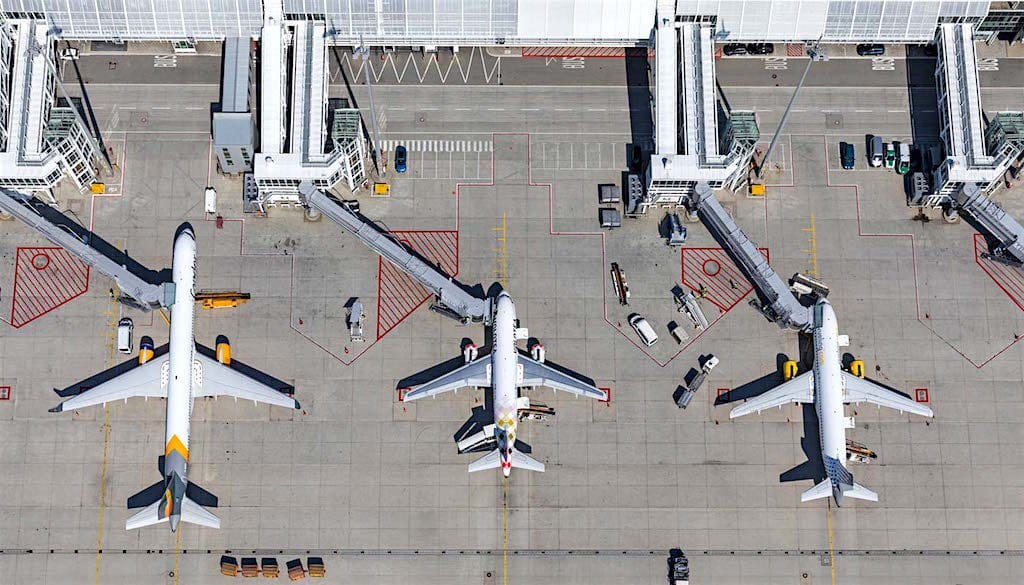
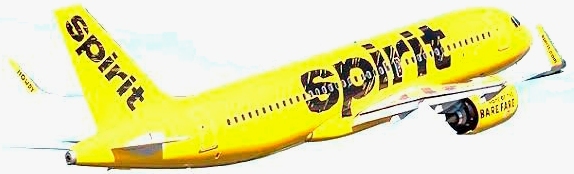
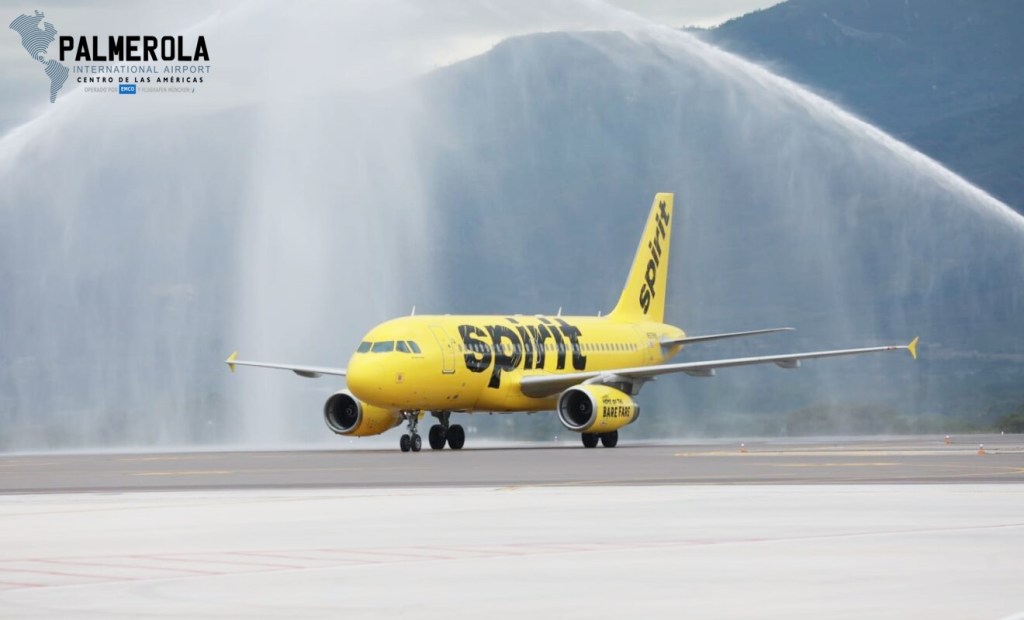
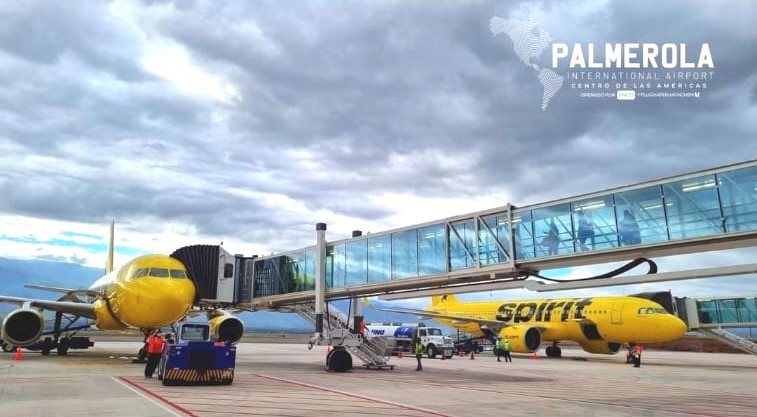
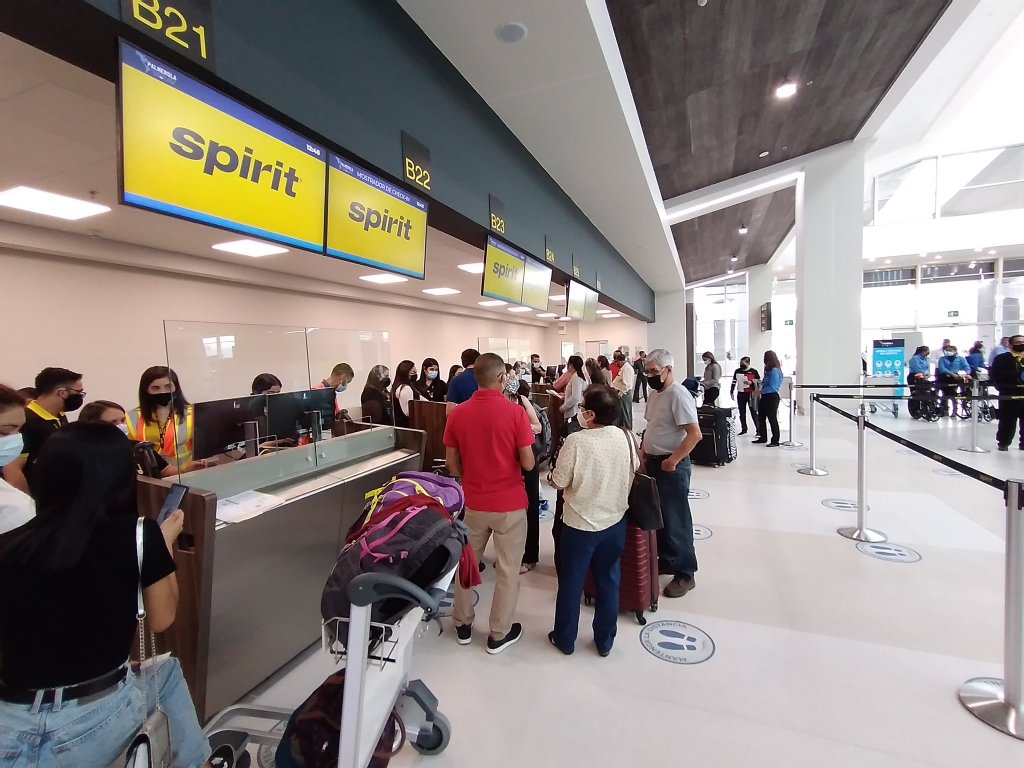
El nuevo Aeropuerto Internacional de Palmerola/XPL ha iniciado este Sábado 11/12 operaciones aerocomerciales inaugurando la apertura de esta nueva aeroestación en la República de Honduras con un vuelo proveniente de Estados Unidos de Spirit Airlines. El primer vuelo arribó a Palmerola hacia las 13:26 hora local (10:26 GMT) procedente de Houston (Estados Unidos), mientras que el segundo, desde Miami, llegó una hora después. “Después de seis años en construcción, el Sábado se apertura Palmerola con vuelo de @SpiritAirlines y tickets a US$ 149 ida y vuelta a Miami y Houston. Próximamente, seguiremos anunciado las nuevas rutas de bajo costo”, indicaba el Presidente Ejecutivo de la división Aeropuertos Grupo Emco, Lenir Pérez, en un mensaje en Twitter.
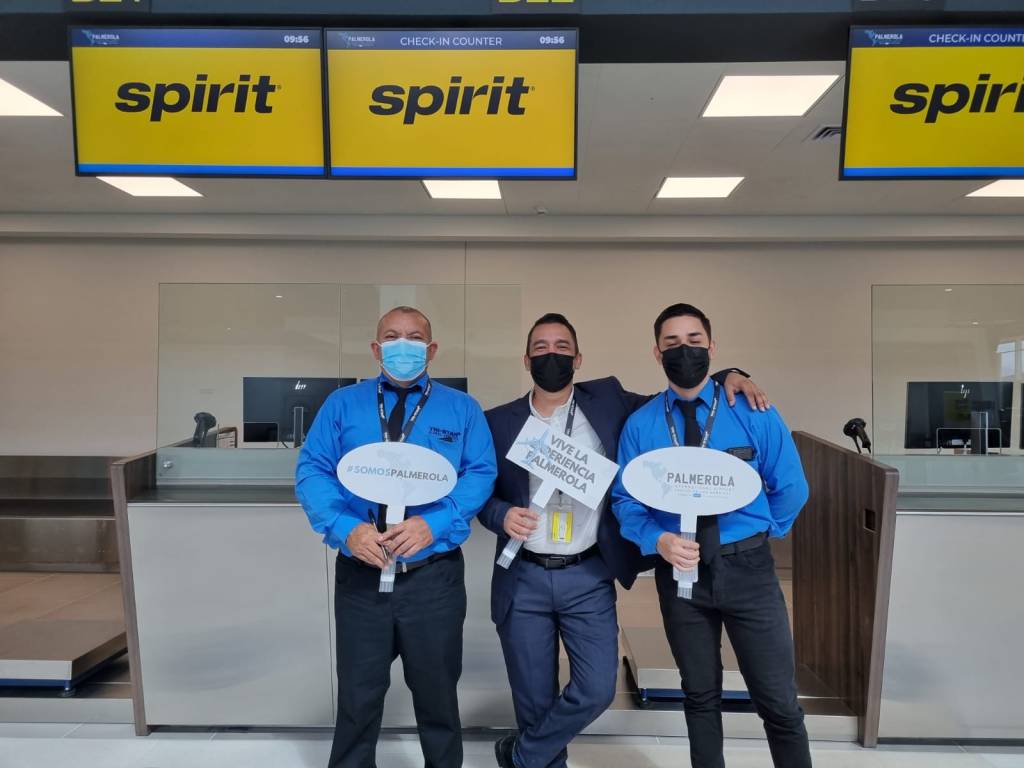
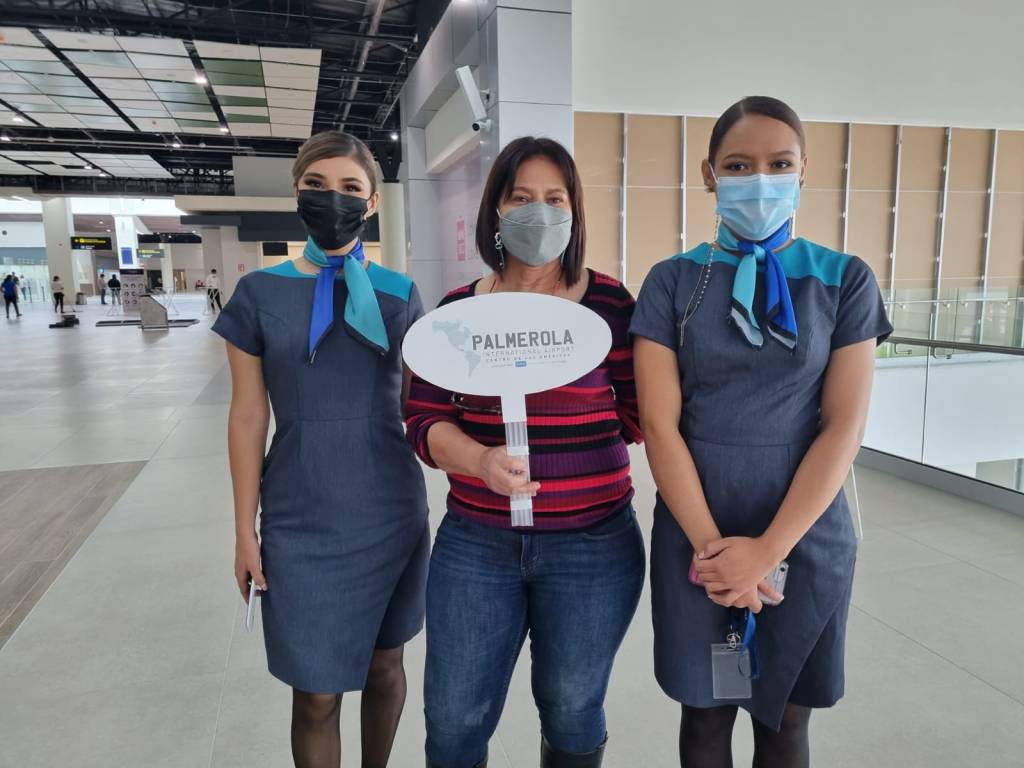
Decenas de pasajeros llegaron temprano este Sábado 11/12 a Palmerola para conseguir su boleto a bajo costo hacia Miami y Houston, y conocer las instalaciones del aeropuerto internacional, situado en el central departamento de Comayagua, capital del país, fundada por los españoles.
Aeropuerto Palmerola
El Aeropuerto Internacional Palmerola fue licitado en 2015 en el primer mandato de Hernández a través de una Alianza Público-Privada y fue adjudicada al consorcio conformado por Emco y el operador internacional de Munich, que invirtió unos US$ 87 millones de Dólares en el contrato por un lapso de treinta años. El consorcio encargado proyecta que Palmerola pueda recibir 1,7 millones de pasajeros al año, frente a los 290.000 que recibió Toncontín en 2019. La obra, cuya pista comprende una construcción de 39.000 metros cuadrados, funciona en el mismo sitio donde opera una base de la Fuerza Aérea Hondureña construida por Estados Unidos a inicios del decenio de los 80 del siglo pasado. Las obras de Palmerola fueron financiadas parcialmente por España con US$ 53 millones de Dólares como parte de programa de conversión de deuda con Honduras, mientras que US$ 23 millones fueron aportados por el Gobierno hondureño.
La Asociación Internacional de Transporte Aéreo (IATA) notificó que reconoce a Palmerola como el nuevo aeropuerto para la zona metropolitana de Tegucigalpa. Mediante resolución 763, sección 1.6.3, IATA aceptó que confirmó que Palmerola es el nuevo aeropuerto para Tegucigalpa.
El nuevo aeropuerto operará las veinticuatro horas (H24), con once (11) puertas de embargue, de ellas cuatro (4) remotas, y una pista de casi 2.500 metros. El Aeropuerto Palmerola proporcionará maximizar las operaciones del anterior Aeropuerto Tocontín, debido a las limitaciones por su ubicación geográfica. Las aerolíneas internacionales que operan en el Aeropuerto Toncontín, con una pista de 1.900 metros en Tegucigalpa, resulta difícil su aproximación en la cabecera sur de la misma, que está próxima a una zona de cerros lo que provoca limitaciones a las operaciones aéreas.
La introducción de vuelos económicos responde a la Ley de Pasajes Baratos que impulsó el Gobierno hondureño para incentivar el turismo en el país centroamericano. La aerolínea panameña Copa Airlines comenzará el próximo 15 de Diciembre de 2021 las operaciones en el Aeropuerto Internacional de Palmerola.
The new Palmerola International Airport/XPL has started this Saturday 11/12 commercial air operations, inaugurating the opening of this new air station in the Republic of Honduras with a flight from the United States of Spirit Airlines. The first flight arrived in Palmerola at around 01:26 pm local time (10:26 GMT) from Houston (United States), while the second, from Miami, arrived an hour later. “After six years under construction, Palmerola will open on Saturday with a @SpiritAirlines flight and tickets for US$ 149 round trip to Miami and Houston. In the near future, we will continue to announce the new low-cost routes”, indicated the Executive President of the Grupo Emco Airports division, Lenir Pérez, in a message on Twitter.
Dozens of passengers arrived early this Saturday 11/12 to Palmerola to get their low-cost ticket to Miami and Houston, and to see the facilities of the international airport, located in the central department of Comayagua, capital of the country, founded by the Spanish.
Palmerola airport
Palmerola International Airport was tendered in 2015 in Hernández’s first term through a Public-Private Alliance and was awarded to the consortium made up of Emco and the Munich international operator, which invested some US$ 87 million in the contract for a span of thirty years. The consortium in charge projects that Palmerola can receive 1.7 million passengers per year, compared to the 290,000 that Toncontín received in 2019. The work, whose runway includes a construction of 39,000 square meters, works on the same site where it operates a base of the Honduran Air Force built by the United States in the early 1980s. The Palmerola works were partially financed by Spain with US$ 53 million dollars as part of the debt conversion program with Honduras, while US$ 23 million were contributed by the Honduran government.
The International Air Transport Association (IATA) notified that it recognizes Palmerola as the new airport for the metropolitan area of Tegucigalpa. Through resolution 763, section 1.6.3, IATA accepted that it confirmed that Palmerola is the new airport for Tegucigalpa.
The new airport will operate 24 hours a day (H24), with eleven (11) embarkation gates, of which four (4) are remote, and a runway of almost 2,500 meters. The Palmerola Airport will provide to maximize the operations of the former Tocontín Airport, due to the limitations of its geographical location. The international airlines that operate at the Toncontin Airport, with a 1,900-meter runway in Tegucigalpa, find it difficult to approach it at the southern end of the same, which is close to an area of hills, which causes limitations to air operations.
The introduction of cheap flights responds to the Cheap Tickets Law promoted by the Honduran government to encourage tourism in the Central American country. The Panamanian airline Copa Airlines will begin operations at the Palmerola International Airport on December 15, 2021.
AW | 2021 12 11 09:35 | AIRLINES ROUTES / GOVERNMENT
Isleños confirmaron solicitud vuelo a Sudamérica
El Gobierno de las Islas Malvinas/Falklands Islands ha solicitado un vuelo a Sudamérica, después que los isleños perdieron conexión con el continente después que Latam Airlines canceló los servicios entre Chile y las Islas Malvinas. El Gobierno bajo la órbita británica ha solicitado una nueva frecuencia solicitando al Gobierno de Argentina autorización para sobrevolar el espacio aéreo argentino para conectar Chile con las Islas Malvinas.
El gobierno pro británico de las Malvinas confirmó que pidió a Londres que gestione con Argentina la posibilidad de que un avión charter lleve a Sudamérica personas que están en el archipiélago sin poder salir de allí desde el estallido de la pandemia del Coronavirus. En un comunicado de prensa emitido este Viernes 10/12 en el que, sin embargo y sin mencionarlo, no aceptan que el vuelo sea realizado por Aerolíneas Argentinas, tal como solicitó el Canciller Santiago Cafiero. El pedido lo hizo Malvinas a la Argentina vía el Gobierno de Boris Johnson porque el avión charter debe pasar por espacio aéreo argentino para llegar a Chile.
Las Malvinas están sin comunicación aérea con Sudamérica desde Marzo de 2020 cuando Latam Airlines suspendió sus rutas a Mount Pleasant/Puerto Argentino. Había vuelos de Santiago de Chile vía Punta Arenas. Con la pandemia, familias chilenas o mixtas quedaron sin poder volar. La única opción es un vuelo vía Reino Unido. Pero los kelpers desde el fin de la guerra de 1982 no aceptan de ninguna manera que una aerolínea de bandera argentina toque el archipiélago, mientras que es justamente el reclamo de Buenos Aires poder aterrizar en el archipiélago austral.
El Miércoles 08/12 la Cancillería de Argentina emitió un comunicado ofreciendo precisamente que una aerolínea nacional haga esos traslados que necesitan en las Islas Malvinas. El Foreign Office dijo que era decisión de los isleños a los que les da una autodeterminación que Argentina no reconoce como parte de su reclamo de soberanía.
El texto del comunicado de prensa que desde las islas publicaron este Viernes 10/12 dice lo siguiente: «El Gobierno de las Islas Malvinas (Falkland Islands Government/FIG) puede confirmar que ha mantenido conversaciones con el Gobierno del Reino Unido sobre la posibilidad de realizar un vuelo chárter para que los miembros sudamericanos de nuestra comunidad visiten a familiares y amigos durante la temporada festiva. Esto también les dará a las personas la oportunidad de renovar documentos vencidos que sabemos que ha sido una gran preocupación».
Como tal vuelo requeriría el permiso del Gobierno de Argentina para volar sobre su espacio aéreo, y aunque se trata de un asunto delegado reconocido, FIG ha pedido al Gobierno del Reino Unido que negocie esta solicitud bilateral en representación de los isleños. La FIG tiene la esperanza de que esta solicitud sea concedida dado que, debido al Covid-19, hay muchas personas en las Islas Malvinas que no han podido ver a su familia desde antes de que comenzara la pandemia. Como Diciembre es tradicionalmente una época de buena voluntad, recibir los permisos necesarios para este vuelo significaría mucho para muchas personas, tanto en las Islas Malvinas como en América del Sur.
Malvinas requests Frq for South America
Islanders confirmed request for flight to South America
The Government of the Falkland Islands/Malvinas Islands has requested a flight to South America, after the islanders lost connection with the continent after Latam Airlines canceled services between Chile and the Falkland Islands. The Government under the British orbit has requested a new frequency requesting the Government of Argentina authorization to fly over Argentine airspace to connect Chile with the Falkland Islands.
The pro-British government of the Falklands confirmed that it asked London to negotiate with Argentina the possibility of a charter plane taking to South America people who are in the archipelago without being able to leave there since the outbreak of the Coronavirus pandemic. In a press release issued this Friday 12/10 in which, however and without mentioning it, they do not accept that the flight is made by Aerolineas Argentinas, as requested by Foreign Minister Santiago Cafiero. The request was made by the Malvinas to Argentina via the Government of Boris Johnson because the charter plane must pass through Argentine airspace to reach Chile.
The Falklands have been without air communication with South America since March 2020 when Latam Airlines suspended its routes to Mount Pleasant/Puerto Argentino. There were flights from Santiago de Chile via Punta Arenas. With the pandemic, Chilean or mixed families were unable to fly. The only option is a flight via the UK. But the Kelpers since the end of the war in 1982 do not accept in any way that an Argentine flag airline touches the archipelago, while it is precisely the claim of Buenos Aires to be able to land in the southern archipelago.
On Wednesday 12/08 the Argentine Foreign Ministry issued a statement offering precisely that a national airline make those transfers they need in the Falkland Islands. The Foreign Office said it was up to the islanders to give them a self-determination that Argentina does not recognize as part of its claim to sovereignty.
The text of the press release that the islands published this Friday 10/12 reads as follows: «The Government of the Malvinas Islands (Falkland Islands Government/FIG) can confirm that it has held discussions with the Government of the United Kingdom on the possibility of charter for South American members of our community to visit family and friends during the holiday season. This will also give people the opportunity to renew expired documents that we know has been a huge concern».
As such a flight would require the permission of the Government of Argentina to fly over its airspace, and although this is a recognized delegated matter, FIG has asked the Government of the United Kingdom to negotiate this bilateral request on behalf of the islanders. The FIG is hopeful that this request will be granted given that, due to Covid-19, there are many people in the Falkland Islands who have not been able to see their family since before the pandemic began. As December is traditionally a time of goodwill, receiving the necessary permits for this flight would mean a lot to many people, both in the Falkland Islands and in South America.
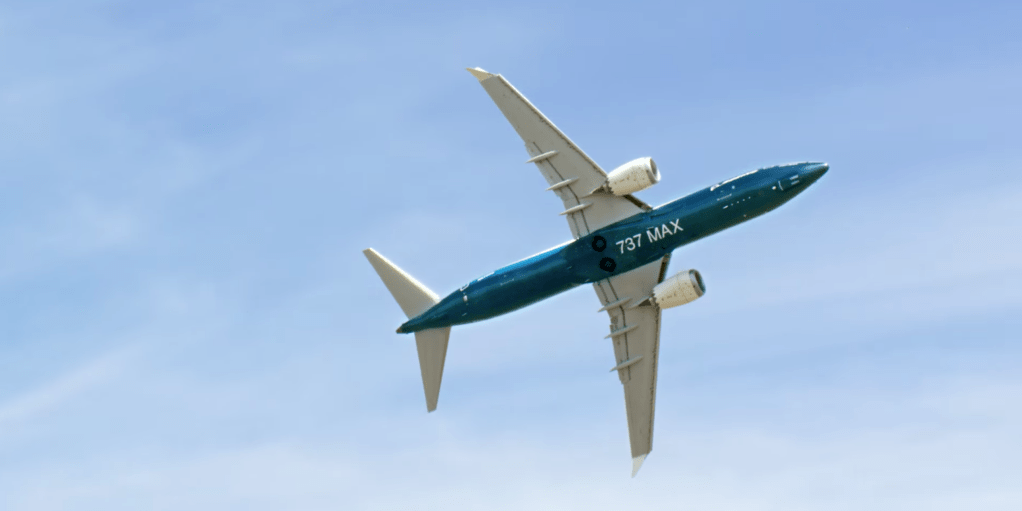
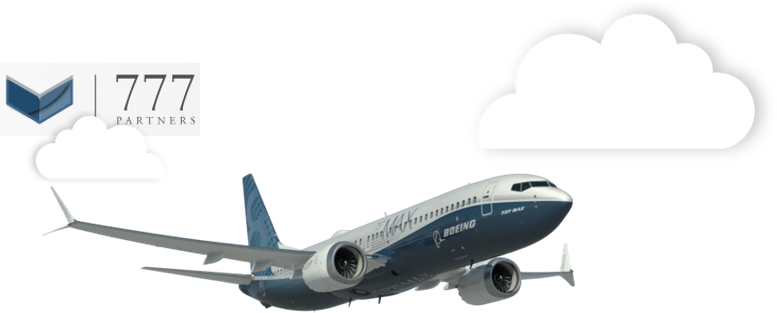
The Boeing Company y 777Partners anunciaron este Martes 7 de Diciembre de 2021 que la firma de inversión con sede en Miami casi duplicará su cartera de pedidos del Boeing 737 MAX con la compra de 30 aviones adicionales. El nuevo pedido amplía la cartera de aviones comerciales de 777 Partners a un total de 68 737 MAX, en su cuarto pedido este año para los aviones de pasillo único de bajo consumo de combustible. Valorado en US$ 3.700 millones de Dólares a precios de lista, el pedido permitirá a 777 Partners expandir las operaciones del 737 MAX en toda la flota de sus aerolíneas globales de bajo costo afiliadas.
«Estamos encantados de poder anunciar la casi duplicación en el tamaño de nuestro pedido con Boeing. Durante mucho tiempo hemos confiado en la economía de la familia 737 MAX, pero estamos especialmente entusiasmados con la variante 737-8-200, que representa la mayor parte de nuestros pedidos adicionales. Estamos seguros de que este avión será el activo distintivo de ULCC/LCC, particularmente en el mercado de menos de 200 asientos. A medida que regresa la demanda de viajes, 777 ha acelerado nuestra búsqueda de eficiencias tanto en los costos operativos como en la huella de carbono en nuestros operadores. En estas áreas, el 737-8 es convincente y el 737-8-200 es simplemente incomparable», dijo Josh Wander, socio Gerente de 777 Partners.
La familia 737 MAX reduce el uso de combustible y las emisiones de carbono en al menos un 14% en comparación con los aviones que reemplaza, reduciendo los costos operativos, así como la huella ambiental de las aerolíneas afiliadas a 777 Partners. Cada 737 MAX cuenta con un interior Boeing Sky agradable para los pasajeros, resaltado por modernas paredes laterales esculpidas y reveladores de ventanas, iluminación LED que mejora la sensación de amplitud y compartimentos de almacenamiento superiores pivotantes más grandes.
«Apreciamos enormemente a 777 Partners por su confianza en nuestros productos, incluidos los pedidos repetidos del 737 MAX y la expansión de su flota para incluir el modelo 737-8-200 de alta capacidad. 777 Partners está permitiendo el crecimiento de sus aerolíneas afiliadas de bajo costo al aprovechar la flexibilidad, confiabilidad y eficiencia de la familia 737 para servir a los pasajeros en los años venideros», dijo Ihssane Mounir, Vicepresidente Senior de Ventas Comerciales y Marketing de Boeing.
Como empresa aeroespacial líder a nivel mundial, Boeing desarrolla, fabrica y presta servicios a aviones comerciales, productos de defensa y sistemas espaciales para clientes en más de 150 países. Como uno de los principales exportadores de Estados Unidos, la compañía aprovecha los talentos de una base de proveedores globales para promover las oportunidades económicas, la sostenibilidad y el impacto en la comunidad. El diverso equipo de Boeing está comprometido a innovar para el futuro y vivir los valores fundamentales de la compañía de seguridad, calidad e integridad.
777 Partners es una firma de inversión alternativa privada con sede en Miami que invierte en una serie de verticales atractivas de alto crecimiento. Fundada en 2015, 777 Partners inicialmente aplicó su experiencia en suscripción y financiamiento de activos esotéricos para diversificarse en un amplio espectro de negocios de servicios financieros, originadores de activos y proveedores de tecnología/servicios financieros. En los últimos años, la firma ha ampliado su mandato y ahora invierte en seis industrias diferentes: seguros, finanzas comerciales y de consumo, financiamiento de litigios, préstamos directos, medios y entretenimiento, y aviación.
777Partners order 30 737 MAX
777Partners orders 30 additional 737 MAX aircraft
The Boeing Company and 777Partners announced this Tuesday, December 7, 2021 that the Miami-based investment firm will nearly double its Boeing 737 MAX order book with the purchase of 30 additional aircraft. The new order expands 777 Partners’ commercial aircraft portfolio to a total of 68 737 MAXs, in its fourth order this year for fuel-efficient single-aisle aircraft. Valued at US $ 3.7 billion at list prices, the order will allow 777 Partners to expand 737 MAX operations across the entire fleet of its global low-cost airlines affiliates.
«We are delighted to announce the near doubling in the size of our order with Boeing. We have long relied on the economics of the 737 MAX family, but we are especially excited about the 737-8-200 variant, which accounts for the largest share. of our additional orders. We are confident that this aircraft will be ULCC / LCC’s distinctive asset, particularly in the less than 200 seat market. As travel demand returns, 777 has accelerated our quest for efficiencies both in cost operational and carbon footprint on our carriers. In these areas, the 737-8 is compelling and the 737-8-200 is simply unmatched», said Josh Wander, Managing Partner at 777 Partners.
The 737 MAX family reduces fuel use and carbon emissions by at least 14% compared to the aircraft it replaces, reducing operating costs as well as the environmental footprint of 777 Partner-affiliated airlines. Each 737 MAX features a passenger-friendly Boeing Sky interior, highlighted by modern sculpted sidewalls and window revelers, LED lighting that enhances the feeling of spaciousness, and larger pivoting overhead storage compartments.
«We greatly appreciate 777 Partners for their confidence in our products, including reorders of the 737 MAX and expanding their fleet to include the high-capacity 737-8-200. 777 Partners is enabling the growth of its affiliated airlines from low cost by leveraging the flexibility, reliability and efficiency of the 737 family to serve passengers for years to come», said Ihssane Mounir, Boeing Senior Vice President, Commercial Sales and Marketing.
As a leading global aerospace company, Boeing develops, manufactures and services commercial aircraft, defense products and space systems for customers in more than 150 countries. As one of America’s leading exporters, the company harnesses the talents of a global supplier base to promote economic opportunity, sustainability, and community impact. Boeing’s diverse team is committed to innovating for the future and living the company’s core values of safety, quality, and integrity.
777 Partners is a Miami-based with private alternative investment firm investing in a number of attractive, high-growth verticals. Founded in 2015, 777 Partners initially applied its esoteric asset financing and underwriting expertise to diversify across a broad spectrum of financial services businesses, asset originators, and financial technology/services providers. In recent years, the firm has expanded its mandate and now invests in six different industries: insurance, consumer and commercial finance, litigation financing, direct loans, media and entertainment, and aviation.
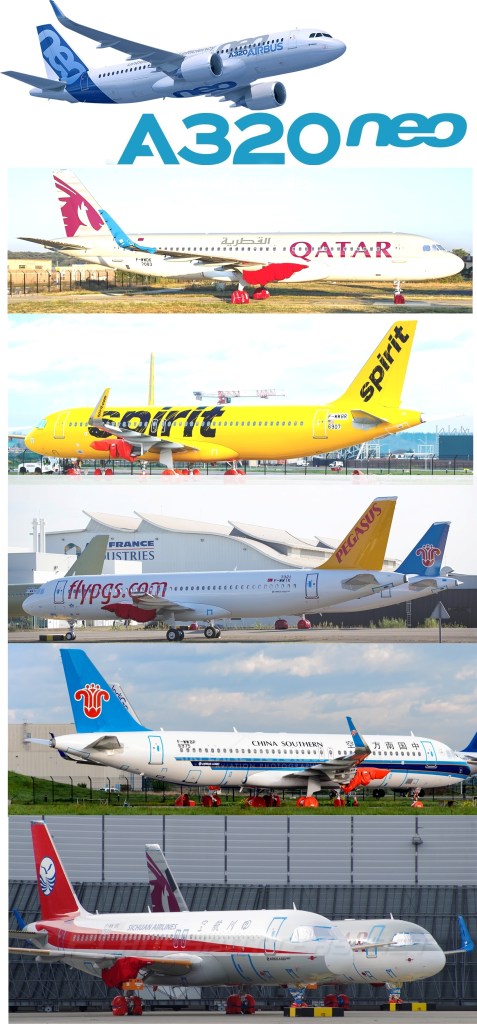
Airbus Group informa que entregó 58 aviones y 318 nuevos pedidos en Noviembre 2021, un mes que incluyó una fuerte actuación en el Dubai Airshow 2021. Unos 75 aviones fueron cancelados, incluidos 28 A320NEO para Interjet de México, que detuvo sus operaciones en Diciembre 2020.
Entre Enero y Noviembre 2021, Airbus entregó 518 aviones y colocó ventas por 610 unidades, o un total neto de 368 después de ajustar las cancelaciones. La compañía tendrá que aumentar las entregas mensuales a 82 en Diciembre para cumplir con un objetivo de 600 para todo el año, y las entregas con frecuencia aumentan para cerrar el año, pero los observadores de la industria sentaron que los problemas de la cadena de suministro han ralentizado el ritmo de las entregas desde Alemania.
Airbus O&D 11/2021
Airbus reports movement in November 2021
Airbus Group reports that it delivered 58 aircraft and 318 new orders in November 2021, a month that included a strong performance at the Dubai Airshow 2021. Some 75 aircraft were canceled, including 28 A320NEOs for Mexico’s Interjet, which halted operations in December 2020.
Between January and November 2021, Airbus delivered 518 aircraft and placed sales of 610 units, or a net total of 368 after adjusting for cancellations. The company will have to increase monthly deliveries to 82 in December to meet a target of 600 for the full year, and deliveries frequently increase to close the year, but industry observers sit that supply chain problems they have slowed down the pace of deliveries from Germany.
Sun Country y pilotos aproximan acuerdo términos contrato salarial
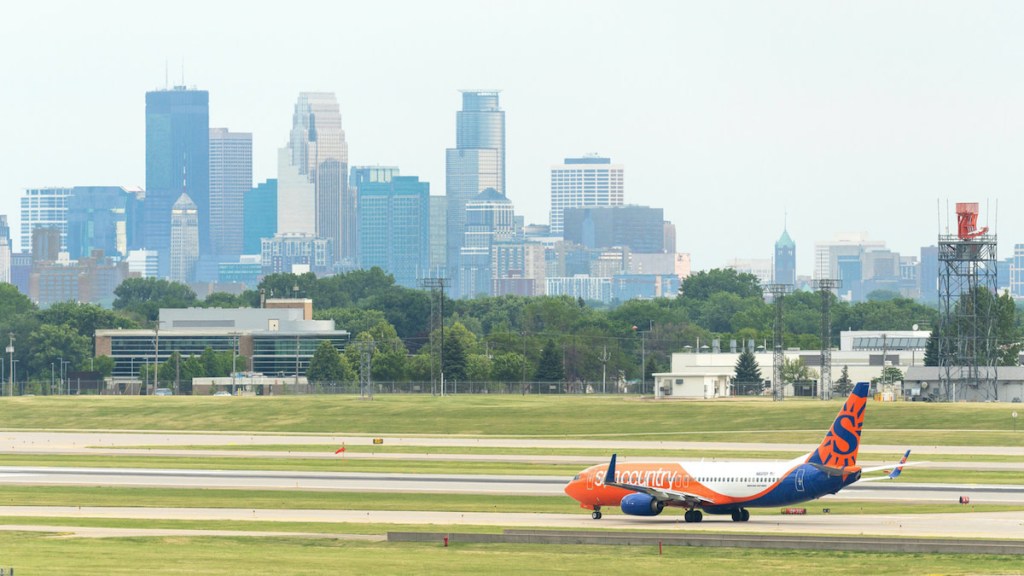
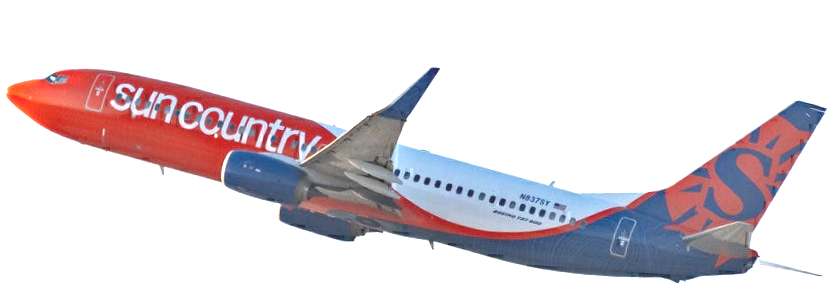
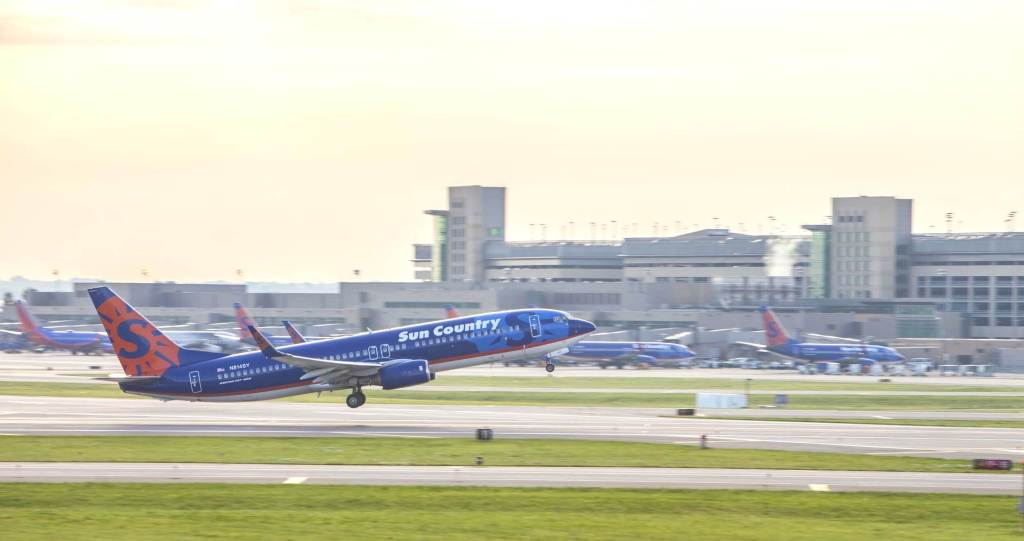
Los pilotos de Sun Country Airlines pronto recibirán un aumento salarial significativo si sus miembros del sindicato aprueban un acuerdo alcanzado con la compañía. De aprobarse, la aerolínea tendrá algunos de los pilotos de Boeing 737 mejor pagados en Estados Unidos.
La aerolínea con sede en Minneapolis (MN) y la Asociación de Pilotos de Líneas Aéreas (ALPA) están finalizando el lenguaje de las negociaciones después de llegar a un acuerdo en principio la semana pasada, y esperan una votación de los pilotos a finales de este mes de Diciembre 2021. Al buscar la aprobación de la negociación laboral, Sun Country Airlines tendrá algunos de los pilotos de Boeing 737 mejor pagados del país. La línea de aeronaves Boeing 737 es el avión comercial más comúnmente volado con miles en vuelo en un momento dado alrededor del mundo.
Un portavoz del sindicato de pilotos APLA, Will Outlaw, se negó a proporcionar detalles salariales específicos porque el acuerdo no ha sido revisado por los pilotos, pero dijo que las negociaciones comenzaron este verano y se movieron rápidamente, con ambas partes motivadas para llegar a un acuerdo. Los pilotos obtendrán un buen aumento y algunas mejoras en las reglas de trabajo, mientras que la gerencia puede aprovechar el acuerdo para reclutar pilotos. Sun Country está buscando contratar más pilotos para que pueda hacer crecer su flota y red. «Para el cuarto año del contrato, las tasas de pago, especialmente en el extremo superior de la escala para los capitanes más veteranos, están por encima de las tarifas de Delta Air Lines para el mismo avión, por lo que son bastante buenas», dijo Will Outlaw.
Delta Air Lines, con sede en Atlanta (GA), la aerolínea más grande de Minneapolis-St. Paul, actualmente tiene el salario más alto de la industria para los pilotos de línea 737. Delta se encuentra actualmente en negociaciones con su grupo piloto para un nuevo contrato.
«Creemos que este acuerdo, una vez ratificado, nos ayudará a cumplir o superar nuestros objetivos de crecimiento, lo que es beneficioso para nuestros pilotos, todos los miembros de nuestro equipo y nuestra comunidad. Este es un momento crucial en el tiempo para nuestra compañía, nuestro increíble grupo de pilotos y el futuro de Sun Country Airlines», dijo Jude Bricker, Director Ejecutivo de Sun Country Airlines.
Sun Country y el sindicato de pilotos acordaron el año pasado posponer las negociaciones debido a la pandemia. Las negociaciones de este año se movieron mucho más rápido que el contrato anterior. Pasaron cinco años de negociaciones de inicio y parada antes de que los pilotos firmaran un contrato en 2015. Sun Country era entonces propiedad de los hermanos Mitch y Marty Davis, de la misma familia Davis que poseen el fabricante de encimeras y superficies Cambria. Antes de que se alcanzara ese contrato, los pilotos habían aprobado una autorización de huelga después de trabajar bajo un contrato vencido durante cinco años. El contrato de 2015 elevó el salario de un nuevo empleado de US$ 30 por hora a US$ 48 por hora y proporcionó aumentos incrementales durante la vida útil de cinco años del contrato. El pago para los capitanes senior superó en 2019 a US$ 201 por hora bajo ese contrato. La familia Davis vendió la compañía en 2018 a Apollo Global Management de Nueva York, y Sun Country salió a bolsa a principios de 2021.
Sun Country Airlines salary agreement
Sun Country and pilots approach salary contract terms agreement
Sun Country Airlines pilots will soon receive a significant pay increase if their union members approve a deal reached with the company. If approved, the airline will have some of the highest paid Boeing 737 pilots in the United States.
The Minneapolis (MN)-based carrier and the Airline Pilots Association (ALPA) are finalizing the language of the negotiations after reaching an agreement in principle last week, and expect a vote from the pilots later this week. December 2021. In seeking labor negotiation approval, Sun Country Airlines will have some of the highest paid Boeing 737 pilots in the country. The Boeing 737 aircraft line is the most commonly flown commercial aircraft with thousands in flight at any given time around the world.
A spokesman for the APLA pilots union, Will Outlaw, declined to provide specific salary details because the deal has not been reviewed by the pilots, but said negotiations began this summer and moved quickly, with both parties motivated to reach a compromise. agreement. Pilots will get a nice raise and some work rule improvements, while management can take advantage of the deal to recruit pilots. Sun Country is looking to hire more pilots so it can grow its fleet and network. «For the fourth year of the contract, the pay rates, especially at the upper end of the scale for the more veteran captains, are above Delta Air Lines’ rates for the same aircraft, so they are quite good», Will Outlaw said.
Atlanta (GA) -based Delta Air Lines, the largest airline in Minneapolis-St. Paul currently has the highest salary in the industry for 737 line pilots. Delta is currently in negotiations with its pilot group for a new contract.
«We believe that this agreement, once ratified, will help us meet or exceed our growth targets, which is beneficial to our pilots, all members of our team and our community. This is a pivotal moment in time for our company, our incredible group of pilots and the future of Sun Country Airlines», said Jude Bricker, CEO of Sun Country Airlines.
Sun Country and the pilots union agreed last year to postpone negotiations due to the pandemic. This year’s negotiations moved much faster than the previous contract. Five years of start and stop negotiations passed before the pilots signed a contract in 2015. Sun Country was then owned by brothers Mitch and Marty Davis, from the same Davis family who own countertop and surface manufacturer Cambria. Before that contract was reached, the pilots had approved a strike authorization after working under an expired contract for five years. The 2015 contract raised a new hire’s salary from US$ 30 per hour to US$ 48 per hour and provided incremental increases over the five-year life of the contract. Pay for senior captains in 2019 topped US$ 201 per hour under that contract. The Davis family sold the company in 2018 to Apollo Global Management of New York, and Sun Country went public in early 2021.
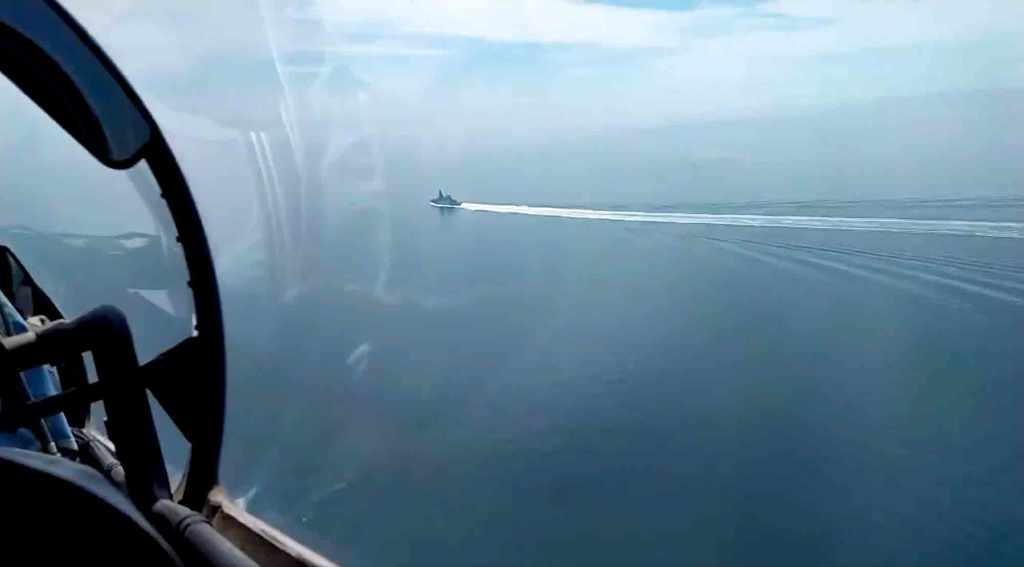
La Federación Rusia dijo que protestará oficialmente ante Estados Unidos por un incidente sobre el Mar Negro el Sábado 04/12, cuando aviones civiles tuvieron que desviarse de sus rutas debido a un avión espía estadounidense. «El aumento de la actividad de aviones de combate de Estados Unidos y la OTAN cerca de las fronteras rusas crea riesgos de incidentes peligrosos para la aviación civil. Si esta vez se evitara una catástrofe sobre el Mar Negro, esto no significa que Estados Unidos y la OTAN pudieran arriesgar la vida de las personas en el futuro sin castigo», dijo el Domingo 05/12 la portavoz del Ministerio de Relaciones Exteriores de Rusia, Maria Zakharova, en su página de Facebook.
Según la agencia de aviación civil de Rusia, dos aviones de pasajeros tuvieron que desviarse y cambiar de altitud porque un avión de vigilancia de la OTAN cruzó sus rutas e ignoró las señales de las autoridades de seguridad aérea rusas. Un vuelo era Aeroflot de Tel Aviv a Moscú y el otro era un avión maltés que volaba desde el balneario del Mar Negro de Sochi a Macedonia del Norte.
El Presidente ruso, Vladimir Putin, y el Presidente de Estados Unidos, Joe Biden, planean realizar una videollamada el Martes 07/12, después de semanas de escalada de tensión por la acumulación militar rusa en la frontera con Ucrania y las actividades militares de la OTAN alrededor del Mar Negro. Si bien la inteligencia estadounidense había concluido que el Kremlin estaba planeando una ofensiva contra Ucrania tan pronto como el próximo año con un estimado de 175,000 efectivos, Rusia advirtió a Occidente que no cruzara la línea roja de seguridad del Kremlin y evitara la expansión de la infraestructura militar occidental en Ucrania
Russia denounces Black Sea espionage
US spy planes threaten civil aviation
The Russian Federation said it will officially protest to the United States over an incident over the Black Sea on Saturday 04/12, when civilian planes had to deviate from their routes due to a US spy plane. «Increased activity by US and NATO fighter jets near Russian borders creates dangerous incident risks for civil aviation. If a catastrophe over the Black Sea were prevented this time, this does not mean that the United States and NATO could risk people’s lives in the future without punishment», said on Sunday 05/12 Russian Foreign Ministry spokeswoman Maria Zakharova on her Facebook page.
According to Russia’s civil aviation agency, two airliners had to veer off and change altitude because a NATO surveillance plane crossed their routes and ignored signals from Russian aviation security authorities. One flight was Aeroflot from Tel Aviv to Moscow and the other was a Maltese plane flying from the Black Sea resort of Sochi to North Macedonia.
Russian President Vladimir Putin and United States President Joe Biden plan to hold a video call on Tuesday 07/12, after weeks of escalating tension over the Russian military build-up on the border with Ukraine and the military activities of the NATO around the Black Sea. While US intelligence had concluded that the Kremlin was planning an offensive against Ukraine as early as next year with an estimated 175,000 troops, Russia warned the West not to cross the Kremlin’s security red line and avoid infrastructure expansion. Western military in Ukraine.



























 airgways.com