Los kelpers amenazan con eludir a la Argentina y Latinoamérica

https://upload.wikimedia.org/wikipedia/commons/thumb/c/c1/Mount_Pleasant_Airport_-_Donald_Morrison.jpg/1200px-Mount_Pleasant_Airport_-_Donald_Morrison.jpg

AW | 2017 05 20 15:13 | AIRLINES ROUTES / GOVERNMENT

El Gobierno de las Islas Malvinas advirtió que se encuentra «activamente”Resultado de imagen para Islas Malvinas png considerando opciones de vínculos aéreos que «eviten América Latina y la influencia argentina por completo”, ya que, para los kelpers, el Estado incumplió el acuerdo firmado el año pasado. Esta «evaluación» se da en el marco de la próxima reunión del Comité de Descolonización de las Naciones Unidas, donde estará presente la canciller Susana Malcorra.

Desde hace semanas los isleños se vienen quejando del presunto incumplimiento de lo plasmado en un comunicado conjunto, firmado en septiembre de 2016, por Argentina y Gran Bretaña. Entre otras áreas, en este acuerdo se habló de un vuelo más entre las islas y un «tercer país” de Sudamérica (posiblemente Chile o Brasil) que haga escala en alguna ciudad argentina.

La ansiedad isleña crece a medida que se incrementan las dificultades con el vuelo que hace Latam los sábados desde Punta Arenas (Chile) a Mount Pleasant, el cual, una vez por mes, realiza una escala en Río Gallegos. Para los kelpers es insuficiente, ya que solamente existe, además del ya mencionado, un avión militar que llega desde Gran Bretaña con pocas plazas civiles.

El comunicado de las islas de este viernes relató lo hablado entre Londres y Buenos Aires: «Argentina acordó informar a los gobiernos de Chile y de Brasil que no tenía objeciones para con esos vuelos”, pero «el gobierno de Argentina aún no ha comunicado a los gobiernos de Brasil y Chile su no objeción a las propuestas rutas de vuelo”.

«Por supuesto que es así”, dijo una fuente del gobierno nacional. «Eso es lo que el Congreso no apoya. Nosotros les advertimos en Londres que esos vuelos serían posibles bajo determinadas condiciones pero que además debíamos consultar con el Congreso y eso determinaría su viabilidad política, lo que de momento no es el caso”, dijo el funcionario y agregó. «Se les ofreció vuelos desde la Argentina con los que podrían conectar a Europa mas rápido y barato pero no los aceptaron”.

Ahora los isleños se encuentran con varios problemas. El Reino Unido está embarcado en el proceso del «divorcio” de la Unión Europea (Brexit), y en las elecciones legislativas del 8 de junio. Y Macri no hará ningún movimiento con un tema tan sensible como Malvinas en plena campaña a las legislativas de octubre.

La cuestión de a qué país se haría el vuelo y por qué no se concreta también tiene sus explicaciones. Desde Brasil o Chile a Malvinas se suele pasar por el espacio aéreo argentino, y por lo tanto requieren autorización. Pero además, hay en la región un compromiso de los vecinos que se hará lo que pida Argentina, aunque las líneas aéreas tengan libertad comercial para operar. En Malvinas afirman que se trata de una presión argentina, pero en todas las declaraciones regionales hay consenso de apoyar el reclamo de soberanía argentino.  AIRGWAYS ® Icon-AW

https://i0.wp.com/static.panoramio.com/photos/original/21781531.jpg

The kelpers threaten to elude Argentina and Latin America


The Falkland Islands Government warned that it is «actively» considering options for air links that «avoid Latin America and Argentine influence completely», since, for the kelpers, the State violated the agreement signed last year. This «evaluation» takes place in the framework of the next meeting of the Committee of Decolonization of the United Nations, where will be present the Chancellor Susana Malcorra.

For weeks, the islanders have been complaining about the alleged breach of what was stated in a joint statement, signed in September 2016, by Argentina and Great Britain. Among other areas, this agreement spoke of a further flight between the islands and a «third country» of South America (possibly Chile or Brazil) calling in some Argentine city.

Island anxiety grows as the difficulties increase with Latam’s flight on Saturdays from Punta Arenas (Chile) to Mount Pleasant, which, once a month, makes a stop at Río Gallegos. For the kelpers it is insufficient, since only exists, besides the already mentioned, a military airplane that arrives from Great Britain with few civil places.

The statement from the islands on Friday related what was spoken between London and Buenos Aires: «Argentina agreed to inform the governments of Chile and Brazil that it had no objections to those flights,» but «the Argentine government has not yet communicated to The governments of Brazil and Chile their no objection to proposed flight routes. «

«Of course it is,» a national government source said. «That’s what Congress does not support. We warned them in London that such flights would be possible under certain conditions but that we should also consult with Congress and that would determine their political viability, which is not the case at the moment, » the official said. «They were offered flights from Argentina with which they could connect to Europe faster and cheaper but did not accept them.»

Now the islanders are faced with several problems. The United Kingdom is engaged in the process of the «divorce» of the European Union (Brexit), and in the legislative elections on June 8. And Macri will not make any move with a subject as sensitive as the Malvinas in the midst of the legislative campaigns of October.

The question of which country the flight is going to be and why it does not materialize also has its explanations. From Brazil or Chile to Malvinas usually passes through Argentine airspace, and therefore require authorization. But in addition, there is a commitment of the neighbors in the region that will do what Argentina asks, even if the airlines have commercial freedom to operate. In Malvinas they affirm that this is an Argentine pressure, but in all the regional declarations there is consensus to support the claim of Argentine sovereignty. A \ W


Ξ A I R G W A Y S Ξ
SOURCE: Elintransigente.com
DBk: Panoramio.com / Wikipedia.org
AW-POST: 201705201513AR

A \ W   A I R G W A Y S ®
Delta incorpora «reconocimiento facial» para equipajes

https://dallasnews.imgix.net/1494882548-BioBagDrop.jpeg

AW | 2017 05 20 14:50 | AIRLINES

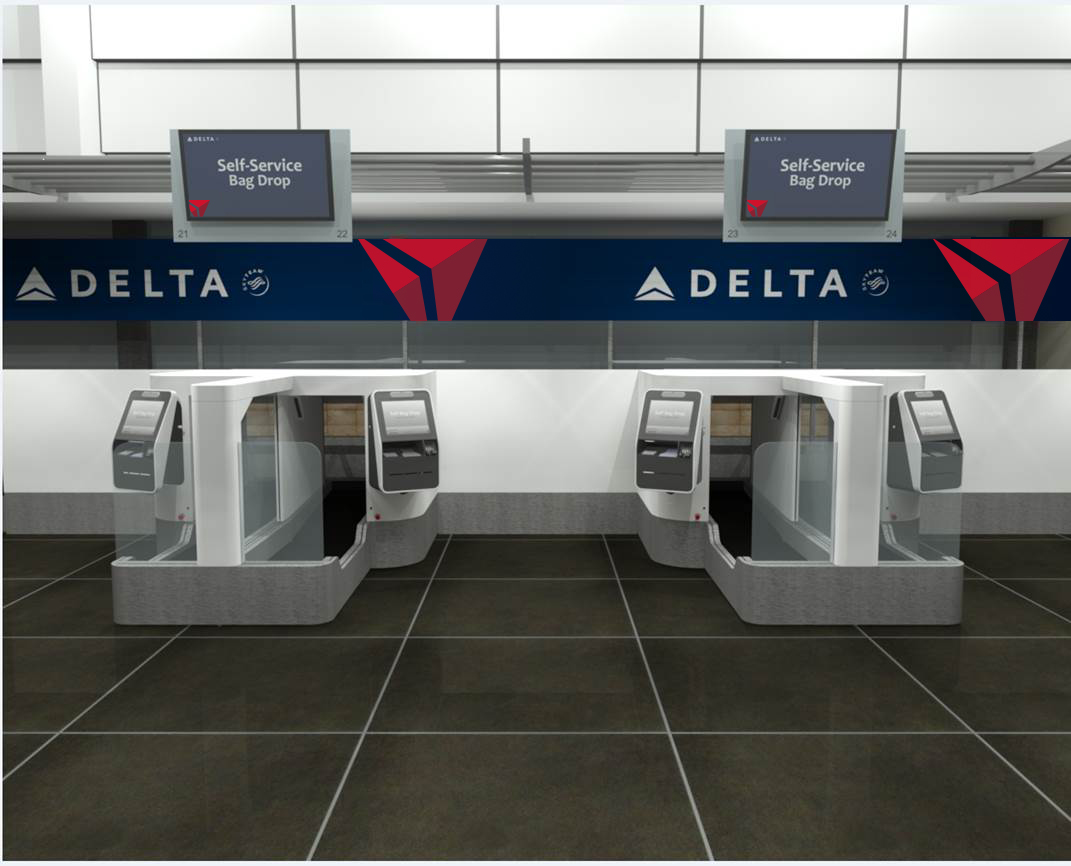
Delta Air Lines ha incorporado tecnología de reconocimiento facial para el registro automático de equipaje en sus terminales de los Estados Unidos

La compañía estadounidense Delta Air Lines ha comunicado la incorporación de cuatro máquinas para realizar un mejoramiento en la calidad del servicio de reconocimiento facial para el manejo de los equipajes en el Aeropuerto Internacional de Minneapolis–St. Paul.

Este proyecto cuenta con una inversión de 600 mil dólares y estará disponible a partir de este verano. El funcionamiento del dispositivo es con tecnología biométrica, a cuya verificación de identidad se realiza a través de la asociación de la imagen capturada in situ con la foto del pasaporte de los usuarios.

El vicepresidente sénior de Servicio al Cliente y Carga de Delta, Gareth Joyce, expresó que tiene el potencial de procesar el doble de clientes por hora que los medios convencionales lo que reporta en beneficios para los clientes y la compañía al agilizar las etapas de servicios de los pasajeros. Esta iniciativa se complementa con la tecnología de identificación de equipaje por radiofrecuencia y otras implementadas por la aerolínea para agilizar los procesos en el aeropuerto. «Vemos un futuro en el que los agentes de Delta tendrán la libertad para buscar a los viajeros y proporcionar un servicio al cliente más proactivo y atento”, puntualizó Joyce.  AIRGWAYS ® Icon-AW

https://i1.wp.com/a.abcnews.com/images/US/GTY_delta_airlines_ll_141222_12x5_1600.jpg

Delta incorporates «face recognition» for luggage
 

Delta Air Lines has incorporated face recognition technology for automatic luggage registration at its terminals in the United States


The American company Delta Air Lines has announced the incorporation of four machines to improve the quality of the facial recognition service for baggage handling at Minneapolis-St. Paul.

This project has an investment of 600 thousand dollars and will be available from this summer. The operation of the device is biometric technology, whose verification of identity is done through the association of the image captured in situ with the passport photo of the users.

Delta’s Senior Vice President of Customer Service and Freight Gareth Joyce said that it has the potential to process twice as many customers per hour as conventional media which provides benefits to customers and the company by streamlining the service stages the passengers. This initiative is complemented by the radiofrequency identification baggage technology and others implemented by the airline to streamline the processes at the airport. «We see a future in which Delta agents will have the freedom to seek out travelers and provide more proactive and attentive customer service,» Joyce said. A \ W


Ξ A I R G W A Y S Ξ
SOURCE: Delta.com / AIRGWAYS
DBk: Delta.com / Abcnews.com
AW-POST: 201705201450AR

A \ W   A I R G W A Y S ®

LATAM expande su red de servicios

https://a1.r9cdn.net/rimg/dimg/0e/44/18caebc8-al-JJ-15a42fb3572.jpg?crop=true&width=1440&height=560&xhint=3949&yhint=2558

AW | 2017 05 20 14:25 | AIRLINES ROUTES

La aerolínea Latam Airlines ya obtuvo la aprobación para operar las rutas Santiago de Chile—Rosario y Tucumán, Lima—Mendoza y Tucumán. Estas rutas ya eran operadas por las subsidiarias locales de LAN Argentina, previamente a su fusión con la brasileña Tam el año pasado

La ANAC (Administración Nacional de Aviación Civil) aprobó el pedido por parte de Latam para operar rutas dentro de Argentina, y hacia Chile y Perú. En la actualidad Latam cubre varios destinos dentro del país hacia Perú y Chile. Además de Mendoza y Tucumán, la aerolínea cuenta con vuelos regulares entre Córdoba y Salta hacia Perú. De esta manera se siguen abriendo nuevos caminos entre las ciudades de este país y la región, incrementando la llegada de los argentinos a distintos destinos del continente.

La aerolínea Latam Airlines basa su estrategia en una continua expansión de su alcance dentro de toda Latino América a diferencia de otras empresas como Aerolíneas Argentinas, que se enfoca solo en generar una red interna de vuelos. De esta manera la expansión de su red viene creciendo de acuerdo con las nuevas políticas aéreas generadas por el gobierno argentino.  AIRGWAYS ® Icon-AW

https://ethicalboardroom.com/wp-content/uploads/2017/01/Latam1.jpg

LATAM expands its service network


The airline Latam Airlines has already obtained the approval to operate the routes Santiago de Chile-Rosario and Tucumán, Lima-Mendoza and Tucumán. These routes were already operated by LAN Argentina’s local subsidiaries, prior to its merger with Brazil’s Tam last year


ANAC (National Civil Aviation Administration) approved the request by Latam to operate routes within Argentina, and to Chile and Peru. Latam currently covers several destinations within the country to Peru and Chile. In addition to Mendoza and Tucumán, the airline has scheduled flights between Cordoba and Salta to Peru. In this way, new routes between the cities of this country and the region continue to be opened, increasing the arrival of the Argentines to different destinations of the continent.

The airline Latam Airlines bases its strategy on a continuous expansion of its reach throughout Latin America unlike other companies like Aerolineas Argentinas, which focuses only on generating an internal network of flights. In this way the expansion of its network has been growing in accordance with the new air policies generated by the Argentine government. A \ W


Ξ A I R G W A Y S Ξ
SOURCE: AIRGWAYS
DBk: Kayak.es / Ethicalboardroom.com
AW-POST: 201705201425AR

A \ W   A I R G W A Y S ®

Estados Unidos investigará a Bombardier por anti-dumping

https://i2.wp.com/flyinginireland.com/wp-content/uploads/2015/05/Bombardier-C-Series-C-GWXK.jpgAW | 2017 05 19 20:41 | INDUSTRY

Boeing-Company-Logobombardier_logo1Las autoridades de Estados Unidos inició una investigación anti-dumping sobre las importaciones e aviones comerciales del grupo canadiense Bombardier, y se suma a las crecientes disputas comerciales entre los dos países vecinos
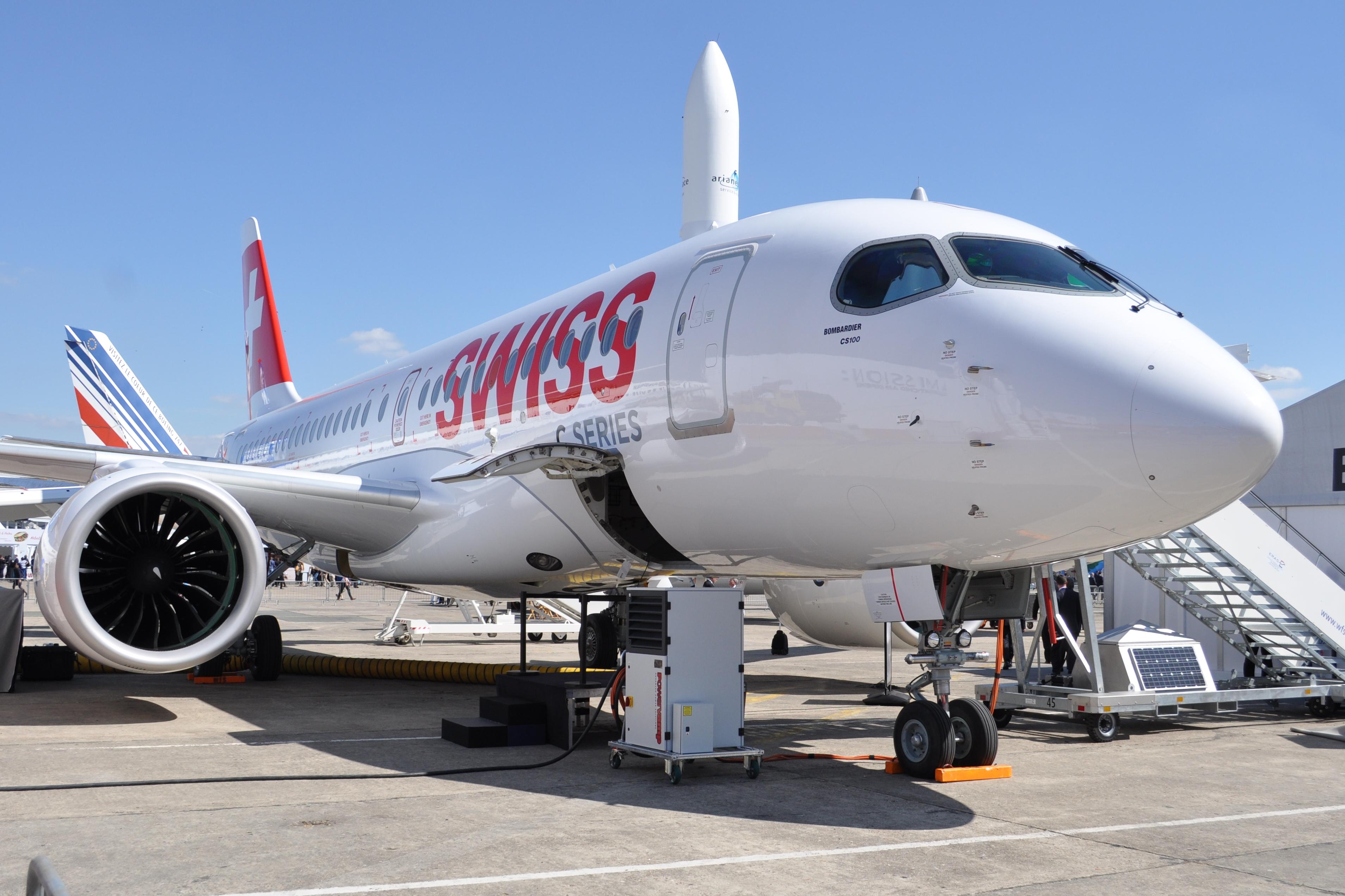
Estados Unidos anunció el jueves el inicio de una investigación anti-dumping sobre las importaciones de aviones comerciales de la canadiense Bombardier, que se suma a las crecientes disputas comerciales entre los dos países vecinos.

Lanzada después de una denuncia de la empresa estadounidense Boeing, la investigación deberá determinar si el fabricante canadiense vende a pérdida sus aviones de 100 y 150 asientos en Estados Unidos y se beneficia de subsidios públicos ilegales, detalló el departamento de Comercio estadounidense en un comunicado. «El mercado estadounidense es el más abierto al mundo pero debemos actuar cuando se rompen las reglas», dijo el secretario de Comercio, Wilbur Ross, en el comunicado.

A finales de abril, Boeing presentó una demanda contra Bombardier, acusándolo de vender sus últimos aviones CSeries por debajo de los costos de producción y de recibir más de 3,000 millones de dólares en subsidios públicos.  AIRGWAYS ® Icon-AW

https://static.seekingalpha.com/uploads/2016/4/18/16655262-14609701751842124_origin.jpg

US to investigate Bombardier for anti-dumping


The United States authorities initiated an anti-dumping investigation into the commercial aircraft and imports of the Canadian Bombardier group, adding to the growing trade disputes between the two neighboring countries


The United States on Thursday announced the start of an anti-dumping investigation into commercial aircraft imports by Canada’s Bombardier, adding to growing trade disputes between the two neighboring countries.

Launched after a complaint by the US company Boeing, the investigation will determine whether the Canadian manufacturer sells its 100 and 150-seat aircraft in the United States at a loss and benefits from illegal public subsidies, the US Commerce Department said in a statement. «The US market is the most open to the world but we must act when the rules are broken,» Commerce Secretary Wilbur Ross said in the statement.

In late April, Boeing filed a lawsuit against Bombardier, accusing it of selling its latest CSeries aircraft below production costs and receiving more than $ 3 billion in public subsidies. A \ W

Ξ A I R G W A Y S Ξ
SOURCE: Eleconomista.com.mx
DBk: Sseekingalpha.com / AIRGWAYS
AW-POST: 201705192041AR

A \ W   A I R G W A Y S ®

Pesaje del Boeing 777-9

https://x20bizfactory.files.wordpress.com/2015/09/boeing-777-9x.jpg

Boeing-Company-LogoAW | 2017 05 19 17:48 | INDUSTRY

El  peso vacío del Boeing 777-9 es probable que va a ser 184t-185t. Las estimaciones más tempranas fueron alrededor de 190.000 kg, que más tarde se redujo a aproximadamente 188.200 kg. Esta cifra, sin embargo, era todavía bastante alta y usando una «suma de todas las partes» de enfoque, mi nueva estimación es actualmente de 184.600 kg.


Entender el método


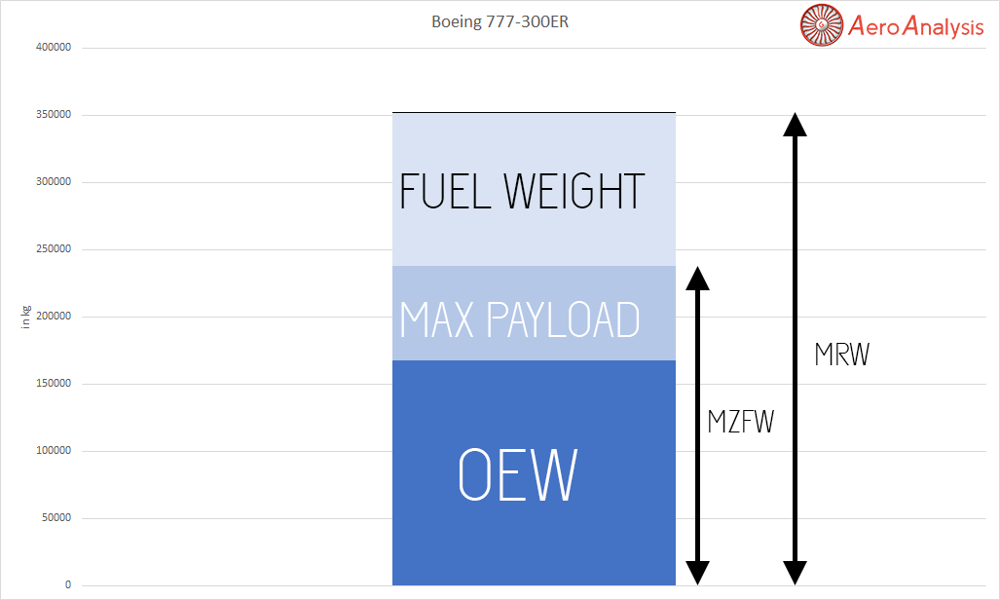
Figura 1: Ejemplo de desglose por peso Boeing 777-300ER (Fuente: http://www.AeroAnalysis.net)

Cada avión tiene un cierto peso vacío y los pasajeros más se puede transportar dentro de esa estructura, menor será el peso vacío por asiento. El peso juega un papel importante, ya que obviamente se requiere más quemado de combustible para una estructura más pesada que para una estructura más ligera con las mismas eficiencias aerodinámicas.

El peso máximo de la rampa es el peso de la aeronave en la rampa, que incluye el peso vacío operativo de la aeronave, la carga útil, el combustible de la misión, el combustible de taxis y el combustible de arranque.

Cuando se consuma combustible de taxis y combustible de arranque, la aeronave no puede ser más pesada que el peso máximo de despegue, que incluye el peso vacío operativo de la aeronave, la carga útil y el combustible de la misión.

El peso vacío operativo (OEW) y el peso máximo de despegue (MTOW) pueden considerarse como los límites superior e inferior del avión. Lo que está en medio es la combinación de combustible y pasajeros. Una posibilidad es agregar todo el combustible posible a los tanques y después agregar pasajeros hasta MTOW se alcanza, o primero llenar la cabina y después eso combustible los tanques hasta que MTOW sea golpeado. Si una aeronave golpea MTOW antes de que los tanques de combustible estén llenos, se dice que la aeronave tiene un peso limitado; Si los tanques de combustible están llenos antes de que el MTOW sea golpeado, se dice que el avión está limitado en combustible.

Si no sabemos nada entre el OEW y el MTOW, no es posible llegar a una estimación de OEW para el avión. Por suerte, cada avión tiene un peso máximo de combustible cero (MZFW), que incluye la carga útil estructural máxima y el peso vacío de la aeronave sin combustible. Así que si conocemos la carga útil estructural máxima y el MZFW, podemos estimar el OEW de la aeronave.

Resultado de imagen para Boeing 777-9 png

Los números para el Boeing 777X

El peso máximo del combustible cero se puede obtener del folleto para el Boeing 777-9, que es 254.918 kilogramos. La parte más difícil es determinar la carga útil máxima de la aeronave.

Lista de aviones de referencia:

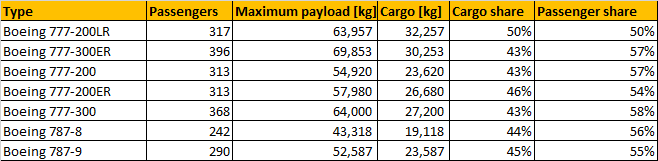
Lo que vemos es que el peso del pasajero representa aproximadamente el 50-60% del peso máximo de la carga útil. Con el Boeing 777X, la compañía ha decidido mantener el MTOW constante, lo que da la impresión de que el fabricante de chorro no está apuntando a un gran aumento en el peso de carga útil estructural de la aeronave. Esto se amplifica por el hecho de que la capacidad de combustible del -9 aumentará aproximadamente en un 9%. Con eso en mente, espero que Boeing esté apostando por llenar los asientos en la cabina y no tanto los contenedores de carga en el vientre de la aeronave. Esto tiene sentido, ya que la adición de la capacidad de carga del vientre a un avión significa directamente que la empresa está agregando presión sobre su propio avión de carga. AIRGWAYS ® Icon-AW

https://i0.wp.com/777boeing.com/wp-content/gallery/777x/777x-boeing-front-flight-clouds-jet.jpg

Weighing The Boeing 777-9

The Boeing 777-9 empty weight is likely going to be 184t-185t. The earliest estimates were around 190,000 kg, which later was lowered to roughly 188,200 kg. This figure, however, was still quite high and using a ‘sum of all parts’-approach, my new estimate currently is 184,600 kg.

Understanding the method

Figure 1: Example weight breakdown Boeing 777-300ER (Source: http://www.AeroAnalysis.net)

Every aircraft has a certain empty weight and the more passengers you can transport within that structure, the lower the empty weight per seat. Weight plays an important role, since obviously more fuel burn is required for a heavier structure than for a lighter structure with the same aerodynamic efficiencies.

The maximum ramp weight is the weight of the aircraft at the ramp, which includes the operating empty weight of the aircraft, the payload, the mission fuel, taxi fuel, and run-up fuel.

When the taxi fuel and run-up fuel is consumed, the aircraft cannot be any heavier than the maximum take-off weight, which includes the operating empty weight of the aircraft, the payload and the mission fuel.

The operating empty weight (OEW) and maximum take-off weight (MTOW) can be considered as the upper and lower bounds of the aircraft. What is in between is the combination of fuel and passengers. A possibility is to add all fuel possible to the tanks and then add passengers until MTOW is reached, or first fill up the cabin and after that fuel the tanks until MTOW is hit. If an aircraft hits MTOW before the fuel tanks are filled, the aircraft is said to be weight limited; if the fuel tanks are full before the MTOW is hit, the aircraft is said to be fuel limited.

If we do not know anything in between the OEW and the MTOW, it is not possible to come up with an OEW estimate for the aircraft. Luckily, each aircraft has a maximum zero fuel weight (MZFW), which includes the maximum structural payload and the empty weight of the aircraft without fuel. So if we know the maximum structural payload and the MZFW, we can estimate the OEW of the aircraft.

https://img.vehiclepad.com/6400417e7f6ad8e585e773e3d9d4e5f6_special-session-boeing-tight-lipped-about-what-it-wants-in-boeing-777-9x_3000-1449.jpeg

The numbers for the Boeing 777X

The maximum zero fuel weight can be obtained from the brochure for the Boeing 777-9, which is 254,918 kg. The harder part is determining the maximum payload of the aircraft.

List of reference aircraft:

What we see is that the passenger weight accounts for roughly 50-60% of the maximum payload weight. With the Boeing 777X, the company has decided to keep the MTOW constant, which gives the impression that the jet maker is not aiming for a big increase in the maximum structural payload weight of the aircraft. This is amplified by the fact that the fuel capacity of the -9 will increase by roughly 9%. With that in mind, I am expecting that Boeing is betting on filling the seats in the cabin and not so much the cargo containers in the belly of the aircraft. This does make sense, since adding belly freight capacity to an aircraft directly means that the company is adding pressure on its own cargo aircraft. A \ W

Ξ A I R G W A Y S Ξ
SOURCE: Seekingalpha.com
DBk: Aeroanalysis.net / Boeing.com
AW-POST: 2017051917480AR

A \ W   A I R G W A Y S ®

La FAA emite circular de prevención por efecto «estela de turbulencia»

https://i0.wp.com/www.graysono.co.nz/photos/2012-image001-121226232815283.jpg

AW | 2017 05 19 17:22 | SAFETTY / SECURITY

 FAA exige separación extra entre aeronaves para el Boeing 787-10

La Administración Federal de Aviación (FAA) ha emitido un requisito provisional con efecto inmediato a un boletín publicado en 2010 (JO 7110.65), incluyendo el Boeing 787-10 Dreamliner en el documento que exige una separación mínima extra entre aeronaves para toda la flota de Boeing 747 y 787 debido al efecto «estela turbulenta».

La FAA estableció que la distancia mínima entre aeronaves para toda la flota de Boeing 747 y 787 Dreamliner es de 10 millas náuticas, siempre añadiendo un minuto más que el tiempo requerido de separación entre aeronaves. Y en ruta, esa distancia es de 5 millas náuticas. La actual separación estándar para otras aeronaves varían entre 4 y 6 millas.

Esta medida garantizaría más seguridad en las operaciones aéreas, ya que estudios indicaban que las turbulencia de estela creada por tales aeronaves podrían ser más sustanciales que las aeronaves ya en la categoría ‘heavy’.

La clasificación de las aeronaves está dividida por el peso máximo de despegue (MTOW), siendo aeronaves con un peso máximo de despegue de 7000 kilos o menos consideradas Light (L), superior a 7000 kilos e inferior a 136.000 kilos, Medium (M) y superiores a 136.000 kilos, Heavy (H).

El tiempo mínimo de separación está dividido en aterrizaje y despegue, teniendo en cuenta la categoría de la aeronave que despegó o aterrizó anteriormente. La división se realiza de la siguiente manera:

Light/Despegue: Detrás de Medium y Heavy, separación mínima de dos minutos. Detrás de Airbus A380, Boeing 747 y Boeing 787, se añade un minuto, haciéndose así, tres minutos de separación;
Light/Aterrizaje: Detrás de Medium y Heavy, separación mínima de tres minutos. Detrás de Airbus A380, Boeing 747 y Boeing 787, cuatro minutos de separación;
Medium/Despegue: Detrás de Heavy, dos minutos de separación. Detrás de Airbus A380, Boeing 747 y Boeing 787, tres minutos;
Medium/Aterrizaje: Detrás de Heavy, dos minutos. Detrás de Airbus A380, Boeing 747 y Boeing 787, tres minutos.

Las turbulencia de estela son flujos de aire turbulentos generados por la punta de las alas de las aeronaves, lo que puede ser peligroso para las aeronaves que están volando detrás, principalmente en las fases de aterrizaje y despegue en aeropuertos de gran movimiento.

En caso de que la aeronave decida despegar de un punto intermedio de la pista, deberá añadirse 1 minuto más a en este tiempo de separación. En el 2006, con el lanzamiento del Airbus A380, la Organización de Aviación Civil Internacional estableció el estándar de 10 millas para el avión, creando la categoría Super Heavy. AIRGWAYS ® Icon-AW

https://i.ytimg.com/vi/EPuhjMGvGzM/maxresdefault.jpg

The FAA issues a «wake of turbulence»

FAA demands extra separation between aircraft for Boeing 787-10


The Federal Aviation Administration (FAA) has issued a provisional requirement with immediate effect to a bulletin published in 2010 (OJ 7110.65), including the Boeing 787-10 Dreamliner in the document requiring an extra minimum separation between aircraft for the entire fleet of Boeing 747 and 787 due to the «turbulent wake» effect.
The FAA established that the minimum distance between aircraft for the entire Boeing 747 and 787 Dreamliner fleet is 10 nautical miles, always adding one minute more than the required separation time between aircraft. And en route, that distance is 5 nautical miles. The current standard separation for other aircraft varies between 4 and 6 miles.

This would ensure more safety in air operations, as studies indicated that stealth turbulence created by such aircraft could be more substantial than aircraft already in the heavy category.

The classification of the aircraft is divided by the maximum takeoff weight (MTOW), being aircraft with a maximum takeoff weight of 7000 kilos or less considered Light (L), over 7000 kilos and less than 136,000 kilos, Medium (M) And over 136,000 kilos, Heavy (H).

The minimum separation time is divided into landing and take-off, taking into account the category of aircraft that took off or landed previously. The division is performed as follows:

Light / Takeoff: Behind Medium and Heavy, minimum separation of two minutes. Behind Airbus A380, Boeing 747 and Boeing 787, one minute is added, thus becoming three minutes apart;
Light / Landing: Behind Medium and Heavy, minimum separation of three minutes. Behind Airbus A380, Boeing 747 and Boeing 787, four minutes apart;
Medium / Takeoff: Behind Heavy, two minutes apart. Behind Airbus A380, Boeing 747 and Boeing 787, three minutes;
Medium / Landing: Behind Heavy, two minutes. Behind Airbus A380, Boeing 747 and Boeing 787, three minutes.

Stealth turbulence is turbulent airflow generated by the tip of aircraft wings, which can be dangerous for aircraft flying behind, mainly in the landing and takeoff phases of large-scale airports.

In the event that the aircraft decides to take off from an intermediate point on the runway, an additional 1 minute must be added to this separation time. In 2006, with the launch of the Airbus A380, the International Civil Aviation Organization established the 10-mile standard for the aircraft, creating the Super Heavy category.  A \ W

DATA: Federal Aviation Administration (FAA)
> https://www.faa.gov/documentLibrary/media/Order/ATC.pdf


Ξ A I R G W A Y S Ξ
SOURCE: AIRGWAYS / Faa.gov
DBk: Graysono.co.nz / Ytimg.com
AW-POST: 201705191722AR

A \ W   A I R G W A Y S ®

Air Transat nuevo destino Puerto Rico

maxresdefault

AW | 2017 05 19 17:00 | AIRLINES ROUTES

La aerolínea canadiense Air Transat iniciará vuelos a la isla caribeña de Puerto Rico

El director ejecutivo de la Compañía de Turismo de Puerto Rico (CTPR), José Izquierdo, informó el viernes que la aerolínea canadiense Air Transat comenzará a volar al Aeropuerto Internacional Luis Muñoz Marín (SJU) a partir del 24 de diciembre de 2017, desde el Aeropuerto Internacional de Toronto Pearson (YYZ) y el Aeropuerto Internacional de Montreal Pierre Elliott Trudeau (YUL).

“Los nuevos vuelos anunciados por Air Transat demuestra que Puerto Rico continúa siendo un destino sumamente atractivo para las aerolíneas y reafirma el compromiso de la administración del Gobernador Ricardo Rosselló de que estamos abiertos para hacer negocios. Le damos la bienvenida a Air Transat a Puerto Rico y le agradecemos su confianza por haber añadido el sol cálido de nuestra Isla como destino”, expresó el director ejecutivo en declaraciones escritas.

José Izquierdo explicó que Air Transat, con base en Montreal, Quebec, operará un vuelo semanal (los domingos) desde ambos destinos durante la temporada invernal. El vuelo de YYZ será operado por un avión Boeing 737-800, con una capacidad máxima de 189 pasajeros, mientras que el vuelo de YUL será operado por un avión Boeing 737-700, con capacidad máxima de 148 pasajeros. Air Transat se convierte en la segunda aerolínea en anunciar que comenzará a volar hacia San Juan en lo que va del año, añadió.

En marzo, Frontier Airlines anunció que comenzaría operaciones entre Orlando y Filadelfia hacia San Juan el 11 de junio de 2017. Asimismo, Air Transat se convierte en la tercera aerolínea canadiense en unir a Puerto Rico y dicho país (Air Canada y Westjet), manifestó.

Air Transat ofrece vuelos comerciales y de “chárter”, mayormente a destinos cálidos en la Florida y el Caribe desde ciudades principales de Canadá. Actualmente vuelan a sobre 60 ciudades en 30 países y cuentan con una flota de 43 aviones.

La temporada invernal para los vuelos de Air Transat culminará el 22 de abril de 2018. Entre las tres aerolíneas canadienses que ahora operarán vuelos hacia SJU, habrá un total de cinco vuelos semanales desde Toronto y dos vuelos semanales desde Montreal, todos operados durante la temporada invernal.

Se estima que los nuevos vuelos de Air Transat combinados traerán sobre 4,000 visitantes a la Isla, cuyo impacto económico anualmente será de aproximadamente $1,100,000. AIRGWAYS ® Icon-AW

https://i.ytimg.com/vi/N7SuobxwVR8/maxresdefault.jpg

Air Transat new destination Puerto Rico

Canadian airline Air Transat to begin flights to the Caribbean island of Puerto Rico

The executive director of the Tourism Company of Puerto Rico (CTPR), José Izquierdo, reported on Friday that Canadian airline Air Transat will start flying to Luis Muñoz Marín International Airport (SJU) from December 24, 2017, from Toronto Pearson International Airport (YYZ) and Montreal Pierre Elliott Trudeau International Airport (YUL).

«The new flights announced by Air Transat demonstrate that Puerto Rico continues to be a highly attractive destination for airlines and reaffirms the commitment of the Governor Ricardo Rosselló administration that we are open to doing business. We welcome Air Transat to Puerto Rico and thank you for your confidence in adding the warm sun of our island as a destination,» said the executive director in written statements.

José Izquierdo explained that Air Transat, based in Montreal, Quebec, will operate a weekly flight (on Sundays) from both destinations during the winter season. The YYZ flight will be operated by a Boeing 737-800 aircraft, with a maximum capacity of 189 passengers, while the YUL flight will be operated by a Boeing 737-700 aircraft, with a maximum capacity of 148 passengers. Air Transat becomes the second airline to announce that it will begin flying to San Juan so far this year, he added.

In March, Frontier Airlines announced that it would begin operations between Orlando and Philadelphia to San Juan on June 11, 2017. Air Transat also became the third Canadian airline to join Puerto Rico and that country (Air Canada and Westjet), said .

Air Transat offers commercial and charter flights, mostly to hot destinations in Florida and the Caribbean from major cities in Canada. They currently fly to over 60 cities in 30 countries and have a fleet of 43 aircraft.

The winter season for Air Transat flights will culminate on April 22, 2018. Among the three Canadian airlines that will now operate flights to SJU, there will be a total of five weekly flights from Toronto and two weekly flights from Montreal, all operated during the season wintry.

It is estimated that the new combined Air Transat flights will bring about 4,000 visitors to the Island, whose annual economic impact will be approximately $ 1,100,000. A \ W


Ξ A I R G W A Y S Ξ
SOURCE: Telemundopr.com
DBk: Ytimg.com / Youtube.com
AW-POST: 201705191700AR

A \ W   A I R G W A Y S ®

Aeropuerto Sauce Viejo cerrado

https://i0.wp.com/voces.ellitoral.com/wp-content/uploads/2016/11/2B-aeropuertosauce.jpg

AW | 2017 05 19 16:33 | AIRPORTS

Permanecerá cerrado por 90 días, entre el 19 de junio y el 20 de setiembre de 2017 habrá obras en Sauce Viejo por unos 62 millones de pesos. Derivará vuelos al Aeropuerto de Paraná

Pocos días después de reafirmarse la intención de construir un aeropuerto único entre las capitales provinciales de Santa Fe y de Entre Ríos, avalada por el propio presidente de la Nación, Mauricio Macri, en una de las recientes visitas a la región, se informó en las últimas horas que en junio se producirá el cierre del aeropuerto de Sauce Viejo por la realización de obras.

Específicamente se apuntó que desde el lunes 19 de junio a las 6, y por 90 días, la estación aérea permanecerá sin operatividad –hasta el 20 de setiembre– por el inicio de trabajos de mejoras que demandarán una inversión cercana a los 62 millones de pesos. Mientras se prolonguen los trabajos, los vuelos de Aerolíneas Argentinas/Austral serán derivados a la capital entrerriana.

Desde el gobierno santafesino se explicó que durante esos tres meses se desarrollarán obras para el mejoramiento estructural de la aeroestación con el objetivo de brindar mayor seguridad y ampliar la capacidad operativa. Entre los trabajos previstos, cuya licitación ya concretó el gobierno provincial, se destacan la intervención en el área edilicia, repavimentación de la pista de aterrizaje, calles de rodaje y plataforma con su correspondiente demarcación horizontal; balizamiento completo nivel 1 con instalación de sistema de radioayuda; reubicación del sistema instrumental ILS; adquisición e instalación del sistema TDME y adquisición e instalación de sistema de observación meteorológico.

Desde 2016 Santa Fe tiene dos vuelos diarios a Buenos Aires: el primero parte a las 10.40 y el segundo, a las 14.10; ambos tienen retornos. Asimismo, en el marco de las nuevas licitaciones otorgadas por el gobierno nacional, se incrementará la actividad en la vecina capital en los próximos meses.

Durante el tiempo de cierre, desde la estación aérea se informó que para más información, los usuarios pueden comunicarse con las oficinas de dichas líneas aéreas al teléfono (0342) 4525959/4527251/4529791 o consultar a través de su página web http://www.aerolineas.com.ar. AIRGWAYS ® Icon-AW

https://airgways.com/wp-content/uploads/2017/05/a6bc1-100_7453.jpg

Sauce Viejo Airport closed


It will be closed for 90 days, between June 19 and September 20, 2017 there will be works in Sauce Viejo for about 62 million pesos. Derivará flights to the Airport of Paraná


A few days after reaffirming the intention to build a unique airport between the provincial capitals of Santa Fe and Entre Ríos, endorsed by the President of the Nation, Mauricio Macri, in one of the recent visits to the region, Last hours that in June will occur the closing of the airport of Sauce Viejo by the realization of works.

Specifically, it was pointed out that from Monday, June 19 at 6 o’clock, and for 90 days, the air station will remain without operability – until September 20 – for the beginning of works of improvements that will require an investment close to 62 million pesos . As long as the work continues, Aerolíneas Argentinas / Austral flights will be shipped to the capital of Entre Ríos.

From the Santa Fe government it was explained that during those three months works will be developed for the structural improvement of the aero station with the objective of providing greater security and to increase the operative capacity. Among the works planned, whose bidding has already made concrete the provincial government, the intervention in the building area, resurfacing of the runway, taxiways and platform with its corresponding horizontal demarcation stand out; Complete beacon level 1 with installation of radio aid system; Relocation of the ILS instrumental system; Acquisition and installation of TDME system and acquisition and installation of meteorological observation system.

Since 2016 Santa Fe has two daily flights to Buenos Aires: the first part at 10.40 and the second at 14.10; Both have returns. Likewise, in the framework of the new tenders granted by the national government, activity in the neighboring capital will increase in the coming months.

During the closing time, from the air station it was informed that for more information, the users can communicate with the offices of these airlines to the telephone (0342) 4525959/4527251/4529791 or to consult through its web page http://www.aerolineas.com.ar. A \ W

Ξ A I R G W A Y S Ξ
SOURCE: Unoentrerios.com.ar
DBk: Ellitoral.com / Aeropuertosauceviejo.blogspot.com.ar
AW-POST: 201705191633AR

A \ W   A I R G W A Y S ®

Mejores aerolíneas, mejores días para viajes de premio baratos

NB_24LoveField13SP.jpgPrint

AW | 2017 05 19 15:55 | AIRLINES MARKET


El programa Rapid Rewards de Southwest Airlines la semana pasada fue nombrado Programa del Año en los premios anuales Freddie Awards, y un nuevo estudio de MileCards.com sugiere parte de la razón por la que ganó.

El estudio encontró que el costo de un vuelo de recompensa doméstica en el suroeste es más bajo que las otras cuatro líneas aéreas más grandes, y la disponibilidad de los premios «ahorradores» de menor costo es mucho mayor también en Southwest.
AW-7003723El estudio examinó los costos de vuelos premiados en 100.000 combinaciones fecha / ruta para viajes en economía doméstica desde el 1 de marzo hasta el 31 de octubre de este año. Se encontró que el costo promedio de ida y vuelta de un vuelo premio Southwest era sólo 13,629 millas; el costo comparativo promedio de millaje en las otras cuatro líneas aéreas más grandes varió de 27.871 en Delta a 47.017 en American. (Cabe señalar que los costos de kilometraje de los competidores fueron inferiores a la media en las rutas en las que compiten contra Southwest, pero no tan bajos como los de Southwest).

En cuanto a la disponibilidad de los premios «ahorradores» de menor costo, MileCards.com encontró que Southwest los tenía en el 95 por ciento de los días marcados, frente a 76 por ciento para Delta, 62 por ciento para Alaska y sólo 48 por ciento para United y American. Usted puede aprender más leyendo el post completo aquí.

«La captura – Southwest no vuela a Hawaii, o algunos destinos de premios populares en el continente como Vail y Anchorage», dijo MileCards.com. «Delta SkyMiles, que opera a más destinos, llegó en segundo lugar con un precio promedio de 27,871 millas en todas las rutas estudiadas, y 20,001 millas ida y vuelta en las rutas en las que Southwest opera vuelos». AIRGWAYS ® Icon-AW

NB_24LoveField13SP.jpg
Print

Best airlines, best days for cheap award travel

Southwest AirlinesRapid Rewards program last week was named Program of the Year in the annual Freddie Awards, and a new study from MileCards.com suggests part of the reason why it won.

The study found that the cost of a Southwest domestic reward flight is lower by far than the other four largest airlines, and the availability of the lowest-cost “saver” awards is far greater on Southwest as well.

AW-7003723

The study examined award flight costs on 100,000 date/route combinations for domestic economy travel from March 1 through October 31 of this year. It found that the average roundtrip cost of a Southwest award flight was just 13,629 miles; the comparable average mileage cost on the other four largest airlines ranged from 27,871 on Delta to 47,017 on American. (It should be noted that competitors’ mileage costs were lower than average on routes where they compete against Southwest, but still not as low as Southwest’s.)

As for the availability of the lowest-cost “saver” awards, MileCards.com found that Southwest had them on 95 percent of the days checked, vs. 76 percent for Delta, 62 percent for Alaska, and just 48 percent for United and American. You can learn more by reading the full post here.

“The catch – Southwest doesn’t fly to Hawaii, or some popular award destinations in the mainland U.S. like Vail and Anchorage,” MileCards.com said. “Delta SkyMiles, which operates to more destinations, came in second with an average price of 27,871 miles across all routes studied, and 20,001 miles roundtrip on routes where Southwest operates flights.” A \ W


Ξ A I R G W A Y S Ξ
SOURCE: Sfgate.com
DBk: AIRGWAYS / Dallasnews.com
AW-POST: 201705191555AR

A \ W   A I R G W A Y S ®

ATSB restringe información del MH370

https://i0.wp.com/enelaire.mx/wp-content/uploads/Malaysia_Airlines_Boeing_777-200ER_9M-MRO_IST_2012-1-23.png

AW | 2017 05 18 16:55 | AIR INVESTIGATION / SAFETY / SECURITY

El jefe de la ATSB, Greg Hood, se niega a publicar los datos completos del MH370


El comisionado jefe de la Oficina de Seguridad del Transporte de Australia (ATSB), Greg Hood, declinó acceder a las súplicas de las familias de las víctimas del MH370 de Malaysia Airlines para publicar documentos clave sobre la infructuosa búsqueda del avión por la oficina.

Danica Weeks, que dejó a una madre soltera cuidando a dos niños cuando su esposo Paul desapareció con MH370 hace tres años, ha afirmado que «el Sr. Hood simplemente negó a las familias de todo el mundo la información que tanto necesitamos sobre lo que sucedió a nuestros seres queridos . «

https://i0.wp.com/a.abcnews.com/images/International/HT_MH370_BM_20160720_12x5_1600.jpg

La llamada llegó como un segundo familiar de los seis australianos perdidos en MH370, Teresa Liddle, y la asociación que representa a las familias de las 153 víctimas chinas, se unió a la Sra. Weeks en instar a los periodistas a seguir para buscar respuestas frente a los ataques públicos Hood Hood En el australiano por informar las críticas de la búsqueda fallida de ATSB por científicos independientes y expertos de la aviación.

Después de que los científicos australianos reportados en Europa y la Universidad de Australia Occidental habían advertido hace tiempo que el modelado de deriva de escombros MH370 mostró temprano en la búsqueda submarina de dos años que el ATSB estaba mirando demasiado al sur, el Sr. Hood, En julio después de una carrera en Airservices Australia y la RAAF, criticó los informes en una carta a este periódico y en el sitio web de la ATSB.

El vuelo MH370 desapareció el 8 de marzo de 2014 en un viaje programado de Kuala Lumpur a Beijing, con su transpondedor de radar apagado y el contacto de radio cortado 40 minutos en el vuelo.

El radar primario y los datos electrónicos automáticos de seguimiento por satélite mostraron que el avión retrocedió por segunda vez sobre Malasia hasta el mar de Andamán, y luego tomó una larga pista hacia el sur hasta el sur del Océano Índico.

La Sra. Weeks y el grupo conocido como MH370 China Families llamaron al Sr. Hood a revertir su rechazo de una solicitud de libertad de información del Australian para evaluaciones internacionales de datos de rastreo por satélite.

Un portavoz de la ATSB dijo esta semana que los datos «han sido minuciosamente analizados por expertos líderes en sus campos, que forman el Grupo de Trabajo de Estrategia de Búsqueda MH370, para determinar la trayectoria de vuelo más probable de la aeronave».

Sin embargo, Colin McNamara, gerente general de la ATSB, capacidad estratégica, rechazó la solicitud inicial de la FOI de Australia para los análisis del SSWG, diciendo que su publicación «causaría daño a las relaciones internacionales de la Commonwealth».

Al revisar y rechazar la solicitud de la FOI, el Sr. Hood invocó la Ley de Investigación de Seguridad en el Transporte, lo cual hace que sea un delito para el personal actual o anterior de ATSB liberar material considerado restringido, castigado con dos años de prisión.

Aunque los expertos independientes en general coinciden en que los datos de satélite dan una buena indicación de la pista del Boeing 777, difieren en si puede decir con precisión cómo el avión finalmente bajó.

La ATSB sostiene que los datos de los satélites muestran que MH370 descendió en lo que se conoce como una «inmersión de muerte», o un accidente no propulsado. El principal investigador de accidentes aéreos estadounidense, John Cox, dijo que no cree que los datos de los satélites sean lo suficientemente buenos como para apoyar de manera concluyente la teoría del descenso rápido de la ATSB. Varios pilotos de aerolíneas y investigadores de accidentes aéreos sostienen que la evidencia sugiere que el capitán Zaharie Ahmad Shah secuestró su propio avión y voló hasta el final y fuera del área de 120.000 kilómetros cuadrados de búsqueda del objetivo del ATSB, que había definido sobre la base de la teoría de la muerte.

En una carta a The Australian publicada esta semana, la Sra. Weeks escribió que si el Sr. Hood continuaba poniendo «delicadezas diplomáticas» por delante de «las sensibilidades de las familias y amigos de 239 personas», debería retirarse para poder reemplazar Quien «liberaría la FOI de inmediato».

Hablando de la definición de la ATSB de la zona de búsqueda basada en su interpretación de los datos de satélite, la asociación de familias chinas señaló que «la búsqueda basada en estos datos ha fracasado».

«Agradeceríamos la publicación de cualquier información adicional que destaque inconsistencias en la explicación oficial», dijo la asociación a The Australian. «Estamos decepcionados con el respaldo explícito e implícito (de la ATSB) y su actuación como comunicadores proxy para las autoridades de Malasia», dijeron las familias chinas.

Las familias chinas hablaron de sus dificultades para hacer campaña en la China autoritaria. «Hay más de 350 de nosotros, que se comunican mediante alias de medios sociales», dijo la asociación. «Nos reunimos informalmente en grupos pequeños, o en grupos aprobados más grandes atendidos por la policía».

El Sr. Hood no respondió a las preguntas del australiano acerca de si pediría permiso a los miembros del SSWG para conceder la solicitud de FOI, y si las autoridades de Malasia habían pedido que este y otros materiales fueran suprimidos.

Un portavoz de la ATSB dijo que la oficina estaba «muy consciente y profundamente entristecida por el dolor prolongado y profundo sufrido por las familias de los que estaban a bordo del MH370» y  miembros de la familia «en todos los aspectos de la búsqueda». AIRGWAYS ® Icon-AW

Resultado de imagen para ATSB MH370

ATSB restricts information of MH370

ATSB boss Greg Hood firm on refusal to release full MH370 data

Australian Transport Safety ­Bureau (ATSB) chief commissioner Greg Hood has declined to accede to pleas from families of Malaysia Airlines flight MH370 victims to release key documents about the bureau’s fruitless search for the aircraft.

Danica Weeks, who was left a single mother looking after two young boys when her husband Paul disappeared with MH370 three years ago, has claimed “Mr Hood has simply denied families throughout the world the information we so desperately need about what happened to our loved ones.”

The call came as a second relative of the six Australians lost on MH370, Teresa Liddle, and the association representing the families of the 153 Chinese victims, joined Ms Weeks in urging journalists to continue to probe for answers in the face of Mr Hood’s public attacks on The Australian for reporting critiques of the ATSB’s failed search by independent scientists and aviation experts.

After The Australian reported scientists in Europe and the University of Western Australia had long ago warned that drift modelling of MH370 debris showed early on in the two-year underwater search that the ATSB was looking too far south, Mr Hood, who took up his role in July after a career at Airservices Australia and the RAAF, criticised the reports in a letter to this newspaper and on the ATSB website.

Flight MH370 disappeared on March 8, 2014 on a scheduled trip from Kuala Lumpur to Beijing, with its radar transponder turned off and radio contact cut 40 minutes into the flight.

Primary radar and automatic electronic satellite tracking data showed the aircraft double backed over Malaysia to the Andaman Sea, then took a long track south to the southern Indian Ocean.

Ms Weeks and the group known as MH370 China Families called on Mr Hood to reverse his rejection of a freedom of information request from The Australian for international assessments of satellite tracking data.

An ATSB spokesman said this week that the data “has been painstakingly analysed by leading experts in their fields, who form the MH370 Search Strategy Working Group, to determine the aircraft’s most likely flight path”.

But Colin McNamara, the ATSB’s general manager, strategic capability, refused The Australian’s initial FOI request for the SSWG analyses, saying its public release “would, or could reasonably be expected to, cause damage to the international relations of the Commonwealth”.

In reviewing and rejecting the FOI request, Mr Hood invoked the Transport Safety Investigation Act, which makes it a crime for current or former ATSB staff to release material deemed restricted, punishable by two years in prison.

While independent experts generally agree that the satellite data gives a good indication of the track of the Boeing 777, they differ on whether it can accurately say how the aircraft finally came down.

The ATSB maintains that the satellite data shows MH370 went down in what’s become known as a “death dive”, or unpiloted crash. Top US air crash investigator John Cox has said he does not believe the satellite data is good enough to conclusively support the ATSB’s rapid descent theory. Several senior airline pilots and air crash investigators maintain the evidence suggests Captain Zaharie Ahmad Shah hijacked his own aircraft and flew it to the end and outside the ATSB’s 120,000 square kilometre target search area, which it had defined based on the “death dive” theory.

In a letter to the The Australian published this week, Ms Weeks wrote that if Mr Hood continued to put “diplomatic niceties” ahead of “the sensitivities of the families and friends of 239 people”, he should stand down so a replacement could be appointed who would “release the FOI immediately”.

Speaking of the ATSB’s definition of the search area based on its interpretation of the satellite data, the Chinese families association noted that “the search based on this data has failed”.

“We would welcome the ­release of any additional information which highlights inconsistencies in the official ex­planation,” the association told The Australian. “We are disappointed in (the ATSB’s) explicit and implicit endorsement and their acting as proxy communicators for the ­Malaysian authorities,” the Chinese families said.

The Chinese families spoke of their difficulties in campaigning in authoritarian China. “There are more than 350 of us, who communicate by social media aliases,” the association said. “We meet informally in small groups, or in larger approved groups attended by police.”

Mr Hood did not respond to questions from The Australian about whether he would seek permission from members of the SSWG to grant the FOI request, and whether Malaysian authorities had asked for this and other material to be suppressed.

An ATSB spokesman said the bureau was “very conscious of, and deeply saddened by, the prolonged and profound grief suffered by the families of those on board MH370” and remained willing to brief family members “on all aspects of the search”. A \ W

Ξ A I R G W A Y S Ξ
SOURCE: Theaustralian.com.au
DBk: Abcnews.com / Enelaire.mx
AW-POST: 201705181655AR

A \ W   A I R G W A Y S ®