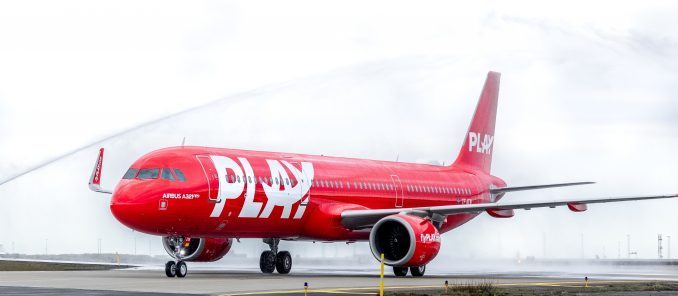
La aerolínea islandesa de bajo coste Play ha comenzado a operar con un vuelo inaugural de Reikiavik a Londres/Stansted el Jueves 24 de Junio de 2021. La aerolínea actualmente opera un avión Airbus A321NEO (1) arrendado de tres años de antigüedad que anteriormente estaba en servicio para Interjet.
Play, oficialmente llamada Fly Play, fue fundada en 2019 por ex ejecutivos de WOW Air, que cesó sus operaciones en Marzo de 2019. La nueva aerolínea obtuvo su Certificado de Operador Aéreo (AOC) en Mayo de 2021.
Se espera que otros dos aviones A321NEO se unan a la flota en el corto plazo. La red de rutas de la aerolínea consta de nueve destinos: Alicante, Barcelona, Berlín, Copenhague, Gran Canaria, Londres, París, Salzburgo y Tenerife. La mayoría de las rutas se lanzarán en las próximas semanas.
Play starts operations
Icelandic airline starts operations
Icelandic low-cost carrier Play has started operating with a maiden flight from Reykjavik to London/Stansted on Thursday, June 24, 2021. The airline currently operates a three-year leased Airbus A321NEO (1) aircraft that was previously in service for Interjet.
Play, officially called Fly Play, was founded in 2019 by former WOW Air executives, which ceased operations in March 2019. The new airline obtained its Air Operator Certificate (AOC) in May 2021.
Two more A321NEO aircraft are expected to join the fleet in the short term. The airline’s route network consists of nine destinations: Alicante, Barcelona, Berlin, Copenhagen, Gran Canaria, London, Paris, Salzburg and Tenerife. Most of the routes will be launched in the next few weeks.
AW | 2021 06 26 13:16 | AIRLINES / INDUSTRY / GOVERNMENT
Busca compensación por puesta en tierra del 737 MAX
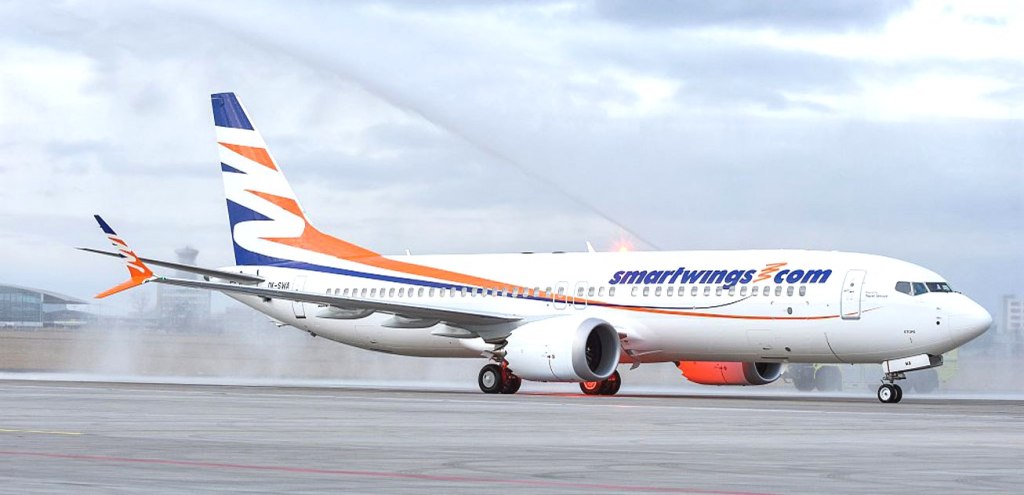
Las consecuencias de la puesta en tierra del Boeing 737 MAX continúan con la aerolínea checa Smartwings Airlines demandando a The Boeing Company. Smartwings inició acciones legales contra Boeing el Martes 22/06. La aerolínea de bajo costo está buscando una cantidad no especificada por daños causados por la puesta en tierra del avión.
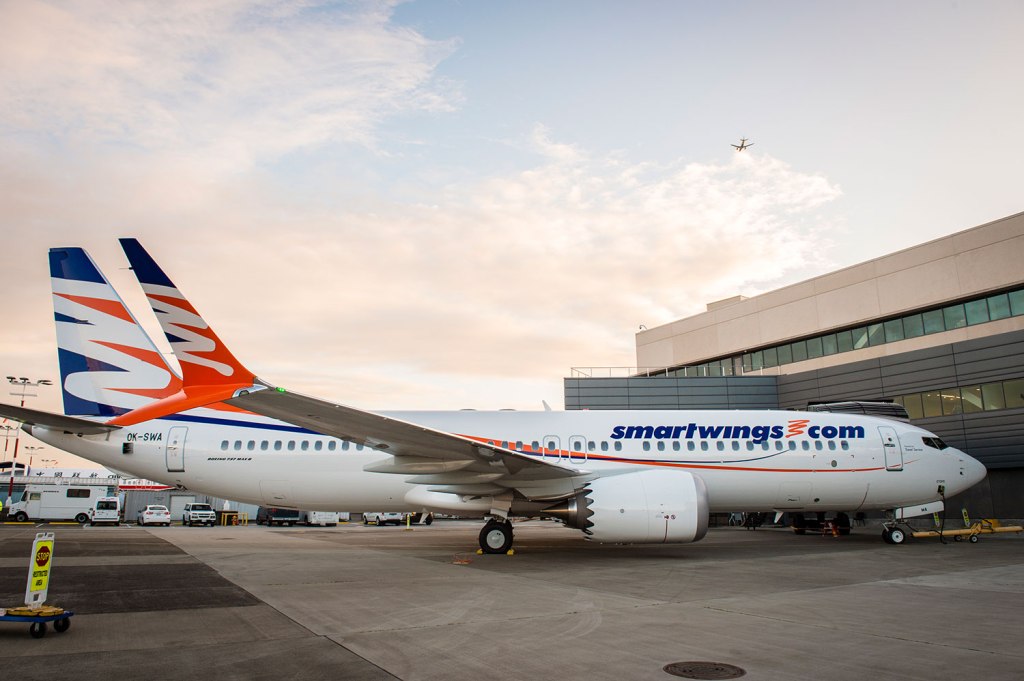
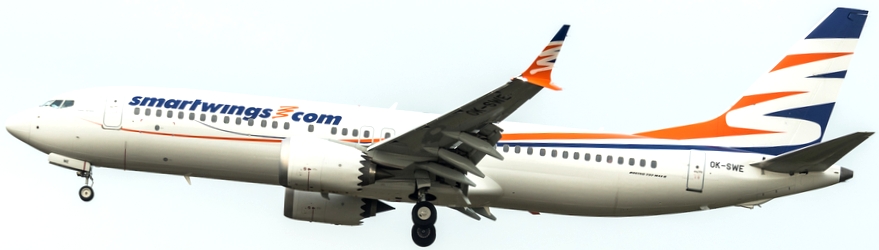
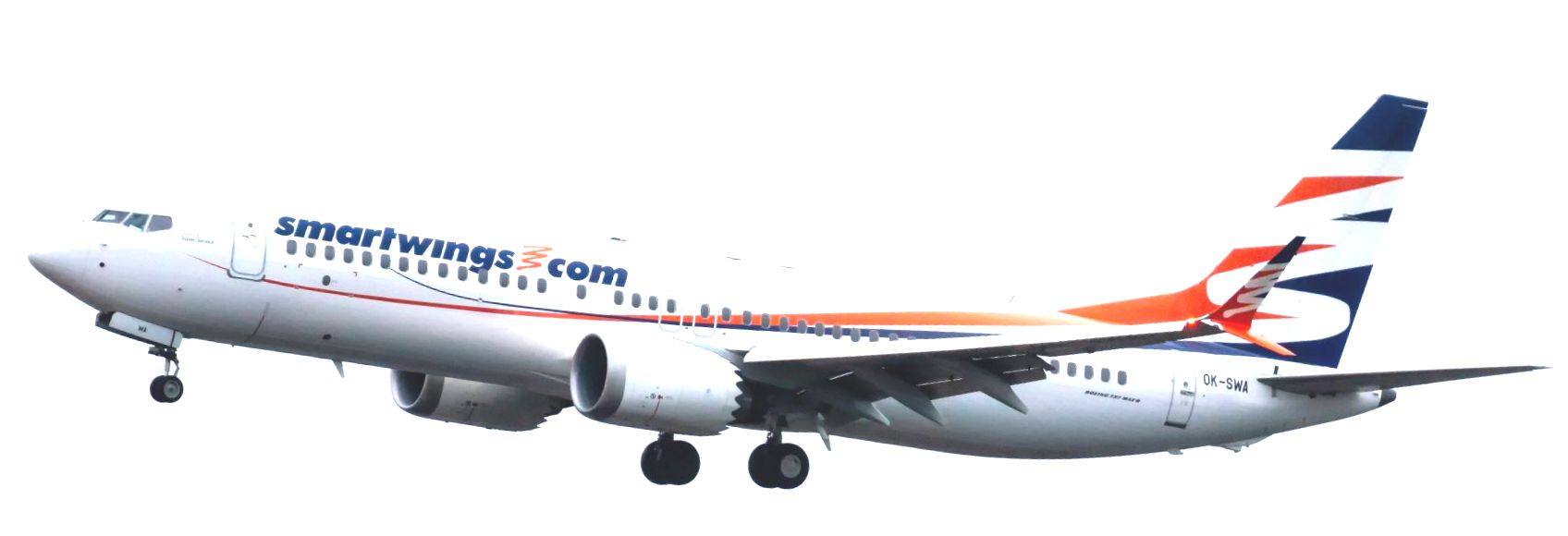
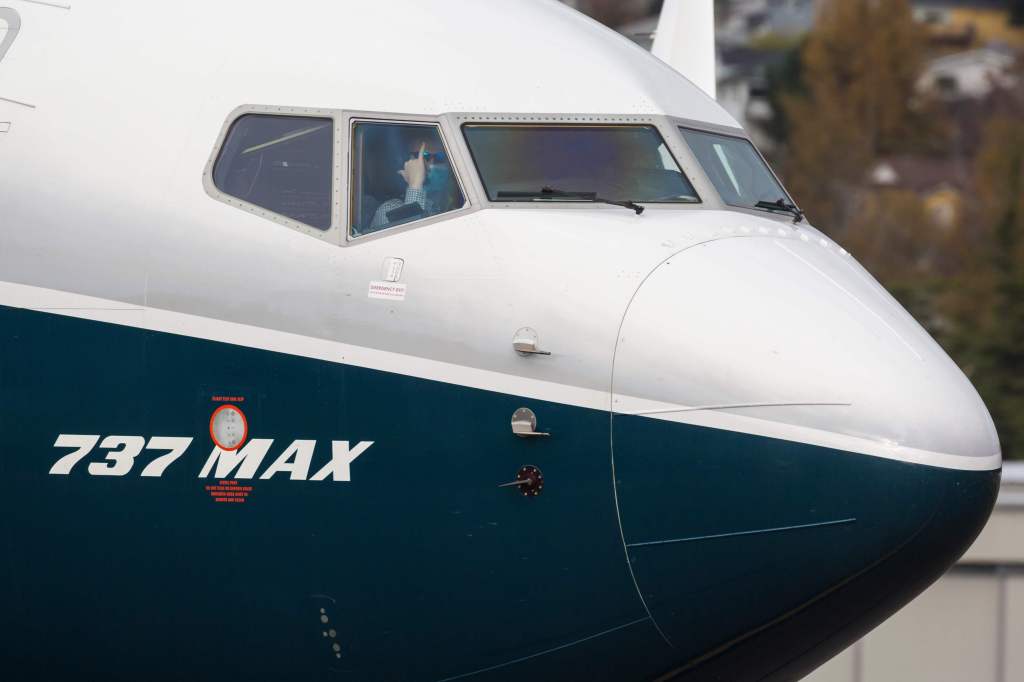
La low cost Smartwings encargó tres Boeing 737-8 MAX (3) en 2013, añadiendo otros cinco en 2017 a su cartera de órdenes, extendiendo arrendar otros 31 MAX para reemplazar su flota de pasillo único de Boeing 737-800. La incorporación del primer MAX 8 había arribado en Praga, República Checa a principios de 2018. Luego, Smartwings tomó siete Boeing 737-8 MAX adicionales bajo modalidad de arriendo antes de la puesta en tierra por los problemas ocasionados por la crisis de la línea MAX. Después de dos accidentes aéreos, el 737 MAX quedó en tierra en todo el mundo el 10 de Marzo de 2019. Los reguladores de aviación comenzaron a aprobar la recertificación hacia finales de 2020.
La cifra de los costos por puesta en tierra de la línea 737 MAX de Smartwings alcanzaron valores de US$ 93,8 millones. En Febrero 2021 Smartwings reanudó el vuelo de su flota MAX. Seis de los siete aviones se clasifican como activos, mientras que la aeronave registrada OK-SWC todavía estacionado en Praga.
Smartwings está persiguiendo daños financieros, quiere devolver un avión y está buscando un reembolso de los pagos realizados por ese avión y los pagos anticipados de otros MAX.
El mismo informe dice que Smartwings ha cancelado sus pedidos directos restantes de Boeing. Smartwings había pagado 833.332 dólares en pagos anticipados por dos aviones. La aerolínea también quiere que se le devuelva ese dinero. Smartwings también está persiguiendo más daños no especificados.
En su presentación, Smartwings hace varias acusaciones contra Boeing y su manejo del Programa MAX. Smartwings alega que Boeing no llevó a cabo una evaluación de seguridad completa con respecto a los modos de falla del Sistema de Aumento de Características de Maniobra (MCAS). «(Boeing) engañó a la Administración Federal de Aviación y otros reguladores con respecto a la naturaleza y el propósito de MCAS», dice la presentación de la aerolínea. En lugar de hacer cambios aerodinámicos en el MAX, Smartwings alega que «Boeing eligió un vendaje barato y apresuradamente implementado». La aerolínea checa alega además «negligencia grave y fraude» por parte de Boeing y dice que el fabricante de aviones hizo «tergiversaciones materiales y no revelaciones» a los pilotos sobre el Sistema MCAS. El lenguaje inflamatorio sugiere una ruptura significativa en la relación entre Boeing y Smartwings. Está muy lejos del respaldo mutuo y las declaraciones positivas de relaciones públicas cuando el primer Boeing 737 MAX aterrizó en Smartwings hace más de tres años.
Smartwings Airlines no es la primera aerolínea que busca una recompensa por parte de Boeing con respecto al 737 MAX. Pero tomar la queja pública e iniciar una demanda es una estrategia de alto riesgo. Smartwings posee actualmente cuarenta aviones en su flota de los cuales 39 unidades son de la flota Boeing. La aerolínea necesitará el apoyo continuo de Boeing para mantener estos aviones en funcionamiento.
Estrategias vs relaciones
Dejando a un lado las obligaciones contractuales, el rendimiento de ese apoyo y el costo, podría muy bien depender de la solidez de la relación entre la compañía aérea y el fabricante de aviones. La estrategia de la demanda también coloca a Smartwings en un segundo plano al comprar nuevos aviones en el futuro. Si bien los fabricantes de aviones están dispuestos a cerrar acuerdos para mantener las líneas de producción en funcionamiento y los ingresos que llegan a sus arcas, la mala voluntad generada por demandar a Boeing podría ver al fabricante de aviones menos dispuesto a negociar un acuerdo para Smartwings en el futuro. La postura de Smartwings no podría resolverse fácilmente virando su negocio hacia la competencia Airbus Group, más sabiendo que el fabricante de aviones europeo sabe que estás sentado en la mesa de negociaciones en Toulouse porque eres persona non grata en Boeing, es probable que Airbus acceda a una displicencia y no ofrezca una solución financiera favorable. Es una consecuencia de las que un operador inteligente como Smartwings es sin duda consciente. Después de sopesar los pros y los contras de demandar a Boeing y hacer algunas afirmaciones incendiarias, claramente han decidido que entrar en la sala del tribunal es la mejor estrategia en el futuro.
Smartwings demands to Boeing
Seeking compensation for grounding the 737 MAX
The consequences of the landing of the Boeing 737 MAX continue with the Czech airline Smartwings Airlines suing The Boeing Company. Smartwings took legal action against Boeing on Tuesday 06/22. The low-cost carrier is seeking an unspecified amount for damage caused by the plane’s grounding.
Low-cost Smartwings ordered three Boeing 737-8 MAXs (3) in 2013, adding another five in 2017 to its order book, extending leasing another 31 MAXs to replace its single-aisle fleet of Boeing 737-800s. The incorporation of the first MAX 8 had arrived in Prague, Czech Republic at the beginning of 2018. Then, Smartwings took seven additional Boeing 737-8 MAXs under lease mode before grounding due to problems caused by the crisis of the MAX line. After two plane crashes, the 737 MAX was grounded worldwide on March 10, 2019. Aviation regulators began approving recertification towards the end of 2020.
The amount of grounding costs for Smartwings’ 737 MAX line reached values of US $ 93.8 million. In February 2021 Smartwings resumed the flight of its MAX fleet. Six of the seven aircraft are classified as active, while the registered aircraft OK-SWC is still stationed in Prague.
Smartwings is pursuing financial damages, wants to return an aircraft, and is seeking a refund of payments made for that aircraft and advance payments from other MAXs.
The same report says that Smartwings has canceled its remaining direct orders from Boeing. Smartwings had paid US$ 833,332 in advance payments for two planes. The airline also wants that money back. Smartwings is also pursuing more unspecified damages.
In his filing, Smartwings makes several accusations against Boeing and its handling of the MAX Program. Smartwings alleges that Boeing did not conduct a full safety assessment regarding the failure modes of the Maneuvering Characteristics Augmentation System (MCAS). «(Boeing) misled the Federal Aviation Administration and other regulators regarding the nature and purpose of MCAS», the airline’s filing reads. Rather than make aerodynamic changes to the MAX, Smartwings alleges that «Boeing chose a cheap and hastily implemented bandage». The Czech airline further alleges «gross negligence and fraud» on the part of Boeing and says that the aircraft manufacturer made «material misrepresentations and non-disclosures» to pilots about the MCAS System. The inflammatory language suggests a significant rift in the relationship between Boeing and Smartwings. It’s a far cry from mutual endorsement and positive public relations statements when the first Boeing 737 MAX landed at Smartwings more than three years ago.
Smartwings Airlines is not the first airline to seek a reward from Boeing regarding the 737 MAX. But taking the public complaint and filing a lawsuit is a high-risk strategy. Smartwings currently has forty aircraft in its fleet of which 39 are from the Boeing fleet. The airline will need continued support from Boeing to keep these aircraft operating.
Strategies vs relationships
Leaving aside contractual obligations, the performance of that support, and the cost, it could very well depend on the strength of the relationship between the airline and the aircraft manufacturer. The demand strategy also puts Smartwings on the back burner when purchasing new aircraft in the future. While aircraft manufacturers are keen to strike deals to keep production lines running and revenue flowing into their coffers, the ill will generated by suing Boeing could see the aircraft maker less willing to negotiate a deal for Smartwings in the future. Smartwings’ position could not be easily resolved by turning its business towards the Airbus Group competition, moreover knowing that the European aircraft manufacturer knows that you are sitting at the negotiating table in Toulouse because you are persona non grata at Boeing, it is likely that Airbus will agree to an indifference and does not offer a favorable financial solution. It is a consequence of which an intelligent operator like Smartwings is undoubtedly aware. After weighing the pros and cons of suing Boeing and making some inflammatory claims, they have clearly decided that entering the courtroom is the best strategy going forward.
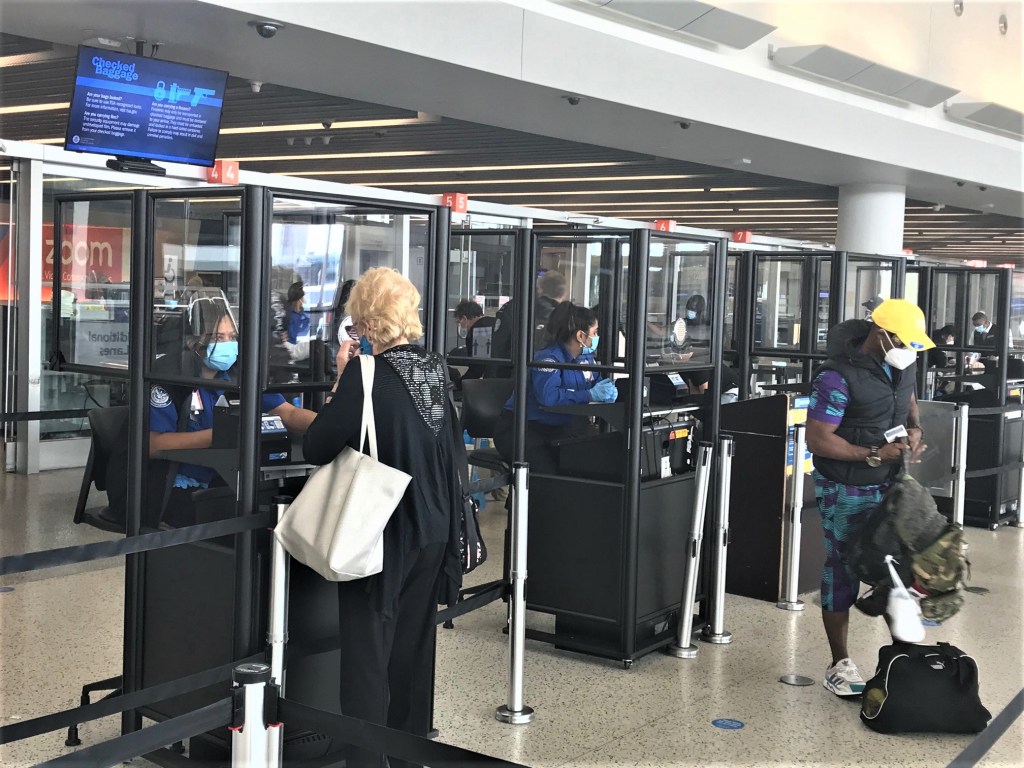
Las proyecciones diarias de tráfico de la Administración de Seguridad en el Transporte (TSA) de Estados Unidos se encuentran retornando hacia los índices pre-pandemia 2019 y las aerolíneas están luchando por mantenerse actualizada. A pesar de los rescates del Gobierno Federal, el 100% de los empleados de las aerolíneas no han sido reincorporados por lo que representan muchos desafíos para el transporte aéreo comercial. «Durante la recuperación, muchos de los miembros de la tripulación regresarán y los pilotos volverán a equipos que tal vez no hayan volado antes. Y esa capacitación puede tomar hasta seis, ocho, a veces diez semanas para pasar, por lo que es un proceso razonablemente complejo para coordinar, facilitar y, ya sabes, poner en marcha esa capacitación. Y creo que, ya saben, cada aerolínea está haciendo sus propias apuestas en términos de cómo se verá esa recuperación y cómo van a poder asignar personal a esa recuperación, pero lo que creo que verán en todos los ámbitos es un aumento bastante rápido de la capacidad para cada aerolínea», dijo Geoff Murray, socio de Oliver Wyman, una firma de consultoría de aviación. También puede tomar tiempo para que los empleados inactivos vuelvan a la nómina y algunos pueden haber decidido dejar la industria por completo.
American Airlines dice que tendrá que recortar los vuelos en Julio 2021 solo para mantenerse al día. Eso podría conducir a cambios de vuelo para viajes ya reservados y a un aumento de los precios de los billetes para futuros vuelos. Frontier Airlines está agregando otra tarifa a sus reservas, alegando que compensa el costo de los protocolos de COVID-19. La aerolínea ahora cobrará US$ 1.59 adicionales por cada forma de volar de su tarifario. Diametralmente opuesto a algunas líneas aéreas, Delta Air Lines acaba de anunciar una iniciativa para acelerar la contratación.
El dinero de rescate del Gobierno estadounidense que las aerolíneas recibieron a principios de la pandemia, dice que la mayoría lo usó para mantener una cierta cantidad de personal activo mientras los precios de los pasajes aéreos estaban en un mínimo histórico. Las aerolíneas están buscando contratar nuevos empleados, mientras la Federal Aviation Administration (FAA) dice que dará ayudas a los aeropuertos para mantener el personal vigente. Alrededor de US$ 8 mil millones de Dólares serán distribuidos a los aeropuertos que mantienen al 90% de los trabajadores que tenían antes de la pandemia. El dinero también ayudará con los proyectos de construcción de aeropuertos.
Shortage of workers vs ticket costs
Shortage of airline workers could make travel more expensive
The US Transportation Security Administration (TSA) daily traffic projections are returning to the pre-pandemic 2019 rates and airlines are struggling to stay current. Despite bailouts from the Federal Government, 100% of airline employees have not been reinstated, posing many challenges for commercial air transportation. «During recovery, a lot of the crew members will return and the pilots will return to teams that may not have flown before. And that training can take up to six, eight, sometimes ten weeks to go through, so it’s a process. reasonably complex to coordinate, facilitate and, you know, get that training going. And I think, you know, every airline is making their own bets in terms of what that recovery will look like and how they are going to be able to staff that recovery, but what I think you’ll see across the board is a fairly rapid increase in capacity for each airline», said Geoff Murray, a partner at Oliver Wyman, an aviation consulting firm. It can also take time for inactive employees to get back on payroll, and some may have decided to leave the industry entirely.
American Airlines says it will have to cut flights in July 2021 just to keep up. That could lead to flight changes for trips already booked and higher ticket prices for future flights. Frontier Airlines is adding another fee to its bookings, claiming it offsets the cost of the COVID-19 protocols. The airline will now charge an additional US$ 1.59 for each way of flying on its fare. Diametrically opposed to some airlines, Delta Air Lines just announced an initiative to accelerate hiring.
The bailout money from the US government that airlines received early in the pandemic, he says most used it to keep a certain number of active personnel while airfare prices were at an all-time low. Airlines are looking to hire new employees, while the Federal Aviation Administration (FAA) says it will help airports to keep staff current. Around US$ 8 billion will be distributed to airports that support 90% of the workers they had before the pandemic. The money will also help with airport construction projects.
AW | 2021 06 25 19:57 | AVIATION SAFETY / AVIATION ORGANISMS / GOVERNMENT
Informe canadiense critica a Irán imprudente por derribo vuelo PS752
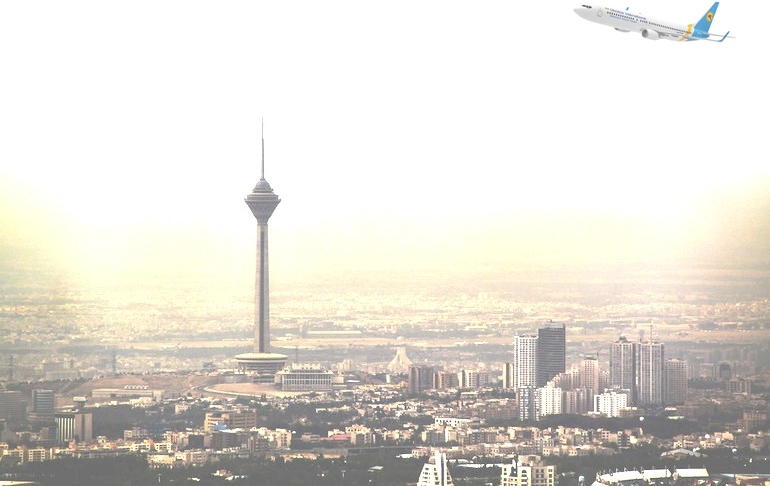
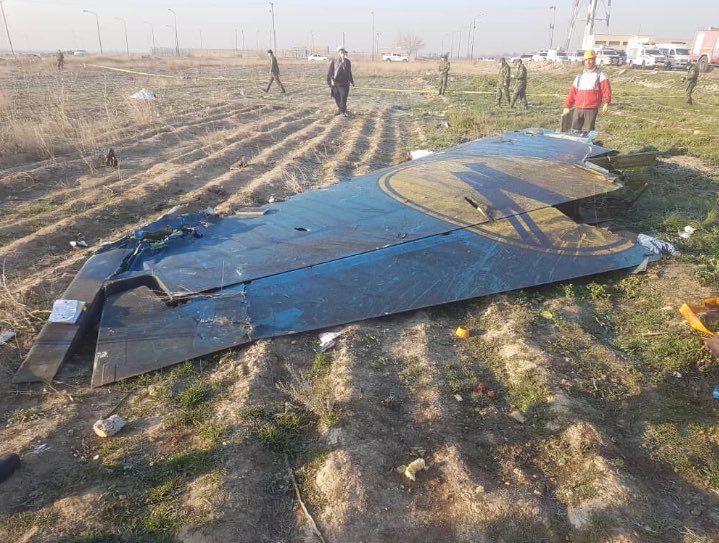
Un informe del Gobierno de Canadá sobre el derribo de un avión ucraniano no ha encontrado evidencia de que fuera premeditado, pero dijo que la República Islámica de Irán era totalmente responsable. El vuelo PS752 de Ukraine International Airlines fue alcanzado por dos misiles después de despegar de Teherán el 8 de Enero de 2020. Las 176 personas a bordo murieron.
El derribado del vuelo PS752 de un Boeing 737-800 en Enero de 2020 se cobró la vida de las 176 personas a bordo, incluidas 138 personas con vínculos con Canadá. Todas las personas a bordo fallecieron cuando la aeronave despegaba del Aeropuerto Internacional Teherán/Imán Jomeini y se dirigía hacia Kiev, Ucrania, pero la aeronave Boeing 737-800 fue alcanzada por una acción bélica.
El Gobierno de Irán que fue acusado de obstaculizar las investigaciones independientes ha dicho que confundió el avión con un misil estadounidense. Canadá ha comunicado el Jueves 24/06 que la culpa era de las autoridades civiles y militares de Irán. Si bien reconoció que un operador de unidad de defensa aérea «probablemente actuó por su cuenta al tomar la decisión de lanzar los misiles», una investigación forense de ocho meses concluyó que no habría sucedido si no fuera por la «incompetencia, imprudencia y desprecio injustificado por la vida humana» de los funcionarios iraníes. El Ministro de Relaciones Exteriores canadiense, Marc Garneau, en una conferencia de prensa el Jueves ha expresado que «Irán es totalmente responsable de lo que pasó».
La investigación encontró que los misiles antiaéreos iraníes estaban en alerta máxima, sin embargo, las autoridades no cerraron su espacio aéreo ni notificaron a las aerolíneas en operación en ese momento. Marc Garneau dijo que un operador de misiles tomó «una serie de decisiones extremadamente erróneas que podrían y deberían haberse evitado». El mando y control militar iraní ha sido demasiado lento tanto para abordar los fracasos como para tomar medidas para prevenir futuras tragedias. Los funcionarios pidieron «una explicación completa y honesta del régimen iraní» ya que el informe canadiense reconoce la falta de acceso a la evidencia, el lugar del accidente y los testigos por parte del Gobierno iraní.
Las autoridades iraníes negaron inicialmente la responsabilidad del accidente y permitieron que el lugar del accidente fuera arrasado y saqueado. Pero a medida que aumentaban las pruebas, la Fuerza Aeroespacial de los Guardianes de la Revolución dijo que una unidad de defensa aérea había confundido el Boeing 737-800 con un misil estadounidense. Las defensas antiaéreas de Irán habían estado en alerta máxima en ese momento porque el país acababa de disparar misiles balísticos contra dos bases militares iraquíes que albergan a las fuerzas estadounidenses en represalia por la muerte del alto General iraní Qasem Soleimani en un ataque estadounidense con drones en Bagdad cinco días antes del atentado aéreo.
Un informe final de la Organización de Aviación Civil de Irán concluyó en Marzo 2021 que un operador «identificó erróneamente» el avión y disparó los misiles sin la autorización de un comandante.
El Miércoles 23/06, el Ministro canadiense Marc Garneau dijo que el informe iraní tenía «agujeros enormes y culpa a todas las personas que están más abajo en la estructura», pero admitió que el equipo forense de su Gobierno se basó en el informe y no pudo sacar conclusiones que difieran de la explicación formal del «error humano» de Irán.
El Primer Ministro de Canadá, Justin Trudeau, dijo: «El relato oficial de Irán de los acontecimientos es falso, engañoso y superficial, e intencionalmente ignora factores clave. Altos funcionarios del régimen tomaron las decisiones que llevaron a esta tragedia, y el mundo no debe permitir que se escondan impunemente detrás de un puñado de chivos expiatorios de bajo rango». La Administración canadiense está pidiendo reparaciones a Irán para compensar a las familias de las víctimas. También ha indicado interés en aplicar sanciones o acudir ante la Corte Penal Internacional por el incidente.
Por parte del Gobierno de la República de Ucrania, rechaza tácitamente el Informe Final de la agencia de aviación de la República de Irán.
Canada rejects Iran report by PS752
Canadian report criticizes Iran’s reckless downing of flight PS752
A Canadian Government report on the downing of a Ukrainian plane has found no evidence that it was premeditated, but said the Islamic Republic of Iran was totally responsible. Ukraine International Airlines flight PS752 was hit by two missiles after taking off from Tehran on January 8, 2020. All 176 people on board were killed.
The downing of Flight PS752 from a Boeing 737-800 in January 2020 claimed the lives of all 176 people on board, including 138 people with ties to Canada. All the people on board were killed when the aircraft took off from Tehran/ Imam Khomeini International Airport and headed for Kiev, Ukraine, but the Boeing 737-800 aircraft was hit by a military action.
The Iranian government that was accused of obstructing independent investigations has said it mistook the plane for a US missile. Canada announced on Thursday 24/06 that the fault lay with the civil and military authoritiesof Iran. While acknowledging that an air defense unit operator «probably acted on his own in making the decision to launch the missiles», an eight-month forensic investigation concluded that it would not have happened were it not for «incompetence, recklessness and unwarranted disregard. for human life», of Iranian officials. Canadian Foreign Minister Marc Garneau in a press conference on Thursday said that «Iran is fully responsible for what happened».
The investigation found that Iranian anti-aircraft missiles were on high alert, yet authorities did not close their airspace or notify operating airlines at the time. Marc Garneau said a missile operator made «a series of extremely wrong decisions that could and should have been avoided». Iranian military command and control has been too slow both to address the failures and to take action to prevent future tragedies. Officials called for «a full and honest explanation of the Iranian regime» as the Canadian report acknowledges the Iranian government’s lack of access to evidence, crash site and witnesses.
Iranian authorities initially denied responsibility for the accident and allowed the crash site to be razed and looted. But as tests mounted, the Revolutionary Guardians Aerospace Force said an air defense unit had mistaken the Boeing 737-800 for a US missile. Iran’s air defenses had been on high alert at the time because the country had just fired ballistic missiles at two Iraqi military bases that house US forces in retaliation for the death of senior Iranian General Qasem Soleimani in a US drone strike in Baghdad five days before the air attack.
A final report from Iran’s Civil Aviation Organization concluded in March 2021 that an operator misidentified the plane and fired the missiles without authorization from a commander.
On Wednesday 06/23, Canadian Minister Marc Garneau said that the Iranian report had «huge holes and blames everyone who is lower down in the structure», but admitted that his government’s forensic team relied on the report and he could not draw conclusions that differ from the formal explanation of Iran’s «human error».
Canadian Prime Minister Justin Trudeau said: «Iran’s official account of events is false, misleading and perfunctory, and willfully ignores key factors. Senior regime officials made the decisions that led to this tragedy, and the world did not it must allow them to hide with impunity behind a handful of low-ranking scapegoats». The Canadian Administration is seeking reparations from Iran to compensate the families of the victims. He has also indicated interest in applying sanctions or going to the International Criminal Court for the incident.
On the part of the Government of the Republic of Ukraine, it tacitly rejects the Final Report of the aviation agency of the Republic of Iran.
Vuelo inaugural de Frontier Airlines a Nassau, Bahamas
Las Bahamas recibieron este 24/06 con gran emoción el vuelo inaugural de Frontier Airlines al aterrizar en el Aeropuerto Internacional Lynden Pindling. Frontier es la primera aerolínea de ultra bajo costo en ingresar al mercado caribeño con una importante variedad de frecuencias aéreas. Frontier Airlines operará vuelos directos desde el Aeropuerto Internacional de Miami/MIA a Nassau/NAS con una frecuencia de cuatro veces por semana (4 Frq/S) a partir de Julio 2021. A medida que los viajes retornan lentamente a Bahamas, los isleños están ansiosos por dar la bienvenida a los visitantes con más opciones de vuelo y ofertas este verano boreal.
El Ministro de Turismo y Aviación Dionisio D’Aguilar, estuvo entre los funcionarios reunidos en el Aeropuerto Nassau/Sir Lynden para dar la bienvenida al vuelo inaugural: «Me siento honrado y emocionado de que Frontier Airlines haya decidido asociarse con Las Bahamas, particularmente en esta coyuntura crítica, mientras nos involucramos en el camino de la recuperación del turismo y la restauración económica después de un devastador huracán y, más recientemente, la pandemia de COVID-19. Aprovecho esta oportunidad para darles una cálida bienvenida a las Bahamas y expresarles nuestro sincero agradecimiento por su asociación».
La adición de Frontier Airlines al creciente número de compañías aéreas que prestan servicios en las Bahamas se produce como resultado del impulso en curso del Ministerio de Turismo y Aviación y los socios clave de la industria para expandir el transporte aéreo al destino. Un fuerte aumento del transporte aéreo desde los principales mercados emisores figura como un elemento clave en la estrategia general del Ministerio para la recuperación del turismo. «Los múltiples vuelos de Frontier Airlines por semana proporcionan un soplo de aire fresco a nuestra economía turística, ya que este enlace aéreo conecta nuestro destino con el centro del sureste de los Estados Unidos, incluida Florida, un mercado del que anualmente atraemos a una parte significativa de nuestros visitantes», dijo el Ministro de Turismo y Aviación Dionisio D’Aguilar.
Frontier opens Miami-Nassau
Frontier Airlines Maiden Flight to Nassau, Bahamas
The Bahamas welcomed Frontier Airlines‘ maiden flight on 06/24 when landing at Lynden Pindling International Airport. Frontier is the first ultra-low-cost airline to enter the Caribbean market with a significant variety of air frequencies. Frontier Airlines will operate direct flights from Miami International Airport/MIA to Nassau/NAS with a frequency of four times a week (4 Frq/S) beginning in July 2021. As travel slowly returns to the Bahamas, the islanders are eager to welcome visitors with more flight options and deals this summer.
Tourism and Aviation Minister Dionisio D’Aguilar was among the officials gathered at Nassau/Sir Lynden Airport to welcome the inaugural flight: «I am honored and excited that Frontier Airlines has decided to partner with The Bahamas, particularly in this critical juncture, as we engage in the journey of tourism recovery and economic restoration after a devastating hurricane and, more recently, the COVID-19 pandemic. I take this opportunity to warmly welcome you to the Bahamas and express our sincere thanks for your partnership».
The addition of Frontier Airlines to the growing number of airlines serving the Bahamas comes as a result of the ongoing push from the Ministry of Tourism and Aviation and key industry partners to expand air travel to the destination. A strong increase in air transport from the main source markets appears as a key element in the overall strategy of the Ministry for the recovery of tourism. «Frontier Airlines’ multiple flights per week provide a breath of fresh air to our tourism economy, as this air link connects our destination to the central southeastern United States, including Florida, a market of which we annually attract a portion. significant of our visitors», said the Minister of Tourism and Aviation Dionisio D’Aguilar.
Agencia Aviación noezelandesa recertifica al Boeing 737 MAX
La Autoridad de Aviación Civil de Nueva Zelanda ha aprobado el regreso del Boeing 737 MAX a sus cielos nacionales. La recertificación resuelve en parte un problema apremiante para la aerolínea Fiji Airways que contempla una flota de aeronaves de esta serie. La compañía de las Islas Fiji ha estado dispuesto a reanudar los vuelos a Nueva Zelanda utilizando el Boeing 737-8 MAX.
Después de más de dos años después de dejar en tierra el avión, las aprobaciones de las autoridades aeronáuticas de Nueva Zelandia permitirán reanudar los vuelos en su territorio para las aeronaves de este tipo. La aerolínea nacional de Nueva Zelanda Air New Zealand no opera el MAX. Tampoco ninguna aerolínea con base en Australia, pero Fiji Airways podrá ahora disponer de las rutas para enlazar las Islas Fiji y Nueva Zelandia. Antes de la puesta en tierra del 737 MAX de 2019, Fiji Airways era la única aerolínea que volaba regularmente con este tipo de avión a Nueva Zelanda.
New Zealand recertifies Boeing 737 MAX
New Zealand Aviation Agency recertifies Boeing 737 MAX
The New Zealand Civil Aviation Authority has approved the return of the Boeing 737 MAX to its national skies. Recertification partly solves a pressing problem for Fiji Airways, which has a fleet of aircraft of this series. The Fiji Islands company has been willing to resume flights to New Zealand using the Boeing 737-8 MAX.
After more than two years after the aircraft was grounded, approvals from the New Zealand aeronautical authorities will allow aircraft of this type to resume flights within their territory. The New Zealand national carrier Air New Zealand does not operate the MAX. Neither are any Australian-based airlines, but Fiji Airways will now have the routes to link the Fiji Islands and New Zealand. Prior to the 2019 737 MAX landing, Fiji Airways was the only airline that regularly flew this type of aircraft to New Zealand.
Gobierno abonó AR$ 751.750.000 a Aerolíneas Argentinas
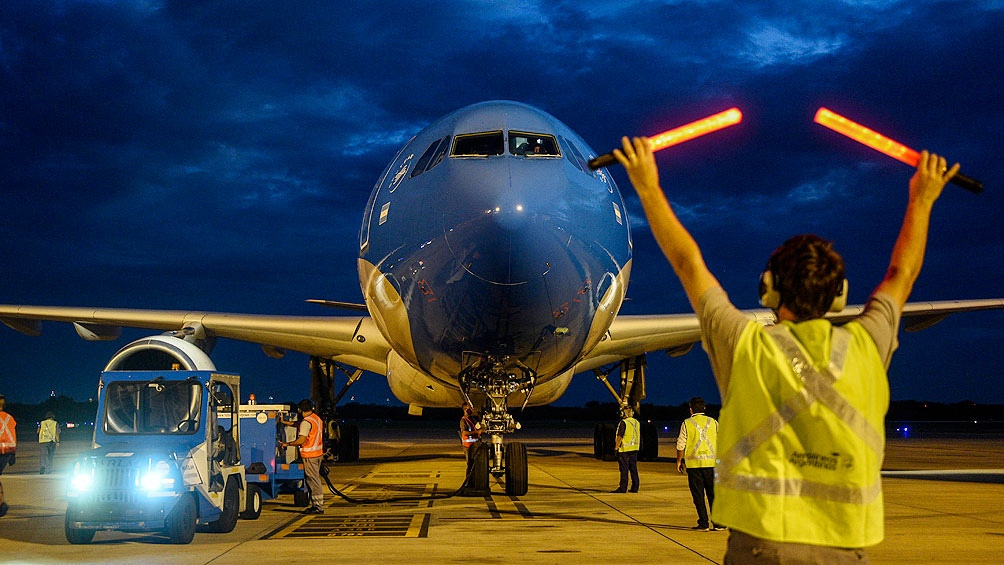
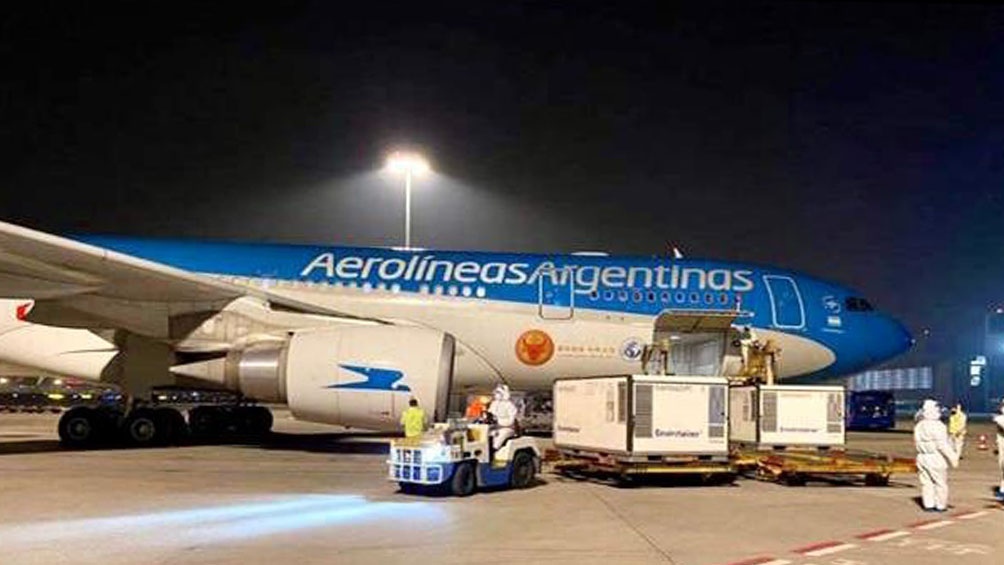
La elección de Aerolíneas Argentinas para transportar las vacunas contra el Coronavirus tuvo un costo enorme que ser transportados por otras empresas privadas. Para algunos traslados, como los que trajeron las partidas de AstraZeneca, el Gobierno de Argentina contrató a compañías que le cobraron hasta doce veces menor del valor que ser transportado por la aerolínea de bandera argentina.
Alrededor de AR$ 751,75 millones de Pesos Argentinos fueron destinados a solventar los costos operativos de Aerolíneas Argentinas por el uso de las aeronaves Airbus A330-200 para realizar el transporte de los vacunas hacia Argentina. Este costo no incluye otros desembolsos como handling, compra o alquiler de pallets especiales para el mantenimiento de la temperatura, logística en tierra y otras tarifas complementarias de la aviación, que sumarían una variación adicional de AR$ 1.050 millones, según se desprende de información oficial.
Con el arribo del 3 de Junio de 2021, proveniente de Moscú, habían llegado al Aeropuerto de Ezeiza 31 vuelos con vacunas. De ellos, 23 llevaban la insignia de la aerolínea de bandera. Cuatro fueron de KLM, la compañía holandesa y los cuatro restantes de Lufthansa German Airlines, Qatar Airways, Latam Cargo y Air Canada. Según los registros del Ministerio de Salud, a través de un pedido de información pública, los vuelos a Rusia costaron, en promedio, US$ 304.000. Los que trajeron Sinopharm desde China, cerca de US$ 425.000. Sin embargo, los que arribaron desde la India tuvieron un costo de US$25.000. La razón detrás de la diferencia es que, para traer las AstraZeneca, el Gobierno contrató a Hellman Worldwide Logistics, una megaempresa dedicada al comercio internacional que subcontrata vuelos y otros servicios. El precio final por el flete desde la India a Buenos Aires, del 17 de Febrero de 2021, para traer 580.000 dosis fue de US$ 25.671,80. La aerolínea de transporta de carga DHL también había cotizado el vuelo en US$ 25.500. El costo también fue más bajo en el traslado desde otros destinos. El Gobierno de Argentina abonó a Hellman US$ 31.709 por flete y logística para traer vacunas desde los Países Bajos. La compañía utilizó vuelos comerciales para traer en bodega hasta 864.000 dosis, en el caso del vuelo por KLM, que llegó a la Argentina el 18 de Abril de 2021.
En contraste, con los vuelos de Aerolíneas, llegaron cargamentos con tan poco como 200.000 dosis de Rusia, a un precio más alto. Fuentes cercanas a Hellman confirmaron que hubiera sido posible realizar servicios similares para traer las Sputnik V desde la capital rusa, pero el Ministerio ni siquiera les solicitó una cotización. Desde DHL expresaron que prefieren no dar detalles sobre su relación comercial con el Gobierno, pero aseguraron que tienen el servicio de transporte por bodegas disponible. “El problema es de eficiencia. Si el avión viniera a tope, la única opción es un charter, usar un vuelo completo. Pero si vas a traer pocas vacunas, menos de 500.000, pierde sentido el usar un avión completo, como en el caso de Aerolíneas”, explicó un empresario de servicios de logística internacionales.
Aerolíneas Argentinas fue responsable de traer vacunas desde Rusia y China. De los 23 vuelos realizados por la empresa, 15 venían cargados con 500.000 vacunas o menos. Antes del 25 de Marzo de 2021 no era posible transportar más que esa cantidad con los aviones argentinos, ya que no cabían en el espacio de bodega. El 25/03 se reacondicionó el Airbus para poder transportar hasta un millón donde antes había asientos para pasajeros. Desde que comenzó la campaña de vacunación hasta principios de mes, dos empresas, además de Aerolíneas Argentinas, estuvieron involucradas en la gestión, más allá de los vuelos. DHL y Hellman fueron contratadas para hacer las operaciones de transporte en el aeropuerto de origen. Estos servicios involucran camiones desde el laboratorio, acondicionamiento, palletizado, entre otros, según el caso.
En promedio, las facturas por las prestaciones en Rusia o China ascienden a US$ 130.000 Dólares, que se suman a los vuelos que el Ministerio de Salud paga a Aerolíneas. Ellos también se encargan del handling en el Aeropuerto de Ezeiza. Luego, la empresa Andreani se hace cargo de almacenar, por días o inclusive semanas, y luego distribuir a todo el país.
Consultados por la eficiencia de los vuelos y el espacio en cabina y bodega que se ocupa en cada caso, Aerolíneas Argentinas refirió que los laboratorios no siempre envían las vacunas con la misma presentación. Las cajas y contenedores juegan un rol en determinar la cantidad de dosis que podrán entrar en cada vuelo. Al hacer un vuelo regular se tarda tres veces más por los trasbordos y la triangulación se demora, motivos del uso de Aerolíneas Argentinas para traer vacunas directamente.
Las ventajas logísticas de realizar vuelos directos fueron expuestas por el Jefe de Gabinete, Santiago Cafiero, en su rendición de cuentas ante el Senado. Fuentes de la empresa suelen explicar, además, que una de las ventajas que ofrece Aerolíneas Argentinas al Gobierno es el hecho de contar con transporte inmediato y disponible para traer un insumo clave.
A principios de Julio 2021 habían llegado a la Argentina 18.450.150 millones de vacunas en 31 vuelos, un promedio de 595.167 dosis por traslado. Si se continúa a este ritmo, para llegar a las 90 millones estimadas para inmunizar a toda la población con esquema completo, serán necesarios 120 vuelos más.
Aumento vacunas
Aerolíneas Argentinas duplica la cantidad de vuelos. La aerolínea ha respondido al aumento de la demanda con una duplicación de las frecuencias semanales para traer más dosis al país.
Controversial airline travel to Russia
Government paid AR$ 751,750,000 to Aerolíneas Argentinas
The choice of Aerolíneas Argentinas to transport the vaccines against the Coronavirus had a huge cost than being transported by other private companies. For some transfers, such as those brought by the AstraZeneca consignments, the Government of Argentina hired companies that charged it up to twelve times less than the value of being transported by the Argentine flag carrier.
Around AR$ 751.75 million Argentine Pesos were used to cover the operating costs of Aerolíneas Argentinas for the use of Airbus A330-200 aircraft to transport the vaccines to Argentina. This cost does not include other disbursements such as handling, purchase or rental of special pallets for temperature maintenance, ground logistics and other complementary aviation fees, which would add an additional variation of AR$ 1,050 million, according to official information.
With the arrival of June 3, 2021, from Moscow, 31 flights with vaccines had arrived at the Ezeiza Airport. Of them, 23 wore the insignia of the flag carrier. Four were from KLM, the Dutch company and the remaining four from Lufthansa German Airlines, Qatar Airways, Latam Cargo and Air Canada. According to the records of the Ministry of Health, through a request for public information, flights to Russia cost, on average, US$ 304,000. Those who brought Sinopharm from China, about US$ 425,000. However, those that arrived from India had a cost of US$ 25,000. The reason behind the difference is that, to bring in the AstraZeneca, the Government hired Hellman Worldwide Logistics, a mega-company dedicated to international trade that outsources flights and other services. The final price for the freight from India to Buenos Aires, on February 17, 2021, to bring 580,000 doses was US$ 25,671.80. Freight carrier DHL had also priced the flight at US$ 25,500. The cost was also lower in the transfer from other destinations. The Government of Argentina paid Hellman US$ 31,709 for freight and logistics to bring vaccines from the Netherlands. The company used commercial flights to bring up to 864,000 doses in the hold, in the case of the KLM flight, which arrived in Argentina on April 18, 2021.
In contrast, with the Aerolíneas flights, shipments with as little as 200,000 doses arrived from Russia, at a higher price. Sources close to Hellman confirmed that it would have been possible to carry out similar services to bring Sputnik V from the Russian capital, but the Ministry did not even ask them for a quote. From DHL they expressed that they prefer not to give details about their commercial relationship with the Government, but they assured that they have the warehouse transport service available. “The problem is one of efficiency. If the plane were to come full, the only option is a charter, use a full flight. But if you are going to bring a few vaccines, less than 500,000, it makes no sense to use a complete plane, as in the case of Aerolíneas”, explained an international logistics services entrepreneur.
Aerolíneas Argentinas was responsible for bringing vaccines from Russia and China. Of the 23 flights carried out by the company, 15 came loaded with 500,000 vaccines or less. Before March 25, 2021, it was not possible to transport more than that amount with Argentine planes, since they did not fit in the warehouse space. On 03/25, the Airbus was reconditioned to be able to transport up to a million where previously there were passenger seats. Since the vaccination campaign began until the beginning of the month, two companies, in addition to Aerolíneas Argentinas, were involved in the management, beyond the flights. DHL and Hellman were contracted to carry out the transport operations at the airport of origin. These services involve trucks from the laboratory, conditioning, palletizing, among others, as the case may be.
On average, the bills for benefits in Russia or China amount to US$ 130,000, which is added to the flights that the Ministry of Health pays to Aerolíneas. They are also in charge of handling at the Ezeiza Airport. Then, the Andreani company takes over the storage, for days or even weeks, and then distributes to the whole country.
Asked about the efficiency of the flights and the space in the cabin and warehouse that is occupied in each case, Aerolíneas Argentinas said that the laboratories do not always send the vaccines with the same presentation. Boxes and containers play a role in determining the number of doses that can enter each flight. When making a regular flight it takes three times longer for transfers and the triangulation is delayed, reasons for the use of Aerolíneas Argentinas to bring vaccines directly.
The logistical advantages of making direct flights were exposed by the Chief of Staff, Santiago Cafiero, in his rendering of accounts before the Senate. Company sources usually explain, in addition, that one of the advantages that Aerolíneas Argentinas offers to the Government is the fact of having immediate and available transportation to bring a key input.
At the beginning of July 2021, 18,450,150 million vaccines had arrived in Argentina on 31 flights, an average of 595,167 doses per transfer. If it continues at this rate, to reach the estimated 90 million to immunize the entire population with the full scheme, 120 more flights will be necessary.
Vaccines increase
Aerolíneas Argentinas doubles the number of flights. The airline has responded to increased demand with a doubling of weekly frequencies to bring more doses to the country.
Semana de tarifas exclusivas en la aerolínea argentina
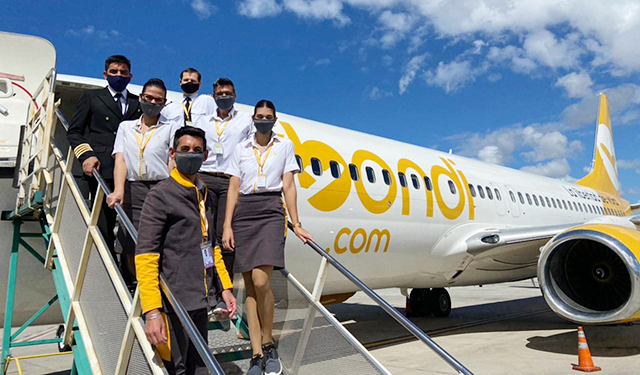
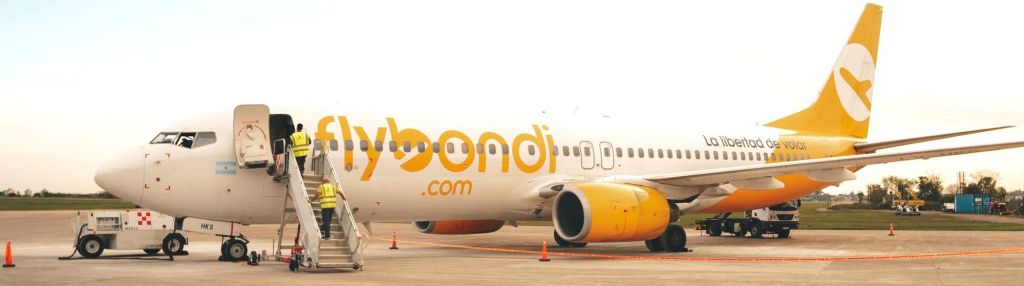
Flybondi Líneas Aéreas continúa promocionando tarifas exclusivas domésticas hacia trece destinos en Argentina. “Para la temporada de invierno tenemos una excelente propuesta y con las tarifas más bajas del mercado. Durante los últimos tres meses tuvimos una puntualidad récord en todos nuestros vuelos, 14% de participación del mercado y continuamos con nuestros protocolos sanitarios para que los pasajeros viajen tranquilos. Quien conoce Flybondi, se enamora de Flybondi. Por eso trabajamos para hacer que la libertad de volar sea de todos”, comentó Federico Pastori, del Área Marketing de Flybondi.
La compañía de presupuesto argentina ha establecido hasta el 27 de Junio de 2021 para poder acceder a lo beneficios de bonificaciones de pasajes aéreos. Algunos tramos presentan valores desde AR$ 1.999 como Buenos Aires—Corrientes, AR$ 2.099 Buenos Aires—Córdoba, AR$ 2.499 Buenos Aires—Neuquén, AR$ 2.599 Buenos Aires—Mendoza, AR$ 2.699 Buenos Aires—Santiago Del Estero, AR$ 2.799 en los siguientes tramos Buenos Aires—Jujuy, Buenos Aires—Iguazú, Buenos Aires—Trelew, AR$ 2.299 Buenos Aires—Posadas, AR$ 3.099 Buenos Aires—Salta, AR$ 2.899 Buenos Aires—Tucumán y AR$ 3.499 Buenos Aires—Bariloche, Bariloche—Córdoba. Los socios del Club Flybondi podrán acceder a descuentos especiales, haciendo extensivo bonificaciones de socios del Club La Nación accediendo a un 20% de bonificación sobre los valores de los tickets.
Flybondi promotes exclusive rates
Week of exclusive fares on the Argentine airline
Flybondi Líneas Aéreas continues to promote exclusive domestic rates to thirteen destinations in Argentina. “For the winter season we have an excellent proposal and with the lowest rates on the market. During the last three months we had a record punctuality on all our flights, 14% market share and we continue with our sanitary protocols so that passengers can travel safely. Who knows Flybondi, falls in love with Flybondi. That is why we work to make the freedom to fly belong to everyone”, commented Federico Pastori, from the Flybondi Marketing Area.
The Argentine budget company has established until June 27, 2021 to be able to access the benefits of airline tickets. Some tranches have values from AR$ 1,999 such as Buenos Aires—Corrientes, AR$ 2,099 Buenos Aires—Córdoba, AR$ 2,499 Buenos Aires—Neuquén, AR$ 2,599 Buenos Aires—Mendoza, AR$ 2,699 Buenos Aires—Santiago Del Estero, AR$ 2,799 in the following sections Buenos Aires—Jujuy, Buenos Aires—Iguazú, Buenos Aires—Trelew, AR$ 2,299 Buenos Aires—Posadas, AR$ 3,099 Buenos Aires—Salta, AR$ 2,899 Buenos Aires—Tucumán and AR$ 3,499 Buenos Aires—Bariloche, Bariloche—Córdoba. Members of the Flybondi Club will be able to access special discounts, extending bonuses to Club La Nación members by accessing a 20% discount on the values of the tickets.
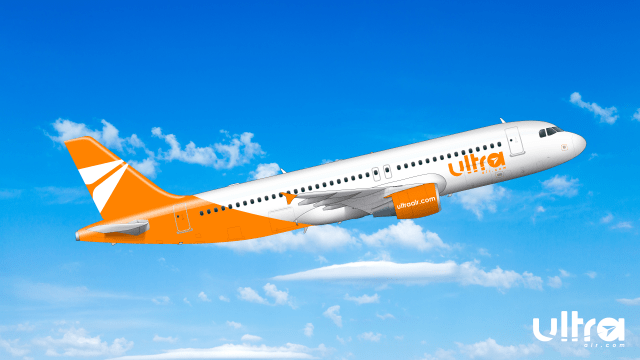
La nueva aerolínea low cost colombiana Ultra Air ha obtenido la autorización por parte de la Aerocivil del Certificado de Operador Aéreo (AOC). La compañía de presupuesto operará rutas domésticas entre las principales ciudades de Colombia e internacionales a países como México, Ecuador, Perú, República Dominicana, Aruba, Curazao y Estados Unidos.
La aerolínea aseguró en un comunicado que esta autorización se da pese a la resistencia de las aerolíneas existentes; sin embargo, la Aerocivil vio la viabilidad y beneficios de Ultra Air para el sector aéreo colombiano. “Estamos felices por esta decisión, desde nuestra presentación en noviembre del año pasado, venimos trabajando para cumplir los requisitos exigidos por la autoridad. Esta aprobación se convierte en un voto de confianza en el proyecto y en nuestros inversionistas para desarrollar un nuevo producto de ultra bajo costo que estimule el mercado aéreo”, dijo El fundador y CEO de Ultra Air, William Shaw.
La aerolínea de bajo costo Ultra Air alcanzó US$ 10 millones al cierre de su primera ronda de capitalización. El capital proviene principalmente de inversionistas colombianos. “Estamos cada vez más cerca. Nuestro equipo financiero, ha logrado reunir al mejor grupo de inversionistas que hoy le apuestan a Ultra Air como la aerolínea de bajo costo que dinamizará el mercado aéreo de pasajeros en Colombia, y le permitirá a más y más personas viajar a tarifas más asequibles”, expresó William Shaw.
Perspectivas Ultra Air
Ultra Air estima que en los primeros cinco años de operaciones la incorporación de cuarenta aeronaves como parte del proceso de expansión, lo que generará aproximadamente 36.000 fuentes laborales directas e indirectas. La incursión en el mercado permitirá introducir tarifas aéreas muy atractivas, lo que permitirá mayor competitividad al disminuir hasta un 20%, con un crecimiento del 5 % en los ingresos para agencias de viajes y la industria hotelera en los próximos años.
Aerocivil approves Ultra Air
Startup Ultra Air acquires AOC as an airline
The new Colombian low cost airline Ultra Air has obtained the authorization from the Aerocivil of the Air Operator Certificate (AOC). The budget company will operate domestic routes between the main cities of Colombia and international to countries such as Mexico, Ecuador, Peru, the Dominican Republic, Aruba, Curaçao and the United States.
The airline assured in a statement that this authorization is given despite the resistance of the existing airlines; However, Aerocivil saw the viability and benefits of Ultra Air for the Colombian air sector. “We are happy about this decision, since our presentation in November last year, we have been working to meet the requirements demanded by the authority. This approval becomes a vote of confidence in the project and in our investors to develop a new ultra-low-cost product that stimulates the airline market”, said Ultra Air Founder and CEO William Shaw.
Low-cost carrier Ultra Air reached US$ 10 million at the close of its first round of capitalization. The capital comes mainly from Colombian investors. “We are getting closer and closer. Our financial team has managed to bring together the best group of investors who today bet on Ultra Air as the low-cost airline that will boost the passenger air market in Colombia, and will allow more and more people to travel at more affordable rates”, expressed William Shaw.
Ultra Air Insights
Ultra Air estimates that in the first five years of operations the incorporation of forty aircraft as part of the expansion process, which will generate approximately 36,000 direct and indirect sources of employment. The incursion into the market will allow the introduction of very attractive airfares, which will allow greater competitiveness by decreasing up to 20%, with a 5% growth in revenues for travel agencies and the hotel industry in the coming years.
Checks Airbus A320 tras almacenamiento por efecto pandemia
Los reguladores de aviación han solicitado controles más rigurosos al restablecer los aviones de las aerolíneas después de un largo período de almacenamiento debido a la pandemia, luego de lecturas de cabina defectuosas que pueden sugerir que los sensores de velocidad estén bloqueados. Los pilotos se basan en lecturas de velocidad aerodinámica derivadas de sondas externas conocidas como Tubos Pitot, que pueden bloquearse con suciedad si no se sellan adecuadamente durante el almacenamiento.
La Agencia de Seguridad Aérea de la Unión Europea (EASA) dijo en una Directiva de Aeronavegabilidad (AD) de seguridad que cubre la familia Airbus A320 que «se ha informado de un número creciente de interrupciones operativas debido a discrepancias en la velocidad del aire a medida que regresan loas aeronaves a las operaciones comerciales. La EASA no tuvo informes de lesiones resultantes, problemas de aeronaves o sistemas». La mayoría de los casos llevaron a un despegue abortado.
Los informes llevaron a Airbus Group a realizar más simulaciones por computadora que sugirieron que los problemas con dos de los tres sensores pueden afectar la estabilidad del avión durante el despegue, aunque ninguno de estos eventos ocurrió en las operaciones, detalló la agencia de aviación europea EASA. El portavoz de Airbus dijo que estas acciones de seguimiento eran de precaución y que la seguridad era su principal prioridad.
They reinforce A320 controls for storage
Airbus A320 checks after storage due to pandemic effect
Aviation regulators have called for more stringent controls when resetting airlines’ planes after a long period of storage due to the pandemic, following faulty cockpit readings that may suggest that speed sensors are blocked. The pilots rely on airspeed readings derived from external probes known as Pitot tubes, which can become blocked with dirt if not properly sealed during storage.
The European Union Aviation Safety Agency (EASA) said in a safety Airworthiness Directive (AD) covering the Airbus A320 family that «an increasing number of operational disruptions have been reported due to airspeed discrepancies at As aircraft return to commercial operations. EASA had no reports of resultant injuries, aircraft or systems problems». Most of the cases led to an aborted takeoff.
The reports prompted Airbus Group to conduct more computer simulations that suggested that problems with two of the three sensors may affect the plane’s stability during takeoff, although none of these events occurred in operations, the European aviation agency EASA detailed. The Airbus spokesperson said that these follow-up actions were precautionary and that safety was their top priority.













 airgways.com