Aerolíneas británicas enfrentan retorno a los cielos
Las aerolíneas europeas y del mundo se enfrentan a la próxima gran prueba con el regreso a los cielos después de un año de hibernación por la parálisis de la pandemia. Tras nuevos rebrotes en Europa, los transportistas buscan reacondicionar sus aeronaves para reactivar los vuelos. Después de un año en un estado de suspensiones, la industria aérea se enfrenta a otro gran desafío mientras se prepara para la operación logística sin precedentes para reiniciar los viajes masivos una vez que se reabran las fronteras.
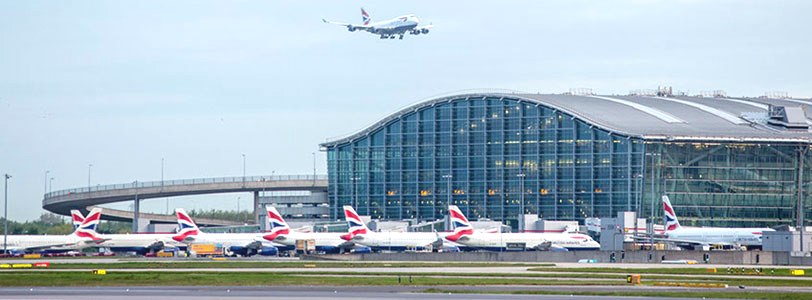
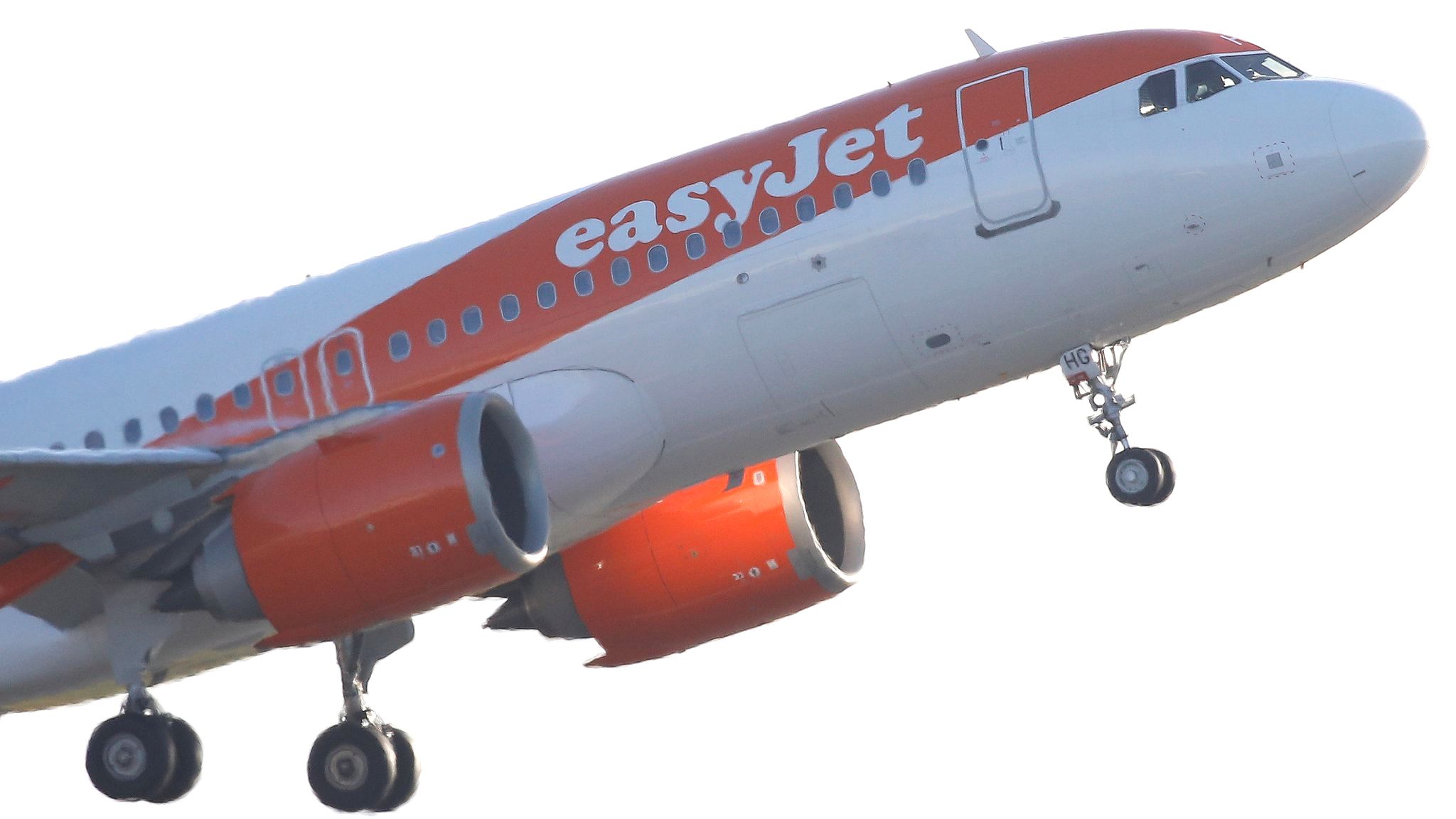
A pocos kilómetros de las salas de salidas desiertas de London/Gatwick, el centro de entrenamiento de la aerolínea low cost británica easyJet se encuentra preparándose para el regreso a los cielos, planificando la programación y entrenando a sus pilotos en sus simuladores de vuelo. British Airways tiene quince simuladores en su base de London/Heathrow, que han estado funcionando para garantizar que los pilotos hayan trabajado el número mínimo de horas para mantener las licencias. Todos los pilotos de BA y easyJet han conservado sus licencias a través de una combinación de simuladores, personal rotativo y volando los pocos vuelos comerciales y de mantenimiento que aún están en funcionamiento.
Del mismo modo, el servicio de Control de Tráfico Aéreo del Reino Unido (NATS) ha estado utilizando simuladores para recordar a su personal lo que es dirigir el tráfico pesado, después de meses de espacio aéreo silencioso. «Es fácil lidiar con poco tráfico, no necesitamos planear eso. Lo que sí tenemos que planear es si América del Norte se abriera repentinamente, cómo responderíamos a eso», dijo Juliet Kennedy, directora de operaciones de NATS.
Ryanair, conocida por su conservadurismo, estableció esta semana planes para volar el 80% de los niveles prepandémicos a partir de mediados de junio, pero también advirtió que podría reducirlo si las fronteras no se abren a tiempo. «Estas son llamadas de juicio, no soy un pronosticador. Hemos tratado de gestionar el negocio con la mejor información que tenemos», dijo el Director Ejecutivo de la aerolínea, Michael O’Leary.
El reinicio puede surgir problemas y dificultades pero es un desafío para los ejecutivos restablecer los vuelos después de un año de hibernación incluso en un escenario con rebrotes de pandemia y el Brexit en la plenitud de un vigencia.
UK Aviation Challenges
British airlines face return to the skies
European and world airlines face the next big test with the return to the skies after a year of hibernation due to the paralysis of the pandemic. After new outbreaks in Europe, the carriers seek to recondition their aircraft to to reactivate the flights. After a year in a state of suspension, the airline industry faces another major challenge as it prepares for the unprecedented logistics operation to restart mass travel once the borders are reopened.
A few kilometers from the deserted departure halls of London/Gatwick, the training center of the British low cost airline easyJet is preparing for the return to the skies, planning the programming and training its pilots in its flight simulators. British Airways has fifteen simulators at its London/Heathrow base, which have been running to ensure that pilots have worked the minimum number of hours to maintain licenses. All BA and easyJet pilots have retained their licenses through a combination of simulators, rotating staff, and flying the few commercial and maintenance flights that are still in operation.
Similarly, the UK Air Traffic Control service (NATS) has been using simulators to remind its staff what it’s like to direct heavy traffic, after months of quiet airspace. «It’s easy to deal with low traffic, we don’t need to plan for that. What we do have to plan for is if North America were to suddenly open up, how would we respond to that», said Juliet Kennedy, NATS’s chief operating officer.
Ryanair, known for its conservatism, this week set plans to blow 80% of pre-pandemic levels starting in mid-June, but also warned it could cut it if borders are not opened in time. «These are judgment calls, I am not a forecaster. We have tried to run the business with the best information we have», said the airline’s Chief Executive Officer, Michael O’Leary.
The restart can raise problems and difficulties, but it is a challenge for executives to restore flights after a year of hibernation even in a scenario with outbreaks of pandemic and Brexit in the fullness of a validity.
Volotea volará Bilbao-Gibraltar a partir de Julio 2021
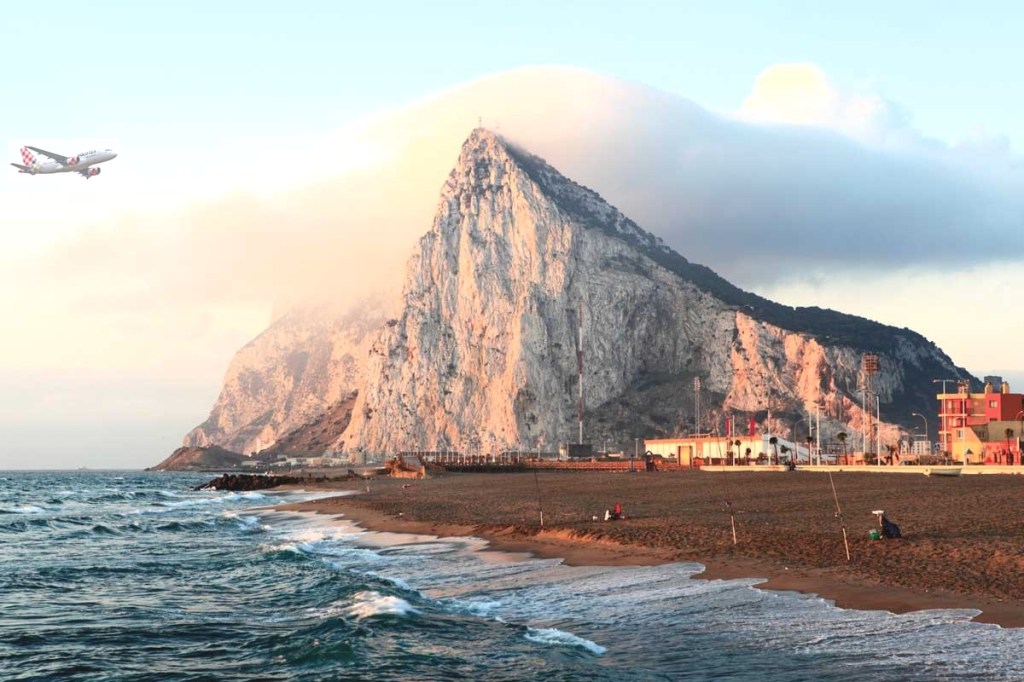
El Territorio del Ultramar Gibraltar recuperará los vínculos directos de vuelo con España después de varios años. La aerolínea española Volotea Airlines ha anunciado la ruta Bilbao-Gibraltar con dos frecuencias semanales a partir del 2 de Julio de 2021 empleando aeronaves Airbus A319 con una oferta de 8.200 asientos en el servicio programado enfocado a viajeros de negocios como a turistas.
Iberia abrió un servicio regular de Madrid a Gibraltar en 2006, después de que el Reino Unido y España alcanzaran un acuerdo sobre vuelos directos desde países de la Unión Europea. Un año más tarde, en 2007, GB Airways siguió la misma ruta. Ambos servicios fueron desprogramados; mientras se había buscado una alternativa en 2009 con la aerolínea Ándalus Líneas Aéreas solicitó la ruta que estuvo activa por seis meses. Desde entonces, no ha habido vuelos regulares entre el Peñón de Gibraltar y España.
Spain-Gibraltar link will be reestablished
Volotea will fly Bilbao-Gibraltar from July 2021
The Overseas Territory Gibraltar will regain direct flight links with Spain after several years. The Spanish airline Volotea Airlines has announced the Bilbao-Gibraltar route with two weekly frequencies from July 2, 2021 using Airbus A319 aircraft with an offer of 8,200 seats in the scheduled service focused on business travelers as well as tourists.
Iberia opened a regular service from Madrid to Gibraltar in 2006, after the United Kingdom and Spain reached an agreement on direct flights from European Union countries. A year later, in 2007, GB Airways followed the same route. Both services were deprogrammed; While an alternative had been sought in 2009 with the airline Ándalus Lineas Aereas, it requested the route that was active for six months. Since then, there have been no regular flights between the Rock of Gibraltar and Spain.
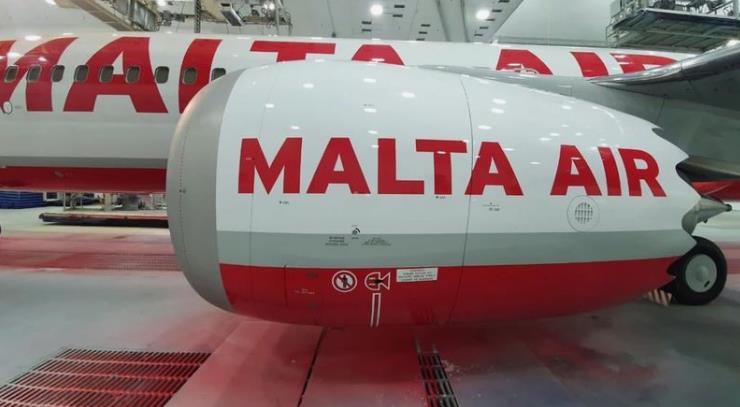
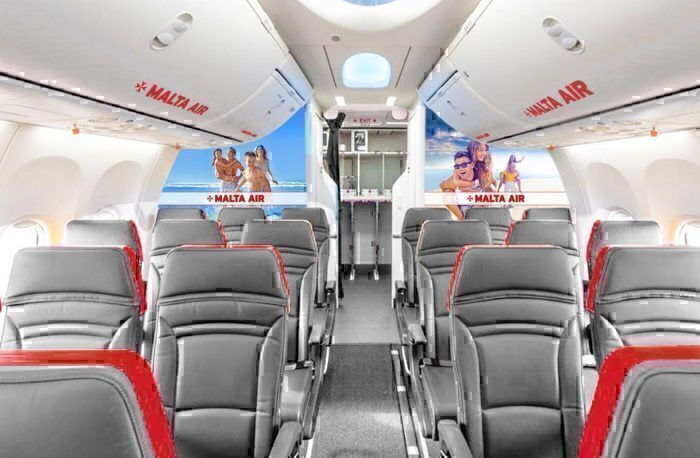
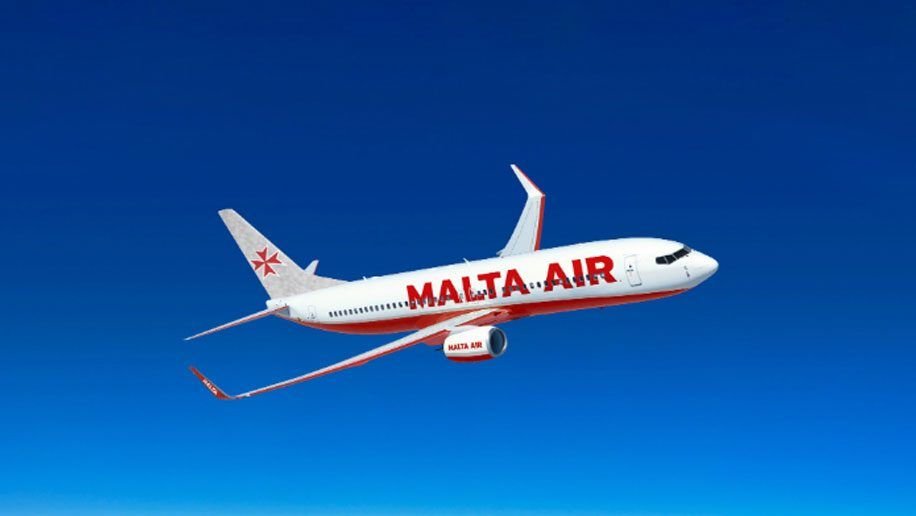
La nuevo aerolínea maltesa Malta Air [*] se encuentra estrenando identidad visual después del proceso de adquisición de parte del grupo Ryanair. La compañía aérea filial maltesa ha negociado con el Gobierno de ese país muchas de las condiciones con las que operaría bajo esa marca.
El grupo Ryanair se ha reestructurado y ha ampliado sus «brazos» además de la matriz irlandesa, operará con la marca Buzz desde Polonia, como Lauda Air desde Austria y Malta Air desde el Mediterráneo. También ha creado la marca Ryanair UK con sede en Gran Bretaña para operar desde este país teniendo presente las implicancias de la situación derivada del Brexit, para la aerolínea irlandesa Ryanair es importante para cubrir las rutas entre Irlanda del Norte y Escocia y entre Escocia y el sur de Inglaterra.
Malta Air launches livery
Maltese airline launches Ryanair visual image
The new Maltese airline Malta Air [*] is showing a new visual identity after the acquisition process by the Ryanair group. The Maltese subsidiary airline has negotiated with the Government of that country many of the conditions under which it would operate under that brand.
The Ryanair group has restructured and has expanded its «arms» in addition to the Irish parent company, it will operate under the Buzz brand from Poland, such as Lauda Air from Austria and Malta Air from the Mediterranean. It has also created the Ryanair UK brand based in Great Britain to operate from this country bearing in mind the implications of the situation arising from Brexit, for the Irish airline Ryanair it is important to cover the routes between Northern Ireland and Scotland and between Scotland and the southern England.
Malta Air tniedi livery
Il-linja tal-ajru Maltija tniedi l-immaġni viżwali tar-Ryanair
Il-linja tal-ajru l-ġdida Maltija Malta Air [*] qed turi identità viżiva ġdida wara l-proċess ta ’akkwist mill-grupp Ryanair. Il-linja tal-ajru sussidjarja Maltija nnegozjat mal-Gvern ta ’dak il-pajjiż ħafna mill-kundizzjonijiet li taħthom kienet topera taħt dik il-marka.
Il-grupp Ryanair irristruttura u espanda «l-armi» tiegħu minbarra l-kumpanija parent Irlandiża, se jopera taħt il-marka Buzz mill-Polonja, bħal Lauda Air mill-Awstrija u Malta Air mill-Mediterran. Ħoloq ukoll il-marka Ryanair tar-Renju Unit ibbażata fil-Gran Brittanja biex topera minn dan il-pajjiż billi wieħed iżomm f’moħħu l-implikazzjonijiet tas-sitwazzjoni li toħroġ mill-Brexit, għall-linja tal-ajru Irlandiża Ryanair huwa importanti li tkopri r-rotot bejn l-Irlanda ta ‘Fuq u l-Iskozja u bejn l-Iskozja in-Nofsinhar tal-Ingilterra.
[*] DATA: Malta Air es una compañía del grupo Ryanair Holdings plc. La nueva aerolínea maltesa representa una filial del grupo irlandés que nodebe confundirse con la línea aérea nacional Air Malta. Malta Air is a company of the Ryanair Holdings plc group. The new Maltese airline represents a subsidiary of the Irish group that should not be confused with the national airline Air Malta. Malta Air hija kumpanija tal-grupp Ryanair Holdings plc. Il-linja tal-ajru l-ġdida Maltija tirrappreżenta sussidjarja tal-grupp Irlandiż li m’għandhiex titħawwad mal-linja nazzjonali tal-ajru Air Malta.
W5 TV proyecta documental sobre derribo aeronaves civiles
La W5 TV encuentra más de 2 mil civiles muertos en derribos de aviones desde la Segunda Guerra Mundial. Un experto llama a los hallazgos del W5 evidencia de un grave riesgo para la seguridad. Para obtener más información sobre cómo continúan sucediendo los derribos de vuelos civiles, vea «Flight 752» el Sábado 27 de Marzo a las 07:00 p.m. ET en W5 de CTV.
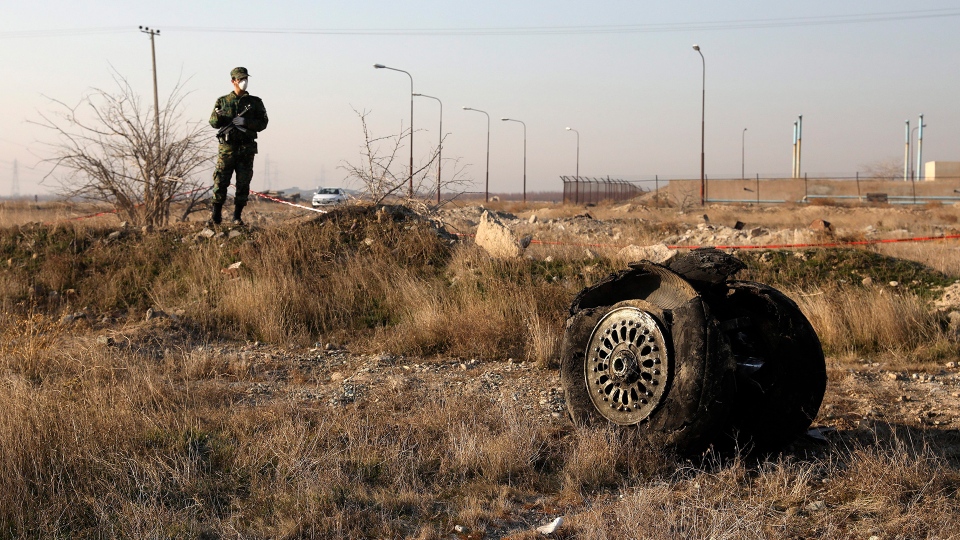
Mientras investigaba la tragedia del vuelo PS752 en el que un avión de pasajeros civil fue derribado por el ejército iraní en enero de 2020, el W5 encontró numerosos informes de derribos de aviones civiles por parte de militares y combatientes de todo el mundo. Fuimos en busca de estadísticas sobre cuántas vidas se han perdido de esta manera inimaginable. W5 se dirigió a la Organización de Aviación Civil Internacional (OACI), la agencia de las Naciones Unidas con sede en Montreal que ofrece un foro diplomático para 193 países en materia de aviación civil.
Citando un documento de 2018, la OACI ha comunicado que había tres sucesos documentados en los que la destrucción de aviones civiles se ha atribuido a ataques de misiles tierra-aire (SAM), aparte de los derribados por MANPADS, el acrónimo de sistemas portátiles de defensa aérea. «Dos de los acontecimientos conocidos ocurrieron durante períodos de conflicto militar o alta tensión; el tercero parece haber ocurrido durante un ejercicio de entrenamiento militar», dijo la OACI refiriéndose al vuelo 655 (1988) de Iran Air, vuelo 1812 (2001) de Siberia Airlines, vuelo 17 (2014) de Malaysia Airlines. Eso fue, por supuesto, antes de que la tragedia golpeara el vuelo PS752 de Ukraine International Airlines. La OACI nos dijo que «los ataques con misiles tierra-aire contra aviones civiles son extremadamente raros» y que «no se han identificado casos documentados de un ataque intencional de SAM contra un avión civil hasta la fecha».
W5 también preguntó a la Asociación Internacional de Transporte Aéreo (IATA),la asociación comercial más grande de la industria (también con sede en Montreal), pero encontró que ni siquiera cuentan derribos como PS752, el vuelo ucraniano derribado en Irán y el MH17, el avión civil malasio que fue derribado en Ucrania en 2014. «PS752 no está incluido en la lista de accidentes de aviación de la IATA ni en nuestras estadísticas de seguridad, porque no lo clasificamos como un ‘accidente’ dado que fue un acto deliberado. Del mismo modo, no clasificamos la destrucción del MH17 por un misil tierra-aire como un accidente, ya que esto también fue un acto deliberado», dijo la IATA a W5 en un correo electrónico. Por lo tanto, aunque la OACI no considera que el MH17 sea «intencional», la IATA sostiene que fue un «acto deliberado».
Esta desconexión llevó a W5 a mirar más allá de la OACI y la IATA, y encontramos la Aviation Safety Network (ASN),un servicio gratuito de la ONG Flight Safety Foundation,con sede en Virginia. ASN tiene una base de datos de 23.400 accidentes y secuestros que involucran aviones de pasajeros, aviones corporativos y aviones de transporte militar que se remontan a 1919. Incluye 729 vuelos que han sido derribados desde tierra y desde el aire desde 1936. Queríamos averiguar cuántos de ellos eran vuelos civiles. Creamos esta base de datos y separamos manualmente los derribos civiles de los militares (este último grupo representa a la mayoría). Incidentes como la tragedia de «Buffalo Nine»de 1974, cuando nueve soldados de paz canadienses en una misión humanitaria de la ONU fueron expulsados del cielo por las fuerzas armadas sirias, fueron excluidos de nuestro recuento final porque el vuelo era, técnicamente hablando, de naturaleza militar. Actualmente, los canadienses honran la memoria de los Buffalo Nine y de todas las fuerzas de paz caídas cada 9 de Agosto, fecha del derribo, designada como Día Nacional de las Fuerzas de Paz en 2008.
Contamos cada derribo, incluidos los de sams, manpads, cañones, disparos, así como misiles y balas disparados desde otros aviones, porque todas estas tragedias resultaron de que alguien apuntara y disparara un arma contra un vuelo civil (incluyendo pasajeros, carga, ambulancia, reconocimiento, transbordadores y vuelos oficiales estatales) y personas que morían como resultado. Por lo tanto, nuestro recuento incluye el derribo por parte del ejército etíope de un vuelo de carga humanitaria de African Express Airways que mató a cinco personas menos de cinco meses después del vuelo PS752. La lista también incluye el derribo en 1994 de un vuelo del gobierno ruandés que se cobró la vida de 12 personas, incluidos los de los presidentes de Ruanda y Burundi. Ese derribo desencadenó el asesinato de cientos de miles de personas en el genocidio ruandés.
Por último, comprobamos los derribos de ASN con otra base de datos en línea: la Oficina de Archivos de Accidentes de Aeronaves en Ginebra, y encontramos todos menos dos de nuestros derribos en ambas bases de datos. Al final, identificamos 50 derribos de vuelos civiles que se han cobrado la vida de 2.127 personas desde el final de la Segunda Guerra Mundial.
W5 preguntó a la OACI, la agencia especializada de las Naciones Unidas para la aviación civil, sobre el número de muertes que encontró nuestra investigación. La OACI proporcionó la siguiente declaración: «La responsabilidad de los millones de muertes civiles que ocurrieron debido a un conflicto militar en este período recae directamente en aquellos que continúan provocando y participando en actos violentos como medio para resolver sus disputas. El propósito y los objetivos de la aviación civil en cambio son fomentar la paz internacional y el intercambio cultural, y nuestra comunidad no es más responsable de las muertes accidentales y trágicas de los viajeros aéreos debido a conflictos errantes que los agentes de policía son responsables de los crímenes que investigan. La aviación es la forma más segura de transporte por muchas razones, y los involucrados en ella continúan tomando fuertes medidas sobre las zonas de conflicto y llevando a cabo todas las acciones disponibles para tratar de mitigar los riesgos para los pasajeros civiles de las amenazas militares. Esto tal vez explique en parte por qué la cifra que citó, aunque aparece inflada a primera vista, todavía representa muy por debajo de una décima parte del uno por ciento de todos los civiles inocentes muertos por acciones militares durante el período de tiempo indicado. Mientras el conflicto y la guerra sigan siendo realidades de la condición humana, y la planificación y los objetivos violentos de los actores militares sigan siendo inherentemente secretos en la naturaleza, seguirán persistiendo los riesgos relacionados con civiles inocentes, ya sea en tierra, en el aire o en el mar. El sector del transporte aéreo seguirá trabajando para que esos riesgos sean lo más bajos posible para los viajeros aéreos, pero sólo la paz mundial los eliminará en última instancia».
La Red de Seguridad Aérea (ASN), dirigida por ONG, fue más definitiva en su evaluación de nuestros números. «Es una cantidad sorprendentemente alta de derribos. Muestra que se trata de un grave riesgo para la seguridad aérea que todavía necesita toda nuestra atención, especialmente teniendo en cuenta los recientes derribos», escribió Harro Ranter, CEO de ASN, después de que W5 compartiera estos hallazgos con él, similar al número de Boeing 747 perdidos en accidentes.
Civil aircraft shootdowns
W5 TV shows documentary about the demolition of civil aircraft
W5 TV finds more than 2,000 civilians killed in airplane shootdowns since World War II. One expert calls the W5 findings evidence of a serious security risk. For more information on how the civil flight shootdowns continue to happen, watch «Flight 752» on Saturday, March 27 at 07:00 PM. ET on CTV’s W5.
While investigating the tragedy of flight PS752 in which a civilian airliner was shot down by the Iranian military in January 2020, W5 found numerous reports of civilian aircraft shoot down by military and fighters from around the world. We went looking for statistics on how many lives have been lost in this unimaginable way. W5 approached the International Civil Aviation Organization (ICAO), the Montreal-based United Nations agency that provides a diplomatic forum for 193 countries on civil aviation.
Citing a 2018 document, ICAO has reported that there were three documented occurrences in which the destruction of civilian aircraft has been attributed to surface-to-air missile (SAM) attacks, apart from those shot down by MANPADS, the acronym for Portable Aircraft Systems. air defense. «Two of the known events occurred during periods of military conflict or high tension; the third appears to have occurred during a military training exercise,» ICAO said referring to Iran Air Flight 655 (1988), Siberia Flight 1812 (2001). Airlines, Malaysia Airlines Flight 17 (2014). That was, of course, before the tragedy struck Ukraine International Airlines flight PS752. ICAO told us that «surface-to-air missile attacks against civilian aircraft are extremely rare» and that «no documented cases of an intentional SAM attack against a civilian aircraft have been identified to date».
W5 also asked the International Air Transport Association (IATA), the largest trade association in the industry (also based in Montreal), but found that they don’t even count downings like PS752, the Ukrainian flight shot down in Iran and the MH17, the Malaysian civilian plane that was shot down in Ukraine in 2014. «PS752 is not included in the IATA aviation accident list or in our safety statistics, because we do not classify it as an ‘accident’ as it was a deliberate act. Similarly, we did not classify the destruction of the MH17 by a surface-to-air missile as an accident, as this was also a deliberate act», IATA told W5 in an email. Therefore, although ICAO does not consider MH17 to be «intentional», IATA maintains that it was a «deliberate act».
This disconnect led W5 to look beyond ICAO and IATA, and we found the Aviation Safety Network (ASN), a free service of the Virginia-based NGO Flight Safety Foundation. ASN has a database of 23,400 accidents and hijackings involving passenger jets, corporate jets, and military transport jets dating back to 1919. It includes 729 flights that have been shot down from the ground and from the air since 1936. We wanted to find out how many of they were civil flights. We created this database and manually separated the civilian takedowns from the military (the latter group represents the majority). Incidents like the 1974 «Buffalo Nine» tragedy, when nine Canadian peacekeepers on a UN humanitarian mission were kicked out of the sky by Syrian armed forces, were excluded from our final tally because the flight was, technically speaking, of military nature. Today, Canadians honor the memory of the Buffalo Nine and all fallen peacekeepers every August 9, the date of the shootdown, designated as National Peacekeepers Day in 2008.
We count every takedown, including those of sams, manpads, cannons, shots, as well as missiles and bullets fired from other aircraft, because all of these tragedies resulted from someone pointing and firing a weapon at a civilian flight (including passengers, cargo, ambulance, reconnaissance, ferries and official state flights) and people who died as a result. Thus, our count includes the shooting down by the Ethiopian military of an African Express Airways humanitarian cargo flight that killed five people less than five months after flight PS752. The list also includes the 1994 downing of a Rwandan government flight that claimed the lives of 12 people, including those of the presidents of Rwanda and Burundi. That demolition triggered the murder of hundreds of thousands of people in the Rwandan genocide.
Finally, we checked the ASN takedowns against another online database the Aircraft Accident Archives Office in Geneva – and found all but two of our takedowns in both databases. In the end, we identified 50 civilian flight kills that have claimed the lives of 2,127 people since the end of World War II.
W5 asked ICAO, the United Nations specialized agency for civil aviation, about the number of deaths our investigation found. ICAO provided the following statement: «The responsibility for the millions of civilian deaths that occurred due to a military conflict in this period falls squarely on those who continue to provoke and participate in violent acts as a means of resolving their disputes. The purpose and objectives Civil aviation instead is to promote international peace and cultural exchange, and our community is no more responsible for the accidental and tragic deaths of air travelers due to wandering conflicts than police officers are responsible for the crimes they investigate. Aviation is the safest form of transportation for many reasons, and those involved in it continue to take strong measures over conflict zones and take all available actions to try to mitigate the risks to civilian passengers from military threats. This may partly explain why the figure you cited, although inflated to At first glance, it still accounts for well under one-tenth of one percent of all innocent civilians killed by military action during the indicated time period. As long as conflict and war remain realities of the human condition, and the planning and violent goals of military actors remain inherently secret in nature, risks related to innocent civilians will continue to persist, whether on the ground or in the air. or at sea. The air transport sector will continue to work to keep those risks as low as possible for air travelers, but only world peace will ultimately eliminate them».
The NGO-led Air Safety Network (ASN) was more definitive in its assessment of our numbers. «This is a surprisingly high amount of shootdowns. It shows that this is a serious aviation safety risk that still needs our full attention, especially given the recent shootdowns», wrote Harro Ranter, CEO of ASN, after W5 shared these finds with him, similar to the number of Boeing 747s lost in accidents.
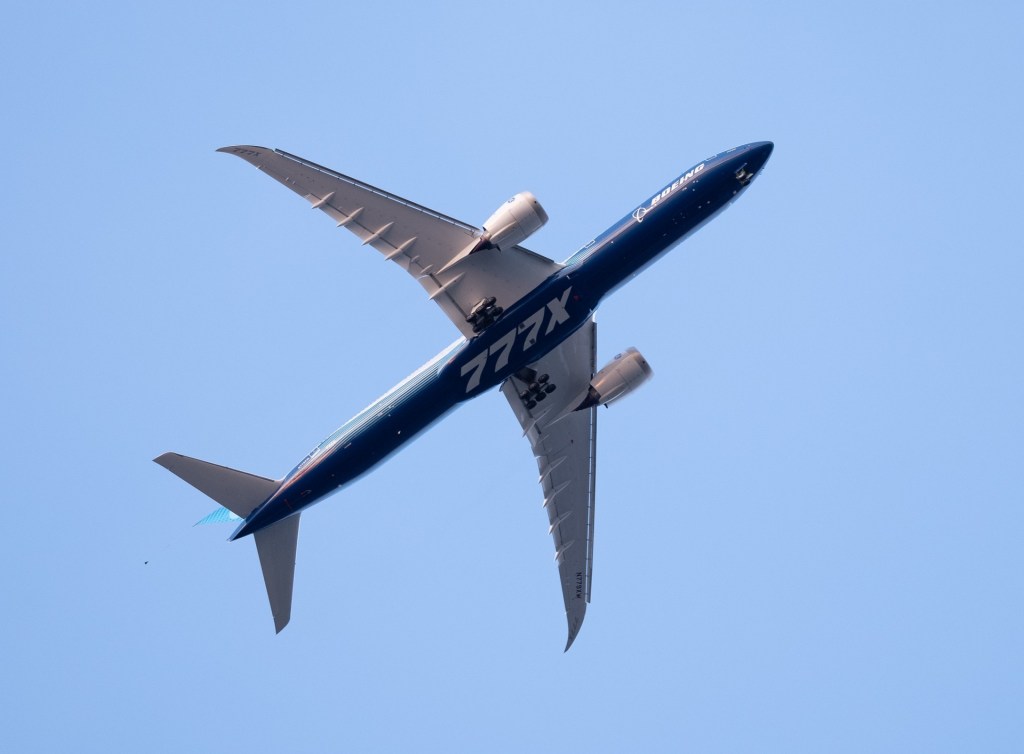
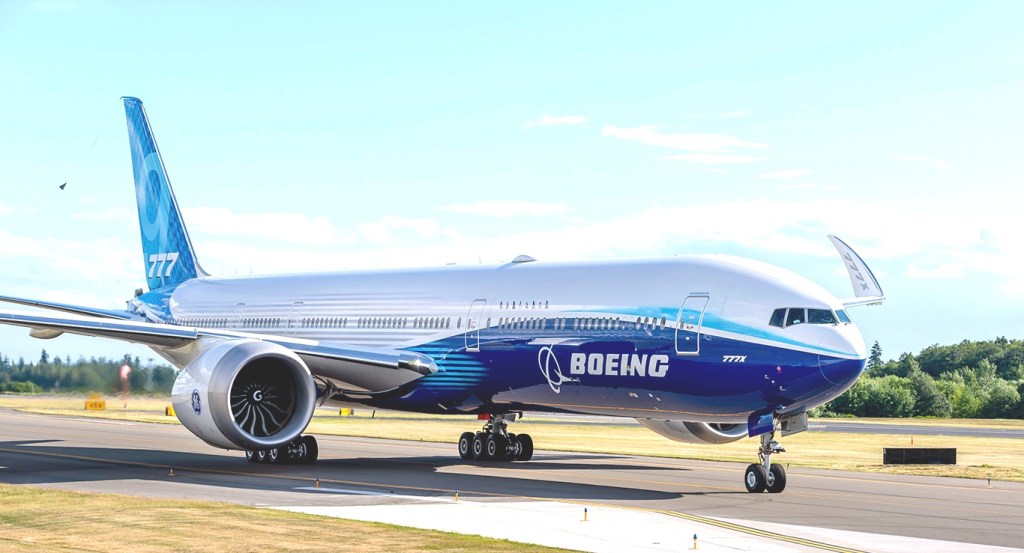
GKN Aerospace ha firmado un nuevo acuerdo multianal con The Boeing Company para proporcionar Sistemas de Interconexión de Cableado Eléctrico (EWIS) para la familia de aviones Boeing 777X. Con este acuerdo, el fabricante amplía su cartera de productos EWIS de Boeing. La producción en virtud del contrato comenzará en 2024. La entrega de los sistemas se llevará a cabo desde varios lugares de la compañía, incluyendo Langfang, China, así como la instalación de cableado avanzado en Pune, India. La compañía ha estado suministrando EWIS a múltiples plataformas de aviones Boeing durante más de dos décadas.
El Presidente de los Fuselajes Civiles de GKN Aerospace, John Pritchard, dijo: «GKN Aerospace está muy orgulloso de haber estado produciendo EWIS para aviones Boeing durante muchos años. Este nuevo contrato demuestra nuestro compromiso continuo con la calidad, la entrega a tiempo y el enfoque del cliente, y es una adición significativa a nuestra amplia cartera. Este éxito se basa en nuestra asociación a lo largo de los años y estamos encantados de fortalecer y ampliar nuestra relación comercial con Boeing Commercial Airplanes».
GKN Aerospace tiene 15.000 empleados en 48 ubicaciones de fabricación en 14 países de todo el mundo. En Febrero de 2020, GKN Fokker Elmo recibió un contrato para suministrar EWIS para la nueva familia Boeing 777X. La compañía inició la producción de 777X EWIS a finales del primer trimestre de 2020 para ser entregada desde varios lugares, incluyendo China, los Países Bajos e India.
GNK supplied EWIS to 777X
777X Taxi Test
GKN Aerospace to supply EWIS for Boeing 777X
GKN Aerospace has signed a new multi-year agreement with The Boeing Company to provide Electrical Wiring Interconnection Systems (EWIS) for the Boeing 777X family of aircraft. With this agreement, the manufacturer expands its Boeing EWIS product portfolio. Production under the contract will begin in 2024. Delivery of the systems will take place from various company locations, including Langfang, China, as well as the installation of advanced cabling in Pune, India. The company has been supplying EWIS to multiple Boeing aircraft platforms for more than two decades.
GKN Aerospace President of Civil Airframes John Pritchard said: «GKN Aerospace is very proud to have been producing EWIS for Boeing aircraft for many years. This new contract demonstrates our continued commitment to quality, on-time delivery and customer focus, and is a significant addition to our broad portfolio. This success builds on our partnership over the years and we are delighted to strengthen and expand our business relationship with Boeing Commercial Airplanes».
GKN Aerospace has 15,000 employees at 48 manufacturing locations in 14 countries around the world. In February 2020, GKN Fokker Elmo received a contract to supply EWIS for the new Boeing 777X family. The company started production of the 777X EWIS at the end of the first quarter of 2020 to be delivered from various locations, including China, the Netherlands and India.
Aerolínea amplía flota de la línea de la familia A320NEO
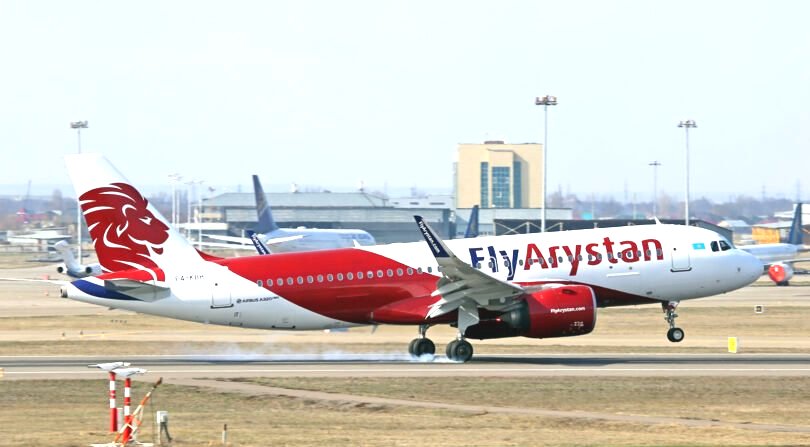
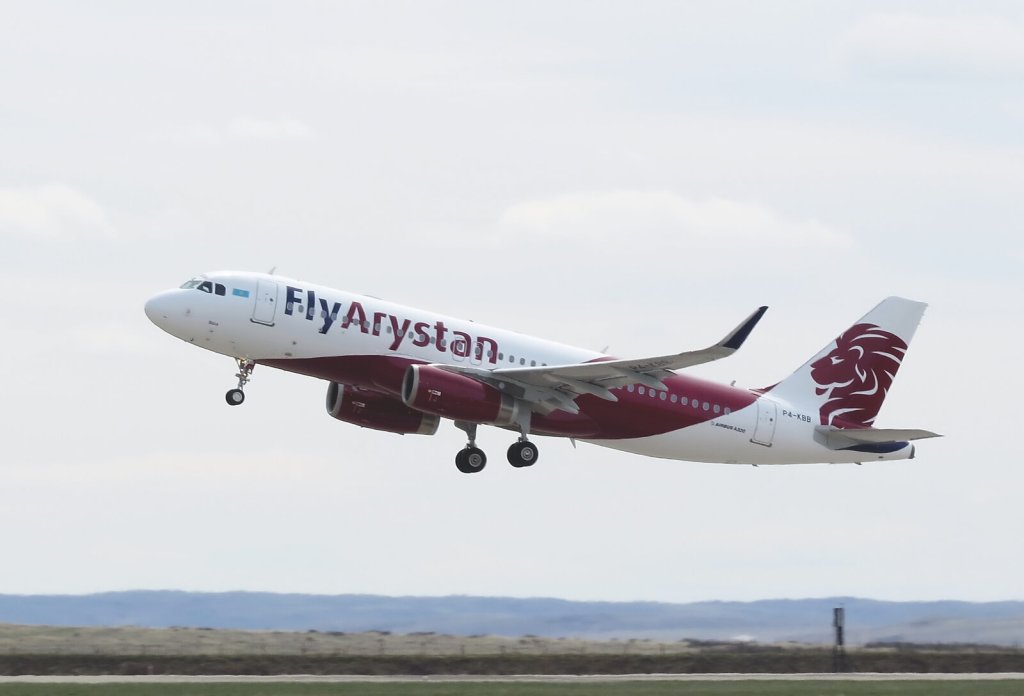
FlyArystan ha recibido dos Airbus A320NEO adicionales, con la flota ampliada de nueve aviones con una edad media de siete años. Toda la flota de aviones están configurados con 180 asientos de clase económica. La capacidad adicional de los aviones se utilizará para aumentar los vuelos a 65 por día a través de la red nacional en Kazajistán y el servicio internacional recientemente lanzado entre Turkistán y Estambul. El 21 de Marzo de 2021, la aerolínea comenzó a volar de Atyrau a Turkestán, así como de Turkestán a Estambul.
FlyArystan es una aerolínea de bajo costo con sede en Almaty, República de Kazajistán que ha iniciado operaciones en Mayo 2019. Es la filial de bajo coste de Air Astana, la aerolínea líder del país.
La flota de la única aerolínea kazaja de bajo coste FlyArystan fue reabastecida con dos aviones Airbus A320, uno de ellos A320NEO. Así, la flota de unidades de baja tarifa de la aerolínea nacional Air Astana ha crecido a nueve aviones A320. Esto aumentará la capacidad de la aerolínea a partir de finales de Marzo 2021 y operará hasta 65 vuelos diarios. Los aviones recién llegados, al igual que los anteriores aviones de bajo costo, están fabricados en el diseño de 180 asientos de clase turista. El A320CEO, de 4 años de antigüedad, número de matrícula P4-KBH (MSN 7124), está equipado con motores PW1127G y se convirtió en el más joven en el parque de descuentos. El A320-200, P4-KBN (MSN 6343), de seis años, está propulsado por motores IAE V2527-A5 y anteriormente era operado por la India Vistara. «La edad media de la flota es de unos siete años. Todos los asientos están reconfigurados por la firma Recaro Slim. Todo esto permitirá a nuestros pasajeros disfrutar de vuelos cómodos tanto a nivel nacional como en vuelos internacionales de bajo costo», dijo Andrei Ushakov, Director de Ingeniería y Mantenimiento de FlyArystan.
Perspectivas FlyArystan
La compañía tiene ambiciosos planes para 2021 para continuar la expansión, aumentar la flota a diez aviones y lanzar al menos catorce nuevas rutas, permitiendo sus bajos precios debería conducir a una duplicación del tráfico de pasajeros a más de 3 millones.
FlyArystan expands A320NEO fleet
Airline expands fleet of A320NEO family line
FlyArystan has received two additional Airbus A320NEOs, with the expanded fleet of nine aircraft with an average age of seven years. The entire fleet of aircraft are configured with 180 economy class seats. The additional capacity of the aircraft will be used to increase flights to 65 per day through the national network in Kazakhstan and the recently launched international service between Turkistan and Istanbul. On March 21, 2021, the airline began flying from Atyrau to Turkestan, as well as from Turkestan to Istanbul.
FlyArystan is a low-cost airline based in Almaty, Republic of Kazakhstan that started operations in May 2019. It is the low-cost subsidiary of Air Astana, the country’s leading airline.
The fleet of the only Kazakh low-cost airline FlyArystan was refueled with two Airbus A320 aircraft, one of them A320NEO. Thus, the fleet of low-fare units of the national airline Air Astana has grown to nine A320 aircraft. This will increase the airline’s capacity from the end of March 2021 and it will operate up to 65 daily flights. The newly arrived aircraft, like previous low-cost aircraft, are built in the 180-seat economy-class layout. The 4-year-old A320CEO, registration number P4-KBH (MSN 7124), is equipped with PW1127G engines and became the youngest in the discount fleet. The six-year-old A320-200, P4-KBN (MSN 6343), is powered by IAE V2527-A5 engines and was previously operated by India Vistara. «The average age of the fleet is about seven years. All seats are reconfigured by Recaro Slim. All this will allow our passengers to enjoy comfortable flights both domestically and on low-cost international flights», said Andrei Ushakov. , Director of Engineering and Maintenance of FlyArystan.
FlyArystan Perspectives
The company has ambitious plans for 2021 to continue expansion, increase the fleet to ten aircraft and launch at least fourteen new routes, allowing its low prices should lead to a doubling of passenger traffic to more than 3 million.
FlyArystan қосымша екі Airbus A320NEO ұшағын алды, оның құрамы орташа жеті жасар тоғыз ұшақтан тұрады. Барлық ұшақтар паркі эконом-класстағы 180 орындықпен жабдықталған. Ұшақтың қосымша сыйымдылығы Қазақстандағы ұлттық желі және Түркістан мен Стамбул арасындағы жақында ғана іске қосылған халықаралық байланыс арқылы тәулігіне 65 рейсті ұлғайтуға жұмсалады. 2021 жылы 21 наурызда авиакомпания Атыраудан Түркістанға, сонымен қатар Түркістаннан Стамбулға ұшуды бастады.
FlyArystan өз қызметін 2019 жылдың мамырында бастаған Қазақстан Республикасының Алматы қаласында орналасқан арзан авиакомпания. Бұл елдің жетекші әуекомпаниясы «Эйр Астана» компаниясының арзан еншілес компаниясы.
Қазақстандық жалғыз арзан FlyArystan авиакомпаниясының паркіне екі Airbus A320 ұшағы құйылды, оның бірі A320NEO. Осылайша, «Эйр Астана» ұлттық авиакомпаниясының тарифтері төмен бөлімшелер паркі тоғыз А320 ұшағына дейін өсті. Бұл авиакомпанияның сыйымдылығын 2021 жылдың наурыз айының соңынан бастап арттырады және 65 күнделікті рейстерге дейін қызмет етеді. Жаңадан келген ұшақтар бұрынғы арзан авиакомпаниялар сияқты 180 орынды эконом-класс макетінде жасалған. 4 жастағы A320CEO, мемлекеттік нөмірі P4-KBH (MSN 7124), PW1127G қозғалтқыштарымен жабдықталған және дисконттық парктегі ең жас болды. Алты жастағы A320-200, P4-KBN (MSN 6343), IAE V2527-A5 қозғалтқыштарымен жұмыс істейді және оны бұрын Индия Вистара басқарған. «Флоттың орташа жасы шамамен жеті жылды құрайды. Барлық орындарды Recaro Slim қайта жасайды. Мұның бәрі біздің жолаушыларға ішкі рейстерде және арзан халықаралық рейстерде жайлы рейстерден ләззат алуға мүмкіндік береді», деді Андрей Ушаков. FlyArystan техникалық қызмет көрсету.
FlyArystan
Компанияның 2021 жылға кеңейтуді жалғастыру, әуе паркін он ұшаққа дейін ұлғайту және кем дегенде он төрт жаңа бағытты іске қосу бойынша ауқымды жоспарлары бар, оның төмен бағаларына жолаушылар ағыны 3 миллионнан асып кетуі мүмкін.
Airbus Group ha lanzado una aplicación complementaria de viaje llamada «Tripset». La aplicación agrega y proporciona información de vuelo y viaje para aliviar y restaurar la confianza del pasajero en su viaje de extremo a extremo cuando viaja por aire durante la pandemia COVID-19. Tripset permite informar a los pasajeros con las últimas y más relevantes condiciones de viaje, restricciones y requisitos de salud establecidos, sin tener que consultar una variedad de fuentes.
La evolución continua de las restricciones de viaje en todo el mundo puede hacer que el viaje del pasajero sea un desafío. Por lo tanto, basándose en su galardonada arquitectura y experiencia de aplicaciones iflyA380, Airbus está introduciendo una aplicación complementaria de viaje para proporcionar al público en vuelo información actualizada en tiempo real con el fin de garantizar un viaje saludable, seguro y suave de extremo a extremo.
Con dos interfaces, que permiten a los pasajeros conocer tanto los vuelos disponibles actualmente como los destinos a los que pueden volar, Tripset es agnóstico para aeropuertos, aviones y aerolíneas. Una vez que se ha comprado un billete, la aplicación también proporciona a los pasajeros información sobre qué esperar en sus destinos de salida y llegada.
Airbus launches Tripset
Application to facilitate passenger travel
Airbus Group has launched a travel companion app called «Tripset». The app aggregates and provides flight and travel information to ease and restore passenger confidence in their end-to-end journey when traveling by air during the COVID-19 pandemic. Tripset allows passengers to be informed of the latest and most relevant travel conditions, restrictions and established health requirements, without having to consult a variety of sources.
The continuous evolution of travel restrictions around the world can make passenger travel challenging. Therefore, building on its award-winning iflyA380 application architecture and experience, Airbus is introducing a travel companion application to provide the public in flight with up-to-date information in real time to ensure a healthy, safe and smooth end-to-end journey.
With two interfaces, allowing passengers to know both the currently available flights and the destinations they can fly to, Tripset is agnostic for airports, planes and airlines. Once a ticket has been purchased, the app also provides passengers with information on what to expect at their departure and arrival destinations.
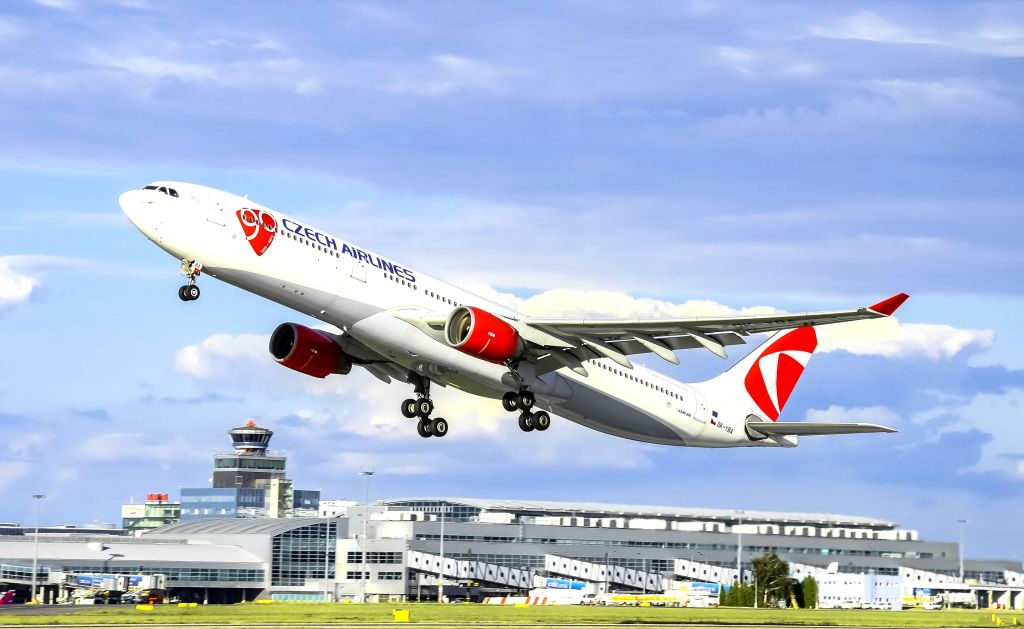
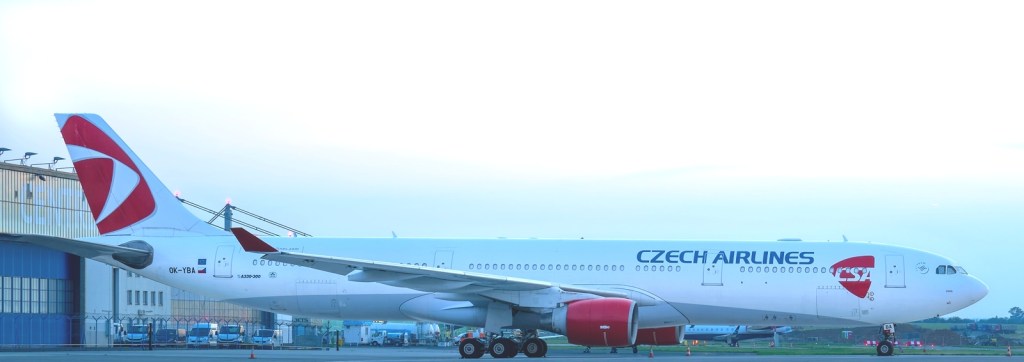
Czech Airlines (ČSA) está reanudando vuelos a cinco destinos europeos y aumentando el número de vuelos que operan actualmente. Después de la bancarrota anunciada hace unas semanas atrás, la reanudación de las operaciones comerciales se basa en el desarrollo de la situación epidemiológica en cada país y en los cambios en las restricciones de viaje.
ČSA, miembro del grupo Smartwings, está reanudando cinco conexiones que fueron suspendidas previamente debido a la situación epidemiológica desfavorable. Czech Airlines tiene previsto reanudar los vuelos a cinco destinos europeos en las próximas semanas a París, Estocolmo, Kiev y Moscú, y planea aumentar la frecuencia de vuelos a estos destinos durante la primavera. A partir del 02/04, las conexiones con Odessa en Ucrania comenzarán de nuevo, con vuelos dos veces por semana (2Frq/S). A partir del 16/04, los vuelos a Ámsterdam y Copenhague partirán todos los días, y a Keflavík en Islandia cuatro veces a la semana (4Frq/S). A partir del 12/06, la conexión con Malta se reanudará, saliendo una vez por semana (1Frq/S). La regularidad de los vuelos actualmente operativos se incrementará durante los meses de primavera, incluidos los de París (diario), Estocolmo (tres veces a la semana), Kiev (todos los días) y Moscú (tres veces a la semana).
Debido a la desfavorable situación epidemiológica en Europa y al desarrollo impredecible de las restricciones de viaje, ČSA ha ampliado la posibilidad de cambiar la fecha de los billetes de forma gratuita hasta el 30 de Junio de 2021, siempre y cuando la nueva fecha seleccionada sea a más tardar el 31 de marzo de 2022.
ČSA aplicará estrictas normas higiénicas para garantizar la máxima seguridad de los pasajeros. Cada pasajero debe presentar una confirmación por escrito de una prueba negativa de antígeno o PCR para coronavirus antes de abordar, de lo contrario no se le permitirá abordar la aeronave. Durante el vuelo, los pasajeros deberán usar protección bucal y nasal.
Como resultado del estado de emergencia y la introducción de medidas extraordinarias para reducir la propagación del Coronavirus, ČSA registró una pérdida de Kč 1.570 millones de Coronas Checas en 2020, y actualmente está en bancarrota con deudas de Kč 1.800 millones. A finales de Febrero 2021, la empresa presentó una petición ante el Tribunal Municipal de Praga para su reorganización en virtud de la Ley Concursal con el objetivo de rescatar a la empresa.
Czech restores operations
Czech Airlines to resume flights in Europe
Czech Airlines (ČSA) is resuming flights to five European destinations and increasing the number of flights currently operating. After the bankruptcy announced a few weeks ago, the resumption of commercial operations is based on the development of the epidemiological situation in each country and on changes in travel restrictions.
ČSA, a member of the Smartwings group, is resuming five connections that were previously suspended due to the unfavorable epidemiological situation. Czech Airlines plans to resume flights to five European destinations in the coming weeks to Paris, Stockholm, Kiev and Moscow, and plans to increase the frequency of flights to these destinations during the spring. From 02/04, connections with Odessa in Ukraine will start again, with flights twice a week (2Frq/S). From 04/16, flights to Amsterdam and Copenhagen will depart every day, and to Keflavík in Iceland four times a week (4Frq/S). As of 06/12, the connection with Malta will resume, leaving once a week (1Frq/S). The regularity of the flights currently operating will increase during the spring months, including those from Paris (daily), Stockholm (three times a week), Kiev (every day) and Moscow (three times a week).
Due to the unfavorable epidemiological situation in Europe and the unpredictable development of travel restrictions, ČSA has extended the possibility to change the date of tickets free of charge until June 30, 2021, as long as the new date selected is to no later than March 31, 2022.
ČSA will apply strict hygiene standards to ensure maximum passenger safety. Each passenger must present a written confirmation of a negative antigen or PCR test for coronavirus before boarding, otherwise they will not be allowed to board the aircraft. During the flight, passengers must wear mouth and nose protection.
As a result of the state of emergency and the introduction of extraordinary measures to reduce the spread of the Coronavirus, ČSA recorded a loss of Kč 1.57 billion CZK in 2020, and is currently bankrupt with debts of Kč 1.8 billion. At the end of February 2021, the company filed a petition with the Prague Municipal Court for its reorganization under the Bankruptcy Law with the aim of bailing out the company.
Czech obnovuje provoz
České aerolinie obnoví lety v Evropě
České Aerolinie (ČSA) obnovují lety do pěti evropských destinací a zvyšují počet aktuálně provozovaných letů. Poté, co byl před několika týdny oznámen bankrot, je obnovení komerčního provozu založeno na vývoji epidemiologické situace v každé zemi a na změnách cestovních omezení.
ČSA, člen skupiny Smartwings, obnovuje pět připojení, která byla dříve pozastavena kvůli nepříznivé epidemiologické situaci. České aerolinie plánují v následujících týdnech obnovit lety do pěti evropských destinací do Paříže, Stockholmu, Kyjeva a Moskvy a na jaře plánují zvýšit frekvenci letů do těchto destinací. Od 2. dubna bude znovu zahájeno spojení s ukrajinskou Oděsou s lety dvakrát týdně (2Frq/S). Od 04/16 budou lety do Amsterdamu a Kodaně odlétávat každý den a do Keflavíku na Islandu čtyřikrát týdně (4Frq/S). Od 06/12 bude spojení s Maltou obnoveno a zůstane jednou týdně (1Frq/S). Pravidelnost aktuálně provozovaných letů se během jarních měsíců zvýší, včetně letů z Paříže (denně), Stockholmu (třikrát týdně), Kyjeva (každý den) a Moskvy (třikrát týdně).
Vzhledem k nepříznivé epidemiologické situaci v Evropě a nepředvídatelnému vývoji cestovních omezení rozšířila ČSA možnost bezplatně měnit datum jízdenek do 30. června 2021, pokud je nový zvolený termín nejpozději do 31. března 2022.
ČSA budou dodržovat přísné hygienické normy k zajištění maximální bezpečnosti cestujících. Každý cestující musí před nástupem do letadla předložit písemné potvrzení negativního antigenu nebo testu PCR na koronaviry, jinak mu nebude umožněno nastoupit do letadla. Během letu musí cestující nosit ochranu úst a nosu.
V důsledku stavu nouze a zavedení mimořádných opatření ke snížení šíření koronaviru zaznamenala ČSA v roce 2020 ztrátu 1,57 miliardy Kč, v současné době je v bankrotu s dluhy 1,8 miliardy Kč. Na konci února 2021 společnost podala u Městského soudu v Praze návrh na její reorganizaci podle zákona o bankrotu s cílem zachránit společnost.
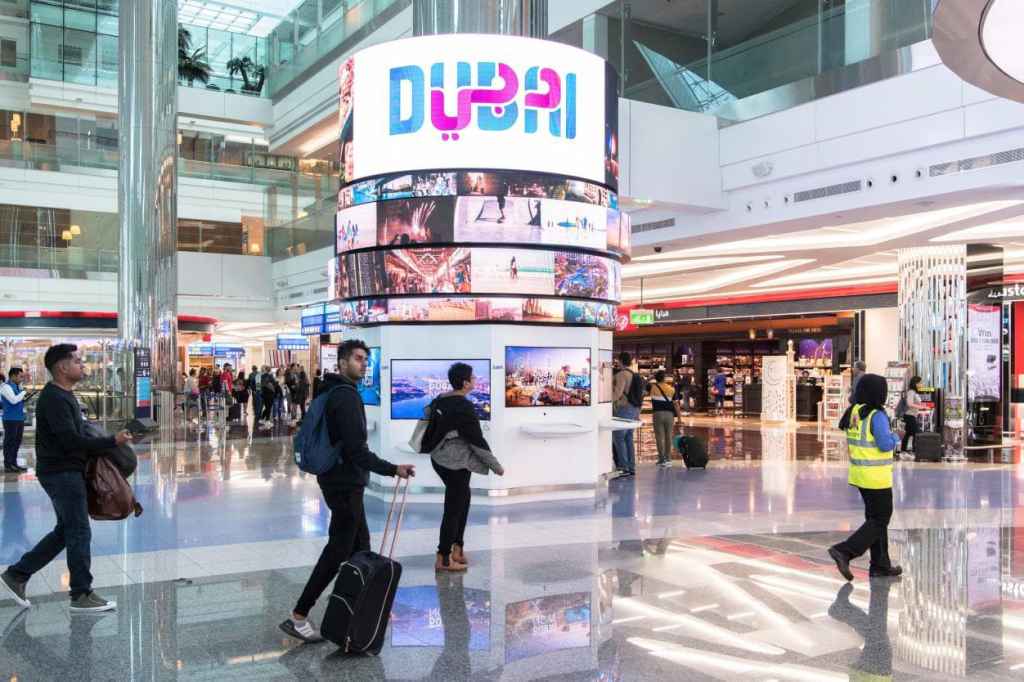
Los pasajeros que viajen a través del Aeropuerto Internacional Dubai/DXB ahora tendrán acceso gratuito a una extensa colección de sus publicaciones favoritas en línea como parte de la oferta del aeropuerto para volverse más sin contacto y sin papeles, convirtiéndolo en el primer aeropuerto de lectura inteligente del mundo. Una experiencia digital totalmente sin contacto y sin papel , que utiliza tecnología de satélites de geo-cercado. La asociación del aeropuerto con Magzter permite a los clientes que viajan a través de DXB descargar los últimos números de publicaciones de renombre mundial en sus propios dispositivos, para leer en el aeropuerto y a bordo de sus vuelos.
La enorme operación logística de distribución de la vacuna COVID-19 significa que una población vacunada mundial está muy lejos. Por lo tanto, las pruebas rápidas son el remedio temporal a las cuarentenas de dos semanas que ha perjudicado tanto la recuperación de la industria. Pero existen desafíos en la ampliación de las instalaciones de pruebas rápidas en los aeropuertos y su implementación donde hay espacio y recursos limitados disponibles. En esta sesión escuchamos a los principales aeropuertos sobre cómo están gestionando sus operaciones de pruebas covid-19 y cómo planean satisfacer la demanda de viajes una vez que se reanude la conectividad aérea.
Eugene Barry, Vicepresidente Ejecutivo Comercial del Aeropuerto de Dubai ha expresado: «Estamos encantados de asociarnos con Magzter para ofrecer otra experiencia digital de clase mundial en DXB, en un momento en que los viajeros buscan un contacto mínimo, opciones personalizadas y ultra comodidad. La adición de Magzter refuerza la creciente gama de experiencias de estilo de vida disponibles a través de la red Wi-Fi súper rápida de DXB, siguiendo nuestras asociaciones existentes con OSN para streaming de películas y programas de televisión y Anghami para listas de reproducción de música. Estamos deseando dar a conocer más experiencias digitales que cambian el juego en un futuro próximo».
Girish Ramdas, CEO de Magzter Inc., dijo: «Al ser un viajero frecuente, siempre he sentido la necesidad de ofrecer servicios de valor agregado en los aeropuertos para atraer a los viajeros, especialmente algo que funciona tanto dentro del aeropuerto como descargable para ser utilizado en vuelo. En esta dirección, estamos encantados de convertir Dubai International en el primer aeropuerto de lectura inteligente del mundo. Estamos seguros de que millones de pasajeros disfrutarán leyendo sus revistas y periódicos favoritos con Magzter en Dubai International, lo que también hará que sus vuelos fuera de Dubái sean más entretenidos».
Dubai 1st airport smart reading
Dubai Airport incorporates smart reading
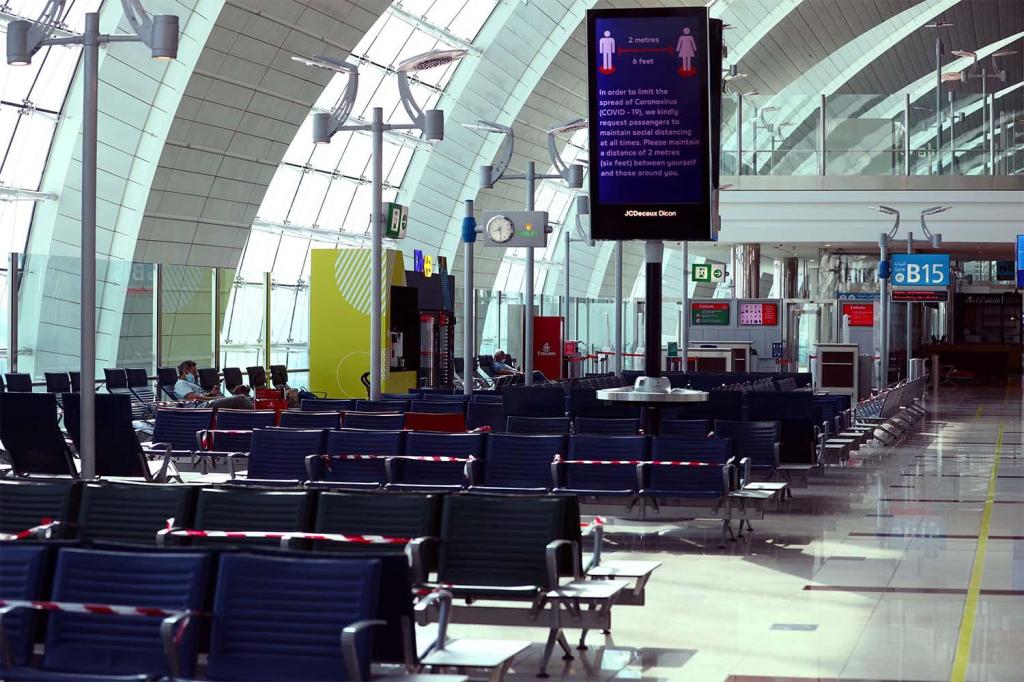
Passengers traveling through Dubai International Airport/DXB will now have free access to an extensive collection of their favorite publications online as part of the airport’s offering to become more contactless and paperless, making it the first smart-reading airport. of the world. A totally contactless and paperless digital experience, using geo-fencing satellite technology. The airport’s partnership with Magzter enables customers traveling via DXB to download the latest issues of world-renowned publications on their own devices, to read at the airport and on board their flights.
The huge logistical operation to distribute the COVID-19 vaccine means that a global vaccinated population is a long way off. Therefore, rapid tests are the temporary remedy to the two-week quarantines that have hurt the industry’s recovery so much. But there are challenges in expanding rapid test facilities at airports and implementing them where limited space and resources are available. In this session we hear from major airports on how they are managing their covid-19 testing operations and how they plan to meet travel demand once air connectivity resumes.
Eugene Barry, Executive Vice President Commercial Dubai Airport said: «We are delighted to partner with Magzter to deliver another world-class digital experience at DXB, at a time when travelers are looking for minimal touch, personalized options and ultra convenience. Magzter’s addition reinforces the growing range of lifestyle experiences available over DXB’s super-fast Wi-Fi network, following our existing partnerships with OSN for streaming movies and TV shows and Anghami for music playlists. We are looking forward to unveiling more game-changing digital experiences in the near future».
Girish Ramdas, CEO of Magzter Inc., said: «Being a frequent traveler, I have always felt the need to offer value-added services at airports to attract travelers, especially something that works both within the airport and downloadable to be used in flight. In this direction, we are delighted to make Dubai International the world’s first smart reading airport. We are confident that millions of passengers will enjoy reading their favorite magazines and newspapers with Magzter at Dubai International, which will also make their flights outside of Dubai are more entertaining».
القراءة الذكية لمطار دبي الأول
يدمج مطار دبي القراءة الذكية
سيتمكن الآن المسافرون الذين يسافرون عبر مطار دبي مطار دبي الدولي من الوصول المجاني إلى مجموعة واسعة من منشوراتهم المفضلة عبر الإنترنت كجزء من عرض المطار ليصبح أكثر أمانًا وبلا أوراق ، مما يجعله أول مطار قراءة ذكيًا في العالم. تجربة رقمية غير ملامسة تمامًا وغير ورقية ، باستخدام تقنية الأقمار الصناعية الجغرافية المبارزة. تتيح شراكة المطار مع Magzter للعملاء المسافرين عبر مطار دبي الدولي تنزيل أحدث إصدارات المطبوعات ذات الشهرة العالمية على أجهزتهم الخاصة ، لقراءتها في المطار وعلى متن رحلاتهم.
العملية اللوجستية الضخمة لتوزيع لقاح COVID-19 تعني أن السكان الذين تم تطعيمهم في العالم لا يزال بعيد المنال. لذلك ، فإن الاختبارات السريعة هي العلاج المؤقت للحجر الصحي لمدة أسبوعين التي أضرت كثيرًا بتعافي الصناعة. ولكن هناك تحديات في توسيع مرافق الاختبار السريع في المطارات وتنفيذها حيث تتوفر مساحة وموارد محدودة. في هذه الجلسة ، سمعنا من المطارات الرئيسية حول كيفية إدارتها لعمليات اختبار covid-19 وكيف تخطط لتلبية الطلب على السفر بمجرد استئناف الاتصال الجوي. قال يوجين باري ، نائب الرئيس التنفيذي للشؤون التجارية في مطار دبي: «يسعدنا أن نتشارك مع Magzter لتقديم تجربة رقمية أخرى على مستوى عالمي في DXB ، في وقت يبحث فيه المسافرون عن الحد الأدنى من اللمس والخيارات الشخصية والراحة الفائقة. تعزز إضافة Magzter المجموعة المتزايدة من تجارب أسلوب الحياة المتاحة عبر شبكة Wi-Fi فائقة السرعة من DXB ، بعد شراكاتنا الحالية مع OSN لبث الأفلام والبرامج التلفزيونية و Anghami لقوائم تشغيل الموسيقى. نتطلع إلى الكشف عن المزيد من التجارب الرقمية لتغيير اللعبة في المستقبل القريب. مستقبل».
قال جيريش رامداس ، الرئيس التنفيذي لشركة Magzter Inc.: «بصفتي مسافرًا متكررًا ، شعرت دائمًا بالحاجة إلى تقديم خدمات ذات قيمة مضافة في المطارات لجذب المسافرين ، لا سيما الأشياء التي تعمل داخل المطار ويمكن تنزيلها لاستخدامها في الرحلة. في هذا الاتجاه ، يسعدنا أن نجعل مطار دبي الدولي أول مطار قراءة ذكي في العالم ، ونحن على ثقة من أن ملايين الركاب سيستمتعون بقراءة مجلاتهم وصحفهم المفضلة مع Magzter في مطار دبي الدولي ، والتي ستجعل رحلاتهم خارج دبي أيضًا أكثر تسلية».
La Asociación Internacional de Transporte Aéreo (IATA) ha anunciado la publicación del Informe de Seguridad de 2020 y datos para el desempeño de seguridad de la industria aérea comercial en 2020. El número total de accidentes disminuyó de 52 en 2019 a 38 en 2020. El número total de accidentes mortales disminuyó de 8 en 2019 a 5 en 2020. La tasa total de accidentes fue de 1,71 accidentes por millón de vuelos. Esta tasa media es superior a la tasa media de 5 años (2016-2020), que es de 1,38 accidentes por millón de vuelos. La siniestralidad de las aerolíneas miembro de la IATA fue de 0,83 por millón de vuelos, lo que su supone una mejora con respecto a la tasa media a 5 años de 0,96.
Las operaciones totales de vuelo se redujeron en un 53% a 22 millones en 2020. El riesgo de mortalidad se mantuvo sin cambios en comparación con la media de cinco años en 0,13. Con un riesgo de muerte de 0,13 para los viajes aéreos, en promedio, una persona tendría que viajar por aire todos los días durante 461 años antes de experimentar un accidente con al menos una víctima mortal. En promedio, una persona tendría que viajar todos los días durante 20.932 años para experimentar un accidente 100% fatal.
«Volar es seguro, aunque la industria dio un paso atrás en el rendimiento en 2020. La severa reducción en el número de vuelos aumentó el impacto de cada accidente cuando calculamos las tarifas. Pero los números no mienten, y no permitiremos que esto se convierta en una tendencia. Tendremos un enfoque aún más nítido en la seguridad durante este período de operaciones reducidas y a medida que se reconstruyan los horarios de vuelo cuando el mundo reabra», dijo Alexandre de Juniac, Director General y CEO de la IATA.
Por primera vez en más de 15 años no hubo accidentes a bordo de pérdida de control (LOC-I), que han contabilizado la mayor proporción de víctimas mortales desde 2016. «La falta de tales eventos en 2020 fue una evolución positiva. Sin embargo, sobre la base de los informes iniciales de la investigación sobre la trágica pérdida de Sriwijaya Air SJ-182 a principios de 2021, debemos seguir aprendiendo y mejorando», dijo Alexandre De Juniac.
IATA security report 2020
IATA publishes 2020 safety report
The International Air Transport Association (IATA) has announced the release of the 2020 Safety Report and data for the safety performance of the commercial airline industry in 2020. The total number of accidents decreased from 52 in 2019 to 38 in 2020. The total number of fatal accidents decreased from 8 in 2019 to 5 in 2020. The total accident rate was 1.71 accidents per million flights. This average rate is higher than the 5-year average rate (2016-2020), which is 1.38 accidents per million flights. The loss ratio of IATA member airlines was 0.83 per million flights, which is an improvement over the 5-year average rate of 0.96.
Total flight operations were reduced by 53% to 22 million in 2020. Mortality risk was unchanged compared to the five-year average at 0.13. With a risk of death of 0.13 for air travel, on average, a person would have to travel by air every day for 461 years before experiencing an accident with at least one fatality. On average, a person would have to travel every day for 20,932 years to experience a 100% fatal accident.
«Flying is safe, although the industry took a step back in performance in 2020. The severe reduction in the number of flights increased the impact of each accident when we calculated fares. But the numbers do not lie, and we will not allow this to become in a trend. We will have an even sharper focus on safety during this period of reduced operations and as flight schedules rebuild when the world reopens», said Alexandre de Juniac, IATA Director General and CEO.
For the first time in more than 15 years there were no Loss of Control (LOC-I) onboard accidents, accounting for the highest proportion of fatalities since 2016. «The lack of such events in 2020 was a positive development. However , based on initial reports from the investigation into the tragic loss of Sriwijaya Air SJ-182 in early 2021, we must continue to learn and improve», said Alexandre De Juniac.























 airgways.com