American Airlines ofrecerá nota para abonar deuda pública
American Airlines Group Inc dijo el Lunes 08/03 que tiene la intención de ofrecer notas privadas por valor de unos US$ 5.000 millones de Dólares para pagar la deuda pública. La aerolínea estadounidense, que ha sido duramente golpeada por la pandemia también entraría en una facilidad de crédito de préstamos a plazo de valor por US$ 2.500 millones de Dólares respaldada en parte por su programa de fidelización AAdvantage.
American Airlines dijo que utilizará los ingresos para pagar el monto pendiente del préstamo con el Tesoro de Estados Unidos, que actualmente está asegurado por garantía y con fines corporativos generales. En Enero 2021, la aerolínea autorizó una venta de acciones de valor por US$ 1.000 millones de Dólares, tras una oferta en curso de US$ 1.000 millones de Dólares lanzada en octubre para aumentar la liquidez. La filial de la compañía, American Airlines Inc, y AAdvantage Loyalty IP Ltd, una filial de propiedad indirecta, tienen la intención de iniciar la oferta.
American public debt payment offer
American Airlines will offer a note to pay public debt
American Airlines Group Inc said on Monday 03/08 that it intends to offer private notes worth about US$ 5 billion to pay the public debt. The US airline, which has been hit hard by the pandemic, would also enter a US$2.5 billion value term loan facility supported in part by its AAdvantage loyalty program.
American Airlines said it will use the proceeds to pay the outstanding amount of the loan with the US Treasury, which is currently secured by collateral and for general corporate purposes. In January 2021, the airline authorized a sale of shares of value for US$ 1 billion, following an ongoing offer of US$ 1 billion launched in October to increase liquidity. The company’s subsidiary, American Airlines Inc, and AAdvantage Loyalty IP Ltd, an indirectly owned subsidiary, intend to initiate the offering.
Sun Country Airlines anuncia lanzamiento oferta pública inicial
Sun Country Airlines Holdings, Inc. ha anunciado este 08/03 el lanzamiento de su oferta pública inicial de 9.090.909 acciones de sus acciones comunes. Se espera que el precio inicial de oferta pública esté entre US$ 21.00 y US$ 23.00 por acción. Sun Country Airlines espera otorgar a los suscriptores una opción de 30 días para comprar hasta 1.363.636 acciones adicionales a precio de oferta pública inicial, menos descuentos de suscripción y comisiones. Se espera que las acciones cotizan en el Mercado Nasdaq Global Select bajo el símbolo «SNCY».
Sun Country Airlines espera recibir ingresos brutos de aproximadamente US$ 190.9 millones a US$ 209.1 millones de la oferta, antes de deducir descuentos y comisiones de suscripción, o aproximadamente US$ 219.5 millones a US$ 240.4 millones si los suscriptores ejercen su opción de sobre-asignación en su totalidad. Sun Country Airlines tiene la intención de utilizar una parte de los ingresos netos de la oferta para pagar en su totalidad todos los montos pendientes bajo el Préstamo de la Ley CARES y para pagar honorarios y gastos en relación con la oferta. El resto de los ingresos netos se utilizarán con fines corporativos generales.
Barclays, Morgan Stanley y Deutsche Bank Securities están actuando como corredores de apuestas principales conjuntos para la oferta, y Goldman Sachs & Co. LLC y Nomura están actuando como corredores de apuestas conjuntos para la oferta. Apollo Global Securities, AmeriVet Securities, Siebert Williams Shank y Tribal Capital Markets, LLC están actuando como co-gerentes para la oferta. Se ha presentado una declaración de registro sobre el Formulario S-1 relativo a estos valores ante la Comisión del Mercado de Valores, pero aún no ha sido efectiva. Estos valores no pueden ser vendidos ni pueden ser aceptados ofertas de compra antes del momento en que el estado de registro entre en vigor.
Sun Country public offering of shares
Sun Country Airlines announces launch of initial public offering
Sun Country Airlines Holdings, Inc. announced this 03/08 the launch of its initial public offering of 9,090,909 shares of its common stock. The initial public offering price is expected to be between US$ 21.00 and US$ 23.00 per share. Sun Country Airlines expects to grant subscribers a 30-day option to purchase up to 1,363,636 additional shares at IPO price, less subscription discounts and fees. The shares are expected to trade on the Nasdaq Global Select Market under the symbol «SNCY.»
Sun Country Airlines expects to receive gross proceeds of approximately US$ 190.9 million to US$ 209.1 million from the offering, before deducting discounts and underwriting fees, or approximately US$ 219.5 million to US$ 240.4 million if subscribers exercise their override option. -assignment in its entirety. Sun Country Airlines intends to use a portion of the net proceeds of the offering to pay in full all amounts outstanding under the CARES Act Loan and to pay fees and expenses in connection with the offering. The remainder of the net proceeds will be used for general corporate purposes.
Barclays, Morgan Stanley and Deutsche Bank Securities are acting as joint lead bookmakers for the offering, and Goldman Sachs & Co. LLC and Nomura are acting as joint bookmakers for the offering. Apollo Global Securities, AmeriVet Securities, Siebert Williams Shank and Tribal Capital Markets, LLC are acting as co-managers for the offering. A registration statement on Form S-1 relating to these securities has been filed with the Securities Market Commission, but has not yet been effective. These securities cannot be sold nor can offers to buy be accepted before the moment the registration status takes effect.
Southwest incorpora Myrtle Beach, Eugene, Bellingham
Southwest Airlines continúa desarrollando planes con la introducción de rutas vacacionales después de los efectos de la pandemia del Coronavirus. La aerolínea low cost líder del mercado en Estados Unidos que transporta más pasajeros nacionales que cualquier aerolínea estadounidense, ha anunciado nuevos servicio a Myrtle Beach (Carolina del Sur), Eugene (Oregon), y Bellingham (Washington), permitiendo ser además una puerta de entrada a Vancouver, Columbia Británica (Canadá). Los nuevos vuelos llegan menos de una semana después de que Southwest anunció nuevos vuelos a Bozeman, Montana y Destin-Fort Walton Beach en Florida Panhandle. Southwest generalmente agrega uno o dos nuevos destinos al año como máximo, pero 2021 continúa superando las expectativas de doce destinos con las últimas incorporaciones. La aerolínea con sede en Dallas/Fort Worth ha anunciado el servicio a diecisiete nuevos aeropuertos desde que comenzó la pandemia.
El Director Ejecutivo de Southwest, Gary Kelly, dijo a los empleados que la aerolínea tiene el ojo puesto en Bellingham en previsión de la reapertura de la frontera con Canadá. Actualmente Allegiant Air y Alaska Airlines ya operan en el Aeropuerto Internacional de Bellingham. «Tras la reapertura de la frontera canadiense, esperamos el regreso de los viajeros preocupados por el valor que ya conducen a este aeropuerto alternativo para escapar de las tarifas e impuestos elevados, y eso es muy, muy típico de los destinos del suroeste», dijo Gary Kelly en el anuncio.
Southwest Airlines no ha informado acerca de los horarios de las ni fechas de inicio para los nuevos servicios más allá de decir que planea comenzar vuelos a Myrtle Beach este verano y a Eugene y Bellingham en la segunda mitad del año. La aerolínea aún no vende boletos para ninguno de los nuevos destinos.
Mercados emergentes
La compañía recientemente arriba a Steamboat Springs y Telluride se encuentra extendiendo el servicio más allá de la temporada de invierno para continuar sirviendo a ambos destinos durante el verano de 2021. Colorado Springs, Savannah y nuestro servicio de Long Beach a Hawái se inician este próximo Jueves 11/03. «Eso es mucho trabajo, muchos destinos nuevos y muchas opciones para nuestros clientes, por lo que quiero agradecer a todos los equipos que tienen una mano en seguir creciendo el Corazón de Southwest mientras nos posicionan mejor para capturar más clientes a medida que la demanda de viajes repunta», expresa el CEO Gary Kelly.
Southwest está lejos de ser el único que corteja a los vacacionistas a medida que se reanudan los viajes. Todas las aerolíneas están luchando para agregar rutas que atraigan a aquellos que buscan una escapada, ya que se espera que los viajes de negocios tarden en regresar.
Southwest Expands Vacation Destinations
Southwest incorporates Myrtle Beach, Eugene, Bellingham
Southwest Airlines continues to develop plans with the introduction of vacation routes after the effects of the Coronavirus pandemic. The market leading low cost airline in the United States that transports more domestic passengers than any US airline, has announced new services to Myrtle Beach (South Carolina), Eugene (Oregon), and Bellingham (Washington), allowing it to also be a gateway to entrance to Vancouver, British Columbia (Canada). The new flights arrive less than a week after Southwest announced new flights to Bozeman, Montana and Destin-Fort Walton Beach in the Florida Panhandle. Southwest typically adds one or two new destinations a year at the most, but 2021 continues to exceed expectations for twelve destinations with the latest additions. The Dallas/Fort Worth-based airline has announced service to seventeen new airports since the pandemic began.
Southwest CEO Gary Kelly told employees that the airline has its eye on Bellingham in anticipation of the reopening of the Canadian border. Currently Allegiant Air and Alaska Airlines already operate at Bellingham International Airport. «Following the reopening of the Canadian border, we look forward to the return of value-conscious travelers already driving to this alternate airport to escape high fees and taxes, and that is very, very typical of Southwest destinations», he said. Gary Kelly in the ad.
Southwest Airlines has not disclosed the times or start dates for the new services beyond saying that it plans to begin flights to Myrtle Beach this summer and to Eugene and Bellingham in the second half of the year. The airline is not yet selling tickets to any of the new destinations.
Emerging markets
The company recently arrived in Steamboat Springs and Telluride and is extending service beyond the winter season to continue serving both destinations during the summer of 2021. Colorado Springs, Savannah and our service from Long Beach to Hawaii will begin this coming Thursday. 03/11. «That’s a lot of work, a lot of new destinations, and a lot of options for our customers, so I want to thank all the teams who have a hand in continuing to grow the Heart of Southwest as they better position us to capture more customers as demand for travel picks up», says CEO Gary Kelly.
Southwest is far from alone in courting vacationers as travel resumes. All airlines are scrambling to add routes that appeal to those looking for a getaway, as business travel is expected to be slow to return.
GECAS y AerCap aproximación de acuerdo de sinergia
La industria del arrendamiento de aviones está al borde de su mayor sacudida en casi una década mientras los dos principales actores AerCap y GECAS (General Electric Capital Services) de la matriz General Electric Company discuten un acuerdo para forjar un coloso de la industria con más de 2.000 aeronaves en su cartera, dijeron fuentes financieras el Lunes 08/03.
Las negociaciones para una fusión siguen a años de especulación sobre la venta de GECAS y se producen cuando se espera que los efectos de la pandemia traslade más de la flota mundial a los brazos de la industria del leasing, que ya tiene alrededor de la mitad de las entregas de Airbus y Boeing. The Wall Street Journal ha informado por primera vez del posible acuerdo que lo ha valorado en US$ 30.000 millones de Dólares, con un acuerdo para este Lunes 08/03. GE dijo que la compañía no hace comentarios sobre especulaciones, mientras que AerCap no respondió a las solicitudes de comentarios.
En 2013, la compañía de Irlanda AerCap acordó comprar su mayor rival, International Lease Finance Corp. (ILFC), con sede en Los Ángeles, Estados Unidos. La estructura de cualquier acuerdo para adquirir GECAS no estaba inmediatamente definida, pero varias fuentes de la industria predijeron que incluiría una estructura de acciones similar que vio al propietario de seguros de ILFC, AIG, convertirse en accionista del nuevo AerCap.
Las principales compañías de arrendamiento, que alquilan aviones por una cuota mensual, están mirando el crecimiento a medida que las aerolíneas se centran en la reparación de los balances destruidos por la caída de los viajes aéreos durante la pandemia. Los analistas de DBS dijeron que se esperaba que más aerolíneas cambiaran hacia el arrendamiento de aviones a medida que salieran de la crisis. Pero los analistas advirtieron que cualquier vinculación de los dos principales actores de la industria, cada uno de los cuales ya es aproximadamente el doble que el tercero, Avolon, con sede en Dublín, enfrentaría un escrutinio antimonopolio.
GE-AerCap agreement close
GECAS and AerCap synergy agreement approach
The aircraft leasing industry is on the brink of its biggest upheaval in nearly a decade as the two major players AerCap and GECAS (General Electric Capital Services) of parent General Electric Company discuss a deal to forge an industry colossus with more than 2,000 aircraft in its portfolio, financial sources said on Monday 03/08.
Negotiations for a merger follow years of speculation about the sale of GECAS and come as the effects of the pandemic are expected to shift more of the world’s fleet into the arms of the leasing industry, which already has about half of Airbus and Boeing deliveries. The Wall Street Journal has reported for the first time the possible agreement that has valued it at US$ 30,000 million, with an agreement for this Monday 03/08, GE said the company does not comment on speculation, while AerCap did not respond to requests for comment.
In 2013, the Irish company AerCap agreed to buy its biggest rival, International Lease Finance Corp. (ILFC), based in Los Angeles, USA. The structure of any deal to acquire GECAS was not immediately defined, but various industry sources predicted that it would include a similar share structure that saw ILFC’s insurance owner, AIG, become a shareholder in the new AerCap.
Major leasing companies, which rent planes for a monthly fee, are watching growth as airlines focus on repairing balance sheets destroyed by the drop in air travel during the pandemic. DBS analysts said more airlines were expected to switch to aircraft leasing as they emerged from the crisis. But analysts warned that any tying up of the two major industry players, each of which is already roughly twice as large as the third, Dublin-based Avolon, would face antitrust scrutiny.
El acuerdo GOL-Voepass ha entrado en vigor este 8 de Marzo de 2021 iniciando nuevos vuelos en colaboración entre las aerolíneas. El acuerdo conjunto establece la ampliación de las frecuencias de los vuelos en Joinville (SC), Juiz de Fora (MG) y Presidente Prudente (SP). Los vuelos tienen frecuencias entre 5 a 6 veces a la semana empleando aeronaves ATR 72 de la aerolínea Voepass Linhas Aéreas permitiendo conectar estos destinos con el Aeropuerto Internacional de São Paulo/Guarulhos.
Los pasajes aéreos solo son comercializadas por GOL Linhas Aéreas en su página web voegol.com.br. El acuerdo entre las partes permitirá incrementar los destinos de ambas compañías aéreas y atraer a los usuarios del interior hacia el nodo Sao Paulo como centro de distribución.
Voepass-GOL initiate agreement
GOL-Voepass start new flights agreement
The GOL-Voepass agreement entered into force on March 8, 2021, initiating new flights in collaboration between airlines. The joint agreement establishes the expansion of flight frequencies in Joinville (SC), Juiz de Fora (MG) and Presidente Prudente (SP). The flights have frequencies between 5 to 6 times a week using ATR 72 aircraft of the Voepass Linhas Aéreas airline, allowing these destinations to connect with the São Paulo/Guarulhos International Airport.
Air tickets are only marketed by GOL Linhas Aéreas on its website voegol.com.br. The agreement between the parties will increase the destinations of both airlines and attract users from the interior to the São Paulo node as a distribution center.
Voepass-GOL iniciar acordo
GOL-Voepass inicia novo acordo de vôos
O acordo GOL-Voepass entrou em vigor em 8 de Março de 2021, dando início a novos vôos em colaboração entre companhias aéreas. O acordo conjunto prevê a ampliação das frequências dos vôos em Joinville (SC), Juiz de Fora (MG) e Presidente Prudente (SP). Os vôos têm frequências de 5 a 6 vezes por semana em aeronaves ATR 72 da companhia aérea Voepass Linhas Aéreas, permitindo a esses destinos conexão com o Aeroporto Internacional de São Paulo/Guarulhos.
As passagens aéreas são comercializadas apenas pela GOL Linhas Aéreas em seu site voegol.com.br. O acordo entre as partes aumentará os destinos das duas companhias aéreas e atrairá usuários do interior para o nó de São Paulo como centro de distribuição.
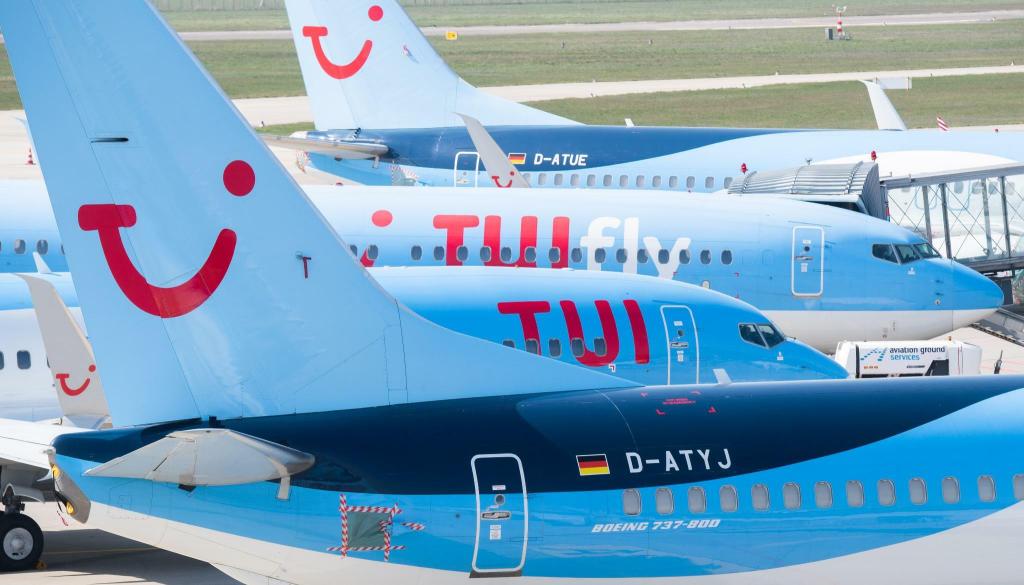
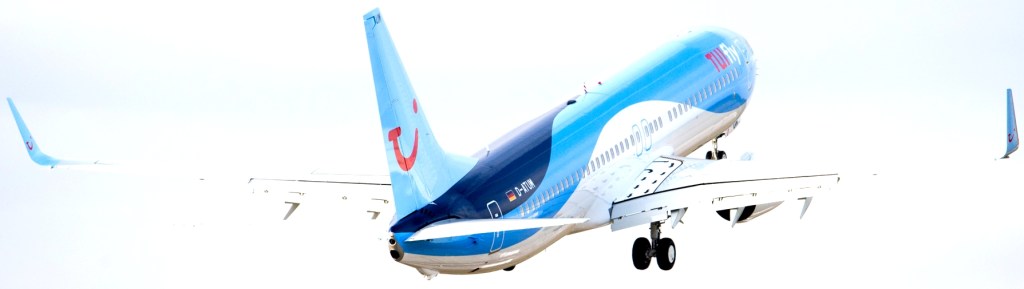
TUIfly Deutschland limita la reducción flota aérea post-pandemia
TUIfly Deutschland miembro del Tui Group había previsto una reducción de flota de treinta y nueve aviones en la flota pre-pandemia hacia una reducción de solamente diecisiete unidades. Los analistas del mundo de la aviación temen que estos recortes de flota puedan provocar un colapso en el verano boreal europeo si finalmente la demanda se dispara. La aerolínea ha analizado la próxima demanda estival y ha anunciado que reducirá sensiblemente el número de aeronaves estableciendo una flota de veintidós unidades. La aerolínea ha arribado a un acuerdo en las negociaciones con los sindicatos de Vereinigung Cockpit (VC), lo que permitirá salvaguardar cien puestos de trabajo adicionales.
Los analistas del mundo de la aviación temen que estos recortes de flota puedan provocar un colapso este verano si, finalmente, la demanda aumenta como apuntan los primeros indicios. TUIfly Deutschland por ejemplo, es una de las compañías que no podría atender toda la demanda por la reducción de flota, fenómeno que afecta a otras compañías, pero no a las low-cost. Según se anunció este domingo, tras esta decisión, TUIfly mantendría en nómina 370 pilotos y 830 personas de personal de cabina. Esta plantilla tendría garantizado el empleo al menos hasta el final de 2022. Una de las peticiones que dificultaron las negociaciones sindicales es que VC quería que TUIfly no se comprometiera únicamente a mantener el empleo en 2021, año para el que las previsiones son bastante seguras, sino también para 2022, cuando hay un poco más de incertidumbre.
La compañía aérea de viajes vacacionales anunció también que, en la medida en que sea posible, se evitarán los despidos no voluntarios. Pero en este punto hay diferencias entre las partes, apuntando a que TUIfly Deutschland intentaría no despedir, pero que si al final no lo logra, aplicaría la ley. Probablemente más importante para el grupo, la aerolínea ha conseguido más flexibilidad en cuanto a horarios y turnos. El área de Mantenimiento, en cambio, migra hacia Gran Bretaña y a Bélgica, abandonando Alemania.
TUIfly limiting fleet reduction
TUIfly Deutschland limits post-pandemic air fleet reduction
TUIfly Deutschland, a member of the Tui Group, had anticipated a fleet reduction of thirty-nine aircraft in the pre-pandemic fleet to a reduction of only seventeen units. Aviation analysts fear these fleet cuts could lead to a meltdown in the European summer if demand finally skyrockets. The airline has analyzed the upcoming summer demand and has announced that it will significantly reduce the number of aircraft by establishing a fleet of 22 units. The airline has reached an agreement in negotiations with the Vereinigung Cockpit (VC) unions, which will allow to safeguard an additional one hundred jobs.
Aviation analysts fear that these fleet cuts could cause a collapse this summer if demand finally rises as early indications suggest. TUIfly Deutschland, for example, is one of the companies that could not meet all the demand due to the reduction of the fleet, a phenomenon that affects other companies, but not the low-cost ones. As announced this Sunday, after this decision, TUIfly would keep 370 pilots and 830 cabin personnel on the payroll. This workforce would have guaranteed employment at least until the end of 2022. One of the requests that made union negotiations difficult is that VC wanted TUIfly to not only commit to maintaining employment in 2021, a year for which the forecasts are quite certain, but also for 2022, when there is a little more uncertainty.
The vacation travel airline also announced that, to the extent possible, non-voluntary layoffs will be avoided. But on this point there are differences between the parties, pointing out that TUIfly Deutschland would try not to fire, but that if in the end it does not succeed, it would apply the law. Probably more important to the group, the airline has achieved more flexibility in terms of schedules and shifts. The Maintenance area, on the other hand, migrates to Great Britain and Belgium, leaving Germany.
TUIfly begrenzt die Flottenreduzierung
TUIfly begrenzt die reduzierung luftflotte nach einer pandemie
TUIfly Deutschland, ein Mitglied der Tui-Gruppe, hatte eine Flottenreduzierung von neununddreißig Flugzeugen in der Präpandemie-Flotte auf nur siebzehn Einheiten erwartet. Luftfahrtanalysten befürchten, dass diese Flottenkürzungen im europäischen Sommer zu einem Zusammenbruch führen könnten, wenn die Nachfrage schließlich in die Höhe schnellen sollte. Die Fluggesellschaft hat die bevorstehende Nachfrage im Sommer analysiert und angekündigt, die Anzahl der Flugzeuge durch den Aufbau einer Flotte von 22 Einheiten erheblich zu reduzieren. Die Fluggesellschaft hat in Verhandlungen mit den Gewerkschaften der Vereinigung Cockpit (VC) eine Vereinbarung getroffen, die die Sicherung von weiteren hundert Arbeitsplätzen ermöglicht.
Luftfahrtanalysten befürchten, dass diese Flottenkürzungen diesen Sommer zu einem Zusammenbruch führen könnten, wenn die Nachfrage schließlich steigt, wie erste Anzeichen vermuten lassen. TUIfly Deutschland zum Beispiel ist eines der Unternehmen, das aufgrund der Reduzierung der Flotte nicht die gesamte Nachfrage befriedigen konnte. Dieses Phänomen betrifft andere Unternehmen, jedoch nicht die kostengünstigen. Wie an diesem Sonntag angekündigt, würde TUIfly nach dieser Entscheidung 370 Piloten und 830 Kabinenpersonal auf der Gehaltsliste halten. Diese Belegschaft hätte die Beschäftigung mindestens bis Ende 2022 garantiert. Eine der Forderungen, die Gewerkschaftsverhandlungen erschwerten, war, dass VC wollte, dass TUIfly sich nicht nur zur Aufrechterhaltung der Beschäftigung im Jahr 2021 verpflichtet, einem Jahr, für das die Prognosen ziemlich sicher sind, sondern auch für 2022, wenn es etwas mehr Unsicherheit gibt.
Die Urlaubsreisefluggesellschaft kündigte außerdem an, dass nicht freiwillige Entlassungen so weit wie möglich vermieden werden. In diesem Punkt gibt es jedoch Unterschiede zwischen den Parteien, die darauf hinweisen, dass TUIfly Deutschland versuchen würde, nicht zu feuern, aber dass es das Gesetz anwenden würde, wenn es am Ende nicht gelingt. Wahrscheinlich wichtiger für die Gruppe, hat die Fluggesellschaft mehr Flexibilität in Bezug auf Flugpläne und Schichten erreicht. Der Wartungsbereich hingegen wandert nach Großbritannien und Belgien aus und verlässt Deutschland.
IAG Group tras encauzar el desgloce del grupo Globalia de su aerolínea Air Europa vendida a Iberia, a las que continúan los procesos de fusiones de Ávoris (Grupo Barceló), la hotelera Be Live con Bluebay; ahora continúa pendiente Globalia la división de handling Groundfource una asignatura por resolver. Sin embargo, el panorama sobre Groundforce es más incierto, ya que con la venta de Air Europa a Iberia, el manejo de las operaciones en tierra del área de handling correspondería al IAG Group de todas las aerolíneas del grupo. Al tiempo de la finalización de las concesiones para Groundforce buscan dar salida a la situación.
Las negociaciones en estas semanas continúan sin definiciones ni avances, pero se pretende evitar un proceso de liquidación. La masa de vuelos en España del consorcio aéreo de Air Europa, la alianza Skyteam, con Air France-KLM a la cabeza, carece de volumen como para sostener una estructura que compita con otros operadores de esta actividad como Swissport. Por ello, encontrar una salida a esta división es un quebradero para Globalia que le está costando resolver.
Iberia will define Groundforce destination
Globalia handling amid definitions
IAG Group after directing the breakdown of the Globalia group of its airline Air Europa sold to Iberia, to which the merger processes of Ávoris (Barceló Group), the hotel company Be Live with Bluebay continue; Now the handling division Groundfource is still pending Globalia, a subject to be solved. However, the outlook on Groundforce is more uncertain, since with the sale of Air Europa to Iberia, the handling of ground operations in the handling area would correspond to the IAG Group of all the group’s airlines. At the time of the completion of the concessions for Groundforce they seek to resolve the situation.
The negotiations in these weeks continue without definitions or advances, but it is intended to avoid a liquidation process. The mass of flights in Spain of the Air Europa air consortium, the Skyteam alliance, led by Air France-KLM, lacks the volume to sustain a structure that competes with other operators in this activity such as Swissport. For this reason, finding a way out of this division is a problem for Globalia that is finding it difficult to resolve.
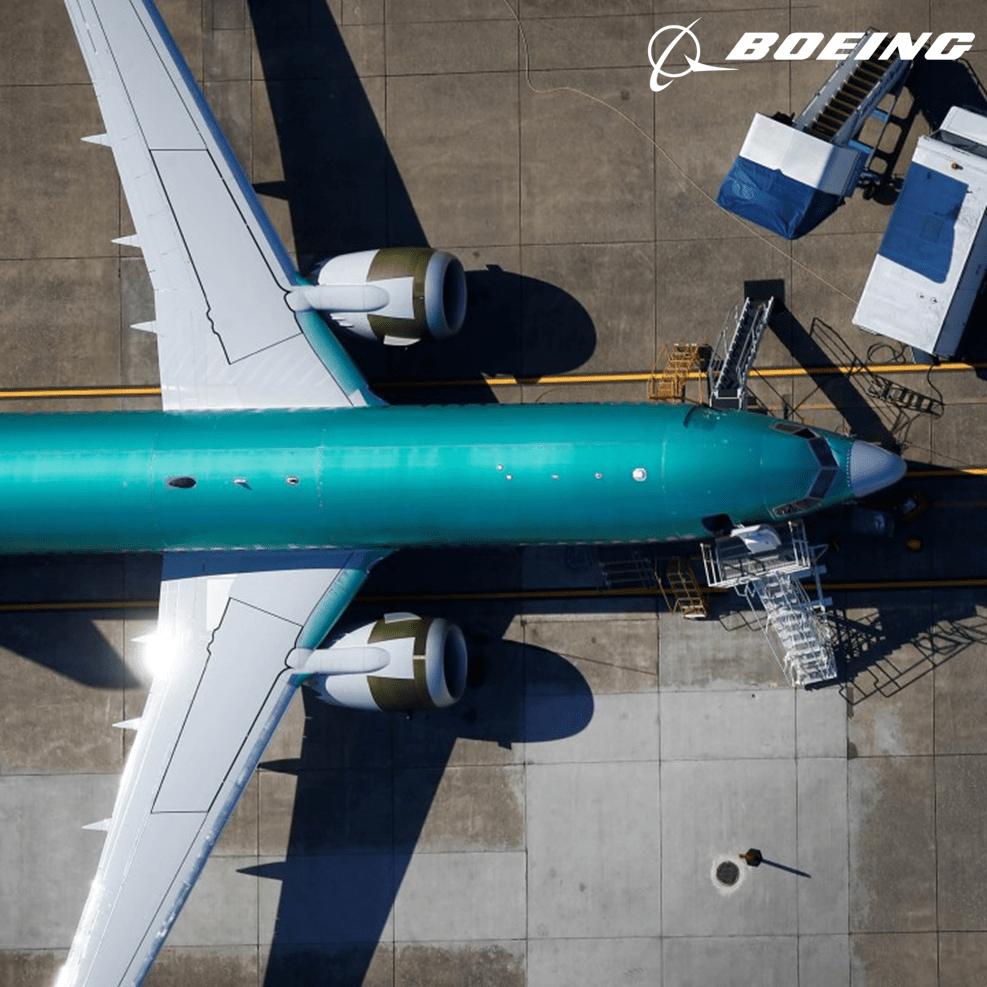
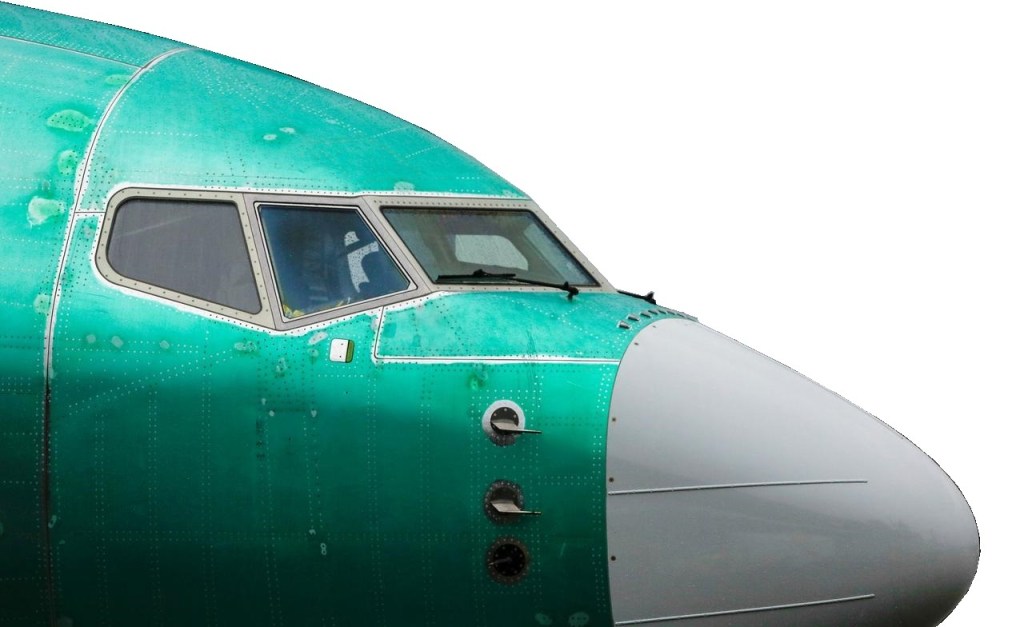
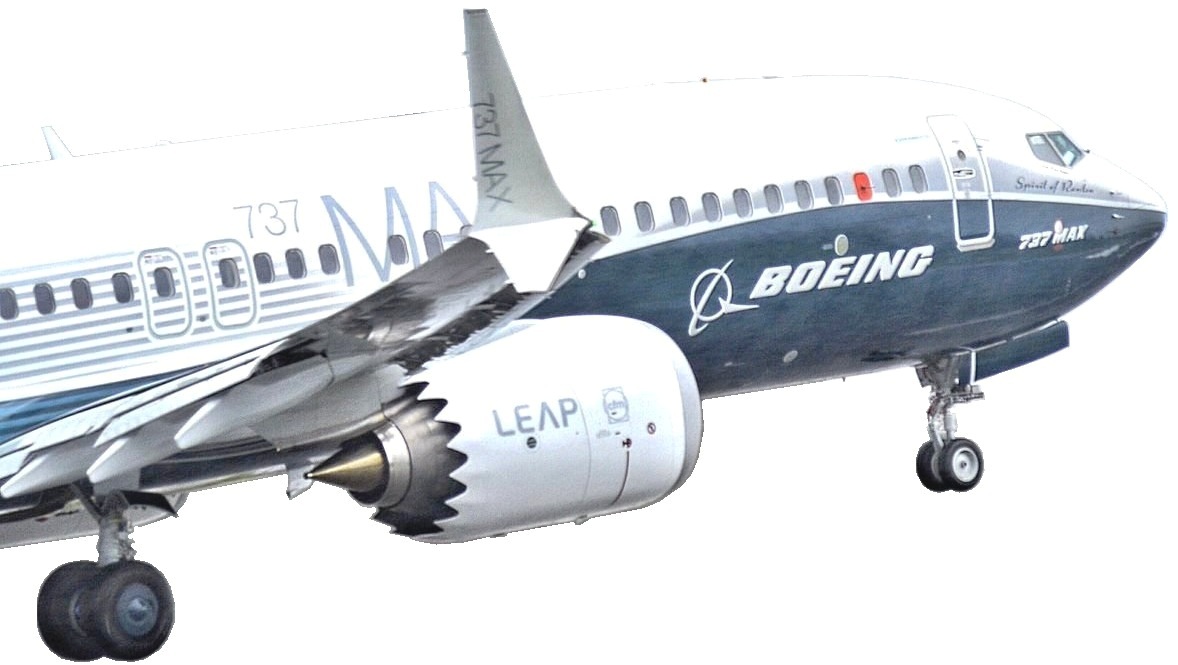
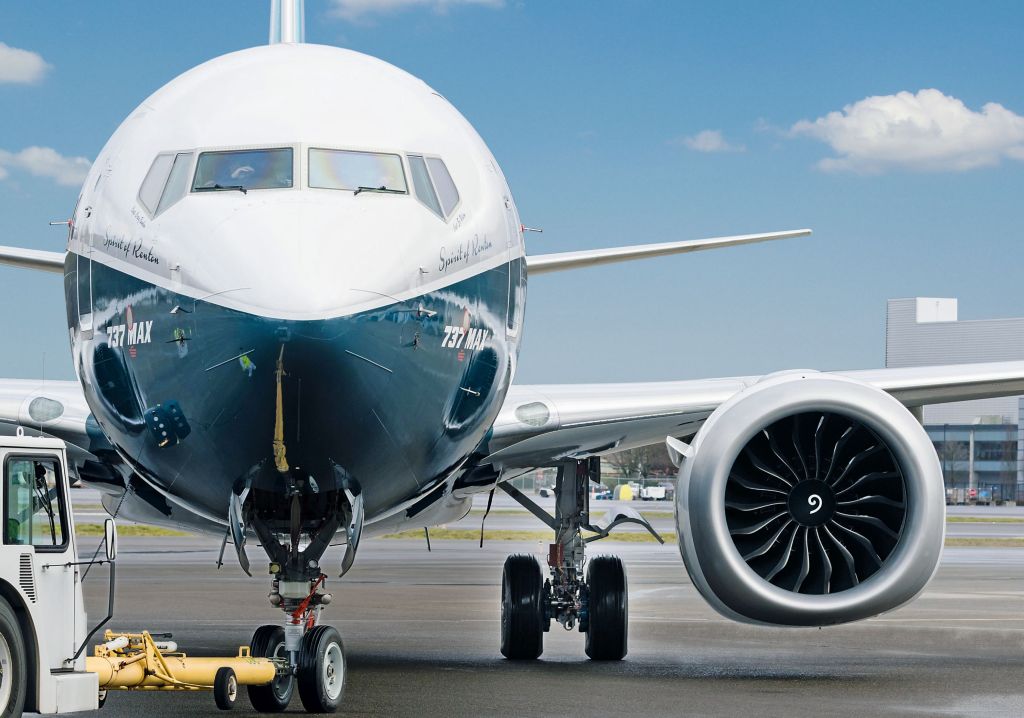
Declaraciones públicas ex-FAA critica supervisión proceso 737 MAX
En una carta detallada enviada el mes pasado a una familia que perdió a su hija en el segundo accidente del Boeing 737 MAX en Etiopía hace dos años esta semana, y en entrevistas con The Seattle Times, Jacobsen dio la primera cuenta personal de un experto de la respuesta de la agencia federal de seguridad a los accidentes de MAX. Atormentado por los dos accidentes mortales de los aviones Boeing 737 MAX y el papel de su agencia en la aprobación del avión, el veterano ingeniero de seguridad de la Administración Federal de Aviación (FAA) Joe Jacobsen está dando un paso adelante públicamente para dar a las familias de las víctimas «un relato de primera mano de cuál es la verdad».
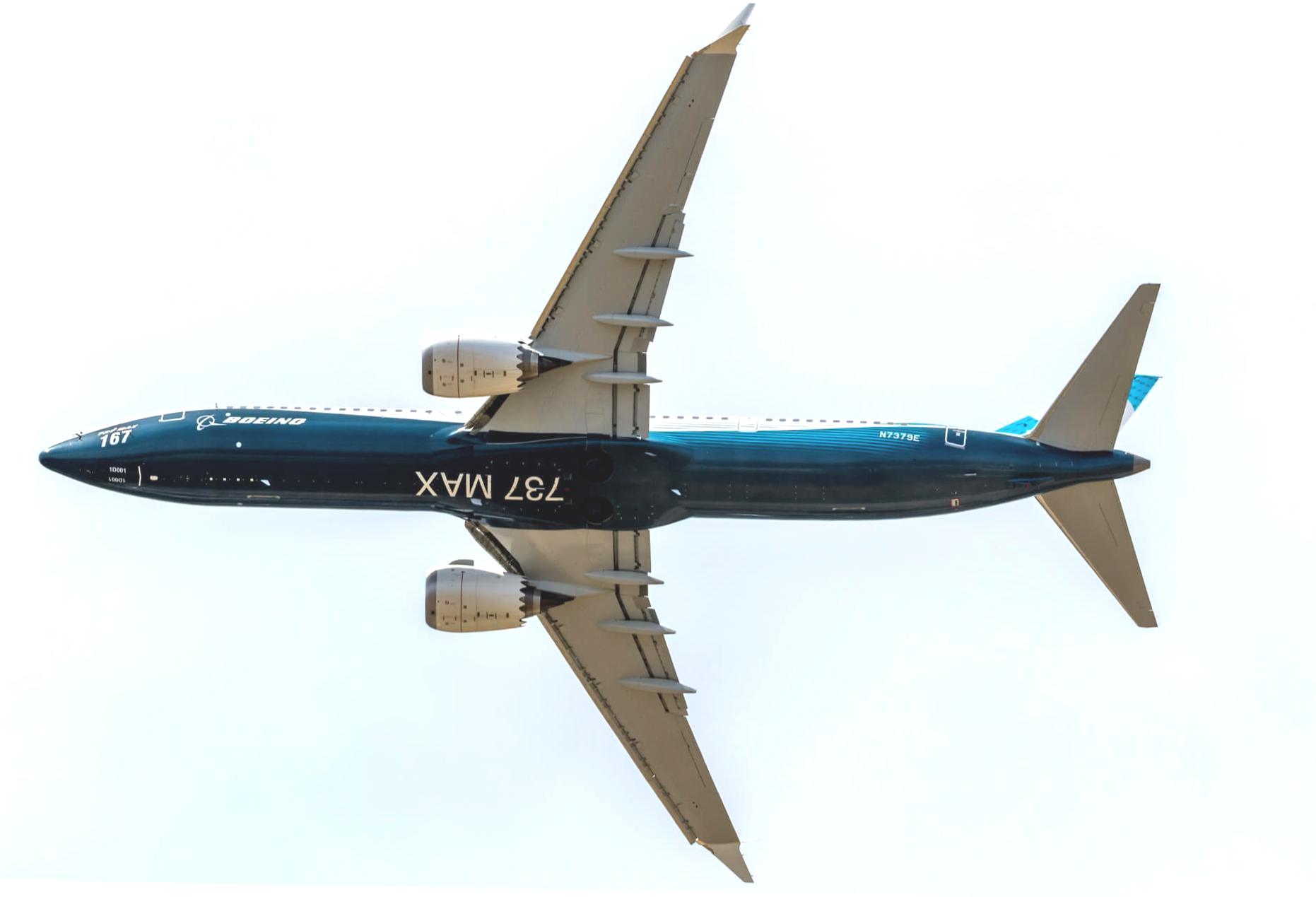
Joe Jacobsen debería haber estado entre los especialistas de la FAA que revisaron el nuevo y crítico software de Control de Vuelo del MAX durante su certificación original, que fue controlada en gran medida por The Boeing Company. Está seguro de que él y otros ingenieros de la FAA habrían marcado sus graves defectos de diseño. Tuvo la oportunidad de hacerlo sólo después del primer accidente en Indonesia, a finales de 2018. Él cree que se necesitan actualizaciones adicionales del sistema más allá de la solución de Boeing para el MAX que fue bendecido por la FAA y otros reguladores. Joe Jacobsen argumenta que el avión sería más seguro si Boeing simplemente eliminara por completo el nuevo software el Sistema de Aumento de Características de Maniobra (MCAS) que salió mal en los dos accidentes que mataron a 346 personas. El ingeniero de la FAA también pide la sustitución de algunas de las personas en los más altos niveles de gestión de la FAA, a quienes culpa de crear una cultura demasiado preocupada por satisfacer las demandas de la industria y al mismo tiempo laxas para la seguridad del transporte aéreo.
Entre bastidores
Joe Jacobsen es un especialista en seguridad de 59 años en la FAA, que anteriormente había pasado más de una década en Boeing. En su carta y entrevista, Joe Jacobsen también describió en más profundidad de lo que se informó anteriormente cómo un problema del sistema de Autolock pudo haber contribuido al accidente en Etiopía en Marzo de 2019. Boeing y la FAA dijeron en declaraciones separadas que creen que el Boeing 737 MAX es fijo y seguro, y que los reguladores de todo el mundo han validado esta conclusión.
En los meses posteriores al segundo accidente, Joe Jacobsen expuso sus preocupaciones a sus gerentes de la FAA y a la oficina del inspector general del Departamento de Transporte (DOT). También los comunicó a los comités de la Cámara de Representantes y el Senado que posteriormente emitieron mordaces informes de investigación y escribieron la legislación de reforma de la FAA aprobada en Diciembre 2020.
Este año, entusiasmado por un compromiso recién intenso con el cristianismo, lamentando que no fuera más asertivo internamente antes del segundo accidente, y conmovido por la ira y frustración de las familias de los fallecidos, Joe Jacobsen decidió que eso no era suficiente. Antes de su retiro planeado de la FAA a finales de Febrero 2021, relató su experiencia en una carta del 8 de Febrero de 2021 a los padres de Samya Rose Stumo, una estadounidense de 24 años que murió en el vuelo ET302 de Ethiopian Airlines. «Sentí una fuerte convicción de que debía ayudar con la curación de las familias de los accidentes del 737 MAX», escribió el ingeniero. Además de los funcionarios que defienden la agencia, Joe Jacobsen es el primer empleado actual de la FAA en hablar sobre lo que salió mal en la certificación del 737 MAX. Ahora compartiendo sus preocupaciones con la prensa por primera vez, está arriesgando sus perspectivas de empleo después de la FAA.
Perspectiva privilegiada sobre certificación
Joe Jacobsen, el ingeniero más experimentado de la oficina local de la FAA en manejo y rendimiento de aeronaves, habría estado profundamente involucrado en la evaluación de MCAS si The Boeing Company lo hubiera identificado adecuadamente a la FAA como un sistema nuevo y crítico. Esa designación habría estimulado la redacción de un Documento de Emisión para evaluar y explicar los detalles para los reguladores de todo el mundo. Una semana después del accidente del vuelo JT-610 de la aerolínea indonesia Lion Air el 29 de Octubre de 2018, Joe Jacobsen recibió un correo electrónico de un colega preguntando si había un documento sobre el Sistema MCAS. «Este fue el primer día que me enteré del MCAS. No teníamos Documentos de Emisión, y si lo hubiéramos hecho, habría sido el ingeniero responsable de proporcionar contenido técnico y comentar sobre un documento de este tipo».
Cuando vio el sistema, Joe Jacobsen dijo que estaba «sorprendido al descubrir que el avión fue diseñado y certificado a propósito para usar solo una entrada AOA (Ángulo de Ataque) para una función crítica de vuelo». Si se le diera la oportunidad durante la certificación original, está seguro de que él y entre los seis a ocho de los ingenieros más experimentados en la oficina de Seattle habrían identificado eso como un defecto de diseño grave porque hay una larga historia de fallas en los sensores del AOA.
En cambio, por el contrario, Boeing minimizó las implicancias del Sistema MCAS y mantuvo los detalles de su evaluación para sí mismo. «Si hacemos hincapié en que MCAS es una nueva función puede haber un mayor impacto en la certificación y la capacitación», se lee en las actas de una reunión de Boeing de Junio de 2013 documentadas en una investigación de la Cámara de Representantes del Senado de Estados Unidos. Joe Jacobsen escribió: «Ninguno de nosotros fue informado sobre el diseño original y la mayoría de los aspectos fueron delegados a sólo un pequeño número de ingenieros de Boeing para su aprobación». Sin embargo, el propio Boeing no captó el peligro del sistema. Michael Teal, Ingeniero Jefe de línea 737 MAX, testificó ante el Congreso que se enteró por primera vez sólo después del accidente de Lion Air que el MCAS confiaba en un solo sensor.
El problema del Autothrottle
Las instrucciones que Boeing y la FAA dieron a los pilotos inmediatamente después del primer accidente, instrucciones que los pilotos etíopes intentaron seguir, han sido muy criticadas. El procedimiento de Boeing no hizo hincapié en que los pilotos necesitan volver a subir la nariz del avión eléctricamente antes de cortar los interruptores de corte para detener la actuación del MCAS.
La carta de Joe Jacobsen añade algo nuevo sobre la insuficiencia de esas instrucciones: «No se mencionó un problema con el Autotrottle — el sistema automatizado que controla el empuje de los motores — que se sumó a la velocidad excesiva del jet e hizo imposible levantar manualmente la nariz del jet». Según el Informe Preliminar de investigación publicado hace un año, el sensor de Ängulo de Ataque (AOA) defectuoso en el vuelo ET302, incluso antes de que activara el MCAS para empujar la nariz del avión hacia abajo, interfirió con otras lecturas del sensor de altitud y velocidad del aire. Registrando el avión como todavía por debajo de 800 pies por encima del suelo incluso después de que pasó ese umbral, la computadora del jet hizo que el Autothrottle mantuviera el empuje de despegue completo durante 16 segundos después de que debería haber reducido la potencia para la fase de ascenso. Más significativamente, segundos después los pilotos fijaron el objetivo de velocidad del avión en 238 nudos, pero el Autothrottle no siguió adelante. Una vez más debido al sensor defectuoso de la izquierda, el equipo de vuelo detectó la discrepancia entre los valores de velocidad aérea izquierda y derecha y marcó los datos como no válidos. Incapaz de validar la velocidad del avión, el ordenador dejó de enviar instrucciones de empuje al acelerador automático. Como resultado, los motores permanecieron en el máximo empuje durante el resto del vuelo fatal. El avión finalmente superó la velocidad máxima de diseño del 737 de 340 nudos. Esto aumentó tanto las fuerzas en la cola del avión que los pilotos no pudieron moverlo manualmente. Algunos pilotos culparon a la tripulación etíope por permitir que el avión recogiera tanta velocidad.
Joe Jacobsen recuerda cómo se enojó al escuchar al representante Sam Graves, R-Missouri, decir durante una audiencia en la Cámara de Representantes de Mayo 2019 que los pilotos entrenados por Estados Unidos habrían sido capaces de manejar la emergencia. De hecho, la tripulación etíope debería haber limitado los motores manualmente. Pero aparentemente estaban confundidos por la cacofonía de las alertas que se apagaban. Esas alertas no incluían ninguna advertencia de Autolock para indicar que había dejado de responder a su ajuste de velocidad.
Boeing ha dicho que para este tipo de emergencia se basa en los pilotos para ejecutar una lista de verificación estándar de la memoria que incluye una instrucción para desenganchar el Autothrottle. La FAA, en un comunicado, dijo que esta lista de verificación indica a los pilotos «que apaguen todos los sistemas automáticos, incluyendo piloto automático y acelerador automático». Los pilotos de ET302, sin embargo, saltaron inmediatamente al escalón de la lista de verificación que Boeing enfatizó en su boletín después del accidente de Lion Air: apagar los interruptores de corte para evitar que MCAS empujara la nariz hacia abajo. En su prisa por hacer eso, no trajeron la nariz de vuelta con los interruptores eléctricos y no desengancharon el Autothrottle.
Joe Jacobsen señala que la Directiva de Emergencia de la FAA después del accidente de Lion Air enumera el procedimiento que los pilotos deben seguir, pero omite la instrucción sobre el Autolock y no menciona que podría funcionar mal. «Creo que fue sólo una falta. No creo que nadie reconociera que el mal funcionamiento del AOA también se metería con el Autothrottle», dijo Joe Jacobsen.
En una entrevista, el Capitán John Cox, un veterano piloto y fundador de la consultora de seguridad aérea Safety Operating Systems, con sede en Washington, D.C., calificó este comportamiento de Autolock en ET302 como un fallo difícil de detectar. «Fallar de esta manera y no decirle a la tripulación, eso me molesta. Los humanos no son buenos para recoger omisiones. Es una falta significativa», sentencia John Cox.
El Capitán Chesley «Sully» Sullenberger, el célebre piloto de la emergencia de «Miracle on the Hudson» de 2009, estuvo de acuerdo en que Boeing y la FAA proporcionaron a los pilotos información inadecuada después del accidente de Lion Air, incluida la falta de advertencia sobre el problema del Autolock. La tripulación del ET302 «tomó medidas afirmativas para establecer una velocidad razonable, pero el sistema no pudo controlar esa velocidad y no se lo dijo», dijo Chesley Sullenberger.
Disciplinado por errores
The Boeing Company deberá pagar una multa de US$ 244 millones de Dólares para resolver los cargos de fraude vinculados a la línea 737 MAX. En su carta, Joe Jacobsen recomienda que Boeing actualice la lógica del Autolock del MAX para desconectar o dar a los pilotos una advertencia cuando el ordenador registre datos no válidos. En la actualización al 737 MAX que le permitió volver al servicio, la FAA no requirió ningún cambio de este tipo, pero sí añadió una instrucción explícita de que los pilotos en este tipo de emergencia deberían desenganchar el Autotrottle.
La fe, motor catalizador
Joe Jacobsen creció en el área de Olympia y obtuvo su título de ingeniería aeroespacial en la Universidad de Washington. Ha trabajado en Boeing durante once años como aerodinámico, primero en el 767 y luego en el exitoso Programa 777. Comenzó a pensar en un cambio después de que el 777 entró en servicio y «los contadores de frijol decidieron que habíamos gastado demasiado dinero en ello». Se fue a la FAA, que le ofreció el mismo salario por una semana de 40 horas sin las horas extras que había trabajado en Boeing. Su decisión de presentarse ahora al final de una carrera de 36 años como ingeniero aeroespacial siguió a una profundización de su fe cristiana. En su lectura bíblica fue golpeado por Isaías 57, en la que un Dios enfurecido denuncia a aquellos que prosperan mientras los justos perecen por la codicia pecaminosa de otros. Esto «atrajo mis pensamientos a la cultura de liderazgo de Boeing», escribió Joe Jacobsen en su carta a la familia Stumo. También está impulsado por el remordimiento. A pesar de su experiencia, inmediatamente después del primer accidente el ingeniero aeroespacial no fue asignado a trabajar en la corrección de diseño del Sistema MCAS. Los gerentes asignaron a los ingenieros que habían trabajado en la certificación original.
En retrospectiva, Joe Jacobsen lamenta no haber empujado más fuerte para ser parte de eso: «Debí haber saltado. Debería haber sido más asertivo. Describe a la FAA como una organización con una cadena de mando militarista, en la que los empleados de nivel inferior pueden ofrecer opiniones cuando se les pregunta, pero de lo contrario deben sentarse y callarse. Ojalá no lo hubiera hecho», ultima en su carta expresiva Joe Jacobsen. Después del segundo accidente, aunque todavía no está oficialmente asignado para trabajar en la solución MAX, asistió a las reuniones de todos modos y ofreció su experiencia. En un momento dado, un gerente de programa de la FAA le preguntó por qué estaba en las reuniones. Joe Jacobsen responde: «Porque estoy enojado».
Recomendaciones de acción
En un comunicado, The Boeing Company dijo que «ha implementado cambios que aseguran que accidentes como estos nunca volverán a ocurrir, y estos cambios han sido validados por numerosas agencias reguladoras».
La carta de Jacobsen enumera pasos adicionales que cree que todavía son necesarios. Pide a Boeing que reconozca el defecto de diseño original en el 737 MAX y la insuficiencia de sus procedimientos de piloto interino después del accidente de Lion Air. Escribe que si bien la legislación de reforma de la FAA aprobada en Diciembre 2020 es un buen comienzo, «el liderazgo de la FAA parece estar negando cualquier irregularidad». Para recuperar la cultura de seguridad de la agencia, dice que los líderes de la FAA en niveles altos durante años han presionado para que se limpie más delegación de supervisión a la industria. Lo más controvertido es que, aunque trabajó en la solución para el Sistema MCAS y vio que estaba muy bien probada, cree que el MAX sería más seguro si este sistema simplemente fuera eliminado.
MCAS fue añadido porque, para cumplir con las regulaciones de la FAA, el avión tiene que manejar muy suavemente en ciertas maniobras extremas. Sin ella, un piloto todavía puede realizar la maniobra, pero siente cierta holgura en la columna de control tirando a través de ella. Dado que la FAA reconoce que el 737 MAX es estable tanto con y sin MCAS operando, Joe Jacobsen piensa que debe otorgar una exención a los requisitos de certificación que hacen que MCAS sea necesario. Dijo que esta opinión es compartida por algunos ingenieros de primera línea de la FAA y también por los reguladores de seguridad aérea tanto en Europa (EASA) como en Canadá por la Transport Canada Civil Aviation (TCCA).
Cuando la FAA devolvió el 737 MAX al servicio, dictaminó en respuesta a una sugerencia similar de varios comentaristas que no tiene una base fáctica para ordenar la eliminación de MCAS. En un comunicado, la FAA dijo que «está comprometida a mejorar continuamente sus procesos de seguridad, y reconoce que la capacidad de los empleados para reportar libremente preocupaciones sin temor a castigo es fundamental para este éxito».
Después de retirarse de la FAA, Joe Jacobsen espera trabajar a tiempo parcial. Alguien con sus credenciales normalmente encontraría un montón de lucrativo trabajo independiente en compañías aeroespaciales más pequeñas que necesitan ayuda para navegar por el laberinto de cumplimiento normativo de la FAA para certificar sus productos. Ahora, puede que le cueste conseguir esos conciertos si es percibido como un antagonista de la agencia. «Reconozco que esto podría costarme oportunidades de empleo futuras. Pero siento que mi lealtad en este momento es a estas familias», concluye Joe Jacobsen.
Criticisms of FAA’s inspection of the 737 MAX
Public statements ex-FAA engineer criticizes 737 MAX process
In a detailed letter sent last month to a family who lost their daughter in the second Boeing 737 MAX accident in Ethiopia two years ago this week, and in interviews with The Seattle Times, Jacobsen gave an expert’s first personal account of the response. from the federal safety agency to MAX accidents. Haunted by the two fatal Boeing 737 MAX aircraft crashes and his agency’s role in approving the plane, veteran Federal Aviation Administration (FAA) safety engineer Joe Jacobsen is publicly stepping forward to give the families of victims «a first-hand account of what the truth is».
Joe Jacobsen should have been among the FAA specialists who reviewed the critical new Flight Control software for the MAX during its original certification, which was largely controlled by The Boeing Company. He is sure that he and other FAA engineers would have pointed out his serious design flaws. He had the opportunity to do so only after the first accident in Indonesia, in late 2018. He believes additional system updates are needed beyond Boeing’s solution for the MAX that was blessed by the FAA and other regulators. Joe Jacobsen argues that the plane would be safer if Boeing simply completely removed the new Maneuver Characteristics Augmentation System (MCAS) software that went awry in the two crashes that killed 346 people. The FAA engineer also calls for the replacement of some of the people at the highest levels of FAA management, whom he blames for creating a culture too concerned with meeting the demands of the industry and at the same time lax for safety. of air transport.
Behind the scenes
Joe Jacobsen is a 59-year-old safety specialist with the FAA, who had previously spent more than a decade at Boeing. In his letter and interview, Joe Jacobsen also described in more depth than previously reported how an autolocation system problem may have contributed to the accident in Ethiopia in March 2019. Boeing and the FAA said in separate statements that they believe the The Boeing 737 MAX is fixed and safe, and regulators around the world have validated this conclusion.
In the months after the second accident, Joe Jacobsen raised his concerns with his FAA managers and the Department of Transportation’s (DOT) inspector general’s office. He also communicated them to House and Senate committees that subsequently issued scathing investigative reports and wrote the FAA reform legislation passed in December 2020.
This year, excited by a newly intense commitment to Christianity, regretting that he was not more assertive internally before the second accident, and touched by the anger and frustration of the families of the deceased, Joe Jacobsen decided that was not enough. Before his planned retirement from the FAA in late February 2021, he recounted his experience in a February 8, 2021 letter to the parents of Samya Rose Stumo, a 24-year-old American who died on Ethiopian flight ET302. Airlines. «I felt a strong conviction that I should help with the healing of the families from the 737 MAX accidents», the engineer wrote. In addition to officials defending the agency, Joe Jacobsen is the first current FAA employee to speak out about what went wrong with the 737 MAX certification. Now sharing his concerns with the press for the first time, he is risking his job prospects after the FAA.
Insider perspective on certification
Joe Jacobsen, the FAA’s local office’s most experienced aircraft handling and performance engineer, would have been deeply involved in the MCAS evaluation if The Boeing Company had properly identified it to the FAA as a critical new system. That designation would have spurred the drafting of an Issuance Document to assess and explain the details for regulators around the world. One week after the crash of Indonesian airline Lion Air flight JT-610 on October 29, 2018, Joe Jacobsen received an email from a colleague asking if there was a document on the MCAS System. «This was the first day I found out about MCAS. We had no Emission Documents, and if we had, I would have been the engineer responsible for providing technical content and commenting on such a document».
When he saw the system, Joe Jacobsen said he was «surprised to find that the aircraft was purposely designed and certified to use only one AOA (Angle of Attack) input for a critical flight function». If given the opportunity during the original certification, he is sure that he and among the six to eight of the more experienced engineers in the Seattle office would have identified that as a serious design flaw because there is a long history of failure in the AOA sensors.
Instead, by contrast, Boeing downplayed the implications of the MCAS System and kept the details of its assessment to itself. «If we emphasize that MCAS is a new function there may be a greater impact on certification and training», read the minutes of a June 2013 Boeing meeting documented in an investigation by the US Senate House of Representatives. U.S. Joe Jacobsen wrote: «None of us were briefed on the original design and most of the issues were delegated to only a small number of Boeing engineers for approval». However, Boeing itself did not grasp the danger of the system. Michael Teal, 737 MAX Chief Line Engineer, testified before Congress that he first learned only after the Lion Air accident that MCAS relied on a single sensor.
The Autothrottle problem
The instructions that Boeing and the FAA gave to the pilots immediately after the first accident, instructions that the Ethiopian pilots tried to follow, have been widely criticized. The Boeing procedure did not emphasize that pilots need to re-raise the nose of the aircraft electrically before cutting the kill switches to stop the MCAS from acting.
Joe Jacobsen’s letter adds something new about the inadequacy of those instructions: «There was no mention of a problem with the Autotrottle, the automated system that controls the thrust of the engines, which added to the excessive speed of the jet and made it impossible to lift manually. the nose of the jet». According to the Preliminary Investigation Report published a year ago, the faulty Angle of Attack (AOA) sensor on flight ET302, even before it activated MCAS to push the aircraft’s nose down, interfered with other altitude sensor readings. and air speed. Registering the aircraft as still below 800 feet above the ground even after it passed that threshold, the jet’s computer caused the Autothrottle to maintain full takeoff thrust for 16 seconds after which it should have reduced power for the phase. of ascent. More significantly, seconds later the pilots set the plane’s speed target at 238 knots, but the Autothrottle did not go ahead. Again due to the faulty sensor on the left, the flight crew detected the discrepancy between the left and right airspeed values and marked the data as invalid. Unable to validate the aircraft’s speed, the computer stopped sending push instructions to the automatic throttle. As a result, the engines remained at maximum thrust for the remainder of the fatal flight. The aircraft eventually exceeded the 737’s maximum design speed of 340 knots. This increased the forces on the tail of the plane so much that the pilots were unable to move it manually. Some pilots blamed the Ethiopian crew for allowing the plane to pick up so much speed.
Joe Jacobsen recalls how he was angered hearing Rep. Sam Graves, R-Missouri, say during a May 2019 House of Representatives hearing that the U.S. trained pilots would have been able to handle the emergency. In fact, the Ethiopian crew should have limited the engines manually. But they were apparently confused by the cacophony of the alerts going off. Those alerts did not include any Autolock warning to indicate that he had stopped responding to his speed setting.
Boeing has said that for this type of emergency it relies on pilots to run a standard memory checklist that includes an instruction to disengage the Autothrottle. The FAA, in a statement, said this checklist instructs pilots «to turn off all automatic systems, including autopilot and automatic throttle». The ET302 pilots, however, immediately jumped to the rung of the checklist that Boeing emphasized in its bulletin after the Lion Air crash: turning off the kill switches to prevent MCAS from pushing the nose down. In their rush to do that, they didn’t bring the nose back with the electrical switches and they didn’t unhook the Autothrottle.
Joe Jacobsen notes that the FAA’s Emergency Directive after the Lion Air accident lists the procedure that pilots must follow, but omits the instruction on the Autolock and does not mention that it could malfunction. «I think it was just a foul. I don’t think anyone would acknowledge that the AOA malfunction would also mess with the Autothrottle», Joe Jacobsen said.
In an interview, Captain John Cox, a veteran pilot and founder of Washington, D.C.-based aviation safety consultancy Safety Operating Systems, called this Autolock behavior on ET302 a hard-to-detect flaw. «Failing in this way and not telling the crew, that annoys me. Humans are not good at picking up omissions. It is a significant fault», says John Cox.
Captain Chesley «Sully» Sullenberger, the celebrated pilot of the 2009 «Miracle on the Hudson» emergency, agreed that Boeing and the FAA provided the pilots with inadequate information after the Lion Air accident, including the lack of warning about autolock problem. The ET302 crew «took affirmative action to establish a reasonable speed, but the system could not control that speed and did not tell them,» Chesley Sullenberger said.
Disciplined for mistakes
The Boeing Company will have to pay a fine of US$ 244 million to resolve the fraud charges related to the 737 MAX line. In his letter, Joe Jacobsen recommends that Boeing update the MAX’s Autolock logic to disconnect or give pilots a warning when the computer records invalid data. In the upgrade to the 737 MAX that allowed it to return to service, the FAA did not require any such changes, but did add an explicit instruction that pilots in this type of emergency should disengage the Autotrottle.
Faith, catalyst engine
Joe Jacobsen grew up in the Olympia area and earned his aerospace engineering degree from the University of Washington. He has worked at Boeing for eleven years as an aerodynamicist, first on the 767 and then on the successful 777 Program. He started thinking about a change after the 777 entered service and «the bean counters decided we had spent too much money on it». He went to the FAA, which offered him the same salary for a 40-hour week without the overtime that he had worked at Boeing. His decision to present himself now at the end of a 36-year career as an aerospace engineer followed a deepening of his Christian faith. In the biblical reading he was struck by Isaiah 57, in which an enraged God denounces those who prosper while the righteous perish because of the sinful lust of others. This «drew my thoughts to Boeing’s leadership culture», wrote Joe Jacobsen in his letter to the Stumo family. He is also driven by remorse. Despite his experience, immediately after the first accident the aerospace engineer was not assigned to work on the design correction of the MCAS System. Managers assigned engineers who had worked on the original certification.
In hindsight, Joe Jacobsen regrets not pushing harder to be a part of that: «I should have jumped. I should have been more assertive. He describes the FAA as an organization with a militaristic chain of command, in which lower-level employees they can offer opinions when asked, but otherwise they must sit down and be quiet. I wish I had not done so», last in his expressive letter Joe Jacobsen. After the second accident, although he is not yet officially assigned to work on the MAX solution, he attended the meetings anyway and offered the experience to him. At one point, an FAA program manager asked him why he was in the meetings. Joe Jacobsen responds, «Because I’m angry».
Recommendations for action
In a statement, The Boeing Company said it «has implemented changes that ensure accidents like these will never happen again, and these changes have been validated by numerous regulatory agencies».
Jacobsen’s letter lists additional steps that he believes are still necessary. He asks Boeing to acknowledge the original design flaw in the 737 MAX and the inadequacy of its interim pilot procedures after the Lion Air crash. He writes that while the FAA reform legislation passed in December 2020 is a good start, «the FAA leadership appears to be denying any wrongdoing». To regain the agency’s safety culture, he says FAA leaders at senior levels have for years lobbied for more delegation of oversight to the industry to be cleaned up. Most controversially, although he worked on the solution for the MCAS System and found it to be very well tested, he believes that the MAX would be more secure if this system were simply removed.
MCAS was added because, to comply with FAA regulations, the aircraft has to handle very smoothly in certain extreme maneuvers. Without it, a pilot can still perform the maneuver, but feels some slack in the control column pulling through it. Since the FAA recognizes that the 737 MAX is stable both with and without MCAS operating, Joe Jacobsen thinks it should grant a waiver to the certification requirements that make MCAS necessary. He said this opinion is shared by some top FAA engineers and also by aviation safety regulators in both Europe (EASA) and Canada by Transport Canada Civil Aviation (TCCA).
When the FAA returned the 737 MAX to service, he ruled in response to a similar suggestion from several commenters that it does not have a factual basis for ordering the removal of MCAS. In a statement, the FAA said it «is committed to continually improving its security processes, and recognizes that the ability of employees to freely report concerns without fear of punishment is critical to this success».
After retiring from the FAA, Joe Jacobsen hopes to work part-time. Someone with his credentials would typically find a lot of lucrative freelance work at smaller aerospace companies that need help navigating the FAA’s maze of compliance to certify their products. Now, he may have a hard time getting those shows if he is perceived as an antagonist of the agency. «I recognize that this could cost me future employment opportunities. But I feel like my loyalty at this time is to these families», concludes Joe Jacobsen.
AUTOTHROTTLE: Un acelerador automático (acelerador automático, también conocido como autotrápido, A/T) es un sistema que permite a un piloto controlar el ajuste de potencia de los motores de una aeronave especificando una característica de vuelo deseada, en lugar de controlar manualmente el flujo de combustible. El acelerador automático puede reducir en gran medida la carga de trabajo de los pilotos y ayudar a conservar el combustible y prolongar la vida útil del motor al medir la cantidad precisa de combustible necesaria para alcanzar un objetivo específico indicado de velocidad de aire, o la potencia asignada para diferentes fases de vuelo. A/T y AFDS (Auto Flight Director Systems) pueden trabajar juntos para cumplir con todo el plan de vuelo.
AUTOTHROTTLE: An autothrottle (automatic throttle, also known as autothrust, A/T) is a system that allows a pilot to control the power setting of an aircraft’s engines by specifying a desired flight characteristic, rather than manually controlling the fuel flow. The autothrottle can greatly reduce the pilots’ work load and help conserve fuel and extend engine life by metering the precise amount of fuel required to attain a specific target indicated air speed, or the assigned power for different phases of flight. A/T and AFDS (Auto Flight Director Systems) can work together to fulfill the whole flight plan.
Aéreas comienzan a reactivar con más frecuencias domésticas
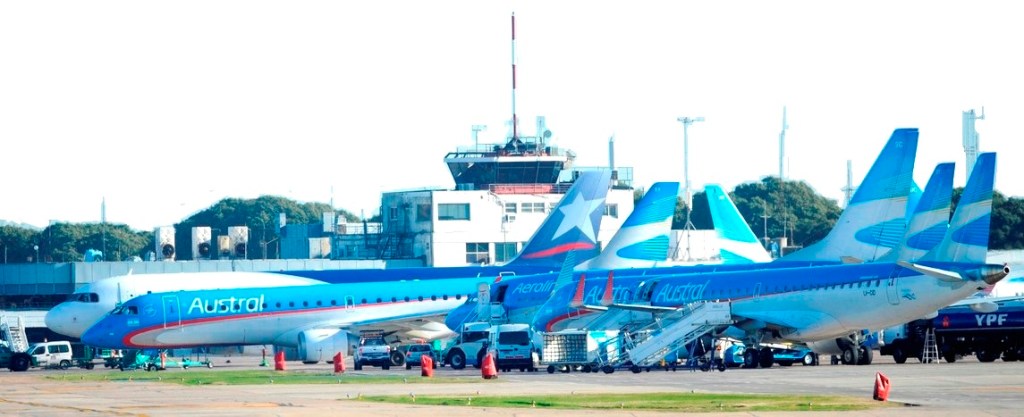
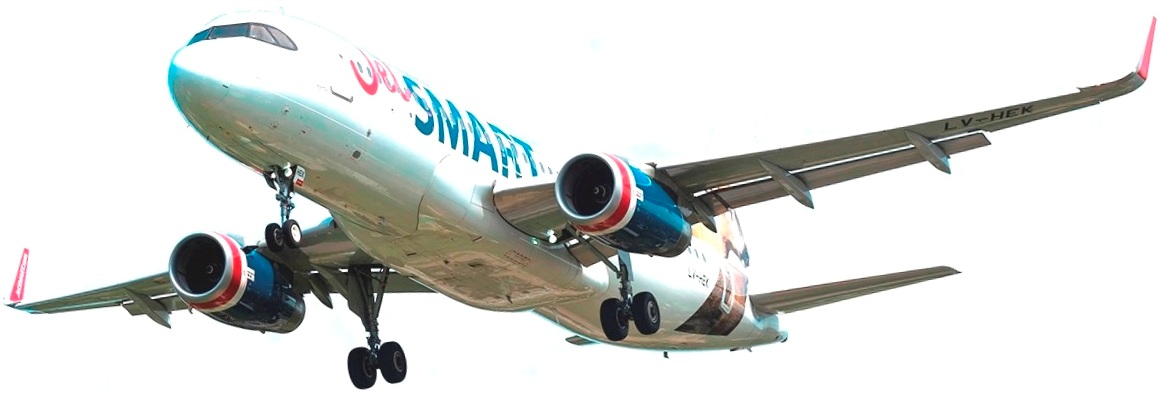
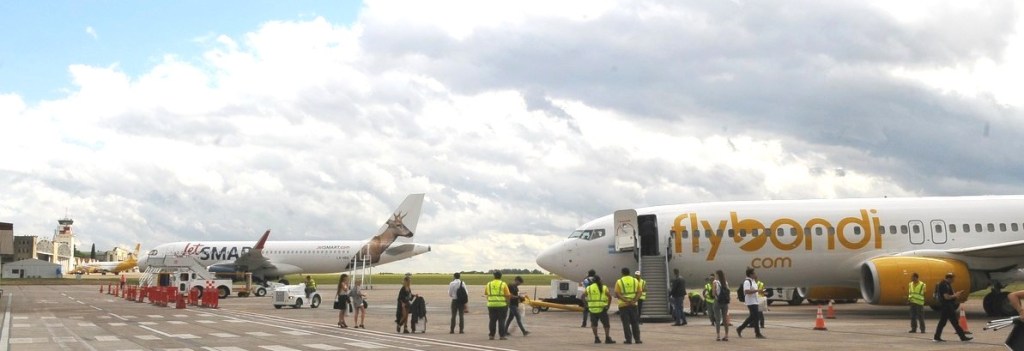
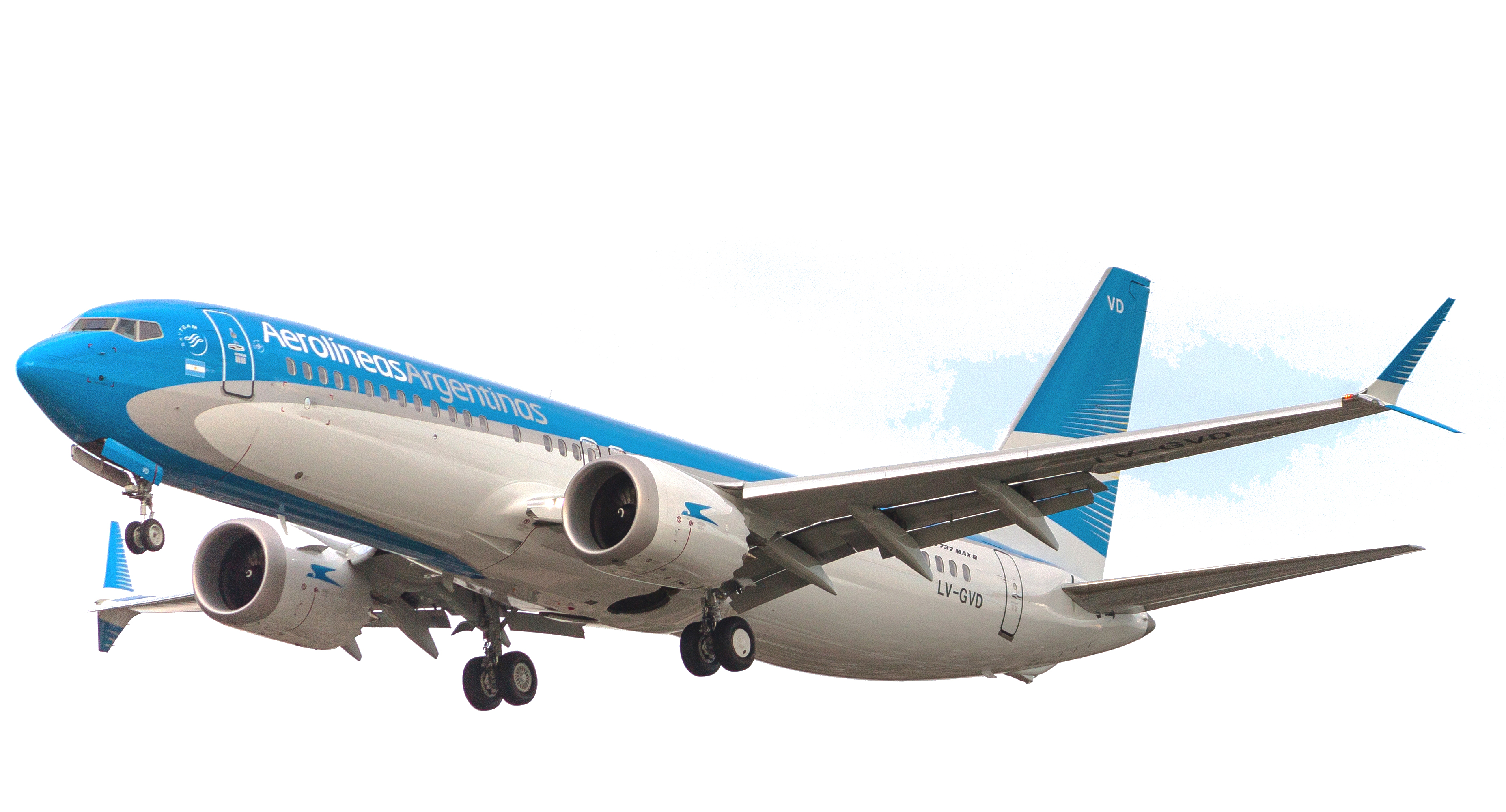
Las líneas aéreas han estado anunciando más frecuencias después de una larga y agotadora contracción del mercado aéreo en Argentina, arrastrando una profunda crisis económica en las compañías y una mayor concentración del mercado doméstico. A pesar de este nuevo escenario post-pandemia, la Argentina continúa mostrando leves signos de recuperación de vuelos y frecuencias en los tres operadores aéreos que perfilan posicionarse fuerte en el mercado local: Aerolíneas Argentinas que ha sido la más favorecida tras la absorción de Austral Líneas Aéreas lidera el mercado con más del 80% del segmento de vuelos en el país. Tras la salida de Latam Airlines Argentina, el mercado se ha concentrado con las dos competidoras low cost JetSmart Airlines Argentina y Flybondi Líneas Aéreas.
Aerolíneas Argentinas
La aerolínea ha anunciado que a partir del 1 de Julio de 2021 planea retomar el conocido Corredor Atlántico. LA ruta Buenos Aires-Mar del Plata-Bahía Blanca tendrá una frecuencia diaria (1Frq/D) con los siguientes vuelos: AR1602 Mar del Plata (MDQ) 10:30—Bahía Blanca (BHI) 11:35. AR1601 Bahía Blanca (BHI) 18:10—Mar del Plata (MDQ) 19:10. También se incorporan vuelos a la Patagonia: Mar del Plata— Bahía Blanca—Ushuaia: AR1602 Mar del Plata (MDQ) 10:30—Bahía Blanca (BHI) 11:35. AR1602 Bahía Blanca (BHI) 12:15—Ushuaia (USH) 15:15. AR1894 Ushuaia (USH) 14:40—Bahía Blanca (BHI) 17:30. AR1601 Bahía Blanca (BHI) 18:10—Mar del Plata (MDQ) 19:10. Mar del Plata—Bahía Blanca—Trelew—Comodoro Rivadavia. AR 1602 Mar del Plata (MDQ) 10:30—Bahía Blanca (BHI) 11:35. AR1604 Bahía Blanca (BHI) 12:15—Trelew (REL) 13:30. AR1604 Trelew (REL) 14:15—Comodoro Rivadavia (CRD) 15:15. AR1601 Comodoro Rivadavia (CRD)14:20—Trelew (REL) 15:20. AR1601 Trelew (REL) 16:00—Bahía Blanca (BHI) 17:15. AR 1601 Bahía Blanca (BHI) 18:10—Mar del Plata (MDQ) 19:10.
Aerolíneas Argentinas ha restablecido el 02/03 el Corredor Petrolero, que incluye a Mendoza, Neuquén y Comodoro Rivadavia, con el primer vuelo tras un período de parálisis de once meses de desconexión en el transporte hacia la Patagonia.
Flybondi
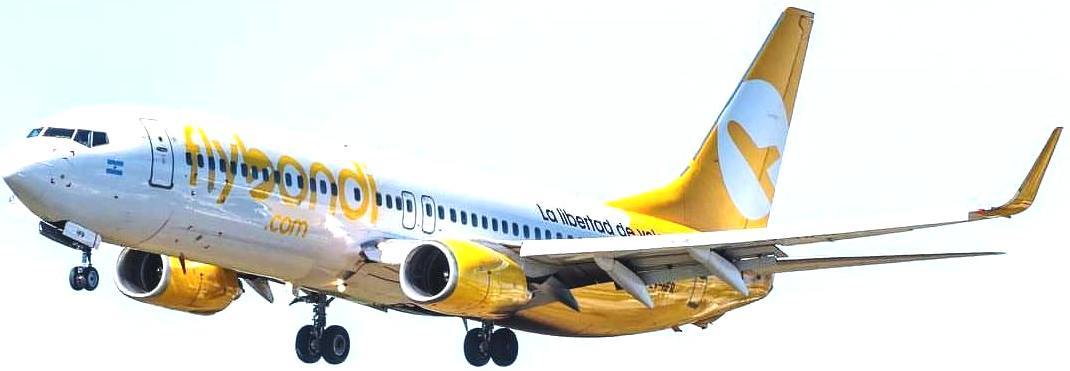
La aerolínea de presupuesto Flybondi Líneas Aéreas ha informado este Jueves 04/03 el restablecimiento simultáneo de los Boeing 737-800. Ambas aeronaves LV-HFR y LV-HKN han normalizado en conjunto sus operaciones permitiendo incrementar paulatinamente sus destinos y frecuencias domésticas en Argentina. Tras el restablecimiento de las operaciones en el país EN 11/2020, el Boeing 737-800 LV-HFR iniciaba las operaciones de la compañía el 12/12/2020. Posteriormente, el retorno del LV-HKN a principios de Febrero 2021 había permitido a la aerolínea low cost aumentar y respaldar frecuencias a partir del 15/02 para operar alternativamente las aeronaves. A partir del 04/03, Flybondi comenzaba a operar de manera simultánea ambas aeronaves permitiendo incorporar mayor presencia en las operaciones regulares en Argentina y mayor respaldo en caso de contingencias operativas.
El factor de ocupación de los vuelos de la low cosy han logrado una capacidad en 01/2021 (90%) y 02/2021 (91%), por delante de Aerolíneas Argentinas 02/2021 (88%) y JetSmart 02/2021 (66%). El tráfico en 02/2021 ha sido de 26.672 pasajeros. Las perspectivas de la aerolínea en el próximo desembarque en el Aeropuerto Jorge Newbery permitirá incrementar el número de frecuencias incorporando una mayor dinámica y mejor competitibidad. La actual red de servicios de cabotaje representan los siguientes destinos: Buenos Aires, Bariloche, Córdoba, Corrientes, Iguazú, Mendoza, Neuquén, Posadas, Salta, Santiago del Estero, San Miguel de Tucumán, San Salvador de Jujuy y Trelew. Las perspectivas de los vuelos internacionales están planificadas hacia Julio 2021, coincidiendo con el arrivo de una tercer aeronave Boeing 737-800.
JetSmart Argentina
JetSmart Airlines Argentina ha incursionado de manera agresiva su programación de vuelos enfocado en el estímulo hacia los viajes. El mercado low-cost comienza a establecer una fuerte competitividad y ofrece vuelos promocionales como una forma de estimular el restablecimiento de los vuelos al acercarse la finalización de las vacaciones estivales. La aerolínea low-cost JetSmart ha lanzado por ejemplo una oferta de tickets baratos Ezeiza-Iguazú a AR$ 2.599 Pesos precio final por tramo y la posibilidad de pagarlo en seis cuotas sin interés. Esto significa un costo total de AR$ 5.198 ida y vuelta a las Cataratas, entre un tercio y una cuarta parte de lo que sale actualmente un vuelo a ese destino cuyos valores rondarían los AR$ 5.680 y AR$ 7.680; mientras que un bus en la ruta Posadas-Buenos Aires oscila una tarifa de AR$ 5.500 Pesos por tramo.
Perspectivas mercado
Argentina viene arrastrando una recesión desde años atrás junto a una modena débil sumada a la recesión de los vuelos durante la pandemia, han alterado el mercado doméstico. Este nuevo panorama ha desarrollado una mayor concentración de transportadores, por lo que hacia el futuro nos espera observar qué cambios en los consumidores permitirán conocer la próxima aviación comercial en Argentina.
Argentina increases frequencies
Airlines begin to reactivate with more domestic frequencies
The airlines have been announcing more frequencies after a long and exhausting contraction of the air market in Argentina, dragging down a deep economic crisis in the companies and a greater concentration of the domestic market. Despite this new post-pandemic scenario, Argentina continues to show slight signs of recovery of flights and frequencies in the three air operators that are outlining a strong position in the local market: Aerolíneas Argentinas, which has been the most favored after the absorption of Austral Líneas Aéreas leads the market with more than 80% of the flight segment in the country. After the departure of Latam Airlines Argentina, the market has been concentrated with the two low cost competitors JetSmart Airlines Argentina and Flybondi Líneas Aéreas.
Aerolíneas Argentinas
The airline has announced that as of July 1, 2021 it plans to retake the well-known Atlantic Corridor. The Buenos Aires-Mar del Plata-Bahía Blanca route will have a daily frequency (1Frq/D) with the following flights: AR1602 Mar del Plata (MDQ) 10:30—Bahía Blanca (BHI) 11:35. AR1601 Bahía Blanca (BHI) 18: 10—Mar del Plata (MDQ) 19:10. Flights to Patagonia are also incorporated: Mar del Plata—Bahía Blanca—Ushuaia: AR1602 Mar del Plata (MDQ) 10:30—Bahía Blanca (BHI) 11:35. AR1602 Bahía Blanca (BHI) 12:15—Ushuaia (USH) 15:15. AR1894 Ushuaia (USH) 14:40—Bahía Blanca (BHI) 17:30. AR1601 Bahía Blanca (BHI) 18:10—Mar del Plata (MDQ) 19:10. Mar del Plata—Bahía Blanca—Trelew—Comodoro Rivadavia. AR 1602 Mar del Plata (MDQ) 10:30—Bahía Blanca (BHI) 11:35. AR1604 Bahía Blanca (BHI) 12:15—Trelew (REL) 13:30. AR1604 Trelew (REL) 14:15—Comodoro Rivadavia (CRD) 15:15. AR1601 Comodoro Rivadavia (CRD) 14:20—Trelew (REL) 15:20. AR1601 Trelew (REL) 16:00—Bahía Blanca (BHI) 17:15. AR 1601 Bahía Blanca (BHI) 18:10—Mar del Plata (MDQ) 19:10.
Aerolíneas Argentinas has reestablished on 03/02 the Oil Corridor, which includes Mendoza, Neuquén and Comodoro Rivadavia, with the first flight after a period of paralysis of eleven months of disconnection in the transport to Patagonia.
Flybondi
The budget airline Flybondi Líneas Aéreas has reported this Thursday 04/03 the simultaneous restoration of the Boeing 737-800. Both LV-HFR and LV-HKN aircraft have jointly normalized their operations, allowing them to gradually increase their destinations and domestic frequencies in Argentina. After the reestablishment of operations in the country EN 11/2020, the Boeing 737-800 LV-HFR began operations of the company on 12/12/2020. Subsequently, the return of the LV-HKN at the beginning of February 2021 had allowed the low cost airline to increase and support frequencies as of 02/15 to alternately operate the aircraft. As of 03/04, Flybondi began operating both aircraft simultaneously, allowing it to incorporate a greater presence in regular operations in Argentina and greater support in the event of operational contingencies.
The load factor of the low cozy flights has achieved capacity in 01/2021 (90%) and 02/2021 (91%), ahead of Aerolíneas Argentinas 02/2021 (88%) and JetSmart 02/2021 ( 66%). Traffic in 02/2021 was 26,672 passengers. The airline’s prospects for the next landing at Jorge Newbery Airport will allow an increase in the number of frequencies, incorporating greater dynamics and better competitiveness. The current network of cabotage services represents the following destinations: Buenos Aires, Bariloche, Córdoba, Corrientes, Iguazú, Mendoza, Neuquén, Posadas, Salta, Santiago del Estero, San Miguel de Tucumán, San Salvador de Jujuy and Trelew. The prospects for international flights are planned for July 2021, coinciding with the arrival of a third Boeing 737-800 aircraft.
JetSmart Argentina
JetSmart Airlines Argentina has aggressively entered its flight programming focused on the stimulus towards travel. The low-cost market begins to establish a strong competitiveness and offers promotional flights as a way to stimulate the reestablishment of flights as the end of the summer holidays approaches. For example, the low-cost airline JetSmart has launched an offer of cheap tickets Ezeiza-Iguazú at AR$ 2,599 pesos, final price per segment and the possibility of paying it in six installments without interest. This means a total cost of AR$ 5,198 round trip to the Falls, between a third and a quarter of what a flight to that destination currently leaves, whose values would be around AR$ 5,680 and AR$ 7,680; while a bus on the Posadas-Buenos Aires route oscillates a fare of AR$ 5,500 pesos per section.
Market prospects
Argentina has been dragging a recession for years together with a weak modena added to the recession of flights during the pandemic, have altered the domestic market. This new panorama has developed a greater concentration of carriers, so in the future we expect to see what changes in consumers will allow us to know the next commercial aviation in Argentina.
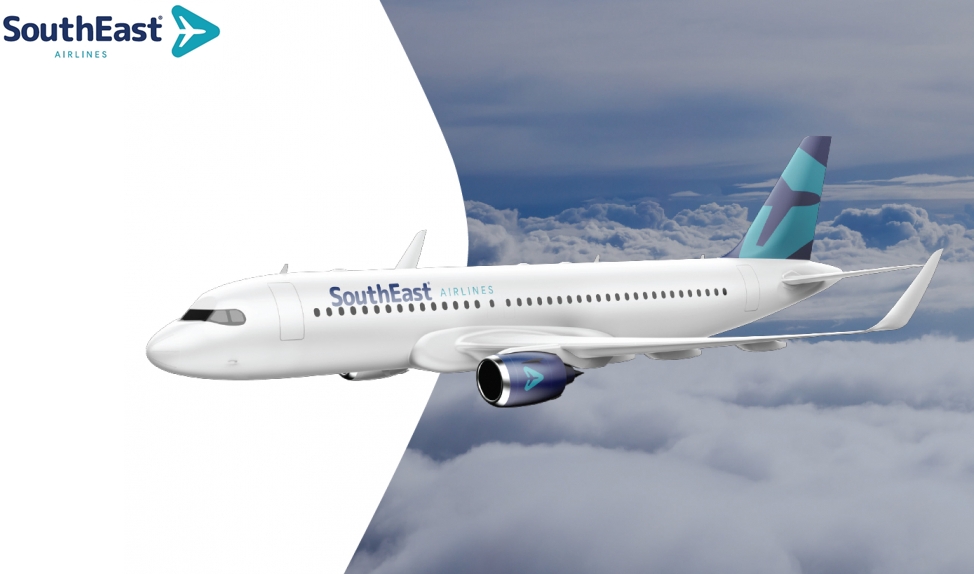
SouthEast Airlines es una nueva aerolínea en la República de Eslovenia con base en Trbovlje. Entre los fundadores y el equipo directivo de la futura aerolínea se encuentran pilotos e instructores experimentados, ingenieros y mecánicos aeronáuticos, especialistas en el campo de las finanzas y otros servicios de apoyo a la aviación. Uno de ellos es Blaž Berdnik, capitán del Airbus A320 con 22 años de experiencia en el campo de la aviación. Blaž Berdnik ha informado sobre por qué decidieron establecer su propia nueva aerolínea: «En algún momento a principios de 2019, mi equipo y yo decidimos que podría ser el momento de un nuevo y fresco enfoque en Eslovenia también. Por supuesto, los preparativos para un proyecto de este tipo son muy intensivos y es por eso que nos tomó entre 18 y 20 meses revelar nuestros planes al público. En enero, con la primera entrevista oficial en la Agencia de Aviación Civil de la República de Eslovenia, también confirmamos oficialmente nuestras intenciones de establecer una nueva aerolínea con sede en Eslovenia».
SouthEast Airlines está entrando en el mercado europeo de transporte aéreo y servicios con su enfoque avanzado, tecnología de aviación moderna y aviones Airbus europeos modernos. «EnSouthEast, ya hemos firmado un contrato para un programa chárter bastante exigente para el verano de 2021, para el cual estamos convencidos de que lo implementaremos con éxito después de obtener el AOC (certificado de operador aéreo)», dijo Blaž Berdnik.
La compañía ha decidido tener una flota uniforme de aviones Airbus A320 altamente fiables. «Airbus fue una elección lógica y muy fácil. En Eslovenia, este tipo de aviones se ha utilizado desde 1988». La compañía está negociando con el arrendador sobre los detalles del arrendamiento del avión Airbus A320. SouthEast comenzará sus operaciones con un Airbus A320 de 180 plazas en una clase puramente económica, y se espera que otro se añada a este avión a finales de este año. La aerolínea ya ha iniciado con éxito la selección y el entrenamiento de las tripulaciones de vuelo. En la fase inicial, se prevé que el personal cuente con entre 3 y 4 tripulaciones completas para el primer avión, que junto con el apoyo terrestre, que incluye la parte operativa y comercial, serán alrededor de 35 empleados.
SouthEast is born in Slovenia
New startup in the Republic of Slovenia
SouthEast Airlines is a new airline in the Republic of Slovenia based in Trbovlje. Among the founders and the management team of the future airline are experienced pilots and instructors, aeronautical engineers and mechanics, specialists in the field of finance and other aviation support services. One of them is Blaž Berdnik, an Airbus A320 captain with 22 years of experience in the field of aviation. Blaž Berdnik has reported on why they decided to establish their own new airline: «At some point in early 2019, my team and I decided that it might be time for a fresh new focus on Slovenia as well. Of course, preparations for a projects of this type are very intensive and that is why it took us between 18 and 20 months to reveal our plans to the public. In January, with the first official interview at the Civil Aviation Agency of the Republic of Slovenia, we also officially confirmed our intentions. to establish a new airline based in Slovenia».
SouthEast Airlines is entering the European air transport and services market with its advanced approach, modern aviation technology and modern European Airbus aircraft. «At SouthEast, we have already signed a contract for a rather demanding charter program for the summer of 2021, for which we are convinced that we will implement it successfully after obtaining the AOC (air operator certificate)», said Blaž Berdnik.
The company has decided to have a uniform fleet of highly reliable Airbus A320 aircraft. «Airbus was a logical and very easy choice. In Slovenia, this type of aircraft has been used since 1988». The company is negotiating with the lessor on the details of the lease of the Airbus A320 aircraft. SouthEast will begin operations with a 180-seat Airbus A320 in a pure economy class, with another expected to be added to this aircraft later this year. The airline has already successfully started the selection and training of flight crews. In the initial phase, it is expected that the personnel will have between 3 and 4 complete crews for the first aircraft, which together with the ground support, which includes the operational and commercial part, will be around 35 employees.









 airgways.com