Boeing entrega 2º etapa del cohete a la NASA Lanzará desde Apolo primeros humanos alrededor Luna
The Booeing Company ha comunicado el 16 de Julio de 2024 que ha proporcionado a la NASA la segunda etapa central del cohete Space Launch System (SLS). Construida en la Instalación de Ensamblaje Michoud (MAF) de la NASA, la etapa central está diseñada para enviar a la tripulación de Artemis II a la órbita lunar por primera vez en cincuenta años.
La etapa del cohete construida por Boeing, que es el componente más grande de la misión Artemis II, se cargará en la barcaza Pegasus y se transportará 900 millas hasta el Centro Espacial Kennedy de la NASA. Una vez allí, se integrará con los otros componentes de Artemis II, incluida la etapa superior, los propulsores de cohetes sólidos y la nave espacial Orion de la NASA dentro del Edificio de Ensamblaje de Vehículos. Esta integración es un paso crucial en la preparación para el lanzamiento de Artemis II, previsto para 2025.
«Los productos construidos por Boeing ayudaron a la humanidad a aterrizar en la Luna en 1969, y estamos orgullosos de continuar ese legado a través de la generación Artemis. Juntos, con la NASA y nuestros socios y proveedores de la industria, estamos construyendo el cohete más capaz del mundo y allanando el camino al espacio profundo a través de la fábrica de cohetes de Estados Unidos en Nueva Orleans», dijo Dave Dutcher, Vicepresidente y Gerente del programa SLS de Boeing.
La entrega de la Etapa 2 del Núcleo significa un gran logro en el desarrollo del cohete SLS. Esta etapa central, que mide más de 200 pies de altura y está impulsada por cuatro motores RS-25, junto con dos cohetes propulsores de combustible sólido, proporcionará los 8,8 millones de libras de empuje necesarios para impulsar Artemis II y futuras misiones al espacio.
El SLS es el único cohete capaz de transportar tripulación y carga grande a la Luna y más allá en un solo lanzamiento. Sus capacidades inigualables entregarán naves espaciales, hábitats y misiones científicas aptas para humanos a la Luna, Marte y más allá.
Como empresa aeroespacial líder a nivel mundial, Boeing desarrolla, fabrica y da servicio a aviones comerciales, productos de defensa y sistemas espaciales para clientes en más de 150 países. Como uno de los principales exportadores de Estados Unidos, la compañía aprovecha los talentos de una base de proveedores global para promover las oportunidades económicas, la sostenibilidad y el impacto en la comunidad. El diverso equipo de Boeing está comprometido con la innovación para el futuro, el liderazgo con la sostenibilidad y el cultivo de una cultura basada en los valores fundamentales de la compañía: seguridad, calidad e integridad.
Boeing second stage SLS rocket
Boeing delivers 2nd stage of rocket to NASA Apollo will launch first humans around the Moon
The Boeing Company announced on July 16, 2024 that it has provided NASA with the second core stage of the Space Launch System (SLS) rocket. Built at NASA’s Michoud Assembly Facility (MAF), the core stage is designed to send the Artemis II crew into lunar orbit for the first time in fifty years.
The Boeing-built rocket stage, which is the largest component of the Artemis II mission, will be loaded onto the Pegasus barge and transported 900 miles to NASA’s Kennedy Space Center. Once there, it will be integrated with the other components of Artemis II, including the upper stage, solid rocket boosters, and NASA’s Orion spacecraft inside the Vehicle Assembly Building. This integration is a crucial step in preparation for the launch of Artemis II, scheduled for 2025.
«Boeing-built products helped humanity land on the Moon in 1969, and we are proud to continue that legacy through the Artemis generation. Together, with NASA and our industry partners and suppliers, we are building the rocket capable rocket in the world and paving the way to deep space through America’s rocket factory in New Orleans», said Dave Dutcher, vice president and SLS program manager at Boeing.
The delivery of Core Stage 2 represents a major achievement in the development of the SLS rocket. This core stage, which measures more than 200 feet tall and is powered by four RS-25 engines, along with two solid-fuel rocket boosters, will provide the 8.8 million pounds of thrust needed to power Artemis II and future missions to the space.
The SLS is the only rocket capable of carrying crew and large cargo to the Moon and beyond in a single launch. Its unmatched capabilities will deliver human-grade spacecraft, habitats, and scientific missions to the Moon, Mars, and beyond.
As a leading global aerospace company, Boeing develops, manufactures, and services commercial aircraft, defense products, and space systems for customers in more than 150 countries. As a leading U.S. exporter, the company leverages the talents of a global supplier base to advance economic opportunity, sustainability, and community impact. Boeing’s diverse team is committed to innovating for the future, leading with sustainability, and cultivating a culture based on the company’s core values: safety, quality, and integrity.
PUBLISHER: Airgways.com DBk: Boeing.com / Nasa.gov/Joel Kowsky / Airgways.com AW-POST: 202407181114AR OWNERSHIP: Airgways Inc. A\W A I R G W A Y S ®
NASA sostiene astronautas Starliner no están atrapados en ISS
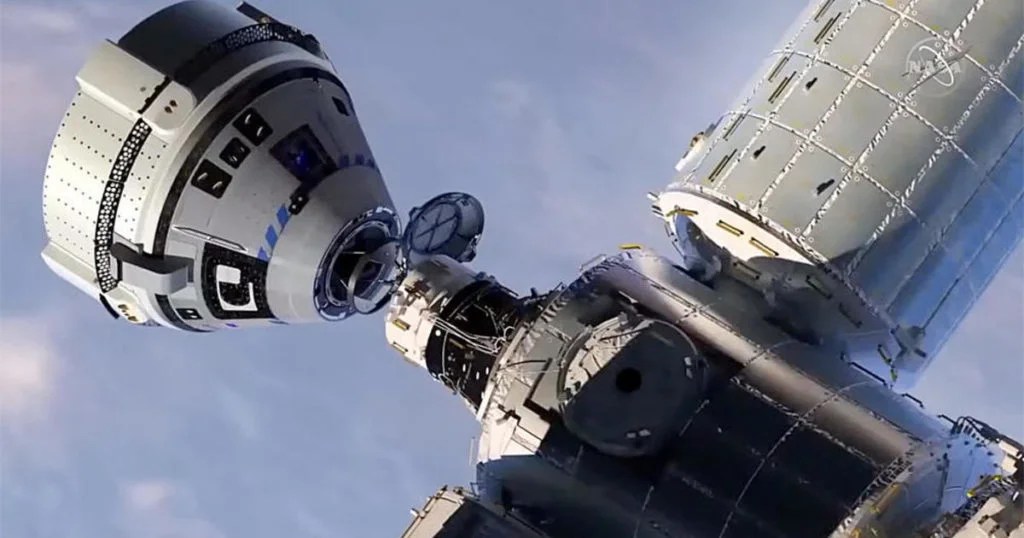
La nave espacial Starliner se acopló al módulo Harmony de la Estación Espacial Internacional, orbitando a 262 millas sobre la costa mediterránea de Egipto el 13 de Junio de 2024. Dos astronautas de la NASA que viajaron a principios de Junio 2024 a la Estación Espacial Internacional estaban originalmente programados para regresar a casa hace un par de semanas, completando un vuelo de prueba de la nave espacial Starliner de The Boeing Company.
Butch Wilmore y Suni Williams pasarán semanas adicionales en órbita mientras los equipos en tierra estudian el mal funcionamiento de los propulsores de la nave espacial Starliner. Pero no hay que decir que los astronautas están atrapados o varados, dijeron las autoridades el Viernes 28/06. La agencia aeroespacial no habla de una misión de rescate: «No estamos atascados en el ISS. La tripulación no corre ningún peligro», dijo Mark Nappi, Gerente de Programas de Boeing para Starliner, durante una conferencia de prensa el viernes.
Steve Stich, Gerente del Programa de Tripulación Comercial de la NASA, también trató de disipar las preocupaciones: «El vehículo en la estación está en buen estado. Quiero dejar muy claro que Butch y Suni no están varados en el espacio. Nuestro plan es continuar devolviéndolos en Starliner y devolverlos a casa en el momento adecuado». Steve Stich agregó que el momento adecuado sería después de un análisis adicional sobre por qué cinco de los 28 aviones de maniobra de Starliner se comportaron de manera extraña cuando la nave espacial se acercó a la estación espacial. Las computadoras de Starliner, que guiaban de forma autónoma la nave espacial, pudieron compensar con los propulsores restantes.
Situación del Starliner El Starliner tiene cuatro de los cinco propulsores en funcionamiento. El otro propulsor no se utilizará durante el viaje de regreso. Los gerentes de la misión esperan que Starliner pueda desacoplarse de la estación espacial y llevar a Butch Wilmore y Suni Williams en su viaje de regreso desde el espacio, pero no entienden completamente qué causó el problema.
Los desastres fatales en la historia de la NASA, como la pérdida de los transbordadores espaciales Challenger y Columbia, han enseñado a los gerentes de misión a ser cautelosos y curiosos cuando algo no está del todo bien.
«Creo que están haciendo su debida diligencia. Al no tener prisa por volver a casa, tiene mucho sentido tomarse el tiempo para recopilar la mayor cantidad de información posible para que puedan asegurarse de que todos los problemas se solucionen. Eso tiene mucho sentido, tomarse su tiempo», dijo Wayne Hale, Director de Vuelo retirado de la NASA.
Mark Nappi ofreció una evaluación similar durante la conferencia de prensa del viernes, diciendo que era prudente usar el tiempo para análisis adicionales: «Sería irresponsable para nosotros, si tenemos tiempo y queremos hacer más, no hacerlo», dijo.
A partir de la próxima semana, los ingenieros realizarán pruebas en tierra en el Centro de Pruebas White Sands de la NASA en California utilizando un propulsor idéntico a los de Starliner. Los disparos reproducirán los que Starliner realizó en el espacio. Eso probablemente tomará un par de semanas. «Entonces les daremos a los ingenieros la oportunidad de ir a ver ese propulsor. Esta será la verdadera oportunidad de examinar un propulsor, tal como lo hemos tenido en el espacio», expresó Steve Stich.
Los ingenieros no podrán examinar directamente los problemáticos propulsores de la nave espacial que ahora está en órbita porque están ubicados en lo que se conoce como el módulo de servicio. Esa parte será arrojada durante el vuelo de regreso a casa, quemándose en la atmósfera. «La prueba nos ayudará a comprender el rendimiento del propulsor y puede darnos un 100 por ciento de confianza de que todo lo que hemos visto en órbita está bien. Es solo un dato más que podemos tener antes de desorbitar el vehículo», dijo Steve Stich.
Escenarios anteriores Ex funcionarios de la NASA como Wayne Hale señalaron que el hecho de que los gerentes de misión hicieran caso omiso de las preocupaciones de los ingenieros contribuyó a accidentes fatales anteriores. Durante el lanzamiento del transbordador espacial Columbia en Enero de 2003, un trozo de espuma aislante del tanque de combustible externo se desprendió y golpeó el ala izquierda del transbordador. Wayne Hale, que estaba a punto de comenzar un nuevo puesto como Gerente de Integración de Lanzamiento para el programa del transbordador, llamó a los contactos del Departamento de Defensa, preguntando si tenía la capacidad de inspeccionar visualmente el transbordador en busca de daños. Pero los gerentes de más alto rango en la cadena de mando de la NASA no sintieron curiosidad y le dijeron a Wayne Hale que se retractara de la solicitud de ayuda, cumpliendo la solicitud. Lo que nadie sabía en ese momento era que el golpe de espuma había hecho un agujero en el ala. Al regresar a la Tierra, el Columbia se desintegró, matando a los siete astronautas a bordo.
«Mirando hacia atrás, ciertamente en el caso de Columbia, no se hicieron suficientes preguntas. No se tomó el tiempo suficiente. Y claramente se ha aprendido la lección: hay que tomarse el tiempo disponible para llegar a la respuesta más completa y responder a todas las preguntas que cualquiera de los expertos pueda tener», comentó Wayne Hale.
Perspectivas Starliner Mientras la NASA y Boeing estudian la nave espacial, Butch Wilmore y Suni Williams podrían subirse a Starliner para regresar a casa en caso de una emergencia en la estación espacial. De hecho, cuando un satélite ruso muerto se rompió inesperadamente en órbita el Jueves 27/06, se refugiaron brevemente en el vehículo y lo habrían utilizado si la estación espacial hubiera sido golpeada por un gran trozo de escombros, había comunicado Steve Stich.
La cápsula está actualmente certificada para pasar 45 días acoplada a la estación espacial, debido a las limitaciones del diseño actual de las baterías de Starliner. Pero hasta ahora, las baterías han funcionado bien, y la estadía puede extenderse más allá de los 45 días, dijo Steve Stich.
Starliner no es el único problema a resolver de la NASA en este momento. Una caminata espacial fue interrumpida el Lunes 24/06 cuando el agua se filtró de un cordón umbilical que se conecta a un traje espacial mientras los astronautas estaban en la esclusa. Los ingenieros aún no entienden qué pasó. «Tenemos que pensarlo un poco más», dijo Bill Spetch, Gerente de Integración de Operaciones de la NASA para el programa de la Estación Espacial Internacional. La próxima caminata espacial, que había sido programada para el Martes 02/07, no ocurrirá hasta al menos finales de Julio 2024, dijo Bill Spetch.
NASA astronauts continue in orbit
NASA maintains Starliner astronauts are not trapped on ISS
The Starliner spacecraft docked with the Harmony module of the International Space Station, orbiting 262 miles above the Mediterranean coast of Egypt on June 13, 2024. Two NASA astronauts who traveled in early June 2024 to the International Space Station were originally scheduled to return home a couple of weeks ago, completing a test flight of The Boeing Company‘s Starliner spacecraft.
Butch Wilmore and Suni Williams will spend additional weeks in orbit as teams on the ground study thruster malfunctions on the Starliner spacecraft. But it should not be said that the astronauts are trapped or stranded, authorities said Friday 06/28. The aerospace agency is not talking about a rescue mission: «We are not stuck on the ISS. The crew is not in any danger», said Mark Nappi, Boeing Program Manager for Starliner, during a press conference on Friday.
Steve Stich, NASA Commercial Crew Program Manager, also tried to allay concerns: «The vehicle on the station is in good condition. I want to be very clear that Butch and Suni are not stranded in space. Our plan is to continue returning them on Starliner and returning them home at the appropriate time», Steve Stich added that the right time would be after additional analysis into why five of Starliner’s 28 maneuvering planes behaved strangely as the spacecraft approached the space station. Starliner’s computers, which autonomously guided the spacecraft, were able to compensate with the remaining thrusters.
Starliner status The Starliner has four of the five thrusters in operation. The other thruster will not be used during the return trip. Mission managers hope Starliner can undock from the space station and carry Butch Wilmore and Suni Williams on their return trip from space, but they don’t fully understand what caused the problem.
Fatal disasters in NASA history, such as the loss of the space shuttles Challenger and Columbia, have taught mission managers to be cautious and curious when something isn’t quite right.
«I think they’re doing their due diligence. Not being in a rush to get home, it makes a lot of sense to take the time to gather as much information as possible so they can make sure all the issues are taken care of. That makes a lot of sense, taking its time», said Wayne Hale, retired NASA Flight Director.
Mark Nappi offered a similar assessment during Friday’s news conference, saying it was prudent to use the time for additional analysis: «It would be irresponsible for us, if we have time and want to do more, not to do it», he said.
Starting next week, engineers will conduct ground tests at NASA’s White Sands Test Center in California using a booster identical to those on Starliner. The shots will reproduce those that Starliner made in space. That will probably take a couple of weeks. «Then we’ll give the engineers a chance to go look at that booster. This will be the real opportunity to look at a booster, just like we’ve had in space», Steve Stich said.
Engineers will not be able to directly examine the problematic thrusters on the spacecraft now in orbit because they are located in what is known as the service module. That part will be thrown out during the flight back home, burning up in the atmosphere. «The test will help us understand the performance of the booster and can give us 100 percent confidence that everything we’ve seen in orbit is fine. It’s just one more piece of information we can have before we deorbit the vehicle», said Steve Stich.
Previous scenarios Former NASA officials such as Wayne Hale noted that mission managers’ ignoring engineers’ concerns contributed to previous fatal accidents. During the launch of the space shuttle Columbia in January 2003, a piece of foam insulation from the external fuel tank broke off and struck the left wing of the shuttle. Wayne Hale, who was about to start a new position as Launch Integration Manager for the shuttle program, called Department of Defense contacts, asking if he had the ability to visually inspect the shuttle for damage. But higher-ranking managers in NASA’s chain of command were not curious and told Wayne Hale to retract the request for help, complying with the request. What no one knew at the time was that the foam hit had blown a hole in the wing. Upon returning to Earth, Columbia disintegrated, killing all seven astronauts on board.
«Looking back, certainly in the Columbia case, not enough questions were asked. Not enough time was taken. And clearly, the lesson has been learned: you have to take the time available to get to the most complete answer and answer all of the questions any of the experts may have», said Wayne Hale.
Starliner Perspectives While NASA and Boeing study the spacecraft, Butch Wilmore and Suni Williams could board Starliner to return home in case of an emergency on the space station. In fact, when a dead Russian satellite unexpectedly broke up in orbit on Thursday 06/27, they briefly took refuge in the vehicle and would have used it if the space station had been hit by a large piece of debris, Steve Stich had reported.
The capsule is currently certified to spend 45 days docked with the space station, due to limitations of Starliner’s current battery design. But so far, the batteries have worked well, and the stay can be extended beyond 45 days, Steve Stich said.
Starliner isn’t NASA’s only problem to solve right now. A spacewalk was interrupted on Monday 6/24 when water leaked from an umbilical cord that connects to a spacesuit while the astronauts were in the airlock. Engineers still don’t understand what happened. «We need to think about it a little more», said Bill Spetch, NASA’s Operations Integration Manager for the International Space Station program. The next spacewalk, which had been scheduled for Tuesday 07/02, will not occur until at least the end of July 2024, Bill Spetch said.
PUBLISHER: Airgways.com DBk: Nasa.gov / Boeing.com / Nytimes.com / Airgways.com AW-POST: 202406291122AR OWNERSHIP: Airgways Inc. A\W A I R G W A Y S ®
Boeing lanza astronautas al espacio por primera vez
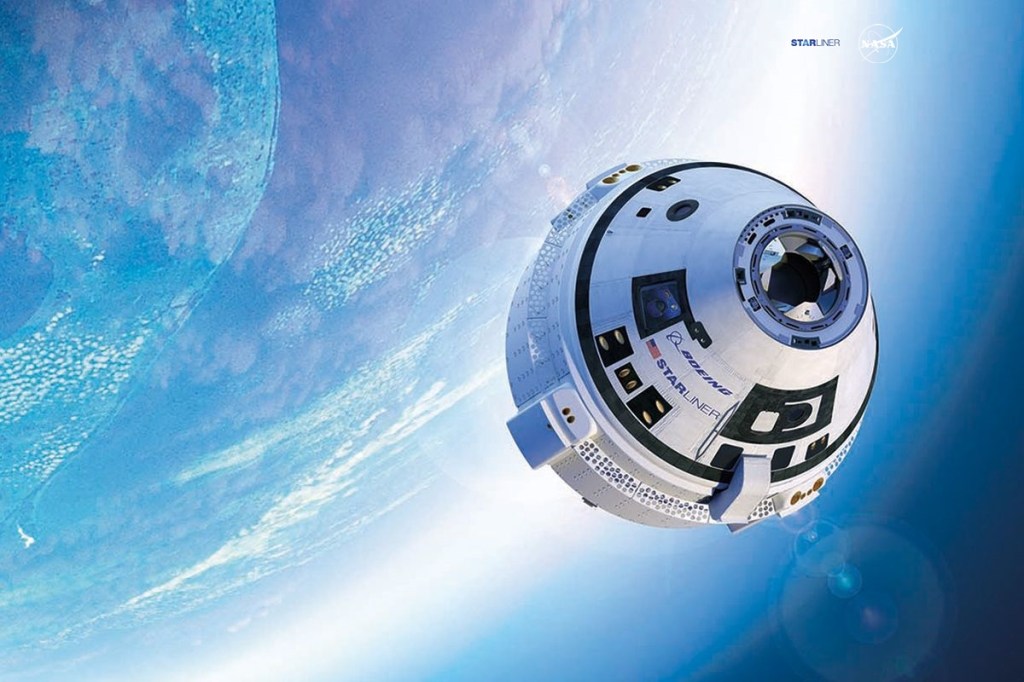
The Boeing Company lanzó el Miércoles 5 de Junio de 2024 por primera vez astronautas al espacio, sumándose a SpaceX como el segundo servicio de transporte para la NASA. Dos pilotos de prueba de la NASA despegaron en la cápsula Starliner CST100 de Boeing rumbo a la Estación Espacial Internacional, los primeros en usar esa nueva aeronave. Se espera que el viaje emprendido por Butch Willmore y Suni Williams tome 25 horas y concluya el jueves. Los astronautas pasarán poco más de una semana en el laboratorio en órbita antes de volver al Starliner para aterrizar el 14 de Junio de 2024 en un remoto lugar del desierto, en el oeste de Estados Unidos.
Con un retraso de varios años debido a fallas en el vehículo espacial, el debut de la tripulación del Starliner se produce mientras la empresa enfrenta problemas de seguridad no relacionados en su división de aviones. Wilmore y Williams, capitanes jubilados de la Armada y antiguos residentes de la estación espacial, hicieron énfasis repetidamente, antes del lanzamiento, en que confiaban plenamente en la capacidad de Boeing de hacer las cosas bien en este vuelo de prueba. Paralizado por fallas en el software, el vuelo de prueba inicial no tripulado del Starliner en 2019 tuvo que repetirse antes de que la NASA permitiera el abordaje de sus astronautas. El nuevo intento en 2022 salió mucho mejor, pero después surgieron problemas con los paracaídas y se tuvo que retirar cinta inflamable de la cápsula.
El lanzamiento del Miércoles 05/06 fue el tercer intento con astronautas desde principios de mayo, y se produce después de un par de problemas relacionados con los cohetes, el más reciente ocurrido el fin de semana pasado. Una pequeña fuga de helio en el sistema de propulsión del vehículo también provocó retrasos, pero los directores decidieron que la fuga era manejable y no constituía un problema de seguridad. “Sé que hemos recorrido un largo camino para estar aquí”, señaló Steve Stich, Gerente del Programa de Tripulación Comercial de la NASA antes del retraso del fin de semana.
Boeing fue contratado, junto con SpaceX de Elon Musk, hace una década para transportar astronautas de la NASA hacia la estación espacial y de regreso. La agencia espacial quería tener dos empresas competidoras para realizar el trabajo después del retiro del transbordador espacial, pagando 4.200 millones de dólares a Boeing y poco más de la mitad de esa cantidad a SpaceX, que reformó la cápsula que utilizaba para enviar suministros a la estación.
SpaceX puso astronautas en órbita en 2020, convirtiéndose en la primera empresa privada en lograr lo que únicamente tres países —Rusia, Estados Unidos y China— han conseguido. Ha llevado a nueve tripulaciones a la estación espacial para la NASA y a tres grupos privados para una empresa de Houston que alquila vuelos. El despegue desde la Estación de la Fuerza Espacial de Cabo Cañaveral fue el 100º vuelo de un Atlas V del fabricante de cohetes United Launch Alliance. Fue el primer viaje con astronautas en un cohete Atlas desde la era de Mercury de John Glenn, hace 60 años; generalmente, el cohete pone en órbita satélites y lanza otros vehículos espaciales. A pesar del récord perfecto del Atlas V, la presencia humana aumentó la tensión para las decenas de empleados de la NASA y de Boeing que se reunieron en Cabo Cañaveral y en el área de control de misiones en Houston.
El Starliner de Boeing y el Dragon de SpaceX están diseñados para ser totalmente autónomos y reutilizables. Ocasionalmente, Wilmore y Williams tomarán el control manual del Starliner en su camino a la estación espacial para verificar sus sistemas. Si la misión va según lo esperado, la NASA alternará entre SpaceX y Boeing para fletar vuelos a partir del año próximo. El piloto suplente de este vuelo de prueba, Mike Fincke, abordará el Starliner en su próximo viaje. “Cuando tenemos un nuevo vehículo espacial, es necesario aprender todo acerca de él, y esto ha sido un gran ejercicio”, dijo Mike Fincke a los reporteros a finales de la semana pasada.
Launch of the Starliner CST100
Boeing launches astronauts into space for the first time
The Boeing Company launched astronauts into space for the first time on Wednesday, June 5, 2024, joining SpaceX as the second transportation service for NASA. Two NASA test pilots took off in Boeing’s Starliner CST100 capsule heading to the International Space Station, the first to use this new aircraft. The journey undertaken by Butch Willmore and Suni Williams is expected to take 25 hours and conclude Thursday. The astronauts will spend just over a week in the orbiting laboratory before returning to the Starliner to land on June 14, 2024, in a remote desert location in the western United States.
Delayed several years due to spacecraft failures, the Starliner crew debut comes as the company faces unrelated safety issues in its aircraft division. Wilmore and Williams, retired Navy captains and former residents of the space station, repeatedly emphasized before the launch that they had every confidence in Boeing’s ability to get things right on this test flight. Halted by software glitches, the Starliner’s initial unmanned test flight in 2019 had to be repeated before NASA would allow its astronauts to board. The new attempt in 2022 went much better, but then problems arose with the parachutes and flammable tape had to be removed from the capsule.
The Wednesday 06/05 launch was the third attempt with astronauts since early May and comes after a couple of rocket-related problems, the most recent occurring last weekend. A small helium leak in the vehicle’s propulsion system also caused delays, but managers decided the leak was manageable and did not constitute a safety issue. “I know we’ve come a long way to be here”, said Steve Stich, NASA’s Commercial Crew Program Manager before the weekend delay.
Boeing was hired, along with Elon Musk’s SpaceX, a decade ago to transport NASA astronauts to the space station and back. The space agency wanted to have two competing companies do the work after the space shuttle retired, paying US$ 4.2 billion to Boeing and just over half that amount to SpaceX, which refurbished the capsule it used to send supplies to the station.
SpaceX launched astronauts into orbit in 2020, becoming the first private company to achieve what only three countries —Russia, the United States, and China— have achieved. It has flown nine crews to the space station for NASA and three private groups for a Houston company that charters flights. The liftoff from Cape Canaveral Space Force Station was the 100th flight of an Atlas V from rocket maker United Launch Alliance. It was the first trip with astronauts on an Atlas rocket since John Glenn’s Mercury era, 60 years ago; Generally, the rocket puts satellites into orbit and launches other space vehicles. Despite the Atlas V’s perfect record, the human presence increased tension for the dozens of NASA and Boeing employees who gathered at Cape Canaveral and at the mission control area in Houston.
Boeing’s Starliner and SpaceX’s Dragon are designed to be fully autonomous and reusable. Occasionally, Wilmore and Williams will take manual control of the Starliner on its way to the space station to check its systems. If the mission goes as expected, NASA will alternate between SpaceX and Boeing to charter flights starting next year. The substitute pilot for this test flight, Mike Fincke, will board the Starliner on its next trip. “When we have a new space vehicle, you need to learn everything about it, and this has been a great exercise”, Mike Fincke told reporters late last week.
PUBLISHER: Airgways.com DBk: Boeing.com / Nasa.gov / Airgways.com AW-POST: 202406051327AR OWNERSHIP: Airgways Inc. A\W A I R G W A Y S ®
Nuevo lanzamiento Atlas V/Starliner el 5 de Junio 2024
Los equipos de la misión del vuelo de prueba tripulado de The Boeing Company y de la NASA se están preparando para intentar lanzar la nave Starliner el Miércoles 5 de Junio de 2024 a las 14:52 GMT desde el Complejo de Lanzamiento Espacial 41 de la Estación de la Fuerza Espacial de Cabo Cañaveral en Florida en una misión de aproximadamente una semana a la Estación Espacial Internacional.
Los técnicos e ingenieros de ULA (United Launch Alliance) ha trabajado durante el fin de semana para evaluar el equipo de soporte terrestre en la plataforma de lanzamiento que tuvo problemas durante la cuenta atrás, obligando a cancelar el lanzamiento del 1 de Junio. El equipo de ULA identificó un problema con una sola fuente de alimentación terrestre dentro de uno de los tres chasis redundantes que proporciona energía a un subconjunto de tarjetas de computadora que controlan varias funciones del sistema, incluida la tarjeta responsable de las válvulas de reabastecimiento estables para la etapa superior Centauro del cohete Atlas V. Se requieren los tres chasis para entrar en la fase terminal de la cuenta atrás del lanzamiento para garantizar la seguridad de la tripulación.
El Domingo 02/06, se retiró el chasis que contenía la unidad de energía terrestre defectuosa, se inspeccionó visualmente y se reemplazó con un chasis de repuesto. No se observaron signos de daño físico. Se realizará un análisis completo de la falla de la unidad de potencia para comprender mejor la causa raíz. Mientras tanto, ULA ha completado las comprobaciones funcionales del nuevo chasis y las tarjetas, y todo el hardware está funcionando normalmente.
Los administradores de la misión han optado por el próximo intento de lanzamiento el 5 de Junio de 2024. El 45º Escuadrón Meteorológico de la Fuerza Espacial de los EE.UU. predice una probabilidad del 90 % de condiciones climáticas favorables, siendo la regla de los cúmulos la principal preocupación meteorológica. Hay otra oportunidad disponible a las 14:29 GMT del jueves 6 de Junio.
Los astronautas de la NASA Barry «Butch» Wilmore y Suni Williams, la primera tripulación de astronautas de este vuelo de prueba a bordo de la nave espacial Starliner de Boeing, permanecen en cuarentena en el Centro Espacial Kennedy de la NASA y participarán en actividades de entrenamiento de pilotos y otras actividades previas al lanzamiento.
NASA reprograms Starliner
New Atlas V/Starliner launch on June 5, 2024
The Boeing Company and NASA crewed test flight mission teams are preparing to attempt to launch the Starliner spacecraft on Wednesday, June 5, 2024, at 14:52 GMT from the Station’s Space Launch Complex 41. from Cape Canaveral Space Force in Florida on a roughly week-long mission to the International Space Station.
ULA (United Launch Alliance) technicians and engineers have worked over the weekend to evaluate the ground support equipment on the launch pad that had problems during the countdown, forcing the June 1 launch to be canceled. The ULA team identified a problem with a single ground power supply inside one of three redundant chassis that provides power to a subset of computer cards that control various system functions, including the card responsible for the stable refueling valves for the Centaur upper stage of the Atlas V rocket. All three chassis are required to enter the terminal phase of the launch countdown to ensure the safety of the crew.
On Sunday 02/06, the chassis containing the defective ground power unit was removed, visually inspected, and replaced with a replacement chassis. No signs of physical damage were observed. A complete analysis of the power unit failure will be performed to better understand the root cause. Meanwhile, ULA has completed functional checks of the new chassis and cards, and all hardware is operating normally.
Mission managers have opted for the next launch attempt on June 5, 2024. The US Space Force’s 45th Weather Squadron predicts a 90% probability of favorable weather conditions, with the rule being cumulus clouds the main meteorological concern. There is another opportunity available at 14:29 GMT on Thursday June 6.
NASA astronauts Barry «Butch» Wilmore and Suni Williams, the first astronaut crew for this test flight aboard Boeing’s Starliner spacecraft, remain quarantined at NASA’s Kennedy Space Center and will participate in pilot training and other pre-launch activities.
PUBLISHER: Airgways.com DBk: Nasa.gov / Boeing.com / Airgways.com AW-POST: 202406031334AR OWNERSHIP: Airgways Inc. A\W A I R G W A Y S ®
Starliner de Boeing se retrasa de nuevo hacia 25 Mayo 2024
La primera misión de astronautas de la nueva nave espacial Starliner CST-100 de The Boeing Company se ha retrasado nuevamente hasta el 25 de Mayo de 2024. El deslizamiento de cuatro días permite al equipo de lanzamiento estudiar más a fondo una fuga de helio detectada en uno de los propulsores de Starliner.
El Martes, 21 de Mayo de 2024 había sido la última fecha prevista para el lanzamiento de la Prueba de Vuelo de la Tripulación (CFT) de Starliner, que enviará a los astronautas de la NASA Suni Williams y Butch Wilmore a la Estación Espacial Internacional (ISS) para una estadía de aproximadamente una semana.
Pero la NASA anunció el Viernes, 17 de Mayo de 2024 que ahora está considerando el 25/05 para el despegue, que tendrá lugar sobre un cohete Atlas V de United Launch Alliance (ULA) desde la Estación de la Fuerza Espacial de Cabo Cañaveral, en la Costa Espacial de Florida.
«El tiempo adicional permite a los equipos evaluar más a fondo una pequeña fuga de helio en el módulo de servicio de la nave espacial Boeing Starliner rastreada a una brida en un solo propulsor del sistema de control de reacción», escribieron los funcionarios de la agencia de la NASA en una actualización el 17/05.
El incidente de la filtración fue descubierta a principios de esta semana, lo que llevó al equipo de la misión a retrasar el lanzamiento previsto de CFT del Viernes 17/05 al 21/05. Un análisis más detallado de la fuga sugiere que no es un gran problema, pero la NASA, Boeing y ULA quieren más tiempo para evaluar la situación, escribieron funcionarios de la agencia en la actualización del Viernes 17/05. «Las pruebas de presión realizadas el 15 de Mayo en el sistema de helio de la nave espacial mostraron que la fuga en la brida es estable y no representaría un riesgo a ese nivel durante el vuelo», se lee en la actualización.
Starliner launch rescheduled
Boeing’s Starliner delayed again to May 25, 2024
The first astronaut mission of The Boeing Company‘s new Starliner CST-100 spacecraft has been delayed again to May 25, 2024. The four-day glide allows the launch team to further study a helium leak detected in one of the Starliner engines.
Tuesday, May 21, 2024, had been the last scheduled launch date for the Starliner Crew Flight Test (CFT), which will send NASA astronauts Suni Williams and Butch Wilmore to the International Space Station (ISS) for a stay of approximately one week.
But NASA announced on Friday, May 17, 2024, that it is now considering 05/25 for liftoff, which will take place atop a United Launch Alliance (ULA) Atlas V rocket from Cape Canaveral Space Force Station. on Florida’s Space Coast.
«The additional time allows teams to further evaluate a small helium leak in the service module of the Boeing Starliner spacecraft traced to a flange on a single booster reaction control system», agency officials wrote. from NASA in an update on 05/17.
The leak incident was discovered earlier this week, leading the mission team to delay the planned launch of CFT from Friday 5/17 to 5/21. A more detailed analysis of the leak suggests it’s not a big problem, but NASA, Boeing, and ULA want more time to evaluate the situation, agency officials wrote in the Friday 5/17 update. «Pressure tests conducted on May 15 on the spacecraft’s helium system showed that the flange leak is stable and would not pose a risk at that level during flight», the update reads.
PUBLISHER: Airgways.com DBk: Nasa.gov / Boeing.com / Airgways.com AW-POST: 202405172037AR OWNERSHIP: Airgways Inc. A\W A I R G W A Y S ®
Cancela lanzamiento de prueba de vuelo tripulación del Starliner
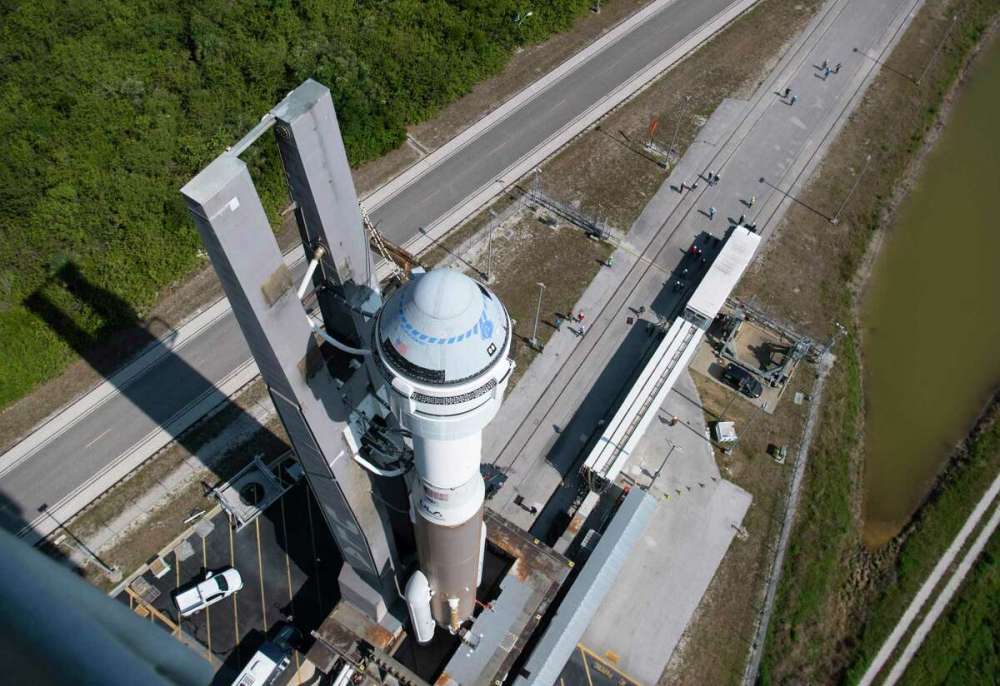
The Boeing Company, la NASA y United Launch Alliance han tomado la decisión de permitir que los equipos de ingeniería pasen el Martes 7 de mayo evaluando los datos y la próxima oportunidad de lanzamiento no será antes del Viernes 10 de Mayo de 2024. La nave espacial Starliner de Boeing sobre el cohete Atlas V de United Launch Alliance, en la plataforma de lanzamiento del Complejo de Lanzamiento Espacial 41 en la Estación de la Fuerza Espacial de Cabo Cañaveral en Florida el lunes 6 de Mayo de 2024.
United Launch Alliance (ULA), con la anuencia de Boeing y la NASA, canceló el lanzamiento un poco más de dos horas antes de la hora de despegue originalmente programada para la prueba de vuelo de la tripulación del CST-100 Starliner el Lunes 6 de Mayo de 2024. Los astronautas de la NASA Butch Wilmore y Suni Williams salieron sanos y salvos del Starliner y regresaron a los camarotes de la tripulación, tras la decisión de retirarse del lanzamiento por el día.
La limpieza se recomendó después de que los equipos de control de lanzamiento detectaran un comportamiento anómalo de la válvula de regulación de presión en el tanque de oxígeno líquido de la etapa superior Centaur del vehículo de lanzamiento ULA Atlas V. Los ingenieros están analizando los datos para comprender completamente el problema y determinar las acciones correctivas. Los gerentes de la misión se reunirán para decidir los próximos pasos y el posible momento para otro intento de lanzamiento.
Atlas V Launch Canceled
Starliner crew flight test launch canceled
The Boeing Company, NASA, and United Launch Alliance have made the decision to allow engineering teams to spend Tuesday, May 7 evaluating the data and the next launch opportunity will be no earlier than Friday, May 10, 2024. The spacecraft Boeing Starliner atop United Launch Alliance’s Atlas V rocket on the launch pad at Space Launch Complex 41 at Cape Canaveral Space Force Station in Florida on Monday, May 6, 2024.
United Launch Alliance (ULA), with the concurrence of Boeing and NASA, canceled the launch a little more than two hours before the originally scheduled takeoff time for the CST-100 Starliner crew flight test on Monday, May 2024. NASA astronauts Butch Wilmore and Suni Williams safely exited the Starliner and returned to the crew quarters, following the decision to withdraw from the launch for the day.
The cleaning was recommended after launch control teams detected abnormal behavior of the pressure regulation valve in the liquid oxygen tank of the Centaur upper stage of the ULA Atlas V launch vehicle. Engineers are analyzing the data to fully understand the problem and determine corrective actions. Mission managers will meet to decide the next steps and the possible timing for another launch attempt.
PUBLISHER: Airgways.com DBk: Boeing.com / Nasa.gov / Ulalaunch.com AW-POST: 202405071200AR OWNERSHIP: Airgways Inc. A\W A I R G W A Y S ®
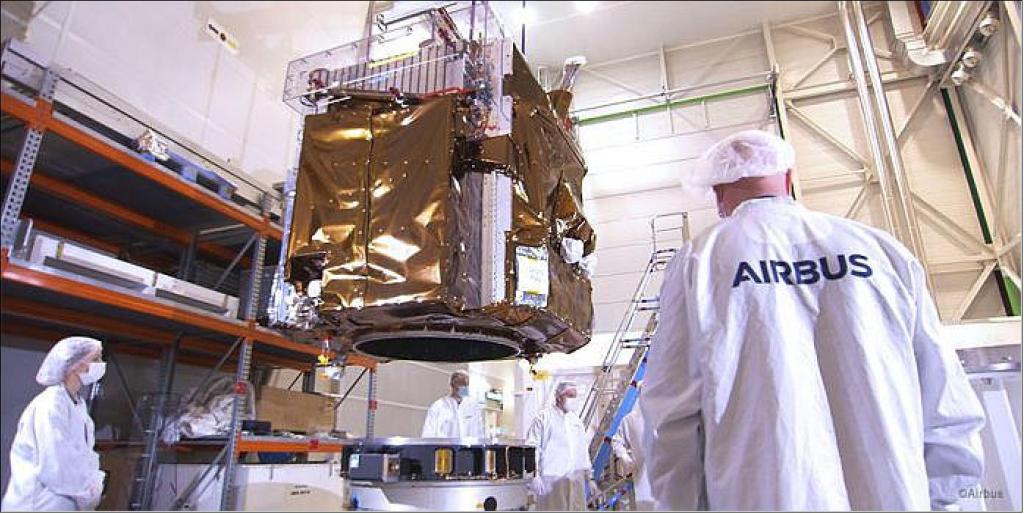
El Satélite Inmarsat-6 F2 construido por Airbus Group llega a bordo de un Airbus Beluga en Florida para su lanzamiento del segundo satélite Inmarsat-6 que está previsto para Febrero 2023. El satélite entregado corresponde al 87º satélite Eurostar de Airbus. El segundo satélite geoestacionario de telecomunicaciones Inmarsat-6 construido por Airbus (I-6 F2) ha llegado a bordo de un Airbus Beluga al Centro Espacial Kennedy en Florida, listo para su lanzamiento.
El segundo satélite de la generación Inmarsat-6 se basa en la ultra-confiable nave espacial Eurostar E3000 de Airbus y será el 58º Eurostar E3000 construido por Airbus. Será el noveno Eurostar en órbita equipado con propulsión eléctrica para elevar la órbita, reforzando la posición de Airbus como líder mundial en propulsión eléctrica.
François Gaullier, Jefe de Telecomunicaciones y Sistemas de Navegación de Airbus, dijo: “I-6 F2, con su sofisticada carga útil procesada digitalmente, se unirá a Inmarsat-6 F1 (I-6 F1) en órbita, lo que le dará a Inmarsat aún más flexibilidad, capacidad y capacidad. . Este es el décimo satélite de geotelecomunicaciones que construimos para nuestro cliente a largo plazo Inmarsat, un proveedor líder de servicios globales de comunicaciones móviles por satélite, y con I-6 F1 los satélites permitirán un cambio radical en las capacidades de su ELERA. y brindar una capacidad adicional significativa para su red Global Xpress”.
I-6 F1 e I-6 F2 cuentan cada uno con una gran antena de banda L de 9 m de apertura y seis antenas de banda Ka multihaz, lo que brinda un alto nivel de flexibilidad y conectividad. También llevan procesadores digitales modulares de nueva generación para proporcionar flexibilidad de enrutamiento total en hasta 8000 canales y asignación dinámica de energía a más de 200 haces puntuales en banda L, por nave espacial. Los haces puntuales de banda Ka son orientables sobre todo el disco terrestre, con asignación flexible de canal a haz.
Los satélites permitirán a Inmarsat mejorar aún más su ELERA (banda L) y Global Xpress (banda Ka) líderes en el mundo respectivamente, para clientes en tierra, mar y aire. También son el próximo paso en los planes de la compañía para la primera red multidimensional del mundo, Inmarsat ORCHESTRA. La ‘red de redes’ se basará en las capacidades espaciales existentes de Inmarsat para proporcionar un crecimiento transformador en la capacidad y nuevas funciones para los clientes en la década de 2030 y más allá.
Las inversiones realizadas por Airbus en tecnologías de plataforma y carga útil utilizadas en la I-6 cuentan con el respaldo de la Agencia Espacial Europea y agencias nacionales, en particular, la Agencia Espacial del Reino Unido y CNES, el Centro Nacional de Estudios Espaciales de Francia. El I-6 F2 tiene una masa de lanzamiento de 5,5 toneladas, una potencia de nave espacial de 21 kW y una vida útil prevista de más de quince años.
El primer satélite Inmarsat-6 (I-6 F1) construido por Airbus se lanzó con éxito en Diciembre de 2021. Llegó a su ubicación de prueba geoestacionaria en el verano boreal de 2022 y está programado para entrar en servicio a principios de 2023. El I-6 F2 seguirá después de su lanzamiento exitoso y entrada en servicio a principios de 2024.
IMMARSAT-6 Satellite to Florida
They will prepare launch in February 2023
The Immarsat-6 F2 Satellite built by Airbus Group arrives aboard an Airbus Beluga in Florida for its launch of the Second Inmarsat-6 satellite that is planned for February 2023. The delivered satellite corresponds to the 87th Airbus Eurostar satellite. The second geostationary satellite of IMMASAT-6 telecommunications built by Airbus (I-6 F2) has arrived aboard an Airbus Beluga at the Kennedy Space Center in Florida, ready for its launch.
The second satellite of the Imarsat-6 generation is based on the ultra-defiable EuroBus E3000 spacecraft and will be the 58th Eurostar E3000 built by Airbus. It will be the ninth euro in orbit equipped with electrical propulsion to raise the orbit, reinforcing the position of Airbus as the world leader in electrical propulsion.
François Gaullier, Chief of Telecommunications and Navigation Systems of Airbus, said: “I-6 F2, with its sophisticated digitally processed payload, it will join Imarsat-6 F1 (I-6 F1) in orbit, which will give it to Immarsat even more flexibility, capacity and capacity. . This is the tenth Satellite of Geothetecomunicaciones that we build for our long-term intangal client, a leading provider of global satellite mobile communications, and with I-6 F1 the satellites will allow a radical change in the capabilities of its Elera. and provide a significant additional capacity for its Global Xpress network”.
I-6 F1 and I-6 F2 each with a large 9 m opening L band antenna and six multihaz band, which provides a high level of flexibility and connectivity. They also carry new generation modular digital processors to provide total routing flexibility in up to 8000 channels and dynamic energy assignment to more than 200 point beams in L band, by spacecraft. Punctual KA Band beams are orientable especially the Terrestrial disc, with flexible channel assignment to beam.
The satellites will allow Immalesat to further improve their Elera (band L) and Global Xpress (KA band) leaders in the world respectively, for customers in land, sea and air. They are also the next step in the company’s plans for the world’s first multidimensional network, Immarsat Orchestra. The ‘network of networks’ will be based on the existing spatial capabilities of Immarsat to provide transforming growth in the capacity and new functions for customers in the 2030s and beyond.
Investments made by Airbus in platform and payload technologies used in I-6 have France. The I-6 F2 has a 5.5-ton launch mass, a 21 kW spacecraft power and an expected useful life of more than fifteen years.
The first Immarsat-6 satellite (I-6 F1) built by Airbus was successfully launched in December 2021. It reached its geostationary test location in the 2022 boreal summer and is scheduled to enter service at the beginning of 2023. The I-6 F2 will continue after its successful launch and entry into service in early 2024.
Airbus geostationary telecommunications satellites have registered successful functioning and are in service or in construction for all the main geostationary satellite operators of the world.
PUBLISHER: Airgways.com DBk: Airbus.com / Airgways.com AW-POST: 202301301019AR OWNERSHIP: Airgways Inc. A\W A I R G W A Y S ®
Después de la exitosa misión de Artemis I, la Agencia Espacial Europea (ESA) y Airbus lo invitan cordialmente a un evento de medios en Airbus en Bremen, Alemania, donde se construye el Módulo de Servicio Europeo de Orion (ESM). El evento tendrá lugar el Jueves 9 de Febrero de 2023 de 09.00 a 05:30 CET.
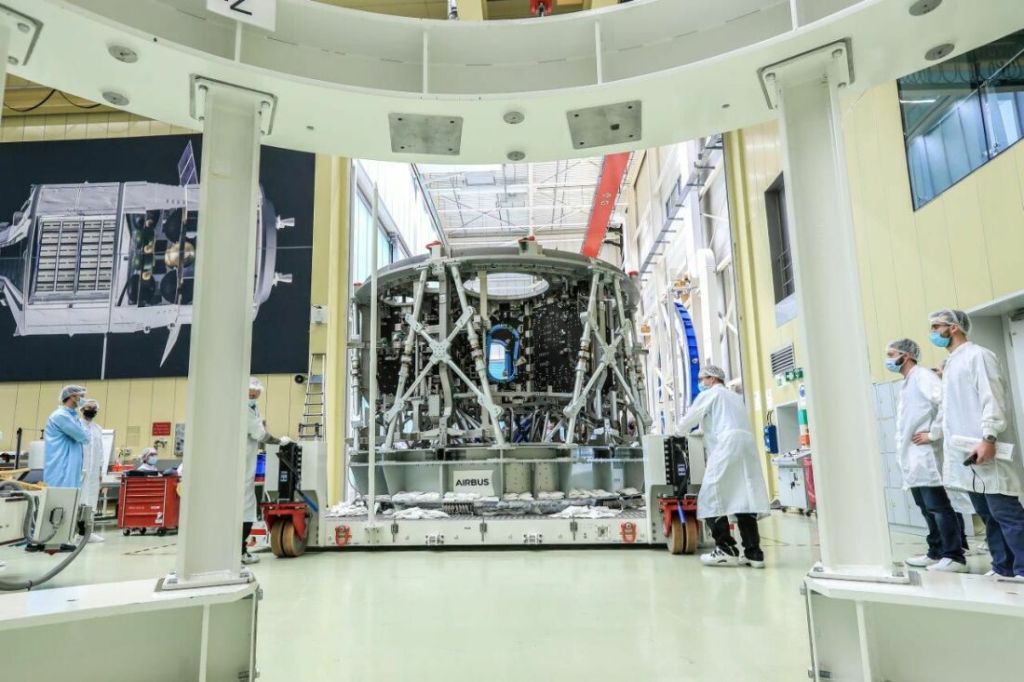
En el día, tendrá la oportunidad única de hablar con líderes e ingenieros jóvenes del equipo de Orion. Durante la sesión de preguntas y respuestas, obtendrá la última información de primera mano sobre el éxito de la misión de Artemis I, los principales resultados y los logros, y una perspectiva para el futuro de la exploración lunar. Los representantes de Airbus, ESA y la NASA estarán presentes. Los invitados especiales incluirán al astronauta de la ESA Alexander Gerst, así que no se pierda esta oportunidad. También tendrá la oportunidad de echar un vistazo único dentro de la sala limpia, donde por primera vez, tres ESM se exhibirán simultáneamente, incluido el Módulo ESM-3 que llevará a la primera mujer y la primera persona de color a la Luna.
El horario del evento se planifica de la siguiente manera: 09:00-09:30: Bienvenido y registro 09:30-10:45: Orion ESM: una parte integral de la misión Artemis I: Introducción, presentación, preguntas y respuestas 10:45-11:30: Perspectiva de un astronauta: Preguntas y respuestas 11:30-15:30: Sala limpia: 3 visitas guiadas (a partir de las 12:00; 13:15; 14:30)
Tenga en cuenta que la filmación y la fotografía solo están permitidas para ESM-4 en la sala limpia. Se le proporcionará una cartera con material de foto y video a su solicitud. La filmación fuera de la sala limpia será autorizada.
11:30-15:30 Oportunidades de entrevistas individuales 11:30-14:00 Buffet de almuerzo (frío) 15:30 Fin del programa
Participantes: David Parker, Director de la ESA para exploración humana y robótica William Hartwell, Oficina del Programa de Orión de la NASA Jean-Marc Nasr, jefe de sistemas espaciales en Airbus Philippe DeLoo, gerente del programa ESA ESM Philippe Berthe, Gerente de Coordinación del Proyecto ESA ESM Marc Steckling, Jefe de Exploración Espacial en Airbus. Ralf Zimmermann, Jefe de Programas de Moon y Orion ESM en Airbus Astronauta de la ESA Alexander Gerst Pablo Álvarez, Gerente de Proyecto en Airbus Commercial Aircraft, seleccionada para la clase de astronauta de la ESA de 2022 Los ingenieros del equipo de Orion también estarán presentes.
Para la inscripción, así como la reserva de una gira de sala limpia y tragamonedas de entrevista, utilice el siguiente enlace: https://events.airbus.com/moon-media-ay/
Lo invitamos a aprovechar esta oportunidad para aprender más sobre el módulo de servicio europeo y el papel clave de Europa en las misiones de Artemis y Airbus en cooperación con la ESA como líder industrial para el ESM. Únase al evento y celebre la nueva era de la exploración del espacio humano con nosotros.
Moon Media Day in Airbus Bremen
Media invitation to the Orion module
After the successful Mission of Artemis I, the European Space Agency (ESA) and Airbus cordially invite you to an Airbus media event in Bremen, Germany, where the European Orion (ESM) service module is built. The event will take place on Thursday, February 9, 2023 from 09.00 to 05:30 CET.
In the day, you will have the unique opportunity to talk to leaders and young engineers of the Orion team. During the question and answers session, you will obtain the latest first -hand information about the success of the Artemis I mission, the main results and achievements, and a perspective for the future of lunar exploration. Airbus representatives, that and NASA will be present. Special guests will include the astronaut of ESA Alexander Gerst, so this opportunity is not lost. You will also have the opportunity to take a unique look inside the clean room, where for the first time, three ESM will be displayed simultaneously, including the ESM-3 module that will take the first woman and the first person of color to the moon.
The event schedule is planned as follows: 09:00-09:30: Welcome and registration 09:30-10:45: Orion ESM: an integral part of the Artemis I mission: Introduction, presentation and questions and answers 10:45-11:30: Astronaut perspective: Questions and Answers 11:30-15:30: Clean room: 3 guided tours (from 12:00; 13:15; 14:30)
Keep in mind that filming and photography are only allowed for ESM-4 in the clean room. A portfolio with photo and video material will be provided to your application. The filming outside the clean room will be authorized.
11:30-15:30 Individual interview opportunities 11:30-14:00 Lunch buffet (cold) 15:30 End of the program
Participants: David Parker, director of ESA for human and robotic exploration William Hartwell, NASA Orion Program Office Jean-Marc Nasr, Chief of Space Systems in Airbus Philippe Deloo, program manager ESM Philippe Berthe, Coordination Manager of the ESM Marc Steckling, Chief of Space Exploration on Airbus. Ralf Zimmermann, head of Moon and Orion Esm programs on Airbus Astronaut de la Alexander Gerst Pablo Álvarez, project manager at Airbus Commercial Aircraft, selected for the Astronaut class of the ESA of 2022 Orion team engineers will also be present.
For registration, as well as the reservation of a clean room tour and interview slot
We invite you to take this opportunity to learn more about the European Service Module and the key role of Europe in Artemis and Airbus missions in cooperation with ESA as an industrial leader for the ESM. Join the event and celebrate the new era of exploration of the human space with us.
Media Invitation: Moon Media Day at Airbus Bremen After the successful Artemis I mission, the European Space Agency (ESA) and Airbus cordially invite you to a media event at Airbus in Bremen, Germany, where the Orion European Service Module (ESM) is built.
The event will take place on Thursday 9 February from 9:00-15:30 CET.
On the day, you will have the unique opportunity to speak with leaders and young engineers from the Orion team. During the Q&A session, you will get the latest first-hand information on the Artemis I mission success, main outcomes and achievements, and an outlook to the future of lunar exploration.
Representatives from Airbus, ESA and NASA will be present. Special guests will include ESA astronaut Alexander Gerst, so don’t miss this opportunity.
You will also have the chance to take a unique look inside the cleanroom, where for the first time ever, three ESMs will be on display simultaneously, including the ESM-3 module that will carry the first woman and first person of colour to the Moon. The schedule of the event is planned as follows:
09:00-09:30: Welcome & Registration
09:30-10:45: Orion ESM: An Integral Part of the Artemis I Mission: Introduction, presentation and Q&A10.45-11.30: An Astronaut’s Perspective: Q&A
11:30-15:30: Cleanroom: 3 Guided Tours (starting at 12:00;13:15;14:30) Please note that filming and photography is only allowed for ESM-4 in the cleanroom. A portfolio with photo & video material will be provided to you upon request. Filming outside the cleanroom will be authorised. 11:30-15:30 One-on-One Interview Opportunities
11:30-14:00 Lunch Buffet (cold)
15:30 End of programme Participants:
David Parker, ESA Director for Human and Robotic Exploration
William Hartwell, NASA’s Orion Program Office
Jean-Marc Nasr, Head of Space Systems at Airbus
Philippe Deloo, ESA ESM Programme Manager
Philippe Berthe, ESA ESM Project Coordination Manager
Marc Steckling, Head of Space Exploration at Airbus.
Ralf Zimmermann, Head of Moon Programmes and Orion ESM at Airbus
ESA Astronaut Alexander Gerst
Pablo Alvarez, Project Manager at Airbus Commercial Aircraft, selected for ESA Astronaut Class of 2022
Engineers from the Orion team will also be present. For registration as well as booking of a cleanroom tour and interview slots, please use the following link: https://events.airbus.com/moon-media-day/
We invite you to take this opportunity to learn more about the European Service Module and Europe’s key role in the Artemis missions and Airbus in cooperation with ESA as the industrial lead for the ESM. Join the event and celebrate the new era of human space exploration with us. More information https://www.airbus.com/en/products-services/space/exploration/moon/orion-esm
Boeing firma contrato Demostración de Vuelo Sostenible de NASA
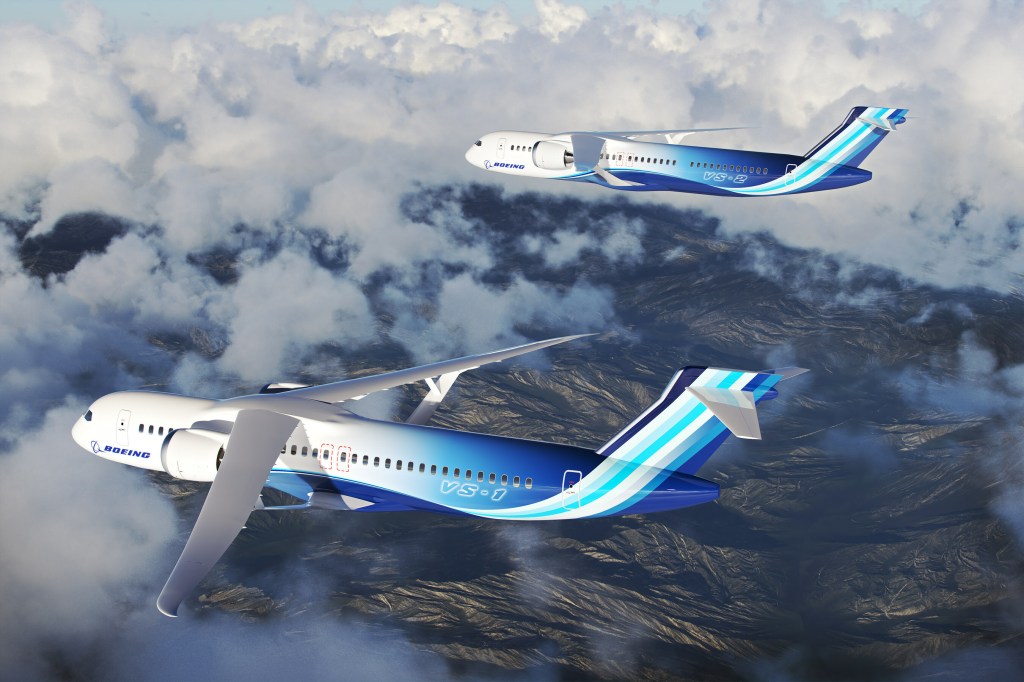
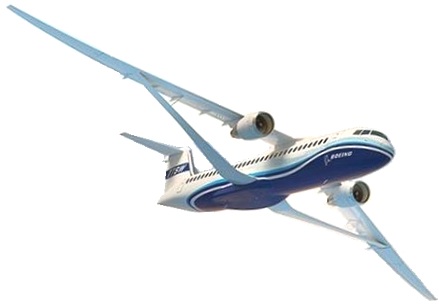
La NASA ha anunciado el 18/01 que ha seleccionado a The Boeing Company y su equipo de la industria para liderar el desarrollo y las pruebas de vuelo de un avión demostrador a gran escala Transonic Truss-Braced Wing (TTBW). La NASA, Boeing y sus socios tienen como objetivo reducir el uso de combustible y las emisiones hasta en un 30% en aviones de pasillo único. Los avances en tecnología sostenible son cruciales para alcanzar el objetivo de la aviación civil de cero emisiones netas de carbono para 2050.
Las tecnologías demostradas y probadas como parte del programa Sustainable Flight Demonstrator (SFD) informarán los diseños futuros y podrían conducir a una aerodinámica revolucionaria y ganancias de eficiencia de combustible. Cuando se combina con los avances esperados en sistemas de propulsión, materiales y arquitectura de sistemas, un avión de pasillo único con una configuración TTBW podría reducir el consumo de combustible y las emisiones hasta en un 30% en relación con los aviones de pasillo único más eficientes de la actualidad, dependiendo de la misión. El programa SFD tiene como objetivo avanzar en el compromiso de la industria de la aviación civil de alcanzar emisiones netas de carbono cero para 2050, así como los objetivos establecidos en el Plan de Acción Climática de Aviación de los Estados Unidos de la Casa Blanca.
«El programa SFD tiene el potencial de hacer una contribución importante hacia un futuro sostenible. Representa una oportunidad para diseñar, construir y volar un avión experimental a gran escala, mientras se resuelven nuevos problemas técnicos», dijo Greg Hyslop, Ingeniero Jefe de Boeing y Vicepresidente Ejecutivo de Ingeniería, Prueba y Tecnología.
Las alas ultrafinas reforzadas por puntales con luces más grandes y relaciones de aspecto más altas podrían eventualmente acomodar sistemas de propulsión avanzados que están limitados por la falta de espacio debajo del ala en las configuraciones actuales de aviones de ala baja. Para el vehículo de demostración, Boeing utilizará elementos de vehículos existentes y los integrará con componentes completamente nuevos.
La financiación de la NASA a través del Acuerdo de la Ley Espacial SFD asciende a US$ 425 millones. El programa SFD también aprovechará hasta US$ 725 millones en fondos de Boeing y sus socios de la industria para dar forma al programa de demostración y satisfacer las necesidades de recursos requeridas. Por separado, las inversiones internas anteriores de Boeing para las fases recientes de investigación de aviación sostenible totalizan US$ 110 millones.
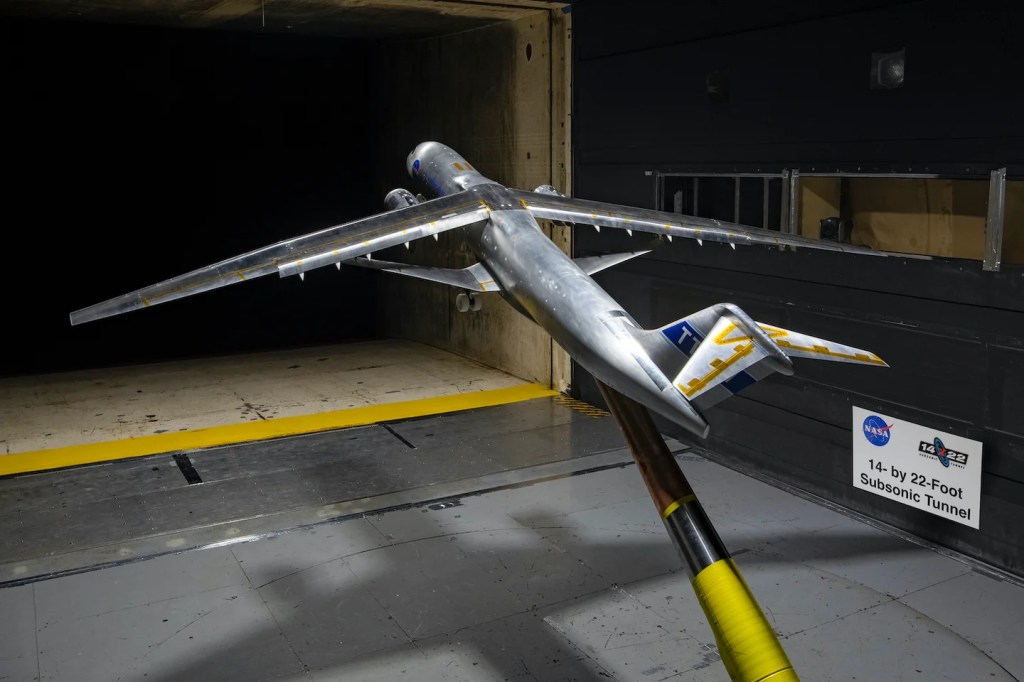
El concepto de fuselaje TTBW es el resultado de más de una década de desarrollo respaldado por la NASA, Boeing y las inversiones de la industria. Bajo programas anteriores de la NASA, incluido el programa Subsonic Ultra Green Aircraft Research de la agencia, Boeing realizó extensas pruebas en túnel de viento y modelado digital para avanzar en el diseño del TTBW. Los primeros estudios conceptuales comenzaron bajo el programa de Aviación Ambientalmente Responsable de la NASA.
El Programa Transonic Truss-Braced Wing (TTBW) ha atravesado diferentes diseños de aviones de pasajeros estudiados por Boeing con alas arriostradas de alta relación de aspecto. Mientras el fuselaje es característico de la Boeing, la deriva recurre al diseño de la McDonnell Douglas MD-87/90 y Boeing 717 (MD-95).
NASA-Boeing contract SFD Flights
Boeing signs NASA’s sustainable flight demonstration contract
NASA has announced the 18/01 that has selected The Boeing Company and its industry team to lead the development and flight tests of a large-scale demonstrator aircraft Transonic Truss-Braced Wing (TTBW). NASA, Boeing and its partners aim to reduce the use of fuel and emissions by up to 30% in single corridor aircraft. Advances in sustainable technology are crucial to achieve the objective of Civil Aviation of Net Carbon Emissions by 2050.
The technologies demonstrated and tested as part of the Sustainable Flight Demonstator (SFD) program will inform future designs and could lead to a revolutionary aerodynamics and fuel efficiency gains. When combined with the expected advances in propulsion, material and systems architecture systems, a single corridor plane with a TTBW configuration could reduce fuel consumption and emissions by up to 30% in relation to unique corridor aircraft plus efficient of today, depending on the mission. The SFD program aims to advance the commitment of the civil aviation industry to achieve net carbon emissions by 2050, as well as the objectives established in the Aviation Climate Action Plan of the United States of the White House.
«The SFD program has the potential to make an important contribution to a sustainable future. It represents an opportunity to design, build and fly a large -scale experimental plane, while new technical problems are solved», said Greg Hyslop, chief engineer of Boeing and Executive Vice President of Engineering, Test and Technology.
Ultrafine wings reinforced by struts with larger lights and higher -looking relationships could eventually accommodate advanced propulsion systems that are limited due to the lack of space under the wing in the current low wing airplanes configurations. For the demonstration vehicle, Boeing will use existing vehicles and integrate them with completely new components.
NASA financing through the SFD Space Law Agreement amounts to US$ 425 million. The SFD program will also take advantage of up to US$ 725 million in Boeing funds and its industry partners to shape the demonstration program and meet the required resources needs. Separately, previous internal investments of Boeing for recent phases of sustainable aviation investigation total US$ 110 million.
The TTBW fuselage concept is the result of more than a decade of development backed by NASA, Boeing and industry investments. Under previous NASA programs, including the Subsonic Ultra Green Aircraft Research program of the agency, Boeing carried out extensive wind tunnel tests and digital modeling to advance the design of the TTBW. The first conceptual studies began under the environmentally responsible aviation program of NASA.
The Transonic Truss-Braced Wing (TTBW) program has gone through different passenger aircraft designs studied by Boeing with high-looking-raised bracing wings. While the fuselage is characteristic of Boeing, drift resorts to the design of the McDonnell Douglas MD-87/90 and Boeing 717 (MD-95).
PUBLISHER: Airgways.com DBk: Nasa.gov / Boeing.com / Airgways.com AW-POST: 202301190957AR OWNERSHIP: Airgways Inc. A\W A I R G W A Y S ®
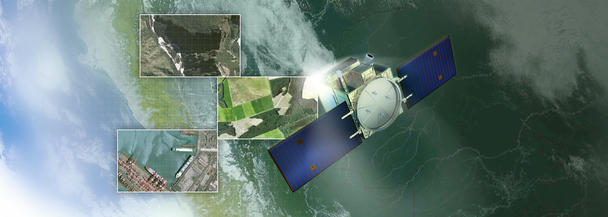
Airbus Group proporcionará a Polonia un sistema de satélite óptico de muy alta resolución, siendo el primer contrato de exportación de los satélites ópticos S950 VHR de Airbus, actualmente utilizados por Pléiades Neo. El sistema polaco incluye dos satélites de muy alta resolución, segmento terreno y servicios asociados, incluida la formación completa.
Airbus Defence and Space ha informado el 4 de Enero de 2023 que ha firmado un contrato con Polonia para proporcionar un sistema de inteligencia geoespacial que incluye el desarrollo, la fabricación, el lanzamiento y la puesta en órbita de dos satélites ópticos de observación de la Tierra de alto rendimiento. El contrato también cubre el segmento terrestre asociado, incluida la estación de recepción directa en Polonia, los servicios de lanzamiento, la capacitación para el equipo polaco, el mantenimiento y el soporte técnico para los sistemas espaciales y terrestres. Además, el acuerdo incluye la entrega de imágenes de muy alta resolución (VHR) de la constelación de Airbus Pléiades Neo a partir de 2023.
Este contrato es el primer éxito de exportación, logrado con el apoyo del Gobierno francés, del satélite óptico Airbus S950 VHR que surge del desarrollo de la constelación Pléiades Neo, que ya opera en órbita con dos satélites desde 2021. Este sistema de última generación ofrece un rendimiento de vanguardia de las capacidades ópticas VHR acompañado de una altísima agilidad en órbita.
Jean-Marc Nasr, Jefe de Sistemas Espaciales de Airbus, dijo: “Este contrato proporcionará a Polonia uno de los sistemas de observación de la Tierra por satélite más sofisticados del mundo. Fortalece a Europa y le da a la nación polaca una capacidad espacial verdaderamente soberana. Esperamos seguir desarrollando nuestra cooperación con Polonia bajo el paraguas de la asociación estratégica entre Francia y Polonia”.
Tras el lanzamiento de los satélites desde el Centro Espacial Europeo en Kourou, Guayana Francesa, las imágenes provenientes de los satélites polacos serán recibidas directamente en Polonia por la infraestructura del sistema nacional de satélites, lo que garantiza la plena autonomía.
Este anuncio consolida la posición de Airbus como líder mundial en la exportación de sistemas de satélites de observación de la Tierra y es una gran muestra de confianza en la tecnología de la compañía. También es un respaldo a la estrategia de Airbus de invertir en la constelación Pléiades Neo, el punto de referencia para los sistemas de geoinformación VHR. El montaje, la integración y las pruebas de los satélites se llevarán a cabo en las salas limpias de Airbus en Toulouse y el lanzamiento está previsto para 2027. A partir de 2023, Polonia tendrá acceso a las imágenes de Pléiades Neo directamente desde Airbus.
Airbus provides satellite to Poland
Poland receives high resolution S950 Satellite
Airbus Group will provide Poland with a very high-resolution optical satellite system, marking the first export contract for Airbus’ S950 VHR optical satellites, currently used by Pléiades Neo. The Polish system includes two very high resolution satellites, ground segment and associated services, including full formation.
Airbus Defense and Space has reported on January 4, 2023 that it has signed a contract with Poland to provide a geospatial intelligence system that includes the development, manufacture, launch and placement into orbit of two optical Earth observation satellites. high perfomance. The contract also covers the associated ground segment, including the direct receiving station in Poland, launch services, training for the Polish team, maintenance and technical support for space and ground systems. In addition, the agreement includes the delivery of very high resolution (VHR) imagery of the Airbus Pléiades Neo constellation starting in 2023.
This contract is the first export success, achieved with the support of the French Government, of the Airbus S950 VHR optical satellite that arises from the development of the Pléiades Neo constellation, which has already been operating in orbit with two satellites since 2021. This state-of-the-art system offers state-of-the-art performance of VHR optical capabilities accompanied by extremely high agility in orbit.
Jean-Marc Nasr, Airbus Head of Space Systems, said: “This contract will provide Poland with one of the most sophisticated Earth observation satellite systems in the world. It strengthens Europe and gives the Polish nation a truly sovereign space capability. We look forward to further developing our cooperation with Poland under the umbrella of the French-Polish strategic partnership».
Following the launch of the satellites from the European Space Center in Kourou, French Guiana, the images from the Polish satellites will be received directly in Poland by the infrastructure of the national satellite system, ensuring full autonomy.
This announcement cements Airbus’ position as the world’s leading exporter of Earth observation satellite systems and is a great sign of confidence in the company’s technology. It is also an endorsement of Airbus’ strategy to invest in the Pléiades Neo constellation, the benchmark for VHR geoinformation systems. Assembly, integration and testing of the satellites will take place in Airbus clean rooms in Toulouse and launch is scheduled for 2027. Starting in 2023, Poland will have access to Pléiades Neo images directly from Airbus.
PUBLISHER: Airgways.com DBk: Airbus.com / Airgways.com AW-POST: 202301051044AR OWNERSHIP: Airgways Inc. A\W A I R G W A Y S ®