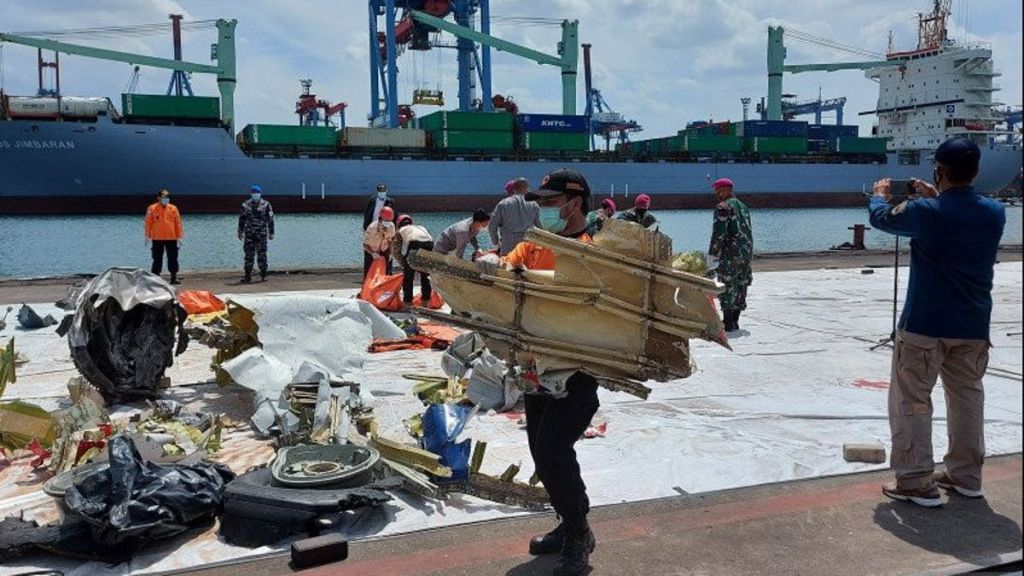
NTSB Preliminary Report UA328

AW | 2021 03 08 16:17 | AIR INVESTIGATION / AVIATION SAFETY

NTSB emite Reporte Preliminar vuelo UA328 de United Airlines

NTSB_Isologotype

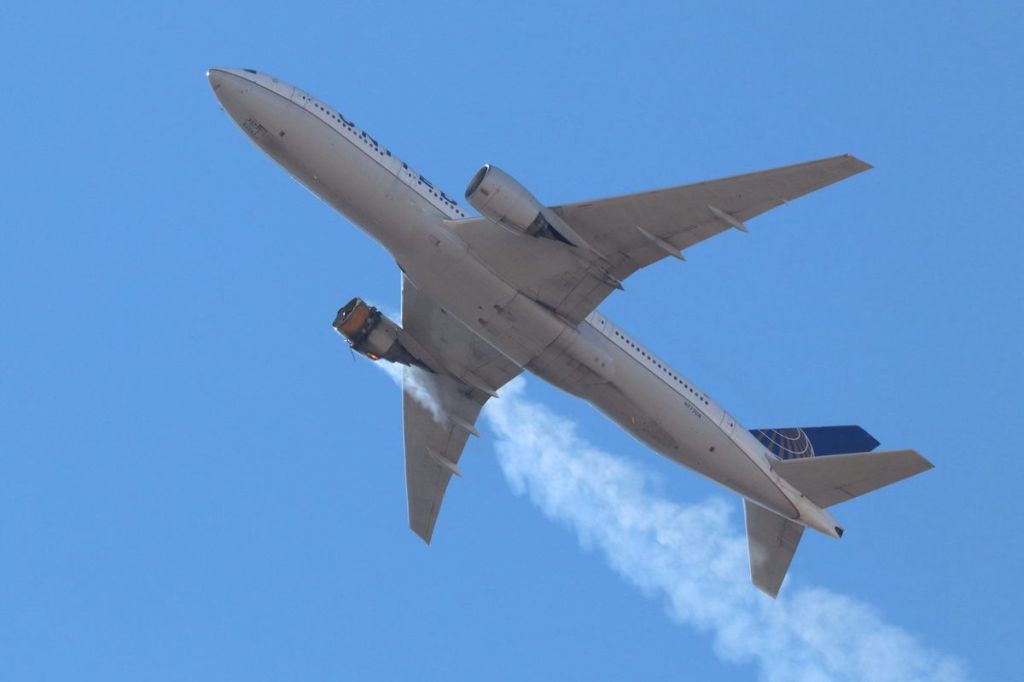
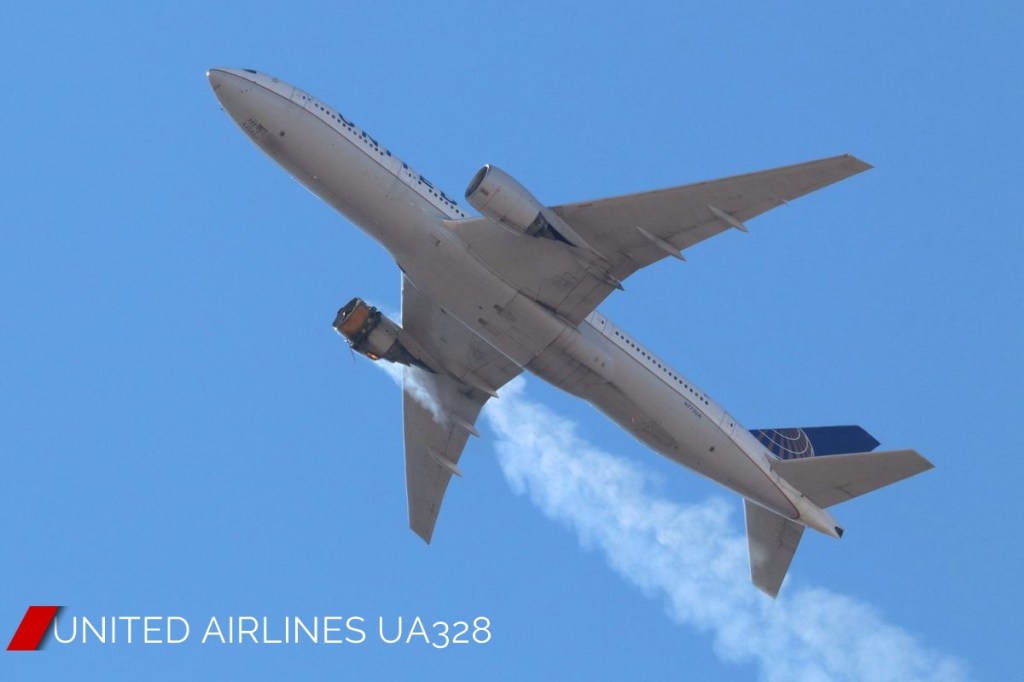
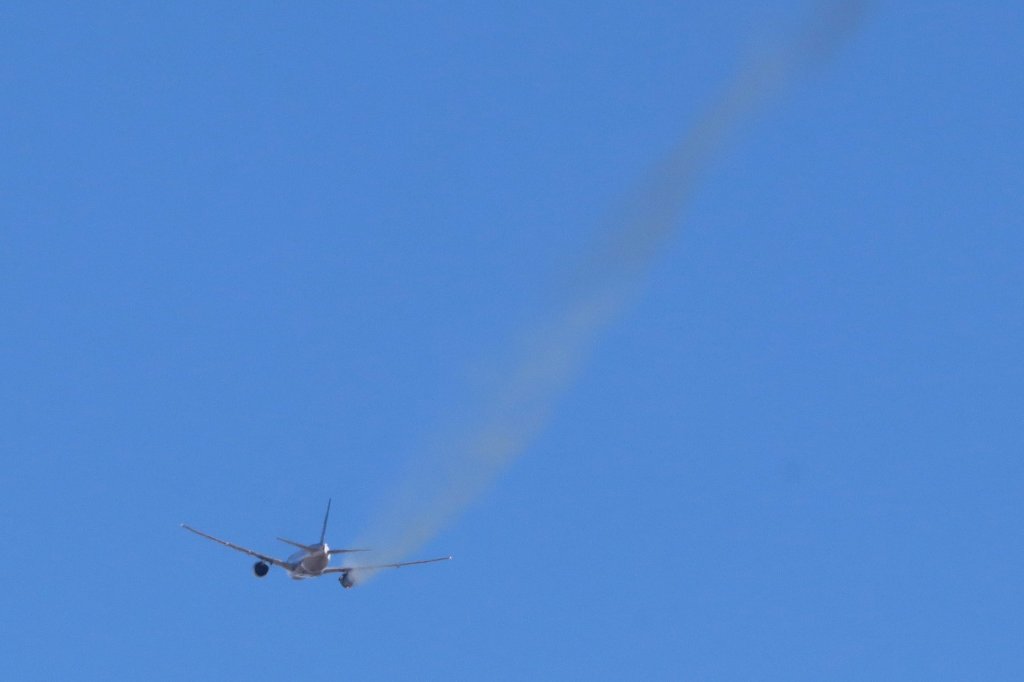
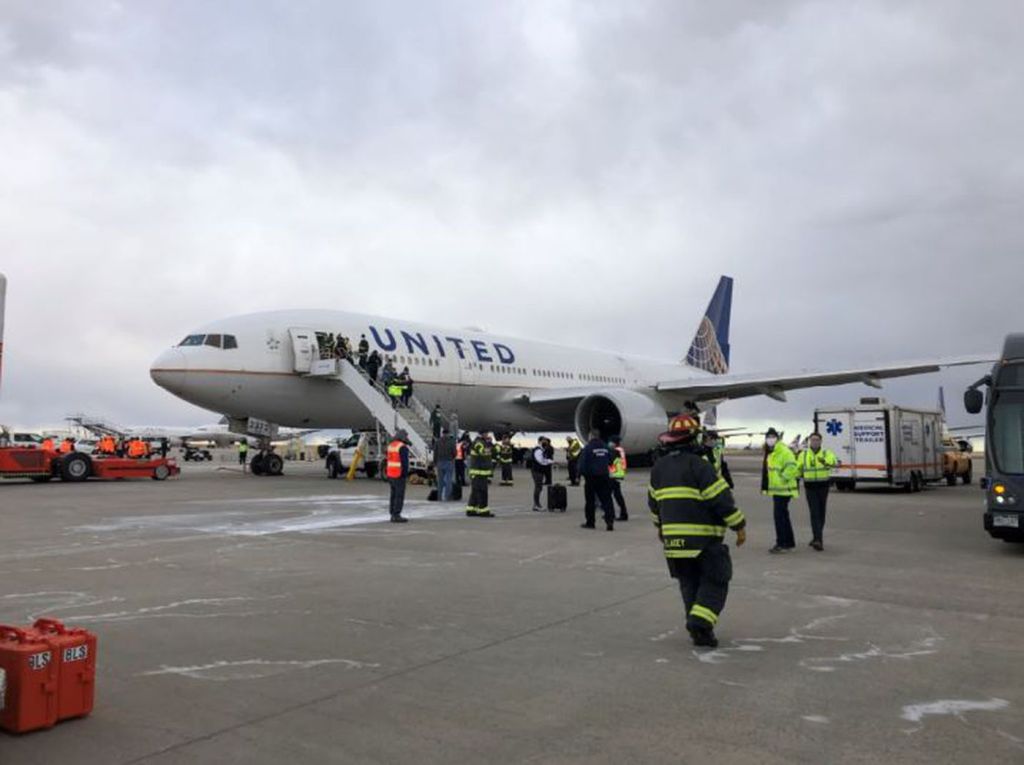
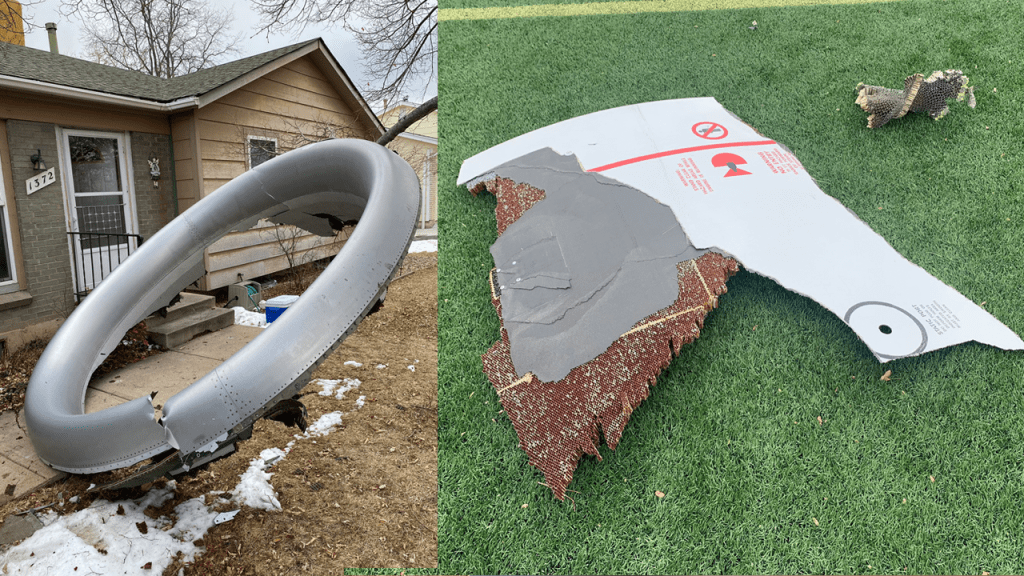
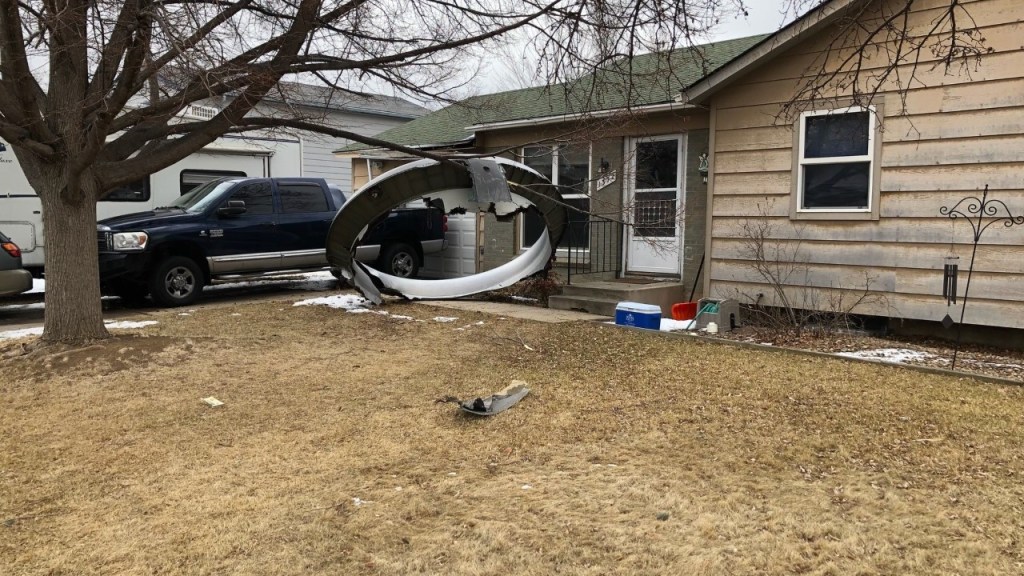
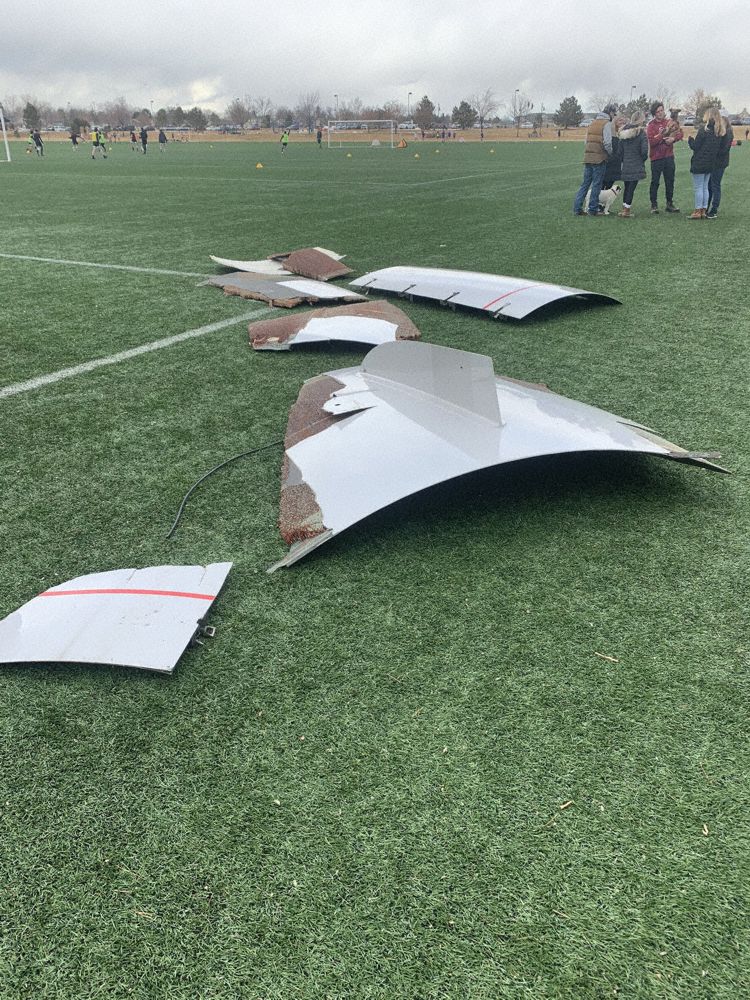
La Junta Nacional de Seguridad en el Transporte (NTSB) ha publicado sus conclusiones iniciales sobre este incidente. El 20 de Febrero de 2021, el vuelo UA328 de United Airlines en la ruta Denver a Honolulu sufrió un fallo importante en el motor poco después del despegue. El Boeing 777-200 tenía un total de 241 personas a bordo, incluidos 231 pasajeros y 10 miembros de la tripulación. El motor derecho se incendió poco después del despegue, y los escombros cayeron del cielo y en los vecindarios en los suburbios de Denver. Gracias al excelente trabajo de los pilotos, el avión aterrizó de vuelta en Denver poco menos de 20 minutos después de despegar. Afortunadamente nadie ha resultado herido.

NTSB, Report Preliminar UA328

La NTSB ha actualizado una emisión de actualización de investigación para evento de fallo del motor del vuelo UA328 de United Airlines. La Oficina Nacional de Recomendaciones y Comunicaciones de Seguridad en el Transporte ha emitido un informe el 05/03. La Junta Nacional de Seguridad en el Transporte publicó una actualización de investigación el viernes para su investigación en curso del evento de falla del motor del vuelo 328 de United Airlines el 20 de febrero de 2021.

El vuelo UA328 de United Airlines experimentó un fallo en el motor Pratt & Whitney PW4077 derecho poco después de despegar del Aeropuerto Internacional de Denver, Denver. No se reportaron heridos y el avión sufrió daños menores. La actualización de la investigación no contiene análisis y no discute la causa probable en esta investigación en curso. Como tal, no se deben llegar a conclusiones sobre la causa del fallo del motor basándose en la información contenida en la actualización. La información de la actualización es preliminar y está sujeta a cambios a medida que continúa la investigación.

Los hechos recogidos hasta la fecha en la investigación, y proporcionados en la actualización, incluyen:

El examen inicial del daño de incendio del motor derecho encontró que estaba contenido principalmente en los componentes accesorios del motor, la piel del reversor de empuje y la estructura compuesta del panal de abeja de los reversores de empuje intraborda y fueraborda. La válvula de spar, que detiene el flujo de combustible al motor cuando el interruptor de fuego se tira en la cabina, fue encontrada cerrada, no había evidencia de un incendio alimentado por combustible.

El examen inicial del ventilador del motor adecuado reveló que el spinner y la puntera spinner estaban en su lugar y parecían intactos. Todas las raíces de la hoja del ventilador estaban en su lugar en el cubo del ventilador, dos cuchillas estaban fracturadas. Una hoja del ventilador se fracturó 7,5 pulgadas por encima de la base en el borde final. La superficie de la fractura era consistente con la fatiga. La segunda hoja fracturada presentaba indicios de fallo de sobrecarga, consistente con daños secundarios.

La revisión inicial de los datos de mantenimiento e inspección de la cuchilla con la fractura por fatiga, reveló que había experimentado 2.979 ciclos desde su última inspección. Esta hoja se sometió a inspecciones de imágenes acústicas térmicas en 2014 y 2016. Los datos de inspección recogidos de la inspección de 2016 fueron examinados de nuevo en 2018 debido a un incidente del 13 de Febrero de 2018 que involucró un Boeing 777 con motores Pratt & Whitney PW4077.

La hoja del ventilador del motor con las fracturas consistentes con la fatiga fue enviada al laboratorio metalúrgico de Pratt & Whitney para más exámenes dirigidos por un metalúrgico senior de la NTSB. Los hallazgos preliminares del examen del microscopio electrónico de barrido identificaron múltiples orígenes de fractura de fatiga en la superficie interior de una cavidad dentro de la hoja. Los esfuerzos para caracterizar aún más la superficie de la fractura, incluyendo la identificación del origen primario y el recuento de estrías, están en curso. Se está trabajando adicionalmente para caracterizar aún más las grietas secundarias identificadas mediante la inspección de penetrantes fluorescentes. El grupo de metalurgia NTSB también planea analizar la composición química y la microestructura de la hoja cerca de la superficie de fractura.

NTSB Preliminary Report UA328

NTSB issues Preliminary Report flight UA328 of United Airlines

The National Transportation Safety Board (NTSB) has released its initial findings on this incident. On February 20, 2021, United Airlines flight UA328 en route Denver to Honolulu suffered a major engine failure shortly after takeoff. The Boeing 777-200 had a total of 241 people on board, including 231 passengers and 10 crew members. The right engine caught fire shortly after takeoff, and debris fell from the sky and into neighborhoods in the Denver suburbs. Thanks to the excellent work of the pilots, the plane landed back in Denver just under 20 minutes after takeoff. Fortunately no one has been injured.

NTSB, Preliminary Report UA328

The NTSB has updated an Investigation Update Issue for the United Airlines Flight UA328 Engine Failure Event. The National Office for Transportation Safety Recommendations and Communications issued a report on 03/05. The National Transportation Safety Board released an investigation update Friday for its ongoing investigation of the United Airlines Flight 328 engine failure event on February 20, 2021.

United Airlines Flight UA328 experienced a Pratt & Whitney PW4077 right engine failure shortly after taking off from Denver International Airport, Denver. No injuries were reported and the plane suffered minor damage. The investigation update does not contain analysis and does not discuss probable cause in this ongoing investigation. As such, no conclusions should be made about the cause of the engine failure based on the information contained in the update. The update information is preliminary and subject to change as the investigation continues.

The facts collected to date in the investigation, and provided in the update, include:

Initial examination of the fire damage to the right engine found that it was primarily contained in the engine accessory components, the thrust reverser skin, and the composite honeycomb structure of the inboard and outboard thrust reversers. The spar valve, which stops the flow of fuel to the engine when the fire switch is pulled in the cabin, was found closed, there was no evidence of a fuel-fueled fire.

Initial examination of the proper motor fan revealed that the spinner and spinner dropout were in place and appeared intact. All the roots of the fan blade were in place in the fan hub, two blades were fractured. A fan blade fractured 7.5 inches above the base at the trailing edge. The surface of the fracture was consistent with fatigue. The second fractured sheet showed signs of overload failure, consistent with secondary damage.

Initial review of the blade’s maintenance and inspection data with the fatigue fracture revealed that it had experienced 2,979 cycles since its last inspection. This sheet underwent thermal acoustic imaging inspections in 2014 and 2016. Inspection data collected from the 2016 inspection was reexamined in 2018 due to an incident on February 13, 2018 involving a Boeing 777 powered by Pratt & Whitney PW4077.

The engine fan blade with fatigue-consistent fractures was sent to the Pratt & Whitney metallurgical laboratory for further examination by a senior metallurgist from the NTSB. Preliminary findings from the scanning electron microscope examination identified multiple sources of fatigue fracture on the inner surface of a cavity within the blade. Efforts to further characterize the fracture surface, including identification of the primary origin and count of striae, are ongoing. Additional work is being done to further characterize the secondary cracks identified by inspection of fluorescent penetrants. Metallurgy group NTSB also plans to analyze the chemical composition and microstructure of the sheet near the fracture surface.

NATIONAL TRANSPORT SAFETY BOARD

DCA21FA085 (ntsb.gov)


PUBLISHER: Airgways.com
DBk: Ntsb.gov / Airgways.com
AW-POST: 202103081617AR

A\W   A I R G W A Y S ®
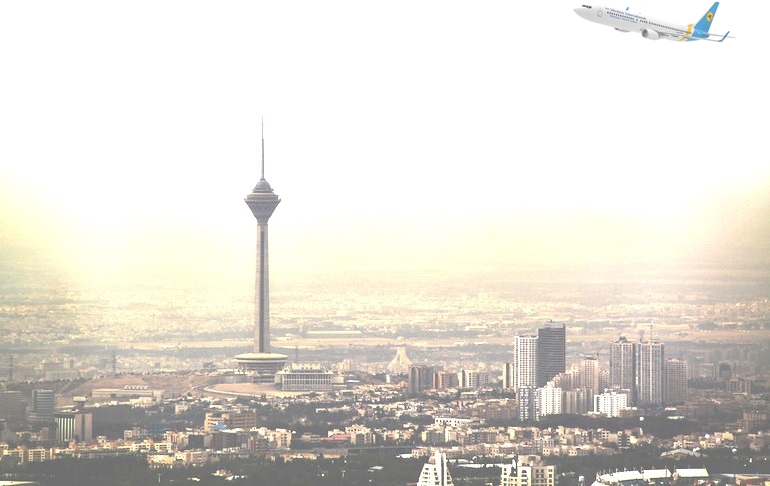
ONU condena atentado PS-752

AW | 2021 02 24 14:14 | AIR INVESTIGATION / AVIATION SAFETY

Derechos Humanos acusa Irán por derribo vuelo Ukraine Airlines

UN_Human_Rights_Council_Isologotype

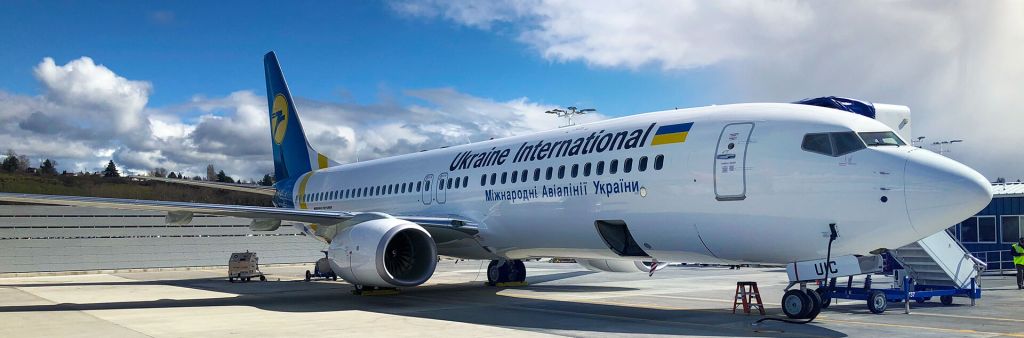
El Consejo de Derechos Humanos de las Naciones Unidas acusa al Gobierno de la República Islámica de Irán de violar las normas internacionales y los derechos humanos en torno al derribo del vuelo PS-752 de la aerolínea Ukraine International Airlines de un Boeing 737-800 en Enero de 2020. En una carta a Irán, dos expertos de la ONU sostienen que Irán ha cometido muchos errores al derribar avión civil ucraniano, según la ONU.

La Guardia Revolucionaria de Irán derribó un avión de pasajeros que acababa de despegar del Aeropuerto Teherán el 8 de Enero de 2020, falleciendo los 176 ocupantes del vuelo PS-752. Según el Gobierno iraní, los miembros de la guardia pensaron que se trataba de un misil estadounidense y tuvieron que actuar rápidamente. Sin embargo, expertos de la ONU dicen que las autoridades iraníes han contado una historia incoherente. Otros aviones de pasajeros que despegan frente al avión ucraniano no han sido derribados. Además, basándose en su propia investigación, la ONU informa que el sistema de misiles no tenía las precauciones adecuadas, que las personas que dispararon el misil tuvieron mucho más tiempo para tomar una buena decisión de lo que Irán dice y que deberían haber sabido que un avión acababa de despegar. Los expertos escriben que Irán debería haber cerrado su espacio aéreo debido a la tensa situación entre Irán y Estados Unidos. «Si eso hubiera sucedido, 176 personas inocentes seguirían vivas hoy», sosniene el Consejo de Derechos Humanos.

Después de que el avión fue derribado, el Gobierno de Irán debería haber reconocido antes que el avión había sido derribado por un misil, según la ONU. El Gobierno no hizo eso durante tres días. Para entonces, el lugar del desastre ya había sido completamente saqueado y aplanado por excavadoras. «Por ejemplo, Irán ha privado a los afligidos de la oportunidad de recuperar objetos de los más cercanos a ellos», dijeron los expertos de la ONU. Las acciones del Gobierno de Irán han sido repudiadas sistemáticamente por las álgidas violaciones a los derechos humanos mostrando las más bajas miserias humanas.

UN condemns PS-752 attack

Human Rights accuses Iran of Ukraine Airlines flight down

OHCHR_Isologotype

The United Nations Human Rights Council accuses the Government of the Islamic Republic of Iran of violating international norms and human rights around the downing of a Boeing 737-800 flight PS-752 of Ukraine International Airlines in January 2020. In a letter to Iran, two UN experts argue that Iran has made many mistakes in shooting down Ukrainian civilian aircraft, according to the UN.

Iran’s Revolutionary Guard shot down a passenger plane that had just taken off from Tehran Airport on January 8, 2020, killing the 176 occupants of flight PS-752. According to the Iranian government, the members of the guard thought it was a US missile and had to act quickly. However, UN experts say the Iranian authorities have told an incoherent story. Other passenger planes taking off in front of the Ukrainian plane have not been shot down. Furthermore, based on its own investigation, the UN reports that the missile system did not have adequate precautions, that the people who fired the missile had much more time to make a good decision than Iran says, and that they should have known that a plane had just taken off. Experts write that Iran should have closed its airspace due to the tense situation between Iran and the United States. «If that had happened, 176 innocent people would still be alive today», maintains the Human Rights Council.

After the plane was shot down, the Government of Iran should have recognized earlier that the plane had been shot down by a missile, according to the UN. The Government did not do that for three days. By then, the disaster site had already been completely looted and flattened by bulldozers. «For example, Iran has deprived the bereaved of the opportunity to retrieve objects from those closest to them», the UN experts said. The actions of the Government of Iran have been systematically repudiated for the gross violations of human rights showing the lowest human miseries.


PUBLISHER: Airgways.com
DBk: Un.org / Ohchr.org / Airgways.com
AW-POST: 202102241414AR

A\W   A I R G W A Y S ®

Incidente United UA328 en Denver

AW | 2021 02 21 14:48 | AVIATION SAFETY / AIR INVESTIGATION

Boeing 777-200 de United Airlines sufre fallo motor

United Airlines_Isologotype_001

United Airlines ha sufrido un incidente serio en un Boeing 777-200 matrícula N772UA que realizaba el vuelo UA-328 de Denver, (Colorado) a Honolulu, (Hawaii) en un vuelo doméstico en Estados Unidos, con 231 pasajeros y 10 tripulantes. La aeronave despegaba desde el Aeropuerto Internacional Denver/DIA este 20/02 cuando estaba en la fase de ascenso inicial en la Pista 25 de Denver cuando la entrada del motor derecho (PW4077) se separó asociada con el fallo del motor. La tripulación declaró un Mayday reportando un fallo en el motor. El avión detuvo la subida a unos 13.000 pies, la tripulación pidió regresar a Denver después de ejecutar las listas de verificación. El ATC ofreció cualquier pista, para realizar lel aterrizaje, retornando a Denver para un aterrizaje seguro en la Pista 26 unos 23 minutos después de la salida. Los servicios de emergencia alertaron de un incendio activo dentro del motor derecho y extinguieron el fuego unos minutos después. El avión fue posteriormente remolcado fuera de la pista a un puesto de estacionamiento remoto, donde los pasajeros desembarcaron y fueron transportados en autobús a la terminal, sin reportar heridos entre los pasajeros y tripulación.

Partes del motor (inlet/nacelle) había caído en el Barrio de Broomfield (CO), ubicado a unos 16 nm al oeste de Denver cerca de 13th y Elmwood Street, los escombros también golpearon el techo de una casa adyacente. La policía de Broomfield informó que aunque los escombros impactaron el vecindario y dañaron varias casas, no hubo heridos en tierra. El campo de escombros se expande a lo largo de una milla náutica. Los observadores terrestres informaron haber escuchado el sonido de una explosión, humo y vieron caer los escombros, mientras que el avión continuó volando.

La Federal Aviation Administration (FAA) de Estados Unidos ha informado que el avión experimentó un fallo en el motor de la mano derecha y está al tanto de los escombros en tierra a lo largo de la trayectoria de vuelo del avión. La FAA y la NTSB han abierto investigaciones. La NTSB declaró que han abierto una investigación sobre el suceso en Denver.

United UA328 incident in Denver

United Airlines Boeing 777-200 suffers engine failure

United Airlines has suffered a serious incident on a Boeing 777-200 registration N772UA that was flying UA-328 from Denver, (Colorado) to Honolulu, (Hawaii) on a domestic flight in the United States, with 231 passengers and 10 crew members. The aircraft was taking off from Denver International Airport/DIA this 02/20 when it was in the initial climb phase on Runway 25 in Denver when the right engine inlet (PW4077) separated associated with the engine failure. The crew declared a Mayday reporting an engine failure. The plane stopped climbing at about 13,000 feet, the crew asked to return to Denver after running the checklists. ATC offered any runway to make the landing, returning to Denver for a safe landing on Runway 26 about 23 minutes after departure. Emergency services alerted to an active fire inside the right engine and extinguished the fire a few minutes later. The plane was later towed off the runway to a remote parking stall, where passengers disembarked and were transported by bus to the terminal, with no reports of injuries to passengers and crew.

Engine parts (nacelle) had fallen in the Broomfield Neighborhood (CO), located about 16 nm west of Denver near 13th and Elmwood Street, the debris also hit the roof of a house adjacent. Broomfield police reported that although the debris impacted the neighborhood and damaged several houses, there were no injuries on the ground. The debris field stretches over a nautical mile. Ground observers reported hearing the sound of an explosion, smoke, and saw debris fall, while the plane continued to fly.

The US Federal Aviation Administration (FAA) has reported that the plane experienced a right-hand engine failure and is aware of debris on the ground along the plane’s flight path. The FAA and the NTSB have opened investigations. The NTSB stated that they have opened an investigation into the event in Denver.


PUBLISHER: Airgways.com
DBk: Ntsb.gov / Faa.gov / Avherald.com / Twitter@micaelagiulia / Airgways.com
AW-POST: 202102211448AR

A\W   A I R G W A Y S ®

Tribunal Canada demanda por PS752

AW | 2021 02 18 12:44 | AIR INVESTIGATION / AVIATION SAFETY

Tribunal de Justicia Canadá presenta demanda por vuelo PS752

El Tribunal Superior de Justicia de Ontario, Canadá, espera certificar una demanda colectiva contra la República Islámica de Irán, un ala de sus fuerzas armadas tras el atentado de la aeronave Boeing 737-800 de Ucrania International Airlines del vuelo PS752 derribado por un misil que ha involucrado una acción militar. La acción judicial lanzada por familias de algunos de los fallecidos en el derribo del vuelo PS752 tras despegar del Aeropuerto de Teherán el 8 de Enero de 2020. El Cuerpo de la Guardia Revolucionaria de Irán disparó dos misiles tierra-aire contra el vuelo PS752, matando a las 176 personas a bordo.

El Abogado Tom Arndt, con sede en Toronto, dijo que el Tribunal escuchó la moción de certificación el Martes 16/02 e indicó que apoyaría la demanda propuesta. Habib Haghjoo, que perdió a su hija Saharnaz Haghjoo y a su nieta Elsa Jadidi, de ocho años, cuando el vuelo PS752 fue derribado, dijo que está emocionado de que la demanda está avanzando. Dijo que el objetivo de la demanda es buscar justicia, no una compensación: «Ahora la lucha puede comenzar. Creo que esto podría ser al menos un pomada en nuestras heridas, un poco de consuelo si conseguimos una sentencia contra el régimen iraní y las aerolíneas. Se llevaron a nuestros seres queridos. Queremos que sean responsables y responsables. Es importante», expresó Habib Haghjoo.

La demanda colectiva alega que la República Islámica del Irán y el Cuerpo de la Guardia Revolucionaria Islámic, un ala de élite del ejército del país designada como organización terrorista por muchos países, mantuvieron el espacio aéreo abierto y los aviones que volaban durante un período de intensa actividad militar con el fin de cobrar las tasas por sobrevuelo. Las demandas individuales también se lanzaron como parte de las acciones emprendidas por separado de otros familiares. Un grupo de abogados que dicen representar a las familias de más de 90 víctimas en Canadá dijo al Tribunal que se oponían a algunos aspectos de la demanda colectiva, incluso con la solicitud de que el demandante principal permanezca en el anonimato, lo que los abogados del demandante dicen que es necesario proteger a la familia en Irán de la retribución por parte del régimen iraní. Paul Miller, socio del bufete de Abogados Howie Sacks & Henry en Toronto, dice que las familias de aproximadamente dos tercios de los 138 pasajeros que murieron con vínculos con Canadá han retenido a sus propios abogados para presentar demandas individuales. Paul Miller, que es co-consejero del grupo, dice que es raro que una acción colectiva sea pequeña por reclamos individuales. Los abogados del grupo Miller están demandando a Ukraine International Airline, pero no a Irán, dijo. Las familias de las víctimas del vuelo PS752 han informado a las autoridades canadienses de que han sido amenazadas e intimidadas, y culpan a Teherán. Paul Miller dijo que el gobierno de Canadá tiene más posibilidades que los individuos de recibir una compensación de Irán. Canadá formó un grupo internacional de respuesta de coordinación con otros cuatro países que perdieron ciudadanos en el vuelo PS752 para impulsar una investigación transparente y buscar reparaciones para las familias. Se espera que Ucrania hable con Irán en nombre de todos los países y aborde la compensación.

Sobrecargos por sobrevuelo

Al igual que muchos países, Irán cobra a las aerolíneas una tarifa de sobrevuelo por usar su espacio aéreo. En los últimos años, el país ha utilizado su ubicación geográfica al lado de Irak y cerca de Siria para proporcionar un paso seguro para las aerolíneas extranjeras que conectan entre Europa y Asia, o entre Asia y otras zonas del mundo. Pero los precios que cobra por el uso de su espacio aéreo son más del doble de lo que Canadá cobra. Irán puede haber mantenido el espacio aéreo abierto debido a las lucrativas tarifas de sobrevuelo. La autoridad aeroportuaria de Irán informó a los medios iraníes que ganó más de US$ 140 millones de Dólares en ingresos por sobrevuelo entre Marzo de 2018 y Marzo de 2019.

Durante tres días después de que el vuelo PS752 se estrelló fuera de Teherán, Irán negó derribarlo. En respuesta a la creciente presión y pruebas internacionales, Irán admitió más tarde que el IRGC derribó por error el jet apenas unas horas después de que las fuerzas de Irán dispararan misiles contra bases iraquíes donde las tropas estadounidenses estaban estacionadas. «Los US$ 150.000 que ofrecen es un enorme insulto a las familias. Matan a nuestros seres queridos y ahora quieren comprarnos o esperan que lo superemos con este dinero», expresó Habib Haghjoo.

Court Canada lawsuit over PS752

Court of Justice Canada files lawsuit for flight PS752

The High Court of Justice of Ontario, Canada, hopes to certify a class action lawsuit against the Islamic Republic of Iran, a wing of its armed forces following the attack on the Boeing 737-800 aircraft of Ukraine International Airlines from flight PS752 downed by a missile that it has involved military action. The legal action launched by the families of some of those killed in the downing of flight PS752 after taking off from Tehran Airport on January 8, 2020. The Revolutionary Guard Corps of Iran fired two surface-to-air missiles at flight PS752, killing to the 176 people on board.

Toronto-based Attorney Tom Arndt said the Court heard the motion for certification on Tuesday 02/16 and indicated that it would support the proposed lawsuit. Habib Haghjoo, who lost his daughter Saharnaz Haghjoo and her granddaughter Elsa Jadidi, eight, when Flight PS752 was shot down, said he is excited that the lawsuit is moving forward. He said the aim of the lawsuit is to seek justice, not compensation: «Now the fight can begin. I think this could be at least an ointment on our wounds, a bit of consolation if we do feel a sentence against the Iranian regime and the airlines. They took our loved ones. We want them to be responsible and responsible. It is important», said Habib Haghjoo.

The class action lawsuit alleges that the Islamic Republic of Iran and the Islamic Revolutionary Guard Corps, an elite wing of the country’s military designated as a terrorist organization by many countries, kept open airspace and planes flying during a period of intense military activity in order to collect overflight fees. Individual lawsuits were also launched as part of actions taken separately from other family members. A group of attorneys claiming to represent the families of more than 90 victims in Canada told the Court that they opposed some aspects of the class action lawsuit, including with the request that the lead plaintiff remain anonymous, which the attorneys for the Plaintiff say it is necessary to protect the family in Iran from retribution by the Iranian regime. Paul Miller, a partner at the Toronto law firm Howie Sacks & Henry, says the families of about two-thirds of the 138 passengers who died with ties to Canada have retained their own attorneys to file individual lawsuits. Paul Miller, who is a co-counsel to the group, says it is rare for a class action to be small for individual claims. Lawyers for the Miller group are suing Ukraine International Airline, but not Iran, he said. The families of the victims of flight PS752 have informed Canadian authorities that they have been threatened and intimidated, and blame Tehran. Paul Miller said the Canadian government is more likely than individuals to receive compensation from Iran. Canada formed an international coordination response group with four other countries that lost citizens on flight PS752 to push forward a transparent investigation and seek reparations for families. Ukraine is expected to speak to Iran on behalf of all countries and address compensation.

Overflight surcharges

Like many countries, Iran charges airlines an overflight fee for using its airspace. In recent years, the country has used its geographic location next to Iraq and close to Syria to provide a safe passage for foreign airlines connecting between Europe and Asia, or between Asia and other areas of the world. But the prices it charges for the use of its airspace are more than double what Canada charges. Iran may have kept the airspace open due to lucrative overflight fees. Iran’s airport authority informed Iranian media that it earned more than US$ 140 million in overflight revenue between March 2018 and March 2019.

For three days after flight PS752 crashed outside of Tehran, Iran denied shooting it down. In response to mounting international pressure and testing, Iran later admitted that the IRGC mistakenly shot down the jet just hours after Iranian forces fired missiles at Iraqi bases where US troops were stationed. That surface-to-air missile attack was in retaliation for the assassination by the United States of Iran’s top military leader, General Qasem Soleimani.

The proposed class action lawsuit alleges that the airline was negligent by failing to ground its planes the morning PS752 was destroyed. Several airlines redirected their flights, but flight PS752 departed «despite known risks», the law firm Howie Sacks & Henry said in a press release when it launched the lawsuit.

The Federal Aviation Administration (FAA) of the United States had issued an official advisory at the time ordering American commercial aircraft to avoid Iran and airspace from the Gulf of Oman to the Mediterranean. The airlines of Canada, Australia and Singapore also acted to avoid the airspace in conflict, according to a Canadian report on flight PS752 published in December 2020. Ukraine International Airlines is one of the companies that continued to operate in the airspace that Iran kept open. .

Iran blames human error

The Islamic Republic of Iran has maintained that a number of human errors and other issues led to the accidental firing of missiles that mistakenly identified the commercial aircraft as a hostile target. But Canada’s e-Foreign Minister Francois-Philippe Champagne has said he does not believe human error was to blame. Canada has put forward a long list of questions for Iran to answer, including the question of why airspace was kept open when missiles were fired. Francois-Philippe Champagne says that he does not believe in Iran when he says that flight PS752 was shot down as a result of human error, but was deliberately shot down. Ralph Goodale, special adviser to Prime Minister Justin Trudeau of Canada, has said that on flight PS752 «given the extraordinary nature of the description of the events in Iran, it is understandable that the families of the victims find it difficult to accept explanations from Iran. To remove doubt and ease anxiety, Iran has a heavy burden of responsibility to be completely complete and transparent in basing its explanations with credible and convincing evidence, which has not yet been forthcoming», Goodale wrote in a December 2020 report.

The Canadian Transportation Safety Board (TSB) announced on Tuesday 02/16 that it has been notified of a draft Final Report of Flight PS752 by Iran regarding its safety investigation. The Government of Ukraine, which has had access to the report since the participation of its aircraft, appointed a representative of the TSB as technical adviser so that Canada could provide comments on the findings. The TSB said it cannot comment further on the content of the PS752 report until Iran publishes it publicly. Countries have until the end of the month to provide feedback.

The president of Iran announced in December 2020 that the country’s Cabinet has established US $ 150,000 in compensation for each of the families of the victims. Canada has said that it rejects this offer and will only accept compensation through appropriate negotiations with a group of countries affected by flight PS752. «The $ 150,000 they offer is a huge insult to families. They kill our loved ones and now they want to buy us or they hope we will get over it with this money», said Habib Haghjoo.


PUBLISHER: Airgways.com
DBk: Tsb.gc.ca / Ontariocourts.ca / Airgways.com
AW-POST: 202102181244AR

A\W   A I R G W A Y S ®

Sriwijaya Air SJ-182 | Control motor

AW | 2021 02 10 16:31 | AIR INVESTIGATION / AVIATION SAFETY

Sistema de control del motor en foco vuelo SJ-132

AW-Sriwijaya Air Flight SJ182

La investigación sobre el accidente aéreo del vuelo SJ-182/SJY-182 de la aerolínea Sriwijaya Air el 9 de Enero de 2021 en el Mar de Java, Indonesia se está centrando en el Sistema de Control del Motor del avión Boeing 737-500. Mientras que el Comité Nacional de Seguridad del Transporte de Indonesia (KNKT) todavía está tratando de determinar la causa exacta del accidente, la palanca del acelerador del motor izquierdo estaba recortando la potencia justo antes de que la aeronave Boeing 737-524WL de 26 años se precipitaba en el Mar de Java.

La KNKT no ha llegado a ninguna conclusión sobre la causa del accidente, pero sí dijeron que hubo un movimiento hacia atrás no recomendado de la palanca del acelerador izquierdo mientras el piloto automático estaba en funcionamiento. El Presidente de la KNKT, Soerjanto Tjahjono, y el Investigador principal Nurcahyo Utomo no respondieron inmediatamente a los mensajes y llamadas que buscaban comentarios. Un representante de Boeing tampoco respondió inmediatamente a una solicitud de comentario por correo electrónico. Está previsto que el NTSC emita su informe preliminar el miércoles.

Tras las primeras investigaciones, han detallado que un acelerador automático que funcionaba mal estaba siendo considerado como una razón para que los pilotos perdieran el control al producir más empuje en uno de los dos motores. El dispositivo había tenido problemas en vuelos anteriores. El empuje desigual puede hacer que un avión se desviara produciendo una posible asimetría en el vuelo y descienda abruptamente. El vuelo SJY-182 de Sriwijaya Air se estrelló contra el Mar de Java cuatro minutos después del despegue del aeropuerto principal de Jakarta el 9 de Enero de 2021, matando a las 62 personas a bordo. Los buscadores recuperaron el Flight Data Recorder (FDR), pero el módulo de memoria de la grabadora de voz, el Flight Voice Recorder (FVR) de la cabina aún no se ha localizado.

Las primeras investigaciones en torno a los datos del FDR confirman que la aeronave Boeing 737-500 sufrió una inclinación de 10.000 pies (3.050 metros) en unos 15 segundos. El KNKT había dicho que ambos motores parecen haber estado funcionando antes de que el avión golpeara el agua. «Un problema de aceleración automática no debería estrellar el avión a menos que se combine con varios otros problemas o factores, porque la tripulación podría simplemente apagarlo», dijo el Analista de Aviación Gerry Soejatman, con sede en Jakarta. Los pilotos fueron experimentados y volando un avión con un historial de seguridad relativamente bueno. Sriwijaya Air, a pesar de ser poco conocido fuera de Indonesia, también tiene una sólida historia, sin accidentes fatales desde su creación en 2003. Pero el accidente fue otra plaga en el pobre historial de seguridad de la aviación de Indonesia, con otras dos tragedias importantes en los últimos años. En 2014, un avión de AirAsia que transportaba a 162 personas cayó en el Mar de Java, matando a todos a bordo, y luego en 2018 un accidente de Lion Air en las mismas aguas se cobró 189 vidas. El Boeing 737-500 de Boeing ha estado involucrado en ocho accidentes de pérdida de aeronave. El accidente aéreo de Sriwijaya Air fue el tercero más mortífero que involucró el tipo de modelo de aeronave. Ochenta y ocho personas murieron en un accidente de Aeroflot en 2008 y otras 68 murieron en un desastre de Asiana Airlines en 1993. Los investigadores los vincularon a factores como el rendimiento del piloto, la formación y el clima.

Sriwijaya Air SJ-182 | Engine control

SJ-132 Flight Focus Engine Control System

The investigation into the plane crash of Sriwijaya Air airline flight SJ-182/SJY-182 on January 9, 2021 in the Java MAr, Indonesia is focusing on the Boeing 737-500 aircraft Engine Control System. While the Indonesian National Transportation Safety Committee (KNKT) is still trying to determine the exact cause of the accident, the left engine throttle lever was cutting power just before the 26-year-old Boeing 737-524WL aircraft was shut down. it was falling into the Java Sea.

The KNKT has not reached any conclusions on the cause of the accident, but they did say that there was an unsuitable backward movement of the left throttle lever while the autopilot was operating. KNKT President Soerjanto Tjahjono and Principal Investigator Nurcahyo Utomo did not immediately respond to messages and calls seeking comment. A Boeing representative also did not immediately respond to an email request for comment. The NTSC is scheduled to issue its preliminary report on Wednesday.

After the first investigations, they have detailed that a malfunctioning automatic throttle was being considered as a reason for the pilots to lose control when producing more thrust in one of the two engines. The device had had problems on previous flights. Uneven thrust can cause an aircraft to drift, producing possible asymmetry in flight and descending steeply. Sriwijaya Air flight SJY-182 crashed into the Java Sea four minutes after takeoff from Jakarta’s main airport on January 9, 2021, killing all 62 people on board. Searchers recovered the Flight Data Recorder (FDR), but the voice recorder’s memory module, the Flight Voice Recorder (FVR) in the cockpit has yet to be located.

Early investigations into the FDR data confirm that the Boeing 737-500 aircraft tilted 10,000 feet (3,050 meters) in about 15 seconds. The KNKT had said that both engines appear to have been running before the plane hit the water. «An auto-throttle issue shouldn’t crash the plane unless combined with various other issues or factors, because the crew could just shut it down», said Jakarta-based Aviation Analyst Gerry Soejatman. The pilots were experienced and flying an aircraft with a relatively good safety record. Sriwijaya Air, despite being little known outside of Indonesia, also has a strong history, with no fatal accidents since its inception in 2003. But the accident was another blight on Indonesia’s poor aviation safety record, with two other tragedies. important in recent years. In 2014, an AirAsia plane carrying 162 people went down in the Java Sea, killing everyone on board, and then in 2018 a Lion Air accident in the same waters claimed 189 lives. Boeing’s Boeing 737-500 has been involved in eight stall accidents. The Sriwijaya Air plane crash was the third deadliest involving the type of model aircraft. Eighty-eight people died in an Aeroflot accident in 2008 and another 68 died in an Asiana Airlines disaster in 1993. The researchers linked them to factors such as pilot performance, training and weather.


PUBLISHER: Airgways.com
DBk: Dephub.go.id / Wikipedia.org / Airgways.com
AW-POST: 202102101631AR

A\W   A I R G W A Y S ®

Ucrania eximida espacio aéreo por MH17

AW | 2021 02 08 11:45 | AIR INVESTIGATION / AVIATION SAFETY / GOVERNMENT

Ucrania desconocía peligros para aviación civil sobre Donbass

Logo Malaysia Airlines 1[1]

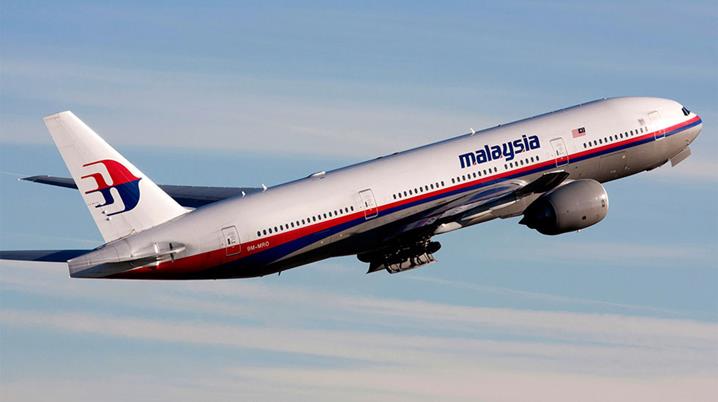
La Cámara de Representantes de los Países Bajos había pedido la investigación acerca del conflicto sobre las responsabilidades que podrían implicar al Gobierno de Ucrania sobre el espacio aéreo en el conflicto bélico del Donbass y el atentado del vuelo MH-017 de Malaysia Airlines. Las investigaciones estribaban en tener más claridad sobre el papel de Ucrania en el desastre. La Cámara quería saber, entre otras cosas, por qué el espacio aéreo sobre la zona de conflicto no estaba completamente cerrado. El Ministro de Asuntos Exteriores neerlandés Stef Blok dijo que el informe de la Fundación de Seguridad de Vuelo afirma que «no se han demostrado hechos suficientes para indicar que las autoridades ucranianas en ese momento responsables de la seguridad de la aviación civil sobre el este de Ucrania eran conscientes de una amenaza para la aviación civil por encima de Ucrania, excepto la parte del espacio aéreo que ya estaba cerrada».

Ucrania desconocía que la aviación civil estaba en peligro cuando el vuelo MH17 fue derribado sobre el este de ese país en Julio de 2014. Por lo tanto, no hay pruebas suficientes para hacer legalmente responsable a Ucrania de no cerrar completamente su espacio aéreo, según el Ministerio de Asuntos Exteriores, a cargo de Stef Blok.

Investigaciones

La Cámara de Representantes había solicitado la investigación en Octubre de 2019. Posteriormente, los Países Bajos pidieron a Rusia y Ucrania que cooperaran. «En la práctica, la aplicación de esta cooperación resultó tomar más tiempo de lo previsto», dice Stef Blok. El informe de la Fundación para la Seguridad de los Vuelos afirma que «se han establecido pruebas insuficientes que indican que las autoridades ucranianas responsables de la seguridad de la aviación civil en el este de Ucrania eran conscientes de una amenaza a la aviación civil por encima de esa parte del espacio aéreo que ya había sido cerrada o podría haber sido consciente de ella», escribe Stef Blok a la Cámara. Mientras, las autoridades rusas de aviación civil, que eran responsables del espacio aéreo ya cerrado adyacente a la zona de guerra en el este de Ucrania, tampoco veían ninguna amenaza para la aviación civil.

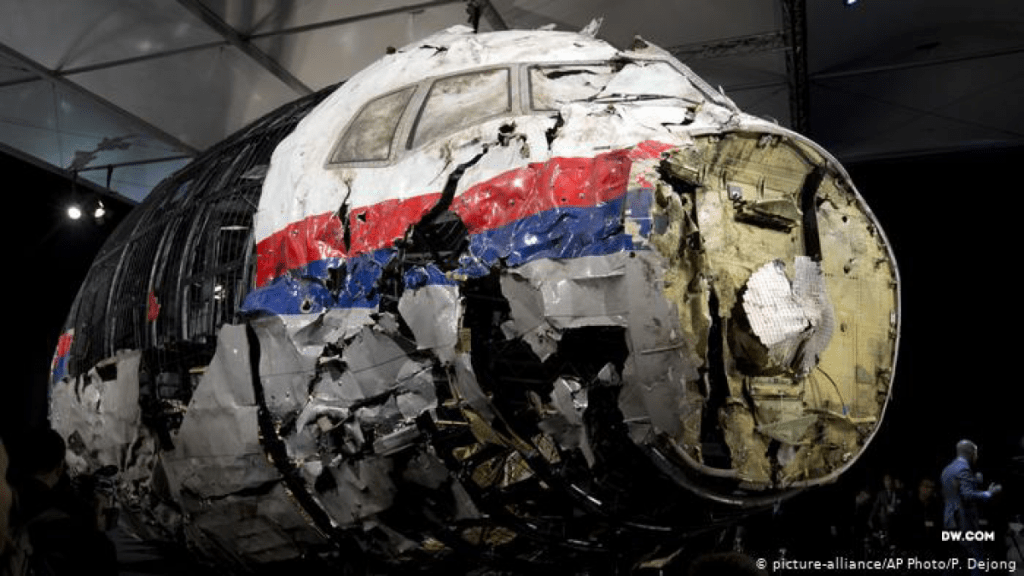
El MH17 fue derribado por un misil Buk. Provenía de una base militar rusa. Por lo tanto, los Países Bajos han considerado a Rusia responsable del derribo del avión de Malaysia Airlines. La investigación no cambia eso, según el Ministerio de Asuntos Exteriores. Tres rusos y un ucraniano también están siendo juzgados actualmente, sospechosos de participar, entre otras cosas, en el transporte del misil Buk.

El Boeing 777-200ER de Malaysia Airlines, que se dirigía desde Amsterdam hacia Kuala Lumpur, fue derribado el 17 de Julio de 2014 sobre el territorio ocupado por Rusia en la región de Donetsk. Las 298 personas a bordo que eran ciudadanos de 10 países murieron en el accidente. La mayoría de las víctimas, 196, eran ciudadanos de los Países Bajos.

La Junta de Seguridad holandesa el 13 de Octubre de 2015, emitió un informe sobre las causas del accidente. Se reveló que el avión había sido derribado por un sistema de misiles antiaéreos Buk.

El Equipo Conjunto de Investigación (JIT) en su informe publicado el 28 de Septiembre de 2016, confirmó que el avión había sido derribado por un Buk de fabricación rusa traído a Ucrania desde Rusia.

En Mayo de 2018, los Países Bajos y Australia acusaron oficialmente a Rusia de participar en el accidente del MH17.

El proceso de prueba MH17 comenzó el 9 de Marzo de 2020. Los primeros cuatro sospechosos en el caso MH17 son el terrorista ruso Igor Girkin (también conocido como «Strelkov»), quien en el verano de 2014 fue el llamado «Ministro de Defensa de la República Popular de Donetsk» («DPR»); General ruso Sergei Dubinsky (nom de guerre «Khmuryi»), quien dirigió la «inteligencia DPR;» Oleg Pulatov (nom de guerre «Gyurza»), que en 2014 encabezó «la 2a división del GRU del RP;», así como Leonid Kharchenko (nom de guerre «Krot»), que era un líder del «batallón de reconocimiento» de las fuerzas lideradas por Rusia.

El 19 de Junio de 2019, los investigadores del JIT acusaron a los cuatro oficiales de inteligencia militar controlados por la Federación Rusia de participar en un ataque con misiles que derribó el MH17.

Ukraine exempted airspace by MH17

Ukraine was unaware of dangers for civil aviation over Donbass

The House of Representatives of the Netherlands had requested the investigation into the conflict over the responsibilities that could involve the Government of Ukraine over the airspace in the war in Donbass and the attack on Malaysia Airlines flight MH-017. The investigations were based on having more clarity about Ukraine’s role in the disaster. The Chamber wanted to know, among other things, why the airspace over the conflict zone was not completely closed. Dutch Foreign Minister Stef Blok said the Flight Safety Foundation report states that «not enough facts have been shown to indicate that the Ukrainian authorities at the time responsible for civil aviation security over eastern Ukraine they were aware of a threat to civil aviation above Ukraine, except for the part of the airspace that was already closed».

Ukraine was unaware that civil aviation was in danger when flight MH17 was shot down over eastern Ukraine in July 2014. Therefore, there is insufficient evidence to hold Ukraine legally responsible for not completely closing its airspace, according to the Ministry of Foreign Affairs, in charge of Stef Blok.

Research

The House of Representatives had requested the investigation in October 2019. The Netherlands subsequently asked Russia and Ukraine to cooperate. «In practice, the implementation of this cooperation turned out to take longer than anticipated», says Stef Blok. The Foundation for Flight Safety report states that «insufficient evidence has been established indicating that the Ukrainian authorities responsible for civil aviation security in eastern Ukraine were aware of a threat to civil aviation above that part of the airspace that had already been closed or might have been aware of it», Stef Blok writes to the House. Meanwhile, the Russian civil aviation authorities, which were responsible for the already closed airspace adjacent to the war zone in eastern Ukraine, also saw no threat to civil aviation.

The MH17 was shot down by a Buk missile. It came from a Russian military base. Therefore, the Netherlands has held Russia responsible for the downing of the Malaysia Airlines plane. The investigation doesn’t change that, according to the Foreign Ministry. Three Russians and one Ukrainian are also currently on trial, suspected of participating, among other things, in the transport of the Buk missile.

Malaysia Airlines Boeing 777-200ER, which was heading from Amsterdam to Kuala Lumpur, was shot down on July 17, 2014 over Russian-occupied territory in the Donetsk region. All 298 people on board who were citizens of 10 countries died in the accident. Most of the victims, 196, were citizens of the Netherlands.

The Dutch Safety Board on October 13, 2015, issued a report on the causes of the accident. The plane was revealed to have been shot down by a Buk anti-aircraft missile system.

The Joint Investigation Team (JIT) in its report published on September 28, 2016, confirmed that the plane had been shot down by a Russian-made Buk brought to Ukraine from Russia.

In May 2018, the Netherlands and Australia officially accused Russia of participating in the MH17 accident.

The MH17 testing process started on March 9, 2020. The first four suspects in the MH17 case are the Russian terrorist Igor Girkin (also known as «Strelkov»), who in the summer of 2014 was the so-called «Minister of Defense of the Donetsk People’s Republic» («DPR»); Russian General Sergei Dubinsky (nom de guerre «Khmuryi»), who headed the «DPR intelligence;» Oleg Pulatov (nom de guerre «Gyurza»), who in 2014 headed «the 2nd division of the PR GRU»; as well as Leonid Kharchenko (nom de guerre «Krot»), who was a leader of the «reconnaissance battalion» of Russian-led forces.

On June 19, 2019, JIT investigators accused the four military intelligence officers controlled by the Russian Federation of participating in a missile attack that shot down the MH17.


PUBLISHER: Airgways.com
DBk: Houseofrepresentatives.nl / Flightsafety.org / Nu.nl / Ap.com / Airgways.com
AW-POST: 202102081145AR

A\W   A I R G W A Y S ®

Demandan a Boeing por vuelo SJ-182

AW | 2021 01 31 11:58 | AIR INVESTIGATION / AVIATION SAFETY

Familia vuelo SJ-182 demandan a Boeing por aviones peligrosos

AW-Sriwijaya Air Flight SJ182

La demanda presentada por las familias de tres víctimas alega que el avión Boeing 737-500 fue defectuoso de una o más maneras. Los parientes indonesios de las víctimas del vuelo accidentado de la aerolínea Sriwijaya Air ponen flores en homenaje a sus familiares fallecidos, mientras reclaman a la compañía Boeing por problemas en la línea 737. Se espera un informe preliminar sobre el accidente a principios de Febrero de 2021.

El vuelo de Sriwijaya SJ-182 se desplomó a pocos minutos de despegar del aeropuerto principal de Jakarta a principios de este mes, con 62 personas a bordo. Una familia indonesia cuyos familiares murieron a bordo del vuelo de Sriwijaya Air que se estrelló contra el Mar de Java han presentado acciones legales contra Boeing, alegando que el avión era «defectuoso e irrazonablemente peligroso», según Wisner Law Firm, que representa a la familia de tres víctimas. Ha presentado una demanda contra Boeing la semana pasada en la Corte de Circuito del Condado de Cook en el Estado Illinois, donde se encuentra la sede de la compañía aeroespacial. La demanda alega que el avión Boeing 737-500 era defectuoso de una o más maneras, incluyendo posibles fallas en el Throttle Air System, que controla la potencia del motor automáticamente, o el sistema de control de vuelo. Los documentos judiciales también alegaron posible corrosión en «la válvula de retención de quinta etapa de aire sangrado […] ha causado que se quede atascado en la posición abierta durante el vuelo, lo que resulta en un estancamiento de compresor de manera incontrolable».

Investigaciones SJ-182

Los investigadores han logrado recuperar y leer la grabadora de datos de vuelo del avión,pero todavía están buscando la grabadora de voz de la cabina, lo que les permitirá escuchar conversaciones entre los pilotos. Nurcayho Utomo, del Comité de Seguridad del Transporte de Indonesia (KNKT), dijo a principios de este mes de Enero 2020 que un problema con el Sistema Throttle del Boeing 737-500 fue reportado después de un vuelo unos días antes. Los funcionarios están sondeando si esto contribuyó al desastre. Los aviones pueden volar con un sistema de distancia automática que no funciona porque los pilotos pueden controlarlo manualmente en su lugar, según Utomo.

El avión no tenía el mismo software de cabina que contribuyó a los dos accidentes fatales del Boeing 737 MAX en Indonesia y Etiopía, donde fallecieron un total de 346 personas que ocurrieron en el espacio de sólo seis meses. The Boeing Company fue multado con US$ 2.500 millones de Dólares por el Departamento de Justicia de Estados Unidos después de ser acusado de fraude y conspiración en relación con dos accidentes, y enfrenta litigios separados presentados por las familias de los asesinados. La compañía reportó una pérdida neta de US$ 11.900 millones de Dólares (€ 8.700 millones de Euros) en 2020, afrontando la mayor en toda su historia.

Wisner Law Firm dijo que sólo una familia del accidente aéreo de Sriwijaya Air había presentado un caso contra Boeing, pero que el bufete legal estaba en contacto con otras personas cuyos familiares murieron. Boeing dijo en un comunicado: «Nuestros pensamientos están con la tripulación del vuelo SJ-182 de Sriwijaya Air, los pasajeros y sus familias. Los expertos técnicos de Boeing están ayudando con la investigación y seguimos ofreciendo cualquier apoyo necesario durante este difícil momento».

Línea investigaciones KNKT

El 15 de Enero de 2021, el KNKT informó que los datos del FDR se han descargado con éxito, los 330 parámetros registrados están en buenas condiciones y actualmente se están analizando.

El 19 de Enero de 2021, el KNKT informó que el FDR contenía 330 parámetros de un total de dieciocho vuelos. El KNKT ya ha desarrollado una imagen general del accidente, sin embargo, necesita más datos de la grabadora de voz de la cabina antes de publicar cualquier información. Se han ordenado inspecciones de Los Boeing 737-300, 737-400 y 737-500 en Indonesia.

El 22 de Enero de 2021, la KNKT confirmó que un informe preliminar se publicará dentro de los 30 días posteriores al accidente (hasta el 8 de Febrero de 2021), aún no se ha publicado ninguna otra
información.

El 23 de Enero de 2021, el presidente de KNKT declaró que el registro técnico de la aeronave contenía una entrada sobre una falla de Autothrottle unos días antes del accidente. No se ha observado ninguna otra anomalía técnica. En este momento no está completamente claro si los problemas con Trottle Automático contribuido a las tripulaciones de choque pueden volar fácilmente el avión manualmente sin el sistema de limitación automática. El CVR será necesario para escuchar las discusiones entre los pilotos para identificar el problema real que tenían a mano [*].

El 25 de Enero de 2021, informaron las autoridades de Indonesia, 53 ocupantes de la aeronave han sido identificados.

Una declaración se emitirá una vez que se hayan establecido todos los detalles necesarios, mientras de aguarda el Informe Preliminar que se emitirá por los organismos correspondientes a treinta días del accidente.

Boeing sued for SJ-182 flight

Family of SJ-182 crash victims sue Boeing over dangerous planes

The lawsuit filed by the families of three victims alleges that the Boeing 737-500 aircraft was defective in one or more ways. Indonesian relatives of the victims of the crashed Sriwijaya Air airline flight lay flowers in tribute to their deceased relatives, as they complain to the Boeing company for problems on the 737 line. A preliminary report on the accident is expected in early February 2021 .

Sriwijaya flight SJ-182 crashed within minutes of taking off from Jakarta’s main airport earlier this month, with 62 people on board. An Indonesian family whose relatives died aboard the Sriwijaya Air flight that crashed into the Java Sea have filed legal action against Boeing, claiming the plane was «defective and unreasonably dangerous», according to Wisner Law Firm, which represents the family. of three victims. He filed a lawsuit against Boeing last week in Cook County Circuit Court in Illinois, where the aerospace company’s headquarters are located. The lawsuit alleges that the Boeing 737-500 aircraft was defective in one or more ways, including possible failures in the Throttle Air System, which controls engine power automatically, or the flight control system. The court documents also alleged possible corrosion in «the bleeding air fifth stage check valve […] has caused it to get stuck in the open position during flight, resulting in uncontrollable compressor stalling».

SJ-182 Investigations

Investigators have managed to retrieve and read the plane’s flight data recorder, but are still searching for the cockpit voice recorder, which will allow them to listen to conversations between the pilots. Nurcayho Utomo of the Indonesian Transportation Safety Committee (KNKT) said earlier this month of January 2020 that a problem with the Boeing 737-500 Throttle System was reported after a flight a few days earlier. Officials are probing whether this contributed to the disaster. Airplanes can fly with an automatic distance system that doesn’t work because pilots can control it manually instead, according to Utomo.

The plane did not have the same cockpit software that contributed to the two fatal Boeing 737 MAX crashes in Indonesia and Ethiopia, where a total of 346 people were killed in the space of just six months. The Boeing Company was fined US$ 2.5 billion by the US Department of Justice after being charged with fraud and conspiracy in connection with two accidents, and faces separate litigation brought by the families of those killed. The company reported a net loss of US$ 11.9 billion (€ 8.7 billion) in 2020, facing the largest in its history.

Wisner Law Firm said that only one family from the Sriwijaya Air crash had filed a case against Boeing, but that the law firm was in contact with other people whose family members died. Boeing said in a statement: «Our thoughts are with the Sriwijaya Air flight SJ-182 crew, the passengers and their families. Boeing technical experts are assisting with the investigation and we continue to offer any necessary support during this difficult time».

KNKT research line

On January 15, 2021, the KNKT reported that the FDR data has been downloaded successfully, the 330 recorded parameters are in good condition and is currently being analyzed.

On January 19, 2021, the KNKT reported that the FDR contained 330 parameters from a total of eighteen flights. The KNKT has already developed a general picture of the accident, however it needs more data from the cockpit voice recorder before publishing any information. Inspections of Boeing 737-300, 737-400 and 737-500 have been ordered in Indonesia.

On January 22, 2021, the KNKT confirmed that a preliminary report will be published within 30 days after the accident (until February 8, 2021), no other reports have yet been published.
information.

On January 23, 2021, the KNKT president stated that the technical log of the aircraft contained an entry about an autothrottle failure a few days before the accident. No other technical anomalies have been observed. At this time it is not completely clear whether the problems with the automatic rotor contributed to the crash crews can easily fly the aircraft manually without the automatic limiting system. The CVR will be necessary to listen to the discussions between the pilots to identify the real problem at hand [*].

On January 25, 2021, Indonesian authorities reported, 53 occupants of the aircraft have been identified.

A statement will be issued once all the necessary details have been established, while awaiting the Preliminary Report that will be issued by the agencies corresponding to thirty days after the accident.

[*] Nota editorial: Obviamente, toda esta declaración se produjo en respuesta a las especulaciones planteadas por una serie de medios a nivel mundial que atribuyeron el accidente a un mal funcionamiento del sistema de limitación automática.
Editorial Note: Obviously, this entire statement came in response to speculation raised by a number of global outlets that attributed the accident to a malfunction of the automatic limiting system.


PUBLISHER: Airgways.com
DBk: Dephup.co.id / Theguardian.com / Voi.id / Airgways.com
AW-POST: 202101311158AR

A\W   A I R G W A Y S ®

Boeing 737 MAX vs sistema eléctrico

AW | 2021 01 25 13:15 | AVIATION SAFETY / AIR INVESTIGATION

Ex-Gerente denuncia preocupaciones sobre Boeing 737 MAX

Boeing 737 MAX_Isologotype

El ex-Gerente Senior Ed Pierson de la línea 737 MAX de The Boeing Company en Seattle (WA) ha planteado nuevas preocupaciones sobre la seguridad del Boeing 737 MAX. El avión bajo escrutinio que fue puesto en tierra después de dos accidentes aéreos en los que murieron 346 personas, ha sido autorizado para reanudar los vuelos en América del Norte y Brasil, y se espera que obtenga la aprobación en Europa esta semana. Pero en un nuevo informe de Ed Pierson afirma que es muy necesario seguir investigando los problemas eléctricos y los problemas de calidad de la producción en la fábrica de la línea 737. Los reguladores en los Estados Unidos y Europa insisten en que sus revisiones han sido exhaustivas, y que el avión 737 MAX ahora está aprobado.

Investigaciones paralelas

En su informe, el Sr. Ed Pierson afirma que los reguladores e investigadores han ignorado en gran medida los factores, que él cree que pueden haber desempeñado un papel directo en los accidentes. Los vincula explícitamente a las condiciones de la fábrica de la compañía en Renton (WA), cerca de Seattle en ese momento. Boeing dice que esto es infundado.

Los investigadores creen que ambos accidentes, JT-610 y ET-302 fueron provocados por el fallo de un solo sensor. Envió datos inexactos a un software de Control de Vuelo (MCAS). Este sistema automatizado entonces forzó repetidamente la nariz de la aeronave hacia abajo, cuando los pilotos estaban tratando de ganar altura. En última instancia, cada avión fue empujado a una inmersión irrecuperable.

Los esfuerzos para hacer que el 737 MAX sea seguro se han centrado en rediseñar el software MCAS y asegurar que ya no pueda ser activado por un solo fallo del sensor. Para Ed Pierson, esto no va lo suficientemente lejos. Un veterano de la Marina de los Estados Unidos, que tuvo un papel principal en la línea de producción 737 de 2015-2018, fue un testigo estrella durante las audiencias del Congreso sobre los desastres que involucran al MAX. Le dijo a los legisladores que se había preocupado tanto por las condiciones en la fábrica, que le había dicho a sus jefes que estaba indeciso acerca de llevar a su propia familia en un avión Boeing 737 MAX. Testificó que durante 2018, la fábrica estaba en un estado «caótico» y «disfuncional», ya que, afirmó, el personal allí luchó bajo la presión de los gerentes para construir nuevos aviones lo más rápido posible. Ahora, le preocupa que estos problemas han sido pasados por alto en la prisa para obtener el 737 MAX de nuevo en el aire.

Su informe se basa en material de las investigaciones oficiales. Afirma que ambos aviones estrellados sufrieron lo que él cree que eran defectos de producción, casi desde el momento en que entraron en servicio. Estos incluyeron problemas intermitentes del Sistema de Control de Vuelo y anomalías eléctricas que ocurrieron en los días y semanas antes de los accidentes. Afirma que estos pueden haber sido síntomas de fallas en los sistemas de cableado altamente complejos de las aeronaves, que podrían haber contribuido al despliegue erróneo de MCAS. También señala que las fallas de los sensores contribuyeron a ambos accidentes y pregunta por qué tales fallas estaban sucediendo en máquinas completamente nuevas.

En el caso del avión Lion Air, se reemplazó un sensor defectuoso por otra pieza que no estaba calibrada correctamente. Todas las señales, dice el Sr. Pierson, «apunten de vuelta a donde se produjeron estos aviones, la fábrica 737». Sin embargo, insiste en que los reguladores no han abordado la posibilidad de que los defectos de producción jueguen un papel en los accidentes. Afirma que esto podría conducir a más tragedias, involucrando al Max o incluso a una versión anterior del 737.

Informe perturbador

Las preocupaciones de Ed Pierson están respaldadas por el célebre activista de seguridad aérea Capitán Chesley Sullenberger. Más conocido como «Sully», uno de los pilotos que dejó a salvo un avión Airbus A320CEO paralizado y sin motor en el río Hudson frente a Manhattan en 2009, también cree que las modificaciones al 737 MAX no van lo suficientemente lejos. Cree que se necesitan cambios en los sistemas de advertencia a bordo del avión, que fueron transportados desde una versión anterior del 737 y «no están a la basura de los estándares modernos. El informe de Ed Pierson es muy preocupante sobre los problemas de fabricación en las fábricas de Boeing que van mucho más allá del Max, y también afectan la versión anterior del 737. Hay muchas preguntas sin respuesta de importancia crítica que deben ser respondidas. Boeing y la Administración Federal de Aviación (FAA) finalmente deben ser más transparentes, y comenzar a proporcionar información y datos, para que los expertos independientes puedan determinar la dignidad del trabajo que se ha hecho», dice el Capitán Chesley Sullenberger.

Información limitada

Un ex-Inspector Senior en la Subdivisión de Investigaciones de Accidentes Aéreos (AAIB) del Reino Unido, advierte que las conclusiones de Ed Pierson deben verse en un contexto más amplio. El informe dice hace algunas observaciones válidas sobre las presiones sobre la línea de producción y el control de calidad de Boeing y las preocupaciones sobre componentes específicos. Sin embargo, añade que «tomando la información limitada en cualquier informe de accidente y hacer nuevas interpretaciones de la misma, no es lo mismo que llevar a cabo una nueva investigación».

La FAA, por su parte, insiste en que sólo aprobó la vuelta al servicio del MAX, siguiendo un «proceso de revisión integral y metódico de la seguridad. Ninguna de las muchas investigaciones de los dos accidentes produjo pruebas de que un defecto de producción jugó un papel, y destaca que cada aeronave que sale de la fábrica es inspeccionada por un equipo de inspectores de la FAA antes de que sea autorizado para la entrega».

La propia Boeing no comentará si los problemas de control eléctrico y de vuelo señalados por el Sr. Pierson pueden haber desempeñado un factor en los dos accidentes, basándose en que se trata de una cuestión que instó a las autoridades investigadoras. Sin embargo, ha descrito las sugerencias de cualquier vínculo entre las condiciones de Renton y los dos accidentes como «completamente infundadas», haciendo hincapié en que ninguna de las autoridades que investigan los accidentes ha encontrado tal vínculo. Patrick Ky, el Jefe de la agencia europea de seguridad aérea, EASA, ha dicho previamente que está seguro de que el avión es seguro de volar.

Boeing 737 MAX vs electrical system

Ex-Manager reports concerns about Boeing 737 MAX

AW-7377780008

Former Senior Manager Ed Pierson of The Boeing Company‘s 737 MAX line in Seattle (WA) has raised new concerns about the safety of the Boeing 737 MAX. The plane under scrutiny that was grounded after two plane crashes in which 346 people died, has been cleared to resume flights in North America and Brazil, and is expected to gain approval in Europe this week. But in a new report by Ed Pierson he says there is a great need for further investigation of electrical issues and production quality issues at the 737 line factory. Regulators in the United States and Europe insist their reviews have been thorough, and that the 737 MAX aircraft is now approved.

Parallel investigations

In his report, Mr. Ed Pierson claims that regulators and investigators have largely ignored the factors, which he believes may have played a direct role in the accidents. He explicitly links them to the conditions of the company’s factory in Renton (WA), near Seattle at the time. Boeing says this is unfounded.

Investigators believe both the JT-610 and ET-302 accidents were caused by the failure of a single sensor. He sent inaccurate data to a Flight Control software (MCAS). This automated system then repeatedly forced the nose of the aircraft down, when the pilots were trying to gain altitude. Ultimately, each plane was pushed into an unrecoverable dive.

Efforts to make the 737 MAx safe have focused on redesigning the MCAS software and ensuring that it can no longer be triggered by a single sensor failure. For Ed Pierson, this doesn’t go far enough. A United States Navy veteran, who played a leading role on the 2015-2018 737 production line, was a star witness during Congressional hearings on disasters involving the MAX. He told lawmakers that he had been so concerned about conditions at the factory that he had told his bosses that he was undecided about taking his own family on a Boeing 737 MAX plane. He testified that during 2018, the factory was in a «chaotic» and «dysfunctional» state, as, he claimed, the personnel there struggled under pressure from managers to build new aircraft as quickly as possible. Now, he worries that these problems have been overlooked in the rush to get the 737 MAX back in the air.

His report is based on material from official investigations. He claims that both crashed planes suffered from what he believes were production defects almost from the moment they entered service. These included intermittent Flight Control System problems and electrical anomalies that occurred in the days and weeks before the accidents. He claims that these may have been symptoms of failures in highly complex aircraft wiring systems, which could have contributed to the erroneous deployment of MCAS. He also points out that sensor failures contributed to both accidents and asks why such failures were happening in brand new machines.

In the case of the Lion Air aircraft, a faulty sensor was replaced with another part that was not properly calibrated. All signs, says Mr. Pierson, «point back to where these planes were produced, the 737 factory». However, he insists that regulators have not addressed the possibility that manufacturing defects play a role in accidents. He claims this could lead to more tragedies, involving the Max or even an earlier version of the 737.

Disturbing report

Ed Pierson’s concerns are backed by celebrated air safety activist Captain Chesley Sullenberger. Better known as «Sully,» one of the pilots who safely left a paralyzed and dead Airbus A320CEO plane in the Hudson River off Manhattan in 2009, he too believes that modifications to the 737 MAX don’t go far enough. He believes changes are needed to the warning systems on board the plane, which were carried over from an earlier version of the 737 and «are not trashed by modern standards. Ed Pierson’s report is very concerning about manufacturing issues at Boeing factories that go far beyond the Max, and also affect the older version of the 737. There are many critically important unanswered questions that need to be answered. Boeing and the Federal Aviation Administration (FAA) must finally be more transparent, and begin to provide information and data, so that independent experts can determine the dignity of the work that has been done», says Captain Chesley Sullenberger.

Limited information

A former Senior Inspector in the UK Air Accident Investigations Branch (AAIB) cautions that Ed Pierson’s findings should be viewed in a broader context. The report says it makes some valid observations about the pressures on Boeing’s production line and quality control and concerns about specific components. However, he adds that «taking the limited information in any accident report and making new interpretations of it is not the same as conducting a new investigation».

The FAA, for its part, insists that it only approved the return to service of the MAX, following a «comprehensive and methodical safety review process. None of the many investigations of the two accidents produced evidence that a manufacturing defect played a role. a role, and it highlights that every aircraft leaving the factory is inspected by a team of FAA inspectors before it is cleared for delivery».

Boeing itself will not comment on whether the electrical and flight control problems identified by Mr. Pierson may have played a factor in the two accidents, on the grounds that it is a question he urged the investigating authorities. However, he has described the suggestions of any link between Renton’s conditions and the two accidents as «completely unfounded», stressing that none of the authorities investigating the accidents have found such a link. Patrick Ky, the Head of the European aviation safety agency, EASA, has previously said that he is confident that the plane is safe to fly.


PUBLISHER: Airgways.com
DBk: Bbc.com / Airgways.com / Lindsey Wasson / Seattletimes.com / Boeing.com
AW-POST: 202101251315AR

A\W   A I R G W A Y S ®

Sriwijaya Air SJ-182 | Empuje asimétrico

AW | 2021 01 21 15:17 | AIR INVESTIGATION / AVIATION SAFETY

Investigan empuje asimétrico posible causa accidente vuelo SJ-182

AW-Sriwijaya Air Flight SJ182

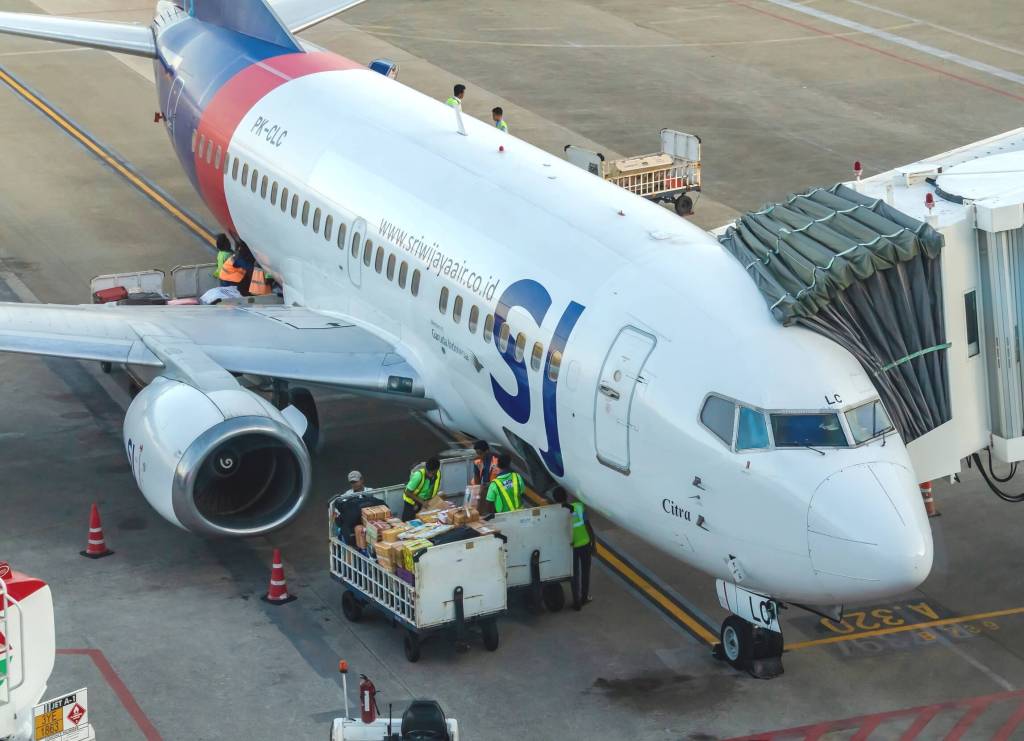
El pasado 9 de Enero de 2021, el Boeing 737-500 matricula PK-CLC de Sriwijaya Air que cubría el vuelo SJ-182 de Jakarta a Pontianak caía al Mar de Java cuatro minutos después de despegar, descendiendo de 10.900 ft hasta impactar contra el agua en unos 15 segundos, falleciendo todos sus 62 ocupantes, 56 pasajeros y 6 tripulantes.

El 19 de Enero de 2021, la agencia aeronáutica KNKT de Indonesia informó que el Flight Data Record (FDR) contenía 330 parámetros de un total de 18 vuelos realizados anteriormente. El KNKT ya ha desarrollado una imagen general del accidente del vuelo SJ-182 de Sriwijaya Air, sin embargo, necesita más datos de la Grabadora de Voz de la Cabina (CVR) antes de publicar cualquier información. Se han ordenado inspecciones de los Boeing 737-300, 737-400 y 737-500 que vuelan en Indonesia.

Una vez descargados los datos del registrador de parámetros de vuelo del Boeing 737 accidentado, la investigación se está centrando en el Sistema Automático de Control de la Potencia de los motores. Tres días después se recuperó el grabador de parámetros de vuelo, cuya memoria fue descargada el día 15/01 y se comprobó que los datos grabados estaban en buen estado y se comenzó su análisis. Poco después desde la comisión de investigación se señaló que de esta primera lectura, y a la espera de recuperarse el grabador de voces de cabina, se tenía ya una idea bastante aproximada de lo ocurrido. De dicho grabador se han recuperado partes, pero no así el bloque de memoria donde se almacenan los datos.

Primeras informaciones

Ahora se ha sabido que la investigación se está centrando en el Sistema Automático de Control de Potencia de los motores, ya que al parecer uno de ellos ofrecía mayor empuje que el otro. Ambos motores funcionaban hasta el momento del impacto contra el agua. La grabación de las conversaciones entre los pilotos puede ser clave para determinar las acciones que tomaron o no tomaron, para compensar este empuje asimétrico que habría producido la pérdida de control y la caída al mar. Según estas primeras informaciones, dicho sistema automático habría dado ya problemas en vuelos anteriores de este avión.

Según la Comisión de Investigación, el grabador de parámetros de vuelo contiene también información de los 17 vuelos previos al accidente, además de los de ese último. Esta información puede ser también crucial para comparar cómo se resolvió el problema en las otras ocasiones, aunque estas informaciones provienen de una fuente anónima, el Jefe de la investigación, Nurcahyo Utomo, ha confirmado que un mando de potencia defectuoso es “uno de los factores que estamos investigando, aunque no puedo afirmar en este momento que haya sido un factor en el accidente o que hubiera un problema en el mismo”. Un problema de este tipo no debía ser excesivamente difícil de solucionar, dado que, aunque es una situación rara, es uno de los escenarios a los que se enfrentan los pilotos durante su formación y entrenamiento.

La Comisión de Investigación no ha hecho ningún comentario oficial todavía a la espera de emitir su primer Informe Preliminar del accidente, lo que se estima ocurrirá un mes después de la fecha del accidente. En el año 2001 la FAA emitió una Directiva de Aeronavegabilidad (AD) respecto a este sistema de Control Automático después de varios fallos que no fueron adecuadamente solucionados por la tripulación y en al menos dos casos el empuje asimétrico hizo que el avión alabease al menos 40 grados.

Rescates víctimas

Las autoridades indonesias dijeron el Jueves 21/01 que la búsqueda de víctimas de un accidente de avión que mató a las 62 personas a bordo había sido detenida, pero la caza continuaría para la Grabadora de Voz de la Cabina (CVR) del avión Boeing 737-500 de Sriwijaya Air. «Las operaciones de búsqueda han sido cerradas, pero continuaremos buscando el CVR», dijo Bagus Puruhito, quien dirige la agencia de búsqueda y rescate del país. El equipo de rescate había recogido más de 324 bolsas de partes del cuerpo y piezas de aviones.

Sriwijaya Air SJ-182, objection asymmetric thrust

Investigate asymmetric thrust possible cause accident flight SJ-182

On January 9, 2021, the Boeing 737-500 registration PK-CLC of Sriwijaya Air that covered flight SJ-182 from Jakarta to Pontianak fell into the Java Sea four minutes after taking off, descending from 10,900 ft until hitting the water in about 15 seconds, with all 62 occupants, 56 passengers and 6 crew members dying.

On January 19, 2021, the Indonesian aeronautical agency KNKT reported that the Flight Data Record (FDR) contained 330 parameters from a total of 18 previously performed flights. The KNKT has already developed a general picture of the Sriwijaya Air flight SJ-182 accident, however it needs more data from the Cockpit Voice Recorder (CVR) before publishing any information. Inspections have been ordered for Boeing 737-300, 737-400 and 737-500 flying in Indonesia.

Once the data has been downloaded from the flight parameter recorder of the crashed Boeing 737, the investigation is focusing on the Automatic Engine Power Control System. Three days later the flight parameters recorder was recovered, the memory of which was downloaded on 01/15 and it was verified that the recorded data was in good condition and its analysis began. Shortly afterwards, the investigation commission pointed out that from this first reading, and while waiting to recover the cabin voice recorder, they already had a fairly approximate idea of ​​what happened. Parts of this recorder have been recovered, but not the memory block where the data is stored.

First information

Now it has been known that the investigation is focusing on the Automatic Power Control System of the engines, since apparently one of them offered greater thrust than the other. Both engines were running until the moment of impact against the water. The recording of the conversations between the pilots can be key to determine the actions they took or did not take, to compensate for this asymmetric thrust that would have produced the loss of control and the fall into the sea. According to these first information, said automatic system would have already caused problems in previous flights of this plane.

According to the Investigation Commission, the flight parameter recorder also contains information on the 17 flights prior to the accident, in addition to those of the latter. This information can also be crucial to compare how the problem was solved on the other occasions, although this information comes from an anonymous source, the Head of the investigation, Nurcahyo Utomo, has confirmed that a defective power control is «one of the factors that we are investigating, although I cannot affirm at this time that it was a factor in the accident or that there was a problem in it”. A problem of this type should not be excessively difficult to solve, since, although it is a rare situation, it is one of the scenarios that pilots face during their training and training.

The Investigation Commission has not made any official comment yet awaiting issuance of its first Preliminary Report of the accident, which is estimated to occur one month after the date of the accident. In 2001 the FAA issued an airworthiness directive regarding this automatic control system after several failures that were not adequately resolved by the crew and in at least two cases the asymmetric thrust caused the aircraft to roll at least 40 degrees.

Rescue victims

Indonesian authorities said Thursday 01/21 that the search for victims of a plane crash that killed all 62 people on board had been stopped, but the hunt would continue for the Boeing 737 aircraft’s Cockpit Voice Recorder (CVR) -500 from Sriwijaya Air. «Search operations have been closed, but we will continue to search for the CVR», said Bagus Puruhito, who heads the country’s search and rescue agency. The rescue team had collected more than 324 bags of body parts and aircraft parts.


PUBLISHER: Airgways.com
DBk: Dephup.go.id / Voi.id / Liputan6.com / Airgways.com
AW-POST: 202101211517AR

A\W   A I R G W A Y S ®
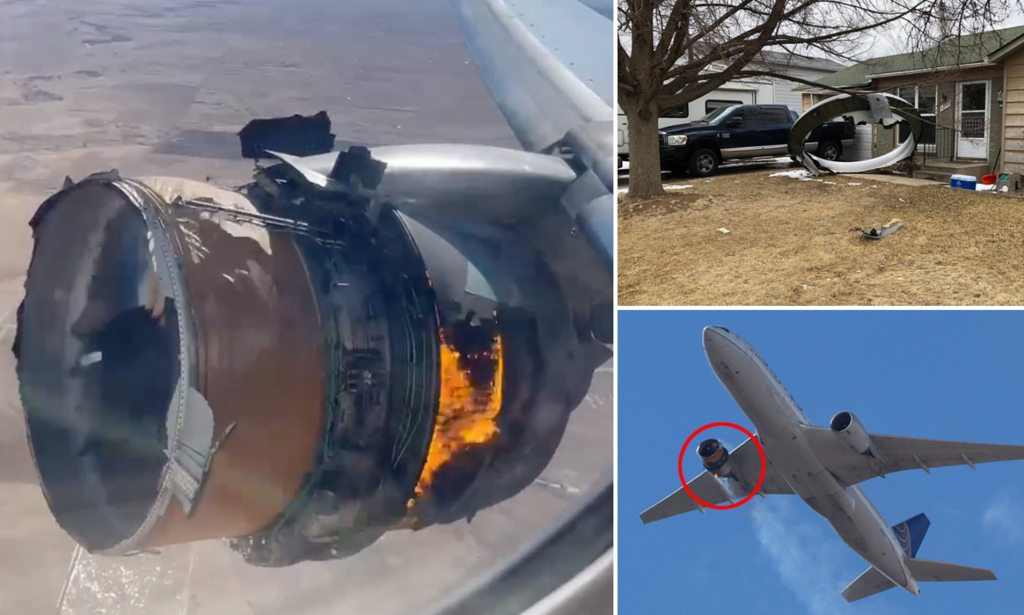
Sriwijaya Air | Investigación NTSB

AW | 2021 01 16 19:55 | AIR INVESTIGATION / AVIATION SAFETY

Agencia NTSB se incorpora investigación del accidente SJ-182

AW-Sriwijaya Air Flight SJ182

El 13 de Enero de 2021, Basarnas informó que los trabajos de recuperación han sido suspendidos temporalmente debido a las condiciones climáticas.

El 14 de Enero de 2021, Basarnas informó que la búsqueda de la grabadora de voz de la cabina (CVR) todavía está en curso con la ayuda de un robot submarino. Se han localizado 34 lugares de escombros de aeronaves, uno de ellos se supone que es la cabina, otro la cola de la aeronave. La búsqueda sigue obstaculizada por la lluvia y los vientos de 20 nudos.

El 15 de Enero de 2021, la Marina de Indonesia informó que el pinger de la CVR y partes de la vivienda fueron encontrados y recuperados, sin embargo, la unidad de memoria del CVR sigue desaparecida. La búsqueda de la unidad de memoria sigue en curso.

La aerolínea declaró que están en contacto con las autoridades de aviación y buscando más información. Una declaración se emitirá una vez que se hayan establecido todos los detalles necesarios. El 9 de Enero de 2021 alrededor de las 21:40L (14:40Z) la aerolínea publicó un comunicado confirmando que el contacto con el avión se perdió a las 14:40L. El avión transportaba 40 pasajeros adultos, 7 niños, 3 bebés y 6 tripulantes muertos. El avión fue operado por 6 tripulantes activos. La aerolínea publicó un número de teléfono de línea directa. La Comisión Nacional de Seguridad del Transporte de Indonesia (KNKT) ha abierto una investigación y ha anunciado que comienzan su búsqueda de las cajas negras el Domingo, 10 de Enero de 2021.

Equipo NTSB EEUU

El equipo estadounidense NTSB llega a Indonesia para unirse a la investigación del accidente de del Boeing 737-500 de Sriwijaya Air. Un equipo de la Junta Nacional de Seguridad del Transporte (NTSB) de Estados Unidos llegó a la capital de Indonesia para unirse a la investigación sobre el accidente de un Boeing 737-500 de Sriwijaya Air, dijo el Sábado 16/01 el Jefe del Comité Nacional de Seguridad del Transporte de Indonesia (KNKT). El equipo también está compuesto por representantes de la Administración Federal de Aviación (FAA) de Estados Unidos, The Boeing Company y General Electric. Se unieron al personal de la Oficina de Investigación de Seguridad en el Transporte de Singapur en el centro de comando de búsqueda y rescate en el puerto de Tanjung Priok en Yakarta para ver algunos de los escombros del avión.

El avión Boeing 737-500 perdió contacto con los controladores de tráfico aéreo minutos después de despegar de Jakarta durante las fuertes lluvias del 9 de Enero de 2021. El avión se estrelló en el Mar de Java, matando a las 62 personas a bordo. Los buzos encontraron partes de la grabadora de voz de la cabina el viernes a medida que más personal se unía a la búsqueda de restos y víctimas. Los investigadores ya descargaron información del registrador de datos de vuelo del avión, que se recuperó a principios de esta semana. «Hay 330 parámetros y todo está en buenas condiciones. Lo estamos aprendiendo ahora», dijo Soerjanto Tjahjono, Presidente del Comité Nacional de Seguridad en el Transporte (KNKT).

El Gobierno de Indonesia otorgó una exención que permite al equipo de la NTSB ingresar al país durante su prohibición de viajar relacionada con el coronavirus en la que los extranjeros tienen prohibido ingresar. El Boeing 737-500 de 26 años estuvo fuera de servicio durante casi nueve meses el año pasado debido a los recortes de vuelos causados ​​por la pandemia. La aerolínea y funcionarios indonesios dicen que se sometió a inspecciones, incluida la posible corrosión del motor que podría haberse desarrollado durante el despido, antes de reanudar los vuelos comerciales en diciembre.

Los miembros del Comité Nacional de Seguridad del Transporte de Indonesia (KNKT) y el equipo de investigadores de la Junta Nacional de Seguridad del Transporte de los Estados Unidos (NTSB) inspeccionan los escombros encontrados en las aguas alrededor del lugar donde se estrelló un avión de pasajeros de Sriwijaya Air, en el centro de comando de búsqueda y rescate en el puerto de Tanjung Priok en Jakarta, Indonesia, Sábado 16 de Enero de 2021. La industria de la aviación de Indonesia creció rápidamente después de que se abrió la economía de la nación tras la caída del dictador Suharto a fines de la década de 1990. Las preocupaciones de seguridad llevaron a Estados Unidos y la Unión Europea a prohibir los transportistas indonesios durante años, pero desde entonces las prohibiciones se han levantado debido a un mejor cumplimiento de las normas internacionales de aviación.

Sriwijaya Air | NTSB research

NTSB agency joins SJ-182 accident investigation

On January 13, 2021, Basarnas reported that recovery work has been temporarily suspended due to weather conditions.

On January 14, 2021, Basarnas reported that the search for the cockpit voice recorder (CVR) is still ongoing with the help of an underwater robot. 34 places of aircraft debris have been located, one of them is supposed to be the cabin, another the tail of the aircraft. The search is still hampered by rain and 20-knot winds.

On January 15, 2021, the Indonesian Navy reported that the CVR pinger and parts of the house were found and recovered, however, the CVR memory unit is still missing. The memory unit search is still in progress.

The airline stated that they are in contact with the aviation authorities and seeking more information. A statement will be issued once all the necessary details have been established. On January 9, 2021 around 9:40 p.m. (2:40 p.m.) the airline published a statement confirming that contact with the plane was lost at 2:40 p.m. The plane was carrying 40 adult passengers, 7 children, 3 babies and 6 dead crew members. The aircraft was operated by 6 active crew members. The airline posted a hotline phone number. The Indonesian National Transportation Safety Commission (KNKT) has opened an investigation and announced that they will begin their search for the black boxes on Sunday, January 10, 2021.

NTSB USA Team

The US NTSB team arrives in Indonesia to join the investigation of the Sriwijaya Air Boeing 737-500 accident. A team from the US National Transportation Safety Board (NTSB) arrived in the Indonesian capital to join the investigation into the crash of a Sriwijaya Air Boeing 737-500, the head of the National Safety Committee said on Saturday. of Indonesia Transport (KNKT). The team is also comprised of representatives from the United States Federal Aviation Administration (FAA), The Boeing Company, and General Electric. They joined staff from the Singapore Transport Security Investigation Office at the search and rescue command center at Tanjung Priok port in Jakarta to view some of the plane’s debris.

The Boeing 737-500 aircraft lost contact with air traffic controllers minutes after taking off from Jakarta during heavy rains on January 9, 2021. The plane crashed in the Java Sea, killing all 62 people on board. Divers found parts of the cockpit voice recorder on Friday as more personnel joined the search for remains and victims. Investigators have already downloaded information from the plane’s flight data recorder, which was recovered earlier this week. «There are 330 parameters and everything is in good condition. We are learning it now», said Soerjanto Tjahjono, Chairman of the National Committee for Transport Safety (KNKT).

The Indonesian government granted an exemption allowing the NTSB team to enter the country during its coronavirus-related travel ban in which foreigners are prohibited from entering. The 26-year-old Boeing 737-500 was out of service for nearly nine months last year due to flight cuts caused by the pandemic. The airline and Indonesian officials say it underwent inspections, including possible engine corrosion that could have developed during the layoff, before resuming commercial flights in December.

Members of the Indonesian National Transportation Safety Committee (KNKT) and the team of investigators from the United States National Transportation Safety Board (NTSB) inspect the debris found in the waters around the site where a US aircraft crashed. Sriwijaya Air passengers, at the search and rescue command center at Tanjung Priok port in Jakarta, Indonesia, Saturday, January 16, 2021. The Indonesian aviation industry grew rapidly after the economy of the nation after the fall of dictator Suharto in the late 1990s. Security concerns led the United States and the European Union to ban Indonesian carriers for years, but the bans have since been lifted due to better enforcement of international aviation standards.


PUBLISHER: Airgways.com
DBk: Dephup.go.id / Faa.gov / Ntsb.gov / Basarnas.go.id / Antaranews.com / Airgways.com
AW-POST: 202101161955AR

A\W   A I R G W A Y S ®