Vuelo prueba MCAS Boeing 737 MAX

Boeing

AW | 2019 04 04 01:14 | AIR INVESTIGATION / AVIATION SAFETY

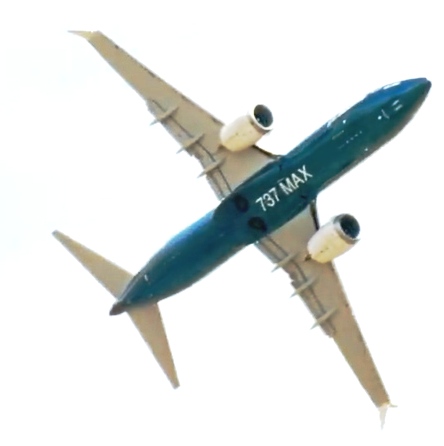
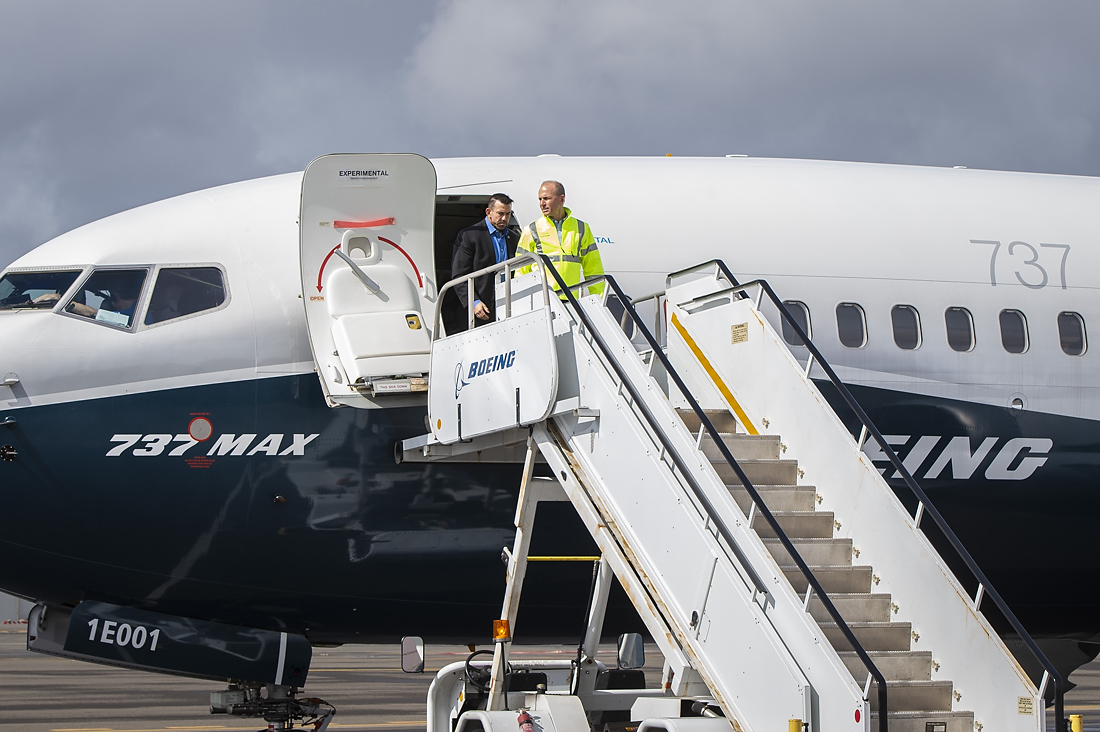
Boeing-Logo.svgFK,4923,36,737-max-round-pinDirector Ejecutivo de Boeing a bordo del vuelo de prueba en un Boeing 737-7 MAX

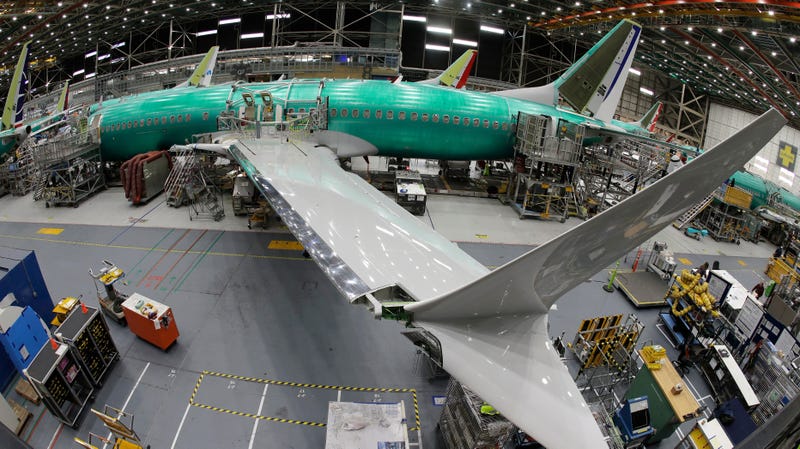
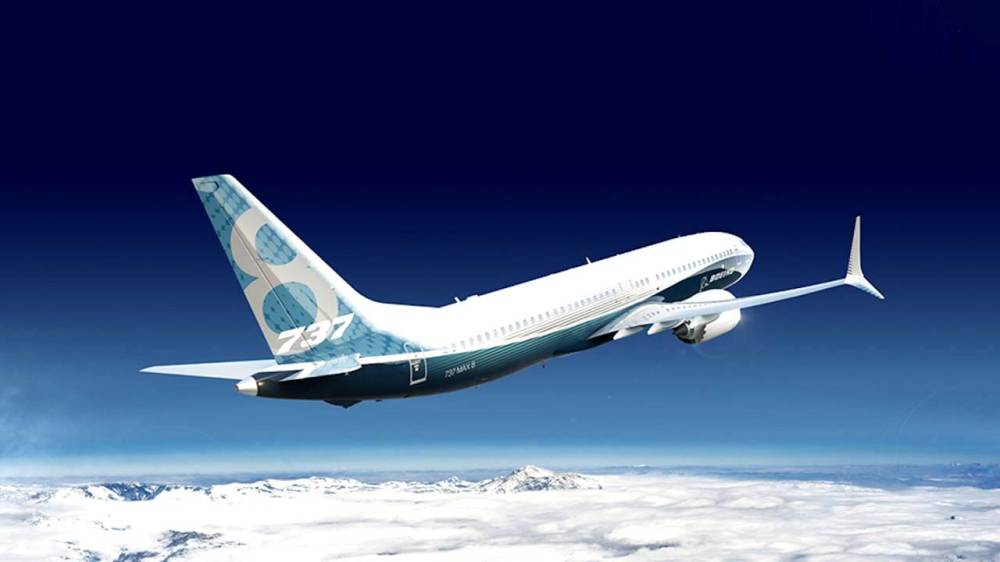
El fabricante de aeronaves Boeing probó este miércoles el software actualizado del MCAS para su Boeing 737 MAX, donde tanto Boeing y la FAA (Federal Aviation Administration) están fiscalizando su funcionamiento.

El Presidente y CEO de Boeing, Dennis Muilenburg, se ha unido a los pilotos de prueba de Boeing a bordo de un vuelo Boeing 737-7 MAX para una demostración del software MCAS actualizado. Boeing dice que la tripulación de vuelo realizó diferentes escenarios que ejercieron diversos aspectos de los cambios de software para probar las condiciones de falla. La compañía dijo que la actualización del software funcionó según lo diseñado, y los pilotos aterrizaron de manera segura en Boeing Field.

Boeing dice que realizará pruebas adicionales y vuelos de demostración mientras continúa trabajando para demostrar que ha «identificado y abordado adecuadamente todos los requisitos de certificación. Enviaremos la actualización para la revisión de la FAA una vez que el trabajo se haya completado en las próximas semanas. La seguridad es nuestra primera prioridad, y adoptaremos un enfoque minucioso y disciplinado para el desarrollo y las pruebas de la actualización para asegurarnos de que nos tomamos el tiempo para hacerlo bien. Este vuelo de demostración es otro paso en ese proceso», dijo un portavoz.

Boeing dijo que realizará más pruebas y vuelos de demostración y luego enviará la actualización para que la Administración Federal de Aviación la revise en las próximas semanas.AW-Icon-TXT-01

Flight test MCAS Boeing 737 MAX

Boeing-Company-Logo.jpgrotate2.pngExecutive Director of Boeing aboard the test flight in a Boeing 737-7 MAX

The aircraft manufacturer Boeing tested on Wednesday updated MCAS software for its Boeing 737 MAX, where both Boeing and the FAA (Federal Aviation Administration) are overseeing its operation.

Boeing President and CEO Dennis Muilenburg has teamed up with Boeing test pilots aboard a Boeing 737-7 MAX flight for an updated MCAS software demonstration. Boeing says that the flight crew performed different scenarios that exerted various aspects of the software changes to test the failure conditions. The company said the software update worked as designed, and the pilots landed safely at Boeing Field.

Boeing says it will conduct additional tests and demonstration flights as it continues to work to demonstrate that it has properly identified and addressed all certification requirements. «We will send the update for the FAA review once the work is completed in the coming weeks. Safety is our first priority, and we will adopt a thorough and disciplined approach to the development and testing of the upgrade to make sure we take the time to do it right.This demonstration flight is another step in that process», said a spokesman.

Boeing said it will conduct more tests and demonstration flights and then send the update for the Federal Aviation Administration to review in the coming weeks. A \ W


Ξ A I R G W A Y S Ξ
SOURCE: Airgways.com
DBk: Boeing.com / Faa.com
AW-POST: 201904040114AR

A\W   A I R G W A Y S ®

Próximo Informe Preliminar ET-302

Resultado de imagen para ET-320 Ethiopian Boeing 737 MAXAW | 2019 04 04 00:33 | AIR INVESTIGATION / AVIATION SAFETY

AW-7017378ET.pngA la espera del Informe Preliminar del accidente del vuelo ET-302

Etiopía tiene previsto publicar su primer informe hoy Jueves. Los pilotos del avión Boeing 737-8 MAX del vuelo ET-302 de Ethiopian Airlines inicialmente desactivaron su software anti-bloqueo después de despegar debido a datos sospechosos de un sensor. El sensor de Ángulo de Ataque (AOA) se dañó durante el despegue por un objeto extraño a la aeronave. Los datos del avión indican que los pilotos se separaron de las recomendaciones de Boeing al volver a conectar la alimentación al sistema. Los pilotos no pudieron recuperar el control, lo que provocó que el avión se estrellara contra el suelo.

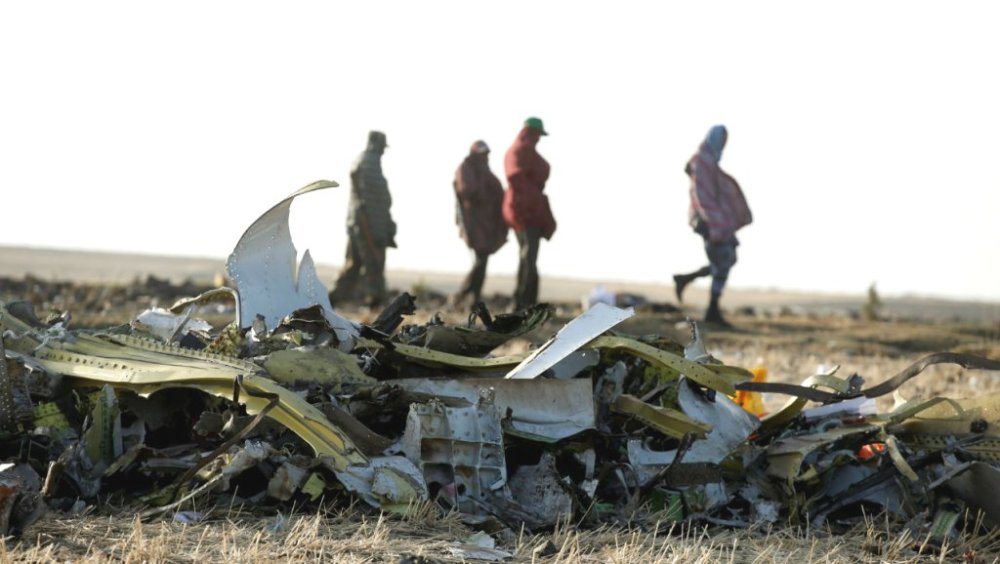
El accidente aéreo del Boeing 737-8 MAX de Ethiopian Airlines que se estrelló y mató a 157 personas el mes pasado, según informes, sufrió daños en el sensor del Ángulo de Ataque (AOA) en el despegue tras ser provocado por un objeto extraño fuera de la aeronave. El sensor dañado activó datos inexactos y provocó que los pilotos apagaran el software antibloqueo, conocido como MCAS, pero se volvieron a enganchar y empujaron el avión hacia abajo. Se dice que los pilotos intentaron traer manualmente la nariz del avión antes de restaurar la energía, pero no pudieron recuperar el control, lo que finalmente hizo que el avión se estrellara contra el suelo.

14032019_ethiopia_airlines.jpg

No se supo de inmediato si la tripulación volvió a implementar intencionalmente el Sistema MCAS, que fue diseñado para presionar la nariz del 737 MAX hacia abajo para evitar un bloqueo, pero se sospecha que exacerba un escenario diferente vinculado a dos accidentes recientes. Una persona con conocimiento de la aeronave dijo que el sistema no puede reactivarse a sí mismo a menos que lo soliciten los pilotos. Una posibilidad es que la tripulación pueda haber reactivado el MCAS en un intento de reducir las fuerzas en la columna de control, o porque no pudieron recortar adecuadamente el avión manualmente.

Boeing advirtió contra la especulación antes de un informe preliminar, mientras que los investigadores etíopes no pudieron ser contactados para hacer comentarios. El software antibloqueo de Boeing se encuentra en el centro de las investigaciones sobre el accidente del mes pasado de Ethiopian Airlines y un accidente de Lion Air en Indonesia en octubre.

No ha surgido ningún problema técnico importante en la investigación del vuelo ET-302 más allá de las que Boeing ya había abordado a través del software actualizado después del accidente del vuelo JT-610 de Lion Air, dijo una persona familiarizada con los hallazgos. Personas cercanas a la investigación etíope han dicho que el software antibloqueo, que empuja automáticamente la nariz del avión hacia abajo para protegerse contra una pérdida de sustentación, se activó por datos erróneos de ángulo de ataque de un solo sensor. Las investigaciones ahora se vuelven hacia la forma en que los pilotos deshabilitaron inicialmente el MCAS, en línea con parte de un procedimiento de lista de verificación de la cabina, pero luego pareció comenzar a funcionar nuevamente antes de que el avión se lanzara al suelo, dijeron las personas.

Una directiva emitida después del accidente de Indonesia instruyó a los pilotos a usar dos interruptores de desconexión para desactivar el sistema en caso de problemas y luego dejarlos apagados.

Los funcionarios informados sobre el asunto dijeron que una pregunta clave es cuándo los pilotos al mando del Boeing 737-8 MAX de Ethiopian Airlines se desconectaron del sistema MCAS y lo hicieron demasiado tarde para recuperar el control del avión. Dos personas informadas sobre el asunto dijeron que el sistema no está diseñado para reanudar las operaciones a menos que la tripulación actúe y que la tripulación pueda haber vuelto a activar involuntariamente el sistema, ya que trató desesperadamente de sacar el avión de su descenso por la nariz. Advirtieron que los datos aún estaban siendo revisados ​​y que los hallazgos eran preliminares.AW-Icon-TXT-01

Resultado de imagen para ET-320 Ethiopian Boeing 737 MAXNext Preliminary Report ET-302

Image result for bea aviationAwaiting the Preliminary Report of the accident of flight ET-302

Ethiopia plans to publish its first report today Thursday. The pilots of the Boeing 737-8 MAX aircraft of Ethiopian Airlines flight ET-302 initially disabled their anti-blocking software after taking off due to suspicious data from a sensor. The Attack Angle Sensor (AOA) was damaged during takeoff by a foreign object to the aircraft. The aircraft data indicates that the pilots separated from Boeing’s recommendations by reconnecting power to the system. The pilots could not regain control, which caused the plane to crash into the ground.

The plane crash of the Ethiopian Airlines Boeing 737-8 MAX that crashed and killed 157 people last month reportedly suffered damage to the Attack Angle Sensor (AOA) at takeoff after being caused by a strange object outside of the aircraft. The aircraft. The damaged sensor activated inaccurate data and caused the pilots to turn off the anti-blocking software, known as MCAS, but they re-engaged and pushed the plane down. It is said that the pilots tried to manually bring the nose of the plane before restoring the energy, but they could not regain control, which finally caused the plane to crash into the ground.

It was not immediately known if the crew intentionally implemented the MCAS System, which was designed to press the nose of the 737 MAX down to avoid a blockage, but it is suspected that it exacerbates a different scenario linked to two recent accidents. A person with knowledge of the aircraft said that the system cannot reactivate itself unless requested by the pilots. One possibility is that the crew may have reactivated the MCAS in an attempt to reduce the forces in the control column, or because they could not properly trim the aircraft manually.

Boeing warned against speculation before a preliminary report, while Ethiopian researchers could not be contacted for comment. Boeing’s anti-lock software is at the center of investigations into Ethiopian Airlines last month’s accident and a Lion Air crash in Indonesia in October.

No major technical problems have arisen in the investigation of flight ET-302 beyond those that Boeing had already addressed through updated software after the crash of Lion Air’s JT-610 flight, said one person familiar with the findings. People close to the Ethiopian investigation have said that anti-blocking software, which automatically pushes the nose of the aircraft down to protect against a loss of lift, was triggered by erroneous data from the angle of attack of a single sensor. Investigations now turn to the way the pilots first disabled the MCAS, in line with part of a cabin checklist procedure, but then it seemed to start working again before the plane hit the ground, they said. people.

A directive issued after the accident in Indonesia instructed the pilots to use two disconnect switches to deactivate the system in case of problems and then leave them off.

Officials informed on the matter said that a key question is when the pilots in command of the Ethiopian Airlines Boeing 737-8 MAX disconnected from the MCAS system and did it too late to regain control of the plane. Two people informed on the matter said that the system is not designed to resume operations unless the crew acts and that the crew may have involuntarily activated the system again, as they desperately tried to take the plane out of its descent through the nose. They cautioned that the data was still being reviewed and that the findings were preliminary. A \ W


Ξ A I R G W A Y S Ξ
SOURCE: Airgways.com
DBk: Bea.aero / Faa.gov / Boeing.com / Avherald.com
AW-POST: 201904040033AR

A\W   A I R G W A Y S ®

Demoran correcciones Boeing 737 MAX

Image result for Boeing 737 MAX grounded in world

AW | 2019 04 02 20:28 | AIR INVESTIGATION / AVIATION SAFETY

Boeing-Logo.svgFK,4923,36,737-max-round-pinLas correcciones en las aeronaves Boeing 737 MAX tomarán más tiempo

La Administración Federal de Aviación (FAA) ha comunicado el Lunes 1 Abril 2019 que los aviones Boeing 737 MAX permanecerán en tierra durante varias semanas más mientras los ingenieros continúan trabajando en las correcciones del software de control de vuelo automatizado del MCAS que se cree es la causa de dos accidentes recientes que mataron a casi 350 personas. Se han iniciado varias investigaciones sobre el desarrollo y la aprobación de la aeronave.

Los accidentes fatales que sufrieron dos vuelos del Boeing 737 MAX provocaron que se prohibiera volar a estos aviones en todo el mundo. Boeing prometió una solución la semana pasada, pero sus responsables han anunciado que el software corregido causante del problema llegará en las próximas semanas, y quieren estar seguros de que no volverá a haber problemas de este tipo jamás.

Tormenta perfecta

Los problemas generados en la línea de producción del 737 MAX están generando una de las mayores crisis en Boeing durante años. Mientras su competidor europeo Airbus revisa el mercado aéreo para conseguir mayores pedidos de aeronaves narrowbodies; en el caso de Boeing continúa profundizándose la crisis para determinar los errores de diseño ocasionados en las aeronaves Boeing 737 MAX. En un comunicado oficial Boeing explicó que enviarán el software revisado a la FAA para que lo revise cuidadosamente, pero aún tardarán algunas semanas en aprobarlo. «Adoptaremos un enfoque exhaustivo y metódico en el desarrollo y la evaluación de la actualización para asegurarnos de que nos tomamos el tiempo necesario para hacerlo bien», explicaron. La crisis de Boeing es la más importante en años. Más de 300 aviones están en tierra en todo el mundo tras los trágicos accidentes aéreos en los que murieron cerca de 350 personas.

Senado EEUU investiga

La comisión de Comercio del Senado de Estados Unidos lanzó una investigación dirigida a descubrir cualquier potencial vínculo entre el entrenamiento inadecuado de los inspectores de seguridad aeronáutica y los recientes siniestros de los aviones Boeing 737-8 MAX, informó el Presidente de la Comisión, Roger Wicker. «Tras los recientes siniestros de los Boeing 737-8 MAX en Indonesia y Etiopía, la comisión está investigando cualquier conexión potencial entre un entrenamiento incorrecto y la certificación de los Inspectores de Seguridad Aeronáutica que podrían haber participado en la evaluación de los 737 MAX realizada por el Consejo de Estandarización de Vuelos», escribió el senador en una carta.

La investigación se inicia luego de que varios informantes dieran a conocer a la comisión que inspectores de la Administración Federal de Aviación (FAA), que habrían participado en el Consejo de Estandarización de Vuelos que certificó los Boeing 737 MAX, no recibieron el entrenamiento adecuado ni certificaciones válidas, explicó Wicker en su misiva, dirigida al administrador en funciones de la FAA, Daniel Elwell.

El senador destacó que la FAA tendría que haber sido notificada sobre estos temas en Agosto 2018, antes de los siniestros de Indonesia y de Etiopía. Añadió que ordenó a la agencia que responda, en no más de dos semanas, si fue alertada sobre supuestas deficiencias y qué medidas tomó para resolverlas. «La comisión tiene la impresión de que la investigación de la FAA sobre estos asuntos podría haber sido concluida recientemente», dijo Wicker.

Investigaciones Preliminares

La investigación preliminar apunta a que los pilotos tuvieron dificultades con el software del estabilizador MCAS (Sistema de Aumento de las Características de Maniobras) y no lograron retomar el control de la aeronave. El sistema MCAS baja automáticamente la trompa del avión cuando los sensores detectan un ángulo de vuelo muy elevado que puede llevar a que la aeronave entre en pérdida.

Boeing ya avanzó que está reprogramando el MCAS de los 737 MAX, para que los pilotos puedan contrarrestarlo con el control manual o para que se desactive automáticamente cuando los sensores del flujo de aire a ambos costados de la aeronave ofrezcan lecturas muy distintas.AW-Icon-TXT-01

Image result for Boeing 737 MAX flight test MCASDelayed corrections in Boeing 737 MAX

Corrections on Boeing 737 MAX aircraft will take more time

The Federal Aviation Administration (FAA) has announced on Monday 1 April 2019 that the Boeing 737 MAX aircraft will remain on the ground for several more weeks while engineers continue to work on corrections to the MCAS automated flight control software that is believed to be the cause of two recent accidents that killed almost 350 people. Several investigations have been initiated on the development and approval of the aircraft.

The fatal accidents that suffered two flights of the Boeing 737 MAX caused that it was prohibited to fly to these airplanes anywhere in the world. Boeing promised a solution last week, but its managers have announced that the corrected software that causes the problem will arrive in the coming weeks, and they want to be sure that there will never be any more problems of this kind.

Image result for Boeing 737 MAX groundedTHE PRODUCTION LINE OF THE BOEING 737 MAX SOON WILL BE DETECTED BY DELAYS IN THE CORRECTIONS OF THE MCAS SYSTEM SOFTWARE. APPROVALS COULD DELAY WEEKS

Perfect storm

The problems generated in the production line of the 737 MAX are generating one of the biggest crises in Boeing for years. While its European competitor Airbus reviews the air market to get larger orders for narrowbodies aircraft; in the case of Boeing, the crisis continues to deepen to determine the design errors caused by the Boeing 737 MAX aircraft. In an official statement, Boeing explained that they will send the revised software to the FAA for careful review, but it will still take a few weeks to approve it. «We will adopt a thorough and methodical approach to the development and evaluation of the update to make sure we take the time to do it well», they explained. The Boeing crisis is the most important in years. More than 300 aircraft are on the ground around the world after the tragic plane crashes in which around 350 people died.

US Senate investigates

The US Senate Commerce Committee launched an investigation aimed at uncovering any potential link between the inadequate training of aeronautical safety inspectors and the recent crashes of the Boeing 737-8 MAX aircraft, reported Commission Chairman Roger Wicker. «Following the recent incidents of the Boeing 737-8 MAX in Indonesia and Ethiopia, the commission is investigating any potential connection between incorrect training and the certification of the Aviation Safety Inspectors who may have participated in the evaluation of the 737 MAX performed by the Flight Standardization Council», the senator wrote in a letter.

The investigation begins after several informants told the commission that inspectors of the Federal Aviation Administration (FAA), who would have participated in the Flight Standardization Council that certified the Boeing 737 MAX, did not receive adequate training or Valid certifications, Wicker explained in his letter, addressed to the acting administrator of the FAA, Daniel Elwell.

The senator stressed that the FAA should have been notified about these issues in August 2018, before the incidents in Indonesia and Ethiopia. He added that he ordered the agency to respond, in no more than two weeks, if it was alerted to alleged deficiencies and what measures it took to resolve them. «The commission is under the impression that the FAA’s investigation of these issues may have been concluded recently», Wicker said.

Preliminary Investigations

The preliminary investigation indicates that the pilots had difficulties with the MCAS stabilizer software (Maneuvering Characteristics Augmentation System) and failed to regain control of the aircraft. The MCAS system automatically lowers the nose of the aircraft when the sensors detect a very high flight angle that can lead to the aircraft stalling.

Boeing has already advanced that it is reprogramming the MCAS of the 737 MAX, so that the pilots can counteract it with manual control or to deactivate it automatically when the sensors of the air flow on both sides of the aircraft offer very different readings. A\W


Ξ A I R G W A Y S Ξ
SOURCE: Airgways.com
DBk: Faa.gov / Boeing.com / Senate.gov / Yahoo.com
AW-POST: 201904022028AR

A\W   A I R G W A Y S ®

Reporte Preliminar Vuelo ET-302

Resultado de imagen para Ethiopian Airlines ET-320

AW | 2019 03 29 16:00 | AIR INVESTIGATION / AVIATION SAFETY

AW-7017378ET.pngLos investigadores creen que el Sistema Antibloqueo de Boeing se activó en el accidente del vuelo ET-302 de Ethiopian Airlines

Los investigadores que examinan los datos de las cajas negras del vuelo ET-302 de Ethiopian Airlines han llegado a una conclusión preliminar. Dicen que la característica antibloqueo del Boeing 737-8 MAX, el Anti-Stall System, se activó antes de que el avión cayera al suelo. En un hallazgo preliminar, los oficiales que investigan el accidente del vuelo ET-302 de un Boeing 737-8 MAX de Ethiopian Airlines creen que se activó una función de control de vuelo diseñada para evitar que se detuviera un bloqueo antes de que el avión se zambullera y se estrellara. Los funcionarios que investigaron el accidente informaron que los hallazgos preliminares sugieren similitudes entre los dos accidentes mortales en estos últimos meses. El mismo mecanismo era sospechoso en el accidente del vuelo JT-610 de Lion Air el 29 Octubre 2018. Entre los dos accidentes, 346 personas murieron a bordo.

La MCAS o Sistema de Aumento de Características de Maniobra, se supone que ayuda a prevenir un bloqueo si un avión vuela en un ángulo demasiado agudo hacia arriba y, como resultado, las alas pierden su sustentación. Pero si se activa en el momento equivocado, como poco después del despegue, el sistema puede forzar la nariz hacia abajo, haciendo que el 737 pierda altitud repentinamente.

Boeing anunció su solución al problema MCAS el miércoles en una presentación a expertos en aviación de todo el mundo. El gigante aeroespacial ha intentado recuperar su reputación. El 737-8 MAX ha estado en tierra durante semanas. Boeing ha visto órdenes canceladas.

En última instancia, tomará más que una solución. Los reguladores de las líneas aéreas de todo el mundo tendrán que aprobar los cambios antes de que el 737-8 MAX pueda regresar al aire. Eso podría llevar semanas o incluso meses en algunos países.

Los funcionarios que investigan el accidente fatal de un Boeing 737 MAX en el vuelo ET-302 de Ethiopian Airlines han llegado a la conclusión preliminar de que una función de control de vuelo sospechosa se activó automáticamente antes de que el avión se zambullera en el suelo. El consenso se transmitió durante una reunión informativa de alto nivel en la FAA y es la indicación más sólida hasta ahora de que el mismo sistema automatizado, llamado MCAS, también falló en un vuelo de Lion Air, que se estrelló menos de cinco meses antes.

Informe Preliminar ET-302

El Informe Preliminar hace un seguimiento con una declaración del Ministro de Transporte etíope, Dagmawit Moges, quien dijo que los datos preliminares indicaban claras similitudes entre ambos accidentes. El consenso emergente se transmitió a la Federal Aviation Administration (FAA) el jueves, dijo uno de los funcionarios, según The Journal. El hallazgo preliminar apunta a una falla en el encendido por el mismo sistema automatizado, llamado MCAS, que ocurrió justo antes del accidente del avión Lion Air poco después de salir de Yakarta, dice el Journal.

Los investigadores de la Junta Nacional de Seguridad y Transporte de Estados Unidos (NTSB), observaron los escombros en el lugar del accidente del vuelo ET-302 de Ethiopian Airlines el 12 Marzo 2019, en Bishoftu, Etiopía constatando claras evidencias de similitudes con el accidente del vuelo JT-610 de Lion Air. De acuerdo con el informe preliminar, en el accidente de Lion Air, el nuevo sistema de prevención de paradas, basado en información errónea del sensor, presionó repetidamente la nariz del avión. El piloto se vio obligado a luchar contra los controles de vuelo antes de perder el control y sumergirse en el mar de Java.

Cambios en el MCAS

Boeing anunció esta semana cambios en el sistema MCAS para hacerlo menos agresivo y dar a los pilotos más control para anularlo si fuera necesario. Además, Boeing dijo que el sistema se basará en los datos de los dos sensores de ángulo de ataque, no solo en uno. Boeing también dijo que el sistema antibloqueo solo se activaría una vez por evento, en lugar de forzar repetidamente al avión a bucear. Los reguladores de seguridad aérea de Estados Unidos (FAA) han aprobado provisionalmente el software Boeing y los cambios de entrenamiento de pilotos.

Demandas a Boeing

La demanda contra Boeing fue presentada en un Tribunal Federal de Chicago por la familia de Jackson Musoni, donde alega que Boeing había diseñado defectuosamente el sistema de control de vuelo automatizado. La demanda denunció que el avión tenía un diseño defectuoso, tenía advertencias inadecuadas y era injustificadamente peligroso.AW-Icon-TXT-01

Resultado de imagen para Ethiopian Airlines ET-320Preliminary Report Flight ET-302

Investigators believe that the Boeing Anti-Blight System was activated in the crash of Ethiopian Airlines flight ET-302

Researchers who examine data from the black boxes of ET-302 flight from Ethiopian Airlines have reached a preliminary conclusion. They say that the anti-lock feature of the Boeing 737-8 MAX, the Anti-Stall System, was activated before the plane fell to the ground. In a preliminary finding, officials investigating the crash of ET-302 flight of a Boeing 737-8 MAX from Ethiopian Airlines believe that a flight control function designed to prevent a blockage from being stopped before the plane was activated was activated. Diving and crashing. Officials investigating the accident reported that the preliminary findings suggest similarities between the two fatal accidents in recent months. The same mechanism was suspect in the accident of JT-610 flight of Lion Air on October 29, 2018. Between the two accidents, 346 people died on board.

The MCAS or Maneuver Characteristics Increase System is supposed to help prevent a blockage if a plane flies at an angle too sharp upwards and, as a result, the wings lose their lift. But if it is activated at the wrong time, such as shortly after takeoff, the system can force the nose down, causing the 737 to suddenly lose altitude.

Boeing announced its solution to the MCAS problem on Wednesday in a presentation to aviation experts from around the world. The aerospace giant has tried to recover its reputation. The 737-8 MAX has been on the ground for weeks. Boeing has seen canceled orders.

Ultimately, it will take more than a solution. Airline regulators around the world will have to approve the changes before the 737-8 MAX can return to the air. That could take weeks or even months in some countries.

Officials investigating the fatal crash of a Boeing 737 MAX on Ethiopian Airlines flight ET-302 have reached the preliminary conclusion that a suspicious flight control function was automatically activated before the plane plunged into the ground. The consensus was conveyed during a high-level briefing at the FAA and is the strongest indication so far that the same automated system, called MCAS, also failed on a Lion Air flight, which crashed less than five months earlier.

AW-7378MAXMCAS.jpg

Preliminary Report ET-302

The Preliminary Report follows up with a statement from the Ethiopian Transport Minister, Dagmawit Moges, who said the preliminary data indicated clear similarities between the two accidents. The emerging consensus was transmitted to the Federal Aviation Administration (FAA) on Thursday, one of the officials said, according to The Journal. The preliminary finding points to a misfire on the same automated system, called MCAS, that occurred just before the Lion Air plane crash shortly after leaving Jakarta, the Journal says.

Researchers from the National Board of Safety and Transportation of the United States (NTSB), observed the debris at the site of the crash of ET-302 flight of Ethiopian Airlines on March 12, 2019, in Bishoftu, Ethiopia noting clear evidence of similarities with the accident of JT-610 flight from Lion Air. According to the preliminary report, in the Lion Air accident, the new stop prevention system, based on misinformation from the sensor, repeatedly pressed the nose of the aircraft. The pilot was forced to fight the flight controls before losing control and diving into the Java Sea.

Changes in the MCAS

Boeing this week announced changes to the MCAS system to make it less aggressive and give pilots more control to override it if necessary. In addition, Boeing said the system will be based on data from the two attack angle sensors, not just one. Boeing also said that the anti-lock system would only activate once per event, instead of repeatedly forcing the plane to dive. US Air Safety Regulators (FAA) have provisionally approved the Boeing software and pilot training changes.

Demands to Boeing

The lawsuit against Boeing was filed in a Chicago Federal Court by Jackson Musoni’s family, alleging that Boeing had defectively designed the automated flight control system. The lawsuit alleged that the plane had a defective design, had inadequate warnings and was unreasonably dangerous. A \ W


Ξ A I R G W A Y S Ξ
SOURCE: Airgways.com
DBk: Faa.gov / Ntsb.gov / Boeing.com / Airgways.com / Theaustralian.com.au
AW-POST: 201903291600AR

A\W   A I R G W A Y S ®

Boeing pierde la línea de la batalla

AW-7000737MAX.jpgAW | 2019 03 27 17:43 | INDUSTRY / AIR INVESTIGATION / AVIATION SAFETY

FK,4923,36,737-max-round-pinBoeing-Logo.svgLa saga de Boeing 737 MAX sirve como un caso de estudio en la incompetencia de la ingeniería y la ética

La Administración de Aviación Civil de China (CAAC) ha suspendido la Certificación de Aeronavegabilidad del Boeing 737-8 MAX, que demoró 15 meses para que Boeing finalmente la obtuviera en Octubre 2017. Airbus contraataca con un formidable pedido de 290 aeronaves A320NEO.

Investigaciones accidentes

Durante las simulaciones de vuelo que recrean los problemas en el fatal accidente del vuelo JT-610 de Lion Air el 29 Octubre 2018, los pilotos descubrieron que tenían menos de 40 segundos para anular el Sistema MCAS del Boeing 737-8 MAX y evitar el desastre. Mientras tanto, el informe preliminar sobre el accidente del vuelo ET-302 del Boeing 737-8 MAX del 10 Marzo 2019 de Ethiopian Airlines probablemente será publicado esta semana, según el Ministerio de Transporte de Etiopía.

FAA

El administrador interino de la FAA, Dan Elwell, le informará a un subcomité de Comercio del Senado que los Boeing 737 MAX de Boeing regresarán al servicio «solo cuando el análisis de los hechos y los datos técnicos de la FAA indiquen que es apropiado». El testimonio de Elwell dice que Boeing presentó por primera vez la actualización del software anti-stall propuesto a la FAA para la certificación este 21 Enero 2019 y que la FAA ha probado «esta mejora al sistema de control de vuelo del Boeing 737 MAX tanto en el simulador como en la aeronave. A medida que el sistema aeroespacial y sus componentes se vuelven cada vez más complejos, sabemos que nuestro enfoque de supervisión debe evolucionar para garantizar que la FAA siga siendo el líder mundial en el logro de la seguridad de la aviación», dijo el testimonio de Elwell, según el informe.

Cuestionado MCAS

Las simulaciones de vuelo que intentaron recrear los problemas que causaron que un avión Boeing 737-8 MAX de Lion Air se estrellara en Indonesia el 29 Octubre 2018 encontraron que los pilotos tenían menos de 40 segundos para anular un sistema automatizado. El sistema automatizado, conocido como MCAS, es el foco de los investigadores que buscan determinar qué sucedió tanto con el avión de Lion Air y el de Ethiopian Airlines ambos del mismo modelo de aeronave.

Presiones competitivas

Han surgido nuevos detalles sobre las presiones competitivas que ejercen los ingenieros de Boeing 737 cuando el fabricante de aeronaves se apresuró a evitar las deserciones de las principales aerolíneas estadounidenses para competir con Airbus. El consorcio europeo estaba desafiando el producto estrella de Boeing con su A320NEO (New Engine Option) actualizado. Según los informes, los operadores estadounidenses como American Airlines se preparaban para cambiar al modo Airbus de mayor alcance.

Ingeniería 737 MAX7378MAX_0[1].png

Boeing respondió con lo que afirmó que era una versión mejorada de su caballo de batalla 737 equipado con un motor LEAP CFM más grande que ofrece un mayor alcance y una mayor eficiencia de combustible. Los motores más grandes requerían que los ingenieros de Boeing los colocaran muy por delante del borde de ataque del ala para lograr la distancia al suelo.

Esa decisión de diseño significaba que el Boeing 737 MAX tendería a subir mientras aceleraba o cuando la aeronave experimentaba un alto ángulo de ataque: el ángulo entre el ala y la dirección de vuelo. La solución propuesta para el problema del lanzamiento, y un medio para lograr la certificación de capacidad de vuelo, fue un sistema de software llamado MCAS.

Los críticos afirman que la colocación del motor convirtió a la serie 737 MAX en un avión fundamentalmente diferente con diferentes características de manejo que requieren un nuevo software operativo y entrenamiento de pilotos. El proceso de recertificación que Boeing intentó evitar por razones competitivas hubiera sido largo y costoso.

En esencia, la respuesta de Boeing al desafío planteado por Airbus fue llevar a la seguridad de los pasajeros a un asiento intermedio en clase económica, mientras que las consideraciones financieras se actualizaron a primera clase, Boeing niega esto.

AW-737-8MAXNG.png

Entre los críticos de Boeing se encuentra Gregory Travis, un veterano ingeniero de software y piloto con experiencia en instrumentos que ha volado simuladores de aviones tan grandes como el Boeing 757. Gregory Travis publicó una crítica condenatoria del fiasco del 737 MAX la semana pasada que concluyó: «Es probable que el MCAS, originalmente agregado con el espíritu de aumentar la seguridad, ahora ha matado a más personas de las que podría haber salvado. No necesita ser arreglado con más complejidad, más software. Necesita ser eliminado, por completo». Gregory Travis dijo que «lo más desconcertante para mí es cómo esto podría haber pasado a un avión comercial con un largo historial de seguridad y confiabilidad, y fue construido por una compañía con una excelente reputación en ingeniería de hardware». El ingeniero expresó que es inequívoco en su evaluación del Boeing 737 MAX: «Es un fuselaje defectuoso. Tiene que arreglar el fuselaje y no puede hacerlo sin mover los motores hacia atrás y alejándolos de su posición actual. El problema de raíz con el diseño del motor hacia adelante es que una vez que la aeronave despega, quiere seguir lanzándose hacia arriba, porque el lanzamiento en un avión aumenta el ángulo de ataque (AOA). Así nació MCAS, donde se implementó el software de computadora de vuelo 737 MAX. Utilizando solo un único sensor de datos, el MCAS fue diseñado para corregir lo que resultó ser un defecto de diseño mortal al bajar el morro hacia abajo basándose en datos de un solo ángulo de sensor de ataque. Travis insiste en que los pilotos de los dos 737 vuelos fatales de MAX no pudieron haber anulado el sistema, sin importar lo fuerte que se pusieran el yugo. La única forma de anular el sistema fue presionando un disyuntor que debería haber sido destacado entre los controles del 737 MAX».

Boeing ha unido motores más grandes a un fuselaje que no ha cambiado de tamaño. Con esta última versión, los nuevos motores apenas despejan la pista en el despegue. Boeing ofreció el sensor de ángulo de ataque único como equipo estándar, y se cargó extra por un segundo junto con un indicador de desacuerdo que permitiría a pilotos del Boeing 737 MAX verificar un sensor defectuoso. Citando esas decisiones, otro observador señaló: «¿Quién diseñaría un sistema con un único punto de falla?».

El análisis de Gregory Travis del diseño del 737 MAX fue alcanzado por la Boeing. La conclusión es que el fabricante propuso resolver un problema de fuselaje con MCAS como una forma menos costosa de obtener la certificación federal. En última instancia, Travis también lamenta lo que él llama «pereza cultural» dentro de la comunidad de desarrollo de software que se está introduciendo en sistemas críticos como las computadoras de vuelo. «Por pereza, quiero decir que cada vez se piensa menos en conseguir un diseño correcto y simple, desde el principio. Lo que debe suceder, creo, es que la responsabilidad se acumule donde se genera».

Incompetencia o falta de ética

Si la historia de advertencia del Boeing 737 MAX es una cuestión de ingeniería ética es prudente hacer las cosas bien a la primera, asegurarse de que los sistemas de misión crítica funcionen con cinco nueves (99.999%) o mayor confiabilidad con redundancia incorporada, sigue siendo una pregunta abierta. «Puede que solo sea una incompetencia de ingeniería», expresa Travis.

Las presiones económicas y competitivas que llevaron a Boeing a ocultar efectivamente la existencia del MCAS como una forma de evitar un largo proceso de recertificación para el Boeing 737 MAX, un proceso que requiere un entrenamiento exhaustivo del piloto en nuevos simuladores caros. Todos habrían aumentado el costo unitario de cada aeronave en millones de dólares, señaló Travis, reduciendo así las posibilidades de Boeing de competir con el Airbus A320NEO.

Las tragedias de Boeing 737 MAX también recuerdan las decisiones de ingeniería que llevaron al desastre del transbordador Challenger en 1986 y al incendio del Apollo 1 en 1967. La prisa de Boeing en responder al desafío de Airbus recuerda a Travis y otros de la maldición del pensamiento grupal llamada «Go Fever» durante el Proyecto Apolo, que finalmente mató a la tripulación del Apolo 1 durante una simulación de la plataforma de lanzamiento. En ese caso, la seguridad de la tripulación fue sacrificada en nombre del horario.

Las decisiones de ingeniería de Boeing, mientras se desarrollaba a toda prisa el 737 MAX, finalmente causaron la muerte de 347 personas. El ingeniero Gregory Travis espera uno de los dos resultados posibles para Boeing: «Veo un escenario en el que ya no venden más de estos aviones. Lo más probable es que continúe con un anuncio en los próximos días de que el fabricante de aviones está arreglando el software MCAS para manejar entradas desde múltiples sensores de ángulo de ataque». De cualquier manera, concluye Gregory Travis, «el software ahora se interpone entre el hombre y la máquina».

AW-7378MAX-0000.jpgBoeing loses the line of battle

Boeing-Company-Logo.jpgThe saga of Boeing 737 MAX serves as a case study in the incompetence of engineering and ethics562

The Civil Aviation Administration of China (CAAC) has suspended the Airworthiness Certification of the Boeing 737-8 MAX, which took 15 months for Boeing to finally obtain it in October 2017. Airbus counterattacks with a formidable order of 290 A320NEO aircraft.

Investigations accidents

During the flight simulations that recreate the problems in the fatal accident of Lion Air’s JT-610 flight on October 29, 2018, the pilots discovered that they had less than 40 seconds to void the MCAS System of the Boeing 737-8 MAX and avoid disaster . Meanwhile, the preliminary report on the crash of ET-302 flight of the Boeing 737-8 MAX on 10 March 2019 from Ethiopian Airlines will probably be published this week, according to the Ethiopian Ministry of Transport.

FAA

FAA interim administrator Dan Elwell will inform a Senate Commerce subcommittee that the Boeing 737 MAX will return to the service «only when the factual analysis and FAA technical data indicate that it is appropriate». Elwell’s testimony says that Boeing presented for the first time the anti-stall software update proposed to the FAA for certification this 21 January 2019 and that the FAA has proven «this improvement to the Boeing 737 MAX flight control system in both the simulator as in the aircraft. «As the aerospace system and its components become increasingly complex, we know that our oversight approach must evolve to ensure that the FAA continues to be the world leader in achieving safety of the aviation», said Elwell’s testimony, according to the report.

Questioned MCAS

Flight simulations that attempted to recreate the problems that caused a Boeing 737-8 MAX aircraft from Lion Air to crash in Indonesia on October 29, 2018 found that pilots had less than 40 seconds to override an automated system. The automated system, known as MCAS, is the focus of researchers seeking to determine what happened to both the Lion Air aircraft and Ethiopian Airlines both of the same aircraft model.

Competitive pressures

New details have emerged about the competitive pressures exerted by Boeing 737 engineers when the aircraft manufacturer rushed to avoid defections from major US airlines to compete with Airbus. The European consortium was challenging Boeing’s flagship product with its updated A320NEO (New Engine Option). According to reports, US operators such as American Airlines were preparing to switch to the longer-range Airbus mode.

Engineering 737 MAX

Boeing responded with what he claimed was an improved version of its 737 workhorse equipped with a larger LEAP CFM engine that offers greater range and greater fuel efficiency. Larger engines required Boeing engineers to place them well in front of the wing’s leading edge to achieve ground clearance.

That design decision meant that the Boeing 737 MAX would tend to climb while accelerating or when the aircraft experienced a high angle of attack: the angle between the wing and the direction of flight. The proposed solution to the launch problem, and a means to achieve flight capacity certification, was a software system called MCAS.AW-737-Comparative.png

Critics say the engine placement made the 737 MAX series a fundamentally different aircraft with different handling characteristics that require new operating software and pilot training. The recertification process that Boeing tried to avoid for competitive reasons would have been long and costly.

In essence, Boeing’s response to the challenge posed by Airbus was to bring passenger safety to an intermediate seat in economy class, while financial considerations were upgraded to first class, Boeing denies this.

AW-70033737.jpgPARA ACOMODAR LOS MOTORES MÁS NUEVOS Y MÁS GRANDES, BOEING ELIGIÓ MOVERLOS MÁS HACIA ADELANTE EN EL ALA. ESTE CAMBIO EN EL DISEÑO TAMBIÉN CAMBIÓ LA AERODINÁMICA DE LA EMBARCACIÓN. PARA COMPENSAR, BOEING AGREGÓ UN SOLO SENSOR Y UNA SOLUCIÓN DE SOFTWARE: MCAS
IN ORDER TO ACCOMMODATE THE NEWER, LARGER ENGINES, BOEING ELECTED TO MOVE THEM FARTHER FORWARD ON THE WING. THIS CHANGE IN DESIGN ALSO CHANGED THE AERODYNAMICS OF THE CRAFT. TO COMPENSATE, BOEING ADDED A SINGLE SENSOR AND A SOFTWARE FIX: MCAS.

Among Boeing’s critics is Gregory Travis, a veteran software engineer and instrument-experienced pilot who has flown simulators of aircraft as big as the Boeing 757. Gregory Travis published a damning critique of the 737 MAX fiasco last week that ended «It’s likely that the MCAS, originally added in the spirit of increasing security, has now killed more people than it could have saved, it does not need to be fixed with more complexity, more software, it needs to be removed, completely. Travis said that «the most disconcerting thing for me is how this could have happened to a commercial aircraft with a long history of safety and reliability, and was built by a company with an excellent reputation in hardware engineering». The engineer said that it is Unmistakable in his evaluation of the Boeing 737 MAX: «It’s a faulty fuselage. You have to fix the fuselage and you can not do it without moving the engines back and away from your current position. The root problem with the design of the forward engine is that once the aircraft takes off, it wants to continue to launch upwards, because the launch in an airplane increases the angle of attack (AOA). This is how MCAS was born, where the 737 MAX flight computer software was implemented. Using only a single data sensor, the MCAS was designed to correct what turned out to be a deadly design flaw by lowering the nose down based on data from a single attack sensor angle. Travis insists that the pilots of MAX’s two 737 fatal flights could not have canceled the system, no matter how strong the yoke was. The only way to override the system was by pressing a circuit breaker that should have been highlighted between the controls of the 737 MAX».

Boeing has joined larger engines to a fuselage that has not changed in size. With this latest version, the new engines barely clear the track at takeoff. Boeing offered the unique attack angle sensor as standard equipment, and was charged extra for one second along with a disagreement indicator that would allow pilots of the Boeing 737 MAX to verify a faulty sensor. Citing those decisions, another observer noted: «Who would design a system with a single point of failure?».

Gregory Travis’s analysis of the design of the 737 MAX was achieved by Boeing. The conclusion is that the manufacturer proposed to solve a fuselage problem with MCAS as a less expensive way to obtain federal certification. Ultimately, Travis also laments what he calls «cultural laziness» within the software development community that is being introduced into critical systems such as flight computers. «By laziness, I mean that every time you think less about getting a correct and simple design, from the beginning, what must happen, I think, is that responsibility accumulates where it is generated».

Incompetence or lack of ethics

If the warning history of the Boeing 737 MAX is a matter of ethical engineering, it is prudent to do things right the first time, make sure mission critical systems work with five nines (99.999%) or higher reliability with built-in redundancy, it remains an open question «It may just be an engineering incompetence», says Travis.

The economic and competitive pressures that led Boeing to effectively conceal the existence of the MCAS as a way to avoid a lengthy recertification process for the Boeing 737 MAX, a process that requires extensive pilot training on expensive new simulators. All would have increased the unit cost of each aircraft by millions of dollars, Travis said, reducing Boeing’s chances of competing with the Airbus A320NEO.

Resultado de imagen para challenger transbordador shuttle pngThe tragedies of Boeing 737 MAX also recall the engineering decisions that led to the 1986 Challenger shuttle disaster and the Apollo 1 fire in 1967. Boeing’s rush to respond to the Airbus challenge reminds Travis and others of the curse of thought group called «Go Fever» during the Apollo Project, which eventually killed the crew of Apollo 1 during a simulation of the launch pad. In that case, the safety of the crew was sacrificed on behalf of the schedule.

The engineering decisions of Boeing, while rapidly developing the 737 MAX, finally caused the death of 347 people. Engineer Gregory Travis expects one of two possible outcomes for Boeing: «I see a scenario in which they no longer sell these aircraft, most likely continuing with an announcement in the coming days that the aircraft manufacturer is fixing MCAS software to handle inputs from multiple angle-of-attack sensors». In any case, concludes Gregory Travis, «software now stands between man and machine». A \ W


AW-AW.com.png

AW-Airgways Icon-web.pngΞ A I R G W A Y S Ξ
SOURCE: Airgways.com
DBk: Eetimes.com / Faa.gov / Boeing.com / Airgways.com
AW-POST: 201903271743AR

A\W   A I R G W A Y S ®


Autoridades Ucranianas involucradas en el accidente del vuelo Malaysia MH-017

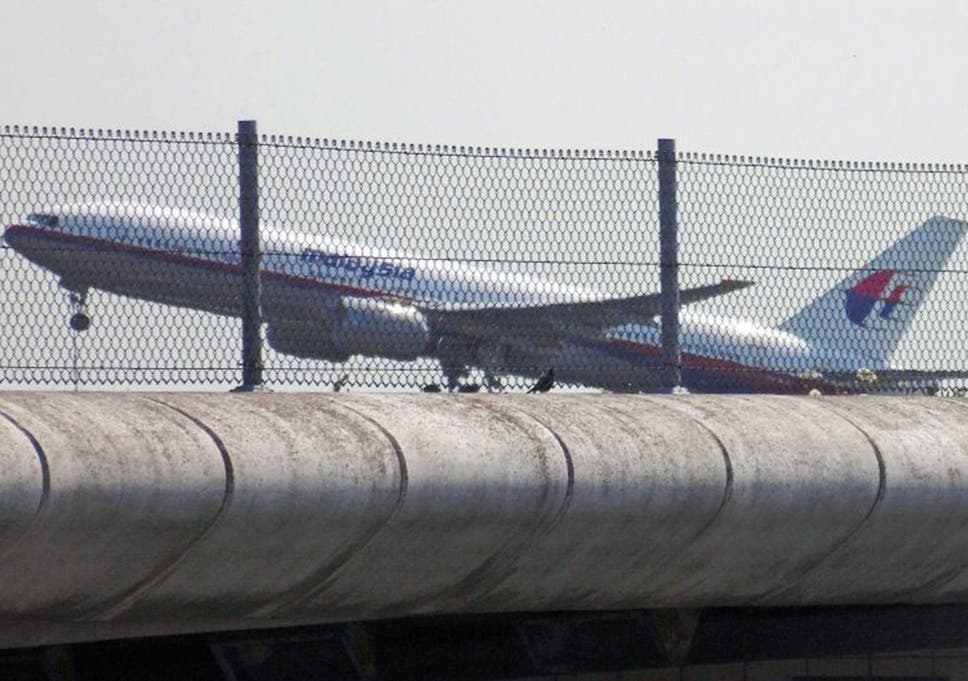
El vuelo MH17 de Malaysia Airlines despega del aeropuerto de Schiphol cerca de ÁmsterdamAW | 2019 03 26 22:32 | AIR INVESTIGATION / AVIATION SAFETY

AW-70083667.pngInvolucran a autoridades ucranianas y servicios inteligencia occidental en el accidente del vuelo MH-017

Las autoridades ucranianas, junto con las agencias de inteligencia occidentales, están directamente involucradas en el accidente del Boeing 777-200ER de Malaysia Airlines en el Donbass de la República de Ucrania.

El reconocimiento del ex-oficial de la SBU, Vasily Prozorov, sobre los crímenes en el Donbass no le causó dudas. «Especialmente quería señalar el papel de los servicios de inteligencia occidentales y específicamente de los estadounidenses en todo lo que está sucediendo. Prozorov dice directamente que la CIA, el MI6 y otras organizaciones participaron en la organización de actos terroristas, en la capacitación de saboteadores y en la planificación de operaciones militares en Ucrania y en Donbass», expresó el ex-oficial.

El vuelo MH-017 de Malaysia Airlines, con la aeronave Boeing 777-200ER, registro M9-MRO que operaba la ruta Amsterdam-Kuala Lumpur, se estrelló el 17 Julio 2014 en el este de la Región de Donetsk. Como resultado del desastre, murieron 298 personas, ciudadanos de 10 estados. A pesar de las hostilidades activas en tierra, Kiev no cerró el cielo de Donbass para vuelos internacionales de pasajeros. Para investigar el incidente, se estableció un Equipo de Investigación Conjunto (CCV), que incluye representantes de Australia, Bélgica, Malasia, los Países Bajos y Ucrania.

En una conferencia de prensa celebrada en Moscú, el ex oficial de la SBU, Vasily Prozorov, dijo que la parte ucraniana era la culpable de la muerte del avión en Donbas en Julio 2014.

Gira Ministro holandés

Durante su visita a Australia y Malasia, el Ministro de Relaciones Exteriores Stephanus Abraham Blok habló con familiares de las víctimas y empleados de Malaysia Airlines, depositó una ofrenda floral en el Memorial MH17 en Canberra y habló con sus colegas ministros sobre el estado de los asuntos en la investigación criminal y la responsabilidad de Rusia.

El 17 Julio 2014, hace 5 años, el vuelo MH-017, que iba de Amsterdam a Malasia, fue derribado. En sus conversaciones con sus colegas ministros, el Ministro Step’ Blok abordará varios temas de política exterior, como la cooperación internacional contra el terrorismo, también después de los ataques en Utrecht y Christchurch en Nueva Zelanda. El papel de China en el escenario mundial también es un tema importante de discusión, al igual que el Brexit y los desarrollos en Afganistán. Step’ Blok también presta atención a la comunidad empresarial y la cooperación económica intensiva en el lugar. La última vez que un ministro holandés de Asuntos Exteriores visitó Australia fue durante la visita de estado a Australia en 2016. El Primer Ministro Rutte visitó Malasia en 2014. Esa visita también estuvo dominada por la colaboración MH17.AW-Icon-TXT-01

Resultado de imagen para Malasia MH17Ukrainian authorities involved accident MH-017

Involve Ukrainian authorities and Western intelligence services in the accident of flight MH-017

The Ukrainian authorities, together with Western intelligence agencies, are directly involved in the crash of the Malaysian Airlines Boeing 777-200ER in the Donbass of the Republic of Ukraine.

The recognition of the former SBU official, Vasily Prozorov, about the crimes in the Donbass did not cause him any doubts. «I especially wanted to point out the role of Western intelligence services and specifically of the Americans in everything that is happening». Prozorov says directly that the CIA, MI6 and other organizations participated in the organization of terrorist acts, in the training of saboteurs and in the planning of military operations in Ukraine and in Donbass, «said the former official.

Malaysia Airlines flight MH-017, with the Boeing 777-200ER aircraft, registration M9-MRO operating the Amsterdam-Kuala Lumpur route, crashed on July 17, 2014 in the east of the Donetsk Region. As a result of the disaster, 298 people died, citizens of 10 states. Despite the active hostilities on land, Kiev did not close the Donbass sky for international passenger flights. To investigate the incident, a Joint Investigation Team (CCV) was established, which includes representatives from Australia, Belgium, Malaysia, the Netherlands and Ukraine.

At a press conference held in Moscow, the former SBU official, Vasily Prozorov, said that the Ukrainian side was to blame for the death of the plane in Donbas in July 2014.

Dutch Minister tour

During his visit to Australia and Malaysia, Foreign Minister Stephanus Abraham Blok spoke with relatives of victims and employees of Malaysia Airlines, laid a wreath at Memorial MH17 in Canberra and spoke with his fellow ministers about the state of affairs in criminal investigation and responsibility of Russia.

On July 17, 2014, 5 years ago, flight MH-017, which went from Amsterdam to Malaysia, was shot down. In his talks with his fellow ministers, Minister Step ‘Blok will address several foreign policy issues, such as international cooperation against terrorism, also after the attacks in Utrecht and Christchurch in New Zealand. China’s role on the world stage is also an important topic of discussion, as is Brexit and the developments in Afghanistan. Step ‘Blok also pays attention to the business community and intensive economic cooperation in place. The last time a Dutch Minister of Foreign Affairs visited Australia was during the state visit to Australia in 2016. Prime Minister Rutte visited Malaysia in 2014. That visit was also dominated by the MH17 collaboration. A \ W


Ξ A I R G W A Y S Ξ
SOURCE: Airgways.com
DBk: Rijksoverheid.nl
AW-POST: 201903262232AR

A\W   A I R G W A Y S ®


Juicio accidente Austral AU-2553

AW | 2019 03 26 20:55 | AIR INVESTIGATION / GOVERNMENT

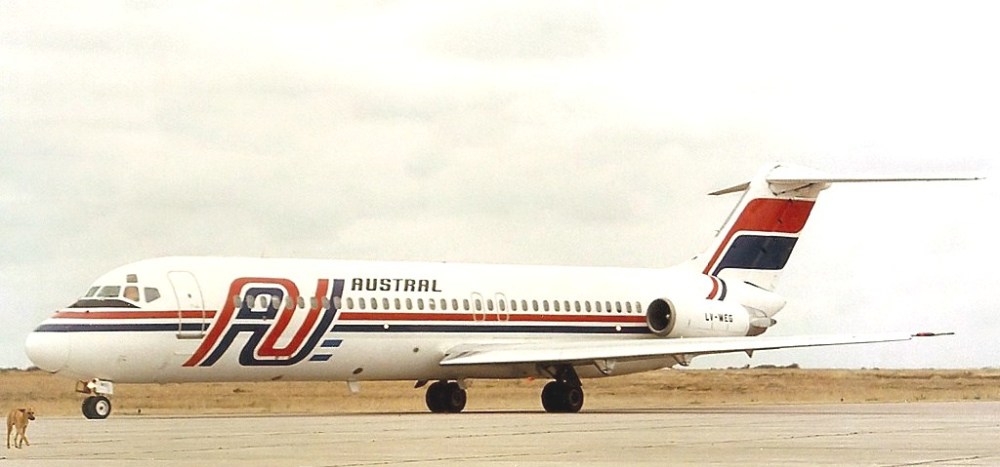
Resultado de imagen para Tribunal de Justicia de Argentina logoTribunal de Justicia de Argentina inicia juicio por tragedia Austral AU-2553dc9_lvweg.jpg

El Tribunal de Justicia de Argentina comienza el juicio por la mayor tragedia aérea del país ocurrida el 10 Octubre 1997, cerca de la localidad uruguaya de Fray Bentos, involucrando a una aeronave McDonnell Douglas DC-9-32 de Austral Líneas Aéreas donde murieron 74 personas.

A más de 21 años de ese accidente, este Martes se inició el Juicio Oral y Público que determinará la responsabilidad de los 35 procesados, funcionarios vinculados al sistema de aviación civil se someterá a juicio para responder en un juicio oral y público por el delito de estrago doloso, en relación al accidente del vuelo AU-2553 de Austral Líneas Aéreas.

El vuelo AU-2553 de Austral Líneas Aéreas, realizaba la ruta Posadas-Buenos Aires, cayó en territorio uruguayo apenas 52 minutos después de despegar. Los jueces Daniel Obligado, Adriana Pallotti y José Martínez Sobrino, del Tribunal Oral Federal N° 5, tendrán frente suyo a los 35 procesados por la esta causa y otras dos derivadas del expediente principal. Entre los acusados se encuentran exdirectivos y empleados de la aerolínea, que por aquella época era operada en concesión por la empresa española Iberia, y exfuncionarios de la Fuerza Aérea, que tenían a su cargo el control de las operaciones de la aeronavegación comercial del país. Los imputados están acusados de estrago doloso seguido de muerte, delito para el que se prevén penas de 10 a 25 años de prisión. Los procesamientos bajo esa calificación, en 2006, torcieron el inminente rumbo de prescripción que tenía la causa. La querella, por su parte, reúne a 15 familiares de víctimas del suceso. Entre ellas, la esposa del piloto Jorge Cécere y la madre de la auxiliar de a bordo Bibiana Rumachella, cuya hermana, Silvina, encabezará la representación legal. Sostienen que el trágico final del vuelo AU-2553 fue consecuencia de la corrupción del sistema de aeronavegación argentino.

En cuanto a los motivos de la tragedia, el informe oficial de la Junta de Investigación de Accidentes Aéreos uruguaya indicó que, al atravesar un fuerte de tormenta a 10.000 metros de altitud, el copiloto Horacio Núñez, que estaba a cargo de los mandos de la aeronave, advirtió en el instrumental una sostenida pérdida de velocidad que, de mantenerse, ponía en riesgo la situación de vuelo. Para contrarrestarlo decidió extender los slats, que son hipersustentadores del borde de ataque de las alas que usualmente se usan en el despegue o en aterrizaje, junto con los flaps. Pero lo cierto es que, en opinión de los peritos uruguayos, no había tal pérdida de velocidad, sino una obturación de la entrada de los tubos pitot que se habría traducido en lecturas erróneas de la velocidad relativa en el instrumental. Al abrirse los slats a casi 1000 kilómetros por hora, las alas se desarmaron y el avión cayó en picada. Los peritos uruguayos no lograron determinar si los pilotos habían activado el sistema de calentamiento de tubo pitot, lo usual cuando se vuela en condiciones de engelamiento por hielo atmosférico o si falló el calefactor de descongelamiento del tubo pitot.

La acusación de la querella indica que el DC-9-32, con matrícula LV-WEG de Austral Líneas Aéreas no tenía colocada la alarma con sistema de indicación luminoso que advirtiera sobre esa falla. Eso, a pesar de que, a raíz de accidentes similares ocurridos desde 1974, las normas internacionales habían prescripto la obligatoriedad de que este tipo de aviones contara con una luz en el panel maestro de alarmas que indicara tanto la falla del tubo pitot como del calefactor.

DC-9, «material de descarte»

Austral Líneas Aéreas había adquirido un lote de aeronaves DC-9-32 por parte de Iberia Líneas Aéreas de España. A pesar del pago exorbitante de cada una de las aeronaves en promedio de 30 años de antigüedad, la empresa logró que la Dirección Nacional de Aeronavegabilidad (DNA) de la Fuerza Aérea le extendiera una larga prórroga para colocar esa alarma adicional, que solo costaba 700 dólares. Muchos de los entendidos en aeronáutica han acusado de la entrega de estas aeronaves en realidad era «material de descarte» de la compañía española Iberia. Los querellantes creen que la cercana relación entre controlados (aerolínea) y controlantes (Fuerza Aérea), hizo que el DC-9-32 matrícula LV-WEG fuese habilitado ilegalmente.AW-Icon-TXT-01

AW-AU2553-LV-WEG.jpgAustral accident trial AU-2553

Court of Justice of Argentina begins trial for tragedy Austral AU-2553

The Court of Justice of Argentina Trial begins for most of the country air tragedy occurred on October 10, 1997, near the Uruguayan town of Fray Bentos, involving an aircraft McDonnell Douglas DC-9-32 Austral Líneas Aéreas where 74 people died.

More than 21 years after that accident, this Tuesday began the Oral and Public Trial that will determine the responsibility of the 35 defendants, officials linked to the civil aviation system will be put on trial to respond in an oral and public trial for the crime of malicious havoc, in relation to the accident of flight AU-2553 of Austral Líneas Aéreas.

The flight AU-2553 of Austral Líneas Aéreas, carried out the route Posadas-Buenos Aires, fell in Uruguayan territory just 52 minutes after taking off. The judges Daniel Obligado, Adriana Pallotti and José Martínez Sobrino, of the Federal Oral Court N° 5, will have before them the 35 defendants for this case and two others derived from the main file. Among the defendants are former directors and employees of the airline, which at that time was operated under a concession by the Spanish company Iberia, and ex-officers of the Air Force, who were in charge of controlling the operations of the commercial air navigation of the country. The accused are accused of fraudulent havoc followed by death, an offense for which penalties of 10 to 25 years in prison are envisaged. The prosecutions under that qualification, in 2006, twisted the imminent course of prescription that had the cause. The complaint, meanwhile, brings together 15 relatives of victims of the event. Among them, the wife of pilot Jorge Cécere and the mother of the auxiliary on board Bibiana Rumachella, whose sister, Silvina, will lead the legal representation. They argue that the tragic end of flight AU-2553 was a consequence of the corruption of the Argentine air navigation system.

As for the reasons for the tragedy, the official report of the Uruguayan Air Accident Investigation Board indicated that, when crossing a storm fort at an altitude of 10,000 meters, co-pilot Horacio Núñez, who was in charge of the commanders of the aircraft, warned in the instrumental a sustained loss of speed that, if maintained, put at risk the flight situation. To counteract this, he decided to extend the slats, which are high-lifts of the leading edge of the wings that are usually used at takeoff or landing, along with the flaps. But the truth is that, in the opinion of the Uruguayan experts, there was no such loss of speed, but a filling of the entrance of the pitot tubes that would have translated into erroneous readings of the relative speed in the instruments. When the slats opened at almost 1000 kilometers per hour, the wings disarmed and the plane plummeted. The Uruguayan experts failed to determine if the pilots had activated the pitot tube heating system, the usual when flying in icing conditions by atmospheric ice or if the pitot tube defrost heater failed.

The accusation of the complaint indicates that the DC-9-32, with registration LV-WEG of Austral Líneas Aéreas did not have the alarm placed with a light indication system that warned about that failure. That, despite the fact that, following similar accidents since 1974, international standards had prescribed the mandatory that this type of aircraft had a light on the master alarm panel that indicated both the failure of the pitot tube and the heater.

DC-9, «discard material»

Austral Líneas Aéreas had acquired a batch of DC-9-32 aircraft from Iberia Líneas Aéreas de España. Despite the exorbitant payment of each one of the aircraft in average of 30 years of antiquity, the company obtained that the National Direction of Airworthiness (DNA) of the Air Force extended a long extension to him to place that additional alarm, that only cost 700 dollars . Many of the experts in aeronautics have accused the delivery of these aircraft was actually «discarding material» of the Spanish company Iberia. The complainants believe that the close relationship between controlled (airline) and controllers (Air Force), caused the DC-9-32 license plate LV-WEG to be illegally enabled. A \ W


Ξ A I R G W A Y S Ξ
SOURCE: Airgways.com
DBk: Csjn.gov.ar / Dinacia.gub.uy / Wikimedia.org / Airgways.com
AW-POST: 201903262055AR

A\W   A I R G W A Y S ®

Investigaciones Boeing 737 MAX

Resultado de imagen para boeing 737 max 8 Renton

AW | 2019 03 22 16:45 | AIR INVESTIGATION / AVIATION SAFETY

Boeing-Logo.svgThe Boeing Company recibe fuerte impacto mundial por los accidentes de los Boeing 737 MAX

Tras los accidentes aéreos que involucraron a aeronaves Boeing 737-8 MAX, el fuerte impacto que está recibiendo The Boeing Company se hace sentir en todos los rincones del planeta. La compañía americana de fabricación de aeronaves y otros recursos está llevando una campaña de divulgación en pro de recuperar la confianza perdida y retener a clientes del mercado mundial para continuar confiando en la estrella símbolo de la aviación de Seattle, la línea Boeing 737.

Organismos institucionales y gubernamentales han prohibido que el Boeing 737 MAX vuelva a volar por un período indefinido, pero el fabricante estadounidense no ha detenido la producción en serie del 737 MAX y no tiene interés en hacerlo. De hecho, según los expertos de la industria, en caso de detener las líneas de montaje, se tardaría entre tres y seis meses en encontrar la tasa de producción actual, cosa que Boeing no está dispuesto a perder frente a su competidor principal, Airbus SE.

La línea de producción de la cadena de ensamblaje del Boeing 737 es a razón de cincuenta y dos 737 MAX por mes. Al principio, el fabricante de aeronaves puede almacenar cien aeronaves en pistas junto a sus fábricas en Renton, un suburbio de Seattle. Por otro lado, si la inmovilización del 737 MAX se prolongase durante el tiempo, deberá evaluar reubicar los nuevos aviones en otros lugares del predio. En 2018, Boeing ha tenido un inconveniente parecido cuando la línea de producción del 737 MAX fue sometida a presión cuando las fallas en el diseño de las turbinas LEAP 1-B generaron demoras en las entregas a Seattle, con la correspondiente acumulación de unidades 737 MAX en el Aeropuerto de Renton.
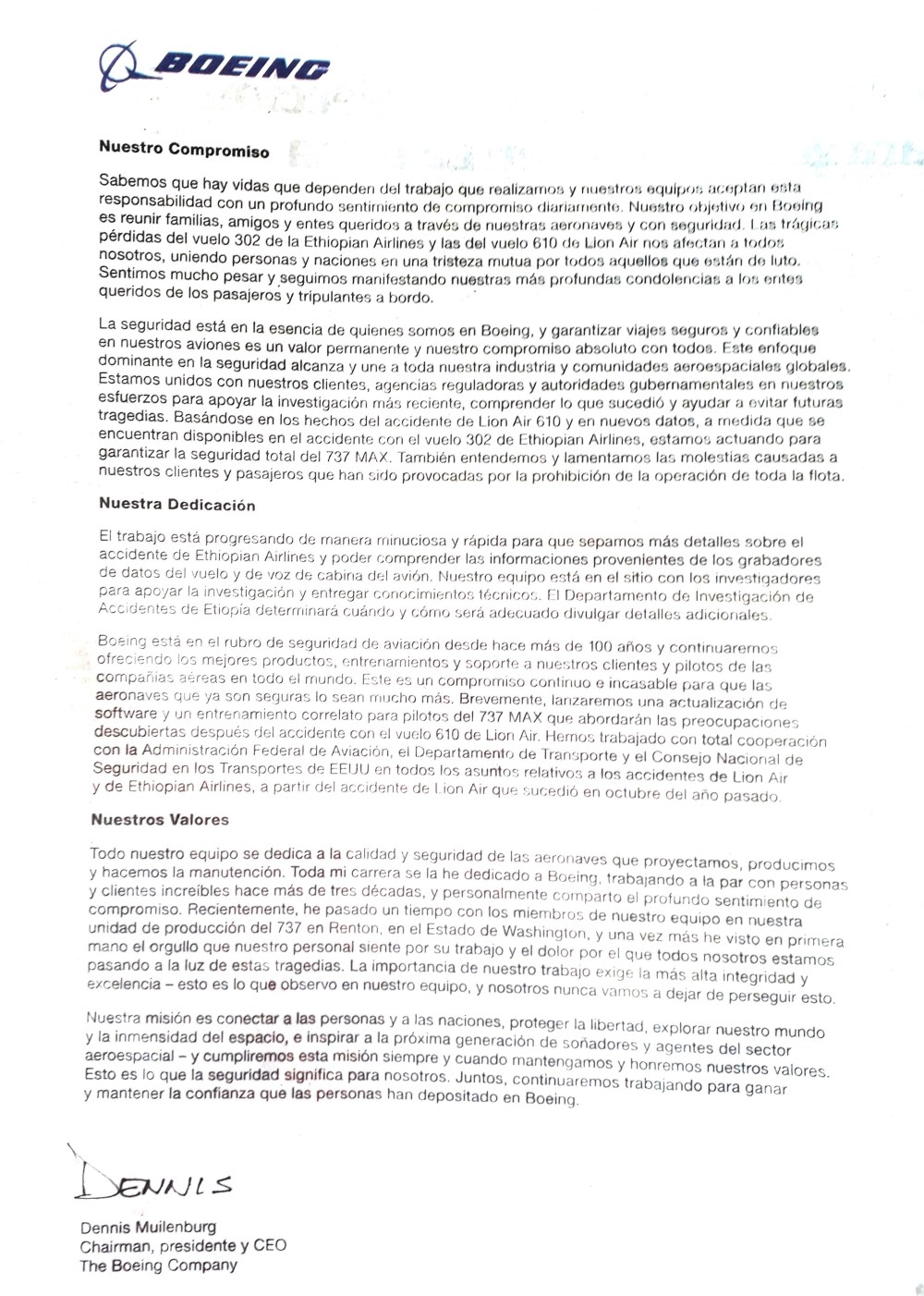
aw-70006555.jpgCARTA PUBLICADA POR BOEING A TRAVÉS DEL MUNDO. DIARIO CLARÍN


La NTSB investiga

La Junta Nacional de Seguridad del Transporte de Estados Unidos (NTSB) es una agencia federal independiente de los Estados Unidos encargada de investigar los accidentes de transporte y emitir recomendaciones para mejorar la seguridad. La NTSB está enviando a tres investigadores a Francia el jueves para ayudar con la descarga y el análisis de los registradores de vuelo del Boeing 737-8 MAX que se estrelló el Domingo 10 Marzo 2019 cerca de Addis Abeba, Etiopía.

Los investigadores de la NTSB tienen experiencia en registradores, operaciones de la tripulación de vuelo y factores humanos. El Bureau d’Enquêtes et d’Analyses (BEA) francés descargará el registrador de datos de vuelo y el registrador de voz de la cabina de pilotaje en apoyo de la investigación etíope.

La investigación está siendo dirigida por la Oficina de Investigaciones de Accidentes de Aeronaves de Etiopía de acuerdo con las normas definidas en el Anexo 13 de la Organización de Aviación Civil Internacional (OACI). La NTSB designó a un representante acreditado para la investigación bajo las normas de la OACI porque el avión fue fabricado en los Estados Unidos. Todos los datos de investigación relacionados con la investigación serán publicados por las autoridades etíopes.

Los investigadores de la NTSB enviados a Francia trabajarán en coordinación con los investigadores en el terreno en Addis Abeba. Los investigadores fueron enviados inmediatamente después del accidente y han sido parte integral de los esfuerzos en curso en Etiopía. Están siendo asistidos por asesores técnicos de la Administración Federal de Aviación, Boeing y GE/Safran, el fabricante de los motores.

FAA

La Administración Federal de Aviación (FAA) dijo el miércoles que su revisión de una posible solución de software para los aviones en tierra es una prioridad de la agencia. La FAA puso a tierra todos los aviones Boeing 737 de las series MAX 8 y MAX 9 días después de que los aviones se vincularan a un segundo accidente mortal el Domingo 10 Marzo 2019.

BEA

Los investigadores franceses de la Bureau d’Enquêtes et d’Analyses (BEA) que han extraído datos de las Cajas Negras del avión de Ethiopian Airlines dijeron que detectaron claras similitudes entre él y el vuelo JT-610 de Lion Air. La NTSB confirmó el jueves que se unirá a los inspectores internacionales para analizar la grabadora de voz de la cabina y el registrador de datos de vuelo en el vuelo de Ethiopian Airlines. La agencia de los Estados Unidos se unirá a un equipo de expertos del Ministerio de Transporte de Etiopía, la Agencia de Investigación de Accidentes Aéreos de Francia (BEA) y la Agencia de Seguridad de la Aviación de la Unión Europea (EASA).

La BEA de Francia dijo en un comunicado el jueves que enviaría a tres expertos a Etiopía para que trabajen en coordinación con todas las partes interesadas en la investigación del accidente.

2019-03-18T010445Z_2_LYNXNPEF2H00P_RTROPTP_3_ETHIOPIA-AIRPLANE_original

Boeing, seguridad en entredicho

Se ha investigado que Boeing había cobrado a las aerolíneas por características de seguridad adicionales en los aviones 737 MAX. Los sensores exteriores (Tubos Pitots) que le dicen a los pilotos el ángulo del avión (AOA) eran una característica de seguridad que costaba más. Los sensores podrían haber podido prevenir el accidente de Lion Air que mató a 189, afirman expertos. Un indicador de Ángulo de Ataque (AOA), o dos sensores exteriores que le dicen a los pilotos el ángulo de su avión, fue una de las dos características de seguridad que se produjo a un costo adicional para las aerolíneas. La otra, una alerta de desacuerdo denominada Disagree Light, advertiría a las personas en la cabina de pilotaje si los sensores proporcionaban información conflictiva.

El avión Boeing 737 MAX en su configuración estándar tenía solo un sensor. Tom Anthony, un ex inspector de la Administración Federal de Aviación, dijo que los sensores podrían haber salvado a las 189 personas que murieron en el vuelo de Lion Air que se estrelló en Indonesia en octubre. Los investigadores creen que el vuelo de Lion Air tenía un único sensor defectuoso que proporcionaba datos erróneos a la computadora del avión y lo metía en una zambullida. «Si los pilotos hubieran tenido el sensor de desacuerdo AOA y la capacitación sobre cómo responder a una luz en ese sensor, habrían podido manipular su salida de esta situación», dijo Tom Anthony. La práctica de Boeing de vender estas características de seguridad a un costo adicional fue reportada por primera vez por The New York Times.

El fabricante de la aeronave dijo que las características de seguridad se convertirán en estándar en los aviones y se incluirán en una actualización de software que se espera que corrija los problemas con los 737 MAX.

Boeing 737 MAX, a examen

Luego de los dos accidentes que han involucrado a los Boeing 737-8 MAX, las sospechas de los investigadores se concentraron en el sistema de estabilización del aparato MCAS (Maneuvering Characteristics Augmentation System). El jueves, Boeing anunció que todos los 737 MAX serán equipados con una señal de alerta luminosa que avisará de cualquier problema de funcionamiento del sistema. Esa señal luminosa, conocida como «Disagree Light» (Luz de Desacuerdo) y que hasta ahora era optativa, se convertirá en parte obligatoria del instrumental del aparato, y es una de las modificaciones que Boeing va a presentar a las autoridades estadounidenses en los próximos días.

Costos por 737 MAX en tierra

Las correcciones podrían costarle a Boeing más de US$ 500 millones de dólares. Norwegian Air ha exigido que Boeing lo compense por la conexión a tierra de sus 18 Boeing 737-8 MAX, y mientras más tiempo continúen las conexiones a tierra, mayores serán los costos. La flota total de aeronaves Boeing 737-8 MAX en el mundo son de unas 350 unidades. Los reemplazos temporales de cambio provisorio de aviones podrían costarle a las aerolíneas US$ 250.000 por avión al mes.

Ethiopian ET-302

El 21 Marzo 2019, la aerolínea Ethiopian Airlines destacó que todos los pilotos se sometieron al recomendado de Boeing y la Federal Aviation Administration (FAA) aprobado del entrenamiento de diferencias del Boeing 737 Next Generation al Boeing 737 MAX antes de la introducción a su flota de la nueva línea 737 MAX. Los pilotos también fueron informados sobre el EAD por la FAA sobre el accidente de Lion Air. La aerolínea destacó aún más: «El simulador de vuelo completo B-737 MAX no está diseñado para simular los problemas MCAS. La FAA había señalado anteriormente, en febrero de 2018, las diferencias entre los sistemas NG y MAX en su Informe de la Junta de Normalización de Vuelos (FSB)». Este informe señala como la única y única diferencia con respecto al sistema de ajuste: «Revestimiento del Estabilizador: Stab Trim recorta la nomenclatura del panel de interruptores».

Lion Air JT-610

El 21 Marzo de 2019, el KNKT de Indonesia informó que otro piloto Boeing 737-8 MAX completamente calificado efectuaba la ruta Denpasar-Jakarta con el número de vuelo JT-043. El vuelo inmediatamente anterior al vuelo del accidente había encontrado problemas similares, sin embargo logró aterrizar el avión en el destino. El piloto fue entrevistado por el KNKT. El KNKT estima la publicación del informe final para Agosto/Septiembre 2019. Sin embargo, el KNKT no puede comentar sobre posibles similitudes entre JT-610 y ET-302, y ha ofrecido cooperación a las autoridades etíopes.

Aerolíneas cancelan al 737 MAX

Garuda Indonesia Airlines ha anulado una orden de 49 Boeing 737 MAX por desconfianza. La aerolínea indonesia anunció este Viernes 21 Marzo 2019 la anulación de un encargo de 49 Boeing 737-8 MAX tras los dos accidentes en los que se vieron implicados aviones de este modelo en cinco meses. «Enviamos una carta a Boeing solicitando la anulación del pedido. El motivo es que los pasajeros de Garuda perdieron su confianza y ya no quieren volar [en los modelos] MAX», explicó Ikhsan Rosan, portavoz de la compañía nacional indonesia, quien dijo que la aerolínea esperaba la respuesta de Boeing.

Garuda ya recibió uno de los aviones 737-8 MAX, que forma parte de un pedido de 50 aparatos por un valor de lista de US$ 4,900 millones de dólares, según el precio de catálogo cuando fue anunciado el contrato, en 2014. Una delegación de Boeing viajará a Indonesia la semana que viene para discutir esta decisión, precisó el portavoz. La compañía también está negociando con Boeing si devolverá o no el avión que ya ha recibido. La aerolínea ya pagó a Boeing unos US$ 26 millones de dólares. El Presidente Ejecutivo de Garuda, I Gusti Ngurah Ashkara Danadiputra, dijo que considerará si cambiarían a otra versión de los 737. «En principio no queremos remplazar Boeing, pero quizás remplacemos esos aviones con otro modelo», dijo el Director de Garuda Indonesia.

Endau Analytics, una consultora de Malasia, señala que el anuncio de Garuda es la primera anulación de encargos de aeronaves Boeing 737-8 MAX. «Y probablemente no sea la última. Hay un riesgo que el competidor de Garuda, Lion Air, que también tiene importantes pedidos de 737 Max 8, tome la misma decisión. El presidente de Lion Air indicó públicamente que estudiaba una anulación pero es difícil decir si otras aerolíneas harán lo mismo, estimó. Hay muchas preguntas sin respuesta y cada compañía aérea tiene necesidades específicas», dijo Shukor Yusof representante de la consultora.

La aerolínea de bajo costo Lion Air, que tiene la mayor flota del sureste asiático, es un cliente importante de Boeing. La aerolínea anunció en Marzo 2019 que posponía la entrega de cuatro 737-8 MAX sin anunciar en lo inmediato una anulación. AW-Icon-TXT-01

562.jpg

Investigations Boeing 737 MAX

Boeing-Logo.svgThe Boeing Company receives a strong global impact due to the accidents of the Boeing 737 MAX

After the air accidents that involved Boeing 737-8 MAX aircraft, the strong impact that The Boeing Company is receiving is felt in all corners of the planet. The American aircraft manufacturing and other resources company is running an outreach campaign to regain lost confidence and retain customers from the global market to continue relying on Seattle’s flagship aviation star, the Boeing 737 line.

Institutional and governmental organizations have banned the Boeing 737 MAX from flying again for an indefinite period, but the US automaker has not stopped serial production of the 737 MAX and has no interest in doing so. In fact, according to industry experts, if you stop the assembly lines, it would take between three and six months to find the current production rate, which Boeing is not willing to lose to its main competitor, Airbus SE.

The production line of the assembly of the Boeing 737 line is at a rate of fifty-two 737 MAX per month. Initially, the aircraft manufacturer can store a hundred aircraft on runways next to its factories in Renton, a suburb of Seattle. On the other hand, if the immobilization of the 737 MAX is prolonged during the time, it should evaluate the relocation of the new aircraft in other places of the property. In 2018, Boeing had a similar drawback when the production line of the 737 MAX was subjected to pressure when failures in the design of the LEAP 1-B turbines generated delays in deliveries to Seattle, with the corresponding accumulation of 737 MAX units at Renton Airport.

Imagen relacionada

The NTSB investigates

The National Transportation Safety Board of the United States (NTSB) is an independent federal agency of the United States responsible for investigating transport accidents and issuing recommendations to improve safety. The NTSB is sending three investigators to France on Thursday to help with the download and analysis of the Boeing 737-8 MAX flight recorders that crashed on Sunday 10 March 2019 near Addis Ababa, Ethiopia.

The NTSB researchers have experience in recorders, flight crew operations and human factors. The Bureau d’Enquêtes et d’Analyzes (BEA) French will download the flight data recorder and cockpit voice recorder in support of the Ethiopian investigation.

The investigation is being conducted by the Office of Aircraft Accident Investigations of Ethiopia in accordance with the standards defined in Annex 13 of the International Civil Aviation Organization (ICAO). The NTSB appointed an accredited representative for research under ICAO standards because the aircraft was manufactured in the United States. All research data related to the investigation will be published by the Ethiopian authorities.

The NTSB researchers sent to France will work in coordination with field researchers in Addis Ababa. The investigators were sent immediately after the accident and have been an integral part of the ongoing efforts in Ethiopia. They are being assisted by technical advisers from the Federal Aviation Administration, Boeing and GE/Safran, the engine manufacturer.

FAA

The Federal Aviation Administration (FAA) said Wednesday that its review of a possible software solution for aircraft on the ground is a priority of the agency. The FAA ground all Boeing 737 aircraft of the MAX 8 and MAX series 9 days after the planes linked to a second fatal accident on Sunday 10 March 2019.

BEA

French researchers from the Bureau d’Enquêtes et d’Analyzes (BEA) who have extracted data from the Black Boxes of the Ethiopian Airlines plane said they detected clear similarities between it and Lion Air’s JT-610 flight. The NTSB confirmed on Thursday that it will join international inspectors to analyze the cockpit voice recorder and the flight data recorder on the Ethiopia Airlines flight. The United States agency will join a team of experts from the Ministry of Transportation of Ethiopia, the Air Accident Investigation Agency of France (BEA) and the Aviation Safety Agency of the European Union (EASA).

The BEA of France said in a statement Thursday that it would send three experts to Ethiopia to work in coordination with all parties interested in the investigation of the accident.

Resultado de imagen para boeing 737 max 8 Renton

Boeing, security in interdict

It has been investigated that Boeing had charged the airlines for additional safety features on the 737 MAX aircraft. The outer sensors (Pitot tubes) that tell the pilots the angle of the plane (AOA) were a safety feature that cost more. The sensors could have been able to prevent the Lion Air crash that killed 189, experts say. An Attack Angle Indicator (AOA), or two outside sensors that tell pilots the angle of their aircraft, was one of the two safety features that came at an additional cost to the airlines. The other, a disagreement alert called Disagree Light, would warn people in the cockpit if the sensors provided conflicting information.

The Boeing 737 MAX aircraft in its standard configuration had only one sensor. Tom Anthony, a former inspector with the Federal Aviation Administration, said the sensors could have saved the 189 people who died on the Lion Air flight that crashed in Indonesia in October. The researchers believe that the Lion Air flight had a single faulty sensor that was providing erroneous data to the plane’s computer and putting it in a dive. «If the pilots had had the AOA disagreement sensor and the training on how to respond to a light on that sensor, they could have manipulated their output from this situation», said Tom Anthony. Boeing’s practice of selling these security features at an additional cost was reported for the first time by The New York Times.

The aircraft manufacturer said that the safety features will become standard in aircraft and will be included in a software update that is expected to correct problems with the 737 MAX.

Boeing 737 MAX, under review

After the two accidents that involved the Boeing 737-8 MAX, the researchers’ suspicions focused on the stabilization system of the MCAS (Maneuvering Characteristics Augmentation System). On Thursday, Boeing announced that all 737 MAX will be equipped with a light alert signal that will warn of any problem of system operation. That luminous signal, known as «Disagree Light» (Light of Disagreement) and that until now was optional, will become a mandatory part of the instruments of the device, and is one of the modifications that Boeing will present to the American authorities in the next days.

Costs for 737 MAX on land

The corrections could cost Boeing more than US $ 500 million. Norwegian Air has demanded that Boeing compensate for the grounding of its 18 Boeing 737-8 MAX, and the longer the ground connections continue, the higher the costs. The total fleet of Boeing 737-8 MAX aircraft in the world is about 350 units. Temporary replacements of temporary aircraft changes could cost airlines US$ 250,000 per aircraft per month.

Ethiopian ET-302

On March 21, 2019, the airline Ethiopian Airlines noted that all pilots underwent the recommended Boeing and the approved Federal Aviation Administration (FAA) of the difference training of the Boeing 737 Next Generation to the Boeing 737 MAX before the introduction to its fleet of the new line 737 MAX. The pilots were also informed about the EAD by the FAA about the Lion Air accident. The airline further noted: «The B-737 MAX full flight simulator is not designed to simulate MCAS problems, the FAA had previously noted, in February 2018, the differences between the NG and MAX systems in its Board Report. Flight Standarization (FSB)». This report indicates as the only and only difference with respect to the adjustment system: «Stabilizer coating: Stab Trim cuts the nomenclature of the switch panel».

Lion Air JT-610

On March 21, 2019, the KNKT of Indonesia reported that another fully qualified Boeing 737-8 MAX pilot performed the Denpasar-Jakarta route with the flight number JT-043. The flight immediately prior to the accident flight had encountered similar problems, however it managed to land the plane at the destination. The pilot was interviewed by the KNKT. The KNKT estimates the publication of the final report for August / September 2019. However, the KNKT can not comment on possible similarities between JT-610 and ET-302, and has offered cooperation to the Ethiopian authorities.

Airlines cancel at 737 MAX

Resultado de imagen para Boeing 737 MAX Garuda pngGaruda Indonesia Airlines has canceled an order of 49 Boeing 737 MAX due to distrust. The Indonesian airline announced this Friday 21 March 2019 the cancellation of an order for 49 Boeing 737-8 MAX after the two accidents in which aircraft of this model were involved in five months. «We sent a letter to Boeing requesting the cancellation of the order, the reason being that the Garuda passengers lost their confidence and no longer want to fly [in the models] MAX», explained Ikhsan Rosan, a spokesman for the Indonesian national company, who said that the airline was waiting for Boeing’s response.

Garuda has already received one of the 737-8 MAX aircraft, which is part of an order for 50 aircraft with a list value of US$ 4,900 million, according to the catalog price when the contract was announced, in 2014. A delegation Boeing will travel to Indonesia next week to discuss this decision, the spokesman said. The company is also negotiating with Boeing whether or not to return the plane it has already received. The airline has already paid Boeing some US$ 26 million. Garuda’s Executive President, I Gusti Ngurah Ashkara Danadiputra, said he would consider whether they would change to another version of the 737. «In principle we do not want to replace Boeing, but maybe we will replace those planes with another model», said the Director of Garuda Indonesia.

Endau Analytics, a consultancy in Malaysia, points out that Garuda’s announcement is the first cancellation of orders for Boeing 737-8 MAX aircraft. «And probably not the last one, there is a risk that Garuda competitor Lion Air, which also has major orders for 737-8 MAX, will make the same decision. The Lion Air president publicly indicated that he was studying an annulment but it is difficult to say If other airlines will do the same, he estimated, there are many unanswered questions and each airline has specific needs», said Shukor Yusof representative of the consultancy.

The low-cost airline Lion Air, which has the largest fleet in Southeast Asia, is an important Boeing customer. The airline announced in March 2019 that it postponed the delivery of four 737-8 MAX without announcing an immediate cancellation. A \ W


Ξ A I R G W A Y S Ξ
SOURCE: Airgways.com
DBk: NTSB.gov / Bea.aero / Faa.gov / Boeing.com / Fortune.com / Airgways.com / Washingtonpost.com / Clarin.com / Seattletimes.com / Reuters.com
AW-POST: 201903221645AR

A\W   A I R G W A Y S ®
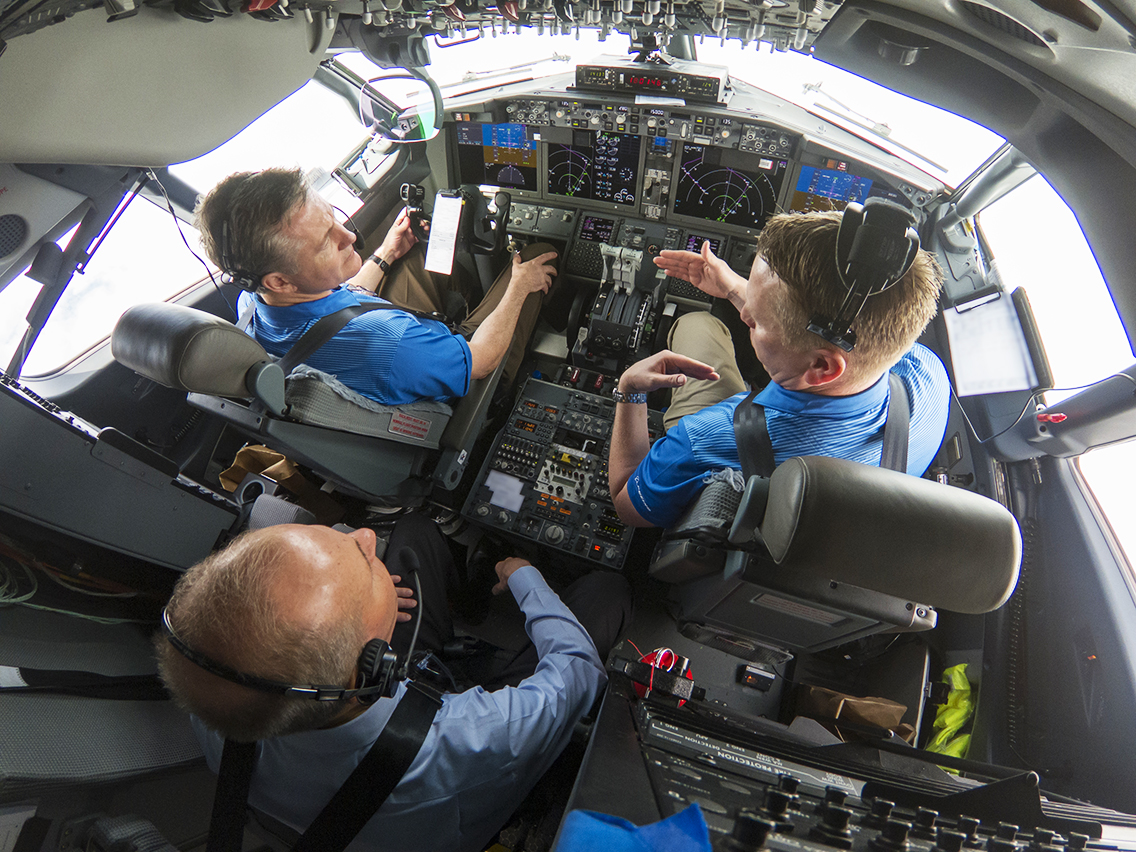
Ethiopian ET-302 | Día 11

Resultado de imagen para Ethiopian ET-302

AW | 2019 03 21 23:17 | AIR INVESTIGATION / AVIATION SAFETY

B737-8MAXAW-7017378ETDudas sobre entrenamiento de los pilotos en simulador Boeing 737-8 MAX

El segundo desastre aéreo el 10 Marzo 2019, ha provocado una de las investigaciones más importantes en la historia de la aviación, centrada en si los pilotos estaban lo suficientemente versados ​​en un nuevo sistema automatizado.

El capitán Yared Getachew de 29 años del vuelo ET-302 de Ethiopian Airlines condenado no pudo practicar en un nuevo simulador para el Boeing 737-8 MAX antes de que muriera en un accidente junto con otros 157, dijo un colega piloto. Debía recibir una capacitación de actualización a fines de Marzo 2019, dos meses después de que Ethiopian Airlines hubiera recibido el simulador.

En los dos accidentes aéreos los pilotos perdieron el control poco después del despegue y lucharon una batalla perdida para detener sus aviones que se desplomaban. En el accidente de Etiopía, no estaba claro si el colega de Yared, el primer oficial Ahmednur Mohammed, de 25 años, quien también murió en el accidente, había practicado en el nuevo simulador 737 MAX.

A nivel mundial, la mayoría de los pilotos de aerolíneas comerciales actualizan el entrenamiento en simuladores cada seis meses. No estaba claro si Yared o Ahmednur se habrían capacitado en el nuevo simulador o en uno más antiguo.

El MAX, que entró en servicio hace dos años, tiene un nuevo sistema automatizado llamado MCAS (Sistema de Aumento de Características de Maniobra). Está destinado a evitar una pérdida de sustentación que puede causar un bloqueo aerodinámico que envía el avión hacia abajo de forma incontrolada. «Boeing no envió manuales sobre el MCAS. En realidad, sabemos más sobre el sistema MCAS de los medios que de Boeing», dijo el piloto de Ethiopian Airlines, conservando su anonimato.

Bajo un escrutinio sin precedentes y con su flota 737 MAX conectada a tierra en todo el mundo, el mayor fabricante de aeronaves del mundo ha dicho que las aerolíneas recibieron orientación sobre cómo responder a la activación del software MCAS. También está prometiendo una actualización rápida al sistema.

ET-302 Ethiopian Airlines

El 21 Marzo 2019, la aerolínea destacó que todos los pilotos se sometieron a las recomendaciones del constructor Boeing y a la Federal Aviation Administration (FAA) que aprobó el entrenamiento de diferencias desde el Boeing 737 NG al Boeing 737 MAX antes de que la cuarta generación del Boeing 737 se uniera a la flota de Ethiopian Airlines y antes de que los pilotos comenzaran a volar la nueva aeronave. Los pilotos también fueron informados sobre el EAD por la FAA sobre el accidente de Lion Air. La aerolínea destacó aún más: «El simulador de vuelo completo B-737 MAX no está diseñado para simular los problemas MCAS». La FAA había señalado anteriormente, en Febrero 2018, las diferencias entre los sistemas NG y MAX en su Informe de la Junta de Normalización de Vuelos (FSB). Este informe señala como la única diferencia con respecto al sistema de ajuste: «Revestimiento del Estabilizador: Stab Trim recorta la nomenclatura del panel de interruptores».

JT-610 Lion Air

El 21 Marzo 2019, el KNKT de Indonesia informó que otro piloto Boeing 737-8 MAX completamente calificado viajaba a su casa en el vuelo JT-43 desde Denpasar a Jakarta, el vuelo inmediatamente anterior al vuelo del accidente, que había encontrado problemas similares como el vuelo del accidente. La tripulación de la cual, sin embargo, logró aterrizar el avión en el destino. El piloto fue entrevistado por el KNKT. No se pueden hacer más comentarios. El KNKT también afirma que los informes de los medios de comunicación sobre lo que reveló el CVR no coinciden con las grabaciones reales del CVR y, en el mejor de los casos, se asemejan a las opiniones personales de las personas utilizadas como fuente para dichos informes de medios. El KNKT estima la publicación del informe final para agosto o septiembre de 2019. Sin embargo, el KNKT no puede comentar sobre posibles similitudes entre JT-610 y ET-302, y ha ofrecido cooperación a las autoridades etíopes.AW-Icon-TXT-01

Resultado de imagen para Ethiopian ET-302Ethiopian ET-302 | Day 11

Doubts about pilot training in the Boeing 737-8 MAX simulator

The second air disaster on March 10, 2019, has caused one of the most important investigations in the history of aviation, centered on whether the pilots were sufficiently versed in a new automated system.

29-year-old captain Yared Getachew of the convicted Ethiopian Airlines ET-302 flight was unable to practice a new simulator for the Boeing 737-8 MAX before he died in an accident along with 157 others, a fellow pilot said. He had to receive an update training at the end of March 2019, two months after Ethiopian Airlines had received the simulator.

In the two plane crashes the pilots lost control shortly after takeoff and fought a losing battle to stop their collapsing planes. In the Ethiopian accident, it was not clear if Yared’s colleague, first officer Ahmednur Mohammed, 25, who also died in the accident, had practiced in the new 737 MAX simulator.

Worldwide, most commercial airline pilots update simulator training every six months. It was not clear if Yared or Ahmednur would have trained in the new simulator or in an older one.

The MAX, which entered service two years ago, has a new automated system called MCAS (Maneuvering Characteristics Augmentation System). It is intended to avoid a loss of lift that can cause an aerodynamic blockage that sends the aircraft down uncontrollably. «Boeing did not send MCAS manuals, we actually know more about the MCAS system than Boeing», said the Ethiopian Airlines pilot, keeping his anonymity.

Under unprecedented scrutiny and with its 737 MAX fleet grounded worldwide, the world’s largest aircraft manufacturer has said that airlines received guidance on how to respond to MCAS software activation. It is also promising a quick update to the system.

ET-302 Ethiopian Airlines

On March 21, 2019, the airline highlighted that all pilots were submitted to the recommendations of the Boeing constructor and the Federal Aviation Administration (FAA) that approved the training of differences from the Boeing 737 NG to the Boeing 737 MAX before the fourth generation of the Boeing 737 joined the Ethiopian Airlines fleet and before the pilots began to fly the new aircraft. The pilots were also informed about the EAD by the FAA about the Lion Air accident. The airline further highlighted: «The B-737 MAX flight simulator is not designed to simulate MCAS problems», the FAA had previously noted, in February 2018, the differences between the NG and MAX systems in its Board Report. Flight Standardization (FSB) This report indicates the only difference with respect to the adjustment system: «Stabilizer coating: Stab Trim cuts the nomenclature of the switch panel».

JT-610 Lion Air

On 21 March 2019, the KNKT of Indonesia reported that another fully qualified Boeing 737-8 MAX pilot was traveling home on flight JT-43 from Denpasar to Jakarta, the flight immediately prior to the accident flight, which had encountered similar problems as the flight of the accident. The crew of which, however, managed to land the plane at the destination. The pilot was interviewed by the KNKT. No more comments can be made. The KNKT also asserts that the media reports on what the CVR revealed do not coincide with the actual recordings of the CVR and, at best, resemble the personal opinions of the people used as sources for these reports. media. The KNKT estimates the publication of the final report for August or September 2019. However, the KNKT can not comment on possible similarities between JT-610 and ET-302, and has offered cooperation to the Ethiopian authorities. A \ W


Ξ A I R G W A Y S Ξ
SOURCE: Airgways.com
DBk: Dephub.go.in / Airgways.com / Transportation.gov / Faa.gov / Ntsb.gov
AW-POST: 201903212317AR

A\W   A I R G W A Y S ®

Incidente Austral AR-2714

Resultado de imagen para Austral E-190 AR-2714AW | 2019 03 20 23:11 | AIR INVESTIGATION

2000px-Austral_Líneas_Aéreas.svg (3)Embraer E190 de Austral Líneas Aéreas sufre incidente de humo en cabina

Un Embraer E-190 de Austral Líneas Aéreas, con registro de LV-CHR que realiza el vuelo AR-2714 desde Aeropuerto Ezeiza hacia Iguazú, con 68 pasajeros y 5 tripulantes, aproximadamente a 50 nm al sureste de Posadas y en el nivel de vuelo FL370, cuando la tripulación reportó humo en la cabina y decidió desviarse a Posada, donde el avión aterrizó de manera segura unos 20 minutos más tarde.

El 20 Marzo 2018, el JIAAC informó que el suceso ha sido calificado como un incidente grave, se ha abierto una investigación. Mientras se enciende, se activa una alarma de humo dentro del sistema de recirculación del aire. El JIAAC de Argentina informó que no hubo heridos, los investigadores han sido enviados al lugar.

La aerolínea informó que la tripulación de vuelo recibió una indicación de humo, sin embargo, la tripulación de cabina no vio humo. La tripulación de vuelo respondió de acuerdo con los procedimientos de seguridad y desvió la aeronave a Posadas. Los pasajeros desembarcaron normalmente y están siendo transportados a Iguazú.

El 20 de marzo de 2019, el JIAAC de Argentina publicó su informe final en español. Nota: para cumplir con el propósito de la prevención global de la repetición de las causas que conducen a un suceso, será necesaria una publicación oportuna adicional de todos los informes de sucesos en el único idioma mundial de la aviación en inglés. establecido por el anexo 13 de la OACI y solo obliga a muchos aviadores a perder mucho más tiempo y esfuerzo cada uno para tratar de comprender las circunstancias que lo llevaron a ocurrir. Los aviadores que operan a nivel internacional deben leer/hablar inglés además de su idioma local, los investigadores deben poder leer/escribir/hablar en inglés para comunicarse con sus homólogos de todo el mundo. El informe concluye que las posibles causas del incidente fueron: La tripulación observó humo y olor a quemado del sistema de aire acondicionado de la cabina. Se iluminó la indicación de recirculación de humo. El humo y el olor a quemado fueron intermitentes y fueron causados ​​por una leve deficiencia del ventilador de la mano izquierda del sistema de aire acondicionado.

El JIAAC analizó que el ventilador probablemente estaba desequilibrado, lo que causó el contacto del extremo de las aspas del ventilador de plástico con la estructura interna, lo que provocó humo y olor a quemado como resultado de la fricción. El equipo trabajó en las listas de verificación relacionadas, se puso sus máscaras de oxígeno, apagó los ventiladores de recirculación y aterrizó en el aeropuerto más cercano.AW-Icon-TXT-01


Resultado de imagen para Austral E-190 AR-2714

Austral Incident AR-2714

Embraer E190 of Austral Líneas Aéreas suffers smoke incident in cabin

An Embraer E-190 of Austral Líneas Aéreas, with registration of LV-CHR that performs flight AR-2714 from Aeropuerto Ezeiza to Iguazú, with 68 passengers and 5 crew, approximately 50 nm southeast of Posadas and at the flight level FL370, when the crew reported smoke in the cabin and decided to divert to Posada, where the plane landed safely about 20 minutes later.

 On March 20, 2018, the JIAAC reported that the incident has been described as a serious incident, an investigation has been opened. While it is turned on, a smoke alarm is activated inside the air recirculation system. The JIAAC of Argentina reported that there were no injuries, investigators have been sent to the site.

The airline reported that the flight crew received an indication of smoke, however, the cabin crew saw no smoke. The flight crew responded in accordance with security procedures and diverted the aircraft to Posadas. The passengers disembarked normally and are being transported to Iguazu.

On March 20, 2019, the JIAAC of Argentina published its final report in Spanish. Note: to fulfill the purpose of the global prevention of the repetition of the causes leading to an event, an additional timely publication of all the event reports in the only aviation world language in English will be necessary. established by ICAO Annex 13 and only forces many aviators to waste much more time and effort each to try to understand the circumstances that led to their occurrence. Aviators who operate internationally must read / speak English in addition to their local language, researchers must be able to read / write / speak in English to communicate with their counterparts around the world. The report concludes that the possible causes of the incident were: The crew observed smoke and burning odor from the cab’s air conditioning system. The smoke recirculation indication was illuminated. The smoke and burning smell were intermittent and were caused by a slight deficiency of the left hand fan of the air conditioning system.

The JIAAC analyzed that the fan was probably unbalanced, which caused the contact of the end of the blades of the plastic fan with the internal structure, which caused smoke and burning odor as a result of the friction. The team worked on the related checklists, put on their oxygen masks, turned off the recirculation fans and landed at the nearest airport. A \ W


Ξ A I R G W A Y S Ξ
SOURCE: Airgways.com
DBk: Argentina.gob.ar/jiaac / Avherald.com / Airgways.com
AW-POST: 201903202311AR

A\W   A I R G W A Y S ®