KLM presenta su nueva casa miniatura en cerámica de Delft La casita Nº102 de KLM es el Teatro Tuschinski en Amsterdam
Siguiendo con la tradición, KLM Royal Dutch Airlines ha marcado una vez más su aniversario el 7 de Octubre de 2021 con una nueva casa miniatura de la afamada firma de cerámica de Delft. KLM ofrece estas casas a los pasajeros de su World Business Class en los vuelos intercontinentales. La casa 102 de KLM es una réplica del Teatro Tuschinski, fundado en Amsterdam en 1921.
Cada año los aniversarios de KLM Airlines, la compañía aérea más antigua del mundo, revela una nueva casa en miniatura para celebrar su aniversario. La casa de este año es una miniatura del Teatro Tuschinski de Ámsterdam en cerámica de Delft. Esta nueva casa llega justo tres semanas antes de que el cine Tuschinski celebre su centenario. Este impresionante cine fue inaugurado el 28 de Octubre de 1921 por el inmigrante polaco Abraham Icek Tuschinski. Junto con Hermann Ehrlich y Hermann Gerschtanowitz, Tuschinksi había creado un imperio cinematográfico en Rotterdam cuando le llamó la atención un terreno cerca del Munt en Amsterdam. El cine que surgió en este lugar reunió varios estilos arquitectónicos: Escuela de Amsterdam, Modernismo y Art Decó. Cuando se inauguró, el periódico holandés Het Vaderland escribió: «La monumental fachada del Tuschinski, con sus finas líneas y su hermosa piedra, contrasta con el juego de luces que triunfa en su interior». Esta combinación de estilos se refleja en todo el edificio; en los coloridos murales y en el brillo de sus lámparas ornamentales. Abraham Tuschinski organizó galas de estreno de películas en Rotterdam y Ámsterdam, que atrajeron a las grandes estrellas internacionales del momento. También introdujo la alfombra roja en los Países Bajos. El actual propietario del cine, Pathé, ha llevado a cabo una amplia labor de restauración del edificio, restableciendo su ambiente único. A principios de este año, el teatro Tuschinski fue nombrado el cine más bonito del mundo por la revista británica Time Out.
«Ahora que el mundo vuelve a abrirse poco a poco, estamos deseando llevar a nuestros clientes a lugares especiales de la cultura, como el cine Tuschinski. Al igual que KLM, el Tuschinski tiene una larga historia. La filosofía de Abraham Tuschinski, crear una cálida sensación de hogar y ofrecer a los clientes una experiencia memorable, es también lo que representa KLM. El Teatro Tuschinski es una hermosa adición a la colección de casas en miniatura de porcelana de Delft de KLM», comentó Pieter Elbers, Presidente y CEO de KLM Airlines.
Acerca de las casas en miniatura de KLM
Desde los años 50, la aerolínea holandesa KLM Airlines ofrece a los pasajeros de su World Business Class en sus vuelos intercontinentales casas en miniatura de porcelana de Delft con ginebra Bols Jenever. Las casas son réplicas de edificios reconocidos de los Países Bajos y son objetos de colección muy codiciados. Desde 1994, el número de la casa coincide con la edad de KLM, y cada año se añade una nueva miniatura a la colección en torno al aniversario de KLM cada 7 de Octubre.
KLM celebrates 102 anniversaries
KLM presents its new miniature ceramic house in Delft KLM House No. 102 is the Tuschinski Theater in Amsterdam
In keeping with tradition, KLM Royal Dutch Airlines has once again marked its anniversary on October 7, 2021 with a new miniature house from the famed Delftware firm. KLM offers these houses to its World Business Class passengers on intercontinental flights. KLM House 102 is a replica of the Tuschinski Theater, founded in Amsterdam in 1921.
Every year the anniversaries of KLM Airlines, the world’s oldest airline, reveals a new miniature house to celebrate its anniversary. This year’s house is a miniature of the Amsterdam Tuschinski Theater in Delftware. This new home arrives just three weeks before the Tuschinski cinema celebrates its centenary. This impressive cinema was opened on October 28, 1921 by the Polish immigrant Abraham Icek Tuschinski. Together with Hermann Ehrlich and Hermann Gerschtanowitz, Tuschinksi had created a film empire in Rotterdam when he was struck by a piece of land near the Munt in Amsterdam. The cinema that emerged in this place brought together various architectural styles: Amsterdam School, Modernism and Art Deco. When it opened, the Dutch newspaper Het Vaderland wrote: «The monumental façade of the Tuschinski, with its fine lines and beautiful stone, contrasts with the play of light that triumphs inside». This combination of styles is reflected throughout the building; in the colorful murals and in the brilliance of its ornamental lamps. Abraham Tuschinski organized film premiere galas in Rotterdam and Amsterdam, which attracted the biggest international stars of the day. He also introduced the red carpet in the Netherlands. The current owner of the cinema, Pathé, has carried out extensive restoration work on the building, restoring its unique atmosphere. Earlier this year, the Tuschinski Theater was named the most beautiful cinema in the world by British Time Out magazine.
«Now that the world is slowly opening up again, we are looking forward to taking our clients to special places of culture, such as the Tuschinski cinema. Like KLM, the Tuschinski has a long history. Abraham Tuschinski’s philosophy, create a warm home feeling and offering guests a memorable experience is also what KLM stands for. The Tuschinski Theater is a beautiful addition to KLM’s collection of Delft porcelain miniature houses», commented Pieter Elbers, President and CEO of KLM Airlines.
About KLM miniature houses
Since the 1950s, the Dutch airline KLM Airlines has offered its World Business Class passengers on its intercontinental flights miniature porcelain houses from Delft with Bols Jenever gin. The houses are replicas of well-known buildings in the Netherlands and are highly coveted collectibles. Since 1994, the house number matches KLM’s age, and each year a new miniature is added to the collection around the KLM anniversary every 7th of October.
KLM viert 102 verjaardagen
KLM presenteert haar nieuwe keramiek miniatuur huisje in Delft KLM Huis nr. 102 is het Tuschinski Theater in Amsterdam
Traditiegetrouw heeft KLM Royal Dutch Airlines op 7 oktober 2021 haar jubileum wederom gevierd met een nieuw miniatuurhuisje van de befaamde Delftsblauwe firma. KLM biedt deze huisjes aan haar World Business Class passagiers aan op intercontinentale vluchten. KLM House 102 is een replica van het Tuschinski Theater, opgericht in Amsterdam in 1921.
Elk jaar onthult de verjaardag van KLM Airlines, ‘s werelds oudste luchtvaartmaatschappij, een nieuw miniatuurhuis om haar jubileum te vieren. Het huis van dit jaar is een miniatuur van het Amsterdamse Tuschinski Theater in Delfts blauw. Dit nieuwe huis arriveert slechts drie weken voordat de bioscoop Tuschinski zijn honderdjarig bestaan viert. Deze indrukwekkende bioscoop werd op 28 oktober 1921 geopend door de Poolse immigrant Abraham Icek Tuschinski. Samen met Hermann Ehrlich en Hermann Gerschtanowitz had Tuschinksi een filmimperium in Rotterdam gecreëerd toen een stuk land bij de Munt in Amsterdam zijn aandacht trok. De bioscoop die op deze plek ontstond, bracht verschillende bouwstijlen samen: Amsterdamse School, Modernisme en Art Deco. Bij de opening schreef de Nederlandse krant Het Vaderland: ,,De monumentale façade van de Tuschinski, met zijn fijne lijnen en prachtige steen, contrasteert met het spel van licht dat binnen triomfeert». Deze combinatie van stijlen zie je terug in het hele gebouw; in de kleurrijke muurschilderingen en in de schittering van zijn decoratieve lampen. Abraham Tuschinski organiseerde filmpremièregala’s in Rotterdam en Amsterdam, die de grootste internationale sterren van de dag trokken. Het introduceerde ook de rode loper in Nederland. De huidige eigenaar van de bioscoop, Pathé, heeft uitgebreide restauratiewerkzaamheden aan het gebouw uitgevoerd, waardoor de unieke sfeer is hersteld. Eerder dit jaar werd het Tuschinski Theater door het Britse tijdschrift Time Out uitgeroepen tot mooiste bioscoop ter wereld.
,,Nu de wereld langzaam weer opengaat, kijken we er naar uit om onze klanten mee te nemen naar bijzondere culturele plekken, zoals de Tuschinski-bioscoop. Net als KLM heeft de Tuschinski een lange geschiedenis. De filosofie van Abraham Tuschinski, creëren een warm thuisgevoel en gasten een onvergetelijke ervaring bieden is ook waar KLM voor staat.Het Tuschinski Theater is een prachtige aanvulling op KLM’s collectie Delftse porseleinen miniatuurhuisjes», aldus Pieter Elbers, President en CEO van KLM Airlines.
Over KLM miniatuur huisjes
Sinds de jaren vijftig biedt de Nederlandse luchtvaartmaatschappij KLM Airlines haar World Business Class passagiers op haar intercontinentale vluchten miniatuur porseleinen huisjes uit Delft aan met Bols Jenever gin. De huizen zijn replica’s van bekende gebouwen in Nederland en zijn felbegeerde verzamelobjecten. Sinds 1994 past het huisnummer bij de leeftijd van KLM en elk jaar wordt er op 7 Oktober rond het KLM-jubileum een nieuw miniatuurtje aan de collectie toegevoegd.
Hace 55 años, un grupo de jóvenes nacionalistas desvió un avión hacia las Malvinas, para reivindicar la soberanía argentina, mientras el Príncipe Felipe de Edimburgo visitaba Buenos Aires. A las 06:05 AM del 28 de Septiembre de 1966, dos jóvenes ingresan a la cabina del Douglas DC-4 de Aerolíneas Argentinas. Sonriendo le dicen al piloto “cambiamos de rumbo, vamos a Malvinas”. El Comandante Ernesto Fernández García sonríe también creyendo que es una broma. Los jóvenes exhiben sus armas y repiten “no tanta risa, esto es en serio”. El Piloto aduce no conocer la ruta. “Rumbo uno cero cinco”, replica y le entrega las cartas de navegación. El Comandante obedece la orden y enfila rumbo a Malvinas con 42 pasajeros a bordo. Estaba en marcha el “Operativo Cóndor”.
El vuelo AR648 de Aerolíneas había despegado a las 00:45 horas del Aeropuerto Jorge Newbery/AEP hacia Rio Gallegos. Mezclados entre los pasajeros lo abordaron dieciocho miembros del comando fuertemente armados. Este era el primer secuestro aéreo en la República Argentina. Unos años después se tornará casi una moda secuestrar un avión.
Comando Condor
Los integrantes del Comando Cóndor pertenecían a una escisión de Tacuara, llamada Movimiento Nueva Argentina (MNA). Los dirigía Dardo Cabo, de 25 años, periodista, hijo de Armando Cabo, un histórico dirigente de la Unión Obrera Metalúrgica, Lo secundaba Alejandro Giovenco, de 21 años, apodado el Chicato a causa del grueso aumento de sus lentes. La periodista y dramaturga María Cristina Verrier, de 27 años, era la tercera al mando del grupo. Su padre, César Verrier, había sido Juez de la Suprema Corte de Justicia. Los otros integrantes eran Ricardo Ahe, de 20 años de edad, empleado; Norberto Karasiewicz, 20 años, metalúrgico; Andres Castillo, 23 años, bancario; Aldo Omar Ramírez, 18 años, estudiante; Juan Carlos Bovo, 21 años, metalúrgico; Pedro Tursi, 29 años, empleado; Ramón Sánchez, 20 años, obrero; Juan Carlos Rodríguez, 31 años, empleado; Luis Caprara, 20 años, estudiante; Edelmiro Jesús Ramón Navarro, 27 años, empleado; Fernando José Aguirre, 20 años, empleado; Fernando Lisardo, 20 años, empleado; Pedro Bernardini, 28 años, metalúrgico; Edgardo Salcedo, 24 años, estudiante; y Víctor Chazarreta, 32 años, metalúrgico. La edad promedio del grupo era de 22 años. Todos eran peronistas.
Para garantizar la buena difusión del hecho subió al avión con un nombre falso Héctor Ricardo Garcia, Director del diario Crónica y la revista Así, quien viajando con los comandos se garantizaba la primicia. García alegará ante la justicia que fue convocado a viajar un día antes por Dardo Cabo, quien le anticipó un episodio importante, pero sin decir de qué se trataba. Según la investigación de Roberto Bardini, “los periodistas Américo Rial , Emilio Abras y el mismo Dardo Cabo todos militantes del Movimiento Nueva Argentina (MNA), trabajaban en Crónica. y convencieron mucho antes del operativo a Héctor Ricardo García de viajar en el DC-4 de Aerolíneas Argentinas”.
Aterrizaje del DC-4 a las 09:00 hs. de la mañana, el avión realizó tres pasadas rasantes sobre Puerto Stanley, rebautizada por los comandos “Puerto Rivero” en homenaje a la gesta del gaucho Rivero, buscando dónde aterrizar. Las islas no tenían aeródromo y lo más parecido era una pista de carreras cuadreras de tierra, donde finalmente bajo el avión. Ya en tierra los comandos descendieron e izaron siete banderas argentinas en distintos puntos cercanos. Luego tomaron posiciones de defensa alrededor de la aeronave, mientras se acercaban con mezcla de sorpresa y curiosidad habitantes de la isla. Entre ellos un joven Jefe de Policía al mando de seis efectivos que fue tomado como rehén.
Armando Cabo y Cristina Verrier se dirigieron a la casa del Gobernador interino, ante quien se presentaron anunciando que “como argentinos, hemos venido a esta tierra para quedarnos, ya que la consideramos nuestra”. Un isleño de origen chileno traducía las palabras que el gobernador no terminaba de entender. Recuperado de su sorpresa les ordenó: “fuera de aquí, ustedes no están en su casa”.
En la improvisada pista, ya varios jeeps Land Rover habían sido estacionados bloqueando el movimiento del avión, y casi un centenar de civiles voluntarios bien armados, rodeaban a prudente distancia todo el escenario. Los comandos hicieron bajar a los pasajeros del avión, entre quienes se encontraba el Gobernador de Tierra del Fuego e Islas Malvinas, Almirante Jose Maria Guzmán. Los pasajeros fueron alojados por los kelpers, mientras el comando seguía en el avión. A treinta y seis horas del arribo, la posición del comando era muy débil, carecían de alimentos y abrigo y estaban rodeados por una fuerza numerosa, ahora reforzada por una docena de militares británicos. El Sacerdote católico Rodolfo Roel los convenció de dejar el avión y trasladarse e su iglesia. Los comandos se formaron frente a una de las banderas izada en un mástil de hierro, cantaron el himno nacional, rezaron un padre nuestro, le entregaron las armas al piloto del avión y recuperando las banderas se retiraron hacia la iglesia. No hubo acto de rendición.
La misión estaba cumplida. Allí permanecieron hasta la llegada del buque Bahía Buen Suceso enviado por el Gobierno argentino para evacuarlos hacia Ushuaia. En 1982, el Bahía Buen Suceso prestó servicio como barco logístico durante la guerra de Malvinas. Los ingleses lo atacaron en Bahía Zorro donde quedó varado. Al terminar la guerra fue remolcado a aguas más profundas donde fue hundido por un submarino británico.
En Septiembre de 1966 gobernaba el dictador Juan Carlos Onganía. Los cóndores eligieron la fecha porque en esos días se encontraba de visita en nuestro país nada menos que el Príncipe Felipe de Edimburgo, consorte de la Reina Isabel II. Era una visita no oficial: llegó en su calidad de Presidente de la Federación Ecuestre Internacional, ya que el país organizaba el Campeonato Mundial de Hipismo por esos días. Incluso pudo jugar un “picadito amistoso” de polo con el dictador en el Club Militar San Jorge.
Los cóndores no estaban solos. En Buenos Aires algunas decenas de jóvenes hicieron manifestaciones de apoyo y cayeron presos, entre ellos el casi adolescente periodista Roberto Bardini. También en Rosario cinco jóvenes intentaron tomar el consulado británico y fueron desalojados por una fuerza de 50 policías fuertemente armados. La CGT y las 62 Organizaciones se expresaron a favor de los cóndores y amenazaron con un paro nacional si eran condenados. En Ushuaia fueron juzgados y encarcelados. La mayoría solo por nueve meses. Pero Dardo Cabo, Alejando Giovenco y Juan Carlos Rodriguez, por tener antecedentes, purgaron tres años de cárcel.
El jefe del grupo, Dardo Cabo, años después pasó a militar en Montoneros. El 8 de Enero de 1977, estando detenido en La Plata, fue sacado del penal y fusilado. Jorge Money fue asesinado el 17 de Mayo de 1975 por la Triple A. Alejandro Giovenco militante de la ultraderechista Concentración Nacional Universitaria (CNU), sobrevivió a un atentado de Montoneros, pero le explotó una bomba que llevaba en su portafolio y murió el 18 de Febrero de 1974. Miguel Angel Castrofini fue asesinado por el ERP22, el 8 de Marzo de 1974. Juan Carlos Rodríguez, vinculado a Lorenzo Miguel, murió asesinado por la CNU de La Plata. Aldo Omar Ramírez militó en Montoneros y fue secuestrado el 1 de Septiembre de 1977 y permanece desaparecido.
No está claro cuál era el plan de los cóndores. Cómo iban a resistir o a retirarse de Malvinas luego del complicado desembarco. El avión no tenía más combustible y las ruedas estaban enterradas en la turba malvinense. Tal vez el plan llegaba hasta donde pudieron hacer, izar la bandera argentina sobre nuestro suelo. Lo pagaron con años de cárcel y pusieron en riesgo sus vidas. Eran años en que la militancia por una causa representaba mucho más que obtener un cargo electivo o un buen puesto en el estado. Aquel vuelo AR648 marcaría el comienzo de una historia de secuestros aéreos que convulsionarían a la aviación comercial de Argentina.
55th anniversary of Operation Condor
Heading One-zero-five, Falkland Islands target
55 years ago, a group of young nationalists diverted a plane to the Islas Malvinas (Falklands Islands), to claim Argentine sovereignty, while Prince Felipe of Edinburgh was visiting Buenos Aires. At 06:05 AM on September 28, 1966, two young men enter the cabin of the Douglas DC-4 of Aerolíneas Argentinas. Smiling they say to the pilot «we change course, we are going to Malvinas». Commander Ernesto Fernández García also smiles, believing that it is a joke. Young people show their weapons and repeat «not so much laughter, this is serious». The Pilot claims not to know the route. «Heading one zero five», he replies and hands her the navigation charts. The Commander obeys the order and heads towards the Malvinas with 42 passengers on board. The «Condor Operation» was underway.
Aerolineas flight AR648 had taken off at 00:45 hours from Jorge Newbery Airport/AEP to Rio Gallegos. Mixed among the passengers, eighteen heavily armed commando members boarded him. This was the first air hijacking in the Argentine Republic. A few years later it will become almost a fashion to hijack a plane.
Commando Condor
The members of the Comando Condor belonged to a division of Tacuara, called the New Argentina Movement (MNA). They were led by Dardo Cabo, 25, a journalist, son of Armando Cabo, a historical leader of the Metallurgical Workers Union, seconded by Alejandro Giovenco, 21, nicknamed the Chicato because of the thick magnification of his glasses. The journalist and playwright María Cristina Verrier, 27, was the third in command of the group. Her father, César Verrier, had been a Justice of the Supreme Court of Justice. The other members were Ricardo Ahe, 20, an employee; Norberto Karasiewicz, 20 years old, metallurgist; Andres Castillo, 23 years old, bank; Aldo Omar Ramírez, 18 years old, student; Juan Carlos Bovo, 21 years old, metallurgist; Pedro Tursi, 29 years old, employee; Ramón Sánchez, 20 years old, worker; Juan Carlos Rodríguez, 31 years old, employee; Luis Caprara, 20 years old, student; Edelmiro Jesús Ramón Navarro, 27 years old, employee; Fernando José Aguirre, 20 years old, employee; Fernando Lisardo, 20 years old, employee; Pedro Bernardini, 28 years old, metallurgist; Edgardo Salcedo, 24 years old, student; and Víctor Chazarreta, 32 years old, metallurgist. The average age of the group was 22 years. They were all Peronists.
To guarantee the good diffusion of the event, Héctor Ricardo Garcia, Director of the newspaper Crónica and the magazine Así, got on the plane under a false name, who, traveling with the commandos, guaranteed the scoop. García will allege in court that he was summoned to travel the day before by Dardo Cabo, who anticipated an important episode, but without saying what it was about. According to Roberto Bardini’s investigation, “journalists Américo Rial, Emilio Abras and Dardo Cabo himself, all militants of the New Argentina Movement (MNA), worked in Crónica. and they convinced Héctor Ricardo García long before the operation to travel on the Aerolíneas Argentinas DC-4”.
Landing of the DC-4 at 09:00 am. In the morning, the plane made three low passes over Puerto Stanley, renamed by the commandos «Puerto Rivero» in homage to the deed of the gaucho Rivero, looking for a place to land. The islands did not have an airfield and the closest thing was a dirt quad-track racing track, where the plane finally got off. Once on land, the commandos descended and raised seven Argentine flags at different nearby points. They then took up defense positions around the aircraft, as the island’s inhabitants approached with a mixture of surprise and curiosity. Among them a young Chief of Police in command of six troops who was taken hostage.
Armando Cabo and Cristina Verrier went to the house of the interim Governor, before whom they presented themselves announcing that «as Argentines, we have come to this land to stay, since we consider it ours». An islander of Chilean origin translated the words that the governor did not quite understand. Recovered from his surprise, he ordered them: «Get out of here, you are not in his house».
On the makeshift runway, several Land Rover jeeps had already been parked blocking the plane’s movement, and nearly a hundred well-armed civilian volunteers surrounded the entire stage at a safe distance. The commandos made the passengers get off the plane, among whom was the Governor of Tierra del Fuego and the Malvinas Islands, Admiral José María Guzmán. The passengers were accommodated by the kelpers, while the command was still on the plane. Thirty-six hours after arrival, the command position was very weak, they lacked food and shelter, and were surrounded by a large force, now reinforced by a dozen British servicemen. The Catholic priest Rodolfo Roel convinced them to leave the plane and move to his church. The commandos formed in front of one of the flags hoisted on an iron pole, sang the national anthem, prayed our Father, handed the weapons to the pilot of the plane and, recovering the flags, they retired towards the church. There was no act of surrender.
The mission was accomplished. They remained there until the arrival of the ship Bahía Buen Suceso sent by the Argentine Government to evacuate them to Ushuaia. In 1982, the Bahía Buen Suceso served as a logistics ship during the Malvinas War. The English attacked him in Bahía Zorro where she was stranded. At the end of the war she was towed into deeper waters where she was sunk by a British submarine.
In September 1966, the dictator Juan Carlos Onganía ruled. The condors chose the date because in those days he was visiting our country no less than Prince Philip of Edinburgh, consort of Queen Elizabeth II. It was an unofficial visit: he arrived in his capacity as President of the International Equestrian Federation, since the country organized the World Equestrian Championships in those days. He was even able to play a “friendly mince” of polo with the dictator at the San Jorge Military Club.
The condors were not alone. In Buenos Aires some dozens of young people made demonstrations of support and were arrested, among them the almost adolescent journalist Roberto Bardini. Also in Rosario, five young men tried to take over the British consulate and were evicted by a force of 50 heavily armed policemen. The CGT and the 62 Organizations spoke out in favor of the condors and threatened a national strike if they were convicted. In Ushuaia they were tried and jailed. Most only for nine months. But Dardo Cabo, Alejando Giovenco and Juan Carlos Rodriguez, for having a criminal record, served three years in prison.
The head of the group, Dardo Cabo, years later became a soldier in Montoneros. On January 8, 1977, while he was detained in La Plata, he was taken from the prison and shot. Jorge Money was assassinated on May 17, 1975 by Triple A. Alejandro Giovenco, a militant of the far-right National University Concentration (CNU), survived an attack by Montoneros, but a bomb that he carried in his briefcase exploded and died on 18 February 1974. Miguel Angel Castrofini was assassinated by the ERP22, on March 8, 1974. Juan Carlos Rodríguez, linked to Lorenzo Miguel, was assassinated by the CNU of La Plata. Aldo Omar Ramírez was a member of Montoneros and was kidnapped on September 1, 1977 and remains missing.
It is not clear what the condors’ plan was. How they were going to resist or withdraw from the Malvinas after the complicated landing. The plane had no more fuel and the wheels were buried in the Falklands mob. Perhaps the plan went as far as they could, hoisting the Argentine flag over our soil. They paid for it with years in jail and put their lives at risk. They were years in which the membership for a cause represented much more than obtaining an elective office or a good position in the state. That AR648 flight would mark the beginning of a story of air hijackings that would convulse Argentina’s commercial aviation.
Saudi Arabian Airlines celebra 75º librea especial
Saudia Airlines celebra sus 75 aniversarios en Septiembre 2021 con dos aviones especiales de fuselaje ancho. la aerolínea de Arabia Saudia ha presentado este 13/09 dos imágenes celebrando sus 75º aniversarios en un Boeing 777-300ER y un Boeing 787-9 con libreas retro y sepia.
El avión 777 con registro HZ-AK28 es un avión de aproximadamente seis años de antigüedad. La identidad visual conmemorando sus 75º aniversarios desarrolla una imagen retro en sus colores verde y azul en degradé incorporando el isologotipo 75 aniversarios en el fuselaje delantero de la aeronave. Saudi Arabian Airlines también ha pintado un Boeing 787-9 con una librea especial del 75 aniversarios en la aeronave registrada HZ-ARE, un avión de aproximadamente cuatro años de antigüedad. El avión en su mayoría tiene la librea estándar de Saudia imprimido el isologotipo 75 años escrito justo después del tercer juego de puertas, y tiene una cola de oro especial en tono sepia. La cola incluye fotos del Rey Abdulaziz bin Abdul Rahman (el fundador de Arabia Saudita), el Rey Salman bin Abdulaziz Al Saud y el príncipe heredero Mohammed Bin Salman. Ese avión ha estado en tierra en Jeddah desde el 29 de Agosto de 2021, por lo que parece que ha sido repintado en las últimas dos semanas más o menos. Al revelar esta nueva librea en las redes sociales, la aerolínea publicó los siguientes comentarios para acompañarla: «Con la visión de los líderes y la voluntad del pueblo, sobrevolamos la tierra más preciada y nuestra ambición es el cielo. Hacia un futuro brillante con un liderazgo racional y una visión sólida».
Saudi Arabian Airlines ha pintado dos aviones en liveas especiales para conmemorar el 75 aniversarios de la aerolínea nacional. Saudia (árabe: السعودية as-Suʿūdiyyah), anteriormente conocida como Saudi Arabian Airlines (الخطوط الجوية العربية السعودية), es la aerolínea de bandera de Arabia Saudita,con sede en Jeddah. La principal base operativa de la aerolínea se encuentra en el Aeropuerto Internacional Rey Abdulaziz en Jeddah. El Aeropuerto Internacional Rey Khalid en Riad y el Aeropuerto Internacional Rey Fahd en Dammam son centros secundarios. La aerolínea es la tercera más grande de Oriente Medio en términos de ingresos, por detrás de Emirates y Qatar Airways. Opera vuelos regulares nacionales e internacionales a más de 85 destinos en Oriente Medio, África, Asia, Europa y América del Norte. Se operan vuelos chárter nacionales e internacionales, principalmente durante el Ramadán y la temporada del Hajj. Se unió a la alianza de aerolíneas SkyTeam el 29 de Mayo de 2012, convirtiéndose en la primera aerolínea del Golfo Pérsico en unirse a una de las tres principales alianzas de aerolíneas. Saudia es miembro y uno de los fundadores de la Organización Árabe de Compañías Aéreas.
Saudia celebrates 75th special livery
Saudi Arabian Airlines celebrates 75th special livery
Saudia Airlines celebrates its 75th anniversary in September 2021 with two special wide-body aircraft. The Saudi Arabian airline has presented on 09/13 two images celebrating its 75th anniversary in a Boeing 777-300ER and a Boeing 787-9 with retro and sepia liveries.
The 777 aircraft with registration HZ-AK28 is an aircraft approximately six years old. The visual identity commemorating its 75th anniversary develops a retro image in its gradient green and blue colors, incorporating the 75th anniversary logo on the forward fuselage of the aircraft. Saudi Arabian Airlines has also painted a Boeing 787-9 in a special 75th anniversary livery on the registered aircraft HZ-ARE, an aircraft approximately four years old. The aircraft mostly has Saudia’s standard livery imprinted with the 75-year-old logo written just after the third set of doors, and has a special sepia-toned gold tail. The queue includes photos of King Abdulaziz bin Abdul Rahman (the founder of Saudi Arabia), King Salman bin Abdulaziz Al Saud and Crown Prince Mohammed Bin Salman. That plane has been on the ground in Jeddah since August 29, 2021, so it looks like it has been repainted in the last two weeks or so. Revealing this new livery on social media, the airline posted the following comments to accompany it: «With the vision of the leaders and the will of the people, we fly over the most precious land and our ambition is the sky. Towards a bright future with a rational leadership and a solid vision».
Saudi Arabian Airlines has painted two planes in special liveas to commemorate the 75th anniversary of the national airline. Saudia (Arabic: السعودية as-Suʿūdiyyah), formerly known as Saudi Arabian Airlines (الخطوط الجوية العربية السعودية), is the flag carrier of Saudi Arabia, based in Jeddah. The airline’s main operating base is at King Abdulaziz International Airport in Jeddah. King Khalid International Airport in Riyadh and King Fahd International Airport in Dammam are secondary hubs. The airline is the third largest in the Middle East in terms of revenue, behind Emirates and Qatar Airways. It operates regular domestic and international flights to more than 85 destinations in the Middle East, Africa, Asia, Europe and North America. National and international charter flights are operated, mainly during Ramadan and the Hajj season. It joined the SkyTeam airline alliance on May 29, 2012, becoming the first Persian Gulf airline to join one of the three major airline alliances. Saudia is a member and one of the founders of the Arab Organization of Air Companies.
السعودية تحتفل بزينة خاصة 75
تحتفل الخطوط الجوية العربية السعودية بزينة خاصة 75
تحتفل الخطوط السعودية بالذكرى السنوية الخامسة والسبعين لتأسيسها في سبتمبر 2021 بطائرتين خاصتين عريضتين. قدمت شركة الطيران السعودية في 13/09 صورتين للاحتفال بالذكرى السنوية الخامسة والسبعين لتأسيسها على متن طائرة من طراز بوينج 777-300ER وطائرة بوينج 787-9 مزينة بزخارف ريترو وبني داكن.
الطائرة 777 المسجلة HZ-AK28 هي طائرة عمرها ست سنوات تقريبًا. تقوم الهوية المرئية التي تحتفل بالذكرى الخامسة والسبعين لتأسيسها بتطوير صورة قديمة بألوانها الخضراء المتدرجة والأزرق ، مع دمج شعار الذكرى السنوية الـ 75 على جسم الطائرة الأمامي. كما قامت الخطوط الجوية العربية السعودية بطلاء طائرة بوينج 787-9 بزينة خاصة للذكرى الخامسة والسبعين على الطائرة المسجلة HZ-ARE ، وهي طائرة عمرها حوالي أربع سنوات. تحتوي الطائرة في الغالب على كسوة قياسية للسعودية مطبوع عليها شعار يبلغ من العمر 75 عامًا مكتوبًا بعد المجموعة الثالثة من الأبواب مباشرةً ، ولها ذيل ذهبي خاص بلون بني داكن. وتضم قائمة الانتظار صور الملك عبد العزيز بن عبد الرحمن (مؤسس المملكة العربية السعودية) والملك سلمان بن عبد العزيز آل سعود وولي العهد الأمير محمد بن سلمان. كانت تلك الطائرة على الأرض في جدة منذ 29 أغسطس 2021 ، لذا يبدو أنها أعيد طلاءها في الأسبوعين الماضيين أو نحو ذلك. وكشفت شركة الطيران عن هذا اللون الجديد على وسائل التواصل الاجتماعي ، حيث نشرت التعليقات التالية لمرافقتها: «برؤية القادة وإرادة الشعب ، نطير فوق أثمن الأرض وطموحنا هو السماء. نحو مستقبل مشرق. بقيادة عقلانية ورؤية راس.
قامت الخطوط الجوية العربية السعودية بطلاء طائرتين في أماكن خاصة للاحتفال بالذكرى 75 لتأسيس شركة الطيران الوطنية. السعودية (العربية: السعودية السويدية) ، المعروفة سابقًا باسم الخطوط الجوية العربية السعودية (الخطوط الجوية العربية السعودية) ، هي الناقل الوطني للمملكة العربية السعودية ، ومقرها في جدة. تقع قاعدة العمليات الرئيسية للشركة في مطار الملك عبد العزيز الدولي في جدة. يعد مطار الملك خالد الدولي بالرياض ومطار الملك فهد الدولي بالدمام محورين ثانويين. تعد شركة الطيران ثالث أكبر شركة طيران في الشرق الأوسط من حيث الإيرادات ، بعد طيران الإمارات والخطوط الجوية القطرية. تقوم بتشغيل رحلات محلية ودولية منتظمة إلى أكثر من 85 وجهة في الشرق الأوسط وأفريقيا وآسيا وأوروبا وأمريكا الشمالية. يتم تشغيل رحلات الطيران العارض الوطنية والدولية ، خاصة خلال شهر رمضان وموسم الحج. انضمت إلى تحالف طيران سكاي تيم في 29 مايو 2012 ، لتصبح أول شركة طيران في الخليج العربي تنضم إلى أحد تحالفات شركات الطيران الرئيسية الثلاثة. السعودية عضو وأحد مؤسسي المنظمة العربية لشركات الطيران.
Southwest Airlines, la aerolínea estadounidense más rentable del mundo de todos los tiempos se encuentra celebrando sus cincuenta años del inicio de operaciones comerciales este Viernes 18/06. Southwest Airlines Co., típicamente conocida como Southwest, es una de las principales aerolíneas de los Estados Unidos y la aerolínea de bajo costo más grande del mundo. Tiene su sede en Dallas, Texas y tiene servicio programado a 115 destinos en los Estados Unidos y diez países adicionales. A partir de 2018, Southwest transportaba más pasajeros nacionales que cualquier otra aerolínea de los Estados Unidos.
La aerolínea fue fundada el 15 de Marzo de 1967 por Herb Kelleher como Air Southwest Co. y adoptó su nombre actual, Southwest Airlines en 1971, iniciando operaciones comerciales el 18 de Junio de 1971, cuando comenzó a operar como una aerolínea intraestatal totalmente dentro del estado de Texas, volando primero entre Dallas, Houston y San Antonio. La línea aérea tiene casi 60.000 empleados y opera cerca de 4.000 salidas al día durante la estación alta del recorrido.
La trayectoria de la aerolínea en sus 50 años de existencia desde 1971, ha sido muy positiva, con la salvedad en sus inicios y en la presente crisis de la pandemia. Southwest ha sido rentable gracias en gran parte a la modalidad impuesta en el mercado estadounidense. Southwest generalmente gana más dinero, obtiene un mayor retorno de la inversión y tiene un margen de ganancia más grande que cualquier operador en el mundo.
Southwest Airlines fue fundada en 1966 por Herbert Kelleher y Rollin King, y en 1967 fue incorporada como Air Southwest Co. Otras tres aerolíneas emprendieron acciones legales para tratar de evitar que la compañía de su estrategia planeada de subcotizar sus precios volando solo dentro de Texas y, por lo tanto, estando exenta de varias regulaciones. Las demandas se resolvieron en 1970, y en 1971 la aerolínea comenzó a operar vuelos regulares entre Dallas Love Field y Houston y entre Love Field y San Antonio,y adoptó el nombre de Southwest Airlines Co. En 1975, Southwest comenzó a operar vuelos a varias ciudades adicionales dentro de Texas, y en 1979 comenzó a volar a los estados adyacentes. El servicio al este y al sureste comenzó en la década de 1990. Southwest obtuvo ganancias durante 47 años fiscales consecutivos desde 1973 hasta 2019. A partir de 2021 Vuelos regulares del suroeste a 115 destinos en 40 estados, Puerto Rico,México, América Central y el Caribe. Southwest no utiliza el sistema hub and spoke de otras aerolíneas importantes, prefiriendo el sistema punto a punto, combinado con un modelo de hub rodante en sus ciudades base.
Southwest Airlines ha operado sólo aviones Boeing 737 en toda su historia, excepto de 1979 a 1980 y de 1983 a 1985 arrendó y operó algunos Boeing 727-200. Southwest es el mayor operador del Boeing 737 en todo el mundo, con solo 737 aviones en su flota. El uso de un solo tipo de avión básico permite a los pilotos y asistentes de vuelo de Southwest tripular cualquier avión de la flota sin restricciones. En Octubre de 2020, se informó que Southwest estaba considerando el Airbus A220 como una alternativa al MAX 7. Sin embargo, la especulación terminó en Marzo de 2021 cuando Southwest anunció un pedido de 100 aviones MAX 7 y dijo que las negociaciones con Airbus nunca se iniciaron.
Southwest ofrece solo asientos de clase económica, y no tiene cabinas de negocios o de primera clase en sus aviones. Aún así, Southwest ofrece muchas comodidades, de la siguiente manera: Mientras que la mayoría de las aerolíneas estadounidenses ahora cobran a los pasajeros por el equipaje facturado, Southwest continúa permitiendo 2 maletas facturadas gratuitas por pasajero. Southwest tampoco cobra ninguna tarifa de cambio; a los pasajeros se les permite cambiar su vuelo tan tarde como 10 minutos antes de sus vuelos, y solo pagar la diferencia si su nuevo vuelo es más caro que el vuelo original, o recibir un crédito si el nuevo vuelo es menos costoso que el vuelo original. En el caso de una cancelación, a los pasajeros se les reembolsa un crédito de viaje en la cantidad gastada en su boleto, y el crédito se puede usar para cualquier otra compra de Southwest Airlines o Southwest Vacations dentro de un año de la compra del boleto original.
Según el Departamento de Transporte (DOT), Southwest ocupa el primer lugar en el número más bajo de quejas de sus clientes de todas las aerolíneas estadounidenses. Southwest Airlines ha recibido consistentemente la menor proporción de quejas por pasajero embarcado de todas las principales aerolíneas estadounidenses que han estado reportando estadísticas al DOT desde 1987, que es cuando el DOT comenzó a rastrear las estadísticas de satisfacción del cliente y publicar su Informe del Consumidor de Viajes Aéreos.
Antes de 2007, Southwest abordaba a los pasajeros agrupando a los pasajeros en tres grupos, etiquetados como A, B y C. Los pasajeros hacían fila en su carta y tablero especificados. En 2007, Southwest modificó su procedimiento de embarque introduciendo un número. Cada pasajero recibe una letra (A, B o C) y un número del 1 al 60. Los pasajeros se alinean en orden numérico dentro de cada grupo de letras y eligen cualquier asiento abierto en la aeronave. Según un estudio de 2012 de MythBusters, este es el método más rápido actualmente en uso para que los pasajeros que no son de primera clase suba a bordo de un avión; en promedio, es 10 minutos más rápido que el método estándar utilizado por la mayoría de las aerolíneas de embarque desde la parte trasera hacia adelante.
Todos los aviones de Southwest Airlines están equipados con Wi-Fi,transmisión gratuita de televisión en vivo, películas gratuitas, transmisión gratuita de música desde iHeartRadio y mensajería de aplicaciones gratuitas. Después de completar una fase de prueba que comenzó en Febrero de 2009, Southwest anunció el 21 de Agosto de 2009 que comenzaría a implementar la conectividad a Internet Wi-Fi en vuelo a través del producto de banda ancha satelital de Global Eagle Entertainment. Southwest comenzó a agregar Wi-Fi a sus aviones en el primer trimestre de 2010. La aerolínea comenzó a probar la transmisión de televisión en vivo en el verano boreal de 2012 y el video bajo demanda en Enero de 2013. A partir del 1 de Noviembre de 2018, la televisión en vivo a bordo, las películas, los mensajes (iMessage y WhatsApp) y la información de seguimiento de vuelos en tiempo real a través de Wi-Fi están disponibles de forma gratuita para todos los pasajeros, con acceso completo a Internet disponible a una tarifa para los pasajeros regulares y gratis para los miembros de A-List Preferred Rapid Rewards.
La sede de Southwest Airlines se encuentra en los terrenos de Dallas Love Field en el barrio de Love Field de Dallas, Texas. El 17 de Septiembre de 2012, Southwest abrió el camino en un nuevo edificio de Capacitación y Soporte Operativo (TOPS). El edificio TOPS está al otro lado de la calle de su edificio actual de la sede. La propiedad incluye un edificio de control de operaciones de red (NOC) de dos pisos y 100,000 pies cuadrados que puede soportar un tornado EF3. También incluye una oficina de cuatro pisos y 392,000 pies cuadrados, y una instalación de capacitación con dos niveles dedicados a cada función. Las nuevas instalaciones albergan operaciones de coordinación y mantenimiento las 24 horas, atención al cliente y servicios, y capacitación. El proyecto se completó a finales de 2013, con una ocupación que comenzó en 2014.
El 2 de Junio de 2016, Southwest abrió sus instalaciones de oficina y capacitación conocidas como Wings. La adición más reciente al campus corporativo se compone de un edificio de oficinas de seis pisos de 420.000 pies cuadrados y una estructura contigua de 380.000 pies cuadrados llamada LEAD (Leadership Education and Aircrew Development) Center que sirve como la nueva instalación de entrenamiento de pilotos. El Centro LEAD tiene la capacidad de albergar y soportar 18 simuladores de vuelo. Está diseñado para ser ampliado para dar cabida a hasta veitiséis bahías de simulador. El edificio se inauguró el 3 de Abril de 2018.
El 16 de Agosto de 2019, Southwest anunció una expansión del Centro LEAD para acomodar ocho simuladores adicionales para futuras demandas operativas y de capacitación. El 2 de Enero de 2020, se anunció que Southwest compraría tres acres adicionales (1.2 ha) de tierra adyacente a sus instalaciones de Wings y LEAD.
Al 30 de Septiembre de 2020, Southwest Airlines tenía 57.931 empleados activos equivalentes a tiempo completo. Gary C. Kelly es Presidente y Director Ejecutivo de Southwest Airlines. Kelly reemplazó al ex CEO Jim Parker el 15 de Julio de 2004, y asumió el título de Presidente el 15 de Julio de 2008, reemplazando a la ex Presidenta Colleen Barrett. En Julio de 2008, Herb Kelleher renunció a su cargo como Presidente. Coleen Barrett dejó su puesto en la junta directiva y como secretaria corporativa en mayo de 2008 y como presidenta en julio de 2008. Kelleher fue presidente y ceo de Southwest desde septiembre de 1981 hasta junio de 2001.
El 10 de Enero de 2017, Southwest anunció cambios en los rangos de liderazgo ejecutivo de la compañía con Thomas M. Nealon nombrado como presidente y Michael G. Van de Ven nombrado como Director de Operaciones de la aerolínea. Aproximadamente el 83% de los empleados de Southwest son miembros de un sindicato. La Southwest Airline Pilots’ Association, un sindicato no afiliado a la Air Line Pilots Association, representa a los pilotos de la aerolínea. Los técnicos de mantenimiento de aeronaves están representados por la Asociación Fraternal de Mecánicos de Aeronaves(AMFA). Los agentes de servicio al cliente y los agentes de reserva están representados por la Asociación Internacional de Maquinistas y Trabajadores Aeroespaciales (IAM). Los despachadores de vuelo, los auxiliares de vuelo, los agentes de rampa y los agentes de operaciones están representados por el Sindicato de Trabajadores del Transporte (TWU).
Southwest 50th years of operations
Southwest Celebrates 50th anniversaries start of operations
Southwest Airlines, the world’s most profitable US airline of all time, is celebrating its 50th anniversary of the start of commercial operations this Friday 06/18. Southwest Airlines Co., typically known as Southwest, is one of the major airlines in the United States and the largest low-cost carrier in the world. It is headquartered in Dallas, Texas and has scheduled service to 115 destinations in the United States and ten additional countries. As of 2018, Southwest carried more domestic passengers than any other airline in the United States.
The airline was founded on March 15, 1967 by Herb Kelleher as Air Southwest Co. and adopted its current name, Southwest Airlines in 1971, beginning commercial operations on June 18, 1971, when it began operating as an intrastate airline entirely within the state of Texas, flying first between Dallas, Houston and San Antonio. The airline has almost 60,000 employees and operates about 4,000 departures a day during the peak travel season.
The trajectory of the airline in its 50 years of existence since 1971, has been very positive, with the exception of its beginnings and in the current crisis of the pandemic. Southwest has been profitable thanks in large part to the pattern imposed on the US market. Southwest generally makes more money, achieves a higher return on investment, and has a larger profit margin than any operator in the world.
Southwest Airlines was founded in 1966 by Herbert Kelleher and Rollin King, and in 1967 it was incorporated as Air Southwest Co. Three other airlines took legal action to try to prevent the company from its planned strategy of undercutting its prices by flying only within Texas and , therefore, being exempt from various regulations. The lawsuits were settled in 1970, and in 1971 the airline began operating scheduled flights between Dallas Love Field and Houston and between Love Field and San Antonio, and adopted the name Southwest Airlines Co. In 1975, Southwest began operating flights to various additional cities within Texas, and in 1979 it began flying to adjacent states. Service to the east and southeast began in the 1990s. Southwest made profits for 47 consecutive fiscal years from 1973 to 2019. Beginning in 2021 Scheduled flights from the southwest to 115 destinations in 40 states, Puerto Rico, Mexico, Central America, and Caribbean. Southwest does not use the hub and spoke system of other major airlines, preferring the point-to-point system, combined with a rolling hub model in its home cities.
Southwest Airlines has operated only Boeing 737 aircraft in its entire history, except from 1979 to 1980 and from 1983 to 1985 it leased and operated a few Boeing 727-200s. Southwest is the largest operator of the Boeing 737 in the world, with only 737 aircraft in its fleet. Using only one basic aircraft type allows Southwest pilots and flight attendants to man any aircraft in the fleet without restrictions. In October 2020, it was reported that Southwest was considering the Airbus A220 as an alternative to the MAX 7. However, speculation ended in March 2021 when Southwest announced an order for 100 MAX 7 aircraft and said that negotiations with Airbus would never be completed. they started.
Southwest offers only economy class seats, and does not have business or first class cabins on its planes. Still, Southwest offers many amenities, as follows: While most US airlines now charge passengers for checked baggage, Southwest continues to allow 2 free checked bags per passenger. Southwest also does not charge any exchange fees; passengers are allowed to change their flight as late as 10 minutes before their flights, and only pay the difference if their new flight is more expensive than the original flight, or receive a credit if the new flight is less expensive than the flight original. In the event of a cancellation, passengers are refunded a travel credit in the amount spent on their ticket, and the credit can be used for any other Southwest Airlines or Southwest Vacations purchases within one year of ticket purchase. original.
According to the Department of Transportation (DOT), Southwest ranks first in the lowest number of customer complaints of all US airlines. Southwest Airlines has consistently received the lowest proportion of complaints per boarded passenger of any major U.S. airlines that have been reporting statistics to the DOT since 1987, which is when the DOT began tracking customer satisfaction statistics and publishing its Consumer Report of Air Travel.
Prior to 2007, Southwest would board passengers by grouping passengers into three groups, labeled A, B, and C. Passengers lined up on their specified chart and board. In 2007, Southwest modified its boarding procedure by entering a number. Each passenger receives a letter (A, B, or C) and a number from 1 to 60. Passengers line up in numerical order within each group of letters and choose any open seat on the aircraft. According to a 2012 study by MythBusters, this is the fastest method currently in use for non-first class passengers to board an aircraft; on average, it is 10 minutes faster than the standard method used by most airlines for boarding from the rear to the front.
All Southwest Airlines aircraft are equipped with Wi-Fi, free live TV streaming, free movies, free music streaming from iHeartRadio, and free app messaging. After completing a test phase that began in February 2009, Southwest announced on August 21, 2009 that it would begin implementing in-flight Wi-Fi Internet connectivity through Global Eagle Entertainment’s satellite broadband product. Southwest began adding Wi-Fi to its aircraft in the first quarter of 2010. The airline began testing live television broadcasting in the summer of 2012 and video on demand in January 2013. Beginning November 1 As of 2018, live onboard TV, movies, messages (iMessage and WhatsApp) and real-time flight tracking information via Wi-Fi are available free of charge to all passengers, with full access to Internet available at a rate for regular passengers and free for A-List Preferred Rapid Rewards members.
Southwest Airlines headquarters is located on the Dallas Love Field grounds in the Love Field neighborhood of Dallas, Texas. On September 17, 2012, Southwest led the way in a new Operational Training and Support (TOPS) building. The TOPS building is across the street from your current headquarters building. The property includes a two-story, 100,000-square-foot Network Operations Control (NOC) building that can withstand an EF3 tornado. It also includes a four-story, 392,000-square-foot office and a training facility with two levels dedicated to each function. The new facilities house 24-hour coordination and maintenance operations, customer care and services, and training. The project was completed in late 2013, with an occupancy starting in 2014.
On June 2, 2016, Southwest opened its office and training facility known as Wings. The most recent addition to the corporate campus is comprised of a 420,000-square-foot six-story office building and an adjoining 380,000-square-foot structure called the LEAD (Leadership Education and Aircrew Development) Center that serves as the new pilot training facility. The LEAD Center has the capacity to house and support 18 flight simulators. It is designed to be expanded to accommodate up to twenty-one simulator bays. The building was inaugurated on April 3, 2018.
On August 16, 2019, Southwest announced an expansion of the LEAD Center to accommodate eight additional simulators for future operational and training demands. On January 2, 2020, it was announced that Southwest would purchase an additional three acres (1.2 ha) of land adjacent to its Wings and LEAD facilities.
As of September 30, 2020, Southwest Airlines had 57,931 active full-time equivalent employees. Gary C. Kelly is President and CEO of Southwest Airlines. Kelly replaced former CEO Jim Parker on July 15, 2004, and assumed the title of President on July 15, 2008, replacing former President Colleen Barrett. In July 2008, Herb Kelleher resigned from him as President. Coleen Barrett left her position on the board of directors and as corporate secretary in May 2008 and as president in July 2008. Kelleher was president and CEO of Southwest from September 1981 to June 2001.
On January 10, 2017, Southwest announced changes to the company’s executive leadership ranks with Thomas M. Nealon appointed as president and Michael G. Van de Ven appointed as the airline’s Chief Operating Officer. About 83% of Southwest employees are union members. The Southwest Airline Pilots’ Association, a union not affiliated with the Air Line Pilots Association, represents the airline’s pilots. Aircraft maintenance technicians are represented by the Aircraft Mechanics Fraternal Association (AMFA). Customer service agents and reservation agents are represented by the International Association of Machinists and Aerospace Workers (IAM). Flight dispatchers, flight attendants, ramp officers, and operations officers are represented by the Transportation Workers Union (TWU).
Southwest has never fired an employee. As a result of the COVID-19 pandemic, the company launched voluntary separation and extended time off programs in 2020, and approximately 16,900 employees volunteered to take early retirement or long-term leave. [48] Approximately 24% were pilots and 33% flight attendants. In late 2020, the airline issued some WARN Act notices and announced.
Southwest has never fired an employee. As a result of the COVID-19 pandemic, the company launched voluntary separation and extended time off programs in 2020, and approximately 16,900 employees volunteered to take early retirement or long-term leave. Approximately 24% were pilots and 33% flight attendants. In late 2020, the airline issued some WARN Act notices and announced incipient pay cuts for many employees in response to the impacts of the pandemic, but these measures were revoked after the Consolidated Allowances Act of 2021 was enacted on 27 December 2020, providing additional financial assistance to US airlines.
Southwest has been a great inspiration to other low-cost companies, and its business model has been repeated many times around the world. The competitive strategy combines a high level of employee productivity and aircraft with low unit costs by reducing aircraft turn-around time, particularly at the gate. EasyJet and Ryanair of Europe are two of the best-known airlines that follow Southwest’s business strategy on that continent. Other airlines with a business model based on the Southwest system include WestJet of Canada, AirAsia of Malaysia (the first and largest LCC in Asia), IndiGo of India, Jetstar of Australia, a subsidiary of Qantas (although Jetstar now operates three types of airlines). aircraft), Cebu Pacific from the Philippines, Nok Air from Thailand, Volaris from Mexico, Lion Air from Indonesia and Pegasus Airlines from Turkey. Although Southwest has been a great inspiration to many other airlines, including Ryanair, AirAsia, Lion Air, and Jetstar, the management strategies of, for example, Ryanair, AirAsia, Lion Air, and Jetstar differ significantly from Southwest’s. All these different management strategies can be considered means of differentiation from other competitors in order to obtain competitive advantages.
Restauran emblemático Convair CV 240-6 en Paraguay
Un legendario avión Convair CV 240-6 que pertenecía a Líneas Aéreas Paraguayas (LAP) está siendo restaurado por miembros aficionados de la aeronáutica con el fin de preservar la emblemática aeronave y convertirla en un museo aéreo. El avión será reparado para preservar el patrimonio cultural, a fin de exponerlo en el primer museo aéreo del Paraguay. El equipo apela a que empresas privadas colaboren con el proyecto. Unos 48 años atrás, el Convair CV 240-6 realizó su último despegue en los primeros meses de 1973 con la aerolínea LAP Líneas Aéreas.
El legendario Convair CV 240-6 de setenta años fue movido el 1 de Mayo de 2021 para ser restaurado en un hangar con recursos propios de los promotores del proyecto. Las autoridades están tratando de restaurar el patrimonio histórico de la aviación nacional y convertirlo en una especie de museo para que pueda recordar cómo cruzó el cielo.
Líneas Aéreas Paraguayas (LAP) fue fundada el 17 de Noviembre de 1962, aunque oficialmente por Decreto Nº 337 el 18 de Marzo de 1963 fue inaugurada. La aeronave Convair CV 240-6 realizó el vuelo inaugural de LAP el 20 de Agosto de 1963 a Curitiba, San Pablo y Río de Janeiro y al mes siguiente, en Setiembre de 1964 se hizo el vuelo inaugural a la ciudad de Buenos Aires. El último servicio comercial realizaba el vuelo de regreso de Salta (Argentina) a Asunción del Paraguay, siendo el Piloto Dardo Guerra al mando del avión turboprop. La aeronave posteriormente fue abandonada en un predio desde hace décadas en el predio del ex hangar de TAM Airlines en la intemperie, por lo que se encuentra totalmente deteriorado por el paso de los años.
LAP Líneas Aéreas conquistó el cielo con 3 Convair 240, matrículas ZP-CDN, ZP-CDO y ZP-CDP adquiridos a Aerolíneas Argentinas, a los que se les adosaron radares meteorológicos, que modificaban sensiblemente la nariz de los aviones. El 20 de Agosto de 1963, fecha oficial del primer vuelo de LAP, dos vuelos especiales y solamente para invitados, partieron de Asunción. El primero despegó para Curitiba, Sao Paulo y Río de Janeiro, operados por ZP-CDO. Los Convair llevaban 6 tripulantes, siendo tres comisarios de a bordo y tres tripulantes técnicos. Estaban equipados con 40 asientos. Vuelos comerciales y mismos los regulares solo comenzaron el 18 de Octubre de 1963. Rumbo al norte, el vuelo PZ-402 salía a las 06:00 hs de Asunción, hacía escalas en Curitiba y Sao Paulo/Congonhas y llegaba a Río de Janeiro a las 12:40 hs, retornando de vuelta a la base en Asunción a las 18:50 hs bajo el vuelo PZ-403. Eran dos frecuencias semanales (2Frq/S) en esa ruta los Martes y Sábados, cinco vuelos (5Frq/S) para Buenos Aires y tres frecuencias semanales (3Frq/S) para Montevideo.
El 26 de Mayo de 1967 un Convair ZP-CDP fue perdido en un accidente en el Aeropuerto Internacional Ezeiza en Buenos Aires, volcándose y saliendo de la pista después de aterrizar, felizmente sin dejar víctimas fatales. El accidente dejó claro la necesidad de ampliar y modernizar la flota. Después de un proceso de verificación, LAP optó por aeronaves turbohélices, con costos de operación más económica que los Convair. Adquirió entonces tres Lockheed Electra usados anteriormente por Eastern Airlines, configurados con 87 asientos en una sola clase (ZP-CBX) y 84 asientos en los aviones matriculadas como ZP-CBY y ZP-CBZ. Llevaban 8 tripulantes: 3 técnicos, 3 tripulantes de cabina (TCP) y dos como Jefes de Cabina. Las tres aeronaves pasaron por minuciosos controles de seguridad, como el Check D (el control más completo que se le hace a un avión) antes de ser entregados. Tripulantes y técnicos de LAP trasladaron las tres aeronaves el 20 de Febrero de 1969. El 26 de Febrero de 1969 entraron en operación regular, con 3 frecuencias semanales para Sao Paulo. Una vez por semana, el vuelo seguía para Río de Janeiro, antes de regresar a Asunción. La escala en Curitiba fue abandonada con ese cambio de aeronaves. Después de la llegada de los Electra, el único Convair (ZP-CDO) fue mantenido en operación, hasta el año 1973. Otra avión veterano fue adquirido para ampliar la flota: un DC-3 (ZP-CCG), que sirvió exclusivamente en la ruta para Santa Cruz de la Sierra en Bolivia, inaugurada en agosto de 1970. El DC-3 y el Convair serían utilizados para la inauguración de nuevas rutas para las ciudades como Salta, Resistencia y Jujuy en la Argentina. LAP iniciaba posteriormente la era jet en la década de 1970 incorporando el tetrareactor Boeing 707.
La comisión del proyecto de restauración se encuentra conformada por el fiscal Marcelo Pecci, el historiador aeronáutico Antonio Sapienza Fracchia, el comandante de las Fuerzas Aéreas, Gral. del Aire Juan Pablo Paredes, el Presidente de la agencia de la Dirección Nacional de Aeronáutica Civil (DINAC), Ing. Félix Kanazawa, dos mecánicos retirados de la Fuerzas Aéreas que son Silvio Segovia e Isidro Verón, el Subdirector de Seguridad de la Aviación Civil, Dr. Gustavo Sandoval, y el Administrador del AISP, Fermín Campuzano. El equipo conformado destinará sus conocimientos y experiencia a propiciar la restauración del histórico Convair 240 a fin de ponerlo en línea de museo. Todo ello en el convencimiento de que la preservación de esta aeronave será un valiosísimo legado para todos y cada uno de los paraguayos y paraguayas, indicaron las autoridades.
“Es muy importante la restauración de este avión puesto que Paraguay es el único país en Latinoamérica que no cuenta con un museo aéreo. En esta comisión todos somos entusiastas de la aviación y tanto la DINAC, como las Fuerzas Aéreas nos están apoyando logísticamente y la idea es como es una aeronave muy emblemática de nuestra historia. Con esta aeronave se hicieron los vuelos inaugurales de Líneas Aéreas Paraguayas (LAP), en 1963 y que milagrosamente sobrevivió hasta ahora, y digo milagrosamente porque la mayoría de las aeronaves viejas se venden como chatarra o sino vienen coleccionistas de otros países y compran y las llevan. Por ende en este grupo decidimos ver la manera de conseguir apoyo de empresas privadas y de personas que deseen colaborar para ir restaurando de a poco el Convair CV 240-6 no para que vuele porque eso costaría millones de dólares, sino simplemente para una exposición estática a nivel museo. Lo que más nos va a costar restaurar es el interior del avión porque está muy rapiñado, ya prácticamente no tiene nada y hay que reconstruir todo, la reconstrucción del piso que es lo que se está realizando ahora en la cabina de pasajeros, se necesita colocar los asientos, cambiar el tapizado, poner las cortinas y en la cabina de pilotaje ponerle panel de instrumentos porque ya no tiene, y después la parte de afuera es la parte más fácil porque eso hay que lijar, ponerle un antioxidante primero y después pintar, eso no sería difícil, lo complicado está adentro”, expresó el historiador aeronáutico Antonio Sapienza Fracchia.
LAP Convair CV240 restored
Emblematic Convair CV 240-6 restored in Paraguay
A legendary Convair CV 240-6 aircraft that belonged to Líneas Aéreas Paraguayas (LAP) is being restored by amateur members of aeronautics in order to preserve the iconic aircraft and turn it into an air museum. The plane will be repaired to preserve the cultural heritage, in order to exhibit it in the first air museum in Paraguay. The team appeals to private companies to collaborate with the project. Some 48 years ago, the Convair CV 240-6 made its last takeoff in the first months of 1973 with the airline LAP Líneas Aéreas.
The legendary seventy-year-old Convair CV 240-6 was moved on May 1, 2021 to be restored in a hangar with own resources from the project promoters. The authorities are trying to restore the historical heritage of the national aviation and turn it into a kind of museum so that you can remember how you crossed the sky.
Líneas Aéreas Paraguayas (LAP) was founded on November 17, 1962, although it was officially inaugurated by Decree No. 337 on March 18, 1963. The Convair CV 240-6 aircraft made the inaugural LAP flight on August 20, 1963 to Curitiba, São Paulo and Rio de Janeiro and the following month, in September 1964, the inaugural flight to the city of Buenos Aires was made. The last commercial service carried out the return flight from Salta (Argentina) to Asunción del Paraguay, being the Pilot Dardo Guerra in command of the turboprop plane. The aircraft was subsequently abandoned on a site for decades on the site of the former TAM Airlines hangar in the open, which is why it is completely deteriorated over the years.
LAP Lineas Aereas conquered the sky with 3 Convair 240, license plates ZP-CDN, ZP-CDO and ZP-CDP acquired from Aerolineas Argentinas, to which meteorological radars were attached, which significantly modified the nose of the aircraft. On August 20, 1963, the official date of the first LAP flight, two special flights and only for guests, departed from Asunción. The first took off for Curitiba, Sao Paulo and Rio de Janeiro, operated by ZP-CDO. The Convairs had 6 crew members, three of whom were commissars and three technical crew members. They were equipped with 40 seats. Commercial flights and regular ones only began on October 18, 1963. Heading north, flight PZ-402 left Asunción at 06:00, made stops in Curitiba and Sao Paulo/Congonhas and arrived in Rio de Janeiro at 12:40 pm, returning back to the base in Asunción at 6:50 pm under flight PZ-403. There were two weekly frequencies (2Frq/S) on that route on Tuesdays and Saturdays, five flights (5Frq/S) for Buenos Aires and three weekly frequencies (3Frq/S) for Montevideo.
On May 26, 1967, a Convair ZP-CDP was lost in an accident at the Ezeiza International Airport in Buenos Aires, overturning and leaving the runway after landing, happily leaving no fatalities. The accident made clear the need to expand and modernize the fleet. After a verification process, LAP opted for turboprop aircraft, with cheaper operating costs than Convairs. It then purchased three Lockheed Electras previously used by Eastern Airlines, configured with 87 seats in a single class (ZP-CBX) and 84 seats on aircraft registered as ZP-CBY and ZP-CBZ. They had 8 crew members: 3 technicians, 3 cabin crew (TCP) and two as Cabin Chiefs. The three aircraft went through detailed security controls, such as Check D (the most complete control that is done on an aircraft) before being delivered. LAP crew and technicians transferred the three aircraft on February 20, 1969. On February 26, 1969, they entered into regular operation, with 3 weekly frequencies for Sao Paulo. Once a week, the flight continued to Rio de Janeiro, before returning to Asunción. The stopover in Curitiba was abandoned with this change of aircraft. After the arrival of the Electra, the only Convair (ZP-CDO) was kept in operation, until 1973. Another veteran aircraft was acquired to expand the fleet: a DC-3 (ZP-CCG), which served exclusively in the route to Santa Cruz de la Sierra in Bolivia, inaugurated in August 1970. The DC-3 and the Convair would be used for the inauguration of new routes for cities such as Salta, Resistencia and Jujuy in Argentina. LAP later entered the jet age in the 1970s by incorporating the Boeing 707 four-jet engine.
The commission of the restoration project is made up of the prosecutor Marcelo Pecci, the aeronautical historian Antonio Sapienza Fracchia, the commander of the Air Forces, General Juan Pablo Paredes, the President of the agency of the National Directorate of Civil Aeronautics ( DINAC), Ing. Félix Kanazawa, two retired mechanics from the Air Force who are Silvio Segovia and Isidro Verón, the Assistant Director of Civil Aviation Security, Dr. Gustavo Sandoval, and the Administrator of the AISP, Fermín Campuzano. The formed team will use their knowledge and experience to promote the restoration of the historic Convair 240 in order to put it online as a museum. All this in the conviction that the preservation of this aircraft will be a very valuable legacy for each and every Paraguayan and Paraguayan, the authorities indicated.
“The restoration of this plane is very important since Paraguay is the only country in Latin America that does not have an air museum. In this commission we are all aviation enthusiasts and both the DINAC and the Air Forces are supporting us logistically and the idea is how an aircraft is very emblematic of our history. The inaugural flights of the Paraguayan Air Lines (LAP) were made with this aircraft in 1963 and it miraculously survived until now, and I say miraculously because most of the old aircraft are sold as scrap metal or else collectors come from other countries and buy and buy They carry. Therefore in this group we decided to see how to get support from private companies and people who wish to collaborate to gradually restore the Convair CV 240-6 not to fly because that would cost millions of dollars, but simply for a static exhibition at museum level. What is going to cost us the most to restore is the interior of the plane because it is very damaged, it has practically nothing and we have to rebuild everything, the reconstruction of the floor, which is what is being done now in the passenger cabin, it is necessary to place the seats, change the upholstery, put the curtains and in the cockpit put the instrument panel because it no longer has it, and then the outside is the easiest part because that has to be sanded, put an antioxidant first and then paint, that wouldn’t be difficult, what’s complicated is inside”, expressed aeronautical historian Antonio Sapienza Fracchia.
PUBLISHER: Airgways.com DBk: Alejandro J. Dávalos Sotomayor / Michel Anciaux / Nery Mendiburu / Airgways.com AW-POST: 202105301715AR
Ethiopian Airlines, el mayor grupo de aviación panafricana, ha celebrado este 8 de Abril de 2021 sus 75º aniversarios. La aerolínea de Etiopía hizo su primer vuelo internacional el 8 de Abril de 1946 a Addis Abeba-El Cairo. Desde entonces, la Aerolínea superó los altibajos de la industria de la aviación y los desafíos exclusivos de África para convertirse en el grupo de aviación más grande, rentable y galardonado de todo el continente africano.
El transportador etíope inicia una celebración de un año bajo el lema «Celebrando 75 años de excelencia». El Director General de Ethiopian Airlines Group, Sr. Tewolde GebreMariam, dijo: «Al celebrar 75 años de excelencia, hacemos un balance de nuestros logros durante tres cuartos de siglo. Entre los muchas de las primeras introducidas por Ethiopian son el primer avión Jet en África, el primer vuelo programado de África Oriental a África Occidental, la primera aerolínea del hemisferio occidental en volar a China, el primero servicio programado entre las capitales de las naciones más pobladas del mundo (de Nueva Delhi a Pekín), la primera aerolínea en África en introducir el Boeing 767, Boeing 777-200LR, Boeing 787 y más tarde en la Airbus A350-900 a África. Hoy en día, nuestra industria se enfrenta a un serio desafío planteado por COVID19. La ruta que elegimos para superar este desafío es apretarnos el cinturón, cambiar la forma en que hacemos negocios y ser ágiles. Seguimos siendo la única aerolínea comercial que no ha buscado el rescate del gobierno y no ha despedido a un solo empleado. Me gustaría aprovechar esta oportunidad para consolidar nuestro compromiso con la aviación sostenible y seguir trabajando con todas las partes interesadas para mejorar la conectividad aérea de África. Al tiempo que felicito a todas las familias etíopes, me gustaría dar las gracias a nuestros estimados clientes por su fuerte voto de confianza, su lealtad y apoyo».
Ethiopian Airlines atribuye su éxito a los cuatro pilares de su estrategia de crecimiento que son el desarrollo de recursos humanos, la flota moderna, el desarrollo de infraestructuras y la tecnología. Seguirá centrándose en estos pilares con un renovado énfasis en la sostenibilidad. También continuará asociándose con otras aerolíneas y gobiernos africanos para crear una industria aérea robusta y competitiva en África compartiendo sus conocimientos técnicos y de gestión.
Acerca de Ethiopian
Ethiopian Airlines es la aerolínea de más rápido crecimiento en África. Actualmente posee la red panafricana de pasajeros y carga que opera la flota más joven y moderna a 127 destinos internacionales de pasajeros y carga en los cinco continentes. La flota incluye aviones ultramodernos y respetuosos con el medio ambiente como Airbus A350, Boeing 787-8, Boeing 787-9, Boeing 777-300ER, Boeing 777-200LR, Boeing 777-200 Freighter, Bombardier Q-400. De hecho, Ethiopian es la primera aerolínea en África en poseer y operar estos aviones.
Ethiopian está implementando actualmente un plan estratégico de 15 años llamado Visión 2025 que lo convertirá en el grupo de aviación líder en África con siete unidades de negocio: Ethiopian International Services, Ethiopian Freight and Logistics Services, Ethiopian MRO Services; Ethiopian Aviation Academy; Ethiopian ADD Hub Ground Services, Ethiopian Airports Services and Ethiopian Express Services (National). A pesar de la crisis de la pandemia, Ethiopian Airlines continúa siendo una aerolínea de prestigio que registra un crecimiento promedio del 25% en los últimos siete años.
75th Anniversary Ethiopian Airlines
Ethiopian Airlines celebrates its 75th anniversary
Ethiopian Airlines, the largest pan-African aviation group, celebrated its 75th anniversary on April 8, 2021. The Ethiopian airline made its first international flight on April 8, 1946 to Addis Ababa-Cairo. Since then, the Airline has overcome the ups and downs of the aviation industry and unique challenges in Africa to become the largest, most profitable and award-winning aviation group on the entire African continent.
The Ethiopian transporter kicks off a one-year celebration under the slogan «Celebrating 75 Years of Excellence.» Ethiopian Airlines Group Managing Director, Mr. Tewolde GebreMariam, said: «As we celebrate 75 years of excellence, we take stock of our achievements over three-quarters of a century. Among the many first introduced by Ethiopian are the first Jet aircraft in Africa, the first scheduled flight from East Africa to West Africa, the first airline in the Western Hemisphere to fly to China, the first scheduled service between the capitals of the world’s most populous nations (New Delhi to Beijing), the first airline in Africa to introduce the Boeing 767, Boeing 777-200LR, Boeing 787 and later the Airbus A350-900 to Africa. Today, our industry faces a serious challenge posed by COVID19. The route we choose to overcome this challenge It’s about tightening our belts, changing the way we do business, and being nimble. We remain the only commercial airline that has not sought government bailout and laid off a single employee. M e would like to take this opportunity to consolidate our commitment to sustainable aviation and continue to work with all stakeholders to improve Africa’s air connectivity. As I congratulate all Ethiopian families, I would like to thank our esteemed clients for their strong vote of confidence, loyalty and support».
Ethiopian Airlines attributes its success to the four pillars of its growth strategy which are human resource development, modern fleet, infrastructure development and technology. It will continue to focus on these pillars with a renewed emphasis on sustainability. It will also continue to partner with other African airlines and governments to create a robust and competitive airline industry in Africa by sharing its technical and management knowledge.
About Ethiopian
Ethiopian Airlines is the fastest growing airline in Africa. It currently owns the Pan-African passenger and cargo network that operates the youngest and most modern fleet to 127 international passenger and cargo destinations on five continents. The fleet includes ultra-modern and environmentally friendly aircraft such as Airbus A350, Boeing 787-8, Boeing 787-9, Boeing 777-300ER, Boeing 777-200LR, Boeing 777-200 Freighter, Bombardier Q-400. In fact, Ethiopian is the first airline in Africa to own and operate these aircraft.
Ethiopian is currently implementing a 15-year strategic plan called Vision 2025 that will make it the leading aviation group in Africa with seven business units: Ethiopian International Services, Ethiopian Freight and Logistics Services, Ethiopian MRO Services; Ethiopian Aviation Academy; Ethiopian ADD Hub Ground Services, Ethiopian Airports Services and Ethiopian Express Services (National). Despite the pandemic crisis, Ethiopian Airlines continues to be a prestigious airline with an average growth of 25% in the last seven years.
Celebra Acts Kindness aproximando 50 años actual denominación
Para celebrar su cincuenta aniversarios bajo la actual marca, Southwest Airlines ha lanzado un programa para completar un millón de Acts Kindness (Actos Colectivos de Bondad). Como parte de un programa con clientes, empleados, socios y proveedores, Southwest anunció que cualquier persona que quiera participar podría firmar el Compromiso de Bondad de la aerolínea y comprometerse a hacer Actos de Bondad para otros hasta el 31 de Diciembre de 2021. Desde que recibieron un adelanto del desafío de un millón de Actos de Bondad en Enero 2021, los empleados ya han registrado más de 62.000 actos, incluyendo el reconocimiento de otros miembros de la tripulación por sus Actos de Bondad y el voluntariado en las organizaciones. «Somos la aerolínea con Heart, fundada en The Golden Rule, tratando a los demás como le gustaría ser tratados, por lo que celebrar nuestro año del 50 aniversario con un desafío de bondad es apropiado. Nuestros empleados viven la Regla de Oro cada día a través de sus interacciones entre sí, nuestros Clientes y en nuestras comunidades. Estamos emocionados de unirnos para inspirar a un mañana más amable, porque en Southwest, somos más que una aerolínea, somos tu vecino. Y los vecinos se cuidan el uno al otro», dijo la Vicepresidenta Senior de Southwest, Linda Rutherford.
La aerolínea proporcionará actualizaciones sobre el progreso hacia el objetivo de un millón de Actos de Bondad, ideas sobre cómo mantenerse comprometida y compartir historias sinceras durante todo el año en el sitio web oficial de Southwest. El Promesa de Bondad de Southwest dice lo siguiente: «Me comprometo a provocar actos de bondad, uno a la vez, salpicando la compasión en todo el mundo. Voy a practicar la hospitalidad, haciendo que la gente se sienta bienvenida, cuidada y apreciada. Trataré a los demás con cortesía, cortesía y respeto. Haré pequeñas cosas, porque las pequeñas cosas marcan una gran diferencia. Me comprometo a poner mi corazón en acción, compartir una sonrisa y un poco de amor, y hacer el día de alguien un poco más brillante».
Historia Southwest
La compañía Southwest Airlines aproxima el cumplimiento de sus cincuenta aniversarios desde el 18 de Junio de 1971 bajo la marca actual, aunque la aerolínea ha sido fundada el 15 de Marzo de 1967 como Air Southwest. Southwest Airlines Company es una de las principales aerolíneas estadounidenses con sede en Dallas, Texas, y es la aerolínea de bajo costo más grande del mundo. La aerolínea fue establecida el 15/03/1967, por Herb Kelleher como Air Southwest Co. y adoptó su nombre actual, Southwest Airlines Co., el 18/06/1971, cuando comenzó a operar como una aerolínea intraestatal totalmente dentro del Estado de Texas, volando por primera vez entre Dallas, Houston y San Antonio. La aerolínea tiene casi 60.000 empleados y opera alrededor de 4.000 salidas al día durante la temporada alta de viajes.
Southwest Airlines fue fundada en 1966 por Herbert Kelleher y Rollin King, y en 1967 fue incorporada como Air Southwest Co. Otras tres aerolíneas tomaron acciones legales para tratar de evitar que la compañía de su estrategia planeada de reducir sus precios volando sólo dentro de Texas y así estar exenta de varias regulaciones. Las demandas se resolvieron en 1970, y en 1971 la aerolínea comenzó a operar vuelos regulares entre Dallas Love Field y Houston y entre Love Field y San Antonio, y adoptó el nombre de Southwest Airlines Co. En 1975, Southwest comenzó a operar vuelos a varias ciudades adicionales dentro de Texas, y en 1979 comenzó a volar a estados adyacentes. El servicio al Este y al Sureste comenzó en la década de 1990.
A partir de 2018, Southwest Airlines llevaba la mayor cantidad de pasajeros nacionales de cualquier aerolínea estadounidense. La aerolínea ha programado el servicio a 109 destinos en los Estados Unidos y diez países adicionales. A finales de 2020, Southwest comenzó a anunciar una serie de ampliaciones a varios aeropuertos nuevos, como el Aeropuerto Internacional de Palm Springs, y el regreso a varios aeropuertos como el Aeropuerto Internacional Jackson-Medgar Wiley Evers. Southwest Airlines sólo ha operado aviones Boeing 737, excepto entre 1979 y 1980 y de 1983 a 1985, cuando alquiló y operó algunos Boeing 727-200. Southwest es actualmente el mayor operador del Boeing 737 en todo el mundo, con 734 aeronaves en su flota.
Southwest approaches 50 Anniversaries
Celebrate Acts Kindness approaching 50th years current name
To celebrate its 50th anniversary under the current brand, Southwest Airlines has launched a program to complete one million collective acts of kindness. As part of a program with customers, employees, partners, and suppliers, Southwest announced that anyone who wants to participate could sign the airline’s Pledge of Kindness and commit to doing Acts of Kindness for others through December 31, 2021. From when received a sneak peek of the Million Acts of Kindness Challenge in January 2021, employees have already logged more than 62,000 acts, including recognition from other crew members for their Acts of Kindness and volunteering with organizations. «We are the airline with Heart, founded on The Golden Rule, treating others as you would like to be treated, so celebrating our 50th year with a challenge of kindness is appropriate. Our employees live the Golden Rule every day to through their interactions with each other, our Customers and in our communities. We are excited to come together to inspire a kinder tomorrow, because at Southwest, we are more than an airline, we are your neighbor. And neighbors take care of each other», said Southwest Senior Vice President Linda Rutherford.
The airline will provide updates on progress toward the one million Acts of Kindness goal, ideas on staying engaged, and sharing heartfelt stories throughout the year on the official Southwest website. The Southwest Pledge of Kindness reads as follows: «I am committed to provoking acts of kindness, one at a time, splashing compassion around the world. I will practice hospitality, making people feel welcomed, cared for and appreciated. I will treat others with courtesy, courtesy and respect. I will do little things, because little things make a big difference. I am committed to putting my heart into action, sharing a smile and a little love, and making someone’s day a little brighter».
Southwest History
The Southwest Airlines company approaches the fulfillment of its fifty anniversaries since June 18, 1971 under the current brand, although the airline was founded on March 15, 1967 as Air Southwest. Southwest Airlines Company is one of the major American airlines based in Dallas, Texas, and is the world’s largest low-cost airline. The airline was established on 03/15/1967, by Herb Kelleher as Air Southwest Co. and adopted its current name, Southwest Airlines Co., on 06/18/1971, when it began operating as an intrastate airline wholly within the State of Texas, flying for the first time between Dallas, Houston and San Antonio. The airline has nearly 60,000 employees and operates around 4,000 departures a day during peak travel season.
Southwest Airlines was founded in 1966 by Herbert Kelleher and Rollin King, and in 1967 was incorporated as Air Southwest Co. Three other airlines took legal action to try to prevent the company from its planned strategy of reducing its prices by flying only within Texas and thus be exempt from various regulations. The lawsuits were settled in 1970, and in 1971 the airline began operating scheduled flights between Dallas Love Field and Houston and between Love Field and San Antonio, and adopted the name Southwest Airlines Co. In 1975, Southwest began operating flights to various additional cities within Texas, and in 1979 it began flying to adjacent states. Service to the East and Southeast began in the 1990s.
As of 2018, Southwest Airlines carried the most domestic passengers of any American airline. The airline has scheduled service to 109 destinations in the United States and ten additional countries. In late 2020, Southwest began announcing a series of expansions to several new airports, such as Palm Springs International Airport, and a return to several airports such as Jackson-Medgar Wiley Evers International Airport. Southwest Airlines has only operated Boeing 737 aircraft, except from 1979 to 1980 and from 1983 to 1985, when it leased and operated a few Boeing 727-200s. Southwest is currently the largest operator of the Boeing 737 in the world, with 734 aircraft in its fleet.
GOL Linhas Aéreas celebra su 20 aniversarios inicio operaciones
La aerolínea brasileña GOL Linhas Aereas ha alcanzado este 15 de Enero de 2021 sus veinte años de inicio de operaciones aerocomerciales desde su fundación en el año 2000. La introducción del concepto low cost en Brasil y Latinoamérica ha permitido a Gol Linhas Aéreas alcanzar niveles impresionantes de crecimiento en tan poco tiempo, constituyéndose en una de las principales aerolíneas de presupuesto en Latinoamérica.
Gol realizó su primer vuelo comercial el 15 de Enero de 2001 conectando su primer enlace Brasilia-Sao Paulo. El primer vuelo comercial de GOL partió del Aeropuerto Internacional de Brasilia del 15/01/2001a bordo de un Boeing 737-700, aterrizando en el Aeropuerto Internacional Sao Paulo/Congonhas. Para celebrar el acontecimiento de sus veinte años de operaciones la compañía ha diseñado una librea especial para conmemorar el acontecimiento en uno de sus Boeing 737-8 MAX. El esquema especial detalla un número 20 impreso en el fuselaje de la aeronave.
Retrospectiva GOL
Los inicios de la aerolínea GOL Linhas Aéreas están emparentados con el diseño de introducción del concepto low cost en Brasil, detrás del éxito de la compañía americana Southwest Airlines. La visión de Constantino de Oliveira Júnior permitió cumplir con el proyecto de aviación que marcaría un cambio en la manera de viajar Latinoamérica. Pero anteriormente al desarrollo de GOL Linhas Aéreas, la compañía LAPA (Líneas Aéreas Privadas Argentinas) se había convertido en la precursora de la aviación low cost/low fare, alcanzando su pleno desarrollo los años anteriores a Abril 2003, año en el que la aerolínea había presentado su quiebra.
Pero el desarrollo de GOL Linhas Aereas fue un concepto visionario de mayor envergadura. Entre Enero 2001 hasta Noviembre 2020, la aerolínea había transportado a más de 459.000.000 millones de pasajeros, conservando el slogan donde todos ahora podían volar, había cumplido sus expectativas sobresalientemente, pues, la aerolínea había superado dos veces el transporte aéreo al número de población de Brasil. Con una flota actual a 11/2020 de 127 Boeing 737NG/MAX, la línea aérea inteligente continuará reforzando su política de expansión en Brasil y Latinoamérica.
A pesar de los impactos sufridos por la pandemia, GOL Linhas Aéreas había operado un promedio de 476 vuelo diarios, como así también reforzando frecuencias y ampliando destinos nuevos. Tras el acontecimiento histórico, la aerolínea ha estimulado la introducción de tarifas especiales, descuentos en equipaje, como así también los pasajes con pix y monederos electrónicos le dan derecho a liberar todos los boletos una hora para el uso de Internet gratuito a bordo. El pasajero obtendrá de Gol un código de acceso Wi-Fi, 48 horas laborables antes del vuelo, válido entre el 01/02/2021 y el 30/09/2021. Para completar las ofertas, hay 20 millas acumuladas en el programa de relación por cada dólar gastado en Booking.com y mejora de los vehículos alquilados al socio Localiza Hertz.
GOL Linhas Aéreas se convirtió en la primera aerolínea del mundo en retornar al vuelo el Boeing 737 MAX el 9 de Diciembre de 2020. Hacia Enero 2021, GOL Linhas Aéreas estaría superando los mil vuelos con su flota Boeing 737-8 MAX. Actualmente los siete Boeing 737-8 MAX están operativos y han superado más de 100.000 pasajeros transportados desde el reinicio de las operaciones de la línea 737 MAX con la aerolínea brasileña.
Acuerdo GOL/VoePass/Asta
Las aerolíneas brasileñas Gol Linhas Aéreas, Asta Linhas Aéreas y VoePass Linhas Aéreas han ingresado a un nuevo acuerdo comercial para estimular las rutas en tiempos de crisis en el transporte aéreo mundial. El nuevo acuerdo permitiría alcanzar más destinos con el Estado de Mato Grosso, en la Región Sudoeste de Brasil.
Perspectivas GOL
GOL Linhas Aéreas actualmente no realiza operaciones internacionales, pero ha establecido un cronograma de reinicio de operaciones hacia el 28 de Marzo de 2021 hacia destinos como Montevideo (Uruguay), Miami y Orlando (EEUU), Santiago (Chile), Buenos Aires (Argentina), Asunción (Paraguay) y Santa Cruz de la Sierra (Bolivia).
Para la línea aérea brasileña el Boeing 737 MAX es la apuesta de su futuro a un cambio de concepto más revolucionario en tecnología, permitiendo paulatinamente desprogramar la flota 737 Next Generation a medida que continúan incorporándose más aeronaves 737 MAX. El CEO de GOL Linhas Aéreas, Paulo Kakinoff expresó: «Hemos entrenado a nuestros pilotos y realizado vuelos técnicos para el regreso de la aeronave MAX. Estamos seguros de que es uno de los aviones más seguros y eficientes del mundo. El MAX es un refuerzo importante para nuestra flota para la temporada alta. Nos permitirá gestionar más eficazmente nuestra red y, al mismo tiempo, obtener los beneficios de su eficiencia de combustible del 15% en el Next Generation y las distancias de vuelo más largas».
GOL celebrates 20 years of operations
GOL Linhas Aéreas celebrates its 20th anniversary starting operations
The Brazilian airline GOL Linhas Aéreas has reached this January 15, 2021 its twenty years of commencement of commercial aviation operations since its foundation in 2000. The introduction of the low cost concept in Brazil and Latin America has allowed Gol Linhas Aéreas to reach impressive levels of growth in such a short time, becoming one of the main budget airlines in Latin America.
Gol made its first commercial flight on January 15, 2001 connecting its first connection between Brasilia-Sao Paulo. GOL’s first commercial flight departed from Brasilia International Airport on 01/15/2001 aboard a Boeing 737-700, landing at Sao Paulo/Congonhas International Airport. To celebrate the event of its twenty years of operations, the company has designed a special livery to commemorate the event on one of its Boeing 737-8 MAXs. The special schematic details a number 20 printed on the fuselage of the aircraft.
GOL Retrospective
The beginnings of the GOL Linhas Aéreas airline are related to the design for the introduction of the low cost concept in Brazil, behind the success of the American company Southwest Airlines. Constantino de Oliveira Júnior’s vision made it possible to fulfill the aviation project that would mark a change in the way Latin America travels. But prior to the development of GOL Linhas Aéreas, the company LAPA (Línea Aéreas Privadas Argentinas) had become the forerunner of low cost/low fare aviation, reaching its full development in the years prior to April 2003, the year in which the airline had filed for bankruptcy.
But the development of GOL Linhas Aéreas was a far-reaching visionary concept. Between January 2001 until November 2020, the airline had transported more than 459,000,000 million passengers, keeping the slogan where everyone could now fly, it had met their expectations outstandingly, since the airline had twice exceeded air transport to the number of population of Brazil. With a current fleet as of 11/2020 of 127 Boeing 737NG/MAXs, the smart airline will continue to strengthen its expansion policy in Brazil and Latin America.
Despite the impacts suffered by the pandemic, GOL Linhas Aéreas had operated an average of 476 daily flights, as well as reinforcing frequencies and expanding new destinations. After the historic event, the airline has stimulated the introduction of special rates, luggage discounts, as well as tickets with pix and electronic purses give it the right to release all tickets for one hour for free Internet use on board. The passenger will get a Wi-Fi access code from Gol, 48 working hours before the flight, valid between 02/01/2021 and 09/30/2021. To complete the offers, there are 20 miles accumulated in the relationship program for every dollar spent on Booking.com and upgrade of the vehicles rented to the Localiza Hertz partner.
GOL Linhas Aereas became the first airline in the world to return the Boeing 737 MAX to flight on December 9, 2020. By January 2021, GOL Linhas Aereas would be exceeding one thousand flights with its Boeing 737-8 MAX fleet. Currently the seven Boeing 737-8 MAXs are operational and have exceeded more than 100,000 passengers transported since the restart of operations of the 737 MAX line with the Brazilian airline.
GOL/VoePass /Asta agreement
The Brazilian airlines Gol Linhas Aéreas, Asta Linhas Aéreas and VoePass Linhas Aéreas have entered into a new commercial agreement to stimulate routes in times of crisis in world air transport. The new agreement would allow reaching more destinations with the State of Mato Grosso, in the Southwest Region of Brazil.
GOL perspectives
GOL Linhas Aéreas does not currently carry out international operations, but has established a schedule to restart operations around March 28, 2021 to destinations such as Montevideo (Uruguay), Miami and Orlando (USA), Santiago (Chile), Buenos Aires (Argentina) , Asunción (Paraguay) and Santa Cruz de la Sierra (Bolivia).
For the Brazilian airline, the Boeing 737 MAX is its future commitment to a more revolutionary change in technology, gradually allowing the 737 Next Generation fleet to be de-programmed as more 737 MAX aircraft continue to be incorporated. GOL Linhas Aéreas CEO Paulo Kakinoff said: «We have trained our pilots and carried out technical flights for the return of the MAX aircraft. We are sure that it is one of the safest and most efficient aircraft in the world. The MAX is a reinforcement important to our fleet for the peak season. It will allow us to more effectively manage our network while reaping the benefits of its 15% Next Generation fuel efficiency and longer flight distances».
GOL comemora 20 anos operações
GOL Linhas Aéreas comemora 20 anos de operações comerciais
A companhia aérea brasileira GOL Linhas Aéreas completou em 15 de janeiro de 2021 seus vinte anos de início das operações de aviação comercial desde sua fundação em 2000. A introdução do conceito de baixo custo no Brasil e na América Latina permitiu à Gol Linhas Aéreas atingir níveis impressionantes de crescimento em tão pouco tempo, tornando-se uma das principais companhias aéreas de baixo custo da América Latina.
A Gol fez seu primeiro vôo comercial em 15 de Janeiro de 2001 conectando sua primeira conexão entre Brasília-São Paulo. O primeiro vôo comercial da GOL decolou do Aeroporto Internacional de Brasília em 15/01/2001 a bordo de um Boeing 737-700, pousando no Aeroporto Internacional de São Paulo/Congonhas. Para comemorar o evento de seus vinte anos de operações, a empresa projetou uma pintura especial para comemorar o evento em um de seus Boeing 737-8 MAXs. O esquema especial detalha um número 20 impresso na fuselagem da aeronave.
Retrospectiva GOL
Os primórdios da GOL Linhas Aéreas estão relacionados ao projeto de introdução do conceito de baixo custo no Brasil, por trás do sucesso da americana Southwest Airlines. A visão de Constantino de Oliveira Júnior permitiu a concretização do projeto da aviação que marcaria uma mudança na forma como a América Latina viaja. Mas antes do desenvolvimento da GOL Linhas Aéreas, a empresa LAPA (Línea Aéreas Privadas Argentinas) havia se tornado a precursora da aviação low cost/low fare, atingindo seu pleno desenvolvimento nos anos anteriores a Abril de 2003, ano em que a companhia aérea tinha entrado com pedido de falência.
Mas o desenvolvimento da GOL Linhas Aéreas foi um conceito visionário de longo alcance. Entre janeiro de 2001 e novembro de 2020, a companhia aérea transportou mais de 459.000.000 milhões de passageiros, mantendo o slogan onde todos já podiam voar, atendeu de forma notável às suas expectativas, já que a companhia aérea havia ultrapassado por duas vezes o transporte aéreo em número de população do Brasil. Com uma frota atual em 11/2020 de 127 Boeing 737NG/MAXs, a companhia aérea inteligente continuará a fortalecer sua política de expansão no Brasil e na América Latina.
Apesar dos impactos sofridos pela pandemia, a GOL Linhas Aéreas operou em média 476 voos diários, além de reforçar frequências e expandir novos destinos. Após o histórico evento, a companhia aérea estimulou a introdução de tarifas especiais, descontos em bagagens, além de bilhetes com pix e porta-moedas eletrônicos que lhe dão o direito de liberar todos os bilhetes de uma hora para uso gratuito da Internet a bordo. O passageiro receberá um código de acesso Wi-Fi da Gol, 48 horas úteis antes do voo, válido entre 01/02/2021 e 30/09/2021. Para completar as ofertas, são 20 milhas acumuladas no programa de relacionamento para cada dólar gasto na Booking.com e upgrade dos veículos alugados do parceiro Localiza Hertz.
A GOL Linhas Aéreas se tornou a primeira companhia aérea do mundo a devolver o Boeing 737 MAX ao vôo em 9 de Dezembro de 2020. Em janeiro de 2021, a GOL Linhas Aéreas ultrapassaria mil voos com sua frota de Boeing 737-8 MAX. Atualmente os sete Boeing 737-8 MAX estão em operação e já ultrapassaram os mais de 100 mil passageiros transportados desde o reinício das operações da linha 737 MAX com a companhia aérea brasileira.
Acordo GOL/VoePass/Asta
As companhias aéreas brasileiras Gol Linhas Aéreas, Asta Linhas Aéreas e VoePass Linhas Aéreas firmaram um novo acordo comercial para estimular rotas em tempos de crise no transporte aéreo mundial. O novo acordo permitiria atingir mais destinos com o Estado de Matto Grosso, na Região Sudoeste do Brasil.
GOL perspectivas
Atualmente, a GOL Linhas Aéreas não realiza operações internacionais, mas tem um cronograma de retomada das operações por volta de 28 de março de 2021 para destinos como Montevidéu (Uruguai), Miami e Orlando (EUA), Santiago (Chile), Buenos Aires (Argentina), Assunção (Paraguai) e Santa Cruz de la Sierra (Bolívia).
Para a companhia aérea brasileira, o Boeing 737 MAX é seu compromisso futuro com uma mudança mais revolucionária em tecnologia, permitindo gradualmente que a frota do 737 Next Generation seja desprogramada à medida que mais aeronaves 737 MAX continuam sendo incorporadas. O CEO da GOL Linhas Aéreas, Paulo Kakinoff, afirmou: “Treinamos nossos pilotos e realizamos voos técnicos para a devolução da aeronave MAX. Temos a certeza de que é uma das aeronaves mais seguras e eficientes do mundo. O MAX é um reforço importante para a nossa frota na temporada de pico. Isso nos permitirá gerenciar de forma mais eficaz nossa rede, enquanto colhemos os benefícios de sua eficiência de combustível de 15% da próxima geração e distâncias de vôo mais longas».
Continua volando Boeing 737-300 más antiguo del mundo
El 17 de Diciembre de 1985 aterriza en Belgrado, la República de Yugoslavia el primer Boeing 737-300 después de volar en ferry 12.000 kilómetros desde Seattle (WA) con dos repostadas de combustible en Canadá y Shannon (Irlanda), el cuarto Boeing 737-300 para JAT Jugoslovenski Aerotransport, registrado YU-ANI Boeing 737-3H9 MSN: 23416, arribando por primera vez en la pista del Aeropuerto de Belgrado. Al día siguiente, iniciaba una larga trayectoria con el primer vuelo JU350 a Frankfurt, Alemania. Después de transportar a más de tres millones de pasajeros en 35 años, el YU-ANI sigue en servicio y marcando un hito histórico, convirtiéndose el Boeing 737 de pasajeros más antiguo de la Serie 300, conocida como la Serie Classic todavía en servicio regular de pasajeros.
La historia detrás del tipo de avión Boeing 737-300 en JAT se remonta a 1984, cuando la aerolínea estaba buscando un nuevo avión para su red euro-mediterránea, que reemplazaría a la flota DC-9 y Boeing 727. El DC-9 más antiguo en ese momento tenía catorce años, y el Boeing 727 tenía diez años. Debido a un mercado volátil, altos precios de combustible y competencia, JAT reaccionó antes de lo previsto. El objetivo principal era encontrar un tipo de aeronave que proporcionara frecuencias más altas. Se tomó la decisión de ir con el Boeing 737-300, en lugar del MD-80/81/82 (DC-9 Super 80) que ya estaba en uso en la flota de Inex Adria, mientras que el Airbus A320 iba a entrar recién en servicio comercial en Abril de 1988 con la aerolínea de lanzamiento Air France.
Para JAT Airlines había sido una decisión muy arriesgada. El Boeing 737-300 estaba entrando en servicio a finales de 1984 y además de una compañía de chárter británica, no había pedidos para este tipo de avión en Europa, de los cuales seis transportistas habían solicitados pedidos en ese momento a través del mundo. Esto dificultó el uso de la aeronave en términos de operaciones, mantenimiento, entrenamiento de la tripulación, entre otros detalles. El nuevo concepto adoptado por la Boeing en la nueva generación del Boeing 737 Classic había traído una serie de nuevas características y muchas mejoras aerodinámicas, estructurales, de cabina entre otros detalles, como así también cambios estructurales de los materiales compuestos en todos los controles de vuelo para reducir el peso específico de la aeronave. La única planta motriz fue la impulsada por la General Electric GE Snecma CFM-56-3, que estaba en el núcleo de las mejoras del Boeing 737-300 la versión inicial y demostró ser casi un 20% más eficiente que el Pratt & Whitney JT8D utilizado en modelos de la versión inicial Boeing 737-200/200ADV, como así en los McDonnell Douglas DC-9 en aquel tiempo.
JAT se convirtió en el primer operador europeo en introducir el tipo de aeronave de segunda generación en el servicio programado y, en ese momento, tenía a su disposición una de las flotas más modernas del mundo. El contrato con la Boeing y JAT fue firmado el 23 de Septiembre de 1984, inicialmente para la compra de dos aviones 737-300. La capacitación de la tripulación para la introducción del primer par de 737-300 involucrados involucraron a doce capitanes y doce primeros oficiales, volando 100 horas bajo la supervisión de instructores de Boeing. Se siguió un proceso similar para los dos Serie 300 adicionales, ordenados en Marzo de 1985. El tercer y cuarto Classic 737 fueron YU-ANH y YU-ANI. Tuvieron sus primeros vuelos en Diciembre de 1985. En 1986 llegaron dos 737 más denominados YU-ANJ y YU-ANL, mientras que en Noviembre de 1987 el registrado YU-ANK había iniciado operaciones. Finalmente, los dos últimos, YU-ANV y YU-ANW, desembarcaron en Belgrado en 1988. En este año, la utilización diaria media de los nueve Boeing 737-300 era de 08:16 horas. Las versiones de los Boeing 737-300 de JAT tenían un total de 138 asientos. En la parte delantera del avión había 54 asientos previstos para los pasajeros en la Adriatic Class y 84 para los pasajeros de Economy Class. La Adriatic Class fue la clase de negocios especial de JAT, un producto único en los cielos de Europa y fue introducido en 1983. Ambas clases tenían asientos más cómodos y el compartimento de cabeza para equipaje de mano era más grande que cualquier otro avión de la flota de JAT. La cabina también contaba con un sistema de transmisión de vídeo para películas más cortas y demostraciones de seguridad, así como un sistema de música de ocho canales. Más tarde, algunos de los Boeing 737 tenían una nueva clase ejecutiva con una configuración de 2-2 en las tres primeras filas, mientras que algunos tenían asientos medios bloqueados, y ahora, los 737 restantes están volando en todos los diseños de clase económica (144 asientos). Los Boeing 737 de JAT contaban con una diferenciación a los otros en la Serie 300 porque no tenía una cabina EFIS (Electronic Flight Instrument System). Además, otro hecho interesante es que durante la década de 1990, los ingenieros y mecánicos de JAT trataron con éxito la corrosión en una parte del ala del 737, que era un procedimiento desconocido en ese momento. Más tarde, Boeing introdujo esta práctica como un procedimiento de mantenimiento estándar para toda la familia.
Además de su propia flota 737-300, JAT Airlines arrendó varios Boeing 737 adicionales durante el tiempo. El más longevo de ellos fue el Boeing 737-3Q4 YU-AON, seguido por YU-AOU y YU-AOV, arrendado de Bulgaria Air. También la versión más grande, Boeing 737-400 fue parte de la flota durante la década de 2000 con registros YU-AOO, YU-AOR, YU-AOS y YU-AOK. La aerolínea desplegó exclusivamente el avión en algunas rutas, como el servicio Belgrado-Tivat-Londres en 2004. Además, JAT arrendó, dominantemente a través del arrendamiento drive-lease, su propia flota de Boeing 737-300 a otras aerolíneas de Europa, Africa, Oriente Medio e incluso en Australia en 1989 los aviones matrículas YU-AND y YU-ANJ que volaron para Australian Airlines. Además, debido a las sanciones de las Naciones Unidas, el Boeing 737-300 registro YU-ANI fue castigado por la fuerza y mantenido en el Aeropuerto de Istambul durante ocho años, siendo devuelto a su base en Mayo 2000.
La aeronave adquirida por JAT Yugoslav Airlines también ha volado para su sucesor Jat Airways y actualmente está volando bajo la marca chárter de Air Serbia/Aviolet. A lo largo de su vida útil, ha sido arrendado a varias aerolíneas, incluyendo Constellation International, Camerún Airlines, Air Malta, Tunis Air, MAT y Air Ivoire.
Hoy en día, sólo dos Boeing 737-300 con registros YU-ANI y ANK continúan volando para la aerolínea chárter de Air Serbia/Aviolet, efectuando vuelos de ocio, pero también se puede ver en algunos de los principales aeropuertos europeos en servicios regulares. El primer Boeing 737, YU-AND, está aparcado desde Febrero de 2020 y está a la espera de ser colocado en el Museo de Aviación de Belgrado. Después de millones de pasajeros y kilómetros volados, el futuro de los 737-300 restantes es incierto, especialmente en la actualidad, cuando el sector de la aviación está en uno de sus períodos más difíciles de transitar. Después de un largo historial de vuelo, el Boeing 737-300 todavía continúa volando, muchas veces resistiéndose a los embates del tiempo y los cambios vertiginosos económicos que trae la actualidad, pero que sin lugar a dudas, después de 35 años de gloriosas aventuras continúa marcando un hito en la aviación comercial mundial.
35th JAT Boeing 737-300 Anniversaries
The world’s oldest Boeing 737-300 continues to fly
On December 17, 1985, the first Boeing 737-300 landed in Belgrade, the Republic of Yugoslavia after flying 12,000 kilometers by ferry from Seattle (WA) with two refueling in Canada and Shannon (Ireland), the fourth Boeing 737- 300 for JAT Jugoslovenski Aerotransport, registered YU-ANI Boeing 737-3H9 MSN: 23416, arriving for the first time on the runway at Belgrade Airport. The next day, he began a long journey with the first JU350 flight to Frankfurt, Germany. After carrying more than three million passengers in 35 years, the YU-ANI remains in service and marking a historic milestone, becoming the oldest passenger Boeing 737 of the 300 Series, known as the Classic Series still in regular service from passengers.
The history behind the Boeing 737-300 aircraft type at JAT dates back to 1984, when the airline was looking for a new aircraft for its Euro-Mediterranean network, which would replace the DC-9 and Boeing 727 fleet. The older DC-9 in He was fourteen at the time, and the Boeing 727 was ten. Due to a volatile market, high fuel prices and competition, JAT reacted earlier than expected. The main goal was to find a type of aircraft that would provide higher frequencies. The decision was made to go with the Boeing 737-300, instead of the MD-80/81/82 (DC-9 Super 80) that was already in use in the Inex Adria fleet, while the Airbus A320 was to enter. newly in commercial service in April 1988 with the launch airline Air France.
For JAT Airlines it had been a very risky decision. The Boeing 737-300 was entering service in late 1984 and in addition to a British charter company, there were no orders for this type of aircraft in Europe, of which six carriers had placed orders at that time across the world. This made it difficult to use the aircraft in terms of operations, maintenance, crew training, among other details. The new concept adopted by Boeing in the new generation of the Boeing 737 Classic had brought a series of new features and many aerodynamic, structural, and cabin improvements among other details, as well as structural changes to the composite materials in all flight controls. to reduce the specific weight of the aircraft. The sole powerplant was the one powered by the General Electric GE Snecma CFM-56-3, which was at the core of the improvements to the initial Boeing 737-300 and proved to be nearly 20% more efficient than the Pratt & Whitney JT8D. used in early version Boeing 737-200 / 200ADV models, as well as McDonnell Douglas DC-9 models at that time.
JAT became the first European operator to introduce the second-generation type of aircraft into scheduled service, and at that time had one of the most modern fleets in the world at its disposal. The contract with Boeing and JAT was signed on September 23, 1984, initially for the purchase of two 737-300 aircraft. Crew training for the introduction of the first pair of 737-300s involved involved twelve captains and twelve first officers, flying 100 hours under the supervision of Boeing instructors. A similar process was followed for the two additional 300 Series, ordered in March 1985. The third and fourth Classic 737s were YU-ANH and YU-ANI. They had their first flights in December 1985. In 1986 two more 737s called YU-ANJ and YU-ANL arrived, while in November 1987 the registered YU-ANK had started operations. Finally, the last two, YU-ANV and YU-ANW, landed in Belgrade in 1988. In this year, the average daily use of the nine Boeing 737-300s was 08:16 hours. JAT versions of the Boeing 737-300 had a total of 138 seats. At the front of the plane there were 54 seats provided for passengers in Adriatic Class and 84 for passengers in Economy Class. The Adriatic Class was JAT’s special business class, a unique product in the skies of Europe and was introduced in 1983. Both classes had more comfortable seats and the head compartment for carry-on luggage was larger than any other aircraft in the company. JAT fleet. The cabin also featured a video transmission system for shorter movies and safety demonstrations, as well as an eight-channel music system. Later, some of the Boeing 737s had a new business class with a 2-2 configuration in the first three rows, while some had locked middle seats, and now, the remaining 737s are flying in all economy class designs (144 seats). JAT’s Boeing 737s had a differentiation from the others in the 300 Series because they did not have an EFIS (Electronic Flight Instrument System) cockpit. Also, another interesting fact is that during the 1990s, JAT engineers and mechanics successfully treated corrosion on a part of the 737’s wing, which was an unknown procedure at the time. Later, Boeing introduced this practice as a standard maintenance procedure for the entire family.
In addition to its own 737-300 fleet, JAT Airlines leased several additional Boeing 737s during the time. The oldest of these was the Boeing 737-3Q4 YU-AON, followed by YU-AOU and YU-AOV, leased from Bulgaria Air. Also the largest version, Boeing 737-400 was part of the fleet during the 2000s with YU-AOO, YU-AOR, YU-AOS and YU-AOK registrations. The airline exclusively deployed the aircraft on some routes, such as the Belgrade-Tivat-London service in 2004. In addition, JAT leased, predominantly through drive-lease, its own fleet of Boeing 737-300s to other airlines in Europe, Africa , The Middle East and even in Australia in 1989 the aircraft registration YU-AND and YU-ANJ that flew for Australian Airlines. Furthermore, due to United Nations sanctions, the YU-ANI registered Boeing 737-300 was forcibly punished and kept at Istanbul Airport for eight years, being returned to its base in May 2000.
The aircraft acquired by JAT Yugoslav Airlines has also flown for its successor Jat Airways and is currently flying under the Air Serbia/Aviolet charter brand. Throughout its useful life, it has been leased to various airlines, including Constellation International, Cameroon Airlines, Air Malta, Tunis Air, MAT and Air Ivoire.
Today, only two Boeing 737-300s with YU-ANI and ANK registrations continue to fly for Air Serbia / Aviolet’s charter airline, making leisure flights, but it can also be seen at some of the main European airports on regular services. The first Boeing 737, YU-AND, has been parked since February 2020 and is waiting to be placed at the Belgrade Aviation Museum. After millions of passengers and kilometers flown, the future of the remaining 737-300s is uncertain, especially today, when the aviation sector is in one of its most difficult periods to travel. After a long flight history, the Boeing 737-300 still continues to fly, often resisting the ravages of time and the dizzying economic changes that today brings, but without a doubt, after 35 years of glorious adventures it continues marking a milestone in global commercial aviation.
JAT AIRLINES HISTORY
Jat Airways was the national flag carrier and the largest airline in Serbia, and formerly Yugoslavia. Founded in 1927 as Aeroput, the airline ceased operations during World War II. After resuming flights in 1947, the airline was renamed Jugoslovenski Aerotransport (JAT) on April 1, 1947. The airline was renamed again on August 8, 2003. Jat Airways and its predecessors were one of the oldest airlines that they were still in operation. Flight operations were based at Belgrade’s Nikola Tesla Airport, and the airline operated scheduled services to 72 international destinations, outside of areas that were previously part of Yugoslavia, as well as charters and wet leases. Jat Airways was owned by the Serbian government and had 1,250 employees. On August 1, 2013, the Government of Serbia and Etihad Airways entered into an agreement that reorganized the operations of Jat Airways, renaming it Air Serbia after the end of the transition period. Certain assets, such as the ATR 72 aircraft, would be transitioned to Air Serbia, while other assets (such as the 737-300) would remain under the JAT Airways brand until retired. The change marked the end of 66 years for the JAT brand.
35º годишњица ЈАТ-овог боинга 737-300
Најстарији Боеинг 737-300 и даље лети
17 децембра 1985. први Боеинг 737-300 слетео је у Београд, Република Југославија, након што је 12.000 километара прелетео трајектом из Сијетла (ВА) са два пуњења горивом у Канади и Шенону (Ирска), четврти Боеинг 737- 300 за ЈАТ Југословенски Аеротранспорт, регистровани ИУ-АНИ Боеинг 737-3Х9 МСН: 23416, који први пут стиже на писту на београдски аеродром. Следећег дана започео је дуго путовање првим летом ЈУ350 за Франкфурт, Немачка. Након превоза више од три милиона путника у 35 година, ИУ-АНИ остаје у служби и обележава историјску прекретницу, постајући најстарији путнички Боеинг 737 из серије 300, познат као класична серија која је и даље у редовном саобраћају путници.
Историја иза типа авиона Боеинг 737-300 у ЈАТ-у датира из 1984. године, када је авио-компанија тражила нови авион за своју евро-медитеранску мрежу, који би заменио флоту ДЦ-9 и Боеинг 727. Старији ДЦ-9 у Тада је имао четрнаест, а Боеинг 727 десет година. Због нестабилног тржишта, високих цена горива и конкуренције, ЈАТ је реаговао раније него што се очекивало. Главни циљ је био пронаћи врсту летелице која би пружала веће фреквенције. Донета је одлука да се иде са Боеингом 737-300, уместо МД-80/81/82 (ДЦ-9 Супер 80) који је већ био у употреби у флоти Инек Адриа, док је требало да уђе Аирбус А320. недавно у комерцијалној служби у априлу 1988. године са лансираном авиокомпанијом Аир Франце.
За ЈАТ Аирлинес то је била врло ризична одлука. Боеинг 737-300 је почео да се користи крајем 1984. године, а поред британске компаније за чартер, у Европи није било наруџби за ову врсту авиона, од којих је шест превозника тада наручило широм света. То је отежало употребу авиона у погледу операција, одржавања, обуке посаде, између осталих детаља. Нови концепт који је Боеинг усвојио у новој генерацији Боеинга 737 Цлассиц донео је низ нових карактеристика и многа аеродинамичка, структурна и побољшања кабине, између осталих детаља, као и структурне промене композитних материјала у свим контролама лета. да се смањи специфична тежина летелице. Једина погонска јединица била је она коју је покретао Генерал Елецтриц ГЕ Снецма ЦФМ-56-3, која је била у основи побољшања почетног Боеинга 737-300 и показала се готово 20% ефикаснијом од Пратт & Вхитнеи ЈТ8Д. коришћени у раној верзији модела Боеинг 737-200/200АДВ, као и модели МцДоннелл Доуглас ДЦ-9 у то време.
ЈАТ је постао први европски оператер који је увео авион друге генерације у редовни промет и у то време је имао на располагању једну од најмодернијих флота на свету. Уговор са Боингом и ЈАТ-ом потписан је 23. септембра 1984. године, у почетку за куповину два авиона 737-300. У обуци посаде за увођење првог пара од 737-300, учествовало је дванаест капетана и дванаест првих официра, летећи 100 сати под надзором инструктора Боинга. Сличан поступак је следен за две додатне серије 300, наручене у марту 1985. Трећи и четврти Цлассиц 737 били су ИУ-АНХ и ИУ-АНИ. Прве летове имали су у децембру 1985. 1986. године стигла су још два 737 под називом ИУ-АЊ и ИУ-АНЛ, док је у новембру 1987. регистровани ИУ-АНК започео са радом. Коначно, последња два, ИУ-АНВ и ИУ-АНВ, слетела су у Београд 1988. У овој години просечна дневна употреба девет Боинга 737-300 била је 08:16 сати. ЈАТ верзије Боеинга 737-300 имале су укупно 138 седишта. Испред авиона било је предвиђено 54 места за путнике у јадранској класи и 84 за путнике у економској класи. Јадранска класа била је посебна ЈАТ-ова пословна класа, јединствени производ на небу Европе, који је представљен 1983. Обе класе су имале удобнија седишта, а главни претинац за ручни пртљаг био је већи од било ког другог авиона у компанији. Флота ЈАТ-а. Кабина је такође имала систем видео преноса за краће филмове и безбедносне демонстрације, као и осмоканални музички систем. Касније су неки од Боинга 737 имали нову пословну класу са конфигурацијом 2-2 у прва три реда, док су неки имали закључана средња седишта, а сада преостали 737 лете у свим дизајном економске класе ( 144 места). ЈАТ-ови Боеинг 737 разликовали су се од осталих у серији 300 јер нису имали кокпит ЕФИС (Елецтрониц Флигхт Инструмент Систем). Такође, још једна занимљива чињеница је да су током 1990-их ЈАТ-ови инжењери и механичари успешно третирали корозију на делу крила 737, што је у то време био непознат поступак. Касније је Боеинг увео ову праксу као стандардни поступак одржавања за целу породицу.
Поред сопствене флоте 737-300, ЈАТ Аирлинес је за то време закупио и неколико додатних боинга 737. Најстарији од њих био је Боеинг 737-3К4 ИУ-АОН, праћен ИУ-АОУ и ИУ-АОВ, изнајмљеним од компаније Булгариа Аир. Такође највећа верзија, Боеинг 737-400 био је део флоте током 2000-их година са ИУ-АОО, ИУ-АОР, ИУ-АОС и ИУ-АОК регистрацијама. Авиокомпанија је ваздухоплов ексклузивно распоредила на неким линијама, попут услуге Београд-Тиват-Лондон 2004. Поред тога, ЈАТ је изнајмио, углавном путем драјвера, сопствену флоту Боинга 737-300с другим авиокомпанијама у Европи, Африци. , Блиски Исток, па чак и у Аустралији 1989. године, регистрација ваздухоплова ИУ-АНД и ИУ-АЊ која је летела за Аустралиан Аирлинес. Даље, због санкција Уједињених нација, регистровани ИУ-АНИ Боеинг 737-300 присилно је кажњен и осам година задржан на аеродрому у Истанбулу, враћен у своју базу у мају 2000 године.
Авион који је набавио ЈАТ Југословенски авио-превозник такође је летео за свог наследника Јат Аирваис-а и тренутно лети под чартер марком Аир Сербиа/Авиолет. Током свог корисног века коришћења изнајмљиван је разним авио компанијама, укључујући Цонстеллатион Интернатионал, Цамероон Аирлинес, Аир Малта, Тунис Аир, МАТ и Аир Ивоире.
Данас само два авиона типа Боеинг 737-300 са ИУ-АНИ и АНК регистрацијама настављају да лете за чартер авио-компанију Аир Сербиа / Авиолет, обављајући летове за разоноду, али то се може видети и на неким од главних европских аеродрома на редовним линијама. Први Боеинг 737, ИУ-АНД, паркиран је од фебруара 2020. године и чека на смештај у београдском Музеју ваздухопловства. Након прелета милиона милиона путника и километара, будућност преосталих 737-300-их је неизвесна, посебно данас, када је ваздухопловни сектор у једном од најтежих периода путовања. После дуге историје лета, Боеинг 737-300 и даље наставља да лети, често се одупирући зубу времена и вртоглавим економским променама које данас доноси, али без сумње, после 35 година славних авантура наставља се представљајући прекретницу у глобалном комерцијалном ваздухопловству.
AW | 2020 12 12 12:40 | AIRLINES / AIRLINES HISTORY
British Airways finaliza era del Boeing 747 Jumbo Jet
El último Boeing 747 Jumbo Jet de British Airways (BA) despegó por última vez este Viernes 11 de Diciembre de 2020 antes de ser retirado debido al impacto de la pandemia de Coronavirus. El avión apodado mundialmente como Jumbo Jet es el último en la flota de 31 aeronaves de la compañía británica y envuelto en la librea retro ‘Gold Speedbird’ para marcar el centenario de la aerolínea remontó a los cielos para un vuelo corto de cuatro millas para dar culminación a la era Boeing 747 en la British Airways. Fue a la espera de ingenieros que han mantenido con orgullo la flota durante años en su base de ingeniería en el Aeropuerto Cardiff. El último vuelo termina con el almacenaje en St Athan, Vale de Glamorgan, donde el avión Boeing 747-400 se convertirá en una pieza de exposición. El avión voló alrededor de esta pintoresca zona de la costa galesa antes de aterrizar en el aeródromo comercial en Bro Tathan, el parque empresarial de 1.200 acres del Gobierno galés, donde fue recibido por una audiencia de invitados, incluyendo tripulantes de cabina de BA. Desde su primer vuelo en 1999, el avión registro G-BYGC ha pasado más de 10 años en el aire, registrando 45 millones de millas el equivalente a 190 viajes a la luna. Su último vuelo de pasajeros fue de San Francisco-London/Heathrow en Abril 2020, con su retiro aportó varios años como consecuencia de la pandemia.
Pero la «reina de los cielos» ya no se pondrá el rojo, blanco y azul de la Union Jack después de que British Airways retirara su flota de Boeing 747 como resultado de la pandemia de coronavirus. La aerolínea, que era el mayor operador del mundo del modelo 747-400, ya había planeado poner a tierra su flota de 31 de los icónicos aviones de cuerpo ancho en 2024. Pero los efectos de la pandemia, que ha visto la mayoría de los aviones del mundo en tierra durante la mayor parte del tiempo, ha apresurado su viaje a la jubilación, especialmente cuando los pronosticadores predicen que el número de pasajeros seguirá siendo más bajo de lo normal, potencialmente durante años. Los 747-400 de British Airways tenían una capacidad de 345 pasajeros y pueden alcanzar una velocidad máxima de 614 mph.
El predecesor de British Airways, la BOAC había utilizado por primera vez el Boeing 747 en 1971 y, al igual que con muchas aerolíneas, el avión, cariñosamente conocido como el «Jumbo Jet» o la «reina de los cielos», se convirtió en un símbolo de la nueva era de los viajes masivos a todos los rincones del planeta. Sus días han sido contados, sin embargo, a la luz de aviones nuevos, modernos y de bajo consumo de combustible como el A350 de Airbus y el 787 de Boeing.
Más de 1.500 jumbos fueron producidos por Boeing, y históricamente ha sido un éxito comercial para el fabricante y las aerolíneas. Pero su apogeo es largo en el pasado y cualquier vista del jet, con su joroba distintiva en la parte superior, es ahora una rareza. Sólo treinta de los aviones estaban en servicio a partir del Martes 08/12, con otros 132 almacenados, según la firma de datos de aviación Cirium. Tras un largo período en la flota de British Airways, el glamoroso Boeing 747 se despide para siembre de la compañía británica culminando el fin de una era de grandes reactores icónicos en los cielos del mundo.
British Airways fires Boeing 747
British Airways ends era of Boeing 747 Jumbo Jet
The last British Airways (BA) Boeing 747 Jumbo Jet took off for the last time this Friday, December 11, 2020 before being retired due to the impact of the Coronavirus pandemic. The plane dubbed the world-wide Jumbo Jet is the latest in the British company’s fleet of 31 aircraft and wrapped in retro ‘Gold Speedbird’ livery to mark the airline’s centennial it soared into the skies for a short four-mile flight to give culmination of the Boeing 747 era on British Airways. It was awaiting engineers who have proudly maintained the fleet for years at their engineering base at Cardiff Airport. The last flight ends with storage in St Athan, Vale of Glamorgan, where the Boeing 747-400 aircraft will become a showpiece. The plane flew around this picturesque area of the Welsh coast before landing at the commercial airfield in Bro Tathan, the 1,200-acre business park of the Welsh Government, where it was greeted by an audience of guests, including BA cabin crew. Since its maiden flight in 1999, the G-BYGC registration plane has spent more than 10 years in the air, logging 45 million miles – the equivalent of 190 trips to the moon. Her last passenger flight was from San Francisco-London / Heathrow in April 2020, with her retirement she contributed several years as a result of the pandemic.
But the «queen of the skies» will no longer wear the Union Jack red, white and blue after British Airways retired its fleet of Boeing 747s as a result of the coronavirus pandemic. The airline, which was the world’s largest operator of the 747-400, had already planned to ground its fleet of 31 of the iconic wide-body jets in 2024. But the effects of the pandemic, which has seen most of the The world’s planes on the ground for most of the time, has hastened its journey into retirement, especially as forecasters predict passenger numbers will remain lower than normal, potentially for years. British Airways’ 747-400s had a capacity of 345 passengers and can reach a top speed of 614 mph.
The predecessor to British Airways, BOAC had first used the Boeing 747 in 1971 and, as with many airlines, the plane, affectionately known as the «Jumbo Jet» or «Queen of the Skies», became a symbol of the new era of mass travel to all corners of the planet. Its days have been numbered, however, in light of new, modern, fuel-efficient aircraft like Airbus’s A350 and Boeing’s 787.
More than 1,500 jumbos were produced by Boeing, and it has historically been a commercial success for the manufacturer and airlines. But its heyday is long in the past and any view of the jet, with its distinctive hump at the top, is now a rarity. Only thirty of the planes were in service as of Tuesday 08/12, with another 132 in storage, according to aviation data firm Cirium. After a long stint in the British Airways fleet, the glamorous Boeing 747 bids farewell to the British company forever, ending an era of iconic big jets in the skies of the world.


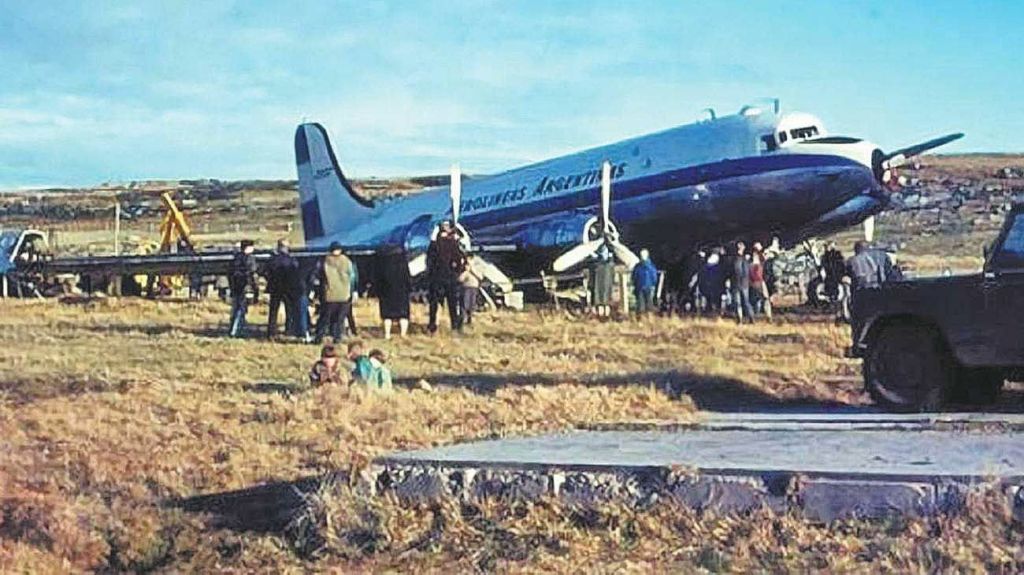
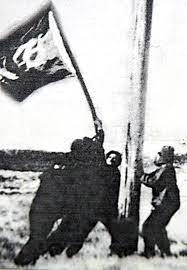
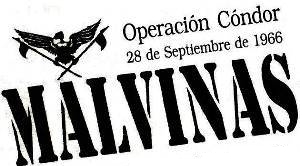
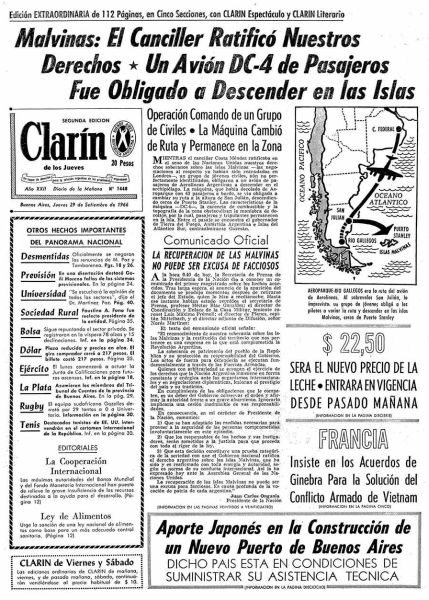
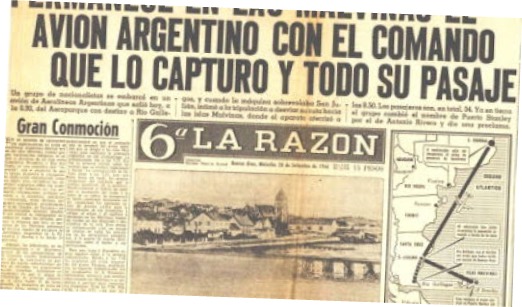

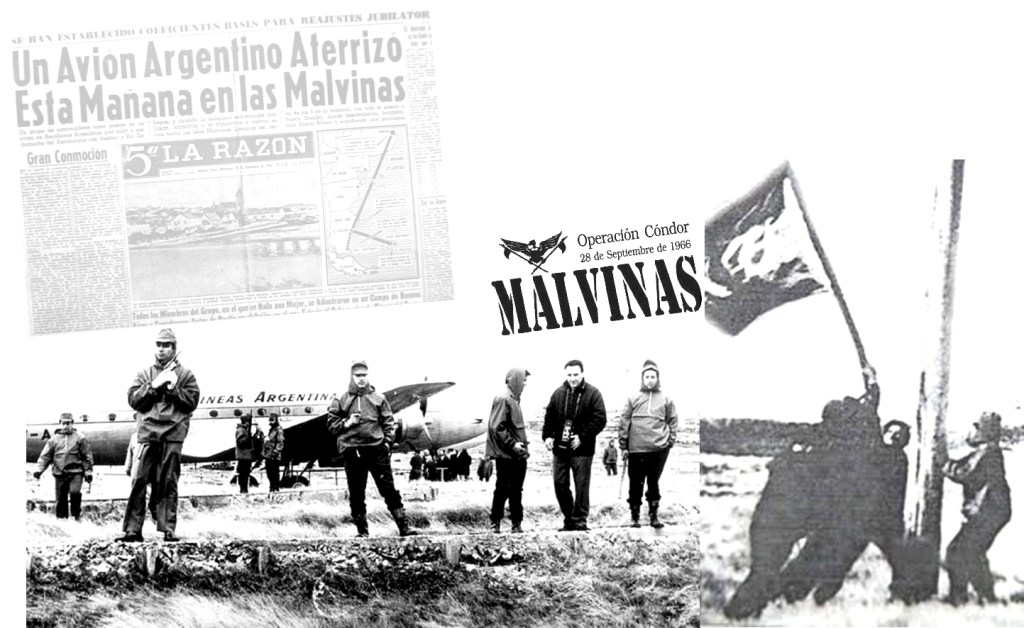
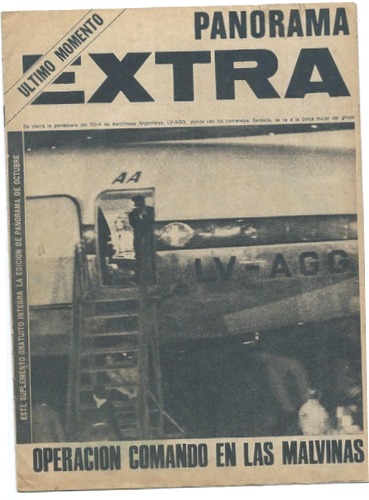



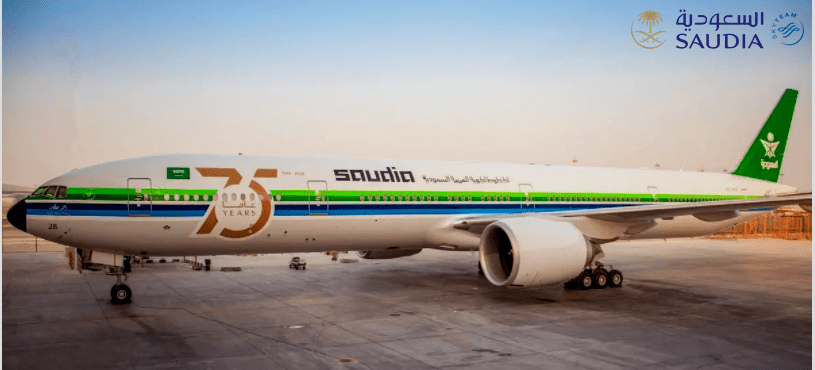

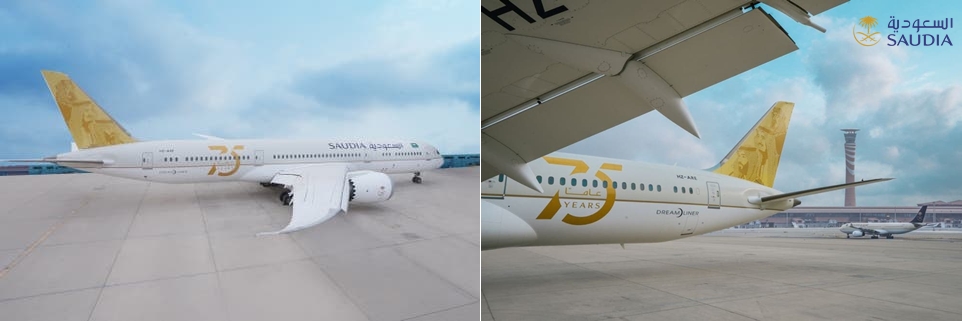

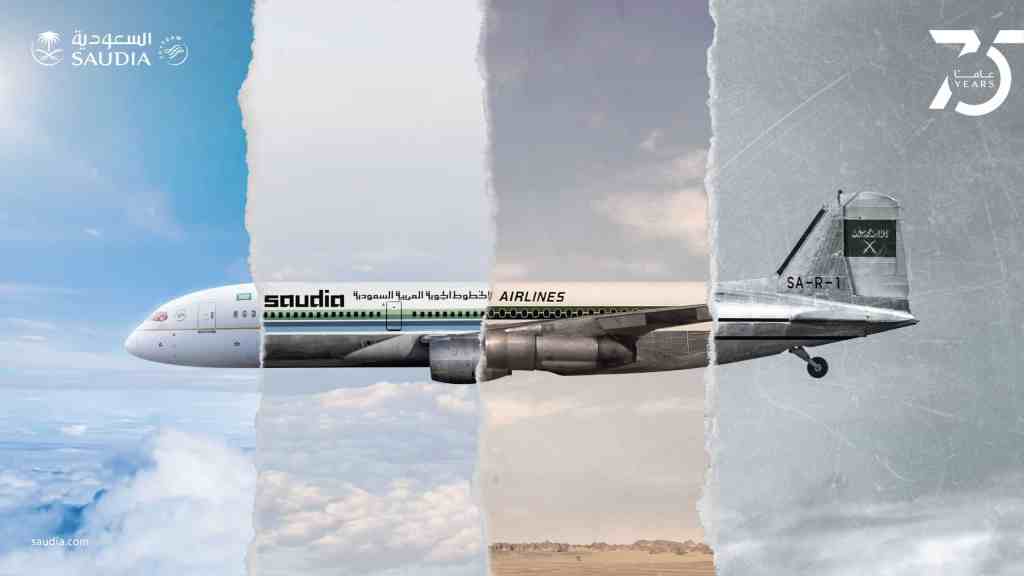






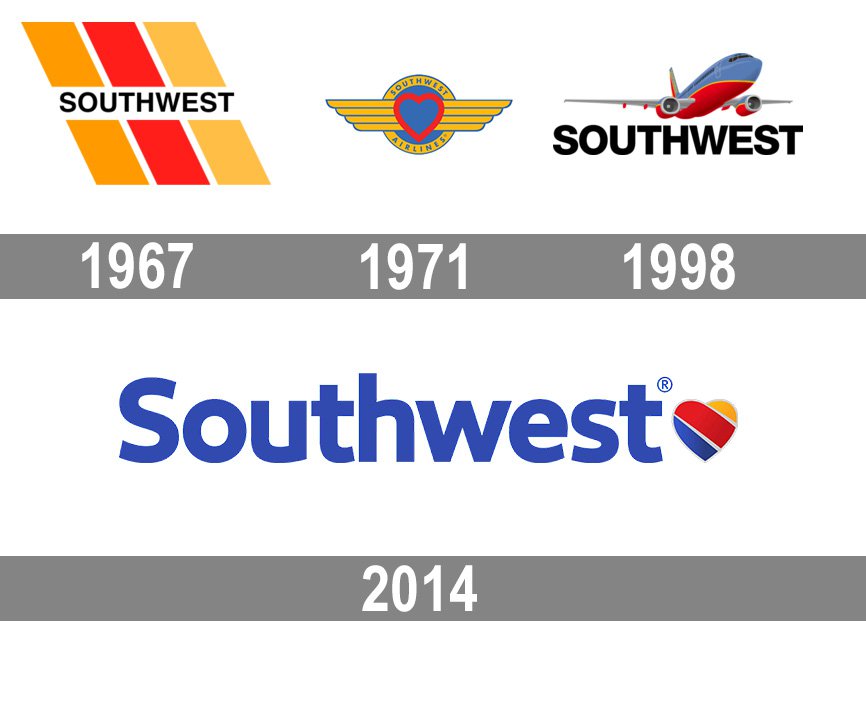
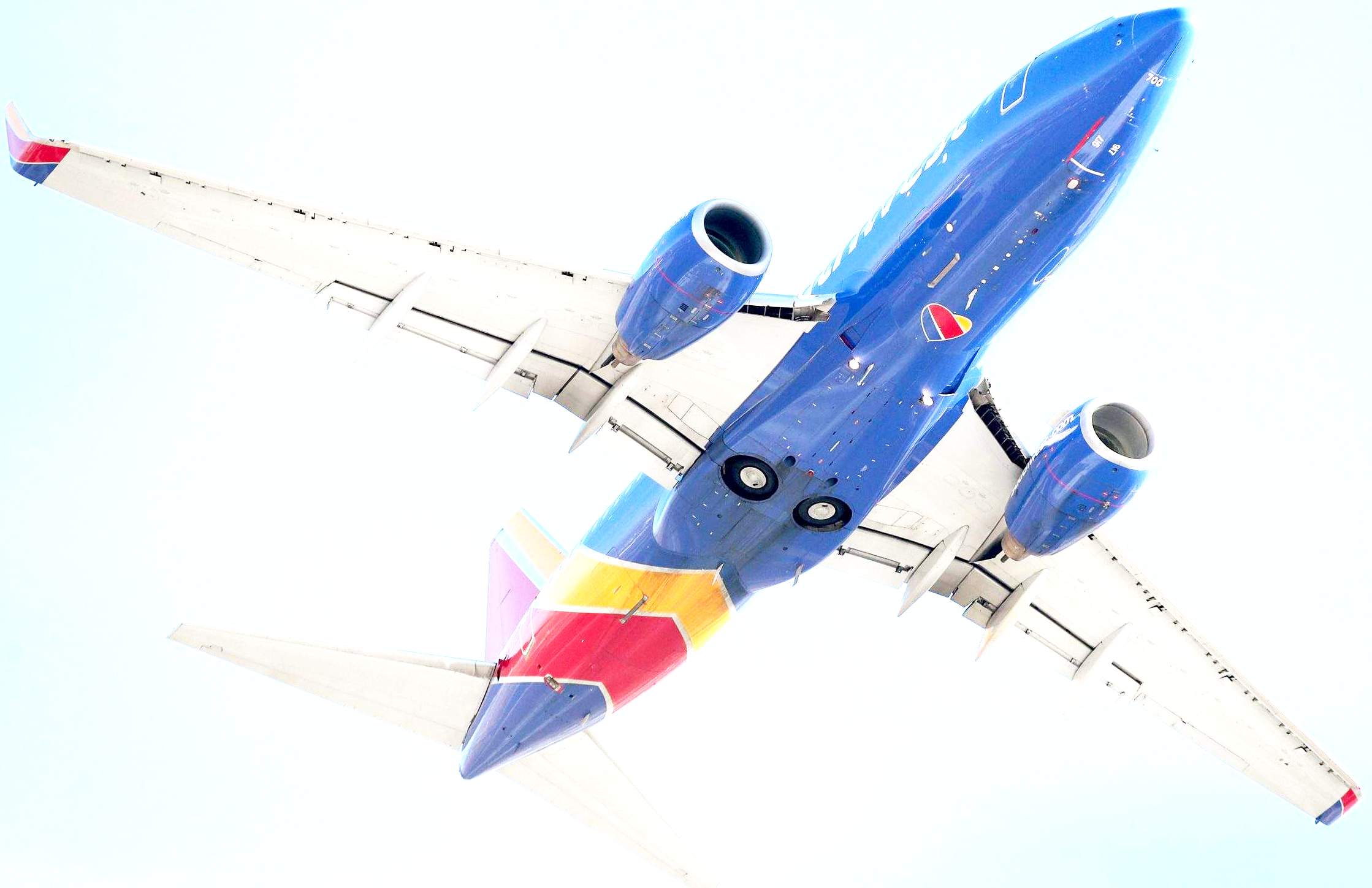

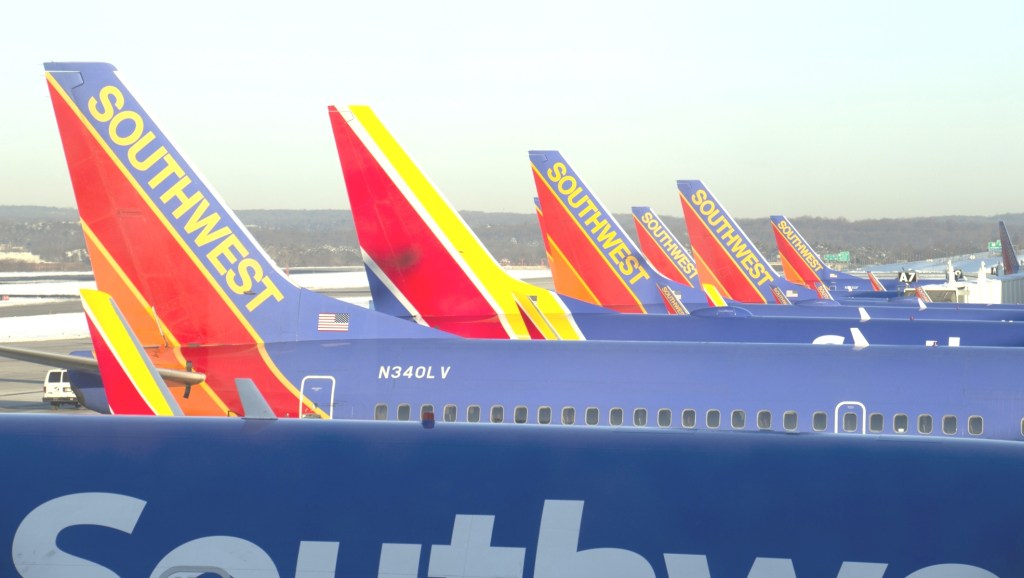

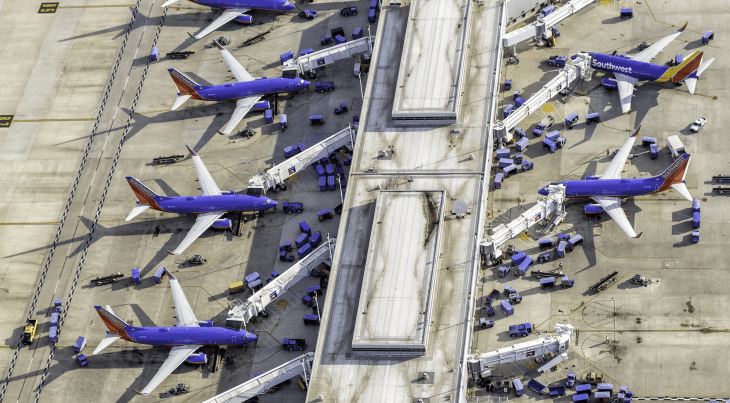







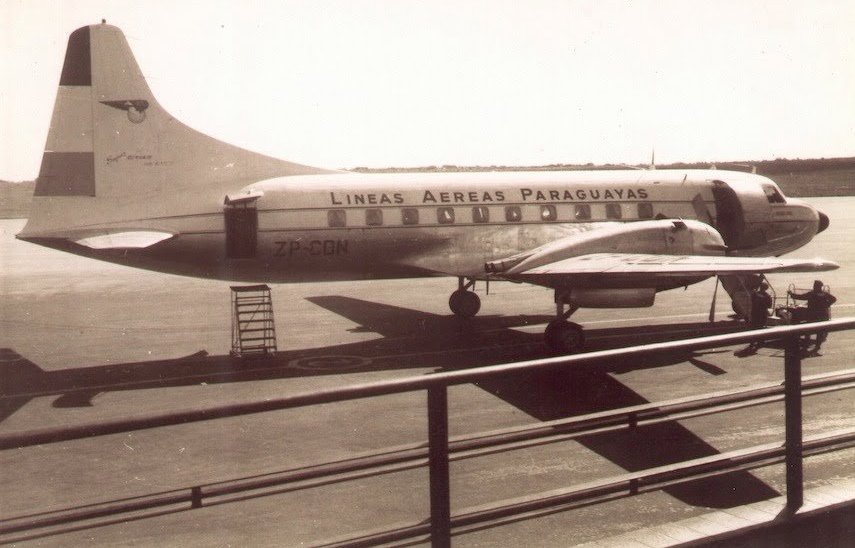


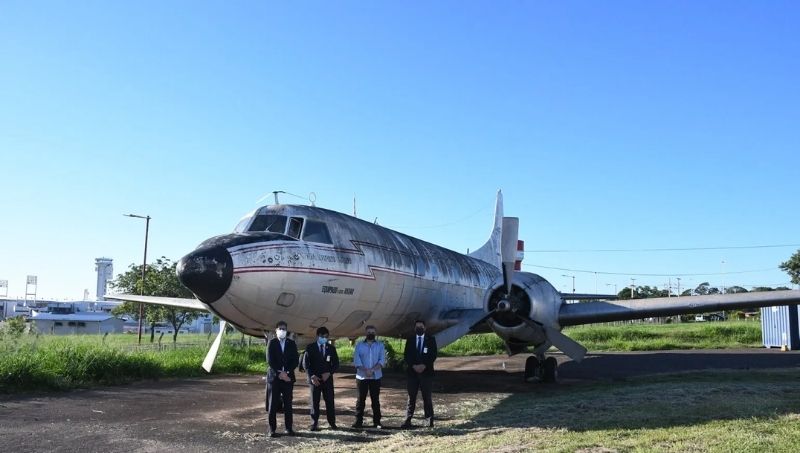

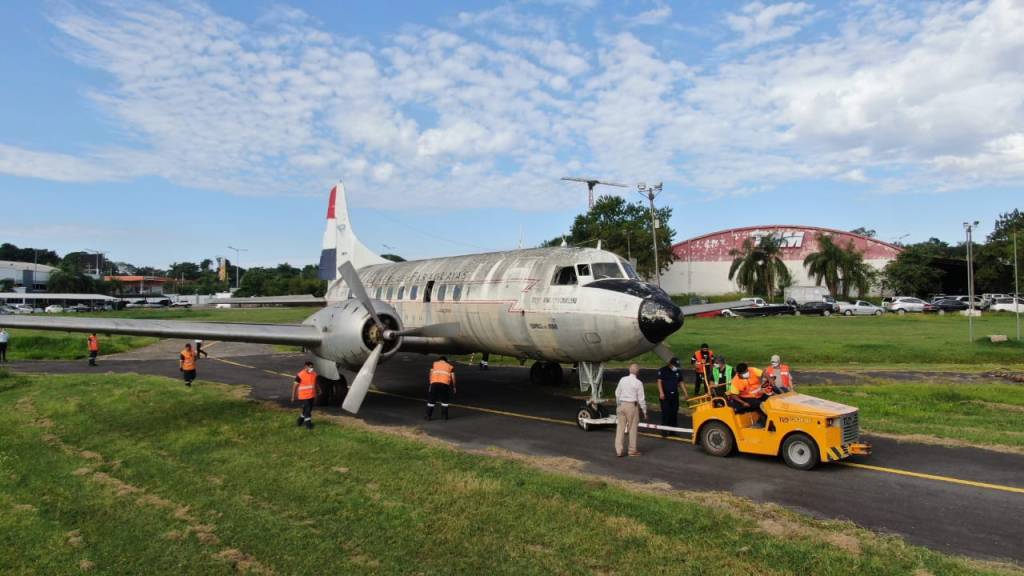


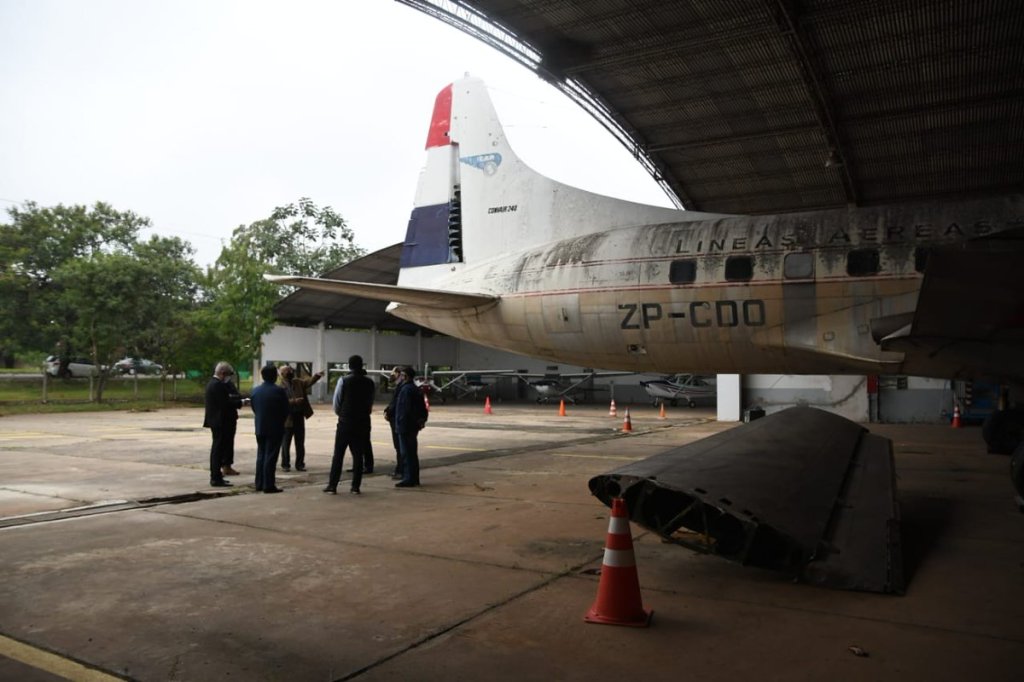


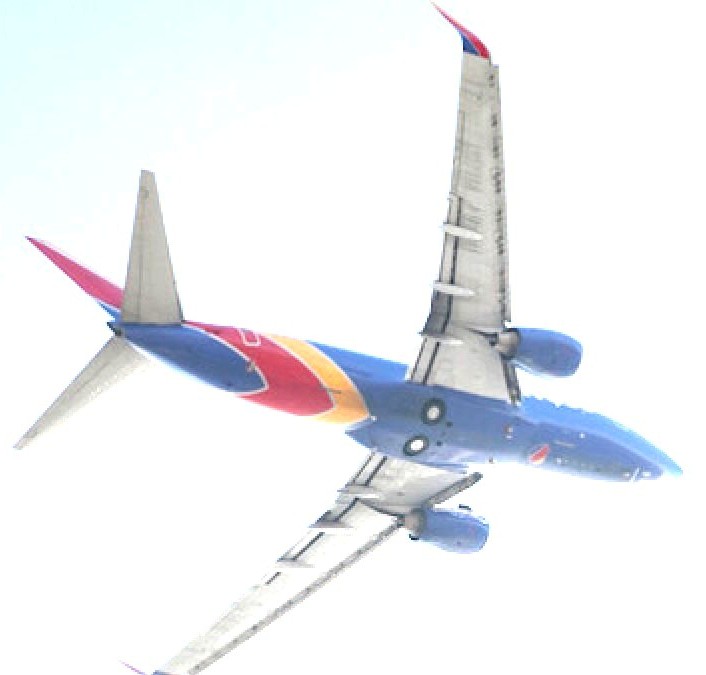

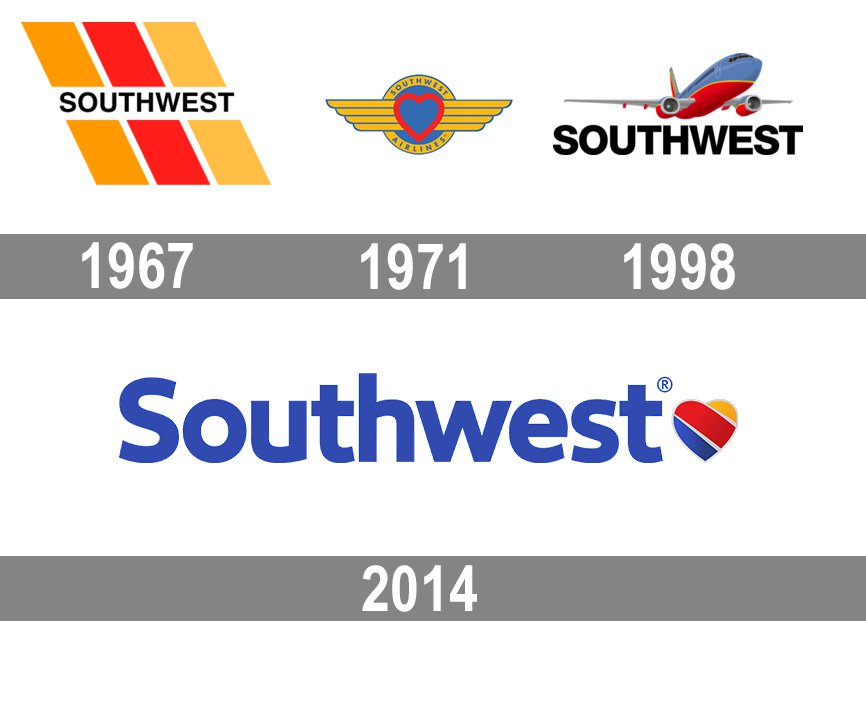

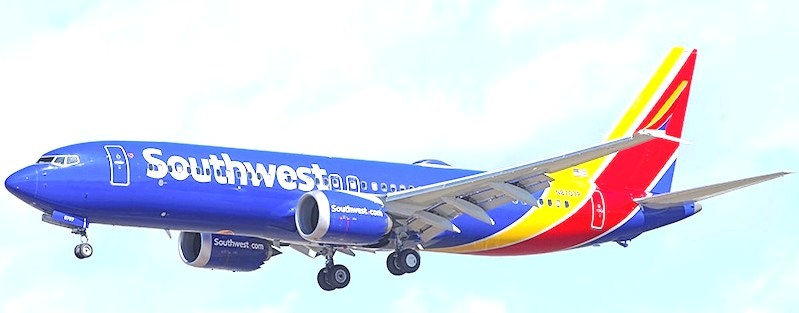



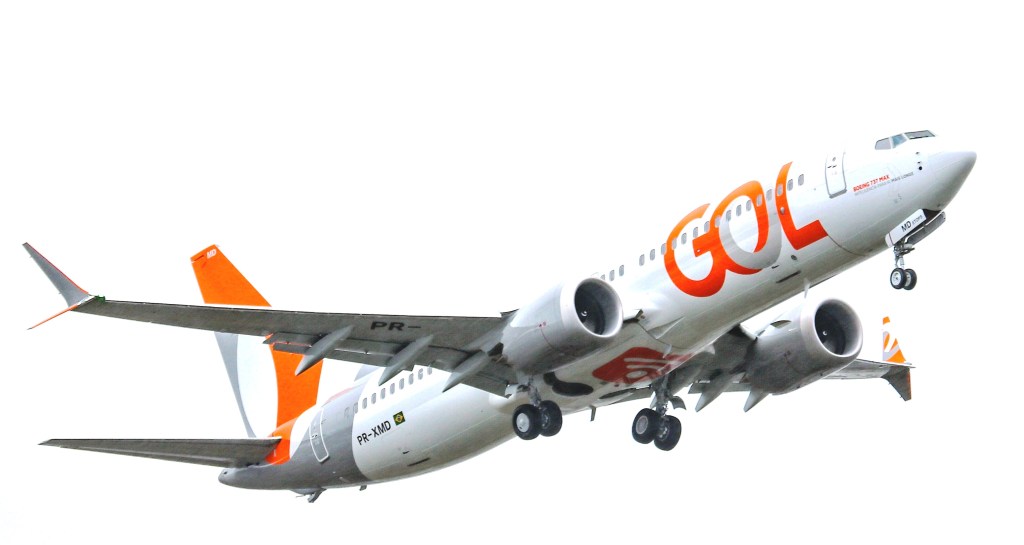



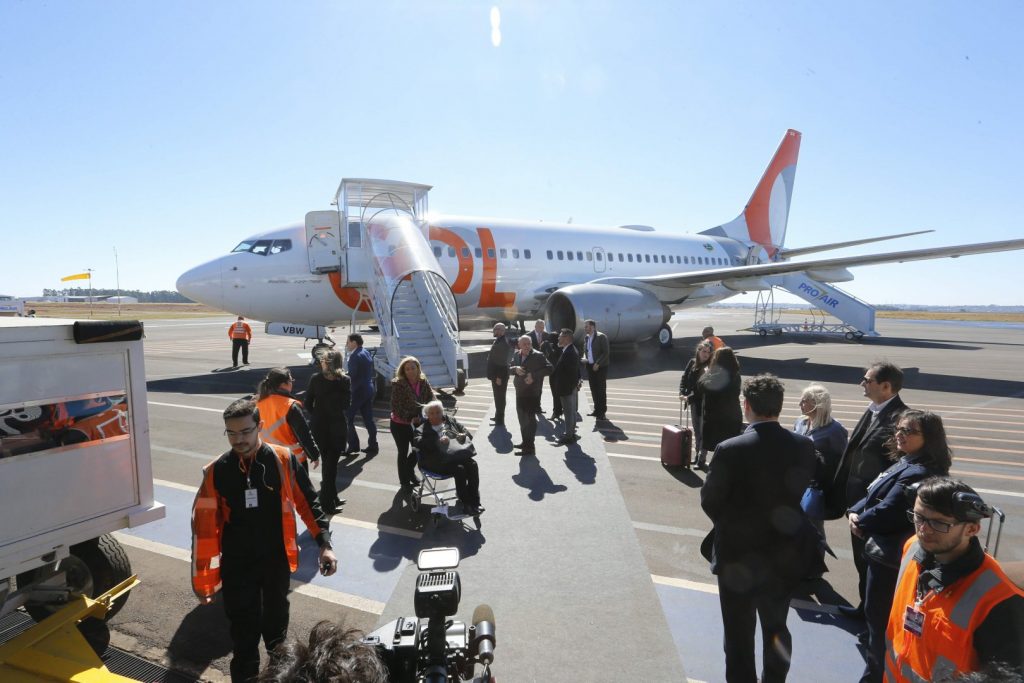






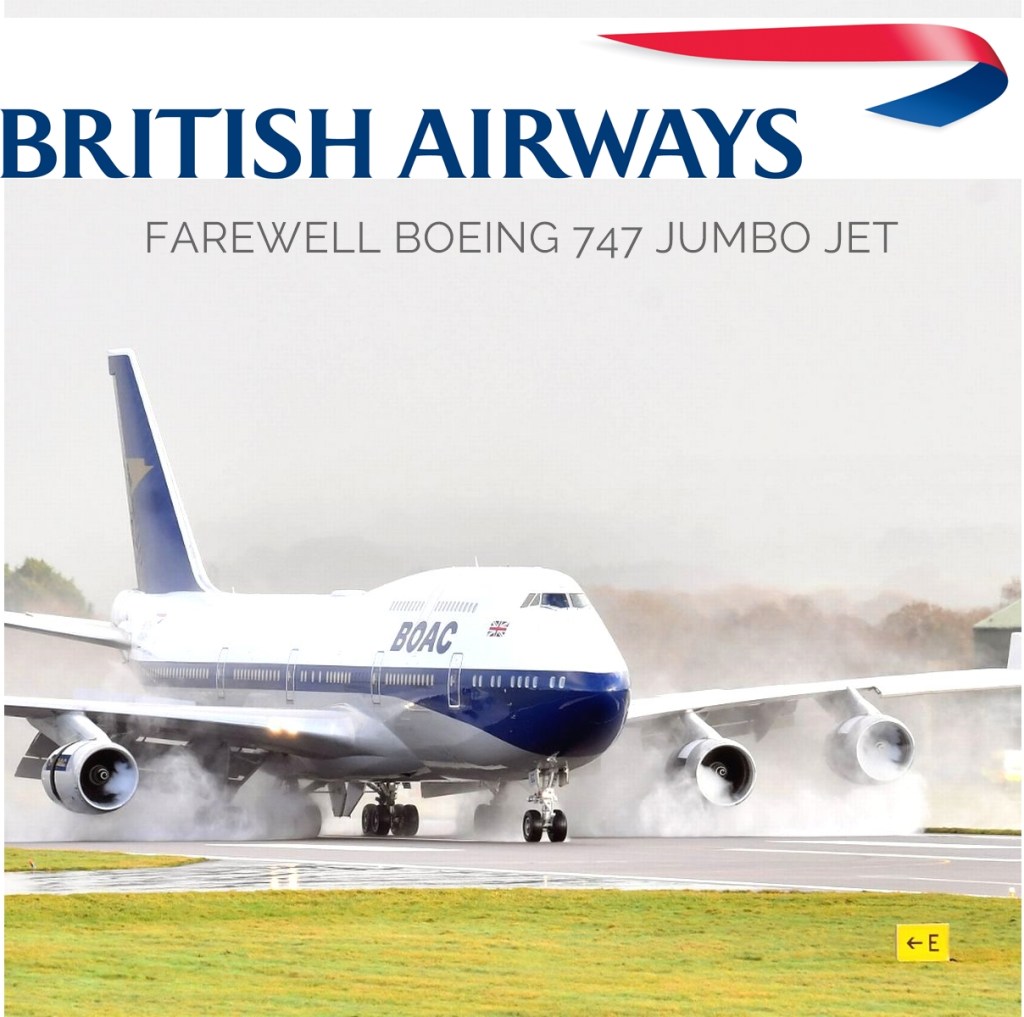
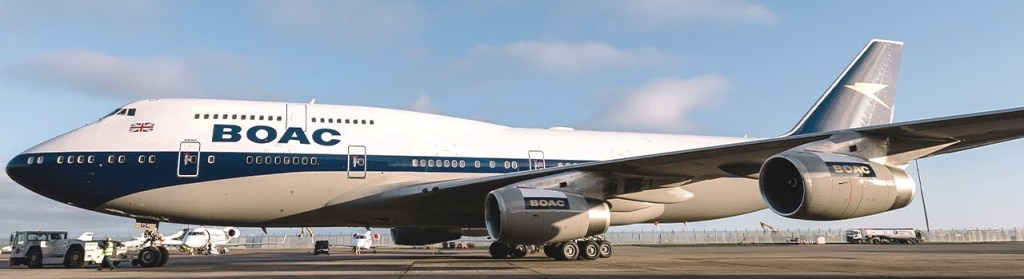

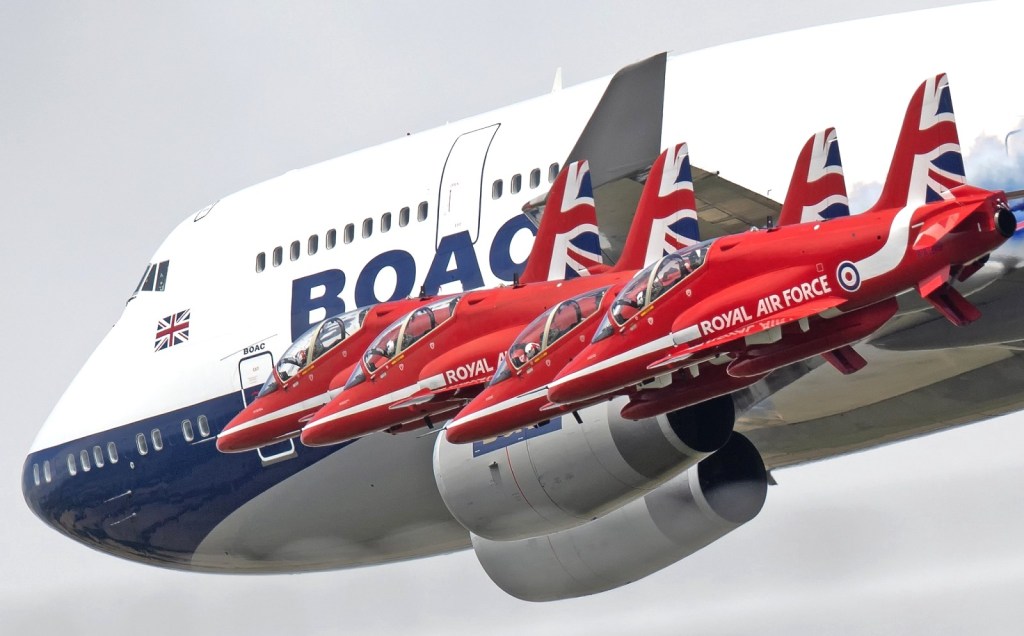
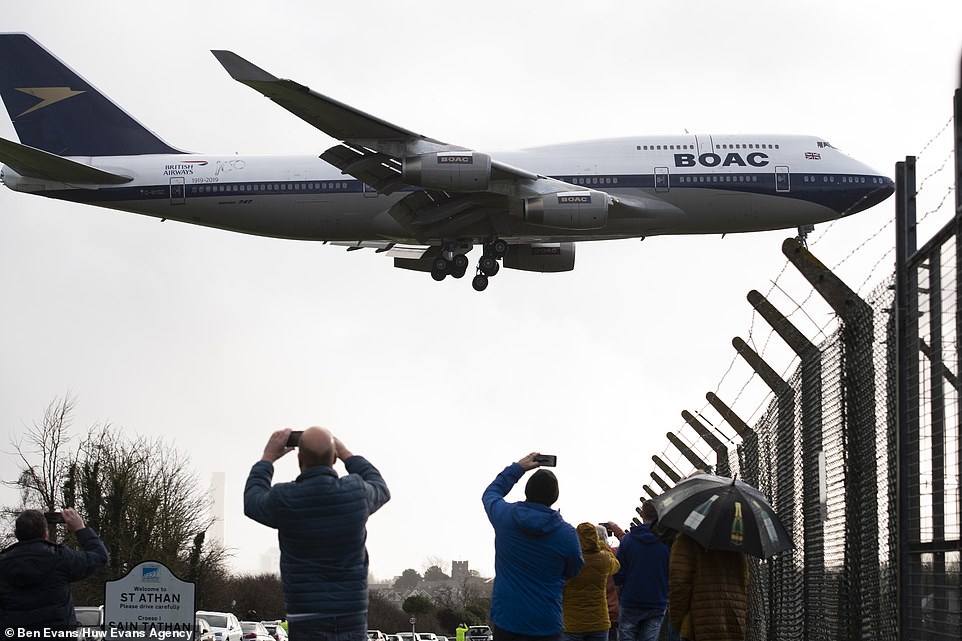


 airgways.com