Aéreas México recuperan capacidad
AW | 2020 11 26 11:05 | AIRLINES MARKET

Aerolíneas mexicanas aumentarán 90% red doméstica

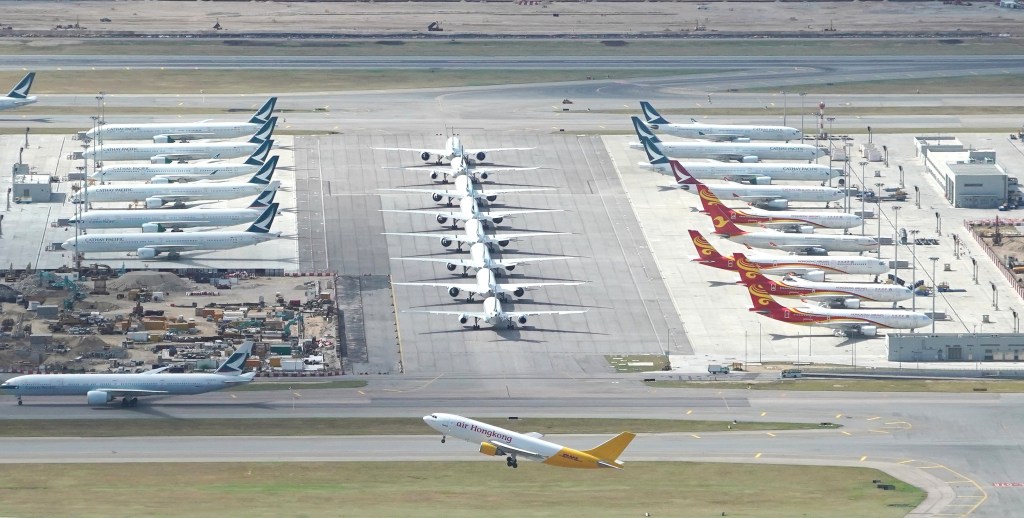
Las aerolíneas mexicanas comienzan un proceso de recuperación paulatina y certera al dejar atrás la turbulencia de la crisis sanitaria mundial encaminándose hacia una recuperación después de siete meses de parálisis en el mercado de la aviación comercial. Las compañías aéreas como Aeroméxico, Viva Aerobus y Volaris Airlines continúan por debajo de los niveles de crecimiento respecto al 2019, pero su oferta podría alcanzar hacia finales de 2020 a un 90%, mostrando síntomas de una consolidada recuperación del mercado aéreo de cabotaje.

El Vicepresidente para la región de las Américas de la Asociación Internacional de Transporte Aéreo (IATA), Peter Cerdá confirmó que la capacidad de operación de las aerolíneas en México ya alcanzó el 95 por ciento en comparación con la registrada en 2019. Jonathan Félix, Director asociado en Verum, Calificadora de Valores, ha remarcado que el mercado nacional de México tendrá una mejora marcada hacia el final del año, debido a la temporada decembrina y al regreso de vuelos domésticos suspendidos durante el confinamiento.

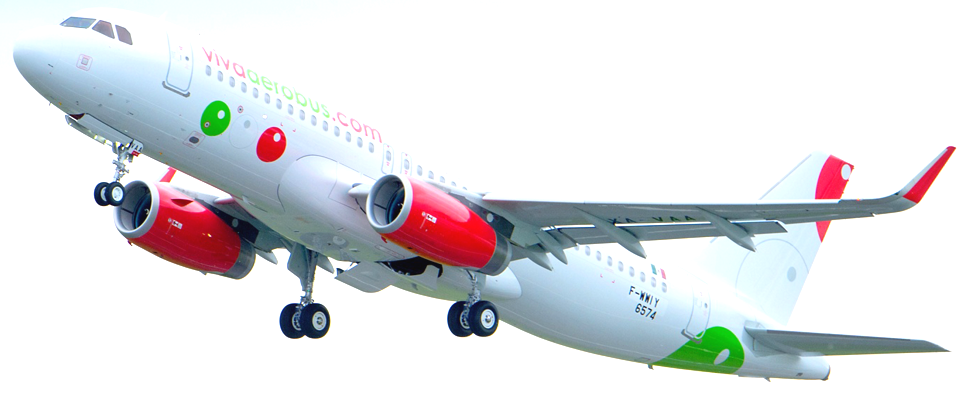
Viva Aerobus ha sido la primer compañía aérea en equilibrar su capacidad de asientos en rutas domésticas en Noviembre 2020, alcanzando los mismos niveles de capacidad interanuales. “Nos enorgullece ser una de las primeras aerolíneas en América en haber reactivado la totalidad de la capacidad operacional, liderando así la recuperación del sector aéreo y turístico”, señaló el CEO Juan Carlos Zuazua. La compañía había sufrido una reducción de 84,7% del mercado nacional, mientras que el factor de tráfico decreció en un 89,9 por ciento anual. Desde el quinto mes, la capacidad ha ido en aumento y en tan solo seis meses los asientos ofrecidos por la línea aérea superaron los 100 millones de asientos, igual cantidad que la registrada en noviembre de 2019.

Volaris Airlines, dirigida por Enrique Beltranena, tiene el objetivo de cerrar el año con alrededor del 95 por ciento de su oferta medida en asientos kilómetro, esto contra el año pasado. La aerolínea de bajo costo recuperó casi la totalidad de sus rutas aéreas y durante la pandemia logró afianzarse como la empresa que más pasajeros moviliza en el mercado doméstico, con cerca del 40 por ciento del total. De acuerdo con el vicepresidente de Volaris, Holger Blankesntein, Volaris está entre las 5 aerolíneas en el mundo con una recuperación más acelerada y una de las primeras en el mercado nacional. Mayo 2020 fue el peor mes en cuanto a oferta de Volaris con una disminución del 84.8 por ciento en el número de asientos, mientras que el volumen de pasajeros descendió 89.9 por ciento con respecto al mismo mes del año anterior. La capacidad de la línea aérea tendrá una mejora al cierre del año. “La que menos ha tenido afectación es Volaris gracias a su rápida recuperación, alta liquidez y manejables niveles de deuda. Asimismo, […] Volaris se encuentra intentando prepararse para aprovechar oportunidades potenciales de crecimiento”, dijo el Analista de Verum.

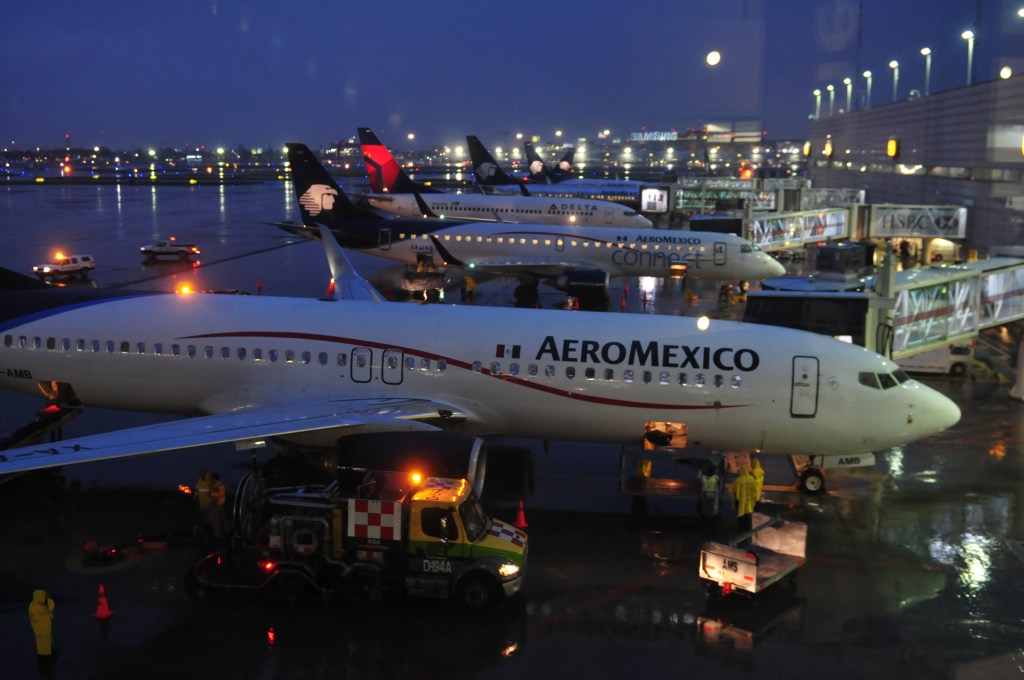
Aeroméxico continúa atravesando la complicada situación financiera que la obligó a someterse a un proceso de bancarrota bajo el Capítulo 11 en Estados Unidos, continúa con las estimaciones de mercado hacia fin de 2020 con un 84% de su capacidad con respecto al año anterior. En Diciembre, pretende realizar 11.000 vuelos.

Batalla post-pandemia

La aerolínea low cost Volaris Airlines ha alcanzado la supremacía aérea en México después de superar a Aeroméxico entre las aerolíneas nacionales con una mayor cuota de mercado post-pandemia permitiendo afianzarse más rápidamente en un entorno de crisis de confianza. En segunda posición se encuentra Aeroméxico, seguida de Viva Aerobus.

Perspectivas aéreas

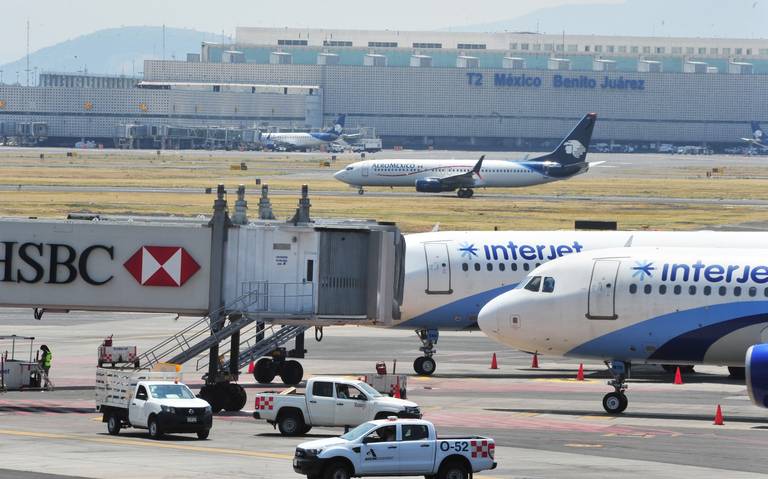
Un mercado que continúa por determinarse son los 15 millones de pasajeros que posee la cuota de mercado representada por Interjet que podría ser detentada si su capacidad de supervivencia se encontrase amenazada. Por lo tanto, el avispero continúa áspero en un mercado muy demandado y competitivo donde las compañías continúan presentando batalla para poder ampliar el segmento del mercado aéreo, sino también, por sobrevivir y no morir en el intento.

Mexico airlines recover capacity
Mexican airlines will increase domestic network 90%

Mexican airlines are beginning a process of gradual and accurate recovery by leaving behind the turbulence of the global health crisis and heading towards a recovery after seven months of paralysis in the commercial aviation market. Airlines such as Aeroméxico, Viva Aerobus and Volaris Airlines continue below their growth levels compared to 2019, but their offer would reach 90% by the end of 2020, showing signs of a consolidated recovery in the cabotage air market.
AW-708880

The Vice President for the Americas region of the International Air Transport Association (IATA), Peter Cerdá confirmed that the operating capacity of the airlines in Mexico has already reached 95 percent compared to that registered in 2019. Jonathan Félix, Director Associate at Verum, Calificadora de Valores, has remarked that the national market of Mexico will have a marked improvement towards the end of the year, due to the holiday season and the return of domestic flights suspended during the confinement.

Viva Aerobus was the first airline to balance its seating capacity on domestic routes in November 2020, reaching the same year-on-year capacity levels. «We are proud to be one of the first airlines in America to have reactivated all operational capacity, thus leading the recovery of the air and tourism sector,, said CEO Juan Carlos Zuazua. The company had suffered a reduction of 84.7% in the national market, while the traffic factor decreased by 89.9% annually. Since the fifth month, the capacity has been increasing and in just six months the seats offered by the airline exceeded 100 million seats, the same number as that registered in November 2019.

La imagen tiene un atributo ALT vacío; su nombre de archivo es aw-7800011.jpg

Volaris Airlines, led by Enrique Beltranena, has the objective of closing the year with around 95 percent of its offer measured in kilometer seats, this against last year. The low-cost airline recovered almost all of its air routes and during the pandemic it managed to establish itself as the company that mobilizes the most passengers in the domestic market, with about 40 percent of the total. According to the vice president of Volaris, Holger Blankesntein, Volaris is among the 5 airlines in the world with the fastest recovery and one of the first in the national market. May 2020 was the worst month in terms of Volaris offer with an 84.8 percent decrease in the number of seats, while passenger volume decreased 89.9 percent compared to the same month the previous year. The airline’s capacity will have an improvement at the end of the year. “The one that has been least affected is Volaris thanks to its rapid recovery, high liquidity and manageable debt levels. In addition, […] Volaris is trying to prepare to take advantage of potential growth opportunities”, said the Verum Analyst.

Aeromexico continues to go through the complicated financial situation that forced it to submit to a bankruptcy process under Chapter 11 in the United States, it continues with the market estimates towards the end of 2020 with 84% of its capacity compared to the previous year. In December, it plans to carry out 11,000 flights.

Post-pandemic battle

The low cost airline Volaris Airlines has achieved air supremacy in Mexico after surpassing Aeroméxico among the national airlines with a greater post-pandemic market share, allowing it to establish itself more quickly in an environment of crisis of confidence. In second position is Aeroméxico, followed by Viva Aerobus.

Aerial perspectives

A market that remains to be determined is the 15 million passengers that Interjet represents market share that could be held if their ability to survive is threatened. Therefore, the hornet’s nest continues to be harsh in a highly demanded and competitive market where companies continue to fight to be able to expand the segment of the air market, but also to survive and not die trying.


PUBLISHER: Airgways.com
DBk: Gob.mx/sct / Airgways.com / Wikipedia.org/Ralf Roletschek / Vivaaerobus.com / Aeromexico.com / Laura Lovera
AW-POST: 202011261105AR

A\W   A I R G W A Y S ®
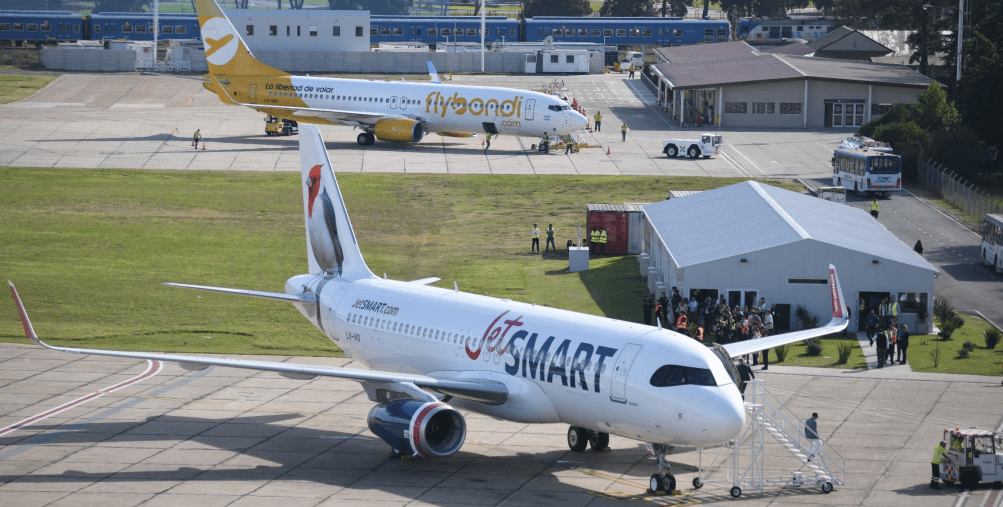
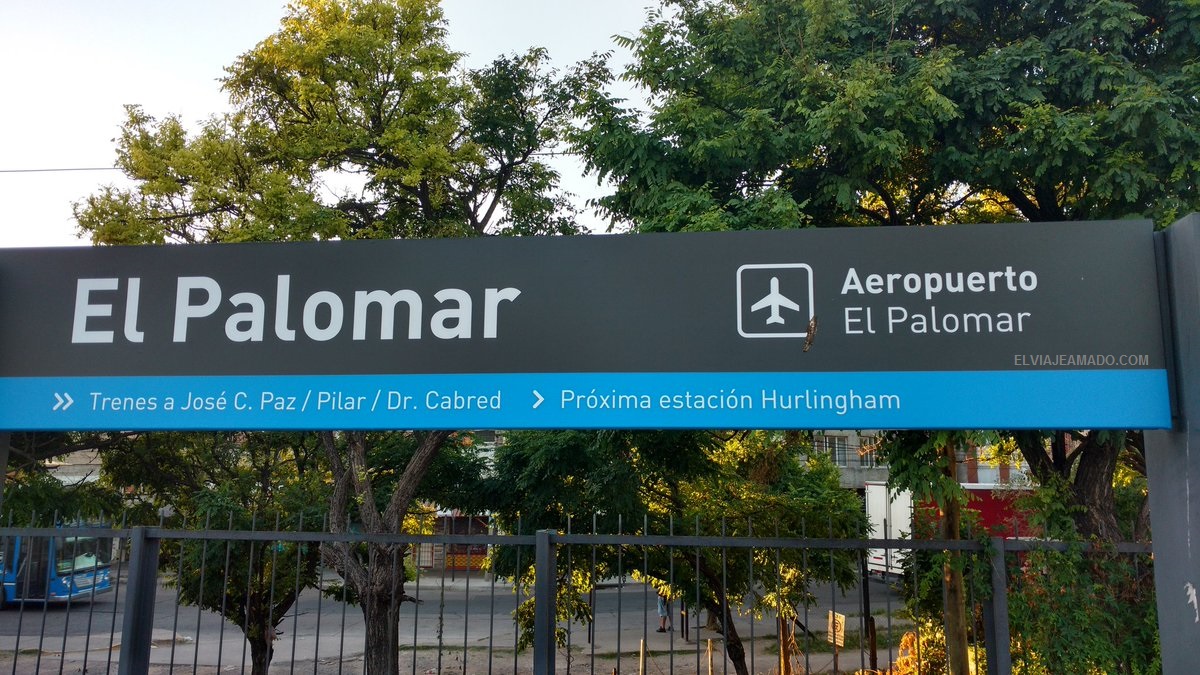
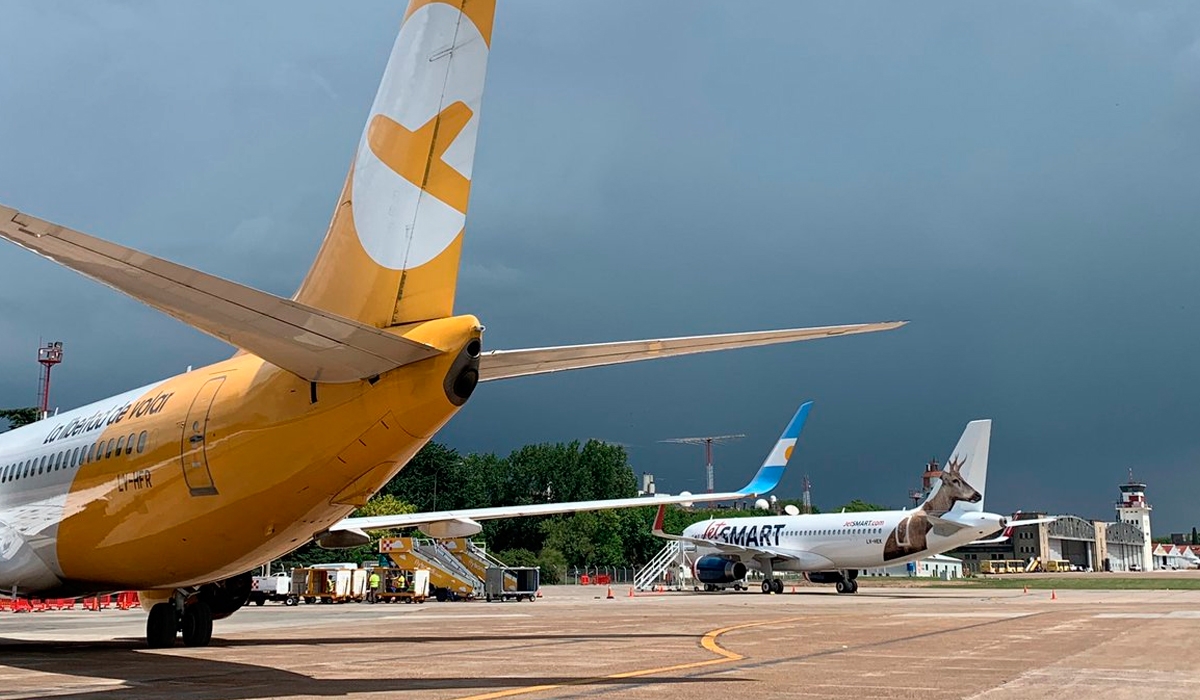
El «carrusel» del Aeropuerto El Palomar

AW | 2020 11 25 17:15 | AIRLINES MARKET / GOVERNMENT

La larga saga mediática del Aeropuerto El Palomar

AA2000_EPA

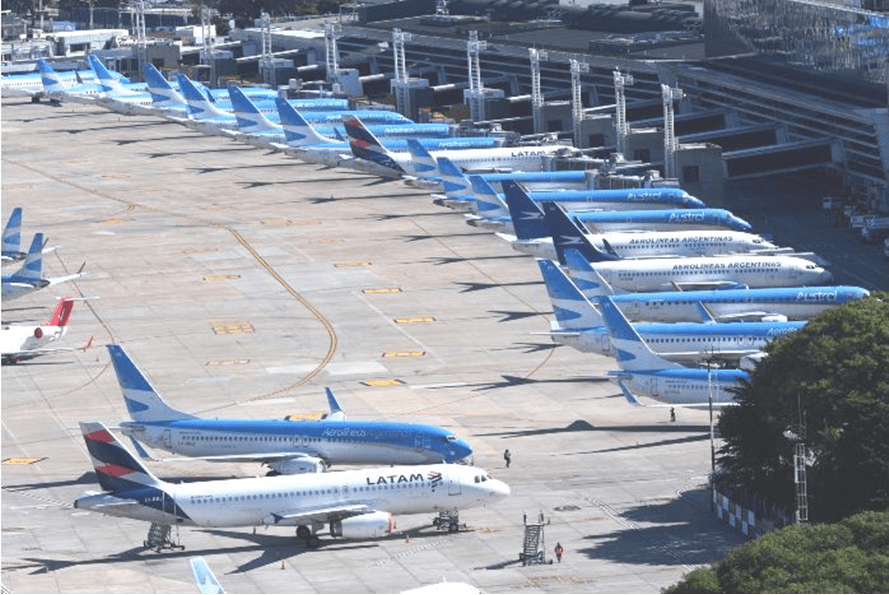
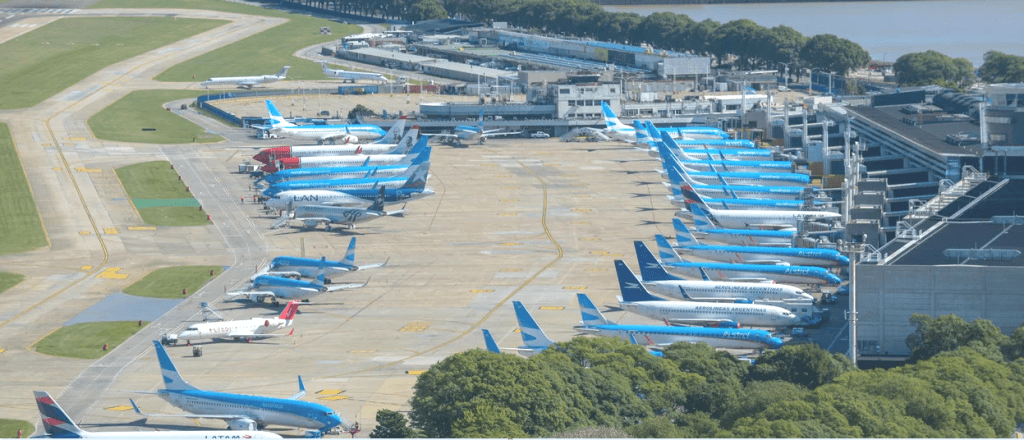
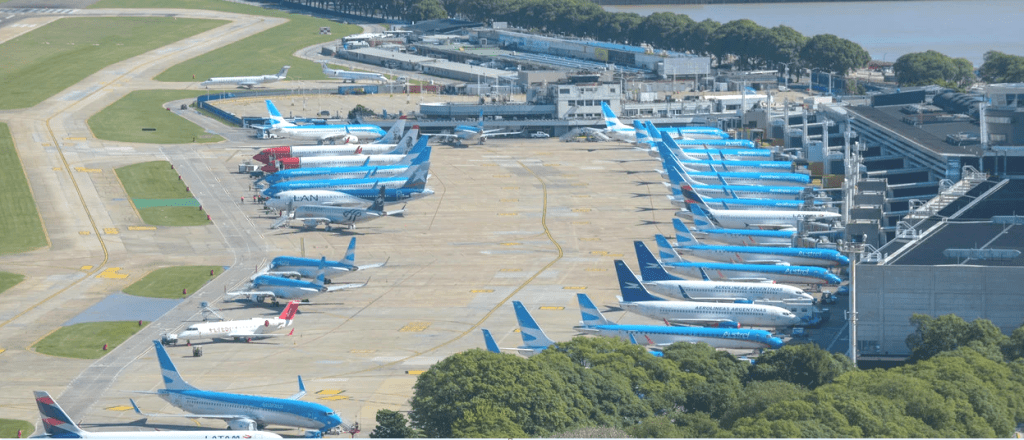
Desde el Ministerio de Transporte de Argentina han expresado ciertas simpatías por la continuidad del Aeropuerto Internacional El Palomar, localizado al oeste a unos siete kilómetros del límite de la Ciudad de Buenos Aires.

En un reportaje realizado el Viernes 20/11 por el Diario Perfil de Argentina, el Ministro de Transporte Mario Meoni ha expresado su parecer respecto a la futura continuidad de la aeroestación low cost, que aproxima con sus dichos vacilantes respecto a una doble política dentro del Gobierno, con el ala más dura encarnada por la asociación La Cámpora. «La política aerocomercial tiene que dar mucha más conectividad. Las low cost incorporaron un método bueno en algún aspecto. Hay mucha gente que pudo viajar gracias a eso. No estamos en contra de que se sostenga», expresó Mario Meoni, aunque remarcó que fueron subsidiadas por algunas provincias o municipios. En sintonía con la continuidad de la red de aeropuertos, el Ministro de Transporte expresó: «Debemos replantearnos la idea de sostener aeropuertos. Eso sí es un costo adicional que no paga la gente, el viajero directo. Lo pagamos entre todos los argentinos». Pero, siendos objetivos, de manera más equitativa, se puede razonar que Aerolíneas Argentinas ha recibido y continúa recibiendo fortunas de Adelantos del Tesoro Nacional (ATN) entre otros subsidios, que lo abonan todos los argentinos año tras año, décadas tras décadas.

Otro aspecto que involucraban los dichos del Ministerio de Transporte era a la cantidad de aeropuertos necesarios para el Área Metropolitana de Buenos Aires (AMBA), que tres aeroestaciones son demasiado para las actuales estructuras del país producto de la desaceleración económica por la crisis sanitaria mundial que ha afectado los viajes aéreos. La realidad, es que si se miden las actuales condiciones, incluso dos aeropuertos Jorge Newbery y Ezeiza representarían una sobreabundancia de ofertas para poca demanda. Siendo objetivos, hay que medir las economías a mediano/largo plazo, por algo se está ampliando el propio Aeroparque.

Inicio restricciones El Palomar |

Al entender las intenciones de no querer confrontar con un sector muy poderoso del Gobierno, las aerolíneas no pueden continuar con las incertidumbres que genera un doble discurso empobrecido producto de una política de coalición que continuamente contribuye al choque, más bien que a la de acuerdos entre todos los sectores de la economía y la política. «No quiero ser tajante con El Palomar. Hay que hacer un análisis profundo de cuánto es el costo de sostenimiento, cuál es la inversión necesaria y cuántas las posibilidades de repago. Alguno podrá preguntar por qué achicarse. La respuesta es que hay que achicarse porque, cuando somos un país pobre, no tenemos que tener por tener aeropuertos. En el mundo nadie los tiene. Tienen aeropuertos en función de la cantidad de pasajeros que tienen. Es algo que debería replicarse en Argentina». Nuevamente, con el concepto de la abundancia se corre el riesgo de poder usar esa postura para reclamar otras áreas que tampoco deberían los ciudadanos argentinos tener siendo un país pobre.

La postura respecto a las operaciones en el Aeropuerto Internacional Ezeiza están relacionadas a la migración de los vuelos por las cuestiones de seguridad sanitarias según el Gobierno ha expresado. Pero, aún continúan las dudas acerca de trasladar las operaciones nuevamente al Aeropuerto El Palomar o al Aeropuerto Jorge Newbery. «Hay que analizarlo. Estamos dándoles posibilidades de desarrollo a las empresas en Aeroparque. En Ezeiza también. Es algo para analizar cuando llegue el momento. Hoy soy partidario de que siga operando El Palomar», expresó el Ministro de Transporte, arrojando una fuerte impresión de su particular postura frente a futuras definiciones.

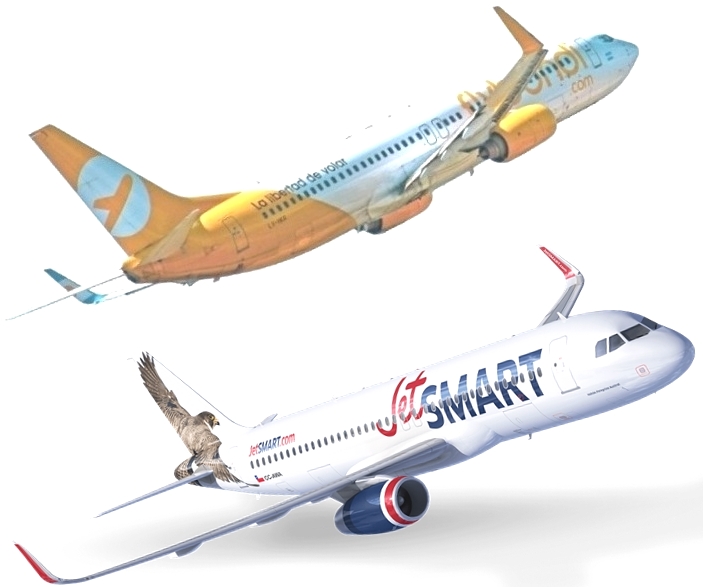
El Ministro de Transporte ha agregado el deseo de que «le gustaría particularmente que las low-cost tuvieran base en algunas otras provincias, en Córdoba por ejemplo. Desde allí poder operar a distintos puntos y ser una low cost que vincule el interior del país de forma diferente. Salir de la lógica de que se haga desde Buenos Aires». En buena parte, es un sentir federal para vincular el interior del país hacia las diferentes provincias argentinas. Particularmente, JetSmart Airlines Argentina había hecho pie como sede administrativa en la Ciudad de Córdoba, tras la adquisición de los derechos de la aerolínea Alas del Sur Líneas Aéreas, pero su base operativa se encuentra en el Aeropuerto El Palomar, en la Provincia de Buenos Aires.

Perspectivas aéreas

Sin lugar a dudas, la propia política de turno es una generadora de incertidumbres que, sumado al panorama post-pandemia, incrementan los desafíos cargados de vacilaciones, indecisiones, perplejidades. Las actuales políticas no hacen otra cosa que girar como un carrusel, dar vueltas y vueltas, mientras que las líneas aéreas y todos los argentinos continúan aspirando a las más nobles pretensiones de poder soñar con una aviación más inclusiva y federal.

The «carousel» of El Palomar Airport

El Palomar cierra por refacciones |

The long media saga of El Palomar Airport

From the Ministry of Transport of Argentina they have expressed certain sympathies for the continuity of the El Palomar International Airport, located to the west about seven kilometers from the limit of the City of Buenos Aires.

In a report carried out on Friday 11/20 by the Diario Perfil de Argentina, the Minister of Transport Mario Meoni has expressed his opinion regarding the future continuity of the low cost air station, which with his vacillating sayings approximates a double policy within the Government, with the toughest wing embodied by the La Cámpora association. «The commercial air policy has to provide much more connectivity. The low cost incorporated a good method in some respect. There are many people who were able to travel thanks to that. We are not against it being sustained», said Mario Meoni, although he remarked that they were subsidized by some provinces or municipalities. In line with the continuity of the airport network, the Minister of Transportation said: «We must rethink the idea of ​​sustaining airports. That is an additional cost that people, the direct traveler, do not pay. We pay it among all Argentines». But, being objective, in a more equitable way, it can be reasoned that Aerolíneas Argentinas has received and continues to receive fortunes from Advances from the National Treasury (ATN) among other subsidies, which are paid by all Argentines year after year, decades after decades.

AW-Flybondi_JetSmart

Another aspect that the sayings of the Ministry of Transportation involved was the number of airports necessary for the Metropolitan Area of Buenos Aires (AMBA), that three air stations are too much for the current structures of the country as a result of the economic slowdown due to the global health crisis that it has affected air travel. The reality is that if current conditions are measured, even two Jorge Newbery and Ezeiza airports would represent an overabundance of offers for little demand. Being objectives, which must be measured in the medium/long-term economies, the Aeroparque itself is expanding for a reason.

By understanding the intentions of not wanting to confront a very powerful sector of the Government, the airlines cannot continue with the uncertainties generated by an impoverished double discourse product of a coalition policy that continuously contributes to the clash, rather than to that of agreements between all sectors of the economy and politics. «I do not want to be blunt with El Palomar. You have to do a deep analysis of how much is the cost of support, what is the investment necessary and how many possibilities of repayment. Some may ask why downsize. The answer is that you have to downsize because when we are a poor country, we don’t have to have airports. Nobody in the world has them. They have airports depending on the number of passengers they have. It is something that should be replicated in Argentina». Once again, with the concept of abundance, there is a risk of being able to use this position to claim other areas that Argentine citizens should not have as a poor country.

The position regarding the operations at the Ezeiza International Airport is related to the migration of flights due to health security issues, according to the Government. But there are still doubts about moving operations back to El Palomar Airport or Jorge Newbery Airport. «We have to analyze it. We are giving development opportunities to the companies in Aeroparque. In Ezeiza as well. It is something to analyze when the time comes. Today I am in favor of continuing to operate El Palomar», said the Minister of Transportation, throwing a strong impression of its particular position in relation to future definitions.

The Minister of Transport has added the wish that «he would particularly like the low-cost to be based in some other provinces, in Córdoba for example. From there to be able to operate at different points and be a low cost that links the interior of the country to different way. Get out of the logic that it is done from Buenos Aires». To a large extent, it is a federal feeling to link the interior of the country to the different Argentine provinces. In particular, JetSmart Airlines Argentina had established itself as an administrative headquarters in the City of Córdoba, after acquiring the rights of the airline Alas del Sur Líneas Aéreas, but its operating base is located at El Palomar Airport, in the Province of Buenos Aires.

Aerial perspectives

Undoubtedly, the politics of the day itself is a generator of uncertainties that, added to the post-pandemic panorama, increase the challenges fraught with vacillations, indecisions, and perplexities. The current policies do nothing but spin like a carousel, going round and round, while the airlines and all Argentines continue to aspire to the noblest claims of being able to dream of a more inclusive and federal aviation.


PUBLISHER: Airgways.com
DBk: Argentina.gob.ar/transporte / Perfil.com / Airgways.com
AW-POST: 202011251715AR

A\W   A I R G W A Y S ®
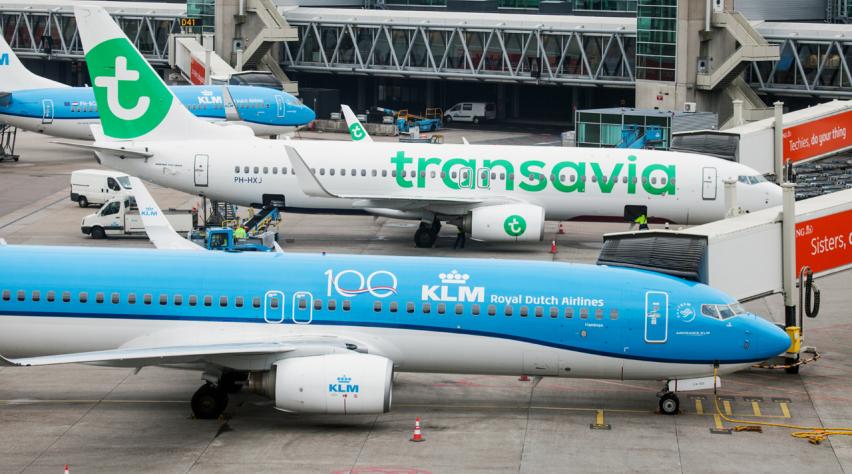
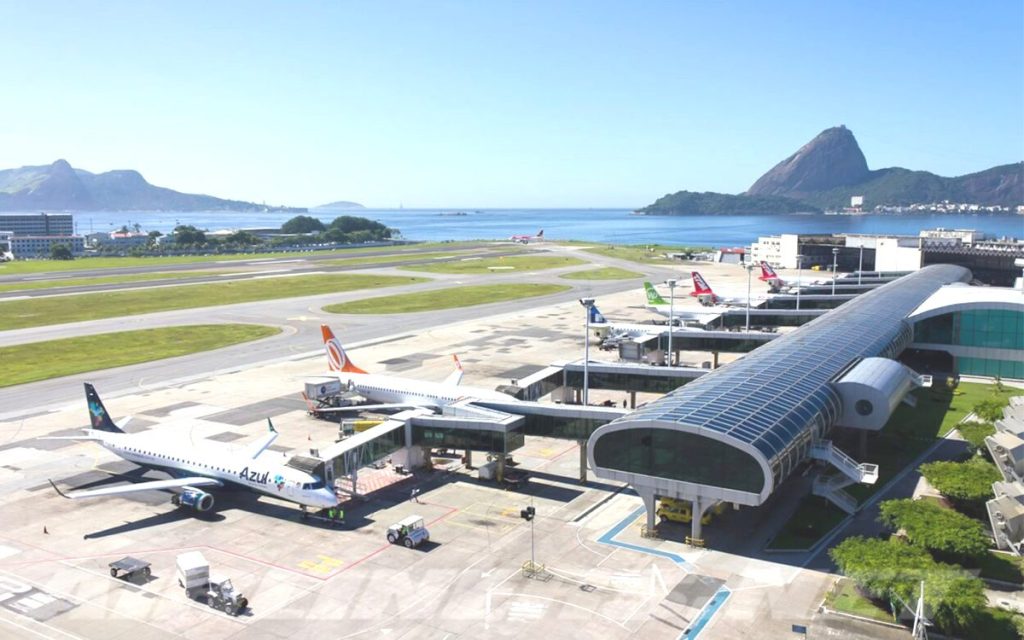
Brasil incrementa pax post-pandemia

AW | 2020 11 24 11:36 | AIRLINES MARKET

Brasil supera 4,1 millones de pasajeros en 10/2020

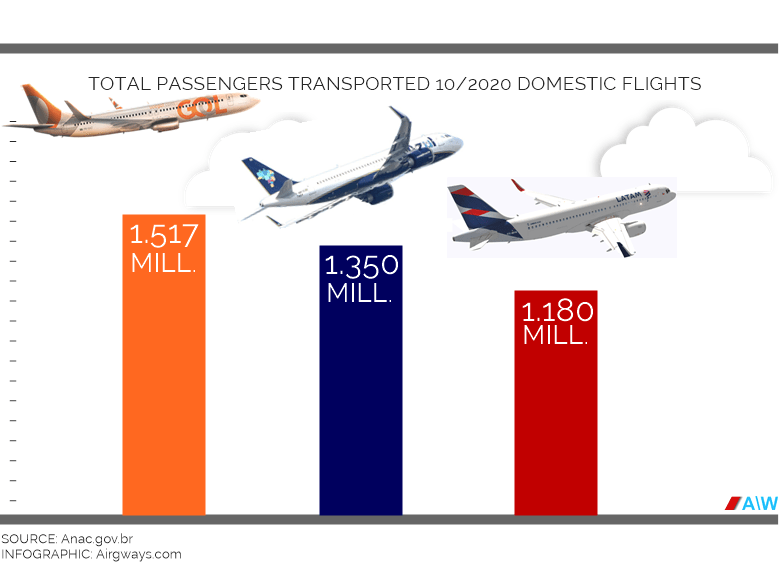
Brasil ha registrado en el mes de Octubre 2020 la marca de 4,1 millones de pasajeros transportados en vuelos nacionales. La cifra representa un crecimiento del 34% en comparación con Septiembre 2020. Por primera vez desde Marzo, las tres principales aerolíneas brasileñas, Azul Linhas Aéreas, Gol Linhas Aéreas y Latam Airlines Brasil han superado la marca de valores superiores a 1 millón de pasajeros transportados en vuelos nacionales en un mes, lo que representa un incremento de las perspectivas en rutas domésticas.

Gol Linhas Aéreas había superado la marca de un millón de pasajeros en 09/2020 con 1,1 millones de pasajeros. Mientras que en 10/2020, las tres aerolíneas más representativas alcanzaron la marca superior del millón de pasajeros: Gol fue de 1,5 millones, un 35% más, en segunda posición Azul de 948.000 (09/2020) a 1,3 millones (+37%) y Latam Airlines Brasil pasó de 954.000 a 1,1 millones (+15%) en 10/2020. Sin embargo, en comparación con octubre de 2019, el total de pasajeros sigue siendo un 51,1% inferior. El resultado es el peor desde Octubre 2008. En el año, el país alcanzó los 34,7 millones de pasajeros transportados.

La demanda de vuelos nacionales creció en 10/2020 un 31,3% en comparación con Septiembre, mientras que la oferta avanzó un 33,5%. Azul creció un 41% en oferta y demanda en la comparación entre los dos meses. Gol avanzó 34% en demanda y 37% en oferta, mientras que Latam creció aproximadamente 20% en demanda y 23% en oferta. En comparación con el año pasado, la demanda ha bajado casi un 45% y la oferta en un 41%. Entre las tres principales empresas en Brasil, Azul logró un resultado más cercano en comparación con el año pasado. La compañía alcanzó el 65% de la demanda registrada en octubre de 2019. Después vienen Gol, con 59% y Latam con 45%. En Octubre 2020, Gol amplió su liderazgo en el mercado interno, alcanzando el 39% de la demanda del segmento (medido en RPK). Latam mantuvo su segunda posición, con 30,7%, sin embargo vio la diferencia disminución para el tercer clasificado Azul, que alcanzó 29.4%.

Brazil increases post-pandemic pax

Brazil exceeds 4.1 million passengers in 10/2020

Brazil has registered in the month of October 2020 the mark of 4.1 million passengers transported on domestic flights. The figure represents a growth of 34% compared to September 2020. For the first time since March, the three main Brazilian airlines, Azul Linhas Aéreas, Gol Linhas Aéreas and Latam Airlines Brasil have exceeded the mark of values ​​of over 1 million passengers transported on domestic flights in a month, which represents an increase in the outlook on domestic routes.

Gol Linhas Aéreas had passed the one million passenger mark in 09/2020 with 1.1 million passengers. While in 10/2020, the three most representative airlines reached the top mark of one million passengers: Gol was 1.5 million, 35% more, in second position Azul from 948,000 (09/2020) to 1.3 million (+ 37%) and Latam Airlines Brasil went from 954,000 to 1.1 million (+ 15%) in 10/2020. However, compared to October 2019, total passengers are still 51.1% lower. The result is the worst since October 2008. In the year, the country reached 34.7 million passengers transported.

Demand for domestic flights grew by 31.3% in 10/2020 compared to September, while supply increased by 33.5%. Azul grew 41% in supply and demand in the comparison between the two months. Gol advanced 34% in demand and 37% in supply, while Latam grew approximately 20% in demand and 23% in supply. Compared to last year, demand is down by almost 45% and supply by 41%. Among the top three companies in Brazil, Azul achieved a closer result compared to last year. The company reached 65% of the demand registered in October 2019. Then come Gol, with 59% and Latam with 45%. In October 2020, Gol expanded its leadership in the domestic market, reaching 39% of the segment’s demand (measured in RPK). Latam maintained its second position, with 30.7%, however it saw the difference decrease for the third classified Azul, which reached 29.4%.

Brasil aumenta pax pós-pandemia

Brasil ultrapassa 4,1 milhões de passageiros em 10/2020

O Brasil registrou no mês de Outubro de 2020 a marca de 4,1 milhões de passageiros transportados em vôos domésticos. O número representa um crescimento de 34% em relação a Setembro de 2020. Pela primeira vez desde Março, as três principais companhias aéreas brasileiras, Azul Linhas Aéreas, Gol Linhas Aéreas e Latam Airlines Brasil ultrapassaram a marca de valores de mais de 1 milhão de passageiros transportados em vôos domésticos em um mês, o que representa um aumento nas perspectivas nas rotas domésticas.

A Gol Linhas Aéreas havia ultrapassado a marca de um milhão de passageiros em 09/2020 com 1,1 milhão de passageiros. Já em 10/2020, as três companhias aéreas mais representativas atingiram a marca de um milhão de passageiros: Gol ficou com 1,5 milhão, 35% a mais, na segunda posição Azul de 948.000 (09/2020) para 1,3 milhão (+37%) e Latam Airlines Brasil passou de 954 mil para 1,1 milhão (+15%) em 10/2020. No entanto, em relação a Outubro de 2019, o total de passageiros ainda é 51,1% menor. O resultado é o pior desde Outubro de 2008. No ano, o país chegou a 34,7 milhões de passageiros transportados.

A demanda por vôos domésticos cresceu 31,3% em 10/2020 em relação a Setembro, enquanto a oferta aumentou 33,5%. A Azul cresceu 41% em oferta e demanda na comparação entre os dois meses. A Gol avançou 34% na demanda e 37% na oferta, enquanto a Latam cresceu cerca de 20% na demanda e 23% na oferta. Em comparação com o ano passado, a demanda caiu quase 45% e a oferta, 41%. Entre as três maiores empresas do Brasil, a Azul alcançou um resultado mais próximo em relação ao ano passado. A empresa atingiu 65% da demanda registrada em Outubro de 2019. Em seguida, vêm Gol, com 59% e Latam, com 45%. Em Outubro de 2020, a Gol ampliou sua liderança no mercado nacional, atingindo 39% da demanda do segmento (medida em RPK). A Latam manteve a segunda posição, com 30,7%, porém viu diminuir a diferença para o terceiro classificado Azul, que chegou a 29,4%.


PUBLISHER: Airgways.com
DBk: Anac.gov.br / Airgways.com / Mercadoeeventos.com.br / Flickr.com
AW-POST: 202011241136AR

A\W   A I R G W A Y S ®
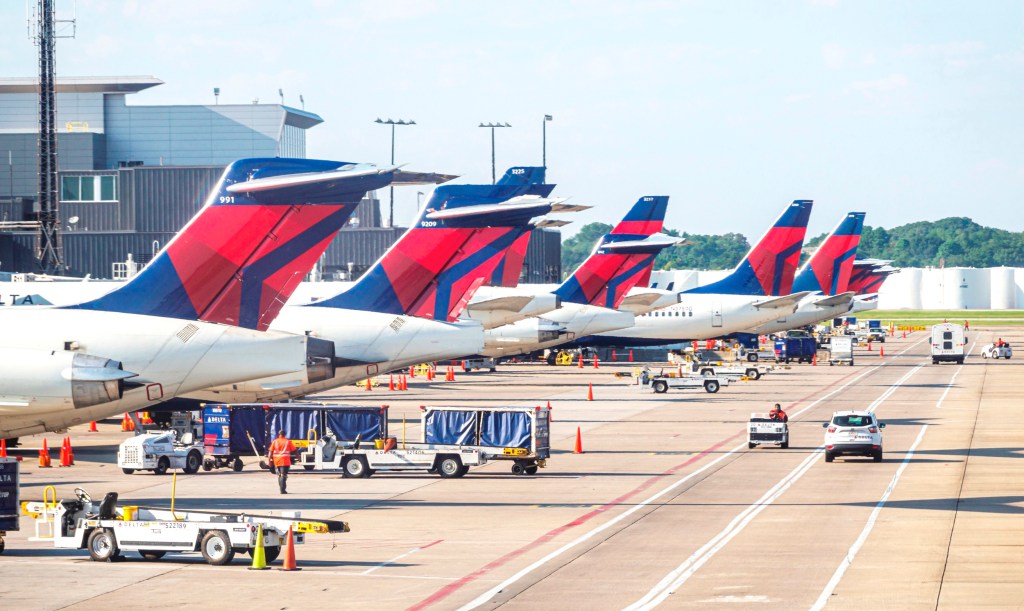
Contracción mercado aéreo europeo

AW | 2020 11 23 22:33  | AIRLINES MARKET

Tras segunda ola pandemia aviación europea retrocede

Eurocontrol_Isologotype

El tráfico aéreo europeo sigue disminuyendo, según cifras de Eurocontrol. En Agosto 2020, el tráfico de vuelos era casi la mitad de lo que era en 2019, alcanzando actualmente un 36,3 por ciento. Los Países Bajos ha mejorado sustancialmente com una media del 38,8 por ciento. Esto se debe en parte a la relativamente fuerte KLM, que se clasifica entre las cinco mayores aerolíneas europeas en promedio con una media de 291 vuelos al día. Sin embargo, KLM se redujo en un 13 por ciento con respecto a una semana anterior.

La contracción en el número de pasajeros es aún mayor, porque los aviones vuelan con una tasa de ocupación mucho menor de lo habitual. Pero Eurocontrol no realiza un seguimiento diario de estas cifras. Los expertos esperan una recuperación sustancial en abril o mayo como muy pronto, cuando la temporada de verano ha comenzado. Entonces, tal como está, una parte de la población será vacunada y también será mejor de nuevo, lo que es perjudicial para la propagación del virus.

Contraction of the European air market

KLM Transavia Schiphol

After second wave pandemic European aviation regresses

European air traffic continues to decline, according to figures from Eurocontrol. In August 2020, flight traffic was almost half of what it was in 2019, currently reaching 36.3 percent. The Netherlands has improved substantially with an average of 38.8 percent. This is partly due to the relatively strong KLM, which ranks in the top five largest European airlines on average with an average of 291 flights a day. However, KLM was down 13 percent from a week earlier.

The contraction in the number of passengers is even greater, because the planes fly with a much lower occupancy rate than usual. But eurocontrol does not keep track of these figures on a daily basis. Experts expect a substantial recovery in April or May at the earliest when the summer season has started. So as it is, a part of the population will be vaccinated and it will also be better again, which is detrimental to the spread of the virus.


PUBLISHER: Airgways.com
DBk: Eurocontrol.int / Luchtvaartnieuws.nl / Airgways.com
AW-POST: 202011232233AR

A\W   A I R G W A Y S ®

Batalla post-pandemia de aerolíneas

AW | 2020 11 23 10:45 | AIRLINES MARKET

Agencia Moody’s estima recuperación aviación hacia 2022

Moody’s Corporation ha anunciado que Andrea Blackman, Jefe Global de ESG, presentará en la Reunión Europea de Inversores de Atlantic Equities el Lunes 23 de Noviembre de 2020. Moody’s es una firma global de evaluación de riesgos que faculta a las organizaciones para tomar mejores decisiones. Moody’s Investors Service ofrece investigación financiera internacional sobre bonos emitidos por entidades comerciales y gubernamentales. Sus datos, soluciones analíticas e ideas ayudan a los responsables de la toma de decisiones a identificar oportunidades y gestionar los riesgos de hacer negocios con otros. Creemos que una mayor transparencia, decisiones más informadas y un acceso justo a la información abren la puerta a un progreso compartido. Con más de 11.400 empleados en más de 40 países, Moody’s combina presencia internacional con experiencia local y más de un siglo de experiencia en los mercados financieros.

Según Moody’s, los efectos de la pandemia seguirán afectando al transporte aéreo en 2021, según las previsiones que establece que mantiene una perspectiva negativa para las aerolíneas a nivel mundial, con unas pérdidas operativas de US$ 20.000 millones de Dólares en el próximo ejercicio. El marcado aumento de las infecciones por Coronavirus desde Septiembre 2020 y las nuevas restricciones de viaje, particularmente en Europa y Reino Unido, reducirán el número de viajes, de acuerdo con un informe de Moody’s. Las ganancias operativas de las aerolíneas se acercarán a los 6 mil millones de dólares en 2022, frente a los 29 mil millones de 2019, tras una pérdidas proyectadas de alrededor de 20 mil millones en 2021. La liquidez de la mayoría de las aerolíneas será suficiente para cumplir con sus obligaciones, siempre que las vacunas sean aprobadas para fines de 2021 e impulsen una recuperación sostenida de la demanda. La capacidad se reducirá en una media del 60% en 2021 respecto a la de 2019 y se espera que crezca el año que viene más rápido en Estados Unidos, Australia, América Latina y Asia que en los mercados europeos.

En el mejor escenario de recuperación de Moody’s, la capacidad de 2021 se reducirá en un 50% en comparación con 2019, con las vacunas disponibles en la primera mitad del año. Se producirá una mayor competencia de precios hasta 2021 en diversos grados a medida que las aerolíneas desplieguen el exceso de capacidad de aviones, principalmente en rutas nacionales.’ Sin embargo, a su juicio, la industria no abandonará la estrategia mayoritariamente uniforme de obtener rendimientos aceptables sobre el capital, una vez que se produzca la recuperación de la demanda. Los ingresos de las aerolíneas caerán casi un 70% en 2020, para recuperarse en 2021 a aproximadamente el 50% del nivel de 2019. Los márgenes operativos pasarán a ser positivos en 2022, después de ser menos negativos en 2021 en comparación con 2020.

Adaptar la capacidad al nivel de demanda y reducir los costes seguirán siendo prioridades mientras las empresas esperan el regreso de los clientes. Con perspectivas limitadas de una fuerte inflexión en la demanda de viajes en 2021, a menos que los países levanten las restricciones de la cuarentena, mantener una cobertura extendida del consumo diario de efectivo seguirá siendo primordial para sobrevivir a la espera de las vacuna, ha destacado Moody’s. Las aerolíneas tendrán mayores saldos de deuda, apalancamiento financiero y carga de intereses hasta al menos 2023 y el próximo año pondrá a prueba la fortaleza de los operadores con menor liquidez. La Asociación de Líneas Aéreas (ALA) ha apoyado este Jueves 19/11 la recomendación de la Comisión Europea (CE) para que se usen los test rápidos de antígenos para contener la propagación de la Covid-19 y que se puedan levantar las restricciones a la libre circulación.

Post-pandemic airline battle

Moody’s Agency estimates aviation recovery by 2022

Moody’s Corporation has announced that Andrea Blackman, Global Head of ESG, will present at the Atlantic Equities European Investor Meeting on Monday, November 23, 2020. Moody’s is a global risk assessment firm empowering organizations to make better decisions. Moody’s Investors Service offers international financial research on bonds issued by commercial and government entities. Your data, analytics solutions, and insights help decision makers identify opportunities and manage the risks of doing business with others. We believe that greater transparency, more informed decisions and fair access to information open the door to shared progress. With more than 11,400 employees in more than 40 countries, Moody’s combines an international presence with local expertise and more than a century of experience in the financial markets.

According to Moody’s, the effects of the pandemic will continue to affect air transport in 2021, according to forecasts that establish that it maintains a negative outlook for airlines worldwide, with operating losses of US $ 20,000 million in the next year. The marked increase in Coronavirus infections since September 2020 and new travel restrictions, particularly in Europe and the United Kingdom, will reduce the number of trips, according to a report from Moody’s. Airline operating profits will approach US$ 6 billion in 2022, down from US$ 29 billion in 2019, after a projected loss of around US$ 20 billion in 2021. Liquidity for most airlines will be sufficient to meet its obligations, provided the vaccines are approved by the end of 2021 and drive a sustained recovery in demand. Capacity will be reduced by an average of 60% in 2021 compared to 2019 and is expected to grow faster next year in the United States, Australia, Latin America and Asia than in European markets.

In Moody’s best-case recovery, 2021 capacity will be reduced by 50% compared to 2019, with vaccines available in the first half of the year. There will be increased price competition through 2021 to varying degrees as airlines deploy excess aircraft capacity, primarily on domestic routes. However, in his view, the industry will not abandon the largely uniform strategy of obtaining acceptable returns on capital, once demand picks up. Airline revenue will fall by almost 70% in 2020, to recover in 2021 to approximately 50% of the 2019 level. Operating margins will turn positive in 2022, after being less negative in 2021 compared to 2020.

Matching capacity to the level of demand and reducing costs will remain priorities as companies await the return of customers. With limited prospects for a sharp inflection in travel demand in 2021, unless countries lift quarantine restrictions, maintaining extended coverage of daily cash consumption will remain paramount to surviving while waiting for vaccines. Moody’s. Airlines will have higher debt balances, financial leverage and interest charges until at least 2023 and next year will test the strength of less liquid operators. The Airline Association (ALA) has supported this Thursday 19/11 the recommendation of the European Commission (EC) to use rapid antigen tests to contain the spread of Covid-19 and that restrictions on free movement can be lifted.


PUBLISHER: Airgways.com
DBk: Moodys.com / Airgways.com / Jeff Greenberg
AW-POST: 202011231045AR

A\W   A I R G W A Y S ®

AAPA Asia solicita apertura aviación

AW | 2020 11 18 10:51 | AIRLINES MARKET

Asociación AAPA solicita a los gobiernos reapertura rutas aéreas

Association_of_Asia_Pacific_Airlines_Islogotype

La Asamblea de la Asociación de Asia Pacífico Airlines (AAPA) ha celebrado durante su reunión virtual del 13 de Noviembre de 2020 se ha centrado en las políticas de los estados frente la supervivencia y la continuidad del mercado aéreo. La AAPA, junto a la Asociación Internacional de Transporte Aéreo (IATA) y el Consejo Internacional de Aeropuertos de Asia y el Pacífico (ACI Asia-Pacífico), han declarado conjuntamente su solidaridad y compromiso de trabajar con los gobiernos para reactivar los viajes aéreos.

Industria Asia-Pacífico

Con los viajes transfronterizos efectivamente en tierra, la crisis sanitaria mundial ha desencadenado pérdidas gigantescas para las aerolíneas, superando los valores aproximados de US$ 84.000 millones de Dólares en todo el mundo hacia finales 2020. Las aerolíneas de la Región Asia-Pacífico representarán más de un tercio de las pérdidas o US$ 29.000 millones de Dólares, debido a que represente uno de los mayores mercados en tráfico del mundo. Entre todas las regiones, la caída del tráfico es más pronunciada en la zona de Asia Pacífico. El estado de los viajes aéreos internacionales, con las aerolíneas de Asia Pacífico que actualmente transportan menos de 2 millones de pasajeros internacionales al mes, en comparación con los 39 millones al mes de 2019, es particularmente sombrío. Por consiguiente, la capacidad de los asientos en las rutas internacionales ha caído un 89% en comparación con 2019.

El mercado de rutas regionales continúa recuperándose paulatinamente, alcanzando un tráfico en 09/2020 que representa el 67% interanual, mientras que la capacidades nacionales se posicionan en el orden del 80%, beneficiándose de la relajación oportuna de las restricciones de viaje interno en algunos países. El mercado de la carga aérea es aún más resistente, lo que refleja una demanda relativamente mejor para el transporte de mercancías y suministros, y alcanzó el 83% de su nivel de 2019 en 09/2020.

Junto con la pérdida de ingresos de pasajeros, la drástica disminución de la capacidad internacional de afición también está limitando las cadenas de suministro mundiales. Frente a los cierres fronterizos indefinidos, las compañías aéreas están bajo una enorme presión para minimizar las pérdidas y ahorrar dinero en efectivo, mientras se esfuerzan por sobrevivir a la crisis. A lo largo de la pandemia, las aerolíneas asiáticas han perseverado para preservar la movilidad básica con los vuelos de repatriación, así como el transporte de carga esencial, alimentos y suministros médicos. La industria se ha decidido a adoptar las directrices de la OACI y aplicar medidas objetivas de gestión de riesgos para salvaguardar la seguridad y el bienestar de los viajeros.

Impacto pandémico

La actual pandemia ha tenido un impacto devastador en el sector de los viajes y el turismo de Asia y el Pacífico; tradicionalmente el mercado de más rápido crecimiento, con la mayoría de las diez mejores rutas de viajes aéreos en el mundo. Las restricciones de viaje y los requisitos generales de cuarentena de los gobiernos han inhibido gravemente los viajes aéreos internacionales. Las reimpresiones abruptas de los cierres fronterizos por parte de algunos países, debido al resurgimiento de los casos COVID-19, han amortiguado aún más una demanda actualmente débil. Después de tomar todos los medios posibles para evitar la pérdida de puestos de trabajo, incluyendo la reducción de vuelos, el aplazamiento de las entregas de aeronaves, la suspensión de todos los gastos no esenciales, la congelación del reclutamiento, la oferta de furloughs y los planes de jubilación anticipada, muchas aerolíneas de Asia y el Pacífico están anunciando ahora despidos de trabajo. Unos 1,8 millones de empleos directos de aviación en Asia Pacífico están potencialmente en riesgo, ya que la pandemia persiste y las fronteras siguen cerradas. En términos más generales, el sector del transporte aéreo representa el 3,1 por ciento del PIB de Asia y el Pacífico; esto pone de relieve el impacto más amplio de las restricciones de viaje en las comunidades y los medios de vida de la región. Como la primera región que se enfrenta a la pandemia COVID-19, la mayoría de las fronteras en la región de Asia-Pacífico han estado efectivamente cerradas durante varios meses; esto es a pesar de haber logrado una tasa de infección relativamente baja. Desafortunadamente, las restricciones de viaje descoordinadas y irregulares, junto con las cuarentenas de mantas, están obstaculizando la reanudación y el resurgimiento de los viajes aéreos.

Los esfuerzos de los gobiernos para iniciar carriles verdes, vías rápidas y corredores de viaje no han proporcionado mucho respiro de la diezma de la demanda en la región, debido a los onerosos requisitos de tales planes. Sin embargo, el lanzamiento de la burbuja de viajes Singapur-Hong Kong a finales de Noviembre 2020 es un paso positivo en la dirección correcta.

Perspectivas aéreas

La aviación continuará reverdeciendo a medida que disminuyan los índices de viralidad al entrar en escena las vacunas para la cura de la enfermedad. La industria debe aprender a adaptar y tranquilizar a los viajeros que se han adoptado medidas armonizadas y sensatas, basadas en pruebas. Un camino realista para reabrir gradualmente las fronteras podría comenzar con pares de ciudades, donde el nivel de riesgo es igualmente bajo y la respuesta al riesgo igualmente robusta, como recomendó la OMS. Una sólida colaboración multilateral entre los gobiernos para relajar las restricciones de viaje y los requisitos de cuarentena, sobre la base de la evaluación del riesgo y las pruebas médicas, será clave para el reinicio y la recuperación de la industria de la aviación. Se están aplicando activamente medidas mutuamente reconocidas y armonizadas, como los protocolos completos de pruebas previas a la salida, como una forma de reabrir las fronteras, sin imponer restricciones onerosas a los viajes.

La industria de la aviación de Asia-Pacífico sigue colaborando con los gobiernos en sus esfuerzos por armonizar las medidas transfronterizas, haciendo todo lo posible para reconstruir la confianza en los viajes aéreos. Al mismo tiempo, la industria está agudizando aún más su capacidad de respuesta a la aviación y a la seguridad sanitaria, así como su enfoque en los objetivos de descarbonización establecidos, con el fin de fortalecer su resiliencia y adaptabilidad para el futuro.

El Director General de la AAPA, Sr. Subhas Menon, dijo lo siguiente respecto a la evolución de la evolución de la actividad aerocomercial: «La aviación es un conector global, que desempeña un papel clave en el desarrollo social y económico, que se puede aprovechar para estimular la recuperación mundial de la pandemia. Es de esperar que los países que han contenido en gran medida el virus presten ahora su atención en la apertura de sus fronteras y la revitalización de los viajes y el turismo. La demanda de viajes transfronterizos volverá una vez que las condiciones sean propicias, como se ha visto con el repunte de los viajes domésticos una vez que se hayan levantado las restricciones. Los viajes y el turismo resurgente revitalizarían el esfuerzo mundial de recuperación».

AAPA Asia requests aviation opening

AAPA Association asks governments to reopen air routes

AW-Asia-pacific_Airlines

The Assembly of the Asia Pacific Airlines Association (AAPA) held during its virtual meeting on November 13, 2020, focused on the policies of the states regarding the survival and continuity of the air market. AAPA, along with the International Air Transport Association (IATA) and the Asia Pacific Airports Council (ACI Asia-Pacific), have jointly declared their solidarity and commitment to working with governments to revive air travel.

Industry in Asia-Pacific

With cross-border travel effectively on the ground, the global health crisis has unleashed gigantic losses for airlines, exceeding the approximate values ​​of US $ 84 billion worldwide by the end of 2020. Airlines in the Asia-Pacific Region will account for more than a third of the losses or US $ 29,000 million, due to the fact that it represents one of the largest markets in traffic in the world. Among all regions, the drop in traffic is most pronounced in the Asia Pacific area. The state of international air travel, with Asia Pacific airlines currently carrying fewer than 2 million international passengers a month, compared to 39 million a month in 2019, is particularly bleak. Consequently, seat capacity on international routes has fallen by 89% compared to 2019.

The regional routes market continues to recover gradually, reaching a traffic in 09/2020 that represents 67% year-on-year, while national capacities are positioned in the order of 80%, benefiting from the timely relaxation of internal travel restrictions in some countries. The air cargo market is even more resilient, reflecting relatively better demand for freight and supplies, reaching 83% of its 2019 level in 09/2020.

Along with the loss of passenger revenue, the drastic decline in international hobby capacity is also limiting global supply chains. Faced with indefinite border closures, airlines are under enormous pressure to minimize losses and save cash as they struggle to survive the crisis. Throughout the pandemic, Asian airlines have persevered to preserve basic mobility with repatriation flights, as well as the transport of essential cargo, food, and medical supplies. The industry has decided to adopt ICAO guidelines and apply objective risk management measures to safeguard the safety and well-being of travelers.

Pandemic impact

The current pandemic has had a devastating impact on the Asia Pacific travel and tourism sector; traditionally the fastest growing market, with most of the top ten air travel routes in the world. Government travel restrictions and general quarantine requirements have severely inhibited international air travel. Abrupt reprints of border closures by some countries, due to the resurgence of COVID-19 cases, have further dampened currently weak demand. After taking all possible means to avoid job losses, including reducing flights, postponing aircraft deliveries, suspending all non-essential expenses, freezing recruitment, offering furloughs, and For early retirement plans, many airlines in Asia Pacific are now announcing job layoffs. Some 1.8 million direct aviation jobs in Asia Pacific are potentially at risk as the pandemic persists and borders remain closed. More broadly, the air transport sector accounts for 3.1% of Asia-Pacific GDP; This highlights the broader impact of travel restrictions on communities and livelihoods in the region. As the first region to face the COVID-19 pandemic, most borders in the Asia-Pacific region have been effectively closed for several months; this is despite having achieved a relatively low infection rate. Unfortunately, uncoordinated and irregular travel restrictions, coupled with blanket quarantines, are hampering the resumption and resurgence of air travel.

Government efforts to initiate green lanes, expressways and travel corridors have not provided much respite from the declining demand in the region, due to the onerous requirements of such plans. However, the launch of the Singapore-Hong Kong travel bubble at the end of November 2020 is a positive step in the right direction.

Aerial perspectives

Aviation will continue to grow green as virality rates decline as vaccines to cure the disease enter the scene. The industry must learn to adapt and reassure travelers that harmonized and sensible, evidence-based measures have been adopted. A realistic path to gradually reopen borders could start with city pairs, where the level of risk is equally low and the response to risk equally robust, as recommended by the WHO. Strong multilateral collaboration between governments to relax travel restrictions and quarantine requirements, based on risk assessment and medical testing, will be key to the restart and recovery of the aviation industry. Mutually recognized and harmonized measures, such as comprehensive pre-departure testing protocols, are being actively applied as a way to reopen borders, without imposing onerous restrictions on travel.

The Asia-Pacific aviation industry continues to work with governments in their efforts to harmonize cross-border measures, doing everything possible to rebuild confidence in air travel. At the same time, the industry is further sharpening its aviation and health security response capabilities, as well as its focus on established decarbonization targets, in order to strengthen its resilience and adaptability for the future.

The Director General of AAPA, Mr. Subhas Menon, said the following regarding the evolution of the evolution of the commercial aviation activity: «Aviation is a global connector, which plays a key role in social and economic development, which can be leverage to spur a global recovery from the pandemic. Hopefully, countries that have largely contained the virus will now turn their attention to opening their borders and revitalizing travel and tourism. Demand for cross-border travel will return once conditions are right, as seen with the rebound in domestic travel once restrictions are lifted. Travel and resurgent tourism would reinvigorate the global recovery effort».


PUBLISHER: Airgways.com
DBk: Aapairlines.org / Iata.org / Aci-asiapac.aero / Scmp.com / Ap.com / Airgways.com
AW-POST: 202011181051AR

A\W   A I R G W A Y S ®

Supervivencia aviación post-pandemia

AW | 2020 11 17 08:48 | AIRLINES MARKET

Aerolíneas luchan por la sobrevivencia en el mercado aéreo

El nuevo escenario de la pandemia está obligando a muchas aerolíneas a defender su territorio. A lo largo de su historia, las aerolíneas han tenido que hacer frente a innumerables dificultades relacionadas a cuestiones coyunturales mundiales, como por ejemplos la depresión de los años 1930, la Segunda Guerra Mundial 1939-1945, la Crisis del Petróleo 1974, las desregulaciones aéreas en varios países, los atentados del 11-S 2001 en Estados Unidos, diferentes guerras con impactos en las economías regionales, entre muchas otras. Pero, sin dudas, la pandemia de Coronavirus ha traído desafíos de proporciones colosales a la industria del transporte aéreo y el turismo.

Los efectos de la crisis sanitaria mundial continuarán perdurando en el tiempo a medida que la industria y el transporte van restableciendo la confianza a la espera de las vacunas para la cura del Coronavirus. Pero los efectos económicos continuarán por un tiempo más hacia el futuro. En medio de este panorama, las aerolíneas continúan soportando sus pérdidas económicas en un marco de competencia que vuelve a asomar para aprovechar las oportunidades para expandirse tras las quiebras de varias líneas aéreas y un mercado cautivo para las que sobrevivan.

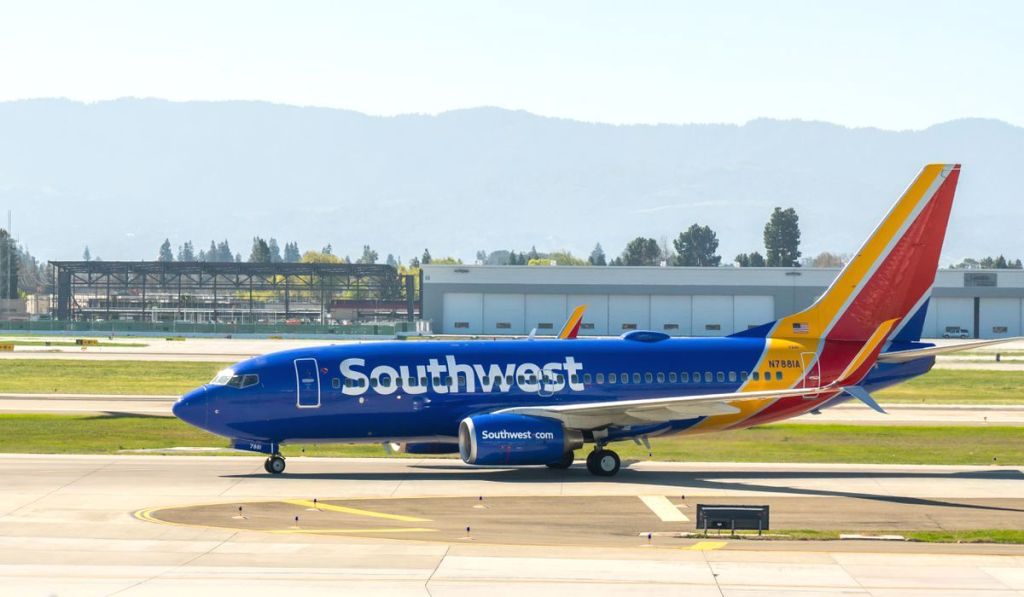
El caso de Southwest Airlines está aprovechando el momento, mientras los rivales luchan por sobrevivir, se la acusa de predatoria y oportunista. Incluso cuando los viajes aéreos languidecieron, los ejecutivos de Southwest Airlines se mudaron a ciudades desde Palm Springs, California, hasta Sarasota, Florida, para buscar nuevos mercados potenciales. La aerolínea está agregando cuatro ciudades más a su red este año y anunció planes para otras seis en 2021. No ha añadido aeropuertos tan rápidamente desde que se integró con AirTran Holdings, tras la compra de la aerolínea AirTran Airways en 2011. «Suena arriesgado abrir un montón de nuevas ciudades, pero la alternativa es peor. Podrías esperar hasta que Covid haya terminado. Pero eso es demasiado tiempo», dice Andrew Watterson, Director Comercial de Southwest.

A lo largo de su historia, Southwest ha aprovechado las oportunidades para invadir el territorio de sus rivales cuando estaban luchando. Si tuviera éxito esta vez, sería un excelente ejemplo de cómo algunas empresas estadounidenses, aprovechando la carnicería que las rodea, pueden salir de las crisis más fuertes. La apuesta de Southwest esta vez es particularmente llamativa, ya que la pandemia de Covid-19 no deja ilesa a ninguna aerolínea. United Airlines, American Airlines y Delta Air Lines han perdido juntos valores aproximados a los US$ 23.500 millones de Dólares este año hasta Septiembre 2020. Southwest Airlines ha perdido US$ 2.200 millones de Dólares en el período, en camino de romper una racha de rentabilidad de 47 años, y ha dicho a los sindicatos que los furloughs, los primeros en su historia, son inevitables a principios del próximo año 2021 sin recortes salariales ni estímulos gubernamentales.

Es el mismo panorama que se repite a lo largo y ancho del planeta de manera mas o menos parecida. Europa ha tenido una enorme contracción de mercado, especialmente de las grandes compañías, otras han desaparecido y desaparecerán del mapa europeo. América Latina y África también han sufrido el impacto de la pandemia aún con menos recursos de los Estados.

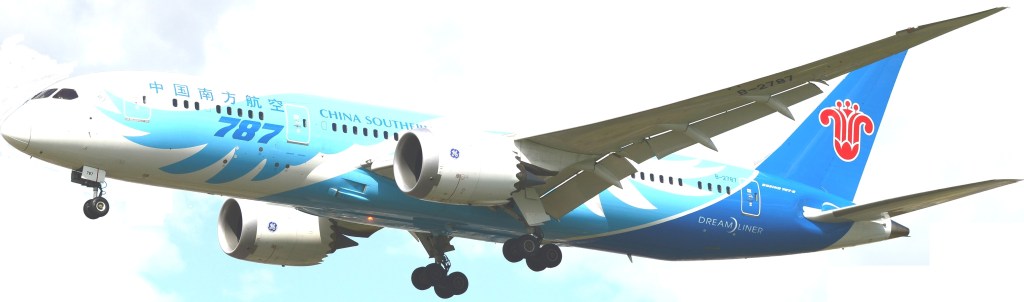
Asia continúa hacia una recuperación de la red de servicios aéreos, siendo China uno de los países donde estuvo focalizado el virus, el primero en reactivar su economía de manera significativa. China Southern Airlines ha sido una de las líneas aéreas que menos ha sufrido el impacto socio-económico, augurando reportar beneficios en sus últimos resultados financieros.

Perspectivas post-pandemia

La aviación seguirá focalizada en continuar volando a pesar de las dificultades económicas, donde muchas de las aerolíneas en el mundo están dejando de existir, pero otras se expandirán, otras renacerán, todo un gran ciclo que se recicla, pero que sin dudas corresponde decir que es la supremacía del más apto sobre el más indefenso.

Post-pandemic aviation survival

Airlines struggle to survive in the air market

The new scenario of the pandemic is forcing many airlines to defend their territory. Throughout their history, airlines have had to face innumerable difficulties related to global economic issues, such as the depreciation of the 1930s, the Second World War 1939-1945, the 1974 Oil Crisis, air deregulation. in several countries, the attacks of September 11, 2001 in the United States, different wars with impacts on regional economies, among many others. But, without a doubt, the Coronavirus pandemic has brought challenges of colossal proportions to the air transport and tourism industry.

The effects of the global health crisis will continue to endure over time as industry and transportation reestablish confidence in waiting for vaccines to cure Coronavirus. But the economic effects will continue for some time into the future. In the midst of this scenario, airlines continue to bear their economic losses in a framework of competition that reappears to take advantage of opportunities to expand after the bankruptcies of several airlines and a captive market for those who survive.

The Southwest Airlines case is seizing the moment, as rivals struggle to survive, it is accused of predatory and opportunistic. Even as air travel languished, Southwest Airlines executives moved to cities from Palm Springs, California, to Sarasota, Florida, to search for potential new markets. The airline is adding four more cities to its network this year and announced plans for another six in 2021. It has not added airports as quickly since it integrated with AirTran Holdings, following the purchase of AirTran Airways in 2011. «Sounds risky to open Lots of new cities, but the alternative is worse. You could wait until Covid is over. But that’s too long», says Andrew Watterson, Southwest’s Chief Commercial Officer.

Throughout its history, Southwest has seized opportunities to invade its rivals’ territory when they were fighting. If it were successful this time, it would be an excellent example of how some American companies, taking advantage of the carnage that surrounds them, can emerge from the strongest crises. Southwest’s gamble this time around is particularly striking, as the Covid-19 pandemic leaves no airline unharmed. United Airlines, American Airlines and Delta Air Lines have together lost values ​​of approximately US$ 23.5 billion this year through September 2020. Southwest Airlines has lost US$ 2.2 billion in the period, on the way to breaking a profitable streak 47, and has told unions that furloughs, the first in their history, are inevitable early next year 2021 without pay cuts or government stimulus.

It is the same panorama that is repeated throughout the planet in a more or less similar way. Europe has had a huge market contraction, especially of large companies, others have disappeared and will disappear from the European map. Latin America and Africa have also suffered the impact of the pandemic with even fewer State resources.

Asia continues towards a recovery of the air services network, with China being one of the countries where the virus was focused, the first to reactivate its economy in a significant way. China Southern Airlines has been one of the airlines that has suffered the least from the socio-economic impact, predicting to report benefits in its latest financial results.

Post-pandemic perspective

Aviation will continue to focus on continuing to fly despite economic difficulties, where many of the world’s airlines are ceasing to exist, but others will expand, others will be reborn, a great cycle that is recycled, but that without a doubt it should be said that it is the supremacy of the fittest over the most defenseless.


PUBLISHER: Airgways.com
DBk: Airgways.com / Forbes.com / Gettyimages.com
AW-POST: 202011170848AR

A\W   A I R G W A Y S ®

Argentina vs crisis aviación

AW | 2020 11 15 14:01 | AIRLINES MARKET / GOVERNMENT

La aviación incursiona en una crisis sin precedentes

El sector aeronáutico es uno de los más afectados a nivel mundial por la crisis de la actual pandemia. Sólo durante el primer semestre del año se cancelaron 7,5 millones de operaciones. La Asociación Internacional de Transporte Aéreo (IATA) ha estimado una pérdida de US$ 84,3 billones de Dólares para este año 2020 y una retracción de la demanda en torno al 54%, números que pregonan la mayor crisis del sector en la historia reciente de la aviación. Un gran número de países, al tiempo que aplicaron medidas de aislamiento social, cerraron las fronteras aéreas para limitar la propagación de los contagios. Según IATA, el indicador que muestra el tránsito de pasajeros marcó un piso histórico en Abril 2020, cuando registró una caída de 94,1% interanual.

Muchos de los gobiernos del mundo han permitido en sus aerolíneas ingresar como capitalizadores, en algunos ejemplos, como accionista mayoritario, una tendencia para salvaguardar el colapso de los grandes transportadores.

Europa

En Europa la actual crisis sanitaria pone en jaque a la industria del transporte que ha llevado a que distintos estados abran un paréntesis al respecto e implementen una batería de medidas que van desde el aplazamiento de pago de las tarifas aeroportuarias y de navegación aérea, hasta desembolsos millonarios.

Los primeros países en anunciar rescates financieros a las compañías aéreas fueron Alemania, Italia y Francia. Alemania aprobó un plan de ayuda de hasta € 9.000 millones para Lufthansa. El Estado alemán obtiene el 20% del paquete accionario de la firma. Italia definió en Abril 2020 llevar adelante la nacionalización de Alitalia que se encuentra en concurso desde 2017 por sus problemas financieros, formando parte de una aerolínea bajo la esfera estatal. La nueva aerolínea contará con una inyección de € 3.000 millones. En Francia, que posee un 14% del capital de Air France, anunció a fines de 04/2020 ha anunciado una inyección económica histórica de € 7.000 millones de Euros. España confirmó hace una semana la entrega de un préstamo de € 475 millones a devolver en seis años a Air Europa, la principal línea aérea de capital español. Se trata del primer desembolso de fondos públicos del estado español a una empresa afectada por la crisis del COVID-19. La mejora en los indicadores está traccionada por el mercado de vuelos de cabotaje, el cual comenzó a flexibilizarse en países de Europa a partir de Julio 2020.

América

En Julio 2020, Estados Unidos anunció el mayor programa de asistencia financiera de la historia al sector privado, que incluyó US$ 25.000 millones para compañías aéreas. Las ayudas gubernamentales no han alcanzado para soportar el retroceso económico de los mega-compañías, aún con el transporte aéreo abierto con algunas restricciones por parte de las líneas aéreas. Durante los últimos meses se observa una leve reactivación y recuperación del sector de la aviación, pero las nuevas olas de contagios no permiten avizorar un panorama alentador para los meses venideros, aunque la esperanza ahora está focalizada enn las vacunas para frenar al virus. Según el segmento del mercado que se analice, se observa una situación diferenciada respecto a América Latina, con una situación de mayor vulnerabilidad.

Asia

En el mercado asiático, con China en primer lugar, continúan superando las barreras y dificultades post-pandemia, alcanzado en particular el primer superhábit de la compañía China Southern Airlines en sus ejercicios económicos de este año 2020. En Septiembre 2020, la contracción fue de 43,3% interanual. China y Rusia tuvieron fuertes contribuciones a la mejora de este indicador, ya que ambos mercados están operando en niveles cercanos a la pre pandemia. Por otra parte, el mercado de vuelos internacionales continúa operando en mínimos históricos. Con una caída de 88,8% interanuales en 09/2020, tuvo un peor desempeño que en Agosto. Ello es resultado de que más de 70 países mantienen sus fronteras cerradas al turismo.

Aviación Argentina

La República Argentina, el espacio aéreo fue cerrado el 20 de Marzo de 2020, día en que se decretó el Aislamiento Social, Preventivo y Obligatorio (ASPO), operando únicamente vuelos humanitarios, de carga y de repatriación, alcanzando una contracción de mercado cercano al 995 según cifras presentadas por la Administración Nacional de Aviación Civil (ANAC). Después de siete meses y medio el Gobierno habilitaba a partir del 1 Noviembre 2020, con la publicación en el Boletín Oficial el 15/10 del Ministerio de Transporte la reanudación de los vuelos domésticos para usuarios esenciales, personas que deban realizar tratamientos médicos y por motivos de fuerza mayor, mostrando una tracción lenta hacia la normalización de los servicios aéreos. La baja de la curva de contagios podría mejorar las perspectivas de las siguientes fases sanitarias para comenzar a fomentar las conexiones interprovinciales, pero dependerá de la situación endémica.

El apoyo del Estado a Aerolíneas Argentinas ha representado una salvaguarda decisiva para evitar la quiebra de la aerolínea de bandera. Las medidas adoptadas en el marco de la pandemia, con la transferencia del Adelantos del Tesoro Nacional (ATN) por valores a AR$ 16.894 millones de Pesos ha permitido subsidiar a la compañía frente a un colapso inminente. El proceso de fusión de Austral Líneas Aéreas continúa frenado por las posturas sindicales y de accionistas.

AW-Argentina post-pandemia

El mayor impacto se ha sentido en el sector de las aerolíneas privadas, donde las aéreas como Flybondi Líneas Aéreas, JetSmart Airlines Argentina, Andes Líneas Aéreas, American Jet Líneas Aéreas, continúan sobreviviendo después de siete meses y medio sin asistencias y en un entorno de reapertura muy limitada y con dificultades políticas y logísticas por el conflicto con el Aeropuerto El Palomar.

Otras aerolíneas no pudieron soportar la puesta en tierra de la aviación por el tiempo prolongado establecido, arrastrando a Latam Airlines Argentina, Flyest Líneas Aéreas, LAER Líneas Aéreas y Avianca Argentina que continúa desprendiéndose de sus empleados.

Ante la falta de ayudas por parte del Estado y la desidia que fomenta las inacciones por parte de la política de turno, generan una indignación por parte de los ciudadanos que no hacen otra cosa que observar como el país va hacia una concentración de un mercado monopólico, estimulado entre bastidores, por parte de un Estado-dependiente de Aerolíneas Argentinas.

Perspectivas aéreas

El próximo escenario aéreo estará focalizado a garantizar a las líneas aéreas en Argentina trabajar en las mismas condiciones y reglas que en Aerolíneas Argentinas. Es imperante que el Gobierno de Argentina establezca definiciones claras respecto al Aeropuerto El Palomar y permita la continuidad de la aeroestación que ha generado un impacto positivo en el flujo de tráfico aéreo. Por otro lado, el Aeropuerto Jorge Newbery, que se espera concluir las mejoras que se están efectuando hacia Abril 2020, permitan la pluralidad de compañías aéreas argentinas que operen desde esta aeroestación, estimulando la creación de más líneas aéreas para trabajar en un entorno de economía abierta y diversificada.

Argentina vs aviation crisis

Aviation enters an unprecedented crisis

The aeronautical sector is one of the most affected worldwide by the crisis of the current pandemic. Only during the first half of the year 7.5 million operations were canceled. The International Air Transport Association (IATA) has estimated a loss of US$ 84.3 billion dollars for this year 2020 and a retraction in demand of around 54%, numbers that herald the biggest crisis in the sector in recent history of aviation. A large number of countries, while applying social isolation measures, closed air borders to limit the spread of infections. According to IATA, the indicator that shows passenger traffic marked a historic low in April 2020, when it registered a fall of 94.1% year-on-year.

Many of the world’s governments have allowed their airlines to enter as capitalizers, in some examples, as a majority shareholder, a trend to safeguard the collapse of the large carriers.

Europe

In Europe, the current health crisis puts the transport industry in check, which has led different states to open a parenthesis in this regard and implement a battery of measures that range from postponing payment of airport and air navigation fees, to disbursements millionaires.

The first countries to announce financial bailouts to airlines were Germany, Italy and France. Germany approved an aid plan of up to € 9 billion for Lufthansa. The German state obtains 20% of the firm’s share package. Italy defined in April 2020 to carry out the nationalization of Alitalia that has been in competition since 2017 due to its financial problems, forming part of an airline under the state sphere. The new airline will have an injection of € 3,000 million. In France, which owns 14% of the capital of Air France, announced at the end of 04/2020 has announced a historic economic injection of € 7,000 million euros. Spain confirmed a week ago the delivery of a € 475 million loan to be repaid in six years to Air Europa, the main airline with Spanish capital. It is the first disbursement of public funds from the Spanish state to a company affected by the COVID-19 crisis. The improvement in the indicators is driven by the domestic flight market, which began to become more flexible in European countries as of July 2020.

America

In July 2020, the United States announced the largest financial assistance program in history to the private sector, which included US$ 25 billion for airlines. Government aid has not been enough to support the economic decline of the mega-companies, even with open air transport with some restrictions on the part of the airlines. In recent months, a slight reactivation and recovery of the aviation sector has been observed, but the new waves of infections do not allow for an encouraging outlook for the coming months, although hope is now focused on vaccines to stop the virus. According to the market segment analyzed, a different situation is observed compared to Latin America, with a situation of greater vulnerability.

Asia

In the Asian market, with China in the first place, they continue to overcome post-pandemic barriers and difficulties, in particular the first super-habitat of the China Southern Airlines company in its financial years this year 2020. In September 2020, the contraction was of 43.3% year-on-year. China and Russia had strong contributions to the improvement of this indicator, since both markets are operating at levels close to the pre-pandemic. On the other hand, the international flight market continues to operate at historic lows. With a fall of 88.8% year-on-year in 09/2020, it had a worse performance than in August. This is the result of more than 70 countries keeping their borders closed to tourism.

Argentine aviation

The Argentine Republic, the airspace was closed on March 20, 2020, the day on which the Social, Preventive and Mandatory Isolation (ASPO) was decreed, operating only humanitarian, cargo and repatriation flights, reaching a market contraction close to 995 according to figures presented by the National Civil Aviation Administration (ANAC). After seven and a half months, the Government enabled as of November 1, 2020, with the publication in the Official Gazette on 10/15 of the Ministry of Transport, the resumption of domestic flights for essential users, people who must perform medical treatments and for reasons of force majeure, showing a slow traction towards the normalization of air services. The lowering of the contagion curve could improve the prospects for the next health phases to start promoting interprovincial connections, but it will depend on the endemic situation.

The support of the State to Aerolíneas Argentinas has represented a decisive safeguard to avoid the bankruptcy of the flag carrier. The measures adopted in the framework of the pandemic, with the transfer of the Advances from the National Treasury (ATN) for amounts of AR$ 16,894 million pesos, has allowed the company to be subsidized in the face of an imminent collapse. The Austral Líneas Aéreas merger process continues to halt due to union and shareholder positions.

The greatest impact has been felt in the private airline sector, where airlines such as Flybondi Líneas Aéreas, JetSmart Airlines Argentina, Andes Líneas Aéreas, American Jet Líneas Aéreas, continue to survive after seven and a half months without assistance and in an environment of Very limited reopening and with political and logistical difficulties due to the conflict with El Palomar Airport.

Other airlines could not withstand the grounding of aviation for the long established time, dragging Latam Airlines Argentina, Flyest Líneas Aéreas, LAER Líneas Aéreas and Avianca Argentina, which continues to shed its employees.

Faced with the lack of aid from the State and the laziness that encourages inactions on the part of the politics of the moment, they generate an outrage on the part of citizens who do nothing other than observe how the country goes towards a concentration of a monopoly market, stimulated behind the scenes, by a state-dependent Aerolíneas Argentinas.

Aerial perspectives

The next air scenario will be focused on guaranteeing the airlines in Argentina to work under the same conditions and rules as in Aerolíneas Argentinas. It is imperative that the Government of Argentina establish clear definitions regarding the El Palomar Airport and allow the continuity of the air station that has generated a positive impact on the flow of air traffic. On the other hand, Jorge Newbery Airport, which is expected to complete the improvements that are being made by April 2020, will allow the plurality of Argentine airlines that operate from this airstation, stimulating the creation of more airlines to work in an economic environment open and diversified.


PUBLISHER: Airgways.com
DBk: Airgways.com
AW-POST: 202011151401AR

A\W   A I R G W A Y S ®
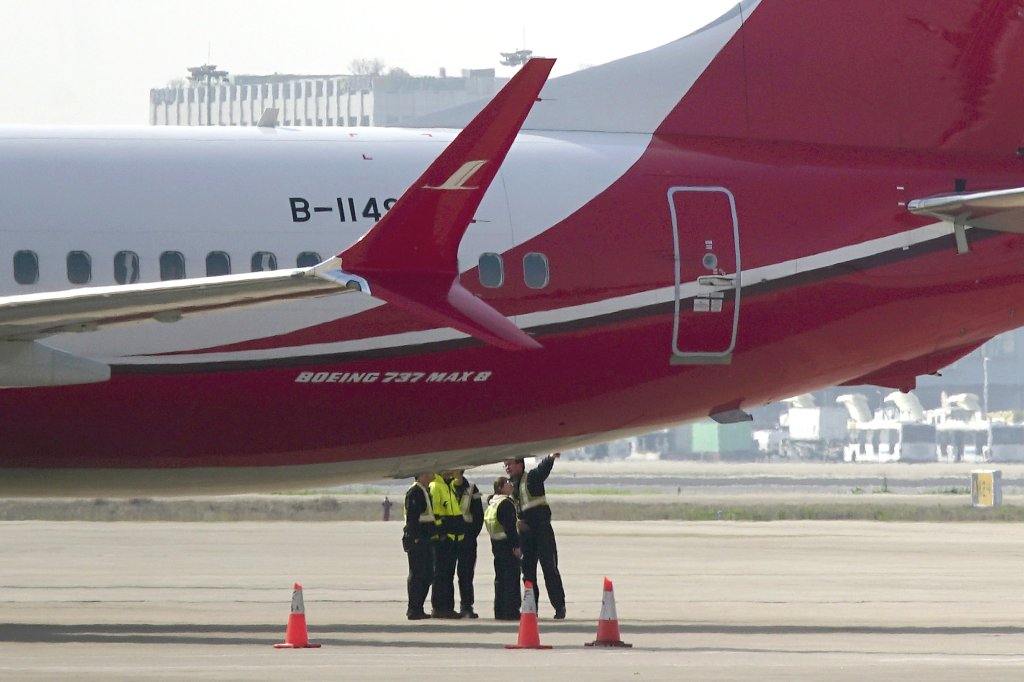
Aviación Argentina post-pandemia

AW | 2020 11 10 16:33 | AIRLINES MARKET / GOVERNMENT

Perspectivas período post-pandemia del mercado aerocomercial

AW-7378190100

La aviación comercial en la República Argentina continúa sincronizando uno de los períodos con mayor impacto económico-financiero a nivel mundial que atraviesan las industrias aeronáuticas, las aerolíneas, el turismo, entre muchas áreas afines al sector de la aviación. El proceso de adaptación a un nuevo escenario de mercado aéreo totalmente cambiado ha profundizado las preocupaciones por los efectos en Argentina, donde las aerolíneas han recibido el impacto en primera línea de batalla.

Aerolíneas Argentinas/Austral

La reapertura de los vuelos domésticos e internacionales ha permitido reactivar de manera ordenada el organigrama, pero razonablemente existe un comportamiento poco previsible en cuanto a la demanda esperada, logrando un coeficiente de ocupación casi al 100% como destinos Buenos Aires/EZE-Córdoba, pero con una demanda muy baja cercana al 5% en vuelos Buenos Aires/EZE-San Luis. La nueva etapa de apertura con protocolos biosanitarios y demás requisitos desorientan y desalientan a los viajeros por varios motivos, entre ellos, los valores de los precios de pasajes aéreos, la falta de estímulo en los usuarios del transporte y las condiciones económicas diezmadas, no generan demasiados incentivos en estos tiempos para volar. Aunque el período de reapertura continuará avanzando, Aerolíneas Argentinas, como empresa del Estado, ha salido muy fortalecida. Las asistencias del Tesoro Nacional con las partidas de asistencia económica por medio de subsidios, más la dominación de los cielos argentinos, concentrará una posición dominante en el mercado local.

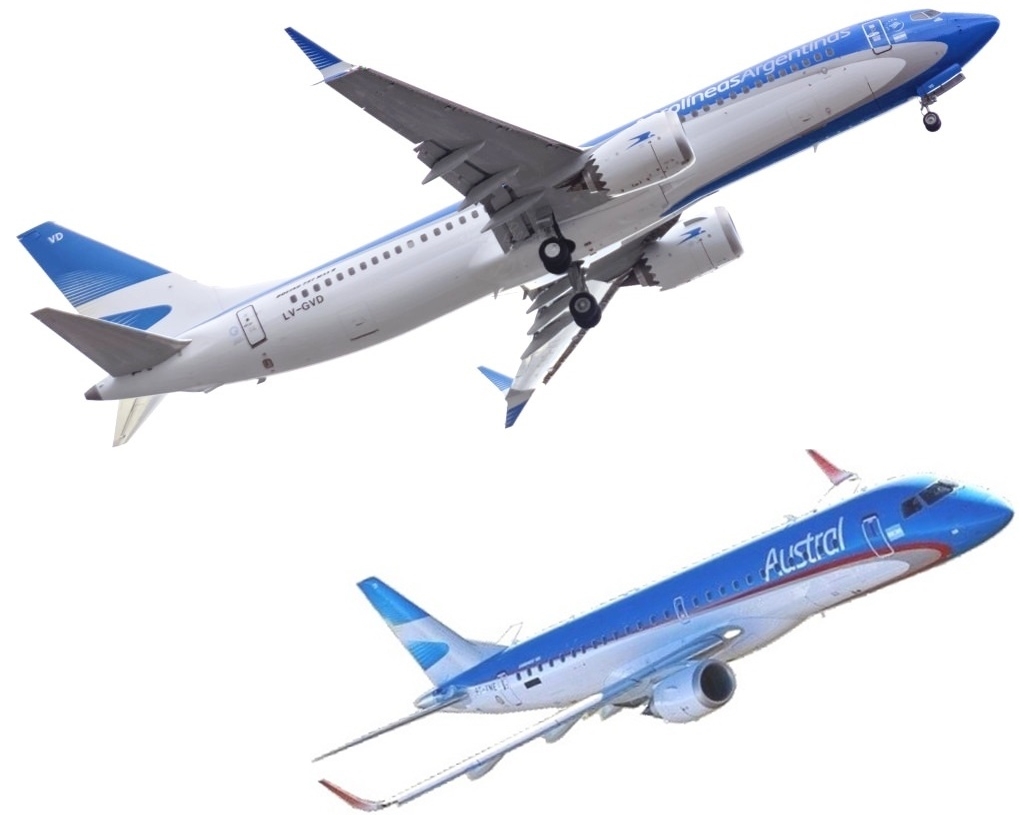
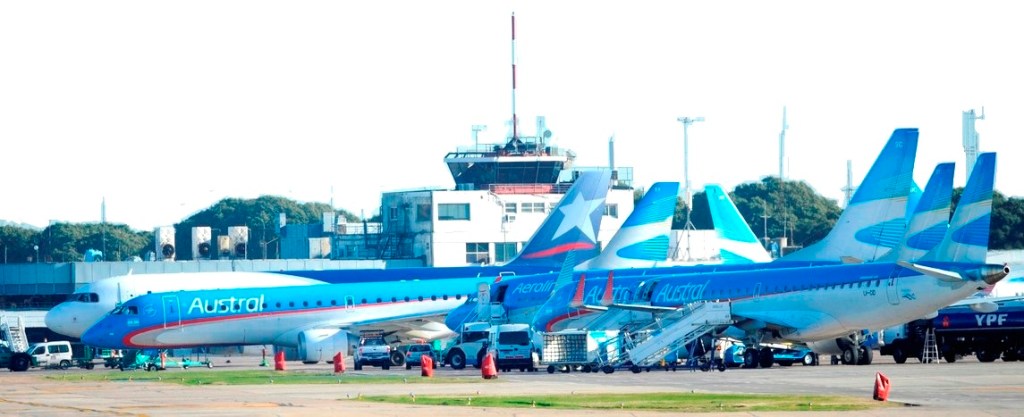
La continuidad de los procesos de fusión Aerolíneas/Austral continúan con algunos obstáculos por delante respecto a la línea de reclamos por parte de algunos sindicatos. Mientras tanto, la reestructuración de las flotas en las líneas aéreas del mundo aplica también a Argentina, donde la demanda se ha reducido drásticamente y la oferta de aeronaves sobreabunda actualmente. Desde la Gerencia de la compañía vuelve a circular en una vuelta al tema de la venta de las aeronaves Embraer E190-100AR de Austral Líneas Aéreas, un tema que no tiene una solución definitiva debido al litigio que había generado la compra sobrevaluada a Embraer S.A. Aquellas aeronaves se adquirieron a valores demasiado altos. La denuncia penal había validado un sobreprecio de US$ 5 millones de Dólares por cada uno de los aviones comprados, aunque no se ha avanzado con fuerza en la investigación judicial. Aunque Aerolíneas desea desprenderse de estas aeronaves, continúan imposibilitadas de venderlas a precios atractivos, más aún en las presentes circunstancias donde la oferta de aeronaves en el mercado es sobreabundante por la puesta en tierra de muchos aviones innecesarios por falta de mercado.

La imagen tiene un atributo ALT vacío; su nombre de archivo es aw-77004-clarin.jpg

Actualmente, Austral Líneas Aéreas posee en su flota activa 22 E190-100AR y almacenados 4 unidades. Desde la arena política nadie quiere asumir el costo en los balances contables por las pérdidas que ocasionará la posible venta de las aeronaves regionales, aunque delinean algunas opciones para no enfrentar el costo político de esta situación.

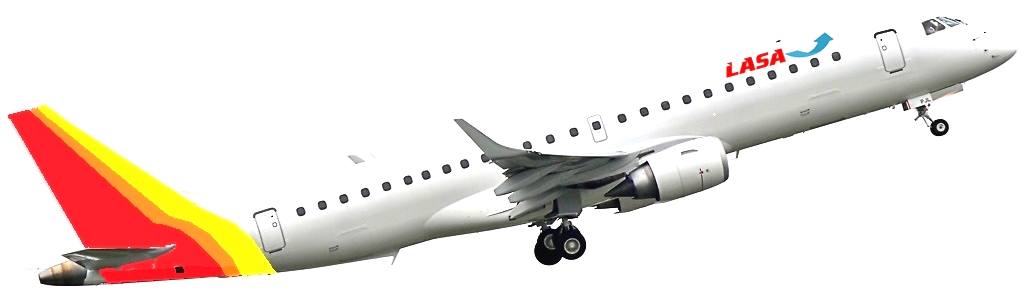
LASA Líneas Aéreas

LASA Líneas Aéreas es una compañía de la Región Patagonia, con sede en Neuquén que ha permanecido cerrada tiempo antes de la pandemia. El CEO Juan Carlos Silenzi, oportunamente ha acercado conversaciones con Aerolíneas Argentinas para adquirir algunos de los Embraer E190 para reactivar el proyecto en el sur del país. Tras las negociaciones con Aerolíneas, la compañía regional patagónica había solicitado no competir con ellos en algunas rutas, mientras que Aerolíneas busca una salida para desprenderse de las unidades regionales. El diario La Nación expresó metafóricamente: «Se busca aerolínea amiga para operar aviones Embraer a cambio de un acuerdo con Aerolíneas», lo que podría reflejar un acuerdo con subsidios como parte de las negociaciones.

Las conversaciones se iniciaron oportunamente en el período de pandemia. La idea de LASA Líneas Aéreas es que desde Neuquén se reactive la línea aérea patagónica, pero en la aerolínea estatal no están demasiado de acuerdo con despejar la Patagonia a cambio de abandonar la operación de los Embraer, aunque podría abrirse el paraguas con un acuerdo interlineal, al cobijo de las ayudas estatales.

Latam Airlines Argentina

Latam Airlines Argentina continúa la incertidumbre acerca de los destinos de la línea aérea. Actualmente se ha conocido los acuerdos de gran parte de sus empleados por indemnizaciones, solo resta una fuerza laboral minúscula que actualmente se encuentra dentro de la compañía.

JetSmart Airlines Argentina

La línea aérea low cost JetSmart Airlines Argentina es una de las compañías que aspira a lograr gran parte del mercado abandonado por Latam Argentina. Su disimulada posición objetiva de relación con el Gobierno de turno hace pretender posicionarse para convertirse en una verdadera competidora del mercado aéreo doméstico.

Avianca Argentina

Avian _Líneas Aéreas

Avian Líneas Aéreas, formalizó el despido de 60 empleados la semana pasada, formalizando las anuencias con el Gobierno se efectivizó el cese de la relación laboral. Avian ha solicitado acuerdos de complementariedad con Aerolíneas Argentinas para trabajar como compañía feeder en rutas de tercer nivel donde la demanda es más reducida.

Andes Líneas Aéreas

AW-Andes_70033

Andes Líneas Aéreas había anunciado la continuidad de sus operaciones, reactivando la línea Salta-Buenos Aires-Puerto Madryn. Pero continúa siendo otro interrogante. La aérea del Noroeste de Argentina ha devuelto varios aviones y las posibilidades de retorno de las operaciones se reducen a una mera expresión.

Flyest Líneas Aéreas

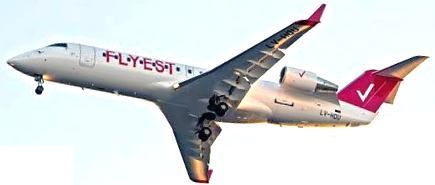
Flyest Líneas Aéreas, nacida como la heredera de Sol Líneas Aéreas. La firma había conseguido negociar el 90% de la deuda con los proveedores y busca desprenderse de la compañía para posicionarla para su venta. Flyest pertenece en un 63% al Grupo Transatlántica, un grupo inversor de capitales de Rosario, y un 37% a Grupo ILAI de España. La aerolínea regional posee actualmente dos Bombardier CRJ-200. Continúa en un compás de espera.

Flybondi Líneas Aéreas

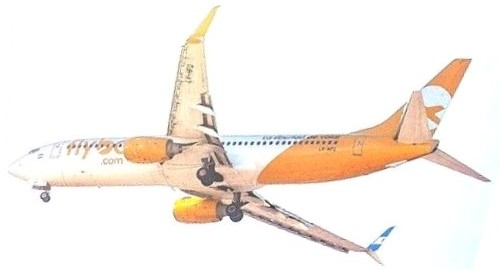
Flybondi Líneas Aéreas se mantiene a flote con una sola aeronave Boeing 737-800 activa y continúa presentando batalla por el reclamo de la reapertura del Aeropuerto El Palomar, mientras el Gobierno entre idas y vueltas, quiere cerrarlo definitivamente.

La primera low cost de la era de la Revolución de los Aviones continúa reclamando por los derechos de la reapertura del aeropuerto low cost, en tanto que JetSmart ha cambiado de estrategia para concentrarse en aceptar volar desde el Aeropuerto Internacional Ezeiza. Pero la posición de Flybondi es en tanto más radical, las decisiones han sido puesta sobre la mesa: volar desde el Aeropuerto El Palomar o abandonar las operaciones en Argentina, lo que provocaría que desde el Gobierno se enciendan las alarmas por posibles reclamos ante el organismo del Centro Internacional de Arreglo de Diferencias Relativas a Inversiones (CIADI) que es una institución de arbitraje internacional establecida en 1966 para la resolución de controversias legales y la conciliación entre inversores internacionales. El Gobierno tendrá que sentarse a negociar, pues Flybondi podría reclamar por los cambios en la regulación y su impacto en la inversión, un derecho que apelará, pero el Gobierno de turno deberá atender con cintura política para no repetir las pérdidas que han ocasionado al pueblo la pérdida del juicio y el pago de multas en el caso Aerolíneas-Marsans Group.

Perspectivas aéreas

Argentina continúa atravesando un período de turbulencias aéreas, donde el Gobierno es el principal gestor de las decisiones que demandarán las nuevas acciones en políticas de aeronavegación, aunque existen más incógnitas que certezas en el mercado aéreo. La aviación comercial en la Argentina post-cuarentena continuará atada a las decisiones que atienda el Gobierno de turno, mientras que la desidia ha dominado el actual escenario de los cielos argentinos.

Post-pandemic Argentine aviation

Post-pandemic outlook for the commercial aviation market

Commercial aviation in the Argentine Republic continues to synchronize one of the periods with the greatest economic-financial impact worldwide that the aeronautical industries, airlines, and tourism are going through, among many areas related to the aviation sector. The process of adapting to a completely changed air market scenario has deepened concerns about the effects in Argentina, where airlines have been hit on the front line.

Aerolíneas Argentinas/Austral

The reopening of domestic and international flights has allowed the organization to be reactivated in an orderly manner, but there is reasonably little predictable behavior in terms of expected demand, achieving an almost 100% opucation coherent as destinations Buenos Aires/EZE-Córdoba, but o with a very low demand close to 5% on flights Buenos Aires/EZE-San Luis. The new opening stage with biosanitary protocols and other requirements disorient and discourage travelers due to several reasons, among them, the prices of air tickets, the lack of stimulus in transport users and decimated economic conditions, do not generate too much incentive these days to fly. Although the reopening period will continue to advance, Aerolíneas Argentinas, as a State company, has emerged very strengthened. The assistance of the National Treasury with the economic assistance items through subsidies, plus the domination of the Argentine skies, will concentrate a dominant position in the local market.

The continuity of the Aerolíneas/Austral merger processes continue with some obstacles ahead regarding the line of claims by some unions. Meanwhile, the restructuring of the fleets in the world’s airlines also applies to Argentina, where demand has been drastically reduced and the supply of aircraft is currently overwhelming. The company’s Management once again circulates around the issue of the sale of the Embraer E190-100AR aircraft from Austral Líneas Aéreas, an issue that does not have a definitive solution due to the litigation generated by the overvalued purchase from Embraer S.A. Those aircraft were purchased at too high a price. The criminal complaint had validated a surcharge of US$ 5 million for each of the planes purchased, although no strong progress has been made in the judicial investigation. Although Aerolineas wishes to get rid of these aircraft, they continue to be unable to sell them at attractive prices, especially in the present circumstances where the supply of aircraft in the market is overabundant due to the grounding of many unnecessary aircraft due to lack of market.

Currently, Austral Líneas Aéreas has 22 E190-100AR in its active fleet and 4 units in storage. From the political arena, no one wants to assume the cost in the balance sheets for the losses that the possible sale of regional aircraft will cause, although they outline some options to avoid facing the political cost of this situation.

LASA Líneas Aéreas

LASA Líneas Aéreas is a company of the Patagonia Region, based in Neuquén that has been closed for some time before the pandemic. The CEO Juan Carlos Silenzi, has timely approached talks with Aerolíneas Argentinas to acquire some of the Embraer E190s to reactivate the project in the south of the country. After negotiations with Aerolíneas, the regional company Patagonian had requested not to compete with them on some routes, while Aerolíneas seeks a way out to get rid of the regional units. The newspaper La Nación metaphorically expressed: «A friendly airline is being sought to operate Embraer planes in exchange for an agreement with Aerolíneas», which could reflect an agreement with subsidies as part of the negotiations.

The talks started in a timely manner in the pandemic period. The idea of ​​LASA Líneas Aéreas is for the Patagonian airline to be reactivated from Neuquén, but the state airline does not agree too much with clearing Patagonia in exchange for abandoning the Embraer operation, although the umbrella could be opened with an interline agreement, under the shelter of state aid.

Latam Airlines Argentina

Latam_7320200

Latam Airlines Argentina continues the uncertainty about the destinations of the airline. Currently, the agreements of a large part of its employees for severance payments are known, only a miniscule workforce remains that is currently within the company.

JetSmart Airlines Argentina

The low cost airline JetSmart Airlines Argentina is one of the companies that aspires to achieve a large part of the market abandoned by Latam Argentina. Its disguised objective position in relation to the Government of the day makes it pretend to position itself to become a true competitor in the domestic air market.

Avianca Argentina

Avian Líneas Aéreas formalized the dismissal of 60 employees last week, formalizing the consent with the Government and the termination of the employment relationship was made effective. Avian has requested complementary agreements with Aerolíneas Argentinas to work as a feeder company on third-level routes where demand is lower.

Andes Líneas Aéreas

Andes Líneas Aéreas had announced the continuity of its operations, reactivating the Salta-Buenos Aires-Puerto Madryn line. But it continues to be another question. The Northwest Argentina Air Force has returned several aircraft and the possibilities of returning operations are reduced to a mere expression.

Flyest Líneas Aéreas

Flyest Líneas Aéreas, born as the heir to Sol Líneas Aéreas. The firm had managed to deny 90% of the debt with suppliers and seeks to divest itself of the company to position it for sale. Flyest is 63% owned by Grupo Transatlántica, a capital investment group from Rosario, and 37% by Grupo ILAI from Spain. The regional airline currently owns two Bombardier CRJ-200s. Continue in a waiting beat.

Flybondi Líneas Aéreas

Flybondi Líneas Aéreas remains afloat with a single active Boeing 737-800 aircraft and continues to fight for the claim to reopen El Palomar Airport, while the Government, between back and forth, wants to close it permanently.

The first low cost of the era of the Aircraft Revolution continues to claim for the rights to reopen the low cost airport, while JetSmart has changed its strategy to focus on accepting to fly from Ezeiza International Airport. But Flybondi’s position is more radical, the decisions have been put on the table: fly from El Palomar Airport or abandon operations in Argentina, which would cause the government to set off alarms for possible claims before the agency of the International Center for Settlement of Investment Disputes (ICSID) which is an international arbitration institution established in 1966 for the resolution of legal disputes and conciliation between international investors. The Government will have to sit down to negotiate, as Flybondi could complain about the changes in the regulation and their impact on investment, a right that will appeal, but the Government in turn will have to attend with a political waist so as not to repeat the losses they have caused the people the loss of the judgment and the payment of fines in the Aerolíneas-Marsans Group case.

Aerial perspectives

Argentina continues to go through a period of air turbulence, where the Government is the main manager of the decisions that the new actions in air navigation policies will demand, although there are more unknowns than certainties in the air market. Commercial aviation in post-quarantine Argentina will continue to be tied to the decisions made by the government in power, while laziness has dominated the current scenario of the Argentine skies.


PUBLISHER: Airgways.com
DBk: Airgways.com / Argentina.gob.ar / Lanacion.com.ar / Clarin.com
AW-POST: 202011101633AR

A\W   A I R G W A Y S ®

Primeras perspectivas aviación

AW | 2020 11 08 16:46 | AIRLINES MARKET / GOVERNMENT

Primeras perspectivas aéreas tras Presidenciales EEUU

El candidato Demócrata Joseph (Joe) Biden, de 78 años, ha obtenido las Presidenciales para el próximo liderazgo de Gobierno en los Estados Unidos a partir de Enero 2021 al arribar a la Casa Blanca acompañado de la californiana Kamala Harris, quien se convertirá en la primera mujer en ser Vicepresidenta. Tras el nuevo liderazgo de Joe Biden, la nueva política ha marcado los primeros movimientos de piezas respecto a la aviación mundial. La próxima Presidencia ha anunciado los primeros lineamientos con una fuerte posición marcando una tendencia hacia la desinversión en el áerea del petróleo, lo que se refleja un fuerte impacto de los combustibles en el sector de la aviación industria-comercial.

En el último debate contra Donald Trump, Joe Biden aseguró que volcaría sus energías en ir acabando con la industria del petróleo, el combustible insustituible actualmente para el negocio aéreo, encargado de canalizar los flujos de tráfico aéreo. El demócrata dijo que se planteaba que “en 2035 Estados Unidos fuera el primer país en emisión neta cero”.

La era Donald Trump, hasta la llegada de la pandemia, había defendido como sus dos grandes logros el boom económico y la ausencia de guerras, incluyendo el fin del terrorismo del Estado Islámico. Durante el mandato de Barak Obama, con Joseph Biden como Vicepresidente, el índice bursátil SP 500 se revalorizó un 66%, el Nasdaq un 100% y el Dow Jones un 48%, mientras durante el de Trump, lo hicieron en un 85%, un 192% y un 80%, respectivamente. El recorte de impuestos a ricos y empresas de Trump, en principio claramente impopulares, se demostró como la receta para disparar la economía hasta su máximo histórico, gracias a que ello conlleva el mejor fomento de la inversión, y los sueldos nunca subieron tanto para todos. Donald Trump se vio perjudicado electoral y mediáticamente por su personalidad estridente y su retórica agudamente agresiva y soez. El magnate terminó las guerras en las zonas calientes del mundo, mientras fomentó acuerdos de paz en Oriente Medio y con la que era su mayor amenaza hace un trieno, Corea del Norte. Por ello, hay líderes turísticos que vieron más allá del odio que despierta en la prensa el magnate, y le valoran por sus logros en mejorar la seguridad y el bienestar, y haber traído paz y prosperidad, más allá de las batallas virtuales en redes sociales y ficticias de las ruedas de prensa.

Joe Biden, lejos de la energía y carisma de Obama, afronta por tanto el obstáculo de un liderazgo menos arrollador que sus dos predecesores, que gracias a ello impusieron su visión de las relaciones internacionales, en el caso del Presidente número 44 a favor de la cooperación y el multilateralismo, y en el del número 45 renunciando a su papel de gendarme del mundo y contraprogramando el avance tecnológico del continente asiático, principalmente de China.

First perspectives aviation

The first aerial perspectives after US Presidential

Democratic candidate Joseph (Joe) Biden, 78, has obtained the Presidential elections for the next government leadership in the United States as of January 2021 by arriving at the White House accompanied by the Californian Kamala Harris, who will become the first woman to be Vice President. Following the new leadership of Joe Biden, the new policy has marked the first movement of parts regarding global aviation. The next Presidency has announced the first guidelines with a strong position marking a trend towards disinvestment in the oil area, which reflects a strong impact of fuels in the industrial-commercial aviation sector.

In the last debate against Donald Trump, Joe Biden assured that he would turn his energies into ending the oil industry, the currently irreplaceable fuel for the air business, in charge of channeling air traffic flows. The Democrat said that he was considering that «in 2035 the United States would be the first country in net zero emission».

The Donald Trump era, until the arrival of the pandemic, had defended as its two great achievements the economic boom and the absence of wars, including the end of terrorism by the Islamic State. During Barak Obama’s term, with Joseph Biden as Vice President, the SP 500 stock index appreciated 66%, the Nasdaq 100% and the Dow Jones 48%, while during Trump’s they did so by 85%, 192% and 80%, respectively. Trump’s tax cuts for the wealthy and businesses, clearly unpopular at first, proved to be the recipe for boosting the economy to its all-time high, thanks to the fact that it carries the best investment promotion, and salaries have never risen so much for everyone . Donald Trump was electorally and medialy damaged by his strident personality and sharply aggressive and vile rhetoric. The tycoon ended the wars in the hot zones of the world, while promoting peace agreements in the Middle East and with what was his greatest threat a trienno ago, North Korea. For this reason, there are tourism leaders who saw beyond the hatred that the tycoon arouses in the press, and value him for his achievements in improving security and well-being, and having brought peace and prosperity, beyond the virtual battles on social networks and fictitious press conferences.

Joe Biden, far from the energy and charisma of Obama, therefore faces the obstacle of a less overwhelming leadership than his two predecessors, who thanks to this imposed their vision of international relations, in the case of President number 44 in favor of the cooperation and multilateralism, and in that of number 45 renouncing his role as the world’s policeman and counterprogramming the technological advance of the Asian continent, mainly China.


PUBLISHER: Airgways.com
DBk: Airgways.com / House.gov
AW-POST: 202011081646AR

A\W   A I R G W A Y S ®