Plazo para start-up a aéreas en Argentina

AW-70089771

AW | 2017 12 15 14:33 | AIRLINES MARKET

El Gobierno de Argentina ha otorgado el plazo de un año para que las líneas aéreas inicien sus operaciones aéreas

A través del Decreto 1302, publicado ayer en el Boletín Oficial, el Ministerio de Transporte de Argentina fijó en un año el plazo que tienen las aerolíneas para conseguir todas esas constancias. El Ministerio de Transporte ha otorgado un año de plazo para que las empresas que se adjudicaron rutas aéreas en las Audiencias Públicas realizadas en Argentina, comiencen a volar. Si en ese plazo no obtienen el certificado de explotador de servicios aéreos (CESA), caducarán las concesiones.

Las empresas deben tramitar el Certificado de Explotador de Servicios Aéreos (CESA) para que certifiquen la compra o alquiler de aviones para cubrir esas rutas, y que esos equipos a su vez ya cuenten con las certificaciones que exige la Administración Nacional de Aviación Civil (ANAC). Además existen otros requisitos a cumplimentar. Vencido ese plazo, si la empresa no tiene sus aviones en vuelo, o no tiene los certificados que acrediten que esos aviones están en camino, se les quitará el permiso otorgado.

AW-7004477

Aprobaciones del Ministerio de Transporte
Hasta el momento, el Gobierno otorgó rutas a seis empresas: entre marzo y mayo 2017 otorgó el visto bueno a Andes Líneas Aéreas, American Jet Líneas Aéreas, Alas del Sur, Flybondi y Avianca. Esta semana salió la sexta autorización: el ministerio que encabeza Guillermo Dietrich otorgó permisos para cubrir 152 rutas a la europea Norwegian Air Argentina, de los cuales 72 son rutas de cabotaje y 80 son conexiones internacionales. Se trata de la primera de las aerolíneas que se presentaron a la segunda audiencia para solicitar nuevas rutas.

En espera de las certiificaciones aeronáuticas para la autorización están las otras líneas aéreas que se presentaron a audiencia de septiembre 2017 y ya tienen el visto bueno de la Junta Asesora de Transporte Aéreo (JATA). Las empresas son Argenjet, Avianca (ampliación de rutas), Buenos Aires International Airlines, LASA Líneas Aéreas, Royal Class, Polar Líneas Aéreas, SAPSA Líneas Aéreas y SEA. Algunas son aerolíneas que existen hace años y otras son nuevas. Otras, por el momento, sólo existen en los papeles. Según fuentes del ministerio, la resolución de ayer apunta precisamente a “poner un límite de tiempo a los adjudicatarios de las rutas”.

La situación de cada empresa, al menos en cuanto a los tiempos, es variada: Andes Líneas Aéreas fue la primera que comenzó a explotar sus nuevas rutas, con la incorporación de nuevos aviones y ayer anunció la incorporación de su tercer Boeing B737-800. Norwegian Air Argentina anunció que en enero 2018 incorporará su primer avión a su flota.

Avianca continuó con su star-up con vuelos a Rosario con aviones turbohélice ATR 72-600. Flybondi presentó su nuevo avión la semana pasada, pero la aeronave todavía tiene pendientes algunas certificaciones para comenzar a operar y recién comenzaría a hacerlo en enero 2017.

Alas del Sur, por el momento, sigue siendo una empresa en los papeles, todavía no presentó sus aviones. En cuanto a American Jet, una firma que hace vuelos ejecutivos desde la Patagonia, todavía no hizo públicos sus planes con las nuevas rutas.

Para todas las empresas, incluidas aquellas que disponen de la autorización para volar desde marzo, el plazo de un año comienza a correr a partir de la publicación de ayer en el Boletín Oficial. El decreto apuntaría a que las empresas autorizadas agilicen las tramitaciones y la puesta a punto de las líneas aéreas.  AIRWAYS® AW-Icon TXT

AW-70086445

Term for start-up to airlines in Argentina

The Government of Argentina has granted a period of one year for airlines to begin their air operations

Through Decree 1302, published yesterday in the Official Gazette, the Ministry of Transport of Argentina set a year the term that airlines have to get all these certificates. The Ministry of Transportation has granted a one-year deadline for companies that were awarded air routes in Public Hearings held in Argentina, begin to fly. If in that period they do not obtain the certificate of air service operator (CESA), the concessions will expire.

Companies must process the Air Services Operator Certificate (CESA) to certify the purchase or rental of aircraft to cover these routes, and that these teams in turn already have the certifications required by the National Civil Aviation Administration (ANAC) ). In addition there are other requirements to be fulfilled. Once this period has expired, if the company does not have its airplanes in flight, or does not have the certificates that prove that those airplanes are on the way, the permit granted will be removed.

Approvals from the Ministry of Transport
So far, the Government has granted routes to six companies: between March and May 2017 it granted approval to Andes Líneas Aéreas, American Jet Líneas Aéreas, Alas del Sur, Flybondi and Avianca. This week saw the sixth authorization: the ministry headed by Guillermo Dietrich granted permits to cover 152 routes to the European Norwegian Air Argentina, of which 72 are cabotage routes and 80 are international connections. It is the first of the airlines that showed up at the second hearing to request new routes.

Awaiting the aeronautical certifications for authorization are the other airlines that were presented for the September 2017 hearing and already have the approval of the Air Transport Advisory Board (JATA). The companies are Argenjet, Avianca (route expansion), Buenos Aires International Airlines, LASA Líneas Aéreas, Royal Class, Polar Líneas Aéreas, SAPSA Líneas Aéreas and SEA. Some are airlines that exist years ago and others are new. Others, for the moment, only exist in the papers. According to ministry sources, the resolution yesterday aims precisely to «put a time limit to the winners of the routes».

The situation of each company, at least in terms of time, is varied: Andes Líneas Aéreas was the first to start operating its new routes, with the addition of new aircraft and yesterday announced the addition of its third Boeing B737-800. Norwegian Air Argentina announced that in January 2018 it will incorporate its first aircraft into its fleet.

Avianca continued with its star-up with flights to Rosario with turboprop aircraft ATR 72-600. Flybondi presented its new plane last week, but the aircraft still has some certifications pending to start operating and would just start doing so in January 2017.

Alas del Sur, for the moment, is still a company in the papers, still did not present its aircraft. As for American Jet, a firm that makes executive flights from Patagonia, it has not yet made public its plans with the new routes.

For all companies, including those that have the authorization to fly from March, the term of one year begins to run from the publication yesterday in the Official Gazette. The decree would aim for authorized companies to speed up the processing and fine-tuning of airlines. A \ W


Ξ A I R G W A Y S Ξ
SOURCE:  Airgways.com
DBk: Argentina.gob.ar/transporte / Airgways.com
AW-POST: 201712151433AR

A\W   A I R G W A Y S ®

Retroceso en la aviación en Venezuela

AW | 2017 12 08 03:55 | AIRLINES MARKET

La aviación comercial en la República de Venezuela sufre por el escenario político-económico

El presidente ejecutivo de la Asociación de Líneas Aéreas Venezolanas (ALAV), Humberto Figuera, indicó que «cada vez que un avión cubre una ruta nacional ya pierde dinero porque mover el avión en una ruta de media hora le puede costar 10 o 12 millones de bolívares pero cuando vende los boletos recauda dos o tres millones».

Asimismo manifestó este jueves, que tal situación ya se había advertido y ocurrió porque no se tomaron las medidas adecuadas. En ese sentido, destacó que antes las líneas tenían hasta 20 rutas diarias, hoy solo tienen cuatro o hasta una semanal.

El presidente ejecutivo de ALAV subrayó que la disminución de las rutas aéreas nacionales es producto del control que ha establecido el Gobierno del Presidente de la República de Venezuela, Nicolás Maduro, sobre las tarifas de los vuelos.

IATA Venezuela

Por otro lado, la noticia sobre el levantamiento de las oficinas de la IATA en Venezuela, no hace otra cosa que aislar a la aviación de los recursos disponibles. Las operaciones de las aerolíneas y agencias de viajes se realizarán ahora vía electrónica. Para el envío de los reportes estadísticos u otros datos, lo harán con destino a Centroamérica y no IATA.

A partir del 31 de Enero de 2018, IATA operará desde Panamá tras anunciar este martes el cese de operaciones en Venezuela por el complejo escenario económico y político del país.

Retroceso aviación venezolana

El transporte público en Venezuela ha colapsado por falta de repuestos y combustible en el caso de los aviones, lo que ha puesto al país al borde de una parálisis peligrosa por tierra, mar y aire, que tiende a agravarse.

Unas doce aerolíneas han cesado sus operaciones en Venezuela desde 2014: Aerolíneas Argentinas, Air Canada, United Airlines, Alitalia, Delta Airlines, Avianca, Aeroméxico, Lufthansa, Gol Linhas Aéreas, Dynamic Airways, Inselair y Latam Airlines. Las aerolíneas también han reclamado al régimen de Venezuela el pago de una deuda de US$ 3.000 millones de dólares que nunca se ha saldado.

En los últimos meses, muchas aerolíneas internacionales también han dejado de repostar en el Aeropuerto Simón Bolívar de Maiquetía por fallos en el suministro de combustible y ahora lo hacen en Aruba.

En el éxodo de empresas e instituciones pone en jaque a la industria de la aviación. El caos aeronáutico se ha ampliado con una resolución oficial de suspender este martes el abastecimiento de combustible a los aviones en el aeropuerto de Barcelona, lo que ha dejado paralizado el tráfico aéreo nacional en el Este de Venezuela.

La escasez de combustible aeronáutico se debe a que el mayor complejo refinador de Venezuela en Amuay y Cardón (Estado de Falcón) redujo sus operaciones y procesa crudo a un 13% de su capacidad instalada tras registrarse nuevos incidentes en algunas de sus unidades, informó un líder sindical el martes, que citó una información interna de la petrolera estatal PDVSA.

La caída de las ventas en el mercado nacional, a pesar de la ola de venezolanos que buscan emigrar al exterior por la crisis económica y política, está afectando las arcas de las aerolíneas nacionales. La economía nacional ha caído un 12% entre Enero-Septiembre 2017. Según el Parlamentario José Guerra, «hemos pasado de la contracción, a la depresión y la recesión», afirma.

En efecto, debido al retiro de algunas compañías aéreas que operaban con aviones propios, desde los principales aeropuertos del país, se ha vuelto cada vez más evidente el deterioro del servicio aeroportuario, un problema coyuntural de Venezuela.

El número de butacas en vuelos semanales de aerolíneas internacionales disminuyó 63% en 4 años según cifras manejadas por la Asociación, dado que para el 2013 las cifras superaban los 352 vuelos disponibles en aerolíneas internacionales cada semana, sin embargo la frecuencia cayó a 121 para el segundo semestre de 2017. El parque aéreo de las aerolíneas venezolanas también está colapsando. De los 114 aviones que componen la flota aérea en Venezuela, sólo 35 aeronaves se encuentran totalmente operativas, informó Humberto Figuera.

Resultado de imagen para lineas aereas de venezuela

Aerolíneas venezolanas

Las catorce líneas aéreas que actualmente operan en Venezuela, existe un inventario que estremece por los informes de seguridad. La flota de aeronaves activas son informadas al 15 Julio 2017.

AeroAndinas tiene una aeronave operativa, Jetstream J31, con una edad promedio de 28 años.

Aeropostal tiene seis aeronaves MD-82, con una edad promedio de 26,8 años, de los cuales solo una aeronave se encuentra operativa.

Albatros Airlines posee seis aviones Embraer E-120, Cessna 208 y Boeing 737-500 con una edad promedio de 18,1 años. Mantiene en operaciones cuatro aviones y dos se encuentran en tierra.
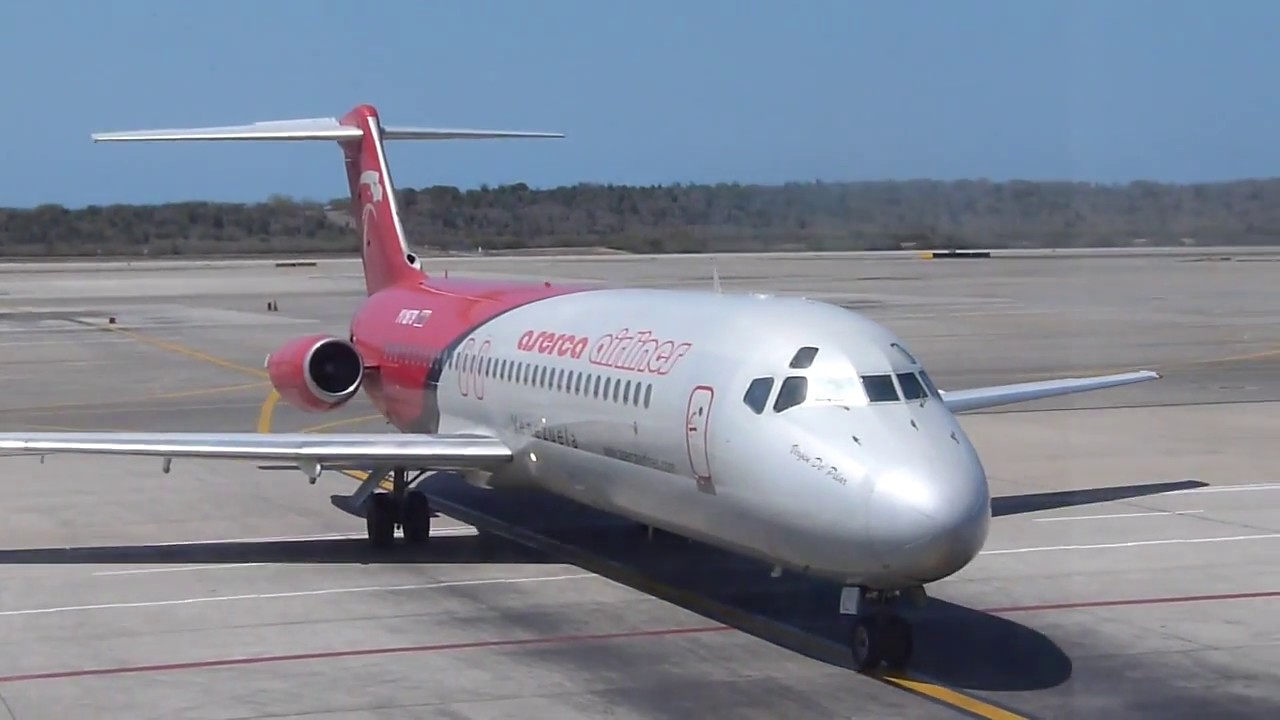
Resultado de imagen para Aserca Airlines

Aserca Airlines emplea 15 aeronaves MD-82 y MD-83 con una edad promedio de 25,2 años. De los 15 aviones de la flota, solamente están activos cuatro.

Avior Airlines tiene un parque aeronáutico de 24 aviones Airbus A340, Boeing 737-200, 300 y 500, y Fokker 50, con una edad promedio de 28 años. Del total de la flota solo diez entán volando. Actualmente está sufriendo los efectos del aislamiento en la región. La EASA de Europa le ha prohibido volar al viejo continente. Aruba también ha informado en esta semana la negación a volar a la isla.

Conviasa tiene una flota de 24 aviones: A340, Embraer E190 y Cessna 208B Caraban, con una edad promedio de sus aviones de 11,3 años. La flota activa es de 16 aviones (45,76%) y en mantenimiento de 24. La canibalización ha imperado ante la falta de divisas par ala compra de material aeronáutico.

Estelar Latinoamérica tiene seis aeronaves Boeing 737-200/300 con una edad promedio de 30 años. Tres aviones estánoperativos.

Laser Airlines tiene 12 MD81/MD-82 en su flota con una edad promedio de 26 años, y la mitad de la flota (6) en tierra.

Línea Turística Aéreotuy emplea tres aviones: ATR-42-300 y Dash 7, teniendo una edad promedio de 28 años. Posee dos fuera de actividad.

Perla Airlines tiene dos aviones MD-82/MD-83 con una edad promedio de 27,5 años. El toal de la flota se encuentra fuera de servicio.

SBA Airlines posee cuatro aviones Boeing 757/767 con una edad promedio de 26,2 años y se encuentran fuera de servicio dos aviones.

Rutaca Airlines tiene unos seis aviones Boeing 737-200/300 con una edad promedio de 33 años. La totalidad de las aeronaves se encuentran fuera de servicio. Las operaciones fueron suspendidas al 10 de Julio de 2017.

ravsa

Ravsa Venezolana posee seis aviones Boeing 737-200 y MD-82 con una edad promedio de 30 años, quedando operativas dos aeronaves.

Turpial Airlines posee una flota de tres aviones Boeing 737-400 con una edad promedio de 24 años. Todos su aviones se encuentran activos.

La flota total activa en Venezuela son de 54 aeronaves que representan un 45,76%. En mantenimiento programado o no programada: 59 aviones (50,84%). Long Term Storage: 3 Aviones (Laser Airlines) 2,54%. Un 1% representa al avión presidencial Embraer Lineage 1000 (0.82%).

Las aerolíneas de carga que operan en Venezuela son tres, que también tienen dificultades para su subsistencia.

Solar Cargo posee una flota de un avión DC-10-30 con una edad promedio de 34,8 años, se encuentra operativo.

Transcarga International Airways posee un aflota de cuatro aviones A300 B4F, Cessna402A-F, Embraer E120, con una edad promedio de 30 años, un solo avión operativo.

Vensecar Internacional tiene una flota de tres aeronaves ATR-42F y Boeing 737-400F con una edad promedio de 30 años. Todas sus aeronaves se encuentran activas.

Actualmente Venezuela no tiene permisos de nuevas Certificaciones de Registros de Aeronaves.

La gravedad de la crisis en la aviación golpea a toda la industria pues tiene un efectos colaterales en la industria del turismo y negocios. El égimen de aislamiento coloca a las líneas venezolanas en franco retroceso en el mundo de la aviación, un mundo que supo distinguirse la otrora aviación comercial venezolana. AIRWAYS® AW-Icon TXT

Retreat in aviation in Venezuela

Commercial aviation in the Republic of Venezuela suffers from the political-economic scenario

The executive president of the Venezuelan Airlines Association (ALAV), Humberto Figuera, indicated that «every time a plane covers a national route it loses money because moving the plane in a half hour route can cost 10 or 12 million bolivars, but when sell tickets collect two or three million».

He also said on Thursday, that such a situation had already been noticed and occurred because the appropriate measures were not taken. In this regard, he stressed that before the lines had up to 20 daily routes, today they only have four or even one weekly.

The executive president of ALAV stressed that the decrease in national air routes is a product of the control established by the Government of the President of the Republic of Venezuela, Nicolás Maduro, on flight rates.

IATA Venezuela

On the other hand, the news about the lifting of the IATA offices in Venezuela, does nothing but isolate aviation from the available resources. The operations of airlines and travel agencies will now be carried out electronically. For sending statistical reports or other data, they will do so to Central America and not IATA.

As of January 31, 2018, IATA will operate from Panama after announcing on Tuesday the cessation of operations in Venezuela due to the country’s complex economic and political scenario.

Recoil Venezuelan aviation

Public transport in Venezuela has collapsed due to lack of spare parts and fuel in the case of airplanes, which has put the country on the verge of dangerous paralysis by land, sea and air, which tends to worsen.

Some twelve airlines have ceased operations in Venezuela since 2014: Aerolineas Argentinas, Air Canada, United Airlines, Alitalia, Delta Airlines, Avianca, Aeromexico, Lufthansa, Gol Linhas Aéreas, Dynamic Airways, Inselair and Latam Airlines. The airlines have also claimed to the Venezuelan regime the payment of a debt of US $ 3,000 million that has never been paid.

In recent months, many international airlines have also stopped refueling at Simón Bolívar Airport in Maiquetía due to fuel supply failures and now they do so in Aruba.

The exodus of companies and institutions jeopardizes the aviation industry. The aeronautical chaos has been extended with an official resolution to suspend the supply of fuel to planes at the Barcelona airport on Tuesday, which has paralyzed national air traffic in eastern Venezuela.

The shortage of aeronautical fuel is due to the fact that the largest refining complex in Venezuela in Amuay and Cardón (Falcon State) reduced its operations and processes crude to 13% of its installed capacity after registering new incidents in some of its units, reported a union leader on Tuesday, who cited internal information from state oil company PDVSA.

The drop in sales in the domestic market, despite the wave of Venezuelans seeking to emigrate abroad due to the economic and political crisis, is affecting the coffers of national airlines. The national economy has fallen by 12% between January-September 2017. According to Parliamentarian José Guerra, «we have gone from contraction, to depression and recession», he says.

In fact, due to the withdrawal of some airlines operating with their own aircraft, from the main airports in the country, it has become increasingly evident the deterioration of the airport service, a short-term problem in Venezuela.

The number of seats on weekly flights of international airlines decreased 63% in 4 years according to figures handled by the Association, given that by 2013 the figures exceeded the 352 flights available on international airlines each week, however the frequency fell to 121 for the Second semester of 2017. The Venezuelan airline air fleet is also collapsing. Of the 114 aircraft that make up the air fleet in Venezuela, only 35 aircraft are fully operational, reported Humberto Figuera.

Venezuelan Airlines

The fourteen airlines that currently operate in Venezuela, there is an inventory that shudders by security reports.

AeroAndinas has an operational aircraft, Jetstream J31, with an average age of 28 years.

Aeropostal has six MD-82 aircraft, with an average age of 26.8 years, of which only one aircraft is operational.

Albatros Airlines has six aircraft Embraer E-120, Cessna 208 and Boeing 737-500 with an average age of 18.1 years. It keeps four aircraft in operation and two are on the ground.

Aserca Airlines employs 15 aircraft MD-82 and MD-83 with an average age of 25.2 years. Of the 15 aircraft in the fleet, only four are active.

avior.jpg

Avior Airlines has an aeronautical park with 24 aircraft Airbus A340, Boeing 737-200, 300 and 500, and Fokker 50, with an average age of 28 years. Of the total fleet only ten are flying. He is currently suffering the effects of isolation in the region. The EASA of Europe has forbidden it to fly to the old continent. Aruba has also reported this week the refusal to fly to the island.

Resultado de imagen para conviasa

Conviasa has a fleet of 24 aircraft: A340, Embraer E190 and Cessna 208B Caraban, with an average age of 11.3 years. The active fleet is 16 aircraft (45.76%) and maintenance of 24. The cannibalization has prevailed in the absence of foreign exchange for the purchase of aeronautical material.

Estelar Latinoamérica has six Boeing 737-200 / 300 aircraft with an average age of 30 years. Three aircraft are inoperative.

Laser Airlines has 12 MD81 / MD-82 in its fleet with an average age of 26 years, and half of the fleet (6) on land.

Línea Turística Aéreotuy employs three aircraft: ATR-42-300 and Dash 7, having an average age of 28 years. It has two out of activity.

Perla Airlines has two MD-82 / MD-83 aircraft with an average age of 27.5 years. The body of the fleet is out of service.

Boeing_767_SBA_Airlines_(13831042054).jpg

SBA Airlines has four Boeing 757/767 aircraft with an average age of 26.2 years and two aircraft are out of service.

Rutaca Airlines has about six Boeing 737-200 / 300 aircraft with an average age of 33 years. All of the aircraft are out of service. Operations were suspended as of July 10, 2017.

Ravsa Venezolana owns six Boeing 737-200 and MD-82 aircraft with an average age of 30 years, with two aircraft remaining operational.

Turpial Airlines has a fleet of three Boeing 737-400 aircraft with an average age of 24 years. All your aircraft are active.

The total active fleet in Venezuela is 54 aircraft, representing 45.76%. In scheduled or unscheduled maintenance: 59 aircraft (50.84%). Long Term Storage: 3 Aircraft (Laser Airlines) 2.54%. 1% represents the presidential airplane Embraer Lineage 1000 (0.82%).

The cargo airlines that operate in Venezuela are three, which also have difficulties for their subsistence.

Solar Cargo owns a fleet of a DC-10-30 airplane with an average age of 34.8 years, it is operative.

Transcarga Internacional Airways owns an aflota of four A300 B4F aircraft, Cessna402A-F, Embraer E120, with an average age of 30 years, a single operating aircraft.

Vensecar Internacional has a fleet of three ATR-42F and Boeing 737-400F aircraft with an average age of 30 years. All your aircraft are active.

Currently, Venezuela does not have permits for new Certificates of Aircraft Records.

The severity of the crisis in aviation hits the entire industry as it has a side effect in the tourism and business industry. The isolation regime places the Venezuelan lines in backward movement in the world of aviation, a world that distinguished the former Venezuelan commercial aviation. A \ W


Ξ A I R G W A Y S Ξ
SOURCE:  Airgways.com
DBk: Iata.org / Tierradegracia.net / Globovision.com / Informe21.com / Transcarga.aero / Eraldo Ruiz / Descifrado.com
AW-POST: 201712080355AR

A\W   A I R G W A Y S ®

Incremento modelo low-cost en Canadá

AW799888867

AW | 2017 12 02 16:05 | AIRLINES MARKET

Transport-Canada-696x365Resultado de imagen para Canada map PngCanadá experimenta una mayor competitividad en el sector de la aviación comercial
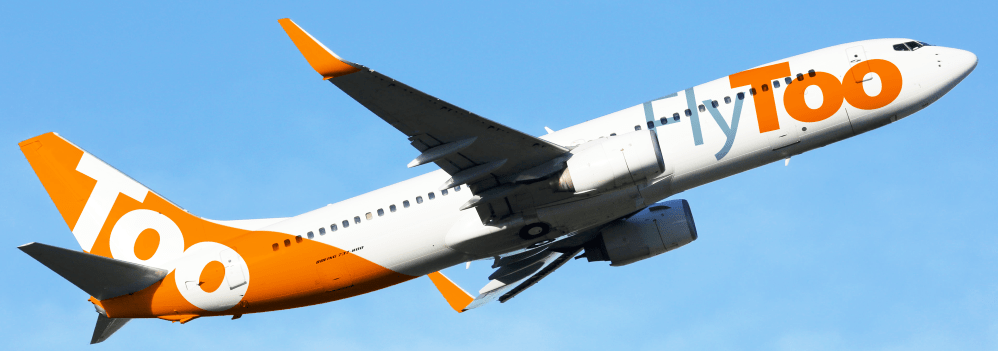
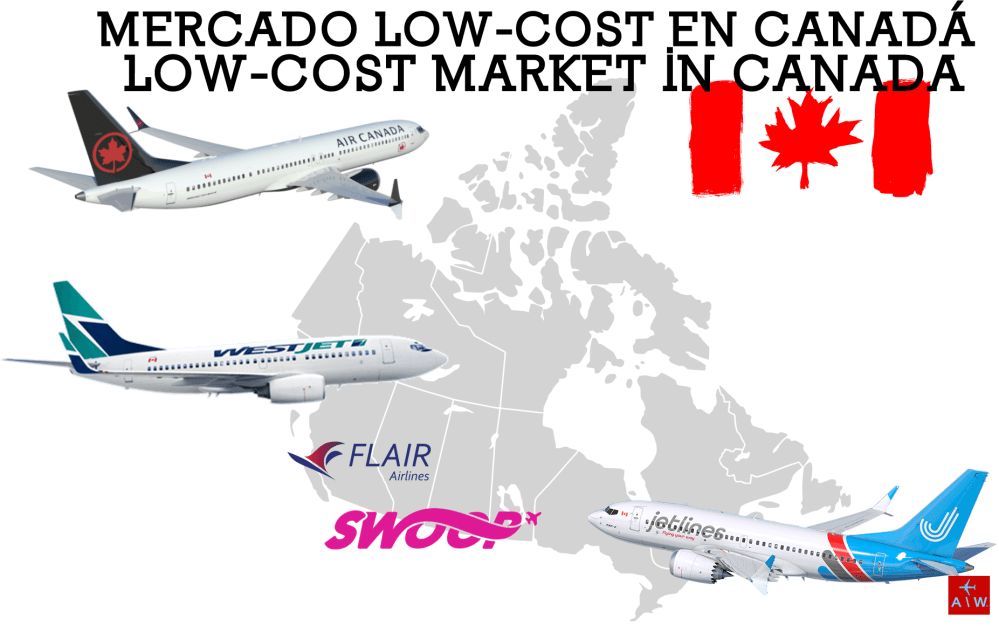
En la actualidad tres aerolíneas lanzarán o ampliarán sus servicios en Canadá durante el 2018. Todos afirman ser transportistas de ultra bajo costo, un modelo que ha fallado oportunamente.

El mercado canadiense de la aviación ha sido un baluarte para muchas compañías y para otras el principio del fracaso. La larga lista de aerolíneas en bancarrota como: Canadá 3000, Roots Air, Zoom, Jetsgo, CanJet, etc. incursionaron el el mercado promoviendo tarifas bajas y desafiaron a Air Canada.

Mercado ULCC canadiense

El mercado está segmentado con Air Canada y WestJet controlan el 71% del mercado local. Debido a la mayor competencia y el control de los costos, volar dentro del país suele ser más costoso que las rutas internacionales. Aproximadamente cinco millones de canadienses ingresan a través de la frontera de EEUU para salir de sus aeropuertos cada año para obtener un boleto más barato.

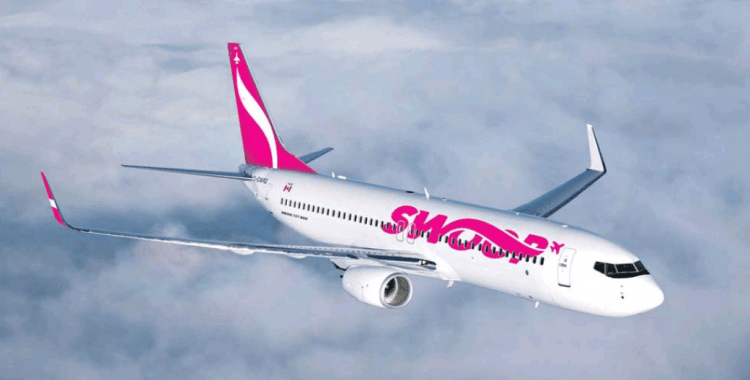
Canada Jetlines tiene como objetivo dar servicio a seis ciudades, incluidas Hamilton, Calgary y Abbotsford (BC) el próximo año. Flair Airlines ha estado operando como un servicio charter desde 2005 en Kelowna (BC) transformando en una ultra low cost (ULCC) después de adquirir la aerolínea NewLeaf Travel. Enerjet se lanzó como un servicio charter en 2006 desde Calgary (AL) y espera operar como ULCC bajo el nombre de FlyToo. WestJet, por su parte lanzará Swoop en el 2018.

Enerjet se ha asociado con Indigo Partners de Estados Unidos en el mercado ULCC. La Agencia Canadiense de Transporte todavía no ha firmado la estructura de acuerdos para la empresa FlyToo de Enerjet, incluso después de 11 meses de discusiones. FlyToo tiene esperanza de iniciar pronto y sostiene que tener inversores que entienden el modelo ULCC es clave, pues es un mercado muy competitivo al entrar en guerra de precios con los competidores. Canada Jetlines busca liquidez por U$D 55 millones para inyectar en la compañía, aunque el CEO Stan Gadek dice que la compañía no requiere el monto total antes del lanzamiento.

WestJet planea competir con Swoop. Algunos observan el lanzamiento como un movimiento defensivo para evitar que otras ULCC despeguen. «Se ha usado más como una herramienta anticompetitiva para impedir la puesta en marcha de operadores de ultra bajo costo que son independientes», dice Stan Gadek. FlyToo dice que Swoop solo valida el modelo de ULCC en Canadá, especialmente desde que los ejecutivos de WestJet solían descartarlo debido a la geografía y las tarifas aeroportuarias de Canadá.

Modelo Low-cost

El modelo funciona eliminando los costos del sistema. La tarifa aérea da derecho a los pasajeros a un asiento sin servicios extras. Los costos se reducen al mínimo imprimiendo una simple tarjeta o ticket de embarque, o cobrando por equipaje en bodega o maleta de mano. La eliminación de espacios entre asientos en la cabina de pasajeros o el tamaño de los mismos son más estrechos. «Es un modelo diferente de lo que los canadienses han visto antes.Tiene que haber un reconocimiento por parte de los consumidores de que obtendrán lo que pagan», dice Chris Murray, un analista de aerolíneas de AltaCorp Capital.

4925004ea52b8cff416c7261a7c1e104914846ce.png

Las nuevas aerolíneas tendrán más posibilidades de éxito ya que el gobierno federal elevó el límite de la propiedad extranjera de los operadores nacionales al 49% del 25% del 2016. Los empresarios de la aviación han lamentado durante mucho tiempo la falta de inversiones en las líneas aéreas dispuestas a asumir el riesgo en mayor proporciones, lo que generaba problemas financieros para los que hicieron un intento. Las nuevas reglas permitirán introducir capital fresco para minimizar los riesgos. Los nuevos jugadores en Canadá está comenzando de a poco, atendiendo algunas rutas, y esperando la expansíón cuando la demanda así lo exija.

Para tener éxito, los ULCC tienen que rebajar el precio de los boletos lo suficientemente bajo como para convencer a los pasajeros de una marcada difrencia de mercado.Algunos factores hacen que Canadá sea un mercado más desafiante que los Estados Unidos o Europa: debido a la geografía inmensa del país, la escasez de ciudades más pequeñas con suficiente demanda y tarifas aeroportuarias relativamente altas. Intervistas Consulting Group estima que 10 millones de canadienses más podrían volar con más frecuencia como resultado de las tarifas bajas. En el 2016, unos 43 millones de pasajeros fue el número de tráfico doméstico en Canadá.

Los pasajeros pueden esperar tarifas reducidas en un número pequeño de rutas menos convenientes y menos populares. Habrá que esperar a cómo los canadienses se desenvuelven con el modelo low-cost. El nuevo impacto de las aerolíneas ULCC es desafiante e interesante, convirtiendo a Canadá en un mercado prometedor.  AIRWAYS® AW-Icon TXT

AW799888867.png

Increase low-cost model in Canada

Canada experiences greater competitiveness in the commercial aviation sector

Currently three airlines will launch or expand their services in Canada during 2018. All claim to be ultra low cost carriers, a model that has failed timely.

The Canadian aviation market has been a bulwark for many companies and for others the principle of failure. The long list of bankrupt airlines such as Canada 3000, Roots Air, Zoom, Jetsgo, CanJet, etc. They entered the market promoting low rates and challenged Air Canada.

Canadian ULCC Market

The market is segmented with Air Canada and WestJet controlling 71% of the local market. Due to increased competition and cost control, flying within the country is usually more expensive than international routes. Approximately five million Canadians enter through the US border to leave their airports each year to obtain a cheaper ticket.

Swoop-e1506509129320.png

Canada Jetlines aims to service six cities, including Hamilton, Calgary and Abbotsford (BC) next year. Flair Airlines has been operating as a charter service since 2005 in Kelowna (BC) transforming into an ultra low cost (ULCC) after acquiring the airline NewLeaf Travel. Enerjet was launched as a charter service in 2006 from Calgary (AL) and expects to operate as ULCC under the name of FlyToo. WestJet, meanwhile, will launch Swoop in 2018.

Enerjet has partnered with Indigo Partners of the United States in the ULCC market. The Canadian Transportation Agency has not yet signed the agreement structure for Enerjet’s FlyToo company, even after 11 months of discussions. FlyToo is hopeful to start soon and argues that having investors who understand the ULCC model is key, as it is a very competitive market when entering into a price war with competitors. Canada Jetlines seeks liquidity for US $ 55 million to inject into the company, although CEO Stan Gadek says the company does not require the full amount before launch.

WestJet plans to compete with Swoop. Some observe the launch as a defensive move to prevent other ULCCs from taking off. «It has been used more as an anti-competitive tool to prevent the start-up of ultra-low cost operators that are independent,» says Stan Gadek. FlyToo says that Swoop only validates the ULCC model in Canada, especially since WestJet executives used to discard it because of Canada’s geography and airport fees.

Low-cost model

The model works by eliminating system costs. The air fare entitles passengers to a seat without extra services. Costs are reduced to the minimum by printing a simple boarding card or ticket, or charging for luggage in hold or carry-on bag. The elimination of spaces between seats in the passenger cabin or the size of the same are narrower. «It’s a different model than what Canadians have seen before. There has to be a recognition from consumers that they will get what they pay for», says Chris Murray, an airline analyst at AltaCorp Capital.

The new airlines will have more chances of success since the federal government raised the limit of foreign ownership of domestic operators to 49% of 25% in 2016. Aviation entrepreneurs have long lamented the lack of investment in the lines willing to assume the risk in greater proportions, which generated financial problems for those who made an attempt. The new rules will allow introducing fresh capital to minimize risks. The new players in Canada are starting little by little, attending some routes, and waiting for the expansion when demand demands it.

To be successful, ULCCs have to lower the price of tickets low enough to convince passengers of a marked market difference. Some factors make Canada a more challenging market than the United States or Europe: due to the immense geography of the country, the shortage of smaller cities with sufficient demand and relatively high airport charges. Interviews Consulting Group estimates that 10 million more Canadians could fly more frequently as a result of low rates. In 2016, about 43 million passengers was the number of domestic traffic in Canada.

Passengers can expect reduced fares on a small number of less convenient and less popular routes. We will have to wait for how Canadians move with the low-cost model. The new impact of the ULCC airlines is challenging and interesting, making Canada a promising market. A \ W


AW-Airgways.com-Jet

AW-Airgways Icon-web

Ξ A I R G W A Y S Ξ
SOURCE:  Airgways.com
DBk: Tc.gc.ca / Airgways.com
AW-POST: 201712021605AR

A\W   A I R G W A Y S ®

El Senado de EEUU descuenta impuesto a aerolíneas extranjeras

AW | 2017 12 02 13:51 | AIRLINES MARKET / GOVERNMENT

El Senado de Estados Unidos ha descontado impuestos de un total de U$D 200 millones para aerolíneas extranjeras con pocos vuelos en Estados Unidos

El Senado revocó una disposición tributaria antes de aprobar la legislación fiscal a primeras horas del sábado que habría costado a las aerolíneas extranjeras de los países que reciben pocos vuelos en EEUU alrededor de U$D 200 millones en la próxima década.

La provisión de impuestos surgió casi tres años después de que las tres mayores aerolíneas estadounidenses Delta, American y United pidieran formalmente al gobierno bloquear más vuelos de rivales de Medio Oriente y reabrir las negociaciones de Open Skies con los Emiratos Árabes Unidos y Qatar.

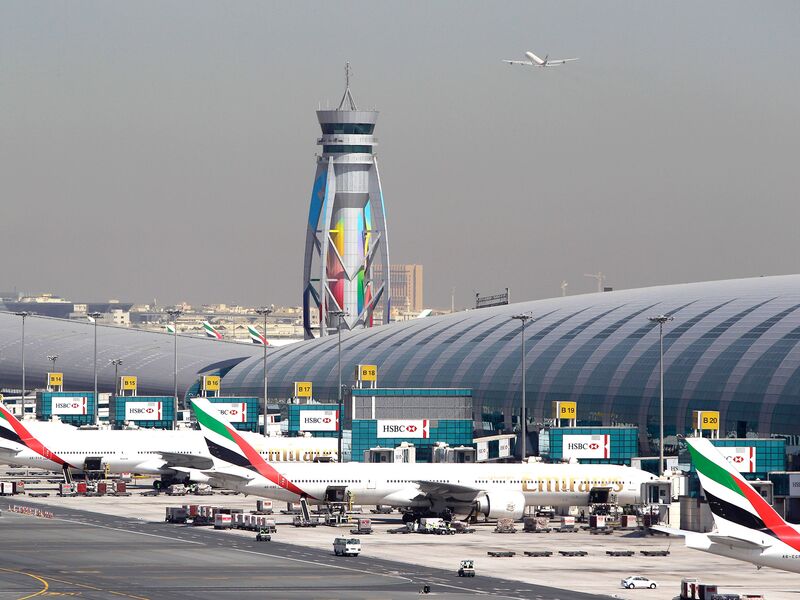
La disposición agregada en el Comité de Finanzas fue eliminada de la versión final del Proyecto de Ley de 479 páginas, que el Senado aprobó con una votación. La disposición de dos páginas tenía como objetivo proteger a los trabajadores de las aerolíneas de su estado de la competencia desleal. La disposición no mencionó a las aerolíneas de manera objetiva, pero la definición se ajusta a tres aerolíneas de Medio Oriente que han sido criticadas por años por rivales de los EEUU. Los críticos de la disposición dijeron que cuando se agregó que habría penalizado a las aerolíneas en 14 países, en lugar de solo tres aerolíneas estatales en los Emiratos Árabes Unidos y Qatar: Emirates, Etihad Airways y Qatar Airways. Un grupo de aerolíneas internacionales advirtió que la disposición podría provocar que otros gobiernos alrededor del mundo ataquen a las aerolíneas con nuevos impuestos.

La versión del proyecto de ley del Senado aún debe tratarse en la Cámara de Representantes, que no tenía una disposición destinada a aerolíneas extranjeras, para convertirse en ley.

Las aerolíneas generalmente pagan impuestos corporativos sobre ingresos solo en sus países de origen. La disposición habría eliminado esa exención para las líneas aéreas extranjeras que vuelan a los EEUU. Si sus países de origen reciben menos de dos llegadas y salidas semanales de las líneas aéreas de EEUU. Según el Comité Conjunto de Impuestos, la provisión le habría costado a las aerolíneas extranjeras U$D 200 millones en 10 años.

Las aerolíneas estadounidenses han argumentado que los operadores de Medio Oriente recibieron más de U$D 50 mil millones en una década en subsidios del gobierno, lo que esas aerolíneas negaron. En respuesta, las aerolíneas extranjeras han argumentado que las líneas aéreas de los Estados Unidos recibieron beneficios de la ley de quiebras y del gobierno que las de Medio Oriente no reciben.

La Asociación de Transporte Aéreo Internacional (IATA), expresó que la provisión de impuestos podría haber obstaculizado el viaje sin interrupciones que proporciona un boleto único porque los gobiernos cooperan en las regulaciones, incluidos los impuestos.

«Si se promulga, la disposición de Isakson revocaría décadas de precedentes, que los EEUU han apoyado durante mucho tiempo, en la tributación de la aviación internacional. Los gobiernos extranjeros, incluso aquellos que no están directamente afectados por el lenguaje propuesto, podrían verse tentados a seguir el ejemplo de los EEUU E imponer impuestos recíprocos», dijo Perry Flint, vocero del grupo de aerolíneas. AIRWAYS® AW-Icon TXT

Resultado de imagen para Senate USA building

US Senate discounts foreign airlines tax

Resultado de imagen para Senate USAThe United States Senate has discounted taxes of a total of US $ 200 million for foreign airlines with few flights in the United States

The Senate reversed a tax provision before approving tax legislation early Saturday that would have cost foreign airlines in countries that receive few flights in the US about $ 200 million in the next decade.

The provision of taxes came almost three years after the three largest US airlines Delta, American and United formally asked the government to block more flights from Middle East rivals and reopen the Open Skies negotiations with the UAE and Qatar.

The aggregate provision in the Finance Committee was removed from the final version of the 479-page Bill, which the Senate approved with a vote. The two-page provision was intended to protect airline workers in their state from unfair competition. The provision did not mention the airlines in an objective manner, but the definition is consistent with three Middle Eastern airlines that have been criticized for years by US rivals. Critics of the provision said that when it was added that it would have penalized airlines in 14 countries, instead of just three state airlines in the United Arab Emirates and Qatar: Emirates, Etihad Airways and Qatar Airways. A group of international airlines warned that the provision could cause other governments around the world to attack airlines with new taxes.

The version of the bill of the Senate still must be treated in the House of Representatives, that did not have a disposition destined to foreign airlines, to become law.

Airlines generally pay corporate taxes on income only in their countries of origin. The provision would have eliminated that exemption for foreign airlines flying to the US. If their countries of origin receive less than two weekly arrivals and departures from US airlines. According to the Joint Tax Committee, the provision would have cost foreign airlines US $ 200 million in 10 years.

US airlines have argued that Middle East operators received more than $ 50 billion in a decade in government subsidies, which those airlines denied. In response, foreign airlines have argued that US airlines received benefits from bankruptcy and government law that the Middle East does not receive.

The International Air Transport Association (IATA) said that the provision of taxes could have hampered the uninterrupted travel provided by a single ticket because governments cooperate in regulations, including taxes.

«If enacted, Isakson’s provision would revoke decades of precedent, which the US has long supported, in the taxation of international aviation. Foreign governments, even those not directly affected by the proposed language, may be tempted. to follow the example of the US and to impose reciprocal taxes», said Perry Flint, spokesman for the airline group. A \ W


Ξ A I R G W A Y S Ξ
SOURCE:  Airgways.com
DBk: Senate.gov / Aoc.gov / Thedailychronic.net
AW-POST: 201712021351AR

A\W   A I R G W A Y S ®

Air Nostrum amplían negocio aéreo

AW | 2017 11 24 17:25 | AIRLINES MARKET

15115384325609 (2)Grupo ILAI emprende negocios en Irlanda, Malta, Argentina y Paraguay
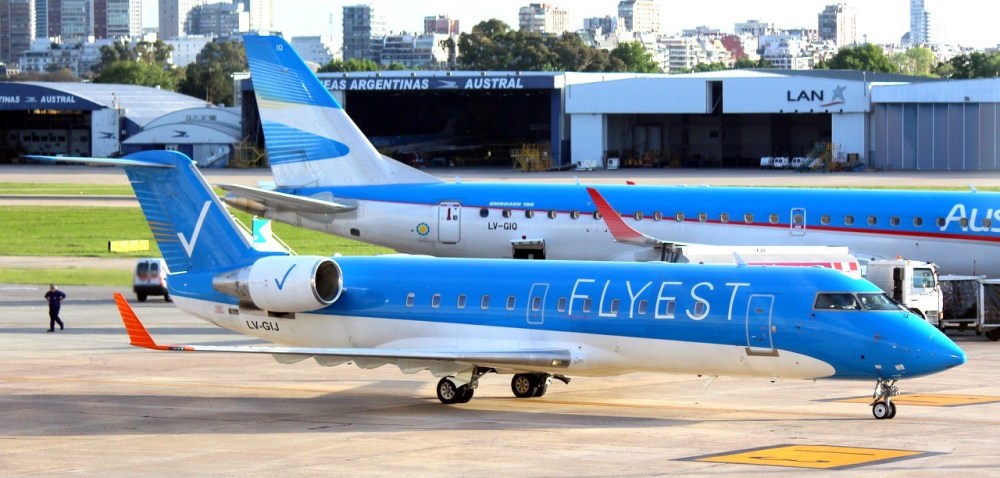
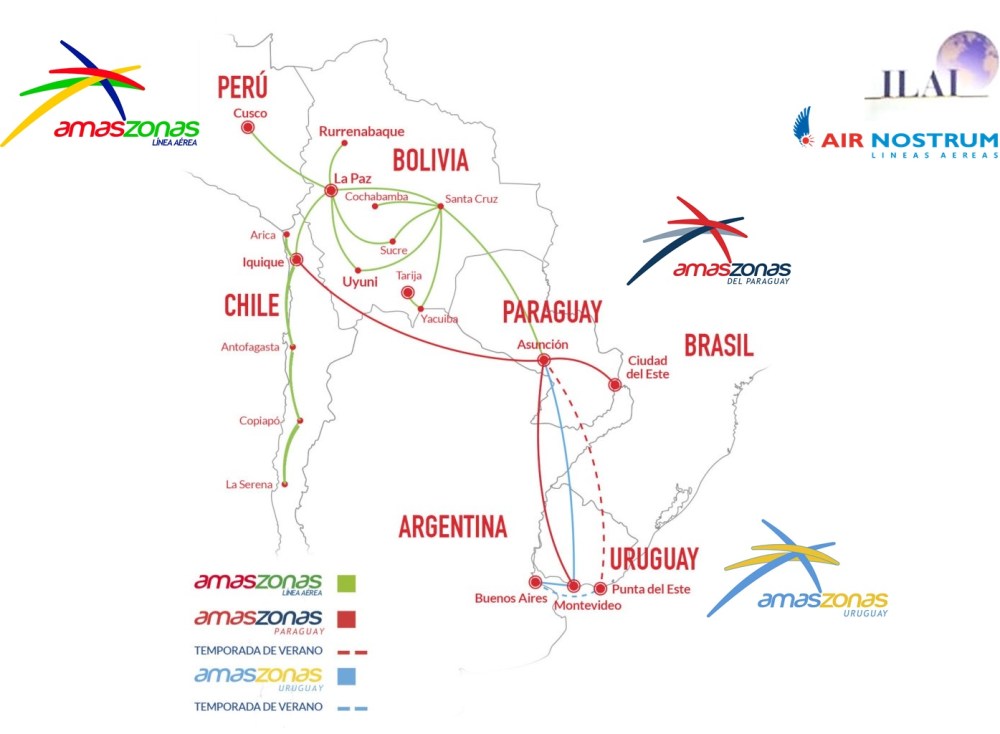
La compañía Inversiones Líneas Aéreas Internacionales (ILAI), que fue creada por los socios de Air Nostrum de España en 2014. Esta empresa ha contribuido a la creación de seis nuevas líneas aéreas en Irlanda, Malta, Argentina y Paraguay.

El consejero delegado de Air Nostrum, Carlos Bertomeu, ha explicado hoy en rueda de prensa que ILAI tiene como objetivo ampliar la cartera de negocios de la empresa «evitando mayores riesgos financieros para Air Nostrum».

En Irlanda, son propietarios de Hibernian Airlines, una compañía que está especializada en ofrecer servicios de arrendamiento de aeronaves con tripulación a aerolíneas del centro y del norte de Europa en la que tanto el soporte técnico como el mantenimiento se contratará a Air Nostrum. Saimer, es otra empresa de alquiler de aeronaves y el suministro de flota aa aerolíneas.

ILAI, en Malta, ha adquirido el 5 % de una aerolínea regional maltesa Medavia. Carlos Bertomeu indicó el interés por su «estratégica situación geográfica en el centro del mar Mediterráneo». Posee una flota de cuatro aviones turbohélices que presta servicios de transporte aéreo a empresas petroleras y de gas y a organizaciones humanitarias.

Flyest-CRJ200-LV-GIJ-en-Aeroparque.jpg

En Argentina está de la mano de Flyest Líneas Aéreas proveedor de vuelos chárter para equipos de fútbol, tour-operadores y clientes corporativos y otras líneas aéreas como LASA Líneas Aéreas.

AW-700088977.jpg

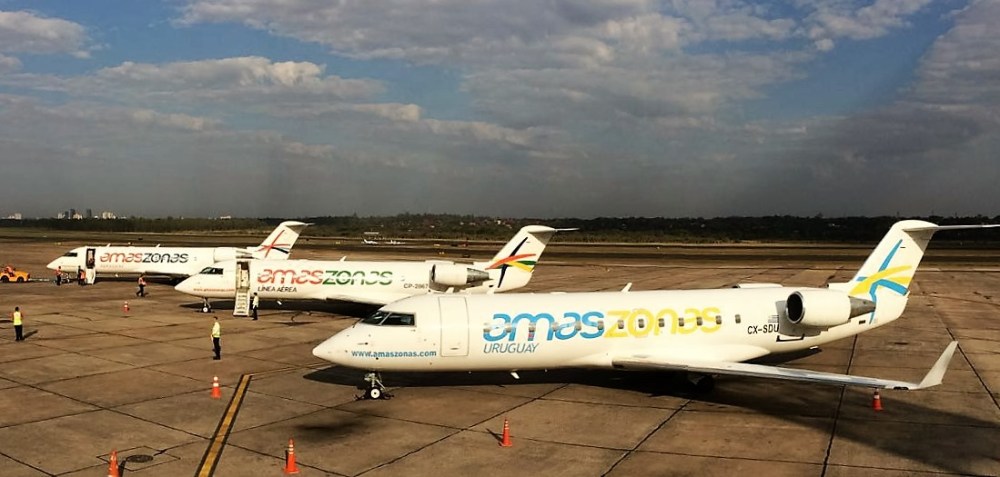
Resultado de imagen para amaszonas paraguay logoEn Paraguay son propietarias de la aerolínea regional Amaszonas Paraguay, Amaszonas Bolivia y Amaszonas Uruguay. Todas las subsidiarias emplean aeronaves Bombardier CRJ-200ER conectando diferentes puntos de la región. Han realizado ANTA, el primer taller de mantenimiento en Paraguay por parte de ILAI, fuera de España. ANTA se han marcado como objetivo la construcción de un taller más grande para 2018 de aproximadamente 5.000 metros cuadrados. AIRWAYS® AW-Icon TXT

AW-7877444122

Air Nostrum expand air business

Grupo ILAI undertakes business in Ireland, Malta, Argentina and Paraguay

The company Inversiones Líneas Aéreas Internacionales (ILAI), which was created by the partners of Air Nostrum of Spain in 2014. This company has contributed to the creation of six new airlines in Ireland, Malta, Argentina and Paraguay.

The CEO of Air Nostrum, Carlos Bertomeu, explained today at a press conference that ILAI aims to expand the business portfolio of the company «avoiding greater financial risks for Air Nostrum».

In Ireland, they own Hibernian Airlines, a company that specializes in providing aircraft leasing services with crew to central and northern European airlines where both technical support and maintenance will be contracted to Air Nostrum. Saimer, is another aircraft rental company and the supply of aa airlines fleet.

ILAI, in Malta, has acquired 5% of a regional Maltese airline Medavia. Carlos Bertomeu indicated the interest for his «strategic geographical situation in the center of the Mediterranean Sea». It has a fleet of four turboprop aircraft that provide air transportation services to oil and gas companies and humanitarian organizations.

In Argentina, Flyest Líneas Aéreas is the provider of charter flights for football teams, tour operators and corporate clients and other airlines such as LASA Líneas Aéreas.

Amaszonas

In Paraguay, they own the regional airline Amaszonas Paraguay, Amaszonas Bolivia and Amaszonas Uruguay. All subsidiaries use Bombardier CRJ-200ER aircraft connecting different points in the region. ANTA, the first maintenance workshop in Paraguay by ILAI, outside of Spain. ANTA has set itself the goal of building a larger workshop for 2018 of approximately 5,000 square meters. A \ W


Ξ A I R G W A Y S Ξ
SOURCE:  Airgways.com
DBk: Amaszonas.com / Valenciaplaza.com / Aviaciononline.net
AW-POST: 201711241725AR

A\W   A I R G W A Y S ®

Fuerte puja por Alitalia

AW | 2017 11 24 15:15 | AIRLINES MARKET

Resultado de imagen para alitalia logoLufthansa es una rival fuerte pero solo quiere activos de la aerolínea italiana. EasyJet se une al fondo Cerberus

La aerolínea añemana Lufthansa ha estado negociando los activos de la línea aérea italiana Alitalia. Pero el fondo estadounidense Cerberus Capital Management decidió volver con un nuevo plan de negocios por la aerolínea italiana con una posible alianza con la compañía de bajo coste EasyJet. La compañía alemana es una rival fuerte pero solo quiere los activos de la aerolínea italiana.

Las negociaciones entre Cerberus y la low cost británica EasyJet comenzaron en las últimas semanas y el martes próximo se considerará en con los comisionados extraordinarios en Roma. En la reunión participará personalmente el administrador de fondos privados de Cerberus.

El fondo Cerberus Capital Management de Estados Unidos con sede en Nueva York, ha presentado una oferta por Alitalia más la unidad de handling, las operaciones de logística en tierra. Esta propuesta se corresponde justo con lo que el gobierno italiano y los comisionados que llevan el proceso de liquidación de la aerolínea han estado buscando en los últimos meses, antes que una salida que suponga ‘trocear’ la compañía. La propuesta de Cerberus se produce una semana después de que compradores potenciales, incluidos EasyJet y Lufthansa, hayan presentado ofertas vinculantes por Alitalia, o parte de ella, dentro del proceso de venta formal que están llevando a cabo los administradores extraordinarios en Roma.

La condición esencial es la creación de un holding en el que entrarían el Estado (a través de CDP) y los sindicatos de pilotos y personal de tierra y de vuelo. En la reunión del martes, Cerberus informará a los comisionados de las negociaciones iniciadas durante semanas con easyJet para una alianza con la compañía italiana, una asociación que le daría a su oferta la fortaleza de contar con un socio industrial.

Desde que colapsó en Mayo 2017, la aerolínea italiana ha sido administrada por tres comisionados designados por el gobierno que extendió un préstamo puente de € 900 millones de euros para mantener la compañía en funcionamiento hasta Septiembre de 2018. AIRWAYS® AW-Icon TXT

Strong bid for Alitalia

Lufthansa is a strong rival but only wants assets from the Italian airline. EasyJet joins the Cerberus fund

The airline Lufthansa has been negotiating the assets of the Italian airline Alitalia. But the US fund Cerberus Capital Management decided to return with a new business plan for the Italian airline with a possible alliance with the low-cost carrier EasyJet. The German company is a strong rival but only wants the assets of the Italian airline.

The negotiations between Cerberus and the British low cost EasyJet began in the last weeks and next Tuesday will be considered in with the extraordinary commissioners in Rome. The private fund manager of Cerberus will personally participate in the meeting.

The fund Cerberus Capital Management of the United States based in New York, has submitted an offer for Alitalia plus the handling unit, ground logistics operations. This proposal corresponds exactly to what the Italian government and the commissioners who have been carrying out the liquidation process of the airline have been looking for in recent months, rather than an exit that involves ‘cutting’ the company. Cerberus’ proposal comes a week after potential buyers, including EasyJet and Lufthansa, have submitted binding offers for Alitalia, or part of it, within the formal sales process being carried out by extraordinary administrators in Rome.

The essential condition is the creation of a holding company into which the State (through CDP) and the pilots’ unions and ground and flight personnel would enter. At the meeting on Tuesday, Cerberus will inform the commissioners of the negotiations initiated for weeks with easyJet for an alliance with the Italian company, an association that would give its offer the strength of having an industrial partner.

Since collapsing in May 2017, the Italian airline has been managed by three commissioners appointed by the government who extended a bridge loan of € 900 million to keep the company running until September 2018. A \ W

Forte offerta per Alitalia

Lufthansa è un forte rivale, ma vuole solo risorse dalla compagnia aerea italiana. EasyJet si unisce al fondo Cerberus

La compagnia aerea Lufthansa ha negoziato i beni della compagnia aerea italiana Alitalia. Ma il fondo statunitense Cerberus Capital Management ha deciso di tornare con un nuovo piano industriale per la compagnia aerea italiana con una possibile alleanza con il basso costo EasyJet portante. La compagnia tedesca è una forte rivale, ma vuole solo il patrimonio della compagnia aerea italiana.

I negoziati tra Cerberus e britannici a basso costo EasyJet ha iniziato nelle ultime settimane e Martedì prossimo saranno considerati ai commissari straordinari di Roma. Il gestore di fondi privato di Cerberus parteciperà personalmente all’incontro.

Il fondo Cerberus Capital Management statunitense con sede a New York, ha presentato un’offerta per la gestione dell’unità di Alitalia, operazioni di logistica a terra. Questa proposta corrisponde direttamente con il governo e commissari che portano alla liquidazione della compagnia aerea italiana hanno cercato negli ultimi mesi, piuttosto che una via d’uscita che coinvolge ‘chop’ l’azienda. La proposta di Cerberus arriva una settimana dopo che i potenziali acquirenti, tra cui EasyJet e Lufthansa hanno presentato offerte vincolanti per Alitalia, o parte di esso, all’interno del processo di vendita formale in corso gli amministratori straordinari a Roma.

La condizione essenziale è la creazione di una holding in cui lo Stato sarebbe entrato (via CDP) e sindacati di piloti e personale di terra e di volo. Alla riunione di Martedì, Cerberus informare i commissari hanno iniziato negoziati per settimane con easyJet per un’alleanza con la società italiana, un’associazione che avrebbe dato la forza della sua offerta di avere un partner industriale.

Dal momento che è crollato maggio 2017, la compagnia aerea italiana è stata gestita da tre commissari nominati dal governo ha esteso un prestito ponte di 900 milioni di euro per mantenere l’azienda in esecuzione fino settembre 2018. A \ W


Ξ A I R G W A Y S Ξ
SOURCE:  Airgways.com
DBk:  Nonsprecare.it / Ilgiornale.it / Bookiraj.com
AW-POST: 201711241515AR

A\W   A I R G W A Y S ®

Guerra de las aerolíneas EEUU-Golfo

AW | 2017 11 23 09:40 | AIRLINES MARKET

El proteccionismo americano intenta frenar el avance de las aerolíneas del Golfo

El asalto de las aerolíneas estadounidenses a sus rivales del Golfo simplemente subió un nivel. Las tres mayores aerolíneas estadounidenses han estado batallando por medidas proteccionistas en la nueva administración de Washington para hacer retroceder dos décadas de avances de sus competidores del Golfo. Una de las medidas fue la prohibición de medios portátil y las restricciones de viaje dirigidas principalmente a las naciones en el Medio Oriente, un el golpe dañino para las economías de los estados árabes.

El proyecto de ley del Senado que se encuentra actualmente ante el Congreso de Estados Unidos, las reglas que durante décadas han eximido a las aerolíneas extranjeras de los impuestos corporativos serán derogadas de manera extrañamente específica. Si los transportistas de un país van a calificar para la exención, debe existir un tratado tributario con los EE. UU. Las aerolíneas estadounidenses con al menos U$D 1,000 millones en ingresos anuales deben tener al menos dos llegadas y salidas semanales allí. Esa es una forma notablemente eficiente de identificar a Emirates Airlines, Qatar Airways Ltd. y Etihad Airways sin que se lo vea. Las grandes aerolíneas estadounidenses apenas han ocultado el hecho de que ya no vuelan al Golfo, algo que culpan directamente a la competencia desleal en la región. Como resultado, la derogación solo afectará a los países que los tres grandes de América quieren excluir, dejando intactos a los rivales más amigables en Europa y Asia. Emirates Airlines tiene más capacidad internacional que las tres grandes aerolíneas estadounidenses juntas. La industria de la aviación de Estados Unidos empequeñece el de los rivales en el extranjero.

La medida anularía décadas de precedentes y alentaría represalias por parte de gobiernos extranjeros, según citó el Financial Times a la Asociación Internacional de Transporte Aéreo el jueves. La frustración de Delta Air Lines Inc., United Continental Holdings Inc. y American Airlines Group Inc. es en muchos sentidos comprensible. Es realmente difícil competir contra los transportistas del Golfo. Los subsidios del gobierno, en gran medida en forma de anticipos y garantías de préstamos de sus propietarios estatales, han ascendido a aproximadamente $ 52 mil millones desde 2004 , según la Alianza para cielos abiertos. La bien formulada súplica pronunciada por los ejecutivos de la aviación estadounidense que solo quieren igualdad de condiciones parece una ambición razonable.

Sin embargo, ese es precisamente el problema con la ley propuesta: no se crea una competencia justa al señalar a las aerolíneas de los países para el castigo a través de un código tributario. La externalización efectiva de tales decisiones a las opciones de red de rutas de Delta, United y American les da una poderosa herramienta para restringir la competencia en general. Eso podría tener implicaciones más allá del Golfo. Por ejemplo: en la actualidad, solo un puñado de países de América Latina y África tienen tratados impositivos con los EEUU. En caso de que una de sus aerolíneas encuentre una manera de rebajar el precio de sus rivales estadounidenses, los tres grandes podrían ejercer reducciones en las frecuencias de vuelo como una amenaza económica directa.

En el mercado de la aviación comercial no existe una industria heterogénea y fuertemente regulada que, por su naturaleza, cruza múltiples jurisdicciones. El modelo de línea aérea respaldado por el estado que empujan los transportistas del Golfo es muy antigua. Existen otras particularidades como no permitir que los extranjeros posean más del 25% de sus aerolíneas, aunque la Unión Europea permite hasta el 5% para los estados no miembros. Los casos de Australia, Chile e India llegan al 100%.

La legislación puede compensar el hecho de que EEUU, Europa y China tienen vastos mercados nacionales de aviación que les dan a sus transportistas potentes ventajas cuando compiten contra aerolíneas totalmente internacionales como las del Golfo. Es posible que esta propuesta se modifique antes de que se firme la ley actual de impuestos, pero dada la prisa con que avanza el proceso de ley, los riesgos de que se desplace son considerables. Eso sería un resultado desastroso para la aviación internacional, que durante décadas ha florecido en el tipo de exenciones de doble imposición que esta cláusula arrojaría.  AIRWAYS® AW-Icon TXT

US-Gulf Airlines War

American protectionism tries to stop the advance of Gulf airlines

The assault of US airlines on their Gulf rivals simply rose one level. The three largest US airlines have been battling protectionist measures in Washington’s new administration to push back two decades of advances by its Gulf competitors. One of the measures was the prohibition of portable means and the restrictions of travel directed mainly to the nations in the Middle East, a blow harmful for the economies of the Arab states.

The bill of the Senate that is currently before the United States Congress, the rules that for decades have exempted foreign airlines from corporate taxes will be repealed in a strangely specific manner. If the carriers of a country are going to qualify for the exemption, there must be a tax treaty with the US. UU US airlines with at least $ 1 billion in annual revenues must have at least two weekly arrivals and departures there. That is a remarkably efficient way to identify Emirates Airlines, Qatar Airways Ltd. and Etihad Airways without being seen. The big US airlines have barely concealed the fact that they no longer fly to the Gulf, something that directly blames unfair competition in the region. As a result, the repeal will only affect the countries that the big three of America want to exclude, leaving the most friendly rivals intact in Europe and Asia. Emirates Airlines has more international capacity than the three major US airlines combined. The US aviation industry dwarfs that of rivals abroad.

The measure would nullify decades of precedent and encourage reprisals from foreign governments, the Financial Times quoted the International Air Transport Association on Thursday. The frustration of Delta Air Lines Inc., United Continental Holdings Inc. and American Airlines Group Inc. is in many ways understandable. It is really difficult to compete against the Gulf carriers. Government subsidies, largely in the form of advances and loan guarantees from their state owners, have amounted to approximately $ 52 billion since 2004, according to the Open Skies Alliance. The well-formulated plea made by US aviation executives who only want a level playing field seems a reasonable ambition.

However, that is precisely the problem with the proposed law: fair competition is not created by pointing to the airlines of the countries for punishment through a tax code. The effective outsourcing of such decisions to the route network options of Delta, United and American gives them a powerful tool to restrict competition in general. That could have implications beyond the Gulf. For example: at present, only a handful of countries in Latin America and Africa have tax treaties with the US. Should one of its airlines find a way to lower the price of its American rivals, the big three could exercise reductions in flight frequencies as a direct economic threat.

In the commercial aviation market, there is no heterogeneous and highly regulated industry that, by its nature, crosses multiple jurisdictions. The state-supported airline model pushed by Gulf carriers is very old. There are other peculiarities such as not allowing foreigners to own more than 25% of their airlines, although the European Union allows up to 5% for non-member states. The cases of Australia, Chile and India reach 100%.

The legislation can compensate for the fact that the US, Europe and China have vast national aviation markets that give their carriers powerful advantages when they compete against fully international airlines such as the Gulf. It is possible that this proposal will be modified before the current tax law is signed, but given the hurry with which the law process advances, the risks of its displacement are considerable. That would be a disastrous result for international aviation, which for decades has flourished in the type of double taxation exemptions that this clause would throw. A \ W


Ξ A I R G W A Y S Ξ
SOURCE:  Airgways.com
DBk: Bloomberg.com / Forbesmiddleeast.com
AW-POST: 201711230940AR

A\W   A I R G W A Y S ®

SKY Airline expansión en la región

Imagen relacionada

AW | 2017 11 19 05:42 | AIRLINES MARKET

Resultado de imagen para sky airline logoLa aerolínea chilena low cost Sky Airline evalúa ingresar como operador en otros países de la región

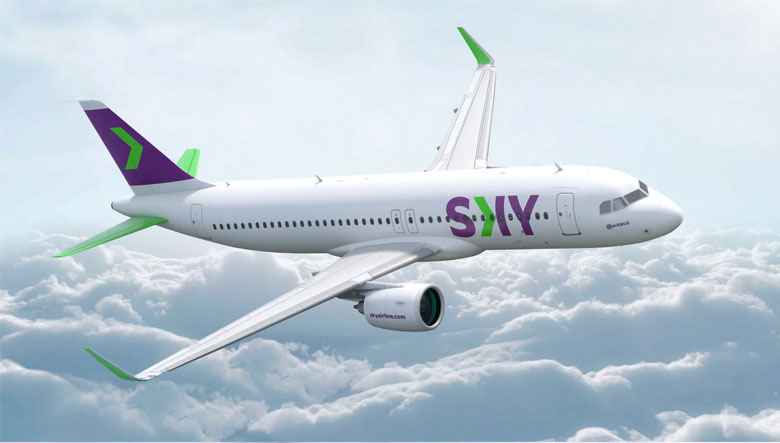
El máximo ejecutivo de la aerolínea chilena de bajo costo cuenta que definieron como mercados estratégicos a Perú, Colombia y Argentina. A largo plazo, menciona, la operación externa aportará el 75% de los ingresos consolidados de la compañía. Paulmann asegura que no temen a la competencia de JetSmart.

Los CEO’s Holger Paulmann y Luis Felipe Ross, de Sky Airline, se reunirán este Lunes con el Ministro de Transportes de Argentina, Guillermo Dietrich para conversar sobre el mercado aerocomercial de Argentina. De esta manera Sky Airline está profundizando en el mercado para consolidarse en la región. El objetivo es poder ingresar al mercado local de Argentiina como nuevo operador low cost. Este mercado está en el radar de la firma chilena para su futura expansión internacional. “Ya está la decisión tomada de que vamos a entrar en otros mercados, en lo que se llaman los spanish speaking countries”, adelanta Paulmann.

AW-70083707

Este año, Sky se convirtió en la primera línea aérea en operar con formato 100% low cost (bajo costo) desde y hacia el vecino país, y aunque aún no vuela dentro de Argentina. Los ejecutivos adelantaron que la expansión de Sky Airline se da en un período donde el mercado se está abriendo a más tráfico y confirman que está la intención de abrir mercado tanto en Argentina como en otros países de la región.

Los mercados que Sky Airline analisa son los pequeños como Paraguay, Bolivia y Ecuador, o de más tráfico como Perú y Argentina. En Argentina sí vemos que hay otros desafíos más bien regulatorios, pero las cosas están marchando en la dirección correcta y creemos que antes de lo que se esperaba originalmente podría haber incluso cambios regulatorios que permitan que el modelo de negocios low cost funcione también. El mercado argentino, doméstico e internacional, puede ser hasta tres veces lo que es ahora.

En Sudamérica existe esa exigencia, pero hay compañías que han puesto un palo blanco que en realidad son abogados que los representan y ellos toman la participación mínima necesaria. Nosotros queremos tener socios locales reales en cada uno de los países donde operemos.

Sky Airline está buscando socios financieros, que tengan solidez en cada uno de los países, y que crea en el negocio. Las filiales como Perú, por ejemplo, se requiere que el socio local tenga un mínimo de 30%. Nosotros aspiramos a cumplir con lo que dice la regulación, que es el 70/30.

En los próximos tres años vamos a crecer un 75% en Chile; este año ya estamos creciendo 19% en cantidad de pasajeros y proyectamos un alza similar en los siguientes años. A nivel acumulativo, será 75% u 80% de crecimiento sólo en Chile.

El mercado chileno tiene potencial de seguir expandiéndose, pero obviamente no todos tienen la capacidad de competir con los mismos costos. El que no tenga la capacidad de competir con un costo bajo, no va a poder seguir en esta pelea. Si vas a crecer, tienes que hacerlo en forma ordenada y sustentable. No sacas nada con hacer un crecimiento demasiado agresivo si vas a perder y perder plata. Y para que sea sustentable no sólo tiene que funcionar la parte comercial, también la operacional, que es la más compleja. Y justamente la operación es nuestra fortaleza en comparación con el resto de las líneas aéreas de la región.  AIRWAYS® AW-Icon TXT

Resultado de imagen para sky airline

SKY Airline expansion in the region

The low cost Chilean airline Sky Airline evaluates entering as an operator in other countries of the region

The top executive of the Chilean low-cost airline tells that they defined Peru, Colombia and Argentina as strategic markets. In the long term, he mentions, the external operation will contribute 75% of the consolidated revenues of the company. Paulmann says they are not afraid of the JetSmart competition.

The CEOs Holger Paulmann and Luis Felipe Ross, of Sky Airline, will meet this Monday with the Minister of Transport of Argentina, Guillermo Dietrich to discuss the Argentinean commercial market. In this way Sky Airline is deepening the market to consolidate in the region. The objective is to be able to enter the Argentiina local market as a new low cost operator. This market is on the radar of the Chilean firm for its future international expansion. «The decision is already made that we are going to enter other markets, in what are called the Spanish speaking countries», says Paulmann.

AW-70083708

This year, Sky became the first airline to operate with 100% low cost (low cost) format from and to the neighboring country, and although it does not fly in Argentina yet.

The executives said that the expansion of Sky Airline occurs in a period when the market is opening up to more traffic and confirms that it intends to open the market both in Argentina and in other countries in the region.

The markets that Sky Airline analyzes are the small ones like Paraguay, Bolivia and Ecuador, or of more traffic like Peru and Argentina. In Argentina we do see that there are other rather regulatory challenges, but things are moving in the right direction and we believe that before what was originally expected there could even be regulatory changes that allow the low cost business model to work as well. The Argentine market, domestic and international, can be up to three times what it is now.

In South America there is that requirement, but there are companies that have put a white stick that are actually lawyers representing them and they take the minimum necessary participation. We want to have real local partners in each of the countries where we operate.

Sky Airline is looking for financial partners, who have solidity in each of the countries, and who believe in the business. Branches such as Peru, for example, require that the local partner have a minimum of 30%. We aspire to comply with what the regulation says, which is 70/30.

In the next three years we will grow 75% in Chile; this year we are already growing 19% in number of passengers and we project a similar increase in the following years. At the cumulative level, it will be 75% or 80% growth only in Chile.

The Chilean market has the potential to continue to expand, but obviously not everyone has the ability to compete with the same costs. The one that does not have the capacity to compete with a low cost, will not be able to continue in this fight. If you are going to grow, you have to do it in an orderly and sustainable way. You do not get anything out of doing too aggressive growth if you’re going to lose and lose money. And in order to be sustainable, not only the commercial part has to work, but also the operational part, which is the most complex. And exactly the operation is our strength compared to the rest of the airlines in the region. A \ W


Ξ A I R G W A Y S Ξ
SOURCE:  Airgways.com
DBk:  Airgways.com / Skyairline.com
AW-POST: 201711190542AR

A\W   A I R G W A Y S ®

Las aerolíneas EEUU sufren aumento de costos operativos para 2018

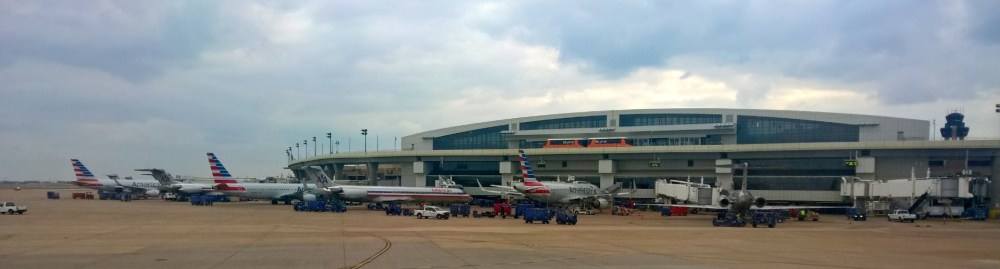
terminal-dallas-dfw-airport.jpg

AW | 2017 11 10 13:11 | AIRLINES MARKET

Las líneas aéreas de mayor envergadura de los EEUU se enfrentan a mayores costos operativos para 2018

La inflación trasladada a los costos ha sido un gran contratiempo para casi todas las aerolíneas de los EE.UU. Después del aumento de los costos en 2017, las principales aerolíneas más grandes del país no son una excepción. American Airlines, Delta Air Lines y United Airlines están ofreciendo pronósticos de inflación de costos unitarios, excluyendo el combustible, que van del 3% al 5,5%.

Factores del aumento de costos
Los factores que impulsan la presión de los costos las aerolíneas estadounidenses son variadas, entre ellas, el aumento de los costos laborales, los mayores gastos de depreciación y las amortizaciones.

American Airlines y Delta Air Lines se comprometen a mantener su inflación de costos unitarios de 2018 en un 2% o menos, mientras que United, por el momento, se está absteniendo de ofrecer un pronóstico de costos para el próximo año. En un momento dado, United Airlines creía que podría ofrecer un rendimiento de costo unitario de menos de 1% de crecimiento de 2018 a 2020, pero los analistas e inversores se vuelven cada vez más escépticos de que la aerolínea pueda cumplir esos objetivos después de una serie de errores en 2017.

American Airlines está presionando una visión a más largo plazo de la inflación de los costos, señalando que la industria en su conjunto está poniéndose al día con las inversiones importantes y necesarias en la infraestructura aeroportuaria y los salarios y beneficios de los empleados. La aerolínea cree que una vez que esas inversiones estén completas, la presión sobre los costos en esas áreas debería disminuir.  AIRWAYS® AW-Icon TXT

US airlines increase ops costs for 2018

The largest airlines in the US face higher operating costs by 2018

Inflation moved to costs has been a major setback for almost all US airlines. After rising costs in 2017, the country’s largest major airlines are no exception. American Airlines, Delta Air Lines and United Airlines are offering inflation forecasts for unit costs, excluding fuel, ranging from 3% to 5.5%.

Factors of the increase in costs
The factors that drive the cost pressure of US airlines are varied, including the increase in labor costs, higher depreciation expenses and amortization.

American Airlines and Delta Air Lines are committed to keeping their unit cost inflation of 2018 at 2% or less, while United, for now, is refraining from offering a cost forecast for next year. At one point, United Airlines believed it could offer a unit cost performance of less than 1% growth from 2018 to 2020, but analysts and investors are becoming increasingly skeptical that the airline can meet those goals after a series of errors in 2017.

American Airlines is pushing a longer-term view of cost inflation, noting that the industry as a whole is catching up on important and necessary investments in airport infrastructure and employee salaries and benefits. The airline believes that once those investments are complete, the pressure on costs in those areas should decrease. A \ W


Ξ A I R G W A Y S Ξ
SOURCE:  Airgways.com
DBk:  Centreforaviation.com / Ttraveluxblog.com
AW-POST: 201711101311AR

A\W   A I R G W A Y S ®

El peso fuerte de Delta Air Lines en la relación Boeing-Bombardier

AW | 2017 11 08 10:22 | INDUSTRY / AIRLINES MARKET

Delta Air Lines es un fuerte operador capáz de torcer una negociación crucial para Boeing

La jugada de movimiento de la alianza BombardierAirbus ha puesto a Boeing en apuros frente a las negociaciones para la nueva flota de Delta Air Lines. El CSeries es el ápice de la cuestión.

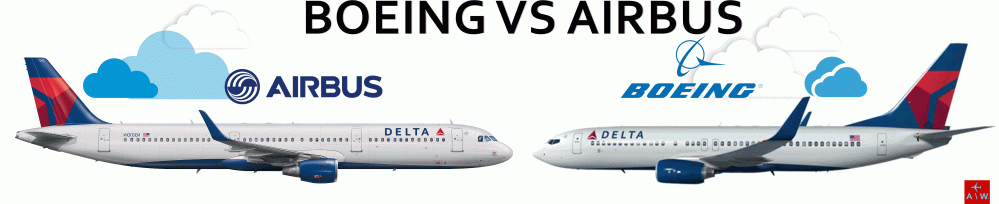
Delta Air Lines en el 2011 trajo a los representantes de ventas de Boeing y Airbus a su sede en Atlanta para escuchar por qué debería ordenar los aviones de rando medio narrowbodies Boeing 737-900 o Airbus A321 para reemplazar aviones de tamaño similar en su flota. Después de meses de negociaciones, de acuerdo con «Glory Lost and Found», un libro que contiene una cuenta de las conversaciones.

Delta Air Lines pesa una nueva compra que enfrenta a Boeing y Airbus uno contra el otro. La aerolínea está evaluando un pedido de hasta 100 aviones, valorados en U$D 12.700 millones, con la opción de comprar de 100 adicionales.

La aerolínea con sede en Atlanta está en discusiones avanzadas sobre el asunto, probablemente decida a fines de este año si elegirá ordenar Airbus A320 o Boeing 737, según el informe.

AW-Boeing vs Airbus.gif

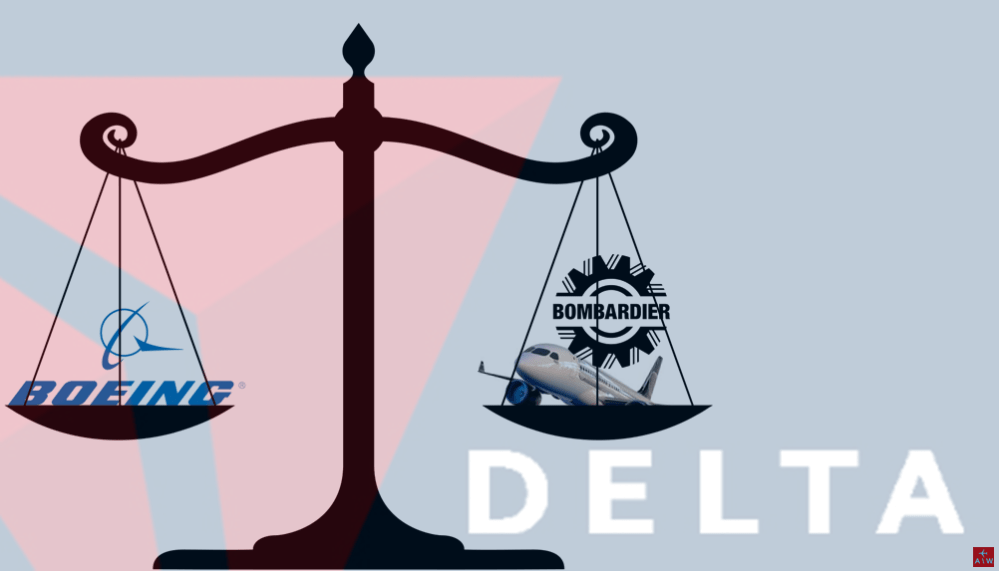
Pero la decisión de Delta vendrá cuando las cosas se pongan más tensas entre el operador y Boeing. El Departamento de Comercio de EE.UU. ha decidido imponer aranceles preliminares de alrededor del 300% a los aviones Bombardier CSeries, un avión de fuselaje estrecho de mediano alcance con más de 100 asientos que ha ordenado Delta. Los aranceles punitorios siguieron a las quejas de Boeing de que Bombardier recibe apoyo del gobierno de Canadá (Quèbec) que hace que la competencia sea injusta.

«Delta puede usar lo que sucedió con la CSeries como una forma de decirle a Boeing, si quiere volver a hacer las paces, quizás tenga que darnos un trato mejor de lo que hubiéramos requerido antes», dijo Seth Kaplan, socio Gerente de Airline Weekly y coautor de «Glory Lost and Found», un libro sobre Delta.

La ola de fusiones de la industria aeronáutica ha intensificado las competiciones. La cadena de fusiones que creó Delta, United Airlines y American Airlines tal como existen hoy dio como resultado flotas mixtas bajo el mismo transportista, con cada mega trato combinando una aerolínea que tenía una gran flota de fuselaje estrecho Boeing con una aerolínea que tenía una gran flota de fuselaje estrecho de Airbus, notó Seth Kaplan.

En lugar de apegarse a pactos exclusivos, la sensación entre la industria de las aerolíneas hoy es que las aerolíneas pueden obtener un mejor trato si permiten que Boeing y Airbus luchen contra él.

Mientras las empresas luchan por una ventaja, la disputa sobre la CSeries aún está fresca. La Gerencia de Delta, en su llamada de ganancias del tercer trimestre el mes pasado, dijo que «no pagaremos ninguna tarifa» por los aviones CSeries, que el transportista dijo que todavía mantendría las órdenes en firme.

AW-700114447.png

El consejero delegado de Boeing, Dennis Muilenburg, mientras tanto, cuando se le preguntó sobre el asunto, dijo en su informe de ganancias que «Delta es un cliente muy importante para nosotros. Queremos seguir trabajando con ellos y apoyarlos para el futuro. Por lo tanto, no se trata de acciones dirigidas a clientes o países. Estos son asuntos de comercio justo. Estamos felices de competir. Solo queremos que todos jueguen con las mismas reglas».

Alianza Airbus-Bombardier
La reciente decisión de Airbus de obtener una participación mayoritaria en el negocio de la CSeries, que le da a la empresa una nueva línea de productos para comercializar, ha agregado una nueva arruga a la disputa. Los analistas de Cowen, en una nota de investigación fechada el martes, calificaron la posición de Airbus en la CSeries de Bombardier como un «win-win» (ganancias de ambas partes) para las compañías. La medida representa una validación del mercado de 100-150 asientos, también el tamaño del mercado para el avión no estaba claro, y enfrentará una dura competencia de Boeing y Embraer.

Por el momento, el horizonte no está despejado sobre si Boeing se beneficia de la decisión de Airbus, que elimina a un competidor independiente del juego. Pero por ahora, Airbus tiene muchos más aviones y Delta algunas dudas más sobre Boeing. AIRWAYS® AW-Icon TXT

The weight of Delta in the Boeing-Bombardier relationship

Delta Air Lines is a strong operator capable of twisting a crucial negotiation for Boeing

The movement move of the BombardierAirbus alliance has put Boeing in trouble in the face of negotiations for the new Delta Air Lines fleet. The CSeries is the apex of the question.

Delta Air Lines in 2011 brought Boeing and Airbus sales representatives to its headquarters in Atlanta to hear why it should order the medium-sized narrowbody Boeing 737-900 or Airbus A321 aircraft to replace similarly sized aircraft in its fleet. After months of negotiations, according to «Glory Lost and Found», a book that contains an account of conversations.

Delta Air Lines weighs a new purchase that faces Boeing and Airbus against each other. The airline is evaluating an order for up to 100 aircraft, valued at US $ 12.7 billion, with the option to buy an additional 100.

The Atlanta-based airline is in advanced discussions on the matter, likely to decide later this year whether it will choose to order Airbus A320 or Boeing 737, according to the report.

But Delta’s decision will come when things get more tense between the operator and Boeing. The US Department of Commerce It has decided to impose preliminary tariffs of around 300% on Bombardier CSeries aircraft, a narrow-range mid-range aircraft with more than 100 seats ordered by Delta. The punitive tariffs followed Boeing’s complaints that Bombardier receives support from the government of Canada (Quèbec) that makes competition unfair.

Imagen relacionada

«Delta can use what happened with the CSeries as a way to tell Boeing, if he wants to make amends again, he may have to give us a better deal than we would have required before», said Seth Kaplan, Airline managing partner Weekly and co-author of «Glory Lost and Found», a book about Delta.

The wave of mergers of the aeronautical industry has intensified the competitions. The chain of mergers created by Delta, United Airlines and American Airlines as they exist today resulted in mixed fleets under the same carrier, with each mega-deal combining an airline that had a large narrow-body Boeing fuselage with an airline that had a large Narrow Airbus fuselage fleet, noted Seth Kaplan.

Instead of sticking to exclusive deals, the feeling among the airline industry today is that airlines can get a better deal if they allow Boeing and Airbus to fight against it.

While companies struggle for an advantage, the dispute over CSeries is still fresh. Delta Management, in its third-quarter earnings call last month, said «we will not pay any fees» for CSeries aircraft, which the carrier said would still keep orders firm.

Boeing CEO Dennis Muilenburg, meanwhile, when asked about the matter, said in his earnings report that «Delta is a very important customer for us, we want to continue working with them and support them for the future. Therefore, it is not about actions aimed at clients or countries, these are fair trade issues, we are happy to compete, we just want everyone to play with the same rules».

Airbus-Bombardier Alliance
Airbus’ recent decision to obtain a majority stake in the CSeries business, which gives the company a new line of products to market, has added a new crease to the dispute. Cowen analysts, in a research note dated Tuesday, rated Airbus’ position in Bombardier’s CSeries as a «win-win» for both companies. The measure represents a market validation of 100-150 seats, also the size of the market for the plane was not clear, and will face stiff competition from Boeing and Embraer.

At the moment, the horizon is not clear about whether Boeing benefits from Airbus’ decision, which eliminates an independent competitor from the game. But for now, Airbus has many more planes and Delta some doubts more about Boeing. A \ W


Ξ A I R G W A Y S Ξ
SOURCE:  Airgways.com
DBk:  Airgways.com / Ainonline.com / Televisa.com / Videoblocks.com
AW-POST: 201711081022AR

A\W   A I R G W A Y S ®