
AW | 2018 02 25 12:38 | AIRLINES MARKET
Después del gran boom, el sector de la aviación de Turquía se dirige a la turbulencia
La expansión de la aviación en Turquía tuvo su potencial por la geografía, la la ubicación estratégica como una encrucijada entre Europa, Asia y África.
Turquía desde el año 2003 ha experimentado el boom con el ingreso de fondos externos, impulsado por reformas estructurales respaldadas por el Fondo Monetario Internacional en la economía después de una severa crisis financiera en 2001. Aunque a expensas de un mayor endeudamiento, la integración con la economía global se aceleró en un camino de crecimiento económico estable. Esto significó tanto un aumento en el ingreso disponible per cápita como una oportunidad para invertir en la aviación civil.
El gobierno se movió para expandir el transporte aéreo nacional aumentando rápidamente el número de aeropuertos en todo el país, tanto mediante la construcción de nuevos aeropuertos como la remodelación de los militares. Turquía tiene hoy 55 aeropuertos, el más grande de los cuales se han construido y son operados por el sector privado. Los aeropuertos operados con un modelo de asociación público-privada (PPP) manejan el 70% y el 97% del tráfico nacional e internacional de pasajeros de Turquía, respectivamente. El tercer aeropuerto de Estambul, una gigantesca instalación de $ 14 billones actualmente en construcción, también es un proyecto PPP, diseñado para manejar 200 millones de pasajeros por año.
En un nuevo impulso al sector de la aviación, el gobierno ofreció incentivos que eliminaron los aranceles aduaneros sobre el combustible para aviones, alentó la inversión en servicios de fletamento y motivó la creación de nuevos aviones privados como Pegasus.
 El transportista nacional Turkish Airlines (THY) se reestructuró con miras a ampliar su mercado de pasajeros extranjeros en particular. En un corto período, la compañía expandió significativamente su flota y agregó decenas de nuevas rutas. Según THY, capacidad de aviones de fuselaje estrecho hacia y desde Estambul cubre el 40% del tráfico internacional a nivel mundial: más de 60 capitales nacionales y toda Europa, Medio Oriente, Asia Central y África del Norte y del Este.
En 2016, el número de pasajeros que pasaban por los aeropuertos turcos alcanzó los 173 millones, un aumento del 409% frente a los 34 millones en 2003. Se informa que la cifra superó los 190 millones en 2017. El aumento del tráfico aéreo nacional ha sido especialmente llamativo. Con una población de 9 millones en 2003, el número de pasajeros nacionales creció no menos del 1,033% hasta alcanzar los 102 millones en 2016. Las rutas internacionales también prosperaron, con un aumento del 184% en el número de pasajeros, de 25 millones en 2003 a 71 millones en 2006.
A fines de 2016, las aerolíneas turcas tenían 540 aviones (515 aviones de pasajeros y 25 aviones de carga) con una capacidad de más de 100,000 asientos. Aproximadamente el 38% de esa capacidad de asiento pertenece a THY, que tiene 223 aviones y controla aproximadamente la mitad del mercado en vuelos nacionales e internacionales. En un intento por aumentar aún más su participación, la compañía planea expandir su flota a 342 aviones para 2020.
El aumento de THY en los vuelos internacionales se debió principalmente a los pasajeros de tránsito, aquellos con vuelos de conexión en Turquía. Como miembro de Star Alliance, la asociación global de aerolíneas, la compañía creció atrayendo tráfico de pasajeros, especialmente de United Airlines y Lufthansa. Su membresía de Star Alliance convirtió a Estambul en un atractivo centro de escala mundial.
Argumentos del crecimiento
Algunos, sin embargo, argumentan que los motivos detrás de la expansión de THY no eran puramente económicos y tenían una dimensión política: impulsar la imagen de Turquía como un país «en ascenso», independientemente de los costos financieros. Esta fue la razón por la cual, dicen, la compañía comenzó a volar a los cuatro rincones del mundo.
Algunos creen que la distancia geográfica de THY que ver con las crecientes actividades internacionales de la comunidad Gulen, que era el principal aliado político del AKP hasta que su alianza se desmoronara en 2012.
Otro argumento es que algunas decisiones de la compañía estaban destinadas a facilitar las inversiones en el extranjero de empresarios cercanos al AKP. Bahattin Yucel, un ex ministro de turismo que sigue siendo un líder de opinión vocal en el sector turístico, lo dijo en una entrevista en un periódico en julio de 2016.
Auge o ocaso de la aviación turca
THY ha estado creciendo a través de préstamos externos, cuyo costo va en aumento. La compañía depende de las importaciones de combustible, que es el principal elemento de costo, y los precios de los combustibles para aviones también están en aumento. Además, las tensiones políticas internas y externas han amplificado los riesgos de Turquía, dando lugar a pérdidas en el mercado. Como resultado, THY cerró 2016 con pérdidas operativas de U$S 98,7 millones de dólares. Se dice que el retroceso fue parcialmente compensado en 2017, un año de alto crecimiento para la economía turca, pero la compañía deberá publicar su balance del año 2017.
Un problema que carece de transparencia es el estado de THY. El estado posee el 49% de las acciones de la compañía, mientras que el 51% restante se negocia en la bolsa de valores. La compañía permanece en la categoría de entidades públicas vinculadas al Tesoro, pero ha estado fuera de los límites de una auditoría del Tribunal de Cuentas, que controla las instituciones públicas en nombre del parlamento. Además, las acciones públicas de THY han sido transferidas al Wealth Fund, un controvertido fondo soberano creado en 2016. Con todos estos factores en juego, un análisis transparente de THY y el monitoreo de sus turbulencias pasadas y potenciales se vuelve difícil.
Turkish Airlines espera la reubicación de la compañía en el nuevo aeropuerto de Estambul, cuya inauguración está programada para fines de 2018.
La principal aerolínea de Turquía deberá flanquear diferentes obstáculos: su deuda, el costo de su expansión motivada por la elite política y el traslado a un nuevo aeropuerto, procesos cuyas turbulencias probablemente será aún mayor. 

Turbulence in Turkish aviation
After the big boom, Turkey’s aviation sector is heading for turbulence
The expansion of aviation in Turkey had its potential for geography, the strategic location as a crossroads between Europe, Asia and Africa.
Turkey since 2003 has experienced a boom with the inflow of external funds, driven by structural reforms supported by the International Monetary Fund in the economy after a severe financial crisis in 2001. Although at the expense of greater indebtedness, integration with the global economy accelerated on a path of stable economic growth. This meant both an increase in disposable income per capita and an opportunity to invest in civil aviation.
The government moved to expand national air transport rapidly increasing the number of airports throughout the country, both through the construction of new airports and the remodeling of the military. Turkey today has 55 airports, the largest of which have been built and operated by the private sector. Airports operated with a public-private partnership model (PPP) handle 70% and 97% of domestic and international passenger traffic in Turkey, respectively. The third airport in Istanbul, a gigantic $ 14 billion facility currently under construction, is also a PPP project, designed to handle 200 million passengers per year.
In a new boost to the aviation sector, the government offered incentives that eliminated customs tariffs on jet fuel, encouraged investment in charter services and motivated the creation of new private aircraft such as Pegasus.
 The national carrier Turkish Airlines (THY) was restructured with a view to expanding its market of foreign passengers in particular. In a short period, the company significantly expanded its fleet and added dozens of new routes. According to THY, capacity of narrow-body aircraft to and from Istanbul covers 40% of international traffic worldwide: more than 60 national capitals and throughout Europe, the Middle East, Central Asia and North and East Africa.
In 2016, the number of passengers passing through Turkish airports reached 173 million, an increase of 409% compared to 34 million in 2003. It is reported that the figure exceeded 190 million in 2017. The increase in national air traffic has been especially striking. With a population of 9 million in 2003, the number of domestic passengers grew by no less than 1.033% to reach 102 million in 2016. International routes also thrived, with a 184% increase in the number of passengers, from 25 million in 2003 to 71 million in 2006.
At the end of 2016, Turkish airlines had 540 aircraft (515 passenger aircraft and 25 cargo planes) with a capacity of more than 100,000 seats. Approximately 38% of that seat capacity belongs to THY, which has 223 aircraft and controls approximately half of the market in domestic and international flights. In an attempt to further increase its participation, the company plans to expand its fleet to 342 aircraft by 2020.
The increase in THY on international flights was mainly due to transit passengers, those with connecting flights in Turkey. As a member of Star Alliance, the global airline association, the company grew by attracting passenger traffic, especially from United Airlines and Lufthansa. His Star Alliance membership made Istanbul an attractive center of global scale.
Growth arguments
Some, however, argue that the reasons behind the expansion of THY were not purely economic and had a political dimension: to boost Turkey’s image as a «rising» country, regardless of financial costs. This was the reason why, they say, the company began to fly to the four corners of the world.
Some believe that THY’s geographic distance is related to the growing international activities of the Gulen community, which was AKP’s main political ally until its alliance collapsed in 2012.
Another argument is that some of the company’s decisions were aimed at facilitating foreign investments by businessmen close to the AKP. Bahattin Yucel, a former tourism minister who remains a vocal opinion leader in the tourism sector, said in a newspaper interview in July 2016.
Rise or decline of Turkish aviation
THY has been growing through external loans, the cost of which is increasing. The company depends on fuel imports, which is the main cost element, and the prices of jet fuel are also on the rise. In addition, internal and external political tensions have amplified Turkey’s risks, leading to losses in the market. As a result, THY closed 2016 with operating losses of US $ 98.7 million. It is said that the setback was partially offset in 2017, a year of high growth for the Turkish economy, but the company will have to publish its 2017 balance.
A problem that lacks transparency is the state of THY. The state owns 49% of the company’s shares, while the remaining 51% is traded on the stock exchange. The company remains in the category of public entities linked to the Treasury, but has been outside the limits of an audit of the Court of Auditors, which controls public institutions on behalf of the parliament. In addition, THY’s public shares have been transferred to the Wealth Fund, a controversial sovereign wealth fund created in 2016. With all these factors at stake, a transparent THY analysis and monitoring of past and potential turbulence becomes difficult.
Turkish Airlines expects the relocation of the company in the new airport of Istanbul, whose inauguration is scheduled for the end of 2018.
The main Turkish airline will have to overcome different obstacles: its debt, the cost of its expansion motivated by the political elite and the transfer to a new airport, processes whose turbulence will probably be even greater. A \ W

Türk Havacılığında Türbülans
Büyük patlamadan sonra, Türkiye’nin havacılık sektörü türbülansa yöneliyor
Havacılığın Türkiye‘deki genişlemesi, Avrupa, Asya ve Afrika arasındaki kavşak olarak stratejik konumu olan coğrafya potansiyeline sahipti.
 2003 yılından bu yana yaşanan patlamada, 2001 yılında ciddi bir finansal krizin ardından ekonomide Uluslararası Para Fonu tarafından desteklenen yapısal reformlar tarafından harici fonların girişi ile patlama yaşanmıştır. Borçlanma pahasına küresel ekonomi, istikrarlı bir ekonomik büyüme yolunda hızlandı. Bu, kişi başına düşen harcanabilir gelirde bir artış ve sivil havacılığa yatırım yapma olanağı anlamına geliyordu.
Hükümet hem ulusal havayolu taşımacılığını hem yeni hava limanları inşa ederek ve orduyu yeniden şekillendirerek hem ülke çapında havaalanı sayısını artırarak genişletmeye başladı. Türkiye bugün 55 havalimanına sahiptir. Bunlardan en büyüğü özel sektör tarafından inşa edilmiş ve işletilmiştir. Kamu-özel ortaklık modeliyle (PPP) işletilen havalimanları, sırasıyla, Türkiye’de yerli ve yabancı yolcu trafiğinin% 70’ini ve% 97’sini karşılamaktadır. Halen yapım aşamasında olan 14 milyar dolarlık devasa İstanbul’daki üçüncü havaalanı, yılda 200 milyon yolcuyu işlemek üzere tasarlanan bir PPP projesidir.
Havacılık sektörüne yapılacak yeni bir gelişmeyle hükümet, jet yakıtıyla ilgili gümrük tarifelerini kaldıran, charter hizmetlerine yapılan yatırımları teşvik eden ve Pegasus gibi yeni özel uçakların yaratılmasına yönelik teşvikler sundu.
 Ulusal havayolu şirketi Türk Hava Yolları (THY), özellikle dış pazardaki yolcularını genişletmek amacıyla yeniden yapılandırıldı. Kısa sürede şirket filosunu önemli ölçüde genişletti ve düzinelerce yeni rotayı ekledi. THY’ye göre, İstanbul’a giden ve dar gövdeli uçakların kapasitesi, dünya genelinde uluslararası trafikte% 40’ları kaplıyor: 60’dan fazla ulusal başkent, Avrupa, Orta Doğu, Orta Asya ve Kuzey Afrika ve Doğu Afrika’da.
2016 yılında Türk hava limanlarından geçen yolcu sayısı 2003 yılında 34 milyona kıyasla% 409 artışla 173 milyona ulaştı. Bu rakamın 2017 yılında 190 milyonu aştığı bildiriliyor. Ulusal hava trafiğindeki artış özellikle çarpıcıydı. 2003 yılında 9 milyonluk bir nüfusa sahip olan yurtiçi yolcu sayısı 2016 yılında 102 milyona ulaşırken% 1.033 oranında büyümüştür. Uluslararası güzergahlar, yolcu sayısındaki% 184’lük artışla 25 milyon kişiden 2006’da 71 milyona yükselmiştir.
2016 yılı sonunda, Türk havayollarının kapasitesi 100.000’den fazla olan 540 uçak (515 yolcu uçağı ve 25 kargo uçağı) vardı. Bu koltuk kapasitesinin yaklaşık% 38’i 223 uçak bulunan THY’ye aittir ve iç ve dış hat uçuşlarında pazarın yaklaşık yarısını kontrol etmektedir. Katılımını daha da artırmak amacıyla, şirket filosunu 2020 yılına kadar 342 uçakla genişletmeyi planlıyor.
Uluslararası uçuşlarda THY’deki artış, başta transit yolcular, Türkiye’deki bağlantılı uçuşlar nedeniyle gerçekleşti. Global havayolu birliğine Star Alliance üyesi olan şirket, özellikle United Airlines ve Lufthansa’dan yolcu trafiğini çekerek büyümüştür. Star Alliance üyeliği, İstanbul’u küresel ölçekte çekici bir merkez haline getirdi.
Büyüme argümanları
Ancak bazıları THY genişlemesi nedenleri salt ekonomik değildi ve sahip olduğu iddia politik bir boyut: bakılmaksızın mali maliyetlerin «yükselen» bir ülke olarak Türkiye’nin imajına olumlu etki. Dediklerine göre, şirket dünyanın dört köşesine uçmaya başladı.
Bazı THY coğrafi uzaklık onların ittifak 2012 yılında ayrı düştü kadar AKP’nin ana siyasi müttefiki idi Gülen topluluğunun, artan uluslararası faaliyetleri ile ilgisi olduğuna inanıyoruz.
Bir diğer argüman ise, şirketin kararlarının bir kısmının, AKP’ye yakın işadamlarının yabancı yatırımları kolaylaştırmaya yönelik olması. Turizm sektöründe vokal lider olarak kalan eski turizm bakanı Bahattin Yücel, Temmuz 2016’daki bir gazetenin röportajında söyledi.
Türk havacılığının yükselişi veya gerilemesi
THY dış krediler yoluyla büyüyor, maliyeti artıyor. Şirket, ana maliyet unsuru olan yakıt ithalatına bağlı ve jet yakıtı fiyatları da artıyor. Buna ek olarak, iç ve dış politik gerginlikler Türkiye’nin risklerini artırdı ve piyasada kayıplara neden oldu. Sonuç olarak, THY, 2016 yılını 98,7 milyon ABD doları işletme zararı ile kapattı. Geri çekmenin, Türkiye ekonomisi için bir yıl yüksek bir büyüme oranı olan 2017’de kısmen dengelendiğini ancak şirketin 2017 dengesini yayınlaması gerekeceği söyleniyor.
Şeffaflıktan yoksun bir sorun, THY eyaletidir. Devletin% 49’u şirketin% 49’una sahipken, kalan% 51’i borsada işlem görüyor. şirket Hazine bağlı kamu kurum kategorisinde kalır ancak Parlamento adına kamu kurumlarını denetleyen Sayıştay’ın, bir denetimin sınırları dışına olmuştur. Buna ek olarak, kamu THY hisseleri, şeffaf THY analizi ve  geçmiş kargaşa ve potansiyelinin izlenmesi zorlaşır Servet Fonu, oyundaki tüm bu faktörlerin ile 2016 yılında oluşturulan tartışmalı bir egemen servet fonuna aktarılmıştır.
THY, 2018 yılının başında faaliyete geçmesi planlanan İstanbul’un yeni hava limanında yerini almayı umuyor.
borçlarını, siyasi elit ve türbülans süreçleri büyük olasılıkla daha da büyük olacak yeni havaalanına hareket motive genişleme maliyetini: Türkiye’nin önde gelen havayolu farklı engelleri üstünlük gerekir. A \ W
Ξ A I R G W A Y S Ξ
SOURCE: Airgways.com
DBk: Ataturkairport.com / Airlive.net
AW-POST: 201802251238AR
A\W A I R G W A Y S ®
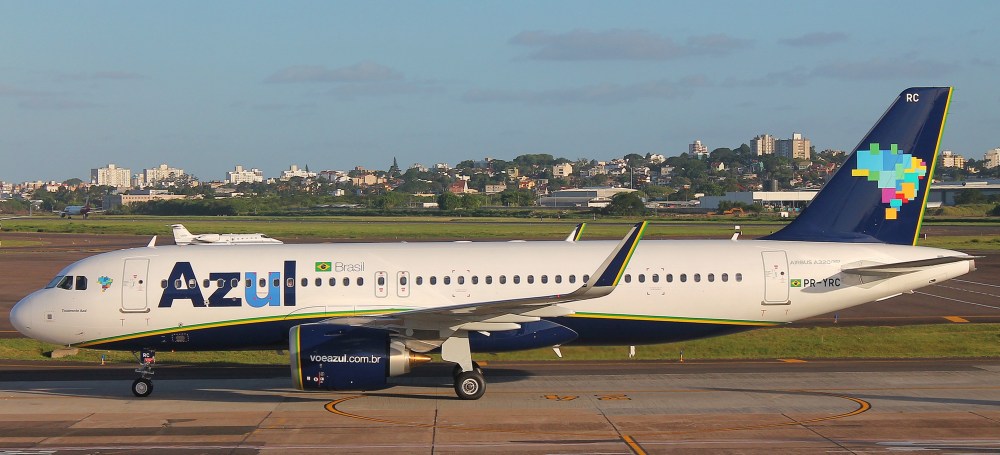

 La aerolínea brasileña Azul Linhas Aéreas ha conseguido el premio FlightStats como la más puntual de Brasil
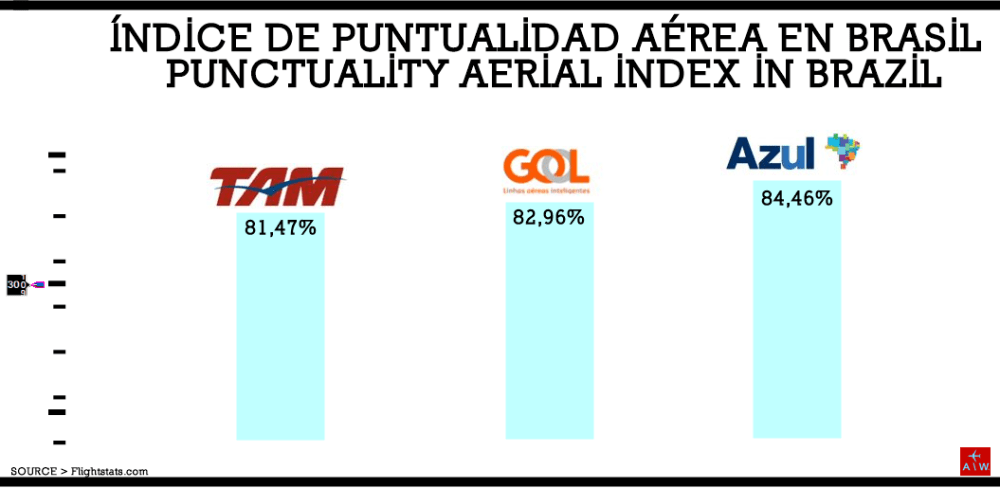

 The Brazilian airline Azul Linhas Aéreas has obtained the FlightStats award as the most punctual in Brazil

 A companhia brasileira Azul Linhas Aéreas obteve o prêmio FlightStats como o mais pontual do Brasil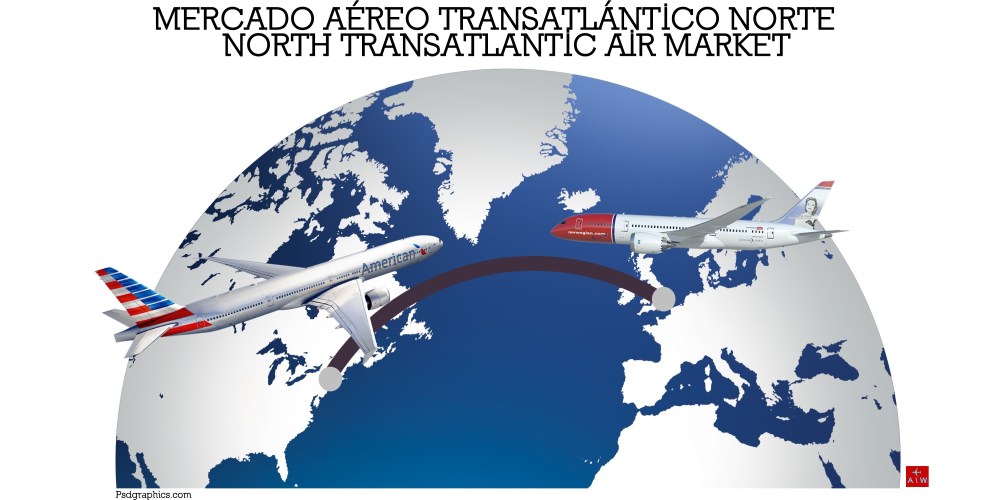
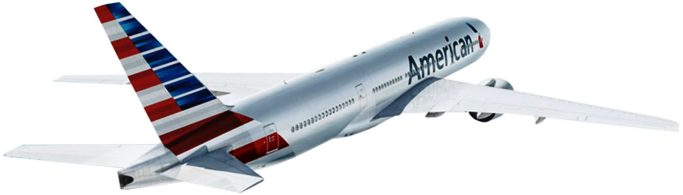

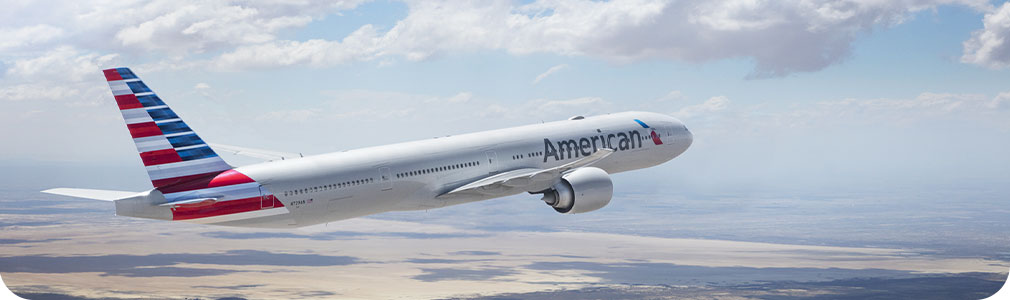
 The air market on the North Atlantic routes has increased its competitiveness in the fight to capture more services point to point. As in the times of Freddy Laker, the North Atlantic routes have become the battleground for airlines.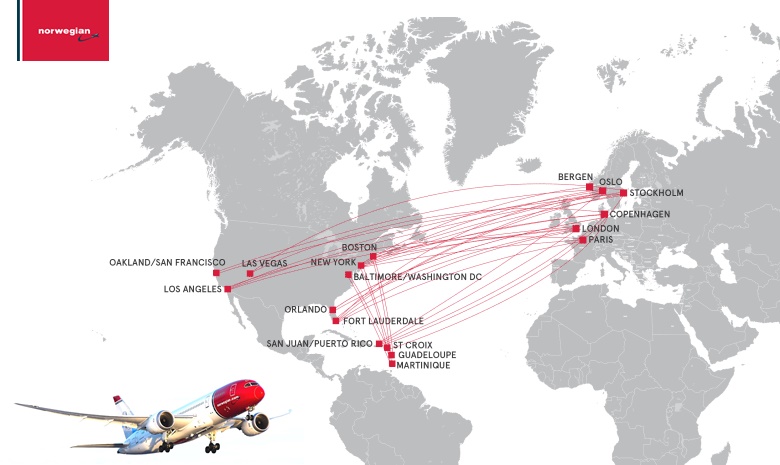
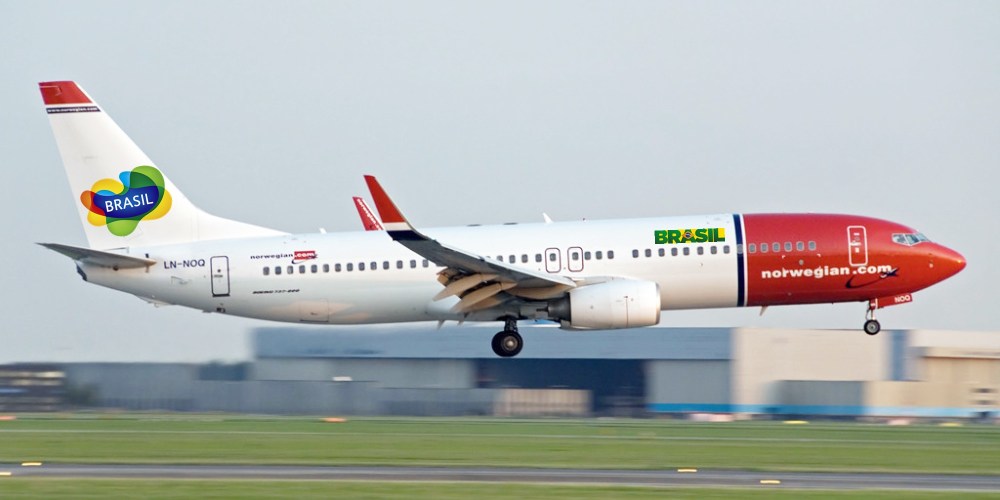
 Norwegian Air planea desembarcar para competir en el mercado brasileño
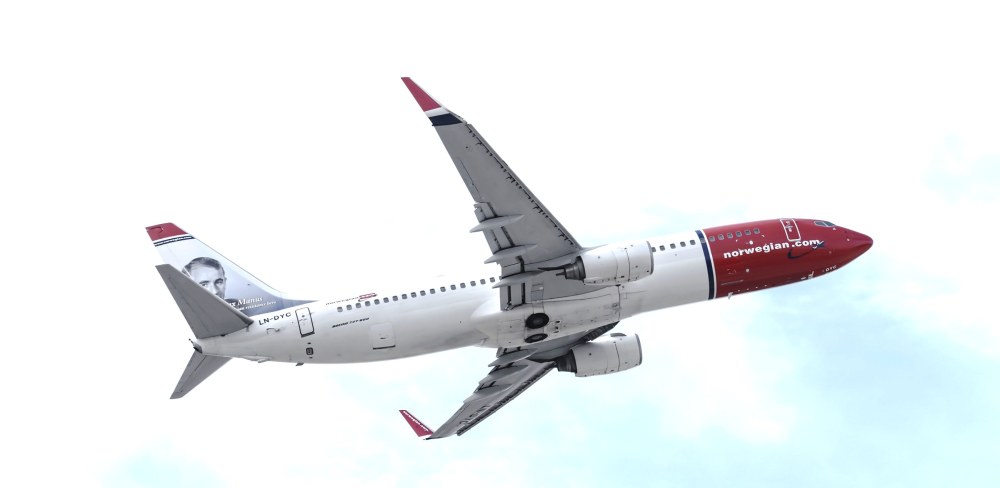
 Norwegian Air plans to disembark to compete in the Brazilian market




 El Gobierno de Venezuela lanzó el martes la primera criptomoneda denominada Petro, para ayudar a su economía en colapso. El Petro está respaldado por las reservas venezolanas de metales preciosos como el oro y el petróleo crudo. El país tiene las mayores reservas de petróleo crudo en el mundo. El Petro no otorga a los inversionistas ninguna participación en la propiedad del petróleo venezolano.
 El Grupo Irelandia Investsments Ltd. expande sus inversiones en América
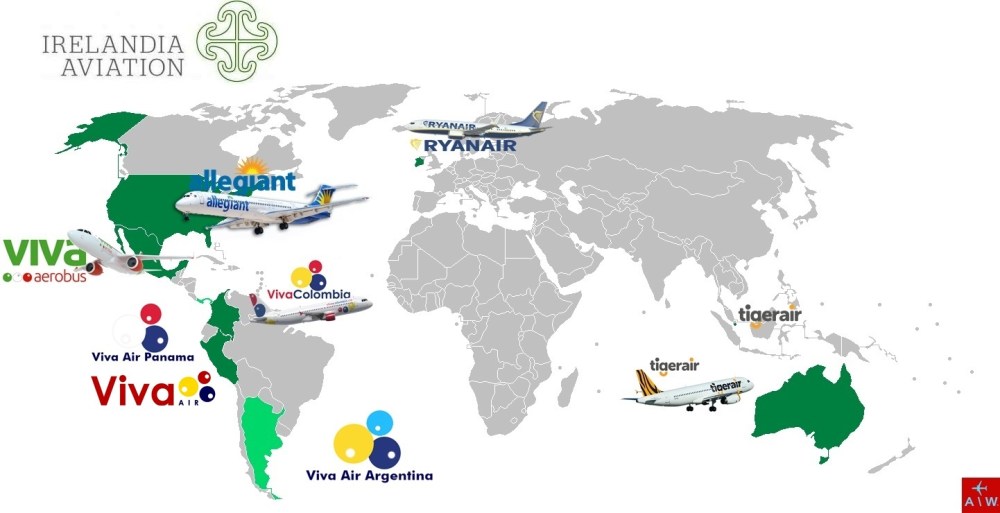


 The Irelandia Investsments Ltd. Group expands its investments in America
 The largest shareholder and CEO of Irelandia Investments Ltd. and therefore, owner of VivaColombia is the Irishman, Declan Ryan, son of Tony Ryan. Thomas Anthony Ryan, is famous in the world of aviation for the foundation and design of operation of the company low cost area that bears his
  surname, Ryanair, through which, he became one of the richest men in Ireland.
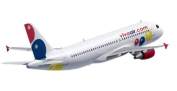 The VivaColombia model was implemented following the prototype of low cost airline operation previously established by Irelandia Investments in the world and taking advantage of the regional experience acquired in Mexico. One of its key factors is to exploit a homogeneous and new fleet, so that maintenance costs are reduced and thus be able to offer many hours of flight without interruption. As a result, last year, William Shaw closed the purchase of 50 aircraft of the A320 family to the European company Airbus, 15 of one model and 35 of another, worth 5,300 million dollars. Seven of these new aircraft will arrive in Colombia and Peru in the third and fourth quarter of 2018, the technology of these aircraft will allow savings in fuel, operation and maintenance.
 La Justicia de Argentina ha exigido al gobierno la solicitud de informes sobre las líneas aéreas low cost. La Justicia transmitió las inquietudes por los reiterados incidentes ocurridos en las últimas semanas, solicitando al Poder Ejecutivo las medidas tomadas para garantizar la seguridad del tráfico aéreo y el uso racional del espacio, después de la implementación del Plan «La Revolución de los Aviones».


 «Free to Fly Act» wants to eliminate the limit of foreign investment in airlines
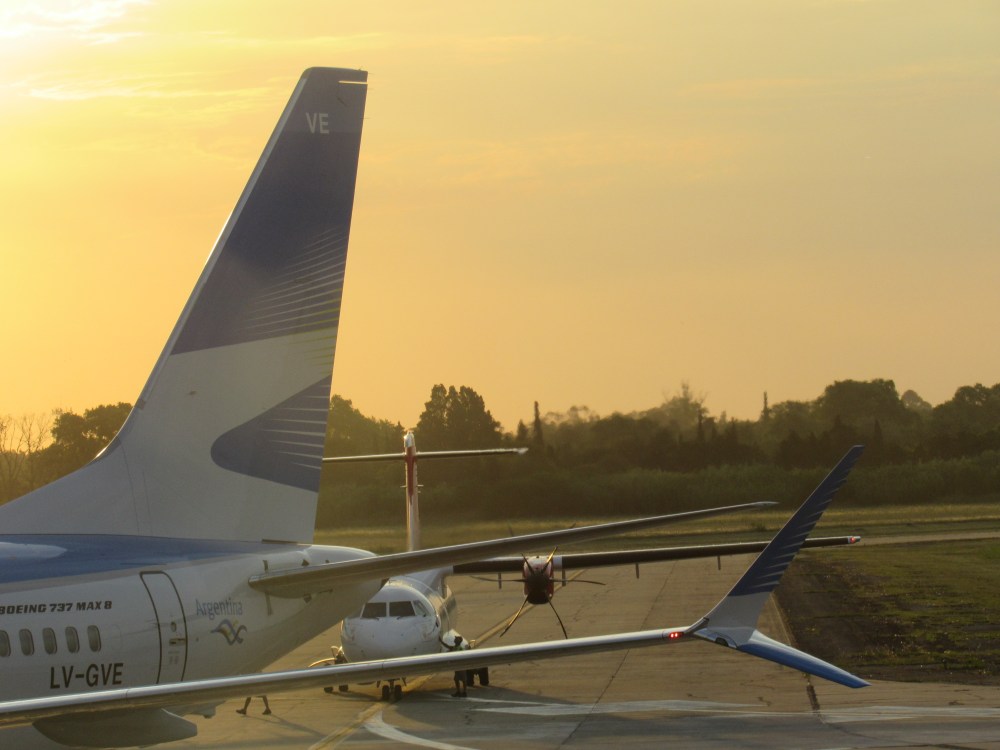


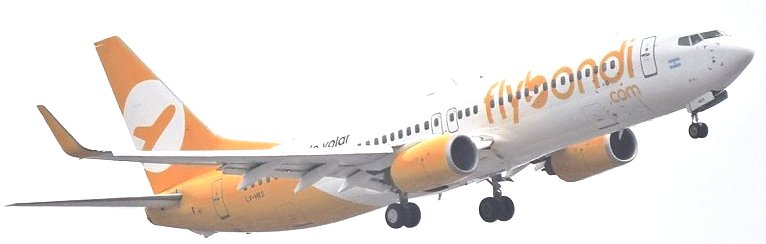
 Air fares are experiencing a drop in domestic destinations as well as passengers are enjoying promotions on the cabotage routes. Classic airlines are taking advantage of market dynamics by optimizing service quality, while low-cost airlines promote more flexible air fares.
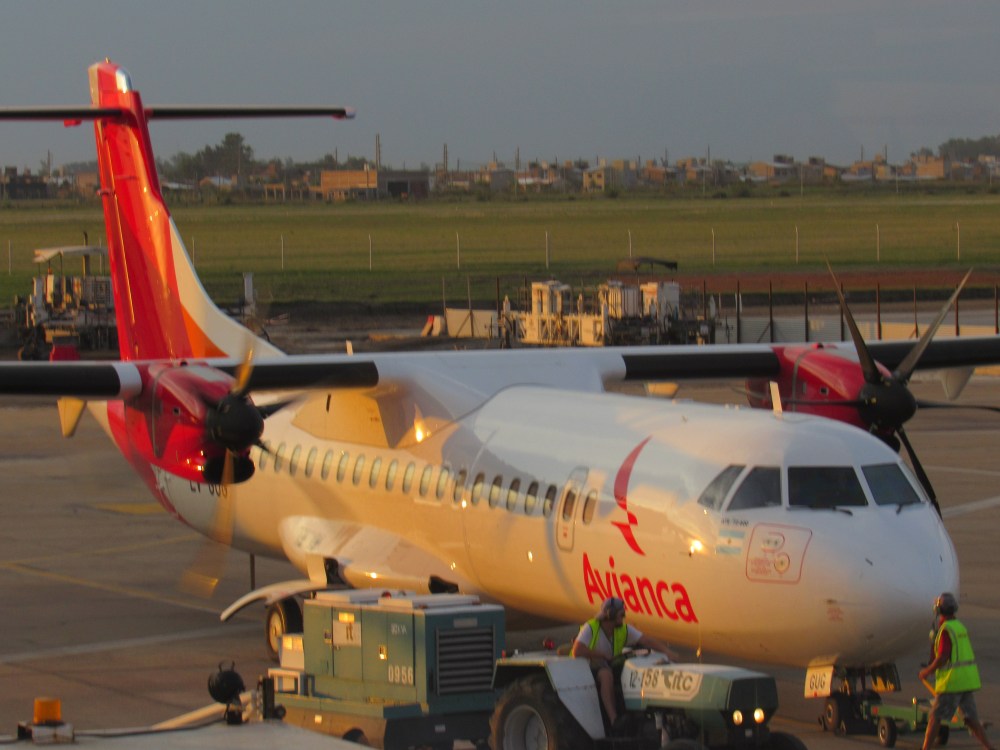
 in the airline segment such as Avianca Líneas Aéreas, Flybondi, Norwegian Air Argentina, among others, which is generating a gradual increase in air traffic. The entry of classic and low-cost airlines will encourage more users to use air transport for the first time, a market that has been held captive for many years after the bankruptcy of LAPA Líneas Aéreas.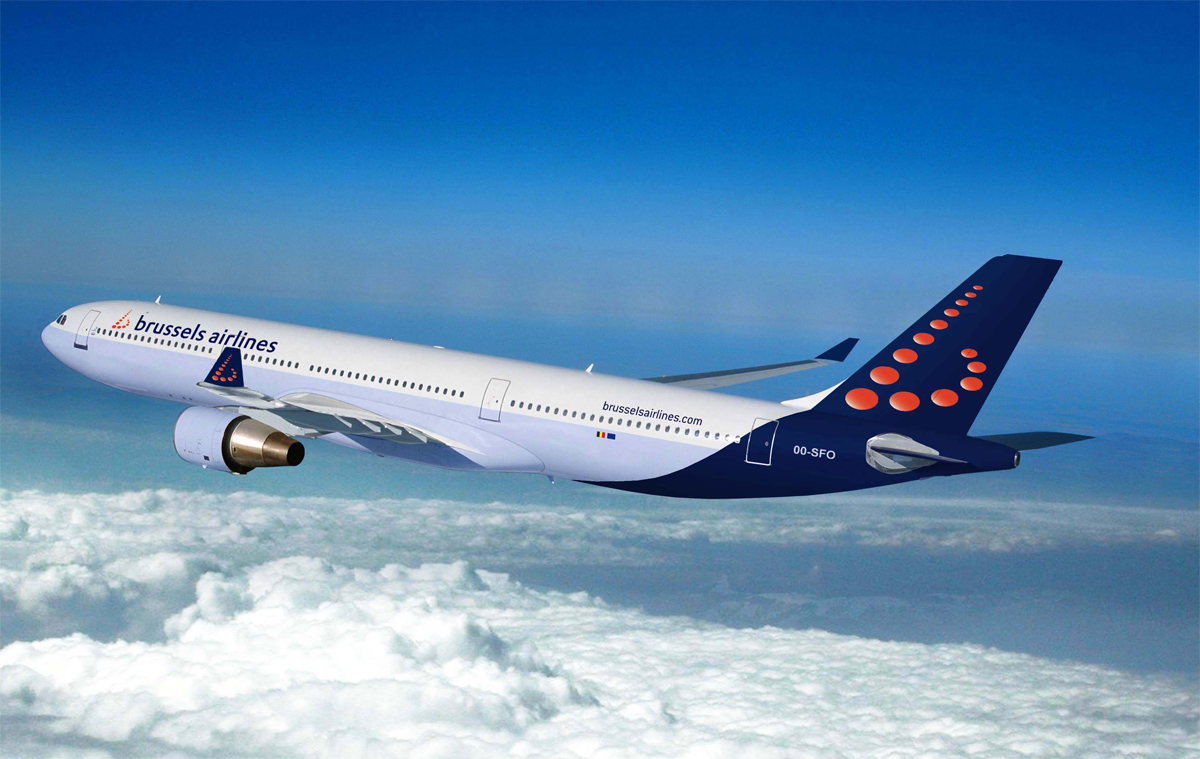
 Brussels Airlines está luchando porque su aerolínea no sufra los embates del coloso Lufthansa

 Brussels Airlines is struggling because its airline does not suffer the ravages of the Lufthansa colossus
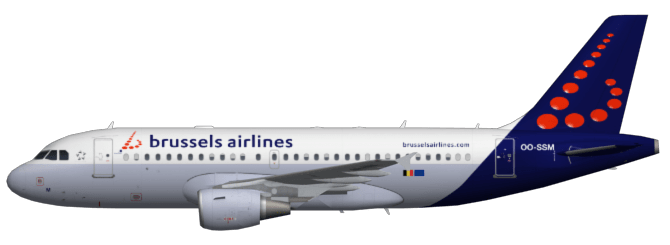 A group of German executives have traveled to Brussels to explain what they intend to do. The discomfort was felt quickly before a possible closure of the airline Brussels Airlines and a reorganization of the market. Around 100 Belgian companies met Monday to demand that Lufthansa keep Brussels Airlines in Brussels and not merge with Eurowings and be absorbed.
