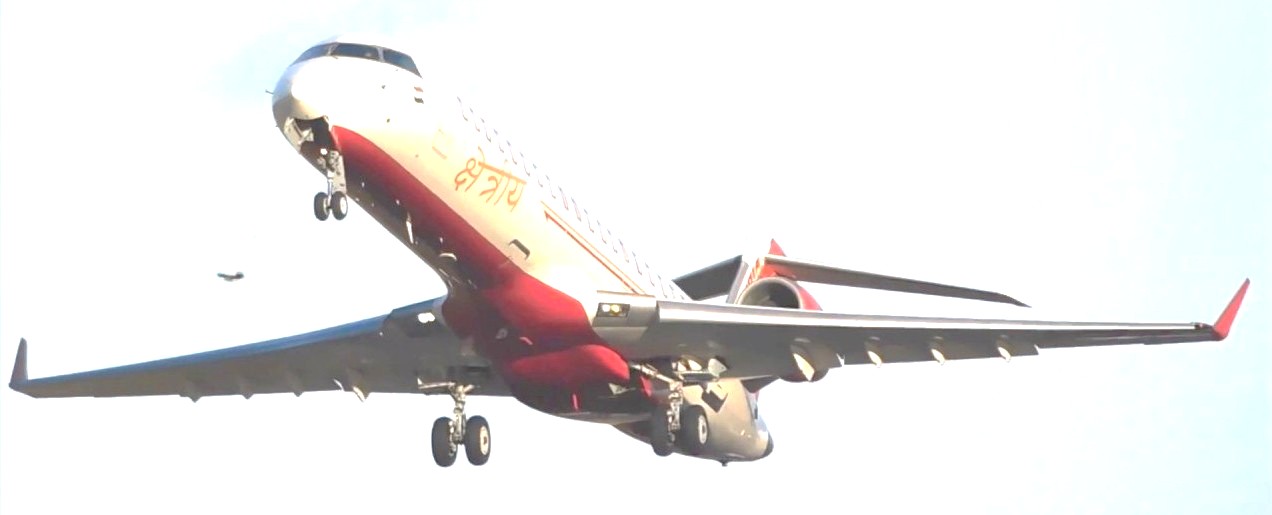
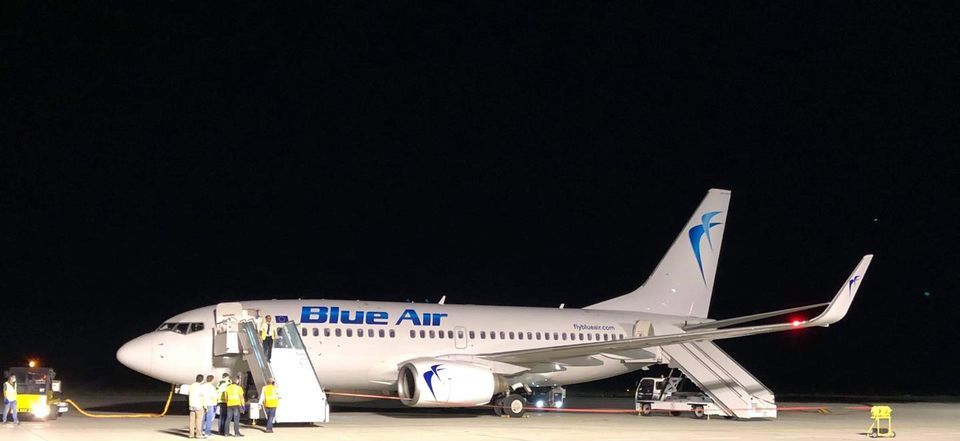
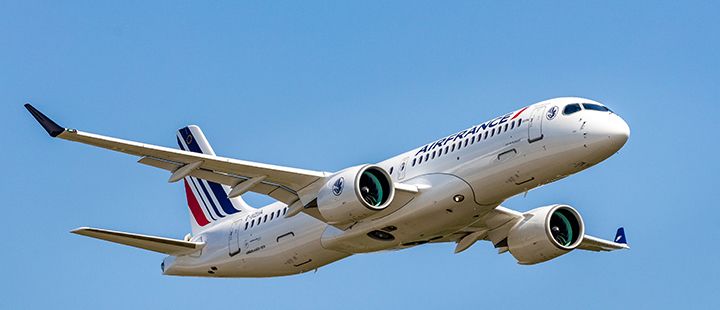
The Boeing Company está en conversaciones avanzadas con la nueva aerolínea de la India denominada Akasa Airlines para acceder a la adquisición de aeronaves de línea Boeing 737 MAX, en un acuerdo que podría proporcionar un gran avance en un mercado aéreo importante dominado por Airbus Group.
La aerolínea Akasa también ha hablado con el constructor aeronáutico europeo Airbus Group para acercar negociaciones preliminales por la línea A320NEO, pero el modelo no está disponible para su entrega inmediata debido a la alta demanda de este producto, lo que le da al fabricante americano una mejor ventaja más competitiva. El modelo A320NEO ha desarrollado una fuerte demanda de pedidos en todo el mundo lo que permite observar el éxito de la línea narrowbodies, pero al mismo tiempo, implica un retroceso debido a la falta de estructura para aumentar la línea de producción. Por otro lado, Boeing ha estado lidiando con su producto estrella el 737 MAX por cuestiones de ingeniería de seguridad en sus aeronaves después de un proceso de recertificación de su modelo insignia, pero ha estado ganando rápidamente espacio colocando el remanente de aviones fabricados, mientras que aprovecha la brecha existente con el constructor europeo para ganar posicionamiento en mercados como la India donde su presencia es más débil.
Los informes preliminares de las discusiones entre The Boeing Company y Akasa Airlines implican un acuerdo para hasta ochenta (80) aviones con entregas que comienzan tan pronto como dentro de siete (7) meses, aunque cualquier anuncio dependerá de que Akasa obtenga aprobaciones regulatorias para iniciar formalmente el negocio de la aerolínea.
El Boeing 737 MAX ha sido reautorizado para el servicio en 175 países, expresó el CEO de The Boeing Company, David Calhoun, mientras que la compañía espera que el avión gane la aprobación de recertificación en la República Popular de China.
Boeing reaches agreement with Akasa
New Indian airline Akasa negotiates aircraft fleet
The Boeing Company is in advanced discussions with the new Indian airline Akasa Airlines to agree to the acquisition of Boieng 737 MAX airlines, in an agreement that could provide a breakthrough in a major airline market dominated by Airbus Group.
The airline Akasa has also spoken with the European aeronautical manufacturer Airbus Group to approach preliminary negotiations for the A320NEO line, but the model is not available for immediate delivery due to the high demand for this product, which gives the American manufacturer a better most competitive advantage. The A320NEO model has developed a strong order demand around the world which makes it possible to observe the success of the narrowbodies line, but at the same time, it implies a setback due to the lack of structure to increase the production line. On the other hand, Boeing has been grappling with its flagship product the 737 MAX for safety engineering issues in its aircraft after a recertification process for its flagship model, but has been rapidly gaining space by placing the remainder of manufactured aircraft, while It takes advantage of the existing gap with the European constructor to gain a position in markets such as India where its presence is weaker.
Preliminary reports of discussions between The Boeing Company and Akasa Airlines imply an agreement for up to eighty (80) aircraft with deliveries beginning as soon as seven (7) months from now, although any announcement will depend on Akasa obtaining regulatory approvals to initiate. formally the airline business.
The Boeing 737 MAX has been reauthorized for service in 175 countries, The Boeing Company CEO David Calhoun said, while the company hopes the plane will win recertification approval in the People’s Republic of China.
बोइंग ने अकासा के साथ समझौता किया
नई भारतीय एयरलाइन अकासा ने विमान बेड़े पर बातचीत की
बोइंग कंपनी, नई भारतीय एयरलाइन अकासा एयरलाइंस के साथ उन्नत चर्चा कर रही है, ताकि बोएंग 737 मैक्स एयरलाइंस के अधिग्रहण के लिए सहमत हो, एक समझौते में जो एयरबस समूह के प्रभुत्व वाले एक प्रमुख एयरलाइन बाजार में एक सफलता प्रदान कर सकता है।
एयरलाइन अकासा ने यूरोपीय वैमानिकी निर्माता एयरबस समूह के साथ A320NEO लाइन के लिए प्रारंभिक बातचीत करने के लिए भी बात की है, लेकिन इस उत्पाद की उच्च मांग के कारण मॉडल तत्काल वितरण के लिए उपलब्ध नहीं है, जो अमेरिकी निर्माता को एक बेहतर सबसे अधिक प्रतिस्पर्धी लाभ देता है। A320NEO मॉडल ने दुनिया भर में एक मजबूत ऑर्डर मांग विकसित की है जो नैरोबॉडी लाइन की सफलता का निरीक्षण करना संभव बनाती है, लेकिन साथ ही, उत्पादन लाइन को बढ़ाने के लिए संरचना की कमी के कारण यह एक झटका है। दूसरी ओर, बोइंग अपने प्रमुख मॉडल के लिए पुन: प्रमाणन प्रक्रिया के बाद अपने विमान में सुरक्षा इंजीनियरिंग मुद्दों के लिए अपने प्रमुख उत्पाद 737 मैक्स के साथ जूझ रहा है, लेकिन शेष निर्मित विमानों को रखकर तेजी से स्थान प्राप्त कर रहा है, जबकि यह लाभ लेता है भारत जैसे बाजारों में एक स्थिति हासिल करने के लिए यूरोपीय कंस्ट्रक्टर के साथ मौजूदा अंतर जहां इसकी उपस्थिति कमजोर है।
द बोइंग कंपनी और अकासा एयरलाइंस के बीच चर्चा की प्रारंभिक रिपोर्ट में अस्सी (80) विमानों के लिए एक समझौता है, जिसकी डिलीवरी अब से सात (7) महीने बाद शुरू होगी, हालांकि कोई भी घोषणा अकासा को औपचारिक रूप से शुरू करने के लिए नियामक अनुमोदन प्राप्त करने पर निर्भर करेगी। एयरलाइन व्यवसाय।
बोइंग 737 मैक्स को 175 देशों में सेवा के लिए फिर से अधिकृत किया गया है, बोइंग कंपनी के सीईओ डेविड कैलहोन ने कहा, जबकि कंपनी को उम्मीद है कि विमान पीपुल्स रिपब्लिक ऑफ चाइना में पुन: प्रमाणन अनुमोदन प्राप्त करेगा।
Nella Airlines Inc., una compañía estadounidense con propiedad principal del ciudadano brasileño Mauricio Souza, ha adquirido el control del 100% sobre la aerolínea boliviana Amaszonas Línea Aérea (Amas Línea Aérea) este Martes 10/08. El acuerdo de traspaso de inversionistas permitirá conservar a los trabajadores de la compañía aérea boliviana.
El anterior Presidente Ejecutivo de Amaszonas línea Aérea, Sergio de Urioste ha expresado: «Al final, el bien común es lo que nos hizo tomar esta decisión de transferir todas nuestras acciones a una compañía norteamericana Nella Airlines Inc., que es un holding en Estados Unidos, siendo su principal propietario un ciudadano brasileño. La aviación en el mundo está en crisis y no nos hemos quedado fuera de la crisis. Hemos buscado diferentes formas de salir de la crisis, pero ha sido una tarea muy difícil y larga. Así como la pandemia trae una crisis, también trae oportunidades a las empresas que están listas para hacer grandes inversiones». El Vicepresidente de Amaszonas, Luis Vera, también anunció que la flota de seis aviones permanecerá operativa en Bolivia y que los representantes de la nueva propiedad llegarán el Jueves 12/08 para el traspaso de la firma.
Amaszonas Línea Aérea continuará emitiendo pasajes y conservará todas las reservas establecidas, mientras que alientan la continua confianza depositada en la aerolínea para que continúe creciendo con nuevos inversores. Amaszonas ingresará en un nuevo capítulo de restauración financiera mediante el ajuste de las deudas y la recuperación gradual de las operaciones de la compañía. Los anteriores propietarios han expresado que la actual pandemia ha causado un efecto desastroso en la economía global y que ha provocado la mayor crisis en la historia de la aviación comercial, lo que ha impactado en las finanzas de la compañía aérea.
Afectados por la crisis, accionistas de la aerolínea boliviana Amaszonas vendieron sus títulos a inversionistas de Brasil, después que el CEO Sergio de Urioste, solicitara el último pedido de auxilio al Gobierno para desarrollar un plan de rescate que salvara a la compañía de la compleja situación generada a raíz de la pandemia. Portavoces de la firma indicaron que se cierra un esfuerzo de 22 de años de operación y que en el nuevo acuerdo se priorizó la mano de obra nacional.
Según la Asociación Internacional de Transporte Aéreo (IATA), el retorno a los flujos de pasajeros que se registraron en la etapa previa a la pandemia se alcanzará en un par de años, explica el comunicado de la aerolínea boliviana. Sin embargo, también se hace referencia a una tendencia de recuperación más acelerada en la industria del transporte aéreo comercial debido principalmente al avance del proceso de vacunación en Bolivia.
La startup brasileña Nella Airlines bajo la matriz Nella Airlines Inc. ha adquirido anteriormente la compañía aérea venezolana Albatros Airlines, mientras se apresta a poner en valor a la propia empresa en Brasil denominada Nella Airlines. El grupo inversor brasileño-estadounidense ha cobrado impulso en la región permitiendo emerger fuertemente como un nuevo operador que modifique el mercado de la aviación comercial e imprima más oportunidades de competitividad y más destinos.
Nella acquires Amaszonas
Nella Airlines Inc. buys Amaszonas airline group
Nella Airlines Inc., a US company principally owned by the Brazilian citizen Mauricio Souza, has acquired 100% control over the Bolivian airline Amaszonas Línea Aérea (Amas Línea Aérea) this Tuesday 10/08. The investor transfer agreement will allow the workers of the Bolivian airline to be kept.
The former Executive President of Amaszonas Línea Aérea, Sergio de Urioste has expressed: «In the end, the common good is what made us make this decision to transfer all our shares to a North American company Nella Airlines Inc., which is a holding company in the United States. United, being its main owner a Brazilian citizen. Aviation in the world is in crisis and we have not been left out of the crisis. We have looked for different ways to get out of the crisis, but it has been a very difficult and long task. As well as the pandemic brings a crisis, it also brings opportunities to companies that are ready to make large investments». The Vice President of Amaszonas, Luis Vera, also announced that the fleet of six aircraft will remain operational in Bolivia and that the representatives of the new property will arrive on Thursday 12/08 for the transfer of the firm.
Amaszonas Línea Aérea will continue to issue tickets and will retain all established reservations, while encouraging the continued trust placed in the airline to continue growing with new investors. Amaszonas will enter a new chapter of financial restoration by adjusting debts and gradually recovering the company’s operations. The previous owners have expressed that the current pandemic has had a disastrous effect on the global economy and that it has caused the greatest crisis in the history of commercial aviation, which has impacted the finances of the airline.
Affected by the crisis, shareholders of the Bolivian airline Amaszonas sold their securities to investors from Brazil, after CEO Sergio de Urioste requested the last request for help from the Government to develop a rescue plan that would save the company from the complex situation generated as a result of the pandemic. Spokespersons for the firm indicated that an effort of 22 years of operation has been completed and that the national workforce was prioritized in the new agreement.
According to the International Air Transport Association (IATA), the return to passenger flows that were registered in the pre-pandemic stage will be achieved in a couple of years, explains the Bolivian airline’s statement. However, reference is also made to a more accelerated recovery trend in the commercial air transport industry, mainly due to the advancement of the vaccination process in Bolivia.
The Brazilian startup Nella Airlines under the parent company Nella Airlines Inc. has previously acquired the Venezuelan airline company Albatros Airlines, while it is preparing to value its own company in Brazil called Nella Airlines. The Brazilian-American investment group has gained momentum in the region, allowing it to emerge strongly as a new operator that modifies the commercial aviation market and creates more competitive opportunities and more destinations.
La compañía brasileña Embraer S.A. ha llegado a un acuerdo para la venta de 16 aviones Embraer E175-E1 a la aerolínea estadounidense SkyWest Airlines, aumentando el número de aviones en la flota a 87 unidades. Todos operarán vuelos regionales a través de Delta Air Lines bajo su identificación Delta Connection.
El nuevo Acuerdo de Compra de Capacidad (CPA) está valorado en US$ 798,4 millones de Dólares. Las entregas de este nuevo pedido comenzarán en 2022. Los nuevos E175-E1 estarán configurados con 76 asientos distribuidos en tres clases. «Con estos aviones, tendremos alrededor de 240 aviones modelo que operan con aerolíneas en América del Norte. […] Tenemos una gran confianza en nuestra asociación con Embraer, que apreciamos enormemente», dijo el Presidente y CEO de SkyWest, Chip Childs.
Anteriormente, este tipo de aeronaves operaba en Brasil con Trip Linhas Aéreas, que posteriormente se fusionó con Azul Linhas Aéreas en Mayo de 2012, tras haber completado la sinergia fue retirado del servicio. El mercado del E175 continúa siendo muy empleado en las rutas domésticas en Estados Unidos porque debido a su peso operativo, no se encuentran alcanzados por el acuerdo de las Cláusulas de Alcance reguladas por la aviación estadounidense para las estructuras de las compañías matrices y las feeders.
SkyWest orders an additional 16 E175-E1s
Embraer closes 16 E175-E1 agreement with SkyWest
The Brazilian company Embraer S.A. has reached an agreement for the sale of 16 Embraer E175-E1 aircraft to the US airline SkyWest Airlines, increasing the number of aircraft in the fleet to 87 units. All will operate regional flights through Delta Air Lines under Delta Connection.
The new Capacity Purchase Agreement (CPA) is valued at US$ 798.4 million. Deliveries of this new order will begin in 2022. The new E175-E1s will be configured with 76 seats distributed in three classes. «With these aircraft, we will have about 240 model aircraft operating with airlines in North America. […] We have great confidence in our partnership with Embraer, which we greatly appreciate», said SkyWest President and CEO Chip Childs.
Previously, this type of aircraft operated in Brazil with Trip Linhas Aéreas, which later merged with Azul Linhas Aéreas in May 2012, after completing the synergy it was withdrawn from service. The E175 market continues to be widely used on domestic routes in the United States because, due to its operating weight, they are not reached by the agreement of the Scope Clauses regulated by US aviation for the structures of the parent companies and feeders.
La aerolínea low cost mexicana Interjet ha anunciado por medio de Carlos del Valle del Río, portavoz oficial de la aerolínea que se prevé que sea en los próximos días cuando las autoridades mexicanas inicien formalmente el proceso de Concurso Mercantil, o proceso de Administración de la quiebra de la aerolínea.
El proceso ha avanzado de forma lenta porque el transportista enfrenta un proceso de huelga, lo que ha dificultado el acceso a la información. Los empleados de Interjet iniciaron la huelga el 8 de enero de este año, luego de que la compañía acumulara más de seis meses de no pagar sueldos y prestaciones. Posteriormente, un acreedor de la compañía inició un trámite de demanda de concurso mercantil que fue admitido por la Jueza María Luisa Cervantes Ayala, del Sexto Distrito en Materia Civil.
Interjet tiene una deuda acumulada de US$ 1.250 millones de Dólares entre trabajadores, acreedores y el Servicio de Administración Tributaria (SAT). La compañía aérea ha dejado de operar vuelos comerciales el 11 de Diciembre de 2020, y la mayor parte de las rutas aéreas perdidas por la aerolínea ya son operadas por las otras compañías nacionales como Volaris, Viva Aerobus y Aeroméxico. En todo este periodo, la administración de Interjet ha señalado repetidas veces que la intención es que la aerolínea vuelva a volar, una vez que se reestructure financieramente, se pague a los trabajadores que son los que son prioridad ante la ley y generen un nuevo plan que atraiga a nuevos inversionistas.
El objetivo original era reactivar las operaciones comerciales para 2022, sin embargo, ahora la aerolínea busca “llegar a enero con un escenario normalizado, es decir, sin huelga y con los principales compromisos cubiertos; esa meta la conservamos. “Paralelamente, se ha continuado en conversaciones con los acreedores a fin de que, cuando llegue ese momento (de que la autoridad dé luz verde al proceso de Concurso Mercantil), tengamos un acuerdo previo con ellos y así se facilite incluso la entrada de los nuevos inversionistas”, determinó la Jueza del Sexto Distrito.
Interjet commercial bankruptcy
I would start the next days administration process
The Mexican low cost airline Interjet has announced through Carlos del Valle del Río, official spokesperson of the airline that it is expected that it will be in the coming days when the Mexican authorities will formally initiate the Bankruptcy Administration process. from the airline.
The process has progressed slowly because the carrier is facing a strike process, which has made access to information difficult. Interjet employees began the strike on January 8 of this year, after the company accumulated more than six months of not paying salaries and benefits. Subsequently, a creditor of the company initiated a commercial bankruptcy claim process that was admitted by Judge María Luisa Cervantes Ayala, of the Sixth District in Civil Matters.
Interjet has an accumulated debt of US$ 1.25 billion between workers, creditors and the Tax Administration Service (SAT). The airline has stopped operating commercial flights on December 11, 2020, and most of the air routes lost by the airline are already operated by other national companies such as Volaris, Viva Aerobus and Aeroméxico. Throughout this period, the Interjet administration has repeatedly indicated that the intention is for the airline to fly again, once it is financially restructured, the workers who are the priority before the law and generate a new plan are paid. that attracts new investors.
The original objective was to reactivate commercial operations by 2022, however, now the airline seeks “to reach January with a normalized scenario, that is, without a strike and with the main commitments covered; we keep that goal. «At the same time, conversations have continued with creditors so that, when that moment arrives (for the authority to give the green light to the Bankruptcy process), we have a prior agreement with them and thus facilitate even the entry of the new investors”, determined the Sixth District Judge.
La Federal Aviation Administration (FAA) de Estados Unidos, ha emitido la autorización para que la compañía aérea española World2Fly pueda operar vuelos regulares y chárter al país. La compañía propiedad de la familia Fluxá, dueña de la cadena hotelera Iberostar, y dirigida por Gabriel Subías, solicitó en Febrero 2021 al Departamento de Transportes de estados Unidos (DOT) y la FAA de Estados Unidos el permiso para transportar personas, bienes y correo entre la Unión Europea y los Estados Unidos, así como hacer escalas para vuelos hacia otros países.
La iniciativa de la compañía aérea es realizar operaciones de vuelos en régimen mixto regulares y chárters hacia el Estado de Florida, como así también otros destinos dentro de Estados Unidos. La transportadora posee actualmente un Airbus A330-300 (1) y un A350-900 (1). Adicionalmente, la aérea espera incorporar hacia el 4Q2021 un próximo avión A350-900 para ampliar la red de destinos establecidos hacia el Caribe entre ellos Cuba, Cancún, República Dominicana, Orlando (FL) y Nueva York (NY).
La modalidad de ventas de los vuelos es a través de las agencias de viajes de las propias cadenas del grupo, mientras que el cupo restantes de plazas son vendidos por los canales del website de la aerolínea española.
FAA authorizes World2fly
United States approves transatlantic flights
The Federal Aviation Administration (FAA) of the United States has issued authorization for the Spanish airline World2Fly to operate scheduled and charter flights to the country. The company owned by the Fluxá family, owner of the Iberostar hotel chain, and directed by Gabriel Subías, applied in February 2021 to the United States Department of Transportation (DOT) and the United States FAA for permission to transport people, goods and mail. between the European Union and the United States, as well as stopovers for flights to other countries.
The initiative of the airline is to carry out regular and charter flight operations to the State of Florida, as well as other destinations within the United States. The carrier currently owns an Airbus A330-300 (1) and an A350-900 (1). Additionally, the airline expects to incorporate an upcoming A350-900 aircraft by 4Q2021 to expand the network of established destinations to the Caribbean, including Cuba, Cancun, the Dominican Republic, Orlando (FL) and New York (NY).
The mode of sales of the flights is through the travel agencies of the group’s own chains, while the remaining number of seats are sold through the channels of the Spanish airline’s website.
Latam Airlines Group continúa con su proceso de reestructuración financiera para delinear el futuro de la aerolínea. Actualmente el proceso judicial se desarrolla para confluir en un Juez de Quiebras James Garrity Jr. del Distrito Sur del Estado de Nueva York, quien recibirá el 15 de Septiembre de 2021 la propuesta de reorganización que permitirá a Latam Airlines Group S.A. abandonar el Capítulo 11 de la Ley de Quiebras de Estados Unidos y retomar sus negocios fuera de la orbita de la protección de la justicia estadounidense. Dentro del paraguas de la cita estarán abogados, ingenieros, acreedores, proveedores, asesores, junto a los accionistas, entre ellos la familia Cueto y las aerolíneas Delta Air Lines y Qatar Airways, que tienen en conjunto más del 50% de la propiedad de la firma.
Actualmente, la dirección de la aerolínea está ejercida por el CEO Roberto Alvo, con veinte años de trayectoria en la aerolínea sudamericana, junto con el Vicepresidente de Asuntos Legales, Juan Carlos Menció, y Ramiro Alfonsín a cargo de las finanzas de Latam Airlines con cinco años en la compañía. El equipo de trabajo del Vicepresidente Senior de finanzas de Latam Airlines continúa trabajando intensamente en la dirección de accionar el plan de negocios a cinco años para emerger a la compañía de la Administración bajo quiebras para reordenar sus compromisos.
Latam, Chater 11
La línea aérea Latam Airlines Group S.A. se acogió al Capítulo 11 de la Ley de Quiebras de Estados Unidos en Mayo de 2020, permitiendo conseguir suspender el pago de obligaciones financieras que por entonces sobrepasaban los valores de US$ 10 mil millones de dólares y financiamiento fresco por hasta US$ 2.450 millones, el que fue otorgado por un fondo global, Oaktree Capital Management, y sus accionistas principales, los Cueto y Qatar Airways, apoyados por Delta Air Lines. Ese financiamiento DIP (Deudor en Posesión) tiene una tasa de interés que promedia el 25% y fue aprobado en Septiembre 2020 por el Juez James Garrity Jr. A partir de entonces, Latam Airlines contaba con 18 meses de exclusividad para presentar un plan para abandonar el Capítulo 11.
Plan administración
La propuesta en la que trabaja Latam Airlines Group es un plan que debe ser gestionado por la administración de la compañía. Ese plan debe proyectar la empresa hacia adelante, dimensionar sus negocios, valorizar sus activos, definir un nivel de pasivos sustentable para ese tamaño y el monto de capital fresco que requerirá la nueva Latam Airlines emergente de la post-pandemia. Generalmente, el plan presenta una fórmula con financiamiento definido y con los sponsors resueltos, permitiendo a Latam invitar a grandes referentes globales de la aviación comercial.
En el directorio sus integrantes participan en las discusiones, pero solo dos votan las decisiones: siete de los nueve directores son elegidos por la familia Cueto, Delta Air Lines y Qatar Airways, una triple alianza que estructuró el DIP. Esta parte interesada de accionistas y contrapartes de la administración en un conflicto de intereses, los siete directores entre ellos Ignacio Cueto, Presidente y Enrique Cueto, se han abstenido de votar el plan. Las decisiones se radican en dos directores electos por los minoritarios: Patrick Horn y Eduardo Novoa.
Inicialmente, Latam Airlines Group S.A. debía presentar el plan de salida de la administración de quiebras el 30 de Junio de 2021. Veinte días antes, sin embargo, pidió al Tribunal de Quiebras del Distrito Sur de Nueva York una prórroga hasta el 15 de Septiembre de 2021, mientras continúa definiendo las conversaciones con inversionistas extranjeros.
El 14/06, los ejecutivos de Latam, encabezados por Ramiro Alfonsín, expusieron junto a sus asesores el plan de negocios a dos fondos internacionales Oaktree Capital y Apollo Global Management. El primer fondo de inversiones tuvo un rol protagónico en el DIP en 2020 inyectando capital por valor de US$ 1.300 millones a la aerolínea chileno-brasileña. Apollo, que estuvo en el rescate de Aeroméxico, acompañó a Oaktree en ese negocio, y ahora podrían reeditar esa alianza. El 15/06, los ejecutivos de Latam Airlines se reunieron con cinco directivos del Banco Greenhill de inversiones basado en Nueva York especializados en procesos de bancarrota. El rol de Greenhill, hasta ahora desconocido, fue revelado en documentos presentados en Estados Unidos es el asesor de los Cueto, Qatar Airways y Delta Air Lines en la negociación del plan de salida de la quiebra. En Chile, Greenhill trabaja el caso con el gestor de inversiones Asset Chile.
El 16/06 fue el turno de otro gran gestor de inversiones: Guggenheim Pertners, un fondo global que administra activos por valores de US$ 325 mil millones. Otro actor relevante el fondo Knighthead ha intentado disputar a Oaktree Capital y a la familia Cueto el DIP emitido en 2020 y que, tras una agitada disputa, se abrió espacio y terminó aportando US$ 250 millones al DIP. Actualmente, en las últimas semanas se han sumado varios más y algunos negociadores cifran en catorce el total de potenciales interesados en financiar la nueva Latam Airlines Group S.A., mientras que entre pasillos existen más oferentes, entre ellos Sixth Street Partners, otra firma global de inversiones con activos bajo administración por US$ 50 mil millones y que ha comprado deuda de la aerolínea. Latam Airlines busca una combinación de grandes fondos que concurran con recursos. «No hay nadie que vaya solo a un negocio tan grande como este», dice un especialista de mercado.
Operaciones en Latam
Latam Airlines ha recuperado actualmente casi la mitad de sus operaciones aéreas en situación concursal y en post-pandemia. La compañía retomó en Julio 2021 el 44% de sus operaciones pre-pandemia, el porcentaje más alto desde Febrero de 2010, antes del colapso que la hizo operar menos del 5% de su capacidad operativa. En Agosto 2021 espera regresar al 50% de sus servicios.
Emergiendo post-administración
Latam Airlines S.A., actualmente es una aerolínea con menor capacidad de captación de mercado, con una flota de aeronaves par pequeña y una fuerza laboral de 41.000 trabajadores antes de la pandemia a 28.000 a Marzo 2021. Para definir un plan de negocios futuro, Latam, sus accionistas y sus financistas deben definir el valor de la firma, las deudaas y el financiamiento hacia el futuro. Los actuales balances de la línea aérea le asignan un patrimonio negativo de casi US$ 3 mil millones por las pérdidas acumuladas. Los accionistas perdieron todo y el único valor de sus acciones son las opciones para suscribir futuros títulos, el denominado Equity Value. El denominado Enterprise Value en el que trabajan los interesados considera el valor comercial de los activos de Latam Airlines que comprende su flota, sus rutas, sus derechos aeroportuarios, sus equipos, entre otros bienes, en un valor bajo. Sin embargo, varios consultados estiman que el valor debería situarse entre US$ 11 mil millones y US$ 14 mil millones. «Los activos valen, pero es más significativo saber cómo serán los ingresos. Aún hay mucho riesgo en la aviación», dice un socio de Latam Airlines.
La valorización de Latam, dicen especialistas, determinará cuánta deuda puede soportar la aerolínea y cuánto dinero requerirá. La aerolínea debe lidiar con una carga de deuda que sigue siendo alta. Cuando se acogió al Capítulo 11, sus deudas financieras superaban los US$ 10 mil millones. Esa cifra, tras un año de Chapter 11 en el que los acreedores han debido certificar sus créditos, debe ser refinada y se debe distinguir en dos grandes grupos. El primero, donde están los bonistas, los acreedores con garantía y la deuda asociada a la flota, se sitúa entre US$ 6 mil millones y US$ 7 mil millones, estima un negociador. La segunda son los Claims (reclamos), compuesto básicamente por deuda no garantizada que se ha pedido en tribunales y que resta certificar. Aquella rondaría los US$ 5 mil millones. Ese grupo de deudores será el que, probablemente, sufrirá una quita en el valor de sus acreencias, lo que tendrá que ser aprobado por el juez y los acreedores. «Mientras mayor sea el valor de la compañía, menor será la quita», dice un experto.
Las empresas se financian con dos vías: deuda y capital. Hoy la deuda es abultada y debe ser disminuida y el patrimonio de los accionistas es negativo, y debe ser robustecido. Otra vez, el aporte de fondos a la compañía, que se realizará a través de un aumento de capital que diluirá al mínimo a los actuales accionistas. Preliminarmente, los cálculos de quienes participan en la negociación del exit plan han estimado que la compañía necesitará fondos por valores de US$ 4 mil millones a US$ 5 mil millones de dólares, lo que podría modificar sustancialmente la estructura de societaria de propiedad de Latam Airlines Group S.A. Esa inyección de recursos tiene un piso. Al salir del Chapter 11, la primera deuda que Latam deberá saldar es el pago del DIP por US$ 2.450 millones, de los cuales hasta Junio 2021 había girado US$ 1.650 millones en dos desembolsos. Oaktree Capital dispuso US$ 1.300 millones y la alianza entre Qatar Airways, Delta Air Lines, la familia Cueto y la familia Eblen contemplan unos US$ 800 millones. Varios de aquellos prestamistas podrían emplear el pago de esas deudas en seguir apostando por Latam Airlines.
La familia Cueto se ha resignado a que su rol podría ser muy menor al anterior de la pandemia. Con un 21% de las acciones, elegía a cuatro directores. En el DIP del 2020 los Cueto pusieron US$ 250 millones, pero el requerimiento de capital nuevo tiene otro volumen. Quizá aliado a grandes financistas como Oaktree Capital y Apollo Global Management, los principales aportantes del DIP, el rol de gestores de la nueva aerolínea podría tener algún valor. Pero nada garantiza que los socios sigan dominando Latam Airlines Group, una empresa cuyo potencial atrae a grandes inversores. Un ejemplo ha sido la empresa Hertz, el gigante del rent a car estadounidense que, también bajo administración del Capítulo 11, devino en una guerra de ofertas entre dos grupos y que terminó con Knighthead, que también participa en el caso Latam Airlines, y otro fondo, como dueño de la compañía. Otro factor clave dificulta mucho, pues la ley chilena garantiza los derechos preferentes de los actuales accionistas a suscribir nuevas emisiones de acciones, algo que la ley estadounidense no salvaguarda. «El gran dilema es qué ocurrirá con las acciones preferentes», opina un accionista de la empresa. Como contrapartida, la ley de quiebras de Estados Unidos, a través de la Absolute Priority Rule, privilegia el pago a los acreedores antes que a los accionistas. El choque de ambos es una ecuación difícil. «La magia de la salida pasa por el consenso», afirma uno de los muchos negociadores del proceso.
Perspectivas Latam Airlines
El exit plan debe ser presentado el 15 de Septiembre de 2021, pero, como ha sido tradición en la tramitación de este Capítulo 11, Latam Airlines podría nuevamente solicitar otra prórroga hasta Noviembre 2021. La firma lo debe resolver catorce días antes, a inicios del 09/2021, mientras se busca alcanzar un acuerdo entre partes para no incurrir en el Capítulo 7: la quiebra y liquidación de los activos. «Esa opción no existe para Latam», dice un ejecutivo optimista del futuro de la aerolínea.
Restructuring the post-pandemic Latam
Emerging from Chapter 11 of the Bankruptcy Law
Latam Airlines Group continues with its financial restructuring process to outline the future of the airline. Currently the judicial process is being developed to converge on a Bankruptcy Judge James Garrity Jr. of the Southern District of the State of New York, who will receive on September 15, 2021 the reorganization proposal that will allow Latam Airlines Group S.A. abandon Chapter 11 of the United States Bankruptcy Law and resume business outside the orbit of the protection of American justice. Within the umbrella of the meeting will be lawyers, engineers, creditors, suppliers, advisors, along with shareholders, including the Cueto family and the airlines Delta Air Lines and Qatar Airways, which together have more than 50% of the property of the firm.
Currently, the direction of the airline is exercised by the CEO Roberto Alvo, with twenty years of experience in the South American airline, together with the Vice President of Legal Affairs, Juan Carlos Menció, and Ramiro Alfonsín in charge of the finances of Latam Airlines with five years in the company. The Latam Airlines Senior Vice President of Finance work team continues to work intensely in the direction of implementing the five-year business plan to emerge the company from the Administration under bankruptcy to reorder its commitments.
Latam, Chater 11
The airline Latam Airlines Group S.A. it filed for Chapter 11 of the United States Bankruptcy Law in May 2020, allowing it to suspend the payment of financial obligations that at that time exceeded the values of US$ 10 billion dollars and fresh financing for up to US$ 2.45 billion, which was granted by a global fund, Oaktree Capital Management, and its main shareholders, Cuetos and Qatar Airways, supported by Delta Air Lines. This DIP (Debtor in Possession) financing has an interest rate that averages 25% and was approved in September 2020 by Judge James Garrity Jr. From then on, Latam Airlines had 18 months of exclusivity to present a plan to leave. Chapter 11.
Administration plan
The proposal in which Latam Airlines Group is working is a plan that must be managed by the company’s administration. This plan must project the company forward, size its businesses, value its assets, define a sustainable level of liabilities for that size and the amount of fresh capital that the new Latam Airlines emerging from the post-pandemic will require. Generally, the plan presents a formula with defined financing and with determined sponsors, allowing Latam to invite large global references in commercial aviation.
On the board of directors, its members participate in the discussions, but only two vote on the decisions: seven of the nine directors are elected by the Cueto family, Delta Air Lines and Qatar Airways, a triple alliance that structured the DIP. This stakeholder of shareholders and management counterparts, in a conflict of interest, the seven directors, including Ignacio Cueto, President and Enrique Cueto, have abstained from voting on the plan. The decisions are based on two directors elected by the minority: Patrick Horn and Eduardo Novoa.
Initially, Latam Airlines Group S.A. was due to present the exit plan from the bankruptcy administration on June 30, 2021. Twenty days before, however, it asked the Bankruptcy Court for the Southern District of New York for an extension until September 15, 2021, while it continues to define the conversations with foreign investors.
On 06/14, Latam executives, led by Ramiro Alfonsín, presented the business plan with their advisers to two international funds Oaktree Capital and Apollo Global Management. The first investment fund played a leading role in the DIP in 2020, injecting capital worth US$ 1.3 billion into the Chilean-Brazilian airline. Apollo, who was in the rescue of Aeroméxico, accompanied Oaktree in that business, and now they could reissue that alliance. On 06/15, Latam Airlines executives met with five executives from the New York-based Greenhill Investment Bank who specialize in bankruptcy proceedings. The role of Greenhill, until now unknown, was revealed in documents filed in the United States is the advisor to the Cuetos, Qatar Airways and Delta Air Lines in the negotiation of the exit plan from bankruptcy. In Chile, Greenhill is working on the case with investment manager Asset Chile.
On 06/16 it was the turn of another great investment manager: Guggenheim Pertners, a global fund that manages assets worth US$ 325 billion. Another relevant actor, the Knighthead fund, has tried to challenge Oaktree Capital and the Cueto family for the DIP issued in 2020 and that, after a heated dispute, space was opened and ended up contributing US$ 250 million to the DIP. Currently, several more have joined in recent weeks and some negotiators estimate the total number of potential interested in financing the new Latam Airlines Group SA at fourteen, while between the aisles there are more bidders, including Sixth Street Partners, another global investment firm with assets under management of US$ 50 billion and that it has bought airline debt. Latam Airlines seeks a combination of large funds that concur with resources. «There is no one who goes alone to a business as big as this», says a market specialist.
Operations in Latam
Latam Airlines has currently recovered almost half of its air operations in bankruptcy and post-pandemic situations. The company resumed 44% of its prepandemic operations in July 2021, the highest percentage since February 2010, before the collapse that made it operate less than 5% of its operating capacity. In August 2021 he hopes to return to 50% of his services.
Emerging post-administration
Latam Airlines S.A., is currently an airline with less capacity to capture the market, with a fleet of small aircraft and a workforce of 41,000 workers before the pandemic to 28,000 as of March 2021. To define a future business plan, Latam, its shareholders and its financiers must define the value of the firm, the debt and the financing going forward. The current balance sheets of the airline assign a negative equity of almost US$ 3 billion for accumulated losses. Shareholders lost everything and the only value of their shares are the options to subscribe for future securities, the so-called Equity Value. The so-called Enterprise Value in which the interested parties work considers the commercial value of the Latam Airlines assets that comprises its fleet, its routes, its airport rights, its equipment, among other assets, at a low value. However, several respondents estimate that the value should be between US$ 11 billion and US$ 14 billion. «The assets are worth it, but it is more significant to know what the income will be like. There is still a lot of risk in aviation», says a partner at Latam Airlines.
The valuation of Latam, say specialists, will determine how much debt the airline can bear and how much money it will require. The airline must deal with a debt load that remains high. When he filed for Chapter 11, his financial debts were in excess of US$ 10 billion. That figure, after a year of Chapter 11 in which creditors have had to certify their credits, must be refined and must be distinguished into two large groups. The first, where the bondholders, the secured creditors and the debt associated with the fleet are located, is between US$ 6 billion and US$ 7 billion, estimates a negotiator. The second is the Claims (claims), basically made up of unsecured debt that has been requested in court and that remains to be certified. That would be around US$ 5 billion. That group of debtors will be the one that will probably suffer a reduction in the value of their debts, which will have to be approved by the judge and the creditors. «The higher the value of the company, the less it takes away», says one expert.
Companies are financed in two ways: debt and equity. Today the debt is bulky and must be reduced and the equity of the shareholders is negative, and it must be strengthened. Again, the contribution of funds to the company, which will be carried out through a capital increase that will dilute the current shareholders to a minimum. Preliminarily, the calculations of those who participate in the negotiation of the exit plan have estimated that the company will need funds in the amount of US$ 4 billion to US$ 5 billion, which could substantially modify the corporate structure owned by Latam Airlines Group SA This injection of resources has a floor. Upon exiting Chapter 11, the first debt that Latam will have to pay off is the payment of the DIP for US$ 2.45 billion, of which until June 2021 it had turned US$ 1.65 billion in two disbursements. Oaktree Capital set aside US$ 1.3 billion and the alliance between Qatar Airways, Delta Air Lines, the Cueto family and the Eblen family includes some US$ 800 million. Several of those lenders could use the payment of these debts to continue betting on Latam Airlines.
The Cueto family has resigned themselves to the fact that their role could be much less than before the pandemic. With 21% of the shares, he elected four directors. In the 2020 DIP the Cuetos put US$ 250 million, but the new capital requirement has another volume. Perhaps allied to large financiers such as Oaktree Capital and Apollo Global Management, the main contributors to the DIP, the role of managers of the new airline could have some value. But nothing guarantees that the partners will continue to dominate Latam Airlines Group, a company whose potential attracts large investors. An example has been the company Hertz, the American rental car giant that, also under Chapter 11 administration, became a bidding war between two groups and ended with Knighthead, which is also involved in the Latam Airlines case, and another fund, as the owner of the company. Another key factor makes it very difficult, since Chilean law guarantees the preferential rights of current shareholders to subscribe for new share issues, something that US law does not safeguard. «The big dilemma is what will happen to the preferred shares», says a shareholder of the company. In return, the bankruptcy law of the United States, through the Absolute Priority Rule, privileges payment to creditors over shareholders. The collision of the two is a difficult equation. «The magic of the exit happens through the consensus», affirms one of the many negotiators of the process.
Latam Airlines perspectives
The exit plan must be presented on September 15, 2021, but, as has been the tradition in the processing of this Chapter 11, Latam Airlines could again request another extension until November 2021. The firm must resolve it fourteen days before, at the beginning of 09/2021, while seeking to reach an agreement between parties not to incur Chapter 7: bankruptcy and liquidation of assets. «That option does not exist for Latam», says an optimistic executive of the future of the airline.
Airgways® es una publicación de la industria de la aviación comercial, turismo y afines con el objetivo de fortalecer los lazos de los pueblos con el conocimiento, las habilidades, las capacidades para el desarrollo y progreso de la fascinante vida de la aviación. Nuestro compromiso basado en sólidos conceptos de ética de la información y valores son los pilares para lograr cumplir con los objetivos de continuar volando junto a usted.
El equipo de Airgways estará muy complacido por entrar en contacto con usted. Deseamos poder recibir sus consultas, sugerencias, elogios o más información sobre cualquier aspecto de nuestro website. El Departamento de Relaciones Públicas de Airgways favorece la comunicación y el diálogo constructivo con la finalidad de engrandecer la aviación mundial. Póngase en comunicación con nuestra redacción. Airgways® estimula a nuestros entusiastas lectores a continuar participando con sus comentarios. Estamos complacidos por continuar volando junto a nosotros. ¡Bienvenidos a bordo, siempre!
¿Desea recibir más noticias como esta? Lo animamos a suscribirse de manera gratuita a Airgways.com y continuar disfrutando de volar junto a nosotros. ¡Bienvenido a bordo, siempre! Airgways es una editorial de noticias de aviación comercial, turismo y afines de alcance mundial. Donde quiera que usted se encuentre, puede suscribirse a Airgways.com de manera gratuita, accediendo en su bandeja de entrada de su e-mail con las mejores noticias, obteniendo beneficios y premios para nuestros aero-entusiastas. Estamos seguros que se deleitará junto a nuestro equipo con la pasión por volar todos los días, un día más. ¡Amamos volar, siempre! Vuela tan alto como tus sueños.
Airgways® is a publication of the commercial aviation, tourism and related industry with the objective of strengthening the ties of peoples with the knowledge, skills, capacities for the development and progress of the fascinating life of aviation. Our commitment based on solid concepts of information ethics and values are the pillars to achieve the objectives of continuing to fly with you.
The Airgways team will be very pleased to get in touch with you. We want to be able to receive your questions, suggestions, compliments or more information about any aspect of our website. The Airgways Public Relations Department fosters communication and constructive dialogue in order to enhance global aviation. Get in touch with our newsroom. Airgways® encourages our enthusiastic readers to continue to participate with their comments. We are pleased to continue flying alongside us. Welcome aboard, always!
Do you want to receive more news like this? We encourage you to subscribe for free to Airgways.com and continue to enjoy flying with us. Welcome aboard, always! Airgways is a global publisher of commercial aviation, tourism and related news. Wherever you are, you can subscribe to Airgways.com for free, accessing your e-mail inbox with the best news, obtaining benefits and prizes for our aero-enthusiasts. We are sure that you will delight with our team with the passion for flying every day, one more day. We love to fly, always! Fly as high as your dreams.
Fondo cobertura Odey vende participación en Ryanair/IAG Group
El fondo de cobertura con sede en el Reino Unido Odey Asset Management ha vendido sus participaciones en las firmas aéreas Ryanair Holdings Plc. e International Consolidated Airlines Group S.A. (IAG). El gestor de fondos de cobertura James Hanbury vendió su participación en IAG, propietaria de British Airways como así también en la aerolínea low cost irlandesa Ryanair. El reciente desarrollo se produce después de que el fondo de cobertura tomara una posición corta para la cadena de cines AMC Entertainment (AMC), según un informe del Financial Times. Las aerolíneas, los cines y otras cadenas hoteleras se han visto particularmente afectadas por la pandemia de Coronavirus, con la variante Delta de rápida propagación interrumpiendo aún más el sector.
Gran Bretaña ha vacunado dos veces a una mayor proporción de su población contra el COVID-19 que la mayoría de los otros países, pero el Gobierno ha impedido viajar a muchos destinos al imponer reglas que, según la industria de viajes, están obstaculizando la economía. Odey, IAG Group y Ryanair no estuvieron disponibles de inmediato para la solicitud de comentarios el día Sábado 07/08.
Odey Asset sells shares
Hedge fund Odey sells stake in Ryanair/IAG Group
UK-based hedge fund Odey Asset Management has sold its stakes in airlines Ryanair Holdings Plc. and International Consolidated Airlines Group S.A. (IAG). Hedge fund manager James Hanbury sold his stake in IAG, which owns British Airways as well as Irish low cost airline Ryanair. The recent development comes after the hedge fund took a short position for the AMC Entertainment (AMC) theater chain, according to a Financial Times report. Airlines, cinemas and other hotel chains have been particularly hard hit by the Coronavirus pandemic, with the rapidly spreading Delta variant further disrupting the sector.
Britain has twice vaccinated a higher proportion of its population against COVID-19 than most other countries, but the government has prevented travel to many destinations by imposing rules that the travel industry says are hampering the economy. Odey, IAG Group and Ryanair were not immediately available for comment on Saturday 08/07.
Domingo 08/08 parte otro vuelo por vacunas Sputnik V
Aerolíneas Argentinas ha anunciado otro vuelo programado para este Domingo 08/08 parte un vuelo a Rusia en busca de más dosis de vacunas Sputnik V. La compañía en coordinación con el Gobierno prepara un nuevo vuelo con destino a Moscú, capital de Federación Rusia, para traer un nuevo cargamento de dosis de vacunas Sputnik V contra el Covid-19. El vuelo AR1064 en un Airbus A330-200 con matrícula LV-GIF despegó este Domingo a las 03:00 a.m. y arribará este Lunes 09/08 a las 17:30 horas a Ezeiza, sin embargo, aún no se precisó si serían los componentes 1 o 2, para completar los esquemas ya iniciados con el suero producido por el Instituto Gamaleya.
Desde el primer vuelo que llegó en Diciembre 2020, la compañía completó 22 viajes hacia Moscú en las que se trajeron 11.813.375 de dosis de la vacuna rusa, de las cuales 9.375.670 corresponden al componente 1 y 2.493.160 al componente 2. Este Miércoles 04/08, el Fondo de Inversión Ruso anunció que durante el mes de Agosto 2021 se normalizaría la entrega de componentes 2 de la vacuna, requerida para completar los esquemas de inmunización en varios países, entre ellos la Argentina. En tanto, la ministra de Salud Carla Vizzotti confirmó que el país está en condiciones de avanzar en las 24 jurisdicciones para intercambiar diferentes vacunas, y que se comenzará intercambiando Sputnik V con Moderna y AstraZeneca, priorizando a personas mayores de 50 años y con comorbilidades que aún no hayan recibido la segunda dosis.
Argentina flight AR1064 for vaccines
Sunday 08/08 leaves another flight for Sputnik V vaccines
Aerolíneas Argentinas has announced another flight scheduled for this Sunday 08/08 leaves a flight to Russia in search of more doses of Sputnik V vaccines. The company, in coordination with the Government, is preparing a new flight to Moscow, capital of the Russian Federation, to bring a new shipment of Sputnik V vaccine doses against Covid-19. Flight AR1064 on an airbus A330-200 with registration LV-GIF took off this Sunday at 03:00 a.m. and will arrive this Monday 08/09 at 5:30 pm in Ezeiza, however, it has not yet been specified whether they would be components 1 or 2, to complete the schemes already started with the serum produced by the Gamaleya Institute.
Since the first flight that arrived in December 2020, the company completed 22 trips to Moscow in which 11,813,375 doses of the Russian vaccine were brought, of which 9,375,670 correspond to component 1 and 2,493,160 to component 2. This Wednesday 08/04, the Russian Investment Fund announced that during the month of August 2021 the delivery of components 2 of the vaccine, required to complete the immunization schedules in several countries, including Argentina, would be normalized. Meanwhile, Health Minister Carla Vizzotti confirmed that the country is in a position to advance in the 24 jurisdictions to exchange different vaccines, and that it will begin exchanging Sputnik V with Moderna and AstraZeneca, prioritizing people over 50 years of age and with comorbidities that have not yet received the second dose.
La compañía aérea de la República Argentina, Aerolíneas Argentinas, ha registrado pérdidas acumuladas desde 2008 por valor de US$ 7.322 millones de Dólares. Tras la expropiación en 2008 de Aerolíneas Argentinas al Grupo Marsans por parte del Gobierno de Argentina ha significado un duro costo para la sociedad argentina. En Diciembre de 2008 la expropiación fue convertida en ley y Aerolíneas Argentinas, Austral Líneas Aéreas y las demás empresas que componen el grupo pasaron a ser de gestión pública. Desde 2008 y en adelante, las compañías bajo la orbita gubernamental, no ha logrado tener ganancias, a pesar de los cambios de administración entre gobiernos, arrastrando un pasivo incrementado. Posteriormente, el país perdió un millonario juicio por la expropiación de la empresa Aerolíneas Argentinas/Austral en el organismo de reclamos del CIADI, el Tribunal Arbitral del Banco Mundial, con sede en Washington, cancelando un conflicto por el pago de US$ 320 millones de Dólares por parte del Estado argentino durante la gestión kirchnerista.
La herencia maldita
La Ley 26.466 establecida hacia finales de 2008 otorgaba la expropiación del grupo Aerolíneas, que comprendían las empresas Aerolíneas Argentinas, Austral Líneas Aéreas, Optar y Aerohandling, migraban a la esfera pública. Desde el 2009 el grupo acumuló pérdidas por US$ 7.322 millones de Dólares, que debieron ser soportadas por la sociedad. Acorde a las cifras disponibles, el año 2012 fue el peor año en términos financieros por parte de Aerolíneas Argentinas, alcanzando a registrar pérdidas por US$ 899 millones de Dólares, más el déficit de Austral Líneas Aéreas, la cifra ascendió hasta los US$ 905 millones de Dólares en 2012. El Gobierno kirchnerista de Cristina Fernández dejaba la empresa con un déficit de US$ 553 millones de Dólares en 2015. Frente a ello, la gestión de Mauricio Macri no planteó ninguna reforma de fondo y descartó rápidamente cualquier intento de privatización. En su lugar, se optó por racionalizar la gestión de la empresa y, aún así, en 2019 se llegó a un déficit de US$ 580 millones de Dólares. La actual Administración de Alberto Fernández retomaba la gestión del grupo impactando fuertemente el arrastre del déficit con el impacto de la pandemia alcanzando un déficit anual que ascendía hasta los US$ 700 millones de Dólares en 2020, el más alto desde 2012. Este año, se espera obtener un margen de pérdidas por valores de US$ 564 millones de Dólares. Hacia Noviembre de 2020 se concretaba la fusión de Aerolíneas Argentinas y Austral Líneas Aéreas, históricamente mentada por el sindicato de pilotos APLA y parte de la elite de la Agrupación kirchnerista de La Cámpora en detrimento de esta última. La crisis sanitaria buscaba una excusa perfecta para integrar definitivamente la dos aéreas, con el so pretexto de buscar sinergias de las unidades y reducir costos operativos y administrativos, cosa que hasta ahora no nunca ha sucedido, mientras se cumplía el viejo anhelo de suprimir a la legendaria Austral Líneas Aéreas de los cielos argentinos.
Desde 2008 ninguna administración logró poner en orden las finanzas del grupo aéreo. La opción por privatizar los servicios o anexarlos a distintas compañías y simplemente terminar con la forma jurídica de la empresa, se vuelve cada vez más razonable. El candidato a Diputado Nacional, Franco Rinaldi, expuso la injusticia y la irracionalidad que supone mantener empresas estatales millonarias a costa de una sociedad cada vez más empobrecida.
Durante la pandemia, el Gobierno kirchnerista decidió retroceder en la apertura de cielos que había comenzado en la gestión anterior, volviendo a sobre-regular el mercado para imposibilitar el libre mercado de competitividad y precios más accesibles.
La gestión estatal refleja importantes deficiencias que los sucesivos gobiernos se negaron a corregir la gestión de Aerolíneas Group. La adopción idealizada de una aerolínea de bandera demostró no traer mayores beneficios para la sociedad, por el contrario fue la propia sociedad la que debió hacerse cargo del costo financiero que implica la imprudencia, negligencia y la herencia de la administración de Cristina Fernández de Kirchner.
Aerolíneas losses of US$ 7,322 million
Aerolíneas Argentinas accumulates loss figure since 2009
The airline company of the Argentine Republic, Aerolíneas Argentinas, has recorded accumulated losses since 2008 amounting to US$ 7,322 million. Following the expropriation in 2008 of Aerolíneas Argentinas from the Marsans Group by the Government of Argentina, this has meant a heavy cost to Argentine society. In December 2008 the expropriation was converted into law and Aerolíneas Argentinas, Austral Líneas Aéreas and the other companies that make up the group became public management. Since 2008 and onwards, the companies under the governmental orbit, have not been able to make profits, despite the changes of administration between governments, dragging an increased liability. Subsequently, the country lost a million-dollar lawsuit for the expropriation of the company Aerolíneas Argentinas/Austral in the ICSID claims body, the Arbitral Tribunal of the World Bank, based in Washington, canceling a dispute over the payment of US$ 320 million of Dollars by the Argentine State during the Kirchner administration.
The cursed inheritance
Law 26,466 established towards the end of 2008 granted the expropriation of the Aerolíneas group, which comprised the companies Aerolíneas Argentinas, Austral Líneas Aéreas, Optar and Aerohandling, migrated to the public sphere. Since 2009, the group has accumulated losses of US$ 7,322 million, which had to be borne by the company. According to the available figures, 2012 was the worst year in financial terms for Aerolíneas Argentinas, registering losses of US$ 899 million, plus the deficit of Austral Líneas Aéreas, the figure rose to US$ 905 million Dollars in 2012. The Kirchner government of Cristina Fernández left the company with a deficit of US$ 553 million Dollars in 2015. Faced with this, the management of Mauricio Macri did not propose any substantive reform and quickly ruled out any attempt at privatization . Instead, it was decided to rationalize the management of the company and, even so, in 2019 a deficit of US$ 580 million was reached. The current Alberto Fernández Administration resumed the management of the group, strongly impacting the dragging of the deficit with the impact of the pandemic, reaching an annual deficit that amounted to US$ 700 million in 2020, the highest since 2012. This year, it was expects to obtain a loss margin of US$ 564 million Dollars. Towards November 2020, the merger of Aerolíneas Argentinas and Austral Líneas Aéreas was finalized, historically mentioned by the APLA pilots union and part of the elite of the Kirchnerist Grouping of La Cámpora to the detriment of the latter. The health crisis was looking for a perfect excuse to definitively integrate the two areas, under the pretext of seeking synergies of the units and reducing operating and administrative costs, something that until now has never happened, while fulfilling the old desire to suppress the legendary Austral Líneas Aéreas from the Argentine skies.
Since 2008, no administration has managed to put the airline group’s finances in order. The option to privatize services or annex them to different companies and simply end the legal form of the company, becomes more and more reasonable. The candidate for National Deputy, Franco Rinaldi, exposed the injustice and irrationality of maintaining millionaire state companies at the expense of an increasingly impoverished society.
During the pandemic, the Kirchnerist government decided to back down in the opening of skies that it had begun in the previous administration, once again overregulating the market to make it impossible to have a free market of competitiveness and more accessible prices.
The state management reflects important deficiencies that successive governments refused to correct the management of Aerolíneas Group. The idealized adoption of a flag airline proved not to bring greater benefits to society, on the contrary, it was society itself that had to bear the financial cost that imprudence, negligence and the inheritance of the Cristina Fernández de Kirchner administration imply.
AW | 2021 08 02 17:43 | GOVERNMENT / AIRLINES / AEROSPACE SCIENCE
Gobierno inyecta gasto público en más AR$ 700.000 millones
El Gobierno de Argentina emitió un decreto que dispone la ampliación del 97% para el financiamiento a empresas del Estado que surgirán con el crecimiento de la recaudación impositiva y de tributos ligados a la Seguridad Social. En medio de la campaña electoral nacional, el Gobierno amplió el gasto público en más de AR$ 700.000 millones de Pesos que serán destinados a financiar a la empresa de servicios satelitales AR-SAT a Aerolíneas Argentinas, la importación de gasoil y las cajas previsionales provinciales.
Se trata de la octava suba de las pautas de gastos y recursos para este año, que sigue afectado por las medidas adoptadas para controlar la pandemia. El déficit aumenta en unos AR$ 23.500 millones, a través del Decreto de Necesidad y Urgencia Número 489/2021 publicado en el Boletín Oficial. A través de similares medidas, el gasto del presupuesto se había incrementado en AR$ 297.639 millones y los ingresos en AR$ 203.230 millones. Con la medida actual, se amplió en AR$ 60.400 millones la autorización para emitir Letras del Tesoro reembolsables durante el ejercicio 2021 por encima de los AR$ 1.500.000.000.000 (AR$ 1,5 billones).
El Decreto Nº489/2021 apunta a compensar a la compañía AR-SAT (Argentina de Soluciones Satelitales SA) dependiente de la Jefatura de Gabinete. Los recursos emitidos por el Estado permitirán a Aerolíneas Argentinas conceder un aval en favor de la aérea para cubrir gastos de capital y refinanciar deudas.
Argentina extends resources to Aerolíneas
Government injects public spending in more than AR$ 700,000 million
The Government of Argentina issued a decree that provides for an increase of 97% for financing state companies that will arise with the growth of tax collection and taxes linked to Social Security. In the midst of the national electoral campaign, the Government increased public spending by more than AR$ 700,000 million pesos that will be used to finance the satellite services company AR-SAT to Aerolíneas Argentinas, the importation of diesel and the provincial pension funds .
This is the eighth increase in the spending and resource guidelines for this year, which is still affected by the measures adopted to control the pandemic. The deficit increases by about AR$ 23,500 million, through Decree of Necessity and Urgency Number 489/2021 published in the Official Gazette. Through similar measures, budget spending had increased by AR$ 297,639 million and income by AR$ 203,230 million. With the current measure, the authorization to issue reimbursable Treasury Bills during fiscal year 2021 was increased by AR$ 60,400 million above AR$ 1,500,000,000,000 (AR$ 1.5 trillion).
Decree No. 489/2021 aims to compensate the company AR-SAT (Argentina de Soluciones Satelitales SA) dependent on the Chief of Cabinet. The resources issued by the State will allow Aerolineas Argentinas to grant a guarantee in favor of the airline to cover capital expenses and refinance debts.