SAS sale proceso de quiebra

AW | 2024 08 30 13:53 | AIRLINES

SAS Airlines anunció inyección de capital por US$ 1.200 millones

La aerolínea escandinava SAS Airlines anunció la salida del Procedimiento de Quiebra del Capítulo 11 de Estados Unidos. El Consejero Delegado Anko van der Werff elogió una nueva era con un balance más sólido y nuevos propietarios. La aerolínea forma parte de una red de servicios como línea aérea de bandera de Noruega, Suecia y Dinamarca.

Scandinavian Airlines, con sede en Estocolmo, Suecia, reestructuró su deuda de más de US$ 2.000 millones de Dólares, ajustó su flota y retiró sus acciones de la bolsa en un proceso que eliminó las participaciones de sus más de 250.000 antiguos propietarios. SAS Airlines señaló que sale del proceso judicial con una inversión total de US$ 1.200 millones de Dólares, que comprende US$ 475 millones de Dólares en nuevas acciones no cotizadas y US$ 725 millones de Dólares en deuda convertible garantizada.

“Esta es realmente una nueva era para SAS con una posición mucho más sólida, una deuda menor y un coste menor”, dijo el Consejero Delegado, añadiendo que la aerolínea había tenido un sólido rendimiento operativo durante la reciente temporada de verano.

SAS Airlines indicó que los continuos recortes de costos le ayudaron a registrar su mayor rentabilidad mensual en Julio 2024 y ve oportunidades en un mercado en crecimiento, sin proporcionar más detalles sobre las ganancias. “Ahora, debemos mirar hacia adelante y completar la transformación que hemos comenzado”, dijo Anko van der Werff.

SAS solicitó protección por bancarrota en Julio de 2022 después de años de luchar con altos costos y baja demanda, lo que llevó a un plan aprobado por el tribunal que convierte a Air France-KLM, el fondo de cobertura Castlelake, el Administrador de Inversiones Lind Invest y el Gobierno de Dinamarca en sus nuevos propietarios. SAS había previsto inicialmente que el proceso duraría entre nueve y doce meses, pero esta previsión se revisó varias veces. Air France-KLM tendrá inicialmente una participación del 19.9% en SAS, lo que aumentará la presencia del grupo franco-holandés en Suecia, Dinamarca y Noruega. En tanto, Air France-KLM podría aumentar su participación y convertirse en accionista mayoritario después de un mínimo de dos años, sujeto a las condiciones regulatorias y al desempeño financiero.

Alianza SkyTeam
SAS Airlines pertenece a la Star Alliance, mientras que cambiará en Septiembre 2024 su programa de fidelización de clientes hacia la Alianza SkyTeam, que Air France-KLM es un miembro destacado.

El Consejero Delegado de Air France-KLM, Benjamin Smith, expresó: «Los clientes de SAS, Air France y KLM tendrán ahora un mayor número de destinos a través de códigos compartidos».

SAS exits bankruptcy proceedings

SAS Airlines announces US$ 1.2 billion capital injection

Scandinavian airline SAS Airlines announced its exit from Chapter 11 bankruptcy proceedings in the United States. CEO Anko van der Werff hailed a new era with a stronger balance sheet and new owners. The airline is part of a network of services as the flag carrier of Norway, Sweden, and Denmark.

Stockholm, Sweden-based Scandinavian Airlines restructured its debt of more than US$ 2 billion, adjusted its fleet, and delisted its shares in a process that eliminated the stakes of its more than 250,000 former owners. SAS Airlines said it is exiting the proceedings with a total investment of US$ 1.2 billion, comprising US$ 475 million in new unlisted shares and US$ 725 million in secured convertible debt.

“This is truly a new era for SAS with a much stronger position, lower debt, and lower cost”, the CEO said, adding that the airline had delivered a strong operating performance during the recent summer season.

SAS Airlines said continued cost cuts helped it post its highest monthly profitability in July 2024 and sees opportunities in a growing market, without providing further details on earnings. “Now, we must look ahead and complete the transformation we have started”, Anko van der Werff said.

SAS filed for bankruptcy protection in July 2022 after years of struggling with high costs and low demand, leading to a court-approved plan that makes Air France-KLM, hedge fund Castlelake, investment manager Lind Invest, and the Government of Denmark its new owners. SAS had initially forecast the process would take between nine and twelve months, but this forecast was revised several times. Air France-KLM will initially hold a 19.9% ​​stake in SAS, increasing the Franco-Dutch group’s presence in Sweden, Denmark, and Norway. Air France-KLM could increase its stake and become a majority shareholder after a minimum of two years, subject to regulatory conditions and financial performance.

SkyTeam Alliance
SAS Airlines is a member of the Star Alliance, while it will switch its customer loyalty programme to the SkyTeam Alliance in September 2024, of which Air France-KLM is a leading member.

Air France-KLM CEO Benjamin Smith said: «SAS, Air France, and KLM customers will now have a greater number of destinations via codeshare».

PUBLISHER: Airgways.com
DBk: Flysas.com / Airgways.com
AW-POST: 202408301353AR
OWNERSHIP: Airgways Inc.
A\W A I R G W A Y S ®

Vigilancia forzada SpiceJet

AW | 2024 08 30 13:34 | AIRLINES / AVIATION ORGANISMS

DGAC india somete a SpiceJet a vigilancia reforzada

La Dirección General de Aviación Civil (DGCA) de la India, organismo de control de la aviación ha declarado que ha puesto a la aerolínea low cost SpiceJet bajo vigilancia reforzada con efecto inmediato, después de una reciente auditoría revelara ciertas deficiencias en la aerolínea. La medida del Jueves 29/08 se produjo tres semanas después de que la DGAC realizara una auditoría especial a raíz de los informes sobre cancelaciones de vuelos y problemas financieros.

«Esto implicaría un aumento del número de controles aleatorios y vigilancia nocturna con vistas a garantizar la seguridad de las operaciones», declaró la DGAC en un comunicado, citando el historial de la aerolínea y la auditoría especial.

En el transcurso del 2024, algunos de los arrendadores de SpiceJet la llevaron a los Tribunales para saldar las deudas no pagadas y también pidieron al regulador de aviación indio que diera de baja sus aviones. Esto provocó la inmovilización de las aeronaves de la aerolínea y ha lastrado sus resultados, incluso en el primer trimestre 2024.

La DGAC había llevado a cabo una campaña especial de controles aleatorios de la aerolínea en 2022 y la había sometido de nuevo a una vigilancia reforzada en 2023. El organismo de control no reveló actualmente los problemas exactos detectados.

El diario The Hindu informó a primera hora que SpiceJet tuvo que operar vuelos vacíos desde Dubai, ya que no se permitió a los pasajeros facturar debido al impago de las tasas aeroportuarias de la aerolínea, lo que supone al menos la segunda interrupción de este tipo este mes.

La actual interrupción es la última de una larga lista de problemas para SpiceJet, que ha luchado por restablecer plenamente sus operaciones a pesar de las múltiples recaudaciones de fondos.

Un portavoz de SpiceJet dijo que las cancelaciones se debieron a problemas operativos y que los pasajeros afectados fueron acomodados en vuelos posteriores de la compañía, en otras aerolíneas o recibieron un reembolso completo. Según el portavoz, todos los vuelos programados desde Dubai operaban según lo previsto.

SpiceJet forced under surveillance

Indian DGAC puts SpiceJet under enhanced surveillance

India’s aviation watchdog, the Directorate General of Civil Aviation (DGCA), has said it has put low-cost carrier SpiceJet under enhanced surveillance with immediate effect, after a recent audit revealed certain shortcomings at the airline. The move on Thursday (29/08) came three weeks after the DGAC conducted a special audit following reports of flight cancellations and financial problems.

«This would involve increased number of random checks and night surveillance with a view to ensuring safe operations», the DGAC said in a statement, citing the airline’s track record and the special audit.

In the course of 2024, some of SpiceJet’s lessors took it to court to settle unpaid debts and also asked the Indian aviation regulator to decommission its planes. This led to the grounding of the airline’s aircraft and has weighed on its results, even in the first quarter of 2024.

The DGAC had carried out a special campaign of random checks on the airline in 2022 and had subjected it to enhanced surveillance again in 2023. The watchdog did not currently disclose the exact problems detected.

The Hindu newspaper reported earlier that SpiceJet had to operate empty flights from Dubai as passengers were not allowed to check in due to non-payment of the airline’s airport charges, marking at least the second such disruption this month.

The current disruption is the latest in a long list of problems for SpiceJet, which has struggled to fully restore its operations despite multiple fundraisers.

A SpiceJet spokesperson said the cancellations were due to operational issues and that affected passengers were either accommodated on subsequent flights by the company, on other airlines or received a full refund. According to the spokesperson, all scheduled flights from Dubai were operating as planned.

PUBLISHER: Airgways.com
DBk: Dgca.gov.in / Spicejet.com / Airgways.com
AW-POST: 202408301334AR
OWNERSHIP: Airgways Inc.
A\W A I R G W A Y S ®

Air China/China Southern reciben C919

AW | 2024 08 29 12:12 | AIRLINES / INDUSTRY

Aerolíneas chinas reciben el primer avión COMAC C919

Las aerolíneas chinas Air China y China Southern Airlines han tomado entrega de sus primeros COMAC C919 narrowbodies, marcando una nueva etapa en el crecimiento industrial aeronáutico chino. La preparación para la ceremonia de entrega del primer avión C919 a Air China y China Southern Airlines ha sido muy entusiasta y emblemática, representando un apoyo importando para el sector de la industria nacional del constructor COMAC Corporation.

El hangar de la Corporación de Aviones Comerciales de China (COMAC), el fabricante del C919, en Shanghai se llenó de personas de todo el país que asistieron al evento. A medida que la puerta del hangar se abría, aparecieron en el mismo escenario los primeros aviones C919 de Air China pintados con la bandera nacional de China, y los primeros aviones C919 de China Southern Airlines.

Air China, la aerolínea principal del país, y China Southern Airlines, recibieron este Miércoles 28/08 en Shanghai el primer avión grande de pasajeros construido en China. Con la incorporación de la nave en ambas flotas se establece la fase de operación multiusuario para el avión C919. Las entregas se producen después de más de un año en operación del C919 en China Eastern Airlines, primer cliente global de la aeronave china.

“El C919 operará más rutas y cubrirá más áreas, y aportará más vitalidad a la aviación civil de China, e incluso a la aviación civil mundial”, resaltó He Dongfeng, Presidente y Jefe del Partido Comunista de China de COMAC.

Los expertos aseguran que las entregas del Miércoles 28/08 representan un hito para la operación de mercado a gran escala del C919. También ayudará a la aeronave a ganar más participación de mercado en el sector de la aviación china.

COMAC Corp. ha entregado a los clientes un total de nueve aviones C919. China Eastern Airlines, el primer usuario, ha estado operando sin problemas la nueva aeronave durante quince meses consecutivos desde su primer vuelo comercial. Recibió su séptimo avión C919 en Julio 2024. Actualmente, la flota de C919 de China Eastern ha volado cinco rutas regulares, realizado más de 3.600 vuelos comerciales y 10.000 horas de vuelo, facilitando más de 400.000 viajes de pasajeros, según datos de la aerolínea. China Eastern Airlines tomó la iniciativa en la firma de un acuerdo con COMAC para ordenar 100 aviones C919 adicionales, además de los cinco iniciales. Air China anunció en Abril 2024 que había encargado 100 C919, que se entregarán entre 2024 y 2031. Además, China Southern Airlines ha encargado 100 naves C919.

“Si el año pasado, los vuelos del C919 de China Eastern se consideró una operación de prueba inicial, las últimas entregas indicaron que el C919 ahora está listo para operaciones comerciales a gran escala y pronto se integrará completamente en el mercado nacional de aviación civil”, aseguró Lin Zhijie, Analista del Mercado.

“Es solo cuestión de tiempo antes de que gigantes como Air China y China Southern Airlines elijan el avión C919, y personalmente, creo que el momento va a llegar muy rápido”, aseguró Wang Ya’nan, editor Jefe de la revista Aerospace Knowledge. Las recientes operaciones de China Eastern han demostrado el potencial de mercado para estas importantes aerolíneas, y que las entregas adicionales ayudarán al C919 a asegurar una mayor cuota de mercado.

Tras las entregas del C919, Darren Hulst, Vicepresidente de Marketing Comercial de Boeing, aseguró que es bueno tener competencia en el mercado, y agregó que hay espacio para múltiples actores.

El C919 es un avión comercial de fuselaje estrecho desarrollado de acuerdo con las regulaciones internacionales de la aviación civil y con derechos de propiedad intelectual independientes. Se considera un modelo para hacerse con una parte del mercado mundial de la aviación civil dominado por Boeing y Airbus. Durante el 2023, el avión comenzó a volar rutas como la que une Shanghái y Pekín, operando durante la fiebre de viajes del Año Nuevo Lunar chino, y también debutó en el Salón Aeronáutico de Singapur 2024.

Los esfuerzos continúan por parte de COMAC Corporation por introducir el C919 en el mercado europeo. El South China Morning Post informó que las autoridades de aviación civil de China se han vuelto más optimistas acerca de obtener la certificación de la Unión Europea en 2025, luego de una inspección sobre el terreno del C919 por parte de los reguladores de la UE en Julio 2024 en Shanghai.

Con respecto a la expansión en los mercados extranjeros, Li Yuan, un observador independiente, enfatizó que se necesitan más esfuerzos para promover el C919 a nivel internacional, recalcando que el fabricante de aviones no solo vende un producto, sino que ofrece una garantía de ciclo de vida completo, lo que significa que los servicios posteriores deben ser sólidos y receptivos.

Air China/China Southern first COMAC C919

Airlines take delivery first COMAC C919 aircraft

AW-COMAC C919-330

Chinese airlines Air China and China Southern Airlines have taken delivery of their first COMAC C919 narrowbodies, marking a new stage in China’s aviation industry growth. The preparation for the delivery ceremony of the first C919 aircraft to Air China and China Southern Airlines has been very enthusiastic and emblematic, representing important support for the domestic industry sector of the manufacturer COMAC Corporation.

The hangar of the Commercial Aircraft Corporation of China (COMAC), the manufacturer of the C919, in Shanghai was filled with people from all over the country attending the event. As the hangar door opened, Air China’s first C919 aircraft painted with the national flag of China, and China Southern Airlines’ first C919 aircraft appeared on the same stage.

Air China, the country’s flagship airline, and China Southern Airlines took delivery of the first large passenger aircraft built in China on Wednesday, August 28, in Shanghai. The addition of the aircraft to both fleets marks the multi-user operation phase for the C919 aircraft. The deliveries come after more than a year of C919 operation at China Eastern Airlines, the first global customer of the Chinese aircraft.

«The C919 will operate more routes and cover more areas, and bring more vitality to China’s civil aviation, and even to global civil aviation», said He Dongfeng, Chairman and Party Chief of COMAC.

Experts say the deliveries on Wednesday, August 28, represent a milestone for the large-scale market operation of the C919. It will also help the aircraft gain more market share in the Chinese aviation sector.

COMAC Corp. has delivered a total of nine C919 aircraft to customers. China Eastern Airlines, the first user, has been smoothly operating the new aircraft for fifteen consecutive months since its first commercial flight. It received its seventh C919 aircraft in July 2024. Currently, China Eastern’s C919 fleet has flown five scheduled routes, completed more than 3,600 commercial flights and 10,000 flight hours, facilitating more than 400,000 passenger trips, according to the airline’s data. China Eastern Airlines took the lead in signing an agreement with COMAC to order 100 additional C919 aircraft, in addition to the initial five. Air China announced in April 2024 that it had ordered 100 C919s, to be delivered between 2024 and 2031. In addition, China Southern Airlines has ordered 100 C919 aircraft.

“If last year, China Eastern’s C919 flights were considered an initial test operation, the latest deliveries indicated that the C919 is now ready for full-scale commercial operations and will soon be fully integrated into the domestic civil aviation market”, said Market Analyst Lin Zhijie.

“It is only a matter of time before giants like Air China and China Southern Airlines choose the C919 aircraft, and I personally believe that time is going to come very quickly”, said Wang Ya’nan, Editor-in-Chief of Aerospace Knowledge magazine. China Eastern’s recent operations have demonstrated the market potential for these major airlines, and that additional deliveries will help the C919 secure a larger market share.

Following the C919 deliveries, Darren Hulst, Boeing’s Vice President of Commercial Marketing, said that it is good to have competition in the market, adding that there is room for multiple players.

The C919 is a narrow-body commercial aircraft developed in accordance with international civil aviation regulations and with independent intellectual property rights. It is seen as a model for grabbing a share of the global civil aviation market dominated by Boeing and Airbus. During 2023, the aircraft began flying routes such as the one between Shanghai and Beijing, operating during the Chinese Lunar New Year travel rush, and also debuted at the 2024 Singapore Airshow.

Efforts continue by COMAC Corporation to introduce the C919 to the European market. The South China Morning Post reported that China’s civil aviation authorities have become more optimistic about obtaining European Union certification in 2025, following an on-site inspection of the C919 by EU regulators in July 2024 in Shanghai.

Regarding expansion into overseas markets, Li Yuan, an independent observer, stressed that more efforts are needed to promote the C919 internationally, stressing that the aircraft manufacturer does not just sell a product but offers a full life-cycle warranty, meaning that after-services must be robust and responsive.

PUBLISHER: Airgways.com
DBk: Comac.cc / Airchina.com / Csair.com / Airgways.com
AW-POST: 202408291212AR
OWNERSHIP: Airgways Inc.
A\W A I R G W A Y S ®
Azul reestructura su deuda

AW | 2024 08 29 11:09 | AIRLINES

Aerolínea explora opciones para reestructurar deuda

Azul_Isologotype

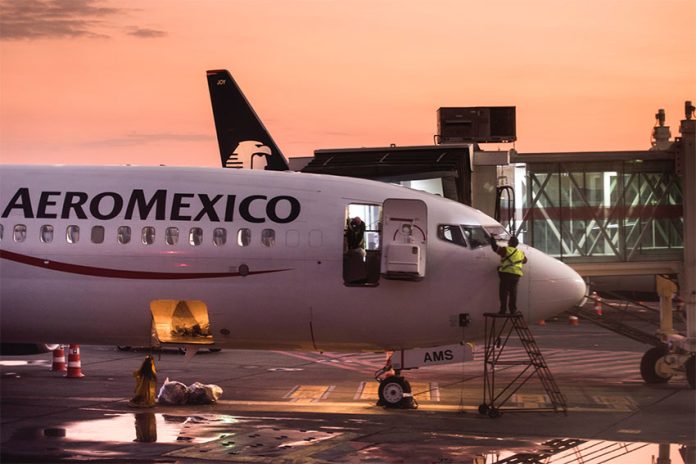
Azul Linhas Aéreas ha anunciado que explora opciones para reestructurar la deuda en medio de conversaciones con aerolíneas. Aunque la solicitud de protección por quiebra está sobre la mesa, Azul está deseando evitarla.

La aerolínea brasileña está sopesando opciones que van desde una oferta de acciones hasta la presentación del Capítulo 11 para hacer frente a las obligaciones de deuda que se aproximan, según personas familiarizadas con el asunto. La aerolínea en problemas también está trabajando activamente para conseguir la fusión con GOL Linhas Aereas Inteligentes para convencer a los acreedores de que una nueva entidad combinada tendría menores niveles de deuda y mejores perspectivas de crecimiento, dijo una de las personas, pidiendo no ser nombrada porque la información es privada. Pero ese enfoque se considera menos atractivo dadas las inminentes necesidades de efectivo de Azul y sus débiles resultados financieros.

Azul se encuentra negociando con Citigroup Inc. para una potencial oferta subsiguiente. La línea aérea también ha recurrido a Citi como asesor en el posible acuerdo de fusión con GOL, y está persiguiendo ese posible acuerdo como una opción estratégica independiente de la actual crisis de deuda. Otra opción potencial que se está considerando es emitir deuda a través de la unidad de Azul Cargo.

Un real brasileño más débil ha inflado los gastos de Azul, incluidos los pagos de arrendamientos y pago de combustible ligados al precio Dólar. La aerolínea tiene actualmente R$ 382 millones de Reales/US$ 68,6 millones en concepto de pagos de deuda local pendientes este año 2024, así como US$ 550 millones en pagarés que vencen en plazos trimestrales durante los próximos cuatro años. Las acciones de Azul se desplomaron después de que informara de pérdidas netas de R$ 3.870 millones de Reales en el segundo trimestre 2024 y aumentara su deuda neta. El nivel de apalancamiento de la compañía ha subido a más de cuatro veces sus beneficios antes de intereses, impuestos, depreciación y amortización, desde las tres ejercicios anteriores, según sus últimas previsiones publicadas. La aerolínea informó que el aumento de su deuda contraída a la debilidad de la divisa y a las catastróficas inundaciones que paralizaron el principal aeropuerto del estado de Rio Grande do Sul, en Porto Alegre, que permanece cerrado.

El Gobierno del presidente Luiz Inácio Lula da Silva busca la aprobación legislativa para un plan de rescate de la aerolínea que incluye préstamos respaldados por el Estado a través del Banco Nacional de Desarrollo de Brasil (BNDES). Si se aprueba, también podría ayudar a aliviar la presión sobre Azul, que cumpliría los requisitos, evitando declararse en quiebra.

Mercado Latinoamérica
Durante estos tres últimos años, el sector aéreo en Latinoamérica ha sido uno de los más golpeados por la crisis que generó la pandemia, dejando en quiebra y sin operar a por lo menos ocho aerolíneas.

Las mayores aerolíneas de la región como Avianca Holdings SA, LATAM Airlines Group SA y Grupo Aeroméxico SAB se declararon en quiebra en 2020, y sus respectivos procesos se prolongaron durante años. Azul Linhas Aéreas fue la única entre las tres aerolíneas grandes de Brasil que no ha solicitado la protección por quiebra después de que la pandemia del Covid-19 asolara el sector de los viajes. En su lugar, la compañía fue capaz de hacer frente a los vencimientos mediante un canje de bonos en Junio de 2023. Pero sigue lidiando con obligaciones de arrendamiento y elevados pagos de intereses sobre su carga de deuda.

Avianca Perú cancelaba sus operaciones el 10 de Mayo de 2020, tenía su hub en Lima, operaba con cinco aviones y era filial de Avianca Holdings. Tame Ecuador quebraba nueve días posteriores tras la salida de Avianca Holding de Perú.

LATAM Airlines Group se acogía al Capítulo 11 de la Ley de Quiebras de Estados Unidos el 26 de Mayo de 2020. La compañía LATAM Airlines Argentina cerraba sus operaciones el 17 de Junio de 2020, habiendo aducido había anunciado hostigamiento político, lo que fue interpretado como una medida de presión hacia el Gobierno argentino.

La mexicana Interjet quebró por sus múltiples problemas financieros sumados a la crisis sanitaria mundial de la pandemia del COVID-19, una la mala gestión y dificultades en el mantenimiento de la flota de aeronaves Sukhoi SSJ-100 de origen ruso. La compañía suspendió operaciones el 11 de Diciembre de 2020 por falta de liquidez para adquirir combustible.

Itapemirim Transportes Aéreos cancelaba sus operaciones el 5 de Mayo de 2022, sobreviviendo solamente en un período de seis meses. Esta aerolínea operaba vuelos domésticos en Brasil.

La mexicana Aeromar con serios problemas financieros, ceso sus operaciones el 15 de Febrero de 2023. Viva Air cancelaba toda su operación de Colombia y Perú, buscando la integración con el holding de Avianca. El 27 de Febrero de 2023 cesó todas sus operaciones tras anunciar que cancelarían sus vuelos debido a problemas económicos graves en la aerolínea. El 13 de mayo del 2023, tras el rechazo de Avianca para adquirir Viva Air, la aerolínea se vio obligada a cesar operaciones definitivamente. Viva Air Perú iniciaba operaciones el 9 de Mayo de 1017, cesando sus operaciones el 13 de Mayo de 2023.

Ultra Air que fue fundada por William Shaw, quien estuvo al frente de Interjet y de Viva Air Group. La compañía aérea presenta la quiebra en Marzo de 2023.

GOL Linhas Aéreas se acogió al Capítulo 11 de la Ley de Quiebras en Enero 2024, tras lidiar con US$ 2.700 millones en pasivos a corto plazo y realizar una docena de canjes de deuda.

Azul restructures debt

Airline exploring options to restructure debt

Azul Linhas Aéreas has announced it is exploring options to restructure debt amid talks with airlines. Although a bankruptcy protection application is on the table, Azul is keen to avoid it.

The Brazilian airline is weighing options ranging from a stock offering to filing for Chapter 11 to deal with looming debt obligations, according to people familiar with the matter. The troubled airline is also actively working to pursue a merger with GOL Linhas Aereas Inteligentes to convince creditors that a new combined entity would have lower debt levels and better growth prospects, one of the people said, asking not to be named because the information is private. But that approach is seen as less attractive given Azul’s looming cash needs and weak financial results.

Azul is in talks with Citigroup Inc. for a potential follow-on offer. The airline has also tapped Citi as an advisor on the potential merger deal with GOL and is pursuing that potential deal as a strategic option independent of the current debt crisis. Another potential option being considered is issuing debt through the Azul Cargo unit.

A weaker Brazilian real has inflated Azul’s expenses, including lease payments and fuel payments tied to the dollar price. The airline currently has R$ 382 million/US$ 68.6 million in local debt payments outstanding this year 2024, as well as US$ 550 million in notes due in quarterly installments over the next four years. Azul shares plunged after it reported a net loss of R$ 3.87 billion in the second quarter of 2024 and increased its net debt. The company’s leverage level has risen to more than four times its earnings before interest, taxes, depreciation, and amortization from the previous three years, according to its latest published forecasts. The airline said the increase in debt was due to a weak currency and catastrophic flooding that paralyzed Rio Grande do Sul state’s main airport, in Porto Alegre, which remains closed.

The government of President Luiz Inacio Lula da Silva is seeking legislative approval for a rescue plan for the airline that includes state-backed loans through Brazil’s National Development Bank (BNDES). If approved, it could also help relieve pressure on Azul, which would qualify by avoiding bankruptcy.

Latin American Market
Over the past three years, the airline industry in Latin America has been one of the hardest hit by the crisis generated by the pandemic, leaving at least eight airlines bankrupt and out of business.

The region’s largest airlines, such as Avianca Holdings SA, LATAM Airlines Group SA, and Grupo Aeroméxico SAB, filed for bankruptcy in 2020, and their respective processes dragged on for years. Azul Linhas Aéreas was the only one among Brazil’s big three airlines that has not filed for bankruptcy protection after the Covid-19 pandemic ravaged the travel sector. Instead, the company was able to meet the maturities through a bond exchange in June 2023. However, it continues to deal with lease obligations and high-interest payments on its debt load.

Avianca Peru closed its operations on May 10, 2020, had its hub in Lima, operated with five aircraft, and was a subsidiary of Avianca Holdings. Tame Ecuador went bankrupt nine days after the exit of Avianca Holding from Peru.

LATAM Airlines Group filed for Chapter 11 of the United States Bankruptcy Law on May 26, 2020. The company LATAM Airlines Argentina closed its operations on June 17, 2020, having claimed that it had announced political harassment, which was interpreted as a pressure measure towards the Argentine Government.

The Mexican Interjet went bankrupt due to its multiple financial problems added to the global health crisis of the COVID-19 pandemic, poor management, and difficulties in maintaining the fleet of Sukhoi SSJ-100 aircraft of Russian origin. The company suspended operations on December 11, 2020, due to a lack of liquidity to acquire fuel.

Itapemirim Transportes Aéreos closed its operations on May 5, 2022, surviving only for a period of six months. This airline operated domestic flights in Brazil.

The Mexican company Aeromar, which had serious financial problems, ceased operations on February 15, 2023. Viva Air cancelled all its operations in Colombia and Peru, seeking integration with the Avianca holding company. On February 27, 2023, it ceased all operations after announcing that it would cancel its flights due to serious financial problems at the airline. On May 13, 2023, after Avianca refused to acquire Viva Air, the airline was forced to cease operations permanently. Viva Air Peru began operations on May 9, 2017, ceasing operations on May 13, 2023.

Ultra Air was founded by William Shaw, who headed Interjet and Viva Air Group. The airline is filing for bankruptcy in March 2023.

GOL Linhas Aéreas filed for Chapter 11 bankruptcy protection in January 2024, after dealing with US$,2.7 billion in short-term liabilities and carrying out a dozen debt swaps.

PUBLISHER: Airgways.com
DBk: Voeazul.com.br / Airgways.com
AW-POST: 202408291109AR
OWNERSHIP: Airgways Inc.
A\W A I R G W A Y S ®

Koala Airlines nueva lowcost australiana

AW | 2024 08 28 18:10 | AIRLINES

Lanzamiento de nueva aerolínea low cost australiana

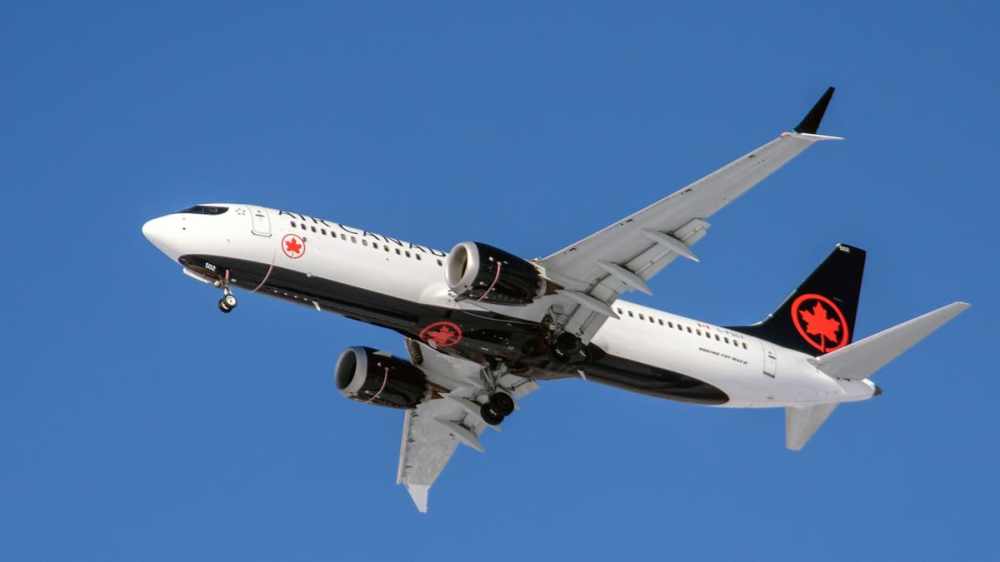
El futuro operador low cost Koala Airlines busca ingresar al desafiante mercado de Australia. El operador con sede en Melbourne (VIC) se encuentra finalizando las negociaciones de Certificado de Operador Aéreo (AOC) para adquirir una flota de aeronaves que permitirá desarrollar el sector de aerolíneas de presupuestos. La aerolínea no ha revelado que tipo de avión está considerando y la cantidad, pero las imágenes en su sitio web muestran un Boeing 737-8 MAX con librea de la startup.

La startup australiana no ha divulgado la fecha del inicio de operaciones, mientras que inicialmente se centrarían en vuelos domésticos, desarrollando un nicho de mercado con una estrategia muy diferente a lasa aerolíneas clásicas.

La entrada de Koala Airlines en el mercado se produce durante unos meses tumultuosos para el sector de la aviación australiana, cuando en Mayo 2024 el operador de bajo coste Bonza colapsó en medio de crecientes problemas financieros, mientras que Regional Express puso fin a sus operaciones de aviones de línea principal al entrar en Administración en Julio 2024.

«La estrategia de Koala diferirá fundamentalmente de los participantes anteriores en un mercado doméstico que ha estado dominado durante mucho tiempo por dos grandes aerolíneas. Si bien muchas nuevas aerolíneas de bajo costo han ingresado al mercado desde 1990 y se han centrado únicamente en ofrecer tarifas más baratas, lo que conduce casi en su totalidad a una competencia insostenible, Koala está tomando una ruta más innovadora», afirma la compañía aérea.

Koala fue fundada en 2018 por Bill Astling, un veterano de la aviación con más de 40 años de experiencia en el sector. En 2019, los propietarios de Koala Airlines adquirieron el Certificado de Operador Aéreo (AOC) de Desert Air Safaris. Durante más de 50 años, Desert Air Safaris ha operado tours aéreos y vuelos chárter en Australia, Papúa Nueva Guinea y las Islas del Pacífico. Fundada en 1970 por Dick Lang, Desert Air Safaris hizo contribuciones significativas para conectar destinos remotos en Australia. Koala Airlines continuará con estas conexiones, cambiando de marca e introduciendo nuevas iniciativas que se basan en la herencia de Desert Air. Los 45 años de experiencia del CEO de Koala Airlines, Bill Astling, incluyen roles en reestructuración de aerolíneas, operaciones, estrategia y servicios de consultoría para numerosas aerolíneas en la región de Asia Pacífico. Él y su nueva aerolínea se enfrentarán a las otras dos aerolíneas regionales de Australia y, presumiblemente, en última instancia, a los dos grandes mercados del grupo Qantas y Virgin Australia.

Koala Airlines ha revelado su equipo de gestión y su isologotipo y librea en el lanzamiento en Melbourne, el Martes 27/08. La aérea afirma que adoptará un nuevo enfoque al forjar un nicho único que mejore el panorama de la industria sin tratar de competir directamente con los principales referentes del mercado australiano.

«Koala diferirá fundamentalmente de los participantes anteriores en un mercado doméstico que ha estado dominado durante mucho tiempo por dos grandes aerolíneas desde que el Gobierno australiano introdujo por primera vez la Política de Dos Aerolíneas en 1952. Esos participantes se centraron principalmente en tarifas más baratas, su enfoque «innovador» pondría la experiencia del cliente en primer plano, aunque el simple hecho de tener un tercer operador nacional aumentaría las opciones del consumidor y probablemente reduciría los precios», expresa la nueva aerolínea.

Mientras Koala Airlines se prepara para su lanzamiento buscará ganar mercado en el competitivo sector de aerolíneas en Australia. Existen ciertos aspectos del paisaje de la aviación australiana que la hacen atractiva para las líneas aéreas es una vasta tierra con la mayor parte de la población en unas pocas ciudades grandes a unos 1.000 km de distancia que no tienen enlace ferroviario de alta velocidad, por lo que el transporte aéreo es realmente el único medio de viaje rápido. La población es relativamente pequeña para una nación enorme, mientras que el mercado es dominado por una aerolínea muy arraigada, Qantas Airways y otra, Virgin Australia Airlines que es una competencia formidable para cualquier nuevo participante. La competitividad es formidable en laas principales rutas del país, habrá que esperar qué estrategia determina Koala Airlines para volar en cielos australlianos.

Koala Airlines, new Australian low-cost airline

New Australian low-cost airline launches

The future low-cost operator Koala Airlines is looking to enter the challenging Australian market. The Melbourne (VIC)-based operator is currently finalising negotiations for an Air Operator Certificate (AOC) to acquire a fleet of aircraft that will allow it to develop the budget airline sector. The airline has not revealed what type of aircraft it is considering and the quantity, but images on its website show a Boeing 737-8 MAX with the startup’s livery.

The Australian startup has not disclosed the date of the start of operations, while it would initially focus on domestic flights, developing a niche market with a very different strategy to traditional airlines.

Koala Airlines’ entry into the market comes during a tumultuous few months for the Australian aviation sector, when in May 2024 low-cost carrier Bonza collapsed amid mounting financial problems, while Regional Express ended its mainline aircraft operations by entering administration in July 2024.

«Koala’s strategy will fundamentally differ from previous entrants into a domestic market that has long been dominated by two major airlines. While many new low-cost airlines have entered the market since 1990 and focused solely on offering cheaper fares, almost entirely leading to unsustainable competition, Koala is taking a more innovative route», the airline says.

Koala was founded in 2018 by Bill Astling, an aviation veteran with over 40 years’ experience in the sector. In 2019, the owners of Koala Airlines acquired the Air Operator Certificate (AOC) for Desert Air Safaris. For more than 50 years, Desert Air Safaris has operated air tours and charter flights in Australia, Papua New Guinea, and the Pacific Islands. Founded in 1970 by Dick Lang, Desert Air Safaris made significant contributions to connecting remote destinations in Australia. Koala Airlines will continue these connections, rebranding and introducing new initiatives that build on Desert Air’s heritage. Koala Airlines CEO Bill Astling’s 45 years of experience includes roles in airline restructuring, operations, strategy, and consulting services for numerous airlines in the Asia Pacific region. He and his new airline will take on Australia’s two other regional airlines and presumably ultimately the group’s two big markets Qantas and Virgin Australia.

Koala Airlines has revealed its management team, logo and livery at the launch in Melbourne on Tuesday 27/08. The airline says it will take a new approach by carving out a unique niche that improves the industry landscape without trying to compete directly with the major players in the Australian market.

«Koala will fundamentally differ from previous entrants in a domestic market that has long been dominated by two major airlines since the Australian Government first introduced the Two Airline Policy in 1952. Those entrants focused primarily on cheaper fares, their «innovative» approach would put customer experience at the forefront, although simply having a third domestic carrier would increase consumer choice and likely drive down prices», the new airline says.

As Koala Airlines prepares for its launch it will be looking to gain market share in the competitive airline sector in Australia. There are certain aspects of the Australian aviation landscape that make it attractive to airlines it is a vast land with most of the population in a few large cities about 1,000km away that have no high-speed rail link, so air travel is really the only means of fast travel. The population is relatively small for a huge nation, while the market is dominated by one well-established airline, Qantas Airways, and another, Virgin Australia Airlines, which is formidable competition for any new entrant. Competition is formidable on the country’s main routes, so it remains to be seen what strategy Koala Airlines decides to take to fly in Australian skies.

PUBLISHER: Airgways.com
DBk: Koalaair..com.au / Airgways.com
AW-POST: 202408281810AR
OWNERSHIP: Airgways Inc.
A\W A I R G W A Y S ®

KLM recibe Airbus A321neo

AW | 2024 08 28 12:00 | AIRLINES / INDUSTRY

Aerolínea neerlandesa recibe preimer A321neo

KLM_Royal_Dutch_Logo_Skyteam_2011.svg

KLM Royal Dutch Airlines ha dado la bienvenida el Martes 27/08 a su primer Airbus A321neo tras aterrizar en el Aeropuerto de Amsterdam-Schiphol en losPaíses Bajos. La llegada de este nuevo avión es un paso importante en el riguroso programa de renovación iniciado por KLM para apoyar operaciones de vuelo más limpias, silenciosas y eficientes. A partir de mediados de septiembre, el A321neo comenzará a servir a varios destinos europeos.

“He estado esperando esto con gran anticipación. La llegada del primer A321neo marca el inicio de la sustitución de nuestra flota de Boeing 737. El A321neo produce menos ruido yCO2 y, por lo tanto, contribuye significativamente a un futuro más limpio y silencioso. También ofrece más comodidad. Estoy ansioso por ver cómo nuestros pasajeros experimentarán el nuevo avión», expresó Marjan Rintel, Presidenta y Directora Ejecutiva de KLM Airlines.

Los aviones A321neo están equipados con nuevos motores que emiten menos CO2 que sus predecesores. Medido por tonelada de pasajero-kilómetro, el A321neo es aproximadamente un 21% más eficiente en el consumo de combustible que el avión Boeing 737 al que sustituye. Además, la aeronave reduce el impacto del ruido, reduciendo esencialmente a la mitad su huella acústica, causando muchas menos molestias a los residentes.

Los pasajeros del A321neo experimentan más confort gracias a asientos más anchos, mesas más grandes y compartimentos de equipaje más espaciosos. Cada asiento está equipado con un puerto USB-C y un soporte para un móvil o tableta. El avión también ofrece más comodidad para la tripulación, incluyendo un pasillo más ancho y compartimentos de equipaje fáciles de abrir. El interior ha sido diseñado para mejorar la experiencia de KLM, con detalles más reconocibles y una iluminación ambiental que se adapta a cada etapa del viaje.

El A321neo comenzará a operar servicios a Copenhague, Berlín y Estocolmo a partir de mediados de septiembre, seguidos de París, Praga y Viena. KLM incorporará otros tres nuevos aviones A321neo a su flota este año. Con esta nueva serie de aviones, KLM continúa su tradición de dar a los aviones nombres únicos. En los últimos 104 años se han presentado diferentes temas, desde nombres de miembros de la familia real hasta puentes, pioneros de la aviación y parques nacionales.

Marjan Rintel dijo: «Esta vez, los empleados de KLM pudieron elegir el tema. ‘ Las mariposas se han convertido en el tema ganador, lo que encaja muy bien con la transformación en la que nos estamos embarcando con la nueva flota. Los nombres de los cuatro primeros aviones A321neo serán Cola de Golondrina».

KLM invertirá € 7.000 millones de Euros en su programa de renovación de flota durante los próximos años, lo que representa una parte sustancial de su cartera total de inversiones. En las rutas europeas, KLM reemplazará sus Boeing 737 más antiguos por aviones Airbus A320neo y A321neo. En KLM Cityhopper, los nuevos modelos E2 se unirán a los aviones Embraer 175 y 190. Para los vuelos intercontinentales, KLM añadirá cinco nuevos Boeing 787-10, seguidos por el Airbus A350 que sustituirá a los antiguos 777 y A330. Por último, KLM ha encargado cuatro A350F para su división de carga en sustitución de los 747 cargueros.

KLM takes delivery of Airbus A321neo

Dutch airline takes delivery of first A321neo

KLM Royal Dutch Airlines has welcomed its first Airbus A321neo on Tuesday 27/08 after landing at Amsterdam-Schiphol Airport in the Netherlands. The arrival of this new aircraft is an important step in the rigorous refurbishment program initiated by KLM to support cleaner, quieter, and more efficient flight operations. Starting in mid-September, the A321neo will begin serving several European destinations.

“I have been waiting for this with great anticipation. The arrival of the first A321neo marks the start of the replacement of our Boeing 737 fleet. The A321neo produces less noise and CO2 and thus contributes significantly to a cleaner and quieter future. It also offers more comfort. I am looking forward to seeing how our passengers will experience the new aircraft”, said Marjan Rintel, President and CEO of KLM Airlines.

The A321neo aircraft are equipped with new engines that emit less CO2 than their predecessors. Measured per tonne passenger kilometre, the A321neo is approximately 21% more fuel efficient than the Boeing 737 aircraft it replaces. In addition, the aircraft reduces noise impact, essentially halving its acoustic footprint, causing far less disruption to residents.

Passengers on the A321neo experience more comfort thanks to wider seats, larger tables, and more spacious luggage compartments. Each seat is equipped with a USB-C port and a holder for a mobile phone or tablet. The aircraft also offers more comfort for the crew, including a wider aisle and easy-to-open luggage compartments. The interior has been designed to enhance the KLM experience, with more recognisable details and ambient lighting that adapts to each stage of the journey.

The A321neo will begin operating services to Copenhagen, Berlin, and Stockholm from mid-September, followed by Paris, Prague, and Vienna. KLM will add another three new A321neo aircraft to its fleet this year. With this new aircraft series, KLM continues its tradition of giving aircraft unique names. Over the past 104 years, different themes have been put forward, from names of members of the royal family to bridges, aviation pioneers, and national parks.

Marjan Rintel said: «This time, KLM employees were able to choose the theme. ‘Butterflies’ have emerged as the winning theme, which fits very well with the transformation we are embarking on with the new fleet. The names of the first four A321neo aircraft will be Swallowtail».

KLM will invest €7 billion in its fleet renewal programme over the next few years, representing a substantial part of its total investment portfolio. On European routes, KLM will replace its older Boeing 737s with Airbus A320neo and A321neo aircraft. At KLM Cityhopper, the new E2 models will join the Embraer 175 and 190 aircraft. For intercontinental flights, KLM will add five new Boeing 787-10s, followed by the Airbus A350 to replace the older 777 and A330. Finally, KLM has ordered four A350Fs for its cargo division to replace the 747 freighters.

PUBLISHER: Airgways.com
DBk: Klm.com / Airbus.com / Airgways.com
AW-POST: 202408281200AR
OWNERSHIP: Airgways Inc.
A\W A I R G W A Y S ®

Elliott emite carta Junta Southwest

AW | 2024 08 26 12:05 | AIRLINES

Elliott envía una carta abierta a accionistas Southwest
Reitera marco para solución integral en Southwest

Elliott Investment Management L.P., que gestiona fondos que en conjunto tienen una inversión que representa una participación económica de aproximadamente el 11% en Southwest Airlines ha enviado el Lunes 26 de Agosto de 2024 una carta abierta a los accionistas de la aerolínea. En una carta a la Junta de Accionistas, Elliott expuso su marco para el cambio en Southwest, una solución integral que abordaría el liderazgo inadecuado de la compañía y crearía un proceso transparente y creíble para revitalizar su negocio. Solicita a la Junta Directiva de Southwest que anteponga los mejores intereses de la compañía aérea a los intereses personales de los líderes, mientras continua ejerciendo presión a la lideranza de la aerollínea con sede en Dallas, Texas.

Elliott declaró se su carta que los actuales directivos han estado comprometiendo la economía de Southwest: «Mientras los trabajos de [el CEO Bob] Jordan y [Gary] Kelly sigan siendo sacrosantos, y sigan teniendo el poder de tomar todas las decisiones críticas en la compañía sin la supervisión adecuada de una Junta que ha fracasado durante años en hacerlos responsables, es preferible dar a los accionistas una voz directa sobre la cuestión de quién debería liderar Southwest». Además, Elliott tomó nota de la reciente retórica del Sr. Jordan, según la cual, «la cultura de Southwest, que ha impulsado su éxito durante medio siglo, ahora parece depender únicamente del empleo continuo de sus dos principales ejecutivos que resultan ser el señor Kelly y el señor Jordan». Elliott escribió: «Como saben los miles de empleados trabajadores de Southwest, la cultura de Southwest es mucho más grande que estos dos individuos, y esta cultura merece mejores administradores».

«En lugar de adoptar una gobernanza responsable y un espíritu de colaboración, el Sr. Kelly y el Sr. Jordan han recurrido a tácticas de atrincheramiento: las llamadas ‘píldoras envenenadas’, anuncios puntuales de cambios que deberían haberse producido hace mucho tiempo y un proceso apresurado y unilateral de renovación de la Junta Directiva que carece de legitimidad. Esta no es la forma en que el liderazgo de la empresa demuestra confianza en sus planes y establece credibilidad con los accionistas; Es la forma en que los líderes corporativos fracasados intentan preservar sus propios empleos y prebendas, a pesar de los deseos de los electores de la empresa. Hemos visto esta película antes, y rara vez termina bien, porque no hay nadie más orientado a corto plazo a expensas del valor futuro que un CEO asediado tratando de preservar su trabajo», argumentó Elliott.

Elliott Management dijo que planea reunirse con los representantes de Southwest el 9 de Septiembre de 2024, y tiene la esperanza de encontrar «individuos en la Junta dispuestos a mirar más allá de los intereses personales del Sr. Jordan y el Sr. Kelly a favor de lo que es mejor para Southwest y sus muchos otros constituyentes». En ausencia de estos líderes a la altura de las circunstancias, Elliott dijo que está convencido de que el próximo paso será que los accionistas tengan voz directa en el futuro de la compañía.

CARTA DIRIGIDA A LA JUNTA DE SOUTHWEST

26 de Agosto de 2024

Estimados compañeros accionistas de Southwest,

Nos dirigimos a usted hoy en nombre de Elliott Investment Management, L.P. porque sabemos que comparte nuestro deseo de que Southwest Airlines restablezca su mejor desempeño en su clase. Esperamos, y los constituyentes de la Compañía merecen, nada menos.

Los desafíos que enfrenta Southwest hoy en día son inmensos: años de mala gestión por parte del presidente ejecutivo Gary Kelly y el director ejecutivo Bob Jordan han causado que la compañía, y su inversión, disminuyan en valor y tengan un rendimiento constantemente inferior a su importante potencial. Durante los tres años previos a la divulgación de nuestra posición en Southwest en junio, su inversión en Southwest disminuyó en más del 50%. El precio de las acciones de la compañía ha caído a las profundidades que alcanzó durante los cierres de viajes relacionados con COVID en 2020. Los accionistas exigen algo mejor y, como uno de los mayores inversores de la compañía, estamos liderando un esfuerzo para detener el declive de Southwest y devolverle el lugar que le corresponde como líder de la industria.

Desde que anunciamos nuestra intención de nominar a diez directores independientes altamente calificados para la Junta Directiva de Southwest1. El Sr. Jordan, el mismo ejecutivo que presidió la mayor parte del bajo rendimiento antes mencionado, ha indicado pública y privadamente que tiene la intención de «luchar» contra este cambio necesario en el liderazgo y la gobernanza de Southwest. Y en las últimas semanas, Southwest ha declarado falsamente que no ha tenido ningún «compromiso» de Elliott, al tiempo que hace reconocimientos contradictorios de que Elliott se reunió con la gerencia de Southwest en Dallas en junio y tiene la intención de reunirse con la compañía nuevamente el 9 de septiembre.

También nos hemos enterado de que el Sr. Kelly, quien precedió al Sr. Jordan como CEO y eligió a Jordan como su sucesor, parece estar liderando un proceso apresurado y reactivo para agregar nuevos directores a la Junta Directiva de Southwest en un esfuerzo demasiado familiar por afianzar su liderazgo actual. No tenemos ninguna duda de que Southwest intentará presentar nuestra decisión de no participar en este proceso falso en ausencia de una solución integral como una prueba más de nuestra falta de voluntad para participar.

Se ha hecho evidente para nosotros que los líderes de Southwest están tratando de definir el «compromiso» como un diálogo en el que la pregunta más crítica que enfrenta la Compañía hoy en día, quién debería liderarla, se retira de la mesa y se resuelve a favor del status quo fallido.

Rechazamos esta definición interesada del compromiso. La realidad es que estamos ansiosos por comprometernos con la Junta Directiva de Southwest en los cambios urgentes que se necesitan en la Compañía. Pero creemos que mientras los trabajos del Sr. Jordan y el Sr. Kelly sigan siendo sacrosantos, y sigan teniendo el poder de tomar todas las decisiones críticas en la Compañía sin la supervisión adecuada de una Junta que ha fracasado durante años en hacerlos responsables, es preferible dar a los accionistas una voz directa sobre la cuestión de quién debería liderar Southwest.

Todavía tenemos la intención de reunirnos con Southwest el 9 de septiembre, y mantenemos la esperanza de que encontraremos en esa reunión la voluntad de poner la cuestión central del liderazgo sobre la mesa. Pero con el interés de brindar transparencia a los accionistas y disipar la niebla de las declaraciones engañosas pasadas y futuras de la Compañía, publicamos hoy nuestros pensamientos sobre cómo debería ser un camino de participación adecuado para lograr el cambio que Southwest necesita.

Las soluciones adecuadas para Southwest

Desde que publicamos nuestra lista de candidatos propuestos altamente calificados para renovar la Junta Directiva de Southwest, los representantes de la Compañía han intentado, sin coordinarse con nosotros, reunirse con nuestros directores propuestos como parte del proceso unilateral de renovación de la Junta Directiva del Sr. Kelly. Ni Elliott ni sus candidatos a directores independientes ven el beneficio para Southwest o para nosotros de participar en este proceso controlado por la Compañía. Cuando una empresa ha tenido un rendimiento inferior al grado que lo ha tenido Southwest, ningún proceso llevado a cabo por su liderazgo actual sin supervisión puede considerarse realmente creíble o legítimo. Después de todo, permitir que el Sr. Kelly y el Sr. Jordan eligieran a dedo a la mayoría de los miembros de la Junta Directiva actual es lo que llevó a la Compañía a su estado actual, en el que año tras año los resultados inaceptables no solo han sido tolerados, sino ampliamente recompensados.

Seguimos abiertos a colaborar con Southwest en una solución integral a los problemas que enfrenta la compañía, y esperamos que nuestros candidatos se reúnan con la Junta Directiva cuando estemos alineados en ese camino. Pero los términos de esta solución y el proceso para llegar a ella deben ser creíbles y legítimos.

La Junta Directiva de Southwest todavía parece incapaz de comprender cuán profundo se ha vuelto el déficit de credibilidad de la compañía con los inversores. Los inversionistas de Southwest no deberían confiar en un proceso de renovación de la junta directiva liderado por su liderazgo actual. En una comunicación privada a los empleados, el Sr. Jordan afirmó que Elliott es solo uno de muchos inversionistas, y que nosotros no estamos a cargo. Por supuesto que no lo somos, ni buscamos serlo.

Pero el Sr. Jordan no mencionó que estamos lejos de ser los únicos en nuestras opiniones: Poco después de que anunciáramos nuestra intención de nominar a diez directores independientes altamente calificados para la Junta Directiva de Southwest, uno de nuestros grandes accionistas, Artisan Partners, dio el raro paso de unirse inmediata y públicamente a nuestro llamado a un cambio de liderazgo, instando a la Junta a «trabajar con Elliott para incorporar de inmediato a todos o sustancialmente a todos los nominados propuestos que puedan trazar un nuevo rumbo con un nuevo presidente y director ejecutivo». Muchos de ustedes, nuestros compañeros accionistas, nos han expresado estos sentimientos en privado, y hemos publicado una selección de las opiniones que hemos escuchado en nuestros materiales publicados anteriormente, disponibles en StrongerSouthwest.com.

«Una batalla por el corazón de nuestra empresa»
La realidad es que hoy en día, Southwest necesita un liderazgo ejecutivo fresco y probado de fuera de la compañía para restaurar su desempeño que alguna vez fue líder en la industria y devolverlo al lugar que le corresponde en la cima de la industria de las aerolíneas. Y es arrogante e irresponsable en extremo que el Sr. Jordan equipare la preservación de su propio trabajo con «una batalla por el corazón de nuestra empresa», como dijo recientemente.

Para ser claros, Elliott comparte la creencia generalizada de que la cultura de Southwest es vital para su éxito continuo. Todos los accionistas de Southwest, incluido Elliott, lo entienden, y nadie quiere cambiar el compromiso de la compañía con sus empleados excepcionales y su cultura de servicio al cliente de primera clase, que es lo que hizo que esta aerolínea fuera tan querida en primer lugar.

Pero el mensaje subyacente de la retórica reciente de Jordan es que la cultura de Southwest, que ha impulsado su éxito durante medio siglo, ahora parece depender únicamente del empleo continuo de sus dos principales ejecutivos. que resultan ser el Sr. Kelly y el Sr. Jordan. Como saben los miles de empleados trabajadores de Southwest, la cultura de Southwest es mucho más grande que estos dos individuos, y esta cultura merece mejores administradores.

La cultura que hizo grande a Southwest nació de su aspiración de ser la mejor aerolínea de bajo costo en los Estados Unidos, y de cumplir ese objetivo logrando un rendimiento operativo superior, deleitando a los clientes y permitiendo que los empleados ganen junto con los accionistas. Nuestra misión es restaurar esta versión de Southwest, y nuestros nominados propuestos, todos ejecutivos líderes de la industria, poseen una amplia gama de experiencias y habilidades diseñadas para hacer realidad una versión de Southwest que enorgullecería a Herb Kelleher.

Jordan y Kelly parecen tener una visión muy diferente de Southwest y de lo que debería ser su cultura. En su versión, Southwest se adhiere obstinadamente a prácticas comerciales anticuadas de hace décadas porque así es como la gerencia siempre ha hecho las cosas, y cuando se hacen cambios, llegan con más de una década de retraso. En su versión, Southwest es superada por competidores que han adaptado y mejorado continuamente sus ofertas de productos para satisfacer las preferencias de los clientes. En su versión, un trimestre como el primer trimestre de este año, en el que las acciones de Southwest tuvieron su quinto peor día de negociación en más de cuatro décadas, puede ser descrito por Jordan como «fuerte […] a pesar de los resultados financieros», mientras que los planes de participación en las ganancias y las cuentas de jubilación de los empleados sufren una hemorragia de dinero sin ningún alivio a la vista.

Como lo expresaron recientemente los líderes de la Asociación de Pilotos de Southwest Airlines en un memorándum a sus miembros: «Nadie en Dallas puede admitir que los encargados de solucionar el problema son los que lo crearon. Necesitamos líderes audaces que tengan la creatividad y la perspicacia para reexaminar una cultura corporativa que se ha estancado durante años».

No podríamos haberlo dicho mejor. Como grandes inversionistas en Southwest con un interés significativo en su futuro, confiamos en que una Junta Directiva reconstituida pueda encontrar a los líderes ejecutivos adecuados de fuera de la Compañía que preservarán todos los atributos culturales únicos que han hecho grande a Southwest mientras solucionan los problemas más recientes que han causado que tenga un rendimiento inferior a su vasto potencial.

La necesidad de una solución integral
El liderazgo de Southwest sigue sin estar dispuesto a admitir sus errores. Continúa diciendo que «tiene la estrategia correcta, el plan correcto y el equipo correcto», y afirma que cosas como el anuncio repentino de asientos asignados, que los clientes han favorecido durante años, no tuvieron nada que ver con las recientes demandas de responsabilidad de Elliott. En cambio, se supone que debemos creer que estas cosas fueron parte del plan del Sr. Jordan todo el tiempo y que el momento fue una mera coincidencia.

Como dijimos cuando se anunció el cambio de asientos asignados, «demasiado poco, demasiado tarde» no es una estrategia. De hecho, la implementación unilateral por parte de la actual dirección de Southwest de una serie de cambios apresurados y ad hoc diseñados para impulsar el precio de sus acciones a corto plazo representa un riesgo significativo para el bienestar a largo plazo de la Compañía. Hemos visto esta película antes, y rara vez termina bien, porque no hay nadie más orientado a corto plazo a expensas del valor futuro que un CEO asediado tratando de preservar su trabajo.

La estrategia de Kelly y Jordan de ir por su cuenta ha sido probada y ha fracasado. Los accionistas simplemente no confían en que este equipo de liderazgo evolucione el negocio, cuando en palabras que la propia compañía, utilizó en Junio para explicar su octava reducción de la guía en los últimos 18 meses está luchando con «complejidades para adaptar su gestión de ingresos a los patrones de reserva actuales», una de las responsabilidades más básicas de cualquier aerolínea. En pocas palabras, esto es una admisión de fracaso empresarial y de visión.

Southwest ahora debe poner en marcha una solución integral, no solo algunos nuevos directores seleccionados a dedo que están en deuda con la administración actual y algunas iniciativas que deberían haberse tomado hace mucho tiempo. En cambio, es hora de que una Junta reconstituida finalmente dé un paso adelante y ponga en marcha un proceso transparente y creíble para abordar los desafíos que enfrenta Southwest hoy en día.

El proceso que hemos visto funcionar de manera más efectiva en tales situaciones es la formación de un nuevo comité a nivel de junta directiva con el mandato de realizar una revisión integral del negocio e impulsar un cambio transformacional, y eso es lo que creemos que se necesita en Southwest. Trabajando con el nuevo liderazgo de Southwest, y aprovechando las experiencias y perspectivas de nuestro conjunto eminentemente calificado de nuevos directores propuestos, todos independientes, dicho comité estaría bien posicionado para apoyar un esfuerzo de modernización en toda la empresa y garantizar que Southwest esté adecuadamente posicionada, tanto a corto como a largo plazo, para lograr el mejor desempeño de su clase.

El camino a seguir
En lugar de adoptar una gobernanza responsable y un espíritu de colaboración, Kelly y Jordan han recurrido a tácticas de atrincheramiento: las llamadas «píldoras envenenadas», anuncios puntuales de cambios que deberían haberse producido hace mucho tiempo y un proceso apresurado y unilateral de renovación de la Junta Directiva que carece de legitimidad. Esta no es la forma en que el liderazgo de la empresa demuestra confianza en sus planes y establece credibilidad con los accionistas; Es la forma en que los líderes corporativos fracasados intentan preservar sus propios empleos y prebendas, a pesar de los deseos de los constituyentes de la empresa.

El Sr. Jordan ha afirmado que quiere luchar contra nosotros y, presumiblemente, por extensión, contra todos los propietarios de la empresa. A juzgar por sus acciones, creemos que el Sr. Jordan no está luchando por el «corazón de la empresa», como afirma, sino más bien por la capacidad de él y del Sr. Kelly para seguir controlando Southwest, en sus términos, durante el tiempo que deseen, independientemente de los resultados que obtengan. Y la razón por la que estamos buscando un grado tan significativo de cambio en la Junta Directiva no es porque queramos estar «a cargo» en Southwest, lo cual no estaríamos, sino porque la Junta actual de Southwest parece estar claramente diseñada para servir a los intereses del Sr. Kelly y el Sr. Jordan.

Southwest es una empresa estadounidense con historia que merece tener los mejores administradores que su Junta Directiva pueda proporcionar. También es una empresa pública, responsable ante sus propietarios. No es una monarquía absoluta. Southwest no pertenece al Sr. Jordan y al Sr. Kelly, sino a sus accionistas, una designación que incluye de manera importante a muchos de los empleados de la compañía.

Estamos buscando comprometernos con Southwest para crear un futuro mejor para la Compañía, no para una pelea. Las peleas son una distracción del negocio de crear valor para los accionistas, y nuestro historial refleja que preferimos trabajar en colaboración con las empresas para impulsar un cambio que mejore el valor en lugar de participar en peleas de poder. Si terminamos teniendo que nominar directores para la Junta de Southwest y llevar este concurso hasta una reunión especial, entonces será la primera vez que tengamos que llevar a cabo un concurso de este tipo en los Estados Unidos en más de siete años.

Sin embargo, cuando nos encontramos con ejecutivos corporativos que creen que las empresas que dirigen son sus feudos personales y que tienen derecho a dirigirlas y a que se les pague generosamente por dirigirlas sin oposición durante el tiempo que quieran, independientemente de los resultados que obtengan, entonces estamos más que felices de dar voz a aquellos cuyos intereses están siendo mal atendidos.

Como Southwest ya ha anunciado, nos reuniremos con los representantes de la Compañía el 9 de Septiembre y esperamos escuchar sus opiniones sobre los temas que hemos planteado en esta carta. Mientras tanto, esperamos que la Compañía intente distraer a los accionistas con sus propias medias tintas unilaterales y se desvíe del compromiso real con los accionistas. Si es así, que así sea. Sin embargo, tenemos la esperanza de encontrar personas en la Junta dispuestas a mirar más allá de los intereses personales del Sr. Jordan y el Sr. Kelly en favor de lo que es mejor para Southwest y sus muchos otros constituyentes.

Pero en ausencia de estos líderes que estén a la altura de las circunstancias, estamos convencidos de que el siguiente paso será que ustedes, los propietarios de Southwest, tengan voz directa en el futuro de su empresa.

Sinceramente
John Pike
Socio

Bobby Xu
Gestor de carteras

APÉNDICE
BIOGRAFÍAS DE LOS CANDIDATOS A DIRECTOR INDEPENDIENTE

Michael Cawley
Ex Director General Adjunto, Director de Operaciones y Director Financiero de Ryanair
Michael Cawley, alto ejecutivo de Ryanair desde hace mucho tiempo, cuenta con décadas de experiencia en la aerolínea de bajo coste más exitosa del mundo. Cawley cuenta con una amplia experiencia en sus 17 años de carrera ejecutiva en Ryanair, donde se ha desempeñado como Director General Adjunto, Director de Operaciones, Director Financiero y Director Comercial. Durante el mandato de Cawley como ejecutivo de Ryanair, la compañía pasó de atender a menos de 3 millones de pasajeros a 82 millones de pasajeros al año y generó un retorno total para los accionistas de más del 2.700%. Cawley se retiró recientemente del Consejo de Administración de Ryanair, donde guió a la compañía para lograr un retorno total adicional del 155% para los accionistas después de su mandato como ejecutivo. Cawley desempeñó un papel integral en la creación y el crecimiento de una de las aerolíneas más exitosas del mundo con una cultura centrada en los costos que sirve como punto de referencia para las aerolíneas de bajo costo a nivel mundial. La amplia experiencia de Cawley en la industria de las aerolíneas, desarrollada a lo largo de casi tres décadas de liderazgo en Ryanair, lo convertiría en una valiosa adición a la Junta Directiva de Southwest, ya que busca mejorar el rendimiento.

David Cush
Ex CEO de Virgin America
David Cush aporta 30 años de experiencia en aviación, incluidos nueve años como director ejecutivo de Virgin America y dos décadas de experiencia en American Airlines en varios roles operativos, de ventas y de planificación de redes. Bajo el liderazgo de Cush, Virgin America brindó una experiencia excepcional al cliente que resultó en que la compañía ganara el premio a la «Mejor Aerolínea de EE. UU.» en los premios Readers’ Choice de Condé Nast Traveler durante nueve años consecutivos y la primera posición en las clasificaciones de satisfacción del cliente de aerolíneas de Consumer Reports. Cush se unió a Virgin America como CEO justo después del vuelo inaugural de la aerolínea, y dirigió a la aerolínea a través de la agitación de la crisis financiera y un período posterior de rápido crecimiento. Cush llevó a Virgin America a obtener su primera ganancia anual, supervisó su exitosa oferta pública inicial y, finalmente, negoció la adquisición de la aerolínea por parte de Alaska Airlines. El liderazgo de Cush generó un retorno total del 148% para los accionistas durante los dos años de Virgin America como empresa que cotiza en bolsa. Después de la venta de Virgin America, Cush se desempeñó como director ejecutivo interino y posteriormente como director ejecutivo de Service King Paint & Body, una empresa de reparación de colisiones propiedad de Blackstone y Carlyle. Como ex director ejecutivo de una aerolínea con un historial demostrado de fomentar una sólida cultura de empleados y el mejor servicio al cliente de su clase, Cush aportaría una profunda experiencia al esfuerzo de Southwest para aprovechar las fortalezas culturales fundamentales de la compañía mientras evoluciona y moderniza la estrategia.

Sarah Feinberg
Ex reguladora de transporte y administradora de la Administración Federal de Ferrocarriles
Sarah Feinberg es una experimentada reguladora de transporte que anteriormente se desempeñó como administradora de la Administración Federal de Ferrocarriles, jefa de personal del Secretario de Transporte de EE. UU. y presidenta interina de la Autoridad de Tránsito de la Ciudad de Nueva York. Como administrador de la Administración Federal de Ferrocarriles, el regulador de seguridad ferroviaria dentro del Departamento de Transporte, Feinberg se centró en mejorar la seguridad de la red ferroviaria después de una serie de accidentes. Durante su mandato, Feinberg se hizo conocida por su agresiva aplicación de las normas de seguridad y la promoción de inversiones para mejorar la seguridad del sistema ferroviario. Como Jefe de Gabinete del Secretario de Transporte de los Estados Unidos, Feinberg supervisó y asesoró sobre una amplia gama de iniciativas en el sector de la aviación y el transporte en general. Feinberg aportaría una experiencia crucial a la misión principal de la Junta Directiva de garantizar la seguridad de los empleados y clientes de la compañía.

Honorable Joshua «Josh» Gotbaum
Asesor Experimentado de Empresas y Grupos Laborales y ex Fideicomisario de Hawaiian Airlines
Josh Gotbaum tiene décadas de experiencia como asesor tanto de equipos de gestión de aerolíneas como de mano de obra. Como banquero de inversión en Lazard, Gotbaum asesoró en transacciones que involucraban tanto a operadores estadounidenses como a operadores de bandera extranjera. En Hawaiian Airlines, Gotbaum lideró y gestionó el exitoso surgimiento de la aerolínea desde el Capítulo 11 con Hawaiian logrando tanto el margen operativo más alto como el mejor rendimiento a tiempo de las aerolíneas estadounidenses, lo que permitió una recuperación completa para los acreedores de Hawaiian, nuevos contratos de empleados con salarios y beneficios comparables o mejores que los de sus pares y un rendimiento total de casi el 600% para los accionistas durante su mandato. Luego se desempeñó como Director de la Corporación de Garantía de Beneficios de Pensiones, donde ayudó a American Airlines a preservar sus pensiones. En el servicio anterior del gobierno de los Estados Unidos, Gotbaum tuvo nombramientos presidenciales en la Oficina de Administración y Presupuesto de la Casa Blanca, el Departamento del Tesoro y el Departamento de Defensa. Como socio operativo de Blue Wolf Capital, participó en varias transformaciones empresariales exitosas. En 2023, Gotbaum fue nominada para formar parte de la Junta Directiva de Starbucks por una coalición de sindicatos como parte de un esfuerzo exitoso para mostrar la conexión entre las buenas relaciones sindicales y el valor para los accionistas. Anteriormente, Gotbaum formó parte de las juntas directivas de PulteGroup, TD Bank, N.A., Thornburg Investment Management y Safety-Kleen Systems. Al igual que lo hizo en Hawaiian Airlines, Gotbaum tiene la intención de trabajar para garantizar que se preserve la cultura única de los empleados de la compañía y que sus sindicatos participen a medida que Southwest implementa mejoras estratégicas y operativas.

David «Dave» Grissen
Ex Presidente del grupo Marriott International
Dave Grissen es el ex Presidente del grupo Marriott International. Como presidente del grupo, Grissen dirigió todas las funciones de las marcas de Marriott en las Américas y de las marcas Ritz Carlton y EDITION a nivel mundial, incluyendo estrategia, gestión de ingresos, ventas y marketing, operaciones, alimentos y bebidas, tecnología, desarrollo y recursos humanos. Grissen administró hoteles que representaban aproximadamente dos tercios de los ingresos por tarifas de Marriott, una fuerza laboral de 160.000 personas y una estrategia de crecimiento exitosa que resultó en que la organización de las Américas de Marriott casi se duplicara de 2,928 hoteles a 5,640 hoteles más 1,800 hoteles bajo su liderazgo. La amplia experiencia de Grissen al frente de una gran franquicia hotelera, el crecimiento de una marca histórica y la entrega de resultados de primer nivel serían valiosos para la Junta del Suroeste. Grissen también se desempeña actualmente como presidente de Regis y forma parte de la junta directiva de Chatham Lodging Trust.

Nancy Killefer,
Ex socia Senior Práctica de Consumo y Venta al por Menor de McKinsey
Nancy Killefer fue durante mucho tiempo socia principal y miembro de la junta directiva de McKinsey, y ocupó varios puestos gubernamentales de alto rango a lo largo de su carrera. En McKinsey, Killefer fue socia principal de la Práctica de Consumo y Venta Minorista de la firma, donde asesoró a empresas en marketing, estrategia, efectividad organizacional y sistemas. También fundó y dirigió la Práctica del Sector Público de la firma y fue la Socia Principal a cargo de la oficina de DC. En el sector público, se desempeñó como Directora Financiera, Directora de Operaciones y Subsecretaria de Administración en el Departamento del Tesoro, donde dirigió la reforma y modernización del IRS, y luego como presidenta de la Junta de Supervisión del Servicio de Impuestos Internos. En la actualidad, Killefer ha formado parte de los consejos de administración de nueve empresas públicas, entre ellas Meta Platforms y Cardinal Health. La experiencia de Killefer asesorando a marcas orientadas al consumidor a través de cambios transformadores será valiosa para la Junta de Southwest, ya que la compañía busca mejorar su propuesta de valor para los clientes y comprender y cumplir mejor las expectativas de los clientes.

Robert Milton
Ex Director ejecutivo de Air Canada y ACE Aviation Holdings y ex presidente de United Airlines
Robert Milton aporta más de 40 años de experiencia en la industria de la aviación, incluyendo un total de 13 años como CEO de Air Canada y su holding ACE Aviation y dos años como Presidente de United Airlines. Después de asumir el cargo de CEO de Air Canada en medio de un entorno operativo desafiante y un desempeño financiero difícil, Milton reposicionó con éxito a la aerolínea para el éxito a largo plazo y generó una creación de valor sustancial. Como presidente de United Airlines, Milton supervisó el inicio del reposicionamiento y la reestructuración de la aerolínea. La profunda experiencia de Milton en la reestructuración de aerolíneas y su historial de creación de valor para los accionistas en la industria de las aerolíneas le permitirían brindar una valiosa orientación a un nuevo equipo de gestión a medida que desarrolla una estrategia para restaurar la posición de liderazgo en la industria de Southwest. Milton es actualmente director de Air Lease Corporation y anteriormente se desempeñó como director en US Airways, AirAsia, TAP Air Portugal, Cathay Pacific Airways y Breeze Airways.

Gregg Saretsky
Ex Director ejecutivo de WestJet
Gregg Saretsky aporta una importante experiencia de liderazgo y conocimiento de la industria con una carrera de casi 40 años en la aviación, incluido el haber servido como CEO de WestJet durante ocho años. En WestJet, Saretsky lideró la evolución de la aerolínea desde proporcionar una oferta de productos unidimensional hasta tener una estrategia comercial moderna, generando un retorno total para los accionistas de más del 100% durante su mandato como CEO. Antes de WestJet, Saretsky se desempeñó en varios puestos comerciales y operativos de alto nivel en Alaska Airlines, incluido el de vicepresidente ejecutivo de operaciones de vuelo y marketing. El amplio conocimiento de la industria y los aprendizajes de Saretsky al impulsar el cambio transformador serían valiosos para la Junta Directiva de Southwest para guiar y supervisar los cambios estratégicos en la Compañía. Saretsky también es actual director de IndiGo y RECARO Aircraft Seating.

Patricia «Patty» Watson
CIO y CTO de NCR Atleos
Patty Watson es una experimentada ejecutiva de tecnología con un historial de desarrollo de planes de modernización y supervisión de transformaciones de TI en grandes y complejas empresas de servicios financieros y transporte/logística. Watson es actualmente Vicepresidente Ejecutivo y Director de Información y Tecnología en NCR Atleos. A lo largo de su carrera, también se ha desempeñado como vicepresidenta ejecutiva y directora de información de NCR, Total Systems Services y The Brink’s Company, presidenta de colaboración en la nube en Intrado y en varios puestos sénior de tecnología en Bank of America. Watson es director de Rockwell Automation y anteriormente formó parte de las juntas directivas de USAA Federal Savings Bank y Texas Capital Bancshares. Antes de su carrera corporativa, Watson se desempeñó en la Fuerza Aérea de los EE.UU. como oficial de contratación y adquisiciones, entregando sistemas de tecnología aeronáutica y como directora de operaciones. La amplia experiencia de Watson en el desarrollo y ejecución de complejas transformaciones de TI para permitir la estrategia y el crecimiento del negocio será valiosa para la tarea de la Junta reconstituida de modernizar la infraestructura tecnológica obsoleta de Southwest. Como esposa de un capitán que ha volado para Southwest durante 24 años, Watson reconoce la importancia de preservar la cultura de Southwest mientras moderniza las operaciones y la estrategia de la compañía para facilitar su éxito financiero a largo plazo y brindar una oportunidad profesional gratificante para sus empleados.

Acerca de Elliott
Elliott Investment Management L.P. (junto con sus filiales, «Elliott») gestiona aproximadamente 69.700 millones de dólares en activos a 30 de junio de 2024. Fundado en 1977, es uno de los fondos más antiguos bajo gestión continuada. Los inversores de los fondos de Elliott incluyen planes de pensiones, fondos soberanos, dotaciones, fundaciones, fondos de fondos, individuos y familias de alto patrimonio neto y empleados de la empresa.

Iinformación relativa a participantes
Elliott Investment Management L.P., junto con los otros participantes nombrados en este documento (colectivamente, «Elliott»), tienen la intención de presentar una declaración de poder y la tarjeta de poder adjunta ante la Comisión de Bolsa y Valores (SEC) para ser utilizada para solicitar poderes con respecto a la elección de la lista de Elliott de candidatos a directores altamente calificados y otras propuestas que puedan presentarse antes de la próxima junta de accionistas de Southwest Airlines Co., una corporación de Texas (la «Compañía»), ya sea una reunión anual o especial de accionistas.

LOS PARTICIPANTES ACONSEJAN ENCARECIDAMENTE A TODOS LOS ACCIONISTAS DE LA EMPRESA QUE LEAN LA DECLARACIÓN DE REPRESENTACIÓN Y OTROS MATERIALES DE REPRESENTACIÓN, INCLUIDA UNA TARJETA DE REPRESENTACIÓN, A MEDIDA QUE ESTÉN DISPONIBLES, YA QUE CONTENDRÁN INFORMACIÓN IMPORTANTE. DICHOS MATERIALES DE REPRESENTACIÓN ESTARÁN DISPONIBLES SIN CARGO EN EL SITIO WEB DE LA SEC EN HTTP://WWW.SEC.GOV. ADEMÁS, LOS PARTICIPANTES PROPORCIONARÁN COPIAS DE LA DECLARACIÓN DE REPRESENTACIÓN SIN CARGO, CUANDO ESTÉN DISPONIBLES, PREVIA SOLICITUD. LAS SOLICITUDES DE COPIAS DEBEN DIRIGIRSE AL ABOGADO REPRESENTANTE DE LOS PARTICIPANTES.

Se prevé que los participantes en la solicitud sean Elliott Investment Management L.P. («EIM»), Elliott Associates, L.P. («Elliott Associates»), Elliott International, L.P. («Elliott International»), The Liverpool Limited Partnership («Liverpool»), Elliott Investment Management GP LLC («EIM GP»), Paul E. Singer («Singer»), Michael Cawley, David Cush, Sarah Feinberg, Joshua Gotbaum, David Grissen, Nancy Killefer, Robert Milton, Gregg Saretsky, Easwaran Sundaram y Patricia Watson.

A la fecha del presente, Elliott tiene una exposición económica combinada en la compañía de aproximadamente el 11.0% de las acciones de sus Acciones Ordinarias, US$ 1.00 de Valor Nominal por Acción (Acciones Ordinarias), en circulación. A la fecha del presente, EIM, el administrador de inversiones de Elliott Associates y Elliott International, en conjunto, los Fondos Elliott, con respecto a las acciones ordinarias en poder de los Fondos Elliott y/o sus respectivas subsidiarias, posee 58.088.500 acciones ordinarias. Además, a la fecha del presente, los Fondos Elliott son parte de acuerdos de derivados de monto principal nocional en forma de swaps liquidados en efectivo con respecto a un total de 7.836.000 acciones ordinarias (los «Acuerdos de derivados»). Elliott Associates, Elliott International y Liverpool son los titulares directos de las acciones ordinarias de propiedad efectiva de EIM, y son parte de los Acuerdos de Derivados. Liverpool es una subsidiaria de propiedad total de Elliott Associates. EIM GP es el único socio general de EIM. Singer es el único miembro gerente de EIM GP. A la fecha del presente, el Sr. Cawley posee 19.765 acciones ordinarias, el Sr. Cush posee 10.000 acciones ordinarias, la Sra. Feinberg posee 3,068 acciones ordinarias, incluidas 2.800 acciones ordinarias directamente y 268 acciones ordinarias de su pareja doméstica, el Sr. Gotbaum posee 19.162 acciones ordinarias, El Sr. Milton posee 1.953 acciones ordinarias, el Sr. Saretsky posee 4.000 acciones ordinarias, el Sr. Sundaram posee 2.000 acciones ordinarias y la Sra. Watson posee 5.086 acciones ordinarias, incluidas 3.964 acciones ordinarias directamente y 1.122 acciones ordinarias de su cónyuge.

1 Consulte el Apéndice para ver las biografías de nuestros nominados excepcionales.

Contacto para los medios:
Stephen Spruiell
Elliott Investment Management L.P.
(212) 478-2017
sspruiell@elliottmgmt.com

Contacto con el inversor:
Okapi Partners LLC
Directo: +1 212 297 0720
Línea gratuita: +1 877 629 6357
Correo electrónico: Info@okapipartners.com

FUENTE: Elliott Investment Management, L.P.

Elliott issues letter to Southwest Board

Elliott sends open letter to Southwest Shareholders
Reiterates framework for comprehensive solution at Southwest

Elliott Investment Management L.P., which manages funds that collectively have an investment representing an economic stake of approximately 11% in Southwest Airlines, sent an open letter to the airline’s shareholders on Monday, August 26, 2024. In a letter to the Board of Shareholders, Elliott laid out its framework for change at Southwest, a comprehensive solution that would address the company’s inadequate leadership and create a transparent and credible process to revitalize its business. It asks Southwest’s Board of Directors to put the airline’s best interests ahead of the personal interests of leaders, while continuing to put pressure on the leadership of the Dallas, Texas-based airline.

Elliott stated in his letter that current management has been compromising Southwest’s economics: «As long as the jobs of [CEO Bob] Jordan and [Gary] Kelly remain sacrosanct, and they continue to have the power to make all critical decisions at the company without adequate oversight from a Board that has failed for years to hold them accountable, it is preferable to give shareholders a direct voice on the question of who should lead Southwest». In addition, Elliott took note of Mr. Jordan’s recent rhetoric that “Southwest’s culture, which has driven its success for half a century, now appears to depend solely on the continued employment of its two top executives… who happen to be Mr. Kelly and Mr. Jordan”. Elliott wrote: “As Southwest’s thousands of hardworking employees know, Southwest’s culture is much bigger than these two individuals, and this culture deserves better stewards”.

“Rather than embracing responsible governance and a spirit of collaboration, Mr. Kelly and Mr. Jordan have resorted to entrenchment tactics: so-called ‘poison pills,’ one-off announcements of long-overdue changes, and a rushed, one-sided board renewal process that lacks legitimacy. This is not how the company’s leadership demonstrates confidence in its plans and establishes credibility with shareholders; it is how failed corporate leaders try to preserve their own jobs and perks, despite the wishes of the company’s constituents. We’ve seen this movie before, and it rarely ends well, because there’s no one more short-term oriented at the expense of future value than a beleaguered CEO trying to preserve his job”, Elliott argued.

Elliott Management said it plans to meet with Southwest representatives on Sept. 9, 2024, and is hopeful of finding “individuals on the Board willing to look beyond the personal interests of Mr. Jordan and Mr. Kelly in favor of what’s best for Southwest and its many other constituents”. In the absence of such leaders rising to the occasion, Elliott said he’s convinced the next step will be for shareholders to have a direct say in the company’s future.

LETTER TO THE SOUTHWEST BOARD

August 26, 2024

Dear Fellow Southwest Shareholders,

We write to you today on behalf of Elliott Investment Management, L.P. because we know you share our desire to see Southwest Airlines reestablish its best-in-class performance. We expect, and the Company’s constituents deserve, nothing less.

The challenges facing Southwest today are immense: years of mismanagement by Executive Chairman Gary Kelly and CEO Bob Jordan have caused the company, and your investment, to decline in value and consistently underperform its significant potential. Over the three years prior to the disclosure of our position in Southwest in June, your investment in Southwest declined by more than 50%. The company’s stock price has fallen to the depths it reached during the COVID-related travel shutdowns in 2020. Shareholders are demanding better, and as one of the company’s largest investors, we are leading an effort to stop Southwest’s decline and restore it to its rightful place as an industry leader.

Since announcing our intent to nominate ten highly qualified independent directors to Southwest’s Board of Directors1, Mr. Jordan, the same executive who presided over most of the aforementioned underperformance, has publicly and privately indicated that he intends to “fight” this necessary change in Southwest’s leadership and governance. And in recent weeks, Southwest has falsely stated that it has had no “engagement” from Elliott, while making contradictory acknowledgements that Elliott met with Southwest management in Dallas in June and intends to meet with the company again on September 9.

We have also learned that Mr. Kelly, who preceded Mr. Jordan as CEO and handpicked Jordan as his successor, appears to be leading a rushed and reactive process to add new directors to Southwest’s Board of Directors in an all-too-familiar effort to entrench his current leadership. We have no doubt that Southwest will attempt to portray our decision not to engage in this sham process in the absence of a comprehensive solution as further evidence of our unwillingness to participate.

It has become apparent to us that Southwest’s leaders are attempting to define “engagement” as a dialogue in which the most critical question facing the Company today – who should lead it – is taken off the table and resolved in favor of the failed status quo.

We reject this self-serving definition of engagement. The reality is that we are eager to engage with Southwest’s Board of Directors on the urgent changes needed at the Company. But we believe that as long as the jobs of Mr. Jordan and Mr. Kelly remain sacrosanct, and they continue to have the power to make all critical decisions at the Company without proper oversight from a Board that has failed for years to hold them accountable, it is preferable to give shareholders a direct voice on the question of who should lead Southwest.

We still intend to meet with Southwest on September 9, and we remain hopeful that we will find at that meeting a willingness to put the central question of leadership on the table. But in the interest of providing transparency for shareholders and dispelling the fog of the Company’s past and future misleading statements, we are publishing today our thoughts on what a proper path of engagement should look like to bring about the change Southwest needs.

The Right Solutions for Southwest

Since we published our list of highly qualified proposed candidates to renew Southwest’s Board of Directors, Company representatives have attempted, without coordination with us, to meet with our proposed directors as part of Mr. Kelly’s unilateral Board renewal process. Neither Elliott nor its independent director nominees see the benefit to Southwest or to us in participating in this Company-controlled process. When a company has underperformed to the degree that Southwest has, no process conducted by its current leadership without oversight can be considered truly credible or legitimate. After all, allowing Mr. Kelly and Mr. Jordan to handpick the majority of the current Board of Directors is what brought the Company to its current state, where year after year unacceptable results have not only been tolerated, but amply rewarded.

We remain open to collaborating with Southwest on a comprehensive solution to the issues facing the company, and we look forward to our candidates meeting with the Board when we are aligned on that path. But the terms of this solution and the process for reaching it must be credible and legitimate.

The Southwest Board of Directors still seems unable to understand how deep the company’s credibility deficit with investors has become. Southwest investors should not rely on a board renewal process led by its current leadership. In a private communication to employees, Mr. Jordan stated that Elliott is just one of many investors, and that we are not in charge. Of course we are not, nor do we seek to be.

But Mr. Jordan failed to mention that we are far from alone in our views: Shortly after we announced our intention to nominate ten highly qualified independent directors to Southwest’s Board of Directors, one of our large shareholders, Artisan Partners, took the rare step of immediately and publicly joining our call for a change in leadership, urging the Board to “work with Elliott to immediately bring on board all or substantially all of the proposed nominees who can chart a new course with a new President and CEO.” Many of you, our fellow shareholders, have expressed these sentiments to us privately, and we have published a selection of the opinions we have heard in our previously published materials, available at StrongerSouthwest.com.

“A Battle for the Heart of Our Company”
The reality is that today, Southwest needs fresh, proven executive leadership from outside the company to restore its once industry-leading performance and return it to its rightful place at the top of the airline industry. And it is arrogant and irresponsible in the extreme for Mr. Jordan to equate preserving his own job with “a battle for the heart of our company,” as he recently put it.

To be clear, Elliott shares the widely held belief that Southwest’s culture is vital to its continued success. All of Southwest’s shareholders, including Elliott, understand this, and no one wants to change the company’s commitment to its exceptional employees and its culture of first-class customer service, which is what made this airline so beloved in the first place.

But the underlying message of Jordan’s recent rhetoric is that Southwest’s culture, which has driven its success for half a century, now appears to depend solely on the continued employment of its two top executives — who happen to be Mr. Kelly and Mr. Jordan. As Southwest’s thousands of hardworking employees know, Southwest’s culture is much bigger than these two individuals — and this culture deserves better stewards.

The culture that made Southwest great was born from its aspiration to be the best low-cost airline in the United States, and to deliver on that goal by achieving superior operating performance, delighting customers, and enabling employees to win along with shareholders. Our mission is to restore this version of Southwest, and our proposed nominees, all leading industry executives, possess a broad range of experiences and skills designed to realize a version of Southwest that would make Herb Kelleher proud.

Jordan and Kelly seem to have a very different vision of Southwest and what its culture should be. In their version, Southwest stubbornly adheres to antiquated, decades-old business practices because that is how management has always done things, and when changes are made, they are more than a decade too late. In their version, Southwest is outperformed by competitors who have continually adapted and improved their product offerings to meet customer preferences. In his telling, a quarter like this year’s first quarter, in which Southwest stock had its fifth-worst trading day in more than four decades, can be described by Jordan as “strong […] despite financial results,” while profit-sharing plans and employee retirement accounts hemorrhage money with no relief in sight.

As leaders of the Southwest Airlines Pilots Association recently put it in a memo to their members: “No one in Dallas can admit that those charged with fixing the problem are the ones who created it. We need bold leaders who have the creativity and insight to reexamine a corporate culture that has been stagnant for years.”

We couldn’t have said it better. As large investors in Southwest with a significant interest in its future, we are confident that a reconstituted Board of Directors can find the right executive leaders from outside the Company who will preserve all of the unique cultural attributes that have made Southwest great while fixing the most recent issues that have caused it to underperform its vast potential.

The Need for a Comprehensive Solution
Southwest’s leadership remains unwilling to admit its mistakes. It goes on to say that it «has the right strategy, the right plan, and the right team,» and claims that things like the sudden announcement of assigned seating, which customers have favored for years, had nothing to do with Elliott’s recent liability lawsuits. Instead, we are supposed to believe that these things were part of Mr. Jordan’s plan all along and that the timing was merely coincidental.

As we said when the assigned seating change was announced, «too little, too late» is not a strategy. Indeed, the unilateral implementation by Southwest’s current management of a series of hasty, ad hoc changes designed to boost its stock price in the short term poses a significant risk to the long-term well-being of the Company. We’ve seen this movie before, and it rarely ends well, because there’s no one more short-term oriented at the expense of future value than a beleaguered CEO trying to preserve his job.

Kelly and Jordan’s go-it-alone strategy has been tried and failed. Shareholders simply don’t trust this leadership team to evolve the business, when in words the company itself used in June to explain its eighth guidance reduction in the past 18 months it is struggling with «complexities in adapting its revenue management to current booking patterns» – one of the most basic responsibilities of any airline. Simply put, this is an admission of business failure and vision failure.

Southwest must now put in place a comprehensive solution, not just some new hand-picked directors who are beholden to current management and some initiatives that should have been taken long ago. Instead, it is time for a reconstituted Board to finally step forward and put in place a transparent and credible process to address the challenges facing Southwest today.

The process we have seen work most effectively in such situations is the formation of a new board-level committee with a mandate to conduct a comprehensive review of the business and drive transformational change, and that is what we believe is needed at Southwest. Working with Southwest’s new leadership, and drawing on the experiences and perspectives of our eminently qualified set of proposed new directors, all independent, such a committee would be well positioned to support a company-wide modernization effort and ensure that Southwest is appropriately positioned, both in the short and long term, to achieve best-in-class performance.

The Way Forward
Rather than embracing responsible governance and a spirit of collaboration, Kelly and Jordan have resorted to entrenchment tactics: so-called “poison pills,” one-off announcements of long-overdue changes, and a rushed, one-sided Board renewal process that lacks legitimacy. This is not how company leadership demonstrates confidence in its plans and establishes credibility with shareholders; it is how failed corporate leaders try to preserve their own jobs and perks, despite the wishes of the company’s constituents.

Mr. Jordan has claimed that he wants to fight us and, presumably by extension, all of the company’s owners. Judging by his actions, we believe that Mr. Jordan is not fighting for the “heart of the company,” as he claims, but rather for his and Mr. Kelly’s ability to continue to control Southwest, on their terms, for as long as they wish, regardless of the results they achieve. And the reason we are seeking such a significant degree of Board change is not because we want to be “in charge” at Southwest, which we would not be, but because Southwest’s current Board appears clearly designed to serve the interests of Mr. Kelly and Mr. Jordan.

Southwest is a storied American company that deserves to have the best stewards its Board can provide. It is also a public company, accountable to its owners. It is not an absolute monarchy. Southwest is owned not by Mr. Jordan and Mr. Kelly, but by its shareholders, a designation that importantly includes many of the company’s employees.

We are seeking to engage with Southwest to create a better future for the Company, not a fight. Fights are a distraction from the business of creating shareholder value, and our track record reflects that we prefer to work collaboratively with companies to drive value-enhancing change rather than engage in proxy fights. If we do end up having to nominate directors to the Southwest Board and take this contest to a special meeting, then it will be the first time we have had to conduct such a contest in the United States in over seven years.

However, when we encounter corporate executives who believe that the companies they run are their personal fiefdoms and that they have the right to run them and be paid handsomely to run them unchallenged for as long as they want, regardless of the results they achieve, then we are more than happy to give voice to those whose interests are being poorly served.

As Southwest has already announced, we will be meeting with Company representatives on September 9th and look forward to hearing their views on the issues we have raised in this letter. In the meantime, we expect the Company to try to distract shareholders with its own unilateral half-measures and deviate from real engagement with shareholders. If so, so be it. However, we are hopeful that we will find people on the Board willing to look beyond the personal interests of Mr. Jordan and Mr. Kelly in favor of what is best for Southwest and its many other constituents.

But in the absence of such leaders who can rise to the occasion, we are convinced that the next step will be for you, the owners of Southwest, to have a direct say in the future of your company.

Sincerely
John Pike
Partner

Bobby Xu
Portfolio Manager

APPENDIX
INDEPENDENT DIRECTOR CANDIDATE BIOGRAPHIES

Michael Cawley
Former Deputy CEO, COO and CFO of Ryanair
A long-serving senior Ryanair executive, Michael Cawley has decades of experience at the world’s most successful low-cost airline. Cawley has extensive experience from his 17-year executive career at Ryanair, where he has served as Deputy CEO, COO, CFO and Commercial Director. During Cawley’s tenure as an executive at Ryanair, the company grew from serving fewer than 3 million passengers to 82 million passengers per year and generated a total shareholder return of over 2,700%. Cawley recently retired from the Ryanair Board of Directors, where he guided the company to achieve an additional 155% total shareholder return following his tenure as an executive. Cawley played an integral role in creating and growing one of the world’s most successful airlines with a cost-focused culture that serves as a benchmark for low-cost carriers globally. Cawley’s extensive airline industry experience, developed over nearly three decades of leadership at Ryanair, would make him a valuable addition to Southwest’s Board of Directors as it looks to improve performance.

David Cush
Former CEO of Virgin America
David Cush brings 30 years of aviation experience, including nine years as CEO of Virgin America and two decades of experience at American Airlines in various operational, sales and network planning roles. Under Cush’s leadership, Virgin America delivered an exceptional customer experience that resulted in the company earning the «Best U.S. Airline» award in the Condé Nast Traveler Readers’ Choice Awards for nine consecutive years and the top position in Consumer Reports’ airline customer satisfaction rankings. Cush joined Virgin America as CEO just after the airline’s inaugural flight, and led the airline through the turmoil of the financial crisis and a subsequent period of rapid growth. Cush led Virgin America to its first annual profit, oversaw its successful initial public offering, and eventually negotiated the airline’s acquisition by Alaska Airlines. Cush’s leadership generated a 148% total shareholder return during Virgin America’s two years as a publicly traded company. Following the sale of Virgin America, Cush served as interim CEO and subsequently CEO of Service King Paint & Body, a collision repair company owned by Blackstone and Carlyle. As a former airline CEO with a proven track record of fostering a strong employee culture and best-in-class customer service, Cush would bring deep experience to Southwest’s effort to leverage the company’s core cultural strengths while evolving and modernizing strategy.

Sarah Feinberg
Former Transportation Regulator and Administrator of the Federal Railroad Administration
Sarah Feinberg is an experienced transportation regulator who previously served as Administrator of the Federal Railroad Administration, Chief of Staff to the U.S. Secretary of Transportation, and Acting Chair of the New York City Transit Authority. As Administrator of the Federal Railroad Administration, the rail safety regulator within the Department of Transportation, Feinberg focused on improving the safety of the rail network following a series of accidents. During her tenure, Feinberg became known for her aggressive enforcement of safety regulations and promotion of investments to improve the safety of the rail system. As Chief of Staff to the U.S. Secretary of Transportation, Feinberg oversaw and advised on a wide range of initiatives in the aviation and transportation sector more broadly. Feinberg would bring crucial experience to the Board’s core mission of ensuring the safety of the Company’s employees and customers.

Honorable Joshua “Josh” Gotbaum
Experienced Corporate and Labor Group Advisor and former Trustee of Hawaiian Airlines
Josh Gotbaum has decades of experience as an advisor to both airline management and labor teams. As an investment banker at Lazard, Gotbaum advised on transactions involving both U.S. carriers and foreign flag carriers. At Hawaiian Airlines, Gotbaum led and managed the airline’s successful emergence from Chapter 11 with Hawaiian achieving both the highest operating margin and best on-time performance of any U.S. airline, enabling a full recovery for Hawaiian’s creditors, new employee contracts with wages and benefits comparable to or better than peers, and a total return of nearly 600% to shareholders during his tenure. He then served as Director of the Pension Benefit Guaranty Corporation, where he helped American Airlines preserve its pensions. In previous U.S. government service, Gotbaum held presidential appointments in the White House Office of Management and Budget, the Department of the Treasury, and the Department of Defense. As an operating partner at Blue Wolf Capital, he was involved in several successful business transformations. In 2023, Gotbaum was nominated to serve on the Starbucks Board of Directors by a coalition of labor unions as part of a successful effort to show the connection between good union relations and shareholder value. Previously, Gotbaum served on the boards of PulteGroup, TD Bank, N.A., Thornburg Investment Management, and Safety-Kleen Systems. As she did at Hawaiian Airlines, Gotbaum intends to work to ensure the company’s unique employee culture is preserved and its unions are engaged as Southwest implements strategic and operational improvements.

David «Dave» Grissen
Former Group President, Marriott International
Dave Grissen is the former Group President, Marriott International. As Group President, Grissen led all functions of Marriott’s brands in the Americas and the Ritz Carlton and EDITION brands globally, including strategy, revenue management, sales and marketing, operations, food and beverage, technology, development and human resources. Grissen managed hotels that accounted for approximately two-thirds of Marriott’s rate revenue, a workforce of 160,000, and a successful growth strategy that resulted in Marriott’s Americas organization nearly doubling from 2,928 hotels to 5,640 hotels plus 1,800 hotels under his leadership. Grissen’s extensive experience leading a large hotel franchise, growing a storied brand, and delivering top-tier results would be valuable to the Southwest Board. Grissen also currently serves as President of Regis and sits on the board of directors of Chatham Lodging Trust.

Nancy Killefer,
Former Senior Partner, McKinsey Consumer and Retail Practice
Nancy Killefer was a long-time senior partner and board member at McKinsey, and held several senior government positions throughout her career. At McKinsey, Killefer was a senior partner in the firm’s Consumer and Retail Practice, where she advised companies on marketing, strategy, organizational effectiveness, and systems. She also founded and led the firm’s Public Sector Practice and was the Senior Partner in Charge of the D.C. office. In the public sector, she served as Chief Financial Officer, Chief Operating Officer, and Assistant Secretary for Management at the Department of the Treasury, where she led IRS reform and modernization, and then as Chair of the Internal Revenue Service Oversight Board. Killefer has currently served on the boards of nine public companies, including Meta Platforms and Cardinal Health. Killefer’s experience advising consumer-facing brands through transformational change will be valuable to Southwest’s Board as the company seeks to enhance its customer value proposition and better understand and meet customer expectations.

Robert Milton
Former CEO of Air Canada and ACE Aviation Holdings and former President of United Airlines
Robert Milton brings more than 40 years of experience in the aviation industry, including a total of 13 years as CEO of Air Canada and its holding company ACE Aviation and two years as President of United Airlines. After assuming the role of CEO of Air Canada amid a challenging operating environment and difficult financial performance, Milton successfully repositioned the airline for long-term success and delivered substantial value creation. As President of United Airlines, Milton oversaw the initiation of the airline’s repositioning and restructuring. Milton’s deep experience in airline restructuring and his track record of creating shareholder value in the airline industry would enable him to provide valuable guidance to a new management team as it develops a strategy to restore Southwest’s industry-leading position. Milton is currently a Director of Air Lease Corporation and previously served as a Director at US Airways, AirAsia, TAP Air Portugal, Cathay Pacific Airways and Breeze Airways.

Gregg Saretsky
Former CEO of WestJet
Gregg Saretsky brings significant leadership experience and industry knowledge with a nearly 40-year career in aviation, including serving as CEO of WestJet for eight years. At WestJet, Saretsky led the airline’s evolution from providing a one-dimensional product offering to having a modern business strategy, generating a total shareholder return of more than 100% during his tenure as CEO. Prior to WestJet, Saretsky served in several senior-level commercial and operational roles at Alaska Airlines, including Executive Vice President of Flight Operations and Marketing. Saretsky’s extensive industry knowledge and learnings from driving transformational change would be valuable to Southwest’s Board of Directors in guiding and overseeing strategic changes at the Company. Saretsky is also currently a director of IndiGo and RECARO Aircraft Seating.

Patricia “Patty” Watson
CIO and CTO of NCR Atleos
Patty Watson is an experienced technology executive with a track record of developing modernization plans and overseeing IT transformations at large, complex financial services and transportation/logistics companies. Watson is currently Executive Vice President and Chief Information and Technology Officer at NCR Atleos. Throughout her career, she has also served as Executive Vice President and Chief Information Officer for NCR, Total Systems Services, and The Brink’s Company, President of Cloud Collaboration at Intrado, and in various senior technology roles at Bank of America. Watson is a director at Rockwell Automation and previously served on the boards of USAA Federal Savings Bank and Texas Capital Bancshares. Prior to her corporate career, Watson served in the U.S. Air Force as a contracting and acquisition officer, delivering aircraft technology systems, and as Chief Operating Officer. Watson’s extensive experience developing and executing complex IT transformations to enable business strategy and growth will be valuable to the reconstituted Board’s task of modernizing Southwest’s aging technology infrastructure. As the wife of a captain who has flown for Southwest for 24 years, Watson recognizes the importance of preserving Southwest’s culture while modernizing the company’s operations and strategy to facilitate its long-term financial success and provide a rewarding career opportunity for its employees.

About Elliott
Elliott Investment Management L.P. (together with its affiliates, “Elliott”) manages approximately $69.7 billion in assets as of June 30, 2024. Founded in 1977, it is one of the oldest funds under continuous management. Investors in Elliott’s funds include pension plans, sovereign wealth funds, endowments, foundations, funds of funds, high net worth individuals and families, and company employees.

Information Regarding Participants
Elliott Investment Management L.P., together with the other participants named herein (collectively, «Elliott»), intend to file a proxy statement and the accompanying proxy card with the Securities and Exchange Commission (SEC) to be used to solicit proxies with respect to the election of Elliott’s slate of highly qualified director nominees and other proposals that may be submitted prior to the next meeting of shareholders of Southwest Airlines Co., a Texas corporation (the «Company»), whether an annual or special meeting of shareholders.

THE PARTICIPANTS STRONGLY ADVISE ALL SHAREHOLDERS OF THE COMPANY TO READ THE PROXY STATEMENT AND OTHER PROXY MATERIALS, INCLUDING A PROXY CARD, AS THEY BECOME AVAILABLE, AS THEY WILL CONTAIN IMPORTANT INFORMATION. SUCH PROXY MATERIALS WILL BE AVAILABLE FREE OF CHARGE ON THE SEC’S WEBSITE AT HTTP://WWW.SEC.GOV. IN ADDITION, PARTICIPANTS WILL PROVIDE COPIES OF THE PROXY STATEMENT FREE OF CHARGE, WHEN AVAILABLE, UPON REQUEST. REQUESTS FOR COPIES SHOULD BE DIRECTED TO THE PARTICIPANTS’ REPRESENTATIVE ATTORNEY.

The participants in the solicitation are expected to be Elliott Investment Management L.P. («EIM»), Elliott Associates, L.P. («Elliott Associates»), Elliott International, L.P. («Elliott International»), The Liverpool Limited Partnership («Liverpool»), Elliott Investment Management GP LLC («EIM GP»), Paul E. Singer («Singer»), Michael Cawley, David Cush, Sarah Feinberg, Joshua Gotbaum, David Grissen, Nancy Killefer, Robert Milton, Gregg Saretsky, Easwaran Sundaram and Patricia Watson.

As of the date hereof, Elliott has a combined economic exposure in the Company of approximately 11.0% of the shares of its Common Stock, $1.00 par value per Share (Common Shares), outstanding. As of the date hereof, EIM, the investment manager of Elliott Associates and Elliott International, together, the Elliott Funds, with respect to the common shares held by the Elliott Funds and/or their respective subsidiaries, owns 58,088,500 common shares. In addition, as of the date hereof, the Elliott Funds are parties to notional principal amount derivative agreements in the form of cash-settled swaps with respect to an aggregate of 7,836,000 common shares (the «Derivative Agreements»). Elliott Associates, Elliott International and Liverpool are the direct holders of the common shares beneficially owned by EIM, and are parties to the Derivative Agreements. Liverpool is a wholly owned subsidiary of Elliott Associates. EIM GP is the sole general partner of EIM. Singer is the sole managing member of EIM GP. As of the date hereof, Mr. Cawley owns 19,765 shares of common stock, Mr. Cush owns 10,000 shares of common stock, Ms. Feinberg owns 3,068 shares of common stock, including 2,800 shares of common stock directly and 268 shares of common stock from her domestic partner, Mr. Gotbaum owns 19,162 shares of common stock, Mr. Milton owns 1,953 shares of common stock, Mr. Saretsky owns 4,000 shares of common stock, Mr. Sundaram owns 2,000 shares of common stock, and Ms. Watson owns 5,086 shares of common stock, including 3,964 shares of common stock directly and 1,122 shares of common stock from her spouse.

1 Please see the Appendix for biographies of our exceptional nominees.

Media Contact:
Stephen Spruiell
Elliott Investment Management L.P.
(212) 478-2017
sspruiell@elliottmgmt.com

Investor Contact:
Okapi Partners LLC
Direct: +1 212 297 0720
Toll Free: +1 877 629 6357
Email: Info@okapipartners.com

SOURCE: Elliott Investment Management, L.P.

PUBLISHER: Airgways.com
DBk: Strongersouthwest.com / Stephen M. Keller / Airgways.com
AW-POST: 202408261205AR
OWNERSHIP: Airgways Inc.
A\W A I R G W A Y S ®

Crisis combustible Colombia

AW | 2024 08 26 10:27 | AIRLINES / AIR TRAFFIC / AIRPORTS

Aerolíneas enfrentarían escasez combustible en Colombia

La preocupación de las aerolíneas en Colombia por posible escasez de combustible busca prevenir futuras crisis. El país destacó la importancia de evaluar la posibilidad de permitir la importación de hidrocarburo que impulsa a las aeronaves Jet A1 y aumentar la capacidad de producción de las refinerías nacionales. El combustible de aviación se encontraría en los niveles críticos en los aeropuertos de Leticia, Montería, Bucaramanga y Bogotá. La razón de la escasez de combustible se ha debido a una crisis de abastecimiento de Jet A1, derivada de una falla eléctrica en la Refinería de Cartagena el pasado 16 de Agosto de 2024.

La Asociación de Transporte Aéreo Internacional (IATA) emitió un comunicado dirigido al Ministerio de Transporte de Colombia, advirtiendo a la responsable de la cartera María Constanza García, sobre la posible escasez de combustible de aviación en Colombia, situación que podría afectar significativamente las operaciones aéreas en el país. El comunicado destaca que la contingencia surge de una reducción en la producción de combustible en la Refinería de Cartagena, administrada por Ecopetrol, luego de un fallo electrónico ocurrido el 16 de agosto, que inicialmente provocó una disminución del 8% en la entrega de combustible, cifra que luego fue ajustada a un 5%.

IATA, que representa a 330 aerolíneas responsables del 80% del tráfico aéreo global, expresó su preocupación por las posibles afectaciones que esta escasez podría generar en la conectividad aérea del país, especialmente en regiones apartadas y rutas internacionales. La masiva enfatiza la importancia del combustible de aviación para garantizar el transporte de carga esencial, así como para el fomento del turismo, al destacar que «sin combustible de aviación, como es natural, no podemos operar”.

Entre las medidas propuestas por las aerolíneas para mitigar la crisis se menciona el tankering, que consiste en cargar más combustible del habitual en el aeropuerto de origen para asegurar el abastecimiento en el destino. Sin embargo, este plan presenta desafíos, como la necesidad de información precisa en tiempo real sobre los inventarios de combustible en cada aeropuerto, así como la limitación de infraestructura en algunos aeropuertos colombianos, que no permiten operaciones con mayor peso de combustible.

“Estas medidas de racionalización dependen en cada ruta específica de la información que se tenga disponible, de las condiciones de cada trayecto, del tipo de avión y de la disponibilidad de combustible en cada aeropuerto”, señala el comunicado de IATA.

El reglamento aéreo colombiano exige que los aviones cuenten con una cantidad mínima de combustible que garantice la seguridad de los vuelos, incluyendo el trayecto de origen a destino, el traslado a un aeropuerto alterno y el tiempo de vuelo de sostenimiento. Por lo tanto, operar con menos combustible del requerido no es una opción viable. La IATA solicitó a las autoridades que, de ser posible, implementen medidas de redistribución del combustible disponible para minimizar las afectaciones a los usuarios.

Aerolíneas
Ante esta situación, la aerolínea LATAM Airlines Colombia emitió un comunicado en el que confirma que activó un plan de contingencia debido a la escasez de combustible. Según la aerolínea, los inventarios de combustible de aviación Jet A1 se agotaron en los aeropuertos de Leticia, Montería y Bucaramanga, mientras que en Bogotá los niveles se redujeron a un punto crítico. LATAM anunció que ha tomado medidas como el cargue extra de combustible fuera de Colombia para sus vuelos internacionales, ajustes en sus procesos operacionales y el monitoreo vuelo a vuelo de los consumos en cada aeropuerto del país.

Además, la aerolínea y otras compañías aéreas están trabajando en conjunto con la Aeronáutica Civil, la Superintendencia de Transporte, el Ministerio de Minas y Energía y Ecopetrol para monitorear la situación y definir acciones complementarias que permitan mitigar la contingencia mientras se espera la llegada de combustible importado, previsto para entre el 31 de Agosto y el 2 de Septiembre de 2024.

Por su parte, el Director Ejecutivo de LATAM Airlines Colombia, Santiago Álvarez, destacó la importancia de tomar medidas estructurales a mediano y largo plazo para evitar futuras crisis de abastecimiento: “Es fundamental evaluar medidas estructurales como permitir la importación de Jet A1, establecer mecanismos claros de asignación de combustible importado, y evaluar la viabilidad de aumentar la capacidad de producción de las refinerías, entre otras”.

El Gobierno de Colombia en línea con la Aeronáutica Civil entregó una autorización a las aerolíneas que operan en Colombia para reprogramar los vuelos debido a la falta de combustible. “En este sentido, las empresas podrán flexibilizar y/o adecuar su operación a la disponibilidad de su cadena de suministro del combustible de aviación, mediante la reacomodación, suspensión o cancelación de alguna de sus operaciones”, señaló el organismo de aviación comercial. Esta reprogramación de vuelos se podrá realizar teniendo en cuenta los Reglamentos Aeronáuticos de Colombia (RAC). Estos cambios se podrán hacer entre las 00:00 del Miércoles 28/08 hasta las 23:59 del Miércoles 04/09. “Acogiéndose a lo previsto en la disposición citada, previa notificación oportunamente a los pasajeros y adoptando las medidas de compensación o protección a las que eventualmente hubiere lugar”, señala el organismo de la Aerocivil.

Un total de ocho días podrían representar cambios en la red de servicios aéreos en Colombia, donde los usuarios del transporte aéreo deberán prestar atención a reprogramaciones de los vuelos o cambios en sus itinerarios. La Aerocivil ha manifestado en una Circular: “La empresa deberá informar al coordinador de slots, con 24 horas de anticipación a la realización de los vuelos, sobre las decisiones tomadas. La Aeronáutica Civil se reserva el derecho de validación acerca de la justificación presentada”. Además, la Aerocivil aseguró que los términos previstos en esta circular podrán ser modificados de acuerdo con la evolución de la situación.

Ecopetrol realizó la importación de 100.000 barriles de combustible de aviación Jet A1 que solo arribarán al país entre el 31 de Agosto y el 2 de Septiembre de 2024.

La situación de escasez de combustible comenzó a afectar varios vuelos en el país en Valledupar donde suspendieron vuelos por la falta de combustible. Según la IATA en Leticia, Montería y Bucaramanga se acabó el combustible y en Bogotá el nivel es crítico.

Colombia fuel crisis

Airlines could face fuel shortage in Colombia

Airlines in Colombia are concerned about a possible fuel shortage to prevent future crises. The country highlighted the importance of evaluating the possibility of allowing the importation of hydrocarbons that power Jet A1 aircraft and increasing the production capacity of national refineries. Aviation fuel would be at critical levels at the airports of Leticia, Montería, Bucaramanga, and Bogotá. The reason for the fuel shortage is due to a Jet A1 supply crisis, resulting from an electrical failure at the Cartagena Refinery on August 16, 2024.

The International Air Transport Association (IATA) issued a statement addressed to the Colombian Ministry of Transport, warning the head of the portfolio, María Constanza García, about the possible shortage of aviation fuel in Colombia, a situation that could significantly affect air operations in the country. The statement highlights that the contingency arises from a reduction in fuel production at the Cartagena Refinery, managed by Ecopetrol, following an electronic failure that occurred on August 16, which initially caused an 8% decrease in fuel delivery, a figure that was later adjusted to 5%.

IATA, which represents 330 airlines responsible for 80% of global air traffic, expressed concern about the potential impact that this shortage could have on the country’s air connectivity, especially in remote regions and international routes. The massacre emphasizes the importance of aviation fuel to guarantee the transport of essential cargo, as well as to promote tourism, highlighting that «without aviation fuel, naturally, we cannot operate».

Among the measures proposed by airlines to mitigate the crisis, tankering is mentioned, which consists of loading more fuel than usual at the airport of origin to ensure supply at the destination. However, this plan presents challenges, such as the need for precise information in real-time on fuel inventories at each airport, as well as the limitation of infrastructure at some Colombian airports, which do not allow operations with greater fuel weight.

«These rationalization measures depend on each specific route on the information available, the conditions of each route, the type of aircraft, and the availability of fuel at each airport», says the IATA statement.

Colombian air regulations require that aircraft have a minimum amount of fuel that guarantees the safety of flights, including the journey from origin to destination, the transfer to an alternate airport, and the flight time of sustainment. Therefore, operating with less fuel than required is not a viable option. IATA has asked the authorities to implement, if possible, measures to redistribute the available fuel to minimize the impact on users.

Airlines
In light of this situation, LATAM Airlines Colombia issued a statement confirming that it has activated a contingency plan due to the fuel shortage. According to the airline, inventories of Jet A1 aviation fuel were depleted at the airports of Leticia, Montería, and Bucaramanga, while in Bogotá the levels were reduced to a critical point. LATAM announced that it has taken measures such as loading extra fuel outside Colombia for its international flights, adjusting its operational processes, and monitoring flight-by-flight consumption at each airport in the country.

In addition, the airline and other airlines are working together with the Civil Aeronautics, the Superintendency of Transport, the Ministry of Mines and Energy, and Ecopetrol to monitor the situation and define complementary actions to mitigate the contingency while waiting for the arrival of imported fuel, scheduled for between August 31 and September 2, 2024.

For his part, the Executive Director of LATAM Airlines Colombia, Santiago Álvarez, highlighted the importance of taking structural measures in the medium and long term to avoid future supply crises: “It is essential to evaluate structural measures such as allowing the importation of Jet A1, establishing clear mechanisms for the allocation of imported fuel, and evaluating the viability of increasing the production capacity of refineries, among others”.

The Colombian Government, in line with the Civil Aeronautics, granted authorization to airlines operating in Colombia to reschedule flights due to the lack of fuel. “In this sense, companies will be able to make their operations more flexible and/or adapt them to the availability of their aviation fuel supply chain, by rearranging, suspending or cancelling some of their operations”, said the commercial aviation agency. This flight rescheduling can be done taking into account the Colombian Aeronautical Regulations (RAC). These changes can be made between 00:00 on Wednesday 28/08 until 23:59 on Wednesday 04/09. “In compliance with the provisions of the aforementioned provision, with prior notification to passengers in a timely manner and adopting the compensation or protection measures that may be appropriate”, said the Civil Aeronautics agency.

A total of eight days could represent changes in the air services network in Colombia, where air transport users will have to pay attention to flight rescheduling or changes in their itineraries. Aerocivil has stated in a Circular: “The company must inform the slot coordinator, 24 hours in advance of the flights, about the decisions taken. Civil Aeronautics reserves the right to validate the justification presented”. In addition, Aerocivil assured that the terms provided in this circular may be modified according to the evolution of the situation.

Ecopetrol imported 100,000 barrels of Jet A1 aviation fuel that will only arrive in the country between August 31 and September 2, 2024.

The fuel shortage situation began to affect several flights in the country in Valledupar where flights were suspended due to lack of fuel. According to IATA, fuel ran out in Leticia, Montería, and Bucaramanga and in Bogotá the level is critical.

PUBLISHER: Airgways.com
DBk: Aerocivil.gov.co / Gov.co / Iata.org / Airgways.com
AW-POST: 202408261027AR
OWNERSHIP: Airgways Inc.
A\W A I R G W A Y S ®
LADE vuela ERJ140

AW | 2024 08 23 11:40 | AIRLINES

LADE inicia vuelos con Embraer ERJ 140

LADE, Líneas Aéreas del Estado ha iniciado servicios aéreos con aeronaves Embraer ERJ-140. La aeronave jet con registro T-95, voló la ruta inaugural Aeroparque/AEP—Mar del Plata/MDQ—Bahía Blanca/BHI—Bariloche/BRC con dos frecuencias semanales (2Frq/S).

A principios de 2024, la Fuerza Aérea Argentina (FAA) presentó su primer Embraer 140LR a la 1º Brigada Aérea en El Palomar; la aeronave fue registrada como T-95 y bautizada como “Vuelo del Pampero”. Un segundo Embraer, bautizado “Paloma Gaucha” y registrado como T-96. Estos avione shan sido operados anteriormente por American Eagle entre 2003 y 2014 y cuentan con una configuración para 44 pasajeros.

La actualización de la flota de aeronaves en las rutas de LADE representa un paso inicial en la sustitución de los Fokker F28 después de más de cincuenta años de operaciones ininterrumpidas. El Gobierno de Argentina es actualizar la flota proyectando adquirir seis aviones adicionales de la línea Embraer y un Boeing 737 adicional como parte del plan de modernización.

Legendarios Fokker F28
La operación inaugural de la ruta permitirá reemplazar a la flota servida por sus legendarios Fokker F-28 Fellowship, una aeronave de extensísimo uso a través del mundo durante décadas. La flota de Fokker F28 ha desempeñado múltiples empleos en la industria de las aerolíneas. Argentina lo ha empleado para aterrizar en el sector de la Antártida Argentina. Actualmente, LADE era la única aerolínea en operar comercialmente este modelo a nivel mundial.

La Fuerza Aérea Argentina (FAA), órgano controlador de la aerolínea LADE no ha anunciado oficialmente el retiro de la flota de aviones jet Fokker F28, pero su ausencia en las rutas comerciales de LADE pareciera dejar realizar. La aerolínea podría retirar de la flota a estos veteranos de los cielos en Argentina.

Cirium, un analista de aviación mundial informa que se encuentran operationes solo seis Fokker F28 en servicio en todo el mundo, incluyendo los de Argentina. El avión más antiguo del mundo en servicio regular representa el Fokker F28 TC-53 de 54 años de antigüedad. La historia legendaria de los Fokkers en Argentina ha marcado una historia asombrosa que darán paso a la actualización de la flota de LADE para continuar surcando los cielos de la Patagonia en Argeentina.

LADE flies ERJ140

LADE starts flights with Embraer ERJ 140

LADE, Líneas Aéreas del Estado has started air services with Embraer ERJ-140 aircraft. The jet aircraft with registration T-95, flew the inaugural route Aeroparque/AEP—Mar del Plata/MDQ—Bahía Blanca/BHI—Bariloche/BRC with two weekly frequencies (2Frq/S).

In early 2024, the Argentine Air Force (FAA) presented its first Embraer 140LR to the 1st Air Brigade in El Palomar; the aircraft was registered as T-95 and baptized as “Vuelo del Pampero”. A second Embraer, baptized “Paloma Gaucha” and registered as T-96. These aircraft were previously operated by American Eagle between 2003 and 2014 and have a 44-passenger configuration.

The update of the aircraft fleet on LADE routes represents an initial step in the replacement of the Fokker F28s after more than fifty years of uninterrupted operations. The Government of Argentina is updating the fleet by planning to acquire six additional aircraft from the Embraer line and an additional Boeing 737 as part of the modernization plan.

Legendary Fokker F28s
The inaugural operation of the route will allow the replacement of the fleet served by its legendary Fokker F-28 Fellowship, an aircraft that has been widely used throughout the world for decades. The Fokker F28 fleet has served in multiple roles in the airline industry. Argentina has used it to land in the Argentine Antarctic sector. Currently, LADE was the only airline to commercially operate this model worldwide.

The Argentine Air Force (FAA), the controlling body of the LADE airline, has not officially announced the retirement of the Fokker F28 jet fleet, but their absence from LADE’s commercial routes seems to leave it to chance. The airline could retire these veterans from the skies of Argentina.

Cirium, a global aviation analyst, reports that there are only six Fokker F28s in service worldwide, including those in Argentina. The oldest aircraft in the world in regular service is the 54-year-old Fokker F28 TC-53. The legendary history of the Fokkers in Argentina has marked an amazing story that will give way to the updating of the LADE fleet to continue flying the skies of Patagonia in Argentina.

PUBLISHER: Airgways.com
DBk: Lade.faa.mil.ar / Airgways.com
AW-POST: 202408231140AR
OWNERSHIP: Airgways Inc.
A\W A I R G W A Y S ®

REX obtiene plazo para comprador

AW | 2024 08 23 10:50 | AIRLINES / AIRLINES MARKET / GOVERNMENT

Administradores obtuvieron prórroga para conseguir comprador

La atribulada aerolínea regional Rex Express Airlines, más conocida como REX, ha revelado ante un Tribunal que existen ofertas de compra tentativas en trámite para la aerolínea. En una audiencia el viernes 23/08 en la Corte Federal ante la Jueza Elizabeth Cheeseman, los representantes legales de los administradores de la línea aérea solicitaron al Tribunal que conceda una extensión en el proceso de convocatoria mientras los potenciales inversores revisan los datos confidenciales de la empresa en preparación para posibles ofertas.

Rex Airlines Pty Ltd es una aerolínea regional australiana fundada el 11 de Julio de 2002, con sede en Mascot, Nueva Gales del Sur (NSW). Opera servicios regulares regionales y domésticos, utilizando aviones a reacción y turbohélice. Rex Airlines entró en administración el 30 de Julio de 2024 con una deuda de US$ 500 millones de Dólares, con el administrador Ernst and Young designado para tomar el control de la empresa.

El Tribunal Federal ha espresado que la compañía tenía 4.800 acreedores no clientes y que no había perspectivas de que la compañía pudiera ser devuelta a los directores sin algún tipo de reestructuración. También existen los acreedores contingentes, o clientes cuyos vuelos desaparecieron después de que la aerolínea cesara sus operaciones.

El Tribunal informó que está en marcha un proceso de venta y que se entregarán ofertas no indicativas a los administradores. Las ofertas vinculantes podrían llegar a mediados de Septiembre 2024solicitando por parte de los administradores a la Jueza Elizabeth Cheeseman que extendiera el período de convocatoria hasta el 25 de Noviembre de 2024 para permitir que esas ofertas se reciban y procesen. La Jueza accedió a la solicitud mediante una orden dictada el Viernes 23/08 por la tarde.

Los administradores, en una declaración posterior a la orden, dijeron que la extensión del plazo les ayudaría a garantizar que el proceso de ventas fuera integral y competitivo. “Consideramos que un proceso de venta integral y competitivo garantizará el mayor valor posible para las Empresas Rex y, al garantizar el mayor valor para las empresas, se garantizará el mayor retorno posible para los acreedores. Hemos considerado los intereses de los acreedores en su conjunto al asegurar esta extensión, incluidos los empleados y proveedores actuales que continúan comerciando con Rex Companies, quienes se verían afectados negativamente si la empresa se liquidara, y los clientes dedicados que dependen de la red regional de Rex. Durante este período, los administradores pretenden continuar con la actividad normal de la mayor parte del negocio, incluida la red regional de Saab. Esta solicitud no afecta a las empresas que no están en concurso de acreedores, incluidas Pel-Air y la Australian Airline Pilot Academy, que siguen operando con normalidad. Tenemos previsto convocar la segunda reunión de acreedores lo antes posible una vez finalizado el proceso de venta. Esperamos proporcionar a los acreedores una actualización más detallada sobre qué parte de la extensión solicitada se requiere en la próxima quincena», dijeron desde la compañía Rex Airlines.

Algunas partes de Rex Airlines siguen comercializándose y la empresa posee unos 1.000 empleados, pero los administradores han despedido cientos de puestos de trabajo.

Regulador ACCC
El regulador de la competencia de Australia, la Comisión Australiana de Competencia y Consumidores (ACCC), dijo el Jueves 22/08 que vigilará de cerca las tarifas aéreas nacionales entre ciudades metropolitanas después de que la aerolínea Regional Express Airlines, se retiró del mercado en Julio 2024 cuando entró en Administración Voluntaria.

El colapso de la aerolínea low cost Bonza Airlines y la retirada de REX entre ciudades metropolitanas significa que ninguna ruta nacional tenía más de dos grupos de aerolíneas compitiendo en Julio 2024, dijo la ACCC. «Con la suspensión de los servicios de REX estamos monitoreando de cerca las tarifas aéreas y permanecemos atentos a cualquier aumento en los precios en las rutas en las que Rex ya no vuela», dijo en un comunicado la comisionada de la ACCC, Anna Brakey.

Las principales rutas urbanas estaban dominadas por Qantas Airways, Jetstar y Virgin Australia Airlines. La llegada de Regional Express (REX) proporcionó un impulso de competencia muy necesario, lo que hizo bajar los precios y brindó a los viajeros más opciones. Según la ACCC, la presencia de REX en varias rutas interurbanas provocó una reducción significativa de las tarifas aéreas. El organismo de control informó que el precio medio por pasajero cayó alrededor de un 25% en las rutas en las que operaba Regional Express. Esta presión competitiva obligó a las aerolíneas dominantes a bajar sus precios, beneficiando a los consumidores en general. Sin embargo, la incursión de REX en el mercado metropolitano a grandes ciudades ha sido de corta duración. La aerolínea estaba agobiada por los desafíos de la altamente competitiva industria de la aviación, se vio aún más presionada por las consecuencias económicas de la crisis sanitaria mundial del COVID-19. El 30 de Julio de 2024, REX nombró administradores mientras luchaba bajo el peso de una deuda de US$ 500 millones de Dólares. En consecuencia, la aerolínea dejó en tierra su flota de Boeing 737, deteniendo sus operaciones en las principales rutas metropolitanas.

Futuro de Rex Airlines
A pesar del sombrío panorama, los administradores designados EY Australia mantienen la esperanza de que se pueda encontrar una solución para salvar la aerolínea. Actualmente, se encuentran explorando opciones para el futuro de la aerolínea. El Viernes 23/08 presentaron un recurso ante el Tribunal Federal para solicitar una prórroga del plazo de convocatoria, lo que permitiría más tiempo para conseguir un comprador o recapitalizar la empresa.

Los administradores creen que el mejor resultado para los acreedores de REX sería una venta o recapitalización de la aerolínea como empresa en funcionamiento. «Nuestra opinión actual es que el mayor rendimiento para los acreedores probablemente se derive de una venta o recapitalización del negocio como empresa en funcionamiento», dijeron en un comunicado. Han solicitado una prórroga hasta el 25 de Noviembre de 2024 para finalizar este proceso, aunque esperan tener un panorama más claro dentro de las próximas dos semanas.

SAAB 340 DE REX AIRLINES

Si la aerolínea Regional Express Airlines alcanza una estructuración sea mediante una venta o una inversión adicional, podría continuar operando sus servicios regionales e interurbanos, preservando el panorama competitivo en el mercado de la aviación de Australia. Sin embargo, si la aerolínea se ve obligada a cerrar, las consecuencias podrían ser de gran alcance, especialmente para los viajeros que dependen de viajes aéreos asequibles entre las principales ciudades.

El Gobierno Federal australiano ha intervenido para ofrecer cierta tranquilidad a los viajeros y a las comunidades regionales que podrían verse afectadas por el posible colapso de REX. El Gobierno ha garantizado todas las reservas de vuelos regionales con REX, asegurando que los pasajeros que ya hayan comprado boletos no se queden varados. Además, se ha discutido un nuevo rescate, pero dependería de que REX priorizara sus servicios a áreas fuera de las capitales, lo que se alinea con el enfoque original de la aerolínea en la región de Australia. Esta intervención gubernamental subraya la importancia de REX para las comunidades regionales a las que sirve. Para muchas áreas, REX proporciona una conexión vital con ciudades más grandes, apoyando tanto los viajes de negocios como de placer. La posible pérdida de estos servicios podría tener un impacto significativo en estas comunidades, destacando aún más la necesidad de una solución sostenible a los problemas financieros de la aerolínea.

En un acontecimiento algo positivo para la industria de la aviación australiana, la ACCC informó que, por primera vez en casi cuatro años, las aerolíneas del país han obtenido una tasa de cancelación inferior al promedio a largo plazo de la industria. En Mayo de 2024, la tasa de cancelación fue del 2,1%, ligeramente por debajo del promedio a largo plazo del 2,2%. Esta mejora en la confiabilidad es un cambio bienvenido para los viajeros que han enfrentado interrupciones significativas en los últimos años.

Sin embargo, el informe también señaló que Qantas Airways, uno de los principales actores del mercado, tuvo la tasa de cancelación más alta de todas las aerolíneas australianas en Junio de 2024, con un 3,3%. Esta estadística destaca los desafíos actuales dentro de la industria, incluso cuando mejora el desempeño general.

El posible colapso de Rex Airlines representaría una coyuntura crítica para el mercado de viajes aéreos de Australia. La salida de esta desafiante aerolínea de las rutas de la capital podría conducir a un aumento significativo de las tarifas aéreas, revirtiendo los avances alcanzados desde 2021. Las advertencias de la ACCC sobre la reducción de la competencia resaltan la importancia de mantener un mercado diverso y competitivo que traiga beneficios a los consumidores y mejores ofertas laborales.

A medida que los administradores de REX buscan más tiempo para asegurar el futuro de la aerolínea, el resultado de sus esfuerzos será seguido de cerca tanto por la industria de la aviación como por el público viajero, sea mediante la intervención del Gobierno, una venta estratégica o una recapitalización, la esperanza es que se pueda encontrar una solución para preservar la dinámica competitiva que ha mantenido las tarifas aéreas asequibles para millones de australianos.

REX gets deadline for buyer

Administrators granted extension to find buyer

Troubled regional airline Rex Express Airlines, better known as REX, has revealed to a court that there are tentative takeover bids in the pipeline for the airline. At a hearing on Friday 23/08 in the Federal Court before Judge Elizabeth Cheeseman, legal representatives of the airline’s administrators asked the court to grant an extension to the tender process while potential investors review confidential company data in preparation for possible bids.

Rex Airlines Pty Ltd is an Australian regional airline established on 11 July 2002, headquartered in Mascot, New South Wales (NSW). It operates scheduled regional and domestic services, using jet and turboprop aircraft. Rex Airlines entered administration on 30 July 2024 with debt of US$ 500 million, with administrator Ernst and Young appointed to take control of the company.

The Federal Court has said the company had 4,800 non-customer creditors and there was no prospect of the company being returned to directors without some form of restructuring. There are also contingent creditors, or customers whose flights disappeared after the airline ceased operations.

The Court said a sale process is underway and non-indicative offers will be delivered to the administrators. Binding offers could arrive as early as mid-September 2024, with the administrators asking Judge Elizabeth Cheeseman to extend the call period until 25 November 2024 to allow those offers to be received and processed. The Judge granted the request in an order made on Friday afternoon 23/08.

The administrators, in a statement following the order, said the extension of the deadline would help them ensure the sales process was comprehensive and competitive. “We consider that a comprehensive and competitive sale process will ensure the greatest possible value for the Rex Companies and, by ensuring the greatest possible value for the companies, the greatest possible return will be ensured for creditors. We have considered the interests of creditors as a whole in securing this extension, including current employees and suppliers who continue to trade with Rex Companies, who would be adversely affected if the company were to go into liquidation, and dedicated customers who rely on Rex’s regional network. During this period, the administrators intend to continue the normal operation of the majority of the business, including Saab’s regional network. This application does not affect businesses not in receivership, including Pel-Air and the Australian Airline Pilot Academy, which continue to trade as normal. We plan to convene the second meeting of creditors as soon as possible after the sale process is complete. We expect to provide creditors with a more detailed update on how much of the requested extension is required in the next fortnight», Rex Airlines said.

Parts of Rex Airlines continue to trade and the company employs around 1,000 people, but the administrators have made hundreds of jobs redundant.

ACCC regulator
Australia’s competition regulator, the Australian Competition and Consumer Commission (ACCC), said on Thursday 22/08 that it will closely monitor domestic airfares between metropolitan cities after the carrier Regional Express Airlines, withdrew from the market in July 2024 when it entered voluntary administration.

The collapse of low-cost carrier Bonza Airlines and the withdrawal of REX between metropolitan cities means that no domestic route had more than two competing airline groups in July 2024, the ACCC said. «With the suspension of REX services we are closely monitoring airfares and remain vigilant for any price increases on routes that Rex no longer flies», ACCC Commissioner Anna Brakey said in a statement.

The main urban routes were dominated by Qantas Airways, Jetstar and Virgin Australia Airlines. The arrival of Regional Express (REX) provided a much-needed boost of competition, driving down prices and giving travellers more choice. According to the ACCC, REX’s presence on several intercity routes led to a significant reduction in airfares. The watchdog reported that the average price per passenger fell by around 25% on routes where Regional Express operated. This competitive pressure forced dominant airlines to lower their prices, benefiting consumers overall. However, REX’s foray into the metropolitan market to large cities has been short-lived. The airline was burdened by the challenges of the highly competitive aviation industry, further pressured by the economic fallout from the COVID-19 global health crisis. On 30 July 2024, REX appointed administrators as it struggled under the weight of US$ 500 million in debt. Consequently, the airline grounded its Boeing 737 fleet, halting operations on major metropolitan routes.

Future of Rex Airlines
Despite the bleak outlook, appointed administrators EY Australia remain hopeful that a solution can be found to save the airline. They are currently exploring options for the airline’s future. On Friday 23/08 they filed an application with the Federal Court to request an extension of the call deadline, which would allow more time to find a buyer or recapitalise the company.

The administrators believe that the best outcome for REX’s creditors would be a sale or recapitalisation of the airline as a going concern. «Our current view is that the highest return for creditors is likely to arise from a sale or recapitalisation of the business as a going concern», they said in a statement. They have requested an extension until 25 November 2024 to finalise this process, although they hope to have a clearer picture within the next two weeks.

If Regional Express Airlines does achieve a restructuring either through a sale or additional investment, it would be able to continue to operate its regional and intercity services, preserving the competitive landscape in Australia’s aviation market. However, if the airline is forced to close, the consequences could be far-reaching, especially for travellers who rely on affordable air travel between major cities.

The Australian Federal Government has stepped in to offer some reassurance to travellers and regional communities that could be affected by the potential collapse of REX. The Government has guaranteed all regional flight bookings with REX, ensuring that passengers who have already purchased tickets are not left stranded. In addition, a further bailout has been discussed, but would be contingent on REX prioritising its services to areas outside of capital cities, which aligns with the airline’s original focus on regional Australia. This government intervention underlines the importance of REX to the regional communities it serves. For many areas, Rex provides a vital connection to larger cities, supporting both business and leisure travel. The potential loss of these services could have a significant impact on these communities, further highlighting the need for a sustainable solution to the airline’s financial problems.

In a somewhat positive development for the Australian aviation industry, the ACCC reported that for the first time in almost four years, the country’s airlines have achieved a cancellation rate below the industry’s long-term average. In May 2024, the cancellation rate was 2.1%, slightly below the long-term average of 2.2%. This improvement in reliability is a welcome change for travellers who have faced significant disruption in recent years.

However, the report also noted that Qantas Airways, one of the major market players, had the highest cancellation rate of all Australian airlines in June 2024, at 3.3%. This statistic highlights the ongoing challenges within the industry, even as overall performance improves.

The potential collapse of Rex Airlines would represent a critical juncture for Australia’s air travel market. The departure of this challenger airline from capital routes could lead to a significant increase in airfares, reversing the gains made since 2021. The ACCC’s warnings about reduced competition highlight the importance of maintaining a diverse and competitive market that brings benefits to consumers and better job offers.

As REX’s administrators seek more time to secure the airline’s future, the outcome of their efforts will be closely watched by both the aviation industry and the travelling public–whether through Government intervention, a strategic sale or a recapitalisation, the hope is that a solution can be found to preserve the competitive dynamic that has kept airfares affordable for millions of Australians.

PUBLISHER: Airgways.com
DBk: Fedcourt.gov.au / Accc.gov.au / Rex.com.au / Airgways.com
AW-POST: 202408231050AR
OWNERSHIP: Airgways Inc.
A\W A I R G W A Y S ®