Plan aeroportuario Argentina

AW | 2021 05 05 22:45 | AIRPORTS / AVIATION / GOVERNMENT

Nuevo Plan de Seguridad Aeroportuaria con aval internacional

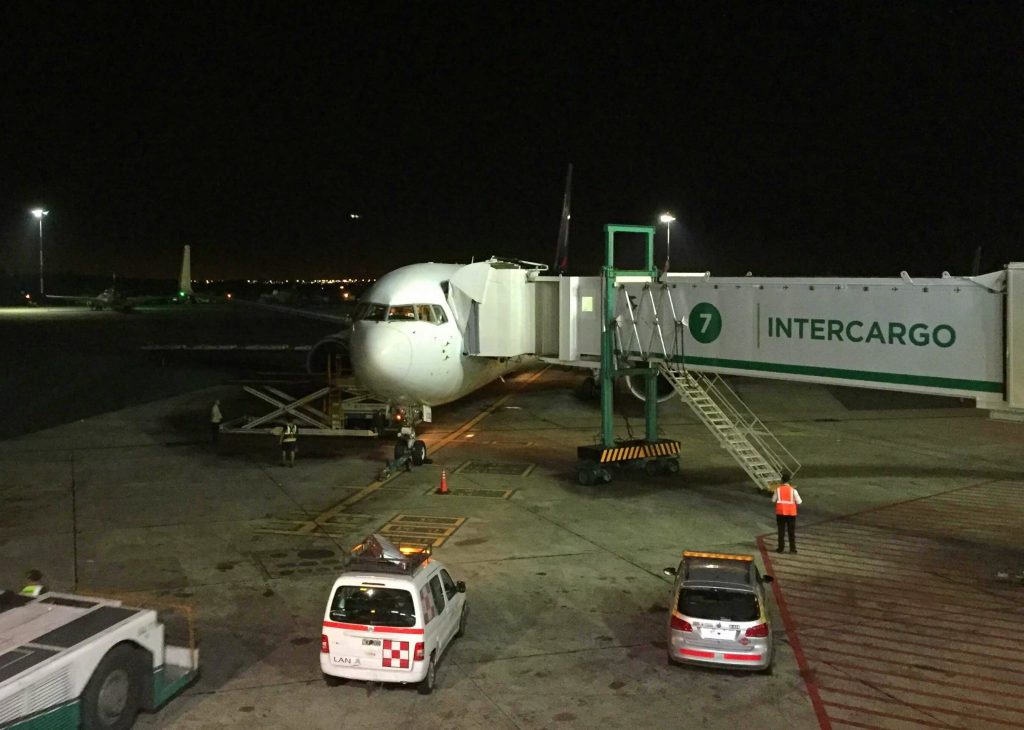
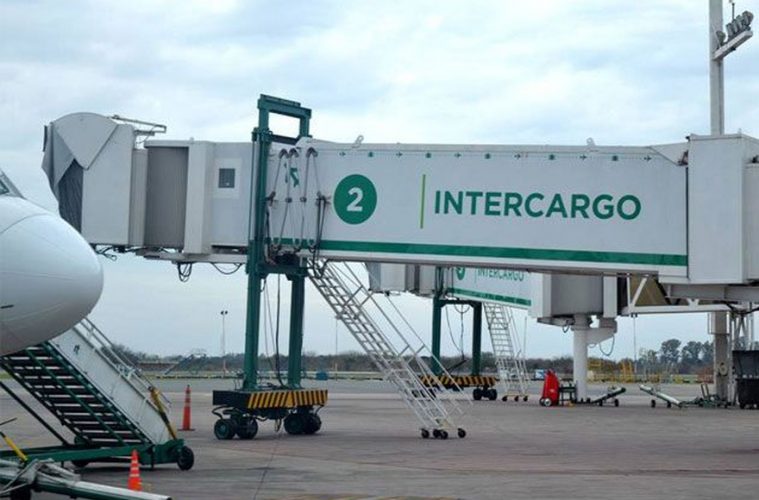
Intercargo, empresa dependiente del Ministerio de Transporte que presta servicios a las principales líneas aéreas del mundo en vuelos de cabotaje e internacionales, por primera vez en su historia desarrolló un Plan de Seguridad alineado a las medidas de seguridad recomendadas por la Organización de Aviación Civil Internacional (OACI) y establecidas bajo las normas AVSEC, referentes a la seguridad de la aviación civil contra todo acto de interferencia ilícita. El programa se desarrolló íntegramente por la empresa y fue aprobado a través de la disposición 358/2021 de la Policía de Seguridad Aeroportuaria, como máxima autoridad para el ámbito jurisdiccional aeroportuario y publicado en el Boletín Oficial.

En Septiembre de 2016, los delegados de la OACI acordaron que era necesario acelerar el desarrollo de un Plan global para la seguridad de la aviación (GASeP) que abordara las necesidades de los Estados y la industria y sirviera de base para que los Estados, la industria, las partes interesadas y la OACI trabajen en conjunto para fortalecer la seguridad de la aviación en todo el mundo y lograr cinco resultados prioritarios: aumentar la conciencia de los riesgos y la respuesta ante ellos; desarrollar una cultura de la seguridad y la capacidad humana; mejorar los recursos tecnológicos y la innovación; perfeccionar la vigilancia y el aseguramiento de la calidad; e incrementar la cooperación y el apoyo.

El Plan de Seguridad logrado resulta una herramienta fundamental para continuar brindando un servicio profesional, seguro y federal. La confección del programa se desarrolló en 18 meses de trabajo, de manera conjunta con las Jefaturas de Seguridad Física y Aseguramiento de la Calidad. A su vez, durante el proceso de elaboración contó con la colaboración del equipo de trabajo de la Dirección AVSEC de la Policía de Seguridad Aeroportuaria (PSA). En ese contexto, se adaptaron las medidas de seguridad establecidas por parte de la Autoridad de Aplicación a las medidas de seguridad vigentes en Intercargo, en post del compromiso de proteger a la aviación civil contra cualquier acto de interferencia ilícita, brindando un servicio que cumpla con los estándares de seguridad más altos.

Interferencia Ilícita

Dentro del Programa de Seguridad se desarrollaron Alertas y Medidas de Seguridad, por las cuales desde Intercargo se realizan comunicaciones periódicas a través de sus diversos canales de comunicación, para que todo el personal que se encuentre prestando servicio en un Aeropuerto del territorio argentino, se encuentre en estado en conocimiento sobre las medidas y estados de Alertas para detectar toda posible actitud considerada sospechosa y que pueda poner en riesgo la Seguridad de Aviación. En ese sentido, se complementan las siguientes medidas de Seguridad Física: control de los accesos a nuestras instalaciones que se encuentran dentro de la zona controlada y de seguridad restringida; inspección del personal que desarrolla actividades dentro de la Plataforma Operativa; inspección de suministros por parte del personal de vigilancia antes del ingreso a la zona de Seguridad restringida; protección de las instalaciones dentro de las zonas aeroportuarias; y respuesta a actos de interferencia ilícita y emergencias.

Argentina airport plan

New Airport Security Plan with international endorsement

Intercargo, a company dependent on the Ministry of Transportation that provides services to the main airlines in the world in domestic and international flights, for the first time in its history developed a Security Plan aligned with the security measures recommended by the International Civil Aviation Organization (ICAO) and established under AVSEC standards, referring to civil aviation security against any act of unlawful interference. The program was developed entirely by the company and was approved through provision 358/2021 of the Airport Security Police, as the highest authority for the airport jurisdiction and published in the Official Gazette.

In September 2016, ICAO delegates agreed that it was necessary to accelerate the development of a Global Aviation Security Plan (GASeP) that would address the needs of States and industry and serve as a basis for States, the Industry, stakeholders and ICAO work together to strengthen aviation security around the world and achieve five priority outcomes: increase awareness of and response to risks; develop a culture of safety and human capacity; improve technological resources and innovation; improve surveillance and quality assurance; and increase cooperation and support.

The Security Plan achieved is a fundamental tool to continue providing a professional, safe and federal service. The preparation of the program was developed in 18 months of work, in conjunction with the Physical Security and Quality Assurance Headquarters. In turn, during the elaboration process it had the collaboration of the work team of the AVSEC Directorate of the Airport Security Police (PSA). In this context, the security measures established by the Enforcement Authority were adapted to the security measures in force in Intercargo, in post of the commitment to protect civil aviation against any act of unlawful interference, providing a service that complies with the highest safety standards.

Unlawful interference

Within the Security Program, Alerts and Security Measures were developed, by which Intercargo makes periodic communications through its various communication channels, so that all personnel who are providing service in an Airport in Argentine territory, are in a state of knowledge about the measures and Alert states to detect any possible attitude considered suspicious and that could put Aviation Security at risk. In this sense, the following Physical Security measures are complemented: control of access to our facilities that are within the controlled and restricted security zone; inspection of personnel who carry out activities within the Operational Platform; inspection of supplies by security personnel before entering the restricted security zone; protection of facilities within airport areas; and response to acts of unlawful interference and emergencies.

PUBLISHER: Airgways.com
DBk: Argentina.gob.ar / Airgways.com
AW-POST: 202105052245AR

A\W   A I R G W A Y S ®

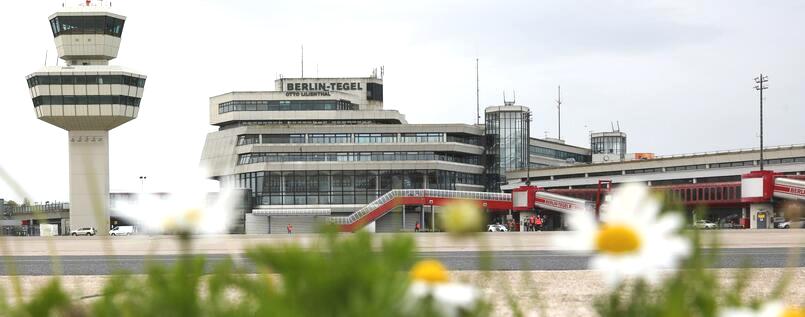
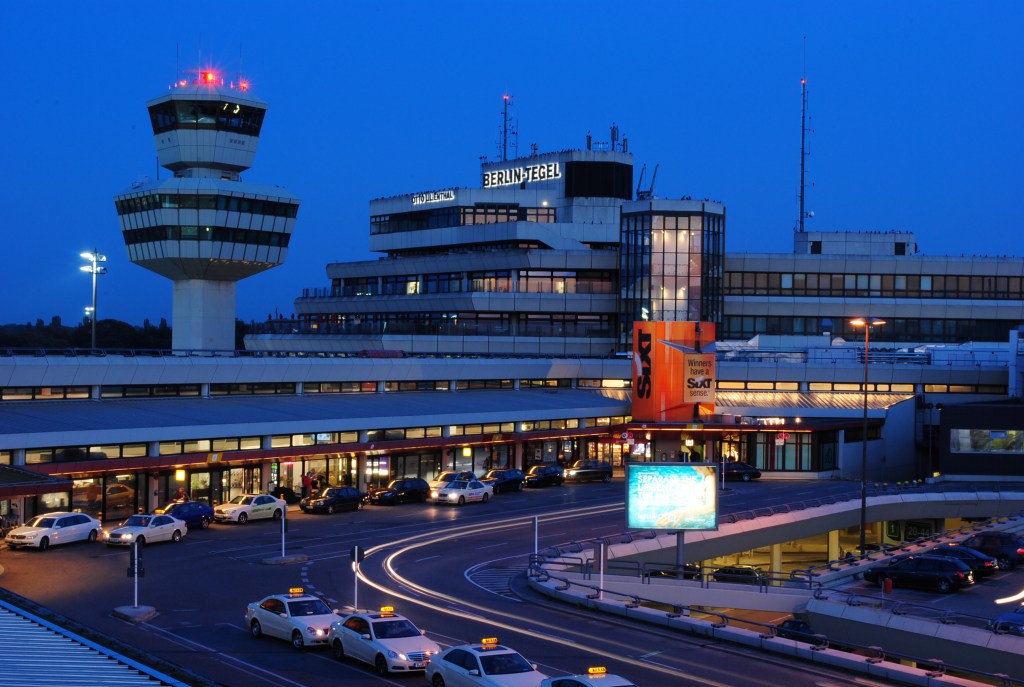
Cierre definitivo Aeropuerto Tegel

AW | 2021 05 05 10:55 | AIRPORTS

Aeropuerto Berlín/Tegel cierra definitivamente operaciones

TXL_Airport_Isologotype

El tradicional Aeropuerto Berlin/Tegel TXL/EDDT localizado el la Ciudad de Berlín occidental, que reemplazara antes al Aeropuerto Templehof/Otto Lilienthal cerrará sus operaciones aerocomerciales, anunciadas tras la iniciativa de un nuevo aeropuerto en Brandenburgo. Desde Noviembre 2020, el aeropuerto ya no opera vuelos comerciales, pero este Miércoles 05/05 se cancela la vigencia como aeropuerto comercial de Alemania.

El aeropuerto Texel/TXL vio su último vuelo el 8 de Noviembre de 2020 después de que todo el tráfico había sido transferido gradualmente al nuevo Aeropuerto Berlín/Brandenburg. Ha sido legalmente dado de baja como aeródromo después de un período transitorio obligatorio el 4 de Mayo de 2021. Todos los vuelos gubernamentales también fueron reubicados en el nuevo aeropuerto con la excepción de las operaciones de helicópteros que permanecerán en una zona separada en el lado norte del aeropuerto de Tegel hasta 2029.

En los próximos años, Flughafen Berlin Brandenburg GmbH (FBB) entregará el sitio a la ciudad de Berlín en fases, y la primera entrega tendrá lugar el Martes 11/05. El icónico edificio de la antigua terminal pasará a formar parte de la Universidad de Ciencias Aplicadas de Beuth. Mientras tanto, otras partes del sitio están destinadas a convertirse en 5.000 apartamentos, junto con un parque tecnológico e industrial. FBB GmbH conservará parte de la responsabilidad del sitio durante el próximo año. Durante los próximos dos años y medio, la autoridad aeroportuaria será responsable de ocuparse de los sitios contaminados. Está previsto además que los terrenos del aeropuerto se reurbanicen en un nuevo barrio de la ciudad dedicado a la investigación científica e industrial llamada Urban Tech Republic, que conservará el edificio principal y la torre del aeropuerto como monumento reutilizado.

El nuevo Aeropuerto Brandenburgo/Willy Brandt BER/EDDB es un aeropuerto internacional en Schönefeld, al sur de la capital alemana de Berlín en el Estado de Brandeburgo que continúa su expansión como el nuevo aeropuerto que permitirá incorporar la nueva demanda post-pandemia en el nucleo de Berlín y su amplia zona de influencia.

Final closure of Tegel Airport

Berlin/Tegel Airport definitively closed commercial operations

The traditional Berlin/Tegel Airport TXL/EDD located in the City of West Berlin, which previously replaced Templehof/ Otto Lilienthal Airport will close its commercial air operations, announced following the initiative for a new airport in Brandenburg. Since November 2020, the airport no longer operates commercial flights, but this Wednesday 05/05 the validity as a commercial airport in Germany is canceled.

Texel/TXL airport saw its last flight on November 8, 2020 after all traffic had been gradually transferred to the new Berlin/Brandenburg Airport. It has been legally decommissioned as an airfield after a mandatory transitional period on May 4, 2021. All government flights were also relocated to the new airport with the exception of helicopter operations that will remain in a separate zone on the north side. from Tegel Airport until 2029.

In the coming years, Flughafen Berlin Brandenburg GmbH (FBB) will deliver the site to the city of Berlin in phases, with the first delivery taking place on Tuesday 11/05. The iconic old terminal building will become part of the Beuth University of Applied Sciences. Meanwhile, other parts of the site are destined to be converted into 5,000 apartments, along with a technology and industrial park. FBB GmbH will retain part of the responsibility for the site for the next year. For the next two and a half years, the airport authority will be responsible for dealing with the contaminated sites. It is also planned that the airport grounds will be redeveloped into a new neighborhood of the city dedicated to scientific and industrial research called Urban Tech Republic, which will retain the main building and the airport tower as a reused monument.

The new Brandenburg/Willy Brandt BER/EDDB Airport is an international airport in Schönefeld, south of the German capital of Berlin in the State of Brandenburg that continues its expansion as the new airport that will allow incorporating the new post-pandemic demand in the nucleus from Berlin and its wide area of ​​influence.

Endgültige schließung des Flughafens Tegel

Berlin/Tegel haben den Betrieb endgültig eingestellt

Der traditionelle Flughafen Berlin/Tegel TXL/EDDT in der Stadt Westberlin, der zuvor den Flughafen Templehof/Otto Lilienthal ersetzte, wird seinen kommerziellen Flugbetrieb einstellen, der auf Initiative eines neuen Flughafens in Brandenburg angekündigt wurde. Seit November 2020 bietet der Flughafen keine kommerziellen Flüge mehr an, aber an diesem Mittwoch, dem 05.05., Wird die Gültigkeit als kommerzieller Flughafen in Deutschland aufgehoben.

Der Flughafen Texel/TXL wurde am 8. November 2020 zum letzten Mal geflogen, nachdem der gesamte Verkehr schrittweise auf den neuen Flughafen Berlin/Brandenburg verlagert worden war. Es wurde nach einer obligatorischen Übergangszeit am 4. Mai 2021 gesetzlich als Flugplatz stillgelegt. Alle Regierungsflüge wurden ebenfalls auf den neuen Flughafen verlegt, mit Ausnahme des Hubschrauberbetriebs, der in einer vom Flughafen Tegel getrennten Zone auf der Nordseite verbleibt bis 2029.

In den kommenden Jahren wird die Flughafen Berlin Brandenburg GmbH (FBB) den Standort schrittweise an die Stadt Berlin liefern. Die erste Lieferung erfolgt am Dienstag, den 11.05. Das ikonische alte Terminalgebäude wird Teil der Fachhochschule Beuth. In der Zwischenzeit sollen andere Teile des Geländes in 5.000 Wohnungen umgewandelt werden, zusammen mit einem Technologie- und Industriepark. Die FBB GmbH behält für das nächste Jahr einen Teil der Verantwortung für den Standort. In den nächsten zweieinhalb Jahren wird die Flughafenbehörde für den Umgang mit den kontaminierten Standorten verantwortlich sein. Es ist auch geplant, das Flughafengelände in ein neues Viertel der Stadt umzuwandeln, das der wissenschaftlichen und industriellen Forschung gewidmet ist und Urban Tech Republic heißt. Das Hauptgebäude und der Flughafenturm werden als wiederverwendetes Denkmal erhalten bleiben.

Der neue Flughafen Brandenburg/Willy Brandt BER/EDDB ist ein internationaler Flughafen in Schönefeld, südlich der deutschen Hauptstadt Berlin im Bundesland Brandenburg, der seine Expansion als neuer Flughafen fortsetzt, der es ermöglicht, die neue postpandemische Nachfrage in den Kern aufzunehmen aus Berlin und seinem weiten Einflussbereich.

PUBLISHER: Airgways.com
DBk: Berlin-airpot.de / Jürgen Ritter / Airgways.com
AW-POST: 202105051055AR

A\W   A I R G W A Y S ®

Aeropuertos operativos en Argentina

AW | 2021 05 04 12:15 | AIR TRAFFIC / AIRPORTS / GOVERNMENT

Vuelos permanecen operativos pese a toque de queda en Argentina

AW-Flybondi_702

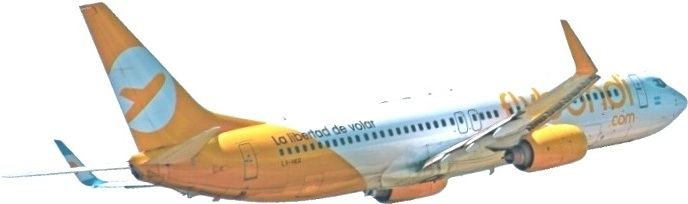
Las restricciones de circulación dispuestas por la pandemia a partir de este Lunes 03/05 en el área metropolitana de Buenos Aires generaron incertidumbre en las aerolíneas que tienen programados arribos a Aeroparque fuera de ese horario.

El Gobierno de Argentina ha extendido las restricciones de circulación en la Argentina hasta el 21 de Mayo de 2021 por la segunda ola de contagios de Covid-19. En el Área Metropolitana de Buenos Aires, considerada la zona de mayor riesgo, solo los trabajadores esenciales podrán utilizar el transporte público y circular entre las 20:00 y las 06:00 hs. Existen tres tipos de actividades exceptuadas: Actividades esenciales, actividades no esenciales, y permiso especial por 24 horas para situaciones puntuales. Entre las actividades en el ámbito aéreo estarán exceptuadas: Transporte de mercaderías y combustibles, tráfico aéreo, Migraciones, operación de aeropuertos.

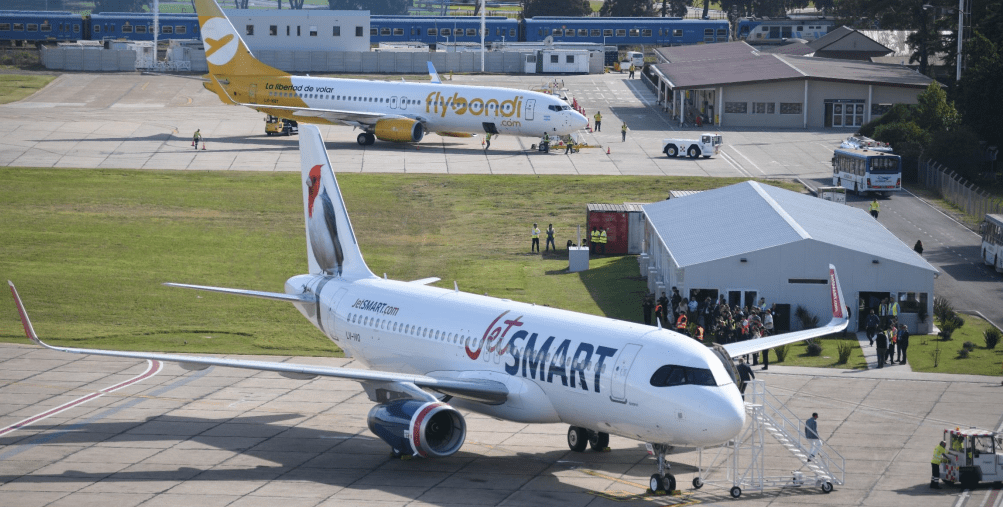
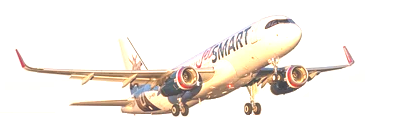
Por ejemplo, los vuelos Buenos Aires-Salta seguirán su programación establecida sin modificaciones. Aerolíneas Argentinas ha tenido su retorno de Salta a Buenos Aires este Lunes 03/05 a las 22:00 hs. El Aeropuerto Salta/Miguel Güemes tiene actualmente programado entre cuatro y cinco vuelos diarios a pesar de las nuevas restricciones impuestas en el Área Metropolitana de Buenos Aires (AMBA) desde las 20:00 hs. Este Martes 04/05 existen dos vuelos programados hacia Aeroparque para las 20:30 por Aerolíneas Argentinas y a las 21:15 hs por JetSmart Argentina. Los gremios de aeronáuticos aclararon que los vuelos seguirán sin cambios durante Mayo 2021 y los pasajeros que arriben al Aeropuerto Buenos Aires/Jorge Newbery podrán circular sin problemas fuera del toque de queda con el pasaje de su traslado en avión como comprobante.

Operating airports in Argentina

Flights remain operational despite curfew in Argentina

The circulation restrictions imposed by the pandemic as of this Monday 03/05 in the metropolitan area of ​​Buenos Aires generated uncertainty in the airlines that have scheduled arrivals at Aeroparque outside those hours.

The Government of Argentina has extended the circulation restrictions in Argentina until May 21, 2021 due to the second wave of Covid-19 infections. In the Metropolitan Area of Buenos Aires, considered the area of greatest risk, only essential workers may use public transport and circulate between 8:00 p.m. and 6:00 a.m. There are three types of excepted activities: essential activities, non-essential activities, and special permission for 24 hours for specific situations. Among the activities in the air field will be exempt: Transportation of goods and fuels, air traffic, Migrations, airport operation.

For example, the Buenos Aires-Salta flights will follow their established schedule without modifications. Aerolineas Argentinas has had its return from Salta to Buenos Aires this Monday 03/05 at 22:00. The Salta/Miguel Güemes Airport currently has between four and five daily flights scheduled despite the new restrictions imposed in the Buenos Aires Metropolitan Area (AMBA) from 8:00 p.m. This Tuesday 04/05 there are two flights scheduled to Aeroparque for 08:30 p.m. by Aerolineas Argentinas and at 9:15 p.m. by JetSmart Argentina. The aeronautical unions clarified that the flights will remain unchanged during May 2021 and the passengers who arrive at the Buenos Aires/Jorge Newbery Airport will be able to circulate without problems outside the curfew with the passage of their plane transfer as proof.

PUBLISHER: Airgways.com
DBk: Argentina.gob.ar / Aa2000.com.ar / Sebastián Borsero / Airgways.com
AW-POST: 202105041215AR

A\W   A I R G W A Y S ®

Bromma Airport cerraría operaciones

AW | 2021 05 04 10:45 | AIRPORTS / GOVERNMENT

Aeropuerto Estocolmo/Bromma posible cierre

Bromma Aiport_Isologotype

El Gobierno de Suecia ha anunciado su intención de cerrar permanentemente el Aeropuerto de Estocolmo/Bromma/BMA, uno de los dos aeropuertos que sirven al área metropolitana de la capital sueca y el más cercano al centro de la ciudad. El aeropuerto inaugurado en 1936 y situado a sólo siete kilómetros del corazón de Estocolmo, sirve principalmente a destinos nacionales y en 2019 manejó más de 2,5 millones de pasajeros, lo que lo convierte en el tercer aeropuerto más grande del país. El número de pasajeros se desplomó a menos de 500.000 en 2020 debido a la pandemia como ha sucedido en otros aeropuertos de Suecia y en el resto del mundo. El tráfico colapsó aún más en 2021. Durante el mes de Marzo, sólo 6.000 pasaron por su terminal, una reducción del 97% en comparación con 2019.

La mayor parte del tráfico aéreo comercial dentro y fuera de Estocolmo es manejado por el Aeropuerto Internacional de Arlanda, aproximadamente 37 kilómetros al norte de la ciudad. Arlanda manejó más de 25 millones de pasajeros en 2019, y el tráfico cayó a poco más de 6,5 millones en 2020.

Una decisión polémica

La decisión de cerrar el Aeropuerto de Bromma ha sido recibida con reacciones contrastantes por parte de los distintos partidos políticos en Suecia. Las autoridades locales temen que el cierre del aeropuerto vaya a dañar a los negocios de la zona, ya que Arlanda está a más de 30 minutos en auto.

El plan original era mantener Bromma operativo hasta al menos 2038 cuando Arlanda se supone que tiene una cuarta pista construida y podría absorber fácilmente todo el tráfico actualmente manejado por Bromma. Pero una evaluación de impacto encargada en 2020 por Swedavia, la empresa estatal propietaria y operadora de los principales aeropuertos de Suecia, determinó que «mantener Bromma abierto ya no puede justificarse económicamente».

El Presidente del Consejo Municipal del Partido del Centro en el Condado de Kalmar, ha expresado que tomar la decisión de cerrar el Aeropuerto de Bromma antes de que se haya tomado la decisión de ampliar la capacidad de Arlanda es en muchos sentidos un concepto erróneo. Para prácticamente todos los municipios rurales con largas distancias a Estocolmo, esto es un golpe, pero tal vez será particularmente claro en el condado de Kalmar.

Flygskam

Por otro lado, los grupos ecologistas están a favor de esta iniciativa, ya que consideran que la aviación comercial es una amenaza potencial para su ambicioso objetivo de hacer que Suecia sea carbono neutral para 2045. El fenómeno del flygskam, o «vergüenza de vuelo», ha sido culpado en Suecia por una caída del 5% en el tráfico aéreo en el país en 2019 en comparación con el año anterior, con una caída aún mayor para los vuelos nacionales, que ahora están siendo reemplazados por trenes de larga distancia.

El Gobierno de Suecia desea reurbanizar las 400 hectáreas actualmente ocupadas por el Aeropuerto de Bromma en viviendas residenciales en los bienes raíces premium cerca del centro de negocios de Estocolmo. Existen al menos dos aeropuertos más que se consideran formalmente parte del sistema aeroportuario de Estocolmo: el Aeropuerto Vasteras al oeste y Skavsta al suroeste, pero ambos están a más de 100 kilómetros de distancia y son atendidos principalmente por las aerolíneas de bajo coste Ryanair y Wizz Air.

Bromma Airport would close operations

Stockholm/Bromma Airport possible closure

The Swedish Government has announced its intention to permanently close Stockholm/Bromma/BMA Airport, one of the two airports serving the metropolitan area of ​​the Swedish capital and the one closest to the city center. The airport opened in 1936 and located just seven kilometers from the heart of Stockholm, serves mainly domestic destinations and in 2019 handled more than 2.5 million passengers, making it the third largest airport in the country. Passenger numbers plummeted to less than 500,000 in 2020 due to the pandemic as has happened at other airports in Sweden and around the world. Traffic collapsed even more in 2021. During the month of March, only 6,000 passed through its terminal, a reduction of 97% compared to 2019.

Most of the commercial air traffic in and out of Stockholm is handled by Arlanda International Airport, approximately 37 kilometers north of the city. Arlanda handled more than 25 million passengers in 2019, and traffic fell to just over 6.5 million in 2020.

A controversial decision

The decision to close Bromma Airport has been met with contrasting reactions from the various political parties in Sweden. Local authorities fear that the airport closure will harm businesses in the area, as Arlanda is more than 30 minutes away by car.

The original plan was to keep Bromma operational until at least 2038 when Arlanda is supposed to have a fourth runway built and could easily absorb all the traffic currently handled by Bromma. But an impact assessment commissioned in 2020 by Swedavia, the state-owned company that owns and operates Sweden’s main airports, found that «keeping Bromma open can no longer be economically justified».

The Chairman of the Center Party Municipal Council in Kalmar County has stated that making the decision to close Bromma Airport before the decision to expand Arlanda’s capacity has been made is in many ways a misconception. For practically all rural municipalities with long distances to Stockholm, this is a blow, but it will perhaps be particularly clear in Kalmar county.

Flygskam

On the other hand, environmental groups are in favor of this initiative, as they see commercial aviation as a potential threat to their ambitious goal of making Sweden carbon neutral by 2045. The phenomenon of flygskam, or «flight embarrassment», has been blamed in Sweden for a 5% drop in air traffic in the country in 2019 compared to the previous year, with an even bigger drop for domestic flights, which are now being replaced by long-distance trains.

The Swedish Government wishes to redevelop the 400 hectares currently occupied by Bromma Airport into residential housing in the premium real estate near the Stockholm business center. There are at least two more airports that are formally considered part of the Stockholm airport system: Vasteras Airport to the west and Skavsta to the southwest, but both are more than 100 kilometers apart and are mainly served by the low-cost airlines Ryanair and Wizz. Air.

Bromma flygplats skulle stänga verksamheten

Stockholm/Bromma Flygplats möjlig stängning

AW-Bromma Airport_Map

Den svenska regeringen har meddelat sin avsikt att permanent stänga Stockholm/Bromma/BMA Flygplatsen, en av de två flygplatserna som betjänar huvudstadsregionen i den svenska huvudstaden och den som ligger närmast stadens centrum. Flygplatsen öppnade 1936 och ligger bara sju kilometer från hjärtat av Stockholm, betjänar främst inhemska destinationer och hanterade 2019 mer än 2,5 miljoner passagerare, vilket gör den till den tredje största flygplatsen i landet. Passagerarantalet sjönk till mindre än 500 000 år 2020 på grund av pandemin som har hänt på andra flygplatser i Sverige och runt om i världen. Trafiken kollapsade ytterligare 2021. Under mars månad gick endast 6000 genom terminalen, en minskning med 97% jämfört med 2019.

Merparten av den kommersiella flygtrafiken till och från Stockholm hanteras av Arlanda International Airport, cirka 37 kilometer norr om staden. Arlanda hanterade mer än 25 miljoner passagerare 2019 och trafiken sjönk till drygt 6,5 miljoner år 2020.

Ett kontroversiellt beslut

Beslutet att stänga Bromma flygplats har mötts med kontrasterande reaktioner från de olika politiska partierna i Sverige. Lokala myndigheter fruktar att flygplatsens stängning kommer att skada företag i området, eftersom Arlanda ligger mer än 30 minuter bort med bil.

Den ursprungliga planen var att hålla Bromma i drift fram till åtminstone 2038 då Arlanda ska bygga en fjärde landningsbana och lätt skulle kunna ta upp all trafik som för närvarande hanteras av Bromma. Men en konsekvensbedömning som beställdes av Swedavia 2020, det statligt ägda företaget som äger och driver Sveriges huvudflygplatser, fann att «att hålla Bromma öppen inte längre kan vara ekonomiskt motiverat».

Styrelseordföranden för centrumpartiet i Kalmar län har sagt att beslutet att stänga Bromma flygplats innan beslutet om att utöka Arlandas kapacitet är på många sätt en missuppfattning. För praktiskt taget alla landsbygdskommuner med långa avstånd till Stockholm är detta ett slag, men det kommer kanske att vara särskilt tydligt i Kalmar län.

Flygskam

Å andra sidan är miljögrupper för detta initiativ, eftersom de ser kommersiell luftfart som ett potentiellt hot mot deras ambitiösa mål att göra Sverige koldioxidneutralt till 2045. Fenomenet flygskam, eller «flygförlägenhet», har fått skulden i Sverige för en nedgång på 5% i flygtrafiken i landet 2019 jämfört med föregående år, med en ännu större nedgång för inrikesflygningar, som nu ersätts av långväga tåg.

Den svenska regeringen vill bygga om de 400 hektar som för närvarande ockuperas av Brommas flygplats till bostadshus i premiumfastigheterna nära Stockholm. Det finns åtminstone ytterligare två flygplatser som formellt betraktas som en del av Stockholms flygplatssystem: Västerås flygplats i väster och Skavsta i sydväst, men båda ligger mer än 100 kilometer från varandra och betjänas huvudsakligen av lågprisflygbolagen Ryanair och Wizz Luft.

PUBLISHER: Airgways.com
DBk: Swedavia.com / Airgways.com
AW-POST: 202105041045AR

A\W   A I R G W A Y S ®

London City 1er aeropuerto sin TWR

AW | 2021 05 01 12:44 | AIRPORTS / AVIATION TECHNOLOGY

London City opera sin la presencia de controladores

225px-London_City_Airport_logo.svg

El Aeropuerto de London/City, uno de las aeroestaciones más pequeñas y con mejor tráfico de pasajeros de la ciudad de Londres, Reino Unido se ha convertido en el primer aeropuerto de importancia del mundo en el que no posee controladores presentes en las operaciones aéreas de una aeroestación. La nueva modalidad de control de tráfico aéreo se efectúa remotamente con pantallas observadas por controladores que se encuentran a más de cien kilómetros de distancia, en el Centro de Control Aéreo del país. El encargado de todo es NATS, la organización que se encarga del tráfico aéreo del país y que desde ahora no tendrá ni controladores ni torre de control en el aeropuerto. El London/City de Londres no es el primer aeropuerto controlado a distancia, pero sí es el más importante, con diferencia, de los que ya no tienen este control presencial.

Toda la operación está en manos de 16 cámaras de alta definición montadas en una torre que ofrece una vista de 360 grados y que son vistas en catorce pantallas de alta definición. La tecnología fue diseñada por Saab Digital Air Traffic Solutions, que había montado el pequeño Aeropuerto Ornskoldsvik en Suecia. Las pantallas permiten que se les sobreimprima información vital para la operación como altitud, velocidad u otros datos. Desde entonces se ha estado en periodo de pruebas, comprobando la eficacia y entrenando a la plantilla. Tras la entrada en vigor de una ley que valida el sistema y confiere la autoridad correspondiente a los controladores que operan a distancia.

El Aeropuerto London/City ha tenido un tráfico de cinco millones de pasajeros al año en 2019. Es el quinto aeropuerto más concurrido por pasajeros y movimientos de aviones que sirven a la zona de Londres después de Heathrow, Gatwick, Stansted y Luton y fue el decimoctavo más concurrido del Reino Unido en 2017.

London City 1st airport without TWR

London City now operates without the presence of drivers

London/City Airport, one of the smallest airstations and with the best passenger traffic in the city of London, United Kingdom, has become the first major airport in the world in which it does not have controllers present in the air operations of an air station. The new modality of air traffic control is carried out remotely with screens observed by controllers who are more than a hundred kilometers away, in the country’s Air Control Center. The person in charge of everything is NATS, the organization that is in charge of the country’s air traffic and that from now on will have neither controllers nor control tower at the airport. The London/City of London is not the first remotely controlled airport, but it is by far the most important of those that no longer have this face-to-face control.

The entire operation is in the hands of 16 high-definition cameras mounted on a tower that offers a 360-degree view and which are viewed on fourteen high-definition screens. The technology was designed by Saab Digital Air Traffic Solutions, which had set up the small Ornskoldsvik Airport in Sweden. The displays allow information vital to the operation such as altitude, speed or other data to be overprinted. Since then it has been in a testing period, checking the efficiency and training the staff. After the entry into force of a law that validates the system and confers the corresponding authority to the remote controllers.

London/City Airport has had a traffic of five million passengers a year in 2019. It is the fifth busiest airport for passengers and aircraft movements serving the London area after Heathrow, Gatwick, Stansted and Luton and was the 18th busiest in the UK in 2017.


PUBLISHER: Airgways.com
DBk: Londoncityairport.com / Saab.com / Airgways.com
AW-POST: 202105011244AR

A\W   A I R G W A Y S ®

Twente continúa inspección Boeing 747

AW | 2021 04 23 17:28 | AIRPORTS / GOVERNMENT

Aeropuerto de Twente gana batalla para estacionar aviones Jumbo

Twente Luchthaven_Isologotype

El Tribunal de Overijssel, Reino de los Países Bajos, se ha pronunciado a favor del Aeropuerto Twente en la lucha con la Inspección de Medio Ambiente y Transportes por los tres Boeing 747 que todavía están en el aeropuerto. Así se desprende de la sentencia del procedimiento interlocutorio, cuyo razonamiento no llegará hasta dentro de unos días. El fallo significa que la aeronave puede permanecer en pie por el momento y ya no debe haberse ido antes de finales de junio, como se estipula en el permiso de la inspección. El aeropuerto de Twente exigió que ese plazo se ampliara un año. También significa que Airport Twente escapa a una reclamación de Lufthansa de € 135.000 Euros por avión por incumplimiento de contrato. El aeropuerto ha garantizado a Lufthansa que los aviones no tienen que salir hasta junio del próximo año a más tardar. El aeropuerto de Twente también se está beneficiando más tiempo de los ingresos por estacionamiento, que ascienden a € 100.000 por avión al año. El juez considera que la seguridad no está en juego. Además, son sólo tres aviones. A pesar de la expansión, uno de esos tres aviones sale el Lunes 26/04. Lufthansa ciertamente se había preparado para un resultado negativo y reservó una plaza de aparcamiento en España para este avión. Eso no se puede revertir ahora. Por el momento, los otros dispositivos permanecen en almacenamiento profundo, una especie de hibernación, en Twente.

Según la inspección, el Aeropuerto de Twente estacionó ilegalmente y sin consulta el año pasado dos supuestos vehículos anchos en los terrenos del aeropuerto y luego tenía otros cuatro con un permiso que sólo daba permiso para aterrizar para desmantelar la aeronave. Cuando resultó que se trataba de estacionamiento temporal, surgió un conflicto cada vez mayor entre la inspección y el aeropuerto. Debido a la falta de ciertas instalaciones, estos aviones jumbo no pueden despegar de Twente. La inspección estaba dispuesta a conceder una exención, pero luego el avión tuvo que salir rápidamente, es decir, a más tardar en junio de este año. Según la inspección, la limitación del plazo era necesaria para crear una circunstancia especial que fuera necesaria para una exención en virtud de la Ley de Aviación.

El Aeropuerto de Twente argumentó en el procedimiento interlocutorio del jueves que la inspección estaba actuando ilegalmente. Después de todo, sólo tiene que proteger la seguridad y la exención hasta ahora muestra que es posible despegar con seguridad. Ya quedan tres jumbos, sin carga y con un mínimo de personal y combustible. Según el Aeropuerto de Twente, la inspección está abusando de su poder para obligar al aeropuerto a invertir.

Twente continues Boeing 747 inspection

Twente airport wins battle to park Jumbo jets

The Court of Overijssel, Kingdom of the Netherlands, has ruled in favor of Twente Airport in the fight with the Environment and Transport Inspectorate for the three Boeing 747s that are still at the airport. This is clear from the sentence of the interlocutory procedure, whose reasoning will not arrive for a few days. The failure means that the aircraft can remain standing for the time being and must no longer have left before the end of June, as stipulated in the inspection permit. Twente airport demanded that this period be extended by one year. It also means that Airport Twente escapes a Lufthansa claim of € 135,000 per plane for breach of contract. The airport has assured Lufthansa that the planes do not have to leave until June next year at the latest. Twente Airport is also benefiting longer from parking revenue, which amounts to € 100,000 per plane per year. The judge considers that safety is not at stake. Also, there are only three planes. Despite the expansion, one of those three planes leaves Monday 26/04. Lufthansa had certainly prepared for a negative result and reserved a parking space in Spain for this aircraft. That cannot be reversed now. At the moment, the other devices remain in deep storage, a kind of hibernation, in Twente.

According to the inspection, Twente Airport illegally and without consultation last year parked two alleged wide vehicles on the airport grounds and then had another four with a permit that only gave permission to land to dismantle the aircraft. When it turned out that it was temporary parking, a growing conflict arose between the inspection and the airport. Due to the lack of certain facilities, these jumbo jets cannot take off from Twente. The inspection was ready to grant an exemption, but then the plane had to leave quickly, that is, no later than June this year. According to the inspection, the time limitation was necessary to create a special circumstance that was necessary for an exemption under the Aviation Act.

Twente Airport argued in interlocutory proceedings on Thursday that the inspection was acting illegally. After all, you just have to protect safety and the exemption thus far shows that it is possible to take off safely. There are now three jumbos left, unloaded and with a minimum of personnel and fuel. According to Twente Airport, the inspection is abusing its power to force the airport to invest.

Twente zet Boeing 747-inspectie voort

Luchthaven Twente wint strijd om Jumbojets te parkeren

De Rechtbank Overijssel, Koninkrijk der Nederlanden, heeft in de strijd met de Inspectie Leefomgeving en Transport voor de drie Boeing 747’s die nog op de luchthaven staan, de Luchthaven Twente in het gelijk gesteld. Dat blijkt uit de zin van het kort geding, waarvan de redenering pas enkele dagen aankomt. Door de storing kan het vliegtuig voorlopig blijven staan ​​en niet meer voor eind juni vertrokken zijn, zoals bepaald in de keuringsvergunning. De luchthaven Twente eiste een verlenging van deze periode met een jaar. Het betekent ook dat Airport Twente aan een claim van Lufthansa van € 135.000 per vliegtuig ontsnapt wegens contractbreuk. De luchthaven heeft Lufthansa verzekerd dat de vliegtuigen uiterlijk in juni volgend jaar moeten vertrekken. Twente Airport profiteert ook langer van de parkeeropbrengsten, die oplopen tot € 100.000, per vliegtuig per jaar. De rechter is van mening dat de veiligheid niet in het geding is. Er zijn ook maar drie vliegtuigen. Ondanks de uitbreiding vertrekt een van die drie vliegtuigen maandag. Lufthansa had zich zeker voorbereid op een negatief resultaat en reserveerde voor dit vliegtuig een parkeerplaats in Spanje. Dat is nu niet meer terug te draaien. Op dit moment blijven de overige toestellen in een diepe opslag, een soort winterslaap, in Twente.

Volgens de inspectie parkeerde Twente Airport vorig jaar illegaal en zonder overleg twee vermeende brede voertuigen op het luchthaventerrein en had toen nog vier met een vergunning die alleen toestemming gaf om te landen om het vliegtuig te ontmantelen. Toen bleek dat het om tijdelijk parkeren ging, ontstond er een groeiend conflict tussen de inspectie en de luchthaven. Door het ontbreken van bepaalde faciliteiten kunnen deze jumbojets niet opstijgen vanuit Twente. De inspectie stond klaar om ontheffing te verlenen, maar toen moest het vliegtuig snel vertrekken, dat wil zeggen uiterlijk juni dit jaar. Volgens de inspectie was de verjaring noodzakelijk om een ​​bijzondere omstandigheid te creëren die nodig was voor een ontheffing op grond van de Wet luchtvaart.

Luchthaven Twente heeft donderdag in kort geding aangevoerd dat de inspectie onrechtmatig handelde. De veiligheid moet je immers maar beschermen en de ontheffing tot nu toe laat zien dat je veilig kunt opstijgen. Er zijn nu drie jumbo’s over, gelost en met een minimum aan personeel en brandstof. Volgens Luchthaven Twente maakt de inspectie misbruik van haar macht om de luchthaven tot investeringen te dwingen.


PUBLISHER: Airgways.com
DBk: Tewnte-airport.nl / Rechtbank.nl / Tubantia.nl / Anp.nl / Airgways.com
AW-POST: 202104231728AR

A\W   A I R G W A Y S ®

Primer podio Aeropuerto Guangzhou

AW | 2021 04 22 15:00 | AIRPORTS / AIR TRAFFIC

Aeropuerto chino supera a Atlanta más concurrido del mundo 2020

Guanzhou Baiyun Airport_Isologotype

El Aeropuerto Internacional Guangzou/Bai Yun/CAN de la República Popular de China se ha convertido en la aeroestación de mayor tráfico del mundo en 2020 al desplazar al Aeropuerto Internacional Atlanta/Hartsfield-Jackson/ATL. El Aeropuerto Guangzhou en la provincia homónima localizada en el sureste de China cercana a Hong Kong ha tomado el liderazgo mundial después de estar en la posición número décimo primero (11º) en el año 2019, mostrando una rápida recuperación post-pandemia favorecida por las pocas restricciones por parte del Estado chino.

El Aeropuerto Internacional de Guangzhou/Bai Yun ha desbancado al Aeropuerto de Atlanta, que por primera vez en más de dos décadas ha sido superado según el ranking preliminar de tráfico aeroportuario mundial del Consejo de Aeropuertos Publicado el Jueves 22/04. Un dato curioso es saber que siete de los diez aeropuertos más concurridos del mundo en el año pandémico de 2020 estaban en China. Atlanta/Hartsfield-Jackson conserva en 2021 la segunda posición como aeropuerto más concurrido en 2020, seguido en tercer lugar por Chengdu/CTU de China y en cuarto lugar Dallas/Fort Worth/DFW

El Aeropuerto Atlanta/Hartsfield-Jackson tuvo una disminución del 61,2% en el tráfico de pasajeros el año pasado, mientras que Guangzhou tuvo un descenso del 40,4%. Guangzhou manejó 43,8 millones de pasajeros en 2020, mientras que Hartsfield-Jackson alcanzó los 42,9 millones en tráfico. Los funcionarios de Atlanta han apreciado durante mucho tiempo el título de aeropuerto de más tráfico del mundo ostentado desde 1998.

Impacto pandémico desigual

Airports Council International dijo que sus clasificaciones mostraron el dramático impacto de COVID-19 en lo que normalmente son los aeropuertos más concurridos del mundo. El grupo aeroportuario dijo que el salto en la clasificación de los aeropuertos chinos ilustra la naturaleza desigual del impacto y la recuperación de la pandemia en todo el mundo. Mientras que el brote de Coronavirus comenzó en China a finales de 2019, funcionarios gubernamentales allí impusieron bloqueos y a mediados de 2020 el país estaba escenificando una recuperación económica. Eso le dio una ventaja, ya que el coronavirus se estaba extendiendo por el resto del mundo e impulsando interrupciones que continuarían hasta 2021.

Las principales aerolíneas en China en el verano de 2020 ofrecieron ofertas para ayudar a revivir los viajes aéreos. Entre ellos estaba China Southern Airlines, una aerolínea estatal que tiene su centro de operaciones en Guangzhou. En un vasto país con una población de casi 1.400 millones de habitantes, China tiene un importante mercado nacional de viajes para aprovechar, mientras que los viajes internacionales se han mantenido cerrados en gran medida debido al COVID-19.

Despegue de Atlanta

Después de un tumultuoso 2020, Atlanta/Hartsfield-Jackson ha visto más viajeros corriendo por el aeropuerto en las últimas semanas, particularmente durante los períodos de vacaciones ocupados. Los lotes económicos del aeropuerto alcanzaron su capacidad durante el fin de semana de Pascua y las líneas de seguridad han sido más largas durante los períodos pico. Más de un millón de personas han pasado diariamente por los puestos de control de seguridad aeroportuaria del país desde mediados de marzo, una importante recuperación con respecto al año pasado, pero todavía significativamente por debajo de los niveles de tráfico de 2019.

Guangzhou Airport first podium

Chinese airport surpasses Atlanta’s busiest in the world 2020

The Guangzou/Bai Yun/CAN International Airport of the People’s Republic of China has become the world’s busiest airstation in 2020 by displacing the Atlanta/Hartsfield-Jackson/ATL International Airport. Guangzhou Airport in the homonymous province located in southeastern China near Hong Kong has taken the world leadership after being in the eleventh position (11th) in 2019, showing a rapid post-pandemic recovery favored by the few restrictions by the Chinese state.

Guangzhou/Bai Yun International Airport has superseded Atlanta Airport, which for the first time in more than two decades has been surpassed according to the Airports Council’s preliminary ranking of world airport traffic Posted on Thursday 04/22. A curious fact is that seven of the ten busiest airports in the world in the pandemic year of 2020 were in China. Atlanta/Hartsfield-Jackson retains in 2021 the second busiest airport in 2020, followed in third place by Chengdu/CTU of China and in fourth place Dallas/Fort Worth/DFW

Atlanta / Hartsfield-Jackson Airport had a 61.2% decrease in passenger traffic last year, while Guangzhou had a 40.4% decrease. Guangzhou handled 43.8 million passengers in 2020, while Hartsfield-Jackson reached 42.9 million in traffic. Atlanta officials have long cherished the title of the world’s busiest airport held since 1998.

Uneven pandemic impact

Airports Council International said its rankings showed the dramatic impact of COVID-19 on what are typically the world’s busiest airports. The airport group said the leap in the ranking of Chinese airports illustrates the uneven nature of the impact and recovery from the pandemic around the world. While the Coronavirus outbreak began in China in late 2019, government officials there imposed lockdowns and by mid-2020 the country was staging an economic recovery. That gave him an advantage, as the coronavirus was spreading to the rest of the world and driving disruptions that would continue until 2021.

Top airlines in China in the summer of 2020 offered deals to help revive air travel. Among them was China Southern Airlines, a state airline with its hub in Guangzhou. In a vast country with a population of nearly 1.4 billion, China has a significant domestic travel market to tap into, while international travel has largely been closed due to COVID-19.

Takeoff from Atlanta

After a tumultuous 2020, Atlanta/Hartsfield-Jackson has seen more travelers rushing through the airport in recent weeks, particularly during busy vacation periods. The airport’s inexpensive lots reached capacity over Easter weekend and security lines have been longer during peak periods. More than a million people have passed through the country’s airport security checkpoints daily since mid-March, a significant recovery from last year, but still significantly below 2019 traffic levels.

廣州機場第一講台

2020年中國機場將超過亞特蘭大最繁忙的機場

中華人民共和國廣州市/白雲市/ CAN國際機場已通過取代亞特蘭大/哈茲菲爾德-傑克遜 國際機場/ ATL,成為2020年世界上最繁忙的航空站。位於中國東南部,靠近香港的同名省份的廣州機場在2019年位居第11位(第11位)之後,已經在世界範圍內佔據領導地位,顯示出大流行後的迅速恢復,受到中國政府的一些限制。

廣州機場/白雲國際機場已取代亞特蘭大機場,根據機場理事會的初步世界機場客運排名,該機場已超過二十年來首次超過該機場。週四04/22公佈。一個奇怪的事實是,在2020年大流行年度中,全球十個最繁忙的機場中有七個在中國。亞特蘭大/哈茨菲爾德-傑克遜機場(Hartsfield-Jackson)將於2021年保持2020年第二繁忙的機場,其次是成都/中國貨運單元(CTU)和第三名,達拉斯/沃思堡/ DFW名列第四

去年,亞特蘭大/哈茨菲爾德-傑克遜機場的客運量下降了61.2%,而廣州的客運量下降了40.4%。到2020年,廣州將接待4380萬名乘客,而哈茨菲爾德-傑克遜(Hartsfield-Jackson)的客流量則達到4290萬。自1998年以來,亞特蘭大官員一直珍視著世界上最繁忙的機場的稱號。

大流行影響不均

國際機場理事會說,其排名顯示了COVID-19對通常是世界上最繁忙的機場的巨大影響。該機場集團表示,中國機場排名的飛躍表明了大流行在全球範圍內影響和復甦的不平衡性質。當冠狀病毒爆發於2019年底在中國開始時,那裡的政府官員實施了封鎖措施,到2020年中,中國正在實現經濟復甦。這給了他一個優勢,因為冠狀病毒正在向世界其他地方蔓延,並造成破壞,這種破壞將持續到2021年。

2020年夏季,中國頂級航空公司提供了優惠,以幫助恢復航空旅行。其中包括中國南方航空公司,這是一家在廣州設有樞紐的國有航空公司。在一個擁有近14億人口的廣闊國家中,中國擁有重要的國內旅遊市場,而國際旅行由於COVID-19而已基本關閉。

從亞特蘭大起飛

在經歷了動蕩的2020年之後,亞特蘭大/哈茲菲爾德-傑克遜市在最近幾週內,尤其是在繁忙的假期期間,有越來越多的旅客湧入機場。該機場的廉價地段在復活節週末達到了運力,高峰期的安全線延長了。自3月中旬以來,每天有超過100萬人通過該國的機場安全檢查站,較去年有了顯著恢復,但仍大大低於2019年的交通量。


PUBLISHER: Airgways.com
DBk: Gbiac.net / Aci.aero / Wikipedia.org / Xinhua.net / Shutterstock.com/Markus Mainka / Airgways.com
AW-POST: 202104221500AR

A\W   A I R G W A Y S ®

Saturación Aeropuerto Teruel

AW | 2021 04 20 17:13 | AIRPORTS

Aeropuerto de Teruel almacena más aeronaves en desuso

El espacio aeroportuario más grande de Europa en almacenaje y reciclaje de aviones, el Aeropuerto Teruel, localizado en la Provincia de Teruel, ha estado incrementando más espacio con el arribo de más aeronaves en desuso. La aeroestación denominada como cementerio de aeronaves necesita más espacio y el consorcio que lo gestiona ya ha iniciado el procedimiento. En uno de los lugares más deshabitados de Europa, el Aeropuerto de Teruel se ha propuesto romper todos los récord posibles. Inició su etapa con un modelo de negocio distinto mientras el resto de regiones aspiraba a tener un aeropuerto para pasajeros con conexiones internacionales. Ayudados por un clima seco, permite a las aeronaves estacionadas conservarse mejor en tierra para una nueva reposición a las aerolíneas. En tan solo siete años, al demostrarse su éxito indudable, necesita seguir creciendo. No tiene más espacio para almacenar los aviones que la demanda le exige.

La pandemia ha disparado su uso, con un crecimiento de un 50% debido al número de aeronaves que necesitan un almacenaje o una reparación en la abrupta bajada de la demanda de viajes comerciales. Los ingresos de explotación aumentaron en 2020 un 28,6% respecto a 2019. Es por eso que el último plan director que se configuró en el año 2019 por parte del consorcio que gestiona el aeropuerto de Teruel, que opera con el nombre comercial de Plataforma Aeroportuaria de Teruel (Plata), donde el Gobierno de Aragón cuenta con un 60% y el Ayuntamiento de Teruel con el 40% restante, necesitaba una actualización.

“La ampliación es más necesaria que nunca. El aeropuerto tiene mucha capacidad de crecimiento en los próximos años. Teníamos que modificar el plan director porque no sabíamos en 2019 que una pandemia iba a disparar la necesidad de almacenaje”, expresan el Director del Aeropuerto de Teruel y el Ingeniero Aeronáutico, Alejandro Ibrahim. De ser un polígono de tiro antes de su nuevo uso industrial, en el año 2013, el Aeropuerto de Teruel ya contaba con un campo de aviación de uso militar en funcionamiento desde 1954 a 1992. La revolucionaria idea de transformar ese espacio en un aeropuerto para almacenaje y reciclaje de aviones fue pionera. Nunca se había estudiado algo así en España. «Este tipo de actividad fue criticado al principio porque en España se trabajaba más el glamour que lo industrial. Decían que desde Teruel no íbamos a ser competitivos, pero estamos dando una respuesta clave para el almacenaje o reciclaje. Después de casi ocho años, nos han dado la razón», expresaron los directivos del Aeropuerto Teruel.

Cementerio mega-aeropuerto

En una ubicación privilegiada a pocos kilómetros de la ciudad de Teruel, el aeropuerto turolense tiene a día de hoy una flota de aviones que no es habitual ver ni en Barajas. En sus pistas descansan quince aviones A380, el de mayor envergadura del mundo, con 80 metros de largo. La urgente necesidad de ampliar el aeropuerto de Teruel está encima de la mesa del Gobierno Autonómo de Aragón.

Por el momento, las obras más urgentes a corto plazo ya son una realidad. La construcción finalizada de tres naves logísticas o del nuevo hangar de pintura, que está ejecutado al 80%. En esta ampliación integral del aeropuerto de Teruel, se crearán 200 nuevos puestos de trabajo directos que se suman a los 250 empleos actuales en la plataforma aeroportuaria.

La altísima demanda de sus instalaciones no sería la misma si desde el inicio no hubiera apostado por el espacio aeroportuario aragonés la compañía multinacional y líder en Europa Tarmac Aerosave. Es el principal aliado del Aeropuerto de Teruel desde su creación como espacio aeroportuario de almacenaje y reciclaje. Esta compañía internacional desarrolla su actividad en el estacionamiento, mantenimiento y reciclado de aeronaves. Del total del aeropuerto turolense, Tarmac Aerosave explota el 60% de sus instalaciones. La compañía solo tiene otras dos sedes en Europa además de Teruel, y tiene en su accionariado las empresas más importantes de su sector, como Airbus, Safran Aircraft Engines y Suez Environnement. La altísima demanda de sus instalaciones no sería la misma si no hubiera apostado por el espacio aeroportuario aragonés Tarmac Aerosave José Moliner, Director Comercial de Tarmac Aerosave, reconoce que, “debido a la pandemia, se ha multiplicado la gran demanda de estacionamiento de aviones. En el aeropuerto de Teruel, se está cerca de la ocupación máxima, por eso solicitamos al Gobierno de Aragón que estudiara la ampliación de nuevos espacios para que nos den capacidad de aparcar más aviones”, explica José Moliner. Las cifras que manejan es que necesitarán almacenar cincuenta aviones más de aquí a dos años. “No hay ni fecha de caducidad ni límite en el Aeropuerto de Teruel. El proyecto que se está tramitando porque se ha quedado sin espacio será suficiente en capacidad para Tarmac durante los próximos 20 años”, expresa José Moliner. El 80% del negocio de Tarmac en el Aeropuerto de Teruel es el almacenaje de aeronaves. Sin embargo, las labores de desmantelamiento, aunque solo suponen un 20% del negocio, han crecido más de un 65% durante la pandemia.

Teruel Airport saturation

Teruel airport stores more aircraft in disuse

The largest airport space in Europe for aircraft storage and recycling, Teruel Airport, located in the Province of Teruel, has been increasing more space with the arrival of more disused aircraft. The air station known as the aircraft graveyard needs more space and the consortium that manages it has already started the procedure. In one of the most uninhabited places in Europe, Teruel Airport has set out to break all possible records. It began its stage with a different business model while the rest of the regions aspired to have an airport for passengers with international connections. Helped by a dry climate, it allows parked aircraft to stay better on the ground for a new replacement to the airlines. In just seven years, with its undoubted success demonstrating, it needs to keep growing. It does not have more space to store the airplanes that the demand demands.

The pandemic has triggered its use, with a growth of 50% due to the number of aircraft that need storage or repair in the steep drop in demand for commercial travel. Operating income increased in 2020 by 28.6% compared to 2019. That is why the last master plan that was set up in 2019 by the consortium that manages Teruel airport, which operates under the commercial name of Plataforma Teruel Airport (Plata), where the Government of Aragon has 60% and the Teruel City Council with the remaining 40%, needed an update.

“Expansion is more necessary than ever. The airport has a lot of growth capacity in the coming years. We had to modify the master plan because we did not know in 2019 that a pandemic was going to trigger the need for storage», express the Director of the Teruel Airport and the Aeronautical Engineer, Alejandro Ibrahim. From being a firing range before its new industrial use, in 2013 Teruel Airport already had an airfield for military use in operation from 1954 to 1992. The revolutionary idea of ​​transforming that space into an airport for aircraft storage and recycling was a pioneer. Something like this had never been studied in Spain. «This type of activity was criticized at first because in Spain they worked more on the glamor than the industrial. They said that from Teruel we were not going to be competitive, but we are giving a key answer for storage or recycling. After almost eight years, we They have given the reason», expressed the directors of the Teruel Airport.

Mega-airport graveyard

In a privileged location a few kilometers from the city of Teruel, the Teruel airport today has a fleet of planes that it is not usual to see even in Barajas. Fifteen A380 aircraft rest on its runways, the largest in the world, 80 meters long. The urgent need to expand the Teruel airport is on the table of the Autonomous Government of Aragon.

For the moment, the most urgent short-term works are already a reality. The construction of three logistics warehouses or the new paint hangar, which is 80% completed, has been completed. In this comprehensive expansion of the Teruel airport, 200 new direct jobs will be created in addition to the 250 current jobs on the airport platform.

The extremely high demand for its facilities would not be the same if from the beginning the multinational and leading European company Tarmac Aerosave had not opted for the Aragonese airport space. It is the main ally of Teruel Airport since its creation as an airport storage and recycling space. This international company carries out its activity in the parking, maintenance and recycling of aircraft. Of the total of the Teruel airport, Tarmac Aerosave operates 60% of its facilities. The company only has two other locations in Europe in addition to Teruel, and its shareholders are the most important companies in its sector, such as Airbus, Safran Aircraft Engines and Suez Environnement. The extremely high demand for its facilities would not be the same if it had not opted for the Aragonese Tarmac Aerosave airport space José Moliner, Commercial Director of Tarmac Aerosave, acknowledges that, «due to the pandemic, the great demand for aircraft parking has multiplied. At the Teruel airport, it is close to the maximum occupancy, so we asked the Government of Aragon to study the expansion of new spaces so that they give us the capacity to park more airplanes”, explains José Moliner. The figures they handle are that they will need to store fifty more planes in two years’ time. “There is no expiration date or limit at Teruel Airport. The project that is being processed because it has run out of space will be sufficient in capacity for Tarmac for the next 20 years”, says José Moliner. 80% of Tarmac’s business at Teruel Airport is aircraft storage. However, decommissioning work, although it only accounts for 20% of the business, has grown by more than 65% during the pandemic.


PUBLISHER: Airgways.com
DBk: Aeropuertodeteruel.com / Airgways.com
AW-POST: 202104201713AR

A\W   A I R G W A Y S ®
Obras Aeropuerto Palmerola

Palmerola Airport will boost Honduras's economy -

AW | 2021 04 20 15:40 | AIRPORTS

Continúan obras para el Aeropuerto Palmerola

AW-Palmerola Airport_001

Aeropuerto Internacional de Palmerola/MHSC de la República de Honduras, continúa con las obras de modernización de la aeroestación bajo el operador aeroportuario alemán Flughafen München GmbH. El Aeropuerto Internacional de Palmerola es un aeropuerto internacional ubicado a seis kilómetros al sur del centro de Comayagua, Honduras. Actualmente, el aeropuerto tiene uso militar y forma parte de la Base Aérea José Enrique Soto Cano. En 2021 abrirá como un nuevo aeropuerto internacional para uso civil y comercial.

El nuevo aeropuerto será uno de los aeropuertos más importantes del país con una capacidad mayor al Aeropuerto Internacional Toncontín de Tegucigalpa. Se espera que este nuevo aeropuerto sirva no solo a Comayagua si no también a los residentes de Tegucigalpa debido a las limitaciones para crecer del aeropuerto Toncontín. El nuevo aeropuerto se podría convertir en el aeropuerto principal para la capital proyectando su apertura en Octubre de 2021.​ El Aeropuerto Palmerola tendrá una capacidad para atender veinte aeronaves en simultáneo y la terminal tendrá más de 39.000 metros cuadrados construidos, aproximadamente cuatro veces el tamaño y las capacidades de Toncontín en Tegucigalpa. El aeropuerto también tendrá la secunda pista de aterrizaje más larga de Honduras después del Aeropuerto Internacional Ramón Villeda Morales de San Pedro Sula.

El nuevo Aeropuerto Internacional de Palmerola, uno de los aeropuertos más importantes de Honduras, iniciará su actividad a partir del próximo Octubre 2021, con una inversión de US$ 136 millones. En su construcción ha participado Andreu Barberá, empresa de Paterna, que se ha encargado de dotar de 400 puertas cortafuegos modelo Turia y el modelo Neo, con diferentes resistencias desde EI230 hasta EI2120 minutos y aporta además una gran novedad en la familia de acabados de Andreu, el acabado antimicrobial, elección adecuada para cumplir las exigencias de un proyecto de tal envergadura. Según ha explicado la empresa de Paterna, este acabado de Andreu es un aditivo con propiedades antimicrobianas que se aplica a la pintura poliéster QualiSteelCoat que utilizamos. Esta película de pintura antimicrobial no solo aporta a la superficie una mayor higiene, sino que también, combinada con las resinas de poliéster de la pintura electroestática utilizada, le da propiedades anticorrosivas a la puerta. Este recubrimiento garantiza un acabado homogéneo en toda la superficie y es particularmente recomendado en todas aquellas localizaciones donde una limpieza e higiene es un requerimiento esencial.

Fases de Palmerola

Su fase inicial o primaria en lo que constituye el lado tierra el proyecto contempla la construcción de 755 metros de calle de acceso y circuito de circulación interna. Estacionamientos para 600 plazas vehiculares para visitantes, empleados, buses y rentadoras de autos. Adicionalmente se Construirán 10.500 metros cuadrados de terminal aérea y 2.500 metros cuadrados de terminal de carga. En lo que los expertos llaman lado aire, que es el lado que comúnmente conocemos como pista, se construirán 35.192 m² de plataforma comercial y 8.820 m² de plataforma de carga, la que podrá albergar cuatro vuelos comerciales, con sus cuatro puentes de abordaje. Para concluir esta etapa se construirán 8.940 m² de plataforma de aviación nacional la cual tendrá capacidad para 6 aeronaves. Su segunda fase contemplará la ampliación de los extremos de la terminal aérea, correspondientes a 3.400 m² de construcción, ampliación de la plataforma comercial y de carga a más de 12.700 m²; contar con cinco puentes de abordaje, incremento de 5.341 m² de la plataforma nacional. En su estado final, el aeropuerto contara con trece puentes de abordaje, para una capacidad igual de aeronaves en simultáneo.

René Merino, Presidente de la Cámara de Comercio de Comayagua se manifestó a favor desde etapas tempranas del proyecto para todo el sector centro sur del país, lo que indudablemente traerá un impacto económico directo, indirecto e inducido. “El aeropuerto de Palmerola pretende promover el desarrollo económico, social, político y cultural de la zona mediante el estímulo que ofrece un aeropuerto de operación continúa, segura y estratégicamente posicionado, siendo el mismo un hilo conductor para la efectiva integración Centroamericana”, dijo Carlos Miranda, Alcalde del Municipio de Comayagua. El nuevo Aeropuerto Palmerola permitirá la exportación de productos agrícolas y accesar a mercados con alto potencial, beneficiando a más de 25.000 familias hondureñas.

Palmerola Airport works

Puede ser una imagen de una o varias personas y personas de pie

Works continue for the Palmerola Airport

Palmerola International Airport/MHSC of the Republic of Honduras, continues with the modernization works of the air station under the German airport operator Flughafen München GmbH. Palmerola International Airport is an international airport located six kilometers south of downtown Comayagua, Honduras. Currently, the airport has military use and is part of the José Enrique Soto Cano Air Base. In 2021 it will open as a new international airport for civil and commercial use.

The new airport will be one of the most important airports in the country with a capacity greater than the Toncontin International Airport in Tegucigalpa. This new airport is expected to serve not only Comayagua but also the residents of Tegucigalpa due to the limitations of the Toncontin airport to grow. The new airport could become the main airport for the capital projecting its opening in October 2021. The Palmerola Airport will have a capacity to serve twenty aircraft simultaneously and the terminal will have more than 39,000 square meters built, approximately four times the size and Toncontín’s capacities in Tegucigalpa. The airport will also have the second longest runway in Honduras after the Ramón Villeda Morales International Airport in San Pedro Sula.

The new Palmerola International Airport, one of the most important airports in Honduras, will begin its activity as of October 2021, with an investment of US$ 136 million. Andreu Barberá, a Paterna company, has participated in its construction and has been in charge of equipping 400 fire doors, model Turia and model Neo, with different resistances from EI230 to EI2120 minutes and also provides a great novelty in the Andreu family of finishes. , the antimicrobial finish, the right choice to meet the demands of a project of this magnitude. As explained by the Paterna company, this Andreu finish is an additive with antimicrobial properties that is applied to the QualiSteelCoat polyester paint that we use. This antimicrobial paint film not only provides the surface with greater hygiene, but also, combined with the polyester resins of the electrostatic paint used, gives the door anti-corrosive properties. This coating guarantees a homogeneous finish on the entire surface and is particularly recommended in all locations where cleanliness and hygiene is an essential requirement.

Palmerola phases

Its initial or primary phase in what constitutes the land side, the project contemplates the construction of 755 meters of access road and internal circulation circuit. Parking for 600 vehicle spaces for visitors, employees, buses and car rentals. Additionally, 10,500 square meters of air terminal and 2,500 square meters of cargo terminal will be built. On what experts call the airside, which is the side commonly known as the runway, 35,192 m² of commercial platform and 8,820 m² of cargo platform will be built, which will be able to accommodate four commercial flights, with its four boarding bridges. To conclude this stage, 8,940 m² of national aviation platform will be built, which will have capacity for 6 aircraft. Its second phase will include the expansion of the ends of the air terminal, corresponding to 3,400 m² of construction, expansion of the commercial and cargo platform to more than 12,700 m²; have five boarding bridges, an increase of 5,341 m² in the national platform. In its final state, the airport will have thirteen boarding bridges, for an equal capacity of aircraft simultaneously.

René Merino, President of the Comayagua Chamber of Commerce, spoke in favor from the early stages of the project for the entire south central sector of the country, which will undoubtedly bring a direct, indirect and induced economic impact. «The Palmerola airport aims to promote the economic, social, political and cultural development of the area through the stimulus offered by an airport of continuous operation, safe and strategically positioned, being itself a common thread for effective Central American integration», said Carlos Miranda, Mayor of the Municipality of Comayagua. The new Palmerola Airport will allow the export of agricultural products and access to markets with high potential, benefiting more than 25,000 Honduran families.


PUBLISHER: Airgways.com
DBk: Sapp.gob.hn/palmerola / Airgways.com
AW-POST: 202104201540AR

A\W   A I R G W A Y S ®

Rosario recibe certificado salud

AW | 2021 04 18 19:28 | AIRPORTS

Aeropuerto Rosario recibió certificado de Salud Aeroportuaria

AIR_Isologotype

El Aeropuerto Internacional Rosario SAAR/ROS ha recibido el Certificado de Salud Aeroportuaria siendo el primero del interior de Argentina en acceder a esta acreditación que otorga el Consejo Internacional de Aeropuertos (ACI). El Consejo Internacional de Aeropuertos (ACI), otorgó el certificado de “Salud Aeroportuaria” a la terminal aérea de Rosario por los protocolos sanitarios que se implementan en el contexto de la pandemia generada por el Coronavirus. “Este certificado internacional reafirma la calidad y el compromiso con el que trabajamos todos los días para que nuestros pasajeros y toda la comunidad aeroportuaria se sientan seguros a la hora de volar y permanecer en nuestras instalaciones. Desde el primer momento que nos enfrentamos al Covid-19, nos convocamos para cuidar la salud de todas las personas vinculadas a nuestra actividad. En esta instancia hemos sido reconocidos, bajo las exigencias de un organismo internacional, por las medidas que llevamos adelante”, expresó el Presidente del Directorio del Aeropuerto Internacional de Rosario (AIR), Eduardo Romagnoli.

Desde el Consejo Internacional de Aeropuertos, destacaron el compromiso del AIR con la seguridad de los pasajeros, empleados y el público en general. “Luego de revisar la evidencia presentada, el AIR demostró que está brindando una experiencia segura para todos y que está en línea con las medidas de salud recomendadas y establecidas en las pautas de reinicio y recuperación de la aviación”, señaló el Director del Consejo, Luis Felipe de Oliveira.

Desde el reinicio de los vuelos comerciales, el aeropuerto de Rosario se encuentra operativo las 24 horas y operando con regularidad vuelos de cabotajes de Aerolíneas Argentinas y Jetsmart Airlines Argentina. “Si bien por definiciones de las autoridades sanitarias nacionales no hay vuelos comerciales regulares internacionales en los aeropuertos del interior de la Argentina, quienes soliciten y obtengan la pertinente autorización a ANAC podrán realizar procedimientos en nuestro aeropuerto”, destacó Eduardo Romagnoli.

Rosario receives health certificate

Rosario Airport received Airport Health certificate

Rosario International Airport SAAR/ROS has received the Airport Health Certificate, being the first in the interior of Argentina to access this accreditation granted by the Airports Council International (ACI). The Airports Council International (ACI), granted the certificate of «Airport Health» to the Rosario air terminal for the health protocols that are implemented in the context of the pandemic generated by the Coronavirus. “This international certificate reaffirms the quality and commitment with which we work every day so that our passengers and the entire airport community feel safe when flying and staying at our facilities. From the first moment that we face covid 19, we convene ourselves to take care of the health of all the people linked to our activity. In this instance, we have been recognized, under the demands of an international organization, for the measures we carry out”, said Eduardo Romagnoli, Chairman of the Board of Directors of Rosario International Airport (AIR).

From the Airports Council International, they highlighted AIR’s commitment to the safety of passengers, employees and the general public. «After reviewing the evidence presented, AIR demonstrated that it is providing a safe experience for all and that it is in line with the recommended health measures and established in the aviation restart and recovery guidelines», said the Council Director, Luis Felipe de Oliveira.

Since the restart of commercial flights, the Rosario airport has been operating 24 hours a day and regularly operating domestic flights of Aerolíneas Argentinas and Jetsmart Airlines Argentina. «Although according to definitions of the national health authorities, there are no regular international commercial flights at airports in the interior of Argentina, those who request and obtain the pertinent authorization from ANAC may carry out procedures at our airport», Eduardo Romagnoli highlighted.


PUBLISHER: Airgways.com
DBk: Aeropuertorosario.com.ar / Ambito.com / Airgways.com
AW-POST: 202104181928AR

A\W   A I R G W A Y S ®