AW | 2020 12 22 12:50 | AIRPORTS / AVIATION HISTORY
Aeropuerto Salt Lake City conmemora 100º aniversarios
El Lunes 21/12, el Departamento de Aeropuertos de Salt Lake City conmemoró sus 100 aniversarios, en honor al logro, el Gobernador Gary Herbert del Estado de Utah, Estados Unidos, proclamó el 21 de Diciembre de 2020, «Día de la aviación en Utah». El aeropuerto también ha publicado un libro de historia de 100 años y un video documental para conmemorar este acontecimiento histórico. El comienzo de lo que hoy es el 23º aeropuerto más concurrido de América del Norte y el 85º más concurrido del mundo, tuvo lugar en Woodward Field cuando un grupo de visionarios se reunieron para abrir camino en el primer campo de aterrizaje de aviones permanentes de la ciudad.
En 2019, el aeropuerto registró cifras récord de más de 26 millones de pasajeros y más de 370 vuelos partieron diariamente a 99 destinos sin escalas, incluyendo Amsterdam, Londres y París. El aeropuerto recientemente añadió un hito importante a la cronología del aeropuerto al abrir la Fase I de The New SLC,el primer nuevo aeropuerto de gran centro que se construyó en los Estados Unidos en el siglo XXI.
Bill Wyatt, Director Ejecutivo del Departamento de Aeropuertos de Salt Lake City, dijo en un comunicado preparado: «A lo largo de los 100 años de historia de nuestro aeropuerto, ha contribuido a muchas historias de vida. A medida que nos embarcamos en los próximos 100 años, esperamos que los viajeros y el personal continúen creando recuerdos ricos, tal como lo hicieron los millones de personas en el último siglo antes que ellos. Como se señaló en la proclamación del Gobernador, la dedicación de Woodward Field marcó el desarrollo de una época importante en nuestra historia».
Ξ 100th Anniversaries Salt Lake City Ξ
Salt Lake City Airport Commemorates 100th Anniversaries
On Monday 12/21, the Salt Lake City Airport Department commemorated its 100th anniversary, in honor of the achievement, Governor Gary Herbert of the State of Utah, United States, proclaimed on December 21, 2020, «Aviation Day in Utah». The airport has also published a 100-year history book and video documentary to commemorate this historic event. The beginning of what is now the 23rd busiest airport in North America and the 85th busiest in the world took place at Woodward Field when a group of visionaries gathered to make their way onto the first permanent aircraft landing field in the United States. city.
In 2019, the airport recorded record numbers of more than 26 million passengers and more than 370 flights departed daily to 99 non-stop destinations, including Amsterdam, London and Paris. The airport recently added an important milestone to the airport’s timeline by opening Phase I of The New SLC, the first new large-hub airport to be built in the United States in the 21st century.
Bill Wyatt, Executive Director of the Salt Lake City Airports Department, said in a prepared statement: «Throughout our airport’s 100-year history, he has contributed to many life stories. As we embark on the next 100 years, we hope that travelers and staff will continue to create rich memories, just as the millions of people did in the last century before them. As noted in the Governor’s proclamation, the dedication of Woodward Field marked the development of a important time in our history».
Gobierno Argentina encabeza acto por obras Aeropuerto Concordia
El Presidente Alberto Fernández de la República Argentina encabezará este 22/12 a las 11:30 hs el acto por el reacondicionamiento del Aeropuerto Concordia COC/SAAC, Provincia de Entre Ríos, el acto de apertura de ofertas en la licitación para la construcción y readecuación del aeropuerto de esa ciudad entrerriana. Según el Ministerio de Planeamiento, Infraestructura y Servicios de Entre Ríos, la obra de diseño, construcción y readecuación del Aeropuerto Concordia/Comodoro Pierrestegui es financiada a través de un crédito del Banco Interamericano de Desarrollo (BID).
La finalidad de los créditos y los trabajos es posibilitar la operación de vuelos comerciales regulares, y el mejoramiento y modernización de la aeroestación. Entre otros trabajos, se prevé la readecuación de la pista existente de 1.600 metros y su extensión a 2.000 metros, incluyendo zona antichorro y capa resistente de RESA (área de seguridad al final de pistas); y la construcción de una calle de rodaje y una plataforma de estacionamiento de aeronaves. También se contempla la adquisición y montaje de señalamiento diurno y nocturno; la mejora de la vía de acceso al aeropuerto, y la construcción del nuevo estacionamiento, y camino y cerco perimetral.
Concordia Airport works tender
Argentine Government leads act for works at Concordia Airport
President Alberto Fernández of the Argentine Republic will lead this 12/22 at 11:30 a.m. the act for the reconditioning of Concordia Airport COC/SAAC, Province of Entre Ríos, the act of opening bids in the tender for the construction and refurbishment of the airport in that entrerriana city. According to the Entre Ríos Ministry of Planning, Infrastructure and Services, the design, construction and readjustment of the Concordia/Comodoro Pierrestegui Airport it is financed through a loan from the Inter-American Development Bank (IDB).
The purpose of the loans and works is to enable the operation of regular commercial flights, and the improvement and modernization of the air station. Among other works, the re-adaptation of the existing 1,600-meter runway and its extension to 2,000 meters is expected, including an anti-jet zone and a RESA resistant layer (safety area at the end of the runway); and the construction of a taxiway and an aircraft parking apron. The acquisition and assembly of day and night signs is also contemplated; the improvement of the access road to the airport, and the construction of the new parking lot, and road and perimeter fence.
Pedido de obras Aeropuerto San Rafael de Argentina
El arco político y los diferentes organismos institucionales de San Rafael, Provincia de Mendoza, continúan solicitando un nuevo pedido a la concesionaria aeroportuaria Aeropuertos Argentina 2000 (AA2000), al Ministerio de Transporte de la Nación y al Organismo Regulador del Sistema Nacional de Aeropuertos (ORSNA) por las obras pendientes en el Aeropuerto San Rafeal/Santiago Germanó, que reclaman la necesidad de mejoramiento de la aeroestación vital para la reactivación turística de la región. La terminal aeroportuaria se encuentra en la necesidad de contar con mejores infraestructuras para soportar el futuro aumento de la demanda de más tráfico vuelos y optimizar la limitada conectividad aérea del Sur mendocino. Con el objetivo de promover el reclamo, la Legislatura de la Provincia de Mendoza han elevado un nuevo pedido a la concesionaria y autoridades gubernamentales de Nación para solicitar el avance de las obras necesarias para la aeroestación, acordes al desarrollo turístico que la región demanda. “En consonancia con su misión, y atendiendo a las necesidades que se presentan en el Aeropuerto de San Rafael, creemos necesario solicitarles que lleven adelante todas las acciones necesarias para promover la integración de San Rafael con el resto del país. Actualmente solo tenemos conectividad con Buenos Aires. Las mejoras redundarán en conexiones ajenas a Buenos Aires, y la opción que más interesa al Sur provincial, es la zona centro (Santa Fe y Córdoba), especialmente la ciudad de Rosario. San Rafael es como una isla sin puerto, a la que es difícil llegar”, apunta el pedido elevado a Aeropuertos Argentina 2000, el Ministerio de Transporte de la Nación y el ORSNA.
Las mejoras en el Aeropuerto San Rafael tienen por objetivo optimizar la pista para recibir aviones de gran porte como los que utilizan la mayoría de las aerolíneas en la actualidad, por lo que encuentran necesario desde la concesionaria aeroportuaria que se de impulso al requerimiento de la solicitud que marcará un beneficio para el turismo y el desarrollo de la región. Con respecto a las frecuencias de vuelos en la Terminal aérea sanrafaelina, el transportador aéreo Aerolíneas Argentinas iba a ampliar sus vuelos durante Diciembre 2020 a dos frecuencias semanales entre Buenos Aires y San Rafael, y hacia Enero 2021 ha anunciado una tercer frecuencia semanal. El aeropuerto ha sufrido una fuerte disminución en la conectividad para una región que estaba acostumbrada a recibir un vuelo diario, teniendo presente la apertura turística 2020-2021, por lo que reconocen lo importante que es la conexión con los grandes centros como Buenos Aires, Rosario, Córdoba, entre otros. Desde los diferentes agentes que reclaman mayor asistencia, detallan que un aumento de los vuelos permitiría bajar los costos de las tarifas aéreas, teniendo en cuenta la monopolización del mercado concentrado en Aerolíneas Argentinas y los precios no bajan de los AR$ 8.000 Pesos en un pasaje sólo con tarifa de ida.
Pese al potencial del destino, la falta de obras junto con las limitaciones operativas en el Aeropuerto San Rafael, no permite que se desarrollen más vuelos. Por ello, desde la Cámara de Comercio, Industria y Agropecuaria (CCIA) ha reclamado en la necesidad de continuar las tareas iniciadas para la ampliación del aeropuerto local. Una pista de aterrizaje con capacidad de soportar aviones de mayor porte como los Boeing 737 son fundamentales para la aeroestación, pero van acompañados con obras complementarias en la mejora del edificio y entorno del aeropuerto. Desde la CCIA, impulsores de esta iniciativa, destacan que esto permitirá “la llegada de más vuelos comerciales y nuevas rutas desde y hacia nuestro departamento, mejorando y facilitando el acceso a la ciudad”. Asimismo, se destaca la posibilidad de nuevas rutas con Santa Fe y Córdoba para potenciar la existente a Buenos Aires e incluso la llegada de low cost que se han mostrado interesadas en el destino, pero que no pueden desembarcar por cuestiones de infraestructura.
El concesionario Aeropuertos Argentina 2000 ha realizado estudios complementarios entre fines de 2019 y principios de 2020 que marcan un paso importante para la concreción de obras. Ahora se ha solicitado una reunión de carácter urgente para el tratamiento de las obras de infraestructura al Ministerio de Planificación e Infraestructura Pública de la Provincia de Mendoza, para iniciar el reclamo con una presentación del impacto positivo que el Aeropuerto San Rafael puede tener una vez concluidas las obras reclamadas.
San Rafael Airport works claim
Work order at San Rafael Airport in Argentina
The political arch and the different institutional bodies of San Rafael, Mendoza Province, continue to request a new request from the airport concessionaire Aeropuertos Argentina 2000 (AA2000), the Ministry of Transportation of the Nation and the Regulatory Body of the National Airport System (ORSNA) for the pending works at the San Rafeal/Santiago Germanó Airport, which call for the need to improve the vital air station for the reactivation of tourism in the region. The airport terminal is in need of better infrastructures to support the future increase in demand for more flight traffic and to optimize the limited air connectivity in the south of Mendoza. In order to promote the claim, the Legislature of the Province of Mendoza has submitted a new request to the concessionaire and government authorities of the Nation to request the progress of the works necessary for the air station, according to the tourism development that the region demands. “In keeping with its mission, and in response to the needs that arise at the San Rafael Airport, we believe it is necessary to ask you to carry out all the necessary actions to promote the integration of San Rafael with the rest of the country. Currently we only have connectivity with Buenos Aires. The improvements will result in connections outside of Buenos Aires, and the option that most interests the southern province is the downtown area (Santa Fe and Córdoba), especially the city of Rosario. San Rafael is like an island without a port, which is difficult to reach”, points out the request submitted to Aeropuertos Argentina 2000, the Ministry of Transportation of the Nation and the ORSNA.
The improvements at the San Rafael Airport are aimed at optimizing the runway to receive large aircraft such as those used by most airlines today, which is why they find it necessary from the airport concessionaire to boost the request requirement. that will mark a benefit for tourism and the development of the region. Regarding the frequencies of flights in the San Rafael Air Terminal, the air carrier Aerolíneas Argentinas was going to expand its flights during December 2020 to two weekly frequencies between Buenos Aires and San Rafael, and by January 2021 it has announced a third weekly frequency. The airport has suffered a strong decrease in connectivity for a region that was used to receiving a daily flight, bearing in mind the 2020-2021 tourist opening, so they recognize how important it is to connect with large centers such as Buenos Aires, Rosario, Córdoba, among others. From the different agents that demand more assistance, they detail that an increase in flights would lower the costs of airfares, taking into account the monopolization of the market concentrated in Aerolíneas Argentinas and prices do not fall below AR$ 8,000 pesos in a ticket one way fare only.
Despite the potential of the destination, the lack of works together with the operational limitations at San Rafael Airport, does not allow more flights to be developed. For this reason, the Chamber of Commerce, Industry and Agriculture (CCIA) has claimed the need to continue the tasks started for the expansion of the local airport. A runway capable of supporting larger aircraft such as the Boeing 737 is essential for the air station, but they are accompanied by complementary works to improve the airport building and surroundings. From the CCIA, promoters of this initiative, they emphasize that this will allow «the arrival of more commercial flights and new routes to and from our department, improving and facilitating access to the city». Likewise, the possibility of new routes with Santa Fe and Córdoba to enhance the existing one to Buenos Aires and even the arrival of low cost routes that have shown interest in the destination, but who cannot disembark due to infrastructure issues, are also highlighted.
The concessionaire Aeropuertos Argentina 2000 has carried out complementary studies between the end of 2019 and the beginning of 2020 that mark an important step for the completion of works. Now an urgent meeting has been requested for the treatment of infrastructure works to the Ministry of Planning and Public Infrastructure of the Province of Mendoza, to initiate the claim with a presentation of the positive impact that the San Rafael Airport can have once concluded the works claimed.
Transporte Argentina garantiza operaciones low cost Aeroparque
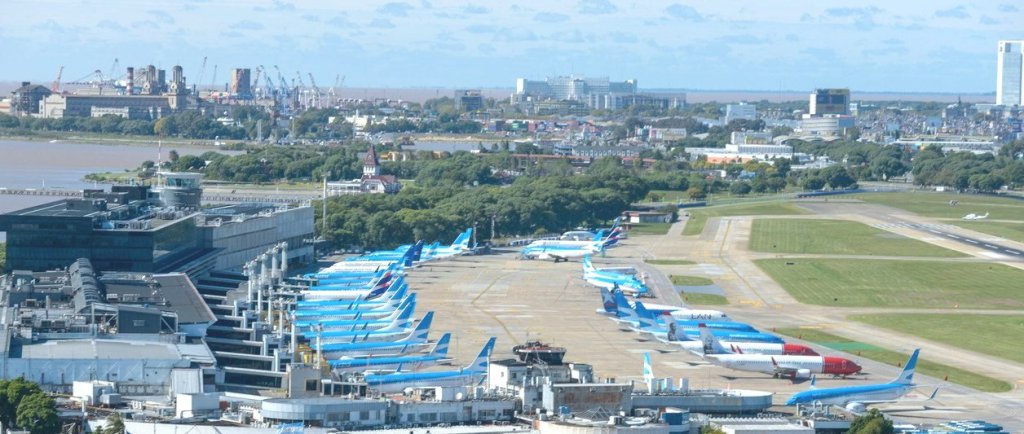
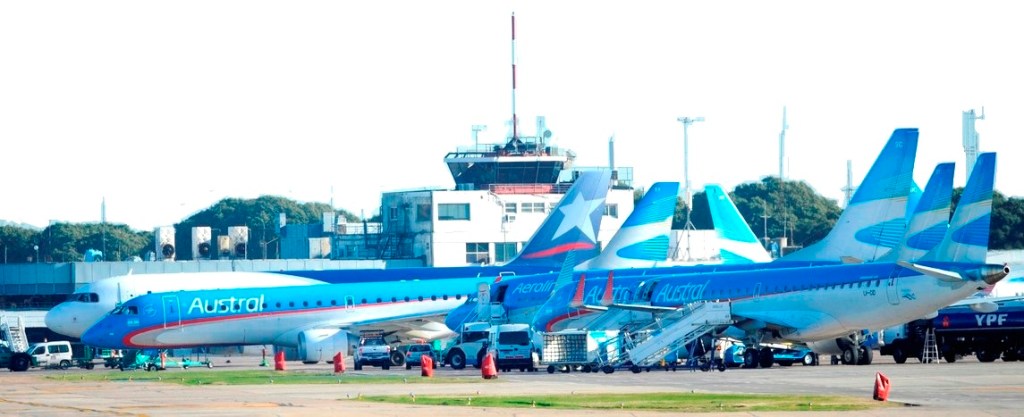
Tras los continuos reclamos por el Aeropuerto Internacional El Palomar, el Ministro de Transporte de Argentina, Mario Meoni, anunció que no se reabrirá dicha estación aérea ante la preocupación de los empleados y usuarios del transporte aéreo. Ante una vacilante postura de la cartera de Transporte respecto a la continuidad o no de la aeroestación low cost, las compañías de presupuesto Flybondi Líneas Aéreas y JetSmart Airlines Argentina han iniciado sus operaciones transitorias desde el Aeropuerto Internacional Ezeiza a la espera de obtener los permisos de slots en el Aeropuerto Jorge Newbery de la Ciudad de Buenos Aires. El Ministro de Transporte ha llamado a la tranquilidad y anunció que las low cost comenzarán a operar desde Aeroparque hacia fines de Febrero 2021.
Desde el Ministerio de Transporte sostienen en la regionalización de los vuelos desde el reacondicionado Aeropuerto Jorge Newbery permitirá aumentar las perspectivas de conexiones con el interior de Argentina. Las compañías aéreas de presupuesto realizarán vuelos domésticos desde esta aeroestación, mientras que los vuelos regionales continuarán siendo evaluados sobre qué aerolínea operará esas rutas.
Reclamos El Palomar
Dirigentes principales de Juntos por el Cambio (JXC) participaron este Jueves 17/12 de una nueva marcha con vecinos y comerciantes de Aeropuerto El Palomar, días después de que el Gobierno resolviera que este aeropuerto solo va a estar operativo para vuelos militares. El cierre de El Palomar generó durante los últimos días fuertes cruces entre el oficialismo y la oposición. Lo cierto es que la manifestación que organizaron vecinos de El Palomar continúa reclamando la continuidad de la aeroestación, que ha brindado a los pasajeros una comodidad de ser un aeropuerto low cost con las ventajas operativas que ha representado para los usuarios del transporte y las líneas aéreas de presupuesto.
Argentine low cost in Aeroparque
Argentine transport guarantees low cost operations Aeroparque
After the continuous complaints about the El Palomar International Airport, the Minister of Transport of Argentina, Mario Meoni, announced that said air station will not be reopened due to the concern of the employees and users of air transport. Faced with a fluctuating position of the Transportation portfolio regarding the continuity or not of the low cost air station, the budget companies Flybondi Líneas Aéreas and JetSmart Airlines Argentina have started their transitory operations from the Ezeiza International Airport while waiting to obtain the permits slots at the Jorge Newbery Airport in the City of Buenos Aires. The Minister of Transport has called for tranquility and announced that the low cost will begin operating from Aeroparque towards the end of February 2021.
The Ministry of Transportation maintains that the regionalization of flights from the reconditioned Jorge Newbery Airport will allow increasing the prospects of connections with the interior of Argentina. Budget airlines will conduct domestic flights from this airstation, while regional flights will continue to be evaluated on which airline will operate those routes.
Claims El Palomar
Main leaders of Juntos por el Cambio (JXC) participated this Thursday 17/12 in a new march with residents and merchants of El Palomar Airport, days after the Government decided that this airport will only be operational for military flights. The closure of El Palomar generated strong crossings between the ruling party and the opposition in recent days. The truth is that the demonstration organized by residents of El Palomar continues to demand the continuity of the air station, which has offered passengers the convenience of being a low-cost airport with the operational advantages that it has represented for transport users and airlines of budget.
Belo Horizonte/Confins vuelos directos a Nueva York, Boston y Miami
El Aeropuerto Belo Horizonte/Confins ha anunciado la expansión de más vuelos internacionales a Estados Unidos como parte del desarrollo hacia el futuro de la conexión del Estado de Minas Gerais, Brasil con los servicios al Norte de América. El Gobernador de Minas Gerais, Romeu Zema, anunció el Sábado, 12/12, que el Aeropuerto Internacional de Belo Horizonte/Confins tendrá vuelos directos a tres destinos más en los Estados Unidos: New York/JFK (Nueva York), Boston/Logan (Massachusetts) y Miami/MIA (Florida).
Actualmente, la ruta internacional de la terminal tiene vuelos directos a Orlando (FL) y Buenos Aires, Argentina. Según el equipo del Gobierno, se espera que los nuevos itinerarios comiencen a funcionar a partir de Marzo de 2021, con seis vuelos semanales. El Aeropuerto Internacional de Belo Horizonte recibe aproximadamente 22 millones de pasajeros al año. En los últimos dos años ha sido escenario para la llegada de miles de inmigrantes deportados de los Estados Unidos y el destino de vuelos fletados por el Departamento de Inmigración y Control de Aduanas (ICE) llenos de brasileños.
Confins increases US destinations
Confins direct flights to New York, Boston and Miami, USA
The Belo Horizonte/Confins Airport has announced the expansion of more international flights to the United States as part of the future development of the connection of the State of Minas Gerais, Brazil with services to North America. The Governor of Minas Gerais, Romeu Zema, announced on Saturday, 12/12, that the Belo Horizonte/Confins International Airport will have direct flights to three more destinations in the United States: New York/JFK (New York), Boston/Logan (Massachusetts) and Miami/MIA (Florida).
Currently, the terminal’s international route has direct flights to Orlando (FL) and Buenos Aires, Argentina. According to the Government team, the new itineraries are expected to start operating from March 2021, with six weekly flights. Belo Horizonte International Airport receives approximately 22 million passengers a year. In the last two years it has been the scene for the arrival of thousands of immigrants deported from the United States and the destination of flights chartered by the Department of Immigration and Customs Control (ICE) full of Brazilians.
Confins aumenta destinos nos EUA
Confins vôos diretos para Nova York, Boston e Miami, nos EUA
O Aeroporto de Belo Horizonte/Confins anunciou a expansão de mais voos internacionais para os Estados Unidos como parte do futuro desenvolvimento da conexão do Estado de Minas Gerais, Brasil, com serviços para a América do Norte. O governador de Minas Gerais, Romeu Zema, anunciou neste Sábado, 12/12, que o Aeroporto Internacional de Belo Horizonte/Confins terá vôos diretos para mais três destinos nos Estados Unidos: Nova York/JFK (Nova York), Boston/Logan (Massachusetts) e Miami/MIA (Flórida).
Atualmente, a rota internacional do terminal conta com voos diretos para Orlando (FL) e Buenos Aires, Argentina. De acordo com a equipa do Governo, os novos itinerários deverão entrar em funcionamento a partir de Março de 2021, com seis voos semanais. O Aeroporto Internacional de Belo Horizonte recebe cerca de 22 milhões de passageiros por ano. Nos últimos dois anos tem sido palco da chegada de milhares de imigrantes deportados dos Estados Unidos e destino de vôos fretados pelo Departamento de Imigração e Controle Aduaneiro (ICE) lotados de brasileiros.
Tribunal Justicia aprueba ampliaciones de London/Heathrow
La Tribunal Supremo de Justicia del Reino Unido ha fallado a favor este Miércoles 16/12 a la expansión del Aeropuerto de London/Heathrow permitiendo que el plan de ₤ 14.000 millones de Libras (US$ 19.000 millones de Dólares / € 15.500 millones de Euros) siga adelante tras décadas de batallas legales y disputas políticas. El fallo del Triibunal Supremo anuló una decisión de un Tribunal de menor instancia que había bloqueado el plan por razones medioambientales. El Aeropuerto Internacional London/Heathrow, el más grande del Reino Unido, actualmente sólo tiene dos pistas y está dispuesto a seguir adelante con los planes a pesar de la caída del tráfico aéreo causada por la crisis del coronavirus. La pandemia también ha provocado que la aeroestación londinense, ha decrecido el flujo de mayor tráfico de Europa.
El primer ministro Boris Johnson se había opuesto con vehemencia a la expansión, que fue aprobada por el Gobierno anterior. Su portavoz dijo el Miércoles 16/12 que el Gobierno había tomado nota del fallo del Tribunal Supremo y que respondería a su debido tiempo. En Febrero 2020, un Tribunal de menor instancia declaró ilegal la ampliación, fallando a favor de activistas contra el cambio climático. El Juez dijo entonces que el hecho de no tener en cuenta los compromisos del Gobierno británico en materia de cambio climático era algo legalmente letal para el proyecto. Pero un Juez del Tribunal Supremo dijo durante una sesión virtual este Miércoles 16/12 que el Gobierno sí había tenido en cuenta los compromisos sobre el cambio climático al diseñar su política aeroportuaria. “Por estas razones, el Tribunal concluye por unanimidad que la apelación debe permitirse. La declaración de la política nacional de aeropuertos es legal”, dijo el Juez Philip Sales.
El Aeropuerto London/Heathrow se encuentra bajo concesión del grupo español Ferrovial, otros accionistas con fondos soberanos son Qatar Investment Authority y China Investment Corp. Aunque es el aeropuerto más grande de Reino Unido en términos de valor, sus dos pistas se comparan con las cuatro de París y Frankfort y las seis de Amsterdam. Antes de la pandemia, no tenía espacio para añadir nuevos vuelos. London/Heathrow dijo que su plan de expansión debe pasar ahora por un proceso de planificación que le exigirá demostrar que la ampliación cumple con las obligaciones de Reino Unido en materia de cambio climático antes de que puedan empezar las obras.
London/Heathrow Airport expansion approved
Court of Justice approves London/Heathrow extensions
The Supreme Court of Justice of the United Kingdom has ruled in favor this Wednesday 16/12 to the expansion of the London/Heathrow Airport allowing the plan of ₤ 14,000 million Pounds (US$ 19,000 million Dollars / € 15,500 million Euros) Keep going after decades of legal battles and political disputes. The Supreme Court ruling overturned a lower court decision that had blocked the plan for environmental reasons. London/Heathrow International Airport, the UK’s largest, currently has only two runways and is keen to go ahead with plans despite the drop in air traffic caused by the coronavirus crisis. The pandemic has also caused the London air station to decrease the flow of greater traffic from Europe.
Prime Minister Boris Johnson had vehemently opposed the expansion, which was approved by the previous government. His spokeswoman said on Wednesday 12/16 that the Government had taken note of the Supreme Court’s ruling and would respond in due course. In February 2020, a lower court declared the expansion illegal, ruling in favor of activists against climate change. The judge said at the time that the failure to take into account the British government’s commitments on climate change was legally deadly for the project. But a Supreme Court judge said during a virtual session on Wednesday 12/16 that the Government had taken into account the commitments on climate change when designing its airport policy. “For these reasons, the Court unanimously concludes that the appeal should be allowed. The statement of national airport policy is legal”, said Judge Philip Sales.
London/Heathrow Airport is under concession from the Spanish group Ferrovial, other shareholders with sovereign wealth funds are Qatar Investment Authority and China Investment Corp. Although it is the largest airport in the United Kingdom in terms of value, its two runways are compared to the four from Paris and Frankfort and six from Amsterdam. Before the pandemic, it did not have space to add new flights. London/ Heathrow said its expansion plan must now go through a planning process that will require it to demonstrate that the expansion complies with the UK’s climate change obligations before works can begin.
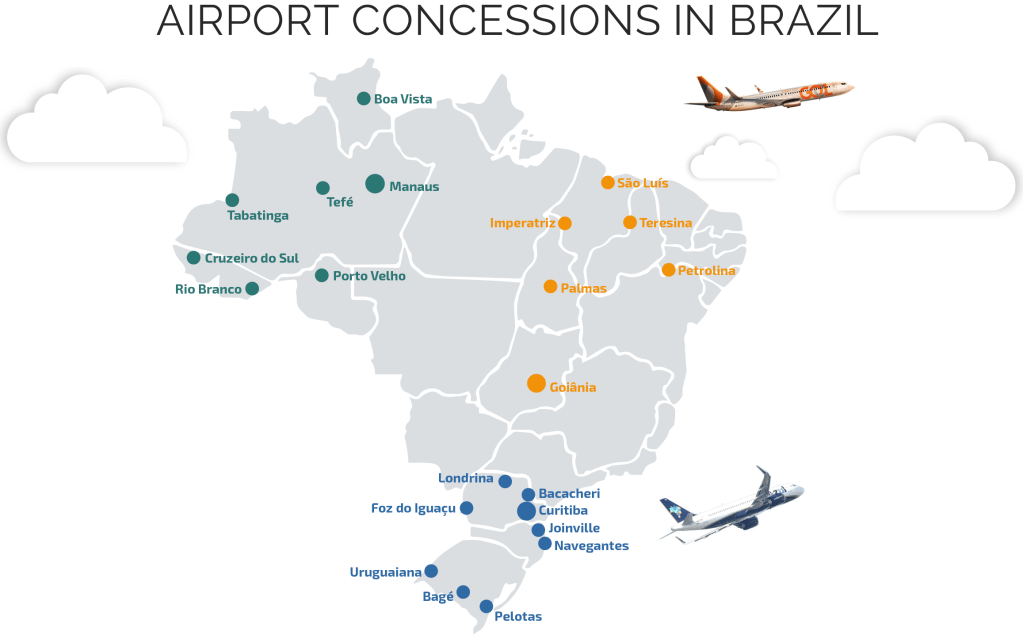
El Tribunal Federal de Cuentas (TCU) de la República de Brasil ha autorizado al Ministerio de Infraestructura brasileño a proceder con la concesión de otros veintidós aeropuertos brasileños de las regiones Sur, Norte y Centro Oeste. Esta es la sexta ronda de concesiones aeroportuarias donde existirán tres bloques regionales. En el Bloque Sur: el Aeropuerto Internacional Afonso Pena y el Aeropuerto Ejecutivo de Bacacheri, el Aeropuerto Foz do Iguaçu y el Aeropuerto Londrina (Estado de Paraná), Navegantes y Joinville (Santa Catarina), Pelotas, Uruguaiana y Bagé (Estado de Río Grande do Sul). Bloque Central:Aeropuerto de Goiânia (Estado de Goiás), São Luís e Imperartiz (Estado de Maranhao), Teresina (Estado de Piauí), Palmas (Estado de Tocantins), Petrolina (estado de Pernambuco). Bloque Norte: Aeropuertos de Manaus, Tefé y Tabatinga (Estado de Amazonas), Porto Velho (Estado de Rondônia), Rio Branco, Cruzeiro do Sul (estado de Acre) y Boa Vista (Estado de Roraima)
Para el Ministerio de Infraestructura ha expresado que «la gran novedad de esta ronda es la cláusula que permite al postor individualmente o representado por un consorcio contratar una persona jurídica que posea la calificación técnica requerida en la operación del aeropuerto, aumentando el número de participantes y generando mayor competencia en el evento. Si el licitador opta por formar un consorcio, uno de los miembros deberá ser operador aeroportuario con una participación mínima del 15% y experiencia acreditada”.
Brazil court authorizes concessions
Brazilian Court of Justice approves 22 airport concessions
The Federal Court of Accounts (TCU) of the Republic of Brazil has authorized the Brazilian Ministry of Infrastructure to proceed with the concession of another twenty-two Brazilian airports in the South, North and Central West regions. This is the sixth round of airport concessions where there will be three regional blocks. In the South Block: Afonso Pena International Airport and Bacacheri Executive Airport, Foz do Iguaçu Airport and Londrina Airport (State of Paraná), Navegantes and Joinville (Santa Catarina), Pelotas, Uruguaiana and Bagé (State of Río Grande) do Sul). Central Block: Goiânia Airport (State of Goiás), São Luís and Imperartiz (State of Maranhao), Teresina (State of Piauí), Palmas (State of Tocantins), Petrolina (State of Pernambuco). North Block: Airports of Manaus, Tefé and Tabatinga (State of Amazonas), Porto Velho (State of Rondônia), Rio Branco, Cruzeiro do Sul (State of Acre) and Boa Vista (State of Roraima)
For the Ministry of Infrastructure, it has stated that «the great novelty of this round is the clause that allows the bidder individually or represented by a consortium to hire a legal person that has the technical qualification required in the operation of the airport, increasing the number of participants and generating greater competition in the event. If the bidder chooses to form a consortium, one of the members must be an airport operator with a minimum participation of 15% and accredited experience».
Tribunal do Brasil autoriza concessões
Tribunal de Justiça aprova 22 concessões de aeroportos
O Tribunal de Contas da União (TCU) da República do Brasil autorizou o Ministério da Infraestrutura do Brasil a prosseguir com a concessão de mais vinte e dois aeroportos brasileiros nas regiões Sul, Norte e Centro-Oeste. Esta é a sexta rodada de concessões de aeroportos onde haverá três blocos regionais. No Bloco Sul: Aeroporto Internacional Afonso Pena e Aeroporto Executivo Bacacheri, Aeroporto de Foz do Iguaçu e Aeroporto de Londrina (Estado do Paraná), Navegantes e Joinville (Santa Catarina), Pelotas, Uruguaiana e Bagé (Estado do Rio Grande) do Sul). Bloco Central: Aeroporto de Goiânia (Estado de Goiás), São Luís e Imperartiz (Estado do Maranhão), Teresina (Estado do Piauí), Palmas (Estado do Tocantins), Petrolina (Estado de Pernambuco). Bloco Norte: Aeroportos de Manaus, Tefé e Tabatinga (Estado do Amazonas), Porto Velho (Estado de Rondônia), Rio Branco, Cruzeiro do Sul (Estado do Acre) e Boa Vista (Estado de Roraima)
Para o Ministério da Infraestrutura, afirmou que “a grande novidade desta rodada é a cláusula que permite à licitante individualmente ou representada por consórcio contratar pessoa jurídica que possua a qualificação técnica necessária à operação do aeroporto, aumentando o número de participantes e gerando maior competição no evento. Caso o licitante opte por formar um consórcio, um dos associados deverá ser operador aeroportuário com participação mínima de 15% e experiência credenciada”.
AW | 2020 12 16 15:15 | AIR TRAFFIC / AVIATION ORGANISMS / AIRPORTS
INAC autoriza ops desde Maiquetía hacia aeropuertos venezolanos
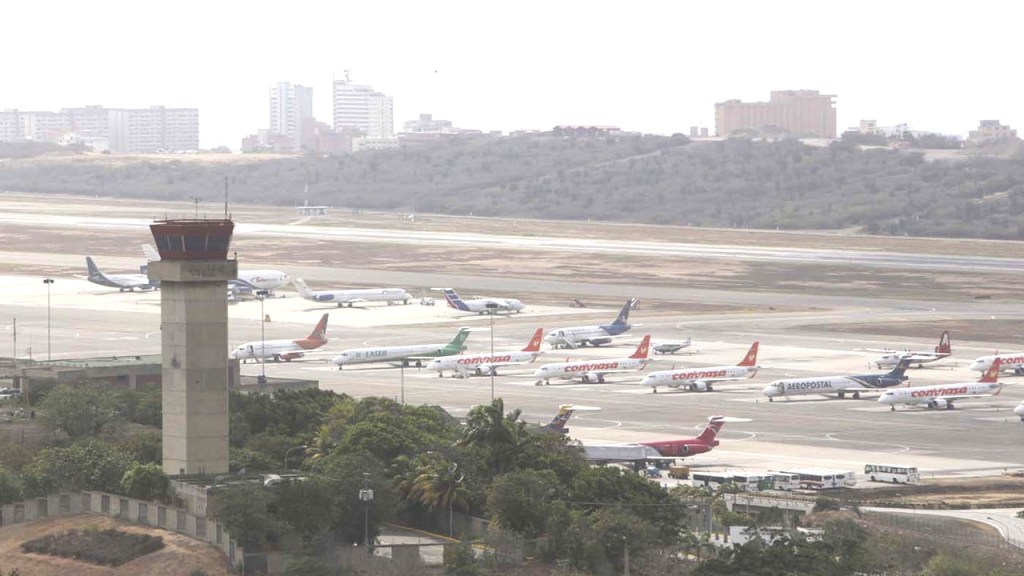
El Instituto Nacional de Aeronáutica Civil (INAC) informó este Martes 15 de Diciembre de 2020, la reanudación de operaciones aéreas entre el Aeropuerto Simón Bolívar/Maiquetía, con el Aeropuerto Caracas y Aeródromo Canaima/Bolívar. A través de un comunicado publicado en Twitter, el INAC informó que las operaciones estarán vigentes durante el mes de flexibilización anunciada por el Gobierno de Venezuela. Esta medida ocurre luego que el Gobierno estableció el 13 de Diciembre de 2020 una restricción de los vuelos internacionales desde y hacia Venezuela hasta el 14 de Enero de 2021.
Aerolíneas como Copa Airlines, Laser Airlines y Turpial Airlines cancelaron todos los vuelos que cubren la ruta Caracas-Panamá, Panamá-Caracas, debido a una orden que envió el Instituto Nacional de Aeronáutica Civil de Venezuela (INAC). En el caso de Copa, la aerolínea ofreció disculpas a sus pasajeros por los inconvenientes que esa nueva medida pudiese causar, y dijo que los viajeros que ya tuviesen el boleto comprado, podían gestionar los reembolsos correspondiente ingresando a su página web. Ante lo ocurrido, las aerolíneas rechazaron la suspensión de rutas internacionales anunciada por el INAC y pidieron al Gobierno venezolano y a las autoridades aeronáuticas competentes reconsiderar la medida para el restablecimiento de las rutas. Por su parte, la Asociación Venezolana de Agencias de Viajes y Turismo (AVAVIT) manifestó su profunda preocupación por la decisión del Gobierno de suspender rutas en vuelos internacionales permitiendo únicamente volar a Bolivia, México y Turquía.
INAC Venezuela authorizes resumes
INAC authorizes ops from Maiquetía to other Venezuelan airports
The National Institute of Civil Aeronautics (INAC) reported this Tuesday, December 15, 2020, the resumption of air operations between the Simón Bolívar/Maiquetía Airport, with the Caracas Airport and Canaima / Bolívar Aerodrome. Through a statement posted on Twitter, INAC reported that the operations will be in effect during the month of easing announced by the Government of Venezuela. This measure occurs after the Government established on December 13, 2020 a restriction on international flights to and from Venezuela until January 14, 2021.
Airlines such as Copa Airlines, Laser Airlines and Turpial Airlines canceled all flights that cover the Caracas-Panama, Panama-Caracas route, due to an order sent by the National Institute of Civil Aeronautics of Venezuela (INAC). In the case of Copa, the airline apologized to its passengers for the inconvenience that this new measure could cause, and said that travelers who already had the ticket purchased, could manage the corresponding refunds by entering its website. Given what happened, the airlines rejected the suspension of international routes announced by INAC and asked the Venezuelan government and the competent aeronautical authorities to reconsider the measure to re-establish the routes. For its part, the Venezuelan Association of Travel and Tourism Agencies (AVAVIT) expressed its deep concern over the Government’s decision to suspend routes on international flights, allowing only flights to Bolivia, Mexico and Turkey.
Abren investigaciones por polémicas de desvío de fondos
El Organismo Regulador del Sistema Nacional de Aeroportuario (ORSNA) de la República Argentina ha determinado hace días atrás que el Aeropuerto Internacional El Palomar/EPA no puede cumplir las normas sanitarias producto de la crisis establecida por el Coronavirus, por lo que permanecerá inactivo. Las argumentaciones a la paralización se sostiene que esa base aérea no garantizaba el cumplimiento de los protocolos sanitarios por la pandemia del Coronavirus, por tratarse de espacios muy reducidos, donde se dificulta el distanciamiento social.
La tensión se instaló desde el momento en que el Gobierno anterior dio el anuncio de apertura. Primero, agrupaciones vecinales plantearon recursos judiciales para frenar la iniciativa. Sucede que el sitio está en un lugar urbano, con viviendas a pocos metros. De hecho, lograron una medida cautelar para suspender los ruidosos despegues y aterrizajes entre las 22:00 y las 06:00 hs. de la mañana. Como contracara, su acceso era más cómodo que otros aeropuertos argentinos: tiene una estación del Ferrocarril San Martín a pocas cuadras, entonces se podía llegar desde la capital de forma rápida y económica.
En las últimas horas, la agencia estatal de noticias, Télam, citó un informe proveniente del Ejecutivo donde se mencionan presuntas irregularidades en el uso de aquel aeropuerto: «El Estado se encargó de desviar fondos y recursos, destinados previamente para ser aplicados en aeropuertos del interior del país, para adecuar El Palomar a las necesidades requeridas para la operación de las low cost», expresa el comunicado. También se critica que las firmas privadas, como Flybondi, prometieron inversiones de infraestructura que jamás realizaron.
Revolución de los Aviones
«El cierre de la actividad comercial en El Palomar es una acción más que atropella el bienestar de miles de pasajeros, comercios y empleos, anteponiendo un apagón ideológico a los beneficios que esa actividad significaba. Desde que implementamos nuestra nueva política aerocomercial más de un millón de argentinos volaron por primera vez. En poco tiempo el aeropuerto se volvió el cuarto con mayor número de pasajeros del país. Si teníamos alguna esperanza de que podían haber vuelto mejores, ahora ya no la tenemos», enfatizó el ex-Presidente de la Nación Macri en redes sociales, acerca de los logros obtenidos en la denominada «Revolución de los Aviones».
Voces del oficialismo
Desde el oficialismo tildaron de «cinismo» estas expresiones y se intentaron aclarar algunos conceptos: «El Palomar no está cerrado, sino que está sin operación», dijo el Jefe de Gabinete, Santiago Cafiero. Entre tanto, las aerolíneas de bajo costo aceptaron prestar servicios desde el Aeropuerto Internacional de Ezeiza, el más importante de Argentina, un poco más alejado de la Capital Federal de Argentina. El Ministro de Transporte, Mario Meoni, ha adelantado que las líneas aéreas low cost podrán utilizar desde Febrero 2021 si se normaliza la situación, el Aeropuerto Jorge Newbery reacondicionado de la Ciudad de Buenos Aires.
JetSmart Airlines Argentina había aceptado los cambios de migraciones transitorias de los vuelos al Aeropuerto Internacional Ezeiza sin grandes reparos, pero los reclamos de Flybondi Líneas Aéreas continuaban exigiendo su postura más radical frente a una relación costo/beneficio para los usuarios del transporte aéreo. Las presentaciones ante la Justicia ha fallado en contra de la continuidad operativa del Aeropuerto El Palomar para vuelos regulares por cuestiones de seguridad sanitaria. Respecto a la situación de los empleados, la compañía aérea de presupuesto Flybondi había transmitido las preocupaciones referentes a la pérdida de empleos en el Aeropuerto El Palomar, aunque el Gobierno cubre una parte por medio de subsidios estatales producto de la actual pandemia, la situación de traslados del personal hacia el Aeropuerto Ezeiza complicaría los recursos de la aerolínea, agregando la implicancia del aumento de los costos de los viajes de transporte para empleados y usuarios del transporte aéreo. De todos modos, la nueva estrategia de las aerolíneas de presupuesto dentro del ámbito de las negociaciones que permitirían acceder a un número indeterminado de franjas horarias (slots) en el Aeropuerto Jorge Newbery abre una nueva perspectivas para poder planificar el futuro de la aviación en Argentina.
El Palomar derivations continue
Investigations open for controversies of diversion of funds
The Regulatory Body of the National Airport System (ORSNA) of the Argentine Republic has determined days ago that the El Palomar International Airport/EPA cannot comply with the sanitary regulations as a result of the crisis established by the Coronavirus, so it will remain inactive. The arguments for the stoppage are held that this air base did not guarantee compliance with the health protocols due to the Coronavirus pandemic, because they are very small spaces, where social distancing is difficult.
The tension was installed from the moment the previous government gave the opening announcement. First, neighborhood groups raised judicial appeals to stop the initiative. It happens that the site is in an urban place, with houses a few meters away. In fact, they obtained a precautionary measure to suspend the noisy takeoffs and landings between 22:00 and 06:00 hr. in the morning. On the other hand, its access was more convenient than other Argentine airports: it has a San Martín railway station a few blocks away, so it could be reached from the capital quickly and cheaply.
In the last hours, the state news agency, Télam, cited a report from the Executive where alleged irregularities in the use of that airport are mentioned: «The State was in charge of diverting funds and resources, previously destined to be applied in airports of the the interior of the country, to adapt El Palomar to the needs required for the operation of low cost», the statement said. It is also criticized that private firms, such as Flybondi, promised infrastructure investments that they never made.
Aircraft Revolution
«The closure of commercial activity in El Palomar is one more action that tramples the well-being of thousands of passengers, businesses and jobs, putting an ideological blackout before the benefits that this activity meant. Since we implemented our new commercial aviation policy, more than one million of Argentines flew for the first time. In a short time the airport became the fourth with the largest number of passengers in the country. If we had any hope that they could have returned better, now we no longer have it», emphasized the former President of the Nation Macri in social networks, about the achievements in the so-called «Revolution of the Airplanes».
Voices of the ruling party
The ruling party called these expressions cynical and tried to clarify some concepts: «El Palomar is not closed, but is without operation», said the Chief of Staff, Santiago Cafiero. Meanwhile, low-cost airlines agreed to provide services from Ezeiza International Airport, the most important in Argentina, a little further from the Federal Capital of Argentina. The Minister of Transportation, Mario Meoni, has announced that low cost airlines will be able to use from February 2021 if the situation is normalized, the reconditioned Jorge Newbery Airport of the City of Buenos Aires.
JetSmart Airlines Argentina had accepted the changes of transitory migrations of the flights to the Ezeiza International Airport without great qualms, but the claims of Flybondi Líneas Aéreas continued to demand its most radical stance regarding a cost/benefit ratio for air transport users. The presentations before the Justice have ruled against the operational continuity of the El Palomar Airport for regular flights due to health security issues. Regarding the situation of the employees, the budget airline Flybondi had conveyed concerns regarding the loss of jobs at El Palomar Airport, although the Government covers a part through state subsidies as a result of the current pandemic, the situation of Personnel transfers to Ezeiza Airport would complicate the airline’s resources, adding the implication of increased transportation travel costs for employees and air transport users. In any case, the new strategy of the budget airlines within the scope of the negotiations that would allow access to an indeterminate number of time slots at Jorge Newbery Airport opens up new perspectives to plan the future of aviation in Argentina.
Gobierno Argentina confirma cierre ops comerciales de El Palomar
El Gobierno de Argentina ha confirmado en el día 14 de Diciembre de 2020 que el Aeropuerto Internacional El Palomar no tendrá más vuelos comerciales. Desde el Ministerio de Transporte la aeroestación continuará para uso reservado a vuelos militares y aviación general. De esta manera, el Gobierno dispuso el fin de las operaciones aerocomerciales en el primer aeropuerto low cost de Sudamérica. Tras varias negociaciones y tratamientos de discusiones, el Organismo Regulador del Sistema Nacional de Aeropuertos (ORSNA) y el Ministerio de Transporte emitieron un comunicado en donde señalaba que la terminal aérea vuelve a ser sólo una Base de la Fuerza Aérea y ya no operará más vuelos comerciales. Los organismos señalaron que la terminal aérea no cumple con los requisitos sanitarios acordados con las empresas aéreas y que no se encuentra cerrado sino que está operativo para la Fuerza Aérea y hace referencia a que no es sustentable mantener tres aeropuertos comerciales operativos en el AMBA.
El ORSNA ha confirmado que la aeroestación seguirá activa a las operaciones militares y de aviación general de aeronaves de porte reducido, aunque pudieran plantearse incorporar vuelos comerciales en el futuro si la demanda así lo justificara. Si bien se señala que fue una decisión del Ministerio de Transporte y del ORSNA, quienes conocen el ambiente de la aeronáutica sostienen que el regulador es un organismo controlado por La Cámpora, mucho más cercana a que Aerolíneas Argentinas sea el dominante del sector aerocomercial. El comunicado lo firma el ministro de Transporte Mario Meoni, el Presidente del ORSNA Carlos Lugones Aignasse, su Vicepresidente Fernando Muriel y Pilar Becerra, Primera Vocal del organismo.
Negociando traslados
El Gobierno de Argentina en un movimiento de ajedrez premeditado fue incorporando detalles acerca de la próxima diagramación del escenario aerocomercial para establecer solamente dos aeroestaciones para lo cual han establecido modificaciones en las obras para reacondicionar al Aeropuerto Jorge Newbery en una aeroestación con mayores capacidades operativas.
«Tanto Jetsmart como Flybondi, acompañaron y entendieron la propuesta del Gobierno, comprendiendo la irracionalidad que implica en este contexto sostener un aeropuerto operativo para un número reducido de operaciones, con los gastos que ocasionan para el Estado, para las empresas y para organismos que deben prestar servicios como ser PSA, Migraciones, ANAC, Aduanas, Sanidad de Fronteras, EANA, etc.”, explicaron desde los organismos oficiales. La propuesta que le hizo el Gobierno a las aerolíneas es que se muden a Ezeiza y luego a Aeroparque “manteniendo el acuerdo comercial, con las misma bonificación de tasas aeroportuarias que contaban en El Palomar, a efectos de garantizar los puestos de trabajo, la seguridad de la operación, la seguridad sanitaria de pasajeros y empleados, y también, cuidando los recursos y haciendo una asignación federal de las inversiones”.
Asimismo, en el comunicado del Gobierno señalan que continuidad de la operación comercial de El Palomar exige realizar importantes inversiones en la terminal de pasajeros y en la pista de aterrizaje “construida de losas de hormigón y que presentan un altísimo nivel de deterioro con una vida útil actual remanente de cero años. Este deterioro incluye además a rodajes y plataformas, con un costo aproximado de AR$ 4.000 millones de Pesos que se podrían destinar a otros aeropuertos”.
Informe ORSNA
Un informe de la ORSNA señala que, además de las obras, también se pudo observar que durante la gestión de Mauricio Macri “el Estado se encargó de desviar fondos y recursos, destinados previamente para ser aplicados en aeropuertos del interior del país, para adecuar a El Palomar a las necesidades requeridas para la operación de las low cost. El resultado final fue una solución precaria representada en una terminal de pasajeros con una superficie de 2.520 m2, y una terminal satélite de 462 m2, sin parkings habilitados para pasajeros, un solo local gastronómico complementado con foodtrucks al aire libre y sin resguardo climático para los pasajeros”. El trabajo también hace referencia a que Flybondi había licitado rutas aéreas comprometiendo una inversión que nunca hizo y que la realizó el Estado nacional. También se señala que “previo a su inclusión en el Sistema Nacional de Aeropuertos (SNA), la línea aérea Flybondi presentó un proyecto que comprometía inversiones por un monto no menor a los treinta millones de dólares, algo que no sucedió. Una vez adjudicadas las rutas, Flybondi no efectuó ninguna inversión en ese aeropuerto”, precisa el documento oficial.
Cierre de El Palomar
Tras la noticia del cierre de las operaciones aerocomerciales en el Aeropuerto El Palomar, muchos empleados comienzan a observar un escenario oscuro al perder sus fuentes laborales. El Jueves 17/12 habrá una marcha frente al predio para pedir que vuelvan a operar los vuelos comerciales, pero tal vez sea un intento en vano tras la decisión definitiva del Gobierno de clausurar los vuelos en la aeroestación low cost.
La más cruda realidad la asumirán los cientos de ex-empleados que no podrán trasladarse ni al Aeropuerto Ezeiza ni al Aeropuerto Jorge Newbery. Muchos se empleaban en las áreas de Tráfico, Rampa, entre otras dependencias en JetSmart Airlines Argentina y Flybondi Líneas Aéreas. Por ejemplo, Cristian Arias, de 28 años, se desempeñaba en Rampa en JetSmart Argentina. Comenta: «Tuvimos que tomar un retiro voluntario, no tuvimos muchas opciones. Nos quedamos todos sin trabajo por cuestiones políticas, sino no hay otros motivos para cerrarlo, este lugar es una mina de oro. Yo tenía mis proyectos, mi estudio, pero ahora no sé qué voy a hacer. Es posible que emigre a España para buscar otro trabajo como este, porque en la Argentina el rubro aeronáutico cada vez está más complicado», se lamentaba Cristian Arias. A su lado estaba Juan Pablo Aguilera, de 27 años. Al igual que su compañero, se quedó sin trabajo. Estaba preocupado; en línea con lo que dijo su compañero, señalaba que el mundo de la aeronáutica se está cerrando cada vez más. Afirmó que el trabajo de rampa en Ezeiza, que ahora es el único aeropuerto del Área Metropolitana de Buenos Aires en funcionamiento, está absolutamente monopolizado por la empresa Intercargo. «Yo tengo una nena chiquita. Dejé la Fuerza Aérea para trabajar en Jet Smart y ahora no sé qué voy a hacer. Si esto se puede remontar, trabajo va a sobrar, pero si no está complicado. El rubro aeronáutico está muy monopolizado».
Perspectivas aviación
El impacto por el cierre de los vuelos comerciales han apagado las esperanzas de reactivar los vuelos de presupuesto y las economías del barrio. El sueño de reactivar la Ciudad de El Palomar ha quedado truncada, como los sueños de reactivar una de las aeroestaciones con mayor desarrollo por parte de las aerolíneas low cost que en un tiempo ha traído dinamismo a la aviación comercial de Argentina. Tras la decisión del Gobierno de avanzar con el cierre de las operaciones comerciales en el Aeropuerto El Palomar se abre una nueva etapa donde será difícil soñar un país federal, pero debemos nuevamente intentarlo para forjar un horizonte con verdadero protagonismo y compromiso por la aviación en la Argentina.
El Palomar Airport closure confirmed
Government confirms closure of commercial ops of El Palomar
The Government of Argentina has confirmed on December 14, 2020 that the El Palomar International Airport will no longer have commercial flights. From the Ministry of Transport, the air station will continue for use reserved for military flights and general aviation. In this way, the Government ordered the end of commercial air operations at the first low cost airport in South America. After several negotiations and discussions, the Regulatory Body of the National Airport System (ORSNA) and the Ministry of Transportation issued a statement in which they indicated that the air terminal is once again just an Air Force Base and will no longer operate flights commercial. The agencies pointed out that the air terminal does not meet the sanitary requirements agreed with the airlines and that it is not closed but is operational for the Air Force and refers to the fact that it is not sustainable to keep three commercial airports operating in the AMBA.
The ORSNA has confirmed that the airstation will continue to be active in the military and general aviation operations of small aircraft, although they could consider incorporating commercial flights in the future if demand so justifies it. Although it is pointed out that it was a decision of the Ministry of Transport and the ORSNA, those who know the aeronautical environment maintain that the regulator is a body controlled by La Cámpora, much closer to Aerolineas Argentinas being the dominant one in the commercial aerospace sector. The statement is signed by the Minister of Transport Mario Meoni, the President of ORSNA Carlos Lugones Aignasse, its Vice President Fernando Muriel and Pilar Becerra, First Vocal of the organization.
Negotiating transfers
The Government of Argentina in a premeditated chess move was incorporating details about the next layout of the commercial aviation scenario to establish only two aerostations, for which they have established modifications in the works to recondition Jorge Newbery Airport into an airstation with greater operational capacities.
«Both Jetsmart and Flybondi, accompanied and understood the Government’s proposal, understanding the irrationality that in this context implies to sustain an operational airport for a reduced number of operations, with the expenses that they cause for the State, for companies and for organizations that must provide services such as PSA, Migrations, ANAC, Customs, Border Health, EANA, etc.», explained from official bodies. The proposal that the Government made to the airlines is that they move to Ezeiza and then to Aeroparque “maintaining the commercial agreement, with the same discount on airport taxes that they had in El Palomar, in order to guarantee jobs, security of the operation, the health safety of passengers and employees, and also, taking care of resources and making a federal allocation of investments”.
Likewise, in the government statement they point out that the continuity of the commercial operation of El Palomar requires significant investments in the passenger terminal and in the runway “built of concrete slabs and which present a very high level of deterioration with a useful life current zero-year carryover. This deterioration also includes taxiways and platforms, with an approximate cost of AR$ 4,000 million Pesos that could be allocated to other airports”.
ORSNA report
A report from the ORSNA indicates that, in addition to the works, it was also observed that during Mauricio Macri’s administration “the State was in charge of diverting funds and resources, previously destined to be applied in airports in the interior of the country, to adapt to El Palomar to the needs required for the operation of the low cost. The final result was a precarious solution represented in a passenger terminal with a surface area of 2,520 m2, and a satellite terminal of 462 m2, without parking spaces for passengers, a single gastronomic place complemented with outdoor food trucks and without climate protection for the passengers. passengers”. The work also refers to the fact that Flybondi had tendered air routes, committing an investment that it never made and that was made by the national State. It is also stated that “prior to its inclusion in the National Airport System (SNA), the Flybondi airline presented a project that committed investments for an amount of no less than thirty million dollars, something that did not happen. Once the routes were awarded, Flybondi did not make any investment in that airport , states the official document.
Closing of El Palomar
Following the news of the closure of commercial air operations at El Palomar Airport, many employees begin to observe a dark scenario when they lose their jobs. On Thursday 12/17 there will be a march in front of the property to ask that commercial flights operate again, but it may be an attempt in vain after the Government’s final decision to close the flights at the low cost air station.
The harshest reality will be assumed by the hundreds of former employees who will not be able to travel to either the Ezeiza Airport or the Jorge Newbery Airport. Many were employed in the areas of Traffic, Ramp, among other dependencies in JetSmart Airlines Argentina and Flybondi Líneas Aéreas. For example, Cristian Arias, 28, worked as Rampa at JetSmart Argentina. He comments: «We had to take a voluntary retirement, we did not have many options. We were all left without work for political reasons, but there are no other reasons to close it, this place is a gold mine. I had my projects, my studio, but now I don’t know what I’m going to do. It is possible that I will emigrate to Spain to find another job like this, because in Argentina the aeronautical sector is becoming more and more complicated«, Cristian Arias lamented. At his side was Juan Pablo Aguilera, 27. Like his partner, he lost his job. I was worried; In line with what his colleague said, he pointed out that the world of aeronautics is closing more and more. He affirmed that the ramp work in Ezeiza, which is now the only airport in the Metropolitan Area of Buenos Aires in operation, is absolutely monopolized by the Intercargo company. «I have a little girl. I left the Air Force to work at Jet Smart and now I don’t know what I’m going to do. If this can be traced, work will be left over, but if it isn’t complicated. The aeronautical sector is very monopolized».
Aviation perspectives
The impact of the closure of commercial flights has dampened hopes of reviving budget flights and neighborhood economies. The dream of reactivating the City of El Palomar has been truncated, like the dreams of reactivating one of the most developed air stations by low cost airlines that at one time has brought dynamism to commercial aviation in Argentina. After the Government’s decision to move forward with the closure of commercial operations at El Palomar Airport, a new stage opens where it will be difficult to dream of a federal country, but we must try again to forge a horizon with true leadership and commitment to aviation in the Argentina.











 airgways.com