Los gremios aeronáuticos acordaron un aumento salarial del 23% en Aerolíneas Argentinas que se aplicará en Enero y Febrero próximos, y que subirá al 25% entre Marzo y Mayo de 2021, según informaron el Lunes 06/02 los sindicatos. El acuerdo rige también para el medio aguinaldo. La mejora alcanzará a unos 12.000 empleados de la línea aérea, donde el acuerdo está abierto a nuevos ajustes a cuenta de futuros aumentos.
En un comunicado, los gremios de Pilotos (APLA), Técnicos (APTA), Personal de Tierra (APA) y Jerárquicos (UPSA), han expresado el acuerdo envirtud del incremento salarial. «Se ha acordado con Aerolíneas Argentinas, el Ministerio de Transporte y la Jefatura de Gabinete de la Nación establecer una actualización salarial sobre el salario de todos los trabajadores del Grupo de Bandera», indicaron las fuentes citadas.
En medio de la pandemia, durante ocho meses Aerolíneas no había tenido ingresos en su caja, a raíz de la suspensión de vuelos comerciales. En 2020 las pérdidas de Aerolíneas Argentinas rondarían los US$ 900 millones de Dólares, según fuentes del mercado aeronáutico. En 2019, la línea aérea de bandera había sufrido un rojo por otros US$ 680 millones. Mientras que en el último ejercicio anual 2022, Aerolíneas ha reducido los anticipos del Gobierno en forma de subsidios. Aerolíneas Argentinas informó que a reducido el gasto de los aportes del Estado Argentino. Los subsidios por parte de la Nación a Aerolíneas Argentinas han acumulado un gasto de US$ 5.833 millones en el período 2012—2022.
Aerolíneas salary agreement
Aeronautical guilds agree salary improvements
The aeronautical unions agreed to a 23% salary increase in Aerolíneas Argentinas that will be applied in January and February, and will rise to 25% between March and May 2021, as reported on Monday 06/02 the unions. The agreement also governs for the bonus medium. The improvement will reach about 12,000 airline employees, where the agreement is open to new adjustments to future increases.
In a statement, the Pilot guilds (APLA), Technicians (APTA), Land Personnel (APA) and Hierarchical (UPSA), have expressed the agreement of the salary increase. «It has been agreed with Aerolíneas Argentinas, the Ministry of Transportation and the Nation’s Cabinet Headquarters to establish a salary update on the salary of all workers in the flag group», said the sources mentioned.
In the middle of the pandemic, for eight months Aerolíneas had not had income in its box, following the suspension of commercial flights. In 2020 the losses of Argentine airlines would be around US$ 900 million, according to aeronautical market sources. In 2019, the flag airline had suffered a red for other US$ 680 million. While in the last annual exercise 2022, Airlines has reduced government advances in the form of subsidies. Aerolíneas Argentinas informed that to reduce the expense of the contributions of the Argentine State. The subsidies by the Nation to Aerolíneas Argentinas have accumulated an expense of US$ 5,833 million in the 2012–2022 period.
PUBLISHER: Airgways.com DBk: Aerolineas.com / Apla.org.ar / Aviones.com / Aeronauticosapa.org.ar / Upsa-ospea.com.ar / Airgways.com AW-POST: 202302070949AR OWNERSHIP: Airgways Inc. A\W A I R G W A Y S ®
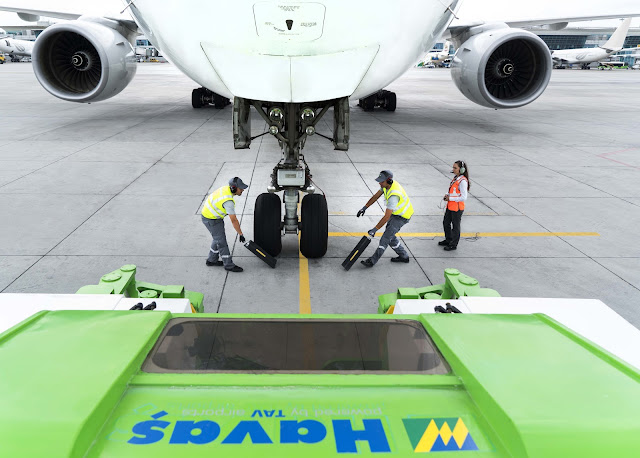
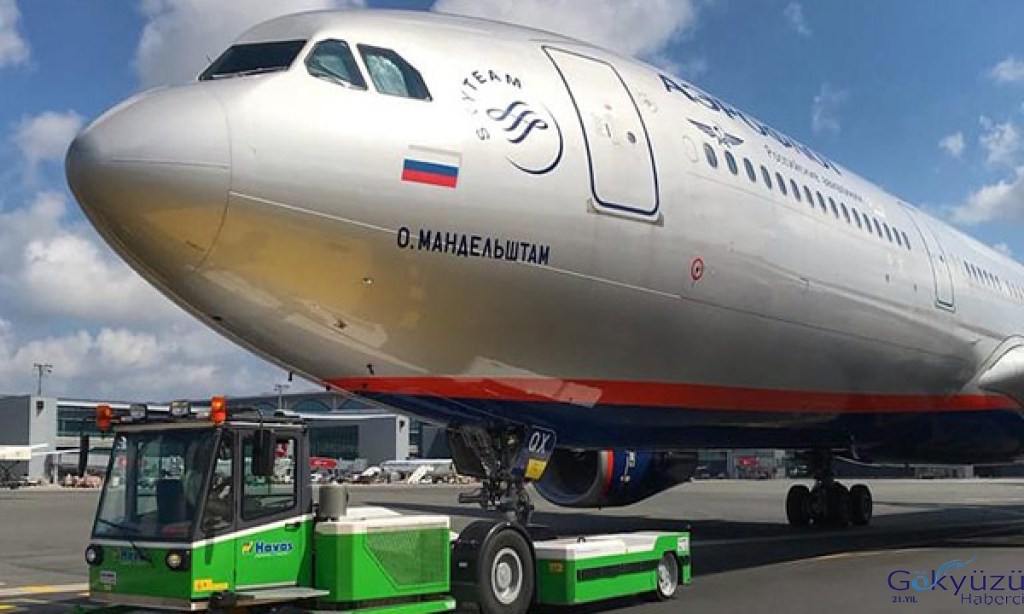
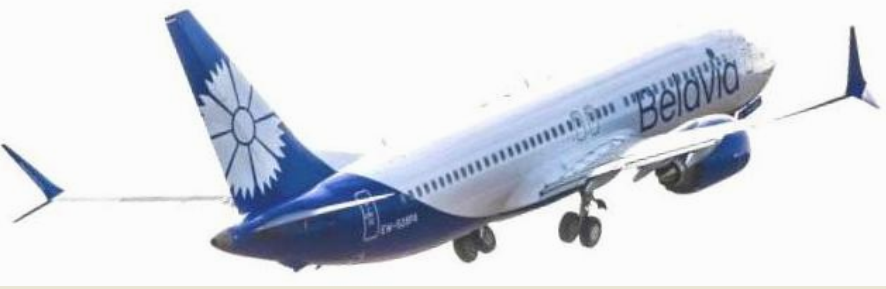
El proveedor de servicios terrestres del Aeropuerto de Turquía (Türkiye), Havaş, ha informado a las aerolíneas rusas y bielorrusas que podría dejar de prestar servicios a sus aviones de fabricación estadounidense en línea con las sanciones occidentales contra Moscú por su invasión de Ucrania. Una carta de Havaş fechada el 31 de Enero de 2023 ha comunicado de posibles restricciones a los aviones Boeing. El comunicado fue enviado días antes de que funcionarios estadounidenses se reunieran con funcionarios del Gobierno turco y del sector privado para instar a la cooperación con las restricciones estadounidenses a la Federación Rusia. La solicitud expresa las restricciones a los aviones de aerolíneas rusas y bielorrusas que contienen más del 25% de tecnología de origen estadounidense.
Las sanciones y prohibiciones han sido establecidas para Rusia y Bielorusia por parte de Occidente después que fuerzas rusas utilizaron Bielorrusia como plataforma de lanzamiento para su ataque a la capital ucraniana, Kiev, al comienzo de la guerra hace casi un año, pero Bielorrusia ha descartado unirse al conflicto; formaron parte de las excusas inexcusables de las complicidades.
Havaş dijo que la industria de la aviación turca recibió cartas de advertencia del Departamento de Comercio de Estados Unidos, y la carta era para responder a los controles de exportación de Estados Unidos relacionados con la guerra de Ucrania: «En ese sentido, estamos llevando a cabo un proceso de diligencia debida para identificar riesgos y consecuencias para nuestro negocio y partes interesadas. Como resultado, es posible que no podamos servir algunos o todos sus vuelos», decía la carta de Havaş.
Como parte de las amplias sanciones occidentales y los controles de exportación a Moscú, Estados Unidos restringió las licencias, características y servicios, desde nuevos fuselajes, motores, combustible, en aviones de origen estadounidense como aviones Boeing que contienen hasta un 25% de materiales estadounidenses.
Havaş pidió a las aerolíneas rusas y bielorrusas una lista de aviones que contienen menos del 25% de la tecnología de origen estadounidense, aconsejándoles que planifiquen vuelos para ser operados con esos aviones. El consorcio solo servirá a aeronaves con menos del 25% de tecnología de origen estadounidense si las autoridades estadounidenses emiten una orden negando privilegios de exportación a la aerolínea que opera el vuelo.
Havaş, el proveedor de servicios terrestres aeroportuarios más importante de Türkiye, opera en muchos aeropuertos, incluidas las ciudades más importantes de Estambul, Ankara, Izmir y Antalya.
En Diciembre 2022, funcionarios de la Administración estadounidense celebraron una reunión de dos días en Türkiye para advertir a las compañías turcas que podrían estar violando las restricciones estadounidenses en tiempos de guerra en Moscú cuando brindan una serie de servicios a los aviones rusos que llegan, incluido el manejo, el reabastecimiento de combustible y las nuevas piezas en los aeropuertos.
Havaş Russian aviation restrictions
Havaş can rescind Russian airlines service
The Terrestrial Services Supplier of the Turkey Airport (Türkiye), Havaş, has informed the Russian and Belarussian airlines that it could stop providing services to their American manufacturing aircraft in line with Western sanctions against Moscow for their invasion of Ukraine. A letter from Havaş dated January 31, 2023 has communicated possible restrictions on Boeing aircraft. The statement was sent days before US officials met with officials from the Turkish government and the private sector to urge cooperation with US restrictions to the Russian Federation. The request expresses the restrictions on the airlines of Russian and Belarusa airlines that contain more than 25% of American origin technology.
The sanctions and prohibitions have been established for Russia and Bielorusia by the West after Russian forces used Bielorussian as a launch platform for their attack on the Ukrainian capital, Kyiv, at the beginning of the war almost a year ago, but Belarus has ruled out joining to the conflict; They were part of the inexcusable excuses of complicities.
Havaş said the Turkish aviation industry received warning letters from the United States Department of Commerce, and the letter was to respond to the export controls of the United States related to the Ukraine War: «In that sense, we are taking to carried out a diligence process due to identify risks and consequences for our business and interested parties. As a result, we may not be able to serve some or all its flights», said Havaş’s letter.
As part of the wide western sanctions and export controls to Moscow, the United States restricted licenses, characteristics and services, from new fuselages, engines, fuel, in American origin airplanes such as Boeing aircraft that contain up to 25% of US materials.
Havaş asked Russian and Belarus airlines a list of aircraft that contain less than 25% of American technology, advising them to plan flights to be operated with those planes. The consortium will only serve aircraft with less than 25% of American technology if US authorities issue an order denying export privileges to the airline that operates the flight.
Havaş, the most important airport terrestrial service provider in Türkiye, operates in many airports, including the most important cities of Istanbul, Ankara, Izmir and Antalya.
In December 2022, US administration officials held a two-day meeting in Türkiye to warn Turkish companies that could be violating US restrictions in times of war in Moscow when they provide a series of services to the Russian airplanes that arrive, including The handling, the refueling and the new pieces in the airports.
PUBLISHER: Airgways.com DBk: Havasgroup.com / Commerce.gov / Airgways.com AW-POST: 202302061006AR OWNERSHIP: Airgways Inc. A\W A I R G W A Y S ®
AW | 2023 02 04 22:02 | AIRPORTS / AVIATION ORGANISMS / GOVERNMENT
Oposición planes nuevo aeropuerto SEA-TAC Consideran tres posibles ubicaciones de sitios
Los funcionarios estatales predicen que el Aeropuerto Seattle-Tacoma/SEA maximizará su capacidad para 2050. Crece la oposición a los planes para el nuevo aeropuerto Sea-Tac. Una propuesta para construir un aeropuerto de 3.000 acres para acomodar el tráfico de aerolíneas y carga al sur de Seattle (WA) continúa encontrando una oposición generalizada. En Octubre 2022, la Comisión Coordinadora de Aviación Comercial (CACC) anunció que estaban estudiando tres ubicaciones, conocidas como greenfields, para la construcción de un nuevo aeropuerto para manejar pasajeros y carga. El proyecto, sin embargo, provocó oposición, que se ha vuelto más grande y más fuerte desde entonces.
El CACC, que se formó en 2019, está formado por miembros designados por el Gobernador. La organización comenzó la búsqueda de ubicación en el aeropuerto con diecinueve sitios, reduciendo la lista a tres para 2022, según Warren Hendrickson, Presidente del CACC. «No fue hasta que la comisión redujo la lista de campos verdes por tres y anunció que habría más estudios que llamamos la atención del público. En tres años, solo tuvimos 700 personas inscritas para la distribución directa de las actividades de CACC en el sitio web del Departamento de Transporte del Estado de Washington (WSDOT). A las tres semanas de anunciar que había tres campos verdes bajo consideración, apareció un grupo de Facebook y ahora tienen 4.200 miembros. La mayoría de las personas obtienen su información sobre este tema de las redes sociales, ya sea precisa o no», dijo Warren Hendrickson.
Warren Hendrickson ha trabajado en la industria de la aviación durante aproximadamente cincuenta años, como Piloto profesional, luego como planificador de aeropuertos y miembro de varias organizaciones estatales encargadas de garantizar que la infraestructura de aviación siga el ritmo de las crecientes necesidades de pasajeros y carga.
El Aeropuerto Internacional de Seattle-Tacoma (SEA/KSEA) ubicado en el Condado de King se está quedando sin capacidad. Los funcionarios estatales dicen que el aeropuerto alcanzará su capacidad para 2050, manejando 27 millones de pasajeros y 800.000 toneladas de carga al año. El estado está considerando opciones para aumentar la capacidad, incluida la construcción de un nuevo aeropuerto.
Tres ubicaciones potenciales
Hay reglas para la selección del sitio, señaló Warren Hendrickson. Los sitios alternativos no podían estar en el Condado de King y no podían afectar las operaciones de las bases militares establecidas. Dos aeródromos están en el Condado de Pierce, al sur de Seattle. El Condado de Pierce es el segundo condado más poblado del estado de Evergreen, con aproximadamente 876.764 residentes. Las ubicaciones se identifican como Pierce County Central y Pierce County East. Ambos se encuentran en áreas residenciales predominantemente rurales fuera del área del Límite de Crecimiento Urbano y tierras no desarrolladas con granjas, bosques y áreas de humedales, salpicadas de vecindarios y pequeñas empresas. Sin embargo, algunos residentes en estas áreas están informando a los funcionarios estatales que no quieren que se construya un aeropuerto en sus vecindarios, citando el aumento de la contaminación, el ruido y el desplazamiento de hogares y negocios. Entre los argumentos está que las ubicaciones potenciales en cuestión son sobre un acuífero que suministra agua potable para la mayor parte del condado de Pierce. La tercera ubicación propuesta está en el Condado de Thurston, cerca de Olympia, que es la capital del estado y ya tiene un aeropuerto municipal, el Aeropuerto Regional de Olympia/OLM, es una instalación con torres designada como un relevista para Sea-Tac. Fue construido en la década de 1920, ampliado durante la Segunda Guerra Mundial, y luego regresó al municipio después de la guerra. Actualmente, es el hogar de varias escuelas de vuelo, servicios chárter y operaciones de aviones estatales.
Expansión del aeropuerto existente
Al considerar la mejor manera de expandir la capacidad en la región, una sugerencia común es expandir las operaciones en el aeropuerto de Olympia y en Pierce County-Thun Field/PLU, ubicado al sur de Sea-Tac, así como en Tacoma Narrows/TIW, una instalación con torres ubicada al suroeste. Ambas son instalaciones de aviación general y son el hogar de una concurrida comunidad de entrenamiento de vuelo.
Desarrollar estos aeropuertos de aviación general para manejar el tráfico de carga y transportistas comerciales no es una opción, según Warren Hendrickson, quien dijo que no tienen el espacio para manejarlo. Además, el condado tiene dos grandes aeropuertos militares: McChord Field Airport/TCM y Gray Army Airfield/GRF. Ambas son instalaciones de Clase D ubicadas al sur de Tacoma. Comparten un límite y un nombre, ambos conocidos oficialmente como Base Conjunta Lewis-McChord, pues son adyacentes a Fort Lewis.
En Enero 2023, el ejército emitió un comunicado indicando que un nuevo aeropuerto comercial construido cerca de la Base Conjunta Lewis-McChord «sería incompatible con las operaciones de aviación militares y la preparación para la misión».
Warren Hendrickson señaló que en las reglas que rigen la selección del sitio, hay una estipulación de que el nuevo aeropuerto no puede afectar las operaciones de las bases militares establecidas, ni puede estar en el condado de King, que es el condado más poblado de Washington y hogar de Sea-Tac.
Es poco probable que se desarrolle alguno de los campos abiertos, dijo Warren Hendrickson: «Hasta la fecha, ningún gobierno a nivel local, o consejo soberano, ha brindado ningún nivel de apoyo a estos sitios greenfield. No hay apoyo del gobierno, cero apoyo soberano, el mensaje universal es: No, aquí no».
Opción Yakima
Una sugerencia bajo consideración es construir la instalación propuesta de 3,000 acres en el lado este del estado en el Valle de Yakima. Yakima Valley tiene una población de aproximadamente 256,035 y es el hogar de Yakima Air Terminal-McAllister Field/YKM, que ha estado en funcionamiento desde la década de 1920. Según los funcionarios del aeropuerto, YKM actualmente atiende a más de 70.000 pasajeros, un número proyectado para duplicarse para 2030. El aeropuerto es el hogar de compañías aéreas comerciales como Alaska Airlines, Sun Country Airlines, Swift Air, FedEx y United Parcel Service, así como una comunidad de aviación general saludable.
Los funcionarios del Condado de Yakima no respondieron a la solicitud de comentarios de la editorial FLYING. Según el Yakima Herald, los planificadores estatales indican que los funcionarios del condado de Yakima han expresado interés en que se construya un nuevo aeropuerto allí. «Yakima tuvo una respuesta positiva del 80 por ciento. El aeropuerto podría generar US$ 31.909 millones de Dólares en la economía y empleos», expresó Warren Hendrickson.
La ubicación de Yakima enfrenta el desafío de acceder a la ubicación desde el lado oeste del estado y requeriría que se mejoren las carreteras que cruzan las montañas Cascade y el ferrocarril para manejar un aumento en el tráfico.
Respuestas al SEA-TAC
La CACC tiene hasta Junio 2023 para hacer su recomendación al Estado de Washington (WA) para una nueva ubicación en el aeropuerto. En 1992, el estado vio que se acercaba el desafío y comenzó a buscar formas de mitigar el problema. «En 1992, se recomendó que se construyera una tercera pista en Sea-Tac. Eso se hizo. También se recomendó que se agregara el servicio de pasajeros en Paine Field (KPAE). Eso se hizo. La tercera recomendación fue construir otro aeropuerto en el condado de Pierce en el estrecho sur, y aquí estamos», dijo Warren Hendrickson.
New SEA-TAC Airports plants
Opposition new airport Sea-Tac They consider three possible sites locations
State officials predict that the Seattle-Tacoma Airport/SEA will maximize its capacity for 2050. The opposition to the plans for the new Sea-Tac Airport grows. A proposal to build an airport of 3,000 Acres to accommodate airline trafficking and load southern Seattle (WA) continues to find a generalized opposition. In October 2022, the Commercial Aviation Coordinating Commission (CACC) announced that they were studying three locations, known as Greenfields, for the construction of a new airport to handle passengers and cargo. The project, however, caused opposition, which has become larger and stronger since then.
The CACC, which was formed in 2019, is formed by members designated by the governor. The organization began the search for location at the airport with nineteen sites, reducing the list to three by 2022, according to Warren Hendrickson, president of the CACC. «It was not until the commission reduced the list of green fields by three and announced that there would be more studies that we attracted public attention. In three years, we only had 700 people registered for the direct distribution of CACC activities on the website of the Department of Transport of the State of Washington (WSDOT). After three weeks of announcing that there were three green fields under consideration, a Facebook group appeared and now they have 4,200 members. Most people get their information on this topic of the Social networks, either precise or not», said Warren Hendrickson.
Warren Hendrickson has worked in the aviation industry for approximately fifty years, as a professional pilot, then as an airport planner and a member of several state organizations responsible for ensuring that the aviation infrastructure follows the rhythm of the growing passenger and cargo needs.
The Seattle-Tacoma International Airport (SEA/KSEA) located in King County is running out of capacity. State officials say that the airport will reach its capacity for 2050, driving 27 million passengers and 800,000 tons of cargo per year. The State is considering options to increase the capacity, including the construction of a new airport.
Three potential locations
There are rules for site selection, said Warren Hendrickson. The alternative sites could not be in King County and could not affect the operations of the established military bases. Two aerodromes are in Pierce County, south of Seattle. Pierce County is the second most populous county in the State of Evergreen, with approximately 876,764 residents. The locations are identified as Pierce County Central and Pierce County East. Both are in predominantly rural residential areas outside the area of the urban growth limit and non-developed land with farms, forests and wetland areas, dotted with neighborhoods and small businesses. However, some residents in these areas are informing state officials who do not want an airport to be built in their neighborhoods, citing the increase in pollution, noise and displacement of households and businesses. Among the arguments is that the potential locations in question are on an aquifer that supplies drinking water for most of Pierce County. The third proposal location is in Thurson County, near Olympia, which is the state capital and already has a municipal airport, the Olympia Regional Airport/OLM, is an installation with towers designated as a reliever for Sea-Tac. It was built in the 1920s, extended during World War II, and then returned to the municipality after the war. Currently, it is home to several flight schools, charter services and state aircraft operations.
Expansion of existing airport
When considering the best way to expand capacity in the region, a common suggestion is to expand operations at Olympia airport and in Pierce County-Thun Field/PLU, located south of Sea-Tac, as well as in Tacoma Narrows/TIW, an installation with towers located southwest. Both are general aviation facilities and are home to a busy flight training community.
Developing these general aviation airports to handle load traffic and commercial carriers is not an option, according to Warren Hendrickson, who said they do not have the space to handle it. In addition, the county has two large military airports: Mcchord Field Airport/TCM and Gray Army Airfield/GRF. Both are class D facilities located south of Tacoma. They share a limit and a name, both officially known as the Lewis-Mcchord joint basis, as they are adjacent to Fort Lewis.
In January 2023, the Army issued a statement indicating that a new commercial airport built near the Lewis-Mcchord joint base «would be incompatible with military aviation operations and mission preparation».
Warren Hendrickson said that in the rules that govern the site selection, there is a stipulation that the new airport cannot affect the operations of the established military bases, nor can it be in King County, which is the most populated county in Washington and Sea-Tac home.
It is unlikely that some of the open fields will develop, said Warren Hendrickson: «To date, no government at the local level, or sovereign council, has provided any level of support to these Greenfield sites. There is no government support, zero support, zero support Sovereign, the universal message is: No, here not».
Yakima option
A suggestion under consideration is to build the proposed installation of 3,000 acres on the east side of the State in the Yakima Valley. Yakima Valley has a population of approximately 256,035 and is the home of Yakima Air Terminal-Mcallister Field/YKM, which has been in operation since the 1920s. According to airport officials, YKM currently serves more than 70,000 passengers, a number Projected to double by 2030. The airport is home to commercial airlines such as Alaska Airlines, Sun Country Airlines, Swift Air, FedEx and United Parcel Service, as well as a healthy general aviation community.
Yakima County officials did not respond to the request for comments from the Flying publishing house. According to the Yakima Herald, state planners indicate that Yakima County officials have expressed interest in a new airport being built there. «Yakima had a positive response of 80 percent. The airport could generate US$ 31,909 million in the economy and jobs», said Warren Hendrickson.
The location of Yakima faces the challenge of accessing the location from the western side of the state and would require that the roads that cross the Cascade and the Railroad be improved to handle an increase in traffic.
Answers to the SEA-TAC
The CACC has until June 2023 to make its recommendation to the state of Washington (WA) for a new location at the airport. In 1992, the state saw that the challenge approached and began looking for ways to mitigate the problem. «In 1992, it was recommended that a third track be built in Sea-Tac. That was done. It was also recommended that the passenger service in Paine Field (KPAE) be added. That was done. The third recommendation was to build another airport in Pierce County in the Strait South, and here we are», said Warren Hendrickson.
PUBLISHER: Airgways.com DBk: Portseattle.org/sea-tac / Portseattle.org/Don Wilson / Flying.com / Airgways.com AW-POST: 202302042202AR OWNERSHIP: Airgways Inc. A\W A I R G W A Y S ®
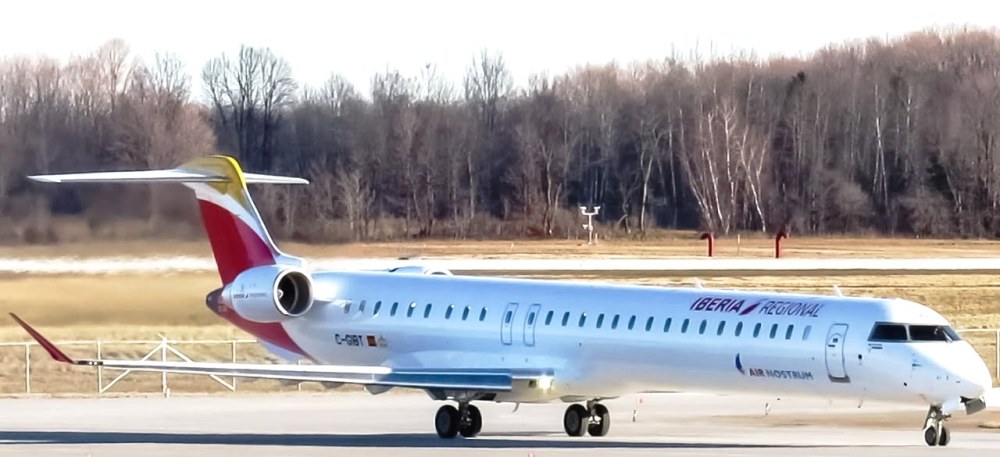
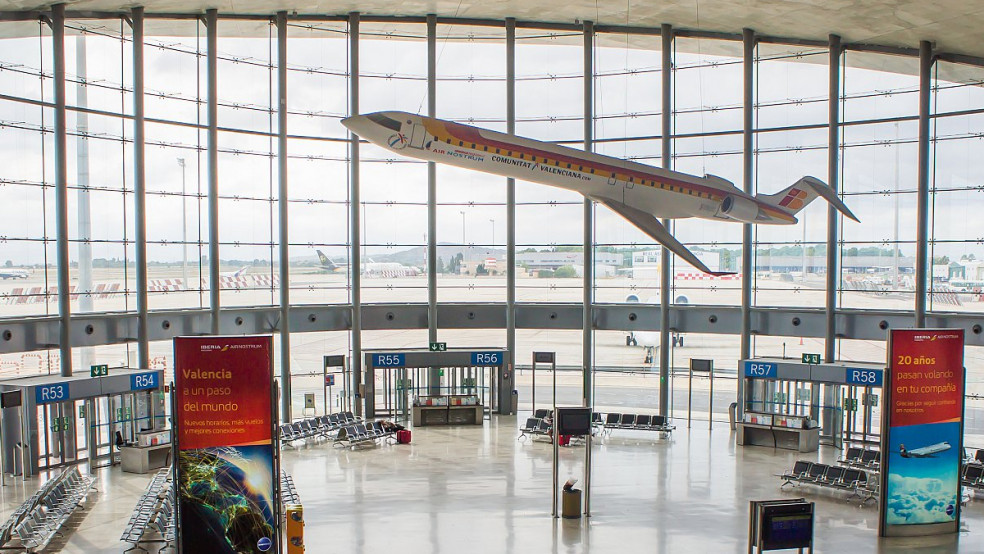
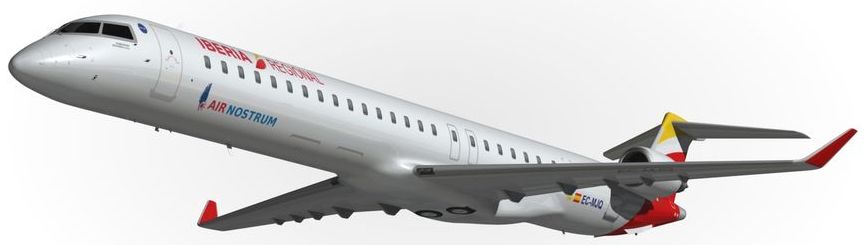
Los pilotos de la aerolínea regional Air Nostrum dan un abrumador respaldo a la convocatoria de una huelga indefinida. La tripulación de mando de Iberia Regional Air Nostrum, reunidos en asamblea el el 30 y 31 de Enero de 2023, han respaldado con un 92,37% de los votos la convocatoria de una huelga indefinida para protestar contra el bloqueo que los tripulantes técnicos vienen sufriendo por parte de la empresa en sus reivindicaciones durante la negociación de un convenio colectivo.
El Sindicato Español de Pilotos de Líneas Aéreas (SEPLA) decidió convocar una asamblea para decidir las medidas que tomarán en respuesta a la posición que la empresa, según critica, «impide avanzar en las negociaciones para firmar un nuevo convenio que fije unas condiciones laborales y salariales justas para los trabajadores».
SEPLA ha destacado el abrumador respaldo al sindicato y a la huelga indefinida. En un comunicado, ha lamentado que la actitud de la aerolínea «haya provocado adoptar esta postura al ignorar cualquier entendimiento y rechazar sistemáticamente las propuestas que, desde hace más de siete meses, SEPLA ha presentado a la empresa, incluso las que no tienen una cuantificación económica».
En la misma línea, los pilotos han reclamado que la compañía «no puede seguir funcionando a costa de las condiciones laborales de los pilotos». Además, el sindicato ha pedido que la convocatoria de la huelga «no sea una excusa para reanudar las coacciones contra los trabajadores, tal y como sucedió tras la convocatoria de huelga de diciembre».
Por su parte, Air Nostrum ha lamentado profundamente la intención del SEPLA de convocar una nueva huelga de pilotos y considera «injustificada la medida en el punto en el que se encuentran actualmente las negociaciones». La aerolínea ha asegurado que «mantiene su voluntad negociadora y estará en la mesa con los sindicatos los próximos días 7 y 8 de Febrero con la intención de llegar a un acuerdo con el colectivo».
Además, ha reiterado la oferta presentada en el SIMA en Diciembre 2022 con «un incremento salarial acumulado en los próximos tres años del 13% consolidado y un 3% más no consolidado en base a objetivos para los segundos pilotos, que en total puede llegar a un 16%. Unas cifras que están en línea con lo que se está negociando en el sector y por encima de la media de la mayoría de los convenios colectivos del país».
Air Nostrum pilots strike
They project indefinite strike
The pilots of the Air Nostrum regional airline give an overwhelming support to the call for an indefinite strike. The regional Iberia Air Nostrum command crew, gathered in Assembly on January 30 and 31, 2023, have supported with 92.37% of the votes the call for an indefinite strike to protest against the blockade that the technical crew come suffering from the company in its claims during the negotiation of a collective agreement.
The Spanish Air Line Pilot Union (SEPLA) decided to convene an assembly to decide the measures they will take in response to the position that the company, according to criticism, «prevents progress in negotiations to sign a new agreement that sets fair working conditions and salary for workers».
SEPLA has highlighted the overwhelming support to the union and the indefinite strike. In a statement, he regretted that the attitude of the airline «has caused this position to ignore any understanding and systematically reject the proposals that, for more than seven months, has presented the company, even those that do not have a quantification economic».
Along the same lines, the pilots have claimed that the company «cannot continue to function at the expense of the working conditions of the pilots.» In addition, the union has asked that the call of the strike is not an excuse to resume coercion against workers, as happened after the December strike call».
For its part, Air Nostrum has deeply lamented the intention of the SEPLA of convening a new pilot strike and considers «unjustified the measure at the point where negotiations are currently found». The airline has assured that «it maintains its negotiating will and will be on the table with the unions on February 7 and 8 with the intention of reaching an agreement with the collective».
In addition, it has reiterated the offer presented in the SIMA in December 2022 with «an accumulated salary increase in the next three years of 13% consolidated and 3% more unsecured based on objectives for the second pilots, which in total can reach 16%. Some figures that are in line with what is being negotiated in the sector and above the average of most collective agreements of the country».
PUBLISHER: Airgways.com DBk: Airnostrum.es / Sepla.es / Airgways.com AW-POST: 202302020937AR OWNERSHIP: Airgways Inc. A\W A I R G W A Y S ®
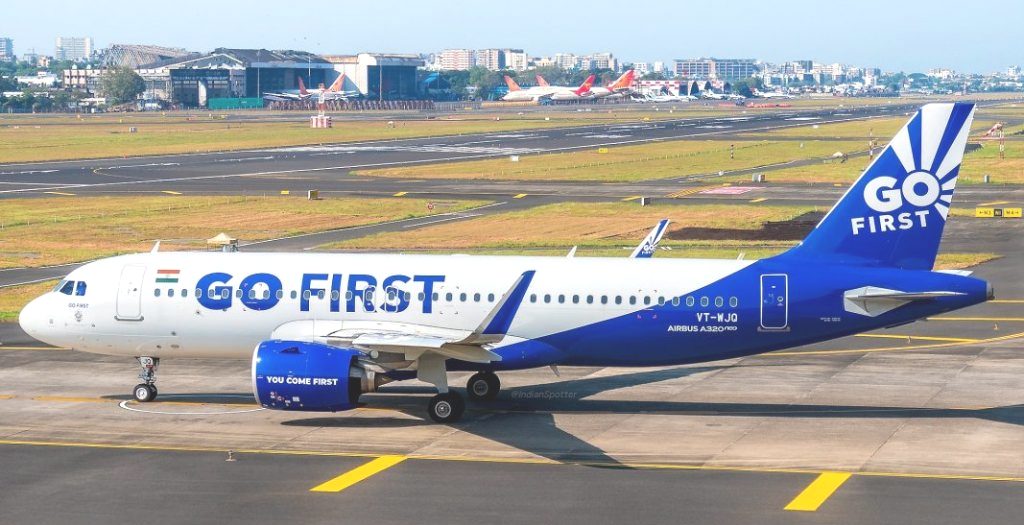
Regulador aviación indio multa compañía aérea Go First Airlines deja varados a docenas de pasajeros
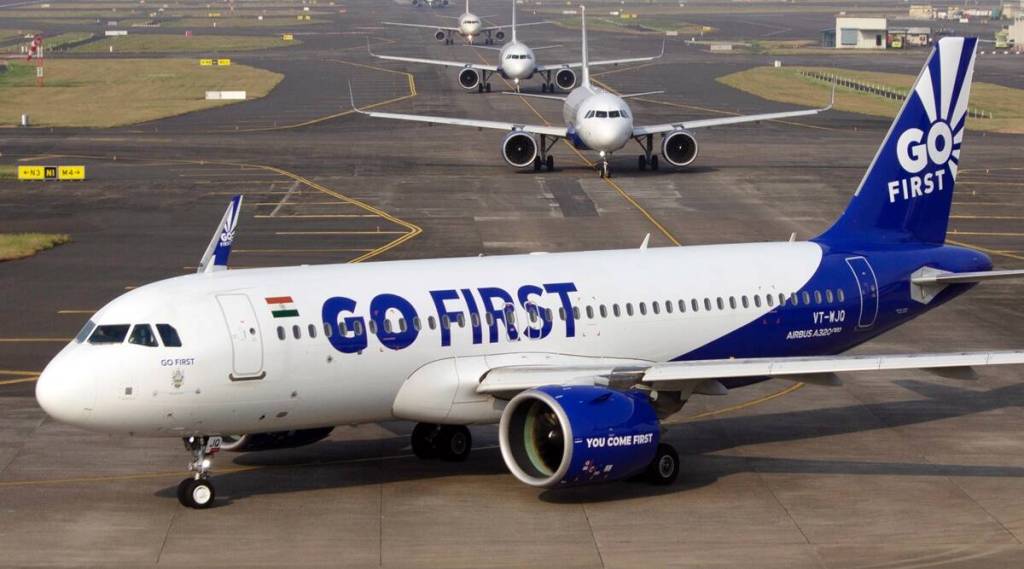
La Dirección General de Aviación Civil (DGCA) de la India emitió una multa de ₹ 1,000,000/US$ 12.265 Dólares a la aerolínea de bajo costo india Go First Airlines, según ha comunicado el Viernes 27/01. La multa se produce menos de tres semanas después de que la aerolínea dejara a 55 pasajeros varados en un aeropuerto indio. La sentencia de la agencia de aviación DGCA encontró que Go First era responsable por dejar varados a pasajeros varados debido a la falta de cálculos adecuados. La DGCA atribuye la falta de comunicación y coordinación adecuada de la aerolínea como la causa del incidente.
El incidente ocurrió el 9 de Enero de 2023 en el Aeropuerto Internacional Kempegowda-Bangalore/BLR. El vuelo estaba programado para transportar pasajeros entre Bangalore y el Aeropuerto Internacional Indira Gandhi/DEL de Delhi. El regulador de aviación primero se comunicó con la aerolínea en relación con el incidente. Varios días después, el regulador inició una investigación sobre el evento para ver si Go First tenía responsabilidad sobre el incidente o si había sido una circunstancia extrema o fortuita.
La DGCA elaboró un informe detallado donde ha afirmado que la aerolínea era la única responsable, desligando responsabilidades en cualquier otra empresa u organismo. La DGCA afirma que la aerolínea no estableció una comunicación y coordinación adecuadas entre el personal involucrado.
El regulador emitió una declaración oficial diciendo: «El examen de la respuesta de Go First revela que hubo una comunicación inadecuada, coordinación entre el coordinador de la terminal, el personal comercial y la tripulación con respecto al embarque de pasajeros en el avión. La aerolínea no garantizó una disposición adecuada para el manejo en tierra, la preparación de la carga y la hoja de ajuste, el despacho de vuelo y el manejo de pasajeros/carga».
El regulador ha expuesto la sanción respectiva de la Sección 3 del Requisito de Aviación Civil de la Circular de Transporte Aéreo 02 de 2019. Go First no cumplió con esta regulación, no efectuando los preparativos necesarios para una asistencia en tierra adecuada, despacho de vuelo, preparación de hojas de carga y viaje, y carga de carga y pasajeros. Si bien la multa se impuso porque la aerolínea dejó atrás a 55 pasajeros que no necesitaba, también formalizó la penalización para hacer cumplir las normas de seguridad de vuelo. Calcular incorrectamente el peso y el equilibrio de la aeronave crea un riesgo para la seguridad, enfatizando la necesidad de una correcta coordinación adecuada necesaria para garantizar que se hicieran los cálculos apropiados de peso y balanceo de cada vuelo. Los cálculos incorrectos de peso y equilibrio pueden afectar negativamente la seguridad del vuelo, por lo que es posible que se le haya pedido que mueva los asientos en vuelos vacíos para garantizar el equilibrio correcto antes del despegue.
Comunicado Go First
Go First Airlines emitió una disculpa el 10/01 a los pasajeros afectados. La declaración decía: «Nos disculpamos sinceramente por los inconvenientes causados a los pasajeros debido a un descuido inadvertido en la conciliación del vuelo G8 116, de Bangalore a Delhi. Los pasajeros fueron acomodados en aerolíneas alternativas a Delhi y luego a otro destino».
Además, la aerolínea acordó ofrecer a cada pasajero afectado un boleto gratis en cualquier vuelo nacional en los próximos doce meses. La aerolínea declaró: «En línea con nuestra filosofía de centralidad en el cliente, la aerolínea ha decidido ofrecer a todos los pasajeros afectados un boleto gratuito para viajar en cualquier sector nacional en los próximos doce meses».
Go First fine by India
Indian Aviation Regulator Air Company Go First Airlines leaves dozens of passengers stranded
The General Directorate of Civil Aviation (DGCA) of India issued a fine of ₹ 1,000,000/US$ 12,265 Dollars to the low-cost airline Go First Airlines, as reported on Friday 27/01. The fine occurs less than three weeks after the airline left 55 passengers stranded in an Indian airport. The DGCA Aviation Agency sentence found that Go First was responsible for leaving stranded passengers due to the lack of adequate calculations. The DGCA attributes the lack of adequate communication and coordination of the airline as the cause of the incident.
The incident occurred on January 9, 2023 at the Kempegowda-Bangalore International Airport/BLR. The flight was scheduled to transport passengers between Bangalore and Indira Gandhi/Delhi International Airport. The aviation regulator first communicated with the airline in relation to the incident. Several days later, the regulator initiated an investigation into the event to see if Go First had responsibility for the incident or if it had been an extreme or fortuitous circumstance.
The DGCA prepared a detailed report where it has affirmed that the airline was solely responsible, separating responsibilities in any other company or agency. The DGCA states that the airline did not establish adequate communication and coordination among the personnel involved.
The regulator issued an official statement saying: «The examination of the response of Go First plays that there was inappropriate communication, coordination between the terminal coordinator, the commercial personnel and the crew regarding the passenger shipment on the plane. The airline did not guarantee an adequate provision for the management On the ground, the preparation of the load and the adjustment sheet, the flight office and the handling of passengers/load».
The regulator has exposed the respective sanction of section 3 of the Civil Aviation requirement of the Air Transport Circular 02 of 2019. Go First did not comply with this regulation, not making the necessary preparations for adequate land assistance, flight office, flight office, Preparation of load sheets and trip, and loading load and passengers. While the fine prevailed because the airline left behind 55 passengers he did not need, he also formalized the penalty to enforce flight safety standards. Incorrectly calculate the weight and balance of the aircraft creates a safety risk, emphasizing the need for proper proper coordination necessary to ensure that appropriate weight and balance calculations of each flight were made. Incorrect weight and balance calculations can negatively affect flight safety, so it is possible to be asked to move the seats on empty flights to guarantee the correct balance before takeoff.
Communicated GO First
Go First Airlines issued an apology on 10/01 to the affected passengers. The statement said: «We sincerely apologize for the inconveniences caused to passengers due to unnoticed carelessness in the reconciliation of flight G8 116, from Bangalore to Delhi. The passengers were accommodated in alternative airlines to Delhi and then to another destination».
In addition, the airline agreed to offer each passenger affected a free ticket on any national flight in the next twelve months. The airline declared: «In line with our client centrality philosophy, the airline has decided to offer all the passengers affected a free ticket to travel in any national sector in the next twelve months».
भारत द्वारा पहले पूरी तरह से जाओ
भारतीय विमानन नियामक हवाई कंपनी पहले एयरलाइंस दर्जनों यात्रियों को छोड़ देती है
भारत के सिविल एविएशन (DGCA) के सामान्य निदेशालय ने शुक्रवार 27/01 को बताया गया है कि कम -कॉस्ट एयरलाइन गो फर्स्ट पहले एयरलाइंस जाओ को ₹ 1,000,000/US$ 12,265 डॉलर का जुर्माना जारी किया। एक भारतीय हवाई अड्डे में फंसे 55 यात्रियों को छोड़ने के बाद तीन सप्ताह से भी कम समय में जुर्माना होता है।
DGCA एविएशन एजेंसी की सजा में पाया गया कि GO पहले पर्याप्त गणना की कमी के कारण फंसे यात्रियों को छोड़ने के लिए जिम्मेदार था। DGCA घटना के कारण के रूप में एयरलाइन के पर्याप्त संचार और समन्वय की कमी का श्रेय देता है।
यह घटना 9 जनवरी, 2023 को केम्पेगौड़ा-बंगलौर/बीएलआर अंतर्राष्ट्रीय हवाई अड्डे पर हुई। यह उड़ान बैंगलोर और इंदिरा गांधी/दिल्ली अंतर्राष्ट्रीय हवाई अड्डे के बीच यात्रियों को परिवहन करने के लिए निर्धारित की गई थी। विमानन नियामक ने पहले घटना के संबंध में एयरलाइन के साथ संवाद किया। कई दिनों बाद, नियामक ने इस घटना में एक जांच शुरू की कि क्या गो पहले घटना के लिए जिम्मेदारी थी या यदि यह एक चरम या भाग्यशाली परिस्थिति थी।
DGCA ने एक विस्तृत रिपोर्ट तैयार की, जहां उसने पुष्टि की है कि एयरलाइन पूरी तरह से जिम्मेदार थी, किसी भी अन्य कंपनी या एजेंसी में जिम्मेदारियों को अलग करती है। DGCA बताता है कि एयरलाइन ने शामिल कर्मियों के बीच पर्याप्त संचार और समन्वय स्थापित नहीं किया।
नियामक ने एक आधिकारिक बयान जारी करते हुए कहा: «गो की परीक्षा को सबसे पहले पृथ्वी से निपटने, लोड तैयारी और समायोजन पत्रक, उड़ान प्रेषण और यात्री/कार्गो हैंडलिंग»।
नियामक ने 2019 के हवाई परिवहन परिपत्र 02 की नागरिक उड्डयन आवश्यकता की धारा 3 की संबंधित मंजूरी को उजागर किया है। पहले इस विनियमन का अनुपालन नहीं किया, पर्याप्त भूमि सहायता, उड़ान कार्यालय, उड़ान कार्यालय, तैयारी के लिए आवश्यक तैयारी नहीं लोड शीट और यात्रा, और लोडिंग लोड और यात्रियों। जबकि जुर्माना प्रबल हुआ क्योंकि एयरलाइन ने 55 यात्रियों को पीछे छोड़ दिया, जिसकी उन्हें आवश्यकता नहीं थी, उन्होंने उड़ान सुरक्षा मानकों को लागू करने के लिए दंड को भी औपचारिक रूप दिया। गलत तरीके से गणना करें कि विमान का वजन और संतुलन एक सुरक्षा जोखिम पैदा करता है, यह सुनिश्चित करने के लिए आवश्यक उचित उचित समन्वय की आवश्यकता पर जोर देता है कि प्रत्येक उड़ान का उचित वजन और संतुलन गणना की गई। गलत वजन और संतुलन गणना उड़ान सुरक्षा को नकारात्मक रूप से प्रभावित कर सकती है, इसलिए टेकऑफ़ से पहले सही संतुलन की गारंटी के लिए खाली उड़ानों पर सीटों को स्थानांतरित करने के लिए कहा जाना संभव है।
पहले जाओ
गो फर्स्ट एयरलाइंस ने प्रभावित यात्रियों को 10/01 पर माफी जारी की। बयान में कहा गया है: «हम बैंगलोर से दिल्ली तक उड़ान G8 116 के सामंजस्य में किसी का ध्यान नहीं जाने के कारण यात्रियों को होने वाली असुविधाओं के लिए ईमानदारी से माफी मांगते हैं। यात्रियों को वैकल्पिक एयरलाइंस में दिल्ली और फिर दूसरे गंतव्य तक समायोजित किया गया था»।
इसके अलावा, एयरलाइन प्रत्येक यात्री को अगले बारह महीनों में किसी भी राष्ट्रीय उड़ान पर एक मुफ्त टिकट की पेशकश करने के लिए सहमत हुई। एयरलाइन ने घोषणा की: «हमारे ग्राहक केंद्रीयता दर्शन के अनुरूप, एयरलाइन ने अगले बारह महीनों में किसी भी राष्ट्रीय क्षेत्र में यात्रा करने के लिए सभी यात्रियों को मुफ्त टिकट देने की पेशकश करने का फैसला किया है»।
PUBLISHER: Airgways.com DBk: Flygofirst.com / Airgways.com AW-POST: 202301280319AR OWNERSHIP: Airgways Inc. A\W A I R G W A Y S ®
AW | 2023 01 21 16:44 | AIRLINES / AIR TRAFFIC / GOVERNMENT / AVIATION ORGANISMS
Delta solicita Congreso revisión Control Tráfico Aéreo estadounidense
El CEO de Delta Air Lines, Edward Bastian, ha solicitado al Congreso de Estados Unidos que financie actualizaciones para el Control de Tráfico Aéreo (ATC) con un sistema obsoleto de treinta años de antigüedad. Después de la debacle de los viajes de vacaciones que vio más de 10.000 vuelos cancelados, una interrupción del sistema causó que más de 5.000 vuelos se retrasaran o cancelaran a principios de este año. La avalancha de cancelaciones haría que cualquiera desconfíe de los viajes en avión. La situación ha llevado a comentarios del CEO de Delta Airlines.
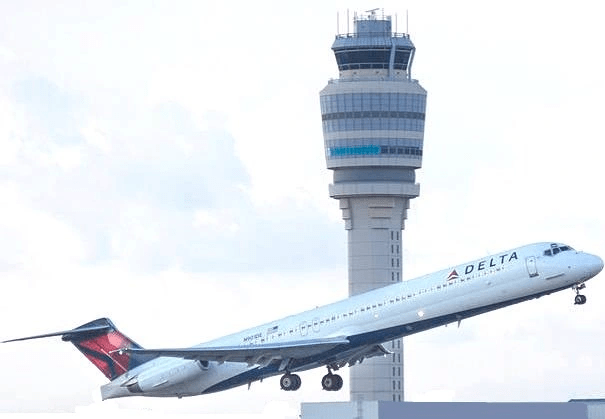
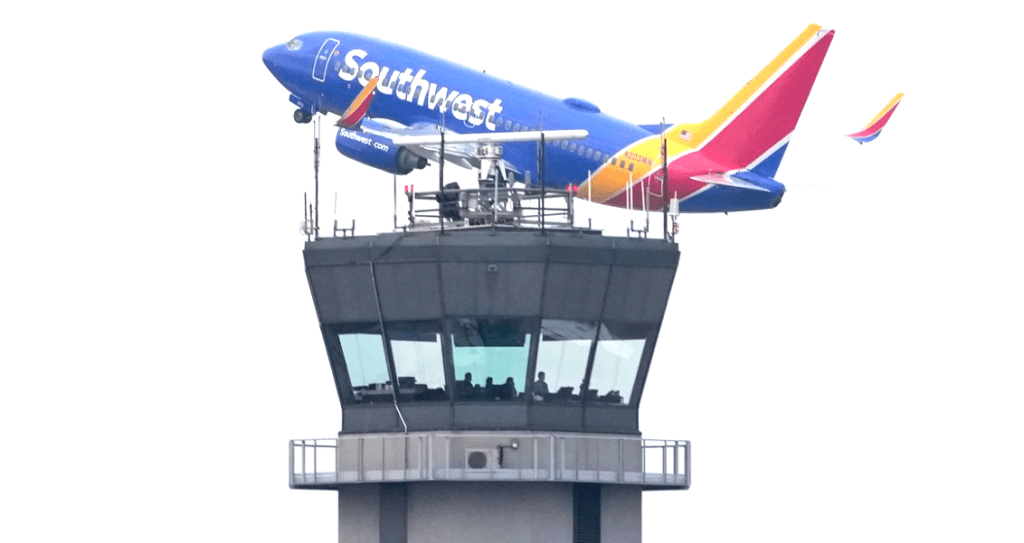
Miles de vuelos fueron suspendidos a principios de Enero 2023 debido a una interrupción del Sistema NOTAM. Sistema NOTAM proporciona información de seguridad a pilotos y tripulaciones aéreas, está relativamente desactualizado. El CEO de Delta Air Lines está pidiendo a los Legisladores que proporcionen a la FAA más fondos para actualizar su tecnología. Si ha volado recientemente, es probable que haya tenido algunas preocupaciones sobre llegar a su destino a tiempo.
Una falla en el Sistema de Aviso a Misión Aérea (NOTAM) empujó a la Federal Aviation Administration (FAA) a detener las salidas nacionales durante aproximadamente dos horas el 11 de Enero de 2023. Esto tuvo un impacto sustancial en las aerolíneas en todo Estados Unidos. Tras el caos de vuelo, la FAA emitió una declaración sobre el tema: «La FAA continúa una revisión exhaustiva para determinar la causa raíz de la interrupción del Sistema de Aviso a las Misiones Aéreas (NOTAM). Nuestro trabajo preliminar ha rastreado la interrupción a un archivo de base de datos dañado. En este momento, no hay evidencia de un ataque cibernético. La FAA está trabajando diligentemente para identificar aún más las causas de este problema y tomar todas las medidas necesarias para evitar que este tipo de interrupción vuelva a suceder».
Este problema causó un problema importante para las aerolíneas, incluidas las principales aerolíneas como Delta Air Lines, United Airlines, American Airlines, Southwest Airlines, entre muchas otras. En una llamada de ganancias del cuarto trimestre (4Q2022), Edward Bastian, CEO de Delta Air Lines, dijo: «Creo que está muy claro que tiene que haber un llamado a la acción entre nuestros líderes políticos, el Congreso y la Casa Blanca, para financiar y proporcionar adecuadamente a la FAA los recursos que necesitan para hacer el trabajo. Hemos hablado durante mucho tiempo sobre la necesidad de modernizar nuestros sistemas de Control de Tráfico Aéreo. Creo que este es un ejemplo muy claro del desafío que la FAA ha enfrentado cuando tienes sistemas envejecidos que no son tan resistentes como deberían ser. Tienes herramientas y tecnologías que están algo desactualizadas y los niveles de personal no están donde deben estar».
En otros comentarios, Edward Bastian reconoce que la FAA está haciendo lo mejor que puede con los recursos que tienen. Sin embargo, enfatizó que la FAA debería tener los fondos que necesita del Congreso para mantener una infraestructura de aviación sólida.
Sistema FAA NOTAM
El Sistema Aviso a las Misiones Aéreas (NOTAM) doméstico proporciona información importante a los Pilotos y Tripulaciones aéreas. El objetivo del sistema es proporcionar cualquier información de seguridad necesaria a la tripulación a bordo antes del despegue en cualquier país del mundo. Este sistema ha existido de una forma u otra durante más de 75 años. Originalmente fue creado para asesorar a los capitanes de barco sobre los peligros potenciales, pero se adaptó a una notificación aérea llamada Aviso a los Aviadores. En 2022, el sistema pasó a llamarse Aviso a las Misiones Aéreas con el objetivo de aumentar la inclusión.
Cambios infraestructura
Los cambios en la infraestructura de vuelo podrían solucionar los problemas. La idea de modernizar el anticuado Sistema NOTAM no es nueva. De hecho, muchos han pedido mejoras en la infraestructura de vuelo de Estados Unidos durante mucho tiempo. A lo largo de los años la FAA ha estado trabajando en el plan NextGen para mejorar la infraestructura de las aerolíneas en todos los ámbitos. Desafortunadamente, el progreso en este proyecto de varias décadas se ha visto frenado por cuestiones presupuestarias. Específicamente, el cambiante presupuesto de la FAA está sujeto a renovación cada cinco años.
Respuesta de legisladores
Como de costumbre, la respuesta a los comentarios de Edward Bastian es fragmentaria entre los legisladores. Algunos Republicanos están criticando a aquellos en roles de liderazgo en la FAA, mientras que algunos Demócratas apoyan a la FAA y confían en la capacidad de la agencia para cambiar la situación.
Impactos en los inversores
Para los inversores, el inestable sistema NOTAM es motivo de preocupación en toda la industria de las aerolíneas. Cuando los vuelos se retrasan y cancelan, eso les cuesta a las aerolíneas un tiempo y ganancias preciosos. Si bien el clima siempre conducirá a algunas cancelaciones a gran escala en diferentes lugares, una interrupción del sistema NOTAM es una pérdida de tiempo en el aire completamente evitable.
Por supuesto, nadie puede prever cómo se desarrollará el drama del sistema NOTAM. Sin embargo, el progreso hacia adelante de la FAA hacia la modernización probablemente proporcionaría un impulso de infraestructura de tecnologías de inteligencia artificial muy necesario para la industria de las aerolíneas.
Conclusión preliminar
En las próximas semanas y meses, los viajeros y las aerolíneas tendrán que esperar y ver qué hace la agencia de aviación FAA para avanzar. Si bien la mayoría espera que la agencia pueda proteger el sistema de futuras interrupciones generalizadas, muchos están de acuerdo en que es hora de actualizar el sistema de entrega de información.
Delta requests ATC review
Delta requests US air traffic control Congress
The CEO of Delta Air Lines, Edward Bastian, has asked the United States Congress to finance updates for Air Traffic Control (ATC) with an obsolete thirty year-old system. After the debacle of vacation trips that saw more than 10,000 canceled flights, an interruption of the system caused more than 5,000 flights to be delayed or canceled earlier this year. Cancellation avalanche would make anyone distrust from plane trips. The situation has led to comments from the CEO of Delta Air Lines.
Thousands of flights were suspended in early January 2023 due to an interruption of the NOTAM System. The NOTAM System provides security information to pilots and air crews, is relatively outdated. The Delta Air Lines CEO is asking the legislators to provide FAA with more funds to update its technology. If you have flown recently, you probably have some concerns about reaching your destination on time.
A failure in the Air Mission notice system (NOTAM) pushed the Federal Aviation Administration (FAA) to stop national outputs for approximately two hours on January 11, 2023. This had a substantial impact on airlines throughout the United States . After flight chaos, FAA issued a statement on the subject: «FAA continues an exhaustive review to determine the root cause of the interruption of the Warning System to Air Missions (NOTAM). Our preliminary work has tracked the interruption to A damaged database file. At this time, there is no evidence of a cyber attack. FAA is diligently working to identify even more the causes of this problem and take all the necessary measures to prevent this type of interruption from happening again».
This problem caused an important problem for airlines, including the main airlines such as Delta Air Lines, United Airlines, American Airlines, Southwest Airlines, among many others. In a gain call call (4q2022), Edward Bastian, CEO of Delta Air Lines, said: «I think it is very clear that there must be a call to action among our political leaders, Congress and the White House, to properly finance and provide FAA for the resources they need to do the job. We have spoken for a long time about the need to modernize our air traffic control systems. I think this is a very clear example of the challenge that FAA has faced when you have aging systems that are not as resistant as they should be. You have tools and technologies that are somewhat outdated and personnel levels are where they should be».
In other comments, Edward Bastian acknowledges that FAA is doing his best with the resources they have. However, he emphasized that FAA should have the funds it needs from Congress to maintain a solid aviation infrastructure.
FAA NOTAM System
The system notice to domestic air missions (NOTAM) provides important information to pilots and air crews. The objective of the system is to provide any necessary safety information to the crew on board before takeoff in any country in the world. This system has existed in one way or another for more than 75 years. It was originally created to advise ship captains on potential hazards, but adapted to an aerial notification called Aviadores. In 2022, the system was called notice to air missions with the aim of increasing inclusion.
Infrastructure changes
Changes in flight infrastructure could solve problems. The idea of modernizing the outdated NOTAM system is not new. In fact, many have asked for improvements in the US flight infrastructure for a long time. Over the years, FAA has been working in the NextGen Plan to improve the infrastructure of airlines in all areas. Unfortunately, progress in this project of several decades has been stopped due to budgetary reasons. Specifically, the changing FAA budget is subject to renewal every five years.
Legislator’s response
As usual, the response to Edward Bastian’s comments is fragmentary among Legislators. Some Republicans are criticizing those in leadership roles in FAA, while some Democrats support FAA and trust the agency’s ability to change the situation.
Impacts on investors
For investors, the unstable NOTAM system is a matter of concern throughout the airline industry. When flights are delayed and canceled, that costs airlines for a precious time and profits. While the weather will always lead to some large -scale cancellations of different places, an interruption of the NOTAM system is a completely avoidable loss of time.
Of course, no one can foresee how the NOTAM system drama will develop. However, the FAA progress towards modernization would probably provide an impulse for infrastructure of artificial intelligence technologies very necessary for the airline industry.
Preliminary conclusion
In the coming weeks and months, travelers and airlines will have to wait and see what the Aviation FAA agency does to advance. While most expect the agency to protect the system of future generalized interruptions, many agree that it is time to update the information delivery system.
PUBLISHER: Airgways.com DBk: Delta.com / Faa.gov / Reuters.com/Mike Segar / Ap.com/Charles Rex Arbogast / Airgways.com AW-POST: 202301211644AR OWNERSHIP: Airgways Inc. A\W A I R G W A Y S ®
La Federal Aviation Administration (FAA) abordó una condición en los motores P&W 1500G equipados en el Airbus A220 que conduciría a una parada de doble motor. Tras un incidente de una parada de doble motor en un avión con plantas de energía Pratt & Whitney 1500G, utilizadas exclusivamente para la familia Airbus A220, la Administración Federal de Aviación de los Estados Unidos emitió una Directiva de Aeronavegabilidad (AD) para evitar que vuelva a ocurrir el peligroso evento.
El Directiva de Aeronavegabilidad son reglamentaciones que permiten ajustar errores de diseño o procedimientos en la aviación comercial. La actual AD se publicó el 27 de Diciembre de 2022, con una fecha de entrada en vigencia del 31 de Enero de 2023.
El apagado de motor dual ocurrió cuando el avión aterrizó, comprometiendo la capacidad de frenado del avión de fuselaje estrecho, pues la tripulación perdió potencia del motor y la capacidad de controlar los sistemas hidráulicos. La FAA no especificó cuándo ocurrió el evento. Sin embargo, la Air Safety Network registró un incidente en Julio de 2021 en el que un Airbus A220-300 de airBaltic, registrado como YL-AAQ, sufrió una parada de doble motor cuando aterrizó en el Aeropuerto de Copenhague/CPH.
Según la FAA, después de una investigación sobre el asunto, determinó que «la secuencia del acelerador automático aumentando el acelerador para mantener el número de velocidad Mach, seguido inmediatamente por el comando del piloto para disminuir el acelerador al ralentí, causó un desacuerdo transitorio entre el empuje real y el comandado». Como resultado, el desacuerdo desencadenó una lógica de detección de mal funcionamiento del Control de Empuje (TCM), y la aeronave apagó ambos motores tan pronto como los sensores de las ruedas detectaron que la aeronave había aterrizado físicamente en la pista. Para evitar que tal situación ocurra en el futuro, los operadores deberán eliminar ciertas versiones del software de Control Electrónico del Motor (EEC) y reemplazarlas con un software actualizado. «Esta actualización de software realiza mejoras correctivas a la lógica TCM, incluidos criterios revisados para activar la lógica TCM y establecer criterios que permiten que la lógica TCM se desenganche durante el vuelo», expresó la FAA.
Air Line Pilots Association, International (ALPA) fue la única parte que comentó sobre la directiva, totalmente de acuerdo con el cambio.
La agencia gubernamental estimó que la actualización del software tomaría dos horas a un costo de US$ 170 por avión. Dado que el AD afecta a 147 motores que están equipados en aviones que están registrados en los Estados Unidos, la FAA estimó que el costo total para los operadores en el país es de US$ 24.990.
FAA announces AD for A220
FAA inspects Airbus A220 P&W double parade
The Federal Aviation Administration (FAA) addressed a condition in the P&W 1500g engines equipped in the Airbus A220 that would lead to a double engine stop. After an incident of a double motor stop on a plane with Pratt & Whitney 1500g energy plants, used exclusively for the Airbus A220 family, the United States Federal Aviation Administration issued an aircraft directive (AD) to prevent it from returning To occur the dangerous event.
The aircraft directive are regulations that allow design errors or procedures in commercial aviation. The current AD was published on December 27, 2022, with an entry date of January 31, 2023.
The dual motor shutdown occurred when the plane landed, compromising the braking capacity of the narrow fuselage plane, as the crew lost engine power and the ability to control hydraulic systems. The FAA did not specify when the event occurred. However, the Air Safety Network registered an incident in July 2021 in which an airBaltic Airbus A220-300, registered as YL-AAQ, suffered a double motor stop when it landed at Copenhagen/CPH airport.
According to the FAA, after an investigation into the matter, he determined that «the automatic accelerator sequence increasing the accelerator to maintain the Mach speed number, immediately followed by the pilot’s command to reduce the accelerator to the idle, caused a transitory disagreement between The real thrust and the command». As a result, the disagreement triggered a logic control detection logic (TCM), and the aircraft turned off both engines as soon as the wheel sensors detected that the aircraft had physically landed on the track. To prevent such a situation from happening in the future, operators must eliminate certain versions of the engine electronic control software (EEC) and replace them with updated software. «This software update makes corrective improvements to TCM logic, including reviewed criteria to activate TCM logic and establish criteria that allow TCM logic to unwill during the flight», said FAA.
Air Line Pilots Association, International (ALPA) was the only part that commented on the board, totally in accordance with the change.
The government agency estimated that the software update would take two hours at a cost of US$ 170 per plane. Since the AD affects 147 engines that are equipped in airplanes that are registered in the United States, FAA estimated that the total cost for operators in the country is US$ 24,990.
PUBLISHER: Airgways.com DBk: Faa.gov / Airbus.com / Aviation-safety.net / Airgways.com AW-POST: 202301201505AR OWNERSHIP: Airgways Inc. A\W A I R G W A Y S ®
AW | 2023 01 20 12:27 | AIR TRAFFIC / AVIATION ORGANISMS
FAA culpa de error humano involuntario por falla del sistema
Una revisión preliminar de la reciente falla del Sistema de Aviso a las Misiones Aéreas (NOTAM) encontró que la falla fue causada por personal contratado que eliminó involuntariamente archivos en un sistema informático clave ampliamente utilizado por las Tripulaciones de Vuelo, anunció la Administración Federal de Aviación (FAA) de Estados Unidos. La agencia aeronáutica dijo que no encontró ninguna evidencia de un ataque cibernético o intención maliciosa.
«Una revisión preliminar de la FAA de la interrupción de la semana pasada del sistema de Aviso a las Misiones Aéreas (NOTAM) determinó que el personal contratado eliminó involuntariamente los archivos mientras trabajaba para corregir la sincronización entre la base de datos primaria en vivo y una base de datos de respaldo. La FAA hizo las reparaciones necesarias al sistema y ha tomado medidas para hacer que el sistema NOTAM sea más resistente. La agencia está actuando rápidamente para adoptar cualquier otra lección aprendida en nuestros esfuerzos para garantizar la solidez continua del sistema de control de tráfico aéreo de la nación […]. La FAA continúa investigando las circunstancias que rodearon la interrupción», escribió el regulador estadounidense en el comunicado, que se publicó el 19 de Enero de 2023.
Una falla de NOTAM provocó una interrupción masiva del tráfico de más de 11.000 vuelos que se retrasaron y al menos 1.300 fueron cancelados en los Estados Unidos debido a la falla del sistema NOTAM el 11 de Enero de 2023. Tras el incidente, la FAA ordenó a todas las compañías aéreas que detuvieran las salidas nacionales en el país. Las operaciones normales de las aerolíneas se reanudaron gradualmente y la parada en tierra, con todas las aerolíneas ordenadas a detener las salidas nacionales, se levantó más tarde ese día.
Un NOTAM es un anuncio electrónico que proporciona información esencial a todo el personal involucrado en las operaciones de vuelo, incluidos Pilotos, Despachadores de Vuelo y Planificadores de vuelo. Separado en tres clases, a saber, Clase I (distribuida por medio de telecomunicaciones), Clase II (distribuida por otros medios) y NOTAM internacionales, informa a las tripulaciones sobre cualquier cambio o condición de cualquier componente, como es el caso del Sistema Aéreo Nacional (NAS) en los Estados Unidos. Los componentes del NAS pueden incluir aeropuertos, procedimientos o peligros en ruta, proporcionando datos sobre cualquier anomalía dentro del sistema.
Human failure NOTAM System US
FAA guilt of involuntary human error by system failure
A preliminary review of the recent failure of the Air Missions (NOTAM) system found that the failure was caused by hired personnel who involuntarily eliminated files in a key computer system widely used by flight crews, announced the Federal Aviation Administration (FAA) of the United States. The Aeronautical Agency said it found no evidence of a cyber attack or malicious intention.
«A preliminary review of the FAA of last week of the Air Missions (NOTAM) not determined that the contracted personnel involuntarily eliminated the files while working to correct the synchronization between the live primary database and a Backup database. FAA made the necessary repairs to the system and has taken measures to make the Notam system more resistant. The agency is acting quickly to adopt any other lesson learned in our efforts to guarantee the continuous solidity of the system of the system of Nation air traffic control […]. FAA continues to investigate the circumstances surrounding the interruption», the American regulator wrote in the statement, which was published on January 19, 2023.
A NOTAM failure caused a massive traffic interruption of more than 11,000 flights that were delayed and at least 1,300 were canceled in the United States due to the Failure of the NOTAM system on January 11, 2023. After the incident, FAA ordered all airlines that stopped national exits in the country. The normal operations of the airlines gradually resumed and stop it on land, with all the airlines ordered to stop national outputs, it got up later that day.
A NOTAM is an electronic announcement that provides essential information to all personnel involved in flight operations, including pilots, flight dispatators and flight planners. Separated into three classes, namely Class I (distributed through telecommunications), Class II (distributed by other media) and international NOTAM, informs crews about any change or condition of any component, as is the case of the National Air System (NAS) in the United States. NAS components may include airports, procedures or hazards on the route, providing data on any anomaly within the system.
PUBLISHER: Airgways.com DBk: Faa.gov / Airgways.com AW-POST: 202301201227AR OWNERSHIP: Airgways Inc. A\W A I R G W A Y S ®
Aeropuerto certificará bajo estándares internacionales OACI
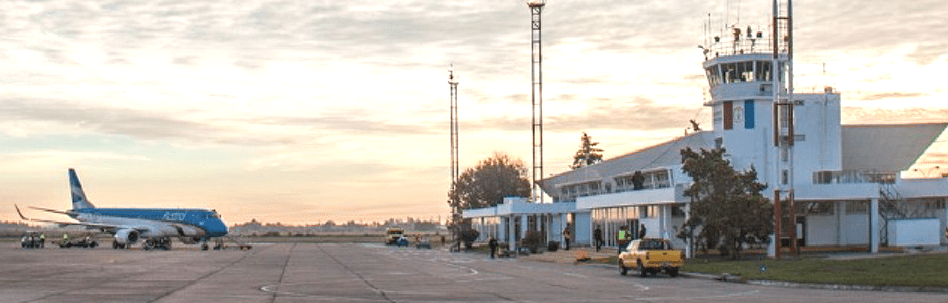
El Aeropuerto Sauce Viejo/SFN localizado en la Provincia de Santa Fe, Argentina, alcanzará una certificación internacional. Junto a las Autoridades de la provinciales y el explotador del aeródromo de Sauce Viejo, la Administración Nacional de Aviación Civil (ANAC) de Argentina, organismo descentralizado dependiente del Ministerio de Transporte que dirige Diego Giuliano, dio inicio al proceso de certificación del Aeropuerto de Sauce Viejo, también conocido como Aeropuerto Metropolitano de Santa Fe.
La certificación de aeródromos es un requisito de la Organización de Aviación Civil Internacional (OACI), organismo de Naciones Unidas que regula la aviación civil mundial para los países miembros, entre los cuales se encuentra Argentina. El objetivo es garantizar operaciones de aeródromo seguras y eficientes, a través de un proceso integral definido que examina varios componentes de los aeródromos en los que se registren operaciones regulares de transporte aéreo público internacional, con a fin de verificar su cumplimiento con las normas internacionales.
Impulsado por la cartera de Transporte, autoridades de ANAC, a cargo de Paola Tamburelli, han continuado con los planes de certificaciones de aeropuertos en Argentina. Advirtieron que sólo un aeropuerto había superado las cinco fases que se requieren franquear para alcanzar la certificación bajo los Estándares de la OACI, y menos del 30% de toda América Latina pudieron obtenerla. En ese sentido, se estableció un plan de certificación con esta meta para fines del año 2023, habiéndose culminado la certificación de las aeroestaciones de Rosario, Mendoza y Tucumán.
La legitimación de Santa Fe no es sólo cumplir con requisitos internacionales. Esta certificación indica a todos los Estados miembros que sus ciudadanos, turistas, sus viajeros de negocios y sus líneas aéreas pueden arribar y partir del Aeropuerto de Sauce Viejo con la certeza de que brinda un transporte aéreo seguro y eficaz, elevando el coeficiente de cumplimiento de Argentina en esta asignación. Asimismo, significa la confianza y el interés de nuevas aerolíneas que quieran operar, a la vez que potencie el turismo, más carga, más empleos, y más ingreso de divisas, con el impacto positivo que ello aporta a la economía.
Sauce Viejo international certification OACI
Sauce Viejo Airport will certify under international standards
The Sauce Viejo Airport/SFN located in the Province of Santa Fe, Argentina, will reach an international certification. Together with the provincial authorities and the exploiter of the Sauce Viejo Aerodrome, the National Civil Aviation Administration (ANAC) of Argentina, a decentralized body dependent on the Ministry of Transportation directed Viejo, also known as Santa Fe Metropolitan Airport.
Aerodromes certification is a requirement of the International Civil Aviation Organization (ICAO), the United Nations Agency that regulates world civil aviation for member countries, among which is Argentina. The objective is to guarantee safe and efficient aerodrome operations, through a defined comprehensive process that examines several components of the airfields in which regular international public air transport operations are registered, in order to verify compliance with international standards.
Promoted by the transport portfolio, AAC authorities, by Paola Tamburelli, have continued with the airport certifications plans in Argentina. They warned that only an airport had exceeded the five phases that are required to cross to achieve certification under ICAO standards, and less than 30% of all Latin America could obtain it. In that sense, a certification plan was established with this goal by the end of the year 2023, the certification of the aerostations of Rosario, Mendoza and Tucumán having completed.
The legitimation of Santa Fe is not only to meet international requirements. This certification indicates to all the Member States that their citizens, tourists, their business travelers and their airlines can arrive and from the Sauce Viejo airport with the certainty that it provides a safe and effective air transport, raising the coefficient of compliance with the fulfillment of compliance with Argentina in this assignment. It also means the trust and interest of new airlines that want to operate, while promoting tourism, more load, more jobs, and more currency income, with the positive impact that this contributes to the economy.
PUBLISHER: Airgways.com DBk: Twitter.com/aeropuertosv / Argentina.gob.ar / Anac.gov.ar / Airgways.com AW-POST: 202301191515AR OWNERSHIP: Airgways Inc. A\W A I R G W A Y S ®
AW | 2023 01 19 11:15 | AIRLINES / AVIATION ORGANISMS / GOVERNMENT
Integración Avianca-Viva sería anulada por Transporte de Colombia
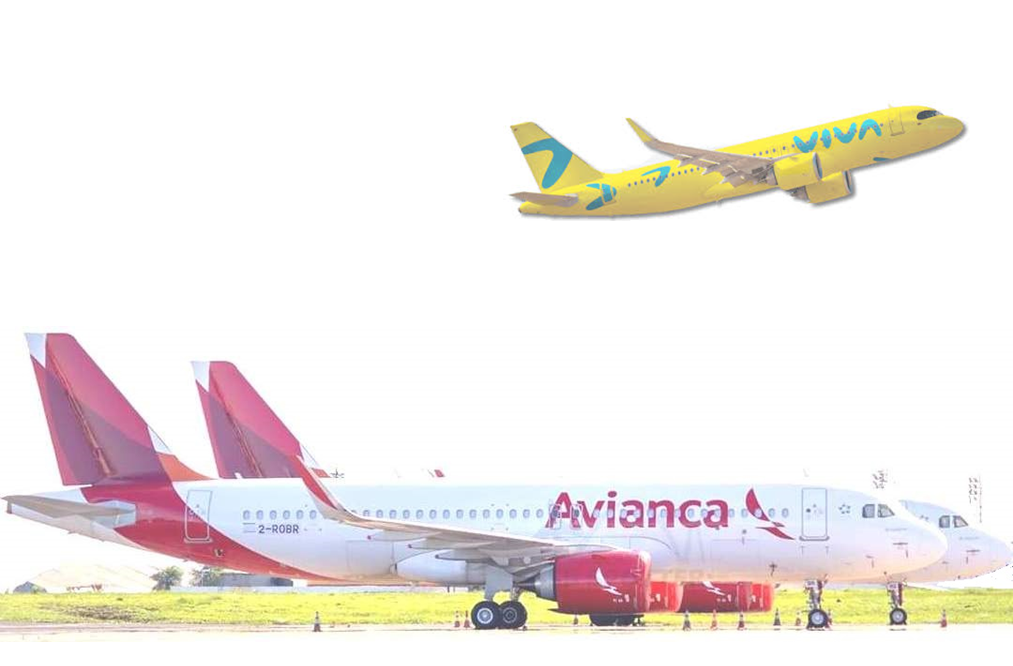
El proceso se han encontrado una serie de irregularidades procedimentales lo que impediría la unión de las aerolíneas, expresó el Miércoles 18/01, expresó el Ministro de Transporte de Colombia, Guillermo Reyes. El Lunes 23/01 se dará a conocer si la solicitud de integración de las aerolíneas Avianca–Viva Air es aprobada definitivamente o rechazada, pero que se ha arribado a un acuerdo para la anulación del proceso de integración.
En Abril de 2022 los accionistas mayoritarios de Avianca Airlines y Viva Air Colombia solicitaron su integración ante la Aeronáutica Civil de Colombia (ACC), con el objetivo de viabilizar la permanencia de la aerolínea low-cost en beneficio de los pasajeros, la conectividad en Colombia y Perú, “así como para salvaguardar empleos que directa e indirectamente dependen de Viva”, expresa el documento.
Al estudiar el caso presentado por las aerolíneas colombianas, se han encontrado una serie de irregularidades en los procesos, lo que impediría la unión. “Sabemos la importancia de una decisión pronta, pero también los efectos de no tomarla para el erario público y para la Aerocivil”, dijo el Ministro de Transporte. Desde el 8 de Agosto de 2022, cuando Avianca y Viva Air Colombia sometieron a control de la Autoridad Aeronáutica, la operación de integración entre dichos operadores de transporte público aerocomercial se realizaba en profundidad el alcance de dicha solicitud. En una primera instancia, la Aeronáutica Civil negó la petición de Avianca y de Viva Air para integrarse por varias razones, entre ellas que la última no mostró un riesgo inminente para su desaparición del mercado y que su unión significaría una posición mayoritaria en el mercado, dificultando la libre competencia.
Uno de los argumentos que dieron las aerolíneas para unirse fue por las condiciones del mercado respecto al precio del combustible de avión, la inflación y valorización de la moneda estadounidense. Al respecto, Adrian Neuhauser, presidente y CEO de Avianca, indicó: “La solicitud de integración con Viva busca luchar por su supervivencia en el mercado, así como por mantener la competitividad que ha construido durante 10 años de operación. Aun con el complejo panorama que vive la aviación en el mundo por cuenta del alza del combustible, así como la inflación histórica en la región, Avianca tiene una posición financiera sólida, evidente en los recientes anuncios, que le permitiría conseguir sinergias y aprovechar economías de escala con Viva, proveer apoyo financiero y participar en su gestión. Confiamos en que la autoridad Aeronáutica pueda estudiar esta solicitud con celeridad, dada la relevancia de la misma para el país”.
Aunque desde el Ministerio de Transporte de Colombia informaron que la noticia será oficial en los próximos días, queda abierta la posibilidad para que las aerolíneas puedan iniciar de nuevo el proceso si desean continuar con su intención de hacer parte de un mismo grupo económico. Desde que se conoció la sinergia de aerolíneas, desde varios sectores de la sociedad han solicitado al Gobierno Nacional detener la unión Avianca-Viva Air. Senadores y Representantes, en su mayoría de Antioquia, lenviaron una solicitud al Ministro de Transporte para que se pronuncien acerca del caso de la fusión entre las aerolíneas. El documento incluye un llamado a “analizar con velocidad y responsabilidad las garantías que tanto Viva y Avianca han ofrecido a las autoridades para proteger a los usuarios aéreos y salvaguardar la competencia en el sector”.
They would cancel Avianca-Viva fusion
Integration would be canceled by Transport of Colombia
The process has been found a series of procedural irregularities, which would prevent the union of the airlines Avianca–Viva Air, said Wednesday 18/01, said Colombia Transport Minister Guillermo Reyes. On Monday 01/23 will be announced whether the application for integration of the airlines is permanently approved or rejected, but which has reached an agreement for the annulment of the integration process.
In April 2022, the majority shareholders of Avianca Airlines and Viva Air Colombia requested their integration before the civil aeronautics of Colombia (ACC), with the aim of viating the permanence of the Low-Cost airline for the benefit of passengers, connectivity in Colombia And Peru, «as well as to safeguard jobs that directly and indirectly depend on Viva», says the document.
When studying the case presented by Colombian airlines, a series of irregularities have been found in the processes, which would prevent union. «We know the importance of a prompt decision, but also the effects of not taking it for the public treasury and for aerocivil», said the Minister of Transportation. Since August 8, 2022, when Avianca and Viva Air Colombia submitted to control of the aeronautical authority, the integration operation between said aerocomercial public transport operators was carried out in depth the scope of said application. In the first instance, civil aeronautics denied the request of Avianca and Viva Air to integrate for several reasons, including that the last one did not show an imminent risk for its disappearance from the market and that its union would mean a majority position in the market, hindering free competition.
One of the arguments given by airlines to join was due to market conditions regarding the price of aircraft fuel, inflation and valorization of the US currency. In this regard, Adrian Neuhauser, president and CEO of Avianca, said: “The application for integration with Viva seeks to fight for its survival in the market, as well as to maintain the competitiveness it has built for 10 years of operation. Even with the complex panorama that aviation lives in the world on behalf of fuel rise, as well as historical inflation in the region, Avianca has a solid financial position, evident in the recent ads, which would allow him to achieve synergies and take advantage of economies of Live scale, provide financial support and participate in your management. We trust that the aeronautical authority can study this request quickly, given the relevance of the same for the country”.
Although from the Colombian Ministry of Transportation they reported that the news will be official in the next few days, the possibility is open for airlines to start the process again if they wish to continue with their intention of being part of the same economic group. Since the airline synergy was known, from several sectors of society they have asked the National Government to stop the Avianca-Viva Air Union. Senators and representatives, mostly from Antioquia, led a request to the Minister of Transportation to pronounce on the case of merger between airlines. The document includes a call to «analyze with speed and responsibility the guarantees that so much living and Avianca have offered to the authorities to protect aerial users and safeguard competition in the sector».
PUBLISHER: Airgways.com DBk: Mintransporte.gov.co / Aerocivil.gov.co / Avianca.com / Vivaair.com / Airgways.com AW-POST: 202301191115AR OWNERSHIP: Airgways Inc. A\W A I R G W A Y S ®









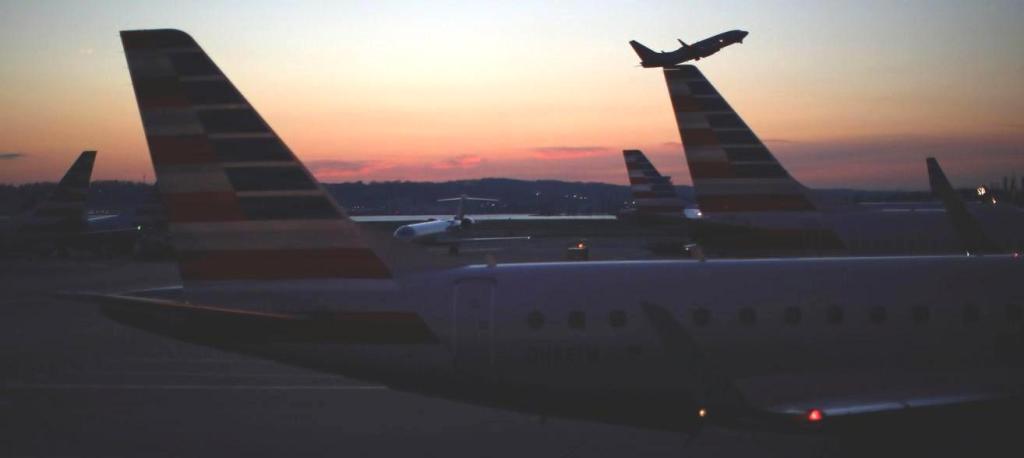
 Miles de vuelos fueron suspendidos a principios de Enero 2023 debido a una interrupción del Sistema NOTAM.










 airgways.com