AW | 2022 12 15 15:58 | AVIATION ORGANISMS / INDUSTRY
Embraer E190-E2 y E195-E2 reciben certificación canadiense
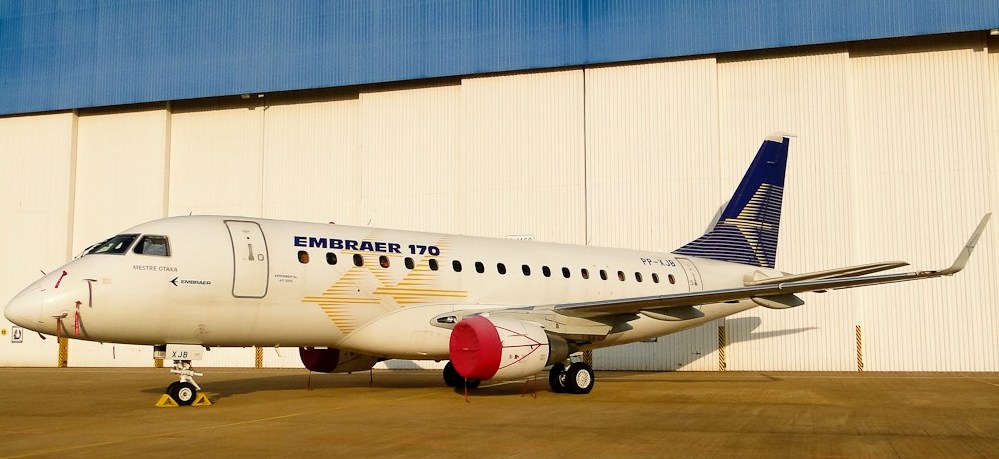
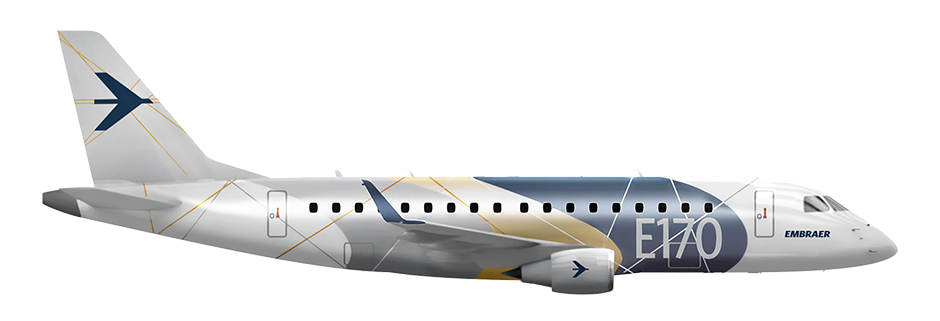
Transport Canada (TC) ha otorgado la certificación tipo a las aeronaves Embraer E190-E2 y E195-E2. La autoridad canadiense de aviación proporcionó el Certificado de Tipo a las dos aeronaves varios años después de que la Administración Federal de Aviación de los Estados Unidos (FAA) y la Agencia Europea de Seguridad Aérea de Europa (EASA) lo hicieran en 2019. La Agencia Nacional de Aviación Civil (ANAC) de Brasil certificó el E190-E2 y el E195-E2 en 2018. La agencia Transport Canada (TC) había demorado las certificaciones aeronáuticas para los aviones brasileños sin establecer los motivos de las demoras.
Embraer ha retrasado la fecha de entrada en servicio del E175-E2, el modelo de nueva generación más pequeño, hasta 2027, según anunciaba el constructor aeronáutico en Febrero de 2022.
Entrada servicio E2-Jets canadienses
Tras la reciente certificación de los E2-Jets en Canadá, Embraer actualmente solo ha acumulado un solo cliente en el país para la segunda generación de sus aviones regionales. Embraer indicó que el primer E195-E2 será entregado oficialmente a la aerolínea regional Porter Airlines en los próximos días en la sede del fabricante en São José dos Campos, Brasil. En total, la aerolínea canadiense ha ordenado cincuenta aviones E195-E2 (50), con la opción de confirmar cincuenta (50) adicionales. El pedido total, incluidas las opciones, está valorado en US$ 7.380 millones de Dólares a precios de catálogo según el fabricante de aviones de Brasil.
El nuevo E195-E2 de Porter Airlines será el primer avión de este tipo que se operará en América del Norte. La única aerolínea que vuela cualquier tipo de avión Embraer es Air Canada Express con 25 Embraer E175, que son operados bajo la compañía feeder Jazz Aviation.
Porter Airlines inició sus operaciones en 2006 en su base principal el Aeropuerto Billy Bishop Toronto City/YTZ, actualmente no puede recibir aviones a reacción debido a las regulaciones de nivel de ruido, los E195-E2 operarán desde otro aeropuerto de Toronto, el Aeropuerto Internacional Pearson/YYZ; mientras que su flota actual de aviones De Havilland Canada Dash-8 Q400 (29) desarrollarán operaciones desde el Billy Bishop Airport.
La aerolínea regional canadiense ha anunciado el 08/12 que comenzaría a volar los aviones Embraer E195-E2 entre Toronto-Pearson/YYZ conectando con Vancouver/YVR, Ottawa/YOW y Montreal-Trudeau/YUL. Los servicios comenzarán a partir del 1 de Febrero de 2023 en adelante. «La introducción de Porter del E195-E2 proporciona la capacidad de operar en toda América del Norte, incluida la costa oeste, posicionándonos mejor para satisfacer las necesidades de muchos más pasajeros de negocios y de placer. Esta inversión introduce un nuevo nivel de servicio reflexivo, inigualable por cualquier otra aerolínea en América del Norte», dijo Michael Deluce, CEO de Porter Airlines, en el momento de anunciar los primeros destinos del E195-E2 en la red de la aerolínea.
Embraer E2-Jets receive Canada certification
Embraer E190-E2 and E195-E2 receive Canadian certification
Transport Canada (TC) has granted type certification to the Embraer E190-E2 and E195-E2 aircraft. The Canadian aviation authority provided Type Certificates to the two aircraft several years after the United States Federal Aviation Administration (FAA) and the European Aviation Safety Agency (EASA) did so in 2019. The Agency Brazil’s National Civil Aviation Authority (ANAC) certified the E190-E2 and E195-E2 in 2018. The agency Transport Canada (TC) had delayed aeronautical certifications for Brazilian aircraft without establishing the reasons for the delays.
Embraer has delayed the date of entry into service of the E175-E2, the smallest new generation model, until 2027, as announced by the aeronautical manufacturer in February 2022.
E2-Canadian Jets service entrance
Following the recent certification of the E2-Jets in Canada, Embraer currently has only accumulated a single customer in the country for the second generation of its regional jets. Embraer indicated that the first E195-E2 will be officially delivered to the regional airline Porter Airlines in the coming days at the manufacturer’s headquarters in São José dos Campos, Brazil. In total, the Canadian airline has ordered fifty E195-E2 aircraft (50), with the option to confirm an additional fifty (50). The total order, including options, is valued at US$ 7.38 billion at list prices according to the Brazilian aircraft manufacturer.
Porter Airlines’ new E195-E2 will be the first aircraft of this type to be operated in North America. The only airline that flies any type of Embraer aircraft is Air Canada Express with 25 Embraer E175s, which are operated under the feeder company Jazz Aviation.
Porter Airlines started operations in 2006 at its home base Billy Bishop Toronto City/YTZ Airport, currently unable to receive jet aircraft due to noise level regulations, E195-E2 will operate from another Toronto airport, Toronto International Airport Pearson/YYZ; while its current fleet of De Havilland Canada Dash-8 Q400 aircraft (29) will carry out operations from Billy Bishop Airport.
The Canadian regional airline has announced on 08/12 that it would start flying Embraer E195-E2 aircraft between Toronto-Pearson/YYZ connecting with Vancouver/YVR, Ottawa/YOW and Montreal-Trudeau/YUL. Services will start from February 1, 2023 onwards. «Porter’s introduction of the E195-E2 provides the ability to operate throughout North America, including the West Coast, better positioning us to meet the needs of many more business and leisure passengers. This investment introduces a thoughtful new level of service , unmatched by any other airline in North America», said Michael Deluce, CEO of Porter Airlines, at the time of announcing the first E195-E2 destinations on the airline’s network.
PUBLISHER: Airgways.com DBk: Tc-canada.ca / Embraer.com / Airgways.com AW-POST: 202212151558AR OWNERSHIP: Airgways Inc. A\W A I R G W A Y S ®
European Regions Airline Association (ERA) se complace en anunciar un nuevo miembro de la aerolínea, el operador irlandés Emerald Airlines. La aerolínea se une a más de 55 aerolíneas miembros de toda la red europea como miembros. Emerald Airlines, la aerolínea regional más nueva de Irlanda, es el operador exclusivo de los servicios regionales de Aer Lingus. Ofreciendo una gama de soluciones que incluyen franquicias, arrendamiento con tripulación y vuelos chárter privados, Emerald Airlines tiene una flota de catorce aviones ATR 72-600 (14) y emplea a más de 400 en sus operaciones de vuelo, M&E, asistencia en tierra y equipos de soporte. La aerolínea opera vuelos regionales de Aer Lingus desde Dublín y el aeropuerto de la ciudad de Belfast y en el verano de 2023 volará más de 580 vuelos por semana a través de 23 rutas con una creciente flota de aviones ATR 72-600.
El ATR 72-600 forma la columna vertebral de la creciente flota de Emerald Airlines. El ATR 72-600 es la última generación de aviones turbohélice que combina un rendimiento ambiental y económico inigualable. El avión ATR 72-600 tiene una ventaja ambiental significativa sobre los jets regionales y otros turbohélices que emiten un 40 por ciento menos de CO2.
Montserrat Barriga, Directora General de ERA, dijo: «Estoy encantada de dar la bienvenida a Emerald Airlines a la membresía fuerte y expansiva de ERA. Si bien es la aerolínea regional más nueva de Irlanda, el equipo de gestión de Emerald está formado por profesionales de la aviación altamente experimentados con amplia experiencia en aviación mundial. La diversidad de la membresía de la aerolínea de ERA asegura que la voz colectiva de la asociación gane fuerza con cada nuevo miembro. Espero trabajar con Emerald y verlos crecer aún más en su negocio».
Conor McCarthy, fundador y CEO de Emerald Airlines, dijo: «En Emerald Airlines estamos proporcionando conectividad aérea segura y sostenible entre Irlanda, el Reino Unido y más allá, por lo que estamos encantados de unirnos a la Asociación Europea de Aerolíneas de Regiones. Esperamos trabajar junto a ERA y sus otros miembros para continuar promoviendo el crecimiento sostenible de la industria de las aerolíneas».
ERA welcomes Emerald Airlines
New member European regional alliance ERA
The European Regions Airline Association (ERA) is pleased to announce a new airline member, Irish operator Emerald Airlines. The airline joins more than 55 member airlines from across the European network as members. Emerald Airlines, Ireland’s newest regional airline, is the exclusive operator of Aer Lingus regional services. Offering a range of solutions including franchising, wet leasing and private charter flights, Emerald Airlines has a fleet of fourteen ATR 72-600 aircraft (14) and employs more than 400 in its flight operations, M&E, ground handling and support teams. The airline operates regional Aer Lingus flights from Dublin and Belfast City Airport and by summer 2023 will fly more than 580 flights per week across 23 routes with a growing fleet of ATR 72-600 aircraft.
The ATR 72-600 forms the backbone of the growing Emerald Airlines fleet. The ATR 72-600 is the latest generation of turboprop aircraft that combines unrivaled environmental and economic performance. The ATR 72-600 aircraft has a significant environmental advantage over regional jets and other turboprops that emit 40 percent less CO2.
Montserrat Barriga, Managing Director of ERA, said: «I am delighted to welcome Emerald Airlines to the strong and expansive membership of ERA. Although it is Ireland’s newest regional airline, Emerald’s management team is made up of professionals highly experienced aviation experts with extensive experience in global aviation. The diversity of ERA’s airline membership ensures that the collective voice of the association gains strength with each new member. I look forward to working with Emerald and seeing them further grow their business».
Conor McCarthy, Founder and CEO of Emerald Airlines, said: «At Emerald Airlines we are providing safe and sustainable air connectivity between Ireland, the UK and beyond, so we are delighted to join the European Regions Airline Association. We look forward to work together with ERA and its other members to continue promoting the sustainable growth of the airline industry».
PUBLISHER: Airgways.com DBk: Eraa.org / Emeraldairlines.com / Airgways.com AW-POST: 202212141344AR OWNERSHIP: Airgways Inc. A\W A I R G W A Y S ®
La nueva aerolínea australiana Bonza Airlines continúa en espera para alcanzar la aprobación de la Autoridad de Seguridad de la Aviación Civil (CASA) para obtener el Certificado de Operador Aéreo (AOC), sin fecha establecida, por lo que demoraría para iniciar vuelos comerciales. La fecha de despegue de Bonza aún no se ha determinado. La nueva aerolínea de bajo costo promete algunos de los vuelos más baratos en Australia, pero más de seis meses después de espera, la fecha de despegue de la compañía aún no está definida. Bonza Airlines dice que ofrecerá vuelos de bajo costo a través de veintisiete rutas en la costa Este.
Los expertos de la industria tienen preocupaciones sobre la sostenibilidad de la aerolínea de bajo costo. Los planes para el operador de inicio se revelaron en Octubre de 2021 con la esperanza de haber iniciado operaciones a mediados de este año 2022. Después de meses de retrasos, aún no ha recibido la aprobación regulatoria. Pero después de repetidos retrasos, la aerolínea todavía está navegando por las aprobaciones regulatorias con la Autoridad CASA para obtener su Certificado de Operador Aéreo. En un comunicado, un portavoz de CASA dijo que la autoridad continuaba trabajando estrechamente con el equipo de Bonza en la solicitud de la aerolínea, pero estaba esperando recibir documentos clave antes de poder completar el proceso. «CASA podrá tomar una decisión final una vez que se haya recibido y evaluado toda la documentación y se haya completado un vuelo de prueba», dijo el portavoz de la autoridad de aviación australiana.
El Presidente Ejecutivo de Bonza, Tim Jordan, dijo que no estaba seguro de cuándo comenzarían los vuelos, pero confiaba en que la demanda estaría allí cuando lo hicieran. «Esta es la primera nueva aerolínea de alta capacidad en Australia en quince años, y obviamente el proceso asociado con la firma es bastante completo. Una vez que creamos que estamos listos, nos comunicaremos con el regulador y le pediremos que vengan y se aseguren de que ese sea absolutamente el caso», dijo Tim Jordan.
Startup Bonza
Bonza ofrecerá una red de veintisiete rutas en diecisiete destinos en su mayoría regionales en Queensland, Nueva Gales del Sur y Victoria. El tercer avión Boeing 737-8 MAX de la compañía aterrizó en su base en Sunshine Coast esta semana. Tim Jordan dijo que la aerolínea adquiriría hasta ocho aviones en su primer año de operación. «Nuestro punto significativo de diferencia realmente es que de nuestras 27 rutas iniciales, 25 de ellas no son voladas por los otros operadores. Ofreceremos tarifas muy bajas en el mercado y es algo que se desea desesperadamente en muchas, muchas áreas regionales. Esperaríamos aproximadamente que el costo de volar [para los pasajeros] no debería ser mucho más que alrededor de US$ 50 por hora», expresó en su análisis el CEO Tim Jordan. El Presidente Ejecutivo de la startup australiana dice que el punto de diferencia de la aerolínea serán nuevas rutas y tarifas bajas. La competencia podría hacer que volar sea más barato.
El Jefe de Aviación de la Universidad Central de Queensland, Doug Drury, dijo que el modelo de tarifas bajas de Bonza podría reducir el costo de las tarifas aéreas de sus competidores, al menos en el corto plazo. Pero dado el tamaño de la aeronave y el costo actual del combustible, dijo que sería «todo un desafío poder convertir eso en una operación rentable. Bonza tiene mucho trabajo por delante para conseguir y hacer que los clientes regresen. Pero van tras un nicho de mercado, y si lo hacen bien, forzará el cambio con Rex, Virgin y Qantas. Definitivamente van tras un público más joven, con su combinación de colores y uniformes modernos. Así es como Virgin comenzó, cuando intentaban atraer a una clientela más joven», dijo el profesor Doug Drury.
Dubitando proyecto
Algunos en la industria del turismo tienen sus dudas sobre la viabilidad de la nueva aerolínea low cost Bonza. Debbie Rains ha sido propietaria y operadora de agencias de viajes en Townsville, Mackay y Rockhampton durante 35 años: «Soy un poco cínica, para ser completamente honesta. Ha habido muchas aerolíneas en el pasado que han comenzado algunas de estas rutas y simplemente no han sido sostenibles. Simplemente no tenemos esa densidad de población, y ciertamente aún menos en las regiones, para poder poner muchos vagabundos en los asientos para realmente hacer que estas aerolíneas sean viables».
Debbie Rains dijo que era decepcionante que la aerolínea no hubiera comenzado a operar a tiempo para las vacaciones de fin de año. «Hemos visto a través de las agencias, solo personas que quieren pasar tiempo con sus seres queridos. Entonces, tener otro portaaviones operando, habría eliminado un poco de esa angustia de la ecuación, [sabiendo] que hay opciones para poder saltar en un avión diferente si es necesario», expresó Debbie Rains.
Bonza awaits CASA approval
Undefined approval AOC Australian low cost airline
The new Australian airline Bonza Airlines continues to wait to achieve approval from the Civil Aviation Safety Authority (CASA) to obtain the Air Operator Certificate (AOC), with no set date, so it would take time to start commercial flights. Bonza’s takeoff date has yet to be determined. The new low-cost airline promises some of the cheapest flights in Australia, but more than six months after waiting, the company’s take-off date is still undefined. Bonza Airlines says it will offer low-cost flights on twenty-seven routes on the East Coast.
Industry experts have concerns about the low-cost airline’s sustainability. Plans for the startup operator were revealed in October 2021 with the hope of starting operations in the middle of this year 2022. After months of delays, it has yet to receive regulatory approval. But after repeated delays, the airline is still navigating regulatory approvals with the CASA Authority to obtain its Air Operator Certificate. In a statement, a CASA spokesman said the authority was continuing to work closely with Bonza’s team on the airline’s application, but was waiting to receive key documents before it could complete the process. «CASA will be able to make a final decision once all documentation has been received and assessed and a test flight completed», the Australian aviation authority spokesman said.
Bonza Chief Executive Tim Jordan said he wasn’t sure when the flights would start, but was confident demand would be there when they did. «This is the first new high-capacity airline in Australia in fifteen years, and obviously the process associated with signing is quite complete. Once we think we’re ready, we’ll contact the regulator and ask them to come and make sure that’s absolutely the case», Tim Jordan said.
Startup Bonza
Bonza will offer a network of twenty-seven routes in seventeen mostly regional destinations in Queensland, New South Wales and Victoria. The company’s third Boeing 737-8 MAX aircraft touched down at its base on the Sunshine Coast this week. Tim Jordan said the airline would purchase up to eight planes in its first year of operation. «Our significant point of difference really is that of our initial 27 routes, 25 of them are not flown by the other carriers. We will offer very low fares in the market and it is something that is desperately wanted in many, many regional areas. We would roughly expect that the cost of flying [for passengers] shouldn’t be much more than about US$ 50 an hour», CEO Tim Jordan said in his analysis. The CEO of the Australian startup says the airline’s point of difference will be new routes and low fares. Competition could make flying cheaper.
Central Queensland University Head of Aviation Doug Drury said Bonza’s low-fare model could drive down the cost of air fares from its competitors, at least in the short term. But given the size of the aircraft and the current cost of fuel, he said it would be «quite a challenge to turn that into a profitable operation. Bonza has a lot of work ahead of it to win and keep customers coming back. But they’re going after a niche market, and if they get it right, it will force the change with Rex, Virgin and Qantas. They are definitely going after a younger crowd, with their color scheme and trendy uniforms. That’s how Virgin started, when they were trying to attract a younger clientele», said Professor Doug Drury.
Hesitating project
Some in the tourism industry have their doubts about the viability of the new low-cost airline Bonza. Debbie Rains has owned and operated travel agencies in Townsville, Mackay and Rockhampton for 35 years: «I’m a bit cynical to be completely honest. There have been many airlines in the past that have started some of these routes and they just haven’t been sustainable. We just don’t have that population density, and certainly even less in the regions, to be able to put a lot of bums in the seats to really make these airlines viable».
Debbie Rains said it was disappointing that the airline had not started operations in time for the year-end holidays. «We’ve seen through the agencies, just people who want to spend time with their loved ones. So, having another aircraft carrier operating, it would have taken a little bit of that angst out of the equation, [knowing] there are options to being able to jump on a plane. different if necessary», said Debbie Rains.
PUBLISHER: Airgways.com DBk: Flybonza.com / Airgways.com AW-POST: 202212141229AR OWNERSHIP: Airgways Inc. A\W A I R G W A Y S ®
AW | 2022 12 10 16:10 | AIRLINES ALLIANCE / GOVERNMENT / AVIATION ORGANISMS
American Airlines y JetBlue Airways expanden acuerdo Departamento de Justicia trabajaría para eliminar alianza
American Airlines y JetBlue Airways están impulsando una expansión de su asociación en el noreste, incluso cuando un la Justicia Federal considera el intento del Gobierno de acabar con el acuerdo. Las aerolíneas dijeron el Viernes 09/12 que American agregará seis nuevas rutas desde la ciudad de Nueva York y eliminará una. JetBlue iniciará varias rutas nuevas desde Nueva York y Boston, incluyendo el servicio a las Bahamas y Bermudas. Algunas rutas operarán solo durante el verano, y la mayoría se limitarán a uno o dos vuelos al día. American dijo que planea cancelar el servicio entre el aeropuerto LaGuardia de Nueva York y Atlanta en Mayo 2023, cuando JetBlue agregue esa ruta. Delta Air Lines, Southwest Airlines y Frontier Airlines también vuelan la ruta.
American dijo que el 5 de Mayo de 2023 agregará vuelos entre LaGuardia y Buffalo, Nueva York, Greenville, Carolina del Sur y otras cuatro ciudades. Los nuevos destinos ampliarían la alianza de las aerolíneas a unos 700 vuelos diarios en total, pero el plan depende de ganar una demanda en Boston.
El Departamento de Justicia (DOJ), seis estados y el Distrito de Columbia presentaron una demanda para eliminar la asociación, que permite a American y JetBlue trabajar juntos para establecer horarios y compartir los ingresos de los vuelos en Nueva York y Boston. El Gobierno Federal dijo que el acuerdo reducirá la competencia y conducirá a tarifas más altas, lo que costará a los consumidores US$ 700 millones al año. American y JetBlue argumentaron que su combinación ayudará a los consumidores al convertirlos en un competidor más fuerte en el noreste contra Delta y United Airlines.
Después de un juicio que duró varias semanas, un Juez en Boston tomó el caso bajo consideración el mes pasado. Se espera un veredicto a principios del próximo año. A través de una portavoz, el Departamento de Justicia se negó a comentar sobre la expansión de la asociación de las aerolíneas. El caso es una prueba de la determinación de la Administración Biden de asumir fusiones y otros acuerdos comerciales que cree que sofocan la competencia y cuestan más dinero a los consumidores. «El Departamento de Justicia tiene un caso muy bueno. La NEA perjudica a la competencia, probablemente perjudica a los consumidores. (American) ha eliminado a un competidor disruptivo, un inconformista», dijo Florian Ederer, experto antimonopolio y Profesor de economía en la Universidad de Yale que ha seguido el asunto.
Por separado el viernes, JetBlue Airways anunció que extendió el contrato del CEO Robin Hayes por dos años, hasta Septiembre de 2025. Robin Hayes y el actual CEO de American y su predecesor inmediato testificaron durante el juicio.
American-JetBlue pursue alliance
American Airlines and JetBlue Airways expand agreement Department of Justice would work to eliminate alliance
American Airlines and JetBlue Airways are pushing for an expansion of their partnership in the Northeast, even as a federal court considers the government’s attempt to kill the deal. The airlines said on Friday 09/12 that American will add six new routes from New York City and eliminate one. JetBlue will start several new routes from New York and Boston, including service to the Bahamas and Bermuda. Some routes will operate only during the summer, and most will be limited to one or two flights a day. American said it plans to cancel service between New York’s LaGuardia Airport and Atlanta in May 2023, when JetBlue adds that route. Delta Air Lines, Southwest Airlines and Frontier Airlines also fly the route.
American said that on May 5, 2023, it will add flights between LaGuardia and Buffalo, New York, Greenville, South Carolina and four other cities. The new destinations would expand the airlines’ alliance to about 700 total daily flights, but the plan hinges on winning a lawsuit in Boston.
The Department of Justice (DOJ), six states and the District of Columbia filed a lawsuit to remove the partnership, which allows American and JetBlue to work together to schedule and share revenue for flights in New York and Boston. The federal government said the deal will reduce competition and lead to higher tariffs, costing consumers $700 million a year. American and JetBlue argued that their combination will help consumers by making them a stronger competitor in the Northeast against Delta and United Airlines.
After a trial that lasted several weeks, a judge in Boston took the case under consideration last month. A verdict is expected early next year. Through a spokeswoman, the Justice Department declined to comment on the expansion of the airlines’ partnership. The case is evidence of the Biden Administration’s determination to take on mergers and other business deals it believes stifle competition and cost consumers more money. «The Justice Department has a very good case. The NEA hurts competition, probably hurts consumers. (American) has eliminated a disruptive competitor, a maverick», said Florian Ederer, an antitrust expert and professor of economics at the Yale University who has followed the matter.
Separately on Friday, JetBlue Airways announced it had extended CEO Robin Hayes’ contract by two years, through September 2025. Robin Hayes and American’s current CEO and immediate predecessor testified during the trial.
PUBLISHER: Airgways.com DBk: Aa.com / Jetblue.com / Justice.gov / Airgways.com AW-POST: 202212101610AR OWNERSHIP: Airgways Inc. A\W A I R G W A Y S ®
AW | 2022 12 10 11:58 | GOVERNMENT / AVIATION ORGANISMS
Nuevas reglas sistema aviación de emisiones
La Comisión Europea (CE) acoge con beneplácito el acuerdo que se realizó esta semana entre el Parlamento Europeo y el Consejo para ayudar a que el sector de la aviación sea ‘adecuado para 55’, estableciendo en la ley su contribución a nuestro objetivo de reducir las emisiones netas de gases de efecto invernadero en al menos un 55% para 2030. Se llegó a un acuerdo político el 6 de Diciembre de 2022 sobre la revisión de las reglas del Sistema de Comercio de Emisiones de la UE (EE ETS) sobre la aviación.
Las reglas actualizadas sobre el comercio de emisiones acelerarán la implementación del principio de paga de los contaminadores mediante la eliminación gradual de las asignaciones gratuitas para el sector de la aviación para 2026. Este acuerdo aumenta la rigidez del sistema existente, que ha cubierto la aviación desde 2012. Esto significa que la industria tendrá Una mayor responsabilidad de pagar su huella de carbono, y que habrá más incentivos económicos para reducir las emisiones debido a una señal de precio sólida.
Hasta el comienzo de 2027, la fijación de precios de carbono de la UE se aplicará a los vuelos dentro de la UE/EEE y los vuelos de partida a Suiza y el Reino Unido, manteniendo el mecanismo actual de «detener el reloj» en la aplicación internacional de las reglas. En 2026, la Comisión llevará a cabo una evaluación del esquema de Compensación y Reducción de Carbono para la Aviación Internacional (CORSIA) establecida por la Organización Internacional de Aviación Civil (ICAO), para ver si está cumpliendo suficientemente los objetivos del Acuerdo de París. Sujeto al resultado de esta evaluación, la Comisión hará una propuesta legislativa, que podría extender el alcance del comercio de emisiones de la UE a vuelos de salida si Corsia no está suficientemente alineada con el Acuerdo de París.
El acuerdo también proporciona un nuevo esquema de soporte para acelerar el uso de combustibles de aviación sostenibles, financiados con ingresos por EET ETS que se estiman en € 1.600 millones. También creará un nuevo sistema para que las aerolíneas monitoreen, informen y verifiquen las emisiones no CO2 y los efectos climáticos de la aviación, que constituyen dos tercios del impacto climático total de la aviación. En un importante paso adelante en la transparencia, se publicarán más datos sobre emisiones de aviación internacional de manera fácil de usar, al tiempo que protegen los datos comercialmente sensibles.
Próximos pasos
El acuerdo político ahora debe ser adoptado formalmente. Una vez que el Parlamento Europeo y el Consejo completen este proceso, las nuevas reglas se publicarán en la revista oficial de la Unión Europea y entrarán en vigor con efecto inmediato.
Fondo
El acuerdo verde europeo es la estrategia de crecimiento a largo plazo de la UE para hacer que Europa clima neutral para 2050. Para alcanzar este objetivo, Europa debe reducir sus emisiones en al menos un 55% para 2030, en comparación con los niveles de 1990. El acuerdo de esta semana es otro paso importante en la adopción del paquete legislativo ‘adecuado para 55’ de la comisión para entregar el acuerdo verde europeo. Sigue otros tres acuerdos recientes para finalizar la venta de nuevos automóviles emisores de CO2 en Europa para 2035, para aumentar los objetivos nacionales de reducción de emisiones en los sectores de transporte, edificios, desechos y agricultura, y para aumentar las mudanzas de carbono a través del uso de la tierra, la silvicultura y la agricultura.
Las emisiones de aviación en Europa aumentaron un promedio de 5% interanual entre 2013 y 2019. Mientras disminuyen dramáticamente durante la pandemia, se proyecta que las emisiones de aviación crecerán aún más. Para lograr la neutralidad climática, la UE necesita reducir las emisiones de transporte, incluida la aviación, en un 90% para 2050 (en comparación con los niveles de 1990). El aumento de la ambición climática del sector de la aviación será crucial para que la UE alcance sus objetivos climáticos bajo el Acuerdo de París y haga realidad el acuerdo verde europeo.
European green deal
New aviation emissions system rules
The European Commission (EC) welcomes the agreement reached this week between the European Parliament and the Council to help make the aviation sector ‘fit for 55’, setting out in law its contribution to our goal of reducing net greenhouse gas emissions by at least 55% by 2030. A political agreement was reached late December 6, 2022 on the revision of the EU Emissions Trading System (EE ETS) rules on the aviation.
The updated rules on emissions trading will speed up the implementation of the polluters pay principle by phasing out free allowances for the aviation sector by 2026. This agreement increases the rigidity of the existing system, which has covered aviation since 2012. This means that the industry will have a greater responsibility to pay for its carbon footprint, and that there will be more economic incentives to reduce emissions due to a strong price signal.
Until the start of 2027, EU carbon pricing will apply to intra-EU/EEA flights and departing flights to Switzerland and the UK, maintaining the current «stop the clock» mechanism on the international application of the rules. In 2026, the Commission will carry out an assessment of the Carbon Offsetting and Reduction for International Aviation (CORSIA) scheme established by the International Civil Aviation Organization (ICAO), to see if it is sufficiently meeting the objectives of the Paris Agreement. Subject to the outcome of this assessment, the Commission will make a legislative proposal, which could extend the scope of EU emissions trading to outbound flights if Corsia is not sufficiently aligned with the Paris Agreement.
The agreement also provides a new support scheme to accelerate the use of sustainable aviation fuels, financed with EET ETS revenues estimated at €1.6 billion. It will also create a new system for airlines to monitor, report and verify aviation’s non-CO2 emissions and climate effects, which make up two-thirds of aviation’s total climate impact. In a major step forward in transparency, more international aviation emissions data will be published in a user-friendly way, while protecting commercially sensitive data.
Next steps
The political agreement must now be formally adopted. Once the European Parliament and the Council complete this process, the new rules will be published in the official magazine of the European Union and will take effect immediately.
Background
The European Green Deal is the EU’s long-term growth strategy to make Europe climate neutral by 2050. To reach this goal, Europe must reduce its emissions by at least 55% by 2030, compared to 1990 levels. This week’s agreement is another important step in the adoption of the commission’s ‘fit for 55’ legislative package to deliver the European green deal. It follows three other recent agreements to end the sale of new CO2-emitting cars in Europe by 2035, to increase national emissions reduction targets in the transport, buildings, waste and agriculture sectors, and to increase carbon removals through of land use, forestry and agriculture.
Aviation emissions in Europe increased an average of 5% year-on-year between 2013 and 2019. While they decline dramatically during the pandemic, aviation emissions are projected to grow even more. To achieve climate neutrality, the EU needs to reduce emissions from transport, including aviation, by 90% by 2050 (compared to 1990 levels). Raising the aviation sector’s climate ambition will be crucial for the EU to achieve its climate targets under the Paris Agreement and make the European Green Deal a reality.
PUBLISHER: Airgways.com DBk: Ec.europa.eu / Airgways.com AW-POST: 202212101158AR OWNERSHIP: Airgways Inc. A\W A I R G W A Y S ®
Aerolíneas EEUU deben divulgar tarifas adicionales de boletos
El Departamento de Transporte (DOT) de Estados Unidos ha propuesto que las aerolíneas informen las tarifas adicionales de los boletos antes de que el consumidor haga la reserva. Esto aplica tanto para los vuelos internos como los internacionales, incluidas las transacciones fuera de línea, como por teléfono u otras aplicaciones. Así mismo, considera el DOT que la información debe publicarse en los Sistemas de Distribución Global (GDS).
El Vicepresidente Ejecutivo de Defensa de la Sociedad de Asesores de Viajes de USA, Eben Peck, testificó ante el Comité de Protección al Consumidor de Aviación del DOT diciendo que, aunque están de acuerdo en que divulguen el detalle de las tarifas adicionales, no ven viable que un agente lo pueda hacer por teléfono, por el tiempo que les significa en cada llamada. Eben Perk ofrece que dicha información sea a pedido del consumidor y no que sea obligatoria, la otra alternativa que propone es crear un sistema dentro de la página del DOT, en donde los asesores direccionen a sus clientes para conocer el detalle de las tarifas.
La propuesta de DOT contempla que: “Durante una llamada telefónica o visita presencial, el agente o transportista no espere hasta después de que el consumidor haya decidido hacer la reserva o comprar el boleto para revelar los cargos por equipaje, cargos por cambio, cargos por cancelación o tarifas de asientos familiares que pueden aplicarse. En cambio, se requeriría que la divulgación se haga en el momento en que la información programada se proporcione al consumidor durante la parte de la conversación de información y toma de decisiones. En esencia, un transportista o agente de boletos no cumpliría si proporcionara una cotización del precio de un boleto por teléfono o en persona sin dar también las tarifas de equipaje, cambio, cancelación y asientos familiares que se aplican”.
Los Senadores Demócratas han solicitado al Departamento de Transporte que obligue a las aerolíneas cubrir los gastos secundarios por cancelación de vuelos, como el alojamiento, la comida, el transporte, y no solo el costo de un vuelo cancelado.
Durante el periodo de los comentarios públicos en el sitio web del DOT, referente a los reembolsos de las aerolíneas en caso de un retraso significativo o cancelación de un vuelo, tres legisladores manifestaron que “si bien elogiamos a la agencia por dar este paso, el DOT puede fortalecer la regla propuesta al proteger a los consumidores de otros costos que están fuera de su control, incluidas las tarifas de servicio de boletos en vuelos cancelados y los gastos secundarios que resultan de la cancelación o demora de un vuelo”.
DOT mandating additional fees disclosure
US airlines must disclose additional ticket fees
The US Department of Transportation (DOT) has proposed that airlines report additional ticket fees before the consumer makes the reservation. This applies to both internal and international flights, including transactions offline, such as by phone or other applications. Likewise, the DOT considers that the information must be published in the Global Distribution Systems (GDS).
The Executive Vice President of Defense of the Society of Travel Consultants of the USA, Eben Peck, testified before the DOT Aviation Consumer Protection Committee saying that although they agree that they disclose the detail of the additional fees, they do not see it as viable that an agent can do it over the phone, due to the time it takes for each call. Eben Perk offers that said information be at the request of the consumer and not that it is mandatory, the other alternative that it proposes is to create a system within the DOT page, where the advisors direct their clients to know the details of the rates.
The DOT proposal contemplates that: “During a telephone call or face-to-face visit, the agent or carrier does not wait until after the consumer has decided to make the reservation or purchase the ticket to disclose the baggage charges, change charges, cancellation or family seat fees that may apply. Instead, the disclosure would be required to be made at the time the scheduled information is provided to the consumer during the information and decision-making portion of the conversation. In essence, a carrier or ticket agent would not be compliant if they provided a price quote for a ticket over the phone or in person without also giving the applicable baggage, change, cancellation and family seat fees”.
Democratic Senators have called on the Department of Transportation to force airlines to cover incidental expenses of flight cancellations, such as lodging, food, transportation, and not just the cost of a canceled flight.
During the public comment period on the DOT website regarding airline refunds in the event of a significant flight delay or cancellation, three legislators stated that “while we commend the agency for taking this step, the DOT may strengthen the proposed rule by protecting consumers from other costs beyond their control, including ticket service fees on canceled flights and incidental expenses resulting from a flight cancellation or delay».
PUBLISHER: Airgways.com DBk: Transportation.gov / Airgways.com AW-POST: 202212091125AR OWNERSHIP: Airgways Inc. A\W A I R G W A Y S ®
Latinoamericanas anuncian pérdidas 2023 Región Norteamérica beneficios 2022-2023
La Asociación Internacional de Transporte Aéreo (IATA) ha informado el conjunto de compañías latinoamericanas terminarán el año 2022 con pérdidas del orden de los US$ 2.000 millones de Dólares, mientras que las proyecciones para el 2023 arrastraría números rojos en valores aproximados en US$ 795 millones, según el organismo que representa a la industria de la aviación comercial.
Las perspectivas de la demanda de pasajeros en Latinoamérica podrían incrementarse en un 9.3% el próximo año 2023, por encima del 6.3% del aumento de la capacidad, indicó la entidad en la presentación de los datos económicos del sector de 2022 y sus proyecciones para 2023. El tráfico latinoamericano de pasajeros ha alcanzado en 2022 un 12.6% por debajo de las cifras de 2019, el año previo a la pandemia, y se espera que el próximo año alcance alrededor de 8.2%, una baja de 4,4%, aunque esto no signifique que las variables de mercado puedan cambiar favorablemente.
De todas las regiones del mundo, Norteamérica es la única donde se han observado beneficios netos del 9.9% en 2022 y se espera que este ritmo de recuperación se mantenga en 2023 con incrementos del orden del 11.4%. Las proyecciones para Estados Unidos y Canadá hacia el 2023 apuntan a recuperar el 97.2% de los niveles prepandemia. Entre las razones de esta recuperación, la IATA destacó que las restricciones de viajes fueron menos severas y largas allí que en cualquier otra parte del mundo, lo que incluyen los viajes internos y los trasatlánticos.
Sobre las aerolíneas europeas, la IATA indicó que perderán US$ 3.100 millones de Dólares en 2022 y volverán a los beneficios en 2023, con ganancias de alrededor de US$ 621 millones de Dólares.
IATA airline projections 2023
Latin Americans announce 2023 losses North America Region Benefits 2022-2023
The International Air Transport Association (IATA) has reported that the group of Latin American companies will end the year 2022 with losses of the order of US$ 2,000 million, while the projections for 2023 would drag red numbers in approximate values of US$ 795 million, according to the body that represents the commercial aviation industry.
The prospects for passenger demand in Latin America could increase by 9.3% next year 2023, above the 6.3% increase in capacity, the entity indicated in the presentation of economic data for the sector for 2022 and its projections for 2023. Latin American passenger traffic has reached 12.6% in 2022 below the figures for 2019, the year before the pandemic, and it is expected that next year it will reach around 8.2%, a drop of 4.4%, although this does not mean that market variables can change favorably.
Of all the regions of the world, North America is the only one where net benefits of 9.9% have been observed in 2022 and this recovery rate is expected to continue in 2023 with increases of the order of 11.4%. Projections for the United States and Canada by 2023 point to a recovery of 97.2% of pre-pandemic levels. Among the reasons for this recovery, IATA highlighted that travel restrictions were less severe and lengthy there than in any other part of the world, including internal and transatlantic travel.
Regarding European airlines, IATA indicated that they will lose US$3.1 billion in 2022 and return to profit in 2023, with earnings of around US$621 million.
PUBLISHER: Airgways.com DBk: Iata.org / Airgways.com AW-POST: 202212081248AR OWNERSHIP: Airgways Inc. A\W A I R G W A Y S ®
AW | 2022 12 02 00:30 | INDUSTRY / AVIATION ORGANISMS
China da luz verde a producción en masa del C919
El COMAC C919 desarrollado por la Commercial Aircraft Corporation of China, Ltd. obtuvo su certificado de producción el Martes 29 de Noviembre de 2022, lo que permite que el modelo entre en producción de línea en masa. La COMAC Ltd. desarrolló el C919, como aeronave comercial de transporte de pasajeros ha obtenido el certificado de la Administración Regional de China Oriental de la Administración de Aviación Civil de China.
El C919, que efectuó con éxito su vuelo inaugural en Mayo de 2017, obtuvo el pasado mes de Septiembre 2022 su Certificado de Tipo, un documento expedido para indicar la aeronavegabilidad del diseño. China otorgó oficialmente el certificado de producción a su avión medio de pasajeros con el que el gigante asiático quiere dar un golpe en el mercado aeronáutico, el C919, para empezar así su producción a gran escala. La Corporación de Aviones Comerciales de China recibió el certificado por parte de la Administración de Aviación Civil de China (CAAC). «El proyecto debe terminar adecuadamente», afirmó entonces el Presidente chino, Xi Jinping, quien destacó la importancia de «seguir trabajando para superar cualquier dificultad».
El COMAC C919, rival de las familias de aviones de pasillo único Airbus A320NEO y Boeing 737 MAX, recibió un certificado de tipo a fines de Septiembre 2022 declarando que el modelo cumplía con los requisitos de aeronavegabilidad y ambientales, pero cada uno de los aviones fabricados necesitaba la aprobación individual del regulador para ser producido. El avión de COMAC C919 es el gran reto de la compañía y de China en el sector aeronáutico, pues es un aparato de fuselaje estrecho, un segmento que supone actualmente más de la mitad de las aeronaves comerciales activas del planeta.
El COMAC C919 según su configuración puede transportar entre 158 y 174 pasajeros y tiene una autonomía de entre 4.075 y 5.555 kilómetros. El antecesor del C919, el ARJ21, enfrentó un retraso de 2,5 años entre la obtención del Certificado de Tipo y el Certificado de Producción, lo que ralentizó la producción. Esto contrasta con Occidente, donde ambos certificados generalmente se otorgan aproximadamente al mismo tiempo.
El primer cliente del COMAC C919 será China Eastern Airlines, recibirá su primer aeronave en Diciembre de 2022 y se espera que opere vuelos de pasajeros a partir de la primera mitad de 2023. Los analistas de Jefferies dijeron en Octubre 2022 que esperan que COMAC alcance una producción de alrededor de un ritmo de veinticinco (25) C919 anuales para 2030, muy por debajo de las tasas de producción mensuales actuales para aviones de fuselaje estrecho de Airbus y Boeing. Aunque el C919 se ensambla en China, hace un uso extensivo de componentes occidentales, como motores y aviónica, de compañías como General Electric (GE), Safran y Honeywell International.
Production Certificate C919 approved
China gives green light to mass production of C919
The COMAC C919 developed by the Commercial Aircraft Corporation of China, Ltd. obtained its production certificate on Tuesday, November 29, 2022, allowing the model to enter mass line production. COMAC Ltd. developed the C919, as a commercial passenger aircraft has obtained the certificate of the East China Regional Administration of the Civil Aviation Administration of China.
The C919, which successfully completed its maiden flight in May 2017, obtained its Type Certificate last September 2022, a document issued to indicate the airworthiness of the design. China officially granted the production certificate to its medium passenger plane with which the Asian giant wants to hit the aeronautical market, the C919, to thus begin its large-scale production. The Commercial Aircraft Corporation of China received the certificate from the Civil Aviation Administration of China (CAAC). «The project must end properly», Chinese President Xi Jinping said at the time, stressing the importance of «continuing to work to overcome any difficulties».
The COMAC C919, a rival to the Airbus A320NEO and Boeing 737 MAX single-aisle aircraft families, received a type certificate in late September 2022 stating that the model met airworthiness and environmental requirements, but each of the aircraft manufactured it needed individual regulatory approval to be produced. The COMAC C919 aircraft is the great challenge for the company and China in the aeronautical sector, as it is a narrow-body aircraft, a segment that currently accounts for more than half of the active commercial aircraft on the planet.
The COMAC C919, depending on its configuration, can carry between 158 and 174 passengers and has a range of between 4,075 and 5,555 kilometers. The C919’s predecessor, the ARJ21, faced a 2.5-year delay between obtaining the Type Certificate and the Production Certificate, which slowed production. This is in contrast to the West, where both certificates are usually awarded at roughly the same time.
The first customer of the COMAC C919 will be China Eastern Airlines, it will receive its first aircraft in December 2022 and it is expected to operate passenger flights starting in the first half of 2023. Jefferies analysts said in October 2022 that they expect COMAC to reach a production of around the rate of twenty-five (25) C919s per year by 2030, well below current monthly production rates for narrow-body aircraft from Airbus and Boeing. Although the C919 is assembled in China, it makes extensive use of Western components, such as engines and avionics, from companies like General Electric (GE), Safran and Honeywell International.
AW | 2022 12 01 01:57 | GOVERNMENT / AVIATION ORGANISMS / AVIATION SAFETY / INDUSTRY
Senado cancelaría fecha límite certificación diferencial 737 MAX
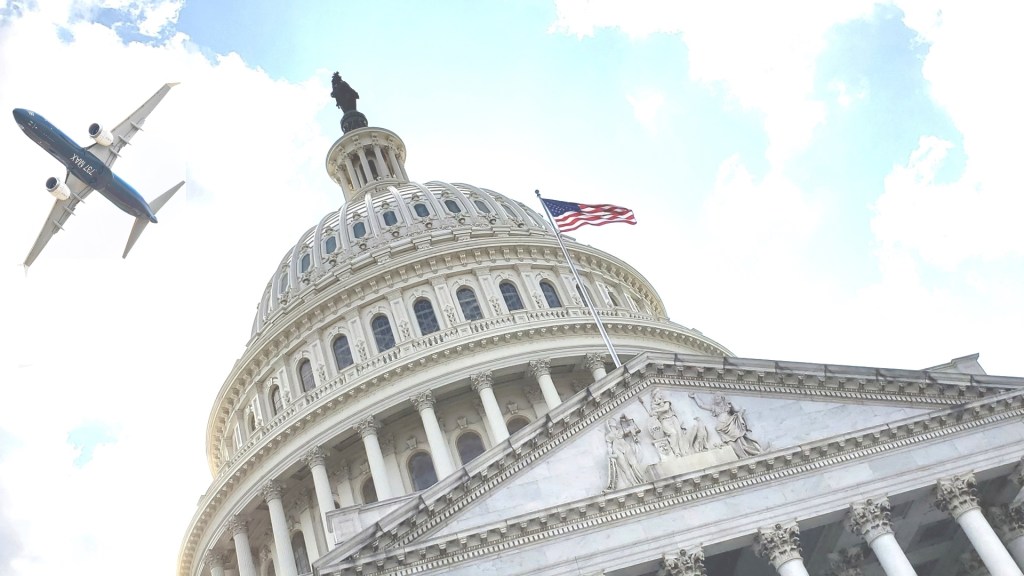
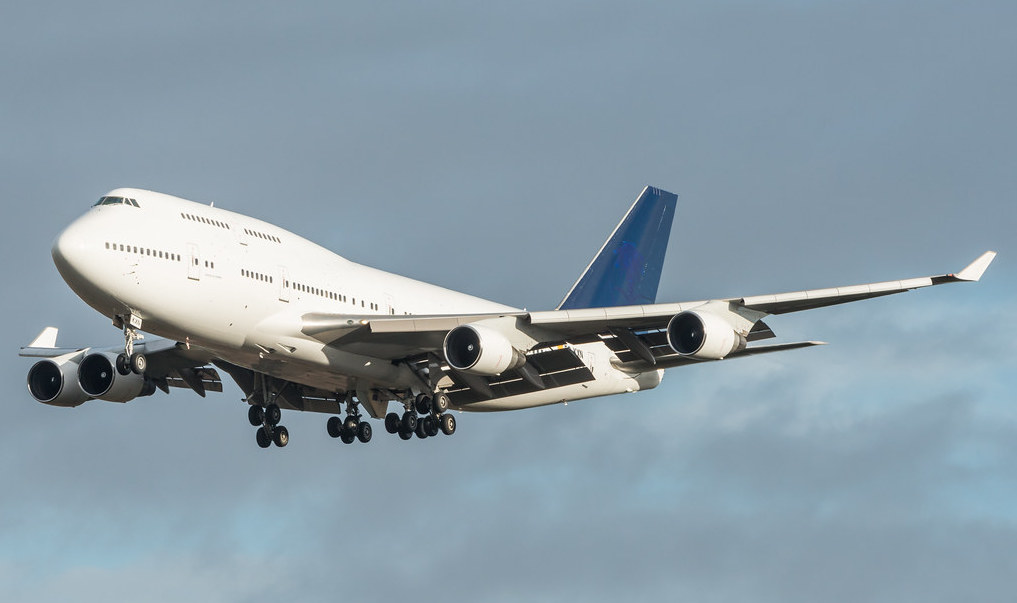
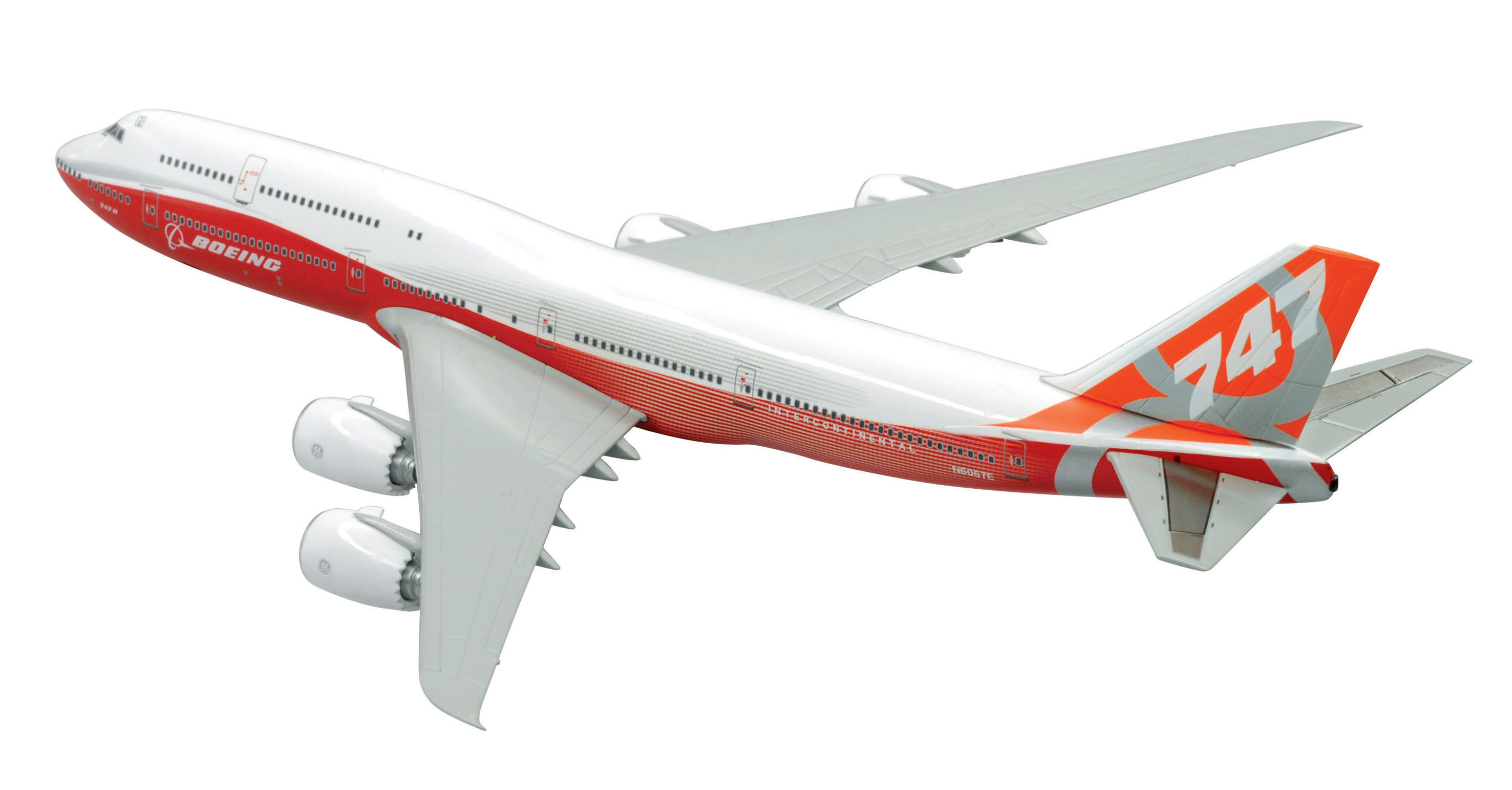
El Senado de Estados Unidos podría cancelar la fecha límite para la homologación homogénea de la línea Boeing 737 MAX que obligaría al constructor The Boeing Company a certificar con dos tipos de certificaciones. El constructor americano podría recibir ser una buena noticia cuando la Senadora estadounidense Maria Cantwell distribuyó el Martes 29/11 un Proyecto de Ley que despejaría el camino para que los dos últimos modelos Boeing 737-7 MAX y Boeing 737-10 MAX entren en servicio sin cambios en el avión ensamblado en Renton (WA).
La Enmienda Legislativa eliminaría la fecha límite en una ley formulada en 2020 que amenaza con obligar a Boeing a realizar cambios sustanciales en los Sistemas de Alerta de la Tripulación en los modelos MAX 7 y MAX 10 para obtener la certificación para transportar pasajeros. La Senadora Maria Cantwell dijo que su enmienda, si bien permite que el MAX 7 y el MAX 10 avancen, también incluye condiciones que requerirían que todas las aerolíneas actualicen dos mejoras de seguridad significativas en los modelos MAX 8 y MAX 9 actualmente en servicio. La enmienda no pone fecha límite para la certificación de los MAX 7 y MAX 10, y requerirá la modernización probablemente dentro de dos o tres años. El objetivo es evitar los intentos de los Republicanos de insertar Enmiendas alternativas en la Ley de Autorización de Defensa Nacional (NDAA).
El hecho de que los políticos estén luchando para obtener alguna enmienda en la prisa Legislativa de fin de año para relajar la ley señala un alivio inminente para Boeing. El MAX 7, la variante más pequeña, es crucial para los planes del mayor cliente del Boeing 737, Southwest Airlines. El MAX 10, la variante más grande, ha ganado múltiples órdenes de Alaska Airlines, Delta Air Lines, United Airlines y otros, por lo que representa un caudal importante para la cartera de pedidos de Boeing.
El Republicano de mayor rango en su Comité de Comercio del Senado, el Senador Roger Wicker por el Estado de Mississippi (MS), presentó una enmienda a la NDAA en Septiembre 2022 que habría extendido el plazo para Boeing hasta Septiembre de 2024, sin condiciones. Esa enmienda continúa activa. El Representante Peter DeFazio, Demócrata de Oregón (OR), quien actualmente preside el Comité de Transporte e Infraestructura de la Cámara de Representantes de Estados Unidos, sigue oponiéndose a cualquier cambio en la fecha límite actual, dijo el martes su portavoz Peter True. El representante Sam Graves, republicano de Missouri, quien se hará cargo de ese comité en enero, dijo en una conferencia el mes pasado que haría todo lo posible para autorizar la certificación de MAX 7 y 10.
Ansley Lacitis, Subjefe de Personal de Maria Cantwell, dijo: «Seguimos viendo que esta extensión limpia todavía estaba allí y no queríamos que nos rodaran». La medida de Maria Cantwell fue inmediatamente denunciada por los familiares de las víctimas de los dos accidentes fatales del 737 MAX que mataron a 346 personas. Queriendo obligar a Boeing a actualizar sus sistemas de manera más sustancial, han presionado fuertemente contra cualquier enmienda que cambie la ley actual. Michael Stumo, cuya hija Samya Rose Stumo murió en el accidente del vuelo 302 de Ethiopian Airlines, dijo que «las familias de accidentes de todo el mundo están molestas por esto». Dijo que los Legisladores estadounidenses aprobaron la ley en 2020 como resultado de los accidentes del MAX, pero que «su memoria se está desvaneciendo nuevamente de la sangre de las víctimas».
La Ley de Certificación, Seguridad y Responsabilidad de Aeronaves, aprobada en 2020 después de los dos accidentes del MAX, establece que todos los aviones certificados después de finales de este año 2022 deben tener Sistemas de Alerta de la Tripulación diseñados según las últimas regulaciones de seguridad, un estándar que el MAX no cumple.
La certificación del MAX 7, interrumpida por los accidentes y la prolongada puesta a tierra del MAX en todo el mundo, sea probable para el primer trimestre del próximo año (1Q2023), después de la fecha límite de Diciembre 2022. Boeing dice que el MAX 10 no será certificado hasta finales de 2023 como muy pronto, dos años y medio después de su primer vuelo de prueba.
Una enmienda del Congreso es el único alivio disponible para Boeing que le permitiría certificar el MAX 7 y MAX 10 para que puedan unirse a los MAX 8 y MAX 9 en servicio con el diseño actual de Alerta de la Tripulación sin cambios para obtener una igual homologación en toda la flota de la línea 737 MAX.
Sindicatos aeronáuticos
Los sindicatos de pilotos estadounidenses están divididos sobre la relajación de la ley para el Boeing 737 MAX. La Asociación de Pilotos Aliados (APA), que representa a los 15.000 pilotos de American Airlines y uno de los sindicatos de pilotos más grandes de los Estados Unidos, se opone a la autorización de los MAX 7 y MAX 10 y quiere que el Sistema de Alerta de la Tripulación se actualice para hacerlo más seguro. Alineándose con Boeing, la Asociación de Pilotos de Líneas Aéreas (ALPA), que representa a más de 66.000 pilotos en América del Norte, emitió un comunicado diciendo que «confiamos en la seguridad del Boeing 737 MAX«.
La Asociación de Pilotos de Southwest Airlines (SWAPA), que representa a los 10.000 pilotos de la aerolínea low cost estadounidense, el mayor cliente del MAX, con 234 de la variante MAX 7 en orden, pidió explícitamente al Congreso que otorgara a Boeing la extensión de la norma de certificación.
Próximos requisitos
Las condiciones en la disposición de Maria Cantwell requerirían que la Administración Federal de Aviación (FAA) ordene una actualización en todos los modelos MAX de dos mejoras de seguridad que Boeing desarrolló y actualmente está probando en el MAX 10, la última variante de la línea narrowbody. La primera actualización es una tercera medida del Ángulo de Ataque (AOA) de la aeronave, un punto de datos clave que alimenta a la computadora de vuelo el AOA entre el plano alar y la corriente de aire que se aproxima. El MAX tiene dos sensores físicos de Ángulo de Ataque. Esto sería una verificación cruzada virtual de esa medida calculada por la computadora de vuelo a partir de una variedad de otros sensores y entradas. El segundo requisito de actualización es un interruptor que permita al piloto silenciar un «agitador de palo» erróneo, una advertencia de pérdida que vibra vigorosamente la columna de control y es una gran distracción si se trata de una falsa alarma.
La Senadora Maria Cantwell dijo que su enmienda le dice a las aerolíneas que «tienen que hacer estas modernizaciones y Boeing tiene que pagar por ellas». Una entrada falsa de Ángulo de Ataque (AOA) y un Agitador de Palos que distraen fueron elementos contribuyentes en los dos accidentes fatales del MAX.
Como resultado, estas mejoras específicas en el MAX 10 fueron requeridas por dos reguladores extranjeros, la Agencia de Seguridad Aérea de la Unión Europea (EASA) y Transport Canada (TA), como condición para permitir que el MAX volviera al servicio en Europa y Canadá. Además, EASA dijo que esperaba que Boeing ofreciera estas mejoras como una adaptación a todos los modelos MAX anteriores. «Estas modificaciones se incorporarán en el 737-10 desde el inicio de la producción y se adaptarán en los aviones MAX en servicio», declaró la Agencia EASA en Enero de 2021 cuando permitió que el MAX volviera al servicio. Una fuente familiarizada con la posición de Boeing, que habló bajo condición de anonimato debido a la sensibilidad de las negociaciones en curso en el Congreso, dijo que la compañía acordó ofrecer estas mejoras de modernización como una opción viable en las negociaciones.
«Lo pondremos a disposición de nuestros clientes de aerolíneas. Si quieren que se adapten al resto de su flota, absolutamente», expresó Boeing como parte de un acuerdo para que el Boeing 737 MAX no pierda clientes al tener diferentes homologaciones para una misma línea de aeronaves. La enmienda de Maria Cantwell lo haría obligatorio. Requeriría que la FAA tome medidas de cumplimiento contra cualquier aerolínea estadounidense que no incorpore las modernizaciones.
Congreso & Boeing
La decisión del Congreso de Estados Unidos es enorme para Boeing. El CEO David Calhoun insinuó en Julio 2022 la cancelación del Programa MAX 10 en lugar de incurrir en el gasto de una actualización del sistema y tener que revisar el entrenamiento de pilotos para el modelo. En una conferencia en Octubre 2022, Casey Murray, Presidente del Sindicato de pilotos de Southwest, sugirió que si Boeing se ve obligado a actualizar el sistema de alerta de la tripulación en el MAX 7, Southwest no optaría por la variante MAX 7, presumiblemente debido al costo de la capacitación adicional que representaría para los pilotos. Además de Southwest, solo un par de aerolíneas se han comprometido con la variante más pequeña, con unos cincuenta aviones entre ellos. Si Southwest retrocediera, el Programa MAX 7 estaría muerto.
Boeing certificó en 2014 la primera versión del Boeing 737 MAX, convenció a la FAA de que actualizar el Sistema de Alerta de Tripulación de la década de 1960 del avión sería demasiado costoso para muy poco beneficio. Las presentaciones internas de Boeing hechas públicas durante las investigaciones del Congreso sobre los accidentes del MAX explicaron los motivos de la compañía. Revelan la preocupación de Boeing de que actualizar el sistema sería costoso, ralentizaría el cronograma de desarrollo del MAX y aumentaría los costos de capacitación de pilotos para los clientes de las aerolíneas. Aún así, cuando el Congreso aprobó la ley de 2020, se pretendía que se aplicara a todos los diseños de aviones futuros, no solamente al MAX. Los dos primeros modelos MAX, el MAX 8 y MAX 9, se encontraban certificados antes de los accidentes. Después de la puesta a tierra que duró 21 meses mientras Boeing desarrollaba arreglos extensos, la FAA volvió a certificar esos aviones para volver al servicio. El Congreso otorgó dos años de gracia antes de que la ley de 2020 entrara en vigencia en el supuesto de que el MAX 7 y el MAX 10 también estarían certificados como seguros para volar para entonces. Eso resultó falso. Esto se debe en parte a que la pandemia de COVID-19 ralentizó los planes de certificación de Boeing. Más allá de eso, la legislación de 2020 también hizo que el proceso de la FAA para certificar un avión fuera mucho más estricto y lento. Ahora se requiere que Boeing pruebe más a fondo cómo una Tripulación de Vuelo podría responder a cada mal funcionamiento de los sistemas del avión. Eso, junto con la supervisión más rigurosa de la FAA, alargó considerablemente el proceso de certificación.
Actualmente, los modelos MAX 8 y MAX 9 están volando en servicio de pasajeros en Estados Unidos y el mundo. Desde que se levantó la puesta a tierra, han volado con seguridad más de 1 millón de vuelos. La fuente familiarizada con la posición de Boeing dijo que en cada uno de los cinco accidentes fatales de aviones 737 donde el fabricante de aviones ha reconocido que alguna falla del Sistema de Alerta de la Tripulación fue un factor, ha introducido actualizaciones del sistema para abordar las fallas específicas.
Boeing ha expresado la benevolencia del producto 737: «El avión ya ha demostrado a través de las décadas ser un producto seguro en un variado grupo demográfico de pilotos. El gran volumen de vuelos donde no hubo accidentes y no hubo problemas significa algo». Las estadísticas de Boeing muestran que históricamente el avión 737 Next Generation ha sufrido menos de un accidente fatal por cada 10 millones de vuelos. The Boeing Company se negó a comentar sobre el cambio legislativo propuesto por Maria Cantwell, como así tambien del organismo fiscal de la Agencia de la FAA.
FAA would clear amendment 737 MAX
Senate would cancel differential certification deadline for 737 MAX
The United States Senate could cancel the deadline for the homogeneous approval of the Boeing 737 MAX line, which would force the builder The Boeing Company to certify with two types of certifications. The American manufacturer could receive good news when US Senator Maria Cantwell distributed a Bill on Tuesday 11/29 that would clear the way for the last two Boeing 737-7 MAX and Boeing 737-10 MAX models to enter service without changes to the aircraft assembled in Renton (WA).
The Legislative Amendment would remove the deadline on a law enacted in 2020 that threatens to force Boeing to make substantial changes to the Crew Alert Systems on the MAX 7 and MAX 10 models to become certified to carry passengers. Senator Maria Cantwell said her amendment, while allowing the MAX 7 and MAX 10 to move forward, also includes conditions that would require all airlines to update two significant safety enhancements to the MAX 8 and MAX 9 models currently in service. The amendment does not set a deadline for certification of the MAX 7 and MAX 10, and will require modernization likely within two to three years. The goal is to prevent attempts by Republicans to insert Alternative Amendments into the National Defense Authorization Act (NDAA).
The fact that politicians are fighting to get any amendments in the year-end Legislative rush to relax the law signals imminent relief for Boeing. The MAX 7, the smallest variant, is crucial to the plans of Boeing’s biggest 737 customer, Southwest Airlines. The MAX 10, the largest variant, has won multiple orders from Alaska Airlines, Delta Air Lines, United Airlines and others, representing a significant asset to Boeing’s order book.
The ranking Republican on his Senate Commerce Committee, Mississippi (MS) Senator Roger Wicker, introduced an amendment to the NDAA in September 2022 that would have extended Boeing’s deadline to September 2024, with no strings attached. That amendment is still active. Rep. Peter DeFazio, D-Oregon (OR), who currently chairs the US House Committee on Transportation and Infrastructure, continues to oppose any changes to the current deadline, his spokesman Peter True said Tuesday. Rep. Sam Graves, a Missouri Republican, who will take over that committee in January, told a conference last month that he would do everything possible to authorize certification of MAX 7 and 10.
Ansley Lacitis, Maria Cantwell’s Deputy Chief of Staff, said: «We kept seeing that this clean extension was still there and we didn’t want to get shot». Maria Cantwell’s move was immediately denounced by relatives of the victims of the two fatal 737 MAX crashes that killed 346 people. Wanting to force Boeing to upgrade its systems more substantially, they have lobbied heavily against any amendments that would change the current law. Michael Stumo, whose daughter Samya Rose Stumo died in the crash of Ethiopian Airlines Flight 302, said «accident families around the world are upset by this». He said US lawmakers passed the law in 2020 as a result of the MAX accidents, but «its memory is fading again in the blood of the victims».
The Aircraft Certification, Safety and Liability Act, passed in 2020 after the two MAX accidents, states that all aircraft certified after the end of this year 2022 must have Crew Alert Systems designed to the latest safety regulations, a standard that the MAX does not meet.
The certification of the MAX 7, interrupted by the accidents and the prolonged grounding of the MAX around the world, is likely by the first quarter of next year (1Q2023), after the deadline of December 2022. Boeing says that the MAX 10 will not be certified until late 2023 at the earliest, two and a half years after its first test flight.
A congressional amendment is the only relief available to Boeing that would allow it to certify the MAX 7 and MAX 10 so they can join the MAX 8 and MAX 9 in service with the current Crew Alert design unchanged for equal certification. across the entire fleet of the 737 MAX line.
Aviation unions
American pilot unions are divided on relaxing the law for the Boeing 737 MAX. The Allied Pilots Association (APA), which represents American Airlines’ 15,000 pilots and one of the largest pilot unions in the United States, opposes authorization of the MAX 7 and MAX 10 and wants the Aircraft System to Crew Alert is updated to make it safer. Aligning with Boeing, the Air Line Pilots Association (ALPA), which represents more than 66,000 pilots in North America, issued a statement saying that «we are confident in the safety of the Boeing 737 MAX».
The Southwest Airlines Pilots Association (SWAPA), which represents the 10,000 pilots of the US low-cost airline, the largest MAX customer, with 234 of the MAX 7 variant on order, explicitly asked Congress to grant Boeing the extension. of the certification standard.
Upcoming requirements
The conditions in the Maria Cantwell disposition would require the Federal Aviation Administration (FAA) to order an update on all MAX models of two safety enhancements that Boeing developed and is currently testing on the MAX 10, the latest variant of the narrowbody line. The first update is a third measurement of the aircraft’s Angle of Attack (AOA), a key data point that feeds the flight computer the AOA between the wingplane and the oncoming airstream. The MAX has two physical Angle of Attack sensors. This would be a virtual cross check of that measurement calculated by the flight computer from a variety of other sensors and inputs. The second upgrade requirement is a switch that allows the pilot to silence an erroneous «Stick Shaker», a stall warning that vibrates the control column vigorously and is a major distraction if it’s a false alarm.
Senator Maria Cantwell said her amendment tells airlines that they «have to do these upgrades and Boeing has to pay for them». A false Angle of Attack (AOA) input and a distracting Stick Shaker were contributing elements in the two fatal MAX crashes.
As a result, these specific improvements to the MAX 10 were required by two foreign regulators, the European Union Aviation Safety Agency (EASA) and Transport Canada (TA), as a condition of allowing the MAX to return to service in Europe and Canada. Additionally, EASA said that it expected Boeing to offer these enhancements as a retrofit to all previous MAX models. «These modifications will be incorporated into the 737-10 from the start of production and will be adapted to MAX aircraft in service», the EASA Agency stated in January 2021 when it allowed the MAX to return to service. A source familiar with Boeing’s position, who spoke on condition of anonymity due to the sensitivity of the ongoing negotiations in Congress, said the company has agreed to offer these modernization upgrades as a viable option in negotiations.
«We will make it available to our airline customers. If they want them to adapt to the rest of their fleet, absolutely», Boeing said as part of an agreement so that the Boeing 737 MAX does not lose customers by having different approvals for the same aircraft line. Maria Cantwell’s amendment would make it mandatory. It would require the FAA to take enforcement action against any US airline that fails to incorporate the upgrades.
Congress & Boeing
The decision by the US Congress is huge for Boeing. CEO David Calhoun hinted at the cancellation of the MAX 10 Program in July 2022 rather than incur the expense of a system upgrade and having to revise pilot training for the model. At a conference in October 2022, Casey Murray, President of the Southwest Pilots Union, suggested that if Boeing is forced to upgrade the crew alert system on the MAX 7, Southwest would not go with the MAX 7 variant, presumably because at the cost of the additional training it would represent for the pilots. Other than Southwest, only a couple of airlines have committed to the smaller variant, with about fifty aircraft between them. If Southwest were to back down, the MAX 7 Program would be dead.
Boeing certified the first version of the Boeing 737 MAX in 2014, convinced the FAA that upgrading the plane’s 1960s-era Crew Alert System would be too expensive for too little benefit. Internal Boeing filings made public during congressional investigations into the MAX accidents explained the company’s motives. They reveal Boeing’s concern that upgrading the system would be costly, slow down the MAX’s development timeline and increase pilot training costs for airline customers. Still, when Congress passed the 2020 law, it was intended to apply to all future aircraft designs, not just the MAX. The first two MAX models, the MAX 8 and MAX 9, were certified before the accidents. After the 21-month grounding while Boeing developed extensive fixes, the FAA re-certified those planes for return to service. Congress granted a two-year grace before the 2020 law took effect on the assumption that the MAX 7 and MAX 10 would also be certified safe to fly by then. That turned out to be false. This is partly because the COVID-19 pandemic slowed down Boeing’s certification plans. Beyond that, the 2020 legislation also made the FAA’s process for certifying an aircraft much stricter and slower. Boeing is now required to further test how a Flight Crew might respond to each malfunction of the plane’s systems. That, along with more rigorous oversight by the FAA, significantly lengthened the certification process.
Currently, the MAX 8 and MAX 9 models are flying in passenger service in the United States and around the world. Since the grounding was lifted, more than 1 million flights have been flown safely. The source familiar with Boeing’s position said that in each of the five fatal 737 crashes where the planemaker has acknowledged that some Crew Alert System failure was a factor, it has introduced system updates to address the concerns. specific faults.
Boeing has expressed the benevolence of the 737 product: «The airplane has already proven over the decades to be a safe product in a diverse demographic of pilots. The high volume of flights where there were no accidents and no problems means something». Boeing statistics show that historically the 737 Next Generation aircraft has suffered less than one fatal accident per 10 million flights. The Boeing Company declined to comment on the legislative change proposed by Maria Cantwell, as well as the agency’s fiscal body, the FAA.
PUBLISHER: Airgways.com DBk: Senate.gov / Faa.gov / Easa.europa.eu / Alpa.org / Swapa.org / Alliedpilots.org / Airgways.com AW-POST: 202212010157AR OWNERSHIP: Airgways Inc. A\W A I R G W A Y S ®
Trabajadores de Flybondi persiguen personería sindical
La Asociación Sindical de Trabajadores Aeronáuticos de Flybondi (ASTAF) ha comunicado que continúa avanzando la institución gremial en Argentina. La Comisión Directiva de la Asociación Sindical ASTAF ha informado que se encuentra tramitando la personería gremial ante el Ministerio de Trabajo de la Nación, luego de alcanzar el ciento por ciento de los trabajadores afiliados al gremio aeronáutico. Sostuvieron que «la unidad del sindicato está más firme que nunca lo que permite fortalecer el compromiso en defensa de nuestras fuentes laborales y frente a los constantes e ininterrumpidos intentos de destrucción de parte de los gremios tradicionales aeronáuticos”.
La ASTAF había solicitado una audiencia al Ministerio de Trabajo para poder expresar su “preocupación por todas las acciones que están realizando los sindicatos tradicionales contra los trabajadores de las low cost”. El convenio colectivo permitirá el robustecimiento institucional del sindicato a la vez que informó que «fue nuestro esfuerzo el que ha permitido transitar y salir de la crisis Covid-19, para no sólo evitar el cierre de Flybondi, sino para hacerla crecer, al punto de llegar a duplicar la cantidad de aviones y que hoy seamos el doble de trabajadores que en la prepandemia».
El comunicado de aSTAF describe las dificultades por las que atravesaron los empleados de Flybondi inmersos en la crisis sanitaria y la supresión de los viajes aéreos: “Fue nuestro esfuerzo el que ha permitido transitar y salir de la crisis Covid-19, para no sólo evitar el cierre de Flybondi, sino para hacerla crecer, al punto de llegar a duplicar la cantidad de aviones y que hoy seamos el doble de trabajadores que en la prepandemia y gocemos de los beneficios de nuestro propio Convenio. Nnunca nos representaron, nunca nos defendieron y lo único que impulsaron fue nuestra destrucción».
LEl gremio ha enfatizado el continuo plan de lucha para conservar las fuentes laborales y la reapertura del Aeropuerto El Palomar/EPA en defensa de los puestos laborales. El comunicado expresa al respecto: “Compañeros, la historia nos indica que los gremios aeronáuticos tradicionales avanzaron contra toda empresa aerocomercial en la argentina y, si no las destruyeron antes de nacer las parasitaron para engrosar sus arcas y luego les impusieron Convenios Colectivos con los que le fijaron sentencia de muerte como Ex-LATAM, Ex-Andes, Ex-Avian, Ex-SW, Ex-DINAR, Ex-Aerovip, Ex-LAPA, entre otras. Sabemos que sólo representan y defienden a Aerolíneas Argentinas y sus trabajadores, y que al mismo tiempo que trabajan en destruir a la competencia, intentan llegar a nuestros afiliados engañosamente prometiendo espejitos de colores”.
El gremio aeronáutico ASTAF continuará sosteniendo que nadie debe perder las fuentes laborales que con tanta pasión nos unen en medio de una situación económica desfavorable, el sindicato de trabajadores de la ASTAF continuará bregando por los intereses aeronáuticos de los empleados de Flybondi y de la aviación comercial argentina.
Flybondi employees seek legal status
Flybondi workers pursue union status
The Flybondi Aeronautical Workers Union Association (ASTAF) has communicated that the union institution in Argentina continues to advance. The Board of Directors of the ASTAF Trade Union Association has reported that it is processing the union’s legal status before the Ministry of Labor of the Nation, after reaching one hundred percent of the workers affiliated with the aeronautical union. They maintained that «the unity of the union is firmer than ever, which allows us to strengthen the commitment in defense of our labor sources and in the face of the constant and uninterrupted attempts to destroy them by the traditional aeronautical unions».
ASTAF had requested a hearing from the Ministry of Labor in order to express its «concern over all the actions that traditional unions are carrying out against low-cost workers». The collective agreement will allow the institutional strengthening of the union while informing that «it was our effort that has allowed us to transition and get out of the Covid-19 crisis, to not only avoid the closure of Flybondi, but to make it grow, to the point of to double the number of planes and that today we are twice as workers as in the pre-pandemic».
The aSTAF statement describes the difficulties experienced by Flybondi employees immersed in the health crisis and the suppression of air travel: «It was our effort that has allowed us to transit and get out of the Covid-19 crisis, not only to avoid the closure of Flybondi, but to make it grow, to the point of doubling the number of planes and that today we are twice as many workers as in the pre-pandemic and we enjoy the benefits of our own Agreement. They never represented us, they never defended us and the only thing they promoted was our destruction».
The union has emphasized the continuous plan of struggle to preserve job sources and the reopening of El Palomar Airport/EPA in defense of jobs. The communiqué expresses in this regard: “Comrades, history tells us that the traditional aeronautical unions advanced against all commercial aviation companies in Argentina and, if they did not destroy them before they were born, they parasitized them to swell their coffers and then imposed Collective Agreements with which They set a death sentence for him as Ex-LATAM, Ex-Andes, Ex-Avian, Ex-SW, Ex-DINAR, Ex-Aerovip, Ex-LAPA, among others. We know that they only represent and defend Aerolíneas Argentinas and its workers, and that at the same time that they work to destroy the competition, they deceitfully try to reach our affiliates by promising colored mirrors”.
The ASTAF aeronautical union will continue to maintain that no one should lose the labor sources that unite us with so much passion in the midst of an unfavorable economic situation, the ASTAF workers’ union will continue to fight for the aeronautical interests of Flybondi employees and commercial aviation Argentina.
PUBLISHER: Airgways.com DBk: Twitter.com/tflybondi / Airgways.com AW-POST: 202211291155AR OWNERSHIP: Airgways Inc. A\W A I R G W A Y S ®