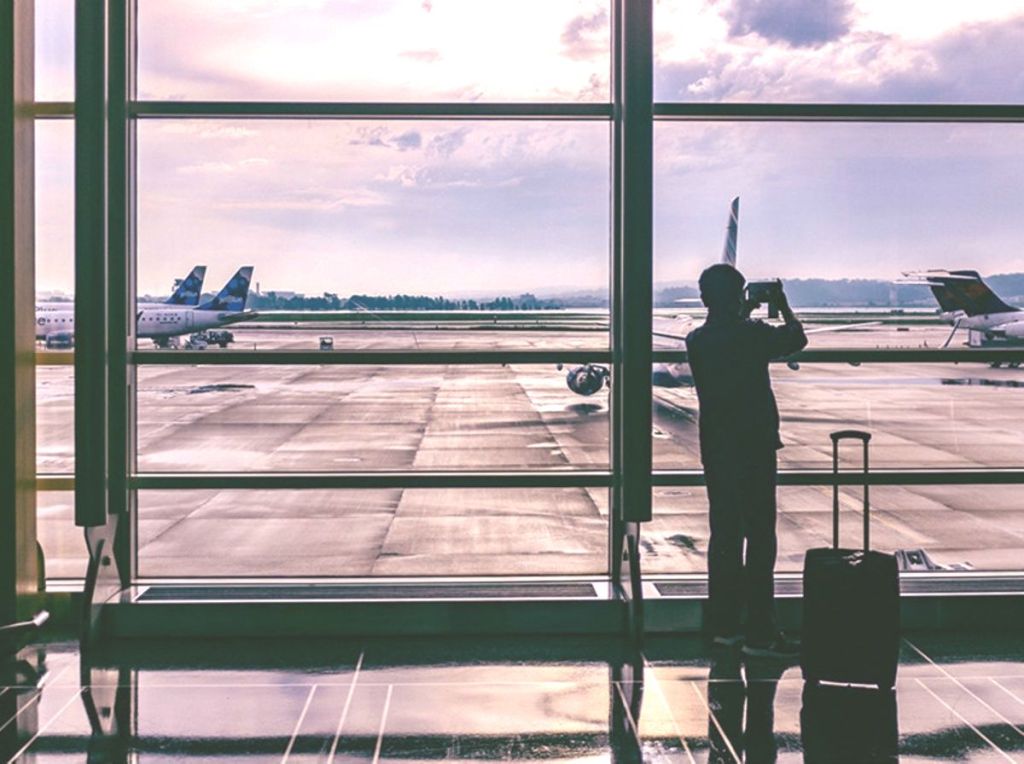
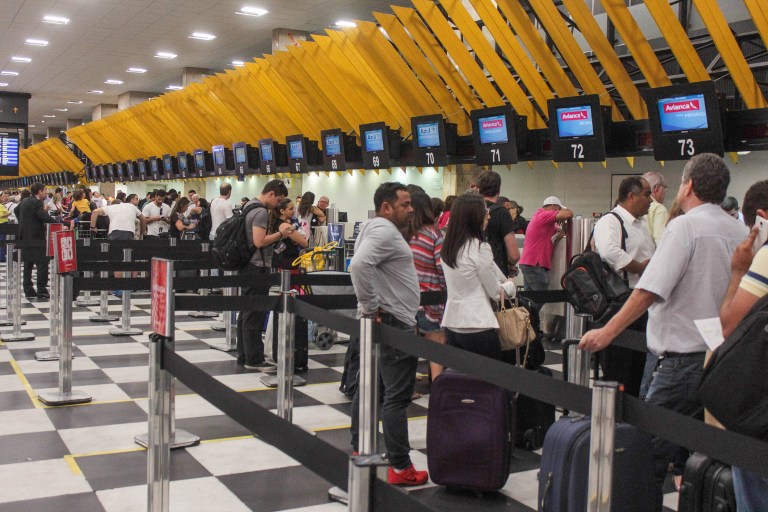
La Administración de Seguridad de Transporte (TSA) de los Estados Unidos anunció El 14 de Septiembre de 2022 que cuatro aerolíneas internacionales se unirían al programa PreCheck de la TSA. Las aerolíneas incluyen Flair Airlines, Air Europa, Volaris Airlines El Salvador e ITA Airways. Los pasajeros a bordo de estas aerolíneas que salen de los Estados Unidos ahora pueden omitir las largas filas en los puntos de control de seguridad. Los pasajeros que viajan desde los Estados Unidos en aerolíneas extranjeras seleccionadas ahora pueden saltarse la fila a la seguridad utilizando el programa PreCheck de la TSA.
Las cuatro nuevas aerolíneas incorporadas al programa TSA PreCheck son Volaris Airlines El Salvador (El Salvador), Flair Airlines (Canadá), ITA Airways (Italia) y Air Europa (España). Las aerolíneas esperan que la nueva oferta de pase rápido a través de la seguridad ofrezca una ventaja competitiva en sus respectivos mercados.
El TSA PreCheck permite a los pasajeros saltarse largas colas y llegar directamente al frente del punto de control de seguridad. TSA PreCheck está disponible para pasajeros que salen de aeropuertos estadounidenses en vuelos nacionales, además de vuelos internacionales. Los pasajeros que viajan desde Nassau, Bahamas, a los Estados Unidos también tienen esta oportunidad. Los pasajeros que regresan a los Estados Unidos pueden utilizar el servicio antes de abordar un vuelo nacional de conexión, pero el servicio solo está disponible para ciudadanos estadounidenses, residentes permanentes legales de los Estados Unidos y ciudadanos estadounidenses.
Los pasajeros deben solicitar una membresía PreCheck antes de pasar por seguridad para ser elegibles. Los solicitantes deben someterse a una verificación exhaustiva de antecedentes y ser considerados de bajo riesgo antes de recibir una membresía. La membresía otorga a los pasajeros un uso ilimitado en los más de 200 aeropuertos participantes durante un período de cinco años. Los miembros encontrarán una de las siguientes etiquetas en su tarjeta de embarque que indica que son elegibles para PreCheck: TSA-PRECHK, TSA PRE o TSA Pre✓®. La cuota de membresía es de US$ 85 por cinco años. Los pasajeros pueden renovar sus membresías seis meses antes del vencimiento por US$ 70. Los nuevos solicitantes reciben un Número de Viajero Conocido (KTN) que les permite utilizar los servicios de PreCheck. Los niños menores de 12 años pueden someterse a la evaluación PreCheck con un adulto con una KTN válida. Los miembros de las Fuerzas Armadas de los Estados Unidos son elegibles para que se les otorgue la membresía sin costo alguno. Los pasajeros que también son miembros de otros Programas de Viajeros de Confianza del DHS ya pueden calificar para PreCheck sin obtener otra membresía. Las membresías incluidas son NEXUS, Global Entry y SENTRL.
El tráfico de utilidad del PreCheck ha permitido un desarrollo en Agosto 2022, el 95% de todos los pasajeros que pasaron por TSA PreCheck esperaron menos de cinco minutos en la fila antes de comenzar el proceso de seguridad, lo que representa uno de los meses de viajes aéreos más concurridos de la historia. La oferta única acelera el proceso de seguridad de para los usuarios del transporte y el sistema aeroportuario.
PreCheck incorporates 4 airlines
TSA PreCheck welcomes 4 new international airlines
The United States Transportation Security Administration (TSA) announced on September 14, 2022 that four international airlines would join the TSA PreCheck program. Airlines include Flair Airlines, Air Europa, Volaris Airlines El Salvador and ITA Airways. Passengers aboard these airlines departing from the United States can now skip the long lines at security checkpoints. Passengers traveling from the United States on select foreign airlines can now skip the line to security using TSA’s PreCheck program.
The four new airlines incorporated into the TSA PreCheck program are Volaris Airlines El Salvador (El Salvador), Flair Airlines (Canada), ITA Airways (Italy) and Air Europa (Spain). The airlines hope that the new fast pass through security offering will provide a competitive advantage in their respective markets.
TSA PreCheck allows passengers to skip long lines and arrive directly in front of the security checkpoint. TSA PreCheck is available to passengers departing from US airports on domestic flights, in addition to international flights. Passengers traveling from Nassau, Bahamas, to the United States also have this opportunity. Passengers returning to the United States may use the service before boarding a connecting domestic flight, but the service is only available to United States citizens, lawful permanent residents of the United States, and United States citizens.
Riders must apply for a PreCheck membership prior to going through security to be eligible. Applicants must undergo a thorough background check and be considered low risk prior to receiving a membership. Membership grants passengers unlimited use at more than 200 participating airports for a period of five years. Members will find one of the following labels on their boarding pass indicating that they are eligible for PreCheck: TSAPRECHK, TSA PRE, or TSA Pre✓®. The membership fee is US$ 85 for five years. Passengers can renew their memberships six months before expiration for US$ 70. New applicants receive a Known Traveler Number (KTN) that allows them to use PreCheck services. Children under the age of 12 can undergo PreCheck screening with an adult with a valid KTN. Members of the United States Armed Forces are eligible for membership at no cost. Passengers who are also members of other DHS Trusted Traveler Programs may already qualify for PreCheck without obtaining another membership. Memberships included are NEXUS, Global Entry and SENTRL.
PreCheck utility traffic has allowed a development in August 2022, 95% of all passengers who went through TSA PreCheck waited less than five minutes in line before beginning the security process, which represents one of the months of busiest air travel in history. The unique offer speeds up the security process for transport users and the airport system.
PUBLISHER: Airgways.com DBk: Tsa.gov / Airgways.com AW-POST: 202209151443AR OWNERSHIP: Airgways Inc. A\W A I R G W A Y S ®
AW | 2022 09 10 23:50 | INDUSTRY / AVIATION SAFETY / AVIATION ORGANISMS
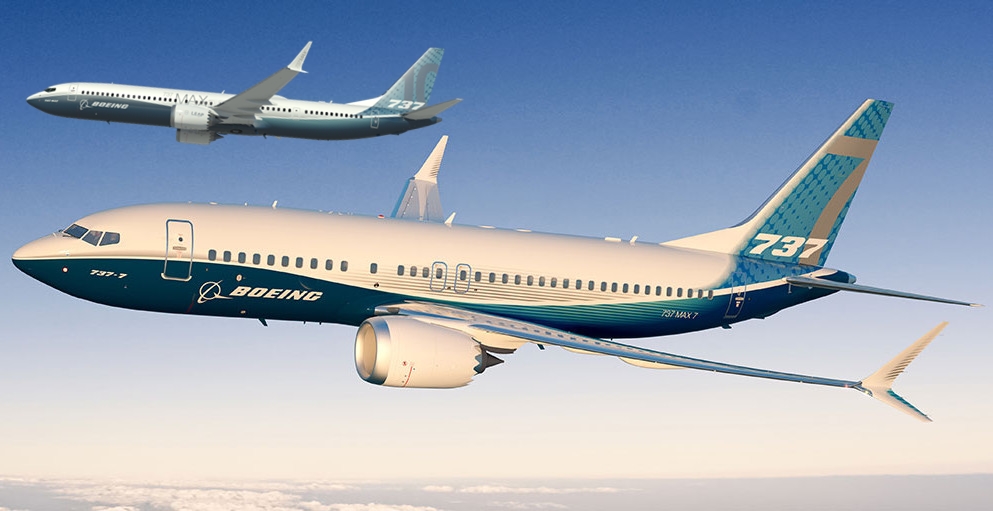
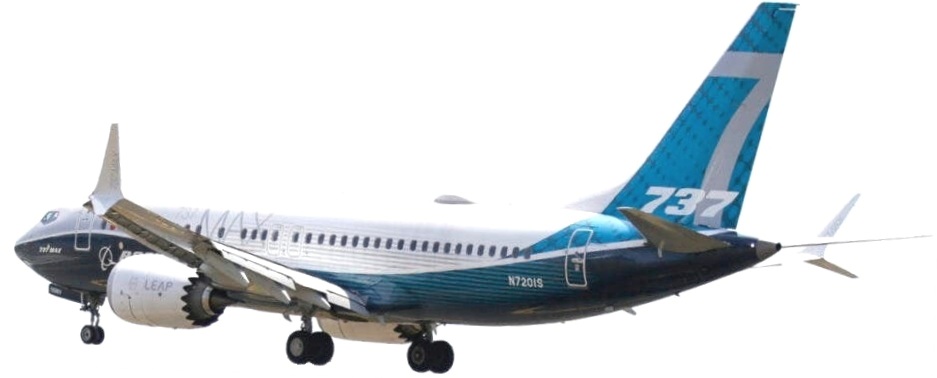
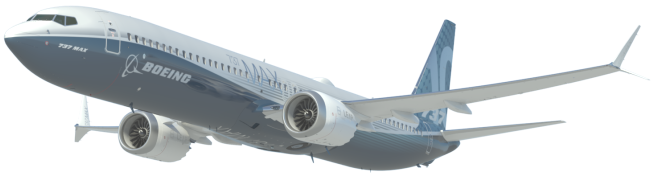
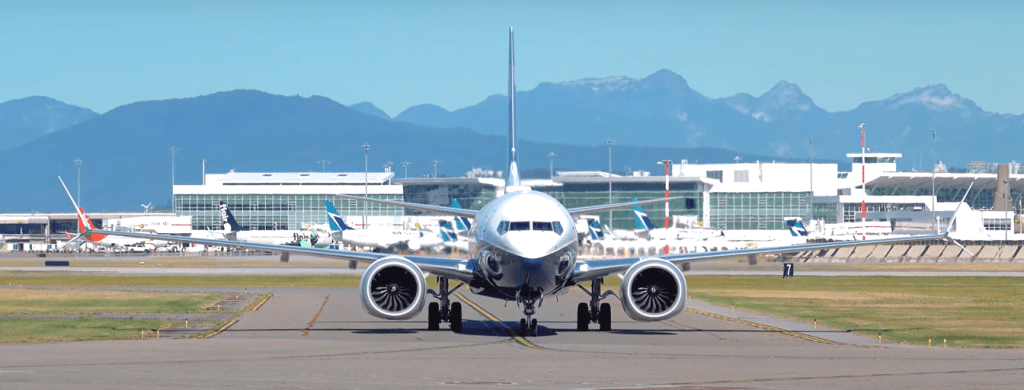
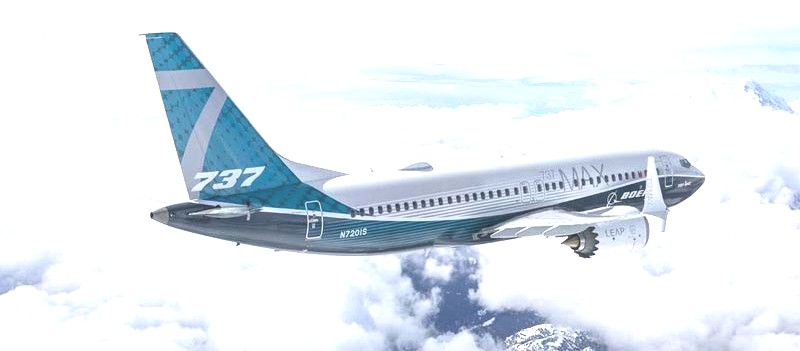
FAA refuerza supervisión diseño 737 MAX
La Administración Federal de Aviación (FAA) finaliza el cambio de reglas de seguridad buscado después de que los accidentes aéreos que involucraron a aeronaves Boeing 737 MAX. Empleados en The Boeing Company y otros fabricantes recibirán nuevas protecciones contra la interferencia de la compañía a medida que los reguladores federales continúen reforzando la supervisión del desarrollo de aeronaves. Las últimas reglas se aplican a los ingenieros que son delegados por la Administración Federal de Aviación para revisar la seguridad de los diseños de aeronaves. Cualquier preocupación que planteen sobre una posible interferencia debe ser investigada e informada a la agencia bajo una orden establecida el Miércoles 07/09. Esos empleados también podrán comunicarse directamente con la FAA en cualquier momento.
La nueva medida es el último paso de la agencia de la FAA para controlar a los fabricantes después de que los accidentes aéreos en 2018 y 2019 de los vuelos JT-610 de Lion Air y ET-302 de Ethiopian Airlines que pusieron de relieve la práctica de larga data de permitir que los fabricantes de aviones utilicen a sus propios empleados para actuar en nombre del Gobierno para supervisar el desarrollo de aviones.
La FAA no tiene suficiente personal para supervisar el complejo diseño de las aeronaves modernas, por lo que se basa en un programa llamado Autorización de Designación de Organización (AOD) para complementar sus recursos. Las empresas que participan en el programa luego designan a sus propios empleados para llevar a cabo el trabajo en nombre del Gobierno. El acuerdo aumenta la experiencia técnica del gobierno, pero crea el riesgo de que los empleados sean presionados para servir a los intereses de la compañía en lugar de los del público. Algunos trabajadores de Boeing habían recibido una presión indebida, aunque la compañía dice que está mejorando. Como parte de las mejoras se requerirán prácticas de encuestas anónimas para detectar conflictos de intereses y que los empleados de la compañía y los funcionarios del gobierno sean libres de comunicarse directamente. La FAA también está estableciendo un panel para revisar las prácticas de seguridad en las empresas con programas de AOD, dijo la agencia. El panel, requerido por el Congreso estadounidense, estará compuesto por expertos de NASA, FAA, sindicatos, expertos independientes en ingeniería y otros.
«Boeing apoya plenamente los esfuerzos para mejorar la transparencia y la independencia en el programa de AOD. Hemos trabajado y continuaremos trabajando con la FAA para garantizar que los miembros de nuestra unidad de AOD puedan desempeñar sus funciones vitales sin interferencias a través de una comunicación abierta y un entorno de apoyo», dijo la compañía en un comunicado.
Pedido de cambios
Robert A. Clifford, el abogado principal en un caso de la corte federal contra Boeing que representa a las familias de las víctimas del segundo accidente del MAX, dijo que los miembros de la familia habían pedido durante mucho tiempo tales cambios. «Promueve la seguridad de la aviación, por lo que debemos abrazar y aplaudir este paso tan esperado por la FAA», dijo Robert Clifford. El sistema había cambiado durante muchos años y una revisión del Comité de Transporte de la Cámara de Representantes de los accidentes concluyó que una «disminución en la calidad del producto y la cultura de seguridad en Boeing descrita anteriormente coincidió con la evolución en la estructura de supervisión de la FAA de la industria de la aviación».
A fines de 2020, cuando el Boeing 737 MAX estaba siendo reintroducido en las flotas de aerolíneas globales después de cambios de diseño y otra revisión de seguridad por parte de la FAA, el Congreso aprobó una revisión de las leyes de seguridad de los aviones que requieren una supervisión más fuerte por parte del gobierno. El organismo de control interno del Departamento de Transporte (DOT) también recomendó cambios. En los años transcurridos desde entonces, la agencia ha realizado cambios que incluyen la aprobación de empleados individuales asignados a las unidades de seguridad de las empresas. La FAA también ha asumido la responsabilidad más directa de revisar los aviones fabricados por Boeing, incluido el 787 Dreamliner, que ha estado plagado de problemas de control de calidad.
Las denuncias de injerencia han seguido apareciendo. En Agosto de 2021, la FAA dijo que estaba abriendo una revisión en Boeing después de que los empleados describieran haber enfrentado conflictos de intereses.
Perspectivas
El nuevo conjunto de reglas está diseñado para garantizar la independencia de los empleados corporativos asignados a trabajar en nombre del Gobierno. Las reglas consagran un cambio en la relación entre Boeing y los reguladores, que el Congreso y expertos independientes pidieron después de los accidentes del 737 MAX en 2018 y 2019. Las reglas en una nueva orden tienen como objetivo garantizar que las empresas no ejerzan tal presión y que se investiguen los casos sospechosos de interferencia. «Garantizar un entorno libre de interferencias es fundamental para la confianza que la FAA deposita en cada titular de AOD», dice la orden. Mucho antes de los desastres del 737 MAX, Boeing tenía un historial de no solucionar los problemas de seguridad aeronáutica.
El sistema OAD fue objeto de escrutinio después de los accidentes del 737 MAX, donde fallecieron a 346 personas y sacudieron la confianza tanto en la FAA como del constructor aeronáutico americano Boeing. Las investigaciones encontraron que en ambos casos, una falla en un sistema automatizado fue una razón clave para que los aviones se hundieran en inmersiones fatales, y que la falla no había sido detectada por las revisiones de seguridad cuando se diseñaron los aviones. Las reglas emitidas el Miércoles 07/09 detallan que la interferencia puede incluir represalias obvias por informar sobre problemas de seguridad, pero también dar a los empleados responsabilidades adicionales que se interponen en el camino del trabajo en nombre del público.
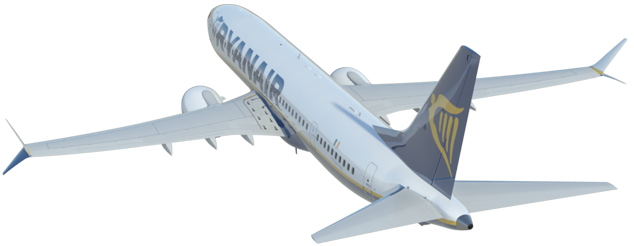
Ryanair dudas 737 MAX
El CEO Michael O’Leary de la aerolínea Ryanair planteó más dudas el Miércoles 07/09 sobre las capacidades del constructor Boeing para cumplir con un pedido de sus aviones 737 MAX a tiempo y se reunirá con el fabricante de aviones en Seattle (WA) este mes para discutir problemas de línea de producción. Ryanair, un importante cliente de Boeing, ha pedido 210 del modelo más eficiente en combustible y había recibido 73 en Junio 2022. Michel O’Leary dijo que otros 51 de los aviones Boeing 737-8 MAX configurados para 197 asientos debían presentarse a fines de Abril 2022, incluidos 21 a fines de este año.
«Nos preocupa que Boeing no cumpla con esas entregas. Están llegando tarde en este momento, hay problemas con la producción en Seattle y queremos entender esos problemas. Dicen que pueden. Dudamos de su capacidad de cumplimiento. Se suponía que íbamos a conseguir 21 aviones este lado de la Navidad. Ahora están murmurando que podría ser 17, podría ser 15. Es difícil obtener detalles de Boeing», expresó el directivo de una de las más importante aerolíneas low cost de Europa.
Un portavoz de Boeing dijo que el fabricante de aviones valoró su asociación con Ryanair y está comprometido a apoyar a la aerolínea a pesar de la falta de compromiso del fabricante de aviones comerciales. Michael O’Leary dijo que Ryanair había acordado durante las conversaciones con Boeing la semana pasada ir a Seattle para establecer cuándo recibiría los 51 aviones, que dijo que eran necesarios para garantizar un crecimiento continuo el próximo año. La aerolínea irlandesa voló un número récord de pasajeros por cuarto mes consecutivo en Agosto 2022, mientras consolidó su posición como la aerolínea más grande de Europa por número de pasajeros transportados.
Certificación MAX 7
The Boeing Company continúa trabajando de manera transparente con la FAA para proporcionar la información que necesitan sobre el programa MAX 10, enfatiza la compañía americana, mientras espera que el programa Boeing 737-7 MAX sea certificado antes que el 737-10 MAX. La certificación del programa del avión de fuselaje estrecho más grande podría arrastrarse hasta la primera mitad de 2023, esto está generando preguntas sobre la fecha límite de 2022 ordenada por el Congreso de los Estados Unidos.
A principios de Septiembre 2022, el especialista en Marketing de Productos de Boeing Commercial Airplanes, John Dyson, dijo a los periodistas que el MAX 7 sería el primer programa en ser certificado. Estos comentarios se alinean con lo que la compañía ve que el MAX 7 tubo su primer vuelo en 2018 y completó su programa de pruebas de vuelo en 2021, mientras que el primer vuelo para el programa MAX 10 tuvo lugar en Junio 2021, por eso naturalmente el MAX 7 debe certificarse primero.
Boeing continúa trabajando con la Administración Federal de Aviación para cumplir con todos los requisitos reglamentarios para la certificación de tipo antes de su entrada en servicio programada en 2023.
El 737-7 MAX, el miembro más pequeño de la familia 737 MAX ha recibido 286 pedidos en todo el mundo. Southwest Airlines es el cliente más grande con más de 230 pedidos. Otras aerolínea como la canadiense WestJet y más recientemente Allegiant Air han colocado órdenes por el MAX 7.
Programa MAX 10
La certificación del Boeing 737-10 MAX se ha convertido en un verdadero escollo para el fabricante de aviones estadounidense que se enfrenta a una fecha límite en Diciembre 2022 para obtener la aprobación. La falta de cumplimiento en los plazos establecidos obligaría a Boeing a rediseñar al MAX 10 con nuevos requisitos de alerta de cabina. Esto se debe a una ley de 2020 introducida como parte de un conjunto regulatorio más amplio de reformas en la FAA después de los accidentes del MAX en 2018 y 2019. En Julio 2022, el CEO de Boeing, Dave Calhoun, dijo que estos problemas regulatorios podrían obligar a la compañía a cancelar el MAX 10 si el Gobierno de Estados Unidos no extiende el plazo. Boeing continúa trabajando de manera transparente con la FAA para proporcionar la información que necesitan, comprometidos a cumplir con sus expectativas y las de nuestros clientes para certificar y entregar el 737-10 MAX.
El programa MAX 10 cuenta con una cartera de pedidos de 850 órdenes en todo el mundo, pero se dudaría que el constructor americano pudiera cancelar el programa, mientras que el Congreso podría aprobar una extensión de ese proceso de certificación porque no tiene sentido pedir a una compañía como Boeing que rediseñe la cabina o rediseñe los sistemas de seguridad en una familia homogénea de aviones de cuarta generación 737 MAX.
Perspectives development 737 MAX
FAA tightens 737 MAX design oversight
The Federal Aviation Administration (FAA) finalizes the change in safety rules sought after the plane crashes involving Boeing 737 MAX aircraft. Employees at The Boeing Company and other manufacturers will receive new protections against company interference as federal regulators continue to tighten oversight of aircraft development. The latest rules apply to engineers who are delegated by the Federal Aviation Administration to review the safety of aircraft designs. Any concerns raised about possible interference must be investigated and reported to the agency under an order established on Wednesday 07/09. Those employees will also be able to contact the FAA directly at any time.
The new move is the latest step by the FAA agency to rein in manufacturers after plane crashes in 2018 and 2019 involving Lion Air’s JT-610 and Ethiopian Airlines ET-302 flights that highlighted the practice. of allowing aircraft manufacturers to use their own employees to act on behalf of the Government to oversee aircraft development.
The FAA doesn’t have enough staff to oversee the complex design of modern aircraft, so it relies on a program called Authorizing Organization Designation (AOD) to supplement its resources. Companies participating in the program then appoint their own employees to carry out the work on behalf of the Government. The deal increases the government’s technical expertise but creates the risk that employees will be pressured to serve the company’s interests rather than those of the public. Some Boeing workers had been under undue pressure, though the company says it is improving. As part of the improvements, anonymous survey practices will be required to detect conflicts of interest and that company employees and government officials be free to communicate directly. The FAA is also establishing a panel to review security practices at companies with AOD programs, the agency said. The panel, mandated by the US Congress, will be comprised of experts from NASA, the FAA, labor unions, independent engineering experts and others.
«Boeing fully supports efforts to improve transparency and independence in the AOD program. We have and will continue to work with the FAA to ensure that members of our AOD unit are able to perform their vital roles without interference through open communication and a supportive environment», the company said in a statement.
Change request
Robert A. Clifford, the lead attorney in a federal court case against Boeing representing families of victims of the second MAX crash, said family members had long called for such changes. «It promotes aviation safety, which is why we should embrace and applaud this long-awaited step by the FAA», said Robert Clifford. The system had been in flux for many years, and a House Transportation Committee review of the accidents concluded that a «decline in product quality and safety culture at Boeing described above coincided with the evolution in the supervisory structure», of the FAA from the aviation industry.
In late 2020, as the Boeing 737 MAX was being reintroduced to global airline fleets after design changes and another safety review by the FAA, Congress passed a review of aircraft safety laws requiring stronger supervision by the government. The Department of Transportation’s (DOT) internal watchdog also recommended changes. In the years since then, the agency has made changes that include approving individual employees assigned to companies’ security units. The FAA has also taken more direct responsibility for reviewing planes made by Boeing, including the 787 Dreamliner, which has been plagued by quality control problems.
The complaints of interference have continued to appear. In August 2021, the FAA said it was opening a review at Boeing after employees described facing conflicts of interest.
Perspectives
The new set of rules is designed to ensure the independence of corporate employees assigned to work on behalf of the Government. The rules enshrine a change in the relationship between Boeing and regulators, which Congress and independent experts called for after the 737 MAX accidents in 2018 and 2019. The rules in a new order aim to ensure that companies do not exert such pressure. and that suspected cases of interference be investigated. «Ensuring an environment free from interference is critical to the trust the FAA places in each AOD holder», the order says. Long before the 737 MAX disasters, Boeing had a history of failing to fix aviation safety issues.
The OAD system came under scrutiny after the 737 MAX crashes, which killed 346 people and shook confidence in both the FAA and American aircraft builder Boeing. The investigations found that in both cases, a failure in an automated system was a key reason the planes plunged into fatal dives, and that the failure had gone undetected by safety reviews when the planes were designed. The rules issued on Wednesday 09/07 detail that interference can include obvious retaliation for reporting safety issues, but also giving employees additional responsibilities that get in the way of working on behalf of the public.
Ryanair doubts 737 MAX
The CEO Michael O’Leary of the airline Ryanair raised more doubts on Wednesday 07/09 about the capabilities of the manufacturer Boeing to fulfill an order for its 737 MAX aircraft on time and will meet with the aircraft manufacturer in Seattle (WA) this month to discuss production line problems. Ryanair, a major Boeing customer, has ordered 210 of the more fuel-efficient model and had received 73 by June 2022. Michel O’Leary said a further 51 of the 197-seat configured Boeing 737-8 MAX jets were due by the end of April 2022, including 21 at the end of this year.
«We are concerned that Boeing will not meet those deliveries. They are running late right now, there are issues with production in Seattle and we want to understand those issues. They say they can. We doubt their ability to meet. We were supposed to get 21 planes this side of Christmas. Now they are whispering that it could be 17, it could be 15. It’s hard to get details from Boeing», said the manager of one of Europe’s largest low-cost airlines.
A Boeing spokesman said the planemaker valued its partnership with Ryanair and is committed to supporting the airline despite the commercial planemaker’s lack of commitment. Michael O’Leary said Ryanair had agreed during talks with Boeing last week to go to Seattle to establish when it would take delivery of the 51 planes, which he said were needed to ensure continued growth next year. The Irish airline flew a record number of passengers for the fourth consecutive month in August 2022, while consolidating its position as the largest airline in Europe by number of passengers carried.
MAX 7 certification
The Boeing Company continues to work transparently with the FAA to provide the information they need about the MAX 10 program, the American company emphasizes, while waiting for the Boeing 737-7 MAX program to be certified before the 737-10 MAX. Certification of the largest narrow-body aircraft program could drag into the first half of 2023, raising questions about the 2022 deadline mandated by the US Congress.
In early September 2022, Boeing Commercial Airplanes Product Marketing Specialist John Dyson told reporters that the MAX 7 would be the first program to be certified. These comments align with what the company sees as the MAX 7 having its maiden flight in 2018 and completing its flight test program in 2021, while the maiden flight for the MAX 10 program took place in June 2021, so naturally the MAX 7 must be certified first.
Boeing continues to work with the Federal Aviation Administration to meet all regulatory requirements for type certification in advance of its scheduled entry into service in 2023.
The 737-7 MAX, the smallest member of the 737 MAX family, has received 286 orders worldwide. Southwest Airlines is the largest customer with more than 230 orders. Other airlines such as Canada’s WestJet and more recently Allegiant Air have placed orders for the MAX 7.
MAX 10 program
The certification of the Boeing 737-10 MAX has become a real stumbling block for the US aircraft manufacturer, which faces a deadline of December 2022 to obtain approval. Failure to meet the established deadlines would force Boeing to redesign the MAX 10 with new cockpit alert requirements. This is due to a 2020 law introduced as part of a broader regulatory set of reforms at the FAA after the MAX accidents in 2018 and 2019. In July 2022, Boeing CEO Dave Calhoun said that these regulatory issues could force the company to cancel the MAX 10 if the United States Government does not extend the deadline. Boeing continues to work transparently with the FAA to provide the information they need, committed to meeting their expectations and those of our customers to certify and deliver the 737-10 MAX.
The MAX 10 program has an order book of 850 orders worldwide, but it would be doubtful that the American manufacturer could cancel the program, while Congress could approve an extension of that certification process because it makes no sense to ask a company like Boeing to redesign the cabin or redesign the safety systems on a homogeneous family of fourth-generation 737 MAX planes.
PUBLISHER: Airgways.com DBk: Boeing.com / Faa.gov / Ryanair.com / Airgways.com AW-POST: 202209102350AR OWNERSHIP: Airgways Inc. A\W A I R G W A Y S ®
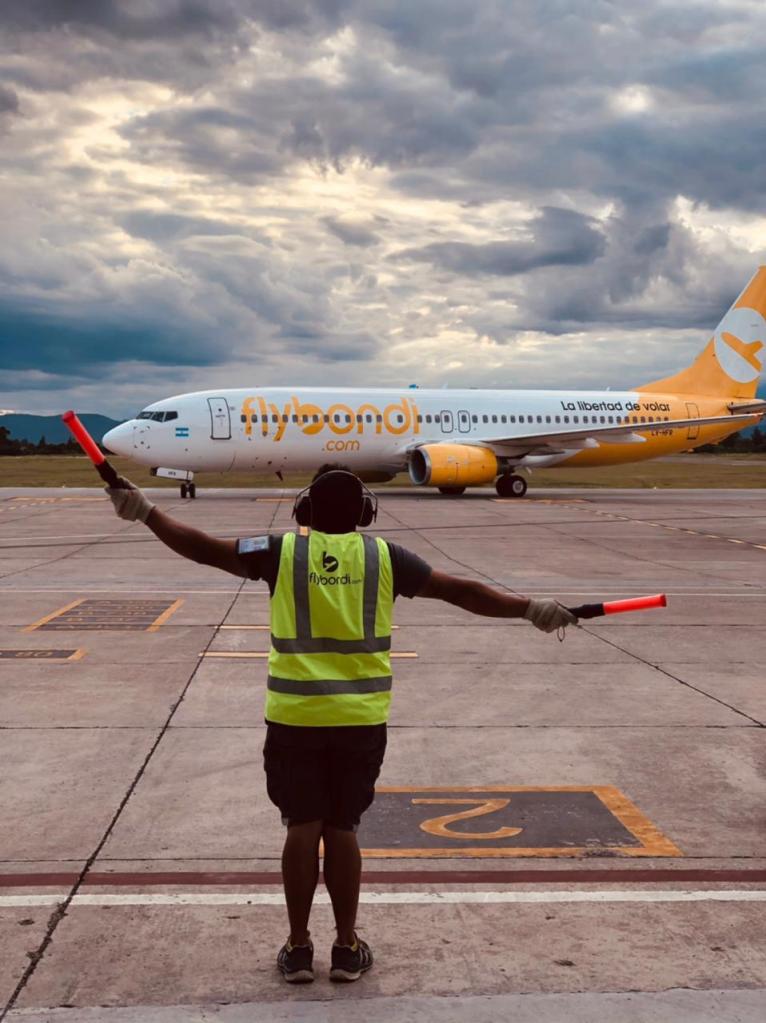
Flybondi alcanza certificación para operaciones ILS CAT II
La Administración Nacional de Aviación Civil (ANAC) de Argentina ha aprobado la concesión a Flybondi Líneas Aéreas la habilitación para Operaciones con Visibilidad Reducida ILS CAT II, luego de un proceso para alcanzar la normativa de aviación, lo que permitirá desarrollar operaciones en condiciones meteorológicas adversas de visibilidad reducida en los aeropuertos habilitados con CAT II.
El Sistema de Aterrizaje por Instrumentos (ILS) es un sistema de radionavegación de precisión que proporciona orientación de corto alcance a las aeronaves para permitirles acercarse a una pista por la noche o con mal tiempo. En su forma original, permite que una aeronave se acerque hasta que esté a 200 pies (61 m) sobre el suelo, dentro de una milla 1⁄2 (800 m) de la pista. En ese punto, la pista debe ser visible para el piloto; si no es así, realizan un enfoque perdido. Acercar la aeronave a la pista aumenta drásticamente el rango de condiciones climáticas en las que se puede realizar un aterrizaje seguro. Otras versiones del sistema, o categorías, han reducido aún más las altitudes mínimas, los Rangos Visuales de la Pista (RVR) y las configuraciones de transmisores y monitoreo diseñadas en función de los patrones climáticos normales esperados y los requisitos de seguridad del aeropuerto.
Flybondi ha estado capacitando e instruyendo las áreas de Operaciones y Mantenimiento para realizar procesos de adecuación para la homologación correspondiente de la Certificación para aterrizajes CAT 2. La prueba de validación del certificado ha demandado treinta vuelos para alcanzar la normativa de aviación.
Actualmente, la línea aérea low cost es alcanzada en las operaciones correspondientes en los aeropuerto como Ezeiza/EZE, Jorge Newbery/AEP, Rio/Galeão/GIG, São Paulo/GRU, entre otros. Con esta certificación, la aerolínea de presupuesto argentina permitirá cumplir con la normativa de seguridad aplicada al sistema de despegues/aterrizajes en condiciones meteorológicas desfavorables.
“Ser la primera aerolínea low cost del país en lograr esta certificación es un orgullo y demuestra un verdadero trabajo en equipo de todos los que hacemos Flybondi. Nuestros pilotos, el personal de mantenimiento y nuestros aviones ya están preparados para esta nueva etapa, donde vamos a poder operar en días de baja visibilidad en aquellos aeropuertos que cuenten con la capacidad de asistir a estas operaciones. Nuestro principal objetivo es que cada vez más personas alcancen la libertad de volar y que reciban un servicio con los más altos estándares de seguridad de la industria en orden internacional”, expresó Eduardo Gaspari, Chief Operation Officer de Flybondi Líneas Aéreas.
La agencia de la ANAC ha expresado el beneplácito de esta certificación para Flybondi Líneas Aéreas, lo que permitirá a la aerolínea incrementar la seguridad de sus vuelos en condiciones meteorológicas desfavorables, permitiendo aumentar la seguridad operativa como así también mejorar la puntualidad de sus vuelos.
Flybondi CAT II certification
Flybondi achieves certification for ILS CAT II operations
The National Administration of Civil Aviation (ANAC) of Argentina has approved the granting to Flybondi Líneas Aéreas the authorization for Operations with Reduced Visibility ILS CAT II, after a process to achieve aviation regulations, which will allow operations to be carried out in adverse weather conditions. of reduced visibility in airports enabled with CAT II.
The Instrument Landing System (ILS) is a precision radio navigation system that provides short-range guidance to aircraft to enable them to approach a runway at night or in bad weather. In its original form, it allows an aircraft to approach until it is 200 feet (61 m) above the ground, within a 1⁄2 mile (800 m) of the runway. At that point, the runway should be visible to the pilot; if not, they perform a lost focus. Bringing the aircraft closer to the runway dramatically increases the range of weather conditions in which a safe landing can be made. Other versions of the system, or categories, have further reduced minimum altitudes, Runway Visual Ranges (RVR), and transmitter and monitoring configurations designed based on expected normal weather patterns and airport security requirements.
Flybondi has been training and instructing the Operations and Maintenance areas to carry out adaptation processes for the corresponding homologation of the Certification for CAT 2 landings. The validation test of the certificate has required thirty flights to achieve aviation regulations.
Currently, the low cost airline is reached in the corresponding operations at airports such as Ezeiza/EZE, Jorge Newbery/AEP, Rio/Galeão/GIG, São Paulo/GRU, among others. With this certification, the Argentine budget airline will allow it to comply with the safety regulations applied to the takeoff/landing system in unfavorable weather conditions.
“Being the first low-cost airline in the country to achieve this certification is a source of pride and demonstrates the true teamwork of all of us at Flybondi. Our pilots, maintenance personnel and our aircraft are already prepared for this new stage, where we will be able to operate on days of low visibility at those airports that have the capacity to attend these operations. Our main objective is that more and more people achieve the freedom to fly and that they receive a service with the highest international security standards in the industry”, said Eduardo Gaspari, Chief Operation Officer of Flybondi Líneas Aéreas.
The ANAC agency has expressed its approval of this certification for Flybondi Líneas Aéreas, which will allow the airline to increase the safety of its flights in unfavorable weather conditions, allowing it to increase operational safety as well as improve the punctuality of its flights.
PUBLISHER: Airgways.com DBk: Flybondi.com / Anac.gov.ar / Airgways.com AW-POST: 202209072315AR OWNERSHIP: Airgways Inc. A\W A I R G W A Y S ®
Pilotos piden subir salarios antes de compra de JetBlue
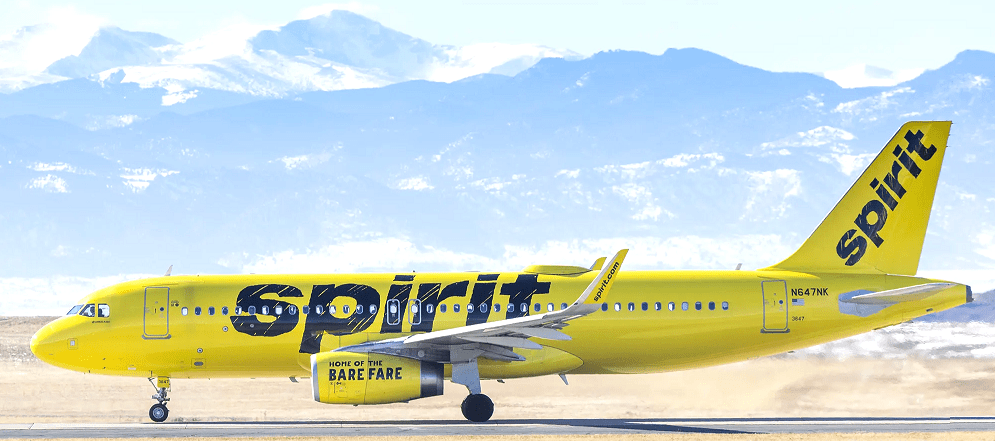
El sindicato de pilotos de Spirit Airlines planea pedir aumento de salarios durante la mesa de negociaciones de este martes. La Asociación de Pilotos de Líneas Aéreas (ALPA) dijo que “los pilotos obviamente están buscando aumentos salariales sustanciales”. Los pilotos de Spirit hicieron en 2018 una previsión en su contrato para protecciones de fusión, incluyendo evitar una negociación prolongada con JetBlue Airways en el futuro. Este contrato de ALPA con Spirit se puede enmendar el 1 de Marzo de 2023, sin embargo, una cláusula permite que las negociaciones sean 180 días antes de eso.
“Durante muchos meses, el consejo ejecutivo del capitán de Spirit ha abogado repetidamente por las mejoras necesarias en las normas laborales y de compensación, advirtiendo que sin estos cambios, los pilotos continuarían dejando Spirit por aerolíneas que ofrecen mejores salarios, condiciones de trabajo y oportunidades profesionales. Esperamos comenzar las negociaciones formales para lograr los cambios necesarios para detener el desgaste y convertir a Spirit en una aerolínea de destino profesional”, dijo el Capitán Ryan Muller, Presidente del Capítulo Spirit ALPA.
JetBlue Airways establece la compra de Spirit Airlines por un valor de capital totalmente diluido de US$ 3.8 mil millones y un valor empresarial ajustado de US$ 7.6 mil millones. La finalización de la adquisición está sujeta a las condiciones de cierre por parte de los reguladores de la aviación estadounidense, incluida la recepción de las aprobaciones reglamentarias requeridas por parte de las autoridades estadounidenses y de los accionistas de Spirit Airlines. Las empresas esperan concluir el proceso regulatorio y cerrar la transacción a más tardar en el primer semestre de 2024. “Creemos que podemos ser una solución única a la falta de competencia en la industria de las aerolíneas y el dominio continuo de los cuatro grandes”, dijo Robin Hayes, Director Ejecutivo de JetBlue Airways.
Spirit pilots request raise
Pilots ask to raise salaries before buying JetBlue
Spirit Airlines pilots’ union plans to ask for higher wages at the bargaining table on Tuesday. The Airline Pilots Association (ALPA) said «pilots are obviously looking for substantial pay increases». Spirit pilots in 2018 made a provision in their contract for merger protections, including avoiding a lengthy negotiation with JetBlue Airways in the future. This ALPA contract with Spirit can be amended on March 1, 2023, however a clause allows negotiations to be 180 days prior to that.
“For many months, Spirit’s executive captain’s council has repeatedly advocated for needed improvements in compensation and labor standards, warning that without these changes, pilots would continue to leave Spirit for airlines that offer better pay, working conditions and opportunities. professionals. We look forward to beginning formal negotiations to bring about the changes necessary to stop attrition and turn Spirit into a professional destination airline”, said Capt. Ryan Muller, Spirit ALPA Chapter President.
JetBlue Airways sets out to purchase Spirit Airlines for a fully diluted equity value of US$ 3.8 billion and an adjusted enterprise value of US$ 7.6 billion. Completion of the acquisition is subject to closing conditions from US aviation regulators, including receipt of required regulatory approvals from US authorities and Spirit Airlines shareholders. The companies expect to conclude the regulatory process and close the transaction no later than the first half of 2024. «We believe we can be a unique solution to the lack of competition in the airline industry and the continued dominance of the big four», said Robin Hayes, CEO of JetBlue Airways.
PUBLISHER: Airgways.com DBk: Spirit.com / Alpa.org / Airgways.com AW-POST: 202209061316AR OWNERSHIP: Airgways Inc. A\W A I R G W A Y S ®
Guía para usuarios transporte acerca de prácticas aéreas
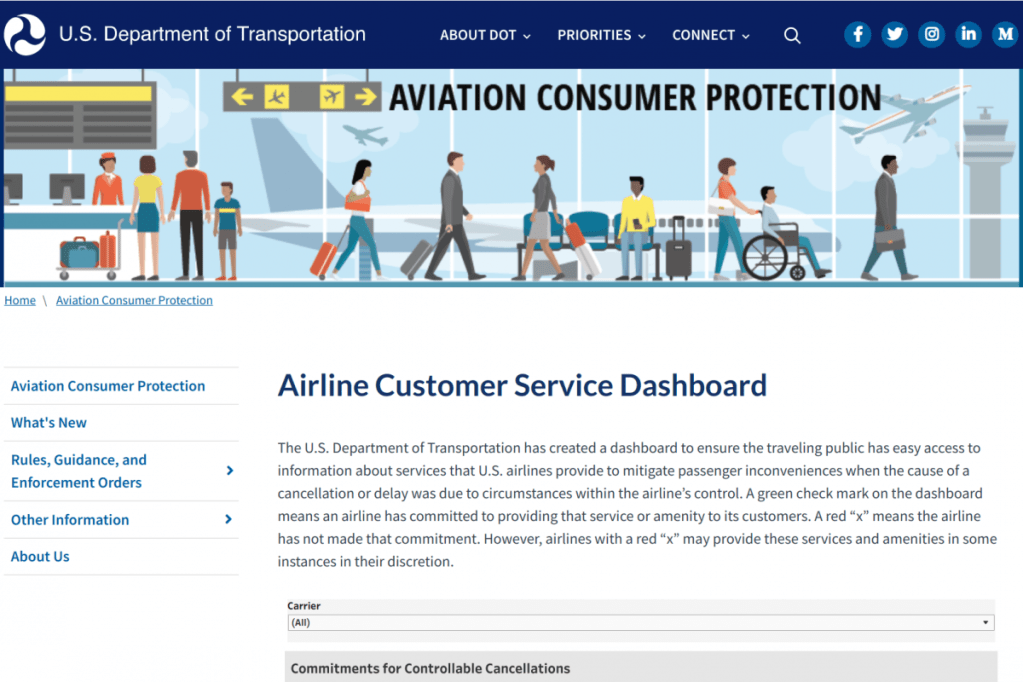
El Departamento de Transporte (DOT) de los Estados Unidos ha emitido recientemente una guía final que informa al público y a las entidades reguladas sobre la interpretación de la agencia reguladora de las prácticas desleales y engañosas relacionadas con los viajes aéreos en los Estados Unidos. El DOT anunció que «a lo largo de 2022, los estadounidenses han experimentado un nivel inaceptable de retrasos y cancelaciones de vuelos. Cuando se producen estas interrupciones, las aerolíneas están obligadas a apoyar a los pasajeros en función de los compromisos asumidos en sus planes de servicio al cliente, pero con demasiada frecuencia, los pasajeros encuentran que esos planes son difíciles de entender y no garantizan servicios, como comidas o alojamiento en hoteles cuando deben esperar durante la noche en un aeropuerto, incluso para vuelos que se retrasan o cancelan debido a la aerolínea».
La guía de ayudas a los usuarios del transporte aéreo ha sido emitida por el DOT el 29 de Agosto de 2022, permitiendo el acceso a un tablero digital que garantiza que el público que viaja tenga fácil acceso a la información sobre los servicios que brindan las aerolíneas estadounidenses para mitigar los inconvenientes de los pasajeros cuando la causa de una cancelación o retraso se debió a circunstancias bajo el control de la aerolínea.
Una marca de verificación verde en el tablero significa que una aerolínea se ha comprometido a proporcionar ese servicio o servicio a sus clientes. Mientras que una «X» roja significa que la aerolínea no ha hecho ese compromiso. Sin embargo, las aerolíneas con una «X» roja a veces pueden proporcionar estos servicios y comodidades a su discreción. Como resultado de estas acciones, todas menos una de las diez aerolíneas más grandes de los Estados Unidos realizaron cambios significativos en sus planes para mejorar los servicios prestados a los pasajeros cuando sus vuelos se cancelan o retrasan debido a un problema con la aerolínea. Por ejemplo, ninguna aerolínea garantizó incondicionalmente vales de comida u hoteles antes de este cambio. Ahora, nueve de los diez garantizan comidas, y ocho garantizan alojamiento en hotel cuando un problema de la aerolínea causa un retraso o cancelación.
«Los pasajeros merecen transparencia y claridad sobre qué esperar de una aerolínea cuando hay una cancelación o interrupción. Este panel recopila esa información en un solo lugar para que los viajeros puedan comprender fácilmente sus derechos, comparar las prácticas de las aerolíneas y tomar decisiones informadas. El Departamento continuará apoyando a los pasajeros y responsabilizando a las aerolíneas por cumplir con sus obligaciones con los clientes», comentó el Secretario de Transporte de Estados Unidos, Pete Buttigieg, en un comunicado de prensa el 1 de Septiembre de 2022.
DOT user Compensation Policies
Guide for transport users about aerial practices
The United States Department of Transportation (DOT) has recently issued final guidance informing the public and regulated entities of the regulatory agency’s interpretation of unfair and deceptive practices related to air travel in the United States. The DOT announced that «Throughout 2022, Americans have experienced an unacceptable level of flight delays and cancellations. When these disruptions occur, airlines are required to support passengers based on commitments made in their travel plans customer service, but too often, passengers find those plans difficult to understand and do not guarantee services, such as meals or hotel accommodations when they must wait overnight at an airport, even for flights that are delayed or canceled due to the airline».
The help guide for air transport users has been issued by the DOT on August 29, 2022, allowing access to a digital board that guarantees that the traveling public has easy access to information about the services provided by airlines. to mitigate passenger inconvenience when the cause of a cancellation or delay was due to circumstances within the control of the airline.
A green check mark on the dashboard means that an airline has committed to providing that service or facility to its customers. Whereas a red «X» means the airline has not made that commitment. However, airlines with a red «X» may sometimes provide these services and amenities at their discretion. As a result of these actions, all but one of the ten largest airlines in the United States made significant changes to their plans to improve services provided to passengers when their flights are canceled or delayed due to an issue with the airline. For example, no airline unconditionally guaranteed meal vouchers or hotels prior to this change. Now nine of the ten guarantee meals, and eight guarantee hotel accommodations when an airline problem causes a delay or cancellation.
«Passengers deserve transparency and clarity about what to expect from an airline when there is a cancellation or disruption. This dashboard brings that information together in one place so travelers can easily understand their rights, compare airline practices and make informed decisions. The Department will continue to support passengers and hold airlines accountable for meeting their obligations to customers», said U.S. Secretary of Transportation Pete Buttigieg in a press release on September 1, 2022.
PUBLISHER: Airgways.com DBk: Transportation.gov / Airgways.com AW-POST: 202209050830AR OWNERSHIP: Airgways Inc. A\W A I R G W A Y S ®
Posible cierre temporal de aeropuerto regional londinense
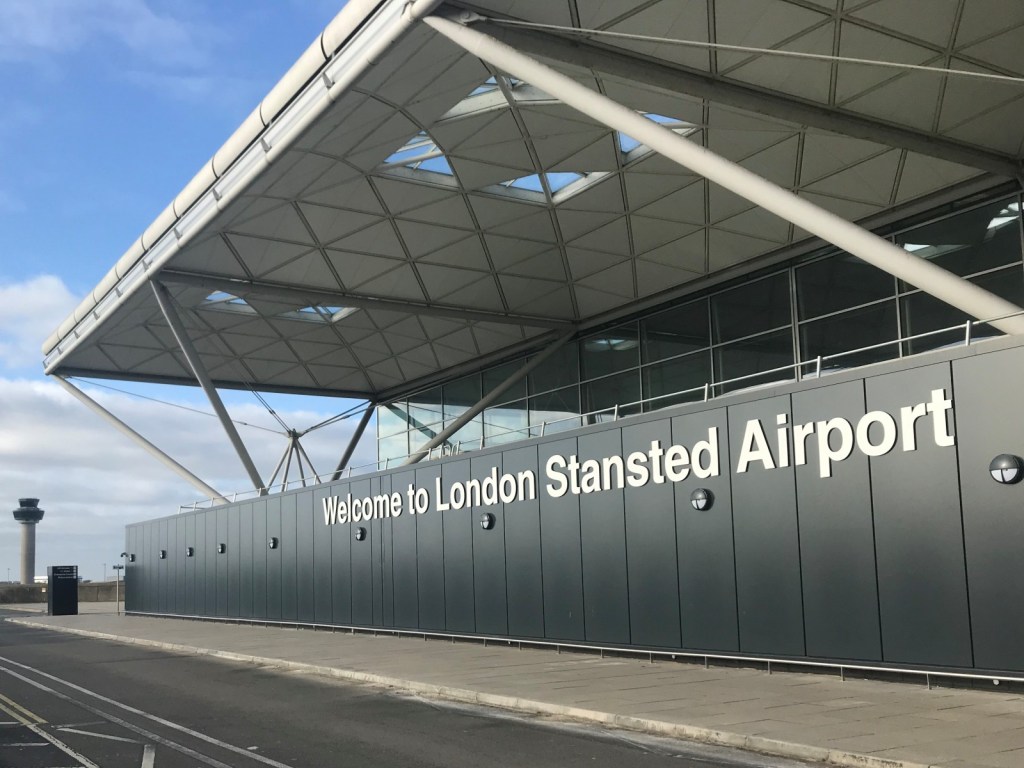
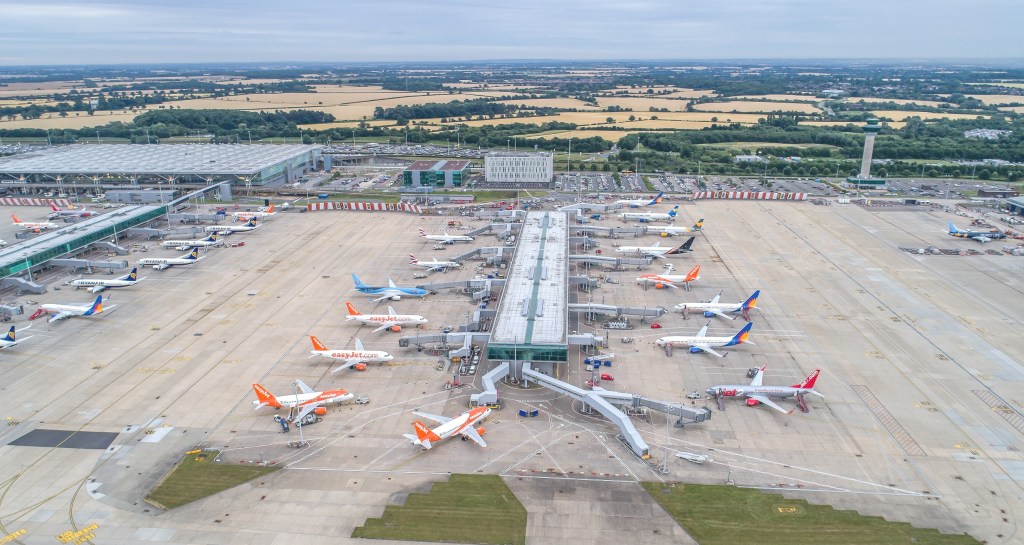
El Aeropuerto London/Stansted/STN se encuentra al borde del cierre, por lo que afectaría a agentes de seguridad, limpiadores, bomberos, personal de mantenimiento y profesionales dedicados a la asistencia de los pasajeros. La dirección ha realizado una primera oferta que ha sido rechazada de forma mayoritaria por los trabajadores que irían a la huelga. El caos sigue azotando al sector aéreo británico. El Aeropuerto Stansted podría estar cerca de un cierre temporal en caso de que la amenaza de huelga de su personal se materialice.
El sindicato aeronáutico Unite ha llevado a votación la medida, que afectaría a agentes de seguridad, limpiadores, bomberos, así como personal de mantenimiento y de asistencia del aeropuerto. Los empleados disponen hasta el 19 de Septiembre de 2022 para tomar una decisión. El motivo no es otro que los recortes salariales que han sufrido durante la pandemia. El aeropuerto ha realizado una primera oferta que ha sido rechazada con rotundidad. Ha propuesto un crecimiento del 7,5% más un pago único de £ 250 Libras, algo insignificante teniendo en cuenta que el salario de los ejecutivos se incrementó en un 23%. “Se espera que todo el mundo se apriete el cinturón, excepto los ricos ejecutivos de Manchester Airports Group (MAG). Nuestros miembros recibirán todo el apoyo en su lucha por un aumento salarial justo”, ha manifestado la Secretaria General de Unite, Sharon Graham.
Mientras tanto, el Aeropuerto de Stansted se muestra abierto a negociar. En declaraciones recogidas por Hertfordshiremercury, uno de sus portavoces ha destacado que “seguimos totalmente comprometidos a trabajar con nuestros sindicatos. Explicaremos los detalles de lo que consideramos una oferta justa y competitiva, teniendo en cuenta los graves desafíos que aún enfrentamos». Pese a este compromiso, todo apunta a que sufrirán gravemente el efecto de la huelga. Las propias autoridades ya han avisado a los pasajeros de que se preparen para un caos aún mayor, ya que, de no haber un acuerdo, más de un millar de trabajadores votarán a favor de los paros.
London/Stansted threatens strike
Possible temporary closure of London regional airport
London/Stansted Airport/STN is on the verge of closure, which would affect security officers, cleaners, firefighters, maintenance personnel and professionals dedicated to passenger assistance. The management has made a first offer that has been rejected by the majority of the workers who were going on strike. Chaos continues to plague the British aviation sector. Stansted Airport could be close to a temporary closure should the threatened strike by its staff materialize.
The aeronautical union Unite has put the measure to a vote, which would affect security agents, cleaners, firefighters, as well as maintenance and assistance personnel at the airport. Employees have until September 19, 2022 to make a decision. The reason is none other than the salary cuts they have suffered during the pandemic. The airport has made a first offer that has been roundly rejected. He has proposed growth of 7.5% plus a one-time payment of £250, which is paltry considering executive pay has risen by 23%. “Everyone is expected to tighten their belts except the wealthy executives of Manchester Airports Group (MAG). Our members will be fully supported in their fight for a fair wage increase”, said Unite General Secretary Sharon Graham.
Meanwhile, Stansted Airport is open to negotiations. In statements collected by Hertfordshiremercury, one of its spokespersons has highlighted that “we remain fully committed to working with our unions. We will explain the details of what we consider a fair and competitive offer, taking into account the serious challenges we still face». Despite this commitment, everything indicates that they will suffer seriously the effect of the strike. The authorities themselves have already warned passengers that they prepare for even greater chaos, since, if there is no agreement, more than a thousand workers will vote in favor of strikes.
PUBLISHER: Airgways.com DBk: Stanstedairport.com / Unitetheunion.org / Airgways.com AW-POST: 202208300955AR OWNERSHIP: Airgways Inc. A\W A I R G W A Y S ®
AW | 2022 08 29 14:22 | AVIATION ORGANISMS / GOVERNMENT
Proyecto busca modificar Ley 7.565/1986 del Código Aeronáutico
El Senado de la República de Brasil se encuentra estudiando una modificación de la Ley 7.565/1986 del Código Aeronáutico brasileño donde podría establecerse que el comprador de un pasaje aéreo de avión sea transferido a la propiedad de otra persona con hasta una anticipación de 72 horas antes de la fecha de la partida del vuelo. La propuesta contempla además la modificación de la información personal registrada en el sistema de la empresa al momento de la compra del boleto para incluir los datos personales del pasajero. La modificación ha sido presentada por el Senador Mecias de Jesus (Republicanos-RR), bajo el expediente PL2.175/2022.
El Senador Mecias de Jesus ha expresado: «La necesidad de crear una legislación que contemple las políticas de cancelación específicas de cada aerolínea, ya que, a pesar de la promesa de reembolso total o parcial del boleto, la mayoría de los casos resultan en un perjuicio para el pasajero, quien pierde la dinero gastado en la compra del billete». Las políticas de compra de pasajes aéreos se encuentran aplicadas en la Resolución Nº138/2010 de la Agencia Nacional de Aviación Civil (ANAC) que prohíbe la transferencia de un tickets aéreo, establecido por norma como personal e intransferible. El Senador señala que la resolución establecida es una norma infra-jurídica, que no puede prevalecer sobre el Código de Protección al Consumidor (Ley 8.078, 1990).
La ANAC Brasil y las líneas aéreas han señalado que la transferencia de dominio de pasajes aéreos pudiera generar problemas de seguridad a la aviación comercial. El Senador, explica que las razones alegadas por la ANAC y las líneas aéreas para prohibir a los pasajeros cambiar de titularidad pueden resolverse durante el check-in y embarque en los aeropuertos. La propuesta de regla de cambio de boleto podría ser realizada por las aerolíneas sin afectar los estándares de seguridad de los vuelos. Así también, se puede establecer nuevas modalidades para desarrollar un equilibrio entre la aerolínea y el usuario respecto a la relación con el consumidor para evitar abusos respecto a la trazabilidad de un pasaje aéreo. Pero advierten, que puede generar problemas respecto a la reventa de pasajes aéreos.
Brazil studies air ticket portability
Project seeks to modify Law 7,565/1986 of the Aeronautical Code
The Senate of the Republic of Brazil is studying a modification of Law 7,565/1986 of the Brazilian Aeronautical Code where it could be established that the purchaser of an air ticket is transferred to the property of another person up to 72 hours in advance. from the date of departure of the flight. The proposal also contemplates the modification of the personal information registered in the company’s system at the time of ticket purchase to include the personal data of the passenger. The modification has been presented by Senator Mecias de Jesus (Republicans-RR), under file PL2.175/2022.
Senator Mecias de Jesus has expressed: «The need to create legislation that contemplates the specific cancellation policies of each airline, since, despite the promise of a total or partial refund of the ticket, the majority of cases result in a detriment to the passenger, who loses the money spent on the purchase of the ticket». Air ticket purchase policies are applied in Resolution No. 138/2010 of the National Civil Aviation Agency (ANAC) that prohibits the transfer of an air ticket, established by rule as personal and non-transferable. The Senator points out that the established resolution is an infra-legal norm, which cannot prevail over the Consumer Protection Code (Law 8,078, 1990).
ANAC Brazil and the airlines have pointed out that the transfer of ownership of air tickets could generate security problems for commercial aviation. The Senator explains that the reasons alleged by the ANAC and the airlines to prohibit passengers from changing ownership can be resolved during check-in and boarding at the airports. The ticket change rule proposal could be carried out by airlines without affecting flight safety standards. Likewise, new modalities can be established to develop a balance between the airline and the user regarding the relationship with the consumer to avoid abuses regarding the traceability of an air ticket. But they warn that it can cause problems regarding the resale of air tickets.
Brasil estuda portabilidade passagens aéreas
Projeto busca modificar a Lei 7.565/1986 do Código Aeronáutico
O Senado da República do Brasil está estudando uma modificação da Lei 7.565/1986 do Código Aeronáutico Brasileiro onde poderá ser estabelecido que o comprador de passagem aérea seja transferido para propriedade de outra pessoa com até 72 horas de antecedência. data de partida do vôo. A proposta também contempla a modificação das informações pessoais cadastradas no sistema da empresa no momento da compra da passagem para incluir os dados pessoais do passageiro. A modificação foi apresentada pelo senador Mecías de Jesus (Republicanos-RR), sob o expediente PL2.175/2022.
O senador Mecias de Jesus manifestou-se: «A necessidade de se criar legislação que contemple as políticas de cancelamento específicas de cada companhia aérea, pois, apesar da promessa de reembolso total ou parcial da passagem, a maioria dos casos resulta em prejuízo para o passageiro, quem perde o dinheiro gasto na compra da passagem». As políticas de compra de passagens aéreas são aplicadas na Resolução Nº 138/2010 da Agência Nacional de Aviação Civil (ANAC) que proíbe a transferência de passagem aérea, estabelecida por norma como pessoal e intransferível. O senador ressalta que a resolução estabelecida é norma infralegal, que não pode prevalecer sobre o Código de Defesa do Consumidor (Lei 8.078, de 1990).
A ANAC Brasil e as companhias aéreas apontaram que a transferência da propriedade das passagens aéreas pode gerar problemas de segurança para a aviação comercial. O senador explica que os motivos alegados pela ANAC e pelas companhias aéreas para proibir os passageiros de trocar de titularidade podem ser resolvidos durante o check-in e o embarque nos aeroportos. A proposta de regra de alteração de passagens poderia ser realizada pelas companhias aéreas sem afetar os padrões de segurança de vôo. Da mesma forma, novas modalidades podem ser estabelecidas para desenvolver um equilíbrio entre a companhia aérea e o usuário na relação com o consumidor para evitar abusos na rastreabilidade de uma passagem aérea. Mas alertam que isso pode causar problemas na revenda de passagens aéreas.
PUBLISHER: Airgways.com DBk: Anac.gov.br / Planalto.gov.br / Marco Ambrosio / Shutterstock.com / Exame.com / Airgways.com AW-POST: 202208291422AR OWNERSHIP: Airgways Inc. A\W A I R G W A Y S ®
Calificación aerolíneas por agencia CAA Reino Unido
La Autoridad de Aviación Civil (CAA) del Reino Unido ha comunicado una lista reciente de las mejores y peores aerolíneas que vuelan desde y hacia el país estableciendo promedios por puntualidad en aeropuertos del Reino Unido. El análisis de las cifras de CAA fue realizado por la agencia de noticias PA y analizó todas las salidas programadas y fletadas por compañías con más de 2.500 vuelos. Los vuelos cancelados no estaban incluidos.
La peor aerolínea por retrasos en los aeropuertos del Reino Unido el año pasado fue Wizz Air, según una investigación. Sus salidas fueron un promedio de 14 minutos y 24 segundos de retraso en 2021, según el análisis de los datos de la Autoridad de Aviación Civil (CAA). Tui Airways fue la segunda línea aérea con un retraso promedio de 13 minutos y 18 segundos, y British Airways, incluyendo la subsidiaria BA CityFlyer, tercera con 12 minutos y 42 segundos. Virgin Atlantic Airways ha sido la cuarta aerolínea peor con 12 minutos de retrasos, con Loganair con 11 minutos y 30 segundos. Mientras tanto, la aerolínea británica con peor desempeño en lo que va de 2022 fue British Airways con una tasa de cancelación del 3,5%, en comparación con Ryanair, que canceló solo el 0,3% de los vuelos hasta el 10 de Julio de 2022.
Cuando se trata de los mejores intérpretes, Aer Lingus se ha desempeñado como la mejor compañía, situándose en la cima con un retraso promedio de solo tres minutos y 12 segundos. EasyJet ha tenido una puntuación de cuatro minutos y 36 segundos, mientras que Ryanair registró seis minutos y seis segundos.
El Editor de viajes Guy Hobbs dijo: «Si bien estos hallazgos son preocupantes, la realidad ha sido mucho peor para muchos viajeros este verano. Los turistas se han enfrentado a un aluvión de interrupciones en los últimos meses, y estas últimas cifras solo sirven para subrayar la necesidad de una reforma urgente de la industria de viajes. El gobierno debe abandonar los planes para recortar la compensación a los pasajeros por vuelos nacionales retrasados y cancelados». Este año, la escasez de personal del aeropuerto, como los manipuladores de equipaje, ha causado retrasos aún más prolongados para muchos viajeros y ha provocado la cancelación de miles de vuelos.
CAA Ratings Authority
Rating airlines by agency CAA United Kingdom
The UK Civil Aviation Authority (CAA) has recently released a list of the best and worst airlines flying to and from the country setting averages for punctuality at UK airports. The analysis of the CAA figures was carried out by the PA news agency and analyzed all scheduled and chartered departures by companies with more than 2,500 flights. Canceled flights were not included.
The worst airline for delays at UK airports last year was Wizz Air, according to research. Its departures were an average of 14 minutes and 24 seconds late in 2021, according to analysis of Civil Aviation Authority (CAA) data. Tui Airways was second with an average delay of 13 minutes and 18 seconds, and British Airways, including subsidiary BA CityFlyer, third with 12 minutes and 42 seconds. Virgin Atlantic Airways was the fourth worst airline with 12 minutes of delays, with Loganair at 11 minutes and 30 seconds. Meanwhile, the worst performing British airline so far in 2022 was British Airways with a 3.5% cancellation rate, compared to Ryanair which canceled just 0.3% of flights through July 10. of 2022.
When it comes to the best performers, Aer Lingus has performed like the best carrier, coming out on top with an average delay of just three minutes and 12 seconds. EasyJet has had a score of four minutes and 36 seconds, while Ryanair recorded six minutes and six seconds.
Travel Editor Guy Hobbs said: «While these findings are worrying, the reality has been much worse for many travelers this summer. Holidaymakers have faced a barrage of disruptions in recent months, and these latest figures only serve to stress the need for urgent reform of the travel industry. The government must abandon plans to cut compensation to passengers for delayed and canceled domestic flights». This year, a shortage of airport staff such as baggage handlers has caused even longer delays for many travelers and caused thousands of flights to be cancelled.
PUBLISHER: Airgways.com DBk: Caa.co.uk / Airgways.com AW-POST: 202208291240AR OWNERSHIP: Airgways Inc. A\W A I R G W A Y S ®
Propone exigir barreras secundarias físicas cubierta de vuelo Aviso reglamentación para nuevas aeronaves
La Administración Federal de Aviación (FAA) de estados Unidos ha emitido un Aviso de Reglamentación Propuesta (NPRM) para exigir que ciertas aeronaves de pasajeros estén equipadas con Barreras Secundarias Físicas Instaladas (IPSB) para proteger aún más la cubierta de vuelo de intrusiones no autorizadas.
Tras los ataques del 9/11, las aerolíneas estadounidenses implementaron medidas mejoradas para evitar el acceso no autorizado a la cubierta de vuelo, que incluyeron la instalación de puertas reforzadas en la cubierta de vuelo. Sin embargo, dichas puertas deben abrirse ocasionalmente durante el vuelo para proporcionar descansos en el baño y servicio de comidas. El NPRM está diseñado para impedir aún más el acceso no autorizado durante los raros momentos en que la puerta debe abrirse en vuelo.
El NPRM, emitido de conformidad con un mandato del Congreso, aunque con casi tres años de retraso, se aplica solo a las operaciones de transporte de pasajeros bajo 14 Código de Regulaciones Federales (CFR) parte 121 (es decir, aerolíneas estadounidenses). La FAA invita a comentar sobre varias propuestas a las que las aerolíneas deberían prestar mucha atención, dado el potencial de costos imprevistos y la complejidad operativa adicional.
Requisitos NPRM
El NPRM de la FAA se compone de dos elementos. En primer lugar, la FAA propone exigir que las aerolíneas estadounidenses que realizan operaciones de pasajeros utilizando aviones de categoría de transporte bajo 14 CFR parte 121 equipen ciertas aeronaves nuevas con IPSB. La FAA no especifica un IPSB en particular que deba usarse; en su lugar, invita a formular observaciones sobre las normas físicas propuestas y las capacidades de los IPSB aceptables, que se incorporarían a las normas de aeronavegabilidad de las aeronaves de la FAA. Tales capacidades incluyen resistencia a intrusiones, requisitos de carga propuestos y requisitos de visibilidad, entre otros. En segundo lugar, la FAA reconoce que el mero hecho de exigir a las aerolíneas que «instalen un IPSB no necesariamente garantizaría que el IPSB se implemente». Por lo tanto, la FAA también propone exigir que las aerolíneas incorporen el uso del IPSB en sus procedimientos existentes de apertura de puertas de cubierta de vuelo aprobados por la FAA que ya se requieren en la Parte 121.
Línea de tiempo
Reconociendo que lleva tiempo incorporar nuevos estándares de aeronavegabilidad de las aeronaves, la FAA propone un cronograma de cumplimiento de dos años después de la fecha de vigencia de la regla final. Después de este tiempo, cualquier aeronave de categoría de transporte fabricada y utilizada en operaciones de transporte de pasajeros bajo la Parte 121 tendría que estar equipada con un IPSB compatible con la FAA. Es importante destacar que la regla propuesta no requiere la modernización de las aeronaves existentes.
Compañías aéreas extranjeras
Regla propuesta por la FAA no se aplica a las compañías aéreas extranjeras que operan bajo 14 CFR Parte 129. La justificación de la FAA para esta diferencia de trato es que: La parte de la flota total compuesta por aviones de nueva fabricación, y sujeta a la Parte 129, es muy pequeña, por lo que la diferencia de riesgo entre la flota nacional y la flota internacional no sería significativa en virtud de esta propuesta. Además, a diferencia del requisito de reforzar las puertas de la cubierta de vuelo después del 9/11, ni [la Organización de Aviación Civil Internacional] ni otros países están imponiendo un requisito IPSB. En consecuencia, un requisito de la FAA sería no armonizado con las normas internacionales. Sin embargo, la FAA se reserva el derecho de reconsiderar su posición actual con respecto a la aplicabilidad a los transportistas extranjeros en caso de que la flota cambie o un requisito de IPSB se convierta en un estándar internacional.
Vuelos cortos
La FAA propone aplicar el requisito IPSB a las aeronaves utilizadas para vuelos de corta duración, aunque es más probable que no sea necesario abrir la puerta de la cubierta de vuelo, sobre la base de que es difícil identificar un parámetro de diseño del avión (por ejemplo, la capacidad de pasajeros o el peso bruto del avión) que se correlacione con vuelos cortos. Además, la FAA afirma que «el alcance de todos los modelos de aviones que se verían afectados exceda la longitud máxima de vuelo en la que es poco probable abrir la puerta de la cubierta de vuelo». Sin embargo, la FAA invita a comentar si debería limitar la aplicabilidad del requisito IPSB a ciertos vuelos en función del tamaño, el alcance o la duración del vuelo de un avión.
Observación
Si bien existe un acuerdo generalizado con respecto a la importancia de asegurar la cubierta de vuelo, las aerolíneas y los fabricantes de aeronaves harían bien en revisar cuidadosamente los contornos de la propuesta de la FAA con los siguientes problemas en mente al considerar comentar sobre el NPRM de la FAA: Las aerolíneas deben evaluar el impacto del NPRM en las necesidades operativas, de seguridad y de entrenamiento de vuelo y determinar si los cambios en el NPRM podrían mitigar cualquier impacto no deseado. Por ejemplo, debido a que la regla no contiene un requisito de actualización, algunas tripulaciones de vuelo de una aerolínea volarán el mismo tipo de aeronave donde solo algunas aeronaves están equipadas con IPSB, y por lo tanto los procedimientos de apertura de la puerta de la cubierta de vuelo podrían variar de un vuelo a otro. Las aerolíneas tal vez deseen considerar si solicitar que la FAA permita tiempo suficiente para capacitar a las tripulaciones sobre los procedimientos aprobados por la FAA relacionados con el uso de IPSB.
Las aerolíneas y los fabricantes de aeronaves deben evaluar los requisitos y estándares físicos de IPSB propuestos por la FAA para determinar si son problemáticos y si ciertas revisiones podrían mejorar la experiencia del pasajero y evitar interferir sustancialmente con los procesos existentes de auxiliares de vuelo/pilotos. Las aerolíneas extranjeras deben considerar si deben comentar proactivamente sobre el NPRM, dado que la FAA puede reconsiderar su posición actual sobre la aplicabilidad a dichos transportistas en caso de cambio de flota. Como se señaló anteriormente, el NPRM no aplica el requisito ipSB a las compañías aéreas extranjeras porque la FAA cree que la diferencia de riesgo entre la flota nacional y la flota internacional no sería significativa en virtud de la propuesta (no está claro en qué momento el riesgo se convertiría en significativo). Las compañías aéreas deben considerar si las aeronaves utilizadas para longitudes de etapa más cortas deben quedar exentas de la regla, en particular porque las puertas de la cubierta de vuelo suelen permanecer cerradas en dichos vuelos, lo que podría dar lugar a un cálculo de riesgo diferente. Este análisis puede incluir discusiones con colegas de seguridad corporativa de aerolíneas, dado que la industria de las aerolíneas (y la Administración de Seguridad del Transporte) durante años han promocionado y adoptado un enfoque de seguridad de la aviación basado en el riesgo impulsado por la información y la inteligencia.
FAA proposes IPSB rules
Proposes requiring flight deck secondary physical barriers Regulatory notice for new aircraft
The United States Federal Aviation Administration (FAA) has issued a Notice of Proposed Rulemaking (NPRM) to require certain passenger aircraft to be equipped with Installed Secondary Physical Barriers (IPSBs) to further protect the flight deck from unauthorized intrusions.
Following the 9/11 attacks, US airlines implemented enhanced measures to prevent unauthorized access to the flight deck, including the installation of reinforced flight deck doors. However, such doors must be opened occasionally during the flight to provide bathroom breaks and meal service. The NPRM is designed to further prevent unauthorized access during those rare times when the door must be opened in flight.
The NPRM, issued pursuant to a Congressional mandate, albeit nearly three years late, applies only to passenger transport operations under 14 Code of Federal Regulations (CFR) part 121 (ie, US airlines). The FAA invites comment on several proposals that airlines should pay close attention to, given the potential for unforeseen costs and additional operational complexity.
NPRM Requirements
The FAA NPRM is made up of two elements. First, the FAA proposes to require US airlines conducting passenger operations using transport category aircraft under 14 CFR part 121 to equip certain new aircraft with IPSBs. The FAA does not specify a particular IPSB that must be used; instead, it invites comments on the proposed physical standards and acceptable IPSB capabilities, which would be incorporated into the FAA’s aircraft airworthiness standards. Such capabilities include intrusion resistance, proposed load requirements, and visibility requirements, among others. Second, the FAA acknowledges that merely requiring airlines to «install an IPSB would not necessarily guarantee that the IPSB will be implemented». Therefore, the FAA is also proposing to require airlines to incorporate the use of the IPSB into their existing FAA-approved flight deck door opening procedures that are already required under Part 121.
Timeline
Recognizing that it takes time to incorporate new aircraft airworthiness standards, the FAA is proposing a compliance schedule of two years after the effective date of the final rule. After this time, any transport category aircraft manufactured and used in passenger-carrying operations under Part 121 would have to be equipped with an FAA-compliant IPSB. It is important to note that the proposed rule does not require the modernization of existing aircraft.
Foreign airlines
The FAA’s proposed rule does not apply to foreign airlines operating under 14 CFR Part 129. The FAA’s justification for this difference in treatment is that: The portion of the total fleet made up of newly manufactured aircraft, and subject to Part 129, is very small, so the difference in risk between the national fleet and the international fleet would not be significant under this proposal. Also, unlike the requirement to reinforce flight deck doors after 9/11, neither [the International Civil Aviation Organization] nor other countries are imposing an IPSB requirement. Consequently, an FAA requirement would not be harmonized with international standards. However, the FAA reserves the right to reconsider its current position regarding applicability to foreign carriers in the event the fleet changes or an IPSB requirement becomes an international standard.
Short flights
The FAA proposes to apply the IPSB requirement to aircraft used for short-duration flights, even though it is more likely that the flight deck door will not need to be opened, on the basis that it is difficult to identify an aircraft design parameter (for example, passenger capacity or gross aircraft weight) that correlates with short flights. In addition, the FAA states that «the range of all aircraft models that would be affected exceeds the maximum flight length at which opening the flight deck door is unlikely». However, the FAA invites comment on whether it should limit the applicability of the IPSB requirement to certain flights based on an aircraft’s size, range, or flight duration.
Observation
While there is widespread agreement regarding the importance of securing the flight deck, airlines and aircraft manufacturers would do well to carefully review the outlines of the FAA proposal with the following issues in mind when considering commenting on the NPRM: FAA Statement: Airlines should assess the impact of the NPRM on flight training, safety, and operational needs and determine whether changes to the NPRM could mitigate any unintended impacts. For example, because the rule does not contain an upgrade requirement, some airline flight crews will fly the same type of aircraft where only some aircraft are equipped with IPSBs, and therefore the airline’s door opening procedures flight deck could vary from flight to flight. Airlines may wish to consider whether to request that the FAA allow sufficient time to train crews on FAA-approved procedures related to the use of IPSBs.
Airlines and aircraft manufacturers should evaluate the FAA’s proposed IPSB physical requirements and standards to determine if they are problematic and if certain revisions could improve the passenger experience and avoid substantially interfering with existing flight attendant/pilot processes. Foreign airlines should consider whether to comment proactively on the NPRM, as the FAA may reconsider its current position on its applicability to such carriers in the event of a fleet change. As noted above, the NPRM does not apply the ipSB requirement to foreign carriers because the FAA believes that the difference in risk between the domestic fleet and the international fleet would not be significant under the proposal (it is unclear at what point the risk would become significant). Airlines should consider whether aircraft used for shorter leg lengths should be exempt from the rule, particularly as flight deck doors typically remain closed on such flights, which could lead to a different risk calculation. This discussion may include discussions with airline corporate security colleagues, as the airline industry (and the Transportation Security Administration) have for years promoted and embraced an information-driven, risk-based approach to aviation security. and intelligence.
PUBLISHER: Airgways.com DBk: Faa.gov / Airgways.com AW-POST: 202208251027AR OWNERSHIP: Airgways Inc. A\W A I R G W A Y S ®
Simposio Financiero Mundial centrado en ayudas a aerolíneas
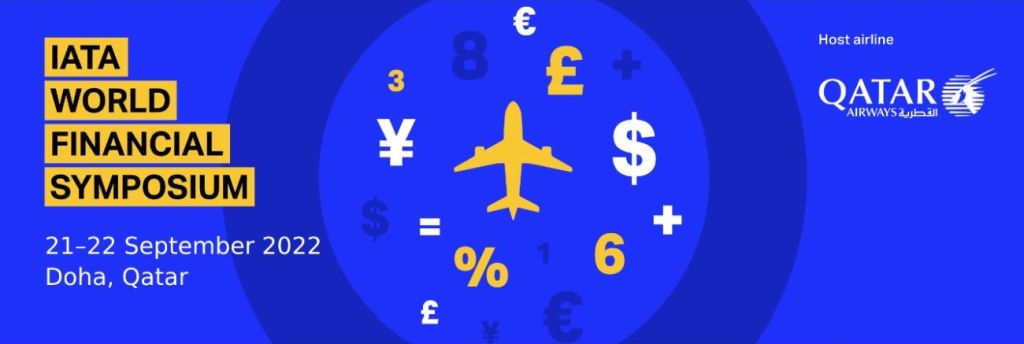
El Simposio Financiero Mundial (WFS) organizado por la IATA, tendrá lugar del 19 al 22 de Septiembre de 2022 en Doha, Qatar. Como parte de las ayudas a las aerolíneas, el simposio estará focalizado en ayudar económicamente a las líneas aéreas mundiales. Tras el mayor impacto en la historia de la aviación por la crisis sanitaria mundial, la industria está emergiendo rápidamente de la pandemia y las restricciones de viaje impuestas por el gobierno de los últimos dos años. Se espera que las pérdidas de la industria se reduzcan a US$ 9,7 mil millones este año desde casi US$ 180 mil millones en números negativos en 2020-2021. A medida que caen las barreras de viaje en la mayoría de las regiones, una demanda muy fuerte respalda las expectativas de una recuperación a los niveles de tráfico anteriores a COVID-19 para 2024, con una posibilidad de rentabilidad en 2023. Al mismo tiempo, los niveles de deuda de las aerolíneas se han disparado a medida que las compañías pidieron préstamos para mantenerse a flote durante la crisis. Y los departamentos de finanzas de toda la industria enfrentarán desafíos a medida que la industria logre su compromiso de cero vuelos netos para 2050.
“Las aerolíneas son resilientes. Ahora es el momento de aprovechar el arduo trabajo y las difíciles reestructuraciones de los últimos dos años para aprovechar las oportunidades que surgieron de la crisis. Las finanzas jugarán un papel vital en el apoyo a la recuperación en curso mientras crean una estructura de capital sostenible para respaldar nuestra ambiciosa agenda ambiental”, dijo Willie Walsh, Director General de IATA.
El Director Ejecutivo de Qatar Airways Group, Su Excelencia el Sr. Akbar Al Baker, dijo: “Nos sentimos honrados de albergar el primer WFS en persona desde 2019 durante nuestro 25.º año de operaciones. Este simposio vital reunirá a los líderes financieros de las aerolíneas y a nuestros numerosos socios de la cadena de suministro para analizar y debatir el camino a seguir y los desafíos que se deben superar”.
Lo más destacado de la sesión plenaria de apertura de WFS será una discusión en el escenario con Akbar Al Baker y Willie Walsh sobre el tema del futuro de la industria. Las sesiones abordarán: Informes ambientales, sociales y de gobierno corporativo (ESG) y tendencias de finanzas sostenibles. Lograr cero CO2 neto para 2050. Gestion de riesgos financieros. El camino hacia la venta minorista de aerolíneas y la atención al cliente. Cumplimiento y liquidación en un mundo de ofertas y pedidos de aerolíneas. El futuro de los pagos de las aerolíneas y los pagos como creadores de valor. Comprensión y preparación para la OCDE Base Erosion and Profit Shifting (BEPS) 2.0. WFS también contará con una revisión de la perspectiva económica de la industria y la resiliencia de la economista Jefe de IATA, Marie Owens Thomsen.
World Financial Symposium 2022
World Financial Symposium focused on aid to airlines
The World Financial Symposium (WFS) organized by IATA, will take place from September 19 to 22, 2022 in Doha, Qatar. As part of the aid to airlines, the symposium will be focused on financially helping global airlines. Following the biggest shock in aviation history from the global health crisis, the industry is rapidly emerging from the pandemic and government-imposed travel restrictions of the last two years. Industry losses are expected to shrink to US$ 9.7 billion this year from nearly US$ 180 billion in negative numbers in 2020-2021. As travel barriers fall in most regions, very strong demand supports expectations of a recovery to pre-COVID-19 traffic levels by 2024, with a chance of profitability in 2023. At the same time, Airline debt levels have soared as companies borrowed to stay afloat during the crisis. And finance departments across the industry will face challenges as the industry achieves its commitment to net-zero flights by 2050.
“Airlines are resilient. Now is the time to take advantage of the hard work and difficult restructurings of the last two years to take advantage of the opportunities that have emerged from the crisis. Finance will play a vital role in supporting the ongoing recovery while creating a sustainable capital structure to support our ambitious environmental agenda”, said Willie Walsh, IATA Director General.
Qatar Airways Group Chief Executive Officer, His Excellency Mr. Akbar Al Baker, said: “We are honored to host the first in-person WFS since 2019 during our 25th year of operations. This vital symposium will bring together airline finance leaders and our many supply chain partners to discuss and discuss the way forward and the challenges that must be overcome”.
The highlight of the WFS opening plenary session will be an on-stage discussion with Akbar Al Baker and Willie Walsh on the topic of the future of the industry. Sessions will address: Environmental, Social and Governance (ESG) Reporting and Sustainable Finance Trends. Achieve net zero CO2 by 2050. Financial risk management. The path to airline retail and customer service. Fulfillment and settlement in a world of airline offers and orders. The future of airline payments and payments as value creators. Understanding and preparing for the OECD Base Erosion and Profit Shifting (BEPS) 2.0. WFS will also feature a review of the industry’s economic outlook and resilience from IATA Chief Economist Marie Owens Thomsen.
PUBLISHER: Airgways.com DBk: Iata.org / Airgways.com AW-POST: 202208231305AR OWNERSHIP: Airgways Inc. A\W A I R G W A Y S ®



















 airgways.com