AW | 2021 12 14 13:25 | AVIATION SAFETY / GOVERNMENT / INDUSTRY
Senado EEUU culpa supervisión de Boeing por parte de la FAA
Un informe del Senado de Estados Unidos publicado el Lunes 13/12 dice que la Administración Federal de Aviación (FAA) debe hacer un mejor trabajo supervisando a The Boeing Company y la certificación de nuevos aviones, así como la revisión de las denuncias planteadas por siete denunciantes de la industria.
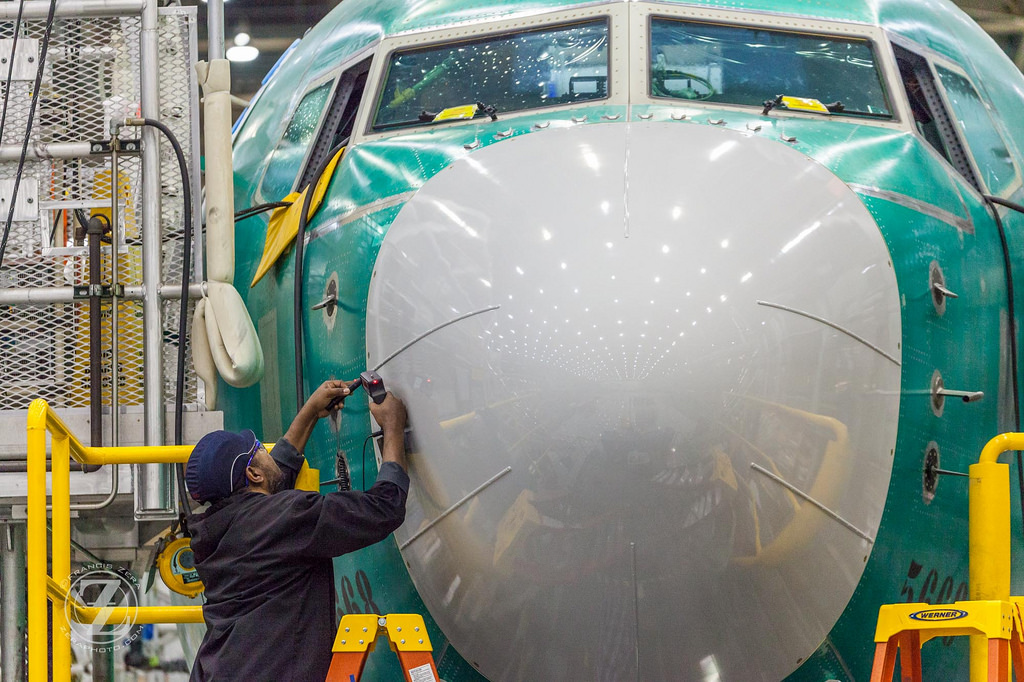
El Comité de Comercio del Senado ha elaborado un informe de 97 páginas que incluye las preocupaciones planteadas a raíz de dos accidentes fatales de Boeing 737 MAX en un período de cinco meses que provocaron la puesta a tierra de veinte meses del avión y el Congreso a aprobar reformas radicales en diciembre de 2020 sobre cómo la FAA certifica los nuevos aviones. «La supervisión de la FAA del proceso de certificación se ha erosionado, con el tiempo, delegó cada vez más su autoridad a Boeing y otros. La FAA debería tomar medidas inmediatas para abordar la presión indebida en la oficina de supervisión de seguridad de Boeing, crónicamente insuficiente en el personal. El proceso de certificación de la FAA sufre de una presión indebida sobre los ingenieros de línea y el personal de producción», dijo el informe.
En Noviembre 2021, tres Demócratas de la Cámara de Representantes de Estados Unidos le pidieron a Steve Dickson que proporcionara más detalles sobre la supervisión de la agencia del Boeing 737 MAX y cuestionaron si el fabricante había sido considerado plenamente responsable. El informe del Senado dijo que los accidentes del 737 MAX y la puesta a tierra de Estados Unidos levantada a fines de 2020 «le costaron a Boeing más de US$ 20 mil millones e infligieron un daño significativo a la reputación del sistema de supervisión de seguridad de la aviación de los Estados Unidos».
La oficina de supervisión de Boeing de la FAA carece de suficientes ingenieros de seguridad, y debe mejorar su cultura de seguridad. La Presidenta del Comité, Maria Cantwell, escribió al administrador de la FAA, Steve Dickson, pidiéndole que revise las «preocupaciones planteadas por estos denunciantes e implemente los cambios necesarios para mejorar la seguridad en la industria de la aviación».
La FAA dijo el Lunes 13/12 que «toma en serio todas las acusaciones de los denunciantes y no tolera represalias contra aquellos que plantean preocupaciones de seguridad». Steve Dickson dijo en Noviembre 2021 que «Boeing no es lo mismo que hace dos años, pero tienen más que trabajar». Dijo que la FAA estaba delegando menos responsabilidades a Boeing para la certificación de aeronaves y estaba exigiendo más transparencia de los fabricantes. La FAA está examinando actualmente una serie de problemas relacionados con los aviones Boeing 787.
US Senate condemns FAA
Senate blames FAA oversight of Boeing
A United States Senate report released Monday 12/13 says the Federal Aviation Administration (FAA) must do a better job overseeing The Boeing Company and the certification of new aircraft, as well as reviewing complaints raised by seven industry whistleblowers.
The Senate Commerce Committee has produced a 97-page report that includes concerns raised in the wake of two fatal Boeing 737 MAX crashes over a five-month period that resulted in the plane’s twenty-month grounding and Congress to pass Radical reforms in December 2020 on how the FAA certifies new aircraft. «The FAA’s oversight of the certification process has eroded, over time, increasingly delegating its authority to Boeing and others. The FAA should take immediate action to address undue pressure on Boeing’s safety oversight office, chronically understaffed. The FAA certification process is under undue pressure on line engineers and production personnel», the report said.
In November 2021, three US House Democrats asked Steve Dickson to provide more details on the agency’s oversight of the Boeing 737 MAX and questioned whether the manufacturer had been held fully responsible. The Senate report said the 737 MAX crashes and the US ground lifted in late 2020 «cost Boeing more than US$ 20 billion and inflicted significant damage on the reputation of the safety oversight system. of aviation of the United States».
The FAA’s Boeing oversight office lacks sufficient safety engineers, and must improve its safety culture. Committee Chair Maria Cantwell wrote to FAA Administrator Steve Dickson asking him to review the «concerns raised by these whistleblowers and implement the changes necessary to improve safety in the aviation industry».
The FAA said Monday 12/13 that it «takes all allegations by whistleblowers seriously and does not tolerate retaliation against those who raise safety concerns». Steve Dickson said in November 2021 that «Boeing is not the same as it was two years ago, but they have more to work with». He said the FAA was delegating fewer responsibilities to Boeing for aircraft certification and was demanding more transparency from manufacturers. The FAA is currently examining a number of issues related to Boeing 787 aircraft.
El cibercrimen de la aviación está en aumento a medida que los nuevos sistemas de aerolíneas y el trabajo remoto aumentan el área de ataque de superficie digital. Combinado con las inminentes regulaciones cibernéticas en varias jurisdicciones, hace que las medidas apropiadas de ciberseguridad de la aviación sean más importantes que nunca. Actualmente, existen tres áreas que las aerolíneas deben considerar: servicios de pasajeros, operaciones y control de aeronaves. Los servicios de pasajeros cubren todo, desde la reserva inicial hasta la gestión de la identidad y una experiencia de viaje a medida. El fraude, en particular la venta de boletos, es la principal preocupación y, en un año normal, le cuesta a las aerolíneas alrededor de US$ 1 mil millones. Pero los reclamos de reembolso falsos y la explotación de los Programas de Viajero Frecuente (FFP) de las aerolíneas se han vuelto tan frecuentes como los delitos con tarjetas de crédito. Además de lidiar con el fraude, las aerolíneas deben trabajar arduamente para proteger los datos de los pasajeros. Todo lo que la industria está tratando de hacer para agilizar y simplificar la experiencia de viaje aéreo implica el uso de datos. Todo lo recopilado debe equilibrarse con la ética de los datos y las buenas prácticas requieren la minimización de los datos, solo utilizando los datos que se necesitan. Sin embargo, muchos de los avances en los procesos aeroportuarios, como la facilitación biométrica, requieren que los pasajeros proporcionen datos personales importantes. Las leyes de privacidad, como el Reglamento General de Protección de Datos (GDPR) de la Unión Europea, establecen altos estándares para proteger estos datos y la mayoría de los pasajeros parecen felices de compartir información cuando sea necesario.
La última Encuesta Global de Pasajeros de la IATA encontró que: El 73% de los pasajeros están dispuestos a compartir sus datos biométricos para mejorar los procesos aeroportuarios (frente al 46% en 2019). El 88% compartirá información de inmigración antes de la salida para un procesamiento acelerado. Poco más de un tercio de los pasajeros (36%) han experimentado el uso de datos biométricos al viajar. De estos, el 86% quedó satisfecho con la experiencia. Sin embargo, la protección de datos sigue siendo un tema clave con un 56% que indica preocupación por las violaciones de datos. Y los pasajeros quieren claridad sobre con quién se comparten sus datos (52%) y cómo se usan / procesan (51%).
«Las preocupaciones de privacidad no son exclusivas de la aviación, pero eso no hace ninguna diferencia.La aviación todavía tiene que abordarlos y poner en marcha medidas de ciberseguridad», dice Manon Gaudet, Subdirectora de Ciberseguridad de la Aviación. Sin embargo, insiste en que no se trata solo de lograr el cumplimiento de la normativa: «No queremos seguridad en la lista de verificación. Las aerolíneas deben implementar sistemas basados en el riesgo».
Problemas de confianza
La confianza en el intercambio de datos también está en el corazón de los problemas cibernéticos operativos. Los datos tienen que fluir a través de la cadena de valor de la aviación y eso significa que los sistemas se hablen entre sí y que todas las partes tengan confianza en que los datos están protegidos. Pero la confianza es un concepto que no puede ser ordenado por los gobiernos. Por lo tanto, alcanzarlo es un desafío para la industria, especialmente porque están involucradas empresas de todos los tamaños, sin mencionar los diferentes niveles de ciberseguridad. Manon Gaudet dice que es fundamental que las organizaciones compartan vulnerabilidades o temores para que el ecosistema cibernético en general pueda ser protegido. Compartir conocimientos ayuda a prevenir futuros ataques y crea resiliencia cibernética. Significa que el punto más débil en la experiencia de los pasajeros de extremo a extremo se puede llevar a un nivel requerido y mantiene a todas las empresas por delante de las tendencias y desarrollos de ataque. «Recuerde, los atacantes no tienen problemas de confianza. No solo están trabajando con inteligencia artificial y nuevas técnicas, sino que también se ofrecen servicios entre sí para aprovechar diferentes capacidades de ataque».
En cuanto a los sistemas de aeronaves, este es potencialmente el aspecto más serio de los esfuerzos de ciberseguridad. Las aeronaves están cada vez más conectadas al suelo y eso abre la posibilidad de que los atacantes busquen interferir con los sistemas a bordo de las aeronaves, incluidos los sistemas críticos de vuelo. Todas las estrategias de ciberseguridad deben comenzar con la seguridad de estos.
Estrategia de ciberseguridad
Para las aerolíneas que buscan mejorar su ciberseguridad, el consejo de Manon Gaudet es «entrar en un experto. No trates de resolverlo tú mismo. Hay muchos ataques diferentes y muchas formas diferentes en que un ataque podría afectar a una aerolínea. Tienes que trabajar a través de todos los diferentes escenarios, especialmente aquellos que podrían tener un impacto en la seguridad».
En el Simposio Digital, de Datos y Retailing de la IATA, Martin Ninnemann, Director de Desarrollo de Negocios de Unisys, identificó seis elementos clave en la implementación de una estrategia de ciberseguridad: Protocolos criptográficos para garantizar la protección de extremo a extremo de los flujos de datos. Comunidades Virtuales de Interés para limitar la accesibilidad a los datos. Encubrimiento, para que los usuarios solo puedan ver la infraestructura que necesitan ver. Aislamiento dinámico, lo que significa identificar y apagar un punto de entrada, como un PC o servidor en particular, idealmente en cuestión de segundos, no minutos u horas. Integración con sistemas de gestión de identidad para facilitar operaciones fluidas. Transparencia con las aplicaciones para que los sistemas propietarios existentes puedan continuar con normalidad. Todo lo anterior, sugirió, se puede hacer sin cambiar la arquitectura existente. No hay ningún requisito para arrancar y reemplazar.
Manon Gaudet agrega una cultura de ciberseguridad a la lista. Afortunadamente, las aerolíneas no tienen que crear esto desde cero. «Una cultura de seguridad ya está omnipresente en toda la aviación y la ciberseguridad es solo una extensión de esto. No se trata de crear una cultura aislada. Está conectado con la idea de la mejora continua de la seguridad y las aerolíneas lo entienden completamente. Esto dará a las aerolíneas un cortafuegos humano. Puedes tener toda la tecnología del mundo, pero debes empoderar al personal. Los humanos son una de las mayores defensas de las aerolíneas contra los ciberataques, pero también puede ser su debilidad, por lo que la concienciación y la formación son clave».
Iniciativas de la industria
Para ayudar a las aerolíneas, hay una serie de iniciativas de la industria en marcha. Un enfoque común de la ciberseguridad es esencial. La cooperación no solo fortalecerá la red de información general, sino que también permitirá a las organizaciones hablar el mismo lenguaje cibernético. Términos como autenticación deben significar lo mismo para todas las empresas.
IATA estableció el Grupo de Trabajo de Gestión Cibernética (CMWG) para evaluar las necesidades de la industria y proporcionar la orientación adecuada. También existe el Grupo Directivo de Seguridad Cibernética de Sistemas Interconectados de Aeronaves (AISCS-SG), un foro informal que se ocupa particularmente de los sistemas interconectados relacionados con la seguridad de vuelo. IATA también está trabajando con el Consejo Internacional de Coordinación de Asociaciones de Industrias Aeroespaciales (ICCAIA) en el Aircraft Cyber Security eXchange Restricted FORUM (rFORUM) para ayudar a las aerolíneas a comprender mejor los riesgos asociados con la introducción de nuevas tecnologías y compartir esas preocupaciones con los fabricantes de equipos originales (OEM y titulares de aprobación de diseño (DAH).
A nivel de la OACI, existe el Grupo de Estudio de la Secretaría sobre Ciberseguridad (SSGC) y sus diferentes subgrupos, que están ocupados revisando el Plan de Acción de Ciberseguridad de la OACI (CyAP) y el Marco de Confianza, incluidos los nuevos requisitos de superposición segura de la aviación civil. La Agencia Europea de Seguridad Aérea (EASA) y EUROCAE también están consultando con la IATA sobre nuevas regulaciones. «No hay escasez de esfuerzo. Pero necesitamos más aportes de las aerolíneas para desarrollar la orientación correcta para que podamos satisfacer las necesidades de la industria en esta área crítica. Todas las organizaciones de aviación deben llegar a un nivel mínimo viable de ciberseguridad porque un solo ataque a un elemento crítico podría afectar a toda la industria. Sin embargo, eso no significa que todos tengan que implementar los últimos sistemas. Siempre se trata de adaptarse porque ninguna aerolínea puede hacer un reemplazo mayorista de sistemas cada año. El hecho es que nunca podremos lograr el 100% de ciberseguridad. Pero podemos reducir el riesgo y es esencial que lo hagamos. Los sistemas digitales críticos que forman parte de la infraestructura de aviación civil deben protegerse lo mejor que podamos», concluye Manon Gaudet.
IATA pursues cybersecurity
Taking cybersecurity to the next level
Aviation cybercrime is on the rise as new airline systems and remote work increase the digital surface area of attack. Combined with looming cyber regulations in various jurisdictions, it makes proper aviation cybersecurity measures more important than ever. Currently, there are three areas that airlines must consider: passenger services, aircraft operations and control. Passenger services cover everything from initial booking to identity management and a tailor-made travel experience. Fraud, particularly ticket sales, is the main concern and, in a normal year, costs airlines around US$ 1 billion. But false refund claims and exploitation of airlines’ Frequent Flyer Programs (FFPs) have become as prevalent as credit card crimes. In addition to dealing with fraud, airlines must work hard to protect passenger data. Everything the industry is trying to do to streamline and simplify the air travel experience involves the use of data. Everything collected must be balanced with data ethics and good practices require data minimization, only using the data that is needed. However, many of the advances in airport processes, such as biometric facilitation, require passengers to provide important personal data. Privacy laws, such as the General Data Protection Regulation (GDPR) of the European Union, set high standards to protect this data and most passengers seem happy to share information when necessary.
The latest IATA Global Passenger Survey found that: 73% of passengers are willing to share their biometric data to improve airport processes (up from 46% in 2019). 88% will share immigration information prior to departure for expedited processing. Just over a third of passengers (36%) have experienced the use of biometric data when traveling. Of these, 86% were satisfied with the experience. However, data protection remains a key issue with 56% indicating concern about data breaches. And passengers want clarity on who their data is shared with (52%) and how it is used / processed (51%).
«Privacy concerns are not unique to aviation, but that makes no difference. Aviation has yet to address them and put cybersecurity measures in place», says Manon Gaudet, Deputy Director of Aviation Cybersecurity. However, she insists that it is not just about achieving regulatory compliance: «We do not want safety on the checklist. Airlines must implement risk-based systems».
Trust issues
Confidence in data sharing is also at the heart of operational cyber problems. Data has to flow through the aviation value chain and that means systems are talking to each other and all parties have confidence that the data is protected. But trust is a concept that cannot be mandated by governments. Therefore, reaching it is a challenge for the industry, especially since companies of all sizes are involved, not to mention the different levels of cybersecurity. Manon Gaudet says that it is essential that organizations share vulnerabilities or fears so that the cyber ecosystem in general can be protected. Sharing knowledge helps prevent future attacks and builds cyber resilience. It means that the weakest point in the end-to-end passenger experience can be brought to a required level and keeps all businesses ahead of attack trends and developments. «Remember, attackers have no trust issues. Not only are they working with artificial intelligence and new techniques, they are also offering services to each other to take advantage of different attack capabilities».
When it comes to aircraft systems, this is potentially the most serious aspect of cybersecurity efforts. Aircraft are increasingly connected to the ground and that opens up the possibility for attackers to seek to interfere with systems on board aircraft, including critical flight systems. All cybersecurity strategies must start with their security.
Cybersecurity strategy
For airlines looking to improve their cybersecurity, Manon Gaudet’s advice is to «get into an expert. Don’t try to figure it out yourself. There are many different attacks and many different ways that an attack could affect an airline. You have to work at across all the different scenarios, especially those that could have an impact on security».
At the IATA Digital, Data and Retailing Symposium, Martin Ninnemann, Director of Business Development at Unisys, identified six key elements in implementing a cybersecurity strategy: Cryptographic protocols to ensure end-to-end protection of flows of data. Virtual Communities of Interest to limit accessibility to data. Cloaking, so that users can only see the infrastructure they need to see. Dynamic isolation, which means identifying and shutting down an entry point, such as a particular PC or server, ideally in a matter of seconds, not minutes or hours. Integration with identity management systems to facilitate smooth operations. Transparency with applications so that existing proprietary systems can continue as normal. All of the above, he suggested, can be done without changing the existing architecture. There is no requirement to start and replace.
Manon Gaudet adds a culture of cybersecurity to the list. Fortunately, airlines don’t have to create this from scratch. «A culture of safety is already ubiquitous throughout aviation and cybersecurity is just an extension of this. It is not about creating an isolated culture. It is connected to the idea of continuous safety improvement and is fully understood by airlines. This will give the airlines a human firewall», he adds. «You can have all the technology in the world, but you have to empower your staff. Humans are one of the airlines’ greatest defenses against cyberattacks, but it can also be their weakness, so awareness and training are key».
Industry Initiatives
To help airlines, there are a number of industry initiatives underway. A common approach to cybersecurity is essential. The cooperation will not only strengthen the general information network, but also allow organizations to speak the same cyber language. Terms like authentication should mean the same for all companies.
IATA established the Cyber Management Working Group (CMWG) to assess industry needs and provide appropriate guidance. There is also the Aircraft Interconnected Systems Cyber Security Steering Group (AISCS-SG), an informal forum that deals particularly with interconnected systems related to flight safety. IATA is also working with the International Council for the Coordination of Aerospace Industries Associations (ICCAIA) on the Aircraft Cyber Security eXchange Restricted FORUM (rFORUM) to help airlines better understand the risks associated with the introduction of new technologies and share those concerns. with Original Equipment Manufacturers (OEMs and Design Approval Holders (DAH).
At ICAO level, there is the Secretariat Study Group on Cybersecurity (SSGC) and its different subgroups, which are busy reviewing the ICAO Cybersecurity Action Plan (CyAP) and the Trust Framework, including the new requirements. safe overlay of civil aviation. The European Aviation Safety Agency (EASA) and EUROCAE are also consulting with IATA on new regulations. «There is no shortage of effort. But we need more input from airlines to develop the right guidance so that we can meet the needs of the industry in this critical area. All aviation organizations must reach a minimum viable level of cybersecurity because a single Attacking a critical element could affect the entire industry. However, that doesn’t mean everyone has to implement the latest systems. It’s always about adapting because no airline can do a wholesale replacement of systems every year. The fact is, never We can achieve 100% cybersecurity. But we can reduce risk and it is essential that we do so. Critical digital systems that are part of the civil aviation infrastructure must be protected to the best of our ability», concludes Manon Gaudet.
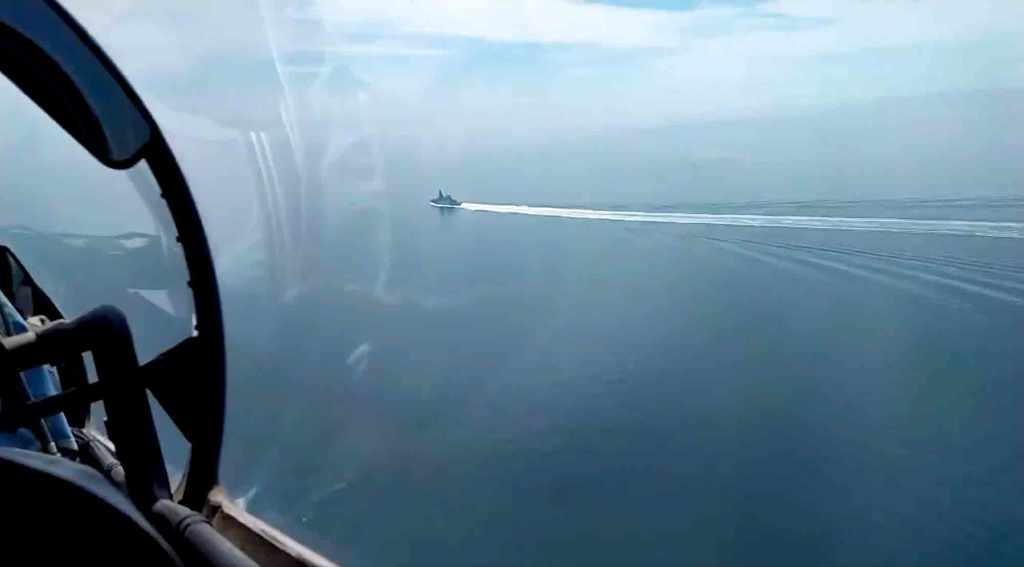
La Federación Rusia dijo que protestará oficialmente ante Estados Unidos por un incidente sobre el Mar Negro el Sábado 04/12, cuando aviones civiles tuvieron que desviarse de sus rutas debido a un avión espía estadounidense. «El aumento de la actividad de aviones de combate de Estados Unidos y la OTAN cerca de las fronteras rusas crea riesgos de incidentes peligrosos para la aviación civil. Si esta vez se evitara una catástrofe sobre el Mar Negro, esto no significa que Estados Unidos y la OTAN pudieran arriesgar la vida de las personas en el futuro sin castigo», dijo el Domingo 05/12 la portavoz del Ministerio de Relaciones Exteriores de Rusia, Maria Zakharova, en su página de Facebook.
Según la agencia de aviación civil de Rusia, dos aviones de pasajeros tuvieron que desviarse y cambiar de altitud porque un avión de vigilancia de la OTAN cruzó sus rutas e ignoró las señales de las autoridades de seguridad aérea rusas. Un vuelo era Aeroflot de Tel Aviv a Moscú y el otro era un avión maltés que volaba desde el balneario del Mar Negro de Sochi a Macedonia del Norte.
El Presidente ruso, Vladimir Putin, y el Presidente de Estados Unidos, Joe Biden, planean realizar una videollamada el Martes 07/12, después de semanas de escalada de tensión por la acumulación militar rusa en la frontera con Ucrania y las actividades militares de la OTAN alrededor del Mar Negro. Si bien la inteligencia estadounidense había concluido que el Kremlin estaba planeando una ofensiva contra Ucrania tan pronto como el próximo año con un estimado de 175,000 efectivos, Rusia advirtió a Occidente que no cruzara la línea roja de seguridad del Kremlin y evitara la expansión de la infraestructura militar occidental en Ucrania
Russia denounces Black Sea espionage
US spy planes threaten civil aviation
The Russian Federation said it will officially protest to the United States over an incident over the Black Sea on Saturday 04/12, when civilian planes had to deviate from their routes due to a US spy plane. «Increased activity by US and NATO fighter jets near Russian borders creates dangerous incident risks for civil aviation. If a catastrophe over the Black Sea were prevented this time, this does not mean that the United States and NATO could risk people’s lives in the future without punishment», said on Sunday 05/12 Russian Foreign Ministry spokeswoman Maria Zakharova on her Facebook page.
According to Russia’s civil aviation agency, two airliners had to veer off and change altitude because a NATO surveillance plane crossed their routes and ignored signals from Russian aviation security authorities. One flight was Aeroflot from Tel Aviv to Moscow and the other was a Maltese plane flying from the Black Sea resort of Sochi to North Macedonia.
Russian President Vladimir Putin and United States President Joe Biden plan to hold a video call on Tuesday 07/12, after weeks of escalating tension over the Russian military build-up on the border with Ukraine and the military activities of the NATO around the Black Sea. While US intelligence had concluded that the Kremlin was planning an offensive against Ukraine as early as next year with an estimated 175,000 troops, Russia warned the West not to cross the Kremlin’s security red line and avoid infrastructure expansion. Western military in Ukraine.
FAA inspecciones Boeing 787 por grietas estructurales
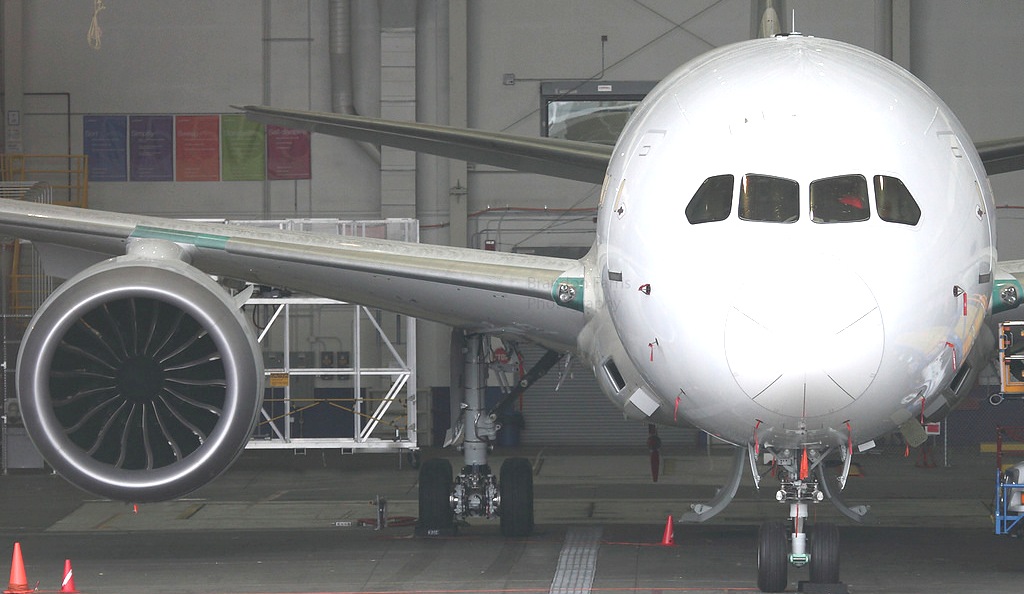
La Federal Aviation Administration (FAA) de Estados Unidos ha emitido dos Directivas de Aeronavegabilidad (AD) que requieren inspecciones de la línea Boeing 787 Dreamliner. El regulador de avaición ha comunicado que las aerolíneas y el constructor deberán realizar inspecciones de chequeo de la flota de aeronaves en línea de fabricación como así también de las unidades que se encuentran en las flotas de las líneas aéreas.
La FAA ha finalizado un plan de inspección para un subconjunto de Boeing 787 producidos entre 2013 y 2017 que pueden tener un shimming inadecuado en varias áreas. Dos directivas de aeronavegabilidad que se publican el 6 de Diciembre de 2021 exigen el protocolo de inspección para los operadores afectados, adoptando conjuntos de medidas respectivas para la seguridad del modelo de aeronaves fabricadas por el constructor americano.
FAA issues AD Boeing 787
FAA inspections Boeing 787 for structural cracks
The United States Federal Aviation Administration (FAA) has issued two Airworthiness Directives (AD) requiring inspections of the Boeing 787 Dreamliner line. The avaicion regulator has communicated that the airlines and the constructor must carry out check inspections of the aircraft fleet on the manufacturing line as well as the units that are in the airlines’ fleets.
The FAA has finalized an inspection plan for a subset of Boeing 787s produced between 2013 and 2017 that may have inadequate shimming in several areas. Two airworthiness directives published on December 6, 2021 require the inspection protocol for affected operators, adopting respective sets of measures for the safety of the aircraft model manufactured by the American manufacturer.
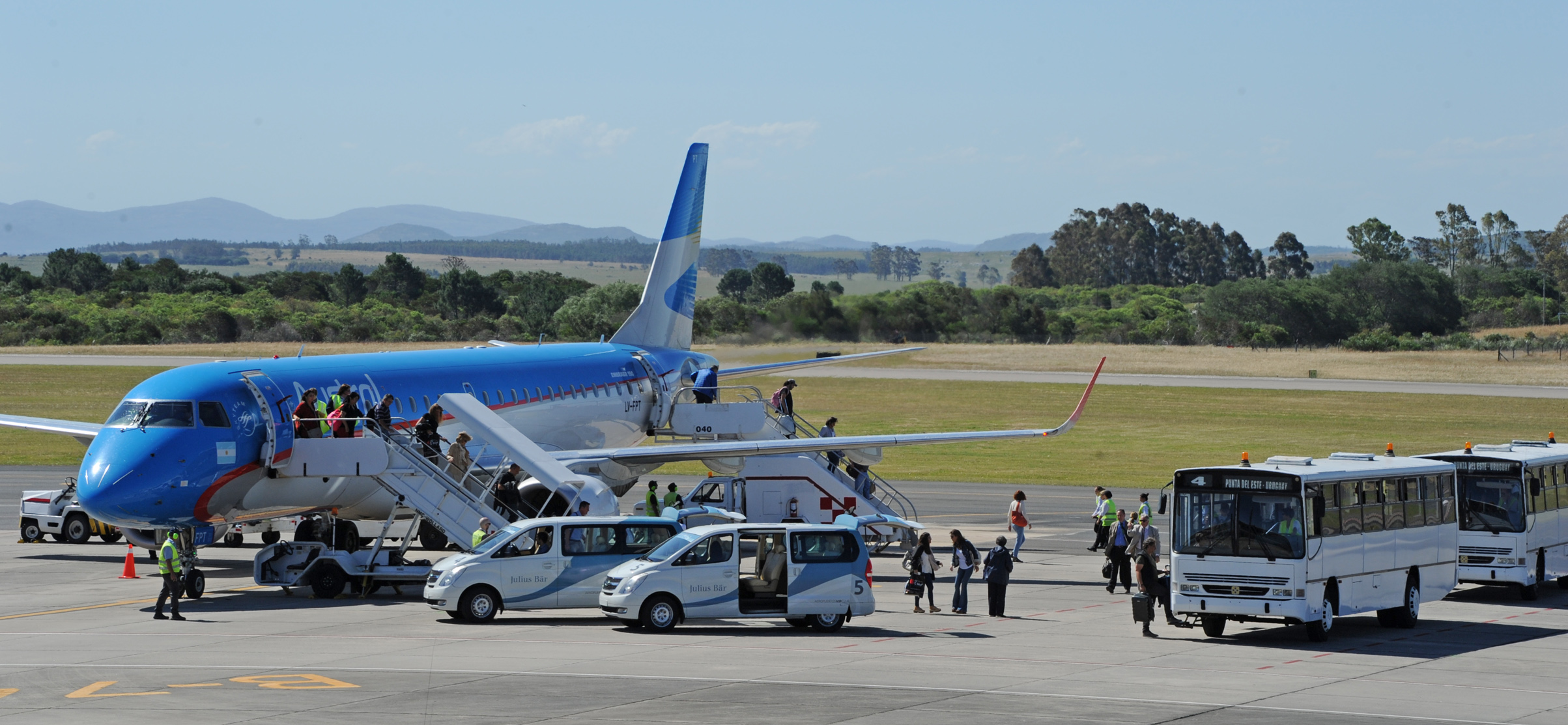
Un vuelo de Aerolíneas Argentinas partía en la tarde del Domingo 28/11 desde el Aeropuerto Jorge Newbery/AEP en Buenos Aires con destino a Punta del Este en el Aeropuerto de Laguna del Sauce/PDP. Sin embargo, producto de las malas condiciones meteorológicas, el viaje ha sido accidentado. La aeronave intentó aterrizar cinco veces durante una hora, durante la cual sobrevoló el aeropuerto uruguayo de Punta del Este. Tras no lograrlo, regresó a Aeroparque en la noche del Domingo 28/11, posponiendo el vuelo para la mañana del Lunes 29/11. El vuelo despegó nuevamente a las 06:50 hs. con otra tripulación y, esta vez, el avión hizo cuatro intentos hasta que logró finalmente aterrizar en Laguna del Sauce. Los pasajeros y sus familiares denunciaron la situación porque nunca lograron conocer las razones de lo sucedido y tuvieron que pasar la noche en la aeroestación porteña.
Los pasajeros abordo afirmaron que durante el vuelo se vivieron momentos tensos y muchos nervios por la falta de información de por qué había tantos intentos fallidos para tocar tierra en Uruguay. Algunos de los pasajeros manejaron información de que se trataba de problemas de luces y de radar, pero ni la compañía, ni las autoridades a cargo del vuelo pudieron darles explicaciones sobre los inconvenientes. Los responsables del Aeropuerto de Laguna del Sauce explicaron, por su parte, que en ambos vuelos las dificultades se relacionaron con factores meteorológicos y no tuvieron que ver con limitaciones técnicas por parte de la terminal aérea.
De hecho, confirmaron que el aeropuerto está trabajando con su tecnología y equipos sin ningún problema. También agregaron que al ingresar a la terminal aérea de Laguna del Sauce, solo se contaba con una funcionaria en migraciones que no daba abasto con sus tareas, como trámites y recepción de documentación de los viajeros. Afirmaron, incluso, que varios ingresaron al país sin los controles sanitarios vigentes y que algunas documentaciones requeridas para el ingreso no fueron solicitadas a los pasajeros. El Aeropuerto de Laguna del Sauce es el más cercano a la ciudad de Punta del Este y por ello varios vuelos internacionales de la región arriban al punto turístico uruguayo.
Resulta extraño el proceder de Aerolíneas Argentinas al no brindar las explicaciones referentes al incidente aéreo que ha involucrado a vos vuelos en la ruta Buenos Aires/AEP—Punta del Este/PDP. Las condiciones meteorológicas para el área FIR EZE para el Lunes 29/11 representaban en la ciudad de Buenos Aires y alrededores con cielo nublado, una temperatura estimada en 17 grados de mínima y 26 de máxima, y vientos del sector sudeste, informó el Servicio Meteorológico Nacional (SMN) de Argentina; mientras que en Punta del Este para el mismo día Lunes 29/11 presentaban condiciones del tiempo similares, por lo que la aeronavegación no representaba ningún imprevisto debido a que varios vuelos habían aterrizado sin dificultades ese día. De todas maneras, el Instituto Uruguayo de Meteorología (Inumet) había extendido la alerta que regía por vientos fuertes y persistentes, que se encontraba vigente hasta la 01:30 de este Martes 30/11. El servicio meteorológico Inumet extendió advertencia por vientos fuertes y persistentes para el Martes 30/11. Una depresión atmosférica se profundiza sobre el Sur y Este del territorio nacional, generando vientos sostenidos componente SW de entre 40-60 km/h con rachas de 75 km/h.
El incidente deberá ser investigado y dar explicaciones acerca de las condiciones de la flota de las aeronaves de Aerolíneas Argentinas que ha encendido algunas alarmas en estos últimos tiempos y de por qué tanto hermetismo al no dar explicaciones a la prensa.
Aerolíneas plane returns to Aeroparque
Aircraft returns due to weather conditions
An Aerolíneas Argentinas flight departed on the afternoon of Sunday 11/28 from Jorge Newbery Airport/AEP in Buenos Aires bound for Punta del Este at Laguna del Sauce Airport/PDP. However, due to bad weather conditions, the trip has been bumpy. The aircraft tried to land five times during an hour, during which time it flew over the Uruguayan airport of Punta del Este. After failing to do so, he returned to Aeroparque on the night of Sunday 11/28, postponing the flight until the morning of Monday 11/29. The flight took off again at 06:50. with another crew and, this time, the plane made four attempts until it finally managed to land in Laguna del Sauce. The passengers and their families denounced the situation because they never managed to find out the reasons for what happened and had to spend the night at the Buenos Aires air station.
The passengers on board said that during the flight they experienced tense moments and many nerves due to the lack of information about why there were so many failed attempts to make landfall in Uruguay. Some of the passengers handled information that it was about light and radar problems, but neither the company nor the authorities in charge of the flight could give them explanations about the inconveniences. Those responsible for the Laguna del Sauce Airport explained, for their part, that on both flights the difficulties were related to meteorological factors and had not to do with technical limitations on the part of the air terminal.
In fact, they confirmed that the airport is working with its technology and equipment without any problem. They also added that when entering the Laguna del Sauce air terminal, there was only one immigration official who could not cope with her tasks, such as paperwork and receipt of travelers’ documentation. They even affirmed that several entered the country without the current sanitary controls and that some documentation required for entry was not requested from the passengers. Laguna del Sauce Airport is the closest to the city of Punta del Este and therefore several international flights from the region arrive at the Uruguayan tourist spot.
The behavior of Aerolíneas Argentinas is strange when it does not provide explanations regarding the air incident that has involved you flights on the Buenos Aires/AEP—Punta del Este/PDP route. The meteorological conditions for the FIR EZE area for Monday 11/29 represented in the city of Buenos Aires and surroundings with cloudy skies, an estimated temperature of 17 degrees of minimum and 26 of maximum, and winds from the southeast sector, reported the Meteorological Service Nacional (SMN) of Argentina; While in Punta del Este on the same day, Monday 11/29, they had similar weather conditions, so the air navigation did not represent any unforeseen event because several flights had landed without difficulties that day. In any case, the Uruguayan Institute of Meteorology (Inumet) had extended the alert that governed for strong and persistent winds, which was in effect until 01:30 this Tuesday, 11/30. The Inumet meteorological service issued a warning for strong and persistent winds for Tuesday 11/30. An atmospheric depression deepens over the South and East of the national territory, generating sustained SW component winds of between 40-60 km/h with gusts of 75 km/h.
The incident must be investigated and explain the conditions of the Aerolíneas Argentinas aircraft fleet, which has set off some alarms in recent times and why so much secrecy by not giving explanations to the press.
AW | 2021 11 30 12:03 | GOVERNMENT / AVIATION SAFETY
Demócratas presionan FAA acción contra ciertos empleados Boeing
Mientras The Boeing Company está ansioso por dejar atrás las consecuencias de los dos accidentes aéreos del Boeing 737 MAX, los demócratas en el Comité de Transporte de la Cámara de Representantes de los Estados Unidos presidido por el Representante Peter DeFazio están presionando por una mayor responsabilidad individual por la falta de fiscalización en la línea de aeronaves comerciales.
El Lunes 29/11, DeFazio, (D-Ore.), y Rick Larsen, (D-Everett), Presidente del Subcomité de Aviación, preguntaron al Jefe de la Administración Federal de Aviación (FAA), Steve Dickson, qué acciones ha tomado la FAA contra individuos en Boeing responsables de dos casos específicos de aparente engaño a clientes y reguladores durante el desarrollo del 737 MAX. «Estamos profundamente preocupados por la ausencia de una responsabilidad rigurosa por las transgresiones pasadas de Boeing relacionadas con el 737 MAX y el fracaso de la FAA para responsabilizar a aquellos que violaron la confianza del público», escribieron los dos en una carta a Steve Dickson.
Los dos casos citados son independientes de los documentados por el Departamento de Justicia en su reciente acusación penal contra el ex-Piloto Jefe Técnico del 737 MAX, Mark Forkner. La carta pide específicamente que la FAA vaya tras otros en Boeing que no han sido identificados públicamente. La compañía declinó hacer comentarios el Lunes 29/11. El primer problema citado se relaciona con una alerta de cubierta de vuelo MAX diseñada para decir a los pilotos que las lecturas de los dos sensores de ángulo de ataque del avión no estaban de acuerdo. Boeing descubrió en 2017 que esta alerta no funcionaba en la gran mayoría de los MAX. Pero juzgó que el mal funcionamiento no era un problema de seguridad y decidió no solucionarlo hasta una actualización planificada en 2020.
The Boeing Company no informó a la FAA ni a sus clientes de aerolíneas del problema hasta después del primer accidente a fines de 2018. La carta de DeFazio cita al ex-Administrador interino de la FAA, Dan Elwell, en 2019, afirmando que debido a que esta alerta de tripulación fue aprobada como parte del diseño certificado por la FAA del MAX, «se requirió que se instalara y funcionara en todos los aviones 737 MAX». La carta señala que un ingeniero de Boeing que trabajaba como representante autorizado de la FAA «estuvo de acuerdo con la decisión de Boeing de retrasar la solución. Varias personas en toda la compañía eran conscientes de este problema. Las acciones de Boeing mostraron un total desprecio por el proceso regulatorio de la FAA», expresa la carta. DeFazio y Larsen preguntan qué ha hecho la FAA para responsabilizar a Boeing por engañar a sus clientes y violar las regulaciones de la FAA, y específicamente preguntan si ese ingeniero todavía está autorizado a realizar trabajos en nombre de la FAA.
Esfuerzo para minimizar MCAS
El segundo tema planteado en la carta es una reunión interna de la compañía en 2013, cuyo acta detalla un plan explícito de múltiples empleados de Boeing para minimizar los efectos del MCAS externamente, incluso a los reguladores. El Sistema de Aumento de Características de Maniobra (MCAS), es el sistema de control de vuelo que se activó erróneamente en los dos vuelos involucrados en accidentes aéreos (JT-610/ET-302) y obligó a ambos aviones a caer en picada. «Si enfatizamos que MCAS es una nueva función, puede haber un mayor impacto en la certificación y la capacitación», señalaron las actas de esa reunión. Una vez más, la carta de DeFazio y Larsen señala que un representante autorizado de Boeing firmó el plan para minimizar el MCAS.
«¿Qué ha hecho la FAA, si es que ha hecho algo, para responsabilizar a cualquiera de las personas en Boeing que participaron en los esfuerzos de Boeing en 2013 para minimizar el MCAS?», pregunta la carta. Específicamente, pregunta si el Representante Autorizado de Boeing que aprobó el plan todavía está autorizado para realizar trabajos en nombre de la FAA. Este renovado impulso para una mayor rendición de cuentas se produce después de que Boeing llegara a un acuerdo legal este mes con las familias de los que murieron en el accidente de Ethiopian Airlines que estableció un proceso para resolver casi todas las reclamaciones. Ese acuerdo cubre casi todas las reclamaciones pendientes contra la empresa.
Mientras tanto, el Boeing 737 MAX está de vuelta en el cielo, con unos 1.300 vuelos por día, según datos de la FAA. A finales de Octubre, 207 de los 380 Boeing 737 MAX que se habían entregado antes de la puesta a tierra estaban de nuevo en servicio en todo el mundo. Otros 203 nuevos MAX habían sido autorizados por la FAA para volar pasajeros.
Representatives pressure Boeing
Democrats push FAA action against certain Boeing employees
While The Boeing Company is eager to put the fallout from the two Boeing 737 MAX plane crashes behind, Democrats in the United States House of Representatives Transportation Committee chaired by Representative Peter DeFazio are pushing for greater individual responsibility. due to the lack of supervision in the commercial aircraft line.
On Monday 11/29, DeFazio, (D-Ore.), And Rick Larsen, (D-Everett), Chairman of the Aviation Subcommittee, asked the Chief of the Federal Aviation Administration (FAA), Steve Dickson, what actions he has taken by the FAA against individuals at Boeing responsible for two specific cases of apparent deception of customers and regulators during the development of the 737 MAX. «We are deeply concerned about the absence of rigorous accountability for past Boeing violations related to the 737 MAX and the FAA’s failure to hold accountable those who violated the public’s trust», the two wrote in a letter to Steve Dickson.
The two cases cited are separate from those documented by the Justice Department in its recent criminal indictment against former 737 MAX Technical Chief Pilot Mark Forkner. The letter specifically calls for the FAA to go after others at Boeing who have not been publicly identified. The company declined to comment on Monday 11/29. The first issue cited relates to a MAX flight deck alert designed to tell pilots that the readings from the aircraft’s two angle of attack sensors were not in agreement. Boeing discovered in 2017 that this alert was not working on the vast majority of MAXs. But it judged that the malfunction was not a security issue and decided not to fix it until a planned update in 2020.
The Boeing Company did not inform the FAA or its airline customers of the problem until after the first accident in late 2018. DeFazio’s letter quotes former Acting FAA Administrator Dan Elwell in 2019, stating that due to That this crew alert was approved as part of the FAA-certified design of the MAX, «it was required to be installed and operated on all 737 MAX aircraft». The letter notes that a Boeing engineer working as an authorized FAA representative «agreed with Boeing’s decision to delay the solution. Several people throughout the company were aware of this problem. Boeing’s actions showed utter disregard. through the FAA regulatory process», the letter states. DeFazio and Larsen ask what the FAA has done to hold Boeing accountable for misleading its customers and violating FAA regulations, and specifically ask if that engineer is still authorized to perform work on behalf of the FAA.
Effort to minimize MCAS
The second issue raised in the letter is an internal company meeting in 2013, the minutes of which detail an explicit plan by multiple Boeing employees to minimize the effects of MCAS externally, including to regulators. The Maneuvering Characteristics Increase System (MCAS) is the flight control system that was erroneously activated on the two flights involved in air accidents (JT-610 / ET-302) and forced both planes to plummet. «If we emphasize that MCAS is a new role, there may be a greater impact on certification and training», the minutes of that meeting noted. Again, the letter from DeFazio and Larsen notes that an authorized Boeing representative signed the plan to minimize MCAS.
«What, if anything, has the FAA done to hold accountable any of the people at Boeing who participated in Boeing’s efforts in 2013 to minimize MCAS?». The letter asks. Specifically, it asks if the Boeing Authorized Representative who approved the plan is still authorized to perform work on behalf of the FAA. This renewed push for greater accountability comes after Boeing reached a legal settlement this month with the families of those who died in the Ethiopian Airlines crash that established a process to resolve nearly all claims. That settlement covers almost all pending claims against the company.
Meanwhile, the Boeing 737 MAX is back in the sky, with about 1,300 flights a day, according to FAA data. By the end of October, 207 of the 380 Boeing 737 MAXs that had been delivered prior to grounding were back in service worldwide. Another 203 new MAXs had been cleared by the FAA to fly passengers.
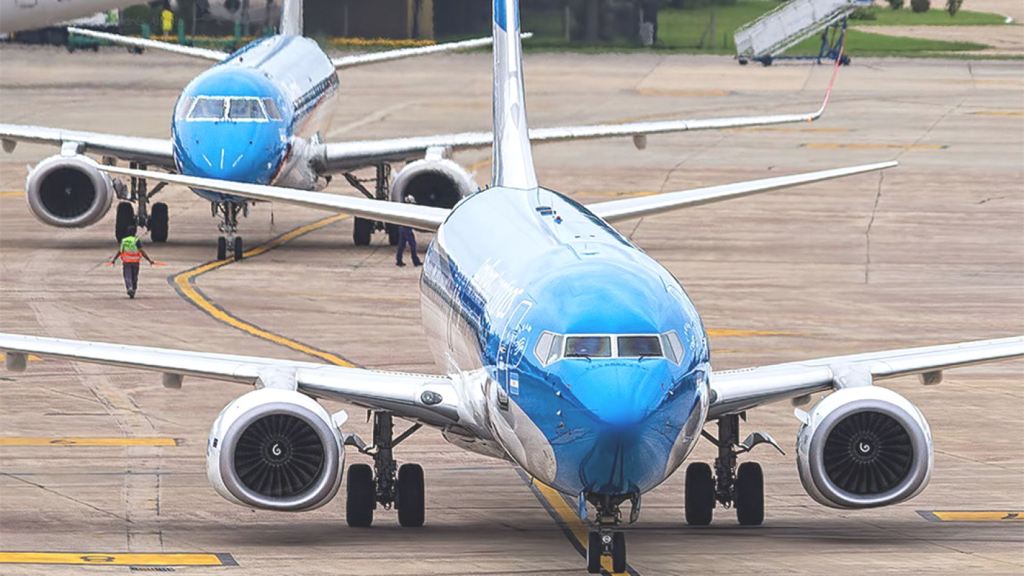
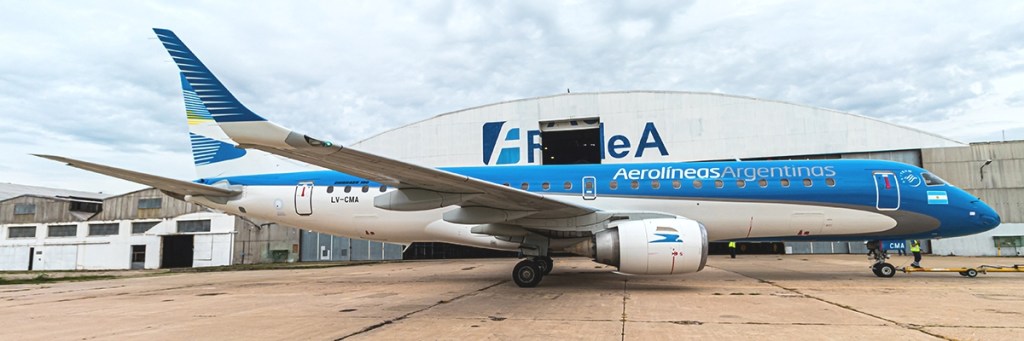
Aerolíneas Argentinas podría quedar envuelta en un escándalo si avanza en la Justicia una denuncia realizada por ex-empleados que acusan a la empresa estatal de adulterar los informes de mantenimiento de sus aviones. Un informe del programa PPT Box emitido la semana pasada en el canal televisión El Trece, reveló que el 42% de la flota de aviones de Aerolíneas Argentinas permanece en tierra por falta de mantenimiento, incluyendo casi todas sus aeronaves Embraer E190, lo que a su vez puede generar una baja de vuelos de cabotaje. El periodista conductor del programa, Jorge Lanata, sumó ahora una denuncia realizada por dos ex-técnicos de la compañía en la que advierten sobre «la adulteración de registros de tareas de mantenimiento, que las reglas para mantener los aviones preservados no se cumplieron. Según la denuncia, en el sistema de registros de los aviones de flota Embraer figuran chequeos y revisiones hechos en tiempo y forma, pero que en realidad nunca se realizaron. La persona que firmó no estaba trabajando ese día, por lo que no pudo haber firmado nada».
Los aviones regionales Embraer E190 pueden estar funcionando sin haber sido revisados, lo cual representa un riesgo muy grande, responsabilizando a la compañía de sacar aviones que no están chequeados. «Hay por lo menos tres aviones que están volando sin haber cumplido las reglas de revisión», expresan los ex-empleados del área de Mantenimiento. Esto se suma a la falta de inversión en el mantenimiento de la flota de más de setenta (70) aviones propios y alquilados que posee la empresa aérea estatal, que según especialistas requiere un desembolso urgente de US$ 200 millones de Dólares. La denuncia está siendo investigada en el Juzgado de Sebastián Casanello.
Aerolíneas, maintenance hazard
Dangerous scandal would affect Aerolíneas Argentinas
Aerolíneas Argentinas could be involved in a scandal if a complaint made by ex-employees who accuse the state company of tampering with the maintenance reports of their aircraft advances in court. A report from the PPT Box program broadcast last week on the television channel El Trece, revealed that 42% of the aircraft fleet of Aerolíneas Argentinas remains on the ground due to lack of maintenance, including almost all of its Embraer E190 aircraft, which in turn time it can generate a loss of domestic flights. The journalist host of the program, Jorge Lanata, now added a complaint made by two former technicians of the company in which they warn about «the adulteration of maintenance tasks records, that the rules to keep the planes preserved were not complied with. the complaint, in the Embraer fleet aircraft records system there are checks and revisions made in a timely manner, but which were never actually carried out. The person who signed was not working that day, so he could not have signed anything».
Embraer E190 regional jets may be operating without being checked, which represents a very great risk, holding the company responsible for taking out planes that are not checked. «There are at least three planes that are flying without having complied with the inspection rules», express the former employees of the Maintenance area. This is in addition to the lack of investment in the maintenance of the fleet of more than seventy (70) owned and leased aircraft owned by the state airline, which according to specialists requires an urgent outlay of US$ 200 million. The complaint is being investigated in the Court of Sebastián Casanello.
Aerolíneas preocupadas tras nueva variante de Coronavirus
Las puertas de viaje se cierran de golpe cuando la nueva variante de Covid-19 denominada Omicron, activa la alarma dejando varados a cientos de pasajeros retornando a las restricciones en todo el mundo a medida que aumentan los casos de contagios. La variante de Omicron provoca prohibiciones de viaje y preocupa a los científicos. Los principales destinos de viaje, incluidos la Unión Europea, Japón, Australia, Estados Unidos y Canadá, se han movido para bloquear los vuelos desde países africanos tras el descubrimiento de la variante Omicron, haciéndose eco de las respuestas de emergencia anteriores que desencadenaron una congelación global de los viajes.
La velocidad con la que se impusieron las nuevas restricciones, pocas horas después de que las autoridades sanitarias sudafricanas anunciaran el descubrimiento de la variante, significó que los pasajeros se han encontrado varados sin previo aviso. Cientos de pasajeros de Sudáfrica fueron retenidos durante horas en el aeropuerto de Schiphol en Ámsterdam el Viernes 26/11, y docenas terminaron siendo enviados a una cuarentena hotelera. Esto se produjo después de que los Países Bajos impusieran nuevas restricciones de viaje en medio de las preocupaciones sobre una mutación agresiva del nuevo coronavirus.
Dos vuelos que transportaban entre 400 y 600 pasajeros de Sudáfrica, uno desde Ciudad del Cabo y otro desde Johannesburgo, aterrizaron el viernes por la mañana hora local en Schiphol, dijo un portavoz del aeropuerto. Las autoridades sanitarias holandesas dijeron más tarde que 61 de los pasajeros dieron positivo por el virus, aunque aún no se ha determinado si habían sido infectados con la variante Omicron.
La nueva cepa se ha detectado hasta ahora en Sudáfrica, Botswana y en dos viajeros en cuarentena en Hong Kong. También se ha informado de un caso en Bélgica y en Israel. Varios otros países europeos, incluidos Alemania y la República Checa, dijeron que estaban investigando casos sospechosos. Los estados de la Unión Europea acordaron introducir restricciones temporales a todos los viajes a la UE desde el sur de África sobre la nueva variante del coronavirus, dijo el bloque el viernes. Los países afectados son Botswana, Esuatini, Lesotho, Mozambique, Namibia, Sudáfrica, Zimbabue, dijo el portavoz de la Comisión Europea, Eric Mamer.
Mientras tanto, el Presidente de Estados Unidos, Joe Biden, restringirá los viajes desde Sudáfrica, Botswana, Zimbabue, Namibia, Lesotho, Esuatini, Mozambique y Malawi a partir del Lunes 22/11, dijeron funcionarios de la administración. Joe Biden dijo a la prensa que había decidido que vamos a ser cautelosos sobre la variante. «No sabemos mucho sobre la variante, excepto que es una gran preocupación y parece propagarse rápidamente», dijo el mandatario estadounidense. Canadá estará «prohibiendo la entrada de ciudadanos extranjeros que han viajado por el sur de África en los últimos 14 días, debido a la variante Omicron», dijo el Ministro de Salud, Jean-Yves Duclos, en una conferencia de prensa el Viernes 26/11. Cualquier persona que haya viajado por el sur de África en los últimos 14 días debe hacerse una prueba de Covid-19 y ponerse en cuarentena hasta que obtenga un resultado negativo de la prueba. Los países incluyen Sudáfrica, Mozambique, Botswana, Namibia, Zimbabwe, Lesotho y Esuatini. «Los canadienses y residentes permanentes y aquellos con derecho de entrada a Canadá serán examinados a su llegada, [y] se pondrán en cuarentena hasta que obtengan el resultado de una prueba negativa», según Jean-Yves Duclos. El Reino Unido, Japón, Brasil, Tailandia, Singapur, Tukey, Egipto, Dubai, Arabia Saudita, Bahrein y Jordania también se encuentran entre los que imponen restricciones a los vuelos y viajeros de las naciones del sur de África a la luz de la nueva variante.
La Organización Mundial de la Salud (OMS) anunció el Viernes 26/11 que había designado la variante recientemente identificada, B.1.1.529 (Omicron), como una variante de preocupación. Si bien hasta ahora solo se han identificado docenas de casos, las noticias de la variante, que tiene alrededor del doble de mutaciones que la variante Delta, ya están generando temores en todo el mundo.
El Viernes 26/11, la Asociación Internacional de Transporte Aéreo (IATA) advirtió contra las prohibiciones de viaje, enfatizando que tales restricciones no son una solución a largo plazo cuando se trata de manejar las variantes del Coronavirus. «Los gobiernos están respondiendo a los riesgos de la nueva variante del coronavirus en modo de emergencia causando miedo entre el público viajero. Tan pronto como sea posible, debemos usar la experiencia de los últimos dos años para pasar a un enfoque coordinado basado en datos que encuentre alternativas seguras al cierre de fronteras y la cuarentena», dijo el Director General de la IATA, Willie Walsh, en un comunicado.
New variant COVID alert aviation
Airlines concerned after new variant of Coronavirus
Travel doors slam shut when the new variant of Covid-19 called Omicron triggers the alarm, stranding hundreds of passengers, reverting to restrictions around the world as cases of infections increase. The Omicron variant triggers travel bans and worries scientists. Major travel destinations, including the European Union, Japan, Australia, the United States and Canada, have moved to block flights from African countries following the discovery of the Omicron variant, echoing previous emergency responses that triggered a freeze. global travel.
The speed with which the new restrictions were imposed, just hours after South African health authorities announced the discovery of the variant, meant that passengers have found themselves stranded without warning. Hundreds of South African passengers were held for hours at Amsterdam’s Schiphol Airport on Friday, and dozens ended up being sent to a hotel quarantine. This came after the Netherlands imposed new travel restrictions amid concerns about an aggressive mutation of the new coronavirus.
Two flights carrying between 400 and 600 passengers from South Africa, one from Cape Town and the other from Johannesburg, landed at Schiphol local time on Friday morning, an airport spokesman said. Dutch health authorities later said 61 of the passengers tested positive for the virus, although it has not yet been determined whether they had been infected with the Omicron variant.
The new strain has so far been detected in South Africa, Botswana, and in two quarantined travelers in Hong Kong. A case has also been reported in Belgium and Israel. Several other European countries, including Germany and the Czech Republic, said they were investigating suspected cases. European Union states agreed to introduce temporary restrictions on all travel to the EU from southern Africa on the new variant of the coronavirus, the bloc said on Friday 26/11. The affected countries are Botswana, Eswatini, Lesotho, Mozambique, Namibia, South Africa, Zimbabwe, said European Commission spokesman Eric Mamer.
Meanwhile, US President Joe Biden will restrict travel from South Africa, Botswana, Zimbabwe, Namibia, Lesotho, Eswatini, Mozambique and Malawi starting Monday 11/22, administration officials said. Joe Biden told reporters that he had decided that we are going to be cautious about the variance. «We don’t know much about the variant, except that it is a great concern and seems to be spreading rapidly», the US president said. Canada will be «banning the entry of foreign nationals who have traveled through South Africa in the last 14 days, due to the Omicron variant», Health Minister Jean-Yves Duclos said at a press conference on Friday. Anyone who has traveled through southern Africa in the past 14 days should be tested for Covid-19 and self-quarantined until they have a negative test result. The countries include South Africa, Mozambique, Botswana, Namibia, Zimbabwe, Lesotho, and Eswatini. «Canadians and permanent residents and those with the right of entry to Canada will be screened upon arrival, [and] will be quarantined until they obtain a negative test result», according to Jean-Yves Duclos. The United Kingdom, Japan, Brazil, Thailand, Singapore, Tukey, Egypt, Dubai, Saudi Arabia, Bahrain and Jordan are also among those imposing restrictions on flights and travelers from southern African nations in light of the new variant.
The World Health Organization (WHO) announced on Friday 11/26 that it had designated the newly identified variant, B.1.1.529 (Omicron), as a variant of concern. While only dozens of cases have been identified so far, news of the variant, which has about twice as many mutations as the Delta variant, is already raising fears around the world.
On Friday 11/26, the International Air Transport Association (IATA) warned against travel bans, emphasizing that such restrictions are not a long-term solution when it comes to handling variants of the Coronavirus. «Governments are responding to the risks of the new variant of the coronavirus in emergency mode causing fear among the traveling public. As soon as possible, we must use the experience of the last two years to move to a coordinated, data-driven approach that find safe alternatives to border closures and quarantine», IATA Director General Willie Walsh said in a statement.
AW | 2021 11 26 22:14 | AIR INVESTIGATION / AVIATION SAFETY
Boeing refuta nuevas preocupaciones de seguridad
Ha sido llamado «el avión de transporte más analizado de la historia», pero algunos críticos creen que el Boeing 737 MAX de The Boeing Company todavía no es seguro. Fue autorizado a volar pasajeros nuevamente por los reguladores estadounidenses el año pasado, después de haber sido inmovió a tierra después de dos accidentes catastróficos. Desde entonces, sin embargo, se han reportado una serie de problemas potencialmente graves durante los vuelos del 737 MAX. Boeing insiste en que el avión es seguro y confiable.
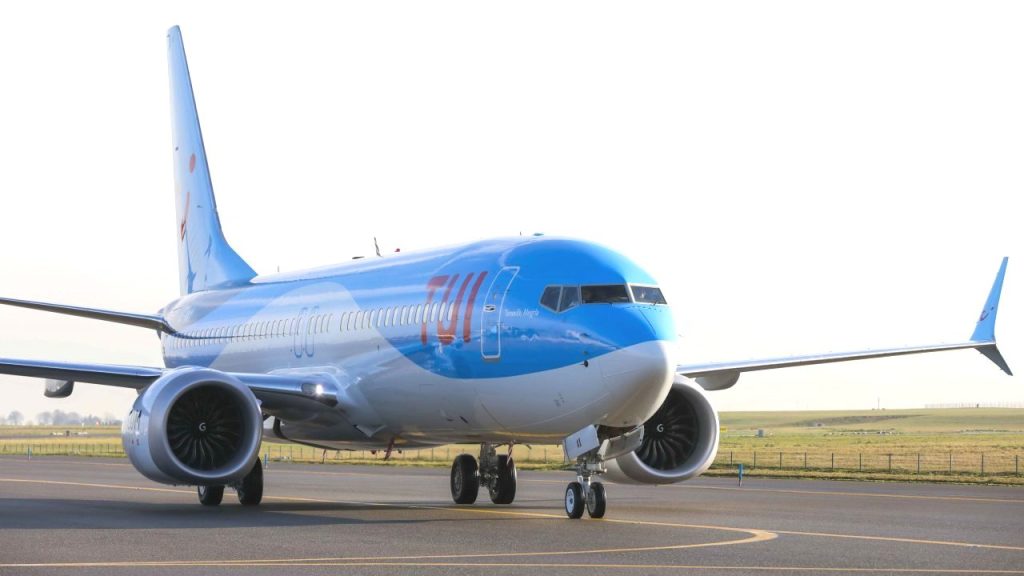
El 14 de Octubre de 2021, un Boeing 737-8 MAX despegaba del Aeropuerto Boeing Field de Seattle (WA), con destino a Bruselas, Bélgica. Era un vuelo de entrega, tomando el nuevo avión para comenzar a trabajar para sus propietarios del grupo de viajes Tui, bajo la aerolínea Tui Airways. Pero minutos después del viaje de 5,000 millas, los pilotos informaron un «problema de control de vuelo» urgente y tuvieron que regresar. El avión aterrizó de forma segura poco después. El problema, vinculado al piloto automático, se rectificó con relativa rapidez. El avión partió de nuevo hacia Bruselas al día siguiente, y ha estado volando regularmente desde entonces. Sin embargo, este no fue un incidente aislado.
Cada vez que un transportista o estación de reparación de los Estados Unidos descubre cualquier falla grave, mal funcionamiento o defecto a bordo de una aeronave, debe informar al regulador de los Estados Unidos, la Administración Federal de Aviación (FAA), a través de un llamado «Informe de Dificultad de Servicio». Ha habido más de 180 informes de este tipo desde que el 737 MAX regresó al servicio. La mayoría de las fallas se encontraron en aviones que estaban en tierra. Pero en 22 ocasiones, ocurrieron en vuelo, y en cuatro de ellas los pilotos declararon emergencias. Los pilotos estadounidenses también declararon emergencias en otras dos ocasiones debido a fallas en el motor. Estos eventos no aparecen actualmente en la base de datos de la FAA, pero se han informado en el sitio web Aviation Herald, que enumera los accidentes e incidentes en la aviación comercial. Los problemas ocurrieron en una flota estadounidense que todavía es relativamente pequeña, con menos de 160 aviones entregados a mediados de octubre, algunos de los cuales estuvieron en tierra durante varias semanas a principios de año después del descubrimiento de problemas eléctricos.
Boeing 737 MAX safety questioned
Boeing refutes new safety concerns
It has been called «the most analyzed transport aircraft in history,» but some critics believe that The Boeing CompanyBoeing 737 MAX is still not safe. It was cleared to fly passengers again by US regulators last year, after being grounded after two catastrophic accidents. Since then, however, a number of potentially serious problems have been reported during 737 MAX flights. Boeing insists that the plane is safe and reliable.
On October 14, 2021, a Boeing 737-8 MAX took off from Boeing Field Airport in Seattle (WA), bound for Brussels, Belgium. It was a delivery flight, taking the new plane to start working for its owners from the Tui travel group, under the airline Tui Airways. But minutes after the 5,000-mile trip, the pilots reported an urgent «flight control problem» and had to turn back. The plane landed safely shortly after. The problem, linked to the autopilot, was rectified relatively quickly. The plane departed again for Brussels the next day, and has been flying regularly ever since. However, this was not an isolated incident.
Anytime a carrier or repair station in the United States discovers any serious failure, malfunction, or defect on board an aircraft, it must report it to the United States regulator, the Federal Aviation Administration (FAA), through a called «Service Difficulty Report». There have been more than 180 such reports since the 737 MAX returned to service. Most of the faults were found in planes that were on the ground. But on 22 occasions, they occurred in flight, and in four of them the pilots declared emergencies. American pilots also declared emergencies on two other occasions due to engine failures. These events do not currently appear in the FAA database, but have been reported on the Aviation Herald website, which lists accidents and incidents in commercial aviation. The problems occurred in a US fleet that is still relatively small, with fewer than 160 aircraft delivered in mid-October, some of which were grounded for several weeks early in the year after the discovery of electrical problems.
AW | 2021 11 26 22:03 | AVIATION SAFETY / GOVERNMENT
Cámara de Representantes solicita a DOT supervisión FAA Boeing 787
El Presidente del Comité de Transporte e Infraestructura de la Cámara de Representantes de Estados Unidos, Peter DeFazio (D-OR), el miembro de Mayor Rango Sam Graves (R-MO), el Presidente del Subcomité de Aviación Rick Larsen (D-WA) y el miembro de rango del Subcomité Garret Graves (R-LA) solicitaron a la Oficina del Inspector General (OIG) del Departamento de Transporte (DOT) de los Estados Unidos que realizara una revisión de la supervisión por parte de la Federal Aviation Administration (FAA) de la fabricación y producción del Boeing 787.
Los Miembros destacaron varias preocupaciones en su carta: «En Octubre de 2020, Boeing detuvo la entrega de nuevos 787 a los clientes durante varios meses debido a problemas de producción. Durante 2021, Boeing reinició las entregas en marzo, pero Boeing identificó problemas de producción adicionales y detuvo las entregas en mayo. La producción se detuvo nuevamente en Julio, y las entregas actualmente permanecen en pausa».
Los Miembros concluyeron solicitando a la OIG que evaluara si el programa de inspección existente de la FAA es suficiente para identificar problemas de producción, incluyendo si la FAA tiene suficientes inspectores, si la FAA realiza suficientes inspecciones y si la FAA tiene procesos apropiados para identificar problemas de producción. También pidieron a la OIG que revise y evalúe la efectividad de las acciones de la FAA para resolver los problemas de producción del 787.
Transportation Supervision Committee 787
House of Representatives requests DOT oversight FAA Boeing 787
The Chairman of the Transportation and Infrastructure Committee of the United States House of Representatives, Peter DeFazio (D-OR), Senior Member Sam Graves (R-MO), the Chairman of the Aviation Subcommittee Rick Larsen (D-WA ) and rank member Garret Graves (R-LA) Subcommittee requested the Office of the Inspector General (OIG) of the United States Department of Transportation (DOT) to conduct a review of oversight by the Federal Aviation Administration (FAA) of the manufacture and production of the Boeing 787.
Members highlighted several concerns in their letter: «In October 2020, Boeing halted delivery of new 787s to customers for several months due to production problems. During 2021, Boeing restarted deliveries in March, but Boeing identified production problems. additional and halted deliveries in May. Production was halted again in July, and deliveries are currently on hold».
Members concluded by requesting the OIG to assess whether the FAA’s existing inspection program is sufficient to identify production problems, including whether the FAA has enough inspectors, whether the FAA conducts enough inspections, and whether the FAA has appropriate processes to identify problems. of production. They also asked the OIG to review and assess the effectiveness of the FAA’s actions in resolving the 787 production issues.























 airgways.com