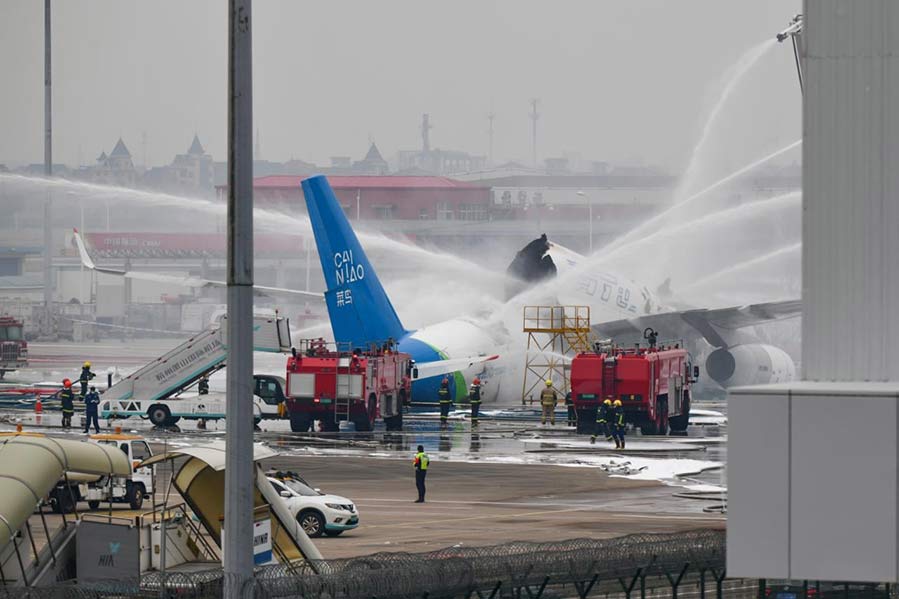
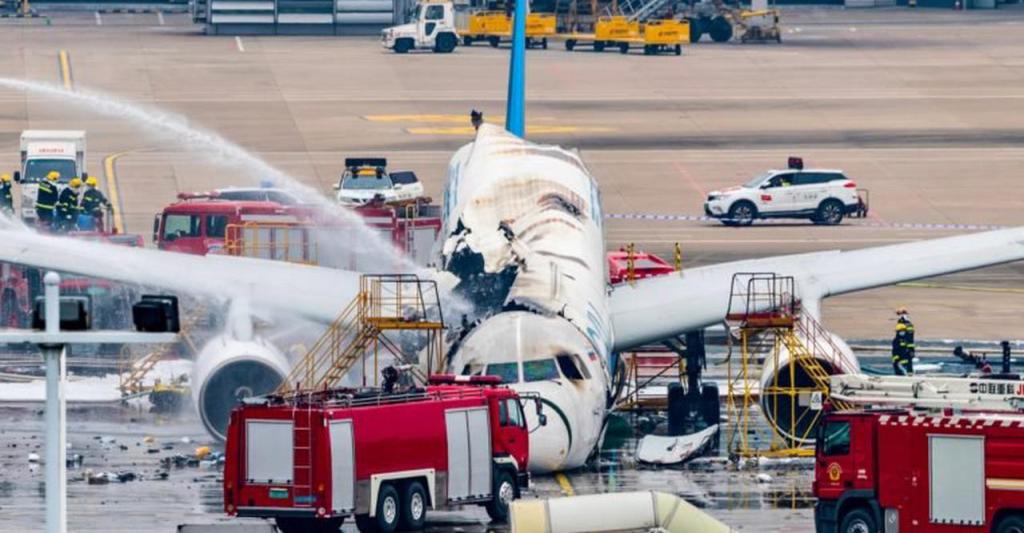
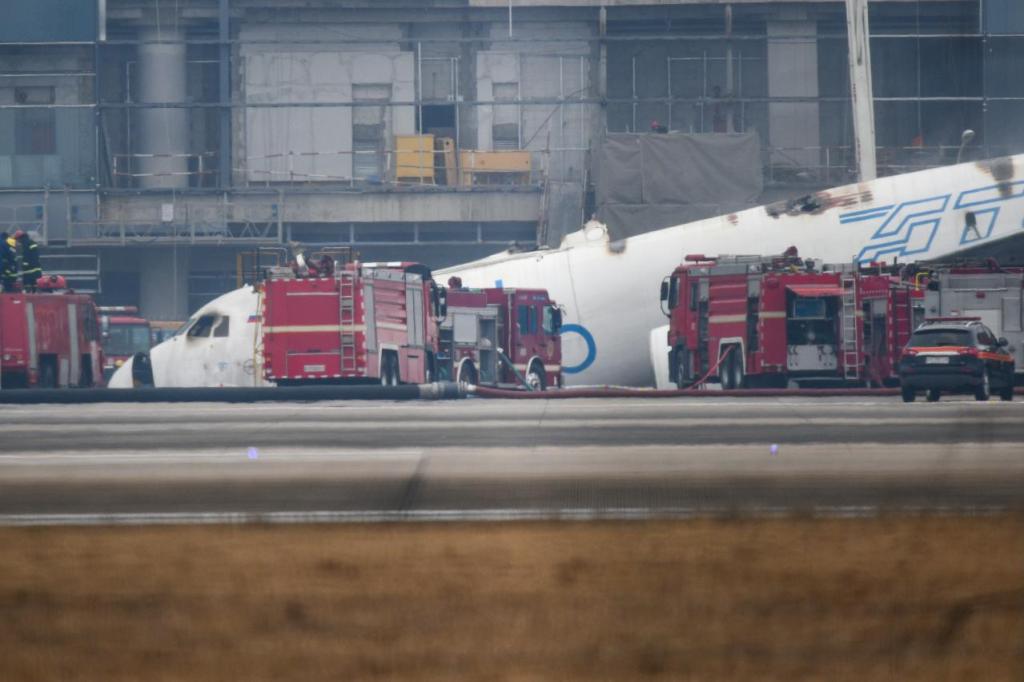
Un Tupolev Tu-204-100C con registro RA-64032 de la compañía Aviastar-TU Airlines que se preparaba para despegar del Aeropuerto Internacional Hangzhou Xiaoshan/HGH en la República Popular de China con destino a Novosibirsk/OVB, Federación Rusia, terminó en llamas. La aeronave Tu-204 tenía veinte toneladas de cargas más veintiséis toneladas de combustible. Según los medios locales, el incendio comenzó en la cabina del avión, con ocho miembros de la tripulación a bordo, pero todos dejaron el avión y todos salieron ilesos.
El Aeropuerto de Hangzhou comenzó inmediatamente los procedimientos de emergencia, que no impidieron el avance del fuego y, en consecuencia, la destrucción avanzada de la aeronave, lo que hizo imposible repararla. Las causas del incendio no se han revelado, pero la situación de la aeronave es muy similar a la del Tu-204 ruso, que en Agosto 2013 fue destruido a causa del incendio en la cabina después de despegar del Aeropuerto de Moscú/Domodedovo/DME con destino a Kazán/KZN.
La aeronave Tu-204 es un avión de pasajeros de diseño soviético, que se desarrolló en los años 1980, y fue producido por la empresa Tupolev y mantenido por la actual PSC Tupolev. En los últimos años, la aeronave ha sido modernizada y actualizada por los fabricantes rusos. Las aeronaves Tu-204 son operadas por más de una docena de aerolíneas, incluyendo la estatal Aeroflot Russian Airlines y la compañía privada Aurora Airlines. Otras aerolíneas que operan la aeronave Tu-204 son: Ural Airlines, S7 Airlines, Yakutia Airlines, Yamal Airlines, East Line Airlines, KrasAir, Gazpromavia, Aircompany Irkut, Aviastar-SP, y la aerolínea de ocio Red Wings.
Aviastar crash TU-204
Fire on the platform due to the initiation of fire in the cabin
A Tupolev Tu-204-100C with Aviastar-TU Airlines company registration RA-64032 preparing to take off from Hangzhou Xiaoshan International Airport/HGH in the People’s Republic of China bound for Novosibirsk/OVB, Russian Federation, ended up on fire. The Tu-204 aircraft had twenty tons of cargo plus twenty-six tons of fuel. According to local media, the fire started in the cabin of the plane, with eight crew members on board, but all left the plane and all were unharmed.
Hangzhou Airport immediately began emergency procedures, which did not prevent the advance of the fire and consequently the advanced destruction of the aircraft, which made it impossible to repair it. The causes of the fire have not been revealed, but the situation of the aircraft is very similar to that of the Russian Tu-204, which in August 2013 was destroyed by the fire in the cabin after taking off from Moscow/Domodedovo Airport/DME bound for Kazan/KZN.
The Tu-204 aircraft is a Soviet-designed airliner, which was developed in the 1980s, and was produced by the Tupolev company and maintained by the current PSC Tupolev. In recent years, the aircraft has been modernized and updated by Russian manufacturers. The Tu-204 aircraft are operated by more than a dozen airlines, including the state-owned Aeroflot Russian Airlines and the private company Aurora Airlines. Other airlines that operate the Tu-204 aircraft are: Ural Airlines, S7 Airlines, Yakutia Airlines, Yamal Airlines, East Line Airlines, KrasAir, Gazpromavia, Aircompany Irkut, Aviastar-SP, and the leisure airline Red Wings.
PUBLISHER: Airgways.com DBk: Aviastar-tu.com / Tupolev.ru / Hangzhou-airport.com / Lian TR / Airgways.com AW-POST: 202201091830AR OWNERSHIP: Airgways Inc. A\W A I R G W A Y S ®
FAA empleará zonas amortiguamiento en 50 aeropuertos
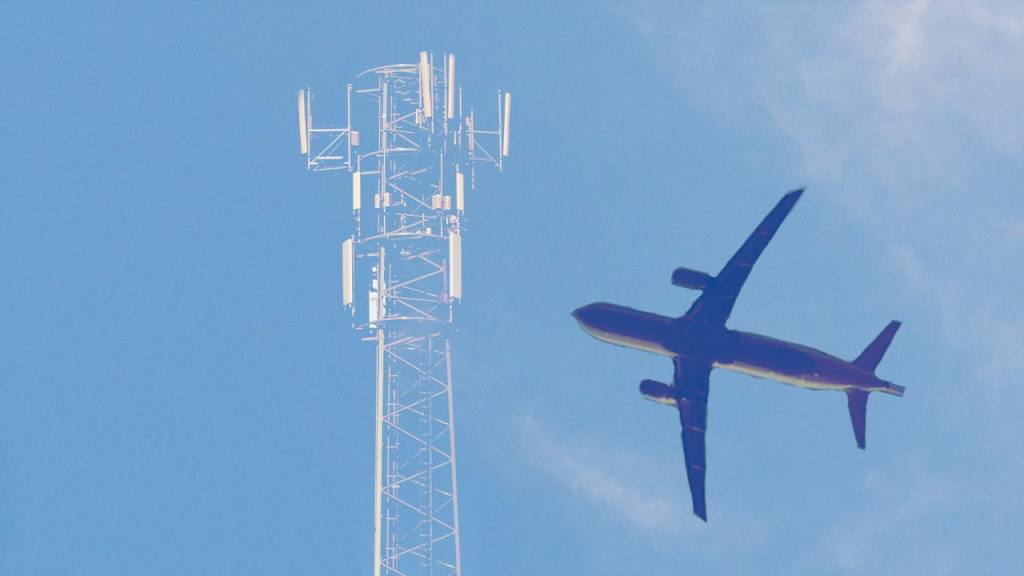
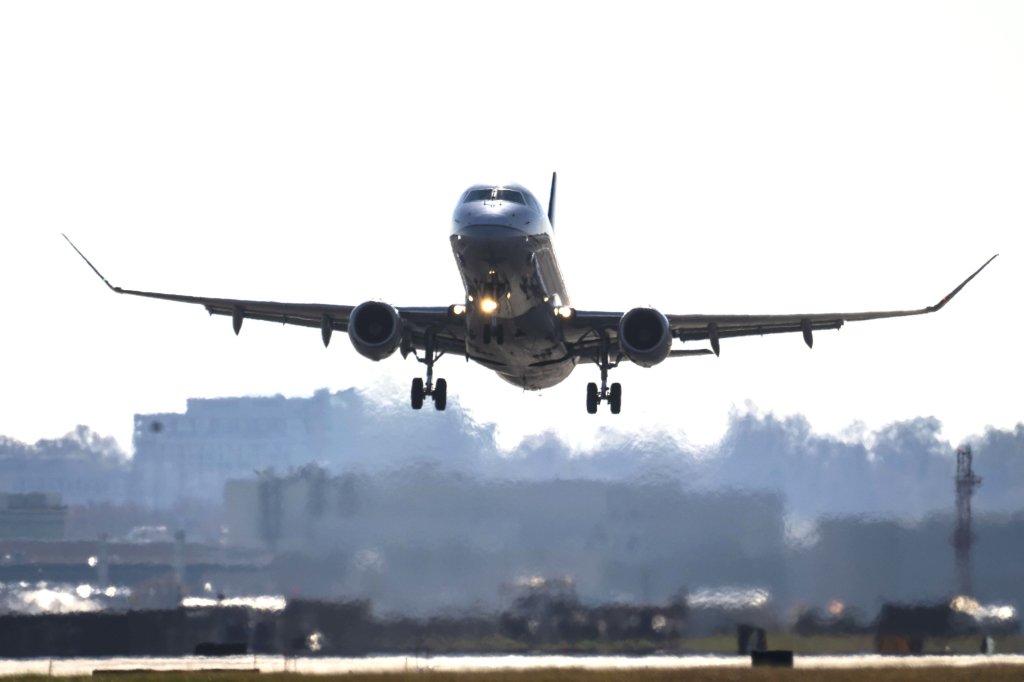
La Administración Federal de Aviación (FAA) de Estados Unidos ha anunciado que empleará la nueva tecnología 5G en unos cincuenta aeropuertos estadounidenses en zonas denominadas de amortiguamiento. El organismo regulador de aviación estadounidense ha expresado este Viernes 07/01 la publicación de una lista de cincuenta aeropuertos de Estados Unidos que tendrán zonas de amortiguamiento, o áreas donde las compañías de tecnología AT&T y Verizon acordaron limitar las señales 5G durante seis meses como lapso de pruebas.
La Administración Federal de Aviación dijo que trabajó con la comunidad de aviación para identificar zonas de amortiguamiento que reducirían los riesgos de interrupción, teniendo en cuenta factores como el volumen de tráfico, la cantidad de días de baja visibilidad y la ubicación geográfica. La agencia dijo que muchos aeropuertos actualmente no se ven afectados por el despliegue de AT&T y el próximo 5G de Verizon, un servicio que los operadores inalámbricos activarán el 19 de enero después de varios retrasos. Las zonas de amortiguamiento están destinadas a reducir la posible interferencia de las antenas 5G con los instrumentos de altímetros de las aeronaves.
Los aeropuertos que se incluyeron en la lista corresponden a Dallas/Love Field (TX), que es un importante centro de pasajeros de Southwest Airlines, y Chicago/O’Hare (IL), que es un importante centro de distribución de United Airlines y American Airlines. Instalaciones que actúan como centros de Carga y jets privados, como los aeropuertos de Indianápolis/IND, el norte de Nueva Jersey y el Aeropuerto Nueva York/JKF, también fueron parte de los seleccionados. Además, la lista incluye aeropuertos en Austin/AUS, Nashville/BNA, Houston/IAH, Los Angeles/LAX, Miami/MIA, Seattle/SEA, San Francisco/SFO, entre otros.
El anuncio de la FAA se produce en medio de un alto el fuego temporal entre los reguladores de transporte y los grupos de aviación, a quienes les preocupa que las antenas 5G cerca de algunos aeropuertos puedan afectar la precisión de las lecturas de los altímetros, y los reguladores de telecomunicaciones y las empresas inalámbricas, que sostienen que la tecnología 5G no planteará problemas con seguridad.
AT&T y Verizon acordaron una pausa para implementar la tecnología 5G por dos semanas adicionales a pedido de las agencia federal de aviación. Este movimiento fue un cambio rápido por parte de las compañías inalámbricas. AT&T y Verizon compraron casi todo el espectro inalámbrico de banda C subastado por la FCC en 2021, gastando un total combinado de caso US$ 70 mil millones de Dólares para mejorar sus redes tecnológicas 5G.
Sobre el los próximos seis meses, durante ese tiempo, AT&T y Verizon acordaron mantener las barreras alrededor en cincuenta aeropuertos, la FAA trabajará con los fabricantes de aerolíneas y las aerolíneas para confirmar si los aviones pueden operar de manera segura después de que se active el servicio 5G para los operadores inalámbricos.
FAA approves 5G technology test
FAA to use buffer zones at 50 airports
The Federal Aviation Administration (FAA) of the United States has announced that it will use the new 5G technology in about fifty American airports in so-called buffer zones. The US aviation regulatory body has expressed this Friday 01/07 the publication of a list of fifty airports in the United States that will have buffer zones, or areas where technology companies AT&T and Verizon agreed to limit 5G signals for a period of six months. of tests.
The Federal Aviation Administration said it worked with the aviation community to identify buffer zones that would reduce disruption risks, taking into account factors such as traffic volume, number of days of low visibility and geographic location. The agency said many airports are currently unaffected by the rollout of AT&T and Verizon’s upcoming 5G, a service that wireless carriers will activate on January 19 after several delays. Buffer zones are intended to reduce possible interference from 5G antennas with aircraft altimeter instruments.
The airports included in the list are Dallas/Love Field (TX), which is a major passenger hub for Southwest Airlines, and Chicago/O’Hare (IL), which is a major distribution hub for United Airlines and American Airlines. Facilities that act as Freight hubs and private jets, such as the Indianapolis/IND, Northern New Jersey, and New York/JKF Airport were also among those selected. Additionally, the list includes airports in Austin/AUS, Nashville/BNA, Houston/IAH, Los Angeles/LAX, Miami/MIA, Seattle/SEA, San Francisco/SFO, among others.
The FAA’s announcement comes amid a temporary ceasefire between transportation regulators and aviation groups, who are concerned that 5G antennas near some airports could affect the accuracy of altimeter readings, and telecom regulators and wireless companies, who argue that 5G technology will pose no problems for sure.
AT&T and Verizon agreed to a pause to implement 5G technology for an additional two weeks at the request of the federal aviation agencies. This move was a quick change on the part of the wireless companies. AT&T and Verizon bought nearly all of the C-band wireless spectrum auctioned by the FCC in 2021, spending a combined US$ 70 billion case to upgrade their 5G technology networks.
Over the next six months, during that time, AT&T and Verizon agreed to keep barriers around fifty airports, the FAA will work with airline manufacturers and airlines to confirm whether the planes can operate safely after the 5G service for wireless carriers.
PUBLISHER: Airgways.com DBk: Faa.gov / Att.com / Verizon.com / Airgways.com AW-POST: 202201091737AR OWNERSHIP: Airgways Inc. A\W A I R G W A Y S ®
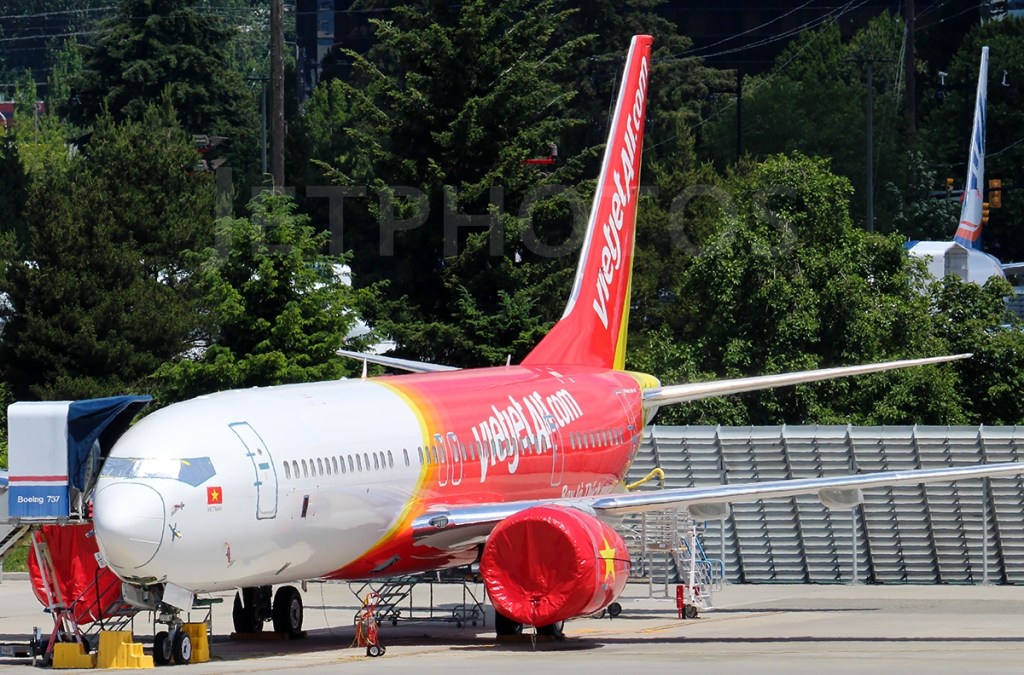
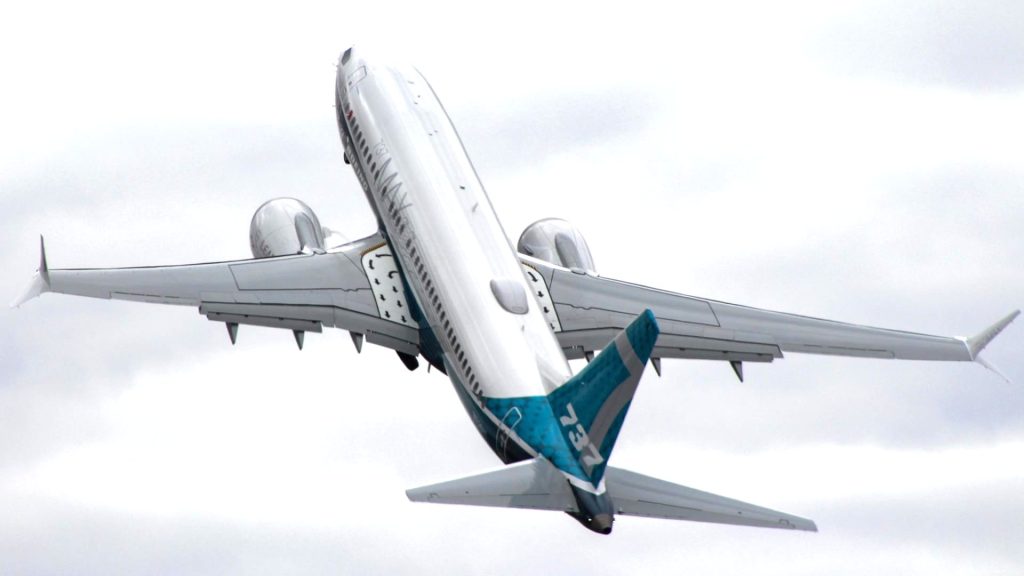
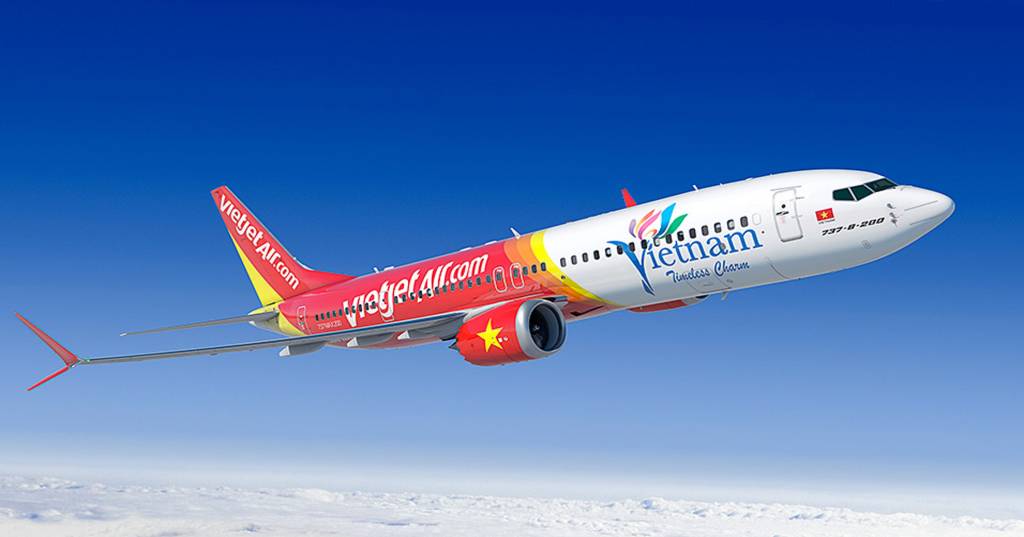
La Autoridad de Aviación Civil de Vietnam (CAAV) levantó la prohibición sobre el Boeing 737 MAX y permitió a las aerolíneas operar el avión en el país después de evaluar su seguridad. La decisión se basa en las medidas de seguridad que su fabricante, Boeing, ha añadido después de que el avión se viera involucrado en dos accidentes graves en dos países.
El avión Boeing 737 MAX quedó en tierra en todo el mundo en Marzo de 2019 después de que 346 personas murieran en dos accidentes en el espacio de unos pocos meses en Indonesia y Etiopía. Hasta ahora, 178 de las 195 autoridades de aviación en el mundo han levantado sus prohibiciones sobre el avión, y más de 360 aviones están en operación nuevamente. Las autoridades estadounidenses levantaron la prohibición del avión en diciembre de 2020 después de que Boeing hiciera cambios en su diseño.
Vietnam approves Boeing 737 MAX
Vietnam lifts ban on Boeing 737 MAX
The Civil Aviation Authority of Vietnam (CAAV) lifted the ban on the Boeing 737 MAX and allowed airlines to operate the plane in the country after assessing its safety. The decision is based on the safety measures that its manufacturer, Boeing, has added after the plane was involved in two serious accidents in two countries.
The Boeing 737 MAX aircraft was grounded worldwide in March 2019 after 346 people were killed in two accidents in the space of a few months in Indonesia and Ethiopia. So far, 178 of the 195 aviation authorities in the world have lifted their bans on the plane, and more than 360 planes are in operation again. The US authorities lifted the ban on the plane in December 2020 after Boeing made changes to its design.
Việt Nam phê duyệt Boeing 737 MAX
Việt Nam dỡ bỏ lệnh cấm đối với Boeing 737 MAX
Cục Hàng không Việt Nam (Cục HKVN) đã dỡ bỏ lệnh cấm đối với Boeing 737 MAX và cho phép các hãng hàng không khai thác loại máy bay này trong nước sau khi đánh giá mức độ an toàn của nó. Quyết định này dựa trên các biện pháp an toàn mà nhà sản xuất Boeing đã bổ sung sau khi máy bay dính vào hai vụ tai nạn nghiêm trọng ở hai quốc gia.
Máy bay Boeing 737 MAX đã được hạ cánh trên toàn thế giới vào tháng 3 năm 2019 sau khi 346 người thiệt mạng trong hai vụ tai nạn trên không trong vài tháng ở Indonesia và Ethiopia. Cho đến nay, 178 trong số 195 nhà chức trách hàng không trên thế giới đã dỡ bỏ lệnh cấm đối với máy bay và hơn 360 máy bay đang hoạt động trở lại. Các nhà chức trách Mỹ đã dỡ bỏ lệnh cấm đối với máy bay này vào tháng 12 năm 2020 sau khi Boeing thực hiện các thay đổi trong thiết kế của mình.
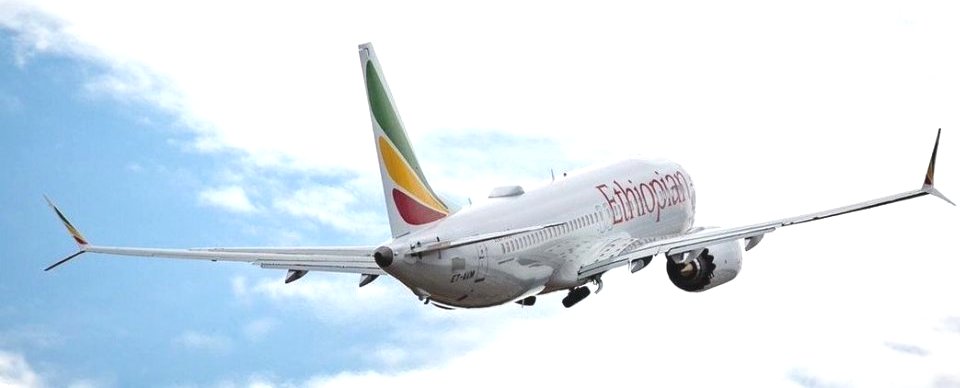
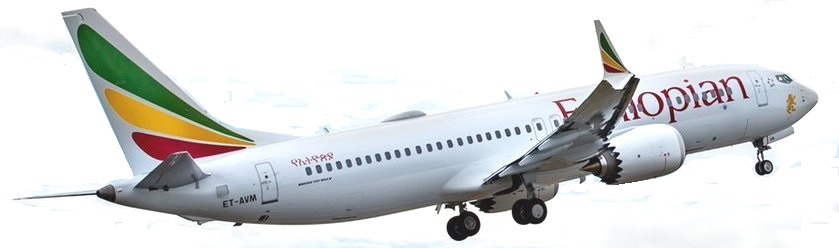
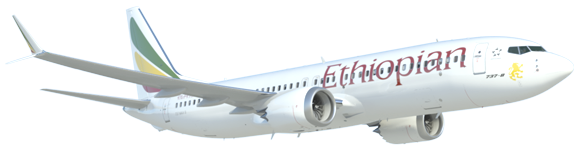
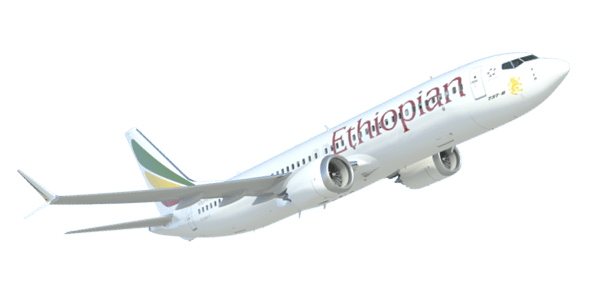
Aerolínea etíope reiniciará operaciones línea Boeing 737 MAX
Ethiopian Airlines se encuentra en la etapa final para restablecer la flota de Boeing 737 MAX al servicio con el primer vuelo previsto para Febrero de 2022. El CEO de Ethiopian Airlines Group, Tewolde Gebremariam, dijo: «La seguridad es nuestra principal prioridad en Ethiopian Airlines y guía cada decisión que tomamos y todas las acciones que tomamos. Está en línea con este principio rector que ahora estamos devolviendo el Boeing 737 MAX al servicio no solo después de la recertificación por parte de la FAA de Estados Unidos, EASA de Europa, Transport Canada, CAAC, ECAA y otros organismos reguladores; pero también después del regreso al servicio de más de 34 aerolíneas en todo el mundo. En línea con nuestro compromiso inicialmente declarado de convertirnos en una de las últimas aerolíneas en devolver el Boeing 737 MAX, nos hemos tomado el tiempo suficiente para monitorear el trabajo de modificación del diseño y los más de veinte meses de riguroso proceso de recertificación y nos hemos asegurado de que nuestros pilotos, ingenieros, técnicos de aeronaves y tripulación de cabina confíen en la seguridad de la flota».
Según Gebremariam Tewolde, Ethiopian Airlines ha implementado procesos rigurosos e integrales para garantizar que cada avión en el cielo sea seguro. En el próximo mes, actualizará al público viajero sobre más detalles y progresos. El CEO es optimista de que los clientes disfrutarán de la seguridad a bordo y la comodidad de la aerolínea por la que ha sido conocida. El modelo de avión ha acumulado más de 275.000 vuelos comerciales desde la reanudación de la operación del Boeing 737 MAX hace un año atrás.
Actualmente, Ethiopian Airlines posee una flota de cinco Boeing 737-8 MAX (5) que restablecerá en el 1Q2022 como parte del reinicio de la confianza en las operaciones de la línea de aeronaves 737 de cuarta generación de The Boeing Company, luego que sufrió uno de los accidentes aéreos con este tipo de aeronaves impactando fuertemente en el desarrollo de las operaciones, con la cancelación masiva en todo el mundo.
Ethiopian to reinstate ops 737 MAX
Ethiopian airline to restart Boeing 737 MAX line operations
Ethiopian Airlines is in the final stage of restoring the Boeing 737 MAX fleet to service with the first flight scheduled for February 2022. Ethiopian Airlines Group CEO Tewolde Gebremariam said: «Safety is our top priority at Ethiopian Airlines and guides every decision we make and every action we take. It is in line with this guiding principle that we are now returning the Boeing 737 MAX to service not only after recertification by the US FAA, Europe’s EASA, Transport Canada, CAAC, ECAA and other regulatory bodies, but also after the return to service of more than 34 airlines around the world.In line with our initially stated commitment to become one of the last airlines to return the Boeing 737 MAX, we We have taken enough time to monitor the design modification work and the more than twenty months of rigorous recertification process and we have making sure our pilots, engineers, aircraft technicians and cabin crew have confidence in the safety of the fleet».
According to Gebremariam Tewolde, Ethiopian Airlines has implemented rigorous and comprehensive processes to ensure that every plane in the sky is safe. In the next month, he will update the traveling public on more details and progress. The CEO is optimistic that customers will enjoy the safety on board and the comfort of the airline it has been known for. The model airplane has accumulated more than 275,000 commercial flights since the Boeing 737 MAX resumed operation a year ago.
Ethiopian Airlines currently owns a fleet of five Boeing 737-8 MAXs (5) which it will reestablish in 1Q2022 as part of the reboot of confidence in the operations of The Boeing Company’s line of fourth generation 737 aircraft after it suffered one of air accidents with this type of aircraft strongly impacting the development of operations, with massive cancellation throughout the world.
FAA emite directiva seguridad para motores Pratt & Whitney
La Administración Federal de Aviación (FAA) emitió el Miércoles 22/12 una Directiva de Aeronavegabilidadd (AD) que requieren inspecciones y el fortalecimiento de una pieza clave del motor en los aviones Boeing 777-200 equipados con motores Pratt & Whitney PW4000. Las directivas fueron impulsadas después de que un motor PW4000 de United Airlines fallara poco después de despegar de Denver el 20 de Febrero de 2021, arrojando escombros sobre ciudades cercanas, pero nadie resultó herido y el avión regresó al aeropuerto de manera segura. Una falla en el aspa del ventilador provocó que un motor fallara en un Boeing 777-200 de United Airlines con destino a Honolulu, Hawaii, después de despegar de Denver (CO). El incidente arrojó escombros sobre las ciudades cercanas, pero nadie resultó herido y el avión regresó a salvo al aeropuerto.
La FAA dijo que estaba pidiendo el fortalecimiento de los carenados del motor, la inspección mejorada de la pala del ventilador del motor y la inspección de otros sistemas y componentes. Las directivas requerirán medidas correctivas basadas en los resultados de la inspección.
La FAA ordenó en Febrero de 2021 la inspección inmediata de los aviones Boeing 777 con motores PW4000 antes de nuevos vuelos después de que los investigadores descubrieron que una hoja de ventilador agrietada en el motor de United era consistente con la fatiga del metal. United Airlines dijo que las directivas propuestas «son un buen resultado para nuestra industria y los clientes de United. Muchos de los motores afectados ya se han sometido a estas inspecciones propuestas. Esperamos que estos aviones se reincorporen de forma segura a nuestra flota a principios del próximo año», expresó la aerolínea estadounidense.
The Boeing Company dijo en un comunicado que apoya la guía de la FAA sobre los requisitos de inspección para los motores Pratt & Whitney PW4000 y trabajará con nuestros clientes y Pratt & Whitney a través del proceso.
Pratt & Whitney de Raytheon Technologies Corp dijo el Miércoles 22/12 que la inspección de las aspas de los ventiladores se encuentra en marcha y que podría ser realizada en el campo, en o cerca del ala por personal capacitado. La directiva exige orientación que Pratt & Whitney ha proporcionado a los clientes. La FAA dijo que «se necesitan más medidas para abordar las implicaciones a nivel de avión y la condición insegura resultante de las fallas en las aspas del ventilador del motor en vuelo».
United Airlines es el único operador estadounidense de Boeing 777 con motores PW4000, con alrededor de 52 aeronaves que actualmente permanecen en tierra. El Presidente Ejecutivo de United, Scott Kirby, señaló que la puesta a tierra voluntaria de la aerolínea de esos 52 aviones no resulta económica para la compañía. «Esa es una decisión enormemente costosa de tomar, pero lo hicimos por seguridad», dijo Scott Kirby a un panel del Senado de Estados Unidos la semana pasada.
FAA issues AD for PW4000 engines
FAA Issues Safety Directive for Pratt & Whitney Engines
The Federal Aviation Administration (FAA) issued on Wednesday 12/22 an Airworthiness Directive (AD) requiring inspections and the strengthening of a key engine part in Boeing 777-200 aircraft equipped with Pratt & Whitney PW4000 engines. The directives were prompted after a United Airlines 777 PW4000 engine failed shortly after taking off from Denver on February 20, 2021, throwing debris over nearby cities, but no one was injured and the plane returned safely to the airport. A fan blade failure caused an engine to fail on a United Airlines Boeing 777-200 bound for Honolulu, Hawaii, after taking off from Denver, CO. The incident threw debris over nearby cities, but no one was injured and the plane returned safely to the airport.
The FAA said it was calling for strengthened engine cowlings, improved inspection of the engine fan blade, and inspection of other systems and components. The directives will require corrective action based on the results of the inspection.
The FAA ordered in February 2021 immediate inspection of Boeing 777s with PW4000 engines before new flights after investigators discovered that a cracked fan blade on United’s engine was consistent with metal fatigue. United Airlines said the proposed directives «are a good outcome for our industry and United customers. Many of the affected engines have already undergone these proposed inspections. We expect these aircraft to be safely rejoined to our fleet early in the year. next year», said the US airline.
The Boeing Company said in a statement that it supports the FAA’s guidance on inspection requirements for Pratt & Whitney PW4000 engines and will work with our customers and Pratt & Whitney through the process.
Pratt & Whitney of Raytheon Technologies Corp said Wednesday 12/22 that the inspection of the fan blades is underway and could be performed in the field, on or near the wing by trained personnel. The directive requires guidance that Pratt & Whitney has provided to clients. The FAA said «more measures are needed to address the aircraft-level implications and the unsafe condition resulting from in-flight engine fan blade failures».
United Airlines is the only US operator of the Boeing 777 with PW4000 engines, with about 52 aircraft currently on the ground. United CEO Scott Kirby noted that the airline’s voluntary grounding of those 52 aircraft is not cost-effective for the company. «That is an enormously expensive decision to make, but we did it for the sake of safety», Scott Kirby told a US Senate panel last week.
Explosión cargador celular en cabina Boeing 737-800
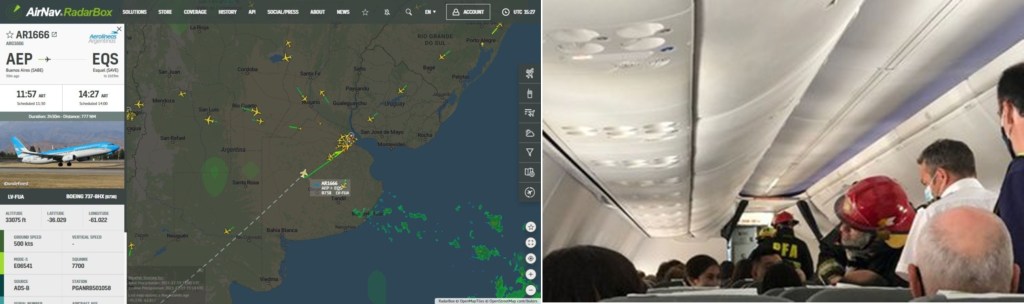
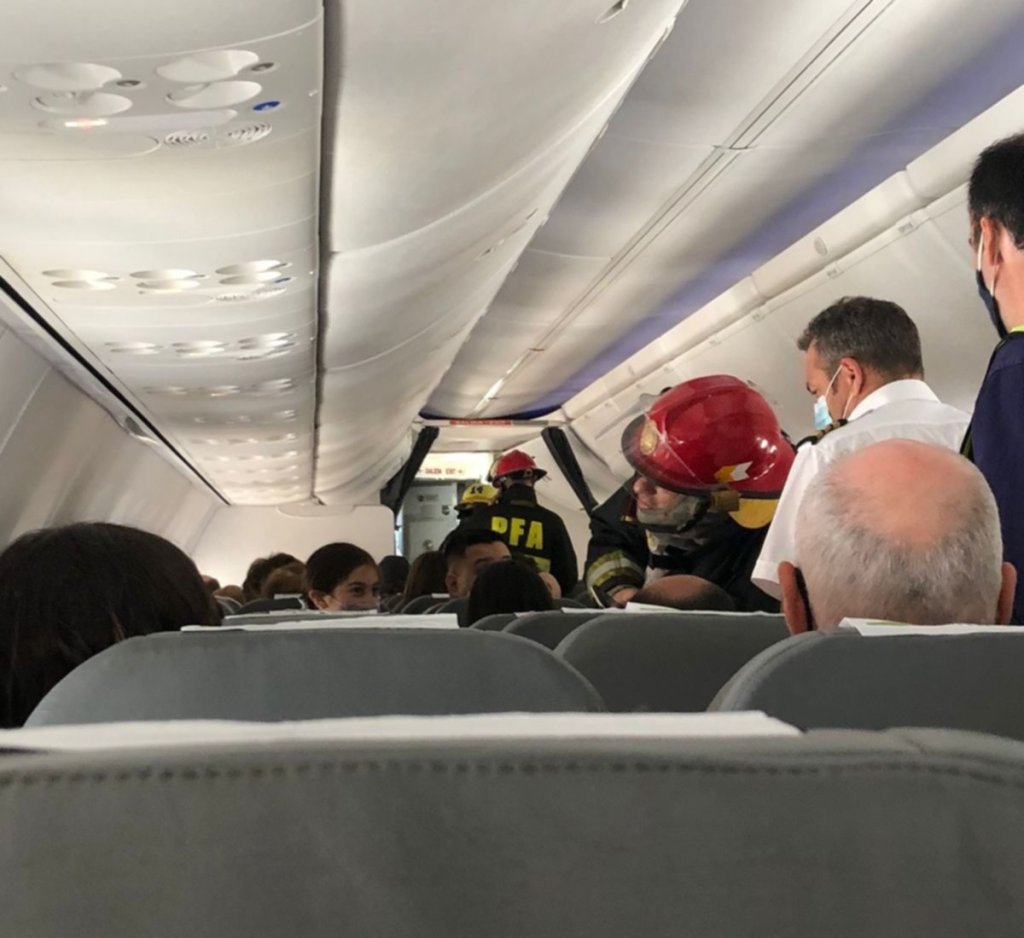
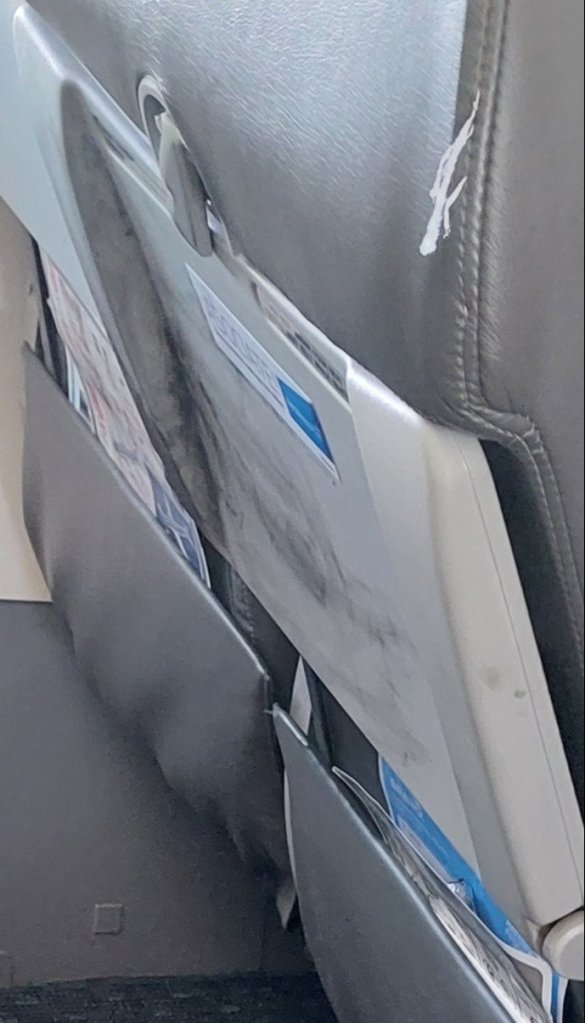
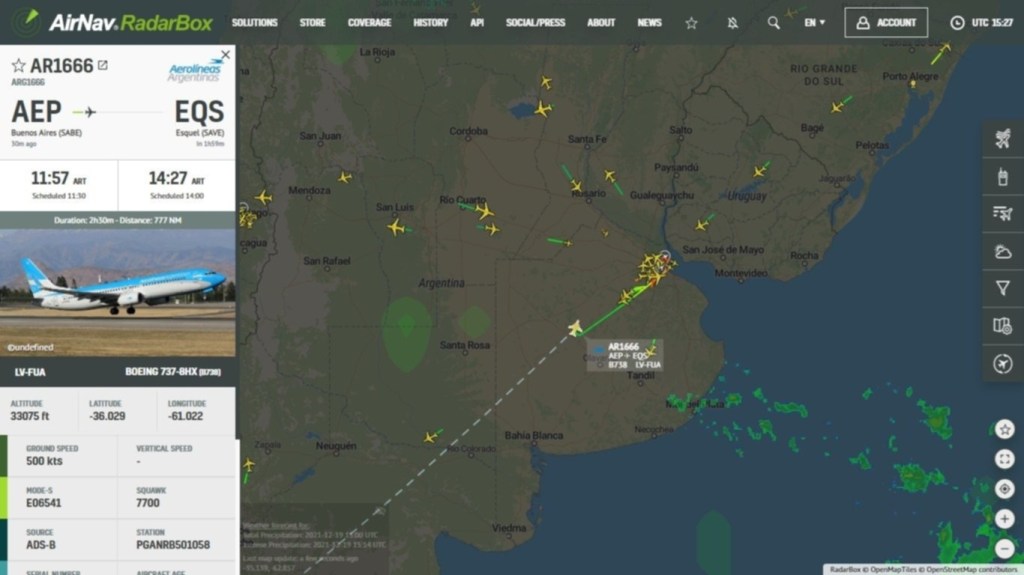
El vuelo AR1666 de un Boeing 737-800 registro LV-FUA de Aerolíneas Argentinas que realizaba la ruta Buenos Aires/AEP—Esquel/EQS tuvo que desviarse al Aeropuerto Internacional Ezeiza/EZE origen tras una emergencia generada por una implosión en la cabina de pasajeros de un cargador portátil de un celular que disparó las alarmas determinando que la aeronave aterrizara sin inconvenientes en el Aeropuerto Jorge Newbery/AEP para controles minuciosos después del incidente en vuelo.
En la tarde del Domingo 19/12 el vuelo AR1666 que despegaba desde Aeroparque hacia Esquel, Provincia de Chubut, tuvo que aterrizar de emergencia en Ezeiza por explosión de batería de celular y humo en cabina de pasajeros accionando la alarma correspondiente para procedimientos de emergencias declaradas en vuelo.
El vuelo se encontraba sobrevolando en la zona de Bolívar, en la Provincia de Buenos Aires, cuando se generó la explosión del cargador de celular generó sobre los asientos de los pasajeros, la aeronave Boeing 737-800 tuvo que regresar y aterrizar en Ezeiza para los controles correspondientes, interviniendo bomberos, Policía de Seguridad Aeroportuaria (PSA) y personal de la Agencia Nacional de Aviación Civil (ANAC). La aeronave permaneció aparcada para los chequeos correspondientes de seguridad tras evaluaciones, el avión despegó nuevamente a las 14.20 hs. desde Ezeiza hacia Esquel.
AR1666 Airlines returns due to explosion
Cellular charger explosion in Boeing 737-800 cabin
Flight AR1666 of a Boeing 737-800 registration LV-FUA of Aerolíneas Argentinas that carried out the Buenos Aires/AEP—Esquel/EQS route had to be diverted to the Ezeiza International Airport/EZE of origin after an emergency generated by an implosion in the passenger cabin of a portable cell phone charger that triggered the alarms determining that the aircraft landed safely at the Jorge Newbery/AEP Airport for detailed controls after the in-flight incident.
On the afternoon of Sunday 12/19, flight AR1666 that was taking off from Aeroparque to Esquel, Province of Chubut, had to make an emergency landing in Ezeiza due to an explosion of a cell phone battery and smoke in the passenger cabin, triggering the corresponding alarm for declared emergency procedures. in flight.
The flight was flying over the Bolívar area, in the Province of Buenos Aires, when the explosion of the cell phone charger generated on the passenger seats was generated, the Boeing 737-800 aircraft had to return and land in Ezeiza for the controls corresponding, intervening firefighters, Airport Security Police (PSA) and personnel of the National Civil Aviation Agency (ANAC). The aircraft remained parked for the corresponding security checks after evaluations, the plane took off again at 2:20 pm. from Ezeiza to Esquel.
Las principales compañías aéreas de Estados Unidos advirtieron el Miércoles 15/12 que los planes de AT&T y Verizon Communications para usar espectro para servicios inalámbricos 5G podrían ser altamente perjudiciales para los viajes aéreos y costar a los pasajeros aéreos US$ 1.600 millones de Dólares anuales en retrasos de vuelos programados.
El grupo comercial Airlines for America (A4A) dijo que si una nueva directiva de la Administración Federal de Aviación (FAA) para abordar la posible interferencia de las transmisiones inalámbricas hubiera estado en vigor en 2019 «aproximadamente 345.000 vuelos de pasajeros, 32 millones de pasajeros y 54.00 vuelos de carga se habrían visto afectados en forma de vuelos retrasados, desvíos o cancelaciones», expresó la asociación A4A.
En una audiencia el Miércoles 15/12, el Senado de Estados Unidos ha instado a las aerolíneas a trabajar para encontrar una resolución. El CEO de United Airlines, Scott Kirby, dijo que el problema inalámbrico 5G «es el problema potencial más grande y dañino que enfrentamos. No queremos nada más que trabajar para encontrar una solución». El Presidente Ejecutivo de Southwest Airlines, Gary Kelly, dijo que la directiva de la FAA «afectaría significativamente nuestras operaciones una vez que se implemente el 5 de Enero [de 2022]».
Los operadores inalámbricos están listos para comenzar a usar el espectro en solo tres semanas. La semana pasada, la FAA emitió nuevas Directivas de Aeronavegabilidad (AD) advirtiendo que la interferencia del espectro inalámbrico 5G podría resultar en desviaciones de vuelo. La industria de la aviación y la FAA han planteado preocupaciones significativas sobre la posible interferencia de 5G con la electrónica sensible de las aeronaves, como los altímetros de radio.
En Noviembre 2021, AT&T y Verizon acordaron retrasar el lanzamiento comercial del servicio inalámbrico de Banda C hasta el 5 de Enero de 2022 después de que la FAA planteara preocupaciones. También adoptaron medidas cautelares durante seis meses para limitar las interferencias. Los grupos de la industria de la aviación dijeron que eran insuficientes para abordar las preocupaciones de seguridad aérea.
Cellular Telecommunications and Internet Association (CTIA), un grupo de comercio inalámbrico, dijo que «el alarmismo de la industria de la aviación se basa en información completamente desacreditada y distorsiones deliberadas de los hechos». Agregó que 5G opera de manera segura y sin causar interferencias dañinas a las operaciones de aviación en casi 40 países de todo el mundo.
A4A dijo que la directiva de la FAA interrumpiría materialmente las operaciones de las aerolíneas, que los operadores de carga estiman que la directiva les habría costado US$ 400 millones de Dólares anuales. El grupo dijo que el costo de impacto anual para los pasajeros es de aproximadamente US$ 1.59 mil millones de retrasos en los viajes.
Los operadores inalámbricos no han mostrado interés en nuevos retrasos del espectro y la industria pagó más de US$ 80 mil millones para adquirirlo.
La presidenta de la Comisión Federal de Comunicaciones (FCC), Jessica Rosenworcel, quien no comentó de inmediato sobre el análisis de las aerolíneas, ha dicho que cree que los problemas se pueden resolver y usar el espectro de manera segura.
«Los clientes de las aerolíneas confían en las aerolíneas para transportar productos perecederos sensibles al tiempo, como productos farmacéuticos, vacunas, órganos, piezas críticas de la cadena de suministro y muchos otros artículos de alto valor. La falta de mitigaciones serias por parte de las compañías de telecomunicaciones 5G para abordar los problemas de interferencia interrumpirá y dañará significativamente la economía», dijo la asociación A4A.
Las directivas de la FAA ordenan revisar los manuales de vuelo de aviones y helicópteros para prohibir algunas operaciones que requieren datos de radio altímetro cuando se encuentran en presencia de señales de banda ancha inalámbrica C 5G. La FAA sigue en conversaciones con la FCC, la Casa Blanca y funcionarios de la industria sobre los contornos precisos de cualquier limitación.
Airlines vs 5G technology
Dangerous 5G wireless technology warned
Major U.S. airlines warned on 12/15 Wednesday that AT&T and Verizon Communications’ plans to use spectrum for 5G wireless services could be highly detrimental to air travel and cost air passengers US$ 1.6 billion annually in scheduled flight delays.
The Airlines for America (A4A) trade group said that if a new Federal Aviation Administration (FAA) directive to address potential interference from wireless transmissions had been in effect in 2019, «approximately 345,000 passenger flights, 32 million passengers and 54.00 cargo flights would have been affected in the form of delayed flights, diversions or cancellations», said the A4A association.
In a hearing on Wednesday 12/15, the US Senate has urged airlines to work to find a resolution. United Airlines CEO Scott Kirby said the 5G wireless problem «is the biggest and most damaging potential problem we face. We want nothing more than to work to find a solution». Southwest Airlines Chief Executive Gary Kelly said the FAA directive «would significantly affect our operations once it is implemented on January 5 [2022]».
Wireless operators are ready to start using spectrum in just three weeks. Last week, the FAA issued new Airworthiness Directives (AD) warning that interference from the 5G wireless spectrum could result in flight deviations. The aviation industry and the FAA have raised significant concerns about possible 5G interference with sensitive aircraft electronics, such as radio altimeters.
In November 2021, AT&T and Verizon agreed to delay the commercial launch of C-Band wireless service until January 5, 2022 after the FAA raised concerns. They also took precautionary measures for six months to limit interference. Aviation industry groups said they were insufficient to address aviation safety concerns.
Cellular Telecommunications and Internet Association (CTIA), a wireless trade group, said that «the aviation industry scaremongering is based on completely discredited information and deliberate distortions of the facts». It added that 5G operates safely and without causing harmful interference to aviation operations in nearly 40 countries around the world.
A4A said the FAA directive would materially disrupt the airlines’ operations, which freight operators estimate the directive would have cost them US$ 400 million annually. The group said the annual impact cost to passengers is about US$ 1.59 billion of travel delays.
Wireless operators have shown no interest in further spectrum delays and the industry paid more than US$ 80 billion to acquire it.
Federal Communications Commission (FCC) chair Jessica Rosenworcel, who did not immediately comment on the airlines’ analysis, has said that she believes the issues can be safely resolved and spectrum used.
«Airline customers rely on airlines to transport time-sensitive perishables such as pharmaceuticals, vaccines, organs, critical parts of the supply chain, and many other high-value items. The lack of serious mitigations by airlines 5G telecommunications companies to address interference problems will disrupt and significantly damage the economy», said the A4A association.
FAA directives mandate revision of aircraft and helicopter flight manuals to prohibit some operations that require radio altimeter data when in the presence of C 5G wireless broadband signals. The FAA remains in discussions with the FCC, the White House and industry officials on the precise outlines of any limitations.
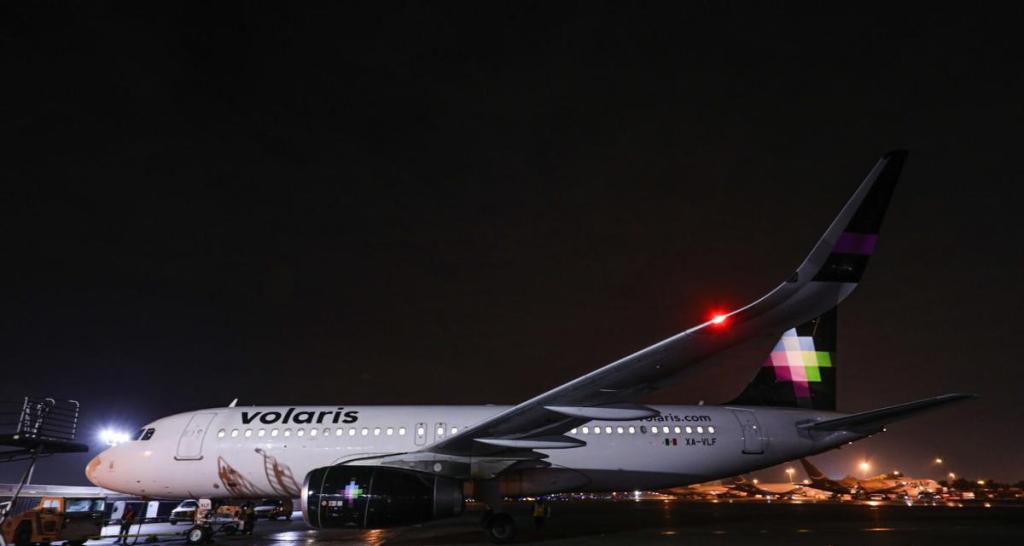
Volaris Costa Rica obtiene primera certificación seguridad IATA
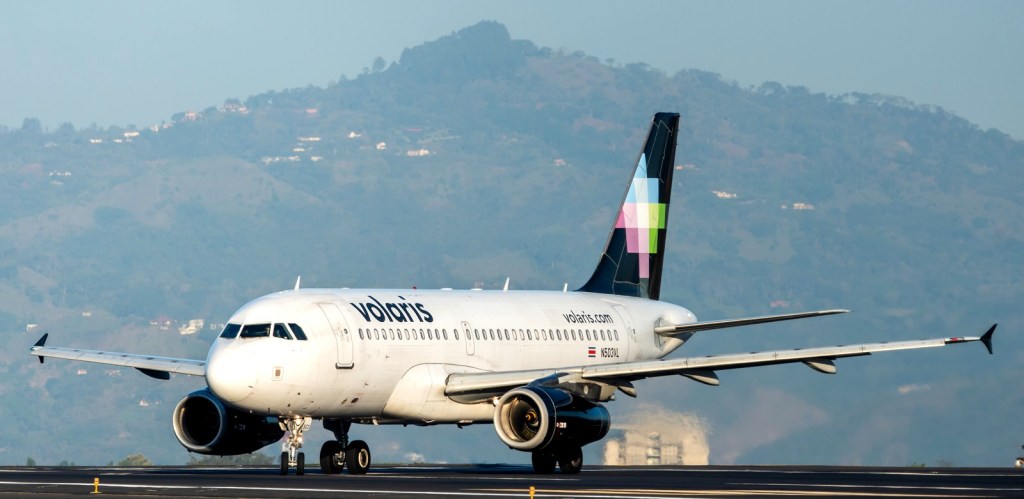
La aerolínea de bajo costo costarricense Volaris Costa Rica a anunciado la certificación IOSA (IATA Operational Safety Audit) hasta 2023, para Volaris México y la primera para Volaris Costa Rica que empezó a operar en 2016. Esta auditoría que evalúa el cumplimiento del estándar IOSA contempla más de 900 requisitos sobre los sistemas de gestión de seguridad operacional y calidad de las aerolíneas en rubros como la organización, administración y control a nivel corporativo, operación de las aeronaves, despacho y control de vuelos, ingeniería de operaciones y de mantenimiento, seguridad de la aviación civil, operaciones de sobrecargos, operaciones terrestres y de carga.
De acuerdo a su Director General, Enrique Beltranena, las normas y prácticas recomendadas IOSA son desarrolladas por especialistas de IATA, de organizaciones internacionales y de aerolíneas, y son continuamente actualizadas. Destaca que IOSA adopta los requisitos de seguridad operacional descritos en los anexos de la OACI. Asimismo, señala que luego de concluir satisfactoriamente las auditorías, IATA emitió a favor de Volaris México la renovación de su registro IOSA con fecha de vigencia al 31 de Agosto del 2023, mientras que, para Volaris Costa Rica, se renovó el registro con fecha de vigencia al 4 de Junio del 2023.
Volaris México
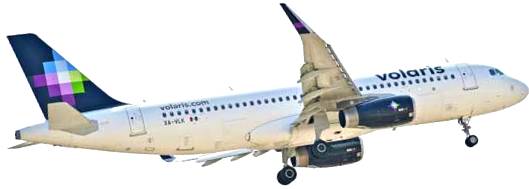
El Vicepresidente Senior y COO de Volaris, José Luis Suárez Durán, señaló que el logro de este objetivo para la compañía no hubiera sido posible sin el compromiso y dedicación de todos los embajadores involucrados en cada una de las fases del proyecto, lo cual les ha permitido mantenerse como una de las aerolíneas más seguras del mundo y como un referente de transporte aéreo en la región de las Américas. El registro IOSA fortalece la estrategia y visión de negocio de Volaris, pues la coloca dentro de un selecto grupo de aerolíneas que cumplen con los más altos estándares internacionales en términos de calidad y seguridad operacional. La aerolínea recibió su avión número 100, un Airbus A320NEO, matrícula XA-VSH, que conectará Tijuana con El Bajío y Cancún, con el que estará incrementando entre un 22 y un 33 por ciento sus frecuencias respectivamente.
Volaris Costa Rica obtains IOSA
Volaris Costa Rica obtains the first IATA security certification
The Costa Rican low-cost airline Volaris Costa Rica has announced the IOSA (IATA Operational Safety Audit) certification until 2023, for Volaris Mexico and the first for Volaris Costa Rica that began operating in 2016. This audit that assesses compliance with the IOSA standard includes more than 900 requirements on the safety and quality management systems of airlines in areas such as organization, administration and control at the corporate level, aircraft operation, dispatch and flight control, operations and maintenance engineering, safety of civil aviation, flight attendants, land and cargo operations.
According to its Director General, Enrique Beltranena, the IOSA standards and recommended practices are developed by specialists from IATA, international organizations and airlines, and are continuously updated. He highlights that IOSA adopts the safety requirements described in the ICAO annexes. It also points out that after satisfactorily completing the audits, IATA issued in favor of Volaris México the renewal of its IOSA registration with an effective date of August 31, 2023, while, for Volaris Costa Rica, the registration was renewed with the date of valid as of June 4, 2023.
Volaris Mexico
The Senior Vice President and COO of Volaris, José Luis Suárez Durán, pointed out that the achievement of this objective for the company would not have been possible without the commitment and dedication of all the ambassadors involved in each of the phases of the project, which has allowed to remain one of the safest airlines in the world and as a benchmark for air transport in the Americas region. The IOSA registry strengthens Volaris’ business strategy and vision, as it places it within a select group of airlines that meet the highest international standards in terms of quality and operational safety. The airline received its 100th aircraft, an Airbus A320NEO, registration XA-VSH, which will connect Tijuana with El Bajío and Cancun, with which it will be increasing its frequencies between 22 and 33 percent respectively.
AW | 2021 12 14 13:25 | AVIATION SAFETY / GOVERNMENT / INDUSTRY
Senado EEUU culpa supervisión de Boeing por parte de la FAA
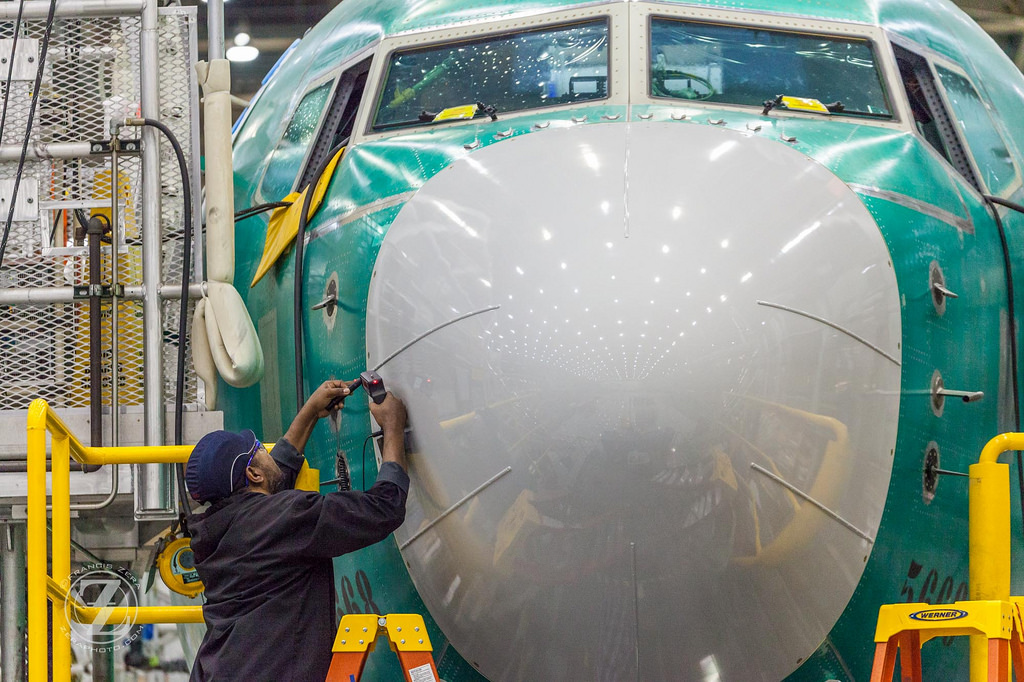
Un informe del Senado de Estados Unidos publicado el Lunes 13/12 dice que la Administración Federal de Aviación (FAA) debe hacer un mejor trabajo supervisando a The Boeing Company y la certificación de nuevos aviones, así como la revisión de las denuncias planteadas por siete denunciantes de la industria.
El Comité de Comercio del Senado ha elaborado un informe de 97 páginas que incluye las preocupaciones planteadas a raíz de dos accidentes fatales de Boeing 737 MAX en un período de cinco meses que provocaron la puesta a tierra de veinte meses del avión y el Congreso a aprobar reformas radicales en diciembre de 2020 sobre cómo la FAA certifica los nuevos aviones. «La supervisión de la FAA del proceso de certificación se ha erosionado, con el tiempo, delegó cada vez más su autoridad a Boeing y otros. La FAA debería tomar medidas inmediatas para abordar la presión indebida en la oficina de supervisión de seguridad de Boeing, crónicamente insuficiente en el personal. El proceso de certificación de la FAA sufre de una presión indebida sobre los ingenieros de línea y el personal de producción», dijo el informe.
En Noviembre 2021, tres Demócratas de la Cámara de Representantes de Estados Unidos le pidieron a Steve Dickson que proporcionara más detalles sobre la supervisión de la agencia del Boeing 737 MAX y cuestionaron si el fabricante había sido considerado plenamente responsable. El informe del Senado dijo que los accidentes del 737 MAX y la puesta a tierra de Estados Unidos levantada a fines de 2020 «le costaron a Boeing más de US$ 20 mil millones e infligieron un daño significativo a la reputación del sistema de supervisión de seguridad de la aviación de los Estados Unidos».
La oficina de supervisión de Boeing de la FAA carece de suficientes ingenieros de seguridad, y debe mejorar su cultura de seguridad. La Presidenta del Comité, Maria Cantwell, escribió al administrador de la FAA, Steve Dickson, pidiéndole que revise las «preocupaciones planteadas por estos denunciantes e implemente los cambios necesarios para mejorar la seguridad en la industria de la aviación».
La FAA dijo el Lunes 13/12 que «toma en serio todas las acusaciones de los denunciantes y no tolera represalias contra aquellos que plantean preocupaciones de seguridad». Steve Dickson dijo en Noviembre 2021 que «Boeing no es lo mismo que hace dos años, pero tienen más que trabajar». Dijo que la FAA estaba delegando menos responsabilidades a Boeing para la certificación de aeronaves y estaba exigiendo más transparencia de los fabricantes. La FAA está examinando actualmente una serie de problemas relacionados con los aviones Boeing 787.
US Senate condemns FAA
Senate blames FAA oversight of Boeing
A United States Senate report released Monday 12/13 says the Federal Aviation Administration (FAA) must do a better job overseeing The Boeing Company and the certification of new aircraft, as well as reviewing complaints raised by seven industry whistleblowers.
The Senate Commerce Committee has produced a 97-page report that includes concerns raised in the wake of two fatal Boeing 737 MAX crashes over a five-month period that resulted in the plane’s twenty-month grounding and Congress to pass Radical reforms in December 2020 on how the FAA certifies new aircraft. «The FAA’s oversight of the certification process has eroded, over time, increasingly delegating its authority to Boeing and others. The FAA should take immediate action to address undue pressure on Boeing’s safety oversight office, chronically understaffed. The FAA certification process is under undue pressure on line engineers and production personnel», the report said.
In November 2021, three US House Democrats asked Steve Dickson to provide more details on the agency’s oversight of the Boeing 737 MAX and questioned whether the manufacturer had been held fully responsible. The Senate report said the 737 MAX crashes and the US ground lifted in late 2020 «cost Boeing more than US$ 20 billion and inflicted significant damage on the reputation of the safety oversight system. of aviation of the United States».
The FAA’s Boeing oversight office lacks sufficient safety engineers, and must improve its safety culture. Committee Chair Maria Cantwell wrote to FAA Administrator Steve Dickson asking him to review the «concerns raised by these whistleblowers and implement the changes necessary to improve safety in the aviation industry».
The FAA said Monday 12/13 that it «takes all allegations by whistleblowers seriously and does not tolerate retaliation against those who raise safety concerns». Steve Dickson said in November 2021 that «Boeing is not the same as it was two years ago, but they have more to work with». He said the FAA was delegating fewer responsibilities to Boeing for aircraft certification and was demanding more transparency from manufacturers. The FAA is currently examining a number of issues related to Boeing 787 aircraft.
El cibercrimen de la aviación está en aumento a medida que los nuevos sistemas de aerolíneas y el trabajo remoto aumentan el área de ataque de superficie digital. Combinado con las inminentes regulaciones cibernéticas en varias jurisdicciones, hace que las medidas apropiadas de ciberseguridad de la aviación sean más importantes que nunca. Actualmente, existen tres áreas que las aerolíneas deben considerar: servicios de pasajeros, operaciones y control de aeronaves. Los servicios de pasajeros cubren todo, desde la reserva inicial hasta la gestión de la identidad y una experiencia de viaje a medida. El fraude, en particular la venta de boletos, es la principal preocupación y, en un año normal, le cuesta a las aerolíneas alrededor de US$ 1 mil millones. Pero los reclamos de reembolso falsos y la explotación de los Programas de Viajero Frecuente (FFP) de las aerolíneas se han vuelto tan frecuentes como los delitos con tarjetas de crédito. Además de lidiar con el fraude, las aerolíneas deben trabajar arduamente para proteger los datos de los pasajeros. Todo lo que la industria está tratando de hacer para agilizar y simplificar la experiencia de viaje aéreo implica el uso de datos. Todo lo recopilado debe equilibrarse con la ética de los datos y las buenas prácticas requieren la minimización de los datos, solo utilizando los datos que se necesitan. Sin embargo, muchos de los avances en los procesos aeroportuarios, como la facilitación biométrica, requieren que los pasajeros proporcionen datos personales importantes. Las leyes de privacidad, como el Reglamento General de Protección de Datos (GDPR) de la Unión Europea, establecen altos estándares para proteger estos datos y la mayoría de los pasajeros parecen felices de compartir información cuando sea necesario.
La última Encuesta Global de Pasajeros de la IATA encontró que: El 73% de los pasajeros están dispuestos a compartir sus datos biométricos para mejorar los procesos aeroportuarios (frente al 46% en 2019). El 88% compartirá información de inmigración antes de la salida para un procesamiento acelerado. Poco más de un tercio de los pasajeros (36%) han experimentado el uso de datos biométricos al viajar. De estos, el 86% quedó satisfecho con la experiencia. Sin embargo, la protección de datos sigue siendo un tema clave con un 56% que indica preocupación por las violaciones de datos. Y los pasajeros quieren claridad sobre con quién se comparten sus datos (52%) y cómo se usan / procesan (51%).
«Las preocupaciones de privacidad no son exclusivas de la aviación, pero eso no hace ninguna diferencia.La aviación todavía tiene que abordarlos y poner en marcha medidas de ciberseguridad», dice Manon Gaudet, Subdirectora de Ciberseguridad de la Aviación. Sin embargo, insiste en que no se trata solo de lograr el cumplimiento de la normativa: «No queremos seguridad en la lista de verificación. Las aerolíneas deben implementar sistemas basados en el riesgo».
Problemas de confianza
La confianza en el intercambio de datos también está en el corazón de los problemas cibernéticos operativos. Los datos tienen que fluir a través de la cadena de valor de la aviación y eso significa que los sistemas se hablen entre sí y que todas las partes tengan confianza en que los datos están protegidos. Pero la confianza es un concepto que no puede ser ordenado por los gobiernos. Por lo tanto, alcanzarlo es un desafío para la industria, especialmente porque están involucradas empresas de todos los tamaños, sin mencionar los diferentes niveles de ciberseguridad. Manon Gaudet dice que es fundamental que las organizaciones compartan vulnerabilidades o temores para que el ecosistema cibernético en general pueda ser protegido. Compartir conocimientos ayuda a prevenir futuros ataques y crea resiliencia cibernética. Significa que el punto más débil en la experiencia de los pasajeros de extremo a extremo se puede llevar a un nivel requerido y mantiene a todas las empresas por delante de las tendencias y desarrollos de ataque. «Recuerde, los atacantes no tienen problemas de confianza. No solo están trabajando con inteligencia artificial y nuevas técnicas, sino que también se ofrecen servicios entre sí para aprovechar diferentes capacidades de ataque».
En cuanto a los sistemas de aeronaves, este es potencialmente el aspecto más serio de los esfuerzos de ciberseguridad. Las aeronaves están cada vez más conectadas al suelo y eso abre la posibilidad de que los atacantes busquen interferir con los sistemas a bordo de las aeronaves, incluidos los sistemas críticos de vuelo. Todas las estrategias de ciberseguridad deben comenzar con la seguridad de estos.
Estrategia de ciberseguridad
Para las aerolíneas que buscan mejorar su ciberseguridad, el consejo de Manon Gaudet es «entrar en un experto. No trates de resolverlo tú mismo. Hay muchos ataques diferentes y muchas formas diferentes en que un ataque podría afectar a una aerolínea. Tienes que trabajar a través de todos los diferentes escenarios, especialmente aquellos que podrían tener un impacto en la seguridad».
En el Simposio Digital, de Datos y Retailing de la IATA, Martin Ninnemann, Director de Desarrollo de Negocios de Unisys, identificó seis elementos clave en la implementación de una estrategia de ciberseguridad: Protocolos criptográficos para garantizar la protección de extremo a extremo de los flujos de datos. Comunidades Virtuales de Interés para limitar la accesibilidad a los datos. Encubrimiento, para que los usuarios solo puedan ver la infraestructura que necesitan ver. Aislamiento dinámico, lo que significa identificar y apagar un punto de entrada, como un PC o servidor en particular, idealmente en cuestión de segundos, no minutos u horas. Integración con sistemas de gestión de identidad para facilitar operaciones fluidas. Transparencia con las aplicaciones para que los sistemas propietarios existentes puedan continuar con normalidad. Todo lo anterior, sugirió, se puede hacer sin cambiar la arquitectura existente. No hay ningún requisito para arrancar y reemplazar.
Manon Gaudet agrega una cultura de ciberseguridad a la lista. Afortunadamente, las aerolíneas no tienen que crear esto desde cero. «Una cultura de seguridad ya está omnipresente en toda la aviación y la ciberseguridad es solo una extensión de esto. No se trata de crear una cultura aislada. Está conectado con la idea de la mejora continua de la seguridad y las aerolíneas lo entienden completamente. Esto dará a las aerolíneas un cortafuegos humano. Puedes tener toda la tecnología del mundo, pero debes empoderar al personal. Los humanos son una de las mayores defensas de las aerolíneas contra los ciberataques, pero también puede ser su debilidad, por lo que la concienciación y la formación son clave».
Iniciativas de la industria
Para ayudar a las aerolíneas, hay una serie de iniciativas de la industria en marcha. Un enfoque común de la ciberseguridad es esencial. La cooperación no solo fortalecerá la red de información general, sino que también permitirá a las organizaciones hablar el mismo lenguaje cibernético. Términos como autenticación deben significar lo mismo para todas las empresas.
IATA estableció el Grupo de Trabajo de Gestión Cibernética (CMWG) para evaluar las necesidades de la industria y proporcionar la orientación adecuada. También existe el Grupo Directivo de Seguridad Cibernética de Sistemas Interconectados de Aeronaves (AISCS-SG), un foro informal que se ocupa particularmente de los sistemas interconectados relacionados con la seguridad de vuelo. IATA también está trabajando con el Consejo Internacional de Coordinación de Asociaciones de Industrias Aeroespaciales (ICCAIA) en el Aircraft Cyber Security eXchange Restricted FORUM (rFORUM) para ayudar a las aerolíneas a comprender mejor los riesgos asociados con la introducción de nuevas tecnologías y compartir esas preocupaciones con los fabricantes de equipos originales (OEM y titulares de aprobación de diseño (DAH).
A nivel de la OACI, existe el Grupo de Estudio de la Secretaría sobre Ciberseguridad (SSGC) y sus diferentes subgrupos, que están ocupados revisando el Plan de Acción de Ciberseguridad de la OACI (CyAP) y el Marco de Confianza, incluidos los nuevos requisitos de superposición segura de la aviación civil. La Agencia Europea de Seguridad Aérea (EASA) y EUROCAE también están consultando con la IATA sobre nuevas regulaciones. «No hay escasez de esfuerzo. Pero necesitamos más aportes de las aerolíneas para desarrollar la orientación correcta para que podamos satisfacer las necesidades de la industria en esta área crítica. Todas las organizaciones de aviación deben llegar a un nivel mínimo viable de ciberseguridad porque un solo ataque a un elemento crítico podría afectar a toda la industria. Sin embargo, eso no significa que todos tengan que implementar los últimos sistemas. Siempre se trata de adaptarse porque ninguna aerolínea puede hacer un reemplazo mayorista de sistemas cada año. El hecho es que nunca podremos lograr el 100% de ciberseguridad. Pero podemos reducir el riesgo y es esencial que lo hagamos. Los sistemas digitales críticos que forman parte de la infraestructura de aviación civil deben protegerse lo mejor que podamos», concluye Manon Gaudet.
IATA pursues cybersecurity
Taking cybersecurity to the next level
Aviation cybercrime is on the rise as new airline systems and remote work increase the digital surface area of attack. Combined with looming cyber regulations in various jurisdictions, it makes proper aviation cybersecurity measures more important than ever. Currently, there are three areas that airlines must consider: passenger services, aircraft operations and control. Passenger services cover everything from initial booking to identity management and a tailor-made travel experience. Fraud, particularly ticket sales, is the main concern and, in a normal year, costs airlines around US$ 1 billion. But false refund claims and exploitation of airlines’ Frequent Flyer Programs (FFPs) have become as prevalent as credit card crimes. In addition to dealing with fraud, airlines must work hard to protect passenger data. Everything the industry is trying to do to streamline and simplify the air travel experience involves the use of data. Everything collected must be balanced with data ethics and good practices require data minimization, only using the data that is needed. However, many of the advances in airport processes, such as biometric facilitation, require passengers to provide important personal data. Privacy laws, such as the General Data Protection Regulation (GDPR) of the European Union, set high standards to protect this data and most passengers seem happy to share information when necessary.
The latest IATA Global Passenger Survey found that: 73% of passengers are willing to share their biometric data to improve airport processes (up from 46% in 2019). 88% will share immigration information prior to departure for expedited processing. Just over a third of passengers (36%) have experienced the use of biometric data when traveling. Of these, 86% were satisfied with the experience. However, data protection remains a key issue with 56% indicating concern about data breaches. And passengers want clarity on who their data is shared with (52%) and how it is used / processed (51%).
«Privacy concerns are not unique to aviation, but that makes no difference. Aviation has yet to address them and put cybersecurity measures in place», says Manon Gaudet, Deputy Director of Aviation Cybersecurity. However, she insists that it is not just about achieving regulatory compliance: «We do not want safety on the checklist. Airlines must implement risk-based systems».
Trust issues
Confidence in data sharing is also at the heart of operational cyber problems. Data has to flow through the aviation value chain and that means systems are talking to each other and all parties have confidence that the data is protected. But trust is a concept that cannot be mandated by governments. Therefore, reaching it is a challenge for the industry, especially since companies of all sizes are involved, not to mention the different levels of cybersecurity. Manon Gaudet says that it is essential that organizations share vulnerabilities or fears so that the cyber ecosystem in general can be protected. Sharing knowledge helps prevent future attacks and builds cyber resilience. It means that the weakest point in the end-to-end passenger experience can be brought to a required level and keeps all businesses ahead of attack trends and developments. «Remember, attackers have no trust issues. Not only are they working with artificial intelligence and new techniques, they are also offering services to each other to take advantage of different attack capabilities».
When it comes to aircraft systems, this is potentially the most serious aspect of cybersecurity efforts. Aircraft are increasingly connected to the ground and that opens up the possibility for attackers to seek to interfere with systems on board aircraft, including critical flight systems. All cybersecurity strategies must start with their security.
Cybersecurity strategy
For airlines looking to improve their cybersecurity, Manon Gaudet’s advice is to «get into an expert. Don’t try to figure it out yourself. There are many different attacks and many different ways that an attack could affect an airline. You have to work at across all the different scenarios, especially those that could have an impact on security».
At the IATA Digital, Data and Retailing Symposium, Martin Ninnemann, Director of Business Development at Unisys, identified six key elements in implementing a cybersecurity strategy: Cryptographic protocols to ensure end-to-end protection of flows of data. Virtual Communities of Interest to limit accessibility to data. Cloaking, so that users can only see the infrastructure they need to see. Dynamic isolation, which means identifying and shutting down an entry point, such as a particular PC or server, ideally in a matter of seconds, not minutes or hours. Integration with identity management systems to facilitate smooth operations. Transparency with applications so that existing proprietary systems can continue as normal. All of the above, he suggested, can be done without changing the existing architecture. There is no requirement to start and replace.
Manon Gaudet adds a culture of cybersecurity to the list. Fortunately, airlines don’t have to create this from scratch. «A culture of safety is already ubiquitous throughout aviation and cybersecurity is just an extension of this. It is not about creating an isolated culture. It is connected to the idea of continuous safety improvement and is fully understood by airlines. This will give the airlines a human firewall», he adds. «You can have all the technology in the world, but you have to empower your staff. Humans are one of the airlines’ greatest defenses against cyberattacks, but it can also be their weakness, so awareness and training are key».
Industry Initiatives
To help airlines, there are a number of industry initiatives underway. A common approach to cybersecurity is essential. The cooperation will not only strengthen the general information network, but also allow organizations to speak the same cyber language. Terms like authentication should mean the same for all companies.
IATA established the Cyber Management Working Group (CMWG) to assess industry needs and provide appropriate guidance. There is also the Aircraft Interconnected Systems Cyber Security Steering Group (AISCS-SG), an informal forum that deals particularly with interconnected systems related to flight safety. IATA is also working with the International Council for the Coordination of Aerospace Industries Associations (ICCAIA) on the Aircraft Cyber Security eXchange Restricted FORUM (rFORUM) to help airlines better understand the risks associated with the introduction of new technologies and share those concerns. with Original Equipment Manufacturers (OEMs and Design Approval Holders (DAH).
At ICAO level, there is the Secretariat Study Group on Cybersecurity (SSGC) and its different subgroups, which are busy reviewing the ICAO Cybersecurity Action Plan (CyAP) and the Trust Framework, including the new requirements. safe overlay of civil aviation. The European Aviation Safety Agency (EASA) and EUROCAE are also consulting with IATA on new regulations. «There is no shortage of effort. But we need more input from airlines to develop the right guidance so that we can meet the needs of the industry in this critical area. All aviation organizations must reach a minimum viable level of cybersecurity because a single Attacking a critical element could affect the entire industry. However, that doesn’t mean everyone has to implement the latest systems. It’s always about adapting because no airline can do a wholesale replacement of systems every year. The fact is, never We can achieve 100% cybersecurity. But we can reduce risk and it is essential that we do so. Critical digital systems that are part of the civil aviation infrastructure must be protected to the best of our ability», concludes Manon Gaudet.