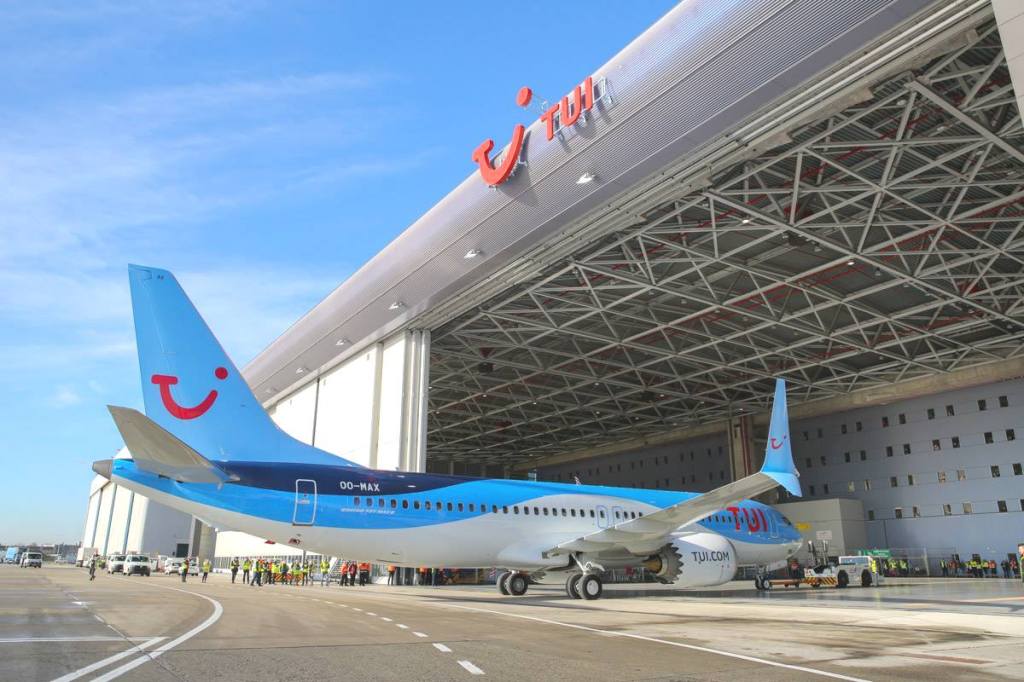
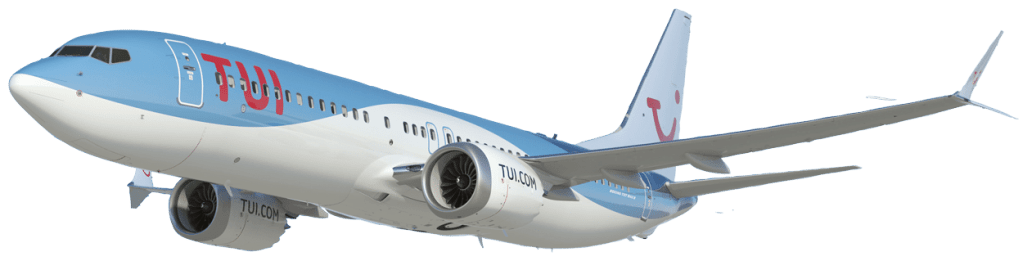
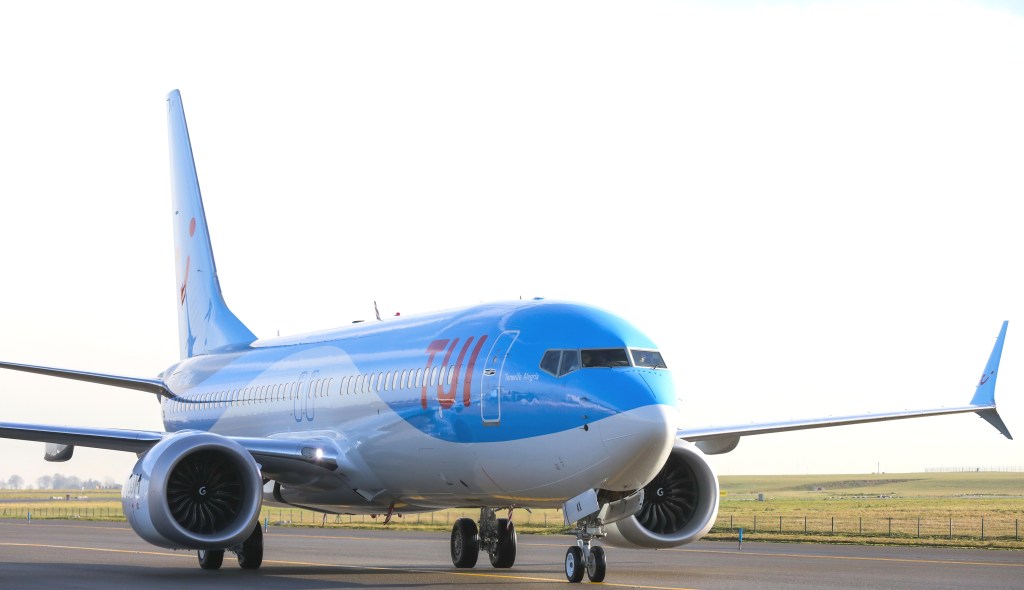
La aerolínea de presupuesto belga TUI fly ha anunciado para los próximos días el retorno de las operaciones con aeronaves Boeing 737 MAX, después de recibir un certificado de aeronavegabilidad del Gobierno de Bélgica. El 17 de Febrero de 2021, se espera que TUI fly Bélgica reanude sus vuelos utilizando el Boeing 737-8 MAX. La aerolínea volará el avión a España y se convertirá en la primera aerolínea europea en reanudar los vuelos de la línea 737 MAX después de que las autoridades europeas de la EASA dieran su aprobación para que el avión regresara al servicio aerocomercial.
Tras las aprobaciones de la agencia europa de aviación EASA a finales de Enero 2021, ha destrabado el proceso para retornar a los vuelos comerciales de la aeronave de cuarta generación de la línea 737. El certificado de aeronavegabilidad fue expedido por la Dirección General de Aviación (DGLV) de la Movilidad de los Servicios Públicos Federales de la República de Bélgica.
Un segundo Boeing 737-8 MAX de TUI fly también obtendría el certificado a la brevedad. En los últimos días, TUI fly ha estado realizando vuelos de preparación operativa con las dos aeronaves, parte del procedimiento para la devolución de vuelos comerciales.
El Boeing 737 MAX fue puesto en tierra en todo el mundo en Marzo de 2019 después de dos accidentes aéreos en pocos meses, matando a 346 personas. Más tarde trascendió que los desastres fueron causados por el Sistema de Control de Vuelo conocido como MCAS. Unos veinte meses ha demandado las actualizaciones de software y pruebas de vuelos para que las diferentes agencias aeronáuticas del mundo restablezcan la aeronavegabilidad de la aeronave en conflicto, consiguiendo las aprobaciones respectivas de la FAA de Estados unidos en Noviembre 2020.
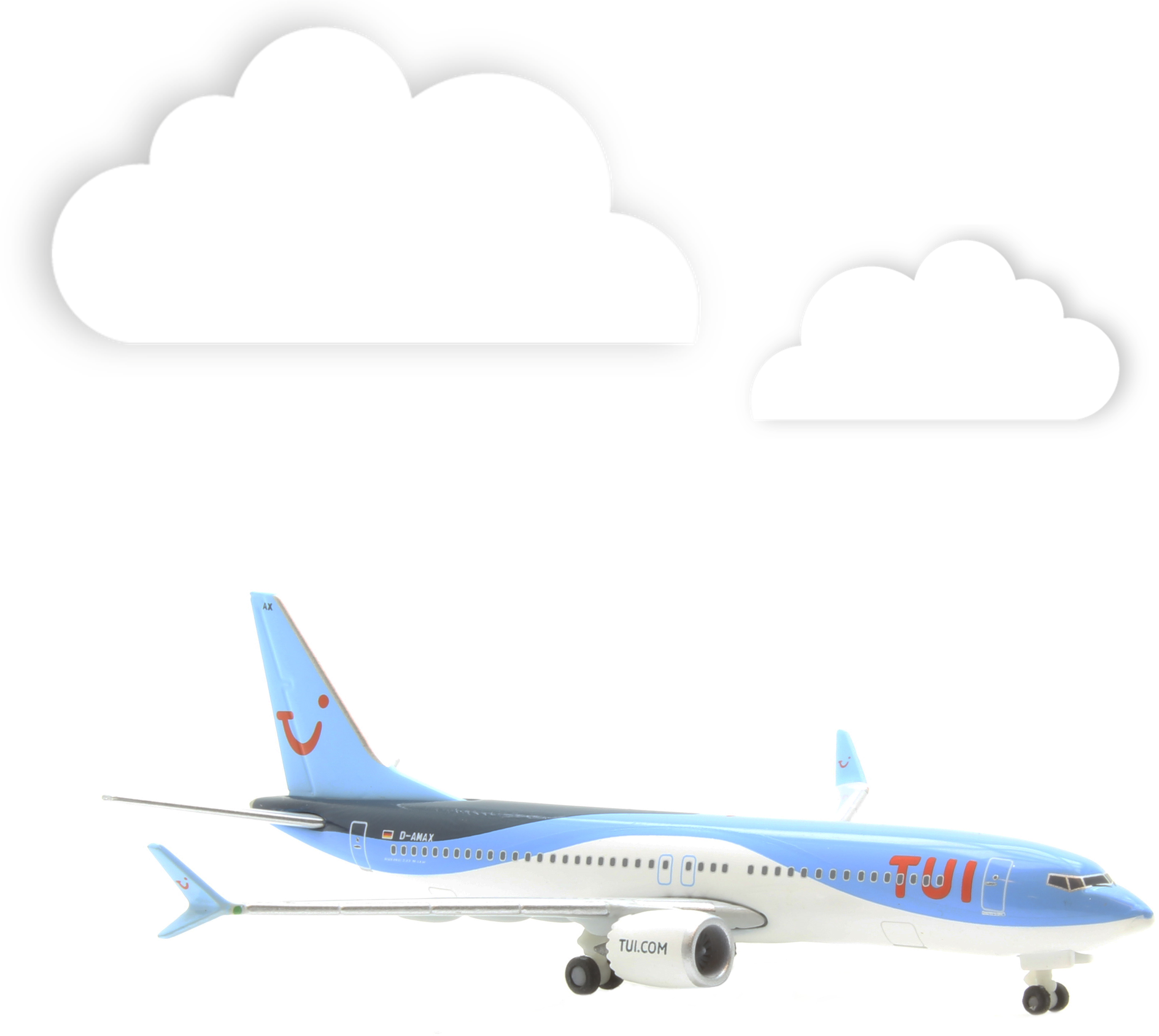
La aerolínea de presupuesto belga TUI fly tiene actualmente cuatro aviones Boeing 737-8 MAX (4) en su flota, donde cada uno de los aparatos debe recibir un certificado de aeronavegabilidad de la DGLV individual para ser restablecido y poder volar en los cielos europeos.
TUI fly 1er 737 MAX in European skies
TUI fly restores Boeing 737 MAX operations
The Belgian budget airline TIU fly has announced for the next few days the return of operations with Boeing 737 MAX aircraft, after receiving a certificate of airworthiness from the Government of Belgium. On February 17, 2021, TUI fly Belgium is expected to resume its flights using the Boeing 737-8 MAX. The airline will fly the plane to Spain and become the first European airline to resume 737 MAX flights after the European EASA authorities gave their approval for the plane to return to commercial air service.
Following the approvals of the europra aviation agency EASA at the end of January 2021, the process to return to commercial flights of the fourth generation aircraft of line 737 has been unblocked. The airworthiness certificate was issued by the Directorate General of Aviation (DGLV) of the Mobility of the Federal Public Services of the Republic of Belgium.
A second TUI fly Boeing 737-8 MAX would also be certified shortly. In recent days, TUI fly has been conducting operational readiness flights with the two aircraft, part of the procedure for the return of commercial flights.
The Boeing 737 MAX was grounded around the world in March 2019 after two plane crashes in a few months, killing 346 people. Later it turned out that the disasters were caused by the Flight Control System known as MCAS. Some twenty months have demanded software updates and flight tests for the different aeronautical agencies of the world to restore the airworthiness of the aircraft in conflict, obtaining the respective approvals from the United States FAA in November 2020.
The Belgian budget airline TUI fly currently has four Boeing 737-8 MAX aircraft (4) in its fleet, where each of the aircraft must receive a certificate of airworthiness from the individual DGLV in order to be reinstated and able to fly in the European skies.
TUI fly 1er 737 MAX in de Europese lucht
TUI fly herstelt de Boeing 737 MAX-operaties
De Belgische budgetmaatschappij TIU fly heeft aangekondigd voor de komende dagen de operaties met Boeing 737 MAX-vliegtuigen terug te keren, na ontvangst van een bewijs van luchtwaardigheid van de regering van België. Op 17 februari 2021 zal TUI fly Belgium naar verwachting zijn vluchten hervatten met de Boeing 737-8 MAX. De luchtvaartmaatschappij zal het vliegtuig naar Spanje vliegen en de eerste Europese luchtvaartmaatschappij worden die 737 MAX-vluchten hervat nadat de Europese EASA-autoriteiten hun goedkeuring hebben gegeven voor het vliegtuig om terug te keren naar de commerciële luchtdienst.
Na de goedkeuringen van het europra luchtvaartagentschap EASA eind januari 2021 is het proces om terug te keren naar commerciële vluchten van de vierde generatie vliegtuigen van lijn 737 gedeblokkeerd. Het luchtwaardigheidscertificaat werd afgegeven door het Directoraat Generaal Luchtvaart (DGLV) van de mobiliteit van de federale overheidsdiensten van de Republiek België.
Binnenkort zou ook een tweede TUIfly Boeing 737-8 MAX gecertificeerd worden. TUI fly voerde de afgelopen dagen operationele paraatheidsvluchten uit met de twee vliegtuigen, onderdeel van de procedure voor de terugkeer van commerciële vluchten.
De Boeing 737 MAX werd in maart 2019 over de hele wereld aan de grond gehouden na twee vliegtuigcrashes in een paar maanden tijd, waarbij 346 mensen omkwamen. Later bleek dat de rampen werden veroorzaakt door het Flight Control System dat bekend staat als MCAS. Ongeveer twintig maanden hebben software-updates en vliegproeven geëist, zodat de verschillende luchtvaartagentschappen van de wereld de luchtwaardigheid van het vliegtuig in conflict herstellen en in November 2020 de respectieve goedkeuringen van de FAA van de Verenigde Staten hebben verkregen.
De Belgische budgetmaatschappij TUI fly heeft momenteel vier Boeing 737-8 MAX-vliegtuigen (4) in haar vloot, waarbij elk vliegtuig een luchtwaardigheidscertificaat moet ontvangen van de individuele DGLV om te worden hersteld en in de Europese lucht te kunnen vliegen.
Aumento actividad volcánica Indonesia desde 01/2021
Indonesia tiene el mayor número y mayor densidad de volcanes activos en todo el mundo, ya que el país se encuentra en el Anillo de Fuego del Pacífico, una región en forma de herradura de placas tectónicas convergentes y varios volcanes. Hay 147 volcanes en Indonesia, de los cuales 130 están activos, repartidos a lo largo de las islas de Sumatra, Célebes, Java, Bali, Nusa Tenggara y Maluku. El país archipiélago tiene una población de unos 271 millones de habitantes y unos 17 mil islas situadas entre el Pacífico y el Océano Indico. Debido al gran número de volcanes activos en el país, los expertos afirman que más de 197 millones de indonesios viven a menos de 100 kilómetros de un volcán, de los que nueve millones de ellos están a sólo 10 kilómetros.
La explosión más destructiva del mundo en los últimos 10 mil años fue la erupción del Monte Tambora, de 4.300 metros de altura y ubicado en la isla de Sumbawa, West Nusa Tenggara (NTB), el 10 de Abril de 1815. El suelo se estremeció, enviando tsunamis corriendo a través del mar de Java. Se estima que 10 mil habitantes de la isla murieron instantáneamente, según la revista Smithsonian. La erupción de Tambora fue diez veces más poderosa que la de los Dos mil metros de altura Krakatau. Sin embargo, Krakatau es más conocido, en parte porque había estallado en 1883, después de la invención del telégrafo, que difundió la noticia rápidamente, escribió Smithsonian.
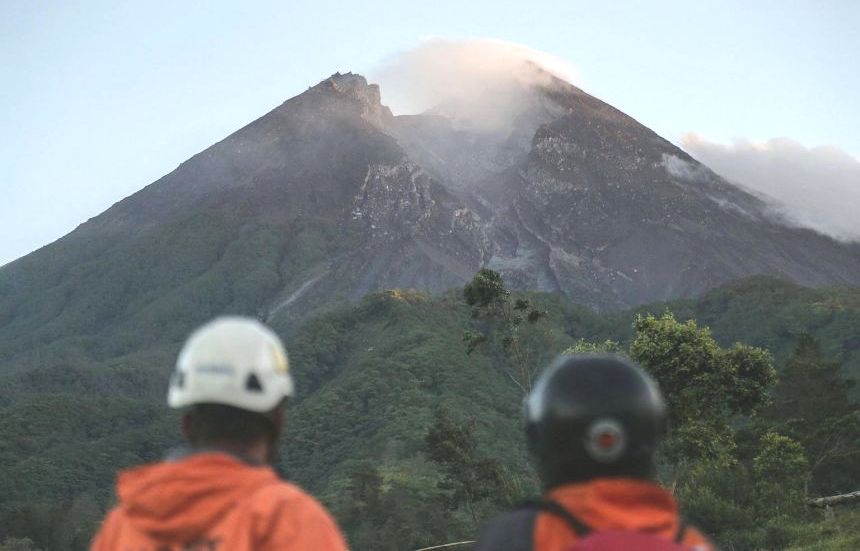
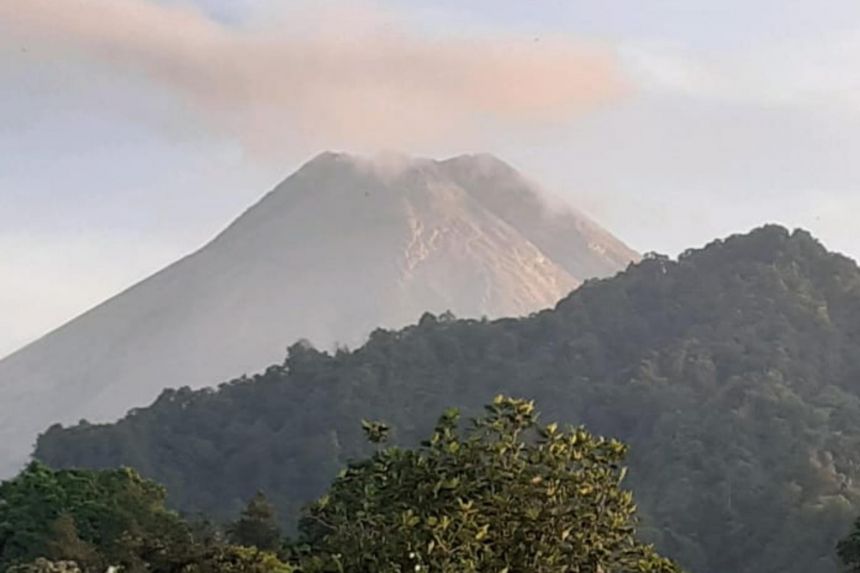
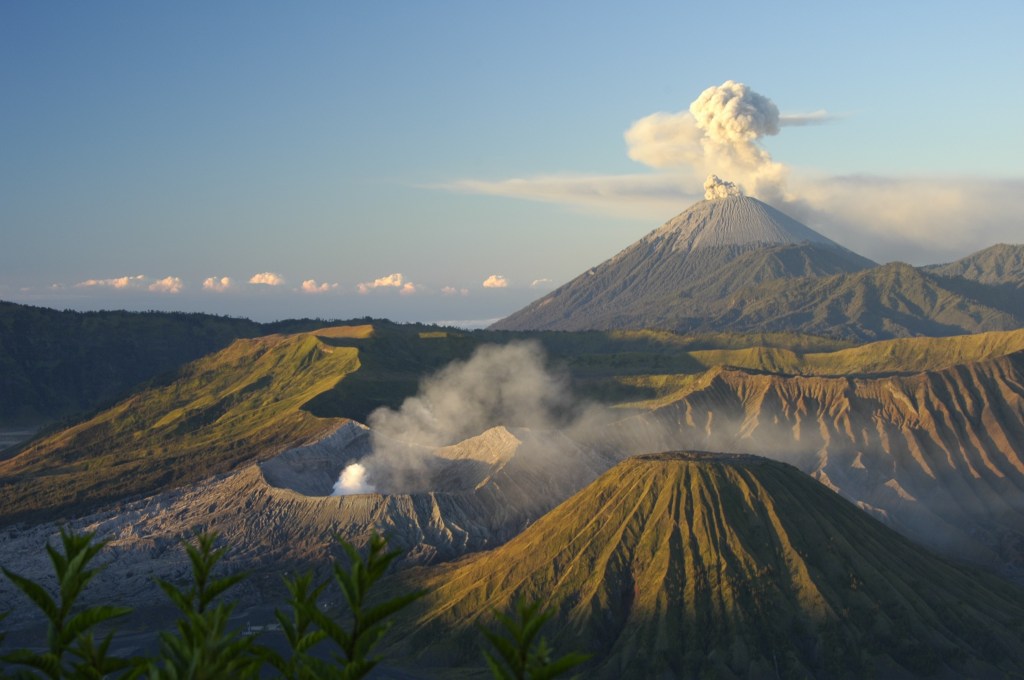
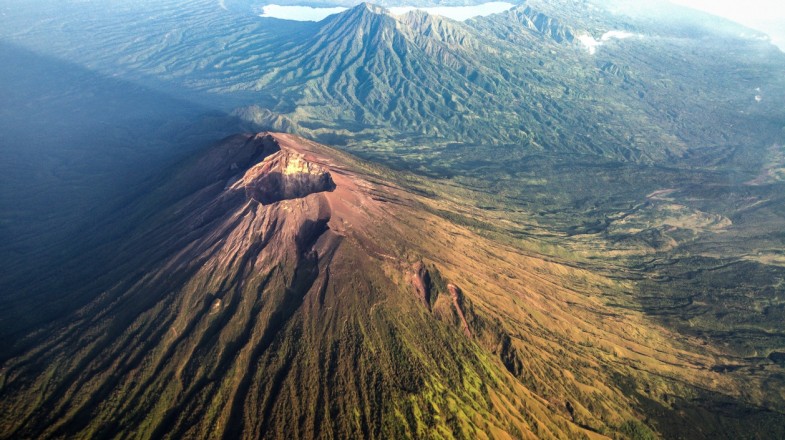
Desde Enero de 2021, al menos cinco volcanes han entrado en erupción esporádicamente en Indonesia: el Monte Sinabung en el distrito de Karo, provincia de Sumatra del Norte; Monte Raung en la Provincia de Java Oriental; Monte Merapi situado entre Java Central y Yogyakarta; Monte Semeru en Java Oriental; y el Monte Ili Lewotolok en Nusa Tenggara Oriental. El monte Sinabung, que había estallado esporádicamente desde 2010 después de estar inactivo durante unos 400 años, volvió a estallar, escupiendo nubes calientes y lava incandescente hasta dos kilómetros de distancia el 12 de Febrero de 2021. El volcán también arrojó nubes calientes a una altura de aproximadamente un kilómetro hacia el este, sureste y sur del Monte Sinabung, de Armen Putra, Jefe del Puesto de Observación del Monte Sinabung, declarado. El estado de emergencia del Monte Sinabung de 2.460 metros de altura fue declarado en el Nivel III de alerta. Armen Putra instó a los residentes y agricultores a alejarse de la realización de actividades en aldeas reubicadas y en lugares dentro de un radio de tres km desde el pico de la montaña, un radio de cinco km para el sector sureste y un radio de cuatro km para el sector este-norte. La erupción del Monte Sinabung se había cobrado dos vidas en 2010 y 15 vidas en 2015.
Monte Raung
En Java Oriental, el 8 de Febrero de 2021 el Monte Raung, de 3.332 metros de altura, en las fronteras de los distritos de Banyuwangi, Jember y Bondowoso, el 08/02, arrojó una columna de ceniza volcánica a casi dos mil metros del pico del cráter. «Basándonos en nuestras observaciones desde el domingo por la noche del (07/02) hasta esta mañana, el Monte Raung escupió una columna de ceniza volcánica, alcanzando una altura de alrededor de dos mil metros de la parte superior del cráter. Instamos a la gente a no llevar a cabo actividades en un radio de dos kilómetros desde el centro de erupción en el cráter del Monte Raung, ya que es peligroso», afirmó Mukijo, jefe del puesto de observación del Monte Raung.
El Aeropuerto de Banyuwangi fue cerrado temporalmente el 7 de Febrero de 2021, ya que las cenizas volcánicas emitidas por el monte Raung se habían extendido hasta la zona del aeropuerto y amenazaban con la seguridad de los vuelos. Varias aldeas del distrito de Banyuwangi también fueron cubiertas por lluvias de ceniza volcánica. Las erupciones del Monte Raung en Julio de 2015 forzaron el cierre temporal de varios aeropuertos, incluyendo el Aeropuerto Internacional I Gusti Ngurah Rai en Bali, el Aeropuerto Internacional de Lombok y el Aeropuerto de Selaparang en la Provincia de Nusa Tenggara Occidental, el aeropuerto Blimbingsari en Banyuwangi y el aeropuerto de Notohadinegoro en Jember, Java Oriental.
Monte Semeru
Otro volcán en Java Oriental, el Monte Semeru también había entrado en erupción varias veces este año. La caída de ceniza cubrió nueve subdesartorios en el distrito de Probolinggo el 17 de Enero de 2021. Anggit Hermanuad, Jefe de la Agencia de Mitigación de Desastres de Probolinggo (BPBD), declaró que los nueve subdesaritutos afectados por la ceniza volcánica eran Kuripan, Bantaran, Leces, Tegalsiwalan, Dringu, Banyuanyar, Sumberasih, Wonomerto y Sumber.
La ceniza volcánica del Monte Semeru también cubrió 18 aldeas en los subdesarmos de Candipuro, Pasrujambe, Senduro, Gucialit y Pasirian en el Distrito de Lumajang, Java Oriental. El 1 de Diciembre de 2020, la ceniza caliente cayó hasta tres mil metros por las laderas del Monte Semeru, lo que desencadenó pánico entre los aldeanos. El Monte Semeru, de 3.676 metros de altura, en el distrito de Lumajang, es el volcán más alto de la isla de Java, más densamente poblada de Indonesia. Mientras tanto, el volcán más activo de Indonesia, el Monte Merapi de 2.968 metros de altura, las nubes de ceniza caliente deslizándose hasta dos mil metros en dirección suroeste o la parte superior de los ríos Kali Krasak y Boyong recientemente. El monte Merapi escupió nubes calientes 58 veces, con una distancia deslizante de hasta tres mil metros, y el material escupió avalanchas cuatro veces, con una distancia máxima de 800 metros hacia el suroeste. Después de la erupción, la ceniza volcánica cubrió varias aldeas en el subdesarnio Tamansari, el distrito de Boyolali y la ciudad de Boyolali.
EL ESTADO DEL VOLCÁN MERAPI HA AUMENTADO AL NIVEL III DEL SISTEMA DE ALERTA DE CUATRO NIVELES DE INDONESIA
Monte Merapi
El 17 de Enero de 2021, el Monte Merapi había espetado lava caliente roja 36 veces, con una distancia máxima de deslizamiento de 1,5 kilómetros, según el Centro de Investigación de Desastres Geológicos y Desarrollo Tecnológico (BPPTKG). Basándose en las observaciones de la semana pasada, del 8 al 14 de enero de 2021, el BPPTKG concluyó que las actividades volcánicas del Monte Merapi seguían siendo bastante altas, para lo cual la agencia había mantenido el estado de alerta del volcán en el Nivel III.
En Noviembre de 2020, las autoridades locales evacuaron a casi dos mil personas que residían en los distritos montañosos de Java de Magelang y Sleman después de que Merapi estallara. Se estima que los peligros potenciales debido a la erupción de Merapi cubren un área en un radio de cinco kilómetros desde el pico de la montaña. Merapi entra en erupción cada cinco a 10 años en promedio y se teme por sus flujos piroclásticos mortales, avalanchas de rocas calientes y gas generado cuando partes de nuevas cúpulas de lava construidas durante las erupciones en el cráter de la cumbre colapsan y se deslizan por los flancos empinados de la montaña. La última gran erupción de Merapi en 2010 se había cobrado 347 vidas.
Monte Ili Lewotolok
El Monte Ili Lewotolok en el Distrito de Lembata, Nusa Tenggara Oriental, había vuelto a estallar por última vez el 11 de Febrero de 2021, lanzando una columna de nube blanca de hasta 800 metros en el cielo. El volcán Ili Lewotolok, de 1.623 metros, había entrado en erupción desde noviembre del año pasado, lo que obligaba a miles de habitantes de la isla de Lembata a refugiarse en lugares más seguros. Las autoridades elevaron el estado del volcán, desde el nivel de alerta 2 (asesoramiento) hasta el nivel 3 (vigilancia/alerta). Este estatus justifica una zona de peligro de hasta cuatro kilómetros del cráter. El 1 de Diciembre de 2020, el gobierno del Distrito de Lembata había declarado el estado de alerta de emergencia de desastre debido a la erupción del volcán. Las autoridades han permitido que los evacuados regresen a sus respectivos hogares, aunque les han recordado que deben permanecer vigilantes. «Sin embargo, instamos a los habitantes locales a permanecer vigilantes ya que el volcán todavía está en erupción (esporádicamente)», declaró el 12 de Febrero de 2021 el Subdirector de Distrito de Lemata Thomas Ola Langoday.
Indonesia 5 active volcanoes 2021
Increased volcanic activity in Indonesia since 01/2021
Indonesia has the highest number and highest density of active volcanoes in the world, as the country is located in the Pacific Ring of Fire, a horseshoe-shaped region of converging tectonic plates and several volcanoes. There are 147 volcanoes in Indonesia, of which 130 are active, spread throughout the islands of Sumatra, Celebes, Java, Bali, Nusa Tenggara and Maluku. The archipelago country has a population of about 271 million inhabitants and about 17 thousand islands located between the Pacific and the Indian Ocean. Due to the large number of active volcanoes in the country, experts say that more than 197 million Indonesians live within 100 kilometers of a volcano, of which nine million of them are only 10 kilometers away.
The most destructive explosion in the world in the last 10,000 years was the eruption of Mount Tambora, 4,300 meters high and located on the island of Sumbawa, West Nusa Tenggara (NTB), on April 10, 1815. The ground shook , sending tsunamis rushing across the Java Sea. An estimated 10,000 inhabitants of the island died instantly, according to Smithsonian magazine. The Tambora eruption was ten times more powerful than the two thousand meter high Krakatau. However, Krakatau is better known, in part because it had exploded in 1883, after the invention of the telegraph, which spread the news quickly, the Smithsonian wrote.
Since January 2021, at least five volcanoes have sporadically erupted in Indonesia: Mount Sinabung in Karo district, North Sumatra province; Mount Raung in the East Java Province; Mount Merapi located between Central Java and Yogyakarta; Mount Semeru in East Java; and Mount Ili Lewotolok in East Nusa Tenggara. Mount Sinabung, which had erupted sporadically since 2010 after being dormant for about 400 years, erupted again, spewing hot clouds and glowing lava up to two kilometers away on February 12, 2021. The volcano also spewed hot clouds at a height about one kilometer to the east, southeast and south of Mount Sinabung, by Armen Putra, Head of the Mount Sinabung Observation Post, declared. The state of emergency of the 2,460-meter-high Mount Sinabung was declared a Level III alert. Armen Putra urged residents and farmers to stay away from carrying out activities in relocated villages and in places within a radius of three km from the mountain peak, a radius of five km for the southeast sector, and a radius of four km for the east-north sector. The Mount Sinabung eruption had claimed two lives in 2010 and 15 lives in 2015.
Mount raung
In East Java, on February 8, 2021, Mount Raung, 3,332 meters high, on the borders of the Banyuwangi, Jember and Bondowoso districts, on 02/08 threw a column of volcanic ash almost two thousand meters from the crater peak. «Based on our observations from Sunday night (February 7) until this morning, Mount Raung spat out a column of volcanic ash, reaching a height of around two thousand meters from the top of the crater. We urge the people not to carry out activities within a radius of two kilometers from the eruption center in the Mount Raung crater as it is dangerous», said Mukijo, head of the Mount Raung observation post.
Banyuwangi Airport was temporarily closed on February 7, 2021, as volcanic ash emitted from Mount Raung had spread to the airport area and threatened flight safety. Several villages in the Banyuwangi district were also covered by volcanic ash rains. The eruptions of Mount Raung in July 2015 forced the temporary closure of several airports, including I Gusti Ngurah Rai International Airport in Bali, Lombok International Airport and Selaparang Airport in West Nusa Tenggara Province, Blimbingsari Airport in Banyuwangi and Notohadinegoro Airport in Jember, East Java.
Mount Semeru
Another volcano in East Java, Mount Semeru had also erupted several times this year. The ashfall covered nine sub-destruction sites in the Probolinggo district on January 17, 2021. Anggit Hermanuad, Head of the Probolinggo Disaster Mitigation Agency (BPBD), stated that the nine sub-districts affected by the volcanic ash were Kuripan, Bantaran, Leces, Tegalsiwalan, Dringu, Banyuanyar, Sumberasih, Wonomerto and Sumber.
Volcanic ash from Mount Semeru also covered 18 villages in the Candipuro, Pasrujambe, Senduro, Gucialit and Pasirian subdesarms in the Lumajang District, East Java. On December 1, 2020, hot ash fell up to 3,000 meters down the slopes of Mount Semeru, triggering panic among the villagers. The 3,676-meter-high Mount Semeru in Lumajang district is the highest volcano on the island of Java, most densely populated in Indonesia. Meanwhile, Indonesia’s most active volcano, the 2,968-meter-high Mount Merapi, hot ash clouds sliding up to 2,000 meters in a southwesterly direction or the upper part of the Kali Krasak and Boyong rivers recently. Mount Merapi spat hot clouds 58 times, with a sliding distance of up to 3,000 meters, and the material spat avalanches four times, with a maximum distance of 800 meters to the southwest. After the eruption, volcanic ash covered several villages in the Tamansari sub-area, the Boyolali district and the city of Boyolali.
Mount Merapi
On January 17, 2021, Mount Merapi had spewed red hot lava 36 times, with a maximum slide distance of 1.5 kilometers, according to the Center for Geological Disaster Research and Technological Development (BPPTKG). Based on observations from last week, January 8-14, 2021, the BPPTKG concluded that the volcanic activities of Mount Merapi remained quite high, for which the agency had maintained the volcano’s alert status at Level III. .
In November 2020, local authorities evacuated nearly 2,000 people residing in the Javanese mountainous districts of Magelang and Sleman after Merapi erupted. Potential hazards due to the Merapi eruption are estimated to cover an area within a five kilometer radius of the mountain peak. Merapi erupts every five to 10 years on average and is feared for its deadly pyroclastic flows, hot rock avalanches, and gas generated when parts of new lava domes built during eruptions in the summit crater collapse and slide down the steep flanks of the mountain. Merapi’s last major eruption in 2010 had claimed 347 lives.
Mount Ili Lewotolok
Mount Ili Lewotolok in Lembata District, East Nusa Tenggara, had last erupted again on February 11, 2021, launching a column of white cloud up to 800 meters into the sky. The 1,623-meter Ili Lewotolok volcano had erupted since November last year, forcing thousands of Lembata Island residents to take refuge in more distant places insurance. The authorities raised the status of the volcano, from alert level 2 (advisory) to level 3 (surveillance/alert). This status justifies a danger zone of up to four kilometers from the crater. On December 1, 2020, the Lembata District government had declared a disaster emergency alert status due to the eruption of the volcano. Authorities have allowed the evacuees to return to their respective homes, although they have been reminded to remain vigilant. «However, we urge local residents to remain vigilant as the volcano is still erupting (sporadically)», Lemata Deputy District Director Thomas Ola Langoday declared on February 12, 2021.
Indonesia 5 gunung berapi aktif 2021
Peningkatan aktivitas vulkanik di Indonesia sejak 01/2021
Indonesia memiliki jumlah dan kepadatan gunung berapi aktif tertinggi di dunia, karena negara ini terletak di Cincin Api Pasifik, sebuah wilayah berbentuk tapal kuda dari lempeng tektonik yang menyatu dan beberapa gunung berapi. Terdapat 147 gunung berapi di Indonesia, 130 di antaranya aktif, tersebar di pulau Sumatera, Sulawesi, Jawa, Bali, Nusa Tenggara, dan Maluku. Negara kepulauan berpenduduk sekitar 271 juta jiwa dan sekitar 17 ribu pulau terletak di antara Pasifik dan Samudera Hindia. Karena banyaknya gunung berapi aktif di negara ini, para ahli mengatakan bahwa lebih dari 197 juta orang Indonesia tinggal dalam jarak 100 kilometer dari gunung berapi, dimana sembilan juta di antaranya hanya berjarak 10 kilometer.
Ledakan paling dahsyat di dunia dalam 10.000 tahun terakhir adalah letusan Gunung Tambora setinggi 4.300 meter dan berlokasi di Pulau Sumbawa, Nusa Tenggara Barat (NTB), pada 10 April 1815. Tanah berguncang, menimbulkan derasnya tsunami. melintasi Laut Jawa. Diperkirakan 10.000 penduduk pulau itu meninggal seketika, menurut majalah Smithsonian. Letusan Tambora sepuluh kali lebih dahsyat dari Gunung Krakatau setinggi dua ribu meter. Namun, Krakatau lebih dikenal, sebagian karena meledak pada tahun 1883, setelah penemuan telegraf, yang menyebarkan berita dengan cepat, tulis Smithsonian.
Sejak Januari 2021, setidaknya lima gunung berapi meletus secara sporadis di Indonesia: Gunung Sinabung di Kabupaten Karo, Provinsi Sumatera Utara; Gunung Raung di Provinsi Jawa Timur; Gunung Merapi terletak di antara Jawa Tengah dan Yogyakarta; Gunung Semeru di Jawa Timur; dan Gunung Ili Lewotolok di Nusa Tenggara Timur. Gunung Sinabung yang meletus secara sporadis sejak 2010 setelah tidak aktif selama kurang lebih 400 tahun, kembali meletus, memuntahkan awan panas dan lava pijar hingga jarak dua kilometer pada 12 Februari 2021. Gunung tersebut juga memuntahkan awan panas setinggi sekitar satu kilometer. di sebelah timur, tenggara dan selatan Gunung Sinabung, demikian dinyatakan Armen Putra, Kepala Pos Pengamatan Gunung Sinabung. Keadaan darurat Gunung Sinabung setinggi 2.460 meter itu dinyatakan waspada Level III. Armen Putra mengimbau warga dan petani untuk menjauhi kegiatan di desa relokasi dan di tempat dalam radius tiga km dari puncak gunung, radius lima km untuk sektor tenggara, dan radius empat km untuk timur- sektor utara. Letusan Gunung Sinabung menelan dua korban jiwa pada 2010 dan 15 jiwa pada 2015.
Gunung raung
Di Jawa Timur, pada 8 Februari 2021 Gunung Raung setinggi 3.332 meter, di perbatasan Kabupaten Banyuwangi, Jember dan Bondowoso, pada 02/08, melontarkan kolom abu vulkanik hampir dua ribu meter dari puncak kawah. “Berdasarkan pantauan kami dari Minggu malam (7 Februari) hingga pagi tadi, Gunung Raung menyemburkan kolom abu vulkanik setinggi sekitar dua ribu meter dari puncak kawah. Kami mengimbau masyarakat untuk tidak melakukan aktivitas. dalam radius dua kilometer dari pusat letusan di kawah Gunung Raung karena berbahaya”, kata Mukijo, Kepala Pos Pengamatan Gunung Raung.
Bandara Banyuwangi ditutup sementara pada 7 Februari 2021, karena abu vulkanik yang keluar dari Gunung Raung telah menyebar ke kawasan bandara dan mengancam keselamatan penerbangan. Beberapa desa di Kabupaten Banyuwangi juga diliputi hujan abu vulkanik. Letusan Gunung Raung pada Juli 2015 memaksa beberapa bandara ditutup sementara, antara lain Bandara Internasional I Gusti Ngurah Rai di Bali, Bandara Internasional Lombok dan Bandara Selaparang di Provinsi Nusa Tenggara Barat, Bandara Blimbingsari di Banyuwangi dan Bandara Notohadinegoro di Jember, Jawa Timur. .
Gunung Semeru
Gunung berapi lain di Jawa Timur, Gunung Semeru juga pernah meletus beberapa kali tahun ini. Hujan abu menutupi sembilan lokasi sub-destruksi di Kabupaten Probolinggo pada 17 Januari 2021. Anggit Hermanuad, Kepala Badan Penanggulangan Bencana Daerah (BPBD) Probolinggo, menyatakan sembilan kecamatan yang terdampak abu vulkanik tersebut adalah Kuripan, Bantaran, Leces, Tegalsiwalan, Dringu, Banyuanyar, Sumberasih, Wonomerto, dan Sumber.
Abu vulkanik dari Gunung Semeru juga menyelimuti 18 desa di Kecamatan Candipuro, Pasrujambe, Senduro, Gucialit dan Pasirian di Kabupaten Lumajang, Jawa Timur. Pada tanggal 1 Desember 2020, abu panas turun hingga 3.000 meter di lereng Gunung Semeru, memicu kepanikan warga desa. Gunung Semeru setinggi 3.676 meter di Kabupaten Lumajang merupakan gunung berapi tertinggi di pulau Jawa, terpadat penduduknya di Indonesia. Sedangkan gunung api teraktif di Indonesia, Gunung Merapi setinggi 2.968 meter, awan abu panas meluncur hingga 2.000 meter ke arah barat daya atau hulu sungai Kali Krasak dan Boyong belum lama ini. Gunung Merapi menyemburkan awan panas sebanyak 58 kali, dengan jarak luncur hingga 3.000 meter, dan material melontarkan longsoran sebanyak empat kali, dengan jarak maksimum 800 meter ke arah barat daya. Pasca letusan, abu vulkanik menutupi beberapa desa di Kecamatan Tamansari, Kabupaten Boyolali dan Kota Boyolali.
Gunung Merapi
Pada 17 Januari 2021, Gunung Merapi telah memuntahkan lahar merah panas sebanyak 36 kali, dengan jarak luncuran maksimal 1,5 kilometer, menurut Pusat Penelitian dan Pengembangan Teknologi Bencana Geologi (BPPTKG). Berdasarkan pantauan pada 8-14 Januari 2021 pekan lalu, BPPTKG menyimpulkan aktivitas vulkanik Gunung Merapi masih cukup tinggi, sehingga badan tersebut telah mempertahankan status siaga gunung tersebut di Level III.
Pada November 2020, pihak berwenang setempat mengevakuasi hampir 2.000 orang yang tinggal di kabupaten pegunungan di Magelang dan Sleman setelah Merapi meletus. Potensi bahaya akibat erupsi Merapi diperkirakan mencakup wilayah dalam radius lima kilometer dari puncak gunung. Merapi meletus rata-rata setiap lima hingga 10 tahun dan dikhawatirkan karena aliran piroklastik yang mematikan, longsoran batuan panas, dan gas yang dihasilkan ketika bagian-bagian kubah lava baru yang dibangun selama letusan di puncak kawah runtuh dan meluncur ke lereng gunung yang curam. Letusan besar terakhir Merapi tahun 2010 telah merenggut 347 nyawa.
Gunung Ili Lewotolok
Gunung Ili Lewotolok di Kabupaten Lembata, Nusa Tenggara Timur, terakhir meletus kembali pada 11 Februari 2021, memunculkan kolom awan putih setinggi 800 meter ke langit. Gunung berapi Ili Lewotolok setinggi 1.623 meter telah meletus sejak November tahun lalu, memaksa ribuan penduduk Pulau Lembata mengungsi ke tempat yang lebih jauh. Pertanggungan. Pihak berwenang menaikkan status gunung berapi, dari level waspada 2 (penasehat) ke level 3 (pengawasan/waspada). Status ini membenarkan zona bahaya hingga empat kilometer dari kawah. Pada 1 Desember 2020, Pemerintah Kabupaten Lembata telah menetapkan status siaga darurat bencana akibat erupsi gunung tersebut. Pihak berwenang telah mengizinkan para pengungsi untuk kembali ke rumah masing-masing, meskipun mereka telah diingatkan untuk tetap waspada. “Namun, kami mengimbau warga untuk tetap waspada karena gunung tersebut masih meletus (secara sporadis)”, kata Wakil Direktur Lemata Thomas Ola Langoday pada 12 Februari 2021.
AW | 2021 02 15 11:50 | AIRPORTS / AVIATION SAFETY / GOVERNMENT
Aeropuertos civiles saudíes son atacados por drones
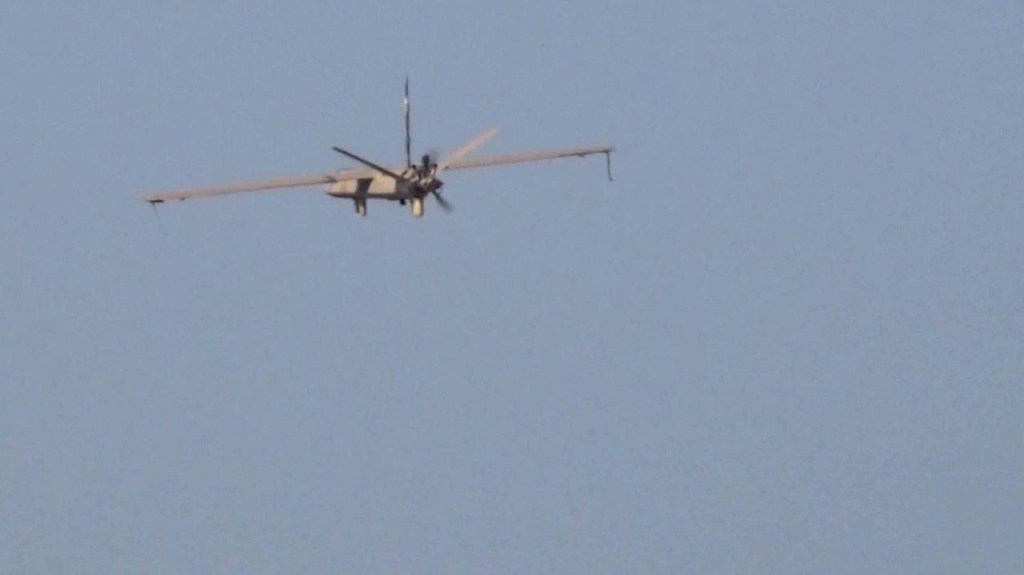
El grupo hutí alineado con Irán en Yemen dijo que el Lunes 15/02 había atacado los aeropuertos Abha y Jeddah de Arabia Saudita con drones. En un comunicado en Twitter, el portavoz militar hutí Yahya Sarea dijo que los ataques detuvieron las operaciones en los aeropuertos durante dos horas como resultado. La coalición liderada por Arabia Saudí que lucha contra los hutíes en Yemen dijo que a primera hora de la mañana del Lunes 15/02 había interceptado y destruido un avión no tripulado cargado de explosivos disparado por los hutíes hacia el reino. No hubo confirmación de las autoridades sauditas de la interrupción en los aeropuertos.
Los hutíes han dicho que han lanzado ataques que han golpeado un campo aéreo o una base en el sur de Arabia Saudita casi todos los días durante nueve días. El Miércoles 10/02 Riyadh dijo que un ataque causó un incendio en un avión civil en el Aeropuerto de Abha. La coalición intervino en Yemen en 2015, respaldando a las fuerzas gubernamentales que luchan contra los hutíes que controlan la capital y las zonas más pobladas. Los funcionarios de la ONU están tratando de revivir las conversaciones de paz para poner fin a la guerra que la ONU dice que ha creado la crisis humanitaria más grande del mundo.
Jeddah and Abha airports attack
Saudi civilian airports are attacked by drones
The Iran-aligned Houthi group in Yemen said that on Monday 02/15 it had attacked Saudi Arabia’s Abha and Jeddah airports with drones. In a statement on Twitter, Houthi military spokesman Yahya Sarea said the attacks halted operations at airports for two hours as a result. The Saudi-led coalition fighting the Houthis in Yemen said that early in the morning on Monday 02/15 it had intercepted and destroyed an explosives-laden drone fired by the Houthis into the kingdom. There was no confirmation from the Saudi authorities of the disruption at the airports.
The Houthis have said they have launched attacks that have hit an airfield or base in southern Saudi Arabia almost every day for nine days. On Wednesday 02/10 Riyadh said that an attack caused a fire in a civilian plane at Abha Airport. The coalition intervened in Yemen in 2015, backing government forces fighting the Houthis who control the capital and the most populated areas. UN officials are trying to revive the peace talks to end the war the UN says has created the world’s largest humanitarian crisis.
هجوم مطاري جدة وأبها
المطارات المدنية السعودية تتعرض للهجوم بطائرات بدون طيار
قالت جماعة الحوثي المتحالفة مع إيران في اليمن إنها هاجمت يوم الاثنين 15 فبراير مطاري أبها وجدة السعوديتين بطائرات مسيرة. وقال يحيى سريع المتحدث باسم الجيش الحوثي في بيان على تويتر إن الهجمات أوقفت العمليات في المطارات لمدة ساعتين نتيجة لذلك. قال التحالف الذي تقوده السعودية والذي يقاتل الحوثيين في اليمن إنه اعترض في وقت مبكر من صباح يوم الاثنين 15/2 / ودمر طائرة مسيرة محملة بالمتفجرات أطلقها الحوثيون على المملكة. ولم يصدر تأكيد من السلطات السعودية لتعطيل المطارات.
قال الحوثيون إنهم شنوا هجمات استهدفت قاعدة جوية أو قاعدة في جنوب السعودية كل يوم تقريبًا لمدة تسعة أيام. قالت الرياض يوم الأربعاء 2/10 الحالي ، إن هجومًا تسبب في حريق بطائرة مدنية بمطار أبها. تدخل التحالف في اليمن عام 2015 ، لدعم القوات الحكومية التي تقاتل الحوثيين الذين يسيطرون على العاصمة والمناطق الأكثر كثافة سكانية. يحاول مسؤولو الأمم المتحدة إحياء محادثات السلام لإنهاء الحرب التي تقول الأمم المتحدة إنها تسببت في أكبر أزمة إنسانية في العالم.
AW | 2021 02 14 12:22 | AVIATION SAFETY / INDUSTRY
Accionistas contradicen afirmación Junta priorizó seguridad 737 MAX
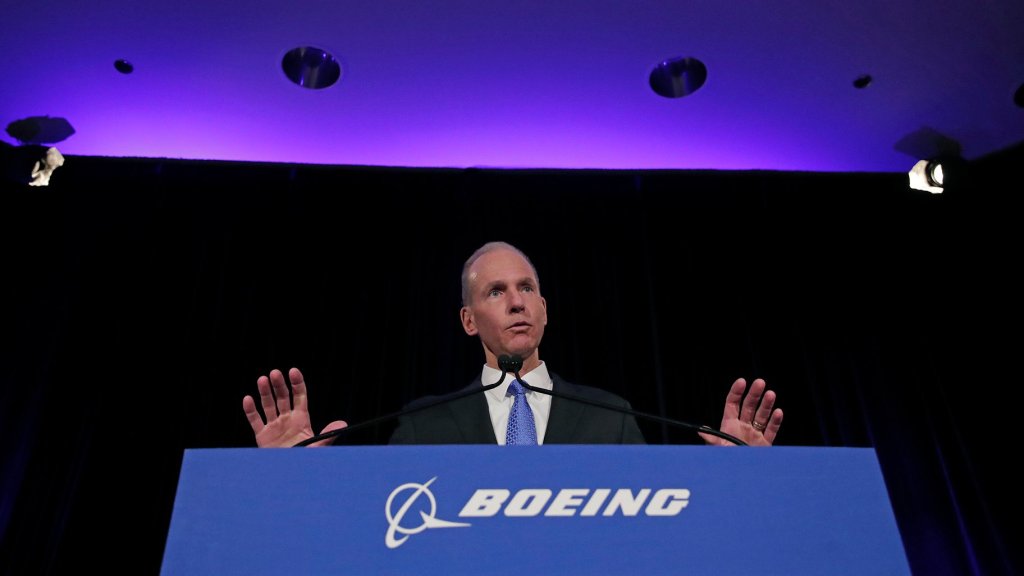
Una demanda de los accionistas de The Boeing Company han citado documentos internos de la empresa relacionados con las alegaciones que el Consejo de Administración de la compañía no actuó tan rápidamente para abordar la seguridad del Boeing 737 MAX como el actual CEO David Calhoun ha afirmado. La Junta celebró su primera reunión formal siete semanas después del accidente inicial del 737 MAX en Octubre de 2018, cuando se encontraba en funciones el CEO Dennis Muilenburg, pero no mantuvo discusiones en profundidad sobre la seguridad del jet, de acuerdo con los detalles recién publicados de los documentos internos de la compañía contenidos en la demanda.
Meses más tarde, David Calhoun, entonces nuevo ejecutivo de la compañía había expresado a los periodistas que los directores de la compañía se habían movido rápidamente para abordar el accidente, dicen los documentos que incluyen fechas y detalles de las discusiones celebradas en las reuniones de la Junta, se citan en la demanda que alega que los directores incumplieron sus deberes fiduciarios en la supervisión de la gestión y que David Calhoun exageró a los periodistas en el grado en que los directores asistieron a problemas de seguridad a raíz de los dos accidentes que involucraron a dos aeronaves Boeing 737 MAX. Los nuevos documentos que son públicos, afirman que la junta no impugnó al entonces CEO Dennis Muilenburg sobre la seguridad del avión o su campaña para contrarrestar los informes negativos de noticias.
Shareholders claim Boeing inaction
Shareholders contradict claim Board moved quickly MAX security
A lawsuit by The Boeing Company shareholders have cited internal company documents relating to allegations that the company’s Board of Directors did not act as quickly to address the safety of the Boeing 737 MAX as current CEO David Calhoun has claimed. The Board held its first formal meeting seven weeks after the initial 737 MAX crash in October 2018, when CEO Dennis Muilenburg was in office, but did not have in-depth discussions on jet safety, according to newly released details. of the company’s internal documents contained in the application.
Months later, David Calhoun, then the company’s new executive, had told reporters that the company’s directors had moved quickly to address the accident, say the documents that include dates and details of discussions held at the company’s meetings. the Board, are cited in the lawsuit alleging that the directors failed to fulfill their fiduciary duties in management oversight and that David Calhoun exaggerated to reporters to the extent that the directors witnessed safety concerns in the wake of the two accidents that they involved two Boeing 737 MAX aircraft. The new documents, which are public, state that the board did not challenge then-CEO Dennis Muilenburg over the plane’s safety or his campaign to counter negative news reports.
AW | 2021 02 10 16:31 | AIR INVESTIGATION / AVIATION SAFETY
Sistema de control del motor en foco vuelo SJ-132
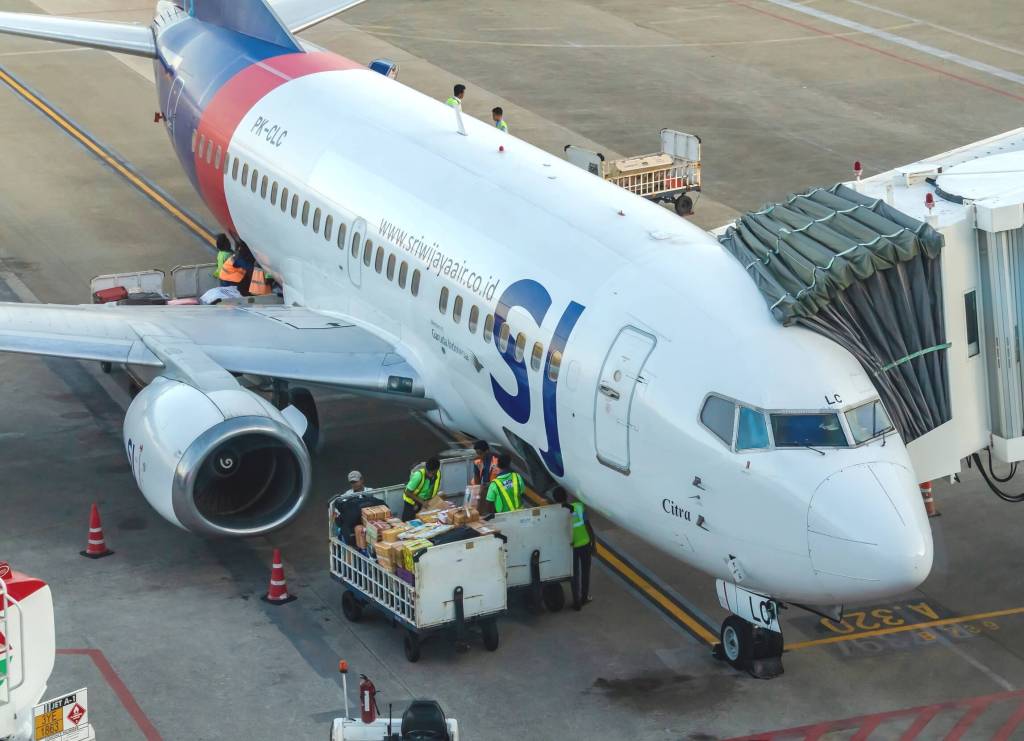
La investigación sobre el accidente aéreo del vuelo SJ-182/SJY-182 de la aerolínea Sriwijaya Air el 9 de Enero de 2021 en el Mar de Java, Indonesia se está centrando en el Sistema de Control del Motor del avión Boeing 737-500. Mientras que el Comité Nacional de Seguridad del Transporte de Indonesia (KNKT) todavía está tratando de determinar la causa exacta del accidente, la palanca del acelerador del motor izquierdo estaba recortando la potencia justo antes de que la aeronave Boeing 737-524WL de 26 años se precipitaba en el Mar de Java.
La KNKT no ha llegado a ninguna conclusión sobre la causa del accidente, pero sí dijeron que hubo un movimiento hacia atrás no recomendado de la palanca del acelerador izquierdo mientras el piloto automático estaba en funcionamiento. El Presidente de la KNKT, Soerjanto Tjahjono, y el Investigador principal Nurcahyo Utomo no respondieron inmediatamente a los mensajes y llamadas que buscaban comentarios. Un representante de Boeing tampoco respondió inmediatamente a una solicitud de comentario por correo electrónico. Está previsto que el NTSC emita su informe preliminar el miércoles.
Tras las primeras investigaciones, han detallado que un acelerador automático que funcionaba mal estaba siendo considerado como una razón para que los pilotos perdieran el control al producir más empuje en uno de los dos motores. El dispositivo había tenido problemas en vuelos anteriores. El empuje desigual puede hacer que un avión se desviara produciendo una posible asimetría en el vuelo y descienda abruptamente. El vuelo SJY-182 de Sriwijaya Air se estrelló contra el Mar de Java cuatro minutos después del despegue del aeropuerto principal de Jakarta el 9 de Enero de 2021, matando a las 62 personas a bordo. Los buscadores recuperaron el Flight Data Recorder (FDR), pero el módulo de memoria de la grabadora de voz, el Flight Voice Recorder (FVR) de la cabina aún no se ha localizado.
Las primeras investigaciones en torno a los datos del FDR confirman que la aeronave Boeing 737-500 sufrió una inclinación de 10.000 pies (3.050 metros) en unos 15 segundos. El KNKT había dicho que ambos motores parecen haber estado funcionando antes de que el avión golpeara el agua. «Un problema de aceleración automática no debería estrellar el avión a menos que se combine con varios otros problemas o factores, porque la tripulación podría simplemente apagarlo», dijo el Analista de Aviación Gerry Soejatman, con sede en Jakarta. Los pilotos fueron experimentados y volando un avión con un historial de seguridad relativamente bueno. Sriwijaya Air, a pesar de ser poco conocido fuera de Indonesia, también tiene una sólida historia, sin accidentes fatales desde su creación en 2003. Pero el accidente fue otra plaga en el pobre historial de seguridad de la aviación de Indonesia, con otras dos tragedias importantes en los últimos años. En 2014, un avión de AirAsia que transportaba a 162 personas cayó en el Mar de Java, matando a todos a bordo, y luego en 2018 un accidente de Lion Air en las mismas aguas se cobró 189 vidas. El Boeing 737-500 de Boeing ha estado involucrado en ocho accidentes de pérdida de aeronave. El accidente aéreo de Sriwijaya Air fue el tercero más mortífero que involucró el tipo de modelo de aeronave. Ochenta y ocho personas murieron en un accidente de Aeroflot en 2008 y otras 68 murieron en un desastre de Asiana Airlines en 1993. Los investigadores los vincularon a factores como el rendimiento del piloto, la formación y el clima.
Sriwijaya Air SJ-182 | Engine control
SJ-132 Flight Focus Engine Control System
The investigation into the plane crash of Sriwijaya Air airline flight SJ-182/SJY-182 on January 9, 2021 in the Java MAr, Indonesia is focusing on the Boeing 737-500 aircraft Engine Control System. While the Indonesian National Transportation Safety Committee (KNKT) is still trying to determine the exact cause of the accident, the left engine throttle lever was cutting power just before the 26-year-old Boeing 737-524WL aircraft was shut down. it was falling into the Java Sea.
The KNKT has not reached any conclusions on the cause of the accident, but they did say that there was an unsuitable backward movement of the left throttle lever while the autopilot was operating. KNKT President Soerjanto Tjahjono and Principal Investigator Nurcahyo Utomo did not immediately respond to messages and calls seeking comment. A Boeing representative also did not immediately respond to an email request for comment. The NTSC is scheduled to issue its preliminary report on Wednesday.
After the first investigations, they have detailed that a malfunctioning automatic throttle was being considered as a reason for the pilots to lose control when producing more thrust in one of the two engines. The device had had problems on previous flights. Uneven thrust can cause an aircraft to drift, producing possible asymmetry in flight and descending steeply. Sriwijaya Air flight SJY-182 crashed into the Java Sea four minutes after takeoff from Jakarta’s main airport on January 9, 2021, killing all 62 people on board. Searchers recovered the Flight Data Recorder (FDR), but the voice recorder’s memory module, the Flight Voice Recorder (FVR) in the cockpit has yet to be located.
Early investigations into the FDR data confirm that the Boeing 737-500 aircraft tilted 10,000 feet (3,050 meters) in about 15 seconds. The KNKT had said that both engines appear to have been running before the plane hit the water. «An auto-throttle issue shouldn’t crash the plane unless combined with various other issues or factors, because the crew could just shut it down», said Jakarta-based Aviation Analyst Gerry Soejatman. The pilots were experienced and flying an aircraft with a relatively good safety record. Sriwijaya Air, despite being little known outside of Indonesia, also has a strong history, with no fatal accidents since its inception in 2003. But the accident was another blight on Indonesia’s poor aviation safety record, with two other tragedies. important in recent years. In 2014, an AirAsia plane carrying 162 people went down in the Java Sea, killing everyone on board, and then in 2018 a Lion Air accident in the same waters claimed 189 lives. Boeing’s Boeing 737-500 has been involved in eight stall accidents. The Sriwijaya Air plane crash was the third deadliest involving the type of model aircraft. Eighty-eight people died in an Aeroflot accident in 2008 and another 68 died in an Asiana Airlines disaster in 1993. The researchers linked them to factors such as pilot performance, training and weather.
Junta Directiva de Boeing no desafió al CEO en seguridad 737 MAX
La Junta Directiva de The Boeing Company ha sostenido que no pudo desafiar al entonces CEO Dennis Muilenburg sobre la seguridad en torno al Boeing 737 MAX o su campaña para contrarrestar los informes de noticias negativos entre dos accidentes aéreos ocurridos en Indonesia y Etiopía, citando varios documentos internos de la compañía que fueron publicados como parte de una demanda de accionistas.
Después del accidente de Lion Air en Octubre 2018, que pronto fue seguido por la conclusión de la Administración Federal de Aviación (FAA) de que el sistema automatizado de Control de Vuelo MCAS representaba un riesgo inaceptablemente alto de falla catastrófica, la demanda alega que los directores no ordenaron una investigación inmediata de seguridad del sistema ni cómo fue aprobado por los reguladores o investigaron su seguridad; en cambio, la junta apoyó la campaña de relaciones públicas de Muilenburg para atacar una cobertura mediática precisa respetando al 737 MAX. Al discutir un boletín de seguridad de emergencia que la FAA emitió después del accidente del vuelo JT-610 de la aerolínea indonesia Lion Air, la demanda afirma que Dennis Muilenburg estaba más preocupado por posibles interrupciones del flujo de efectivo que por la seguridad. Una actualización de gestión de riesgos a la Junta Directiva después del primer accidente no incluyó la supervisión de la seguridad del avión, de acuerdo con la demanda, ni los problemas de seguridad surgieron como parte de una reunión de Diciembre de 2018 del Comité de Auditoría de la Junta Directiva de la compañía.
Un portavoz de Boeing dice que la compañía está tratando de desestimar la demanda de los accionistas, y que la compañía ha mejorado la seguridad, la calidad y el cumplimiento desde la etapa de crisis del 737 MAX. En Enero 2021, Boeing estableció un acuerdo de US$ 2.5 millones de Dólares con el Departamento de Justicia de los Estados Unidos en una investigación criminal que se centró en dos empleados de la compañía que supuestamente engañaron a especialistas en capacitación de la agencia de aviación de la FAA sobre el sistema de Control de Vuelo sospechoso.
Board has not challenged the Boeing 737 MAX
Boeing Board of Directors did not challenge CEO on safety
The Boeing Company Board of Directors has maintained that it was unable to challenge then-CEO Dennis Muilenburg on safety around the Boeing 737 MAX or his campaign to counter negative news reports between two air crashes in Indonesia and Ethiopia, citing various documents. company interns that were released as part of a shareholder lawsuit.
Following the Lion Air accident in October 2018, which was soon followed by the Federal Aviation Administration (FAA) finding that the MCAS automated Flight Control system posed an unacceptably high risk of catastrophic failure, the lawsuit alleges that the Directors did not order an immediate security investigation of the system or how it was approved by regulators or investigated its security; instead, the board supported Muilenburg’s public relations campaign to attack accurate media coverage respecting the 737 MAX. Discussing an emergency safety bulletin the FAA issued after the crash of Indonesian airline Lion Air flight JT-610, the lawsuit claims Dennis Muilenburg was more concerned about potential cash flow disruptions than safety. A risk management update to the Board of Directors after the first accident did not include oversight of the plane’s safety, according to the lawsuit, nor did safety issues arise as part of a December 2018 meeting of the Aircraft Audit Committee the Board of Directors of the company.
A Boeing spokesperson says the company is trying to dismiss the shareholders’ lawsuit, and that the company has improved safety, quality and compliance since the crisis stage of the 737 MAX. In January 2021, Boeing settled a US$ 2.5 million settlement with the United States Department of Justice in a criminal investigation that focused on two company employees who allegedly misled training specialists from the US aviation agency. the FAA on the suspicious Flight Control system.
AW | 2021 02 08 11:45 | AIR INVESTIGATION / AVIATION SAFETY / GOVERNMENT
Ucrania desconocía peligros para aviación civil sobre Donbass
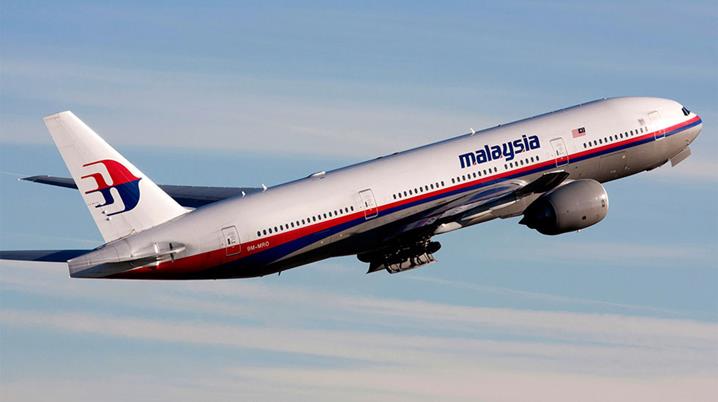
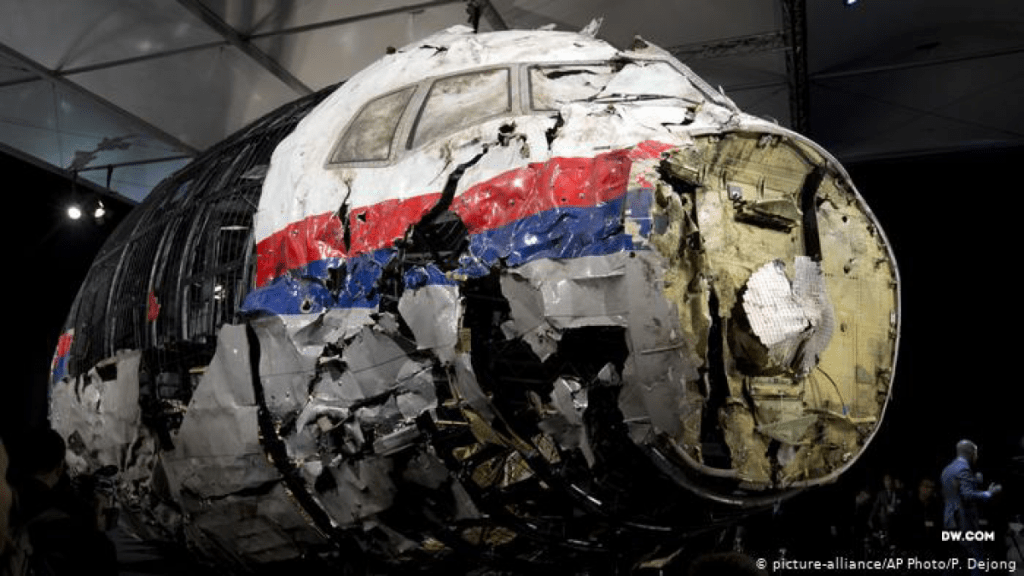
La Cámara de Representantes de los Países Bajos había pedido la investigación acerca del conflicto sobre las responsabilidades que podrían implicar al Gobierno de Ucrania sobre el espacio aéreo en el conflicto bélico del Donbass y el atentado del vuelo MH-017 de Malaysia Airlines. Las investigaciones estribaban en tener más claridad sobre el papel de Ucrania en el desastre. La Cámara quería saber, entre otras cosas, por qué el espacio aéreo sobre la zona de conflicto no estaba completamente cerrado. El Ministro de Asuntos Exteriores neerlandés Stef Blok dijo que el informe de la Fundación de Seguridad de Vuelo afirma que «no se han demostrado hechos suficientes para indicar que las autoridades ucranianas en ese momento responsables de la seguridad de la aviación civil sobre el este de Ucrania eran conscientes de una amenaza para la aviación civil por encima de Ucrania, excepto la parte del espacio aéreo que ya estaba cerrada».
Ucrania desconocía que la aviación civil estaba en peligro cuando el vuelo MH17 fue derribado sobre el este de ese país en Julio de 2014. Por lo tanto, no hay pruebas suficientes para hacer legalmente responsable a Ucrania de no cerrar completamente su espacio aéreo, según el Ministerio de Asuntos Exteriores, a cargo de Stef Blok.
Investigaciones
La Cámara de Representantes había solicitado la investigación en Octubre de 2019. Posteriormente, los Países Bajos pidieron a Rusia y Ucrania que cooperaran. «En la práctica, la aplicación de esta cooperación resultó tomar más tiempo de lo previsto», dice Stef Blok. El informe de la Fundación para la Seguridad de los Vuelos afirma que «se han establecido pruebas insuficientes que indican que las autoridades ucranianas responsables de la seguridad de la aviación civil en el este de Ucrania eran conscientes de una amenaza a la aviación civil por encima de esa parte del espacio aéreo que ya había sido cerrada o podría haber sido consciente de ella», escribe Stef Blok a la Cámara. Mientras, las autoridades rusas de aviación civil, que eran responsables del espacio aéreo ya cerrado adyacente a la zona de guerra en el este de Ucrania, tampoco veían ninguna amenaza para la aviación civil.
El MH17 fue derribado por un misil Buk. Provenía de una base militar rusa. Por lo tanto, los Países Bajos han considerado a Rusia responsable del derribo del avión de Malaysia Airlines. La investigación no cambia eso, según el Ministerio de Asuntos Exteriores. Tres rusos y un ucraniano también están siendo juzgados actualmente, sospechosos de participar, entre otras cosas, en el transporte del misil Buk.
El Boeing 777-200ER de Malaysia Airlines, que se dirigía desde Amsterdam hacia Kuala Lumpur, fue derribado el 17 de Julio de 2014 sobre el territorio ocupado por Rusia en la región de Donetsk. Las 298 personas a bordo que eran ciudadanos de 10 países murieron en el accidente. La mayoría de las víctimas, 196, eran ciudadanos de los Países Bajos.
La Junta de Seguridad holandesa el 13 de Octubre de 2015, emitió un informe sobre las causas del accidente. Se reveló que el avión había sido derribado por un sistema de misiles antiaéreos Buk.
El Equipo Conjunto de Investigación (JIT) en su informe publicado el 28 de Septiembre de 2016, confirmó que el avión había sido derribado por un Buk de fabricación rusa traído a Ucrania desde Rusia.
En Mayo de 2018, los Países Bajos y Australia acusaron oficialmente a Rusia de participar en el accidente del MH17.
El proceso de prueba MH17 comenzó el 9 de Marzo de 2020. Los primeros cuatro sospechosos en el caso MH17 son el terrorista ruso Igor Girkin (también conocido como «Strelkov»), quien en el verano de 2014 fue el llamado «Ministro de Defensa de la República Popular de Donetsk» («DPR»); General ruso Sergei Dubinsky (nom de guerre «Khmuryi»), quien dirigió la «inteligencia DPR;» Oleg Pulatov (nom de guerre «Gyurza»), que en 2014 encabezó «la 2a división del GRU del RP;», así como Leonid Kharchenko (nom de guerre «Krot»), que era un líder del «batallón de reconocimiento» de las fuerzas lideradas por Rusia.
El 19 de Junio de 2019, los investigadores del JIT acusaron a los cuatro oficiales de inteligencia militar controlados por la Federación Rusia de participar en un ataque con misiles que derribó el MH17.
Ukraine exempted airspace by MH17
Ukraine was unaware of dangers for civil aviation over Donbass
The House of Representatives of the Netherlands had requested the investigation into the conflict over the responsibilities that could involve the Government of Ukraine over the airspace in the war in Donbass and the attack on Malaysia Airlines flight MH-017. The investigations were based on having more clarity about Ukraine’s role in the disaster. The Chamber wanted to know, among other things, why the airspace over the conflict zone was not completely closed. Dutch Foreign Minister Stef Blok said the Flight Safety Foundation report states that «not enough facts have been shown to indicate that the Ukrainian authorities at the time responsible for civil aviation security over eastern Ukraine they were aware of a threat to civil aviation above Ukraine, except for the part of the airspace that was already closed».
Ukraine was unaware that civil aviation was in danger when flight MH17 was shot down over eastern Ukraine in July 2014. Therefore, there is insufficient evidence to hold Ukraine legally responsible for not completely closing its airspace, according to the Ministry of Foreign Affairs, in charge of Stef Blok.
Research
The House of Representatives had requested the investigation in October 2019. The Netherlands subsequently asked Russia and Ukraine to cooperate. «In practice, the implementation of this cooperation turned out to take longer than anticipated», says Stef Blok. The Foundation for Flight Safety report states that «insufficient evidence has been established indicating that the Ukrainian authorities responsible for civil aviation security in eastern Ukraine were aware of a threat to civil aviation above that part of the airspace that had already been closed or might have been aware of it», Stef Blok writes to the House. Meanwhile, the Russian civil aviation authorities, which were responsible for the already closed airspace adjacent to the war zone in eastern Ukraine, also saw no threat to civil aviation.
The MH17 was shot down by a Buk missile. It came from a Russian military base. Therefore, the Netherlands has held Russia responsible for the downing of the Malaysia Airlines plane. The investigation doesn’t change that, according to the Foreign Ministry. Three Russians and one Ukrainian are also currently on trial, suspected of participating, among other things, in the transport of the Buk missile.
Malaysia Airlines Boeing 777-200ER, which was heading from Amsterdam to Kuala Lumpur, was shot down on July 17, 2014 over Russian-occupied territory in the Donetsk region. All 298 people on board who were citizens of 10 countries died in the accident. Most of the victims, 196, were citizens of the Netherlands.
The Dutch Safety Board on October 13, 2015, issued a report on the causes of the accident. The plane was revealed to have been shot down by a Buk anti-aircraft missile system.
The Joint Investigation Team (JIT) in its report published on September 28, 2016, confirmed that the plane had been shot down by a Russian-made Buk brought to Ukraine from Russia.
In May 2018, the Netherlands and Australia officially accused Russia of participating in the MH17 accident.
The MH17 testing process started on March 9, 2020. The first four suspects in the MH17 case are the Russian terrorist Igor Girkin (also known as «Strelkov»), who in the summer of 2014 was the so-called «Minister of Defense of the Donetsk People’s Republic» («DPR»); Russian General Sergei Dubinsky (nom de guerre «Khmuryi»), who headed the «DPR intelligence;» Oleg Pulatov (nom de guerre «Gyurza»), who in 2014 headed «the 2nd division of the PR GRU»; as well as Leonid Kharchenko (nom de guerre «Krot»), who was a leader of the «reconnaissance battalion» of Russian-led forces.
On June 19, 2019, JIT investigators accused the four military intelligence officers controlled by the Russian Federation of participating in a missile attack that shot down the MH17.
AW | 2021 02 02 18:18 | AVIATION SAFETY / AIR TRAFFIC
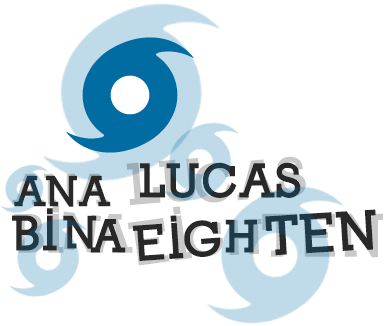
Múltiples ciclones se mueven en Oceanía
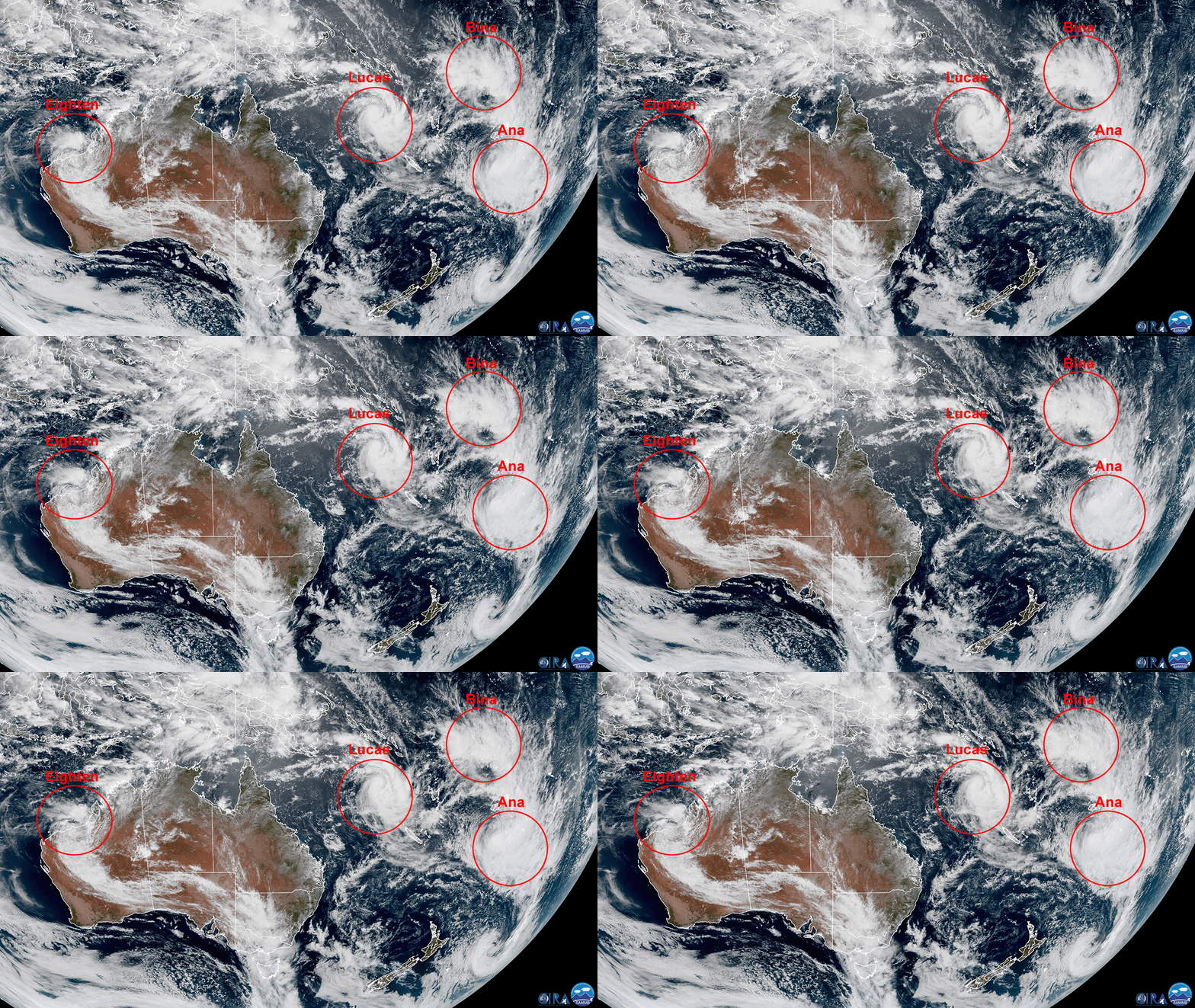
El 1 de Febrero de 2021, el satélite Himawari-8, operado por la Agencia Meteorológica de Japón, ha detectado a tres ciclones que sobrepasaron el Pacífico Sur, y otro empujando a través de Australia Occidental.
El primer y más lejano este es el Ciclón Tropical Ana, situado aproximadamente a 330 millas al sur-sureste de Fiji. Con vientos sostenidos de alrededor de 50 mph, Ana tocó tierra sobre Viti Levu, Fiji, el 30 de Enero 2021 y causó grandes daños a la nación insular. El Ciclón Ana cruzó las principales islas de Fiji el 31/01 y está siguiendo el sureste desde la tierra hasta el sur de Tonga. Se han emitido avisos para Vanuatu y Nueva Caledonia, donde se espera que los vientos se fortalezcan durante el día.
El segundo, Ciclón Tropical Bina, situado al norte-noroeste de Fiji y siguiendo un camino similar al de Ana, también está azotando la región, aunque se ha debilitado desde que se capturaron las imágenes anteriores.
El tercero, el Ciclón Tropical Lucas, está girando sobre el Mar de Salomón, entre las Islas Salomón y Papúa Nueva Guinea. Se dirige hacia Nueva Caledonia, y se prevé que regrese hacia Australia como una tormenta debilitada después. Un cuarto, el Ciclón Tropical Dieciocho, está en el interior de Australia Occidental, y está rastreando a través de la parte noroeste del continente. Se espera que surja sobre el Océano Indico e intensifique, debido a las condiciones favorables. El Ciclón Lucas es un sistema de Categoría 2 que se mueve al suroeste de Vanuatu hacia las Islas de Lealtad de Nueva Caledonia. Se pronostica que el Ciclón Lucas traerá lluvias intensas y alta mar, con los residentes aconsejados para prepararse para la tormenta a golpear. El sistema de Categoría 2 está al norte del territorio y se prevé que se impulse a las islas de Lealtad esta noche. La tormenta lleva vientos de fuerza de tormenta destructiva de 110 km/h a 160 km/h en un radio de 55 kilómetros de su centro. Los eventos programados para hoy se están cancelando y los vuelos nacionales se están adelantando. Se recomienda a los residentes que aseguren su propiedad y se abaten de lo esencial. Se prevé que el sistema de rápido movimiento se destinará hacia el suroeste este 02/02 y cruzará la isla principal cerca de Noumea. Mientras tanto, se prevén fuertes lluvias y fuertes vientos para la vecina Vanuatu con una advertencia de que las inundaciones repentinas de zonas bajas y mares ásperos.
Esta imagen fue capturada por el Advanced Himawari Imager (AHI) en el satélite Himawari-8 de Japón. Este satélite, la primera unidad de la tercera generación de satélites geoestacionarios de la Agencia Meteorológica de Japón (JMA), proporciona imágenes de luz e infrarrojos visibles de la región de Asia y el Pacífico. Los datos de Himawari son vitales para la cobertura geoestacionaria global, razón por la cual la NOAA y JMA han acordado acuerdos de respaldo mutuos para sus sistemas geoestacionarios.
Cyclones over the South Pacific
Multiple cyclones move in Oceania
On February 1, 2021, the Himawari-8 satellite, operated by the Japan Meteorological Agency, detected three cyclones that passed the South Pacific, and another pushing through Western Australia.
The first and farthest east is Tropical Cyclone Ana, located approximately 330 miles south-southeast of Fiji. With sustained winds of around 50 mph, Ana made landfall over Viti Levu, Fiji, on January 30, 2021, causing extensive damage to the island nation. Cyclone Ana crossed the main islands of Fiji on 01/31 and is following southeast from land to southern Tonga. Advisories have been issued for Vanuatu and New Caledonia, where winds are expected to strengthen during the day.
The second, Tropical Cyclone Bina, located north-northwest of Fiji and following a similar path to Ana’s, is also hitting the region, although it has weakened since the previous images were captured.
The third, Tropical Cyclone Lucas, is circling over the Solomon Sea, between the Solomon Islands and Papua New Guinea. It is heading towards New Caledonia, and is expected to return towards Australia as a weakening storm afterwards. A fourth, Tropical Cyclone Eighteen, is in the Western Australian outback, and is tracking across the northwestern part of the continent. It is expected to surge over the Indian Ocean and intensify, due to favorable conditions. Cyclone Lucas is a Category 2 system moving southwest from Vanuatu towards the Loyalty Islands of New Caledonia. Cyclone Lucas is forecast to bring heavy rain and high seas, with residents being advised to prepare for the storm to hit. The Category 2 system is to the north of the territory and is expected to be pushed to the Loyalty Islands tonight. The storm carries destructive storm force winds from 110 km/h to 160 km/h within a radius of 55 kilometers from its center. The events scheduled for today are being canceled and domestic flights are being brought forward. Residents are advised to secure their property and stockpile essentials. The fast-moving system is anticipated to move to the southwest tomorrow, crossing the main island near Noumea. Meanwhile, heavy rain and high winds are forecast for neighboring Vanuatu with a warning of flash flooding from low-lying areas and rough seas.
This image was captured by the Advanced Himawari Imager (AHI) on Japan’s Himawari-8 satellite. This satellite, the first unit of the third generation of geostationary satellites of the Japan Meteorological Agency (JMA), provides visible light and infrared images of the Asia-Pacific region. Himawari data is vital for global geostationary coverage, which is why NOAA and JMA have agreed to mutual support agreements for their geostationary systems.
AW | 2021 01 31 11:58 | AIR INVESTIGATION / AVIATION SAFETY
Familia vuelo SJ-182 demandan a Boeing por aviones peligrosos
La demanda presentada por las familias de tres víctimas alega que el avión Boeing 737-500 fue defectuoso de una o más maneras. Los parientes indonesios de las víctimas del vuelo accidentado de la aerolínea Sriwijaya Air ponen flores en homenaje a sus familiares fallecidos, mientras reclaman a la compañía Boeing por problemas en la línea 737. Se espera un informe preliminar sobre el accidente a principios de Febrero de 2021.
El vuelo de Sriwijaya SJ-182 se desplomó a pocos minutos de despegar del aeropuerto principal de Jakarta a principios de este mes, con 62 personas a bordo. Una familia indonesia cuyos familiares murieron a bordo del vuelo de Sriwijaya Air que se estrelló contra el Mar de Java han presentado acciones legales contra Boeing, alegando que el avión era «defectuoso e irrazonablemente peligroso», según Wisner Law Firm, que representa a la familia de tres víctimas. Ha presentado una demanda contra Boeing la semana pasada en la Corte de Circuito del Condado de Cook en el Estado Illinois, donde se encuentra la sede de la compañía aeroespacial. La demanda alega que el avión Boeing 737-500 era defectuoso de una o más maneras, incluyendo posibles fallas en el Throttle Air System, que controla la potencia del motor automáticamente, o el sistema de control de vuelo. Los documentos judiciales también alegaron posible corrosión en «la válvula de retención de quinta etapa de aire sangrado […] ha causado que se quede atascado en la posición abierta durante el vuelo, lo que resulta en un estancamiento de compresor de manera incontrolable».
Investigaciones SJ-182
Los investigadores han logrado recuperar y leer la grabadora de datos de vuelo del avión,pero todavía están buscando la grabadora de voz de la cabina, lo que les permitirá escuchar conversaciones entre los pilotos. Nurcayho Utomo, del Comité de Seguridad del Transporte de Indonesia (KNKT), dijo a principios de este mes de Enero 2020 que un problema con el Sistema Throttle del Boeing 737-500 fue reportado después de un vuelo unos días antes. Los funcionarios están sondeando si esto contribuyó al desastre. Los aviones pueden volar con un sistema de distancia automática que no funciona porque los pilotos pueden controlarlo manualmente en su lugar, según Utomo.
El avión no tenía el mismo software de cabina que contribuyó a los dos accidentes fatales del Boeing 737 MAX en Indonesia y Etiopía, donde fallecieron un total de 346 personas que ocurrieron en el espacio de sólo seis meses. The Boeing Company fue multado con US$ 2.500 millones de Dólares por el Departamento de Justicia de Estados Unidos después de ser acusado de fraude y conspiración en relación con dos accidentes, y enfrenta litigios separados presentados por las familias de los asesinados. La compañía reportó una pérdida neta de US$ 11.900 millones de Dólares (€ 8.700 millones de Euros) en 2020, afrontando la mayor en toda su historia.
Wisner Law Firm dijo que sólo una familia del accidente aéreo de Sriwijaya Air había presentado un caso contra Boeing, pero que el bufete legal estaba en contacto con otras personas cuyos familiares murieron. Boeing dijo en un comunicado: «Nuestros pensamientos están con la tripulación del vuelo SJ-182 de Sriwijaya Air, los pasajeros y sus familias. Los expertos técnicos de Boeing están ayudando con la investigación y seguimos ofreciendo cualquier apoyo necesario durante este difícil momento».
Línea investigaciones KNKT
El 15 de Enero de 2021, el KNKT informó que los datos del FDR se han descargado con éxito, los 330 parámetros registrados están en buenas condiciones y actualmente se están analizando.
El 19 de Enero de 2021, el KNKT informó que el FDR contenía 330 parámetros de un total de dieciocho vuelos. El KNKT ya ha desarrollado una imagen general del accidente, sin embargo, necesita más datos de la grabadora de voz de la cabina antes de publicar cualquier información. Se han ordenado inspecciones de Los Boeing 737-300, 737-400 y 737-500 en Indonesia.
El 22 de Enero de 2021, la KNKT confirmó que un informe preliminar se publicará dentro de los 30 días posteriores al accidente (hasta el 8 de Febrero de 2021), aún no se ha publicado ninguna otra información.
El 23 de Enero de 2021, el presidente de KNKT declaró que el registro técnico de la aeronave contenía una entrada sobre una falla de Autothrottle unos días antes del accidente. No se ha observado ninguna otra anomalía técnica. En este momento no está completamente claro si los problemas con Trottle Automático contribuido a las tripulaciones de choque pueden volar fácilmente el avión manualmente sin el sistema de limitación automática. El CVR será necesario para escuchar las discusiones entre los pilotos para identificar el problema real que tenían a mano [*].
El 25 de Enero de 2021, informaron las autoridades de Indonesia, 53 ocupantes de la aeronave han sido identificados.
Una declaración se emitirá una vez que se hayan establecido todos los detalles necesarios, mientras de aguarda el Informe Preliminar que se emitirá por los organismos correspondientes a treinta días del accidente.
Boeing sued for SJ-182 flight
Family of SJ-182 crash victims sue Boeing over dangerous planes
The lawsuit filed by the families of three victims alleges that the Boeing 737-500 aircraft was defective in one or more ways. Indonesian relatives of the victims of the crashed Sriwijaya Air airline flight lay flowers in tribute to their deceased relatives, as they complain to the Boeing company for problems on the 737 line. A preliminary report on the accident is expected in early February 2021 .
Sriwijaya flight SJ-182 crashed within minutes of taking off from Jakarta’s main airport earlier this month, with 62 people on board. An Indonesian family whose relatives died aboard the Sriwijaya Air flight that crashed into the Java Sea have filed legal action against Boeing, claiming the plane was «defective and unreasonably dangerous», according to Wisner Law Firm, which represents the family. of three victims. He filed a lawsuit against Boeing last week in Cook County Circuit Court in Illinois, where the aerospace company’s headquarters are located. The lawsuit alleges that the Boeing 737-500 aircraft was defective in one or more ways, including possible failures in the Throttle Air System, which controls engine power automatically, or the flight control system. The court documents also alleged possible corrosion in «the bleeding air fifth stage check valve […] has caused it to get stuck in the open position during flight, resulting in uncontrollable compressor stalling».
SJ-182 Investigations
Investigators have managed to retrieve and read the plane’s flight data recorder, but are still searching for the cockpit voice recorder, which will allow them to listen to conversations between the pilots. Nurcayho Utomo of the Indonesian Transportation Safety Committee (KNKT) said earlier this month of January 2020 that a problem with the Boeing 737-500 Throttle System was reported after a flight a few days earlier. Officials are probing whether this contributed to the disaster. Airplanes can fly with an automatic distance system that doesn’t work because pilots can control it manually instead, according to Utomo.
The plane did not have the same cockpit software that contributed to the two fatal Boeing 737 MAX crashes in Indonesia and Ethiopia, where a total of 346 people were killed in the space of just six months. The Boeing Company was fined US$ 2.5 billion by the US Department of Justice after being charged with fraud and conspiracy in connection with two accidents, and faces separate litigation brought by the families of those killed. The company reported a net loss of US$ 11.9 billion (€ 8.7 billion) in 2020, facing the largest in its history.
Wisner Law Firm said that only one family from the Sriwijaya Air crash had filed a case against Boeing, but that the law firm was in contact with other people whose family members died. Boeing said in a statement: «Our thoughts are with the Sriwijaya Air flight SJ-182 crew, the passengers and their families. Boeing technical experts are assisting with the investigation and we continue to offer any necessary support during this difficult time».
KNKT research line
On January 15, 2021, the KNKT reported that the FDR data has been downloaded successfully, the 330 recorded parameters are in good condition and is currently being analyzed.
On January 19, 2021, the KNKT reported that the FDR contained 330 parameters from a total of eighteen flights. The KNKT has already developed a general picture of the accident, however it needs more data from the cockpit voice recorder before publishing any information. Inspections of Boeing 737-300, 737-400 and 737-500 have been ordered in Indonesia.
On January 22, 2021, the KNKT confirmed that a preliminary report will be published within 30 days after the accident (until February 8, 2021), no other reports have yet been published. information.
On January 23, 2021, the KNKT president stated that the technical log of the aircraft contained an entry about an autothrottle failure a few days before the accident. No other technical anomalies have been observed. At this time it is not completely clear whether the problems with the automatic rotor contributed to the crash crews can easily fly the aircraft manually without the automatic limiting system. The CVR will be necessary to listen to the discussions between the pilots to identify the real problem at hand [*].
On January 25, 2021, Indonesian authorities reported, 53 occupants of the aircraft have been identified.
A statement will be issued once all the necessary details have been established, while awaiting the Preliminary Report that will be issued by the agencies corresponding to thirty days after the accident.
[*] Nota editorial: Obviamente, toda esta declaración se produjo en respuesta a las especulaciones planteadas por una serie de medios a nivel mundial que atribuyeron el accidente a un mal funcionamiento del sistema de limitación automática. Editorial Note: Obviously, this entire statement came in response to speculation raised by a number of global outlets that attributed the accident to a malfunction of the automatic limiting system.
Autoridad de Aviación Civil de Caimán despeja Boeing 737 MAX
La Autoridad de Aviación Civil de las Islas Caimán (CAACI) ha anunciado este 27/01 que permitirá al Boeing 737 MAX operar vuelos de pasajeros, sujeto a una estrecha supervisión. La prohibición de los aviones que operan en el espacio aéreo de las Islas Caimán fue levantada después de un análisis por parte de la agencia aeronáutica. La medida sigue a decisiones similares de la Administración Federal de Aviación (FAA) de los Estados Unidos, la Autoridad de Aviación Civil (CAA) del Reino Unido y la Agencia de Seguridad Aérea de la Unión Europea (EASA). Cayman Airways tiene dos aviones Boeing 737-8 MAX en el registro de las Islas Caimán.
La decisión se deriva de la aprobación de amplias modificaciones en el diseño de la aeronave, a la forma en que se vuela y a la formación de pilotos. Esto incluye modificaciones en el Sistema de Aumento de Características de Maniobra (MCAS) de la aeronave, así como otros cambios de seguridad clave destinados a prevenir más accidentes. La eliminación de la prohibición del espacio aéreo permitirá a los operadores extranjeros de la aeronave volar al espacio aéreo de las Islas Caimán. Todas las aerolíneas, sin embargo, tendrán que pasar por los pasos necesarios para devolver la aeronave al servicio, incluida la formación de pilotos.
La FAA de los Estados Unidos es responsable de la certificación de tipo inicial (aprobación) del Boeing 737 MAX, ya que se fabrica en los EE.UU. La CAACI ha basado su decisión de permitir la devolución al servicio en información detallada de la FAA, EASA, Boeing y la CAA del Reino Unido. «La CAACI está trabajando con Cayman Airways, actualmente el único operador de la aeronave en el territorio, ya que devuelve de forma segura el Boeing 737 MAX al servicio. Antes de esto, llevaremos a cabo una revisión completa de los planes de regreso a los planes de servicio de la aerolínea, incluidos sus programas de capacitación de pilotos y la implementación de las modificaciones de aeronaves requeridas», dijo la autoridad aeronáutica de las Islas Caymán.
Las principales modificaciones de la aeronave que permiten un regreso seguro al servicio son: • Cambios de software de control de vuelo (FCC), de modo que las entradas del sensor de ángulo de ataque (AoA) de la aeronave son utilizadas por los sistemas de aeronaves en lugar de uno; • Salvaguardias contra MCAS activando innecesariamente, debido a un sensor AoA fallido o erróneo; • Eliminación del comando de repetición MCAS; • Límites revisados en la autoridad de mando del MCAS; • Revisiones de los procedimientos de la tripulación de vuelo y los requisitos de capacitación; • Implementación de una indicación de alerta de «desacuerdo» de AoA que aparecería en las pantallas de vuelo primarios; • Monitoreo de ajuste de FCC cruzada, para detectar y apagar comandos de ajuste de tono erróneos.
Cayman CAA approves Boeing 737 MAX
Cayman Civil Aviation Authority clears Boeing 737 MAX
The Cayman Islands Civil Aviation Authority (CAACI) announced on 01/27 that it will allow the Boeing 737 MAX to operate passenger flights, subject to close supervision. The ban on aircraft operating in the Cayman Islands airspace was lifted after an analysis by the aeronautical agency. The move follows similar decisions by the United States Federal Aviation Administration (FAA), the United Kingdom Civil Aviation Authority (CAA) and the European Union Aviation Safety Agency (EASA). Cayman Airways has two Boeing 737-8 MAX aircraft on the Cayman Islands registry.
The decision stems from the approval of extensive modifications in the design of the aircraft, the way it is flown and the training of pilots. This includes modifications to the aircraft’s Maneuvering Characteristics Augmentation System (MCAS), as well as other key safety changes aimed at preventing further accidents. The removal of the airspace ban will allow foreign aircraft operators to fly into Cayman Islands airspace. All airlines, however, will have to go through the necessary steps to return the aircraft to service, including pilot training.
The United States FAA is responsible for the initial type certification (approval) of the Boeing 737 MAX as it is manufactured in the USA CAACI has based its decision to allow return to service on detailed information from the FAA , EASA, Boeing and the UK CAA. «CAACI is working with Cayman Airways, currently the sole operator of the aircraft in the territory, as it safely returns the Boeing 737 MAX to service. Prior to this, we will conduct a full review of plans to return to the aircraft. the airline’s service plans, including its pilot training programs and the implementation of the required aircraft modifications», said the Cayman Islands aeronautical authority.
The main modifications to the aircraft that allow a safe return to service are: • Flight control (FCC) software changes, such that the aircraft’s angle of attack (AoA) sensor inputs are used by aircraft systems instead of one; • Safeguards against MCAS activating unnecessarily, due to a failed or erroneous AoA sensor; • Elimination of the MCAS repeat command; • Revised limits on MCAS command authority; • Reviews of flight crew procedures and training requirements; • Implementation of an AoA «disagree» alert indication that would appear on primary flight displays; • Cross FCC tuning monitoring, to detect and turn off erroneous pitch tuning commands.









![Logo Malaysia Airlines 1[1]](https://airgways.com/wp-content/uploads/2021/02/logo-malaysia-airlines-11.png)







 airgways.com