AW | 2021 04 05 15:52 | AVIATION TECHNOLOGY / ENGINEERING / INDUSTRY
Airbus lanza formación ahorro combustible
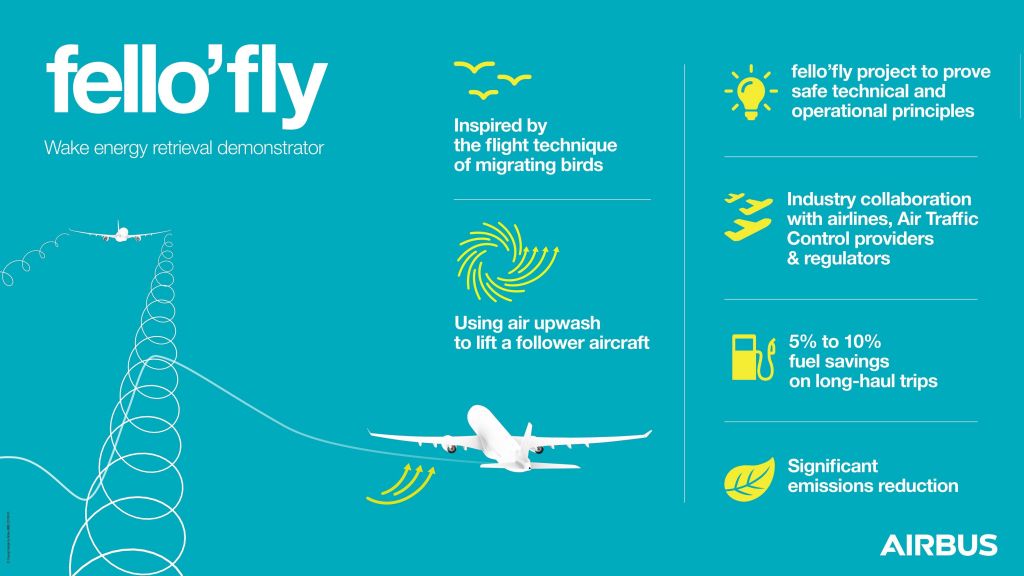
Airbus Group está trabajando con Proveedores de Servicios de Navegación Aérea (ANSP) y aerolíneas para probar aviones de fuselaje ancho volando en formación para ahorrar combustible y reducir las emisiones de carbono denominada Fello’fly. La idea es imitar las eficiencias que las aves migratorias ganan organizando en sus bandadas en forma de V. El fabricante de aviones dice que los aviones de larga distancia pueden quemar hasta un 10 por ciento menos de combustible si pueden cosechar la energía de la estela de un socio estratégicamente posicionado. Se ha lanzado un esfuerzo llamado fello’fly para ver si se puede poner en uso práctico. La compañía ha probado el concepto con sus propios aviones y encontró que podría reducir la quema de combustible y las emisiones al arropar un enorme avión detrás de otro. También comprende los desafíos de llevar a cabo operaciones diarias de esta manera.
«Volar dos grandes aviones de pasajeros juntos plantea nuevos desafíos operativos para el ecosistema de aviación en general, lo que requiere que se identifiquen nuevos procedimientos», dice Airbus en su descripción del esfuerzo. La compañía ha llegado a acuerdos con los principales proveedores de ATS en Europa, así como Nav Canada para desarrollar esos procedimientos. También está trabajando con aerolíneas para identificar los tipos de aeronaves que funcionan bien juntos y cómo capacitar a los pilotos para este tipo de operaciones.
Para cosechar las recompensas de energía de estela, la separación de aeronaves tendrá que reducirse a aproximadamente 1,5 millas náuticas lateralmente. El equipo especial permitirá que los siguientes aviones encuentren beneficiarse de un ahorro de combustible en formación V, una teoría que deberá continuar trabajando para encontrar la practicidad.
Airbus launches Fello’fly
Airbus launches fuel saving training
Airbus Group is working with Air Navigation Service Providers (ANSP) and airlines to test wide-body aircraft flying in formation to save fuel and reduce carbon emissions named Fello’fly. The idea is to mimic the efficiencies migratory birds gain by organizing into their V-shaped flocks. The aircraft maker says long-haul aircraft can burn up to 10 percent less fuel if they can harvest the energy from the wake of a strategically positioned partner. An effort called fello’fly has been launched to see if it can be put to practical use. The company has tested the concept with its own aircraft and found that it could reduce fuel burn and emissions by tucking one huge plane behind another. You also understand the challenges of conducting day-to-day operations this way.
«Flying two large airliners together poses new operational challenges for the broader aviation ecosystem, requiring new procedures to be identified», says Airbus in its description of the effort. The company has reached agreements with the main ATS providers in Europe, as well as Nav Canada to develop these procedures. It is also working with airlines to identify the types of aircraft that work well together and how to train pilots for these types of operations.
To reap the wake energy rewards, aircraft spacing will have to be reduced to approximately 1.5 nautical miles laterally. The special equipment will allow the following aircraft to find benefit from a V-formation fuel economy, a theory that will need to continue to work to find practicality.
Gulf Air implementa combustible de aviación sostenible
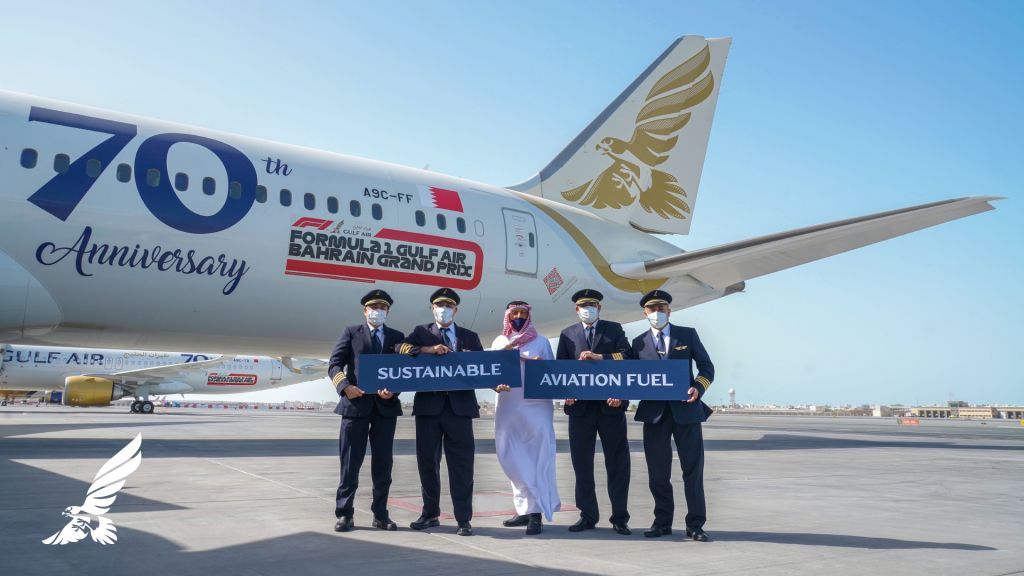
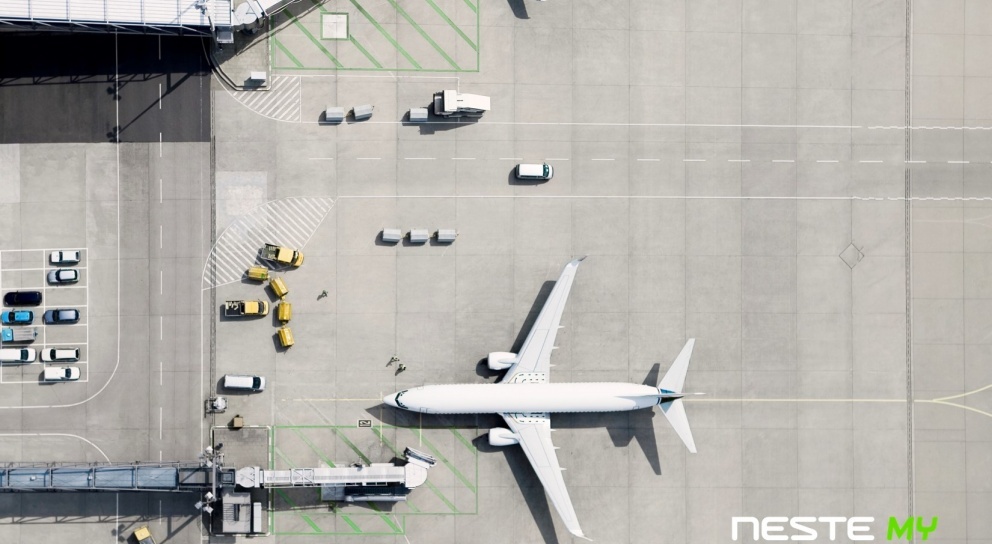
La aerolínea nacional del Reino de Bahrein, Gulf Air ha presentado su primer Boeing 787-9 Dreamliner en el Gran Premio de Bahrein de Fórmula 1 de 2018 y hoy está utilizando combustible de aviación sostenible proporcionado por Neste para llevar a cabo el icónico flypast de este año. Además, la aerolínea lanzó su nuevo eslogan corporativo: A Class of Its Own que representa el legado de Gulf Air a lo largo de los años, destacando su individualidad y ambición de ser el mejor en su clase, al tiempo que añade su toque único a sus productos y servicios.
Los aviones Boeing 787-9 Dreamliner están programados en las rutas de larga distancia de Gulf Air y están equipados con motores Rolls-Royce Trent 1000 que cuentan con una eficiencia de combustible superior y emisiones reducidas, consumiendo un 20% menos de combustible y produciendo alrededor de un 20% menos de emisiones que los aviones que reemplazaron en la flota anterior de Gulf Air. Neste MY Sustainable Aviation Fuel™ proporciona una solución inmediata para reducir las emisiones de carbono de los vuelos. En forma ordenada y durante el ciclo de vida, su uso resulta en hasta un 80% menores emisiones de gases de efecto invernadero en comparación con los combustibles fósiles [*].
El Capitán Waleed AlAlawi, Director Ejecutivo interino de Gulf Air dijo: «Cada año, Gulf Air se enorgullece de ser el patrocinador principal de la carrera de Fórmula 1 en el Circuito Internacional de Bahréin. Este año, marcaremos el comienzo de la carrera con un flypast de bajas emisiones verdaderamente especial destacando nuestra estrategia futura para explorar el uso de combustible de aviación sostenible en nuestros aviones y manteniendo nuestro compromiso de reducir nuestras emisiones de carbono».
Comentando en nombre de la Fórmula 1, Stefano Domenicali, Presidente y CEO dijo: «Este movimiento muy positivo es muy bienvenido y muestra el compromiso del Reino de Bahrein de ofrecer un futuro más sostenible para el país. Este es otro ejemplo de cómo las nuevas tecnologías pueden marcar una verdadera diferencia en nuestro deporte y en el mundo en general y es una parte importante de nuestro plan de ser Net Zero Carbon como deporte para 2030».
Al comentar en nombre de Boeing, Omar Arekat, Vicepresidente de Ventas Comerciales y Marketing de Oriente Medio, África y Turquía, dijo: «El cambio climático es uno de los desafíos más fundamentales de nuestro tiempo, y la industria de la aviación está unida en nuestro compromiso de reducir las emisiones de gases de efecto invernadero. Estamos orgullosos de que Gulf Air esté utilizando su Boeing 787-9 Dreamliner para mostrar su compromiso con los viajes aéreos sostenibles. Las continuas mejoras en la eficiencia del combustible de los aviones y los combustibles de aviación sostenibles tienen el mayor potencial inmediato y más grande para reducir las emisiones de aviones de mayor alcance, al tiempo que permiten a la industria cumplir sus objetivos ambientales, apoyar el crecimiento sostenible a largo plazo y mejorar las economías regionales».
El Vicepresidente de Clientes de Rolls-Royce, Omar Ali Adib, dijo: «Felicidades a Gulf Air. Este es un gran ejemplo de una asociación exitosa entre Gulf Air, Boeing y nosotros mismos. Llamar la atención sobre el uso de combustible de aviación sostenible en un evento mundial como el Gran Premio de Bahrein de Fórmula 1 Gulf Air, realmente demuestra cómo los biocombustibles ya están jugando un papel cada vez mayor con motores de aviones comerciales como el Rolls-Royce Trent 1000. La aviación es una fuerza para el bien, mantener el mundo conectado, pero tenemos que hacerlo de manera sostenible. Las innovaciones de combustible de aviación sostenible son un componente importante en la reducción de emisiones y un pilar clave de nuestra estrategia de sostenibilidad Pathway to Net Zero».
En nombre de Neste, Jonathan Wood, Vicepresidentede Aviación Renovable, dijo: «Nos complace apoyar a Gulf Air y a la industria de la aviación en su viaje para reducir significativamente las emisiones, y esperamos aumentar el uso de combustible de aviación sostenible en la región del Golfo, dado su papel principal en el sector de la aviación global».
Gulf Air starts sustainable fuel
Gulf Air implements sustainable aviation fuel
The national airline of the Kingdom of Bahrain, Gulf Air has unveiled its first Boeing 787-9 Dreamliner at the 2018 Formula 1 Bahrain Grand Prix and today is using sustainable aviation fuel provided by Neste to carry out the iconic flypast of this anus. In addition, the airline launched its new corporate slogan: A Class of Its Own that represents Gulf Air’s legacy throughout the years, highlighting its individuality and ambition to be the best in its class, while adding its unique touch to your products and services.
Boeing 787-9 Dreamliner aircraft are scheduled on Gulf Air’s long-haul routes and are equipped with Rolls-Royce Trent 1000 engines that boast superior fuel efficiency and reduced emissions, consuming 20% less fuel and producing around 20% lower emissions than the aircraft they replaced in Gulf Air’s previous fleet. Neste MY Sustainable Aviation Fuel ™ provides an immediate solution to reduce carbon emissions from flights. In an orderly manner and during the life cycle, its use results in up to 80% lower greenhouse gas emissions compared to fossil fuels [*].
Captain Waleed AlAlawi, Acting Executive Director of Gulf Air said: «Each year, Gulf Air is proud to be the title sponsor of the Formula 1 race at the Bahrain International Circuit. This year, we will usher in the race with a truly special low-emission flypast highlighting our future strategy to explore the use of sustainable aviation fuel in our aircraft and upholding our commitment to reducing our carbon emissions».
Commenting on behalf of Formula 1, Stefano Domenicali, President and CEO said: «This very positive move is very welcome and shows the Kingdom of Bahrain’s commitment to delivering a more sustainable future for the country. This is yet another example of how the new Technologies can make a real difference in our sport and in the world at large and is an important part of our plan to be Net Zero Carbon as a sport by 2030».
Commenting on behalf of Boeing, Omar Arekat, Vice President of Commercial Sales and Marketing for the Middle East, Africa and Turkey, said: «Climate change is one of the most fundamental challenges of our time, and the aviation industry is united in our commitment to reducing greenhouse gas emissions. We are proud that Gulf Air is using its Boeing 787-9 Dreamliner to show its commitment to sustainable air travel. Continuing improvements in aircraft fuel and fuel efficiency Sustainable aviation companies have the greatest immediate and greatest potential to reduce emissions from longer-range aircraft, while enabling the industry to meet its environmental goals, support long-term sustainable growth and enhance regional economies».
Rolls-Royce Vice President of Customers Omar Ali Adib said: «Congratulations to Gulf Air. This is a great example of a successful partnership between Gulf Air, Boeing and ourselves. Calling attention to the use of sustainable aviation fuel at a global event like the Bahrain Formula 1 Gulf Air Grand Prix, it really shows how biofuels are already playing a growing role with commercial jet engines like the Rolls-Royce Trent 1000. Aviation is a force for good , keep the world connected, but we have to do it sustainably. Sustainable aviation fuel innovations are an important component in reducing emissions and a key pillar of our Pathway to Net Zero sustainability strategy».
On behalf of Neste, Jonathan Wood, Vice President, Renewable Aviation, said: «We are pleased to support Gulf Air and the aviation industry on their journey to significantly reduce emissions, and we look forward to increasing the use of sustainable aviation fuel in the US region. Gulf, given its leading role in the global aviation sector».
طيران الخليج تبدأ في استخدام الوقود المستدام
تستخدم طيران الخليج وقود طيران مستدام
كشفت شركة طيران الخليج ، الناقل الوطني لمملكة البحرين ، عن أول طائرة بوينج 787-9 دريملاينر في سباق الجائزة الكبرى للفورمولا 1 بالبحرين 2018 ، وتستخدم اليوم وقود طيران مستدام توفره شركة Neste لتنفيذ التحليق الأيقوني لهذه فتحة الشرج. بالإضافة إلى ذلك ، أطلقت شركة الطيران شعارها الجديد للشركة: فئة خاصة بها تمثل إرث طيران الخليج على مر السنين ، وتسليط الضوء على تفردها وطموحها لتكون الأفضل في فئتها ، مع إضافة لمستها الفريدة على منتجاتك وخدماتك.
طائرات بوينج 787-9 دريملاينر مجدولة على مسارات طيران الخليج طويلة المدى ومجهزة بمحركات رولز رويس ترنت 1000 التي تتميز بكفاءة عالية في استهلاك الوقود وانبعاثات أقل ، وتستهلك وقودًا أقل بنسبة 20٪ وتنتج انبعاثات أقل بنسبة 20٪ تقريبًا من الطائرة. الطائرات التي حلت محلها في الأسطول السابق لطيران الخليج. يوفر Neste MY Sustainable Aviation Fuel ™ حلاً فوريًا لتقليل انبعاثات الكربون من الرحلات الجوية. بطريقة منظمة وخلال دورة الحياة ، يؤدي استخدامه إلى انبعاثات غازات الاحتباس الحراري أقل بنسبة تصل إلى 80٪ مقارنة بالوقود الأحفوري [*].
قال الكابتن وليد العلوي ، المدير التنفيذي بالإنابة لطيران الخليج: «تفخر طيران الخليج كل عام بكونها الراعي الرئيسي لسباق الفورمولا 1 في حلبة البحرين الدولية. وهذا العام ، سنبدأ السباق بسباق A مميز حقًا. تسلط ميزة flypast منخفضة الانبعاثات الضوء على استراتيجيتنا المستقبلية لاستكشاف استخدام وقود الطيران المستدام في طائراتنا ودعم التزامنا بالحد من انبعاثات الكربون.
وتعليقًا على الفورمولا 1 ، قال ستيفانو دومينيكالي ، الرئيس والمدير التنفيذي: «هذه الخطوة الإيجابية للغاية موضع ترحيب كبير وتُظهر التزام مملكة البحرين بتقديم مستقبل أكثر استدامة للبلاد. وهذا مثال آخر على كيفية استخدام التقنيات الجديدة. يمكن أن تحدث فرقًا حقيقيًا في رياضتنا وفي العالم بأسره وهي جزء مهم من خطتنا لنكون صافي صفر كربون كرياضة بحلول عام 2030. «
وتعليقًا على ذلك ، قال عمر عريقات ، نائب الرئيس للمبيعات والتسويق التجاري لمنطقة الشرق الأوسط وإفريقيا وتركيا ، نيابة عن بوينج: «يعد تغير المناخ أحد أهم التحديات الأساسية في عصرنا ، وصناعة الطيران متحدة في التزامنا. للحد من انبعاثات غازات الاحتباس الحراري. نحن فخورون بأن طيران الخليج تستخدم طائرتها Boeing 787-9 Dreamliner لإظهار التزامها بالسفر الجوي المستدام. التحسينات المستمرة في وقود الطائرات وكفاءة استهلاك الوقود تتمتع شركات الطيران المستدامة بأكبر إمكانات فورية وأكبر للحد من الانبعاثات من الطائرات بعيدة المدى ، مع تمكين الصناعة من تحقيق أهدافها البيئية ، ودعم النمو المستدام على المدى الطويل وتعزيز الاقتصادات الإقليمية. «
وقال عمر علي أديب ، نائب رئيس عملاء رولز-رويس: «تهانينا لطيران الخليج. هذا مثال رائع على الشراكة الناجحة بيننا وبين شركة طيران الخليج وبوينج. ولفت الانتباه إلى استخدام وقود طيران مستدام في حدث عالمي مثل سباق جائزة البحرين الكبرى لطيران الخليج للفورمولا 1 ، يُظهر حقًا كيف يلعب الوقود الحيوي بالفعل دورًا متناميًا مع محركات الطائرات التجارية مثل رولز رويس ترنت 1000. الطيران هو قوة من أجل الخير ، والحفاظ على العالم على اتصال ، ولكن علينا القيام بذلك على نحو مستدام إن ابتكارات وقود الطائرات المستدامة هي عنصر مهم في الحد من الانبعاثات وركيزة أساسية لاستراتيجية الاستدامة الخاصة بنا «المسار إلى صافي الصفر».
نيابة عن Neste ، قال جوناثان وود ، نائب رئيس الطيران المتجدد: «يسعدنا دعم شركة طيران الخليج وصناعة الطيران في رحلتهم للحد بشكل كبير من الانبعاثات ، ونتطلع إلى زيادة استخدام وقود الطيران المستدام في منطقة اميركية. خليجية ، نظرا لدورها الرائد في قطاع الطيران العالمي «.
Neste MY Sustainable Aviation Fuel ™
* Método de cálculo: Directiva 2009/28/CE sobre energías renovables de la Unión Europea (UE). Calculation method: Directive 2009/28/CE on renewable energies of the European Union (EU). طريقة الحساب: التوجيه 2009/28/CE بشأن الطاقات المتجددة في الاتحاد الأوروبي (EU).
Seguridad sistema filtración aérea en post-pandemia
A un año después de que la pandemia de Coronavirus ha impactado en el mundo de la aviación comercial occidental y detuviera la industria aérea, algunos han dicho que volar nunca ha sido tan limpio. Aunque el Aeropuerto Internacional de Denver sigue operando a una capacidad drásticamente reducida en comparación con los números previos a la pandemia, United Airlines dijo que están regresando lenta pero seguramente a medida que el tiempo continúa.
Matt Miller, Vicepresidente del Centro de United Airlines en Denver (CO), dijo que la aerolínea está operando actualmente a alrededor del 50% de su capacidad regular. Ese número sigue aumentando a medida que se distribuyen las vacunas y los estadounidenses se sienten más cómodos con los viajes nacionales. En comparación con el inicio de la pandemia, el 50% es un progreso bienvenido para el negocio. «Estamos en el primer aniversario de cuando el coronavirus comenzó a afectar a la industria de viajes. Esta vez el año pasado vimos una disminución del 95% en el volumen de clientes que viajan a través de nuestros aeropuertos», dijo Matt Miller.
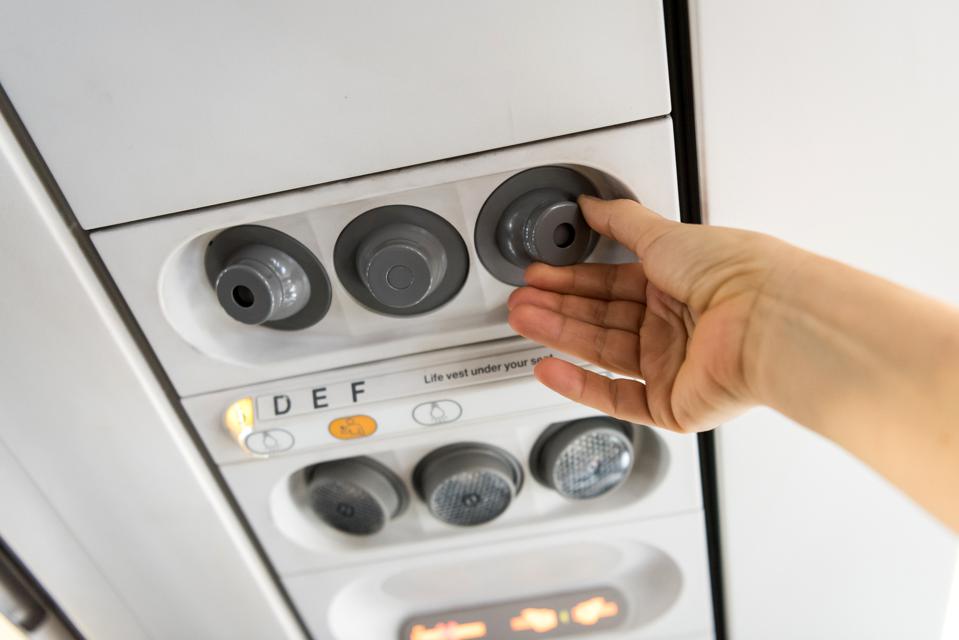
La dificultad de la confianza de los usuarios estadounidenses les preocupaba volar confinados en espacios estrechos donde el distanciamiento social era difícil. Algunos sugirieron que el aire también era peligroso para respirar dentro del avión. Sin embargo, United Airlines ha permitido dar a conocer un recorrido por uno de sus aviones para mostrar cómo la compañía está aplastando conceptos erróneos de salud y promoviendo viajes seguros. A bordo de los aviones hay sistemas de ventilación HEPA. Los filtros grandes debajo de la cabina filtran constantemente el aire a bordo del avión. El sistema de ventilación ahora funciona desde el embarque hasta el desplanificador, mientras que antes de la pandemia ese sistema se apagaba a menos que el avión se moviera. Mientras que algunos han sugerido que el oxígeno de la cabina no está limpio, Matt Miller desacreditó esas afirmaciones explicando cómo funciona el avión. El aire nuevo se lleva al avión de 20 a 30 veces por hora. Eso significa que cada dos o tres minutos el avión ha sacado aire viejo de manera circular con nuevo aire limpio para los pasajeros. «Lo que esto hace es ofrecer una fuente continua de aire fresco a la cabina para mantener a la gente segura», dijo Joe Rundell, Mecánico de aviones de United.
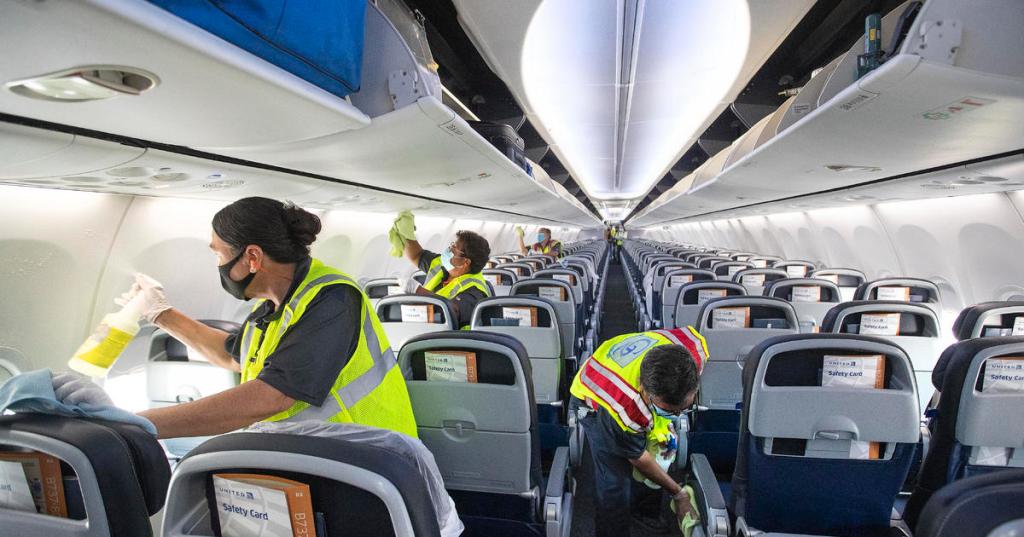
Ese aire se distribuye desde arriba, y succionado para la filtración en el pie de la base de la cabina. «El avión tira de todo el aire hasta el suelo, y eso es lo que crea el ambiente seguro. Es realmente uno de los lugares más seguros donde puedes estar en el interior», dijo Matt Miller. Las tripulaciones limpian el avión entre cada vuelo. Las plataformas se limpian con toallitas de saneamiento. Entre cada vuelo, un spray electrostático desinfecta cada asiento a bordo del vuelo.
United Airlines se asoció con el Departamento de Defensa de estados Unidos para estudiar la seguridad de volar en medio de la pandemia. El estudio encontró que incluso cuando el avión está lleno, en promedio sólo el 0,003% de las partículas de aire infectadas podrían entrar en la zona de respiración de los pasajeros sentados y enmascarados.
Algunas aerolíneas también han transformado el proceso de facturación con el advenimiento de la pandemia ofreciendo un check-in sin contacto en el Aeropuerto de Denver/DIA. Al descargar una aplicación, algunos viajeros de aerolíneas ahora pueden facturar su vuelo, cambiar sus asientos e incluso imprimir su etiqueta de equipaje sin tocar nunca el quiosco o hablar directamente con un empleado. «Los diversos pasos que empezamos a hacer que el viaje más seguro para nuestros clientes, fue entonces cuando empezamos a ver a la gente sintiéndose cómoda al volver y viajar de nuevo. Cuando regresen y vuelen de nuevo se sentirán seguros y cómodos al saber que hemos dado todos los pasos para garantizar su seguridad», dijo Matt Miller.
United promotes post-pandemic environment
United explains post-pandemic air filtration system
A year after the Coronavirus pandemic has impacted the Western commercial aviation world and brought the airline industry to a standstill, some have said that flying has never been so clean. Although Denver International Airport continues to operate at drastically reduced capacity compared to pre-pandemic numbers, United Airlines said they are slowly but surely returning as time continues.
Matt Miller, Vice President of the United Airlines Center in Denver (CO), said the airline is currently operating at about 50% of its regular capacity. That number continues to rise as vaccines are distributed and Americans become more comfortable with domestic travel. Compared to the start of the pandemic, 50% is welcome progress for the business. «We are on the first anniversary of when the coronavirus began to affect the travel industry. This time last year we saw a 95% decrease in the volume of customers traveling through our airports», said Matt Miller.
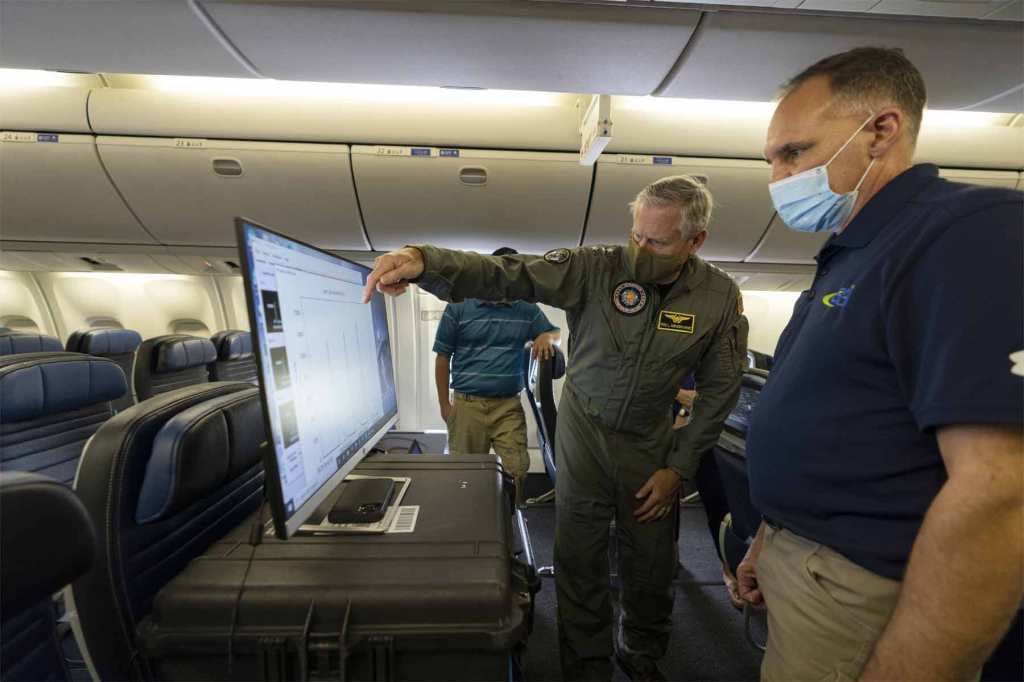
DAVID SILCOTT, LEFT, CHIEF EXECUTIVE OF S3I, GOES OVER AN AIRFLOW PARTICLE TEST FOR NAVY VICE ADM. DEE MEWBOURNE, RIGHT, DEPUTY COMMANDER, U.S. TRANSPORTATION COMMAND, ON BOARD A UNITED AIRLINES 767 AIRCRAFT AT DULLES INTERNATIONAL AIRPORT, VA., AUG. 28, 2020.
Confidence difficulty US users worried about flying confined in tight spaces where social distancing was difficult. Some suggested that the air was also dangerous to breathe inside the plane. However, United Airlines has released a tour of one of its planes to show how the company is squashing health misconceptions and promoting safe travel. There are HEPA ventilation systems on board the aircraft. Large filters under the cabin constantly filter the air on board the aircraft. The ventilation system now works from boarding to the deburrer, whereas before the pandemic that system was turned off unless the plane moved. While some have suggested that the cabin oxygen is not clean, Matt Miller debunked those claims by explaining how the plane works. New air is brought into the plane 20 to 30 times an hour. That means every two to three minutes the plane has blown old air out of the way with clean new air for the passengers. «What this does is provide a continuous source of fresh air to the cabin to keep people safe», said Joe Rundell, United Aircraft Mechanic.
That air is distributed from above, and sucked in for filtration at the foot of the cabin base. «The plane pulls all the air down to the ground, and that’s what creates the safe environment. It’s really one of the safest places you can be inside», said Matt Miller. Crews clean the plane between each flight. Platforms are cleaned with sanitation wipes. Between each flight, an electrostatic spray disinfects each seat on board the flight.
United Airlines partnered with the US Department of Defense to study the safety of flying amid the pandemic. The study found that even when the plane is full, on average only 0.003% of infected air particles could enter the breathing zone of seated and masked passengers.
Some airlines have also transformed the check-in process with the advent of the pandemic by offering contactless check-in at Denver Airport/DIA. By downloading an app, some airline travelers can now check in for their flight, change their seats, and even print their luggage tag without ever touching the kiosk or speaking directly to an employee. «The various steps we started to make travel safer for our clients, that’s when we started to see people feeling comfortable coming back and traveling again. When they return and fly again they will feel safe and comfortable knowing that we have taken every step to ensure his safety», said Matt Miller.
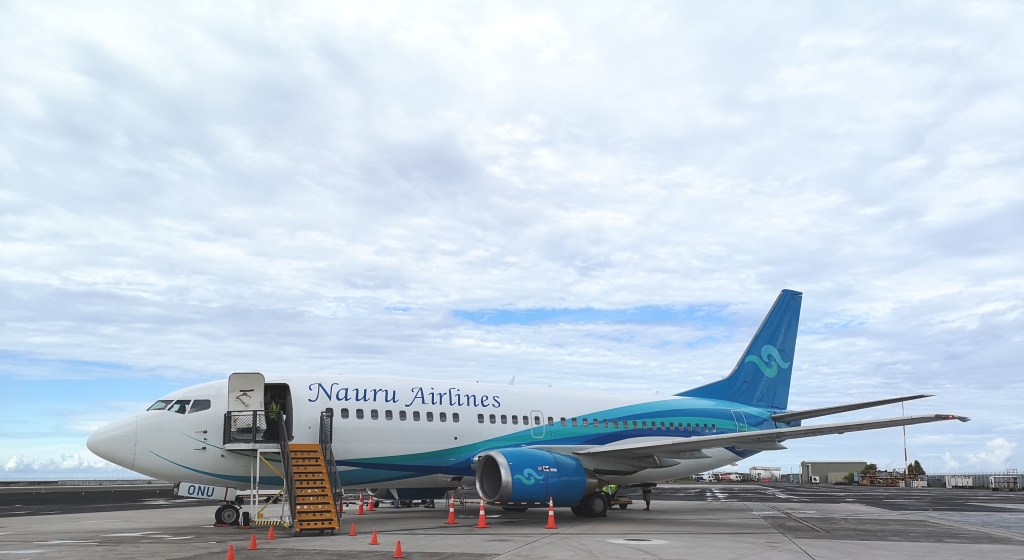
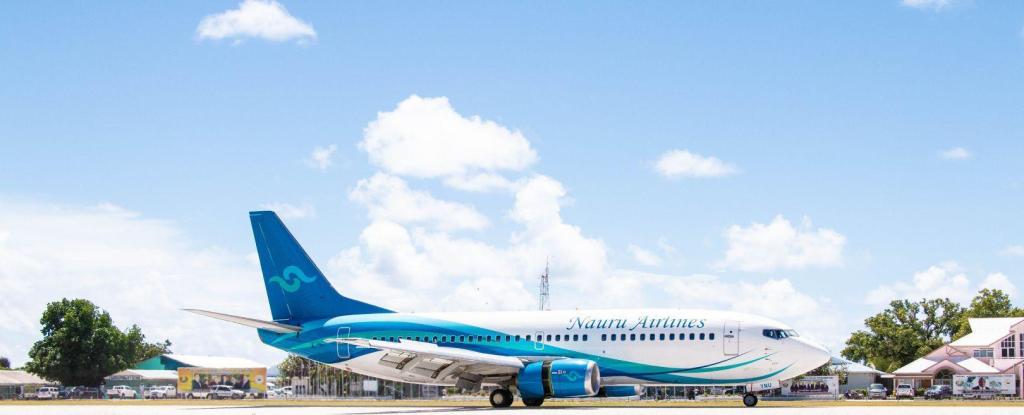
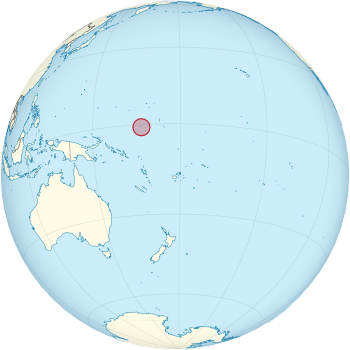
Nauru Airlines ha anunciado que adopta tecnología para ayudar a salvaguardar las fronteras a través de Australasia. La aerolínea utilizará Ink Health APIS para validar y compartir de forma segura el estado de prueba COVID-19 de pasajeros y tripulación antes de viajar. Los resultados de las pruebas serán subidos por clínicas y laboratorios autorizados directamente al sistema. Nauru Airlines ha adoptado Health APIS de Ink Aviation para ayudar a cumplir con las estrictas regulaciones de entrada que existen en Australia, Nauru y las naciones insulares del Pacífico Sur circundantes.
Nauru Airlines seleccionó la solución Ink Aviation por su capacidad única para verificar el estado de salud de los pasajeros a partir de certificados de resultados de prueba basados en papel y múltiples carteras de salud digital, a medida que aumenta su adopción. Esta información puede ser evaluada interactivamente por los gobiernos de destino antes de la salida de un vuelo, ayudando a reducir el número de casos que llegan dentro de las fronteras de un país.
Ink Aviation está ayudando a Nauru Airlines a cumplir con los requisitos de pruebas de la tripulación mediante la automatización de la programación y la gestión de resultados de las pruebas anti-COVID-19 para toda su tripulación. Antes de adoptar la solución, la gestión de este proceso era compleja y llevaba mucho tiempo. Shawn Richards, CEO de Ink Aviation, dice que «Nauru Airlines es una de nuestras relaciones con los clientes más entrañables. Hemos trabajado estrechamente para ofrecer ahorros de tiempo tangibles dentro de un proceso simplificado. Cuanto antes los gobiernos puedan reabrir las fronteras, más pronto podremos volver a la vida normal y, a tinta, nos comprometemos a hacer este proceso seguro».
Geoff Bowmaker, CEO de Nauru Airlines, dice que «la salud y seguridad de los pasajeros es nuestra máxima prioridad. Con Ink Health APIS podemos estar seguros de que solo aceptamos pasajeros y tripulantes a bordo que hayan recibido resultados negativos de prueba de COVID-19 de confianza sin imponer un largo proceso previo a la salida. Ahora también podemos coordinar los horarios y resultados de pruebas covid-19 de nuestra tripulación a través de la solución, lo que hace que el proceso sea mucho más fácil y nos da la confianza de que todo nuestro personal es seguro para volar».
Ink Aviation gestiona la relación con los laboratorios a través de la red de una aerolínea; eliminar el fraude proporcionando una fuerte cadena de confianza entre el laboratorio y las autoridades que evalúan el resultado. Health APIS proporciona un marco seguro y confiable para que cualquier aerolínea, aeropuerto o departamento de inmigración administre eficientemente sus fronteras y pueda ser desplegado desde la nube en cuestión de días.
Nauru adopts Health APIS technology
Nauru implements health technology to fly
Nauru Airlines has announced that it is adopting technology to help safeguard the borders across Australasia. The airline will use Ink Health APIS to securely validate and share COVID-19 test status of passengers and crew prior to travel. Test results will be uploaded by authorized clinics and laboratories directly to the system. Nauru Airlines has adopted Health APIS from Ink Aviation to help comply with the strict entry regulations that exist in Australia, Nauru and the surrounding South Pacific island nations.
Nauru Airlines selected the Ink Aviation solution for its unique ability to verify passenger health status from paper-based test result certificates and multiple digital health portfolios, as its adoption increases. This information can be interactively evaluated by destination governments before a flight departs, helping to reduce the number of cases arriving within the borders of a country.
Ink Aviation is helping Nauru Airlines meet crew testing requirements by automating the scheduling and managing of anti-COVID-19 testing results for its entire crew. Before adopting the solution, managing this process was complex and time consuming. Shawn Richards, CEO of Ink Aviation, says that «Nauru Airlines is one of our most endearing customer relationships. We have worked closely to deliver tangible time savings within a streamlined process. The sooner governments can reopen borders, the sooner We will be able to return to normal life and, in ink, we are committed to making this process safe».
Geoff Bowmaker, CEO of Nauru Airlines, says «Passenger health and safety is our top priority. With Ink Health APIS we can be sure that we only accept passengers and crew on board who have received negative COVID-19 test results. trustworthy without imposing a lengthy pre-departure process. Now we can also coordinate our crew’s covid-19 test schedules and results through the solution, making the process much easier and giving us the confidence to that all of our personnel are safe to fly».
Ink Aviation manages the relationship with the laboratories through an airline network; eliminate fraud by providing a strong chain of trust between the laboratory and the authorities evaluating the result. Health APIS provides a secure and reliable framework for any airline, airport or immigration department to efficiently manage its borders and can be deployed from the cloud in a matter of days.
Malaysia Airlines sufría problemas inseguridad electrónica
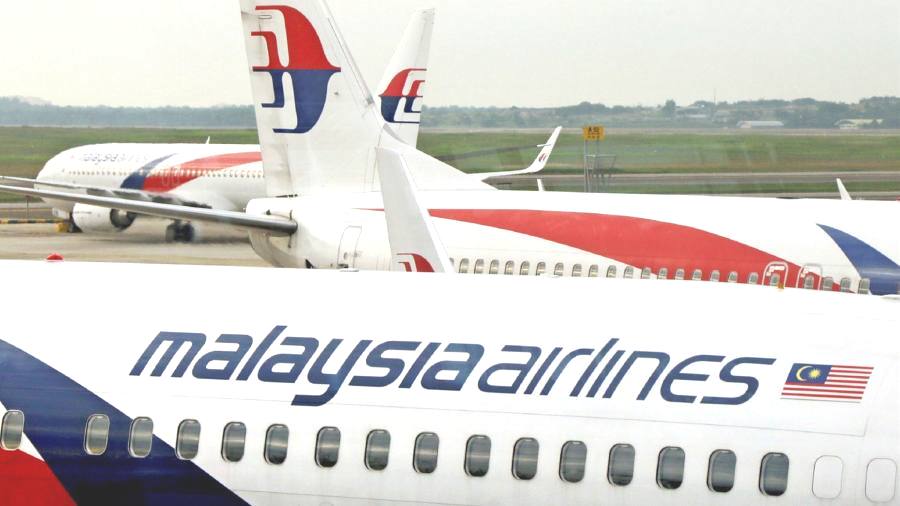
Malaysia Airlines ha sido afectada por incidentes de seguridad de datos a través de un proveedor de servicios de Tecnología de la Información (IT) de terceros, en algún momento durante el período de nueve años entre Marzo 2010 y Junio 2019, permitiendo la vulnerabilidad de la infraestructura y los sistemas de IT principales de la aerolínea nacional.
Entregado a través de una nota de correo electrónico a los miembros, la aerolínea informó que el incidente ocurrió en algún momento durante un período de nueve años entre Marzo de 2010 y Junio de 2019, sin revelar el número de personas afectadas. Los datos personales violados incluyen nombres de miembros del Programa Enrich de la aerolínea, fecha de nacimiento, sexo y datos de contacto, además del número de viajero frecuente, el estado y la información de nivel. Según el comunicado que aún no ha sido compartido públicamente pero fue revelado por primera vez por Malay Mail el incidente no afectó a itinerarios, reservas, venta de entradas, tarjeta de identificación o información de tarjetas de pago.«Malaysia Airlines no tiene pruebas de que se haya hecho un uso indebido de ningún dato personal y el incidente no reveló ninguna contraseña de cuenta. Sin embargo, alentamos a los miembros de Enrich a cambiar las contraseñas de sus cuentas como medida de precaución. El incidente no afectó de ninguna manera a la propia infraestructura y sistemas de IT de Malaysia Airlines», se lee en el comunicado de la aerolínea.
El anuncio se produce menos de un mes después de las revelaciones de que el software utilizado por Singtel fue «atacado ilegalmente por hackers no identificados», accediendo al sistema de intercambio de archivos TLC a través del proveedor de terceros Accellion. Según el gigante de las telecomunicaciones, la brecha afectó a un sistema independiente que se utiliza para compartir información internamente, así como con partes interesadas externas. «Este es un incidente aislado que involucra un sistema independiente de terceros. Nuestras operaciones principales siguen sin verse afectadas y sólidas», se lee en un comunicado de Singtel en ese momento. Accellion informó que el incidente formó parte de una violación concertada más amplia contra los usuarios del sistema de intercambio de archivos del proveedor después de un sofisticado ataque cibernético el 23 de Diciembre de 2020. Con todos los clientes del TLC notificados rápidamente en ese momento, Accellion también se movió para parchear todas las vulnerabilidades conocidas del TLC explotadas por los atacantes, junto con la adición de nuevas capacidades de monitoreo y alerta para marcar anomalías asociadas con estos vectores de ataque.
Resulta muy revelador los continuos ciberataques que ha sufrido la aerolínea malaya durante los últimos años donde han estado involucrados además dos accidentes aéreos, los vuelos MH-370 desaparecido y el atentado del vuelo MH-017 en territorio ucraniano.
Malaysia affected by IT insecurity
Malaysia Airlines suffered from electronic insecurity problems
Malaysia Airlines has been affected by data security incidents through a third-party Information Technology (IT) service provider, sometime during the nine-year period between March 2010 and June 2019, allowing the vulnerability of the infrastructure and the main IT systems of the national airline.
Delivered via an email note to members, the airline reported that the incident occurred sometime during a nine-year period between March 2010 and June 2019, without disclosing the number of people affected. The breached personal data includes names of members of the airline’s Enrich Program, date of birth, gender, and contact details, as well as frequent flyer number, status, and tier information. According to the statement that has not yet been publicly shared but was first revealed by Malay Mail, the incident did not affect itineraries, reservations, ticket sales, identification card or payment card information. «Malaysia Airlines has no evidence of any personal data being misused and the incident did not reveal an account password. However, we encourage Enrich members to change their account passwords as a precautionary measure. The incident did not in any way affect Malaysia Airlines’ own IT infrastructure and systems», the airline’s statement read.
The announcement comes less than a month after revelations that the software used by Singtel was «illegally attacked by unidentified hackers», accessing the TLC file-sharing system through third-party provider Accellion. According to the telecommunications giant, the breach affected an independent system that is used to share information internally, as well as with external stakeholders. «This is an isolated incident involving an independent third party system. Our core operations remain unaffected and strong», a Singtel statement read at the time. Accellion reported that the incident was part of a larger, concerted breach against users of the provider’s file-sharing system following a sophisticated cyberattack on December 23, 2020. With all TLC customers promptly notified at the time, Accellion It also moved to patch all known NAFTA vulnerabilities exploited by attackers, along with the addition of new monitoring and alert capabilities to flag anomalies associated with these attack vectors.
It is very revealing the continuous cyberattacks that the Malaysian airline has suffered in recent years, where two air accidents have also been involved, the missing MH-370 flights and the attack on flight MH-017 in Ukrainian territory.
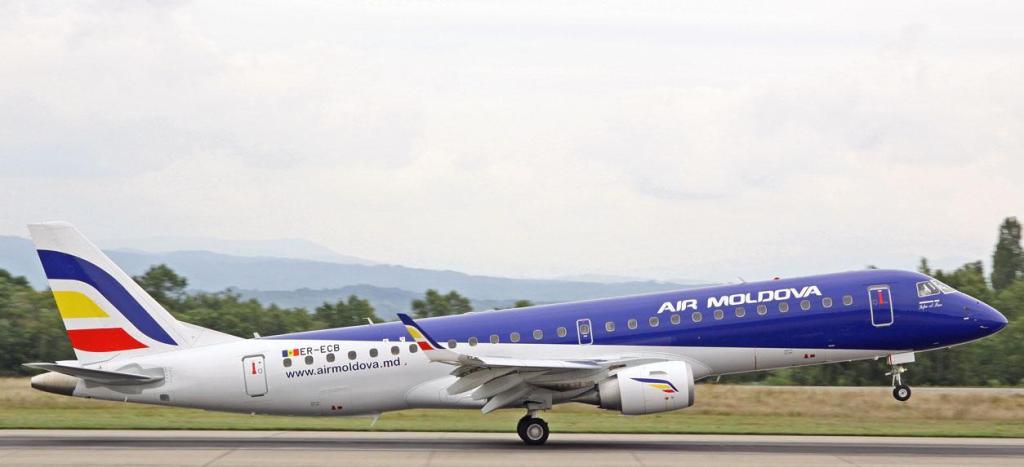
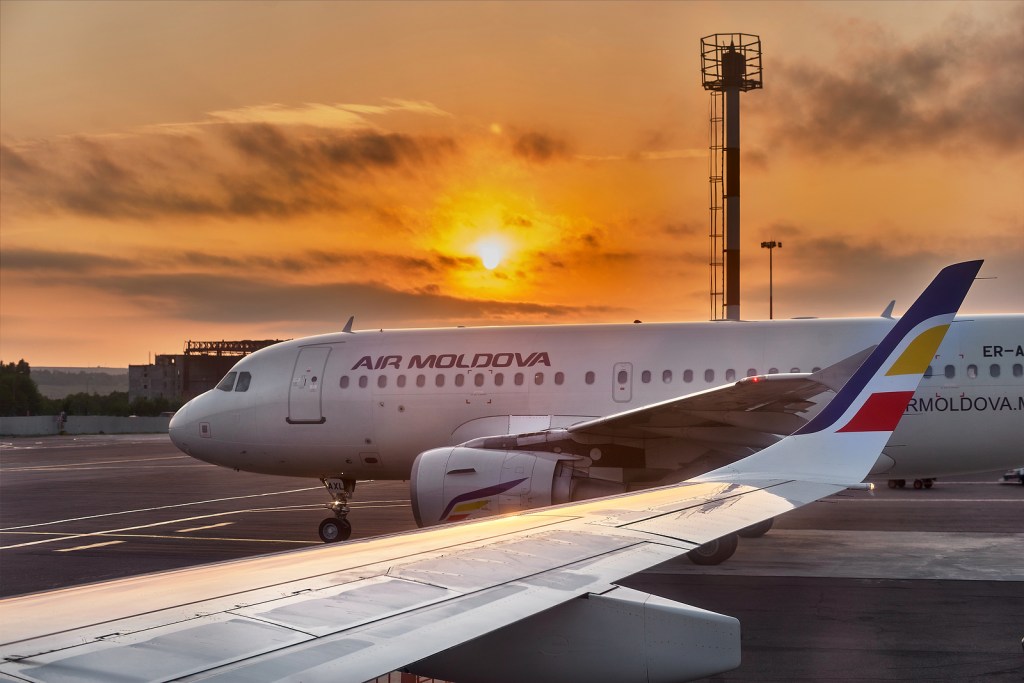
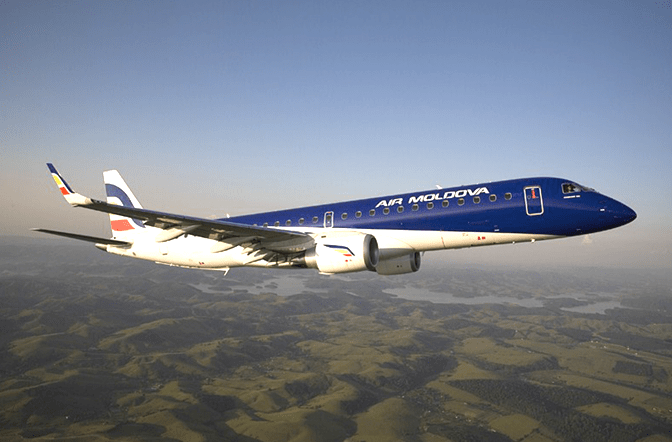
Air Moldova contrata servicios de Radixx para su sistema de reservas
Radixx International ha celebrado un contrato con Air Moldova para su sistema de reservas con el objetivo es aumentar las ventas y mejorar la experiencia del cliente. Radixx, una empresa de Sabre y proveedor líder de venta minorista de software de sistema de reservas para aerolíneas, ha firmado un acuerdo de tecnología de varios años con Air Moldova. La aerolínea con sede en Chișinău, República de Moldavia utilizará las soluciones de comercialización, distribución y cumplimiento de Radixx para expandirse a nuevas fuentes de ingresos y potenciar el crecimiento futuro.
A finales de 2021, Air Moldova pondrá en marcha en el Sistema de Servicio de Pasajeros (PSS) alojado en la nube Radixx Res para entregar vuelos y servicios auxiliares de valor agregado a sus viajeros. Ofreciendo un rendimiento líder en la industria, el moderno sistema basado en microservicios de Radixx proporciona a Air Moldova una tecnología flexible y avanzada que mejora la experiencia del viajero y maximiza los ingresos. Air Moldova también utilizará la solución de comercio minorista ezyCommerce de Radixx para proporcionar una experiencia de cliente superior, independiente del dispositivo, que diferenciará su marca y sus ofertas. Radixx ezyCommerce permitirá a la aerolínea aprovechar un conjunto de potentes API e integrar contenido de terceros para personalizar aún más sus ofertas para los viajeros. Como parte de su plan de recuperación y crecimiento posterior a la crisis sanitaria mundial, Air Moldova también implementará el conjunto de productos de servicios de salida Radixx Go para crear una experiencia de aeropuerto segura y eficiente. Con dispositivos móviles para agentes terrestres y opciones de autoservicio para viajeros, Radixx Go agilizará las operaciones aeroportuarias existentes, lo que dará como resultado colas más cortas en el aeropuerto y una experiencia de viaje más agradable y fluida.
«Nuestros clientes son el núcleo de lo que hacemos y nos esforzamos por ofrecerles productos y servicios de la más alta calidad. Elegimos Radixx debido a las oportunidades avanzadas de venta minorista que brinda su sistema en todos los puntos de contacto con los clientes. Sus robustas API nos permiten personalizar nuestra experiencia de usuario e integrar otras soluciones, incluidas nuestras propias aplicaciones críticas, que brindarán más valor con los datos expandidos ahora podremos acceder. Estamos ansiosos por ver el impacto positivo en la satisfacción de los clientes y los ahorros de costos derivados de un alto nivel de automatización en las ventas y las operaciones», dijo Alexander Ceban, Director General de Air Moldova.
Se espera que la migración de la aerolínea a Radixx genere ahorros significativos en los gastos operativos anuales de tecnología. Juntos, la aerolínea y Radixx/Sabre también desarrollarán funcionalidades futuras para respaldar sus objetivos conjuntos. «Estamos encantados de ser el socio tecnológico de Air MoldovaCreemos que nuestras innovadoras capacidades de venta minorista, junto con la tecnología que permite una experiencia de viaje segura y sin contacto, serán un factor central en la recuperación y el crecimiento de la aerolínea después del COVID-19. Esperamos colaborar con Air Moldova durante los próximos años», dijo Owen Murphy, Vicepresidente de Ventas para Europa de Radixx.
Con una estructura de costos comparativamente ajustada y un modelo de negocios flexible centrado en rutas regionales, se espera que las aerolíneas de bajo costo lideren la recuperación de viajes posterior a COVID-19. Desde que anunció la adquisición de Radixx en Octubre de 2019, Sabre se ha enfocado en aprovechar el crecimiento y la innovación del resistente mercado de operadores de bajo costo mediante la creación de más formas para que las aerolíneas low cost que comercialicen y distribuyan contenido. Como una cartera combinada, Sabre y Radixx ofrecen soluciones innovadoras y completas para todos los segmentos del mercado, desde LCC hasta operadores de red, respaldadas por la mejor tecnología de su clase y una amplia experiencia.
Radixx/Air Moldova sign agreement
Air Moldova contracts Radixx services for its reservation system
Radixx International has entered into a contract with Air Moldova for its reservation system with the aim of increasing sales and improving the customer experience. Radixx, a Sabre company and leading provider of airline reservation system software retailing, has signed a multi-year technology agreement with Air Moldova. The Chișinău, Republic of Moldova-based airline will use Radixx marketing, distribution and fulfillment solutions to expand into new revenue streams and fuel future growth.
By the end of 2021, Air Moldova will launch the Radixx Res cloud-hosted Passenger Service System (PSS) to deliver value-added flights and ancillary services to its travelers. Delivering industry leading performance, Radixx’s modern microservice-based system provides Air Moldova with flexible and advanced technology that enhances the traveler experience and maximizes revenue. Air Moldova will also use Radixx’s ezyCommerce retail solution to provide a superior, device-independent customer experience that will differentiate its brand and offerings. Radixx ezyCommerce will allow the airline to leverage a set of powerful APIs and integrate third-party content to further customize its offerings for travelers. As part of its post-global health crisis recovery and growth plan, Air Moldova will also implement the Radixx Go suite of departure services products to create a safe and efficient airport experience. With mobile devices for ground agents and self-service options for travelers, Radixx Go will streamline existing airport operations, resulting in shorter queues at the airport and a smoother and more pleasant travel experience.
«Our customers are at the core of what we do and we strive to provide them with the highest quality products and services. We chose Radixx because of the advanced retail opportunities its system provides at all customer touch points. Its robust APIs allow us to personalize our user experience and integrate other solutions, including our own critical applications, that will deliver more value with the expanded data we can now access. We are eager to see the positive impact on customer satisfaction and the resulting cost savings. of a high level of automation in sales and operations», said Alexander Ceban, Managing Director of Air Moldova.
The airline’s migration to Radixx is expected to generate significant savings in annual technology operating expenses. Together, the airline and Radixx/Sabre will also develop future functionality to support their joint goals. «We are delighted to be Air Moldova’s technology partner We believe that our innovative retail capabilities, coupled with technology that enables a safe and contactless travel experience, will be a central factor in the airline’s recovery and growth after COVID-19. We look forward to collaborating with Air Moldova for years to come», said Owen Murphy, Vice President of Sales for Europe at Radixx.
With a comparatively tight cost structure and a flexible business model focused on regional routes, low-cost airlines are expected to lead the post-COVID-19 travel recovery. Since announcing the acquisition of Radixx in October 2019, Saber has focused on harnessing the growth and innovation of the resilient low-cost carrier market by creating more ways for low-cost carriers to market and distribute content. As a combined portfolio, Saber and Radixx offer comprehensive and innovative solutions for all market segments, from LCC to network operators, backed by best-in-class technology and extensive experience.
Radixx/Air Moldova semnează acordul
Air Moldova contractează servicii Radixx pentru sistemul său de rezervare
Radixx International a încheiat un contract cu Air Moldova pentru sistemul său de rezervare, cu scopul de a crește vânzările și de a îmbunătăți experiența clienților. Radixx, o companie Sabre și un furnizor important de vânzare cu amănuntul de software de sisteme de rezervare a companiilor aeriene, a semnat un acord tehnologic de mai mulți ani cu Air Moldova. Compania aeriană din Chișinău, Republica Moldova, va utiliza soluții de marketing, distribuție și îndeplinire Radixx pentru a se extinde în noi fluxuri de venituri și pentru a alimenta creșterea viitoare.
Până la sfârșitul anului 2021, Air Moldova va lansa Sistemul de Servicii pentru Pasageri (PSS) găzduit în cloud Radixx Res pentru a furniza călători cu zboruri cu valoare adăugată și servicii auxiliare. Oferind performanțe de top în industrie, sistemul modern bazat pe microservicii al Radixx oferă companiei Air Moldova o tehnologie flexibilă și avansată care îmbunătățește experiența călătorului și maximizează veniturile. Air Moldova va utiliza, de asemenea, soluția de vânzare cu amănuntul ezyCommerce de la Radixx pentru a oferi o experiență superioară, independentă de dispozitiv, a clienților, care va diferenția marca și ofertele sale. Radixx ezyCommerce va permite companiei aeriene să folosească un set de API-uri puternice și să integreze conținut terță parte pentru a-și personaliza ofertele pentru călători. Ca parte a planului său de recuperare și creștere a crizei de sănătate post-globale, Air Moldova va implementa, de asemenea, suita de produse de servicii de plecare Radixx Go pentru a crea o experiență sigură și eficientă în aeroport. Cu dispozitive mobile pentru agenții terestri și opțiuni de autoservire pentru călători, Radixx Go va eficientiza operațiunile existente la aeroport, rezultând cozi mai scurte la aeroport și o experiență de călătorie mai lină și mai plăcută.
„Clienții noștri se află în centrul a ceea ce facem și ne străduim să le oferim produse și servicii de cea mai înaltă calitate. Am ales Radixx datorită oportunităților avansate de vânzare cu amănuntul pe care sistemul său le oferă la toate punctele de contact ale clienților. API-urile sale robuste ne permit să personalizăm experiența noastră de utilizator și integrarea altor soluții, inclusiv a aplicațiilor noastre critice, care vor oferi mai multă valoare cu datele extinse pe care le putem accesa acum. Suntem dornici să vedem impactul pozitiv asupra satisfacției clienților și economiile de cost rezultate. automatizare în vânzări și operațiuni», a declarat Alexander Ceban, director general al Air Moldova.
Se preconizează că migrația companiei aeriene către Radixx va genera economii semnificative în cheltuielile anuale de operare a tehnologiei. Împreună, compania aeriană și Radixx/Sabre vor dezvolta, de asemenea, funcționalități viitoare pentru a-și susține obiectivele comune. „Suntem încântați să fim partenerul tehnologic al Air Moldova. Credem că capacitățile noastre inovatoare cu amănuntul, împreună cu tehnologia care permite o experiență de călătorie sigură și fără contact, vor fi un factor central în recuperarea și creșterea companiei aeriene după COVID. -19. Așteptăm cu nerăbdare la colaborarea cu Air Moldova pentru anii următori», a declarat Owen Murphy, vicepreședinte de vânzări pentru Europa la Radixx.
Cu o structură a costurilor relativ strânsă și un model de afaceri flexibil axat pe rutele regionale, se așteaptă ca companiile aeriene low-cost să conducă recuperarea călătoriei după COVID-19. De când a anunțat achiziția Radixx în Octombrie 2019, Saber s-a concentrat pe valorificarea creșterii și inovației pieței reziliente a operatorilor de transport low-cost, prin crearea mai multor modalități pentru operatorii de transport low-cost de a comercializa și distribui conținut. Ca portofoliu combinat, Sabre și Radixx oferă soluții cuprinzătoare și inovatoare pentru toate segmentele pieței, de la LCC la operatorii de rețea, susținute de cea mai bună tehnologie din clasă și de o experiență extinsă.
AW | 2021 02 25 15:47 | INDUSTRY / AVIATION TECHNOLOGY
Airbus selecciona servicios tecnológicos L&T para programa Skywise
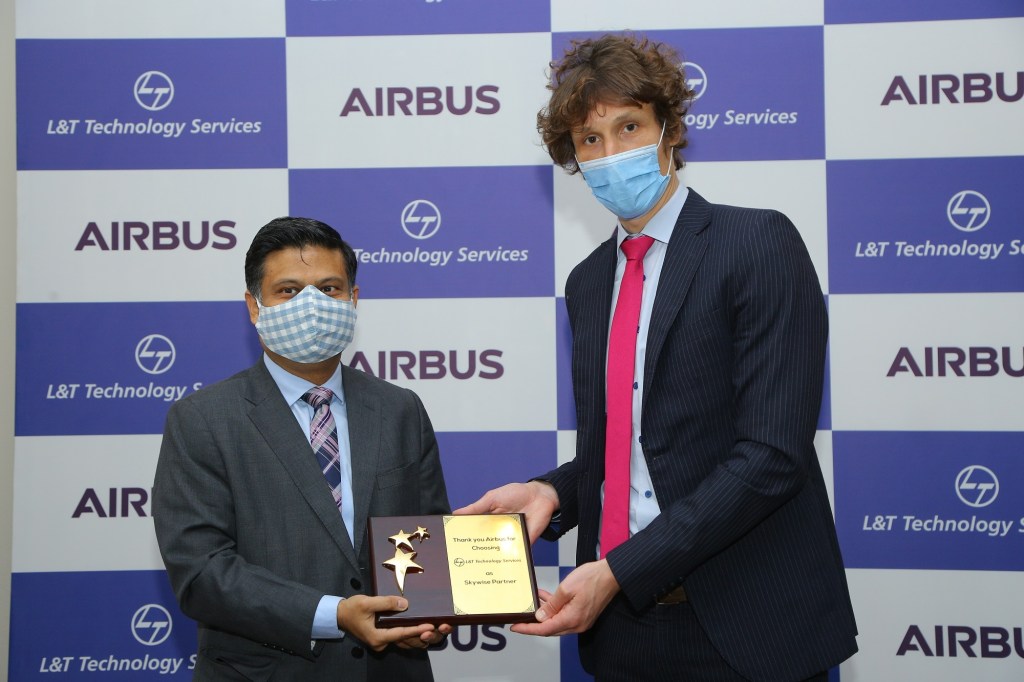
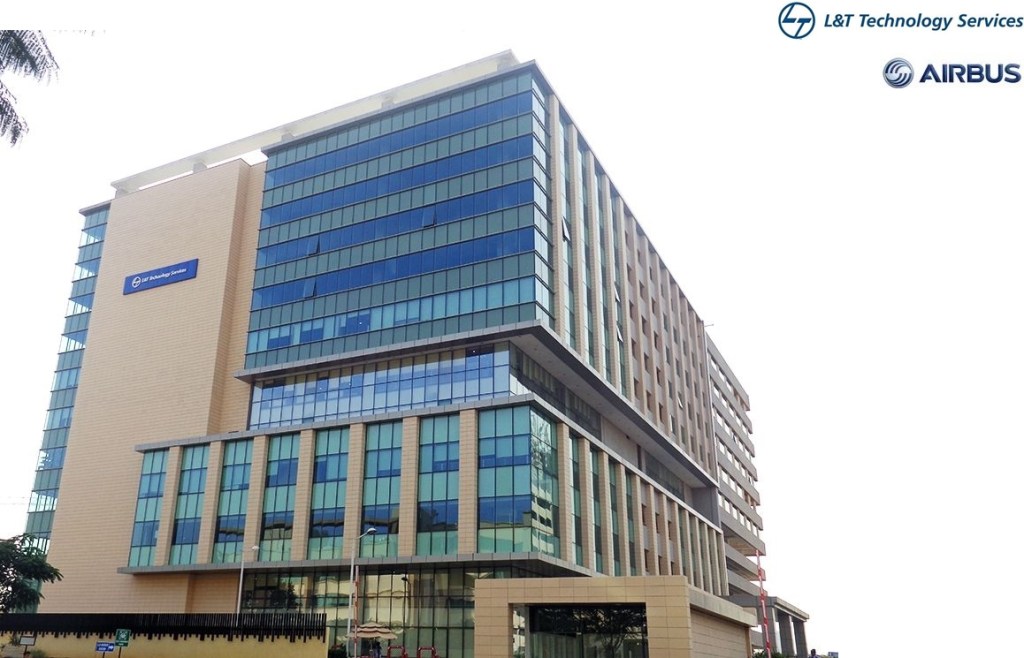
Airbus Group ha seleccionado a L&T Technology Services (LTTS) de la India que proporcionará tecnología y soluciones de ingeniería digital para la plataforma Skywise del consorcio europea de aviación. La empresa es líder mundial de servicios de ingeniería. La asociación proporcionará tecnología y soluciones de ingeniería digital para la plataforma Skywise de Airbus como parte del «Programa de Socios de Skywise». Con más de 130 aerolíneas de todo el mundo ya conectadas a Skywise, la plataforma está desempeñando un papel muy importante en la habilitación y aceleración de la transformación digital del sector de la aviación en su conjunto. LTTS apoyará a las aerolíneas en el desarrollo de flujos de trabajo complejos, la creación de nuevas interfaces entre sus sistemas de información existentes y Skywise y también proporcionará asistencia en su transformación digital con Skywise.
LTTS cuenta con un conjunto de ingenieros y científicos de datos altamente experimentados que trabajarán exclusivamente en la plataforma Skywise y construirán soluciones para abordar las necesidades de transformación digital de las aerolíneas y el ecosistema Skywise de rápida expansión. La experiencia demostrada de LTTS en la construcción de plataformas de ingeniería digital basadas en un fuerte conocimiento del dominio ayuda a fortalecer las interdependencias que estas tecnologías digitales están permitiendo. Abhishek Sinha, Director de Operaciones y Miembro del Consejo de Administración de L&T Technology Services comentó: «Airbus es uno de nuestros valiosos clientes en el ámbito aeroespacial, un sector que ofrece un enorme potencial de oportunidades de negocio disruptivas. Estamos encantados de ser seleccionados como socios para el programa Airbus Skywise, un fiel reflejo de nuestra asociación de larga data con un importante líder del mercado como Airbus y nuestra profunda comprensión del desarrollo de productos y las necesidades de los clientes de Airbus».
LTTS tiene una trayectoria de servir al panorama aeroespacial durante más de una década, ayudando a las aerolíneas y fabricantes aeroespaciales a maximizar su Retorno de las Inversiones (RoI) y aumentar la calidad y la producción. Después de haber forjado alianzas estratégicas con varias empresas Fortune 500, LTTS tiene el fuerte conocimiento técnico, experiencia en ingeniería aeroespacial y recursos calificados para impulsar la innovación para clientes aeroespaciales y de defensa en todo el mundo.
Airbus selects L&T technology
Airbus selects L&T technology services for Skywise program
Airbus Group has selected L&T Technology Services (LTTS) of India to provide digital engineering technology and solutions for the Skywise platform of the European aviation consortium. The company is a world leader in engineering services. The partnership will provide digital engineering technology and solutions for Airbus’ Skywise platform as part of the «Skywise Partner Program». With more than 130 airlines around the world already connected to Skywise, the platform is playing a huge role in enabling and accelerating the digital transformation of the aviation industry as a whole. LTTS will support airlines in developing complex workflows, creating new interfaces between their existing information systems and Skywise, and will also provide assistance in their digital transformation with Skywise.
LTTS has a pool of highly experienced engineers and data scientists who will work exclusively on the Skywise platform and build solutions to address the digital transformation needs of airlines and the rapidly expanding Skywise ecosystem. LTTS’s proven experience in building digital engineering platforms based on strong domain knowledge helps strengthen the interdependencies that these digital technologies are enabling. Abhishek Sinha, Director of Operations and Member of the Board of Directors of L&T Technology Services commented: «Airbus is one of our valued customers in aerospace, a sector that offers enormous potential for disruptive business opportunities. We are delighted to be selected as partners for the Airbus Skywise program, a true reflection of our longstanding partnership with a major market leader like Airbus and our deep understanding of product development and the needs of Airbus customers».
LTTS has a history of serving the aerospace landscape for more than a decade, helping airlines and aerospace manufacturers maximize their Return on Investments (RoI) and increase quality and production. Having forged strategic alliances with several Fortune 500 companies, LTTS has the strong technical knowledge, aerospace engineering expertise, and skilled resources to drive innovation for aerospace and defense clients around the world.
AW | 2021 02 16 10:46 | INDUSTRY / AVIATION TECHNOLOGY
Pruebas recubrimiento antimicrobiano en entorno espacial
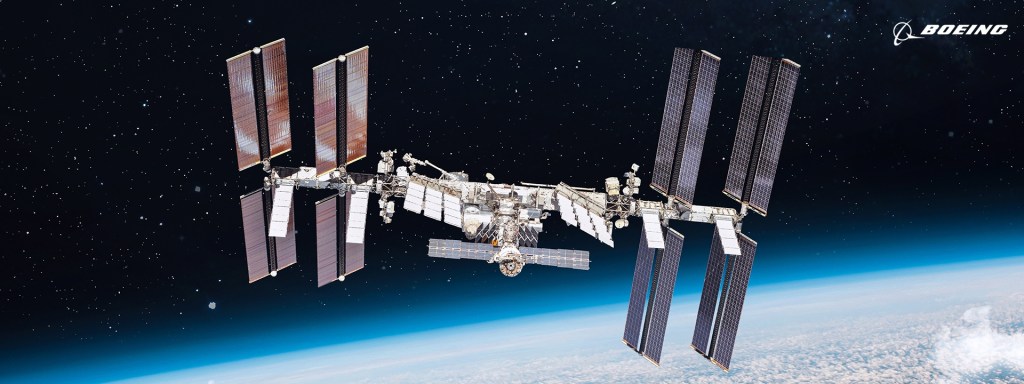
La Estación Espacial Internacional (ISS) prueba el recubrimiento de superficie de lucha contra virus desarrollado por The Boeing Company y la Universidad de Queensland, Australia. Los astronautas a bordo de la Estación Espacial Internacional (ISS) están llevando a cabo experimentos con un recubrimiento superficial antimicrobiano diseñado para combatir la propagación de bacterias y virus, incluido el virus SARS-CoV-2 vinculado a la Tierra responsable de la actual pandemia COVID-19.
Desarrollado por The Boeing Company y la Universidad de Queensland (UQ), el proyecto de investigación conjunta fue probado a bordo del ecoDemonstrator de Boeing en 2020 como parte de la iniciativa de viajes confiados de la compañía. «Mientras las pruebas continúan en órbita y en la Tierra, nos animan los resultados preliminares del compuesto químico antimicrobiano. Existe la posibilidad de una aplicabilidad de base amplia para un recubrimiento superficial como este cuando se utiliza junto con otras medidas para prevenir la transmisión de enfermedades», dijo Mike Delaney, Director de Seguridad Aeroespacial de Boeing.
El experimento en la Estación ISS prueba dos conjuntos idénticos de objetos, incluyendo una hebilla de asiento de avión, tela de asientos de avión y cinturones de seguridad, y partes de un reposabrazos y una mesa de bandeja. Un conjunto recibió el recubrimiento de la superficie antimicrobiana, mientras que el otro no se ha aplicado el procedimiento antimicrobiano. Los miembros de la tripulación de la ISS están tocando ambos conjuntos de objetos cada pocos días para transferir microbios que ocurren naturalmente en la piel humana; no se enviaron muestras de microbios a la estación para este experimento. A finales de este año, los objetos de prueba serán devueltos a la Tierra para su análisis en los laboratorios de Boeing para medir la eficacia del recubrimiento superficial en un entorno espacial.
«Después de años de desarrollo, es realmente emocionante ver nuestra investigación en el espacio. El propósito principal de nuestro recubrimiento antimicrobiano era ayudar a proteger las misiones espaciales. Después de que la pandemia actual golpeó, modificamos la fórmula del recubrimiento para que también se dirigió al virus COVID-19 si está presente en una superficie en la Tierra. Esperamos continuar con nuestro régimen de pruebas y trabajar para obtener aprobaciones regulatorias», dijo el Profesor Michael Monteiro, del Instituto Australiano de Bioingeniería y Nanotecnología de la Universidad de Queensland.
Un recubrimiento superficial antimicrobiano en una nave espacial podría ayudar a garantizar la salud de la tripulación y proteger los sistemas de la nave espacial de las bacterias, y en última instancia puede ayudar a prevenir la contaminación interplanetaria de los microbios terrestres u de otro planeta.
Boeing fue seleccionado por la NASA como el contratista principal de la ISS en 1993. Desde entonces, Boeing ha proporcionado soporte de ingeniería las 24 horas: mantener la estación en los niveles máximos de rendimiento a través de misiones dinámicas y garantizar que el valor total del laboratorio de investigación único esté disponible para la NASA, sus socios internacionales y empresas privadas durante los años venideros.
Desde 2003, Boeing y la Universidad de Queensland han colaborado en una amplia cartera de proyectos conjuntos de investigación y desarrollo. En 2017, los ingenieros de Boeing Research & Technology (BR&T) con sede en Brisbanese trasladaron a la universidad en una asociación de primera clase para la región Asia-Pacífico de la compañía.
El Instituto Australiano de Bioingeniería y Nanotecnología (AIBN) de la Universidad de Queensland ha sido un motor de investigación multidisciplinaria para abordar los problemas globales. El AIBN alberga a más de 400 investigadores en una amplia gama de disciplinas científicas.
Boeing es la compañía aeroespacial más grande del mundo y proveedor líder de aviones comerciales, sistemas de defensa, espacio y seguridad, y servicios globales. Como principal exportador estadounidense, la compañía apoya a clientes comerciales y gubernamentales en más de 150 países. Basándose en un legado de liderazgo aeroespacial, Boeing continúa liderando la tecnología y la innovación, entregando para sus clientes e invirtiendo en su gente y crecimiento futuro.
Boeing space antimicrobial test
Antimicrobial coating tests in space environment
The International Space Station (ISS) tests the virus-fighting surface coating developed by The Boeing Company and the University of Queensland, Australia. Astronauts aboard the International Space Station (ISS) are conducting experiments with an antimicrobial surface coating designed to combat the spread of bacteria and viruses, including the Earth-linked SARS-CoV-2 virus responsible for the current COVID-19 pandemic.
Developed by The Boeing Company and the University of Queensland (UQ), the joint research project was tested aboard Boeing’s ecoDemonstrator in 2020 as part of the company’s confident travel initiative. «As testing continues in orbit and on Earth, we are encouraged by preliminary results of the antimicrobial chemical. There is potential for broad-based applicability for a surface coating like this when used in conjunction with other measures to prevent disease transmission», said Mike Delaney, Boeing’s Director of Aerospace Safety.
The experiment at the ISS Station tests two identical sets of objects, including an airplane seat buckle, airplane seat fabric and seat belts, and parts of an armrest and a tray table. One set received the antimicrobial surface coating, while the other set did not have the antimicrobial procedure applied. ISS crew members are touching both sets of objects every few days to transfer naturally occurring microbes to human skin; no microbial samples were sent to the station for this experiment. Later this year, the test objects will be returned to Earth for analysis in Boeing laboratories to measure the effectiveness of the surface coating in a space environment.
«After years of development, it is really exciting to see our research in space. The primary purpose of our antimicrobial coating was to help protect space missions. After the current pandemic hit, we modified the coating formula so that it also addressed to the COVID-19 virus if it is present on a surface on Earth. We look forward to continuing our testing regime and working towards regulatory approvals, «said Professor Michael Monteiro, Australian Institute of Bioengineering and Nanotechnology at the University of Queensland.
An antimicrobial surface coating on a spacecraft could help ensure the health of the crew and protect spacecraft systems from bacteria, and ultimately can help prevent interplanetary contamination from microbes on the ground or from another planet.
Boeing was selected by NASA as the prime contractor for the ISS in 1993. Since then, Boeing has provided 24-hour engineering support – keeping the station at peak performance levels through dynamic missions and ensuring that the full value of the Unique research laboratory will be available to NASA, its international partners, and private companies for years to come.
Since 2003, Boeing and the University of Queensland have collaborated on a broad portfolio of joint research and development projects. In 2017, engineers from Brisbanese-based Boeing Research & Technology (BR&T) transferred the university in a first-class partnership for the company’s Asia-Pacific region.
The Australian Institute of Bioengineering and Nanotechnology (AIBN) at the University of Queensland has been a multidisciplinary research engine to tackle global problems. The AIBN is home to more than 400 researchers in a wide range of scientific disciplines.
Boeing is the world’s largest aerospace company and a leading provider of commercial aircraft, defense, space and security systems, and global services. As a leading US exporter, the company supports commercial and government clients in more than 150 countries. Building on a legacy of aerospace leadership, Boeing continues to lead in technology and innovation, delivering for its customers and investing in its people and future growth.
KLM Royal Dutch Airlines ha anunciado el primer vuelo mundial sobre combustible sintético. La transición del combustible fósil a alternativas duraderas es uno de los mayores desafíos a los que se enfrenta la industria aérea. El Gobierno holandés y KLM Royal Dutch Airlines anunciaron este 08/02 que el vuelo comercial de la aerolínea de Amsterdam a Madrid el mes pasado fue el primer vuelo del mundo con combustible sintético. El desarrollo y el despliegue de alternativas sintéticas y de biocombustibles al queroseno se consideran clave para los esfuerzos a largo plazo para reducir las emisiones de efecto invernadero de la aviación.
KLM ha empleado el combustible regular mezclado con 500 litros (132 galones) de queroseno sintético producido por Royal Dutch Shell con dióxido de carbono, agua y fuentes de energía renovables, junto con combustible regular para alimentar el avión. «Hacer que la industria de la aviación sea más sostenible es un desafío al que nos enfrentamos todos. Hoy, con este mundo primero, estamos entrando en un nuevo capítulo de nuestra aviación», dijo la Ministro de Infraestructura holandés Cora van Nieuwenhuizen.
El combustible sostenible podría hacer la mayor contribución a las reducciones de emisiones en las nuevas flotas de aerolíneas. «La transición del combustible fósil a alternativas duraderas es uno de los mayores desafíos a los que se enfrenta la industria», expresó el CEO de KLM Airlines, Pieter Elbers.
KLM 1st flight synthetic fuel
KLM launches first synthetic combustion flight
KLM Royal Dutch Airlines has announced the world’s first flight on synthetic fuel. The transition from fossil fuel to durable alternatives is one of the biggest challenges facing the airline industry. The Dutch Government and KLM Royal Dutch Airlines announced on 02/08 that the airline’s commercial flight from Amsterdam to Madrid last month was the world’s first flight with synthetic fuel. The development and deployment of synthetic and biofuel alternatives to kerosene are seen as key to long-term efforts to reduce greenhouse emissions from aviation.
KLM has used the regular fuel blended with 500 liters (132 gallons) of synthetic kerosene produced by Royal Dutch Shell with carbon dioxide, water and renewable energy sources, along with regular fuel to power the aircraft. «Making the aviation industry more sustainable is a challenge we all face. Today, with this world first, we are entering a new chapter in our aviation», said Dutch Infrastructure Minister Cora van Nieuwenhuizen.
Sustainable fuel could make the biggest contribution to emission reductions in new airline fleets. «The transition from fossil fuel to durable alternatives is one of the biggest challenges facing the industry», said KLM Airlines CEO Pieter Elbers.
KLM 1e vlucht synthetische brandstof
KLM lanceert eerste vlucht met synthetische verbranding
KLM Royal Dutch Airlines heeft ‘s werelds eerste vlucht op synthetische brandstof aangekondigd. De overgang van fossiele brandstof naar duurzame alternatieven is een van de grootste uitdagingen voor de luchtvaartindustrie. De Nederlandse regering en KLM Royal Dutch Airlines maakten op 02/08 bekend dat de commerciële vlucht van de luchtvaartmaatschappij vorige maand van Amsterdam naar Madrid ‘s werelds eerste vlucht met synthetische brandstof was. De ontwikkeling en toepassing van synthetische en biobrandstofalternatieven voor kerosine worden gezien als de sleutel tot langetermijninspanningen om de uitstoot van broeikasgassen door de luchtvaart te verminderen.
KLM heeft de reguliere brandstof gemengd met 500 liter (132 gallon) synthetische kerosine geproduceerd door Royal Dutch Shell met kooldioxide, water en hernieuwbare energiebronnen, samen met reguliere brandstof gebruikt om het vliegtuig van stroom te voorzien. ,,Het verduurzamen van de luchtvaartindustrie is een uitdaging waar we allemaal voor staan. Met deze wereldprimeur gaan we vandaag een nieuw hoofdstuk in onze luchtvaart in», aldus minister van Infrastructuur Cora van Nieuwenhuizen.
Duurzame brandstof kan de grootste bijdrage leveren aan emissiereducties in nieuwe vloot van luchtvaartmaatschappijen. ,,De overgang van fossiele brandstof naar duurzame alternatieven is een van de grootste uitdagingen waar de industrie voor staat», zegt KLM Airlines CEO Pieter Elbers.
El Aeropuerto Antonio B. Won Pat/GUM de la Isla de Guam ha incorporado recientemente tecnología avanzada para la seguridad aeroportuaria. La Administración de Seguridad en el Transporte (TSA) en el Aeropuerto Internacional de Guam, un territorio no incorporado de los Estados Unidos, ha comenzado a utilizar un escáner de Tomografía Computarizada (TC) avanzada en su punto de control de seguridad.
El escáner ayudará a los oficiales de la TSA a detectar artículos dentro del equipaje de mano que pueden suponer amenazas a la seguridad. Durante el proceso de cribado, una cámara de rayos X hace clic en varias imágenes mientras gira alrededor de la cinta transportadora para producir una imagen 3D del interior de la bolsa que se está examinando. Al mismo tiempo, el escáner de TC utiliza un algoritmo sofisticado para examinarlos e interpretarlos. Los oficiales de la TSA pueden rotar la imagen en pantalla para una inspección visual exhaustiva para asegurarse de que no hay amenazas en la bolsa, sin abrirla. Esto reducirá el número de bolsas que deben inspeccionarse manualmente para resolver una posible amenaza, eliminando los posibles puntos de contacto en medio de la pandemia en curso.
El director de seguridad federal de la TSA Pacific, Jenel Cline, dijo: «Los viajeros verán el nuevo escáner de TC en uso en el punto de control de seguridad en GUM. Esta unidad proporciona capacidades mejoradas de detección de amenazas de seguridad, lo que permite al oficial de la TSA realizar pruebas de rayos X para obtener una mejor vista del contenido de la bolsa. Nos complace tener esta nueva pieza de equipo de cribado para aumentar la eficacia y eficiencia de nuestras operaciones de seguridad». Cuando la TC está en uso, los pasajeros pueden abstenerse de retirar los ordenadores portátiles y otros dispositivos electrónicos de su equipaje de mano.
Guam Airport incorporates CT technology
Guam airport incorporates computed tomography
Guam Island’s Antonio B. Won Pat/GUM Airport has recently incorporated advanced technology for airport security. The Transportation Security Administration (TSA) at Guam International Airport, an unincorporated territory of the United States, has begun using an advanced Computed Tomography (CT) scanner at its security checkpoint.
The scanner will help TSA officers detect items in carry-on baggage that may pose security threats. During the screening process, an X-ray camera clicks on various images as it rotates around the conveyor belt to produce a 3D image of the inside of the bag being examined. At the same time, the CT scanner uses a sophisticated algorithm to examine and interpret them. TSA officers can rotate the screen image for a thorough visual inspection to make sure there are no threats in the bag, without opening it. This will reduce the number of bags that need to be manually inspected to resolve a potential threat, eliminating potential contact points amid the ongoing pandemic.
TSA Pacific Federal Security Director Jenel Cline said: «Travelers will see the new CT scanner in use at the security checkpoint at GUM. This unit provides enhanced security threat detection capabilities, which allows the TSA officer to perform X-ray testing to get a better view of the contents of the bag. We are pleased to have this new piece of screening equipment to increase the effectiveness and efficiency of our security operations». When the TC is in use, passengers can refrain from removing laptops and other electronic devices from their carry-on luggage.
































 airgways.com