Radixx/Air Moldova firman acuerdo
AW | 2021 02 26 12:10 | AIRLINES / AVIATION TECHNOLOGY

Air Moldova contrata servicios de Radixx para su sistema de reservas
Air Moldova_Isologotype

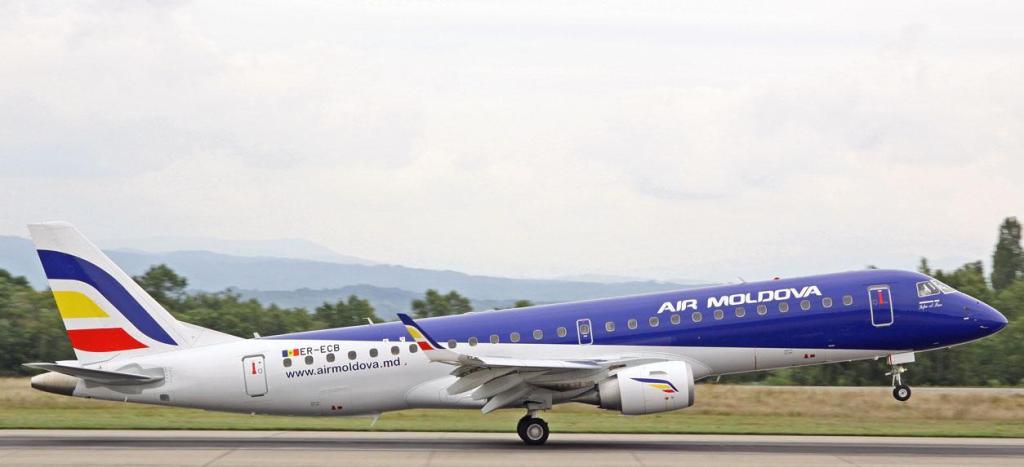
Radixx International ha celebrado un contrato con Air Moldova para su sistema de reservas con el objetivo es aumentar las ventas y mejorar la experiencia del cliente. Radixx, una empresa de Sabre y proveedor líder de venta minorista de software de sistema de reservas para aerolíneas, ha firmado un acuerdo de tecnología de varios años con Air Moldova. La aerolínea con sede en Chișinău, República de Moldavia utilizará las soluciones de comercialización, distribución y cumplimiento de Radixx para expandirse a nuevas fuentes de ingresos y potenciar el crecimiento futuro.

A finales de 2021, Air Moldova pondrá en marcha en el Sistema de Servicio de Pasajeros (PSS) alojado en la nube Radixx Res para entregar vuelos y servicios auxiliares de valor agregado a sus viajeros. Ofreciendo un rendimiento líder en la industria, el moderno sistema basado en microservicios de Radixx proporciona a Air Moldova una tecnología flexible y avanzada que mejora la experiencia del viajero y maximiza los ingresos. Air Moldova también utilizará la solución de comercio minorista ezyCommerce de Radixx para proporcionar una experiencia de cliente superior, independiente del dispositivo, que diferenciará su marca y sus ofertas. Radixx ezyCommerce permitirá a la aerolínea aprovechar un conjunto de potentes API e integrar contenido de terceros para personalizar aún más sus ofertas para los viajeros. Como parte de su plan de recuperación y crecimiento posterior a la crisis sanitaria mundial, Air Moldova también implementará el conjunto de productos de servicios de salida Radixx Go para crear una experiencia de aeropuerto segura y eficiente. Con dispositivos móviles para agentes terrestres y opciones de autoservicio para viajeros, Radixx Go agilizará las operaciones aeroportuarias existentes, lo que dará como resultado colas más cortas en el aeropuerto y una experiencia de viaje más agradable y fluida.

«Nuestros clientes son el núcleo de lo que hacemos y nos esforzamos por ofrecerles productos y servicios de la más alta calidad. Elegimos Radixx debido a las oportunidades avanzadas de venta minorista que brinda su sistema en todos los puntos de contacto con los clientes. Sus robustas API nos permiten personalizar nuestra experiencia de usuario e integrar otras soluciones, incluidas nuestras propias aplicaciones críticas, que brindarán más valor con los datos expandidos ahora podremos acceder. Estamos ansiosos por ver el impacto positivo en la satisfacción de los clientes y los ahorros de costos derivados de un alto nivel de automatización en las ventas y las operaciones», dijo Alexander Ceban, Director General de Air Moldova.

Se espera que la migración de la aerolínea a Radixx genere ahorros significativos en los gastos operativos anuales de tecnología. Juntos, la aerolínea y Radixx/Sabre también desarrollarán funcionalidades futuras para respaldar sus objetivos conjuntos. «Estamos encantados de ser el socio tecnológico de Air MoldovaCreemos que nuestras innovadoras capacidades de venta minorista, junto con la tecnología que permite una experiencia de viaje segura y sin contacto, serán un factor central en la recuperación y el crecimiento de la aerolínea después del COVID-19. Esperamos colaborar con Air Moldova durante los próximos años», dijo Owen Murphy, Vicepresidente de Ventas para Europa de Radixx.

Con una estructura de costos comparativamente ajustada y un modelo de negocios flexible centrado en rutas regionales, se espera que las aerolíneas de bajo costo lideren la recuperación de viajes posterior a COVID-19. Desde que anunció la adquisición de Radixx en Octubre de 2019, Sabre se ha enfocado en aprovechar el crecimiento y la innovación del resistente mercado de operadores de bajo costo mediante la creación de más formas para que las aerolíneas low cost que comercialicen y distribuyan contenido. Como una cartera combinada, Sabre y Radixx ofrecen soluciones innovadoras y completas para todos los segmentos del mercado, desde LCC hasta operadores de red, respaldadas por la mejor tecnología de su clase y una amplia experiencia.

Radixx/Air Moldova sign agreement
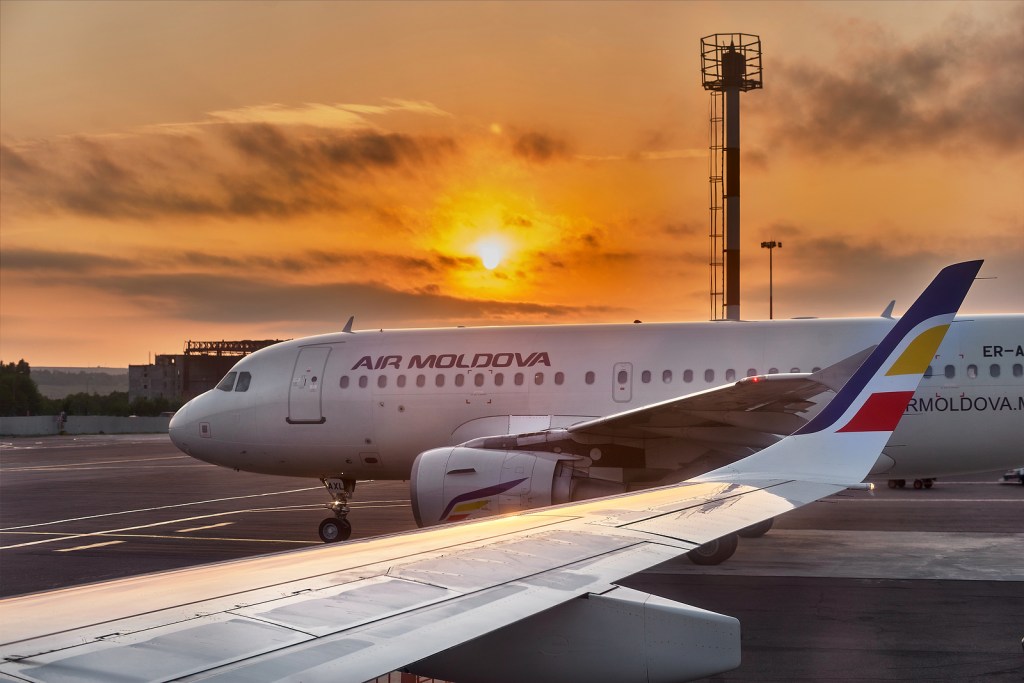
Air Moldova contracts Radixx services for its reservation system

Radixx International has entered into a contract with Air Moldova for its reservation system with the aim of increasing sales and improving the customer experience. Radixx, a Sabre company and leading provider of airline reservation system software retailing, has signed a multi-year technology agreement with Air Moldova. The Chișinău, Republic of Moldova-based airline will use Radixx marketing, distribution and fulfillment solutions to expand into new revenue streams and fuel future growth.

By the end of 2021, Air Moldova will launch the Radixx Res cloud-hosted Passenger Service System (PSS) to deliver value-added flights and ancillary services to its travelers. Delivering industry leading performance, Radixx’s modern microservice-based system provides Air Moldova with flexible and advanced technology that enhances the traveler experience and maximizes revenue. Air Moldova will also use Radixx’s ezyCommerce retail solution to provide a superior, device-independent customer experience that will differentiate its brand and offerings. Radixx ezyCommerce will allow the airline to leverage a set of powerful APIs and integrate third-party content to further customize its offerings for travelers. As part of its post-global health crisis recovery and growth plan, Air Moldova will also implement the Radixx Go suite of departure services products to create a safe and efficient airport experience. With mobile devices for ground agents and self-service options for travelers, Radixx Go will streamline existing airport operations, resulting in shorter queues at the airport and a smoother and more pleasant travel experience.

«Our customers are at the core of what we do and we strive to provide them with the highest quality products and services. We chose Radixx because of the advanced retail opportunities its system provides at all customer touch points. Its robust APIs allow us to personalize our user experience and integrate other solutions, including our own critical applications, that will deliver more value with the expanded data we can now access. We are eager to see the positive impact on customer satisfaction and the resulting cost savings. of a high level of automation in sales and operations», said Alexander Ceban, Managing Director of Air Moldova.

The airline’s migration to Radixx is expected to generate significant savings in annual technology operating expenses. Together, the airline and Radixx/Sabre will also develop future functionality to support their joint goals. «We are delighted to be Air Moldova’s technology partner We believe that our innovative retail capabilities, coupled with technology that enables a safe and contactless travel experience, will be a central factor in the airline’s recovery and growth after COVID-19. We look forward to collaborating with Air Moldova for years to come», said Owen Murphy, Vice President of Sales for Europe at Radixx.

With a comparatively tight cost structure and a flexible business model focused on regional routes, low-cost airlines are expected to lead the post-COVID-19 travel recovery. Since announcing the acquisition of Radixx in October 2019, Saber has focused on harnessing the growth and innovation of the resilient low-cost carrier market by creating more ways for low-cost carriers to market and distribute content. As a combined portfolio, Saber and Radixx offer comprehensive and innovative solutions for all market segments, from LCC to network operators, backed by best-in-class technology and extensive experience.

Radixx/Air Moldova semnează acordul
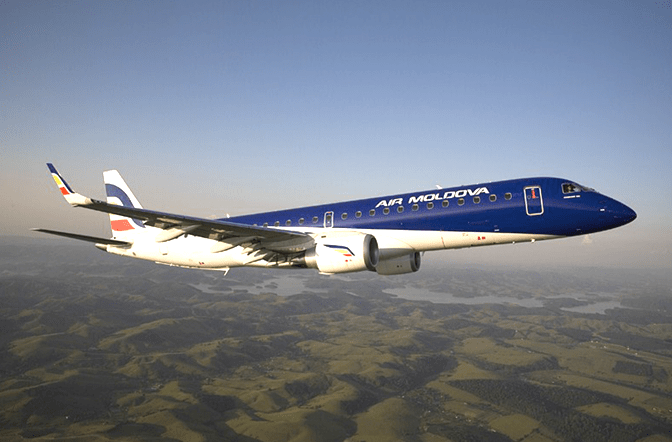
Air Moldova contractează servicii Radixx pentru sistemul său de rezervare
Radixx-Air Moldova_Isologotype

Radixx International a încheiat un contract cu Air Moldova pentru sistemul său de rezervare, cu scopul de a crește vânzările și de a îmbunătăți experiența clienților. Radixx, o companie Sabre și un furnizor important de vânzare cu amănuntul de software de sisteme de rezervare a companiilor aeriene, a semnat un acord tehnologic de mai mulți ani cu Air Moldova. Compania aeriană din Chișinău, Republica Moldova, va utiliza soluții de marketing, distribuție și îndeplinire Radixx pentru a se extinde în noi fluxuri de venituri și pentru a alimenta creșterea viitoare.

Până la sfârșitul anului 2021, Air Moldova va lansa Sistemul de Servicii pentru Pasageri (PSS) găzduit în cloud Radixx Res pentru a furniza călători cu zboruri cu valoare adăugată și servicii auxiliare. Oferind performanțe de top în industrie, sistemul modern bazat pe microservicii al Radixx oferă companiei Air Moldova o tehnologie flexibilă și avansată care îmbunătățește experiența călătorului și maximizează veniturile. Air Moldova va utiliza, de asemenea, soluția de vânzare cu amănuntul ezyCommerce de la Radixx pentru a oferi o experiență superioară, independentă de dispozitiv, a clienților, care va diferenția marca și ofertele sale. Radixx ezyCommerce va permite companiei aeriene să folosească un set de API-uri puternice și să integreze conținut terță parte pentru a-și personaliza ofertele pentru călători. Ca parte a planului său de recuperare și creștere a crizei de sănătate post-globale, Air Moldova va implementa, de asemenea, suita de produse de servicii de plecare Radixx Go pentru a crea o experiență sigură și eficientă în aeroport. Cu dispozitive mobile pentru agenții terestri și opțiuni de autoservire pentru călători, Radixx Go va eficientiza operațiunile existente la aeroport, rezultând cozi mai scurte la aeroport și o experiență de călătorie mai lină și mai plăcută.

„Clienții noștri se află în centrul a ceea ce facem și ne străduim să le oferim produse și servicii de cea mai înaltă calitate. Am ales Radixx datorită oportunităților avansate de vânzare cu amănuntul pe care sistemul său le oferă la toate punctele de contact ale clienților. API-urile sale robuste ne permit să personalizăm experiența noastră de utilizator și integrarea altor soluții, inclusiv a aplicațiilor noastre critice, care vor oferi mai multă valoare cu datele extinse pe care le putem accesa acum. Suntem dornici să vedem impactul pozitiv asupra satisfacției clienților și economiile de cost rezultate. automatizare în vânzări și operațiuni», a declarat Alexander Ceban, director general al Air Moldova.

Se preconizează că migrația companiei aeriene către Radixx va genera economii semnificative în cheltuielile anuale de operare a tehnologiei. Împreună, compania aeriană și Radixx/Sabre vor dezvolta, de asemenea, funcționalități viitoare pentru a-și susține obiectivele comune. „Suntem încântați să fim partenerul tehnologic al Air Moldova. Credem că capacitățile noastre inovatoare cu amănuntul, împreună cu tehnologia care permite o experiență de călătorie sigură și fără contact, vor fi un factor central în recuperarea și creșterea companiei aeriene după COVID. -19. Așteptăm cu nerăbdare la colaborarea cu Air Moldova pentru anii următori», a declarat Owen Murphy, vicepreședinte de vânzări pentru Europa la Radixx.

Cu o structură a costurilor relativ strânsă și un model de afaceri flexibil axat pe rutele regionale, se așteaptă ca companiile aeriene low-cost să conducă recuperarea călătoriei după COVID-19. De când a anunțat achiziția Radixx în Octombrie 2019, Saber s-a concentrat pe valorificarea creșterii și inovației pieței reziliente a operatorilor de transport low-cost, prin crearea mai multor modalități pentru operatorii de transport low-cost de a comercializa și distribui conținut. Ca portofoliu combinat, Sabre și Radixx oferă soluții cuprinzătoare și inovatoare pentru toate segmentele pieței, de la LCC la operatorii de rețea, susținute de cea mai bună tehnologie din clasă și de o experiență extinsă.


PUBLISHER: Airgways.com
DBk: Radixx.com / Airmoldova.md / Bigstock.com / Pascal Simon / Airgways.com
AW-POST: 202102261210AR

A\W   A I R G W A Y S ®
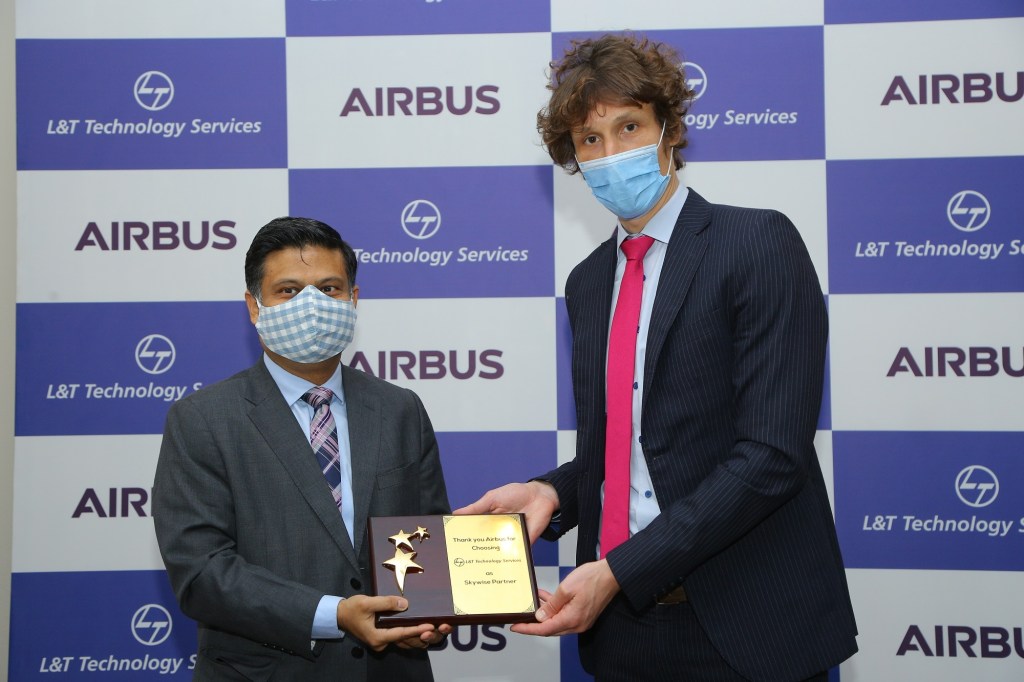
Airbus selecciona tecnología L&T

AW | 2021 02 25 15:47 | INDUSTRY / AVIATION TECHNOLOGY

Airbus selecciona servicios tecnológicos L&T para programa Skywise

Airbus_Isologotype_svg

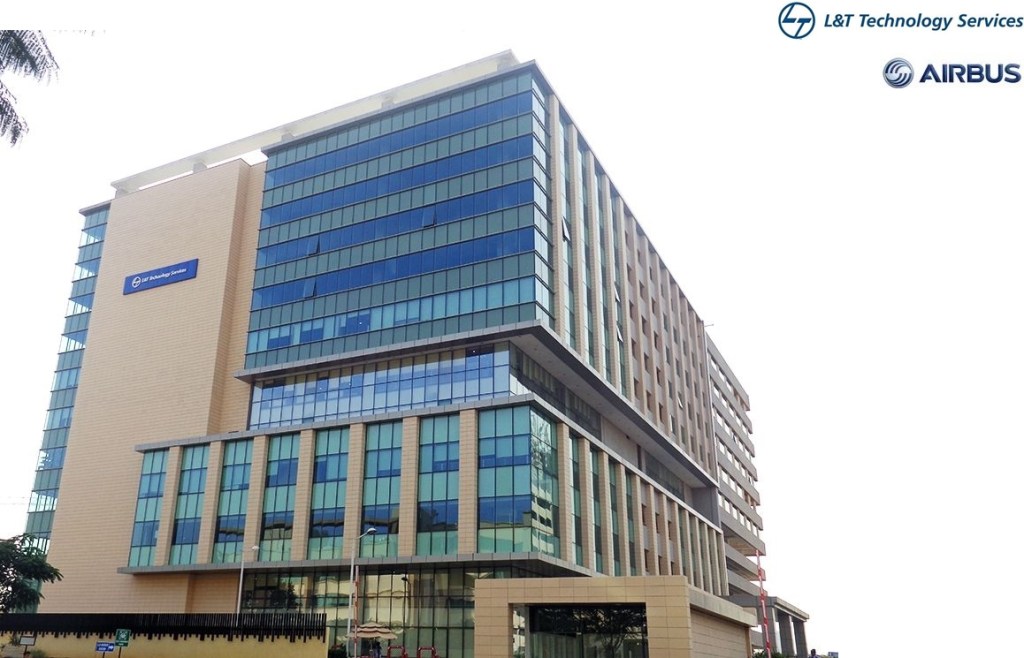
Airbus Group ha seleccionado a L&T Technology Services (LTTS) de la India que proporcionará tecnología y soluciones de ingeniería digital para la plataforma Skywise del consorcio europea de aviación. La empresa es líder mundial de servicios de ingeniería. La asociación proporcionará tecnología y soluciones de ingeniería digital para la plataforma Skywise de Airbus como parte del «Programa de Socios de Skywise». Con más de 130 aerolíneas de todo el mundo ya conectadas a Skywise, la plataforma está desempeñando un papel muy importante en la habilitación y aceleración de la transformación digital del sector de la aviación en su conjunto. LTTS apoyará a las aerolíneas en el desarrollo de flujos de trabajo complejos, la creación de nuevas interfaces entre sus sistemas de información existentes y Skywise y también proporcionará asistencia en su transformación digital con Skywise.

L&T_Isologottype

LTTS cuenta con un conjunto de ingenieros y científicos de datos altamente experimentados que trabajarán exclusivamente en la plataforma Skywise y construirán soluciones para abordar las necesidades de transformación digital de las aerolíneas y el ecosistema Skywise de rápida expansión. La experiencia demostrada de LTTS en la construcción de plataformas de ingeniería digital basadas en un fuerte conocimiento del dominio ayuda a fortalecer las interdependencias que estas tecnologías digitales están permitiendo. Abhishek Sinha, Director de Operaciones y Miembro del Consejo de Administración de L&T Technology Services comentó: «Airbus es uno de nuestros valiosos clientes en el ámbito aeroespacial, un sector que ofrece un enorme potencial de oportunidades de negocio disruptivas. Estamos encantados de ser seleccionados como socios para el programa Airbus Skywise, un fiel reflejo de nuestra asociación de larga data con un importante líder del mercado como Airbus y nuestra profunda comprensión del desarrollo de productos y las necesidades de los clientes de Airbus».

LTTS tiene una trayectoria de servir al panorama aeroespacial durante más de una década, ayudando a las aerolíneas y fabricantes aeroespaciales a maximizar su Retorno de las Inversiones (RoI) y aumentar la calidad y la producción. Después de haber forjado alianzas estratégicas con varias empresas Fortune 500, LTTS tiene el fuerte conocimiento técnico, experiencia en ingeniería aeroespacial y recursos calificados para impulsar la innovación para clientes aeroespaciales y de defensa en todo el mundo.

Airbus selects L&T technology

Airbus selects L&T technology services for Skywise program

Airbus Group has selected L&T Technology Services (LTTS) of India to provide digital engineering technology and solutions for the Skywise platform of the European aviation consortium. The company is a world leader in engineering services. The partnership will provide digital engineering technology and solutions for Airbus’ Skywise platform as part of the «Skywise Partner Program». With more than 130 airlines around the world already connected to Skywise, the platform is playing a huge role in enabling and accelerating the digital transformation of the aviation industry as a whole. LTTS will support airlines in developing complex workflows, creating new interfaces between their existing information systems and Skywise, and will also provide assistance in their digital transformation with Skywise.

LTTS has a pool of highly experienced engineers and data scientists who will work exclusively on the Skywise platform and build solutions to address the digital transformation needs of airlines and the rapidly expanding Skywise ecosystem. LTTS’s proven experience in building digital engineering platforms based on strong domain knowledge helps strengthen the interdependencies that these digital technologies are enabling. Abhishek Sinha, Director of Operations and Member of the Board of Directors of L&T Technology Services commented: «Airbus is one of our valued customers in aerospace, a sector that offers enormous potential for disruptive business opportunities. We are delighted to be selected as partners for the Airbus Skywise program, a true reflection of our longstanding partnership with a major market leader like Airbus and our deep understanding of product development and the needs of Airbus customers».

LTTS has a history of serving the aerospace landscape for more than a decade, helping airlines and aerospace manufacturers maximize their Return on Investments (RoI) and increase quality and production. Having forged strategic alliances with several Fortune 500 companies, LTTS has the strong technical knowledge, aerospace engineering expertise, and skilled resources to drive innovation for aerospace and defense clients around the world.


PUBLISHER: Airgways.com
DBk: Airbus.com / Ltts.com / Airgways.com
AW-POST: 202102251547AR

A\W   A I R G W A Y S ®

Boeing prueba antimicrobiana espacial

AW | 2021 02 16 10:46 | INDUSTRY / AVIATION TECHNOLOGY

Pruebas recubrimiento antimicrobiano en entorno espacial

Boeing_Isologo.svg

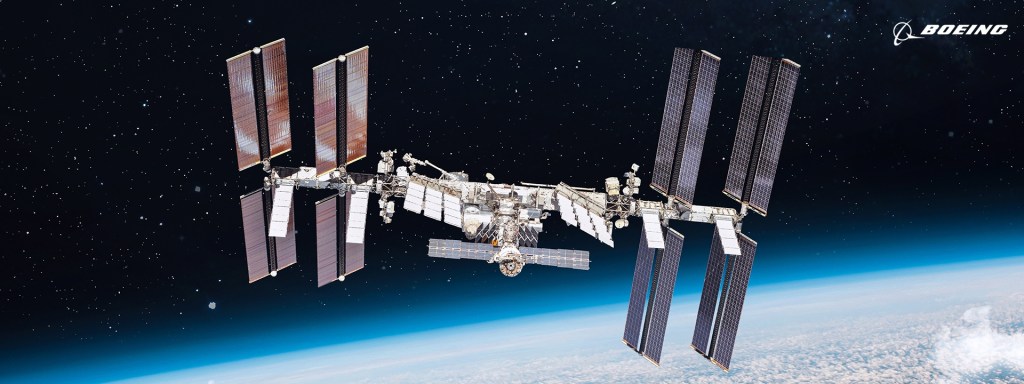
La Estación Espacial Internacional (ISS) prueba el recubrimiento de superficie de lucha contra virus desarrollado por The Boeing Company y la Universidad de Queensland, Australia. Los astronautas a bordo de la Estación Espacial Internacional (ISS) están llevando a cabo experimentos con un recubrimiento superficial antimicrobiano diseñado para combatir la propagación de bacterias y virus, incluido el virus SARS-CoV-2 vinculado a la Tierra responsable de la actual pandemia COVID-19.

University-of-Queensland_Isologotype

Desarrollado por The Boeing Company y la Universidad de Queensland (UQ), el proyecto de investigación conjunta fue probado a bordo del ecoDemonstrator de Boeing en 2020 como parte de la iniciativa de viajes confiados de la compañía. «Mientras las pruebas continúan en órbita y en la Tierra, nos animan los resultados preliminares del compuesto químico antimicrobiano. Existe la posibilidad de una aplicabilidad de base amplia para un recubrimiento superficial como este cuando se utiliza junto con otras medidas para prevenir la transmisión de enfermedades», dijo Mike Delaney, Director de Seguridad Aeroespacial de Boeing.

El experimento en la Estación ISS prueba dos conjuntos idénticos de objetos, incluyendo una hebilla de asiento de avión, tela de asientos de avión y cinturones de seguridad, y partes de un reposabrazos y una mesa de bandeja. Un conjunto recibió el recubrimiento de la superficie antimicrobiana, mientras que el otro no se ha aplicado el procedimiento antimicrobiano. Los miembros de la tripulación de la ISS están tocando ambos conjuntos de objetos cada pocos días para transferir microbios que ocurren naturalmente en la piel humana; no se enviaron muestras de microbios a la estación para este experimento. A finales de este año, los objetos de prueba serán devueltos a la Tierra para su análisis en los laboratorios de Boeing para medir la eficacia del recubrimiento superficial en un entorno espacial.

«Después de años de desarrollo, es realmente emocionante ver nuestra investigación en el espacio. El propósito principal de nuestro recubrimiento antimicrobiano era ayudar a proteger las misiones espaciales. Después de que la pandemia actual golpeó, modificamos la fórmula del recubrimiento para que también se dirigió al virus COVID-19 si está presente en una superficie en la Tierra. Esperamos continuar con nuestro régimen de pruebas y trabajar para obtener aprobaciones regulatorias», dijo el Profesor Michael Monteiro, del Instituto Australiano de Bioingeniería y Nanotecnología de la Universidad de Queensland.

Un recubrimiento superficial antimicrobiano en una nave espacial podría ayudar a garantizar la salud de la tripulación y proteger los sistemas de la nave espacial de las bacterias, y en última instancia puede ayudar a prevenir la contaminación interplanetaria de los microbios terrestres u de otro planeta.

Boeing fue seleccionado por la NASA como el contratista principal de la ISS en 1993. Desde entonces, Boeing ha proporcionado soporte de ingeniería las 24 horas: mantener la estación en los niveles máximos de rendimiento a través de misiones dinámicas y garantizar que el valor total del laboratorio de investigación único esté disponible para la NASA, sus socios internacionales y empresas privadas durante los años venideros.

Desde 2003, Boeing y la Universidad de Queensland han colaborado en una amplia cartera de proyectos conjuntos de investigación y desarrollo. En 2017, los ingenieros de Boeing Research & Technology (BR&T) con sede en Brisbanese trasladaron a la universidad en una asociación de primera clase para la región Asia-Pacífico de la compañía.

El Instituto Australiano de Bioingeniería y Nanotecnología (AIBN) de la Universidad de Queensland ha sido un motor de investigación multidisciplinaria para abordar los problemas globales. El AIBN alberga a más de 400 investigadores en una amplia gama de disciplinas científicas.

Boeing es la compañía aeroespacial más grande del mundo y proveedor líder de aviones comerciales, sistemas de defensa, espacio y seguridad, y servicios globales. Como principal exportador estadounidense, la compañía apoya a clientes comerciales y gubernamentales en más de 150 países. Basándose en un legado de liderazgo aeroespacial, Boeing continúa liderando la tecnología y la innovación, entregando para sus clientes e invirtiendo en su gente y crecimiento futuro.

Boeing space antimicrobial test

Antimicrobial coating tests in space environment

ISS Station_00001

The International Space Station (ISS) tests the virus-fighting surface coating developed by The Boeing Company and the University of Queensland, Australia. Astronauts aboard the International Space Station (ISS) are conducting experiments with an antimicrobial surface coating designed to combat the spread of bacteria and viruses, including the Earth-linked SARS-CoV-2 virus responsible for the current COVID-19 pandemic.

Developed by The Boeing Company and the University of Queensland (UQ), the joint research project was tested aboard Boeing’s ecoDemonstrator in 2020 as part of the company’s confident travel initiative. «As testing continues in orbit and on Earth, we are encouraged by preliminary results of the antimicrobial chemical. There is potential for broad-based applicability for a surface coating like this when used in conjunction with other measures to prevent disease transmission», said Mike Delaney, Boeing’s Director of Aerospace Safety.

The experiment at the ISS Station tests two identical sets of objects, including an airplane seat buckle, airplane seat fabric and seat belts, and parts of an armrest and a tray table. One set received the antimicrobial surface coating, while the other set did not have the antimicrobial procedure applied. ISS crew members are touching both sets of objects every few days to transfer naturally occurring microbes to human skin; no microbial samples were sent to the station for this experiment. Later this year, the test objects will be returned to Earth for analysis in Boeing laboratories to measure the effectiveness of the surface coating in a space environment.

«After years of development, it is really exciting to see our research in space. The primary purpose of our antimicrobial coating was to help protect space missions. After the current pandemic hit, we modified the coating formula so that it also addressed to the COVID-19 virus if it is present on a surface on Earth. We look forward to continuing our testing regime and working towards regulatory approvals, «said Professor Michael Monteiro, Australian Institute of Bioengineering and Nanotechnology at the University of Queensland.

An antimicrobial surface coating on a spacecraft could help ensure the health of the crew and protect spacecraft systems from bacteria, and ultimately can help prevent interplanetary contamination from microbes on the ground or from another planet.

Boeing was selected by NASA as the prime contractor for the ISS in 1993. Since then, Boeing has provided 24-hour engineering support – keeping the station at peak performance levels through dynamic missions and ensuring that the full value of the Unique research laboratory will be available to NASA, its international partners, and private companies for years to come.

Since 2003, Boeing and the University of Queensland have collaborated on a broad portfolio of joint research and development projects. In 2017, engineers from Brisbanese-based Boeing Research & Technology (BR&T) transferred the university in a first-class partnership for the company’s Asia-Pacific region.

The Australian Institute of Bioengineering and Nanotechnology (AIBN) at the University of Queensland has been a multidisciplinary research engine to tackle global problems. The AIBN is home to more than 400 researchers in a wide range of scientific disciplines.

Boeing is the world’s largest aerospace company and a leading provider of commercial aircraft, defense, space and security systems, and global services. As a leading US exporter, the company supports commercial and government clients in more than 150 countries. Building on a legacy of aerospace leadership, Boeing continues to lead in technology and innovation, delivering for its customers and investing in its people and future growth.


PUBLISHER: Airgways.com
DBk: Boeing.com / Uq.edu.au / Airgways.com
AW-POST: 202102161046AR

A\W   A I R G W A Y S ®

KLM 1er vuelo combustible sintético

AW | 2021 02 09 18:06 | AIRLINES / AVIATION TECHNOLOGY

KLM estrena primer vuelo combustión sintética

KLM_Isologotype_png

KLM Royal Dutch Airlines ha anunciado el primer vuelo mundial sobre combustible sintético. La transición del combustible fósil a alternativas duraderas es uno de los mayores desafíos a los que se enfrenta la industria aérea. El Gobierno holandés y KLM Royal Dutch Airlines anunciaron este 08/02 que el vuelo comercial de la aerolínea de Amsterdam a Madrid el mes pasado fue el primer vuelo del mundo con combustible sintético. El desarrollo y el despliegue de alternativas sintéticas y de biocombustibles al queroseno se consideran clave para los esfuerzos a largo plazo para reducir las emisiones de efecto invernadero de la aviación.

KLM ha empleado el combustible regular mezclado con 500 litros (132 galones) de queroseno sintético producido por Royal Dutch Shell con dióxido de carbono, agua y fuentes de energía renovables, junto con combustible regular para alimentar el avión. «Hacer que la industria de la aviación sea más sostenible es un desafío al que nos enfrentamos todos. Hoy, con este mundo primero, estamos entrando en un nuevo capítulo de nuestra aviación», dijo la Ministro de Infraestructura holandés Cora van Nieuwenhuizen.

El combustible sostenible podría hacer la mayor contribución a las reducciones de emisiones en las nuevas flotas de aerolíneas. «La transición del combustible fósil a alternativas duraderas es uno de los mayores desafíos a los que se enfrenta la industria», expresó el CEO de KLM Airlines, Pieter Elbers.

KLM 1st flight synthetic fuel

KLM launches first synthetic combustion flight

KLM Royal Dutch Airlines has announced the world’s first flight on synthetic fuel. The transition from fossil fuel to durable alternatives is one of the biggest challenges facing the airline industry. The Dutch Government and KLM Royal Dutch Airlines announced on 02/08 that the airline’s commercial flight from Amsterdam to Madrid last month was the world’s first flight with synthetic fuel. The development and deployment of synthetic and biofuel alternatives to kerosene are seen as key to long-term efforts to reduce greenhouse emissions from aviation.

KLM has used the regular fuel blended with 500 liters (132 gallons) of synthetic kerosene produced by Royal Dutch Shell with carbon dioxide, water and renewable energy sources, along with regular fuel to power the aircraft. «Making the aviation industry more sustainable is a challenge we all face. Today, with this world first, we are entering a new chapter in our aviation», said Dutch Infrastructure Minister Cora van Nieuwenhuizen.

Sustainable fuel could make the biggest contribution to emission reductions in new airline fleets. «The transition from fossil fuel to durable alternatives is one of the biggest challenges facing the industry», said KLM Airlines CEO Pieter Elbers.

KLM 1e vlucht synthetische brandstof

KLM lanceert eerste vlucht met synthetische verbranding

KLM-Logo-Circle

KLM Royal Dutch Airlines heeft ‘s werelds eerste vlucht op synthetische brandstof aangekondigd. De overgang van fossiele brandstof naar duurzame alternatieven is een van de grootste uitdagingen voor de luchtvaartindustrie. De Nederlandse regering en KLM Royal Dutch Airlines maakten op 02/08 bekend dat de commerciële vlucht van de luchtvaartmaatschappij vorige maand van Amsterdam naar Madrid ‘s werelds eerste vlucht met synthetische brandstof was. De ontwikkeling en toepassing van synthetische en biobrandstofalternatieven voor kerosine worden gezien als de sleutel tot langetermijninspanningen om de uitstoot van broeikasgassen door de luchtvaart te verminderen.

KLM heeft de reguliere brandstof gemengd met 500 liter (132 gallon) synthetische kerosine geproduceerd door Royal Dutch Shell met kooldioxide, water en hernieuwbare energiebronnen, samen met reguliere brandstof gebruikt om het vliegtuig van stroom te voorzien. ,,Het verduurzamen van de luchtvaartindustrie is een uitdaging waar we allemaal voor staan. Met deze wereldprimeur gaan we vandaag een nieuw hoofdstuk in onze luchtvaart in», aldus minister van Infrastructuur Cora van Nieuwenhuizen.

Duurzame brandstof kan de grootste bijdrage leveren aan emissiereducties in nieuwe vloot van luchtvaartmaatschappijen. ,,De overgang van fossiele brandstof naar duurzame alternatieven is een van de grootste uitdagingen waar de industrie voor staat», zegt KLM Airlines CEO Pieter Elbers.


PUBLISHER: Airgways.com
DBk: Klm.com / Gov.nl / Airgways.com
AW-POST: 202102091806AR

A\W   A I R G W A Y S ®

Aeropuerto Guam incorpora tecnología

AW | 2021 02 05 15:50 | AIRPORTS / AVIATION TECHNOLOGY

Aeropuerto Guam incorpora tomografía computarizada

AW-700

El Aeropuerto Antonio B. Won Pat/GUM de la Isla de Guam ha incorporado recientemente tecnología avanzada para la seguridad aeroportuaria. La Administración de Seguridad en el Transporte (TSA) en el Aeropuerto Internacional de Guam, un territorio no incorporado de los Estados Unidos, ha comenzado a utilizar un escáner de Tomografía Computarizada (TC) avanzada en su punto de control de seguridad.

El escáner ayudará a los oficiales de la TSA a detectar artículos dentro del equipaje de mano que pueden suponer amenazas a la seguridad. Durante el proceso de cribado, una cámara de rayos X hace clic en varias imágenes mientras gira alrededor de la cinta transportadora para producir una imagen 3D del interior de la bolsa que se está examinando. Al mismo tiempo, el escáner de TC utiliza un algoritmo sofisticado para examinarlos e interpretarlos. Los oficiales de la TSA pueden rotar la imagen en pantalla para una inspección visual exhaustiva para asegurarse de que no hay amenazas en la bolsa, sin abrirla. Esto reducirá el número de bolsas que deben inspeccionarse manualmente para resolver una posible amenaza, eliminando los posibles puntos de contacto en medio de la pandemia en curso.

El director de seguridad federal de la TSA Pacific, Jenel Cline, dijo: «Los viajeros verán el nuevo escáner de TC en uso en el punto de control de seguridad en GUM. Esta unidad proporciona capacidades mejoradas de detección de amenazas de seguridad, lo que permite al oficial de la TSA realizar pruebas de rayos X para obtener una mejor vista del contenido de la bolsa. Nos complace tener esta nueva pieza de equipo de cribado para aumentar la eficacia y eficiencia de nuestras operaciones de seguridad». Cuando la TC está en uso, los pasajeros pueden abstenerse de retirar los ordenadores portátiles y otros dispositivos electrónicos de su equipaje de mano.

Guam Airport incorporates CT technology

Guam airport incorporates computed tomography

Guam Logo

Guam Island’s Antonio B. Won Pat/GUM Airport has recently incorporated advanced technology for airport security. The Transportation Security Administration (TSA) at Guam International Airport, an unincorporated territory of the United States, has begun using an advanced Computed Tomography (CT) scanner at its security checkpoint.

The scanner will help TSA officers detect items in carry-on baggage that may pose security threats. During the screening process, an X-ray camera clicks on various images as it rotates around the conveyor belt to produce a 3D image of the inside of the bag being examined. At the same time, the CT scanner uses a sophisticated algorithm to examine and interpret them. TSA officers can rotate the screen image for a thorough visual inspection to make sure there are no threats in the bag, without opening it. This will reduce the number of bags that need to be manually inspected to resolve a potential threat, eliminating potential contact points amid the ongoing pandemic.

TSA Pacific Federal Security Director Jenel Cline said: «Travelers will see the new CT scanner in use at the security checkpoint at GUM. This unit provides enhanced security threat detection capabilities, which allows the TSA officer to perform X-ray testing to get a better view of the contents of the bag. We are pleased to have this new piece of screening equipment to increase the effectiveness and efficiency of our security operations». When the TC is in use, passengers can refrain from removing laptops and other electronic devices from their carry-on luggage.


PUBLISHER: Airgways.com
DBk: Airport-technology.com / Tsa.gov / Guamairport.com / Airgways.com
AW-POST: 202102051550AR

A\W   A I R G W A Y S ®

Schiphol prueba equipaje autónomo

AW | 2021 02 04 12:25 | AIRPORTS / AVIATION TECHNOLOGY

Aeropuerto Schiphol inicia pruebas equipaje autónomo

Amsterdam_Schiphol._Luchthaven

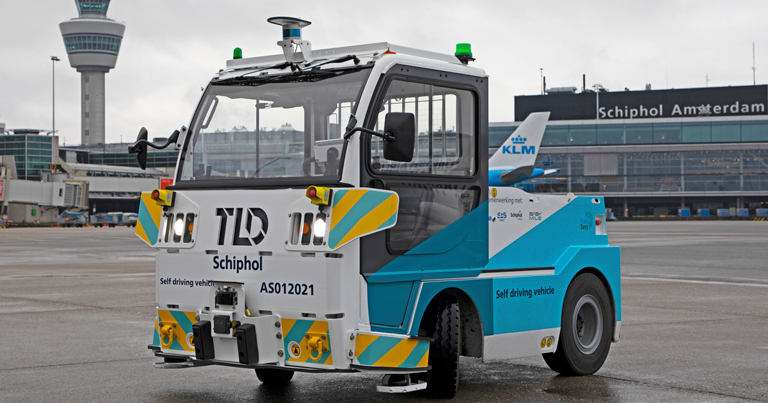
El Aeropuerto Amsterdam/Schiphol ha iniciado un ensayo de un tractor de equipaje autónomo que llevará el equipaje a la aeronave a la estación. El ensayo forma parte de un nuevo programa lanzado por Royal Schiphol Group, llamado Autonomous Airside Operations, en apoyo de su visión de operar los aeropuertos más sostenibles del mundo para 2050. El objetivo del ensayo es descubrir si la tecnología es segura y eficiente y cómo se pueden integrar los vehículos autónomos con el resto del tráfico en el aeropuerto. El ensayo, que durará hasta finales de Febrero 2021, se está llevando a cabo en colaboración con KLM Ground Services y Smart Airport Systems.

La prueba se iniciará en un área definida en la que se simula el proceso de equipaje. En la segunda fase, el ensayo continuará en un entorno operativo para llevar equipaje a la aeronave. El vehículo autónomo se cargará en el área de equipaje, después de lo cual navegará a un puesto de aeronaves a través de una ruta fija. Durante las pruebas con el tractor de equipaje, habrá un operador de seguridad en el vehículo autónomo para detener el vehículo si es necesario. El vehículo autónomo ha sido fabricado por el proveedor de equipos de manipulación en tierra TLD, con EasyMile suministrando el software autónomo. Los aeropuertos de Rotterdam La Haya y Eindhoven también probarán tractores de equipaje autónomos esta primavera, en asociación con Vanderlande.

Royal Schiphol Group ha compartido su visión de que para 2050, las operaciones diarias en el delantal en los aeropuertos habrán cambiado significativamente. Según el operador del aeropuerto, las actividades aeroportuarias en tierra, como el transporte de equipaje, el transporte de pasajeros y el remolque de aeronaves, serán inteligentes y autónomas. El objetivo es, en última instancia, sustituir todos los vehículos aéreos por una flota interconectada de vehículos autónomos y libres de emisiones, con el fin de garantizar y mejorar la calidad a largo plazo. Hassan Charaf, Jefe de Innovación de Royal Schiphol Group, comentó: «A pesar de la crisis del coronavirus, seguimos invirtiendo en calidad e innovación. Hemos puesto en marcha el programa Operaciones Autónomas de la Zona Aérea con el fin de trabajar con los socios aeroportuarios paso a paso hacia una gestión en tierra inteligente y preparada para el futuro. En esta fase inicial, nos centramos en el desarrollo del conocimiento a través de ensayos en varios aeropuertos. Esto nos permitirá combinar ideas y determinar qué cuellos de botella requieren una atención especial y qué pasos deben tomarse en el futuro a medida que trabajamos hacia un aeropuerto autónomo. Sobre esta base, determinaremos los pasos concretos de seguimiento».

Schiphol tests autonomous luggage

Schiphol Airport starts trials of autonomous baggage tractor

Amsterdam/Schiphol Airport has started a trial of an autonomous baggage tractor that will bring the baggage from the aircraft to the station. The trial is part of a new program launched by Royal Schiphol Group, called Autonomous Airside Operations, in support of its vision of operating the world’s most sustainable airports by 2050. The goal of the trial is to discover whether the technology is safe and secure. efficient and how autonomous vehicles can be integrated with other traffic at the airport. The trial, which will last until the end of February 2021, is being carried out in collaboration with KLM Ground Services and Smart Airport Systems.

The test will start in a defined area where the baggage process is simulated. In the second phase, the trial will continue in an operational environment to bring baggage to the aircraft. The autonomous vehicle will be loaded into the baggage area, after which it will navigate to an aircraft stand via a fixed route. During tests with the baggage tractor, there will be a security operator in the autonomous vehicle to stop the vehicle if necessary. The autonomous vehicle has been manufactured by ground handling equipment provider TLD, with EasyMile supplying the autonomous software. Rotterdam The Hague and Eindhoven airports will also test autonomous baggage tractors this spring, in partnership with Vanderlande.

Royal Schiphol Group has shared its vision that by 2050, daily operations on the apron at airports will have changed significantly. According to the airport operator, airport activities on the ground, such as baggage transport, passenger transport and aircraft towing, will be smart and autonomous. The ultimate goal is to replace all air vehicles with an interconnected fleet of autonomous and emission-free vehicles, in order to ensure and improve quality in the long term. Hassan Charaf, Head of Innovation at Royal Schiphol Group, commented: «Despite the coronavirus crisis, we continue to invest in quality and innovation. We have launched the Autonomous Air Zone Operations program in order to work with airport partners step-by-step towards smart and future-proof ground management. In this initial phase, we focus on developing knowledge through trials at various airports. This will allow us to combine ideas and determine which bottlenecks require special attention and what steps need to be taken in the future as we work toward an autonomous airport. Based on this, we will determine concrete follow-up steps».

Schiphol test autonome bagage

Schiphol start proef met autonome bagagetrekker

Amsterdam/Schiphol Airport is begonnen met een proef met een autonome bagagetrekker die de bagage van het vliegtuig naar het station zal brengen. De proef maakt deel uit van een nieuw programma dat door Royal Schiphol Group is gelanceerd, genaamd Autonomous Airside Operations, ter ondersteuning van haar visie om in 2050 de meest duurzame luchthavens ter wereld te exploiteren. Het doel van de proef is om te ontdekken of de technologie veilig is. efficiënt en hoe autonome voertuigen kunnen worden geïntegreerd met ander verkeer op de luchthaven. De proef, die duurt tot eind februari 2021, wordt uitgevoerd in samenwerking met KLM Ground Services en Smart Airport Systems.

De test begint in een afgebakend gebied waar het bagageproces wordt gesimuleerd. In de tweede fase wordt de proef voortgezet in een operationele omgeving om bagage naar het vliegtuig te brengen. Het zelfrijdende voertuig wordt in de bagageruimte geladen, waarna het via een vaste route naar een vliegtuigopstelplaats navigeert. Tijdens tests met de bagagetrekker zal er een beveiligingsmedewerker in het zelfrijdende voertuig aanwezig zijn om het voertuig indien nodig te stoppen. Het autonome voertuig is vervaardigd door TLD, leverancier van grondafhandelingsapparatuur, waarbij EasyMile de autonome software levert. In samenwerking met Vanderlande gaan de luchthavens Rotterdam Den Haag en Eindhoven dit voorjaar ook autonome bagagetrekkers testen.

Royal Schiphol Group heeft de visie gedeeld dat in 2050 de dagelijkse gang van zaken op het platform op luchthavens aanzienlijk zal zijn veranderd. Luchthavenactiviteiten op de grond, zoals bagagevervoer, personenvervoer en het slepen van vliegtuigen, zullen volgens de luchthavenexploitant slim en autonoom zijn. Het uiteindelijke doel is om alle luchtvoertuigen te vervangen door een onderling verbonden vloot van autonome en emissievrije voertuigen, om zo de kwaliteit op lange termijn te waarborgen en te verbeteren. Hassan Charaf, Head of Innovation bij Royal Schiphol Group: ,,Ondanks de coronaviruscrisis blijven we investeren in kwaliteit en innovatie. We hebben het programma Autonomous Air Zone Operations gelanceerd om stap voor stap samen met luchthavenpartners te werken. slim en toekomstbestendig grondmanagement. In deze beginfase richten we ons op het ontwikkelen van kennis door middel van proeven op verschillende luchthavens. Hierdoor kunnen we ideeën combineren en bepalen welke knelpunten speciale aandacht vragen en welke stappen er in de toekomst moeten worden gezet. toewerken naar een autonome luchthaven. Op basis daarvan bepalen we concrete vervolgstappen».


PUBLISHER: Airgways.com
DBk: Schiphol.nl / Airgways.com
AW-POST: 202102041225AR

A\W   A I R G W A Y S ®

American presenta Pasaportes de Salud

AW | 2021 01 18 15:40 | AIRLINES / AVIATION TECHNOLOGY

American primer aerolínea con pasaporte sanitario en EEUU

American Airlines_Isologotype

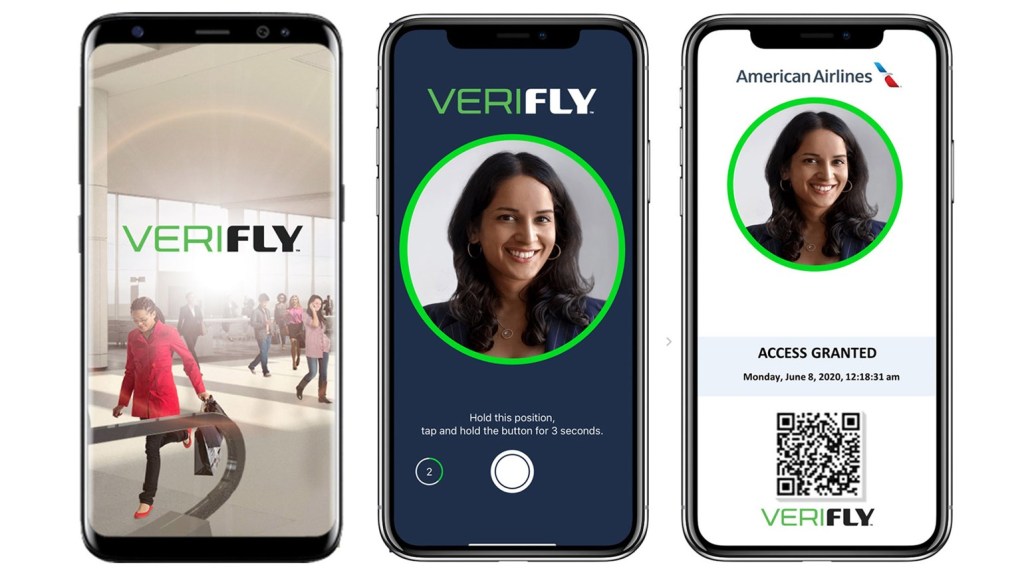
American Airlines se ha convertido en la primera aerolínea en los Estados Unidos en lanzar una manera fácil de proporcionar resultados de una prueba negativa SARS-CoV-2 (Covid-19) y cualquier otro documento completado requerido para viajar internacionalmente al país. La aplicación denominada VeriFLY es un pasaporte sanitario móvil que está diseñado para ayudar a los clientes a entender y verificar sus requisitos de viaje, y estará disponible a partir del Sábado 23 de Enero de 2021 para viajar desde todos los destinos internacionales.

La aerolínea está ampliando el acceso a la aplicación en apoyo del requisito del Gobierno de los Estados Unidos de que todos los pasajeros de dos años de edad o más que viajen desde el país presente una prueba de ubicación internacional negativa para Covid-19 dentro de los tres días calendario de la salida. «Estamos ampliando nuestro trabajo con VeriFLY para evolucionar rápidamente nuestro uso de la aplicación y facilitar los viajes internacionales a nuestros clientes. Apoyamos la implementación de un programa global que requiere pruebas de Covid-19 para viajeros a los Estados Unidos, y queremos hacer todo lo posible para que los viajes sean una experiencia perfecta para los clientes. Hemos recibido comentarios positivos sobre la aplicación hasta ahora y esperamos que más clientes tengan la oportunidad de usarla», dijo Julie Rath, Vicepresidenta de Experiencia del cliente de American Airlines.

Los clientes ya pueden utilizar VeriFLY para agilizar sus viajes desde Estados Unidos a varios países, incluyendo Jamaica, Chile, Colombia, El Salvador, Guatemala y Honduras. Hasta la fecha, miles de clientes de American Airlines han viajado utilizando la aplicación, según la aerolínea.

Cómo funciona VeriFLY

Después de descargar la aplicación VeriFLY desde iOS App Store o Google Play Store, los clientes crean una cuenta, introducen su destino y cargan la documentación necesaria, como una prueba de una prueba negativa de Covid-19. Se recomienda a los clientes que revisen los requisitos de viaje hasta su destino, incluidas las restricciones en su pasaporte o punto de origen. Los pasajeros pueden visitar aa.com para obtener más información sobre VeriFLY y el programa de pruebas previas al vuelo de la aerolínea.

American introduces Health Passport plan

American first airline with a health passport in the US

American Airlines has become the first airline in the United States to launch an easy way to provide negative SARS-CoV-2 (Covid-19) test results and any other completed documents required to travel internationally to the country. The application called VeriFLY is a mobile health passport that is designed to help customers understand and verify their travel requirements, and will be available from Saturday January 23, 2021 to travel from all international destinations.

The airline is expanding access to the application in support of the United States Government requirement that all passengers two years of age or older traveling from the country present a negative international location test for Covid-19 within the three calendar days of departure. «We are expanding our work with VeriFLY to rapidly evolve our use of the application and facilitate international travel for our customers. We support the implementation of a global program that requires testing for Covid-19 for travelers to the United States, and we want to do everything possible to make travel a seamless customer experience. We’ve had positive feedback on the app so far and we hope that more customers will have the opportunity to use it», said Julie Rath, Vice President of Customer Experience for American Airlines.

Customers can now use VeriFLY to streamline travel from the United States to various countries, including Jamaica, Chile, Colombia, El Salvador, Guatemala and Honduras. To date, thousands of American Airlines customers have traveled using the app, according to the airline.

How VeriFLY works

After downloading the VeriFLY app from the iOS App Store or the Google Play Store, customers create an account, enter their destination, and upload the necessary documentation, such as proof of a negative Covid-19 test. Clients are encouraged to review travel requirements to their destination, including restrictions on their passport or point of origin. Passengers can visit aa.com to learn more about VeriFLY and the airline’s pre-flight testing program.


PUBLISHER: Airgways.com
DBk: Aa.com / Myverifly.com / Airgways.com
AW-POST: 202101181540AR

A\W   A I R G W A Y S ®

P&W GTF completa 2 Mill/horas servicio

AW | 2020 12 22 15:44 | AVIATION TECHNOLOGY

Motores P&W GTF completan 2 mill./horas servicio

PW_Isologotype

Los motores Pratt & Whitney Geared TurboFan (GTF) PW1000G utilizados en la línea de aeronaves de la Familia Airbus A320NEO completan 2 millones de horas de vuelo en las compañías aéreas de la República de la India. La familia de motores GTF ha cumplido con su capacidad prometida para reducir la quema de combustible y las emisiones de carbono hasta en un 20%, dijo la compañía. Las compañías de presupuesto IndiGo y GoAir operan conjuntamente 180 aviones Airbus A320NEO alimentados con ahorro de combustible con motores Pratt & Whitney (P&W) GTF en la India.

Los motores Geared TurboFan (GTF) PW1000G fabricados por Pratt & Whitney, que impulsan los aviones de la familia Airbus A320 NEO operados por las compañías de presupuesto IndiGo y GoAir han surepado los dos millones de horas de vuelo en la India, dijo el fabricante de motores estadounidense el Viernes 18/12. Las dos líneas aéreas indias fueron los primeros en adoptar estos motores de bajo consumo de combustible siendo IndiGo la primer compañía en adquirir el primer avión A320NEO en la flota en Marzo de 2016 y GoAir en Junio 2016.

«Nuestros clientes IndiGo y GoAir fueron los primeros en adoptar el revolucionario motor GTF, y estamos encantados de decir que estos motores han cruzado dos millones de horas de vuelo en la India. Con más de 180 aviones propulsados por GTF PW1000G en la India y una extraordinaria tasa de fiabilidad de envío de motores del 99,98 por ciento, nuestros clientes están reconociendo la eficiencia de combustible superior que ofrecen los motores GTF. Dado que el ahorro de costos es especialmente importante en el entorno actual, hemos visto a las aerolíneas priorizar el funcionamiento de sus aviones propulsados por GTF antes que cualquier otro», dijo el Presidente y Country Head de Pratt & Whitney para India, Ashmita Sethi. Mientras que GoAir sólo tiene aviones A320NEO en su flota propulsado por estos motores, IndiGo posee A320NEO/A321NEO.

A nivel mundial, el motor PW1000G alimenta más de 900 aviones en casi 50 aerolíneas y tres familias de aviones: Airbus A320NEO, Airbus A220 y Embraer E-Jets E2, dijo Pratt & Whitney en el lanzamiento. Con una tasa de confiabilidad de envío del 99,98 por ciento, estos motores han ahorrado más de 400 millones de galones de combustible y más de 3,8 millones de toneladas métricas de emisiones de carbono desde que entraron en servicio en 2016, dijo la compañía. «Gracias a las actualizaciones completadas en estrecha coordinación con nuestros clientes en 2020, los motores GTF para la familia A320NEO ahora están ofreciendo confiabilidad líder en la industria. Cuando combina esto con nuestra mejor eficiencia de combustible de su clase y bajas emisiones de carbono, es fácil ver por qué las flotas propulsadas por GTF han visto una alta utilización a medida que la industria comienza a recuperarse», dijo Carroll Lane, Presidente de Motores Comerciales de Pratt & Whitney. También dijo que desde que entró en servicio a principios de 2016, la familia de motores GTF ha cumplido con su capacidad prometida para reducir la quema de combustible y las emisiones de carbono en hasta un 20 por ciento, y para reducir drásticamente las emisiones reguladas y la huella de ruido. Según el fabricante del motor, la flota ha alcanzado un nivel excepcional de rendimiento operativo con aeronaves que tienen tales motores con un promedio de más vuelos y más horas por día que aviones comparables. La familia A320NEO, propulsada por los motores GTF, está operando actualmente en aproximadamente el 90 por ciento de los niveles de utilización de la pandemia.

P&W GTF complete 2 Mill./hours service

P&W GTF engines complete 2 million/hours of service

The Pratt & Whitney Geared TurboFan (GTF) PW1000G engines used in the Airbus A320NEO Family aircraft line complete 2 million flight hours in the Republic of India airlines. The GTF family of engines has delivered on its promised ability to reduce fuel burn and carbon emissions by up to 20%, the company said. Budget companies IndiGo and GoAir jointly operate 180 fuel-saving Airbus A320NEO aircraft powered by Pratt & Whitney (P&W) GTF engines in India.

Geared TurboFan (GTF) PW1000G engines made by Pratt & Whitney, which power the Airbus A320 NEO family jets operated by budget companies IndiGo and GoAir have surpassed two million flight hours in India, the manufacturer said. American Motors on Friday 12/18. The two Indian airlines were the first to adopt these fuel efficient engines with IndiGo being the first company to acquire the first A320NEO aircraft in the fleet in March 2016 and GoAir in June 2016.

«Our IndiGo and GoAir customers were early adopters of the revolutionary GTF engine, and we are delighted to say that these engines have traversed two million flight hours in India. With over 180 GTF PW1000G powered aircraft in India and a With an extraordinary 99.98 percent engine shipping reliability rate, our customers are recognizing the superior fuel efficiency that GTF engines offer. Since cost savings are especially important in today’s environment, we’ve seen airlines prioritize the operation of its GTF-powered aircraft before anyone else», said Pratt & Whitney India President and Country Head Ashmita Sethi. While GoAir only has A320NEO aircraft in its fleet powered by these engines, IndiGo owns A320NEO/A321NEO.

Globally, the PW1000G engine powers more than 900 aircraft across nearly 50 airlines and three aircraft families: Airbus A320NEO, Airbus A220 and Embraer E-Jets E2, Pratt & Whitney said at the launch. With a 99.98 percent shipping reliability rate, these engines have saved more than 400 million gallons of fuel and more than 3.8 million metric tons of carbon emissions since they entered service in 2016, said the company. «Thanks to upgrades completed in close coordination with our customers in 2020, the GTF engines for the A320NEO Family are now offering industry-leading reliability. When you combine this with our best-in-class fuel efficiency and low carbon emissions, it is easy to see why GTF-powered fleets have seen high utilization as the industry begins to recover», said Carroll Lane, President of Pratt & Whitney Commercial Engines. It also said that since entering service in early 2016, the GTF engine family has delivered on its promised ability to reduce fuel burn and carbon emissions by up to 20 percent, and to dramatically reduce regulated emissions and the noise trace. According to the engine manufacturer, the fleet has achieved an exceptional level of operational performance with aircraft having such engines averaging more flights and more hours per day than comparable aircraft. The A320NEO Family, powered by GTF engines, is currently operating at approximately 90 percent of pandemic utilization levels.


PUBLISHER: Airgways.com
DBk: Prattwhitney.com / Airgways.com
AW-POST: 202012221544AR

A\W   A I R G W A Y S ®

MTU estrategia combustible sostenible

AW | 2020 12 17 23:30 | INDUSTRY / AVIATION TECHNOLOGY

MTU transita hacia renovación de fuente de hidrógeno

MTU_Aero_Engines.svg

MTU Aero Engines cree firmemente en el uso del hidrógeno en su estrategia de combustible sostenible. «Debe ser utilizado como combustible de inmediato», ha expresado Lars Wagner, el Director de Operaciones de MTU Aero Engines, ha detallado el claro objetivo sobre el uso de hidrógeno en el último comunicado de prensa de su compañía sobre la aviación sostenible.

La compañía con sede en Munich, Alemania, que se asoció el verano pasado con el Centro Aeroespacial Alemán (DLR) para demostrar nuevas tecnologías de propulsión utilizando un Dornier Do-228, ha destacado su estrategia de combustible sostenible en un documento detallado compartido con la prensa. MTU está trabajando actualmente en varias corrientes de investigación simultáneamente, una de las cuales ve el hidrógeno convertido en electricidad por medio de una pila de combustible. Esta tecnología promete casi cero emisiones, pero todavía está en las primeras etapas de desarrollo en aplicaciones de propulsión de aeronaves. La compañía también está trabajando actualmente en lo que se conoce como un WET (Motor Turbofan Mejorado en Agua). Este concepto reduce el consumo de combustible en más del quince por ciento, independientemente del tipo de combustible, y reduce considerablemente todas las emisiones (especialmente los niveles de NOx).

MTU sustainable fuel strategy

MTU transits towards renewal of hydrogen source

MTU Aero Engines strongly believes in the use of hydrogen in its sustainable fuel strategy. «It should be used as fuel immediately», said Lars Wagner, MTU Aero Engines’ Chief Operating Officer, detailed the clear goal on hydrogen use in his company’s latest press release on sustainable aviation.

The Munich, Germany-based company, which partnered last summer with the German Aerospace Center (DLR) to demonstrate new propulsion technologies using a Dornier Do-228, has highlighted its sustainable fuel strategy in a detailed document shared with the press. MTU is currently working on several research streams simultaneously, one of which sees hydrogen converted to electricity by means of a fuel cell. This technology promises almost zero emissions, but is still in the early stages of development in aircraft propulsion applications. The company is also currently working on what is known as a WET (Water Enhanced Turbofan Engine). This concept reduces fuel consumption by more than fifteen percent, regardless of fuel type, and significantly reduces all emissions (especially NOx levels).

MTU-Strategie für nachhaltigen Kraftstoff

MTU geht in Richtung Erneuerung der Wasserstoffquelle

AW-7002228

MTU Aero Engines glaubt fest an die Verwendung von Wasserstoff in seiner Strategie für nachhaltigen Kraftstoff. ,,Es sollte sofort als Treibstoff verwendet werden», erklärte Lars Wagner, Chief Operating Officer von MTU Aero Engines, das klare Ziel des Wasserstoffverbrauchs in der jüngsten Pressemitteilung seines Unternehmens zur nachhaltigen Luftfahrt.

Das in München ansässige Unternehmen, das im vergangenen Sommer mit dem Deutschen Zentrum für Luft- und Raumfahrt (DLR) zusammengearbeitet hat, um neue Antriebstechnologien mit einem Dornier Do-228 zu demonstrieren, hat seine Strategie für nachhaltigen Kraftstoff in einem detaillierten Dokument hervorgehoben, das mit dem Drücken Sie. Die MTU arbeitet derzeit an mehreren Forschungsströmen gleichzeitig, von denen einer Wasserstoff mittels einer Brennstoffzelle in Elektrizität umwandelt. Diese Technologie verspricht nahezu null Emissionen, befindet sich jedoch noch in einem frühen Entwicklungsstadium für Flugzeugantriebsanwendungen. Das Unternehmen arbeitet derzeit auch an einem sogenannten WET (Water Enhanced Turbofan Engine). Dieses Konzept reduziert den Kraftstoffverbrauch unabhängig von der Kraftstoffart um mehr als fünfzehn Prozent und reduziert alle Emissionen (insbesondere die NOx-Werte) erheblich.


PUBLISHER: Airgways.com
DBk: Mtu.de / Dlr.de / Airgways.com
AW-POST: 202012172330AR

A\W   A I R G W A Y S ®

AF-KLM lanzamiento mundial de SAF

La imagen tiene un atributo ALT vacío; su nombre de archivo es aw-7000554.jpg

AW | 2020 12 16 10:33 | AIRLINES / AVIATION TECHNOLOGY

AF/KLM/Martinair 1er programa mundial Combustible Sostenible

Air France-KLM-Martinair_Isologotype_001

Las compañías aéreas Air France, KLM Airlines y Martinair Cargo lanzaron el primer Programa Mundial de Combustible Sostenible de Aviación (SAF) para la industria de la carga aérea, permitiendo a los exportadores y agentes de carga participar en la reducción de las emisiones de CO₂ en la aviación. Al invertir en el Programa SAF Cargo, los clientes contribuirán no sólo a estimular una primera fase de utilización del SAF en la industria aérea, sino también a ampliar el mercado de este combustible, por un futuro más limpio para el transporte aéreo. «Nuestro compromiso de reducir las emisiones de CO₂ es uno de los pilares de nuestra estrategia de carga. El lanzamiento de un programa de SAF para la carga aérea es un paso importante de nuestra ambiciosa hoja de ruta de sostenibilidad para los próximos años. Invito a todos nuestros clientes a unirse a nosotros para crear un futuro más sostenible para la carga aérea», afirmó Adriaan den Heijer, Vicepresidente Ejecutivo de Air France-KLM Cargo y Director General de Martinair.

El primer paso hacia un futuro libre de carbono es el crecimiento neutro en carbono de la industria de la aviación. Esto implica que no debería haber un aumento de las emisiones de CO₂ a pesar del crecimiento del tráfico. Invertir en SAF es una etapa necesaria en este proceso y es uno de los principales instrumentos para reducir las emisiones de CO₂. Desde hace varios años, Air France y KLM lideran la búsqueda de soluciones vinculadas con el uso de combustibles alternativos. KLM operó el primer vuelo comercial del mundo utilizando SAF el 29 de Junio de 2011, con un vuelo que unió el aeropuerto de Ámsterdam/Schiphol con París/ Charles de Gaulle. Air France, el mismo año, operó su primer vuelo utilizando este combustible entre Toulouse y París en el marco del Salón Aeronáutico de París-Le Bourget 2019. Poco después, ambas compañías empezaron a ofrecer a sus clientes corporativos la opción de un viaje de negocios más sostenible promoviendo la innovación en materia de combustible sostenible de aviación.

Los SAF todavía no están disponibles a gran escala. Por este motivo, Air France KLM Cargo creó este programa para exportadores y agentes de carga, con el fin de estimular y ampliar el mercado del SAF. Su inversión ayudará a desarrollar aún más este mercado y también a colocar al SAF entre las prioridades de los principales actores del sector. Este nuevo programa permitirá asociar a exportadores y agentes de carga en un compromiso compartido en favor de la sostenibilidad, y del desarrollo de los combustibles sostenibles de aviación a un precio más razonable, en comparación con el combustible de aviación estándar. El programa SAF Cargo permite a los exportadores y agentes de carga operar vuelos con un porcentaje de SAF. Los clientes eligen su propio nivel de compromiso y Air France KLM Martinair Cargo se asegura de que toda su inversión se utilice para el aprovisionamiento de SAF. Cuando contribuyen al uso de SAF, los clientes reciben un informe auditado por terceros, que justifica el volumen de SAF adquirido en relación con el tráfico e indica la reducción de emisiones lograda en CO₂. Al unirse al programa SAF Cargo, los clientes no sólo participan en la reducción de emisiones de CO₂, sino que también confirman su compromiso de encaminar a la industria hacia un futuro más sostenible. Sólo con el apoyo de todas las partes interesadas de la industria Air France KLM Martinair Cargo podrá desarrollar con éxito un mercado económicamente viable para el combustible sostenible de aviación.

AF-KLM SAF global launch

Air France/KLM/Martinair world’s first Sustainable Fuel

Air france-KLM-Martinair_Isologotype

The airlines Air France, KLM Airlines and Martinair Cargo launched the first Global Program for Sustainable Aviation Fuel (SAF) for the air cargo industry, allowing exporters and freight forwarders to participate in reducing CO emisiones emissions in the aviation. By investing in the SAF Cargo Program, customers will contribute not only to stimulating a first phase of use of SAF in the airline industry, but also to expanding the market for this fuel, for a cleaner future for air transport. «Our commitment to reducing CO₂ emissions is one of the pillars of our cargo strategy. The launch of a SAF program for air cargo is an important step in our ambitious sustainability roadmap for the coming years. I invite you to all of our customers to join us in creating a more sustainable future for air cargo», said Adriaan den Heijer, Executive Vice President of Air France-KLM Cargo and Managing Director of Martinair.

The first step towards a carbon-free future is carbon-neutral growth in the aviation industry. This implies that there should not be an increase in CO₂ emissions despite the growth in traffic. Investing in SAF is a necessary stage in this process and is one of the main instruments to reduce CO₂ emissions. For several years, Air France and KLM have led the search for solutions related to the use of alternative fuels. KLM operated the world’s first commercial flight using SAF on June 29, 2011, with a flight linking Amsterdam/Schiphol Airport with Paris/Charles de Gaulle. Air France, the same year, operated its first flight using this fuel between Toulouse and Paris within the framework of the Paris-Le Bourget Air Show 2019. Shortly after, both companies began to offer their corporate clients the option of a business trip more sustainable by promoting innovation in sustainable aviation fuel.

SAFs are not yet available on a large scale. For this reason, Air France KLM Cargo created this program for exporters and freight forwarders, in order to stimulate and expand the SAF market. Your investment will help further develop this market and also place SAF among the priorities of the main players in the sector. This new program will allow exporters and freight forwarders to be associated in a shared commitment to sustainability, and the development of sustainable aviation fuels at a more reasonable price, compared to standard aviation fuel. The SAF Cargo program allows exporters and freight agents to operate flights with a percentage of SAF. Customers choose their own level of commitment and Air France KLM Martinair Cargo ensures that all their investment is used for SAF provisioning. When they contribute to the use of SAF, customers receive a third-party audited report, which justifies the volume of SAF purchased relative to traffic and indicates the achieved emission reduction in CO₂. By joining the SAF Cargo program, customers not only participate in reducing CO₂ emissions, but they also confirm their commitment to steering the industry towards a more sustainable future. Only with the support of all industry stakeholders will Air France KLM Martinair Cargo be able to successfully develop an economically viable market for sustainable aviation fuel.


PUBLISHER: Airgways.com
DBk: Af-klm.com / Valentina Pacheco / Airgways.com
AW-POST: 202012161033AR

A\W   A I R G W A Y S ®