TNO-Airbus desarrollan link láser

AW | 2021 04 15 16:03 | AVIATION TECHNOLOGY / AEROSPACE

Airbus-TNO desarrollarán terminal comunicación láser aeronaves

TNO_Isologotype

Airbus Group y la Organización Neerlandesa de Investigación Científica Aplicada (TNO) han puesto en marcha un programa para desarrollar un demostrador de terminales de comunicación láser para aeronaves, conocido como UltraAir. El proyecto, cofinanciado por Airbus, TNO y la Oficina Espacial neerlandesa (NSO), forma parte del programa ScyLight (Tecnología de comunicación segura y láser) de la Agencia Espacial Europea (ESA). Cubre el diseño, construcción y pruebas del demostrador de tecnología. Las tecnologías de comunicación láser son la próxima revolución en las comunicaciones por satélite Satcom, trayendo mayores tasas de transmisión, seguridad de datos y resiliencia para satisfacer las necesidades comerciales en la próxima década.

Airbus_Group_Logo_2014.svg - copia

El terminal UltraAir será capaz de conexiones láser entre un avión y un satélite en órbita geoestacionaria a 36.000 km sobre la Tierra, con tecnología que incluye un sistema mecatrónico óptico altamente estable y preciso. El demostrador de tecnología allanará el camino para un futuro producto UltraAir con el que las velocidades de transmisión de datos podrían alcanzar varios gigabits por segundo mientras proporciona anti-jamming y baja probabilidad de interceptación. De esta manera UltraAir no sólo permitirá que aviones militares y UAV (vehículos aéreos no tripulados) se conecten dentro de una nube de combate, sino que también a largo plazo permitirán a los pasajeros de las aerolíneas establecer conexiones de datos de alta velocidad gracias a la constelación spacedatahighway de Airbus. Desde su posición en órbita geoestacionaria, los satélites SpaceDataHighway (EDRS) transmiten datos recogidos por satélites de observación a la Tierra en casi tiempo real, un proceso que normalmente tomaría varias horas.

Airbus lidera el proyecto y aporta su experiencia única en comunicaciones por satélite láser, desarrolladas con el programa SpaceDataHighway. Coordinará el desarrollo de la terminal y las pruebas en tierra y en el aire. Como socio clave del proyecto, TNO proporciona su experiencia en opto-mecatrónica de alta precisión, con el apoyo de la industria holandesa de alta tecnología y espacio. Airbus Defence and Space en los Países Bajos será responsable de la producción industrial de las terminales. Tesat, filial de Airbus, aporta su experiencia técnica en sistemas de comunicación láser y participará en todas las actividades de pruebas.

Las primeras pruebas se llevarán a cabo a finales de 2021 en condiciones de laboratorio en Tesat. En una segunda fase, las pruebas en tierra comenzarán a principios de 2022 en Tenerife (España), donde se establecerá la conectividad entre un demostrador UltraAir y el terminal láser embarcado en el satélite Alphasat utilizando la Estación Terrestre Óptica de la ESA. Para la verificación final, el demostrador UltraAir se integrará en un avión para pruebas de vuelo a mediados de 2022.

A medida que la demanda de servicios satelitales está creciendo, las bandas tradicionales de radiofrecuencia Satcom están experimentando cuellos de botella. Los enlaces láser también tienen el beneficio de evitar interferencias y detección, ya que en comparación con las frecuencias de radio ya llenas, la comunicación láser es extremadamente difícil de interceptar debido a un haz mucho más estrecho. Por lo tanto, los terminales láser pueden ser más ligeros, consumir menos energía y ofrecer aún mejor seguridad que la radio.

TNO-Airbus develop laser link

Airbus-TNO will develop aircraft laser communication terminal

Airbus Group and the Netherlands Organization for Applied Scientific Research (TNO) have launched a program to develop a demonstrator for aircraft laser communication terminals, known as UltraAir. The project, co-funded by Airbus, TNO and the Netherlands Space Office (NSO), is part of the European Space Agency (ESA) ScyLight (Safe Communication Technology and Laser) program. Covers the design, construction and testing of the technology demonstrator. Laser communication technologies are the next revolution in Satcom satellite communications, bringing higher transmission rates, data security, and resilience to meet business needs in the next decade.

The UltraAir terminal will be capable of laser connections between an aircraft and a satellite in geostationary orbit 36,000 km above the Earth, with technology that includes a highly stable and precise optical mechatronic system. The technology demonstrator will pave the way for a future UltraAir product with which data transmission speeds could reach several gigabits per second while providing anti-jamming and low probability of interception. In this way UltraAir will not only allow military aircraft and UAVs (Unmanned Aerial Vehicles) to connect within a combat cloud, but also in the long term will allow airline passengers to establish high-speed data connections thanks to the constellation spacedatahighway from Airbus. From their position in geostationary orbit, the SpaceDataHighway (EDRS) satellites transmit data collected by observing satellites to Earth in near real time, a process that would normally take several hours.

Airbus is leading the project and brings its unique expertise in laser satellite communications, developed with the SpaceDataHighway program. It will coordinate the development of the terminal and the tests on the ground and in the air. As a key project partner, TNO provides its expertise in high-precision opto-mechatronics, supported by the Dutch high-tech and space industry. Airbus Defense and Space in the Netherlands will be responsible for the industrial production of the terminals. Airbus subsidiary Tesat brings its technical expertise in laser communication systems and will participate in all testing activities.

The first tests will be carried out at the end of 2021 in laboratory conditions at Tesat. In a second phase, ground tests will begin in early 2022 in Tenerife (Spain), where connectivity will be established between an UltraAir demonstrator and the laser terminal on board the Alphasat satellite using ESA’s Optical Ground Station. For final verification, the UltraAir demonstrator will be integrated into an aircraft for flight tests in mid-2022.

As the demand for satellite services is growing, traditional satcom radio frequency bands are experiencing bottlenecks. Laser links also have the benefit of avoiding interference and detection, as compared to already full radio frequencies, laser communication is extremely difficult to intercept due to a much narrower beam. Therefore, laser terminals can be lighter, consume less power and offer even better security than radio.


PUBLISHER: Airgways.com
DBk: Tno.nl / Airbus.com / Airgways.com
AW-POST: 202104151603AR

A\W   A I R G W A Y S ®
Garmin ADS-B para ATR42/72

AW | 2021 04 14 16:46 | AVIATION TECHNOLOGY

Garmin anuncia solución ADS-B adaptación para ATR 42/ATR 72

Garmin_logo.svg

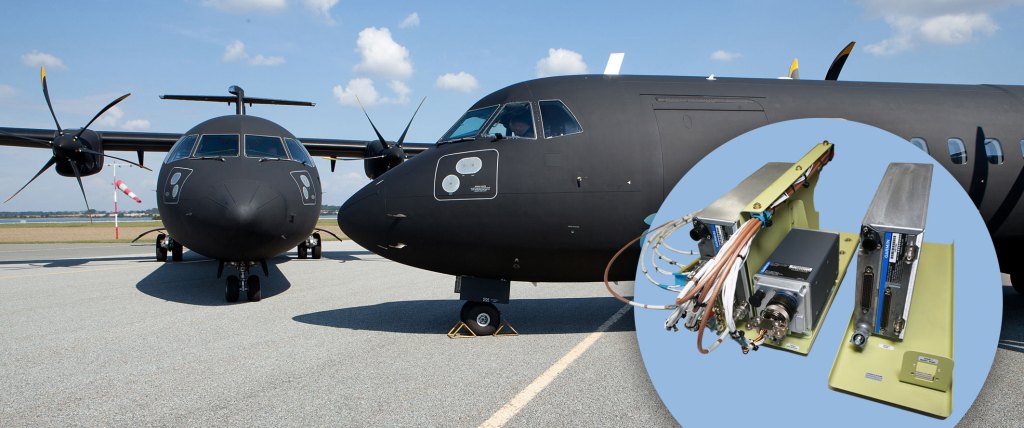
Garmin International, Inc., una unidad de Garmin Ltd. ha anunciado este Miércoles 14/04 la aprobación por parte de la Agencia de Seguridad Aérea de la Unión Europea (EASA) de una solución automática de transmisión de vigilancia dependiente (ADS-B) para los aviones turbohélice ATR 42 y ATR 72. La certificación ofrece a los operadores de ATR una opción atractiva para cumplir con el mandato extendido del ADS-B europeo. Para lograr esta certificación, Garmin trabajó en estrecha colaboración con Scandinavian Avionics, quien desarrolló y certificó un Certificado de Tipo Suplementario (STC) que proporciona a los operadores una solución económica con una instalación eficiente y un bajo tiempo de inactividad. Los operadores ahora tienen una opción atractiva para equipar sus aviones y lograr el cumplimiento, que se requiere antes del 7 de Junio de 2023.

«Estamos orgullosos de seguir proporcionando soluciones a los clientes de Air Transport en todo el mundo y aprovechar nuestra creciente cartera de soluciones ADS-B que abordan las necesidades de esta categoría de aeronaves. Garmin sigue siendo pionera en la industria a escala global con una amplia gama de soluciones ADS-B que abarcan todos los segmentos de la aviación, y estamos encantados de proporcionar a estos aviones comerciales una solución tecnológica todo en uno fiable y rentable en los próximos años», dijo Carl Wolf, Vicepresidente de Ventas y Marketing de Aviación de Garmin.

«Esta es la segunda solución ADS-B que hemos hecho con Garmin, dirigida al segmento de aerolíneas, y es una alegría trabajar con el excelente equipo de Garmin para hacer que todo esto se una. Sabiendo la importancia de un tiempo de inactividad corto para estos aviones, hemos diseñado una solución de kit que permitirá un tiempo de instalación muy corto, y esto se ofrece a un precio muy competitivo. Estamos muy orgullosos de ofrecer una solución tan flexible y completa, y tenemos grandes expectativas para la respuesta del mercado», dijo Michael Truelsen, CEO de Avionics Scandinavian.

La actualización ADS-B para los aviones ATR 42 y ATR 72 incluye una fuente de posición compatible con GPS 3000 ADS-B y transpondedores duales GTX 3000 ADS-B Out, y un kit de instalación completo compuesto por un arnés de estante pre-cableado, soportes totalmente fabricados y otros materiales de instalación proporcionados por avionics escandinavos. Esta solución está diseñada para interactuar fácilmente con los equipos existentes a bordo de la aeronave, reduciendo el tiempo de instalación y reduciendo el costo total de cumplimiento. Juntos, el GPS 3000 y gtx 3000 sirven como una solución ads-B out robusta e independiente que satisface las estrictas demandas de los aviones de la categoría de transporte en todo el mundo. La aviónica escandinava ADS-B STC cubre todos los modelos Series 500 y anteriores. Diseñado y certificado por Scandinavian Avionics, el STC y el rack deslizante contienen todos los equipos y papeleo de Garmin necesarios para la solución ADS-B Out. Avionics escandinavo ha completado la instalación inicial en los aviones ATR 42 y ATR 72. Air Alsie, operador europeo de ATR y Dassault, es el primer cliente en instalar esta solución en sus aviones ATR 72-500.

Garmin ADS-B for ATR42/72

Garmin Announces ADS-B Adaptation Solution for ATR 42 / ATR 72

Garmin International, Inc., a unit of Garmin Ltd. announced this Wednesday 04/14 the approval by the European Union Aviation Safety Agency (EASA) of an automatic dependent surveillance transmission solution (ADS-B) for ATR 42 and ATR 72 turboprop aircraft. Certification offers ATR operators an attractive option to fulfill the extended mandate of the European ADS-B. To achieve this certification, Garmin worked closely with Scandinavian Avionics, who developed and certified a Supplemental Type Certificate (STC) that provides operators with an economical solution with efficient installation and low downtime. Operators now have an attractive option to equip their aircraft and achieve compliance, which is required by June 7, 2023.

«We are proud to continue to provide solutions to Air Transport customers around the world and to leverage our growing portfolio of ADS-B solutions that address the needs of this category of aircraft. Garmin continues to pioneer the industry on a global scale with extensive range of ADS-B solutions spanning all segments of aviation, and we are delighted to provide these commercial aircraft with a reliable and cost-effective all-in-one technology solution for years to come», said Carl Wolf, Vice President of Aviation Sales and Marketing from Garmin.

«This is the second ADS-B solution we’ve made with Garmin, targeting the airline segment, and it’s a joy to work with the great team at Garmin to bring all of this together. Knowing the importance of short downtime to these aircraft, we have designed a kit solution that will allow for a very short installation time, and this is offered at a very competitive price. We are very proud to offer such a flexible and comprehensive solution, and we have high expectations for market response», said Michael Truelsen, CEO of Avionics Scandinavian.

The ADS-B upgrade for ATR 42 and ATR 72 aircraft includes a GPS 3000 ADS-B compatible position source and dual GTX 3000 ADS-B Out transponders, and a complete installation kit consisting of a pre-wired rack harness , fully fabricated brackets and other installation materials provided by Scandinavian avionics. This solution is designed to easily interface with existing equipment on board the aircraft, reducing installation time and reducing the total cost of compliance. Together, the GPS 3000 and gtx 3000 serve as a robust and standalone ads-B out solution that meets the stringent demands of transport category aircraft around the world. The Scandinavian ADS-B STC avionics covers all 500 Series and earlier models. Designed and certified by Scandinavian Avionics, the STC and sliding rack contain all the Garmin equipment and paperwork required for the ADS-B Out solution. Scandinavian Avionics has completed the initial installation on the ATR 42 and ATR 72 aircraft. Air Alsie, the European operator of ATR and Dassault, is the first customer to install this solution on its ATR 72-500 aircraft.


PUBLISHER: Airgways.com
DBk: Garmin.com / Airgways.com
AW-POST: 202104141646AR

A\W   A I R G W A Y S ®

A320NEO cambios sistema Timón

AW | 2021 04 07 15:22 | INDUSTRY / AVIATION TECHNOLOGY

Airbus cambia control mecánico a Timón electrónico

Airbus_Isologotype_svg

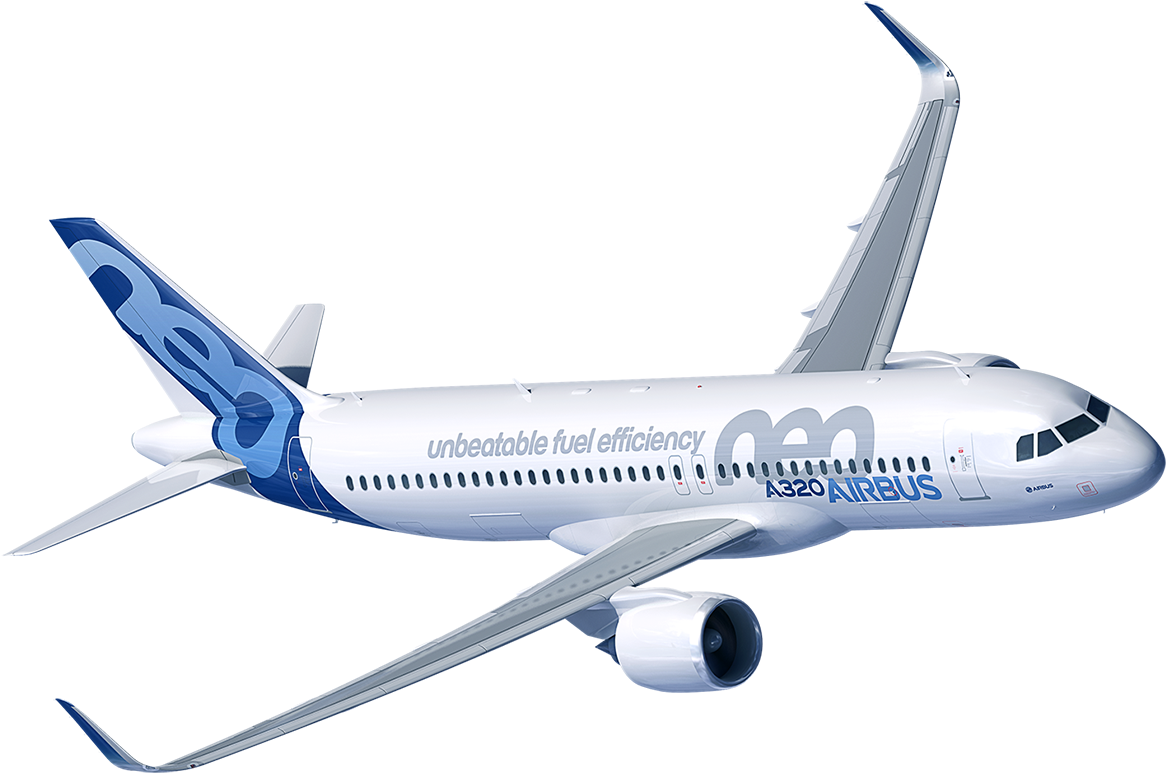
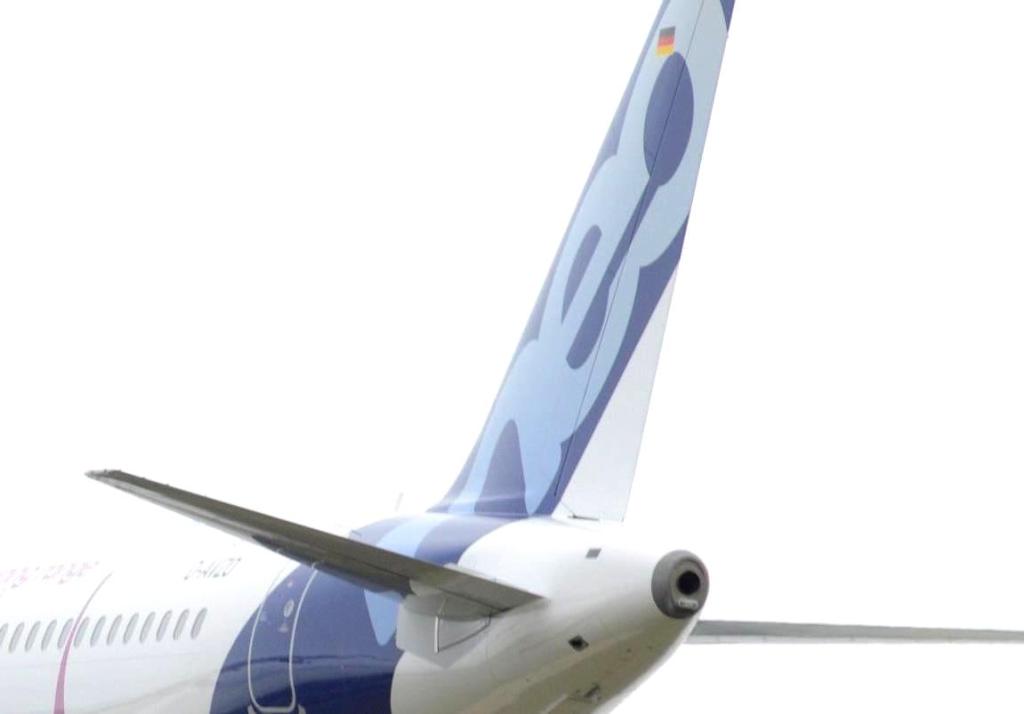
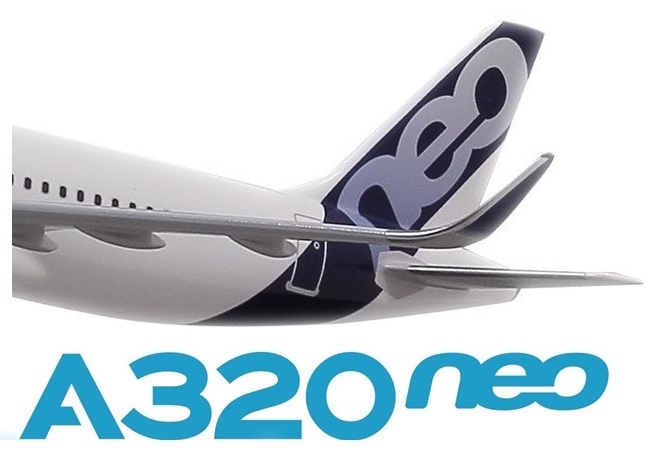
Airbus Group ha anunciado un cambio en los sistemas técnicos-mecánicos del Sistema de Timón de la familia A320NEO (New Engine Option). El cambio de arquitectura del Sistema de Timón pasará de Sistema Mecánico a Sistema Eléctrico que tiene como objetivo reemplazar los controles mecánicos del Timón en los aviones de la familia A320NEO, cambiando a un sistema de timón eléctrico completo a principios de 2024. La modificación coincidirá con la entrada en servicio del A321XLR de largo alcance que se está desarrollando teniendo en cuenta la arquitectura E-rudder.

aA20neo_Isologotype

AW-A320neo_png

Aunque la entrega inicial había sido prevista a finales de este año 2021 con un A320neo propulsado por motores CFM International LEAP-1A, Airbus dice que está revisando el escenario de introducción dada la interrupción de las perspectivas de desarrollo. El E-rudder se convertirá en estándar en toda la línea A319NEO/A320NEO/A321NEO, pero no se instalará en aviones convencionales de la familia A320CEO (Current Engine Option), ni estará disponible como adaptación.

Bajo la arquitectura actual A320CEO/A320NEO fly-by-wire, siete computadoras están incorporadas: dos computadoras de aumento de vuelo, dos computadoras de ascensor-aileron y tres computadoras de elevador de spoiler, manejan las superficies de control de vuelo. Pero aunque las computadoras de aumento de vuelo proporcionan entrada para amortiguación de guiñada, límite de viaje de timón y recorte, el sistema de timón conserva los enlaces mecánicos entre los pedales de la cabina y los actuadores hidráulicos del timón.

Airbus convertirá la producción de aviones de la familia A320NEO en la serie E-rudder. El programa E-rudder reemplazará la interfaz mecánica por una eléctrica, ahorrando unos 40 kg de peso al permitir la eliminación de varios accesorios y tres unidades informáticas. Tanto las computadoras de aumento de vuelo como una de las computadoras de elevador de alerón serán retiradas, junto con los actuadores de amortiguador de guiñada y ajuste de timón, y la unidad limitadora de viaje. La conversión al sistema E-rudder implica la instalación de una nueva unidad de timón-pedal en la cabina, nuevos sensores de posición de timón y un módulo de control de respaldo. El timón será controlado a través de las dos computadoras elevadora-aileron, para el derecho normal, y los dos ordenadores de spoiler-ascensor restantes, más el módulo de respaldo, en derecho directo. Airbus también reconfigurará el control de los spoilers integrados, que anteriormente estaban atados al tercer ordenador de elevador de alerón. Las computadoras primarias de control de vuelo tendrán hardware y software actualizados, y se realizarán cambios de software en varios otros, mientras que los sistemas de accionamiento del timón serán modificados.

Proveedores como Thales, Safran, Collins y Liebherr están participando en las actualizaciones de equipos para el programa. Airbus añade que no será necesaria la reubicación de los ordenadores en la bahía de la aviónica. Los cambios en arquitectura de la línea A320NEO permitirá una aeronave más liviana con los consecuentes ahorros de costos operativos, combustibles y de mantenimmiento. «El aumento se hará a lo largo de 2023 para estandarizar el timón electrónico a principios de 2024», dice Airbus Group.

A320NEO rudder system changes

Airbus changes mechanical control to electronic rudder

AW-A320NEO_Isologotype_001

Airbus Group has announced a change in the technical-mechanical systems of the A320NEO Family Rudder System (New Engine Option). The architecture change of the Rudder System will move from Mechanical to Electrical System which aims to replace mechanical Rudder controls on A320NEO family aircraft, switching to a full electric rudder system in early 2024. The modification will coincide with the commissioning of the long-range A321XLR being developed with the E-rudder architecture in mind.

Although initial delivery had been planned for later this year 2021 with an A320NEO powered by CFM International LEAP-1A engines, Airbus says it is reviewing the introduction scenario given the interruption of development prospects. The E-rudder will become standard across the entire A319NEO/A320NEO/A321NEO line, but will not be installed on conventional A320CEO family aircraft (Current Engine Option), nor will it be available as an retrofit.

Under the current A320CEO/A320NEO fly-by-wire architecture, seven computers are built-in: two flight augmentation computers, two elevator-aileron computers, and three spoiler elevator computers, handle the flight control surfaces. But while the flight augmentation computers provide input for yaw damping, rudder travel limit, and trim, the rudder system retains the mechanical links between the cockpit pedals and the hydraulic rudder actuators.

Airbus will convert production of the A320NEO family to the E-rudder series. The E-rudder program will replace the mechanical interface with an electrical one, saving about 40 kg in weight by allowing the removal of various accessories and three computing units. Both the flight enhancement computers and one of the aileron lift computers will be retired, along with the yaw damper and rudder trim actuators, and the trip limiting unit. The conversion to the E-rudder system involves the installation of a new rudder-pedal unit in the cabin, new rudder position sensors and a backrest control module. The rudder will be controlled through the two lift-aileron computers, for normal right, and the two remaining spoiler-lift computers, plus the back-up module, on direct right. Airbus will also reconfigure control of the integrated spoilers, which were previously tied to the third aileron lift computer. The primary flight control computers will have updated hardware and software, and software changes will be made to various others, while the rudder drive systems will be modified.

Vendors such as Thales, Safran, Collins and Liebherr are participating in equipment upgrades for the program. Airbus adds that relocation of the computers in the avionics bay will not be necessary. The changes in architecture of the A320NEO line will allow a lighter aircraft with the consequent savings in operating, fuel and maintenance costs. «The increase will be made throughout 2023 to standardize the electronic helm in early 2024,» says Airbus Group.


PUBLISHER: Airgways.com
DBk: Airbus.com / Airgways.com
AW-POST: 202104071522AR

A\W   A I R G W A Y S ®

Xiamen Air modifica Boeing 737 MAX

AW | 2021 04 06 21:36 | AIRLINES / AVIATION TECHNOLOGY

Xiamen Air inicia modificación técnica Boeing 737 MAX

Xiamen_Airlines_Isologotype

La aerolínea china Xiamen Air ha iniciado una modificación técnica en sus aviones Boeing 737-8 MAX en tierra, dijo el Martes 06/05 para la adecuación de las aeronaves para el regreso del avión al servicio en China. Aún así, la aerolínea ha expresado que todavía no se ha establecido un calendario para el retorno del modelo de cuarta generación del Boeing 737 MAX. «Boeing ha emitido recientemente algunas directrices técnicas con respecto al MAX. De acuerdo con estas directrices, hemos comenzado con la modificación, que es un paso necesario hacia el regreso al servicio. Sin embargo, actualmente no tenemos un calendario para su regreso al servicio y todo está sujeto a avisos del regulador de aviación», dijo Xiamen Airlines, una subsidiaria de China Southern Airlines.

China ha sido uno de los primeros países en el mundo en poner en tierra a la aeronave en Marzo 2019 y uno de los más retrasados organismos en autorizar la vuelta al mercado. La agencia CAAC ha anunciado en su oportunidad que no tiene prisa en aprobar las nuevas modificaciones, mientras que la compañía americana continúa esperanzada en dar lugar a las nuevas regulaciones de seguridad operativa de la familia de aviones 737 MAX. La Administración de Aviación Civil de China (CAAC) dijo en Marzo 2021 que estaba estudiando un plan con el fabricante de aviones estadounidense para despejar el avión para volar en China. Tres principios esbozados por el CAAC incluyen cambios de diseño certificados, capacitación adecuada para pilotos y hallazgos específicos en los accidentes.

Para The Boeing Company es de capital importancia mantener el mercado chino, pues representa aproximadamente una cuarta parte de las ventas totales, mientras que para China es importante que el mercado de su país no se convierta en un verdadero monopolio hacia el constructor europeo Airbus Group que buscará eclipsar a Boeing e inmovilizar a COMAC con su nueva estrella el narrowbody C919.

Xiamen Air modifies Boeing 737 MAX

Xiamen Air starts Boeing 737 MAX technical modification

The Chinese airline Xiamen Air has started a technical modification on its Boeing 737-8 MAX planes on the ground, said on Tuesday 06/05 for the adaptation of the aircraft for the return of the plane to service in China. Still, the airline has expressed that a timetable for the return of the fourth-generation model of the Boeing 737 MAX has not yet been established. «Boeing has recently issued some technical guidelines regarding the MAX. In accordance with these guidelines, we have started with the modification, which is a necessary step towards return to service. However, we currently do not have a timetable for its return to service and everything is subject to notices from the aviation regulator», said Xiamen Airlines, a subsidiary of China Southern Airlines.

China was one of the first countries in the world to land the aircraft in March 2019 and one of the most delayed organizations to authorize the return to the market. The CAAC agency has announced in due course that it is in no hurry to approve the new modifications, while the American company remains hopeful in giving rise to the new operational safety regulations for the 737 MAX family of aircraft. The Civil Aviation Administration of China (CAAC) said in March 2021 that it was studying a plan with the US aircraft manufacturer to clear the plane for flight in China. Three principles outlined by the CAAC include certified design changes, proper pilot training, and specific findings in accidents.

For The Boeing Company it is of paramount importance to maintain the Chinese market, since it represents approximately a quarter of total sales, while for China it is important that the market of its country does not become a true monopoly towards the European constructor Airbus Group that It will seek to outshine Boeing and immobilize COMAC with its new star, the narrowbody C919.

廈門航空改裝波音737 MAX

廈門航空開始對波音737 MAX進行技術改造

中國航空公司廈門航空已開始對其地面波音737-8 MAX飛機進行技術改造,該飛機於6月5日星期二表示,將對飛機進行改裝,以使飛機恢復在中國的服役狀態。不過,該航空公司表示,尚未確定返回第四代波音737 MAX飛機的時間表。 “波音公司最近發布了一些有關MAX的技術準則。根據這些準則,我們已著手進行修改,這是恢復服務的必要步驟。但是,我們目前尚無時間表來恢復服務,一切都取決於航空管理部門的通知,”中國南方航空公司的子公司廈門航空說。

中國是2019年3月世界上首批飛機降落的國家之一,也是批准重返飛機市場的拖延最久的組織之一。中國民航總局在適當時候宣布,不急於批准新的修改,而這家美國公司仍然希望為737 MAX系列飛機制定新的運行安全規定。中國民航總局(CAAC)於2021年3月表示,正在與美國飛機製造商研究一項計劃,以清理該飛機在中國的飛行。民航總局概述的三項原則包括經過認證的設計變更,適當的飛行員培訓以及事故中的具體發現。

對於波音公司而言,保持中國市場至關重要,因為它約佔總銷售額的四分之一;而對中國而言,重要的是該國的市場不成為對歐洲製造商空客集團的真正壟斷,因為它將尋求超越波音公司,並為其新星窄體飛機C919固定COMAC。


PUBLISHER: Airgways.com
DBk: Xiamenair.com / Airgways.com
AW-POST: 202104062136AR

A\W   A I R G W A Y S ®

Ablación láser en pintura de aviones

AW | 2021 04 06 09:17 | AVIATION TECHNOLOGY / INDUSTRY

Boeing desarrolla una solución ligera a un problema difícil

Boeing_Isologo.svg

The Boeing Company continúa promoviendo la ablación láser que es un método viable para eliminar la pintura de grandes componentes aeroespaciales y aviones completos, eliminando residuos peligrosos, aliviando los desafíos ergonómicos y ahorrando mucho tiempo. La eliminación de pintura láser para aviones es segura, rápida y respetuosa con el medio ambiente.

Un avión puede sufrir muchos cambios a lo largo de su vida útil. Los aviones necesitan que sus recubrimientos se retiren aproximadamente cada cinco años debido al desvanecimiento de la pintura, los cambios de marca y las inspecciones para determinar la integridad de la estructura subyacente. Es estándar que un avión sea despojado de sus recubrimientos y repintado cuatro o cinco veces en su vida útil.

Un método cada vez más eficaz para eliminar la pintura del avión implica láseres, específicamente un proceso llamado ablación láser. La eliminación por ablación láser se produce cuando un material absorbe la luz láser y las moléculas se excitan en el estado plasmático. Este material se vaporiza, convirtiendo la capa que se va a eliminar en volátiles mientras que también convierte una pequeña cantidad de sólidos de una manera limpia y eficiente. La ablación con láser puede reemplazar los métodos actuales para la eliminación de pinturas, selladores y productos de corrosión.

La ablación láser tiene varias ventajas sobre otros métodos de eliminación, incluyendo menos residuos peligrosos y menos lesiones ergonómicas. En comparación con el desmontaje químico y la explosión de medios, la ablación láser puede disminuir los residuos peligrosos en más de un 90%, ahorrando mucho dinero a los trabajos. Los productos químicos utilizados en métodos convencionales contribuyen al flujo de residuos, mientras que la luz láser sigue siendo energía y no se suma a los residuos físicos. Producir residuos menos peligrosos y reducir los costes recurrentes se suma a ahorros significativos, al tiempo que ayuda a proteger el medio ambiente. El proceso de ablación láser se puede utilizar tanto en la fabricación de piezas nuevas como en el mantenimiento de productos existentes. Dado que la energía láser se controla con precisión, el proceso es seguro y eficaz tanto para sustratos compuestos metálicos como poliméricos.

La seguridad en el lugar de trabajo es una alta prioridad en Boeing, e invertir en herramientas con un impacto ergonómico reducido es una estrategia clave para proteger a los empleados. La ablación láser ofrece mejoras significativas en la ergonomía cuando reemplaza el lijado a mano. Otro factor es la velocidad. Antes de buscar láseres para la eliminación de pintura, Boeing utilizó la ablación láser para la limpieza de herramientas. Ese proceso, ahora plenamente implementado en varios lugares, ha llevado a una disminución del 50% del tiempo de ciclo y una reducción del 80% de la mano de obra. Retirar la pintura de un avión completo puede tardar una semana o más, dependiendo del tamaño; un proceso basado en láser podría reducirlo a tres o cuatro días. Los avances recientes están haciendo que la ablación láser sea aún más atractiva. Los láseres más eficientes y de mayor potencia son cada vez más asequibles, y los láseres más grandes están permitiendo velocidades de procesamiento más rápidas.

Como fabricante de aviones y proveedor de servicios, Boeing está promoviendo innovaciones clave para integrar mejor esta tecnología de maneras seguras y rentables. Al adaptar y combinar estas tecnologías con productos comerciales listos para usar, la ablación láser se puede insertar fácilmente como un sistema totalmente automatizado o portátil. Armonizar la ablación láser con los procesos de producción establecidos podría requerir ingeniería industrial e incluso rediseño del espacio de suelo para instalaciones ya a su capacidad. Todo esto se suma a la innovación que puede reducir el costo y la huella del sistema de producción.

Laser ablation in aircraft paint

Boeing develops a lightweight solution to a difficult problem

The Boeing Company continues to promote laser ablation which is a viable method of removing paint from large aerospace components and entire aircraft, eliminating hazardous waste, alleviating ergonomic challenges, and saving a lot of time. Aircraft laser paint removal is safe, fast, and environmentally friendly.

An airplane can undergo many changes throughout its useful life. Airplanes require their coatings to be removed approximately every five years due to paint fading, rebranding, and inspections to determine the integrity of the underlying structure. It is standard for an aircraft to be stripped of its coatings and repainted four or five times in its useful life.

An increasingly effective method of removing paint from aircraft involves lasers, specifically a process called laser ablation. Laser ablational removal occurs when a material absorbs laser light and the molecules are excited in the plasma state. This material vaporizes, converting the layer to be removed to volatile while also converting a small amount of solids in a clean and efficient manner. Laser ablation can replace current methods for the removal of paints, sealants, and corrosion products.

ILLUSTRATING PRECISION ACCURACY, LASER ABLATION REMOVES PAINT IN THE SHAPE OF THE BOEING LOGOMARK

Laser ablation has several advantages over other removal methods, including less hazardous waste and fewer ergonomic injuries. Compared with chemical disassembly and media blasting, laser ablation can decrease hazardous waste by more than 90%, saving jobs a lot of money. Chemicals used in conventional methods contribute to the waste stream, while laser light is still energy and does not add to physical waste. Producing less hazardous waste and reducing recurring costs adds up to significant savings, while helping to protect the environment. The laser ablation process can be used both in the manufacture of new parts and in the maintenance of existing products. Since laser energy is precisely controlled, the process is safe and efficient for both metallic and polymer composite substrates.

Workplace safety is a high priority at Boeing, and investing in tools with reduced ergonomic impact is a key strategy for protecting employees. Laser ablation offers significant ergonomic improvements when it replaces hand sanding. Another factor is speed. Before looking for lasers for paint removal, Boeing used laser ablation for cleaning tools. That process, now fully implemented in multiple locations, has led to a 50% decrease in cycle time and an 80% reduction in workforce. Removing paint from an entire aircraft can take a week or more, depending on the size; a laser-based process could cut it down to three or four days. Recent advances are making laser ablation even more attractive. Higher power and more efficient lasers are becoming more affordable, and larger lasers are enabling faster processing speeds.

As an aircraft manufacturer and service provider, Boeing is promoting key innovations to better integrate this technology in safe and cost-effective ways. By adapting and combining these technologies with commercial off-the-shelf products, laser ablation can be easily inserted as a fully automated or portable system. Harmonizing laser ablation with established production processes could require industrial engineering and even redesign of the floor space for facilities already at capacity. All of this adds up to innovation that can reduce the cost and footprint of the production system.


PUBLISHER: Airgways.com
DBk: Boeing.com / Kady Gregersen / Airgways.com
AW-POST: 2021060917AR

A\W   A I R G W A Y S ®

Airbus lanza Fello’fly

AW | 2021 04 05 15:52 | AVIATION TECHNOLOGY / ENGINEERING / INDUSTRY

Airbus lanza formación ahorro combustible

Airbus_Logotype Globe

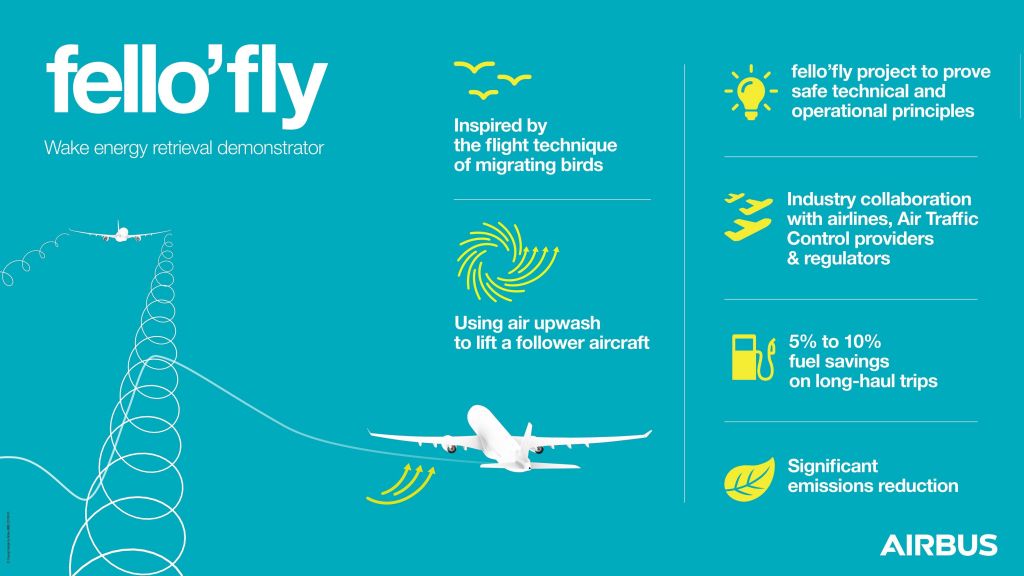
Airbus Group está trabajando con Proveedores de Servicios de Navegación Aérea (ANSP) y aerolíneas para probar aviones de fuselaje ancho volando en formación para ahorrar combustible y reducir las emisiones de carbono denominada Fello’fly. La idea es imitar las eficiencias que las aves migratorias ganan organizando en sus bandadas en forma de V. El fabricante de aviones dice que los aviones de larga distancia pueden quemar hasta un 10 por ciento menos de combustible si pueden cosechar la energía de la estela de un socio estratégicamente posicionado. Se ha lanzado un esfuerzo llamado fello’fly para ver si se puede poner en uso práctico. La compañía ha probado el concepto con sus propios aviones y encontró que podría reducir la quema de combustible y las emisiones al arropar un enorme avión detrás de otro. También comprende los desafíos de llevar a cabo operaciones diarias de esta manera.

«Volar dos grandes aviones de pasajeros juntos plantea nuevos desafíos operativos para el ecosistema de aviación en general, lo que requiere que se identifiquen nuevos procedimientos», dice Airbus en su descripción del esfuerzo. La compañía ha llegado a acuerdos con los principales proveedores de ATS en Europa, así como Nav Canada para desarrollar esos procedimientos. También está trabajando con aerolíneas para identificar los tipos de aeronaves que funcionan bien juntos y cómo capacitar a los pilotos para este tipo de operaciones.

Para cosechar las recompensas de energía de estela, la separación de aeronaves tendrá que reducirse a aproximadamente 1,5 millas náuticas lateralmente. El equipo especial permitirá que los siguientes aviones encuentren beneficiarse de un ahorro de combustible en formación V, una teoría que deberá continuar trabajando para encontrar la practicidad.

Airbus launches Fello’fly

Airbus launches fuel saving training

Airbus Fellofly

Airbus Group is working with Air Navigation Service Providers (ANSP) and airlines to test wide-body aircraft flying in formation to save fuel and reduce carbon emissions named Fello’fly. The idea is to mimic the efficiencies migratory birds gain by organizing into their V-shaped flocks. The aircraft maker says long-haul aircraft can burn up to 10 percent less fuel if they can harvest the energy from the wake of a strategically positioned partner. An effort called fello’fly has been launched to see if it can be put to practical use. The company has tested the concept with its own aircraft and found that it could reduce fuel burn and emissions by tucking one huge plane behind another. You also understand the challenges of conducting day-to-day operations this way.

«Flying two large airliners together poses new operational challenges for the broader aviation ecosystem, requiring new procedures to be identified», says Airbus in its description of the effort. The company has reached agreements with the main ATS providers in Europe, as well as Nav Canada to develop these procedures. It is also working with airlines to identify the types of aircraft that work well together and how to train pilots for these types of operations.

To reap the wake energy rewards, aircraft spacing will have to be reduced to approximately 1.5 nautical miles laterally. The special equipment will allow the following aircraft to find benefit from a V-formation fuel economy, a theory that will need to continue to work to find practicality.


PUBLISHER: Airgways.com
DBk: Airbus.com / Airgways.com
AW-POST: 202104051552AR

A\W   A I R G W A Y S ®

Gulf Air inicia combustible sostenible

AW | 2021 03 29 15:50 | AIRLINES / AVIATION TECHNOLOGY

Gulf Air implementa combustible de aviación sostenible

Gulf Air_Isologotype

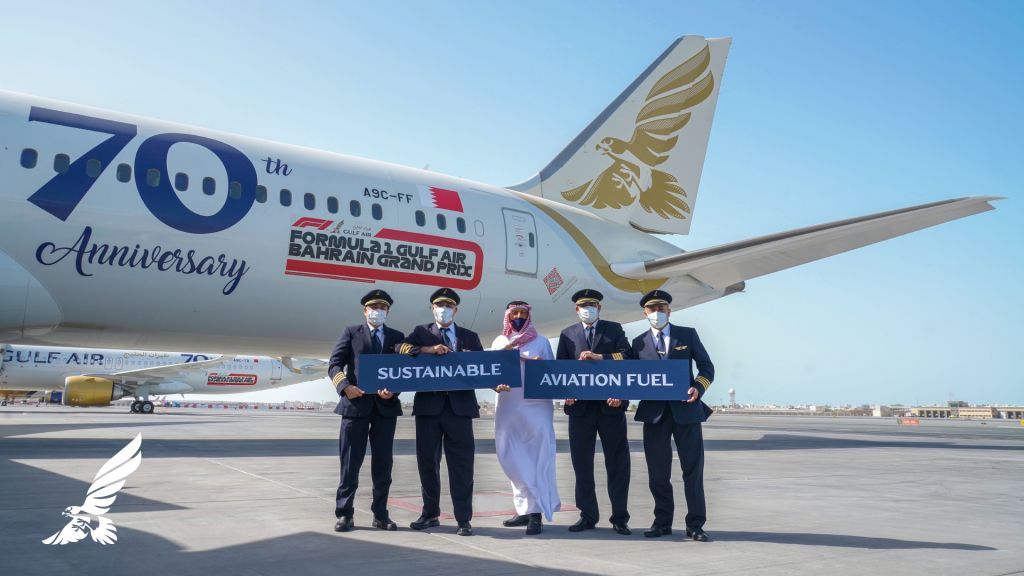
La aerolínea nacional del Reino de Bahrein, Gulf Air ha presentado su primer Boeing 787-9 Dreamliner en el Gran Premio de Bahrein de Fórmula 1 de 2018 y hoy está utilizando combustible de aviación sostenible proporcionado por Neste para llevar a cabo el icónico flypast de este año. Además, la aerolínea lanzó su nuevo eslogan corporativo: A Class of Its Own que representa el legado de Gulf Air a lo largo de los años, destacando su individualidad y ambición de ser el mejor en su clase, al tiempo que añade su toque único a sus productos y servicios.

Los aviones Boeing 787-9 Dreamliner están programados en las rutas de larga distancia de Gulf Air y están equipados con motores Rolls-Royce Trent 1000 que cuentan con una eficiencia de combustible superior y emisiones reducidas, consumiendo un 20% menos de combustible y produciendo alrededor de un 20% menos de emisiones que los aviones que reemplazaron en la flota anterior de Gulf Air. Neste MY Sustainable Aviation Fuel™ proporciona una solución inmediata para reducir las emisiones de carbono de los vuelos. En forma ordenada y durante el ciclo de vida, su uso resulta en hasta un 80% menores emisiones de gases de efecto invernadero en comparación con los combustibles fósiles [*].

El Capitán Waleed AlAlawi, Director Ejecutivo interino de Gulf Air dijo: «Cada año, Gulf Air se enorgullece de ser el patrocinador principal de la carrera de Fórmula 1 en el Circuito Internacional de Bahréin. Este año, marcaremos el comienzo de la carrera con un flypast de bajas emisiones verdaderamente especial destacando nuestra estrategia futura para explorar el uso de combustible de aviación sostenible en nuestros aviones y manteniendo nuestro compromiso de reducir nuestras emisiones de carbono».

Comentando en nombre de la Fórmula 1, Stefano Domenicali, Presidente y CEO dijo: «Este movimiento muy positivo es muy bienvenido y muestra el compromiso del Reino de Bahrein de ofrecer un futuro más sostenible para el país. Este es otro ejemplo de cómo las nuevas tecnologías pueden marcar una verdadera diferencia en nuestro deporte y en el mundo en general y es una parte importante de nuestro plan de ser Net Zero Carbon como deporte para 2030».

Al comentar en nombre de Boeing, Omar Arekat, Vicepresidente de Ventas Comerciales y Marketing de Oriente Medio, África y Turquía, dijo: «El cambio climático es uno de los desafíos más fundamentales de nuestro tiempo, y la industria de la aviación está unida en nuestro compromiso de reducir las emisiones de gases de efecto invernadero. Estamos orgullosos de que Gulf Air esté utilizando su Boeing 787-9 Dreamliner para mostrar su compromiso con los viajes aéreos sostenibles. Las continuas mejoras en la eficiencia del combustible de los aviones y los combustibles de aviación sostenibles tienen el mayor potencial inmediato y más grande para reducir las emisiones de aviones de mayor alcance, al tiempo que permiten a la industria cumplir sus objetivos ambientales, apoyar el crecimiento sostenible a largo plazo y mejorar las economías regionales».

El Vicepresidente de Clientes de Rolls-Royce, Omar Ali Adib, dijo: «Felicidades a Gulf Air. Este es un gran ejemplo de una asociación exitosa entre Gulf Air, Boeing y nosotros mismos. Llamar la atención sobre el uso de combustible de aviación sostenible en un evento mundial como el Gran Premio de Bahrein de Fórmula 1 Gulf Air, realmente demuestra cómo los biocombustibles ya están jugando un papel cada vez mayor con motores de aviones comerciales como el Rolls-Royce Trent 1000. La aviación es una fuerza para el bien, mantener el mundo conectado, pero tenemos que hacerlo de manera sostenible. Las innovaciones de combustible de aviación sostenible son un componente importante en la reducción de emisiones y un pilar clave de nuestra estrategia de sostenibilidad Pathway to Net Zero».

En nombre de Neste, Jonathan Wood, Vicepresidentede Aviación Renovable, dijo: «Nos complace apoyar a Gulf Air y a la industria de la aviación en su viaje para reducir significativamente las emisiones, y esperamos aumentar el uso de combustible de aviación sostenible en la región del Golfo, dado su papel principal en el sector de la aviación global».

Gulf Air starts sustainable fuel

Gulf Air implements sustainable aviation fuel

The national airline of the Kingdom of Bahrain, Gulf Air has unveiled its first Boeing 787-9 Dreamliner at the 2018 Formula 1 Bahrain Grand Prix and today is using sustainable aviation fuel provided by Neste to carry out the iconic flypast of this anus. In addition, the airline launched its new corporate slogan: A Class of Its Own that represents Gulf Air’s legacy throughout the years, highlighting its individuality and ambition to be the best in its class, while adding its unique touch to your products and services.

Boeing 787-9 Dreamliner aircraft are scheduled on Gulf Air’s long-haul routes and are equipped with Rolls-Royce Trent 1000 engines that boast superior fuel efficiency and reduced emissions, consuming 20% ​​less fuel and producing around 20% lower emissions than the aircraft they replaced in Gulf Air’s previous fleet. Neste MY Sustainable Aviation Fuel ™ provides an immediate solution to reduce carbon emissions from flights. In an orderly manner and during the life cycle, its use results in up to 80% lower greenhouse gas emissions compared to fossil fuels [*].

Captain Waleed AlAlawi, Acting Executive Director of Gulf Air said: «Each year, Gulf Air is proud to be the title sponsor of the Formula 1 race at the Bahrain International Circuit. This year, we will usher in the race with a truly special low-emission flypast highlighting our future strategy to explore the use of sustainable aviation fuel in our aircraft and upholding our commitment to reducing our carbon emissions».

Commenting on behalf of Formula 1, Stefano Domenicali, President and CEO said: «This very positive move is very welcome and shows the Kingdom of Bahrain’s commitment to delivering a more sustainable future for the country. This is yet another example of how the new Technologies can make a real difference in our sport and in the world at large and is an important part of our plan to be Net Zero Carbon as a sport by 2030».

Commenting on behalf of Boeing, Omar Arekat, Vice President of Commercial Sales and Marketing for the Middle East, Africa and Turkey, said: «Climate change is one of the most fundamental challenges of our time, and the aviation industry is united in our commitment to reducing greenhouse gas emissions. We are proud that Gulf Air is using its Boeing 787-9 Dreamliner to show its commitment to sustainable air travel. Continuing improvements in aircraft fuel and fuel efficiency Sustainable aviation companies have the greatest immediate and greatest potential to reduce emissions from longer-range aircraft, while enabling the industry to meet its environmental goals, support long-term sustainable growth and enhance regional economies».

Rolls-Royce Vice President of Customers Omar Ali Adib said: «Congratulations to Gulf Air. This is a great example of a successful partnership between Gulf Air, Boeing and ourselves. Calling attention to the use of sustainable aviation fuel at a global event like the Bahrain Formula 1 Gulf Air Grand Prix, it really shows how biofuels are already playing a growing role with commercial jet engines like the Rolls-Royce Trent 1000. Aviation is a force for good , keep the world connected, but we have to do it sustainably. Sustainable aviation fuel innovations are an important component in reducing emissions and a key pillar of our Pathway to Net Zero sustainability strategy».

On behalf of Neste, Jonathan Wood, Vice President, Renewable Aviation, said: «We are pleased to support Gulf Air and the aviation industry on their journey to significantly reduce emissions, and we look forward to increasing the use of sustainable aviation fuel in the US region. Gulf, given its leading role in the global aviation sector».

طيران الخليج تبدأ في استخدام الوقود المستدام

تستخدم طيران الخليج وقود طيران مستدام

Gulf Air_Isologotype

كشفت شركة طيران الخليج ، الناقل الوطني لمملكة البحرين ، عن أول طائرة بوينج 787-9 دريملاينر في سباق الجائزة الكبرى للفورمولا 1 بالبحرين 2018 ، وتستخدم اليوم وقود طيران مستدام توفره شركة Neste لتنفيذ التحليق الأيقوني لهذه فتحة الشرج. بالإضافة إلى ذلك ، أطلقت شركة الطيران شعارها الجديد للشركة: فئة خاصة بها تمثل إرث طيران الخليج على مر السنين ، وتسليط الضوء على تفردها وطموحها لتكون الأفضل في فئتها ، مع إضافة لمستها الفريدة على منتجاتك وخدماتك.

طائرات بوينج 787-9 دريملاينر مجدولة على مسارات طيران الخليج طويلة المدى ومجهزة بمحركات رولز رويس ترنت 1000 التي تتميز بكفاءة عالية في استهلاك الوقود وانبعاثات أقل ، وتستهلك وقودًا أقل بنسبة 20٪ وتنتج انبعاثات أقل بنسبة 20٪ تقريبًا من الطائرة. الطائرات التي حلت محلها في الأسطول السابق لطيران الخليج. يوفر Neste MY Sustainable Aviation Fuel ™ حلاً فوريًا لتقليل انبعاثات الكربون من الرحلات الجوية. بطريقة منظمة وخلال دورة الحياة ، يؤدي استخدامه إلى انبعاثات غازات الاحتباس الحراري أقل بنسبة تصل إلى 80٪ مقارنة بالوقود الأحفوري [*].

قال الكابتن وليد العلوي ، المدير التنفيذي بالإنابة لطيران الخليج: «تفخر طيران الخليج كل عام بكونها الراعي الرئيسي لسباق الفورمولا 1 في حلبة البحرين الدولية. وهذا العام ، سنبدأ السباق بسباق A مميز حقًا. تسلط ميزة flypast منخفضة الانبعاثات الضوء على استراتيجيتنا المستقبلية لاستكشاف استخدام وقود الطيران المستدام في طائراتنا ودعم التزامنا بالحد من انبعاثات الكربون.

وتعليقًا على الفورمولا 1 ، قال ستيفانو دومينيكالي ، الرئيس والمدير التنفيذي: «هذه الخطوة الإيجابية للغاية موضع ترحيب كبير وتُظهر التزام مملكة البحرين بتقديم مستقبل أكثر استدامة للبلاد. وهذا مثال آخر على كيفية استخدام التقنيات الجديدة. يمكن أن تحدث فرقًا حقيقيًا في رياضتنا وفي العالم بأسره وهي جزء مهم من خطتنا لنكون صافي صفر كربون كرياضة بحلول عام 2030. «

وتعليقًا على ذلك ، قال عمر عريقات ، نائب الرئيس للمبيعات والتسويق التجاري لمنطقة الشرق الأوسط وإفريقيا وتركيا ، نيابة عن بوينج: «يعد تغير المناخ أحد أهم التحديات الأساسية في عصرنا ، وصناعة الطيران متحدة في التزامنا. للحد من انبعاثات غازات الاحتباس الحراري. نحن فخورون بأن طيران الخليج تستخدم طائرتها Boeing 787-9 Dreamliner لإظهار التزامها بالسفر الجوي المستدام. التحسينات المستمرة في وقود الطائرات وكفاءة استهلاك الوقود تتمتع شركات الطيران المستدامة بأكبر إمكانات فورية وأكبر للحد من الانبعاثات من الطائرات بعيدة المدى ، مع تمكين الصناعة من تحقيق أهدافها البيئية ، ودعم النمو المستدام على المدى الطويل وتعزيز الاقتصادات الإقليمية. «

وقال عمر علي أديب ، نائب رئيس عملاء رولز-رويس: «تهانينا لطيران الخليج. هذا مثال رائع على الشراكة الناجحة بيننا وبين شركة طيران الخليج وبوينج. ولفت الانتباه إلى استخدام وقود طيران مستدام في حدث عالمي مثل سباق جائزة البحرين الكبرى لطيران الخليج للفورمولا 1 ، يُظهر حقًا كيف يلعب الوقود الحيوي بالفعل دورًا متناميًا مع محركات الطائرات التجارية مثل رولز رويس ترنت 1000. الطيران هو قوة من أجل الخير ، والحفاظ على العالم على اتصال ، ولكن علينا القيام بذلك على نحو مستدام إن ابتكارات وقود الطائرات المستدامة هي عنصر مهم في الحد من الانبعاثات وركيزة أساسية لاستراتيجية الاستدامة الخاصة بنا «المسار إلى صافي الصفر».

نيابة عن Neste ، قال جوناثان وود ، نائب رئيس الطيران المتجدد: «يسعدنا دعم شركة طيران الخليج وصناعة الطيران في رحلتهم للحد بشكل كبير من الانبعاثات ، ونتطلع إلى زيادة استخدام وقود الطيران المستدام في منطقة اميركية. خليجية ، نظرا لدورها الرائد في قطاع الطيران العالمي «.

Neste MY Sustainable Aviation Fuel ™

* Método de cálculo: Directiva 2009/28/CE sobre energías renovables de la Unión Europea (UE).
Calculation method: Directive 2009/28/CE on renewable energies of the European Union (EU).
طريقة الحساب: التوجيه 2009/28/CE بشأن الطاقات المتجددة في الاتحاد الأوروبي (EU).


PUBLISHER: Airgways.com
DBk: Gulfair.com / Neste.com / Airgways.com
AW-POST: 202103291550AR

A\W   A I R G W A Y S ®

United ambiente seguro post-pandemia

AW | 2021 03 19 16:03 | AIRLINES / AVIATION TECHNOLOGY

Seguridad sistema filtración aérea en post-pandemia

United-Isologotype-001

A un año después de que la pandemia de Coronavirus ha impactado en el mundo de la aviación comercial occidental y detuviera la industria aérea, algunos han dicho que volar nunca ha sido tan limpio. Aunque el Aeropuerto Internacional de Denver sigue operando a una capacidad drásticamente reducida en comparación con los números previos a la pandemia, United Airlines dijo que están regresando lenta pero seguramente a medida que el tiempo continúa.

Matt Miller, Vicepresidente del Centro de United Airlines en Denver (CO), dijo que la aerolínea está operando actualmente a alrededor del 50% de su capacidad regular. Ese número sigue aumentando a medida que se distribuyen las vacunas y los estadounidenses se sienten más cómodos con los viajes nacionales. En comparación con el inicio de la pandemia, el 50% es un progreso bienvenido para el negocio. «Estamos en el primer aniversario de cuando el coronavirus comenzó a afectar a la industria de viajes. Esta vez el año pasado vimos una disminución del 95% en el volumen de clientes que viajan a través de nuestros aeropuertos», dijo Matt Miller.

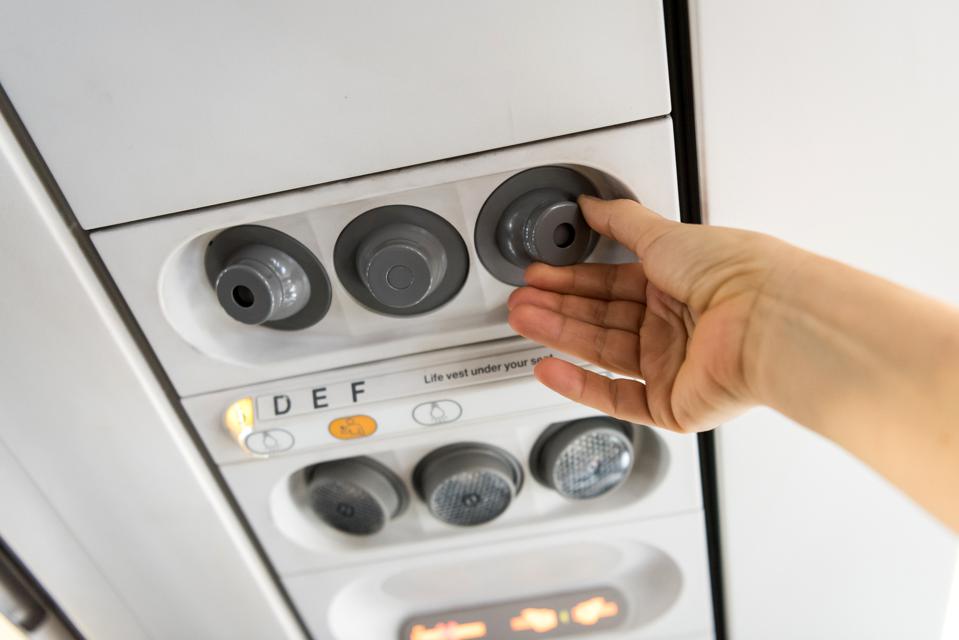
La dificultad de la confianza de los usuarios estadounidenses les preocupaba volar confinados en espacios estrechos donde el distanciamiento social era difícil. Algunos sugirieron que el aire también era peligroso para respirar dentro del avión. Sin embargo, United Airlines ha permitido dar a conocer un recorrido por uno de sus aviones para mostrar cómo la compañía está aplastando conceptos erróneos de salud y promoviendo viajes seguros. A bordo de los aviones hay sistemas de ventilación HEPA. Los filtros grandes debajo de la cabina filtran constantemente el aire a bordo del avión. El sistema de ventilación ahora funciona desde el embarque hasta el desplanificador, mientras que antes de la pandemia ese sistema se apagaba a menos que el avión se moviera. Mientras que algunos han sugerido que el oxígeno de la cabina no está limpio, Matt Miller desacreditó esas afirmaciones explicando cómo funciona el avión. El aire nuevo se lleva al avión de 20 a 30 veces por hora. Eso significa que cada dos o tres minutos el avión ha sacado aire viejo de manera circular con nuevo aire limpio para los pasajeros. «Lo que esto hace es ofrecer una fuente continua de aire fresco a la cabina para mantener a la gente segura», dijo Joe Rundell, Mecánico de aviones de United.

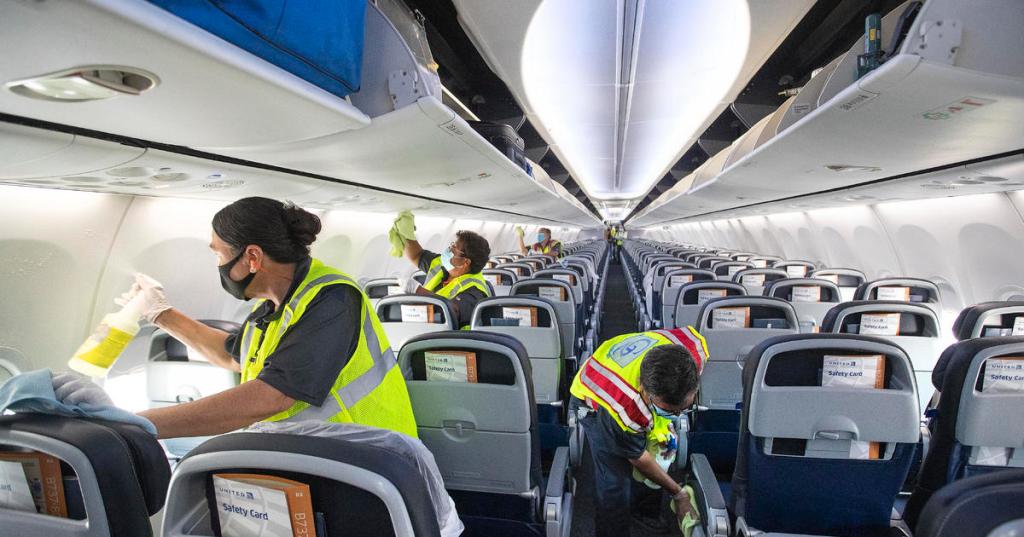
Ese aire se distribuye desde arriba, y succionado para la filtración en el pie de la base de la cabina. «El avión tira de todo el aire hasta el suelo, y eso es lo que crea el ambiente seguro. Es realmente uno de los lugares más seguros donde puedes estar en el interior», dijo Matt Miller. Las tripulaciones limpian el avión entre cada vuelo. Las plataformas se limpian con toallitas de saneamiento. Entre cada vuelo, un spray electrostático desinfecta cada asiento a bordo del vuelo.

United Airlines se asoció con el Departamento de Defensa de estados Unidos para estudiar la seguridad de volar en medio de la pandemia. El estudio encontró que incluso cuando el avión está lleno, en promedio sólo el 0,003% de las partículas de aire infectadas podrían entrar en la zona de respiración de los pasajeros sentados y enmascarados.

Algunas aerolíneas también han transformado el proceso de facturación con el advenimiento de la pandemia ofreciendo un check-in sin contacto en el Aeropuerto de Denver/DIA. Al descargar una aplicación, algunos viajeros de aerolíneas ahora pueden facturar su vuelo, cambiar sus asientos e incluso imprimir su etiqueta de equipaje sin tocar nunca el quiosco o hablar directamente con un empleado. «Los diversos pasos que empezamos a hacer que el viaje más seguro para nuestros clientes, fue entonces cuando empezamos a ver a la gente sintiéndose cómoda al volver y viajar de nuevo. Cuando regresen y vuelen de nuevo se sentirán seguros y cómodos al saber que hemos dado todos los pasos para garantizar su seguridad», dijo Matt Miller.

United promotes post-pandemic environment

United explains post-pandemic air filtration system

A year after the Coronavirus pandemic has impacted the Western commercial aviation world and brought the airline industry to a standstill, some have said that flying has never been so clean. Although Denver International Airport continues to operate at drastically reduced capacity compared to pre-pandemic numbers, United Airlines said they are slowly but surely returning as time continues.

Matt Miller, Vice President of the United Airlines Center in Denver (CO), said the airline is currently operating at about 50% of its regular capacity. That number continues to rise as vaccines are distributed and Americans become more comfortable with domestic travel. Compared to the start of the pandemic, 50% is welcome progress for the business. «We are on the first anniversary of when the coronavirus began to affect the travel industry. This time last year we saw a 95% decrease in the volume of customers traveling through our airports», said Matt Miller.


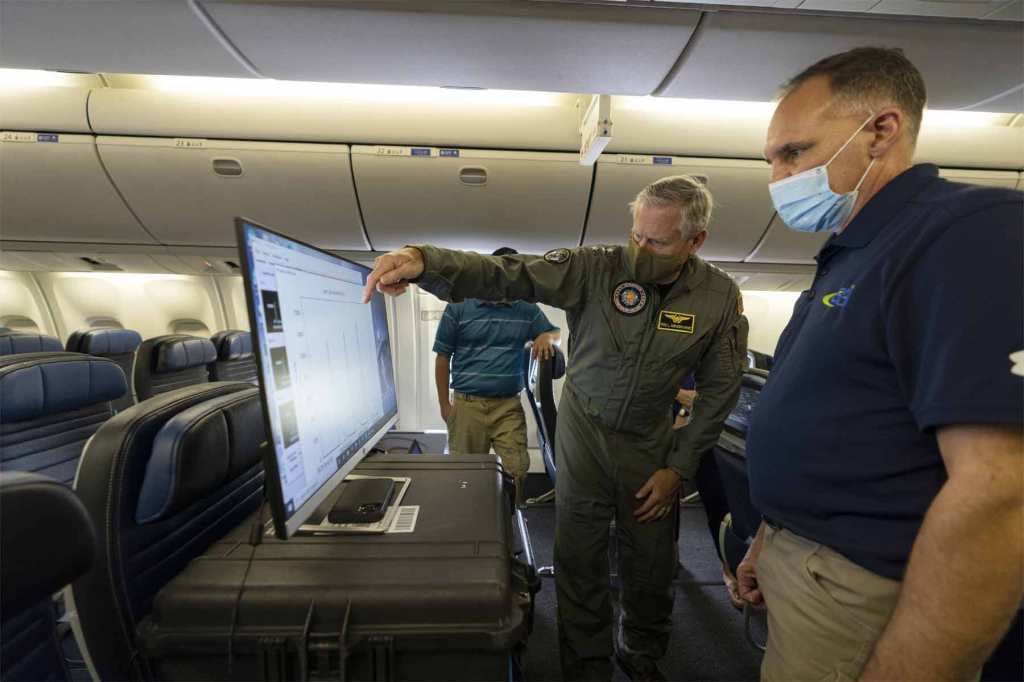
DAVID SILCOTT, LEFT, CHIEF EXECUTIVE OF S3I, GOES OVER AN AIRFLOW PARTICLE TEST FOR NAVY VICE ADM. DEE MEWBOURNE, RIGHT, DEPUTY COMMANDER, U.S. TRANSPORTATION COMMAND, ON BOARD A UNITED AIRLINES 767 AIRCRAFT AT DULLES INTERNATIONAL AIRPORT, VA., AUG. 28, 2020.

Confidence difficulty US users worried about flying confined in tight spaces where social distancing was difficult. Some suggested that the air was also dangerous to breathe inside the plane. However, United Airlines has released a tour of one of its planes to show how the company is squashing health misconceptions and promoting safe travel. There are HEPA ventilation systems on board the aircraft. Large filters under the cabin constantly filter the air on board the aircraft. The ventilation system now works from boarding to the deburrer, whereas before the pandemic that system was turned off unless the plane moved. While some have suggested that the cabin oxygen is not clean, Matt Miller debunked those claims by explaining how the plane works. New air is brought into the plane 20 to 30 times an hour. That means every two to three minutes the plane has blown old air out of the way with clean new air for the passengers. «What this does is provide a continuous source of fresh air to the cabin to keep people safe», said Joe Rundell, United Aircraft Mechanic.

That air is distributed from above, and sucked in for filtration at the foot of the cabin base. «The plane pulls all the air down to the ground, and that’s what creates the safe environment. It’s really one of the safest places you can be inside», said Matt Miller. Crews clean the plane between each flight. Platforms are cleaned with sanitation wipes. Between each flight, an electrostatic spray disinfects each seat on board the flight.

United Airlines partnered with the US Department of Defense to study the safety of flying amid the pandemic. The study found that even when the plane is full, on average only 0.003% of infected air particles could enter the breathing zone of seated and masked passengers.

Some airlines have also transformed the check-in process with the advent of the pandemic by offering contactless check-in at Denver Airport/DIA. By downloading an app, some airline travelers can now check in for their flight, change their seats, and even print their luggage tag without ever touching the kiosk or speaking directly to an employee. «The various steps we started to make travel safer for our clients, that’s when we started to see people feeling comfortable coming back and traveling again. When they return and fly again they will feel safe and comfortable knowing that we have taken every step to ensure his safety», said Matt Miller.


PUBLISHER: Airgways.com
DBk: United.com / Military.com / Airgways.com
AW-POST: 202103191603AR

A\W   A I R G W A Y S ®

Nauru adopta tecnología Health APIS

AW | 2021 03 15 12:18 | AIRLINES / AVIATION TECHNOLOGY

Nauru implementa tecnología sanitaria para volar

AW-Nauru Airlines_Isologotype

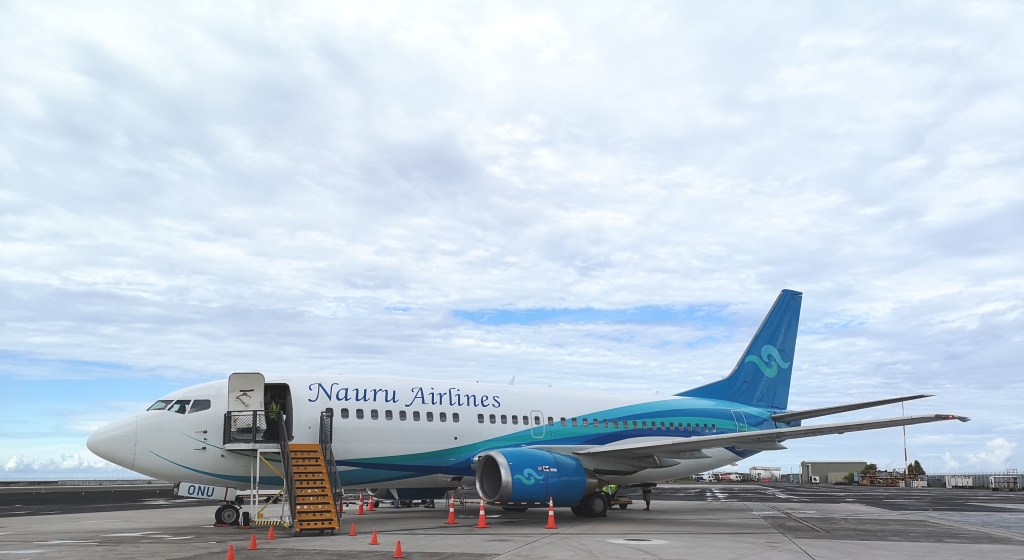
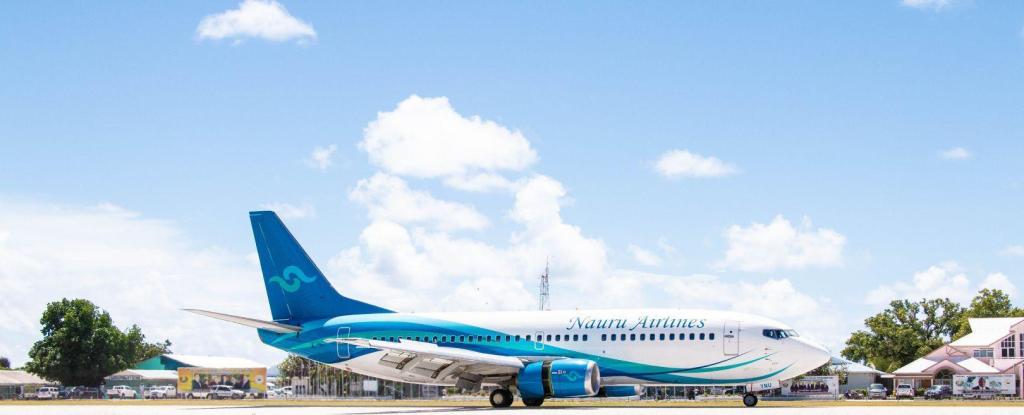
Nauru Airlines ha anunciado que adopta tecnología para ayudar a salvaguardar las fronteras a través de Australasia. La aerolínea utilizará Ink Health APIS para validar y compartir de forma segura el estado de prueba COVID-19 de pasajeros y tripulación antes de viajar. Los resultados de las pruebas serán subidos por clínicas y laboratorios autorizados directamente al sistema. Nauru Airlines ha adoptado Health APIS de Ink Aviation para ayudar a cumplir con las estrictas regulaciones de entrada que existen en Australia, Nauru y las naciones insulares del Pacífico Sur circundantes.

Nauru Airlines seleccionó la solución Ink Aviation por su capacidad única para verificar el estado de salud de los pasajeros a partir de certificados de resultados de prueba basados en papel y múltiples carteras de salud digital, a medida que aumenta su adopción. Esta información puede ser evaluada interactivamente por los gobiernos de destino antes de la salida de un vuelo, ayudando a reducir el número de casos que llegan dentro de las fronteras de un país.

Ink Aviation está ayudando a Nauru Airlines a cumplir con los requisitos de pruebas de la tripulación mediante la automatización de la programación y la gestión de resultados de las pruebas anti-COVID-19 para toda su tripulación. Antes de adoptar la solución, la gestión de este proceso era compleja y llevaba mucho tiempo. Shawn Richards, CEO de Ink Aviation, dice que «Nauru Airlines es una de nuestras relaciones con los clientes más entrañables. Hemos trabajado estrechamente para ofrecer ahorros de tiempo tangibles dentro de un proceso simplificado. Cuanto antes los gobiernos puedan reabrir las fronteras, más pronto podremos volver a la vida normal y, a tinta, nos comprometemos a hacer este proceso seguro».

Geoff Bowmaker, CEO de Nauru Airlines, dice que «la salud y seguridad de los pasajeros es nuestra máxima prioridad. Con Ink Health APIS podemos estar seguros de que solo aceptamos pasajeros y tripulantes a bordo que hayan recibido resultados negativos de prueba de COVID-19 de confianza sin imponer un largo proceso previo a la salida. Ahora también podemos coordinar los horarios y resultados de pruebas covid-19 de nuestra tripulación a través de la solución, lo que hace que el proceso sea mucho más fácil y nos da la confianza de que todo nuestro personal es seguro para volar».

Ink Aviation gestiona la relación con los laboratorios a través de la red de una aerolínea; eliminar el fraude proporcionando una fuerte cadena de confianza entre el laboratorio y las autoridades que evalúan el resultado. Health APIS proporciona un marco seguro y confiable para que cualquier aerolínea, aeropuerto o departamento de inmigración administre eficientemente sus fronteras y pueda ser desplegado desde la nube en cuestión de días.

Nauru adopts Health APIS technology

Nauru implements health technology to fly

Nauru_on_the_globe.svg

Nauru Airlines has announced that it is adopting technology to help safeguard the borders across Australasia. The airline will use Ink Health APIS to securely validate and share COVID-19 test status of passengers and crew prior to travel. Test results will be uploaded by authorized clinics and laboratories directly to the system. Nauru Airlines has adopted Health APIS from Ink Aviation to help comply with the strict entry regulations that exist in Australia, Nauru and the surrounding South Pacific island nations.

Ink Aviation_Isologotype

Nauru Airlines selected the Ink Aviation solution for its unique ability to verify passenger health status from paper-based test result certificates and multiple digital health portfolios, as its adoption increases. This information can be interactively evaluated by destination governments before a flight departs, helping to reduce the number of cases arriving within the borders of a country.

Ink Aviation is helping Nauru Airlines meet crew testing requirements by automating the scheduling and managing of anti-COVID-19 testing results for its entire crew. Before adopting the solution, managing this process was complex and time consuming. Shawn Richards, CEO of Ink Aviation, says that «Nauru Airlines is one of our most endearing customer relationships. We have worked closely to deliver tangible time savings within a streamlined process. The sooner governments can reopen borders, the sooner We will be able to return to normal life and, in ink, we are committed to making this process safe».

Geoff Bowmaker, CEO of Nauru Airlines, says «Passenger health and safety is our top priority. With Ink Health APIS we can be sure that we only accept passengers and crew on board who have received negative COVID-19 test results. trustworthy without imposing a lengthy pre-departure process. Now we can also coordinate our crew’s covid-19 test schedules and results through the solution, making the process much easier and giving us the confidence to that all of our personnel are safe to fly».

Ink Aviation manages the relationship with the laboratories through an airline network; eliminate fraud by providing a strong chain of trust between the laboratory and the authorities evaluating the result. Health APIS provides a secure and reliable framework for any airline, airport or immigration department to efficiently manage its borders and can be deployed from the cloud in a matter of days.


PUBLISHER: Airgways.com
DBk: Nauruair.com / Aviation.ink / Airgways.com
AW-POST: 202103151218AR

A\W   A I R G W A Y S ®

Malaysia afectada por inseguridad IT

AW | 2021 03 02 16:16 | AIRLINES / AVIATION SAFETY / AVIATION TECHNOLOGY

Malaysia Airlines sufría problemas inseguridad electrónica

Malaysia_Airlines_Svg_Logo.svg

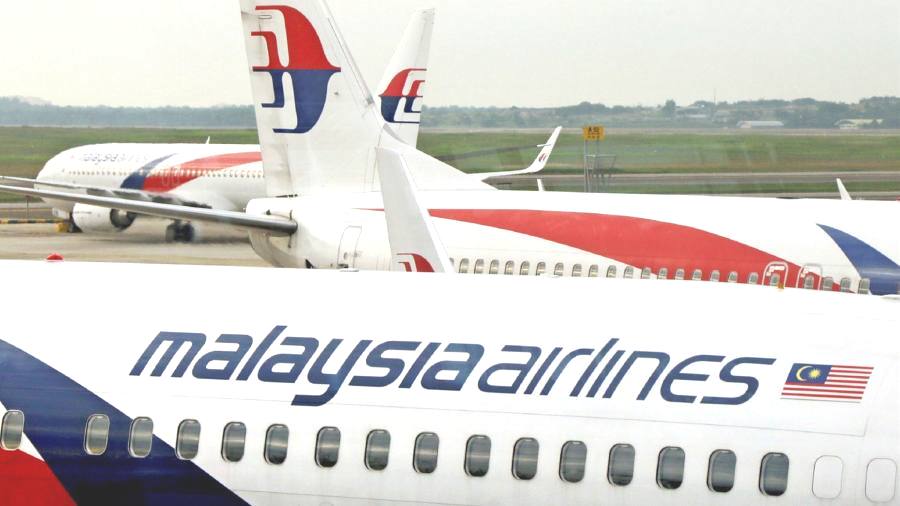
Malaysia Airlines ha sido afectada por incidentes de seguridad de datos a través de un proveedor de servicios de Tecnología de la Información (IT) de terceros, en algún momento durante el período de nueve años entre Marzo 2010 y Junio 2019, permitiendo la vulnerabilidad de la infraestructura y los sistemas de IT principales de la aerolínea nacional.

Entregado a través de una nota de correo electrónico a los miembros, la aerolínea informó que el incidente ocurrió en algún momento durante un período de nueve años entre Marzo de 2010 y Junio de 2019, sin revelar el número de personas afectadas. Los datos personales violados incluyen nombres de miembros del Programa Enrich de la aerolínea, fecha de nacimiento, sexo y datos de contacto, además del número de viajero frecuente, el estado y la información de nivel. Según el comunicado que aún no ha sido compartido públicamente pero fue revelado por primera vez por Malay Mail el incidente no afectó a itinerarios, reservas, venta de entradas, tarjeta de identificación o información de tarjetas de pago.«Malaysia Airlines no tiene pruebas de que se haya hecho un uso indebido de ningún dato personal y el incidente no reveló ninguna contraseña de cuenta. Sin embargo, alentamos a los miembros de Enrich a cambiar las contraseñas de sus cuentas como medida de precaución. El incidente no afectó de ninguna manera a la propia infraestructura y sistemas de IT de Malaysia Airlines», se lee en el comunicado de la aerolínea.

El anuncio se produce menos de un mes después de las revelaciones de que el software utilizado por Singtel fue «atacado ilegalmente por hackers no identificados», accediendo al sistema de intercambio de archivos TLC a través del proveedor de terceros Accellion. Según el gigante de las telecomunicaciones, la brecha afectó a un sistema independiente que se utiliza para compartir información internamente, así como con partes interesadas externas. «Este es un incidente aislado que involucra un sistema independiente de terceros. Nuestras operaciones principales siguen sin verse afectadas y sólidas», se lee en un comunicado de Singtel en ese momento. Accellion informó que el incidente formó parte de una violación concertada más amplia contra los usuarios del sistema de intercambio de archivos del proveedor después de un sofisticado ataque cibernético el 23 de Diciembre de 2020. Con todos los clientes del TLC notificados rápidamente en ese momento, Accellion también se movió para parchear todas las vulnerabilidades conocidas del TLC explotadas por los atacantes, junto con la adición de nuevas capacidades de monitoreo y alerta para marcar anomalías asociadas con estos vectores de ataque.

Resulta muy revelador los continuos ciberataques que ha sufrido la aerolínea malaya durante los últimos años donde han estado involucrados además dos accidentes aéreos, los vuelos MH-370 desaparecido y el atentado del vuelo MH-017 en territorio ucraniano.

Malaysia affected by IT insecurity

Malaysia Airlines suffered from electronic insecurity problems

Malaysia Airlines has been affected by data security incidents through a third-party Information Technology (IT) service provider, sometime during the nine-year period between March 2010 and June 2019, allowing the vulnerability of the infrastructure and the main IT systems of the national airline.

Delivered via an email note to members, the airline reported that the incident occurred sometime during a nine-year period between March 2010 and June 2019, without disclosing the number of people affected. The breached personal data includes names of members of the airline’s Enrich Program, date of birth, gender, and contact details, as well as frequent flyer number, status, and tier information. According to the statement that has not yet been publicly shared but was first revealed by Malay Mail, the incident did not affect itineraries, reservations, ticket sales, identification card or payment card information. «Malaysia Airlines has no evidence of any personal data being misused and the incident did not reveal an account password. However, we encourage Enrich members to change their account passwords as a precautionary measure. The incident did not in any way affect Malaysia Airlines’ own IT infrastructure and systems», the airline’s statement read.

AW-70003455

The announcement comes less than a month after revelations that the software used by Singtel was «illegally attacked by unidentified hackers», accessing the TLC file-sharing system through third-party provider Accellion. According to the telecommunications giant, the breach affected an independent system that is used to share information internally, as well as with external stakeholders. «This is an isolated incident involving an independent third party system. Our core operations remain unaffected and strong», a Singtel statement read at the time. Accellion reported that the incident was part of a larger, concerted breach against users of the provider’s file-sharing system following a sophisticated cyberattack on December 23, 2020. With all TLC customers promptly notified at the time, Accellion It also moved to patch all known NAFTA vulnerabilities exploited by attackers, along with the addition of new monitoring and alert capabilities to flag anomalies associated with these attack vectors.

It is very revealing the continuous cyberattacks that the Malaysian airline has suffered in recent years, where two air accidents have also been involved, the missing MH-370 flights and the attack on flight MH-017 in Ukrainian territory.


PUBLISHER: Airgways.com
DBk: Airgways.com / Channelasia.tech / Thestar.com.my
AW-POST: 202103021616AR

A\W   A I R G W A Y S ®