Congreso EEUU aprueba nuevas ayudas
AW | 2020 12 22 10:17 | GOVERNMENT / AVIATION

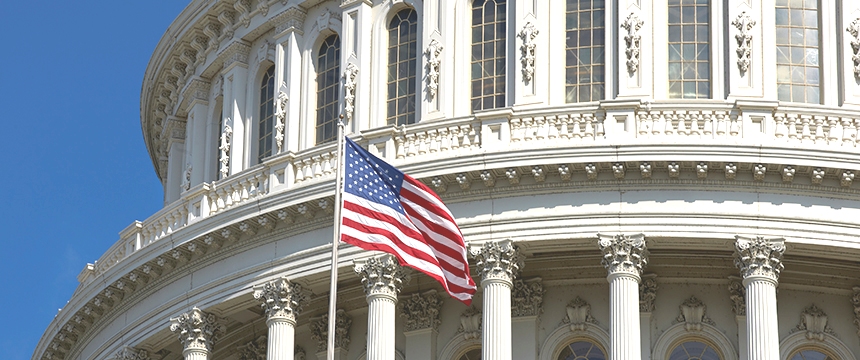
Proyecto de ley para nuevas ayudas a aerolíneas

Seal_of_the_United_States_Congress

El Congreso de los Estados Unidos ha aprobado una nueva ayuda a la aviación comercial como estímulo por valores de US$ 900 mil millones de Dólares. Sin pasar ningún nuevo alivio durante los últimos ocho meses, el Congreso envió a la Administración Trump un proyecto combinado de gasto ómnibus y alivio para los efectos de la pandemia de Coronavirus, que incluye cheques de estímulos para paliar la situación compleja en la industria de las aerolíneas.

Tras meses de negociaciones estancadas y disputas partidistas, el Congreso aprobó US$ 900 mil millones en alivios económicos de emergencia, además de un proyecto de ley de gastos Ómnibus de US$ 1,4 billones para financiar al Gobierno hasta finales del próximo año 2021. La legislación histórica es el segundo estímulo más grande en la historia de Estados Unidos y se produce más de ocho meses después de que el Congreso aprobara abrumadoramente un paquete de estímulo de US$ 2 billones de Dólares a finales de Marzo 2020. El Gobierno Federal ha gastado un total de más de US$ 3 billones de Dólares para combatir la pandemia, pero desde la aprobación de la Ley CARES el 27 de Marzo de 2020 y la ausencia de más ayuda hasta ahora, Estados Unidos ha visto un resurgimiento del virus con un número récord de casos, muertes y hospitalizaciones y millones de estadounidenses más cayendo en la pobreza y perdiendo sus empleos.

Las aerolíneas estadounidenses han expresado su alivio después de que los legisladores en Washington (DC) llegaran a un acuerdo sobre un acuerdo para extender las protecciones de nómina a los trabajadores de la aviación por un monto de US$ 15 mil millones de Dólares. El apoyo, parte de un paquete de ayuda de US$ 900.000 millones de Dólares que se debatirá en el Congreso esta semana, traería a miles de empleados de aviación involuntariamente de vuelta a las nóminas de las aerolíneas, aunque sólo sea temporalmente.

La industria sigue sufriendo los efectos de la pandemia de Coronavirus, algo que es poco probable que cambie hasta que gran parte de la población tenga acceso a una vacuna. El Director Ejecutivo de United Airlines, Scott Kirby, dice que la aerolínea ofrecerá volver a contratar a muchos de los que fueron arrasados cuando se agotó la última factura de ayuda el 1 de Octubre de 2020. «No esperamos que la demanda de los clientes cambie mucho entre ahora y el final del primer trimestre de 2021. La verdad es que no vemos nada en los datos que muestre una gran diferencia en las reservas en los próximos meses. Es por eso que esperamos que el retiro sea temporal», escribe Kirby. Los recientes desarrollos de las vacunas han sido extraordinarios. Sin embargo, pasarán meses para que las poblaciones queden inmunes y se pueda retomar los vuelos seguros.

El proyecto de ley de 5.600 páginas fue presentado al Congreso a principios de la jornada, y se espera que la legislatura lo vote a finales de esta semana. Después de eso debe ser firmado por el Presidente Donald Trump. El acuerdo se produce después de meses de negociaciones entre representantes de los partidos democráticos y republicanos, durante las cuales ambas partes trataron de obtener beneficios políticos de la situación. Los sindicatos, las compañías aéreas y otros participantes de la industria habían instado repetida y enérgicamente a los legisladores opuestos a que se reunieran para seguir apoyando a la industria a medida que la crisis del coronavirus se prolonga.

El proyecto de ley de compromiso debe ser aprobado por la Cámara de Representantes controlada por los demócratas, así como por el Senado controlado por los republicanos antes de la aprobación presidencial. Después de que la demanda de pasajeros se desplomó en Marzo 2020 después de varios pedidos de estancia en casa en los Estados Unidos y en el extranjero, el gobierno de los Estados Unidos aprobó la llamada ley CARES, un paquete de ayuda de 2 billones de dólares diseñado para ayudar a la economía a ponerse de pie. De esa cantidad, se reservaron unos US$ 58.000 millones de Dólares para la industria de la aviación en subvenciones y préstamos. Sin embargo, la pandemia mundial siguió interrumpiendo los viajes y la demanda de los clientes se mantuvo deprimida seis meses después cuando la ayuda se agotó, el 1 de Octubre de 2020, enviando a más de 30.000 empleados de la industria de la aviación, en su gran mayoría en Estados Unidos, al desempleo. Las perspectivas siguen siendo sombrías, con viajes nacionales e internacionales en las Américas todavía significativamente más bajos de lo normal.

La Administración de Seguridad en el Transporte (TSA) de los Estados Unidos, que es responsable de los procesos de seguridad en 450 aeropuertos de todo el país, dice que examinó a unos 3 millones de clientes en los últimos tres días, aproximadamente el 35% del número de los mismos tres días hace un año. Con la ampliación del apoyo a la nómina del gobierno, las aerolíneas tendrían que recuperar a sus trabajadores y garantizar el empleo hasta finales de Marzo de 2021.

US Congress approves new aid

Bill for new aid to airlines

The Congress of the United States has approved a new aid to commercial aviation as a stimulus for amounts of US$ 900 billion Dollars. Without passing any new relief during the last eight months, Congress sent to the Trump Administration a combined project of omnibus spending and relief for the effects of the Coronavirus pandemic, which includes stimulus checks to alleviate the complex situation in the industry of the airlines.

After months of stalled negotiations and partisan disputes, Congress approved US$ 900 billion in emergency economic relief, in addition to a US$ 1.4 billion Omnibus spending bill to finance the Government until the end of next year 2021. The landmark legislation is the second-largest stimulus in US history and comes more than eight months after Congress overwhelmingly passed a US$ 2 trillion stimulus package in late March 2020. The Federal Government has spent a total of more than US$ 3 trillion to fight the pandemic, but since the passage of the CARES Act on March 27, 2020 and the absence of more aid so far, the United States has seen a resurgence of the virus with a record number of cases, deaths and hospitalizations and millions more Americans falling into poverty and losing their jobs.

US airlines have expressed their relief after lawmakers in Washington (DC) reached an agreement on an agreement to extend payroll protections to aviation workers in the amount of US$ 15 billion. The support, part of a US$ 900 billion aid package to be debated in Congress this week, would inadvertently bring thousands of aviation employees back on airline payrolls, if only temporarily.

The industry continues to suffer from the effects of the Coronavirus pandemic, something that is unlikely to change until a large part of the population has access to a vaccine. United Airlines CEO Scott Kirby says the airline will offer to rehire many of those who were swept away when the last aid bill ran out on October 1, 2020. «We do not expect customer demand to change. a lot between now and the end of the first quarter of 2021. The truth is, we don’t see anything in the data that shows a big difference in bookings in the coming months. That’s why we expect the withdrawal to be temporary», writes Kirby. Recent vaccine developments have been extraordinary. However, it will take months for populations to become immune and safe flights can resume.

The 5,600-page bill was introduced to Congress earlier in the day, and the legislature is expected to vote on it later this week. After that it must be signed by President Donald Trump. The agreement comes after months of negotiations between representatives of the Democratic and Republican parties, during which both parties tried to obtain political benefits from the situation. Unions, airlines and other industry players had repeatedly and vigorously urged opposing lawmakers to come together to continue supporting the industry as the coronavirus crisis drags on.

The compromise bill must pass the Democratic-controlled House of Representatives as well as the Republican-controlled Senate before presidential approval. After passenger demand plummeted in March 2020 after several requests to stay at home in the United States and abroad, the United States government passed the so-called CARES Act, a US$ 2 billion aid package. designed to help the economy get back on its feet. Of that amount, about US$ 58 billion was set aside for the aviation industry in grants and loans. However, the global pandemic continued to disrupt travel and customer demand remained depressed six months later when aid ran out on October 1, 2020, sending more than 30,000 aviation industry employees into their great majority in the United States, to unemployment. The outlook remains bleak, with domestic and international travel in the Americas still significantly lower than normal.

The U.S. Transportation Security Administration (TSA), which is responsible for security processes at 450 airports across the country, says it screened about 3 million customers in the past three days, roughly 35% the number of the same three days a year ago. With the expansion of government payroll support, airlines would have to win back their workers and guarantee employment until the end of March 2021.


PUBLISHER: Airgways.com
DBk: Congress.gov / Senate.gov / State.gov / Airgways.com
AW-POST: 202012221017AR

A\W   A I R G W A Y S ®
Uruguay mercado libre combustibles

AW | 2020 11 28 07:57 | GOVERMENT / AVIATION

Uruguay busca mercado libre combustibles para estimular aviación

La República de Uruguay está introduciendo cambios en las regulaciones del mercado de los combustibles para fomentar la competitividad en la oferta de valores. Esto ayudaría al mercado de las líneas aéreas para diversificarse.

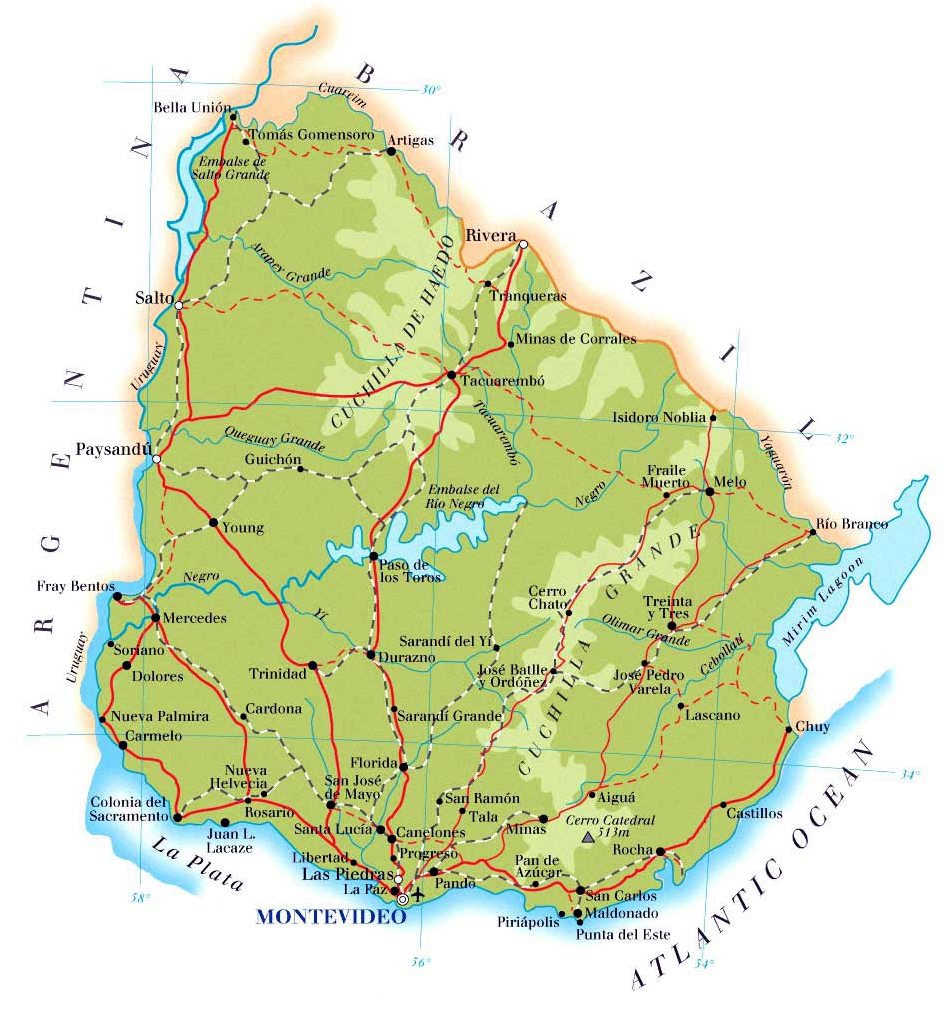
El Senado de Uruguay, con el apoyo mayoritario de los oficialistas, aprobó que la petrolera estatal uruguaya Ancap, pierda el monopolio de suministro de combustible en los aeropuertos. Este paso indica que para el próximo año otras empresas podrán entrar en el mercado local para surtir combustible a vuelos comerciales nacionales e internacionales. La decisión se dio en el marco de las reuniones que se realizan para definir el presupuesto nacional para el quinquenio de Gobierno (2020-2024), que ya fue aprobado en la Cámara de Diputados. De acuerdo a reportes de la prensa, la oposición uruguaya fue sorprendida con el artículo, pues no estaba en el proyecto que salió de la cámara baja. «El monopolio creado por la Ley 8.764, del 15 de Octubre de 1931, y administrado por la Administración Nacional de Combustibles, Alcohol y Portland no regirá en cualquier aeropuerto internacional únicamente para la provisión de aeronaves con fines comerciales y con destino a aeropuertos ubicados fuera del territorio nacional”, sostiene el aditivo que se añade luego del Artículo 298 del proyecto de presupuesto.

El Senador nacionalista Juan Sartori se refirió a la decisión del Gobierno de Uruguay de eliminar el monopolio petrolero de Ancap para vender combustible en los aeropuertos. “La desmonopolización hará que lleguen nuevas aerolíneas y el país se dinamice”, expresó el Senador.

La coalición ha optado por incluir un aditivo al Presupuesto Nacional que habilita la desmonopolización de la venta de combustibles en los aeropuertos, lo que se suma a la idéntica decisión adoptada hace varias semanas respecto a lo que sucederá en los puertos, estuvo lejos de pasar desapercibido. La postura de Juan Sartori se sitúa en la vereda de en frente de la interpretación del asunto que hacen los dirigentes oficialistas: “Combustibles más baratos es más desarrollo. Hoy aprobamos eliminar el monopolio de distribución en aeropuertos. Esto hará que lleguen nuevas aerolíneas y que nuestro país se dinamice. Sectores como el agro también lo necesitan y debemos seguir trabajando para lograrlo”, escribió en Twitter el Senador nacionalista.

Uruguay free market fuels

Uruguay seeks free market for fuels to stimulate aviation

The Republic of Uruguay is introducing changes in the fuel market regulations to promote competitiveness in the supply of securities. This would help the airline market to diversify.

Uruguay-map

The Senate of Uruguay, with the majority support of the ruling party, approved that the Uruguayan state oil company Ancap, lose the monopoly of fuel supply at airports. This step indicates that for next year other companies will be able to enter the local market to supply fuel for national and international commercial flights. The decision was made within the framework of the meetings that are held to define the national budget for the five-year period of Government (2020-2024), which has already been approved in the Chamber of Deputies. According to press reports, the Uruguayan opposition was surprised with the article, as it was not in the bill that came out of the lower house. «The monopoly created by Law 8.764, of October 15, 1931, and administered by the National Administration of Fuels, Alcohol and Portland will not govern in any international airport solely for the provision of aircraft for commercial purposes and destined for airports located outside of the national territory”, maintains the additive that is added after article 298 of the budget project.

Nationalist Senator Juan Sartori referred to the decision of the Government of Uruguay to eliminate Ancap’s oil monopoly to sell fuel at airports. «Demonopolization will make new airlines arrive and the country will become more dynamic», said the Senator.

The coalition has chosen to include an additive to the National Budget that enables the de-monopolization of the sale of fuel at airports, which adds to the identical decision adopted several weeks ago regarding what will happen in ports, it was far from going unnoticed. The position of Juan Sartori is situated on the sidewalk in front of the interpretation of the matter that the government leaders make: “Cheaper fuel is more development. Today we approved the elimination of the airport distribution monopoly. This will make new airlines arrive and our country will become more dynamic. Sectors such as agriculture also need it and we must continue working to achieve it”, the nationalist Senator wrote on Twitter.


PUBLISHER: Airgways.com
DBk: Camara.gob.uy / Airgways.com / Gastón Britos/FotoUy
AW-POST: 202011280757AR

A\W   A I R G W A Y S ®
Sky Express acuerda A320NEO

AW | 2020 11 23 15:25  | AIRLINES / AVIATION

ACG acuerda arrendamiento con Sky Express A320NEO

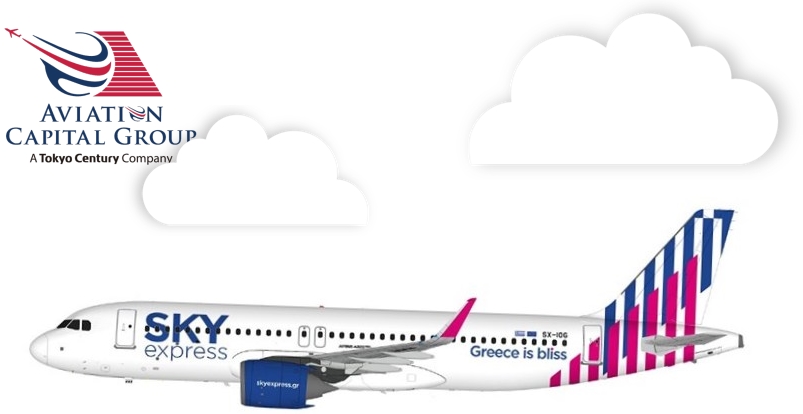
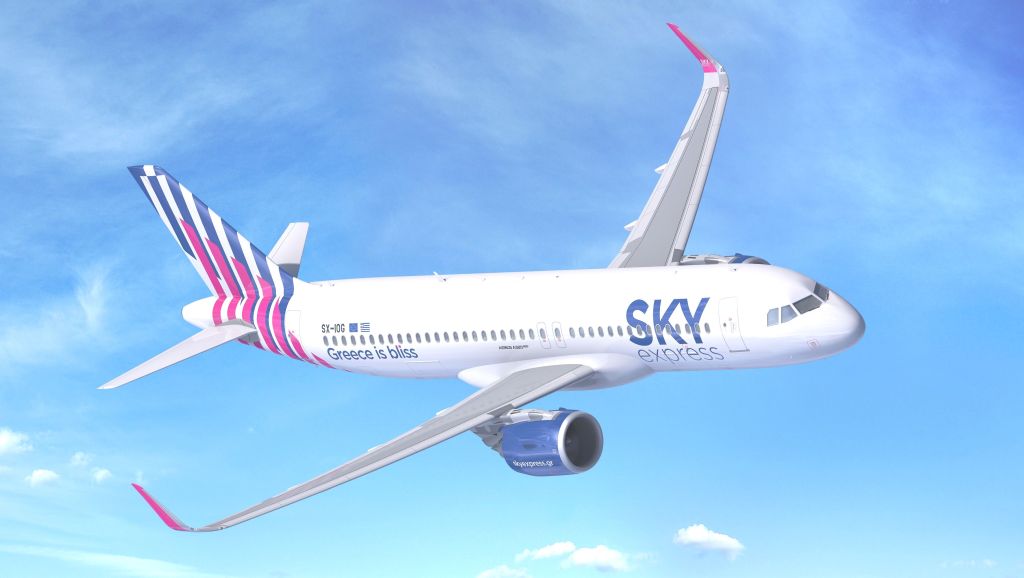
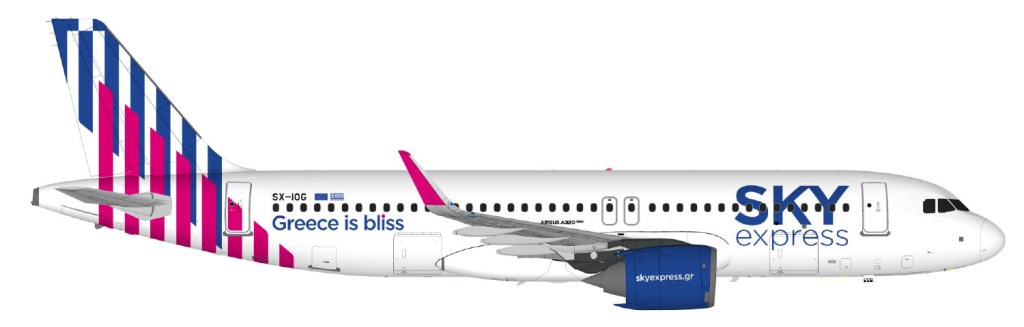
La compañía de leasing Aviation Capital Group LLC (ACG), ha anunciado que ha celebrado contratos de arrendamiento a largo plazo con Sky Express para cuatro nuevos aviones Airbus A320NEO. El primer avión fue entregado el 6 de Noviembre de 2020, con el segundo avión programado para su entrega en Diciembre de este año. Las dos aeronaves restantes están programadas para su entrega en Febrero 2021.

«ACG está emocionado de tener a SKY Express como un nuevo cliente y estamos deseando construir una relación a largo plazo para apoyar las perspectivas de negocio de la aerolínea», dijo Tom Baker, CEO y Presidente de ACG. «Quiero agradecer a ACG y a su gente por la excelente cooperación con SKY Express y el Grupo de Empresas IOGR. A través de esta cooperación, con la adquisición del nuevo avión Airbus A320NEO, SKY Express vuela más alto y cambia el panorama de la industria de la aviación en Grecia. Al mismo tiempo, estamos enviando un mensaje de optimismo, confianza y confianza en las perspectivas de la economía y el turismo griegos», dijo Ioannis Grylos, Jefe del Grupo de Empresas IOGR & SKY Express.

Sky Express, nombre legal Cretan Aeronautical Exploitations, es una aerolínea griega con sede en el Aeropuerto Internacional de Atenas. Fue fundada en 2005 y hasta ahora opera una serie de vuelos nacionales, sirviendo a 34 destinos. Aviation Capital Group fue fundada en 1989 y es uno de los principales gestores de activos de aeronaves de servicio completo del mundo con aproximadamente 450 aviones propiedad, administrados y comprometidos al 30 de Septiembre de 2020, que son arrendados a aproximadamente 85 aerolíneas en aproximadamente 40 países. ACG es una subsidiaria de propiedad total de Tokyo Century Corporation.

Sky Express agrees A320NEO

Aviation Capital Group agrees to lease with SKY express A320NEO

Leasing company Aviation Capital Group LLC (ACG) has announced that it has entered into long-term leases with Sky Express for four new Airbus A320NEO aircraft. The first aircraft was delivered on November 6, 2020, with the second aircraft scheduled for delivery in December of this year. The remaining two aircraft are scheduled for delivery in February 2021.

«ACG is excited to have SKY Express as a new customer and we look forward to building a long-term relationship to support the airline’s business prospects», said Tom Baker, CEO and President of ACG. «I want to thank ACG and its people for the excellent cooperation with SKY Express and the IOGR Group of Companies. Through this cooperation, with the acquisition of the new Airbus A320NEO aircraft, SKY Express flies higher and changes the landscape of the aircraft industry. aviation in Greece. At the same time, we are sending a message of optimism, confidence and confidence in the outlook for the Greek economy and tourism», said Ioannis Grylos, Head of the IOGR & SKY Express Group of Companies.

Sky Express, legal name Cretan Aeronautical Exploitations, is a Greek airline based at Athens International Airport. It was founded in 2005 and so far operates a series of domestic flights, serving 34 destinations. Aviation Capital Group was founded in 1989 and is one of the world’s leading full service aircraft asset managers with approximately 450 aircraft owned, managed and committed as of September 30, 2020, which are leased to approximately 85 airlines in approximately 40 countries. . ACG is a wholly owned subsidiary of Tokyo Century Corporation.

Η Sky Express συμφωνεί με το A320NEO

Η ACG συμφωνεί να μισθώσει με το SKY express A320NEO

Η εταιρεία χρηματοδοτικής μίσθωσης Aviation Capital Group LLC (ACG) ανακοίνωσε ότι έχει συνάψει μακροχρόνιες μισθώσεις με την Sky Express για τέσσερα νέα αεροσκάφη Airbus A320NEO. Το πρώτο αεροσκάφος παραδόθηκε στις 6 Νοεμβρίου 2020, με το δεύτερο αεροσκάφος να έχει παραδοθεί τον Δεκέμβριο του τρέχοντος έτους. Τα υπόλοιπα δύο αεροσκάφη έχουν προγραμματιστεί για παράδοση τον Φεβρουάριο του 2021.

«Η ACG είναι ενθουσιασμένη που η SKY Express ως νέος πελάτης και ανυπομονούμε να δημιουργήσουμε μια μακροπρόθεσμη σχέση για να υποστηρίξουμε τις επιχειρηματικές προοπτικές της αεροπορικής εταιρείας», δήλωσε ο Tom Baker, Διευθύνων Σύμβουλος και Πρόεδρος της ACG. «Θέλω να ευχαριστήσω την ACG και τους ανθρώπους της για την εξαιρετική συνεργασία με την SKY Express και τον Όμιλο Εταιρειών IOGR. Μέσω αυτής της συνεργασίας, με την απόκτηση του νέου αεροσκάφους Airbus A320NEO, το SKY Express πετά ψηλότερα και αλλάζει το τοπίο της αεροπορικής βιομηχανίας. αεροπορίας στην Ελλάδα. Ταυτόχρονα, στέλνουμε ένα μήνυμα αισιοδοξίας, εμπιστοσύνης και εμπιστοσύνης στις προοπτικές της ελληνικής οικονομίας και του τουρισμού», δήλωσε ο Ιωάννης Γρύλος, Επικεφαλής του Ομίλου Εταιρειών IOGR & SKY Express.

Η Sky Express, νομική ονομασία Cretan Aeronautical Exploitations, είναι ελληνική αεροπορική εταιρεία με έδρα το Διεθνές Αεροδρόμιο Αθηνών. Ιδρύθηκε το 2005 και μέχρι στιγμής λειτουργεί μια σειρά πτήσεων εσωτερικού, εξυπηρετώντας 34 προορισμούς. Η Aviation Capital Group ιδρύθηκε το 1989 και είναι ένας από τους κορυφαίους διαχειριστές περιουσιακών στοιχείων αεροσκάφους πλήρους υπηρεσίας με περίπου 450 αεροσκάφη που ανήκουν, διαχειρίζονται και δεσμεύονται από τις 30 Σεπτεμβρίου 2020, τα οποία εκμισθώνονται σε περίπου 85 αεροπορικές εταιρείες σε περίπου 40 χώρες. . Η ACG είναι θυγατρική της Tokyo Century Corporation.


PUBLISHER: Airgways.com
DBk: Aviationcapitalgroup.com / Skyexpress.gr / Airgways.com
AW-POST: 202011231525AR

A\W   A I R G W A Y S ®
AF-KLM-Martinair transportan vacunas

AW | 2020 11 21 11:04 | AIRLINES / AVIATION

Aéreas listas para transportar las vacunas contra el Covid-19

AW-AF-KLM-Martinair_Isologottype

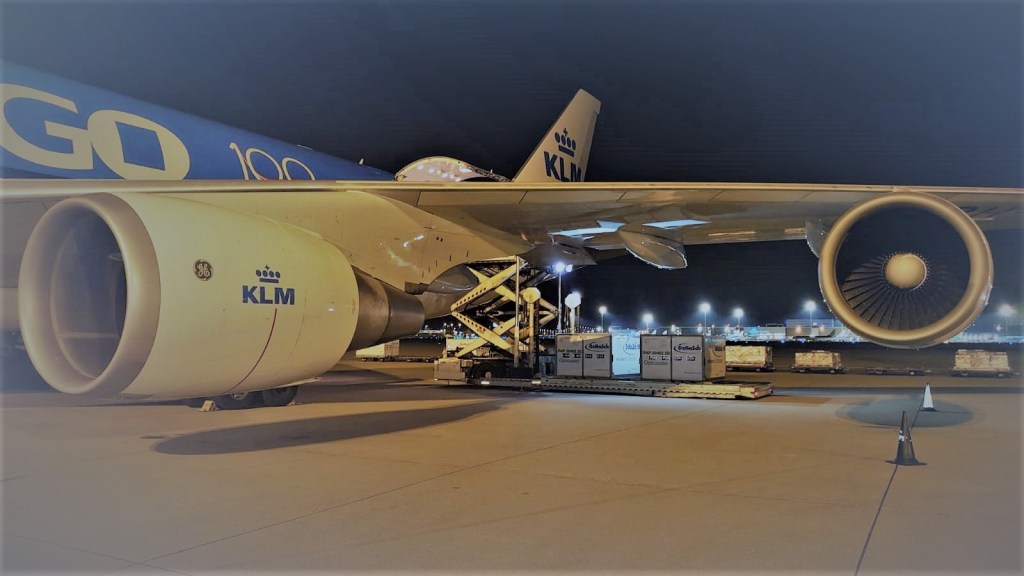
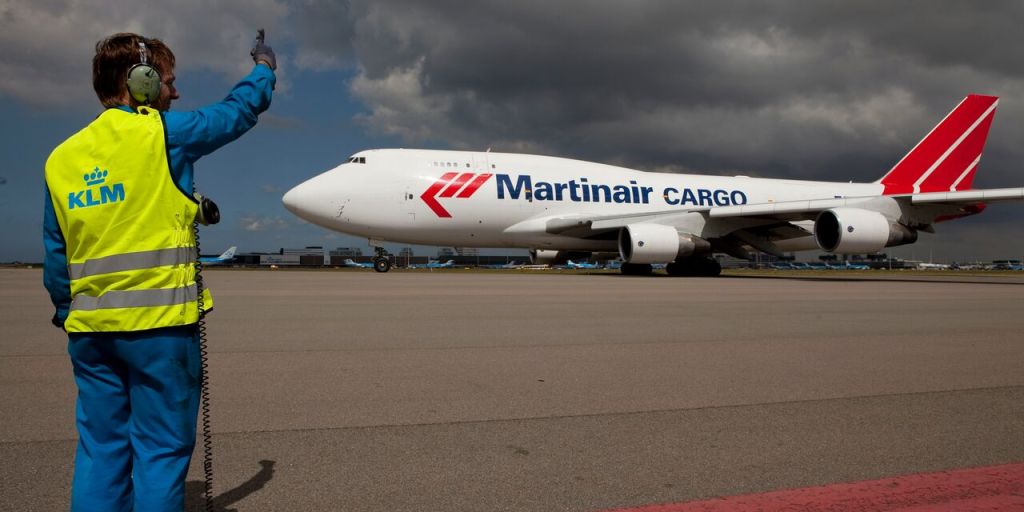
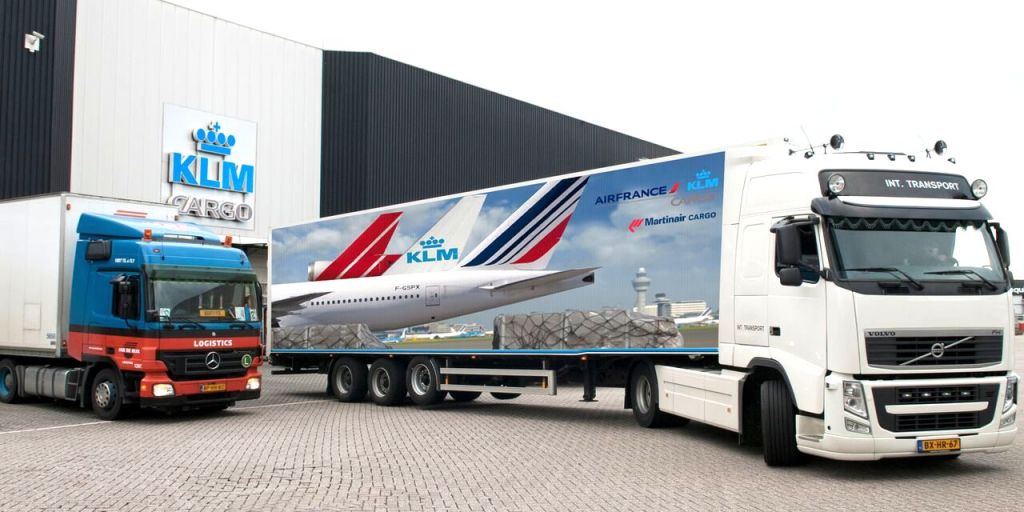
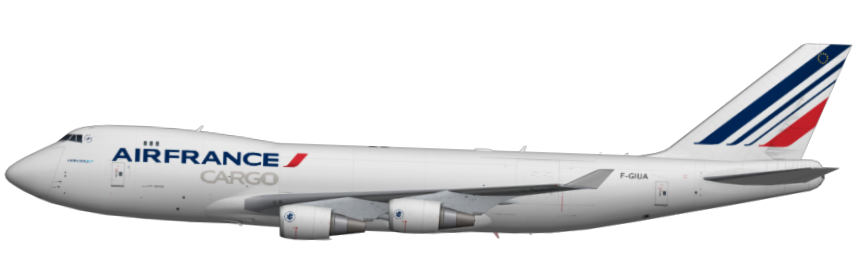
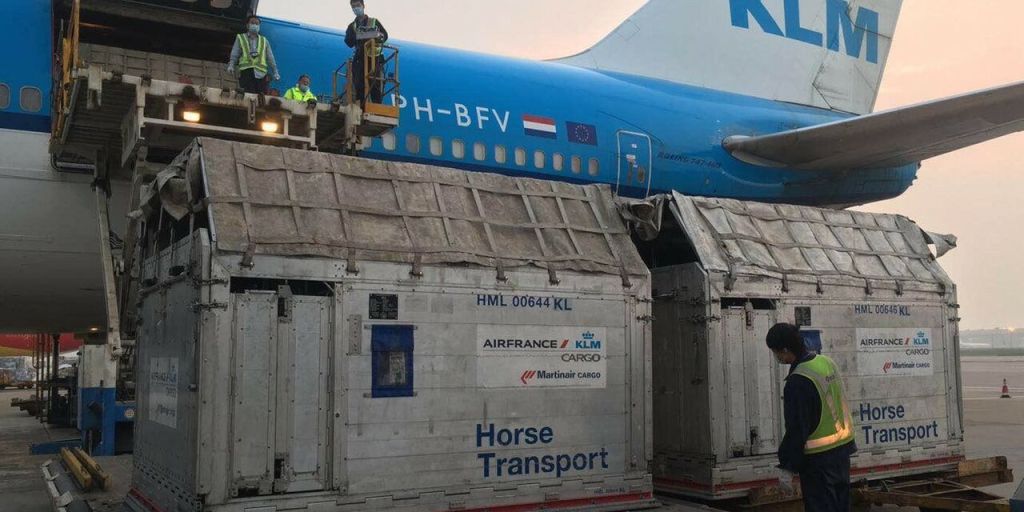
Los primeros envíos de vacunas Covid-19 por vía aérea están comenzando a ponerse en marcha en todo el mundo. A principios de Noviembre 2020, KLM Cargo realizó con éxito un envío de prueba de 6 mil dosis de vacunas contra Covid-19 de China a Chile. Desde el inicio de la crisis de Covid-19, Air France, KLM Airlines, Martinair Cargo, la división de Cargo de Air France KLM está comprometida en mantener su red global de carga aérea, contribuyendo a la continuidad de cadenas de abastecimiento vitales. Esto ha sido siempre esencial, pero lo es aún más desde la pandemia por Covid-19, para garantizar que tanto los centros de salud como los ciudadanos tengan acceso a medicamentos, equipos médicos, equipos de protección personal y otros productos esenciales. En los últimos meses, Air France KLM Martinair Cargo realizó aproximadamente 6.000 vuelos exclusivamente cargueros y, actualmente, vuela a más de 100 destinos cargueros de larga distancia, incluyendo Buenos Aires.

Desafíos gigantes

Uno de los próximos desafíos logísticos será la distribución mundial de las vacunas contra el Covid-19. Hace pocos días, el gigante farmacéutico estadounidense Pfizer, junto con su socio alemán BioNTech, anunció resultados exitosos en el primer análisis preliminar del ensayo de fase III de su vacuna candidata contra el Covid-19. En términos de volumen, la distribución de las vacunas será una operación logística sin precedentes. Las expectativas iniciales son que será necesaria la distribución de unos 15 mil millones de vacunas en todo el mundo. Muchas de estas vacunas, además, deberán ser transportadas a muy bajas temperaturas. La vacuna de Pfizer debe mantenerse congelada (a -70ºC). Otras deberán distribuirse a una temperatura constante de entre +2ºC y +8ºC. Esto significa que las soluciones logísticas serán fundamentales para mantener la calidad de la vacuna a lo largo de toda cadena de distribución.

El Vicepresidente Senior de Ventas y Distribución de Air France KLM Martinair Cargo, Gert Jan Roelands, afirmó: «Air France KLM Martinair Cargo tiene años de experiencia en el transporte de productos farmacéuticos a temperatura controlada y fue el primer grupo aéreo en obtener la certificación CEIV Pharma de IATA (Center of Excellence for Independent Validators in Pharmaceutical Logistics). La distribución de las vacunas contra el Covid-19 plantea desafíos específicos en términos de volumen, requisitos de transporte y seguridad. Con el fin de estar totalmente preparados para esto, creamos un grupo de trabajo llamado “Vacuna Covid-19”, hace cuatro meses. Este grupo de trabajo reúne a representantes de todos los departamentos involucrados de Air France KLM Martinair Cargo. Nuestros equipos han estado trabajando en un extenso plan de acción. Por ejemplo, hace unos meses, en nuestro centro de operaciones de Pharma en Ámsterdam Schiphol, inauguramos una instalación de almacenamiento climatizado de 1.118 m3, y estamos construyendo una cámara frigorífica adicional de 2.061 m3. En nuestro centro de operaciones de Pharma en París-Charles de Gaulle, estamos terminando una nueva zona de almacenamiento con control climático. También introdujimos soluciones híbridas y pasivas avanzadas que se utilizarán para transportar las vacunas, además de la gama completa de contenedores activos existentes. Junto con muchas otras iniciativas, también se han puesto en práctica un monitoreo adicional y una gestión de intervención».

El Vicepresidente Ejecutivo de Air France-KLM Cargo, Adriaan den Heijer, agregó: «Creemos que la cooperación y la creación de comunidades en torno a la próxima distribución mundial de las vacunas son fundamentales. Nos asociamos con muchos actores de la cadena logística, incluidos transportistas, empresas de transporte terrestre, proveedores de contenedores, aeropuertos, socios de carga/logística, empresas farmacéuticas e institutos y autoridades relacionados con el cuidado de la salud. Estamos convencidos de que una fuerte cooperación entre los socios será esencial para ejecutar con éxito este desafío logístico».

Junto con Air Cargo Netherlands (ACN), el Aeropuerto de Ámsterdam/Schiphol y Aéroports de Paris, dos hubs claves en la industria farmacéutica europea, Air France KLM Martinair Cargo creó dos grupos de trabajo para preparar en profundidad a las comunidades de ambos aeropuertos para las próximas operaciones de transporte de vacunas.

En Argentina, el grupo Air France-KLM sigue reforzando su operación de vuelos de pasajeros y carga. A partir de Diciembre 2020, se estarán operando nueve vuelos semanales con espacio para carga: ocho vuelos que transportan pasajeros y carga, tres de Air France desde y hacia París, en Boeing 787-9, y cinco de KLM desde y hacia Ámsterdam, en Boeing 777-300, a los que se suma un vuelo semanal exclusivo de carga en Boeing 747.

AF-KLM-Martinair transport vaccines

Ready to transport vaccines against Covid-19

AW-700054

The first shipments of Covid-19 vaccines by air are beginning to go live around the world. In early November, KLM Cargo successfully conducted a test shipment of 6,000 doses of Covid-19 vaccines from China to Chile. Since the start of the Covid-19 crisis, Air France, KLM Airlines, Martinair Cargo, Air France KLM’s Cargo division, has been committed to maintaining its global air cargo network, contributing to the continuity of vital supply chains. This has always been essential, but it is even more so since the Covid-19 pandemic, to ensure that both health centers and citizens have access to medicines, medical equipment, personal protective equipment and other essential products. In the last few months, Air France KLM Martinair Cargo carried out approximately 6,000 exclusively cargo flights and currently flies to more than 100 long-haul cargo destinations, including Buenos Aires.

Giant challenges

One of the next logistical challenges will be the global distribution of Covid-19 vaccines. A few days ago, the American pharmaceutical giant Pfizer, together with its German partner BioNTech, announced successful results in the first preliminary analysis of the phase III trial of its candidate vaccine against Covid-19. In terms of volume, the distribution of the vaccines will be an unprecedented logistical operation. Initial expectations are that some 15 billion vaccines will need to be distributed worldwide. Many of these vaccines, moreover, must be transported at very low temperatures. The Pfizer vaccine must be kept frozen (-70ºC). Others must be distributed at a constant temperature between +2ºC and +8ºC. This means that logistical solutions will be essential to maintain the quality of the vaccine throughout the entire distribution chain.

Air France KLM Martinair Cargo Senior Vice President of Sales and Distribution, Gert Jan Roelands, stated: «Air France KLM Martinair Cargo has years of experience in the transport of pharmaceutical products at controlled temperature and was the first airline group to obtain CEIV certification. IATA (Center of Excellence for Independent Validators in Pharmaceutical Logistics) Pharma. The distribution of Covid-19 vaccines poses specific challenges in terms of volume, transport requirements and safety. In order to be fully prepared for this, we created a working group called «Covid-19 Vaccine», four months ago. This working group brings together representatives from all involved departments of Air France KLM Martinair Cargo. Our teams have been working on an extensive action plan. For example, A few months ago, at our Pharma operations center in Amsterdam Schiphol, we inaugurated a climati storage facility 1,118 m3, and we are building an additional 2,061 m3 cold room. At our Pharma hub in Paris-Charles de Gaulle, we are completing a new climate-controlled storage area. We also introduced advanced passive and hybrid solutions that will be used to transport vaccines, in addition to the full range of existing active containers. Along with many other initiatives, additional monitoring and intervention management has also been put in place».

Air France-KLM Cargo Executive Vice President Adriaan den Heijer added: «We believe that cooperation and community building around the upcoming global distribution of vaccines is critical. We partner with many stakeholders in the logistics chain, including carriers, trucking companies, container providers, airports, freight / logistics partners, pharmaceutical companies and institutes and authorities related to healthcare. We are convinced that strong cooperation between partners will be essential to successfully execute this logistical challenge».

Together with Air Cargo Netherlands (ACN), Amsterdam Airport/Schiphol and Aéroports de Paris, two key hubs in the European pharmaceutical industry, Air France KLM Martinair Cargo created two working groups to prepare in depth the communities of both airports to the next vaccine transport operations.

In Argentina, the Air France-KLM group continues to strengthen its passenger and cargo flight operations. As of December 2020, nine weekly flights with cargo space will be operated: eight flights carrying passengers and cargo, three by Air France to and from Paris, on Boeing 787-9, and five by KLM from and to Amsterdam, in Boeing 777-300, to which is added an exclusive weekly cargo flight on Boeing 747.


PUBLISHER: Airgways.com
DBk: Airfrance-klm.com / Airgways.com
AW-POST: 202011211104AR

A\W   A I R G W A Y S ®

Argentina propuesta de Secretaría OACI

AW | 2020 11 19 22:35 | AVIATION / GOVERNMENT / CONGRESS

Argentina recibió propuesta de Secretaría para la OACI

ICAO_Isologotytpe

La República de Brasil ha formalizado la propuesta para que Argentina asuma la Secretaría General de Aviación Civil Internacional (OACI). El Jefe de Gabinete de la Cancillería Argentina, Guillermo Justo Chaves, ha recobido la propuesta de Brasil para la Secretaría de Aviación. El Brigadier Ary Rodrigues Bertolino ha sido designado candidato impulsado por Brasil para ocupar la Secretaría General de la OACI, que se ha expuesto en una reunión virtual donde ha participado además la Administración Nacional de Aviación Civil (ANAC) de Brasil y Argentina.

En la reunión virtual, Guillermo Chaves hizo mención a la relación estratégica que une a la Argentina con Brasil en el compromiso que son socios comerciales que representan el motor del Mercosur. El funcionario remarcó la necesidad de «seguir afianzando el vínculo bilateral, a pesar de que en el más alto nivel de gobierno existan algunos desacuerdos o inconvenientes. Somos pueblos hermanos con intereses comunes, por ello trabajamos todos los días para superarlos». Si bien destacó la importancia de que la Argentina y Brasil se acompañen mutuamente en los organismos internacionales, Guillermo Chaves ha señalado que el Gobierno aún no decidió su voto para la 222° Sesión del Consejo de la OACI, prevista para Febrero-Marzo de 2021. De todos modos, es un avance hacia la integración de la región para desarrollar políticas definidas de cara a revalorizar al mercado de la aviación comercial.

Argentina ICAO Secretariat proposal

Argentina received a proposal from the Secretariat for the ICAO

The Republic of Brazil has formalized the proposal for Argentina to assume the General Secretariat of International Civil Aviation (ICAO). The Chief of Cabinet of the Argentine Foreign Ministry, Guillermo Justo Chaves, has accepted Brazil’s proposal for the Secretariat of Aviation. Brigadier Ary Rodrigues Bertolino has been designated a candidate promoted by Brazil to occupy the General Secretariat of ICAO, which has been presented in a virtual meeting where the National Civil Aviation Administration (ANAC) of Brazil and Argentina has also participated.

In the virtual meeting, Guillermo Chaves made mention of the strategic relationship that unites Argentina with Brazil in the commitment that they are commercial partners that represent the engine of Mercosur. The official stressed the need to «continue to strengthen the bilateral link, despite the fact that at the highest level of government there are some disagreements or inconveniences. We are brother peoples with common interests, so we work every day to overcome them». Although he highlighted the importance of Argentina and Brazil accompanying each other in international organizations, Guillermo Chaves has indicated that the Government has not yet decided its vote for the 222nd Session of the ICAO Council, scheduled for February-March 2021. In any case, it is an advance towards the integration of the region to develop defined policies with a view to revaluing the commercial aviation market.


PUBLISHER: Airgways.com
DBk: Gov.br / Cancilleria.gob.ar / Icao.int / Telam.com.ar / Airgways.com
AW-POST: 202011192235AR

A\W   A I R G W A Y S ®
Ley Combustible aviación EEUU

AW | 2020 11 19 16:27 | AVIATION / GOVERNMENT

Presentan la Ley de Combustible de Aviación Sostenible

La Ley de Combustible de Aviación Sostenible de Estados Unidos se ha presentado este 18 de Noviembre de 2020 ante la Cámara de Representantes para su aprobación como ley que puede ayudar a reducir las emisiones de las aerolíneas. La representante estadounidense Julia Brownley (D-CA) presentó este 18/11 la Ley de Combustible de Aviación Sostenible, un proyecto de ley innovador que da un primer paso hacia la reducción de la contaminación que daña el clima de los aviones. El proyecto de ley establece objetivos claros para que el sector de la aviación reduzca estas emisiones para poner al sector en una senda hacia las emisiones netas cero para 2050, un objetivo fijado por la ciencia con el objetivo de evitar las perturbaciones climáticas más dañinas. Y el proyecto de ley proporciona incentivos para la producción de combustibles de aviación sostenibles de alta calidad, con el requisito de que todos estos combustibles, como mínimo, cumplan con los estándares internacionales.

«A medida que las compañías aéreas intenten cortejar a los pasajeros de nuevo en los cielos, tendrán que poner el desafío climático en el centro de su recuperación. La política climática innovadora y eficaz, como la Ley de Combustible de Aviación Sostenible, puede ayudar a la industria de la aviación a adoptar el objetivo real, el vuelo neutral en el clima. Lo que hace que este proyecto de ley sea innovador es que el crédito fiscal está clave para la cantidad de beneficios climáticos que los combustibles realmente ofrecen. El proyecto de ley alienta a los desarrolladores de combustibles a producir combustibles que cumplan y superen los estándares internacionales y estadounidenses. Al tener en cuenta lo que sucede en todo el ciclo de vida de la fabricación de estos combustibles, desde las granjas y los bosques hasta lo que sale de la parte posterior del motor, y sólo dando incentivos para los combustibles que realmente ayudan al medio ambiente, la factura garantiza que la producción de estos combustibles no cause más daño que bien. Fundamentalmente, el proyecto de ley se basa en la fundación establecida por la Organización de Aviación Civil Internacional, que establece estándares mundiales para los vuelos internacionales. Para recibir los incentivos fiscales de la factura, los combustibles de aviación sostenibles deben lograr al menos una reducción del 50% en las emisiones en comparación con el combustible convencional para aviones. Aplaudimos a la congresista Brownley por introducir legislación para impulsar la innovación y la demanda de combustibles de aviación sostenibles de alta calidad que tengan el potencial de reducir drásticamente las emisiones de las aerolíneas», sostiene el nuevo proyecto que espera convertirse en ley.

De 2005 a 2018, el tráfico aéreo de pasajeros de Estados Unidos se duplicó con más que duplicado, al igual que el forzamiento radiativo efectivo de la aviación global, que es la cantidad que la aviación está calentando el planeta y cambiando el clima.

Las aerolíneas y el ejército estadounidense pueden reducir las emisiones de vuelos mediante el uso de combustibles de aviación sostenibles de alta calidad. El cambio de la demanda del queroseno a estos nuevos combustibles puede beneficiar a los agricultores estadounidenses que producen los combustibles utilizando métodos agrícolas sostenibles. Y los trabajadores estadounidenses serán necesarios para reacondicionar el avión para que pueda quemar los combustibles en mezclas más altas y más altas, siendo el límite de mezcla actual del orden del 50%. La factura escala sus incentivos a la cantidad de reducciones de emisiones del ciclo de vida que cada nuevo combustible logra realmente, teniendo en cuenta los efectos directos e indirectos de su producción. El proyecto de ley es neutro en materia prima, lo que permite que los combustibles procedentes de fuentes como la basura, los gases residuales de las fábricas de acero, los desechos de madera y los cultivos agrícolas que no compiten con los alimentos, siempre y cuando cumplan con rigurosos estándares de sostenibilidad.

US Aviation Fuel Law

They present the Sustainable Aviation Fuel Law

the-capitol-connection-cable-tv-for-dc-business-webcasting-studio-capitol-png-211_266

The United States Sustainable Aviation Fuel Act has been presented this November 18, 2020 before the House of Representatives for approval as a law that can help reduce airline emissions. US Representative Julia Brownley (D-CA) introduced the Sustainable Aviation Fuel Act on 11/18, an innovative bill that takes a first step toward reducing climate-damaging pollution from airplanes. The bill sets clear targets for the aviation sector to reduce these emissions to put the sector on a path towards net zero emissions by 2050, a target set by science with the aim of avoiding the most damaging climate shocks. And the bill provides incentives for the production of high-quality sustainable aviation fuels, with the requirement that all of these fuels, at a minimum, meet international standards.

«As airlines attempt to woo passengers back into the skies, they will have to put the climate challenge at the center of their recovery. Innovative and effective climate policy, such as the Sustainable Aviation Fuel Act, can help the aviation industry to embrace the real goal, climate neutral flight. What makes this bill groundbreaking is that the tax credit is key to the amount of climate benefits that fuels actually offer. The law encourages fuel developers to produce fuels that meet and exceed international and US standards. By taking into account what happens throughout the entire life cycle of these fuels manufacturing, from farms and forests to what comes out from the back of the engine, and only giving incentives for fuels that really help the environment, the invoice guarantees that the production of These fuels do not cause more harm than good. Fundamentally, the bill builds on the foundation established by the International Civil Aviation Organization, which sets global standards for international flights. To receive invoice tax incentives, sustainable aviation fuels must achieve at least a 50% reduction in emissions compared to conventional jet fuel. We applaud Congresswoman Brownley for introducing legislation to drive innovation and demand for high-quality sustainable aviation fuels that have the potential to dramatically reduce airline emissions», says the new bill that hopes to become law.

From 2005 to 2018, America’s passenger air traffic more than doubled, as did the effective radiative forcing of global aviation, which is the amount that aviation is warming the planet and changing the climate.

Airlines and the US military can reduce flight emissions by using high-quality, sustainable aviation fuels. Shifting demand from kerosene to these new fuels can benefit American farmers who produce the fuels using sustainable agricultural methods. And American workers will be needed to refit the plane so that it can burn fuels in higher and higher blends, the current blending limit being on the order of 50%. The bill scales its incentives to the amount of cycle emissions reductions life that each new fuel actually achieves, taking into account the direct and indirect effects of its production. The bill is raw material neutral, allowing fuels from sources such as garbage, waste gases from steel mills, wood waste, and agricultural crops to not compete with food, as long as meet rigorous sustainability standards.


PUBLISHER: Airgways.com
DBk: Congress.gov / Edf.org / Airgways.com / Unsplash.com/Amarnath Tade
AW-POST: 202011191627AR

A\W   A I R G W A Y S ®
Aprueban Satélite chino BDS-3

La imagen tiene un atributo ALT vacío; su nombre de archivo es aw-880007.jpg

AW | 2020 11 16 16:06 | AEROSPACE / AVIATION

BDS-3 obtiene grandes avances en el sector de la aviación civil

Beidou_logo

Según las autoridades de aviación civil, el Sistema de Navegación por Satélite BeiDou BDS-3 de China ha aprobado la verificación técnica de sus indicadores clave de rendimiento para las solicitudes en el sector de la aviación civil. Esto significa que la labor principal del Sistema BDS-3 se ha completado antes de su proyecto en las normas de la Organización de Aviación Civil Internacional (OACI), según la Administración de Aviación Civil de China (CAAC).

Era la primera vez que las señales civiles relacionadas con el Sistema BDS-3 recibían y pasaba la verificación técnica sistemática por parte de una organización internacional. Esto ha sentado una base sólida para la formulación de la norma industrial del sistema Beidou y la aplicación del sistema en la industria de la aviación civil de China durante el 14º período del Plan Quinquenal (2021-2025).

En el siguiente paso, la OACI solicitará dictamen de todos los países sobre el proyecto después de que el grupo especial presente los resultados a la comisión de navegación aérea para su revisión. Después de la confirmación, el Sistema BDS-3 se incorporará oficialmente a las normas de la OACI. China declaró la puesta en marcha oficial del Sistema de Navegación por Satélite BeiDou el 31 de Julio de 2020, marcando la apertura formal del Sistema BDS-3 recién terminado para los usuarios mundiales. Junto con los servicios de posicionamiento, navegación y cronometraje, el sistema BDS-3 también puede proporcionar una variedad de servicios de valor añadido como ayuda en la búsqueda y rescate global, la comunicación de mensajes cortos, el aumento basado en tierra y por satélite, así como el posicionamiento preciso de puntos.

Chinese satellite BDS-3 approved

BDS-3 makes great strides in the civil aviation sector

Beidou_logo

According to the civil aviation authorities, China’s BeiDou Navigation Satellite System BDS-3 has approved technical verification of its key performance indicators for applications in the civil aviation sector. This means that the main work of the BDS-3 System has been completed prior to its draft in the International Civil Aviation Organization (ICAO) standards, according to the Civil Aviation Administration of China (CAAC).

It was the first time that civil signals related to the BDS-3 System received and passed systematic technical verification by an international organization. This has laid a solid foundation for the formulation of the Beidou system industry standard and the application of the system in China’s civil aviation industry during the 14th Five-Year Plan period (2021-2025).

In the next step, ICAO will request input from all countries on the project after the task force presents the results to the air navigation commission for review. After confirmation, the BDS-3 System will be officially incorporated into ICAO standards. China declared the official launch of the BeiDou Satellite Navigation System on July 31, 2020, marking the formal opening of the newly completed BDS-3 System to global users. Along with positioning, navigation and timing services, the BDS-3 system can also provide a variety of value-added services such as aid in global search and rescue, short message communication, ground-based and satellite augmentation, as well as the precise positioning of points.

中國衛星BDS-3獲批

BDS-3在民航領域取得長足進步

據民航當局稱,中國的北斗導航衛星系統BDS-3已批准對其關鍵性能指標的技術驗證,以用於民航領域。根據中國民航總局的報告,這意味著北斗衛星BDS-3系統的主要工作已經在國際民航組織(ICAO)標準草案之前完成。

這是與BDS-3系統有關的民用信號第一次被國際組織接受並通過系統的技術驗證。這為北斗系統行業標準的製定和十四五期間(2021-2025)在中國民航業的應用奠定了堅實的基礎。

下一步,在工作組將結果提交空中航行委員會審查後,國際民航組織將要求所有國家對該項目提供投入。確認後,BDS-3系統將正式納入國際民航組織標準。中國於2020年7月31日宣布北斗衛星導航系統正式啟動,標誌著新完成的BDS-3系統正式向全球用戶開放。除了定位,導航和計時服務外,BDS-3系統還可以提供各種增值服務,例如協助全球搜索和救援,短消息通信,地面和衛星增強,以及點的精確定位。


PUBLISHER: Airgways.com
DBk: Beidou.gov.cn / Caac.gov.cn / Icao.int / Airgways.com
AW-POST: 202011191606AR

A\W   A I R G W A Y S ®
GE90 celebra 25 años de servicio

Today in Aviation: General Electric Celebrates 25 Years of the GE90 |  Airways Magazine

AW | 2020 11 18 23:47 | AVIATION

GE90 ha completado sus 25 aniversarios

GE90_Isologotype

General Electric Company ha celebrado este 17/11 sus 25 aniversarios del producto insignia GE90, que ha entregado más de 2.800 motores, pionero de la propulsión superando los 100 millones de horas de vuelo. El 17 de Noviembre de 1995, el GE90 entró en servicio en el Boeing 777, alimentando un vuelo de British Airways entre Londres y Dubái. El motor GE90 ha sido uno de los más fiables de la industria con una tasa de fiabilidad de envío de clase mundial del 99,97 por ciento. En Julio 2020, la familia de motores superó los 100 millones de horas de vuelo. «Estamos emocionados de celebrar otro hito de GE90 y nos gustaría felicitar a todos los involucrados en el éxito del motor. Seguimos entregando estos motores extremadamente confiables y nuestro dedicado equipo de soporte de productos mantendrá el GE90 durante muchos años, proporcionando el máximo valor a lo largo de su ciclo de vida», dijo Mike Kauffman, Gerente General del programa GE90 de GE Aviation.

GE ha entregado más de 2.800 GE90 -94B y ha actualizado motores 115B a 70 operadores de todo el mundo. La familia de motores alimenta todos los modelos Boeing 777 y es la planta motriz exclusiva en el 777-300ER, -200LR y 777F. El motor GE90 se enfrenta a algunas de las demandas más exigentes a diario en un motor a reacción comercial de alto empuje. A pesar de esto, el motor ha logrado la menor carga de mantenimiento hasta la fecha a través del boletín de servicio que termina la aceleración de acciones y los programas de campo basados en análisis. Su arquitectura y diseño mecánico han influido en todos los turboventiladores GE y CFM en los últimos 20 años, desde el popular motor GEnx y el motor CFM LEAP de venta récord hasta el Passport para aviones corporativos y el motor GE9X de próxima generación para el Boeing 777X. El motor GE90 tuvo el récord mundial como el motor a reacción más potente durante 17 años con 127.900 libras de empuje hasta que el nuevo motor GE9X, recién certificado, alcanzó la nueva marca de 134.300 libras.

GE90 celebrates 25 years of service

GE90 has completed its 25th anniversary

General Electric Company celebrated on 11/17 its 25th anniversary of the flagship product GE90, which has delivered more than 2,800 engines, pioneering propulsion exceeding 100 million flight hours. On November 17, 1995, the GE90 entered service on the Boeing 777, fueling a British Airways flight between London and Dubai. The GE90 engine has been one of the most reliable in the industry with a world-class shipping reliability rate of 99.97 percent. In July 2020, the engine family exceeded 100 million flight hours. «We are excited to celebrate another GE90 milestone and would like to congratulate everyone involved in the engine’s success. We continue to deliver these extremely reliable engines and our dedicated product support team will maintain the GE90 for many years to come, providing maximum value throughout. throughout its life cycle», said Mike Kauffman, General Manager of GE Aviation’s GE90 program.

GE has delivered more than 2,800 GE90 -94Bs and upgraded 115B engines to 70 operators around the world. The engine family powers all Boeing 777 models and is the exclusive powerplant on the 777-300ER, -200LR and 777F. The GE90 engine faces some of the toughest demands on a daily basis in a high-thrust commercial jet engine. Despite this, the engine has achieved the lowest maintenance load to date through the service bulletin ending action acceleration and analysis-based field programs. Its architecture and mechanical design have influenced all GE and CFM turbofans over the past 20 years, from the popular GEnx engine and the record-selling CFM LEAP engine to the Passport for corporate jets and the next-generation GE9X engine for the Boeing 777X. . The GE90 engine held the world record as the most powerful jet engine for 17 years with 127,900 pounds of thrust until the newly certified GE9X engine reached the new mark of 134,300 pounds.


PUBLISHER: Airgways.com
DBk: Ge.com / Airgways.com
AW-POST: 202011182347AR

A\W   A I R G W A Y S ®

Impacto mercado Boeing 737 MAX

AW | 2020 11 14 15:41 | INDUSTRY / AVIATION

Desarrollo mercado positivo por impulso de recertificación

Boeing_Isologotype

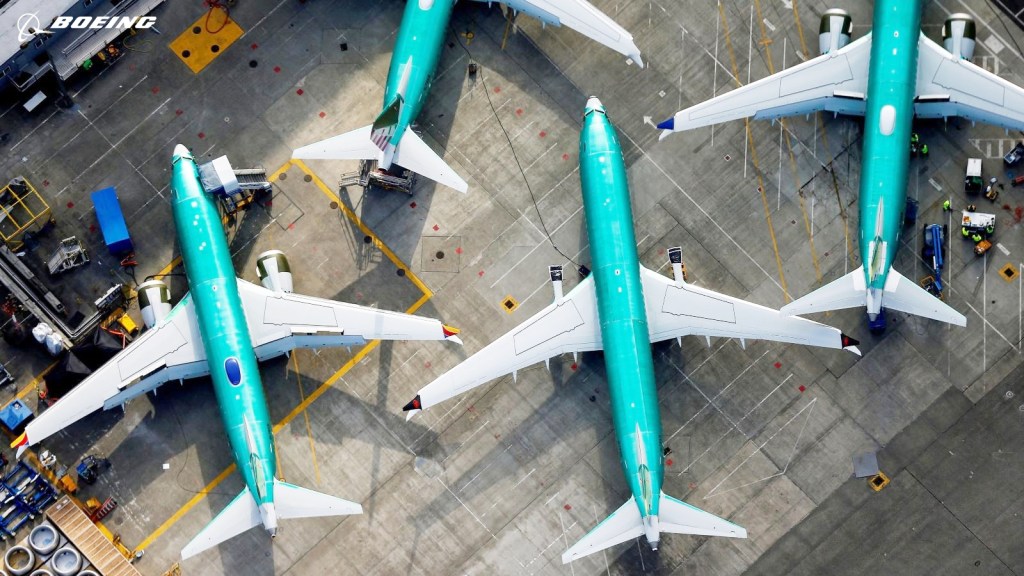
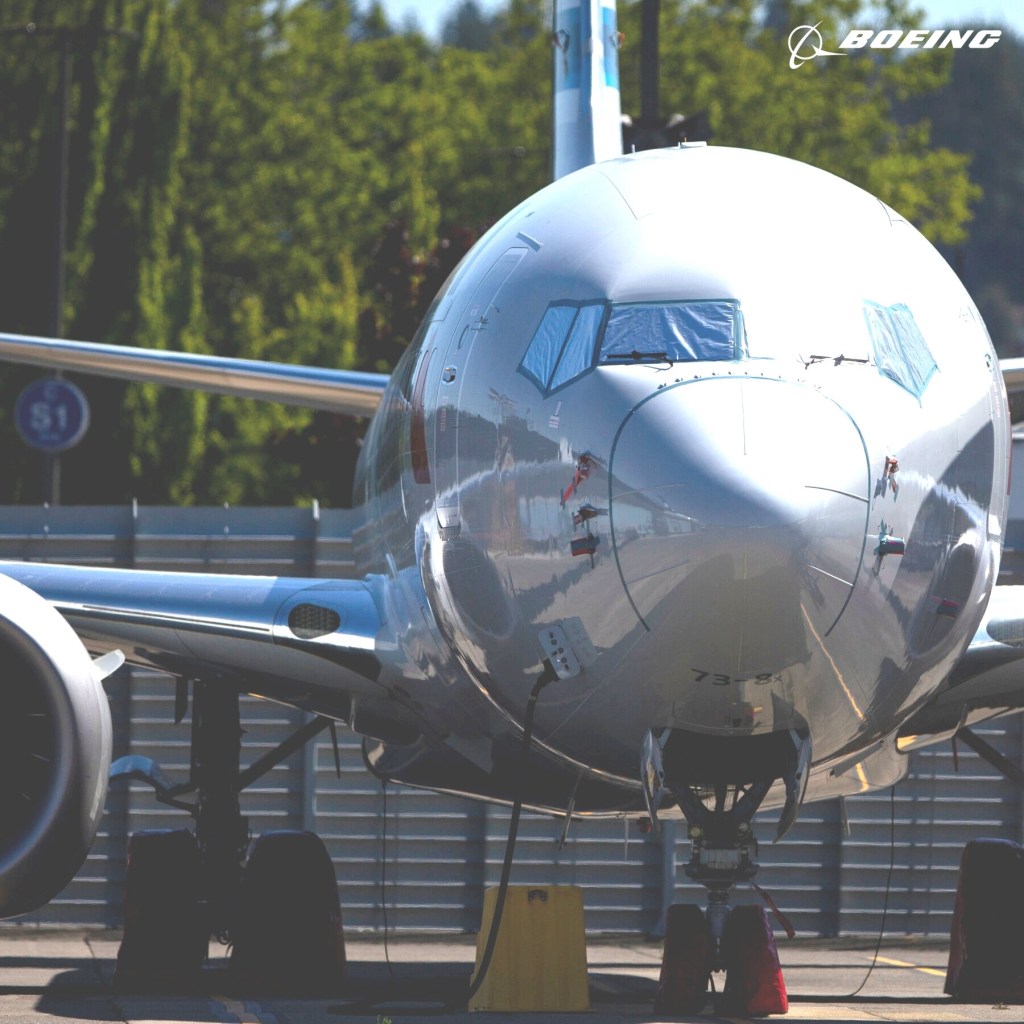
The Boeing Company tiene un impulso positivo debido a los horarios para la puesta a punto de su línea Boeing 737 MAX en sintonía con las noticias sobre vacunas para combatir la crisis sanitaria mundial. La recertificación de la línea 737 MAX es inminente, mientras que los mercados han dado un cierto impulso positivo recientemente en las noticias acerca de las vacunas para descomprimir la situación forzosa de cuarentenas.

A principios de Enero de 2020, Boeing tenía muy pocas maneras de comprimir la línea de tiempo y que se centra en un cambio significativo que Boeing hizo a la arquitectura de la computadora de Control de Vuelo del MCAS, que es un cambio que podría tomar alrededor de 12-15 meses para ser completamente certificado. A finales de Julio 2020 quedó claro que Boeing estaría trabajando en cambios significativos en la arquitectura, acercándonos a mediados de Noviembre 2020 para las aprobaciones de recertificación de la línea 737 MAX, aunque podría existir ciertos retrasos adicionales, pero éstos estarían relacionados a la pandemia actual.

AW-7337773

Un gran impulso positivo en el programa Boeing 737 MAX después de los vuelos de recertificación de la FAA estarían dando nueva vida al principal producto de Boeing. El organismo publicó un NPRM (Aviso de Elaboración de Reglas Propuestas) que parece haber sido buena aceptación por las agencias de aviación canadienses y europeas, que luego siguieron con sus propios vuelos de evaluación antes de dirigirse a la Junta de Standarización de Vuelos y a la revisión de la Junta de Evaluación de Operaciones Conjuntas en Gatwick para revisar los cambios propuestos a los requisitos de capacitación.

Inicialmente esperábamos que la FAA hiciera que el informe del FSB estuviera disponible para el 1 Octubre 2020, lo que permitiría que las partes del proceso que más tiempo consumen se terminaran hacia el 06/11. La revisión de la FAA podría completarse hacia 18 de Noviembre de 2020. A partir de ahí, los últimos pasos a completar son la Notificación de Aeronavegabilidad Continua a la Comunidad Internacional (CANIC) que indica que está pendiente una directiva, seguida de la Directiva sobre Aeronavegabilidad (AD) que exigiría que se realizaran cambios en el Boeing 737 MAX antes de que la aeronave pueda volver al servicio aerocomercial.

737 MAX, apalancamiento económico

Para la compañía Boeing, el 737 MAX representa la línea más audaz de los productos de aviación comercial, proporcionando un elemento de movimiento de precios adicionales, diferenciándose de las demás unidades de programas de producción como el 777 y 787 pero que actualmente no representan las mejores opciones de ventas. Muy detrás está la línea 747, que solamente considerarán una sobrevida a la versión carguera más allá de los diez años. Cuatro productos activos, donde el principal best-seller en ventas continúa almacenado a punto de entrar en escena. Tras la aproximación de la recertificación del Boeing 737 MAX y la cercanía de una vacuna para la cura del Coronavirus permitirán eliminar las dos grandes barreras que condicionaban el retorno del best-seller de la compañía americana.

Boeing 737 MAX market impact

Positive market development driven by recertification

AW-Icon_Boeing 737 MAX

The Boeing Company has positive momentum due to the timing for the overhaul of its Boeing 737 MAX line in tune with news about vaccines to combat the global health crisis. The recertification of the 737 MAX line is imminent, while the markets have given some positive momentum recently in the news about vaccines to decompress the forced situation of quatents.

In early January 2020, Boeing had very few ways to compress the timeline and that focuses on a significant change that Boeing made to the MCAS Flight Control computer architecture, which is a change that could take around 12-15 months to be fully certified. At the end of July 2020 it became clear that Boeing would be working on significant changes in the architecture, approaching mid-November 2020 for recertification approvals for the 737 MAX line, although there could be certain additional delays, but these would be related to the current pandemic.

A big positive boost in the Boeing 737 MAX program after the FAA recertification flights would be giving new life to Boeing’s flagship product. The body released an NPRM (Notice of Proposed Rules Development) that appears to have been well accepted by Canadian and European aviation agencies, which then followed up with their own evaluation flights before going to the Flight Standardization Board and review. of the Joint Operations Evaluation Board at Gatwick to review proposed changes to training requirements.

AW-700737M003

We initially expected the FAA to make the FSB report available by October 1, 2020, which would allow the most time-consuming parts of the process to be completed by 11/06. The FAA review could be completed by November 18, 2020. From there, the last steps to complete are the Continuous Airworthiness Notification to the International Community (CANIC) indicating that a directive is pending, followed by the Directive on Airworthiness (AD) that would require changes to be made to the Boeing 737 MAX before the aircraft can return to commercial air service.

737 MAX, economic leverage

For the Boeing company, the 737 MAX represents the boldest line of commercial aviation products, providing an element of additional price movement, differentiating it from other production program units such as the 777 and 787 but which currently do not represent the best. sales options. Far behind is the 747 line, which will only consider the freighter version to survive beyond ten years. Four active products, where the main best-seller in sales continues to be stored about to enter the scene. After the approach of the recertification of the Boeing 737 MAX and the proximity of a vaccine for the cure of the Coronavirus, they will allow the elimination of the two great barriers that conditioned the return of the best-seller of the American company.


PUBLISHER: Airgways.com
DBk: Airgways.com / Boeing.com / Seekingalpha.com / Reuters.com/Lindsey Wasson / Nytimes.com/Lindsey Wasson
AW-POST: 202011141541AR

A\W   A I R G W A Y S ®

Aviación entre esperanzas y desafíos

AW | 2020 11 13 22:51 | AIRLINES / AVIATION

La vacuna presentará desafíos logísticos para la aviación

La aproximación de las vacunas para el control y cura de la enfermedad del Coronavirus es una excelente noticia que las aerolíneas y el mundo entero han estado esperando. Después de meses bajos los protocolos de praxis elementales para detener el avance de esta pandemia, el arribo de las primeras dosis a los países del mundo pudiera significar la recuperación progresiva de la aviación comercial, el turismo, y tantos otros sectores para retornar a la normalidad. Pero un nuevo desafío de logística se asomaría para reunir los recursos necesarios para entregar miles de millones de dosis que salvan vidas al mundo.

Aviación & vacunas

AW-Jet_Pull-up

La propagación de las nuevas dosis para detener el virus y la crisis sanitaria imperante podría lograr restaurar la confianza del público a viajar en avión. Las paradojas de la aviación nos han traído a la reflexión acerca del medio de transporte que ha propagado el virus a través del mundo vorazmente, aunque sin las medidas sanitarias vigentes, pero ahora son las mismas aerolíneas que desempeñarán un papel crucial en lo que la organización UNICEF ha llamado «el esfuerzo de distribución de vacunas más grande y rápido del mundo en la historia». Las compañías podrán lograr el efecto inverso, distribuir de manera masiva a la velocidad del trueno cada carga vital para la la franja etaria más afectada por el virus pandémico.

Desafíos logísticos

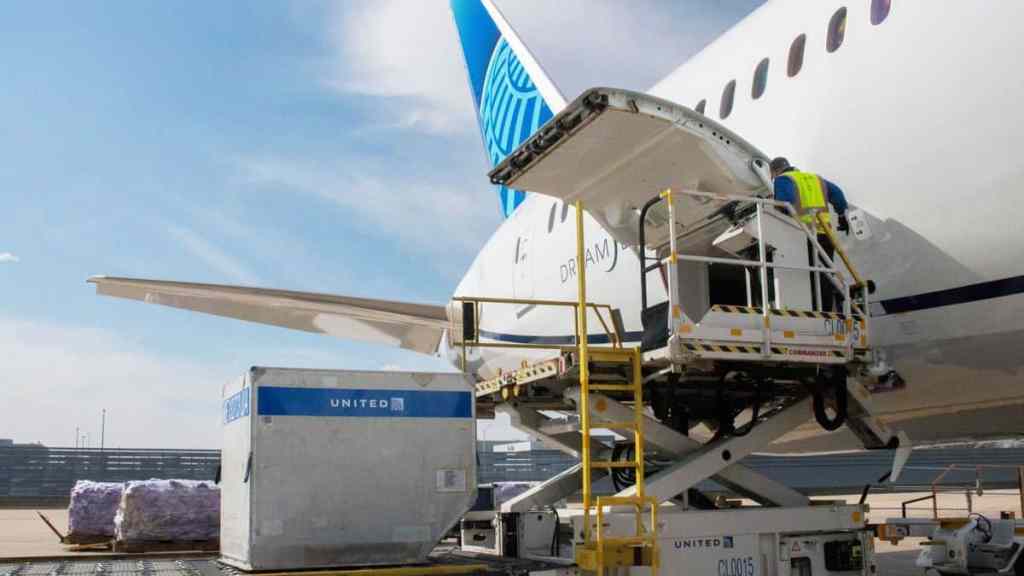
Nicholas Calio, Presidente y CEO de Airlines for America, expresó: «Siempre hemos dicho que las aerolíneas son una infraestructura crítica. Bueno, nos volvimos más críticos. No puedes tener una vacuna exitosa a menos que puedas llevarla a las personas que la necesitan». Esto es parte de los nuevos desafíos a que se enfrentan todos los organismos y gobiernos involucrados para mecanizar de manera responsable el alcance masivo de las dosis de las vacunas. Pero el mayor desafío al aprobarse varias vacunas es que tomará meses para fabricar en serie y distribuir las dosis a través del mundo. El desafío es enorme, es gigante, sólo proporcionar una dosis única a los 7.800 millones de personas del mundo llenaría 8.000 Boeing 747 aviones de carga, dice la Asociación Internacional de Transporte Aéreo (IATA). Si la mitad de las vacunas necesarias se transportan por tierra, seguiría siendo el mayor desafío que la industria de carga aérea haya enfrentado, dice la IATA. Pero más allá de las cifras citadas, es muy importante complementar las acciones industria-Estado-transporte para agilizar esta verdadera carrera maratónica que el mundo está por ingresar en esta etapa de la pandemia global.

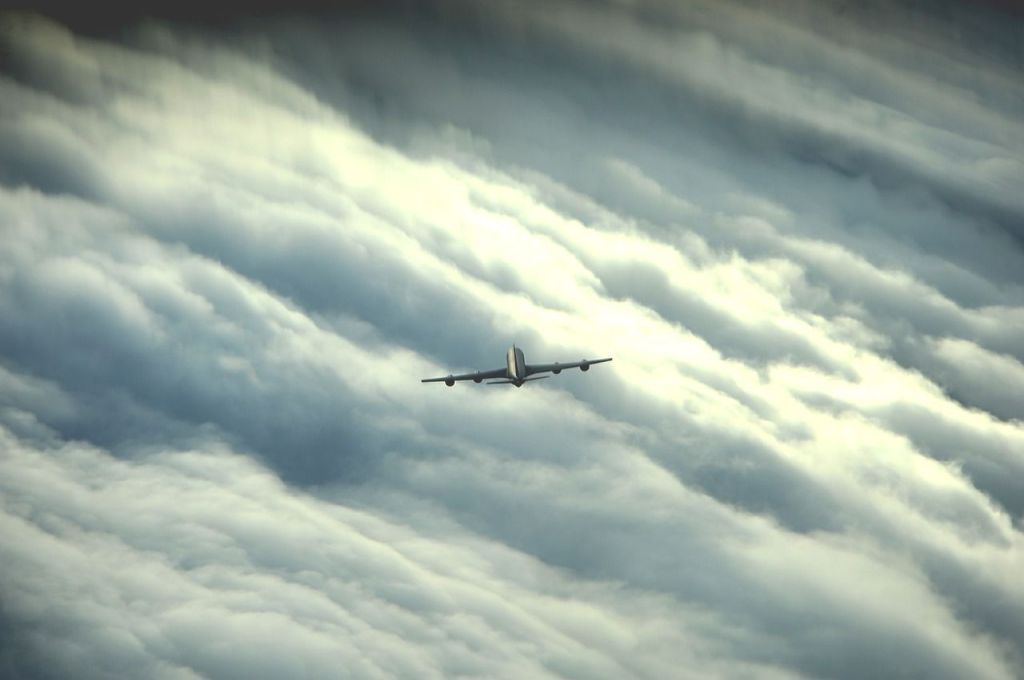
La imagen tiene un atributo ALT vacío; su nombre de archivo es aw.airplane_in_storm-1.jpg

Pero los desafíos no terminan allí. Es necesario transportar las vacunas a temperaturas por debajo de los -25ºC, pues será necesario garantizar en todas las etapas del transporte y almacenamiento que las dosis no corten la cadena de frío. Las aerolíneas clásicas y cargueras necesitarán readecuar sus bodegas para garantizar el arribo del cargamento en óptimas condiciones.

Aerolíneas, papel preponderante

Las líneas aéreas del mundo entran en escena con un papel importante para agilizar la distribución masiva de las dosis. Lufthansa de Alemania es una excepción, con capacidad de cadena de frío en 35 mercados. Otros, como Korean Air y United Airlines, están luchando para prepararse ahora. «Las cosas sólo pueden comenzar a volver a la normalidad cuando una vacuna está ampliamente disponible en todo el mundo. Estaremos listos para hacer nuestra parte», publicó Scott Kirby, CEO de United Airlines, esta semana.

Efectos pandémicos

La pandemia aplastó los viajes aéreos mundiales, con un 65% menos de tráfico de pasajeros con respecto a hace un año. Por ejemplo, las aerolíneas en Estados Unidos han acumulado US$ 36 mil millones de Dólares en pérdidas antes de impuestos hasta Septiembre 2020, y siguen perdiendo liquidez a razón de US$ 180 millones de Dólares diarios, según Airlines for America (A4A). Hasta el momento se han perdido aproximadamente 55.000 puestos de trabajo, con una pérdida de 90.000 puestos de trabajo previstas para finales de año.

Las aerolíneas necesitarán más ayudas de los gobiernos. La industria y los organismos de aviación y turismo está instando a programas de apoyos para los empleados de aerolíneas a través del mundo.

Perspectivas aéreas

La industria no está en la mejor forma para lograr una campaña tan masiva en la distribución eficaz de las dosis: Generará una alta demanda a contrarreloj. «Si las fronteras siguen cerradas, los viajes reducidos, las flotas en tierra y los empleados en tierra, la capacidad de suministrar vacunas que salvan vidas se verá muy comprometida», dijo Alexandre de Juniac, CEO de la IATA.

Requerirá mucho empeño y compromiso, pero contribuirá al avance muy importante de reducir enfáticamente los contagios masivos, focalizando la aplicación de las vacunas primeramente a los sectores más vulnerables. Confiamos que las aerolíneas estarán en mejores condiciones de continuar presentando batalla al virus maximizando los controles que representarán desafíos nuevos pero una esperanza para el retorno de la aviación comercial y el retorno de la confianza de la población mundial.

Aviation enters the hopes and challenges

Vaccine will present logistical challenges for aviation

The approach of vaccines for the control and cure of the Coronavirus disease is excellent news that airlines and the entire world have been waiting for. After months under the elementary praxis protocols to stop the advance of this pandemic, the arrival of the first doses to the countries of the world could mean the progressive recovery of commercial aviation, tourism, and many other sectors to return to normality. . But a new logistics challenge would loom to gather the resources needed to deliver billions of life-saving doses to the world.

Aviation & vaccines

The spread of new doses to stop the virus and the prevailing health crisis could restore the public’s confidence in air travel. The paradoxes of aviation have led us to reflect on the means of transport that has spread the virus throughout the world voraciously, although without the current sanitary measures, but now it is the same airlines that will play a crucial role in what the organization UNICEF has called «the world’s largest and fastest vaccine distribution effort in history». The companies will be able to achieve the opposite effect, massively distribute each vital load at the speed of thunder to the age group most affected by the pandemic virus.

Logistical challenges

Nicholas Calio, President and CEO of Airlines for America, said: «We have always said that airlines are critical infrastructure. Well, we became more critical. You cannot have a successful vaccine unless you can get it to the people who need it». This is part of the new challenges faced by all the agencies and governments involved to responsibly mechanize the massive scope of vaccine doses. But the biggest challenge with multiple vaccines being approved is that it will take months to mass-produce and distribute doses around the world. The challenge is enormous, it is gigantic, just providing a single dose to the 7.8 billion people of the world would fill 8,000 Boeing 747 cargo planes, says the International Air Transport Association (IATA). If half of the necessary vaccines are transported by land, it would still be the biggest challenge the air cargo industry has ever faced, says IATA. But beyond the figures cited, it is very important to complement industry-State-transport actions to speed up this true marathon race that the world is about to enter in this stage of the global pandemic.

But the challenges don’t end there. Vaccines must be transported at temperatures below -25ºC, since it will be necessary to ensure at all stages of transport and storage that the doses do not cut the cold chain. Classic and cargo airlines will need to readjust their warehouses to guarantee the arrival of cargo in optimal conditions.

Airlines, dominant role

The world’s airlines enter the scene with an important role in expediting the mass distribution of doses. Germany’s Lufthansa is an exception, with cold chain capacity in 35 markets. Others, like Korean Air and United Airlines, are struggling to prepare now. «Things can only begin to return to normal when a vaccine is widely available around the world. We will be ready to do our part», Scott Kirby, CEO of United Airlines, posted this week.

Pandemic effects

The pandemic crushed global air travel, with 65% less passenger traffic compared to a year ago. For example, airlines in the United States have accumulated US$ 36 billion in pre-tax losses through September 2020, and continue to lose liquidity at the rate of US$ 180 million a day, according to Airlines for America (A4A). Approximately 55,000 jobs have been lost so far, with a loss of 90,000 jobs expected by the end of the year.

Airlines will need more help from governments. The aviation and tourism industry and organizations are urging support programs for airline employees throughout the world.

Aerial perspectives

The industry is not in the best shape to achieve such a massive campaign in the effective distribution of the doses: It will generate a high demand against the clock. «If borders remain closed, travel reduced, fleets on land and employees on land, the ability to deliver life-saving vaccines will be greatly compromised», said Alexandre de Juniac, CEO of IATA.

It will require a lot of effort and commitment, but it will contribute to a very important advance by emphatically reducing mass infections by targeting the application of vaccines primarily to the most vulnerable sectors. We are confident that airlines will be in a better position to continue to fight the virus by maximizing controls that will represent new challenges but hope for the return of commercial aviation and the return of the confidence of the world population.

“Flying is too beautiful to limit our selves simply to accept it”

“El volar es demasiado bello para que nos limitemos simplemente a aceptarlo”

— Paul Karlson, Aviatior/Aviador


PUBLISHER: Airgways.com
DBk: Airgways.com / Axios.com / Iata.org / Airlines.org / Lufthansa.com / United.com
AW-POST: 202011132251AR

A\W   A I R G W A Y S ®