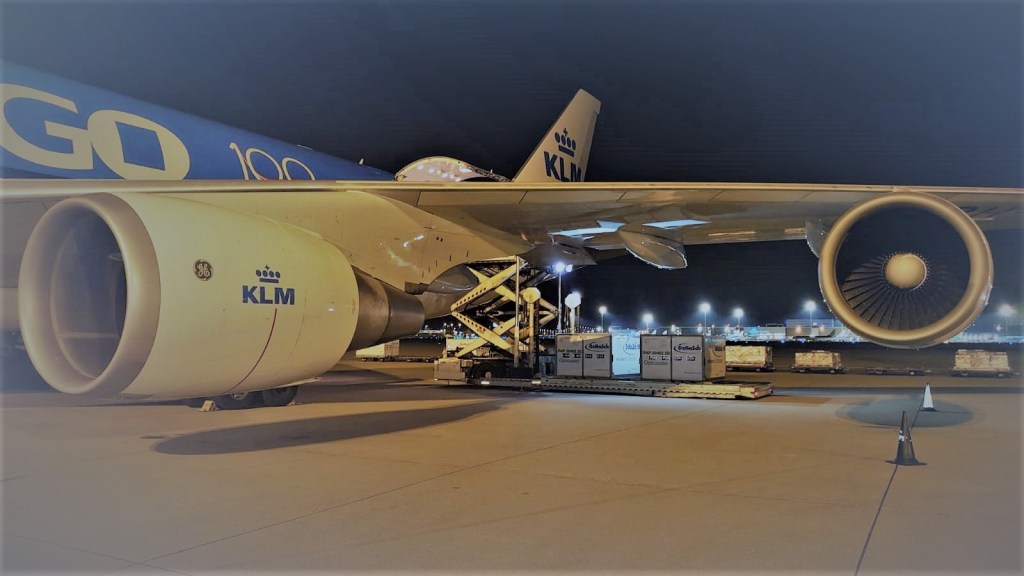
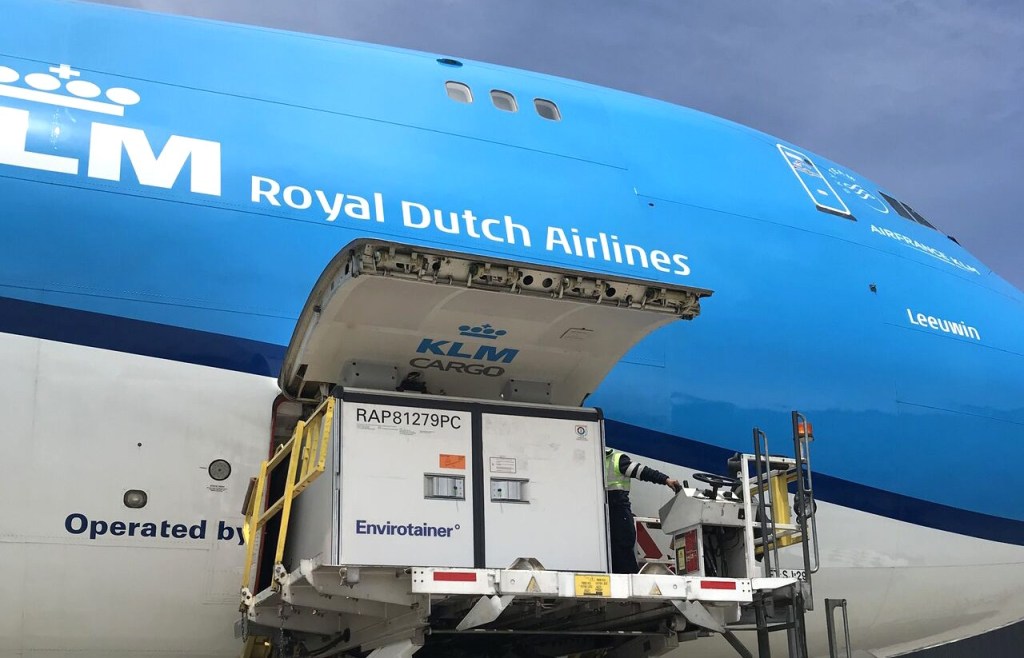
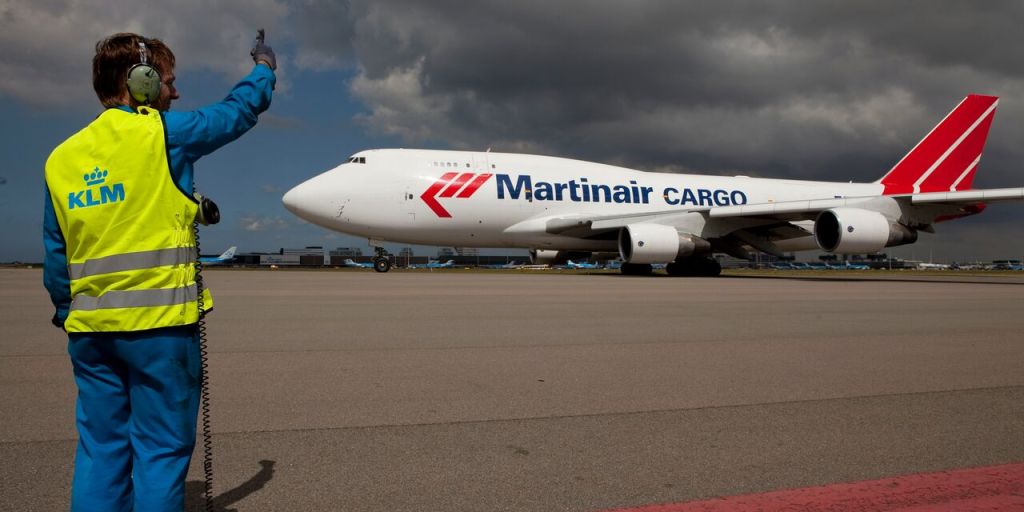
General Electric Company ha celebrado este 17/11 sus 25 aniversarios del producto insignia GE90, que ha entregado más de 2.800 motores, pionero de la propulsión superando los 100 millones de horas de vuelo. El 17 de Noviembre de 1995, el GE90 entró en servicio en el Boeing 777, alimentando un vuelo de British Airways entre Londres y Dubái. El motor GE90 ha sido uno de los más fiables de la industria con una tasa de fiabilidad de envío de clase mundial del 99,97 por ciento. En Julio 2020, la familia de motores superó los 100 millones de horas de vuelo. «Estamos emocionados de celebrar otro hito de GE90 y nos gustaría felicitar a todos los involucrados en el éxito del motor. Seguimos entregando estos motores extremadamente confiables y nuestro dedicado equipo de soporte de productos mantendrá el GE90 durante muchos años, proporcionando el máximo valor a lo largo de su ciclo de vida», dijo Mike Kauffman, Gerente General del programa GE90 de GE Aviation.
GE ha entregado más de 2.800 GE90 -94B y ha actualizado motores 115B a 70 operadores de todo el mundo. La familia de motores alimenta todos los modelos Boeing 777 y es la planta motriz exclusiva en el 777-300ER, -200LR y 777F. El motor GE90 se enfrenta a algunas de las demandas más exigentes a diario en un motor a reacción comercial de alto empuje. A pesar de esto, el motor ha logrado la menor carga de mantenimiento hasta la fecha a través del boletín de servicio que termina la aceleración de acciones y los programas de campo basados en análisis. Su arquitectura y diseño mecánico han influido en todos los turboventiladores GE y CFM en los últimos 20 años, desde el popular motor GEnx y el motor CFM LEAP de venta récord hasta el Passport para aviones corporativos y el motor GE9X de próxima generación para el Boeing 777X. El motor GE90 tuvo el récord mundial como el motor a reacción más potente durante 17 años con 127.900 libras de empuje hasta que el nuevo motor GE9X, recién certificado, alcanzó la nueva marca de 134.300 libras.
GE90 celebrates 25 years of service
GE90 has completed its 25th anniversary
General Electric Company celebrated on 11/17 its 25th anniversary of the flagship product GE90, which has delivered more than 2,800 engines, pioneering propulsion exceeding 100 million flight hours. On November 17, 1995, the GE90 entered service on the Boeing 777, fueling a British Airways flight between London and Dubai. The GE90 engine has been one of the most reliable in the industry with a world-class shipping reliability rate of 99.97 percent. In July 2020, the engine family exceeded 100 million flight hours. «We are excited to celebrate another GE90 milestone and would like to congratulate everyone involved in the engine’s success. We continue to deliver these extremely reliable engines and our dedicated product support team will maintain the GE90 for many years to come, providing maximum value throughout. throughout its life cycle», said Mike Kauffman, General Manager of GE Aviation’s GE90 program.
GE has delivered more than 2,800 GE90 -94Bs and upgraded 115B engines to 70 operators around the world. The engine family powers all Boeing 777 models and is the exclusive powerplant on the 777-300ER, -200LR and 777F. The GE90 engine faces some of the toughest demands on a daily basis in a high-thrust commercial jet engine. Despite this, the engine has achieved the lowest maintenance load to date through the service bulletin ending action acceleration and analysis-based field programs. Its architecture and mechanical design have influenced all GE and CFM turbofans over the past 20 years, from the popular GEnx engine and the record-selling CFM LEAP engine to the Passport for corporate jets and the next-generation GE9X engine for the Boeing 777X. . The GE90 engine held the world record as the most powerful jet engine for 17 years with 127,900 pounds of thrust until the newly certified GE9X engine reached the new mark of 134,300 pounds.
Desarrollo mercado positivo por impulso de recertificación
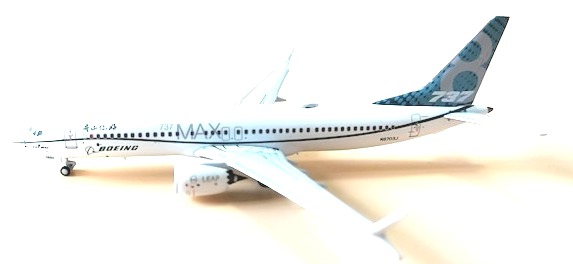
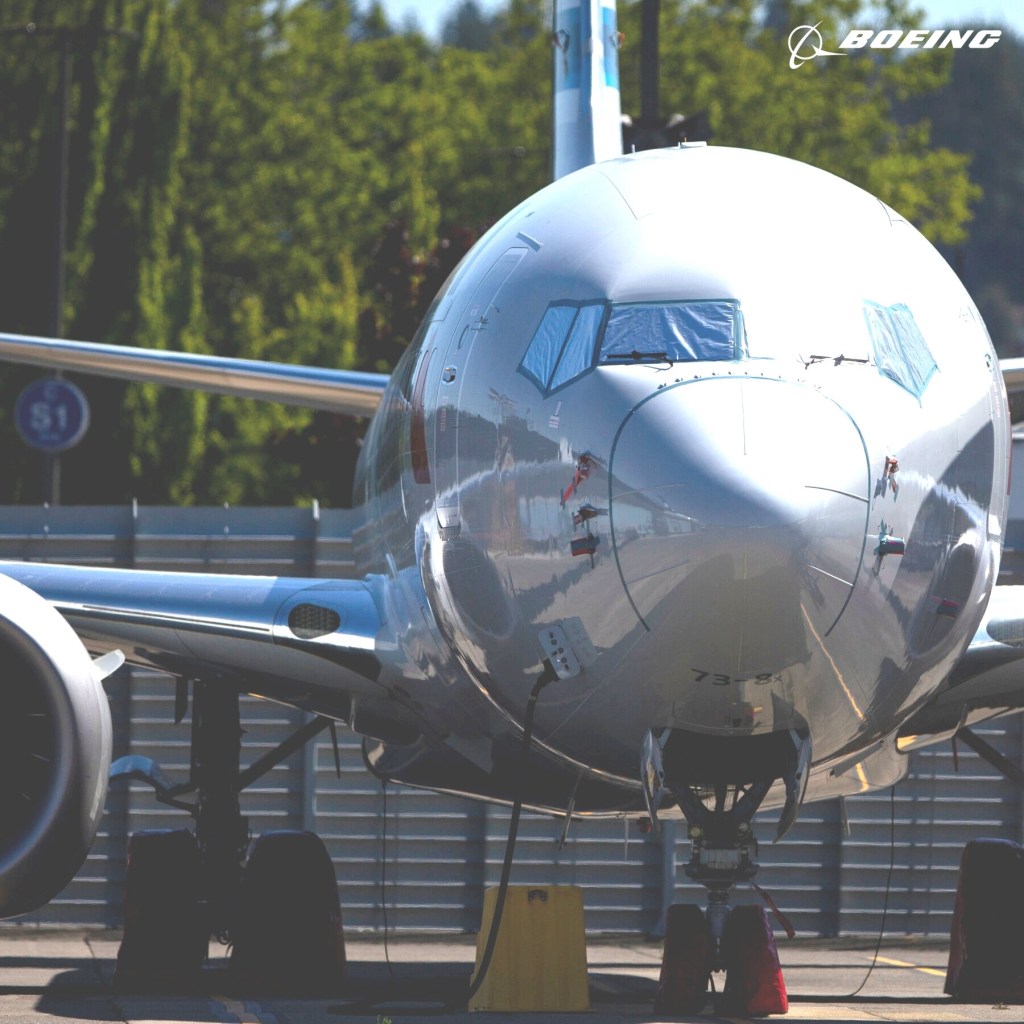
The Boeing Company tiene un impulso positivo debido a los horarios para la puesta a punto de su línea Boeing 737 MAX en sintonía con las noticias sobre vacunas para combatir la crisis sanitaria mundial. La recertificación de la línea 737 MAX es inminente, mientras que los mercados han dado un cierto impulso positivo recientemente en las noticias acerca de las vacunas para descomprimir la situación forzosa de cuarentenas.
A principios de Enero de 2020, Boeing tenía muy pocas maneras de comprimir la línea de tiempo y que se centra en un cambio significativo que Boeing hizo a la arquitectura de la computadora de Control de Vuelo del MCAS, que es un cambio que podría tomar alrededor de 12-15 meses para ser completamente certificado. A finales de Julio 2020 quedó claro que Boeing estaría trabajando en cambios significativos en la arquitectura, acercándonos a mediados de Noviembre 2020 para las aprobaciones de recertificación de la línea 737 MAX, aunque podría existir ciertos retrasos adicionales, pero éstos estarían relacionados a la pandemia actual.
Un gran impulso positivo en el programa Boeing 737 MAX después de los vuelos de recertificación de la FAA estarían dando nueva vida al principal producto de Boeing. El organismo publicó un NPRM (Aviso de Elaboración de Reglas Propuestas) que parece haber sido buena aceptación por las agencias de aviación canadienses y europeas, que luego siguieron con sus propios vuelos de evaluación antes de dirigirse a la Junta de Standarización de Vuelos y a la revisión de la Junta de Evaluación de Operaciones Conjuntas en Gatwick para revisar los cambios propuestos a los requisitos de capacitación.
Inicialmente esperábamos que la FAA hiciera que el informe del FSB estuviera disponible para el 1 Octubre 2020, lo que permitiría que las partes del proceso que más tiempo consumen se terminaran hacia el 06/11. La revisión de la FAA podría completarse hacia 18 de Noviembre de 2020. A partir de ahí, los últimos pasos a completar son la Notificación de Aeronavegabilidad Continua a la Comunidad Internacional (CANIC) que indica que está pendiente una directiva, seguida de la Directiva sobre Aeronavegabilidad (AD) que exigiría que se realizaran cambios en el Boeing 737 MAX antes de que la aeronave pueda volver al servicio aerocomercial.
737 MAX, apalancamiento económico
Para la compañía Boeing, el 737 MAX representa la línea más audaz de los productos de aviación comercial, proporcionando un elemento de movimiento de precios adicionales, diferenciándose de las demás unidades de programas de producción como el 777 y 787 pero que actualmente no representan las mejores opciones de ventas. Muy detrás está la línea 747, que solamente considerarán una sobrevida a la versión carguera más allá de los diez años. Cuatro productos activos, donde el principal best-seller en ventas continúa almacenado a punto de entrar en escena. Tras la aproximación de la recertificación del Boeing 737 MAX y la cercanía de una vacuna para la cura del Coronavirus permitirán eliminar las dos grandes barreras que condicionaban el retorno del best-seller de la compañía americana.
Boeing 737 MAX market impact
Positive market development driven by recertification
The Boeing Company has positive momentum due to the timing for the overhaul of its Boeing 737 MAX line in tune with news about vaccines to combat the global health crisis. The recertification of the 737 MAX line is imminent, while the markets have given some positive momentum recently in the news about vaccines to decompress the forced situation of quatents.
In early January 2020, Boeing had very few ways to compress the timeline and that focuses on a significant change that Boeing made to the MCAS Flight Control computer architecture, which is a change that could take around 12-15 months to be fully certified. At the end of July 2020 it became clear that Boeing would be working on significant changes in the architecture, approaching mid-November 2020 for recertification approvals for the 737 MAX line, although there could be certain additional delays, but these would be related to the current pandemic.
A big positive boost in the Boeing 737 MAX program after the FAA recertification flights would be giving new life to Boeing’s flagship product. The body released an NPRM (Notice of Proposed Rules Development) that appears to have been well accepted by Canadian and European aviation agencies, which then followed up with their own evaluation flights before going to the Flight Standardization Board and review. of the Joint Operations Evaluation Board at Gatwick to review proposed changes to training requirements.
We initially expected the FAA to make the FSB report available by October 1, 2020, which would allow the most time-consuming parts of the process to be completed by 11/06. The FAA review could be completed by November 18, 2020. From there, the last steps to complete are the Continuous Airworthiness Notification to the International Community (CANIC) indicating that a directive is pending, followed by the Directive on Airworthiness (AD) that would require changes to be made to the Boeing 737 MAX before the aircraft can return to commercial air service.
737 MAX, economic leverage
For the Boeing company, the 737 MAX represents the boldest line of commercial aviation products, providing an element of additional price movement, differentiating it from other production program units such as the 777 and 787 but which currently do not represent the best. sales options. Far behind is the 747 line, which will only consider the freighter version to survive beyond ten years. Four active products, where the main best-seller in sales continues to be stored about to enter the scene. After the approach of the recertification of the Boeing 737 MAX and the proximity of a vaccine for the cure of the Coronavirus, they will allow the elimination of the two great barriers that conditioned the return of the best-seller of the American company.
La vacuna presentará desafíos logísticos para la aviación
La aproximación de las vacunas para el control y cura de la enfermedad del Coronavirus es una excelente noticia que las aerolíneas y el mundo entero han estado esperando. Después de meses bajos los protocolos de praxis elementales para detener el avance de esta pandemia, el arribo de las primeras dosis a los países del mundo pudiera significar la recuperación progresiva de la aviación comercial, el turismo, y tantos otros sectores para retornar a la normalidad. Pero un nuevo desafío de logística se asomaría para reunir los recursos necesarios para entregar miles de millones de dosis que salvan vidas al mundo.
Aviación & vacunas
La propagación de las nuevas dosis para detener el virus y la crisis sanitaria imperante podría lograr restaurar la confianza del público a viajar en avión. Las paradojas de la aviación nos han traído a la reflexión acerca del medio de transporte que ha propagado el virus a través del mundo vorazmente, aunque sin las medidas sanitarias vigentes, pero ahora son las mismas aerolíneas que desempeñarán un papel crucial en lo que la organización UNICEF ha llamado «el esfuerzo de distribución de vacunas más grande y rápido del mundo en la historia». Las compañías podrán lograr el efecto inverso, distribuir de manera masiva a la velocidad del trueno cada carga vital para la la franja etaria más afectada por el virus pandémico.
Desafíos logísticos
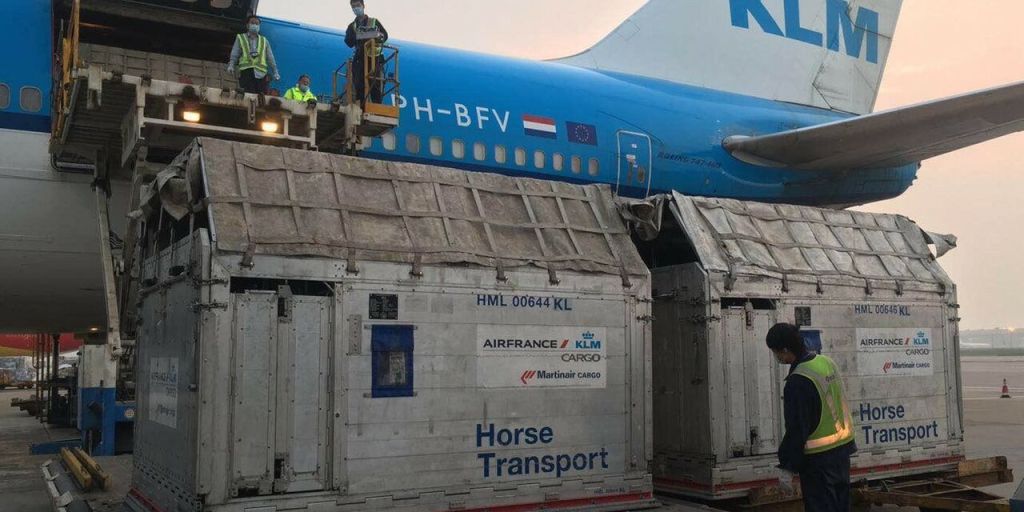
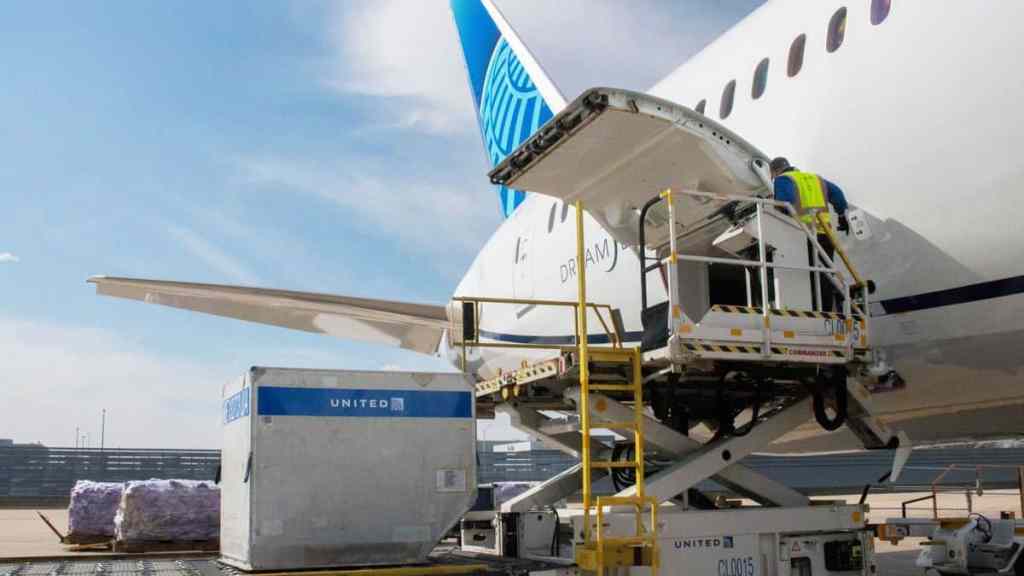
Nicholas Calio, Presidente y CEO de Airlines for America, expresó: «Siempre hemos dicho que las aerolíneas son una infraestructura crítica. Bueno, nos volvimos más críticos. No puedes tener una vacuna exitosa a menos que puedas llevarla a las personas que la necesitan». Esto es parte de los nuevos desafíos a que se enfrentan todos los organismos y gobiernos involucrados para mecanizar de manera responsable el alcance masivo de las dosis de las vacunas. Pero el mayor desafío al aprobarse varias vacunas es que tomará meses para fabricar en serie y distribuir las dosis a través del mundo. El desafío es enorme, es gigante, sólo proporcionar una dosis única a los 7.800 millones de personas del mundo llenaría 8.000 Boeing 747 aviones de carga, dice la Asociación Internacional de Transporte Aéreo (IATA). Si la mitad de las vacunas necesarias se transportan por tierra, seguiría siendo el mayor desafío que la industria de carga aérea haya enfrentado, dice la IATA. Pero más allá de las cifras citadas, es muy importante complementar las acciones industria-Estado-transporte para agilizar esta verdadera carrera maratónica que el mundo está por ingresar en esta etapa de la pandemia global.
Pero los desafíos no terminan allí. Es necesario transportar las vacunas a temperaturas por debajo de los -25ºC, pues será necesario garantizar en todas las etapas del transporte y almacenamiento que las dosis no corten la cadena de frío. Las aerolíneas clásicas y cargueras necesitarán readecuar sus bodegas para garantizar el arribo del cargamento en óptimas condiciones.
Aerolíneas, papel preponderante
Las líneas aéreas del mundo entran en escena con un papel importante para agilizar la distribución masiva de las dosis. Lufthansa de Alemania es una excepción, con capacidad de cadena de frío en 35 mercados. Otros, como Korean Air y United Airlines, están luchando para prepararse ahora. «Las cosas sólo pueden comenzar a volver a la normalidad cuando una vacuna está ampliamente disponible en todo el mundo. Estaremos listos para hacer nuestra parte», publicó Scott Kirby, CEO de United Airlines, esta semana.
Efectos pandémicos
La pandemia aplastó los viajes aéreos mundiales, con un 65% menos de tráfico de pasajeros con respecto a hace un año. Por ejemplo, las aerolíneas en Estados Unidos han acumulado US$ 36 mil millones de Dólares en pérdidas antes de impuestos hasta Septiembre 2020, y siguen perdiendo liquidez a razón de US$ 180 millones de Dólares diarios, según Airlines for America (A4A). Hasta el momento se han perdido aproximadamente 55.000 puestos de trabajo, con una pérdida de 90.000 puestos de trabajo previstas para finales de año.
Las aerolíneas necesitarán más ayudas de los gobiernos. La industria y los organismos de aviación y turismo está instando a programas de apoyos para los empleados de aerolíneas a través del mundo.
Perspectivas aéreas
La industria no está en la mejor forma para lograr una campaña tan masiva en la distribución eficaz de las dosis: Generará una alta demanda a contrarreloj. «Si las fronteras siguen cerradas, los viajes reducidos, las flotas en tierra y los empleados en tierra, la capacidad de suministrar vacunas que salvan vidas se verá muy comprometida», dijo Alexandre de Juniac, CEO de la IATA.
Requerirá mucho empeño y compromiso, pero contribuirá al avance muy importante de reducir enfáticamente los contagios masivos, focalizando la aplicación de las vacunas primeramente a los sectores más vulnerables. Confiamos que las aerolíneas estarán en mejores condiciones de continuar presentando batalla al virus maximizando los controles que representarán desafíos nuevos pero una esperanza para el retorno de la aviación comercial y el retorno de la confianza de la población mundial.
Aviation enters the hopes and challenges
Vaccine will present logistical challenges for aviation
The approach of vaccines for the control and cure of the Coronavirus disease is excellent news that airlines and the entire world have been waiting for. After months under the elementary praxis protocols to stop the advance of this pandemic, the arrival of the first doses to the countries of the world could mean the progressive recovery of commercial aviation, tourism, and many other sectors to return to normality. . But a new logistics challenge would loom to gather the resources needed to deliver billions of life-saving doses to the world.
Aviation & vaccines
The spread of new doses to stop the virus and the prevailing health crisis could restore the public’s confidence in air travel. The paradoxes of aviation have led us to reflect on the means of transport that has spread the virus throughout the world voraciously, although without the current sanitary measures, but now it is the same airlines that will play a crucial role in what the organization UNICEF has called «the world’s largest and fastest vaccine distribution effort in history». The companies will be able to achieve the opposite effect, massively distribute each vital load at the speed of thunder to the age group most affected by the pandemic virus.
Logistical challenges
Nicholas Calio, President and CEO of Airlines for America, said: «We have always said that airlines are critical infrastructure. Well, we became more critical. You cannot have a successful vaccine unless you can get it to the people who need it». This is part of the new challenges faced by all the agencies and governments involved to responsibly mechanize the massive scope of vaccine doses. But the biggest challenge with multiple vaccines being approved is that it will take months to mass-produce and distribute doses around the world. The challenge is enormous, it is gigantic, just providing a single dose to the 7.8 billion people of the world would fill 8,000 Boeing 747 cargo planes, says the International Air Transport Association (IATA). If half of the necessary vaccines are transported by land, it would still be the biggest challenge the air cargo industry has ever faced, says IATA. But beyond the figures cited, it is very important to complement industry-State-transport actions to speed up this true marathon race that the world is about to enter in this stage of the global pandemic.
But the challenges don’t end there. Vaccines must be transported at temperatures below -25ºC, since it will be necessary to ensure at all stages of transport and storage that the doses do not cut the cold chain. Classic and cargo airlines will need to readjust their warehouses to guarantee the arrival of cargo in optimal conditions.
Airlines, dominant role
The world’s airlines enter the scene with an important role in expediting the mass distribution of doses. Germany’s Lufthansa is an exception, with cold chain capacity in 35 markets. Others, like Korean Air and United Airlines, are struggling to prepare now. «Things can only begin to return to normal when a vaccine is widely available around the world. We will be ready to do our part», Scott Kirby, CEO of United Airlines, posted this week.
Pandemic effects
The pandemic crushed global air travel, with 65% less passenger traffic compared to a year ago. For example, airlines in the United States have accumulated US$ 36 billion in pre-tax losses through September 2020, and continue to lose liquidity at the rate of US$ 180 million a day, according to Airlines for America (A4A). Approximately 55,000 jobs have been lost so far, with a loss of 90,000 jobs expected by the end of the year.
Airlines will need more help from governments. The aviation and tourism industry and organizations are urging support programs for airline employees throughout the world.
Aerial perspectives
The industry is not in the best shape to achieve such a massive campaign in the effective distribution of the doses: It will generate a high demand against the clock. «If borders remain closed, travel reduced, fleets on land and employees on land, the ability to deliver life-saving vaccines will be greatly compromised», said Alexandre de Juniac, CEO of IATA.
It will require a lot of effort and commitment, but it will contribute to a very important advance by emphatically reducing mass infections by targeting the application of vaccines primarily to the most vulnerable sectors. We are confident that airlines will be in a better position to continue to fight the virus by maximizing controls that will represent new challenges but hope for the return of commercial aviation and the return of the confidence of the world population.
“Flying is too beautiful to limit our selves simply to accept it”
“El volar es demasiado bello para que nos limitemos simplemente a aceptarlo”
Acciona Airport Services abandona operaciones en el país
La empresa Acciona Airport Services S.A. que prestaba servicios de handling en el Aeropuerto El Palomar para la aerolínea JetSmart Airlines Argentina, ha anunciado que abandona las operaciones de handling. La firma de logística aeroportuaria había llegado al país a comienzos de 2019 y empleaba a unas cincuenta personas.
Acciona le prestaba a la aerolínea servicios de atención al cliente en el aeropuerto, tales como, facturación, embarque, venta de pasajes y atención a pasajeros, operaciones y despacho de vuelo. Cuando anunció su desembarco en la Argentina, planteó que Chile era un mercado estratégico para el crecimiento de sus negocios en América Latina y que, después de un año de consolidación allí, expandía sus operaciones a la Argentina. «Este año la industria aeroportuaria, a escala global, ha sufrido uno de los más profundos impactos en su historia, producto de la pandemia mundial Covid-19. Las restricciones producto de la pandemia han generado un nuevo contexto que ha obligado a Acciona a tomar la dura decisión de cerrar sus operaciones de handling de pasajeros en la Argentina, finalizando el contrato que la compañía mantenía con su único cliente, JetSmart. Acciona seguirá dispuesta a colaborar y atenta a las oportunidades futuras donde pueda aportar valor a sus clientes y a la industria aeronáutica prestando servicios de handling», dijeron desde la compañía de aerohandling.
La empresa suma más de 20 años de experiencia en servicios de handling a terceros y su cartera de clientes supera las 100 compañías aéreas. Comenzó en el rubro aeronáutico en el Aeropuerto de Santiago de Chile en Diciembre de 2016. En 2017, de la mano de la empresa JetSmart Airlines, que eligió a la compañía para ser su operador exclusivo en Chile, amplió sus servicios de logística en trece aeropuertos en el país. Además, adquirió en 2017 de Latam Airlines Group las actividades de servicios de rampa, asistencia de aeronaves, en el Aeropuerto de Santiago de Chile.
El cierre operativo del Aeropuerto El Palomar para vuelos comerciales ha obligado al personal a reclamar la conservación de sus puestos laborales, concentrando una movilización el Viernes 13/11 impulsada por la Asociación de Comerciantes y la Cámara de Industria y Comercio para defender los puestos de trabajo, el comercio y las fuentes de ingreso de las familias afectadas.
Operadora Acciona leaves Argentina
Acciona Airport Services abandons operations in the country
The company Acciona Airport Services S.A. which provided handling services at El Palomar Airport for JetSmart Airlines Argentina, has announced that it is abandoning handling operations. The airport logistics firm had arrived in the country in early 2019 and employed about fifty people.
Acciona provided the airline with customer service services at the airport, such as check-in, boarding, ticket sales and passenger care, operations and flight dispatch. When he announced his landing in Argentina, he stated that Chile was a strategic market for the growth of his business in Latin America and that, after a year of consolidation there, he was expanding his operations to Argentina. «This year the airport industry, on a global scale, has suffered one of the most profound impacts in its history, as a result of the global Covid-19 pandemic. The restrictions resulting from the pandemic have generated a new context that has forced Acciona to take the tough decision to close its passenger handling operations in Argentina, ending the contract that the company had with its only client, JetSmart. Acciona will continue to be willing to collaborate and attentive to future opportunities where it can add value to its customers and the industry aeronautics providing handling services», they said from the aerohandling company.
The company has more than 20 years of experience in handling services to third parties and its client portfolio exceeds 100 airlines. It began in the aeronautical sector at the Santiago de Chile Airport in December 2016. In 2017, with the help of the company JetSmart Airlines, which chose the company to be its exclusive operator in Chile, it expanded its logistics services in thirteen airports in the country. In addition, it acquired in 2017 from Latam Airlines Group the activities of ramp services, aircraft assistance, at the Santiago de Chile Airport.
The operational closure of the El Palomar Airport for commercial flights has forced staff to demand the preservation of their jobs, concentrating a mobilization on Friday 11/13 promoted by the Merchants Association and the Chamber of Industry and Commerce to defend jobs , commerce and the sources of income of the affected families.
Cámara Transporte pide plan emergencias sanitarias en aviación
Un proyecto de ley de la Cámara de Transporte e Infraestructura del Senado de Estados Unidos está estableciendo un plan de contingencias con la esperanza de aprovechar las lecciones aprendidas de la pandemia de Coronavirus para favorecer ayudas sanitaras. El Presidente del Subcomité de Aviación de la Cámara de Representantes del Senado, Rick Larsen y el representante Don Beyer, presentaron conjuntamente un proyecto de ley en el que se pedía un plan nacional de preparación para la aviación en caso de futuras emergencias sanitarias.
La Ley del Plan Nacional de Preparación para la Aviación de 2020, H.R.8712, requeriría que el Departamento de Transporte de los Estados Unidos colaborara con otras agencias gubernamentales para desarrollar un plan nacional que preparara a la industria de la aviación para futuros brotes de enfermedades transmisibles. Además de trabajar con los Departamentos de Seguridad Nacional y Salud y Servicios Humanos, entre otros, el Departamento de Transporte (DOT) consultaría con la industria de la aviación de los Estados Unidos, los sindicatos y otras partes interesadas clave de la aviación en el plan. Además, el proyecto de ley requeriría una evaluación del plan de la Oficina de Responsabilidad Gubernamental (GAO).
Este proyecto de ley se basa en la Ley de Vuelos Saludables de 2020 que el Representante Peter DeFazio introdujo en 2Q2020, estableciendo requisitos para que los pasajeros de aerolíneas, ciertos empleados de aerolíneas y otros trabajadores de la aviación cumplan durante epidemias y pandemias que implican el uso de máscaras y otras medidas preventivas. La pandemia Covid-19 ha subrayado la «necesidad urgente de un plan nacional de preparación para la aviación para garantizar la seguridad de las tripulaciones de aviación, los empleados y los pasajeros y restablecer la confianza en los viajes aéreos. Este proyecto de ley pondrá sobre la mesa a las agencias federales, a los trabajadores de la aviación de primera línea y a otras partes interesadas clave para elaborar un plan de acción claro e integral para futuros brotes», dijo Rick Larsen. «Tanto los perros guardianes del Gobierno de los Estados Unidos como las Naciones Unidas han identificado la necesidad de una estrategia nacional coordinada para prevenir la propagación de enfermedades por los viajes aéreos como un elemento crucial en la respuesta pandémica nacional e internacional. Sin embargo, hasta la fecha, la Administración no ha tomado ninguna medida para implementar dicho plan. Nuestra legislación exigiría que lo hicieran lo antes posible», Don Beyer.
Rick Larsen señaló que un estudio de la GAO en 2015 puso de relieve la necesidad de un plan nacional de preparación para la aviación. La Oficina de Responsabilidad Gubernamental había dicho que ese plan ayudaría a los sectores de la aviación y la salud pública de los Estados Unidos a coordinarse mejor en los esfuerzos de respuesta. La legislación ha recibido el respaldo de la Asociación Americana de Ejecutivos Aeroportuarios (AAAE). «Una mejor coordinación dentro del gobierno federal y una consulta más eficaz con aeropuertos, aerolíneas y otras partes interesadas sobre un marco de planificación consistente ayudarán a que el sistema de aviación de nuestra nación sea más seguro tanto para los pasajeros como para los trabajadores», dijo el Presidente/CEO Todd Hauptli de la asociación AAAE.
US Senate aviation health plan
Chamber of Transport asks for aviation health emergency plan
A bill from the United States Senate Chamber of Transportation and Infrastructure is establishing a contingency plan in the hope of harnessing the lessons learned from the Coronavirus pandemic to favor health aid. Senate House Aviation Subcommittee Chairman Rick Larsen and Rep. Don Beyer jointly introduced a bill calling for a national aviation preparedness plan for future health emergencies.
The National Aviation Preparedness Plan Act of 2020, HR8712, would require the U.S. Department of Transportation to collaborate with other government agencies to develop a national plan that would prepare the aviation industry for future outbreaks of communicable diseases. In addition to working with the Departments of Homeland Security and Health and Human Services, among others, the Department of Transportation (DOT) would consult with the United States aviation industry, unions, and other key aviation stakeholders on the plan. Additionally, the bill would require an evaluation of the plan by the Government Accountability Office (GAO).
This bill builds on the Healthy Flights Act of 2020 that Representative Peter DeFazio introduced in 2Q2020, establishing requirements for airline passengers, certain airline employees, and other aviation workers to comply during epidemics and pandemics involving the use of masks and other preventive measures. The Covid-19 pandemic has underscored the «urgent need for a national aviation readiness plan to ensure the safety of aviation crews, employees and passengers and restore confidence in air travel. This bill will put on the table to federal agencies, frontline aviation workers and other key stakeholders to develop a clear and comprehensive plan of action for future outbreaks», said Rick Larsen. «Both the United States government watchdogs and the United Nations have identified the need for a coordinated national strategy to prevent the spread of disease by air travel as a crucial element in the national and international pandemic response. However, until To date, the Administration has not taken any action to implement said plan. Our legislation would require that they do so as soon as possible», Don Beyer.
Rick Larsen noted that a GAO study in 2015 highlighted the need for a national aviation readiness plan. The Government Accountability Office had said that such a plan would help the United States’ aviation and public health sectors better coordinate in response efforts. The legislation has been endorsed by the American Association of Airport Executives (AAAE). «Better coordination within the federal government and more effective consultation with airports, airlines, and other stakeholders on a consistent planning framework will help make our nation’s aviation system safer for both passengers and workers», said AAAE President / CEO Todd Hauptli.
AW | 2020 10 26 11:00 | AIRLINES / AVIATION / GOVERNMENT
Flybondi dejaría de volar si no reabre El Palomar
La aeerolínea low cost de Argentina, Flybondi Líneas Aéreas ha rechazado la resolución del Organismo Regulador del Sistema Nacional de Aeropuertos (ORSNA) de iniciar operaciones en el Aeropuerto Internacional Ezeiza, después que el Gobierno cancelara las operaciones en el Aeropuerto El Palomar. El comunicado de la aerolínea de presupuesto denota la crisis desatada en el sector: “Sus argumentos son íntegramente impugnables y maliciosos”.
Flybondi Líneas Aéreas ha cuestionado con dureza la decisión del Gobierno nacional de no habilitar el Aeropuerto El Palomar, desde donde aterrizan y despegan las aerolíneas low cost. La compañía consideró que los argumentos detrás de la medida son íntegramente impugnables y maliciosos y rechazó operar desde Ezeiza, la única terminal habilitada en el Área Metropolitana de Buenos Aires (AMBA). A través de un comunicado publicado en su sitio web, Flybondi aludió a la carta enviada por el Organismo Regulador del Sistema Nacional de Aeropuertos (ORSNA) a la titular de la Administración Nacional de Aviación Civil (ANAC), Paola Tamborelli, en la que le dijo que el único aeropuerto habilitado en el AMBA es el de Ezeiza, ya que el Aeropuerto Jorge Newbery estará cerrado hasta Marzo de 2021 por las obras de refacción.
La aerolínea aún no ha sido notificada oficialmente acerca de deetalles y alcance de esta medida sobre el Aeropuerto Internacional El Palomar, pero la medida establecida por el Gobierno establecería la suspención de las operaciones en el aeropuerto low cost. Flybondi se ha expresado «total repudio y rechazo absoluto a esta decisión, cuyos argumentos son íntegramente impugnables y maliciosos; pero lo que es más grave aún, es que deja al descubierto el desmanejo regulatorio y la ausencia total de planificación y coordinación, generando dos claros damnificados: los pasajeros y los trabajadores”. El comunicado también expresó sorpresa por parte de la compañía, después de que el 14/10 el Ministerio de Transporte de la Nación y la Administradora Nacional de Aviación Civil (ANAC) confirmaran públicamente que el Aeropuerto en El Palomar continuaría operativo.
Esteban Tossutti, CEO de la aerolínea low cost, aseguró que volar desde el Aeropuerto Ezeiza no es una opción comercial para Flybondi ni para sus clientes. “Su decisión demuestra el poco respeto hacia los pasajeros que adquirieron tickets para volar desde El Palomar y que hasta último momento no saben desde donde saldrá su vuelo, sumado a los miles de pasajeros que sólo pueden viajar en avión si lo hacen desde un aeropuerto al que pueden llegar en transporte público”. Por esa razón, y ante la preocupación por la posible pérdida de miles de puestos de trabajo, concluyó: “Vamos a solicitarle a las autoridades la revisión de esta medida y realmente esperamos que puedan tomar decisiones idóneas, que pongan en el centro a los pasajeros, a los empleados y al trabajo genuino”.
Gobierno vs aviación
En Argentina a las compañías de bajo costo les resulta difícil volver a reiniciar sus vuelos nacionales. El ORSNA ha bloqueado las operaciones desde el Aeropuerto El Palomar a días de haber dado el visto bueno para que las aerolíneas de presupuesto puedan reactivar sus vuelos. Tanto Flybondi Líneas Aéreas como JetSmart Airlines Argentina, ahora han postergado las operaciones aéreas en el reinicio de los vuelos en el país por la cancelación por parte del Gobierno a último momento del aeropuerto low cost El Palomar.
Destrás de todas estas idas y vueltas que el Gobierno continúa realizando en medio de una crisis sanitaria respecto al aeropuerto low cost, amerita una reflexión seria y responsable. ¿Es la crisis de la pandemia una excusa para manejar acciones espúreas? Espúreas en la definición de realizar acciones falsas, bastardas e ilegítimas en contra de las reglas de mercado y del sentido común. En ningún país responsable se pueden manejar definiciones tan desmesuradas como las que se están realizando durante el proceso de la pandemia en Argentina en un marco de inseguridad jurídica atroz donde el país camina al borde de la anarquía.
Repensar una aviación responsable y de libre mercado parece ser una utopía en el país, donde el Estado en vez de atender las imperiosas necesidades de preservar las fuentes laborales, continúa con una postura mediocre y miope. Los desmanejos desde el Gobierno de Argentina respecto a la postura asumida frente a las aerolíneas low cost confirman por los hechos incongruentes desalentar las inversiones en materia de aviación comercial, atendiendo solamente las necesidades de su deficitaria Aerolíneas Argentinas como única protagonista del mercado aéreo en el país. Desde las serias amenazas que ha atravesado Latam Airlines Argentina (LAN Argentina) en el viejo reclamo del Estado por quedarse con los hangares del Aeropuerto Jorge Newbery, hasta la actualidad, con un panorama de inseguridad jurídica para las aerolíneas en un libre mercado y donde los derechos de los usuarios del transporte aéreo continúan desarrollándose entre una encrucijada en la lucha por la libertad de volar.
Flybondi rejects operations Ezeiza
Flybondi would stop flying if El Palomar does not reopen
Argentina’s low cost airline, Flybondi Líneas Aéreas, has rejected the resolution of the Regulatory Body of the National Airport System (ORSNA) to start operations at Ezeiza International Airport, after the Government canceled operations at El Palomar Airport. The statement from the budget airline denotes the crisis unleashed in the sector: «Their arguments are fully open to challenge and malicious».
Flybondi Líneas Aéreas has harshly questioned the decision of the national government not to enable the El Palomar Airport, from where the low cost airlines land and take off. The company considered that the arguments behind the measure are fully objectionable and malicious and refused to operate from Ezeiza, the only terminal enabled in the Metropolitan Area of Buenos Aires (AMBA). Through a statement published on its website, Flybondi alluded to the letter sent by the Regulatory Body of the National Airport System (ORSNA) to the head of the National Civil Aviation Administration (ANAC), Paola Tamborelli, in which he He said that the only airport enabled in the AMBA is Ezeiza, since the Jorge Newbery Airport will be closed until March 2021 for the renovation works.
The airline has not yet been officially notified about the details and scope of this measure on the El Palomar International Airport, but the measure established by the Government would establish the suspension of operations at the low cost airport. Flybondi has expressed «total repudiation and absolute rejection of this decision, whose arguments are fully objectionable and malicious; but what is even more serious, is that it reveals regulatory mismanagement and the total absence of planning and coordination, generating two clear victims: passengers and workers”. The statement also expressed surprise on the part of the company, after on 10/14 the Ministry of Transportation of the Nation and the National Civil Aviation Administrator (ANAC) publicly confirmed that the Airport in The Palomar would continue operating.
Esteban Tossutti, CEO of the low cost airline, assured that flying from Ezeiza Airport is not a commercial option for Flybondi or for its clients. “His decision shows the lack of respect for the passengers who acquired tickets to fly from El Palomar and who until the last moment do not know where their flight will depart from, added to the thousands of passengers who can only travel by plane if they do so from an airport to that can be reached by public transport”. For that reason, and in view of the concern about the possible loss of thousands of jobs, he concluded: “We are going to ask the authorities to review this measure and we really hope that they can make the right decisions that put passengers at the center, to employees and genuine work”.
Government vs aviation
In Argentina, it is difficult for low-cost airlines to restart their domestic flights. The ORSNA has blocked operations from El Palomar Airport days after giving the go-ahead for budget airlines to reactivate their flights. Both Flybondi Líneas Aéreas and JetSmart Airlines Argentina have now postponed air operations in the restart of the flights in the country due to the cancellation by the Government at the last minute of the low cost airport El Palomar.
Behind all these twists and turns that the Government continues to carry out in the midst of a health crisis regarding the low cost airport, it deserves a serious and responsible reflection. Is the pandemic crisis an excuse to handle spurious actions? Spurious in the definition of carrying out false, bastard and illegitimate actions against market rules and common sense. In no accountable country can definitions be handled as excessive as those that are being made during the process of the pandemic in Argentina in a framework of atrocious and excessive legal insecurity where the country walks on the edge of anarchy.
Rethinking a responsible and free market aviation seems to be a utopia in the country, where the State, instead of attending to the urgent needs of preserving job sources, continues with a mediocre and myopic position. The mismanagement of the Government of Argentina regarding the position assumed in relation to low cost airlines confirms, due to incongruous facts, the discouragement of investments in commercial aviation, attending only to the needs of its deficit Aerolíneas Argentinas as the only player in the air market in the country. From the serious threats that Latam Airlines Argentina (LAN Argentina) has gone through in the old claim of the State to keep the hangars of the Jorge Newbery Airport, to the present, with a panorama of legal insecurity for the airlines in a free market and where the The rights of air transport users continue to unfold at a crossroads in the fight for the freedom to fly.
La industria de la aviación y la profesión de Control del Tráfico Aéreo (ATC) están azotadas por la pandemia mundial COVID-19 en todo el mundo. Los controladores de tráfico aéreo que participan en esta profesión están contemplando la celebración del Día Internacional del Controlador de Tráfico Aéreo este 20 de Octubre de 2020. A lo largo de los años, los ATV marcaron este día con numerosos eventos como programas de sensibilización y concursos de concursos para escolares amantes de la aviación, seminarios, talleres y muchos otros programas de expertos de la industria.
La comunidad ATC está lista para enfrentar cualquier desafío en cualquier momento, por la naturaleza de su trabajo en la prestación de servicio de control de tráfico aéreo. Es un desafío para la seguridad y la eficiencia del Servicio de Tráfico Aéreo (ATS) en los tiempos que vuelan.
Los Estados miembros de la OACI acordaron la resolución A38-18 de introducir cuatro metodologías para reducir las emisiones de gas de la Green House Gas (GHG) en un 2% en los próximos 10 años con el fin de sostener la industria. Los cuatro métodos para reducir las emisiones son la introducción de combustibles alternativos, nuevas tecnologías para la fabricación de aeronaves para reducir la quema de combustible, el desarrollo de infraestructura de Gestión del Tráfico Aéreo (ATM) sin problemas entre los estados y la introducción de medidas basadas en el mercado, como el comercio de carbono.
Perspectivas aviación
La esperanza de la industria de la aviación es una rápida recuperación de la pandemia. La previsión de la IATA y la OACI para que la industria se recupere para alcanzar los niveles de tráfico previos a la pandemia el 2023.
International ATC Day
International Air Traffic Controller Day
The aviation industry and the Air Traffic Control (ATC) profession are ravaged by the global COVID-19 pandemic around the world. Air traffic controllers who participate in this profession are contemplating the celebration of the International Air Traffic Controller Day this October 20, 2020. Over the years, ATVs marked this day with numerous events such as awareness programs and contests. of competitions for aviation-loving school children, seminars, workshops and many other programs from industry experts.
The ATC community is ready to face any challenge at any time, due to the nature of its work in providing air traffic control service. It is a challenge for the safety and efficiency of the Air Traffic Service (ATS) in the times they fly.
ICAO Member States agreed to Resolution A38-18 to introduce four methodologies to reduce Green House Gas (GHG) emissions by 2% over the next 10 years in order to sustain the industry. The four methods of reducing emissions are the introduction of alternative fuels, new technologies for aircraft manufacturing to reduce fuel burn, the development of seamless Air Traffic Management (ATM) infrastructure between states, and the introduction of measures market-based, such as carbon trading.
Aviation perspectives
The hope of the aviation industry is a speedy recovery from the pandemic. The IATA and ICAO forecast for the industry to recover to reach pre-pandemic traffic levels in 2023.
Boeing 737 MAX continúa impulso aprobaciones hacia la recta final
The Boeing Company parece haber captado cierto impulso positivo como el Jefe Patrick Ky de la Agencia de Seguridad Aérea de la Unión Europea (EASA) se ha pronunciado sobre la línea Boeing 737 MAX que es seguro para volar. Algunas series de mal interpretaciones se han dejado correr respecto a las supuestas recertificaciones por parte del organismo de la aviación europea de la EASA. Salvando las diferencias y corrigiendo los dichos, ajustamos la información a la realidad, teniendo presente que el organismo regulador de aviación de Europa solamente ha establecido un comentario posterior a la evaluación de los test de vuelos del Boeing 737 MAX.
Ponderando al 737 MAX
El Administrador de la Federal Aviation Administration (FAA), Steve Dickson, se ha expresado muy positivamente después de volar personalmente el Boeing 737 MAX, esto no constituye la recertificación y el levantamiento de la prohibición de vuelo para el Boeing 737 MAX. Patrick Ky, el Administrador de EASA, dijo es lo siguiente: «Nuestro análisis está demostrando que esto es seguro, y el nivel de seguridad alcanzado es lo suficientemente alto para nosotros». Aunque la EASA ha establecido el visto bueno, el Boeing 737 MAX todavía continúa camino hacia la recertificación. Mientras tanto, el Boeing 737 MAX sigue sin estar certificado.
Recta final
Para que el Boeing 737 MAX recupere su Certificado de Aeronavegabilidad en Europa, la EASA necesita completar su revisión de datos de vuelo antes de poder redactar una Directiva de Aeronavegabilidad (AD) que estará abierta a comentar durante cuatro semanas. Sólo cuando se eliminan esos obstáculos, el Boeing 737 MAX puede ser certificado para el vuelo de nuevo y, como autoridad de certificación principal, la FAA tiene que limpiar el Boeing 737 MAX primero antes de que la EASA pueda certificar la aeronave para el vuelo en Europa. Las palabras más recientes de Patrick Ky se observan como un signo de convergencia en el calendario y un consenso como signos de la evolución positiva de la línea de tiempo, el consenso y la convergencia hacia las aprobaciones futuras de la aeronave de cuarta generación de la línea 737.
La redacción del NPRM (Aviso de Elaboración de Reglas Propuestas) ha avanzado, al mismo tiempo, hubo más pasos hacia la certificación del Boeing 737 MAX y el proyecto de informe fue publicado aproximadamente una semana más tarde de lo que esperado. El momento de los vuelos de evaluación es extremadamente importante. Lo que observamos es que los vuelos de evaluación no tuvieron lugar hasta que la FAA publicó su Aviso de elaboración de reglas propuestas y en esa medida puede ver los vuelos de evaluación como una aprobación no oficial de la NPRM de la FAA. Si el NPRM hubiera contenido elementos con los que las administraciones de aviación extranjeras no estarían contentas, es poco probable que realizaran vuelos de evaluación. Si nos fijamos en todo el proceso, ha habido indicaciones positivas desde finales de Agosto 2020.
El período de comentarios finalizará el 2 de Noviembre de 2020, después de lo cual hay dos hitos más grandes que deben ser establecidos. Esto llevaría la recertificación del Boeing 737 MAX por la FAA aproximadamente hacia finales de Noviembre 2020. La Directiva Aeronavegabilidad (AD) pudiera publicarse casi inmediatamente después de que la FAA haya recertificado al Boeing 737 MAX e incorpore el calendario de comentarios de cuatro semanas para EASA, el Boeing 737 MAX estaría certificado a mediados o finales de Diciembre 2020.
Reactivando 737 MAX
Las aerolíneas pudieran reacondicionar sus flotas, entrenamientos y readaptación de las tripulaciones y puesta a punto, con un tiempo prudencial de uno a dos meses en haber pasado por todas las modificaciones necesarias en el Boeing 737 MAX. Por lo tanto, en perspectivas, estaríamos viendo el reacondicionamiento de las unidades en los Estados Unidos hacia finales de 2020, y la entrada de servicios en Europa a principios de 2021.
La recertificación en Europa y Canadá no sería un proceso debidamente largo debido a requisitos adicionales impuestos por las administraciones de aviación, pero ahora estamos viendo que como esperaba que hubiera consenso sobre los requisitos mínimos, Boeing tiene tiempo para lidiar con cuestiones que hacen que el Boeing 737 MAX sea aún más seguro además de lo que ya se requerirá inmediatamente tras la recertificación.
Perspectivas 737 MAX
El próximo desafío del Boeing 737 MAX estaría centrado en eliminar la incertidumbre con respecto a la recuperación en la industria aérea que está poniendo un freno al desarrollo de la aviación comercial y a la posición de mercado que corresponde al Boeing 737 MAX. La recertificación ha sido un proceso minuciosamente largo, lo mismo serán las perspectivas de recuperación de los márgenes de ventas para el 737 MAX. La caja fuerte del Boeing es el 737 MAX, un fuerte respaldo que ha recibido de los reguladores hasta la fecha, pero necesario para continuar confiando en el producto líder de la compañía americana.
Los grandes signos de interrogación que quedan son, por supuesto, cuán dispuestas estarán las aerolíneas a restablecer el servicio Boeing 737 MAX en el entorno de la demanda actual y si la certificación en China por parte de la CAAC, un mercado importante pero regulado por el Estado para aviones comerciales, incluirá algún motivo político. Boeing ha puesto todo su capital y esfuerzo humano para devolver al 737 MAX a los cielos del mundo con la perspectiva definida de prolongar la vida útil de la línea más afamada de aeronaves comerciales del mundo.
Boeing 737 MAX outlines final line
Boeing 737 MAX continues to push approvals down the stretch
The Boeing Company appears to have picked up some positive momentum as Chief Patrick Ky of the European Union Aviation Safety Agency (EASA) has spoken out about the Boeing 737 MAX line being safe to fly. Some series of misinterpretations have been allowed to run regarding the alleged recertifications by the European aviation body EASA. Saving the differences and correcting the statements, we adjust the information to reality, bearing in mind that the European aviation regulatory body has only established a comment after the evaluation of the Boeing 737 MAX flight tests.
Weighting the 737 MAX
The Administrator of the Federal Aviation Administration (FAA), Steve Dickson, has expressed himself very positively after personally flying the Boeing 737 MAX, this does not constitute the recertification and the lifting of the flight ban for the Boeing 737 MAX. Patrick Ky, the Administrator of EASA, said is the following: «Our analysis is showing that this is safe, and the level of security achieved is high enough for us». Although EASA has established the go-ahead, the Boeing 737 MAX is still on its way to recertification. Meanwhile, the Boeing 737 MAX remains uncertified.
Final stretch
In order for the Boeing 737 MAX to regain its Certificate of Airworthiness in Europe, EASA needs to complete its flight data review before it can draft an Airworthiness Directive (AD) that will be open for comment for four weeks. Only when those obstacles are removed can the Boeing 737 MAX be certified for flight again and, as the primary certification authority, the FAA has to clean the Boeing 737 MAX first before EASA can certify the aircraft for flight in Europe. Patrick Ky’s most recent words are seen as a sign of convergence on the schedule and consensus as signs of the positive evolution of the timeline, consensus and convergence towards future approvals of the fourth generation aircraft of the line 737.
The writing of the NPRM (Notice of Proposed Rule Making) has progressed, at the same time, there were more steps towards the certification of the Boeing 737 MAX and the draft report was published about a week later than expected. The timing of the evaluation flights is extremely important. What we observed is that the evaluation flights did not take place until the FAA published its Notice of Proposed Rulemaking and to that extent you can view the evaluation flights as unofficial approval from the FAA’s NPRM. If the NPRM had contained elements that foreign aviation administrations would not be happy with, it is unlikely that they would conduct assessment flights. If you look at the whole process, there have been positive indications since the end of August 2020.
The comment period will end on November 2, 2020, after which there are two larger milestones that need to be set. This would lead to the recertification of the Boeing 737 MAX by the FAA around the end of November 2020. The Airworthiness Directive (AD) could be published almost immediately after the FAA has recertified the Boeing 737 MAX and incorporates the four-week comment schedule for EASA. , the Boeing 737 MAX would be certified in mid to late December 2020.
Reactivating 737 MAX
The airlines could recondition their fleets, training and retraining of the crews and tuning, with a reasonable time of one to two months to have gone through all the necessary modifications in the Boeing 737 MAX. Therefore, in prospects, we would be seeing the refurbishment of units in the United States towards the end of 2020, and the entry of services in Europe in early 2021.
Recertification in Europe and Canada would not be a properly lengthy process due to additional requirements imposed by aviation administrations, but we are now seeing that as we expected there to be consensus on the minimum requirements, Boeing has time to deal with issues that make the Boeing 737 MAX is even more secure in addition to what will already be required immediately after recertification.
Perspective 737 MAX
The next challenge for the Boeing 737 MAX would be focused on eliminating the uncertainty regarding the recovery in the airline industry that is putting a brake on the development of commercial aviation and the market position that corresponds to the Boeing 737 MAX. Recertification has been a painstakingly long process, as will the prospects for recovery of sales margins for the 737 MAX. Boeing’s safe is the 737 MAX, a strong endorsement it has received from regulators to date, but necessary to continue to trust the American company’s leading product.
The big question marks that remain are, of course, how willing airlines will be to re-establish Boeing 737 MAX service in the current demand environment and whether certification in China by the CAAC, an important but regulated market by the Status for commercial aircraft, will include a political motive. Boeing has put all its capital and human effort to return the 737 MAX to the skies of the world with the definite perspective of extending the useful life of the most famous line of commercial aircraft in the world.
Lanzamiento programa desregulación aerocomercial brasileño
El Presidente brasileño Jair Bolsonaro en la sede del Palacio del Planalto, con la asistencia del Ministerio de Economía a cargo de Paulo Guedes y el Ministerio de Infraestructura, a su cargo de Tarcísio Gomes y representantes de ANAC, han presentado el Plan Vôo Simples, para el desarrollo aerocomercial nacional, tras setenta reuniones ministeriales con diversos representantes del sector. La medida fue anunciada hace meses por Bolsonaro y confirmada por el propio mandatario en otras oportunidades. La última vez que Brasil experimentó alguna desregulación de la aviación comercial fue durante el Gobierno de Fernando Collor de Melo en el período 1990-1992, que eliminó el precio fijo de los vuelos, lo que generó una amplia competencia en el sector, permitiendo a varias empresas entonces locales volar al exterior.
Entre las novedades, se propone el permiso para realizar vuelos a las aerolíneas comerciales en aeropuertos privados y también la aceptación de certificados médicos para tripulantes obtenido en otros países. Se alude, asimismo a diversos ítems de desregulación y burocracia aeronáutica, que afectan a aeronautas, aeropuertos y empresas del sector.
Ubicaciones de locales de examen para pilotos comerciales: Actualmente, solo 13 oficinas de ANAC en siete estados están calificadas para realizar las pruebas para obtener licencias para pilotos, auxiliares de vuelo, mecánicos y despachantes. Este número debería ampliarse a todos los estados de la federación, con más de 50 ubicaciones a fines de 2020.
Simulador extendido: Hoy en día, dependiendo del tipo de aeronave que vuele el piloto, es necesario realizar entrenamiento en simulador una vez cada 12 meses, ahora este período se puede extender a 24 meses. Licencia vitalicia: Las calificaciones de los aeronautas, como las de vuelo por instrumentos, las calificaciones de tipo para operar en una aeronave o clase de aeronave específica, se renuevan actualmente anualmente o inclusive semestralmente. Con el programa “Vôo Simples” se va a requerir solo la prueba práctica inicial y la aprobación de la misma.
Proceso de calificación sea aprobado y publicado en el sistema por parte de ANAC: luego de la aprobación en el chequeo (evaluación), el aeronauta ya podrá volar en la aeronave de acuerdo a la calificación obtenida. Muchos de los requisitos para los operadores aéreos como aerolíneas y taxis aéreos son los mismos, independientemente de su tamaño (pero según el tipo de operación, ya sea regular, servicio aéreo especial o vuelos comerciales). Ahora, el Gobierno podrá adaptar estos requisitos al tamaño de la empresa, facilitando el proceso para las pequeñas empresas de aviación. Nuevos negocios como vuelos comerciales con drones, compartir vuelos de aviones ejecutivos y otros negocios que aún no están regulados, pueden comercializarse incluso sin disposición puntual en la nueva regulación. El proceso de registro de aeronaves ahora estará completamente digitalizado y simplificado.
El entrenamiento diferenciado para copiloto y comandante: en la actualidad, la formación técnica en la aeronave es la misma para copilotos y comandantes, con prácticamente el mismo coste para la empresa. Ahora, según el gobierno, estos procesos serán diferenciados, reduciendo costos y permitiendo mayores oportunidades para los pilotos que inician sus carreras. Certificado médico en el extranjero: el Certificado Médico Aeronáutico sólo se puede realizar actualmente en clínicas acreditadas en Brasil, ahora con los exámenes médicos «Vôo Simples» los chequeos realizados en otros países, como Estados Unidos, se pueden aceptar.
Fin de la lista de pasajeros en vuelos no regulares: Actualmente existe una gran lista de documentos obligatorios que deben estar a bordo de la aeronave durante el vuelo. El gobierno debe anunciar que ya no será necesario para todos estos documentos obligatorios, sino una lista más sucinta. Un ejemplo es el final del requisito de la lista de pasajeros en vuelos no comerciales. Todos los demás documentos que se seguirán cobrando migrarán a formato digital.
Aeropuertos privados con vuelos comerciales: Brasil es uno de los pocos países grandes que prohíbe los vuelos comerciales regulares de pasajeros en aeropuertos que no son gubernamentales o administrados por el estado. Con “Vôo Simples”, los aeropuertos privados, como el Aeropuerto de Catarina, en el Gran São Paulo, podrían recibir vuelos de aerolíneas o taxis aéreos en rutas regulares.
Autorización previa para la construcción de aeropuertos: Vôo Simples” también debería poner fin a la autorización previa para la construcción de aeropuertos. Ahora, se propone que solo sea necesaria la certificación del aeródromo una vez finalizadas las obras.
Operación anfibia: Actualmente no existe una regulación específica sobre operación anfibia (cuando la aeronave puede operar en pistas terrestres o acuáticas, como ríos, lagos o mares). Ahora, sería posible operar en aguas brasileñas con este tipo de aeronaves, incluidos vuelos comerciales, con el fin de incrementar la conectividad en la región Amazonia Legal. La misma corresponde al 62% del territorio nacional, superando los 5 millones de km² con los estados de Acre, Amapá, Amazonas, Pará, Rondônia, Roraima, Tocantins, Mato Grosso y cerca de 79% del estado de Maranhão y casi 25 millones de habitantes. donde asimismo se va a agilizar la normativa para construir aeropuertos regionales.
Brazil launches Vôo Simples Program
Launch of the Brazilian commercial aviation deregulation
Brazilian President Jair Bolsonaro at the headquarters of the Planalto Palace, with the assistance of the Ministry of Economy led by Paulo Guedes and the Ministry of Infrastructure, led by Tarcísio Gomes and representatives of ANAC, have presented the Vôo SimplesPlan, to national commercial aviation development, after seventy ministerial meetings with various representatives of the sector. The measure was announced months ago by Bolsonaro and confirmed by the president himself on other occasions. The last time that Brazil experienced any deregulation of commercial aviation was during the Government of Fernando Collor de Melo in the period 1990-1992, which eliminated the fixed price of flights, which generated extensive competition in the sector, allowing several then local companies fly abroad.
Among the new features, it is proposed the permission to make flights to commercial airlines in private airports and also the acceptance of medical certificates for crew members obtained in other countries. It also refers to various items of deregulation and aeronautical bureaucracy, which affect aeronauts, airports and companies in the sector.
Commercial Pilot Test Venue Locations: Currently, only 13 ANAC offices in seven states are qualified to test for pilot, flight attendant, mechanic, and dispatcher licenses. This number should be expanded to all states in the federation, with more than 50 locations by the end of 2020.
Extended simulator: Nowadays, depending on the type of aircraft the pilot flies, it is necessary to carry out simulator training once every 12 months, now this period can be extended to 24 months. Lifetime license: Aeronaut qualifications, such as instrument flight qualifications, type qualifications to operate a specific aircraft or class of aircraft, are currently renewed annually or even semi-annually. With the “Vôo Simples” program, only the initial practical test and its approval will be required.
Qualification process is approved and published in the system by ANAC: after approval in the check (evaluation), the aeronaut will be able to fly in the aircraft according to the qualification obtained. Many of the requirements for air operators such as airlines and air taxis are the same, regardless of their size (but depending on the type of operation, be it regular, special air service or commercial flights). Now, the Government will be able to adapt these requirements to the size of the company, facilitating the process for small aviation companies. New businesses such as commercial flights with drones, shared flights of executive aircraft and other businesses that are not yet regulated, can be marketed even without specific provision in the new regulation. The aircraft registration process will now be fully digitized and simplified.
Differentiated training for copilot and commander: at present, technical training on the aircraft is the same for copilots and commanders, at practically the same cost for the company. Now, according to the government, these processes will be differentiated, reducing costs and allowing greater opportunities for pilots who are starting their careers. Medical certificate abroad: the Aeronautical Medical Certificate can currently only be performed in accredited clinics in Brazil, now with the «Voo Simples» medical exams, check-ups performed in other countries, such as the United States, can be accepted.
End of the list of passengers on non-scheduled flights: There is currently a large list of mandatory documents that must be on board the aircraft during the flight. The government should announce that a more succinct list will no longer be needed for all these mandatory documents. An example is the end of the passenger list requirement on non-commercial flights. All other documents that will continue to be charged will migrate to digital format.
Private airports with commercial flights: Brazil is one of the few large countries that prohibits regular commercial passenger flights at airports that are not government or state run. With “Vôo Simples”, private airports, such as Catarina Airport, in Greater São Paulo, could receive flights from airlines or air taxis on regular routes.
Prior Authorization for Airport Construction: Vôo Simples should also terminate prior authorization for airport construction. Now, it is proposed that the aerodrome certification is only necessary once the works are completed.
Amphibious operation: Currently there is no specific regulation on amphibious operation (when the aircraft can operate on land or water runways, such as rivers, lakes or seas). Now, it would be possible to operate in Brazilian waters with this type of aircraft, including commercial flights, in order to increase connectivity in the Legal Amazon region. It corresponds to 62% of the national territory, exceeding 5 million km² with the states of Acre, Amapá, Amazonas, Pará, Rondônia, Roraima, Tocantins, Mato Grosso and about 79% of the state of Maranhão and almost 25 million of population. where the regulations to build regional airports will also be streamlined.
Brasil lança Programa Vôo Simples
Lançamento programa desregulamentação aviação comercial
O Presidente Jair Bolsonaro, na sede do Palácio do Planalto, com o auxílio do Ministério da Economia liderado por Paulo Guedes e do Ministério da Infraestrutura, liderado por Tarcísio Gomes e representantes da ANAC, apresentaram o Plano Vôo Simples, para desenvolvimento da aviação comercial nacional, após setenta reuniões ministeriais com diversos representantes do setor. A medida foi anunciada há meses pelo Bolsonaro e confirmada pelo próprio presidente em outras ocasiões. A última vez que o Brasil experimentou alguma desregulamentação da aviação comercial foi durante o governo de Fernando Collor de Melo no período 1990-1992, que eliminou o preço fixo dos vôos, o que gerou ampla concorrência no setor, permitindo diversos então, as empresas locais voam para o exterior.
Entre as novidades, é proposta a permissão para realizar voos para companhias aéreas comerciais em aeroportos privados e também a aceitação de atestados médicos para tripulantes obtidos em outros países. Refere-se também a diversos itens da desregulamentação e da burocracia aeronáutica, que afetam os aeronautas, aeroportos e empresas do setor.
Locais de teste de piloto comercial: Atualmente, apenas 13 escritórios da ANAC em sete estados estão qualificados para testar as licenças de piloto, comissário, mecânico e despachante. Esse número deve ser ampliado para todos os estados da federação, com mais de 50 localidades até o final de 2020.
Simulador estendido: Hoje em dia, dependendo do tipo de aeronave em que o piloto voa, é necessário realizar o treinamento do simulador uma vez a cada 12 meses, agora esse período pode ser estendido para 24 meses. Licença vitalícia: as qualificações de aeronauta, como qualificações de voo por instrumentos, qualificações de tipo para operar uma aeronave ou classe de aeronave específica, são atualmente renovadas anualmente ou mesmo semestralmente. Com o programa “Vôo Simples”, serão necessários apenas a prova prática inicial e sua aprovação.
O processo de qualificação é aprovado e publicado no sistema pela ANAC: após a aprovação na checagem (avaliação), o aeronauta estará apto a voar na aeronave de acordo com a qualificação obtida. Muitos dos requisitos para os operadores aéreos, como companhias aéreas e táxis aéreos, são os mesmos, independentemente do seu tamanho (mas dependendo do tipo de operação, seja regular, serviço aéreo especial ou vôos comerciais). Agora, o governo poderá adequar essas exigências ao porte da empresa, facilitando o processo para as pequenas empresas de aviação. Novos negócios, como voos comerciais com drones, vôos compartilhados de aeronaves executivas e outros negócios ainda não regulamentados, podem ser comercializados mesmo sem previsão específica no novo regulamento. O processo de registro de aeronaves agora será totalmente digitalizado e simplificado.
Treinamento diferenciado para copiloto e comandante: atualmente, o treinamento técnico na aeronave é o mesmo para copilotos e comandantes, com praticamente o mesmo custo para a empresa. Agora, de acordo com o governo, esses processos serão diferenciados, reduzindo custos e permitindo maiores oportunidades para os pilotos em início de carreira. Atestado médico no exterior: o Atestado Médico Aeronáutico atualmente só pode ser realizado em clínicas credenciadas no Brasil, agora com os exames médicos «Vôo Simples», podem ser aceitos check-ups realizados em outros países, como os Estados Unidos.
Fim da lista de passageiros em voos não regulares: Atualmente existe uma grande lista de documentos obrigatórios que devem estar a bordo da aeronave durante o vôo. O governo deve anunciar que não será mais necessária uma lista mais sucinta para todos esses documentos obrigatórios. Um exemplo é o fim da exigência da lista de passageiros em vôos não comerciais. Todos os outros documentos que continuarem a ser cobrados migrarão para o formato digital.
Aeroportos privados com voos comerciais: o Brasil é um dos poucos grandes países que proíbe vôos comerciais regulares de passageiros em aeroportos que não sejam governamentais ou estatais. Com o “Vôo Simples”, aeroportos privados, como o Aeroporto Catarina, na Grande São Paulo, poderiam receber voos de companhias aéreas ou táxis aéreos em rotas regulares.
Autorização Prévia para Construção de Aeroporto: Vôo Simples ”também deve rescindir a autorização prévia para construção de aeroporto. Agora, propõe-se que a certificação do aeródromo só seja necessária após a conclusão das obras.
Operação anfíbia: Atualmente não existe uma regulamentação específica sobre operação anfíbia (quando a aeronave pode operar em pistas terrestres ou aquáticas, como rios, lagos ou mares). Agora, seria possível operar em águas brasileiras com esse tipo de aeronave, inclusive em voos comerciais, para aumentar a conectividade na região da Amazônia Legal. Corresponde a 62% do território nacional, ultrapassando 5 milhões de km² com os estados do Acre, Amapá, Amazonas, Pará, Rondônia, Roraima, Tocantins, Mato Grosso e cerca de 79% do estado do Maranhão e quase 25 milhões de população onde os regulamentos para construir aeroportos regionais também serão simplificados.
PUBLISHER: Airgways.com DBk: Gov.br / Infraestrutura.gov-br / Anac.gov.br / Alan Santos / Sérgio Lima / Airline92.com / Airgways.com AW-POST: 202010081220AR
Aeropuerto Ezeiza alcanza plena operatividad con Sistema VCS
La Empresa Argentina de Navegación Aérea (EANA) dependiente del Ministerio de Transporte de Argentina, ha dejado inaugurado y en funcionamiento el nuevo Sistema de Conmutación de Voz (VCS) del Aeropuerto Internacional de Ezeiza/Ministro Pistarini. Este sistema, cuya instalación se ha anunciado en Junio 2020, es central para las comunicaciones tanto de la Torre de Control (TWR) como del Centro de Control de Área (ACC) Ezeiza y el Área Terminal Baires. Su integración a los servicios de radio y telefonía operativos se realizó sin interrumpir los servicios de Control de Tránsito Aéreo (ATC), mediante una estrategia de implementación con el VCS anterior funcionando en paralelo.
El nuevo VCS, o Voice Switching System, es de última generación. Fue adquirido a la empresa austríaca Frequentis AG y tiene capacidad para manejar hasta 224 equipos de radios. Permite a los controladores de tránsito aéreo operar los equipos de radio VHF locales y remotos y efectuar llamadas telefónicas en la red aeronáutica (ATN) y la red pública (PSTN).
El equipo reemplazado tiene más de 19 años de operación y había alcanzado el final de su vida útil, con mayores necesidades y costos de mantenimiento y la dificultad de adquisición de repuestos. Durante los próximos meses, servirá de respaldo del nuevo. Dada su criticidad, EANA dio la máxima prioridad a su reemplazo. Con la inauguración del nuevo VCS, EANA avanza hacia su objetivo de convertirse en referente regional en seguridad y calidad de servicios de navegación aérea.
Datos relevantes que permiten apreciar la magnitud de la tecnología incorporada:
· Se instalaron 46 puestos de operador en distintas dependencias. Cada puesto cuenta con una pantalla táctil, micrófono, microcasco, parlante y pedal de activación de micrófono. · Capacidad para integrar hasta 108 líneas telefónicas. · Capacidad para integrar hasta 224 radios analógicos/IP. · Capacidad para grabar hasta 360 canales de audio digital. · 60 días de capacidad de almacenamiento de grabaciones. · Total redundancia, que garantiza una mayor disponibilidad del sistema. · Sincronización de tiempo con la red de satélites GPS (Global Positioning System) · Integración a la red ATN de EANA, con acceso remoto para mantenimiento desde las instalaciones de los fabricantes del sistema y la posibilidad de combinar con futuros equipamientos con tecnología IP. · Se instaló un sistema de energía redundante para todo el equipamiento, con unidad UPS alimentada desde una línea de energía eléctrica dedicada. · Se realizó el tendido de 13.000 metros de cable de datos. · Se impartieron 90 horas de entrenamiento de operación y de mantenimiento técnico. · Se capacitó a 300 operadores (del Centro de Control de Área, la torre de control, Comunicaciones, Oficina AISCOM, Unidad de Gestión de Flujo, Área de Capacitación y Técnica). · Se entregaron a las operadoras y los operadores de control de tránsito aéreo 300 certificados de capacitación, como requisito de seguridad operacional para comenzar a usar el nuevo VCS.
AEROPUERTO EZEIZA
Ezeiza Airport inaugurates VCS System
Ezeiza Airport reaches full operation with VCS System
The Argentine Air Navigation Company (EANA), dependent on the Ministry of Transportation of Argentina, has opened and in operation the new Voice Switching System (VCS) of the Ezeiza/Ministro Pistarini International Airport. This system, whose installation was announced in June 2020, is central to the communications of both the Control Tower (TWR) and the Ezeiza Area Control Center (ACC) and the Baires Terminal Area. Its integration into the operational radio and telephone services was carried out without interrupting the Air Traffic Control (ATC) services, through an implementation strategy with the previous VCS operating in parallel.
The new VCS, or Voice Switching System, is of the latest generation. It was acquired from the Austrian company Frequentis AG and has the capacity to handle up to 224 radio sets. It allows air traffic controllers to operate local and remote VHF radio equipment and to make phone calls on the aeronautical network (ATN) and the public network (PSTN).
The replaced equipment has been in operation for more than 19 years and had reached the end of its useful life, with higher maintenance needs and costs and the difficulty of purchasing spare parts. Over the next few months, it will serve as a backup for the new one. Given its criticality, EANA gave the highest priority to its replacement. With the inauguration of the new VCS, EANA is moving towards its goal of becoming a regional benchmark in safety and quality of air navigation services.
Relevant data that allow us to appreciate the magnitude of the incorporated technology:
· 46 operator stations were installed in different units. Each station has a touch screen, microphone, headset, speaker and microphone activation pedal. · Ability to integrate up to 108 telephone lines. · Ability to integrate up to 224 analog/IP radios. · Ability to record up to 360 channels of digital audio. · 60 days of recording storage capacity. · Total redundancy, which guarantees greater availability of the system. · Time synchronization with the GPS (Global Positioning System) satellite network · Integration to the EANA ATN network, with remote access for maintenance from the system manufacturers’ facilities and the possibility of combining it with future equipment with IP technology. · A redundant power system was installed for all the equipment, with a UPS unit fed from a dedicated electrical power line. · 13,000 meters of data cable were laid. · 90 hours of technical maintenance and operation training were given. · 300 operators were trained (from the Area Control Center, the control tower, Communications, AISCOM Office, Flow Management Unit, Training and Technical Area). · 300 training certificates were delivered to air traffic control operators and operators, as an operational safety requirement to start using the new VCS.