Gobierno bonaerense busca compra acciones Aerolíneas Argentinas
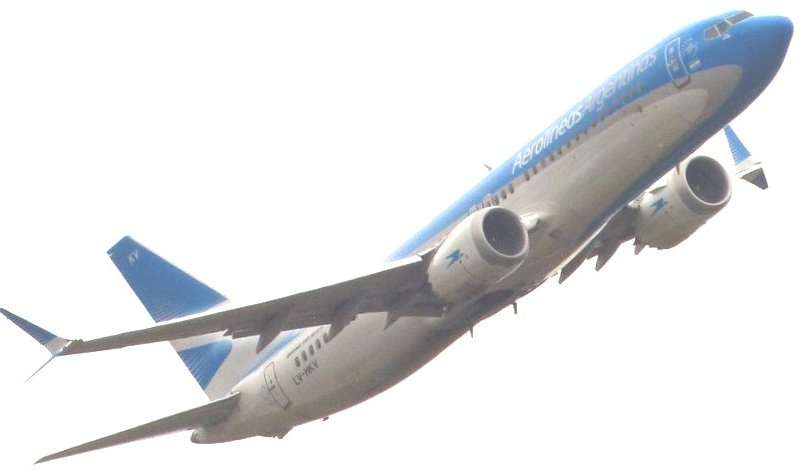
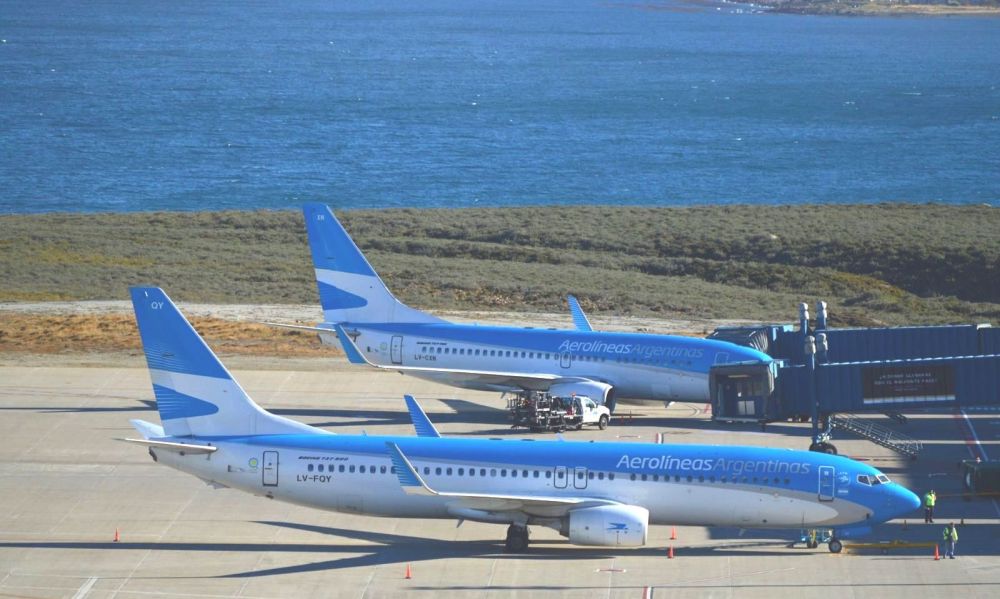
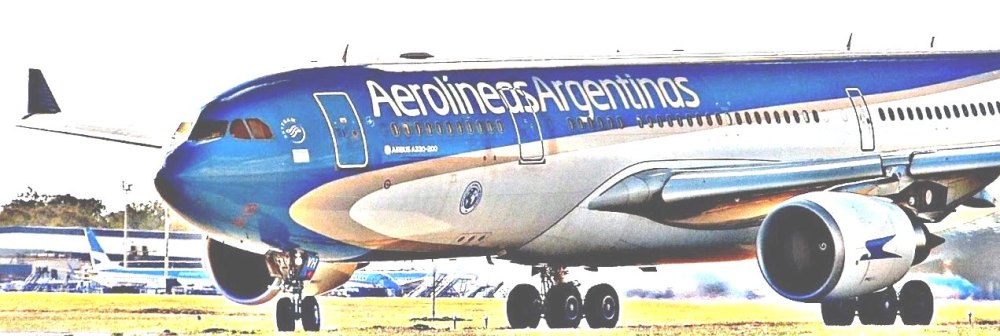
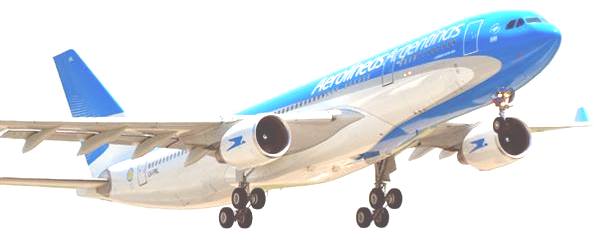
El Gobierno de la Provincia de Buenos Aires ha informado que analiza explorar todos los mecanismos para dar una respuesta ante una posible venta de Aerolíneas Argentinas a una empresa extranjera. El Gobernador Axel Kicillof estudia compra de acciones por parte del Gobierno provincial.
La principal provincia de argentina analiza con la presencia de sectores sindicales en la Casa de Gobierno de La Plata que trabajará junto a los gremios y gobernadores de otras provincias para ofrecer una solución que no implique la venta de Aerolíneas Argentinas a una empresa extranjera, como ocurrió durante la década del 90.
«Como país no estamos en condiciones de que destruyan Aerolíneas Argentinas, otra vez. Con la extensión que tenemos, sin un sistema de ferrocarriles, que por otra decisión privatizadora terminó con el cierre de ramales, estaciones y pueblos; no podemos pasar otra vez por un vaciamiento como el que sufrió Aerolíneas», expresó Axel Kicillof.
El anuncio lo realizó en la clásica conferencia de los Lunes 09/12 y sirvió como una advertencia ante los renovados rumores sobre la posibilidad de que la Casa Rosada impulse el debate del proyecto de privatización de la aerolínea de bandera durante la sesiones extraordinarias. El Gobernador bonaerense marcó las constantes versiones de venta como bomba de humo como parafernalia política, debido a que el Ejecutivo nacional intentó avanzar sobre la empresa aeronáutica a través del DNU 70, la Ley Bases y ahora con un proyecto legislativo, a partir de la alianza con el PRO y la UCR, a pesar de la resistencia de los gobernadores.
«No saben qué hacer, lo usan como caballito de batalla en el plano político. Estamos a la espera de que se decidan a gestionar a Aerolíneas Argentinas para el pueblo o impedir el desastre que quieren hacer. La modalidad la veremos, según lo que resuelva el Gobierno Nacional, la Provincia tienen distintos caminos», marcó Axel Kicillof.
Buenos Aires explores Aerolíneas shares
Buenos Aires government seeks to buy Aerolíneas Argentinas shares
The Government of the Province of Buenos Aires has reported that it is considering exploring all mechanisms to respond to a possible sale of Aerolíneas Argentinas to a foreign company. Governor Axel Kicillof is studying the purchase of shares by the provincial government.
The main province of Argentina is considering, with the presence of union sectors in the Government House of La Plata, that it will work together with unions and governors of other provinces to offer a solution that does not imply the sale of Aerolíneas Argentinas to a foreign company, as occurred during the 90s.
«As a country, we are not in a position to have Aerolíneas Argentinas destroyed again. With the extension that we have, without a railway system, which due to another privatization decision ended with the closure of branches, stations and towns; we cannot go through a drain like the one suffered by Aerolíneas again», ,said Axel Kicillof.
The announcement was made at the classic Monday 09/12 conference and served as a warning in the face of renewed rumors about the possibility that the Casa Rosada will promote the debate on the privatization project of the flag carrier during the extraordinary sessions. The Governor of Buenos Aires marked the constant versions of sales as a smoke bomb as political paraphernalia, due to the fact that the national Executive tried to advance on the aeronautical company through DNU 70, the Ley Bases and now with a legislative project, based on the alliance with the PRO and the UCR, despite the resistance of the governors.
«They don’t know what to do, they use it as a workhorse in the political arena. We are waiting for them to decide to manage Aerolíenas Argentinas for the people or prevent the disaster they want to make. We will see the modality, depending on what the National Government decides, the Province has different paths», said Axel Kicillof.
PUBLISHER: Airgways.com DBk: Gba.gob.ar / Airgways.com AW-POST: 202412091818AR OWNERSHIP: Airgways Inc. A\W A I R G W A Y S ®
Gobierno avanzará con privatización de Aerolíneas Argentinas
El Jefe de Gabinete de argentina, Guillermo Francos, aseguró que se avanzará en la privatización de Aerolíneas Argentinas, pues el Gobierno no quiere financiar con el dinero de los argentinos una empresa con un déficit operativo cercanos a los US$ 400 millones de Dólares. De esta manera, al brindar su informe de gestión ante el Senado Nacional, el funcionario reiteró la vocación del Poder Ejecutivo de vender la empresa estatal, aunque para ello se deberá aprobar una ley en el Congreso Nacional.
La privatización de Aerolíneas Argentinas fue eliminada de la Ley Bases y ahora hay un dictamen para poder tratarlo en sesiones extraordinarias o en el próximo período ordinario que se iniciará en marzo.
El mandatario aseguró: “Avanzaremos hacia la privatización de Aerolíneas. No estamos dispuestos a financiar con el dinero de todos los argentinos una empresa con un déficit operativo cercano a los 400 millones de dólares, cuyos servicios utiliza una ínfima parte de la población”.
En su informe, Francos defendió “la desregulación del sistema aéreo y la implementación de una política de cielos abiertos generaron grandes beneficios para el sector. Se expandieron las rutas aerocomerciales, se ampliaron las operaciones en Aeroparque y se mejoró el contrato aéreo de pasajeros, equipaje y carga”.
También se refirió al conflicto planteado con Intercargo y, en ese sentido, señaló que no permitirán la extorsión en esa empresa que se ocupa de los servicios aeroportuarios en tierra, embarque y desembarque de pasajeros, la carga y descarga de equipaje, la limpieza y el remolque de aeronaves.
“Para terminar con este monopolio, desregulamos el servicio de rampas en aeropuertos y abrimos el juego a nuevas empresas que quieran brindar este servicio”, destacó.
Dijo que se registro un estado desastroso en el sistema aerocomercial argentino al asumir el Gobierno y añadió: “Esto quedó evidenciado en el riesgo de perder la Categoría 1, otorgada a nuestro país por la Administración Federal de Aviación (FAA), la autoridad aeronáutica de Estados Unidos, basada en los estándares de seguridad operacional establecidos por la Organización de Aviación Civil Internacional (OACI) de las Naciones Unidas”.
Progress on privatization of Aerolíneas Argentinas
Government will move forward with privatization of Aerolíneas
The Chief of Cabinet of Argentina, Guillermo Francos, assured that progress will be made on the privatization of Aerolíneas Argentinas, since the Government does not want to finance with the money of the Argentines a company with an operating deficit close to US$ 400 million Dollars. In this way, when giving his management report before the National Senate, the official reiterated the vocation of the Executive Branch to sell the state company, although for this a law must be approved in the National Congress.
The privatization of Aerolíneas Argentinas was eliminated from the Ley Bases and now there is a ruling to be able to deal with it in extraordinary sessions or in the next ordinary period that will begin in March.
The president assured: «We will move towards the privatization of Aerolíneas. We are not willing to use the money of all Argentines to finance a company with an operating deficit of close to 400 million dollars, whose services are used by a tiny part of the population”.
In his report, Francos defended “the deregulation of the air system and the implementation of an open skies policy that generated great benefits for the sector. The commercial air routes were expanded, the operations at Aeroparque were expanded and the air contract for passengers, baggage, and cargo was improved”.
He also referred to the conflict with Intercargo and, in that sense, he pointed out that they will not allow “extortion” in that company that deals with airport services on the ground, boarding, and disembarking of passengers, loading and unloading of baggage, cleaning and towing of aircraft.
“To end this monopoly, we deregulated the ramp service at airports and opened the game to new companies that want to provide this service”, he stressed.
He said that the Argentine air transport system was in a disastrous state when the government took office and added: “This was evidenced by the risk of losing Category 1, granted to our country by the Federal Aviation Administration (FAA), the United States aeronautical authority, based on operational safety standards established by the United Nations International Civil Aviation Organization (ICAO)».
PUBLISHER: Airgways.com DBk: Argentina.gob.ar / Aerolineas.com / Daniel Vides / Airgways.com AW-POST: 202411281020AR OWNERSHIP: Airgways Inc. A\W A I R G W A Y S ®
Senado celebrará audiencia sobre aumento tarifas a grandes aerolíneas
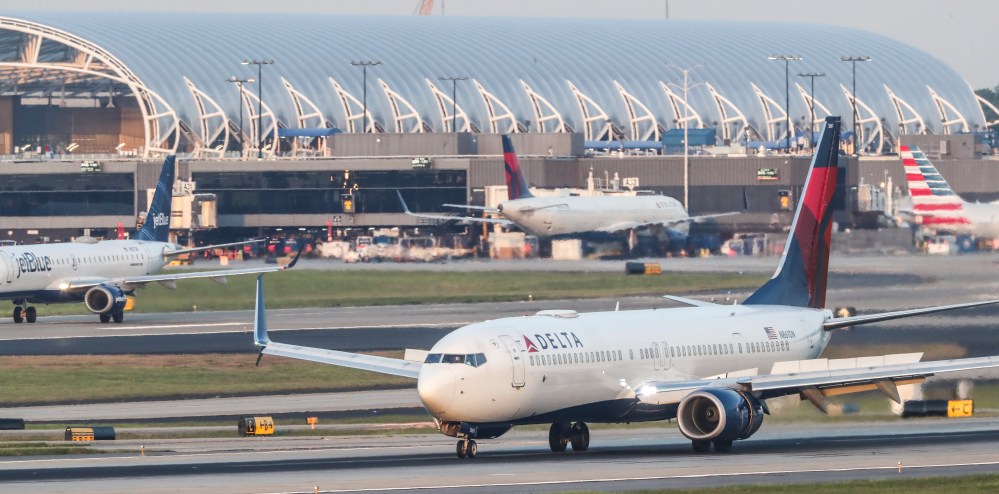
El aumento de las tarifas aéreas por asignación de asientos y equipaje ha llevado al panel del Subcomité Permanente de Investigaciones del Senado de Estados Unidos a celebrar una audiencia con ejecutivos de las principales aerolíneas estadounidenses para explicar por qué están aumentando las tarifas. El Subcomité, presidido por el Senador Richard Blumenthal, llevará a cabo la audiencia, titulada “El cielo es el límite: nuevas revelaciones sobre las tarifas de las aerolíneas”, para que los ejecutivos de las aerolíneas testifiquen el 4 de Diciembre de 2024. Testificarán ejecutivos de American Airlines, United Airlines, Delta Air Lines, Spirit Airlines y Frontier.
El Subcomité, que opera bajo el Comité de Seguridad Nacional y Asuntos Gubernamentales, ha estadoinvestigando el asunto durante el último año y descubrió que, entre 2018 y 2023, las cinco aerolíneas en cuestión obtuvieron un total de US$ 12.400 millones de Dólares solo en ingresos por tarifas de asientos. Por primera vez en la historia, United Airlines ganó US$ 1.300 millones de Dólares por tarifas de asientos en 2023. Según el informe, algunos transportistas podrían estar impidiendo el pago de impuestos especiales federales sobre el transporte al llamar a ciertos cargos tarifas no imponibles.
Richard Blumenthal cree que las aerolíneas deberían estar obligadas por ley a divulgar tarifas más detalladas y dice que el Departamento de Transporte de Estados Unidos debería investigar posibles abusos en los sistemas de tarifas actuales. Las tarifas para las aerolíneas han aumentado este año 2024, sobre todo para la facturación de equipaje: las principales aerolíneas, incluidas Delta Air Lines, United Airlines, Alaska Airlines, JetBlue Airways y American Airlines, han aumentado los precios para la facturación de equipaje.
US Senate Hearings on Fees
US Senate to hold hearing on fee increases for major airlines
Rising airfares for seat assignments and baggage have prompted the US Senate Permanent Subcommittee on Investigations panel to hold a hearing with executives from major US airlines to explain why they are raising fares. The Subcommittee, chaired by Senator Richard Blumenthal, will hold the hearing, titled “The Sky’s the Limit: New Revelations on Airline Fees», for airline executives to testify on December 4, 2024. Executives from American Airlines, United Airlines, Delta Air Lines, Spirit Airlines, and Frontier will testify.
The subcommittee, which operates under the Committee on Homeland Security and Governmental Affairs, has been investigating the matter for the past year and found that between 2018 and 2023, the five airlines in question earned a total of US$ 12.4 billion in revenue from seat fees alone. For the first time in history, United Airlines earned US$ 1.3 billion from seat fees in 2023. According to the report, some carriers could be avoiding paying federal excise taxes on transportation by calling certain charges non-taxable fees.
Richard Blumenthal believes airlines should be required by law to disclose more detailed fees and says the U.S. Department of Transportation should investigate potential abuses in current fee systems. Fees for airlines have increased this year 2024, most notably for checked bags: Major airlines including Delta Air Lines, United Airlines, Alaska Airlines, JetBlue Airways, and American Airlines have all raised prices for checked bags.
PUBLISHER: Airgways.com DBk: Senate.gov / John.Spink/Ajc.com / Airgways.com AW-POST: 202411261826AR OWNERSHIP: Airgways Inc. A\W A I R G W A Y S ®
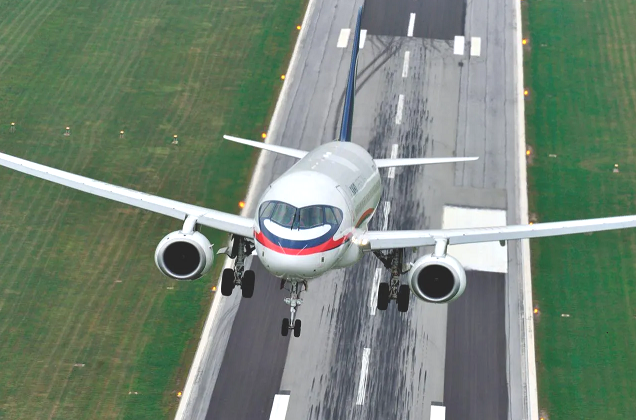
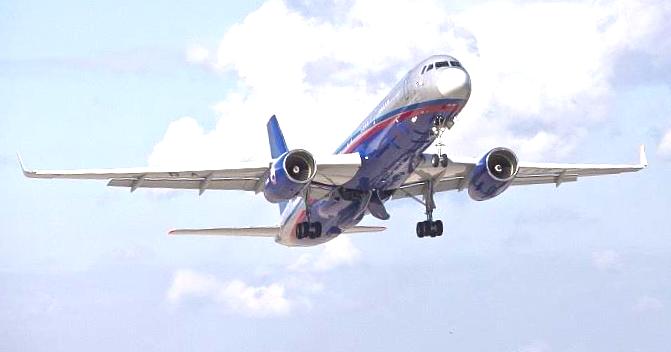
El sector de la aviación en Rusia enfrenta una turbulencia sin precedentes, con la decisión de la United Aeronautical Corporation (UAC) que ha anunciado la destitución de los CEOs de dos de sus principales subsidiarias, A.S. Yakovlev Design Bureau y Public Joint Stock Company Tupolev. Este cambio se produce tras retrasos en la producción, sanciones occidentales y un reciente incidente que involucró a uno de los aviones insignia de Rusia, el SJ-100, que se incendió después de aterrizar en Turquía.
En medio de escándalo incendiario de ambas compañías y el caos en la línea de producción, el Kremlim ha movido la cúpula de más alto nivel en las dos compañías aeronáuticas constructoras de aeronaves, ante la falta de resultados esperados y en medio de una guerra ruso-ucraninana que condiciona el progreso en el sector de la aviación comercial. Los crecientes desafíos dentro del programa de producción de aeronaves domésticas de Rusia, enfrenta el desafío de reemplazar la envejecida de las aerolíneas rusas.
La reestructuración de liderazgo se encuentra bajo presión creciente. La UAC anunció el Lunes 25/11 el despido de Andrei Boginsky, CEO de Yakovlev, y Konstantin Timofeev, Director General de Tupolev. Ambas empresas fueron recientemente integradas en la UAC bajo las órdenes del Presidente Vladimir Putin para optimizar las operaciones.
La UAC asumirá ahora el control directo de Yakovlev y Tupolev, enfatizando la urgencia de acelerar la certificación y la producción en serie de aeronaves nacionales. “Consolidar la gestión a nivel de la empresa matriz nos permite enfocar recursos en cumplir con plazos de producción críticos”, declaró la compañía aeronáutica UAC.
El cambio de liderazgo se produce solo unos días después de que un jet regional SJ-100, una piedra angular de las ambiciones de Rusia en su flota doméstica, se incendiara al aterrizar en Turquía. Aunque todos los pasajeros fueron evacuados de manera segura, el incidente ha generado más dudas sobre la fiabilidad de la industria de la aviación rusa.
El SJ-100, anteriormente conocido como Sukhoi Superjet 100, es central en los esfuerzos de Rusia para contrarrestar las sanciones que limitan el acceso a piezas de Airbus y Boeing. Sin embargo, el programa ha enfrentado importantes contratiempos, incluyendo retrasos en la certificación y producción.
Críticas a la industria Los informes sugieren que el Primer Ministro Mikhail Mishustin ordenó personalmente el despido de Andrei Boginsky, citando un colapso del programa de aviación civil de Rusia. Sin embargo, han surgido relatos contradictorios, con algunos expertos de la industria disputando esta afirmación.
El momento de estos despidos subraya la creciente frustración con la incapacidad de la Federación Rusia para cumplir con sus ambiciosos objetivos. El Gobierno ha prometido más de US$ 2.7 mil millones de Dólares para desarrollar aeronaves nacionales, pero programas como el MC-21, destinado a rivalizar con los modelos Boeing 737 y Airbus A320, han experimentado repetidos retrasos, con la entrada en servicio ahora esperada para 2025.
Sanciones occidentales La industria de la aviación de Rusia ha enfrentado dificultades desde que la invasión del país a Ucrania en 2022 provocó sanciones severas. Estas restricciones han cortado el acceso a componentes críticos para aviones de fabricación occidental, dejando a casi la mitad de la flota de Airbus A320neo de Rusia en tierra debido a problemas con los motores.
Para contrarrestar estos desafíos, Moscú tiene como objetivo producir 600 nuevos aviones para 2030. Sin embargo, persisten preguntas sobre si la industria tiene la capacidad para cumplir con este ambicioso objetivo en medio de interrupciones en la cadena de suministro y obstáculos técnicos.
La crisis dentro del sector de la aviación refleja dificultades más amplias en la base industrial de Rusia bajo sanciones. Los retrasos y la mala gestión en la producción de aviones nacionales han puesto de manifiesto los problemas sistémicos dentro de la planificación y ejecución económica del país.
Perspectivas rusas Los despidos de alto perfil de los ejecutivos de Yakovlev y Tupolev marcan un punto crítico para las ambiciones de aviación de Rusia. Con el tiempo corriendo en sus planes para renovar su flota envejecida, la UAC enfrenta una inmensa presión para entregar resultados. Sin embargo, aún está por verse, si estos cambios de liderazgo serán suficientes para superar los contratiempos en la producción, las sanciones y los desafíos técnicos.
A medida que Moscú se esfuerza por reconstruir su industria de la aviación, las apuestas son altas no solo para UAC, sino también para la posición económica y geopolítica de Rusia en el escenario global.
Tupolev and Yakovlev dismissed
Top aviation bosses are dismissed
The aviation sector in Russia is facing unprecedented turbulence, with the decision of the United Aeronautical Corporation (UAC) to dismiss the CEOs of two of its main subsidiaries, A.S. Yakovlev Design Bureau and Public Joint Stock Company Tupolev. This change comes after production delays, Western sanctions and a recent incident involving one of Russia’s flagship aircraft, the SJ-100, which caught fire after landing in Turkiye.
Amid the arson scandal of both companies and chaos on the production line, the Kremlin has moved the top management of the two aircraft-building companies, in the absence of expected results and in the midst of a Russian-Ukrainian war that conditions progress in the commercial aviation sector. Mounting challenges within Russia’s domestic aircraft production program, the company faces the challenge of replacing Russia’s aging airlines.
Leadership restructuring is under increasing pressure. UAC announced Monday 25/11 the dismissal of Andrei Boginsky, CEO of Yakovlev, and Konstantin Timofeev, General Director of Tupolev. Both companies were recently integrated into UAC under orders from President Vladimir Putin to streamline operations.
UAC will now assume direct control of Yakovlev and Tupolev, emphasizing the urgency of accelerating certification and serial production of domestic aircraft. “Consolidating management at the parent company level allows us to focus resources on meeting critical production deadlines”, UAC aircraft company stated.
The leadership change comes just days after an SJ-100 regional jet, a cornerstone of Russia’s domestic fleet ambitions, caught fire upon landing in Turkey. Although all passengers were safely evacuated, the incident has raised further questions about the reliability of the Russian aviation industry.
The SJ-100, formerly known as the Sukhoi Superjet 100, is central to Russia’s efforts to counter sanctions limiting access to Airbus and Boeing parts. However, the program has faced significant setbacks, including delays in certification and production.
Criticism of the industry Reports suggest that Prime Minister Mikhail Mishustin personally ordered the dismissal of Andrei Boginsky, citing a collapse of Russia’s civil aviation program. However, conflicting accounts have emerged, with some industry experts disputing this claim.
The timing of these dismissals underscores growing frustration with the Russian Federation’s failure to meet its ambitious targets. The government has pledged more than US$ 2.7 billion to develop domestic aircraft, but programs such as the MC-21, intended to rival the Boeing 737 and Airbus A320 models, have seen repeated delays, with entry into service now expected by 2025.
Western sanctions Russia’s aviation industry has faced difficulties since the country’s invasion of Ukraine in 2022 triggered severe sanctions. These restrictions have cut off access to critical components for Western-made aircraft, leaving nearly half of Russia’s Airbus A320neo fleet grounded due to engine issues.
To counter these challenges, Moscow aims to produce 600 new aircraft by 2030. However, questions remain over whether the industry has the capacity to meet this ambitious target amid supply chain disruptions and technical hurdles.
The crisis within the aviation sector reflects broader difficulties in Russia’s industrial base under sanctions. Delays and mismanagement in domestic aircraft production have highlighted systemic problems within the country’s economic planning and execution.
Russian outlook The high-profile dismissals of Yakovlev and Tupolev executives mark a critical point for Russia’s aviation ambitions. With time running out on its plans to revamp its aging fleet, UAC faces immense pressure to deliver results. Whether these leadership changes will be enough to overcome production setbacks, sanctions and technical challenges remains to be seen, however.
As Moscow strives to rebuild its aviation industry, the stakes are high not only for UAC, but also for Russia’s economic and geopolitical position on the global stage.
PUBLISHER: Airgways.com DBk: Gov.ru / Tupolev.ru / Yakovlev.ru / Airgways.com AW-POST: 202411251618AR OWNERSHIP: Airgways Inc. A\W A I R G W A Y S ®
AW | 2024 11 22 12:22 | AIRLINES / AVIATION ORGANISMS / GOVERNMENT
Cinco aerolíneas reciben sanciones por prácticas abusivas
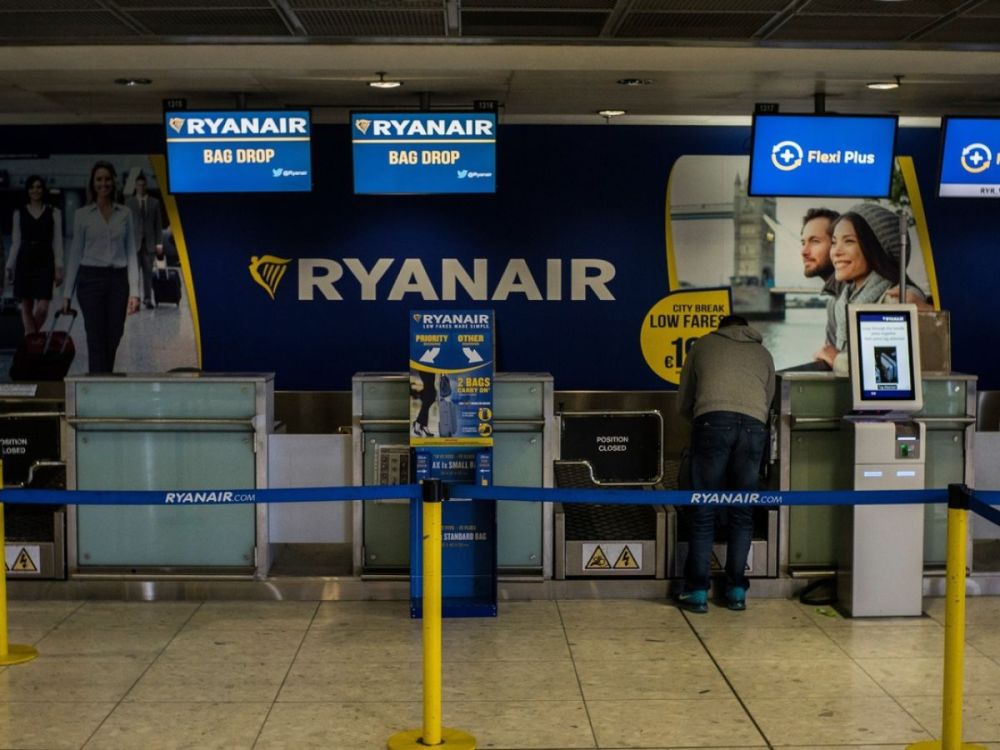
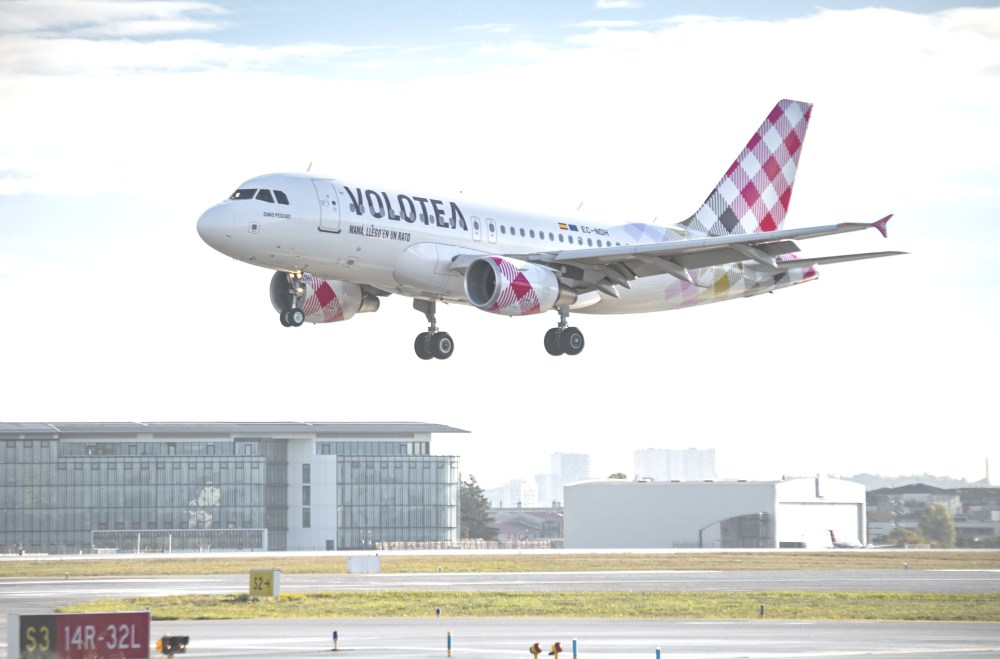
El Gobierno de España anunció el Viernes 22/11 una multa de € 179 millones de Euros/US$ 186 millones de Dólares a las aerolíneas de bajo coste Ryanair, Vueling, EasyJet, Volotea y Norwegian, por prácticas abusivas. Esta sanción confirma y amplía una información ofrecida el 31 de Mayo de 2024 por la asociación de consumidores FACUA (Federación de Asociaciones de Consumidores y Usuarios de Andalucía), que en ese momento dijo haber presentado una denuncia contra prácticas consideradas abusivas y haber conseguido una multa de más de € 150 millones de Euros contra cuatro compañías aéreas.
El Ministerio de Consumo español ha desestimado los recursos que las aerolíneas interpusieron» y sancionó a cinco empresas por un importe total cercano a los € 179 millones de Euros por prácticas abusivas, señaló un comunicado. Las cinco aerolíneas que incurrieron en irregularidades deberán afrontar cargos monetarios. Ryanair tendrá que pagar la multa más elevada, € 107,7 millones de Euros, Vueling € 39,3 millones, Easyjet € 29,1 millones, Norwegian € 1,6 millones y Volotea € 1,2 millones.
Las cinco compañías fueron sancionadas por cobrar suplementos por el equipaje de mano de los pasajeros o por elegir el asiento para poder volar junto a personas dependientes, como discapacitados o niños. También fueron reconvenidas por prohibir el pago de pasajes en efectivo e imponer una tarifa desproporcionada y abusiva por la impresión de tarjetas de embarque en los aeropuertos. La medida incluye «la prohibición a estas empresas de seguir realizando las prácticas sancionadas», precisó el Ministerio de Consumo.
La asociación de consumidores español FACUA celebró en un comunicado la decisión, que definió como las sanciones «más altas que ha aplicado en la historia una autoridad de protección de los consumidores. Los usuarios tienen derecho a reclamar la devolución de estos cargos extra», subrayó el organismo. La medida podrá ser objeto de recurso, pero ante los tribunales, detalló el ministerio.
«Estas multas ilegales e infundadas, inventadas por el Ministerio de Consumo español por motivos políticos, violan claramente la legislación de la Unión Europea», reaccionó en un comunicado el CEO de Ryanair, Michael O’Leary, quien anunció que la empresa recurrirá a apelar el recurso. Las sanciones «serán revocadas por los tribunales de la UE, que han defendido repetidamente el derecho de todas las aerolíneas de la Unión Europea a fijar precios y políticas, libres de interferencia gubernamental», agregó Michael O’Leary.
Spain fines low-cost airlines
Five airlines receive sanctions for abusive practices
On Friday 22/11, the Spanish Government announced a fine of € 179 million Euros/US$ 186 million Dollars to the low-cost airlines Ryanair, Vueling, EasyJet, Volotea, and Norwegian, for abusive practices. This sanction confirms and expands information offered on May 31, 2024 by the consumer association FACUA (Federation of Consumer and User Associations of Andalusia), which at that time said it had filed a complaint against practices considered abusive and had obtained a fine of more than € 150 million Euros against four airlines.
The Spanish Ministry of Consumption has rejected the appeals filed by the airlines and fined five companies a total of nearly € 179 million for abusive practices, a statement said. The five airlines that committed irregularities will have to face monetary charges. Ryanair will have to pay the highest fine, € 107.7 million, Vueling € 39.3 million, Easyjet € 29.1 million, Norwegian € 1.6 million and Volotea € 1.2 million.
The five companies were fined for charging extra for passengers’ hand luggage or for choosing seats to be able to fly with dependent persons, such as the disabled or children. They were also reprimanded for prohibiting the payment of tickets in cash and imposing a disproportionate and abusive fee for printing boarding passes at airports. The measure includes «the prohibition of these companies from continuing to carry out the sanctioned practices», the Ministry of Consumption said.
The Spanish consumer association FACUA welcomed the decision in a statement, which it defined as the «highest sanctions ever applied by a consumer protection authority. Users have the right to claim the refund of these extra charges», the organization stressed. The measure can be appealed, but in court, the ministry said.
«These illegal and unfounded fines, invented by the Spanish Ministry of Consumption for political reasons, clearly violate European Union legislation», reacted Ryanair CEO Michael O’Leary in a statement, who announced that the company will appeal the appeal. The sanctions «will be revoked by the EU courts, which have repeatedly defended the right of all European Union airlines to set prices and policies, free of government interference», Michael O’Leary added.
PUBLISHER: Airgways.com DBk: Dsca.gob.es / Facua.com / Ryanair.com / Airgways.com AW-POST: 202411221222AR OWNERSHIP: Airgways Inc. A\W A I R G W A Y S ®
AW | 2024 11 18 17:18 | AIRLINES / AVIATION ORGANISMS / GOVERNMENT
Aerolíneas Argentinas cierra el conflicto con los gremios aéreos
La compañía estatal Aerolíneas Argentinas informó que cerró el conflicto con sus gremios gracias a importantes avances en materia de productividad de la empresa y negociaciones con los gremios aeronáuticos. Según informó la aerolínea, representantes de los gremios APLA (Pilotos), AAA (Tripulantes) y APA (Rampa y Check-in) convalidaron modificaciones en convenios y formas de trabajo por una oferta salarial de un 16%. Mientras que, con APTA (Mecánicos), que habían aceptado la oferta salarial propuesta, se firmaron nuevas condiciones que permitirán cambios en plataforma y hangares que aumentarán significativamente la productividad.
Adaptaciones En cuanto a nuevos acuerdos, el gremio APLA como todo el personal jerárquico y los pilotos jubilados de la empresa perderán los pasajes vacacionales confirmados en clase ejecutiva para ellos y sus familiares directos. Por otro lado, tanto pilotos como tripulantes aceptaron reemplazar el traslado en vehículos pagados por la aerolínea por un esquema de viáticos que se implementará una vez finalizada la temporada alta de verano. Así mismo, los horarios de trabajo iniciarán una vez que los trabajadores arriben a las terminales aéreas y no durante su traslado, como era hasta ahora.
Uno de los avances más significativos, fue la opción de poder reubicar a los mecánicos y el personal de rampa entre hangares y líneas de trabajo de acuerdo a la necesidad de personal, un punto que históricamente había sido de los más conflictivos.
En cuanto a limitaciones a la programación, el gremio de Pilotos levantó una serie de restricciones que afectaban fuertemente la planificación de vuelos. Esto, sumado a diferentes medidas en este ámbito, aumentarán entre el 3% y 5% la eficiencia en las horas mensuales voladas por la compañía.
Este histórico avance con las agremiaciones permitirá a Aerolíneas Argentinas avanzar hacia esquemas productivos más cercanos a los de la industria aerocomercial, mientras reduce costos.
ATC El Gobierno Argentino mantiene negociaciones en otros frentes como con la Empresa Argentina de Navegación Aérea (EANA) que depende de la Secretaría de Transporte del Ministerio de Economía de la Nación, y quienes habían anunciado una nueva medida que iba a afectar a todos los aeropuertos de Argentina durante este fin de semana. Sin embargo, esta fue suspendida mientras se avanza en las negociaciones. «Este avance en las negociaciones refleja el compromiso para garantizar la continuidad del servicio esencial de navegación aérea», mencionaron al respecto desde la compañía aérea. “A su vez, informamos que las negociaciones siguen abiertas con el objetivo de llegar a un acuerdo definitivo sobre las medidas de fuerza establecidas por el gremio que engloba a los Controladores de Tránsito Aéreo», mencionó en un comunicado EANA.
Agreement between Aerolíneas and unions
Aerolíneas Argentinas closes the conflict with the airline unions
The state-owned company Aerolíneas Argentinas reported that it closed the conflict with its unions thanks to important advances in terms of productivity of the company and negotiations with the aeronautical unions. According to the airline, representatives of the unions APLA (Pilots), AAA (Crew), and APA (Ramp and Check-in) approved modifications in agreements and ways of working for a salary offer of 16%. Meanwhile, with APTA (Mechanics), who had accepted the proposed salary offer, new conditions were signed that will allow changes in the platform and hangars that will significantly increase productivity.
Adaptations As for new agreements, the APLA union, like all the hierarchical staff and retired pilots of the company, will lose the confirmed vacation tickets in business class for them and their immediate family members. On the other hand, both pilots and crew agreed to replace the transfer in vehicles paid for by the airline with a travel allowance scheme that will be implemented once the high summer season is over. Likewise, work schedules will begin once the workers arrive at the air terminals and not during their transfer, as was the case until now.
One of the most significant advances was the option of being able to relocate mechanics and ramp personnel between hangars and work lines according to the need for personnel, a point that had historically been one of the most controversial.
Regarding scheduling limitations, the Pilots’ union lifted a series of restrictions that strongly affected flight planning. This, added to different measures in this area, will increase the efficiency of the monthly hours flown by the company by between 3% and 5%.
This historic advance with the unions will allow Aerolíneas Argentinas to move towards production schemes closer to those of the commercial aviation industry, while reducing costs.
ATC The Argentine Government is in talks on other fronts, such as with the Argentine Air Navigation Company (EANA), which is part of the Transportation Secretariat of the Ministry of Economy of the Nation, and who had announced a new measure that would affect all airports in Argentina during this weekend. However, this measure was suspended while the negotiations progress. «This progress in the negotiations reflects the commitment to guarantee the continuity of the essential air navigation service,» the airline mentioned in this regard. «In turn, we inform that the negotiations remain open with the objective of reaching a definitive agreement on the measures of force established by the union that includes the Air Traffic Controllers», EANA mentioned in a statement.
PUBLISHER: Airgways.com DBk: Aerolineas.com Apla.org.ar / Aeronauticosapa.org.ar / Aeronavegantes.com.ar / Eana.com.ar / Airgways.com AW-POST: 202411181718AR OWNERSHIP: Airgways Inc. A\W A I R G W A Y S ®
AW | 2024 10 31 16:06 | GOVERNMENT / AIRPORTS / AIRLINES
Estado quita a Aerolíneas Argentinas exclusividad pernocte Aeroparque
El Gobierno le quita a Aerolíneas Argentinas la exclusividad de pernocte en Aeroparque, otras compañías podrán dejar sus aviones de noche. La medida fue dispuesta por la Secretaria de Transporte y regirá a partir del Viernes 1 de Noviembre de 2024. Los cambios se efectivizan en medio del avance de Presidencia para privatizar la aerolínea de bandera.
En medio de las gestiones para avanzar con la privatización de Aerolíneas Argentinas, el Gobierno de Javier Milei anunció la supresión a la compañía de bandera la exclusividad de pernocte en el Aeropuerto Buenos Aires/Jorge Newvery (AEP) a partir del Viernes 01/11, habilitando a todas las líneas aéreas nacionales realizar pernocte en la terminal porteña. Fuentes oficiales afirmaron que de esta manera buscan ampliar la oferta de vuelos y bajar el precio de los pasajes.
«A partir de mañana otras líneas aéreas como JetSMART y Flybondi podrán acceder a posiciones de pernocte en la plataforma comercial del Aeroparque Jorge Newbery. Es un beneficio que antes era un monopolio exclusivo de Aerolíneas, favorecida injustamente por La Cámpora», anunció el Vocero Presidencial Manuel Adorni en la conferencia de prensa de este Jueves 31/10.
La medida la oficializó el Organismo Regulador del Sistema Nacional de Aeropuertos (ORSNA), que depende de la Secretaría de Transporte, bajo la órbita del Ministerio de Economía que dirige Luis Caputo.
«Antes de esta modificación los aviones de otras empresas por fuera de Aerolíneas Argentinas no podían quedar estacionados en Aeroparque durante la noche. Esto implicaba que si un avión de otra línea aérea llegaba a la noche tarde y salía de nuevo a la mañana temprano, tenía que ir hasta Ezeiza para la mañana siguiente volver a volar de Ezeiza a Aeroparque y ahí recién salir. Un delirio que sólo podía ocurrir en la mano de esta gente. A partir de ahora otras líneas aéreas podrán acceder a posiciones de pernocte en Aeroparque, lo que va a permitir que haya más vuelos a la mañana temprano y poner fin a un delirio corporativista. Esta medida distribuye más equitativamente el espacio del aeropuerto, impulsa la competencia entre las empresas en igualdad de condiciones y brinda un mejor servicio para los pasajeros con una mayor oferta de vuelos y menores precios de los pasajes«, sostuvo el Portavoz Presidencial.
Oficialismo pierde votos Aerolíneas El anuncio coincide con una semana en la que el Gobierno avanzó con el proyecto para privatizar Aerolíneas Argentinas, que había quedado afuera de la Ley Bases, tras obtener el martes dictamen en un plenario de comisiones de Diputados que le permitirá llevar la iniciativa al recinto. Al respecto, Manuel Adorni planteó que en su visión se trataba de un cambio de época, porque la misma clase política que festejaba la estatificación y no le importaba el déficit de la empresa, ahora aprobaron el tratamiento de su privatización.
El Gobierno de Argentina cuenta con 22 adhesiones menos de las que logró en el Congreso al aprobar la Ley Bases para el tratamiento de la venta de aerolíneas Argentinas en la Cámara de Diputados.
El Gobierno nacional había alcanzado una victoria en la Comisión de Presupuesto y Hacienda y Transporte que le permitía avanzar en la privatización de Aerolíneas Argentinas. Luego de un arduo debate, el oficialismo obtuvo el dictamen que necesitaba y posee todo listo para llevar al recinto la discusión que deje a la compañía aérea sujeta a privatización.
Esta será la segunda vez en el año que se debatirá el tema, lo que genera controversias respecto de su viabilidad, porque el reglamento dice que, si se cae un proyecto, no puede ser debatido el mismo período de sesiones; en este caso, en Julio 2024, el Senado eliminó a la compañía de la lista de las posibles empresas a privatizar que incluía la Ley Bases. Antes de esa definición, en Diputados había conseguido los votos necesarios. En ese entonces, cuando se votó la privatización, el oficialismo obtuvo 138 votos afirmativos. Pero entre ese momento y octubre, perdió 22 votos que se fueron a una tercera posición, por lo que los representantes parlamentarios del Gobierno nacional tendrían 116 votos favorables a su proyecto de venta de la compañía y podrían perder en el recinto en el momento en que se trate. Para poder avanzar el Congreso, necesita cumplir con un paso que es la conformación de la Comisión Bicameral de Seguimiento de Empresas Privatizadas.
La propuesta de vender la aerolínea fue tratada en una reunión de las comisiones de Transporte y de Presupuesto, que presiden la radical Pamela Verasay y el libertario José Luis Espert, respectivamente, y el dictamen de mayoría obtuvo 35 firmas entre el oficialismo, el PRO, la UCR, la Coalición Cívica y bloques provinciales. El texto declara a la empresa sujeta de privatización, pero establece que el proceso se ajustará a las condiciones de transparencia que se fijaron en la Ley Bases y que impulsan la intervención de la Auditoría General de la Nación como así también de la bicameral de Seguimiento de las Privatizaciones.
Government cancels AEP overnight exclusivity
State removes Aerolíneas overnight exclusivity at Aeroparque
The Government removes Aerolíneas Argentinas‘ overnight exclusivity at Aeroparque, other companies will be able to leave their planes at night. The measure was ordered by the Secretary of Transportation and will take effect as of Friday, November 1, 2024. The changes are taking effect amid the Presidency’s advance to privatize the flagship airline.
In the midst of the efforts to move forward with the privatization of Aerolíneas Argentinas, the Government of Javier Milei announced the elimination of the flagship company’s overnight exclusivity at the Buenos Aires/Jorge Newvery Airport (AEP) as of Friday, November 1, enabling all national airlines to make overnight stays at the Buenos Aires terminal. Official sources stated that in this way they seek to expand the flight offer and lower the price of tickets.
«Starting tomorrow, other airlines such as JetSMART and Flybondi will be able to access overnight positions on the commercial platform of Aeroparque Jorge Newbery. It is a benefit that was previously an exclusive monopoly of Aerolíneas, unfairly favored by La Cámpora», announced Presidential Spokesperson Manuel Adorni at the press conference on Thursday 31/10.
The measure was made official by the Regulatory Body of the National Airport System (ORSNA), which depends on the Secretariat of Transportation, under the orbit of the Ministry of Economy headed by Luis Caputo.
«Before this change, planes from companies other than Aerolíneas Argentinas could not be parked at Aeroparque overnight. This meant that if a plane from another airline arrived late at night and left again early in the morning, it had to go to Ezeiza to fly from Ezeiza to Aeroparque again the next morning and then leave. A madness that could only happen in the hands of these people. From now on, other airlines will be able to access overnight positions at Aeroparque, which will allow for more flights in the early morning and put an end to a corporatist madness. This measure distributes airport space more equitably, encourages competition between companies on equal terms, and provides better service for passengers with a greater offer of flights and lower ticket prices», said the Presidential Spokesperson.
Officialism loses votes Aerolíneas The announcement coincides with a week in which the Government advanced with the project to privatize Aerolíneas Argentinas, which had been left out of the Ley Bases, after obtaining a ruling on Tuesday in a plenary session of the House of Representatives commissions that will allow it to take the initiative to the floor. In this regard, Manuel Adorni stated that in his view it was a change of era, because the same political class that celebrated the nationalization and did not care about the company’s deficit, now approved the treatment of its privatization.
The Government of Argentina has 22 fewer adhesions than those it achieved in Congress when it approved the Ley Bases for the treatment of the sale of Argentine airlines in the Chamber of Deputies.
The national Government had achieved a victory in the Budget and Finance and Transportation Commission that allowed it to advance in the privatization of Aerolíneas Argentinas. After an arduous debate, the ruling party obtained the opinion it needed and has everything ready to take the discussion to the floor to leave the airline subject to privatization.
This will be the second time this year that the issue will be debated, which generates controversy regarding its viability, because the regulations say that, if a project fails, it cannot be debated in the same session period; in this case, in July 2024, the Senate eliminated the company from the list of possible companies to be privatized that the Ley Bases included. Before that definition, in the House of Representatives it had obtained the necessary votes. At that time, when the privatization was voted on, the ruling party obtained 138 affirmative votes. But between that time and October, it lost 22 votes that went to a third position, so the parliamentary representatives of the national Government would have 116 votes in favor of their project to sell the company and could lose in the floor at the time when it is discussed. In order to move forward, Congress needs to complete a step, which is the formation of the Bicameral Commission for Monitoring Privatized Companies.
The proposal to sell the airline was discussed at a meeting of the Transportation and Budget Commissions, chaired by the radical Pamela Verasay and the libertarian José Luis Espert, respectively, and the majority opinion obtained 35 signatures from the ruling party, the PRO, the UCR, the Civic Coalition and provincial blocks. The text declares the company subject to privatization, but establishes that the process will be adjusted to the conditions of transparency that were set in the Bases Law and that promote the intervention of the General Audit Office of the Nation as well as the bicameral Commission for Monitoring Privatizations.
PUBLISHER: Airgways.com DBk: Argentina.gob.ar / Airgways.com AW-POST: 202410311606AR OWNERSHIP: Airgways Inc. A\W A I R G W A Y S ®
Logra aprobación Comisión para debatir privatización
El Presidente de Argentina Javier Milei continúa enfocado en la privatización de Aerolíneas Argentinas ahora avanzando con una discusión en la Cámara de Diputados. El partido oficialista La Libertad Avanza (LLA), obtuvo el Martes 29/10 el visto bueno en una comisión del Congreso con el apoyo del partido PRO y algunos miembros de la UCR.
El Ejecutivo Nacional se comprometió a privatizar la aerolínea de bandera tan pronto como asumió el cargo, colocándola en la lista de empresas sujetas a privatización en la versión original de las Bases de Ley. Sin embargo, la cláusula fue eliminada posteriormente y no se incluyó en la versión aprobada por el Congreso en Junio 2024.
A principios de Octubre 2024, Presidencia emitió una orden ejecutiva en la que proclamaba que la empresa estaba sujeta a privatización. Esa orden ejecutiva está sujeta a la aprobación del Congreso: si es aprobada por ambas cámaras, el Poder Ejecutivo podría vender la empresa.
Hernán Lombardi, Diputado del PRO, dijo en el debate, que agrupó a las comisiones de Transporte, Presupuesto y Hacienda, que su partido quiere «más vuelos, más frecuencias, para que la Argentina esté mejor conectada dentro del país y con el mundo». Diputados de otros partidos firmaron dos opiniones disidentes. Las coaliciones de centroizquierda e izquierda Unión por la Patria (UXP) y el Frente de Izquierda apoyaron una opinión que rechazaba la privatización. Por su parte, Encuentro Federal y el recientemente formado bloque Democracia para Siempre respaldaron la incorporación de capital privado a la empresa, siendo el estado el accionista mayoritario. Germán Martínez, Jefe del bloque UXP, acusó al gobierno de querer desmantelar la empresa. «Milei no está solo, como dicen algunos. No es solo él, [su hermana y Secretaria de la Presidencia] Karina y [su asesor] el pequeño Santiago Caputo. Los poderes económicos están detrás de él». Acusó a los diputados de otros partidos que apoyan la opinión del gobierno de arrodillarse ante los económicamente poderosos.
«Es una privatización ciega, sin ningún tipo de plan, no genera una política de cielos abiertos, sino que solo privatiza los cielos en Argentina», dijo Diego Giuliano, también de UXP.
Nicolás Massot, de Encuentro Federal, dijo que su bloque propuso «autorizar el ingreso de socios privados a la empresa, con la condición de que el Estado mantenga el control corporativo».
Carolina Gaillard, de UXP, dijo que la compañía voló a diez ciudades en 2008. «Ahora vuela a 52, la empresa no tiene déficit y [el gobierno quiere] venderla porque hay un negocio de [el expresidente Mauricio] Macri y sus amigos. Y los que firman la opinión mayoritaria son cómplices».
El ex-Presidente de Aerolíneas Argentinas, Luis Pablo Ceriani, dijo que, cuando era administrada por el Estado, Aerolíneas Argentinas funcionaba «mucho mejor de lo que era administrada por el sector privado, lo cual era desastroso». Aerolíneas fue nacionalizada en 2008, después de haber sido vendida por una administración anterior a la empresa española Iberia en 1990.
La polémica surgió cuando Fernando Dozo, presentado como abogado y especialista en derecho aeronáutico, dijo que el Gobierno debería «convocar a una licitación internacional para ver quién se puede hacer cargo de esto». Fernando Dozo, quien era Director Ejecutivo de Aerolíneas Argentinas cuando fue privatizada, dijo que el Gobierno español capitalizó la empresa, invirtiendo US$ 3.500 millones de Dólares. «Nos comimos los millones de Dólares. ¡Aquí todos los que destruyeron la empresa están en libertad, todos en libertad! Empezando por la vicepresidenta de la República condenada [Cristina Fernández de Kirchner] y los principales responsables», dijo, alzando la voz, golpeando la mesa y nombrando a ex funcionarios peronistas mientras los diputados de la UXP le gritaban.
Aerolíneas debated in the Chamber of Deputies
Commission to debate privatization obtains approval
Argentine President Javier Milei continues to focus on the privatization of Aerolíneas Argentinas, now moving forward with a discussion in the Chamber of Deputies. The ruling party La Libertad Avanza (LLA), obtained approval on Tuesday 10/29 in a commission of Congress with the support of the PRO party and some members of the UCR.
The National Executive committed to privatize the flag carrier as soon as it took office, placing it on the list of companies subject to privatization in the original version of the Bases of Law. However, the clause was later eliminated and was not included in the version approved by Congress in June 2024.
At the beginning of October 2024, the Presidency issued an executive order proclaiming that the company was subject to privatization. That executive order is subject to approval by Congress: if it is approved by both chambers, the Executive Branch could sell the company.
Hernán Lombardi, a PRO deputy, said in the debate, which brought together the Transport, Budget, and Finance committees, that his party wants «more flights, more frequencies, so that Argentina is better connected within the country and with the world». Deputies from other parties signed two dissenting opinions. The center-left and left coalitions Unión por la Patria (UXP) and the Frente de Izquierda supported an opinion that rejected privatization. For their part, Encuentro Federal and the recently formed bloc Democracia para Siempre supported the incorporation of private capital into the company, with the state being the majority shareholder. Germán Martínez, head of the UXP bloc, accused the government of wanting to dismantle the company. «Milei is not alone, as some say. It is not just him, [his sister and Secretary of the Presidency] Karina, and [his advisor] little Santiago Caputo. The economic powers are behind him». He accused deputies from other parties who support the government’s opinion of bowing down to the economically powerful.
«It is a blind privatization, without any kind of plan, it does not generate an open skies policy, but only privatizes the skies in Argentina», said Diego Giuliano, also from UXP.
Nicolás Massot, from Encuentro Federal, said that his bloc proposed «authorizing the entry of private partners to the company, with the condition that the State maintains corporate control».
Carolina Gaillard, from UXP, said that the company flew to ten cities in 2008. «Now it flies to 52, the company has no deficit and [the government wants] to sell it because there is a business of [former president Mauricio] Macri and his friends. And those who sign the majority opinion are accomplices».
Former Aerolíneas Argentinas President Luis Pablo Ceriani said that when it was state-run, Aerolíneas Argentinas functioned «much better than when it was run by the private sector, which was disastrous». Aerolíneas was nationalized in 2008, after being sold by a previous administration to the Spanish company Iberia in 1990.
The controversy arose when Fernando Dozo, who presented himself as a lawyer and specialist in aeronautical law, said that the government should «call for an international tender to see who can take charge of this», Fernando Dozo, who was CEO of Aerolíneas Argentinas when it was privatized, said that the Spanish government capitalized the company, investing US$ 3.5 billion. «We ate up the millions of dollars. Here, all those who destroyed the company are free, all free! Starting with the convicted vice president of the Republic [Cristina Fernández de Kirchner] and those primarily responsible», he said, raising his voice, banging the table and naming former Peronist officials while the UXP deputies shouted at him.
PUBLISHER: Airgways.com DBk: Argentina.gob.ar / Aerolineas.com / Airgways.com AW-POST: 202410300957AR OWNERSHIP: Airgways Inc. A\W A I R G W A Y S ®
Oficialismo quiere emitir dictamen para privatización
El Gobierno de Argentina, luego de la reunión entre funcionarios y una mesa expandida de aliados oficialistas, consiguió el respaldo para insistir por la puesta en venta de la compañía aérea Aerolíneas Argentinas. En la agenda del Congreso Nacional para este semana, el Gobierno quiere concretar el primer paso de la privatización de Aerolíneas Argentinas. La ruptura del radicalismo abrió una nueva ventana de posibilidades para el oficialismo, que busca garantizarse el apoyo de gobernadores provinciales.
La Casa Rosada retomó la estrategia legislativa que habilita debates en las comisiones del Congreso, mientras establece acuerdos en reuniones paralelas. El oficialismo se muestra confiado en la discusión más importante de la semana, que es emitir dictamen para la privatización de Aerolíneas Argentinas. El debate por la venta de la compañía no estaba programado, pero luego de la reunión entre funcionarios del Ejecutivo y una mesa expandida de aliados oficialistas (PRO, MID y un sector mayoritario de la UCR), el Gobierno consiguió el respaldo legislativo para insistir por la venta de la aerolínea de bandera.
La prioridad que tiene el oficialismo para una nueva privatización, quedó clara por la suspensión de la Comisión de Legislación Laboral junto a la falta de programación de un encuentro por el Presupuesto 2025. La Libertad Avanza superó un complejo debate sobre financiamiento educativo y es cada vez más concreta la posibilidad de conseguir una mayoría para aprobar el Presupuesto 2025. Con la participación cada vez más activa de Santiago Caputo e incluso de Federico Sturzenegger, quien insiste con la divulgación de la ley Hojarasca, que aún no ingresó en su etapa de debate, el Gobierno alcanza los acuerdos por fuera del recinto y los lleva a Comisión cuando tiene el número asegurado.
Government seeks to privatize Aerolíneas
The ruling party wants to issue a ruling for privatization
The Argentine government, after a meeting between officials and an expanded table of ruling party allies, obtained the support to insist on the sale of the airline Aerolíneas Argentinas. On the agenda of the National Congress for this week, the government wants to carry out the first step of the privatization of Aerolíneas Argentinas. The breakup of the radicalism opened a new window of possibilities for the ruling party, which seeks to guarantee the support of provincial governors.
The Casa Rosada resumed the legislative strategy that enables debates in the Congress commissions, while establishing agreements in parallel meetings. The ruling party is confident in the most important discussion of the week, which is to issue a ruling for the privatization of Aerolíneas Argentinas. The debate on the sale of the company was not scheduled, but after the meeting between executive officials and an expanded table of pro-government allies (PRO, MID, and a majority sector of the UCR), the Government obtained legislative support to insist on the sale of the flagship airline.
The priority that the government has for a new privatization was made clear by the suspension of the Labor Legislation Commission along with the lack of scheduling of a meeting on the 2025 Budget. La Libertad Avanza overcame a complex debate on educational financing and the possibility of obtaining a majority to approve the 2025 Budget is increasingly concrete. With the increasingly active participation of Santiago Caputo and even Federico Sturzenegger, who insists on the disclosure of the Hojarasca law, which has not yet entered its debate stage, the Government reaches agreements outside the chamber and takes them to the Commission when it has the number assured.
PUBLISHER: Airgways.com DBk: Argentina.gob.ar / Aerolineas.com / Airgways.com AW-POST: 202410281157AR OWNERSHIP: Airgways Inc. A\W A I R G W A Y S ®
AW | 2024 10 28 11:34 | AVIATION / AVIATION ORGANISMS / GOVERNMENT
Etapa final evaluaciones aviación programa IASA
Funcionarios de la Administración Federal de Aviación (FAA) llegaron a la Argentina para completar la etapa final de una auditoría del Programa de Evaluación de la Seguridad de la Aviación Internacional (IASA). El estatus de Categoría 1 del país está amenazado, y cualquier posible rebaja tendría implicaciones significativas para su industria de aviación.
Argentina ha mantenido su estatus de Categoría 1 (CAT 1) de primer nivel desde 2005, pero ahora corre el riesgo de perderlo después de años de deterioro de los estándares de seguridad aérea. Una auditoría de la Organización de Aviación Civil Internacional (OACI) realizada en 2022 encontró que el cumplimiento del país con los estándares internacionales era solo del 60,47%, por debajo de otros países de América del Sur. Las evaluaciones correspondientes para los controles comprenden ocho elementos críticos (CE) del Programa IASA, las áreas con peor desempeño del país se encuentran en «(CE-2) Reglamentos Operativos Específicos» con un 37,29%, y «(CE-3) Sistema Estatal de Aviación Civil y Funciones de Supervisión de la Seguridad» con 41,67%. Luego, la FAA realizó su propia evaluación a principios de 2024 y encontró 82 áreas de preocupación.
Otro país latinoamericano que se enfrentó a una degradación a su estatus de Categoría 1 fue México, que sufrió exactamente este destino en 2021. Sin embargo, el país logró recuperar su codiciado estatus de seguridad dos años más tarde mediante la implementación de las mejoras necesarias.
AEROPARQUE (AEP)
Argentina inauguró un nuevo gobierno el año pasado y afirma haber estado inmerso en una carrera contrarreloj para mejorar su infraestructura de aviación civil. El Gobierno de Argentina emitió recientemente el Decreto Nº941/2024 para realizar cambios radicales en su sector de aviación civil. En particular, esto incluye el aumento de los poderes de su regulador de aviación, la Administración Nacional de Aviación Civil (ANAC), para tomar medidas como multas, paradas en tierra, inspecciones y revocaciones de licencias. También tendrá la facultad de designar ciertas responsabilidades, como la navegación aérea y los servicios de operación aeroportuaria, a empresas privadas.
Un comunicado de la Secretaría de Transporte de Argentina dijo: «A pesar de la carrera contrarreloj de la actual administración para revertir esta situación causada por años de mala gestión en la Administración Nacional de Aviación Civil, sigue existiendo la posibilidad de una degradación de categoría para el sistema nacional de aviación».
La agencia de la ANAC afirma que ha logrado aproximadamente un progreso del 85% para abordar los problemas identificados en la evaluación de la FAA a principios de este año, y lo presentará a los funcionarios de la FAA durante su visita.
Los países con Categoría 2 (CAT 2) no pueden lanzar nuevas rutas, aumentar las frecuencias o desplegar nuevas aeronaves en los servicios a los Estados Unidos, lo que dificulta su capacidad para expandir sus redes. Además, no se les permitiría celebrar nuevos acuerdos de código compartido con operadores estadounidenses, y sus operaciones estarían sujetas a un mayor escrutinio por parte de la FAA.
Actualmente, la única aerolínea argentina que vuela a los Estados Unidos es Aerolíneas Argentinas, que opera 13 vuelos semanales entre Buenos Aires (EZE) y Miami (MIA). La aerolínea también tiene un acuerdo de código compartido con la aerolínea estadounidense Delta Air Lines lanzado hace más de una década. Estados Unidos y Argentina tienen una relación de largo historial. Según datos de Cirium, tres aerolíneas estadounidenses están operando vuelos directos entre los dos países a Octubre 2024: American Airlines, Delta Air Lines y United Airlines. American desarrolla tres rutas: Nueva York JFK (JFK), Miami y Dallas/Fort Worth (DFW) a Buenos Aires (EZE). Delta posee dos rutas sirviendo a Atlanta (ATL) y Nueva York JFK a Buenos Aires (EZE). United enlaza un solo destino Houston Intercontinental (IAH) con Buenos Aires (EZE).
FAA IASA audit in Argentina
Final stage of IASA program aviation assessments
Federal Aviation Administration (FAA) officials arrived in Argentina to complete the final stage of an audit of the International Aviation Safety Assessment Program (IASA). The country’s Category 1 status is under threat, and any potential downgrade would have significant implications for its aviation industry.
Argentina has maintained its top-tier Category 1 (CAT 1) status since 2005, but is now at risk of losing it after years of deteriorating air safety standards. An International Civil Aviation Organization (ICAO) audit conducted in 2022 found that the country’s compliance with international standards was only 60.47%, below other South American countries. The corresponding assessments for controls comprise eight critical elements (CE) of the IASA Program, with the country’s worst-performing areas being in «(CE-2) Specific Operating Regulations» at 37.29%, and «(CE-3) State Civil Aviation System and Safety Oversight Functions» at 41.67%. The FAA then conducted its own assessment in early 2024 and found 82 areas of concern.
Another Latin American country that faced a downgrade to its Category 1 status was Mexico, which suffered exactly this fate in 2021. However, the country managed to regain its coveted safety status two years later by implementing the necessary improvements.
Argentina inaugurated a new government last year and claims to have been engaged in a race against time to improve its civil aviation infrastructure. The Government of Argentina recently issued Decree No. 941/2024 to make sweeping changes to its civil aviation sector. In particular, this includes increasing the powers of its aviation regulator, the National Civil Aviation Administration (ANAC), to take action such as fines, groundings, inspections and license revocations. It will also have the power to designate certain responsibilities, such as air navigation and airport operation services, to private companies.
A statement from Argentina’s Ministry of Transport said: «Despite the current administration’s race against time to reverse this situation caused by years of mismanagement at the National Civil Aviation Administration, the possibility of a category downgrade for the national aviation system remains».
The ANAC agency claims it has made about 85% progress in addressing the issues identified in the FAA’s assessment earlier this year, and will present this to FAA officials during their visit.
Category 2 (CAT 2) countries cannot launch new routes, increase frequencies, or deploy new aircraft on services to the United States, hampering their ability to expand their networks. In addition, they would not be allowed to enter into new codeshare agreements with U.S. carriers, and their operations would be subject to increased scrutiny by the FAA.
Currently, the only Argentine airline flying to the United States is Aerolíneas Argentinas, which operates 13 weekly flights between Buenos Aires (EZE) and Miami (MIA). The airline also has a codeshare agreement with U.S. carrier Delta Air Lines launched more than a decade ago. The United States and Argentina have a long-standing relationship. According to Cirium data, three U.S. airlines are operating direct flights between the two countries as of October 2024: American Airlines, Delta Air Lines, and United Airlines. American operates three routes: New York JFK (JFK), Miami, and Dallas/Fort Worth (DFW) to Buenos Aires (EZE). Delta has two routes serving Atlanta (ATL) and New York JFK to Buenos Aires (EZE). United links a single destination Houston Intercontinental (IAH) to Buenos Aires (EZE).
PUBLISHER: Airgways.com DBk: Faa.gov / Airgways.com AW-POST: 202410281134AR OWNERSHIP: Airgways Inc. A\W A I R G W A Y S ®