GOL interés por Aerolíneas

AW | 2024 09 23 14:22 | AIRLINES / GOVERNMENT

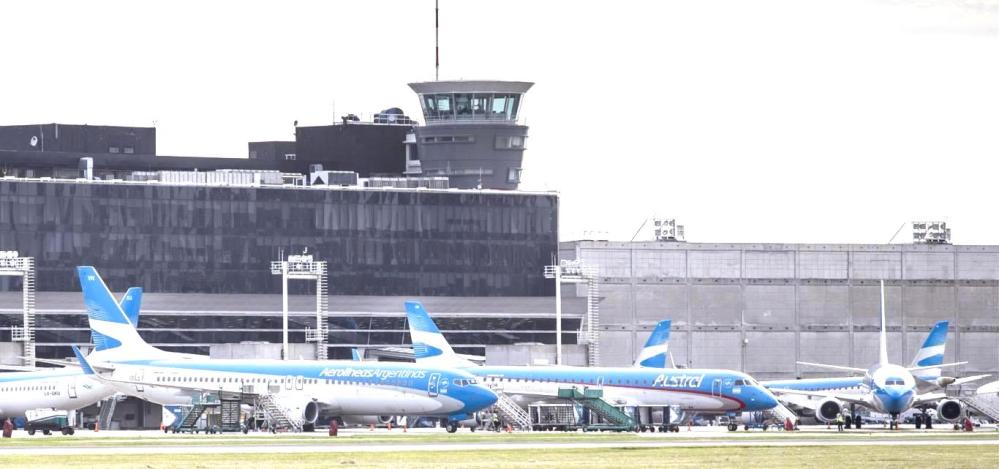
GOL avanza interés compra de Aerolíneas Argentinas

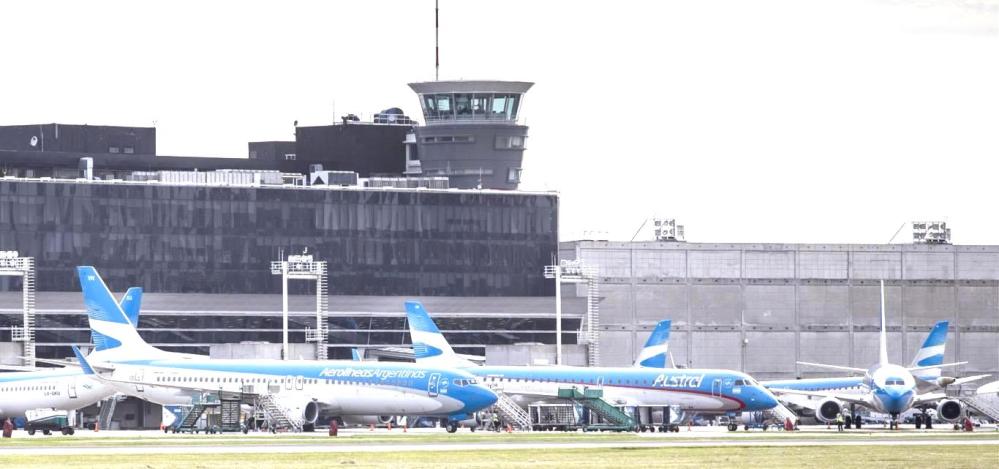
La crisis gremio-Estado en Aerolíneas Argentinas ha acelerado el interés por la venta por parte del Gobierno de la República Argentina en aras de dar un giro definitivo al conflicto sindical histórico y al pasivo que atraviesa la aerolínea desde hace varias décadas.

El conflicto que ha sacudido a Aerolíneas Argentinas se debe en gran parte a las presiones de los gremios aeronáuticos, quienes han impulsado una serie de medidas de fuerza que han afectado las operaciones de la compañía. Este escenario de inestabilidad ha sido aprovechado por otras empresas del sector que buscan expandirse en el mercado argentino. Las negociaciones entre el Gobierno y los distintos actores de la industria se han intensificado, y uno de los protagonistas ha sido el Grupo Abra, dueño de Avianca y la brasileña GOL.

Varios oferentes han mostrado interés por adquirir la línea aérea de bandera argentina. LATAM Airlines Group, el grupo aéreo más desarrollado en América Latina había mostrado interés por adquirirla, mientras que posteriormente su posición se ha enfriado y ha decidido retirarse de las conversaciones en torno a la posible adquisición de Aerolíneas Argentinas. Esta decisión ha dejado el camino libre para otros interesados, como la brasileña GOL y el Grupo Abra, que buscan consolidar su presencia en el mercado regional, están dispuestos a asumir el control de la aerolínea de bandera argentina, si las condiciones gremiales y económicas lo permiten.

LATAM Group
A pesar de los rumores iniciales sobre el posible interés de LATAM Airlines Group en adquirir Aerolíneas Argentinas, la compañía chilena emitió un comunicado aclarando su posición. En el documento, el grupo aéreo con fuerte presencia en Latinoamérica negó estar involucrada en cualquier tipo de negociación relacionada con la compra de la aerolínea argentina. Esta aclaración fue hecha después de que varios medios especularan sobre una posible alianza entre LATAM Group y el Gobierno argentino para hacerse con el control de Aerolíneas.

“En relación a declaraciones divulgadas por distintos medios en diferentes países sobre el interés en la compra de Aerolíneas Argentinas, el grupo LATAM informa que no forma parte de estas conversaciones”, indicó la aerolínea chilena en su comunicado. A pesar de esta aclaración, LATAM continúa siendo un jugador clave en el mercado aeronáutico de la región, y recientemente firmó un acuerdo interlineal con Aerolíneas Argentinas que permite a los pasajeros de ambas compañías acceder a sus respectivas redes de conexión en determinados territorios.

GOL Linhas Aéreas
El Grupo Abra, que controla a Avianca Airlines y GOL Linhas Aéreas, ha sido uno de los principales interesados en la posible adquisición de Aerolíneas Argentinas. Según fuentes oficiales, las reuniones del Gobierno con representantes de GOL Linhas Aéreas Inteligentes SA tienen como objetivo encontrar soluciones a los problemas gremiales y diseñar un plan que permita reducir las tensiones y garantizar la operatividad de Aerolíneas Argentinas. La presencia en la Casa Rosada, sede del Gobierno nacional de Argentina, de Alberto Fajerman, Asesor del CEO de GOL, ha sido un indicio claro de que las negociaciones están avanzando y que la aerolínea brasileña podría asumir un rol más activo en el futuro de la aerolínea argentina.

La idea de que GOL asuma el control de Aerolíneas Argentinas no es nueva, pero ha ganado fuerza en los últimos meses debido a la creciente presión sindical y a la situación financiera de la aerolínea argentina. Ambas aerolíneas han firmado en el último tiempo acuerdos de alianza comercial que han permitido intercambiar ventajas competivivas.

Un avance en las negociaciones permite desarrollar puntos claves en las negociaciones ha sido la posibilidad de que GOL Linhas Aéreas implemente un plan de restructuración que permita reducir los costos operativos y mejorar la competitividad de Aerolíneas Argentinas en el mercado internacional. Las conversaciones con el gobierno argentino buscan precisamente encontrar soluciones que permitan resolver el conflicto gremial, garantizar la estabilidad laboral y, al mismo tiempo, fortalecer a la compañía.

Otros oferentes
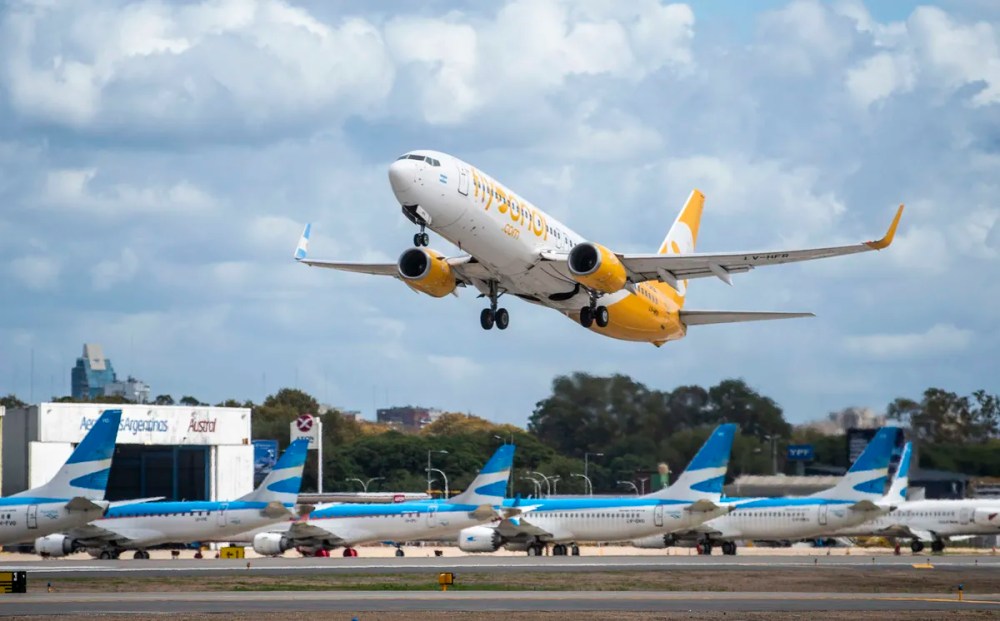
Otros nombres han surgido como posibles interesados en adquirir la aerolínea de bandera. Entre ellos se encuentran Flybondi, JetSMART Airlines, Azul Linhas Aéreas y el empresario Germán Efromovich, quien ha mostrado su interés en el pasado por expandir su presencia en el sector aeronáutico argentino. Las low cost Flybondi y JetSmart, que operan en Argentina, también habrían sido contactadas por el Gobierno argentino como parte de los esfuerzos por diversificar la oferta de servicios en el mercado local.

Este interés por parte de aerolíneas de bajo costo refleja una tendencia creciente en la industria aérea argentina, donde las low cost han logrado ganar terreno frente a las compañías tradicionales, ofreciendo precios competitivos y rutas que conectan puntos estratégicos del país.

Conflicto gremial
El conflicto con los gremios aeronáuticos ha sido uno de los principales obstáculos para la normalización de las operaciones de Aerolíneas Argentinas. Las huelgas y medidas de fuerza han afectado tanto a los pasajeros como a la propia empresa, generando pérdidas millonarias y dañando la imagen de la aerolínea. Los sindicatos exigen mejores condiciones laborales y salariales, mientras que la compañía enfrenta dificultades financieras que complican la posibilidad de satisfacer estas demandas.

El Gobierno de Argentina ha intentado mediar en el conflicto, pero las negociaciones han sido complejas. La posibilidad de que una aerolínea extranjera asuma el control de Aerolíneas Argentinas podría abrir una nueva etapa en la historia de la compañía, aunque también genera resistencia entre algunos sectores que defienden la soberanía de la aerolínea de bandera.

El futuro de Aerolíneas Argentinas sigue siendo incierto. Mientras algunos ven en la posible adquisición por parte de GOL Linhas Aéreas parte del Grupo Abra una oportunidad para modernizar y hacer más eficiente a la aerolínea, otros temen que esto pueda significar una pérdida de control nacional sobre una de las empresas más emblemáticas del país. Las conversaciones entre el Gobierno y los interesados continúan, y las decisiones que se tomen en los próximos meses serán cruciales para definir el rumbo de la compañía.

La industria aeronáutica argentina está atravesando un momento de bisagra con Aerolíneas Argentinas como el principal transportador aéreo nacional, mientras las líneas aéreas y corporaciones pujan por el control de un mercado actualmente dominado por la compañía aérea de bandera.

Acciones Gobierno
Ante los paros sindicales de los Pilotos nucleados en APLA y de Aeronavegantes (AAA) de Aerolíneas Argentinas, el Gobierno de Argentina ha anunciado fuertes medidas de contingencia para paliar la situación de desamparo frente a la cancelación masiva de vuelos en el país. La contratación de tripulaciones extranjeras para Aerolíneas Argentinas es una medida que busca hacer frente la programación de vuelos de cabotaje en pleno conflicto gremial y el otorgamiento de permisos a aerolíneas privadas extranjeras para cubrir los vuelos de la aerolínea de bandera.

El Gobierno ha decretado la Desregulación Aviación Comercial mediante el cual desregula los vuelos de cabotaje en Argentina permitiendo que más aerolíneas incursionen en el desarrollo de la aviación de las líneas aéreas sin necesidad de matricular las aeronaves en el país ni certificar a su personal. El Poder Ejecutivo Nacional podrá autorizar un porcentaje de personal extranjero en los servicios aerocomerciales y la utilización de aeronaves de matrícula extranjera, pero con esta modificación es la ANAC quien podrá otorgar dichos permisos.

«Esta medida, sumada al paquete de desregulaciones que se vienen implementando, posibilitará que otras aerolíneas cubran rutas aéreas locales inmediatamente si [Pablo] Biró y compañía siguen haciendo paros extorsivos», expresó vía X.com, el Secretario de Transporte Franco Mogetta. Esta decisión había sido anticipada por el Jefe de Gabinete, Guillermo Francos, quien horas antes había indicado también que desde el Gobierno se estaban reuniendo con empresas privadas para que se hagan cargo de Aerolíneas Argentinas si continúa el conflicto con el personal aeronáutico, como sucedió la semana pasada.

La ANAC podrá autorizar operaciones con tripulaciones y aeronaves extranjeras a través del Decreto DNU Nº 844/2024, publicado en el Boletín Oficial, el Poder Ejecutivo encomienda en la Administración Nacional de Aviación Civil (ANAC) el otorgamiento de autorizaciones para que personal extranjero desempeñe funciones aeronáuticas en los servicios aerocomerciales, así como también para la utilización de aeronaves de matrícula extranjera a operar en nuestro país cuando una aerolínea lo requiera.

La nueva medida establece que la Autoridad Aeronáutica Nacional deberá reglamentar técnicamente los Artículos Nº106 y Nº107 del Código Aeronáutico, con el fin de establecer los procedimientos adecuados para el otorgamiento de autorizaciones relativas al personal extranjero y a las aeronaves con matrícula extranjera que operen en el territorio nacional, fomentando de esta manera las inversiones en la república Argentina y favoreciendo la conectividad federal. Además, la autoridad aeronáutica deberá dictar la reglamentación técnica correspondiente para el otorgamiento de las mismas, conforme a los estándares internacionales y regionales. El DNU Decreto N° 844/2024 se realiza en el marco del reordenamiento integral de la legislación aerocomercial, con el objetivo de agilizar las gestiones administrativas, promoviendo un mercado de entorno competitivo y flexible para que más personas puedan usar el transporte aéreo y así llegar a todas las ciudades argentinas.

«A su vez, la nueva medida conlleva la necesidad de adecuar y dictar una nueva reglamentación, de conformidad con los estándares internacionales en materia de comercio de bienes y servicios, procurando armonizar el régimen interno con el de los demás países de la Región y del mundo», expresó la Secretaría de Transporte.

Esta medida forma parte de las políticas desregulatorias llevadas adelante por el Gobierno Nacional, y desde el organismo aseguran que este paso «resulta necesario para reforzar los principios de libre acceso a los mercados», generando mayor competitividad y, por lo tanto, una oferta más diversa y conveniente para los pasajeros; garantizando la seguridad operacional y la eficiencia de todo el sistema de transporte aéreo.

Censo situación Aerolíneas
Entre los temas más debatidos en la coyuntura política reciente, la situación de Aerolíneas Argentinas y las universidades nacionales ocupan un lugar central. La discusión sobre la privatización de la aerolínea de bandera está profundamente dividida en la sociedad. Según los datos, la mitad de la población apoya la privatización, mientras que la otra mitad se opone, lo que revela un fuerte grado de polarización. Esta división es particularmente visible según el perfil del votante: el 90% de los votantes de Patricia Bullrich y el 78% de los votantes de Milei apoyan la privatización, mientras que el 90% de los votantes peronistas se opone.

GOL shows interest in Aerolíneas

GOL shows interest in buying Aerolíneas Argentinas

The union-state crisis at Aerolíneas Argentinas has accelerated the interest in the sale by the Government of the Argentine Republic in order to give a definitive turn to the historical union conflict and the liabilities that the airline has been experiencing for several decades.

The conflict that has shaken Aerolíneas Argentinas is largely due to pressure from the aeronautical unions, who have promoted a series of forceful measures that have affected the company’s operations. This scenario of instability has been taken advantage of by other companies in the sector that seek to expand in the Argentine market. Negotiations between the Government and the different actors in the industry have intensified, and one of the protagonists has been the Abra Group, owner of Avianca and the Brazilian GOL.

Several bidders have shown interest in acquiring the Argentine flag airline. LATAM Airlines Group, the most developed airline group in Latin America, had shown interest in acquiring it, but later its position has cooled and it has decided to withdraw from the talks regarding the possible acquisition of Aerolíneas Argentinas. This decision has left the way clear for other interested parties, such as the Brazilian GOL and the Abra Group, which seek to consolidate their presence in the regional market, and are willing to take control of the Argentine flag carrier, if union and economic conditions allow it.

LATAM Group
Despite initial rumors about the possible interest of LATAM Airlines Group in acquiring Aerolíneas Argentinas, the Chilean company issued a statement clarifying its position. In the document, the airline group with a strong presence in Latin America denied being involved in any type of negotiation related to the purchase of the Argentine airline. This clarification was made after several media outlets speculated about a possible alliance between LATAM Group and the Argentine government to take control of Aerolíneas.

“In relation to statements made by various media in different countries about the interest in the purchase of Aerolíneas Argentinas, the LATAM group informs that it is not part of these conversations”, the Chilean airline indicated in its statement. Despite this clarification, LATAM continues to be a key player in the aeronautical market in the region, and recently signed an interline agreement with Aerolíneas Argentinas that allows passengers of both companies to access their respective connection networks in certain territories.

GOL Linhas Aéreas
The Abra Group, which controls Avianca Airlines and GOL Linhas Aéreas, has been one of the main interested parties in the possible acquisition of Aerolíneas Argentinas. According to official sources, the Government’s meetings with representatives of GOL Linhas Aéreas Inteligentes SA are aimed at finding solutions to union problems and designing a plan to reduce tensions and guarantee the operation of Aerolíneas Argentinas. The presence of Alberto Fajerman, Advisor to the CEO of GOL, at the Casa Rosada, the seat of the Argentine national government, has been a clear indication that negotiations are moving forward and that the Brazilian airline could take on a more active role in the future of the Argentine airline.

The idea of ​​GOL taking control of Aerolíneas Argentinas is not new, but it has gained strength in recent months due to growing union pressure and the financial situation of the Argentine airline. Both airlines have recently signed commercial alliance agreements that have allowed them to exchange competitive advantages.

A breakthrough in the negotiations allows the development of key points in the negotiations has been the possibility of GOL Linhas Aéreas implementing a restructuring plan that allows it to reduce operating costs and improve the competitiveness of Aerolíneas Argentinas in the international market. The conversations with the Argentine government seek precisely to find solutions that allow them to resolve the union conflict, guarantee job stability and, at the same time, strengthen the company.

Other bidders
Other names have emerged as potential buyers of the flag carrier. Among them are Flybondi, JetSMART Airlines, Azul Linhas Aéreas and businessman Germán Efromovich, who has shown interest in the past in expanding his presence in the Argentine aeronautical sector. Low-cost airlines Flybondi and JetSMART, which operate in Argentina, have also reportedly been contacted by the Argentine government as part of efforts to diversify the service offering in the local market.

This interest on the part of low-cost airlines reflects a growing trend in the Argentine airline industry, where low-cost airlines have managed to gain ground against traditional companies, offering competitive prices and routes that connect strategic points in the country.

Union conflict
The conflict with the aeronautical unions has been one of the main obstacles to the normalization of Aerolíneas Argentinas’ operations. Strikes and strikes have affected both passengers and the company itself, generating million-Dollar losses and damaging the airline’s image. The unions demand better working conditions and salaries, while the company faces financial difficulties that complicate the possibility of meeting these demands.

The Argentine Government has tried to mediate in the conflict, but the negotiations have been complex. The possibility of a foreign airline taking control of Aerolíneas Argentinas could open a new stage in the company’s history, although it also generates resistance among some sectors that defend the sovereignty of the flag carrier.

The future of Aerolíneas Argentinas remains uncertain. While some see the possible acquisition of part of the Abra Group by GOL Linhas Aéreas as an opportunity to modernize and make the airline more efficient, others fear that this could mean a loss of national control over one of the country’s most emblematic companies. Talks between the government and the interested parties continue, and the decisions taken in the coming months will be crucial to defining the company’s direction.

The Argentine aeronautical industry is going through a turning point with Aerolíneas Argentinas as the main national air carrier, while airlines and corporations bid for control of a market currently dominated by the national airline.

Government actions
In response to the union strikes by the Pilots of APLA and Aeronavegantes (AAA) of Aerolíneas Argentinas, the Argentine Government has announced strong contingency measures to alleviate the situation of helplessness in the face of the massive cancellation of flights in the country. The hiring of foreign crews for Aerolíneas Argentinas is a measure that seeks to address the scheduling of domestic flights in the midst of a union conflict and the granting of permits to foreign private airlines to cover the flights of the flag carrier.

The Government has decreed the Deregulation of Commercial Aviation through which it deregulates domestic flights in Argentina, allowing more airlines to enter into the development of airline aviation without the need to register aircraft in the country or certify their personnel. The National Executive Power may authorize a percentage of foreign personnel in commercial air services and the use of foreign-registered aircraft, but with this modification it is the ANAC that may grant such permits.

«This measure, added to the package of deregulations that are being implemented, will allow other airlines to cover local air routes immediately if [Pablo] Biró and company continue to carry out extortionate strikes», said Secretary of Transportation Franco Mogetta via X.com. This decision had been anticipated by the Chief of Staff, Guillermo Francos, who hours before had also indicated that the Government was meeting with private companies to take over Aerolíneas Argentinas if the conflict with the aeronautical personnel continues, as happened last week.

ANAC may authorize operations with foreign crews and aircraft through Decree DNU No. 844/2024, published in the Official Gazette, the Executive Branch entrusts the National Civil Aviation Administration (ANAC) with the granting of authorizations for foreign personnel to perform aeronautical functions in commercial air services, as well as for the use of foreign-registered aircraft to operate in our country when an airline requires it.

The new measure establishes that the National Aeronautical Authority must technically regulate Articles No. 106 and No. 107 of the Aeronautical Code, in order to establish the appropriate procedures for granting authorizations related to foreign personnel and aircraft with foreign registration that operate in the national territory, thus promoting investments in the Argentine Republic and favoring federal connectivity. In addition, the aeronautical authority must issue the corresponding technical regulations for granting them, in accordance with international and regional standards. DNU Decree No. 844/2024 is carried out within the framework of the comprehensive reorganization of the commercial aviation legislation, with the aim of streamlining administrative procedures, promoting a competitive and flexible market environment so that more people can use air transport and thus reach all Argentine cities.

«At the same time, the new measure entails the need to adapt and issue new regulations, in accordance with international standards in the field of of trade in goods and services, seeking to harmonize the internal regime with that of other countries in the Region and the world», said the Secretary of Transportation.

This measure is part of the deregulatory policies carried out by the National Government, and the agency assures that this step «is necessary to reinforce the principles of free access to markets», generating greater competitiveness and, therefore, a more diverse and convenient offer for passengers; guaranteeing operational safety and efficiency of the entire air transport system.

Census situation of Aerolíneas
Among the most debated issues in the recent political situation, the situation of Aerolíneas Argentinas and national universities occupy a central place. The discussion on the privatization of the flag carrier is deeply divided in society. According to the data, half of the population supports privatization, while the other half is opposed, which reveals a strong degree of polarization. This division is particularly visible according to the voter profile: 90% of Patricia Bullrich’s voters and 78% of Milei’s voters support privatization, while 90% of Peronist voters oppose it.

PUBLISHER: Airgways.com
DBk: Argentina.gob.ar / Aerolineas.com / Airgways.com
AW-POST: 202409231422AR
OWNERSHIP: Airgways Inc.
A\W A I R G W A Y S ®

JetSMART cancela AEP-Montevideo

AW | 2024 09 23 12:06 | AIRLINES ROUTES / GOVERNMENT

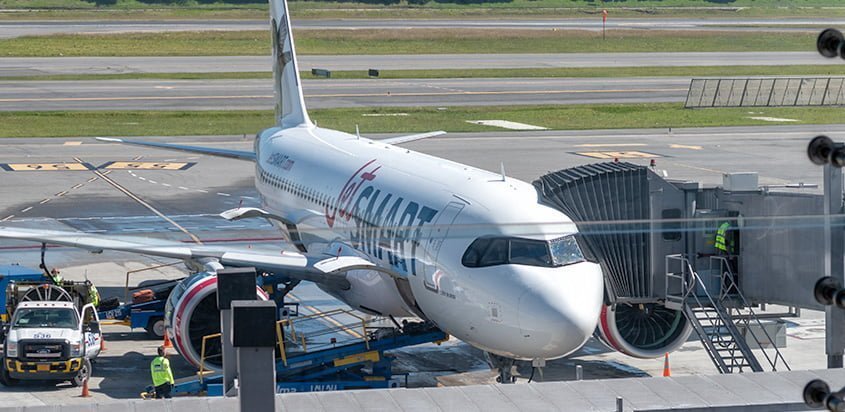
JetSMART suprime ruta Buenos Aires—Montevideo

La aerolínea chilena de bajo coste JetSMART Airlines Chile anunció el 23/09 que suprimirá la ruta Buenos Aires/AEP—Montevideo/MVD con dos frecuencias diarias entre los aeropuertos Buenos Aires/Jorge Newbery y Montevideo/Carrasco. La aerolínea cancelará la ruta a partir del 1 de Octubre de 2024, debido al bajo resultado obtenido. El servicio fue inaugurado cuatro meses atrás.

La decisión de JetSMART ha sido una desagradable sorpresa, en declaraciones del Ministro de Relaciones Exteriores uruguayo, Omar Paganini. Al no salir las cosas como estaban previstas, JetSMART Airlines solicitó al Gobierno uruguayo una subvención de US$ 100.000 Dólares, mientras que Uruguay no ha concedido después de que las autoridades turísticas de Montevideo consideraran excesiva la cantidad.

La participación de la cuota de mercado en los vuelos trans-platense ha caído sustancialmente, mientras que se espera una respuesta por parte de Aerolíneas Argentinas para reajustar su cronograma de frecuencias entre Buenos Aires y Montevideo. El Gobierno Libertario del Presidente Javier Milei mantiene conversaciones para privatizar la compañía o algunos de sus servicios, en medio de crecientes protestas laborales que siguen afectando a los viajeros.

El CEO de JetSMART Airlines Group, Estuardo Ortíz, dijo al Embajador de Uruguay en Buenos Aires, Carlos Enciso, que la compañía no tenía un esquema de promoción específico ni incentivos suficientes para mantener el servicio que comenzó a fines de Mayo 2024. Ortiz reconoció que la aerolínea chilena había experimentado condiciones que no contribuyen a la sostenibilidad de la operación, lo que refuerza las dificultades que afrontan las aerolíneas cuando intentan establecer rutas en mercados altamente competitivas. La compañía había previsto 127.000 pasajeros durante su primer año de operación en esta ruta, pero la demanda se situó muy por debajo de esas cifras. JetSMART también citó la elevada presión fiscal y la competencia con otros medios de transporte como factores de la inviabilidad de la ruta.

Carlos Enciso afirmó que la conexión Buenos Aires—Montevideo había mostrado un desempeño acorde con las expectativas, lo que indicaba que había perspectivas optimistas para su futuro. El diplomático expresó asimismo su profunda preocupación, buscando abrir un canal de comunicación para analizar posibles alternativas que puedan revertir la situación. Sin embargo, Estuardo Ortíz se mostró escéptico dada la reticencia del Gobierno uruguayo. El ejecutivo también insistió en que la ayuda de los gobiernos a las aerolíneas era una práctica común en otros lugares porque las rutas dependían totalmente de factores estacionales y de la demanda específica, lo que puede llevar a la suspensión temporal o a la cancelación permanente de ciertos servicios considerados insostenibles.

Cuando JetSMART Airlines anunció la nueva ruta en Marzo 2024 durante una ceremonia en la residencia de Carlos Enciso, también había argumentado que el puente aéreo a Montevideo serviría como alimentador del servicio entre Aeroparque y Asunción del Paraguay. En ese entonces, se dijo que el Embajador uruguayo en Argentina ha sido un instrumento fundamental en la negociación desde 2021 para habilitar el servicio aéreo entre Buenos Aires y Montevideo.

JetSMART cancels AEP-Montevideo route

JetSMART cancels Buenos Aires-Montevideo route

The Chilean low-cost airline JetSMART Airlines Chile announced on 09/23 that it will cancel the Buenos Aires/AEP-Montevideo/MVD route with two daily frequencies between the Buenos Aires/Jorge Newbery and Montevideo/Carrasco airports. The airline will cancel the route as of October 1, 2024, due to the poor results obtained. The service was inaugurated four months ago.

JetSMART’s decision has been an unpleasant surprise, according to statements by the Uruguayan Minister of Foreign Affairs, Omar Paganini. When things did not go as planned, JetSMART Airlines requested a subsidy of US$ 100,000 from the Uruguayan Government, while Uruguay has not granted it after the tourist authorities of Montevideo considered the amount excessive.

The market share of trans-Plata flights has fallen substantially, while a response is expected from Aerolíneas Argentinas to readjust its frequency schedule between Buenos Aires and Montevideo. The Libertarian Government of President Javier Milei is in talks to privatize the company or some of its services, amid growing labor protests that continue to affect travelers.

JetSMART Airlines Group CEO Estuardo Ortíz told Uruguay’s Ambassador in Buenos Aires Carlos Enciso that the company did not have a specific promotion scheme or sufficient incentives to maintain the service that began at the end of May 2024. Ortiz acknowledged that the Chilean airline had experienced conditions that do not contribute to the sustainability of the operation, which reinforces the difficulties that airlines face when trying to establish routes in highly competitive markets. The company had anticipated 127,000 passengers during its first year of operation on this route, but demand was well below those figures. JetSMART also cited high tax pressure and competition with other means of transport as factors in the route’s unviability.

Carlos Enciso stated that the Buenos Aires-Montevideo connection had performed in line with expectations, indicating that there were optimistic prospects for its future. The diplomat also expressed his deep concern, seeking to open a channel of communication to analyze possible alternatives that could reverse the situation. However, Estuardo Ortíz was skeptical given the reluctance of the Uruguayan government. The executive also insisted that government aid to airlines was a common practice elsewhere because routes were totally dependent on seasonal factors and specific demand, which can lead to the temporary suspension or permanent cancellation of certain services considered unsustainable.

When JetSMART Airlines announced the new route in March 2024 during a ceremony at Carlos Enciso’s residence, he had also argued that the air bridge to Montevideo would serve as a feeder for the service between Aeroparque and Asunción del Paraguay. At that time, it was said that the Uruguayan Ambassador to Argentina has been a fundamental instrument in the negotiation since 2021 to enable air service between Buenos Aires and Montevideo.

PUBLISHER: Airgways.com
DBk: Jetsmart.com / Gub.uy / Airgways.com
AW-POST: 202409231206AR
OWNERSHIP: Airgways Inc.
A\W A I R G W A Y S ®

Continúan conflictos por Aerolíneas

AW | 2024 09 20 11:35 | AIRLINES / GOVERNMENT

Gobierno Argentina podría rescindir rutas a privados

El Gobierno del presidente Javier Milei anunció el Jueves 19/09 que cederá a manos privadas el control de las operaciones de la estatal Aerolíneas Argentinas en el caso de que los gremios continúen con sus protestas, que en las últimas semanas han causado la cancelación de cientos de vuelos. El Portavoz Presidencial Manuel Adorni ha anunciado a periodistas que el Gobierno «ha iniciado conversaciones con varias empresas privadas latinoamericanas para que se hagan cargo de la operación de Aerolíneas, en caso de que las extorsiones que están recibiendo los argentinos con este tipo de medidas continúen».

El pulso que mantiene el Gobierno con los gremios aeronáuticos de Pilotos (APLA) y de Aeronavegantes (AAA) de Aerolíneas Argentinas ha ido incrementándose en las últimas semanas en el marco del reclamo de subas salariales por parte de los trabajadores de la empresa y una protesta encubierta contra la privatización de la aerolínea. Los gremios sostienen que por la inflación los sueldos están desfasados en un 75% y han pedido 25% de aumento y seguir negociando. La empresa ofreció 11% en el marco de las políticas de reducción del gasto público implementadas por Milei, un ultraliberal que llegó al poder en Diciembre 2023. Además del reclamo salarial, los gremialistas acusan al Ejecutivo de buscar la desfinanciación de la aerolínea nacional para después avanzar con su privatización.

La semana pasada un paro de veinticuatro horas convocado por los gremios de pilotos y tripulantes de cabina de Aerolíneas dejó en tierra a unos 37.000 pasajeros de vuelos nacionales e internacionales, lo que generó pérdidas por valor de US$ 2.5 millones de Dólares. Otro reclamo anterior había afectado a unos 15.000 pasajeros. El Gobierno viene arremetiendo contra lo que considera los privilegios laborales de los empleados de la aerolínea nacional y afirma que ganan entre AR$ 3 y 20 millones de Pesos.

El Lunes 16/09 se publicó un Decreto del Ejecutivo que establece como Servico Esencial que quienes pretendan protestar deberán avisar a las autoridades correspondientes con al menos cinco días de anticipación a la fecha elegida. En caso de que las partes no se pongan de acuerdo sobre los servicios mínimos, no podrán ser inferiores al 50% de «la prestación normal y regular de los servicios».

Reestructuración rutas
Debido a la escalada del conflicto con los trabajadores de la aviación, el Gobierno nacional ha iniciado conversaciones con varias empresas privadas latinoamericanas para hacerse cargo de Aerolíneas en caso de que la extorsión continúe. «En virtud de las persistentes huelgas convocadas por el sindicato […] el Gobierno nacional ha iniciado conversaciones con varias empresas privadas latinoamericanas para que finalmente se hagan cargo de la operación de Aerolíneas Argentinas en caso de que continúen las extorsiones que están recibiendo los argentinos con este tipo de medidas», dijo el Portavoz Presidencial Manuel Adorni en conferencia de prensa.

En una línea dura pero efectiva, el Gobierno nacional no dará marcha atrás con el desmanejo de la clase sindical que por mucho tiempo ha manipulado al sector de la aviación: «Enterraremos los piquetes sindicales y los privilegios de una casta. Tomaremos medidas enérgicas contra los piquetes de los sindicatos de la aviación», declaró Manuel Adorni.

La privatización de la aerolínea estatal argentina es un deseo de larga data del Presidente Libertario Javier Milei, quien la incluyó en una lista de empresas estatales para ser vendidas en su mega proyecto de la Ley de Bases. Sin embargo, durante las negociaciones para asegurar la aprobación del proyecto de ley en el Congreso, la administración retiró a la empresa de la lista de empresas a la venta.

La amenaza del Gobierno se produce después de semanas de conflicto con sindicatos de pilotos, personal de seguridad aeroportuaria, Controladores Aéreos y otros sindicatos aeronáuticos.

Conflicts over Aerolíneas continue

Argentine government could cancel routes to private companies

The government of President Javier Milei announced on Thursday 19/09 that it will hand over control of the operations of the state-owned Aerolíneas Argentinas to private hands in the event that the unions continue with their protests, which in recent weeks have caused the cancellation of hundreds of flights. Presidential Spokesman Manuel Adorni announced to journalists that the government «has begun conversations with several private Latin American companies to take over the operation of Aerolíneas, in case the extortions that Argentines are receiving with this type of measures continue».

The fight between the Government and the aeronautical unions of Pilots (APLA) and Aeronautical Workers (AAA) of Aerolíneas Argentinas has been increasing in recent weeks within the framework of the demand for salary increases by the company’s workers and a covert protest against the privatization of the airline. The unions maintain that due to inflation, salaries are 75% out of date and have asked for a 25% increase and to continue negotiating. The company offered 11% within the framework of the public spending reduction policies implemented by Milei, an ultra-liberal who came to power in December 2023. In addition to the salary claim, the union members accuse the Executive of seeking to defund the national airline and then move forward with its privatization.

Last week, a twenty-four-hour strike called by the unions of pilots and cabin crew of Aerolíneas grounded some 37,000 passengers on national and international flights, causing losses of US$ 2.5 million. Another previous protest had affected some 15,000 passengers. The Government has been attacking what it considers the labor privileges of the employees of the national airline and claims that they earn between AR$ 3 and 20 million Pesos.

On Monday 16/09, an Executive Decree was published that establishes as an Essential Service that those who intend to protest must notify the corresponding authorities at least five days in advance of the chosen date. In the event that the parties do not agree on the minimum services, they cannot be less than 50% of «the normal and regular provision of services».

Restructuring routes
Due to the escalation of the conflict with aviation workers, the national government has begun talks with several private Latin American companies to take over Aerolíneas in case the extortion continues. «Due to the persistent strikes called by the union […] the national government has begun talks with several private Latin American companies to finally take over the operation of Aerolíneas Argentinas in case the extortions that Argentines are receiving with this type of measures continue», said Presidential Spokesperson Manuel Adorni in a press conference.

In a hard but effective line, the national government will not back down from the mismanagement of the union class that has long manipulated the aviation sector: «We will bury the union pickets and the privileges of a caste. We will take strong measures against the pickets of the aviation unions», declared Manuel Adorni.

Privatizing Argentina’s state-owned airline is a long-standing desire of Libertarian President Javier Milei, who included it on a list of state-owned companies to be sold in his mega Ley de Bases project. However, during negotiations to secure the bill’s approval in Congress, the administration removed the company from the list of companies for sale.

The government’s threat comes after weeks of conflict with unions of pilots, airport security personnel, Air Traffic Controllers, and other aeronautical unions.

PUBLISHER: Airgways.com
DBk: Argentina.gob.ar / Aerolñineas.com / Airgways.com
AW-POST: 202409201135AR
OWNERSHIP: Airgways Inc.
A\W A I R G W A Y S ®

Anuncian nuevo paro 19/09 Argentina

AW | 2024 09 18 10:45 | AIRLINES / AIR TRAFFIC / GOVERNMENT / AVIATION

Pilotos APLA anuncian nuevo paro general
Controladores aéreos adhieren acción gremial

Los Pilotos nucleados en APLA y los Controladores Aéreos de ATE anunciaron un fuerte y salvaje paro general para el próximo Jueves 19 de Septiembre de 2024. Los gremios aeronáuticos del sector tienen hoja de ruta mientras escala el conflicto por Aerolíneas Argentinas al no recibir respuestas a sus reclamos salariales, ni la apertura del dialogo entre el Sindicato APLA y el Gobierno. Mientras tanto, la Asociación de Pilotos de Líneas Aéreas (APLA) ha tomado medidas de demandas judiciales, como así también en reclamo y rechazo a los despidos en la línea argentina de bandera. Adicionalmente, la Asociación Trabajadores del Estado (ATE) y dependientes de la Administración Nacional de Aviación Civil (ANAC) confirmaron uno paro este Jueves 19/09 para reclamar una recomposición salarial en el sector. La acción sindical se llevará a cabo en dos partes: entre las 06:00 y las 12:00 horas y entre las 17:00 y las 22:00 horas. Durante ese período se garantizarán solo los vuelos sanitarios, humanitarios y aeronaves de Estado; mientras que se encuentra en vigencia la nueva normativa del Gobierno de garantización de vuelos mínimos para los pasajeros que deberían implementar a pesar del paro general.

Paralelamente, tras consultar con equipos jurídicos, la Asociación de Pilotos de Líneas Aéreas de Pablo Biró, a quien el Gobierno nacional expulsará del Directorio de la aerolínea estatal, anunció que recurrirán a la Justicia. Adelantó que la presentación apuntará contra el decreto Presidencial que declaró al transporte aerocomercial como servicio esencial, lo cual implica, entre otros tópicos, que las organizaciones gremiales cumplan prestaciones definidas, aún en conflicto.

Los sindicatos preparan una impugnación judicial contra el decreto que dictó la esencialidad de la actividad aeronáutica. Fuentes gremiales añadieron que solo se debería regular el derecho a huelga en situaciones donde peligre la vida, como lo establece la Organización Internacional del Trabajo (OIT). Tras aclarar que no hay ningún organismo internacional de derechos humanos que sustente esta postura en referencia a la esencialidad de vuelos que promueve el Gobierno, Pablo Biró apuntó que el objetivo del Gobierno es construir una sociedad absolutamente sometida y obediente. “El derecho de huelga es esencial. Es la única vía lícita, la única herramienta, para proteger nuestros intereses económicos y profesionales. Cuando la implementación tiene efecto nulo, la huelga termina siendo un simulacro de defensa. Lo que quieren son trabajadores sometidos, organizaciones obedientes, un pueblo totalmente dominado y quebrado. Un poco por el discurso, por el modelo”, dijo al respecto el titular de APLA.

El sindicalista de APLA expresó que existe un punto central. Para él, al Gobierno no lo asiste el derecho ni la razón. Por eso cada cosa que haga va a chocar con una defensa de los intereses a los que afecte y por el mismo motivo, consideró, que existen certezas de que el conflicto se incrementará.

Al conflicto en Aerolíneas Argentinas se suma el de los aeropuertos.

ATE-ANAC
La huelga se de los Controladores Aéreos se comunicó formalmente el pasado 11 de Septiembre de 2024, con un plazo de “cinco días hábiles de anticipación”. Desde las redes sociales, el sindicato señaló que “es responsabilidad del Gobierno generar un esquema de vuelos alternativos fuera de las franjas horarias de la medida de fuerza”, señalaron desde los ATC aeronáuticos.

Desde el sindicato de la ATE-ANAC de Controladores Aéreos justificaron una acción. «Al día de la fecha no hemos tenido ninguna comunicación con los distintos sectores del Gobierno nacional, ni con los de Transporte, y por ende la medida de fuerza del día 19 se mantiene vigente. Esta medida de fuerza se da en el marco de acciones de despidos, del proceso de transferencia de funciones y todo eso sin ningún marco de diálogo establecido que nos permita transitar esta etapa sin conflicto», explicó el Secretario General de ATE-ANAC, Marcelo Belelli.

Los Controladores Aéreos definieron hacer otro paro salvaje que podría afectar a veintisiete aeropuertos agravándose el conflicto aeronáutico. La medida de fuerza será en paralelo a las asambleas que realizarán los gremios de Pilotos APLA y Aeronavegantes AAA que continuarán con el plan de lucha en Aerolíneas Argentinas.

New strike announced 19/09 in Argentina

APLA pilots announce new general strike
Air traffic controllers join union action

The Pilots grouped in APLA and the Air Traffic Controllers of ATE announced a strong and savage general strike for next Thursday, September 19, 2024. The aeronautical unions of the sector have a roadmap while the conflict over Aerolíneas Argentinas escalates after not receiving responses to their salary claims, nor the opening of dialogue between the APLA Union and the Government. Meanwhile, the Association of Airline Pilots (APLA) has taken legal action, as well as in protest and rejection of the layoffs in the Argentine flag carrier. Additionally, the State Workers Association (ATE) and employees of the National Civil Aviation Administration (ANAC) confirmed a strike this Thursday, September 19, to demand a salary increase in the sector. The union action will take place in two parts: between 06:00 and 12:00 hours and between 17:00 and 22:00 hours. During this period, only sanitary and humanitarian flights and State aircraft will be guaranteed; while the new Government regulations guaranteeing minimum flights for passengers are in force, which should be implemented despite the general strike.

At the same time, after consulting with legal teams, the Association of Airline Pilots of Pablo Biró, whom the national Government will expel from the Board of Directors of the state airline, announced that they will resort to Justice. He announced that the presentation will target the Presidential decree that declared commercial air transport as an essential service, which implies, among other topics, that the union organizations comply with defined benefits, even in conflict.

The unions are preparing a legal challenge against the decree that established the essentiality of aeronautical activity. Union sources added that the right to strike should only be regulated in situations where life is at risk, as established by the International Labour Organization (ILO). After clarifying that there is no international human rights organization that supports this position in reference to the essentiality of flights promoted by the Government, Pablo Biró pointed out that the Government’s objective is to build an absolutely submissive and obedient society. «The right to strike is essential. It is the only legal way, the only tool, to protect our economic and professional interests. When the implementation has no effect, the strike ends up being a simulation of defense. What they want are submissive workers, obedient organizations, a totally dominated and broken people. A little bit because of the discourse, because of the model», said the head of APLA in this regard.

The APLA unionist expressed that there is a central point. For him, the Government is not assisted by law or reason. That is why everything that is done will clash with a defense of the interests that it affects and for the same reason, he considered, that there are certainties that the conflict will increase.

The conflict at Aerolíneas Argentinas is joined by that at the airports.

ATE-ANAC
The Air Traffic Controllers’ strike was formally announced on September 11, 2024, with a period of «five business days in advance». From social networks, the union pointed out that «it is the Government’s responsibility to generate an alternative flight scheme outside the time slots of the strike», said the aeronautical ATC.

The ATE-ANAC Air Traffic Controllers’ union, they justified an action. «To date, we have had no communication with the different sectors of the national Government, nor with those of Transport, and therefore the strike of the 19th remains in force. This strike is taking place in the context of dismissal actions, the process of transfer of functions, and all that without any established framework of dialogue that allows us to go through this stage without conflict», explained the Secretary General of ATE-ANAC, Marcelo Belelli.

The Air Traffic Controllers decided to carry out another wild strike that could affect twenty-seven airports, worsening the aeronautical conflict. The strike will be in parallel to the assemblies that will be held by the unions of Pilots APLA and Aeronavegantes AAA that will continue with the plan of struggle in Aerolíneas Argentinas.

PUBLISHER: Airgways.com
DBk: Apla.org.ar / Ate.org.ar / Aerolineas.com / Argentina.gob.ar / Daniel Vides / Airgways.com
AW-POST: 202409181045AR
OWNERSHIP: Airgways Inc.
A\W A I R G W A Y S ®

Esencialidad servicio aéreo Argentina

AW | 2024 09 17 10:03 | AIRLINES / GOVERNMENT

Entra vigencia Servicio Esencialidad transporte aereocomercial

Entra en vigencia el Servico de Esencialidad en el transporte aéreo en Argentina, lo que establece nuevas condiciones para huelgas en la aviación comercial. Ante el recrudecimiento de la crisis en el transporte aéreo en Argentina, el Ministerio de Desregulación, a cargo de Federico Sturzenegger, recordó que, a partir del Decreto 831/24 del Presidente Javier Milei, el transporte aerocomercial se convierte en un servicio básico y esencial, lo que se traduce en un derecho a huelga irrestricta, permitiendo desarrollar de manera obligatoria un servicio básico de transporte aéreo.

Federico Sturzenegger ha realizado las declaraciones a través de su cuenta X.com después de la medida laboral de la semana pasada que afectó a más de 37.000 pasajeros en todo el país, cuando los Pilotos y Tripulantes de Aerolíneas Argentinas exigieron actualizaciones salariales.

En sintonía fina a los reclamos laborales, también, los trabajadores de la aerolínea de bandera se mostraron reacios a renunciar a sus privilegios, como los boletos gratuitos en clase ejecutiva para ellos y sus familiares, empleados jubilados o por celebración matrimonial.

A partir de ahora, los trabajadores que deseen ir a la huelga deben avisar con cinco días de antelación la medida de acción sindical, se conforma una comisión que en un plazo de veinticuatro horas para definir los vuelos a mantener durante la huelga, que no pueden ser inferiores al 50% de los vuelos afectados durante la huelga y que garantice la conectividad en rutas con un solo servicio. Si la comisión no llega a un acuerdo, la Secretaría del Trabajo definirá qué servicios se deben mantener.

«Lamentablemente, el Congreso negó la posibilidad de privatizar una empresa que, si bien opera en un contexto de total libertad comercial, reitera su vocación de gozar de sus propios privilegios a costa del contribuyente. Afortunadamente, a partir del Decreto 831/24 ya no podrán afectar los derechos de todos los argentinos», subrayó Federico Sturzenegger.

La huelga de la Asociación de Pilotos de Líneas Aéreas (APLA) y la Asociación de Pilotos de Líneas Aéreas Argentinas (AAA) para exigir un aumento salarial afectó a más de 37.000 pasajeros de 319 vuelos de Aerolíneas Argentinas.

La cartera del Ministerio de Desregulación argumentó que los números de Aerolíneas Argentinas continuaban con pérdidas, mientras existen líneas aéreas que compiten con Aerolíneas y no producen pérdidas económicas y son administradas con capital privado de sus accionistas. Las compañías deben ser gestionadas de manera eficiente y no generar aumentos salariales a costa del contribuyente. «El aumento que el Gobierno puede otorgar a Aerolíneas es de cero por ciento. Hasta que la empresa no tenga una ganancia, que la puede tener porque puede manejar su empresa con total libertad en cuanto a precios, me parece que no puede llegar al contribuyente a pedir más recursos», sentenció Federico Sturzenegger.

Essentiality of air service in Argentina

Essentiality Service for commercial air transport comes into effect

The Essentiality Service for air transport in Argentina comes into effect, which establishes new conditions for strikes in commercial aviation. Given the worsening of the crisis in air transport in Argentina, the Ministry of Deregulation, headed by Federico Sturzenegger, recalled that, as of Decree 831/24 of President Javier Milei, commercial air transport becomes a basic and essential service, which translates into an unrestricted right to strike, allowing the mandatory development of a basic air transport service.

Federico Sturzenegger made the statements through his X.com account after the labor measure last week that affected more than 37,000 passengers throughout the country, when the Pilots and Crew of Aerolíneas Argentinas demanded salary updates.

In line with labor demands, the workers of the flagship airline also showed reluctance to give up their privileges, such as free business class tickets for themselves and their families, retired employees or for weddings.

From now on, workers who wish to go on strike must give five days’ notice of the union action, and a commission will be formed within twenty-four hours to define the flights to be maintained during the strike, which cannot be less than 50% of the flights affected during the strike and which guarantees connectivity on routes with a single service. If the commission does not reach an agreement, the Labor Secretariat will define which services should be maintained.

«Unfortunately, Congress denied the possibility of privatizing a company that, while operating in a context of total commercial freedom, reiterates its vocation to enjoy its own privileges at the expense of the taxpayer. Fortunately, as of Decree 831/24, they will no longer be able to affect the rights of all Argentines», stressed Federico Sturzenegger.

The strike by the Association of Airline Pilots (APLA) and the Association of Pilots of Argentine Airlines (AAA) to demand a salary increase affected more than 37,000 passengers on 319 Aerolíneas Argentinas flights.

The portfolio of the Ministry of Deregulation argued that Aerolíneas Argentinas’ numbers continued to show losses, while there are airlines that compete with Aerolíneas and do not produce economic losses and are managed with private capital from their shareholders. Companies must be managed efficiently and not generate salary increases at the expense of the taxpayer. «The government can grant Aerolíneas a zero percent increase. Until the company makes a profit, which it can because it can manage its business with total freedom in terms of prices, it seems to me that it cannot ask the taxpayer for more resources», said Federico Sturzenegger.

PUBLISHER: Airgways.com
DBk: Argentina.gob.ar / Aerolineas.com / Airgways.com
AW-POST: 202409171003AR
OWNERSHIP: Airgways Inc.
A\W A I R G W A Y S ®

Profundiza conflicto Aerolíneas

AW | 2024 09 16 11:47 | AIRLINES / GOVERNMENT

Gremio APLA busca extender conflicto aeronáutico

La situación de Aerolíneas Argentinas podría agravarse en medio de las disputas entre los sindicatos aéreos y el Gobierno de Argentina. El líder de la Asociación de Pilotos de Líneas Aéreas (APLA) dijo que el gobierno libertario realiza campaña para obtener el apoyo público, al costo de mantener a los pasajeros como rehenes en un conflicto que podría evitarse. El titular de los Pilotos advirtió que la disputa salarial con el Gobierno de Javier Milei ha alcanzado un punto crítico y que podría empeorar. El sindicalista sostuvo: “El conflicto está grave y se va a poner mucho peor”.

El sindicalista acusó a la administración libertaria de actuar con tiranía y de tener oscuras intenciones detrás de sus acciones, afirmando que se defenderán con amparos y medidas cautelares para proteger sus derechos. Reafirmó que la protesta es estrictamente salarial y no tiene motivaciones políticas ni de privilegios. «El derecho a la huelga es fundamental para salvaguardar los intereses económicos, sociales y profesionales de los trabajadores», dijo Pablo Biró.

La última huelga aeronáutica que tuvo lugar desde el mediodía del Viernes 13/09 hasta las 12:00 horas del Sábado 14/09, afectó 319 vuelos y a más de 37.000 pasajeros. El Gobierno de Milei respondió a la medida de fuerza asegurando que el aumento salarial ofrecido a los trabajadores será de 0%, como lo dijo el Ministro de Desregulación, Federico Sturzenegger. En medio de las disputas el Gobierno ha decidido expulsar al titular de APLA del Directorio de Aerolíneas Argentinas.

Aerolíneas conflict deepens

APLA union seeks to extend aeronautical conflict

The situation of Aerolíneas Argentinas could worsen amid disputes between the airline unions and the Argentine Government. The leader of the Association of Airline Pilots (APLA) said that the libertarian government is campaigning to obtain public support, at the cost of holding passengers hostage in a conflict that could be avoided. The head of the Pilots warned that the salary dispute with the Government of Javier Milei has reached a critical point and could get worse. The union leader said: «The conflict is serious and will get much worse».

The union leader accused the libertarian administration of acting with tyranny and of having dark intentions behind its actions, stating that they will defend themselves with injunctions and precautionary measures to protect their rights. He reaffirmed that the protest is strictly about salaries and has no political or privilege motivations. «The right to strike is fundamental to safeguard the economic, social, and professional interests of workers», said Pablo Biró.

The last aviation strike, which took place from midday on Friday 13/09 until 12:00 on Saturday 14/09, affected 319 flights and more than 37,000 passengers. Milei’s government responded to the strike by assuring that the salary increase offered to workers will be 0%, as stated by the Minister of Deregulation, Federico Sturzenegger. In the midst of the disputes, the government has decided to expel the head of APLA from the Board of Directors of Aerolíneas Argentinas.

PUBLISHER: Airgways.com
DBk: Aerolineas.com / Airgways.com
AW-POST: 202409161147AR
OWNERSHIP: Airgways Inc.
A\W A I R G W A Y S ®

Argentina decreta servicio esencialidad

AW | 2024 09 13 16:20 | GOVERNMENT / AVIATION / AIRLINES MARKET

Gobierno reglamenta esencialidad servicio aeronáutico

El Gobierno de Argentina ha firmado el Decreto de Necesidad y Urgencia DNU 70/23. El medio del conflicto aeronáutico, el Presidente Javier Milei reglamentó el Jueves 12/09 la reglamentación del Artículo Nº182 del DNU Nº70/23, con los lineamientos aplicables a la prestación del servicio esencial de aeronáutica civil comercial. Así lo confirmó el Ministro de Desregulación y Transformación del Estado, Federico Sturzenegger. De esta manera, el Gobierno declaró la esencialidad en el sector de la aviación comercial y busca limitar el accionar de los sindicatos.

Reglamentación Artículo Nº182
La reglamentación establece que la Secretaría de Trabajo será la autoridad de aplicación para garantizar el cumplimiento de la actividad civil aerocomercial como servicio esencial, quien actuará la Comisión de Garantías existente, como un organismo tripartito para fijar las condiciones de los servicios mínimos que deberán cumplir las partes frente a un conflicto.

«En esta reglamentación se garantizan los derechos laborales de los trabajadores, pero se persigue evitar la extorsión de los gremialistas. Por ejemplo, se asimilan a un paro las medidas de fuerza que interrumpen los servicios disfrazados de asambleas. La realización de asambleas de cualquier tipo en ningún caso podrá ser invocada para interrumpir, directa o indirectamente, la prestación normal y regular de la actividad aeronáutica civil aerocomercial, pública o privada, ni, en su caso, el desarrollo normal y regular de los servicios mínimos. La norma prevé medidas para garantizar un nivel mínimo de actividad ante conflictos laborales que puedan interrumpir total o parcialmente las actividades”, había precisado el Secretario de Trabajo, Julio Cordero.

Esto sucede en medio del conflicto aeronáutico que afectará a miles de pasajeros. La demandas de los trabajadores están centradas en obtener una recomposición paritaria acorde con la inflación que, según los gremialistas, generó un atraso del 72% en los sueldos desde Noviembre 2023, pero al mismo tiempo la acción sindical estaría disfrazada de reclamos frente a la posible privatización de Aerolíneas Argentinas.

La séptima medida de fuerza en menos de un mes fue anunciado por la Asociación Argentina de Aeronavegantes (AAA) en conjunto con la Asociación de Pilotos de Líneas Aéreas (APLA) y según los cálculos de Aerolíneas Argentinas impacta en alrededor de 300 vuelos y podría afectar entre 27.000 y 30.000 usuarios del transporte aéreo.

Argentina regulates essential service

Government decrees essentiality of aeronautical service

The Government of Argentina has signed the Decree of Necessity and Urgency DNU 70/23. In the midst of the aeronautical conflict, President Javier Milei regulated on Thursday 12/09 the regulation of Article No. 182 of DNU No. 70/23, with the guidelines applicable to the provision of the essential service of commercial civil aeronautics. This was confirmed by the Minister of Deregulation and Transformation of the State, Federico Sturzenegger. In this way, the Government declared essentiality in the commercial aviation sector and seeks to limit the actions of unions.

Regulation Article No. 182
The regulation establishes that the Ministry of Labor will be the enforcement authority to guarantee compliance with civil commercial aviation activity as an essential service, and that the existing Guarantees Commission will act as a tripartite body to establish the conditions of the minimum services that the parties must comply with in the event of a conflict.

«This regulation guarantees the labor rights of workers, but seeks to avoid extortion by union members. For example, force measures that interrupt services disguised as assemblies are considered to be a strike. The holding of assemblies of any kind may in no case be invoked to interrupt, directly or indirectly, the normal and regular provision of civil aeronautical activity, whether public or private, or, where appropriate, the normal and regular development of minimum services. The rule provides measures to guarantee a minimum level of activity in the face of labor conflicts that may totally or partially interrupt activities», said the Secretary of Labor, Julio Cordero.

This happens in the midst of the aeronautical conflict that will affect thousands of passengers. The workers’ demands are focused on obtaining a parity recomposition in line with inflation, which, according to union members, generated a 72% delay in salaries since November 2023, but at the same time the union action would be disguised as claims. against the possible privatization of Aerolíneas Argentinas.

The seventh strike in less than a month was announced by the Argentine Association of Flight Attendants (AAA) in conjunction with the Association of Airline Pilots (APLA) and according to calculations by Aerolíneas Argentinas it will impact around 300 flights and could affect between 27,000 and 30,000 air transport users.

PUBLISHER: Airgways.com
DBk: Argentina.gob.ar / Airgways.com
AW-POST: 202409131620AR
OWNERSHIP: Airgways Inc.
A\W A I R G W A Y S ®
Conflicto aéreo en Argentina

AW | 2024 09 13 13:23 | AIRLINES / AIR TRAFFIC / GOVERNMENT

Transporte podría cesantear más personal

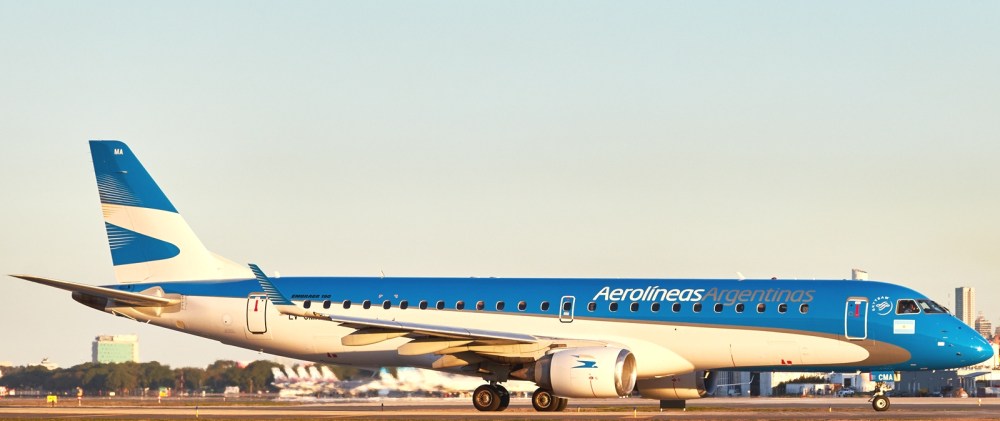
En medio de una nueva jornada con corte de actividades de parte de los pilotos y trabajadores aeronáuticos nucleados en la Asociación Pilotos de Líneas Aéreas (APLA) y la Asociación Argentina de Aeronavegantes (AAA), el Secretario de Transporte de la Nación, Franco Mogetta, no descartó avanzar con nuevos despidos, después de que el Jueves 12/09 quederan cesanteados a tres trabajadores de la firma. El Secretario de Transporte, no descartó despedir a más pilotos, después de cesantear a tres trabajadores debido a incumplimiento de deberes. El Gobierno delantó que les reclamarán a los gremios los fondos perdidos por el salvaje paro en la compañía aérea Aerolíneas Argentinas.

Además, adelantó que ahora el Gobierno de Javier Milei les reclamará a los sindicatos el equivalente a los fondos perdidos por las medidas de fuerza. “Quienes no se adecúen y no cumplan con la reglamentación van a ser sancionados. Eso va desde el descuento de los haberes hasta el despido. Vamos a avanzar en las acciones de daños también y a reclamar la recomposición de todas las sumas de dinero que se perdieron”, indicó Franco Mogetta este Viernes 13/09.

Avanzarán con la expulsión del Directorio de la compañía estatal de Pablo Biró, titular de los Pilotos de APLA y principal organizador de las medidas gremiales junto a Juan Pablo Brey.

“Desde la compañía se ha sancionado a tres pilotos, se los ha despedido por incumplimiento de sus deberes. Y el incumplimiento a la normativa lleva a sanciones individuales y a multas, pérdida de personería del sindicato y el despido de quienes no cumplan. Quedarán trabajando quienes cumplan con las normas”, dijo Franco Monetta luego de que el Gobierno publicara en el Boletín Oficial la reglamentación de la esencialidad del servicio aeronáutico, aprobado en la Ley Bases, que no regirá para el paro de este Viernes 13/09, pero tendrá vigencia a partir del próximo recalmo sindical. Esto implicará que los gremios deberán informar con cinco días antes de realizar una medida de fuerza que afecte la actividad en los aeropuertos. También deberán proponer esquemas de servicios mínimos. En caso de que eso no pase, la Secretaría de Trabajo fijará la pauta y el personal afectado.

“A Biró lo estamos excluyendo del directorio de Aerolíneas y se están iniciando de manera simultánea acciones civiles de daños y perjuicios para recuperar las pérdidas de la compañía. Se va a despedir a quienes no cumplan con sus tareas, teniendo en cuenta el nuevo marco normativo. Vamos a corregir estas salvajadas de estos muchachos, para que la gente pueda viajar mejor. La Casa Rosada están dispuestos a ir 100% a fondo para sacar las prácticas de los sindicalistas y que la compañía funcione de manera normal”, expresó el Secretario de Transporte.

Las declaraciones de la Secretaría se dan en medio de una jornada de paro que se extenderá en Aeroparque y Ezeiza desde este Viernes 13/09 desde las 12:00 horas hasta el Sábado 14/09 hasta las 12:00 horas, convirtiéndose en la huelga más larga desde el inicio del conflicto entre los sindicalistas aeronáuticos y el Gobierno de Milei. Esto ocurre porque desde los gremios reclaman un aumento salarial de al menos 25%, mientras que la gestión libertaria ofrece 11%; y como trasfondo está la intención del Ejecutivo de privatizar la firma, a pesar de que todavía no está autorizado porque el Congreso lo denegó cuando se enviaron la formulación de la Ley Bases.

La medida de este viernes afectará a más de 37.000 pasajeros, cancelando todos los vuelos de Aerolíneas Argentinas. Además, en las últimas horas se sumó al cese de actividades personal de servicios de rampa de Intercargo por lo que el caos también perjudicará aquellos vuelen por las líneas aéreas low cost como Flybondi y JetSMART, mientras que Flybondi ha retificado el traslado de las operaciones de Aeroparque hacia Ezeiza, permitiendo que los usuarios de esa aerolínea puedan trasladarse hasta la aeroestación internacional para abordar los vuelos domésticos.

Air conflict in Argentina

Transportation could lay off more personnel

In the midst of a new day with work cuts by pilots and aeronautical workers grouped in the Association of Airline Pilots (APLA) and the Argentine Association of Flight Attendants (AAA), the Secretary of Transportation of the Nation, Franco Mogetta, did not rule out moving forward with new layoffs, after three workers of the firm were laid off on Thursday 12/09. The Secretary of Transportation, did not rule out firing more pilots, after firing three workers due to non-compliance with duties. The Government announced that they will claim from the unions the funds lost due to the savage strike at the airline Aerolíneas Argentinas.

In addition, he announced that now the Government of Javier Milei will claim from the unions the equivalent of the funds lost due to the strike. “Those who do not comply with the regulations will be sanctioned. This ranges from the reduction of wages to dismissal. We are going to move forward with the damages actions as well and to claim the recomposition of all the sums of money that were lost”, said Franco Mogetta this Friday 13/09.

They will move forward with the expulsion from the Board of Directors of the state company of Pablo Biró, head of the APLA Pilots and main organizer of the union measures together with Juan Pablo Brey.

“Three pilots have been sanctioned by the company, they have been dismissed for failure to comply with their duties. And failure to comply with the regulations leads to individual sanctions and fines, loss of the union’s legal status and the dismissal of those who do not comply. «Those who comply with the rules will remain working», said Franco Monetta after the Government published in the Official Gazette the regulation of the essentiality of the aeronautical service, approved in the Ley Bases, which will not apply to the strike on Friday 13/09, but will be in force as of the next union strike. This will imply that the unions must inform five days before carrying out a force measure that affects the activity in the airports. They must also propose minimum service schemes. In case that does not happen, the Secretary of Labor will set the guidelines and the affected personnel.

«We are excluding Biró from the board of Aerolíneas and simultaneously civil actions for damages are being initiated to recover the company’s losses. Those who do not comply with their tasks will be fired, taking into account the new regulatory framework. We are going to correct these atrocities of these boys, so that people can travel better. The Casa Rosada is willing to go 100% to the bottom to remove the practices of the unionists and for the company to function normally», said the Secretary of Transportation.

The declarations of the Secretary are given in the middle of a day of strike that will extend in Aeroparque and Ezeiza from this Friday 13/09 from 12:00 hours until Saturday 14/09 until 12:00 hours, becoming the longest strike since the beginning of the conflict between the aeronautical unionists and the Milei Government. This happens because the unions demand a salary increase of at least 25%, while the libertarian management offers 11%; and as a background is the intention of the Executive to privatize the firm, despite the fact that it is not yet authorized because Congress denied it when the formulation of the Bases Law was sent.

The measure of this Friday will affect more than 37,000 passengers, canceling all Aerolíneas Argentinas flights. In addition, in the last few hours, Intercargo ramp service personnel have been suspended, so the chaos will also affect those flying with low-cost airlines such as Flybondi and JetSMART, while Flybondi has confirmed the transfer of operations from Aeroparque to Ezeiza, allowing users of that airline to travel to the international airport to board domestic flights.

PUBLISHER: Airgways.com
DBk: Argentina.gob.ar / Aerolineas.com / Airgways.com
AW-POST: 202409131323AR
OWNERSHIP: Airgways Inc.
A\W A I R G W A Y S ®
TAP envuelta escándalo

AW | 2024 09 12 12:09 | AIRLINES / GOVERNMENT

Auditoría revela TAP financió compra con fondos de Airbus

Una auditoría de la Inspección General de Finanzas de Portugal ha comunicado que la compra de TAP Air Portugal al Estado en 2015 se hizo mediante un proceso en el que la propia aerolínea avaló el préstamo de Airbus que permitió la operación.

António Leitão Amaro, Ministro de Presidencia, al término del Consejo de Ministros del Jueves 05/09, indicó que los hechos representan los mismos que fueron analizados por la Comisión Parlamentaria de Investigación sobre TAP en 2023. Ambos documentos tienen casi un año de diferencia en el tiempo, el informe de la Comisión de Investigación destapó los fondos de Airbus y la auditoría de la Inspección General de Finanzas detalla ahora toda la operación de venta, completada por Miguel Pinto Luz, actual Ministro de Infraestructuras y que vuelve a tener en sus manos la privatización de la aerolínea.

Fondos Airbus
El Informe Preliminar de la Comisión de Investigación sobre TAP Portugal reveló los llamados “Fondos Airbus” asociados a la capitalización de TAP por Atlantic Gateway, propiedad de David Neeleman y Humberto Pedrosa. El intercambio de información confidencial de Parpública con el fabricante de aviones destapó la participación de la propia empresa en la privatización de TAP. La auditoría de la Inspección General de Finanzas, publicada esta semana, ha despejado cualquier duda: la compra de TAP al Estado en 2015 se hizo mediante un proceso en el que la propia aerolínea avaló el préstamo que permitió la operación, dice el informe.

Parpública, oficialmente Participações Públicas (SGPS) S.A., es una sociedad holding estatal que puede caracterizarse como un Fondo Nacional de Riqueza de la República Portuguesa. La empresa tiene su sede en Lisboa, Portugal. Entre sus principales activos se encuentran TAP Portugal, Aeroportos de Portugal (ANA), Águas de Portugal, Imprensa Nacional Casa da Moeda, Companhia das Lezírias y el Circuito de Estoril. Ha sido descrita como la unidad de asociación público-privada de Portugal.

Ingeniería financiera
El 15 de Mayo de 2015, el consorcio Atlantic Gateway presentó una propuesta vinculante a Parpública para comprar una posición mayoritaria en la privatización de TAP Air Portugal, resultando Atlantic Gateway ganador del concurso por la compra de la aerolínea portuguesa.

Atlantic Gateway es la empresa creada por David Neeleman, fundador de JetBlue Airways, Breeze Airways y Azul Linhas Aéreas mediante su empresa DGN, y del empresario Humberto Pedrosa, propietario del grupo portugués Barraqueiro, cuyo accionariado estaba en un 51% bajo control del portugués Pedrosa y un 49% del brasileño David Neeleman.

El 12 de Junio de 2024, se firmaron el Acuerdo de Venta Directa y el Acuerdo de Compromisos Estratégicos entre Atlantic Gateway y el Estado portugués, sellando el camino para la venta del 61% de TAP, que arrastraba una deuda de US$ 647 millones, a Atlantic Gateway. El Gobierno portugués anunció que Atlantic Gateway, que aportó US$ 10 millones iniciales, inyectaría US$ 338 millones en los siguientes siete meses.

Mientras tanto, el 16 de Junio de 2015, DGN había firmado un Memorando de Entendimiento (MoU) con Airbus Group, que incluía un pedido de 53 nuevos aviones de las familias A320 y A330. En paralelo, Airbus concedió a DGN un préstamo de US$ 226 millones. Al día siguiente, DGN transfirió a Atlantic Gateway y TAP los contratos de compraventa de las aeronaves, así como los fondos de Airbus.

El constructor europeo Airbus no tuvo conocimiento de este acuerdo hasta Septiembre 2015, a raíz de una carta enviada por Atlantic Gateway a Parpública el 19 de Agosto de 2015, en la que el holding pedía compartir con Airbus el Direct Sales Agreement, un documento confidencial. Parpública respondió el 6 de Septiembre de 2015, pidiendo a Atlantic Gateway que aclarara las razones de la solicitud: “Le agradeceríamos enormemente que detallara las razones concretas por las que Airbus necesita acceder al Acuerdo de Venta Directa”.

El 15 de Septiembre de 2015, Airbus explicó la disponibilidad de los fondos, que “se presentan como crédito en efectivo por adelantado”, señala el informe, sin hacer referencia alguna a la capitalización de TAP.

Auditoría IGF
La auditoría de la Inspección General de Finanzas (IGF) de Portugal sobre las cuentas de TAP Air Portugal apunta a indicios de delito en el proceso de privatización, que se financió con un préstamo de US$ 226 millones de Dólares avalado por la propia aerolínea. La auditoría concluye que la compra del 61% de la aerolínea al Estado en 2015 por parte del consorcio Atlantic Gateway, liderado por David Neeleman, se financió con un préstamo de US$ 226 millones de Dólares concedido por Airbus, en una operación vinculada a la compra de 53 aviones a Airbus por parte de TAP. Si la aerolínea no finalizaba la adquisición, tendría que devolver los US$ 226 millones prestados, lo que significa que la empresa fue comprada con una garantía dada por la propia TAP.

La Inspección General de Finanzas señala: “Atlantic Gateway adquirió el 61% del capital de TAP, comprometiéndose a capitalizarlo mediante aportaciones complementarias de capital, de las que US$ 226,75 millones de Dólares se realizaron a través del socio DGN con fondos obtenidos de Airbus, basándose en el denominado Acuerdo Marco firmado entre Atlantic Gateway, DGN y Airbus en junio de 2015, constatando una relación de causalidad entre la adquisición de acciones y la capitalización de TAP por Atlantic Gateway, y los contratos firmados entre TAP y Airbus.

Teniendo en cuenta la actividad de Airbus y su aspecto eminentemente comercial, la provisión de esta cantidad parece sugerir que fue la contraprestación por la celebración del acuerdo de renovación de la flota, mediante la sustitución de un pedido previo de TAP por 12 aviones Airbus A350 por la compra de 53 nuevos aviones A320neo y A330neo, cuyas penalizaciones por incumplimiento por parte de TAP constituyen exactamente el importe de las cuotas de capital suplementarias asumidas por Atlantic Gateway, pero que fueron financiadas indirectamente con fondos de Airbus. Esta operación habría burlado el Código de Sociedades Mercantiles, que impide a una empresa conceder préstamos o facilitar fondos a un tercero para que éste adquiera participaciones en su propio capital, lo que se sanciona con la nulidad de los contratos o actos unilaterales subyacentes”, expresa el documento de la IGF portuguesa.

Posición Neeleman y Pedrosa
Preguntado por el informe de Hacienda sobre las cuentas de TAP, David Neeleman garantiza que los llamados “Fondos Airbus” se utilizaron en su totalidad para capitalizar TAP y permitieron la supervivencia de la compañía. “Las necesidades de capitalización eran tan urgentes e indiscutibles que en 2015 y 2016 estos fondos fueron utilizados y consumidos por TAP para pagar salarios y para sus necesidades inmediatas de tesorería. Estos fondos, junto con las otras cuotas accesorias y el préstamo de Azul, salvaron a TAP de la insolvencia inmediata”, ha afirmado el ejecutivo.

Por su parte, Humberto Pedrosa afirmó en un comunicado que “Atlantic Gateway adquirió su participación en TAP por € 10 millones de Euros con fondos propios de los accionistas y que el dinero de Airbus sólo sirvió para capitalizar la empresa. Cuando él entró en el accionariado de Atlantic Gateway, el acuerdo con Airbus ya había sido negociado por David Neeleman”.

Ahora corresponde a la Fiscalía seguir analizando el caso de esta operación que financió la capitalización de TAP y todo el proceso de venta de TAP Portugal en 2015 por parte del segundo Gobierno de Pedro Passos Coelho.

TAP embroiled in scandal

Audit reveals TAP financed purchase with Airbus funds

An audit by the General Inspection of Finance of Portugal has reported that the purchase of TAP Air Portugal from the State in 2015 was done through a process in which the airline itself guaranteed the Airbus loan that allowed the operation.

António Leitão Amaro, Minister of the Presidency, at the end of the Council of Ministers on Thursday 05/09, indicated that the facts represent the same ones that were analyzed by the Parliamentary Commission of Inquiry on TAP in 2023. Both documents are almost a year apart in time, the report of the Commission of Inquiry uncovered the Airbus funds and the audit of the General Inspection of Finance now details the entire sale operation, completed by Miguel Pinto Luz, current Minister of Infrastructure and who once again has the privatization of the airline in his hands.

Airbus Funds
The Preliminary Report of the Commission of Inquiry into TAP Portugal revealed the so-called “Airbus Funds” associated with the capitalisation of TAP by Atlantic Gateway, owned by David Neeleman and Humberto Pedrosa. Parpública’s exchange of confidential information with the aircraft manufacturer uncovered the company’s own involvement in the privatisation of TAP. The audit by the General Inspection of Finance, published this week, has cleared up any doubts: the purchase of TAP from the State in 2015 was done through a process in which the airline itself guaranteed the loan that allowed the operation, says the report.

Parpública, officially Participações Públicas (SGPS) S.A., is a state holding company that can be characterised as a National Wealth Fund of the Portuguese Republic. The company is based in Lisbon, Portugal. Among its main assets are TAP Portugal, Aeroportos de Portugal (ANA), Águas de Portugal, Imprensa Nacional Casa da Moeda, Companhia das Lezírias, and the Estoril Circuit. It has been described as Portugal’s public-private partnership unit.

Financial engineering
On May 15, 2015, the Atlantic Gateway consortium submitted a binding proposal to Parpública to buy a majority position in the privatization of TAP Air Portugal, resulting in Atlantic Gateway winning the tender for the purchase of the Portuguese airline.

Atlantic Gateway is the company created by David Neeleman, founder of JetBlue Airways, Breeze Airways, and Azul Linhas Aéreas through his company DGN, and the businessman Humberto Pedrosa, owner of the Portuguese group Barraqueiro, whose shareholding was 51% controlled by the Portuguese Pedrosa and 49% by the Brazilian David Neeleman.

On June 12, 2024, the Direct Sale Agreement and the Strategic Commitments Agreement were signed between Atlantic Gateway and the Portuguese State, paving the way for the sale of 61% of TAP, which was carrying a debt of US$ 647 million, to Atlantic Gateway. The Portuguese Government announced that Atlantic Gateway, which contributed an initial US$ 10 million, would inject US$ 338 million in the following seven months.

Meanwhile, on June 16, 2015, DGN had signed a Memorandum of Understanding (MoU) with Airbus Group, which included an order for 53 new aircraft of the A320 and A330 families. In parallel, Airbus granted DGN a loan of US$ 226 million. The following day, DGN transferred to Atlantic Gateway and TAP the purchase and sale contracts for the aircraft, as well as the Airbus funds.

The European manufacturer Airbus was not aware of this agreement until September 2015, following a letter sent by Atlantic Gateway to Parpública on August 19, 2015, in which the holding company asked to share with Airbus the Direct Sales Agreement, a confidential document. Parpública responded on September 6, 2015, asking Atlantic Gateway to clarify the reasons for the request: “We would greatly appreciate it if you could detail the specific reasons why Airbus needs to access the Direct Sales Agreement”.

On September 15, 2015, Airbus explained the availability of the funds, which “are presented as a cash credit in advance”, the report states, without making any reference to the capitalization of TAP.

IGF Audit
The audit by the Portuguese General Inspectorate of Finance (IGF) on the accounts of TAP Air Portugal points to signs of wrongdoing in the privatization process, which was financed with a US$ 226 million loan guaranteed by the airline itself. The audit concludes that the purchase of 61% of the airline from the State in 2015 by the Atlantic Gateway consortium, led by David Neeleman, was financed with a US$ 226 million loan granted by Airbus, in an operation linked to the purchase of 53 aircraft from Airbus by TAP. If the airline did not complete the acquisition, it would have to return the US$ 226 million borrowed, which means that the company was bought with a guarantee given by TAP itself.

The General Inspection of Finance states: “Atlantic Gateway acquired 61% of the capital of TAP, committing to capitalize it through additional capital contributions, of which US$ 226.75 million were made through the partner DGN with funds obtained from Airbus, based on the so-called Framework Agreement signed between Atlantic Gateway, DGN and Airbus in June 2015, confirming a causal relationship between the acquisition of shares and the capitalization of TAP by Atlantic Gateway, and the contracts signed between TAP and Airbus.

Given Airbus’ activity and its eminently commercial aspect, the provision of this amount seems to suggest that it was the consideration for the conclusion of the fleet renewal agreement, by replacing a previous order from TAP for 12 Airbus A350 aircraft with the purchase of 53 new A320neo and A330neo aircraft, the penalties for non-compliance by TAP being exactly the amount of the additional capital quotas assumed by Atlantic Gateway, but which were indirectly financed with Airbus funds. This operation would have circumvented the Commercial Companies Code, which prevents a company from granting loans or providing funds to a third party for the latter to acquire shares in its own capital, which is sanctioned by the nullity of the underlying contracts or unilateral acts”, states the document of the Portuguese IGF.

Neeleman and Pedrosa’s position
Asked about the Treasury report on TAP’s accounts, David Neeleman guarantees that the so-called «Airbus Funds» were used in their entirety to capitalize TAP and allowed the company to survive. «The capitalization needs were so urgent and indisputable that in 2015 and 2016 these funds were used and consumed by TAP to pay salaries and for its immediate treasury needs. These funds, together with the other ancillary fees and the Azul loan, saved TAP from immediate insolvency», said the executive.

For his part, Humberto Pedrosa said in a statement that «Atlantic Gateway acquired its stake in TAP for € 10 million Euros with the shareholders’ own funds and that the Airbus money only served to capitalize the company. When he became a shareholder in Atlantic Gateway, the agreement with Airbus had already been negotiated by David Neeleman».

It is now up to the Public Prosecutor’s Office to continue analysing the case of this operation that financed the capitalisation of TAP and the entire process of selling TAP Portugal in 2015 by the second Government of Pedro Passos Coelho.

PUBLISHER: Airgways.com
DBk: Igf.gov.pt / Parpublica.pt / Tap-portugal.com / Airgways.com
AW-POST: 202409121209AR
OWNERSHIP: Airgways Inc.
A\W A I R G W A Y S ®

Aerolíneas denuncia a gremios

AW | 2024 09 10 10:30 | AIRLINES / GOVERNMENT

Aerolíneas Argentinas pedirá expulsión de Pablo Biró del directorio

La Secretaría de Transporte de Argentina, accionista principal de Aerolíneas Argentinas ha informado que accionará contra el dirigente Pablo Biró, actual titular de la Asociación de Pilotos de Líneas Aéreas (APLA), según la compañía, las medidas de fuerza le provocaron a la línea aérea de bandera pérdidas por más de US$ 2 millones de Dólares. Tras las medidas de fuerza realizadas por los gremios aeronáuticos en las últimas semanas motivadas por un reclamo salarial, que afectaron a miles de pasajeros por la cantidad de vuelos cancelados, Aerolíneas Argentinas comunicó que denunciará a los sindicatos y a sus autoridades a causa de los perjuicios ocasionados, principalmente por el lucro cesante de la operación y por los reclamos de los pasajeros perjudicados. Asimismo indicó que iniciará acciones legales para expulsar a Pablo Biró del Directorio de la línea aérea.

“Por sus manifestaciones públicas y su accionar directo en contra de los intereses de la empresa, [Pablo] Biró actuó en forma desleal en contra de la propia empresa y es responsable, ilimitada y solidariamente, por los daños y perjuicios que resultaren de su acción u omisión, de acuerdo al artículo 59 de la Ley General de Sociedades. Por esta razón, por pedido de la Secretaría de Transporte, accionista principal de la compañía, se tomarán las acciones necesarias para comenzar el proceso de expulsión de dicho órgano”, expresaron en el comunicado oficial del Gobierno.

Actualmente, el titular de APLA integra el directorio de Aerolíneas Argentinas, como único representante de los trabajadores en la empresa estatal, desde comienzos de 2019. El pedido de su destitución del cargo deberá ser tratado por el Comité Ejecutivo y el mismo directorio.

Para las autoridades de la empresa estatal, los paros recientes liderados por APLA y por la Asociación Argentina de Aeronavegantes (AAA), que originalmente habían sido denominadas por los sindicalistas como asambleas informativas, provocaron a la empresa aérea de bandera pérdidas por más de US$ 2 millones de Dólares. Debido a ello, Aerolíneas Argentinas demandará a los gremios involucrados y a sus titulares, Pablo Biró por APLA y Juan Pablo Brey por Aeronavegantes (AAA).

“El caso de Biró implica, además, una responsabilidad mayor por formar parte del directorio de Aerolíneas Argentinas. Continuaremos denunciando todo tipo de medida gremial que esté deliberadamente diseñada para perjudicar a los pasajeros”, resaltó el comunicado. Por otra parte, y debido a estas medidas de fuerza, se realizaron más de 400 descuentos a pilotos, copilotos y tripulantes por incumplir con sus tareas y afectar la programación de vuelos de la compañía. Estas rebajas son de un promedio de AR$ 150.000 Pesos por día para pilotos, y de AR$ 50.000 Pesos por día para Tripulantes.

Después de varias semanas de asambleas donde durante alrededor de tres horas había retención de tareas de parte de los sindicalistas, el Viernes 06/09 hubo un paro aeronáutico que afectó a más de 160 vuelos y cerca de 16.000 pasajeros. El eje de la pulseada es la recomposición salarial: los gremios denuncian una caída de 72% en el poder adquisitivo de sus salarios desde Noviembre 2023 a la actualidad.

Sindicalistas denunciados por Aerolíneas
Asociación de Pilotos de Líneas Aéreas (APLA)
Pablo Biró es el titular de los Pilotos desde hace doce años. Integra la CGT y fue un acérrimo opositor a la política de Cielos Abiertos que impulsó Mauricio Macri durante su gestión. Tuvo también un enfrentamiento con Alberto Fernández y ahora es uno de los impulsores del reclamo contra la gestión de Javier Milei. Se opone al desembarco de las líneas low-cost.

Asociación Argentina de Aeronavegantes (AAA)
Pablo Brey es el Titular de la Asociación Argentina de Aeronavegantes y pieza de liderazgo de Hugo Moyano. El sindicato tiene 3.000 afiliados y su mandato finaliza en 2027. Es Secretario de Deportes de la CGT y lideró la Juventud Sindical. No se opone al desembarco de las low-cost, pero presiona para que se aplique el Convenio Colectivo de Trabajo como sucede en Aerolíneas Argentinas.

En este marco, los gremios aeronáuticos convocaron a una asamblea que se realizará el Miércoles 11/09 en la sede de Aeronavegantes para definir los próximos pasos en el plan de lucha. “La magnitud del conflicto desatado alrededor de la negociación salarial escaló a un nivel que dejó al descubierto las verdaderas intenciones que tiene el Gobierno respecto al futuro de Aerolíneas Argentinas, Intercargo y la política aerocomercial de nuestro país”, resaltaron desde el gremio aeronáutico.

Mientras las negociaciones salariales siguen sin avances, Aerolíneas Argentinas ha reiterado su compromiso de evitar más interrupciones en su servicio y advirtió que continuará denunciando cualquier medida gremial que afecte sus operaciones.

Aerolíneas denounces unions

Aerolíneas will request expulsion Pablo Biró from the board of directors

The Argentine Ministry of Transport, the main shareholder of Aerolíneas Argentinas, has announced that it will take action against the leader Pablo Biró, current head of the Association of Airline Pilots (APLA). According to the company, the force measures caused the flag carrier losses of more than US$ 2 million. Following the force measures carried out by the aeronautical unions in recent weeks motivated by a salary claim, which affected thousands of passengers due to the number of cancelled flights, Aerolíneas Argentinas announced that it will denounce the unions and their authorities due to the damages caused, mainly due to the loss of profits from the operation and the claims of the affected passengers. It also indicated that it will initiate legal actions to expel Pablo Biró from the Board of Directors of the airline.

“Due to his public statements and his direct actions against the interests of the company, [Pablo] Biró acted unfairly against the company itself and is jointly and severally liable for any damages resulting from his action or omission, in accordance with Article 59 of the General Law of Companies. For this reason, at the request of the Ministry of Transport, the main shareholder of the company, the necessary actions will be taken to begin the process of expulsion from said body”, they said in the official statement from the Government.

Currently, the head of APLA is a member of the board of directors of Aerolíneas Argentinas, as the only representative of the workers in the state company, since the beginning of 2019. The request for his dismissal from office must be dealt with by the Executive Committee and the board itself.

According to the authorities of the state-owned company, the recent strikes led by APLA and the Argentine Association of Flight Attendants (AAA), which had originally been called by the unionists as informational meetings, caused the national airline losses of more than US$ 2 million. Because of this, Aerolíneas Argentinas will sue the unions involved and their heads, Pablo Biró for APLA and Juan Pablo Brey for Aeronavegantes (AAA).

“Biró’s case also implies a greater responsibility for being part of the board of directors of Aerolíneas Argentinas. We will continue to denounce all types of union measures that are deliberately designed to harm passengers”, the statement said. On the other hand, and due to these strikes, more than 400 discounts were made to pilots, co-pilots, and crew members for failing to perform their duties and affecting the company’s flight schedule. These reductions are an average of AR$ 150,000 pesos per day for pilots, and AR$ 50,000 pesos per day for crew members.

After several weeks of meetings where for around three hours there was a work stoppage by union members, on Friday 06/09 there was an aeronautical strike that affected more than 160 flights and nearly 16,000 passengers. The crux of the dispute is the salary recomposition: the unions denounce a 72% drop in the purchasing power of their salaries from November 2023 to the present.

Union members denounced by Aerolíneas
Airline Pilots Association (APLA)
Pablo Biró has been the head of the Pilots for twelve years. He is a member of the CGT and was a staunch opponent of the Open Skies policy promoted by Mauricio Macri during his administration. He also had a confrontation with Alberto Fernández and is now one of the promoters of the claim against Javier Milei’s management. He opposes the arrival of low-cost airlines.

Argentine Association of Aeronavegantes (AAA)
Pablo Brey is the Head of the Argentine Association of Aeronavegantes and a leader of Hugo Moyano. The union has 3,000 members and its mandate ends in 2027. He is Secretary of Sports of the CGT and led the Trade Union Youth. He does not oppose the arrival of low-cost airlines, but he is pushing for the Collective Labor Agreement to be applied as happens in Aerolíneas Argentinas.

In this framework, the aeronautical unions called for an assembly to be held on Wednesday 11/09 at the headquarters of Aeronavegantes to define the next steps in the struggle plan. «The magnitude of the conflict surrounding the salary negotiations has escalated to a level that has revealed the true intentions of the Government regarding the future of Aerolíneas Argentinas, Intercargo, and the aerocommercial policy of our country», the aeronautical union stressed.

While wage negotiations remain without progress, Aerolíneas Argentinas has reiterated its commitment to avoid further interruptions in its service and warned that it will continue to denounce any union action that affects its operations.

PUBLISHER: Airgways.com
DBk: Argentina.gob.ar / Aerolineas.com / Airgways.com
AW-POST: 202409101030AR
OWNERSHIP: Airgways Inc.
A\W A I R G W A Y S ®