Nueva aerolínea saudita ordena 72 Boeing 787-9 Dreamliners
The Boeing Company y Riyadh Air anunciaron 14/03 que la nueva aerolínea de Arabia Saudita ha elegido el Boeing 787 Dreamliner para impulsar su lanzamiento global y apoyar su objetivo de operar una de las flotas más eficientes y sostenibles del mundo. Propiedad del Fondo de Inversión Pública de Arabia Saudita (PIF), Riyadh Air dijo que comprará 39 787-9 altamente eficientes, con opciones para 33 787-9 adicionales. Con sede en la capital, Riyadh Air desempeñará un papel clave en el crecimiento de la red de transporte aéreo de Arabia Saudita.
Este acuerdo es parte del plan estratégico más amplio de Arabia Saudita para transformar el país en un centro de aviación global. En total, las aerolíneas de Arabia Saudita anunciaron hoy su intención de comprar hasta 121 787 Dreamliners en lo que será el quinto pedido comercial más grande por valor en la historia de Boeing. Esto apoyará el objetivo del país de servir a 330 millones de pasajeros y atraer a 100 millones de visitantes anualmente para 2030.
«La nueva aerolínea refleja la ambiciosa visión de Arabia Saudita de estar en el centro de la configuración del futuro de los viajes aéreos globales y ser un verdadero disruptor en términos de experiencia del cliente», dijo Tony Douglas, CEO de Riyadh Air.
«El compromiso de Riyadh Air con sus clientes verá la integración de la innovación digital y la auténtica hospitalidad saudí para ofrecer una experiencia de viaje perfecta. Al posicionar a la aerolínea como un conector global y un vehículo para impulsar viajes turísticos y de negocios a Arabia Saudita, nuestros nuevos aviones 787-9 servirán como base para nuestras operaciones en todo el mundo, a medida que construimos una red más amplia y conectamos a nuestros huéspedes con Arabia Saudita y muchos destinos en todo el mundo», dijo Tony Douglas.
«Este es un pedido significativo que respaldará el compromiso de Riyadh Air de ofrecer una experiencia de viaje de clase mundial, al tiempo que respalda los trabajos de fabricación aeroespacial estadounidense en Boeing y en toda nuestra cadena de suministro. Estamos increíblemente orgullosos de nuestras casi ocho décadas de asociación para impulsar la innovación y el crecimiento sostenible en el sector de la aviación de Arabia Saudita. Nuestro acuerdo se basa en esa asociación de larga data y ampliará aún más el acceso a viajes aéreos comerciales seguros y sostenibles durante décadas más», dijo Stan Deal, Presidente y CEO de Boeing Commercial Airplanes.
El Boeing 787-9 proporciona el alcance más largo de la familia de aviones 787, volando aproximadamente 300 pasajeros a 7.565 millas náuticas (14.010 km), con capacidad de carga adicional. Los pasajeros disfrutan de una mejor experiencia con las ventanas más grandes de cualquier avión, aire más húmedo y presurizado a una altitud de cabina más baja para mayor comodidad, grandes compartimentos superiores con espacio para la bolsa de todos; iluminación LED relajante y tecnología que detecta y contrarresta la turbulencia para una conducción más suave.
La familia 787 ofrece una eficiencia de combustible inigualable a los operadores de aerolíneas de todo el mundo, reduciendo el uso de combustible y las emisiones en un 25% en comparación con los aviones que reemplazan. Este nuevo pedido se publicará en el sitio web de pedidos y entregas de Boeing una vez que esté finalizado.
Riyadh Air selects Dreamliner
New Saudi airline orders 72 Boeing 787-9 Dreamliners
The Boeing Company and Riyadh Air announced 03/14 that Saudi Arabia’s new airline has chosen the Boeing 787 Dreamliner to fuel its global launch and support its goal of operating one of the most efficient and sustainable fleets in the world. Owned by Saudi Arabia’s Public Investment Fund (PIF), Riyadh Air said it will buy 39 highly efficient 787-9s, with options for an additional 33 787-9s. Based in the capital, Riyadh Air will play a key role in the growth of Saudi Arabia’s air transport network.
This agreement is part of Saudi Arabia’s broader strategic plan to transform the country into a global aviation hub. In total, Saudi Arabian airlines today announced their intention to purchase up to 121 787 Dreamliners in what will be the fifth-largest commercial order by value in Boeing’s history. This will support the country’s goal of serving 330 million passengers and attracting 100 million visitors annually by 2030.
«The new airline reflects Saudi Arabia’s ambitious vision to be at the center of shaping the future of global air travel and to be a true disruptor in terms of customer experience», said Riyadh Air CEO Tony Douglas.
«Riyadh Air’s commitment to its customers will see the integration of digital innovation and authentic Saudi hospitality to deliver a seamless travel experience. By positioning the airline as a global connector and vehicle for driving tourism and business travel to Saudi Saudi Arabia, our new 787-9 aircraft will serve as the foundation for our operations around the world as we build a broader network and connect our guests to Saudi Arabia and many destinations around the world», said Tony Douglas.
«This is a significant order that will support Riyadh Air’s commitment to deliver a world-class travel experience, while supporting American aerospace manufacturing jobs at Boeing and throughout our supply chain. We are incredibly proud of our nearly eight decades of partnership to drive innovation and sustainable growth in Saudi Arabia’s aviation sector. Our agreement builds on that longstanding partnership and will further expand access to safe and sustainable commercial air travel for decades to come», he said Stan Deal, President and CEO of Boeing Commercial Airplanes.
The Boeing 787-9 provides the longest range of the 787 family of aircraft, flying approximately 300 passengers at 7,565 nautical miles (14,010 km), with additional cargo capacity. Passengers enjoy a better experience with the largest windows of any aircraft, more humid and pressurized air at a lower cabin altitude for greater comfort, large overhead bins with room for everyone’s bag; Soothing LED lighting and technology that detects and counteracts turbulence for a smoother ride.
The 787 Family offers unmatched fuel efficiency to airline operators around the world, reducing fuel use and emissions by 25% compared to the aircraft they replace. This new order will be posted on the Boeing Order and Delivery website once it is finalized.
PUBLISHER: Airgways.com DBk: Boeing.com / Riyadhair.com / Airgways.com AW-POST: 202303150953AR OWNERSHIP: Airgways Inc. A\W A I R G W A Y S ®
Boeing espera vender alrededor 80 Dreamliner aerolínea saudí
The Boeing Company ha anunciado que se encuentra gestionando una orden de compra por parte de la startup saudí Riyadh Air. El pedido de aviones agregaría Boeing 787 a la nueva aerolínea y a la existente de Arabia Saudita, Saudia Arabia Airlines. Los Boeing 787 Dreamliner en construcción en una instalación de la compañía en North Charleston, Carolina del Sur (SC), son populares por su eficiencia de combustible.
Dos aerolíneas de Arabia Saudita están cerca de un acuerdo para comprar un total de aproximadamente ochenta (80) Boeing 787 Dreamliners con opciones para unos cuarenta (40) adicionales, dijeron personas familiarizadas con el asunto, otro pedido importante para el fabricante de aviones estadounidense.
Se espera que Riyadh Air, una nueva aerolínea lanzada por el fondo soberano saudí Public Investment Fund durante el fin de semana, se comprometa a comprar 39 de los aviones de fuselaje ancho, mientras que se espera que la aerolínea existente Saudia compre la misma cantidad de aviones.
Boeing se está acercando a un acuerdo valorado en US$ 35 mil millones con el fondo de riqueza soberana de Arabia Saudita. Los aviones serán utilizados por la nueva aerolínea internacional de Arabia Saudita, Riyadh Air, que fue lanzada oficialmente el Domingo 12/03. El acuerdo, según el informe, se relaciona con pedidos de unos 100 aviones, que incluyen aviones de fuselaje ancho de Boeing utilizados en largos viajes internacionales.
Impulso en Boeing En Diciembre de 2022, United Airlines ordenó cien (100) 787 Dreamliner de Boeing. En Febrero de 2023, Boeing recibió un gran pedido de Air India que incluía veinte (20) 787 Dreamliners, diez (10) 777X y ciento noventa (190) 737 MAX del gigante estadounidense. Además, Boeing está cerca de llegar a un acuerdo con Japan Airlines para el suministro de veinte (20) 737 MAX. Esto podría ser una gran victoria para Boeing, que ha perdido algunos de sus clientes clave ante su rival europeo Airbus Group SE, en los últimos años. La demanda de aviones de Boeing se ha disparado últimamente, pese a un escenario de reserva.
Boeing sigue estando bien preparada para beneficiarse del repunte de la demanda de viajes aéreos y la expansión de los presupuestos de defensa. Además, la Administración Federal de Aviación recientemente permitió a Boeing reanudar las entregas de 787 Dreamliner, que se detuvieron el 23 de Febrero de 2023 después de que se descubrió un error de análisis de datos.
Boeing approximates 80 Dreamliner
Boeing expects to sell around 80 Dreamliner Saudi Airlines
The Boeing Company has announced that it is managing a purchase order by the Saudi Startup Riyadh Air. The request for aircraft would add Boeing 787 to the new airline and to the existing Saudi Arabia, Saudia Arabia Airlines. The Boeing 787 Dreamliner under construction in an installation of the company in North Charleston, South Carolina (SC), are popular for their fuel efficiency.
Two Saudi Arabia airlines are close to an agreement to buy a total of approximately eighty (80) Boeing 787 Dreamliners with options for additional forty (40), said people familiar with the matter, another important order for the manufacturer of US aircraft.
Riyadh Air is expected a new airline launched by the Saudi sovereign Public Investment Fund back on the weekend, commits to buy 39 of the wide fuselage aircraft, while the existing Saudia airline is expected to buy the same amount of airplanes.
Boeing is approaching an agreement valued at US$ 35 billion with the sovereign wealth fund of Saudi Arabia. The airplanes will be used by the new International airline of Saudi Arabia, Riyadh Air, which was officially launched on Sunday 12/03. The agreement, according to the report, is related to orders of about 100 aircraft, which include boeing wide fuselage aircraft used on long international trips.
Impulse in Boeing In December 2022, United Airlines ordered one hundred (100) 787 Boeing Dreamliner. In February 2023, Boeing received a great request from Air India that included twenty (20) 787 Dreamliners, ten (10) 777X and one hundred ninety (190) 737 MAX of the American giant. In addition, Boeing is close to reaching an agreement with Japan Airlines for the supply of twenty (20) 737 MAX. This could be a great victory for Boeing, which has lost some of its key clients against its European rival Airbus Group Se, in recent years. The demand for Boeing aircraft has shot lately, despite a reserve scenario.
Boeing is still well prepared to benefit from the rebound in the demand for air trips and the expansion of defense budgets. In addition, the Federal Aviation Administration recently allowed Boeing to resume deliveries of 787 Dreamliner, which stopped on February 23, 2023 after a data analysis error was discovered.
PUBLISHER: Airgways.com DBk: Boeing.com / Airgways.com AW-POST: 202303132020AR OWNERSHIP: Airgways Inc. A\W A I R G W A Y S ®
AW | 2023 03 13 20:00 | AVIATION ORGANISMS / INDUSTRY
FAA autoriza Boeing reanudar entregas del 787 Dreamliner
La Federal Aviation Administration (FAA) de Estados Unidos ha autorizado a The Boeing Company a reanudar la entrega de su avión 787 Dreamliner después de detener las entregas en febrero debido a las preocupaciones sobre un posible problema del fuselaje. Durante su revisión de los registros de certificación, Boeing identificó un error de análisis cometido por uno de sus proveedores con respecto al mamparo de presurización en la parte delantera de la aeronave.
Boeing ha declarado que no existe un peligro inmediato para los 787 actualmente en servicio y que el último problema detectado no debería requerir ninguna modificación adicional más allá de las actuales planificadas para el avión. En una declaración del 10 de Marzo de 2023, el regulador confirmó que Boeing había abordado las preocupaciones de la FAA y que la agencia podría reanudar la emisión de certificados de aeronavegabilidad para el Dreamliner.
FAA authorizes Dreamliner deliveries
FAA authorizes Boeing to resume deliveries of 787 Dreamliner
The Federal Aviation Administration (FAA) of the United States has authorized The Boeing Company to resume the delivery of its 787 Dreamliner plane after stopping deliveries in February due to concerns about a possible fuselage problem. During his review of the certification records, Boeing identified an analysis error committed by one of its suppliers with respect to the pressurization bulbing in the front of the aircraft.
Boeing has declared that there is no immediate danger for the 787 currently in service and that the last problem detected should not require any additional modification beyond the current planned for the plane. In a statement of March 10, 2023, the regulator confirmed that Boeing had approached FAA’s concerns and that the agency could resume the issuance of aircraft certificates for the Dreamliner.
PUBLISHER: Airgways.com DBk: Faa.gov / Boeing.com / Brandon Farris / Airgways.com AW-POST: 202303132000AR OWNERSHIP: Airgways Inc. A\W A I R G W A Y S ®
La aerolínea taiwanesa EVA Air anunció el Lunes 13 de Marzo de 2023 que comprará cinco (5) Boeing 787-9 Dreamliner. Según una presentación en la Bolsa de Valores de Taiwán (TWSE), el precio unitario no excederá los US$ 355 millones, mientras que el valor total de la transacción no excederá los US$ 1.7 mil millones.
Según los precios de lista de Boeing, el precio promedio de un 787-9 es de US$ 292.5 millones, y el precio refleja una gama de opciones y configuraciones disponibles para cada modelo que incluyen capacidades de rendimiento adicionales o especiales, configuraciones interiores, aviónica, capacidad de combustible y otros elementos.
Actualmente, EVA Air posee una flota de diez aviones Boeing 787, cuatro (4) 787-9 y seis (6) 787-10, mientras que ottros cuatro y siete aviones del tipo respectivamente se mentienen en orden. Todos los Dreamliners actuales y futuros están propulsados por General Electric Next-generation (GEnx). Este será el segundo pedido de 787 confirmado oficialmente por Boeing este año. En Enero de 2023, un cliente no identificado finalizó un acuerdo para siete Boeing 787-10, según los datos de pedidos y entregas de Boeing al 31 de Enero de 2023. En Febrero de 2023, Air India ordenó doscientos noventa (290) aviones Boeing, incluidos veinte (20) Boeing 787-9, mientras que a principios de Marzo de 2023, Lufthansa se inscribió en siete (7) aviones Boeing 787-9.
Eva Air Buy Boeing 787-9
Eva Air entrusts five Boeing 787-9 Dreamliners
The Taiwanese airline Eva Air announced on Monday, March 13, 2023 that it will buy five (5) Boeing 787-9 Dreamliner. According to a presentation in the Taiwan Stock Exchange (TWSE), the unit price will not exceed US$ 355 million, while the total transaction value will not exceed US$ 1.7 billion.
According to Boeing list prices, the average price of an 787-9 is US$ 292.5 million, and the price reflects a range of options and configurations available for each model that include additional or special performance capabilities, internal configurations, avionics, fuel capacity and other elements.
Currently, Eva Air has a fleet of ten Boeing 787 aircraft, four (4) 787-9 and six (6) 787-10, while four and seven aircraft of the type respectively lie in order. All current and future Dreamliners are propelled by General Electric Next-Generation (Genx). This will be the second order of 787 officially confirmed by Boeing this year. In January 2023, an unidentified client ended an agreement for seven Boeing 787-10, according to requests for orders and deliveries from Boeing as of January 31, 2023. In February 2023, Air India ordered two hundred and ninety (290) Boeing aircraft , including twenty (20) Boeing 787-9, while at the beginning of March 2023, Lufthansa enrolled in seven (7) Boeing 787-9 aircraft.
PUBLISHER: Airgways.com DBk: Evaair.com / Boeing.com / Airgways.com AW-POST: 202303131944AR OWNERSHIP: Airgways Inc. A\W A I R G W A Y S ®
AW | 2023 03 13 15:05 | AVIATION ISTORY / INDUSTRY
Airbus celebra treinta años de producción A321 Realizó vuelo inaugural 11 Marzo 1993
El Airbus A321 fue el primer derivado del A320, también conocido como A320 estirado, A320-500 y A325. Su lanzamiento se produjo el 24 de Noviembre de 1988, casi al mismo tiempo que el A320 entró en servicio, después de que se aseguraran compromisos para 183 aviones de 10 clientes.
El vuelo inaugural del Airbus A321 se produjo el 11 de Marzo de 1993, cuando el prototipo registro F-WWIA voló con motores IAE V2500; el segundo prototipo, equipado con turboventiladores CFM56-5B, voló en Mayo de 1993. Lufthansa y Alitalia fueron los primeros en ordenar los Airbus estirados, con 20 y 40 aviones solicitados, respectivamente. El primero de los V2500 con motor V5-A321 de Lufthansa llegó el 27 de Enero de 1994, mientras que Alitalia recibió su primer avión con motor CFM56-5B el 22 de Marzo de 1994. El A321-100 entró en servicio en Enero de 1994 con Lufthansa.
El ensamblaje final del A321 se llevó a cabo en Alemania por primera vez para cualquier Airbus. Esto se produjo después de una disputa entre los franceses, que afirmaron que la medida incurriría en US$ 150 millones/€ 135 millones en gastos innecesarios asociados con la nueva planta, y los alemanes, que afirmaron que sería más productivo para Airbus a largo plazo. La segunda línea de producción se ubicó en Hamburgo, que más tarde produjo los Airbus A319 y A318 más pequeños. Por primera vez, Airbus entró en el mercado de bonos, a través del cual recaudó 480 millones de Dólares/€ 475 millones de Euros para financiar los costes de desarrollo. Se tomaron prestados US$ 180 millones de Dólares adicionales/€ 175 millones de Euros del Banco Europeo de Inversiones y de inversores privados.
El A321 es la variante más grande de la familia A320. La longitud del A321-200 supera los 44,5 m/146 pies, lo que aumenta el peso máximo de despegue a 93.000 kg/205.000 lb. La envergadura se mantuvo sin cambios, complementando varios dispositivos de punta de ala. Dos proveedores proporcionaron motores turbofan para el A321: CFM International con su CFM56 e International Aero Engines con el motor V2500, ambos en el rango de empuje de 133-147 kN/30,000-33,000 lbf.
Más de treinta años después de su lanzamiento, el peso máximo de despegue (MTOW) del A321 creció un 20% de las 83 t (183,000 lb) Serie 100 a las 101 t/223.000 lb A321XLR, los asientos se volvieron un 10% más densos con 244 asientos, un aumento de 24, y el alcance se duplicó de 2.300 a 4.700 nmi (4.300 a 8.700 km). Para 2019, se habían ordenado 4.200, una cuarta parte de todos los pasillos únicos de Airbus, incluidos 2.400 NEO Family, un tercio de todos los pedidos de A320neo.
El Airbus A321 surcó los cielos por primera vez en la historia, ofreciendo una alternativa en capacidad al Boeing 757 pero con costos mucho menores, aunque también con una autonomía menor. Pero las nuevas variantes denominadas A321NEO como el futuro A321XLR eclipsarán al Boeing 757 y marcará un punto de inflexión en las capacidades del constructor europeo para dominar el sector de rango medio ante la falta de respuesta de Boeing por un sustituto para el Boeing 757. El dominio de Airbus será absoluto al ofrecer un producto completo con la familia A320NEO para las aerolíneas en todo el mundo.
El primer avión A321 entró en servicio con Lufthansa German Airlines en Enero de 1994, seguido por Alitalia dos meses después. El operador más grande del avión es American Airlines con 288 unidades, muchas de las cuales heredó tras la fusión con US Airways, algunos de ellos provenían incluso de America West Airlines. El segundo operador es China Southern Airlines con 154 aviones, aunque Delta seguramente lo rebasará pronto pues tiene casi 150 unidades del A321neo pendientes de entrega. Tras treinta años operativos se han entregado 4.618 aviones A321 a aerolíneas alrededor del mundo y se tienen actualmente pedidos por otros 3.686.
Evolución A321 La razón por la que en un inicio no fue un avión muy exitoso fue que, al alargar el fuselaje pero no crecer el ala, se limitaba el alcance del A321, sobre todo si iba lleno. Con el tiempo la adición de los winglets, que agregan superficie alar, así como mejoras aerodinámicas y motores más potentes y de menor consumo, agregaron capacidad al avión para operar rutas cada vez más largas. La versión New Engine Option (NEO) se le agregaron, además, dos nuevas versiones con mayor alcance, una es la Longe Range (LR) y otra la pendiente de certificación la eXtra Longe Range (XLR), que está cambiando la manera de volar en el sector de aeronaves de rango medio, al ofrecer bajos costos para rutas de largo alcance cuya demanda no justifica un avión de cabina ancha.
A cambio de la mayor cantidad de combustible para llegar más lejos, estas versiones llevan menor carga pagada, por lo que su configuración tiende a ser más holgada que las versiones para rutas cortas y medias. La configuración típica de la primera versión del A321 era de 180 pasajeros en dos clases o hasta 220 pasajeros en alta densidad. Gracias a la adición de la configuración “Cabin Flex” en que se quitaron las puertas delante de las alas y se cambiaron por salidas de emergencia sobre las alas, más los baños traseros metidos al fondo del fuselaje, la capacidad creció hasta cerca de 200 pasajeros en 2 clases y hasta 244 asientos en configuración de alta densidad. Esto lo ha convertido en uno de los aviones preferidos por las aerolíneas de bajo costo, pues el costo por asiento es el mejor de su clase. Posee una ventaja adicional de que las tripulaciones pueden operar indistintamente toda la familia A319, A320 y A321 en las dos versiones CEO y NEO, lo que ofrece a los operadores mayor flexibilidad, mejor reducción de costos de capacitación para tripulaciones y reducción en costos de mantenimiento.
A esto se puede agregar que Boeing no tiene un competidor directo contra el A321neo, el 757, aunque tenía mayor rango de operación, es bastante más caro de operar porque es más pesado, y además dejó de fabricarse hace ya 20 años. El nuevo 737-10 MAX se queda corto en cuanto a lo que ofrece contra el A321neo, ya que no puede llevar tantos pasajeros a bordo porque el fuselaje es más corto, y no tiene por mucho el alcance de las versiones LR y XLR, por lo que no es adecuado para rutas de largo alcance. Hay que agregar, además, que por la falta de espacio bajo el ala, no puede llevar motores tan potentes como los del A321neo.
En 2017 se realizó la primera conversión de un A321 denominada A321P2F (Pasajeros a Carga) obteniendo una gran respuesta de por este tipo de aeronaves de las aerolíneas cargueras. Tras evaluaciones de mercado Airbus está considerando desarrollar un derivado A321F, una nueva versión vería la luz más allá de la década, mientras tanto existe mercado para potenciar las conversiones a A321P2F.
FAL A321NEO Toulouse Airbus instala su nueva línea de ensamblaje A321neo en Toulouse, Francia. El sitio Jean-Luc Lagardère en el sitio de Airbus en Toulouse es hoy un vasto sitio de construcción donde los diversos elementos de un rompecabezas industrial se ensamblan gradualmente, dando lugar a una línea de ensamblaje A321neo que incorpora una serie de innovaciones, mientras que al mismo tiempo incorpora a otros actualmente probados en los sitios de Saint-Nazaire y Hamburgo.
La FAL Jean-Luc Lagardère que albergaba el A380 en el sitio de Airbus en Toulouse, ha comenzado una nueva etapa de vida. La unidad se está organizando gradualmente para acomodar una nueva línea de ensamblaje dedicada al Airbus A321neo y sus diversas versiones. «El proyecto se lanzó en 2020, pero luego se suspendió debido a la pandemia, luego se relanzó en Mayo de 2021. Comenzamos a instalar la primera estación en Octubre pasado», dice Marion Smeyers, Jefe de la nueva línea de ensamblaje.
Este será un elemento clave en el aumento de las tasas de producción decididas por Airbus con el objetivo de lograr los 75 aviones de mediano distancia por mes a mediados de la década. «El primer avión terminado para salir de esta línea debe implementarse a fines de este año, y la línea estará a plena capacidad para 2025», dice Marion Smeyers, quien se niega a especificar el número de aviones que saldrán de la nueva línea cada año. Los primeros elementos del primer A321neo se encuentran en la Estación 42/43.Además, se encuentran los robots cuyo papel es levantar las plataformas de herramientas en las que se ubican las secciones de fuselaje para llevarlos a la Estación 41, donde se llevarán a cabo la unión de las dos secciones de la aeronave. El camino del robot se guía por líneas magnéticas. Airbus inauguró este tipo de equipo para la cuarta línea de ensamblaje de alojamiento medio en su sitio de Hamburgo y donde las plataformas son guiadas por láser en un ballet ordenado al centímetro.
«El principio es el mismo pero no el modelo. Porque, tenemos aquí en Toulouse, mucho espacio y, por lo tanto, hicimos algo muy simple, en línea», comenta Marion Smeyers. En Hamburgo, tuvimos que tener en cuenta un espacio mucho más limitado. En Toulouse, las plataformas móviles autónomas se utilizarán hasta la estación 40, donde se instalará el tren de aterrizaje mientras el trabajo continuará en la cabina de pasajeros lo que incluyen paredes, almacenamiento de equipaje, entre otros, que comenzará como de las Estaciones 42/43.
Aquí es donde los monumentos de la cabina se instalarán primero (galeras y baños), así como los elementos relacionados con el radomo y las antenas. La continuación tendrá lugar en la Estación 41, donde se llevará a cabo la unión de las secciones de fuselaje con el uso de los robots Flextrack para llevar a cabo la perforación en la parte más alta. Aquí también, Airbus está utilizando innovaciones tecnológicas introducidas en otros sitios para su nueva línea de ensamblaje A321neo en Toulouse. Notablemente en Saint-Nazaire, primero en el A330 desde 2015, luego en la sección A320 nariz en 2018. y en Hamburgo en 2019.
«La Flextrack llega a recoger el fuselaje con rieles ventilados y su cabezal electrificado viene a localizar los agujeros que se perforarán utilizando una cuadrícula digital. El robot está controlado por una tableta. La ganancia es importante en términos de calidad porque el metal tradicional Las cuadrículas de perforación no solo son agotador para el compañero, sino que también pueden crear rasguños, impactos», explica Cédric Le Roy, Jefe de Estructuras y Sistemas de Asamblea de Producción de la nueva línea A321neo.
La experiencia adquirida en los robots que perforan, luego Rivet no se repite en Toulouse. «Esto requiere instalar tanques con accesorios, lo que da como resultado cabezales eléctricos y robots que son demasiado grandes para unir a los rieles. Además, es la operación de perforación la más dolorosa. Y si tiene un problema con el robot, las averías o Otros eventos de producción imprevistos, el interés de tener solo la función de perforación le permite recurrir al manual con la red de perforación tradicional», subraya Cédric Le Roy.
Otros equipos innovadores ya probados que podrán ser utilizados por los compañeros de la nueva línea A321neo: teléfonos celulares seguros y cajas de herramientas inteligentes comunes. «Antes, todos tenían su propia caja personal y sus propias herramientas. Estamos utilizando la fórmula Smart Toolbox introducida en la línea A350. Todas las herramientas están equipadas con chips RFID. El Journeyman llega, desliza su insignia para desbloquear y toma las herramientas HE HE él necesita para su misión», concluyo Cédric Le Roy.
El Jefe de Producción expresó: “cuando el jornalero vuelve a ponerse las herramientas y si alguna vez falta una, salta una alarma. Esto permite detener las operaciones e ir a buscar la herramienta olvidada que falta. El feedback es muy positivo». En la línea A350, la caja de herramientas ha sido completamente aceptada. Los trabajadores también pueden consultar programas de montaje u operaciones a realizar en el avión en teléfonos móviles seguros donados por la compañía. Aquí, nuevamente, Saint-Nazaire sirvió como banco de pruebas.
Escaneo 3D preliminar Una de las novedades de la línea Toulouse A321neo es su escaneo 3D preliminar. «Esta es la primera vez que una cadena y sus marcos se digitalizan por completo. Esto nos permite aumentar la cantidad de pruebas de flujo, integración de herramientas y simulaciones de movimiento de plataformas. La otra ventaja de este gemelo digital es que podemos integrar trabajadores de otros líneas de montaje Pudieron participar en la fase de diseño, aportar su experiencia, destacando los riesgos potenciales de accidentes, las posibilidades de una mejor ergonomía», dice Cédric Le Roy.
Un gemelo digital que es tanto más crucial cuanto que la línea tendrá que gestionar simultáneamente personal y vehículos móviles autónomos. De ahí la necesidad de gestionar con seguridad los flujos de peatones y de vehículos. Además de los robots que se trasladarán de la Estación 42/43 a la Estación 40, habrá robots automáticos que alimentarán las piezas y el equipo colocados en carros a las puertas móviles de varias etapas que rodean la aeronave. Una primicia para una línea de montaje e inspirada en conceptos que existen en otras industrias.
«Un avión es una serie de gamas que se van a fabricar y cada gama requiere piezas. Los carros se cargarán desde el almacén principal de AirLog, donde toda la cadena de suministro entrega sus piezas, y luego llegarán en camión para dejarlos en la entrada del mercado. El robot transportador, equipado con los sensores y Cámaras 3D necesarias para sus movimientos, viene a recogerlo y lo guarda en un almacén intermedio», dice Philippe Lassus, Jefe de Despliegue Logístico Automático de la nueva línea A321neo.
«El grupo de producción, dependiendo del avance de la aeronave, enviará una señal al sistema de información, indicando su demanda de piezas, y la señal genera una misión para los robots transportadores que irán a recoger el carro adecuado para llevarlo. a la puerta de la tolva derecha de la estación desde la que partió la demanda», añade Philippe Lassus. El objetivo es reducir los movimientos del acompañante, lo que también evita el ir y venir por las escaleras, ya que las piezas se llevan directamente a la parte superior de la plataforma a través de las compuertas tolva o APG por «Puerta Automática de Paletas».
Los transportadores de robots, de los cuales finalmente habrá 24 unidades, se utilizarán hasta la Estación 25. Comenzando en la Estación 42/43, el viaje de la aeronave continúa hasta la Estación 41 (unión del fuselaje), luego a la Estación 40, donde funcionan algunas de las uniones de las alas. se realiza en paralelo con la instalación del tren de aterrizaje. La novedad industrial es suavizar las operaciones de unión de alas en dos etapas porque ahora están finalizadas en la Estación 37 donde también se instalan los planos de cola verticales y horizontales de la aeronave.
“En el resto de líneas de montaje, todo el trabajo de unión de las alas se realiza en el puesto 40, lo que requiere la organización de equipos en tres turnos (mañana/tarde/noche). Repartiendo las operaciones en dos puestos, el 40 y el 37, podemos conseguir en dos turnos. Esto les dará a los jornaleros un respiro y nos dará más flexibilidad si necesitamos trabajar horas extra. Esto inspiró la línea más cronometrada en nuestro sitio de Hamburgo y agregaron una estación para hacer lo mismo», explica Marion Smeyers.
En la Estación 35 comienza la alimentación eléctrica de la aeronave de la cual “encendemos todos los sistemas hidráulicos” con un ciclo de pruebas para su correcto funcionamiento. Al mismo tiempo, «estamos empezando a instalar algunos elementos de la cabina de pasajeros. Una vez que el avión sale de esta sala, está completamente terminado desde el punto de vista estructural y de sistemas, a excepción de los motores y góndolas que se instalan mucho más tarde. El avión puede entonces ir a la Estación 25 donde se instala toda la cabina», dice Marion Smeyers.
En la Estación 25 no hay innovaciones per se, pero principalmente teniendo en cuenta los comentarios de otras líneas de ensamblaje de alta distancia, de larga distancia, para facilitar no solo la fluidez de la producción sino también el trabajo de los compañeros. «En la estación 25 se llevan a cabo acabados como la instalación de tiburones y pruebas del sistema, pero la actividad principal es el acabado de la cabina de pasajeros, el acabado de las alfombras, la instalación de techos y los asientos», explica Yoann Baudin, quien está a cargo del fin del proceso de producción.
La Estación 25 alberga tres estaciones de aviones, cuyas se agrega un cuarto destinado a acomodar si necesitan los aviones más complejos en TERT de la cabina de pasajeros. «Un avión complejo es uno que se incorporó a muchas opciones, y si no llega al ciclo de producción promedio, lo pondremos en esta cuarta estación para tomarse el tiempo para terminarlo. No es necesario un avión complejo. El A321XLR. En términos generales, lo que hace que la sobrecarga de trabajo en un A321 en comparación con un A320 es la cabina de pasajeros y su personalización de acuerdo con los requisitos de los clientes, como la cantidad de asientos de clase ejecutiva, por ejemplo», explica Yoann Baudin.
Los elementos de OTER se ponen en su lugar para evitar cualquier cuello de botella y obtener la máxima fluidez: tiendas de piezas descentralizadas y una losa cubierta donde los asientos de pasajeros se alojarán a la altura de las puertas de la aeronave. «Estos son los comentarios de los operadores en el A330 y el A350 que tiene cabañas pesadas para manejar. Come y ensamble el asiento, prepáralo, lo pre-equiparlo. La decisión de equipar cada estación de avión con una tienda de piezas es parte de esta lógica de mayor eficiencia industrial. He continuado de manera caótica. Para nosotros, el final de la Estación 25 es cuando el cliente viene, nos inspecciona y nos dice: Estoy contento con la cabaña, no toque nada más», dice Yoann Baudin.
El avión es destinado a los dos talleres de pintura que Airbus tiene en Toulouse, mientras se efectúan pruebas de presurización para asegurarse de que su sello esté intacto. Luego se lleva a la avión a la Estación 21, donde recibe sus motores y góndolas. Aquí nuevamente, otra batería de pruebas de validación antes de las pruebas finales que definirán la lista confirmará su «Good to Fly», completada por las pruebas de vuelo y los vuelos de aceptación con los pilotos de la aerolínea que volverá a viva la aeronave.
La inmensa área de superficie total del Jean-Luc Lagardère permitirá desarrollar una segunda línea de ensamblaje de un solo pasillo. Pero, esta no es la prioridad de los equipos a cargo de instalar el primero. «Nuestros amigos en el sector de cuerpo ancho todavía están en posiciones aquí. Para cada estación que se abre, tenemos que asegurarnos de que hemos industrializado el avión y que hemos salido por el sistema Correctamente. Por lo tanto, el primer MSN pasará mucho tiempo en cada estación», dice Yoann Baudin.
Marion Smeyers, Jefe de la nueva línea, dice que hay que depurar todo el sistema industrial que se está instalando: «El ciclo de producción entre la llegada a la Estación 42/43 y la entrega al cliente eventualmente será de ocho semanas. Pero el ciclo para los primeros tres aviones será más largo, porque tienen una vida, mejoran y maduran el sistema industrial. Esto es crucial, porque de esa manera podemos sentar las bases correctas y lograr un aumento bastante fuerte». Así, los tiempos de instalaciones, puesta a punto, arranque y evolución de la nueva cadena de producción del A321neo en Toulouse llegará su tiempo de maduración.
Perspectivas A321 El Airbus A321 surcó los cielos por primera vez en la historia, ofreciendo una alternativa en capacidad al Boeing 757 pero con costos mucho menores, aunque también con una autonomía menor. Las nuevas variantes denominadas A321NEO como el futuro A321XLR eclipsarán al Boeing 757 y marcará un punto de inflexión en las capacidades del constructor europeo para dominar el sector de rango medio ante la falta de respuesta de Boeing por un sustituto para el Boeing 757. La nueva factoría en Toulouse para dar hogar a una nueva línea de ensamblaje del A321neo sustituyendo al A380 Superjumbo, permitirán potenciar la línea de producción a un nivel muy superior. El dominio de Airbus será absoluto al ofrecer un producto completo con la familia A320neo para las aerolíneas en todo el mundo.
Ξ 30th anniversaries a321 Ξ
Airbus celebrates thirty years of production A321 Made inaugural flight March 11 1993
The Airbus A321 was the first derivative of the A320, also known as A320 stretched, A320-500 and A325. Its launch occurred on November 24, 1988, almost at the same time that the A320 entered into service, after commitments for 183 aircraft of 10 clients were ensured.
The inaugural flight of the Airbus A321 occurred on March 11, 1993, when the F-WWIA registration prototype flew with IAE V2500 engines; The second prototype, equipped with CFM56-5B turbo vet, flew in May 1993. Lufthansa and Alitalia were the first to order the Airbus stretched, with 20 and 40 requested airplanes, respectively. The first of the V2500 with Lufthansa V5-A321 motor arrived on January 27, 1994, while Alitalia received its first CFM56-5B engine on March 22, 1994. The A321-100 entered service in January 1994 With Lufthansa.
The final assembly of the A321 was carried out in Germany for the first time for any Airbus. This occurred after a dispute between the French, who said that the measure would incur US$ 150 million/€ 135 million in unnecessary expenses associated with the new plant, and the Germans, who said it would be more productive for long-term Airbus . The second production line was located in Hamburg, which later produced the Airbus A319 and A318 smaller. For the first time, Airbus entered the bond market, through which it raised US$ 480 million Dollars/€ 475 million Euros to finance development costs. Additional US$ 180 million were borrowed/€ 175 million from the European Bank for Private Investments and Investors.
The A321 is the largest variant of the A320 family. The A321-200 length exceeds 44.5 m/146 feet, which increases the maximum takeoff weight to 93,000 kg/205,000 lb. The size remained unchanged, complementing several wing tip devices. Two suppliers provided Turbofan engines for A321: CFM International with its CFM56 and International Aero Engines with the V2500 engine, both in the thrust range of 133-147 Kn/30,000-33,000 lbf.
More than thirty years after its launch, the maximum takeoff weight (MTOW) of the A321 grew 20% of the 83 T (183,000 lb) Series 100 at 101 t/223,000 lb A321XLR, the seats became 10% more Dense with 244 seats, an increase of 24, and the scope doubled from 2,300 to 4,700 NMI (4,300 to 8,700 km). For 2019, 4,200 had been ordered, a quarter of all the unique Airbus halls, including 2,400 neo family, one third of all A320neo orders.
The Airbus A321 furrowed the heavens for the first time in history, offering an alternative in capacity to Boeing 757 but with much lower costs, although also with a minor autonomy. But the new variants called A321neo as the future A321XLR will eclipse the Boeing 757 and will mark a turning point in the capacities of the European builder to dominate the medium range sector in the absence of Boeing’s response to a substitute for the Boeing 757. The domain Airbus will be absolute by offering a complete product with the A320neo family for airlines worldwide.
The first A321 plane entered service with Lufthansa German Airlines in January 1994, followed by Alitalia two months later. The largest operator on the plane is American Airlines with 288 units, many of which inherited after the merger with US Airways, some of them even came from America West Airlines. The second operator is China Southern Airlines with 154 aircraft, although Delta will surely exceed it soon because it has almost 150 units of the A321neo pending delivery. After thirty operating years, 4,618 A321 airlines have been delivered to airlines around the world and orders are currently ordered by 3,686.
A321 evolution The reason why it was not a very successful plane was that, by lengthening the fuselage but the wing did not grow, the reach of the A321 was limited, especially if it was full. Over time the addition of the winglets, which add alar surface, as well as aerodynamic improvements and more powerful and lower consumption motors, added capacity to the plane to operate increasingly long routes. The New Engine Option version (NEO) was also added two new versions with the greatest scope, one is the Longe Range (LR) and another the Extra Longe Range (XLR) certification slope, which is changing the way to fly In the medium -ranking aircraft sector, offering low costs for long -range routes whose demand does not justify a wide caby.
In exchange for the greatest amount of fuel to get further, these versions have a lower paid load, so their configuration tends to be more comfortable than the versions for short and stocking routes. The typical configuration of the first version of the A321 was 180 passengers in two classes or up to 220 passengers in high density. Thanks to the addition of the “Cabin Flex” configuration in which the doors were removed in front of the wings and changed by emergency exits on the wings, plus the rear baths put to the bottom of the fuselage, the capacity grew to about 200 passengers in 2 classes and up to 244 seats in high density configuration. This has made it one of the planes preferred by low cost airlines, as the cost per seat is the best of its class. It has an additional advantage that crews can interchangeably operate the entire A319, A320 and A321 family in the two CEO and NEO versions, which offers the operators greater flexibility, better reduction in training costs for crews and reduction in maintenance costs .
To this it can be added that Boeing does not have a direct competitor against the A321neo, the 757, although it had a greater range of operation, it is much more expensive to operate because it is heavier, and it also stopped manufactured 20 years ago. The new 737-10 MAX falls short in what it offers against the A321neo, since it cannot carry so many passengers on board because the fuselage is shorter, and does not have much the scope of the LR and XLR versions, by which is not suitable for long-range routes. It must also be added that due to the lack of space under the wing, it cannot wear engines as powerful as those of the A321neo.
In 2017, the first conversion of an A321 called A321P2F (cargo passengers) was carried out obtaining a great response from this type of aircraft of the loading airlines. After market evaluations Airbus is considering developing an A321F derivative, a new version would see the light beyond the decade, meanwhile there is a market to enhance conversions to A321P2F.
FAL A321neo Toulouse Airbus installs its new A321neo assembly line in Toulouse, France. The Jean-Luc Lagardère site on the Airbus site in Toulouse is today a vast construction site where the various elements of an industrial puzzle are gradually assembled, giving rise to an A321neo assembly line that incorporates a series of innovations, while The same time incorporates others currently tested in the Saint-Nazaire and Hamburg sites.
The Fal Jean-Luc Lagardère that housed the A380 at the Airbus site in Toulouse, has begun a new stage of life. The unit is gradually organized to accommodate a new assembly line dedicated to Airbus A321neo and its various versions. «The project was launched in 2020, but then it was suspended due to the pandemic, then it relaunched in May 2021. We began to install the first station last October», says Marion Smeyers, head of the new assembly line.
This will be a key element in increasing production rates decided by Airbus with the aim of achieving the 75 medium distance aircraft per month in the mid decade. «The first plane finished to get out of this line must be implemented at the end of this year, and the line will be at full capacity for 2025», says Marion Smeyers, who refuses to specify the number of airplanes that will leave the new line every year . The first elements of the first A321neo are found in Station 42/43. In addition, there are robots whose role is to lift the tool platforms in which the fuselage sections are located to take them to Station 41, where they will take place the union of the two sections of the aircraft. The robot road is guided by magnetic lines. Airbus opened this type of equipment for the fourth medium accommodation assembly line in its Hamburg site and where the platforms are guided by laser on a ballet ordered to the centimeter.
«The beginning is the same but not the model. Because, we have here in Toulouse, a lot of space and, therefore, we did something very simple, online», says Marion Smeyers. In Hamburg, we had to take into account a much more limited space. In Toulouse, autonomous mobile platforms will be used until station 40, where the landing gear will be installed while the work will continue in the passenger cabin which includes walls, luggage storage, among others, which will begin as Stations 42/43.
This is where the monuments of the cabin will be installed first (galleys and bathrooms), as well as the elements related to the branch and the antennas. The continuation will take place at station 41, where the junction of the fuselage sections will be carried out with the use of flextrack robots to carry out the drilling in the highest part. Here too, Airbus is using technological innovations introduced in other places for its new A321neo assembly line in Toulouse. Notably in Saint-Nazaire, first at the A330 since 2015, then in section A320 Nose in 2018. and in Hamburg in 2019.
«Flextrack comes to collect the fuselage with ventilated rails and its electrified head comes to locate the holes that will be perforated using a digital grid. The robot is controlled by a tablet. The gain is important in terms of quality because the traditional metal the grids the grids of drilling are not only exhausting for the partner, but they can also create scratches, impacts», explains Cédric Le Roy, head of structures and production assembly systems of the new A321neo line.
The experience acquired in the robots that pierce, then Rivet is not repeated in Toulouse. «This requires installing tanks with accessories, which results Other unforeseen production events, the interest of having only the drilling function allows you to resort to the manual with the traditional drilling network», says Cédric Le Roy.
Other innovative equipment already tested that can be used by colleagues of the new A321neo line: safe cell phones and common smart toolbox. «Before, they all had their own personal box and their own tools. We are using the Smart Toolbox formula introduced into the A350 line. All tools are equipped with RFID chips. The journeyman arrives, slides its badge to unlock and take the tools I have He needs for his mission», concluded Cédric Le Roy.
The production chief said: “When the day laborer puts the tools again and if one is missing, he jumps an alarm. This allows to stop operations and go find the forgotten tool that is missing. The feedback is very positive. On line A350, the toolbox has been completely accepted. Workers can also consult assembly programs or operations to be carried out on the plane in safe mobile phones donated by the company. Here again, Saint-Nazaire served as a test bank».
Preliminary 3D scan One of the novelties of the Toulouse A321neo line is its preliminary 3D scan. «This is the first time that a chain and its frames are completely digitized. This allows us to increase the amount of flow tests, integration of tools and platform movement simulations. The other advantage of this digital twin is that we can integrate workers Other assembly lines were able to participate in the design phase, contribute their experience, highlighting the potential risks of accidents, the possibilities of better ergonomics», says Cédric Le Roy.
A digital twin that is all the more crucial that the line will have to manage simultaneously personal and autonomous mobile vehicles. Hence the need to safely manage pedestrians and vehicles. In addition to the robots that will be transferred from station 42/43 to station 40, there will be automatic robots that will feed the pieces and equipment placed in cars to the mobile doors of several stages that surround the aircraft. A scoop for a assembly line and inspired by concepts that exist in other industries.
«A plane is a series of ranges that are going to be manufactured and each range requires pieces. The cars will be loaded from the main warehouse of Airlog, where the entire supply chain delivers their pieces, and then they will arrive in a truck to leave them at the entrance of the market. The transporting robot, equipped with the 3D sensors and cameras necessary for their movements, comes to pick it up and keep it in an intermediate warehouse», says Philippe Lassus, head of automatic logistics deployment of the new A321neo line.
«The production group, depending on the advance of the aircraft, will send a signal to the information system, indicating its demand demand, and the signal generates a mission for transport robots that will go to collect the right car to take it. At the door From the right hopper of the station from which the demand left», adds Philippe lassus. The objective is to reduce the passenger’s movements, which also avoids coming and going down the stairs, since the pieces are taken directly to the upper part of the platform through the hopper or APG gates by «Automatic Palette Gate» .
The robots transporters, of which there will finally be 24 units, will be used until station 25. Starting at Station 42/43, the aircraft trip continues until Station 41 (junction of the fuselage), then to Station 40, where some of the wings unions work. It is done in parallel with the installation of the landing gear. The industrial novelty is to soften the binding of wings in two stages because they are now completed at Station 37 where the vertical and horizontal tail planes of the aircraft are also installed.
“In the rest of the assembly lines, all the work of union of the wings is carried out in the 40th place, which requires the organization of equipment in three shifts (morning/afternoon/night). Distributing operations in two Stations, 40 and 37, we can get in two shifts. This will give the day laborers a break and give us more flexibility if we need to work extra hours. This inspired the most timed line on our Hamburg site and added a station to do the same», explains Marion Smeyers.
In Station 35 the power supply of the aircraft begins from which “we turn on all the hydraulic systems with a cycle of tests for its correct operation. At the same time, we are starting to install some elements of the passenger cab Much later. The plane can then go to Station 25 where the entire cab is installed», says Marion Smeyers.
In Station 25 there are no innovations per se, but mainly taking into account the comments of other high distance, long distance assembly lines, to facilitate not only the fluidity of production but also the work of the companions. «At Station 25 finishes such as the installation of sharks and system tests are carried out, but the main activity is the passenger booth finish, the finishing of the carpets, the installation of roofs and the seats», explains Yoann Baudin, who is in charge of the end of the production process.
Station 25 houses three aircraft stations, whose room is added to accommodate if they need the most complex aircraft in TERT of the passenger cabin. «A complex plane is one that joined many options, and if it does not reach the average production cycle, we will put it in this fourth station to take the time to finish it. A complex plane is not necessary. The A321XLR. In general terms, What makes work overload in an A321 compared to an A320 is the passenger cabin and its customization according to customer requirements, such as the amount of executive class seats, for example», explains Yoann Baudin.
OTER elements are put in place to avoid any bottleneck and obtain maximum fluidity: decentralized parts stores and a covered slab where passenger seats will stay at the height of the aircraft doors. «These are the comments of the operators in the A330 and the A350 that has heavy cabins to handle. Eat and assemble the seat, prepare it, pre-prepare it. The decision to equip each plane station with a pie This logic of greater industrial efficiency. I have continued chaoticly. For us, the end of Station 25 is when the client comes, inspects and tells us: I am happy with the cabin, I don’t touch anything else.», says Yoann Baudin .
The plane is intended for the two paint workshops that Airbus has in Toulouse, while pressurization tests are carried out to ensure that its seal is intact. Then he takes the plane to station 21, where he receives his engines and gondolas. Here again, another battery of validation tests before the final tests that will define the list will confirm its «Good To Fy», completed by the flight tests and the acceptance flights with the pilots of the airline that will live the aircraft return to live.
The immense total area of the Jean-Luc Lagardère will allow developing a second assembly line of a single hall. But, this is not the priority of the equipment in charge of installing the first. «Our friends in the wide body sector are still in positions here. For each station that opens, we have to ensure that we have industrialized the plane and that we have left the system correctly. Therefore, the first MSN will spend a lot of time In each station», says Yoann Baudin.
Marion Smeyers, head of the new line, says that the entire industrial system that is being installed must be purified: «The production cycle between the arrival at Station 42/43 and the customer delivery will eventually be eight weeks. But the cycle for the first three aircraft will be longer, because they have a life, improve and mature the industrial system. This is It is crucial, because that way we can lay the correct bases and achieve a fairly strong increase». Thus, the times of facilities, tuning, starting and evolution of the new production chain of the A321neo in Toulouse will arrive its maturation time.
A321 perspectives The Airbus A321 furrowed the heavens for the first time in history, offering an alternative in capacity to Boeing 757 but with much lower costs, although also with a minor autonomy. The new variants called A321neo as the future A321XLR will eclipse the Boeing 757 and will mark a turning point in the capacities of the European builder to dominate the medium range sector in the absence of Boeing’s response to a substitute for the Boeing 757. The new factory In Toulouse to give home to a new assembly line of the A321NEO replacing the A380 Superjumbo, they will allow the production line to be enhanced at a much higher level. Airbus domain will be absolute by offering a complete product with the A320neo family for airlines worldwide.
PUBLISHER: Airgways.com DBk: Airbus.com / Wikipedia.org / Airgways.com AW-POST: 202303131505AR OWNERSHIP: Airgways Inc. A\W A I R G W A Y S ®
AW | 2023 03 10 01:50 | INDUSTRY / AVIATION HISTORY
International Aero Engines celebra 40 aniversarios
El fabricante de motores International Aero Engines (IAE) celebra en Marzo de 2023 sus cuarenta aniversarios de existencia. La historia de IAE ha atravesado la sinergia de varios fabricantes de motores de avión que se unieron para formar una empresa con el objetivo de ofrecer un nuevo turbofan para aviones de fuselaje estrecho.
Cuarenta años después, IAE International Aero Engines sigue produciendo el renombrado motor V2500, incluidos turboventiladores para el nuevo transporte militar Embraer C-390, y sus talleres de mantenimiento están funcionando, apoyando a unos 3.000 aviones activos de la familia Airbus A2500ceo con motor V320. La compañía anticipa que tal demanda del mercado de accesorios no disminuirá pronto, diciendo que las aerolíneas se apoyan en gran medida en los veteranos V2500 en medio de retrasos en la entrega de nuevos aviones y problemas de mantenimiento que afectan a los motores más nuevos.
La compañía se unió como un esfuerzo conjunto de Fiat de Italia, Japanese Aero Engines, MTU Aero Engines de Alemania, P&W y Rolls-Royce. Los tres socios restantes incluyen el proveedor de secciones de ventilador Japanese Aero, el proveedor de turbinas de baja presión MTU y P&W, que produce turbinas de alta presión y, a través de su subsidiaria Pratt & Whitney Aero Engines International, compresores de alta presión.
El primer motor V2500 entró en servicio en 1989 en un Airbus A320 de Adria Airways. McDonnell Douglas también eligió V2500 para impulsar los MD-90, que entraron en servicio con Delta Air Lines en 1995. La gran victoria de IAE se produjo poco después de su fundación con un acuerdo para suministrar a Airbus V2500, que ahora generan hasta 33,000 lb (147kN) de empuje, para impulsar el A320 en desarrollo. Airbus también ofreció ese avión con CFM International CFM56. IAE perdió su lugar en el programa A320 cuando Airbus lanzó su familia de aviones A320NEO, que el fabricante ofrece con CFM LEAP-1A o P&W PW1100G. Posteriormente, la firma de motores obtuvo otra victoria cuando Embraer de Brasil eligió V2500 para impulsar su transporte militar C-390, que entró en servicio en 2019 con la fuerza aérea de Brasil.
IAE ha producido más de 7.800 V2500, que colectivamente han registrado más de 135 millones de vuelos y unos 255 millones de horas de vuelo del motor, según P&W. La gran mayoría de esos motores estaban colgados en las alas de los aviones de la familia A320ceo. P&W señala que los V2500 impulsaron solo 116 MD-90, y Embraer ha producido solo un puñado de C-390.
Earl Exum es Vicepresidente de motores comerciales maduros en Pratt & Whitney (P&W), socio de IAE, habló antes del 11 de Marzo de 2023, cuarenta años después de la fundación de IAE: «Después de cuarenta años, este programa es exactamente donde uno esperaría que pudiera estar un programa. Acabamos de entrar [en servicio] en un nuevo avión en 2019. Estamos sirviendo al mercado de carga y estamos en el mejor momento de nuestros ciclos de vida de productos en el mercado comercial», dice el Presidente de IAE.
«El V2500 es un caballo de batalla de la industria de la aviación, y se ha convertido en uno de los programas aeroespaciales comerciales más exitosos de todos los tiempos. Se están retirando a un ritmo relativamente bajo», expresó Earl Exum.
P&W dice que los V2500 todavía alimentan a casi 3.500 aviones en todo el mundo, con una edad promedio de 12,8 años. Alrededor de un tercio de los motores aún no se han sometido a sus primeras revisiones de mantenimiento importantes. Earl Exum señala que los A2500 con motor V321 han demostrado recientemente ser populares como cargueros convertidos: Elbe Flugzeugwerke y el especialista estadounidense 321 Precision Conversions ofrecen tales conversiones. También dice que IAE está trabajando para garantizar que los V2500 puedan funcionar de manera segura con combustible de aviación 100% sostenible. Los datos de las flotas de Cirium muestran que la flota activa de aviones con motor V2500 se acerca a los 3.000, incluidos unos 2.540 aviones en servicio y 440 almacenados, con una edad promedio de 14 años. Estos incluyen tres MD-90 y siete C-390, con el resto siendo aviones de la familia A320ceo, según muestran los datos.
IAE ahora produce alrededor de veinte nuevos V2500 al año, alimentando el programa C-390 de Embraer y suministrando repuestos a los operadores de Airbus, dice Exum. Espera que IAE se mantenga en la tasa de producción de aproximadamente 20 años durante al menos cinco años, aunque dice que la producción podría aumentar si Embraer obtiene más ventas de C-390. Los socios del IAE han prorrogado su acuerdo de colaboración hasta 2045.
Embraer lanzó el programa C-390 en 2009 con un pedido de Brasil para la variante KC-390, pero las ventas han sido modestas. Brasil ha recortado sus pedidos de 28 a 19, y ya opera cinco de ellos, que han registrado 8.000 horas de vuelo, a una tasa de finalización superior al 99%, dice Embraer. Portugal ordenó cinco de los aviones, Hungría ordenó dos y los Países Bajos han optado por comprar, pero aún no han pedido, cinco.
Embraer ha insistido en que los C-390 tienen un futuro prometedor, diciendo que la tensión geopolítica ha impulsado una nueva demanda de un reemplazo moderno de los transportes militares de décadas de antigüedad. Embraer también se asoció en 2022 con la firma estadounidense L3Harris para ofrecer la variante de reabastecimiento aéreo «Agile Tanker» a la Fuerza Aérea de los Estados Unidos.
IAE también espera que las aerolíneas probablemente sigan operando aviones de la familia A2500 con motor V320 durante años, citando la relativa juventud de la flota en servicio y señalando problemas de mantenimiento continuos que afectan a algunos motores de nueva generación. El 7 de Febrero de 2023, el Director Ejecutivo de Spirit Airlines, Ted Christie, lamentó que los problemas de mantenimiento con los PW1100G llevaron a Spirit a recortar su plan de capacidad para 2023. También señala que las entregas de nuevos aviones de Airbus y Boeing han sido difíciles de precisar. Ambos fabricantes no han logrado alcanzar los objetivos de entrega en medio de problemas en la cadena de suministro. Tales factores deberían llevar a las aerolíneas a continuar operando aviones Airbus con motor V2500 en el futuro, dice Earl Exum, calificando el rendimiento del motor como prácticamente garantizado con una confiabilidad de despacho del 99.97%. «Los clientes se van a sentar en programas que conocen», expresó el CEO de IAE.
Esa fuerte flota en servicio requiere cerca de 800 visitas a tiendas al año, generando fuertes ingresos del mercado de accesorios para la red de IAE de diecisiete instalaciones de mantenimiento, reparación y revisión. «Ahí es donde ganamos dinero en esta industria, cuando hacemos una visita a la tienda. Es donde están los márgenes. Estamos muy, muy satisfechos con el lugar donde estamos allí», concluye Earl Exum.
40th anniversaries of IAE
International Aero Engines celebrates 40 anniversaries
The Motor Manufacturer International Aero Engines (IAE) celebrates its four anniversaries of existence in March. The History of IAE has crossed the synergy of several manufacturers of EU plane engines that joined to form a company with the aim of offering a new turbofan for narrow fuselage aircraft.
Forty years later, IAE International Aero Engines continues to produce the renowned V2500 engine, including turboventilers for the new Embraer C-390 military transport, and its maintenance workshops are operating, supporting some 3,000 active aircraft of the Airbus A2500ceo family with V320 engine. The company anticipates that such demands the accessories market will not decrease soon, saying that airlines are largely supported by V2500 veterans in the midst of delays in the delivery of new airplanes and maintenance problems that affect the newest engines.
The company joined as a joint effort of FIAT of Italy, Japanese Aero Engines, MTU Aero Engines of Germany, P&W and Rolls-Royce. The remaining three partners include the Japanese Aero fan sections, the low pressure and P&W low pressure turbine provider, which produces high pressure turbines and, through its subsidiary Pratt & Whitney Aero Engines International, high pressure compressors.
The first V2500 engine went into service in 1989 in an Airbus A320 by Adria Airways. McDonnell Douglas also chose V2500 to boost the MD-90, which entered service with Delta Air Lines in 1995. IAE’s great victory occurred shortly after its foundation with an agreement to supply Airbus V2500, which now generates up to 33,000 lb (147kn) thrust, to boost the A320 in development. Airbus also offered that plane with CFM International CFM56. IAE lost its place in the A320 program when Airbus launched its family of A320neo aircraft, which the manufacturer offers with CFM LEAP-1A or P&W PW1100G. Subsequently, the motor firm won another victory when Embraer de Brazil chose V2500 to boost its C-390 military transport, which entered service in 2019 with the Brazilian Air Force.
IAE has produced more than 7,800 V2500, which have collectively registered more than 135 million flights and about 255 million motor flight hours, according to P&W. The vast majority of those engines were hung on the wings of the A320ceo family aircraft. P&W points out that the V2500 promoted only 116 MD-90, and Embraer has produced only a handful of C-390.
Earl Exum is vice president of mature commercial engines at Pratt & Whitney (P&W), a partner of IAE, spoke before March 11, 2023, forty years after the IAE Foundation: «After forty years, this program is exactly where one I would expect a program to be a program. IAE».
«The V2500 is a battle horse from the aviation industry, and has become one of the most successful commercial aerospace programs of all time. They are withdrawing at a relatively low rate», said Earl Exum.
P&W says that V2500 still feed almost 3,500 airplanes worldwide, with an average age of 12.8 years. Around a third of the engines have not yet undergone their first important maintenance reviews.
Earl Exum points out that the A2500 with V321 engine have recently demonstrated being popular as converted freighters: Elbe Flugzeugwerke and the American specialist 321 Precision Conversions offer such conversions. He also says that IAE is working to ensure that V2500 can work safely with 100% sustainable aviation fuel.
Cirium fleet data shows that the active aircraft fleet with V2500 motor is close to 3,000, including 2,540 service aircraft and 440 stored, with an average age of 14 years. These include three MD-90 and seven C-390, with the rest being aircraft A320ceo, as shown in the data.
IAE now produces about twenty new V2500 a year, feeding the C-390 program of Embraer and providing spare parts to Airbus operators, says Earl Exum. He expects IAE to stay at the production rate of approximately 20 years for at least five years, although he says that production could increase if Embraer obtains more C-390 sales. IAE members have extended their collaboration agreement until 2045.
Embraer launched the C-390 program in 2009 with a Brazilian request for the KC-390 variant, but sales have been modest. Brazil has trimmed its orders from 28 to 19, and operates five of them, which have registered 8,000 flight hours, at a end rate greater than 99%, says Embraer. Portugal ordered five of the airplanes, Hungary ordered two and the Netherlands have chosen to buy, but they have not yet asked for, five.
Embraer has insisted that C-390 have a promising future, saying that geopolitical tension has promoted a new demand for a modern replacement for military transport of decades of seniority. Embraer also associated in 2022 with the American firm L3harris to offer the «Agile Tanker» Air Force variant to the United States Air Force.
IAE also hopes that airlines probably continue to operate A2500 family aircraft with V320 motor for years, citing the relative youth of the fleet in service and pointing out continuous maintenance problems that affect some new generation engines. On February 7, 2023, Spirit Airlines Executive Director, Ted Christie, regretted that maintenance problems with the PW1100G led Spirit to cut their capacity plan for 2023. He also points out that the deliveries of new airbus and Boeing aircraft They have been difficult to specify. Both manufacturers have failed to achieve delivery objectives in the midst of problems in the supply chain. Such factors should take airlines to continue operating airbus aircraft with V2500 engine in the future, says Earl Exum, qualifying engine performance as practically guaranteed with a dispatch reliability of 99.97%. «Customers are going to sit in programs they know», said the IAE CEO.
This strong fleet in service requires about 800 store visits per year, generating strong income from the accessory market for the IAE of seventeen maintenance, repair and review facilities. «That’s where we earn money in this industry, when we visit the store. It is where the margins are. We are very, very satisfied with the place where we are there», concludes Earl Exum.
PUBLISHER: Airgways.com DBk: Prattwhitney.com / Airgways.com AW-POST: 202303100150AR OWNERSHIP: Airgways Inc. A\W A I R G W A Y S ®
Considera demandar a Raytheon por problemas motores PW1100G
La aerolínea india de bajo costo Go First planea demandar a la empresa matriz de Pratt & Whitney (P&W), Raytheon Technologies, por la compensación por los daños financieros que sufre por la continua puesta a tierra y las reparaciones de los motores turbofan con engranajes en su flota Airbus A320NEO.
Según un informe, P&W no está dispuesto a compensar a Go First, aunque el transportista afirma tener un contrato de mantenimiento y reparaciones que incluye una compensación. La aerolínea, que es propiedad de Wadia Group, dice que está sufriendo significativamente los constantes problemas con los motores. Teme que la continua puesta a tierra de los aviones pueda descarrilar la próxima temporada de verano.
Go First, anteriormente denominado Go Air, ha sido uno de los primeros operadores del GTF PW1100G-JM cuando el A320neo entró en servicio con la aerolínea en 2016. Actualmente cuenta con una flota de 56 aviones, con 88 más pedidos a Airbus.
Go First e IndiGo sufrieron múltiples paradas en vuelo de sus A320neo en 2016 y 2017. Se descubrió que la causa raíz era la obstrucción dentro de la cámara de combustión, donde se obstruyeron pequeños agujeros y se encontró corrosión en las piezas que tenían un recubrimiento inadecuado. El clima húmedo y el aire contaminado en la India están contribuyendo a los problemas.
P&W ha producido numerosas actualizaciones y rediseños del GTF desde 2018, pero aún no está al tanto de todos los problemas que abarcan toda la familia de motores GTF para las series Airbus A220, A320neo y Embraer E2. Muchas aerolíneas han reportado aviones en tierra porque toma muchos meses antes de que los motores sean devueltos de los talleres de reparación. El CEO de Raytheon, Greg Hayes, dijo recientemente que si bien se espera que los problemas de personal se hayan superado para fines de este año 2023, tomará unos cinco años obtener la confiabilidad del GTF a la del motor V2500 que impulsa a la familia A320ceo.
«En los últimos dos años, todos los motores tuvieron que ser retirados del ala antes de un promedio de 7.000 horas, que es mucho más bajo que la vida útil proyectada de 12.000 horas. Los problemas han surgido repetidamente, lo que ha resultado en la eliminación no programada de motores, lo que lleva a una interrupción severa en las operaciones y los negocios», informó la compañía Go First. Algunos aviones han estado en tierra durante siete meses.
Las razones de la negativa de P&W de no compensar a la aerolínea Go First se desconocen; mientras que otras aerolíneas han sido o están siendo compensadas por reparaciones de motores y, según se informa, algunas incluso por la pérdida de ingresos. Por ejemplo, IndiGo, que ha sufrido problemas idénticos con sus motores GTF PW1100G, recibió una compensación financiera hace unos años..
Consider sue Raytheon for GTF motor problems
Go First would sue P&W PW1100G-JM
The low cost Indian airline Go First plans to sue the Pratt & Whitney (P&W), Raytheon Technologies, for compensation for the financial damage suffered by continuous grounding and repairs of the Turbofan engines with gears in gears in gear Its Airbus A320neo fleet.
According to a report, P&W is not willing to compensate Go First, although the carrier claims to have a maintenance and repairs contract that includes compensation. The airline, which is owned by Wadia Group, says it is significantly suffering the constant problems with the engines. He fears that the continuous grounding of the airplanes can derail the next summer season.
Go First, previously called Go Air, has been one of the first operators of the GTF PW1100G-JM when the A320neo entered service with the airline in 2016. It currently has a fleet of 56 aircraft, with 88 more orders to Airbus.
Go First and Indigo suffered multiple stops in flight of their A320neo in 2016 and 2017. It was discovered that the root cause was obstruction within the combustion chamber, where small holes were obstructed and corrosion was found in the pieces that had an inappropriate coating. The humid climate and the contaminated air in India are contributing to problems.
P&W has produced numerous updates and redesign of the GTF since 2018, but it is not yet aware of all the problems that cover the entire GTF engines family for the Airbus A220, A320neo and Embraer E2 series. Many airlines have reported land airplanes because it takes many months before the engines are returned from the repair workshops. Raytheon’s CEO, Greg Hayes, recently said that while the personnel problems are expected to be overcome by the end of 2023, it will take about five years to obtain the reliability of the GTF to that of the V2500 engine that drives the A320ceo family.
«In the last two years, all engines had to be removed from the wing before an average of 7,000 hours, which is much lower than the projected useful life of 12,000 hours. The problems have emerged repeatedly, which has resulted in the Non-programmed motion elimination, which leads to severe interruption in operations and businesses», said the company Go First. Some airplanes have been on land for seven months.
The reasons for the P&W refusal not to compensate for the airline Go First are unknown; While other airlines have been or are being compensated for motors repairs and, as reported, even for the loss of income. For example, Indigo, who has suffered identical problems with its GTF PW1100G engines, received financial compensation a few years ago.
PUBLISHER: Airgways.com DBk: Flygofirst.com / Prattwhitney.com / Airgways.com AW-POST: 202303100033AR OWNERSHIP: Airgways Inc. A\W A I R G W A Y S ®
Boeing aproxima acuerdo para aviones MAX con Japan Airlines
The Boeing Company podría estar cerrando un acuerdo por compra por parte de Japan Airlines (JAL) de aeronaves de cuarta generación Boeing 737 MAX. Japan Airlines podría realizar un pedido de varios aviones MAX 8 y MAX 10 para actualizar la flota de la compañía. La compañía nipona podría actualizar su flota con alrededor de veinte unidades que permitiría reemplazar a los actuales Boeing 737 Next Generation.
Tras un período de información y negociaciones con los constructores Airbus y Boeing, Japan Airlines ha estado en conversaciones con Airbus y Boeing, inclinando la balanza hacia una renovación de flota del constructor americano. Las conversaciones aún están en curso y podría realizar un pedido hacia fines de Marzo de 2023.
La flota actual de Japan Airlines posee un total de cuarenta y tres (43) aviones Boeing 737-800 afectados a rutas nacionales e internacionales de media distancia en Asia, con una antigüedad promedia de trece años.
Mercado MAX en Japón En Julio de 2022, All Nippon Airways (ANA) se convirtió en la primera aerolínea japonesa en ser cliente del 737 MAX cuando confirmó su pedido de veinte aviones Boeing 737-8 MAX. El acuerdo también incluía opciones para otros 10 MAX. En Enero 2023 la aerolínea de bajo costo nipona Skymark Airlines, también confirmó que ordenará cuatro aviones 737 MAX con la opción de adquirir dos más adicionales. Estos pedidos se suman a la actual solicitud tentativa de Japan Airlines, permitiendo a Boeing ganar mercado en Japón con una cartera de pedidos satisfactorios.
Boeing approximates 737 MAX to Japan
Boeing approximates agreement 737 MAX with Japan Airlines
The Boeing Company could be closing an agreement for purchase by Japan Airlines (JAL) of fourth generation Boeing 737 MAX. Japan Airlines could order several Max 8 and Max 10 aircraft to update the company’s fleet. The Japanese company could update its fleet with around twenty units that would replace the current Boeing 737 Next Generation.
After a period of information and negotiations with the Constructors Airbus and Boeing, Japan Airlines has been in conversations with Airbus and Boeing, tilting the balance towards a fleet renovation of the American builder. The conversations are still ongoing and could make an order towards the end of March 2023.
The current fleet of Japan Airlines has a total of forty-three (43) Boeing 737-800 aircraft affected by national and international medium distance routes in Asia, with an age Average of thirteen years.
Boeing 737 MAX in Japan In July 2022, All Nippon Airways (ANA) became the first Japanese airline to be a 737 Max client when he confirmed his order of twenty Boeing 737-8 Max aircraft. The agreement also included options for another 10 Max. In January 2023, the Low Japanese Cost Airline Skymark Airlines also confirmed that it will order four 737 Max aircraft with the option of acquiring two more additional. These orders are added to the current tentative request of Japan Airlines, allowing Boeing to win market in Japan with a satisfactory order portfolio.
PUBLISHER: Airgways.com DBk: Japan.co.jp / Boeing.com / Airgways.com AW-POST: 202303091535AR OWNERSHIP: Airgways Inc. A\W A I R G W A Y S ®
Embraer cierra línea crédito valor US$ 200 millones
Embraer SA cierra línea de crédito valorado en US$ 200 millones en Estados Unidos para financiar compras a proveedores directos en Estados Unidos. Este financiamiento está siendo proporcionado por Citibank y garantizado por el Banco de Exportación e Importación de los Estados Unidos (EXIM), la agencia oficial de crédito a la exportación del país. Esta línea de crédito con EXIM y Citibank apoyará los esfuerzos de Embraer para diversificar sus operaciones de crédito en el mercado de la aviación en todo el mundo, proporcionando a la compañía opciones de financiamiento adicionales y mejorando su perfil de préstamo.
«Esta línea de crédito nos ayudará a mejorar aún más nuestro perfil de deuda y a fortalecer nuestra relación a largo plazo con los proveedores estadounidenses. Diversificar nuestras operaciones de crédito y buscar nuevas oportunidades en nuestros principales mercados son claves para seguir mejorando la eficiencia en nuestras operaciones financieras», dijo Antonio Carlos García, Director Financiero de Embraer.
«Nos complace poder empoderar a un socio estratégico como Embraer para encontrar soluciones de financiamiento más eficientes y diversificadas. Esta operación es un gran ejemplo de cómo Citi puede aprovechar su experiencia global para ampliar el conjunto de herramientas disponibles para nuestros clientes para buscar soluciones que se adapten mejor a sus necesidades, más allá de lo que está disponible localmente», dijo Miguel Queen, Director de Grandes Empresas de Citi Brasil.
Embraer bank loans
Embraer closes credit line value US$ 200 million
Embraer SA closes credit line valued at US$ 200 million in the United States to finance purchases to direct suppliers in the United States. This financing is being provided by Citibank and guaranteed by the Export and Import Bank of the United States (EXIM), the Official Export Credit Agency of the country. This line of credit with Exim and Citibank will support Embraer’s efforts to diversify their credit operations in the aviation market worldwide, providing the company with additional financing options and improving its loan profile.
«This line of credit will help us even more improve our debt profile and strengthen our long -term relationship with US suppliers. Diversify our credit operations and seek new opportunities in our main markets are key to continuing to improve efficiency in our operations Financial», said Antonio Carlos García, Embraer’s financial director.
«We are pleased to empower a strategic partner as an Embraer to find more efficient and diversified financing solutions. This operation is a great example of how CITI can take advantage of their global experience to expand the set of tools available for our clients to find solutions that are They adapt better to their needs, beyond what is available locally», said Miguel Queen, director of large companies of Citi Brazil.
PUBLISHER: Airgways.com DBk: Embraer.com / Exim.gov / Citi.com / Airgways.com AW-POST: 202303091527AR OWNERSHIP: Airgways Inc. A\W A I R G W A Y S ®
Airbus ha entregado el informe de las órdenes y entregas de aeronaves correspondientes a Febrero 2023. Las entregas de Febrero de 2023 representan de 46 unidades a 34 clientes en todo el mundo. Los pedidos brutos de Febrero de 2023 son 99 unidades. Las entregas acumuladas en 2023 hasta la fecha alcanzan las 66 aeronaves a 42 clientes globales.
Airbus O&D 02/2023
Airbus reports orders and deliveries February 2023
Airbus has delivered the report of the orders and delivery of aircraft corresponding to February 2023. The deliveries of February 2023 represent 46 units to 34 clients worldwide. The gross orders of February 2023 are 99 units. The deliveries accumulated in 2023 to date reach 66 aircraft to 42 global clients.
AIRCRAFTS
A320
A300/A310
A330
A340
A350
A380
TOTAL
TOTAL ORDERS
17659
816
1774
377
948
251
21825
TOTAL DELIVERIES
10998
816
1562
377
524
251
14528
AIRCRAFTS IN OPERATION
10331
281
1469
203
524
237
13045
DBK: Airbus.com
PUBLISHER: Airgways.com DBk: Airbus.com / Airgways.com AW-POST: 2023030800952AR OWNERSHIP: Airgways Inc. A\W A I R G W A Y S ®


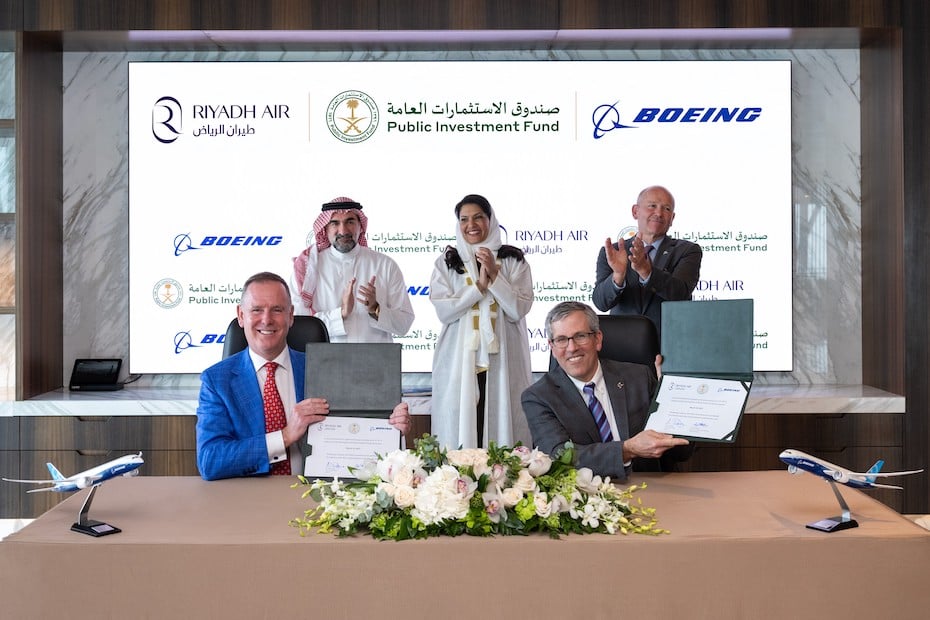



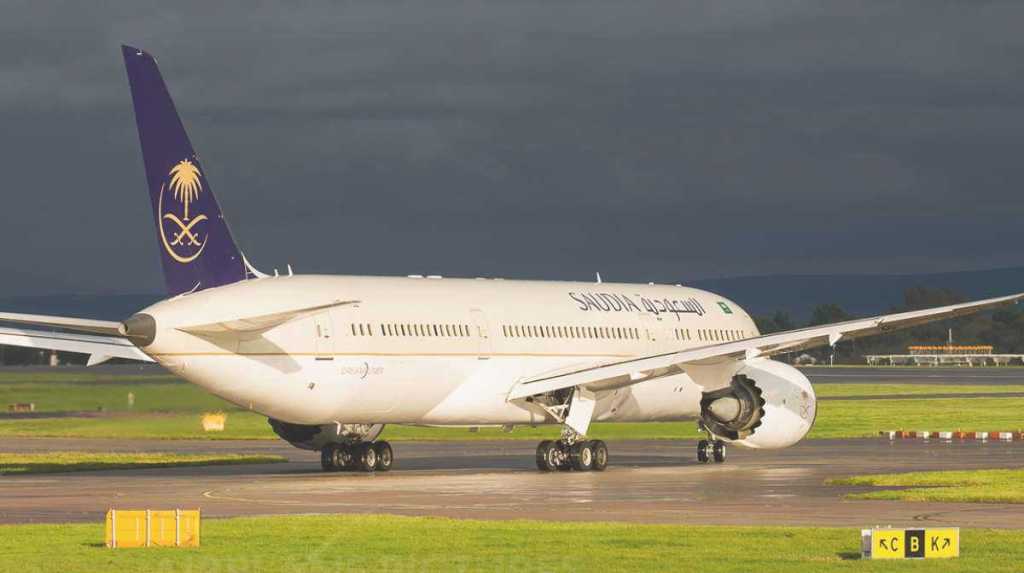
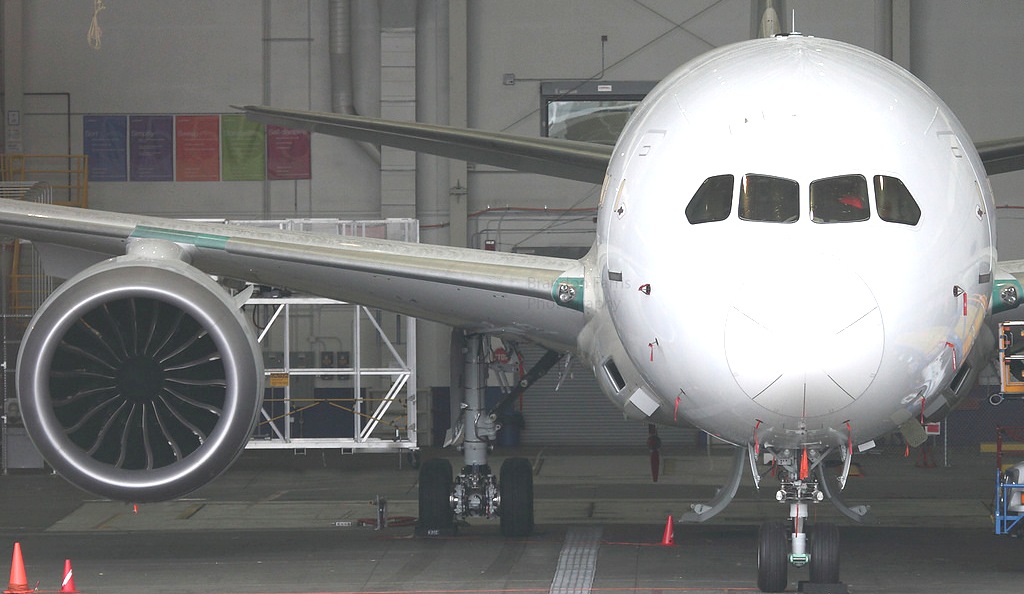
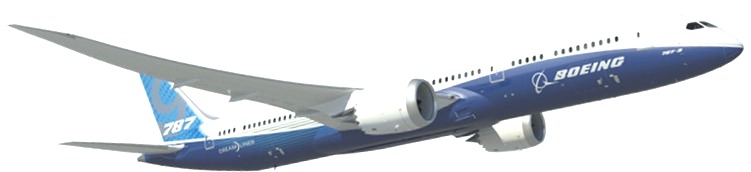

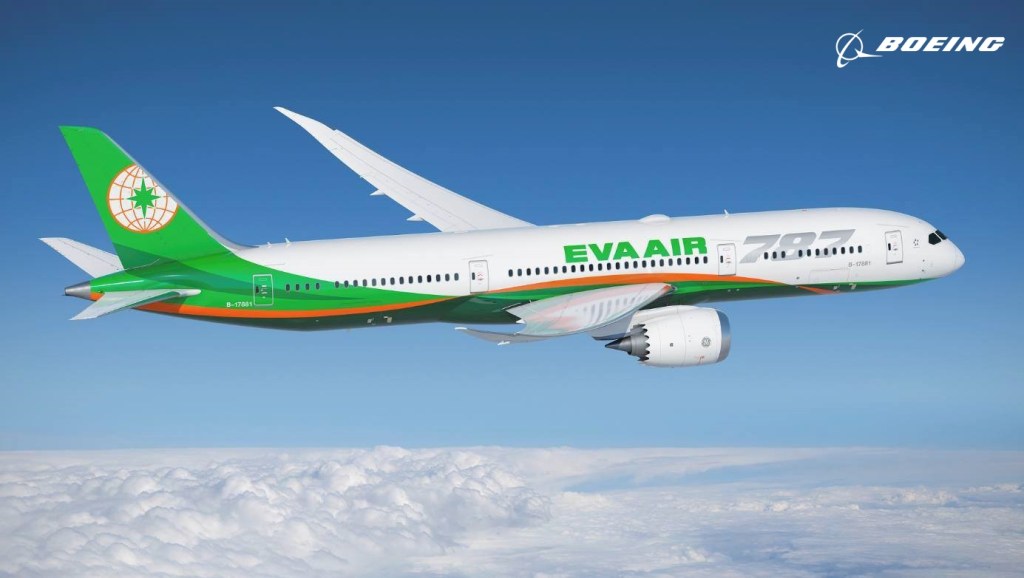



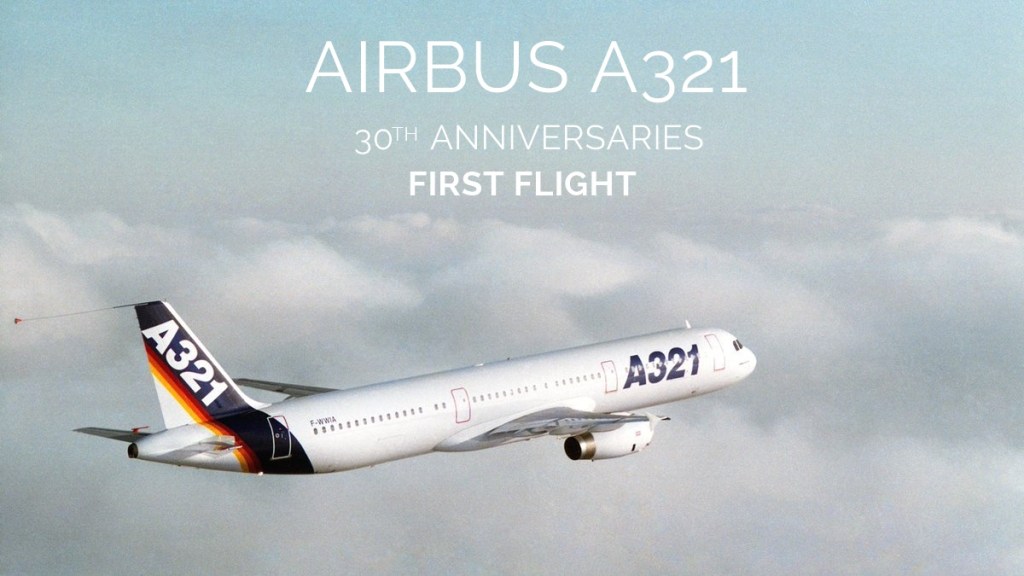
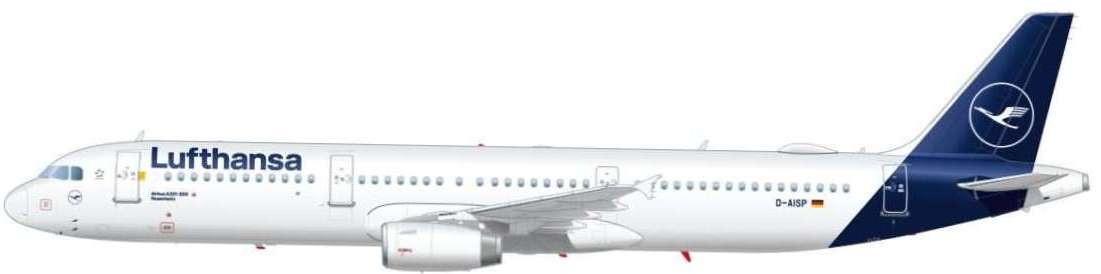

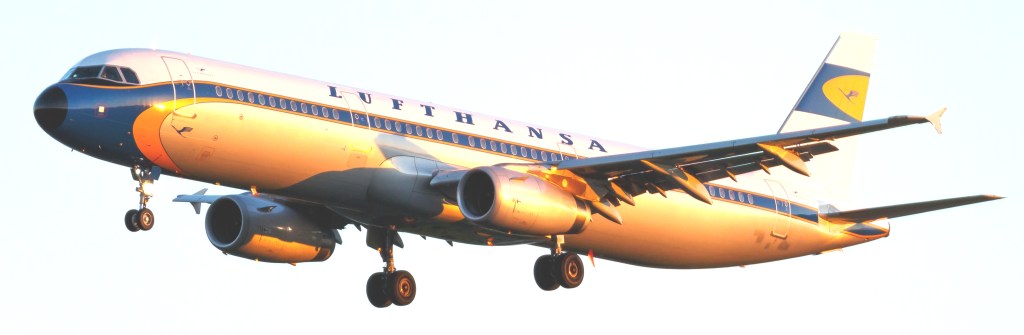
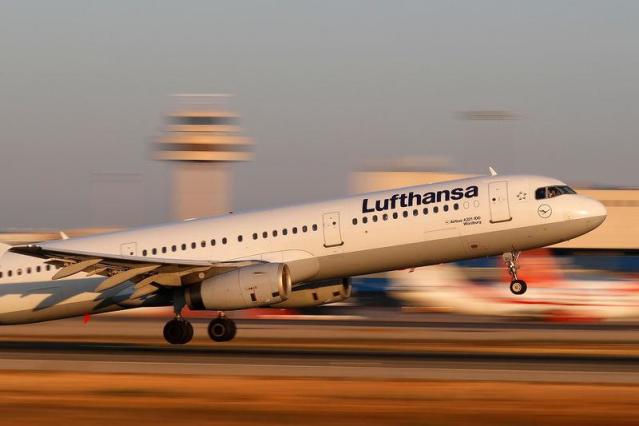
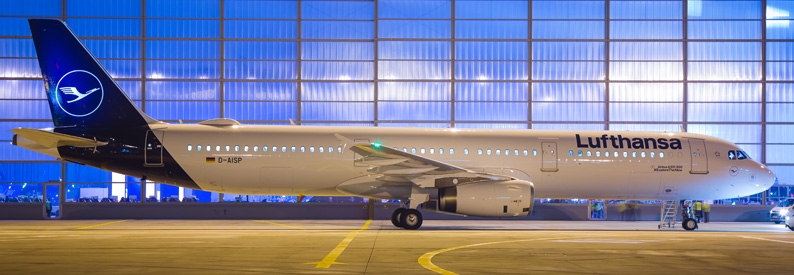
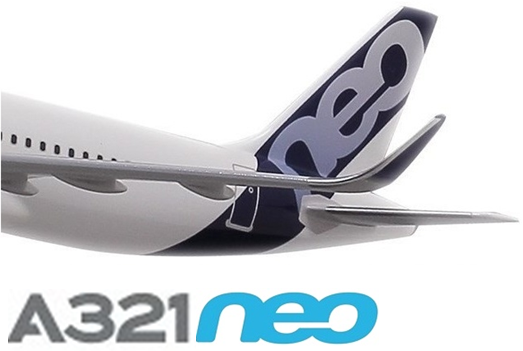
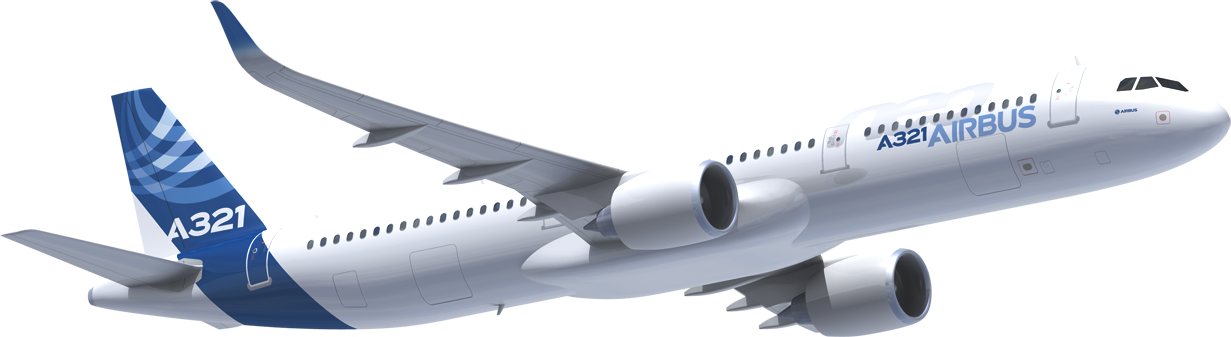


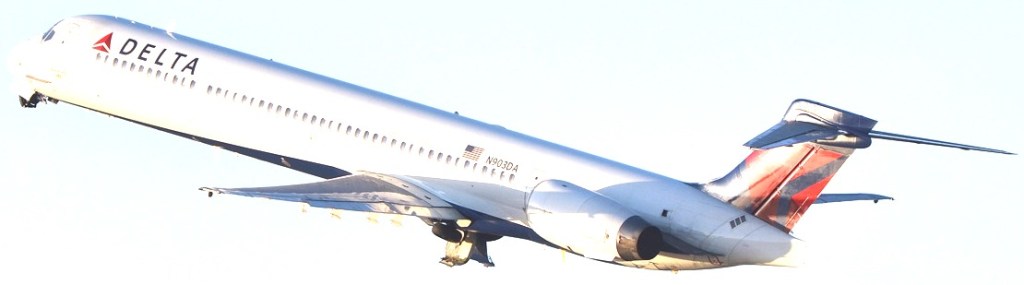
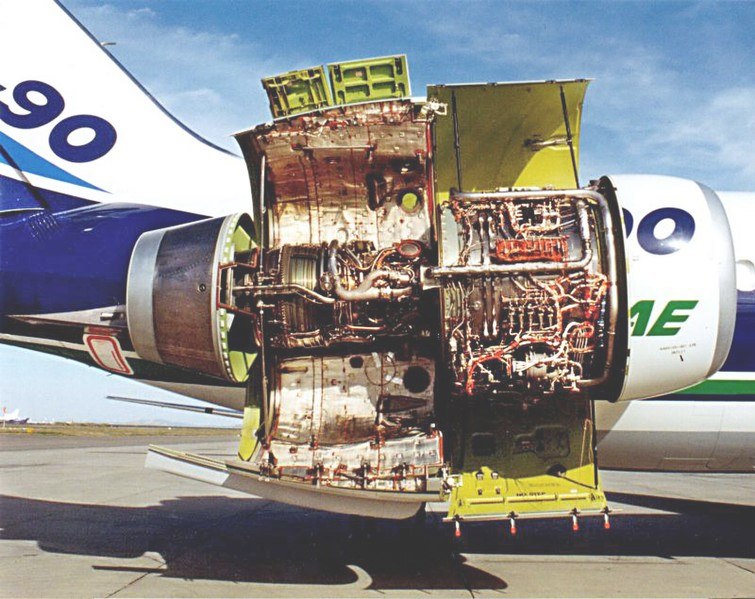

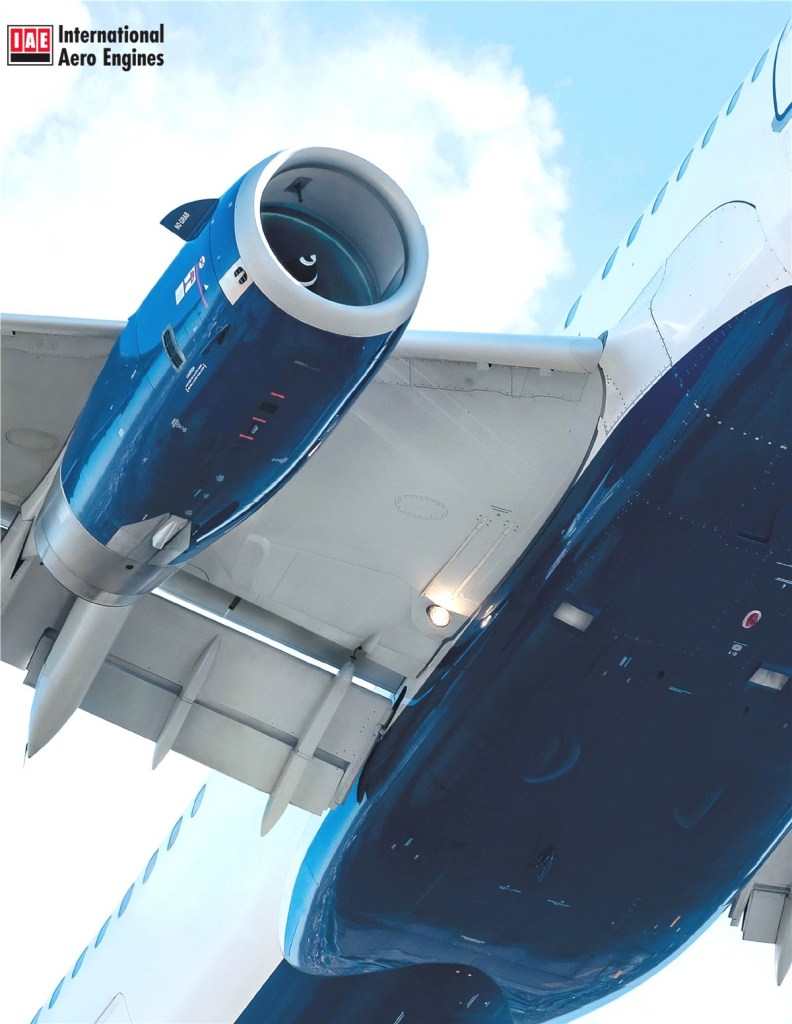
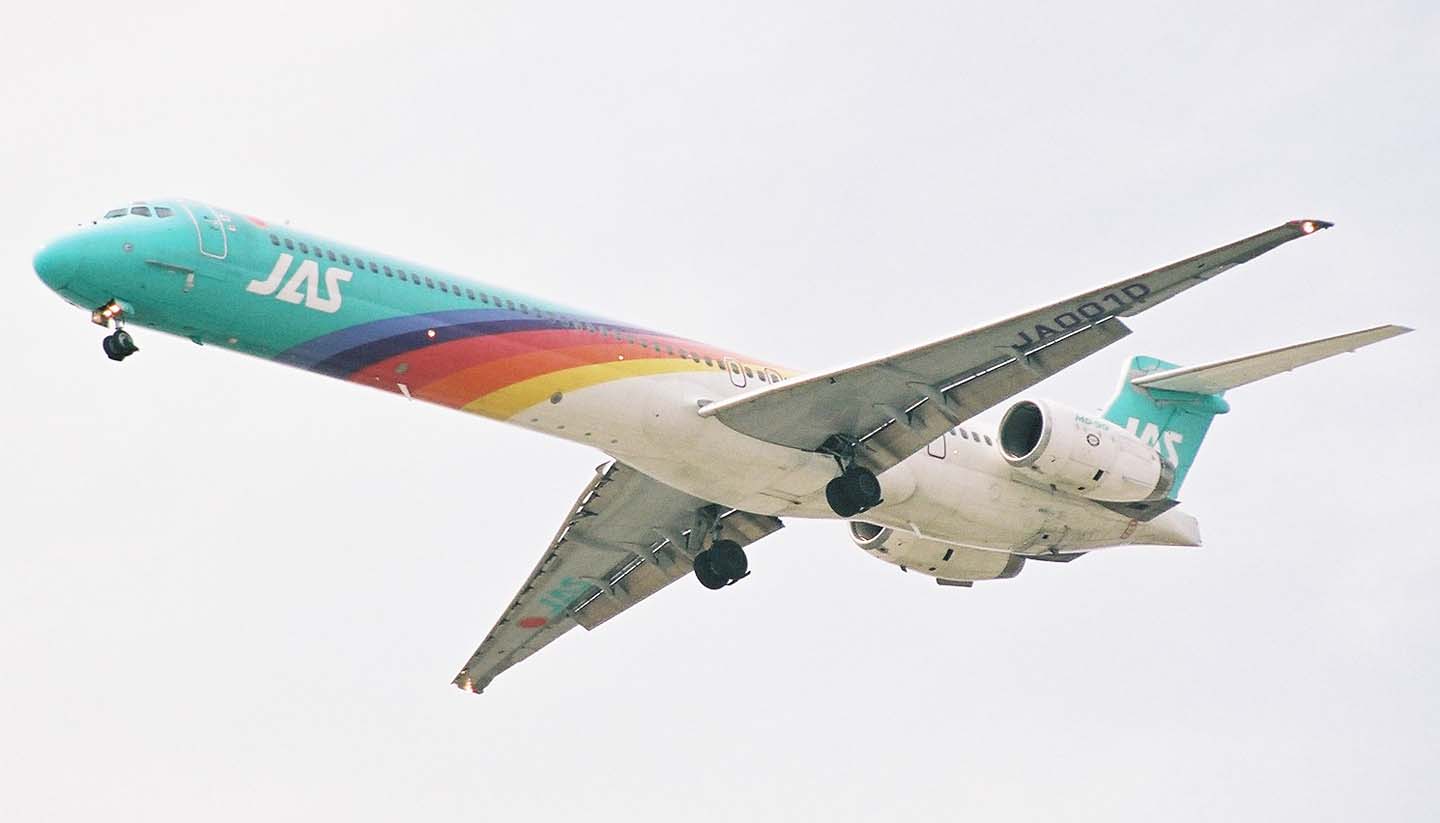
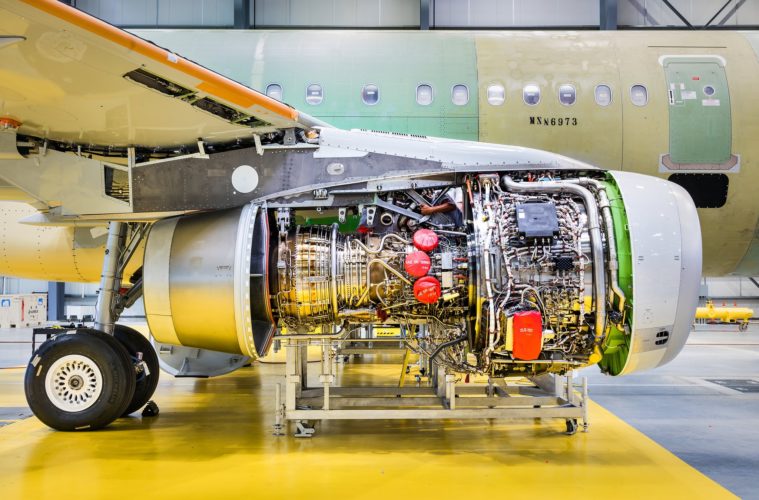


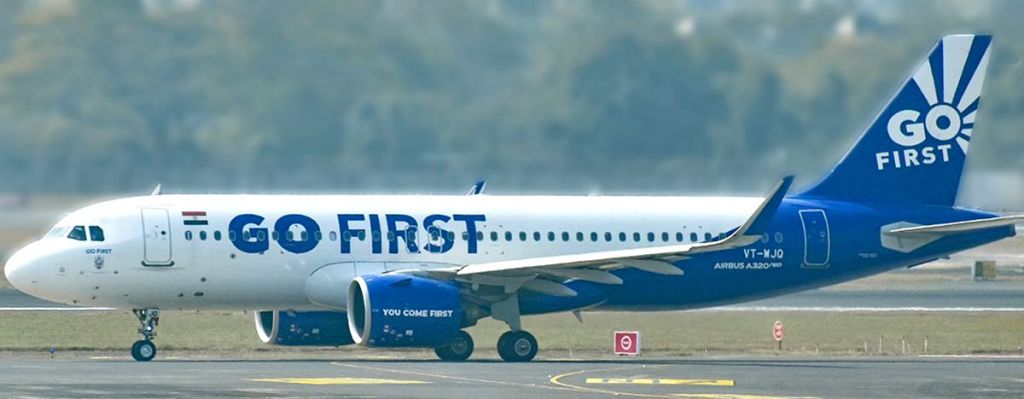

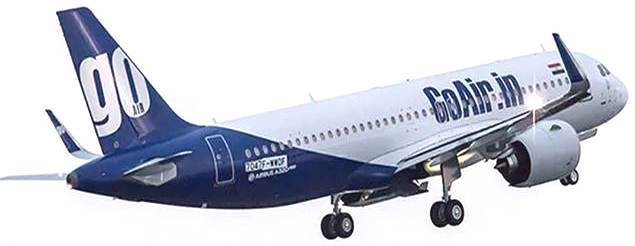
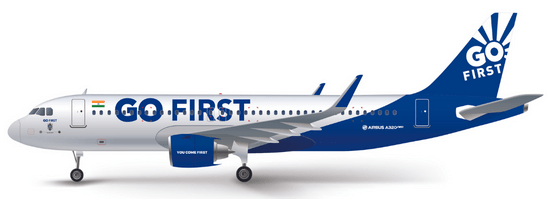


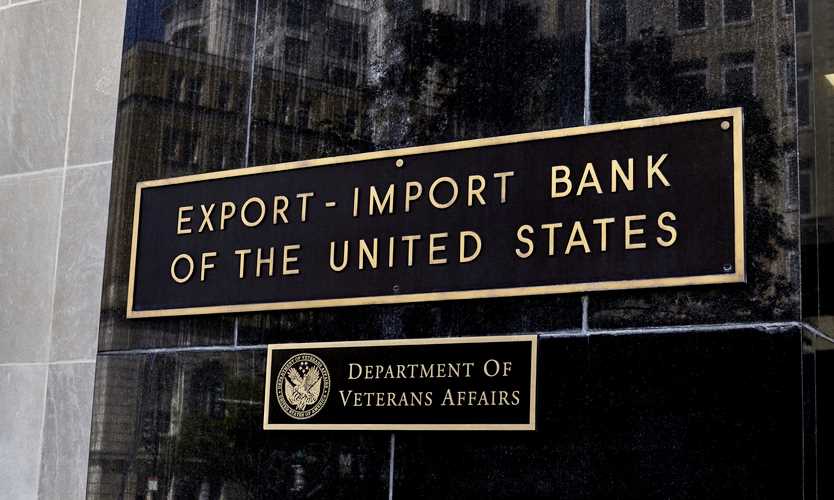


 airgways.com