Gulf Air presenta nuevo A321NEO con librea 70º aniversarios
Gulf Air ha acogido con satisfacción este 5 de Febrero de 2021 su nuevo Airbus A321NEO LR que aterrizó en la nueva terminal del Aeropuerto Internacional de Bahréin. Tras su entrega desde el centro de entrega de Airbus en Hamburgo, Alemania, el avión operará rutas europeas de larga distancia, así como una selección de destinos del CCG. El avión es el segundo del pedido de 17 aviones A321NEO que incluye 8 que están equipados con asientos de cama plana. El nuevo avión estrena 16 nuevos asientos Falcon Gold de cama plana y 150 asientos de clase económica. Todos los asientos están equipados con la última tecnología de entretenimiento a bordo. Gulf Air fue la primera aerolínea en Oriente Medio en introducir camas completamente planas en este tipo de aeronave.
El segundo avión incorporado a la flota de Gulf Air está diseñado con la librea especial de 70 aniversarios «Golden Falcon» que muestra el diseño icónico y vintage de la aerolínea del siglo pasado con un aspecto renovado. Zayed R. Alzayani, presidente de la Junta Directiva de Gulf Air, dijo: «Estamos encantados de dar la bienvenida a nuestros aviones más nuevos, el Airbus A321NEO LR en nuestra flota en su librea especial del 70 aniversario de Golden Falcon. Esta adición fortalecerá nuestra posición en los mercados de media y larga distancia, ya que representa un producto actualizado para ofrecer el mejor servicio en su clase a nuestros pasajeros. La relación que tenemos con Airbus es muy fuerte y seguimos trabajando estrechamente con ellos para seguir desarrollando nuestra flota y productos para garantizar los más altos niveles de satisfacción del cliente».
Gulf Air adds new A321NEO LR
Gulf Air Introduces New A321NEO in 70th Anniversary Livery
Gulf Air has welcomed this February 5, 2021 its new Airbus A321NEO LR that landed in the new terminal of the Bahrain International Airport. Upon delivery from the Airbus delivery center in Hamburg, Germany, the aircraft will operate long-haul European routes, as well as a selection of GCC destinations. The aircraft is the second in the order of 17 A321NEO aircraft that includes 8 that are equipped with flat-bed seats. The new aircraft debuts 16 new Falcon Gold flat bed seats and 150 economy class seats. All seats are equipped with the latest inflight entertainment technology. Gulf Air was the first airline in the Middle East to introduce completely flat beds on this type of aircraft.
The second aircraft added to the Gulf Air fleet is designed in the special 70th anniversary «Golden Falcon» livery that showcases the airline’s iconic and vintage design from the last century with a fresh look. Zayed R. Alzayani, Chairman of the Gulf Air Board of Directors, said: «We are delighted to welcome our newest aircraft, the Airbus A321NEO LR into our fleet in its special Golden Falcon 70th anniversary livery. This addition will strengthen our position in the medium and long-haul markets, as it represents an updated product to offer best-in-class service to our passengers. Our relationship with Airbus is very strong and we continue to work closely with them to further develop our fleet and products to ensure the highest levels of customer satisfaction».
طيران الخليج تضيف طائرة A321NEO LR جديدة
طيران الخليج تطرح طائرة A321NEO الجديدة في الذكرى السبعين للزينة
استقبلت طيران الخليج في 5 فبراير 2021 طائرتها الجديدة من طراز Airbus A321NEO LR التي هبطت في المبنى الجديد لمطار البحرين الدولي. عند التسليم من مركز تسليم إيرباص في هامبورغ ، ألمانيا ، ستعمل الطائرة على خطوط أوروبية طويلة المدى ، بالإضافة إلى مجموعة مختارة من وجهات دول مجلس التعاون الخليجي. هذه الطائرة هي الثانية في ترتيب 17 طائرة من طراز A321NEO التي تضم 8 طائرات مزودة بمقاعد ذات أسرة مسطحة. طرحت الطائرة الجديدة 16 مقعدًا جديدًا من طراز فالكون الذهبي المسطح و 150 مقعدًا على الدرجة الاقتصادية. جميع المقاعد مجهزة بأحدث تقنيات الترفيه على متن الطائرة. كانت طيران الخليج أول شركة طيران في الشرق الأوسط تقدم أسرة مسطحة بالكامل على هذا النوع من الطائرات.
صُممت الطائرة الثانية التي أضيفت إلى أسطول طيران الخليج في الذكرى السبعين الخاصة لغطاء «الصقر الذهبي» الذي يبرز تصميم الخطوط الجوية الأيقوني والعتيق من القرن الماضي بمظهر جديد. وقال زايد الزياني ، رئيس مجلس إدارة طيران الخليج: «يسعدنا أن نرحب بأحدث طائراتنا ، إيرباص A321NEO LR ، في أسطولنا في الذكرى السبعين لتأسيس شركة Golden Falcon. هذه الإضافة ستعزز مكانتنا في أسواق المسافات المتوسطة والطويلة ، حيث إنها تمثل منتجًا محدثًا لتقديم أفضل خدمة لركابنا. علاقتنا مع شركة إيرباص قوية للغاية ونواصل العمل معهم عن كثب لتطوير أسطولنا ومنتجاتنا لضمان أعلى مستويات رضا العملاء».
Líneas aéreas venezolanas esperan reapertura total a partir 11/02
La Asociación de Líneas Aéreas de Venezuela (ALAV), dijo esperar que el 11 de Febrero de 2021 se abran todas las rutas de las nueve aerolíneas nacionales. Los aeropuertos están listos para abrir los vuelos, enfatizó Humberto Figuera, Director de ALAV. La asociación ha expresado que en el ámbito internacional hay muchas cosas pendientes para resolver, debido a la falta de conectividad con Europa. En el plano de vuelos regionales como Bogotá, Quito, Guayaquil, Lima y Buenos Aires sostiene que deberían abrirse, detalló Humberto Figuera.
Las aerolíneas venezolanas continúan soportando la supresión de los vuelos debido a la pandemia desde principios de 2020, considerada como una de las más largas, pero el Gobierno ha estado permitiendo realizar algunas liberaciones de rutas para cuando llega la segunda ola de contagios que postergó las aperturas totales.
Venezuelan airlines await reopening
Venezuelan airlines expect full reopening from 11/02
The Association of Air Lines of Venezuela (ALAV), said to expect that on February 11, 2021 all the routes of the nine national airlines will be opened. The airports are ready to open flights, emphasized Humberto Figuera, Director of ALAV. The association has expressed that in the international arena there are many pending issues to resolve, due to the lack of connectivity with Europe. In terms of regional flights such as Bogotá, Quito, Guayaquil, Lima and Buenos Aires, he maintains that they should be opened, explained Humberto Figuera.
Venezuelan airlines continue to support the suppression of flights due to the pandemic since the beginning of 2020, considered one of the longest, but the Government has been allowing some route releases for when the second wave of infections arrives that postponed the openings totals.
Primer evento de aviación híbrida en medio de la pandemia
Aero India 2021 continúa promocionándose como el primer evento de aviación híbrida con trasfondo de la pandemia. La exposición internacional celebrada del 3 al 5 de Febrero de 2021 en Bangalore, India, continúa desarrollándose desde el día Miércoles 03/02, ha reflejado claramente el trabajo desde casa, una cultura que se está introduciendo en las conferencias y certámenes de ferias mundiales como una nueva modalidad sin presencia. Con el nuevo Coronavirus cortando las alas de la poderosa muestra aérea, los organizadores del evento, el Ministerio de Defensa, habían proporcionado un enlace virtual www.aeroindiavirtual.in para asistir al evento sin estar realmente presentes en la Estación de la Fuerza Aérea Yelahanka. Aparentemente, la mayoría ha utilizado esa ruta para estar en el espectáculo aéreo, en lugar de estar físicamente presente.
Aero India 2021 cuenta con 602 expositores, de los cuales 524 son de la India y 78 extranjeros. Además participan 308 empresas de manera totalmente virtual y en su conjunto forman un conglomerado de catorce países participantes en la feria aeronáutica.
Es probable que Aero India sea testigo de algunos grandes contratos entintados, incluyendo uno entre la Fuerza Aérea India (IAF) y la estatal Hindustan Aeronautics Limited (HAL) para 83 Light Combat Aircraft (LCA). También existe la posibilidad de que el acuerdo para el helicóptero de combate ligero indígena también se realice.
Airbus Group
Airbus Group firmó un Memorándum de Entendimiento (MoU) con Flytech Aviation Academy, una academia de formación de aviación india líder, para explorar oportunidades de colaboración en la formación del Sistema de Aeronaves Pilotadas Remotamente (RPAS). El Memorándum de Entendimiento fue entintado en Aero India 2021, el principal espectáculo de defensa y aeroespacial del país, que comenzó aquí el Miércoles 03/02. Airbus dijo en un comunicado que aporta una gran experiencia en la formación de aviación, el desarrollo de cursos, los estándares de seguridad y calidad, mientras que Flytech sobresale en los servicios de formación en aviación, incluida la formación de vehículos aéreos no tripulados (UAV).
The Boeing Company
The Boeing Company ha anunciado que reactivarán los objetivos de ‘Make in India’. La compañía dijo que recientemente había recibido una licencia para comercializar el avión de combate F-15EX, la variante más reciente del F-15 de 50 años, a la República de la India.
La firma aeroespacial estadounidense Boeing dijo que utilizará Aero India 2021 como plataforma de lanzamiento para restaurar sus objetivos de «Make in India» que han sido alcanzados por la pandemia Covid-19. La compañía también empujará varios aviones para una posible inducción en el ejército indio. En declaraciones a los medios de comunicación el jueves, Salil Gupte, Presidente de Boeing India, negó que la conversión de una planta de fabricación en Bengaluru en un centro de investigación y desarrollo fuera un retroceso de los compromisos de la compañía con la fabricación indígena. «Boeing ha estado invirtiendo una cantidad significativa en el campus de 43 acres en Bengaluru durante un largo período de tiempo. Había ciertos elementos de fabricación que estaban vinculados a proyectos que Boeing tenía en trabajo antes de la pandemia. A medida que cambiaba el calendario de algunos de esos proyectos, decidimos reutilizar uno de esos edificios para investigación y desarrollo», dijo Salil Gupte, y añadiendo que el cambio representaba un porcentaje extremadamente pequeño de la fabricación general de Boeing en la India.
Boeing tiene como objetivo hacer más en la India en 2021, directamente y a través de socios de la cadena de suministro de la compañía en 2020. Entre las unidades programadas para la fabricación se encuentran los fuselajes de helicópteros de ataque Apache en la planta de Tata Boeing Aerospace Ltd (TBAL) en Hyderabad, dijo Michael Koch, Vicepresidente Boeing Defence, Space and Security de la India. «La mayor parte del fuselaje y la estructura se fabrica en la India, no sólo para la India, sino también para el Ejército de los Estados Unidos y el suministro mundial a nuestros clientes más bien. Toda la estructura del Apache se envía a Mesa, Arizona, donde se instalan los sistemas electrónicos y la finalización se realiza allí», dijo Michael Koch, agregando que seis fuselajes para el ejército indio comenzarán a rodar por la línea de producción pronto.
Rostec State Corporation
Rostec State Corporation se ha posicionado fuertemente con más de 200 de sus últimos productos civiles y militares en Aero India 2021. Estos incluyen motores para aviones militares y civiles y cohetes portadores, sistemas avanzados de armas, helicópteros y muchos más.
La exposición rusa en la India se encuentra organizada por Rosoboronexport e incluirá delegaciones de las explotaciones de la UAC, Helicópteros Rusos, la UEC y Shvabe. Los stands de exposición incluyen productos de varias empresas de la Corporación Estatal, que suman más de 200 muestras de diversos equipos militares. Estos incluyen un modelo del exclusivo avión de combate Su-57E. También estarán presentes modelos de transporte militar Su-35, MiG-35D, Il-76MD-90A (E) y aviones cisterna Il-78MK-90A. «Todo el mundo está cansado de la pandemia y el aislamiento. Por supuesto, en el último año nos hemos adaptado a las restricciones. Muchas charlas y presentaciones se movieron en línea. Pero nada puede reemplazar las reuniones en vivo y la comunicación en vivo. Esta es la razón por la que Aero India es un soplo de aire fresco. Estoy deseando esta exposición. India es nuestro socio de toda lata data con el que ya compartimos múltiples proyectos conjuntos. Además del suministro de productos militares y civiles, estos también incluyen la creación de empresas conjuntas en el marco del programa Make in India. Confío en que la exposición será útil para ambas partes», dijo el Director de Cooperación Internacional y Política Regional de Rostec State Corporation, Viktor Kladov.
En particular, el holding ruso Helicopters demostrará un modelo del helicóptero multiusos ligero Ka-226T, que es un vehículo ideal para el clima y la geografía de la India. Los helicópteros Mi-28NE, Mi-171Sh y Mi-17V5, el helicóptero de reconocimiento y ataque De combate Ka-52, y el helicóptero de alerta temprana y control aerotransportado Ka-31 también estarán en exhibición. Por primera vez en el extranjero, Rosoboronexport demostrará el portaequipajes blindado K-16 y el vehículo de combate de infantería K-17 en la plataforma de ruedas de próxima generación Boomerang. Esta plataforma única puede actuar como base para crear una amplia gama de aplicaciones modulares para armas y equipos. El tradicionalmente popular sistema de misiles y cañones Pantsir-S1anti-aircraft también estará presente en la exposición de vehículos terrestres. Otros vehículos incluyen el Typhoon K-63968, Typhoon K-53949 AFVs, y la ambulancia blindada «Linza».
Rostec hace pie en India
La producción de los últimos aviones comerciales rusos MC-21 e Il-114-300 se puede localizar en la India, tras un próximo acuerdo de cooperación internacional, expresó el Director de Política Regional de Rostec Corporation, Viktor Kladov, en una entrevista en la exposición Aero India 2021. «Ofrecemos hacer un desarrollo conjunto a nuestros socios indios sobre su base del Il-114-300 con una modificación ruso-india, y organizar su producción en la India en caso de promoción exitosa en el mercado indio», dijo Viktor Kladov. La nueva variante del avión turbohélice regional ruso Il-114-300 hizo el vuelo el 16 de Diciembre de 2020 en la región de Moscú.
Rusia está dispuesta a cooperar con la India en el mantenimiento y montaje de los aviones de pasajeros MC-21, dijo el representante de Rostec. «Hablando de MC-21, estamos listos para discutir diferentes opciones de cooperación industrial. Esto puede ser una autorización para un centro de mantenimiento y reparación, el establecimiento de un depósito para repuestos y un centro de entrenamiento o incluso la fabricación de elementos estructurales individuales y unidades y el montaje de aeronaves de kits de aeronaves, si hay un pedido enorme para alrededor de 200 aviones», agregó Viktor Kladov.
Aero India 2021
First hybrid aviation event amid pandemic
Aero India 2021 continues to promote itself as the first hybrid aviation event against the background of the pandemic. The international exhibition held from February 3 to 5, 2021 in Bangalore, India, continues to develop from Wednesday 03/02, has clearly reflected work from home, a culture that is being introduced in the conferences and competitions of world fairs such as a new modality without presence. With the new Coronavirus cutting the wings of the powerful airshow, the event organizers, the Ministry of Defense, had provided a virtual link www.aeroindiavirtual.in to attend the event without actually being present at Yelahanka Air Force Station. Apparently, most have used that route to be at the air show, rather than being physically present.
Aero India 2021 has 602 exhibitors, of which 524 are from India and 78 are from abroad. In addition, 308 companies participate in a totally virtual way and together they form a conglomerate of fourteen countries participating in the aeronautical fair.
Aero India is likely to witness some big inked contracts, including one between the Indian Air Force (IAF) and state-owned Hindustan Aeronautics Limited (HAL) for 83 Light Combat Aircraft (LCA). There is also the possibility that the agreement for the indigenous light combat helicopter will also be made.
Airbus Group
Airbus Group signed a Memorandum of Understanding (MoU) with Flytech Aviation Academy, a leading Indian aviation training academy, to explore opportunities for collaboration in Remotely Piloted Aircraft System (RPAS) training. The Memorandum of Understanding was inked at Aero India 2021, the country’s premier aerospace and defense show, which started here on Wednesday 03/02. Airbus said in a statement that it brings a wealth of experience in aviation training, course development, safety and quality standards, while Flytech excels in aviation training services, including unmanned aerial vehicle (UAV) training.
The Boeing Company
The Boeing Company has announced that they will reactivate the objectives of ‘Make in India’. The company said it had recently received a license to market the F-15EX fighter jet, the latest variant of the 50-year-old F-15, to the Republic of India.
American aerospace firm Boeing said it will use Aero India 2021 as a launch pad to restore its «Make in India» targets that have been hit by the Covid-19 pandemic. The company will also push several aircraft for possible induction into the Indian Army. Speaking to the media on Thursday, Salil Gupte, President of Boeing India, denied that the conversion of a manufacturing plant in Bengaluru into a research and development center was a setback from the company’s commitments to indigenous manufacturing. «Boeing has been investing a significant amount in the 43-acre campus in Bengaluru for a long period of time. There were certain manufacturing items that were tied to projects that Boeing had in the works before the pandemic. As the schedule changed some of those projects, we decided to repurpose one of those buildings for research and development», said Salil Gupte, adding that the change represented an extremely small percentage of Boeing’s overall manufacturing in India.
Boeing aims to do more in India in 2021, directly and through the company’s supply chain partners in 2020. Among the units scheduled for manufacturing are Apache attack helicopter airframes at the Tata Boeing plant. Aerospace Ltd (TBAL) in Hyderabad, said Michael Koch, Vice President Boeing Defense, Space and Security of India. «Most of the airframe and frame is made in India, not just for India, but also for the United States Army and the global supply to our customers rather. All the Apache frame is shipped to Mesa, Arizona, where the electronics are installed and completion is done there», said Michael Koch, adding that six airframes for the Indian Army will start rolling down the production line soon.
Rostec State Corporation
Rostec State Corporation has hit hard with more than 200 of its latest civil and military products at Aero India 2021. These include engines for military and civil aircraft and carrier rockets, advanced weapons systems, helicopters and many more.
The Russian exhibition in India is organized by Rosoboronexport and will include delegations from the UAC, Russian Helicopters, UEC and Shvabe farms. The exhibition stands include products from various companies of the State Corporation, totaling more than 200 samples of various military equipment. These include a model of the exclusive Su-57E fighter jet. Su-35, MiG-35D, Il-76MD-90A (E) and Il-78MK-90A tanker aircraft will also be present. «Everyone is tired of the pandemic and isolation. Of course, in the last year we have adjusted to the restrictions. Many talks and presentations moved online. But nothing can replace live meetings and live communication. This is the reason why Aero India is a breath of fresh air. I am looking forward to this exhibition. India is our long-standing partner with whom we already share multiple joint projects. Besides supplying military and civil products, these also include the creation of joint ventures under the Make in India program. I am confident that the exhibition will be useful to both parties», said Rostec State Corporation Director of International Cooperation and Regional Policy, Viktor Kladov.
In particular, the Russian holding company Helicopters will demonstrate a model of the Ka-226T light multipurpose helicopter, which is an ideal vehicle for the climate and geography of India. The Mi-28NE, Mi-171Sh and Mi-17V5 helicopters, the Ka-52 combat reconnaissance and attack helicopter, and the Ka-31 airborne early warning and control helicopter will also be on display. For the first time abroad, Rosoboronexport will demonstrate the K-16 armored luggage rack and the K-17 infantry fighting vehicle on the next-generation Boomerang wheeled platform. This unique platform can act as the basis for creating a wide range of modular applications for weapons and equipment. The traditionally popular Pantsir-S1anti-aircraft missile and cannon system will also be present at the ground vehicle exhibition. Other vehicles include the Typhoon K-63968, Typhoon K-53949 AFVs, and the «Linza» armored ambulance.
Rostec makes footing in India
Production of the latest Russian commercial aircraft MC-21 and Il-114-300 can be located in India, following an upcoming international cooperation agreement, Rostec Corporation Regional Policy Director Viktor Kladov said in an interview at the Aero India 2021 exhibition. «We offer to make joint development to our Indian partners on their basis of Il-114-300 with Russian-Indian modification, and organize its production in India in case of successful promotion in Indian market», he said. Viktor Kladov. The new variant of the Russian regional turboprop aircraft Il-114-300 made flight on December 16, 2020 in the Moscow region.
Russia is ready to cooperate with India in the maintenance and assembly of the MC-21 passenger jets, the Rostec representative said. «Speaking of MC-21, we are ready to discuss different options for industrial cooperation. This can be an authorization for a maintenance and repair center, the establishment of a warehouse for spare parts and a training center or even the manufacture of individual structural elements. and aircraft kits and units and assembly of aircraft, if there is a huge order for around 200 aircraft», added Viktor Kladov.
एयरो इंडिया 2021
पहला हाइब्रिड एविएशन इवेंट आमिर महामारी
एयरो इंडिया 2021 महामारी की पृष्ठभूमि के खिलाफ पहली हाइब्रिड विमानन घटना के रूप में खुद को बढ़ावा देना जारी रखता है। 3 से 5 फरवरी, 2021 तक बैंगलोर, भारत में आयोजित अंतर्राष्ट्रीय प्रदर्शनी, बुधवार 03/02 से विकसित होना जारी है, घर से काम को स्पष्ट रूप से परिलक्षित किया है, एक संस्कृति जो विश्व मेलों के सम्मेलनों और प्रतियोगिताओं में पेश की जा रही है जैसे एक नया उपस्थिति के बिना विनम्रता। नए कोरोनोवायरस शक्तिशाली एयरशो के पंखों को काटने के साथ, घटना के आयोजकों, रक्षा मंत्रालय ने येलहंका एयर फोर्स स्टेशन पर मौजूद होने के बिना इस कार्यक्रम में भाग लेने के लिए एक आभासी लिंक www.aeroindiavirtual.in प्रदान किया था। जाहिरा तौर पर, अधिकांश ने शारीरिक रूप से उपस्थित होने के बजाय एयर शो में होने के लिए उस मार्ग का उपयोग किया है।
एयरो इंडिया 2021 में 602 प्रदर्शक हैं, जिनमें से 524 भारत से और 78 विदेश से हैं। इसके अलावा, 308 कंपनियां पूरी तरह से आभासी तरीके से भाग लेती हैं और साथ में वे वैमानिक मेले में भाग लेने वाले चौदह देशों का समूह बनाती हैं।
एयरो इंडिया के कुछ बड़े अनुबंधों के गवाह होने की संभावना है, जिसमें भारतीय वायु सेना (IAF) और राज्य के स्वामित्व वाली हिंदुस्तान एयरोनॉटिक्स लिमिटेड (HAL) के बीच 83 लाइट कॉम्बैट एयरक्राफ्ट (LCA) शामिल हैं। इस बात की भी संभावना है कि स्वदेशी हल्के लड़ाकू हेलीकॉप्टर के लिए भी समझौता किया जाएगा।
एयरबस समूह
एयरबस ने दूर से पायलटेड एयरक्राफ्ट सिस्टम (RPAS) प्रशिक्षण में सहयोग के अवसर तलाशने के लिए एक प्रमुख भारतीय विमानन प्रशिक्षण अकादमी, फ्लाईटेक एविएशन अकादमी के साथ एक समझौता ज्ञापन (एमओयू) पर हस्ताक्षर किए। मेमोरैंडम ऑफ अंडरस्टैंडिंग को देश के प्रमुख रक्षा और एयरोस्पेस शो एयरो इंडिया 2021 में शामिल किया गया था, जो बुधवार 03/02 को यहां शुरू हुआ। एयरबस ने एक बयान में कहा कि यह विमानन प्रशिक्षण, पाठ्यक्रम विकास, सुरक्षा और गुणवत्ता मानकों में अनुभव का खजाना लाता है, जबकि मानव रहित हवाई वाहन (यूएवी) प्रशिक्षण सहित विमानन प्रशिक्षण सेवाओं में फ्लाईटेक एक्सेल।)।
द बोइंग कंपनी
बोइंग कंपनी ने घोषणा की है कि वे ‘मेक इन इंडिया’ के उद्देश्यों को फिर से सक्रिय करेंगे। कंपनी ने कहा कि उसे हाल ही में भारतीय गणराज्य के लिए F-15EX फाइटर जेट, 50 वर्षीय F-15 के नवीनतम संस्करण का विपणन करने का लाइसेंस मिला है।
अमेरिकी एयरोस्पेस फर्म बोइंग ने कहा कि वह अपने «मेक इन इंडिया» टारगेट को बहाल करने के लिए एयरो इंडिया 2021 का उपयोग लॉन्च पैड के रूप में करेगी, जो कोविद -19 महामारी की चपेट में आ गए हैं। कंपनी भारतीय सेना में संभावित प्रवेश के लिए कई विमानों को आगे बढ़ाएगी। बोइंग इंडिया के अध्यक्ष सलिल गुप्ते ने गुरुवार को मीडिया से बात करते हुए, इस बात से इनकार किया कि बेंगलुरु में एक विनिर्माण संयंत्र का एक अनुसंधान और विकास केंद्र में रूपांतरण कंपनी की प्रतिबद्धताओं से स्वदेशी विनिर्माण के लिए एक झटका था। «बोइंग लंबे समय से बेंगलुरु में 43 एकड़ के परिसर में एक महत्वपूर्ण राशि का निवेश कर रहा है। कुछ विनिर्माण वस्तुएं ऐसी परियोजनाओं से जुड़ी हुई थीं जो बोइंग महामारी से पहले के कामों में थीं। जैसा कि शेड्यूल में कुछ बदलाव हुए। परियोजनाओं, हमने अनुसंधान और विकास के लिए उन इमारतों में से एक का पुनरुत्थान करने का फैसला किया», सलिल गुप्ते ने कहा, इस परिवर्तन ने भारत में बोइंग के समग्र विनिर्माण के एक बहुत छोटे प्रतिशत का प्रतिनिधित्व किया।
बोइंग का लक्ष्य 2021 में भारत में और अधिक करना है, 2020 में सीधे और कंपनी की आपूर्ति श्रृंखला भागीदारों के माध्यम से। विनिर्माण के लिए निर्धारित इकाइयों में टाटा बोइंग प्लांट में अपाचे हमला हेलीकाप्टर एयरफ्रेम हैं। हैदराबाद में एयरोस्पेस लिमिटेड (टीबीएएल), माइकल कोच ने कहा। भारत के रक्षा, अंतरिक्ष और सुरक्षा के उपाध्यक्ष बोइंग। «अधिकांश एयरफ्रेम और फ्रेम भारत में बने हैं, न केवल भारत के लिए, बल्कि संयुक्त राज्य अमेरिका की सेना और हमारे ग्राहकों को वैश्विक आपूर्ति के लिए भी। अपाचे का पूरा फ्रेम मेसा, एरिज़ोना में भेजा जाता है, जहां इलेक्ट्रॉनिक्स हैं माइकल कोच ने कहा कि भारतीय सेना के लिए छह एयरफ्रेम जल्द ही उत्पादन लाइन शुरू करेंगे।
रोस्टेक स्टेट कॉर्पोरेशन
एयरो इंडिया 2021 में रोस्टेक स्टेट कॉरपोरेशन ने अपने 200 से अधिक नवीनतम नागरिक और सैन्य उत्पादों के साथ कड़ी टक्कर दी है। इनमें सैन्य और नागरिक विमान और वाहक रॉकेट, उन्नत हथियार प्रणाली, हेलीकॉप्टर और बहुत से इंजन शामिल हैं।
भारत में रूसी प्रदर्शनी रोसोबोरोनेक्सपोर्ट द्वारा आयोजित की जाती है और इसमें यूएसी, रूसी हेलीकॉप्टर, यूईसी और श्वेबे खेतों के प्रतिनिधिमंडल शामिल होंगे। प्रदर्शनी में राज्य निगम की विभिन्न कंपनियों के उत्पाद शामिल हैं, जिनमें विभिन्न सैन्य उपकरणों के 200 से अधिक नमूने हैं। इनमें विशेष Su-57E फाइटर जेट का एक मॉडल शामिल है। Su-35, MiG-35D, Il-76MD-90A (E) और Il-78MK-90A टैंकर विमान भी मौजूद रहेंगे। «हर कोई महामारी और अलगाव से थक गया है। निश्चित रूप से, पिछले वर्ष में हमने प्रतिबंधों को समायोजित किया है। कई वार्ताएं और प्रस्तुतियां ऑनलाइन चली गईं। लेकिन कुछ भी लाइव बैठकों और लाइव संचार की जगह नहीं ले सकता है। यही कारण है कि एयरो इंडिया है। ताजी हवा की सांस। मैं इस प्रदर्शनी का इंतजार कर रहा हूं। भारत हमारा सबसे पुराना साझेदार है, जिसके साथ हम पहले से ही कई संयुक्त परियोजनाएं साझा करते हैं। सैन्य और नागरिक उत्पादों की आपूर्ति के अलावा, इनमें मेक इन इंडिया कार्यक्रम के तहत संयुक्त उपक्रमों का निर्माण भी शामिल है। मुझे विश्वास है कि प्रदर्शनी दोनों पक्षों के लिए उपयोगी होगी», रोस्टेक स्टेट कॉर्पोरेशन ऑफ इंटरनेशनल कोऑपरेशन एंड रीजनल पॉलिसी के निदेशक, विक्टर कल्लादोव ने कहा।
विशेष रूप से, रूसी होल्डिंग कंपनी हेलीकॉप्टर्स Ka-226T हल्के बहुउद्देशीय हेलीकाप्टर का एक मॉडल प्रदर्शित करेगी, जो भारत की जलवायु और भूगोल के लिए एक आदर्श वाहन है। Mi-28NE, Mi-171Sh और Mi-17V5 हेलीकॉप्टर, Ka-52 लड़ाकू टोही और हमला हेलीकाप्टर, और Ka-31 हवाई चेतावनी और नियंत्रण हेलीकाप्टर भी प्रदर्शन पर होगा। विदेश में पहली बार, Rosoboronexport K-16 बख्तरबंद सामान रैक और K-17 पैदल सेना से लड़ने वाले वाहन का प्रदर्शन अगली पीढ़ी के बुमेरांग पहिएदार मंच पर करेगा। यह अनूठा मंच हथियारों और उपकरणों के लिए मॉड्यूलर अनुप्रयोगों की एक विस्तृत श्रृंखला बनाने के आधार के रूप में कार्य कर सकता है। जमीनी वाहन प्रदर्शनी में पारंपरिक रूप से लोकप्रिय पैंटिर-S1anti-विमान मिसाइल और तोप प्रणाली को भी चित्रित किया जाएगा। अन्य वाहनों में टायफून K-63968, टायफून K-53949 AFVs और «लिनज़ा» बख्तरबंद एम्बुलेंस शामिल हैं।
रोस्टेक भारत में पैर जमाता है
नवीनतम रूसी वाणिज्यिक विमान MC-21 और Il-114-300 का उत्पादन भारत में स्थित हो सकता है, एक आगामी अंतरराष्ट्रीय सहयोग समझौते के बाद, आरस्टे कॉरपोरेशन के क्षेत्रीय नीति निदेशक विक्टर कल्दोव ने एयरो इंडिया 2021 प्रदर्शनी में एक साक्षात्कार में कहा। उन्होंने कहा कि रूसी-भारतीय संशोधन के साथ इल-114-300 के आधार पर हमारे भारतीय भागीदारों के साथ संयुक्त विकास करना, और भारतीय बाजार में सफल प्रचार के मामले में भारत में इसके उत्पादन को व्यवस्थित करना है। रूसी क्षेत्रीय टर्बोप्रॉप विमान इल-114-300 के नए संस्करण ने 16 दिसंबर, 2020 को मॉस्को क्षेत्र में उड़ान भरी।
रोस्टेक प्रतिनिधि ने कहा कि रूस एमसी -21 यात्री जेट के रखरखाव और संयोजन में भारत के साथ सहयोग करने के लिए तैयार है। «एमसी -21 की बात करें, तो हम औद्योगिक सहयोग के लिए विभिन्न विकल्पों पर चर्चा करने के लिए तैयार हैं। यह रखरखाव और मरम्मत केंद्र, स्पेयर पार्ट्स के लिए गोदाम की स्थापना और एक प्रशिक्षण केंद्र या यहां तक कि व्यक्तिगत संरचनात्मक तत्वों के निर्माण के लिए एक प्राधिकरण हो सकता है।, और इकाइयों और विमान किट से विमान की विधानसभा, अगर वहाँ लगभग 200 विमानों के लिए एक बड़ा आदेश है», विक्टर क्लेडोव ने कहा।
Airbus comenzará línea producción del nuevo A321XLR
Airbus Group ha anunciado el inicio de la producción de piezas para el primer A321XLR narrowbody, permitiendo adelantar espacio a la alta demanda que generará el nuevo avión intercontinental que permitirá sustituir en sus prestaciones definitivamente al Boeing 757. El constructor europeo reconoce que el segmento de rango medio continuaba vacío sin lograr un verdadero complemento con las aeronaves narrowbodies y los grandes aviones widebodies.
Airbus Group se ha propuesto una cadena de suministro más amplia, incluyendo una nueva línea en Hamburgo, Alemania, donde la compañía planea desacoplar el ensamblaje de componentes principales para el fuselaje trasero y el nuevo tanque de combustible central trasero del resto de la línea A320. La compañía aeronáutica ha establecido una línea de prueba que permitirá una aceleración gradual de la producción del nuevo fuselaje trasero del avión A321XLR (eXtra Long Range) de la misma línea NEO (New Engine Option) a partir del próximo año para alcanzar la madurez sin afectar las operaciones de producción de pasillo único existentes en la línea de Hamburgo. Airbus espera que el conjunto de componentes principales de las primeras secciones del fuselaje delantero, central y trasero, y las alas comiencen este año 2021 mientras se prepara para la entrada de servicio en 2023. «El principio de esta línea piloto en Hamburgo significa que podemos tener una fábrica estable. Esto nos permitirá comenzar a aumentar la producción del conjunto de componentes principales del fuselaje de popa del A321XLR utilizando tiempos de ciclo más largos, para empezar, y con un mayor nivel de ingeniería y soporte, en particular, para garantizar la integración fluida del nuevo tanque central trasero y sus nuevos sistemas de combustible. Es importante destacar que este nuevo enfoque también evitará que pongamos en riesgo el resto de la producción de pasillo único. Y luego, una vez que estemos felices de que todo esté maduro y actualizado, podemos transferirlo con confianza al sistema de producción principal», explicó Gary O’Donnell, Jefe del Programa A321XLR.
Introduciendo mejoras en A321XLR
Mientras que todas las secciones principales del A321XLR contienen lo que Airbus llama cambios de diseño significativos en comparación con el actual avión de línea de base A321NEO/A321LR, el fuselaje central y de popa presentan las mayores diferencias debido en gran parte al nuevo tanque de combustible del centro trasero y a los sistemas de gestión de combustible asociados.
Coordinando entregas
Airbus comenzó el sub-ensamblaje de la caja del ala central a mediados de Noviembre de 2020 en su planta de Nantes, Francia. Una vez construido, el componente irá hacia Hamburgo, donde Airbus lo integrará con la sección del fuselaje de popa.
Premium Aerotec Group en Augsburgo Alemania ha casi terminado las piezas finales para el tanque central trasero y ha comenzado a preparar las herramientas y el taller para el montaje del tanque central trasero. En otros sitios de Premium Aerotec Group en Nordenham y Varel, varios componentes grandes del fuselaje central y de popa ya han entrado en producción.
Stelia Aerospace ha comenzado la producción de piezas para la sección del fuselaje de nariz y avance del avión. Una vez terminados, irán a las instalaciones de Airbus en St. Nazaire, Francia, para su montaje.
La sección alar en la planta de Airbus en Broughton, Reino Unido, donde el enfoque particular del equipo se centra en la nueva configuración de flaps del A321XLR, ha comenzado las pruebas de herramientas asociadas para los nuevos movibles en conjunto con sus socios Spirit AeroSystems en Malasia (inboard flap) y FACC en Austria (outboard flap). Los componentes fijos más convencionales del ala, como largueros y zancas, siguen tomando forma en Broughton y en la cadena de suministro asociada.
La producción de los componentes del tren de aterrizaje (Safran, Collins y Triumph); sistemas de combustible e inerte (Collins y Parker Aerospace); y los pilones del motor, en la planta de producción dedicada de Airbus en St. Eloi, cerca de Toulouse. Los sistemas de cabina y carga han llegado a la fase de prueba para validar los elementos de confort del A321XLR.
Airbus to activate A321XLR production
Airbus will start production line of the new A321XLR
Airbus Group has announced the start of the production of parts for the first A321XLR narrowbody, allowing space to advance to the high demand that the new intercontinental aircraft will generate, which will allow it to permanently replace the Boeing 757 in its performance. The European manufacturer recognizes that the range segment medium remained empty without achieving a true complement with narrowbodies aircraft and large widebodies aircraft.
Airbus Group has proposed a broader supply chain, including a new line in Hamburg, Germany, where the company plans to decouple the main component assembly for the rear fuselage and the new rear center fuel tank from the rest of the A320 line. The aeronautical company has established a test line that will allow a gradual acceleration of the production of the new rear fuselage of the A321XLR aircraft (eXtra Long Range) of the same NEO line (New Engine Option) from next year to reach maturity without affecting existing single aisle production operations on the Hamburg line. Airbus expects the main component assembly of the first front, center and rear fuselage sections, and wings to start this year 2021 as it prepares for service entry in 2023. «The beginning of this pilot line in Hamburg means that we can have a stable factory. «This will allow us to start ramping up production of the A321XLR aft fuselage major component set using longer cycle times to begin with, and with a higher level of engineering and support, in particular, to ensure the seamless integration of the new rear center tank and its new fuel systems. Importantly, this new approach will also prevent us from putting the rest of our single aisle production at risk. And then once we’re happy that everything is mature and up-to-date, we can confidently transfer it to the main production system», explained Gary O’Donnell, A321XLR Program Manager.
Introducing enhancements to A321XLR
While all the main sections of the A321XLR contain what Airbus calls significant design changes compared to the current baseline A321NEO / A321LR aircraft, the central and aft fuselage show the biggest differences due in large part to the new fuel tank. rear center and associated fuel management systems.
Coordinating deliveries
Airbus began sub-assembly of the center wing box in mid-November 2020 at its Nantes, France plant. Once built, the component will go to Hamburg, where Airbus will integrate it with the aft fuselage section.
Premium Aerotec Group in Augsburg Germany has almost finished the final parts for the rear center tank and has started preparing the tools and workshop for the rear center tank assembly. At other Premium Aerotec Group sites in Nordenham and Varel, several large core and aft fuselage components have already gone into production.
Stelia Aerospace has begun production of parts for the nose and forward fuselage section of the aircraft. Once completed, they will go to the Airbus facility in St. Nazaire, France, for assembly.
The wing section at the Airbus plant in Broughton, UK, where the team’s particular focus is on the new flap configuration of the A321XLR, has begun associated tool testing for the new movable in conjunction with its partners Spirit AeroSystems at Malaysia (inboard flap) and FACC in Austria (outboard flap). More conventional fixed wing components, such as spars and stringers, continue to take shape at Broughton and the associated supply chain.
The production of the landing gear components (Safran, Collins and Triumph); fuel and inert systems (Collins and Parker Aerospace); and the engine pylons, at Airbus’ dedicated production plant in St. Eloi, near Toulouse. The cabin and cargo systems have reached the testing phase to validate the comfort elements of the A321XLR.
Segundo operador canadiense reanudar vuelos Boeing 737 MAX
Este Lunes 01/02 Air Canada ha entrado en servicio el Boeing 737 MAX después del relanzamiento de los vuelos de la aeronave de cuarta generación de la línea MAX. La aeronave una versión MAX 8 realizó el primer vuelos de restablecimiento en la flota de Air Canada, después de que WestJet iniciara el proceso de activación de la flota el 21/01.
El primer vuelo del Boeing 737-8 MAX de Air Canada registro C-GEHY, despegó del Aeropuerto Internacional de Montreal/Trudeau/YUL a las 05:54 hs, aterrizando en el Aeropuerto Toronto/Pearson/YYZ 06:26 hs [hora local]. El segundo vuelo reportado de un 737 MAX matrícula C-FSNQ fue desde el Aeropuerto Toronto/YYZ a Halifax/Stanfield/YHZ despegando a las 07:53 hs y aterrizando a las 10:50 hs mientras que el tercer vuelo de un Boeing 737-8 MAX con registro C-GEIV, también está haciendo su camino desde el Aeropuerto Toronto/YYZ al Aeropuerto Edmonton/YEG en el Estado de Alberta.
Air Canada posee una flota de veinticuatro Boeing 737-8 MAX (24) en su flota, a medida que continuará programando su organigrama de vuelos para activar la totalidad de los aviones de la línea MAX.
Air Canada resumes ops 737 MAX
Second Canadian operator to resume Boeing 737 MAX flights
This Monday 02/01, Air Canada has entered service the Boeing 737 MAX after the relaunch of the flights of the fourth generation aircraft of the MAX line. The MAX 8 version aircraft performed the first restoration flights in the Air Canada fleet, after WestJet began the fleet activation process on 01/21.
The first flight of the Air Canada Boeing 737-8 MAX, registration C-GEHY, took off from Montreal/Trudeau/YUL International Airport at 05:54 hs, landing at Toronto/Pearson/YYZ Airport 06:26 hs [local time]. The second reported flight of a 737 MAX registration C-FSNQ was from Toronto/YYZ Airport to Halifax/Stanfield/YHZ taking off at 07:53 and landing at 10:50 while the third flight of a Boeing 737- 8 MAX with C-GEIV registration, is also making its way from Toronto Airport/YYZ to Edmonton Airport/YEG in the State of Alberta.
Air Canada has a fleet of twenty-four Boeing 737-8 MAXs (24) in its fleet, as it will continue to program its flight flow chart to activate all of the MAX line aircraft.
Air Canada reprend opérations du 737 MAX
Deuxième exploitant canadien à reprendre vols Boeing 737 MAX
Ce lundi 02/01, Air Canada a mis en service le Boeing 737 MAX après la relance des vols des avions de quatrième génération de la ligne MAX. L’avion de la version MAX 8 a effectué les premiers vols de restauration de la flotte d’Air Canada, après que WestJet a commencé le processus d’activation de la flotte le 21 janvier.
Le premier vol du Boeing 737-8 MAX d’Air Canada, immatriculé C-GEHY, a décollé de l’aéroport international de Montréal/Trudeau/YUL à 5 h 54, atterrissant à l’aéroport de Toronto/Pearson/YYZ à 6 h 26 [heure locale]. Le deuxième vol signalé d’un 737 MAX immatriculé C-FSNQ était de l’Aéroport d’Toronto/YYZ à Halifax/Stanfield/YHZ décollant à 07h53 et atterrissant à 10h50 tandis que le troisième vol d’un Boeing 737-8 MAX avec C- L’enregistrement GEIV se fait également de l’Aéroport de Toronto/YYZ à l’Aéroport d’Edmonton/YEG dans l’État de l’Alberta.
Air Canada possède une flotte de vingt-quatre Boeing 737-8 MAX (24) dans sa flotte, car elle continuera de programmer son organigramme de vol pour activer tous les avions de la gamme MAX.
Factores determinantes para liderar mercado aviación comercial
El nuevo avión de tamaño mediano conocido como New Midsize Airplane (NMA) es un avión de pasajeros conceptual diseñado por The Boeing Company para llenar el segmento del mercado de medio rango de acción. Tres factores que se desarrollarán este año serán fundamentales para dar a compañía la confianza para lanzar su próximo avión de pasajeros denominado Boeing 797 en el segmento de los 220-270 asientos.
Las pérdidas económicas de Boeing en 2020 permitirían evaluar que el Programa 797 podría retrasarse todavía más en un año vista. Existe una demanda de viajes acumulada y ahorros que alimentarán un auge de los viajes durante el resto de esta década 2020-2030.
797-backlogs
En 2015, Boeing determinó que el mercado era lo suficientemente grande como para lanzar un nuevo diseño. En 2017, varias aerolíneas expresaron interés en una aeronave de pasillo doble. Las previsiones de terceros para este mercado variaron de 2.000 a 4.000 aviones, aunque Boeing esperaba que la demanda del mercado se situara en el extremo superior de esta gama.
Antes del Paris Air Show de 2015, el Jefe de Ventas John Wojick dijo que Boeing había mantenido conversaciones con los clientes y determinó que el mercado era lo suficientemente grande como para lanzar un avión de reacción totalmente nuevo, el primero desde el lanzamiento del 787 Dreamliner en 2003. Las estimaciones para aquellos tiempos sugirieron que el costo de desarrollar y construir un nuevo avión de hoja limpia podría incluso alcanzar los US$ 15 mil millones. A principios de 2016, las dos opciones principales de Boeing siguieron siendo una variante 737 MAX más grande o un nuevo diseño 797. El Middle on Market (MOM), como también se lo ha denominado al 797, fue el tema de una sesión de la conferencia de 2016 de la Sociedad Internacional de Comercio de Aeronaves de Transporte (ISTAT) en Phoenix, Arizona, donde se reúnen los principales vendedores, compradores y financistas de aviones comerciales en todo el mundo. En Julio 2016, Boeing identificó el punto dulce del mercado para la NMA como un avión bimotor de 200 a 250 asientos con más de 4.000 nmi (7.400 km) de alcance, pero menos costoso de operar que los pasillos gemelos pequeños existentes. Posteriormente, los recursos de desarrollo de Boeing se comprometieron en los números de los programas actuales de 777X, 787-10 y 737 MAX, mientras que el perfil de gasto en I+D de Airbus parecía dejar espacio para un nuevo desarrollo; sin embargo, Airbus Group creía que el A321NEO LR y el A330NEO eran suficientes para abordar el segmento.
Para evaluar dónde se encuentra el «medio del mercado», Flight Ascend Consultancy examinó en 2017 los aviones de doble pasillo existentes con menos de 260 asientos y encontró que estos ofrecen un promedio de 234 asientos y tienen una distancia de vuelo promedio de 2.670 nmi, con el 60% de las millas de asiento disponibles por debajo de 4.000 nmi y 82% por debajo de 5.000 nmi. Para ser competitivos, los precios de NMA tendrían que estar entre el 787-8 y el A330NEO en US$ 100-120 millones y mayores pasillos individuales por encima de US$ 50 millones; el 767-300ER en su apogeo costó poco más de US$ 70 millones.
En 2018, los sólidos costos de producción y las previsiones de ventas están obligados a convencer a la junta de Boeing de comprometerse con su desarrollo del programa del nuevo avión de rango medio, cuando las aerolíneas continuaban mostrando buen interés por reemplazar el veterano Boeing 757. El diseño conceptual lanzado a principios de 2018 tiene un cono de cola de estilo 737 MAX, grandes ventanas de cabina del tamaño 787/777X, un parabrisas de estilo 757/767/777, una disposición de puerta 767-200 y entradas cortas del motor. Como los nuevos diseños recientes tardaron entre 88 y 101 meses (7,3 a 8,4 años) entre la autoridad para ofrecer y la introducción, un lanzamiento de finales de 2018 a principios de 2019 implicaría una entrada de servicio de 2026. En este momento, los aviones existentes mayores de 30 años habrán sido reemplazados por los modelos actuales, dejando 900 aviones de 15 a 25 años para ser reemplazados.
A principios de 2019, Rolls-Royce estaba anticipando un mercado direccionable de 4.000 a 5.000 aviones de medio mercado durante 20 años, de acuerdo con las cifras de Boeing, y señaló que Boeing no capturará todo ese mercado; espera que la demanda de la NMA alcance entre 2.000 y 3.000 aviones.
El 30 de Enero de 2019, el entonces CEO de Boeing, Dennis Muilenburg, aclaró que la de ofrecer la NMA para la venta se decidiría más adelante en el año, ante una autoridad para lanzar una decisión diferida hasta 2020, alineada con el desarrollo de 777X y permitiendo que la NMA se basara en el trabajo 777X. El proceso de decisión en dos etapas es estándar en Boeing y la entrada en servicio todavía está destinada a 2025, pero el retraso podría causar 757 oportunidades de reemplazo que se pierdan. Boeing tiene la intención de aprovechar las tecnologías existentes, como los compuestos para la NMA. El programa revisaría las prácticas de la cadena de suministro y se centraría en una producción, soporte y mantenimiento más eficientes que también podrían aplicarse a un futuro reemplazo 737.
En Febrero de 2019, Rolls-Royce plc abandonó su propuesta de motor, dejando a CFM International y Pratt & Whitney como únicos competidores. Un nuevo desarrollo no sería lo suficientemente maduro ya que el programa UltraFan está demasiado lejos de las necesidades de Boeing, pero Rolls-Royce podría estar interesado en una asociación con otro fabricante. El Director Ejecutivo de GE Aviation, por segundo año consecutivo, expresó escepticismo con respecto al tamaño del mercado del jet.
En Junio de 2019, tras el lanzamiento del Airbus A321XLR, se entendió que Boeing priorizaba la variante de 275 asientos, tentativamente apodada NMA-7X, por delante del NMA-6X de 225 asientos que competiría más directamente con el A321XLR. Todavía se espera una autoridad formal para ofrecer una decisión más adelante en 2019. Se entiende que los dos posibles proveedores de motores están pujando por un solo proveedor, creyendo que la demanda del mercado no permitiría que dos motores competidores lograran un retorno oportuno de la inversión, mientras que Steven Udvar-Házy de Air Lease Corporation considera que los compradores deberían tener una opción. Udvar-Házy también sugirió que la NMA debería diseñarse teniendo en cuenta cambios futuros, como la posibilidad de una operación de un solo piloto.
En Julio de 2019, Boeing declaró que su prioridad era el regreso seguro al servicio del 737 MAX basado en tierra, y que la decisión de lanzar el NMA dependería en parte de su confianza en las herramientas que se pretende implementar para mejorar el rendimiento de los programas de desarrollo.
En Septiembre de 2019, Airbus estimó que el mercado total direccionable para aviones de tamaño mediano representaría entre 2.000 y 2.500 aviones en los próximos 20 años, y señaló que estaría tomando el mercado temprano en este espacio con el A321XLR y las configuraciones A321 de alta densidad, y con el A330NEO.
En Octubre de 2019, Boeing estaba estudiando una remotorización para el 767-XF para alrededor de 2025, basado en el 767-400ER con un tren de aterrizaje extendido para acomodar turboventiladores General Electric GEnx. El mercado de carga es el objetivo principal, pero una versión de pasajeros podría ser una alternativa menos costosa a la NMA propuesta. Algunas aerolíneas y arrendadores promocionados como clientes de NMA han estado presionando a Boeing para que se centrara en su lugar en un avión de cuerpo estrecho, apodado el Future Small Airplane (FSA), para reemplazar al 737 MAX, y han puesto en duda si el NMA será lanzado.
En Diciembre de 2019, United Airlines hizo un pedido de 50 A321XLR para reemplazar su flota envejecida de 757, su primer pedido de Airbus de cuerpo estrecho desde 2006, pero declaró que esto no descartó la consideración de la NMA en el futuro. Los analistas Richard Aboulafia y Rob Morris creen que, aunque sería un fuerte contendiente reemplazar al 767, las posibilidades de que un NMA de cuerpo ancho sea lanzado están disminuyendo en favor de un avión de cuerpo estrecho que competiría más directamente con el A321NEO XLR de alcance intercontinental.
El 22 de Enero de 2020, el nuevo Director Ejecutivo de Boeing, David Calhoun, anunció una reevaluación de hojas limpias del proyecto, ya que la compañía se centra en los productos existentes y el mercado se aleja después de que Airbus lanzara el popular A321XLR en 2019. Boeing también señaló su comprensión, tras los accidentes del 737 MAX, de que cualquier nuevo diseño debe centrarse en el Sistema de Control de Vuelo y en cómo interactúan los pilotos con la aeronave.
Boeing ordenó un nuevo estudio para evaluar el mercado futuro y el tipo de aeronaves que podrían satisfacer ese mercado, efectivamente estanterías de su plan actual. Boeing está perdiendo cuota de mercado en el Airbus A321 de 200 a 240 asientos en particular, que se dirige a un segmento similar del mercado al Boeing 757/Boeing 797 NMA. El retraso en el lanzamiento de la NMA ya había puesto en riesgo para Boeing una parte clave del mercado objetivo, especialmente después de que Airbus ganara contratos con dos grandes aerolíneas estadounidenses. Los analistas también cuestionaron si Boeing tenía el apetito por los gastos del proyecto NMA, ya que se enfrenta a costos equivalentes a un nuevo programa para reparar la crisis del MAX y retrasos en el programa 777X. Una opción postulada para Boeing sería revivir el 787-3, una variante 787 optimizada para uso de corta distancia.
Factores para startup-797
El primer factor para el lanzamiento del Programa NMA/797 estaría relacionado con el Programa de vacunación COVID-19 para inmunizar a las poblaciones, necesarias para dar un respiro al mercado de la industria de la aviación comercial. En un plazo de doce meses se espera que la mayoría de la población mundial sea vacunada por COVID-19. Con la vacunación generalizada y las pruebas anti-COVID-19 casi instantáneas disponibles en los aeropuertos antes y después de la llegada, la cuarentena será cosa del pasado y los viajes se restablecerían rápidamente hacia el 2022.
El segundo factor será la exitosa reanudación del servicio del Boeing 737 MAX, que no ha encontrado resistencia de la mayoría de los pasajeros a pesar de estar en tierra durante casi dos años por problemas en la seguridad operativa. Es evidente que la enorme cantidad de trabajo realizado por Boeing y la industria mundial para eliminar la más mínima posibilidad de que se repitan los problemas que llevaron a los dos trágicos accidentes ha tenido un resultado positivo en el público viajero. Boeing y la industria fueron más allá para eliminar escenarios que nunca han ocurrido antes. El backlogs (atrasos) de las entregas que traerán rápidamente liquidez muy necesaria y dará al mercado de valores comodidad en Boeing a largo plazo. Actualmente, Boeing tiene un atraso de más de 400 aviones 737 MAX sin entregar y está aumentando lentamente la producción de la línea de cuarta generación del avión más exitosos de todos los tiempos. La compañía tiene pedidos de alrededor de 3.300 aviones una vez que se toman en cuenta las cancelaciones previstas. El analista de Nueva York Alliance Bernstein pronostica que los ingresos de los aviones comerciales se duplicarán más del doble este año 2021 de aproximadamente US$ 16.000 a US$ 40.000 millones de Dólares hacia el futuro, empujando a Boeing a una modesta ganancia de US$ 2.000 millones frente a una pérdida de US$11.600 millones en 2020. Para 2025, Alliance Bernstein prevé ingresos de aviones comerciales por valores de US$ 55.000 millones y unos ingresos totales de US$ 107.000 millones con un beneficio de alrededor de US$ 9.000 millones. También predice que Boeing será positivo en el flujo de efectivo en 2022.
El tercer factor, que es más difícil del entorno, es la fortaleza financiera de las compañías aéreas, que en parte tendrán que financiar la construcción del nuevo Programa 797 con sus depósitos iniciales. La debilidad de las aerolíneas puede promover nuevos modelos de financiación con una mayor distribución del riesgo por parte de los socios potenciales de Boeing, como la industria japonesa y sus respaldos. China, podría continuar en el radar con un nuevo acuerdo comercial con los Estados Unidos sellado en 2021 que lo convertirse en un socio mucho más importante en un mercado de alta demanda vital para la compañía americana. Otros jugadores importantes podrían ser países de Oriente Medio como el Reino de Qatar y los Emiratos Árabes Unidos.
Perspectivas mercado 797
El programa del nuevo desarrollo de la aeronave de rango medio ha traído mucha crítico para el avance es la forma y el tamaño del NMA/797. En tiempos pre-pandemia las aerolíneas eran líricas, o sea expresaban una idea distinta al significado literal, sobre una aeronave de doble pasillo con capacidad para entre 220 y 270 pasajeros que fue optimizado para rangos de media distancia de hasta 11 horas de vuelo. Los costos por asiento/milla son más altos que un solo pasillo, pero el atractivo de los pasillos gemelos en una configuración de economía 2-3-2 es enorme. Además, los horarios de embarque para un solo pasillo de 270 plazas son simplemente demasiado largos, particularmente con la insistencia de los pasajeros en la cantidad de equipaje de mano que traen a bordo. Con una tendencia post-pandemia de las aerolíneas focalizadas en volar con menos pasajeros, será un pensamiento a corto plazo que deberá ser descartado por la industria de aviación.
Los programas de aeronaves basculan un tiempo prolongado para llegar a materializarse, pero la compañía Boeing podría reafirmar su compromiso para reactivar el tan necesario programa narrowbody de rango medio de vital importancia para continuar siendo competitivo en un mercado donde Airbus continúa liderando el sector del rango medio.
Boeing 797 Program perspectives
Determining factors to lead the commercial aviation market
The new mid-size aircraft known as New Midsize Airplane (NMA) is a concept airliner designed by The Boeing Company to fill the mid-range market segment. Three factors that will play out this year will be essential to give the company the confidence to launch its next passenger jet called the Boeing 797 in the 220-270 seat segment.
Boeing’s economic losses in 2020 would make it possible to assess that the 797 Program could be delayed even further in a year from now. There is pent-up travel demand and savings that will fuel a travel boom for the remainder of this 2020-2030 decade.
797-backlogs
In 2015, Boeing determined that the market was large enough to launch a new design. In 2017, several airlines expressed interest in a twin-aisle aircraft. Third-party forecasts for this market ranged from 2,000 to 4,000 aircraft, although Boeing expected market demand to be at the higher end of this range.
Prior to the 2015 Paris Air Show, Sales Manager John Wojick said Boeing had had discussions with customers and determined that the market was large enough to launch an entirely new jet aircraft, the first since the 787 Dreamliner was launched in 2003. Estimates for those times suggested that the cost of developing and building a new clean-blade aircraft could even reach US$ 15 billion. In early 2016, Boeing’s two main options remained a larger 737 MAX variant or a new 797 design. The Middle on Market (MOM), as the 797 has also been referred to, was the subject of a session of the 2016 conference of the International Society for the Trade in Transportation Aircraft (ISTAT) in Phoenix, Arizona, where the world’s leading commercial aircraft sellers, buyers and financiers gather. In July 2016, Boeing identified the market sweet spot for the NMA as a 200 to 250 seat twin-engine aircraft with more than 4,000 nm (7,400 km) of range, but less expensive to operate than existing small twin aisles. Subsequently, Boeing development resources were committed to the current 777X, 787-10, and 737 MAX program numbers, while Airbus’ R&D spending profile seemed to leave room for further development; however, Airbus Group believed that the A321NEO LR and A330NEO were sufficient to address the segment.
To assess where the «market middle» lies, Flight Ascend Consultancy examined existing twin-aisle aircraft with fewer than 260 seats in 2017 and found that these offer an average of 234 seats and have an average flight distance of 2,670 nmi. with 60% of available seat miles under 4,000 nmi and 82% under 5,000 nmi. To be competitive, NMA prices would have to be between the 787-8 and the A330NEO at US$ 100-120 million and larger individual aisles above US$ 50 million; the 767-300ER at its peak cost just over US$ 70 million.
In 2018, strong production costs and sales forecasts are bound to convince Boeing’s board to commit to its development of the new mid-range aircraft program, as airlines continued to show good interest in replacing the veteran Boeing 757. The concept design released in early 2018 has a 737 MAX style tail cone, large 787/777X size cabin windows, a 757/767/777 style windshield, a 767-200 door arrangement and short engine intakes. . As recent new designs took between 88 and 101 months (7.3 to 8.4 years) between authority to offer and introduction, a late 2018 to early 2019 launch would imply a 2026 service entry. By now, existing aircraft older than 30 years will have been replaced by current models, leaving 900 aircraft aged 15-25 years to be replaced.
In early 2019, Rolls-Royce was anticipating an addressable market of 4,000 to 5,000 mid-market aircraft for 20 years, according to Boeing figures, noting that Boeing will not capture all of that market; he expects demand for the NMA to reach 2,000 to 3,000 aircraft.
On January 30, 2019, the then CEO of Boeing, Dennis Muilenburg, clarified that offering the NMA for sale would be decided later in the year, before an authority to launch a deferred decision until 2020, aligned with the development of 777X and allowing the NMA to build on the 777X job. The two-stage decision process is standard at Boeing and entry into service is still targeted for 2025, but the delay could cause 757 replacement opportunities to be missed. Boeing intends to leverage existing technologies such as composites for the NMA. The program would review supply chain practices and focus on more efficient production, support and maintenance that could also be applied to a future 737 replacement.
In February 2019, Rolls-Royce plc abandoned its engine proposal, leaving CFM International and Pratt & Whitney as sole competitors. A new development would not be mature enough as the Ultrafan program is too far from Boeing’s needs, but Rolls-Royce might be interested in a partnership with another manufacturer. The CEO of GE Aviation, for the second year in a row, expressed skepticism regarding the size of the jet market.
In June 2019, following the launch of the Airbus A321XLR, it was understood that Boeing was prioritizing the 275-seat variant, tentatively dubbed the NMA-7X, ahead of the 225-seat NMA-6X which would compete more directly with the A321XLR. A formal authority is still expected to offer a decision later in 2019. It is understood that the two potential engine suppliers are bidding for a single supplier, believing that market demand would not allow two competing engines to achieve a timely return on investment, while Steven Udvar-Házy of Air Lease Corporation believes that buyers should have a choice. Udvar-Házy also suggested that the NMA should be designed with future changes in mind, such as the possibility of a single-pilot operation.
In July 2019, Boeing stated that its priority was the safe return to service of the ground-based 737 MAX, and that the decision to launch the NMA would depend in part on its confidence in the tools it is intended to implement to improve program performance. developmental.
In September 2019, Airbus estimated that the total addressable market for midsize aircraft would represent between 2,000 and 2,500 aircraft over the next 20 years, and noted that it would be taking the market early in this space with the A321XLR and high-density A321 configurations, and with the A330NEO.
In October 2019, Boeing was studying a re-engine for the 767-XF for around 2025, based on the 767-400ER with an extended landing gear to accommodate General Electric GEnx turbofans. The cargo market is the main target, but a passenger version could be a less expensive alternative to the proposed NMA. Some airlines and lessors touted as NMA customers have been pushing Boeing to focus instead on a narrow-body aircraft, dubbed the Future Small Airplane (FSA), to replace the 737 MAX, and have questioned whether the NMA will be launched.
In December 2019, United Airlines placed an order for 50 A321XLRs to replace its aging fleet of 757s, its first narrow-body Airbus order since 2006, but stated that this did not preclude consideration by the NMA in the future. Analysts Richard Aboulafia and Rob Morris believe that although it would be a strong contender to replace the 767, the chances of a wide-body NMA being launched are diminishing in favor of a narrow-body aircraft that would more directly compete with the long-range A321NEO XLR intercontinental.
On January 22, 2020, new Boeing Chief Executive Officer David Calhoun announced a clean sheets reassessment of the project as the company focuses on existing products and the market retreats after Airbus launched the popular A321XLR in 2019. Boeing also signaled its understanding, following the 737 MAX accidents, that any new design must focus on the Flight Control System and how pilots interact with the aircraft.
Boeing ordered a new study to assess the future market and the type of aircraft that could satisfy that market, effectively shelving from its current plan. Boeing is losing market share in the 200-240 seat Airbus A321 in particular, which is targeting a similar market segment to the Boeing 757/Boeing 797 NMA. The delay in launching the NMA had already put a key part of the target market at risk for Boeing, especially after Airbus won contracts with two large US airlines. Analysts also questioned whether Boeing had an appetite for NMA project spending, as it faces costs equivalent to a new program to repair the MAX crisis and delays to the 777X program. One posited option for Boeing would be to revive the 787-3, a 787 variant optimized for short-haul use.
Factors for startup-797
The first factor for the launch of the NMA/797 Program would be related to the COVID-19 Vaccination Program to immunize the populations, necessary to give a break to the commercial aviation industry market. Within twelve months, the majority of the world’s population is expected to be vaccinated for COVID-19. With widespread vaccination and near-instantaneous anti-COVID-19 testing available at airports before and after arrival, quarantine will be a thing of the past and travel will be quickly restored by 2022.
The second factor will be the successful resumption of service of the Boeing 737 MAX, which has not met with resistance from the majority of passengers despite being on the ground for almost two years due to operational safety problems. It is clear that the enormous amount of work done by Boeing and the global industry to eliminate the slightest possibility of a recurrence of the problems that led to the two tragic accidents has had a positive result on the traveling public. Boeing and the industry went above and beyond to eliminate scenarios that have never happened before. Deliveries backlogs that will quickly bring in much needed liquidity and give the stock market long-term comfort at Boeing. Boeing currently has more than 400 undelivered 737 MAX aircraft backlog and is slowly increasing production of the fourth-generation line of the most exotic aircraft of all time. The company has orders for around 3,300 planes once planned cancellations are taken into account. New York analyst Alliance Bernstein forecasts that commercial aircraft revenue will more than double this year 2021 from approximately US$ 16,000 to US$ 40,000 million into the future, pushing Boeing to a modest profit of US$ 2,000. million versus a loss of US$ 11.6 billion in 2020. By 2025, Alliance Bernstein expects commercial aircraft revenue of US$ 55 billion and total revenue of US$ 107 billion with a profit of about US$ 9 billion. He also predicts that Boeing will be cash flow positive in 2022.
The third factor, which is more difficult in the environment, is the financial strength of the airlines, which in part will have to finance the construction of the new 797 Program with their initial deposits. The weakness of the airlines may promote new financing models with a greater distribution of risk on the part of Boeing’s potential partners, such as the Japanese industry and its backers. China could continue on the radar with a new trade agreement with the United States sealed in 2021 that would make it a much more important partner in a high-demand market vital for the American company. Other major players could be Middle Eastern countries such as the Kingdom of Qatar and the United Arab Emirates.
Market perspectives 797
The program of the new development of the mid-range aircraft has brought much critical to the advance is the shape and size of the NMA/797. In pre-pandemic times, airlines were lyrical, that is, they expressed an idea different from the literal meaning, about a double-aisle aircraft with capacity for between 220 and 270 passengers that was optimized for medium-distance ranges of up to 11 hours of flight. The costs per seat/mile are higher than a single aisle, but the appeal of twin aisles in a 2-3-2 economy configuration is enormous. Additionally, boarding times for a single 270-seat aisle are simply too long, particularly with passengers insisting on the amount of carry-on luggage they bring on board. With a post-pandemic trend of airlines focused on flying with fewer passengers, it will be a short-term thought that should be discarded by the aviation industry.
Aircraft programs take a long time to materialize, but Boeing could reaffirm its commitment to revive the much-needed mid-range narrowbody program that is vitally important to remain competitive in a market where Airbus continues to lead the mid-range sector.
Aerolíneas en contra de pruebas de test para vuelos nacionales
Una coalición de grupos que representan a la aerolínea, las industrias de viajes, del aeroespacio y grupos sindicales ha iniciado este Viernes 29/01 reclamos al Presidente Joe Biden a no imponer nuevos requisitos de prueba COVID-19 para los viajeros en vuelos nacionales de Estados Unidos.
La carta a la Casa Blanca dice que exigir pruebas antes de viajar en avión nacional es injustificado y argumentó que «impediría desproporcionadamente que los viajeros de bajos ingresos y los estadounidenses rurales en pequeñas comunidades viajaran». La carta fue de la Asociación Internacional de Transporte Aéreo, Airlines for America (A4A), U.S. Travel Association, Aerospace Industries Association, grupos sindicales de aviación entre otros.
La IATA advierte que los Estados tendrán que esforzarse más en los próximos meses para ayudar a las compañías aéreas en dificultades, ya que las restricciones de viaje siguen siendo más estrictas en respuesta a las nuevas cepas del virus de la Covid. Si bien las compañías aéreas comenzaron el año 2021 con el optimismo de que el despliegue de las vacunas significaba una recuperación de la demanda de viajes aéreos, esto se ha visto atenuado por una serie de medidas adoptadas por los Estados para restringir los viajes a medida que surgían cepas de Covid más contagiosas. Por ejemplo, el Reino Unido impuso el 27 de Enero de 2021 el aislamiento obligatorio en los hoteles para los visitantes procedentes de países con prohibición de viajar.
US airlines/unions oppose COVID-19 tests
Airlines against test tests for domestic flights
A coalition of groups representing the airline, the travel industries, aerospace and union groups has initiated this Friday, 01/29, demands to President Joe Biden not to impose new COVID-19 test requirements for travelers on national flights of the States. United.
The letter to the White House says that requiring proof before traveling by domestic plane is unjustified, arguing that it would «disproportionately prevent low-income travelers and rural Americans in small communities from traveling». The letter was from the International Air Transport Association, Airlines for America (A4A), U.S. Travel Association, Aerospace Industries Association, aviation union groups among others.
IATA warns that states will have to do more in the coming months to help distressed airlines, as travel restrictions remain tighter in response to new strains of the Covid virus. While airlines began 2021 with optimism that the deployment of vaccines meant a recovery in demand for air travel, this has been tempered by a series of measures taken by states to restrict travel as they more contagious strains of Covid were emerging. For example, the United Kingdom imposed on January 27, 2021, mandatory isolation in hotels for visitors from countries with a travel ban.
AW | 2021 01 30 10:27 | AIRLINES MARKET / GOVERNMENT
Gobierno establece suspensiones por crecientes contagios
El Primer Ministro de Canadá Justin Trudeau ha comunicado que las principales aerolíneas de Canadá suspenderán el servicio a todos los destinos del Caribe y México a partir de este Domingo 31/01 hasta el 30 de Abril de 2021, debido a al creciente avance de la variante más infecciosa de COVID-19 continúa extendiéndose.
Todos los vuelos internacionales de pasajeros deben aterrizar en solo cuatro aeropuertos en Vancouver, Toronto, Calgary y Montreal. Air Canada, WestJet Air, Sunwing Airlines y Air Transat habían acordado suspender el servicio al Caribe y México desde el domingo hasta el 30 de Abril de 2021. El Ministro de Transporte Omar Alghabra dice que el Gobierno Federal está desarrollando un paquete de asistencia para las aerolíneas canadienses, los aeropuertos y la industria aeroespacial, pero no proporcionó detalles. «Nuestro gobierno entiende que un sector aéreo fuerte es vital para la economía de Canadá y el bienestar de los canadienses. Con los niveles de pasajeros todavía por un descenso de casi el 90 por ciento, las compañías aéreas se han visto obligadas a tomar medidas drásticas para seguir siendo viables. El sector no puede responder a estos desafíos por sí solo», dijo Alghabra durante una conferencia de prensa el Viernes 29/01.
Aerolíneas
«El Gobierno preguntó, y estamos de acuerdo. Aunque sabemos que los viajes aéreos son responsables de menos del dos por ciento de los casos desde el inicio de la crisis, y aún menos hoy en día, reconocemos que la pregunta del Gobierno del Canadá es una medida cautelar», dijo el Presidente y CEO de WestJet, Ed Sims, en un comunicado el viernes. La compañía con sede en Calgary dijo que está trabajando para traer de vuelta a sus clientes canadienses actualmente en México y el Caribe durante las próximas dos semanas.
Air Transat se cierra temporalmente. «A través de la consulta hemos establecido un enfoque que nos permitirá lograr una reducción ordenada del servicio a estos destinos que minimice el impacto en nuestros clientes y apoye importantes objetivos de salud pública para administrar COVID-19», dijo el CEO de Air Canada, Calin Rovinescu, en un comunicado. El impacto de las suspensiones de vuelo en la quema de efectivo de Air Canada no es material dados los niveles ya bajos de tráfico de pasajeros.
Air Transat dijo que el Viernes 05/02 suspenderá temporalmente todas las operaciones hasta finales de Abril 2021, ya que él y otras aerolíneas canadienses se ajustan a las nuevas medidas de pandemia introducidas por el gobierno federal para frenar los viajes internacionales. La aerolínea con sede en Montreal no ha informado si estaba ofreciendo reembolsos, pero dijo que está trabajando en un plan de repatriación para los clientes en el extranjero cuyos vuelos de regreso fueron programados durante ese período.
Canada airlines suspend flights
Government establishes suspensions for increasing infections
The Prime Minister of Canada Justin Trudeau has announced that the main airlines in Canada will suspend service to all destinations in the Caribbean and Mexico from this Sunday 01/31 to April 30, 2021, due to the increasing progress of the more COVID-19 infection continues to spread.
All international passenger flights must land at just four airports in Vancouver, Toronto, Calgary, and Montreal. Air Canada, WestJet Air, Sunwing Airlines and Air Transat had agreed to suspend service to the Caribbean and Mexico from Sunday through April 30, 2021. Transportation Minister Omar Alghabra says the Federal Government is developing an assistance package for the Canadian airlines, airports and the aerospace industry, but did not provide details. «Our government understands that a strong airline industry is vital to Canada’s economy and the well-being of Canadians. With passenger levels still down nearly 90 percent, airlines have been forced to clamp down on them. to remain viable. The sector cannot respond to these challenges alone», Alghabra said during a press conference on Friday 01/29.
Airlines
«The Government asked, and we agree. Although we know that air travel is responsible for less than two percent of cases since the beginning of the crisis, and even less today, we recognize that the question of the Government of Canada is an injunction», WestJet President and CEO Ed Sims said in a statement Friday. The Calgary-based company said it is working to bring back its Canadian clients currently in Mexico and the Caribbean over the next two weeks.
Air Transat is temporarily closed. «Through consultation we have established an approach that will allow us to achieve an orderly reduction of service to these destinations that minimizes the impact on our customers and supports important public health goals to manage COVID-19», said Air Canada CEO, Calin Rovinescu, in a statement. The impact of flight suspensions on Air Canada’s cash burn is not material given the already low levels of passenger traffic.
Air Transat said that on Friday 02/05 it will temporarily suspend all operations until the end of April 2021, as it and other Canadian airlines adjust to the new pandemic measures introduced by the federal government to curb international travel. The Montreal-based airline has not reported whether it was offering refunds, but said it is working on a repatriation plan for overseas customers whose return flights were scheduled during that period.
Aériennes canadiennes suspendent leurs vols
Gouvernement suspensions pour l’augmentation des infections
Le premier ministre du Canada Justin Trudeau a annoncé que les principales compagnies aériennes au Canada suspendraient le service vers toutes les destinations des Caraïbes et du Mexique de ce dimanche 31 janvier au 30 avril 2021, en raison de la progression croissante de l’infection plus COVID-19 continue de se propager.
Tous les vols internationaux de passagers doivent atterrir à seulement quatre aéroports à Vancouver, Toronto, Calgary et Montréal. Air Canada, WestJet Air, Sunwing Airlines et Air Transat avaient convenu de suspendre le service vers les Caraïbes et le Mexique du dimanche au 30 avril 2021. Le ministre des Transports, Omar Alghabra, déclare que le gouvernement fédéral est en train d’élaborer un programme d’aide pour les compagnies aériennes canadiennes, les aéroports et le l’industrie aérospatiale, mais n’a pas fourni de détails. «Notre gouvernement comprend qu’une industrie du transport aérien forte est vitale pour l’économie canadienne et le bien-être des Canadiens. Le nombre de passagers étant toujours en baisse de près de 90%, les compagnies aériennes ont été obligées de les réprimer. Pour rester viables. Le secteur ne peut pas répondre ces seuls défis», a déclaré Alghabra lors d’une conférence de presse le vendredi 29 janvier.
Compagnies aériennes
«Le gouvernement a demandé, et nous sommes d’accord. Bien que nous sachions que le transport aérien est responsable de moins de 2% des cas depuis le début de la crise, et encore moins aujourd’hui, nous reconnaissons que la question du gouvernement du Canada est une injonction», Le président et chef de la direction de WestJet, Ed Sims, a déclaré vendredi dans un communiqué. La société basée à Calgary a déclaré qu’elle travaillait pour ramener ses clients canadiens actuellement au Mexique et dans les Caraïbes au cours des deux prochaines semaines.
Air Transat est temporairement fermé. «Grâce à la consultation, nous avons établi une approche qui nous permettra de parvenir à une réduction ordonnée du service vers ces destinations qui minimise l’impact sur nos clients et appuie d’importants objectifs de santé publique pour gérer le COVID-19», a déclaré le PDG d’Air Canada, Calin Rovinescu, dans un rapport. L’incidence des suspensions de vols sur la consommation de liquidités d’Air Canada n’est pas significative étant donné les niveaux déjà faibles du trafic passagers.
Air Transat a déclaré que le vendredi 02/05, elle suspendrait temporairement toutes ses opérations jusqu’à la fin avril 2021, car elle et d’autres compagnies aériennes canadiennes s’adaptent aux nouvelles mesures pandémiques introduites par le gouvernement fédéral pour limiter les voyages internationaux. La compagnie aérienne basée à Montréal n’a pas indiqué si elle offrait des remboursements, mais a déclaré qu’elle travaillait sur un plan de rapatriement pour les clients d’outre-mer dont les vols de retour étaient prévus pendant cette période.
JetSmart primera aérea en Argentina certificar protocolos anti-Covid
La aerolínea JetSmart Airlines Argentina ha desarrollado y alcanzado el primer certificado de proceso sanitario contra el COVID-19 en la República Argentina. Por medio de políticas de estricto protocolo de higiene y bioseguridad denominado “Compromiso SMART”, JetSmart Argentina se ha convertido en el primer operador aéreo en obtener la certificación de sus protocolos sanitarios contra el Covid-19 por una entidad independiente. Este sello fue otorgado por la filial argentina de IRAM que tiene más de 85 años de trayectoria y que a nivel internacional es miembro de varias organizaciones de normalización y certificación como, por ejemplo, la Organización Internacional de Normalización (ISO). “Obtener la certificación del Sello IRAM de ‘Protocolo COVID-19 Verificado’ reafirma el alto estándar para que todos puedan viajar SMART, viajar seguros con las medidas más altas de higiene y bioseguridad. Además de conectar a las personas y colaborar con la reactivación del turismo y las economías locales, nuestro compromiso también es cuidar a los pasajeros y a la tripulación”, señala Gonzalo Pérez Corral, Gerente General de JetSmart Airlines.
La obtención del Sello IRAM de “Protocolo COVID-19 Verificado”, consiste en un proceso independiente de análisis de los procesos de bioseguridad documentados por la aerolínea, así como en la realización in situ de auditorías de certificación de todo el proceso de viaje tanto en el aeropuerto como en varios vuelos donde se verificó el estricto cumplimiento de todos los protocolos de bioseguridad detallados en el “Compromiso SMART”. Algunas de las acciones de este protocolo son la toma de temperatura en el aeropuerto para evitar el ingreso de pasajeros con fiebre, el embarque sin contacto, una alianza con la Cruz Roja para realizar charlas preventivas a bordo, la venta de comida a bordo a través de un e-Menú descargable para dispositivos móviles a través de un código QR, un nuevo diseño de los procedimientos de embarque y desembarque que aseguran la máxima distancia social entre pasajeros, la sanitización que se realiza después de cada vuelo o la limpieza profunda diaria realizada con pistolas electrostáticas que permiten una adherencia mejorada de los productos de limpieza asegurando una aplicación total en las superficies de la cabina del avión así como una acción desinfectante duradera en el tiempo por la naturaleza de los productos aplicados.
JetSmart Airlines además opera una de las flotas de Airbus A320 más modernas del mundo que incorporan filtros de aire de alto rendimiento (HEPA, High Efficiency Particulate Air Filter) que eliminan el 99,97% de los virus y bacterias en el ambiente y sistemas de ventilación que renuevan la totalidad del aire de la cabina de pasajeros cada tres minutos con parte de aire filtrado y parte de aire exterior extraído directamente de la atmósfera a 10 kilómetros de altitud.
Los protocolos de bioseguridad son efectivos, como lo muestran las cifras que dio a conocer recientemente la Asociación de Transporte Aéreo Internacional (IATA) y que dan cuenta de que, desde comienzos de la pandemia, la probabilidad de contagiarse por Covid-19 es de 1 cada 27 millones de pasajeros. “Viajar en avión continúa siendo el medio más seguro de transporte, gracias a la tecnología de los filtros, el constante cambio del aire, la desinfección de las superficies y los protocolos de bioseguridad”, remarcan en la compañía aérea.
Actualmente, JetSmart Airlines opera en Argentina a once destinos entre los que se encuentran Buenos Aires, Rosario, Córdoba, Mendoza, Bariloche, Neuquén, Iguazú, Salta, Tucumán, Ushuaia y la ruta recientemente inaugurada a la ciudad de El Calafate, además de su tradicional ruta internacional a Santiago de Chile.
JetSmart Argentina receives IRAM certification
JetSmart first airline in Argentina to certify anti-Covid protocols
The airline JetSmart Airlines Argentina has developed and achieved the first health process certificate against COVID-19 in the Argentine Republic. Through strict hygiene and biosafety protocol policies called “SMART Commitment”, JetSmart Argentina has become the first airline operator to obtain the certification of its sanitary protocols against Covid-19 by an independent entity. This seal was awarded by the Argentine subsidiary of IRAM, which has more than 85 years of experience and is internationally a member of various standardization and certification organizations, such as the International Organization for Standardization (ISO). “Obtaining the certification of the IRAM Seal of‘ Verified COVID-19 Protocol ’reaffirms the high standard so that everyone can travel SMART, travel safely with the highest hygiene and biosecurity measures. In addition to connecting people and collaborating with the reactivation of tourism and local economies, our commitment is also to take care of passengers and crew”, points out Gonzalo Perez Corral, General Manager of JetSmart Airlines.
Obtaining the IRAM Seal of «Verified COVID-19 Protocol» consists of an independent process of analysis of the biosecurity processes documented by the airline, as well as in the on-site performance of certification audits of the entire travel process both in the airport as well as on several flights where strict compliance with all the biosafety protocols detailed in the “SMART Commitment” was verified. Some of the actions of this protocol are taking the temperature at the airport to avoid the entry of passengers with fever, boarding without contact, an alliance with the Red Cross to carry out preventive talks on board, the sale of food on board through a downloadable e-Menu for mobile devices through a QR code, a new design of the boarding and disembarking procedures that ensure maximum social distance between passengers, the sanitization that is carried out after each flight or the daily deep cleaning carried out with electrostatic guns that allow improved adherence of cleaning products, ensuring a total application on the surfaces of the aircraft cabin as well as a long-lasting disinfectant action due to the nature of the products applied.
JetSmart Airlines also operates one of the most modern Airbus A320 fleets in the world that incorporate high-performance air filters (HEPA, High Efficiency Particulate Air Filter) that eliminate 99.97% of viruses and bacteria in the environment and air conditioning systems. ventilation that renew all the air in the passenger cabin every three minutes with part of filtered air and part of outside air extracted directly from the atmosphere at an altitude of 10 kilometers.
Biosafety protocols are effective, as shown by the figures recently released by the International Air Transport Association (IATA) and which show that, since the beginning of the pandemic, the probability of being infected by Covid-19 is 1 every 27 million passengers. «Traveling by plane continues to be the safest means of transport, thanks to filter technology, constant air change, disinfection of surfaces and biosafety protocols», they point out at the airline.
Currently, JetSmart Airlines operates in Argentina to eleven destinations, among which are Buenos Aires, Rosario, Córdoba, Mendoza, Bariloche, Neuquén, Iguazú, Salta, Tucumán, Ushuaia and the recently inaugurated route to the city of El Calafate, in addition to its traditional international route to Santiago de Chile.
Aeroméxico alcanzó acuerdos satisfactorios con sindicatos
Grupo Aeroméxico ha informado que alcanzó acuerdos satisfactorios con la Asociación Sindical de Sobrecargos de Aviación de México (ASSA) y la Asociación Sindical de Pilotos Aviadores de México (ASPA) durante la reestructuración de sus Contratos Colectivos de Trabajo (CCT) que le permitirá tener ahorros y continuar con su proceso de reestructuración. Los acuerdos, aprobados por pilotos y sobrecargos, se realizaron bajo el proceso de voto personal y directo, “son indispensables para enfrentar los efectos adversos provocados a nivel global a la industria aérea por la pandemia del COVID-19, y serán formalizados en los siguientes días”, informó en un comunicado la empresa. Anteriormente, Aeroméxico había establecido acuerdos con otras organizaciones sindicales como el Sindicato de Trabajadores de la Industria Aeronáutica, Comunicaciones Similares y Conexos de la República Mexicana (STIA) y al Sindicato Nacional de Trabajadores al Servicio de las Líneas Aéreas, Transportes, Servicios, Similares y Conexos (Independencia).
Los objetivos alcanzados durante las negociaciones eran fundamentales para para que la aerolínea pueda cumplir con compromisos y objetivos requeridos por las compañías de fondos bajo el financiamiento preferencial garantizado (DIP Financing) obtenido dentro del proceso voluntario de reestructuración financiera de Aeroméxico. La línea aérea ha reconocido a los trabajadores el gran esfuerzo para hacer frente a los efectos negativos de la pandemia, y continuar trabajando de manera coordinada con los representantes de dichos sindicatos para formalizar los acuerdos alcanzados. Los sindicatos ASSA y ASPA han destacado que con estos acuerdos la empresa podrá acceder a los US$ 625 millones de Dólares adicionales de la línea de hasta US$ 1.000 millones que aportará el socio inversionista y que permitirá el posicionamiento global.
Luego de intensas negociaciones, las dirigencias sindicales presentaron a sus asambleas la propuesta que contempla una reducción en los gastos por US$ 200 millones de Dólares en el caso de sobrecargos y de US$ 350 millones de Dólares con los pilotos, además de establecer novedosos esquemas que les permitirá mantener revisiones permanentes sobre la situación financiera de la empresa. Las concesiones que se otorgaron por un tiempo de cuatro años, serán reconocidas como un crédito en Nueva York en favor de los trabajadores y, desde el punto de vista mercantil, podrá negociarlo como un instrumento financiero, además de tener de manera complementaria una participación de las utilidades y que quedará como una regla futura. ASPA informó que habrá una baja salarial de hasta 15% y el despido de 79 pilotos, lo que representa ahorros por US$ 350 millones de Dólares para la empresa en cuatro años.
La Secretaría de Trabajo y Previsión Social de México a cargo de Luisa María Alcalde Luján ha expresado que “después de un proceso difícil los pilotos y sobrecargos de Aeroméxico aprobaron en votación democrática el convenio de restauración con la empresa para evitar su quiebra”.
Unlocks capitalization of Aeroméxico
Aeroméxico reached satisfactory agreements with unions
Aeroméxico Group has reported that it reached satisfactory agreements with the Asociación Sindical de Sobrecargos de Aviación de México (ASSA) and the Asociación Sindical de Pilotos Aviadores de México (ASPA) during the restructuring of their Collective Labor Contracts (CCT) that will allow them to have savings and continue with its restructuring process. The agreements, approved by pilots and flight attendants, were made under the process of personal and direct vote, «are essential to face the adverse effects caused globally to the airline industry by the COVID-19 pandemic, and will be formalized in the following days», the company reported in a statement. Previously, Aeroméxico had established agreements with other union organizations such as the Union of Workers of the Aeronautical Industry, Similar and Related Communications of the Mexican Republic (STIA) and the National Union of Workers at the Service of Air Lines, Transport, Services, Similar and Conexos (Independence).
The objectives reached during the negotiations were essential for the airline to meet the commitments and objectives required by the fund companies under the guaranteed preferential financing (DIP Financing) obtained within the voluntary financial restructuring process of Aeroméxico. The airline has recognized the workers’ great effort to face the negative effects of the pandemic, and to continue working in coordination with the representatives of these unions to formalize the agreements reached. The unions ASSA and ASPA have highlighted that with these agreements the company will be able to access the additional US$ 625 million of the line of up to US$ 1 billion that will be provided by the investing partner and that will allow global positioning.
After intense negotiations, the union leaders presented to their assemblies the proposal that contemplates a reduction in expenses for US$ 200 million Dollars in the case of surcharges and US$ 350 million Dollars with the pilots, in addition to establishing novel schemes that will allow them to maintain permanent reviews on the financial situation of the company. The concessions that were granted for a period of four years will be recognized as a loan in New York in favor of the workers and, from the commercial point of view, it will be able to negotiate it as a financial instrument, in addition to having a complementary participation of profits and that will remain as a future rule. ASPA reported that there will be a salary reduction of up to 15% and the dismissal of 79 pilots, which represents savings of US$ 350 million for the company in four years.
The Ministry of Labor and Social Welfare of Mexico headed by Luisa María Alcalde Luján has stated that «after a difficult process the pilots and flight attendants of Aeroméxico approved in a democratic vote the restoration agreement with the company to avoid its bankruptcy».


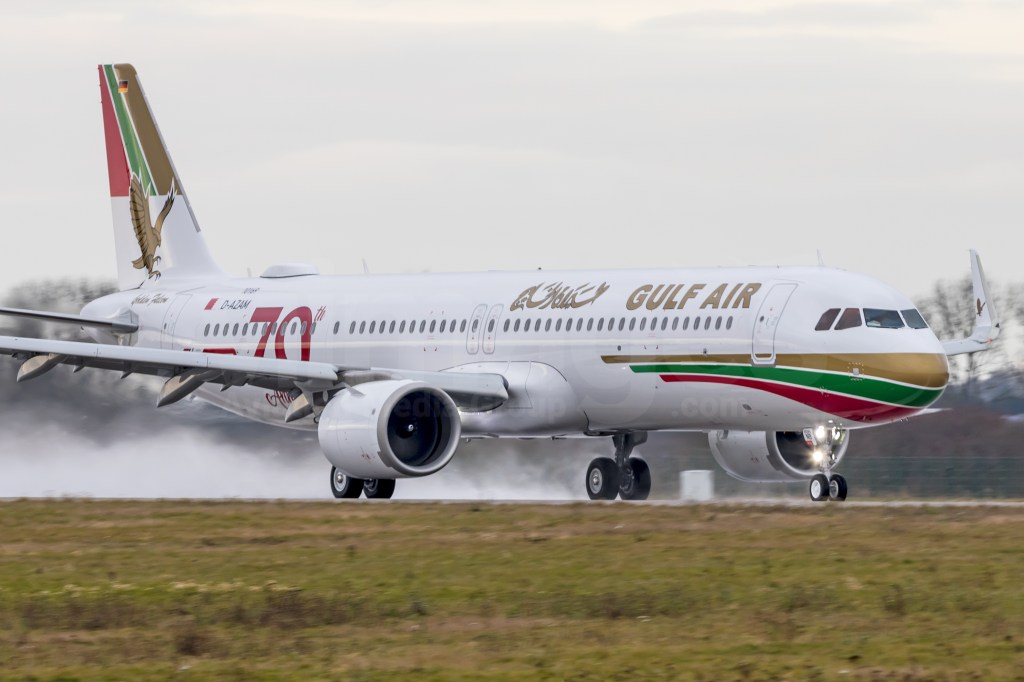


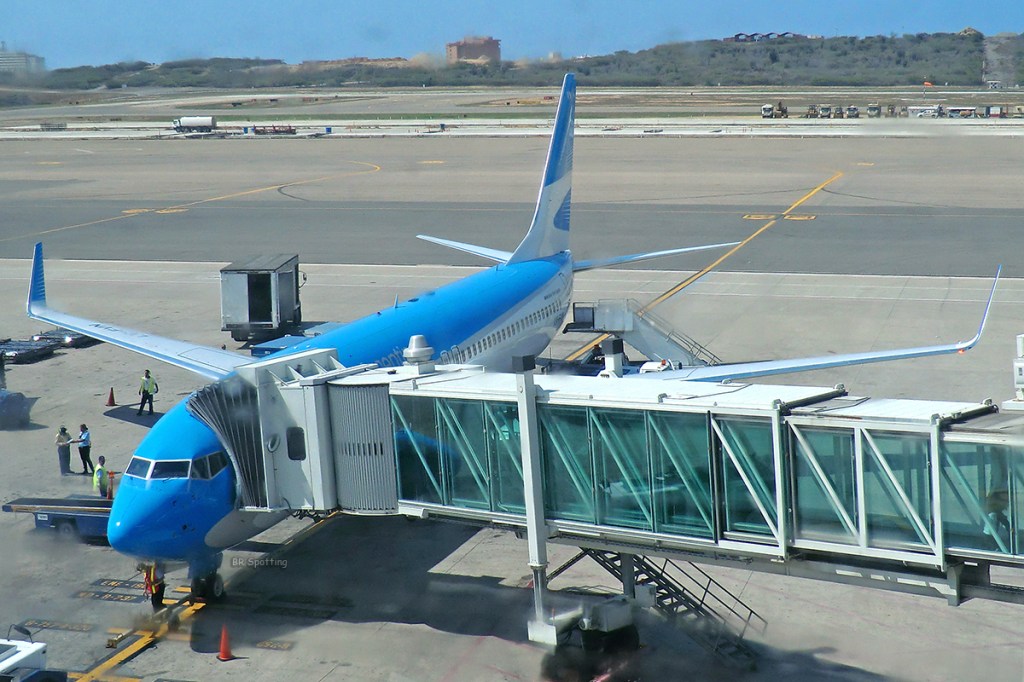

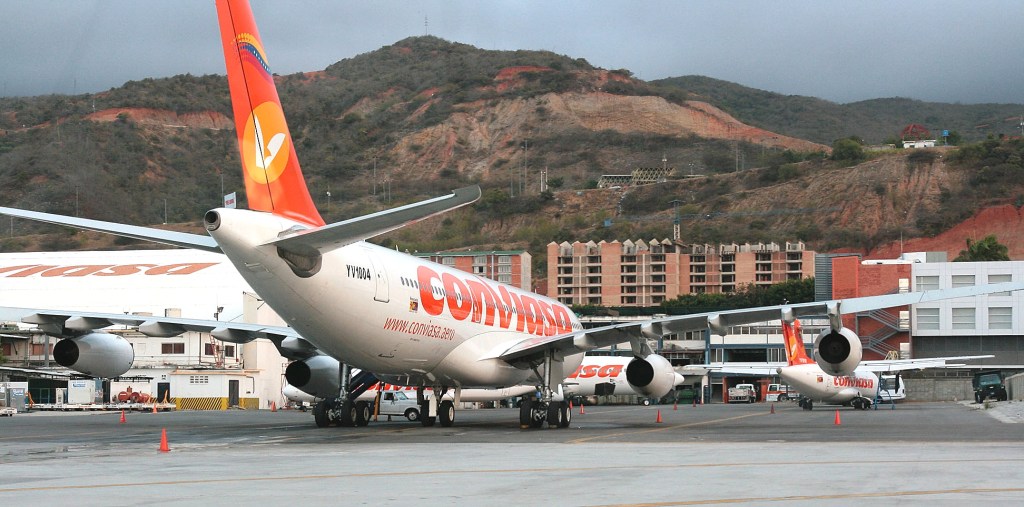




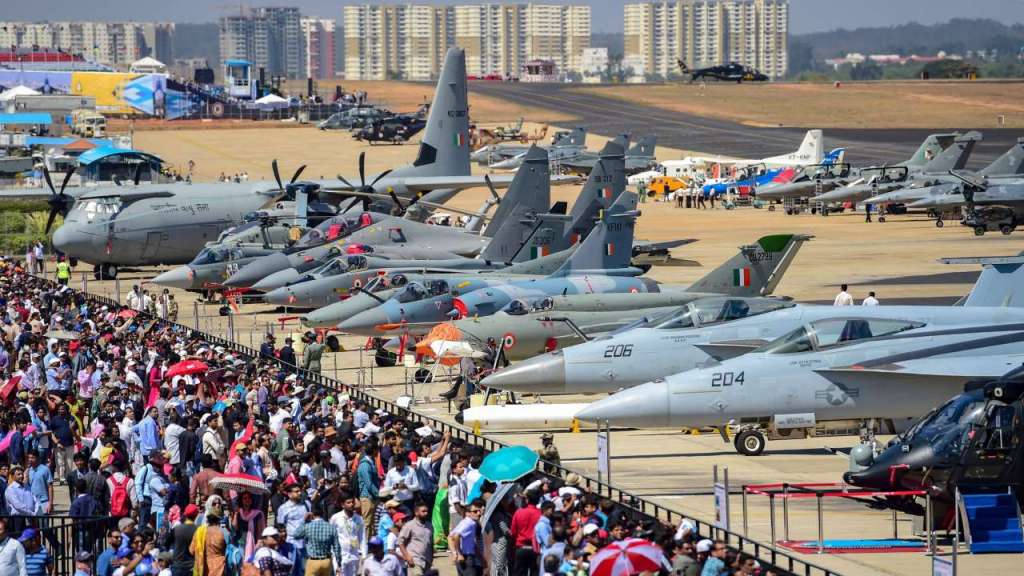

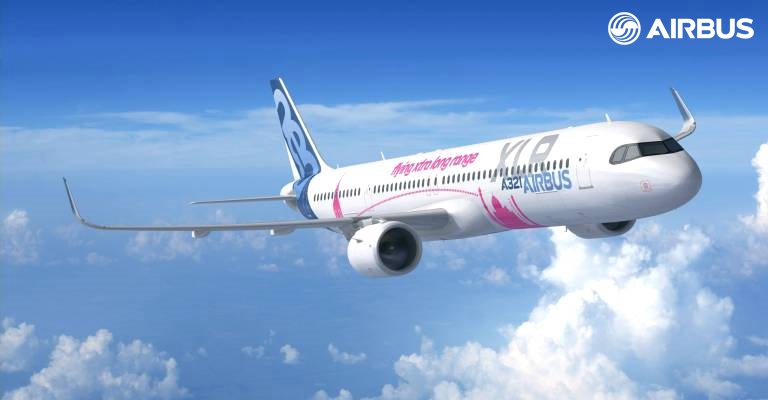

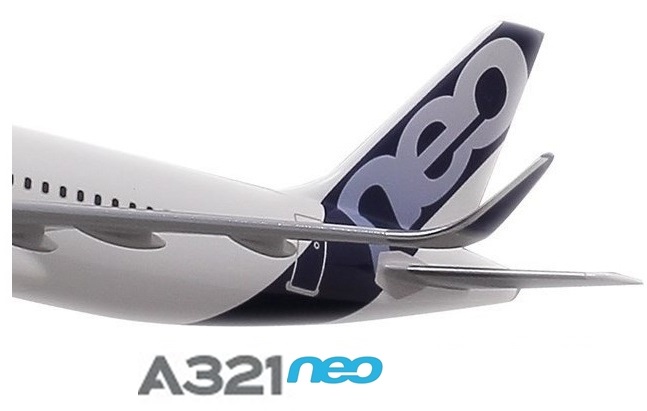

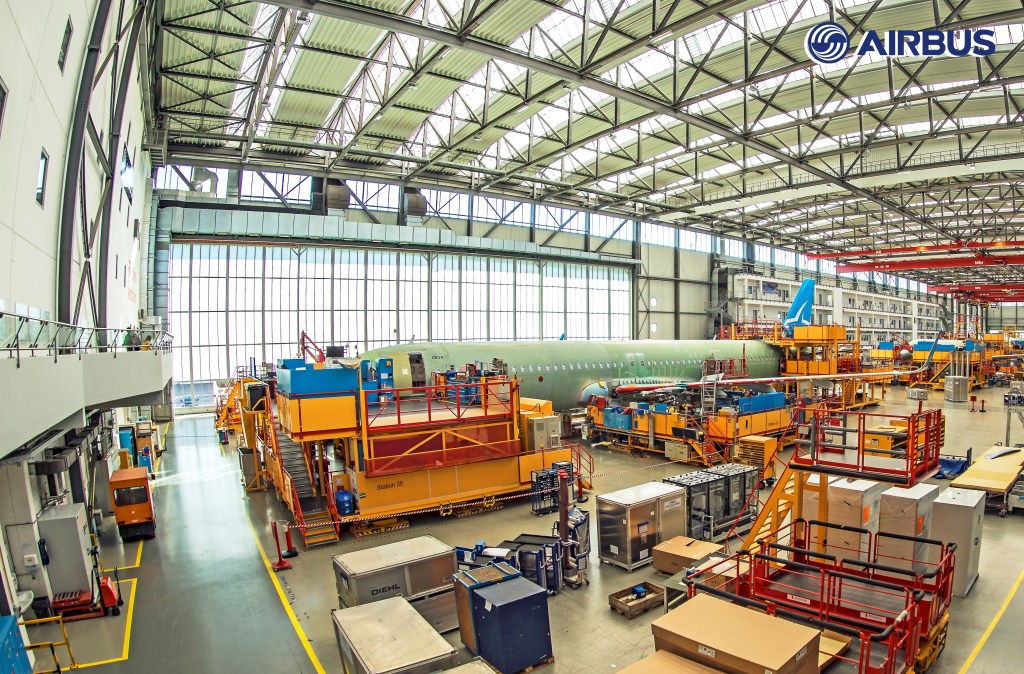


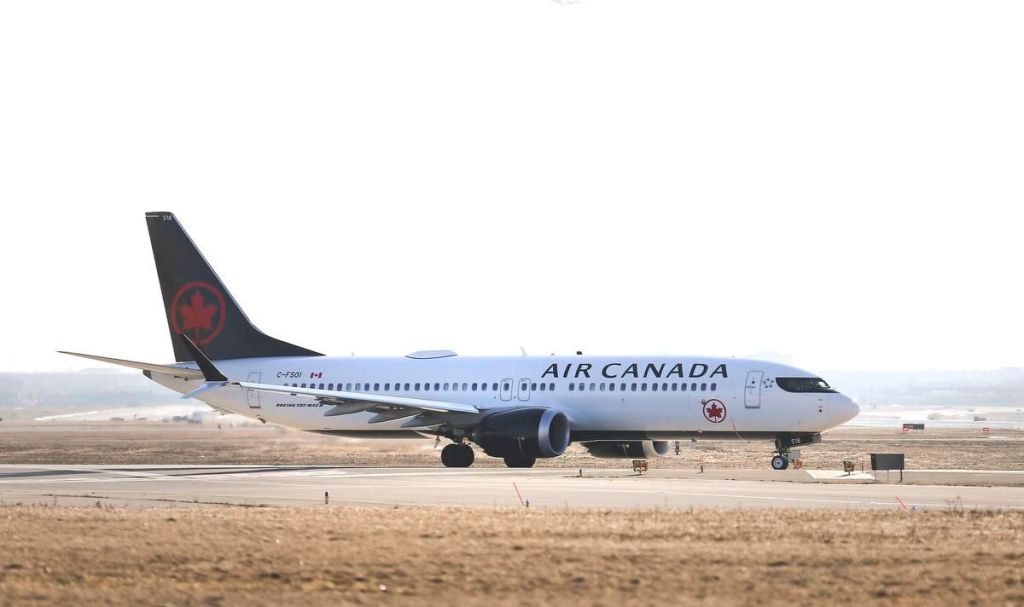

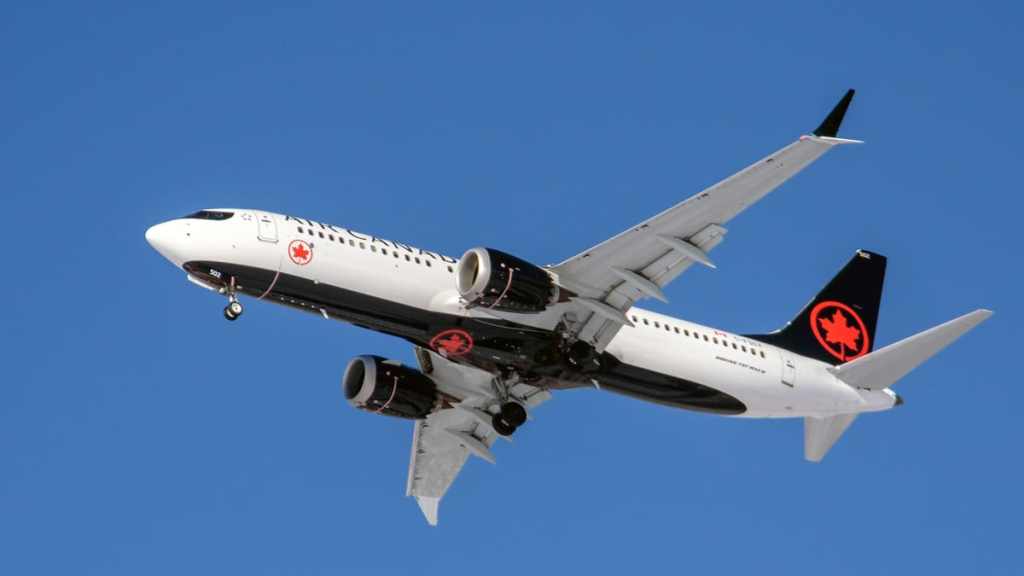

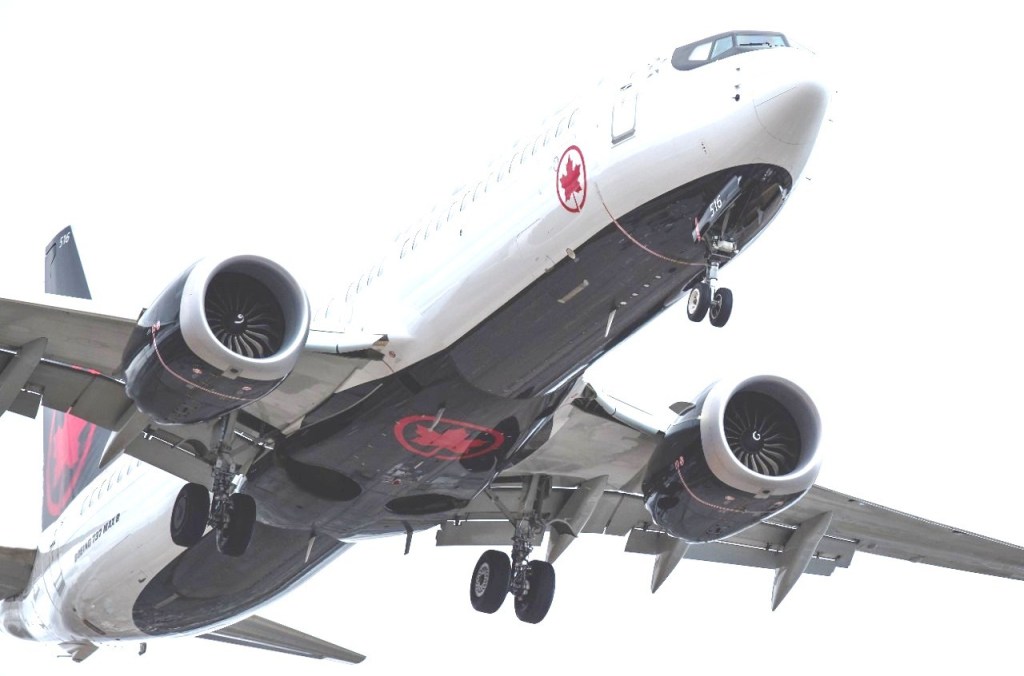


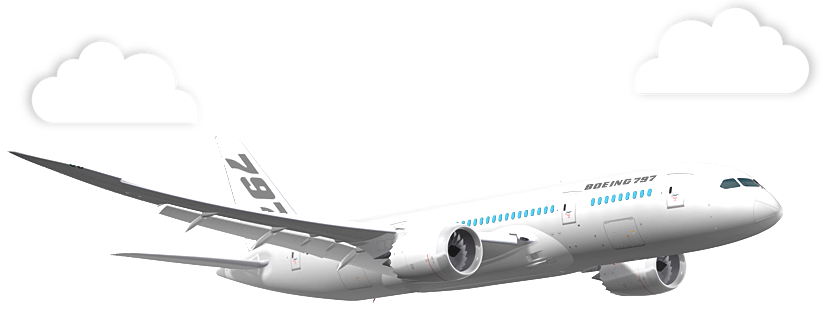


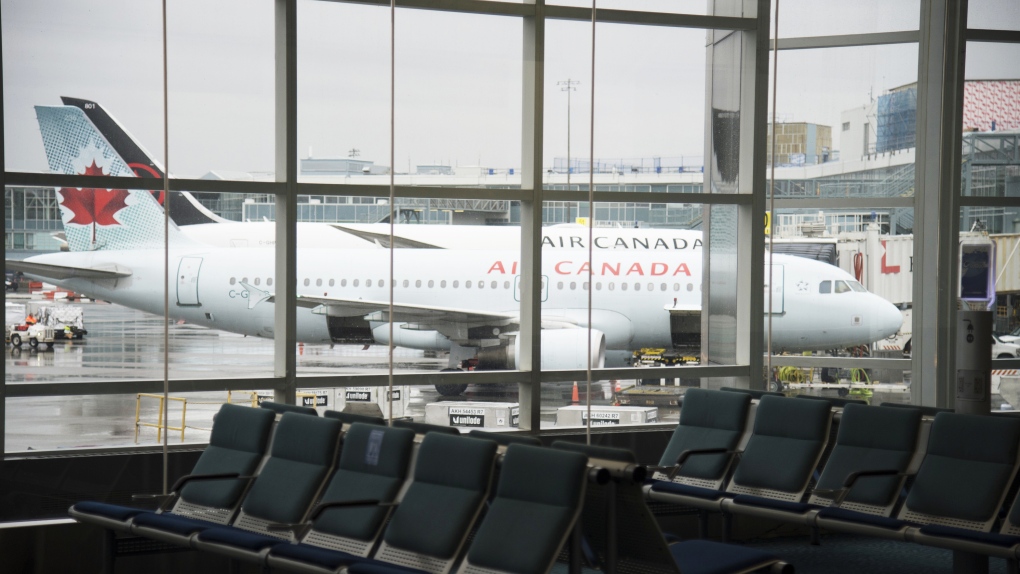
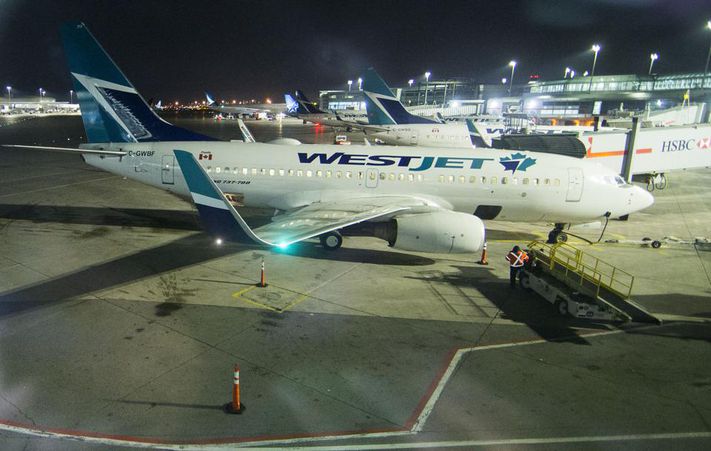
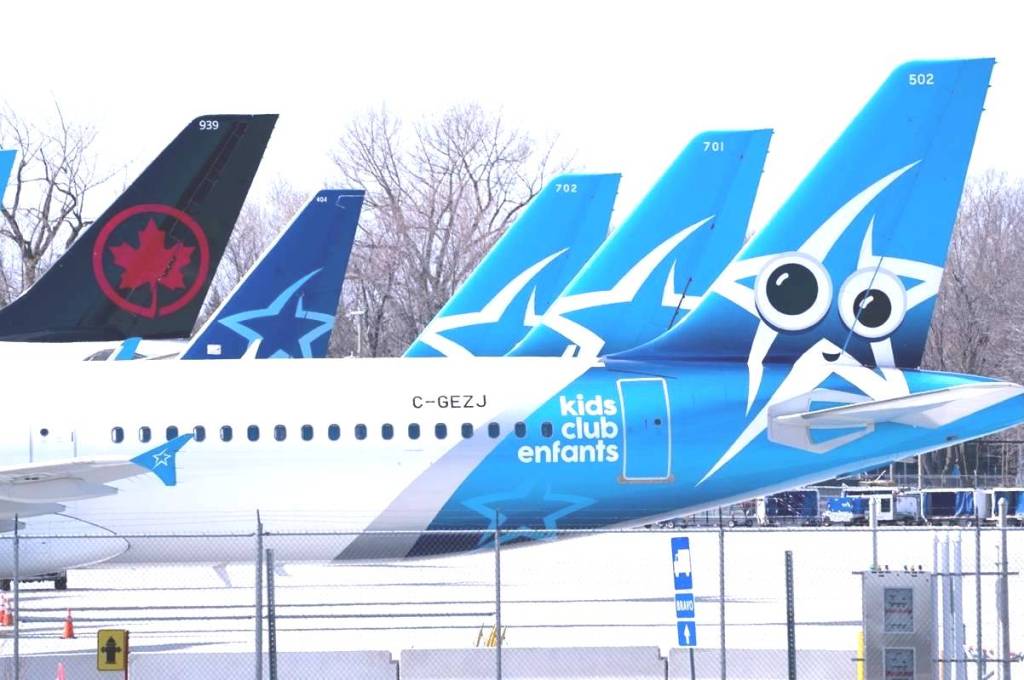
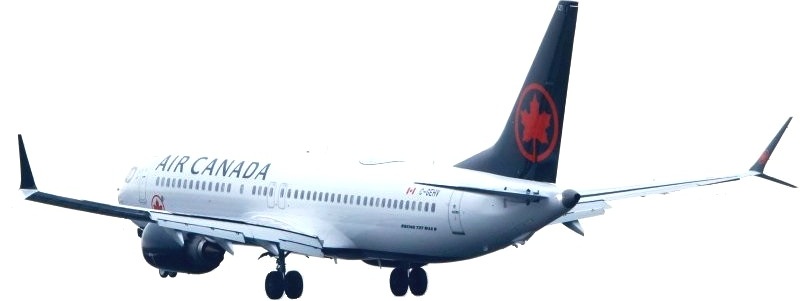
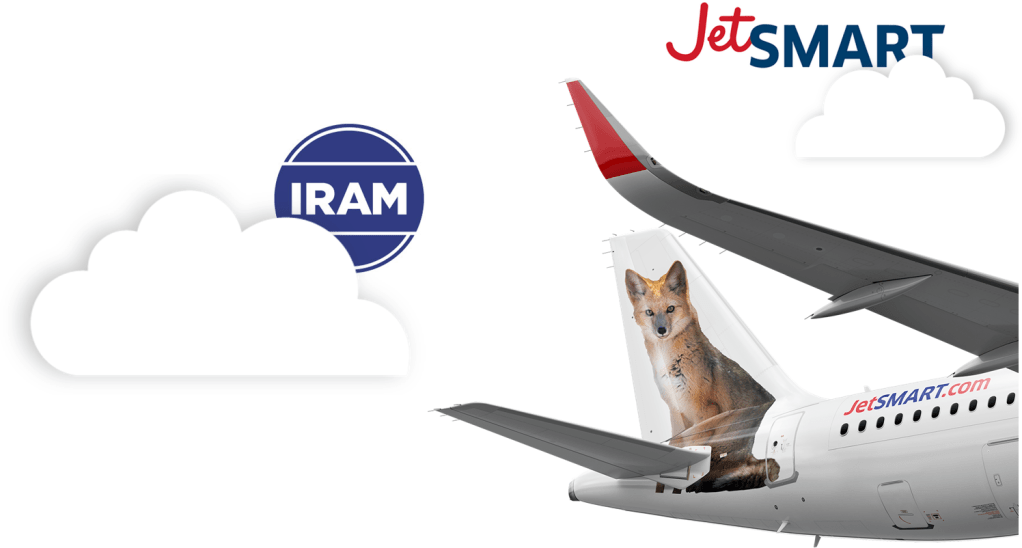

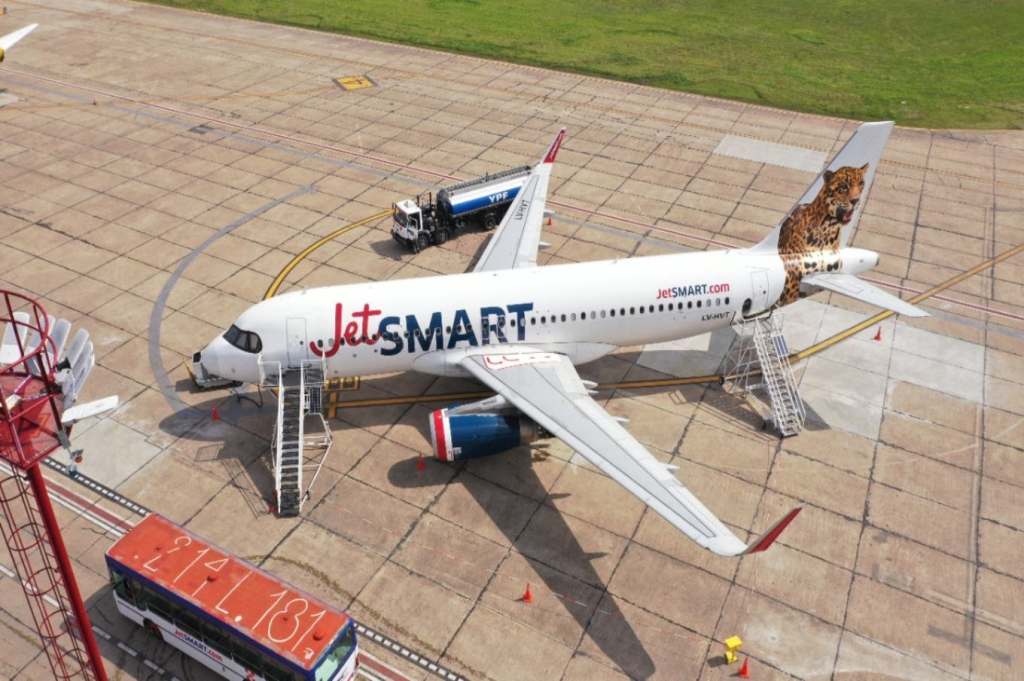
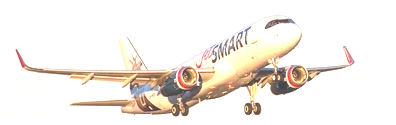
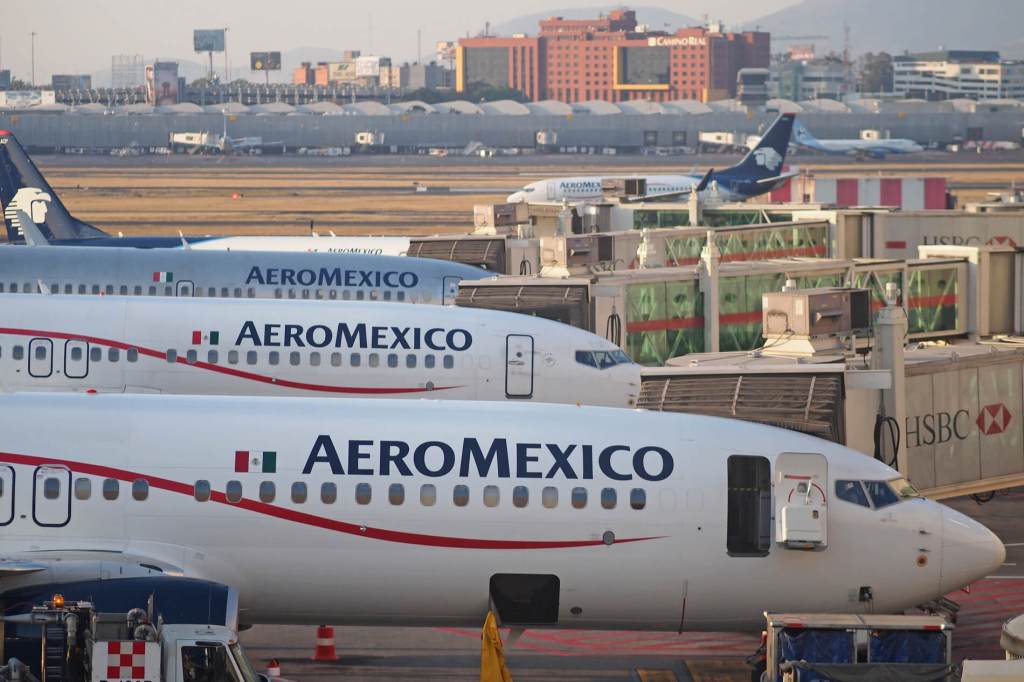

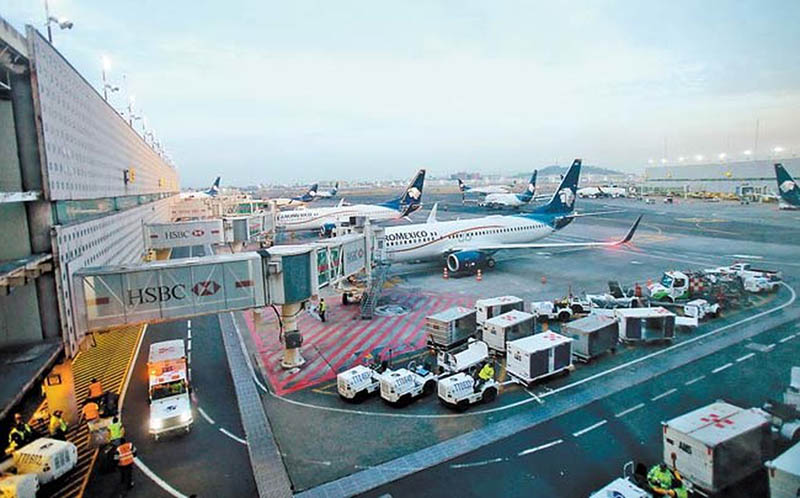
 airgways.com