Starliner avanza hacia el 2021
AW | 2020 11 26 01:10 | AEROSPACE

Segundo intento de Boeing prueba de vuelo Starliner avanza en 2021

Starliner_Isologotype - copia

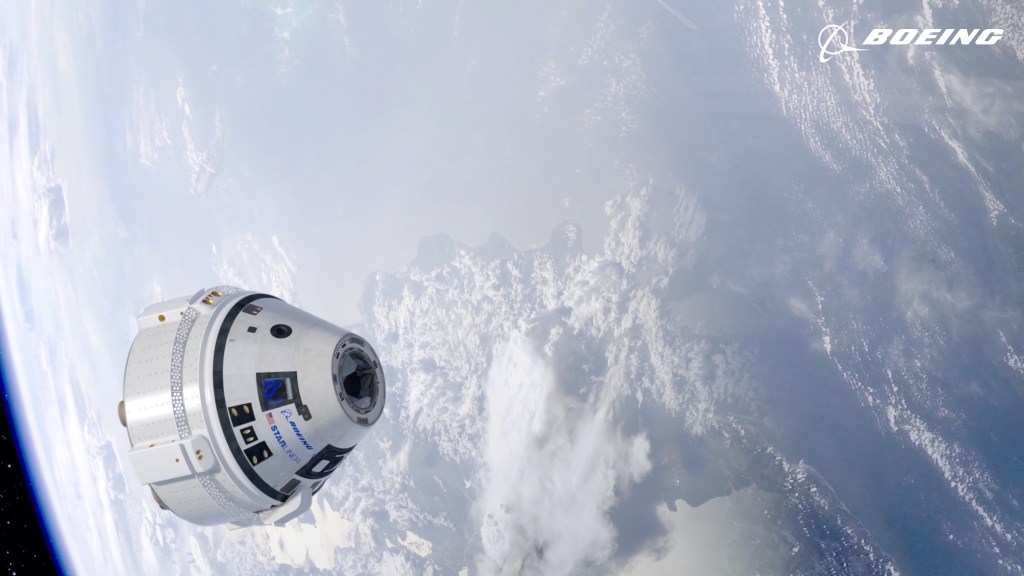
Dos días antes de que SpaceX lanzara su primera misión operativa con cuatro astronautas a bordo, Suni Williams, que se está entrenando para ser el Comandante de la segunda misión tripulada de The Boeing Company, deseó lo mejor a sus colegas con solo un toque de nostalgia. “Será increíble verlos llegar a la Estación Espacial Internacional (ISS) y estar allí trabajando durante los próximos seis meses. Espero específicamente verlos vivir allí porque nuestra tripulación, mi tripulación, será la tripulación complementaria del Boeing Starliner». Suni Williams tiene al menos otro año para esperar hasta que sea su turno.

La NASA estima que Boeing no estará listo para un segundo intento de un vuelo de prueba sin tripulación hasta el primer trimestre de 2021, con el inicio de vuelos operativos con tripulación posiblemente a fines del próximo año. Boeing y SpaceX habían estado desarrollando y probando las respectivas naves espaciales de las compañías para el Programa de Tripulación Comercial de la NASA, desde que fueron elegidas por la NASA en 2014 para construir naves espaciales capaces de llevar humanos a la ISS. Pero los problemas de software hicieron que el Starliner de Boeing no pudiera acoplarse con la estación espacial durante su primera prueba de vuelo orbital en Diciembre de 2019. Mientras tanto, SpaceX ha eliminado su prueba de vuelo orbital sin tripulación, la prueba de vuelo con tripulación y ahora el primer vuelo operativo de cuatro astronautas. La tripulación atracó con éxito en la Estación Espacial Internacional unas 27 horas después.

En un movimiento que señala la necesidad de Boeing de fortalecer su equipo técnico, la compañía contrató a la ex líder de software de SpaceX, Jinnah Hosein, a principios de este mes. Jinnah Hosein llega a la mesa con una experiencia que podría ser especialmente útil con el Programa Starliner. En SpaceX, Jinnah Hosein dirigió el desarrollo de software para Falcon, Falcon Heavy, Dragon y Crew Dragon. Ahora, Vicepresidente de Ingeniería de software de Boeing, se centrará en el software en toda la empresa.

Richard Aboulafia, analista de aviación y aeroespacial de Teal Group, cree que esta contratación es un paso importante para que Boeing vuelva a encarrilarse. «Ha habido una des-priorización de las habilidades técnicas y de ingeniería y, de hecho, un desempoderamiento del personal técnico que tienen, así que fueron buenas noticias», dijo Richard Aboulafia.

Steve Stich, Gerente del Programa de Tripulación Comercial de la NASA, reiteró que están enfocados en solucionar los problemas de software. “Hemos estado trabajando mano a mano con Boeing. Han trabajado muchísimo en su vehículo. Continúan procesando ese vehículo para OFT. El elemento del ritmo realmente es preparar el software para funcionar», dijo Steve Stich en una llamada con los periodistas. Además de Starliner, la división espacial también está lidiando con una investigación criminal sobre afirmaciones de que la compañía utilizó información privilegiada para ofertar por un contrato de aterrizaje lunar de la NASA.

Boeing también se está recuperando de los desastres del 737 MAX. Los analistas estiman que las pérdidas del programa oscilan entre US$ 20 mil millones y US$ 25 mil millones. Después de 20 meses de estar en tierra, la FAA autorizó a Boeing a reanudar el servicio de pasajeros del 737 MAX el 18 de Noviembre de 2020, pero Richard Aboulafia dice que tomará uno o dos años antes de que la compañía tenga un flujo de caja positivo. «Es una gran deuda que han contraído y pasará un tiempo antes de que cambie el panorama», dijo Richard Aboulafia.

A pesar de sus problemas financieros, Boeing está pagando de su bolsillo el nuevo vuelo orbital debido a su compromiso con la seguridad y la calidad. La compañía anunció en Enero 2020 que había presupuestado US$ 410 millones de Dólares para otro vuelo de prueba. Para recuperar el tiempo perdido, Boeing está actualizando la nave espacial Starliner para que esté lista para los humanos. El vehículo utilizado en el próximo vuelo de prueba será el mismo que se utilizó para el vuelo con tripulación de la astronauta Suni Williams. “La próxima nave espacial que suba al OFT-2 estará esencialmente lista para que haya gente a bordo. Por lo que es un poco diferente de OFT-1, donde no teníamos todos los sistemas en su lugar. Así que es un poco más diligente que estemos trabajando en la nave espacial», expresó la astronauta.

Cosmonautas Americanos-rusos

Todavía no es una certeza, pero al menos algo se está moviendo diplomáticamente! Según un nuevo informe, la NASA ha propuesto volar cosmonautas rusos con cápsulas de SpaceX y Boeing para llegar a la ISS. ¿Un signo de colaboración cada vez más estrecha? Según los rumores, esta propuesta de la agencia espacial estadounidense está vinculada a la posibilidad de seguir utilizando la Soyuz rusa para llegar a la ISS. Ahora que SpaceX ha pasado las pruebas (con Demo-2 y Crew-1) y Estados Unidos está de vuelta independiente para los lanzamientos, la oferta podría ser tentadora.

Perspectivas Starliner

Si todo va bien con el vuelo de prueba a principios de 2021, Suni Williams dijo que se espera que el primer vuelo tripulado con los astronautas Barry Wilmore, Nicole Mann y Michael Fincke sea en la primavera, lo que pondría el vuelo tripulado de Williams a fines de 2021. “También tenemos que preocuparnos por qué puertos están abiertos en la estación espacial. Se está llenando un poco de espacio y eso es algo realmente bueno y tendremos que trabajar en el calendario», dijo Suni Williams.

SpaceX dice que durante los próximos 15 meses volará ocho misiones de carga y Crew Dragon. Boeing continúa procesando los vehículos Starliner en sus instalaciones en el Centro Espacial Kennedy.

Starliner moves towards 2021
Boeing’s second attempt at Starliner flight test moves further in 2021

Two days before SpaceX launched its first operational mission with four astronauts on board, Suni Williams, who is training to be the Commander of The Boeing Company second manned mission, wished his colleagues the best with just a hint of nostalgia. “It will be amazing to see them arrive at the International Space Station and be there working for the next six months. I specifically look forward to seeing them live there because our crew, my crew, will be the supplemental crew of the Boeing Starliner”, Suni Williams has at least another year to wait until it’s his turn.

AW-Boeing_Starliner

NASA estimates that Boeing will not be ready for a second attempt at an unmanned test flight until the first quarter of 2021, with operational crewed flights starting possibly late next year. Boeing and SpaceX had been developing and testing the companies’ respective spacecraft for NASA’s Commercial Crew Program, since they were chosen by NASA in 2014 to build spacecraft capable of bringing humans to the ISS. But software problems made Boeing’s Starliner unable to dock with the space station during its first orbital flight test in December 2019. In the meantime, SpaceX has phased out its unmanned orbital flight test, the crewed flight test. and now the first operational flight of four astronauts. The crew successfully docked at the International Space Station some 27 hours later.

In a move that signals Boeing’s need to strengthen its technical team, the company hired former SpaceX software leader Jinnah Hosein earlier this month. Jinnah Hosein comes to the table with an experience that could be especially helpful with the Starliner Program. At SpaceX, Jinnah Hosein led software development for Falcon, Falcon Heavy, Dragon, and Crew Dragon. Now Vice President of Software Engineering at Boeing, he will focus on software across the enterprise.

Richard Aboulafia, an aviation and aerospace analyst at Teal Group, believes this hiring is an important step in getting Boeing back on track. «There has been a de-prioritization of technical and engineering skills and, indeed, disempowerment of the technical staff that they have, so it was good news», said Richard Aboulafia.

Steve Stich, NASA Commercial Crew Program Manager, reiterated that they are focused on solving software problems. “We have been working hand in hand with Boeing. They have done a lot of work on your vehicle. They continue to process that vehicle for OFT. The element of pacing is really getting the software ready to go», Steve Stich said in a call with reporters. In addition to Starliner, the space division is also dealing with a criminal investigation into claims that the company used inside information to bid for a NASA lunar landing contract.

Boeing is also recovering from the 737 MAX disasters. Analysts estimate the program’s losses to range from US$ 20 billion to US$ 25 billion. After 20 months of being on the ground, the FAA authorized Boeing to resume passenger service of the 737 MAX on November 18, 2020, but Richard Aboulafia says it will take a year or two before the company has a cash flow. positive. «It is a great debt that they have incurred and it will be a while before the picture changes», said Richard Aboulafia.

Despite its financial problems, Boeing is paying out of pocket for the new orbital flight because of its commitment to safety and quality. The company announced in January that it had budgeted US$ 410 million for another test flight. To make up for lost time, Boeing is updating the Starliner spacecraft to be human-ready. The vehicle used on the next test flight will be the same as the one used for astronaut Suni Williams’ crewed flight. “The next spacecraft to board OFT-2 will be essentially ready for people on board. So it is a bit different from OFT-1, where we didn’t have all systems in place. So it is a little more diligent that we are working on the spacecraft», said the astronaut.

American-Russian cosmonauts

It is still not a certainty, but at least something is moving diplomatically! According to a new report, NASA has proposed flying Russian cosmonauts with SpaceX and Boeing capsules to reach the ISS. A sign of ever closer collaboration? According to rumors, this proposal by the US space agency is linked to the possibility of continuing to use the Russian Soyuz to reach the ISS. Now that SpaceX has passed the tests (with Demo-2 and Crew-1) and the United States is back independent for launches, the offer could be tempting.

Starliner Operspective

If all goes well with the test flight in early 2021, Suni Williams said that the first manned flight with astronauts Barry Wilmore, Nicole Mann and Michael Fincke is expected to be in the spring, which would put Williams’ manned flight on track. late 2021. “We also have to worry about which ports are open on the space station. It’s filling up a little bit of space and that’s a really good thing and we’ll have to work on the schedule», Suni Williams said.

SpaceX says it will fly eight cargo and Crew Dragon missions over the next 15 months. Boeing continues to process Starliner vehicles at its facility at the Kennedy Space Center.


PUBLISHER: Airgways.com
DBk: Nasa.gov / Boeing.com / Floridatoday.com / Airgways.com
AW-POST: 202011260110AR

A\W   A I R G W A Y S ®
Unificación sindicatos APLA-UALA

AW | 2020 11 25 11:40 | AIRLINES / AVIATION ORGANISMS

Gremio pilotos APLA absorbe a sindicato UALA de Austral

AW-APLA_UALA

El acuerdo de integración establecido por el Gobierno de Argentina bajo el paraguas de las fuertes reestructuraciones de las aerolíneas por los efectos de la pandemia, ha llevado a varias negociaciones dentro del Grupo Aerolíneas para conformar una sola sindicatura gremial de los pilotos de Aerolíneas Argentinas y Austral Líneas Aéreas. El acuerdo establecido a principios de 11/2020 establecía el compromiso para alcanzar la unificación de los afiliados aeronáuticos. La Asociación de Pilotos de Líneas Aéreas (APLA), liderado por Pablo Biró, absorbe a sus colegas de la Unión de Aviadores de Líneas Aéreas (UALA), por lo que esta entidad gremial queda sin efectos.

La afiliación de los pilotos de Austral a partir de 12/2020 forma parte del proceso de integración que continúa llevándose a cabo en Aerolíneas/Austral. Este proceso de acuerdo de integración laboral rubricado se establece en el marco de la fusión de Aerolíneas Argentinas y Austral Líneas Aéreas.

Cronología Aerolíneas/Austral

La larga historia de la integración por parte del Estado de Aerolíneas Argentinas y Austral Líneas Aéreas en la década de 1990, cuando los pilotos abandonaron el gremio de APLA y conformaron una nueva agrupación llamada UALA. A partir de entonces siempre han existido recelos e intentos fallidos de absorciones. Pero ante la parálisis mundial por la crisis sanitaria, Aerolíneas Argentinas ha visto la tormenta perfecta para cumplir su viejo anhelo, de absorber a su filial Austral. «Ante la inminente integración de los trabajadores de Austral y Aerolíneas Argentinas, estamos avanzando en el proceso para que los pilotos hoy representados por UALA puedan afiliarse a APLA de una forma ordenada a partir de Diciembre», dijo el sindicato APLA en un comunicado.

Bajo la consigna la compañía esbozaba un plan de reducción de los costos en un proceso de fusión que ahorraría al grupo en cifras cercanas a US$ 100 millones de Dólares anuales.

AW-Austral-E190_002

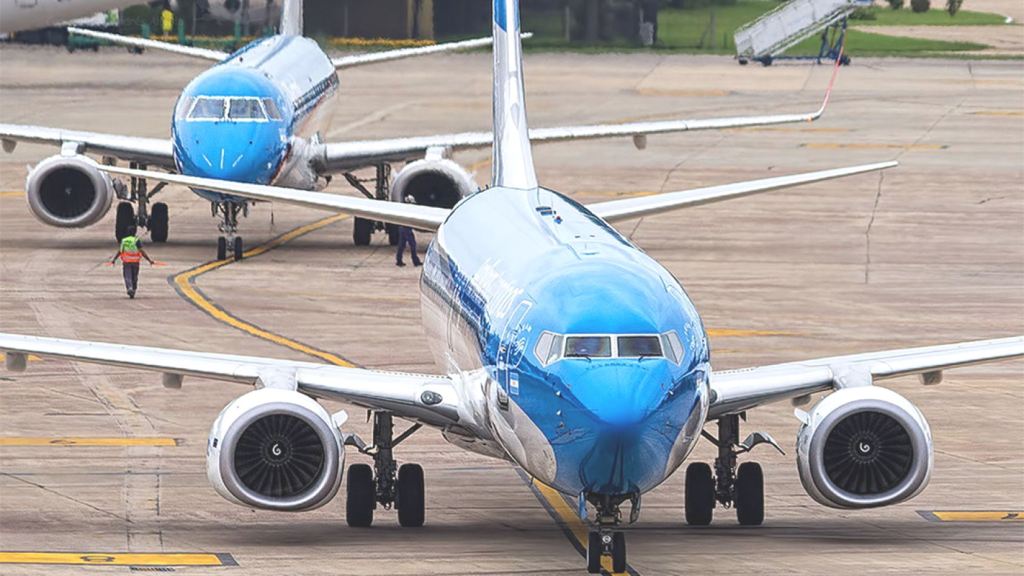
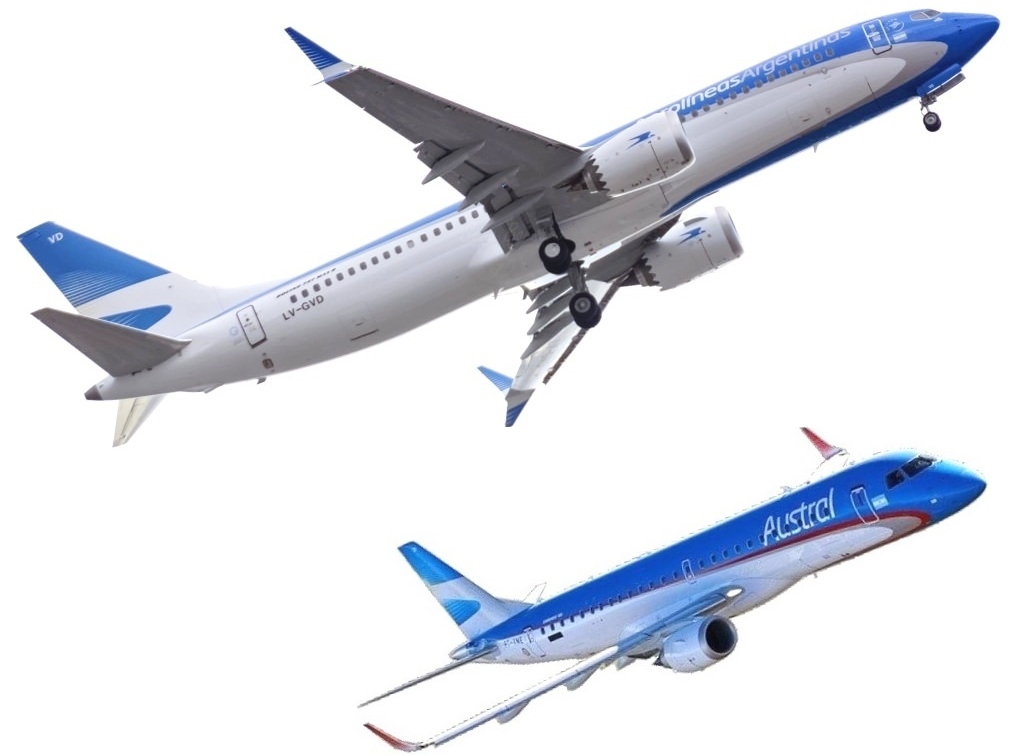
Las negociaciones por parte de los sindicatos de APLA y UALA continuaban trabadas en el ápice de la cuestión de las escalafones de los pilotos de Austral referentes al proceso de integración con Aerolíneas. Las acciones más trabadas era cómo integrar a los pilotos de Austral que vuelan aeronaves Embraer E190 con los pilotos de Aerolíneas Argentinas que comandan Boeing 737 y Airbus A330.

«En estos últimos días mantuvimos reuniones con la Comisión Directiva de UALA y delegados de Aerolíneas Argentinas y Austral. En este marco, tratamos distintos aspectos para seguir trabajando en la unidad de los pilotos argentinos, entendiendo que teníamos por delante un desafío sin precedentes […] así alcanzamos el acuerdo de fusión laboral firmado el 2 de Octubre de 2020», expresa el comunicado de APLA.

Perspectivas Aerolíneas/Austral

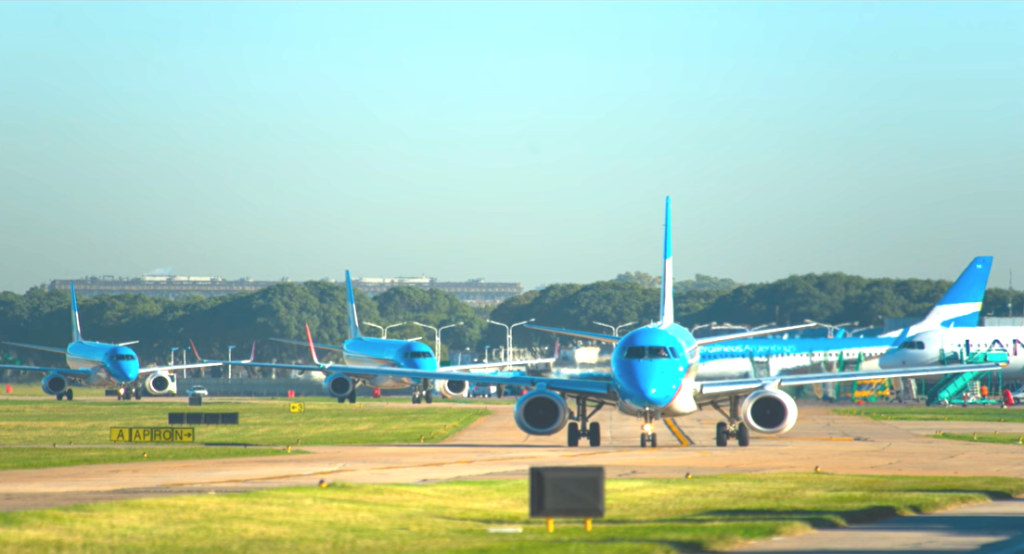
El proceso alcanzado de sinergia entre Aerolíneas Argentinas y Austral Líneas Aéreas ha sido logrado en parte. El titular del gremio de APLA, Pablo Biró, ha expresado que han «alcanzado el acuerdo de fusión laboral», entendiendo que la fusión APLA-UALA se ha logrado entre las partes involucradas satisfactoriamente. En datos concretos, no se ha alcanzado una fusión integral de empresas, sino más bien, de una integración de sus afiliados. En un intento de morigerar el mensaje de sinergia total, Austral Líneas Aéreas continuará viva, pero en los papeles, mientras que en su imagen corporativa volará bajo las alas de Aerolíneas Argentinas.

APLA-UALA of unions unification

The APLA pilots union absorbs the Austral union UALA

The integration agreement established by the Government of Argentina under the umbrella of the strong restructuring of the airlines due to the effects of the pandemic, has led to several negotiations within the Aerolíneas Group to form a single union union of the pilots of Aerolíneas Argentinas and Austral Líneas Aéreas. The agreement established at the beginning of 11/2020 established the commitment to achieve the unification of the aeronautical affiliates. The Airline Pilots Association (APLA), led by Pablo Biró, absorbs his colleagues from the Union of Airline Aviators (UALA), so this union entity is without effect.

The affiliation of Austral pilots as of 12/2020 is part of the integration process that continues to be carried out at Aerolíneas/Austral. This initialed labor integration agreement process is established within the framework of the merger of Aerolíneas Argentinas and Austral Líneas Aéreas.

Aerolíneas/Austral chronology

AW-AR-AU_700

The long history of the integration by the State of Aerolíneas Argentinas and Austral Líneas Aéreas in the 1990s, when the pilots left the APLA union and formed a new group called UALA. Since then there have always been misgivings and unsuccessful attempts to absorb. But in the face of global paralysis due to the health crisis, Aerolíneas Argentinas has seen the perfect storm to fulfill its old desire, to absorb its Austral subsidiary. «Given the imminent integration of Austral and Aerolíneas Argentinas workers, we are advancing in the process so that the pilots today represented by UALA can join APLA in an orderly manner as of December», the APLA union said in a statement.

Under this slogan, the company outlined a plan to reduce costs in a merger process that would save the group in figures close to US$ 100 million annually.

Negotiations on the part of the APLA and UALA unions continued to be stuck at the apex of the issue of the ranks of Austral pilots regarding the integration process with Aerolíneas. The most difficult actions were how to integrate the Austral pilots who fly Embraer E190 aircraft with the Aerolíneas Argentinas pilots who command Boeing 737 and Airbus A330.

«In recent days we held meetings with the UALA Board of Directors and delegates from Aerolíneas Argentinas and Austral. In this framework, we dealt with different aspects to continue working in the unit of Argentine pilots, understanding that we had an unprecedented challenge ahead [.. .] thus we reached the labor merger agreement signed on October 2, 2020», says the APLA statement.

Perspectives Aerolíneas/Austral

The synergy process achieved between Aerolíneas Argentinas and Austral Líneas Aéreas has been partially achieved. The head of the APLA union, Pablo Biró, has stated that they have «reached the labor merger agreement», understanding that the APLA-UALA merger has been successfully achieved between the parties involved. In concrete data, a comprehensive merger of companies has not been achieved, but rather, an integration of their affiliates. In an attempt to temper the message of total synergy, Austral Líneas Aéreas will continue to live, but on paper, while in its corporate image it will fly under the wings of Aerolíneas Argentinas.

PUBLISHER: Airgways.com
DBk: Apla.org.ar / Uala.org.ar / Aerolineas.com / Beiting.com / Airgways.com
AW-POST: 202011251140AR

A\W   A I R G W A Y S ®

Ampliación Aeródromo Balmaceda

AW | 2020 11 24 22:16 | AIRPORTS / GOVERMENT

Reacondicionamiento Aeródromo Balmaceda, Chile

AW-Aeeródromo Balmaceda_Chile

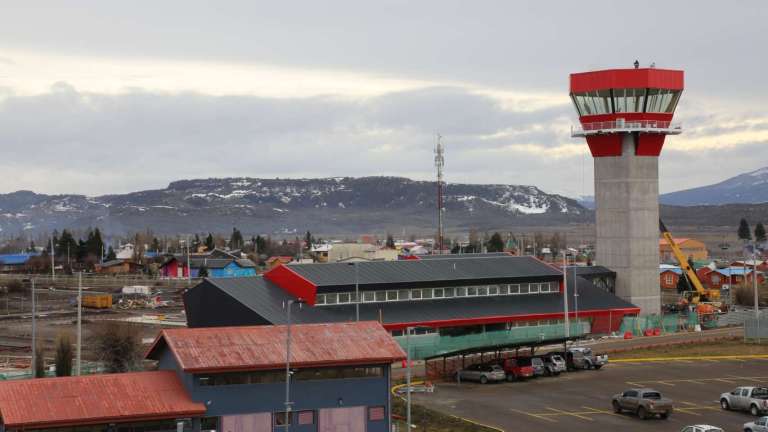
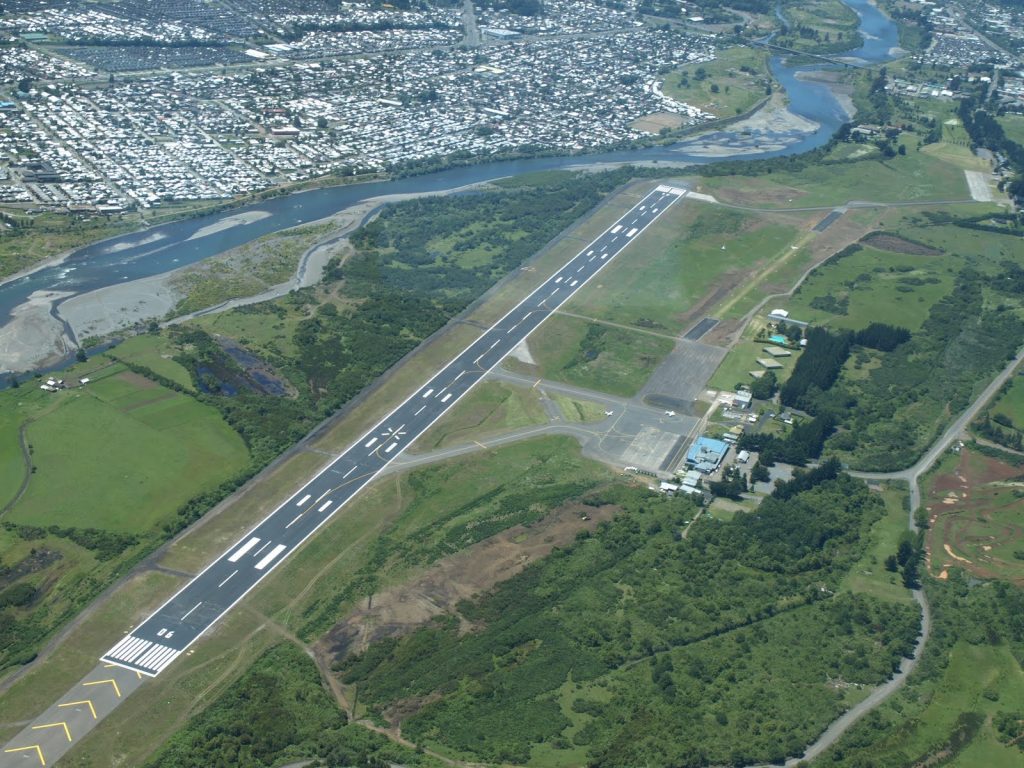
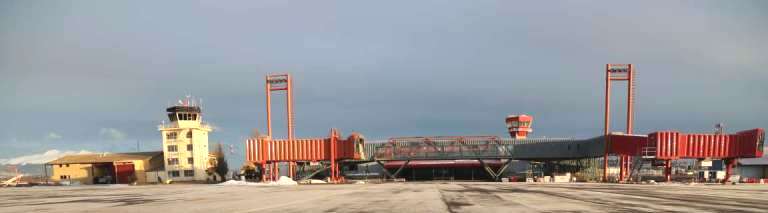
El Aeródromo Balmaceda de la Región Aysén, en la República de Chile iniciará la primera obra concesionada par ala ampliación de la superficie del Terminal aérea, pasará de los actuales 2.400 m2 a 12.391 m2, lo que representa un incremento de 416%. El aumento de capacidad también contempla 272 estacionamientos, entre otros. Esta obra ocupará 160 personas como mano de obra mensual y ocasionará importante movimiento en la economía local y regional, acción que ha impulsado el Gobierno de Chile en el marco del Plan Paso a Paso Chile se Recupera.

El Ministerio de Obras Públicas en la Región Metropolitana, el Secretario Regional Ministerial de Obras Públicas Néstor Mera Muñoz junto al Director Regional de Aeropuertos del MOP, Alejandro Cifuentes Celedón participaron en la apertura de las ofertas técnicas para construir y concesionar un nuevo Aeródromo en la localidad de Balmaceda, Región Aysén. Con este acto administrativo se pone en marcha el proceso que continuará el próximo 22 de Diciembre de 2020 con la apertura de las ofertas económicas y cronograma programado, la adjudicación de esta obra podría realizarse el primer semestre del año 2021. Al respecto, la Directora Nacional de Aeropuertos indicó “este es un hito muy importante en el desarrollo del Plan de Aeropuertos que anunció el presidente Sebastián Piñera en junio del año 2019. Hoy con esta apertura de las ofertas técnicas estamos dando un avance importante en este proceso que involucra tanto a la región de Aysén como a Magallanes, quienes van a poder contar con una infraestructura ampliada duplicando capacidad y con equipamiento de última tecnología, todo gracias a la licitación que se abrió hoy en la que hemos recibido esta oferta, lo que nos tiene muy contentos”.

La imagen tiene un atributo ALT vacío; su nombre de archivo es aw-dgac.gob_.cl_aerodromo-balmaceda_002.jpg

Por su parte, el SEREMI del MOP, Néstor Mera Muñoz luego de terminar el proceso de recepción de ofertas de la futura concesión de la Red Aeroportuaria Austral, destacó: “Nosotros estamos muy interesados como región de Aysén en lo que va a ocurrir en Balmaceda, en donde esperamos tener un cambio realmente profundo y completo respecto de lo que va a ser nuestro sistema de transporte aéreo. Ha llegado una oferta del Consorcio Austral de Aeropuertos conformado por la empresa Cointer Chile S.A. que tiene experiencia en esta área en la zona norte del país y que presenta un grupo de inversionistas muy potente, por lo tanto esta única oferta que se ha recibido esperamos que cumpla con todos los requisitos y de aquí a un mes más, 22/12, abramos la oferta económica para dar paso al anhelado sueño que tenemos como región de Aysén, de hacer este profundo cambio para la principal puerta de entrada a esta zona del país. Esta obra considera un presupuesto estimado de 166 millones de dólares (UF 3.965) permitirá atender a un mayor número de vuelos de pasajeros y de carga, y en su etapa de construcción generará 160 empleos promedio mensuales, lo que contribuirá a la reactivación económica de nuestra región”.

Hasta Septiembre 2020, se han atendido 229.457 pasajeros en el Aeródromo de Balmaceda y en el año 2019 se embarcaron 684.470 pasajeros. En este contexto, el Director de Aeropuertos del MOP en la región de Aysén, Alejandro Cifuentes Celedón, señaló que con esta apertura de ofertas se concluye un largo proceso, y agregó “esta obra ha sido muy esperada por la comunidad y ha significado llegar al final de una larga etapa de trabajo conjunto por varios años con nuestra Dirección Nacional de Aeropuertos. Hoy llegamos al término de un proceso, el que da paso a un nuevo comienzo para tener en Balmaceda, que es nuestra Red Primaria Aeroportuaria, un Aeródromo de la envergadura que se merece la región”.

Balmaceda Aerodrome expansion

Balmaceda Aerodrome reconditioning, Chile

The Balmaceda Aerodrome in the Aysén Region, in the Republic of Chile, will begin the first work under concession for the expansion of the air terminal area, going from the current 2,400 m2 to 12,391 m2, which represents an increase of 416%. The capacity increase also includes 272 parking spaces, among others. This work will employ 160 people as a monthly workforce and will cause significant movement in the local and regional economy, an action promoted by the Government of Chile within the framework of the Chile Se Recupera Step by Step Plan.

The Ministry of Public Works in the Metropolitan Region, the Ministerial Regional Secretary of Public Works Néstor Mera Muñoz together with the Regional Director of Airports of the MOP, Alejandro Cifuentes Celedón participated in the opening of the technical offers to build and concession a new Aerodrome in the town from Balmaceda, Aysén Region. With this administrative act, the process that will continue on December 22, 2020 with the opening of the economic offers and scheduled schedule, the award of this work could be carried out in the first half of 2021. In this regard, the National Director of Airports indicated “this is a very important milestone in the development of the Airports Plan announced by President Sebastián Piñera in June 2019. Today with this opening of the technical offers we are making an important advance in this process that involves both the Aysén region as well as Magallanes, who will be able to count on an expanded infrastructure, doubling capacity and with the latest technology equipment, all thanks to the tender that was opened today in which we have received this offer, which makes us very happy”.

For his part, the SEREMI of the MOP, Néstor Mera Muñoz, after finishing the process of receiving offers for the future concession of the Austral Airport Network, highlighted: “As the Aysén region, we are very interested in what is going to happen in Balmaceda , where we hope to have a really deep and complete change regarding what our air transport system is going to be. An offer has arrived from the Austral Airports Consortium made up of the company Cointer Chile S.A. that has experience in this area in the northern part of the country and that presents a very powerful group of investors, therefore this single offer that has been received we hope that it will meet all the requirements and within another month, 12/22 Let’s open the economic offer to give way to the longed-for dream that we have as the Aysén region, of making this profound change for the main gateway to this area of ​​the country. This work considers an estimated budget of 166 million dollars (UF 3,965) will allow serving a greater number of passenger and cargo flights, and in its construction stage it will generate 160 average monthly jobs, which will contribute to the economic reactivation of our region».

At the Balmaceda Aerodrome, the works consider expanding, repairing, conserving and replacing the existing infrastructure, equipment and facilities, carrying out the necessary civil works and providing the facilities so that airlines, passengers and users have the conditions of service, comfort and security in accordance with the requirements of regional airports with an international character. The new Passenger Terminal Building will be located in front of the current enclosure, which will become a cargo terminal, and will have five boarding bridges, currently there are two, three security posts (AVSEC), currently there are two and seventeen counters for airlines, there are currently ten. In addition, there will be two luggage retrieval belts. Additionally, support facilities are included for the Directorate General of Civil Aeronautics (DGAC) and the airlines. In general, the project proposes an increase in the surface of the Terminal, going from the current 2,400 m2 to 12,391 m2, which represents an increase of 416%. The capacity increase also includes 99 new vehicle parking spaces, which add to the current 173, allowing the completion of 272 parking spaces, which represents a 57% increase. Regarding the number of parking lots for commercial aircraft, it doubles from three to six; Additionally, thirteen new parking lots are created for general aviation (corresponding to small planes that are in charge of serving isolated areas), and with this, it will be possible to serve 1.2 million passengers per year.

Until September 2020, 229,457 passengers have been served at the Balmaceda Aerodrome and in 2019 684,470 passengers were boarded. In this context, the Director of Airports of the MOP in the Aysén region, Alejandro Cifuentes Celedón, pointed out that with this opening of offers a long process is concluded, and added “this work has been highly anticipated by the community and has meant reaching the end of a long stage of joint work for several years with our National Directorate of Airports. Today we come to the end of a process, which gives way to a new beginning to have in Balmaceda, which is our Primary Airport Network – an Aerodrome of the size that the region deserves”.


PUBLISHER: Airgways.com
DBk: Mop.cl / Dgac.gob.cl / Concesiones.cl / Azvi.es / Airgways.com
AW-POST: 202011242216AR

A\W   A I R G W A Y S ®

Delta reposiciona al Boeing 737 MAX

AW | 2020 11 23 16:30  | AIRLINES / INDUSTRY

Boeing confirma nuevo cliente Delta Air Lines para 737 MAX

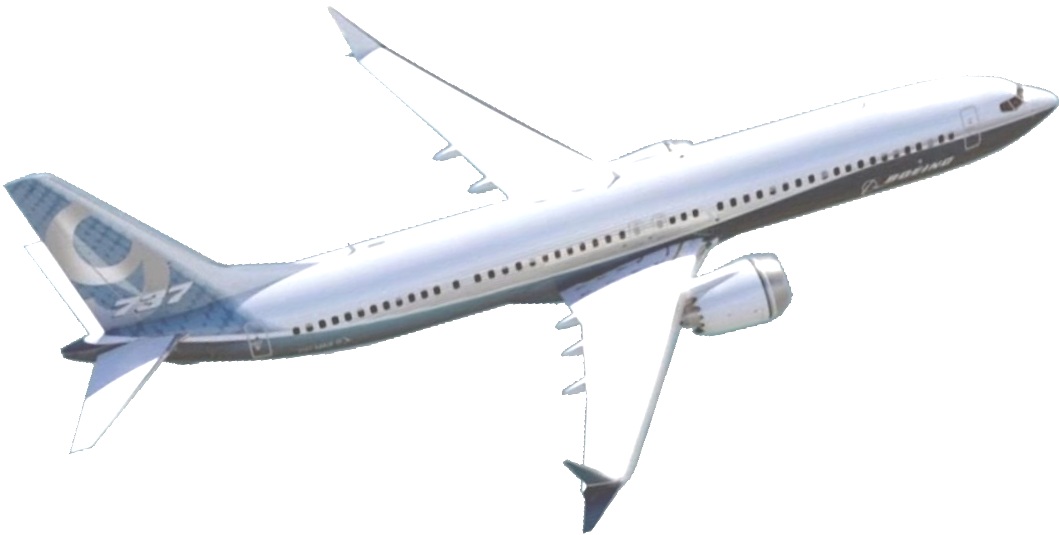
Boeing 737 MAX_Isologotype

Boeing_Isologotype

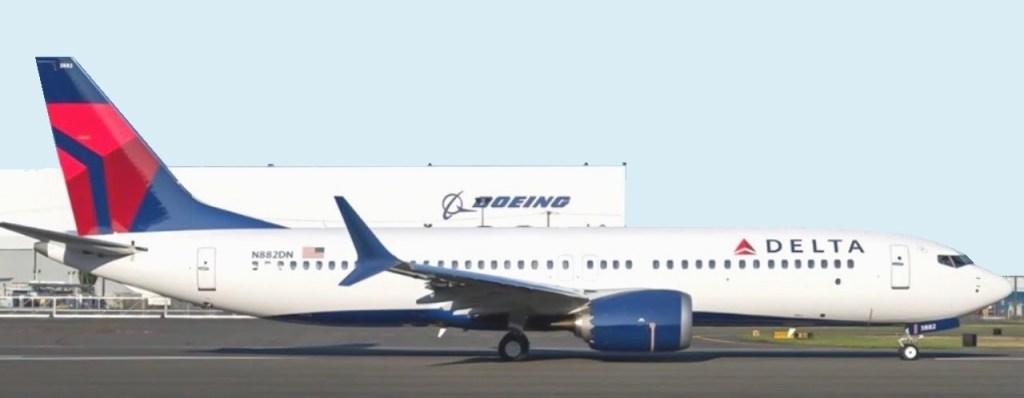
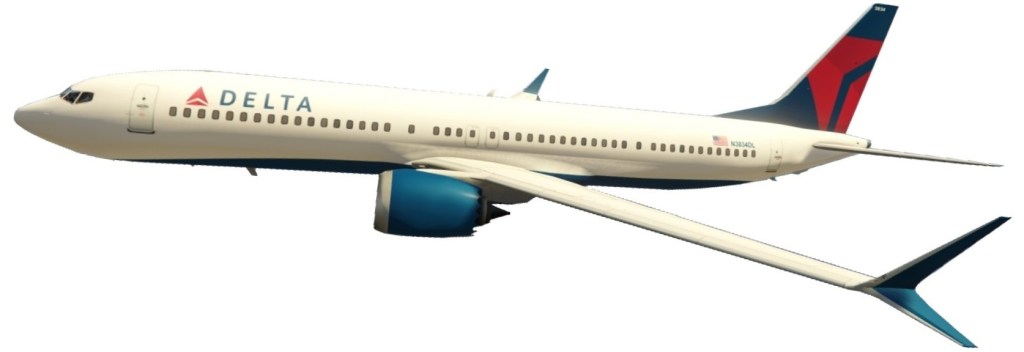
Delta Air Lines (DAL) está considerando comprar el Boeing 737 MAX para su flota, después de la incursión de la aeronave por el espacio de veinte meses tras evaluaciones de seguridad operativa por parte de los organismos de aviación internacionales. La mega-aerolínea con sede en Atlanta, Estado de Georgia, ha esperado que Boeing despeje los cielos para el cuestionado 737 MAX para estudiar la compra de la cuarta generación del Boeing 737, después de la aprobación de la Administración Federal de Aviación (FAA) para levantar la conexión a tierra del avión con problemas. «Estamos hablando con Boeing sobre muchas cosas diferentes, el MAX incluido. Si hay una oportunidad en la que nos sintamos cómodos adquiriendo el MAX no tendríamos dudas haciendo eso», dijo el CEO de Delta Air Lines, Ed Bastian.

El nuevo cliente potencial viene a arrojar oxígeno al Programa 737 MAX que ha estado golpeado por cancelaciones y reprogramaciones de su extensa cartera de pedidos que ha visto reducirse en más de 1.040 este año 2020. Casi 600 han sido retirados del atraso y casi 450 han sido cancelados por los transportistas. El atraso ahora se sitúa en torno a 4.300 unidades. El Boeing 737 MAX recibió la aprobación de la FAA el 18 de Noviembre de 2020 para volver a entrar en el servicio después de un proceso de revisión de seguridad integral y metódico que tardó 20 meses en completarse.

El retorno a los cielos del Boeing 737 MAX ha comenzado su carrera de despegue para poner el avión en el aire que tomará varias semanas para que las aerolíneas reacondicionen sus aeronaves y capacitación de tripulación de vuelo. American Airlines (AAL) está poniendo el 737 MAX de nuevo en su horario de vuelo el 29/12, mientras que Southwest Airlines (LUV) y United Airlines (UAL) no esperan que el 737 MAX vuelva al servicio hasta el primer trimestre de 2021 (1Q2021).

El principal proveedor de Boeing 737 MAX, Spirit AeroSystems (SPR) y el proveedor de motores General Electric (GE) han anunciado fuertes subas en las operaciones bursátiles después de la feliz noticia del retorno de la aeronave a los cielos.

Escrutinio adicional 737 MAX

Boeing 737-MAX_009

En 2019, la Agencia de Seguridad Aérea de la Unión Europea (EASA) envió una lista de criterios separados de la FAA que Boeing necesitaba abordar antes de que la agencia aprobara el 737 MAX para el vuelo. La EASA continúa trabajando para levantar la puesta a tierra del Boeing 737 MAX en Enero 2021. «Queríamos llevar a cabo un análisis totalmente independiente de la seguridad de este avión, por lo que realizamos nuestros propios controles y pruebas de vuelo. Todos estos estudios nos dicen que el 737 Max puede volver al servicio. Hemos empezado a poner en marcha todas las medidas. Es probable que en nuestro caso adoptemos las decisiones, lo que le permitirá volver al servicio, en algún momento de Enero», dijo el Sábado 22/11 a los espectadores del Foro Aéreo de París virtual el Director Ejecutivo de la EASA, Patrick Ky.

Mientras tanto, la Canadian Aviation Regulation (CAR) ha comunicado que continúan en su proceso de validación independiente y están retrasando la aprobación del 737 MAX, pero esperan que sea pronto retorne a los cielos.

La Agencia Nacional de Aviación Civil (ANAC) de Brasil no está levantando su actual prohibición de la familia Boeing 737 MAX todavía, aunque reconoce que continúa realizado estudios de conclusión en los ajustes finales de su propio proceso de recertificación.

El regulador de aviación civil de los Emiratos Árabes Unidos, la General Authority of Civil Aviation (GCAA) ha informado este Domingo 22/11 que anunciaría un horario de regreso para el Boeing 737 MAX de manera oportuna después de que los Estados Unidos levantaran la semana pasada una prohibición de vuelo luego de veinte meses de incursión en tierra.

En cuanto a China, la Civil Aviation Administration of China (CAAC), el primer país en poner en tierra el Boeing 737 MAX en Marzo de 2019, aún no está listo para levantar la puesta a tierra. La CAAC dijo a la televisión estatal la semana pasada que es necesario cumplir tres criterios antes de levantar la puesta a tierra. Los cambios de diseño 737 MAX necesitan ser aprobados, los pilotos necesitan ser completamente entrenados y la causa de los dos accidentes mortales fue identificada por los investigadores.

Delta repositions Boeing 737 MAX

Boeing confirms new Delta Air Lines customer for 737 MAX

Delta-Logo[1]

Delta Air Lines (DAL) is considering purchasing the Boeing 737 MAX for its fleet, following the aircraft’s foray into space twenty months after operational safety assessments by international aviation agencies. The Atlanta, Georgia-based mega-airline has waited for Boeing to clear the skies for the questioned 737 MAX to study the purchase of the fourth-generation Boeing 737, after approval from the Federal Aviation Administration (FAA). to lift the ground connection of the problem plane. «We’re talking to Boeing about a lot of different things, including the MAX. If there is an opportunity where we feel comfortable acquiring the MAX we would have no hesitation doing that», said Delta Air Lines CEO Ed Bastian.

The new potential client comes to throw oxygen into the 737 MAX Program that has been hit by cancellations and rescheduling of its extensive order book that has seen a reduction of more than 1,040 this year 2020. Almost 600 have been withdrawn from the backlog and almost 450 have been canceled by carriers. The backlog now stands at around 4,300 units. The Boeing 737 MAX received FAA approval on November 18, 2020 to re-enter service after a comprehensive and methodical safety review process that took 20 months to complete.

The return to the skies of the Boeing 737 MAX has begun its takeoff run to put the plane in the air that will take several weeks for airlines to refit their aircraft and flight crew training. American Airlines (AAL) is putting the 737 MAX back on its flight schedule on 12/29, while Southwest Airlines (LUV) and United Airlines (UAL) do not expect the 737 MAX to return to service until the first quarter of 2021. (1Q2021).

Major Boeing 737 MAX supplier Spirit AeroSystems (SPR) and engine supplier General Electric (GE) have announced sharp gains in trading after the happy news of the aircraft’s return to the skies.

Additional scrutiny 737 MAX

In 2019, the European Union Aviation Safety Agency (EASA) sent out a list of separate FAA criteria that Boeing needed to address before the agency approved the 737 MAX for flight. EASA continues to work to lift the grounding of the Boeing 737 MAX in January 2021. «We wanted to carry out a totally independent analysis of the safety of this aircraft, so we carried out our own controls and flight tests. They say that the 737 Max can return to service. We have started to implement all the measures. It is likely that in our case we will adopt the decisions, which will allow it to return to service, sometime in January», he said on Saturday 22/11 to the spectators of the virtual Paris Air Forum the Executive Director of EASA, Patrick Ky.

Meanwhile, the Canadian Aviation Regulation (CAR) has communicated that they continue in their independent validation process and are delaying the approval of the 737 MAX, but they hope that it will soon return to the skies.

Brazil’s National Civil Aviation Agency (ANAC) is not lifting its current ban on the Boeing 737 MAX family yet, although it acknowledges that it continues to conduct concluding studies on the final adjustments to its own recertification process.

The United Arab Emirates’ civil aviation regulator, the General Authority of Civil Aviation (GCAA) reported this Sunday 11/22 that it would announce a return schedule for the Boeing 737 MAX in a timely manner after the United States lifted the week. passed a flight ban after twenty months of incursion on the ground.

As for China, the Civil Aviation Administration of China (CAAC), the first country to ground the Boeing 737 MAX in March 2019, is not yet ready to lift the ground. The CAAC told state television last week that three criteria need to be met before lifting the ground. The 737 MAX design changes need to be approved, the pilots need to be fully trained, and the cause of the two fatal crashes has been identified by investigators.


PUBLISHER: Airgways.com
DBk: Delta.com / Boeing.com / Airgways.com
AW-POST: 202011231630AR

A\W   A I R G W A Y S ®

AF-KLM-Martinair transportan vacunas

AW | 2020 11 21 11:04 | AIRLINES / AVIATION

Aéreas listas para transportar las vacunas contra el Covid-19

AW-AF-KLM-Martinair_Isologottype

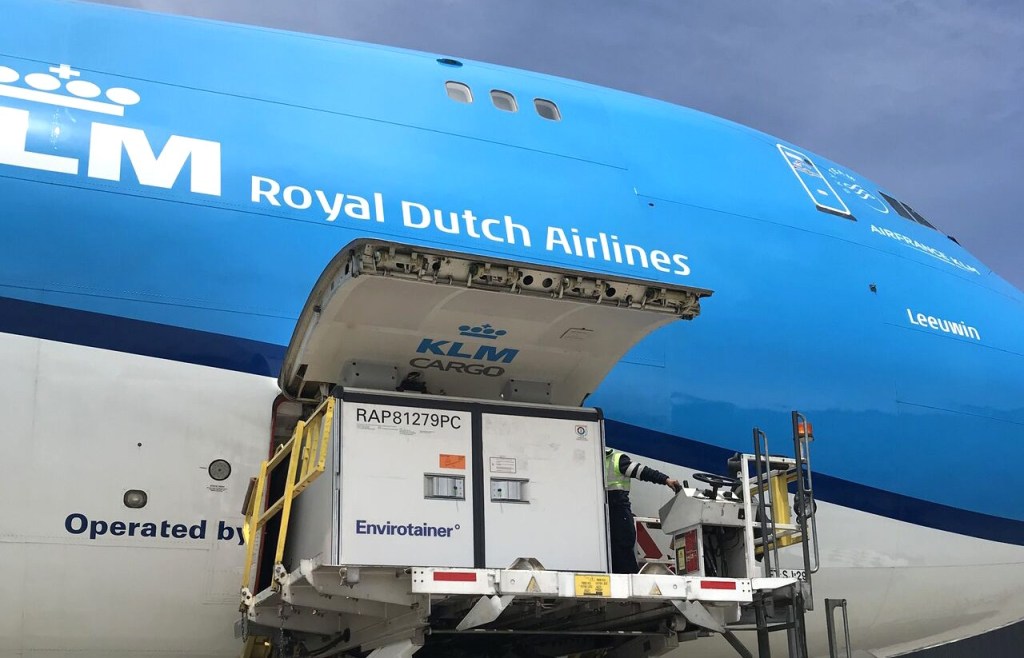
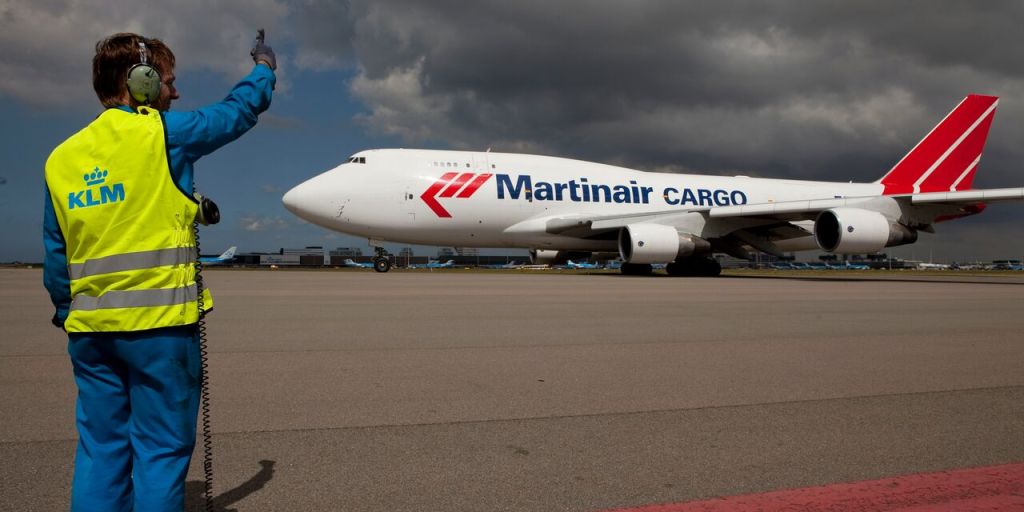
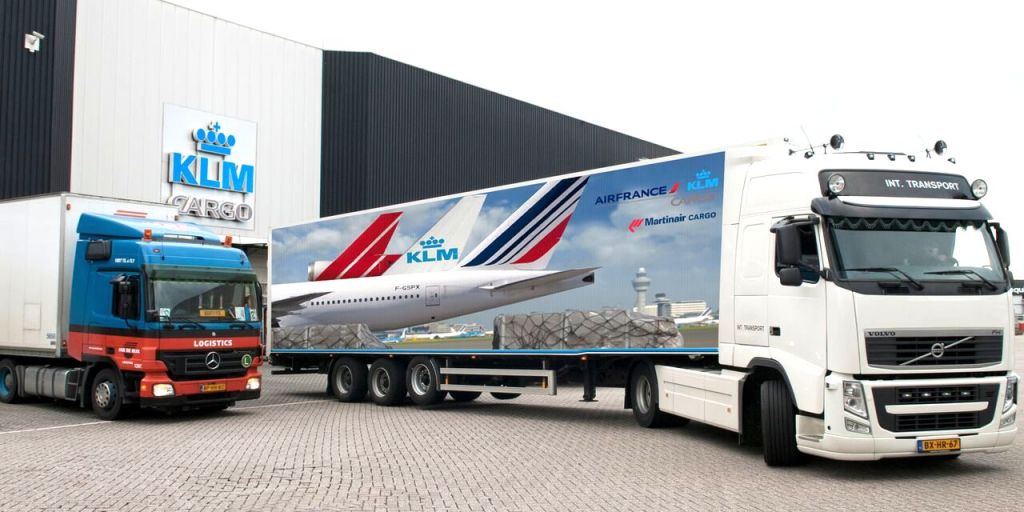
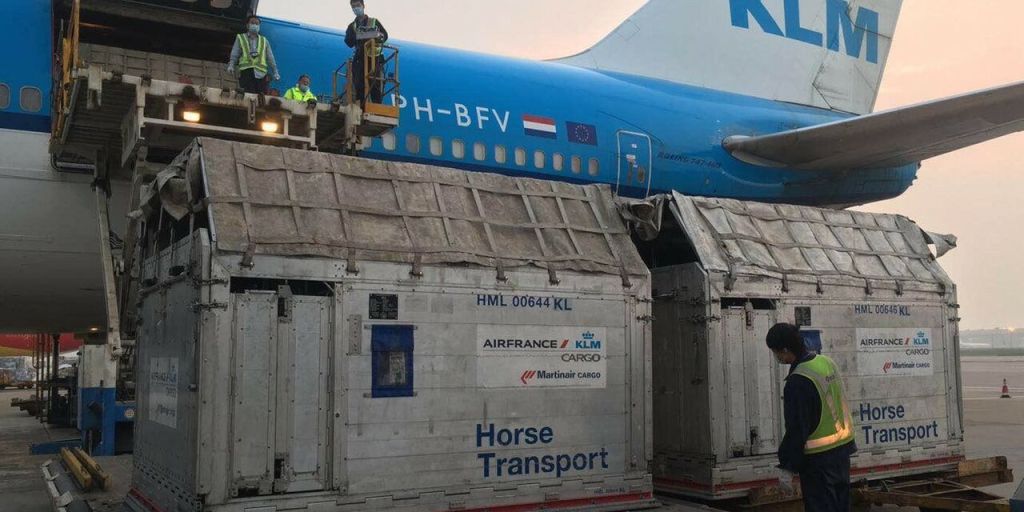
Los primeros envíos de vacunas Covid-19 por vía aérea están comenzando a ponerse en marcha en todo el mundo. A principios de Noviembre 2020, KLM Cargo realizó con éxito un envío de prueba de 6 mil dosis de vacunas contra Covid-19 de China a Chile. Desde el inicio de la crisis de Covid-19, Air France, KLM Airlines, Martinair Cargo, la división de Cargo de Air France KLM está comprometida en mantener su red global de carga aérea, contribuyendo a la continuidad de cadenas de abastecimiento vitales. Esto ha sido siempre esencial, pero lo es aún más desde la pandemia por Covid-19, para garantizar que tanto los centros de salud como los ciudadanos tengan acceso a medicamentos, equipos médicos, equipos de protección personal y otros productos esenciales. En los últimos meses, Air France KLM Martinair Cargo realizó aproximadamente 6.000 vuelos exclusivamente cargueros y, actualmente, vuela a más de 100 destinos cargueros de larga distancia, incluyendo Buenos Aires.

Desafíos gigantes

Uno de los próximos desafíos logísticos será la distribución mundial de las vacunas contra el Covid-19. Hace pocos días, el gigante farmacéutico estadounidense Pfizer, junto con su socio alemán BioNTech, anunció resultados exitosos en el primer análisis preliminar del ensayo de fase III de su vacuna candidata contra el Covid-19. En términos de volumen, la distribución de las vacunas será una operación logística sin precedentes. Las expectativas iniciales son que será necesaria la distribución de unos 15 mil millones de vacunas en todo el mundo. Muchas de estas vacunas, además, deberán ser transportadas a muy bajas temperaturas. La vacuna de Pfizer debe mantenerse congelada (a -70ºC). Otras deberán distribuirse a una temperatura constante de entre +2ºC y +8ºC. Esto significa que las soluciones logísticas serán fundamentales para mantener la calidad de la vacuna a lo largo de toda cadena de distribución.

El Vicepresidente Senior de Ventas y Distribución de Air France KLM Martinair Cargo, Gert Jan Roelands, afirmó: «Air France KLM Martinair Cargo tiene años de experiencia en el transporte de productos farmacéuticos a temperatura controlada y fue el primer grupo aéreo en obtener la certificación CEIV Pharma de IATA (Center of Excellence for Independent Validators in Pharmaceutical Logistics). La distribución de las vacunas contra el Covid-19 plantea desafíos específicos en términos de volumen, requisitos de transporte y seguridad. Con el fin de estar totalmente preparados para esto, creamos un grupo de trabajo llamado “Vacuna Covid-19”, hace cuatro meses. Este grupo de trabajo reúne a representantes de todos los departamentos involucrados de Air France KLM Martinair Cargo. Nuestros equipos han estado trabajando en un extenso plan de acción. Por ejemplo, hace unos meses, en nuestro centro de operaciones de Pharma en Ámsterdam Schiphol, inauguramos una instalación de almacenamiento climatizado de 1.118 m3, y estamos construyendo una cámara frigorífica adicional de 2.061 m3. En nuestro centro de operaciones de Pharma en París-Charles de Gaulle, estamos terminando una nueva zona de almacenamiento con control climático. También introdujimos soluciones híbridas y pasivas avanzadas que se utilizarán para transportar las vacunas, además de la gama completa de contenedores activos existentes. Junto con muchas otras iniciativas, también se han puesto en práctica un monitoreo adicional y una gestión de intervención».

El Vicepresidente Ejecutivo de Air France-KLM Cargo, Adriaan den Heijer, agregó: «Creemos que la cooperación y la creación de comunidades en torno a la próxima distribución mundial de las vacunas son fundamentales. Nos asociamos con muchos actores de la cadena logística, incluidos transportistas, empresas de transporte terrestre, proveedores de contenedores, aeropuertos, socios de carga/logística, empresas farmacéuticas e institutos y autoridades relacionados con el cuidado de la salud. Estamos convencidos de que una fuerte cooperación entre los socios será esencial para ejecutar con éxito este desafío logístico».

Junto con Air Cargo Netherlands (ACN), el Aeropuerto de Ámsterdam/Schiphol y Aéroports de Paris, dos hubs claves en la industria farmacéutica europea, Air France KLM Martinair Cargo creó dos grupos de trabajo para preparar en profundidad a las comunidades de ambos aeropuertos para las próximas operaciones de transporte de vacunas.

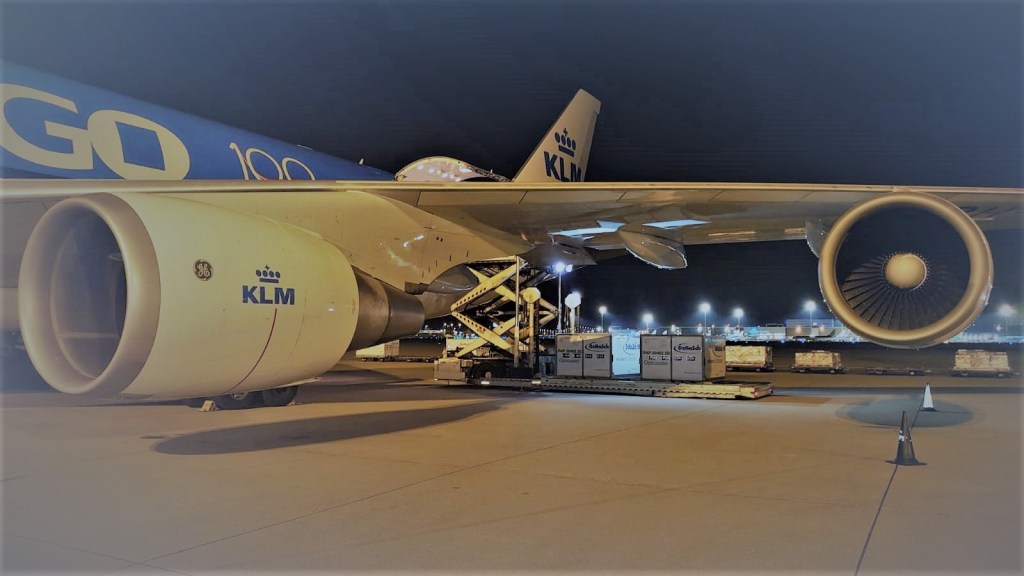
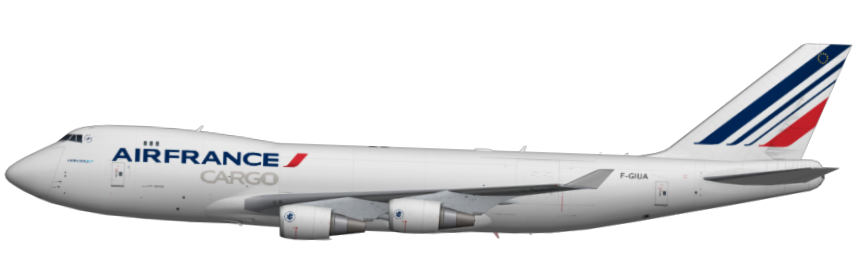
En Argentina, el grupo Air France-KLM sigue reforzando su operación de vuelos de pasajeros y carga. A partir de Diciembre 2020, se estarán operando nueve vuelos semanales con espacio para carga: ocho vuelos que transportan pasajeros y carga, tres de Air France desde y hacia París, en Boeing 787-9, y cinco de KLM desde y hacia Ámsterdam, en Boeing 777-300, a los que se suma un vuelo semanal exclusivo de carga en Boeing 747.

AF-KLM-Martinair transport vaccines

Ready to transport vaccines against Covid-19

AW-700054

The first shipments of Covid-19 vaccines by air are beginning to go live around the world. In early November, KLM Cargo successfully conducted a test shipment of 6,000 doses of Covid-19 vaccines from China to Chile. Since the start of the Covid-19 crisis, Air France, KLM Airlines, Martinair Cargo, Air France KLM’s Cargo division, has been committed to maintaining its global air cargo network, contributing to the continuity of vital supply chains. This has always been essential, but it is even more so since the Covid-19 pandemic, to ensure that both health centers and citizens have access to medicines, medical equipment, personal protective equipment and other essential products. In the last few months, Air France KLM Martinair Cargo carried out approximately 6,000 exclusively cargo flights and currently flies to more than 100 long-haul cargo destinations, including Buenos Aires.

Giant challenges

One of the next logistical challenges will be the global distribution of Covid-19 vaccines. A few days ago, the American pharmaceutical giant Pfizer, together with its German partner BioNTech, announced successful results in the first preliminary analysis of the phase III trial of its candidate vaccine against Covid-19. In terms of volume, the distribution of the vaccines will be an unprecedented logistical operation. Initial expectations are that some 15 billion vaccines will need to be distributed worldwide. Many of these vaccines, moreover, must be transported at very low temperatures. The Pfizer vaccine must be kept frozen (-70ºC). Others must be distributed at a constant temperature between +2ºC and +8ºC. This means that logistical solutions will be essential to maintain the quality of the vaccine throughout the entire distribution chain.

Air France KLM Martinair Cargo Senior Vice President of Sales and Distribution, Gert Jan Roelands, stated: «Air France KLM Martinair Cargo has years of experience in the transport of pharmaceutical products at controlled temperature and was the first airline group to obtain CEIV certification. IATA (Center of Excellence for Independent Validators in Pharmaceutical Logistics) Pharma. The distribution of Covid-19 vaccines poses specific challenges in terms of volume, transport requirements and safety. In order to be fully prepared for this, we created a working group called «Covid-19 Vaccine», four months ago. This working group brings together representatives from all involved departments of Air France KLM Martinair Cargo. Our teams have been working on an extensive action plan. For example, A few months ago, at our Pharma operations center in Amsterdam Schiphol, we inaugurated a climati storage facility 1,118 m3, and we are building an additional 2,061 m3 cold room. At our Pharma hub in Paris-Charles de Gaulle, we are completing a new climate-controlled storage area. We also introduced advanced passive and hybrid solutions that will be used to transport vaccines, in addition to the full range of existing active containers. Along with many other initiatives, additional monitoring and intervention management has also been put in place».

Air France-KLM Cargo Executive Vice President Adriaan den Heijer added: «We believe that cooperation and community building around the upcoming global distribution of vaccines is critical. We partner with many stakeholders in the logistics chain, including carriers, trucking companies, container providers, airports, freight / logistics partners, pharmaceutical companies and institutes and authorities related to healthcare. We are convinced that strong cooperation between partners will be essential to successfully execute this logistical challenge».

Together with Air Cargo Netherlands (ACN), Amsterdam Airport/Schiphol and Aéroports de Paris, two key hubs in the European pharmaceutical industry, Air France KLM Martinair Cargo created two working groups to prepare in depth the communities of both airports to the next vaccine transport operations.

In Argentina, the Air France-KLM group continues to strengthen its passenger and cargo flight operations. As of December 2020, nine weekly flights with cargo space will be operated: eight flights carrying passengers and cargo, three by Air France to and from Paris, on Boeing 787-9, and five by KLM from and to Amsterdam, in Boeing 777-300, to which is added an exclusive weekly cargo flight on Boeing 747.


PUBLISHER: Airgways.com
DBk: Airfrance-klm.com / Airgways.com
AW-POST: 202011211104AR

A\W   A I R G W A Y S ®

Lanzamiento Sentinel-6

AW | 2020 11 21 10:27  | AEROSPACE

Sentinel-6 preparado para su lanzamiento 21/11

Sentinel-6_MichaelFreilich_Isologotype

NASA_Isologotype

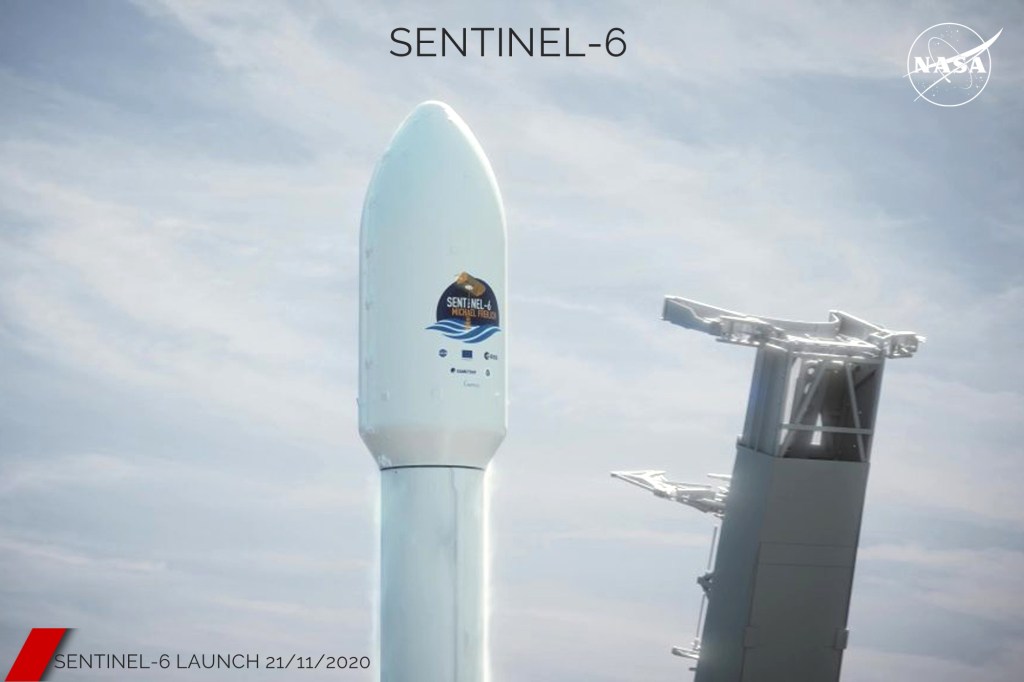
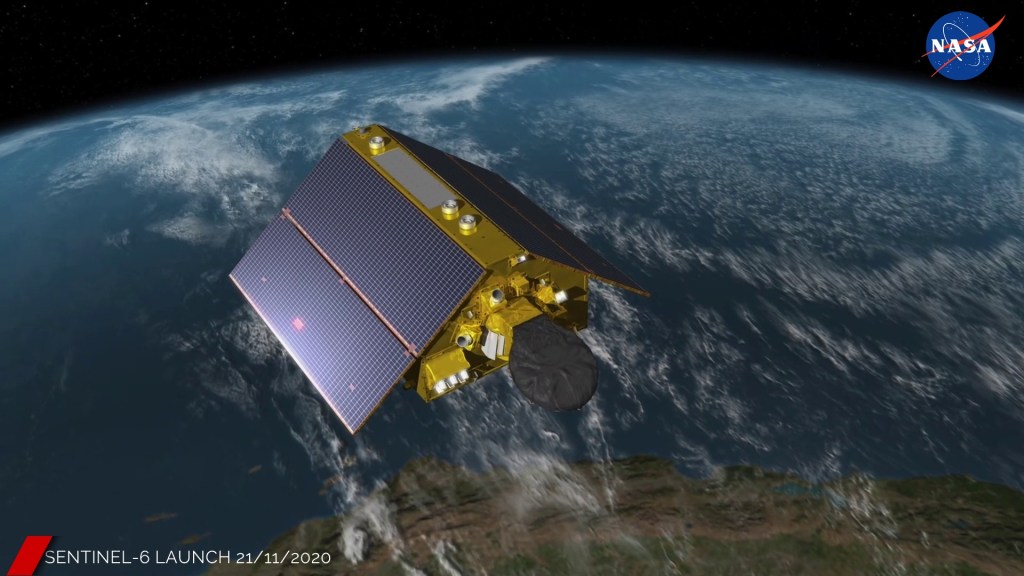
Sentinel-6 Michael Freilich, el último de una serie de naves espaciales diseñadas para monitorear nuestros océanos, está programado para lanzarse desde la Base de la Fuerza Aérea Vandenberg en el centro de California el sábado 21 de Noviembre de 2020. Es el más nuevo satélite para monitorear el nivel del mar global está listo para su viaje al espacio. Sentinel-6 será seguido en 2025 por su gemelo, Sentinel-6B. Juntos, la pareja tiene la tarea de extender nuestro registro de casi 30 años de mediciones globales de la altura de la superficie del mar. Los instrumentos a bordo de los satélites también proporcionarán datos atmosféricos que mejorarán las previsiones meteorológicas, los modelos climáticos y el seguimiento de huracanes.

Cronología de lanzamiento

Nombrado en honor al ex Director de la División de Ciencias de la Tierra de la NASA Michael Freilich, el satélite estadounidense-europeo será transportado al espacio en un cohete SpaceX Falcon 9, con despegue dirigido para 9:17:08 a.m. PST (12:17:08 p.m. EST) desde el Complejo de Lanzamiento Espacial 4 Este. Si es necesario, las oportunidades de lanzamiento de copia de seguridad están disponibles en días posteriores, con la ventana de lanzamiento instantánea cayendo unos 12 minutos antes cada día.

Poco más de dos minutos después de que el cohete Falcon 9 despegue, el motor principal se cortará. Poco después, la primera y la segunda etapa del cohete se separarán, seguidos de arranque del motor de la segunda etapa. La primera etapa reutilizable de Falcon 9 comenzará su quemadura automática de retroceso en el lugar de lanzamiento para un aterrizaje propulsivo.

El primer corte del motor de la segunda etapa tendrá lugar aproximadamente ocho minutos después del despegue. Se disparará una segunda vez 45 minutos más tarde, momento en el que el vehículo de lanzamiento y la nave espacial estarán en una órbita temporal de «estacionamiento». Varios minutos más tarde, el vehículo de lanzamiento y la nave espacial se separarán. El satélite comenzará el despliegue del panel solar alrededor de una hora y siete minutos después del lanzamiento y se espera que haga el primer contacto unos 25 minutos después de eso.

Más información sobre la misión

Sentinel-6 Michael Freilich y Sentinel-6B conforman la misión Sentinel-6/Jason-CS, desarrollada por la ESA (Agencia Espacial Europea) en el contexto del programa Europeo Copernicus liderado por la Comisión Europea, la Organización Europea para la Explotación de Satélites Meteorológicos (EUMETSAT), la NASA y la Administración Nacional Oceánica y Atmosférica (NOAA), con el apoyo de la Comisión Europea y el apoyo técnico del Centro Nacional de Estudios Espaciales de Francia (CNES).

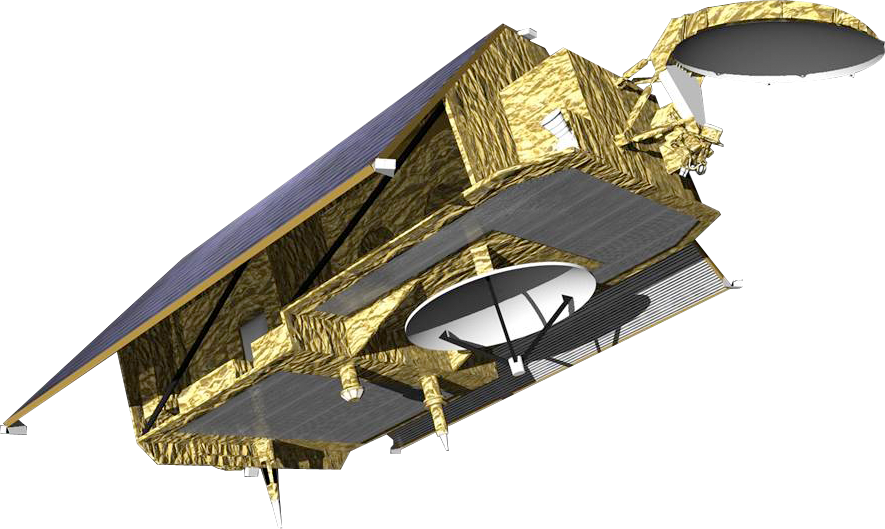
JPL, una división de Caltech en Pasadena, construyó tres instrumentos científicos para cada satélite Sentinel-6: el Radiometro de Microondas Avanzado, el Sistema Global de Satélites de Navegación-Radio Occultation, y el Laser Retroreflector Array. La NASA también está contribuyendo con servicios de lanzamiento, sistemas terrestres que apoyan el funcionamiento de los instrumentos científicos de la NASA, los procesadores de datos científicos para dos de estos instrumentos y soporte para el equipo internacional de ciencias de la topografía de superficies oceánicas. El lanzamiento es administrado por el Programa de Servicios de Lanzamiento de la NASA, con sede en el Centro Espacial Kennedy de la agencia en Florida.

Dónde encontrar la cobertura de lanzamiento

AW-Info on live

El día del lanzamiento, 21 de Noviembre de 2020, la cobertura de la NASA TV comenzará a las 8:45 a.m. PST (11:45 a.m. EST).

Para la programación de TV en vivo de la NASA en el canal público de la NASA, visite:

https://nasa.gov/live

Para la programación en vivo en el canal de medios de televisión de la NASA, visite:

https://youtube.com/NASA

La programación de la NASA TV se archivará y estará disponible poco después de que se transmita aquí:

https://images.nasa.gov

Para obtener más información sobre la misión, visite:

https://sealevel.jpl.nasa.gov/missions/jason-cs-sentinel-6/summary/

Sentinel-6 launch

Sentinel-6 ready for launch 11/21

AW-Sentinel-6-brands

Sentinel-6 Michael Freilich, the latest in a series of spacecraft designed to monitor our oceans, is scheduled to launch from Vandenberg Air Force Base in central California on Saturday, November 21, 2020. It is the newest satellite. To monitor global sea level you are ready for your trip into space. Sentinel-6 will be followed in 2025 by its twin, Sentinel-6B. Together, the pair are tasked with extending our nearly 30-year record of global measurements of sea surface height. Instruments aboard the satellites will also provide atmospheric data that will improve weather forecasts, climate models and hurricane tracking.

Release timeline

AW-Sentinel-6_Jason-CS_spacecraft_model

Named after former Director of NASA’s Earth Sciences Division Michael Freilich, the US-European satellite will be flown into space on a SpaceX Falcon 9 rocket, with liftoff directed at 9:17:08 a.m. PST (12:17:08 p.m. EST) from Space Launch Complex 4 East. If needed, backup launch opportunities are available on subsequent days, with the instant launch window dropping about 12 minutes earlier each day.

Just over two minutes after the Falcon 9 rocket lifts off, the main engine will cut out. Soon after, the first and second stages of the rocket will separate, followed by starting the second stage engine. The Falcon 9’s reusable first stage will begin its automatic recoil burn at the launch site for a propulsive landing.

The first cut-off of the second stage engine will take place approximately eight minutes after takeoff. It will fire a second time 45 minutes later, at which point the launch vehicle and spacecraft will be in a temporary «parking» orbit. Several minutes later, the launch vehicle and spacecraft will separate. The satellite will begin deployment of the solar panel around one hour and seven minutes after launch and is expected to make first contact about 25 minutes after that.

More information about the mission

Sentinel-6 Michael Freilich and Sentinel-6B make up the Sentinel-6 / Jason-CS mission, developed by ESA (European Space Agency) in the context of the European Copernicus program led by the European Commission, the European Organization for the Exploitation of Satellites Meteorological (EUMETSAT), NASA and the National Oceanic and Atmospheric Administration (NOAA), with the support of the European Commission and technical support from the French National Center for Space Studies (CNES).

JPL, a division of Caltech in Pasadena, built three science instruments for each Sentinel-6 satellite: the Advanced Microwave Radiometer, the Global Navigation Satellite System-Radio Occultation, and the Laser Retroreflector Array. NASA is also contributing launch services, ground systems that support the operation of NASA science instruments, science data processors for two of these instruments, and support for the international ocean surface surveying science team. The launch is managed by NASA’s Launch Services Program, based at the agency’s Kennedy Space Center in Florida.

Where to find launch coverage

AW-Info on live

On launch day, November 21, 2020, NASA TV coverage will begin at 8:45 a.m. PST (11:45 a.m. EST).

For NASA Live TV programming on NASA’s Public Channel, visit:

https://nasa.gov/live

For live programming on NASA’s television media channel, visit:

https://youtube.com/NASA

NASA TV programming will be archived and available shortly after it airs here:

https://images.nasa.gov

For more information on the mission, visit:

https://sealevel.jpl.nasa.gov/missions/jason-cs-sentinel-6/summary/


PUBLISHER: Airgways.com
DBk: Nasa.gov / Airgways.com
AW-POST: 202011211027AR

A\W   A I R G W A Y S ®

Apertura México/AIFA hacia 02/2021

AW | 2020 11 20 16:05 | AIRPORTS

Apertura Aeropuerto Felipe Ángeles hacia 02/2020

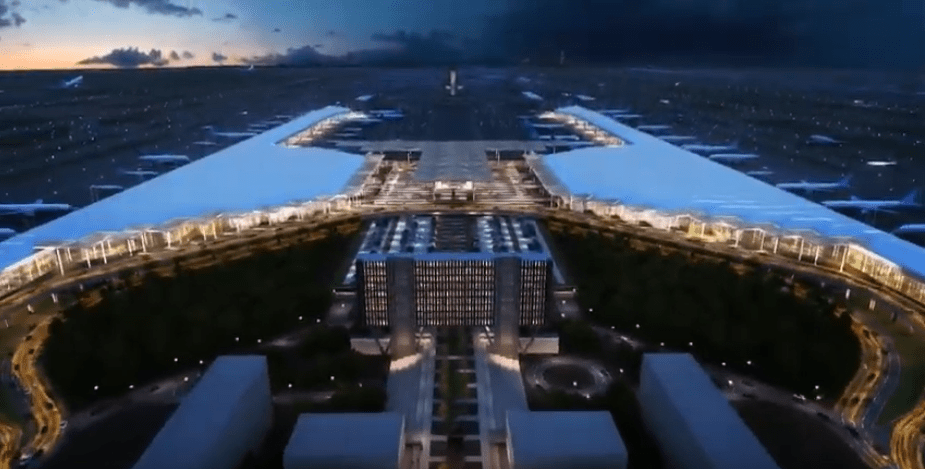
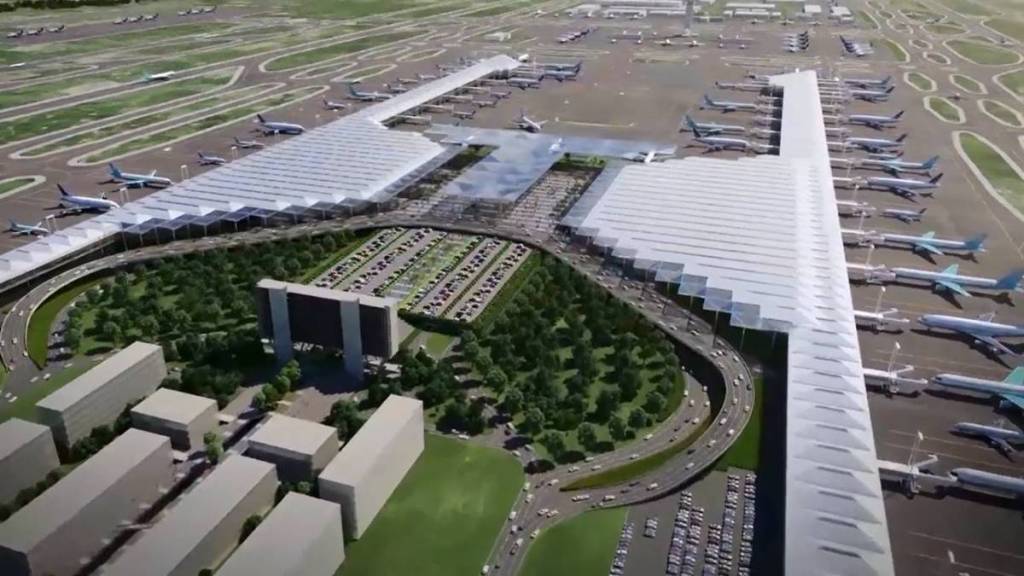
El Aeropuerto Internacional Felipe Ángeles/AIFA iniciará su apertura aerocomercial en Febrero 2021, según han anunciado la Secretaría de Comunicaciones y Transportes de México. El primer avión está establecido para aterrizar en el Aeropuerto de Santa Lucía el 19 de Febrero de 2021, inaugurando el nuevo aeropuerto de la Ciudad de Santa Lucía. El Presidente Andrés Manuel López Obrador será el encargado de estrenar las pistas del Nuevo Aeropuerto de México para ese día memorable, aunque la inauguración de los vuelos comerciales sigue prevista en el calendario para el 21 de Marzo de 2022, anunció el titular de la Secretaría de Comunicaciones y Transportes, Jorge Arganis Díaz-Leal.

Actualmente se están trabajando estrechamente con las autoridades del Estado de México para que se puedan concluir los trabajos de conectividad terrestre entre los aeropuertos de Toluca, Ciudad de México y el de Santa Lucía, una vez que comience a funcionar el sistema. En 10/2020, tras un recorrido por la construcción, López Obrador aseguró que la obra ya estaba al 40% y con un avance financiero del 27%.

El proyecto inicial del Aeropuerto de Santa Lucía comprendía 2.300 hectáreas, pero se adquirieron 1.400 hectáreas más para un total de 3.700, más de cinco veces la extensión del actual Aeropuerto Internacional de la Ciudad de México, que es de 750 hectáreas. El futuro aeropuerto mexicano tendrá capacidad para unos 20.5 millones de usuarios al año y espera recibir unos 85 millones en varias etapas de construcción que se cumplirán en las próximas tres décadas 2030, 2040 y 2050. Santa Lucía operará a la par del actual Aeropuerto Internacional de la Ciudad de México (AICM) y con el de Toluca, también en el Estado de México, y entre todos tendrán un total de seis pistas.

AIFA Airport opening around 02/2021

Felipe Ángeles Airport opens around 02/2020

The Felipe Ángeles International Airport/AIFA will begin its commercial opening in February 2021, as announced by the Ministry of Communications and Transportation of Mexico. The first aircraft is set to land at Santa Lucia Airport on February 19, 2021, inaugurating the new airport in the City of Santa Lucia. President Andrés Manuel López Obrador will be in charge of opening the runways of the New Mexico Airport for that memorable day, although the inauguration of commercial flights is still scheduled on the calendar for March 21, 2022, announced the head of the Secretariat of Communications and Transportation, Jorge Arganis Díaz-Leal.

Currently, they are working closely with the authorities of the State of Mexico so that the ground connectivity works between the Toluca, Mexico City and Santa Lucía airports can be completed, once the system begins to operate. In 10/2020, after a tour of the construction, López Obrador assured that the work was already at 40% and with a financial advance of 27%.

The initial Santa Lucía Airport project comprised 2,300 hectares, but 1,400 more hectares were acquired for a total of 3,700, more than five times the extension of the current Mexico City International Airport, which is 750 hectares. The future Mexican airport will have capacity for about 20.5 million users per year and expects to receive about 85 million in various construction stages that will be completed in the next three decades 2030, 2040 and 2050. Santa Lucia will operate alongside the current International Airport of Mexico City (AICM) and Toluca, also in the State of Mexico, and together they will have a total of six tracks.


PUBLISHER: Airgways.com
DBk: Gob.mx/aifa / Airgways.com
AW-POST: 202011201605AR

A\W   A I R G W A Y S ®

Eastern proyecta Los Ángeles-Guayaquil

AW | 2020 11 20 11:13 | AIRLINES ROUTES

Eastern Airlines incorpora ruta Los Ángeles-Guayaquil 12/2020

Eastern Airlines_Isologotype_001

La aerolínea estadounidense Eastern Airlines ha realizado los trámites ante el Departamento de Transporte de los Estados Unidos (DOT) para el permiso para operar entre el Aeropuerto Internacional de Los Ángeles/LAX y el Aeropuerto Internacional José Joaquín de Olmedo/GYE en Guayaquil, República de Ecuador. Eastern Airlines operará tres frecuencias semanales (3Frq/S) los Lunes, Miércoles y Viernes entre Los Ángeles y Guayaquil, con el inicio de las operaciones hacia el 18 de Diciembre de 2020.

Eastern es una aerolínea de bajo costo que opera una flota de aviones Boeing 767. En este 2020 empezó a operar la ruta Miami-Guayaquil y Nueva York-Guayaquil. Además, durante la cuarentena sanitaria, la aerolínea ha efectuado vuelos humanitarios entre Ecuador y Estados Unidos. Eastern Airlines ha anunciado también más destinos en América Latina y el Caribe, incluyendo algunos de los únicos vuelos sin escalas disponibles entre ciudades como Miami y Asunción, Paraguay.

Acerca de Eastern LLC

Eastern Airlines, LLC, anteriormente Dynamic International Airways, es una aerolínea con certificación estadounidense fundada en 2010. La aerolínea opera Boeing 767-200ER y Boeing 767-300ER. Comenzó como Dynamic Airways, la compañía añadió el título «Internacional» a su nombre para reflejar su transición de una aerolínea chárter a servicios internacionales regulares. Bajo el nombre Dynamic International Airways tenía su sede en High Point, Carolina del Norte, ofreciendo servicio desde Nueva York hasta América del Sur. Solía operar desde Fort Lauderdale, Chicago, Los Ángeles y Nueva York hasta el Caribe, Cancún y Sudamérica.

Tras una exitosa reestructuración de quiebras en Abril 2018, Dynamic International Airways obtuvo una licencia para utilizar la propiedad intelectual de Swift Air, y los arrendamientos de dos aviones con la puesta en marcha de en la renombrada Eastern Airlines 2015. En 2Q2019, se anunció que Eastern Airlines trasladaría sus oficinas a Wayne, Estado de Pensilvania en Septiembre 2019. El 12 de Enero de 2020, Eastern Airlines completó su vuelo inaugural a Nueva York-Guayaquil, Ecuador. Para Mayo 2020, la aerolínea planeaba comprar varios Boeing 767 y 777, con al menos cinco 777-200 de segunda mano.

Eastern projects Los Angeles-Guayaquil

Eastern Airlines incorporates Los Angeles-Guayaquil route 12/2020

The American airline Eastern Airlines has completed the procedures with the United States Department of Transportation (DOT) for permission to operate between the Los Angeles International Airport/LAX and the José Joaquín de Olmedo International Airport/GYE in Guayaquil, Republic of Ecuador. Eastern Airlines will operate three weekly frequencies (3Frq/S) on Monday, Wednesday and Friday between Los Angeles and Guayaquil, with the start of operations around December 18, 2020.

Eastern is a low-cost airline that operates a fleet of Boeing 767 aircraft. In 2020, the Miami-Guayaquil and New York-Guayaquil routes began to operate. In addition, during the snaitary quarantine, the airline has made humanitarian flights between Ecuador and the United States. Eastern Airlines has also announced more destinations in Latin America and the Caribbean, including some of the only nonstop flights available between cities such as Miami and Asunción, Paraguay.

About Eastern LLC

Eastern Airlines, LLC, formerly Dynamic International Airways, is a US certified airline founded in 2010. The airline operates Boeing 767-200ER and Boeing 767-300ER. Started out as Dynamic Airways, the company added the title «International» to its name to reflect its transition from a charter airline to scheduled international services. Under the name Dynamic International Airways it was based in High Point, North Carolina, offering service from New York to South America. It used to operate from Fort Lauderdale, Chicago, Los Angeles, and New York to the Caribbean, Cancun, and South America.

Following a successful bankruptcy restructuring in April 2018, Dynamic International Airways obtained a license to use Swift Air’s intellectual property, and leases of two aircraft with the launch of the renowned Eastern Airlines 2015. In 2Q2019, it was announced that Eastern Airlines would move its offices to Wayne, State of Pennsylvania in September 2019. On January 12, 2020, Eastern Airlines completed its maiden flight to New York-Guayaquil, Ecuador. By May 2020, the airline planned to buy several Boeing 767s and 777s, with at least five 777-200s used.


PUBLISHER: Airgways.com
DBk: Goeasternair.com / Airgways.com
AW-POST: 202011201113AR

A\W   A I R G W A Y S ®

PIA ATR42 PK661 fallo motor

AW | 2020 11 19 15:37 | AIR INVESTIGATION / AVIATION SAFETY

Investigaciones PK661 determina fallo un motor en vuelo

AW-7708880

El 7 de Diciembre de 2016, el vuelo PK661/PIA661 de Pakistan International Airlines, un vuelo nacional de pasajeros de Chitral a Islamabad, Pakistán, operado por un turbohélice ATR 42-500, se estrelló cerca de Havelian. Las 47 personas a bordo murieron.

El ATR 42-500 matrícula AP-BHO había estado operando desde Chitral a Islamabad en la ruta 7 de Diciembre de 2016, su sexto vuelo del día, con 42 pasajeros y una tripulación de cinco personas. Los investigadores han determinado que el complejo fracaso de un motor izquierdo del avión turboprop ATR 42-500 de Pakistan International Airlines precedió a una pérdida de control que se convirtió en un estancamiento, pérdida de altitud y eventual colisión fatal con el terreno. En un punto de la secuencia de accidentes, el avión se invirtió mientras se sometía a un rollo completo de 360º hacia la derecha, continuando rodando otros 90º antes del giro a la izquierda hasta que fue a nivel de las alas, perdiendo unos 5.100 pies de altura en general.

La Junta de Investigación de Accidentes de Aeronaves de Pakistán (AAIB) informa que el avión probablemente despegó con una hoja de turbina de motor de etapa fracturada en su planta motriz izquierda Pratt & Whitney Canada PW127E. Cree que la hoja de hélice probablemente se fracturó o se desalojó durante el vuelo anterior, de Peshawar a Chitral.

Los investigadores creen que el avión ATR 42-500 partió con anomalías técnicas latentes. El motor había sido instalado tres semanas antes, habiendo sido tomado de otro de los ATR 42 de PIA registrado AP-BHP durante el mantenimiento no programado. Durante este trabajo se eliminó el conjunto de la turbina eléctrica. Pero mientras que las palas de la turbina habían pasado los criterios de 10.000h para el reemplazo, la investigación dice que no fueron reemplazadas. El motor funcionó durante otras 93 horas antes del inicio de la emergencia.

Durante los primeros 26 minutos del vuelo a Islamabad, con el ATR 42 navegando a 13.500 pies, había evidencia de que la velocidad de la hélice izquierda gobernaba la precisión se había degradado, pero esto no fue notado por la tripulación. El avión estaba navegando a 186kt en lugar de los esperados 230kt.

La investigación dice que una serie de averías técnicas ocurrieron entonces al motor y su sistema de control de hélices. La fractura de la hélice de la turbina desequilibraba la potencia de la turbina y la situación se complicó aún más por otro problema latente, un pasador roto en el regulador de exceso de velocidad del motor, así como la contaminación por aceite. El mal funcionamiento técnico resultante generó un aumento en el paso de la hélice y una disminución inusual en la velocidad de la hélice desde el nivel de crucero del 82% cayó al 62%. «Debido a esta anomalía técnica combinada, durante las siguientes partes del vuelo, las condiciones fueron excepcionalmente difíciles», dice la investigación, señalando que el avión sufrió una variación incontrolada en su velocidad de hélice y paso de la paleta. La velocidad de la hélice aumentó a 102%, antes de caer, mientras que el paso de la paleta alcanzó un punto posiblemente cerca de la posición de pluma. La velocidad de la hélice aumentó inesperadamente de nuevo, correspondiente a un porcentaje alcanzando 120-125%. El lado izquierdo del avión produjo valores de arrastre altos, mientras que la tripulación no había respondido con suficiente potencia, lo que resultó en la caída de la velocidad del aire y el avión volaba al borde del estancamiento, alrededor de 120kt, su activación de la palanca de agitación. El avance de la potencia en el motor de la derecha, dice, junto con el timón derecho excesivo para contrarrestar la condición asimétrica, coincidió con una caída abrupta en la velocidad de la hélice de la izquierda. La investigación explica que «una cantidad considerable de arrastre fue eliminada del lado izquierdo de la aeronave», y los esfuerzos de la tripulación para mantener el control direccional de repente se convirtieron en superávit a la necesidad, lo que resultó en una guiñada aguda a la derecha, el rollo invertido y el descenso rápido, el avión perdió 5.100 pies antes de recuperarse a 8.350 pies. «Esto tuvo un impacto psicológico inmenso en la tripulación de la cabina, y deterioró su capacidad para funcionar normalmente», dice la investigación.

Después de la recuperación, simulaciones complejas indican que las palas de la hélice de la aeronave podrían haberse asentado en un paso bajo mientras giraban a alrededor del 5%, generando fuerzas de arrastre estables en el lado izquierdo. Pero el comportamiento de la aeronave era diferente al que se habría esperado durante un apagado estándar en vuelo y una operación monomotor, con arrastre de hélice unas siete veces más de lo que normalmente produciría una vez emplumado. «En esta condición degradada no fue posible que la aeronave mantuviera un vuelo nivelado», dice la investigación. Sólo podía volar en un descenso gradual de 800-1,000 pies/min a alrededor de 150-160kt. El control direccional era posible con entradas sustanciales del timón derecho y del alerón derecho, pero los pilotos eran incapaces de juzgar la naturaleza y el alcance de la degradación en el rendimiento aerodinámico de la aeronave. Cuando la tripulación intentó reducir la velocidad de descenso, la velocidad del aire también comenzó a caer. A pesar de aumentar progresivamente las entradas de control a la derecha, el avión entró en un giro a la izquierda continuo, acercándose a terrenos altos y activando advertencias de proximidad al suelo. La velocidad del aire disminuyó y el avión se estancó a 4.280 pies, a solo 850 pies sobre el suelo, rodando 90º a la izquierda y lanzando 23º de la nariz hacia abajo antes de golpear una base montañosa a 42 minutos en su vuelo. Ninguno de los ocupantes sobrevivió al impacto, a unos 24 nm al norte del aeropuerto de Islamabad y a 3,5 nm al sur-sureste de Havelian, Pakistán.

La investigación de la AAIB del accidente del ATR 42 de Pakistán considera que las licencias de la tripulación eran válidas. Dos pilotos del Pakistan International Airlines ATR 42-500 que se estrelló cerca de Havelian hace cuatro años estaban entre la tripulación de la cabina inicialmente sospechosa de poseer licencias dudosas, pero los investigadores de accidentes han concluido que sus calificaciones eran válidas.

PIA ATR42 PK661 engine fault

Investigations PK661 determines failure of an engine in flight

1200px-Pakistan_International_Airlines_Logo.svg

On December 7, 2016, Pakistan International Airlines flight PK661/ PIA661, a domestic passenger flight from Chitral to Islamabad, Pakistan, operated by an ATR 42-500 turboprop, crashed near Havelian. All 47 people on board died.

The ATR 42-500 registration AP-BHO had been operating from Chitral to Islamabad on route December 7, 2016, its sixth flight of the day, with 42 passengers and a crew of five. Investigators have determined that the complex failure of a left engine on the Pakistan International Airlines ATR 42-500 turboprop aircraft preceded a loss of control that turned into stalling, loss of altitude and eventual fatal collision with the ground. At one point in the accident sequence, the plane reversed while undergoing a full 360º roll to the right, continuing to roll another 90º before the left turn until it was level with the wings, losing about 5,100 feet of overall height.

The Pakistan Aircraft Accident Investigation Board (AAIB) reports that the plane likely took off with a fractured stage engine turbine blade at its Pratt & Whitney Canada PW127E left power plant. He believes that the propeller blade was probably fractured or dislodged during the previous flight, from Peshawar to Chitral.

Investigators believe that the ATR 42-500 aircraft departed with latent technical anomalies. The engine had been installed three weeks earlier, having been taken from another of PIA’s AP-BHP registered ATR 42s during unscheduled maintenance. During this work the electric turbine assembly was eliminated. But while the turbine blades had passed the 10,000h criteria for replacement, the research says they were not replaced. The engine ran for another 93 hours before the emergency started.

During the first 26 minutes of the flight to Islamabad, with ATR 42 sailing at 13,500 feet, there was evidence that the left propeller speed governed accuracy had degraded, but this was not noticed by the crew. The plane was sailing at 186kt instead of the expected 230kt.

The investigation says that a series of technical breakdowns then occurred to the engine and its propeller control system. The turbine propeller fracture unbalanced turbine power and the situation was further complicated by another latent problem, a broken pin in the engine’s overspeed governor, as well as oil contamination. The resulting technical malfunction resulted in an increase in propeller pitch and an unusual decrease in propeller speed from the 82% cruising level dropped to 62%. «Due to this combined technical anomaly, during the following parts of the flight, conditions were exceptionally difficult», says the investigation, noting that the aircraft suffered an uncontrolled variation in its propeller speed and blade pitch. Propeller speed increased to 102%, before dropping, while blade pitch reached a point possibly near boom position. The propeller speed unexpectedly increased again, corresponding to a percentage reaching 120-125%. The left side of the plane produced high drag values, while the crew had not responded with enough power, which resulted in the drop in airspeed and the plane was flying to the brink of stagnation, around 120kt, its activation of the stirring lever. Advancing power into the right engine, he says, coupled with the excessive right rudder to counteract the asymmetrical condition, coincided with a sharp drop in propeller speed on the left. The investigation explains that «a considerable amount of drag was removed from the left side of the aircraft», and the crew’s efforts to maintain directional control suddenly became surplus to necessity, resulting in a sharp yaw to the Right, reverse roll and rapid descent, the plane lost 5,100 feet before recovering to 8,350 feet. «This had an immense psychological impact on the cabin crew, and impaired their ability to function normally», the investigation says.

After recovery, complex simulations indicate that the aircraft’s propeller blades could have settled into a low pitch while rotating at around 5%, generating stable drag forces on the left side. But the behavior of the aircraft was different from what would have been expected during a standard in-flight shutdown and single-engine operation, with propeller drag some seven times more than it would normally produce once feathered. «In this degraded condition it was not possible for the aircraft to maintain level flight», says the investigation. It could only fly in a gradual descent from 800-1,000 ft/min to around 150-160kt. Directional control was possible with substantial inputs from the right rudder and right aileron, but the pilots were unable to judge the nature and extent of the degradation in the aircraft’s aerodynamic performance. When the crew tried to reduce the descent speed, the airspeed also began to drop. Despite progressively increasing the control inputs to the right, the aircraft entered a continuous left turn, approaching high ground and activating ground proximity warnings. Airspeed decreased and the plane stalled at 4,280 feet, just 850 feet above the ground, rolling 90º to the left and launching 23º from the nose down before hitting a mountainous base 42 minutes into its flight. None of the occupants survived the impact, about 24 nm north of Islamabad airport and 3.5 nm south-southeast of Havelian, Pakistan.

The AAIB investigation of the Pakistan ATR 42 accident found the crew licenses to be valid. Two pilots of the Pakistan International Airlines ATR 42-500 that crashed near Havelian four years ago were among the cabin crew initially suspected of possessing questionable licenses, but accident investigators have concluded that their qualifications were valid.


PUBLISHER: Airgways.com
DBk: Caapakistan.com.pk / Airgways.com
AW-POST: 202011191537AR

A\W   A I R G W A Y S ®