Boeing nombra Ejecutivo de Ingeniería Mike Delaney
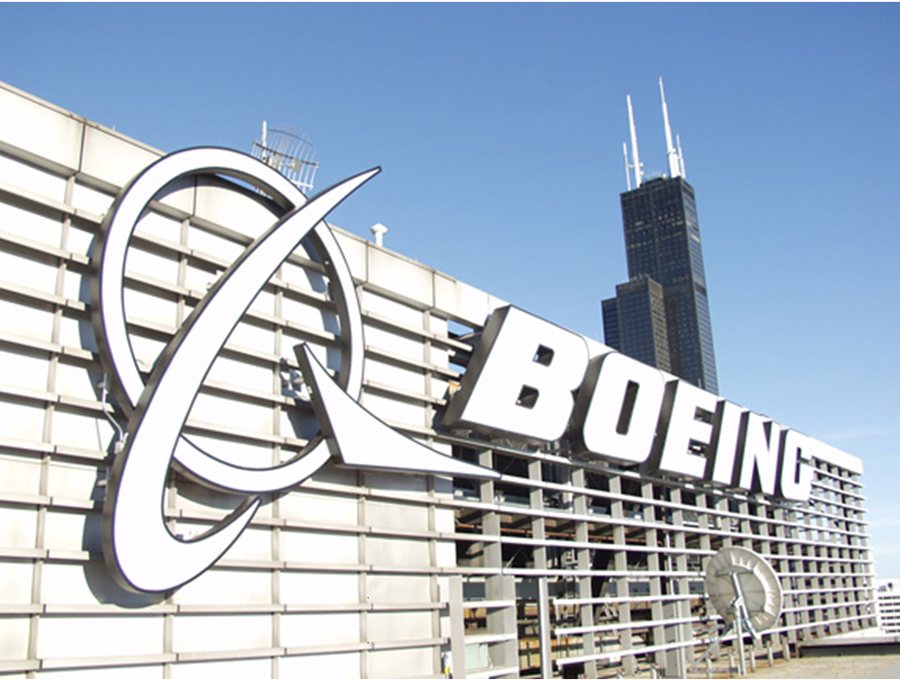
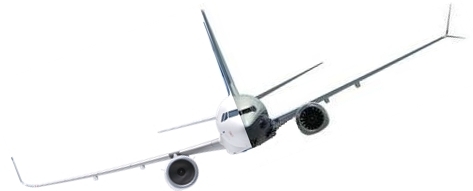
The Boeing Company ha designado el nuevo cargo de Director de Seguridad Aeroespacial, añadiendo un nuevo puesto de alta gerencia como resultado de los acontecimientos que involucraron la seguridad de la línea de diseño, ensamblaje y pruebas del 737 MAX. El nuevo nombramiento de Mike Delaney rediseña e involucra a la compañía hacia los altos y amplios control de las iniciativas de seguridad interna y un asiento en el Consejo Ejecutivo de Boeing, dice el CEO Dave Calhoun.
Mike Delaney dirigió la ingeniería para la división comercial de Boeing durante el período 2010-16, la mayor parte del tiempo de la línea 737 MAX cuando estaba siendo desarrollada, luego dirigió la unidad de desarrollo de aviones de la compañía, y más recientemente lideró una campaña para asegurar a los viajeros que las cabinas de los aviones están a libre de contagios a bordo.
La compañía anunció el nombramiento menos de una semana después de aceptar mejorar su supervisión de seguridad interna como parte de un acuerdo por un valor punitivo de US$ 2.5 billones de Dólares en concepto de multas establecido por el Departamento de Justicia de los Estados Unidos.
Boeing appoints new Safety Director
Boeing appoints Engineering Executive Mike Delaney
The Boeing Company has appointed the new position of Director of Aerospace Safety, adding a new senior management position as a result of events involving the safety of the 737 MAX design, assembly and test line. The reappointment of Mike Delaney redesigns and engages the company toward high and broad control of internal security initiatives and a seat on Boeing’s Executive Board, says CEO Dave Calhoun.
Mike Delaney led engineering for Boeing’s commercial division during 2010-16, most of the time for the 737 MAX line when it was being developed, then led the company’s aircraft development unit, and most recently led a campaign to assure travelers that aircraft cabins are free of contagion on board.
The company announced the appointment less than a week after agreeing to improve its internal security oversight as part of a settlement for a punitive US$ 2.5 billion in fines established by the United States Department of Justice.
WestJet reanudará vuelos a espera aprobación de Transport Canada
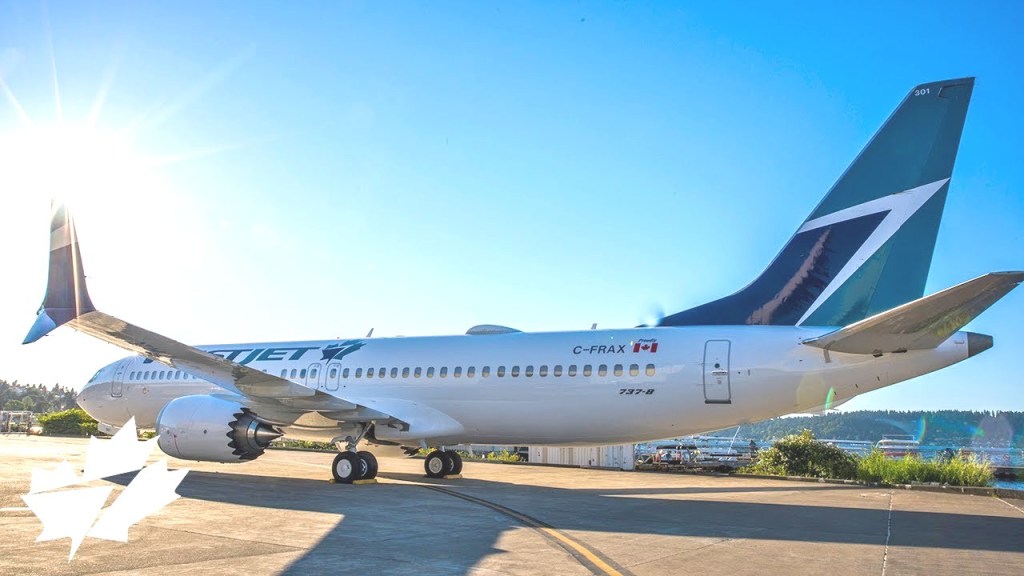
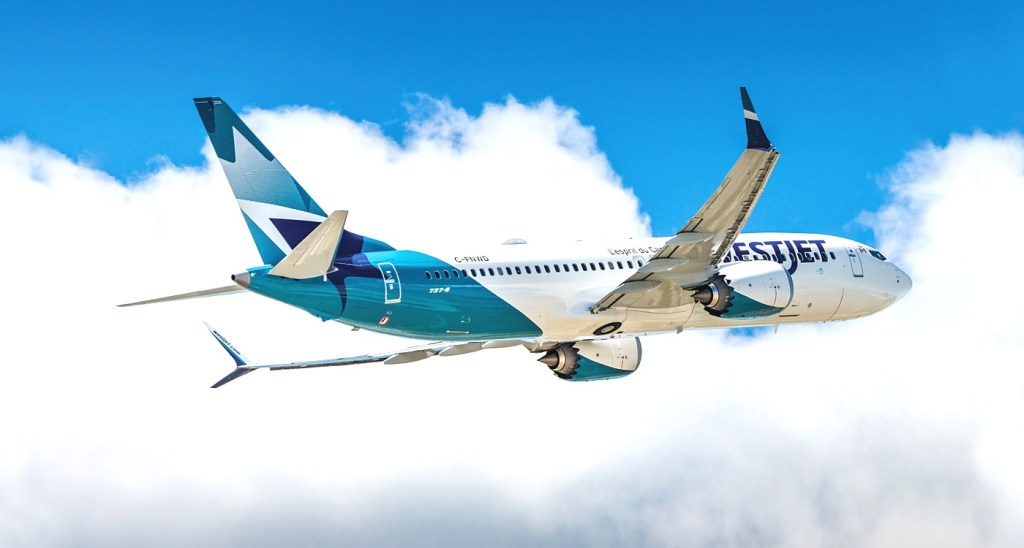
WestJet Airlines Ltd. ha comunicado que está planeando reanudar el vuelo de su flota de aviones de pasajeros Boeing 737 MAX para el 21 de Enero de 2021, a la espera de que el Gobierno canadiense apruebe los cambios de seguridad en el avión. WestJet, con sede en Calgary, ha informado el Miércoles 06/01 que el 737 MAX comenzará el servicio con tres vuelos de ida y vuelta a la semana entre Calgary y Toronto, y más tarde agregará más rutas.
El 737 MAX ha sido puesto en tierra en Marzo de 2019 después de dos accidentes aéreos entre cinco meses en Indonesia y Etiopía donde fallecieron 346 personas. Después de que Boeing realizara cambios en el Sistema de Control de Vuelos (MCAS) vinculado a los desastres, la Federal Aviation Administration (FAA) de Estados Unidos despejó el avión para el retorno del servicio, mientras que Transport Canadá (TC) todavía no ha dado autorización definitiva a los cambios, y está requiriendo diferentes procedimientos de cabina y entrenamiento. «A medida que sigamos trabajando con Transport Canada en los requisitos canadienses adicionales, nuestro primer Max estará listo para regresar de forma segura al servicio a partir del 21 de Enero de 2021. Aunque no tenemos una confirmación final sobre cuándo TC abrirá el espacio aéreo canadiense al avión 737 Max, en aras de la transparencia compartimos nuestra intención de volar una vez que se reciba esta confirmación», dijo Ed Sims, Director Ejecutivo de WestJet, en un comunicado.
WestJet tiene actualmente una flota de trece Boeing 737 MAX. Las aerolíneas están interesadas en reanudar el vuelo del MAX debido a sus menores costos de operación y alcance favorable, sin embargo, deben asegurar a los clientes que los aviones son seguros. WestJet dijo que quiere restaurar la confianza del cliente en los aviones, y dijo que sabrán si están programados para volar en uno. «Estaremos al día con nuestros huéspedes sobre dónde vuela el avión MAX, y seremos flexibles con nuestra política de cambio y cancelación para garantizar que nuestros huéspedes puedan hacer sus planes de viaje con confianza», dijo el Sr. Ed Sims. El Gobierno canadiense por medio de la agencia de seguridad Transpor Canada no ha dicho cuándo el avión recibirá la aprobación final para volar pasajeros. El Ministro de Transporte Marc Garneau dijo en Noviembre 2020 que la revisión de los cambios del avión concluirá pronto.
WestJet to resume Boeing 737 MAX
WestJet to resume flights pending approval from Transport Canada
WestJet Airlines Ltd. has announced that it is planning to resume the flight of its fleet of Boeing 737 MAX passenger aircraft by January 21, 2021, pending the approval of the Canadian government of the safety changes on the plane. Calgary-based WestJet reported on Wednesday 06/01 that the 737 MAX will begin service with three round-trip flights a week between Calgary and Toronto, and will later add more routes.
The 737 MAX was grounded in March 2019 after two air accidents within five months in Indonesia and Ethiopia where 346 people died. After Boeing made changes to the disaster-linked Flight Control System (MCAS), the U.S. Federal Aviation Administration (FAA) cleared the aircraft for return to service, while Transport Canada (TC) has yet to given final authorization to the changes, and is requiring different cabin procedures and training. «As we continue to work with Transport Canada on additional Canadian requirements, our first Max will be ready to return safely to service starting January 21, 2021. Although we do not have a final confirmation on when TC will open Canadian airspace. to the 737 Max aircraft, in the interests of transparency we share our intention to fly once this confirmation is received», said Ed Sims, WestJet CEO, in a statement.
WestJet currently has a fleet of thirteen Boeing 737 MAXs. Airlines are interested in resuming the MAX flight due to its lower operating costs and favorable range, however, they must assure customers that the planes are safe. WestJet said it wants to restore customer confidence in the planes, and said they will know if they are scheduled to fly one. «We will stay up-to-date with our guests on where the MAX aircraft flies, and we will be flexible with our change and cancellation policy to ensure our guests can make their travel plans with confidence», said Mr. Ed Sims. The Canadian government through security agency Transpor Canada has not said when the plane will receive final approval to fly passengers. Transport Minister Marc Garneau said in November 2020 that the review of the aircraft changes will conclude soon.
WestJet va reprendre le Boeing 737 MAX
WestJet reprendra ses vols en attendant l’approbation de Transports
WestJet Airlines Ltd. a annoncé qu’elle prévoyait de reprendre le vol de sa flotte d’avions de passagers Boeing 737 MAX d’ici le 21 Janvier 2021, en attendant l’approbation par le gouvernement canadien des changements de sécurité à bord de l’avion. WestJet, de Calgary, a annoncé le mercredi 06/01 que le 737 MAX commencera son service avec trois vols aller-retour par semaine entre Calgary et Toronto, et qu’il ajoutera plus tard plus de routes.
Le 737 MAX a été immobilisé en mars 2019 après deux accidents aériens en cinq mois en Indonésie et en Éthiopie où 346 personnes sont mortes. Après que Boeing a apporté des modifications au système de commande de vol en cas de catastrophe (MCAS), la Federal Aviation Administration (FAA) des États-Unis a autorisé la remise en service de l’avion, tandis que Transports Canada (TC) n’a pas encore a donné l’autorisation finale aux changements et nécessite des procédures et une formation en cabine différentes. «Alors que nous continuons de travailler avec Transports Canada sur les exigences canadiennes supplémentaires, notre premier Max sera prêt à retourner en service en toute sécurité à compter du 21 janvier 2021. Bien que nous n’ayons pas de confirmation définitive sur le moment où TC ouvrira l’espace aérien canadien. à l’avion 737 Max, dans un souci de transparence, nous partageons notre intention de voler une fois cette confirmation reçue», a déclaré Ed Sims, PDG de WestJet, dans un communiqué.
WestJet possède actuellement une flotte de treize Boeing 737 MAX. Les compagnies aériennes sont intéressées par la reprise du vol MAX en raison de ses coûts d’exploitation inférieurs et de sa portée favorable, mais elles doivent garantir aux clients que les avions sont sûrs. WestJet a déclaré qu’elle souhaitait restaurer la confiance des clients dans les avions, et a déclaré qu’elle saura s’il est prévu d’en piloter un. «Nous resterons informés auprès de nos clients sur les destinations de l’avion MAX, et nous serons flexibles avec notre politique de changement et d’annulation pour nous assurer que nos clients peuvent planifier leur voyage en toute confiance», a déclaré M. Ed Sims. Le gouvernement canadien, par l’intermédiaire de l’agence de sécurité Transpor Canada, n’a pas précisé quand l’avion recevra l’approbation finale pour transporter des passagers. Le ministre des Transports, Marc Garneau, a déclaré en novembre 2020 que l’examen des modifications apportées aux avions se terminera bientôt.
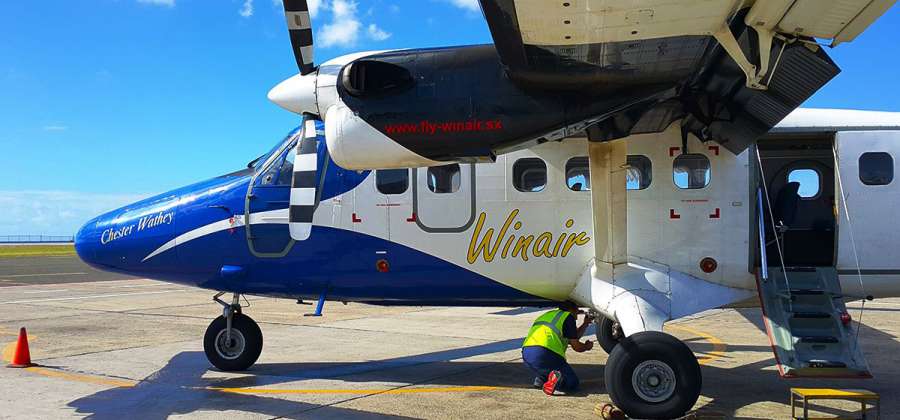
Gobierno Países Bajos activa préstamo US$ 3 millones a Winair
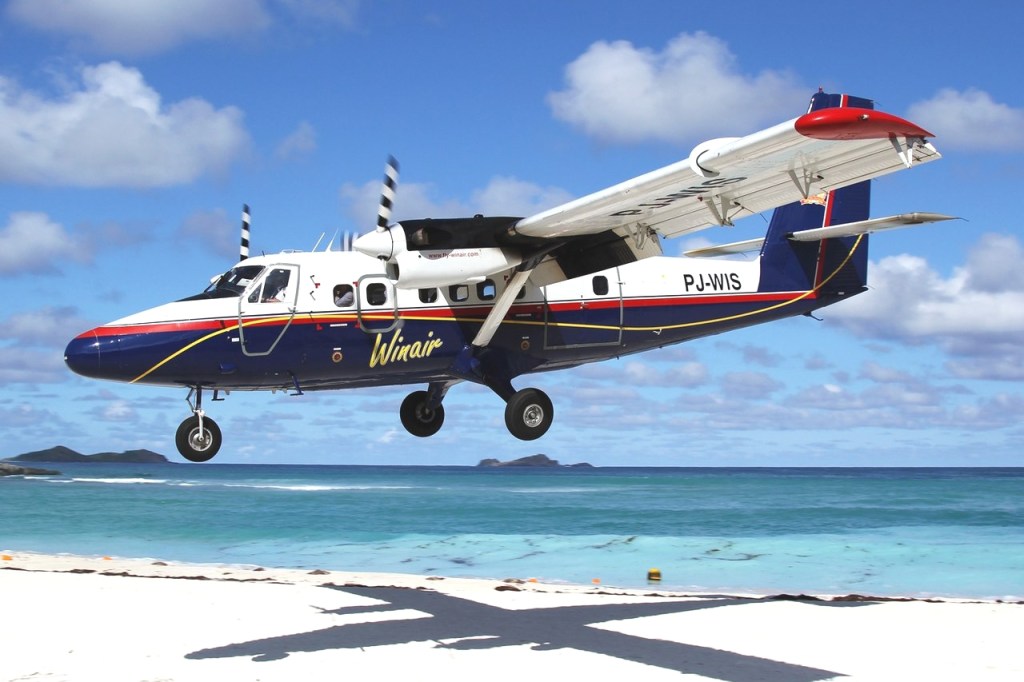
Los Países Bajos anunciaron un rescate financiero para la aerolínea estatal Winair, clave para sus islas del Caribe. La compañía, que atraviesa dificultades por la pandemia de Coronavirus, es la única que mantiene conexiones entre las seis islas holandesas en la región caribeña. El 31 de Diciembre de 2020, el Gobierno holandés anunció un préstamo hipotecario de US$ 3 millones a Windward Islands Airways (Winair), la pequeña aerolínea regional con sede en la Isla Saint Maarten. El préstamo ayudará al transportista en dificultades a sobrevivir a la crisis actual y mantener conectadas a las Islas del Caribe.
La conectividad aérea es esencial para mantener las economías de la región en funcionamiento en la Región de las Antillas. El préstamo aprobado tiene una tasa de interés basada en el mercado, anunció Cora van Nieuwenhizen, Ministra holandesa de Infraestructura y Gestión del Agua. El Gobierno neerlandés tiene una participación minoritaria en la aerolínea, con un 7,95% de Winair, mientras que el Gobierno de St. Maarten posee el 92,05%. En una carta enviada a la Sala Segunda del Parlamento neerlandés, van Nieuwenhizen dijo: «La emisión de este préstamo se basa en la necesidad de mantener la conectividad aérea con las islas del Caribe de los Países Bajos. El apoyo se proporciona en forma de un préstamo hipotecario con un plazo de amortización de 18 meses, que puede ampliarse a un máximo de seis años con aprobación mutua». Winair pondrá su edificio en el Aeropuerto Internacional Princesa Juliana en St. Maarten como garantía. Durante este tiempo, Winair no podrá pagar bonus a sus directivos ni distribuir dividendos entre sus accionistas.
La aerolínea, fundada en 1961 es una compañía escencial para el progreso y conexión de la región. Actualmente, emplea a 130 personas. La compañía Winair es la única aerolínea que mantiene conexiones entre las seis islas holandesas del Caribe: Bonaire, Curazao y Aruba, que se sitúan a unos 80 kilómetros al norte de la costa venezolana, y San Eustaquio, Saba y San Martín.
Holland injects loan to Winair
Netherlands Government activates a US$ 3 million loan to Winair
The Netherlands announced a financial rescue for the state airline Winair, key to its Caribbean islands. The company, which is experiencing difficulties due to the Coronavirus pandemic, is the only one that maintains connections between the six Dutch islands in the Caribbean region. On December 31, 2020, the Dutch Government announced a US$ 3 million mortgage loan to Windward Islands Airways (Winair), the small regional airline based on Saint Maarten Island. The loan will help the distressed carrier survive the current crisis and keep the Caribbean Islands connected.
Air connectivity is essential to keep the economies of the region running in the Antilles Region. The approved loan has a market-based interest rate, announced Cora van Nieuwenhizen, Dutch Minister for Infrastructure and Water Management. The Dutch Government has a minority stake in the airline, with 7.95% of Winair, while the Government of St. Maarten owns 92.05%. In a letter sent to the Second Chamber of the Dutch Parliament, van Nieuwenhizen said: «The issuance of this loan is based on the need to maintain air connectivity with the Caribbean islands of the Netherlands. Support is provided in the form of a mortgage loan with a repayment period of 18 months, which can be extended to a maximum of six years with mutual approval». Winair will put its building in the Princess Juliana International Airport in St. Maarten as collateral. During this time, Winair will not be able to pay bonuses to its directors or distribute dividends among its shareholders.
The airline, founded in 1961, is an essential company for the progress and connection of the region. Currently, it employs 130 people. The Winair company is the only airline that maintains connections between the six Dutch islands of the Caribbean: Bonaire, Curaçao and Aruba, which are located about 80 kilometers north of the Venezuelan coast, and Saint Eustatius, Saba and Saint Martin.
Holland injecteert lening aan Winair
Nederlandse overheid verstrekt een lening van US$ 3 miljoen
Nederland Kondigde een financiële redding aan voor de staatsluchtvaartmaatschappij Winair, de sleutel tot haar Caribische eilanden. Het bedrijf, dat in moeilijkheden verkeert door de coronaviruspandemie, is het enige dat verbindingen onderhoudt tussen de zes Nederlandse eilanden in het Caribisch gebied. Op 31 december 2020 kondigde de Nederlandse regering een hypotheeklening van US$ 3 miljoen aan aan Windward Islands Airways (Winair), de kleine regionale luchtvaartmaatschappij op het eiland Saint Maarten. De lening zal de noodlijdende luchtvaartmaatschappij helpen de huidige crisis te overleven en de Caribische eilanden verbonden te houden.
Luchtverbindingen zijn essentieel om de economie van de regio in de Antillenregio draaiende te houden. De goedgekeurde lening heeft een marktconform rentetarief, meldt minister van Infrastructuur en Waterstaat Cora van Nieuwenhizen. De Nederlandse regering heeft een minderheidsbelang in de luchtvaartmaatschappij, met 7,95% van Winair, terwijl de regering van St. Maarten 92,05% bezit. In een brief aan de Tweede Kamer van de Tweede Kamer zei van Nieuwenhizen: ,,De uitgifte van deze lening is gebaseerd op de noodzaak om de luchtverbinding met de Caribische eilanden van Nederland te behouden. Ondersteuning wordt verleend in de vorm van een hypothecaire lening met een aflossingsperiode van 18 maanden, die met wederzijdse goedkeuring kan worden verlengd tot maximaal zes jaar». Winair zal haar gebouw als onderpand op de Princess Juliana International Airport in St. Maarten plaatsen. Gedurende deze tijd zal Winair geen bonussen kunnen uitkeren aan zijn bestuurders of dividenden onder zijn aandeelhouders uitkeren.
De luchtvaartmaatschappij, opgericht in 1961, is een essentieel bedrijf voor de vooruitgang en verbinding van de regio. Momenteel werken er 130 mensen. Het bedrijf Winair is de enige luchtvaartmaatschappij die verbindingen onderhoudt tussen de zes Nederlandse eilanden van het Caribisch gebied: Bonaire, Curaçao en Aruba, die ongeveer 80 kilometer ten noorden van de Venezolaanse kust liggen, en Sint Eustatius, Saba en Sint Maarten.
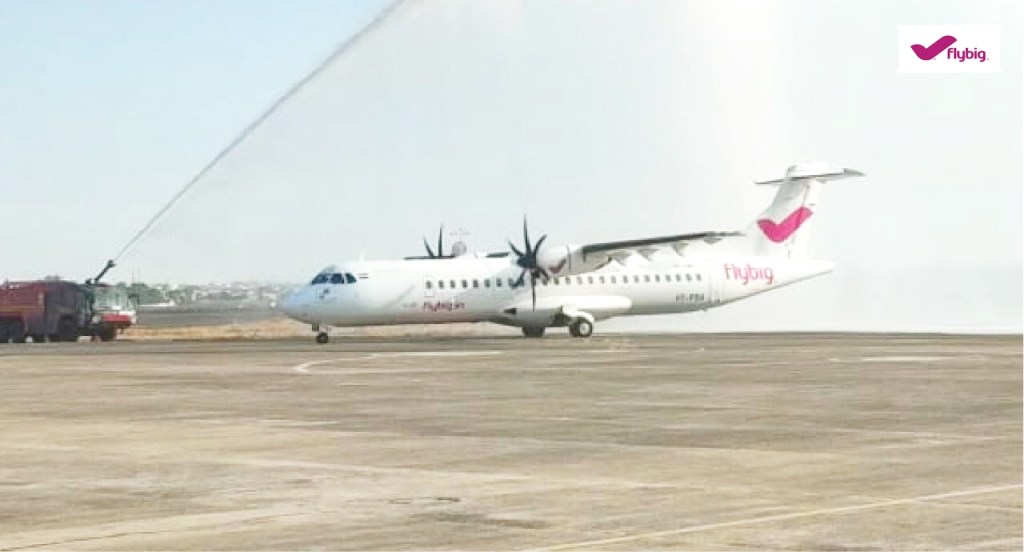
Nueva aerolínea regional inicia operaciones en la India
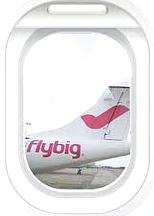
Flybig es la aerolínea de más reciente creación en la República de la India que iniciará operaciones comerciales a partir del 3 de Enero de 2021. La nueva compañía ha obtenido el permiso respectivo del organismo regulador de aviación DGCA en Diciembre 2020. La base operativa de la compañía está situada en Indore. La aerolínea ha sido fundada por Sanjay Mandavia, un piloto convertido en empresario de la aviación.
Tras el comienzo del 2021 la industria de la aviación india tendrá un nuevo participante en el mercado de vuelos domésticos que comenzará a operar el 03/01, con el servicio inaugural entre Indore y Ahmedabab programada para las 02:30 p.m. con una duración del tiempo de ruta de 01:05 hs. En las primeras dos semanas, operará un servicio de tres veces a la semana (3Frq/S). «Más tarde ampliaremos para tener cinco vuelos a la semana, a partir de mediados de Febrero. Abrimos reservas hace dos días. El interés es bueno y hemos visto reservas del 25 por ciento», dijo el CEO Srinivas Rao. Actualmente la aerolínea Flybig posee en su flota un avión ATR 72-600, y está en el proceso de obtener una segunda unidad.
El lanzamiento de la nueva aerolínea se produce incluso cuando el tráfico aéreo nacional continúa mejorando, habiendo conseguido un empujón durante la temporada festiva y viajes de fin de año. Si bien el Gobierno había aumentado el límite, lo que permitió a las aerolíneas ahora utilizar el 80 por ciento de su capacidad, la esperanza es ahora que esto se alivie aún más. Quedan algunas preocupaciones. A pesar de que los gobiernos comenzaron a administrar vacunas, una nueva cepa de COVID-19 ha vuelto a crear temores, especialmente para los viajes internacionales. Como medida de precaución, la India ha suspendido los vuelos al Reino Unido, donde se originó la nueva cepa, hasta el 7 de Enero de 2021.
La aerolínea, que había obtenido su permiso del regulador DGCA el 14 de Diciembre de 2020, comenzó parcialmente a operar el 21/12 cuando operaba un vuelo fletado con el avión tomado en arrendamiento de wetlease de SpiceJet. Flybig voló de Delhi a Shillong, para coincidir con el paso del Gobierno de Meghalaya para abrir el estado para el turismo a medida que los viajes nacionales se recuperan gradualmente de la pandemia COVID-19. «Hemos ganado la licitación del gobierno estatal para operar el vuelo Delhi-Shillong durante tres años», expresó la compañía en un comunicado. A partir de Enero 2021, la compañía operará dos vuelos semanales en la ruta. Eventualmente, agregó el ejecutivo senior, la compañía planea desplegar su propio avión en la ruta.
La aerolínea seguirá un modelo híbrido, sirviendo aperitivos a bordo, pero desagregando otros servicios. «No queremos vender comida a bordo, ya que el tiempo de vuelo es menor. Eso nos impedirá dar un servicio adecuado y podría llevar a la frustración entre los volantes. Por lo tanto, optamos por ofrecer bocadillos como parte del boleto», dijo el CEO de Flybig.
Perspectivas Flybig
A partir del 13 de Enero de 2021, Flybig añadirá la ruta Indore-Raipur en su red, y el 01/02 la aerolínea comenzará a volar de Ahmedabad a Bhopal. A finales de Marzo 2021 tendrá vuelos diarios que conectan las tres ciudades denominadas de Nivel 2. La aerolínea, que organizó un vuelo especial el 31 de Diciembre de 2020 en Jabalpur, añadirá la ciudad a su red en la segunda etapa. Además buscará servir a ciudades de Nivel 3 como Bilaspur y Satna desde Bhopal.
Flybig starts operations
New regional airline starts operations in India
Flybig is the newest airline in the Republic of India that will start commercial operations from January 3, 2021. The new company has obtained the respective permission from the aviation regulator DGCA in December 2020. The operational base of the company is located in Indore. The airline was founded by Sanjay Mandavia, a pilot turned aviation entrepreneur.
After the start of 2021, the Indian aviation industry will have a new entrant in the domestic flight market that will begin operating on 01/03, with the inaugural service between Indore and Ahmedabab scheduled for 02:30 p.m. with a duration of the route time of 01:05 hs. In the first two weeks, you will operate a service three times a week (3Frq/S). «We will later expand to have five flights a week, starting in mid-February. We opened bookings two days ago. Interest is good and we have seen bookings of 25 percent», CEO Srinivas Rao said. Currently, Flybig airline has an ATR 72-600 aircraft in its fleet, and is in the process of obtaining a second unit.
The launch of the new airline comes even as domestic air traffic continues to improve, having gotten a boost during the holiday season and end-of-year travel. While the government had raised the cap, allowing airlines to now use 80 percent of their capacity, the hope is now that this will be further eased. Some concerns remain. Despite governments starting to administer vaccines, a new strain of COVID-19 has re-created fears, especially for international travel. As a precautionary measure, India has suspended flights to the United Kingdom, where the new strain originated, until January 7, 2021.
The airline, which had obtained its permission from the regulator DGCA on December 14, 2020, partially began operating on 12/21 when it was operating a chartered flight with the aircraft leased from SpiceJet’s wetlease. Flybig flew from Delhi to Shillong, to coincide with the Meghalaya Government’s move to open the state for tourism as domestic travel gradually recovers from the COVID-19 pandemic. «We have won the state government tender to operate the Delhi-Shillong flight for three years», the company said in a statement. Starting in January 2021, the company will operate two weekly flights on the route. Eventually, the senior executive added, the company plans to deploy its own aircraft on the route.
The airline will follow a hybrid model, serving snacks on board, but unbundling other services. «We do not want to sell food on board, as the flight time is shorter. That will prevent us from providing adequate service and could lead to frustration among the flyers. Therefore, we opted to offer snacks as part of the ticket», said the Flybig CEO.
Flybig perspectives
Starting on January 13, 2021, Flybig will add the Indore-Raipur route to its network, and on 02/01 the airline will start flying from Ahmedabad to Bhopal. At the end of March 2021 it will have daily flights connecting the three so-called Level 2 cities. The airline, which organized a special flight on December 31, 2020 in Jabalpur, will add the city to its network in the second stage. It will also seek to serve Level 3 cities such as Bilaspur and Satna from Bhopal.
फ्लाईबिग से परिचालन शुरू होता है
नई क्षेत्रीय एयरलाइन भारत में परिचालन शुरू करती है
फ्लिबिग भारत गणराज्य में नवीनतम एयरलाइन है जो 3 जनवरी 2021 से वाणिज्यिक परिचालन शुरू करेगी। नई कंपनी ने दिसंबर 2020 में विमानन नियामक DGCA से संबंधित अनुमति प्राप्त की है। परिचालन आधार। इंदौर में स्थित है। एयरलाइन की स्थापना संजय मंडाविया ने की थी, जो एक पायलट के रूप में विमानन उद्यमी था।
2021 की शुरुआत के बाद, भारतीय उड्डयन उद्योग का घरेलू उड़ान बाजार में एक नया प्रवेश होगा जो 01/03 पर शुरू होगा, इंदौर और अहमदाब के बीच उद्घाटन सेवा 02:30 बजे के लिए निर्धारित होगी। 01:05 hs के रूट समय की अवधि के साथ। पहले दो हफ्तों में, आप सप्ताह में तीन बार (3Frq/S) एक सेवा का संचालन करेंगे। सीईओ श्रीनिवास राव ने कहा, «हम बाद में सप्ताह में पांच उड़ानों का विस्तार करेंगे, जो फरवरी के मध्य में शुरू होंगी। हमने दो दिन पहले बुकिंग खोली थी। ब्याज अच्छा है और हमने 25 प्रतिशत की बुकिंग देखी है।» वर्तमान में, फ्लाईबिग एयरलाइन के पास अपने बेड़े में ATR 72-600 विमान हैं, और एक दूसरी इकाई प्राप्त करने की प्रक्रिया में है।
नई एयरलाइन की शुरूआत तब भी होती है जब घरेलू हवाई यातायात में सुधार जारी है, जिससे छुट्टियों के मौसम और साल के अंत में यात्रा में वृद्धि हुई है। जहां सरकार ने कैप बढ़ा दी थी, अब एयरलाइंस को अपनी क्षमता का 80 प्रतिशत उपयोग करने की अनुमति है, उम्मीद अब यह है कि यह और अधिक आसान हो जाएगा। कुछ चिंता बनी हुई है। टीकों का संचालन शुरू करने वाली सरकारों के बावजूद, COVID-19 के एक नए तनाव ने फिर से आशंका पैदा की है, खासकर अंतरराष्ट्रीय यात्रा के लिए। एहतियाती उपाय के रूप में, भारत ने यूनाइटेड किंगडम के लिए उड़ानें निलंबित कर दी हैं, जहां 7 जनवरी 2021 तक नए तनाव की उत्पत्ति हुई।
एयरलाइन, जिसने 14 दिसंबर, 2020 को नियामक डीजीसीए से इसकी अनुमति प्राप्त कर ली थी, आंशिक रूप से 12/21 पर परिचालन शुरू कर दिया था जब यह स्पाइसजेट के वेटलिफ्ट से पट्टे पर विमान के साथ एक चार्टर्ड उड़ान का संचालन कर रहा था। फ्लाइबिग ने दिल्ली से शिलांग के लिए उड़ान भरी, मेघालय सरकार द्वारा पर्यटन के लिए राज्य खोलने के कदम के साथ मेल खाना, क्योंकि घरेलू यात्रा धीरे-धीरे सीओवीआईडी -19 महामारी से उबरती है। कंपनी ने एक बयान में कहा, «हमने तीन साल के लिए दिल्ली-शिलांग उड़ान संचालित करने के लिए राज्य सरकार के टेंडर को जीत लिया है»। जनवरी 2021 से शुरू होकर, कंपनी मार्ग पर दो साप्ताहिक उड़ानें संचालित करेगी। आखिरकार, सीनियर एग्जीक्यूटिव ने कहा, कंपनी की योजना अपने खुद के विमान को रूट पर तैनात करने की है।
एयरलाइन एक हाइब्रिड मॉडल का पालन करेगी, जो बोर्ड पर स्नैक्स परोसती है, लेकिन अन्य सेवाओं को असहनीय करती है। «हम बोर्ड पर खाना बेचना नहीं चाहते हैं, क्योंकि उड़ान का समय कम है। यह हमें पर्याप्त सेवा प्रदान करने से रोकेगा और यात्रियों के बीच निराशा पैदा कर सकता है। इसलिए, हमने टिकट के हिस्से के रूप में नाश्ते की पेशकश करने का विकल्प चुना।» फ्लाईबिग के सीईओ।
फ्लाइबिग आउटलुक
13 जनवरी, 2021 से शुरू होकर, फ्लाईबिग इंदौर-रायपुर मार्ग को अपने नेटवर्क में जोड़ देगा, और 02/01 को अहमदाबाद से भोपाल के लिए विमान सेवा शुरू हो जाएगी। मार्च 2021 के अंत में इसमें तीन तथाकथित टियर 2 शहरों को जोड़ने वाली दैनिक उड़ानें होंगी। जबलपुर में 31 दिसंबर, 2020 को एक विशेष उड़ान का आयोजन करने वाली एयरलाइन, दूसरे चरण में शहर को अपने नेटवर्क में शामिल करेगी। इसमें भोपाल से बिलासपुर और सतना जैसे टियर 3 शहरों की सेवा भी ली जाएगी।
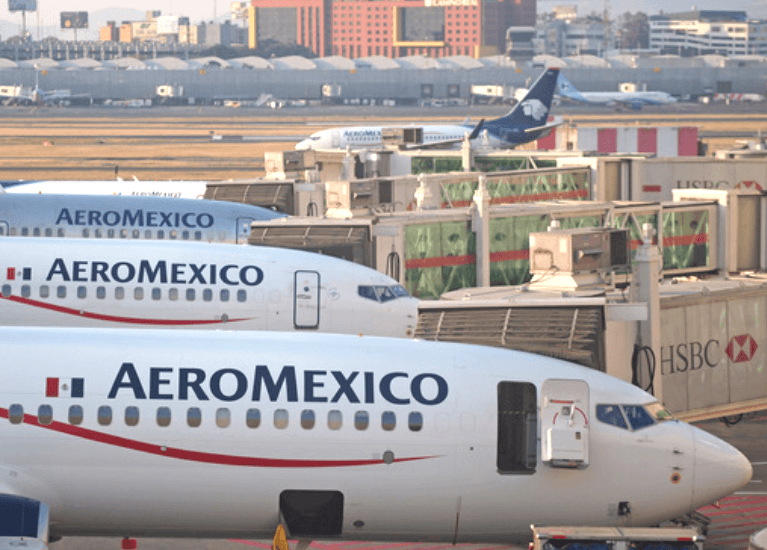
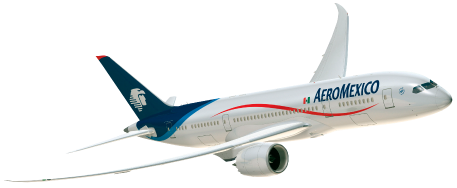
Sindicato ASPA rechaza acuerdo laboral con Aeroméxico
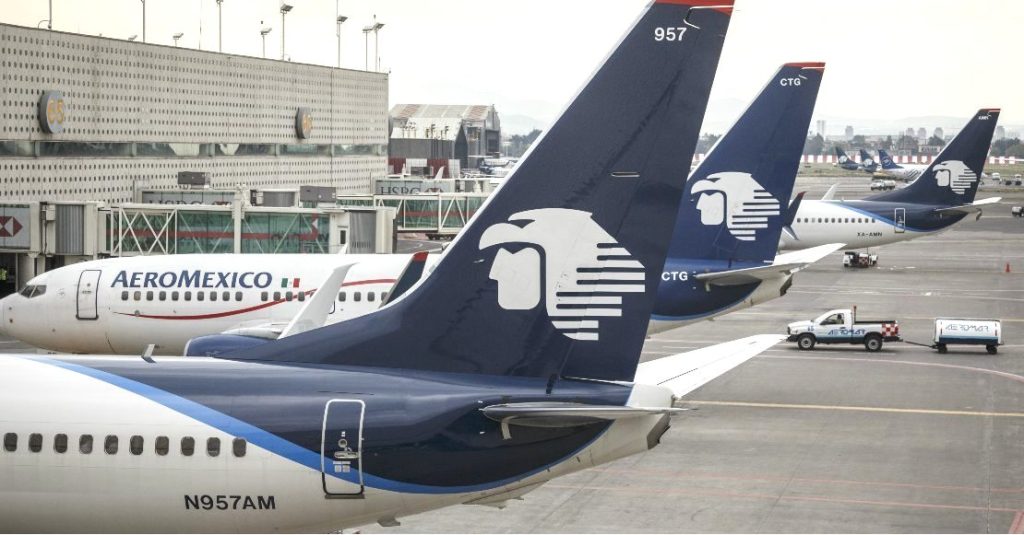
La Asociación Sindical de Pilotos Aviadores (ASPA) de México ha comunicado que la Asamblea General ha rechazado por mayoría en una votación la propuesta alterna que había preparado el sindicato para apoyar el proceso de reestructura de las aerolíneas de Grupo Aeroméxico, en el contexto bajo del Capítulo 11 de la Ley de Quiebras de Estados Unidos. La propuesta que se puso a consideración mediante votación en urna en los últimos tres días es un paquete de reducción de costos y ahorros por parte del sindicato como una alternativa a lo presentado por la administración de Grupo Aeroméxico. Sin embargo, la mayoría de la planta de pilotos no estuvo de acuerdo con el proyecto.
Los pilotos dijeron, de acuerdo con el documento, que el haber rechazado dicha propuesta no significa que no entiendan la situación delicada que vive la industria aérea en el mundo, en este caso Aeroméxico y Aeroméxico Connect. “Los pilotos de ASPA orgullosamente hemos apoyado la continuidad de las empresas por medio de importantes reducciones de nuestras percepciones a lo largo de nueve meses, mismas que le han permitido atender la recuperación de la demanda de pasajeros tanto en el mercado nacional como en el internacional. El rechazo a esta propuesta por parte de la Asamblea General, órgano máximo en la toma de decisiones de nuestra institución, nos invita a continuar en la búsqueda de alternativas que hagan viable la inyección de capital que requiere la empresa y que al mismo tiempo sean aceptables para nuestros pilotos. En ASPA estamos conscientes de la necesidad que exige la coyuntura actual para cuidar nuestra fuente de empleo, no obstante las acciones y decisiones que ha tomado la administración de Grupo Aeroméxico en los últimos meses suscitaron incertidumbre y desconfianza en la planta de pilotos”, informaron en el documento.
Aeroméxico y ASPA mantienen negociaciones respecto al Contrato Colectivo de Trabajo desde Agosto 2020, pero no han llegado a un acuerdo porque las propuestas de la empresa no han convencido a los pilotos. El Sindicato ASPA agrupa a más de 2.000 pilotos, que en su mayoría confían que el Grupo Aeroméxico “mostrará sensibilidad y disposición para llegar a un acuerdo en beneficio mutuo y se respeten los derechos adquiridos en el contrato colectivo de trabajo”. Aeroméxico ha estado arribando a acuerdos con sus diferentes sindicatos, aunque detallan continuar con las negociaciones con ASPA y con la Asociación Sindical de Sobrecargos de Aviación (ASSA). Para la compañía resulta importante alcanzar un acuerdo para continuar con desarrollo del financiamiento de la compañía Apollo Global Management por un valor de US$ 1.000 millones de Dólares.
Aeromexico pilots without agreements
ASPA union rejects labor agreement with Aeromexico
The Mexican Association of Airmen Pilots (ASPA) has communicated that the General Assembly has rejected by majority in a vote the alternative proposal that the union had prepared to support the process of restructuring the airlines of Grupo Aeroméxico, in the context under the Chapter 11 of the United States Bankruptcy Law. The proposal that was put to consideration by ballot box in the last three days is a cost reduction and savings package by the union as an alternative to what was presented by Grupo Aeroméxico’s administration. However, the majority of the pilot plant did not agree with the project.
The pilots said, according to the document, that having rejected said proposal does not mean that they do not understand the delicate situation that the airline industry is experiencing in the world, in this case Aeroméxico and Aeroméxico Connect. “ASPA pilots have proudly supported the continuity of the companies through significant reductions in our perceptions over nine months, which have allowed them to meet the recovery of passenger demand both in the national and international markets. The rejection of this proposal by the General Assembly, the highest decision-making body of our institution, invites us to continue in the search for alternatives that make the injection of capital required by the company viable and that at the same time are acceptable for our pilots. At ASPA we are aware of the need that the current situation demands to take care of our source of employment, despite the actions and decisions taken by the administration of Grupo Aeroméxico in recent months aroused uncertainty and mistrust in the pilot plant”, they reported in The document.
Aeroméxico and ASPA have been in negotiations regarding the Collective Labor Agreement since August 2020, but they have not reached an agreement because the company’s proposals have not convinced the pilots. The ASPA Union brings together more than 2,000 pilots, most of whom trust that the Aeromexico Group «will show sensitivity and willingness to reach an agreement for mutual benefit and respect the rights acquired in the collective bargaining agreement». Aeromexico has been reaching agreements with its different unions, although they detail continuing negotiations with ASPA and with the Aviation Flight Carriers Union Association (ASSA). It is important for the company to reach an agreement to continue developing the financing of the Apollo Global Management company for a value of US$ 1,000 million.
El primer vuelo comercial estadounidense del Boeing 737 MAX ha despegado en Estados Unidos con la programación establecida de American Airlines. El vuelo AA718 ha despegado en el día 29/12 del Aeropuerto Internacional Miami a las 10:40 a.m. hacia el Aeropuerto LaGuardia de Nueva York. «Estamos volando en un Boeing 737 MAX. Tenemos la máxima confianza en este avión. De hecho, mi esposa está a bordo», anunció el capitán Sean Roskey a través del sistema de megafonía del avión, para algunos aplausos de los pasajeros, que incluían al Presidente de American Airlines, Robert Isom, a algunos tripulantes de viajes y otros empleados. El vuelo AA718 de un Boeing 737-8 MAX de American Airlines ha despegado con 87 pasajeros a bordo. El vuelo de regreso a Miami más tarde este Martes 29/12 está casi lleno, informaron en la compañía.
Programando vuelos
La aerolínea con sede en Fort Worth, Texas, opera un vuelo de ida y vuelta una vez al día entre los dos aeropuertos y luego planea aumentar el servicio a otras ciudades en las próximas semanas, con hasta 91 vuelos en aeronaves 737 MAX al día entre mediados de Febrero y principios de Marzo de 2021, reactivando de menara progresiva este tipo de aviones comerciales. United Airlines planea iniciar vuelos 737 MAX el 11 de Febrero de 2021 desde sus centros de Denver y Houston. Southwest Airlines ha dicho que empezaría a volar los aviones en el segundo trimestre (2Q2021). La aerolínea brasileña GOL Linhas Aéreas, que opera una flota de Boeing 737-8 MAX, a principios de este mes fue la primera aerolínea en el mundo en relanzar los aviones al aire.
El Boeing 737 MAX se embarca en sus primeros vuelos comerciales en Estados Unidos después de dos años de puesta a tierra por revisiones de seguridad operativa. Los vuelos clave se producen después de que la mayor conexión a tierra en la historia de la aviación de Los Estados Unidos terminó hace poco más de un mes después de que la Administración Federal de Aviación (FAA) despejara el 737 MAX para volar de nuevo, firmando en varios cambios relacionados con la seguridad que Boeing hizo a la aeronave, su avión más vendido. «Creo que lo que ha sucedido con el Max, ha aumentado la intensidad por la que todos tenemos que ser conscientes de la seguridad. Desde una perspectiva de seguridad puedo decirles en American que no tomamos la entrega de un avión sin ponerlo a prueba», dijo el Presidente de Estados Unidos, Robert Isom, a los periodistas antes del vuelo.
Alrededor de 1.400 de los 2.700 pilotos de Boeing 737 de American Airlines han sido entrenados en el MAX, dijo Alan Johnson, Gerente Senior de Capacitación y Estándares de Flota de la compañía. American Airlines está en el proceso de devolver a otros 1.000 pilotos 737 en condiciones de miles de millones de personas en ayuda federal adicional para la industria en dificultades. Todos serán entrenados en el MAX.
American y otras compañías aéreas que operan el MAX han dicho que si los clientes reservados en el avión no se sienten cómodos volando en el avión, pueden cambiar de vuelo sin pagar una tarifa si hay opciones disponibles. La aerolínea no ha notado que los pasajeros piden cambiar de vuelos operados por aviones 737 MAX a otros aviones, dijo Robert Isom. En otro movimiento destinado a aumentar la transparencia, American cambió los anuncios de los agentes de puertas el 21 de Diciembre de 2020 para incluir el tipo de aeronave en toda la red.
Los ejecutivos de las aerolíneas han volado en los aviones recientemente para tratar de aumentar la confianza del público. Los analistas esperan un alto nivel de escrutinio de los aviones a medida que regresan a las flotas comerciales. Un Air Canada 737 MAX que estaba siendo transportado sin pasajeros a bordo de una instalación de almacenamiento en Marana, Arizona, a Montreal desviado a Tucson, Arizona, la semana pasada después de que los pilotos recibieran una advertencia de motor. «La verdad es que cada vez que hay un problema con el 737, incluso si se trata de una cafetera en el fritz, va a ser noticia», dijo Henry Harteveldt, Presidente de Atmosphere Research Group, una firma de consultoría de viajes.
El avión está regresando a un mercado de viajes aéreos debilitado por la pandemia Covid-19. Las aerolíneas han reducido la capacidad este año, un marcado contraste con respecto a 2019 cuando clamaban por el regreso de los aviones para satisfacer la demanda de los pasajeros. «En cierto modo, lo mejor para el 737 Max ha sido que les ha tomado 20 meses preparar los aviones para volver al servicio y durante casi un año hemos tenido noticias del coronavirus que ha consumido más atención relacionada con los viajes que el 737 MAX», dijo Henry Harteveldt.
Los aviones Boeing 737 MAX más eficientes en el consumo de combustible que los modelos anteriores son fundamentales para los planes de las aerolíneas de todo el mundo, con más de 3.000 de ellos en orden que continuarán siendo fabricados para volar los cielos del mundo.
American reactivates Boeing 737 MAX
United States resumes flights with Boeing 737 MAX
The first commercial American flight of the Boeing 737 MAX has taken off in the United States on the established schedule of American Airlines. Flight AA718 took off on 12/29 from Miami International Airport at 10:40 a.m. to New York LaGuardia Airport. «We are flying in a Boeing 737 MAX. We have the utmost confidence in this aircraft. In fact, my wife is on board», Capt. Sean Roskey announced over the aircraft’s public address system, to some applause from the passengers, including to the President of American Airlines, Robert Isom, to some travel crew and other employees. American Airlines Boeing 737-8 MAX flight AA718 has taken off with 87 passengers on board. The flight back to Miami later this Tuesday 12/29 is almost full, they reported in the company.
Scheduling flights
The Fort Worth, Texas-based airline operates a roundtrip flight once a day between the two airports and then plans to increase service to other cities in the coming weeks, with up to 91 flights on 737 MAX aircraft a day between mid-February and early March 2021, progressively reactivating this type of commercial aircraft. United Airlines plans to begin 737 MAX flights on February 11, 2021 from its Denver and Houston hubs. Southwest Airlines has said that it would start flying the planes in the second quarter (2Q2021). Brazilian airline GOL Linhas Aéreas, which operates a fleet of Boeing 737-8 MAXs, earlier this month was the first airline in the world to relaunch the planes into the air.
The Boeing 737 MAX embarks on its first commercial flights in the United States after two years of grounding for operational safety reviews. The key flights come after the largest grounding in United States aviation history ended just over a month after the Federal Aviation Administration (FAA) cleared the 737 MAX to fly again, signing on several safety-related changes Boeing made to the aircraft, its best-selling aircraft. «I think what has happened with the Max has increased the intensity that we all have to be safety conscious about. From a safety perspective I can tell you at American that we do not take delivery of an aircraft without testing it», US President Robert Isom told reporters before the flight.
About 1,400 of American Airlines’ 2,700 Boeing 737 pilots have been trained on the MAX, said Alan Johnson, the company’s Senior Manager for Fleet Standards and Training. American Airlines is in the process of returning another 1,000 737 pilots fit for billions of people in additional federal aid to the struggling industry. All will be trained in the MAX.
American and other airlines that operate the MAX have said that if customers booked on the plane are not comfortable flying on the plane, they can change flights without paying a fee if options are available. The airline has not noticed that passengers are asking to switch from flights operated by 737 MAX jets to other jets, Robert Isom said. In another move aimed at increasing transparency, American changed gate agent announcements on December 21, 2020 to include aircraft type across the network.
Airline executives have flown on the planes recently to try to boost public confidence. Analysts expect a high level of scrutiny of jets as they return to commercial fleets. An Air Canada 737 MAX that was being transported without passengers aboard a storage facility in Marana, Arizona, to Montreal diverted to Tucson, Arizona, last week after pilots received an engine warning. «The truth is, anytime there’s a problem with the 737, even if it’s a coffee maker on the fritz, it’s going to make news», said Henry Harteveldt, President of Atmosphere Research Group, a travel consulting firm.
The plane is returning to an air travel market weakened by the Covid-19 pandemic. Airlines have reduced capacity this year, a stark contrast from 2019 when they clamored for the return of planes to meet passenger demand. «In a way, the best thing for the 737 Max has been that it has taken them 20 months to prepare the planes for return to service and for almost a year we have had news of the coronavirus that has consumed more travel-related attention than the 737 MAX», Henry Harteveldt said.
Boeing 737 MAX aircraft more fuel efficient than previous models are central to the plans of airlines around the world, with more than 3,000 of them on order that will continue to be built to fly the world’s skies.
Aerolíneas Argentinas ha detallado algunos cambios en las normas de entrada y salida del país. En su cuenta oficial de Twitter anuncia nuevos requisitos para el ingreso y egreso de argentinos y residentes en la Argentina y para extranjeros. La nueva medida será solicitar la presentación de un test de PCR negativo además de cuarentena obligatoria de 10 días, a partir del momento en que se realizó la prueba PCR.
El Ministerio del Interior en un comunicado había indicado que los nuevos requisitos incluirán la presentación de un test de PCR negativo y la realización de una cuarentena obligatoria de 7 días, según una decisión administrativa de la Jefatura de Gabinete, que se extenderá hasta el 8 de Enero 2021. Se dispuso suspender la llegada y salida de vuelos desde y hacia Reino Unido, Italia, Dinamarca, Países Bajos y Australia. El Gobierno de Argentina ha expresado que «queda en suspenso la prueba piloto que autorizó el ingreso de turistas extranjeros provenientes de países limítrofes, tanto por en las terminales aéreas de Ezeiza y San Fernando, como por la portuaria de Buquebus”. Al analizar ambos requisitos, de la compañía aérea y los organismos nacionales se observa una contrariedad de las aplicaciones de las ordenanzas de seguridad sanitaria que condice con la de la Dirección Nacional de Migraciones (DNM) de Argentina.
Aerolíneas changes traffic rules
New travel requirements in Aerolíneas Argentinas
Aerolíneas Argentinas has detailed some changes in the rules for entering and leaving the country. In his official Twitter account he announces new requirements for the entry and exit of Argentines and residents in Argentina and for foreigners. The new measure will be to request the presentation of a negative PCR test in addition to a mandatory 10-day quarantine, from the moment the PCR test was performed.
The Ministry of the Interior in a statement had indicated that the new requirements will include the presentation of a negative PCR test and the completion of a mandatory 7-day quarantine, according to an administrative decision of the Chief of Staff, which will run until 8 January 2021. It was decided to suspend the arrival and departure of flights to and from the United Kingdom, Italy, Denmark, the Netherlands and Australia. The Government of Argentina has stated that «the pilot test that authorized the entry of foreign tourists from neighboring countries, both through the Ezeiza and San Fernando air terminals, and through the Buquebus port, is suspended”. When analyzing both requirements, of the airline and the national organizations, there was a contradiction in the applications of the sanitary security ordinances that is consistent with that of the National Directorate of Migration (DNM) of Argentina.
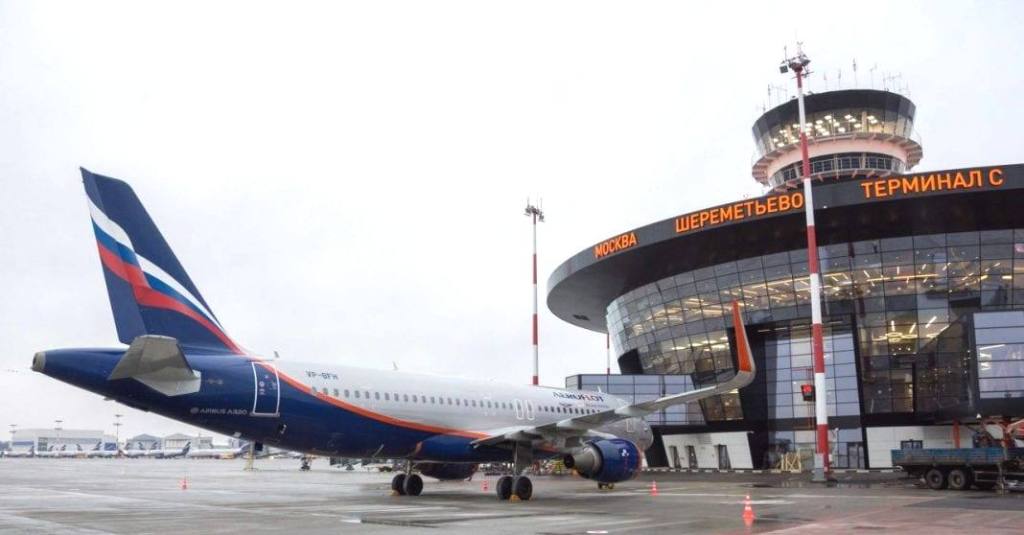
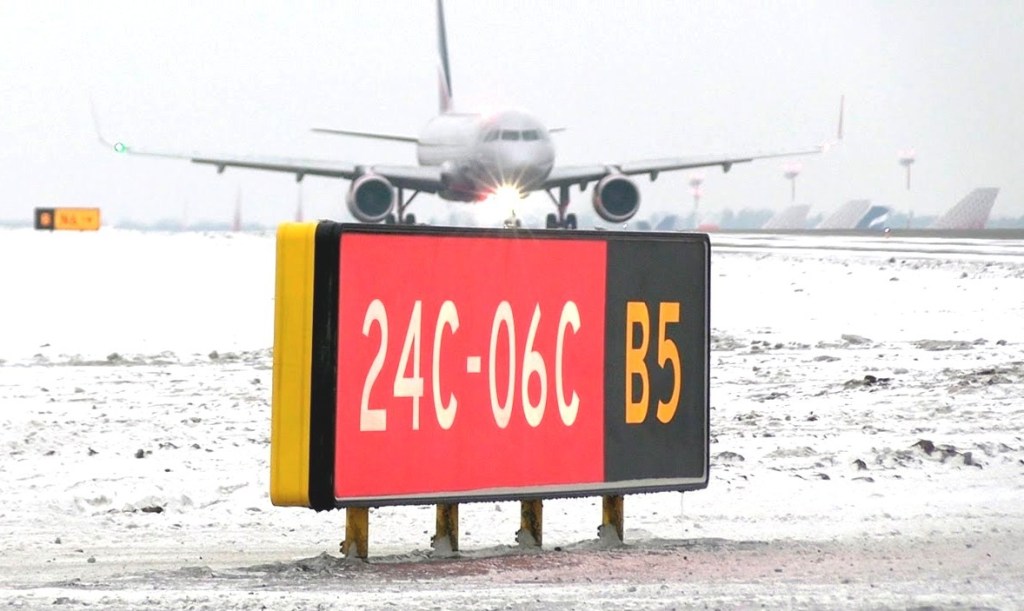
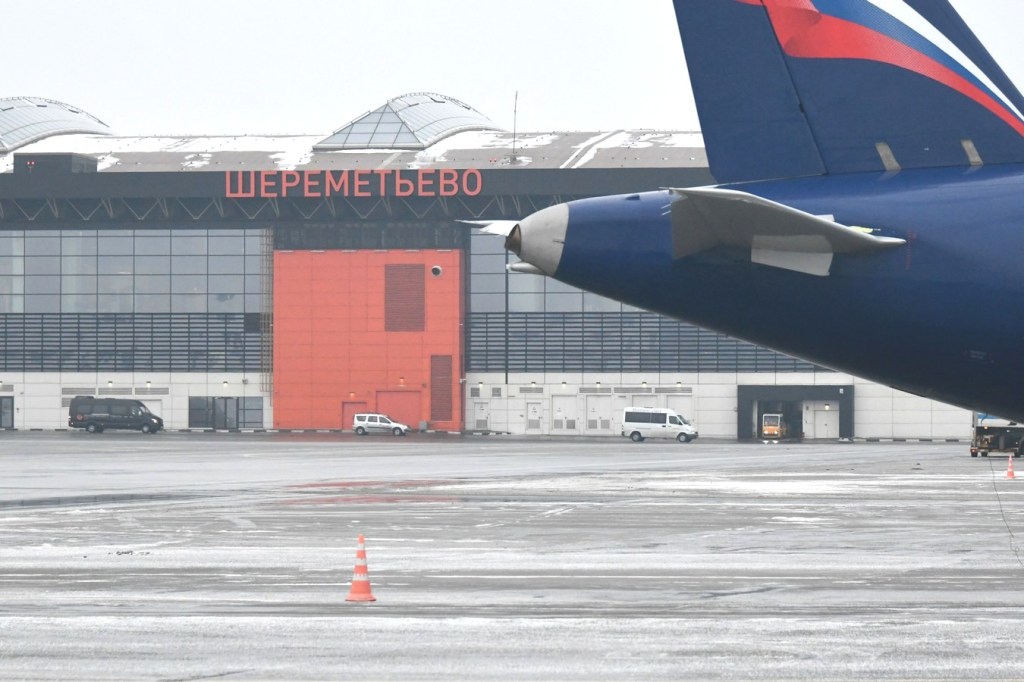
El Aeropuerto Internacional Moscow/Sheremetyevo de Federación Rusia ha reestablecido la Pista 01 (Runways/RWY-1) este 24 de Diciembre de 2020 en una ceremonia de reapertura. Con la puesta en marcha de la pista, que cuenta despegues/aterrizajes de alta velocidad de salida, la capacidad de las tres pistas del Aeropuerto Moscú/Sheremetyevo aumentará a 110 millones de pasajeros por año.
Los funcionarios que participaron en la ceremonia de puesta en servicio fueron el Ministro de Transporte de la Federación de Rusia V.G. Saveliev, primer viceministro de transporte de la Federación de Rusia y jefe de la Agencia Federal de Transporte Aéreo A.V. Neradko, Primer Viceministro de Desarrollo Económico de la Federación de Rusia M.V. Babich, Jefe Adjunto de la Oficina del Presidente de la Federación de Rusia para apoyar las actividades del Consejo Estatal de la Federación de Rusia A.A., Director General de PJSC Aeroflot M.I. Poluboyarinov, Presidente del Consejo de Administración de JSC SIA A.A. Ponomarenko, miembro del Consejo de Administración de JSC SIA A.I. Skorobogatko y Director General de JSC SIA M.M. Vasilenko. «Pudimos hacer la reconstrucción de la Pista 1, que es una etapa importante en el desarrollo del complejo del aeródromo gracias al actual acuerdo de concesión entre el gobierno, representado por Rosaviatsia, y el aeropuerto de Sheremetyevo. Como resultado, hoy contamos con tres pistas que, junto con el desarrollo de la capacidad terminal y en el contexto de la normalización del volumen de tráfico de pasajeros, ofrecen una oportunidad para alcanzar nuestro objetivo estratégico: atender a 110 millones de pasajeros al año», dijo Alexander Ponomarenko.
Los trabajos de construcción se compitieron en un tiempo récord, en un plazo de 10 meses durante un período de disminución significativa de las actividades e ingresos del aeropuerto y la necesidad de cumplir con estrictas medidas antidemiológicas. Los trabajos de construcción e instalación se realizaron sin interrupción mientras el aeropuerto estaba operativo. Las operaciones de despegue y aterrizaje en el aeródromo se realizaron en la Pista 2 existente y la Pista 3, mientras que la Pista-1 fue cerrada para la reconstrucción. Este ha sido un proyecto único para la industria de la aviación internacional en términos de su complejidad tecnológica y corto plazo de entrega. La Pista 1 tiene 3.552,5 metros de largo, con una sección de carga que mide 60 metros de ancho. La pista puede acomodar todo tipo y modificaciones de aviones rusos y extranjeros para el despegue y aterrizaje, incluyendo el Airbus A380, así como futuros tipos de aeronaves previstas.
Actualmente, el aeropuerto proporciona un alto grado de puntualidad, fiabilidad y seguridad de vuelo incluso en condiciones climáticas extremas. La reconstrucción de RWY-1 ha sido un proyecto prioritario para 2020 como parte de la implementación del Programa de Desarrollo a Largo Plazo del Aeropuerto de Sheremetyevo. La inversión total de capital superó los 114 millones de dólares. El proyecto se financió directamente y las inversiones realizadas en virtud de los términos del contrato de concesión se recuperarán del componente de inversión de las tasas de despegue y aterrizaje de la aeronave.
Perspectivas Moscow/Sheremetyevo
La puesta en marcha de una nueva estructura del espacio aéreo y el funcionamiento de tres pistas en el Aeropuerto de Sheremetyevo mejorarán la eficiencia del combustible de las compañías aéreas y la seguridad y puntualidad de los vuelos, y también reducirán la carga de trabajo sobre el control de tráfico y el personal de vuelo mediante el uso de patrones de llegada y salida sin conflictos.
El moderno aeródromo y la infraestructura terminal de Sheremetyevo abren amplias oportunidades para el crecimiento y desarrollo a largo plazo para las compañías aéreas de base y las nuevas aerolíneas. Las perspectivas del Aeropuerto Moscow/Sheremetyevo, teniendo en cuenta el desarrollo de la infraestructura y llevando las terminales de pasajeros y carga a su capacidad de diseño, planea unirse a la liga de los centros de aviación más grandes del mundo y fortalecer su estatus como el principal centro aéreo de tránsito entre Europa y Asia.
The Moscow/Sheremetyevo International Airport of the Russian Federation has re-established Runway 01 (Runways / RWY-1) this December 24, 2020 in a reopening ceremony. With the commissioning of the runway, which features high-speed departure takeoffs/landings, the capacity of the three runways at Moscow/ Sheremetyevo Airport will increase to 110 million passengers per year.
The officials who participated in the commissioning ceremony were the Minister of Transport of the Russian Federation V.G. Saveliev, First Deputy Minister of Transport of the Russian Federation and head of the Federal Air Transport Agency A.V. Neradko, First Deputy Minister of Economic Development of the Russian Federation M.V. Babich, Deputy Head of the Office of the President of the Russian Federation to support the activities of the State Council of the Russian Federation A.A., General Director of PJSC Aeroflot M.I. Poluboyarinov, Chairman of the Board of Directors of JSC SIA A.A. Ponomarenko, member of the Board of Directors of JSC SIA A.I. Skorobogatko and Managing Director of JSC SIA M.M. Vasilenko. «We were able to do the reconstruction of Runway 1, which is an important stage in the development of the aerodrome complex thanks to the current concession agreement between the government, represented by Rosaviatsia, and Sheremetyevo Airport. As a result, today we have three runways which, together with the development of terminal capacity and in the context of the normalization of the volume of passenger traffic, offers an opportunity to achieve our strategic objective: to serve 110 million passengers per year», said Alexander Ponomarenko.
The construction works were competed in record time, within 10 months during a period of significant decline in airport activities and revenues and the need to comply with strict anti-demiological measures. Construction and installation work was carried out without interruption while the airport was operational. Take-off and landing operations at the airfield were carried out on existing Runway 2 and Runway 3, while Runway-1 was closed for reconstruction. This has been a unique project for the international aviation industry in terms of its technological complexity and short lead time. Runway 1 is 3,552.5 meters long, with a cargo section that measures 60 meters wide. The runway can accommodate all types and modifications of Russian and foreign aircraft for takeoff and landing, including the Airbus A380, as well as planned future aircraft types.
Today, the airport provides a high degree of punctuality, reliability and flight safety even in extreme weather conditions. The reconstruction of RWY-1 has been a priority project for 2020 as part of the implementation of the Sheremetyevo Airport Long-Term Development Program. Total capital investment exceeded US$ 114 million. The project was directly financed and the investments made under the terms of the concession contract will be recovered from the investment component of the aircraft takeoff and landing fees.
Perspectives Moscow/Sheremetyevo
The commissioning of a new airspace structure and the operation of three runways at Sheremetyevo Airport will improve the fuel efficiency of airlines and the safety and punctuality of flights, and will also reduce the workload on control traffic and flight personnel by using conflict-free arrival and departure patterns.
Sheremetyevo’s modern airfield and terminal infrastructure open up extensive opportunities for long-term growth and development for base airlines and new airlines. The prospects for Moscow/Sheremetyevo Airport, taking into account the development of infrastructure and bringing passenger and cargo terminals to their design capacity, plans to join the league of the world’s largest aviation hubs and strengthen its status as the main air transit hub between Europe and Asia.
Открытие ВПП-1 Москва/Шереметьево
Аэропорт Шереметьево открывает взлетно-посадочную полосу 1
В международном аэропорту Мсока/Шереметьево, Российская Федерация, была восстановленавзлетно-посадочная полоса 01 (ВПП-1) 24 декабря 2020 года в рамках церемонии открытия. С вводом в эксплуатацию взлетно-посадочной полосы с высокоскоростными взлетно-посадочными полосами пропускная способность трех взлетно-посадочных полос в аэропорту Москва/Шереметьево увеличится до 110 миллионов пассажиров в год.
Официальными лицами, участвовавшими в церемонии ввода в эксплуатацию, были министр транспорта Российской Федерации В.Г. Савельев, первый заместитель министра транспорта Российской Федерации, руководитель Федерального агентства воздушного транспорта А.В. Нерадько, Первый заместитель Министра экономического развития Российской Федерации М.В. Бабич, заместитель руководителя Аппарата Президента Российской Федерации по обеспечению деятельности Государственного Совета Российской Федерации А.А., Генеральный директор ПАО Аэрофлот М.И. Полубояринов, Председатель Совета директоров ООО SIA A.A. Пономаренко, член Совета директоров ООО SIA А.И. Скоробогатько и управляющий директор ООО SIA M.M. Василенко. «Благодаря действующему концессионному соглашению между правительством в лице Росавиации и аэропортом Шереметьево мы смогли провести реконструкцию ВПП 1, что является важным этапом в развитии аэродромного комплекса. В результате сегодня у нас есть три взлетно-посадочные полосы. что вместе с увеличением пропускной способности терминала и в контексте нормализации пассажиропотока дает возможность достичь нашей стратегической цели: обслуживать 110 миллионов пассажиров в год», сказал Александр Пономаренко.
Строительные работы были завершены в рекордные сроки, в течение 10 месяцев, в период значительного снижения активности и доходов аэропорта и необходимости соблюдения строгих антидемиологических мер. Строительно-монтажные работы велись без перебоев во время работы аэропорта. Взлетно-посадочные операции на аэродроме выполнялись на существующих ВПП 2 и ВПП 3, а ВПП-1 закрыта на реконструкцию. Это уникальный проект для международной авиационной отрасли с точки зрения его технологической сложности и коротких сроков выполнения. Длина взлетно-посадочной полосы 1 составляет 3552,5 метра, а ширина грузового отсека составляет 60 метров. Взлетно-посадочная полоса может принимать для взлета и посадки все типы и модификации российских и зарубежных самолетов, в том числе Airbus A380, а также планируемые типы самолетов будущего.
Сегодня аэропорт обеспечивает высокую степень пунктуальности, надежности и безопасности полетов даже в экстремальных погодных условиях. Реконструкция ВПП-1 является приоритетным проектом на 2020 год в рамках реализации Долгосрочной программы развития аэропорта Шереметьево. Общий объем капитальных вложений превысил 114 миллионов долларов. Проект финансировался напрямую, и инвестиции, сделанные по условиям концессионного контракта, будут возмещены за счет инвестиционной составляющей сборов за взлет и посадку самолетов.
Outlook Москва/Шереметьево
Ввод в эксплуатацию новой структуры воздушного пространства и эксплуатация трех взлетно-посадочных полос в аэропорту Шереметьево позволит повысить топливную эффективность авиакомпаний, безопасность и пунктуальность полетов, а также снизит нагрузку на диспетчерскую транспортный и летный персонал с использованием бесконфликтных схем прибытия и отправления.
Современная аэродромная и терминальная инфраструктура Шереметьево открывает широкие возможности для долгосрочного роста и развития для базовых и новых авиакомпаний. Перспективы аэропорта Москва/Шеpeметьево с учетом развития инфраструктуры и вывода пассажирских и грузовых терминалов на проектную мощность планируют войти в лигу крупнейших авиационных хабов мира и укрепить свой статус главный транзитный узел между Европой и Азией.
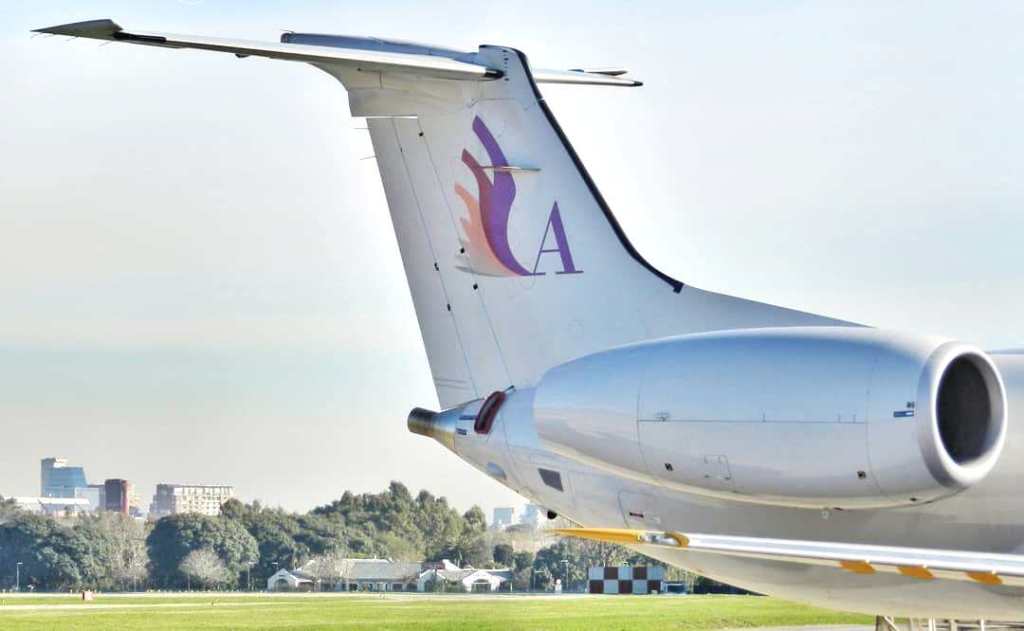
La línea aérea regional American Jet Líneas Aéreas continúa con las dificultades para resolver el acuerdo salarial con los pilotos de la compañía después de fracasar un acuerdo establecido el la semana pasada, con un para por 48 hs. desde el Lunes 21/12. Desde el gremio aeronáutico de la Asociación de Pilotos de Líneas Aéreas (APLA) han establecido el paro en reclamos de una recomposición salarial para el personal de la tripulación de vuelo de la compañía aérea de Argentina. El sindicato ha expresado: «Ante la falta total de avances en las negociaciones con la empresa, se iniciaran medidas de acción directa con paro total de actividades por 48 hs a partir de las 00:00 del día Lunes 21 de Diciembre”.
El reclamo continúa en la cartera del Ministerio de Trabajo que ha dictado la Conciliación Obligatoria por quince días hábiles, abriendo una nueva etapa por lo que obliga a las parte a sentarse para avanzar en las negociaciones.
American Jet Líneas Aéreas es una compañía de servicios aéreos regionales de cabotaje y vuelos especiales. Fue creada en 1984 para dedicarse a vuelos de taxi aéreo en el Aeroparque Jorge Newbery de la ciudad de Buenos Aires. En 1996 agregó un servicios con el fin del traslado de personal de varias empresas, fundamentalmente petroleras y mineras. Comenzando una nueva etapa en la que permitió que American Jet instalar bases en las ciudades de Tucumán y Neuquén. En el 2008, luego de ganar la licitación para rutas aéreas, el gobierno de la Provincia de Neuquén cede los permisos para la operación de rutas aéreas en dicha provincia a American Jet que hasta ese momento solo se dedicaba a vuelos de taxi aéreo. El 2 de Junio de 2009 American Jet comienza a volar como línea aérea regular, siendo su primer destino la ciudad de San Martín de los Andes (Chapelco). El 26 de Noviembre de 2009, la empresa minera La Alumbrera le rescinde el contrato que tenía con American Jet para el transporte de sus trabajadores desde la ciudad de San Miguel de Tucumán hacia Campo Arenal2 (Catamarca). Por lo tanto de esta manera American Jet luego de 13 años deja de operar en su base del Aeropuerto Internacional Teniente Benjamín Matienzo de Tucumán. En el año 2013, finaliza la construcción de su nuevo Hangar, en Aeropuerto Internacional de San Fernando, donde ofrece servicios de taxi aéreo, charter, hangaraje, FBO, entre otros. El 18 de Octubre de 2016, inaugura el puente aéreo Neuquén (Argentina)-Temuco (Chile), como servicio regular de pasajeros. Actualmente la aerolínea cuenta con bases en la Ciudad de Neuquén, Mendoza y Buenos Aires (Aeroparque y San Fernando).
American Jet Mandatory Conciliation
American Jet continues with labor dispute
The regional airline American Jet Líneas Aéreas continues with the difficulties to resolve the salary agreement with the pilots of the company after failing an agreement established last week, with a stop for 48 hours. from Monday 12/21. From the aeronautical union of the Airline Pilots Association (APLA) they have established the strike in claims of a salary recomposition for the personnel of the flight crew of the Argentine airline. The union has stated: «Given the total lack of progress in the negotiations with the company, direct action measures will be initiated with a total stoppage of activities for 48 hours starting at 00:00 on Monday, December 21».
The claim continues in the portfolio of the Ministry of Labor that has issued the Mandatory Conciliation for fifteen business days, opening a new stage for which it forces the parties to sit down to advance in the negotiations.
American Jet Lineas Aereas is a regional air services company for cabotage and special flights. It was created in 1984 to engage in air taxi flights at the Jorge Newbery Airport in the city of Buenos Aires. In 1996 it added a services in order to transfer personnel from various companies, mainly oil and mining companies. Starting a new stage in which it allowed American Jet to install bases in the cities of Tucumán and Neuquén. In 2008, after winning the tender for air routes, the government of the Province of Neuquén granted the permits for the operation of air routes in said province to American Jet, which until then was only dedicated to air taxi flights. On June 2, 2009, American Jet began to fly as a regular airline, its first destination being the city of San Martín de los Andes (Chapelco). On November 26, 2009, the La Alumbrera mining company terminated the contract it had with American Jet for the transportation of its workers from the city of San Miguel de Tucumán to Campo Arenal (Catamarca). Therefore, in this way, American Jet after 13 years stops operating at its base at the Teniente Benjamín Matienzo International Airport in Tucumán. In 2013, the construction of its new hangar was completed, at San Fernando International Airport, where it offers air taxi, charter, hangarage, FBO services, among others. On October 18, 2016, the Neuquén (Argentina) -Temuco (Chile) air bridge was inaugurated as a regular passenger service. Currently the airline has bases in the City of Neuquén, Mendoza and Buenos Aires (Aeroparque and San Fernando).
Perspectivas post-pandemia industria aviación comercial
La industria de la aviación mundial se ha modificado el mercado de aviación producto de la actual pandemia de Coronavirus y las restricciones a los viajes y concentraciones. Con un nuevo escenario hacia el futuro, el mercado ahora tiene diferentes requisitos, y sin duda habrá más transiciones importantes hacia la próxima década, con modificaciones del escenario de la aviación comercial mundial. Ante este panorama, la industria de la aviación también comienza a adoptar cambios más sustanciales hacia una aviación más ecológica y responsable.
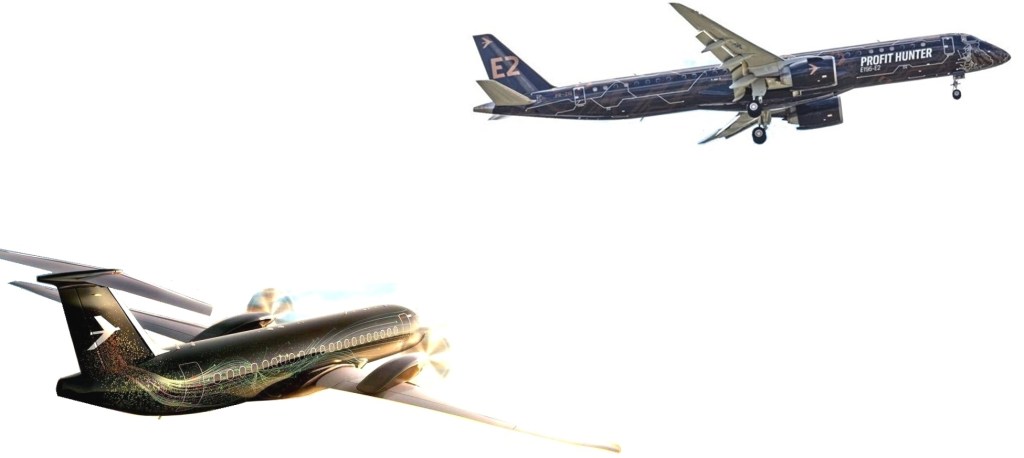
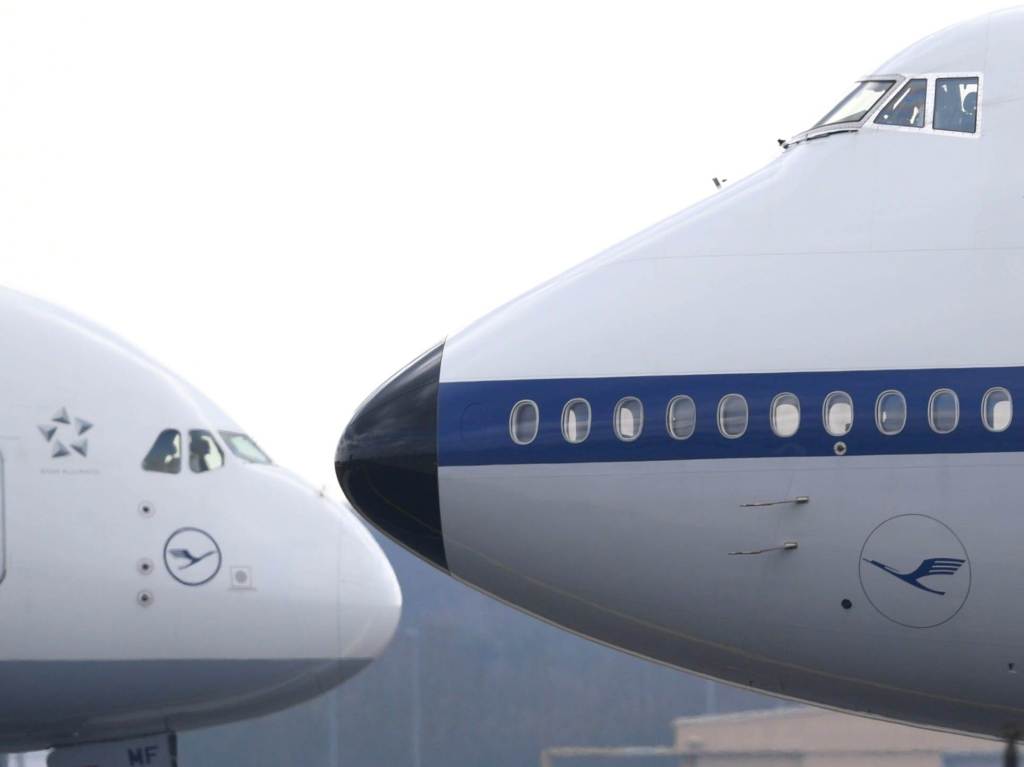
Los principales fabricantes de aeronaves como Airbus, Boeing, Embraer, comienzan a corresponder una nueva demanda de aeronaves mucho más enfocadas en la estandarización de flotas y una concentración de tipo de aviones de menor porte y mayores autonomías, donde comienzan a vislumbrarse los retiros de aviones gigantes como los Boeing 747, Airbus A380, como así también unidades de mediana antigüedad. Por otro lado, se comienza a observar el resurgimiento de nuevos competidores y nuevas aeronaves en la industria de la aviación como lo es Deutsche Aircraft con su actualización del Programa D-328eco y la nueva línea de turboprop Embraer del Programa E3. En la misma línea se encuentra bajo estudio el Programa ZeroE de Airbus Group, con un abanico de ofertas pensadas hacia la implementación del concepto del combustible hidrógeno.
La demanda ha cambiado masivamente en todo el mundo, y las restricciones de viaje siguen dando forma a los hábitos de vuelo del público. La actividad en los servicios de larga distancia ha disminuido más, y varios transportistas han dejado de lado los tipos de cuerpos anchos durante este clima de incertidumbre. La industria de la aviación comercial continúa moviéndose hacia las capacidades más responsables con el entorno, mientras que los fabricantes continúan desarrollando nuevas aeronaves que se ajusten mejor al próximo mercado.
The Boeing Company
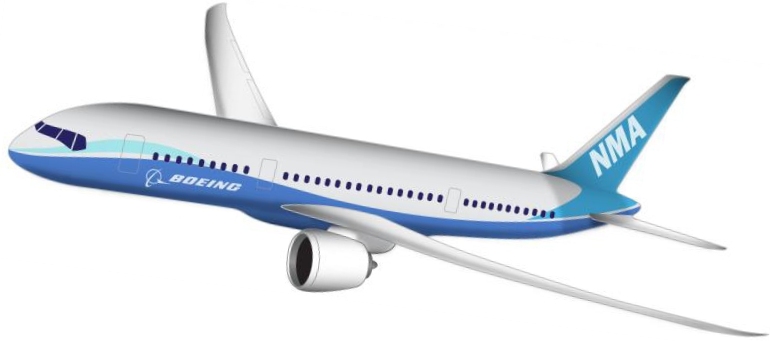
Los anuncios de The Boeing Company alrededor del nuevo avión de tamaño mediano New Middle Market NMA/Boeing 797, que complementaría el sector del mercado medio, todo parecía continuar en la dirección correcta para introducir cambios en un mercado altamente competitivo, y así recuperar el mercado perdido por el Boeing 757. Sin embargo, decidió repensar su enfoque y volver al tablero de dibujo después del impacto de la saga del Boeing 737 MAX. A principios de 2020, el CEO de Boeing, David Calhoun, compartió que el programa NMA no continuaría tal como estaba planificado, causando una disrupción por los acontecimientos que modificaron el mercado actual de la pandemia. Mientras tanto, superando la crisis del 737 MAX, la Boeing depositó toda su confianza en su producto estrella, y así postergar una vez más el ansiado proyecto de avión de mercado medio.
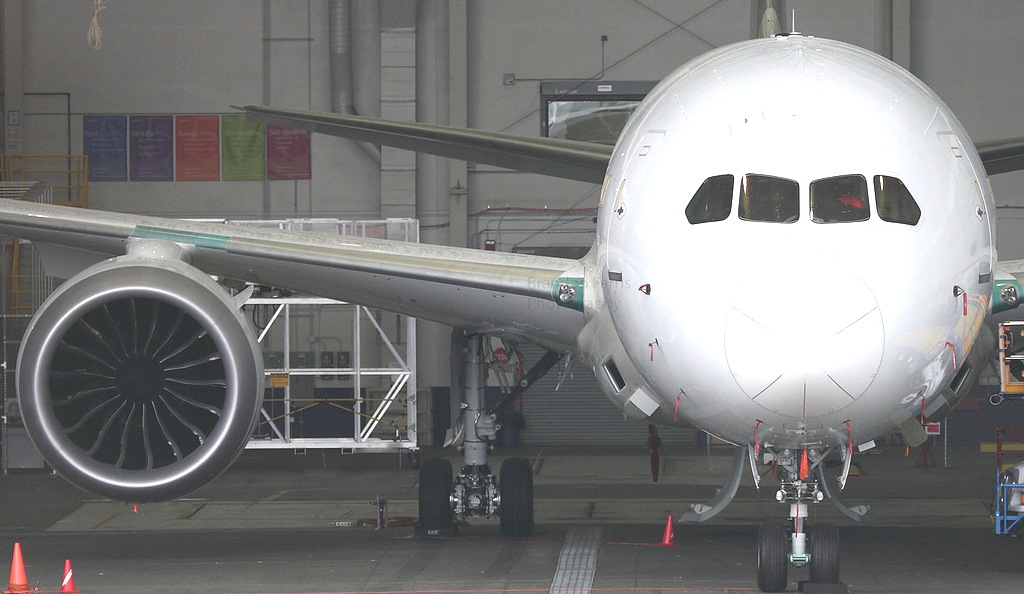
Alternativamente a la forma del Proyecto NMA que no sucederá en su forma esperada, ¿qué perspectivas de desarrollo espera diagramar la compañía? Algunos detalles arrojados en Octubre 2020 ha informado que Boeing estaba en conversaciones tempranas con proveedores y equipos de arrendamiento sobre trabajar en una nueva unidad comercial. El programa consistiría en un avión de pasillo único con motores mejorados, con capacidades para 200-250 pasajeros, ubicando a la aeronave entre el Boeing 737-10 MAX y el Boeing 787-8 Dreamliner. Este nuevo concepto que continúa siendo un proyecto desconocido, continúa desarrollándose internamente en la Boeing a la espera de nuevas tecnologías que superen las actuales para justificar el avance de un nuevo programa en la compañía aeroespacial americana.
El proyecto se desarrolla en una fase preliminar, por lo que el proceso de maduración puede llevar algunos años en materializarse, mientras tanto la Boeing continuará concentrándose en fortalecer las tres unidades de línea de producción activas: 737/787/777, además del Boeing 747 preferentemente de la división de carga. La puesta en valor del Boeing 737 MAX, tras las recientes aprobaciones de los diferentes organismos reguladores internacionales, Boeing ha estado lidiando además con el fuerte impacto de la crisis sanitaria mundial y la fuerte depreciación de los viajes en el mundo.
La postura de Boeing respecto a nuevos concepto ecológicos, no espera avances en aviones de hidrógeno tan pronto. El Vicepresidente Comercial del fabricante y Gerente General de Desarrollo de Productos, Michael Sinnett, dijo que no cree que este tipo sea algo que esté a la vuelta de la esquina.
Tras los fracazos de la sinergia Boeing-Embraer, la compañía podría inspirarse para construir aeronaves de tamaño menores, pero ese proyecto no ha tenido mucho éxito en anterior oportunidades en la compañía, como por ejemplo tras la adquisición de la línea de turboprops De Havilland Canada en el década de 1980, o la adquisición por medio de la fusión con la McDonnell Douglas Corporation y su incorporación del MD-95 como Boeing 717. Tal vez, el mercado pueda combiar, habrá que esperar cómo se define el próximo escenario de la industria aerocomercial.
En cuanto al desarrollo de aeronaves de mayor porte, el Programa 777X será el foco principal cuando se trata del reino de los widebodies hacia los próximos años como único baluarte frente a la disminución de las flotas 747/A380 en el mundo de las compañías aéreas.
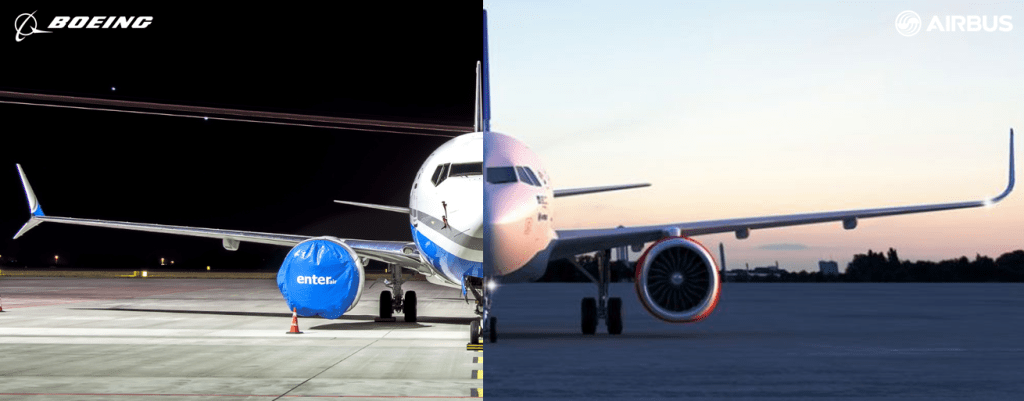
La estrella de la Boeing el 737 MAX ahora finalmente de vuelta en el aire, tiene un respiro para volver a recuperar mercado perdido frente a su competidor el Airbus A320NEO, y al mismo tiempo para concentrarse en un nuevo proyecto que amplía la gama de productos en la compañía, independientemente cual sea el avión de próxima generación futura, las perspectivas de Boeing se encuentran enfocadas a la necesidad de crear mercado solo si las condiciones así lo favorezcan, mientras tanto, Boeing continuará consolidándose y fortaleciéndose después de atravesar una tormenta perfecta.
Airbus Group
La compañía Airbus Group SE ha estado interesada en ofrecer el primer avión comercial de cero emisiones del mundo hacia el 2035. Los aviones conceptuales ZEROe de la firma europea le ayudan a explorar una variedad de configuraciones e innovaciones de hidrógeno. Con el movimiento hacia la aviación eléctrica, vienen también nuevas oportunidades para explorar cómo se ve un tren motriz, y Airbus está experimentando con un nuevo diseño que construye unidades de propulsión de hidrógeno.
Las futuras nuevas tecnologías permiten vislumbrar un nuevo concepto que el constructor europeo denomina ZEROe que incluye un tanque de hidrógeno líquido, un sistema de refrigeración, una pila de combustible, electrónica de potencia, motores eléctricos, una hélice compuesta ligera de ocho palas y todo el equipo auxiliar necesario para ejecutarlo como una unidad de propulsión independiente. Curiosamente, no hay mención de una batería de amortiguación, pero entonces los aviones convencionales como este utilizan la energía de una manera constante y predecible, por lo que un pequeño retraso entre el acelerador y los apoyos como la pila de combustible se pone al día podría no ser un problema. Estas vainas no sólo pueden desprenderse fácilmente de las alas (no demasiado fácilmente, con suerte), sino que el equipo de ZEROe quiere hacerlas altamente modulares, para que puedan separarse rápidamente para el mantenimiento, las pruebas y los intercambios de componentes simples.
El concepto de la tecnología en base al hidrógeno no es nueva. Con el hidrógeno líquido viene una densidad de energía que rivaliza, o incluso excede el combustible para aviones para vuelos de largo alcance, pero con cero emisiones locales y el potencial de llenar energía renovable neutra en carbono. Es un desafío para los fabricantes estar mirando hacia adelante en el concepto del hidrógeno para la aviación renovable. El concepto de vainas extraíbles radica en pasar a un sistema eléctrico dando la oportunidad de separar los sistemas de propulsión en unidades independientes, ofreciendo una excelente redundancia. Si algo sale mal con una cápsula de propulsión, puede apagarla por completo o incluso deseche sobre el agua, dejando que el controlador de vuelo vuelva a equilibrar el empuje a través de las cápsulas restantes. También libera un espacio considerable en la cabina. A las compañías aéreas les encanta llenar tubos huecos con tanta gente como sea posible, y mover los tanques de combustible y todo el tren motriz fuera de ese tubo hueco significa asientos adicionales y capacidad de carga adicional. Hacer de cada uno un tren de fuerza completo los hace ultra-intercambiables, por lo que cualquier problema se puede manejar en el tiempo libre del operador sin tener que sacar el avión fuera de servicio. Aunque Airbus ya ha sacado patentes sobre este diseño, es sólo uno de los muchos conceptos que la empresa está evaluando para el programa ZEROe. «Esta configuración ‘pod’ es un gran punto de partida para fomentar una mayor investigación sobre cómo podemos escalar la tecnología de hidrógeno a los aviones comerciales. Esta es una opción, pero muchas más serán conceptualizadas antes de hacer una selección final, una decisión que se espera para 2025», dice Glenn Llewellyn, Vicepresidente de Airbus de Aviones ZEROe.
Embraer Aircraft
Los efectos de la recesión perduraran, la compañía Embraer S.A. podría haber un nuevo enfoque a largo plazo en los aviones de corta distancia. Embraer ha expresado cómo la pandemia está configurando el futuro de los programas de la empresa. Es necesario atender a mercados más pequeños y la necesidad de unidades más sostenibles para los servicios de corta distancia. Por lo tanto, hay mucho espacio para la introducción de un nuevo concepto de aeronave regional. El equipo brasileño ha estado intensificando sus planes para su proyecto de avión turbohélice denominado Programa E3 que permitirían actualizar el parque aeronáutico y acceder a nuevos mercado en el mundo, donde otras aeronaves por las limitaciones no pueden llegar.
Deutsche Aircraft
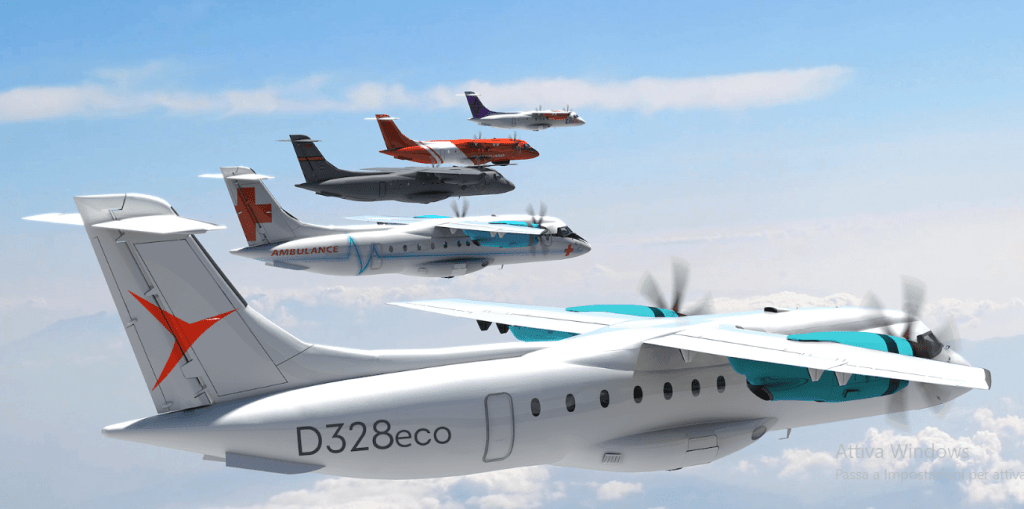
Deutsche Aircraft, el nuevo fabricante de aeronaves de Alemania ha anunciado a principios de 12/2020 planes para desarrollar el D328eco, una plataforma revolucionaria que alineará el futuro de la aviación regional hacia un objetivo de vuelo de cero emisiones. Deutsche Aircraft se basa en el patrimonio y la experiencia de 328 Support Services GmbH, el titular del certificado Type de la aeronave Dornier 328 (D328). Junto con la participación del Gobierno alemán, Deutsche Aircraft liderará el camino en una nueva era de la aviación limpia a través del desarrollo de la plataforma D328eco, un avión más eficiente, rentable y respetuoso con el medio ambiente.
El D328eco ofrecerá una solución alternativa y ecoeficiente dentro de los mercados regionales de cercanías y aeronaves multifunción de 50 asientos, que planea introducir para 2025. El diseño de la cubierta de vuelo de última generación y las capacidades ofrecidas por la última suite de aviónica se dirigirán a la futura operación piloto única para una mayor eficiencia operativa. Los motores Pratt & Whitney PW127S y un fuselaje compatible con SAF (Sustainable Aviation Fuel), preparan el escenario para que el D328eco cambie la forma en que el mundo vuela mientras reduce nuestra huella de carbono. El stand-up y el nuevo diseño de la cabina ofrecerán mayor comodidad y cumplimiento con los últimos requisitos de salud y seguridad.
El D328 es la única plataforma existente que cumple con los requisitos de eficiencia y rendimiento para un avión moderno y más sostenible. Combinado con tecnologías nuevas, protegidas y energéticamente eficientes, allanará el camino a un vuelo de cero emisiones en los próximos 15 años, mucho más rápido que cualquier otro Original Equipment Manufacturer (OEM), superando las directrices internacionales de 2050. En consonancia con los objetivos de sostenibilidad de Deutsche Aircraft, los procesos de fabricación conformes con REACH se adoptarán en una nueva línea de montaje final (FAL) de última generación, La industria 4.0, sin papel en Leipzig, Alemania. Se prevé que el proyecto impulse las economías locales a lo largo de su cadena de suministro, además de generar empleos indirectos en las industrias de apoyo.
Thomas Jarzombek, Coordinador del Gobierno Federal de Política Aeroespacial Alemana declaró: «La pandemia de coronavirus ha tenido un impacto inmediato y muy grave en la aviación y en la industria de la aviación. Por lo tanto, es una excelente señal de que, a pesar de la crisis, el trabajo se está llevando a buen nivel en la D328eco. El gobierno federal ha apoyado el proyecto desde el principio y lo seguirá haciendo. Hace unas semanas, se desembolsó el segundo tramo de nuestro préstamo de costos de desarrollo. El gobierno federal también está financiando el D328 a través de su programa de investigación de aviación ‘LuFo’ con el fin de convertir la visión de cero carbono para las aeronaves en realidad». Deutsche Aircraft prevé que los hábitos de viaje y las demandas de las compañías aéreas cambiarán. Las operaciones tradicionales de hub y spoke a gran escala se reestructurarán a medida que aumente la demanda de transporte de corto recorrido, punto a punto y de bajas emisiones. Las aerolíneas redimensionarán sus flotas para dar cabida a aeronaves más pequeñas, más eficientes y más ecológicas, y buscarán abrir rutas desatendidas con servicios directos a través de operaciones de tamaño adecuado.
El D328eco proporciona la solución perfecta para esta evolución de la industria, proporcionando beneficios económicos y ambientales. El programa D328eco alcanzará el objetivo de proporcionar un fácil acceso a aeronaves asequibles, energéticamente eficientes y rentables y respetuosas con el medio ambiente. Generando un impacto ambiental mínimo en el camino, el D328eco estimulará el crecimiento económico y social sostenible.
Dave Jackson, Director General de DRA comentó: «Al conmemorar el Día Internacional de la Aviación Civil de las Naciones Unidas, miramos hacia el futuro de la aviación y la necesidad de innovar hoy. La crisis COVID ha impactado dramáticamente a la industria para siempre y nuestro planeta se enfrenta a grandes desafíos de los cuales ya estamos empezando a experimentar el impacto. Pero a medida que planeamos reconstruir el sector, podemos recalibrar y reenfocar en el desarrollo de nuevos productos y procesos que sean mucho más respetuosos con el medio ambiente. El equipo de Deutsche Aircraft es impulsado y apasionado con una combinación única de experiencia y habilidad en excelencia de ingeniería, incluyendo nuevas citas de alta dirección de los principales OEM y actores clave dentro de la industria de la aviación. Nuestras capacidades probadas y tecnología protegida tienen el potencial de cambiar drásticamente la industria a corto plazo, ofreciendo productos de aeronaves alternativas en línea con las expectativas futuras. Nuestra misión es acelerar la transición de la aviación a aviones de cero emisiones. El D328eco es la única plataforma existente capaz de cumplir con los requisitos de eficiencia y rendimiento para los aviones verdes modernos ahora, apoyando finalmente la transición verde de la industria. A medida que salgamos de la crisis COVID, el mercado regional de corto recorrido será el primero en recuperarse y el D328eco proporcionará una oportunidad para que las aerolíneas reconstruyan de una manera más sostenible«.
Post-pandemic industry perspectives
Post-pandemic outlook for the commercial aviation industry
The global aviation industry has changed the aviation market due to the current Coronavirus pandemic and restrictions on travel and concentrations. With a new scenario to the future, the market now has different requirements, and there will undoubtedly be more important transitions into the next decade, with modifications of the world commercial aviation scenario. Against this background, the aviation industry is also beginning to adopt more substantial changes towards greener and more responsible aviation.
The main aircraft manufacturers such as Airbus, Boeing, Embraer, begin to correspond a new demand for aircraft much more focused on the standardization of fleets and a concentration of smaller aircraft types and greater autonomies, where the retirements of aircraft are beginning to be seen giants like the Boeing 747, Airbus A380, as well as mid-life units. On the other hand, the resurgence of new competitors and new aircraft in the aviation industry such as Deutsche Aircraft is beginning to be observed with its update of the D-328eco Program and the new Embraer turboprop line of the E3 Program. In the same vein, the Airbus Group ZeroE Program is under study, with a range of offers designed to implement the concept of hydrogen fuel.
Demand has changed massively around the world, and travel restrictions continue to shape the flying habits of the public. Activity in long-distance services has slowed further, and several carriers have sidelined widebody types during this uncertain climate. The commercial aviation industry continues to move toward more environmentally responsible capabilities, as manufacturers continue to develop new aircraft that are better suited to the next market.
The Boeing Company
The announcements of The Boeing Company around the new mid-size aircraft New Middle Market NMA/Boeing 797, which would complement the mid-market sector, all seemed to continue in the right direction to introduce changes in a highly competitive market, and thus recover the market lost to the Boeing 757. However, he decided to rethink his approach and go back to the drawing board after the impact of the Boeing 737 MAX saga. In early 2020, Boeing CEO David Calhoun shared that the NMA program would not continue as planned, causing disruption by the events that changed the current pandemic market. Meanwhile, overcoming the crisis of the 737 MAX, Boeing placed all its trust in its flagship product, and thus postponed once again the long-awaited mid-market aircraft project.
As an alternative to the NMA Project form that will not happen in its expected form, what development prospects does the company hope to diagram? Some details released in October 2020 have reported that Boeing was in early talks with suppliers and leasing teams about working on a new business unit. The program would consist of a single-aisle aircraft with upgraded engines, with capacities for 200-250 passengers, placing the aircraft between the Boeing 737-10 MAX and the Boeing 787-8 Dreamliner. This new concept, which continues to be an unknown project, continues to be developed internally at Boeing, waiting for new technologies that exceed the current ones to justify the advancement of a new program in the American aerospace company.
The project is being developed in a preliminary phase, so the maturation process may take a few years to materialize, while Boeing will continue to focus on strengthening the three active production line units: 737/787/777, in addition to the Boeing 747 preferably of the load division. The enhancement of the Boeing 737 MAX, following recent approvals by the different international regulatory bodies, Boeing has also been dealing with the strong impact of the global health crisis and the strong depreciation of travel in the world.
Boeing’s stance on new green concepts does not expect advances in hydrogen aircraft so soon. The manufacturer’s VP of Business and General Manager of Product Development Michael Sinnett said he doesn’t think this guy is something that’s just around the corner.
After the failures of the Boeing-Embraer synergy, the company could be inspired to build smaller aircraft, but this project has not been very successful in previous opportunities in the company, such as after the acquisition of the De Havilland Canada turboprops line. in the 1980s, or the acquisition through the merger with the McDonnell Douglas Corporation and its incorporation of the MD-95 as the Boeing 717. Perhaps the market can change, we will have to wait how the next industry scenario is defined commercial aviation.
Regarding the development of larger aircraft, the 777X Program will be the main focus when it comes to the kingdom of widebodies for the next few years as the only bulwark against the decrease of 747/A380 fleets in the world of airlines.
The star of the Boeing the 737 MAX now finally back in the air, has a respite to regain lost market against its competitor the Airbus A320NEO, and at the same time to focus on a new project that expands the range of products in Regardless of the future next-generation aircraft, Boeing’s prospects are focused on the need to create a market only if conditions favor it, while in the meantime, Boeing will continue to consolidate and strengthen after going through a perfect storm.
Airbus Group
Airbus Group SE has been interested in offering the world’s first zero-emission commercial aircraft by 2035. The European firm’s ZEROe concept aircraft help you explore a variety of hydrogen configurations and innovations. With the move to electric aviation, there are also new opportunities to explore what a powertrain looks like, and Airbus is experimenting with a new design that builds hydrogen-powered units.
Future new technologies allow the glimpse of a new concept that the European manufacturer calls ZEROe that includes a liquid hydrogen tank, a cooling system, a fuel cell, power electronics, electric motors, a lightweight eight-blade composite propeller and all the ancillary equipment necessary to run it as a separate propulsion unit. Interestingly, there is no mention of a buffer battery, but then conventional aircraft like this use power in a consistent and predictable manner, so a small delay between throttle and props as the fuel cell catches up could. not be a problem. Not only are these pods easily detachable from the wings (not too easily, hopefully), but the team at ZEROe wants to make them highly modular, so they can be quickly detached for maintenance, testing, and simple component swaps.
The concept of hydrogen-based technology is not new. With liquid hydrogen comes an energy density that rivals, or even exceeds jet fuel for long-range flights, but with zero local emissions and the potential to fill carbon-neutral renewable energy. It is a challenge for manufacturers to be looking forward to the concept of hydrogen for renewable aviation. The concept of removable pods lies in moving to an electrical system giving the opportunity to separate the propulsion systems into independent units, offering excellent redundancy. If something goes wrong with a boost pod, you can shut it down completely or even dispose of it over the water, letting the flight controller re-balance the thrust through the remaining pods. It also frees up considerable cabin space. Airlines love to fill hollow tubes with as many people as possible, and moving fuel tanks and the entire powertrain out of that hollow tube means extra seating and extra cargo capacity. Making each one a complete powertrain makes them ultra-interchangeable, so any issues can be handled at the operator’s free time without taking the aircraft out of service. Although Airbus has already issued patents on this design, it is just one of many concepts the company is evaluating for the ZEROe program. «This ‘pod’ setup is a great starting point for further research on how we can scale hydrogen technology to commercial aircraft. This is one option, but many more will be conceptualized before making a final selection, a decision that is expected by 2025», says Glenn Llewellyn, Airbus Vice President of Aircraft ZEROe.
Embraer Aircraft
The effects of the recession will last, the company Embraer S.A. there could be a new long-term focus on short-haul aircraft. Embraer has expressed how the pandemic is shaping the future of the company’s programs. It is necessary to cater to smaller markets and the need for more sustainable units for short distance services. Therefore, there is much room for the introduction of a new regional aircraft concept. The Brazilian team has been intensifying its plans for its turboprop aircraft project called the E3 Program, which would allow updating the airfield and accessing new markets in the world, where other aircraft cannot reach due to limitations.
Deutsche aircraft
Deutsche Aircraft, Germany’s new aircraft manufacturer, announced early in 12/2020 plans to develop the D328eco, a revolutionary platform that will align the future of regional aviation towards a zero-emission flight target. Deutsche Aircraft draws on the heritage and experience of 328 Support Services GmbH, the Type certificate holder for the Dornier 328 (D328) aircraft. Together with the involvement of the German Government, Deutsche Aircraft will lead the way in a new era of clean aviation through the development of the D328eco platform, a more efficient, cost-effective and environmentally friendly aircraft.
The D328eco will offer an alternative and eco-efficient solution within the regional markets for commuter and 50-seat multifunction aircraft, which it plans to introduce by 2025. The next-generation flight deck design and capabilities offered by the latest avionics suite will be addressed to the future single pilot operation for increased operational efficiency. Pratt & Whitney PW127S engines and a SAF (Sustainable Aviation Fuel) compliant airframe set the stage for the D328eco to change the way the world flies while reducing our carbon footprint. The stand-up and the new cabin design will offer greater comfort and compliance with the latest health and safety requirements.
The D328 is the only existing platform that meets the efficiency and performance requirements for a modern and more sustainable aircraft. Combined with new, protected and energy efficient technologies, it will pave the way to zero emission flight in the next 15 years, much faster than any other Original Equipment Manufacturer (OEM), exceeding 2050 international guidelines. In line with Deutsche Aircraft’s sustainability goals, REACH compliant manufacturing processes will be adopted on a new state-of-the-art Final Assembly Line (FAL), Paperless Industry 4.0 in Leipzig, Germany. The project is expected to boost local economies throughout its supply chain, in addition to generating indirect jobs in supporting industries.
Thomas Jarzombek, Federal Government Coordinator for German Aerospace Policy stated: «The coronavirus pandemic has had an immediate and very serious impact on aviation and the aviation industry. It is therefore an excellent sign that despite. After the crisis, work is progressing well on D328eco. The federal government has supported the project from the beginning and will continue to do so. A few weeks ago, the second tranche of our development cost loan was disbursed. The government The federal government is also funding the D328 through its ‘LuFo’ aviation research program in order to make the vision of zero carbon for aircraft a reality». Deutsche Aircraft anticipates that travel habits and the demands of airlines will change. Traditional large-scale hub and spoke operations will be restructured as demand for short-haul, point-to-point and low-emission transportation increases. Airlines will resize their fleets to accommodate smaller, more efficient and greener aircraft, and will seek to open unattended routes with direct services through «right-size» operations.
The D328eco provides the perfect solution for this industry evolution, providing both economic and environmental benefits. The D328eco program will achieve the goal of providing easy access to affordable, energy efficient, cost-effective, and environmentally friendly aircraft. By generating minimal environmental impact along the way, the D328eco will stimulate sustainable economic and social growth.
Dave Jackson, DRA Managing Director commented: «As we commemorate the United Nations International Civil Aviation Day, we look to the future of aviation and the need for innovation today. The COVID crisis has dramatically impacted the industry forever and ever. Our planet faces great challenges that we are already beginning to experience the impact of. But as we plan to rebuild the sector, we can recalibrate and refocus on developing new products and processes that are much more environmentally friendly. Deutsche Aircraft team is driven and passionate with a unique combination of experience and skill in engineering excellence, including new appointments from top management from major OEMs and key players within the aviation industry. Our proven capabilities and protected technology have the potential to dramatically change the industry in the short term by offering alternative aircraft products in the in line with future expectations. Our mission is to accelerate the transition from aviation to zero-emission aircraft. The D328eco is the only existing platform capable of meeting the efficiency and performance requirements for modern green aircraft now, finally supporting the industry’s green transition. As we emerge from the COVID crisis, the regional short haul market will be the first to recover and the D328eco will provide an opportunity for airlines to rebuild in a more sustainable way».