Lufthansa Airlines Group ha declarado su interés por comprar la aerolínea portuguesa TAP Air Portugal, una vez que hayan alcanzado la adquisición de la italiana ITA Airways y cuando sus números vuelvan a mostrar beneficios hacia 2025. “La prioridad de Lufthansa es ITA, pero uno no se puede focalizar sólo en un candidato”, dijo Carsten Spohr, CEO de Lufthansa Airlines, tras el anuncio de resultados económicos de la aerolínes de 2022.
Explicó que la consolidación de las aerolíneas puede tener diversas formas, desde una simple compra, pero también puede haber otros modos. “No rehuimos a TAP. Tanto la portuguesa como ITA son interesantes. Podría dar otros nombres”, añadió el ejecutivo alemán. Las negociaciones con ITA Airways “están yendo de forma positiva. No es una sorpresa porque ITA con Lufthansa es una pareja positiva para ITA, para Lufthansa y también para la economía italiana”, concluyó Carsten Spohr.
Lufthansa interest in TAP
Lufthansa also wants to buy TAP Portugal
Lufthansa Airlines Group has declared its interest in buying the Portuguese airline TAP Air Portugal, once they have reached the acquisition of the Italian ITA Airways and when their numbers again show benefits around 2025. “Lufthansa’s priority is Ita, but one does not It can be focused only on a candidate”, said Carsten Spohr, CEO of Lufthansa Airlines, after the announcement of economic results of the 2022 airlines.
He explained that the consolidation of airlines can have various forms, from a simple purchase, but there may also be other ways. “We did not avoid tap. Both the Portuguese and I are interesting. It could give other names”, added the German executive. The negotiations with ITA Airways «are going positively. It is not a surprise because Ita with Lufthansa is a positive couple for Ita, for Lufthansa and also for the Italian economy», concluded Carsten Spahr.
PUBLISHER: Airgways.com DBk: Lufthansa.com / Airgways.com AW-POST: 202303061503AR OWNERSHIP: Airgways Inc. A\W A I R G W A Y S ®
Aerolíneas Argentinas viene perdiendo participación en el mercado domestico resultado de la falta de adecuación a la competitividad. Una aerolínea administrada por el Estado e inmersa en la política de dominio de mercado y auxiliada por las ayudas económicas gubernamentales continúa perdiendo cuota en vuelos domésticos. Los índices de tráfico muestras números en descenso favoreciendo la productividad de las aerolíneas low cost como Flybondi y JetSMART Airlines Argentina que continúan administrando eficientemente las ofertas de vuelos, pese a la ley de topes mínimos-máximos a los pasajes aéreos que el Gobierno ha impuesto para frenar a los aerolíneas de presupuesto y evitar una caída abrupta del mercado de cabotaje de Aerolíneas Argentinas.
Los datos interanuales oficiales comparables de Enero 2023, la cantidad de pasajeros transportados superó el volumen de movimiento del mismo mes del 2019, el último año del Gobierno de Mauricio Macri, lo que representó un 1% de incremento. Hasta ese momento, la actividad de los vuelos domésticos de la gestión de Cambiemos mostraba indicadores superiores a los actuales. Según los números que se conocieron en el último informe del organismo que regula la aviación aerocomercial, la Agencia Nacional de Aviación Civil (ANAC), en Febrero 2023 se repitió la mejora interanual del movimiento de pasajeros contra el 2019. Esta vez fue más modesta y sólo representó una suba de 0,8%. En Febrero del 2021, poseía un 76% de cuota aérea de pasajeros domésticos. En 2022, cayó a 71%.
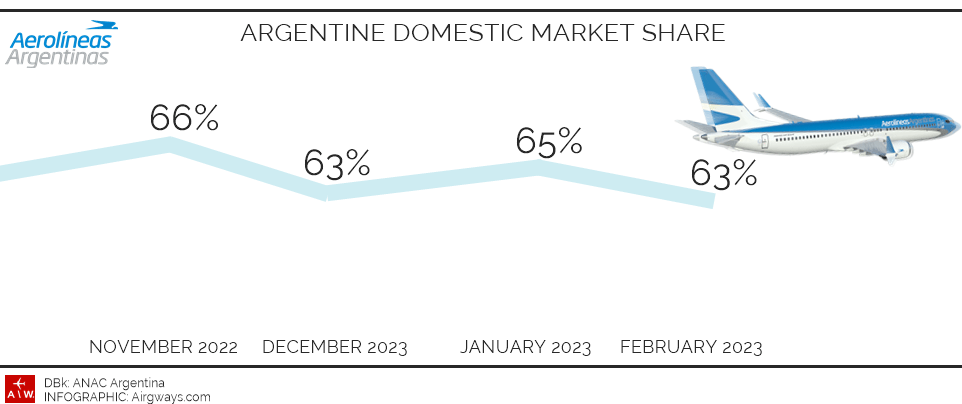
Los datos específicos actuales muestran que Aerolíneas Argentinas viene perdiendo participación de mercado aéreo. Los índices actuales confirman en Enero 2023 una participación del 65%, mientras que en Febrero 2023 se redujo a 63%.
Desde los despachos oficiales se habla de crecimiento del sector, pero sólo eso es categórico si se lo compara con Febrero del 2022 o 2021, un mercado que estaba todavía con restricciones por la crisis sanitaria. Un punto a tener en cuenta es que esta paridad de actividad que existe hoy contra el 2019 se produce con una fuerte baja de los pasajeros en el segmento internacional como consecuencia del encarecimiento impositivo de los pasajes y gastos en el exterior como el impuesto PAIS, Dólar Qatar entre otros ítems y la prohibición de comprar servicios internacionales en cuotas con tarjeta de crédito. Con tales restricciones, gran parte de la gente que planeaba viajar al exterior actualmente no tiene otra opción que volcarse al mercado doméstico, lo que ha beneficiado a las aerolíneas low cost.
Pese al cambio de política del Gobierno de Alberto Fernández en materia aérea, con medidas que buscaron frenar el avance de las low cost, la realidad muestra que eso no estaría sucediendo. El cierre del Aeropuerto El Palomar, en el conurbano bonaerense y símbolo de la gestión macrista, fue el hecho más contundente. A esto se sumaron distintas medidas técnicas que complicaron la operatoria de las compañías de bajo costo, sumando la salida del mercado de LATAM Airlines Argentina, la principal competidora de la línea de bandera.
En campaña, el entonces candidato a Presidente había prometido a los gremios aeronáuticos “todos los cielos para Aerolíneas Argentinas”, en una clara advertencia para las low cost y en un claro mensaje de favoritismo a la empresa estatal. Sin embargo, no se logra persibir si es por un cambio de opinión de Gobierno o por imposibilidad técnica de hacerlo. De todas maneras, ha quedado demostrado que Aerolíneas Argentinas no está en condiciones técnicas de atender la fuerte demanda interna, mientras que además, no resulta competitiva con los precios de pasajes aéreos, puntos que contrarrestran la operatividad de Aerolíneas.
Para tener una referencia, Aerolíneas Argentinas está apenas por arriba de su participación respecto a Febrero del 2020, antes de la pandemia y cuando todavía las medidas del Gobierno nacional contra las low cost no estaban del todo implementadas. En ese momento, Aerolíneas Argentinas/Austral tenían 60% del mercado de cabotaje. En ese momento, aún operaba LATAM Argentina con 16,7% de participación, Flybondi con un 8,8%, JetSMART Argentina un 7% y Norwegian Air Argentina con un 6,9%, aerolínea que ha sido absorbida por JetSMART.
La pérdida paulatina de mercado doméstico de Aerolíneas Argentinas obedece a una deficiente planificación tras la sinergia Aerolíneas-Austral y la salida de la crisis de la pandemia global, pero además, el problema radica en la falta de competitividad y los altos costos operativos producto de una estructura arcaica.
Aerolineas Argentinas has been losing participation in the domestic market resulting from the lack of adaptation to competitiveness. An airline administered by the State and immersed in the market domain policy and assisted by government economic aid continues to lose quota in domestic flights. Traffic indices samples numbers in descent favoring the productivity of low-cost airlines such as Flybondi and Jetsmart Airlines Argentina that continue to efficiently manage flight offers, despite the minimum-minimum limit law to the air tickets that the government has imposed for stop budget airlines and avoid abrupt fall in the Aerolineas Argentinas cabotage market.
The comparable interannual data of January 2023, the amount of transported passengers exceeded the volume of movement of the same month of 2019, the last year of the Government of Mauricio Macri, which represented a 1% increase. Until that time, the activity of the domestic flights of the management of Cambiemos showed indicators superior to the current ones. According to the numbers that were known in the last report of the agency that regulates aerocomercial aviation, the National Civil Aviation Agency (ANAC), in February 2023 the interannual improvement of the passenger movement against 2019 was repeated. This time it was more modest and It only represented a rise of 0.8%. In February 2021, it had a 76% air quota of domestic passengers. In 2022, it fell to 71%.
Current specific data show that Aerolíneas Argentinas has been losing air market share. The current indices confirm in January 2023 a 65% participation, while in February 2023 it was reduced to 63%.
From the official offices there is talk of growth of the sector, but only that is categorical if compared to February 2022 or 2021, a market that was still restricted by the health crisis. A point to keep in mind is that this parity of activity that exists today against 2019 occurs with a strong decline in passengers in the international segment as a result of the tax increase in passages and expenses abroad such as the country tax, dollar Qatar among other items and the prohibition of buying international services in quotas with credit card. With such restrictions, much of the people who planned to travel abroad currently have no choice but to turn to the domestic market, which has benefited the low cost airlines.
Despite Alberto Fernández’s government policy in aerial matters, with measures that sought to stop the advance of low cost, reality shows that this would not be happening. The closure of the El Palomar airport, in the Buenos Aires Conurbano and symbol of macrista management, was the most forceful fact. To this were added different technical measures that complicated the operation of low cost companies, adding the departure of the LATAM Airlines Argentina market, the main competitor of the flag line.
In the campaign, the then candidate for president had promised the aeronautical guilds «all heavens for Aerolíneas Argentinas», in a clear warning for low cost and in a clear message of favoritism to the state company. However, it is not possible to persevere whether for a change of government opinion or by technical impossibility of doing so. In any case, it has been demonstrated that Aerolineas Argentinas is not in technical conditions to meet strong domestic demand, while in addition, it is not competitive with air ticket prices, points that counteract the operability of Aerolíneas.
To have a reference, Aerolíneas Argentinas is barely above its participation with respect to February 2020, before the pandemic and when the national government measures against the low costs were still entirely implemented. At that time, Aerolíneas Argentinas/Austral had 60% of the cabotage market. At that time, LATAM Argentina was still operating with 16.7% participation, Flybondi with 8.8%, JetSMART Argentina 7% and Norwegian Air Argentina with 6.9%, airline that has been absorbed by JetSMART.
The gradual loss of the domestic market of Aerolíneas Argentinas is due to poor planning after airline-austral synergy and the exit of the global pandemic crisis, but in addition, the problem lies in the lack of competitiveness and high operating costs product of a archaic structure
PUBLISHER: Airgways.com DBk: Argentina.gob.ar/anac / Hernán Van Norden / Airgways.com AW-POST: 202303061449AR OWNERSHIP: Airgways Inc. A\W A I R G W A Y S ®
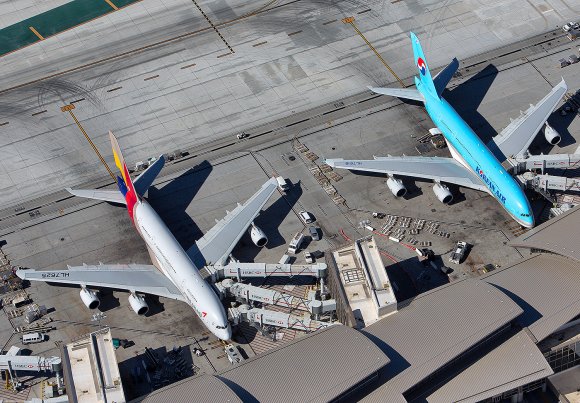
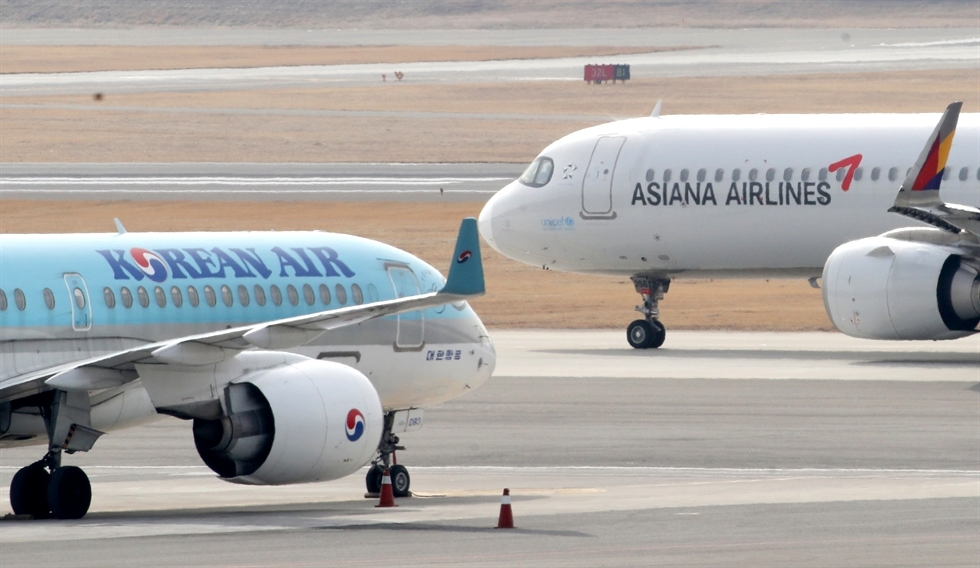
Sinergia Korean Air y Asiana recibe aprobación CMA Consolidación mercado aviación surcoreano
La Autoridad de Competencia y Mercados del Reino Unido (CMA) aprobó el Viernes 03/03 pasado la fusión de Korean Air con Asiana Airlines, dejando solo a la Unión Europea, Japón y Estados Unidos para completar dar luz verde a la unión de ambas compañías.
El 28 de Noviembre de 2022, la CMA anunció que aceptaba las soluciones presentadas por Korean Air y que escucharía los comentarios del mercado antes de aprobar la combinación de negocios. Luego, el 26 de Enero de 2023, la CMA informó a la aerolínea que necesitaba más tiempo para revisar las medidas correctivas y extendería su revisión hasta el 23 de Marzo de 2023.
La aprobación de la CMA, dada oficialmente el 1 de Marzo de 2023, muestra que los remedios propuestos presentados por la aerolínea han resuelto los problemas de restricción de la competencia. Como parte del esfuerzo de remediación, Korean Air entrará en una asociación de cooperación con Virgin Atlantic en la ruta Londres/Heathrow/LHR—Seúl/Incheon/ICN.
Korean Air continuará cooperando plenamente con todas las autoridades para recibir las aprobaciones de manera oportuna. Desde Enero de 2021, Korean Air ha declarado su combinación de negocios a un total de 14 autoridades de competencia. Once países que incluyen Australia, China, Corea, Malasia, Filipinas, Singapur, Taiwán, Tailandia, Turquía, el Reino Unido y Vietnam aprobaron la consolidación o concluyeron la revisión alegando que la combinación de negocios no fue revisada o informada.
Korean Air transportó a más de 27 millones de pasajeros en 2019. Con su centro global en el Aeropuerto Internacional de Incheon (ICN), la aerolínea sirve a 120 ciudades en 43 países en los cinco continentes con una flota de 156 aviones y más de 19,000 empleados. La aerolínea también es miembro fundador de la alianza de aerolíneas SkyTeam.
They approximate Korean-Asian fusion
Korean Air and Asiana sinergy eceives CMA approval Consolidation South Korean market
The United Kingdom Competition and Market Authority (CMA) approved on Friday 03/03 past the merger of Korean Air with Asiana Airlines, leaving only the European Union, Japan and the United States to complete give green light to the union of both companies .
On November 28, 2022, the CMA announced that it accepted the solutions presented by Korean Air and that it would listen to the market comments before approved the business combination. Then, on January 26, 2023, the CMA informed the airline that it needed more time to review the corrective measures and extend its review until March 23, 2023.
The approval of the CMA, officially given on March 1, 2023, shows that the proposed remedies presented by the airline have solved the problems of competition restriction. As part of the remediation effort, Korean Air will enter a cooperation association with Virgin Atlantic on the London/Heathrow/LHR—Seoul/Incheon/ICN route.
Korean Air will continue to fully cooperate with all the authorities to receive approvals in a timely manner. Since January 2021, Korean Air has declared its business combination to a total of 14 competition authorities. Eleven countries that include Australia, China, Korea, Malaysia, the Philippines, Singapore, Taiwan, Thailand, Turkey, the United Kingdom and Vietnam approved the consolidation or concluded the review claiming that the business combination was not reviewed or informed.
Korean Air transported more than 27 million passengers in 2019. With its global center at the Incheon International Airport (ICN), the airline serves 120 cities in 43 countries on the five continents with a fleet of 156 aircraft and more than 19,000 employees. The airline is also a founding member of the Skyteam Airlines Alliance.
PUBLISHER: Airgways.com DBk: Gov.uk / Koreanair.com / Flyasiana.com / Airgways.com AW-POST: 202303061400AR OWNERSHIP: Airgways Inc. A\W A I R G W A Y S ®
Aerocivil y aerolíneas apoyan medidas contingencia hasta 08/03
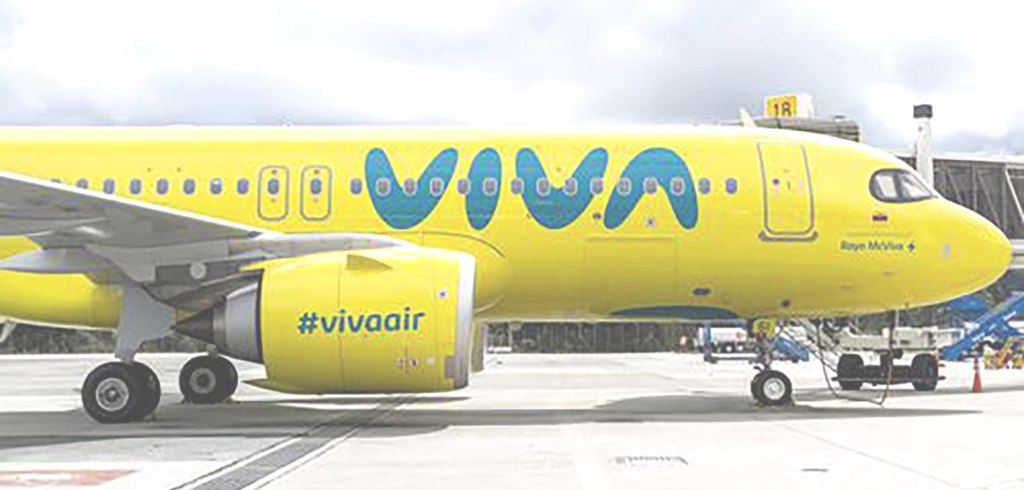
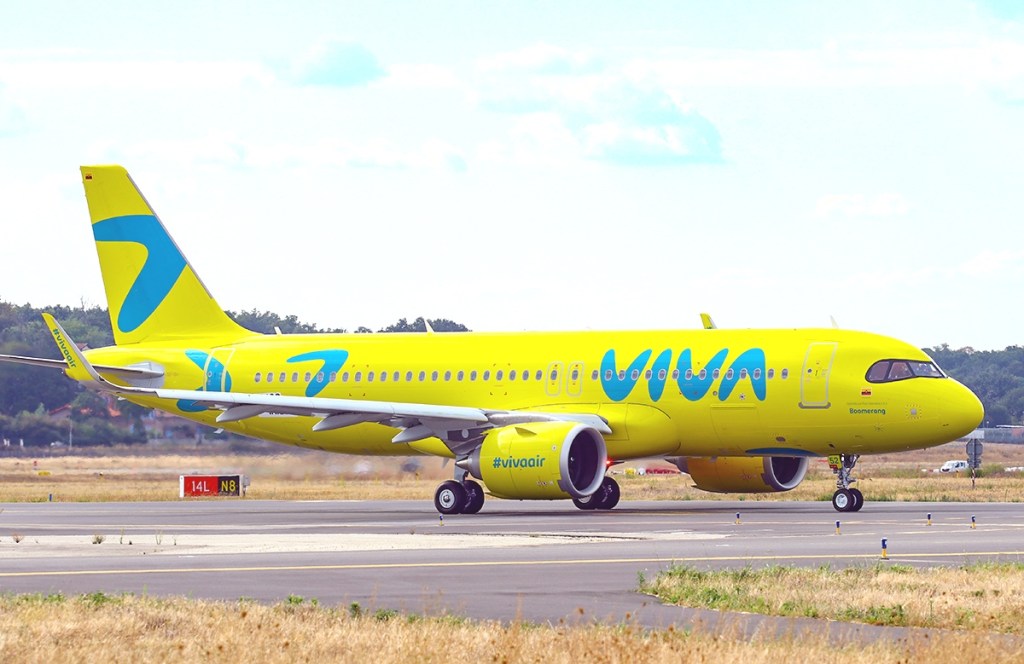
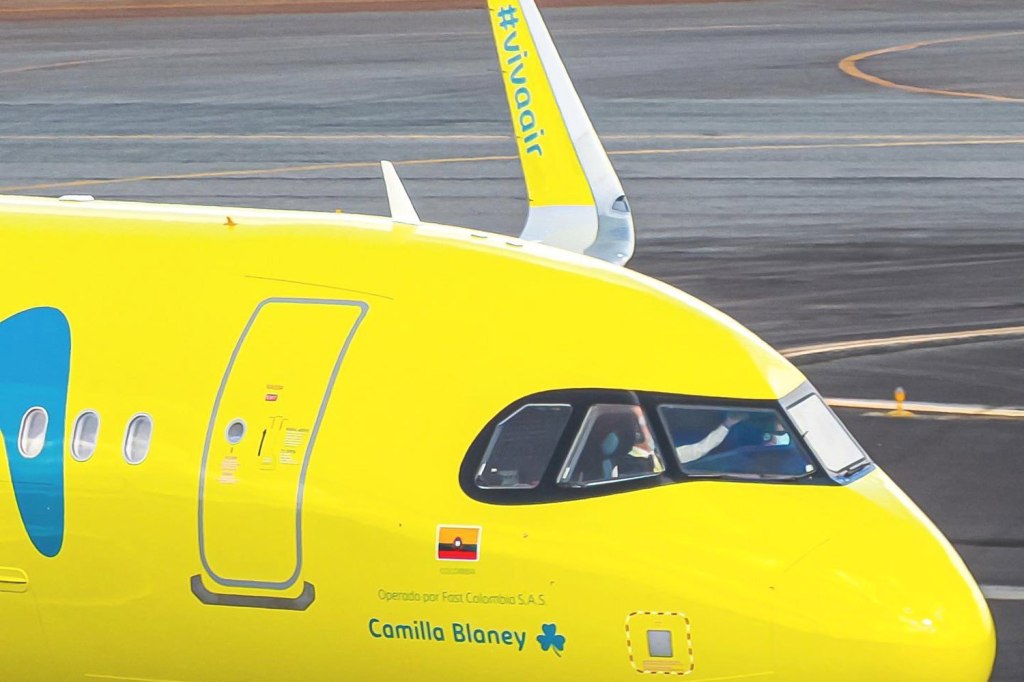
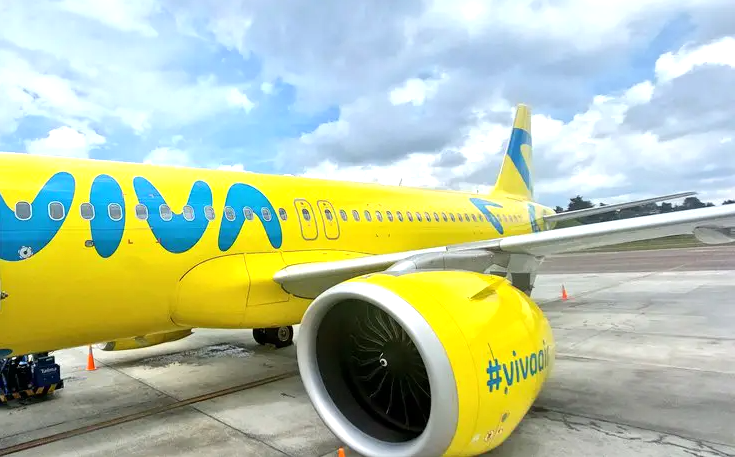
La aerolínea de bajo costo Viva Air Colombia decidió cerrar operaciones debido a las dificultades económicas que tiene, lo que generó un caos en el transporte aéreo en Colombia La Aeronáutica Civil de Colombia (Aerocivil) y las aerolíneas que decidieron ayudar a contrarrestar la crisis generada por Viva Air al haber cerrado operaciones desde el 28 de Febrero de 2023 al alegar crisis financiera, lo que generó un caos en el transporte de pasajeros, tomaron una nueva decisión sobre lo que está pasando en el mercado aéreo.
De acuerdo con la entidad aérea se han acordado las medidas de contingencia para salvaguardar los vuelos de los usuarios de Viva Air afectados por la medida: las aerolíneas LATAM Airlines Colombia, Avianca Airlines, Easyfly y Satena continúan contribuyendo a reubicar a los pasajeros en rutas nacionales e internacionales dependiendo de la disponibilidad y por medio de un proceso gratuito, decidieron extender las medidas de contingencia hasta el próximo 8 de Marzo de 2023. “En el transcurso de esta semana se evaluarán nuevas disposiciones, así como su duración en el tiempo, para tratar de mitigar la afectación a los pasajeros que tienen viajes programados con Viva Air”, informó la Aerocivil. El organismo reiteró la necesidad de que quienes resultaron afectados por la suspensión de operaciones de Viva Air radiquen su demanda en la Superintendencia de Industria y Comercio (SIC).
Más de 7.000 pasajeros trasladados con el plan de contingencia. Luego del Puesto de Mando Unificado (PMU) instalado para establecer soluciones para los pasajeros afectados de Viva Air, el Director de Aerocivil, Sergio París, entregó un balance sobre el plan de contingencia adelantado por las autoridades aéreas en los últimos días. De acuerdo con el funcionario, con corte al Miércoles 01/03, pues habían logrado movilizar 7.500 usuarios bajo la modalidad de protección, en cooperación con diferentes operadores aéreos.
“Las aerolíneas Avianca, LATAM, Ultra, Satena, EasyFly y Wingo ratificaron su compromiso en la asignación de aeronaves y sillas adicionales para la atención de los pasajeros, en la modalidad de protección”, señaló la entidad a través de un comunicado. Según lo informado por París, durante los dos primeros días de la contingencia aérea, la movilización de pasajeros afectados se hizo de la siguiente manera: Avianca 5.300 pasajeros, LATAM Colombia 2.167 pasajeros, EasyFly 4 pasajeros, Satena: 13 pasajeros. En cuanto a las ciudades que han sido priorizadas para la atención de pasajeros, el director de la Aeronáutica Civil informó que son Bogotá, Cartagena, Rionegro, Cali, San Andrés, Santa Marta y Barranquilla. La autoridad aérea así mismo dejó en firme que adelantan las gestiones pertinentes para garantizar la movilización de todos los pasajeros que resultaron afectados por el cese de operaciones de Viva Air. Por ejemplo, comunicaron que la Fuerza Aérea Colombiana (FAC) puso a disposición un avión Boeing 737 para el traslado de viajeros desde San Andrés a Rionegro (Antioquia) y de Santa Marta a Rionegro.
Proceso integración Avianca-Viva Air Tras el cese de operaciones de Viva Air, el Director de la Aerocivil, Sergio París, informó que el proceso de integración entre la aerolínea Viva Air y Avianca, que viene desde hace varios meses con el fin de que la primera no desaparezca del mercado aéreo, continuará. Así lo confirmó el Director de la Aerocivil, luego del Puesto de Mando Unificado (PMU) que adelantaron para establecer medidas de contingencia ante la emergencia aérea que ocasionó el cierre operacional de Viva Air.
“La instrucción es seguir con el proceso de solicitud de integración. Esas ofertas deben beneficiar a la competencia, el acceso al aeropuerto El Dorado y mantener ciertos beneficios a los usuarios”, indicó Sergio París. La Aerocivil podría anunciar el Martes 07/03 algunas novedades al respecto. Sujeto a si Viva Air como Avianca cumplen con las condiciones financieras y operativas relacionadas con los holding que comparten, sin afectar a los demás competidores del sector aéreo colombiano, autorizarán su integración. Respecto a la investigación que actualmente adelanta la Superintendencia de Industria y Comercio (SIC) por la compra anticipada de derechos de Viva Air Colombia, sin autorización previa, Sergio París señaló que, aunque desde la entidad tienen presente el proceso, este es de carácter independiente.
Viva Air passenger contingency measures
Aerocivil and Airlines support contingency measures until 08/03
The Viva Air Colombia low cost airline decided to close operations due to the economic difficulties it has, which generated chaos in air transport in Colombia the civil aeronautics of Colombia (Aerocivil) and the airlines that decided to help counteract the crisis generated by Viva Air al Having closed operations since February 28, 2023 when alleging financial crisis, which generated chaos in passenger transport, made a new decision about what is happening in the air market.
According to the aerial entity, contingency measures have been agreed to safeguard the flights of Viva Air users affected by the measure: LATAM Airlines Colombia airlines, Avianca Airlines, Easyfly and Satena continue to contribute to relocate passengers on national routes and international depending on availability and through a free process, they decided to extend contingency measures until March 8, 2023. «In the course of this week new provisions will be evaluated, as well as its duration over time, to try to mitigate the affectation to passengers who have trips scheduled with Viva Air», said Aerocivil. The agency reiterated the need for those who were affected by the suspension of Viva Air operations are based on the Superintendence of Industry and Commerce (SIC).
More than 7,000 passengers transferred with the contingency plan. After the Unified Command Post (PMU) installed to establish solutions for the affected passengers of Viva Air, the director of Aerocivil, Sergio Paris, delivered a balance on the contingency plan advanced by the air authorities in recent days. According to the official, with a cut to Wednesday 01/03, as they had managed to mobilize 7,500 users under the protection modality, in cooperation with different air operators.
«The Avianca, Latam, Ultra, Satena, Easyfly and Wingo airlines ratified their commitment in the assignment of additional aircraft and chairs for the attention of the passengers, in the protection modality», said the entity through a statement. As reported by Paris, during the first two days of the air contingency, the mobilization of affected passengers was made as follows: Avianca 5,300 passengers, LATAM Colombia 2,167 passengers, Easyfly 4 passengers, Satena: 13 passengers. As for the cities that have been prioritized for the attention of passengers, the director of the civil aeronautics reported that they are Bogotá, Cartagena, Rionegro, Cali, San Andrés, Santa Marta and Barranquilla. The air authority also firmly advanced the relevant efforts to guarantee the mobilization of all passengers that were affected by the cessation of operations of Viva Air. For example, they reported that the Colombian Air Force (FAC) made available a Boeing 737 plane for the transfer of travelers from San Andrés to Rionegro (Antioquia) and from Santa Marta to Rionegro.
Avianca-Viva Air integration process After the cessation of operations of Viva Air, the director of the Aerocivil, Sergio Paris, informed that the integration process between the Viva Air and Avianca airline, which has been coming for several months in order for the first to disappear from the air market , to be continue. This was confirmed by the director of the Aerocivil, after the Unified Command Post (PMU) that they advanced to establish contingency measures before the air emergency that caused the operational closure of Viva Air.
“The instruction is to continue with the process of application for integration. These offers must benefit competition, access to El Dorado airport and maintain certain benefits to users”, said Sergio Paris. Aerocivil could announce on Tuesday 07/03 some novelties about it. Subject to whether Long live Air as Avianca meet the financial and operational conditions related to the holding they share, without affecting the other competitors of the Colombian air sector, they will authorize their integration. Regarding the research currently advanced by the Superintendence of Industry and Commerce (SIC) for the early purchase of Viva Air Colombia’s rights, without prior authorization, Sergio Paris said that, although from the entity they have the process in mind, this is of an independent nature .
PUBLISHER: Airgways.com DBk: Aerocivil.gov.co / Vivaair.com / Airgways.com AW-POST: 202303061215AR OWNERSHIP: Airgways Inc. A\W A I R G W A Y S ®
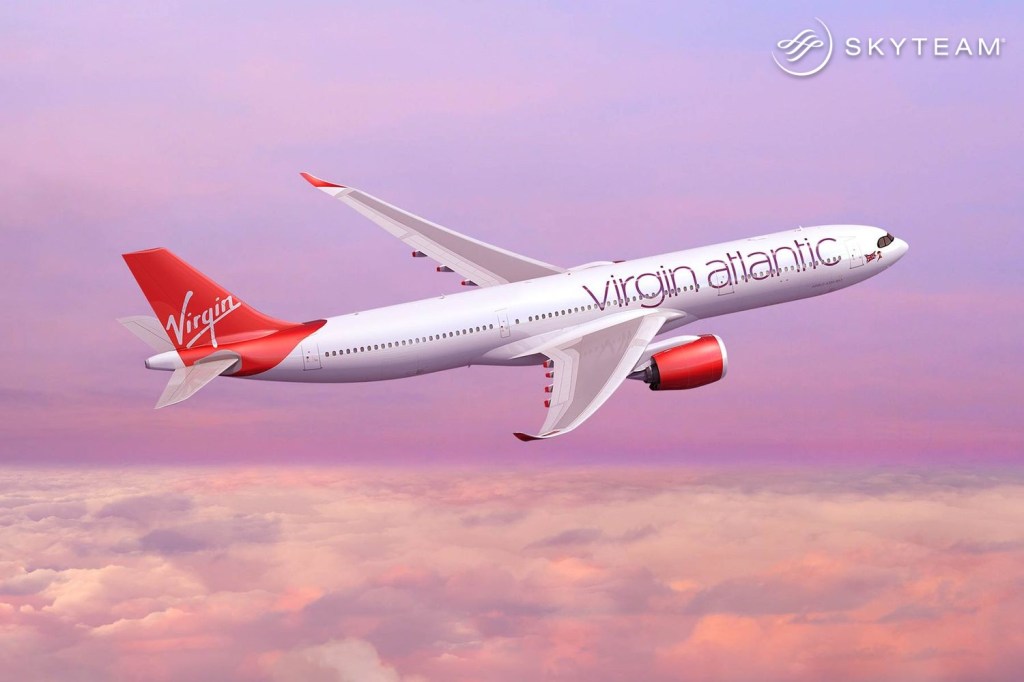
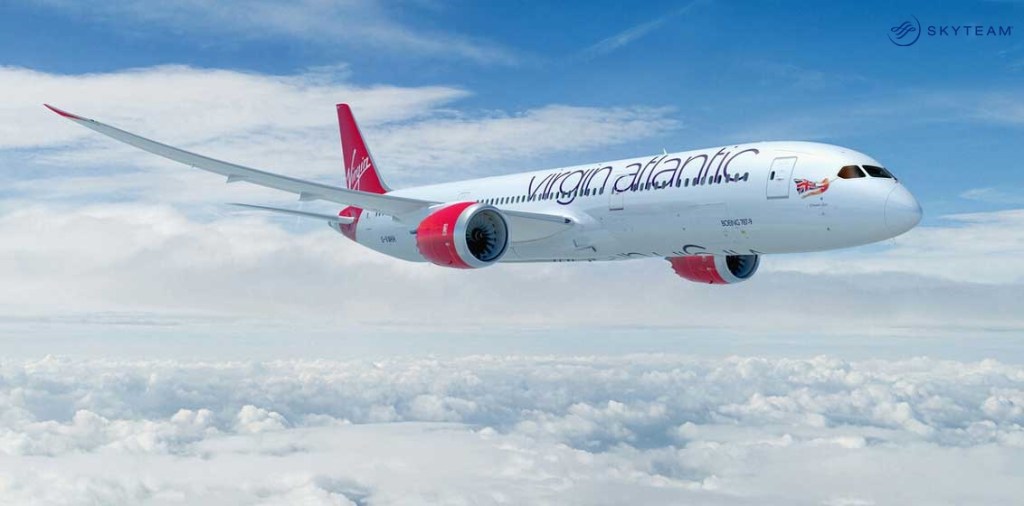
Virgin Atlantic Airways se incorpora a alianza SkyTeam
La aerolínea británica Virgin Atlantic Airways se convirtió oficialmente en miembro de pleno derecho de la alianza global de aerolíneas de SkyTeam el Jueves 2 de Marzo de 2023. Esto sucedió después de la firma ceremonial de los documentos de adhesión en Londres. Virgin Atlantic se convirtió así en la primera y hasta ahora la única aerolínea británica en unirse a SkyTeam.
Virgin Atlantic está controlada por dos grandes accionistas. El 51% de las acciones están en manos de Virgin Group, un grupo propiedad de su fundador, Sir Richard Branson. El 49% restante de las acciones desde 2012 posee la aerolínea estadounidense Delta Air Lines. Richard Branson intentó vender el 31% de las acciones a Air France-KLM en 2017, pero la venta no se materializó. Las relaciones con Delta Air Lines y Air France-KLM llevaron a Virgin Atlantic a formar una empresa conjunta con estas aerolíneas para operar rutas transatlánticas. La entrada de la aerolínea británica en la alianza es, por lo tanto, un paso lógico.
Para SkyTeam, la entrada de Virgin Atlantic amplía las ofertas de la alianza desde el aeropuerto de Londres Heathrow y Manchester. El aeropuerto de Heathrow ofrece vuelos de Virgin Atlantic desde la Terminal 3, donde también operan Delta Air Lines, Air France, KLM, MEA y China Eastern Airlines. La conexión entre los vuelos de Skyteam debería ser perfecta en el aeropuerto. En Heathrow, los pasajeros de SkyTeam Elite Plus ahora tendrán acceso al salón Clubhouse de la aerolínea del Reino Unido.
Los pasajeros de Virgin Atlantic pueden disfrutar de los beneficios de membresía en sus vuelos a partir del jueves. Esta es la oportunidad de ganar millas en vuelos de aerolíneas miembro, así como canjear sus millas por boletos gratuitos. Además, los pasajeros mejorados pueden disfrutar de check-in prioritario, mayores franquicias de equipaje y acceso a más de 750 salas VIP de SkyTeam en todo el mundo.
«Nos complace dar la bienvenida a Virgin Atlantic a SkyTeam, llevando nuestra ya cercana relación a un nuevo nivel y aumentando las ofertas para los clientes con rutas adicionales a destinos emocionantes y acceso a atractivas salas VIP en aeropuertos», dijo Patrick Roux, Director General de SkyTeam.
Además de los acuerdos anteriores de código compartido con Delta Air Lines, Virgin Atlantic Airways ha firmado nuevos acuerdos con Aeroméxico y Middle East Airlines (MEA). Se espera que los acuerdos de código compartido con otras aerolíneas miembro sigan a finales de este año.
Virgin Atlantic Airways se centra exclusivamente en rutas de larga distancia. Desde Londres-Heathrow, Manchester y Edimburgo, vuelan a doce destinos en los Estados Unidos. Además, los aviones de la compañía sirven principalmente destinos de vacaciones en el Caribe, como las Bahamas, las Islas Turcas y Caicos, Jamaica, Antigua, Barbados y otros. Además, Virgin Atlantic también tiene vuelos regulares a Nigeria, Sudáfrica, Israel, Pakistán, India, China y las Maldivas.
La flota de Virgin Atlantic Airways ha experimentado mejoras significativas en los últimos años y consta de diez Airbus A330-300 (10), tres A330-900 (3), nueve A350-1000 (9) y diecisiete Boeing 787-9 (19) . El A330-300 será reemplazado gradualmente por el nuevo A330NEO.
Virgin joins SkyTeam
Virgin Atlantic Airways joins SkyTeam Alliance
The British airline Virgin Atlantic Airways officially became a full member of the Global SkyTeam Airlines Alliance on Thursday, March 2, 2023. This happened after the ceremonial firm of the adhesion documents in London. Virgin Atlantic thus became the first and so far the only British airline to join SkyTeam.
Virgin Atlantic is controlled by two major shareholders. 51% of the shares are in the hands of Virgin Group, a group owned by its founder, Sir Richard Branson. The remaining 49% of the shares since 2012 has the US airline Delta Air Lines. Richard Branson tried to sell 31% of the shares to Air France-KLM in 2017, but the sale did not materialize. Relations with Delta Air Lines and Air France-KLM led Virgin Atlantic to form a joint company with these airlines to operate transatlantic routes. The entrance of the British airline in the Alliance is, therefore, a logical step.
For SkyTeam, the entrance of Virgin Atlantic expands the offers of the Alliance from London Heathrow and Manchester airport. Heathrow airport offers Virgin Atlantic flights from Terminal 3, where Delta Air Lines, Air France, KLM, Mea and China Eastern Airlines also operate. The connection between SkyTeam flights should be perfect at the airport. In Heathrow, SkyTeam Elite Plus passengers will now have access to the United Kingdom Clubhouse Hall of the United Kingdom.
Virgin Atlantic passengers can enjoy membership benefits on their flights from Thursday. This is the opportunity to win miles on member airline flights, as well as redeem their miles for free tickets. In addition, improved passengers can enjoy priority check-in, higher luggage franchises and access to more than 750 SkyTeam VIP rooms worldwide.
«We are pleased to welcome Virgin Atlantic to Skyteam, carrying our close relationship to a new level and increasing offers for customers with additional routes to exciting destinations and access to attractive VIP rooms in airports», said Patrick Roux, general director of Skyteam.
In addition to the previous agreements shared with Delta Air Lines, Virgin Atlantic Airways has signed new agreements with Aeroméxico and Middle East Airlines (MEA). It is expected that the code agreements shared with other member airlines follow at the end of this year.
Virgin Atlantic Airways focuses exclusively on long distance routes. From London-Heathrow, Manchester and Edimburg, they fly to twelve destinations in the United States. In addition, the company’s airplanes mainly serve vacation destinations in the Caribbean, such as the Bahamas, the Turkish and Caicos Islands, Jamaica, Antigua, Barbados and others. In addition, Virgin Atlantic also has regular flights to Nigeria, South Africa, Israel, Pakistan, India, China and Las Maldivas.
The Virgin Atlantic Airways fleet has experienced significant improvements in recent years and consists of ten Airbus A330-300 (10), three A330-900 (3), nine A350-1000 (9) and seventeen Boeing 787-9 (19) . The A330-300 will be gradually replaced by the new A330neo.
PUBLISHER: Airgways.com DBk: Virginatlantic.com / Skyteam.com / Airgways.com AW-POST: 202303061213AR OWNERSHIP: Airgways Inc. A\W A I R G W A Y S ®
Aerolíneas instan a Tribunales salvaguardar futuro Schiphol
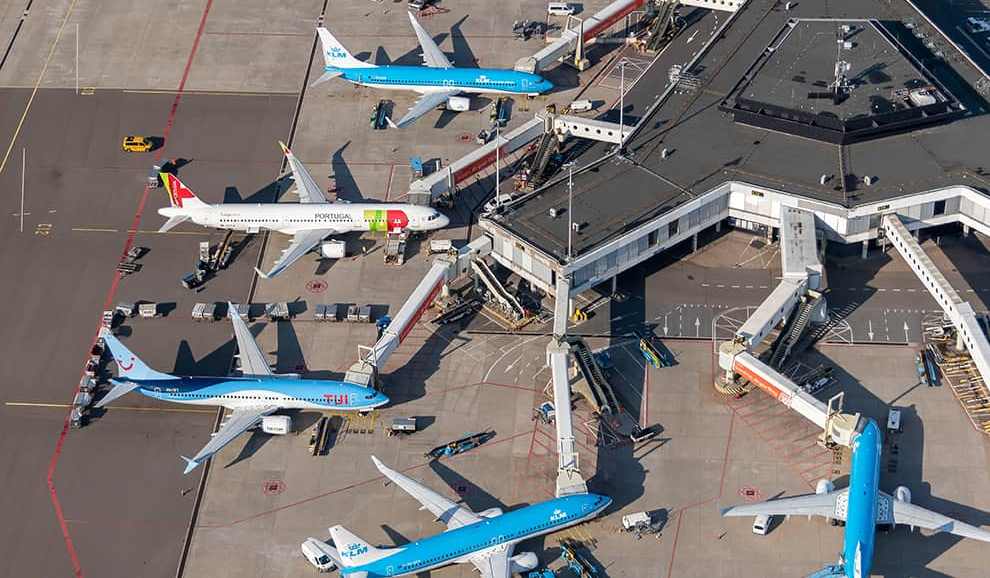
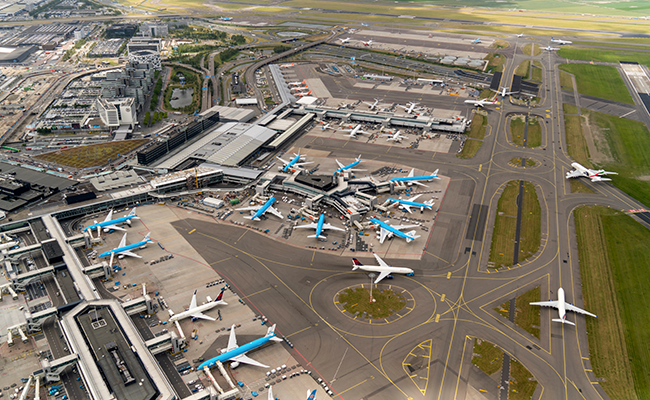
Las aerolíneas KLM Airlines, Delta Air Lines, Corendon Airlines, Easyjet y TuiFly han unido sus fuerzas para iniciar un procedimiento sumario contra el Gobierno holandés en un intento de mantener a los Países Bajos conectados con el resto del mundo a través del Aeropuerto Amsterdam/Schiphol/AMS, en Amsterdam, el principal aeropuerto de los Países Bajos.
Las compañías aéreas impugnan la decisión unilateral del Gobierno de reducir significativamente los movimientos de vuelos en Schiphol, confiando en que pueden reducir los niveles de ruido y las emisiones de CO2, manteniendo al mismo tiempo una red de destinos para los millones de pasajeros y toneladas de carga que transportan anualmente desde y hacia Schiphol.
El Aeropuerto de Schiphol contribuye significativamente a la economía holandesa, con más de 100.000 puestos de trabajo directos e indirectos. Millones de personas de los Países Bajos utilizan el aeropuerto cada año para viajes de negocios, vacaciones, visitas familiares o estudios, mientras que la red internacional del aeropuerto la hace atractiva para las empresas extranjeras que buscan establecerse en los Países Bajos.
Las compañías aéreas sostienen que la decisión unilateral y repentina del Gobierno neerlandés de reducir la capacidad de Schiphol de 500.000 a 460.000 movimientos de vuelos anuales, con el objetivo final de reducir los movimientos de vuelos a 440.000 para 2024 es incomprensible. Las aerolíneas han realizado inversiones multimillonarias para alcanzar sus objetivos a corto y largo plazo, de acuerdo con sus propias trayectorias de descarbonización y con las políticas gubernamentales, mientras que la justificación del Gobierno se basa en restricciones operativas sin tener en cuenta soluciones alternativas viables para reducir el ruido.
Además de afectar negativamente a la economía neerlandesa, la reducción de capacidad reduciría significativamente las opciones de viaje y la conectividad para los consumidores. Las compañías aéreas sostienen que, además de violar la legislación nacional, europea e internacional, la decisión es innecesaria, perjudicial y carece de justificación adecuada, dado que el sector aéreo ya está logrando resultados significativos en relación con la reducción de las emisiones de CO2 y la disminución de los niveles de ruido.
Por estas razones, un grupo de aerolíneas instan a los tribunales a salvaguardar la capacidad futura del aeropuerto de Schiphol. El Grupo KLM, que representa cerca del 60% del tráfico de Schiphol, inició esta acción legal en consonancia con la posición de la empresa matriz Air France-KLM Group al respecto. Además, la asociación industrial BARIN ha manifestado su pleno apoyo a esta iniciativa. Esta iniciativa también cuenta con el pleno apoyo de las asociaciones del sector Airlines for Europe (A4E) y European Regions Airline Association (ERA), ya que la reducción de capacidad en Schiphol tiene importantes implicaciones para el mercado único de la aviación de la UE. Por otra parte, la asociación del sector IATA y varias compañías aéreas acudirán a los tribunales para iniciar un procedimiento contra el Gobierno holandés.
Airlines are looking for Schiphol productivity
Airlines urge courts to safeguard future Amsterdam/Schiphol Airport
The KLM Airlines airlines, Delta Air Lines, Korendon Airlines, Easyjet and Tuifly have joined their strength to initiate a summary procedure against the Dutch government in an attempt to keep the Netherlands connected with the rest of the world through the Amsterdam/Schiphol Airport/AMS, in Amsterdam, the main airport in the Netherlands.
Air companies challenge the unilateral decision of the government to significantly reduce flight movements in Schiphol, trusting that they can reduce noise levels and CO2 emissions, while maintaining a network of destinations for millions of passengers and tons of load they transport annually from and to Schiphol.
Schiphol airport contributes significantly to the Dutch economy, with more than 100,000 direct and indirect jobs. Millions of people from the Netherlands use the airport each year for business trips, vacations, family visits or studies, while the international airport network makes it attractive to foreign companies seeking to establish themselves in the Netherlands.
Air companies argue that the unilateral and sudden decision of the Dutch government to reduce Schiphol’s capacity from 500,000 to 460,000 annual flight movements, with the ultimate goal of reducing flight movements to 440,000 by 2024 is incomprehensible. The airlines have made multimillion Dollar investments to achieve their objectives in the short and long term, according to their own decarbonization trajectories and with government policies, while the government’s justification is based on operational restrictions without taking into account viable alternative solutions to reduce noise.
In addition to negatively affecting the Dutch economy, capacity reduction would significantly reduce travel options and connectivity for consumers. Air companies argue that, in addition to violating national, European and international legislation, the decision is unnecessary, harmful and lacks adequate justification, given that the air sector is already achieving significant results in relation to the reduction of CO2 and Emissions of CO2 and The decrease in noise levels.
For these reasons, an airline group urges courts to safeguard the future capacity of Schiphol airport. The KLM group, which represents about 60% of Schiphol’s traffic, began this legal action in line with the position of the parent company Air France-KLM Group about it. In addition, the BARIN Industrial Association has expressed full support for this initiative. This initiative also has the full support of associations of the Airlines For Europe (A4E) and European Regions Airline Association (ERA) sector, since the reduction of capacity in Schiphol has important implications for the Single Aviation Market of the EU. On the other hand, the IATA sector association and several airlines will go to the courts to initiate a procedure against the Dutch government.
PUBLISHER: Airgways.com DBk: Eraa.org / Airlines.org / Iata.org / Schiphol.nl / Barin.nl / Klm.com / Tuifly.nl / Corendonairlines.com / Delta.com / Easyjet.com / Aerovista.nl / Airgways.com AW-POST: 202303061007AR OWNERSHIP: Airgways Inc. A\W A I R G W A Y S ®
India está buscando incluir a la compañía brasileña Embraer SA y Sukhoi Corporation de Federación Rusia, para fabricar aeronaves regionales localmente, con el objetivo de mejorar la conectividad en pequeñas ciudades y áreas remotas, según personas familiarizadas con el asunto. El Gobierno mantendrá el 51% del capital con una compañía india, mientras que le pedirá al socio extranjero que haga transferencia de tecnología, dijeron las personas, que pidieron no ser identificadas, pues las deliberaciones se encuentran en una etapa temprana. Es probable que los aviones, con capacidad para menos de 100 pasajeros, se produzcan en Gujarat, informaron.
El mercado de aviación de más rápido crecimiento del mundo está tratando de aumentar su flota de aviones pequeños, mientras que los aeropuertos con capacidad limitada y pistas cortas no están equipados para manejar aviones de fuselaje estrecho de Airbus y Boeing que dominan los cielos indios. Esto ayudará al Gobierno a impulsar el turismo y facilitar un acceso más rápido a áreas remotas en el gigante del sur de Asia de 1.4 millones, que recientemente se ha visto que supera a China en población.
El Gobierno exige que las aerolíneas operen al menos el 10% de su capacidad en rutas remotas, incluidas Cachemira y el noreste fronterizo con China, lo que significa que los aviones más pequeños podrían ser más eficientes para las aerolíneas, ya que pueden llenar una mayor proporción del total de asientos.
Airbus Group estima que India necesitará 2.210 aviones para 2040 y el 80% de ellos serán aviones más pequeños. India ha despertado el interés de los fabricantes mundiales de turbohélices, con De Havilland Aircraft planeando apoderarse del 80% de su mercado para aviones más pequeños de menos de 20 pasajeros.
Las discusiones preliminares con Embraer y Sukhoi han expresado interés en fabricar aviones regionales localmente. Además, el país también se ha acercado a ATR Aircraft, una empresa conjunta entre Airbus y Leonardo SpA de Italia, para fabricar aeronaves en la India. Embraer dijo que India tiene oportunidades significativas para los aviones regionales y que el fabricante busca continuamente formas de colaborar con India para encontrar soluciones de beneficio mutuo. Los aviones pequeños ATR son el caballo de batalla de las rutas regionales en la India con IndiGo, operando 39 unidades. Los turbohélices De Havilland Canada Dash-8 Q400 con capacidad para entre 78 y 90 personas, son operados por SpiceJet Ltd. Hindustan Aeronautics Ltd. se encuentra fabricando el avión Dornier 228 de 19 plazas utilizado por las Fuerzas Armadas de la India y Alliance Air.
El plan es vital para el impulso del Primer Ministro de la India, Narendra Modi para promover la fabricación y aumentar la productividad económica al tiempo que crea empleos. El Gobierno está fortaleciendo la conectividad de última milla al otorgar subsidios a las aerolíneas para que los viajes aéreos sean más económicos. Como parte de un programa de conectividad regional, India ha asignado ₹ 45.545 millones de rupias/US$ 100 millones de Dólares para desarrollar aeropuertos, helipuertos y aeródromos acuáticos mal atendidos.
India manufacturers conversations
India conversations Embraer/Sukhoi to make small airplanes
India is looking to include the Brazilian company Embraer SA and Sukhoi Corporation of Russia Federation, to manufacture regional aircraft locally, with the aim of improving connectivity in small cities and remote areas, according to people familiar with the matter. The Government will maintain 51% of the capital with an Indian company, while asking the foreign partner to transfer technology, people said, they asked not to be identified, as the deliberations are at an early stage. It is likely that airplanes, with capacity for less than 100 passengers, occur in Gujarat, reported.
The world’s fastest growing aviation market is trying to increase its fleet of small airplanes, while airports with limited capacity and short tracks are not equipped to handle narrow Airbus and Boeing fuselage aircraft that dominate the Indian skies. This will help the Government to boost tourism and facilitate faster access to remote areas in the giant of South Asia of 1.4 million, which has recently seen that it exceeds China in the population.
The Government requires that airlines operate at least 10% of their capacity on remote routes, including Kashmir proportion of the total seats.
Airbus Group estimates that India will need 2,210 aircraft by 2040 and 80% of them will be smaller airplanes. India has aroused the interest of world manufacturers of Turbohélices, with De Havilland Aircraft planning to seize 80% of its market for smaller airplanes of less than 20 passengers.
Preliminary discussions with Embraer and Sukhoi have expressed interest in manufacturing locally regional aircraft. In addition, the country has also approached ATR Aircraft, a joint business between Airbus and Leonardo Spa from Italy, to manufacture aircraft in India. Embraer said that India has significant opportunities for regional aircraft and that the manufacturer continually seeks ways to collaborate with India to find mutual benefit solutions. The small aircraft ATR are the battle horse of the regional routes in India with Indigo, operating 39 units. The Turbohélices de Havilland Canada Dash-8 Q400 with capacity for between 78 and 90 people, are operated by Spicejet Ltd. Hindustan Aeronautics Ltd. is manufacturing the Dornier 228 plane of 19 places used by the Armed Forces of India and Alliance Air.
The plan is vital for the impulse of the Prime Minister of India, Narendra Modi to promote manufacturing and increase economic productivity while creating jobs. The Government is strengthening the last mile connectivity by granting subsidies to airlines so that air trips are cheaper. As part of a regional connectivity program, India has assigned ₹ 45,545 million rupees/US$ 100 million to develop badly treated airports, heliports and aquatic airfields.
PUBLISHER: Airgways.com DBk: In.gov / Embraer.com / Sukhoi.ru / Atraircraft.com / Airgways.com AW-POST: 202303050125AR OWNERSHIP: Airgways Inc. A\W A I R G W A Y S ®
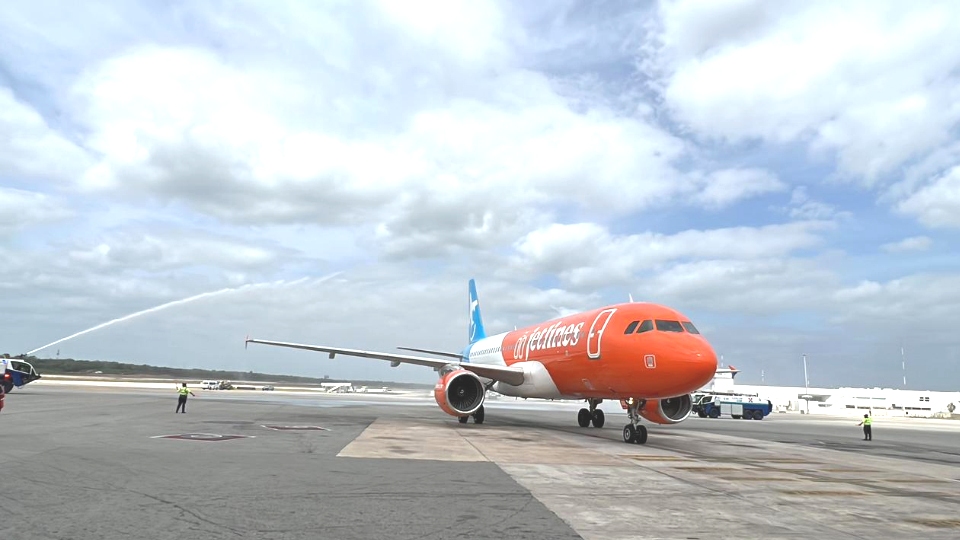
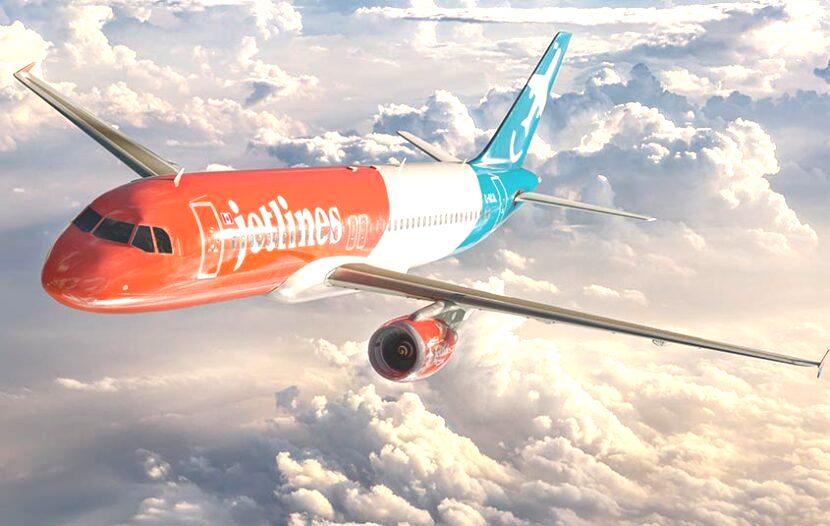
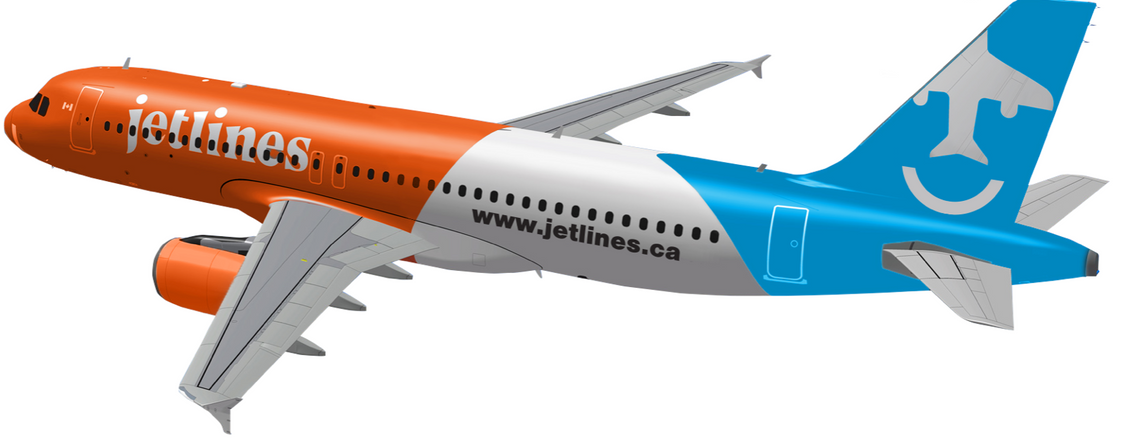
La aerolínea canadiense de ultra bajo costo Jetlines Canada Airlines, inicia operaciones el Viernes 03/03 en su nuevo destino en la ruta Toronto/YYZ—Cancún/CUN con tres frecuencias semanales (3Frq/S) los Martes, Viernes y Sábado. Canada Jetlines operó los vuelos AU502 y AU503 por primera vez, volando a Cancún Internacional. La nueva aerolínea empleó un Airbus A320CEO, registro C-GCJL, para operar estos servicios de pasajeros.
Canada Jetlines se convirtió en la séptima aerolínea canadiense en llegar a Cancún. A partir de Marzo de 2023, siete aerolíneas canadienses operan 228 vuelos semanales a Cancún. Este mercado está liderado por Sunwing, que ofrece 65 vuelos semanales y 12.285 asientos, según datos de Cirium. Otras aerolíneas en el mercado son Air Canada, Air Transat, Canada Jetlines, Flair Airlines, Swoop y WestJet. Un total de 21 ciudades canadienses tienen conectividad directa a Cancún, lideradas por Toronto Pearson, con 66 vuelos semanales. Cinco ciudades solo tienen un vuelo semanal (St. Johns, Victoria, Thunder Bay, Windsor y Fredericton).
Duncan Bureau, Director Comercial (CCO) de Canada Jetlines, dijo en un comunicado: «Canada Jetlines está muy orgulloso de operar nuestro primer vuelo programado entre Canadá y México. Tras el reciente anuncio de nuestra primera operación programada exitosa a Las Vegas, Nevada, nos complace volar esta mañana a Cancún. Canada Jetlines continúa expandiendo las sólidas relaciones con la comunidad de agencias de viajes y las juntas de turismo en Canadá y México. La aerolínea espera ofrecer su producto a quienes viajan entre la provincia de Ontario y el estado de Quintana Roo».
Jetlines Canada Airlines espera agregar más mercados y socios en América del Norte, México y el Caribe como parte de la expansión internacional.
Aeropuerto Cancún Los vuelos de esta aerolínea que por primera vez arriba a Cancún, se suman al total de 554 operaciones que el Aeropuerto Internacional Cancún el Viernes 03/03. El concesionario Aeropuertos del Sureste (ASUR) dio a conocer que, del total de operaciones programadas, 276 corresponden a llegadas, de las que 91 son vuelos nacionales y 185 son vuelos procedentes del extranjero. Respecto a las salidas, están contempladas 278, de las que 92 son a destinos en el país y 186 a destinos internacionales.
Actualmente, el Aeropuerto Cancún poseen operaciones las aerolíneas Aeroméxico, Air Canada, Air France, Air Portugal, Air Transat, Alaska, American Airlines, Avianca, British Airways, Condor, Conviasa, Copa, Delta, Eurowings, Evelope, Flair Airlines, Frontier, JetBlue, Jetlines, KLM, Lan Perú, Magnicharter, Sky Airlines Perú, Southwest, Spirit, Sun Country, Sunwing, Swift Air, Swoop, TAG Airlines, Thomson, Tuifly Nordic, Turkish Airlines, United Airlines, Viva Aerobús, Volaris, Volaris Costa Rica, Volaris Salvador, West Jet y World2Fly.
Las 36 aerolíneas extranjeras que tienen operaciones programadas para hoy conectarán el AIC con Ámsterdam, Atlanta, Austin, Baltimore, Bogotá, Boston, Calgary, Caracas, Charlotte, Chicago, Cleveland, Dallas, Denver, Detroit, Edmonton, Estambul, Estocolmo, Flores, Fort Lauderdale, Frankfurt, Guatemala, Halifax, Houston, Kansas City, Kelowna, Kitchener, La Habana, Lima, Lisboa, London, Londres, Los Ángeles, Madrid, Managua, Medellín, Miami, Milwaukee, Minneapolis, Montreal, New Orleans, Nueva York, Newark, Orlando, Ottawa, Panamá, París, Philadelphia, Phoenix, Quebec, Salt Lake City, San Francisco, San José de Costa Rica, Seattle, St. Louis, Tampa, Toronto, Vancouver, Washington y Winnipeg.
Operan hoy cuatro aerolíneas nacionales, que tienen vuelos programados con Aguascalientes, Chihuahua, Ciudad de México, Ciudad Juárez, Culiacán, Guadalajara, León, Mexicali, Monterrey, Puebla, Querétaro, Reynosa, San Luis Potosí, Santa Lucía, Tampico, Tijuana, Toluca, Tuxtla, Veracruz y Villahermosa.
The Canadian airline of ultra low cost Jetlines Canada Airlines, starts operations on Friday 03/03 in its new destination on the Toronto/YYZ—Cancun/CUN route with three weekly frequencies (3Frq/S) on Tuesdays, Fridays and Saturday. Canada Jetlines operated AU502 and AU503 flights for the first time, flying to Cancun International. The new airline used an Airbus A320CEO, C-GCJL record, to operate these passenger services.
Canada Jetlines became the seventh Canadian airline to reach Cancun. As of March 2023, seven Canadian airlines operate 228 weekly flights to Cancun. This market is led by Sunwing, which offers 65 weekly flights and 12,285 seats, according to Cirium data. Other airlines in the market are Air Canada, Air Transat, Canada Jetlines, Flair Airlines, Swoop and Westjet. A total of 21 Canadian cities have direct connectivity to Cancun, led by Toronto Pearson, with 66 weekly flights. Five cities only have a weekly flight (St. Johns, Victoria, Thunder Bay, Windsor and Fredericton).
Duncan Bureau, Commercial Director (CCO) of Canada Jetlines, said in a statement: «Canada Jetlines is very proud to operate our first flight programmed between Canada and Mexico. After the recent announcement of our first successful operation successful to Las Vegas, Nevada, Nevada, We are pleased to fly to Cancun. Canada Jetlines continues to expand the solid relations with the community of travel agencies and tourism joints in Canada and Mexico. The airline hopes to offer its product to those who travel between the province of Ontario and the state of Quintana Roo».
Jetlines Canada Airlines expects to add more markets and partners in North America, Mexico and the Caribbean as part of international expansion.
Cancun Airport The flights of this airline that for the first time to Cancun, add up to the total of 554 operations that Cancun International Airport on Friday 03/03. The Southeast Airport Concessionaire (ASUR) announced that, of the total programmed operations, 276 correspond to arrivals, of which 91 are national flights and 185 are flights from abroad. Regarding the exits, 278 are contemplated, of which 92 are to destinations in the country and 186 to international destinations.
Currently, the Cancun Airport have operations the Aeromexico, Air Canada, Air France, Air Portugal, Air Transat, Alaska, American Airlines, Avianca, British Airways, Condor, Conviasa, Cup, Delta, Eurowings, Evelope, Flair Airlines, Frontier, Frontier, Jetblue, Jetlines, KLM, Lan Peru, Magnicharter, Sky Airlines Peru, Southwest, Spirit, Sun Country, Sunwing, Swift Air, Swoop, Tag Airlines, Thomson, Tuifly Nordic, Turkish Airlines, United Airlines, Viva Aerobús, Volaris, Volaris, Volaris Costa Rica, Volaris Salvador, West Jet and World2fly.
The 36 foreign airlines that have operations scheduled today will connect the AIC with Amsterdam, Atlanta, Austin, Baltimore, Bogotá, Boston, Calgary, Caracas, Charlotte, Chicago, Cleveland, Dallas, Denver, Detroit, Edmonton, Istanbul, Stock Fort Lauderdale, Frankfurt, Guatemala, Halifax, Houston, Kansas City, Kelowna, Kitchener, Havana, Lima, Lisbon, London, London, Los Angeles, Madrid, Managua, Medellín, Miami, Milwaukee, Minneapolis, Montreal, New Orleans, New York, Newark, Orlando, Ottawa, Panama, Paris, Philadelphia, Phoenix, Quebec, Salt Lake City, San Francisco, San José de Costa Rica, Seattle, St. Louis, Tampa, Toronto, Vancouver, Washington and Winnipeg.
Today four national airlines operate, which have running flights with Aguascalientes, Chihuahua, Mexico City, Ciudad Juárez, Culiacán, Guadalajara, León, Mexicali, Monterrey, Puebla, Querétaro, Reynosa, San Luis Potosí, Santa Lucía, Tampico, Tijuana, Toluca , Tuxtla, Veracruz and Villahermosa.
PUBLISHER: Airgways.com DBk: Jetlines.com / Airgways.com AW-POST: 202303041818AR OWNERSHIP: Airgways Inc. A\W A I R G W A Y S ®
Denuncian despidos masivos empleados de Viva Air Colombia
El Presidente de la Asociación Colombiana de Aviadores Civiles (ACDAC), Juan Esteban Villa, ha comunicado que solicitan al Gobierno del Presidente colombiano, Gustavo Petro, una intervención por los empleados de la aerolínea Viva Air Colombia que han establecido despidos masivos configurado en unos retiros voluntario aduciendo la crisis de la empresa. Producto de este desenlace de la compañía low cost colombiana, los trabajadores de la aerolínea marcharon este Jueves 02/03 en Bogotá por despidos masivos, al tiempo que pidieron al Gobierno intervenir para salvar los empleos que se pierden por la quiebra de la empresa.
La Superintendencia de Transporte de Colombia abrió el pasado Miércoles 01/03 una investigación administrativa y formuló cargos contra Viva Air Colombia por suspender súbitamente sus operaciones el Lunes 27/02 afectando a los usuarios del transporte aéreo. La medida se tomó mediante una resolución por el presunto incumplimiento de la ley debido a la suspensión súbita de sus operaciones afectando a los usuarios que contaban con reservas emitidas y confirmadas.
La ACDAC aseguró que en Noviembre 2022 la compañía aérea había realizado medidas de fuerza para alertar sobre la crisis de la compañía y que ninguno de los implicados se ha expresado en favor de los empleados. «En este momento se han visto afectadas alrededor de 6.200 familias. Llamamos a buscar alternativas para que los empleos no se pierdan y que la compañía subsista», dijo el líder sindical.
En Noviembre 2022, Avianca y Viva Air apelaron una decisión de la Aerocivil de rechazar la integración de ambas compañías al considerar que esta puede generar una indebida restricción de la competencia.
La Superintendente de Transporte, Lucy Ospina, señaló que la decisión de Viva Air de cancelar las operaciones afectó a 466.604 usuarios que tenían reservas confirmadas al 27/02, fecha de la suspensión de las operaciones. Adicionalmente, pudo verificar mediante la página web de la aerolínea, que se continuaban vendiendo tiquetes, y que para la misma fecha se habían vendido 5.750 reservas.
La compañía, que tiene su centro de operaciones en el Aeropuerto Medellín/José María Córdova, opera 35 rutas internas y vuelos a Argentina, Perú, Brasil, México y República Dominicana. El anuncio de la suspensión de operaciones provocó protestas y agresiones verbales en los aeropuertos Bogotá/El Dorado, Medellín/José María Córdova, Barranquilla/Ernesto Cortissoz y Cartagena/Rafael Núñez. La situación para los pasajeros ha ido mejorando paulatinamente porque han sido reacomodados en vuelos de otras aerolíneas o también compraron pasajes en otras compañías.
Layoffs in Viva Air
They denounce massive dismissals employees of Viva Air Colombia
The President of the Colombian Association of Civil Aviators (ACDAC), Juan Esteban Villa, has reported that they ask the Government of the Colombian President, Gustavo Petro, an intervention by the employees of the Viva Air Colombia airline that have established mass layoffs configured in some retreats volunteer adducing the crisis of the company. As a result of this outcome of the Colombian low cost company, the workers of the airline marched this Thursday 02/03 in Bogotá for mass layoffs, while asking the Government to intervene to save the jobs that are lost due to the bankruptcy of the company.
The Superintendence of Transportation of Colombia opened an administrative investigation on Wednesday and made charges against Viva Air Colombia for suddenly suspending operations on Monday 27/02 affecting air transport users. The measure was taken through a resolution for the alleged breach of the law due to the sudden suspension of their operations affecting users who had reserves issued and confirmed.
The ACDAC said that in November 2022 the airline had made force measures to alert about the company’s crisis and that none of those involved has been expressed in favor of employees. «At this time around 6,200 families have been affected We call to look for alternatives so that jobs are not lost and that the company subsists», said the union leader.
In November 2022, Avianca and Viva Air appealed a decision of the Aerocivil to reject the integration of both companies when considering that it can generate an improper competence of the competition.
The Transportation Superintendent, Lucy Ospina, said that Viva Air’s decision to cancel operations affected 466,604 users who had confirmed reservations to 27/02, date of the suspension of operations. Additionally, he could verify through the airline website, which continued to sell tickets, and that 5,750 reservations had been sold for the same date.
The company, which has its operations center at Medellín Airport/José María Córdova, operates 35 internal routes and flights to Argentina, Peru, Brazil, Mexico and the Dominican Republic. The announcement of the suspension of operations caused protests and verbal aggressions at the Bogotá/El Dorado, Medellín/José María Córdova, Barranquilla/Ernesto Cortissoz and Cartagena/Rafael Núñez airports. The situation for passengers has been improving gradually because they have been rearranged on flights from other airlines or also bought tickets in other companies.
PUBLISHER: Airgways.com DBk: Acdac.org / Vivaair.com / Airgways.com AW-POST: 202303041804AR OWNERSHIP: Airgways Inc. A\W A I R G W A Y S ®
Satena Airlines ha estrablecido sus operaciones aerocomerciales entre Colombia y Venezuela el Viernes 03/03. La aerolínea estatal colombiana inició así con el mandato que le había propuesto el Presidente de Colombia Gustavo Petro tras su llegada al poder.
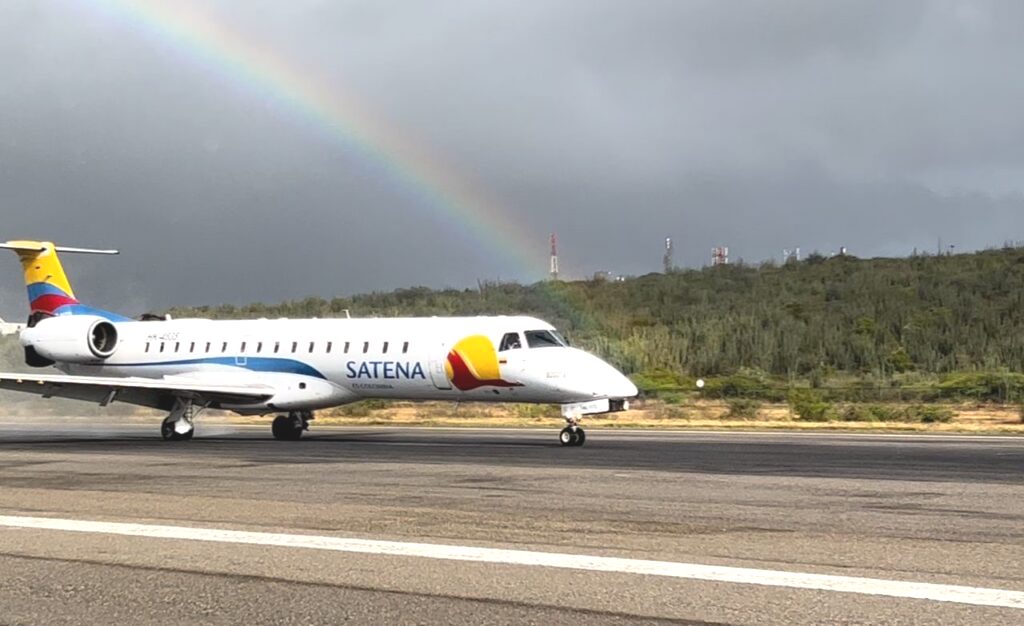
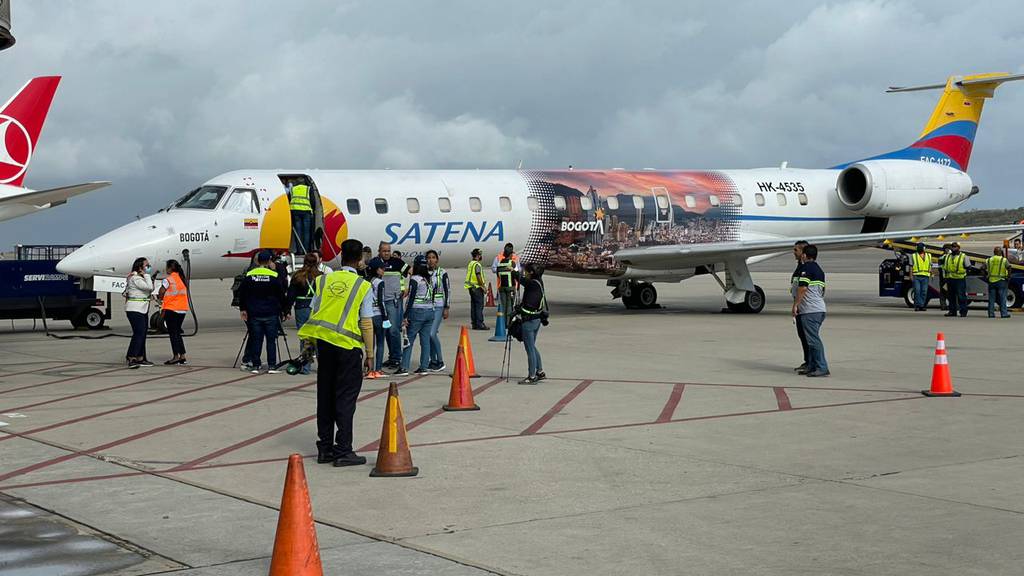
Satena reinició sus vuelos sin escalas entre Colombia y Venezuela en la ruta Bogotá/BOG—Caracas/CCS. Con el vuelo 9R-8900 en aeronaves regionales jet Embraer ERJ-145 despegó desde el Aeropuerto Internacional El Dorado/BOG a las 06:01 hora local arribando al Aeropuerto Internacional Simón Bolívar/Maiquetía/CCS a las 08:34, con un tiempo de vuelo de 1 hora y 54 minutos. Satena Airlines tendrá cinco vuelos semanales (5Frq/S).
Frecuencias BOG—CCS 9R-8900 Bogotá/BOG—Caracas/CCS BOG 05:40–CCS 08:45 Martes y Viernes. 9R 8901 Caracas/CCS—Bogotá/BOG CCS 09:45–BOG 10:46 Martes y Viernes.
La compañía aérea emplea aeronaves Embraer ERJ-145 con capacidad para 50 asientos en configuración única de clase Económica.
“Seguimos estrechando lazos de hermandad con la República de Colombia, hoy aterrizó en Maiquetía el primer vuelo Bogotá-Caracas de la aerolínea Satena, dando paso a la diplomacia de paz entre ambas naciones”, dijo Ramón Celestino Velásquez Araguayán, Ministro del Poder Popular para el Transporte de Venezuela.
“Buenas noticias para la conectividad aérea entre dos países hermanos. Hoy le damos la bienvenida a la nueva ruta comercial de la aerolínea Satena desde Bogotá hacia Caracas ¡Que alegría, comienza un nuevo rumbo internacional!”, dijo Guillermo Reyes, Ministro de Transporte de Colombia.
Proyecciones
La aerolínea colombiana Satena Airlines ha establecido planes para expandir su internacionalización hacia otros países vecinos, como Ecuador o Panamá. El titular de la cartera de Transporte señaló además que con la capitalización que se está preparando sobre Satena Airlines se prevé contratar otros aviones para operar las nuevas rutas internacionales. Entre los destinos proyectados figuran desde Ipiales hacia Quito y Guayaquil o desde San Andrés a otros destinos en el Caribe.
Satena starts operations towards Venezuela
Satena Airlines restart flights to Venezuela
Satena Airlines has signed its aerocomercial operations between Colombia and Venezuela on Friday 03/03. The Colombian state airline began with the mandate proposed by Colombia President Gustavo Petro after his arrival to power.
Satena restarted his non scales flights between Colombia and Venezuela on the Bogotá/BOG—Caracas/CCS route. With flight 9R-8900 on regional aircraft Jet Embraer ERJ-145 took off from the El Dorado/BOG International Airport at 06:01 local time arriving at the Simón Bolívar/Maiquetía/CCS International Airport at 08:34, with a time of time 1 hour flight and 54 minutes. Satena Airlines will have five weekly flights (5Frq/S).
BOG—CCS frequencies 9R-8900 Bogotá/BOG—Caracas/CCS BOG 05: 40-CCS 08:45 Tuesday and Friday. 9R 8901 Caracas/CCS—Bogotá/BOG CCS 09: 45-BOG 10:46 Tuesday and Friday.
The airline uses ERJ-145 ERJ-45 aircraft with capacity for 50 seats in unique economic class configuration.
«We continue to strengthen Brotherhood Ties with the Republic of Colombia, today the first Bogotá-Caracas flight of the Satenae airline landed in Maiquetía, giving way to the diplomacy of peace between both nations», said Ramón Celestino Velásquez Araguayán, Minister of Popular Power for The transport of Venezuela.
“Good news for air connectivity between two sister countries. Today we welcome you to the new commercial route of the Satenae airline from Bogotá to Caracas, what a joy, a new international course begins!”, Said Guillermo Reyes, Minister of Transportation of Colombia.
Projections
The Colombian airline Satena Airlines has established plans to expand its internationalization to other neighboring countries, such as Ecuador or Panama. The head of the transport portfolio also pointed out that with the capitalization that is being prepared on Satena Airlines it is planned to hire other airplanes to operate the new international routes. Among the projected destinations are from Ipiales to Quito and Guayaquil or from San Andrés to other destinations in the Caribbean.
PUBLISHER: Airgways.com DBk: Satena.com / Airgways.com AW-POST: 202303041751AR OWNERSHIP: Airgways Inc. A\W A I R G W A Y S ®