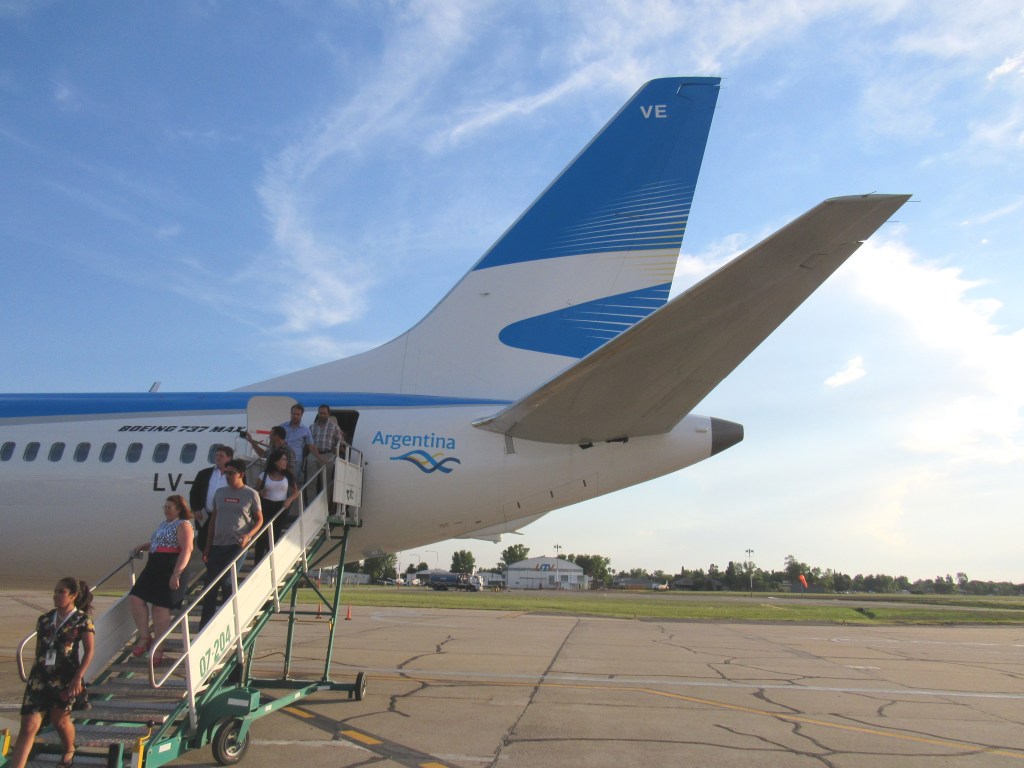
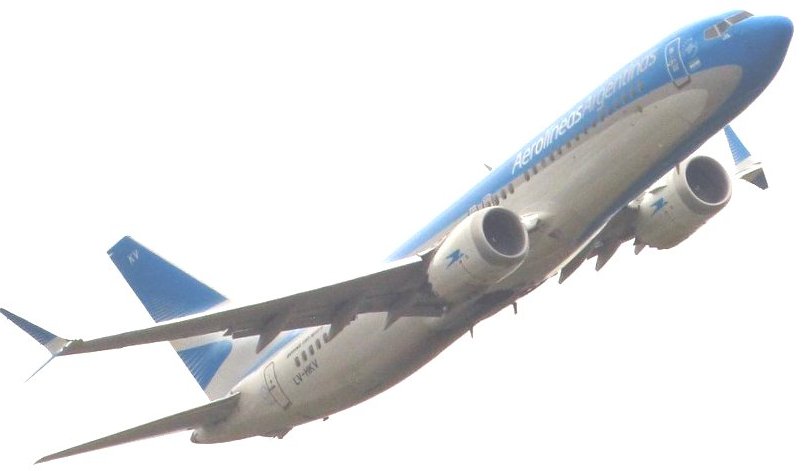
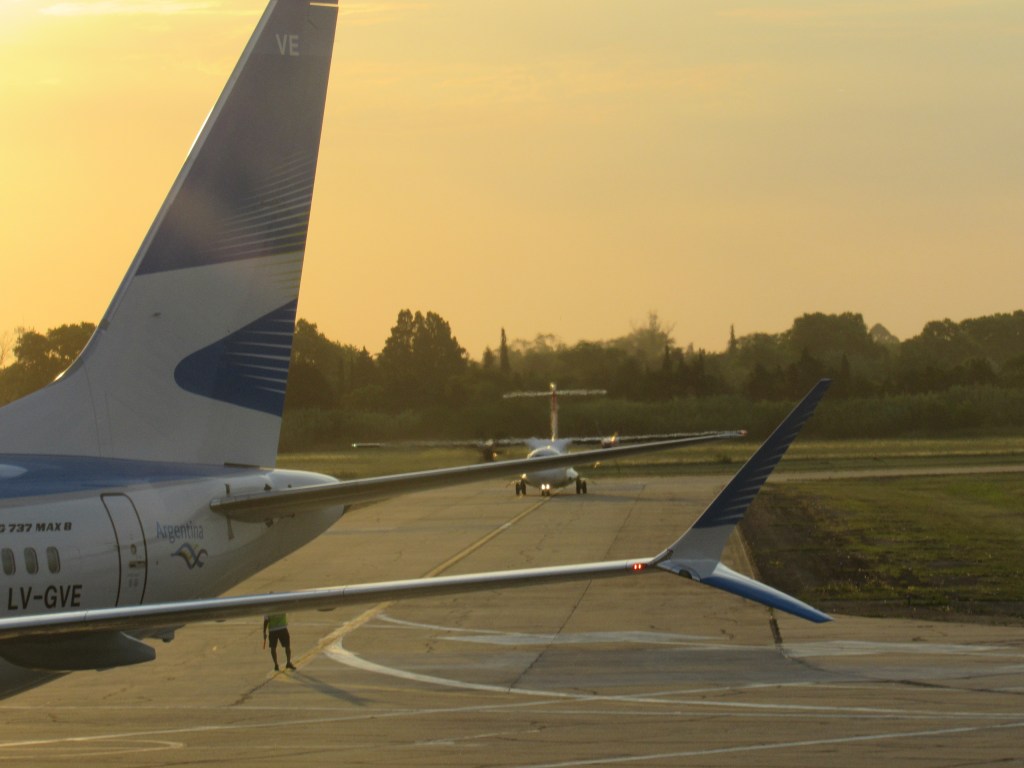
Aerolíneas Argentinas ha informado que estima una reducción de los aportes del Estado para 2023 de un valor de US$ 102 millones de Dólares. El anuncio, el cual fue dado en el marco de la presentación del Proyecto Presupuestal para 2023 por parte del Ministerio de Transporte de la Nación, se ha dado que la transferencia por parte del Tesoro Nacional a la aerolínea ascendería a US$ 412 millones de Dólares, una reducción de US$ 102 millones respecto a 2022.
“Estos indicadores dan cuenta del crecimiento significativo que viene teniendo Aerolíneas Argentinas. Hemos podido solventar buena parte del gasto con ingresos propios y de ahí que estamos sub-ejecutando la partida asignada para este año. Y lo hicimos en un contexto macroeconómico complejo”, explicó el CEO de Aerolíneas Argentinas, Pablo Ceriani.
Los aportes estatales a la aerolínea representarán el 0,31% del Presupuesto General de la Nación, mientras que en 2019 fue del 0,48% y durante este año 2022 representa el 0,45%. En este último caso, vale destacar que, en lo que va del 2022, la empresa ejecutó sólo el 48% de su presupuesto, habiendo recibido AR$ 34.700 millones de Pesos, de los AR$ 72.000 millones presupuestados. Por otro lado, la compañía presentó sus resultados operativos donde estima transportar 11 millones de pasajeros en 2022 y alcanzar los 13 millones para 2023, igualando así la cifra máxima de 2019.
Aerolíneas Argentinas fue creada el 7 de Diciembre de 1950 y posteriormente privatizada en 1990. Finalmente, el 24 de Diciembre de 2008 el Estado Nacional retomó su control. La compañía sirve como operador de una amplia red de rutas que atiende los mercados de Argentina, América y Europa, y su principal función es la de aportar al desarrollo económico y social de Argentina a partir de la conectividad del país con el mundo.
Aerolíneas reduction contributions State
Reduction of contributions amounting to US$ 102 million
Aerolíneas Argentinas has reported that it estimates a reduction in State contributions for 2023 of a value of US$ 102 million. The announcement, which was made within the framework of the presentation of the Budget Project for 2023 by the Ministry of Transport of the Nation, has given that the transfer by the National Treasury to the airline would amount to US$ 412 million Dollars, a reduction of US$ 102 million compared to 2022.
“These indicators account for the significant growth that Aerolíneas Argentinas has been experiencing. We have been able to cover a good part of the expense with our own income and that is why we are under-executing the item assigned for this year. And we did it in a complex macroeconomic context”, explained the CEO of Aerolíneas Argentinas, Pablo Ceriani.
The state contributions to the airline will represent 0.31% of the General Budget of the Nation, while in 2019 it was 0.48% and during this year 2022 it represents 0.45%. In the latter case, it is worth noting that, so far in 2022, the company has executed only 48% of its budget, having received AR$ 34,700 million Pesos, of the AR$ 72,000 million budgeted. On the other hand, the company presented its operating results where it estimates to transport 11 million passengers in 2022 and reach 13 million by 2023, thus equaling the maximum figure of 2019.
Aerolíneas Argentinas was created on December 7, 1950 and later privatized in 1990. Finally, on December 24, 2008, the National State resumed its control. The company serves as the operator of a wide network of routes serving the markets of Argentina, America and Europe, and its main function is to contribute to the economic and social development of Argentina based on the country’s connectivity with the world.
PUBLISHER: Airgways.com DBk: Aerolineas.com / Argentina.gob.ar / Airgways.com AW-POST: 202210141204AR OWNERSHIP: Airgways Inc. A\W A I R G W A Y S ®
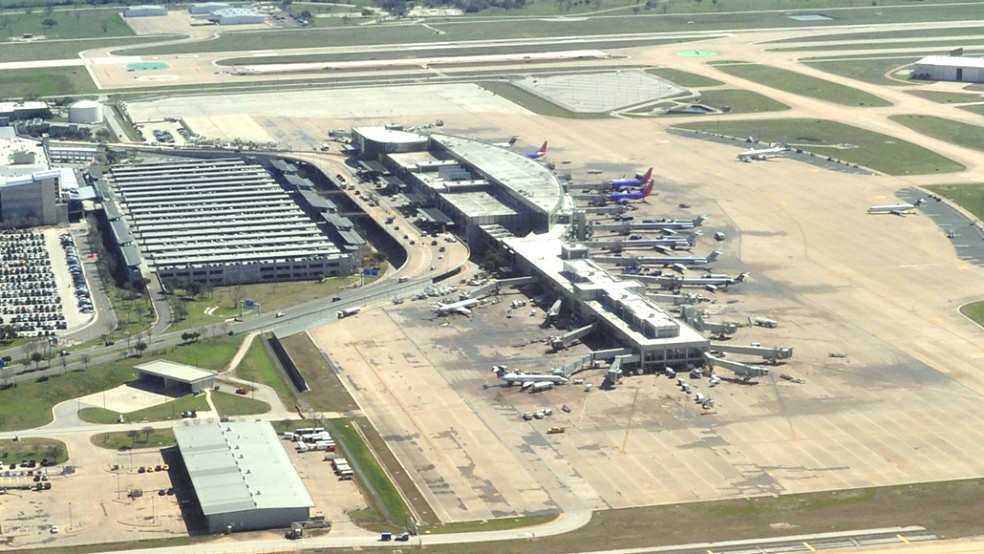
El Aeropuerto Internacional Austin-Bergstrom/AUS de Texas, Estados Unidos, ha sido reconocido como uno de los dos aeropuertos en América del Norte en lograr la neutralidad de carbono para las operaciones aeroportuarias de 2021, con una acreditación de Nivel 3+ a través del Programa de Acreditación de Carbono Aeroportuario (ACA) del Consejo Internacional de Aeropuertos (ACI). Este es el segundo año consecutivo para recibir esta distinción, con la primera distinción anunciada en 2021 para las operaciones de 2020. AUS se une a otros seis aeropuertos de América del Norte para lograr una acreditación de Nivel 3+ o mayor para 2021, un año notablemente marcado por un aumento dramático en los viajes de pasajeros después de la pandemia de COVID-19.
«Mantener un reconocimiento de carbono neutral dos años seguidos significa un hito para nuestra ciudad, especialmente al regresar a los volúmenes de pasajeros anteriores a la pandemia. El Departamento de Aviación ha establecido una impresionante cartera de sostenibilidad y estoy orgulloso de ver que nuestro aeropuerto continúa desempeñando un papel fundamental en el apoyo a nuestros objetivos y esfuerzos en toda la ciudad para combatir el cambio climático. Elogio el compromiso del Departamento de ser un líder en la administración ambiental y la implementación de prácticas sostenibles, tanto a gran como a pequeña escala con el objetivo de reducir su huella de carbono operativa», dijo Gina Fiandaca, Subgerente de la Ciudad sobre el Resultado de Movilidad SD23.
En 2021, AUS fue el primer aeropuerto de tamaño mediano y el cuarto aeropuerto general en América del Norte en alcanzar el nivel de Neutralidad de Nivel 3+. Para renovar la acreditación de Nivel 3+ para 2021, AUS ha realizado reducciones significativas de emisiones y ha continuado compensando las emisiones residuales invirtiendo e implementando proyectos e innovaciones que reducen el dióxido de carbono. Si bien estas emisiones provienen de las actividades del Departamento de Aviación y las operaciones aeroportuarias y la neutralidad no incluye las emisiones de las aerolíneas, una parte vital del programa ACA implica que los aeropuertos trabajen con las aerolíneas y otras partes interesadas para reducir colectivamente las emisiones.
Los esfuerzos combinados de las aerolíneas, el Departamento de Aviación y otros socios en el aeropuerto han llevado a una operación neutra en carbono para el Departamento de Aviación de AUS, cuya huella de carbono se calcula a partir del combustible quemado en los vehículos departamentales y el gas natural utilizado para calentar los edificios. Los proyectos e innovaciones de reducción de emisiones en curso que minimizan los impactos de las operaciones del Departamento de Aviación en el medio ambiente incluyen:
Una asociación con Austin Energy para generar 1.8 megavatios de energía solar renovable en el campus del aeropuerto que proporciona energía al aeropuerto y a 160 hogares locales a través del Programa Solar Comunitario. Una asociación con Signature Flight Support para aceptar la primera entrega de combustible de aviación sostenible a AUS en 2021. Uso de energía 100% renovable en la Terminal Barbara Jordan a través del Programa GreenChoice de Austin Energy. Usar gas natural renovable para alimentar la flota de autobuses lanzadera de AUS, expandir el uso de combustibles alternativos y poner a prueba un programa de intercambio de crédito de gas natural renovable con Clean Energy para ayudar a los socios del aeropuerto a reducir sus emisiones. Recibir certificaciones Gold LEED Green Building en varios edificios en el campus del aeropuerto, incluido el edificio de expansión y administración de nueve puertas 2019. Lograr una calificación de 3 estrellas de Austin Energy Green Building en una de las instalaciones aeroportuarias más nuevas completas, el Airport Career and Development Center. Implementación de modernizaciones de eficiencia energética en todo el campus en sistemas de HVAC, calderas de eficiencia energética y uso de iluminación LED en todo el campus, estacionamientos y aeródromos. Comprar energía renovable y compensaciones de carbono de fuentes sostenibles y promover el programa The Good Traveler a los pasajeros de AUS. Establecer el Programa de Rescate de Alimentos de AUS, que dona alimentos perecederos no utilizados de concesiones a Keep Austin Fed, y un programa de compostaje y reciclaje en todo el campus. Asociarse con aerolíneas para apoyar el equipo de servicio en tierra de las aerolíneas con motor eléctrico.
«No podríamos estar más orgullosos de este logro y de nuestra División de Asuntos Ambientales por hacerlo posible. A medida que nos embarcamos en la mejora y el desarrollo del aeropuerto a través de nuestro programa de mejora del aeropuerto Journey with AUS, priorizaremos el diseño sostenible y las prácticas de construcción para continuar nuestro compromiso con la neutralidad de carbono», dijo Somer Shindler, Director de Desarrollo de AUS.
Austin-Bergstrom/AUS ha estado participando en el Programa de Acreditación de Carbono Aeroportuario (ACA) del Consejo Internacional de Aeropuertos, un programa de acreditación de carbono específico de la industria aeroportuaria y reconocido internacionalmente desde 2017. El Programa ACA permite a los aeropuertos avanzar aún más en la gestión y reducción de su huella de carbono para lograr la alineación con los objetivos climáticos globales.
Austin-Bergstrom International Airport/AUS in Texas, United States, has been recognized as one of two airports in North America to achieve carbon neutrality for airport operations by 2021, with Level 3+ accreditation through the Airport Carbon Accreditation Program (ACA) of the Airports Council International (ACI). This is the second year in a row to receive this distinction, with the first distinction announced in 2021 for 2020 operations. AUS joins six other North American airports in achieving Level 3+ or higher accreditation by 2021, a year notably marked by a dramatic increase in passenger travel after the COVID-19 pandemic.
«Maintaining a carbon neutral recognition two years in a row is a milestone for our city, especially as we return to pre-pandemic passenger volumes. The Department of Aviation has established an impressive portfolio of sustainability and I am proud to see our airport continuing playing a critical role in supporting our citywide goals and efforts to combat climate change I commend the Department’s commitment to being a leader in environmental stewardship and implementation of sustainable practices, both large and small with the goal of reducing its operational carbon footprint», said Gina Fiandaca, Deputy City Manager on SD23 Mobility Outcome.
In 2021, AUS was the first mid-size airport and the fourth overall airport in North America to achieve Level 3+ Neutrality status. To renew Level 3+ accreditation for 2021, AUS has made significant emission reductions and has continued to offset residual emissions by investing in and implementing projects and innovations that reduce carbon dioxide. While these emissions come from the activities of the Department of Aviation and airport operations, and neutrality does not include airline emissions, a vital part of the ACA program involves airports working with airlines and other stakeholders to collectively reduce emissions.
The combined efforts of airlines, the Department of Aviation and other partners at the airport have led to a carbon neutral operation for the AUS Department of Aviation, whose carbon footprint is calculated from the fuel burned in department vehicles and the natural gas used to heat buildings. Ongoing emission reduction projects and innovations that minimize the impacts of Department of Aviation operations on the environment include:
A partnership with Austin Energy to generate 1.8 megawatts of renewable solar power on the airport campus that powers the airport and 160 local homes through the Community Solar Program. A partnership with Signature Flight Support to accept the first delivery of sustainable aviation fuel to AUS in 2021. Use of 100% renewable energy at the Barbara Jordan Terminal through Austin Energy’s GreenChoice Program. Using renewable natural gas to power the AUS shuttle bus fleet, expanding the use of alternative fuels, and piloting a renewable natural gas credit exchange program with Clean Energy to help airport partners reduce their emissions. Receiving Gold LEED Green Building certifications at several buildings on the airport campus, including the 2019 nine-gate Administration and Expansion Building. Achieve a 3-star Austin Energy Green Building rating at one of the newest comprehensive airport facilities, the Airport Career and Development Center. Implementation of energy efficient retrofits throughout the campus in HVAC systems, energy efficient boilers, and use of LED lighting throughout the campus, parking lots, and airfields. Buy renewable energy and carbon offsets from sustainable sources and promote The Good Traveler program to AUS passengers. Establish the AUS Food Rescue Program, which donates unused perishable food from concessions to Keep Austin Fed, and a campus-wide composting and recycling program. Partner with airlines to support the ground handling equipment of electric-powered airlines.
«We couldn’t be more proud of this achievement and of our Environmental Affairs Division for making it possible. As we embark on the improvement and development of the airport through our Journey with AUS airport improvement program, we will prioritize sustainable design and construction practices to continue our commitment to carbon neutrality», said Somer Shindler, AUS Director of Development.
Austin-Bergstrom/AUS has been participating in the Airports Council International Airport Carbon Accreditation (ACA) Program, an internationally recognized and airport industry-specific carbon accreditation program since 2017. The ACA Program enables airports to move forward further in managing and reducing its carbon footprint to achieve alignment with global climate goals.
PUBLISHER: Airgways.com DBk: Austintexas.gov/airport / Airgways.com AW-POST: 202210141157AR OWNERSHIP: Airgways Inc. A\W A I R G W A Y S ®
Abaeté Linhas Aéreas es recertificada internacionalmente
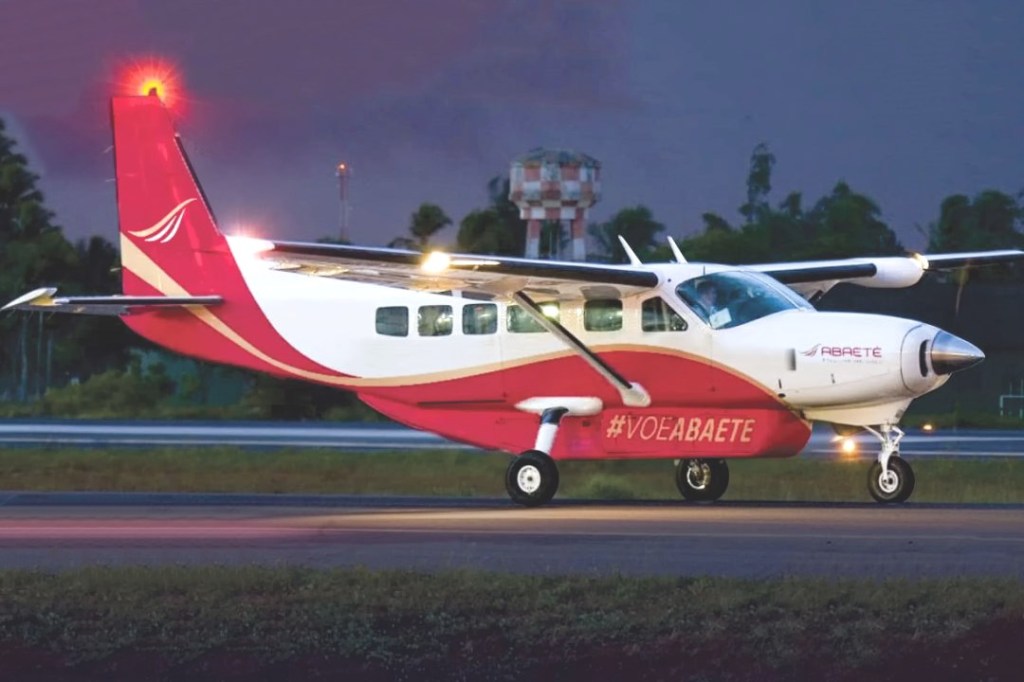
Abaeté Linhas Aéreas, una aerolínea brasileña que ha estado operando en Brasil durante más tiempo, se ha sometido con éxito al proceso de recertificación de la ISSA (Evaluación de Seguridad Estándar de la IATA). Esta certificación atestigua el alto estándar de desempeño en seguridad operacional, enmarcando a la compañía en estándares internacionales de aviación civil. Ricardo Scheible, Director de Operaciones de Abaeté Linhas Aéreas, expresó: «Con un gran compromiso de todo el equipo, fuimos muy bien evaluados y obtuvimos comentarios muy positivos de los auditores. Este logro muestra la maduración y evolución de los procesos en todas las áreas de la empresa».
En 2021, Abaeté Linhas Aéreas se convirtió en miembro de la Asociación Latinoamericana y del Caribe de Transporte Aéreo (ALTA), que ha estado agregando un enorme valor al desarrollo de la compañía, y recibió el certificado ISSA (IATA Standard Safety Assessment), convirtiéndose en la primera empresa en el noreste en obtener el sello internacional. En 2022 Abaeté presentó el 100% de cumplimiento de las directrices requeridas.
El programa de la AISS apoya directamente el desarrollo de las empresas regionales, mejorando la conectividad y fortaleciendo los beneficios económicos y sociales que el transporte aéreo genera en las comunidades. «Esta auditoría reflejó el compromiso de Abaeté con la seguridad, la calidad y la mejora continua donde es posible identificar el desarrollo de la compañía en estos aspectos. La auditoría de la AISS tuvo un gran resultado este año, demostró la evolución de la compañía en términos de procesos organizativos y en el cumplimiento de la normativa. Los auditores, que incluso son expertos en auditoría de IOSA (IATA Operational Safety Audit), han elogiado constantemente a la organización de la compañía», señala Bruno Reis, especialista en calidad de Abaeté Linhas Aéreas.
Abaeté receives ISSA certification
Abaeté Linhas Aéreas is internationally recertified
Abaeté Linhas Aéreas, a Brazilian airline that has been operating in Brazil for the longest time, has successfully undergone the ISSA (IATA Standard Security Assessment) recertification process. This certification attests to the high standard of performance in operational safety, framing the company in international civil aviation standards. Ricardo Scheible, Operations Director of Abaeté Linhas Aéreas, expressed: «With a great commitment from the entire team, we were very well evaluated and obtained very positive comments from the auditors. This achievement shows the maturation and evolution of the processes in all areas. of the company».
In 2021, Abaeté Linhas Aéreas became a member of the Latin American and Caribbean Air Transport Association (ALTA), which has been adding enormous value to the company’s development, and received the ISSA (IATA Standard Safety Assessment) certificate, becoming in the first company in the Northeast to obtain the international seal. In 2022, Abaeté presented 100% compliance with the required guidelines.
The ISSA program directly supports the development of regional businesses, improving connectivity and strengthening the economic and social benefits that air transport generates in communities. «This audit reflected Abaeté’s commitment to safety, quality and continuous improvement where it is possible to identify the company’s development in these aspects. The ISSA audit had a great result this year, it demonstrated the company’s evolution in in terms of organizational processes and compliance with regulations. The auditors, who are even experts in IOSA audit (IATA Operational Safety Audit), have constantly praised the organization of the company», says Bruno Reis, quality specialist at Abaeté Air Lines.
Abaeté recebe certificação ISSA
Abaeté Linhas Aéreas é recertificada internacionalmente
A Abaeté Linhas Aéreas, companhia aérea brasileira que opera no Brasil há mais tempo, passou com sucesso pelo processo de recertificação ISSA (IATA Standard Security Assessment). Essa certificação atesta o alto padrão de atuação em segurança operacional, enquadrando a empresa nos padrões internacionais da aviação civil. Ricardo Scheible, Director de Operaciones de Abaeté Linhas Aéreas, expresó: «Con un gran compromiso de todo el equipo, fuimos muy bien evaluados y obtuvimos comentarios muy positivos de los auditores. Este logro muestra la maduración y evolución de los procesos en todas las áreas da empresa».
Em 2021, a Abaeté Linhas Aéreas tornou-se membro da Associação Latino-Americana e do Caribe de Transporte Aéreo (ALTA), que vem agregando enorme valor ao desenvolvimento da empresa, e recebeu o certificado ISSA (IATA Standard Safety Assessment), tornando-se a primeira empresa no Nordeste para obter o selo internacional. Em 2022, o Abaeté apresentou 100% de cumprimento das diretrizes exigidas.
O programa ISSA apoia diretamente o desenvolvimento de negócios regionais, melhorando a conectividade e fortalecendo os benefícios econômicos e sociais que o transporte aéreo gera nas comunidades. “Esta auditoria refletiu o compromisso da Abaeté com a segurança, qualidade e melhoria contínua onde é possível identificar o desenvolvimento da empresa nestes aspectos. Os auditores, inclusive especialistas em auditoria iosa (IATA Operational Safety Audit), têm elogiado constantemente a organização da empresa», afirma Bruno Reis, especialista em qualidade da Abaeté Air Lines.
PUBLISHER: Airgways.com DBk: Voeabaete.com.br / Iata.org / Airgways.com AW-POST: 202210141151AR OWNERSHIP: Airgways Inc. A\W A I R G W A Y S ®
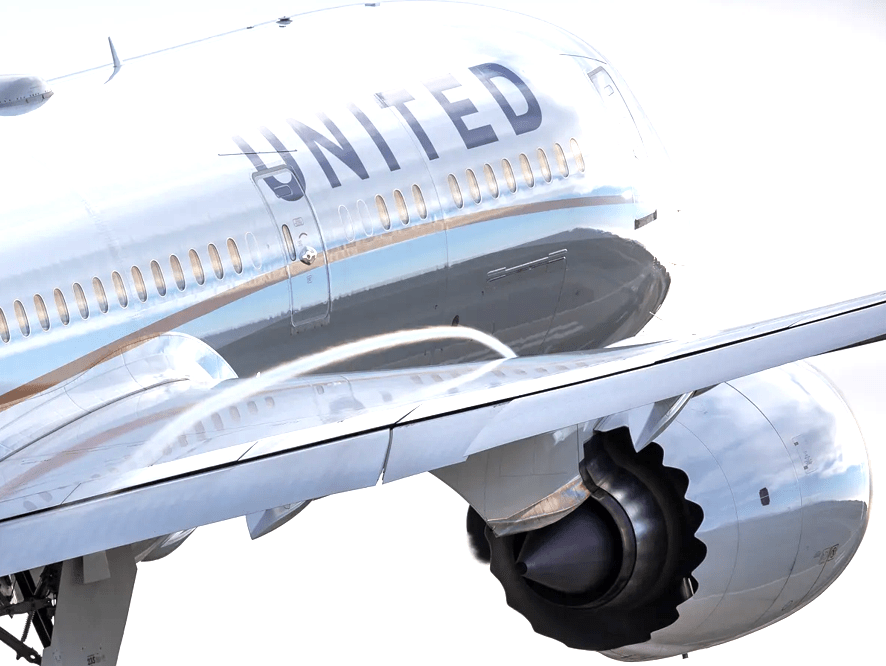
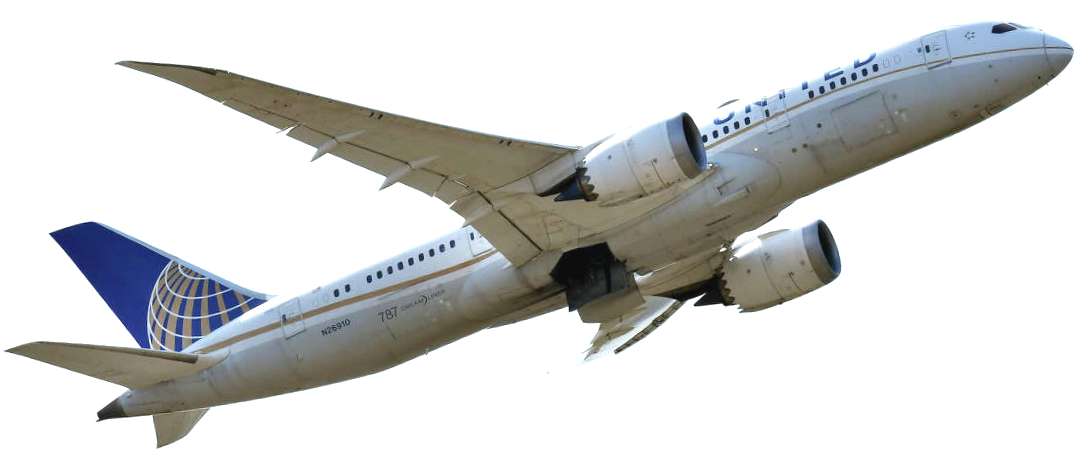
La aerolínea United Airlines se está acercando a un pedido de más de cien (100) aviones comerciales de fuselaje ancho y está evaluando ofertas para el Boeing 787 Dreamliner y el Airbus A350, informó en un comunicado el Jueves 13/10. Un acuerdo formal podría anunciarse hacia Diciembre 2022, aunque no se ha finalizado un cronograma, agregando que United Airlines ha estado en conversaciones con los fabricantes de aviones durante meses.
La noticia del posible pedido multimillonario llega en un momento en que los viajes internacionales y de negocios se están recuperando, aunque tomará algo más de tiempo alcanzar los niveles previos a la pandemia. La demanda de aviones de fuselaje ancho también está regresando después de años de un exceso de mercado, un impulso especialmente para Boeing, que se encuentra en medio de una recuperación de sucesivas crisis. El fabricante de aviones entregó su primer avión Dreamliner en Agosto 2022 después de que las entregas se detuvieron durante más de un año.
El Presidente Ejecutivo de United Airlines, Scott Kirby, dijo a los pilotos que asistieron a una sesión de capacitación en Denver que la aerolínea está planeando un pedido de tres dígitos para actualizar su flota.
United dio a conocer en 2021 un gran pedido de fuselaje estrecho para aviones Boeing y Airbus. La aerolínea tenía más de 800 aviones en su flota principal, con la mayoría de los aviones de Boeing, según su última presentación anual. La publicación de la industria Airline Weekly informó en Agosto 2022 que United Airlines estaba en el mercado de nuevos aviones de fuselaje ancho Airbus o Boeing para agregar a su flota de aviones de doble pasillo.
United seeks to order 100 Aircraft
United Airlines seeks to order 100 new planes
The airline United Airlines is approaching an order for more than one hundred (100) wide-body commercial aircraft and is evaluating offers for the Boeing 787 Dreamliner and the Airbus A350, reported in a statement on Thursday 10/13. A formal deal could be announced by December 2022, although a timeline has not been finalized, adding that United Airlines has been in talks with planemakers for months.
The news of the potential multi-million Dollar order comes at a time when business and international travel is recovering, although it will take a little longer to reach pre-pandemic levels. Demand for wide-body jets is also returning after years of market glut, a boost especially for Boeing, which is in the midst of recovering from successive crises. The planemaker delivered its first Dreamliner aircraft in August 2022 after deliveries had been halted for more than a year.
United Airlines CEO Scott Kirby told pilots attending a training session in Denver that the airline is planning a triple-digit order to upgrade its fleet.
United unveiled a large narrow-body order for Boeing and Airbus aircraft in 2021. The airline had more than 800 planes in its mainline fleet, with most of the planes coming from Boeing, according to its latest annual filing. Industry publication Airline Weekly reported in August 2022 that United Airlines was in the market for new Airbus or Boeing wide-body jets to add to its twin-aisle fleet.
PUBLISHER: Airgways.com DBk: United.com / Airgways.com AW-POST: 202210141111AR OWNERSHIP: Airgways Inc. A\W A I R G W A Y S ®
A medio siglo del accidente que conmocionó al mundo
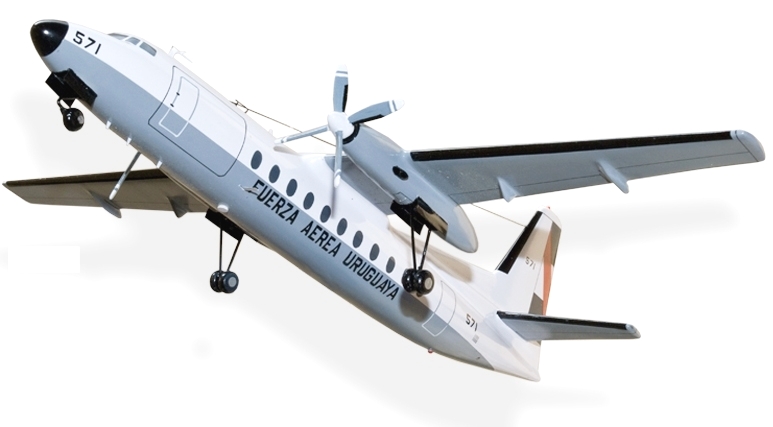
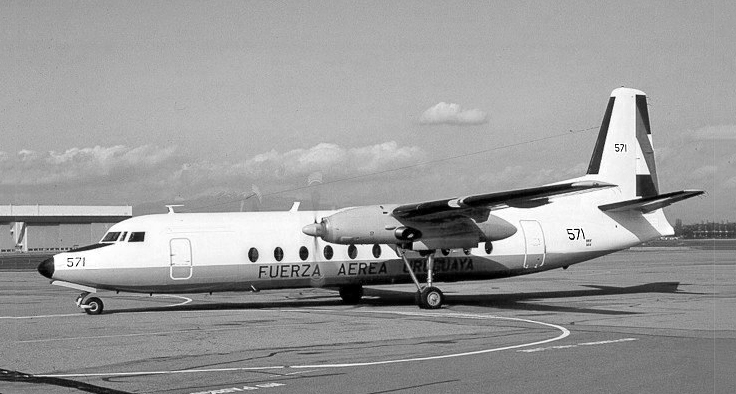
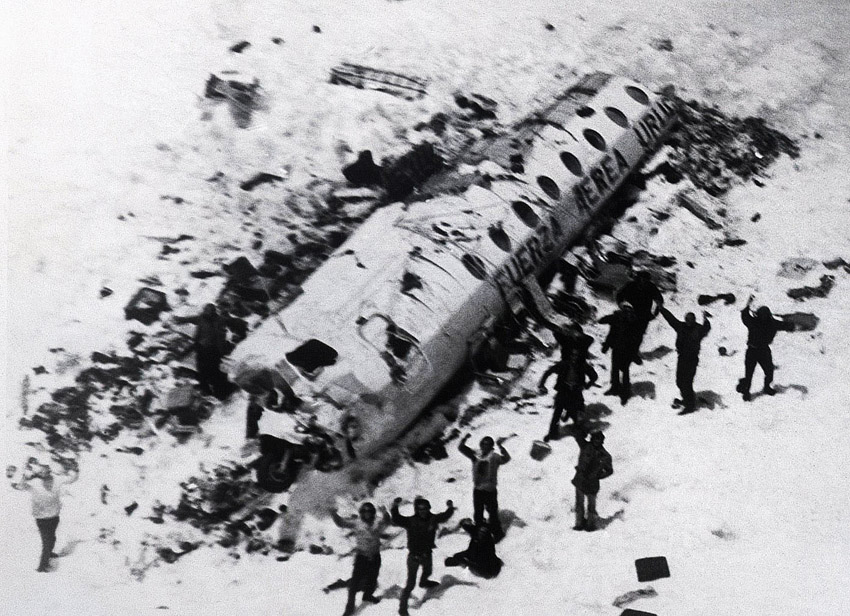
El vuelo 571 de la Fuerza Aérea Uruguaya, fue un vuelo fletado desde Montevideo, Uruguay, con destino a Santiago, Chile, que se estrelló en la cordillera de los Andes el 13 de Octubre de 1972. El accidente y la posterior supervivencia se conocieron como el Desastre del Vuelo de los Andes, Tragedia de los Andes y el Milagro de los Andes.
Mientras cruzaba los Andes durante el mal tiempo, el inexperto copiloto Lagurara estaba a los mandos del Fairchild FH-227D. Creyó erróneamente que la aeronave había llegado a Curicó, donde el vuelo giraría para descender al Aeropuerto de Pudahuel. No se dio cuenta de que las lecturas de los instrumentos indicaban que todavía estaba a 60-70 km (37-43 millas) de Curicó. Comenzó a descender y el avión golpeó una montaña, cortando ambas alas y la sección de la cola. La porción restante del fuselaje se deslizó por un glaciar a un estimado de 350 km/h (220 mph) y descendió unos 725 metros (2,379 pies) antes de estrellarse contra el hielo y la nieve.
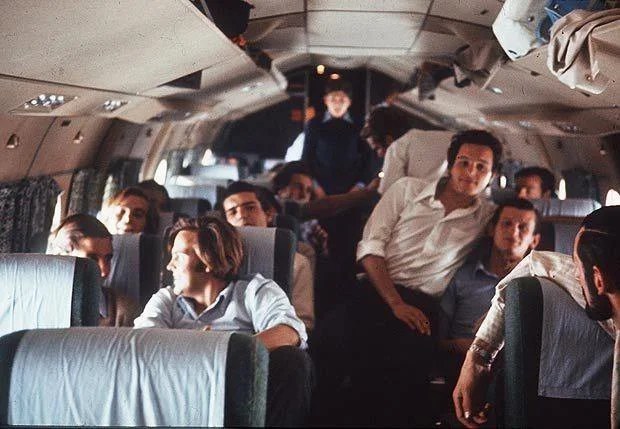
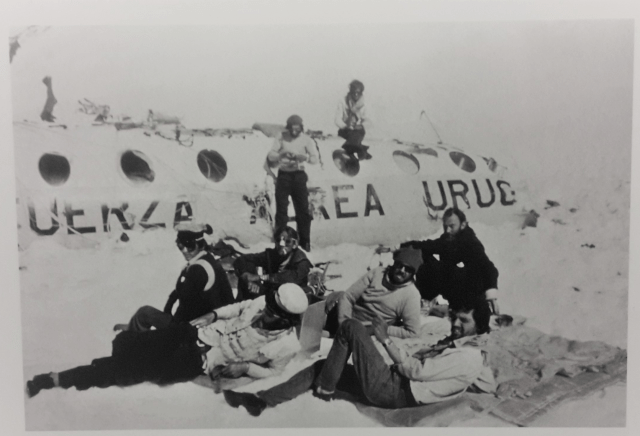
El vuelo transportaba a 45 pasajeros y tripulantes, incluidos 19 miembros del equipo de rugby Old Christians Club, junto con sus familias, simpatizantes y amigos. Tres miembros de la tripulación y nueve pasajeros murieron de inmediato; varios más murieron poco después debido a las gélidas temperaturas y la gravedad de sus heridas. El naufragio fue localizado a una altura de 3.570 metros (11.710 pies) en los remotos Andes del extremo occidental de Argentina, justo al este de la frontera con Chile. Las autoridades sobrevolaron el lugar del accidente varias veces durante los días siguientes, buscando la aeronave, pero no pudieron ver el fuselaje blanco contra la nieve. Los esfuerzos de búsqueda fueron cancelados después de ocho días.
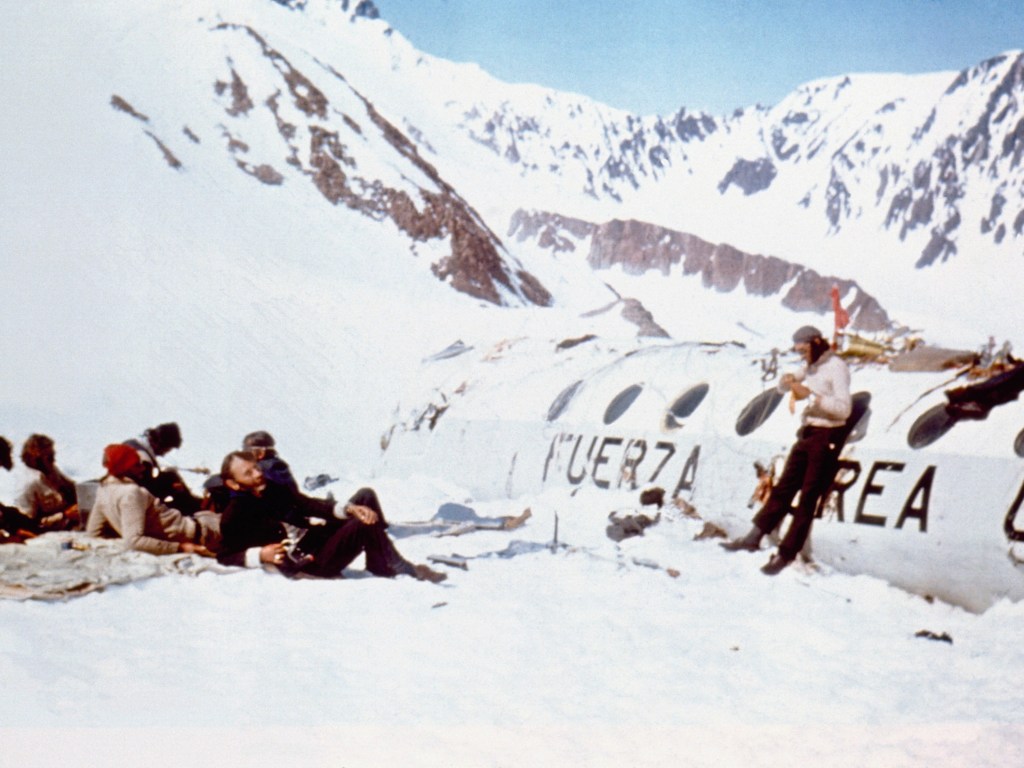
Durante los siguientes 72 días, los sobrevivientes sufrieron dificultades extremas, incluida la exposición, el hambre y una avalancha, lo que provocó la muerte de trece pasajeros más. El resto de pasajeros recurrieron al canibalismo. A medida que el clima mejoró con la llegada de finales de la primavera, dos sobrevivientes, Nando Parrado y Roberto Canessa, escalaron un pico de montaña de 4.650 metros (15.260 pies) sin equipo y caminaron durante 10 días en Chile para buscar ayuda, viajando 61 km (38 millas). El 23 de Diciembre de 1972, dos meses después del accidente, el último de los 16 supervivientes fue rescatado. La noticia de su milagrosa supervivencia atrajo titulares mundiales.
Los miembros del equipo amateur de rugby Old Christians Club de Montevideo, Uruguay, estaban programados para jugar un partido contra el Old Boys Club, un equipo de rugby inglés en Santiago, Chile. El presidente del club, Daniel Juan, fletó un Fairchild FH-227D biturbohélice de la Fuerza Aérea Uruguaya para volar el equipo sobre los Andes hasta Santiago. El avión transportaba a 40 pasajeros y cinco miembros de la tripulación. El Coronel Julio César Ferradas era un experimentado piloto de la Fuerza Aérea que tenía un total de 5.117 horas de vuelo. Lo acompañó el copiloto teniente coronel Dante Héctor Lagurara. Había 10 asientos adicionales y los miembros del equipo invitaron a algunos amigos y familiares a acompañarlos. Cuando alguien canceló en el último minuto, Graziela Mariani compró el asiento para poder asistir a la boda de su hija mayor.
El avión partió del Aeropuerto Internacional de Carrasco el 12 de Octubre de 1972, pero un frente de tormenta sobre los Andes los obligó a detenerse durante la noche en Mendoza, Argentina. Aunque hay una ruta directa de Mendoza a Santiago 200 kilómetros (120 millas) al oeste, las altas montañas requieren una altitud de 25,000 a 26,000 pies (7,600 a 7,900 m), muy cerca del techo operativo máximo del FH-227D de 28,000 pies (8,500 m). Dado que el avión FH-227 estaba completamente cargado, esta ruta habría requerido que el piloto calculara muy cuidadosamente el consumo de combustible y evitara las montañas. En cambio, era costumbre que este tipo de aeronaves volaran una ruta más larga de 600 kilómetros (370 millas) y 90 minutos en forma de «U» desde Mendoza hacia el sur hasta Malargüe utilizando la vía aérea A7 (conocida hoy como UW44). Desde allí, los aviones volaron hacia el oeste a través de la vía aérea G-17 (UB684), cruzando Planchón hasta el radiobacón curicó en Chile, y desde allí hacia el norte hasta Santiago.
El clima del 13 de Octubre de 1972 también afectó el vuelo. En esa mañana las condiciones sobre los Andes no habían mejorado, pero se esperaban cambios a primera hora de la tarde. El piloto esperó y despegó a las 14:18 horas del Viernes 13 de Octubre de 1972 desde Mendoza. Voló hacia el sur desde Mendoza hacia el radiobacon de Malargüe en el nivel de vuelo 180 (FL180, 18,000 pies (5,500 m)). Lagurara llamó por radio al aeropuerto de Malargüe con su posición y les dijo que alcanzarían los 2.515 metros (8.251 pies) de altura del Paso Planchón a las 03:21 p.m. Planchón Pass es el punto de entrega de control de tráfico aéreo de un lado a otro de los Andes, con controladores en Mendoza transfiriendo tareas de seguimiento de vuelos al control de tráfico aéreo de Pudahuel en Santiago, Chile. Una vez que cruzó las montañas en Chile, al sur de Curicó, se suponía que la aeronave debía girar hacia el norte e iniciar un descenso al aeropuerto de Pudahuel en Santiago.
El piloto Ferradas había volado a través de los Andes 29 veces anteriormente. En este vuelo estaba entrenando al copiloto Lagurara, que estaba a los mandos. Mientras volaban a través de los Andes, las nubes oscurecían las montañas. El avión, FAU 571, tenía cuatro años y tenía 792 horas de fuselaje. El avión era considerado por algunos pilotos como de poca potencia, y había sido apodado por ellos como el «trineo de plomo».
Dada la cobertura de nubes, los pilotos volaban bajo condiciones meteorológicas instrumentales a una altitud de 18,000 pies (5,500 m) (FL180), y no pudieron confirmar visualmente su ubicación. Si bien algunos informes indican que el piloto estimó incorrectamente su posición utilizando el cálculo muerto, el piloto confiaba en la navegación por radio. El instrumento VOR/DME de la aeronave mostró al piloto una lectura digital de la distancia a la siguiente radiobaliza en Curicó. En planchón Pass, el avión todavía tenía que viajar 60-70 km (37-43 millas) para llegar a Curicó.
De todos modos, a las 03:21 p.m., poco después de transitar el paso, Lagurara contactó a Santiago y notificó a los controladores aéreos que esperaba llegar a Curicó un minuto después. El tiempo de vuelo desde el paso a Curicó es normalmente de 11 minutos, pero solo tres minutos después el piloto le dijo a Santiago que estaban pasando Curicó y girando hacia el norte. Solicitó permiso al control de tráfico aéreo para descender. El controlador en Santiago, sin saber que el vuelo todavía estaba sobre los Andes, lo autorizó a descender a 11,500 pies (3,500 m) (FL115). Un análisis posterior de su trayectoria de vuelo encontró que el piloto no solo había girado demasiado pronto, sino que había girado en una dirección de 014 grados, cuando debería haber girado a 030 grados.
A medida que el avión descendía, una turbulencia severa arrojó el avión hacia arriba y hacia abajo. Nando Parrado recordó haber golpeado una corriente descendente, lo que provocó que el avión cayera varios cientos de pies y saliera de las nubes. Los jugadores de rugby bromearon sobre la turbulencia al principio, hasta que algunos pasajeros vieron que el avión estaba muy cerca de la montaña. «Ese fue probablemente el momento en que los pilotos vieron la cresta negra elevándose muerta por delante».
Roberto Canessa dijo más tarde que pensó que el piloto giró hacia el norte demasiado pronto, y comenzó el descenso a Santiago mientras la aeronave todavía estaba en lo alto de los Andes. Luego, «comenzó a subir, hasta que el avión estaba casi vertical y comenzó a detenerse y temblar». Sonó la alarma de colisión en tierra de la aeronave, alarmando a todos los pasajeros.
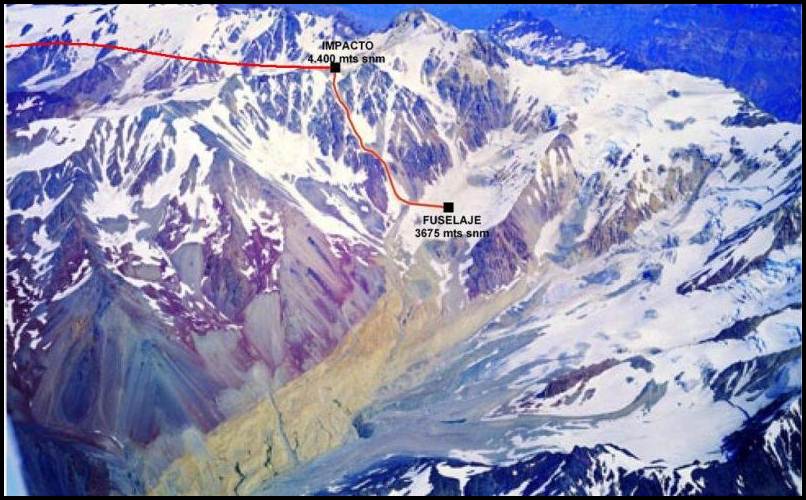
El piloto aplicó la máxima potencia en un intento de ganar altitud. Los relatos de testigos y la evidencia en la escena indicaron que el avión golpeó la montaña dos o tres veces. El piloto pudo llevar la nariz del avión sobre la cresta, pero a las 03:34 p.m., la parte inferior del cono de cola puede haber recortado la cresta a 4.200 metros (13.800 pies). La siguiente colisión cortó la banda derecha. Algunas pruebas indican que fue arrojado hacia atrás con tal fuerza que arrancó el estabilizador vertical y el cono de cola. Cuando el cono de cola se desprendió, se llevó consigo la parte trasera del fuselaje, incluidas dos filas de asientos en la sección trasera de la cabina de pasajeros, la cocina, la bodega de equipaje, el estabilizador vertical y los estabilizadores horizontales, dejando un gran agujero en la parte trasera del fuselaje. Tres pasajeros, el navegante y el mayordomo se perdieron con la sección de cola.
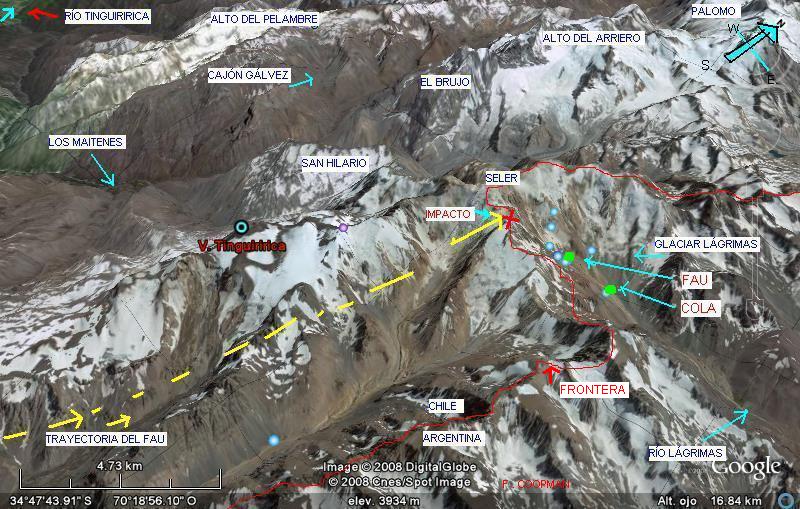
El avión continuó hacia adelante y hacia arriba otros 200 metros (660 pies) durante unos segundos más cuando el ala izquierda golpeó un afloramiento a 4.400 metros (14.400 pies), arrancando el ala. Una de las hélices atravesó el fuselaje cuando el ala a la que estaba unido fue cortada. Dos pasajeros más cayeron de la parte trasera abierta del fuselaje. La parte delantera del fuselaje voló directamente a través del aire antes de deslizarse por el glaciar empinado a 350 km/h (220 mph) como un tobogán de alta velocidad y descendió unos 725 metros (2,379 pies). Cuando el fuselaje chocó con un banco de nieve, los asientos fueron arrancados de su base y arrojados contra el mamparo delantero y entre sí. El impacto aplastó la cabina con los dos pilotos dentro, matando a Ferradas de inmediato.
La investigación oficial concluyó que el accidente fue causado por un vuelo controlado en el terreno debido a un error del piloto. El fuselaje del avión se posó en un glaciar en 34°45′54″S 70°17′11″O a una altitud de 3.570 metros (11.710 pies) en el Departamento Malargüe, Provincia de Mendoza. El glaciar sin nombre, más tarde llamado Glaciar de las Lágrimas, se encuentra entre el Monte Sosneado y el Volcán Tinguiririca de 4.280 metros (14.040 pies) de altura, a caballo entre la remota frontera montañosa entre Chile y Argentina. Está al sur de los 4.650 metros (15.260 pies) de altura del Monte Seler.
Ξ 50th anniversary Tragedy of the Andes Ξ
Half a century after the accident that shocked the world
Flight 571 of the Uruguayan Air Force, was a chartered flight from Montevideo, Uruguay, bound for Santiago, Chile, which crashed in the Andes Mountains on October 13, 1972. The accident and subsequent survival became known as the Disaster of the Flight of the Andes, Tragedy of the Andes and the Miracle of the Andes.
While crossing the Andes during bad weather, inexperienced co-pilot Lagurara was at the controls of the Fairchild FH-227D. He mistakenly believed that the aircraft had arrived in Curicó, where the flight would turn to descend to Pudahuel Airport. He did not realize that the instrument readings indicated that he was still 60-70 km (37-43 miles) from Curicó. He began to descend and the plane hit a mountain, severing both wings and the tail section. The remaining portion of the fuselage slid down a glacier at an estimated 220 mph (350 km/h) and dropped some 2,379 feet (725 meters) before crashing into ice and snow.
The flight was carrying 45 passengers and crew, including 19 members of the Old Christians Club rugby team, along with their families, supporters and friends. Three crew members and nine passengers died immediately; several more died soon after due to the frigid temperatures and the severity of their injuries. The wreck was located at an elevation of 3,570 meters (11,710 feet) in the remote Andes of Argentina’s far west, just east of the Chilean border. Authorities flew over the crash site several times over the next few days, looking for the aircraft, but could not see the white fuselage against the snow. Search efforts were called off after eight days.
Over the next 72 days, the survivors suffered extreme hardship, including exposure, starvation, and an avalanche, resulting in the deaths of a further thirteen passengers. The rest of the passengers resorted to cannibalism. As the weather improved with the arrival of late spring, two survivors, Nando Parrado and Roberto Canessa, scaled a 15,260-foot (4,650-meter) mountain peak without equipment and trekked for 10 days in Chile to seek help, traveling 61 km (38 miles). On December 23, 1972, two months after the accident, the last of the 16 survivors was rescued. The news of his miraculous survival attracted world headlines.
Members of the Old Christians Club amateur rugby team from Montevideo, Uruguay were scheduled to play a match against the Old Boys Club, an English rugby team in Santiago, Chile. Club president Daniel Juan chartered a twin-turboprop Fairchild FH-227D from the Uruguayan Air Force to fly the team over the Andes to Santiago. The aircraft was carrying 40 passengers and five crew members. Colonel Julio César Ferradas was an experienced Air Force pilot who had a total of 5,117 flight hours. He was accompanied by co-pilot Lieutenant Colonel Dante Héctor Lagurara. There were an additional 10 seats and the team members invited some friends and family to join them. When someone canceled at the last minute, Graziela Mariani bought her seat so she could attend her oldest daughter’s wedding.
The plane left Carrasco International Airport on October 12, 1972, but a storm front over the Andes forced them to stop overnight in Mendoza, Argentina. Although there is a direct route from Mendoza to Santiago 200 kilometers (120 mi) to the west, the high mountains require an altitude of 25,000 to 26,000 feet (7,600 to 7,900 m), very close to the FH-227D’s maximum operating ceiling of 28,000 feet (8,500m). Since the FH-227 aircraft was fully loaded, this route would have required the pilot to calculate fuel consumption very carefully and avoid mountains. Instead, it was customary for this type of aircraft to fly a longer route of 600 kilometers (370 miles) and 90 minutes in a «U» shape from Mendoza south to Malargüe using the A7 airway (known today as UW44). From there, the planes flew west via airway G-17 (UB684), across Planchón to radiobacón Curicó in Chile, and from there north to Santiago.
The weather on October 13, 1972 also affected the flight. On that morning the conditions over the Andes had not improved, but changes were expected in the early afternoon. The pilot waited and took off at 14:18 hours on Friday, October 13, 1972 from Mendoza. He flew south from Mendoza toward the Malargüe radiobacon at flight level 180 (FL180, 18,000 feet (5,500 m)). Lagurara radioed the Malargüe airport with his position and told them that they would reach the 2,515-meter (8,251-foot) height of Paso Planchón at 03:21 p.m. Planchón Pass is the air traffic control handover point from one side of the Andes to the other, with controllers in Mendoza transferring flight tracking duties to Pudahuel air traffic control in Santiago, Chile. Once he crossed the mountains in Chile, south of Curicó, the aircraft was supposed to turn north and begin a descent to the Pudahuel airport in Santiago.
Pilot Ferradas had flown across the Andes 29 times previously. On this flight he was training co-pilot Lagurara, who was at the controls. As they flew through the Andes, clouds obscured the mountains. The aircraft, FAU 571, was four years old and had 792 airframe hours. The aircraft was considered by some pilots to be underpowered, and had been nicknamed by them the «lead sled».
Given the cloud cover, the pilots were flying under instrument meteorological conditions at an altitude of 18,000 feet (5,500 m) (FL180), and were unable to visually confirm their location. While some reports indicate that the pilot incorrectly estimated his position using dead reckoning, the pilot relied on radio navigation. The aircraft’s VOR/DME instrument showed the pilot a digital readout of the distance to the next marker on Curico. At Planchón Pass, the plane still had to travel 60-70 km (37-43 miles) to reach Curicó.
In any case, at 03:21 p.m., shortly after transiting the pass, Lagurara contacted Santiago and notified air traffic controllers that he expected to arrive in Curicó a minute later. Flight time from the pass to Curicó is normally 11 minutes, but only three minutes later the pilot told Santiago that they were passing Curicó and turning north. He requested permission from air traffic control to descend. The controller in Santiago, unaware that the flight was still over the Andes, cleared it to descend to 11,500 feet (3,500 m) (FL115). Further analysis of his flight path found that the pilot had not only turned too soon, but had turned in a direction of 014 degrees, when he should have turned at 030 degrees.
As the plane descended, severe turbulence tossed the plane up and down. Nando Parrado recalled hitting a downdraft, causing the plane to drop several hundred feet and out of the clouds. The rugby players joked about the turbulence at first, until some passengers saw that the plane was too close to the mountain. «That was probably the moment the pilots saw the black crest rising dead ahead».
Roberto Canessa later said that he thought the pilot turned north too soon, and began the descent to Santiago while the aircraft was still high in the Andes. He then «began to climb, until the plane was almost vertical and it began to stall and shake». The aircraft’s ground collision alarm sounded, alarming all passengers.
The pilot applied full power in an attempt to gain altitude. Witness accounts and evidence at the scene indicated that the plane hit the mountain two or three times. The pilot was able to bring the nose of the aircraft over the ridge, but by 03:34 p.m. the bottom of the tail cone may have clipped the ridge at 4,200 meters (13,800 ft). The next collision cut the right wing. Some evidence indicates that it was thrown backwards with such force that it tore off the vertical stabilizer and tail cone. When the tail cone detached, it took with it the rear of the fuselage, including two rows of seats in the rear section of the passenger cabin, galley, baggage hold, vertical stabilizer, and horizontal stabilizers, leaving a large hole in the rear of the fuselage. Three passengers, the navigator and the steward were lost with the tail section.
The aircraft continued forward and upward another 200 meters (660 ft) for a few more seconds when the left wing hit an outcrop at 4,400 meters (14,400 ft), ripping the wing off. One of the propellers tore through the fuselage when the wing it was attached to was severed. Two more passengers fell from the open rear of the fuselage. The front part of the fuselage flew straight through the air before sliding down the steep glacier at 220 mph (350 km/h) like a high-speed slide and descending some 2,379 feet (725 meters). When the fuselage struck a snow bank, the seats were ripped off their bases and thrown against the forward bulkhead and each other. The impact crushed the cockpit with both pilots inside, killing Ferradas immediately.
The official investigation concluded that the accident was caused by a controlled flight on the ground due to pilot error. The plane’s fuselage landed on a glacier at 34°45’54″S 70°17’11″W at an altitude of 3,570 meters (11,710 feet) in Malargüe Department, Mendoza Province. The unnamed glacier (later named Glaciar de las Lágrimas or Glacier of Tears) lies between Mount Sosneado and the 4,280-meter (14,040-foot) high Tinguiririca Volcano, straddling the remote mountainous border between Chile and Argentina. It is south of the 4,650-meter (15,260-foot) high Mount Seler.
PUBLISHER: Airgways.com DBk: Wikipedia.org / Airgways.com AW-POST: 202210132358AR OWNERSHIP: Airgways Inc. A\W A I R G W A Y S ®
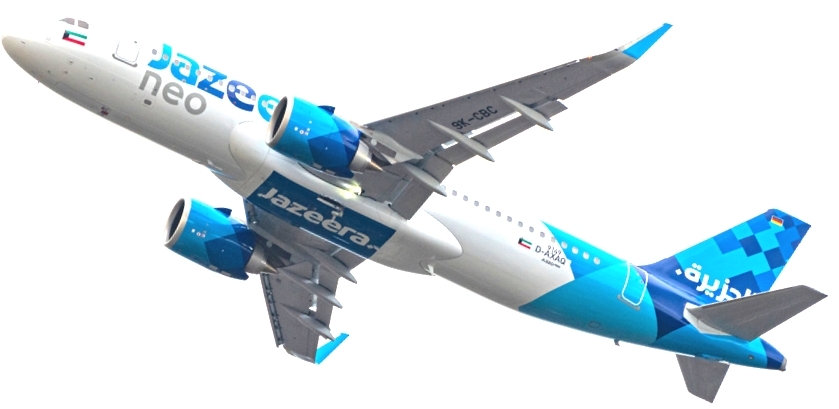
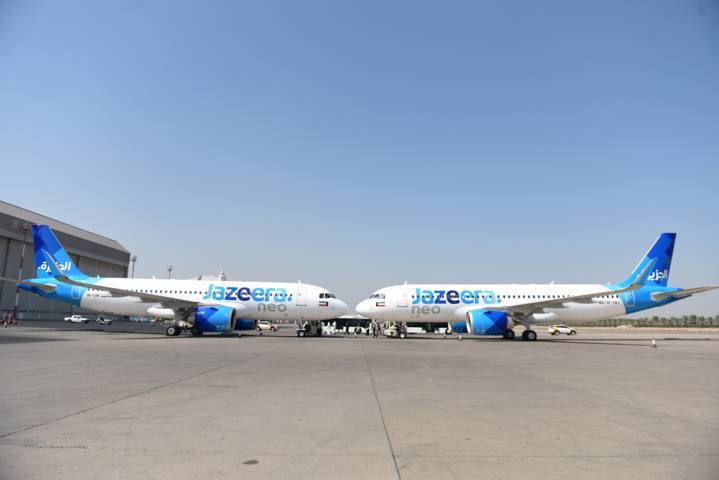
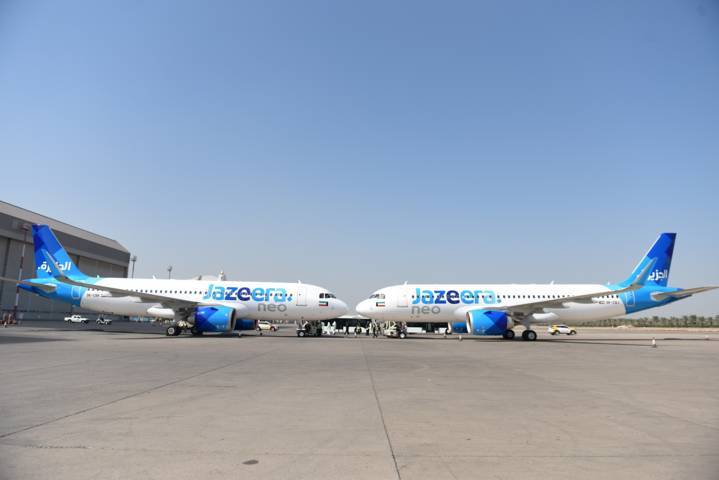
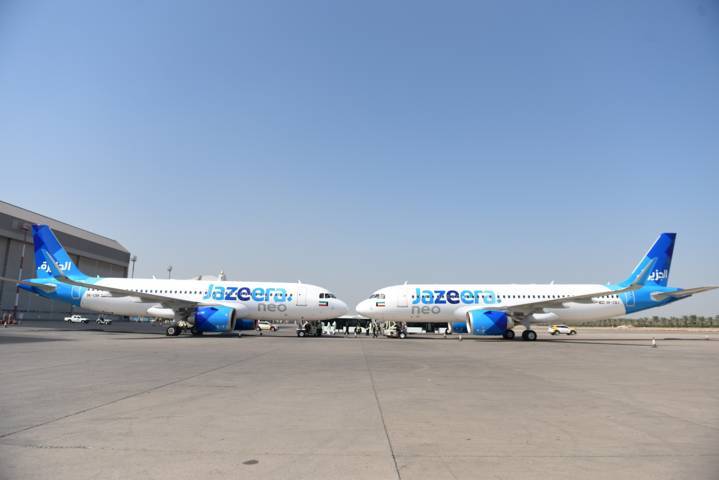
Jazeera Airways celebra entrega Airbus A320NEO adicionales
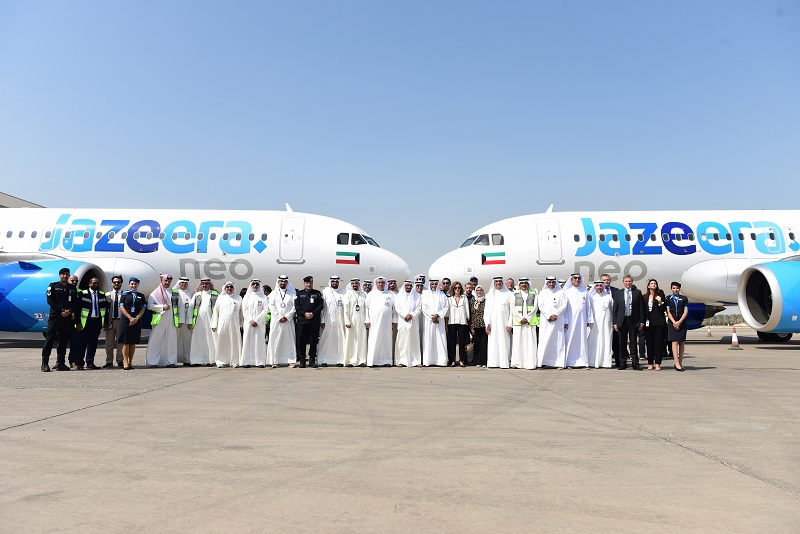
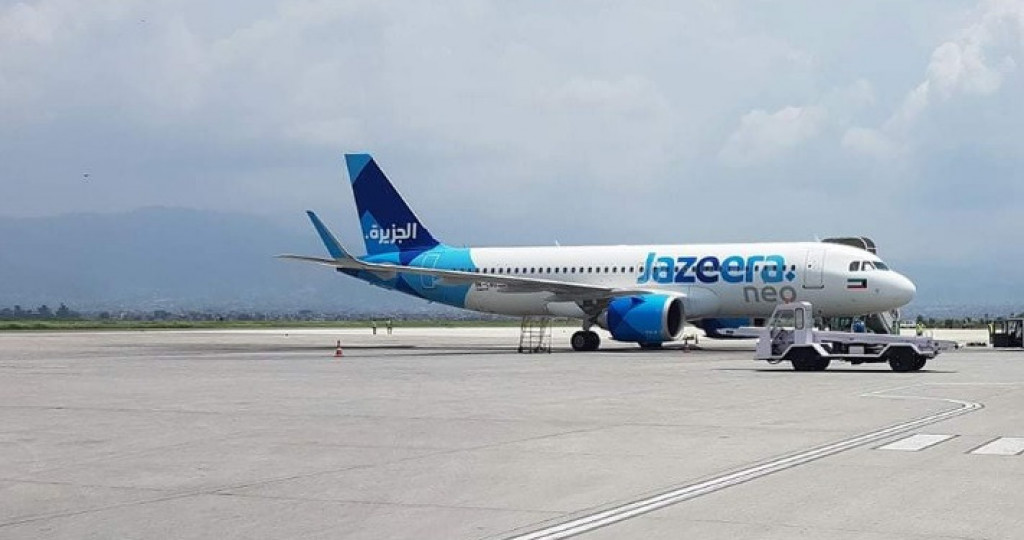
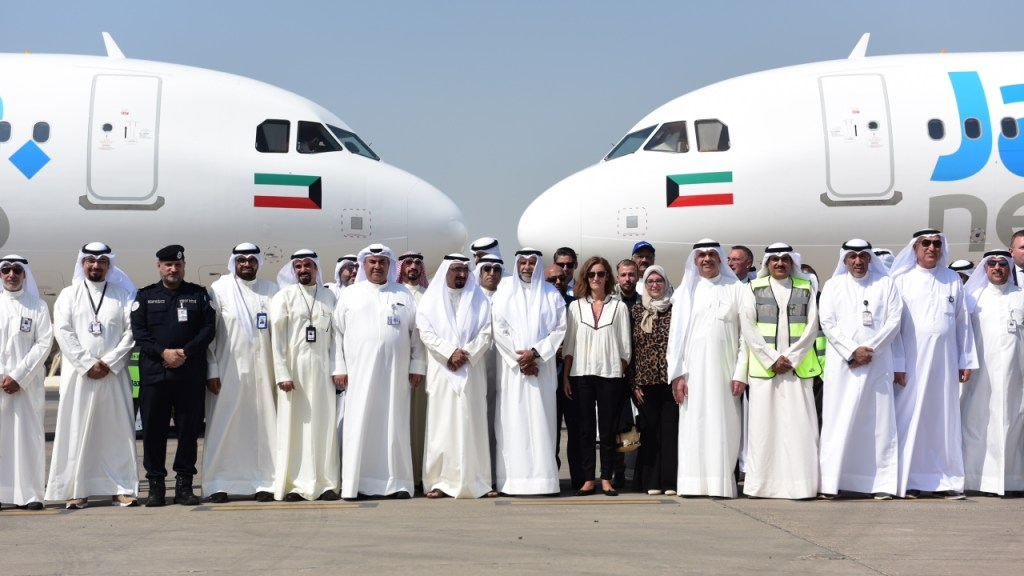
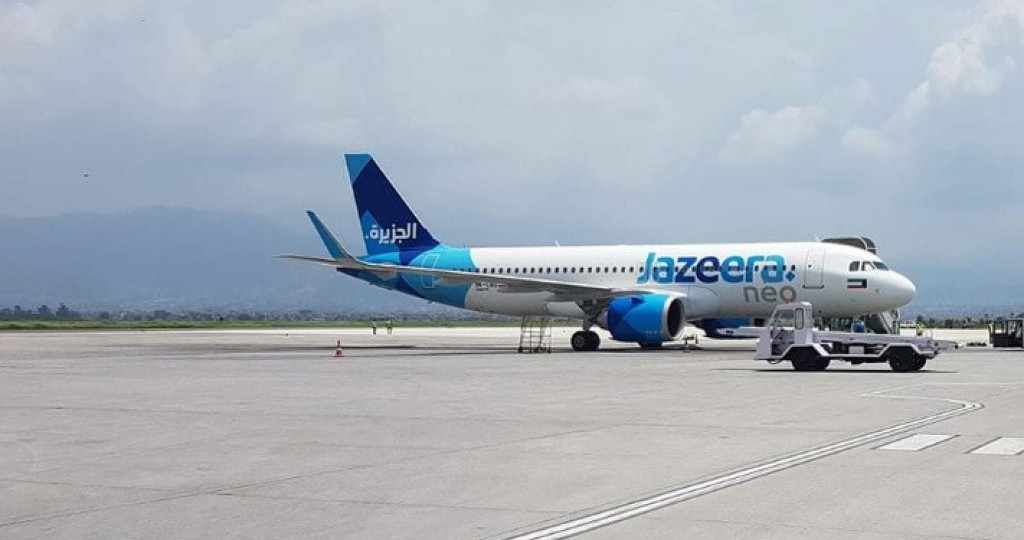
En un evento celebrado en el Aeropuerto Internacional de Kuwait/KWI, Jazeera Airways recibió su décimo y undécimo avión Airbus A320NEO, lo que elevó la flota de la aerolínea a un total de diecinueve (19) aviones de siete (7) en 2018. Estos son los primeros aviones que se entregan de la cartera de pedidos de 2021 de la aerolínea para A320NEO (20) y A321NEO (8).
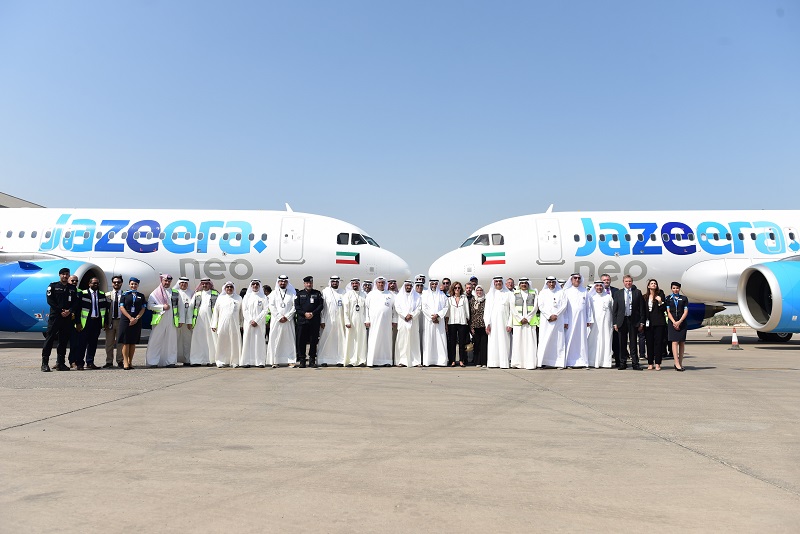
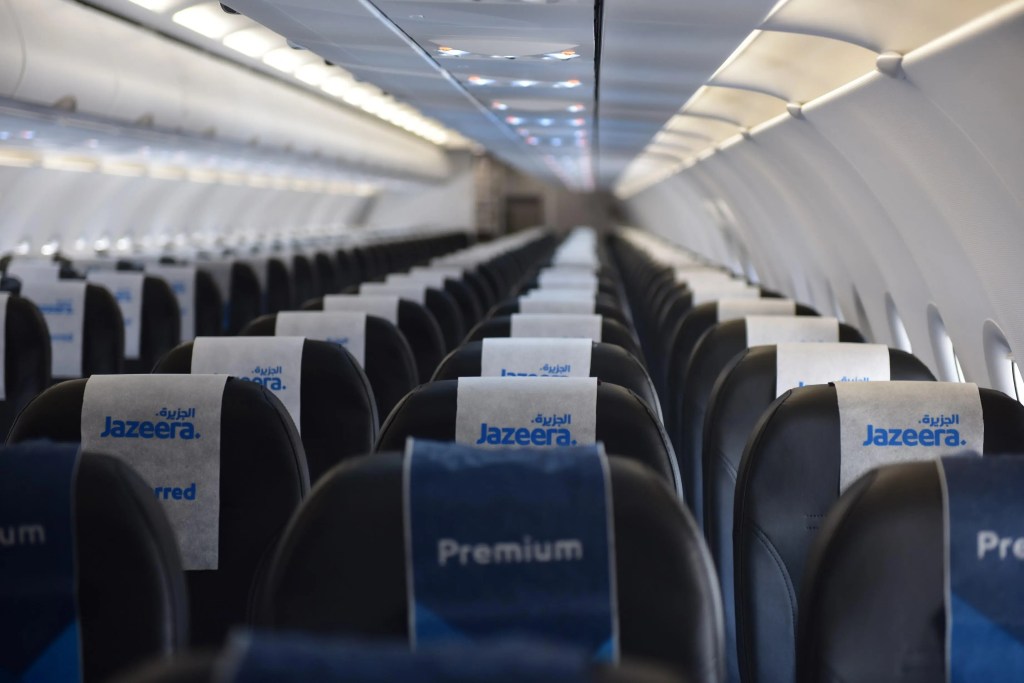
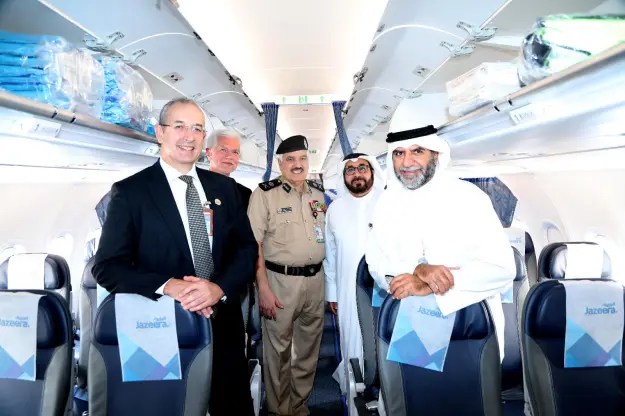
Al evento asistieron funcionarios de la Dirección General de Aviación Civil de Kuwait, el Ministerio del Interior y funcionarios de la Embajada de Francia, y fue organizado por el Presidente Marwan Boodai y el Director Ejecutivo Rohit Ramachandran. Hablando con los invitados a bordo del nuevo avión, Marwan Boodai dijo: «Estamos muy contentos de recibir el primer avión A320NEO como parte de la cartera de pedidos más grande de Jazeera que duplicará efectivamente el tamaño de la flota a 35 aviones para el año 2026 en apoyo de nuestros planes de expansión, así como aumentar nuestra contribución al sector de viajes de Kuwait. Con los desafíos de los últimos dos años detrás de nosotros, Jazeera ha regresado con un sólido desempeño, ofreciendo a los clientes más opciones con nuevos destinos que se abrirán a lo largo del año. Agradecemos a la Dirección General de Aviación Civil, a las autoridades reguladoras y a los socios por apoyar a Jazeera Airways durante más de 17 años para proporcionar a los viajeros un servicio de viaje confiable».
Jazeera realizó el pedido de los 28 aviones con la familia Airbus A320NEO en Noviembre de 2021. El acuerdo está valorado en US$ 3.400 millones de Dólares/KWD 1.300 millones de Dinares kuwaitíes. Jazeera fue la primera aerolínea en el Medio Oriente en operar el A320NEO.
El CEO de la aerolínea kuwaití Rohit Ramachandran dijo: «Jazeera se está enfocando en expandir su flota con estos últimos aviones de nuestro socio Airbus, ofreciendo modelos neo más respetuosos con el medio ambiente, que brindan una gama de beneficios que incluyen un 18 por ciento de ahorro de combustible, motores más silenciosos y con un 50% menos de emisiones de CO2. Nuestra creciente flota respaldará nuestros planes de expansión para el cuarto trimestre de 2022 y en 2023 con nuevos destinos y frecuencias crecientes en las rutas populares existentes. El A320NEO ya ha demostrado ser un gran avión para nosotros y nos complace trabajar con Airbus y nuestros socios de arrendamiento para hacer estas adiciones a nuestra flota».
Jazeera takes delivery of two A320NEOs
Jazeera Airways celebrates delivery of additional Airbus A320NEOs
At an event held at Kuwait International Airport/KWI, Jazeera Airways took delivery of its tenth and eleventh Airbus A320NEO aircraft, bringing the airline’s fleet to a total of nineteen (19) aircraft from seven (7) in 2018. These they are the first aircraft to be delivered from the airline’s 2021 order book for A320NEO (20) and A321NEO (8).
The event was attended by officials from the Kuwaiti Directorate General of Civil Aviation, the Ministry of the Interior and officials from the French Embassy, and was hosted by President Marwan Boodai and Executive Director Rohit Ramachandran. Speaking to guests on board the new aircraft, Marwan Boodai said: «We are very pleased to take delivery of the first A320NEO aircraft as part of Jazeera’s larger order book which will effectively double the size of the fleet to 35 aircraft by 2026. in support of our expansion plans, as well as increasing our contribution to the Kuwaiti travel industry With the challenges of the past two years behind us, Jazeera has returned with a strong performance, offering customers more choice with new destinations to will open throughout the year. We are grateful to the Directorate General of Civil Aviation, regulatory authorities and partners for supporting Jazeera Airways for more than 17 years in providing travelers with a reliable travel service».
Jazeera placed the order for the 28 aircraft with the Airbus A320NEO family in November 2021. The deal is valued at US$ 3.4bn/KWD 1.3bn Kuwaiti Dinars. Jazeera was the first airline in the Middle East to operate the A320NEO.
Kuwaiti airline CEO Rohit Ramachandran said: «Jazeera is focusing on expanding its fleet with these latest aircraft from our partner Airbus, offering more environmentally friendly neo models, which provide a range of benefits including an 18 per cent of fuel savings, quieter engines and 50% lower CO2 emissions.Our growing fleet will support our expansion plans for Q4 2022 and into 2023 with new destinations and increased frequencies on existing popular routes.The A320neo It has already proven to be a great aircraft for us and we are pleased to work with Airbus and our leasing partners to make these additions to our fleet».
الجزيرة تتسلم طائرتين من طراز A320NEO
طيران الجزيرة تحتفل بتسليم طائرات إيرباص A320NEOs إضافية
في حدث أقيم في مطار الكويت الدولي / KWI ، تسلمت طيران الجزيرة طائرتها العاشرة والحادية عشرة من طراز إيرباص A320NEO ، مما رفع أسطول الشركة إلى إجمالي 19 (19) طائرة من سبع (7) في عام 2018. هذه هي الأولى. سيتم تسليم الطائرات من دفتر طلبات شركة الطيران لعام 2021 لطائرات A320NEO (20) و A321NEO (8).
وحضر الحفل مسؤولون من المديرية العامة للطيران المدني الكويتي ووزارة الداخلية ومسؤولون من السفارة الفرنسية واستضافهم الرئيس مروان بودي والمدير التنفيذي روهيت راماشاندران. وفي حديثه للضيوف على متن الطائرة الجديدة ، قال مروان بودي: «يسعدنا جدًا استلام أول طائرة A320neo كجزء من دفتر طلبات الجزيرة الأكبر الذي سيضاعف حجم الأسطول فعليًا إلى 35 طائرة بحلول عام 2026. دعماً لذلك. من خططنا التوسعية ، بالإضافة إلى زيادة مساهمتنا في صناعة السفر الكويتية مع تحديات العامين الماضيين خلفنا ، عادت الجزيرة بأداء قوي ، حيث تقدم للعملاء المزيد من الخيارات مع وجهات جديدة سيتم افتتاحها على مدار العام. نحن ممتنون للإدارة العامة للطيران المدني والسلطات التنظيمية والشركاء لدعمهم طيران الجزيرة لأكثر من 17 عامًا في تزويد المسافرين بخدمة سفر موثوقة «.
قدمت الجزيرة طلب شراء 28 طائرة مع عائلة إيرباص A320NEO في نوفمبر 2021. وتقدر قيمة الصفقة بـ 3.4 مليار دولار أمريكي / 1.3 مليار دينار كويتي. كانت الجزيرة أول شركة طيران في الشرق الأوسط تشغل طائرة A320NEO.
وقال الرئيس التنفيذي لشركة الطيران الكويتية روهيت راماشاندران: «تركز الجزيرة على توسيع أسطولها باستخدام أحدث الطائرات من شركائنا إيرباص ، حيث تقدم طرازات جديدة أكثر صداقة للبيئة ، والتي توفر مجموعة من المزايا بما في ذلك توفير الوقود بنسبة 18 في المائة ، ومحركات أكثر هدوءًا و 50 نسبة انبعاثات أقل من ثاني أكسيد الكربون ، سوف يدعم أسطولنا المتنامي خططنا التوسعية للربع الرابع من عام 2022 وحتى عام 2023 من خلال وجهات جديدة وزيادة الترددات على المسارات الشعبية الحالية. لقد أثبتت طائرة A320neo بالفعل أنها طائرة رائعة بالنسبة لنا ويسعدنا العمل معها إيرباص وشركاؤنا في التأجير لإدخال هذه الإضافات على أسطولنا «.
PUBLISHER: Airgways.com DBk: Jazeeraairways.com / Airbus.com / Airgways.com AW-POST: 202210131519AR OWNERSHIP: Airgways Inc. A\W A I R G W A Y S ®
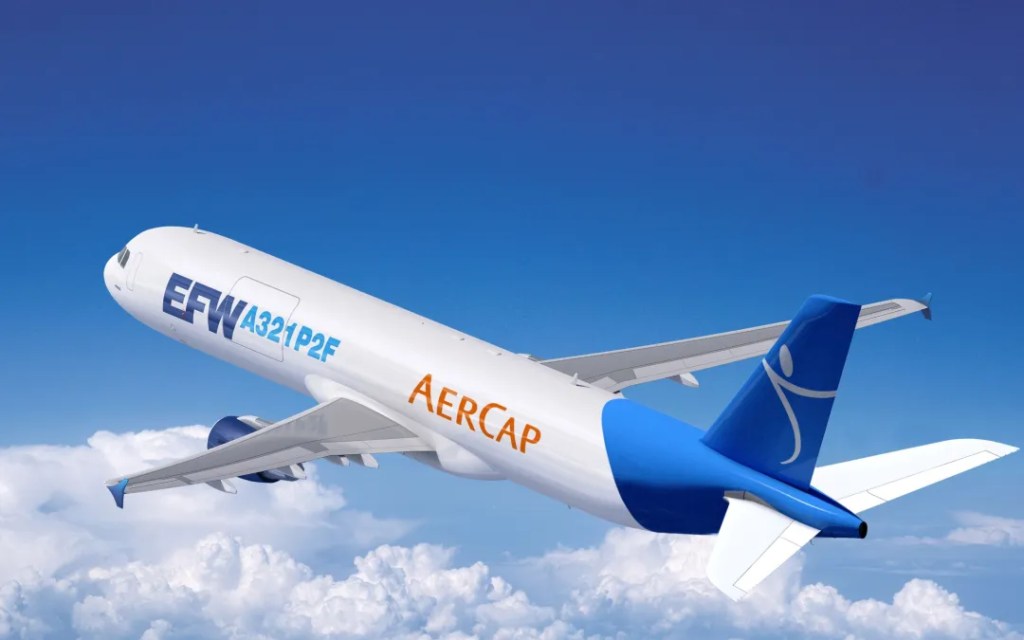
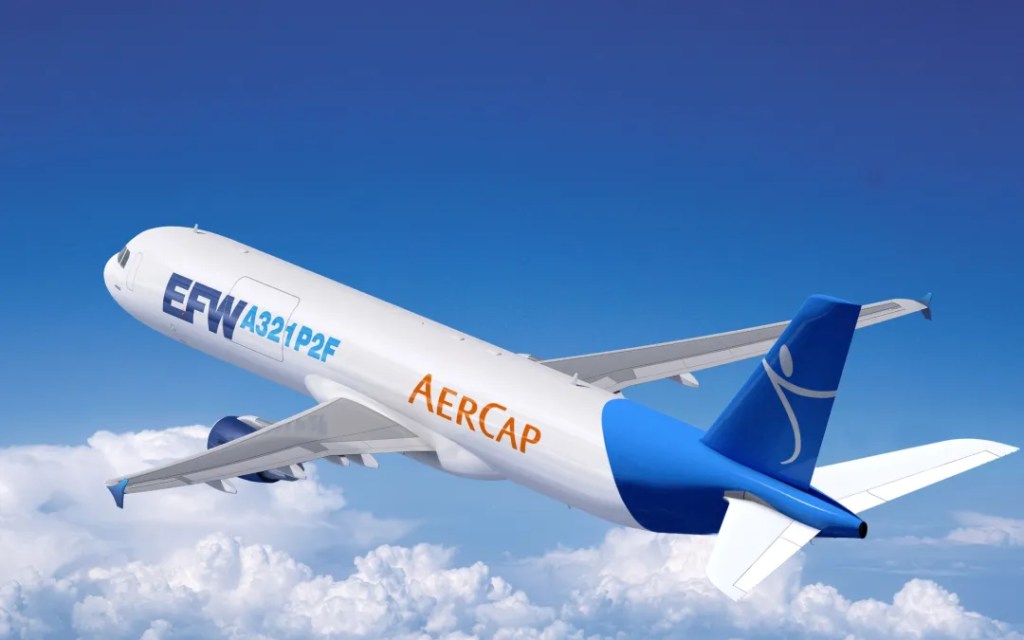
AerCap acuerdo con EFW para conversiones cargueros Airbus A321
AerCap Holdings N.V., el mayor propietario mundial de aviones de la familia A320 ha anunciado un acuerdo con Elbe Flugzeugwerke GmbH (EFW) de Alemania para la conversión de treinta (30) Airbus A321CEO. AerCap Holdings ha anunciado el Jueves 13/10 que ha realizado pedidos en firme de 15 conversiones de aviones Airbus A321-200P2F (Pasajeros a Cargueros) y una opción para otras 15 conversiones de A321P2F con EFW. Los aviones son de la cartera de pasajeros A321 de AerCap y se espera que comiencen a entregarse en 2023 hasta 2025.
«Extender la vida útil de nuestra flota de A321 complementará la cartera de carga y satisfará la fuerte demanda de nuestra diversa base de clientes, desde la cual hemos visto un apetito significativo por este carguero. El carguero A321 es el mejor avión de su clase y más eficiente en combustible para reemplazar al carguero Boeing 757-200. Esta transacción está en línea con nuestra estrategia de cartera de carga de diversificar nuestra flota con una mejor economía y rendimientos. Esperamos trabajar con el equipo de EFW en este programa y les agradecemos la confianza que han depositado en AerCap», dijo Rich Greener, Jefe de AerCap Cargo.
«Estamos encantados de finalizar el acuerdo con AerCap sobre las conversiones del A321P2F. Nuestro joven programa de la familia A320P2F ha ido viento en popa y ha ganado tracción muy rápidamente en el mercado con una docena de aviones ya en funcionamiento», dice Jordi Boto, CEO de EFW.
Acerca de AerCap
AerCap es el líder mundial en arrendamiento de aviación con uno de los libros de pedidos más atractivos de la industria. AerCap atiende a aproximadamente 300 clientes en todo el mundo con soluciones integrales para flotas. AerCap cotiza en la Bolsa de Valores de Nueva York (AER) y tiene su sede en Dublín con oficinas en Shannon, Miami, Singapur, Memphis, Ámsterdam, Shanghai, Abu Dhabi, Seattle, Toulouse y otros lugares de todo el mundo.
Acerca de EFW
Elbe Flugzeugwerke GmbH (EFW), una subsidiaria de ST Engineering y Airbus, combina varias actividades de aviación bajo un mismo techo, incluido el desarrollo y la fabricación de componentes compuestos reforzados con fibra para estructuras e interiores de aeronaves de toda la familia Airbus, la conversión de aviones de pasajeros en configuración de cargueros, mantenimiento y reparación de aviones Airbus, así como servicios de ingeniería en el contexto de la certificación y aprobación. Con casi 30 años de experiencia y más de 40 clientes de conversión en todo el mundo, los transportistas Express más grandes de América del Norte y Europa, pero también los renombrados Transportistas De Carga General y Combinados, EFW es el Centro de Excelencia para conversiones de cargueros que impulsan el desarrollo de la familia de cargueros Airbus.
Acerca de ST Engineering Aerospace
Similar al programa A330P2F, los últimos programas de conversión A321P2F y A320P2F son una colaboración entre ST Engineering, Airbus y EFW, que posee el STC (Certificado de Tipo Suplementario) y lidera los programas generales, así como los esfuerzos de marketing y ventas.
EFW conversion A321P2F
AerCap agrees with EFW for Airbus A321 freighter conversions
AerCap Holdings N.V., the world’s largest owner of A320 Family aircraft, has announced an agreement with Elbe Flugzeugwerke GmbH (EFW) of Germany for the conversion of thirty (30) Airbus A321CEOs. AerCap Holdings has announced on Thursday 10/13 that it has placed firm orders for 15 Airbus A321-200P2F (Passenger to Freighter) aircraft conversions and an option for a further 15 A321P2F conversions with EFW. The aircraft are from AerCap’s A321 passenger portfolio and are expected to begin delivery in 2023 through 2025.
«Extending the life of our A321 fleet will complement the cargo portfolio and meet strong demand from our diverse customer base, from which we have seen significant appetite for this freighter. The A321 freighter is the best aircraft in its class and more fuel efficient to replace the Boeing 757-200 freighter This transaction is in line with our cargo portfolio strategy of diversifying our fleet with better economics and performance We look forward to working with the EFW team on this program and thank them for their trust they’ve deposited with AerCap», said Rich Greener, Head of AerCap Cargo.
«We are delighted to finalize the agreement with AerCap on A321P2F conversions. Our young A320P2F family program has gone from strength to strength and has very quickly gained traction in the market with a dozen aircraft already in operation», says Jordi Boto, CEO of EFW.
About AeroCap
AerCap is the world leader in aviation leasing with one of the most attractive order books in the industry. AerCap serves approximately 300 customers worldwide with comprehensive fleet solutions. AerCap is listed on the New York Stock Exchange (AER) and is headquartered in Dublin with offices in Shannon, Miami, Singapore, Memphis, Amsterdam, Shanghai, Abu Dhabi, Seattle, Toulouse and other locations around the world.
About EFW
Elbe Flugzeugwerke GmbH (EFW), a subsidiary of ST Engineering and Airbus, combines various aviation activities under one roof, including the development and manufacture of fiber-reinforced composite components for aircraft structures and interiors for the entire Airbus family, the conversion of passenger aircraft into freighter configuration, maintenance and repair of Airbus aircraft, as well as engineering services in the context of certification and approval. With almost 30 years of experience and more than 40 converting clients worldwide, the largest Express carriers in North America and Europe, but also the renowned General Freight and Combined Carriers, EFW is the Center of Excellence for conversions of freighters that drive the development of the Airbus freighter family.
About ST Engineering Aerospace
Similar to the A330P2F program, the latest A321P2F and A320P2F conversion programs are a collaboration between ST Engineering, Airbus and EFW, which holds the STC (Supplemental Type Certificate) and leads the overall programs as well as marketing and sales efforts.
PUBLISHER: Airgways.com DBk: Aercap.com / Elbeflugzeugwerke.com / Airbus.com / Airgways.com AW-POST: 202210131500AR OWNERSHIP: Airgways Inc. A\W A I R G W A Y S ®
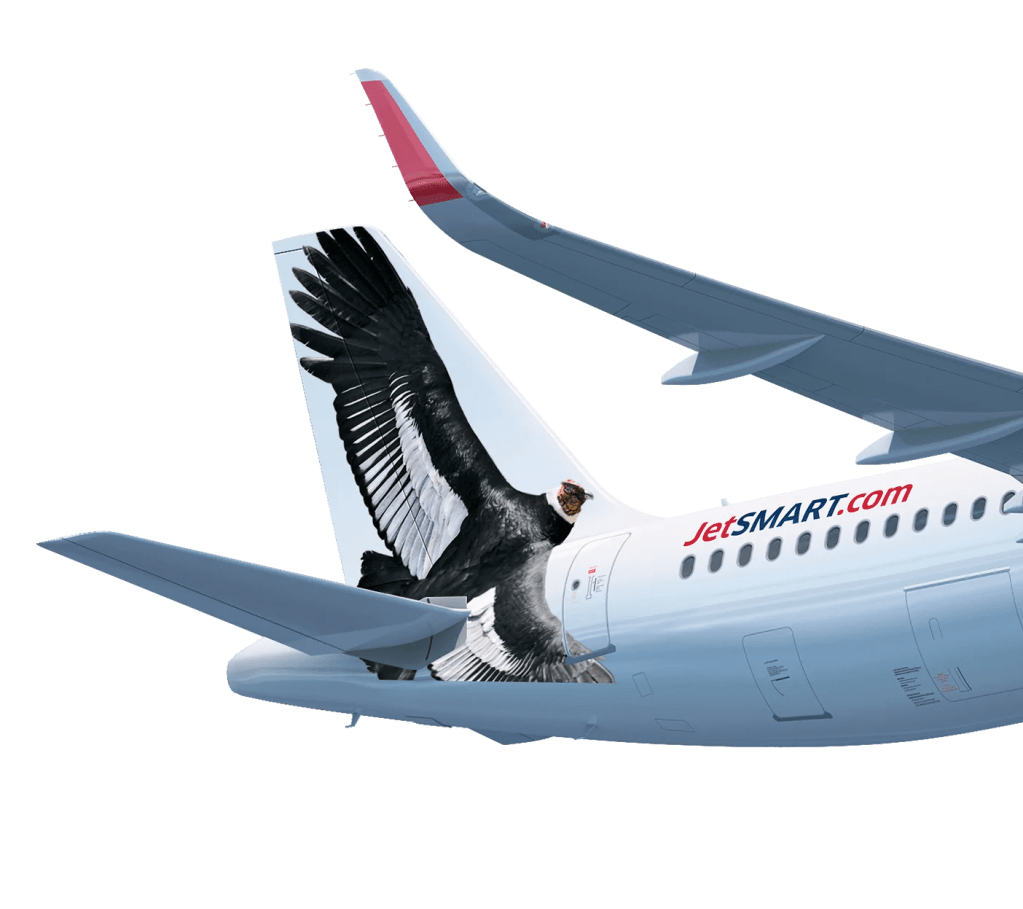
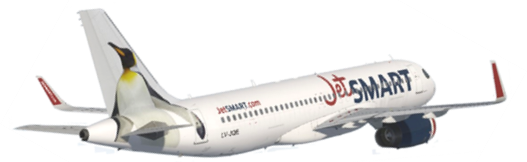
JetSMART conectaría Jujuy con Corrientes a partir Marzo 2023
La aerolínea sudamericana de bajo costo, JetSMART Airlines Argentina, anticipó su interés de cubrir la ruta aérea vinculando Jujuy con Corrientes y eventualmente, Iguazú o Posadas, anticipó el Ministro de Cultura y Turismo de Jujuy, Federico Posadas, a su regreso de la Feria Internacional de Turismo (FIT) 2022. De esta forma dio a conocer algunos detalles del encuentro que mantuvo en la feria internacional con el Gerente General de la aerolínea low cost, Gonzalo Pérez Corral, y con su par de Corrientes, Sebastián Slobayen, en la visita a dicha provincia, definiendo el mes de Marzo 2023 como inicio del servicio aéreo.
La posibilidad de vincular ambas provincias argentinas con un vuelo directo sin pasar por Buenos Aires, se sostiene en el importante desplazamiento de turistas jujeños hacia la provincia litoraleña atraídos por la pesca deportiva y las playas que propone el Río Paraná, mientras que chaqueños y correntinos deciden visitar Jujuy en cualquier momento del año interesados en los particulares paisajes, la gastronomía y las festividades. Federico Posadas sostuvo que “si bien la decisión política de ambos gobiernos es fundamental y tienen como objetivo mejorar la conectividad aérea, la empresa interesada habrá de cumplir algunos requisitos y definir la mejor ruta para que el negocio sea netamente rentable”.
JetSMART Jujuy—Corrientes
JetSMART would connect Jujuy with Corrientes from March 2023
The low-cost South American airline, JetSMART Airlines Argentina, anticipated its interest in covering the air route linking Jujuy with Corrientes and eventually, Iguazú or Posadas, anticipated the Minister of Culture and Tourism of Jujuy, Federico Posadas, upon his return from the International Tourism Fair (FIT) 2022. In this way, he disclosed some details of the meeting he held at the international fair with the General Manager of the low cost airline, Gonzalo Pérez Corral, and with his counterpart from Corrientes, Sebastián Slobayen, during the visit to said province, defining the month of March 2023 as the beginning of the air service.
The possibility of linking both Argentine provinces with a direct flight without passing through Buenos Aires is sustained by the significant movement of tourists from Jujuy to the coastal province attracted by sport fishing and the beaches offered by the Paraná River, while Chaqueños and Corrientes decide visit Jujuy at any time of the year interested in the particular landscapes, gastronomy and festivities. Federico Posadas maintained that «although the political decision of both governments is fundamental and they aim to improve air connectivity, the interested company will have to meet some requirements and define the best route for the business to be clearly profitable».
PUBLISHER: Airgways.com DBk: Jetsmart.com / Airgways.com AW-POST: 202210131353AR OWNERSHIP: Airgways Inc. A\W A I R G W A Y S ®
JetSMART Airlines Argentina inaugurará vuelos Buenos Aires/EZE—Río de Janeiro/Galeão/GIG a partir del 6 de Diciembre de 2022 como parte de las expansiones de los servicios regionales sudamericanos. La compañía de presupuesto filial Argentina cubrirá el destino estacional con aeronaves Airbus A320-200CEO con tres frecuencias semanales (3Frq/S), ampliando a cinco frecuencias por semana (5Frq/S) a partir del 19/12 hasta el 5 de Marzo de 2023.
Río de Janeiro representa el cuarto destino internacional de JetSMART Airlines Argentina, luego de Asunción, Lima y Santiago de Chile. La programación de los vuelos: WJ3815 Buenos Aires/EZE 10:51 a Rio de Janeiro/GIG 13:55. WJ3816 Río de Janeiro/GIG 14:45 Buenos Aires/EZE 18:06 horas. Las frecuencias sserán los Martes, Miércoles, Viernes y Domingo. Mientras que la ampliación de las frecuencias serán: WJ3815 Buenos Aires/EZE 16:01 a Río de Janeiro/GIG 19:05. WJ3816 Río de Janeiro/GIG 19:55 a Buenos Aires/EZE 23:16 horas, con frecuencias los días Lunes y Miércoles.
JetSMART Buenos Aires—Rio Janeiro
JetSMART will inaugurate flights to Rio Janeiro/GIG
JetSMART Airlines Argentina will inaugurate Buenos Aires/EZE—Rio de Janeiro/Galeão/GIG flights from December 6, 2022 as part of the expansions of South American regional services. The subsidiary budget company Argentina will cover the seasonal destination with Airbus A320-200CEO aircraft with three weekly frequencies (3Frq/S), expanding to five frequencies per week (5Frq/S) from 12/19 to March 5, 2023.
Rio de Janeiro represents the fourth international destination for JetSMART Airlines Argentina, after Asunción, Lima and Santiago de Chile. Flight schedule: WJ3815 Buenos Aires/EZE 10:51 to Rio de Janeiro/GIG 13:55. WJ3816 Rio de Janeiro/GIG 2:45 p.m. Buenos Aires/EZE 6:06 p.m. The frequencies will be on Tuesday, Wednesday, Friday and Sunday. While the extension of the frequencies will be: WJ3815 Buenos Aires/EZE 16:01 to Rio de Janeiro/GIG 19:05. WJ3816 Rio de Janeiro/GIG 07:55 p.m. to Buenos Aires/EZE 11:16 p.m., with frequencies on Mondays and Wednesdays.
PUBLISHER: Airgways.com DBk: Jetsmart.com / Airgways.com AW-POST: 202210131350AR OWNERSHIP: Airgways Inc. A\W A I R G W A Y S ®
Cruce discrepancias de gobiernos por Aerolíneas Argentinas
El actual CEO de Aerolíneas Argentinas Pablo Ceriani cruzó al ex-Ministro de Transporte del Gobierno anterior Guillermo Dietrich por cifras de Aerolíneas Argentinas. El titular de Aerolíneas Argentinas, Pablo Ceriani, cruzó duramente al exministro de Transporte durante el Gobierno de Mauricio Macri, Guillermo Dietrich, por los datos que brindó en relación a la gestión actual en la aerolínea de bandera. «Ya cuesta entender si desconocen los temas o mienten intencionalmente», lanzó en redes sociales al desmentir un tuit del ex-funcionario por la comparación entre 2019 y 2022 sobre la cantidad de pasajeros transportados y la acusación de posición monopólica de la aerolínea en el mercado local.
A través de su cuenta oficial de Twitter, el CEO de la aerolínea manifestó: «Hoy, Aerolíneas tiene el mismo porcentaje de mercado de cabotaje que en 2019 y prácticamente la misma cantidad de pasajeros transportados (9.8M vs 9.2M). Para 2023 proyectamos superar esos números a 9.9M. En la actualidad, las únicas dos compañías privadas que lograron sobrevivir a la “Revolución de los Aviones” operan en Aeroparque y suman aviones, frecuencias y destinos. ¿Dónde ven el monopolio de Aerolíneas Argentinas o la falta de competencia que pretenden instalar?«. Mientras que, en relación al macrismo, señaló: «Andes, Avian y Norwegian dejaron de operar antes que termine su gobierno. Latam tuvo perdidas por US$ 600 millones de Dólares en 2018 y 2019. A Aerolíneas la dejaron con un déficit tremendo y con una deuda US$ 1.000 millones de Dólares. Seguimos trabajando para recomponer lo que ustedes. rompieron. La conectividad regional hoy tiene una oferta inédita que conecta importantes ciudades como Sao Paulo con distintas ciudades del interior. Es uno de los motores del crecimiento del turismo receptivo y una de las principales políticas de esta gestión».
El pasado Martes 11/10, Guillermo Dietrich sostuvo que Aerolíneas Argentinas, en el año 2019, «transportó 14 millones de pasajeros con el 65% del mercado local, es decir compitiendo y que este año esperan terminar con menos pasajeros en 11 millones pero con el 90% del mercado. No sólo eso, sino que los vuelos de cabotaje bajaron un 20% y los vuelos internacionales un 50%, en comparación con nuestro último año. Los argentinos hoy volamos menos, con menos oferta y precios mucho más altos por la falta de competencia. Son miles de oportunidades de empleo y de desarrollo que se pierden por privilegiar a unos pocos, castigando a todos los argentinos».
Según información de Aerolíneas, diferenciándose de lo que manifestó el ex-Ministro, confirmaron que se transportó a un total de 13 millones de pasajeros entre vuelos de cabotaje e internacionales y no 14 millones como había asegurado Guillermo Dietrich. A su vez, Pablo Ceriani se presentó el Miércoles 12/10 en la Comisión de Presupuesto y Hacienda donde mencionó entre otras cosas que este año cerraría con un total de 11 millones de pasajeros transportados lo que representan 9.9 millones de pasajeros en vuelos domésticos.
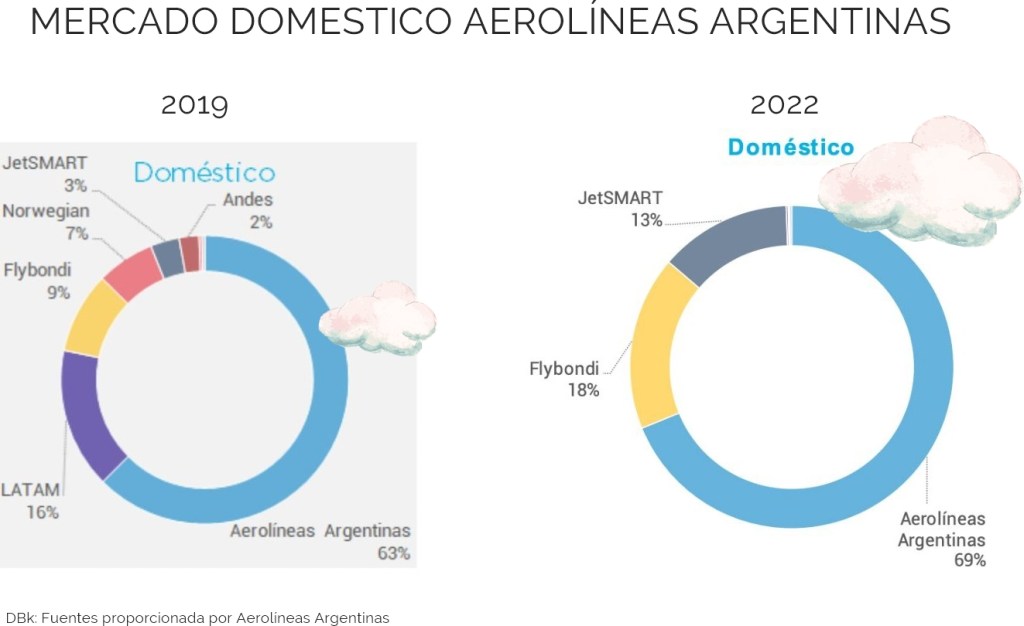
Respecto a la acusación de que Aerolíneas Argentinas tiene una posición monopólica en el mercado, los datos aportados por Pablo Ceriani demuestran que en 2019 ocupaba un 63% del total con empresas que no operan en el país como LATAM Airlines Argentina, Norwegian Air Argentina y Andes Líneas Aéreas. Pese a eso, las cifras demuestran que crecieron Flybondi Líneas Aéreas y JetSMART Airlines Argentina y la aerolínea de bandera permanece en un porcentaje de 69% de cuota de mercado. También en el marco de la presentación del Presupuesto 2023, la empresa confirmó que estima una reducción de los aportes del Estado para 2023 de US$ 102 millones de Dólares. A su vez, los US$ 412 millones proyectados, son US$ 19 millones menos que en 2019. También informaron que la partida para el próximo año significa un 0,31% del total del Presupuesto Nacional, mientras que en 2019 fue de 0,48%. Mientras que cerró que, en lo que va del año, solo se ejecutó el 48% del total del presupuesto anual.
Number discrepancies in Aerolíneas
Government discrepancies cross over Aerolíneas Argentinas
The current CEO of Aerolíneas Argentinas Pablo Ceriani crossed the former Minister of Transport of the previous Government Guillermo Dietrich for figures from Aerolíneas Argentinas. The head of Aerolineas Argentinas, Pablo Ceriani, harshly crossed the former Minister of Transport during the Government of Mauricio Macri, Guillermo Dietrich, for the data he provided in relation to the current management of the flag carrier. «It’s hard to understand if they don’t know the issues or intentionally lie», he launched on social networks by denying a tweet from the former official for the comparison between 2019 and 2022 on the number of passengers transported and the accusation of the airline’s monopolistic position in the market. local.
Through his official Twitter account, the CEO of the airline stated: «Today, Aerolíneas has the same percentage of the cabotage market as in 2019 and practically the same number of passengers transported (9.8M vs 9.2M). By 2023 we project exceed those numbers to 9.9 M. Currently, the only two private companies that managed to survive the «Airplane Revolution» operate in Aeroparque and add planes, frequencies and destinations. Where do you see the monopoly of Aerolineas Argentinas or the lack of competition that they intend to install?» While, in relation to the macrismo, he pointed out: «Andes, Avian and Norwegian stopped operating before the end of their government. Latam had losses of US$ 600 million in 2018 and 2019. Airlines were left with a tremendous deficit and with a debt of US$ 1,000 million dollars. We continue working to rebuild what you. broke. Regional connectivity today has an unprecedented offer that connects important cities such as Sao Paulo with different cities in the interior. It is one of the engines of the growth of receptive tourism and one of the main policies of this management».
Last Tuesday 10/11, Guillermo Dietrich said that Aerolíneas Argentinas, in 2019, «carried 14 million passengers with 65% of the local market, that is, competing and that this year they expect to end up with 11 million fewer passengers but with 90% of the market. Not only that, but domestic flights fell by 20% and international flights by 50%, compared to our last year. Argentines today fly less, with less supply and much higher prices for the lack of competition. There are thousands of employment and development opportunities that are lost by privileging a few, punishing all Argentines».
According to information from Aerolíneas, differing from what the former Minister stated, they confirmed that a total of 13 million passengers were transported between domestic and international flights and not 14 million as Guillermo Dietrich had claimed. In turn, Pablo Ceriani appeared on Wednesday 10/12 at the Budget and Finance Commission where he mentioned, among other things, that this year would close with a total of 11 million passengers transported, which represents 9.9 million passengers on domestic flights.
Regarding the accusation that Aerolíneas Argentinas has a monopolistic position in the market, the data provided by Pablo Ceriani shows that in 2019 it occupied 63% of the total with companies that do not operate in the country such as LATAM Airlines Argentina, Norwegian Air Argentina and Andes Líneas Aéreas. Despite this, the figures show that Flybondi Líneas Aéreas and JetSMART Airlines Argentina grew and the flag carrier remains at a percentage of 69% market share. Also in the framework of the presentation of the 2023 Budget, the company confirmed that it estimates a reduction in State contributions for 2023 of US$ 102 million. In turn, the projected US$ 412 million is US$ 19 million less than in 2019. They also reported that the item for next year means 0.31% of the total National Budget, while in 2019 it was 0. 48%. While he closed that, so far this year, only 48% of the total annual budget has been executed.
PUBLISHER: Airgways.com DBk: Aerolineas.com / Twitter.com/Guillodietrich / Airgways.com AW-POST: 202210131237AR OWNERSHIP: Airgways Inc. A\W A I R G W A Y S ®
































 airgways.com