Detectan 44 contagios COVID en vuelos de Aerolíneas Argentinas
La ruta Buenos Aires-Cancún ha sido un esta temporada muy visitada por estudiantes en celebraciones de egresados, contabilizando unos 35 grupos de diferentes estudiantes viajando de Argentina hacia México en el último mes de Febrero 2021. Muchos han tenido casos positivos de COVID-19 en los últimos días, lo que ha encendido las alarmas entre la población.
Actualmente, Aerolíneas Argentinas vuela sin escalas entre Buenos Aires-Cancún-Buenos Aires con sus vuelos respectivos de ida y vuelta AR1370 y AR1371, empleando los Airbus A330-223 para volar entre ambas ciudades los Domingos, Lunes, Jueves y Sábados. Entre los egresados infectados han detectado otros 55 casos de Covid, viajaron a Cancún 35 colegios y se habla de PCR truchos. Dos nuevos colegios de la Provincia de Buenos Aires encendieron la alarma por los viajes de Egresados a Cancún. A los 44 adolescentes que dieron positivo de coronavirus al regresar la semana pasada al país, hay que sumarle 55 casos nuevos del Domingo 14/03. Además, confirmaron que hay dos contingentes de colegios de la Ciudad varados por la creciente ola de contagios.
Según testimonios de los padres de los estudiantes han expresado que la Agencia de viajes se encargó de que un laboratorio de Cancún certificara los PCR 72 horas previas al viaje, y lo único que supimos es que tenía un costo de US$ 100 dólares. Los chicos en México dieron todos negativos, pero al llegar al país los hisopados dieron otros resultados. Según informes en México se están investigando a varios laboratorios que están en la ciudad turística ya que hay distintos testimonios de argentinos que afirman que se adultera el resultado de los testeos para que los viajantes puedan tomar el vuelo y volver al país. En México el escándalo de los PCR truchos para el turismo estalló en Enero 2021, pero ahora vuelve a tomar trascendencia a partir de la reanudación de los viajes de egresados de argentinos en Cancún. «Preocupa porque en el exterior no se sabe qué clase de cuidados hay. Se sabe que México tiene una alta cantidad de contagios diarios y no hay una alta medida de contención. Hay que tratar de evitar esta clase de viajes», opinó el infectólogo Eduardo López. El especialista, que forma parte del grupo de infectólogos que asesora al Gobierno, señaló que todavía no hay novedades con respecto a si los infectados trajeron nuevas cepas al país.
Desde el 17 de Febrero de 2021 hasta este Lunes 15/03, son 35 los colegios que viajaron a Cancún a través de una de las agencias de viaje que se encarga de los contingentes de egresados en el exterior. «Por razones de privacidad no podemos decir qué contingentes se encuentran todavía en Cancún. Sí te puedo certificar que desde mediados de febrero son 35 los colegios que viajaron», dijeron desde la propia agencia de viajes Moon Travel.
A través de la Decisión Administrativa Nº219/2021 publicada en el Boletín Oficial, con la firma del Jefe de Gabinete, Santiago Cafiero; el Ministro del Interior, Eduardo Wado de Pedro; y la Ministra de Salud, Carla Vizzotti, se decidió mantener reducidas las frecuencias de vuelos provenientes de México y Europa al 30% de la capacidad y, desde ahora, ese mismo límite regirá para los aviones que lleguen desde Perú, Ecuador, Colombia, Panamá y Chile.
Flight AR1371 students infected with COVID
44 COVID infections detected on Aerolíneas Argentinas flights
The Buenos Aires-Cancun route has been a very visited season this season by students in graduation celebrations, accounting for some 35 groups of different students traveling from Argentina to Mexico in the last month of February 2021. Many have had positive cases of COVID-19 in in recent days, which has set off alarms among the population.
Currently, Aerolíneas Argentinas flies nonstop between Buenos Aires-Cancun-Buenos Aires with its respective round-trip flights AR1370 and AR1371, using Airbus A330-223 to fly between both cities on Sundays, Mondays, Thursdays and Saturdays. Among the infected graduates, another 55 cases of Covid have been detected, 35 schools traveled to Cancun and there is talk of PCR truchos. Two new schools in the Province of Buenos Aires raised the alarm for the trips of Graduates to Cancun. To the 44 adolescents who tested positive for coronavirus when they returned to the country last week, we must add 55 new cases on Sunday 03/14. In addition, they confirmed that there are two contingents of schools in the City stranded by the growing wave of infections.
According to testimonies of the parents of the students, they have expressed that the travel agency arranged for a laboratory in Cancun to certify the PCRs 72 hours before the trip, and all we knew was that it cost US$ 100. The boys in Mexico all tested negative, but when they arrived in the country the swabs gave other results. According to reports in Mexico, several laboratories that are in the tourist city are being investigated since there are different testimonies from Argentines who affirm that the results of the tests are adulterated so that travelers can take the flight and return to the country. In Mexico the scandal of the PCR truchos for tourism broke out in January 2021, but now it takes importance again after the resumption of the trips of Argentine graduates in Cancun. «It is worrying because abroad it is not known what kind of care there is. It is known that Mexico has a high number of daily infections and there is no high containment measure. We must try to avoid this kind of travel», said the infectologist Eduardo López. The specialist, who is part of the group of infectologists that advises the Government, pointed out that there is still no news regarding whether the infected brought new strains to the country.
From February 17, 2021 until this Monday 03/15, there are 35 schools that traveled to Cancun through one of the travel agencies that is in charge of the contingents of graduates abroad. «For privacy reasons we cannot say what contingents are still in Cancun. I can certify that since mid-February there are 35 schools that traveled», they said from the Moon Travel travel agency.
Through Administrative Decision No. 219/2021 published in the Official Gazette, with the signature of the Chief of Staff, Santiago Cafiero; the Minister of the Interior, Eduardo Wado de Pedro; and the Minister of Health, Carla Vizzotti, decided to keep the frequencies of flights from Mexico and Europe reduced to 30% of capacity and, from now on, that same limit will apply to planes arriving from Peru, Ecuador, Colombia, Panama. and Chile.
TAP Portugal Airlines celebre sus 76º aniversarios
TAP Air Portugal se encuentra celebrando sus 76º Aniversarios este 14 de Marzo de 2021. Es la aerolínea de bandera de la República de Portugal con sede en el Aeropuerto de Lisboa que también sirve como su centro de operaciones. Actualmente forma parte miembro de Star Alliance desde 2005 y opera en promedio 2.500 vuelos a la semana a 90 destinos en 34 países de todo el mundo. La compañía tiene una flota de 100 aviones, todos los cuales fabricados por Airbus Group con la excepción de 22 Embraer y ATR, que operan en nombre de la aerolínea regional TAP Express.
La aerolínea se estableció como Transportes Aéreos Portugueses el 14 de Marzo de 1945 iniciando sus servicios comerciales el 19 de Septiembre de 1946 con un vuelo inaugural de Lisboa a Madrid utilizando un Douglas DC-3. Después de haber sido fundada como una institución nacional, la aerolínea fue privatizada por primera vez en su historia durante 1953; a lo largo de su existencia, TAP alternaría entre diversas formas de propiedad pública y privada. Durante sus primeras décadas de operación, la aerolínea amplió y lanzó numerosas rutas, incluyendo el largo servicio colonial Imperial a través de África, con varios servicios nacionales y europeos, junto con su primer servicio transatlántico a Río de Janeiro, Brasil. Además de DC-3, TAP adquirió aviones Douglas DC-4 Skymasters y Lockheed Super Constellation.
Durante Julio de 1962, TAP entró en la era del avión jet a través de la adquisición de varios Caravelles de Aviación Sudde fabricación francesa. El 19 de Junio de 1964, TAP transportó a su pasajero número un millón. Durante el año siguiente, compró su primer jetliner Boeing 707. En 1967, la aerolínea se convirtió en la primera en Europa en operar exclusivamente aviones. En 1972, TAP recibió su primer avión Boeing 747-200. En 1979, la aerolínea se sometió a un programa de modernización, cambiando su nombre a TAP Air Portugal. A finales de la década, la aerolínea operaba una flota de 32 aviones modernos que servían a más de 40 destinos en cuatro continentes. Durante la década de 1980, la flota de Boeing 707 y 747 fue reemplazada por Lockheed L-1011 TriStars y Airbus A310 en rutas de larga distancia. En 1983, TAP comenzó a operar sus primeros Boeing 737-200 en rutas de corta distancia. A finales de la década de 1990, TAP había vendido sus Boeing 727 y 737, sustituyéndolos por aviones Airbus A319, A320 y A321; sus Lockheed L-1011 TriStars también fueron reemplazados por Airbus A340. Estos cambios llevaron a TAP a convertirse en un operador solo para Airbus.
En Junio de 2015, TAP fue semi-privatizado y pasó a ser propiedad mayoritaria del Atlantic Gateway Consortium, liderado por David Neeleman, quien fundó JetBlue y Azul Brazilian Airlines y cofundó WestJet, junto con el empresario portugués Humberto Pedrosa. El Consorcio Atlantic Gateway compró el 61% de la aerolínea al gobierno de Portugal el 24 de Junio de 2015, con una opción para comprar la participación restante del 34% del Gobierno portugués en 2018. Este acuerdo ha estado rodeado de controversia porque se completó al final del mandato del Gobierno de centro-derecha con amplia oposición de los empleados del TAP. En Octubre de 2015, un nuevo gobierno de izquierdas ha tratado de devolver el control mayoritario de la aerolínea al Estado, después de haber firmado en febrero de 2016 un acuerdo con el consorcio privado, que indica que la compañía es propiedad en un 50% del Estado portugués, el 45% por el Consorcio Atlantic Gateway y el 5% accionista disponible de colaboradores y empleados de TAP Air Portugal. En Julio de 2020, el Estado portugués aumentó su participación al 72,5 %. Adquirió esta participación a Atlantic Gateway Consortium, que ahora posee el 22,5%. En Diciembre de 2020, el Gobierno portugués dio a conocer un paquete de rescate de US$ 4.100 millones de Dólares, lo que significa que se recortarán unos 3.500 puestos de trabajo.
El 14 de Marzo de 1945, la aerolínea fue fundada como Transportes Aéreos Portugueses bajo la jurisdicción de la Oficina de Aviación Civil. Más tarde ese mismo año, tomó la entrega de su primer avión, un par de Douglas DC-3. La aerolínea inició los servicios comerciales el 19 de Septiembre de 1946, realizando un vuelo inaugural de Lisboa a Madrid, llevando un total de 11 pasajeros en uno de sus DC-3. El 31 de Diciembre de 1946, TAP Air Portugal comenzó su Linha Aérea Imperial, un servicio colonial de doce paradas que incluye Luanda, Angola y Lourenço Marques (ahora Maputo), Mozambique. Cubrió 24.450 km en 15 días (en ambos sentidos), lo que lo convierte en el servicio aéreo más largo operado con aviones bimotores en ese momento. Para adaptarse a las condiciones tropicales en la mayoría de estos destinos, se adoptó un uniforme especial, que comprende camisas caqui con faldas o pantalones cortos.
En 1947, la aerolínea lanzó sus primeros servicios nacionales, comenzando una ruta entre Lisboa y Oporto, así como otra ruta internacional entre São Tomé y Londres. Ese mismo año, un total de cuatro Douglas DC-4 Skymasters fueron comprados; al parecer, estos permanecieron en el servicio de la aerolínea ya en 1960. Estos fueron utilizados en las rutas a África y a los principales destinos europeos, incluyendo Londres. Durante 1948, se lanzaron nuevos servicios a Sevilla y París.
Durante 1953, la aerolínea fue privatizada por primera vez en su historia, reorganizando de un servicio público a una sociedad anónima (plc); ese mismo año, comenzó nuevos servicios a Tánger y Casablanca. A finales de 1955, varios aviones presurizados de cuatro motores Lockheed Super Constellation fueron adquiridos; estos fueron introducidos inmediatamente en los servicios programados TAP africanos a Luanda y Lourenço Marques. La Super Constelación fue acreditada con una notable reducción de los tiempos de vuelo sobre los aviones anteriores en sus rutas.
Durante 1955, la aerolínea abrió nuevos caminos con un exitoso viaje transatlántico experimental de larga distancia a Río de Janeiro, Brasil. En este vuelo, como pasajero, estaba el aviador y cartógrafo portugués Carlos Viegas Gago Coutinho. A finales de la década, la firma había alcanzado varios hitos, incluyendo el transporte de 64.000 pasajeros, su flota realizando 10.000 horas de vuelo, una red de rutas que abarcaba 14.000 km, al tiempo que empleaba a más de 1.000 miembros del personal.
A partir de 1960, TAP Air Portugal lanzó Río de Janeiro como su primer destino en Brasil, en un servicio aéreo operado conjuntamente llamado «Vôo da Amizade» con Panair do Brasil (1960-1965) y VARIG (1965-1967) Una ruta de Lisboa a Goa, un vuelo de 19 horas con cinco escalas, fue añadida a la red durante 1961.
Durante Julio de 1962, TAP entró en la era del avión, habiendo adquirido un lote inicial de tres Sud Aviation Caravellede fabricación francesa, un avión de pasajeros bimotor temprano. Estos fueron operados por primera vez en las rutas europeas más competitivas de la aerolínea. Ese mismo año, se lanzaron nuevos servicios entre Lisboa y Las Palmas,así como Santa María en las Azores. Durante 1963, comenzaron otras rutas europeas, que sirven a Ginebra, Múnichy Frankfurt.
El 19 de Junio de 1964, el pasajero número un millón fue transportado por la aerolínea, en términos generales 18 años después del inicio de las operaciones. Durante el año siguiente, TAP adquirió su primer jetliner boeing-construido,el 707. Dos años más tarde, sería seguido por el Boeing 727 de corta distancia. El 17 de Junio de 1966, TAP operó su primer vuelo exclusivo a Brasil, uno de sus 707 aterrizó en el aeropuerto de Galeão en Río de Janeiro exactamente al mismo tiempo y el mismo día en que el hidroplano Santa Cruz amarró en la bahía de Guanabara en 1922, cuando Sacadura Cabral y Gago Coutinho hicieron su histórico cruce del Atlántico Sur. Se inauguró la ruta a Brasil.
En 1967, la aerolínea logró un hito: se convirtió en la primera aerolínea europea en volar exclusivamente con aviones. En 1969, comenzó el servicio a la ciudad de Nueva York a través de la isla de Santa María; dos años más tarde, Boston fue añadido al servicio de Nueva York. Durante 1971, la aerolínea optó por trasladar su sede al aeropuerto de Lisborn. Al año siguiente, TAP recibió el primero de un lote inicial de cuatro Boeing 747-200. En 1974, se convirtió en la primera aerolínea europea en realizar revisiones completas del motor turbofan Pratt & Whitney JT9D, que propulsó las primeras versiones del Boeing 747 entre otros aviones. Al final de la década, la aerolínea operaba una flota de 32 aviones modernos que servían a más de 40 destinos en cuatro continentes.
En 1974, TAP introdujo un nuevo sistema computarizado que manejaba reservas, control de carga y check-in, conocido como Tapmatic y se convirtió en la primera aerolínea europea en llevar a cabo importantes revisiones integrales de los motores Boeing 747. A finales de 1974, TAP había transportado más de 1,5 millones de pasajeros, volado 68.210 horas sobre una red de casi 103.000 kilómetros y tenía una plantilla de más de 9.000 personas. Tras la revolución del 25 de Abril de 1974, Portugal se vio envuelta en la ola de nacionalizaciones durante el año siguiente y TAP no fue la excepción, convirtiéndose así en una corporación estatal durante 1975.
Tras la independencia tanto de Angola como de Mozambique, la importancia del mercado africano disminuyó enormemente; debido a la disminución de la demanda de pasajeros, dos de los 747 fueron vendidos durante 1976. Durante 1979, la aerolínea lanzó un programa de modernización; entre otros cambios de marca, su nombre cambió a TAP Air Portugal, que se consideró más fácil de reconocer para los clientes internacionales.
Modernización y expansión de la flota
En 1980, TAP lanzó un nuevo servicio entre Lisboa y Barcelona; también se ampliaron las operaciones entre Milán y Roma. Durante el año siguiente, Teresa Carvalho se convirtió en la primera mujer piloto de la aerolínea; ese mismo año se lanzó su primera revista a bordo, Atlantis. Durante 1985, la aerolínea supuestamente transportó dos millones de pasajeros en un solo año por primera vez; el 14 de Marzo de 1985 también se inauguró un museo dedicado a la aerolínea para conmemorar el décimo aniversario de la compañía.
Durante la década de 1980, la flota de Boeing 707 y 747 fue reemplazada por Lockheed L-1011 TriStars y Airbus A310 en rutas de larga distancia. Durante 1983, TAP comenzó a operar sus primeros Boeing 737-200 en rutas de corta distancia. En 1988, lanzó un nuevo sistema de cálculo de tarifas y emisión de billetes. Ese mismo año, también se convirtió en la primera aerolínea en aprovechar los enlaces de datos tierra-aire a través de una conexión por satélite.
Durante 1985, TAP estableció su filial chárter Air Atlantis, proporcionando vuelos de ocio a la mayoría de las ciudades europeas, que operaban aviones Boeing 707, Boeing 727 y Boeing 737. En 1989, TAP se convirtió en una empresa que cotiza en bolsa (Sociedade Anónima)y su servicio en Nueva York se trasladó al Aeropuerto Internacional Newark Liberty desde JFK.
Durante 1991, la aerolínea supuestamente transportó tres millones de pasajeros ese año por primera vez. En 1993, TAP comenzó a volar a Tel Aviv. En 1994, TAP firmó un acuerdo de intercambio de código con Delta Air Lines para el servicio del Atlántico Norte; este acuerdo llegó a su fin durante 2005. En 1996 se produjo la introducción del servicio en Boston a través de la isla de Terceira, la inauguración del servicio a Macao y el lanzamiento del sitio web de TAP. En 1997, el servicio comenzó a Punta Cana y Bangkok; sin embargo, los vuelos a Bangkok y Macao se suspendieron durante el año siguiente.
A finales de la década de 1990, TAP había ampliado su flota vendiendo sus antiguos Boeing 727 y Boeing 737, y los había reemplazado por aviones Airbus A319, A320 y A321. Sus TriStars fueron vendidos a Air Luxor y fueron reemplazados por Airbus A340s. Estos cambios llevaron a TAP a convertirse en un operador solo para Airbus, que afirmó que también había hecho su flota más económica y versátil. Además, la aerolínea había iniciado un programa de modernización y renovación continua de cabinas con el objetivo de implementar niveles de servicio cada vez mayores. En 1999, TAP introdujo sus primeros Vuelos Azules, sobre los que se prohibió fumar.
En 1997, se formó una alianza estratégica entre TAP y Swissair. Dentro del alcance de este acuerdo, un equipo de directivos profesionales llegó al TAP, dirigido por el pt brasileño Fernando Pinto. Parte del acuerdo llevaría a Swissair a comprar una participación del 34% de TAP. Además, TAP se convirtió en miembro de Qualiflyer, el programa de viajero frecuente liderado por el portaaviones de bandera suiza. Debido a las dificultades financieras, la compañía suiza termina sin comprar las acciones acordadas de TAP Air Portugal, revocando unilateralmente el acuerdo de asociación que condujo a costos inesperados para la aerolínea portuguesa en 2000. Esta revocación culminó con la toma de medidas legales por parte de TAP contra Swissair.
Durante Febrero de 2005, TAP Air Portugal fue rebautizado como TAP Portugal. El 14 de Marzo de 2005, TAP se convirtió en miembro de la multinacional Star Alliance, que también fue el mismo día en que la compañía celebró su 60º aniversarios. TAP también puso fin a su acuerdo de código compartido con Delta Air Lines e inició un nuevo acuerdo con United, como parte de su membresía en Star Alliance. En virtud de este acuerdo, el código (UA) de United Airlines se coloca en los vuelos transatlánticos de TAP Air Portugal y algunos vuelos africanos, y el código (TP) de TAP Air Portugal se coloca en vuelos de United.
En 2006, TAP Air Portugal firmó un acuerdo con Espírito Santo International para la adquisición del 99,81% de la aerolínea regional portuguesa Portugália. Además, inició un acuerdo de código compartido con US Airways en todas las rutas entre Portugal y Estados Unidos con servicios de conexión desde Newark y Filadelfia.
En 2007, TAP Air Portugal fue galardonado por la OTAN como la mejor fuente de reparación de motores y aviones para el Programa de Mantenimiento AWACS de la OTAN. TAP Air Portugal cuenta con bases completas de mantenimiento y revisión en Portugal (Lisboa) y Brasil (Río de Janeiro y Porto Alegre) y cuenta con estaciones especializadas de mantenimiento de líneas en tres continentes: cuatro en Portugal, ocho en Brasil y una en Angola. Comenzó los vuelos programados a Moscú, Varsovia y Helsinki, en Junio de 2009.
Después de decidir externalizar su Sistema de Servicio al Pasajero en 2008, TAP migró sus sistemas de reserva e inventario al sistema Altéa gestionado por Amadeus. Antes de la migración a Altéa, TAP estaba utilizando un sistema derivado de Delta Air Lines llamado Tapmatic, en uso desde 1972.
Durante 2010, TAP introdujo dos nuevas rutas a África: Marrakech y Argel, esta última fue descontinuada en 2017. El lanzamiento de estas nuevas rutas destacó el refuerzo de la aerolínea de su estrategia de crecimiento para África, que es un segmento importante en la red donde la aerolínea se ha expandido continuamente desde 2001, pasando de 236.000 a 541.000 pasajeros, lo que supone un incremento de más del 129%. En 2011, se introdujeron nuevas rutas de largo alcance tanto a Miami como a Porto Alegre.
Privatización
Con el fin de obtener su rescate nacional de tres años, Portugal se vio obligado a vender sus participaciones en varias compañías, incluida la estatal. Varios operadores internacionales fueron atraídos por la posición estratégica de la aerolínea, pero el 18 de Octubre de 2012, el gobierno portugués anunció un único posible postor para la aerolínea nacional privatizada: el consorcio sudamericano Synergy Aerospace, propietario de la aerolínea colombiana Avianca. El diario financiero portugués Dinheiro Vivo indicó que el gobierno suspendería las negociaciones de privatización, si no se aprobaba la oferta de Synergy Aerospace del alemán Efromovich.
El 21 de Marzo de 2014, la aerolínea anunció que compraría dos ATR 42-600 para su compañía subsidiaria, Portugália, en sustitución de los Beechcraft 1900D anteriormente operada por PGA Express.
El Gobierno portugués planeaba vender su participación controladora en la aerolínea de bandera a uno o más grandes inversores en un relanzamiento de la privatización en 2014. Tenía la intención de vender una participación del 66% en la aerolínea, con el 5% de eso reservado para sus 7.500 empleados. Entre los postores conocidos estaba el empresario sudamericano German Efromovich, cuya oferta de 2012 por TAP no cumplió con las condiciones iniciales; un consorcio formado por el empresario estadounidense Frank Lorenzo y el empresario portugués Miguel Pais do Amaral; el empresario brasileño estadounidense David Neeleman, fundador de JetBlue en Estados Unidos y Azul en Brasil y finalmente Globalia, la empresa matriz de Air Europa.
En Mayo de 2015, una huelga de pilotos de más de una semana provocó la cancelación de unos 3.000 vuelos TAP Air Portugal. En Junio de 2015, el gobierno portugués decidió vender el Grupo TAP Air Portugal, propietario de la compañía aérea nacional TAP Air Portugal, al consorcio Atlantic Gateway formado por la asociación entre David Neeleman y Humberto Pedrosa, que tomó el control del 61% del capital de la aerolínea de bandera portuguesa. En el memorándum firmado por el nuevo propietario, TAP Air Portugal tiene que mantener al país como el principal centro de operaciones de la aerolínea durante un mínimo de 30 años. El consorcio que ganó la privatización de la compañía en Junio de 2015 ha prometido comprar 53 nuevos aviones Airbus para TAP. Se anunció que las nuevas órdenes incluirían 14 aviones A330 y 39 de fusaje estrecho A320 Family.
En Octubre de 2015, un nuevo gobierno de izquierda ha tratado de devolver el control mayoritario de la aerolínea al Estado, después de haber firmado en febrero de 2016 un acuerdo con el consorcio privado, que indica que la compañía es propiedad en un 50% del Estado portugués, el 45% por el Consorcio Atlantic Gateway y el 5% accionista disponible de colaboradores y empleados de TAP.
Después de la privatización
El 14 de Enero de 2016, TAP Air Portugal anunció que la filial Portugália Airlines sería rebautizado como TAP Express antes del 27 de Marzo de 2016, como parte de nuevas medidas de reestructuración dentro del grupo. Ese mismo día, la aerolínea portuguesa también anunció que toda la flota de Portugália sería reemplazada por nuevos aviones Embraer E190 en Julio de 2016, que recibirían una librea similar a la de TAP Air Portugal. Un downsize en la red de aerolíneas también tuvo lugar en Enero de 2016, con TAP anunciando el cese de vuelos de larga distancia a la Ciudad de Panamá, Manaos y Bogotá, así como las conexiones europeas a Hannover (Alemania) y Zagreb (Croacia).
TAP Air Portugal planea promocionar Portugal, en Estados Unidos, como destino turístico, y Lisboa como puerta de entrada a Europa para los viajeros norteamericanos, y así, en Febrero de 2016, la aerolínea anunció el regreso de John F. Kennedy International de Nueva York y Logan International de Boston como servicios diarios sin escalas desde Lisboa. El servicio de Boston comenzó el 11/06 y los nuevos vuelos diarios de JFK comenzaron el 01/07, ambos operados con el nuevo Airbus A330-200 entregado en junio del mismo año desde Azul Brazilian Airlines. Estas dos nuevas rutas refuerzan la presencia en el mercado americano, con TAP también sirviendo a Miami desde Lisboa y Newark desde Lisboa y Oporto. En total, el servicio TAP Air Portugal creció a 30 vuelos por semana a estados Unidos. TAP amplió su red en 2017, sumando 10 rutas, algunas de las cuales fueron operadas anteriormente por la aerolínea: Abiyán (Costa de Marfil), Alicante y Las Palmas (España), Bucarest (Rumanía), Budapest (Hungría), Colonia y Stuttgart (Alemania), Fes (Marruecos), Lomé (Togo), London City Airport (Inglaterra) y Toronto (Canadá).
En Marzo de 2017, Miguel Antunes Frasquilho, Presidente y CEO de AICEP Portugal Global, fue seleccionado para ser el nuevo Presidente del Consejo de TAP Air Portugal. El 14 de Septiembre de 2017, TAP Portugal pasó a llamarse TAP Air Portugal, volviendo al nombre utilizado entre 1979 y 2005.
TAP Portugal celebrates 76 anniversaries
TAP Portugal Airlines celebrate its 76th anniversaries
TAP Air Portugal is celebrating its 76th Anniversaries this March 14, 2021. It is the flag carrier of the Republic of Portugal based at Lisbon Airport that also serves as its hub. It has been a member of the Star Alliance since 2005 and operates an average of 2,500 flights a week to 90 destinations in 34 countries around the world. The company has a fleet of 100 aircraft, all of which are manufactured by Airbus Group with the exception of 22 Embraer and ATR, which operate on behalf of the regional airline TAP Express.
The airline was established as Transportes Aéreos Portugueses on March 14, 1945 beginning its commercial services on September 19, 1946 with an inaugural flight from Lisbon to Madrid using a Douglas DC-3. After being founded as a national institution, the airline was privatized for the first time in its history during 1953; Throughout its existence, TAP would alternate between various forms of public and private ownership. During its first decades of operation, the airline expanded and launched numerous routes, including the long Imperial colonial service across Africa, with various national and European services, along with its first transatlantic service to Rio de Janeiro, Brazil. In addition to DC-3, TAP acquired Douglas DC-4 Skymasters and Lockheed Super Constellation aircraft.
During July 1962, TAP entered the jet aircraft era through the acquisition of several French-made Caravelles de Aviación Sud. On June 19, 1964, TAP carried its one millionth passenger. During the following year, it bought its first Boeing 707 jetliner. In 1967, the airline became the first in Europe to exclusively operate airplanes. In 1972, TAP received its first Boeing 747-200 aircraft. In 1979, the airline underwent a modernization program, changing its name to TAP Air Portugal. By the end of the decade, the airline operated a fleet of 32 modern aircraft serving more than 40 destinations on four continents. During the 1980s, the Boeing 707 and 747 fleet was replaced by Lockheed L-1011 TriStars and Airbus A310 on long-haul routes. In 1983, TAP began operating its first Boeing 737-200s on short-haul routes. By the late 1990s, TAP had sold its Boeing 727 and 737s, replacing them with Airbus A319, A320 and A321 aircraft; its Lockheed L-1011 TriStars were also replaced by Airbus A340. These changes led TAP to become an Airbus-only operator.
In June 2015, TAP was semi-privatized and became majority owned by the Atlantic Gateway Consortium, led by David Neeleman, who founded JetBlue and Azul Brazilian Airlines and co-founded WestJet, together with Portuguese businessman Humberto Pedrosa. The Atlantic Gateway Consortium purchased 61% of the airline from the government of Portugal on June 24, 2015, with an option to buy the remaining 34% stake from the Portuguese government in 2018. This deal has been surrounded by controversy because it was completed at end of term of center-right government with broad opposition from TAP employees. In October 2015, a new left-wing government tried to return majority control of the airline to the State, after having signed an agreement with the private consortium in February 2016, indicating that the company is 50% owned. Portuguese State, 45% by the Atlantic Gateway Consortium and 5% available shareholder of collaborators and employees of TAP Air Portugal. In July 2020, the Portuguese State increased its stake to 72.5%. It acquired this stake from the Atlantic Gateway Consortium, which now owns 22.5%. In December 2020, the Portuguese Government released a rescue package of US$ 4.1 billion, which means that about 3,500 jobs will be cut.
On March 14, 1945, the airline was founded as Transportes Aéreos Portugueses under the jurisdiction of the Civil Aviation Office. Later that year, it took delivery of its first aircraft, a pair of Douglas DC-3s. The airline began commercial services on September 19, 1946, making an inaugural flight from Lisbon to Madrid, carrying a total of 11 passengers in one of its DC-3s. On December 31, 1946, TAP Air Portugal began its Linha Aérea Imperial, a twelve-stop colonial service that includes Luanda, Angola and Lourenço Marques (now Maputo), Mozambique. It covered 24,450 km in 15 days (both ways), making it the longest air service operated with twin-engine aircraft at that time. To accommodate the tropical conditions in most of these destinations, a special uniform was adopted, comprising khaki shirts with skirts or shorts.
In 1947, the airline launched its first national services, beginning a route between Lisbon and Porto, as well as another international route between São Tomé and London. That same year, a total of four Douglas DC-4 Skymasters were purchased; These apparently remained in airline service as early as 1960. These were used on routes to Africa and major European destinations, including London. During 1948, new services were launched to Seville and Paris.
During 1953, the airline was privatized for the first time in its history, reorganizing from a public service to a public limited company (plc); That same year, it started new services to Tangier and Casablanca. In late 1955, several Lockheed Super Constellation four-engine pressurized aircraft were purchased; these were immediately introduced into the scheduled African tap services to Luanda and Lourenço Marques. The Super Constellation was credited with a notable reduction in flight times over previous aircraft on its routes.
During 1955, the airline broke new ground with a successful experimental long-haul transatlantic voyage to Rio de Janeiro, Brazil. On this flight, as a passenger, was the Portuguese aviator and cartographer Carlos Viegas Gago Coutinho. By the end of the decade, the firm had reached several milestones, including transporting 64,000 passengers, its fleet flying 10,000 hours of flight time, a route network spanning 14,000 km, while employing more than 1,000 staff members.
Starting in 1960, TAP Air Portugal launched Rio de Janeiro as its first destination in Brazil, in a jointly operated air service called «Vôo da Amizade» with Panair do Brasil (1960-1965) and Varig (1965-1967). Lisbon to Goa, a 19-hour flight with five stopovers, was added to the network during 1961.
During July 1962, TAP entered the aircraft age, having acquired an initial batch of three French-made Sud Aviation Caravelle, an early twin-engine airliner. These were operated for the first time on the airline’s most competitive European routes. That same year, new services were launched between Lisbon and Las Palmas, as well as Santa María in the Azores. During 1963, other European routes began, serving Geneva, Munich, and Frankfurt.
On June 19, 1964, the millionth passenger was transported by the airline, generally 18 years after the start of operations. During the following year, TAP acquired its first Boeing-built jetliner, the 707. Two years later, it would be followed by the short-haul Boeing 727. On June 17, 1966, TAP operated its first exclusive flight to Brazil, one of its 707 landed at Galeão airport in Rio de Janeiro at exactly the same time and on the same day that the Santa Cruz hydrofoil moored in Guanabara Bay. in 1922, when Sacadura Cabral and Gago Coutinho made their historic crossing of the South Atlantic. The route to Brazil was inaugurated.
In 1967, the airline achieved a milestone: it became the first European airline to fly exclusively with airplanes. In 1969, service to New York City began via St. Mary’s Island; two years later, Boston was added to the New York service. During 1971, the airline chose to move its headquarters to Lisborn Airport. The following year, TAP received the first of an initial batch of four Boeing 747-200s. In 1974, it became the first European airline to conduct full overhauls of the Pratt & Whitney JT9D turbofan engine, which powered the first versions of the Boeing 747 among other aircraft. By the end of the decade, the airline operated a fleet of 32 modern aircraft serving more than 40 destinations on four continents.
In 1974, TAP introduced a new computerized system that handled reservations, cargo control and check-in, known as Tapmatic and became the first European airline to carry out major comprehensive overhauls of Boeing 747 engines. In late 1974, TAP had transported more than 1.5 million passengers, flown 68,210 hours over a network of almost 103,000 kilometers and had a workforce of more than 9,000 people. After the revolution of April 25, 1974, Portugal was involved in the wave of nationalizations during the following year and TAP was no exception, thus becoming a state corporation during 1975.
After the independence of both Angola and Mozambique, the importance of the African market diminished enormously; Due to the decrease in passenger demand, two of the 747s were sold during 1976. During 1979, the airline launched a modernization program; Among other brand changes, its name changed to TAP Air Portugal, which was considered easier for international customers to recognize.
Fleet modernization and expansion
In 1980, TAP launched a new service between Lisbon and Barcelona; operations between Milan and Rome were also expanded. During the following year, Terasa Carvalho became the airline’s first female pilot; that same year its first shipboard magazine, Atlantis, was launched. During 1985, the airline reportedly carried two million passengers in a single year for the first time; On March 14, 1985, a museum dedicated to the airline was also inaugurated to commemorate the company’s tenth anniversary.
During the 1980s, the Boeing 707 and 747 fleet was replaced by Lockheed L-1011 TriStars and Airbus A310 on long-haul routes. During 1983, TAP began operating its first Boeing 737-200s on short-haul routes. In 1988, it launched a new system for calculating fares and issuing tickets. That same year, it also became the first airline to take advantage of ground-to-air data links through a satellite connection.
During 1985, TAP established its charter subsidiary Air Atlantis, providing leisure flights to most European cities, operating Boeing 707, Boeing 727 and Boeing 737 aircraft. In 1989, TAP became a publicly listed company (Sociedade Anonymous) and its New York service relocated to Newark Liberty International Airport from JFK.
During 1991, the airline reportedly carried three million passengers that year for the first time. In 1993, TAP began flying to Tel Aviv. In 1994, TAP signed a code exchange agreement with Delta Air Lines for North Atlantic service; this agreement came to an end during 2005. 1996 saw the introduction of the service in Boston via Terceira Island, the inauguration of the service to Macau and the launch of the TAP website. In 1997, the service began to Punta Cana and Bangkok; however, flights to Bangkok and Macau were suspended for the following year.
By the late 1990s, TAP had expanded its fleet by selling its old Boeing 727 and Boeing 737, and had replaced them with Airbus A319, A320 and A321 aircraft. Its TriStars were sold to Air Luxor and were replaced by Airbus A340s. These changes led TAP to become an Airbus-only operator, which it claimed had also made its fleet more economical and versatile. In addition, the airline had initiated a program of continuous cabin renovation and modernization with the aim of implementing ever-increasing levels of service. In 1999, TAP introduced its first Blue Flights, on which smoking was banned.
In 1997, a strategic alliance was formed between TAP and Swissair. Within the scope of this agreement, a team of professional managers arrived at TAP, led by Brazilian PT Fernando Pinto. Part of the deal would lead Swissair to buy a 34% stake in TAP. In addition, TAP became a member of Qualiflyer, the frequent flyer program led by the Swiss-flagged aircraft carrier. Due to financial difficulties, the Swiss company ends up without purchasing the agreed shares of TAP Air Portugal, unilaterally revoking the partnership agreement that led to unexpected costs for the Portuguese airline in 2000. This revocation culminated in legal action by the Portuguese airline. TAP against Swissair.
During February 2005, TAP Air Portugal was renamed TAP Portugal. On March 14, 2005, TAP became a member of the multinational Star Alliance, which was also the same day the company celebrated its 60th anniversary. TAP also terminated its codeshare agreement with Delta Air Lines and initiated a new agreement with United, as part of its star alliance membership. Under this agreement, the United Airlines code (UA) is placed on TAP Air Portugal transatlantic flights and some African flights, and the TAP Air Portugal code (TP) is placed on United flights.
In 2006, TAP Air Portugal signed an agreement with Espírito Santo International for the acquisition of 99.81% of the Portuguese regional airline Portugália. In addition, it initiated a codeshare agreement with US Airways on all routes between Portugal and the United States with connecting services from Newark and Philadelphia.
In 2007, TAP Air Portugal was awarded by NATO as the best source of engine and aircraft repair for the NATO AWACS Maintenance Program. TAP Air Portugal has complete maintenance and overhaul bases in Portugal (Lisbon) and Brazil (Rio de Janeiro and Porto Alegre) and has specialized stations for line maintenance on three continents: four in Portugal, eight in Brazil and one in Angola. It began scheduled flights to Moscow, Warsaw and Helsinki in June 2009.
After deciding to outsource its Passenger Service System in 2008, TAP migrated its reservation and inventory systems to the Altéa system managed by Amadeus. Before migrating to Altéa, TAP was using a Delta Air Lines derivative system called Tapmatic, in use since 1972.
During 2010, TAP introduced two new routes to Africa: Marrakech and Algiers, the latter was discontinued in 2017. The launch of these new routes highlighted the airline’s strengthening of its growth strategy for Africa, which is an important segment in the network. where the airline has continuously expanded since 2001, from 236,000 to 541,000 passengers, representing an increase of more than 129%. In 2011, new long-range routes were introduced to both Miami and Porto Alegre.
Privatization
In order to obtain its three-year national bailout, Portugal was forced to sell its stakes in several companies, including the state one. Several international operators were attracted by the strategic position of the airline, but on October 18, 2012, the Portuguese Government announced a single possible bidder for the privatized national airline: the South American consortium Synergy Aerospace, owner of the Colombian airline Avianca. Portuguese financial daily Dinheiro Vivo said the government would suspend privatization negotiations if German Efromovich’s Synergy Aerospace offer is not approved.
On March 21, 2014, the airline announced that it would purchase two ATR 42-600s for its subsidiary company, Portugália, to replace the Beechcraft 1900Ds previously operated by PGA Express.
The Portuguese government planned to sell its controlling stake in the flag carrier to one or more large investors in a relaunch of the privatization in 2014. It intended to sell a 66% stake in the airline, with 5% of that reserved for its 7,500 employees. Known bidders included South American businessman German Efromovich, whose 2012 bid for TAP did not meet initial conditions; a consortium formed by the American businessman Frank Lorenzo and the Portuguese businessman Miguel Pais do Amaral; the Brazilian American businessman David Neeleman, founder of JetBlue in the United States and Azul in Brazil and finally Globalia, the parent company of Air Europa.
In May 2015, a pilots’ strike lasting more than a week caused the cancellation of some 3,000 TAP Air Portugal flights. In June 2015, the Portuguese government decided to sell the TAP Air Portugal Group, owner of the national airline TAP Air Portugal, to the Atlantic Gateway consortium formed by the association between David Neeleman and Humberto Pedrosa, which took control of 61% of the capital. of the Portuguese flag airline. In the memorandum signed by the new owner, TAP Air Portugal has to keep the country as the main hub of the airline for a minimum of 30 years. The consortium that won the privatization of the company in June 2015 has promised to buy 53 new Airbus aircraft for TAP. It was announced that the new orders would include 14 A330s and 39 A320 Family narrow-melter aircraft.
In October 2015, a new left-wing government has tried to return majority control of the airline to the State, after having signed an agreement with the private consortium in February 2016, which indicates that the company is 50% owned. Portuguese State, 45% by the Atlantic Gateway Consortium and 5% available shareholder of collaborators and TAP employees.
After privatization
On January 14, 2016, TAP Air Portugal announced that the Portugália Airlines subsidiary would be renamed TAP Express before March 27, 2016, as part of new restructuring measures within the group. That same day, the Portuguese airline also announced that the entire Portuguese fleet would be replaced by new aircraft Embraer E190 in July 2016, which would receive a livery similar to that of TAP Air Portugal. A downsize in the airline network also took place in January 2016, with TAP announcing the cessation of long-haul flights to Panama City, Manaus and Bogotá, as well as European connections to Hannover (Germany) and Zagreb (Croatia).
TAP Air Portugal plans to promote Portugal, in the United States, as a tourist destination, and Lisbon as a gateway to Europe for North American travelers, and thus, in February 2016, the airline announced the return of John F. Kennedy International from New York and Logan International from Boston as daily nonstop services from Lisbon. Boston service began on 06/11 and JFK’s new daily flights began on 07/01, both operated with the new Airbus A330-200 delivered in June of the same year from Azul Brazilian Airlines. These two new routes reinforce the presence in the American market, with TAP also serving Miami from Lisbon and Newark from Lisbon and Porto. In total, the TAP Air Portugal service grew to 30 flights per week to the United States. TAP expanded its network in 2017, adding 10 routes, some of which were previously operated by the airline: Abidjan (Ivory Coast), Alicante and Las Palmas (Spain), Bucharest (Romania), Budapest (Hungary), Cologne and Stuttgart (Germany), Fes (Morocco), Lomé (Togo), London City Airport (England) and Toronto (Canada).
In March 2017, Miguel Antunes Frasquilho, President and CEO of AICEP Portugal Global, was selected to be the new Chairman of the Board of TAP Air Portugal. On September 14, 2017, TAP Portugal was renamed TAP Air Portugal, returning to the name used between 1979 and 2005.
Reinauguración operaciones comerciales de Aeroparque
El Aeropuerto Jorge Newbery SABE/AEP de la Ciudad de Buenos Aires ha quedado formalmente reinaugurado este Lunes 15 de Marzo de 2021 después de las 19:00 hs de arriba del primer avión procedente de Córdoba. El aterrizaje del avión Embraer E190-100AR de Aerolíneas Argentinas ha marcado el restablecimiento de las operaciones en Aeroparque luego de su cierra en Agosto 2020 por reparaciones y luego de un año de la suspensión de los vuelos por la crisis sanitaria de la pandemia en Marzo 2020.
Al momento del arribo del primer vuelo AR1505, los pasajeros ingresaron a la Terminal Aérea de vuelos domésticos permitiendo estrenar la nueva aeroestación localizada en la Ciudad de Buenos Aires. El resto de la programación de los vuelos para el 15/03 estarán dados por el vuelo WJ3445 de JetSmart Airlines Argentina procedente de Neuquén para las 22:08 hs con alguna demora y los vuelos WJ3183 procedente de Bariloche y WJ3497 desde Salta, aún no confirmados. A partir del Martes 16/03, introduce un aumento sustancial de operaciones de arribos y despegues que irá incrementándose con el paso de los días.
La introducción de una pista reformada que fue extendida en 600 metros adicionales hasta totalizar 2,7 kilómetros permitirá al Aeroparque ser el segundo aeropuerto internacional de la Argentina con Categoría III (CAT III), después de Ezeiza.
Aerolíneas Argentinas y JetSmart Airlines Argentina son por el momento las únicas líneas aéreas que utilizarán este aeropuerto durante el mes de Marzo 2021. En el caso de Aerolíneas, sus vuelos estarán repartidos entre Aeroparque y Ezeiza. En el caso de Aerolíneas, en una primera etapa trasladará a Aeroparque su flota Embraer E190, que hasta el año pasado pertenecía a Austral Líneas Aéreas. La semana que viene se sumarán aviones de la flota Boeing 737NG, mientras que los Boeing 737-8 MAX permanecerán estacionados hasta llegar a un acuerdo con el gremio de los Pilotos de APLA para su homologación.
Aerolíneas va a cubrir desde Aeroparque un total de 39 destinos. Desde el Martes 16/03 despegarán vuelos hacia Bahía Blanca, Bariloche, Comodoro Rivadavia, Córdoba, Corrientes, Jujuy, La Rioja, Mar del Plata, Rio Cuarto, Río Grande, Rosario, Santiago del Estero, San Juan, San Luis y San Rafael. A lo largo de las semanas siguientes Aerolíneas sumará otros destinos: Catamarca, Esquel, El Calafate, Formosa, Iguazú, Mendoza, Neuquén, Paraná, Posadas, Resistencia, Rio Gallegos, Santa Fe, Salta, Santa Rosa, San Martin de los Andes, Trelew, Tucumán, Ushuaia y Viedma.
La aerolínea JetSmart Argentina concentrará desde este Martes 16/03 todas sus operaciones de cabotaje en la estación metropolitana. El vuelo internacional a Chile continuará despegando desde el Aeropuerto Internacional Ezeiza.
La tercera línea aérea en incorporarse a partir del Martes 16/03 era Flybondi Líneas Aéreas. La semana pasada, desde el Organismo Regulador del Sistema Aeroportuario (ORSNA) le comunicaron que a causa de las obras complementarias que aún se siguen haciendo en Aeroparque no era posible tener lugar para uno de sus dos aviones puedan pernoctar en la aeroestación, por al menos dos semanas. En respuesta de la compañía low cost Flybondi fue que no podía duplicar la estructura de equipos y personal y que, por lo tanto, iba a permanecer en Ezeiza hasta que tenga aseguradas las dos posiciones.
ARRIBO DEL VUELO AR1505 AEROLÍNEAS ARGENTINAS E190-100AR PROCEDENTE DE CÓRDOBA INAUGURANDO AEROPARQUE
Regionalización
Respecto a las operaciones regionales-internacionales, los vuelos de Aerolíneas Argentinas serán hacia Asunción, Florianópolis, San Pablo, Santa Cruz de la Sierra, Santiago de Chile y Rio de Janeiro, incorporando a Lima como destino nuevo operado desde Aeroparque.
En el caso de JetSmart Argentina introducirá doce vuelos semanales entre Aeroparque y Córdoba, nueve a Mendoza y uno diario a Neuquén. Habrá diez vuelos semanales a Bariloche, uno diario a Salta, cinco semanales a Tucumán y también esa misma cantidad de frecuencias a Iguazú. Para los destinos australes, JetSmart tendrá un vuelo semanal a El Calafate y de dos veces por semana a Ushuaia.
En cuanto a las demás líneas aéreas, en particular las internacionales, se tiene en conocimiento que la brasileña Gol Linhas Aéreas, socia con Aerolíneas mediante la Alianza SkyTeam, tiene sus slots asegurados en la estación porteña. Las demás aerolíneas están a la expectativa tanto de lo que definan las autoridades locales como de la respuesta del mercado, por lo que con un factor de ocupación en promedio de 60% o menos, muchas líneas aéreas están esperando a que se reactive el mercado antes de salir a duplicar estructuras de equipos y personal para dos aeropuertos de la misma región geográfica.
La Terminal internacional para recibir más pasajeros de vuelos regionales permitirá incrementar y posicionar a Aeroparque como uno de los polos de distribución más importantes de la región. Según la concesionaria Aeropuertos Argentina 2000, la inversión totalizó AR$ 5.100 millones de Pesos.
Jorge Newbery Airport reopening
Aeroparque commercial operations reopening
The Jorge Newbery Airport SABE/AEP of the City of Buenos Aires has been formally reopened this Monday, March 15, 2021 after 7:00 p.m. from above the first plane from Córdoba. The landing of the Embraer E190-100AR aircraft of Aerolíneas Argentinas has marked the reestablishment of operations at Aeroparque after its closure in August 2020 for repairs and after a year of the suspension of flights due to the health crisis of the pandemic in March 2020.
At the time of the arrival of the first flight AR1505, the passengers entered the Air Terminal for domestic flights allowing the opening of the new air station located in the City of Buenos Aires. The rest of the flight schedule for 03/15 will be given by JetSmart Airlines Argentina flight WJ3445 from Neuquén for 22:08 with some delay and flights WJ3183 from Bariloche and WJ3497 from Salta, not yet confirmed. As of Tuesday 03/16, it introduces a substantial increase in arrival and departure operations that will increase as the days go by.
The introduction of a renovated runway that was extended by an additional 600 meters to a total of 2.7 kilometers will allow the Aeroparque to be Argentina’s second international airport with Category III (CAT III), after Ezeiza.
Aerolíneas Argentinas and JetSmart Airlines Argentina are at the moment the only airlines that will use this airport during the month of March 2021. In the case of Aerolineas, their flights will be divided between Aeroparque and Ezeiza. In the case of Aerolíneas, in a first stage it will transfer its Embraer E190 fleet to Aeroparque, which until last year belonged to Austral Líneas Aéreas. Next week aircraft from the Boeing 737NG fleet will be added, while the Boeing 737-8 MAX will remain parked until an agreement is reached with the APLA Pilots’ union for their homologation.
Aerolíneas will cover a total of 39 destinations from Aeroparque. From Tuesday 03/16, flights will take off to Bahía Blanca, Bariloche, Comodoro Rivadavia, Córdoba, Corrientes, Jujuy, La Rioja, Mar del Plata, Río Cuarto, Río Grande, Rosario, Santiago del Estero, San Juan, San Luis and San Rafael. Over the following weeks, Aerolíneas will add other destinations: Catamarca, Esquel, El Calafate, Formosa, Iguazú, Mendoza, Neuquén, Paraná, Posadas, Resistencia, Rio Gallegos, Santa Fe, Salta, Santa Rosa, San Martín de los Andes, Trelew, Tucumán, Ushuaia and Viedma.
The airline JetSmart Argentina will concentrate from this Tuesday 03/16 all its cabotage operations in the metropolitan station. The international flight to Chile will continue to take off from Ezeiza International Airport.
The third airline to join as of Tuesday 03/16 was Flybondi Líneas Aéreas. Last week, the Airport System Regulator Organism (ORSNA) informed him that due to the complementary works that are still being carried out at Aeroparque, it was not possible to have room for one of its two planes to stay overnight at the air station, for at least two weeks. In response from the low cost company Flybondi it was that it could not duplicate the structure of teams and personnel and that, therefore, it was going to remain in Ezeiza until it had secured both positions.
Regionalization
Regarding regional-international operations, Aerolíneas Argentinas flights will be to Asunción, Florianópolis, São Paulo, Santa Cruz de la Sierra, Santiago de Chile and Rio de Janeiro, incorporating Lima as a new destination operated from Aeroparque.
In the case of JetSmart Argentina, it will introduce twelve weekly flights between Aeroparque and Córdoba, nine to Mendoza and one daily to Neuquén. There will be ten weekly flights to Bariloche, one daily to Salta, five weekly to Tucumán and also the same number of frequencies to Iguazú. For southern destinations, JetSmart will have a weekly flight to El Calafate and twice a week to Ushuaia.
As for the other airlines, particularly the international ones, it is known that the Brazilian Gol Linhas Aéreas, a partner with Aerolíneas through the SkyTeam Alliance, has its slots secured at the Buenos Aires station. The other airlines are waiting for both what the local authorities define and the market response, so with an average load factor of 60% or less, many airlines are waiting for the market to reactivate sooner. from going out to duplicate equipment and personnel structures for two airports in the same geographic region.
The International Terminal to receive more passengers from regional flights will allow to increase and position Aeroparque as one of the most important distribution hubs in the region. According to the concessionaire Airports Argentina 2000, the investment totaled AR$ 5,100 million Pesos.
La aerolínea Copa Airlines ha anunciado este Lunes 15/03 el arribo de su primer vuelo post-pandemia a Montevideo, Uruguay. El vuelo CM-283 procedente de Ciudad de Panamá ha arribado a las 00:26 hs. [hora local Uruguay] en el Aeropuerto Internacional Montevideo/Carrasco con un Boeing 737-9 MAX. El vuelo Panamá-Montevideo ha marcado el retorno de las operaciones de la línea Boeing 737 MAX de la aerolínea panameña después de la incursión de la flota en el mundo entero por el lapso de veinte meses bajo escrutinio de seguridad.
Copa Airlines había anunciado en Noviembre 2019 la apertura de los vuelos Panamá-Montevideo con las nuevas aeronaves 737-9 MAX hacia el 1 Marzo 2020, pero el impacto de la pandemia ha truncado la iniciativa, pospuesta hasta Marzo 2021, un año después.
El nuevo vuelo de Copa Airlines enlazará ambas capitales iniciando el vuelo CM-283 Panamá (PTY) a las 15:25 hs arribando a Montevideo (MVD) 00:38 [+1]. El regreso es el vuelo CM-284 de Montevideo (MVD) 01:43 hs hacia Panamá (PTY) a las 07:10 hs. Copa Airlines aumentará frecuencias diarias entre Panamá y Uruguay a partir del 23/03 como parte de un programa de restablecimiento de rutas y destinos post-pandemia.
Aperturas Latinoamérica
Con la perspectiva de reabrir las fronteras con el avance de la vacunación, Copa Airlines inició promociones para dos rutas en Brasil a Sao Paulo y Porto Alegre como parte de las estimulaciones para reactivar los destinos que sirve la compañía panameña.
Copa return to to Uruguay
Copa airlines restores connection to Montevideo
Copa Airlines has announced this Monday 03/15 the arrival of its first post-pandemic flight to Montevideo, Uruguay. Flight CM-283 from Panama City arrived at 12:26 am. [Uruguay local time] at Montevideo / Carrasco International Airport with a Boeing 737-9 MAX. The Panama-Montevideo flight has marked the return of the operations of the Boeing 737 MAX line of the Panamanian airline after the incursion of the fleet around the world for twenty months under security scrutiny.
Copa Airlines had announced in November 2019 the opening of the Panama-Montevideo flights with the new 737-9 MAX aircraft around March 1, 2020, but the impact of the pandemic has truncated the initiative, postponed until March 2021, one year later.
The new Copa Airlines flight will link both capitals starting flight CM-283 Panama (PTY) at 03:25 pm arriving in Montevideo (MVD) 00:38 [+1]. The return is flight CM-284 from Montevideo (MVD) 01:43 to Panama (PTY) at 07:10. Copa Airlines will increase daily frequencies between Panama and Uruguay as of 03/23 as part of a post-pandemic route and destination reestablishment program.
Latin America openings
With the prospect of reopening the borders with the advance of vaccination, Copa Airlines began promotions for two routes in Brazil to Sao Paulo and Porto Alegre as part of the stimulation to reactivate the destinations served by the Panamanian company.
Nauru Airlines ha anunciado que adopta tecnología para ayudar a salvaguardar las fronteras a través de Australasia. La aerolínea utilizará Ink Health APIS para validar y compartir de forma segura el estado de prueba COVID-19 de pasajeros y tripulación antes de viajar. Los resultados de las pruebas serán subidos por clínicas y laboratorios autorizados directamente al sistema. Nauru Airlines ha adoptado Health APIS de Ink Aviation para ayudar a cumplir con las estrictas regulaciones de entrada que existen en Australia, Nauru y las naciones insulares del Pacífico Sur circundantes.
Nauru Airlines seleccionó la solución Ink Aviation por su capacidad única para verificar el estado de salud de los pasajeros a partir de certificados de resultados de prueba basados en papel y múltiples carteras de salud digital, a medida que aumenta su adopción. Esta información puede ser evaluada interactivamente por los gobiernos de destino antes de la salida de un vuelo, ayudando a reducir el número de casos que llegan dentro de las fronteras de un país.
Ink Aviation está ayudando a Nauru Airlines a cumplir con los requisitos de pruebas de la tripulación mediante la automatización de la programación y la gestión de resultados de las pruebas anti-COVID-19 para toda su tripulación. Antes de adoptar la solución, la gestión de este proceso era compleja y llevaba mucho tiempo. Shawn Richards, CEO de Ink Aviation, dice que «Nauru Airlines es una de nuestras relaciones con los clientes más entrañables. Hemos trabajado estrechamente para ofrecer ahorros de tiempo tangibles dentro de un proceso simplificado. Cuanto antes los gobiernos puedan reabrir las fronteras, más pronto podremos volver a la vida normal y, a tinta, nos comprometemos a hacer este proceso seguro».
Geoff Bowmaker, CEO de Nauru Airlines, dice que «la salud y seguridad de los pasajeros es nuestra máxima prioridad. Con Ink Health APIS podemos estar seguros de que solo aceptamos pasajeros y tripulantes a bordo que hayan recibido resultados negativos de prueba de COVID-19 de confianza sin imponer un largo proceso previo a la salida. Ahora también podemos coordinar los horarios y resultados de pruebas covid-19 de nuestra tripulación a través de la solución, lo que hace que el proceso sea mucho más fácil y nos da la confianza de que todo nuestro personal es seguro para volar».
Ink Aviation gestiona la relación con los laboratorios a través de la red de una aerolínea; eliminar el fraude proporcionando una fuerte cadena de confianza entre el laboratorio y las autoridades que evalúan el resultado. Health APIS proporciona un marco seguro y confiable para que cualquier aerolínea, aeropuerto o departamento de inmigración administre eficientemente sus fronteras y pueda ser desplegado desde la nube en cuestión de días.
Nauru adopts Health APIS technology
Nauru implements health technology to fly
Nauru Airlines has announced that it is adopting technology to help safeguard the borders across Australasia. The airline will use Ink Health APIS to securely validate and share COVID-19 test status of passengers and crew prior to travel. Test results will be uploaded by authorized clinics and laboratories directly to the system. Nauru Airlines has adopted Health APIS from Ink Aviation to help comply with the strict entry regulations that exist in Australia, Nauru and the surrounding South Pacific island nations.
Nauru Airlines selected the Ink Aviation solution for its unique ability to verify passenger health status from paper-based test result certificates and multiple digital health portfolios, as its adoption increases. This information can be interactively evaluated by destination governments before a flight departs, helping to reduce the number of cases arriving within the borders of a country.
Ink Aviation is helping Nauru Airlines meet crew testing requirements by automating the scheduling and managing of anti-COVID-19 testing results for its entire crew. Before adopting the solution, managing this process was complex and time consuming. Shawn Richards, CEO of Ink Aviation, says that «Nauru Airlines is one of our most endearing customer relationships. We have worked closely to deliver tangible time savings within a streamlined process. The sooner governments can reopen borders, the sooner We will be able to return to normal life and, in ink, we are committed to making this process safe».
Geoff Bowmaker, CEO of Nauru Airlines, says «Passenger health and safety is our top priority. With Ink Health APIS we can be sure that we only accept passengers and crew on board who have received negative COVID-19 test results. trustworthy without imposing a lengthy pre-departure process. Now we can also coordinate our crew’s covid-19 test schedules and results through the solution, making the process much easier and giving us the confidence to that all of our personnel are safe to fly».
Ink Aviation manages the relationship with the laboratories through an airline network; eliminate fraud by providing a strong chain of trust between the laboratory and the authorities evaluating the result. Health APIS provides a secure and reliable framework for any airline, airport or immigration department to efficiently manage its borders and can be deployed from the cloud in a matter of days.
Regulador aéreo aplica suspensiones por incidentes
El regulador de aviación de China, la Administración de Aviación Civil de China (CAAC) ha informado este Lunes 15/03 que suspende a Donghai Airlines de agregar nuevas rutas, vuelos y capacidad después de concluir una investigación sobre una disputa en el aire entre los miembros de la tripulación en un vuelo nacional reciente.
Las investigaciones sobre las discusiones en un vuelo de la aerolínea han detallado que un piloto culpó a la azafata principal de no despejar su camino al baño, tendrá su licencia revocada, dijo Wu Shijie, Subdirector de la Oficina de Seguridad Aérea de la CAAC, en una reunión informativa mensual. La azafata también recibirá el castigo administrativo correspondiente. El Subdirector de Seguridad no especificó cuánto durarían las restricciones a las rutas, vuelos y capacidad. Tampoco ofreció los detalles sobre la pelea en el aire. Los informes de los medios de comunicación, citando un relato dijeron que la pelea entre los dos hombres había estallado 50 minutos antes de que el vuelo aterrizara y ambos hombres resultaran heridos.
Un caso en 2018 donde la CAAC había reducido los vuelos de Air China en un 10% y cancelado las licencias del piloto y copiloto de un vuelo después de que se encontró con que el copiloto estaba fumando un cigarrillo electrónico, lo que llevó a un aterrizaje de emergencia.
La República Popular de China representa un país con grandes índices de seguridad en la aviación, después de mantener un sólido historial de seguridad durante más de una década.
CAAC China sanctions Donghai Airlines
Air regulator applies suspension for incidents
China’s aviation regulator, the Civil Aviation Administration of China (CAAC) reported this Monday 03/15 that it is suspending Donghai Airlines from adding new routes, flights and capacity after concluding an investigation into an air dispute between the crew members on a recent domestic flight.
Investigations into the discussions on an airline flight have detailed that a pilot blamed the main flight attendant for not clearing his way to the bathroom, will have his license revoked, said Wu Shijie, deputy director of the CAAC Air Safety Office, in a monthly informational meeting. The hostess will also receive the corresponding administrative punishment. The Deputy Director of Security did not specify how long the restrictions on routes, flights and capacity would last. He also did not offer the details about the fight in the air. Media reports, citing one account, said that the fight between the two men had broken out 50 minutes before the flight landed and both men were injured.
A case in 2018 where the CAAC had reduced Air China flights by 10% and canceled the pilot and co-pilot licenses of a flight after it found that the co-pilot was smoking an e-cigarette, leading to a landing of emergency.
The People’s Republic of China represents a country with high aviation safety ratings, having maintained a strong safety record for more than a decade.
Aerolíneas estadounidenses observan mejoras en reservas
La actual pandemia de Coronavirus continúa generando muchas dificultades a las aerolíneas y los gobiernos en el mundo para buscar alguna solución para restablecer los vuelos y reactivar las economías globales. En Estados unidos, un inmenso mercado de la aviación comercial ha tenido impactos enormes en las aerolíneas después de continuar implementando métodos para reactivar los vuelos de manera homogénea. El país ha sido uno de los pocos que han continuado activos con su red de servicios aéreos, pero confía en la necesidad de aumentar el tráfico de vuelos a medida que las reservas van incrementándose.
Delta Air Lines dijo el Lunes 15/03 que espera una caída de los ingresos en el primer trimestre en el extremo bajo de su pronóstico del orden entre 60% a 65% con respecto al mismo trimestre de 2019, antes de que la pandemia aplastara la demanda de viajes aéreos, a medida que las reservas nacionales mejoran. El CEO de Delta, Ed Bastian, dijo que ve «verdaderos destellos de esperanza». Southwest Airlines y JetBlue Airways también señalaron un aumento constante en las reservas de viajeros de ocio, ya que los signos de una pandemia de desaceleración debido a la implementación de vacunas impulsan a más personas a irse de vacaciones o visitar a sus amigos y familiares. Gary Kelly, Director Ejecutivo de Southwest Airlines ha expresado que la crisis sanitaria tuvo un gran impacto en Southwest Airlines perdiendo el 70 por ciento de su negocio total y sigue viendo una disminución de la demanda en 2021. La compañía planea que la industria repunte pronto e incluso agregó 17 nuevas ciudades a su cartera durante la crisis. La salud de los clientes y empleados era la principal preocupación de Southwest Airlines al inicio de la pandemia. Los primeros pasos de la compañía fueron establecer protocolos de seguridad, reunir PPE y asegurarse de que los aeropuertos y aviones fueran seguros para viajar. La compañía también trabajó con miembros del Congreso y la Administración anterior para acceder a los fondos para mantenerse a flote. Afortunadamente, Southwest nunca tuvo un despido o furlough en sus 50 años de historia y esa filosofía continuó durante la pandemia. La empresa ofreció programas voluntarios de jubilación y tiempo libre, pero nunca realizó despidos a sus trabajadores durante la crisis.
Gary Kelly dijo que cree que los peores impactos de la crisis de Coronavirus han terminado para Southwest Airlines. Cree que la gente comenzará a regresar para viajar en junio, cuando más personas estén vacunadas. La gente se siente más cómoda con la idea de volar y, después de estar confinada durante tanto tiempo, quiere empezar a viajar de nuevo. Southwest Airlines dependerá en gran medida de los viajes de ocio, ya que la demanda de viajes de negocios podría no recuperarse de inmediato. El CEO señaló que en una recesión normal, los viajes de negocios tardan unos cinco años en recuperarse por completo. «[La demanda general] comenzó a recuperarse en Mayo de 2020 y realmente se niveló en el período de Junio/Julio y no se han movido mucho en el transcurso de los últimos diez meses, lo que significa que hemos estado abajo aproximadamente 65-70 por ciento muy consistentemente en el tiempo. Creo que a medida que entramos en la primavera con la población vacunada, definitivamente estamos viendo que la gente quiere viajar. Definitivamente estamos viendo signos de vida en términos de las reservas. Se puede ver en términos de las estadísticas de la TSA. Para el mes de marzo, todavía esperamos que bajemos un 60 por ciento más o menos con respecto a los niveles de 2019. Y aunque eso es un poco mejor, espero que el tren siga mejorando en abril/mayo y realmente junio es lo que estamos deseando», sostuvo Gary Kelly.
US aviation flashes of hope
US airlines see improvements in bookings
The current Coronavirus pandemic continues to create many difficulties for airlines and governments in the world to find some solution to restore flights and reactivate global economies. In the United States, a huge commercial aviation market has had huge impacts on airlines after continuing to implement methods to reactivate flights in a homogeneous way. The country has been one of the few that has continued to be active with its air services network, but is confident of the need to increase flight traffic as reservations increase.
Delta Air Lines said on Monday 03/15 that it expects a revenue drop in the first quarter at the low end of its forecast of the order of 60% to 65% compared to the same quarter of 2019, before the pandemic crushed the demand for air travel, as national reserves improve. Delta CEO Ed Bastian said he sees «real glimpses of hope». Southwest Airlines and JetBlue Airways also reported a steady rise in leisure traveler bookings, as signs of a slowing pandemic due to vaccine rollout propel more people to go on vacation or visit friends and family. Gary Kelly, CEO of Southwest Airlines has said that the health crisis had a great impact on Southwest Airlines losing 70 percent of its total business and continues to see a decrease in demand in 2021. The company plans that the industry rebound soon and it even added 17 new cities to its portfolio during the crisis. The health of customers and employees was the main concern of Southwest Airlines at the beginning of the pandemic. The company’s first steps were to establish safety protocols, gather PPE, and make sure airports and airplanes were safe to travel. The company also worked with members of Congress and the previous Administration to access funds to stay afloat. Fortunately, Southwest never had a layoff or furlough in its 50-year history and that philosophy continued throughout the pandemic. The company offered voluntary retirement and time off programs, but never laid off its workers during the crisis.
Gary Kelly said that he believes the worst impacts of the Coronavirus crisis are over for Southwest Airlines. He believes people will start coming back for travel in June, when more people are vaccinated. People are more comfortable with the idea of flying, and after being confined for so long, they want to start traveling again. Southwest Airlines will rely heavily on leisure travel as demand for business travel may not pick up immediately. The CEO noted that in a normal recession, business travel takes about five years to fully recover. «[Overall demand] started to pick up in May 2020 and it really leveled off in the June/July period and they haven’t moved much over the course of the last ten months, which means we’ve been down about 65-70. percent very consistently over time. I think as we go into spring with the vaccinated population, we are definitely seeing that people want to travel. We are definitely seeing signs of life in terms of stocks. You can see in terms of stocks. TSA stats. For the month of March, we still expect us to be down 60 percent or so from 2019 levels. And while that’s a bit better, I expect the train to keep improving in April/May and really June is what we’re looking forward to», said Gary Kelly.
AW | 2021 03 15 10:33 | AIRLINES / AVIATION ORGANISMS / GOVERNMENT
Sindicato ASPA sostiene relanzar Mexicana
Rafael Suárez, Presidente de la Delegación de la Compañía Mexicana de Aviación en la Asociación Sindical de Pilotos Aviadores (ASPA) de México, enfatizó que los ex-trabajadores de la extinta aerolínea no tienen las facultades para decidir el destino de los bienes de la empresa, luego de que la Asociación de Jubilados, Trabajadores y Ex trabajadores de la Aviación Mexicana (AJTEAM) informó que agremiados de distintas asociaciones optaron por rematar los bienes. “La última luz que le quedaba a Mexicana se extingue por la decisión de sus dirigencias sindicales […] los agremiados se inclinan por el remate de los bienes, repartir la resultante y de esa forma darle santa sepultura a la posibilidad de ver nuevamente surcar los cielos a la que en otros tiempos fue la línea bandera de nuestro país”, dijo AJTEAM en un comunicado.
Los bienes restantes de Mexicana estarían valuados en alrededor de MX$ 1.100 millones de Pesos Mexicanos, aproximadamente el 10% del valor de los laudos, informó AJTEAM, y señaló que jubilados, trabajadores y ex-trabajadores de Mexicana agremiados de ASPA, la Asociación Sindical de Sobrecargos Aviación, Sindicato Nacional de Trabajadores de Transportes, Transformación, Aviación, Servicios y Similares, y la Coalición de Empleados de Confianza, abandonaron los diálogos para el posible regreso de la aerolínea bajo un esquema de cooperativa, sin embargo, Rafael Suárez asegura que los trabajos para relanzar la empresa continúan.
Los ex-empleados de la extinta aerolínea han mantenido seis reuniones de trabajo desde 2020 con autoridades del Instituto Nacional de la Economía Social (INAES). El objetivo es relanzar la empresa para ayudar a liquidar a los colaboradores afectados por la suspensión de operaciones de Mexicana y hacer el pago de las pensiones, ya que los bienes que quedan no cubrirían los pendientes que se tienen con los trabajadores.
Rafael Suárez explicó que los ex-trabajadores no pueden elegir qué se hace con los bienes de la extinta aerolínea, y reiteró en reunión ante al INAES, que los bienes que aún quedan en la masa concursal de Mexicana no pueden disponerse, puesto que están en litigio. “Hay leyes, un concurso mercantil y hay un síndico, este último es quien lleva a cabo las acciones para terminar ese concurso mercantil (…) Nosotros, como trabajadores, no podemos decidir si queremos tal o cual bien. Así no funciona la ley”, señaló el miembro de ASPA. Rafael Suárez señaló en la misma línea que la creación de una cooperativa causó nulo interés entre los ex-trabajadores de Mexicana, y aseguró que a largo de todas las reuniones con el INAES, nunca hubo más de 120 de los más de siete mil ex-trabajadores participando.
“Cien personas no pueden disponer del derecho laboral de 7.500 trabajadores. Si los sobrecargos jubilados quieren trabajar en la conformación de una Cooperativa, podrán hacerlo laborando de forma activa. Esto sigue adelante”, expresa Rafael Suárez. El Presidente de ASPA ha añadido que el sindicato debe seguir paso a paso los juicios y laudos promovidos para llegar a término en beneficio de los trabajadores de Mexicana. El INAES extendió una organización a las asociaciones sindicales para llevar a cabo una reunión virtual el próximo 23 de Marzo de 2021 a las 17:00 horas para avanzar sobre el caso de Mexicana de Aviación.
Mexican property litigation continues
ASPA union supports relaunch of Mexicana
Rafael Suárez, President of the Delegation of the Compañía Mexicana de Aviación in the Union Association of Pilots Aviators (ASPA) of Mexico, emphasized that the ex-workers of the extinct airline do not have the powers to decide the destination of the company’s assets, after the Association of Retirees, Workers and Former Workers of the Mexican Aviation (AJTEAM) reported that members of different associations chose to auction off the assets.
“The last light that was left to Mexicana is extinguished by the decision of its union leaders […] the union members are inclined to auction off the assets, distribute the resulting and thus give a holy burial to the possibility of seeing again take to the skies to what was once the flag line of our country», said AJTEAM in a statement.
The remaining assets of Mexicana would be valued at around MX$ 1,100 million Mexican Pesos, approximately 10% of the value of the awards, reported AJTEAM, noting that retirees, workers and ex-workers of Mexicana members of ASPA, the Trade Union Association de Sobrecargos Aviación, National Union of Transport, Transformation, Aviation, Services and Similar Workers, and the Coalition of Trusted Employees, abandoned the dialogues for the possible return of the airline under a cooperative scheme, however, Rafael Suárez assures that work to relaunch the company continues.
Former employees of the defunct airline have held six work meetings since 2020 with authorities from the National Institute of Social Economy (INAES). The objective is to relaunch the company to help liquidate the collaborators affected by the suspension of Mexicana operations and make the payment of pensions, since the assets that remain would not cover the pending that they have with the workers.
Rafael Suárez explained that ex-workers cannot choose what to do with the assets of the defunct airline, and reiterated in a meeting before INAES that the assets that still remain in the Mexican bankruptcy cannot be disposed of, since they are in litigation. “There are laws, a commercial bankruptcy and there is a trustee, the latter is the one who carries out the actions to end this commercial bankruptcy (…) We, as workers, cannot decide if we want this or that good. This is not how the law works”, said the ASPA member. Rafael Suárez pointed out along the same lines that the creation of a cooperative caused no interest among former Mexicana workers, and assured that throughout all the meetings with INAES, there were never more than 120 of the more than seven thousand former workers. workers participating.
“One hundred people cannot have the labor rights of 7,500 workers. If the retired flight attendants want to work in the formation of a Cooperative, they will be able to do so by working actively. This continues”, says Rafael Suárez. The President of ASPA has added that the union must follow the lawsuits and awards filed step by step in order to reach a conclusion for the benefit of Mexicana workers. INAES extended an organization to union associations to hold a virtual meeting on March 23, 2021 at 05:00 p.m. to advance on the case of Mexicana de Aviación.
WizzAir desde Mayo 2021 inicia ruta a Almatý y Nur-Sultán, Kazajistán
La aerolínea low cost húngara WizzAir Abu Dhabi, en los Emiratos Árabes Unidos, ha anunciado que desde Mayo 2021 iniciará vuelos a Almatý, en la República de Kazajistán. El nuevo destino representa su ruta más lejana y el destino más distante que una aerolínea low-cost europea haya alcanzado jamás.
La República de Kazajistán es un país transcontinental, con la mayor parte de su territorio situado en Asia Central y una menor al oeste del río Ural en Europa Oriental. Con una superficie de 2.724.900 km², es el noveno país más grande del mundo, así como el estado sin litoral marítimo más extenso del mundo. Vasto en tamaño, el territorio de Kazajistán abarca llanuras, estepas, taigas, cañones, colinas, deltas, montañas nevadas, grandes lagos y desiertos. Con 18,3 millones de habitantes (estimado 2015), Kazajistán se ubica en el puesto número 61 por población en el mundo. Es una exótica y lejana república de la antigua Unión Soviética.
En la post-pandemia, donde las aerolíneas continúan reestructurando sus rutas y reformulando sus destinos, la aerolínea de presupuesto emergente WizzAir está demostrando una estrategia muy interesante de ampliar sus rutas hasta lugares remotos. En el caso de la irlandesa Ryanair había llegado a la República de Georgia, de donde ahora se retiró para consolidar su mercado más estratégico. La nueva señal que está desarrollando WizzAir desde su nueva base en Abu Dhabi, Emiratos Árabes Unidos es sin dudas una estrategia de negocia audaz entre las aerolíneas low cost.
WizzAir ampliará destinos hacia el más allá de los Montes Urales permitirá introducir un destino exótico desde mediados de Mayo 2021 a Alma Ata, capital de la República de Kazajistán y Nur-Sultán, ubicado en la Provincia (Oblystar) de Akmola en la región nor-central del país. La introducción de los vuelos será de dos frecuencias por semana (2Frq/S), uniendo Budapest-Almatý los Lunes y Viernes, y Budapest-Nur-Sultán los Jueves y Domingos.
La República de Kazajistán, posee novedosas atracciones culturales, turísticas, arquitectónicas interesantes para atraer viajeros. Las principales fuentes de ingreso de Kazajistán son la industria petroquímica, la minería, el turismo, el trigo, los textiles y el ganado.
Wizzair will inaugurate route to Kazakhstan
WizzAir from May 2021 begins route to Almaty and Nur-Sultan
The Hungarian low cost airline WizzairAbu Dhabi, from the United Arab Emirates, has announced that from May 2021 it will start flights to Almaty, in the Republic of Kazakhstan. The new destination represents your farthest route and the most distant destination that a European low-cost airline has ever reached.
The Republic of Kazakhstan is a transcontinental country, with most of its territory located in Central Asia and a minor part west of the Ural River in Eastern Europe. With an area of 2,724,900 km², it is the ninth largest country in the world, as well as the largest landlocked state in the world. Vast in size, the territory of Kazakhstan encompasses plains, steppes, taigas, canyons, hills, deltas, snow-capped mountains, great lakes, and deserts. With 18.3 million inhabitants (2015 estimate), Kazakhstan ranks 61st by population in the world. It is an exotic and distant republic of the former Soviet Union.
In the post-pandemic, where airlines continue to restructure their routes and reformulate their destinations, the emerging budget airline WizzAir is demonstrating a very interesting strategy of expanding its routes to remote locations. In the case of the Irish Ryanair, it had reached the Republic of Georgia, from where it now withdrew to consolidate its most strategic market. The new signal that WizzAir is developing from its new base in Abu Dhabi, United Arab Emirates is undoubtedly a bold negotiation strategy between low cost airlines.
WizzAir will expand destinations beyond the Ural Mountains will allow to introduce an exotic destination from mid-May 2021 to Alma Ata, capital of the Republic of Kazakhstan and Nur-Sultan, located in the Province (Oblystar) of Akmola in the north- central of the country. The introduction of the flights will be of two frequencies per week (2Frq/S), linking Budapest-Almaty on Mondays and Fridays, and Budapest-Nur-Sultan on Thursdays and Sundays.
The Republic of Kazakhstan has novel cultural, tourist and architectural attractions to attract travelers. The main sources of income for Kazakhstan are the petrochemical industry, mining, tourism, wheat, textiles, and livestock.
Wizzair Қазақстанға жол ашады
WizzAir Алматы мен Нұр-Сұлтанға бағыт алады
Венгрияның WizzairAbu Dhabi, Біріккен Араб Әмірліктерінен, арзан авиакомпаниясы 2021 жылдың мамырынан бастап Қазақстан Республикасының Алматы қаласына рейстер бастайтынын хабарлады. Жаңа бағыт сіздің ең алыс бағытыңызды және еуропалық арзан авиакомпания жеткен ең алыс бағытты білдіреді.
Қазақстан Республикасы трансконтинентальды ел болып табылады, оның аумағының көп бөлігі Орталық Азияда және Шығыс Еуропада Жайық өзенінің батысында кішігірім бөлігі орналасқан. Аумағы 2,724,900 км², ол әлемдегі тоғызыншы мемлекет, сондай-ақ әлемдегі ең ірі теңізге шыға алмайтын мемлекет. Көлемі үлкен Қазақстан аумағы жазықтарды, далаларды, тайгаларды, каньондарды, шоқыларды, дельталарды, қарлы тауларды, ұлы көлдерді және шөлдерді қамтиды. 18,3 миллион тұрғыны бар (2015 жылғы есеп бойынша) Қазақстан әлем бойынша халық саны бойынша 61-орында тұр. Бұл бұрынғы Кеңес Одағының экзотикалық және алыс республикасы.
Пандемиядан кейін, авиакомпаниялар өздерінің бағыттарын қайта құруды және бағыттарын қайта құруды жалғастыруда, WizzAir бюджеттік авиакомпаниясы алыс бағыттарға бағыттарын кеңейтудің өте қызықты стратегиясын көрсетеді. Ирландияның Ryanair компаниясына келетін болсақ, ол Грузия Республикасына жетті, енді ол өзінің ең стратегиялық нарығын шоғырландыру үшін сол жерден кетті. WizzAir Біріккен Араб Әмірліктерінің Абу-Даби қаласындағы жаңа базасынан дамып келе жатқан жаңа сигнал бұл арзан авиакомпаниялар арасындағы келіссөздердің батыл стратегиясы.
WizzAir Орал тауларынан тыс бағыттарды кеңейтеді, экзотикалық бағытты 2021 жылдың мамыр айының ортасынан бастап Қазақстан Республикасының астанасы Алма-Атаға және солтүстік-орталықта Ақмола провинциясында (Oblystar) орналасқан Нұр-Сұлтанға дейін жеткізуге мүмкіндік береді. ел. Рейстерді енгізу аптасына екі жиілікте болады (2Frq/S), дүйсенбі мен жұма күндері Будапешт-Алматы, ал бейсенбі мен жексенбі күндері Будапешт-Алматыды байланыстырады.
Қазақстан Республикасында саяхатшыларды қызықтыратын жаңа мәдени, туристік және сәулеттік көрнекіліктер бар. Қазақстан үшін негізгі табыс көзі мұнай-химия өнеркәсібі, тау-кен өнеркәсібі, туризм, бидай, тоқыма және мал шаруашылығы болып табылады.
El Future of Flight de The Boeing Company en Paine Field se reabre por segunda vez luego que las restricciones estatales por causa del Coronavirus han cerrado el centro de aviación dos veces en el último año 2020. La compañía ha anunciado la reapertura de las instalaciones del centro nuevamente. Boeing Future of Flight y el edificio de eventos que tiene vistas a Paine Field han sido reabiertos para el público. El centro de aviación cerró hace un año debido al COVID-19. Siete meses después, en Octubre 2020, reabrió de forma limitada, pero ha sido por un corto período. Las renovadas restricciones estatales a las reuniones en interiores cerraron las instalaciones por segunda vez en Noviembre 2020.
La buena noticia es que Boeing Future of Flight, en 8415 Paine Field Boulevard en Mukilteo, ha reabierto para ser visitado en el horario de 09:30 a.m. a 05:00 p.m., de Jueves a Lunes. Para concurrir al museo se requieren medidas sanitarias como el uso de máscaras para cualquier persona mayor de 2 años. La capacidad de los visitantes está limitada al 25% de lo normal. Los horarios de entrada pueden variar debido a esos límites. Los visitantes pueden comprar en Boeing Store los boletos. Sin embargo, el Paper Plane Coffee, también será accesible sin billete, via online, pero se cierra temporalmente mientras se somete a una renovación.
El Boeing Factory Tour, que fue cerrado temporalmente en Marzo de 2020, se encuentra abierto al público. Antes de la pandemia, la popular gira atrajo a unos 300.000 visitantes cada año. En Febrero de 2020, dio la bienvenida a su 6 millones de visitantes. Los precios de las entradas van desde US$ 6 para niños de 6 a 15 años, hasta US$ 12 para adultos.
Una entrada da a los visitantes acceso a la galería de exposiciones y sky deck al aire libre, con vistas panorámicas de Paine Field, la planta de ensamblaje en Everett y las cascadas del norte. Una gran parte de la galería está dedicada a aviones autónomos, diseños que pueden transportar de uno a cuatro pasajeros. Las nuevas exposiciones incluyen un espacio de práctica de pilotaje de drones y una pantalla circular gigante suspendida del techo que representa un vuelo simulado de la Tierra a Marte.
Algunas actividades para adultos y niños, como el vuelo bajo drones y la codificación robótica, se han reanudado. Boeing asumió el control del Future of Flight en 2018 después de negociar un contrato de arrendamiento a largo plazo con el condado de Snohomish, que posee el edificio. El centro abrió sus puertas en 2005. Anteriormente fue operado por una organización sin fines de lucro, el Institute of Flight.
Boeing reopens Future of Flight
Future of Flight reopens in Paine Field (WA)
Boeing’s Future of Flight at Paine Field reopens for the second time after state restrictions due to the Coronavirus have closed the aviation center twice in the last year 2020. The company has announced the reopening of the center facilities again. Boeing Future of Flight and the event building overlooking Paine Field have been reopened to the public. The aviation center closed a year ago due to COVID-19. Seven months later, in October 2020, it reopened on a limited basis, but it has been for a short period. Renewed state restrictions on indoor gatherings closed the facility for the second time in November 2020.
The good news is that Boeing Future of Flight, at 8415 Paine Field Boulevard in Mukilteo, has reopened for viewing at 9:30 a.m. at 05:00 p.m., from Thursday to Monday. To go to the museum, sanitary measures are required, such as the use of masks for anyone over 2 years of age. Visitor capacity is limited to 25% of normal. Entry times may vary due to these limits. Visitors can purchase tickets at the Boeing Store. However, the Paper Plane Coffee will also be accessible without a ticket, via online, but it is temporarily closed while it undergoes a renewal.
The Boeing Factory Tour, which was temporarily closed in March 2020, is open to the public. Before the pandemic, the popular tour drew some 300,000 visitors each year. In February 2020, it welcomed its 6 million visitors. Ticket prices range from US$ 6 for children ages 6 to 15, to US$ 12 for adults.
One ticket gives visitors access to the outdoor sky deck and exhibit gallery, with panoramic views of Paine Field, the Everett Assembly Plant and the North Falls. A large part of the gallery is dedicated to autonomous aircraft, designs that can carry one to four passengers. The new exhibits include a drone piloting practice space and a giant circular screen suspended from the ceiling depicting a simulated flight from Earth to Mars.
Some activities for adults and children, such as flying under drones and robotic coding, have been resumed. Boeing took over the Future of Flight in 2018 after negotiating a long-term lease with Snohomish County, which owns the building. The center opened in 2005. It was previously operated by a non-profit organization, the Institute of Flight.
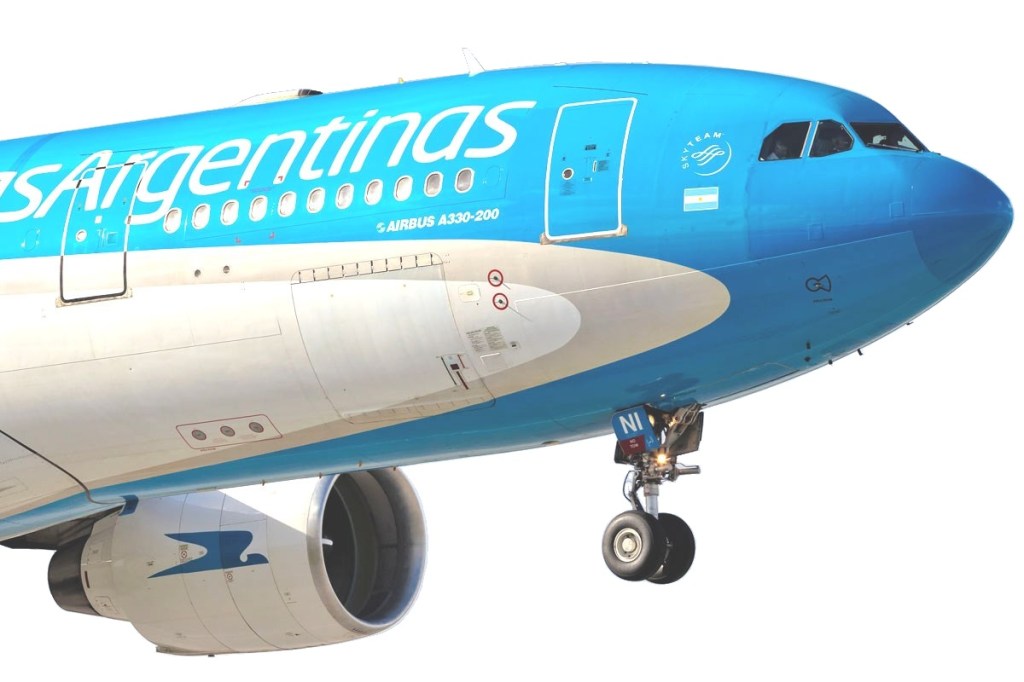



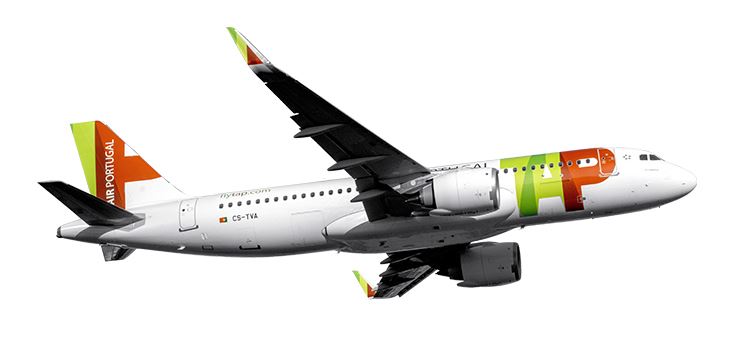
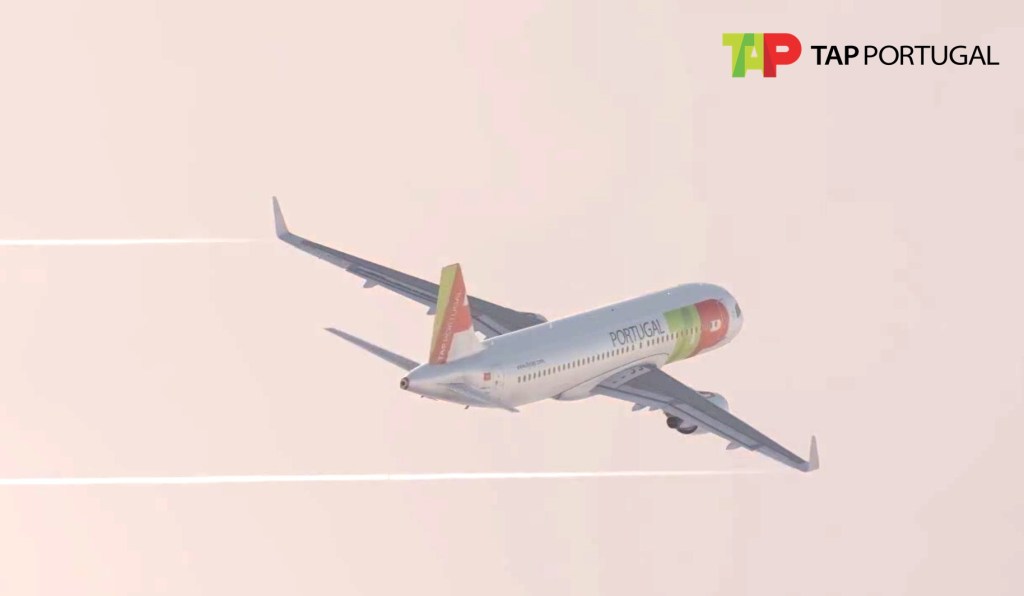

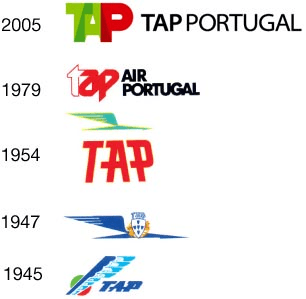

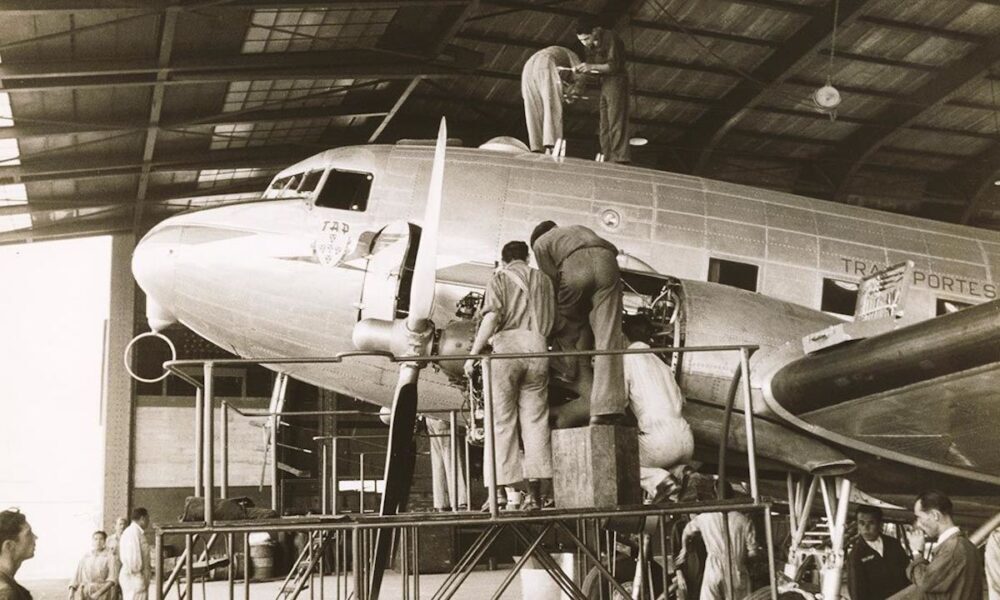
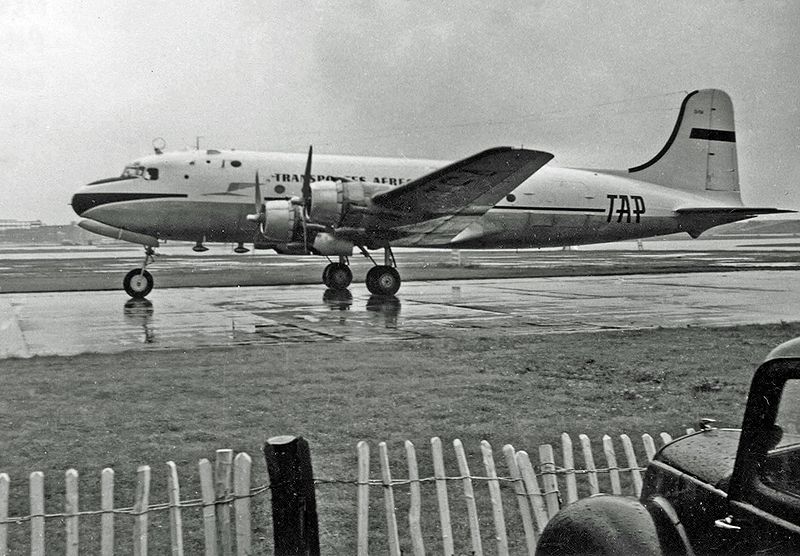
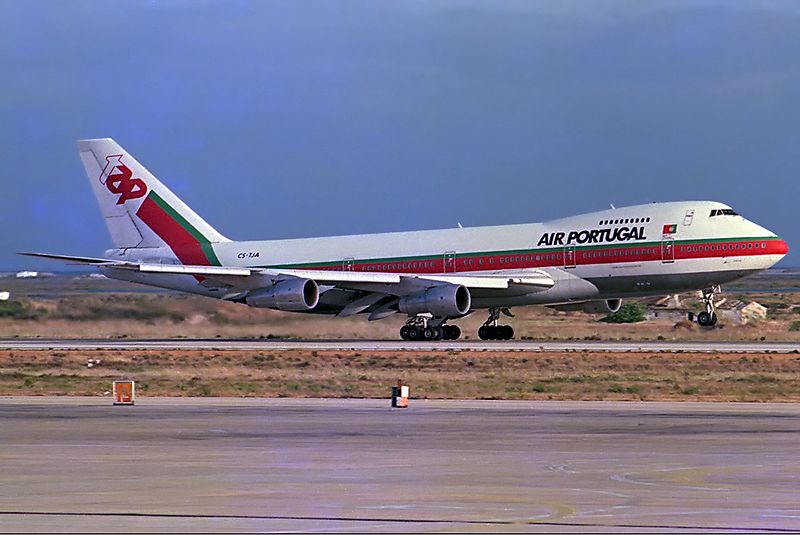

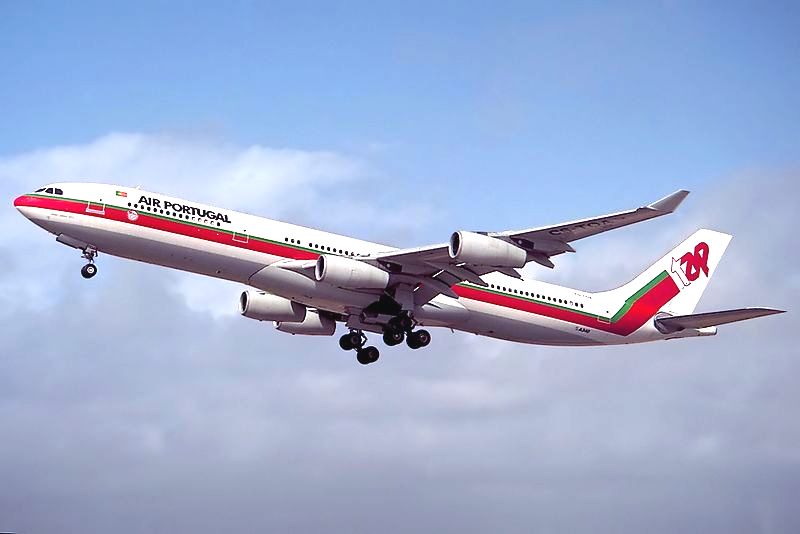
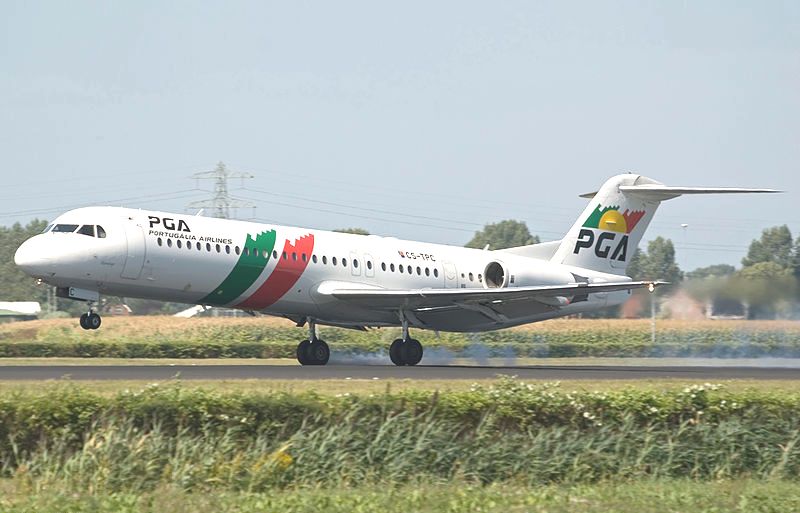
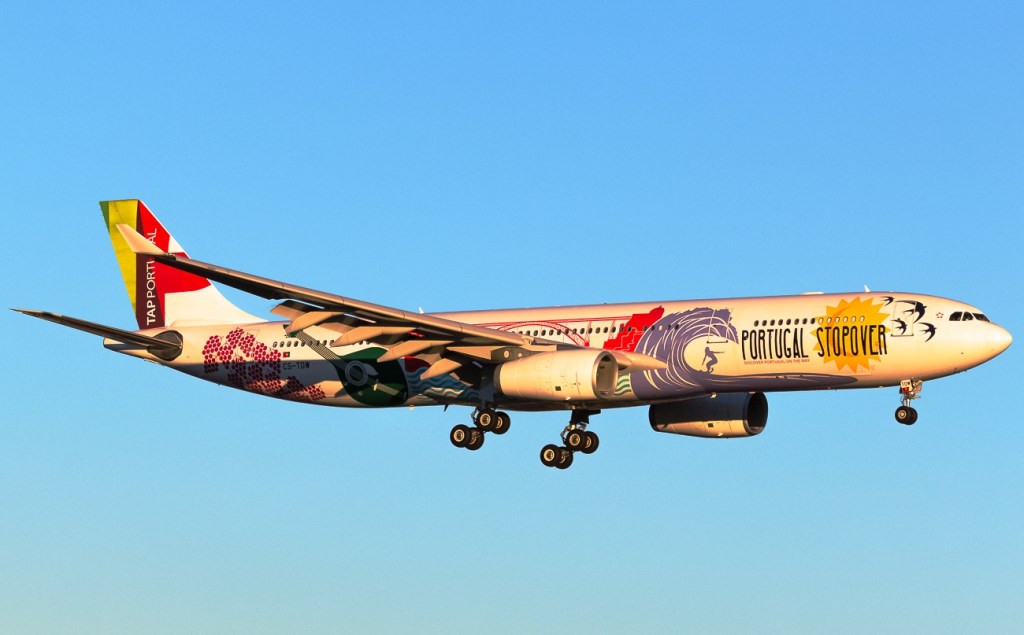
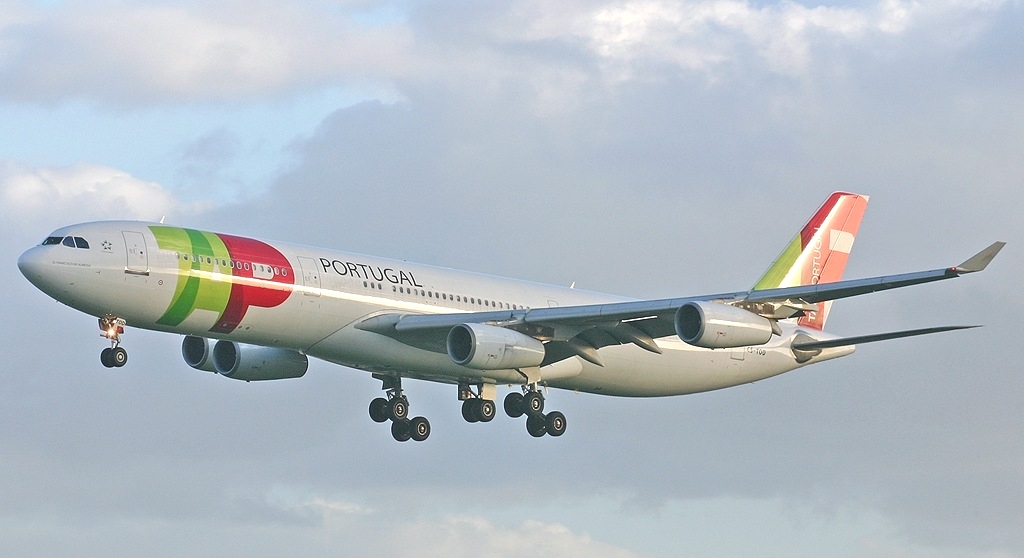
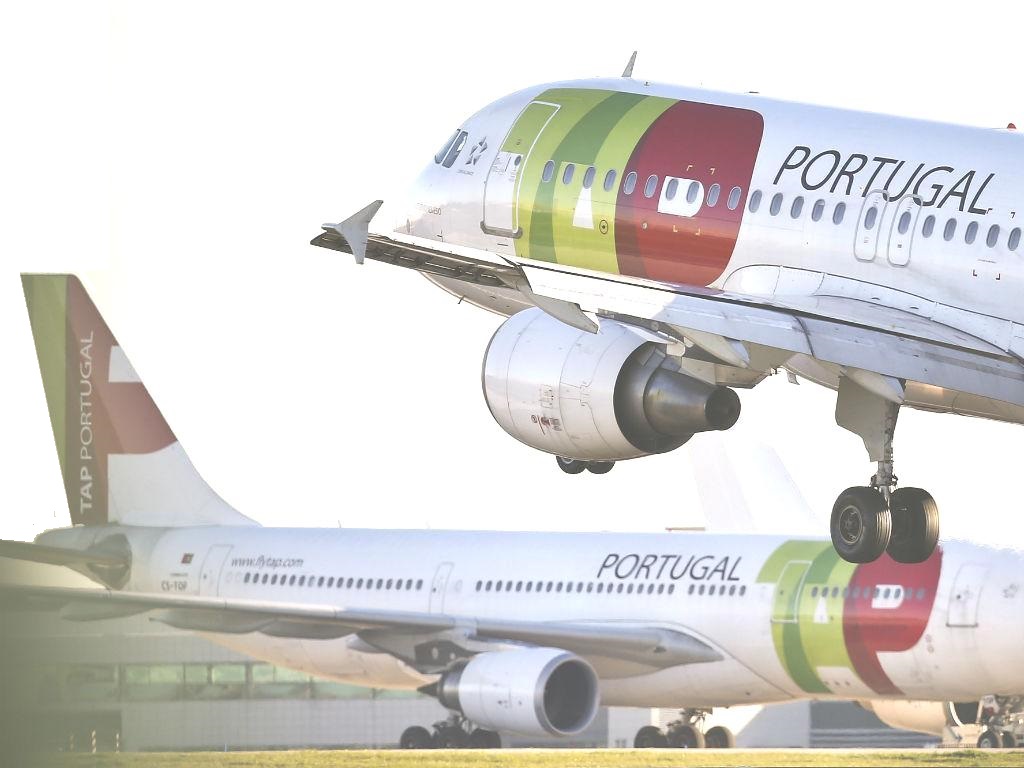
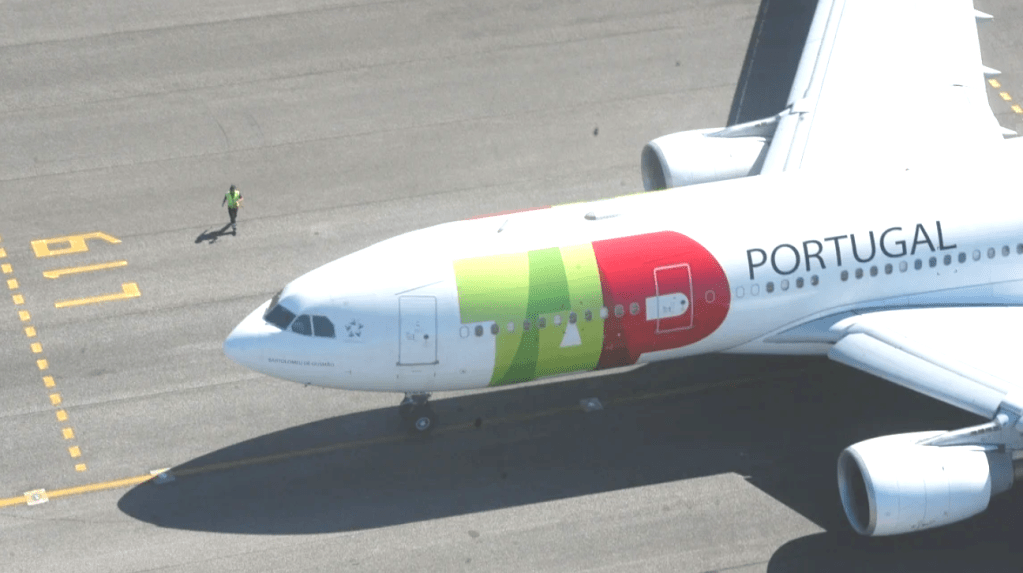
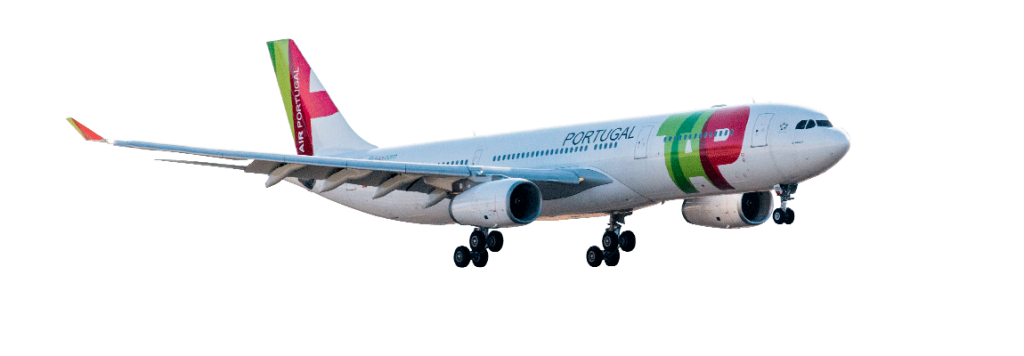
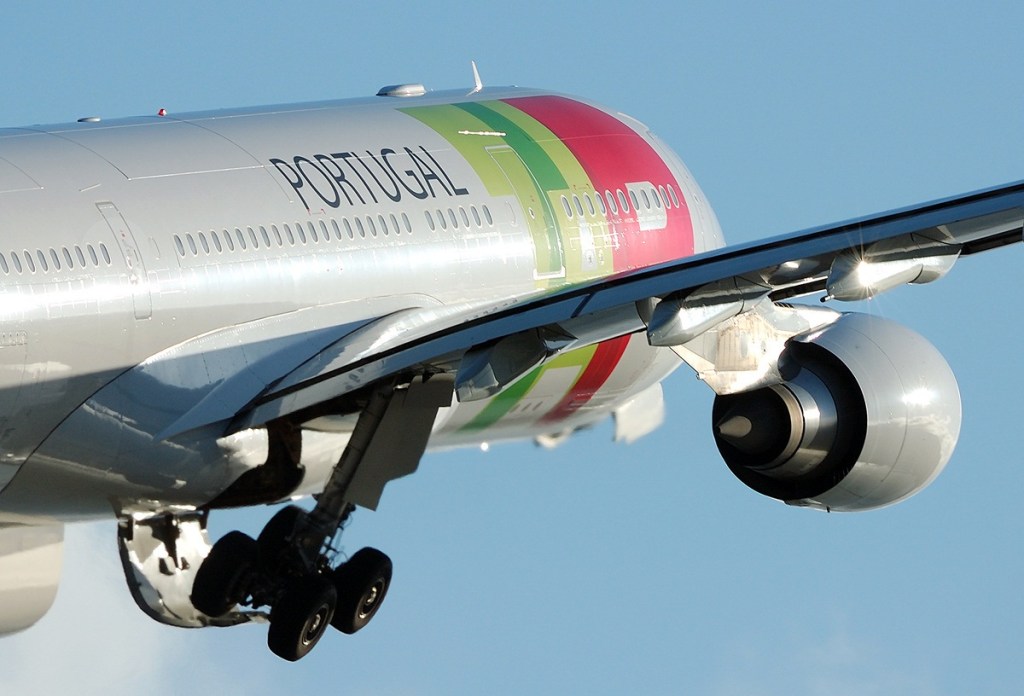
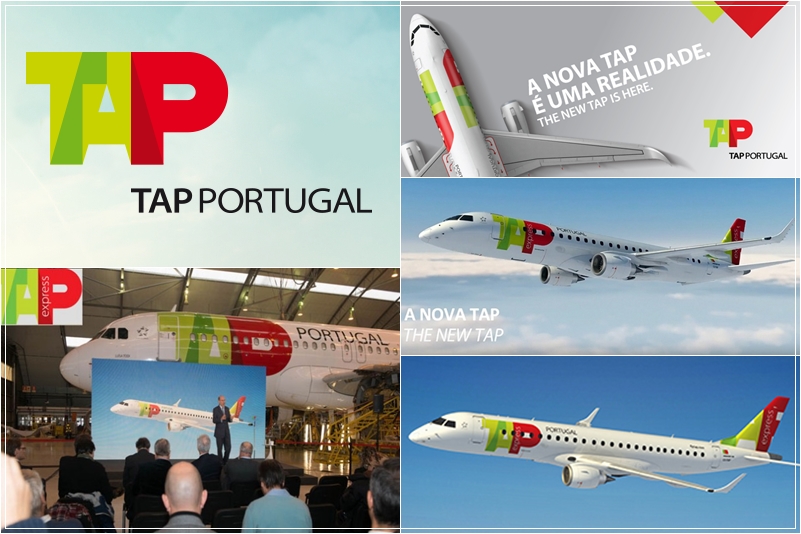
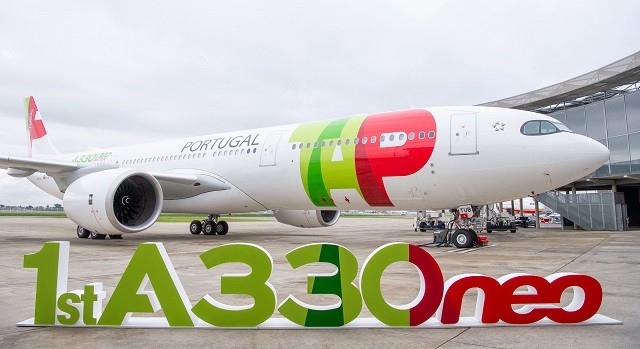
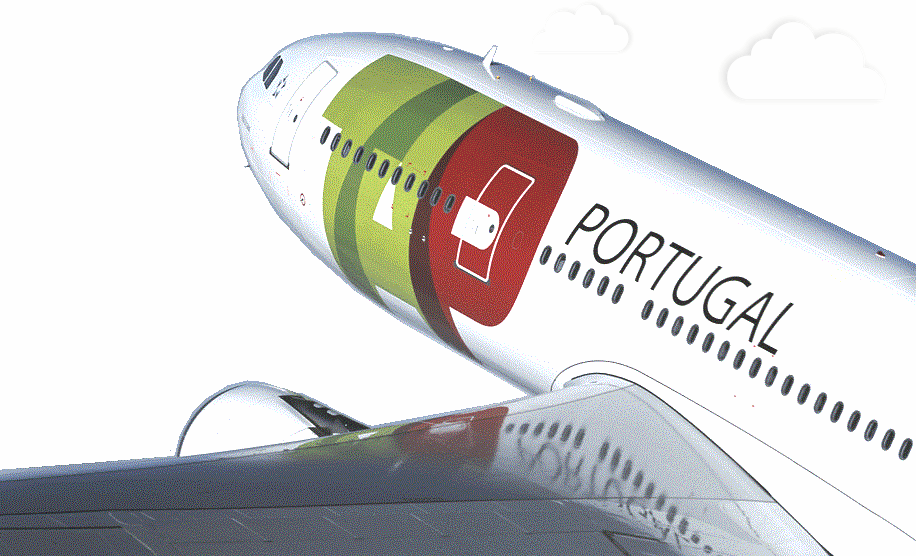

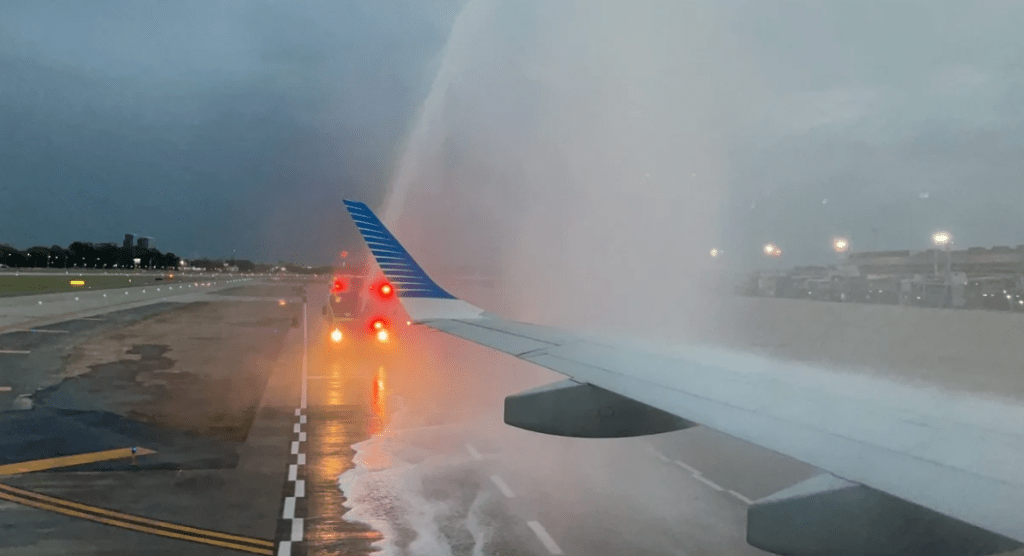

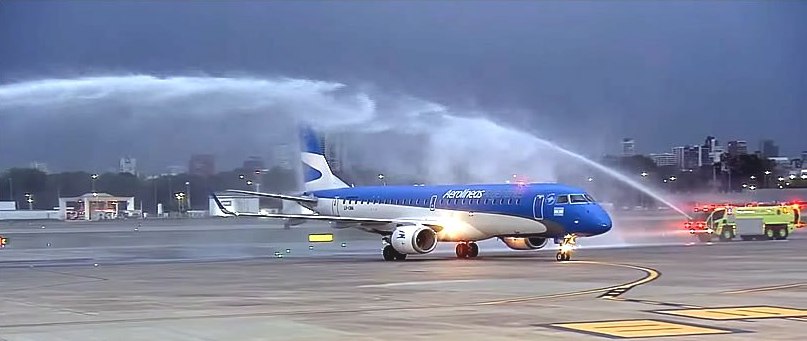
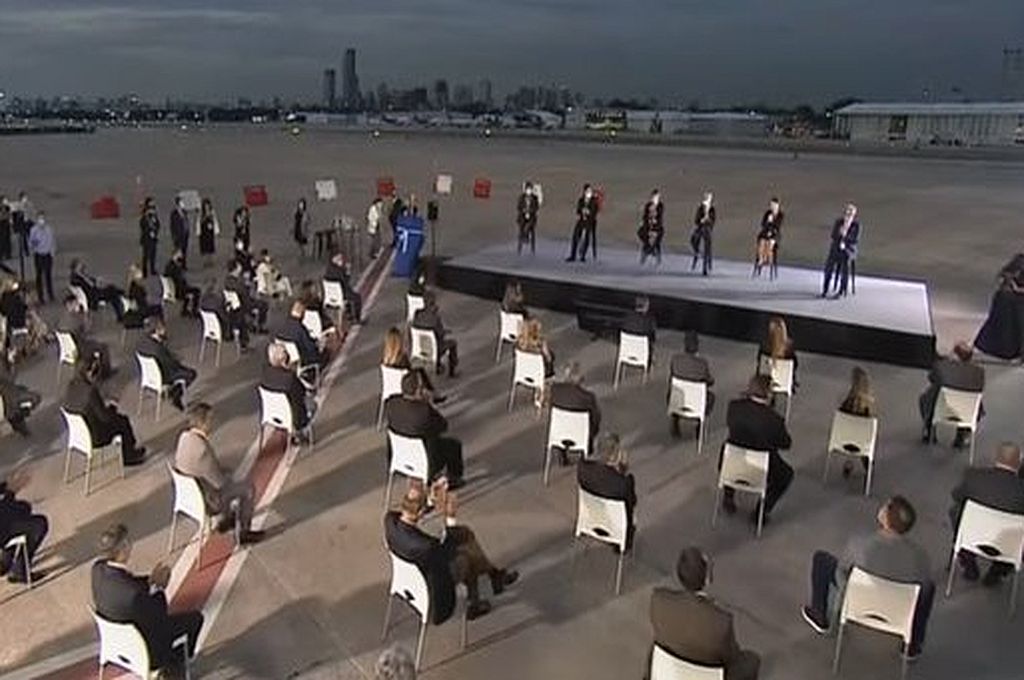

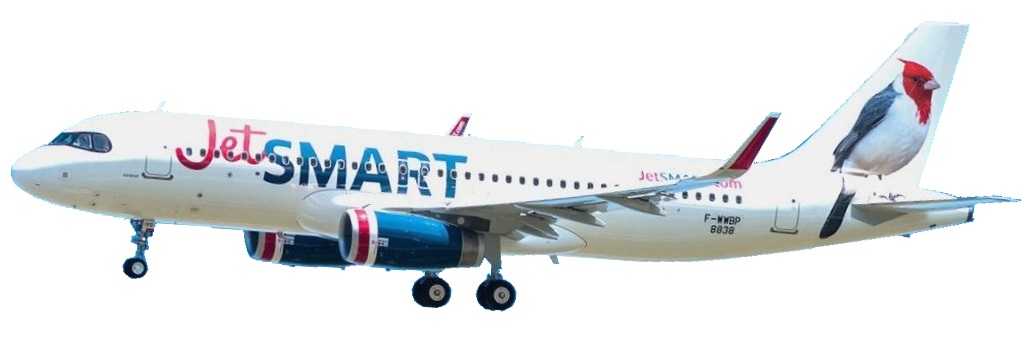
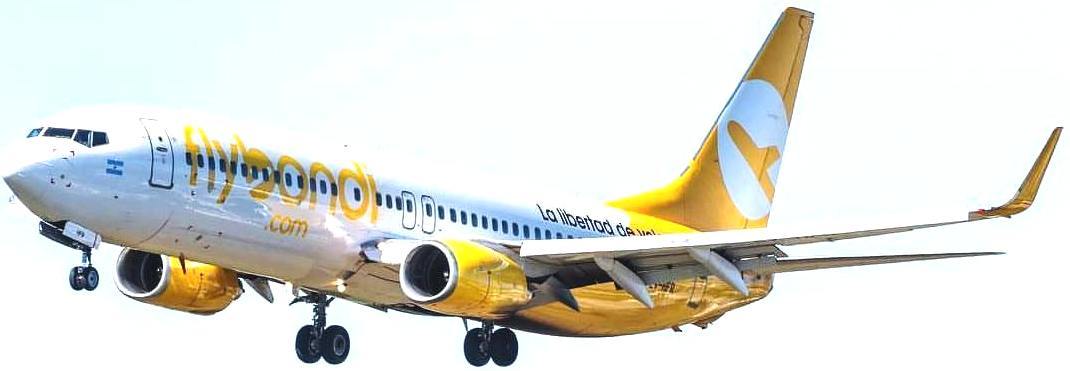
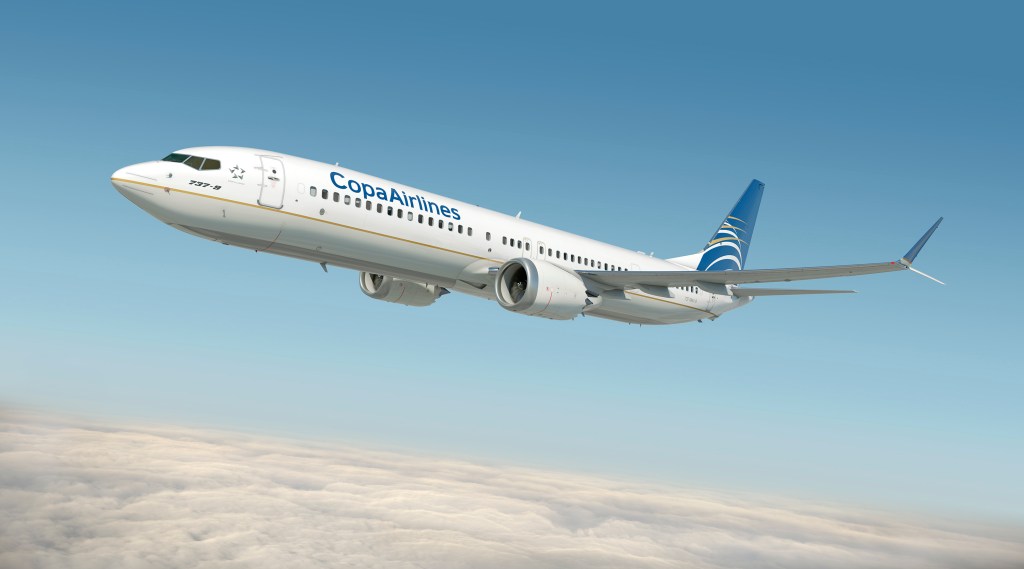
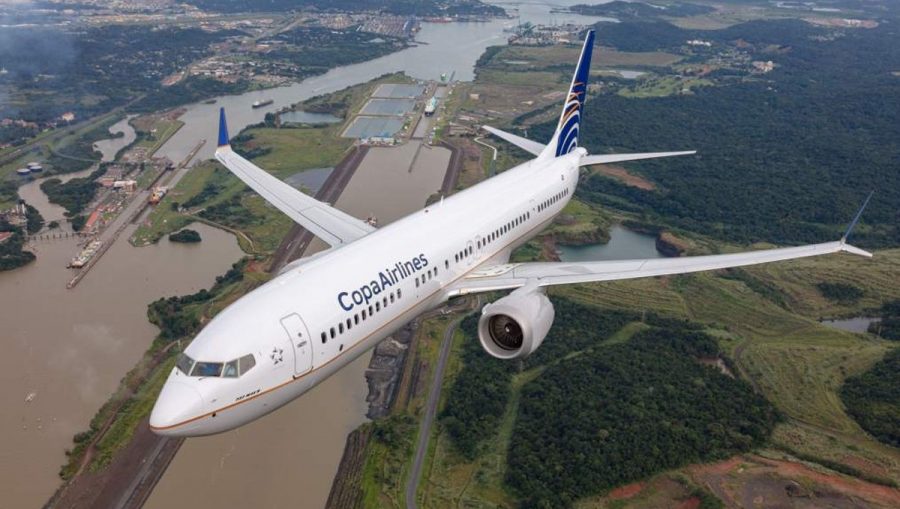
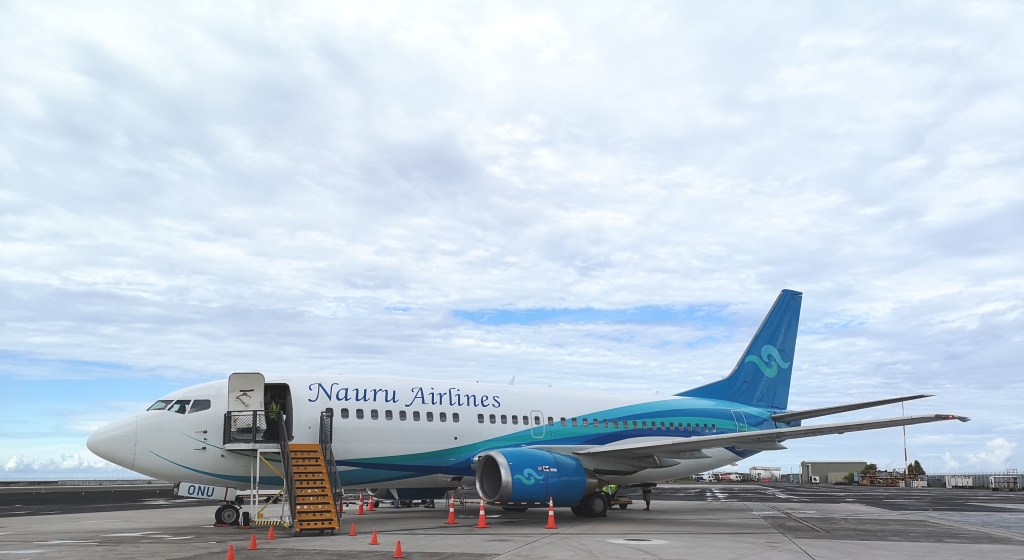
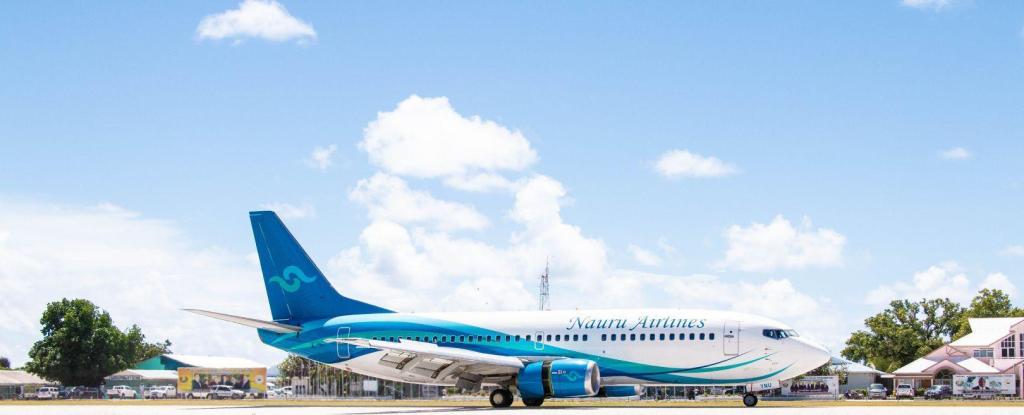
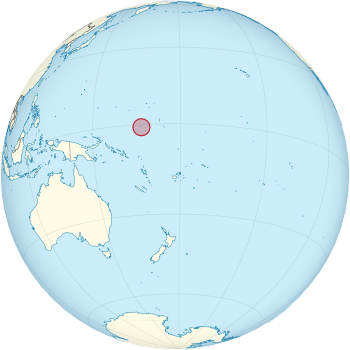

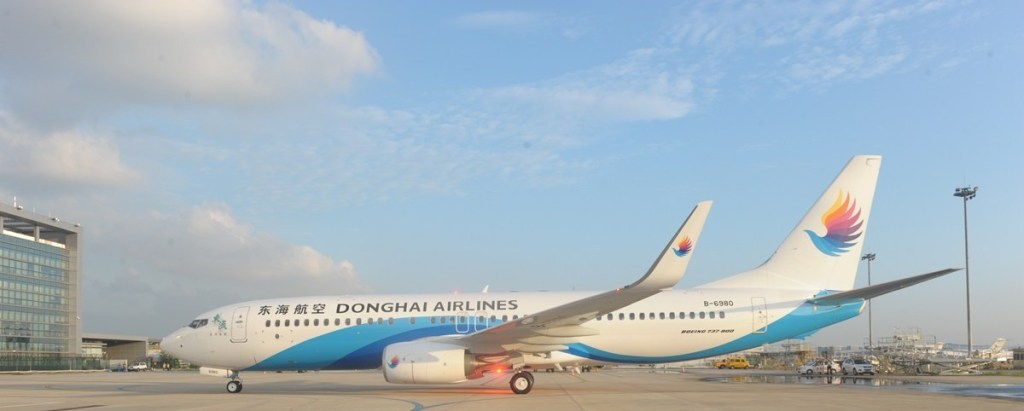

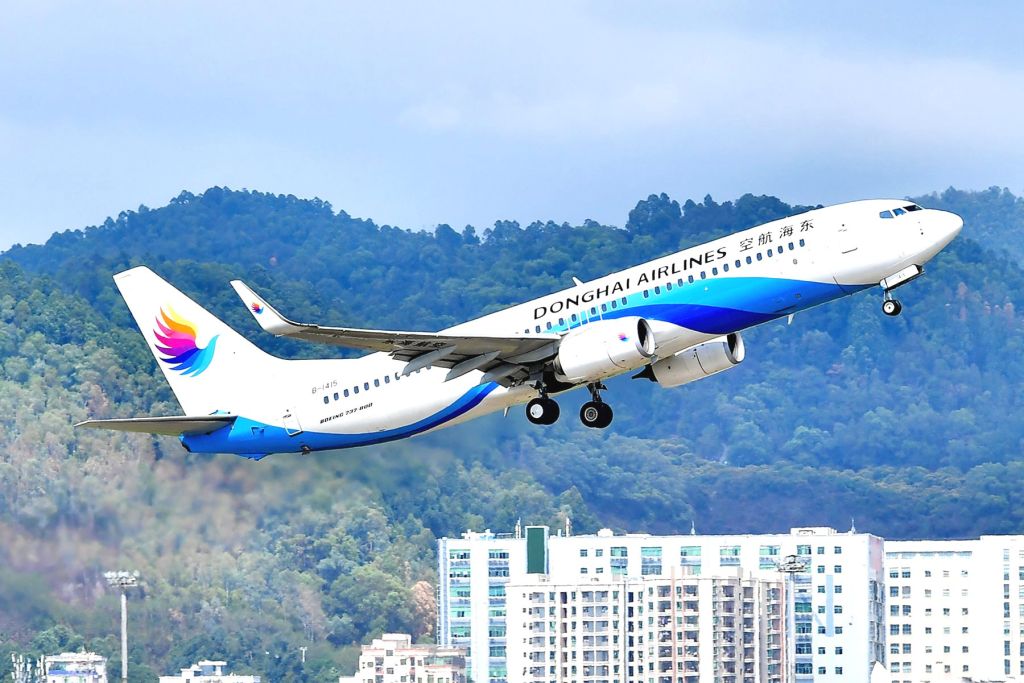
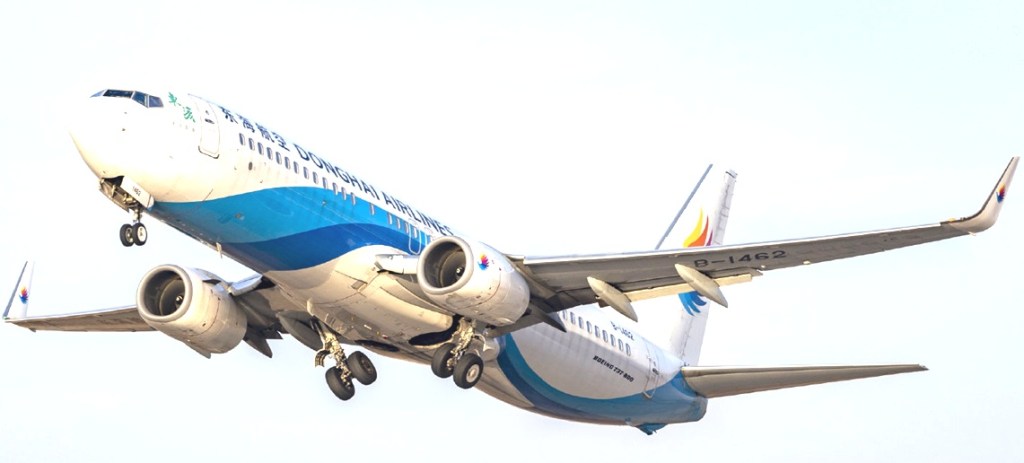

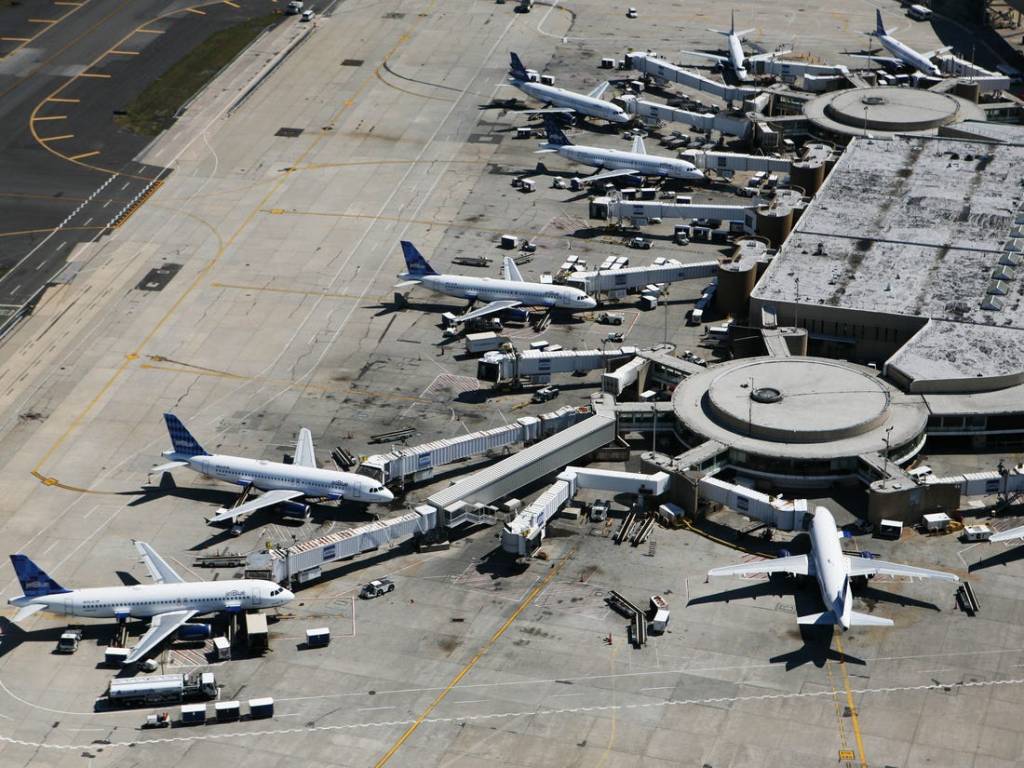
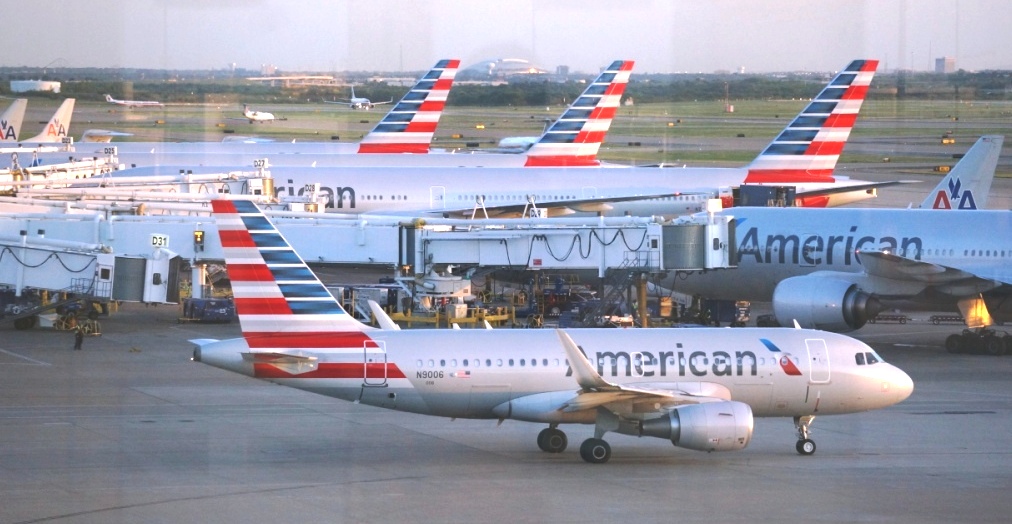
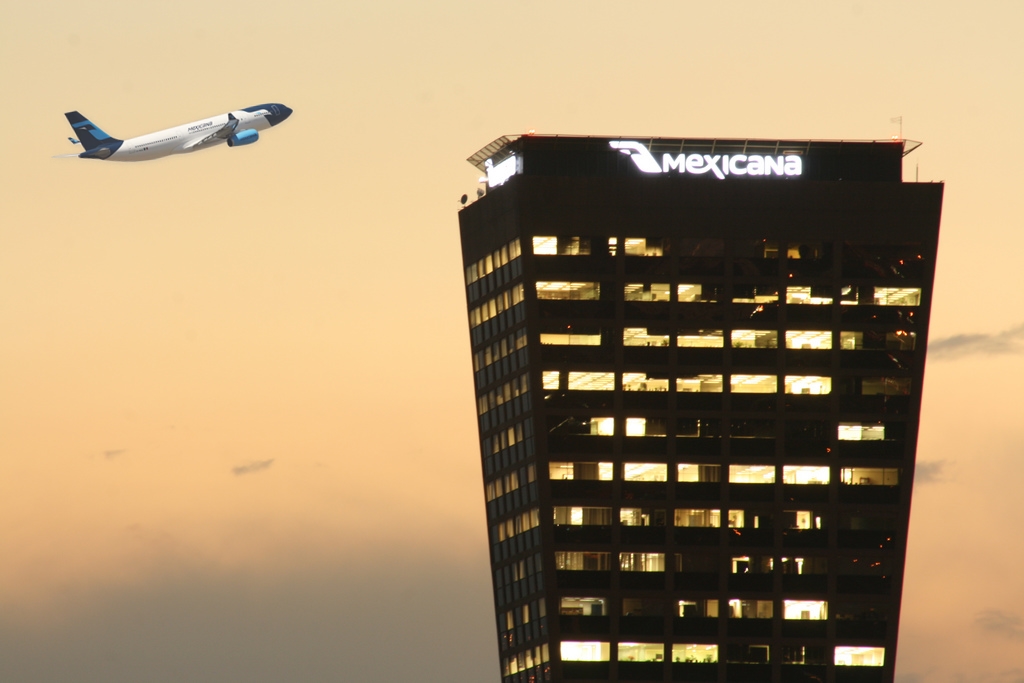

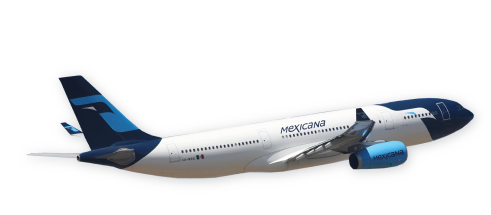



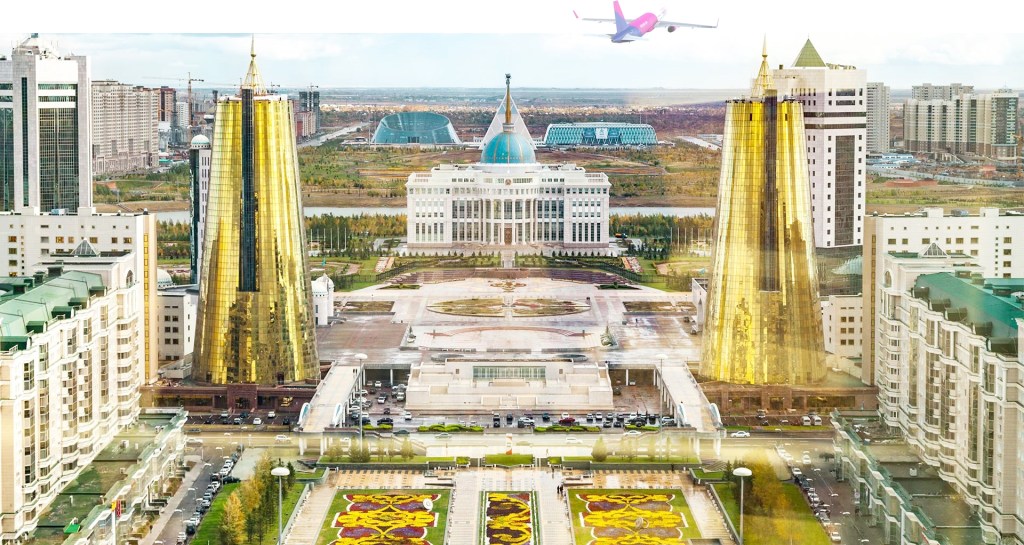


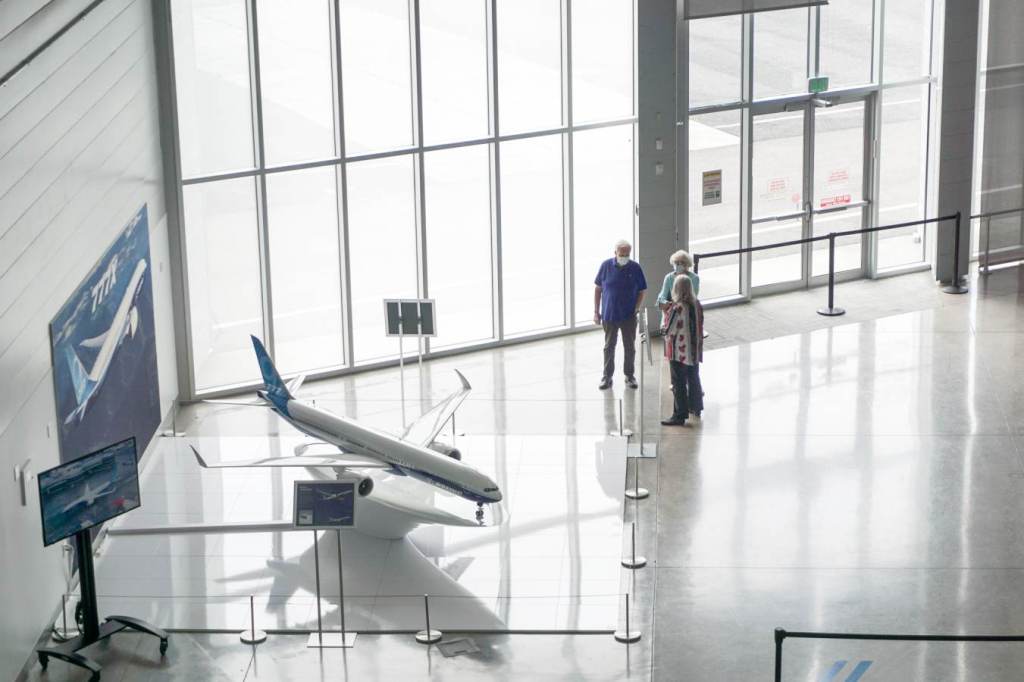

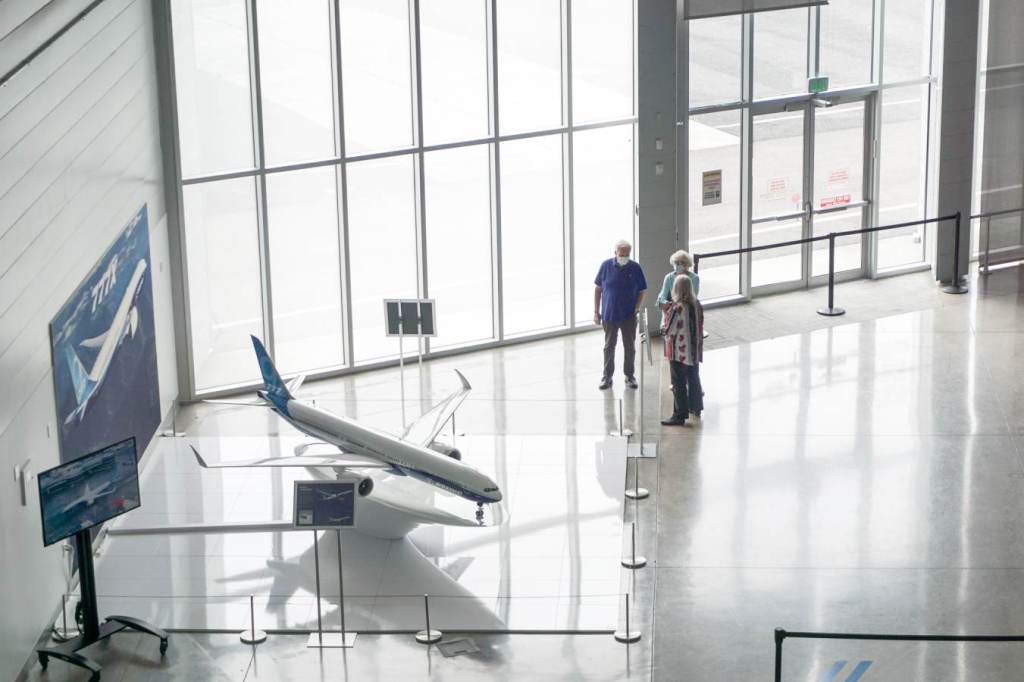
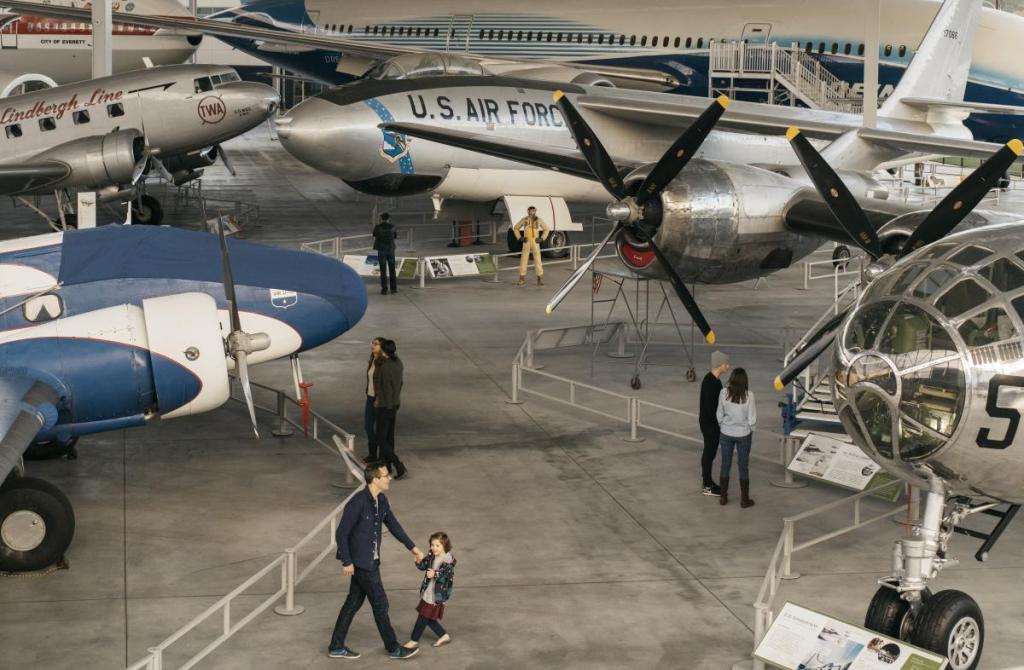

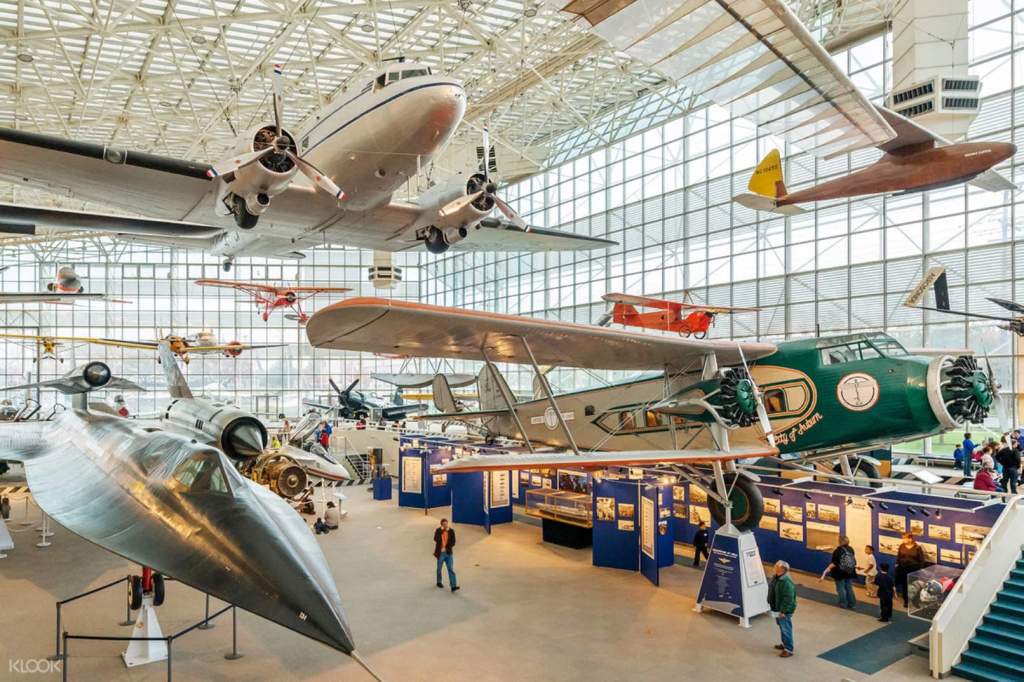


 airgways.com