AW | 2021 03 12 10:42 | AIR TRAFFIC / AIRPORTS / GOVERNMENT / AIRLINES
Máxima categoría de seguridad aérea impulsa planes de renovación
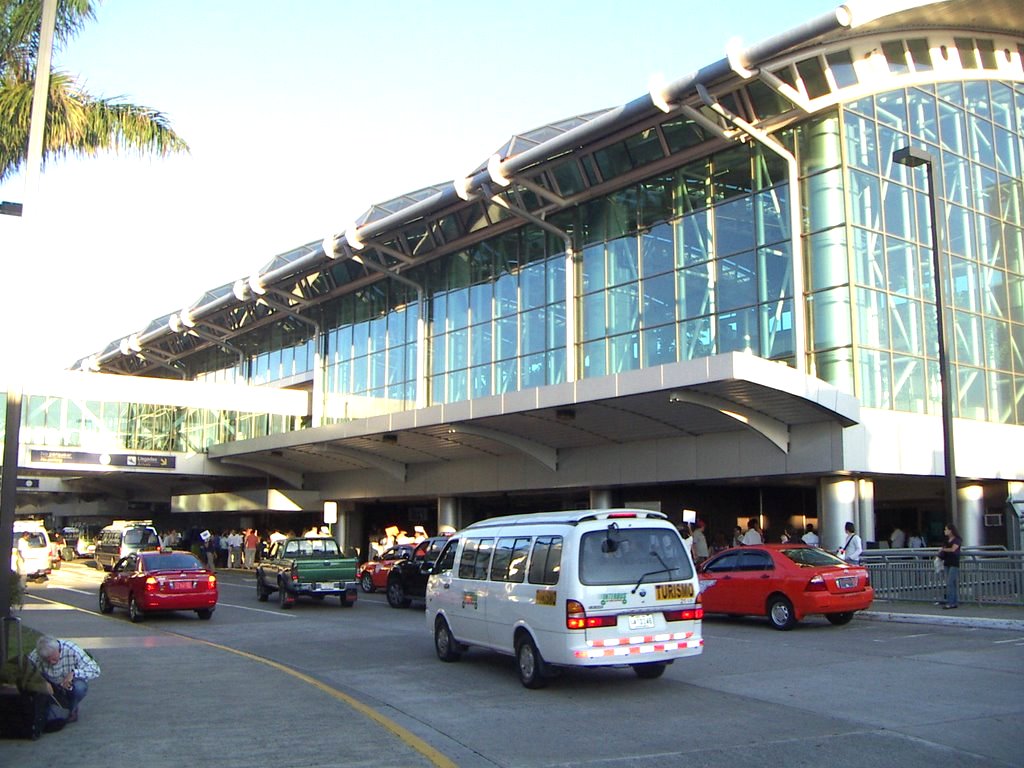
La República de Costa Rica había recuperado la máxima categoría de seguridad aérea (CAT1) el pasado 11 de Febrero de 2021 siendo una buena noticia para las aerolíneas como Avianca Airlines y Volaris Airlines, que renovaron sus planes gracias a las posibilidades que ofrece cumplir con las normas de la Organización de Aviación Civil Internacional (OACI) y la Administración Federal de Aviación (FAA) de Estados Unidos.
En el caso de la aerolínea colombiana, la Categoría 1 de la FAA les permitirá incrementar la conectividad de Costa Rica con Estados Unidos, expresó David Alemán, Director General de Avianca para México, Centroamérica y el Caribe. «La apertura de nuevas rutas por parte de Avianca dependerá del incremento de la demanda, aspecto que la empresa evalúa constantemente en todos los mercados donde opera. Respecto a nuevas rutas, por el momento, tenemos previsto el inicio de operaciones en la ruta San Salvador-Ontario (California) para julio de 2021, así como algunas rutas al interior de Colombia”, agregó David Alemán. Avianca no sufrió afectación por la baja de categoría en Costa Rica hace casi dos años, gracias a las conexiones que mantiene desde el país hacia su hub de El Salvador.
En tanto, Volaris Airlines, al igual que la colombiana, se mantiene cauteloso con la apertura de nuevas rutas y la ampliación de frecuencias, ya que mientras la demanda no crezca, sería una movida arriesgada, explicó Ronny Rodríguez, director de Relaciones Institucionales de Volaris para Centroamérica. Como parte de novedades, es la incorporación de una nueva aeronave Airbus A320NEO con capacidad para 188 pasajeros en el segundo semestre, renovación de flotilla que permite la recalificación de la seguridad aérea nacional. “Cambiar la flotilla significa una inversión importante, por lo que esta renovación también depende del comportamiento de la demanda”, expresó Ronny Rodríguez.
La recalificación de Costa Rica significa más confianza para las aerolíneas que usan el país como puerto de origen hacia los Estados Unidos, pero también facilita la atracción de nuevos operadores aéreos. “Esta recalificación dice que Costa Rica cuenta con el personal, las regulaciones y la capacitación para vigilar y certificar todas las compañías aéreas que operan aquí. Es un tema de imagen también, porque cumplir con todas las normas internacionales es una condición favorable y ventajosa frente a otros destinos”, detalló Álvaro Vargas, Director de Aviación Civil.
La máxima categoría de seguridad aérea no tiene un plazo de vigencia y está sujeta a las auditorías que realice el organismo rector. Costa Rica había sufrido el descenso de categoría el 13 de Mayo de 2019, por el atraso en el cumplimiento de una serie de enmiendas técnicas recomendadas por la OACI.
Costa Rica promotes maximum security
The highest category of aviation safety promotes renovation plans
The Republic of Costa Rica had recovered the highest category of air safety (CAT1) on February 11, 2021, being good news for airlines such as Avianca Airlines and Volaris Airlines, which renewed their plans thanks to the possibilities offered by complying with the standards of the International Civil Aviation Organization (ICAO) and the Federal Aviation Administration (FAA) of the United States.
In the case of the Colombian airline, Category 1 of the FAA will allow them to increase Costa Rica’s connectivity with the United States, said David Alemán, Avianca General Director for Mexico, Central America and the Caribbean. «The opening of new routes by Avianca will depend on the increase in demand, an aspect that the company constantly evaluates in all the markets where it operates. Regarding new routes, for the moment, we plan to start operations on the San Salvador-Ontario (California) route for July 2021, as well as some routes to the interior of Colombia», added David Alemán. Avianca was not affected by the downgrade in Costa Rica almost two years ago, thanks to the connections it maintains from the country to its hub in El Salvador.
Meanwhile, Volaris Airlines, like the Colombian, remains cautious with the opening of new routes and the expansion of frequencies, since as long as demand does not grow, it would be a risky move, explained Ronny Rodríguez, director of Institutional Relations at Volaris for Central America. As part of the novelties, it is the incorporation of a new Airbus A320NEO aircraft with capacity for 188 passengers in the second semester, renewal of the fleet that allows the requalification of national aviation security. «Changing the fleet means a significant investment, so this renewal also depends on the behavior of demand», said Ronny Rodríguez.
The requalification of Costa Rica means more confidence for airlines that use the country as a port of origin to the United States (national flag), but it also facilitates the attraction of new air operators. “This requalification says that Costa Rica has the personnel, regulations and training to monitor and certify all airlines that operate here. It is also an image issue, because complying with all international standards is a favorable and advantageous condition compared to other destinations”, explained Álvaro Vargas, Director of Civil Aviation.
The highest category of aviation security does not have a validity period and is subject to audits carried out by the governing body. Costa Rica had suffered a downgrade on May 13, 2019, due to the delay in complying with a series of technical amendments recommended by ICAO.
Aerolíneas activa Corredor Petrolero en la Patagonia
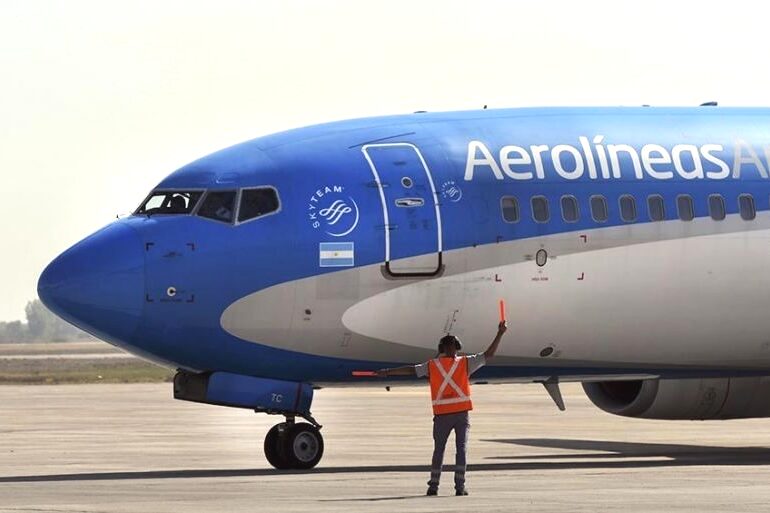
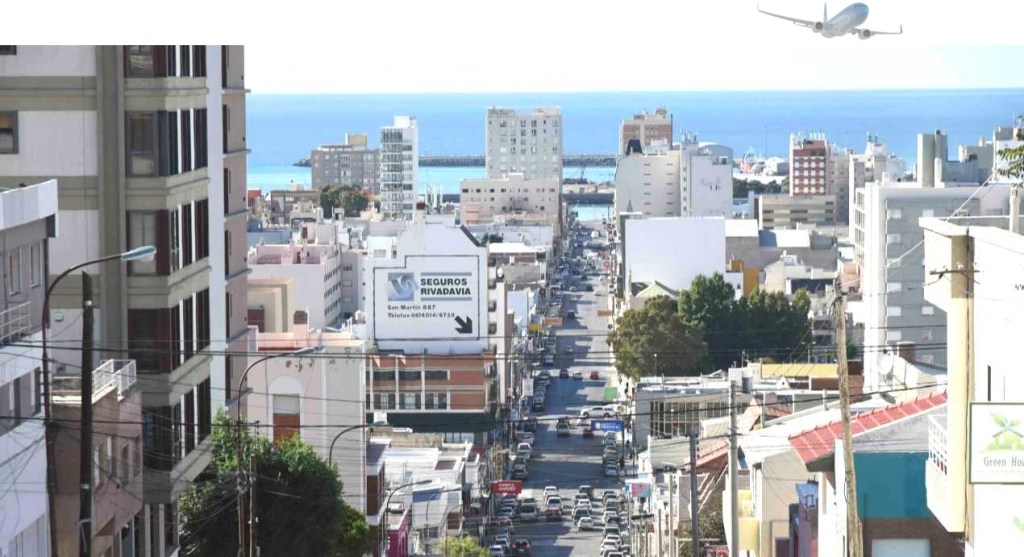
Aerolíneas Argentinas ha anunciado el comienzo en Marzo de 2021 la reactivación del denominado Corredor Petrolero que incluye los destinos del sur de la Región Patagonia uniendo desde Córdoba con Mendoza, Neuquén, Comodoro Rivadavia. El 02/03 había iniciado el primer vuelo con destino a Neuquén después de once meses de interrupción debido a la emergencia sanitaria.
Desde las gobernaciones celebraron el regreso del Corredor Petrolero, fundamental para las actividades económicas de Neuquén y Comodoro Rivadavia, sobre todo en lo relacionado con la industria hidrocarburífera, que utiliza permanentemente estas rutas aéreas. La mirada federal del Gobierno nacional muestra la determinación de recuperar los sectores comerciales tras la crisis que desató la pandemia.
Aerolíneas Argentinas cuenta con dos frecuencias semanales con estos destinos, con la posibilidad de ir sumando más vuelos en el corto y mediano plazo, de acuerdo a cómo evolucione la pandemia.
Aerolíneas starts Oil Corridor
Aerolíneas active Oil Corridor in Patagonia
Aerolíneas Argentinas has announced the start in March 2021 of the reactivation of the so-called Oil Corridor that includes the southern destinations of the Patagonia Region, linking Córdoba with Mendoza, Neuquén, and Comodoro Rivadavia. On 02/03, the first flight to Neuquén had started after eleven months of interruption due to the health emergency.
The governors celebrated the return of the Oil Corridor, fundamental for the economic activities of Neuquén and Comodoro Rivadavia, especially in relation to the hydrocarbon industry, which permanently uses these air routes. The federal gaze of the national government shows the determination to recover the commercial sectors after the crisis that unleashed the pandemic.
Aerolíneas Argentinas has two weekly frequencies with these destinations, with the possibility of adding more flights in the short and medium term, according to how the pandemic evolves.
Aeropuerto de Rio/Santos Dumont inaugura boarding 100% digital
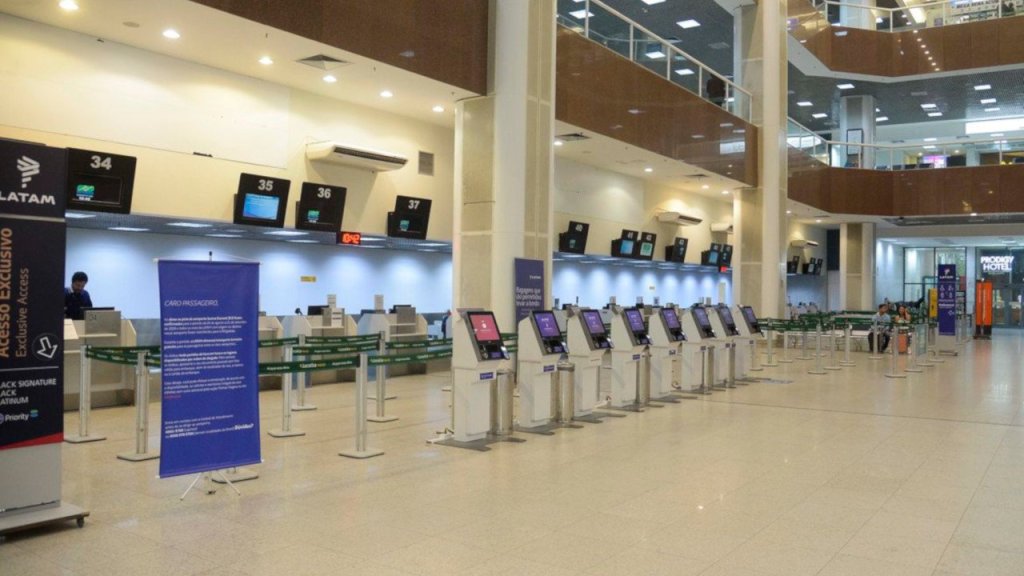
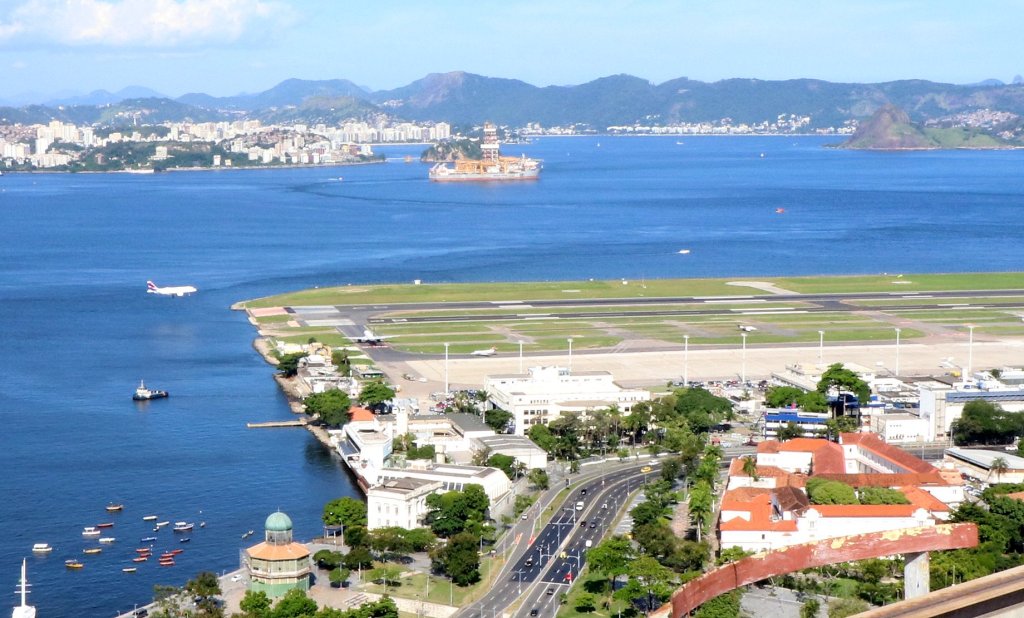
El Aeropuerto Rio/Santos Dumont ha inaugurado este Jueves 11/03 Embarque+Seguro, una tecnología totalmente digital, con el uso del reconocimiento facial, y que no requiere la presentación de la tarjeta de embarque por parte de los pasajeros. Concebida por el Ministerio de Infraestructura, se introdujo la tecnología para hacer el proceso de embarque en los aeropuertos más eficiente, ágil y seguro. El proyecto cuenta con la participación de empresas asociadas, con la colaboración de Infraero y Azul, que aseguraron el apoyo de equipos modernos necesarios para ofrecer envío automatizado en puertas electrónicas (puertas electrónicas), que se integrarán en un sistema nacional que permitirá comprobar y validar, de forma rápida y segura, la identidad del pasajero desde la intersección con diferentes bases de datos gubernamentales.
El Embarque+Segura representa un adelanto tecnológico y de bioseguridad durante todo el proceso en las terminales de embarque de los aeropuertos brasileños, el pasajero ya no tendrá que proporcionar documento ni tocar nada. Con el proyecto, la idea es que las autoridades públicas se conviertan en responsables de verificar la información de los pasajeros, desde el cruce de biometría y datos desde la base del sistema, y ya no el empleado de la aerolínea del embarque de la aeronave.
El Proyecto Embarque+Seguro es parte del proceso de digitalización de los servicios del Gobierno Federal de Brasil, que tiene como objetivo mejorar la calidad de los productos proporcionados, con menos tiempo y dinero.
«El Embarque+Seguro en Santos Dumont permitirá a Infraero comenzar a unirse a un grupo de aeropuertos que utiliza la tecnología para agilizar los procesos de embarque y garantizar la seguridad en los controles que requiere el transporte aéreo. En Santos Dumont, el tiempo de control por pasajero será de aproximadamente dos segundos y prescindirá del manejo de papeles y documentos, una medida alineada con las mejores prácticas para combatir el Covid-19, en el contexto del transporte aéreo, y que Infraero ya ha adoptado en sus aeropuertos», informó Infraero.
Santos Dumont boarding 100% digital
Rio/Santos Dumont Airport inaugurates 100% digital boarding
Rio/Santos Dumont Airport has inaugurated this Thursday 03/11 Embarque+Seguro, a totally digital technology, with the use of facial recognition, and that does not require the presentation of the boarding pass by passengers. Conceived by the Ministry of Infrastructure, technology was introduced to make the boarding process at airports more efficient, agile and safe. The project has the participation of associated companies, with the collaboration of Infraero and Azul, which ensured the support of modern equipment necessary to offer automated shipping on electronic doors (electronic doors), which will be integrated into a national system that will allow checking and validating, quickly and safely, the identity of the passenger from the intersection with different government databases.
The Embarque+Seguro represents a technological and biosafety advance during the entire process in the boarding terminals of Brazilian airports, the passenger will no longer have to provide a document or touch anything. With the project, the idea is that the public authorities become responsible for verifying the passenger information, from the crossing of biometrics and data from the base of the system, and no longer the employee of the airline boarding the aircraft.
The Embarque+Seguro Project is part of the process of digitizing the services of the Federal Government of Brazil, which aims to improve the quality of the products provided, with less time and money.
«The Embarque+Seguro in Santos Dumont will allow Infraero to start joining a group of airports that use technology to streamline boarding processes and guarantee security in the controls required by air transport. In Santos Dumont, the control time per passenger will be approximately two seconds and will dispense with the handling of papers and documents, a measure aligned with the best practices to combat Covid-19, in the context of air transport, and that Infraero has already adopted at its airports», Infraero reported.
Santos Dumont embarque 100% digital
Aeroporto Rio/Santos Dumont inaugura embarque 100% digital
O Aeroporto Rio/Santos Dumont inaugurou nesta Quinta-feira 03/11 o Embarque+Seguro, uma tecnologia totalmente digital, com uso de reconhecimento facial, e que dispensa a apresentação do cartão de embarque pelos passageiros. Idealizada pelo Ministério da Infraestrutura, a tecnologia foi introduzida para tornar o processo de embarque nos aeroportos mais eficiente, ágil e seguro. O projeto conta com a participação de empresas associadas, com a colaboração da Infraero e da Azul, que garantiram o suporte de modernos equipamentos necessários à oferta de remessa automatizada em portas eletrônicas (portas eletrônicas), que serão integradas a um sistema nacional que permitirá a verificação e validar, com rapidez e segurança, a identidade do passageiro a partir do cruzamento com diferentes bases de dados governamentais.
O Embarque+Seguro representa um avanço tecnológico e de biossegurança durante todo o processo nos terminais de embarque dos aeroportos brasileiros, o passageiro não precisará mais apresentar documento ou mexer em nada. Com o projeto, a ideia é que o poder público fique responsável por verificar as informações do passageiro, a partir do cruzamento de dados biométricos da base do sistema, e não mais o funcionário da companhia aérea que embarca na aeronave.
O Projeto Embarque+Seguro faz parte do processo de digitalização dos serviços do Governo Federal do Brasil, que visa melhorar a qualidade dos produtos prestados, com menos tempo e dinheiro.
“O Embarque+Seguro em Santos Dumont permitirá que a Infraero passe a integrar um grupo de aeroportos que utilizam tecnologia para agilizar os processos de embarque e garantir segurança nos controles exigidos pelo transporte aéreo. Em Santos Dumont, o tempo de controle por passageiro será de aproximadamente dois segundos e dispensará o manuseio de papéis e documentos, medida alinhada às melhores práticas de combate à Covid-19, no âmbito do transporte aéreo, e que a Infraero já adota em seus aeroportos”, informou a Infraero.
Compañía americana atraviesa su crisis con nuevas expectativas
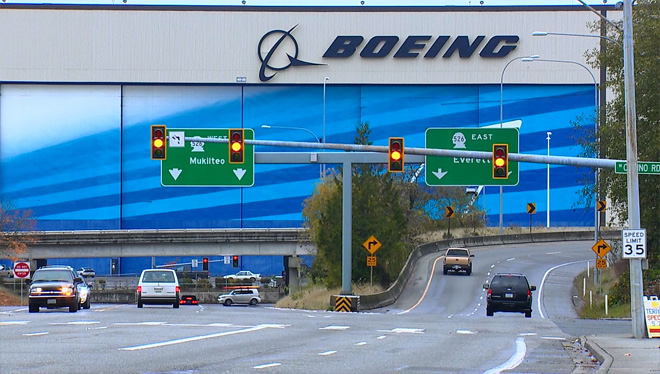
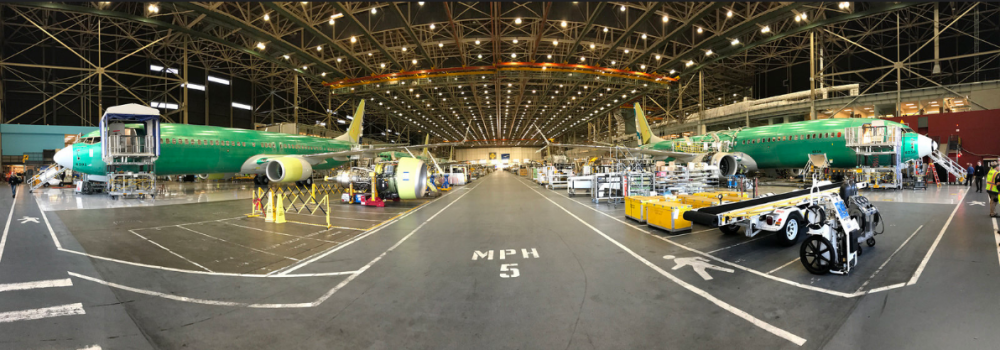
The Boeing Company ha entrado en una fase en la que todos sus principales programas de aviones han golpeado un restablecimiento y las presiones están ahí para permanecer durante bastante tiempo. Al mismo tiempo, también se observa la afluencia de pedidos que que encuentra recuperando su posición lentamente.
Aunque las expectativas de pedidos son bajas al inicio del 2021, observar los flujos de pedidos y entregas sigue siendo interesante, ya que nos da una idea de cuándo regresa la confianza en el mercado y cómo Boeing está gestionando realmente sus desafíos de entrega en los programas Boeing 737 MAX y Boeing 787. La actividad de pedidos mostró un fuerte aumento mes a mes, ya que los pedidos aumentaron de cuatro unidades a 82 unidades que consisten en 39 aviones de pasillo único y 43 aviones de fuselaje ancho. Lo interesante es que cada programa, incluido el programa Boeing 747, ha recibido pedidos concretos.
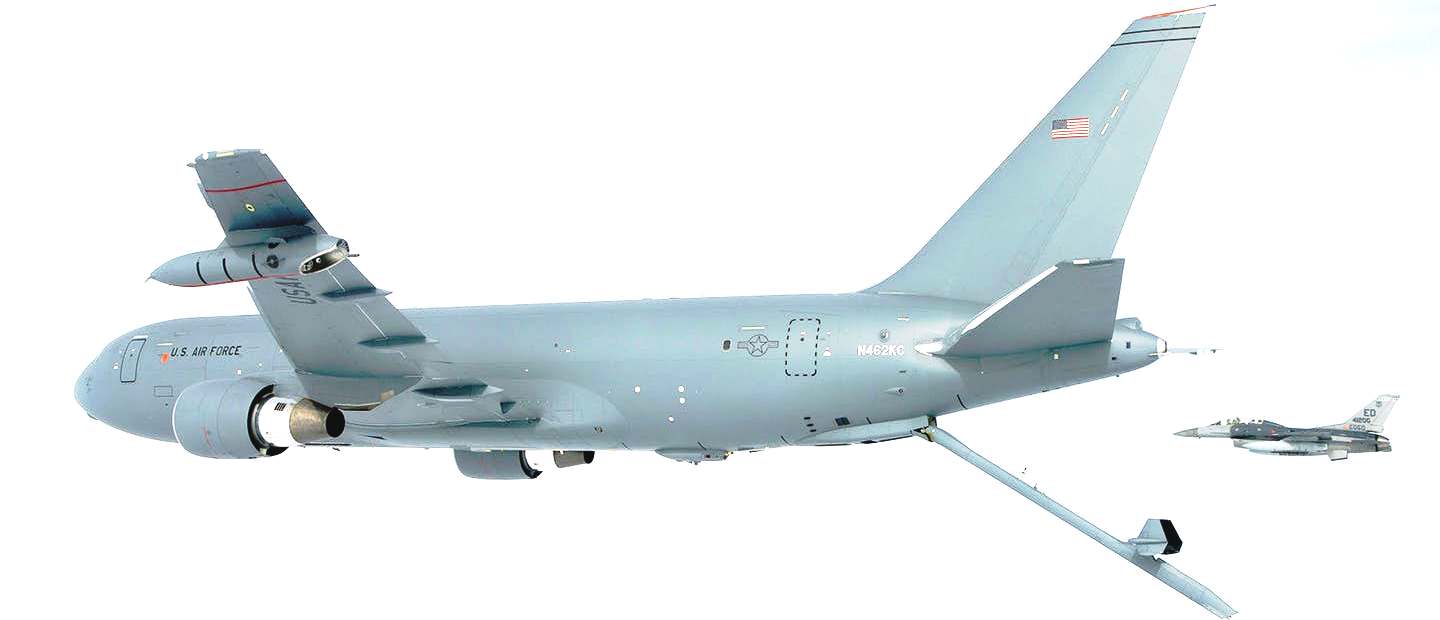
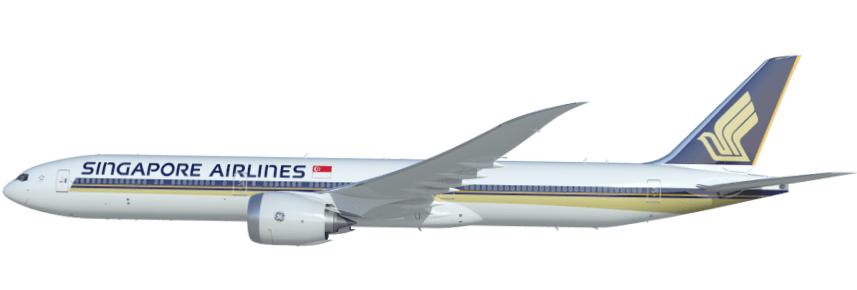
Boeing recibió los siguientes pedidos en Febrero de 2021: United Airlines ordenó Boeing 737 MAX (25), Boeing 737 MAX (14) de un cliente no especificado, Boeing 787-10 (4) de un cliente no especificado, Singapore Airlines Boeing 777-9 (11), Boeing 747-8 (1) de un cliente no especificado, KC-46A (27) programa de avión cisterna basado en el Boeing 767. Durante el mismo mes, hubo un par de cambios en el libro de pedidos: Singapore Airlines canceló pedidos de Boeing 787-10 (19). WestJet canceló pedidos de Boeing 737 MAX (15). Jackson Square Aviation canceló pedidos Boeing 737 MAX (8). Copa Airlines canceló pedidos de Boeing 737 MAX (7). Un cliente de Business Jet/VIP canceló un pedido de Boeing 737 MAX (1). BOC Aviation Limited canceló un pedido de Boeing 737 MAX (1).
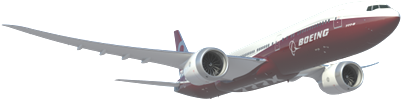
Para Boeing fue un mes bastante interesante. La compañía reservó pedidos para todos sus programas, incluyendo el Boeing 747-8. Este pedido es casi seguro que es para un Boeing 747-8 que anteriormente no fue recogido por el cliente previsto. También fue interesante la continua entrada de pedidos para el Boeing 737 MAX y un pedido para el Boeing 777X. Los 82 pedidos brutos marcan una mejora significativa con respecto a los cuatro pedidos reservados el mes pasado, los 18 pedidos reservados el año pasado en febrero y los cinco pedidos reservados en Febrero de 2019. Por lo tanto, fue un mes significativamente mejor en comparación con el mismo mes de años anteriores. Los pedidos netos del mes llegaron a 31 unidades en comparación con 28 unidades en 2020 y cinco pedidos netos en Febrero 2019. Por lo tanto, las órdenes netas parecían fuertes, pero también debemos señalar que esto fue impulsado principalmente por los 27 pedidos del avión cisterna. Por lo tanto, esto no debe ser visto como un mes de pedido fuerte para los aviones comerciales porque el recuento de pedidos netos de aeronaves comerciales era de cuatro unidades.
Lo apreciativo del mes de 02/2021 fue que United Airlines ordenó más aviones Boeing 737 MAX, probablemente como una forma de compensación, observando el retorno de la confianza de la aerolíneas con la línea Boeing 737 MAX. El pedido de Singapore Airlines para el Boeing 777X se discutió previamente, pero fue algo decepcionante ver que se cancelaron más pedidos de los anunciados inicialmente por la aerolínea, ya que Singapore Airlines canceló 19 pedidos para el Boeing 787-10 en lugar de los 14 anunciados previamente mientras ordenaba 11 aviones Boeing 777X. De un año a la fecha, los pedidos netos cambiaron de 48 en 2019 a 28 unidades en 2020 a 29 pedidos netos este año 2021. Por lo tanto, hay una frágil recuperación en los pedidos netos.
Si bien en 02/2021 el número de cancelaciones fue relativamente pequeño, hubo un gran repunte en la actividad de cancelación, ya que el recuento aumentó a 57 cancelaciones en Febrero 2021, frente a las seis de Enero 2021. Cuando las cancelaciones de Boeing 737 MAX fueron relativamente bajas el mes pasado, las bajas cifras de cancelación no eran una indicación de que las cancelaciones no aumentarían en el futuro, ya que las cancelaciones también juegan un papel en el esquema de compensación, recalibrando la flota y los planes de producción y hay muchos pedidos para los cuales existe un acuerdo de compra, pero para los cuales Boeing no espera que la entrega ocurra como se estipula en el acuerdo de compra. Durante el mes, los ajustes ASC-606, que a menudo son un preludio de la cancelación, disminuyeron en 16 unidades, eso fue conducido por Boeing 737 (5) y Boeing 777X (11). Es probable que con el pedido de Singapore Airlines, Boeing invirtiera algunos pedidos de aviones del recuento y algo similar para el Boeing 737 MAX. Para el MAX, la mejora en el recuento de ajuste ASC-606 probablemente fue impulsada por 15 pedidos de aviones de WestJet que se agregaron el año pasado siendo cancelados causando una mejora de +15 en el recuento, compensado por la adición de 10 unidades al recuento de ajuste ASC 606. Por lo tanto, lo que estamos viendo es un poco de todo, a saber, los ajustes ASC 606 se convierten en cancelaciones, se añaden nuevos ajustes y Boeing invierte alguna evaluación previa en el atraso. Interesante señalar aquí es que algunos de estos ajustes ASC-606 se han atribuido a Diciembre 2020, ya que Boeing tenía una mirada más cercana a los pedidos de Boeing 777X y algunos pedidos de Boeing 787. Hubo 54 adiciones para el Boeing 737 MAX al conteo de ajuste ASC-606, 118 para el Boeing 777X, 3 reducciones para el Boeing 747 y una para el Boeing 787. Cuando todas las mutaciones de ASC-606 para el año se convierten en rescisión de contratos, el recuento de pedidos netos de Boeing se sitúa en 34 unidades, marcando una mejora con respecto a las 11 del mes de 02/2021. Lo que aún se mantiene es que evaluando todo el atraso, quedan 937 aviones para los cuales los pedidos podrían ser cancelados. Muchos de ellos serán cancelados con el tiempo, pero algunos de estos también serán revertidos a medida que el crédito al cliente mejore. En general, como medida de un trabajo pendiente saludable, los ajustes ASC-606 deben ir a cero.
Boeing entregó 22 aviones en Febrero 2021, cuatro unidades menos en comparación con el mes de Enero 2021, pero subió 5 unidades en comparación con el año pasado: Boeing 737 (19), incluido un Boeing P-8. Poseidón, que es un avión militar basado en el Boeing 737 NG y Boeing 737 MAX (18), Boeing 767 (2), Boeing 767-300F (1) a United Parcel Service (UPS) y KC-46A Tanker (1). Boeing 777-300ER (1) a Aeroflot Russian Airlines. Boeing no entregó aviones Dreamliners o Boeing 747.
El perfil de entrega muestra ligeras mejoras en comparación con hace un año. En esta etapa, me inclino a decir que veremos mejorar el número de entregas a medida que el Boeing 737 MAX sea autorizado para el servicio en un número creciente de países, pero obviamente cómo evoluciona la demanda de viajes aéreos desde aquí también juega un papel importante. De cualquier manera, se espera que en términos de entregas Boeing lo haga mucho mejor este año, lo que debería ayudarles a reducir pasivos.
En el programa Boeing 787, todavía no hubo entregas y eso significa que Boeing se está perdiendo el efectivo de entrega debido a la evaluación de calidad en curso. En general, las entregas secuencialmente todavía no eran lo que estamos buscando. Una posible explicación podría ser que febrero es un mes corto, pero también podría apuntar a una capacidad limitada para absorber nuevos aviones en este momento, pero es demasiado pronto para decir algo al respecto con datos de apoyo sólidos.
Durante el mes, Boeing reservó 82 pedidos, mientras entregaba 22 aviones. Eso significa que la relación libro-factura fue de 3,7 en términos de unidades y de 6,0 en términos de valor. Normalmente, cualquier relación libro-factura por encima de 1 se considera saludable. Sin embargo, debemos señalar que la actual relación libro-factura no es extremadamente significativa debido a la práctica de la industria utilizando la entrada bruta de pedidos para calcular la relación, y el choque de la demanda y la dependencia del producto para el volumen es tan grande que, en un choque de la demanda o crisis, el volumen de entrega tiene un impacto, mientras que los pedidos podrían ser colocados durante un período de tiempo extremadamente largo.
Perspectivas Boeing
Boeing tuvo un buen mes de Febrero 2021 reservando pedidos netos por primera vez en mucho tiempo con entrada de pedidos en todos los programas. El Boeing 787 fue el único programa para el que las cancelaciones superaron los pedidos, pero eso no fue una sorpresa, aunque el alcance de las cancelaciones de Singapore Airlines fue ligeramente superior al previsto, aunque también hubo pedidos compensadores para el Boeing 787-10 que trajeron de vuelta las cancelaciones en línea con lo que se esperaba que posiblemente también se colocara por la aerolínea.
En el Programa 737 MAX se está observando pedidos continuos, pero también cancelaciones continuas que es parte de la reestructuración de la reserva de pedidos y discusiones continuas con los clientes para evaluar de qué manera se dará una compensación. Las cancelaciones no se consideran algo bueno, pero en este momento creo que ofrecen una manera muy agradable de hacer compromisos de compensación y equilibrio en tiempos inciertos. Lo que aún debe tenerse en cuenta es que el KC-46A representó casi el 90% de la entrada neta de pedidos durante el mes, por lo que no hay fuertes signos de confianza en el mercado que respalde los altos pedidos netos positivos.
Por el lado de la entrega, se ha observado una ligera contracción en las entregas del 737 MAX y el número total de entregas que podría deberse a que febrero es un mes corto y espero ver el ritmo de las entregas aumentar a medida que el MAX gana aprobación en más y más países y esperaría que deberíamos ver un repunte más fuerte en las entregas pronto, pero mucho va a depender realmente de lo fuerte que será la demanda durante el verano boreal. Actualmente el Boeing 737 MAX es un buen avión para tomar la entrega de porque es un avión nuevo que las aerolíneas pueden tomar la entrega de mientras que el pago cerca de nada para él en la entrega y espero que proporcionará alguna base para reducir los inventarios de Boeing en el futuro, mientras que también se compromete a las entregas para apoyar los niveles de producción más altos.
Con estas perspectivas hacia el futuro, la compañía americana parece retomar el horizonte con más compromiso, reajustando los problemas internos de la industria y al mismo tiempo atravesando la tormenta de la pandemia que ha repensado la manera de trabajar en la filosofía de Boeing, una lección amarga pero con tintes positivos hacia el futuro próximo.
Boeing piloting changes
American company goes through its crisis with new expectations
The Boeing Company has entered a phase where all of its major aircraft programs have hit a reset and the pressures are there to stay for quite some time. At the same time, the influx of orders is also observed, which is slowly recovering its position.
Although order expectations are low at the start of 2021, looking at order and delivery flows is still interesting, as it gives us an idea of when market confidence returns and how Boeing is actually managing its delivery challenges on schedules. Boeing 737 MAX and Boeing 787. Order activity showed a strong month-over-month increase, as orders increased from four units to 82 units consisting of 39 single-aisle aircraft and 43 wide-body aircraft. The interesting thing is that each program, including the Boeing 747 program, has received specific orders.
Boeing received the following orders in February 2021: United Airlines ordered Boeing 737 MAX (25), Boeing 737 MAX (14) from unspecified customer, Boeing 787-10 (4) from unspecified customer, Singapore Airlines Boeing 777-9 (11), Boeing 747-8 (1) from an unspecified customer, KC-46A (27) tanker program based on the Boeing 767. During the same month, there were a couple of changes to the order book: Singapore Airlines canceled orders for Boeing 787-10 (19). WestJet canceled orders for Boeing 737 MAXs (15). Jackson Square Aviation canceled Boeing 737 MAX (8) orders. Copa Airlines canceled orders for Boeing 737 MAXs (7). A Business Jet/VIP customer canceled an order for a Boeing 737 MAX (1). BOC Aviation Limited canceled an order for Boeing 737 MAX (1).
It was an interesting month for Boeing. The company booked orders for all of its programs, including the Boeing 747-8. This order is almost certainly for a Boeing 747-8 that was previously not picked up by the intended customer. Also interesting was the continued order intake for the Boeing 737 MAX and an order for the Boeing 777X. The 82 gross orders mark a significant improvement over the four orders booked last month, the 18 orders booked last year in February, and the five orders booked in February 2019. Thus, it was a significantly better month compared to the same month in previous years. Net orders for the month came in at 31 units compared to 28 units in 2020 and five net orders in February 2019. Therefore, net orders looked strong, but we should also note that this was mainly driven by 27 orders for the tanker. Therefore, this should not be viewed as a strong order month for commercial aircraft because the net order count for commercial aircraft was four units.
The appreciation of the month of 02/2021 was that United Airlines ordered more Boeing 737 MAX aircraft, probably as a form of compensation, observing the return of the confidence of the airlines with the Boeing 737 MAX line. Singapore Airlines’ order for the Boeing 777X was previously discussed, but it was somewhat disappointing to see more orders canceled than initially announced by the airline, as Singapore Airlines canceled 19 orders for the Boeing 787-10 instead of the 14 announced. previously while ordering 11 Boeing 777X aircraft. From one year to date, net orders changed from 48 in 2019 to 28 units in 2020 to 29 net orders this year 2021. Therefore, there is a fragile recovery in net orders.
While on 02/2021 the number of cancellations was relatively small, there was a big spike in cancellation activity, as the count increased to 57 cancellations in February 2021, up from January 6, 2021. When Boeing 737 cancellations MAX were relatively low last month, the low cancellation figures were not an indication that cancellations would not increase in the future, as cancellations also play a role in the compensation scheme, recalibrating the fleet and production plans and there are many orders for which there is a purchase agreement, but for which Boeing does not expect delivery to occur as stipulated in the purchase agreement. During the month, ASC-606 adjustments, which are often a prelude to cancellation, decreased by 16 units, that was led by Boeing 737 (5) and Boeing 777X (11). It is likely that with the Singapore Airlines order, Boeing reversed some aircraft orders from the count and something similar for the Boeing 737 MAX. For the MAX, the ASC-606 trim count improvement was likely driven by 15 WestJet aircraft orders added last year being canceled causing a +15 count improvement, offset by the addition of 10 units to the ASC 606 trim count. So what we’re looking at is a bit of everything, namely ASC 606 trims are converted to cancellations, new trims are added, and Boeing reverses some prior assessment on the backlog. Interesting to note here is that some of these ASC-606 adjustments have been attributed to December 2020, as Boeing had a closer look at the Boeing 777X orders and some Boeing 787 orders. There were 54 additions for the Boeing 737 MAX to the count. adjustment schedule ASC-606, 118 for the Boeing 777X, 3 reductions for the Boeing 747, and one for the Boeing 787. When all ASC-606 mutations for the year become contract terminations, Boeing’s net order count It stands at 34 units, marking an improvement over the 11 of 02/2021. What still remains is that evaluating all the backlog, there are 937 aircraft for which orders could be canceled. Many of them will be canceled over time, but some of these will also be reversed as customer credit improves. In general, as a measure of healthy backlog, the ASC-606 settings should go to zero.
Boeing delivered 22 aircraft in February 2021, four units less compared to January 2021, but it was up 5 units compared to last year: Boeing 737s (19), including a Boeing P-8. Poseidon, which is a military aircraft based on the Boeing 737 NG and Boeing 737 MAX (18), Boeing 767 (2), Boeing 767-300F (1) a United Parcel Service (UPS) and KC-46A Tanker (1). Boeing 777-300ER (1) to Aeroflot Russian Airlines. Boeing did not deliver Dreamliners or Boeing 747s.
The delivery profile shows slight improvements compared to a year ago. At this stage, I am inclined to say that we will see the number of deliveries improve as the Boeing 737 MAX is cleared for service in an increasing number of countries, but obviously how the demand for air travel evolves from here also plays an important role. Either way, in terms of deliveries Boeing is expected to do much better this year, which should help them reduce liabilities.
On the Boeing 787 program, there were no deliveries yet and that means Boeing is missing delivery cash due to ongoing quality assessment. In general, the sequential deliveries were still not what we were looking for. One possible explanation could be that February is a short month, but it could also point to a limited capacity to absorb new jets at the moment, but it is too early to say anything about it with solid supporting data.
During the month, Boeing booked 82 orders, while delivering 22 planes. That means that the book-invoice ratio was 3.7 in terms of units and 6.0 in terms of value. Normally, any book-invoice ratio above 1 is considered healthy. However, it should be noted that the current book-invoice relationship is not extremely significant due to industry practice using gross order intake to calculate the relationship, and the demand shock and product dependency for volume is so large that, in a demand shock or crisis, delivery volume has an impact, while orders could be placed over an extremely long period of time.
Boeing perespectives
Boeing had a good month of February 2021 booking net orders for the first time in a long time with order entry across all programs. The Boeing 787 was the only program for which cancellations exceeded orders, but that was not a surprise, although the scope of cancellations from Singapore Airlines was slightly higher than anticipated, although there were compensating orders for the Boeing 787-10 as well. They brought back cancellations in line with what was expected to possibly be placed by the airline as well.
In the 737 MAX Program, continuous orders are being observed, but also continuous cancellations that is part of the restructuring of the order reserve and continuous discussions with clients to evaluate how compensation will be given. Cancellations are not considered a good thing, but right now I think they offer a very nice way to make compensation and balancing commitments in uncertain times. What still needs to be noted is that the KC-46A accounted for almost 90% of the net order inflow for the month, so there are no strong signs of market confidence to support the high positive net orders.
On the delivery side, there has been a slight contraction in 737 MAX deliveries and the total number of deliveries which could be due to February being a short month and I expect to see the pace of deliveries increase as the MAX gains. approval in more and more countries and I would hope that we should see a stronger pickup in deliveries soon, but a lot is really going to depend on how strong demand will be during the summer. Currently the Boeing 737 MAX is a good aircraft to take delivery of because it is a new aircraft that airlines can take delivery of while paying close to nothing for it on delivery and I hope it will provide some basis to reduce inventories of Boeing in the future, while also committing to deliveries to support higher production levels.
With these prospects for the future, the American company seems to return to the horizon with more commitment, readjusting the internal problems of the industry and at the same time going through the storm of the pandemic that has rethought the way of working in the Boeing philosophy, a bitter lesson but with positive overtones towards the near future.
Itapemirim Linhas Aéreas anuncia públicamente su librea
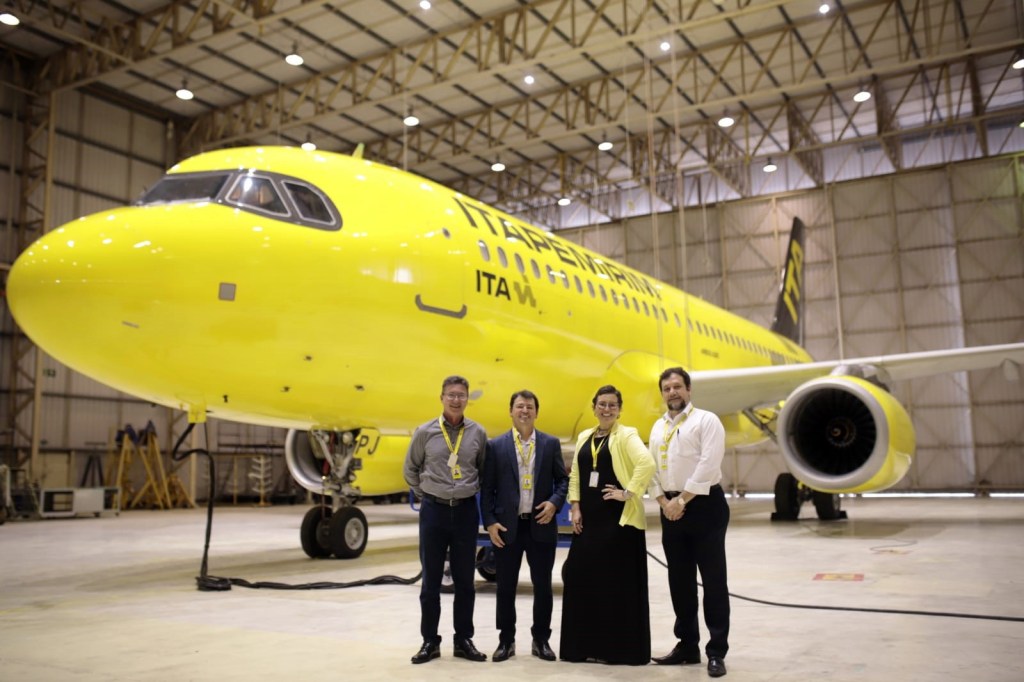
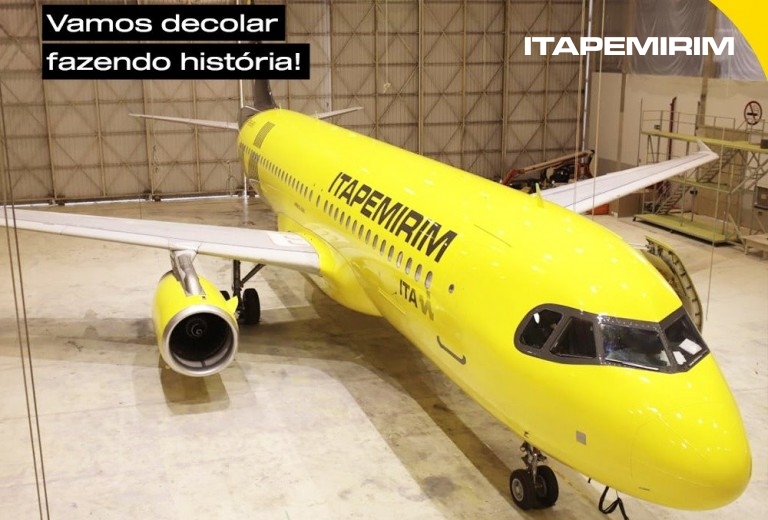
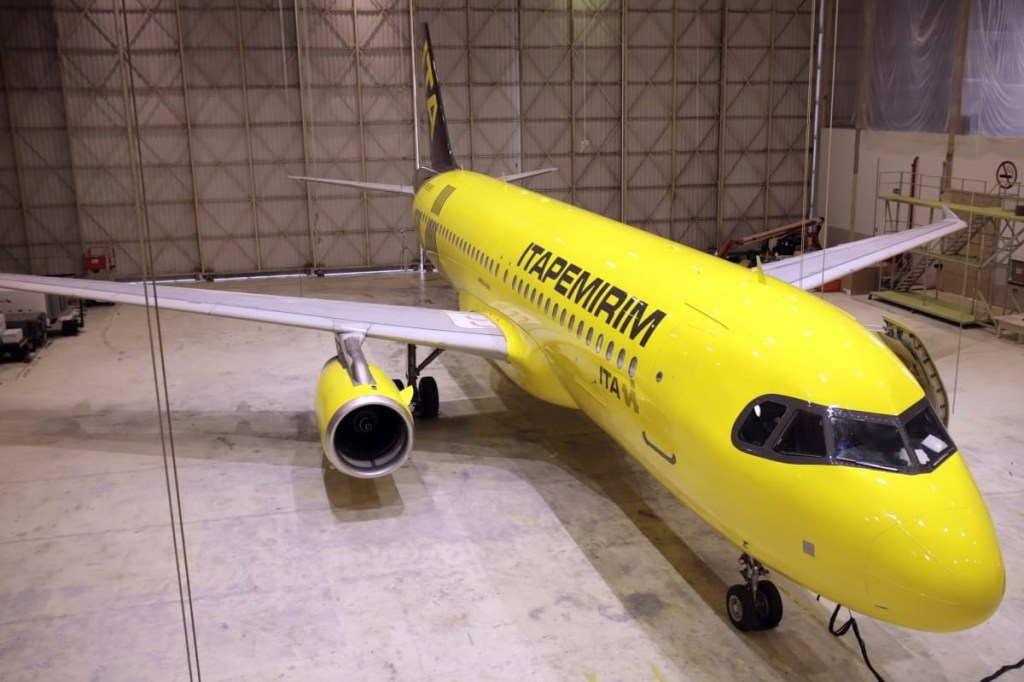
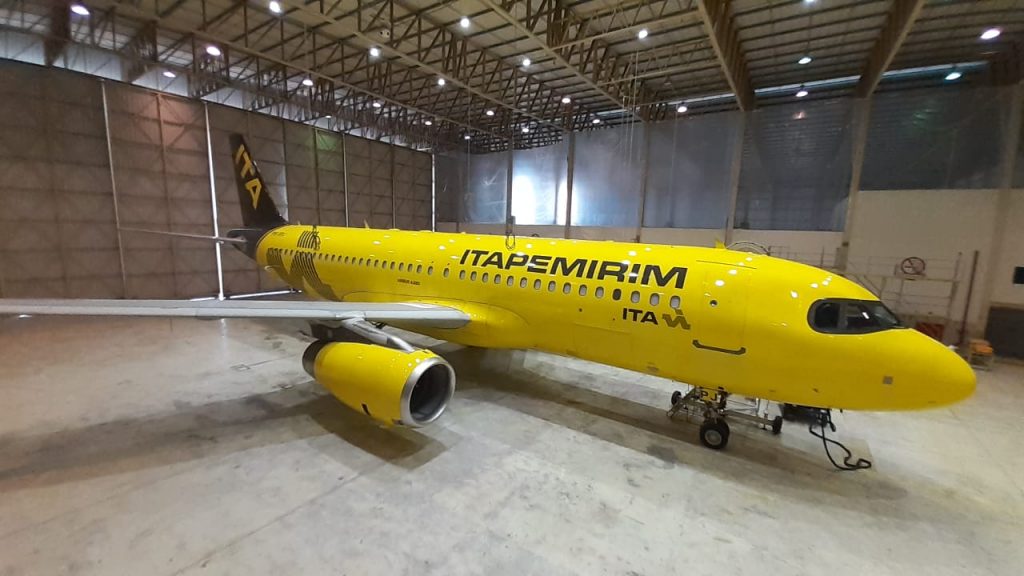
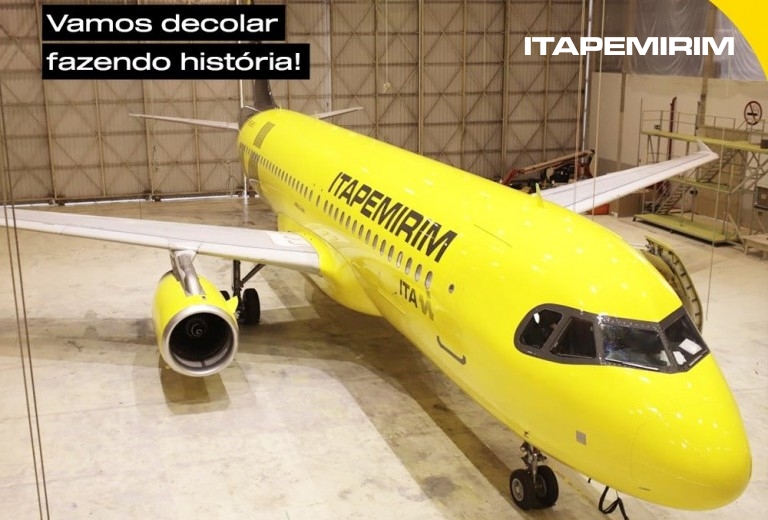
Itapemirim Transportes Aéreos ha realizado su presentación pública este Jueves 11/03 en su página oficial de Facebook el primer avión de la flota Airbus A320-200CEO con los colores tradicionales que serán utilizados en sus operaciones. La revelación se produce menos de un mes después de la llegada del primer equipo. El Presidente del Grupo, Sidnei Piva, acompañó el momento considerado histórico y celebrado con todos los empleados e «Ita-lovers» por la presentación pública de la primer aeronave en el hangar dela compañía.
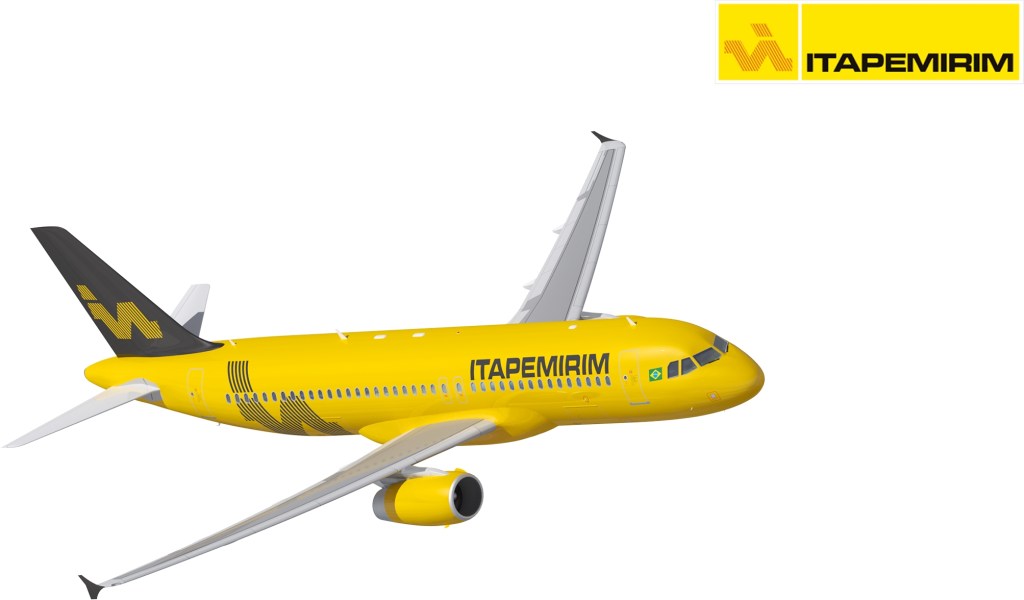
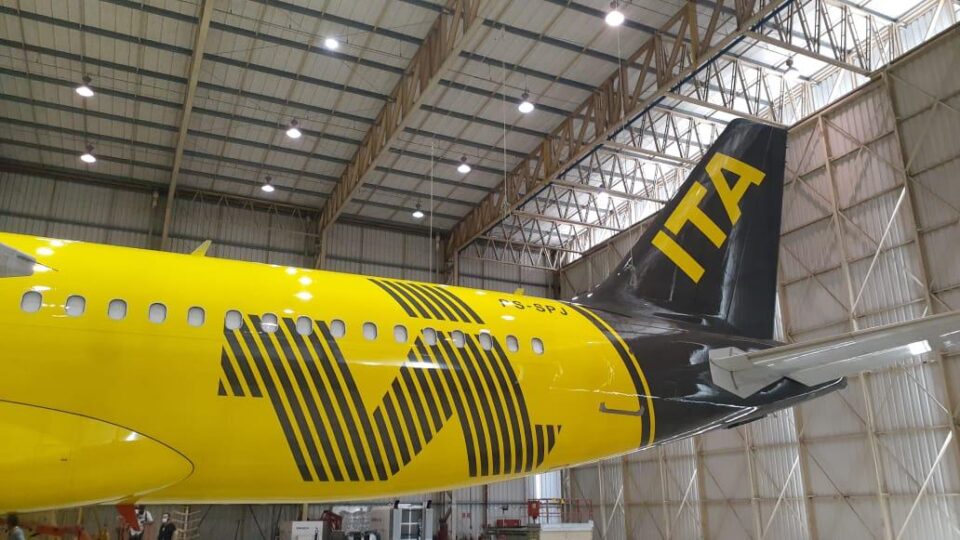
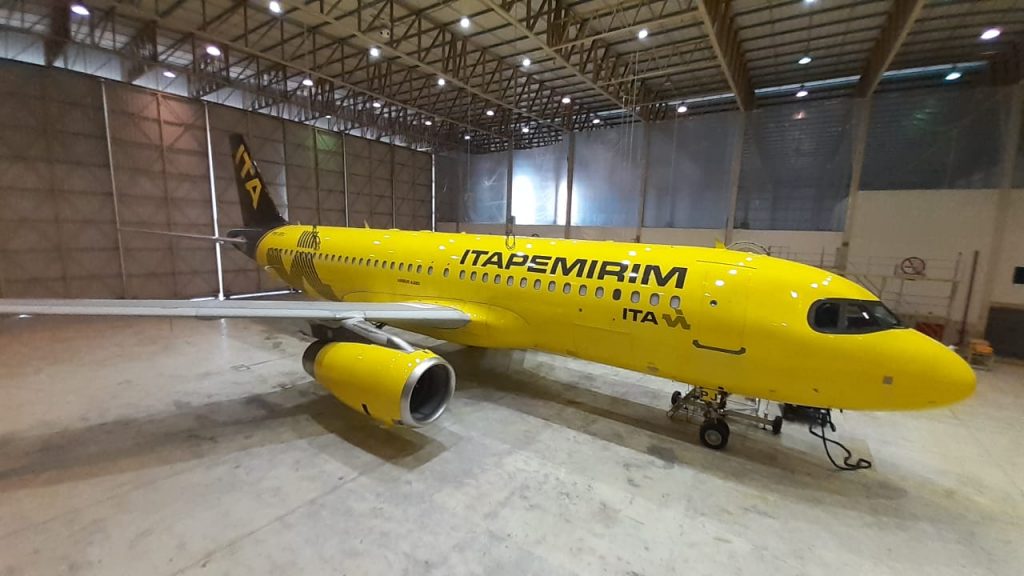
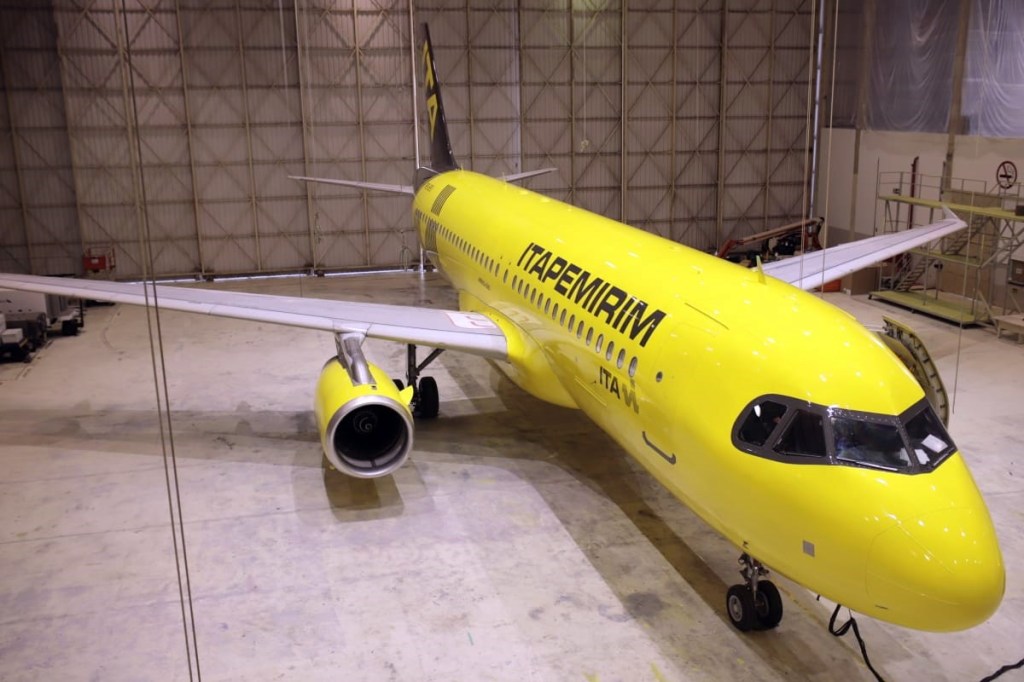
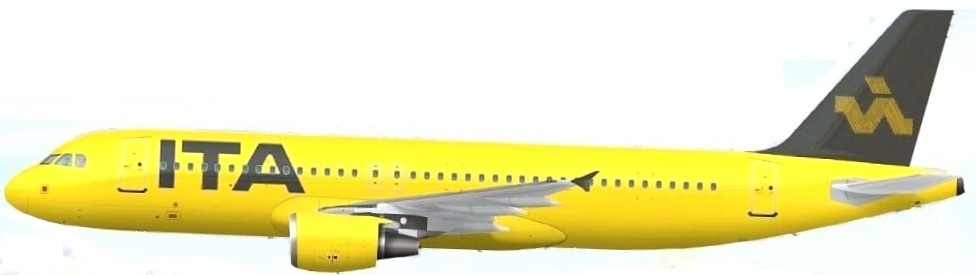
El primer avión de la compañía posee una imagem visual de color completamente amarillo con la tradición del Grupo Itapemirim, revelando detalles de denominación completa en Itapemirim sobre el fuselaje, más adicionalmente la abreviación del nombre «Ita» tanto más abajo de las ventanas de la aeronave como así también dominando en la deriva del avión que muestra un color gris oscuro. Su isologotipo domina la parte posterior de la aeronave.
La primer aeronave Airbus A320-200CEO con registro PS-SPJ es un homenaje al Presidente del Grupo Itapemirim, Sidnei Piva de Jesús, que estaba en el hangar DIGEX en São José dos Campos, donde el avión fue pintado y reacondicionado para su presentación a la sociedad.
La startup brasileña ITA Transportes Aéreos recibió su primer avión, un Airbus A320-232, antes de su lanzamiento el Jueves, 19 de Marzo de 2021. La nueva dirección está preparando a la aerolínea para comenzar a operar vuelos comerciales en el competitivo mercado brasileño de la aviación.
Orígenes «Itapemirim»
Itapemirim es un nombre predominantemente masculino de origen Tupi que significa «Piedra Pequeña». Actualmente, el nombre puede referirse al Río Itapemirim, un río en el Estado de Espírito Santo; al Municipio Itapemirim del mismo estado; y a la compañía de autobuses Itapemirim de esa ciudad homónima.
El Viação Itapemirim S.A. es una empresa brasileña de transporte bus de pasajeros. Fue fundada el 4 de Julio de 1953, en el Municipio de Itapemirim, Estado de Espírito Santo, Brasil. Es el negocio de transporte de pasajeros por carretera más grande de Brasil y América Latina.
Itapemirim Transportes Aéreos fue una aerolínea brasileña fundada en 1990 para transporte de mercaderías con aeronaves Boeing 727-100F y Boeing 727-200F. Los vuelos comenzaron en Enero 1991 y operaron de manera intermodal, integrando el transporte aéreo y terrestre (autobuses y camiones). En 1996 se creó una división para vuelos regionales de pasajeros con aeronaves Cessna Caravan C208B y sus vuelos comenzaron en 1997. Sin embargo, en 1998 fue vendido a TAM Airlines. En 1999 se vendieron todos sus aviones de carga y en 2000 la aerolínea cesó permanentemente sus actividades.
Nuevamente en escena, el Grupo Itapemirim inicia una nueva etapa con una fuerte presencia en el sector de aerolínea comercial de transporte de pasajeros en un mercado competitivo donde permitirá estimular la economía de Brasil.
Ita Linhas Aéreas reveals visual image
Itapemirim Linhas Aéreas publicly announces its livery
Itapemirim Transportes Aéreos made its public presentation this Thursday 03/11 on its official Facebook page of the first aircraft of the Airbus A320-200CEO fleet with the traditional colors that will be used in its operations. The reveal comes less than a month after the arrival of the first team. The President of the Group, Sidnei Piva, accompanied the moment considered historic and celebrated with all the employees and «Ita-lovers» for the public presentation of the first aircraft in the company’s hangar.
The company’s first aircraft has a completely yellow visual image in the tradition of the Itapemirim Group, revealing details of the full name in Itapemirim on the fuselage, plus additionally the abbreviation of the name «Ita» both below the aircraft windows. as well as dominating in the drift of the plane that shows a dark gray color. Its logo dominates the rear of the aircraft.
The first Airbus A320-200CEO aircraft with PS-SPJ registration is a tribute to the President of the Itapemirim Group, Sidnei Piva de Jesús, who was in the DIGEX hangar in São José dos Campos, where the aircraft was painted and reconditioned for presentation to the society.
The Brazilian startup ITA Transportes Aéreos received its first aircraft, an Airbus A320-232, before its launch on Thursday, March 19, 2021. The new management is preparing the airline to begin operating commercial flights in the competitive Brazilian market of the aviation.
Origins «Itapemirim»
Itapemirim is a predominantly masculine name of Tupi origin that means «small stone». Currently, the name can refer to the Itapemirim River, a river in the State of Espírito Santo; to the Itapemirim Municipality of the same state; and to the Itapemirim bus company of that homonymous city.
The Viação Itapemirim S.A. is a Brazilian passenger bus transportation company. It was founded on July 4, 1953, in the Municipality of Itapemirim, State of Espírito Santo, Brazil. It is the largest road passenger transport business in Brazil and Latin America.
Itapemirim Transportes Aéreos was a Brazilian airline founded in 1990 to transport goods with Boeing 727-100F and Boeing 727-200F aircraft. The flights began in January 1991 and operated intermodal, integrating air and land transportation (buses and trucks). In 1996 a division for regional passenger flights was created with Cessna Caravan C208B aircraft and its flights began in 1997. However, in 1998 it was sold to TAM Airlines. In 1999 all its cargo planes were sold and in 2000 the airline permanently ceased operations.
Once again on the scene, the Itapemirim Group begins a new stage with a strong presence in the commercial airline sector for passenger transport in a competitive market where it will stimulate the Brazilian economy.
Ita Linhas Aéreas revela imagem visual
Itapemirim Linhas Aéreas anuncia publicamente sua pintura
A Itapemirim Transportes Aéreos fez sua apresentação pública nesta quinta-feira 03/11 em sua página oficial do Facebook da primeira aeronave da frota de Airbus A320-200CEO com as cores tradicionais que será utilizada em suas operações. A revelação ocorre menos de um mês após a chegada da primeira equipe. O Presidente do Grupo, Sidnei Piva, acompanhou o momento considerado histórico e comemorado com todos os funcionários e “Ita-lovers” para a apresentação pública da primeira aeronave no hangar da empresa.
A primeira aeronave da empresa tem imagem visual totalmente amarela na tradição do Grupo Itapemirim, revelando detalhes do nome completo em Itapemirim na fuselagem, além da abreviatura do nome «Ita» tanto abaixo das janelas da aeronave. Como também dominando na deriva do avião que mostra uma cor cinza escuro. Seu logotipo domina a parte traseira da aeronave.
A primeira aeronave Airbus A320-200CEO com registro PS-SPJ é uma homenagem ao Presidente do Grupo Itapemirim, Sidnei Piva de Jesús, que esteve no hangar da DIGEX em São José dos Campos, onde a aeronave foi pintada e recondicionada para apresentação ao a sociedade.
A startup brasileira ITA Transportes Aéreos recebeu sua primeira aeronave, um Airbus A320-232, antes de seu lançamento na quinta-feira, 19 de Março de 2021. A nova gestão prepara a companhia aérea para começar a operar voos comerciais no competitivo mercado brasileiro de aviação.
Origens «Itapemirim»
Itapemirim é um nome predominantemente masculino de origem tupi que significa «Pedrinha». Atualmente, o nome pode se referir ao Rio Itapemirim, um rio do Estado do Espírito Santo; ao Município de Itapemirim do mesmo estado; e a empresa de ônibus Itapemirim naquela cidade homônima.
A Viação Itapemirim S.A. é uma empresa brasileira de transporte de passageiros em ônibus. Foi fundada em 4 de julho de 1953, no Município de Itapemirim, Estado do Espírito Santo, Brasil. É o maior negócio de transporte rodoviário de passageiros do Brasil e da América Latina.
A Itapemirim Transportes Aéreos foi uma companhia aérea brasileira fundada em 1990 para transportar mercadorias com aeronaves Boeing 727-100F e Boeing 727-200F. Os vôos começaram em janeiro de 1991 e operaram intermodais, integrando transporte aéreo e terrestre (ônibus e caminhões). Em 1996, uma divisão para vôos regionais de passageiros foi criada com a aeronave Cessna Caravan C208B e seus vôos começaram em 1997. No entanto, em 1998 foi vendida para a TAM Airlines. Em 1999, todos os seus aviões de carga foram vendidos e em 2000 a companhia aérea encerrou definitivamente as operações.
Mais uma vez em cena, o Grupo Itapemirim inicia uma nova etapa com uma forte presença no setor de aviação comercial para transporte de passageiros em um mercado competitivo onde estimulará a economia brasileira.
AW | 2021 03 11 23:47 | AIRPORTS / AVIATION / GOVERNMENT
Solicitan revisión ecológica política ambiental al Gobierno
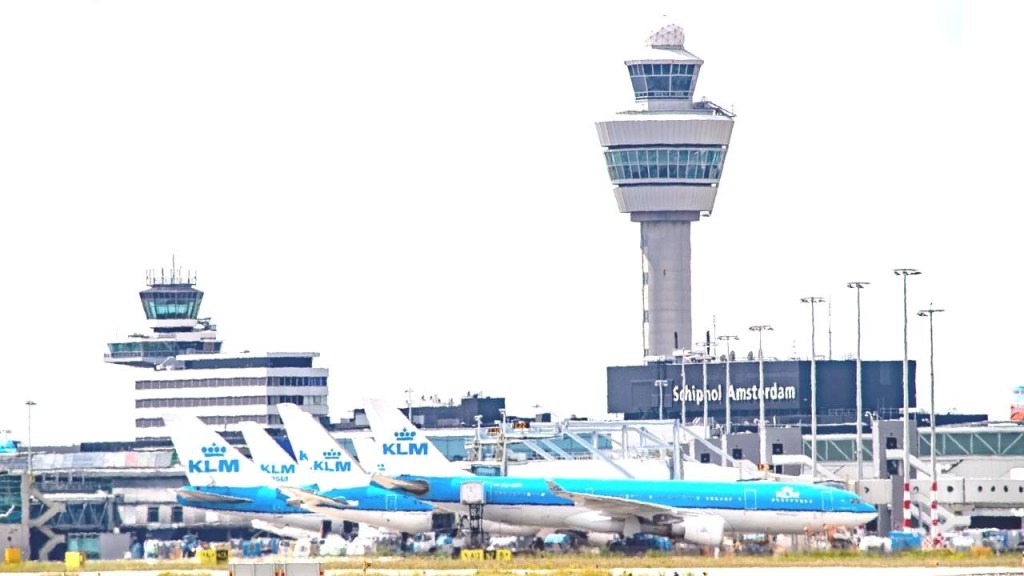
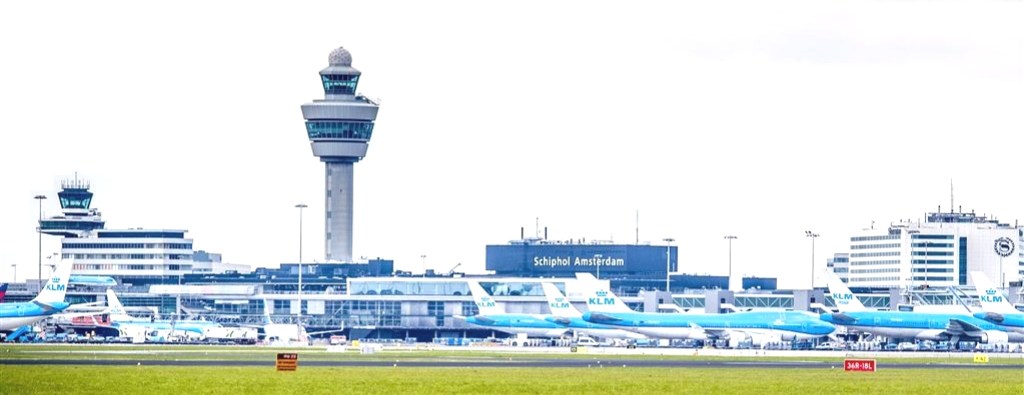
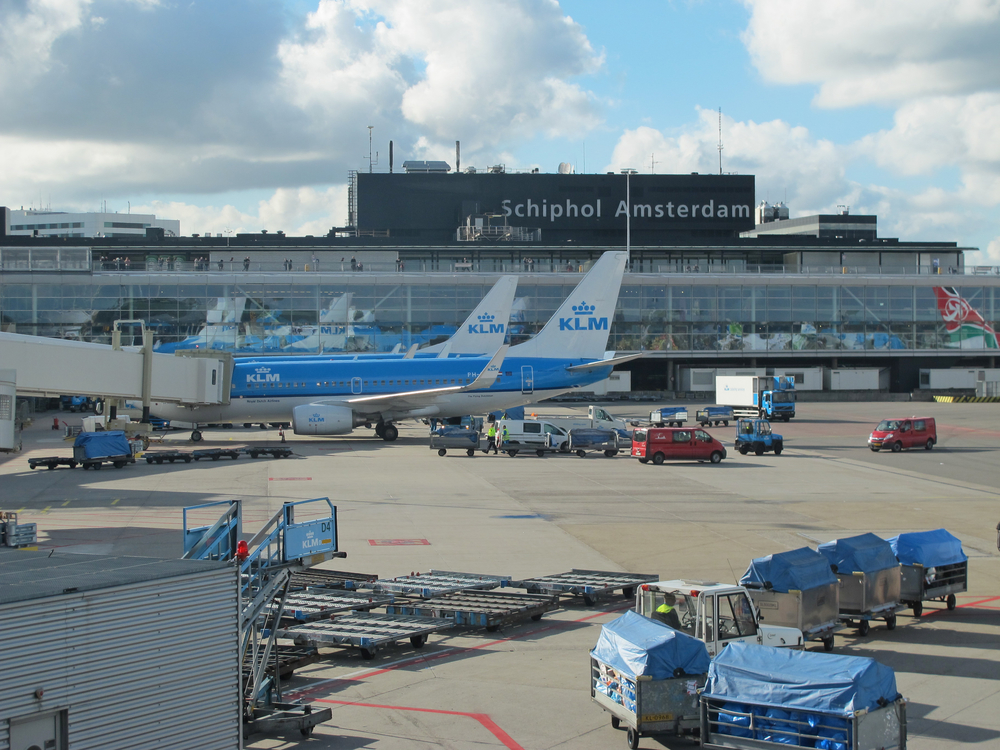
Una coalición de más de cien organizaciones ecologistas, naturaleza y clubes locales de residentes ha enviado una carta a la política holandesa pidiendo una revisión drástica de la política de aviación. Según los firmantes, entre ellos Greenpeace, Natuurmonumenten y Vogelbescherming, reclamando que los índices de contaminación se están volviendo demasiado grandes.
«El sector [de la aviación] representa aproximadamente el medio por ciento del producto nacional bruto y 100.000 puestos de trabajo. Pero por esta contribución relativamente pequeña, las personas, la naturaleza, el medio ambiente y el clima están experimentando desventajas crecientes. Los crecientes problemas hacen imposible e indeseable el regreso a lo viejo normal. Incluso con un Schiphol que tiene la mitad del tamaño de 2019, los Países Bajos están bien servidos. Cada holandés que quiera irse de vacaciones en avión tiene esta posibilidad en un Schiphol más pequeño. El gran número de pasajeros de transferencia apenas añade valor a la economía holandesa los conmutadores sólo son necesarios para continuar el modelo de negocio fuertemente gravosa del tándem KLM/Schiphol. Pero los cambiadores […] ponen una fuerte presión sobre la calidad de vida, el medio ambiente y el clima. La aviación de gran tamaño obstaculiza innecesariamente la vivienda, la salud pública, las finanzas estatales, la infraestructura y la naturaleza. Es por eso que esta coalición de más de 100 ciudadanos, organizaciones ecologistas y expertos en naturaleza y medio ambiente pide a los políticos que replanteen objetivamente las ventajas y desventajas fundamentales de la aviación», expresa el petitorio ecológico.
Environmental coalition at Schiphol
Ecological review of the environmental policy from the Government
A coalition of more than 100 environmental organizations, nature and local residents’ clubs has sent a letter to Dutch politics calling for a drastic review of aviation policy. According to the signatories, including Greenpeace, Natuurmonumenten and Vogelbescherming, claiming that pollution rates are becoming too great.
«The [aviation] sector accounts for roughly half a percent of gross national product and 100,000 jobs. But for this relatively small contribution, people, nature, the environment and the climate are experiencing increasing disadvantages. problems make a return to the old normal impossible and undesirable. Even with a Schiphol that is half the size of 2019, the Netherlands is well served. Every Dutchman who wants to go on vacation by plane has this possibility in a smaller Schiphol. The large number of transfer passengers hardly adds value to the Dutch economy switches are only necessary to continue the heavily burdensome business model of the KLM/Schiphol tandem. But changers put strong pressure on the quality of life, environment and climate. Large aviation unnecessarily hinders housing, public health, state finances, infrastructure and nature. That is why this coalition of more than 100 citizens, environmental organizations and experts in nature and the environment asks politicians to objectively rethink the fundamental advantages and disadvantages of aviation», says the ecological petition.
Ecologie coalitie op Schiphol
Overheid om een ecologische herziening van het ecologie coalitie
Een coalitie van meer dan 100 milieuorganisaties, natuur- en buurtverenigingen heeft een brief naar de Nederlandse politiek gestuurd waarin wordt opgeroepen tot een ingrijpende herziening van het luchtvaartbeleid. Volgens de ondertekenaars, waaronder Greenpeace, Natuurmonumenten en Vogelbescherming, beweren ze dat de vervuilingspercentages te hoog worden.
,,De [luchtvaart] sector is goed voor ongeveer een half procent van het bruto nationaal product en 100.000 banen. Maar voor deze relatief kleine bijdrage ondervinden mens, natuur, milieu en klimaat steeds grotere nadelen. Problemen maken terugkeer naar het oude normaal onmogelijk en onwenselijk. Zelfs met een Schiphol dat half zo groot is als 2019, is Nederland goed bereikbaar. Iedere Nederlander die met het vliegtuig op vakantie wil, heeft deze mogelijkheid in een kleiner Schiphol. Het grote aantal transferpassagiers voegt nauwelijks waarde toe aan de Nederlandse economie Overstappen is alleen nodig om het zwaar belastende bedrijfsmodel van de KLM/Schiphol-tandem voort te zetten. Maar wisselaars leggen grote druk op de leefbaarheid, het milieu en het klimaat. Grote luchtvaart belemmert onnodig huisvesting, volksgezondheid, overheidsfinanciën, infrastructuur en natuur. Daarom vraagt deze coalitie van meer dan 100 burgers, milieuorganisaties en experts in natuur en milieu de politiek om objectief na te denken over de fundamentele voor en nadelen van de luchtvaart”, aldus de ecologische petitie.
Gremio APLA Argentina reafirma vigencia mandato no volar aviones
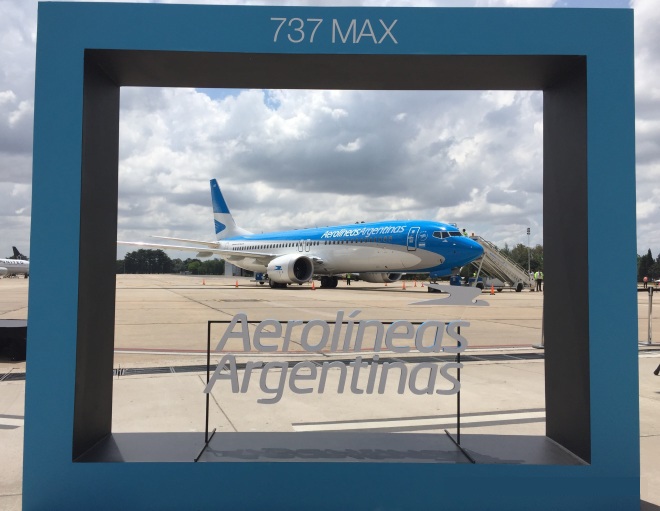
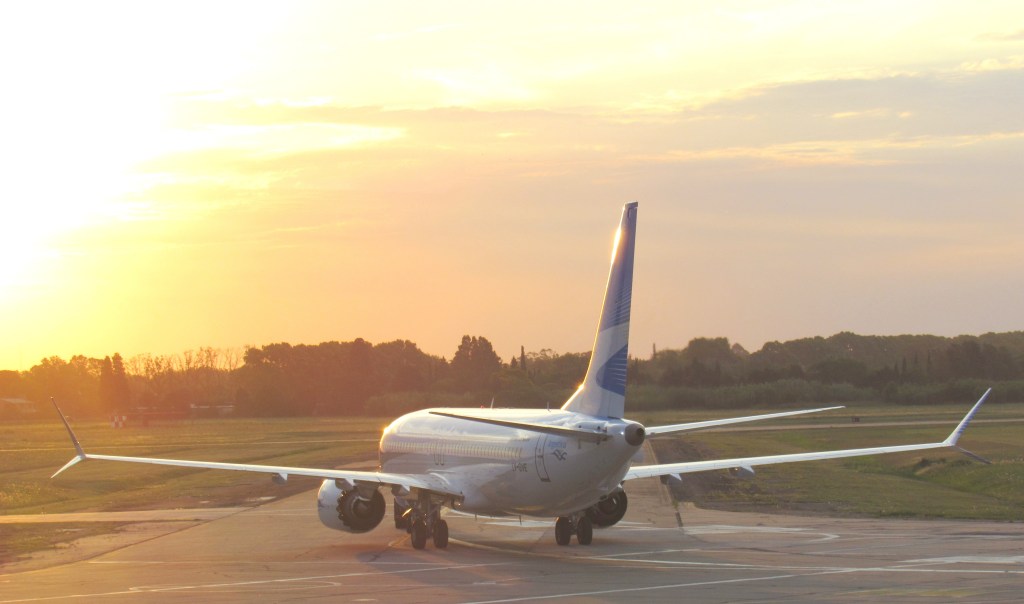
El Gremio de la Asociación de Pilotos de Líneas Aéreas (APLA) de Argentina ha determinado la continuidad de la posición de no aprobar los vuelos de la línea Boeing 737 MAX aunque la Administración Nacional de Aviación Civil (ANAC) de Argentina haya aprobado las operaciones comerciales de los Boeing 737 MAX en el país tanto para Aerolíneas Argentinas como para cualquier otra compañía.
El 16 de Marzo de 2019, el Gobierno de Argentina había prohibido las operaciones comerciales del Boeing 737 MAX en el país. Tras casi un año calendario completo, el Miércoles 10 de Marzo de 2021, la ANAC ha aprobado el retorno de las operaciones comerciales después de los análisis exhaustivos por parte del equipo de investigación bajo los estudios realizados por parte de las agencias de la FAA de Estados Unidos y otros organismos.
La posición de la asociación de APLA que nuclea a los pilotos de la República Argentina es continuar con la postura de no volar los Boeing 737 MAX permitiendo que se tomen más medidas que garanticen la seguridad de las tripulaciones y a los pasajeros. El comunicado de APLA expone: «Reafirmando nuestro compromiso irrenunciable con la seguridad de las operaciones, estamos siguiendo todas las etapas para garantizar la efectividad de las barreras de defensa y mitigaciones adoptadas respecto a los factores de riesgo que motivaron el presente mandato. Por ello, estamos en conversaciones con la compañía para articular un plan de actividad mínima e instrucción que brinde las garantías operativas necesarias para el retorno al servicio de los Boeing 737 MAX».
Dentro de los reclamos establecidos por parte de APLA es requerir que se brinde un plan de instrucción para operaciones aéreas de la línea Boeing 737 MAX, de los cuales Aerolíneas Argentinas posee en su flota cinco Boeing 737-8 MAX (5) como único transportador del país con este tipo de aeronaves. Reclaman que este plan de instrucción emitido por la compañía Boeing y respaldado por la FAA sea analizado para establecer mejores niveles de seguridad para el modelo.
El proceso de recertificación de la línea Boeing 737 MAX por parte de la Federal Aviation Administration de Estados Unidos se completó el 18 de Noviembre de 2020, quedando habilitado para las operaciones en su país, permitiendo acompañar nuevas medidas complementarias que otras agencias de aviación implementarán en sus respectivos países. Varios países han establecido las aprobaciones respectivas entre ellas la EASA (Unión Europea), Canadá, Emiratos Árabes Unidos, Australia, México, Panamá, Brasil, Reino Unido, entre muchos otros. GOL Linhas Aéreas ha sido la primera compañía aérea en el mundo en introducir los primeros vuelos regulares el 9 de Diciembre de 2020, seguido posteriormente el 29/12 de American Airlines. En Latinoamérica y el Caribe, Aeroméxico, Cayman Airways y Copa Airlines que poseen en sus flotas este tipo de aeronaves han restablecido los vuelos en su red de rutas.
APLA cancels flying 737 MAX
Gremio APLA Argentina reaffirms mandate not to fly planes
The Guild of the Airline Pilots Association (APLA) of Argentina has determined the continuity of the position of not approving the flights of the Boeing 737 MAX line even though the National Civil Aviation Administration (ANAC) of Argentina has approved the commercial operations of the Boeing 737 MAX in the country as for Aerolineas Argentinas as for any other company.
On March 16, 2019, the Government of Argentina had prohibited the commercial operations of the Boeing 737 MAX in the country. After almost a full calendar year, on Wednesday March 10, 2021, the ANAC has proven the return of commercial operations after exhaustive analyzes by the investigation team under the studies carried out by the agencies of the FAA of States. States and other agencies.
The position of the APLA association that brings together the pilots of the Argentine Republic is to continue with the position of not flying the Boeing 737 MAX, allowing more measures to be taken to guarantee the safety of the crews and passengers. The APLA statement states: «Reaffirming our inalienable commitment to the safety of operations, we are following all stages to guarantee the effectiveness of the defense barriers and mitigations adopted regarding the risk factors that motivated this mandate. Therefore, we are in talks with the company to articulate a minimum activity plan and instruction that provides the operational guarantees necessary for the return to service of the Boeing 737 MAX».
Among the claims established by APLA is to require that an instruction plan be provided for air operations of the Boeing 737 MAX line, of which Aerolíneas Argentinas has in its fleet five Boeing 737-8 MAX (5) as the sole carrier of the country with this type of aircraft. They demand that this training plan issued by the Boeing company and backed by the FAA be analyzed to establish better safety levels for the model.
The process of recertification of the Boeing 737 MAX line by the Federal Aviation Administration of the United States was completed on November 18, 2020, being enabled for operations in its country, allowing to accompany new complementary measures that other aviation agencies will implement in their respective countries. Several countries have established the respective approvals including EASA (European Union), Canada, United Arab Emirates, Australia, Mexico, Panama, Brazil, United Kingdom, among many others. GOL Linhas Aéreas has been the first airline in the world to introduce the first scheduled flights on December 9, 2020, followed later on December 29 by American Airlines. In Latin America and the Caribbean, Aeroméxico, Cayman Airways and Copa Airlines, which have this type of aircraft in their fleets, have re-established flights on their route network.
Acuerdo de pedido de Southwest hacia Boeing 737-7 MAX
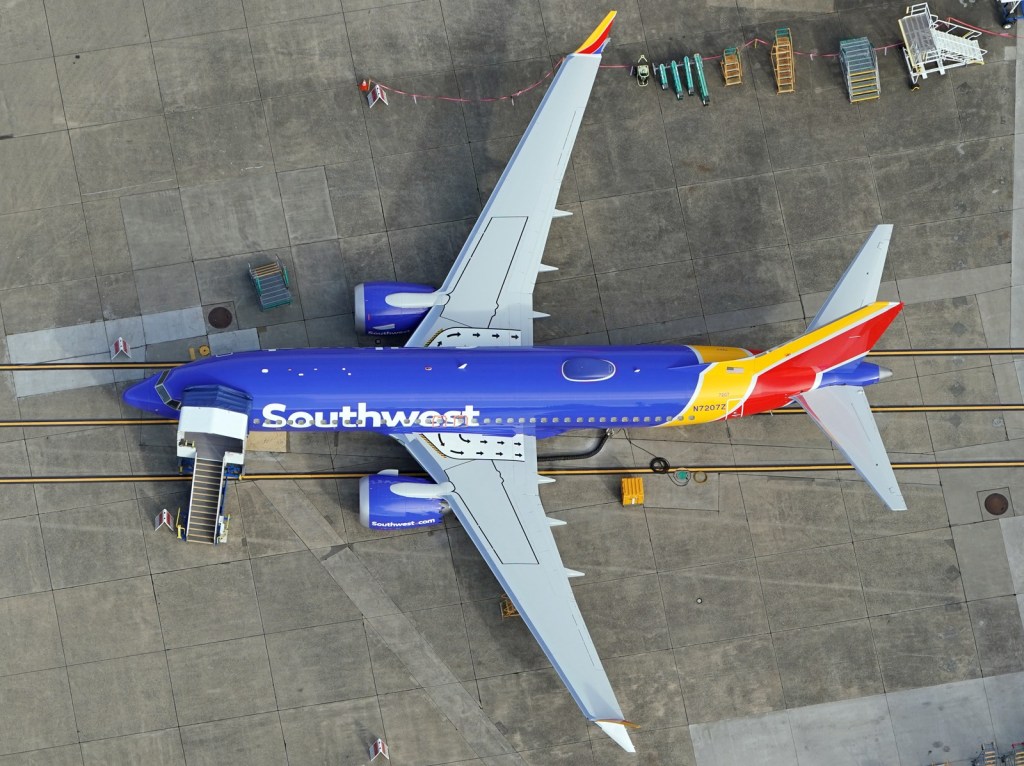
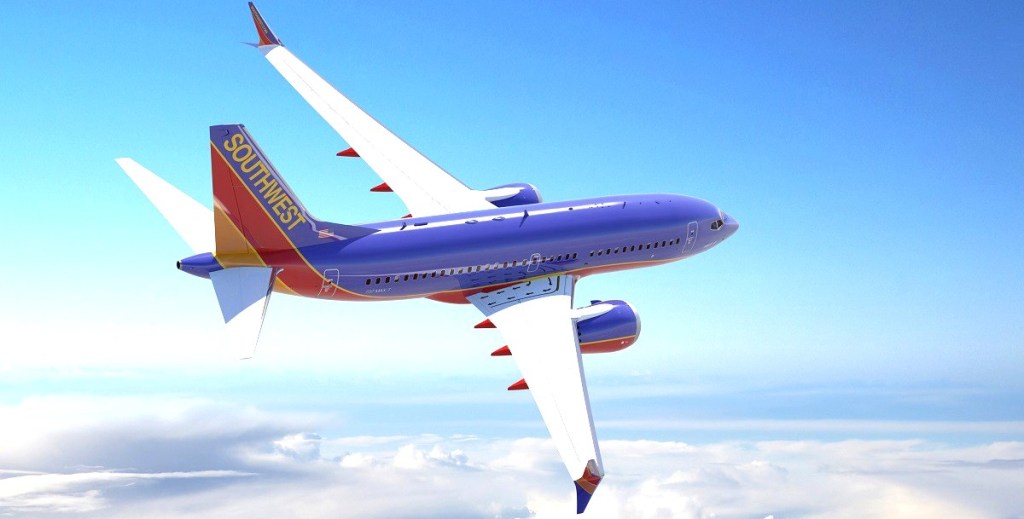
The Boeing Company está cerca de un acuerdo para vender docenas de sus aviones Boeing 737-7 MAX a la aerolínea Southwest Airlines en potencialmente el pedido 737 MAX más grande de la compañía desde que se levantó la prohibición de seguridad del avión, dijeron el Miércoles 10/03 personas familiarizadas con el asunto. De confirmarse el acuerdo representaría una deserción parcial hacia el otro candidato europeo Airbus A220, mientras que proporcionaría a Boeing un apoyo muy necesario después una sequía de la cartera de pedidos que se ha reducido sensiblemente de los casi dos años de puesta en tierra de la familia 737 MAX.
La nueva orden emitida por Southwest Airlines incluiría docenas de pedidos en firme y opciones adicionales. La aerolínea estadounidense con sede en Dallas/Love Field (TX) dijo que no hace comentarios sobre las decisiones de la flota y no tiene nada que anunciar. Boeing declinó hacer comentarios. El acuerdo propuesto, que una de las fuentes dijo que podría implicar potencialmente 130 pedidos en firme más aproximadamente 170 opciones, sigue a la especulación de un enfrentamiento entre el miembro más pequeño de la familia Boeing 737-7 MAX y el Airbus A220-300 un potencial competidor que busca introducirse en el mercado de las aerolíneas low cost estadounidenses. Otra persona advirtió que el número de órdenes firmes puede caer por debajo de los tres dígitos, lo que todavía sería significativo para el 737 MAX dados sus problemas de alto perfil.
Una orden para 130 de los aviones valdría US$ 13.000 millones de Dólares a precios de lista, aunque estos aviones suelen venderse por menos de la mitad de su valor oficial de unos US$ 100 millones de Dólares con descuentos típicos del mercado, según fuentes de la industria aeronáutica. Los términos exactos de cualquier acuerdo y el momento de un posible anuncio no estaban definidos.
El posible acuerdo con Southwest Airlines se mueve después de que Alaska Airlines acordara en Diciembre 2020 comprar 23 aviones Boeing 737-9 MAX y una orden de la aerolínea de bajo presupuesto irlandesa Ryanair por 75 unidades.
El Director Ejecutivo de Southwest Airlines, Gary Kelly, dijo en Noviembre 2020 que la compañía quería tomar una decisión pronto sobre la renovación de sus aviones Boeing 737-700 con una confIguración de 143 asientos y estaba debatiendo entre el Boeing 737-7 MAX o el Airbus A220, lo que podría significaría un cambio de filosofía de su flota por primera vez en su historia. El CEO de la aerolínea de presupuesto texana dijo que Southwest permaneció en negociaciones con Boeing y reiteró las ventajas de tener un solo tipo de flota, al tiempo que reconoció que el A220 es un gran avión. Cualquier acuerdo no está destinado a aumentar el tamaño total de la flota de Southwest, sino más bien una actualización de flota debido a que ha aparcado decenas de aviones mientras capeaba la crisis de viajes mientras busca una renovación de sus unidades.
Southwest approaches order 737 MAX
Southwest order agreement for Boeing 737-7 MAX
The Boeing Company is close to a deal to sell dozens of its Boeing 737-7 MAX jets to Southwest Airlines in potentially the company’s largest 737 MAX order since the plane’s safety ban was lifted, they said Wednesday 10/03 people familiar with the matter. If confirmed, the deal would represent a partial defection to the other European candidate Airbus A220, while providing Boeing with much-needed support following a drought in the order book that has shrunk significantly from the family’s nearly two years of grounding 737 MAX.
The new order issued by Southwest Airlines would include dozens of firm orders and additional options. The Dallas/Love Field-based (TX) US airline said it does not comment on the fleet decisions and has nothing to announce. Boeing declined to comment. The proposed deal, which one of the sources said could potentially involve 130 firm orders plus roughly 170 options, follows speculation of a showdown between the smaller member of the Boeing 737-7 MAX family and the Airbus A220-300 an Potential competitor seeking to enter the US low cost airline market. Another person warned that the number of firm orders may fall below triple digits, which would still be significant for the 737 MAX given its high-profile issues.
An order for 130 of the planes would be worth US$ 13 billion at list prices, although these planes usually sell for less than half of their official value of about US$ 100 million with typical market discounts, according to sources of the aeronautical industry. The exact terms of any agreement and the timing of a possible announcement were not defined.
The possible deal with Southwest Airlines moves after Alaska Airlines agreed in December 2020 to buy 23 Boeing 737-9 MAX planes and an order from Irish low-budget airline Ryanair for 75 units.
Southwest Airlines Chief Executive Officer Gary Kelly said in November 2020 that the company wanted to make a decision soon on the refurbishment of its 143-seat Boeing 737-700 aircraft and was debating between the Boeing 737-7 MAX or the Airbus A220, which could mean a change in the philosophy of its fleet for the first time in its history. The CEO of the Texas budget airline said Southwest remained in negotiations with Boeing and reiterated the advantages of having only one type of fleet, while acknowledging that the A220 is a great aircraft. Any deal is not intended to increase the overall size of Southwest’s fleet, but rather a fleet upgrade as it has parked dozens of planes as it weathered the travel crisis while seeking a refurbishment of its units.
Perspectivas desarrollo de la aerolínea regional británica
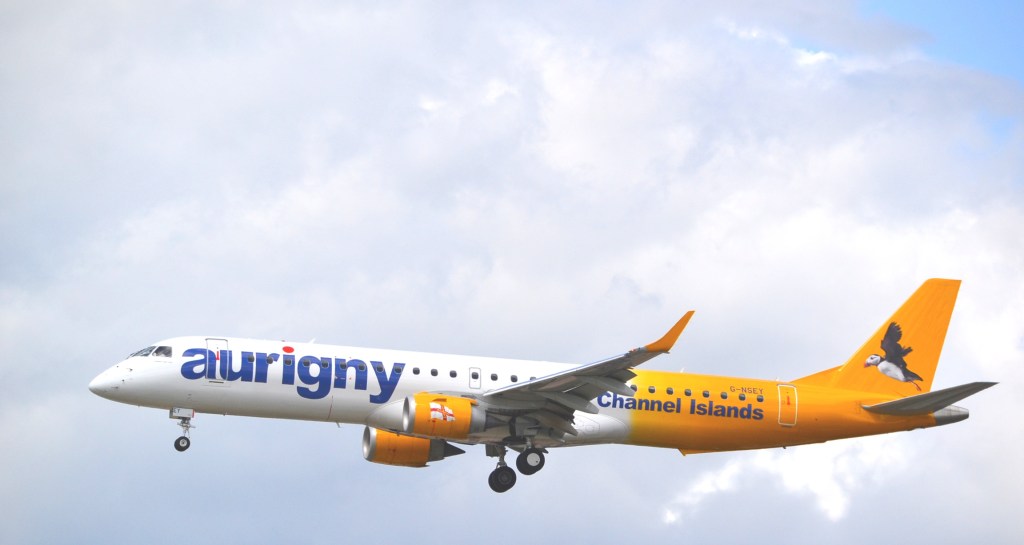
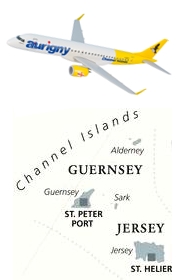
Aurigny Air Services Limited, comúnmente conocida como Aurigny, es la aerolínea de bandera de la Bailiwick de Guernsey con su sede junto al Aeropuerto de Guernsey en las Islas del Canal, y propiedad total de los Estados de Guernsey desde su nacionalización en 2003.
Como parte de su reestructuración post-pandemia, Aurigny Air podría estar desplegado los aviones jet de su flota más allá de la operación en London/Gatwick, pero un signo de interrogación pende sobre su futuro a largo plazo. Ese fue el mensaje del Presidente de Aurigny, Kevin George, cuando habló con los líderes empresariales sobre cómo evolucionará la aerolínea en los próximos años. Dirigiéndose a un seminario web de la Cámara Guernsey, dijo que el Embraer 195 podría ser utilizado para volar a destinos en el norte del Reino Unido, como Manchester, y planteó la posibilidad de vuelos a Europa, haciendo el máximo uso de las capacidades del avión.
Aurigny podría entonces utilizar sus aviones ATR más en las operaciones de Guernsey-Gatwick como parte de una estrategia para utilizar mejor su flota. Como parte de esa visión, eso podría significar una red y un calendario crecientes para asegurar que los aviones completos en el cielo ganan dinero en lugar de sentarse bajo el uso en el suelo. Pero Kevin George reconoció que había una pregunta sobre el futuro a largo plazo de la flota de aeronaves E-Jets después de que la audiencia del seminario web planteara repetidamente la cuestión.
La aerolínea propiedad de los contribuyentes ya se ha movido para simplificar su flota a tres tipos de aeronaves: Embraer E195, ATR 72-600 y Dornier Do-228 como parte del ahorro de eficiencia. Cuando se le preguntó si se había tenido en cuenta la externalización del servicio de London/Gatwick para reducir la complejidad de la flota, dijo: «La respuesta corta basada en nuestro pensamiento actual es no. La razón de ello es que el Embraer fue adquirido para satisfacer las necesidades particulares de London/Gatwick y también para garantizar que las franjas horarias de despegue y aterrizaje de la pista estuvieran totalmente utilizadas y protegidas. Lo que creo que empezaremos a ver una vez que volvamos a las operaciones normales es que el Embraer comenzará a ser utilizado para rutas más allá de Gatwick, potencialmente Manchester, posiblemente más al norte también. Pero mantendremos la frecuencia a Gatwick utilizando y haciendo que los ATR trabajen más duro. Hay preguntas alrededor del Embraer. Las flotas de aviones individuales son inherentemente caras y conllevan un riesgo con ellas. Pero dicho esto, el Embraer es un avión bastante eficiente para lo que hace. Obviamente tiene más capacidad para sentarse en 122. Por lo tanto, donde hay rutas que necesitan eso, entonces el Embraer tiene su lugar. Así que en este momento, el Embraer tiene su lugar. Creo que la mayor preocupación que tenemos es que una sola flota de aviones es vulnerable y ¿hay otras formas de alcanzar esa capacidad?».
Otra pregunta volvió a plantearse si deshacerse del avión simplificaría la flota de Aurigny dados los temores de que no se permitieran operaciones no a reacción en Gatwick. «La respuesta simple a eso es sí, porque perderíamos un tipo de avión y tenemos sólo un avión en esa flota. Sin embargo, para producir la misma capacidad casi tendría que poner dos ATR en lugar de un jet. Hay un caso de negocios interesante allí. Creo que cuando llegamos al punto con el Embraer que tenemos que estar pensando en qué hacer, una de las opciones obvias, y que haría la aerolínea más eficiente, sería ir a una flota todoterreno. Sin embargo, si empezamos a aventurarse más lejos en Europa, entonces probablemente argumentaría que el avión es probablemente un mejor avión para eso», dijo el CEO de Aurigny Air. El Sr. Kevin George señaló que, si bien el Embraer era relativamente joven para los estándares de aeronaves se introdujo en Julio 2014, en los próximos años debían realizarse algunos controles de mantenimiento bastante grandes.
The future about Aurigny Air
Prospects for the development of the British regional airline
Aurigny Air Services Limited, commonly known as Aurigny, is the flag carrier of the Bailiwick of Guernsey with its headquarters adjacent to Guernsey Airport in the Channel Islands, and wholly owned by the States of Guernsey since its nationalization in 2003.
As part of its post-pandemic restructuring, Aurigny Air may be deploying its fleet’s jets beyond the London / Gatwick operation, but a question mark hangs over its long-term future. That was the message from Aurigny Chairman Kevin George when he spoke to business leaders about how the airline will evolve in the coming years. Addressing a Guernsey Chamber webinar, he said the Embraer 195 could be used to fly to northern UK destinations such as Manchester, and raised the possibility of flights to Europe, making maximum use of the aircraft’s capabilities.
Aurigny could then use its ATR aircraft more in Guernsey-Gatwick operations as part of a strategy to better utilize its fleet. As part of that vision, that could mean a growing network and schedule to ensure that entire planes in the sky make money instead of sitting under use on the ground. But Kevin George acknowledged there was a question about the long-term future of the E-Jets fleet after the webinar audience repeatedly raised the issue.
The taxpayer-owned airline has already moved to simplify its fleet to three types of aircraft: Embraer E195, ATR 72-600 and Dornier Do-228 as part of the efficiency savings. When asked whether outsourcing the London/Gatwick service had been considered to reduce the complexity of the fleet, he said: «The short answer based on our current thinking is no. The reason for this is that the Embraer was acquired. to meet the particular needs of London/Gatwick and also to ensure that the runway take-off and landing slots were fully utilized and protected. What I think we’ll start to see once we get back to normal operations is that the Embraer will start to be used for routes beyond Gatwick, potentially Manchester, possibly further north as well. But we will keep the frequency to Gatwick by using and making the ATRs work harder. There are questions around the Embraer. Individual aircraft fleets are inherently expensive and they carry a risk with them. But that said, the Embraer is quite an efficient aircraft for what it does. Obviously it has more s ability to sit at 122. So where there are routes that need that, then the Embraer has its place. So right now, the Embraer has its place. I think the biggest concern we have is that a single fleet of aircraft is vulnerable and are there other ways to achieve that capacity?».
Another question was raised again whether getting rid of the plane would simplify Aurigny’s fleet given fears that non-jet operations would not be allowed at Gatwick. «The simple answer to that is yes, because we would lose one type of aircraft and we have only one aircraft in that fleet. However, to produce the same capacity you would almost have to put two ATRs instead of one jet. There is an interesting business case. there. I think when we get to the point with the Embraer that we have to be thinking about what to do, one of the obvious options, and that would make the airline more efficient, would be to go to an off-road fleet. However, if we start venturing further in Europe then I would probably argue that the plane is probably a better plane for that», said the CEO of Aurigny Air. Mr. Kevin George pointed out that while the Embraer was relatively young by aircraft standards it was introduced in July 2014, some fairly large maintenance checks had to be performed in the coming years.
Norwegian Air hace oferta final reestructuración a los acreedores
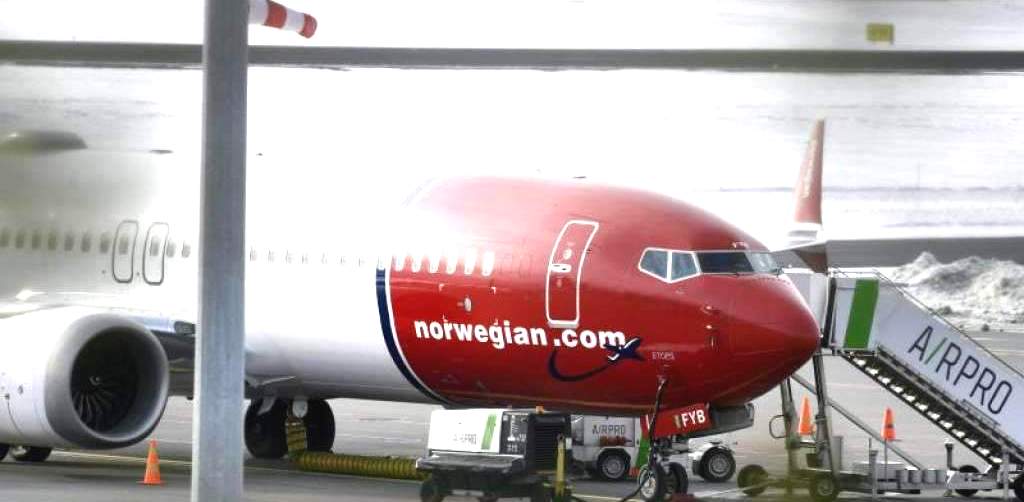
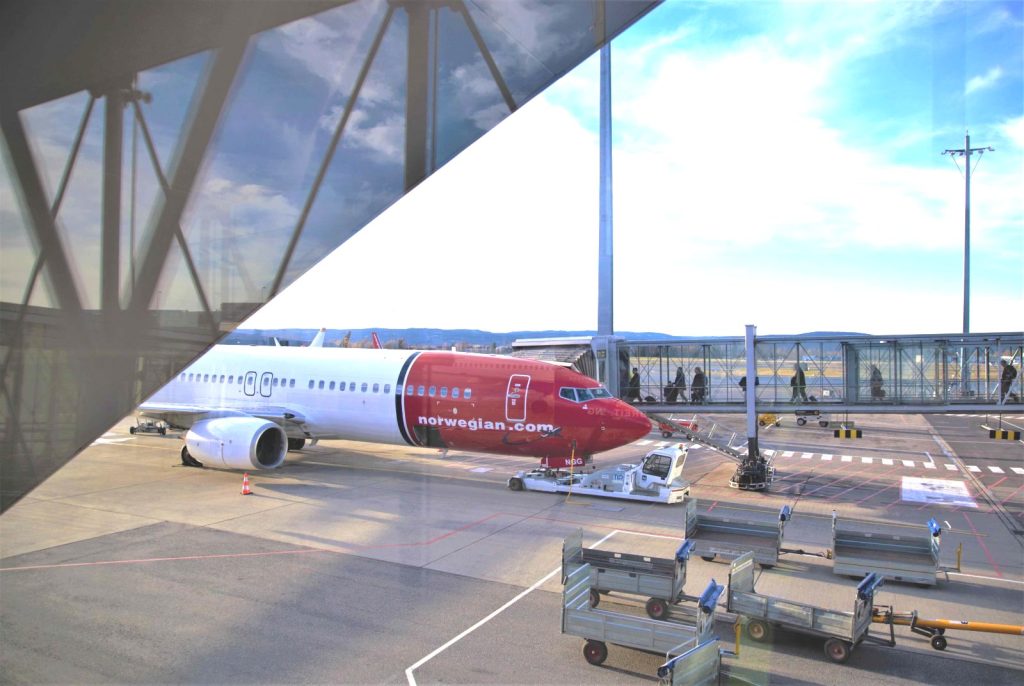
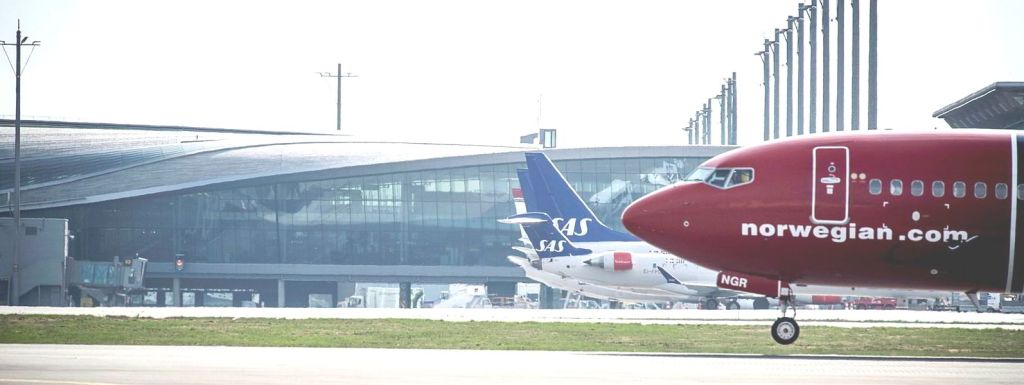
Norwegian Air presentó su oferta final de reestructuración a los acreedores el Jueves 11/03 en lo que la aerolínea de bajo presupuesto noruega dijo que era un paso importante en su plan para reducir la deuda y reducir su flota para sobrevivir a la pandemia de coronavirus. Si es aprobado por suficientes acreedores y el Tribunal Superior de Irlanda, el llamado plan de acuerdo permitirá a Norwegian recaudar nuevo capital y salir de la protección por bancarrota en Irlanda y Noruega. «Este es un hito importante en el proceso de asegurar el futuro de Norwegian», dijo el Director Ejecutivo Jacob Schram en un comunicado. Financiado en gran medida por deudas, Norwegian había crecido rápidamente hasta convertirse en una importante aerolínea en el momento del impacto de la pandemia, sirviendo rutas a través de Europa y volando a América del Norte y del Sur, el sudeste asiático y Oriente Medio.
Tras el anuncia en 2020, el plan de supervivencia pone fin definitivamente al negocio de larga distancia de Norwegian, dejando a una aerolínea reducida centrada en las rutas nórdica y europea. «Se espera que el Tribunal Superior irlandés tome su decisión final en las próximas dos semanas. Si todo va según lo planeado, podremos llevar a cabo la ampliación de capital en Mayo», dijo el Director Financiero Geir Karlsen, agregando que un proceso judicial separado en Noruega debería resolverse poco después.
La propuesta actualizada siguió a un esquema dado por primera vez por Norwegian en enero para reducir su flota a 53 aviones de 140 antes de la pandemia y reducir su deuda a NOK 20.000 millones de Coronas noruegas/US$ 2.400 millones de Dólares. Como parte del plan, la aerolínea debe recaudar entre NOK 4.000 y 5.000 millones de Coronas de nuevas acciones y capital híbrido, de las cuales el Gobierno de Noruega ha dicho que está dispuesta a aportar NOK 1.500 millones. Los nuevos inversores recibirán aproximadamente el 70% del capital social posterior a la reestructuración, los acreedores obtendrán alrededor del 25% y los accionistas actuales aproximadamente el 5%. Los acreedores con reclamaciones no garantizadas recibirán alrededor del 5% del monto original adeudado en forma de efectivo y una nueva obligación de deuda, que será convertible en ciertos términos en acciones de la compañía reestructurada, dijo Norwegian.
La medida del Jueves 11/03 fue posible gracias a los recientes avances en los procedimientos judiciales. Algunos arrendadores de aviones han alcanzado pactos voluntarios para poner fin a los contratos, mientras que el tribunal de Dublín aprobó el repudio forzoso de otros. Norwegian también acordó recientemente poner fin a un contrato para 88 nuevos aviones del fabricante de aviones Airbus, aunque una disputa sobre 97 aviones Boeing sigue sin resolverse en procesos judiciales separados en Estados Unidos. Los acreedores podrán tener su opinión en las reuniones programadas para el 18 y 20 de Marzo de 2021 después de lo cual se solicitará el consentimiento al Tribunal Superior de Irlanda, dijo Norwegian.
Norwegian final offer for stewards
Norwegian Air makes final restructuring offer to creditors
Norwegian Air presented its final restructuring offer to creditors on Thursday 03/11 in what the Norwegian low-budget airline said was an important step in its plan to reduce debt and reduce its fleet to survive the coronavirus pandemic. If approved by enough creditors and the High Court of Ireland, the so-called settlement plan will allow Norwegian to raise new capital and exit bankruptcy protection in Ireland and Norway. «This is an important milestone in the process of securing Norwegian’s future», Executive Director Jacob Schram said in a statement. Financed largely by debt, Norwegian had rapidly grown to become a major airline at the time of the pandemic’s impact, serving routes through Europe and flying to North and South America, Southeast Asia and the Middle East.
Following the announcement in 2020, the survival plan finally puts an end to Norwegian’s long-haul business, leaving a small airline focused on the Nordic and European routes. «The Irish High Court is expected to make its final decision in the next two weeks. If all goes according to plan, we will be able to carry out the capital increase in May», said Chief Financial Officer Geir Karlsen, adding that a separate court process in Norway it should be resolved shortly thereafter.
The updated proposal followed a scheme first given by Norwegian in January to reduce its fleet to 53 aircraft from 140 before the pandemic and reduce its debt to NOK 20 billion Norwegian Crowns/US$ 2.4 billion. As part of the plan, the airline must raise between NOK 4 and 5 billion Crowns of new shares and hybrid capital, of which the Norwegian government has said it is willing to contribute NOK 1.5 billion. New investors will receive approximately 70% of the post-restructuring share capital, creditors will receive approximately 25% and current shareholders approximately 5%. Creditors with unsecured claims will receive about 5% of the original amount owed in the form of cash and a new debt obligation, which will be convertible on certain terms into shares of the restructured company, Norwegian said.
The measure of Thursday 11/03 was possible thanks to the recent advances in the judicial proceedings. Some aircraft lessors have reached voluntary agreements to end the contracts, while the Dublin court approved the forced repudiation of others. Norwegian also recently agreed to end a contract for 88 new jets from aircraft maker Airbus, although a dispute over 97 Boeing jets remains unresolved in separate lawsuits in the United States. Creditors will be able to have their say at meetings scheduled for March 18 and 20, 2021 after which consent will be sought from the High Court of Ireland, Norwegian said.
Norwegian sluttilbud for forvaltere
Norwegian Air gir et endelig restruktureringstilbud til kreditorer
Norwegian Air presenterte sitt endelige restruktureringstilbud for kreditorer torsdag 03/11 i det norske lavbudsjettselskapet sa var et viktig skritt i planen om å redusere gjeld og redusere flåten for å overleve koronaviruspandemien. Hvis den blir godkjent av nok kreditorer og High Court of Ireland, vil den såkalte oppgjørsplanen tillate Norwegian å skaffe ny kapital og avslutte konkursbeskyttelse i Irland og Norge. «Dette er en viktig milepæl i prosessen med å sikre Norwegians fremtid», sa administrerende direktør Jacob Schram i en uttalelse. Norwegian, finansiert i stor grad av gjeld, hadde raskt vokst til å bli et stort flyselskap på tidspunktet for pandemiens innflytelse, og betjente ruter gjennom Europa og flyr til Nord-og Sør-Amerika, Sørøst-Asia og Midtøsten.
Etter kunngjøringen i 2020, endte overlevelsesplanen endelig med Norwegians langdistansevirksomhet, og etterlot et lite flyselskap med fokus på de nordiske og europeiske rutene. «Den irske høyesteretten forventes å ta sin endelige avgjørelse i løpet av de neste to ukene. Hvis alt går etter planen, vil vi kunne gjennomføre kapitalforhøyelsen i mai», sa økonomidirektør Geir Karlsen og la til at et eget rettsprosess i Norge bør det løses kort tid etter.
Det oppdaterte forslaget fulgte en ordning som Norwegian først ga i januar for å redusere flåten til 53 fly fra 140 før pandemien og redusere gjelden til 20 milliarder norske Kroner/2,4 milliarder Dollar. Som en del av planen må flyselskapet skaffe mellom 4 og 5 milliarder Kroner nye aksjer og hybrid kapital, hvorav den norske regjeringen har sagt seg villig til å bidra med 1,5 milliarder Kroner. Nye investorer vil motta omtrent 70% av aksjekapitalen etter omstrukturering, kreditorer vil motta cirka 25% og nåværende aksjonærer cirka 5%. Kreditorer med usikrede krav vil motta omtrent 5% av det opprinnelige skyldte beløpet i form av kontanter og en ny gjeldsforpliktelse, som på visse vilkår kan konverteres til aksjer i det omstrukturerte selskapet, sa Norwegian.
Tiltaket torsdag 11/03 var mulig takket være de nylige fremskrittene i rettsforhandlingene. Noen flyutleiere har inngått frivillige avtaler for å avslutte kontraktene, mens Dublin-domstolen godkjente tvangsavvisning fra andre. Norwegian gikk også nylig med på å avslutte en kontrakt for 88 nye jetfly fra flyprodusenten Airbus, selv om en tvist om 97 Boeing-jetfly ikke er løst i separate søksmål i USA. Kreditorer vil kunne si sitt på møter som er planlagt til 18. og 20. mars 2021, hvoretter det vil bli innhentet samtykke fra High Court of Ireland, sa Norwegian.






















 airgways.com