Filipinas impone restricciones de entrada a aeropuertos
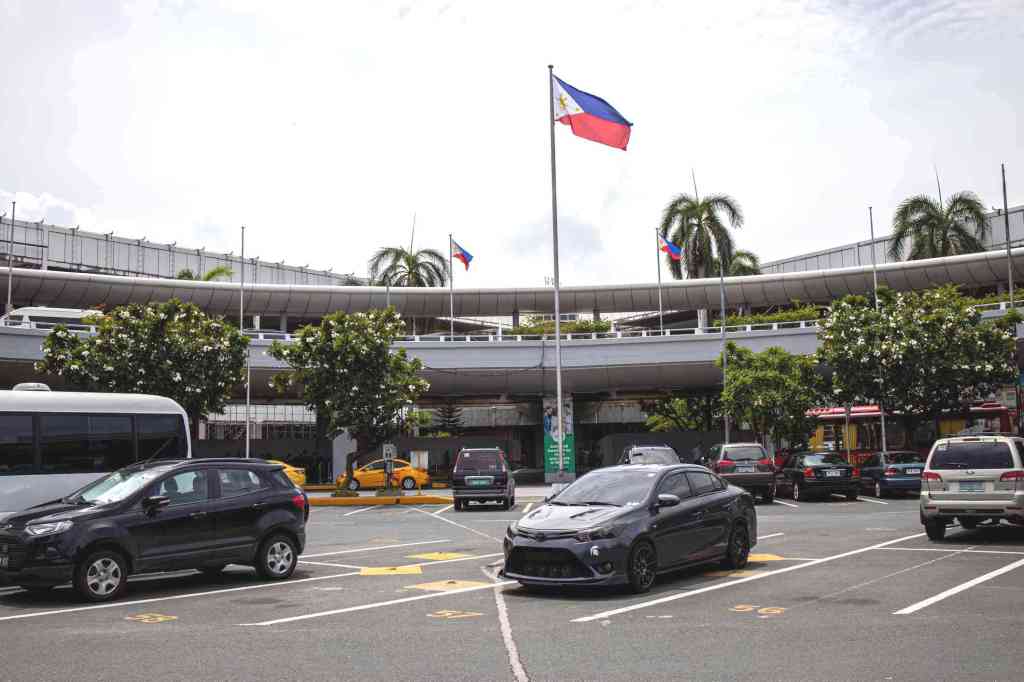
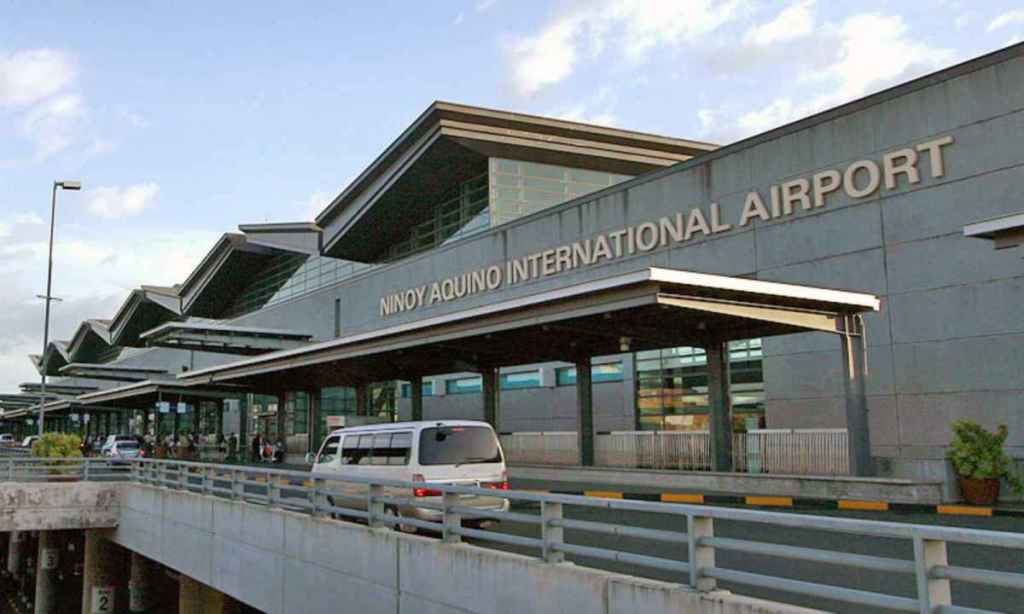
El Gobierno de Filipinas ha decidido prohibir temporalmente la entrada de extranjeros y limitar la entrada de filipinos que regresan al aeropuerto internacional de Manila a 1.500 diarios mientras lucha por contener un alarmante aumento de las infecciones por coronavirus. Un organismo gubernamental que se ocupa de la pandemia dijo que las restricciones de viaje de un mes comenzarían el sábado y tendrían como objetivo evitar la propagación al país de cepas de coronavirus de otros países que se cree que son más contagiosas. Entre los que se les permitirá la entrada limitada se encuentran los trabajadores filipinos de origen. Philippine Airlines dijo que anunciaría algunas cancelaciones de vuelos para cumplir con la restricción temporal.
Manila y otras ciudades de la región capitalina reimpusieron toques de queda nocturnos de siete horas durante dos semanas a partir del Lunes 15/03 y cerraron decenas de aldeas en medio del aumento de infecciones que algunos funcionarios atribuyeron a la complacencia pública y los críticos culparon al fracaso de la respuesta del gobierno a la pandemia. Filipinas ha notificado más de 631.300 casos confirmados de COVID-19, con 12.848 muertes, el segundo total más alto en el sudeste asiático después de Indonesia.
Philippines imposes entry restrictions
Philippines imposes airport entry restrictions
The Government of the Philippines has decided to temporarily ban the entry of foreigners and limit the entry of Filipinos returning to the Manila International Airport to 1,500 a day as it struggles to contain an alarming increase in coronavirus infections. A government body dealing with the pandemic said the month-long travel restrictions would begin on Saturday and aim to prevent the spread to the country of coronavirus strains from other countries that are believed to be more contagious. Among those who will be allowed limited entry are native Filipino workers. Philippine Airlines said it would announce some flight cancellations to comply with the temporary restriction.
Manila and other cities in the capital region reimposed seven-hour night curfews for two weeks starting Monday 03/15 and closed dozens of villages amid spike in infections that some officials attributed to public complacency and critics blamed the failure of the government’s response to the pandemic. The Philippines has reported more than 631,300 confirmed cases of COVID-19, with 12,848 deaths, the second-highest total in Southeast Asia after Indonesia.
Washington ha advertido que puede restringir los vuelos de aerolíneas locales como Cathay Pacific Airways por objeciones a las reglas de cuarentena de Hong Kong, que según dice están negando «oportunidades justas e igualitarias» a las aerolíneas estadounidenses. El Departamento de Transporte de Estados Unidos dijo en una orden el Martes 16/03 que estaba considerando tomar represalias contra las regulaciones de cuarentena de aviones de Hong Kong, que obligaron a la aerolínea de carga estadounidense FedEx a sacar a 180 pilotos de la ciudad para proteger sus horarios de vuelo contra futuras interrupciones. La agencia estadounidense también pidió a Cathay Pacific que presentara sus horarios para todos los vuelos estadounidenses en un plazo de siete días para poder evaluar si podrían «ser contrarios a la ley aplicable o afectar negativamente el interés público».
Hong Kong impuso el 20 de Febrero de 2021 medidas de cuarentena a los tripulantes de vuelo que se habían quedado fuera de la ciudad, pero excluidos de la regla de los que llegaban de China continental y Anchorage, Alaska. Alaska es una parada crítica de tránsito de carga para los vuelos de Cathay. «La forma en que Hong Kong ha impuesto sus restricciones afecta desproporcionadamente a los transportistas estadounidenses en beneficio exclusivo de los transportistas de Hong Kong. Este desequilibrio niega a los transportistas estadounidenses su derecho bilateral a una oportunidad justa e igualitaria para competir en el mercado entre Estados Unidos y Hong Kong», dijo el Departamento de Transporte (DOT).
Agregó que el «esculpido» permitió que la operación de carga de Cathay continuara «sin impacto» por los requisitos de cuarentena de la tripulación. Señaló que la tripulación de FedEx en Hong Kong, que volaba dentro de Asia, no se beneficiaría de tal exención.
FedEx se vio obligada a trasladar a su tripulación de vuelo con sede en Hong Kong a San Francisco para mantener la estabilidad de sus operaciones, y para no obligarlos a sufrir un aislamiento repetido y separarse de sus familias. El Consulado estadounidense en Hong Kong ha planteado repetidamente la cuestión al gobierno de la ciudad, mientras que FedEx también ha propuesto estrictas medidas de salud y seguridad para que su tripulación obtenga una exención de cuarentena.
Una portavoz de FedEx dijo que la compañía continuaría trabajando con los gobiernos de Estados Unidos y Hong Kong y su sindicato de pilotos para hacer frente a las restricciones de cuarentena. «Esperamos que las medidas adoptadas por el Departamento de Transporte de los Estados Unidos el 16 de marzo ayuden a resolver este asunto». HK Express y Hong Kong Airlines también fueron citados en el orden, pero ninguno vuela a los Estados Unidos. Jae Woon Lee, experto en derecho y políticas de aviación y profesor asistente de la Universidad China, explicó que el transporte aéreo internacional se había regido principalmente por alrededor de 4.000 acuerdos bilaterales de servicios aéreos. «El hecho de que sólo Anchorage estuviera exento del requisito de cuarentena de la tripulación puede apoyar el argumento de que el campo de juego no está nivelado. Sin embargo, no se trata de un caso claro, ya que la exención no se basa en la nacionalidad de las compañías aéreas. Una pregunta más grande es si el estatus de centro de aviación internacional de Hong Kong podría verse afectado y en qué medida».
Cathay Pacific también se ha visto duramente afectada por los requisitos de cuarentena. Redujo sus ya esqueléticos horarios de vuelos de pasajeros y carga en un 60 y un 25%, respectivamente. Cathay Pacific dijo que cumpliría con todas las regulaciones de aviación en Hong Kong y los destinos a los que vuela. «Cathay Pacific cree que el asunto debe resolverse lo antes posible en interés del público general y viajero», dijo una portavoz de la aerolínea.
Washington restrictions on Hong Kong
Flight restrictions due to quarantine rules
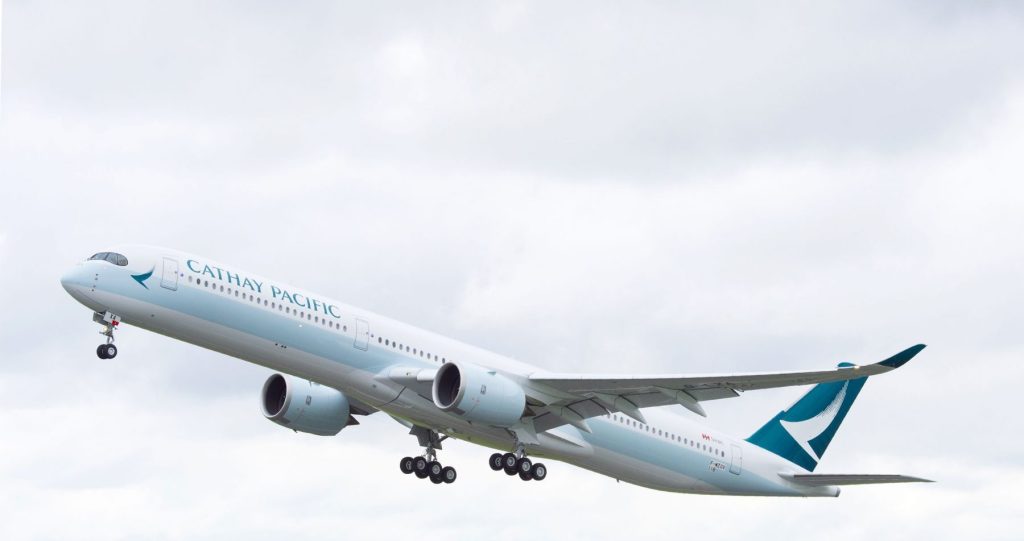
Washington has warned that it may restrict the flights of local airlines such as Cathay Pacific Airways over objections to Hong Kong’s quarantine rules, which it says are denying «fair and equal opportunities» to US airlines. The United States Department of Transportation said in an order on Tuesday 03/16 that it was considering retaliation against Hong Kong’s aircraft quarantine regulations, which forced US cargo carrier FedEx to remove 180 pilots from the city to protect your flight schedules against future interruptions. The US agency also asked Cathay Pacific to submit its schedules for all US flights within seven days in order to assess whether they could «be contrary to applicable law or negatively affect the public interest».
Hong Kong imposed quarantine measures on February 20, 2021 on flight crew members who had stayed outside the city, but excluded from the rule for those arriving from mainland China and Anchorage, Alaska. Alaska is a critical cargo transit stop for Cathay flights. «The way Hong Kong has imposed its restrictions disproportionately affects US carriers to the exclusive benefit of Hong Kong carriers. This imbalance denies US carriers their bilateral right to a fair and equal opportunity to compete in the inter-state market. United States and Hong Kong», said the Department of Transportation (DOT).
He added that the «sculpting» allowed Cathay’s cargo operation to continue «without impact» due to crew quarantine requirements. He noted that the FedEx crew in Hong Kong, flying within Asia, would not benefit from such an exemption.
FedEx was forced to relocate its Hong Kong-based flight crew to San Francisco to maintain the stability of its operations, and not to force them to suffer repeated isolation and separation from their families. The US consulate in Hong Kong has repeatedly raised the issue with the city government, while FedEx has also proposed strict health and safety measures for its crew to obtain a quarantine exemption.
A FedEx spokeswoman said the company would continue to work with the United States and Hong Kong governments and their pilots union to address the quarantine restrictions: «We hope that the actions taken by the United States Department of Transportation on March 16 will help resolve this matter». HK Express and Hong Kong Airlines were also cited in the order, but neither flies to the United States. Jae Woon Lee, an expert in aviation law and policy and assistant professor at the Chinese University, explained that international air transport had been governed mainly by around 4,000 bilateral air services agreements. «The fact that only Anchorage was exempt from the crew quarantine requirement may support the argument that the playing field is not level. This is not a clear case, however, as the exemption is not based on the nationality of airlines. A bigger question is whether and to what extent Hong Kong’s international aviation hub status could be affected».
Cathay Pacific has also been hit hard by quarantine requirements. It cut its already skeletal passenger and cargo flight schedules by 60 and 25%, respectively. Cathay Pacific said it would comply with all aviation regulations in Hong Kong and the destinations it flies to. «Cathay Pacific believes that the matter should be resolved as soon as possible in the interest of the general public and the traveler», said an airline spokeswoman.
Virgin Australia alquilará 9 Boeing 737 para mercado interno
Virgin Australia Airlines parece haber cambiado sus planes sobre la reducción de la flota de la línea Boeing 737. La aerolínea australiana entró en conversaciones para arrendar hasta nueve aviones de este tipo con el fin de aumentar la capacidad mientras confía enel aumento de la demanda de operaciones nacionales.
El Director Ejecutivo de Virgin Australia, Jayne Hrdlicka, ha detallado que la aerolínea se acercó un paso más en las negociaciones sobre un contrato de arrendamiento entre ocho o nueve aviones Boeing 737-800 para ampliar su capacidad nacional. En declaraciones a medios locales el 16 de Marzo de 2021, Jayne Hrdlicka anunció que la aerolínea se comprometía a más aviones y que creía que el mercado nacional australiano estaba saliendo del soporte vital. «Nos estamos comprometiendo con más aviones y estamos muy positivos sobre las perspectivas», expresó Jayne Hrdlicka, y delineó que Virgin Australia esperaba alcanzar el 65% de la capacidad pre-pandemia en Abril de 2021 e intentaría alcanzar el 85% a mediados de 2021. En la batalla aérea entre Qantas Airways, Virgin Australia y Rex Airlines, los clientes podrían ser los ganadores finales.
La medida de arrendar aviones Boeing 737 adicionales podría verse parcialmente alentada por un aumento en la venta de boletos de la aerolínea después de la reciente decisión gubernamental de descontar 800.000 tarifas aéreas con el fin de impulsar la caída de la demanda de viajes aéreos en el país. La aerolínea inicialmente tenía la intención de reducir su flota de Boeing 737 de 85 a 56 aviones. En Septiembre 2020, Virgin Australia anunció la devolución de un tercio de la flota 737 a los arrendadores como parte de su plan de cambios favorables del nuevo propietario Bain Capital. Siguiendo el plan, Virgin Australia debería centrarse en las operaciones internacionales nacionales y de corta distancia con sus 737 años mientras compite contra Qantas Airways. En ese momento, Virgin Australia estaba en conversaciones sobre los términos de financiación de 56 de los 85 aviones que la aerolínea tenía antes de entrar en administración voluntaria en abril de 2020. Sin embargo, Virgin Australia ya ha planeado hacer crecer su flota de nuevo a 75 aviones Boeing 737 cuando la demanda regrese. Según los datos Planespotters.com, la flota actual de Virgin Australia está compuesta por 2 aviones Boeing 737-700 y 57 Boeing 737-800 con una edad promedio de 9,6 años.
Virgin to lease 737 domestic demand
Virgin Australia to lease 9 Boeing 737s for domestic market
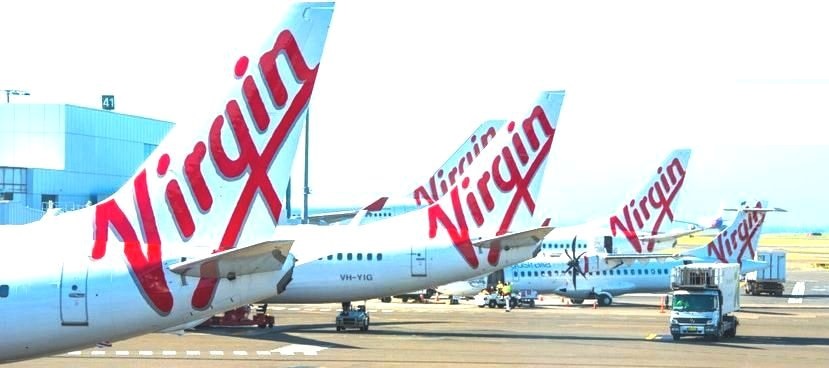
Virgin Australia Airlines appears to have changed its plans on reducing the fleet of the Boeing 737 line. The Australian airline entered into talks to lease up to nine such aircraft in order to increase capacity while relying on increased demand for operations. nationals.
Virgin Australia Chief Executive Officer Jayne Hrdlicka has detailed that the airline came one step closer in the negotiations on a lease agreement between eight or nine Boeing 737-800 aircraft to expand its domestic capacity. Speaking to local media on March 16, 2021, Jayne Hrdlicka announced that the airline was committing to more aircraft and that he believed the Australian domestic market was coming off life support. «We are committing to more aircraft and we are very positive about the outlook», said Jayne Hrdlicka, outlining that Virgin Australia expected to reach 65% of pre-pandemic capacity by April 2021 and would aim to reach 85% by mid-2021. In the air battle between Qantas Airways, Virgin Australia and Rex Airlines, customers could be the ultimate winners.
The move to lease additional Boeing 737 aircraft could be partially encouraged by an increase in the airline’s ticket sales after the recent government decision to discount 800,000 airfares in order to fuel the drop in demand for air travel in the country. The airline initially intended to reduce its Boeing 737 fleet from 85 to 56 aircraft. In September 2020, Virgin Australia announced the return of a third of the 737 fleet to lessors as part of its favorable exchange plan from new owner Bain Capital. Following the plan, Virgin Australia should focus on domestic and short-haul international operations at its 737-year-old while competing against Qantas Airways. At the time, Virgin Australia was in discussions on financing terms for 56 of the 85 aircraft the airline had before entering voluntary management in April 2020. However, Virgin Australia has already planned to grow its fleet back to 75 Boeing 737s when demand returns. According to Planespotters.com data, Virgin Australia’s current fleet is made up of 2 Boeing 737-700 and 57 Boeing 737-800 aircraft with an average age of 9.6 years.
Aeerolínea Sun Country Airlines obtiene respaldo económico
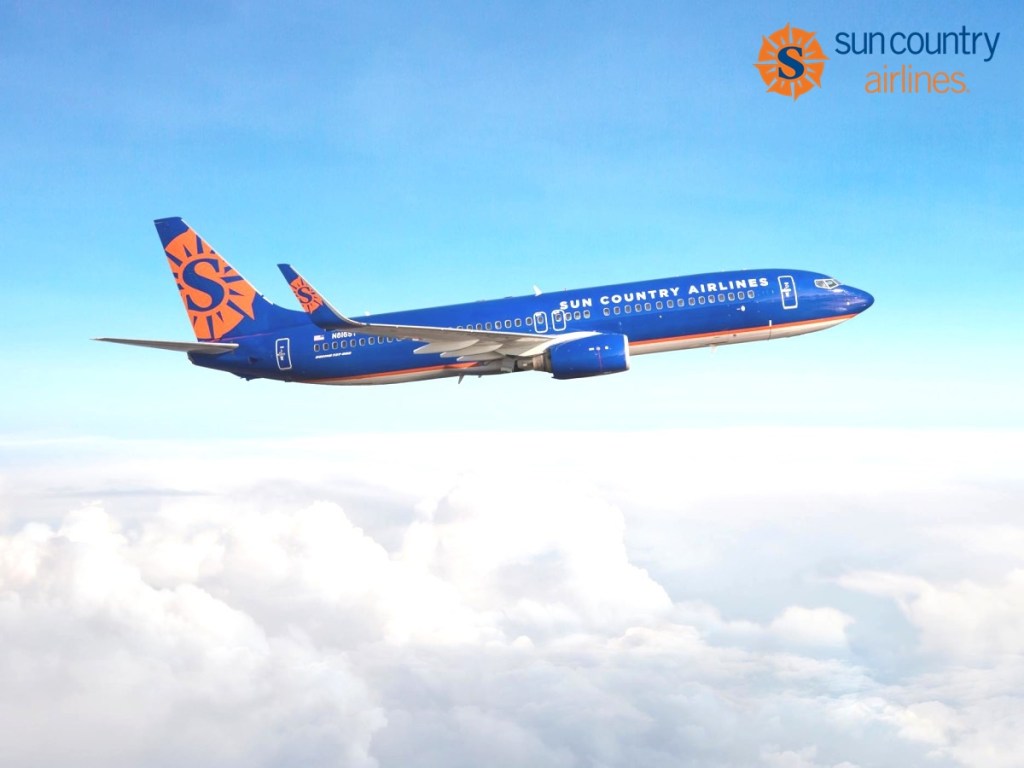
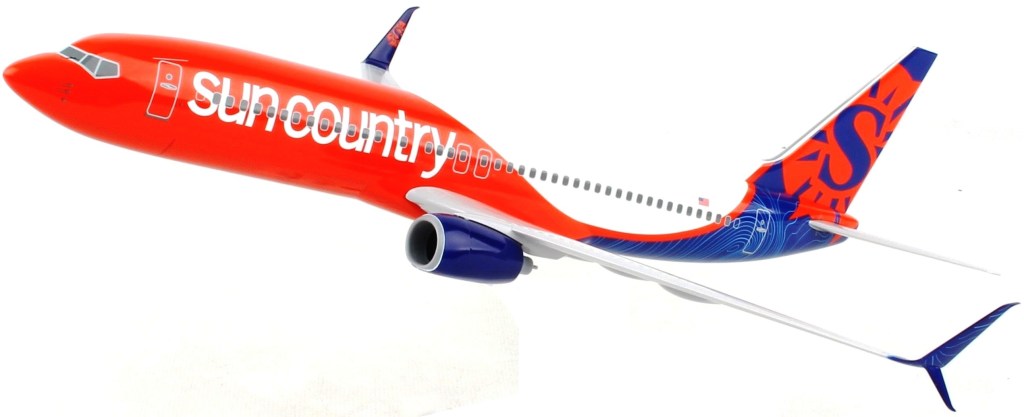
Sun Country Airlines Holdings Inc., una aerolínea de bajo costo con sede en Minnesota, respaldada por la firma de capital privado Apollo Global Management Inc. ha obtenido una recaudación de US$ 218,2 millones de Dólares en su oferta pública inicial el Martes 16/03. El listado se produce en un momento en que la débil demanda de viajes sigue pesando sobre las finanzas de las aerolíneas a nivel mundial, ya que la gente se queda en casa debido a la pandemia. Sun Country, sin embargo, está apostando por un cambio en su fortuna a medida que la gente se vacuna. La aerolínea espera ser uno de los primeros beneficiarios del repunte, ya que se centra en los viajes de ocio en lugar de los viajes de negocios.
Sun Country opera una flota de 31 aeronaves Boeing 737-800 y 12 aviones de carga. La aerolínea también proporciona servicios de carga aérea a Amazon.com Inc. La aerolínea amplió los servicios en Enero 2021 de este año, sumando dieciséis nuevas rutas y nueve nuevos aeropuertos, alentados por el despliegue de la vacuna COVID-19 y apostando por la demanda de viajes de ocio.
Fundada en 1982 por Jim Olsen y un pequeño grupo de pilotos y asistentes de vuelo, Sun Country ofrece vuelos asequibles y paquetes de vacaciones a destinos de los Estados Unidos, México, Centroamérica y el Caribe. En 2017 ha sido adquirida por Apollo Global Management Inc. La compañía dijo que planea usar una parte de los ingresos de la OPI para pagar un préstamo que tomó del Gobierno de los Estados Unidos bajo la Ley de Ayuda, Alivio y Seguridad Económica (CARES).
Sun Country backed by Apollo
Airline Sun Country Airlines obtains financial support
Sun Country Airlines Holdings Inc., a Minnesota-based low-cost airline backed by private equity firm Apollo Global Management Inc., raised $ 218.2 million in its initial public offering on Tuesday 16/03. The listing comes at a time when weak travel demand continues to weigh on airline finances globally as people stay home due to the pandemic. Sun Country, however, is betting on a turnaround in its fortunes as people get vaccinated. The airline hopes to be one of the first beneficiaries of the rebound, as it focuses on leisure travel rather than business travel.
Sun Country operates a fleet of 31 Boeing 737-800 aircraft and 12 cargo aircraft. The airline also provides air cargo services to Amazon.com Inc. The airline expanded services in January 2021 of this year, adding sixteen new routes and nine new airports, encouraged by the deployment of the COVID-19 vaccine and betting on demand. of leisure travel.
Founded in 1982 by Jim Olsen and a small group of pilots and flight attendants, Sun Country offers affordable flights and vacation packages to destinations in the United States, Mexico, Central America and the Caribbean. In 2017 it was acquired by Apollo Global Management Inc.The company said it plans to use a portion of the IPO proceeds to pay off a loan it took from the United States Government under the Aid, Relief and Economic Security Act (CARES).
AEI logra acuerdo conversión MD-88SFs para USA Jet
Aeronautical Engineers, Inc. (AEI) ha firmado un contrato para proporcionar a la aerolínea regional USA Jet Airlines, con sede en Michigan, conversiones de cargueros de tres (3) McDonnell Douglas MD-88SF con opción adicional para convertir tres más del mismo tipo de aeronave. Las conversiones son parte de una expansión significativa en la capacidad aérea nacional en la que la empresa matriz de la aerolínea, Ascent Global Logistics, está invirtiendo en un período de varios años. La conversión del carguero MD-88SF cuenta con posiciones adicionales de palets y una mayor capacidad de carga útil y proporcionará a USA Jet Airlines un sistema de carga Ancra (CLS) capaz de transportar contenedores/palets de 12″ x 108″, P1 a P12.
El primer MD-88 (MSN TBD) comenzará a modificarse en Marzo de 2021, seguido del segundo y tercer avión en Mayo y Agosto 2021, respectivamente. Los requisitos de mano de obra táctil y mantenimiento para todas las modificaciones se realizarán en las instalaciones de Dothan, Alabama (AL), de Commercial Jet, que es un Centro de Conversión AEI autorizado.
AEI Engineers ha estado ocupado con conversiones para cargueros de cuerpo estrecho en los últimos tiempos. Recientemente llegó a acuerdos con el arrendador de aeronaves Macquarie Finance para cuatro conversiones Boeing 737-800SF y la compañía Transair con sede en Honolulu, Hawaii, para una conversión de Boeing 737-400SF. La compañía está en camino de convertir más de 36 cargueros de banda estrecha en 2021 y más de 45 en 2022, ha comunicado Bob Convey, Vicepresidente Senior de Ventas y Marketing de AEI Engineers. AEI Engineers está trabajando en conversiones para diferentes modelos en sus instalaciones, incluyendo CRJ200SF, MD80SF, B737-300SF, B737-400SF y B737-800SF, con conversiones que van desde US$ 1.9 a US$ 3.8 millones dependiendo del tipo de aeronave.
AEI MD-88F conversions for USA Jet
AEI reaches MD-88SFs conversion agreement for USA Jet
Aeronautical Engineers, Inc. (AEI) has entered into a contract to provide Michigan-based regional airline USA Jet Airlines with three (3) McDonnell Douglas MD-88SF freighter conversions with additional option to convert three more of the same type of aircraft. The conversions are part of a significant expansion in domestic air capacity that the airline’s parent company, Ascent Global Logistics, is investing in over a period of several years. The MD-88SF freighter conversion features additional pallet positions and increased payload capacity and will provide USA Jet Airlines with an Ancra Cargo System (CLS) capable of transporting 12 «x 108» containers/pallets, P1 to P12.
The first MD-88 (MSN TBD) will begin to be modified in March 2021, followed by the second and third aircraft in May and August 2021, respectively. Touch labor and maintenance requirements for all modifications will be performed at the Dothan, Alabama (AL) facility of Commercial Jet, which is a licensed AEI Conversion Center.
AEI Engineers has been busy with conversions for narrow-body freighters as of late. It recently reached agreements with aircraft lessor Macquarie Finance for four Boeing 737-800SF conversions and the Honolulu, Hawaii-based company Transair for one Boeing 737-400SF conversion. The company is on track to convert more than 36 narrowband freighters in 2021 and more than 45 in 2022, said Bob Convey, AEI Engineers Senior Vice President of Sales and Marketing. AEI Engineers is working on conversions for different models at its facilities, including CRJ200SF, MD80SF, B737-300SF, B737-400SF and B737-800SF, with conversions ranging from US$ 1.9 to US$ 3.8 million depending on the type of aircraft.
Suspensión vuelos a Porto Moz y Alenquer por falta de infraestructura
Azul Linhas Aéreas ha comunicado este 16/03, que ha decidido suspender sus vuelos en las ciudades de Porto de Moz y Alenquer, ambos destinos en el Estado de Pará, debido a la deficiencia de infraestructura aeroportuaria que ha imposibilitado cubrir las rutas servidas por Azul Conecta. La aerolínea conecta Porto de Moz procedente de Breves (PA) o Almeirim (PA) para concluir en la Capital del Estado de Pará, Belém. Los vuelos hacia Alenquer, llegaron desde Monte Alegre (PA) y tienen partidas hacia a Óbidos (PA).
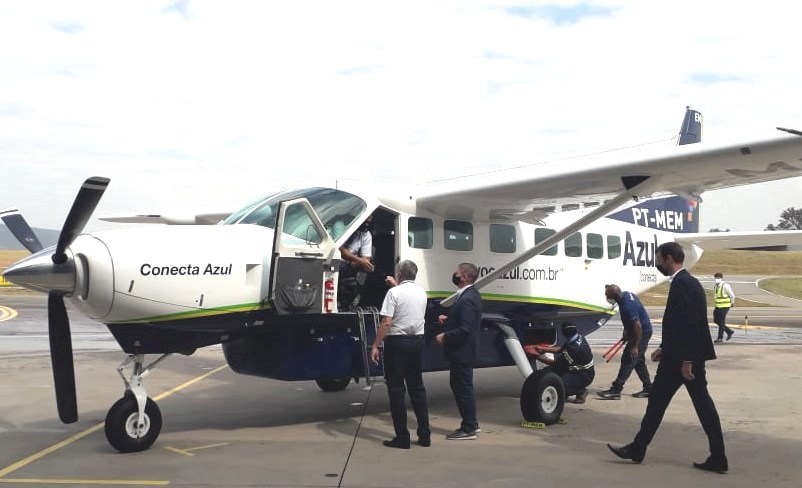
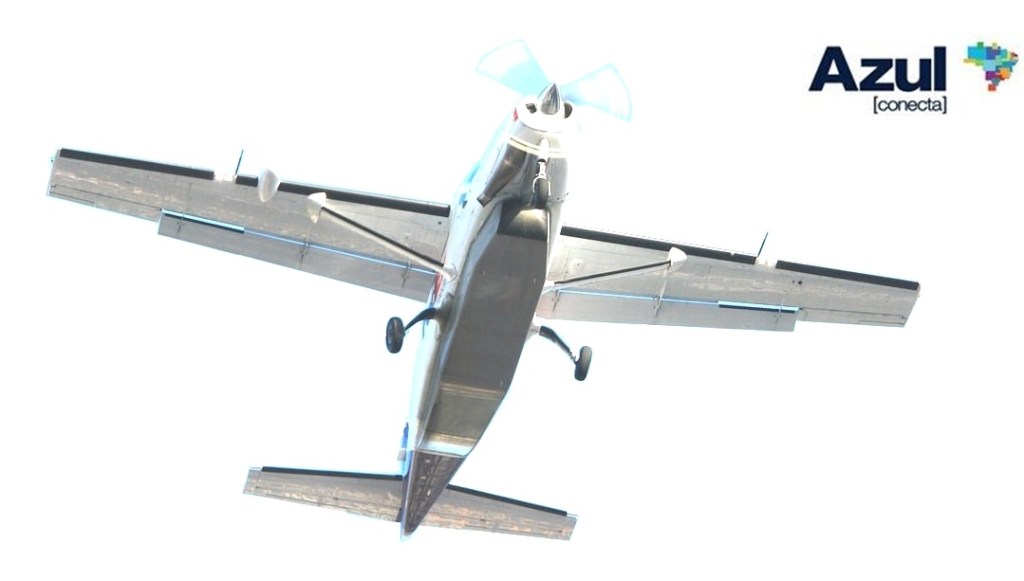
La compañía aérea operaba con aviones Cessna C208B Grand Caravan de su división regional Azul Conecta los Lunes, Miércoles y Viernes, pero ante el cuestionamiento del funcionamiento de las aeroestaciones respectivas, la aerolínea regional ha decidido suspender las operaciones hasta que se provea seguridad al transporte. Azul Conecta ha interrumpido las conexiones este Lunes 15 de Marzo de 2021. Los pasajeros que posean tickets para fechas posteriores se requerirá realizar reembolsos de sus boletos. Azul Conecta no ha detallado cuándo se restablecerá las conexiones en Porto Moz y Alenquer en el Estado de Pará, mientras se aguarda una respuesta para que se de cumplimiento a los requerimientos de infraestructura.
Azul Conecta suspends Ops destinations for Pará
Porto Moz and Alenquer suspended for lack of infrastructure
Azul Linhas Aéreas has communicated this 03/16, that it has decided to suspend its flights in the cities of Porto de Moz and Alenquer, both destinations in the State of Pará, due to the deficiency of airport infrastructure that has made it impossible to cover the routes served by Azul Conecta. The airline connects Porto de Moz from Breves (PA) or Almeirim (PA) to conclude in the Capital of the State of Pará, Belém. The flights to Alenquer, arrived from Monte Alegre (PA) and have departures to Óbidos (PA).
The airline operated with Cessna C208B Grand Caravan aircraft from its regional division Azul Conecta on Mondays, Wednesdays and Fridays, but due to the questioning of the operation of the respective air stations, the regional airline has decided to suspend operations until transport security is provided. Azul Conecta has interrupted the connections this Monday, March 15, 2021. Passengers who have tickets for later dates will be required to make refunds of their tickets. Azul Conecta has not specified when the connections in Porto Moz and Alenquer in the state of Pará will be reestablished, while awaiting a response to comply with infrastructure requirements.
Azul Conecta suspende operações para o Pará
Vôos para Porto Moz e Alenquer suspensos por falta de infraestrutura
A Azul Linhas Aéreas comunicou a 16/03, que decidiu suspender os seus voos nas cidades de Porto de Moz e Alenquer, ambos destinos no Estado do Pará, devido à deficiência da infraestrutura aeroportuária que impossibilita a cobertura as rotas servidas pela Azul Conecta. A companhia aérea conecta Porto de Moz de Breves (PA) ou Almeirim (PA) para concluir na Capital do Estado do Pará, Belém. Os voos para Alenquer, saem de Monte Alegre (PA) e têm saídas para Óbidos (PA).
A companhia aérea operou com aeronaves Cessna C208B Grand Caravan de sua divisão regional Azul Conecta às Segundas, Quartas e Sextas-feiras, mas devido ao questionamento do funcionamento das respectivas estações aéreas, a companhia aérea regional decidiu suspender as operações até que a segurança do transporte seja fornecida. A Azul Conecta interrompeu as conexões nesta Segunda-feira, 15 de Março de 2021. Passageiros que tiverem passagens em datas posteriores terão que fazer o reembolso das passagens. A Azul Conecta não especificou quando serão restabelecidas as conexões em Porto Moz e Alenquer, no estado do Pará, enquanto aguarda resposta para atendimento aos requisitos de infraestrutura.
Cero Tolerancia sobre incumplimientos de pasajeros
Ante los crecientes casos de indisciplina de los usuarios del transporte aéreo por las nuevas medidas de bioseguridad entre otras pautas, la Federal Aviation Administration (FAA) ha ordenado extender Cero Tolerancia por un plazo indefinido a reiterados casos de abusos a los requerimientos de las aerolíneas y aeropuertos en Estados Unidos, debido al fuerte incremento de los casos de violencia a bordo de las aeronaves en vuelos en Estados Unidos. Los pasajeros que se nieguen a cumplir con las normas establecidas para viajar en aviones al desobedecer las reglas de los Asistentes de Vuelo, incluyendo el uso de mascarilla, retar a pelear a otro pasajero, entre otras muchas indisciplinas, la FAA ha ordenado por la extensión indefinida de la política de Cero Tolerancia, que la Administración Federal de Aviación de Estados Unidos había puesto en vigor el 13 de Enero de 2021 y que terminaría el 30 de Marzo de 2021.
«He decidido extender la política de tolerancia cero de pasajeros rebeldes de la FAA mientras seguimos haciendo todo lo posible para enfrentar la pandemia. La política ordena a nuestros inspectores de seguridad y abogados que tomen medidas enérgicas contra cualquier pasajero que interrumpa o amenace la seguridad de un vuelo, con sanciones que van desde multas hasta penas de cárcel. El número de casos que estamos viendo sigue siendo demasiado alto, y nos dice que se siguen exigiendo medidas urgentes», expresa el comunicado de Steve Dickson, Administrador de la FAA.
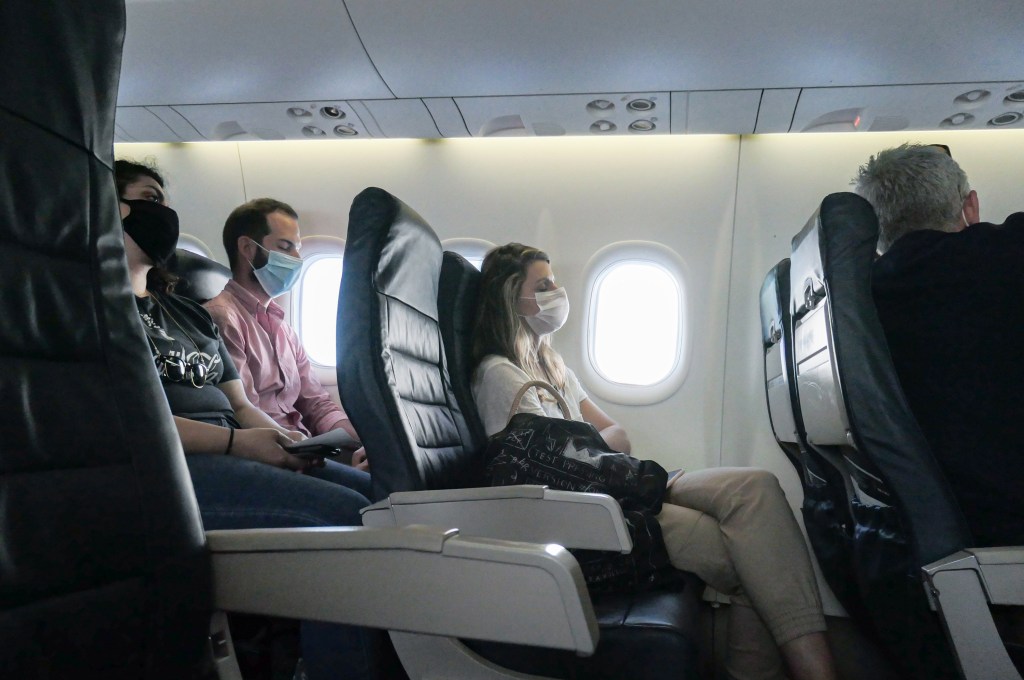
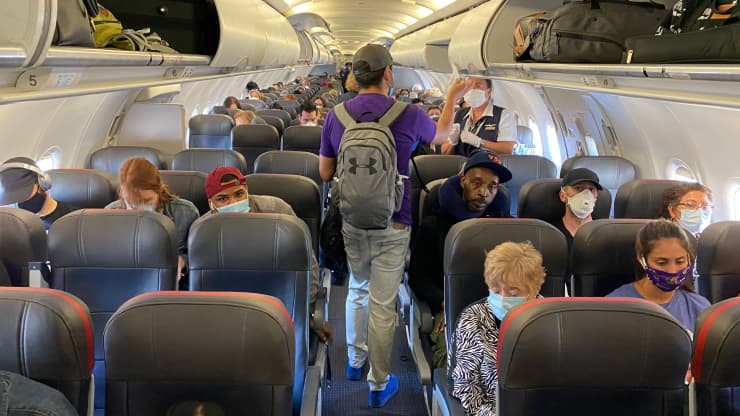
Con los incidentes frecuentes de pasajeros de indisciplina en los vuelos, especialmente quienes están en contra del uso de mascarilla durante todo el tiempo de vuelo, son muchos los viajeros que además de sentirse preocupados por un posible contagio del Coronavirus mientras viajan, también temen que se forme en el vuelo altercados y peleas poniendo en riesgo la seguridad de los pasajeros.
Esto no es solo una impresión de los viajeros o de la tripulación de las aerolíneas comerciales de Estados Unidos. Según destacó en un nuevo comunicado Steve Dickson, Administrador de la FAA, desde finales de Diciembre 2020 hasta esta fecha, se han visto más de 500 incidentes aproximadamente, un incremento notable en este tipo de eventos. Steve Dickson dijo que el mal comportamiento de pasajeros no es nuevo en los aviones, pero no era frecuente, por lo que antes se orientaba a los pasajeros o se les podía dar avisos (warnings), en casos menos graves. Pero ante el aumento y la severidad de los casos, luego de consultar con los abogados y expertos de la agencia que dirige, emitieron en Enero 2021 de manera urgente esa política más estricta de “Cero Tolerancia” y destacaron que ese comportamiento conllevaría arrestos. Ahora esta medida está extendida por tiempo indefinido o al menos hasta que se elimine la regla de uso de mascarilla, que aunque las aerolíneas implementaron temprano tras reiniciar vuelos en el 2020, es obligatoria a partir de Enero 2021. La FAA requiere en todos los vuelos de Estados Unidos que se utilicen, al igual que en todos los medios de transporte y sigue los lineamientos establecidos por los Centros de Prevención y Control de Enfermedades (CDC), apoyados por una Orden Ejecutiva firmada por el Presidente Joe Biden.
“Esto es un asunto de seguridad. Los viajes aéreos en Estados Unidos son la manera más segura de viajar, y queremos que sigan siendo así”, aseguró el Steve Dickson. Para demostrar la firmeza de esta medida, de los más de 500 casos informados desde 12/2020, unos veinte pasajeros han sido procesados y más de 450 están en evaluación. En el caso más reciente, esta agencia está pidiendo multas del orden de los US$ 14.500 para un pasajero de un vuelo de JetBlue Airways que se negó a usar la mascarilla en un vuelo den Diciembre 2020 entre Nueva York y República Dominicana, en un incidente que como otros, ha hecho que en la aeronave se declare una emergencia y tenga que regresar a su punto de origen, interrumpiendo el viaje, con los costos implicados.
Caso JetBlue Airways
La Administración Federal de Aviación (FAA) del Departamento de Transporte de Estados Unidos (DOT) propone una multa civil de US$ 14.500 Dólares contra un pasajero de una aerolínea por supuestamente interferir con las azafatas que le ordenaron usar una máscara facial y dejar de consumir alcohol que había traído a bordo del avión. En un vuelo de JetBlue Airlines del 23 de Diciembre de 2020 desde el Aeropuerto Internacional John F. Kennedy/JFK en Nueva York a la República Dominicana, el pasajero abarrotó al viajero sentado a su lado, habló en voz alta y se negó a usar su máscara facial, alega la FAA. Las azafatas trasladaron al otro pasajero a un asiento diferente después de que se quejaron del comportamiento del hombre.
Una azafata advirtió al hombre que las políticas de JetBlue Airways le exigían usar una máscara facial, y le advirtió dos veces que las regulaciones de la FAA prohíben a los pasajeros beber alcohol que traen a bordo de un avión. A pesar de estas advertencias, el pasajero continuó quitándose la máscara facial y bebiendo su propio alcohol, alega la FAA. La azafata emitió al pasajero un «Aviso para cesar el comportamiento ilegal y objetable», y la tripulación de cabina notificó al Capitán sobre sus acciones dos veces separadas. Como resultado de las acciones del pasajero, el Capitán declaró una emergencia y regresó a JFK, donde el avión aterrizó 4.000 libras de sobrepeso debido a la cantidad de combustible a bordo. El pasajero tiene 30 días después de recibir la carta de cumplimiento de la FAA para responder a la Agencia.
Penalidades y suspensión
La normativa de la FAA de Cero Tolerancia ha expresado que los incumplimientos pueden incurrir en multas de hasta US$ 35.000 o arrestos por no cumplir con esta regla federal. Los viajeros se arriesgan a que se les prohíba viajar en las aerolíneas donde tengan el incidente, o donde se nieguen a usar la mascarilla. Delta Air Lines, United Airlines y Alaska Airlines, entre otras, han prohibido a centenares de viajeros que vuelvan a usar sus servicios, aunque no se ha dicho si esta prohibición es permanente. Aunque esta regla puede tener sus excepciones por condiciones de salud, es importante que antes de viajar el usuario de transporte aéreo deberá asesorarse sobre los requisitos en cada aerolínea.
FAA extends Zero Tolerance
Zero Tolerance on passenger defaults
Faced with the growing cases of indiscipline of air transport users due to the new biosafety measures, among other guidelines, the Federal Aviation Administration (FAA) has ordered the extension of Zero Tolerance for an indefinite period of time to repeated cases of abuse of airline requirements and airports in the United States, due to the sharp increase in cases of violence on board aircraft for flights in the United States. Passengers who refuse to comply with the rules established for traveling on airplanes by disobeying the rules of Flight Attendants, including the use of a mask, challenging another passenger to fight, among many other indiscipline, the FAA has ordered by the extension of the Zero Tolerance policy, which the Federal Aviation Administration of the United States there was put into effect on January 13, 2021 and which would end on March 30, 2021.
«I have decided to extend the FAA’s zero tolerance policy for unruly passengers while we continue to do everything we can to deal with the pandemic. The policy directs our security inspectors and attorneys to crack down on any passenger who disrupts or threatens the safety of a flight, with penalties ranging from fines to jail time. The number of cases we are seeing is still too high, and it tells us that urgent action is still required», says the statement from Steve Dickson, Administrator of the FAA.
With the frequent incidents of indiscipline passengers on flights, especially those who are against the use of a mask during the entire flight time, there are many travelers who, in addition to feeling worried about a possible contagion of the Coronavirus while traveling, also fear that they will form altercations and fights on the flight putting the safety of passengers at risk.
This is not just an impression from travelers or the crew of America’s commercial airlines. As highlighted in a new statement by Steve Dickson, Administrator of the FAA, from the end of December 2020 to this date, more than 500 incidents have been seen approximately, a notable increase in this type of event. Steve Dickson said passenger misbehavior is not new on airplanes, but it was rare, so passengers were previously targeted or warned, in less serious cases. But given the increase and severity of the cases, after consulting with the lawyers and experts of the agency that he directs, in January 2021 they urgently issued that stricter policy of “Zero Tolerance” and stressed that such behavior would lead to arrests. Now this measure is extended indefinitely or at least until the mask use rule is eliminated, which although airlines implemented early after restarting flights in 2020, is mandatory as of January 2021. The FAA requires on all flights used, as in all modes of transportation and follows the guidelines established by the Centers for Disease Control and Prevention (CDC), supported by an Executive Order signed by President Joe Biden.
“This is a security matter. Air travel in the United States is the safest way to travel, and we want to keep it that way”, said Steve Dickson. To demonstrate the strength of this measure, of the more than 500 cases reported since 12/2020, about twenty passengers have been processed and more than 450 are under evaluation. In the most recent case, this agency is requesting fines in the order of US$ 14,500 for a passenger on a JetBlue Airways flight who refused to use the mask on a December 2020 flight between New York and the Dominican Republic, in an incident Like others, it has caused an emergency to be declared in the aircraft and it has to return to its point of origin, interrupting the trip, with the costs involved.
JetBlue Airways case
The Federal Aviation Administration (FAA) of the United States Department of Transportation (DOT) proposes a civil fine of US$ 14,500 against an airline passenger for allegedly interfering with the flight attendants who ordered him to wear a face mask and stop using alcohol that he had brought aboard the plane. On a JetBlue Airlines flight on December 23, 2020 from John F. Kennedy/JFK International Airport in New York to the Dominican Republic, the passenger crammed the traveler sitting next to him, spoke loudly and refused to use his face mask, the FAA alleges. The flight attendants moved the other passenger to a different seat after they complained about the man’s behavior.
A flight attendant warned the man that JetBlue Airways policies required him to wear a face mask, and she warned him twice that FAA regulations prohibit passengers from drinking alcohol that they bring on board an airplane. Despite these warnings, the passenger continued to remove his face mask and drink his own alcohol, the FAA alleges. The flight attendant issued the passenger a «Notice to Cease Illegal and Objectionable Behavior», and the cabin crew notified the Captain of his actions two separate times. As a result of the passenger’s actions, the Captain declared an emergency and returned to JFK, where the plane landed 4,000 pounds overweight due to the amount of fuel on board. The passenger has 30 days after receiving the FAA compliance letter to respond to the Agency.
Penalties and suspension
The FAA’s Zero Tolerance regulation has stated that noncompliance can incur fines of up to US$ 35,000 or arrests for not complying with this federal rule. Travelers risk being banned from flying on the airlines where they have the incident, or where they refuse to wear the mask. Delta Air Lines, United Airlines and Alaska Airlines, among others, have banned hundreds of travelers from using their services again, although it has not been said whether this ban is permanent. Although this rule may have its exceptions due to health conditions, it is important that before traveling the air transport user should be advised on the requirements in each airline.
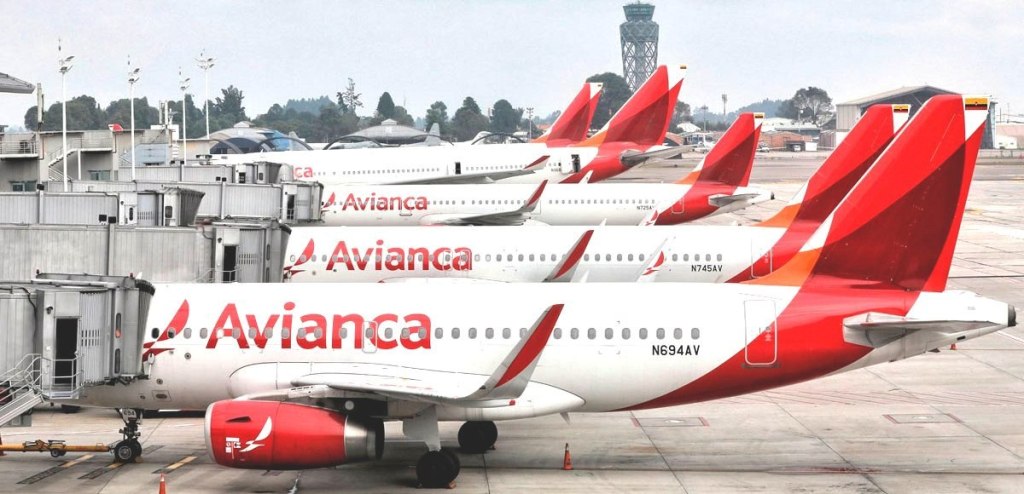
Avianca expandirá red servicios con 50 nuevas rutas
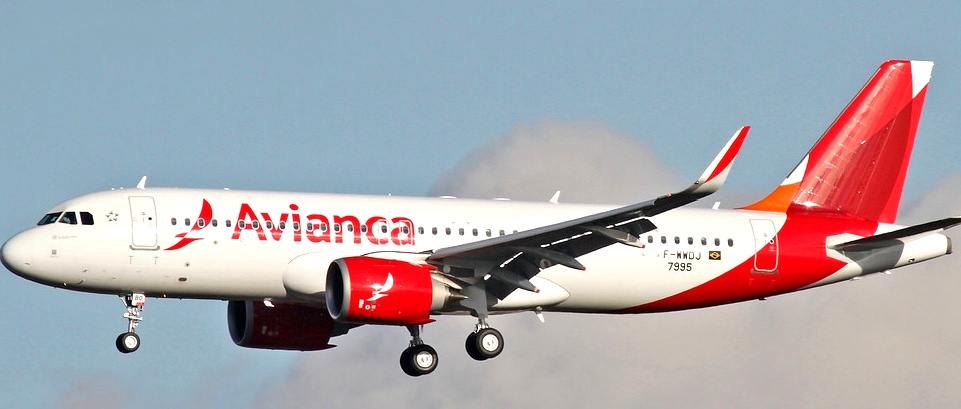
La aerolínea Avianca Airlines anunció este 16/03 su plan de reorganización y expansión post-pandemia necesaria para ser competitiva en los próximos años con el lanzamiento de nuevos destinos y productos. Tras un proceso de adecuación de la Ley de Quiebras, la reestructuración de la deuda y los cambios que han generado la crisis sanitaria, Avianca busca ser una compañía más eficiente hacia los próximos años. La estrategia incluye el crecimiento de su red actual de vuelos, con el lanzamiento de 50 nuevas rutas durante los siguientes tres años y más vuelos sin escala entre ciudades, según anunciaron ejecutivos de la aerolínea. «Siempre nos costó competir fuera de los hubs con el nivel de costos que teníamos, pero ahora apostamos a ser mucho más eficientes, lo que nos permitirá tener vuelos directos desde y hacia ciudades afuera de los hubs», ha expresado Anko van der Werff, CEO de Avianca.
Próximos destinos & productos
Para mediados de 2021 se ha planificado el inicio de seis nuevas rutas que incluyen Guatemala—Nueva York (EUA), Guatemala—Washington D.C. (EUA), San José—Miami (EUA), Medellín—Cancún, Medellín—Punta Cana (República Dominicana). En Julio 2021 comenzará a operar la ruta San Salvador—Ontario, en California, Estados Unidos, con tres vuelos por semana. Todos estos vuelos son directos punto a punto. Avianca ha estado trabajando en mejorar y alcanzar mayores índices de puntualidad, sirviendo como caso de El Salvador, el indicador de puntualidad continúa siendo superior al 96% en Marzo 2021.
Avianca ha detallado aspectos evaluados para implementar a corto plazo sobre vuelos para el segundo trimestre del año (2Q2021), y a destinos que en algunos casos a los cuales de momento no pueden volar. El CEO de Avianca ha explicado que continúan maximizando los recursos en el corto plazo para desarrollar operaciones rentables.
La aerolínea opera un centro de conexiones en el Aeropuerto Internacional de El Salvador Monseñor Óscar Arnulfo Romero. Desde este mes, Avianca está operando doce rutas con más de 9.000 asientos disponibles en 68 frecuencias semanales. «El hub es muy eficiente, funciona muy bien, siempre ha sido una pieza clave para nosotros en Avianca. Lo que construyó TACA en las últimas décadas es impresionante. Sigue el hub, pero afuera de los ‘hubs’ vamos a incrementar nuestra relevancia en las ciudades secundarias en la región», apuntó Anko van der Werff, sobre el plan trazado.
Recientemente, la aerolínea anunció la suspensión temporal de varias rutas a Estados Unidos, Europa, Centroamérica y Suramérica para ajustar sus operaciones a la demanda de pasajeros. Entre los vuelos cancelados figuran las rutas que parten de San Salvador con destino a Dallas, Houston y Miami (EUA), Toronto (Canadá) y Ciudad de México.
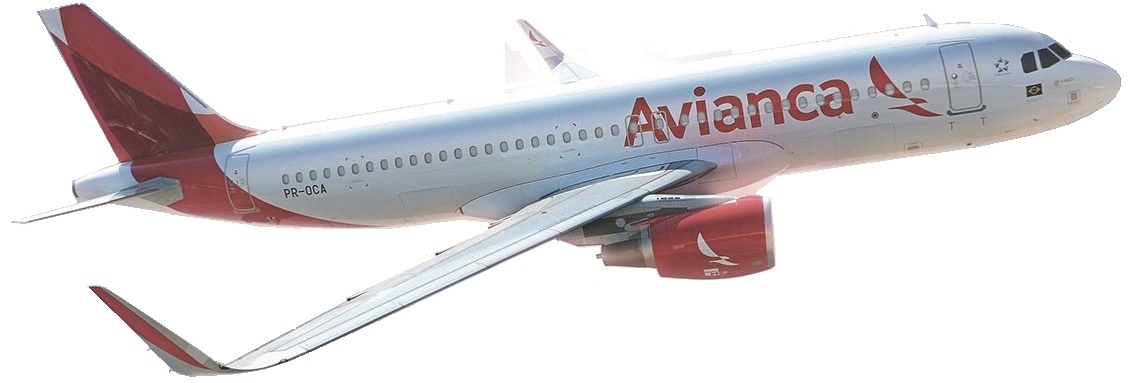
La aerolínea también anunció que introducirá un rediseño en el interior de sus aviones Airbus A320CEO/NEO para ofrecer asientos más ligeros y cómodos, permitiendo una mejor ergonomía para una renovada imagen visual de las cabinas de pasajeros.
Respecto a las tarifas vigentes, como parte de «Vuelo a tu medida», Avianca ofrecerá un vuelo con una tarifa limpia, denominada XS. «Es para la gente que quiera una tarifa aún más competitiva, vamos a asegurarnos de que Avianca atraiga a una nueva audiencia más amplia en todos los mercados», subrayó Anko Van der Werff, pues la idea es que más gente vuele con Avianca.
Perspectivas Avianca
La aerolínea ve con optimismo el futuro a pesar del impacto que la pandemia tuvo sobre la industria aérea en el 2020 y que implicó perdidas multimillonarias para el sector de las aerolíneas. En 2020, la aerolínea se acogió al Capitulo 11 de la Ley de Bancarrota en Estados Unidos. Esta norma permite a las empresas reorganizar sus negocios y seguir con sus operaciones. «Nos estamos reorganizando bajo el Capitulo 11, y eso protege a nuestros acreedores, nos da tiempo para hacernos cargo de nuestras obligaciones, nos deja renegociar y buscar eficiencias», resumió Adrián Neuhauser, Director Financiero de Avianca, quien destacó que el año pasado la empresa obtuvo US$ 1.200 millones a través de inversionistas privados. «Miramos no solo como proteger la caja en el corto plazo, pero también como creamos una Avianca valiosa para nuestros inversionistas, clientes y pasajeros hacia el futuro», aseveró Adrián Neuhauser.
Tras una fuerte reestructuración, la compañía ha salido favorecida hacia un futuro más prometedor: «Somos una empresa más eficiente al momento, lo que nos permite poner capacidad en otros lugares, que con el nivel de costos que teníamos antes no podíamos hacerlo», concluye el CEO de Avianca, Anko van der Werff.
Avianca announces route expansion plan
Avianca will expand services network with 50 new routes
The airline Avianca Airlines announced on 03/16 its post-pandemic reorganization and expansion plan necessary to be competitive in the coming years with the launch of new destinations and products. After a process of adapting the Bankruptcy Law, the restructuring of the debt and the changes that have generated the health crisis, Avianca seeks to be a more efficient company in the coming years. The strategy includes growing its current flight network, with the launch of 50 new routes over the next three years and more nonstop flights between cities, airline executives announced. «It has always been difficult for us to compete outside the hubs with the level of costs that we had, but now we are committed to being much more efficient, which will allow us to have direct flights to and from cities outside the hubs», said Anko van der Werff, CEO of Avianca.
Upcoming destinations & products
Six new routes are planned for mid-2021, including Guatemala—New York (USA), Guatemala—Washington D.C. (USA), San José—Miami (USA), Medellín—Cancún, Medellín—Punta Cana (Dominican Republic). In July 2021 the San Salvador-Ontario route will begin operating in California, United States, with three flights per week. All these flights are direct point to point. Avianca has been working to improve and achieve higher punctuality rates, serving as the case of El Salvador, the punctuality indicator continues to be higher than 96% in March 2021.
Avianca has detailed aspects evaluated to implement in the short term on flights for the second quarter of the year (2Q2021), and to destinations that in some cases to which they cannot fly at the moment. The CEO of Avianca explained that they continue to maximize resources in the short term to develop profitable operations.
The airline operates a hub at the Monseñor Óscar Arnulfo Romero International Airport of El Salvador. As of this month, Avianca is operating twelve routes with more than 9,000 seats available on 68 weekly frequencies. «The hub is very efficient, it works very well, it has always been a key piece for us at Avianca. What TACA built in recent decades is impressive. The hub continues, but outside of the hubs we are going to increase our relevance in the secondary cities in the region», pointed Anko van der Werff, on the drawn up plan.
Recently, the airline announced the temporary suspension of several routes to the United States, Europe, Central America and South America to adjust its operations to passenger demand. The canceled flights include routes that depart from San Salvador to Dallas, Houston and Miami (USA), Toronto (Canada) and Mexico City.
The airline also announced that it will introduce a redesign to the interior of its Airbus A320CEO/NEO aircraft to offer lighter and more comfortable seats, allowing better ergonometry for a renewed visual image of the passenger cabins.
Regarding the current rates, as part of «Flight to your measure», Avianca will offer a flight with a clean rate, called XS. «It is for people who want an even more competitive fare, we are going to make sure that Avianca attracts a new broader audience in all markets», expresses the CEO Anko Van der Werff, as the idea is that more people fly with Avianca.
Avianca perspectives
The airline is optimistic about the future despite the impact that the pandemic had on the airline industry in 2020 and that it implied multimillion-dollar losses for the airline sector. In 2020, the airline filed for Chapter 11 of the Bankruptcy Law in the United States. This rule allows companies to reorganize their businesses and continue with their operations. «We are reorganizing under Chapter 11, and that protects our creditors, gives us time to take charge of our obligations, allows us to renegotiate and seek efficiencies», summarized Adrián Neuhauser, Chief Financial Officer of Avianca, who highlighted that last year the The company obtained US$ 1.2 billion through private investors. «We look not only at how to protect the box in the short term, but also how we create a valuable Avianca for our investors, customers and passengers in the future», said Adrián Neuhauser.
After a strong restructuring, the company has been favored towards a more promising future: «We are a more efficient company at the moment, which allows us to put capacity in other places, which with the level of costs that we had before we could not do it», he concludes the CEO of Avianca, Anko van der Werff.
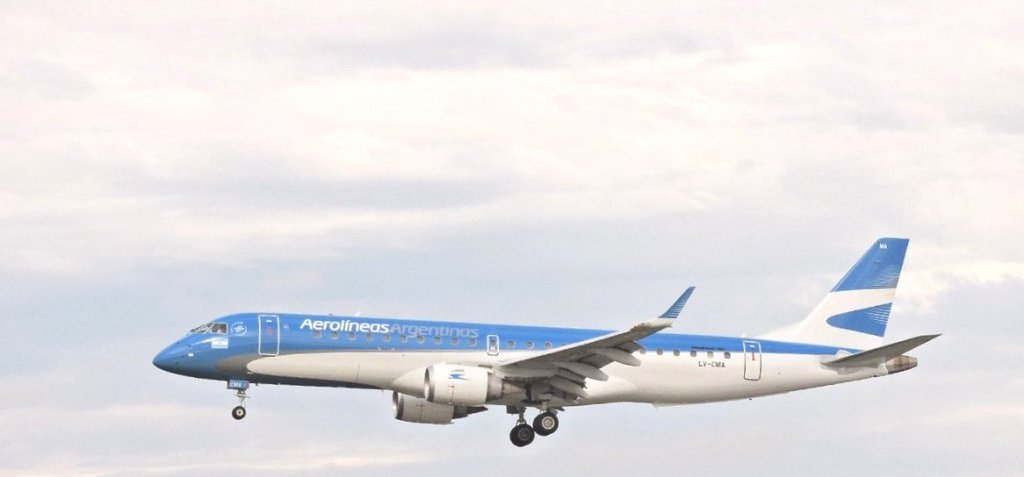
Aerolíneas Argentinas anuncia programación desde Aeroparque
La reapertura del Aeropuerto Jorge Newbery el Lunes 16/03, ha permitido que Aerolíneas Argentinas anuncie la nueva programación de vuelos desde esta aeroestación para destinos domésticos. La compañía informó que en una primera etapa se trasladará la flota Embraer E190 a la plataforma de Aeroparque, para cubrir los vuelos de cabotaje y regionales. Luego del 22/03 comenzarán a sumarse la flota Boeing 737 Next Generation para complementar todos los destinos de sus servicios.
A partir de este 16/03 y sus días subsiguientes Aerolíneas Argentinas ha retomado los vuelos de cabotaje hacia las siguientes ciudades: Bahía Blanca, Bariloche, Comodoro Rivadavia, Córdoba, Corrientes, Jujuy, La Rioja, Mar del Plata, Rio Cuarto, Río Grande, Rosario, Santiago del Estero, San Juan, San Luis y San Rafael. A lo largo de las semanas siguientes Aerolíneas sumará otros destinos: Catamarca, Esquel, El Calafate, Formosa, Iguazú, Mendoza, Neuquén, Paraná, Posadas, Resistencia, Rio Gallegos, Santa Fe, Salta, Santa Rosa, San Martin de los Andes, Trelew, Tucumán, Ushuaia y Viedma. En cuanto a los vuelos regionales se sumarán: São Paulo, Río de Janeiro, Florianópolis, Asunción, Santiago de Chile y Santa Cruz de la Sierra. La compañía proyecta incorporar este año Lima para las operaciones desde Aeroparque.
Restricciones internacionales
Debido al aumento en los niveles de contagio que viven países vecinos y no limítrofes con Argentina, mediante la Decisión Administrativa Nº 219/2021, Aerolíneas Argentinas se ha visto obligada a cancelar la siguiente programación de vuelos: Buenos Aires—Rio de Janeiro en los siguientes días 16, 20, 22, 27 y 29/03. En tanto para el mes de Abril 2021 fueron cancelados los servicios correspondientes a los días 3, 4, 5 y 11. Buenos Aires—São Pablo 17, 18, 21, 23, 24, 26 y 30/03; 6, 8 y 9 Abril 2021. Buenos Aires—Florianópolis 17, 24 y 31/03. Buenos Aires—Santiago de Chile 23, 25, 30/03; 1, 6, 8 y 11 Abril 2021. Buenos Aires—Miami 27/03; 2, 8 y 11 Abril 2021. Miami—Buenos Aires 28/03; 3, 9 y 12 Abril 2021. Buenos Aires—Madrid 21/03 y 07/04. Madrid—Buenos Aires 23/03 y 08/04. La aerolínea ha notificado de las reprogramaciones actualizadas para los viajes regionales e internacionales.
Aerolíneas Aeroparque programming
Aerolíneas Argentinas announces programming from Aeroparque
The reopening of the Jorge Newbery Airport on Monday 03/16 has allowed Aerolíneas Argentinas to announce the new schedule of flights from this airport to domestic destinations. The company informed that in a first stage the Embraer E190 fleet will be transferred to the Aeroparque platform, to cover domestic and regional flights. After 03/22, the Boeing 737 Next Generation fleet will begin to join to complement all the destinations of its services.
As of this 03/16 and its subsequent days, Aerolíneas Argentinas has resumed domestic flights to the following cities: Bahía Blanca, Bariloche, Comodoro Rivadavia, Córdoba, Corrientes, Jujuy, La Rioja, Mar del Plata, Rio Cuarto, Río Grande , Rosario, Santiago del Estero, San Juan, San Luis and San Rafael. Over the following weeks, Aerolineas will add other destinations: Catamarca, Esquel, El Calafate, Formosa, Iguazú, Mendoza, Neuquén, Paraná, Posadas, Resistencia, Rio Gallegos, Santa Fe, Salta, Santa Rosa, San Martin de los Andes, Trelew, Tucumán, Ushuaia and Viedma. As for regional flights, the following will be added: São Paulo, Rio de Janeiro, Florianópolis, Asunción, Santiago de Chile and Santa Cruz de la Sierra. The company plans to incorporate Lima this year for operations from Aeroparque.
International restrictions
Due to the increase in the levels of contagion experienced by neighboring countries and not bordering on Argentina, through Administrative Decision No. 219/2021, Aerolíneas Argentinas has been forced to cancel the following flight schedules: Buenos Aires—Rio de Janeiro in the following days 16, 20, 22, 27 and 29/03. Meanwhile, for the month of April 2021, the services corresponding to days 3, 4, 5 and 11. Buenos Aires—São Pablo 17, 18, 21, 23, 24, 26 and 03/30 were canceled; 6, 8 and 9 April 2021. Buenos Aires—Florianópolis 17, 24 and 31/03. Buenos Aires—Santiago de Chile 23, 25, 30/03; April 1, 6, 8 and 11, 2021. Buenos Aires—Miami 03/27; April 2, 8 and 11, 2021. Miami—Buenos Aires 03/28; April 3, 9 and 12, 2021. Buenos Aires—Madrid 03/21 and 04/07. Madrid—Buenos Aires 03/23 and 04/08. The airline has notified of updated rescheduling for regional and international travel.
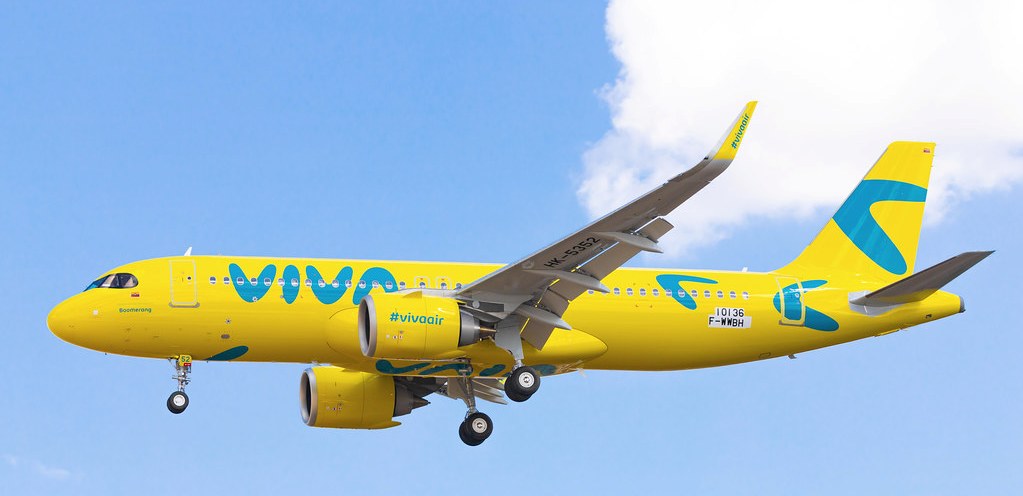
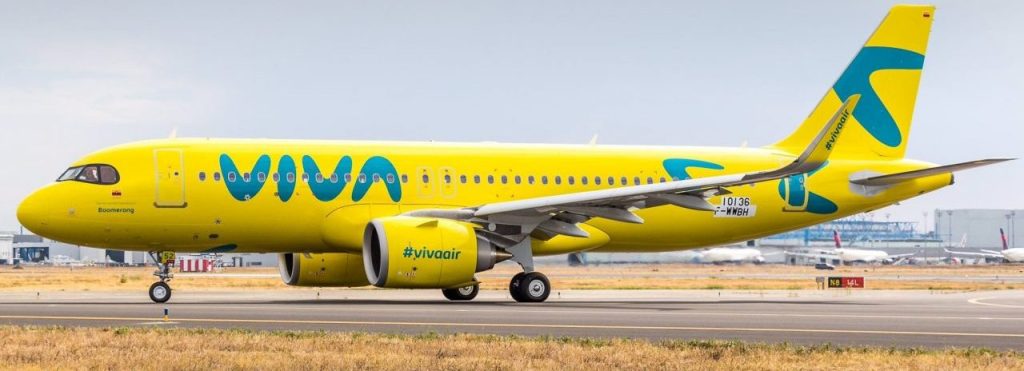
La aerolínea colombiana Viva Air ha establecido una recomposición de sus vuelos pre-pandemia permitiendo alcanzar los niveles establecido en 2019. Colombia ha detenido sus operaciones aerocomerciales durante seis meses en 2020, por lo que la aerolínea de presupuesto colombiana dejó de vender entre US$ 120 y US$ 150 millones de Dólares, sin embargo su CEO, Félix Antelo ha expresado que lograron salir adelante sin la asistencia de los gobiernos.
Tras la recomposición de la malla aérea, Viva Air proyecta un importante crecimiento para los próximos meses en el tráfico internacional. La aerolínea ya llegó a sus niveles pre-pandemia y ahora comenzará a desarrollar una etapa de crecimiento, “para la cual somos muy optimistas, es una etapa que ha comenzado y que fue más fuerte en el inicio con el mercado nacional que se ha recuperado muy muy fuerte, Colombia ha sido uno de los países del mundo que ha tenido una recuperación aérea más robusta y más rápida, y lo que vemos para el segundo semestre de este año y el 2022 es una recuperación fuerte en el tráfico internacional”, ha explicado Félix Antelo.
Viva Air tiene su principal mercado en el turismo, un segmento que continúa reactivándose, aunque también tienen una porción del sector corporativo. La compañía continúa confiada hacia los próximos 18 o 24 meses un aumento considerable de los vuelos. “Hay mucha gente que no ha podido viajar en el último año que lo único que están esperando es subirse a un avión”, expresó el CEO de Viva Air.
Proyecciones Viva Air
La falta de apoyo de los gobiernos, considera Félix Antelo, los pone en una competencia desigual frente a las aerolíneas de otros países como Estados Unidos, donde han tenido ayuda gubernamental. Pese a la crisis sanitaria, Viva Air continuará con los planes para incrementar su flota con los 50 aviones que había solicitado antes de la pandemia. La aerolínea acordó con Airbus Group extender dos años más las entregas, es decir que el plazo pasó de 2023 a 2025. “Extendimos un par de años, en vez de que fuera en 2023 ahora vamos hasta el 2025, estos son unos procesos de negociación que son complejos, largos porque hay mucho en juego. Sigue siendo un calendario súper ambicioso, entonces vamos a llegar al 2025 con 50 aviones, hoy de los 50 aviones tenemos 19 ya entregados quedan 31 por llegar, este año van a llegar entre 5 y 6, es decir que para final de año de 2021 vamos a tener la mitad del pedido ya volando en Colombia y Perú y después tenemos desde el 2022 hasta finales del 2025 para recibir los siguientes 25 aviones”, comentó Félix Antelo.
La aerolínea ve oportunidad de mercado en Centro América y Ecuador pero descarta Argentina. En Chile considera hay gran competencia y Brasil es un mercado costoso para operar. Seguirán concentrados en crecer en Colombia y en Perú, aunque están buscando un tercer mercado.
Viva Air reaches pre-pandemic traffic
Viva Air develops pre-pandemic flight levels
The Colombian airline Viva Air has established a recomposition of its pre-pandemic flights allowing it to reach the levels established in 2019. Colombia has stopped its commercial aviation operations for six months in 2020, so the Colombian budget airline stopped selling between US$ 120 and US$ 150 million, however its CEO, Félix Antelo has expressed that they managed to get ahead without the assistance of governments.
After the recomposition of the aerial mesh, Viva Air projects an important growth for the next months in the international traffic. The airline has already reached its pre-pandemic levels and will now begin to develop a growth stage, “for which we are very optimistic, it is a stage that has begun and was stronger at the beginning with the domestic market that has recovered. very very strong, Colombia has been one of the countries in the world that has had a more robust and faster air recovery, and what we see for the second half of this year and 2022 is a strong recovery in international traffic”, has Felix Antelo explained.
Viva Air has its main market in tourism, a segment that continues to reactivate, although they also have a portion of the corporate sector. The company continues to expect a considerable increase in flights over the next 18 or 24 months. «There are many people who have not been able to travel in the last year that the only thing they are waiting for is to get on a plane», said the CEO of Viva Air.
Viva Air projections
The lack of support from governments, considers Félix Antelo, puts them in unequal competition with the airlines of other countries such as the United States, where they have had government help. Despite the health crisis, Viva Air will continue with plans to increase its fleet with the 50 aircraft it had requested before the pandemic. The airline agreed with Airbus Group to extend deliveries for two more years, that is, the deadline went from 2023 to 2025. “We extended a couple of years, instead of 2023, now we are going to 2025, these are negotiation processes that are complex, long because the stakes are high. It is still a super ambitious calendar, so we are going to reach 2025 with 50 planes, today of the 50 planes we have 19 already delivered there are still 31 to arrive, this year between 5 and 6 will arrive, that is, by the end of the year in 2021 we are going to have half of the order already flying in Colombia and Peru and then we have from 2022 to the end of 2025 to receive the next 25 planes», said Félix Antelo.
The airline sees market opportunity in Central America and Ecuador but rules out Argentina. In Chile, he considers there is great competition and Brazil is an expensive market to operate. They will continue to focus on growing in Colombia and Peru, although they are looking for a third market.