AW | 2021 11 26 22:14 | AIR INVESTIGATION / AVIATION SAFETY
Boeing refuta nuevas preocupaciones de seguridad
Ha sido llamado «el avión de transporte más analizado de la historia», pero algunos críticos creen que el Boeing 737 MAX de The Boeing Company todavía no es seguro. Fue autorizado a volar pasajeros nuevamente por los reguladores estadounidenses el año pasado, después de haber sido inmovió a tierra después de dos accidentes catastróficos. Desde entonces, sin embargo, se han reportado una serie de problemas potencialmente graves durante los vuelos del 737 MAX. Boeing insiste en que el avión es seguro y confiable.
El 14 de Octubre de 2021, un Boeing 737-8 MAX despegaba del Aeropuerto Boeing Field de Seattle (WA), con destino a Bruselas, Bélgica. Era un vuelo de entrega, tomando el nuevo avión para comenzar a trabajar para sus propietarios del grupo de viajes Tui, bajo la aerolínea Tui Airways. Pero minutos después del viaje de 5,000 millas, los pilotos informaron un «problema de control de vuelo» urgente y tuvieron que regresar. El avión aterrizó de forma segura poco después. El problema, vinculado al piloto automático, se rectificó con relativa rapidez. El avión partió de nuevo hacia Bruselas al día siguiente, y ha estado volando regularmente desde entonces. Sin embargo, este no fue un incidente aislado.
Cada vez que un transportista o estación de reparación de los Estados Unidos descubre cualquier falla grave, mal funcionamiento o defecto a bordo de una aeronave, debe informar al regulador de los Estados Unidos, la Administración Federal de Aviación (FAA), a través de un llamado «Informe de Dificultad de Servicio». Ha habido más de 180 informes de este tipo desde que el 737 MAX regresó al servicio. La mayoría de las fallas se encontraron en aviones que estaban en tierra. Pero en 22 ocasiones, ocurrieron en vuelo, y en cuatro de ellas los pilotos declararon emergencias. Los pilotos estadounidenses también declararon emergencias en otras dos ocasiones debido a fallas en el motor. Estos eventos no aparecen actualmente en la base de datos de la FAA, pero se han informado en el sitio web Aviation Herald, que enumera los accidentes e incidentes en la aviación comercial. Los problemas ocurrieron en una flota estadounidense que todavía es relativamente pequeña, con menos de 160 aviones entregados a mediados de octubre, algunos de los cuales estuvieron en tierra durante varias semanas a principios de año después del descubrimiento de problemas eléctricos.
Boeing 737 MAX safety questioned
Boeing refutes new safety concerns
It has been called «the most analyzed transport aircraft in history,» but some critics believe that The Boeing CompanyBoeing 737 MAX is still not safe. It was cleared to fly passengers again by US regulators last year, after being grounded after two catastrophic accidents. Since then, however, a number of potentially serious problems have been reported during 737 MAX flights. Boeing insists that the plane is safe and reliable.
On October 14, 2021, a Boeing 737-8 MAX took off from Boeing Field Airport in Seattle (WA), bound for Brussels, Belgium. It was a delivery flight, taking the new plane to start working for its owners from the Tui travel group, under the airline Tui Airways. But minutes after the 5,000-mile trip, the pilots reported an urgent «flight control problem» and had to turn back. The plane landed safely shortly after. The problem, linked to the autopilot, was rectified relatively quickly. The plane departed again for Brussels the next day, and has been flying regularly ever since. However, this was not an isolated incident.
Anytime a carrier or repair station in the United States discovers any serious failure, malfunction, or defect on board an aircraft, it must report it to the United States regulator, the Federal Aviation Administration (FAA), through a called «Service Difficulty Report». There have been more than 180 such reports since the 737 MAX returned to service. Most of the faults were found in planes that were on the ground. But on 22 occasions, they occurred in flight, and in four of them the pilots declared emergencies. American pilots also declared emergencies on two other occasions due to engine failures. These events do not currently appear in the FAA database, but have been reported on the Aviation Herald website, which lists accidents and incidents in commercial aviation. The problems occurred in a US fleet that is still relatively small, with fewer than 160 aircraft delivered in mid-October, some of which were grounded for several weeks early in the year after the discovery of electrical problems.
AW | 2021 11 10 20:17 | AIR INVESTIGATION / AVIATION SAFETY / GOVERNMENT
Boeing prepara acuerdo con familias accidente del 737 MAX etíope Aerospacial buscará evitar daños punitivos judiciales
The Boeing Company y los abogados de las familias de casi todas las 157 personas que murieron en el accidente del vuelo ET-302 de Ethiopian Airlines de un Boeing 737-8 MAX en Etiopía están a punto de anunciar un acuerdo que pondrá fin a casi todas las demandas civiles contra el fabricante de aviones. Para las familias repartidas por todo el mundo, el acuerdo proporcionará una compensación determinada en los Estados Unidos en lugar de dejar que las familias africanas se apresuren en sus países de origen por pagos probablemente mucho más bajos. Para Boeing, limitará el alcance de los daños y la cantidad de investigaciones adicionales sobre las causas del accidente.
Se espera que los abogados de ambas partes presenten una moción tan pronto como este Miércoles 10/11 o el Jueves 11/11 en la Corte Federal de Chicago, Illinois, Estados Unidos. Solo dos de las familias del vuelo ET 302 no han firmado el acuerdo propuesto en este momento, lo que espera una mayor responsabilidad para la compañía y sus ejecutivos. Sin embargo, es legalmente incierto cómo pueden perseguir a Boeing aún más. En el acuerdo propuesto, conocido como «Estipulación», Boeing admite «responsabilidad por los daños compensatorios causados por el accidente ET-302», en el que murieron 157 personas en Marzo de 2019. No se especifica un monto establecido de compensación.
Acuerdo Estipulación
El acuerdo permite a cada familia, incluidas muchas de Etiopía y Kenia, buscar daños compensatorios en Illinois. La indemnización económica en cada caso individual se decidiría a través de la mediación o, si es necesario, en un juicio con jurado. Sin embargo, la firma de la estipulación elimina explícitamente la opción de buscar daños punitivos contra Boeing. La estipulación cierra firmemente la puerta a los esfuerzos legales que buscan descubrir irregularidades más allá de las de los dos pilotos de Boeing que fueron identificados en el caso penal presentado por el Departamento de Justicia. «Ninguna evidencia o argumento sobre daños punitivos será propiamente objeto de descubrimiento o será admitido», dice la estipulación. Un juicio exitoso por daños punitivos generalmente resultaría en una adjudicación financiera mucho mayor y también implicaría un proceso de descubrimiento legal que podría exigir documentos internos de Boeing y declaraciones de ejecutivos y otros empleados para explorar el alcance total de la responsabilidad de la compañía.
El Estado de Illinois, donde Boeing tiene su sede, es una de las muchas jurisdicciones que no permiten daños punitivos en casos de muerte por negligencia. El Estado de Washington, donde se diseñó y construyó el 737 MAX, es otro caso idéntico. Entre los ejecutivos de Boeing nombrados en una lista para ser depuestos en los casos civiles del vuelo ET-302 se encuentran el CEO David Calhoun, el CEO en el momento de los accidentes, Dennis Muilenburg,y el ex jefe de la unidad de Aviones Comerciales, Kevin McAllister.
Ahora es poco probable que esas deposiciones sucedan. Según varias personas familiarizadas con los detalles, los abogados de Boeing esgrimieron la amenaza de que si su estipulación no era aceptada por la gran mayoría de los demandantes, buscarían trasladar cada caso al país o estado de domicilio de las víctimas individuales. Eso habría privado a la mayoría de las familias en el extranjero de los juicios con jurado y el descubrimiento legal y habría asegurado una compensación mucho menor que las familias estadounidenses.
Elizabeth Burch, Profesora de la Facultad de Derecho de la Universidad de Georgia y experta en casos de agravios masivos y litigios multidistritales, que ha hablado con uno de los demandantes en el caso, dijo que el inminente acuerdo con las familias de las víctimas del accidente etíope casi despejará las barajas legales para Boeing. «Cada vez que tienes un comportamiento realmente atroz que no quieres poner frente al jurado, vas a llegar a un acuerdo sobre alguna base. Ciertamente, resolver la mayor parte de los casos va a ser de gran ayuda para tranquilizar a los accionistas», expresó Elizabeth Burch.
Boeing concluye el litigio
Las demandas civiles CONSOLIDATED ET302 son el último gran lote de litigios pendientes de los dos accidentes del Boeing 737 MAX donde fallecieron un total de 346 personas. Todas, menos cuatro de las familias de los que murieron en el accidente anterior del vuelo JT-610 de Lion Air en Indonesia ya se han establecido, y dos de ellos están en mediación esta semana, según personas con conocimiento de esos casos. Una de las familias de Lion Air que aún no se ha asentado es la del capitán nacional indio Bhavye Suneja, de 31 años, quien comandó el vuelo JT-610. La semana pasada, la junta de Boeing resolvió por US$ 237,5 millones de Dólares una demanda presentada por fondos de pensiones que representan a los principales accionistas.
Boeing, multada
En Enero 2021, Boeing llegó a un acuerdo de enjuiciamiento diferido con el Departamento de Justicia en el caso penal, pagando una multa de US$ 244 millones. En ese acuerdo de enjuiciamiento diferido, Boeing admitió fraude en la forma en que el MAX fue certificado y presentado a las aerolíneas, por lo que la admisión de responsabilidad en la estipulación ET-302 no es una gran concesión. Alan Morrison, decano asociado de la Facultad de Derecho de la Universidad George Washington en Washington, D.C., otro experto en casos de agravios masivos, dijo que los demandados corporativos generalmente requieren que los demandantes renuncien a cualquier reclamo por daños punitivos como parte de un acuerdo. «Nos guste o no, es la realidad. No es inusual. Boeing está haciendo lo que cree que es en su propio interés económico, a largo y corto plazo. Quieren terminar con esto. Eso es perfectamente comprensible. Tener todos estos casos escuchados en Illinois ciertamente beneficia a los no estadounidenses. víctimas», dijo Morrison.
Aunque ninguna familia puede ser obligada a aceptar la estipulación, el requisito de Boeing de que entraría en vigor solo si la mayoría de los demandantes firmaban presionaba a las familias para que aceptaran. Los demandantes en las naciones occidentales desarrolladas se pusieron en la posición de tener que considerar el impacto en las familias en duelo en África si el acuerdo fracasaba y los africanos se veían obligados a buscar una compensación en sus países de origen.
Casi tres años después del accidente del ET-302, la mayoría estaba lista para poner fin al litigio. Elizabeth Burch dijo que es «relativamente rutinario, aunque preocupante, que el demandado pida a los abogados de los demandantes que se resuelvan a través de un acuerdo global. Su idea detrás de hacer esto es tratar de crear una enorme presión sobre el abogado de los demandantes, para tratar de torcer los brazos de los demandantes para que tomen un acuerdo que podrían preferir no tomar. Lo que es particularmente preocupante en una situación como esta es cuando tienes intereses tan diversos. Si los demandantes etíopes van a tener que regresar y litigar en su país de origen y obtener muy poco dinero allí, entonces esa es una diferencia bastante significativa entre alguien (en los Estados Unidos) que le gustaría llevar su caso a juicio y ver que se produzcan más descubrimientos. Ese es un problema perpetuo que surge en los litigios multidistritales».
Según personas con conocimiento de los casos, las dos familias que no han firmado la estipulación son las de Samya Rose Stumo de Massachusetts y de un matrimonio keniano, Jared Babu Mwazo y Mercy Ngami Ndivo, que dejaron un bebé. Las opciones legales abiertas a estas familias no están claras. Contactada por teléfono el Martes 09/11, Nadia Milleron, madre de Samya Rose Stumo, dijo que no podía comentar sobre el litigio. La familia keniana no pudo ser contactada. «Los daños punitivos nunca son un portazo. Y los resultados de los demandantes nunca son un portazo», expresó Elizabeth Burch. Las dos familias ciertamente pueden optar por continuar defendiendo sus casos ante el juez Jorge Luis Alonso en la corte federal de Chicago. Pero dado que Illinois no permite daños punitivos, eso puede no resultar en un resultado diferente. Los abogados de Boeing pueden luchar por motivos jurisdiccionales contra cualquier intento de trasladar esos casos a un tribunal en un estado diferente que permita daños punitivos. Las dos familias también tienen la opción de unirse al acuerdo de estipulación más adelante.
The Boeing Company ha hecho algunos pagos iniciales a las familias de las víctimas de los accidentes. En 2019, proporcionó US$ 50 millones, o US$ 144,500 a cada una de las 346 familias en duelo. Este año 2021, el Acuerdo de Enjuiciamiento Diferido del Departamento de Justicia de estados Unidos requirió que Boeing pagara otros US$ 500 millones, o US$ 1.45 millones por familia. Los Abogados Kenneth Feinberg y Camille Biros, quienes administraron los fondos de compensación para las familias de los que murieron en los ataques terroristas del 9/11, así como en el derrame de petróleo de Deepwater Horizon en 2010, están supervisando la distribución de cheques a las familias. Si bien algunas familias ya han recibido el último pago del fondo de US$ 500 millones, las complejidades de aquellos con múltiples dependientes y con fondos fiduciarios requeridos para ser establecidos para menores han ralentizado las distribuciones para otros. Cualquier concesión de compensación en Illinois otorgada como resultado del acuerdo de estipulación será superior a esos montos anteriores. Después de que los abogados de ambas partes presenten la estipulación en el Tribunal, el Juez Alonso tendrá que aprobarla. Puede optar por celebrar una audiencia o una teleconferencia para repasar los detalles.
Boeing prepares ET-302 agreement
Boeing prepares agreement with families accident Ethiopian 737 MAX Aerospacial will seek to avoid judicial punitive damages
The Boeing Company and attorneys for the families of nearly all of the 157 people who died in the crash of Ethiopian Airlines Flight ET-302 of a Boeing 737-8 MAX in Ethiopia are about to announce a settlement that will end nearly all civil lawsuits against the aircraft manufacturer. For families scattered around the world, the agreement will provide a set compensation in the United States rather than letting African families rush into their home countries for probably much lower payments. For Boeing, it will limit the extent of the damage and the amount of additional investigations into the causes of the accident.
Attorneys for both parties are expected to file a motion as soon as this Wednesday 11/10 or Thursday 11/11 in Federal Court in Chicago, Illinois, United States. Only two of the families on flight ET 302 have not signed the proposed agreement at this time, which awaits greater responsibility for the company and its executives. However, it is legally uncertain how they can go after Boeing further. In the proposed settlement, known as the «Stipulation,» Boeing admits «liability for compensatory damages caused by accident ET-302», in which 157 people died in March 2019. No set amount of compensation is specified.
Stipulation Agreement
The settlement allows every family, including many from Ethiopia and Kenya, to seek compensatory damages in Illinois. Financial compensation in each individual case would be decided through mediation or, if necessary, in a jury trial. However, signing the stipulation explicitly eliminates the option to seek punitive damages against Boeing. The provision firmly closes the door to legal efforts seeking to uncover wrongdoing beyond those of the two Boeing pilots who were identified in the criminal case brought by the Justice Department. «No evidence or argument about punitive damages will properly be discovered or admitted», the stipulation says. A successful judgment for punitive damages would generally result in a much larger financial award and would also involve a legal discovery process that could require internal Boeing documents and statements from executives and other employees to explore the full scope of the company’s liability.
The State of Illinois, where Boeing is headquartered, is one of many jurisdictions that do not allow punitive damages in wrongful death cases. Washington State, where the 737 MAX was designed and built, is another identical case. Among the Boeing executives named on a list to be deposed in the civil ET-302 cases are CEO David Calhoun, the CEO at the time of the accidents, Dennis Muilenburg, and the former head of the Commercial Aircraft unit, Kevin McAllister.
Now those bowel movements are unlikely to happen. According to several people familiar with the details, Boeing’s lawyers threatened that if their stipulation was not accepted by the vast majority of plaintiffs, they would seek to move each case to the country or state of domicile of the individual victims. That would have deprived most families abroad of jury trials and legal discovery and would have secured much less compensation than American families.
Elizabeth Burch, a professor at the University of Georgia School of Law and an expert in mass tort cases and multidistrict litigation, who has spoken with one of the plaintiffs in the case, said the impending settlement with the families of the accident victims Ethiopian will almost clear the legal deck for Boeing. «Every time you have really egregious behavior that you don’t want to put in front of the jury, you’re going to settle on some basis. Certainly solving most cases is going to go a long way toward reassuring shareholders», said Elizabeth Burch.
ETHIOPIAN AIRLINES CEO TEWOLDE GEBREMARIAM ANALYZES THE WRECKAGE OF THE PLANE THAT CRASHED SHORTLY AFTER TAKING OFF FROM ADDIS ABABA, ETHIOPIA, ON MARCH 10, 2019, KILLING EVERYONE ON BOARD.
Boeing concludes litigation
The CONSOLIDATED ET302 civil lawsuits are the latest large batch of pending litigation from the two Boeing 737 MAX accidents that killed a total of 346 people. All but four of the families of those killed in the earlier Lion Air flight JT-610 crash in Indonesia have now been established, and two of them are in mediation this week, according to people with knowledge of those cases. One of the Lion Air families that has yet to settle is that of 31-year-old Indian national captain Bhavye Suneja, who commanded flight JT-610. Last week, the Boeing board settled for US$ 237.5 million a lawsuit filed by pension funds representing major shareholders.
Boeing, fined
In January 2021, Boeing reached a deferred prosecution agreement with the Justice Department in the criminal case, paying a US$ 244 million fine. In that deferred prosecution agreement, Boeing admitted fraud in the way the MAX was certified and presented to airlines, so the admission of liability in the ET-302 stipulation is not a huge concession. Alan Morrison, associate dean at George Washington University School of Law in Washington, DC, another expert on mass tort cases, said corporate defendants generally require plaintiffs to waive any punitive damages claims as part of a settlement. «Whether we like it or not, it is reality. It is not unusual. Boeing is doing what it believes is in its own financial interest, long and short term. They want to end this. That is perfectly understandable. Having all these cases heard on Illinois certainly benefits non-American victims», Morrison said.
Although no family can be compelled to agree to the stipulation, Boeing’s requirement that it would take effect only if the majority of the plaintiffs signed put pressure on families to accept. Plaintiffs in developed Western nations put themselves in the position of having to consider the impact on grieving families in Africa if the deal failed and Africans were forced to seek compensation in their home countries.
Almost three years after the ET-302 accident, most were ready to end the litigation. Elizabeth Burch said it is «relatively routine, albeit troubling, for the defendant to ask the plaintiffs’ attorneys to settle through a blanket settlement. Their idea behind doing this is to try to create enormous pressure on the attorneys for the plaintiffs. plaintiffs, to try to twist the plaintiffs’ arms into making a settlement they might prefer not to take. What is particularly concerning in a situation like this is when you have such diverse interests. If the Ethiopian plaintiffs are going to have to go back and litigate in your home country and getting very little money there, so that’s a pretty significant difference between someone (in the United States) who would like to take their case to trial and see more discoveries take place. That’s a perpetual problem that comes up. in multidistrict litigation».
According to people with knowledge of the cases, the two families that have not signed the stipulation are those of Samya Rose Stumo from Massachusetts and a Kenyan couple, Jared Babu Mwazo and Mercy Ngami Ndivo, who left a baby. The legal options open to these families are unclear. Contacted by phone on Tuesday 11/09, Nadia Milleron, mother of Samya Rose Stumo, said she could not comment on the litigation. The Kenyan family could not be reached. «Punitive damages are never slammed. And plaintiffs’ results are never slammed», said Elizabeth Burch. The two families can certainly choose to continue defending their cases before Judge Jorge Luis Alonso in federal court in Chicago. But since Illinois does not allow punitive damages, that may not result in a different outcome. Boeing attorneys can fight on jurisdictional grounds against any attempt to transfer those cases to a court in a different state that allows punitive damages. The two families also have the option of joining the stipulation agreement later.
The Boeing Company has made some down payments to the families of accident victims. In 2019, it provided US$ 50 million, or US$ 144,500 to each of the 346 bereaved families. This year 2021, the U.S. Department of Justice Deferred Prosecution Agreement required Boeing to pay another US$ 500 million, or US$ 1.45 million per family. Attorneys Kenneth Feinberg and Camille Biros, who managed compensation funds for the families of those who died in the 9/11 terrorist attacks as well as the Deepwater Horizon oil spill in 2010, are overseeing the distribution of checks to the families. While some families have already received the last payment from the US$ 500 million fund, the complexities of those with multiple dependents and with trust funds required to be established for minors have slowed distributions for others. Any award of compensation in Illinois awarded as a result of the stipulation agreement will be in excess of those amounts above. After the attorneys for both parties present the stipulation in Court, Judge Alonso will have to approve it. He may choose to hold a hearing or conference call to go over the details.
Boeing paga indemnización accidente indonesio Primer caso accidente Boeing 737-8 MAX Lion Air
The Boeing Company ha abonado una compensación extra-judicial de US$ 237,5 millones de Dólares/Rp 3,4 billones Rupias como un acuerdo por el caso del accidente aéreo del Boeing 737-8 MAX del vuelo JT-610 de la aerolínea Lion Air de Indonesia. El Domingo 07/11 se ha realizado el pago de la compensación fue decisión de los accionistas de la compañía. Se planea que el pago de la compensación se realice a través de la compañía de seguros, no de la junta directiva o ejecutivos de la compañía. Sin embargo, el plan aún está siendo validado por el juez de Primera Instancia. El caso Boeing 737 MAX ha acumulado 346 personas en dos accidentes aéreos. La compensación se pagó como un acuerdo por el accidente aéreo que mató a un total de 346 personas. El primer caso del accidente del Boeing 737-8 MAX fue el accidente del avión Lion Air el 29 de Octubre de 2018 que fallecieron 189 personas. El segundo caso fue el accidente de un avión de Ethiopian Airlines del vuelo ET-302 en Marzo de 2019 que fallecieron 157 personas.
Los Directores de Boeing han sido acusados de complicidad y ocultamiento de información. Los accionistas han acusado a la Junta Directiva y a varios funcionarios ejecutivos de Boeing, incluido el CEO David Calhoun, de no garantizar que los instrumentos de la aeronave funcionen de manera efectiva, controle con precisión los instrumentos y la información. Con ese fin, Boeing ha acordado contratar a un mediador que más tarde se encargará de los asuntos internos y nombrará representantes de la junta con experiencia en seguridad aérea. La compañía dijo que había tomado medidas significativas para fortalecer sus compromisos de seguridad aérea desde los dos trágicos accidentes. «Este acuerdo propuesto se basa en medidas de supervisión adicionales y reformas de gobernanza que mejorarán aún más la seguridad y la calidad en el trabajo que hacemos», dijo Boeing en un comunicado. Las investigaciones revelaron que ambos incidentes del accidente estaban vinculados al Sistema de Control de Vuelo conocido como MCAS. Según documentos internos, los accionistas dijeron que no se aplicaron los procedimientos de seguridad adecuados al 737 MAX después del accidente de 2018.
Boeing to compensate JT-610 accident
Boeing to pay compensation for Indonesian accident First accident case Boeing 737-8 MAX Lion Air
The Boeing Company has paid an extra-judicial compensation of US$ 237.5 million/Rp 3.4 trillion Rupees as a settlement in the case of the Boeing 737-8 MAX plane crash of the Lion Air airline flight JT-610 Air from Indonesia. On Sunday 07/11, the compensation payment was made, it was the decision of the shareholders of the company. The compensation payment is planned to be made through the insurance company, not the company’s board of directors or executives. However, the plan is still being validated by the trial judge. The Boeing 737 MAX case has accumulated 346 people in two plane accidents. Compensation was paid as a settlement for the plane crash that killed a total of 346 people. The first case of the Boeing 737-8 MAX accident was the Lion Air plane crash on October 29, 2018, which killed 189 people. The second case was the accident of an Ethiopian Airlines plane of flight ET-302 in March 2019 that killed 157 people.
The directors of Boeing have been accused of complicity and concealment of information. Shareholders have accused the Board of Directors and several Boeing executive officers, including CEO David Calhoun, of failing to ensure that the aircraft’s instruments work effectively, accurately control instruments and information. To that end, Boeing has agreed to hire a mediator who will later handle internal affairs and appoint board representatives with experience in aviation safety. The company said it had taken significant steps to strengthen its aviation safety commitments since the two tragic accidents. «This proposed agreement builds on additional oversight measures and governance reforms that will further improve the safety and quality of the work we do», Boeing said in a statement. Investigations revealed that both accident incidents were linked to the Flight Control System known as MCAS. According to internal documents, shareholders said proper safety procedures were not applied to the 737 MAX after the 2018 accident.
AW | 2021 10 28 20:15 | AIR INVESSTIGATION / AVIATION SAFETY
Primer accidente aéreo Boeing 737 MAX
Un 29 de Octubre de 2018 el vuelo JT-610 de la aerolínea indonesia Lion Air se estrella en el Mar de Java dejando un saldo de 189 personas a bordo fallecidas. El vuelo JT-610 era un vuelo doméstico de pasajeros que cubría la ruta Jakarta—Pangkal Pinang que perdió contacto el Lunes 29 de Octubre de 2018. El avión se estrelló en Tanjung, Karawang, frente a las costas del Mar de Java en la República de Indonesia. Los restos del avión fueron encontrados frente a la costa del Mar de Java. El 1 de Noviembre de 2018, el equipo SAR descubrió la Grabadora de Datos de Vuelo (FDR), mientras que la Grabadora de Voz de Cabina (CVR) se encontró en fecha 14 de Enero de 2019. El 25 de Octubre de 2019, cuatro días antes, al cumplirse un año de la tragedia del JT-610, la agencia de seguridad del transporte aéreo de Indonesia, el Komite Nasional Keselamatan Transportasi (KNKT) anunció los resultados de la causa del accidente y las suposiciones sobre la reacción de los pilotos realizadas al proceso de diseño y certificación de aviones Boeing 737-8 MAX.
Actualizaciones caso 737 MAX
La circular del Departamento de Justicia de los Estados Unidos en el boletín Justice News del Jueves 14 de Octubre de 2021, anunció que un ex-Piloto técnico Jefe de Línea del Boeing 737 MAX fue acusado de fraude. Este caso está estrechamente relacionado con los accidentes ocurridos por el avión Lion Air JT-610 en el trágico accidente del 29 de Octubre de 2018 y el vuelo ET-302 de Ethiopian Airlines el 10 de Marzo de 2019, cinco meses después. Ambos accidentes han cobrado la vida de 346 personas. El Capitán Mark A. Forkner, Piloto Técnico Jefe de Línea del Boeing 737 MAX está acusado de proporcionar información falsa o engañosa a la Federal Aviation Administration (FAA) en la División AEG (Grupo de Evaluación de Aeronaves) que representa el quipo de evaluación de aeronaves para la certificación de los modelos. Según documentos judiciales, Capt. Mark A. Forkner, es fuertemente sospechoso de haber engañado a la FAA/AEG durante la evaluación, particularmente en el proceso de certificación del avión Boeing 737 MAX. Mark A. Forkner proporcionó información falsa, inexacta e incompleta sobre una nueva pieza que incorpora la cuarta generación de la línea 737 del sistema de Control de Vuelo para el Boeing 737 MAX denominado Sistema de Aumento de Características de Maniobra (MCAS).
El presunto fraude, ha provocado que importantes documentos publicados por la FAA AEG no tengan referencia al MCAS. A su vez, esto dio lugar a que el Manual de aeronaves y los materiales de capacitación de pilotos para aerolíneas no hicieran referencia al MCAS. Del mismo modo, los clientes de las aerolíneas de Boeing se pierden información importante al tomar y ultimar decisiones sobre la operación de la aeronave B-737 MAX. Si la decisión del tribunal luego aprueba la acusación del fiscal, en el sentido de que la acusación es probada como cierta, tendrá un gran impacto en la fábrica de Boeing que produce el avión B-737 MAX. La decisión del tribunal proporcionará una justificación de que hubo un error fatal de la fábrica de Boeing que resultó en los accidentes aéreos de Lion Air y Ethiopian Airlines hace dos años. En un caso como este, según la explicación del difunto Prof. Dr. Priyatna Abdurrasyid hace varios años, la víctima puede demandar al fabricante de la aeronave con «responsabilidad ilimitada». Si el fallo de la corte de Estados Unidos en el caso del Boeing 737 MAX finalmente encuentra a The Boeing Company culpable del accidente, nuevamente tendrá implicaciones de gran alcance. Lion Air y la familia de la víctima pueden reclamar daños ilimitados. El caso continua con las implicaciones de alcances que podrían salpicar fuertemente a todo el staff, porque los resultados de la investigación de la NTSC sobre el accidente de Lion Air JT-610 será uno de los barómetros o medidas estándar para la acusación. Asimismo, definitivamente se pondrá a prueba el rol del Ministerio de Transporte (DOT) de Estados Unidos como regulador en términos del titular de la autoridad para la supervisión técnica de la aviación relacionada con la seguridad de la aviación. Todos ellos seguirán esperando el resultado final de la decisión del Tribunal estadounidense sobre este caso.
El desafío por delante es que Lion Air y la autoridad aeronáutica nacional de Indonesia deben tener un equipo legal sólido y dominar este tipo de casos si quieren hacer un reclamo de compensación. El problema es que la compañía de seguros pagará la indemnización. Por lo general, el mecanismo que utiliza la compañía de seguros es bastante complicado y detallado. En primer lugar, comprobarán si todos los procedimientos para utilizar la aeronave se ajustan a las disposiciones estándar aplicables. Con eso, se revelará en qué medida se llevan a cabo los procedimientos de supervisión si existe una fuerte sospecha de que se ha producido una negligencia. Asimismo, las calificaciones del personal que maneja las operaciones de vuelo en campo (Pilotos y Técnicos) así como del personal que las prepara en la Línea de Vuelo y en la oficina de Operación de Vuelo están de acuerdo con la normativa aplicable. En este punto, la credibilidad de la aerolínea Lion Air, así como la NTSB y la autoridad nacional de aviación en el aspecto de la implementación de la seguridad de vuelo, no se separará del foco de atención en el proceso de reclamo de compensación más adelante. En un proceso de investigación honesto y confiable, al final, siempre estará en juego la profesionalidad, la competencia y la credibilidad.
3rd anniversary Lion Air JT-610 accident
First Boeing 737 MAX plane crash
On October 29, 2018, flight JT-610 of the Indonesian airline Lion Air crashes in the Java Sea, leaving 189 people on board dead. Flight JT-610 was a domestic passenger flight covering the Jakarta-Pangkal Pinang route that lost contact on Monday, October 29, 2018. The plane crashed in Tanjung, Karawang, off the coast of the Java Sea in the Republic. from Indonesia. The wreckage of the plane was found off the coast of the Java Sea. On November 1, 2018, the SAR team discovered the Flight Data Recorder (FDR), while the Cabin Voice Recorder (CVR) was found on January 14, 2019. On October 25, 2019, four days before, one year after the JT-610 tragedy, the Indonesian air transport safety agency, the Komite Nasional Keselamatan Transportasi (KNKT) announced the results of the cause of the accident and the assumptions about the reaction of the pilots made to the design and certification process of Boeing 737-8 MAX aircraft.
Updates case 737 MAX
The circular of the United States Department of Justice in the Justice News bulletin of Thursday, October 14, 2021, announced that a former Boeing 737 MAX Chief Line Technical Pilot was charged with fraud. This case is closely related to the accidents that occurred by the Lion Air JT-610 plane in the tragic accident on October 29, 2018 and the Ethiopian Airlines flight ET-302 on March 10, 2019, five months later. Both accidents have claimed the lives of 346 people. Captain Mark A. Forkner, Boeing 737 MAX Line Chief Technical Pilot is charged with providing false or misleading information to the Federal Aviation Administration (FAA) in the Division AEG (Aircraft Assessment Group) representing the assessment team of aircraft for model certification. According to court documents, Capt. Mark A. Forkner, is strongly suspected of having misled the FAA/AEG during the evaluation, particularly in the certification process of the Boeing 737 MAX aircraft. Mark A. Forkner provided false, inaccurate and incomplete information about a new part incorporating the fourth generation of the 737 line of Flight Control system for the Boeing 737 MAX called the Maneuvering Characteristics Augmentation System (MCAS).
The alleged fraud has caused important documents published by the FAA AEG to have no reference to the MCAS. In turn, this resulted in the Aircraft Manual and pilot training materials for airlines not making reference to MCAS. Similarly, Boeing airline customers miss out on important information when making and finalizing decisions about the operation of the B-737 MAX aircraft. If the court’s decision later upholds the prosecutor’s accusation, in the sense that the accusation is proven true, it will have a major impact on the Boeing factory that produces the B-737 MAX aircraft. The court’s decision will provide justification that there was a fatal error by the Boeing factory that resulted in the Lion Air and Ethiopian Airlines plane crashes two years ago. In a case like this, as explained by the late Prof. Dr. Priyatna Abdurrasyid several years ago, the victim can sue the aircraft manufacturer with «unlimited liability». If the US court ruling in the Boeing 737 MAX case finally finds The Boeing Company guilty of the accident, it will again have far-reaching implications. Lion Air and the victim’s family can claim unlimited damages. The case continues with scope implications that could hit the entire staff heavily, because the results of the NTSC investigation into the Lion Air JT-610 crash will be one of the barometers or standard measures for the prosecution. Also, the role of the US Department of Transportation (DOT) as a regulator in terms of the holder of the authority for technical supervision of aviation related to aviation security will definitely be put to the test. All of them will continue to await the final result of the US Court’s decision on this case.
The challenge ahead is that Lion Air and the Indonesian national aviation authority must have a strong legal team and master these types of cases if they want to make a claim for compensation. The problem is that the insurance company will pay the compensation. In general, the mechanism that the insurance company uses is quite complicated and detailed. First, they will check whether all procedures for operating the aircraft conform to the applicable standard provisions. With that, it will be revealed to what extent the supervisory procedures are carried out if there is a strong suspicion that negligence has occurred. Likewise, the qualifications of the personnel who manage flight operations in the field (Pilots and Technicians) as well as the personnel who prepare them on the Flight Line and in the Flight Operation office are in accordance with the applicable regulations. At this point, the credibility of the airline Lion Air, as well as the NTSB and the national aviation authority in the aspect of the implementation of flight safety, will not be separated from the focus of attention in the compensation claim process later. In an honest and trustworthy investigation process, in the end, professionalism, competence and credibility will always be at stake.
DATA: La presente información se encuentra actualizada al huso horario GMT+7/Jakarta/Indonesia, correspondiendo la noticia a fecha 29/10/2021 según corresponda para la República de Indonesia. DATA: This information is updated to the GMT+7/Jakarta/Indonesia time zone, the news corresponding to 10/29/2021 as appropriate for the Republic of Indonesia.
AW | 2021 10 17 16:30 | AIR INVESTIGATION / AVIATION SAFETY
Vuelo regresa tras lectura velocidad dispar
Un avión Embraer E190-E2 de Air Astana que operaba el vuelo Almaty-Nur-Sultan el 17 de Octubre de 2021 a las 16:50 hs. regresó al aeropuerto de salida. La razón del retorno al aeropuerto de partida fue la diferencia en las lecturas del indicador de velocidad en el panel de instrumentos del Comandante y el Copiloto. Por el momento, se está trabajando técnicamente para eliminar un posible problema. Antes de la salida, la aeronave pasó todos los controles necesarios.
La seguridad es una prioridad de Air Astana. Los aviones Embraer E190 E2 son operados por la aerolínea en rutas en Kazajstán y países vecinos. Tras la sustitución de la aeronave, los pasajeros han embarcado en otro vuelo a su destino a las 21:50 hora local, informa con referencia al servicio de prensa de la aerolínea.
Air Astana incident Embraer E190-E2
Flight returns after uneven speed reading
An Embraer E190-E2 aircraft of Air Astana that operated the Almaty-Nur-Sultan flight on October 17, 2021 at 04:50 p.m. returned to departure airport. The reason for the return to the airport of departure was the difference in the speedometer readings on the instrument panel of the Commander and the Copilot. At the moment, technical work is being done to eliminate a possible problem. Before departure, the aircraft passed all the necessary controls.
Safety is an Air Astana priority. Embraer E190 E2 aircraft are operated by the airline on routes in Kazakhstan and neighboring countries. After the replacement of the aircraft, the passengers have boarded another flight to their destination at 9:50 p.m. local time, reports with reference to the airline’s press service.
Эйр Астана Embraer оқиғасы E190-E2
Ұшу біркелкі емес жылдамдықпен оқылғаннан кейін оралады
2021 жылдың 17 қазанында сағат 16:50-де Алматы-Нұр-Сұлтан рейсін орындаған Air Astana әуе компаниясының Embraer E190-E2 ұшағы. әуежайға қайтып оралды. Ұшу әуежайына қайтудың себебі командир мен копилоттың құралдар тақтасындағы спидометр көрсеткіштерінің айырмашылығы болды. Қазіргі уақытта мүмкін болатын ақауды жою бойынша техникалық жұмыстар жүргізілуде.
Ұшу алдында ұшақ барлық қажетті бақылаудан өтті. Эйр Астана әуекомпаниясының қауіпсіздігі. Embraer E190 E2 ұшақтарын авиакомпания Қазақстан мен көрші елдердің бағыттары бойынша басқарады. Ұшақ ауыстырылғаннан кейін жолаушылар жергілікті уақыт бойынша 21:50-де тағайындалған жерге басқа рейске отырды, деп хабарлайды ол авиакомпанияның баспасөз қызметіне сілтеме жасап.
AW | 2021 10 07 10:43 | AIR INVESTIGATION / AVIATION SAFETY / GOVERNMENT
Etiopía utilizó aerolínea transportar armas durante guerra Tigray Escándalo internacional contravenciones a la aviación comercial
El Gobierno de Etiopía utilizó a Ethiopian Airlines, la aerolínea comercial de bandera del país, para transportar armas desde y hacia la vecina Eritrea durante la guerra civil en la región etíope de Tigray, según ha descubierto una investigación de CNN. El incidente ha movido todo el arco político y jurisdiccional de reclamos internacionales.
Los documentos y manifiestos de carga vistos por CNN, así como los relatos de testigos presenciales y las pruebas fotográficas, confirman que se transportaron armas entre el Aeropuerto Internacional Adís Abeba y los aeropuertos de las ciudades eritreas de Asmara y Massawa a bordo de múltiples aviones de Ethiopian Airlines en Noviembre de 2020, durante las primeras semanas del conflicto de Tigray. Es la primera vez que se documenta este comercio de armas entre los antiguos países enemigos durante la guerra. Según los expertos, los vuelos constituirían una violación de la legislación internacional sobre aviación, que prohíbe el contrabando de armas de uso militar en aviones civiles. Las atrocidades cometidas durante el conflicto bélico Etiopía-Tigray también parecen violar los términos de un programa comercial que proporciona un lucrativo acceso al mercado de Estados Unidos y del que Ethiopian Airlines se ha beneficiado enormemente.
Ethiopian Airlines es una aerolínea propiedad del Estado de Etiopía que genera miles de millones de Dólares al año transportando pasajeros a centros de operaciones en todo el continente africano y en todo el mundo, y también es miembro de la Star Alliance, un grupo de algunas de las principales compañías de aviación del mundo. La aerolínea ya había negado en dos ocasiones haber transportado armas. En respuesta a la última investigación de CNN, Ethiopian Airlines dijo que cumple estrictamente con todas las regulaciones nacionales, regionales e internacionales relacionadas con la aviación y que según su conocimiento y sus registros, no ha transportado ningún armamento de guerra en ninguna de sus rutas por ninguno de sus aviones.
Conflicto Etiopía-Tigray
Las tensiones que desde hace tiempo existen entre el Gobierno de Etiopía y el partido gobernante en la Región de Tigray estallaron el 4 de Noviembre 2020, cuando Etiopía acusó al Frente de Liberación Popular de Tigray (TPLF) de atacar una base del ejército federal. Abiy Ahmed, Primer Ministro de Etiopía y ganador del Premio Nobel de la Paz, ordenó una ofensiva militar para expulsar al TPLF del poder. Las fuerzas gubernamentales y las milicias regionales entraron en Tigray, a las que se unieron en el frente las tropas de Eritrea. Se calcula que miles de personas murieron en el conflicto, que según muchos testimonios tiene el características de genocidio y limpieza étnica. Aunque todas las partes han sido acusadas de cometer graves abusos contra los derechos humanos durante la guerra de Tigray, investigaciones anteriores de CNN establecieron que los soldados eritreos han estado detrás de algunas de las peores atrocidades, como la violencia sexual y los asesinatos en masa. Eritrea ha negado que sus soldados hayan cometido infracciones y solo admitió recientemente tener tropas en Tigray.
Vuelos armamentos
Los documentos obtenidos por CNN indican que los vuelos con armas entre Etiopía y Eritrea comenzaron al menos unos días después del inicio del conflicto de Tigray. En al menos seis ocasiones, entre el 9 y el 28 de Noviembre de 2020, Ethiopian Airlines facturó al Ministerio de Defensa de Etiopía decenas de miles de Dólares por artículos militares, incluidas armas y municiones, que se enviaron a Eritrea. Los documentos, conocidos como guías de embarque, detallan el contenido de cada envío. En uno de los documentos, la «naturaleza y cantidad de los bienes» figura como «recarga militar» y «material alimentario seco». Otras entradas incluían la descripción «consolidado». Los registros también tenían abreviaturas y errores ortográficos como «AM» para munición y «RIFFLES» para rifles, según los empleados de la aerolínea. Dijeron a CNN que los errores ortográficos se introdujeron cuando los empleados introdujeron manualmente el contenido en la base de datos de carga.
Benno Baksteen, Presidente de DEGAS, el Grupo de Expertos Holandeses en Seguridad Aérea, declaró que estas guías de embarque son necesarias para todos los vuelos comerciales, ya que la tripulación a bordo necesita conocer el contenido de la carga para garantizar su transporte seguro.
El 9 de Noviembre de 2020, cinco días después de que Abiy Ahmed ordenara una ofensiva militar en Tigray, los registros muestran que un vuelo de Ethiopian Airlines transportó armas y municiones desde Adís Abeba a Asmara, la capital de Eritrea. Una guía de embarque y un manifiesto de carga de esa fecha muestran que Ethiopian Airlines cobró a Etiopía US$ 166.398,32 por unas 2.643 piezas de «DFS & RIFFLE CON AM (sic)» en ese vuelo. DFS es una referencia a «Dry Food Stuff» (Material Alimentario Seco), según fuentes de la aerolínea. Otra guía de embarque de unos días después, el 13 de noviembre, tiene el mismo remitente y destinatario. El contenido de ese envío era «recarga militar y alimentos secos», según el documento. Los envíos llegaron en un momento de mayor actividad militar; fuentes de seguridad de la región dijeron que los eritreos necesitaban reabastecerse para la lucha en Tigray.
Mientras los aviones transportaban el cargamento entre los dos países, se produjeron masacres de tigrino en la ciudad de Axum y en el pueblo de Dengelat por parte de las tropas eritreas el 19 y el 30 de Noviembre de 2020, respectivamente. Los documentos de carga muestran una serie de vuelos entre Etiopía y Eritrea que continuó al menos hasta el 28 de noviembre de 2020. Algunos empleados de Ethiopian Airlines, que hablaron bajo condición de anonimato por temor a las repercusiones, dijeron que los vuelos continuaron más allá de esta fecha, pero que la mayoría de los viajes de armas a Eritrea fueron en noviembre. En la operación se utilizaron tanto aviones de carga como de pasajeros. Muchos de estos vuelos no aparecen en las populares plataformas de seguimiento de vuelos en línea, como Flightradar24. Cuando lo hacen, el destino en Eritrea no suele ser visible y la ruta de vuelo desaparece una vez que el avión cruza la frontera de Etiopía.
Los empleados dijeron que el personal podía apagar manualmente la señal ADS-B a bordo para evitar que los vuelos fueran rastreados públicamente. Los vuelos solían tener asignados los mismos números de vuelo, principalmente ET3312, ET3313 y ET3314, siendo «ET» el código de Ethiopian Airlines. Todos los aviones mencionados en los archivos de carga vistos por CNN son aviones Boeing 777-200 de fabricación estadounidense. La aerolínea mantiene una larga relación con el gigante de la aviación estadounidense. Un representante de Boeing declinó hacer comentarios.
Carga y descarga de armas
Los trabajadores de Ethiopian Airlines describieron haber presenciado cómo otros empleados de la aerolínea cargaban y descargaban armas y vehículos militares en los vuelos dirigidos a Asmara. Algunos incluso afirmaron que ayudaron a cargar las armas en los aviones. Todos hablaron de haber sido investigados previamente por ser tigrino. CNN ha visto las tarjetas de identificación de Ethiopian Airlines de estos empleados y ha confirmado sus identidades. Uno de los exempleados dijo que recibieron instrucciones en el Aeropuerto Internacional de Bole, en Adís Abeba, para cargar armas y cuatro vehículos militares en un avión de carga de Ethiopian Airlines que debía volar a Bélgica, pero que fue enviado en su lugar a Eritrea. «Los vehículos eran camionetas Toyota que tienen un soporte para francotiradores. Recibí una llamada del Director General a última hora de la noche informándome que debía ocuparme de la carga. Los soldados vinieron a las cinco de la mañana para empezar a cargar dos grandes camiones cargados de armas y las camionetas. Tuve que detener un vuelo a Bruselas, un avión de carga 777, que estaba cargado de flores, y luego descargamos la mitad de los productos perecederos para hacer espacio para el armamento», dijo el empleado, advirtiendo a los soldados que los vehículos llevaban mucha más gasolina de la permitida por las normas internacionales de transporte aéreo, pero dijo que fueron desestimados tras una llamada directa de un comandante del ejército. «Él [el comandante] dijo que íbamos a la guerra y que necesitábamos que se cargara el combustible. Entonces remití el asunto a mi jefe y mi jefe asumió la responsabilidad y les permitió cargarlo», dijo el empleado.
El vuelo, cargado tanto de armas como de flores, viajó a Eritrea y luego regresó a Adís Abeba antes de volar a Bruselas al día siguiente, dijo el empleado. CNN cruzó este testimonio con Flightradar24 y encontró el registro de un avión de Ethiopian Airlines que regresaba de la dirección de Eritrea y volaba a Bruselas al día siguiente, pero no pudo verificar de forma independiente que fuera el mismo vuelo al que se refería el empleado.
Suspendidos de su trabajos
Días más tarde, el empleado dijo que habían sido suspendidos temporalmente del trabajo. Creen que se les suspendió por ser tigrinos, pero también por el incidente con los soldados. El empleado huyó de Etiopía en Marzo 2020. Ethiopian Airlines dijo a CNN en su declaración que ningún empleado había sido suspendido o despedido debido a su origen étnico. Parece que no es el único vuelo internacional de larga distancia con paradas imprevistas. Un vuelo de Adís Abeba a Shanghái del 9 de Noviembre de 2020 dio un largo rodeo a través de Eritrea, según la señal ADS-B que rastrea la ruta en Flightradar24. Varios empleados del Aeropuerto de Adís Abeba afirmaron haber visto salir cada día múltiples vuelos cargados de armas con destino a Eritrea al comienzo del conflicto. También hablaron de vuelos que llevaban armas desde Eritrea de vuelta a Etiopía. No está claro por qué se trasladaba el armamento de vuelta a Etiopía. Uno de ellos dijo que vio tanques y artillería pesada cargados en aviones que llegaban a Adís Abeba, mientras que las armas pequeñas como morteros, lanzadores se enviaban a Asmara. Los empleados dijeron a CNN que creían que el armamento más pequeño se enviaba a Asmara para armar a las tropas eritreas.
En Junio 2021, circularon fotos en las redes sociales que mostraban cajas con morteros a bordo de un vuelo de Ethiopian Airlines y las mismas cajas siendo cargadas en el avión en Massawa, Eritrea. La compañía emitió un comunicado en el que negaba rotundamente la acusación de que sus aviones transportaran armas y afirmaba que las fotos estaban retocadas. Sin embargo, CNN ha corroborado las fotos mediante técnicas de análisis visual, entrevistas y pruebas documentales, y las ha fechado a un vuelo de carga de un Boeing 777-200 Freighter que voló de Etiopía a Eritrea y viceversa entre el 8 y el 9 de Noviembre de 2020.
Según la base de datos pública de la Unión Europea, la República de Bulgaria vendió armas a Etiopía en fecha tan reciente como 2020.
En otra imagen aparece un empleado con un uniforme que coincide con el de Ethiopian Airlines. El interior del avión también se ajusta a la disposición de un avión de carga 777F de Ethiopian Airlines. En las fotos se puede ver la fecha de caducidad de las correas de Emirates SkyCargo apretadas alrededor de las cajas: noviembre de 2023. Dado que este tipo concreto de correas de carga -TSO C172- tiene una vida útil de tres años, se habrían utilizado como muy pronto en noviembre de 2020. CNN ha confirmado que estas correas de Emirates SkyCargo se han utilizado en otros vuelos de Ethiopian Airlines. Emirates SkyCargo dijo a CNN que sus «correas pueden ser mezcladas inadvertidamente con las de otras aerolíneas por los manipuladores de tierra, que son contratistas de terceros, y pueden ser utilizadas para asegurar la carga transportada en otros aviones». Un representante del fabricante de correas de carga TSO C172, AmSafe Bridport, declinó hacer comentarios.
El avión de carga Boeing 777-200F en cuestión despegó el 8 de Noviembre de 2020 de Adís Abeba vacío antes de aterrizar en Massawa, donde los trabajadores locales se encargaron de cargarlo manualmente con diversas armas, incluidos los morteros.
Repercusiones legales
Varios expertos en aviación con los que habló CNN sobre estos hallazgos dijeron que Ethiopian Airlines parecía estar violando la Convención sobre Aviación Civil Internacional, comúnmente conocida como la Convención de Chicago, que prohíbe a los transportistas comerciales transportar municiones de guerra o implementos de guerra. Pablo Mendes de León, profesor de Derecho Aéreo y Espacial en La Haya, dijo que «hay varios indicios de que estos vuelos eran comerciales, no militares ni estatales, entre ellos que los vuelos llevan un número de vuelo comercial de Ethiopian Airlines junto con el hecho de que se ha emitido una guía aérea. He llegado a la conclusión de que [estos vuelos] han sido operados por aeronaves civiles que caen bajo los términos de la Convención de Chicago. Tienen muchas repercusiones legales y condiciones, todas las cuales pueden no haberse cumplido», dijo Mendes de León.
El estatus de Etiopía como potencia económica regional depende en parte del dominio de Ethiopian Airlines en materia de carga. El país y la aerolínea se han beneficiado de un programa comercial estadounidense que proporciona un acceso favorable al mercado de Estados Unidos a los países que cumplen ciertos criterios. Esta relación es importante para ambos países: en 2017, las exportaciones estadounidenses a Etiopía consistieron principalmente en aviones y componentes de aviones de Boeing, por valor de más de US$ 857 millones. Pero una cláusula de la Ley de Crecimiento y Oportunidad de África (AGOA) de Estados Unidos estipula que las naciones elegibles no deben participar en «violaciones graves de los derechos humanos reconocidos internacionalmente».
En anteriores investigaciones de CNN se constató que las atrocidades cometidas por el gobierno etíope y sus aliados tenían el sello de genocidio y limpieza étnica. A finales de Agosto 2021, la representante Comercial de Estados Unidos, Katherine Tai, advirtió al principal negociador comercial de Etiopía que «las continuas violaciones de los derechos humanos internacionalmente reconocidos en Tigray podrían afectar a la futura elegibilidad [según la AGOA] de Etiopía si no se abordan».
El Martes 5 de Octubre de 20212, un portavoz dijo que la oficina de Representación Comercial llevaría a cabo su próxima revisión de la elegibilidad para la AGOA en 2022, «basándose en el cumplimiento de las normas que incluyen la adhesión a los derechos de los trabajadores reconocidos internacionalmente, el estado de derecho y los derechos humanos». Tras la revisión, Katherine Tai podría «recomendar al Presidente que añada o elimine a determinados países de la condición de país beneficiario de la AGOA», mostrando así las violaciones flagrantes al transporte aéreo comercial y a los derechos humanos.
Ethiopian involved arms trafficking
Ethiopia used airline to transport weapons during Tigray war International scandal violations of commercial aviation
The Ethiopian Government used Ethiopian Airlines, the country’s flagged commercial airline, to transport weapons to and from neighboring Eritrea during the civil war in Ethiopia’s Tigray region, a CNN investigation has found. The incident has moved the entire political and jurisdictional arc of international claims.
Documents and cargo manifests seen by CNN, as well as eyewitness accounts and photographic evidence, confirm that weapons were transported between Addis Ababa International Airport and the airports of the Eritrean cities of Asmara and Massawa aboard multiple aircraft from Ethiopian Airlines in November 2020, during the first weeks of the Tigray conflict. It is the first time that this arms trade between former enemy countries during the war has been documented. According to experts, the flights would constitute a violation of international aviation law, which prohibits the smuggling of weapons for military use on civilian aircraft. The atrocities committed during the Ethiopia-Tigray war also appear to violate the terms of a commercial program that provides lucrative access to the US market and from which Ethiopian Airlines has benefited greatly.
Ethiopian Airlines is an Ethiopian State-owned airline that generates billions of Dollars a year carrying passengers to hubs across the African continent and around the world, and is also a member of the Star Alliance, a group of some of the world’s leading aviation companies. The airline had already twice denied having transported weapons. In response to the latest CNN investigation, Ethiopian Airlines said that it strictly complies with all national, regional and international regulations related to aviation and that to the best of its knowledge and records, it has not transported any weapons of war on any of its routes via none of their planes.
Ethiopia-Tigray Conflict
Long-standing tensions between the Ethiopian Government and the ruling party in the Tigray Region erupted on November 4, 2020, when Ethiopia accused the Tigray People’s Liberation Front (TPLF) of attacking a federal army base. Abiy Ahmed, Prime Minister of Ethiopia and winner of the Nobel Peace Prize, ordered a military offensive to oust the TPLF from power. Government forces and regional militias entered Tigray, joined at the front by Eritrean troops. It is estimated that thousands of people died in the conflict, which according to many testimonies has the characteristics of genocide and ethnic cleansing. Although all parties have been accused of serious human rights abuses during the Tigray war, previous CNN investigations established that Eritrean soldiers have been behind some of the worst atrocities, such as sexual violence and mass killings. Eritrea has denied any wrongdoing by its soldiers and only recently admitted having troops in Tigray.
Arms flights
Documents obtained by CNN indicate that the arms flights between Ethiopia and Eritrea began at least a few days after the start of the Tigray conflict. On at least six occasions, between November 9 and 28, 2020, Ethiopian Airlines billed the Ethiopian Ministry of Defense tens of thousands of dollars for military items, including weapons and ammunition, which were shipped to Eritrea. The documents, known as bills of lading, detail the contents of each shipment. In one of the documents, the «nature and quantity of the goods» is listed as «military recharge» and «dry food material». Other entries included the description «consolidated». The records also had abbreviations and misspellings such as «AM» for ammunition and «RIFFLES» for rifles, according to airline employees. They told CNN that the spelling errors were introduced when employees manually entered the content into the upload database.
Benno Baksteen, President of DEGAS, the Dutch Expert Group on Aviation Safety, stated that these waybills are necessary for all commercial flights, as the crew on board need to know the contents of the cargo to ensure its safe transport.
On November 9, 2020, five days after Abiy Ahmed ordered a military offensive in Tigray, records show that an Ethiopian Airlines flight transported weapons and ammunition from Addis Ababa to Asmara, the capital of Eritrea. A bill of lading and cargo manifest from that date show Ethiopian Airlines charged Ethiopia US$ 166,398.32 for some 2,643 pieces of «DFS & RIFFLE CON AM (sic)» on that flight. DFS is a reference to «Dry Food Stuff», according to airline sources. Another waybill from a few days later, on November 13, has the same sender and recipient. The content of that shipment was «military recharge and dry food», according to the document. The shipments arrived at a time of increased military activity; Security sources in the region said the Eritreans needed to resupply for the fighting in Tigray.
While the planes were transporting the cargo between the two countries, Tigrino massacres occurred in the city of Axum and in the town of Dengelat by Eritrean troops on November 19 and 30, 2020, respectively. The cargo documents show a series of flights between Ethiopia and Eritrea that continued until at least November 28, 2020. Some Ethiopian Airlines employees, who spoke on condition of anonymity for fear of repercussions, said the flights continued further. of this date, but that most of the arms trips to Eritrea were in November. Both cargo and passenger aircraft were used in the operation. Many of these flights do not appear on popular online flight tracking platforms such as Flightradar24. When they do, the destination in Eritrea is usually not visible and the flight path disappears once the plane crosses the Ethiopian border.
Employees said staff could manually turn off the ADS-B signal on board to prevent flights from being publicly tracked. Flights used to be assigned the same flight numbers, mainly ET3312, ET3313 and ET3314, with «ET» being the code for Ethiopian Airlines. All of the aircraft mentioned in the cargo files seen by CNN are US-made Boeing 777-200 aircraft. The airline has a long relationship with the American aviation giant. A representative for Boeing declined to comment.
Loading and unloading of weapons
Ethiopian Airlines workers described witnessing other airline employees loading and unloading weapons and military vehicles on flights to Asmara. Some even claimed that they helped load the weapons onto planes. All spoke of having been previously investigated for being a Tigrine. CNN has seen the Ethiopian Airlines ID cards of these employees and confirmed their identities. One of the former employees said they were instructed at Bole International Airport in Addis Ababa to load weapons and four military vehicles onto an Ethiopian Airlines cargo plane that was supposed to fly to Belgium but was sent to Eritrea instead. «The vehicles were Toyota pickups that have a sniper support. I got a call from the CEO late at night informing me that I had to take care of the loading. The soldiers came at five in the morning to start loading two large loaded trucks. weapons and vans. I had to stop a flight to Brussels, a 777 cargo plane, which was loaded with flowers, and then we unloaded half of the perishable goods to make room for the weapons», said the employee, warning the soldiers said the vehicles carried much more gasoline than allowed by international air transport regulations, but said they were dismissed after a direct call from an army commander. «He [the commander] said we were going to war and we needed the fuel to be loaded. So I referred the matter to my boss and my boss took responsibility and allowed them to load it», the employee said.
The flight, laden with both weapons and flowers, traveled to Eritrea and then returned to Addis Ababa before flying to Brussels the next day, the employee said. CNN crossed this testimony with Flightradar24 and found the record of an Ethiopian Airlines plane returning from the direction of Eritrea and flying to Brussels the next day, but could not independently verify that it was the same flight the employee was referring to.
Suspended from their jobs
Days later, the employee said they had been temporarily suspended from work. They believe they were suspended for being Tigrinos, but also for the incident with the soldiers. The employee fled Ethiopia in March 2020. Ethiopian Airlines told CNN in its statement that no employee had been suspended or fired due to his ethnicity. It seems that it is not the only long-haul international flight with unexpected stops. A flight from Addis Ababa to Shanghai on November 9, 2020, took a long detour through Eritrea, according to the ADS-B signal that tracks the route on Flightradar24. Several Addis Ababa Airport employees reported seeing multiple arms-laden flights depart each day to Eritrea at the start of the conflict. They also spoke of flights carrying weapons from Eritrea back to Ethiopia. It is not clear why the weapons were being transferred back to Ethiopia. One of them said he saw tanks and heavy artillery loaded onto planes arriving in Addis Ababa, while small arms such as mortars, launchers were sent to Asmara. Employees told CNN they believed the smaller weaponry was being sent to Asmara to arm Eritrean troops.
In June 2021, photos circulated on social media showing boxes with mortars on board an Ethiopian Airlines flight and the same boxes being loaded onto the plane in Massawa, Eritrea. The company issued a statement in which it flatly denied the allegation that its planes carried weapons and claimed that the photos were retouched. However, CNN has corroborated the photos through visual analysis techniques, interviews and documentary evidence, and has dated them to a cargo flight of a Boeing 777-200 Freighter that flew from Ethiopia to Eritrea and vice versa between 8 and 9 of November 2020.
According to the European Union public database, the Republic of Bulgaria sold arms to Ethiopia as recently as 2020.
Another image shows an employee wearing a uniform that matches that of Ethiopian Airlines. The interior of the aircraft also fits the layout of an Ethiopian Airlines 777F cargo plane. In the photos you can see the expiration date of the Emirates SkyCargo straps tightened around the boxes: November 2023. Since this particular type of cargo straps -TSO C172- has a useful life of three years, they would have been used November 2020 at the earliest. CNN has confirmed that these Emirates SkyCargo straps have been used on other Ethiopian Airlines flights. Emirates SkyCargo told CNN that its «straps can be inadvertently mixed with those of other airlines by ground handlers, who are third-party contractors, and can be used to secure cargo carried on other aircraft». A representative for TSO C172 cargo strap manufacturer AmSafe Bridport declined to comment.
The Boeing 777-200F cargo plane in question took off on November 8, 2020 from Addis Ababa empty before landing in Massawa, where local workers were tasked with manually loading it with various weapons, including mortars.
Legal repercussions
Several aviation experts CNN spoke with about these findings said Ethiopian Airlines appeared to be violating the Convention on International Civil Aviation, commonly known as the Chicago Convention, which prohibits commercial carriers from transporting munitions of war or implements of war. Pablo Mendes de León, professor of Air and Space Law at The Hague, said «there are several indications that these flights were commercial, not military or state, including that the flights carry an Ethiopian Airlines commercial flight number along with the fact that an air waybill has been issued. I have come to the conclusion that [these flights] have been operated by civil aircraft that fall under the terms of the Chicago Convention. They have many legal repercussions and conditions, all of which may not have been met», Mendes de León said.
Ethiopia’s status as a regional economic powerhouse depends in part on Ethiopian Airlines’ dominance over cargo. The country and the airline have benefited from a US commercial program that provides favorable access to the US market for countries that meet certain criteria. This relationship is important to both countries: In 2017, US exports to Ethiopia consisted primarily of Boeing aircraft and aircraft components, worth more than US$ 857 million. But a clause in the United States’ Africa Growth and Opportunity Act (AGOA) stipulates that eligible nations must not engage in «gross violations of internationally recognized human rights».
Previous CNN investigations found that atrocities committed by the Ethiopian government and its allies bore the stamp of genocide and ethnic cleansing. In late August 2021, US Trade Representative Katherine Tai warned Ethiopia’s chief trade negotiator that «continued violations of internationally recognized human rights in Tigray could affect Ethiopia’s future [AGOA] eligibility if they are not addressed».
On Tuesday, October 5, 20212, a spokesperson said that the Trade Representative office would conduct its next AGOA eligibility review in 2022, «based on compliance with regulations that include adherence to workers’ rights. recognized internationally, the rule of law and human rights». Following the review, Katherine Tai could «recommend to the President to add or remove certain countries from AGOA beneficiary status», thus demonstrating flagrant violations of commercial air transport and human rights.
AW | 2021 10 02 01:27 | AIR INVESTIGATION / AVIATION SAFETY / GOVERNMENT
Los grandes peces se escapan del proceso judicial Secuelas de los accidentes aéreos del 737 MAX
Las decisiones y eventos que precedieron a dos accidentes aéreos de la línea Boeing 737 MAX continúan trayendo serias dificultades en los procesos judiciales. Después de los accidentes aéreos que involucraron a dos aeronaves Boeing 737-8 MAX causando la muerte de las 346 personas a bordo, los fiscales solo persiguen a un par de empleados de nivel medio del gigante americano The Boeing Company. El fiscal que cortó el acuerdo con Boeing ahora trabaja para el bufete de abogados de Boeing. Algo huele a pescado podrido.
Sistema bajo escrutinio
Boeing instaló un sistema de software en su 737 MAX que, basado en lecturas de un solo sensor, empujó automáticamente la nariz del avión hacia abajo. El software no permitía una simple anulación manual por parte de los pilotos. Además, Boeing ocultó la existencia y el funcionamiento de este sistema a los pilotos, llegando a eliminar información sobre él de los borradores de los manuales de operación. Por lo tanto, el sistema de Boeing violó dos principios básicos de aviación. Primero la desinformación a los pilotos sobre cómo funciona su avión y cuáles son sus parámetros operativos. En segundo lugar, siempre permitir que los pilotos anulen fácilmente los controles automatizados, o como dijo un ex piloto de avión de combate F-15, «Cada vez que tiras del palo, las casas deberían hacerse más pequeñas».
Numerosas personas dentro de Boeing y la Administración Federal de Aviación (FAA) conocían estas características, así como su violación de los principios fundamentales. Boeing convenció a la FAA para que los permitiera dejándose convencer.
Después del segundo accidente del Boeing 737 MAX, los gobiernos de todo el mundo incursionaron la aeronave en cuestión. Las investigaciones sugirieron desde el principio que un solo sensor defectuoso en cada avión activó el software, que obligó a los aviones hacia una inmersión nariz hacia abajo. Las tripulaciones, sin darse cuenta de la existencia del sistema, no pudieron desconectarlo, perdieron el control y se estrellaron.
Juego de la culpa
La FAA y Boeing quedaron bajo el escrutinio del Congreso de los Estados Unidos y de los medios de comunicación. Los burócratas de la FAA afirmaron que Boeing los engañó. En particular, la FAA se quejó de que Boeing no reveló los cambios tardíos en el sistema de software crítico denominado Sistema de Aumento de Características de Maniobra (MCAS). Estos cambios aumentaron la probabilidad y el grado en que el sistema automáticamente sumergiera el avión nariz hacia abajo. La FAA, después del hecho, sostiene que si solo hubiera sabido sobre este cambio, nunca habría certificado el 737 MAX.
Boeing enfrentó posibles cargos criminales que podrían haber excluido a la compañía de contratos gubernamentales: una sentencia de muerte. Numerosos directores, funcionarios y empleados de Boeing también se enfrentaron a una investigación criminal y un posible enjuiciamiento. Boeing decidió cooperar y llegar a un acuerdo. La compañía ofreció dos empleados de nivel medio, Mark Forkner y su adjunto, Patrik Gustavsson. Boeing argumentó que ambos empleados, sin la dirección de los superiores, engañaron a la FAA al no actualizarla sobre los cambios en el sistema de software MCAS. La compañía fue multada por un valor de US$ 244 millones de Dólares y un acuerdo de enjuiciamiento diferido. El acuerdo incluso exoneró expresamente a la alta gerencia de Boeing. Al final del día, la FAA desvió la atención de sí misma. Boeing recibió una palmada en la muñeca, y los directores y altos directivos de la compañía se fueron libres.
Los informes indican que el Gobierno Federal acusará a Mark Forkner y Patrik Gustavsson. Los correos electrónicos revelados apuntan a una conducta licenciosa anunciando un engaño a las aerolíneas para que renunciaran al entrenamiento en el simulador del 737 MAX, expresando una fantasía como un truco mental del Jedi. Pero los mismos correos electrónicos que lo demuestran como un imbécil también sugieren que no engañó a sabiendas a la FAA, al menos en los cambios en el sistema de software que la FAA afirma que fueron tan cruciales. Mark Forkner probablemente argumentará que nunca engañó intencionalmente a la FAA y que alguien más en Boeing tenía la obligación de actualizar a la FAA sobre cualquier cambio en el sistema. Buscarán presionar a Mark Forkner para que se declare culpable.
Peces grandes se escapan
La culpabilidad de Mark Forkner no establecerá la inocencia de la FAA o Boeing. Tanto Boeing como institución, así como la FAA, sabían que el sistema MCAS del 737 MAX violaba los principios básicos de la aviación. La pregunta que surge es ¿cómo lograron el personal mayor de la FAA y Boeing un escape tan limpio? Un último hecho puede ser el más revelador: Erin Nealy Cox, la Fiscal Federal que dirigió el caso Boeing 737 MAX, dejó el Departamento de Justicia para convertirse en socia de Kirkland & Ellis. Esa firma, con ganancias por socio de capital que promedian los US$ 6,2 millones de Dólares, sirve actualmente como asesor externo de The Boeing Company. Más detalles reveladores permiten observar que su incorporación a la firma de buffet fue anunciada por su nuevo socio, Mark Filip. Como abogado de Boeing, Mark Filip firmó el Acuerdo de Enjuiciamiento Diferido en nombre de la compañía. Mark Filip, por cierto, también llegó a Kirkland & Ellis desde el Departamento de Justicia, donde emitió el muy promocionado «Memorando Filip», que establece los «Principios de enjuiciamiento Federal de organizaciones empresariales», aunque usted no lo crea. Algo aquí huele muy mal, tal vez sea el pez grande se ha escapado intencionalmente.
Framework case of the Boeing 737 MAX
Big fish escape the judicial process Aftermath of the 737 MAX plane crashes
The decisions and events that preceded two Boeing 737 MAX air crashes continue to bring serious difficulties in the legal proceedings. After the air crashes involving two Boeing 737-8 MAX aircraft killing all 346 people on board, prosecutors are only going after a couple of mid-level employees of the American giant The Boeing Company. The prosecutor who cut the deal with Boeing now works for the Boeing law firm. Something smells like rotten fish.
System under scrutiny
Boeing installed a software system in its 737 MAX that, based on readings from a single sensor, automatically pushed the nose of the plane down. The software did not allow for a simple manual override by the pilots. In addition, Boeing concealed the existence and operation of this system from the pilots, even removing information about it from draft operating manuals. Therefore, the Boeing system violated two basic aviation principles. First, the misinformation to the pilots about how their plane works and what its operating parameters are. Second, always allow pilots to easily override automated controls, or as one former F-15 fighter jet pilot put it, «Every time you pull the stick, the houses should get smaller».
Many people within Boeing and the Federal Aviation Administration (FAA) were aware of these characteristics, as well as their violation of fundamental principles. Boeing convinced the FAA to allow them by being persuaded.
After the second Boeing 737 MAX accident, governments around the world raided the aircraft in question. Investigations suggested early on that a single faulty sensor on each plane triggered the software, forcing the planes into a nose-down dive. The crews, unaware of the existence of the system, were unable to disconnect it, lost control and crashed.
Blame game
The FAA and Boeing came under the scrutiny of the United States Congress and the media. FAA bureaucrats claimed that Boeing misled them. In particular, the FAA complained that Boeing failed to disclose late changes to the critical software system called the Maneuvering Characteristics Augmentation System (MCAS). These changes increased the probability and the degree to which the system would automatically submerge the aircraft nose down. The FAA, after the fact, maintains that if it had only known about this change, it would never have certified the 737 MAX.
Boeing faced possible criminal charges that could have excluded the company from government contracts a death sentence. Numerous Boeing directors, officers and employees also faced a criminal investigation and possible prosecution. Boeing decided to cooperate and reach an agreement. The company offered two mid-level employees, Mark Forkner and his deputy, Patrik Gustavsson. Boeing argued that both employees, without direction from superiors, misled the FAA by not updating it on the changes to the MCAS software system. The company was fined US$ 244 million and a deferred prosecution agreement. The deal even expressly exonerated Boeing’s top management. At the end of the day, the FAA diverted attention from itself. Boeing was slapped on the wrist, and the company’s directors and senior managers went free.
Reports indicate that the Federal Government will indict Mark Forkner and Patrik Gustavsson. The emails revealed point to licentious conduct announcing a hoax for airlines to give up training on the 737 MAX simulator, expressing a fantasy like a mind trick from the Jedi. But the same emails that prove him a jerk also suggest that he did not knowingly mislead the FAA, at least on the changes to the software system that the FAA claims were so crucial. Mark Forkner will likely argue that he never intentionally misled the FAA and that someone else at Boeing had an obligation to update the FAA on any changes to the system. They will seek to pressure Mark Forkner to plead guilty.
Big fish run away
Mark Forkner’s guilt will not establish the innocence of the FAA or Boeing. Both Boeing as an institution, as well as the FAA, knew that the MCAS system of the 737 MAX violated the basic principles of aviation. The question that arises is how did senior FAA and Boeing personnel achieve such a clean escape? One last fact may be the most telling: Erin Nealy Cox, the US Attorney who led the Boeing 737 MAX case, left the Justice Department to become a partner at Kirkland & Ellis. That firm, with earnings per equity partner averaging US$ 6.2 million, currently serves as an outside advisor to The Boeing Company. More revealing details show that her incorporation into the buffet firm was announced by her new partner, Mark Filip. As an attorney for Boeing, Mark Filip signed the Deferred Prosecution Agreement on behalf of the company. Mark Filip, by the way, also came to Kirkland & Ellis from the Justice Department, where he issued the highly touted «Filip Memorandum,» which sets out the «Principles of Federal Prosecution of Business Organizations», believe it or not. Something here smells really bad, maybe it’s the big fish that has escaped intentionally.
AW | 2021 09 27 13:29 | AIR INVESTIGATION / AVIATION SAFETY
Informe final accidente de un avión carguero en Recife
El incumplimiento de las órdenes y la informalidad fueron las causas del accidente del vuelo STR-9302 de la aerolínea de carga Sterna Linhas Aéreas. La aeronave involucrada había sido un Airbus A300B4-203 con matrícula PR-STN. La aerolínea carguera brasileña fue fundada en 2015.
El Centro de Investigación y Prevención de Accidentes Aeronáuticos (Cenipa) dio a conocer el Informe Final del accidente que involucró a un avión carguero de Sterna Linhas Aéreas ocurrido en Octubre de 2016 en el Aeropuerto Internacional Recife/REC. En ese momento, la aeronave, que volaba desde São Paulo/GRU, tenía el tren de aterrizaje delantero colapsado después de aterrizar y abandonó parcialmente la pista, lo que provocó que el aeropuerto cerrara durante aproximadamente dos horas. La tripulación tuvo que evacuar por escaleras, ya que los toboganes inflables se soltaron cuando se activaron.
Según Cenipa, «la cultura de transmitir cierta información de manera informal, a través de mensajes en grupos de redes sociales, sin notas formales en los documentos relevantes contribuyó a la ocurrencia. Esta situación impidió la correcta percepción de las limitaciones de operación de la aeronave, así como el adecuado monitoreo de su condición de aeronavegabilidad». Además, la inadecuada aplicación de los mandos de la aeronave, la falta de actitud en el cumplimiento de los procedimientos previstos, la falta de coordinación de cabina por parte del piloto y los fallos de percepción y toma de decisiones también fueron determinantes para el accidente. El PR-STN fue el único avión de Sterna Linhas Aéreas, fundado en 2015. El A300F había realizado su primer vuelo en Octubre de 1983, transportando pasajeros, convirtiéndose en un carguero dieciséis años después. La concesión del transporte aéreo para la aerolínea carguera fue extinguida en 2019 por la Agencia Nacional de Aviación Civil (ANAC), haciendo inviables continuar con sus operaciones aerocomerciales.
Final report accident Sterna STR-9302
Final report accident of a cargo plane in Recife
Non-compliance with orders and informality were the causes of the accident on flight STR-9302 of the cargo airline Sterna Linhas Aéreas. The aircraft involved had been an Airbus A300B4-203 with registration PR-STN. The Brazilian cargo airline was founded in 2015.
The Aeronautical Accident Prevention and Research Center (Cenipa) released the Final Report of the accident involving a Sterna Linhas Aéreas cargo plane that occurred in October 2016 at Recife/REC International Airport. At that time, the aircraft, which was flying from São Paulo/GRU, had the front landing gear collapsed after landing and partially left the runway, causing the airport to close for approximately two hours. The crew had to evacuate by stairs, as the inflatable slides came loose when they were activated.
According to Cenipa, «the culture of transmitting certain information informally, through messages in social media groups, without formal notes in the relevant documents contributed to the occurrence. This situation prevented the correct perception of the aircraft’s operating limitations. , as well as the adequate monitoring of its airworthiness condition». In addition, the inadequate application of the aircraft controls, the lack of attitude in complying with the planned procedures, the lack of cockpit coordination on the part of the pilot, and the failures of perception and decision-making were also determining factors for the accident. The PR-STN was the only aircraft of Sterna Linhas Aéreas, founded in 2015. The A300F had made its maiden flight in October 1983, carrying passengers, becoming a freighter sixteen years later. The air transport concession for the cargo airline was terminated in 2019 by the National Civil Aviation Agency (ANAC), making it unfeasible to continue with its commercial aviation operations.
Relatório Final do acidente Sterna STR-9302
Relatório Final acidente de avião de carga em Recife
O descumprimento de ordens e a informalidade foram as causas do acidente no vôo STR-9302 da transportadora aérea Sterna Linhas Aéreas. A aeronave envolvida era um Airbus A300B4-203 com registro PR-STN. A companhia aérea brasileira de carga foi fundada em 2015.
O Centro de Pesquisa e Prevenção de Acidentes Aeronáuticos (Cenipa) divulgou o Relatório Final do acidente envolvendo um avião cargueiro da Sterna Linhas Aéreas ocorrido em Outubro de 2016 no Aeroporto Internacional do Recife/REC. Na época, a aeronave, que voava de São Paulo/GRU, teve o trem de pouso dianteiro colapsado após o pouso e saiu parcialmente da pista, fazendo com que o aeroporto fechasse por aproximadamente duas horas. A tripulação teve que evacuar por escadas, pois os escorregadores infláveis se soltaram ao serem ativados.
Segundo o Cenipa, “contribuiu para a ocorrência a cultura de transmitir certas informações de maneira informal, por meio de mensagens em redes sociais, sem anotações formais nos respectivos documentos. Essa situação impedia a correta percepção das limitações operacionais da aeronave. Bem como a adequada monitoramento da sua condição de aeronavegabilidade”. Além disso, a aplicação inadequada dos controles da aeronave, a falta de atitude em cumprir os procedimentos planejados, a falta de coordenação da cabine por parte do piloto e as falhas de percepção e tomada de decisão também foram fatores determinantes para o acidente. O PR-STN era a única aeronave da Sterna Linhas Aéreas, fundada em 2015. O A300F havia feito seu vôo inaugural em outubro de 1983, transportando passageiros, tornando-se cargueiro dezesseis anos depois. A concessão do transporte aéreo para a companhia aérea de carga foi rescindida em 2019 pela Agência Nacional de Aviação Civil (ANAC), inviabilizando a continuidade das operações de aviação comercial.
La Fiscalía ha solicitado absolver a todos los culpables sobre la tragedia del vuelo AU2553 de Austral Líneas Aéreas, mientras que los familiares denuncian impunidad. El representante del Ministerio Público entendió que las pruebas recabadas en la investigación y en los debates del Juicio Oral «no tiene el grado de consistencia requerido para que caiga el principio de inocencia». El fiscal Juan Patricio García Elorrio ha solicitado la absolución para los 35 acusados de estrago doloso en el juicio que se les sigue por la tragedia del avión McDonnell Douglas DC-9-32 de Austral Líneas Aéreas que unía la ruta Posadas-Buenos Aires/AEP que se estrelló el 10 de Octubre de 1997 en Fray Bentos, Uruguay, provocando la muerte de 74 personas, una decisión que para los familiares de las víctimas consagra la impunidad y los somete al más horrendo y cruel estado de indefensión.
Durante su alegato, que finalizó el Jueves 16/09 por la tarde, el representante del Ministerio Público entendió que las pruebas recabadas en la investigación y en los debates del juicio oral «no tiene el grado de consistencia requerido para que caiga el principio de inocencia. Es un doloroso retroceso que ilustra acabadamente que en el fuero penal Federal de Comodoro Py no existe el estado de justicia». Al respecto, García Elorrio agregó que ante esta realidad prima el principio de «In Dubio Pro Reo», lo que significa que ante la insuficiencia probatoria se está a favor del acusado. Incluso para llegar a esa conclusión, el funcionario recurrió a dar una clase de derecho penal para explicar los elementos objetivos y subjetivos de la teoría del delito; y sobre el dolo y la culpa, pese a que se llegó a este juicio con una clara imputación. Además, consideró que no resulta válido como prueba el Informe Final de la Comisión Investigadora de Accidentes de Aviación Civil de la República Oriental del Uruguay (CIADA), que determinó como una de las causas de la tragedia aérea la condición de engelamiento de los tubos Pitot que produjeron lecturas erróneas en los velocímetros. Esto se debe a las conclusiones de una pericia ordenada por el Tribunal Oral Federal (TOF) Nº 5, en la que la mayoría de los peritos consideraron válidas las observaciones que formuló la Junta de Investigaciones de Accidentes de Aviación Civil de la República Argentina (JIACC) a dicho Informe Final y, por ende, la responsabilidad de la tragedia recaía en los errores cometidos por los pilotos. Pero uno de los peritos oficiales puesto también por el Tribunal, Carlos Lupiáñez, presentó su propio informe en el que sostuvo que lo sucedido fue por una falla en la aeronave. No obstante, y en lo que a priori parece una contradicción, el fiscal decidió acusar por «falsedad ideológica» al imputado Danilo Wenk, quien era Director de Certificación Aeronáutica de la entonces Dirección Nacional de Aeronavegabilidad (DNA), para quien solicitó la pena de tres (3) años de prisión condicional. Esta situación, no hace más que confirmar que hubo elementos objetivos para que, en su momento, el Fiscal de Instrucción, Eduardo Taiano, procesara a los imputados y luego el Juez Sebastián Ramos elevara la causa a juicio oral y público.
A inicios de Septiembre 2021 los abogados Norberto Caputo y Silvina Rumachella que representan a los familiares y las víctimas del vuelo AU2553 de Austral habían pedido penas de entre 12 y 25 años de prisión a los imputados por el delito de estrago doloso agravado. Ahora, el Tribunal Oral Criminal Federal 5, integrado por los jueces Daniel Obligado, Adriana Palloti y José Martínez Sobrino, deberá escuchar los alegatos de las defensas y luego tendría que tomarse unos días para emitir su veredicto.
Justamente, el Tribunal es lo más temido por los familiares, ya que en lo que va del juicio que se realiza de manera virtual tuvo varios momentos desacertados, como cuando su Presidente Martínez Sobrino no dejó de mirar su celular durante una audiencia o cuando al finalizar el alegato fiscal este Jueves 16/09 hizo comentarios futbolísticos con los abogados defensores, algo que consideraron una total falta de respeto, según indicaron.
El Viernes 17/09 por la mañana, los familiares de las víctimas emitieron un comunicado en el que aseguraron que «el fiscal con su decisión de no acusar y pedir la absolución, consagra la impunidad y somete a las víctimas y sus familiares al más horrendo y cruel estado de indefensión».
El vuelo AU2553 de Austral Líneas Aéreas se estrelló el 10 de Octubre de 1997 y dejó la totalidad de las 74 personas a bordo fallecidas. «Es un doloroso retroceso que ilustra acabadamente que en el fuero penal Federal de Comodoro Py no existe el estado de justicia y solo reina el estado de indefensión, con mucho olor a podredumbre», aseguraron los familiares. El juicio se inició el 24 de Marzo de 2019 mostrando la desidia hacia donde nos lleva la Justicia argentina.
La lista de imputados tiene a la cabeza al ex-Presidente de Austral Líneas Aéreas, Manuel Morán Casero, seguida por su segundo en la firma Mario Sruber y quienes en su momento fueron los directores: Walter Hayas, Mario Cardoni, Gabriel Pérez Junqueira, Fernando Mayorga, Javier Monzón, Ángel Sanchís Herrero, Jorge Fernández del Área de Mantenimiento y Javier Loza de la Cruz perteneciente al Área Técnica.
El juicio tuvo sus momentos ríspidos, el más significativo y que se extendió por varias audiencias, se dio por las discordancias entre los peritos oficiales sobre las teorías de la tragedia, uno se ciñó al informe de la Comisión Investigadora de Accidentes Aéreos de Uruguay mientras que otra, puesta por el tribunal, discrepó y respaldó la hipótesis de los expertos de la defensa.
Pero sin lugar a dudas el episodio del debate de mayor impacto durante la etapa testimonial fue la reproducción de la última grabación de la cabina del McDonnell Douglas DC9-32, Matrícula LV-WEG después de 22 años de la tragedia. En el estremecedor registro que duró 18 minutos se escucharon los diálogos del Piloto Jorge Cécere y el Copiloto Horacio Núñez.
Durante los últimos 2 minutos y en medio de una cegadora tormenta tormenta manifestaron desesperadamente la imposibilidad de guiarse de forma visual y seguidamente advirtieron problemas en los instrumentos, los 60 segundos finales les rogaban a la torre de control de Aeroparque les autorizara el descenso, lo ultimo que se escuchó de la grabación fue al piloto decir: “¡Dios mío!, ¡nos matamos!».
Aparte de lo doloroso y ríspido, el debate tuvo su capítulo bochornoso y se dio cuando a la puerta de los alegatos, el abogado querellante Norberto Caputo pidió al Tribunal Oral Federal 5 postergar el juicio a raíz de la falta de las transcripciones de las audiencias. Los jueces Daniel Obligado, Adriana Pallioti y José Martínez Sobrino, rechazaron el requerimiento al tiempo que responsabilizaron la falta de presupuesto para esta diligencia por parte del Consejo de la Magistratura.
Tras el cierre de las acusaciones del fiscal García Elorrio con sus pedidos de condenas, será el turno de las defensas de los 35 acusados, que buscarán su absolución en base a su responsabilidad técnica y operativa en uno de los más graves siniestros de la historia aeronáutica del país junto a la tragedia de LAPA.
Según se indicó en un informe, el avión McDonnell Douglas DC-9-32 con matrícula argentina LV-WEG, que se dirigía desde la ciudad argentina de Posadas hacia la ciudad de Buenos Aires, se precipitó a tierra en la estancia Nuevo Berlín, zona rural cercana a la ciudad uruguaya de Fray Bentos, luego de una falla con el sistema de tubo de Pitot.
Austral air tragedy AU2553
Prosecutor asks to acquit charges Austral tragedy 2553
The Prosecutor’s Office has requested to acquit all those guilty of the tragedy of Austral Líneas Aéreas flight AU2553, while the relatives denounce impunity. The representative of the Public Ministry understood that the evidence gathered in the investigation and in the debates of the Oral Trial «does not have the degree of consistency required for the principle of innocence to fall». The prosecutor Juan Patricio García Elorrio has requested the acquittal of the 35 accused of malicious havoc in the trial that follows them for the tragedy of the McDonnell Douglas DC-9-32 plane of Austral Líneas Aéreas that linked the Posadas-Buenos Aires/AEP route that crashed on October 10, 1997 in Fray Bentos, Uruguay, causing the death of 74 people, a decision that for the families of the victims enshrines impunity and subjects them to the most horrendous and cruel state of defenselessness.
During his plea, which ended on Thursday, 09/16 in the afternoon, the representative of the Public Ministry understood that the evidence gathered in the investigation and in the oral proceedings «does not have the degree of consistency required for the principle of innocence to fall. It is a painful setback that fully illustrates that in the Federal criminal jurisdiction of Comodoro Py there is no state of justice». In this regard, García Elorrio added that in view of this reality the principle of «In Dubio Pro Reo» prevails, which means that in the face of insufficient evidence, one is in favor of the accused. Even to reach that conclusion, the official resorted to giving a class on criminal law to explain the objective and subjective elements of the theory of crime; and on fraud and guilt, despite the fact that this trial was reached with a clear accusation. In addition, it considered that the Final Report of the Civil Aviation Accident Investigation Commission of the Eastern Republic of Uruguay (CIADA) is not valid as evidence, which determined the icing condition of the Pitot tubes as one of the causes of the air tragedy. which produced erroneous readings on the speedometers. This is due to the conclusions of an expert opinion ordered by the Federal Oral Court (TOF) No. 5, in which most of the experts considered valid the observations made by the Board of Investigations of Civil Aviation Accidents of the Argentine Republic (JIACC) to said Final Report and, therefore, the responsibility for the tragedy fell on the mistakes made by the pilots. But one of the official experts also appointed by the Court, Carlos Lupiáñez, presented his own report in which he argued that what happened was due to a failure in the aircraft. However, and in what a priori seems a contradiction, the prosecutor decided to accuse the defendant Danilo Wenk, who was Director of Aeronautical Certification of the then National Airworthiness Directorate (DNA), for whom he requested the penalty of three (3) years of conditional prison. This situation only confirms that there were objective elements so that, at the time, the Investigating Prosecutor, Eduardo Taiano, prosecuted the defendants and then Judge Sebastián Ramos raised the case to oral and public trial.
At the beginning of September 2021, the lawyers Norberto Caputo and Silvina Rumachella, who represent the relatives and victims of Austral flight AU2553, had requested penalties of between 12 and 25 years in prison for those accused of the crime of aggravated malicious havoc. Now, the Federal Oral Criminal Court 5, made up of judges Daniel Obligado, Adriana Palloti and José Martínez Sobrino, will have to hear the arguments of the defenses and then it would have to take a few days to issue its verdict.
Precisely, the Court is the most feared by the next of kin, since so far in the trial that is carried out virtually, it had several unfortunate moments, such as when its President Martínez Sobrino did not stop looking at his cell phone during a hearing or when at the end The prosecutor’s argument this Thursday 16/09 made football comments with the defense lawyers, something that they considered a total lack of respect, as indicated.
On Friday, September 17, in the morning, the relatives of the victims issued a statement in which they assured that «the prosecutor, with his decision not to accuse and request acquittal, consecrates impunity and subjects the victims and their relatives to the most horrendous and cruel state of defenselessness».
Austral Lineas Aereas flight AU2553 crashed on October 10, 1997, leaving all 74 people on board dead. «It is a painful setback that fully illustrates that in the Federal criminal jurisdiction of Comodoro Py there is no state of justice and only the state of defenselessness reigns, with a lot of smell of rottenness», assured the relatives. The trial began on March 24, 2019 showing the apathy towards where the Argentine Justice takes us.
The list of defendants is headed by the former President of Austral Líneas Aéreas, Manuel Morán Casero, followed by his second in the firm Mario Sruber and who at the time were the directors: Walter Hayas, Mario Cardoni, Gabriel Pérez Junqueira, Fernando Mayorga, Javier Monzón, Ángel Sanchís Herrero, Jorge Fernández from the Maintenance Area and Javier Loza de la Cruz from the Technical Area.
The trial had its difficult moments, the most significant and that spanned several hearings, it occurred due to the disagreements between the official experts on the theories of the tragedy, one adhered to the report of the Uruguayan Air Accidents Investigative Commission while another, put by the court, disagreed and supported the hypothesis of the defense experts.
But without a doubt the episode of the debate with the greatest impact during the testimonial stage was the reproduction of the last recording of the McDonnell Douglas DC9-32 cockpit, License Plate LV-WEG after 22 years of the tragedy. In the shocking record that lasted 18 minutes, the dialogues of the Pilot Jorge Cécere and the Co-pilot Horacio Núñez were heard.
During the last 2 minutes and in the midst of a blinding storm storm, they desperately manifested the impossibility of visually guiding themselves and then they noticed problems in the instruments, the final 60 seconds they begged the Aeroparque control tower to authorize the descent, the last thing that was heard from the recording was the pilot saying: “¡My God, we killed!».
Apart from being painful and harsh, the debate had its embarrassing chapter and it occurred when at the door of the allegations, the plaintiff lawyer Norberto Caputo asked the Federal Oral Court 5 to postpone the trial due to the lack of transcripts of the hearings. Judges Daniel Obligado, Adriana Pallioti and José Martínez Sobrino, rejected the request while blaming the lack of budget for this diligence by the Council of the Magistracy.
After the closing of the accusations of the prosecutor García Elorrio with his requests for convictions, it will be the turn of the defenses of the 35 accused, who will seek their acquittal based on their technical and operational responsibility in one of the most serious accidents in aeronautical history. of the country with the tragedy of LAPA.
As indicated in a report, the McDonnell Douglas DC-9-32 plane with Argentine registration LV-WEG, which was heading from the Argentine city of Posadas to the city of Buenos Aires, crashed ashore at the Nuevo Berlin ranch, area rural area near the Uruguayan city of Fray Bentos, following a failure with the Pitot tube system.
AW | 2021 09 18 17:22 | AIR INVESTIGATION / AVIATION SAFETY
Iniciarán cargos contra Jefe Pilotos Boeing Fiscales Federales acusación penal proceso caso 737 MAX Primer empleado procesado por cargos penales
Investigadores Federales de Estados Unidos están cerca de acusar al expiloto Mark Forkner de The Boeing Company de engañar a la Federal Aviation Administration (FAA) sobre problemas relacionados con dos accidentes fatales del 737 MAX. Mark Forkner, quien era el piloto técnico Jefe de la línea Boeing 737 MAX de la compañía cuando se desarrolló el avión, sería el primer empleado de Boeing procesado por las fallas del 737 de cuarta generación. El Jefe de Pilotos, actualmente no se desempeña en la compañía, había sido la persona de contacto de la compañía para los reguladores federales sobre la capacitación de pilotos para volar el nuevo avión. Los abogados de Mark Forkner, Boeing y el Departamento de Justicia no hicieron comentarios al respecto. El abogado de Mark Forkner ha dicho en el pasado que su cliente nunca haría nada para poner en peligro a nadie en el avión.
Proceso penal
Los posibles cargos no estaban bien definidos. Una investigación de la Cámara de Representantes de Estados Unidos encontró que Mark Forkner persuadió a la FAA para que mantuviera los detalles de un nuevo Sistema de Control de Vuelo fuera de los manuales de los pilotos para el 737 MAX. Los investigadores han dicho que el sistema automatizado Sistema de Aumento de Características de Maniobra (MCAS), envió a los dos aviones Boeing 737-8 MAX a presentar dificultades en mantener el vuelo produciendo su inmersión en picado con desenlaces fatales. El sistema fue diseñado para no activarse a menudo, pero eso cambió durante el desarrollo, cuando Boeing le dio más control y aumentó los escenarios en los que se utilizaría. Un acuerdo entre Boeing y la Administración Federal de Aviación dijo que la compañía y sus empleados «intencionalmente retuvieron y ocultaron información sobre el cambio».
Otro ex-piloto de Boeing que trabajó con los reguladores también está bajo investigación. El acuerdo de conciliación decía que los empleados habían dicho en mensajes de chat entre sí que sentían presión para obtener la aprobación de la FAA para la capacitación de pilotos que podría completarse en solo horas en una tableta o computadora. El modelo fue certificado formalmente en 2017. Boeing acordó pagar casi US$ 255 millones de Dólares en el acuerdo, más una compensación a las aerolíneas y las familias de los muertos en los dos accidentes.
Criminal proceedings against Chief Boeing Pilots
Charges to be filed against Chief Boeing Pilots Federal prosecutors criminal prosecution case 737 MAX First employee prosecuted on criminal charges
US Federal investigators are close to accusing former pilot Mark Forkner of The Boeing Company of misleading the Federal Aviation Administration (FAA) about problems related to two fatal Boeing 737 MAX crashes. Mark Forkner, who was the chief technical pilot of the company’s Boeing 737 MAX line when the aircraft was developed, would be the first Boeing employee to be prosecuted for the failures of the fourth-generation 737. The Chief Pilot, not currently with the company, had been the company’s contact person for federal regulators on pilot training to fly the new aircraft. Attorneys for Mark Forkner, Boeing and the Justice Department had no comment. Mark Forkner’s attorney has said in the past that his client would never do anything to endanger anyone on the plane.
Criminal process
Possible charges were not well defined. An investigation by the US House of Representatives found that Mark Forkner persuaded the FAA to keep the details of a new Flight Control System out of pilot manuals for the 737 MAX. Investigators have said that the automated Maneuvering Characteristics Augmentation System (MCAS) sent the two Boeing 737-8 MAX aircraft to experience difficulties in maintaining flight, causing their dive with fatal de-classes. The system was designed not to activate often, but that changed during development, as Boeing gave it more control and increased the scenarios in which it would be used. An agreement between Boeing and the Federal Aviation Administration said the company and its employees «intentionally withheld and withheld information about the change».
Another former Boeing pilot who worked with regulators is also under investigation. The settlement agreement said employees had chatted with each other that they felt pressure to get FAA approval for pilot training that could be completed in just hours on a tablet or computer. The model was formally certified in 2017. Boeing agreed to pay nearly US$ 255 million in the settlement, plus compensation to the airlines and families of those killed in the two accidents.



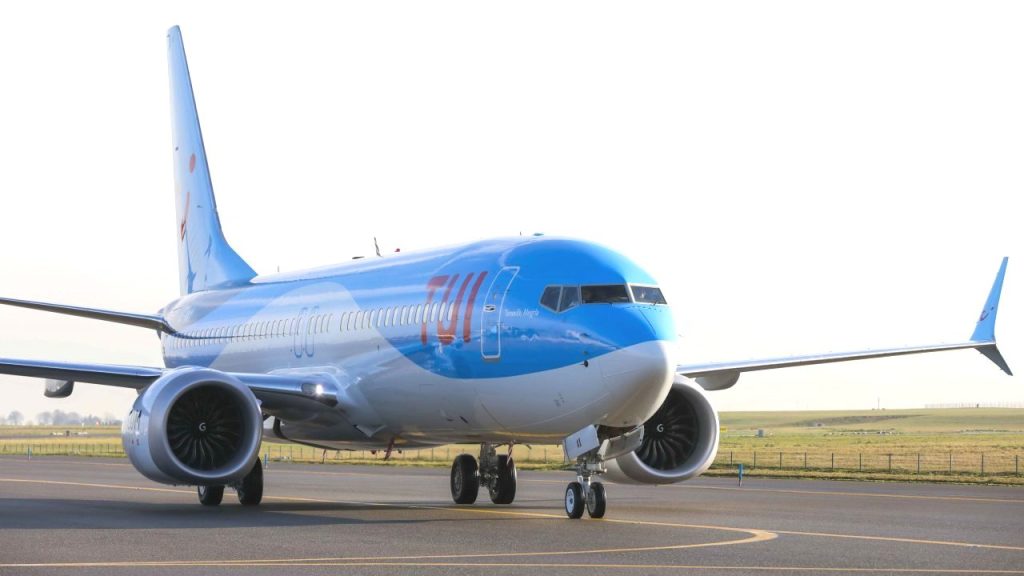


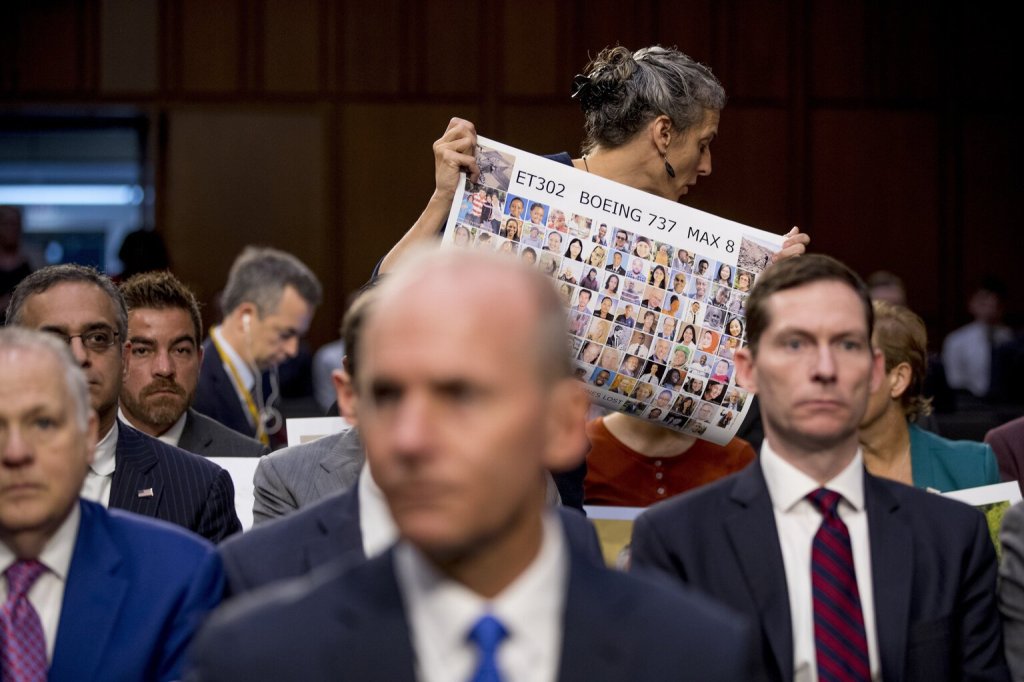

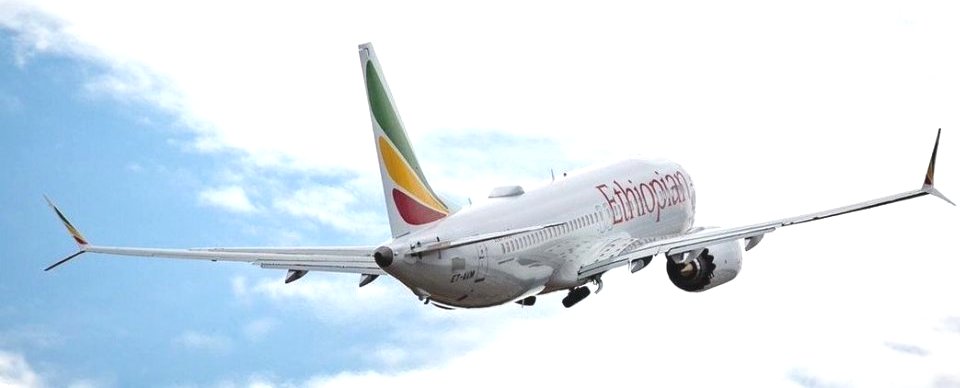
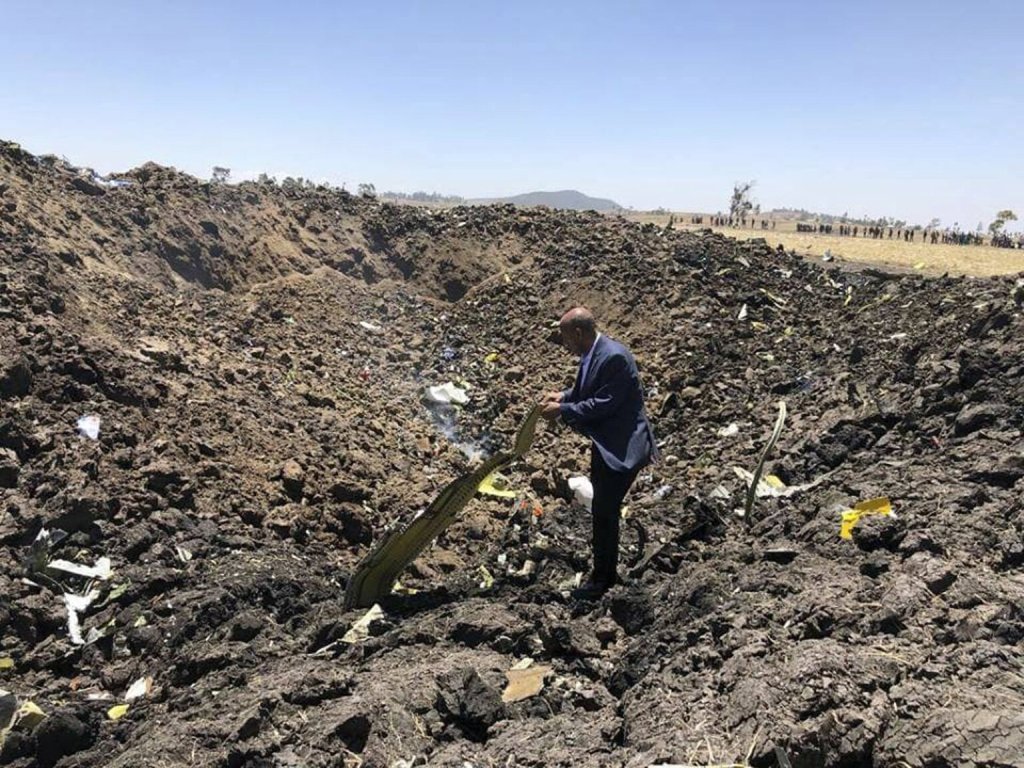



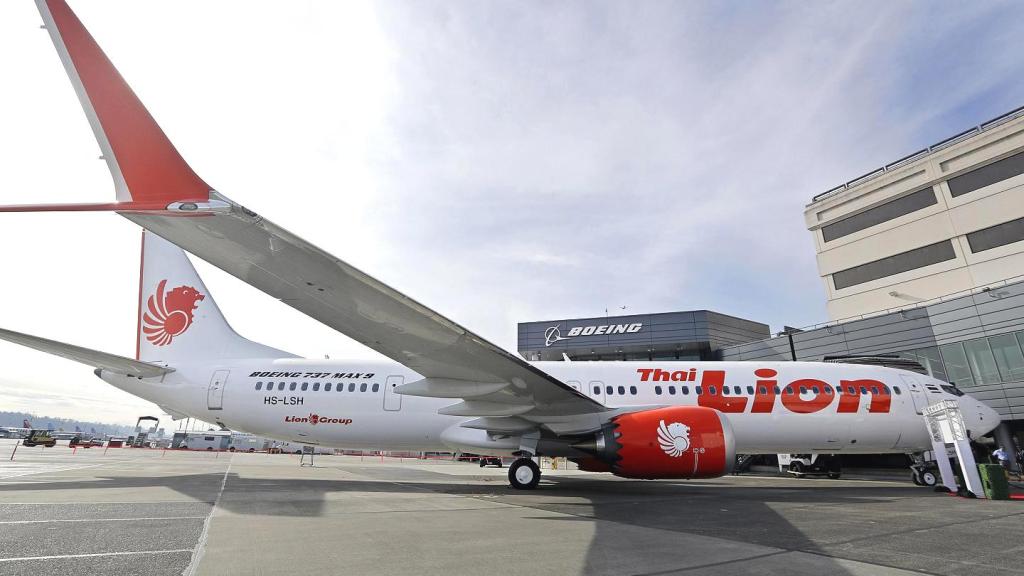

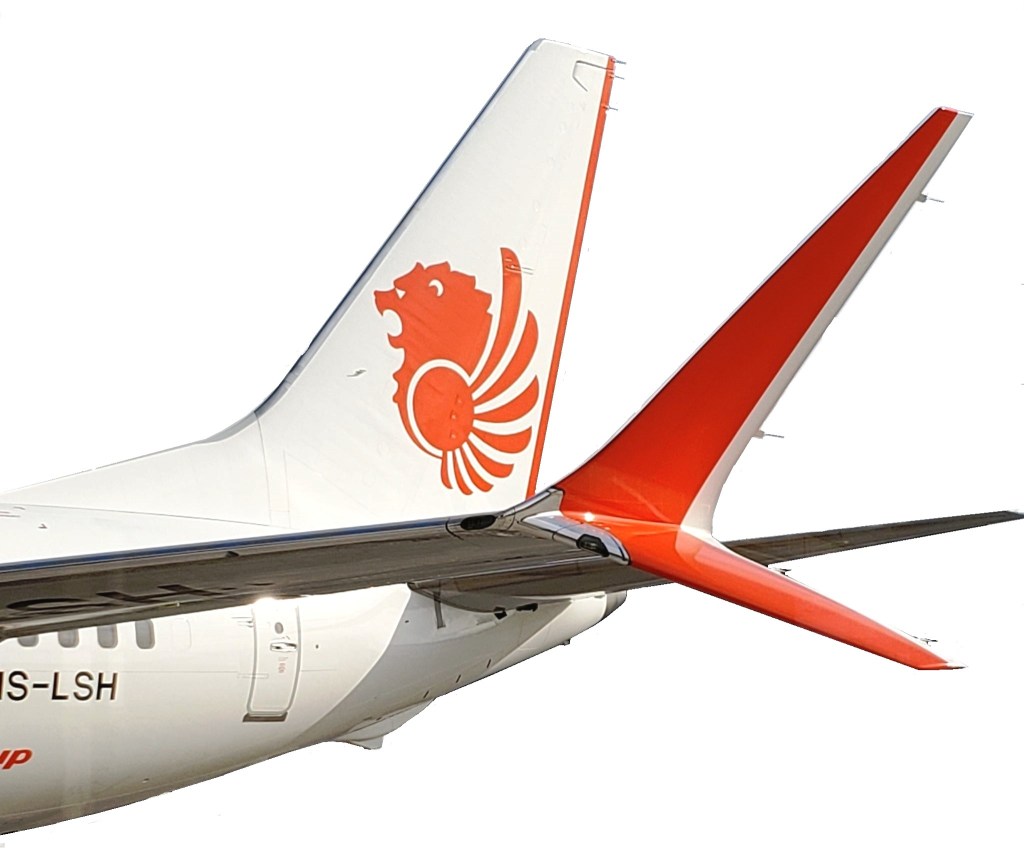


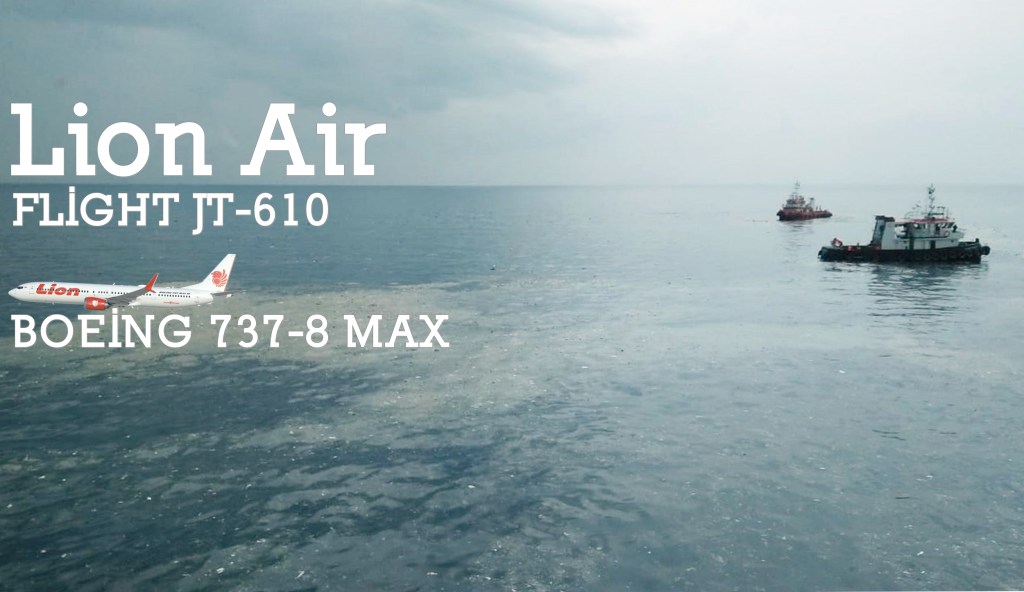

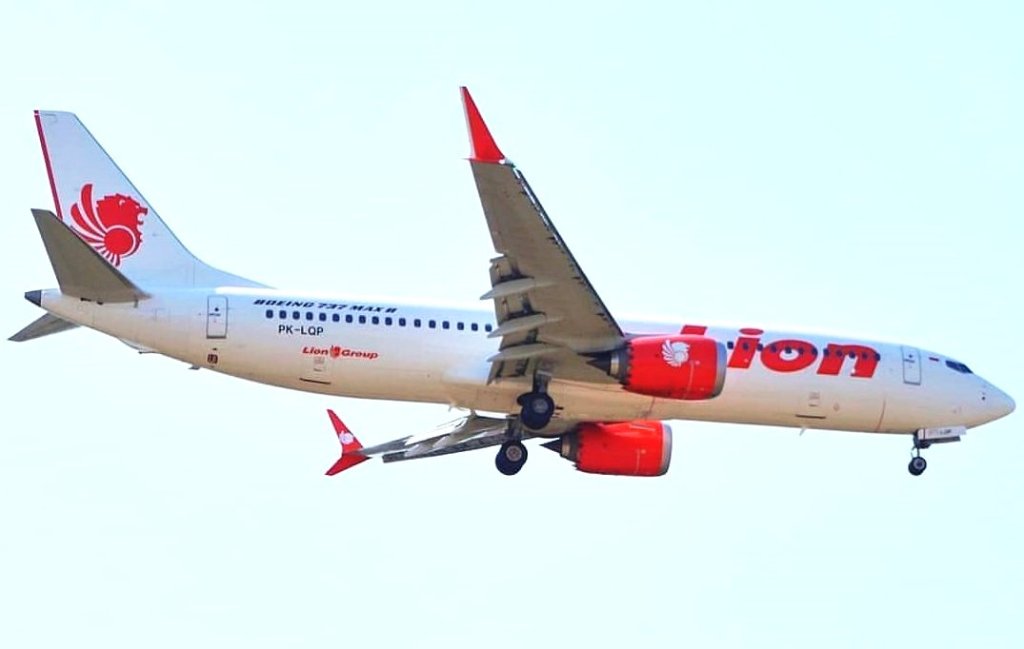



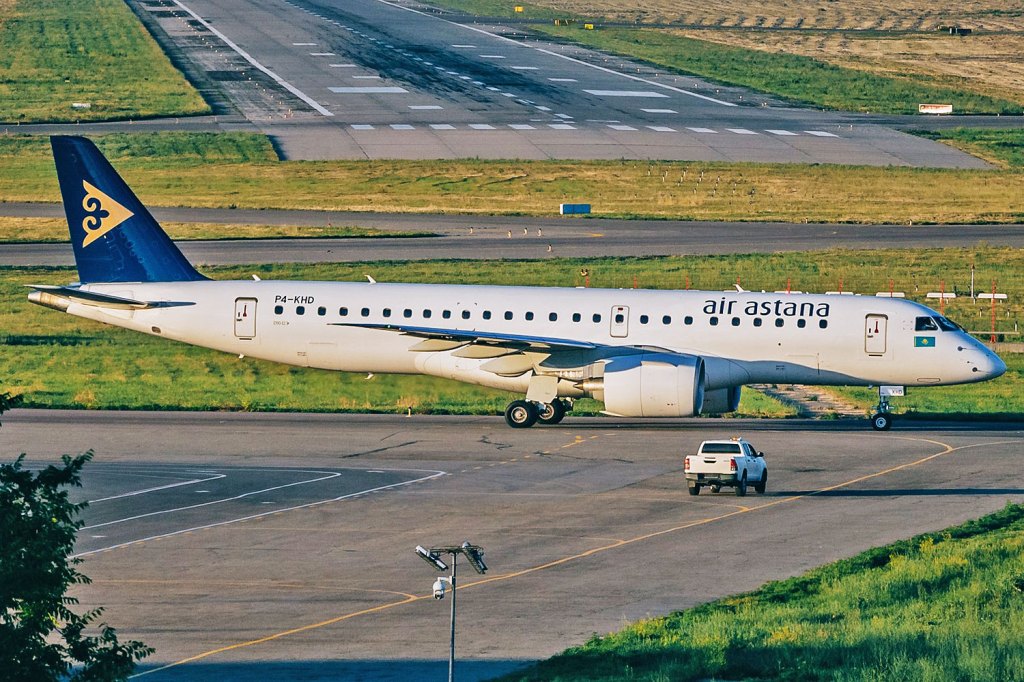

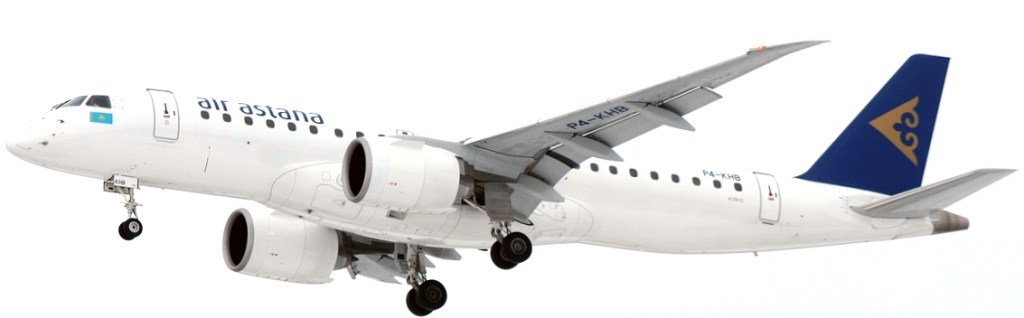

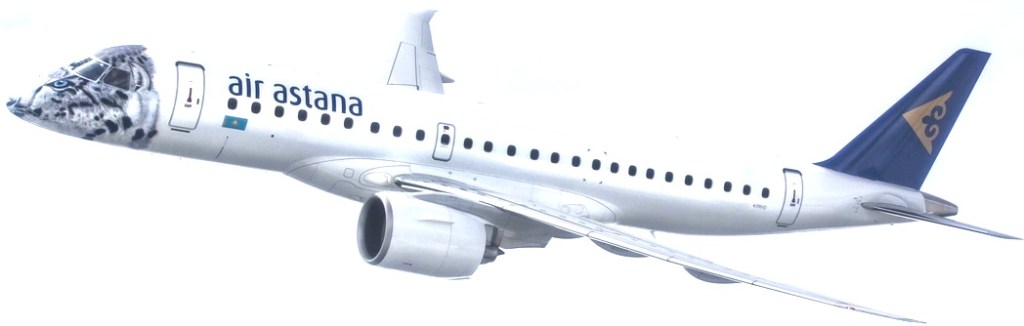

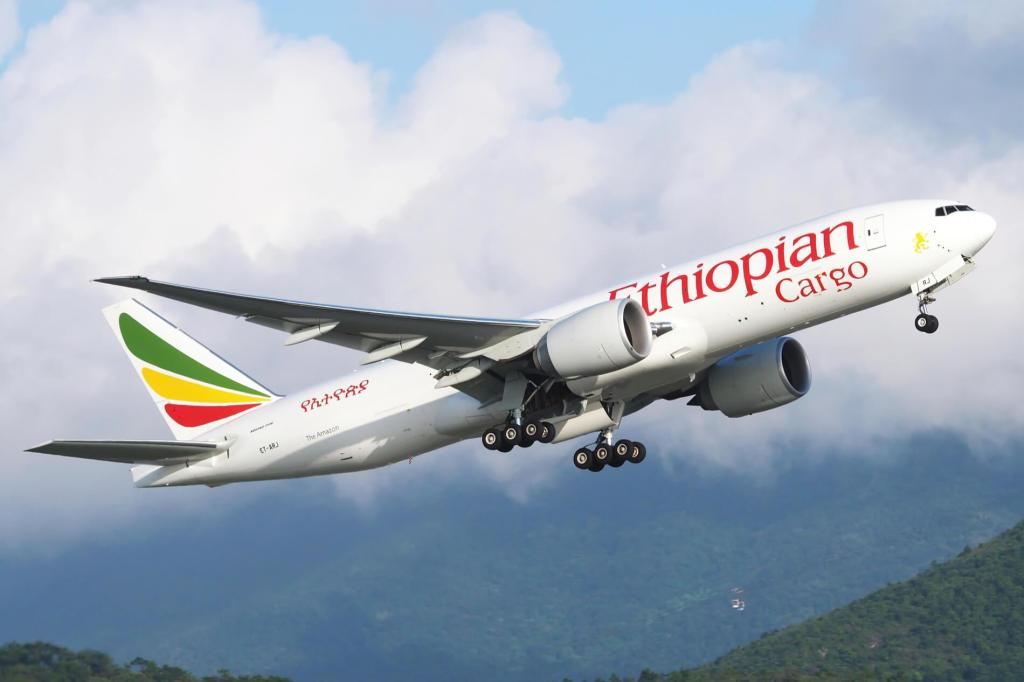


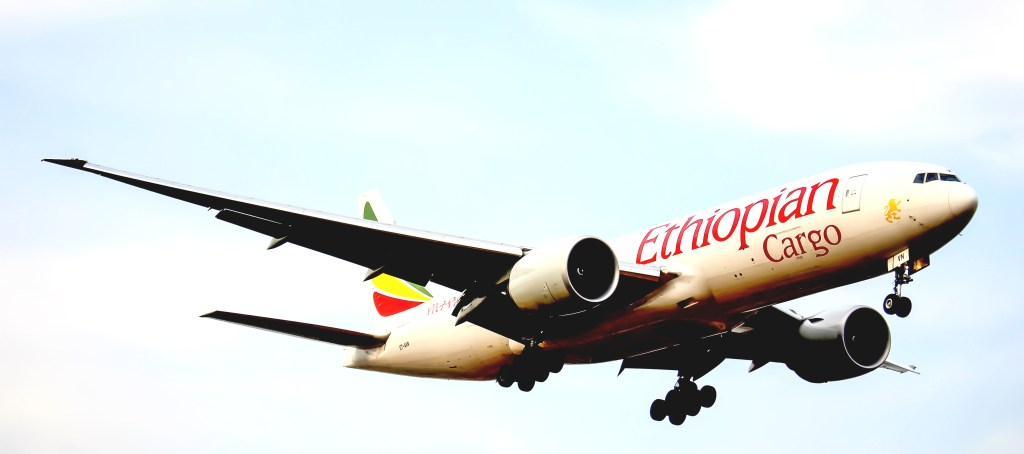

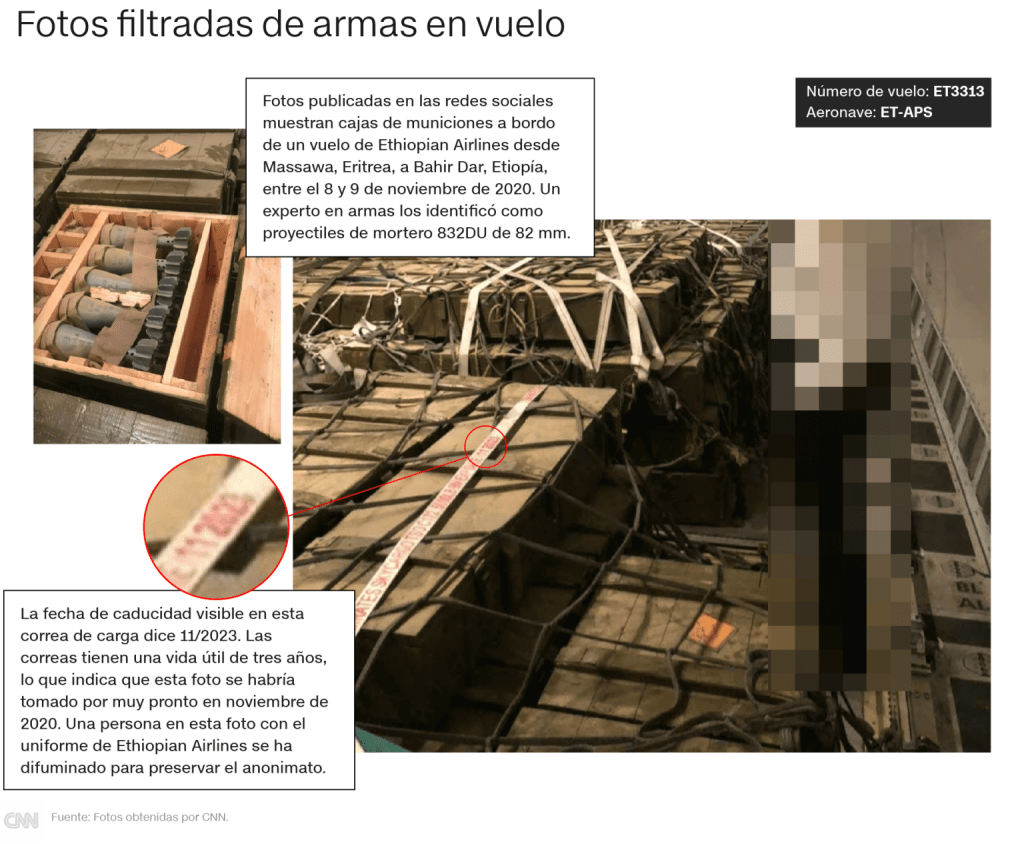
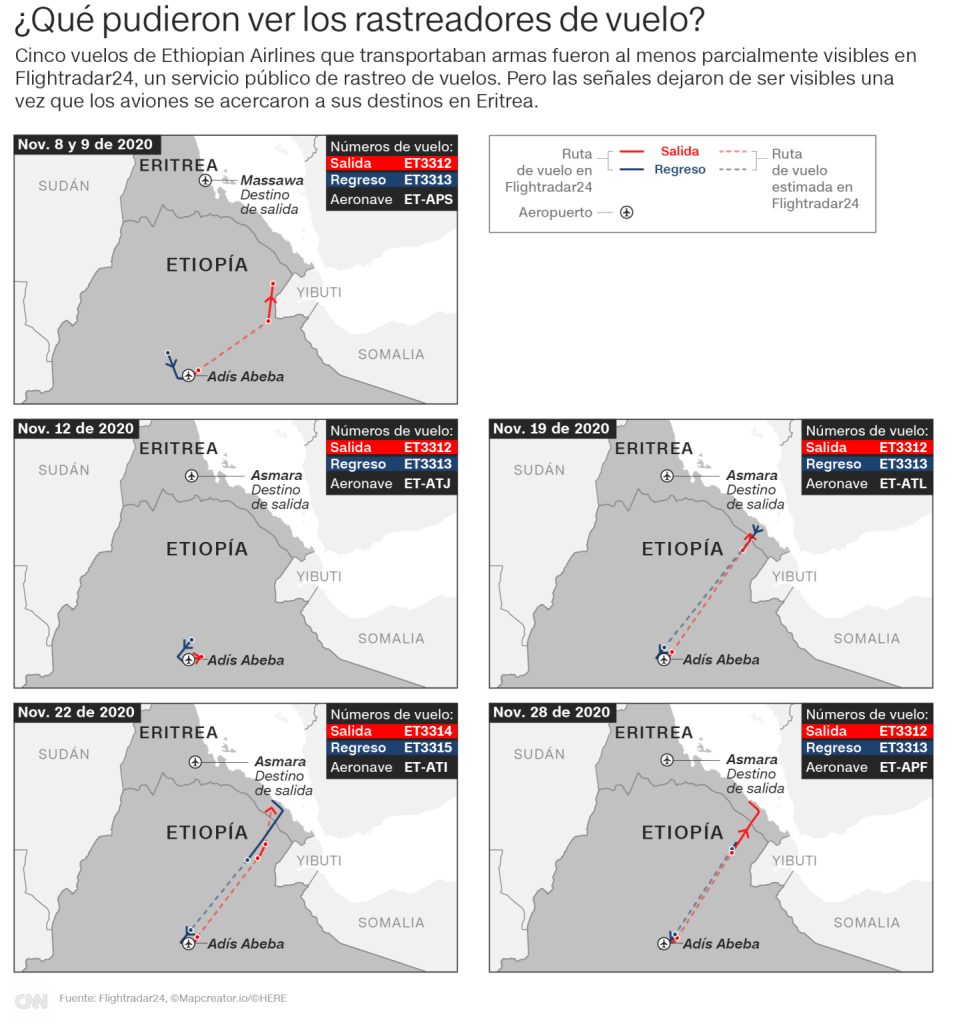
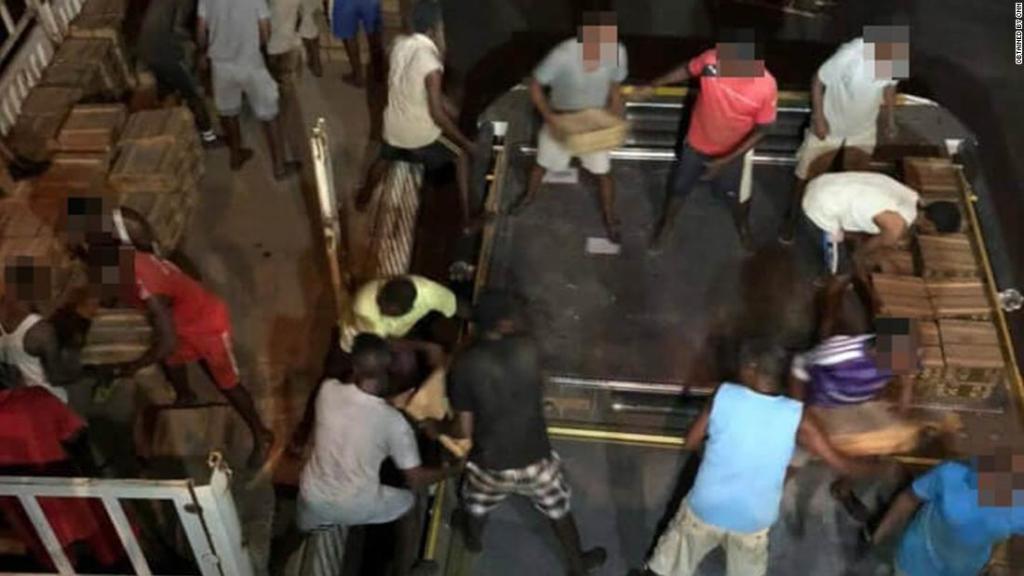
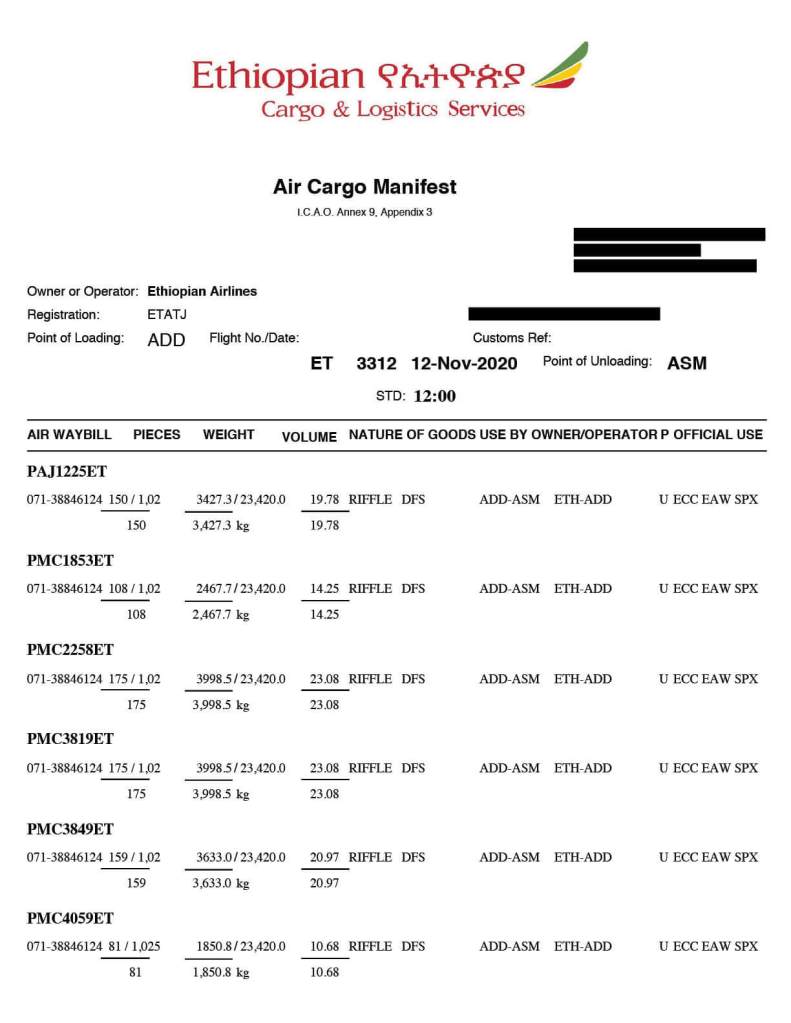

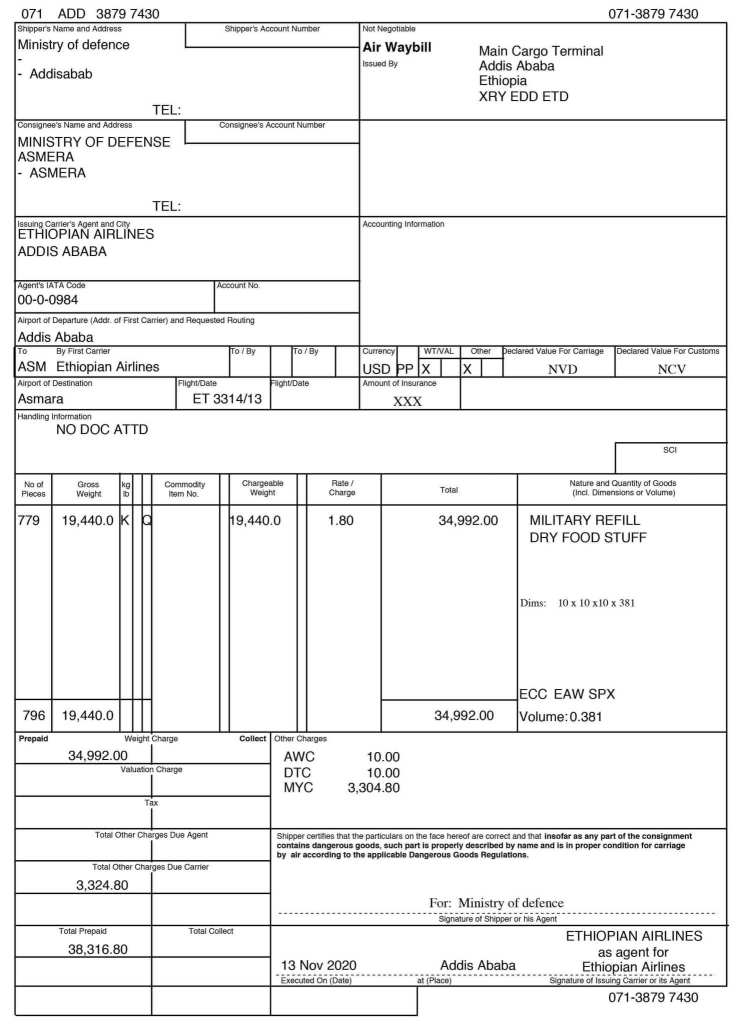

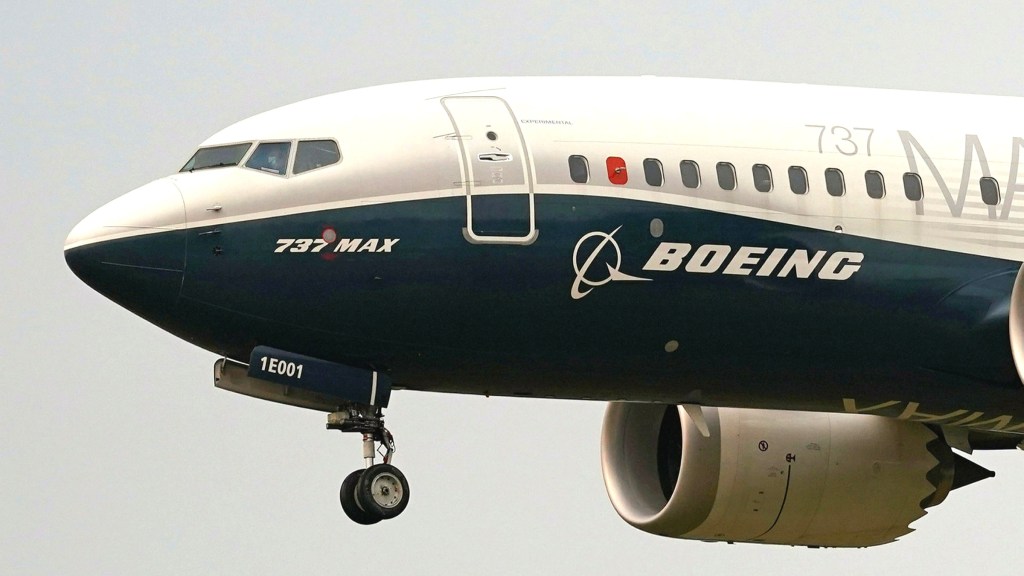















 airgways.com